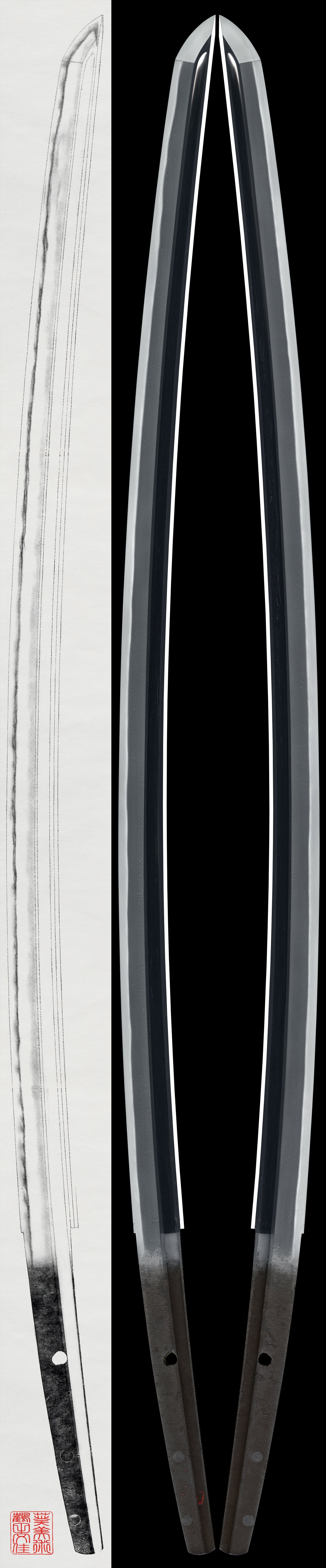
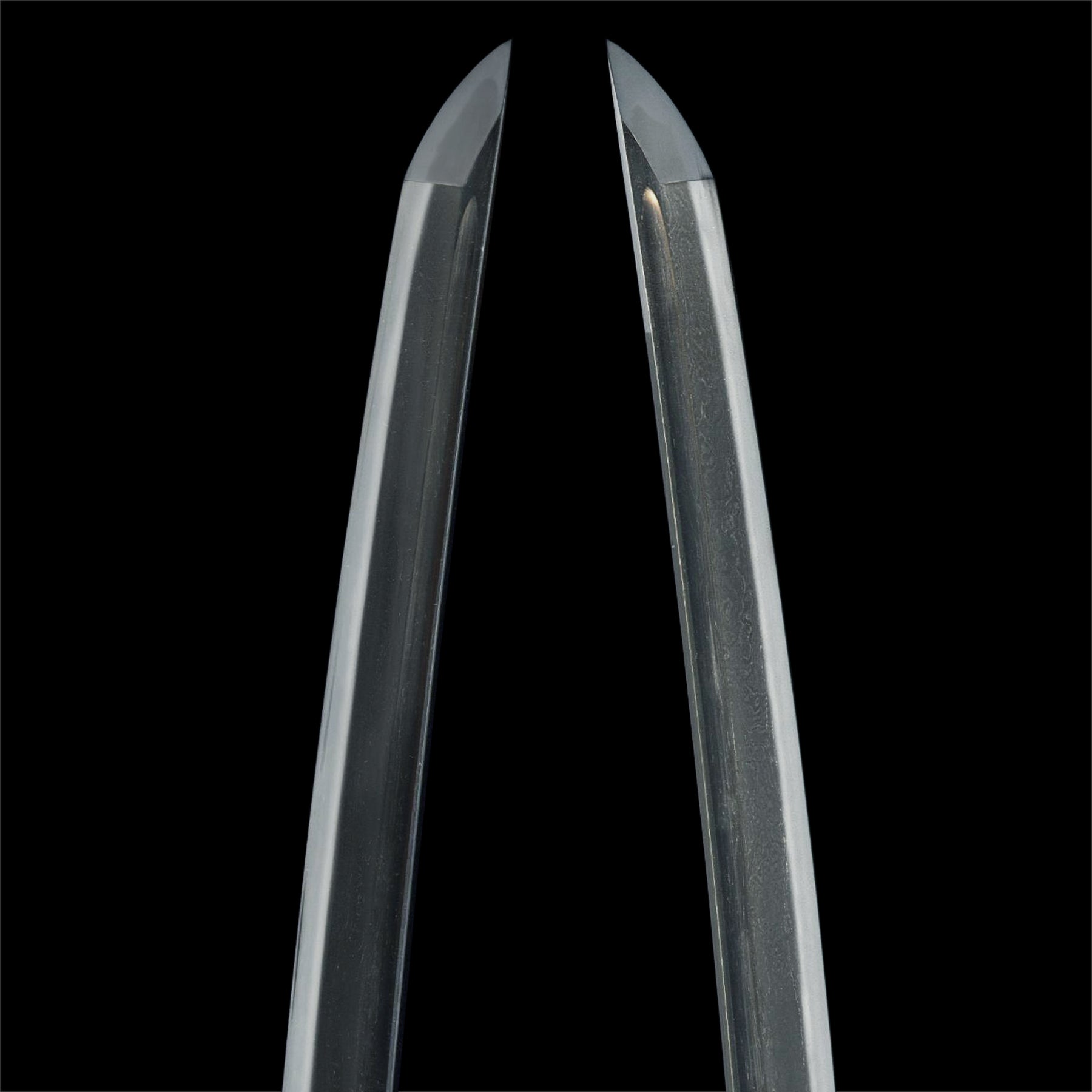
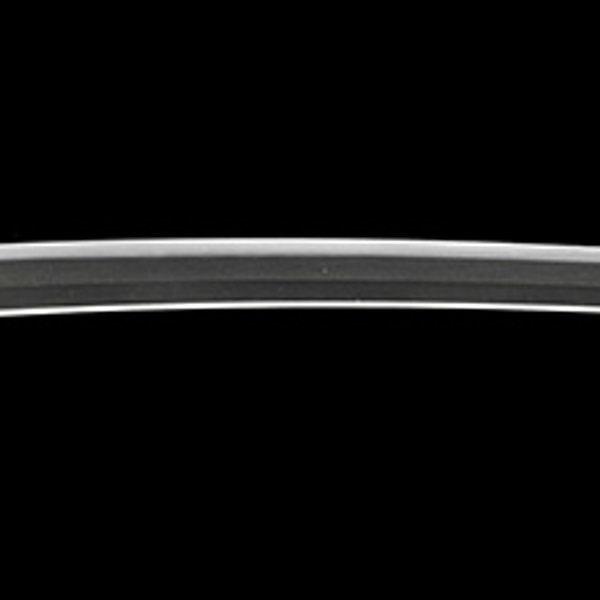
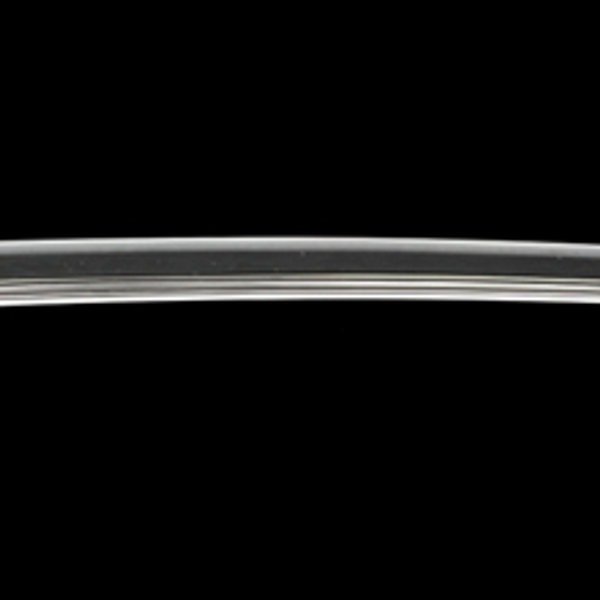
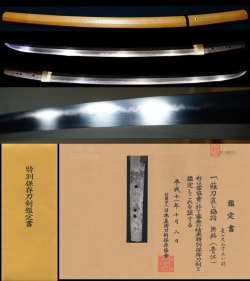
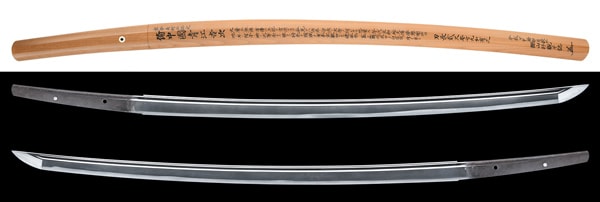
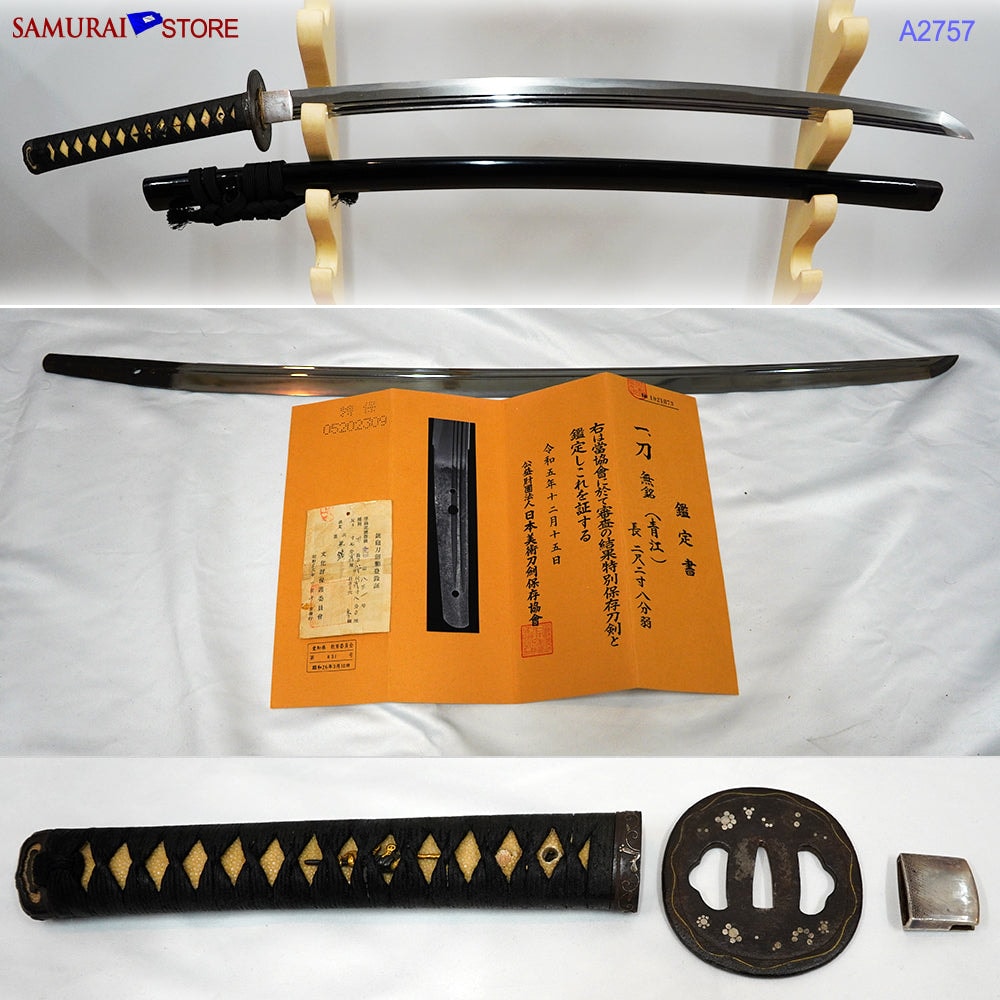
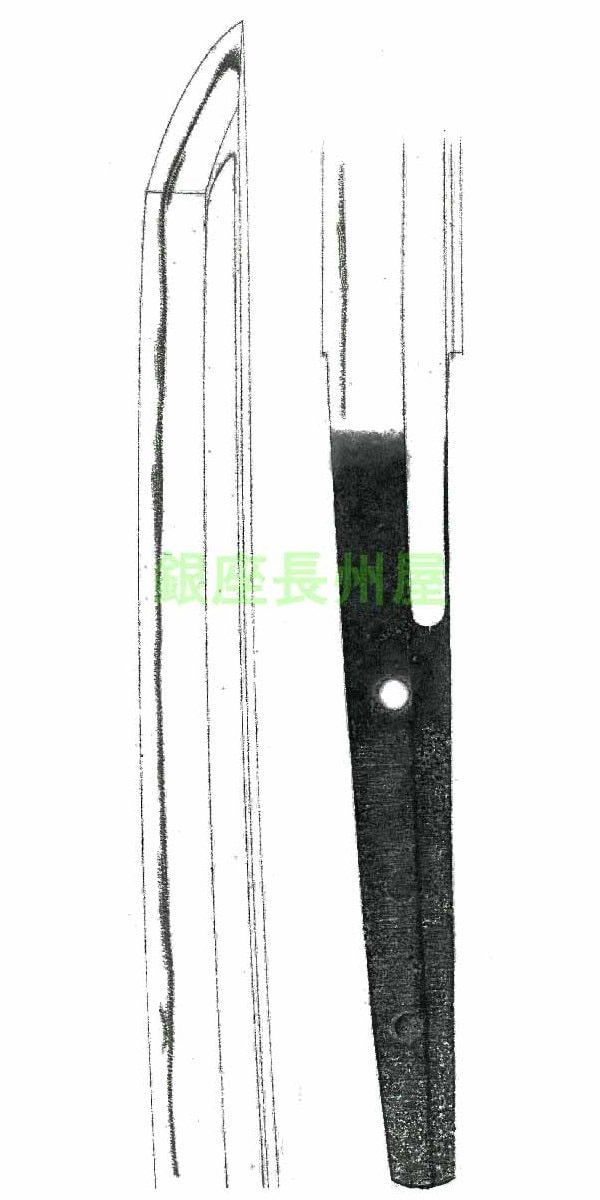
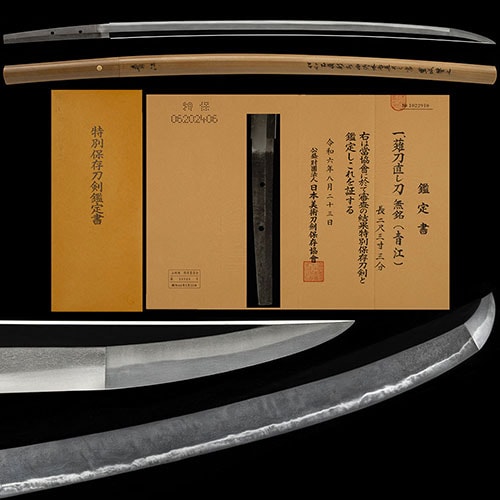
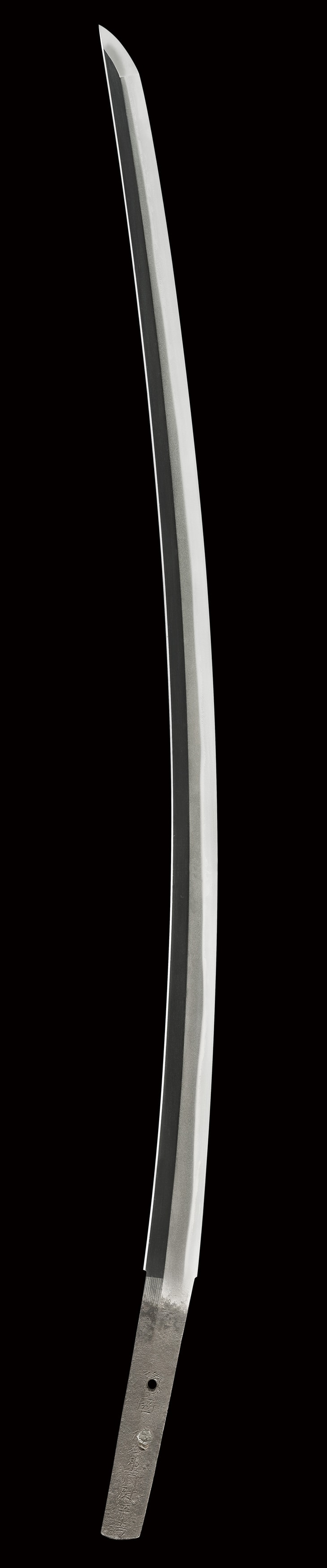
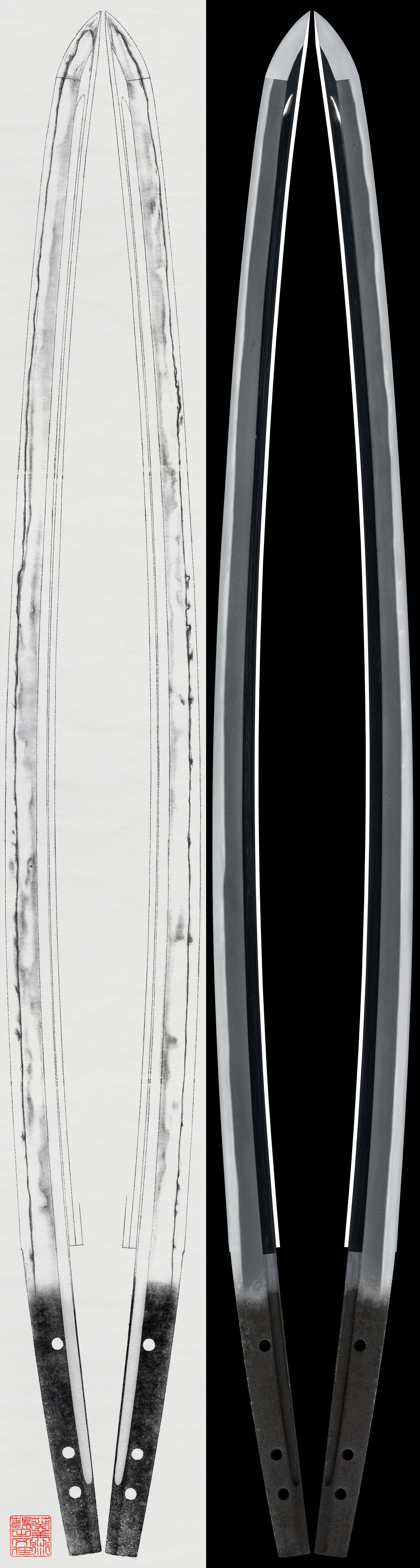
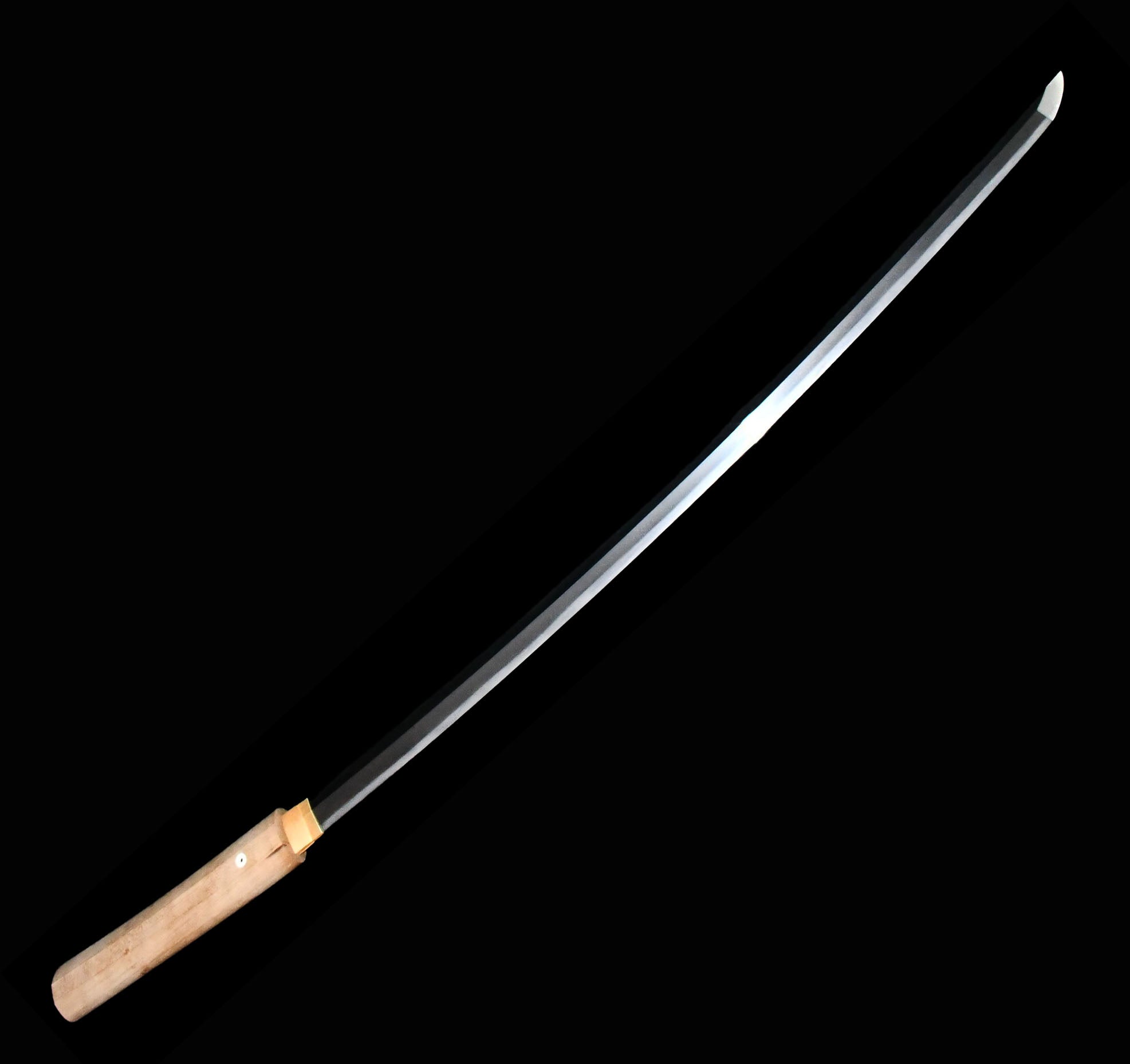
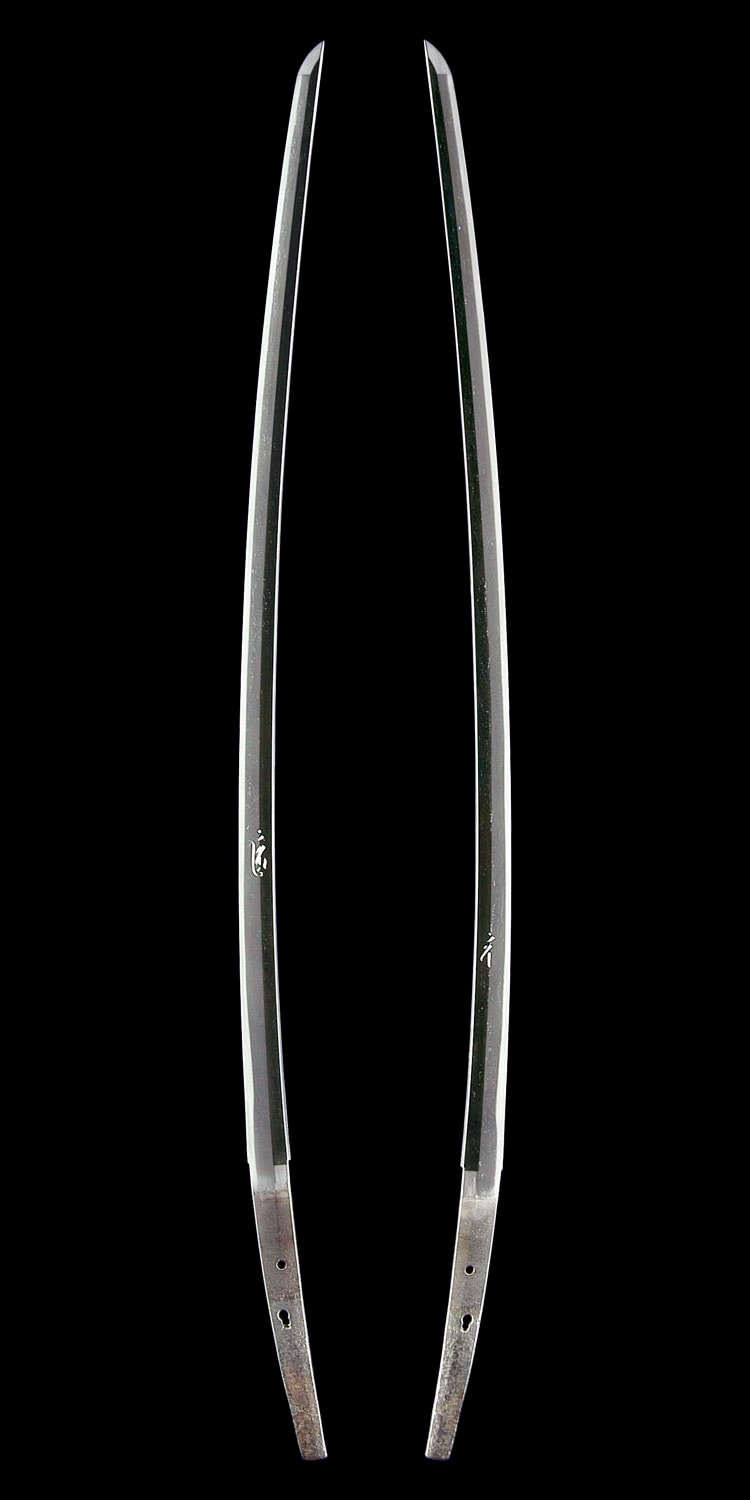
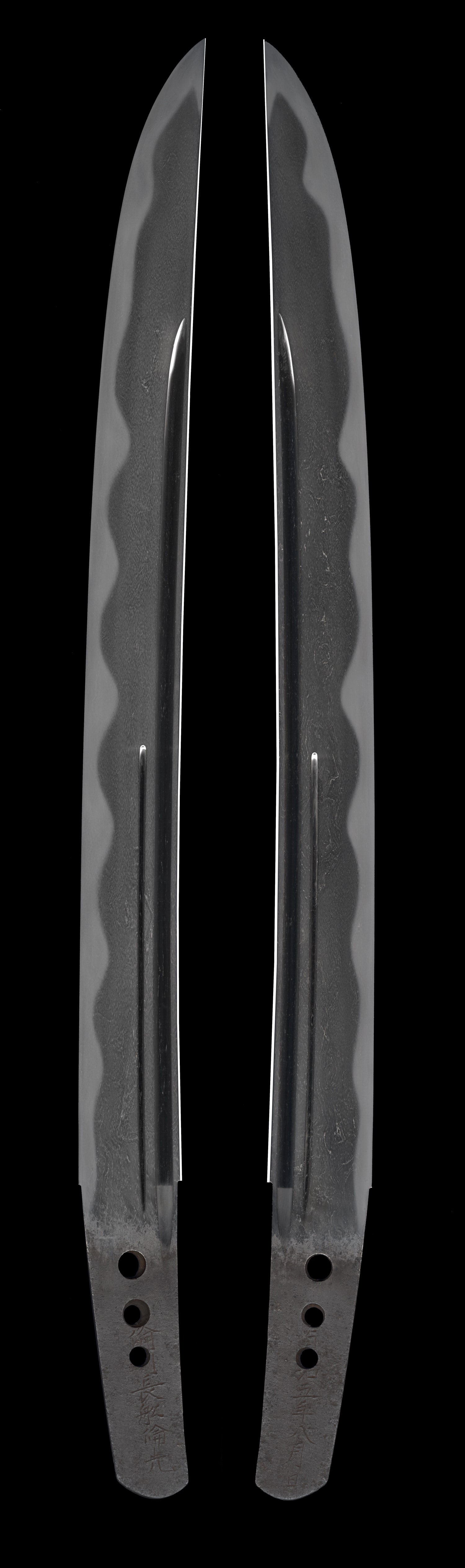
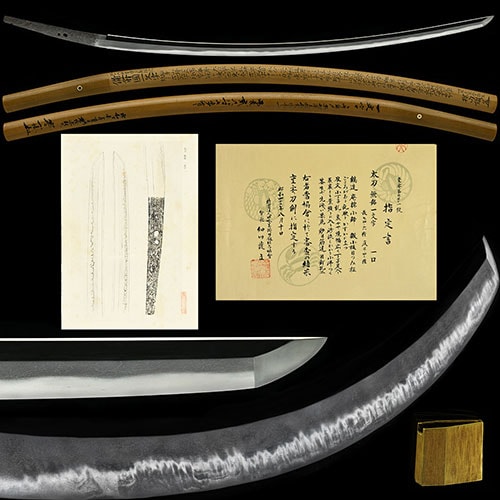
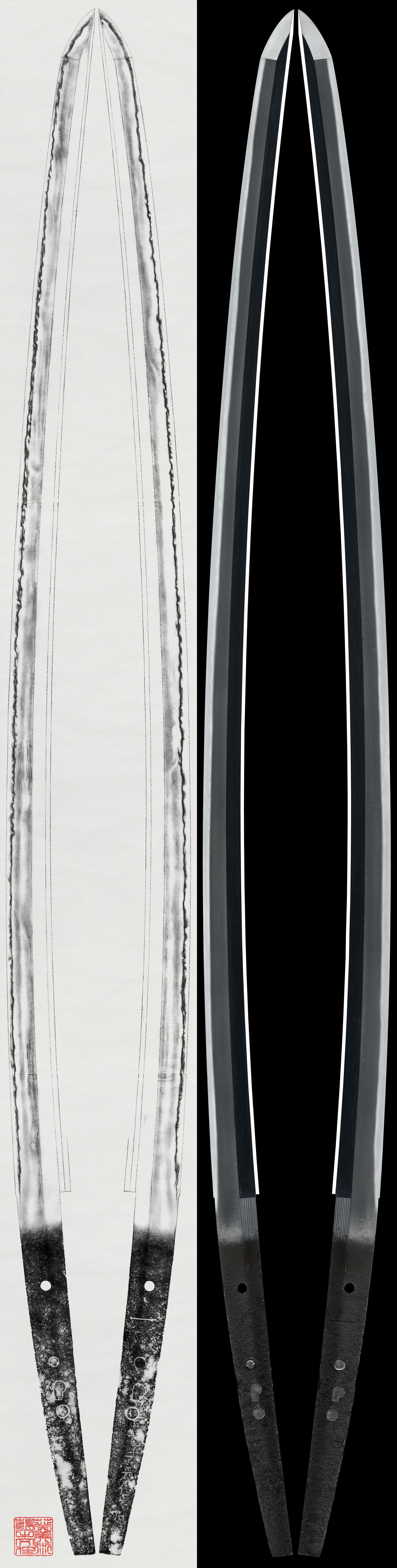
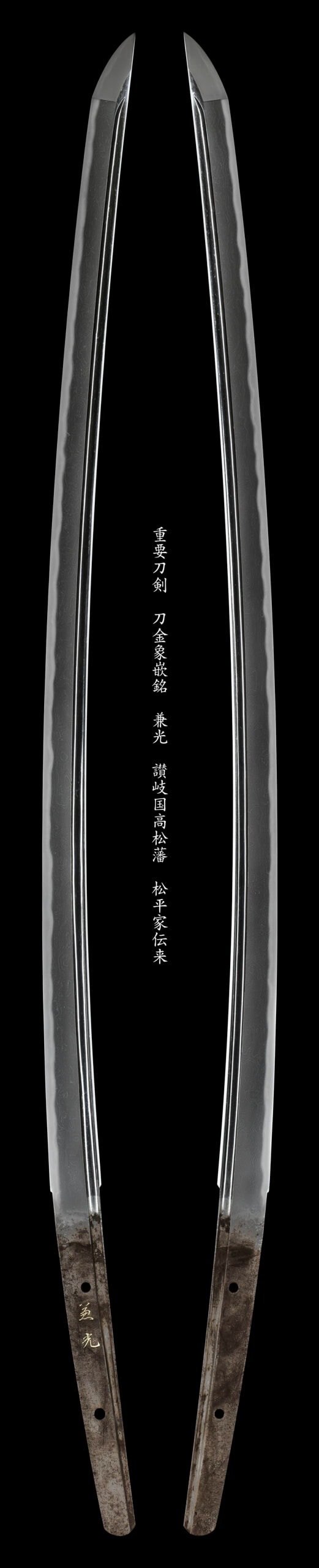
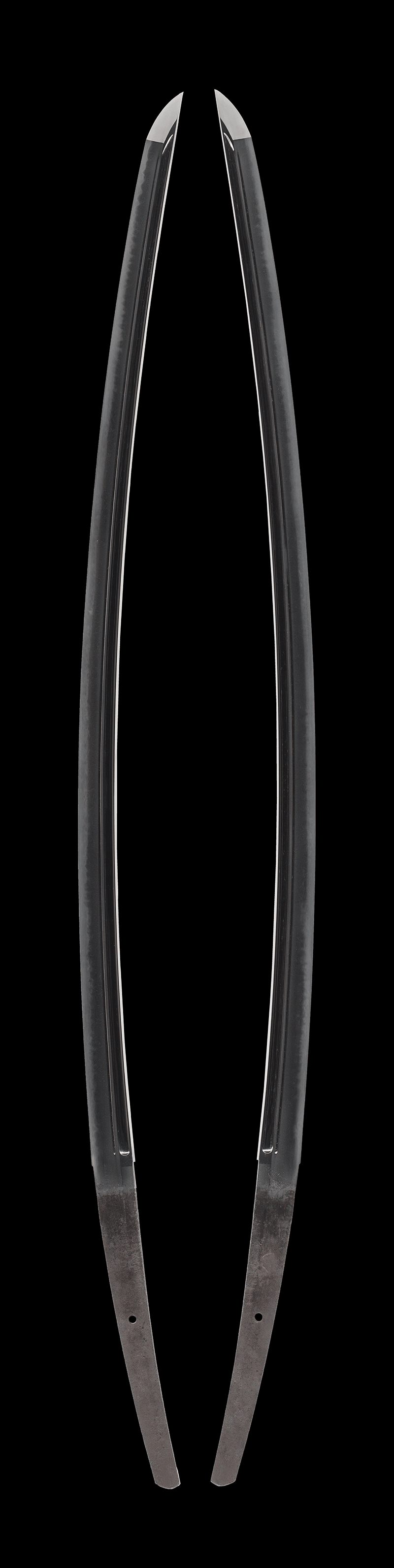
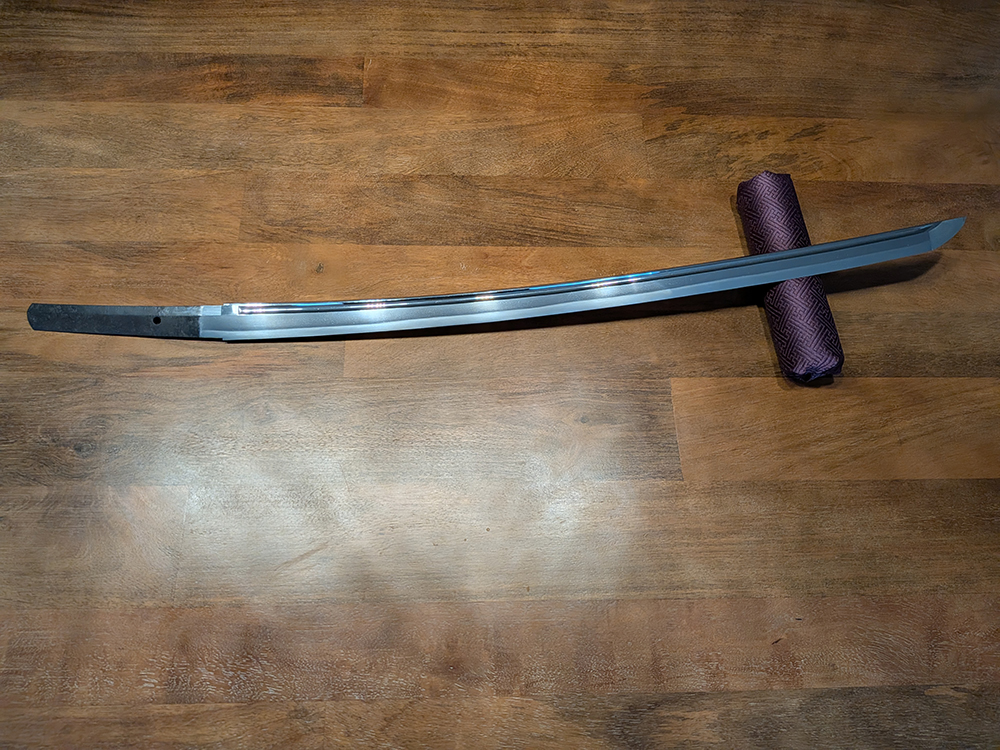
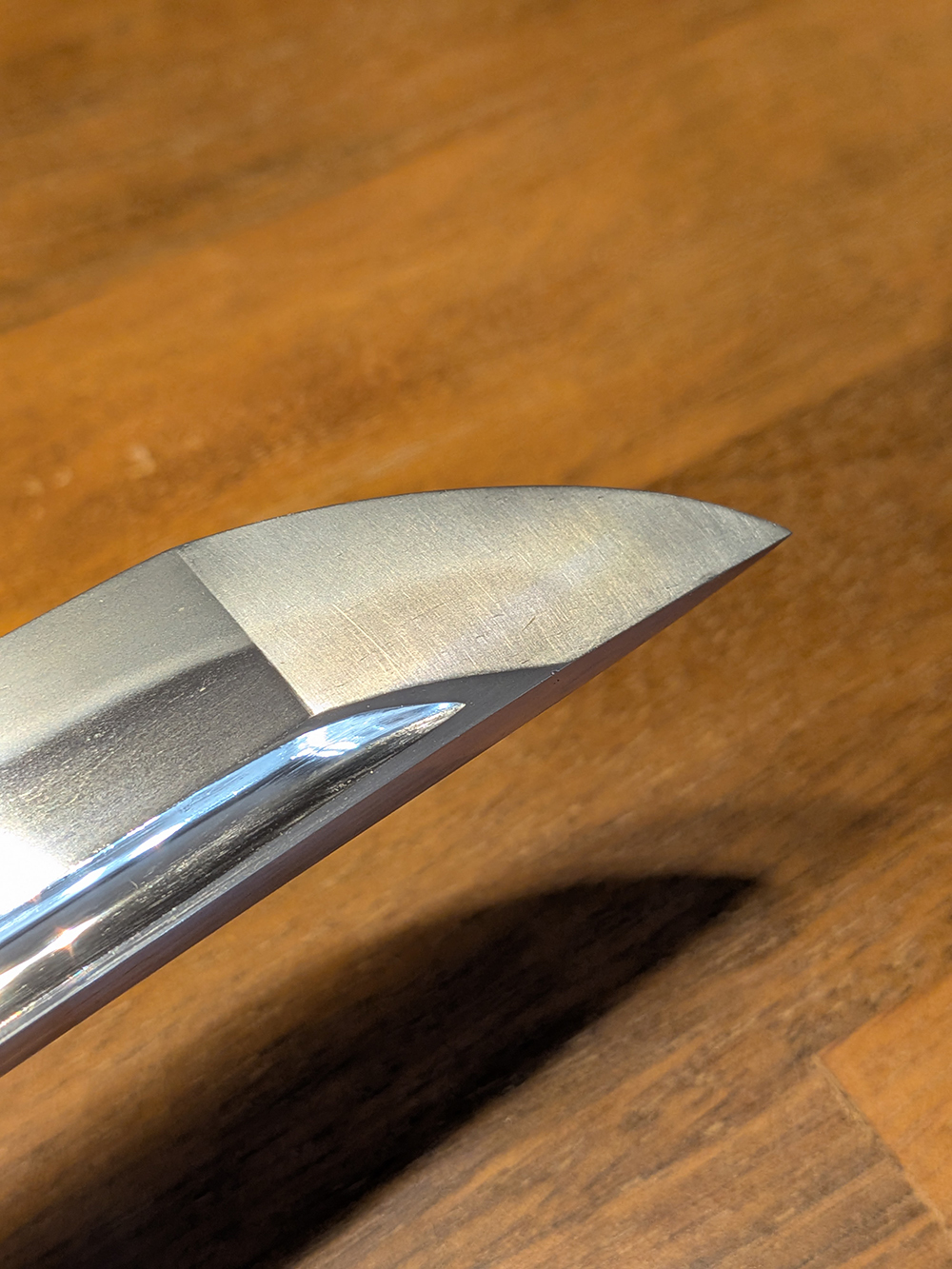
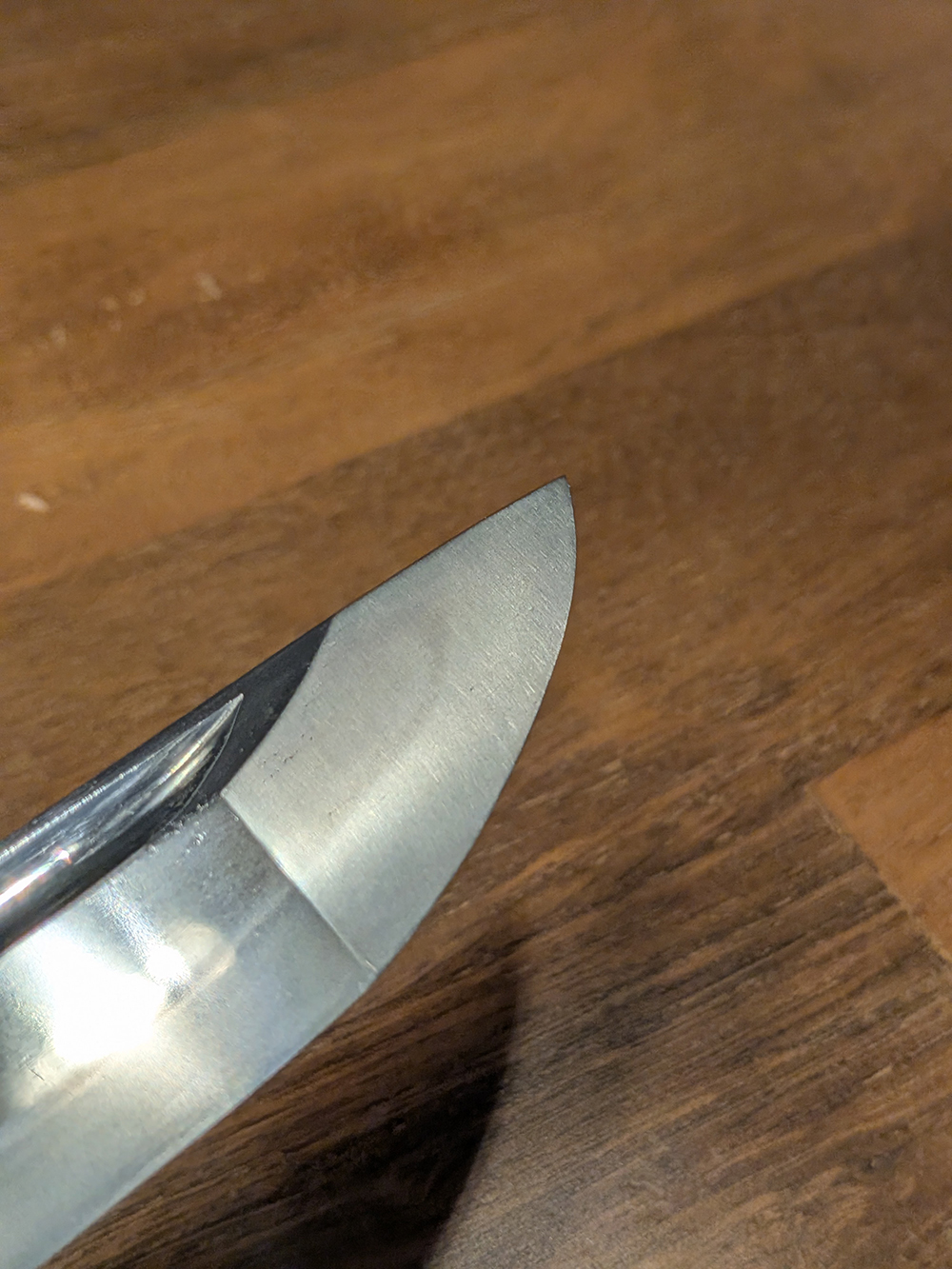
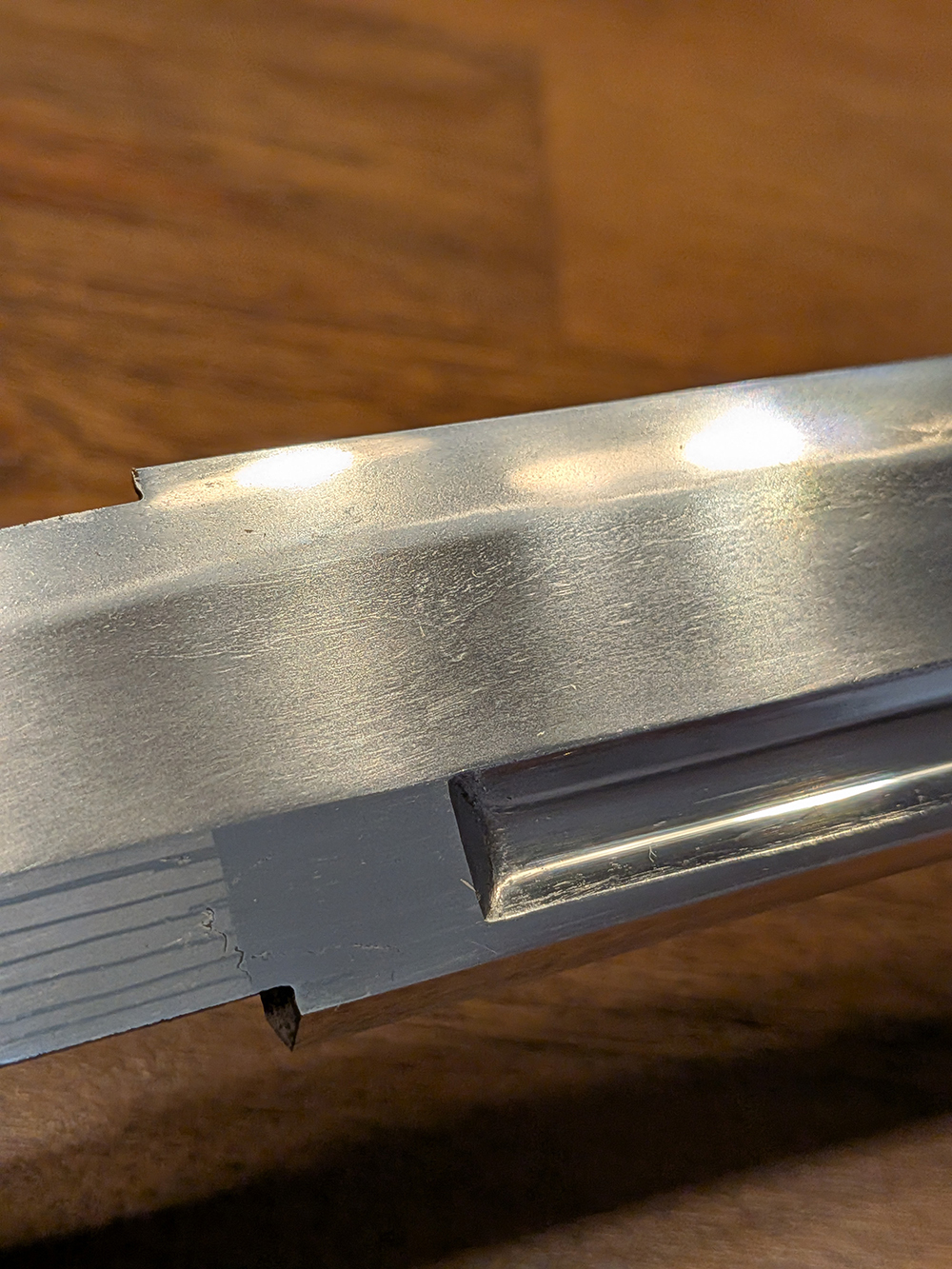
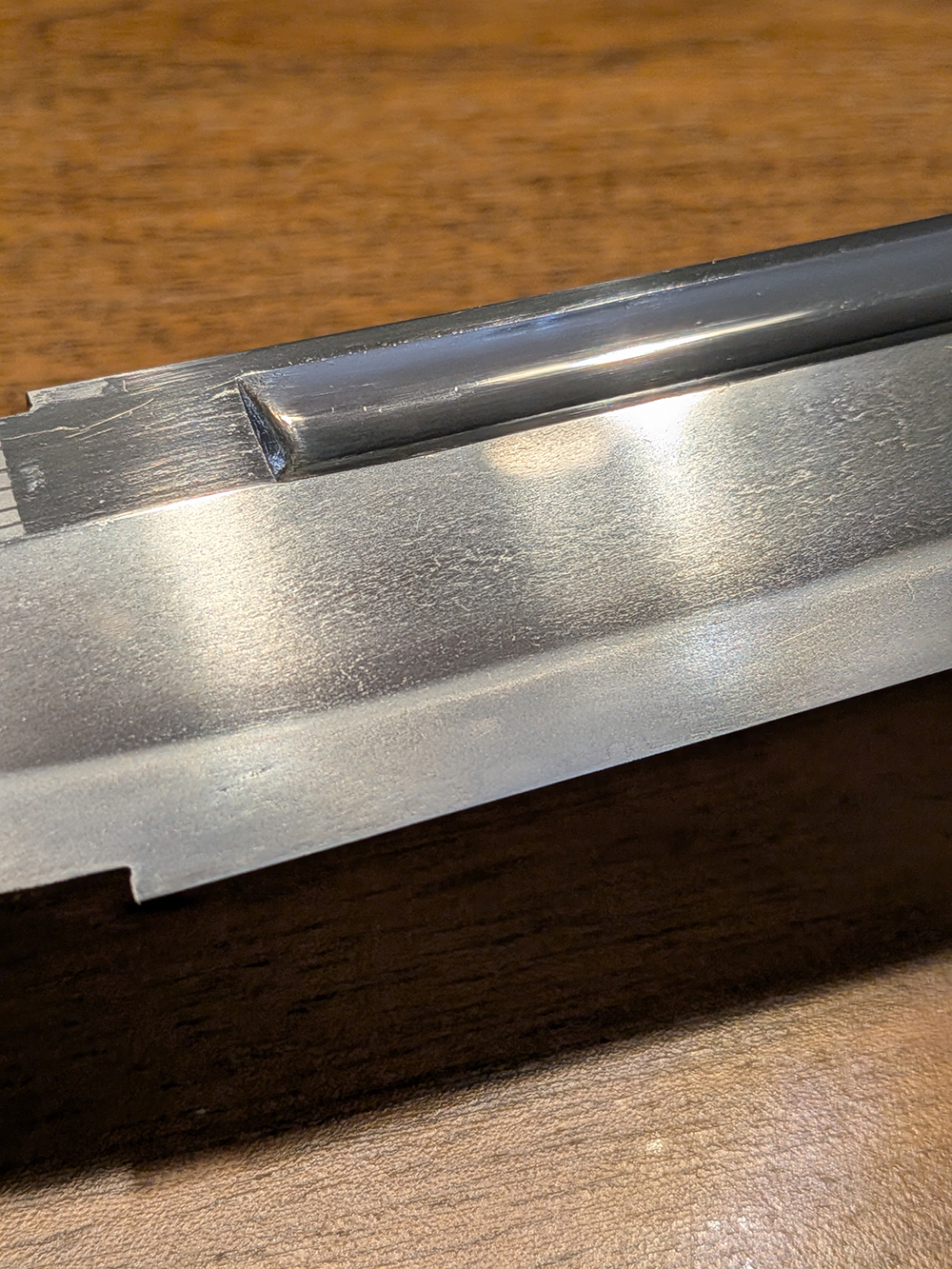
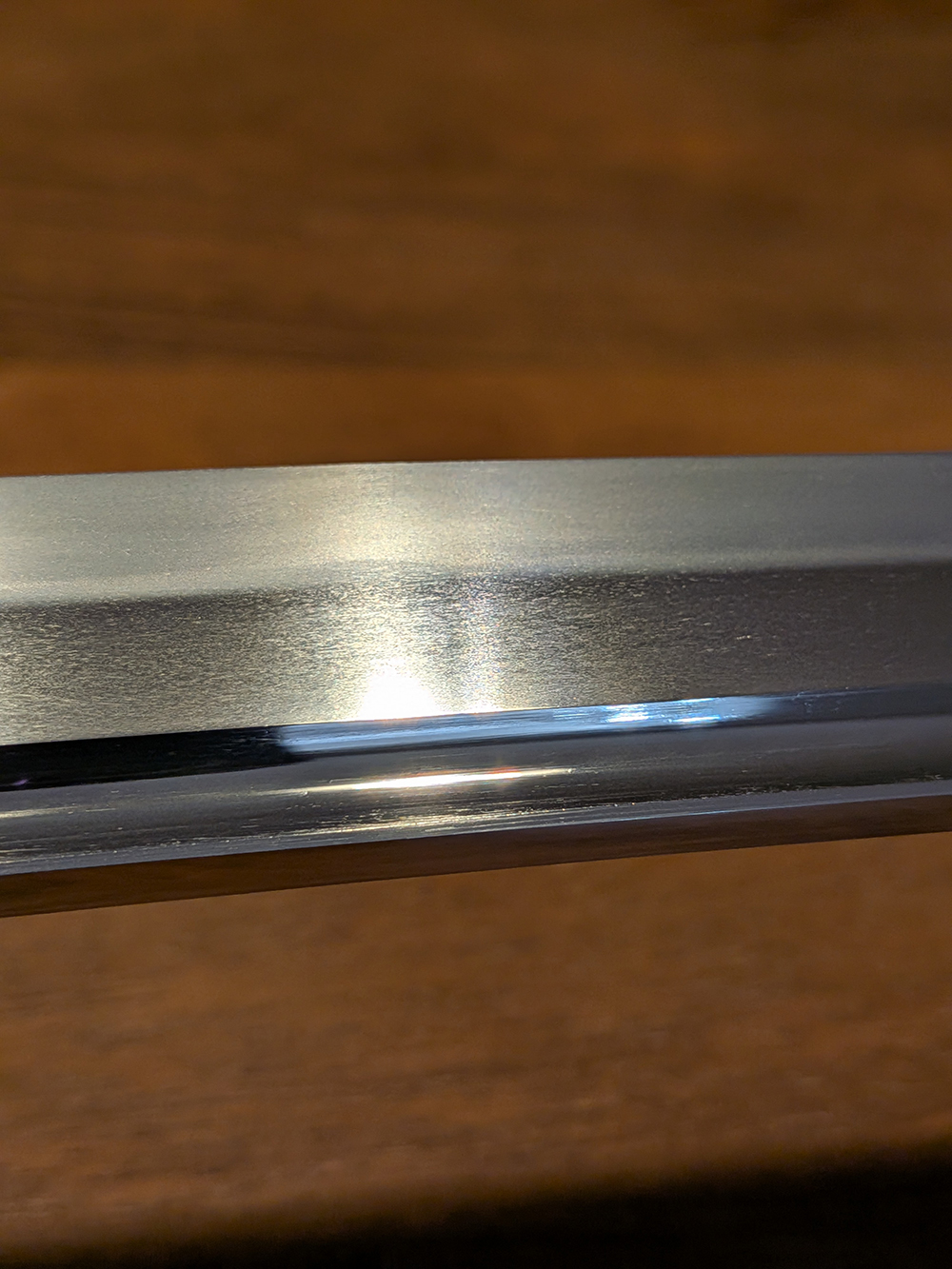
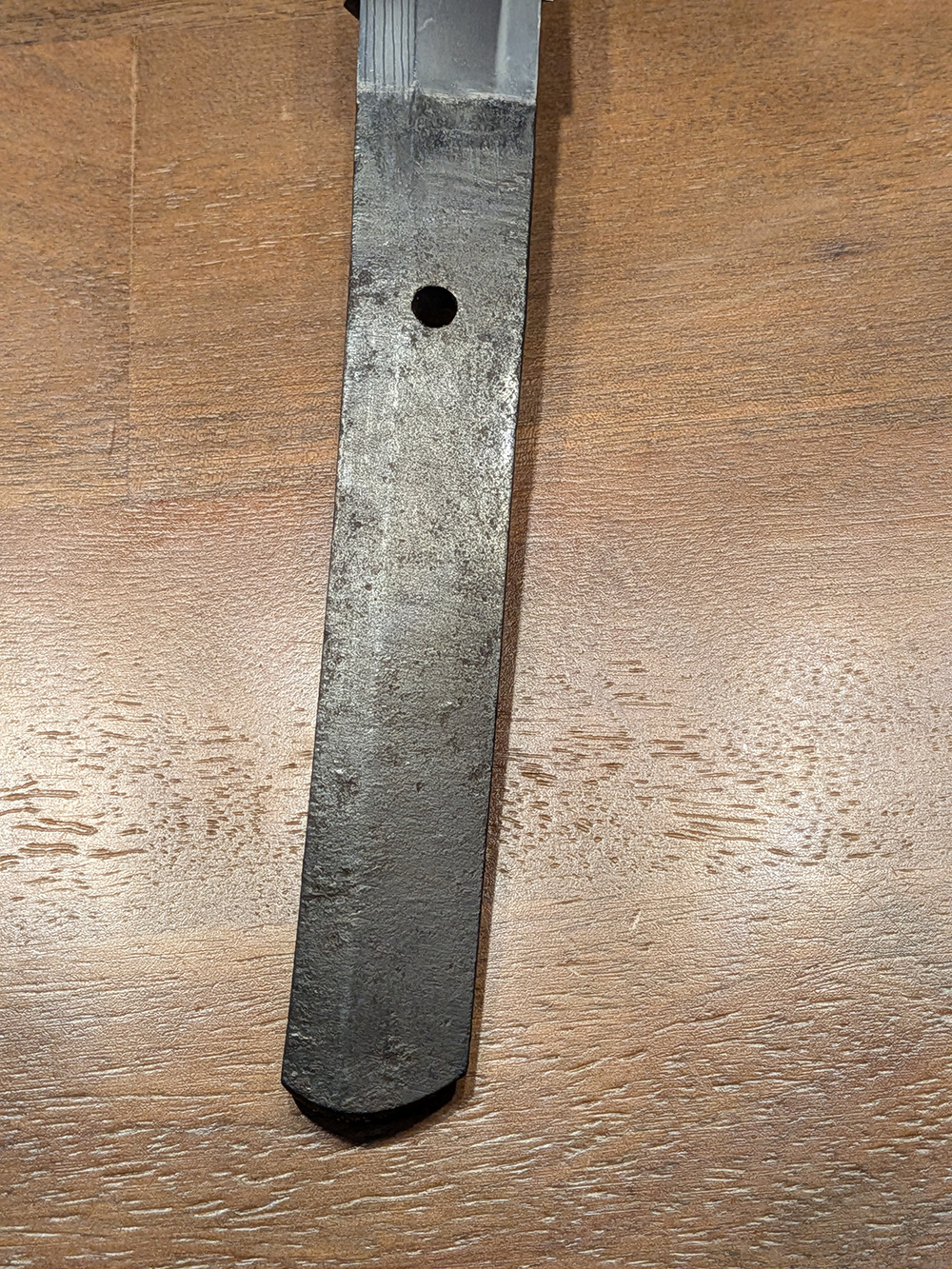
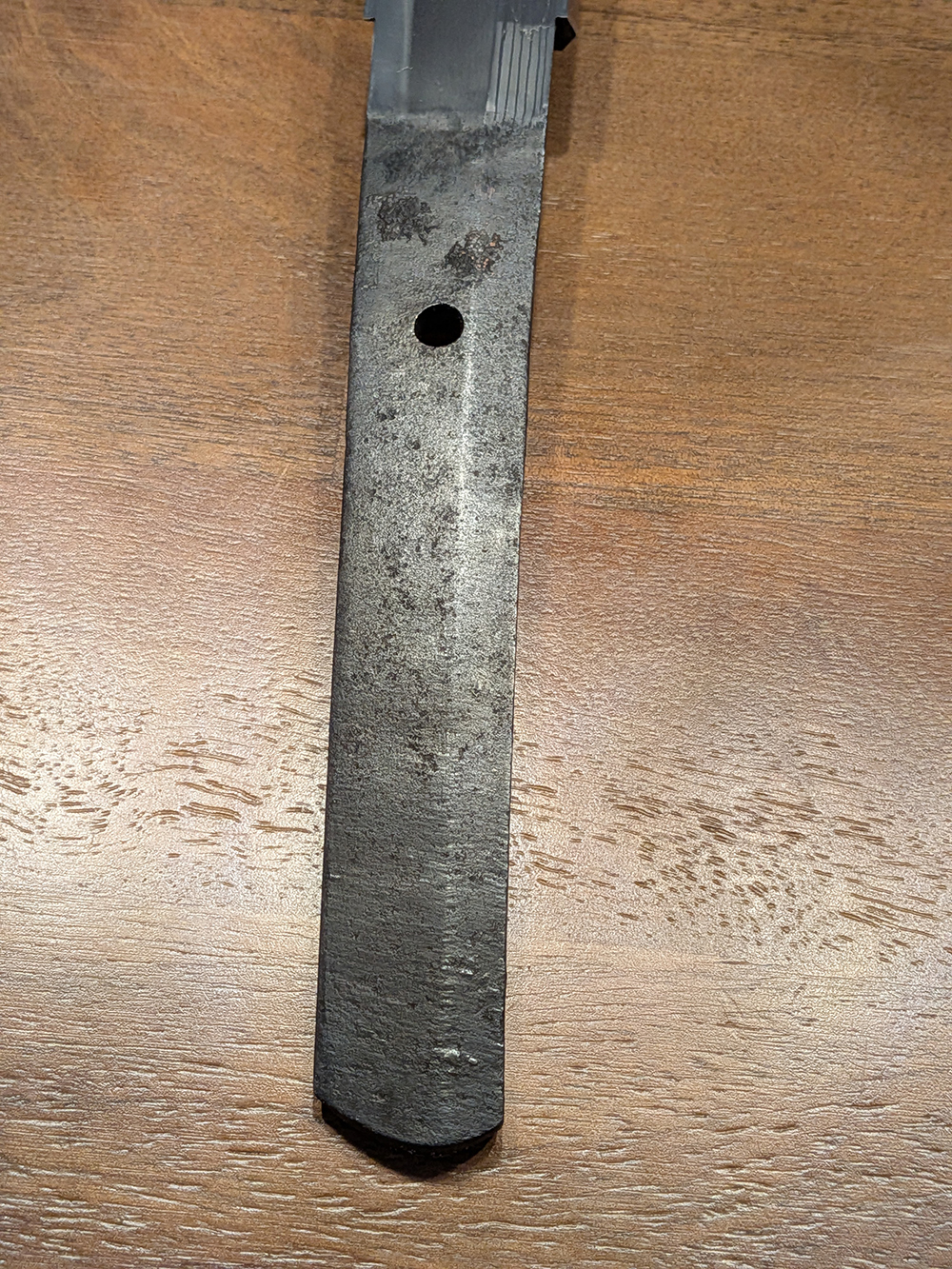
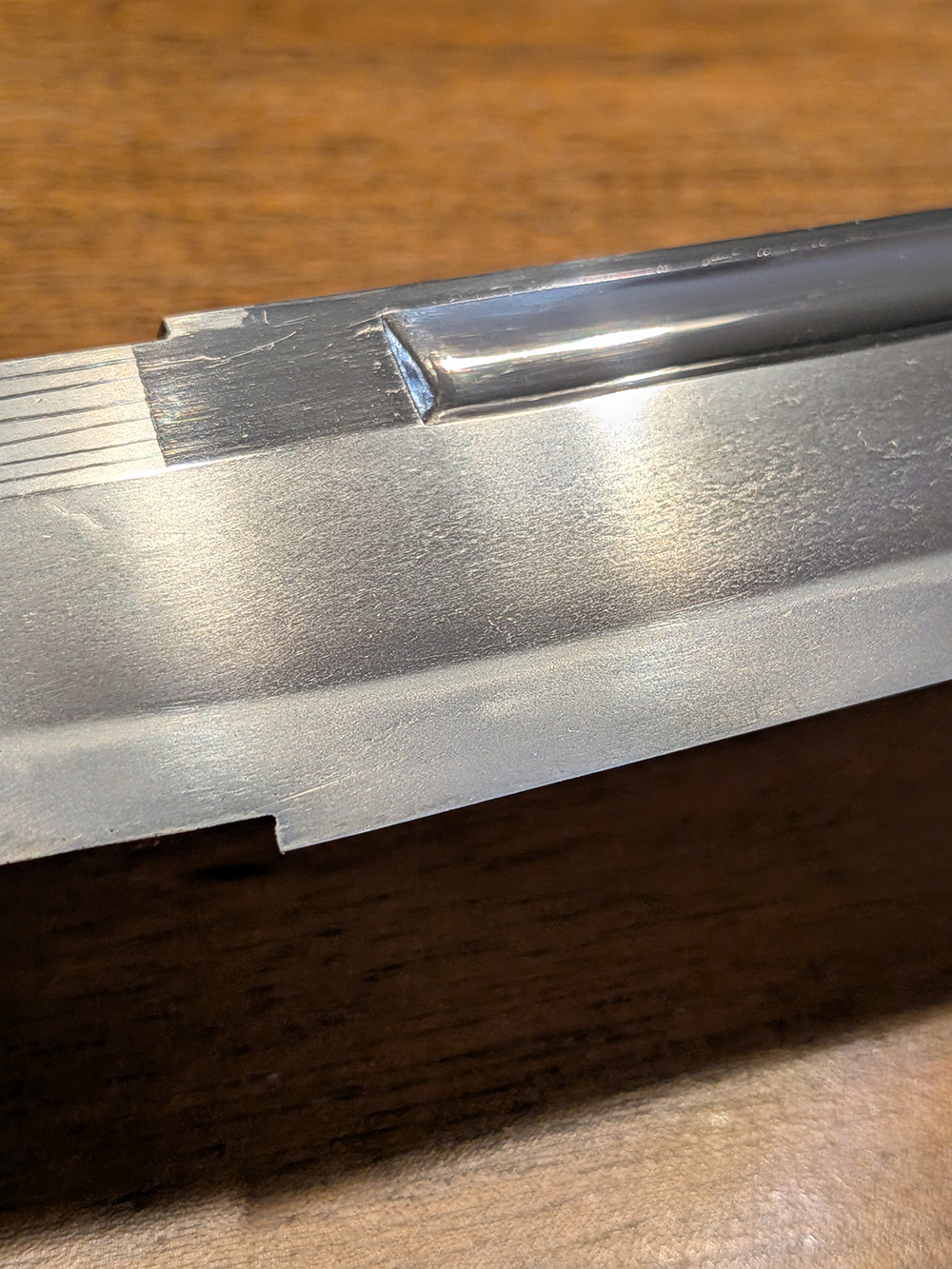
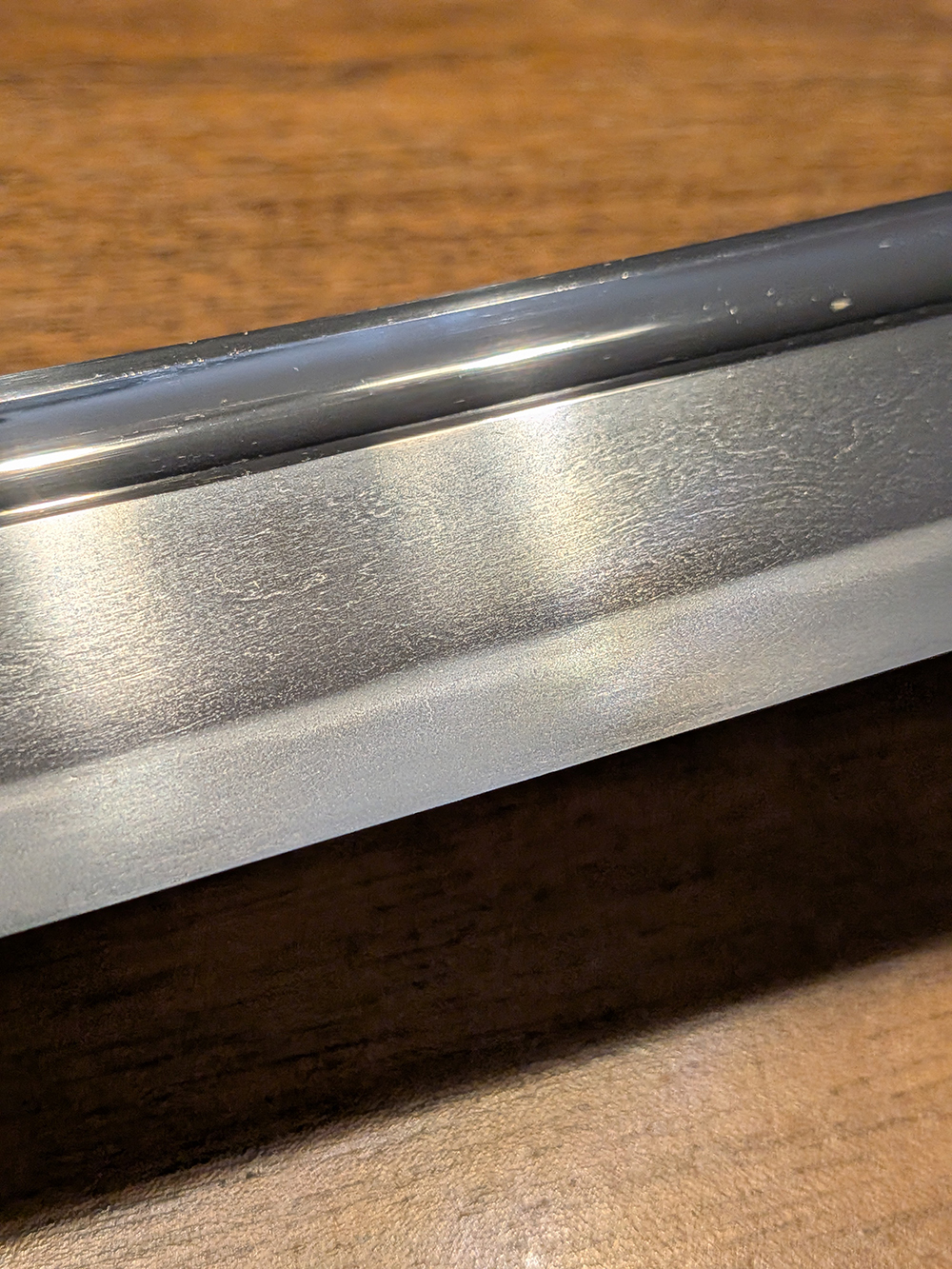
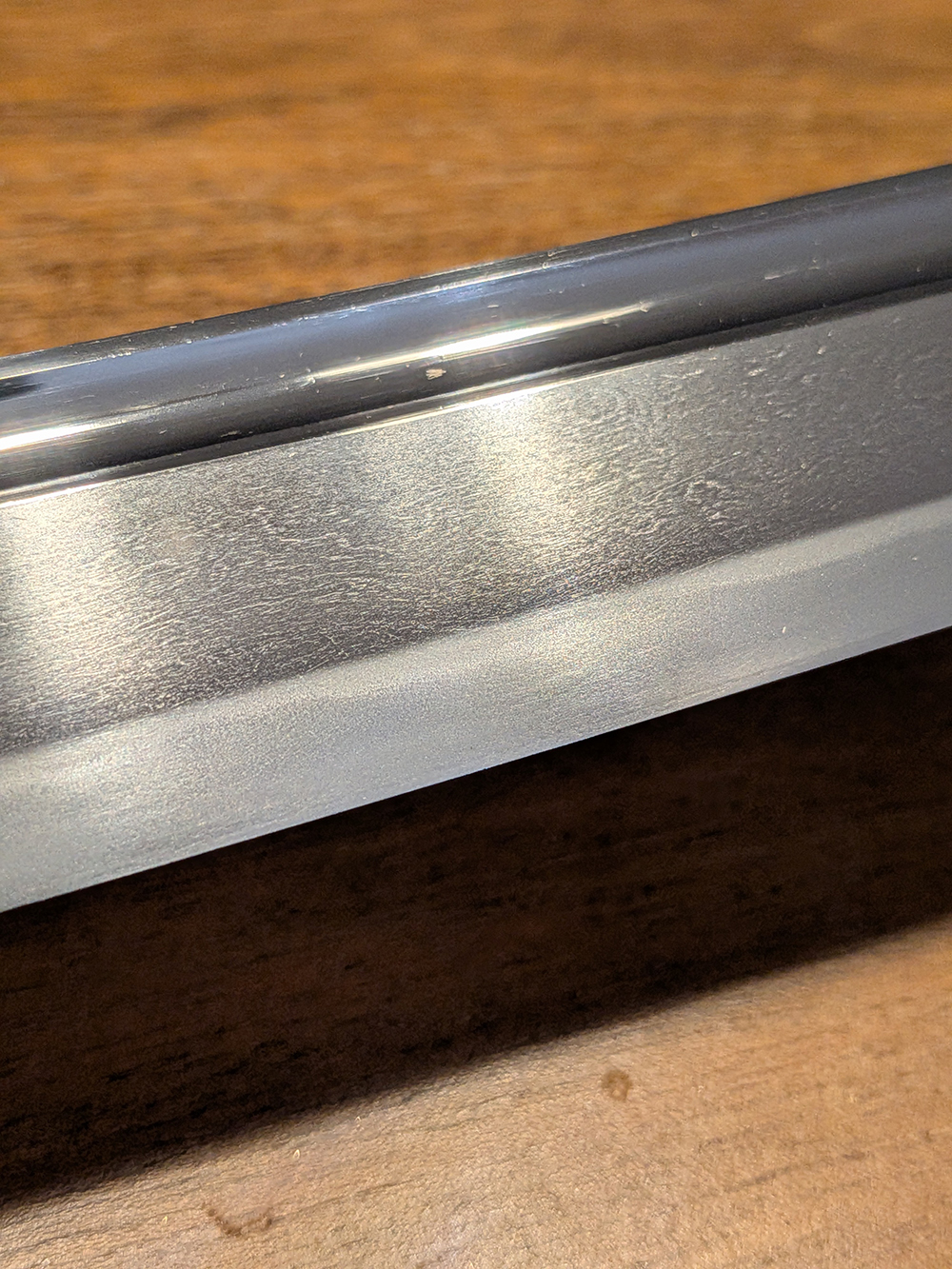
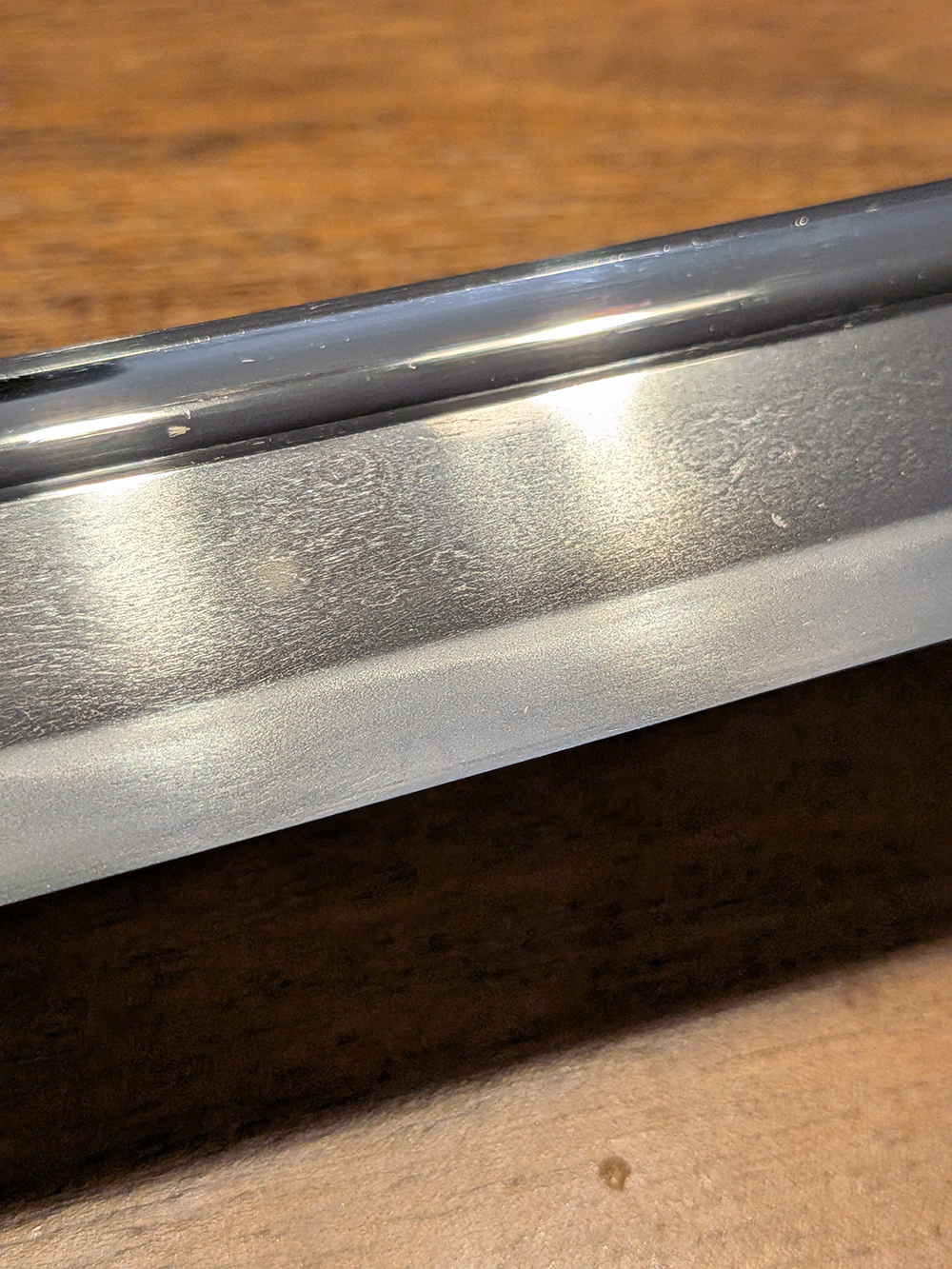
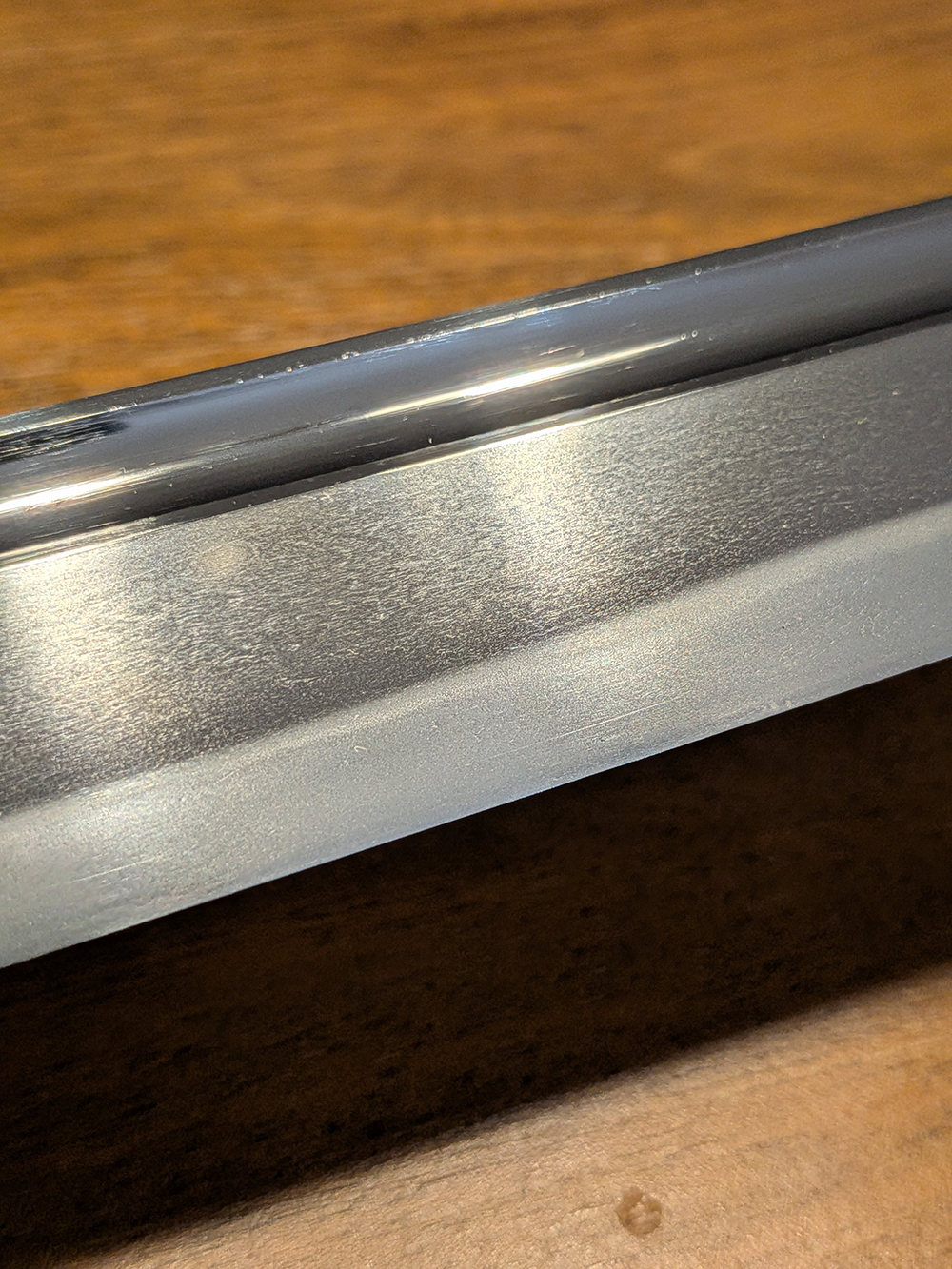
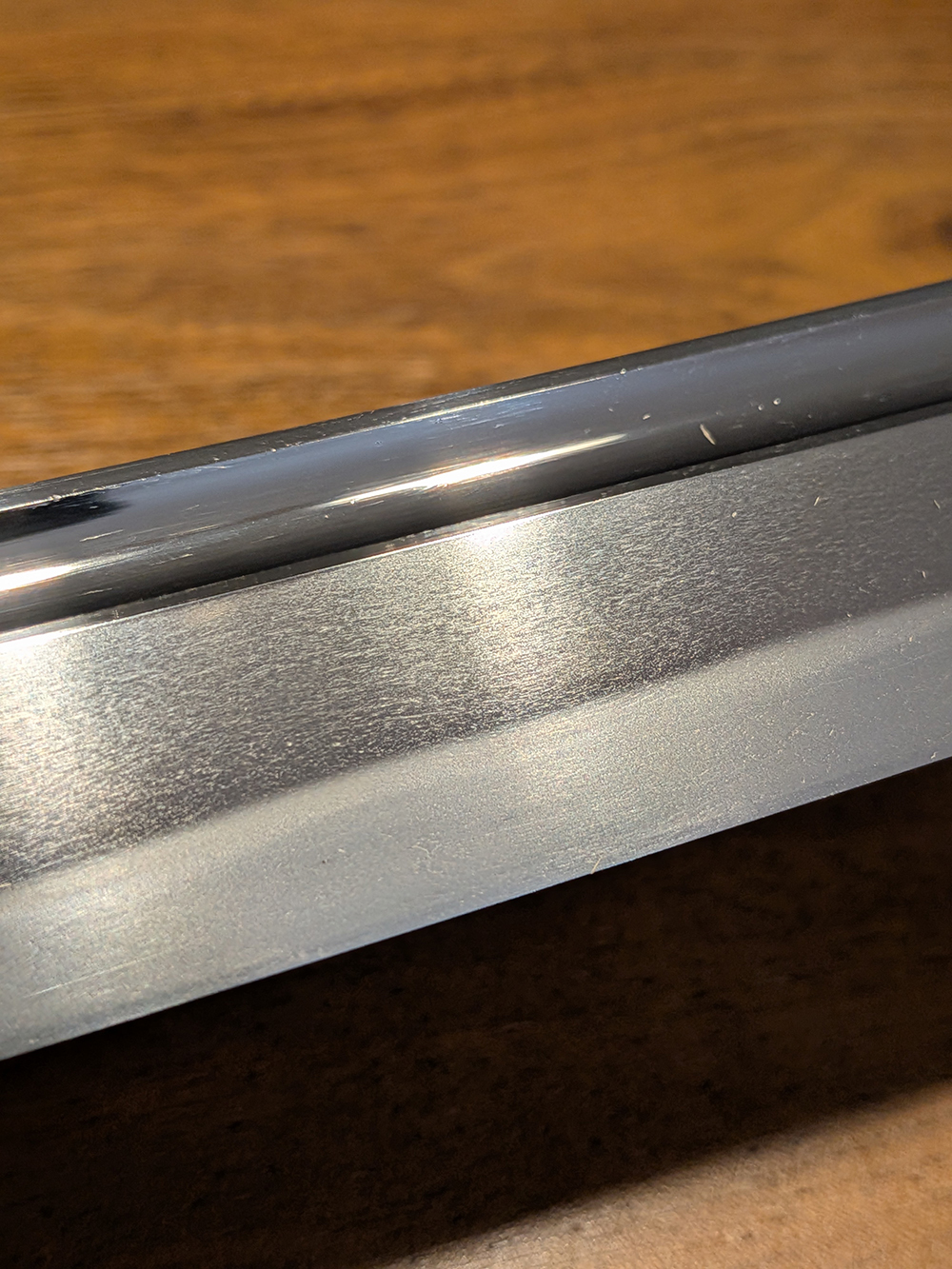
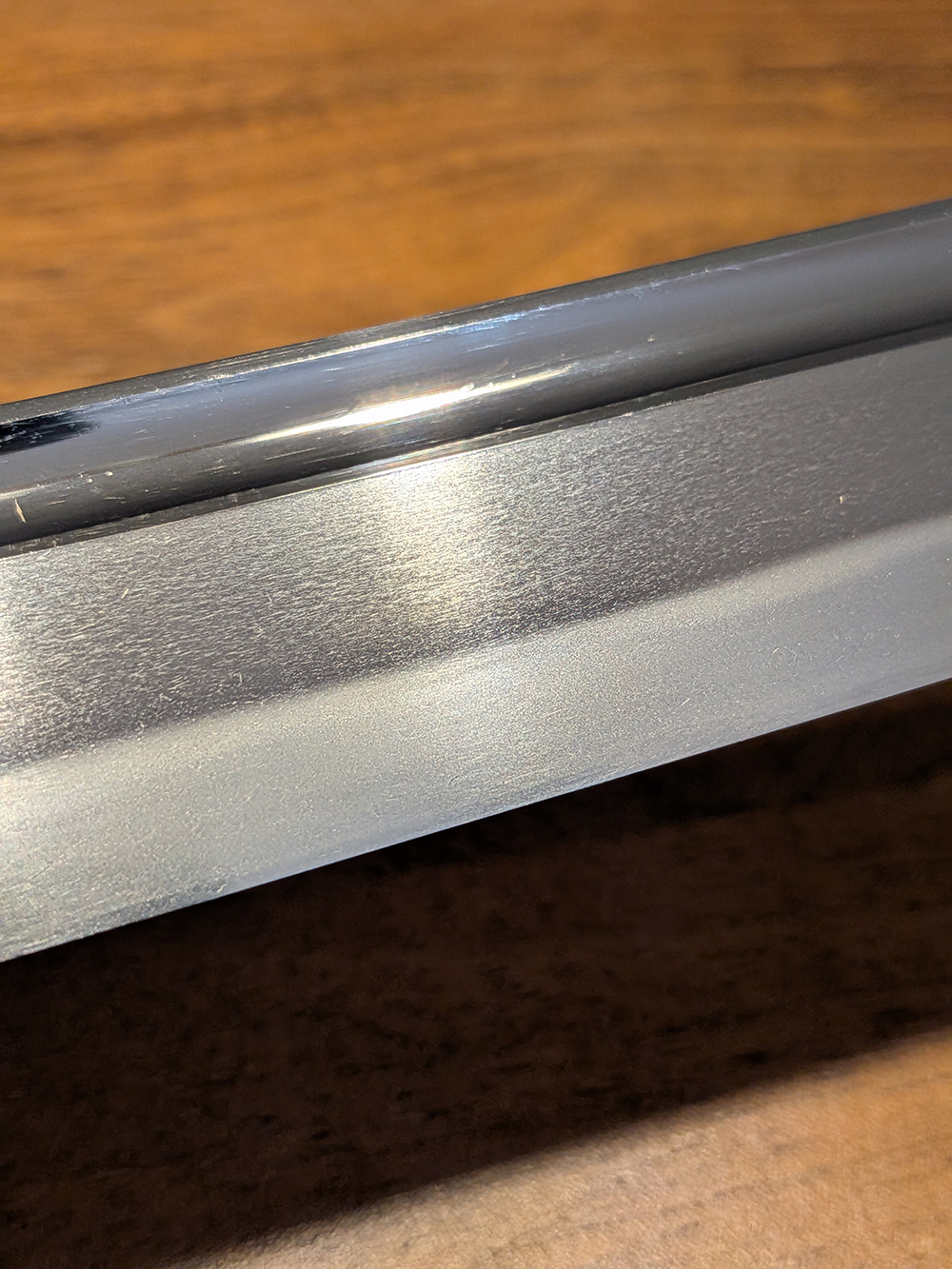
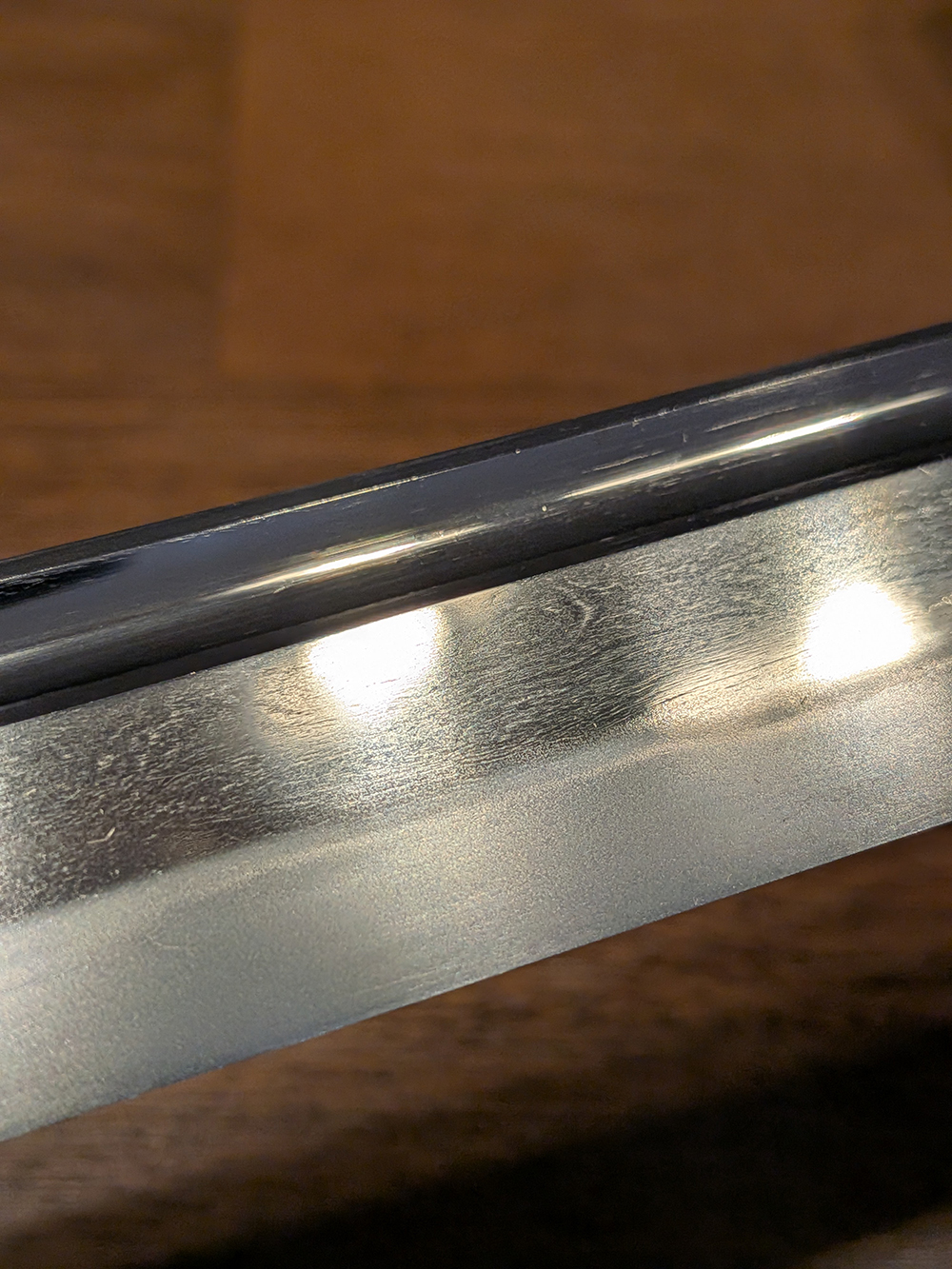
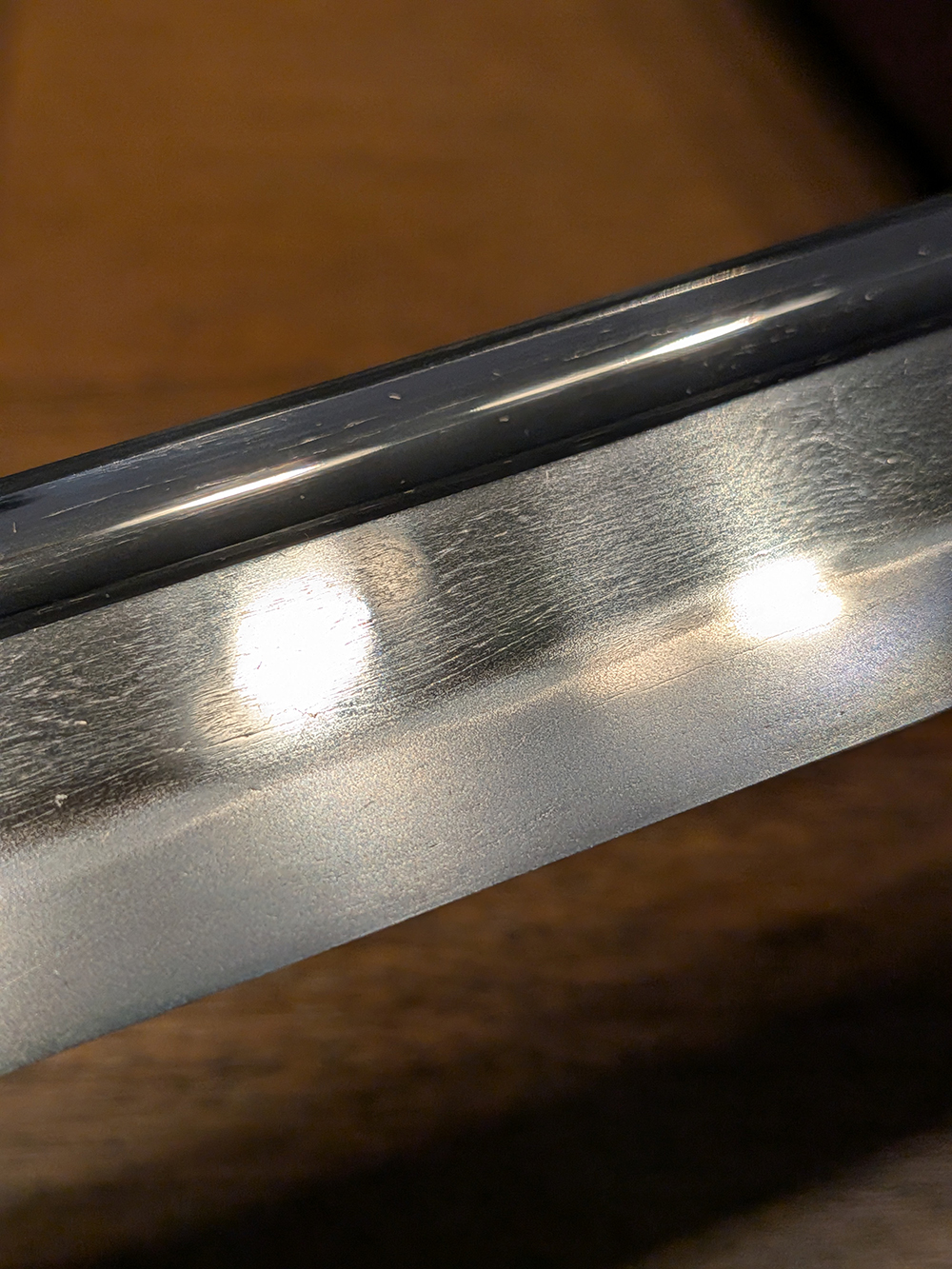
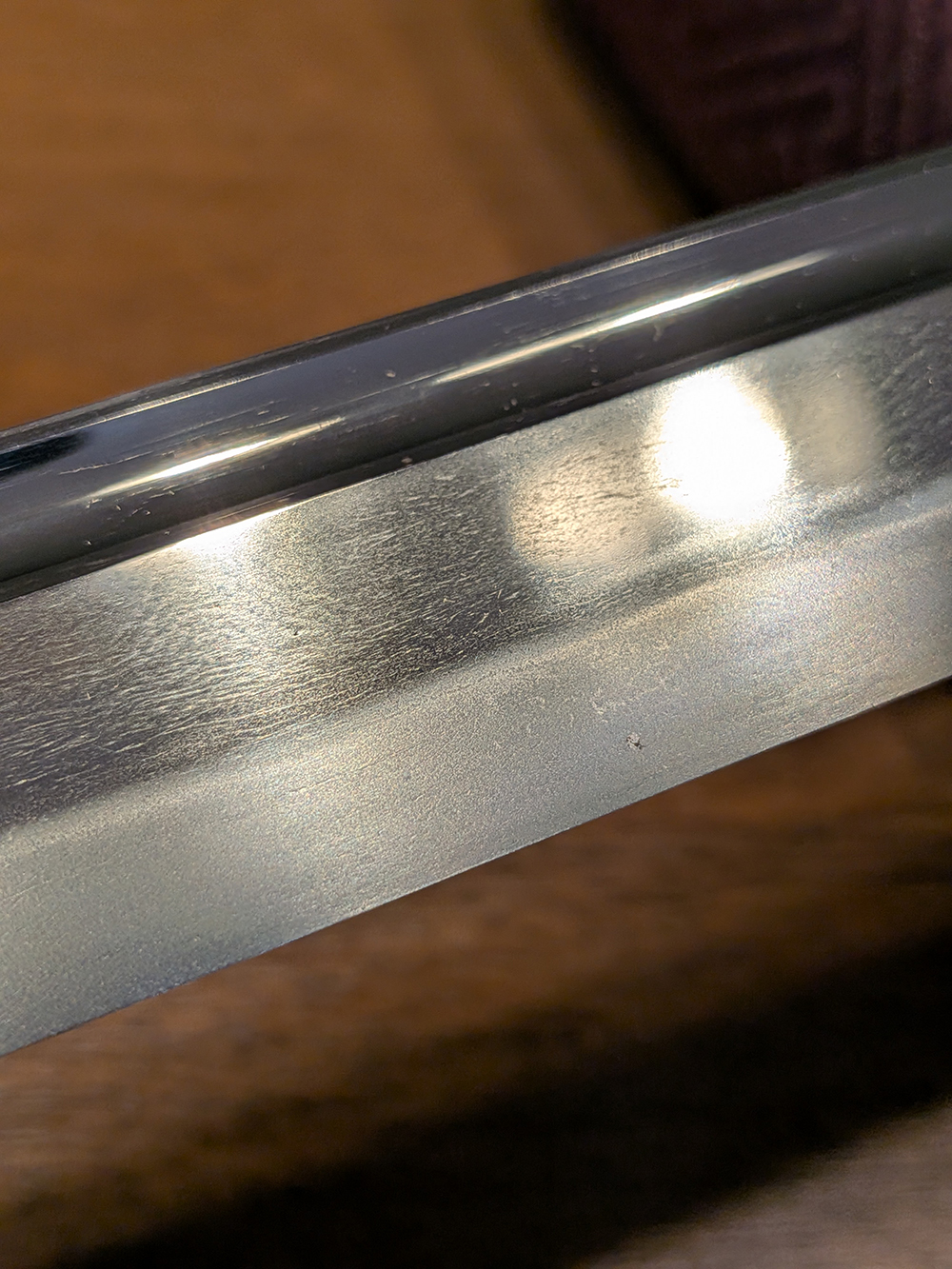
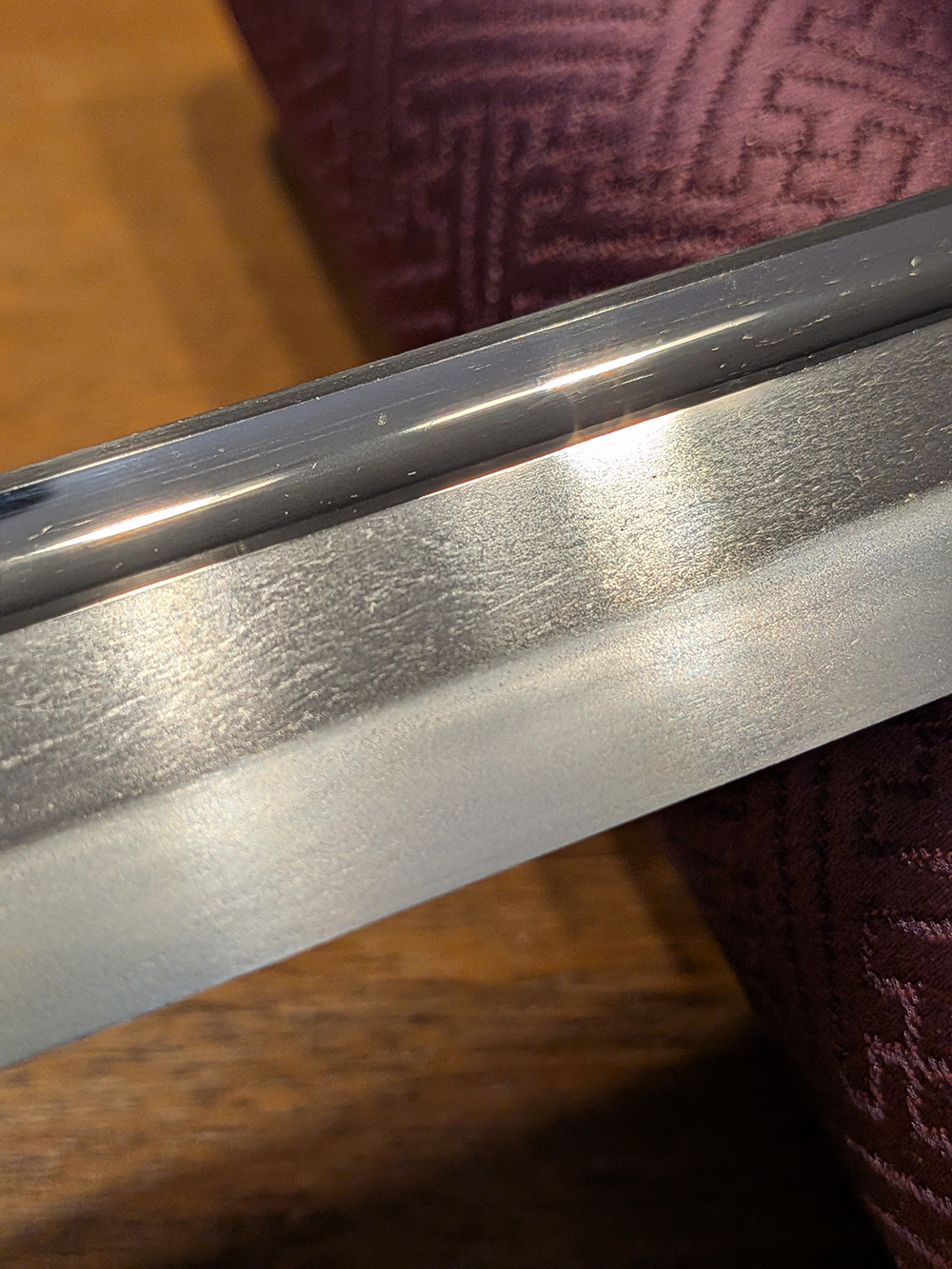
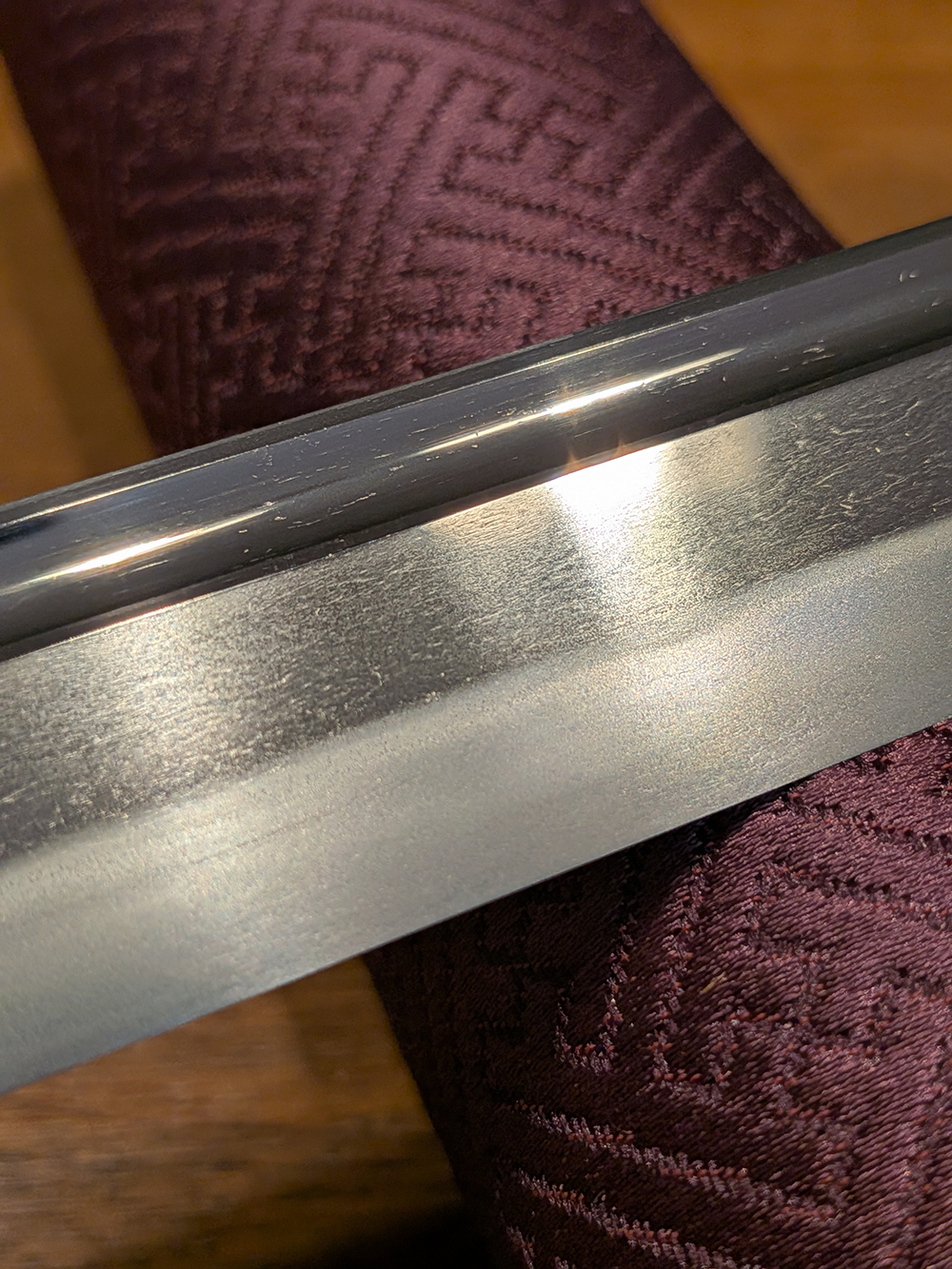
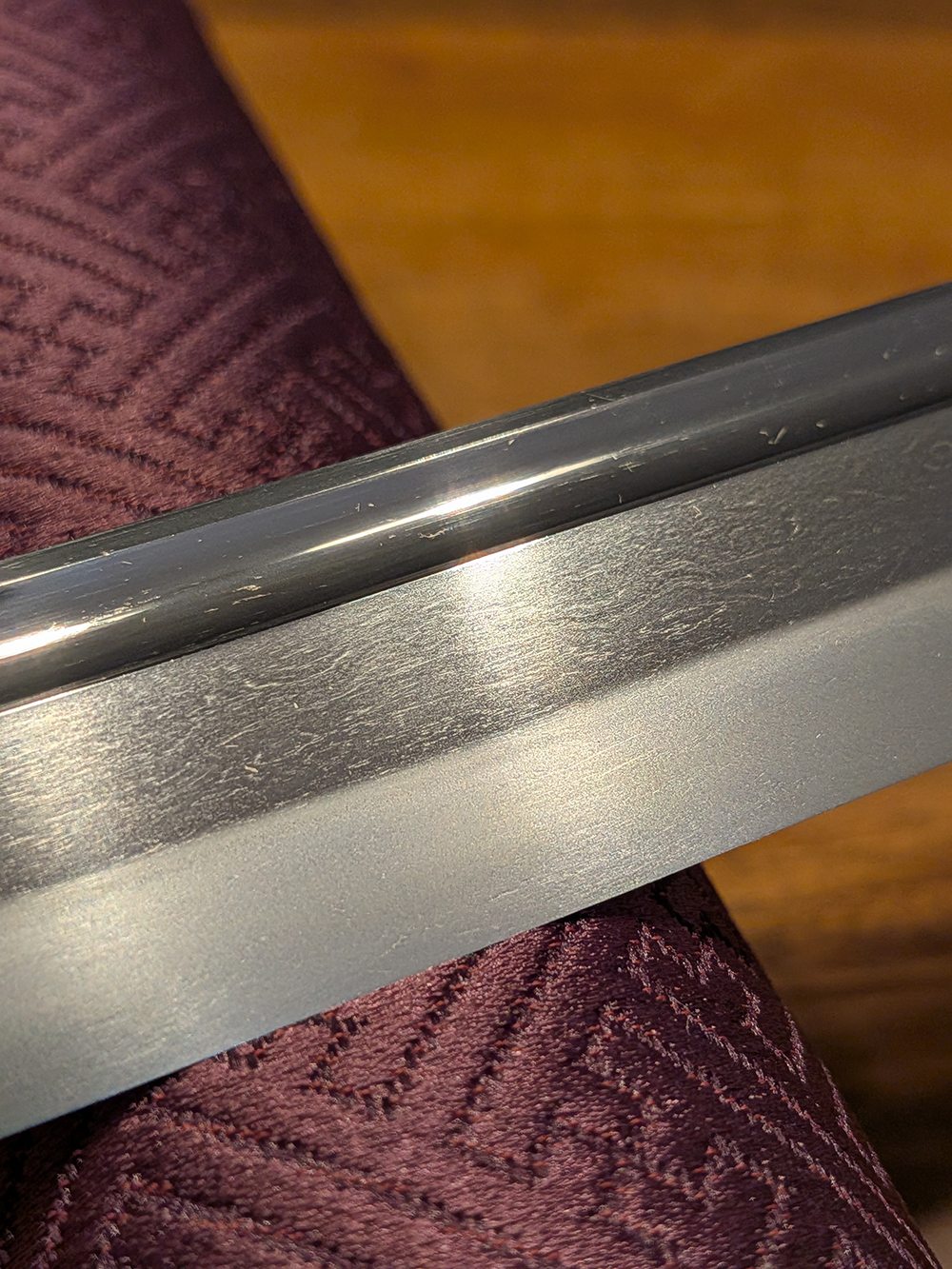
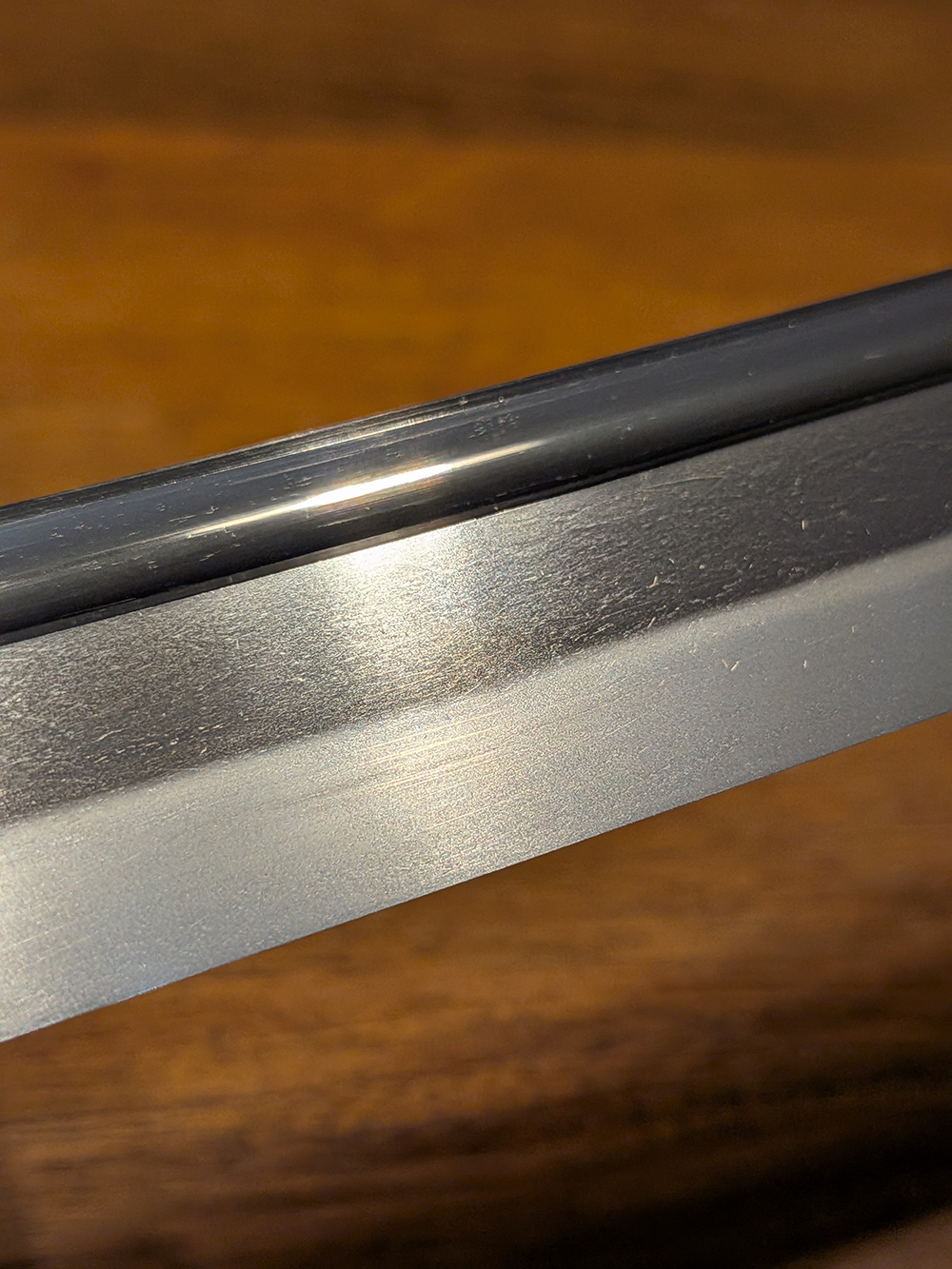
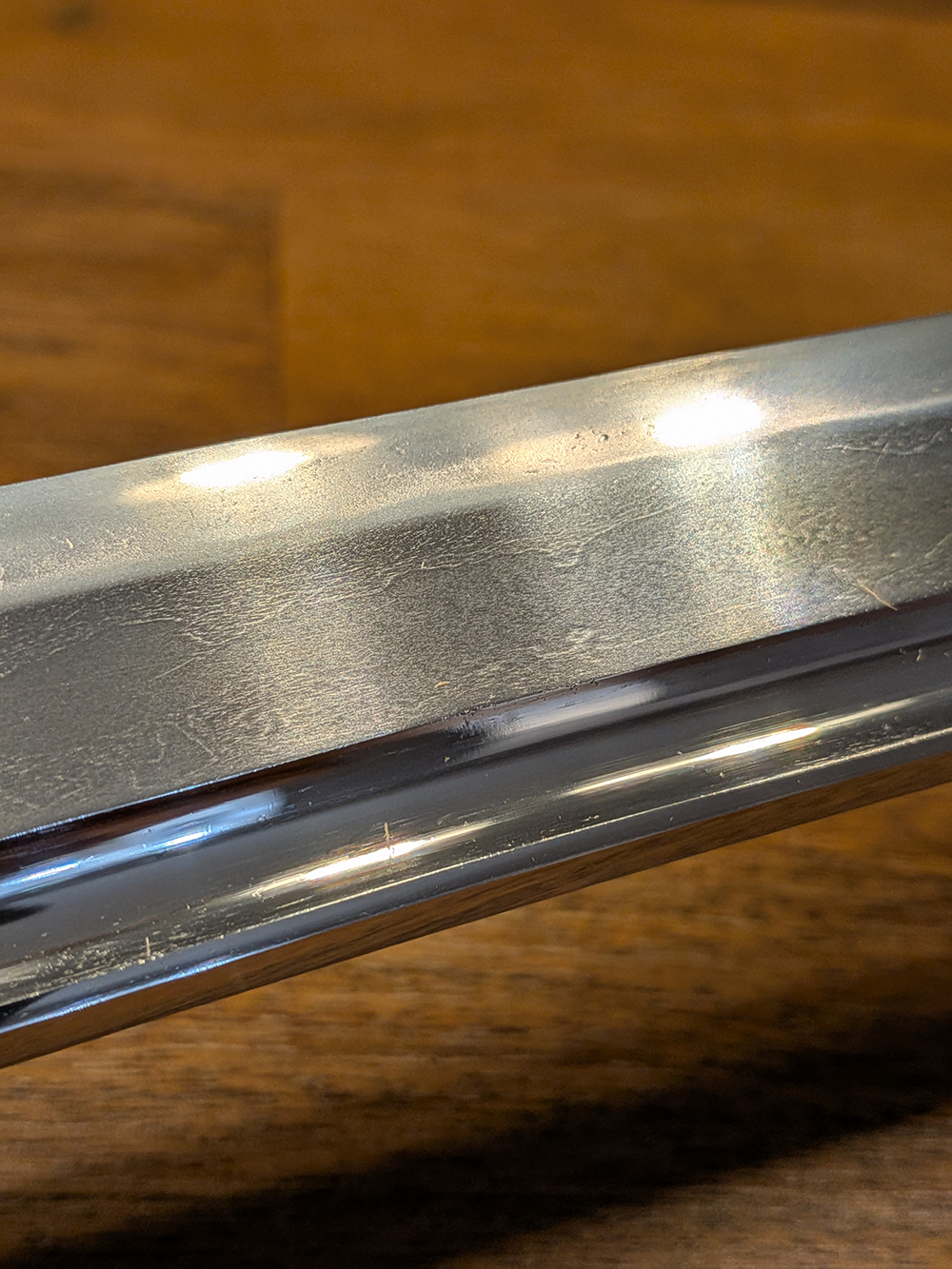
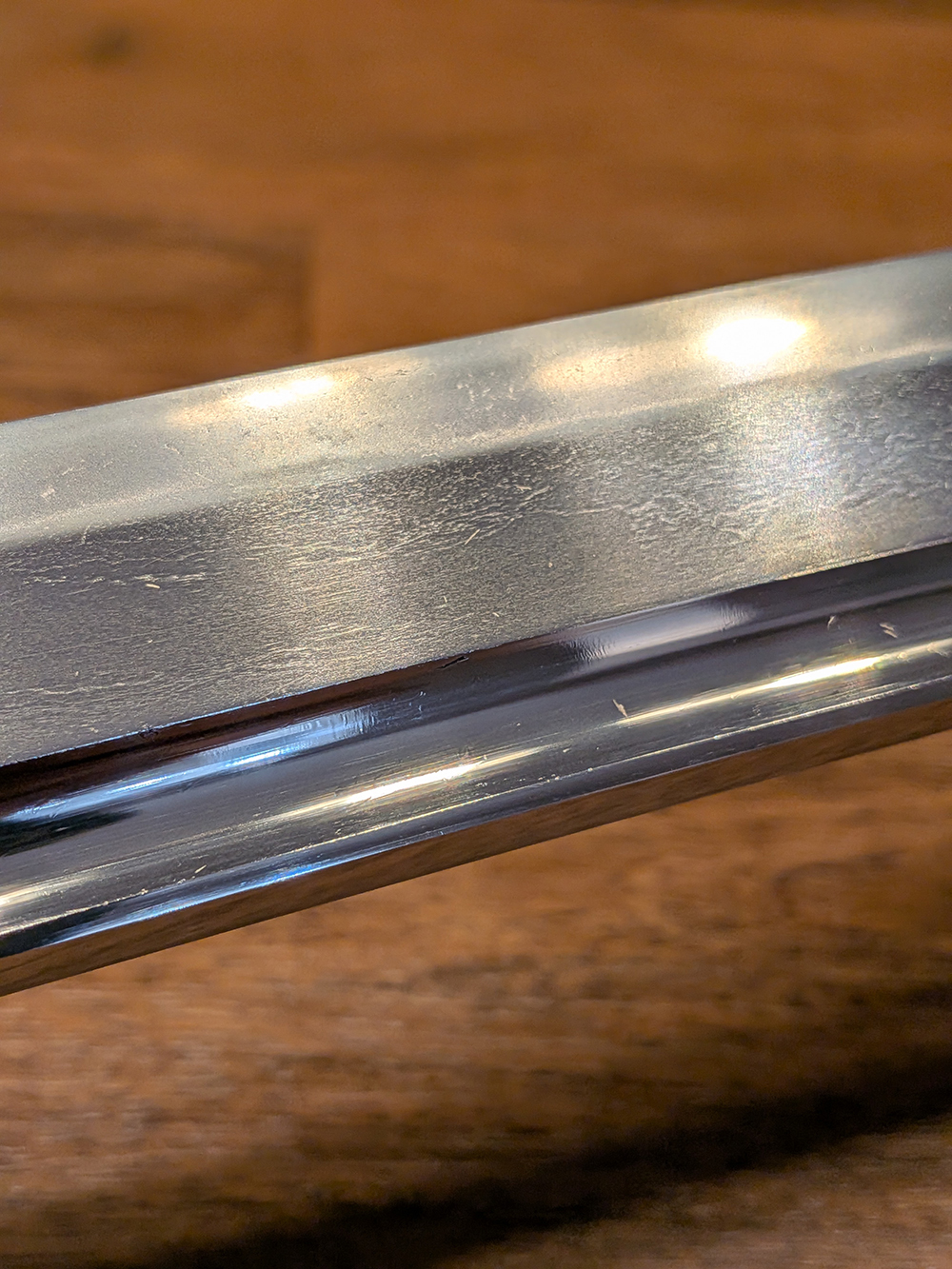
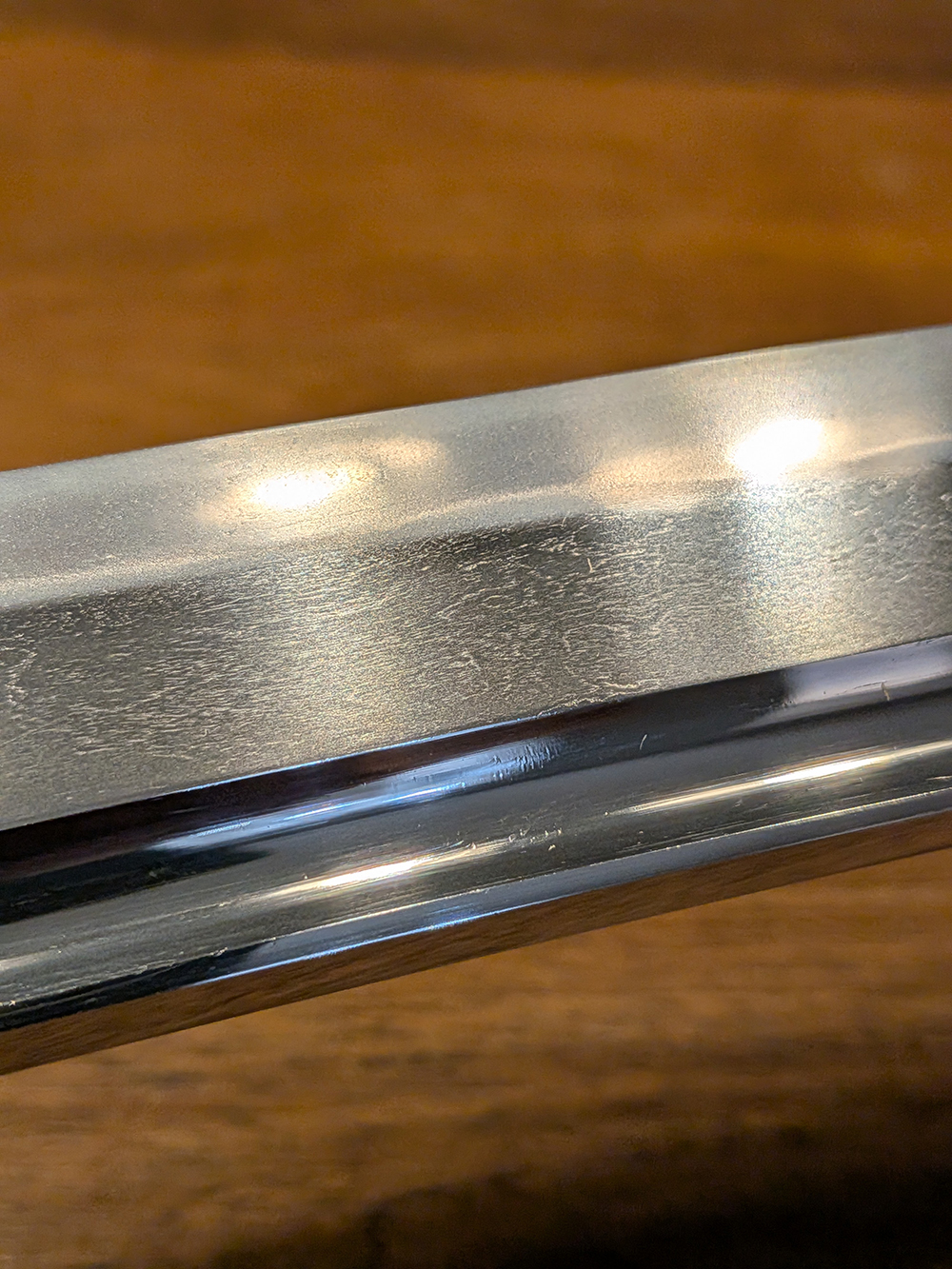
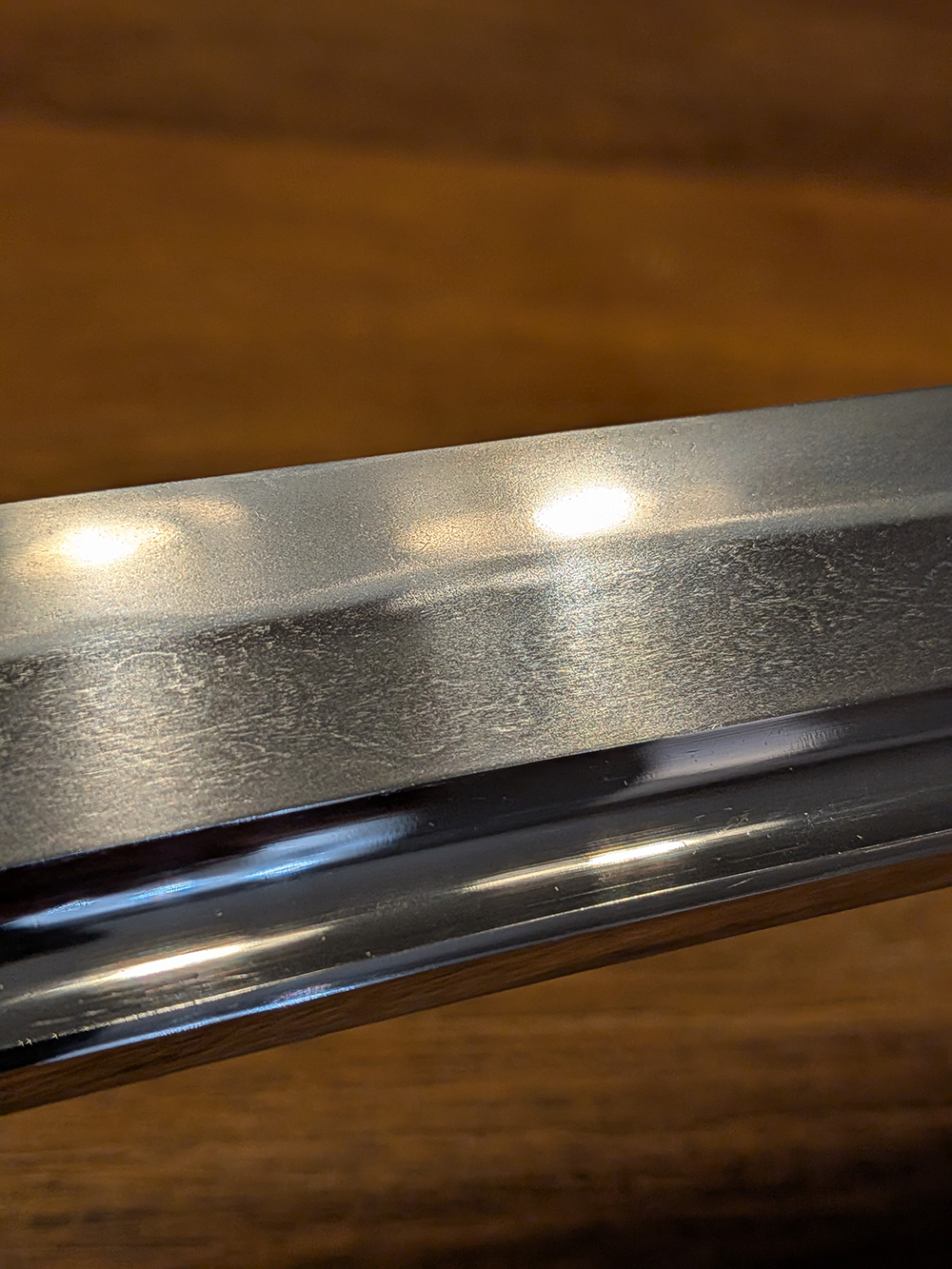
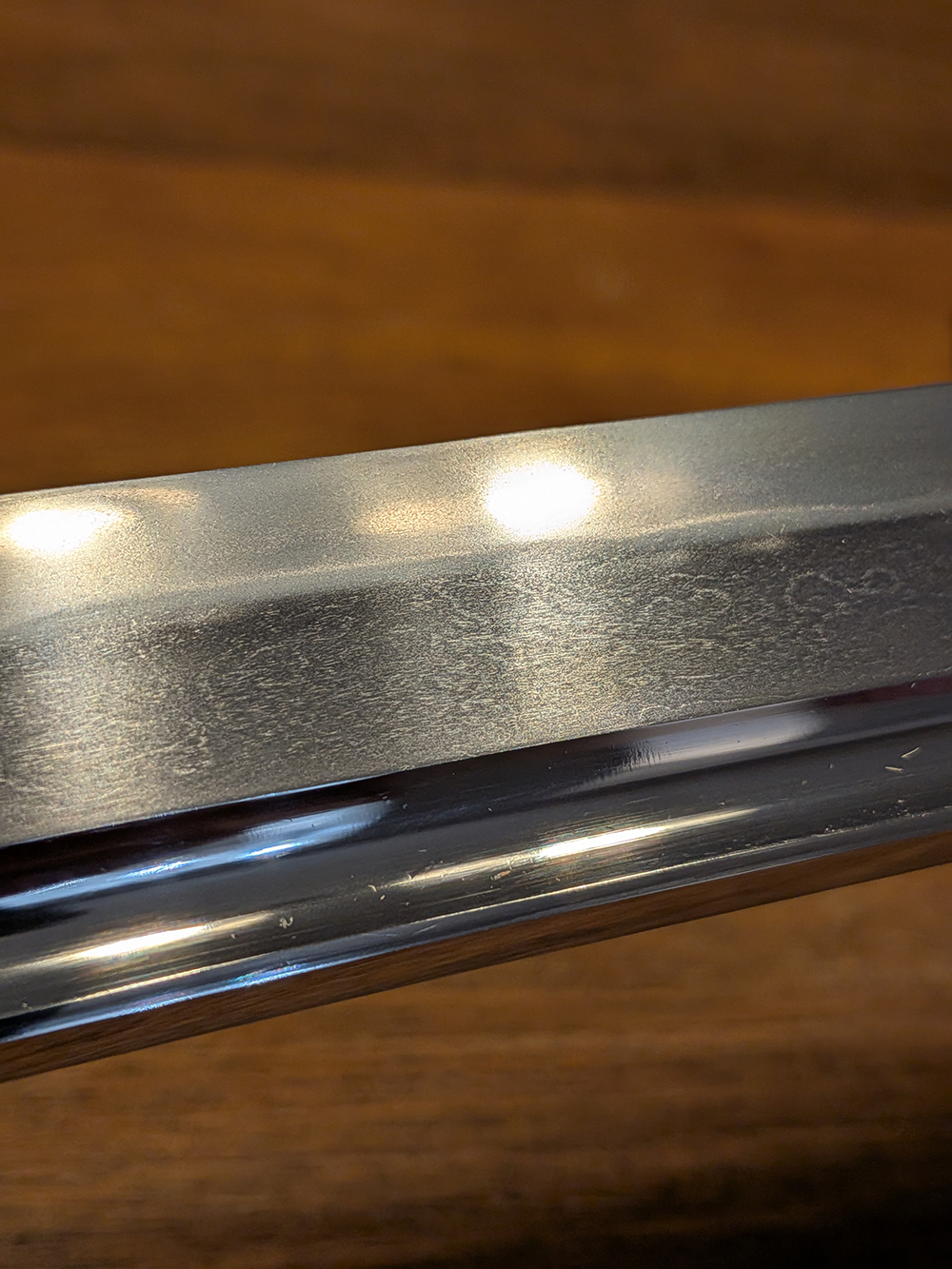
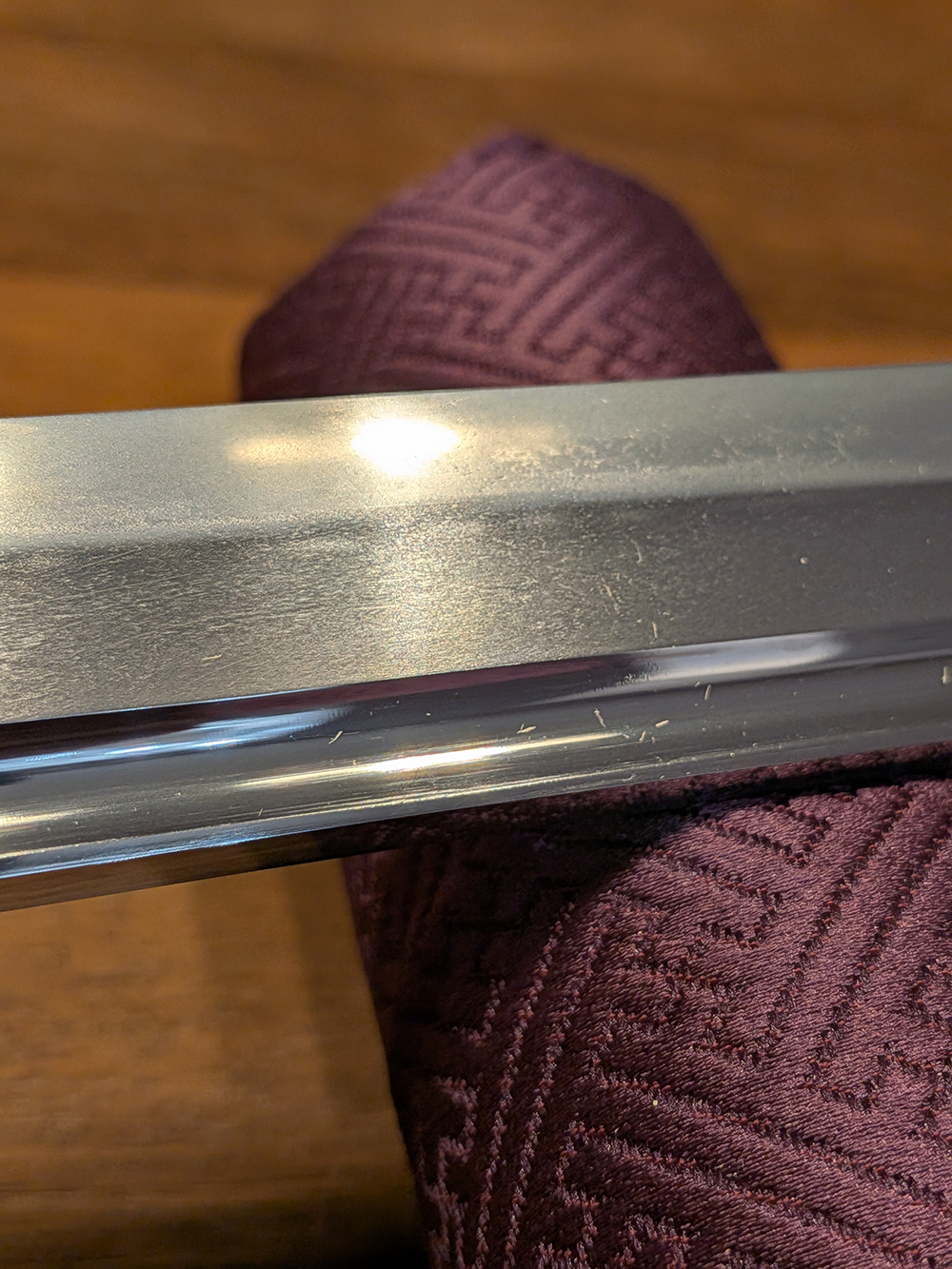
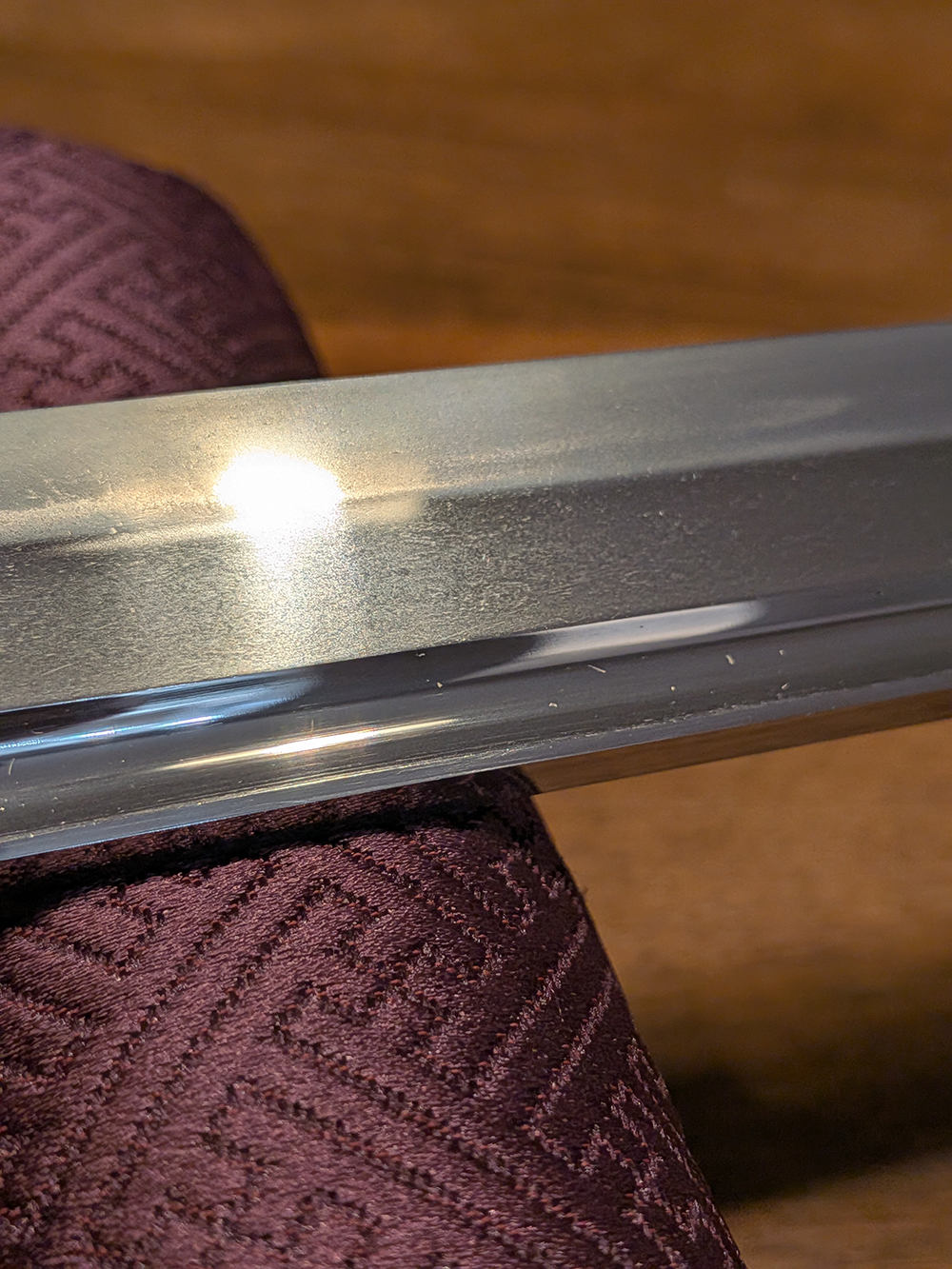
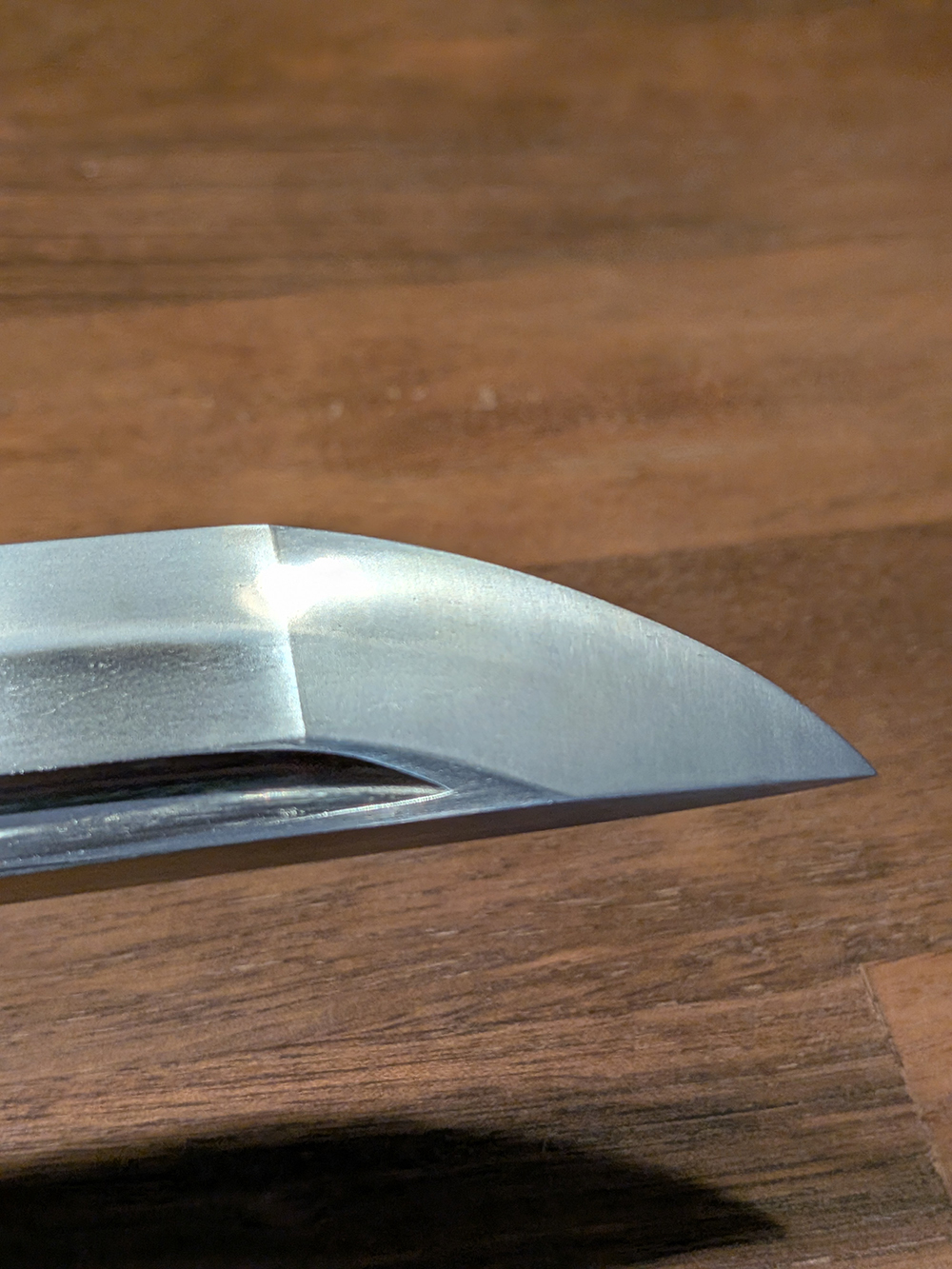
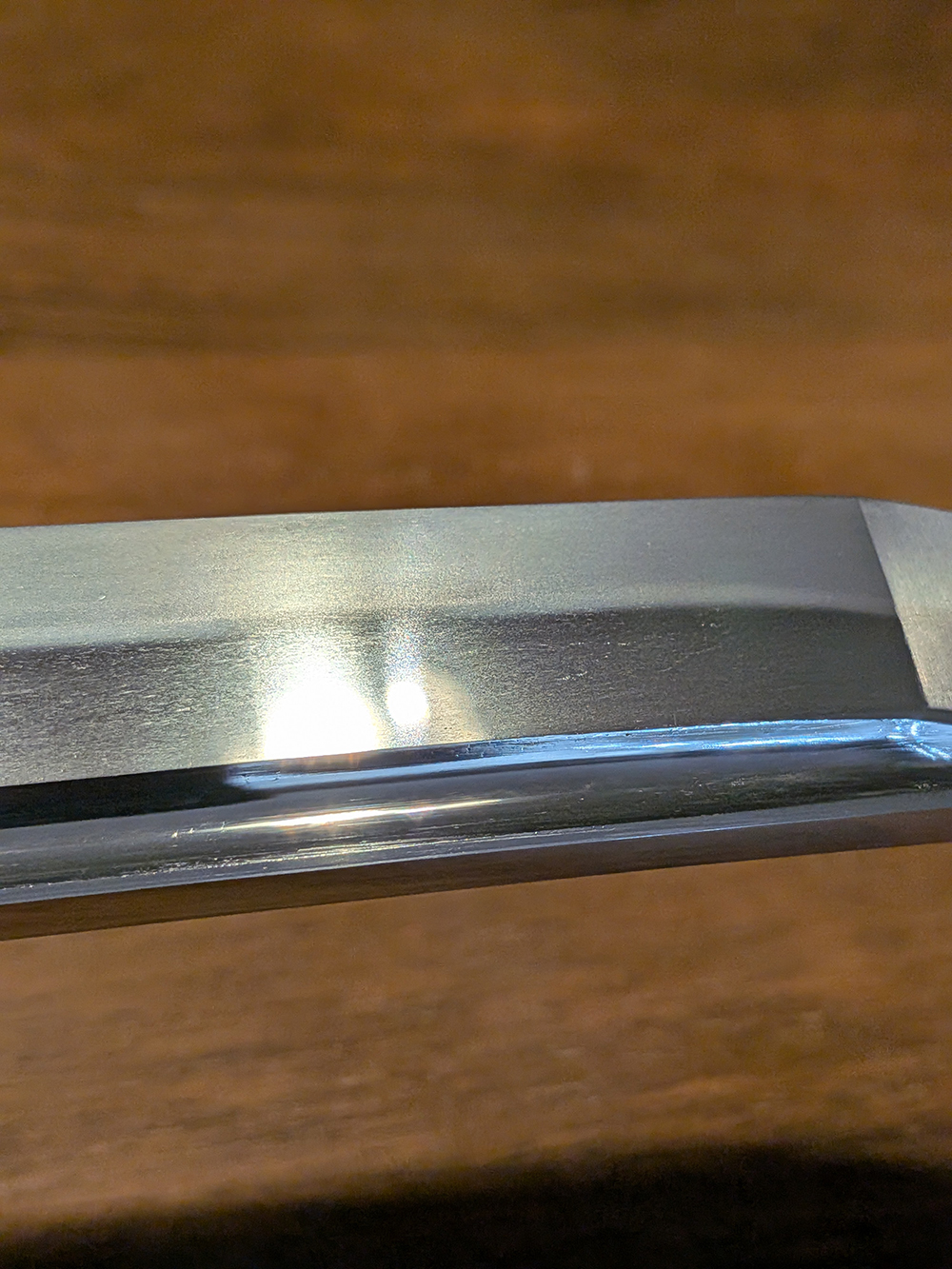
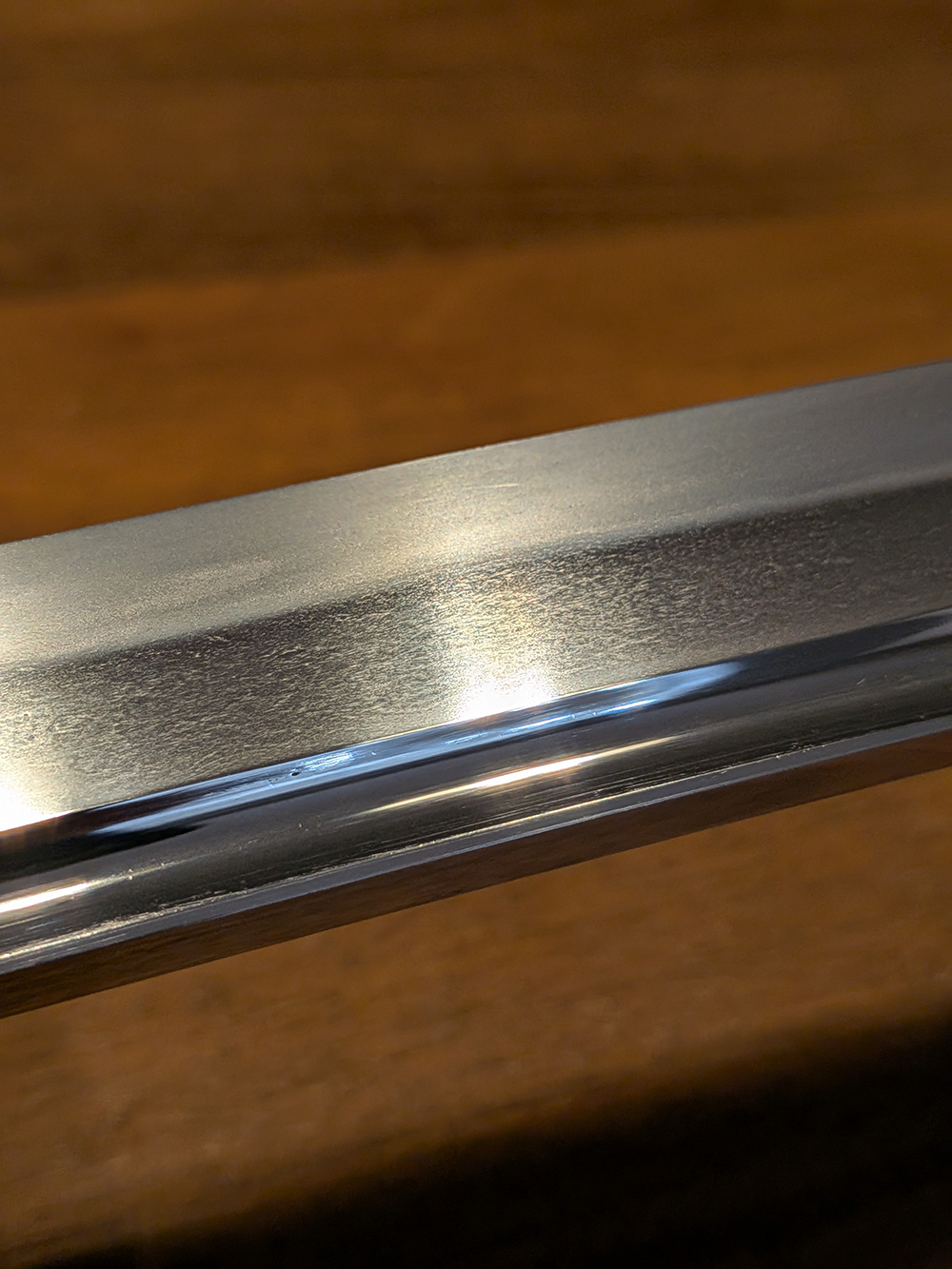
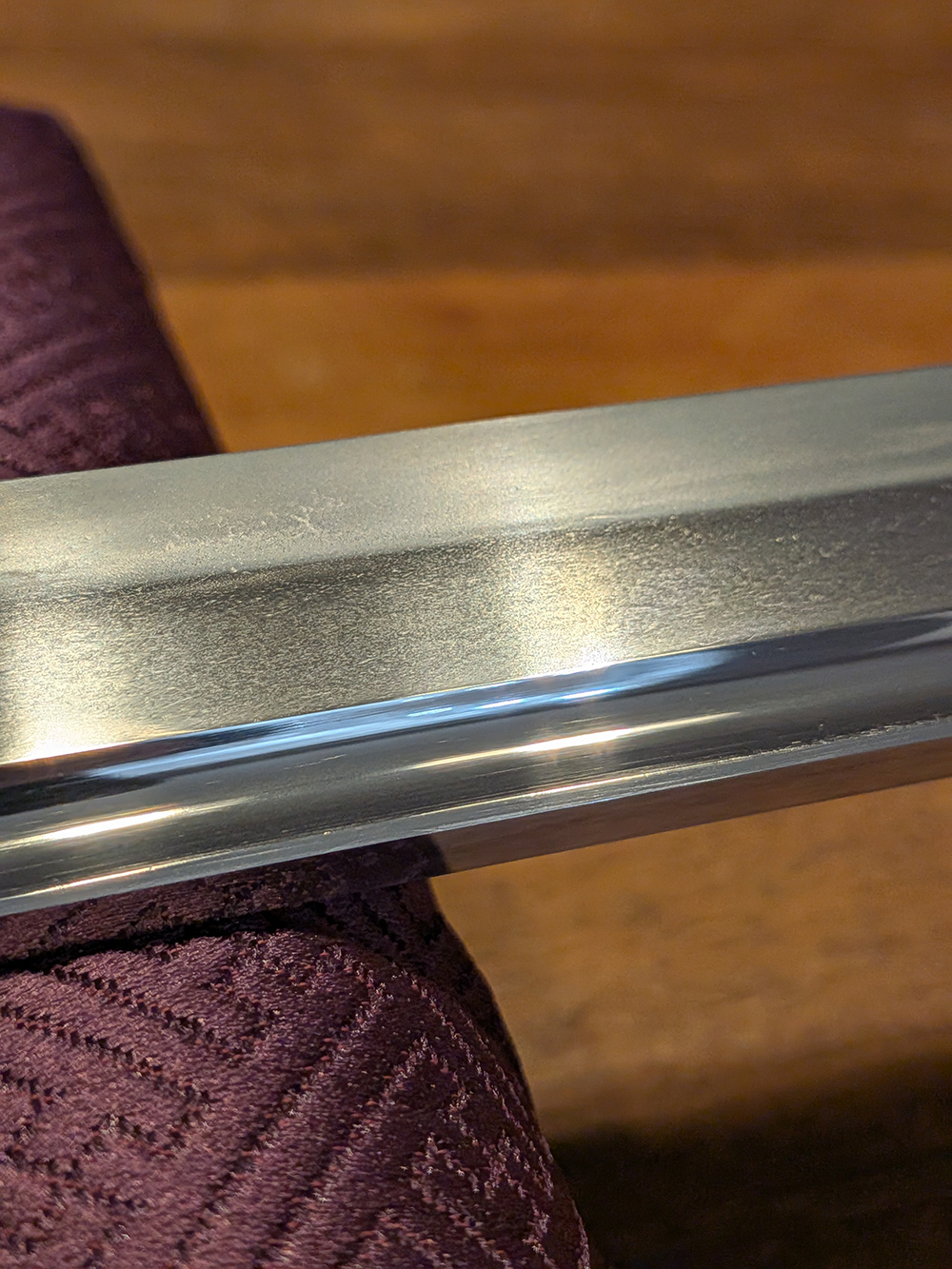
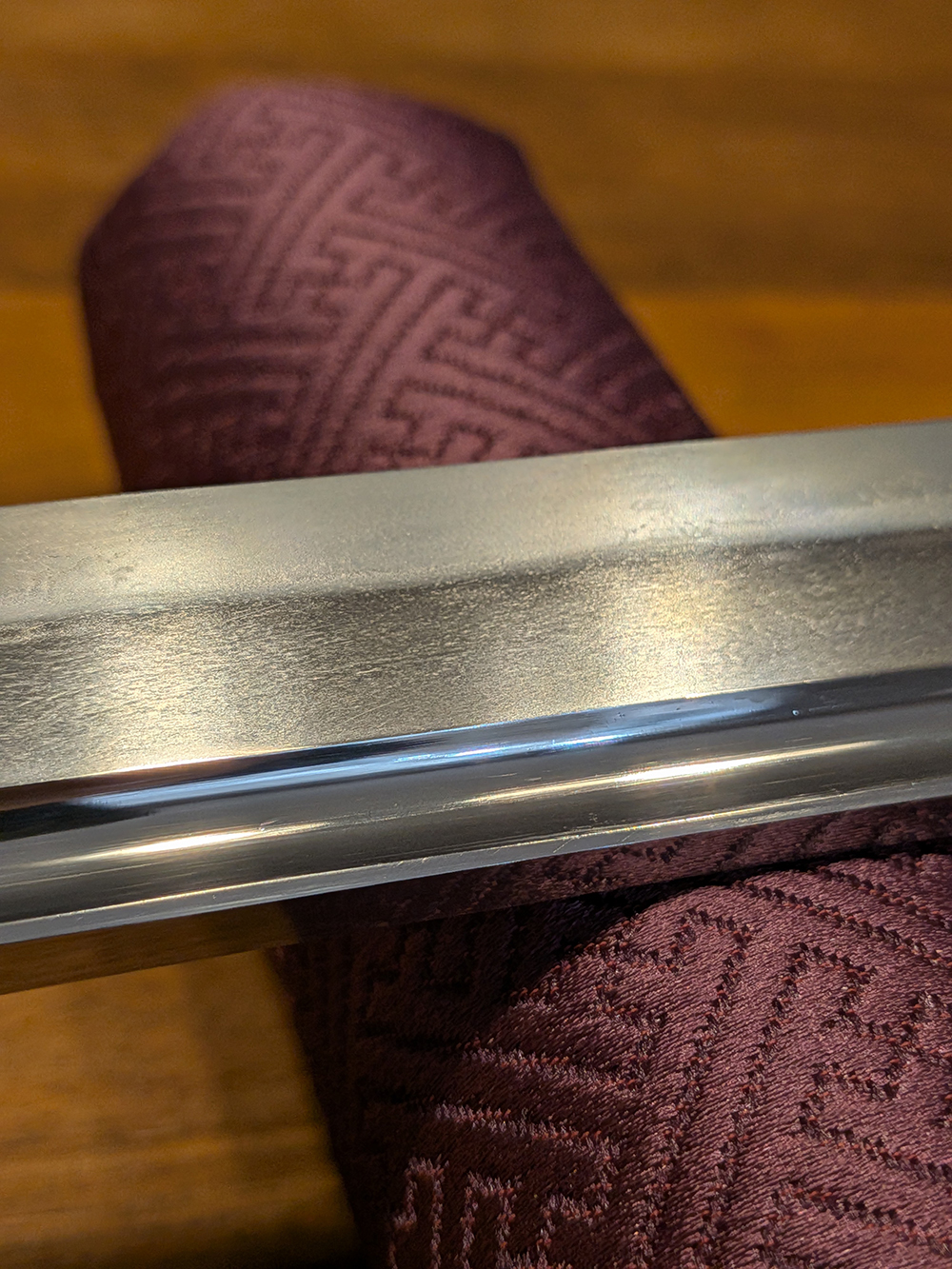
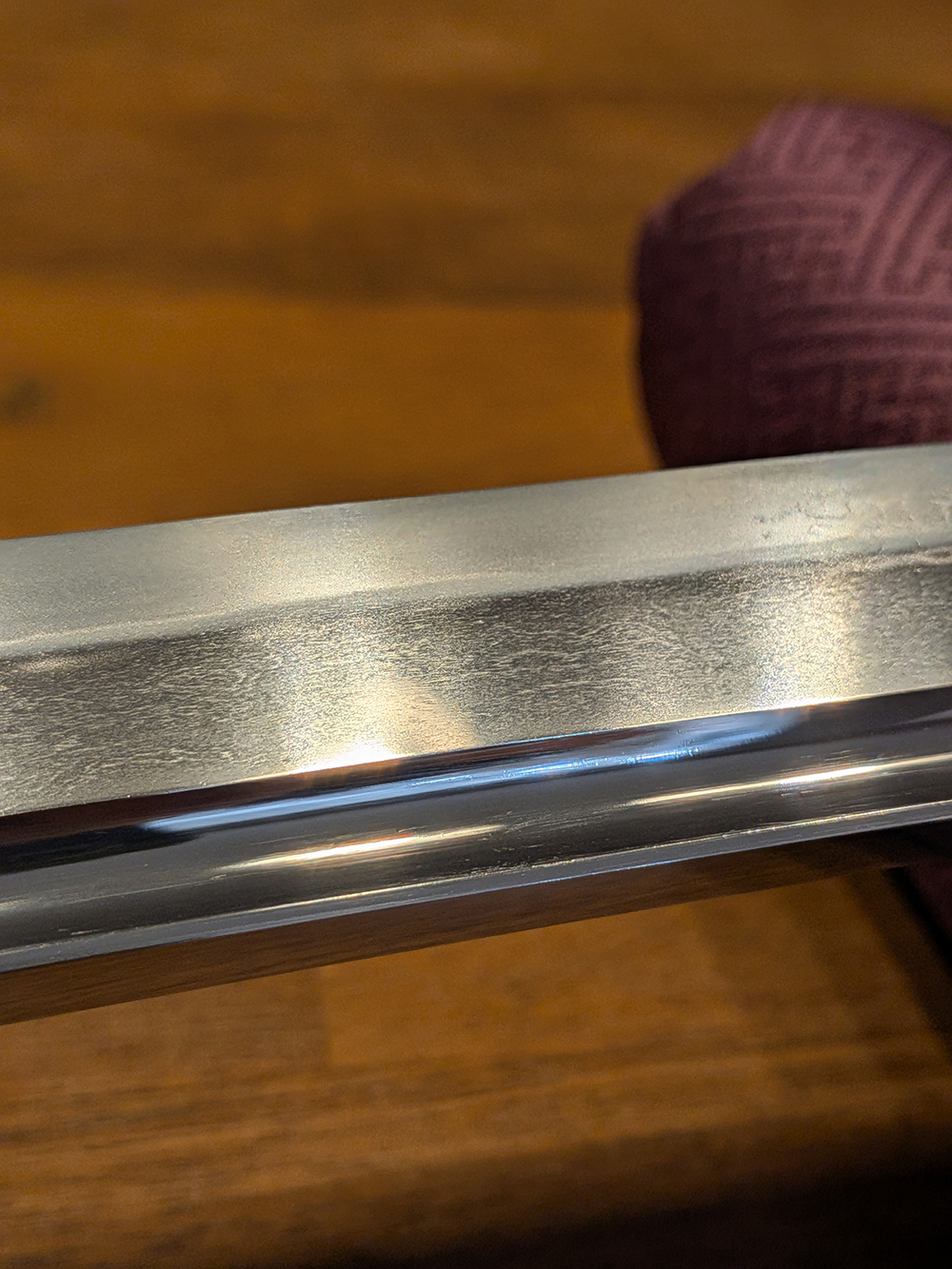
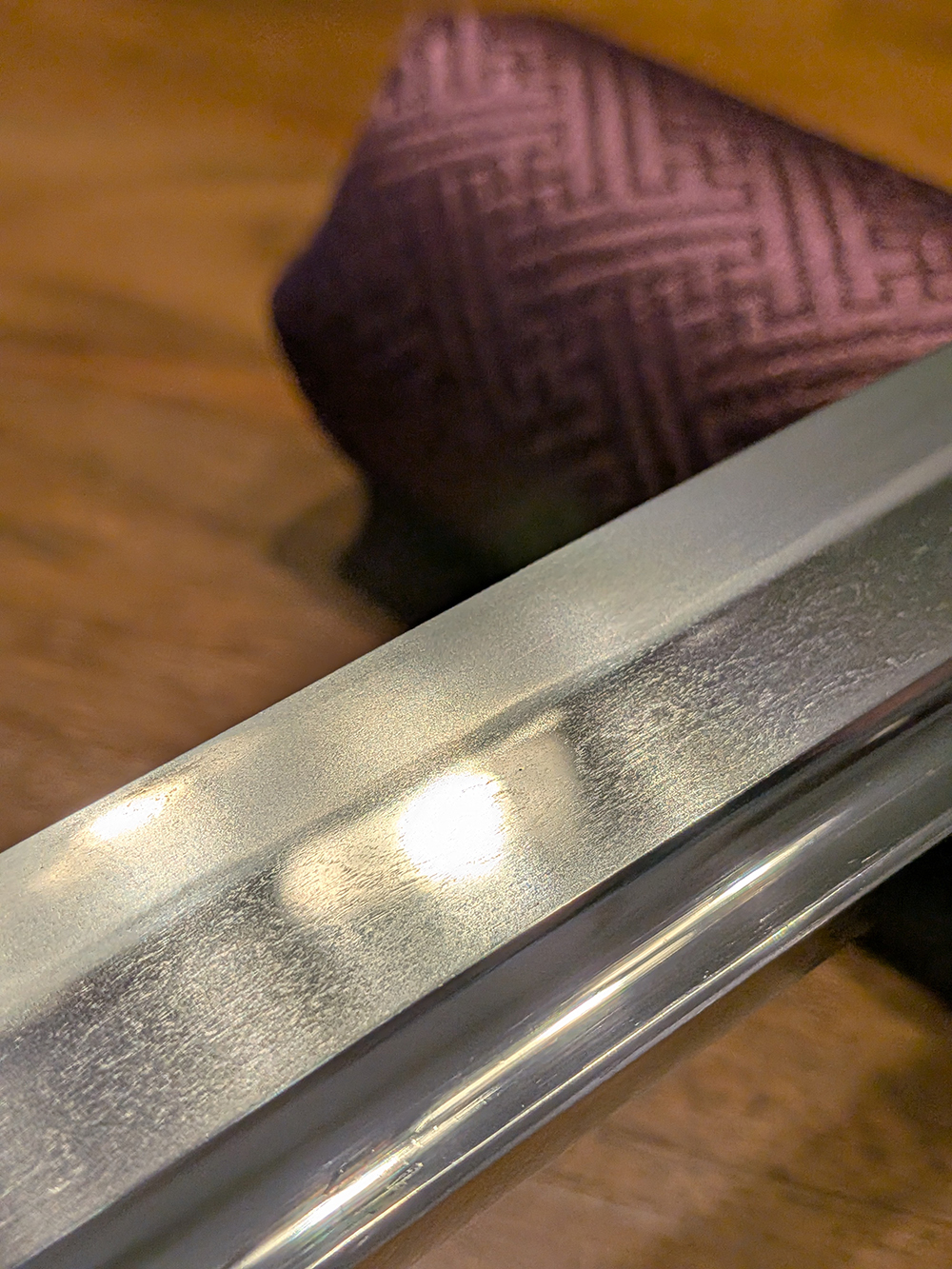
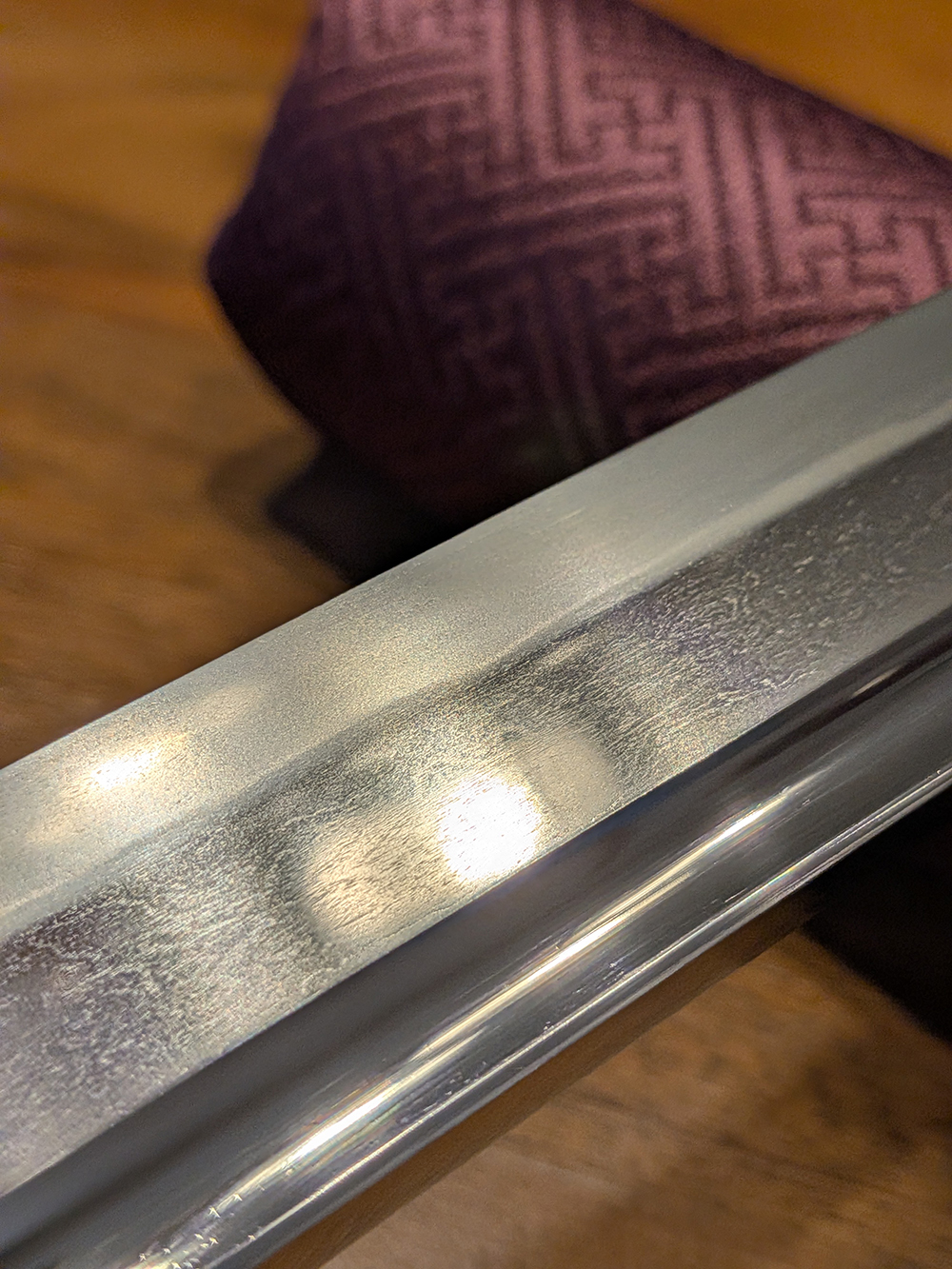
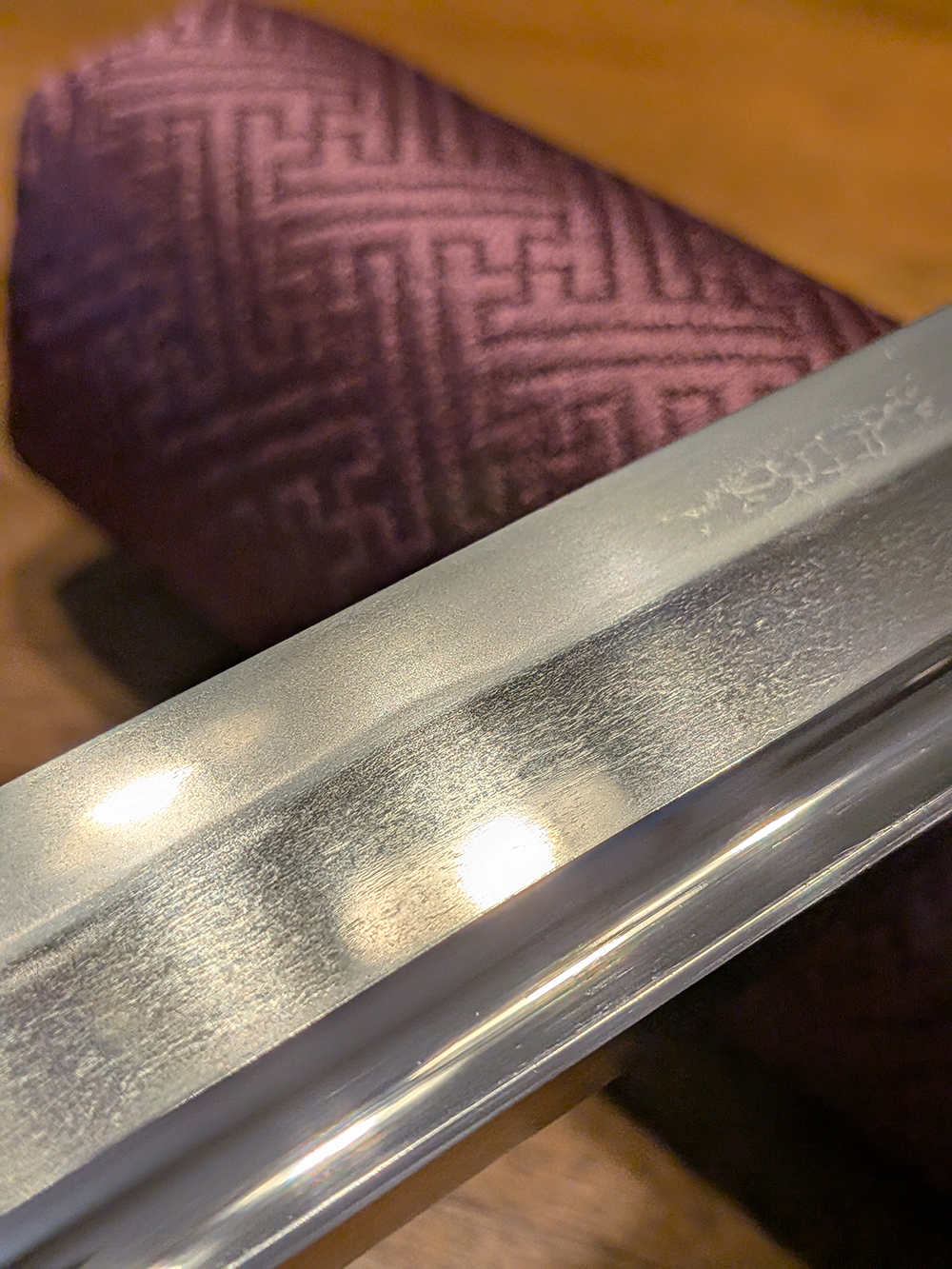
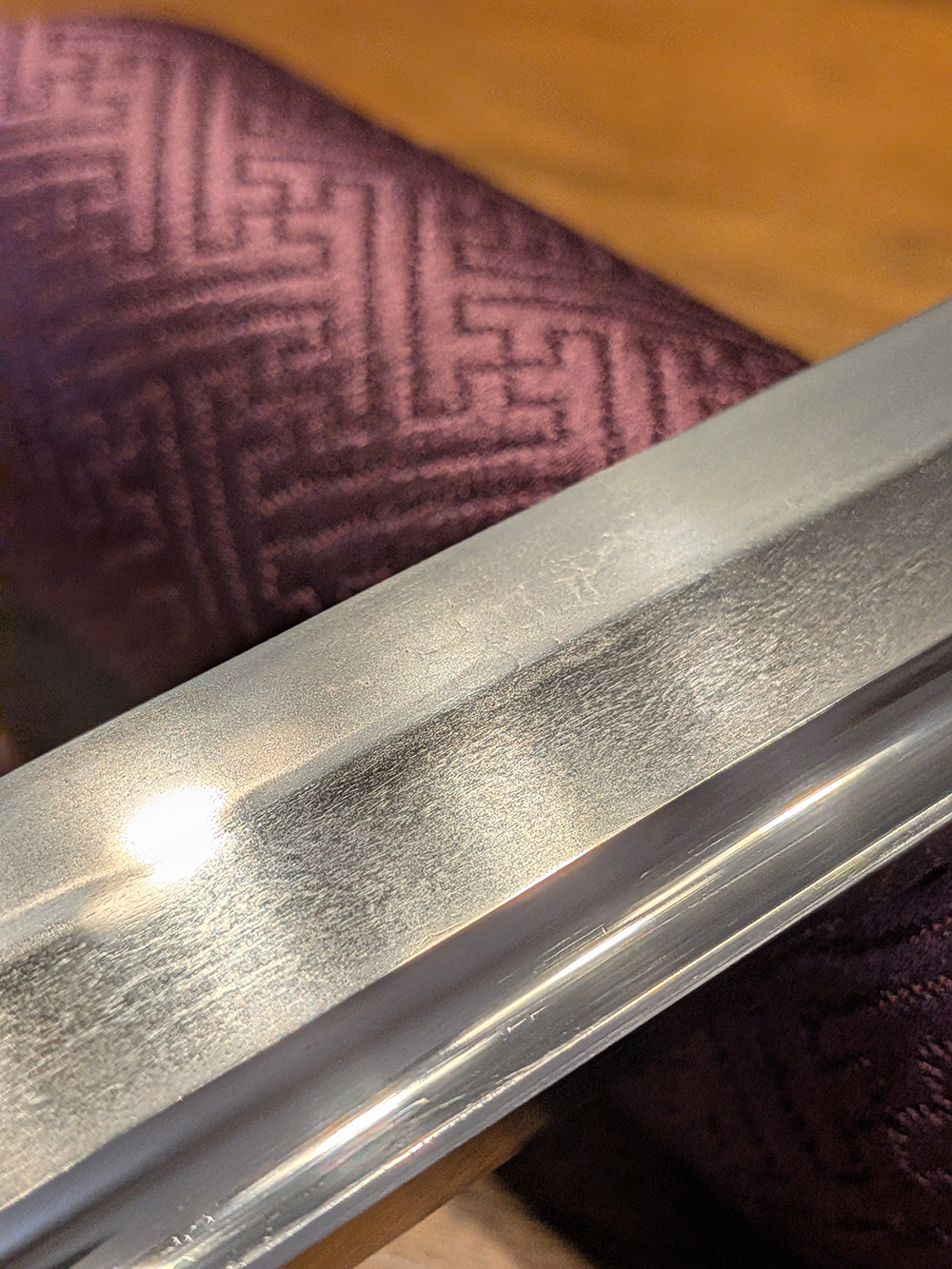
This is a mumei katana attributed to Bitchu Aoe, with NBTHK Tokubetsu Hozon certification. The Aoe tradition belongs to one of the most consequential swordmaking regions in Japan, spanning Bizen and Bitchu. Aoe is admired for its refined forging, sumi-hada, complex utsuri effects, and disciplined suguba sensibilities.
 NihontoWatch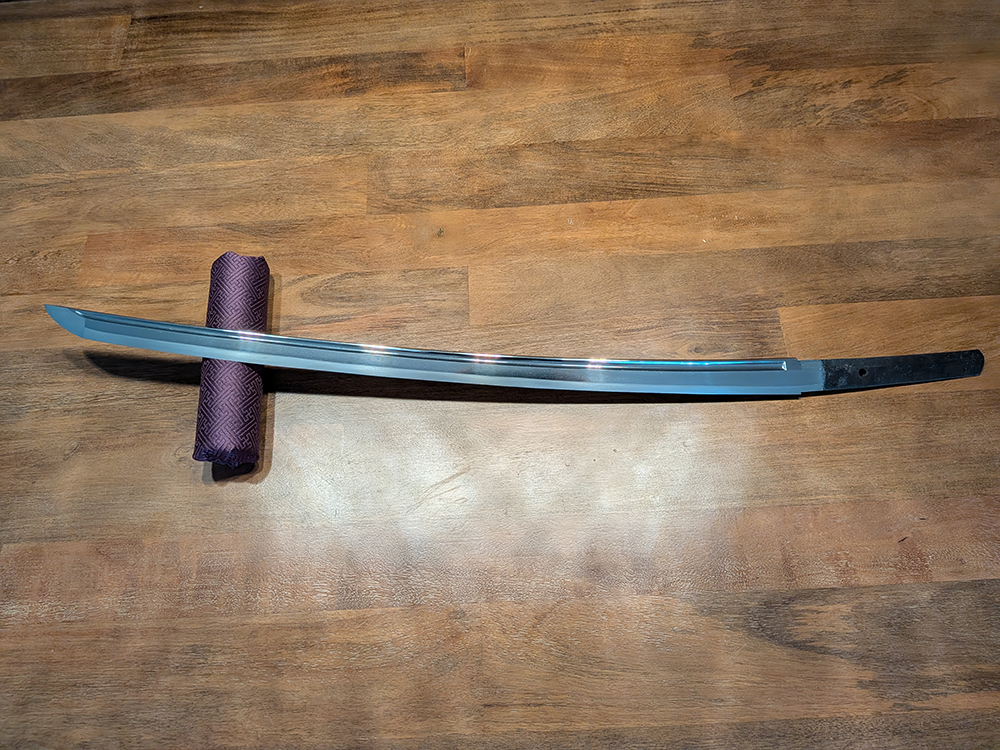
Bizen-den · Bitchu
23 pieces on the market now
The Aoe school arose in Bitchu Province, a region celebrated for iron production since antiquity. The early eleventh-century miscellany Shin Sarugaku-ki already lists "the swords of Bitchu" among the noted products of the provinces, and roughly two centuries later the Aoe swordsmiths emerged as heirs to that high reputation, flourishing chiefly in the lower basin of the Takahashi River in such locales as Koji and Manju. Learn more →
| Smith | Era | Designated |
|---|---|---|
| Aritsugu有次 | 1278-1288 | 0 |
| Kunitsugu国次 | 1394-1466 | 0 |
| Yukitsugu行次 | 1249-1256 | 0 |
| Yasuhiro安弘 | 1264-1275 | 0 |
| Saia西阿 | 1288-1333 | 0 |
A Hozon-certified blade judged to show notably superior workmanship and a better state of preservation. The bar is higher: re-tempered blades and most unsigned Muromachi/Edo works are excluded.
The NBTHK (Nihon Bijutsu Tōken Hozon Kyōkai, the Society for the Preservation of Japanese Art Swords) is a public-interest incorporated foundation founded in 1948 and supervised by Japan’s Agency for Cultural Affairs (Bunkachō); it is based at the Japanese Sword Museum in Tokyo. Its expert panels physically examine each submitted work (shinsa) and issue a certificate (kanteishō) ranking it by artistic and historical merit. NBTHK papers are the most widely recognized standard of authentication for Japanese swords and fittings.
NBTHK official siteThis is a mumei katana attributed to Bitchu Aoe, with NBTHK Tokubetsu Hozon certification. The Aoe tradition belongs to one of the most consequential swordmaking regions in Japan, spanning Bizen and Bitchu. Aoe is admired for its refined forging, sumi-hada, complex utsuri effects, and disciplined suguba sensibilities.
NihontoWatchBizen-den · Bitchu
23 pieces on the market now
The Aoe school arose in Bitchu Province, a region celebrated for iron production since antiquity. The early eleventh-century miscellany Shin Sarugaku-ki already lists "the swords of Bitchu" among the noted products of the provinces, and roughly two centuries later the Aoe swordsmiths emerged as heirs to that high reputation, flourishing chiefly in the lower basin of the Takahashi River in such locales as Koji and Manju. Learn more →
| Smith | Era | Designated |
|---|---|---|
| Aritsugu有次 | 1278-1288 | 0 |
| Kunitsugu国次 | 1394-1466 | 0 |
| Yukitsugu行次 | 1249-1256 | 0 |
| Yasuhiro安弘 | 1264-1275 | 0 |
| Saia西阿 | 1288-1333 | 0 |
A Hozon-certified blade judged to show notably superior workmanship and a better state of preservation. The bar is higher: re-tempered blades and most unsigned Muromachi/Edo works are excluded.
The NBTHK (Nihon Bijutsu Tōken Hozon Kyōkai, the Society for the Preservation of Japanese Art Swords) is a public-interest incorporated foundation founded in 1948 and supervised by Japan’s Agency for Cultural Affairs (Bunkachō); it is based at the Japanese Sword Museum in Tokyo. Its expert panels physically examine each submitted work (shinsa) and issue a certificate (kanteishō) ranking it by artistic and historical merit. NBTHK papers are the most widely recognized standard of authentication for Japanese swords and fittings.
NBTHK official site