Perry’s arrival in 1853 unraveled the Tokugawa peace and created the first mass demand for working swords in two centuries. Kiyomaro, called the Masamune of Yotsuya, died on its eve; Munetsugu and Yukihide carried the boom to the end.
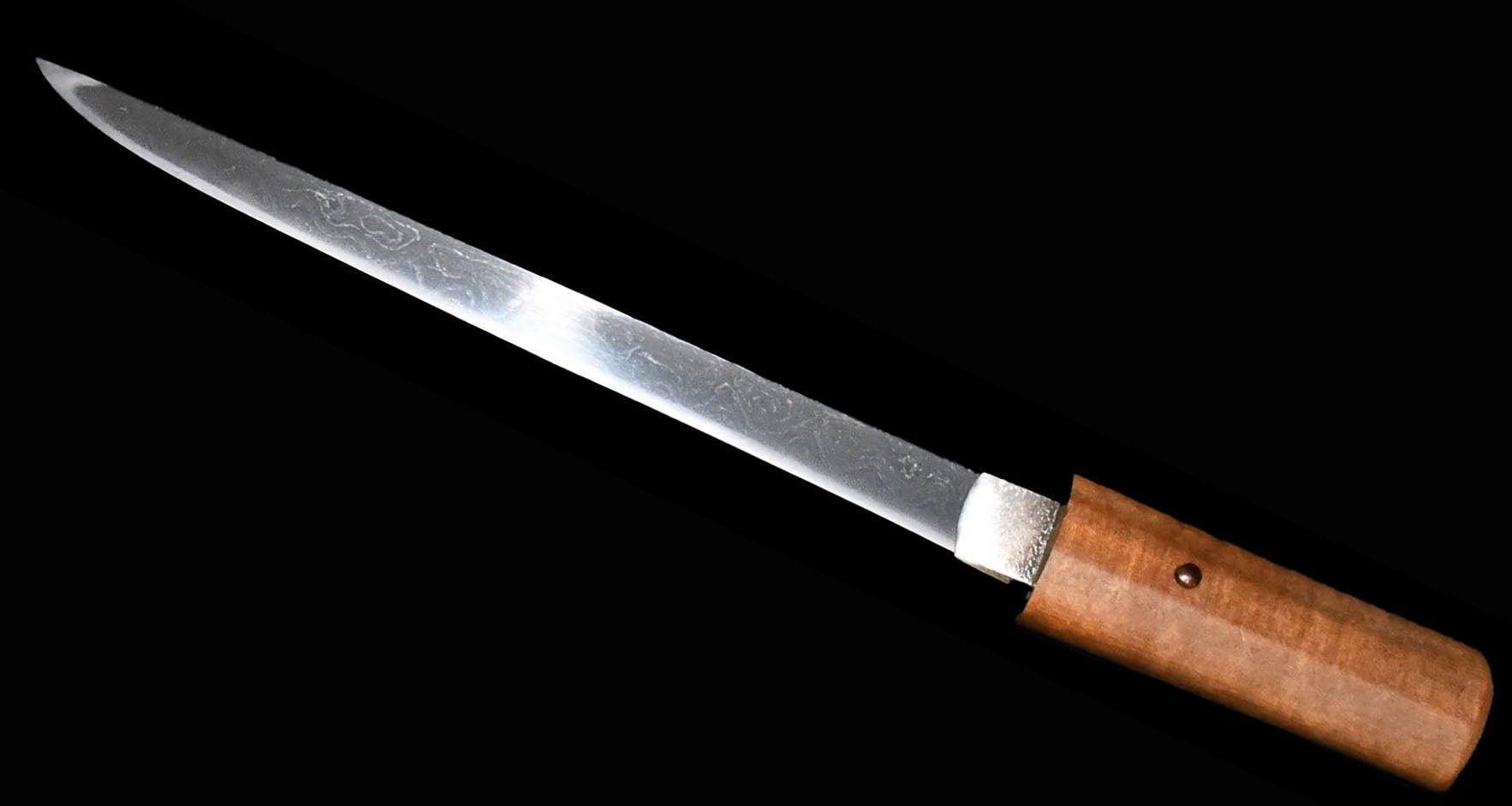
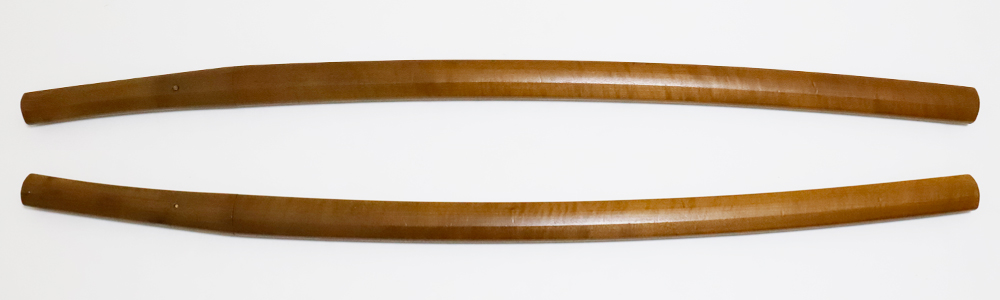
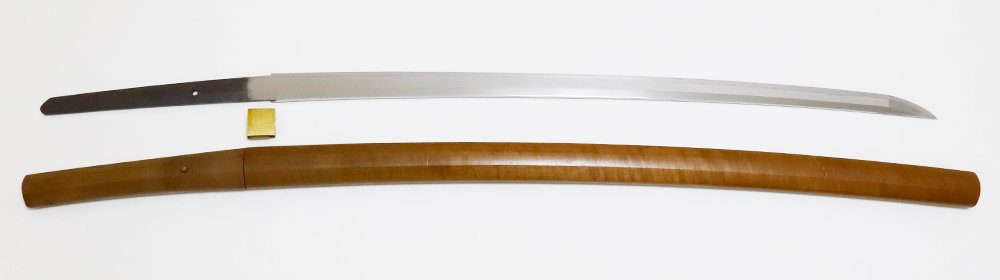
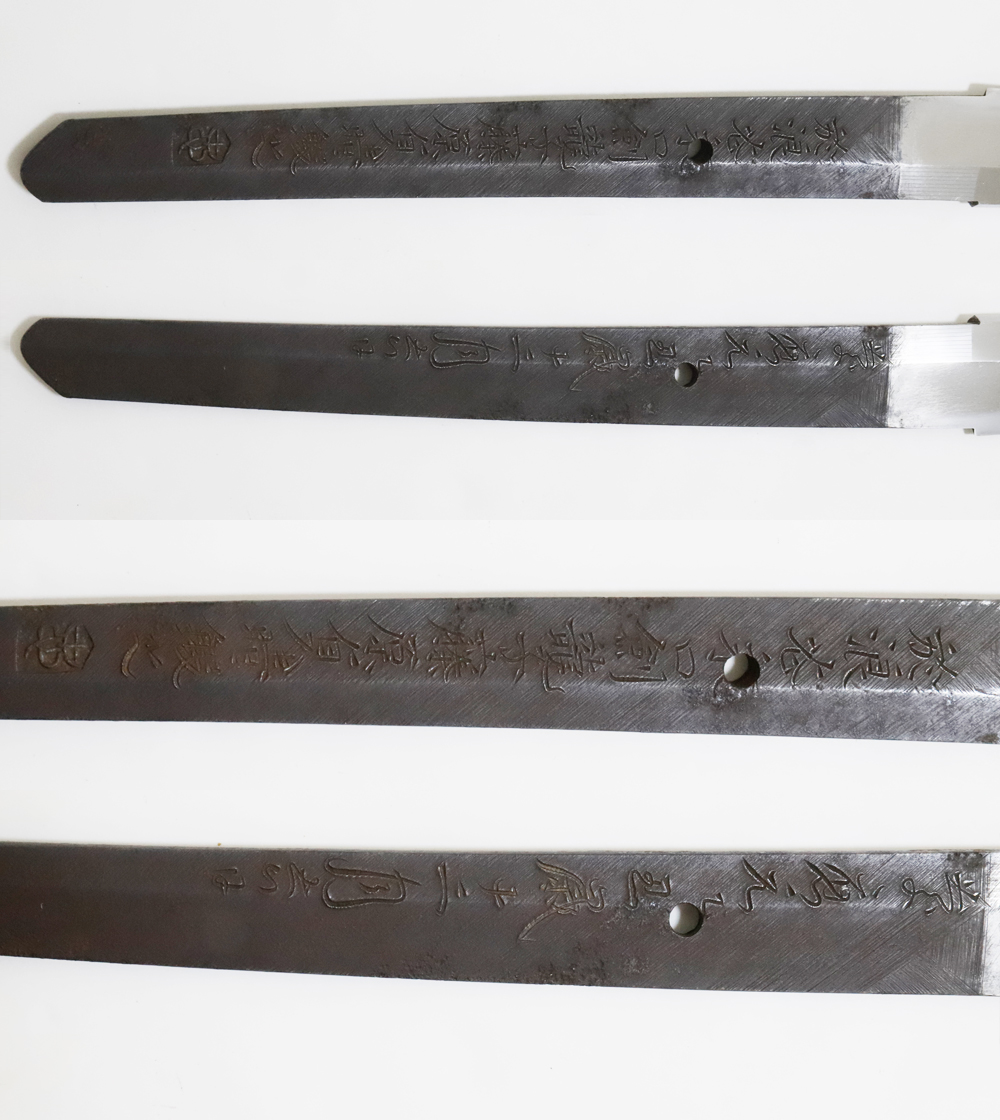
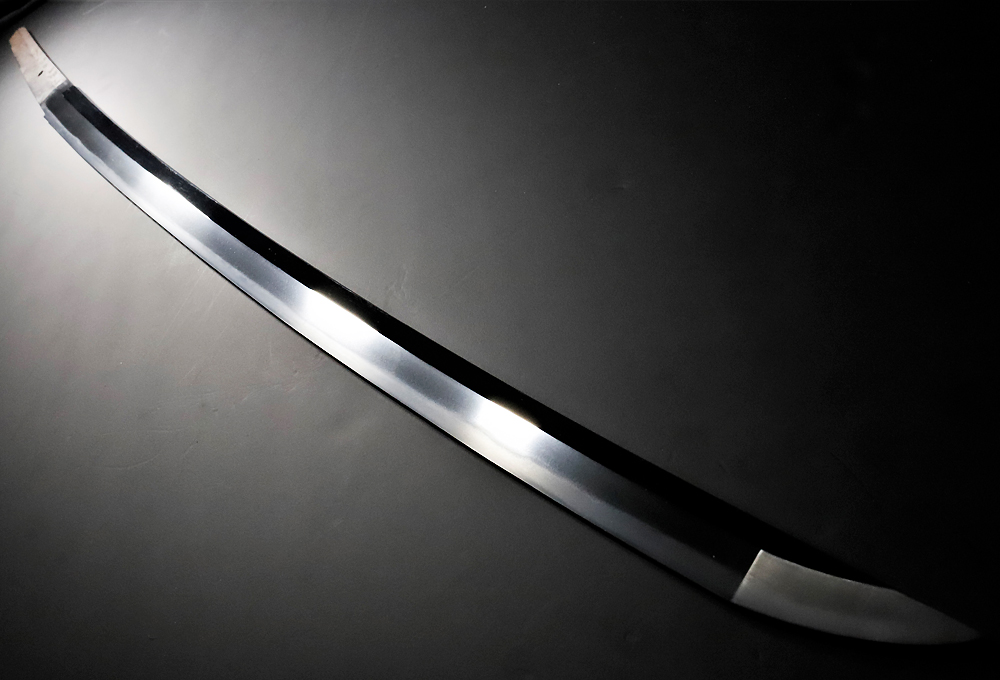
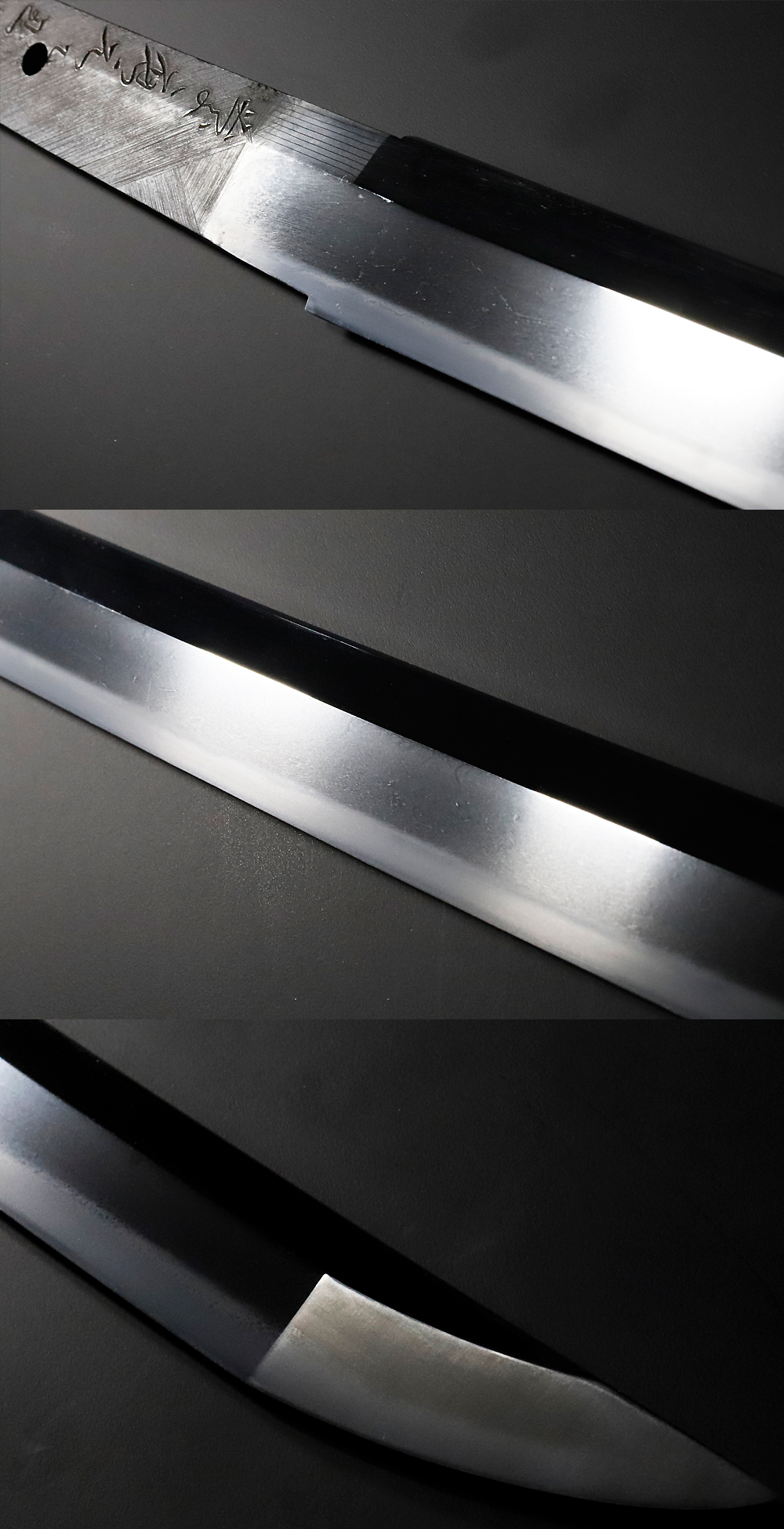
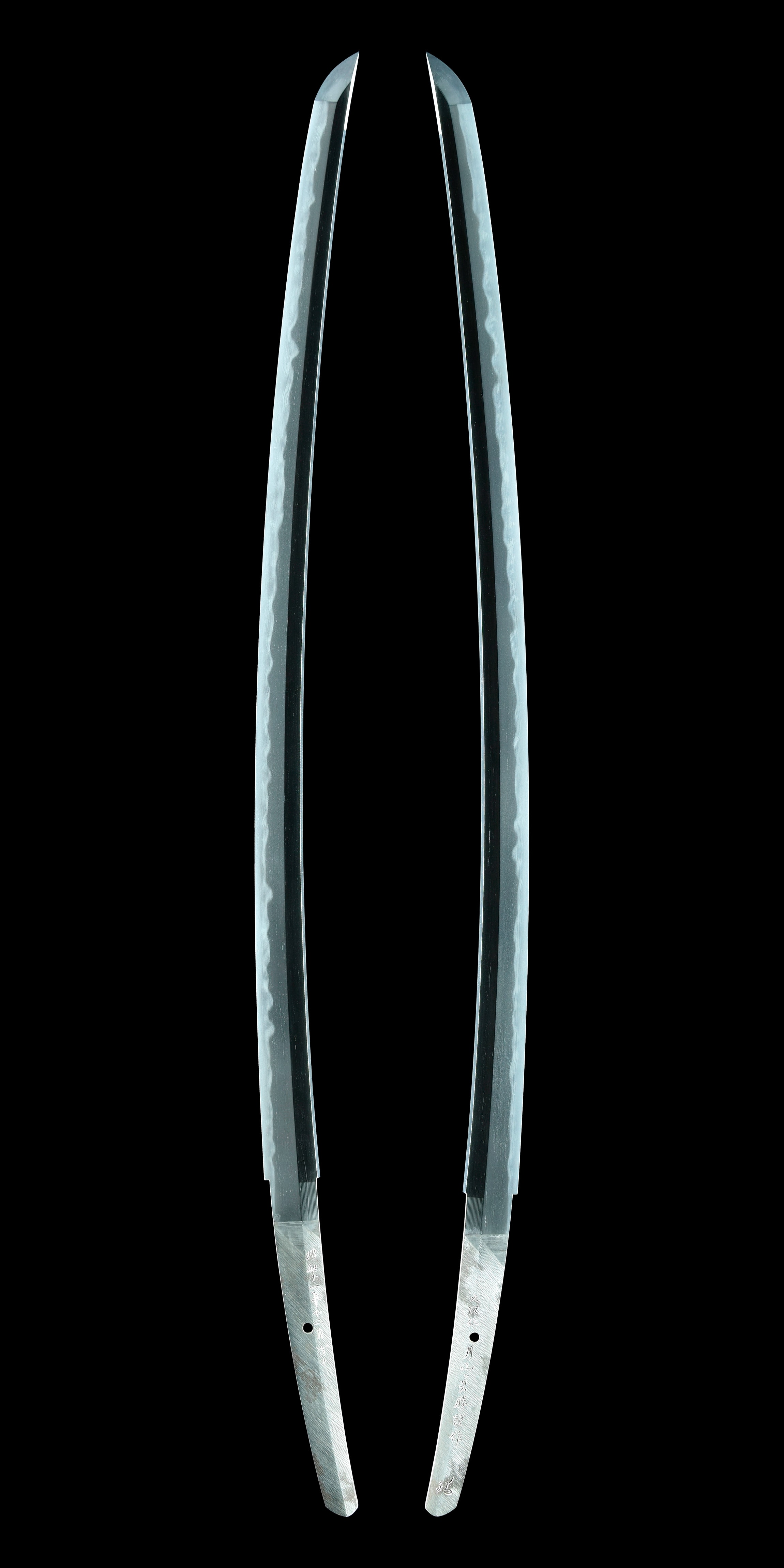
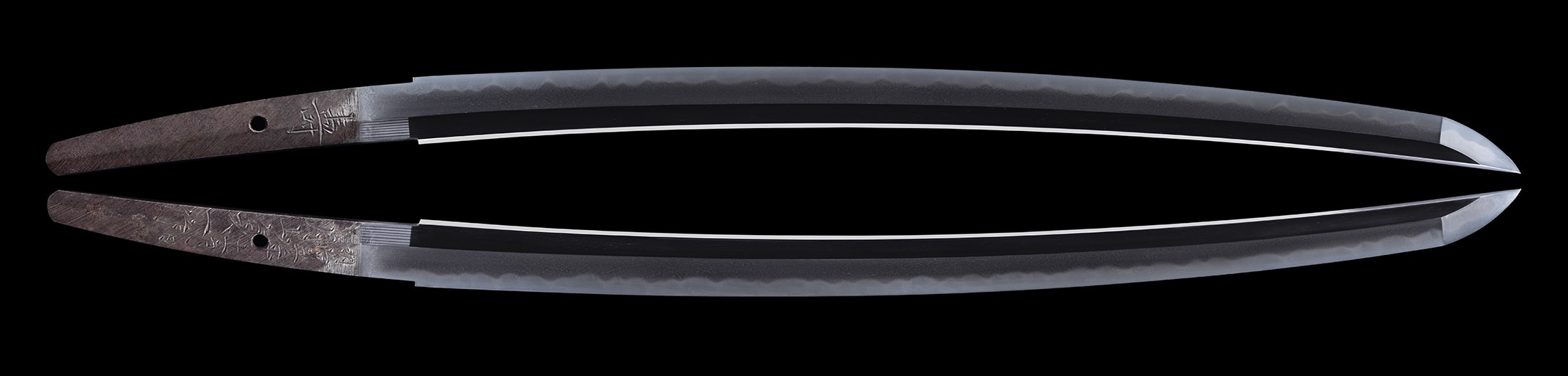
This is a magnificent katana by Kenryushi Sadaharu, a swordsmith from Osaka during the late Edo period and a student of Gassan Sadakatsu. The blade exhibits a shallow sori, wide mihaba, and extended kissaki, characteristic of the powerful style favored by samurai of the Bakumatsu era. It features a tightly forged ko-itame hada with ji-kei, and a sugu-cho hamon with ko-gunome and ko-ashi, accented by kinsuji along the ha-buchi. The nakago is meticulously finished with a large suji-kai yasurime and a kurijiri, bearing a precise long mei and an engraved seal, with the date Keio Gannen (1865) inscribed in elegant grass script on the ura.
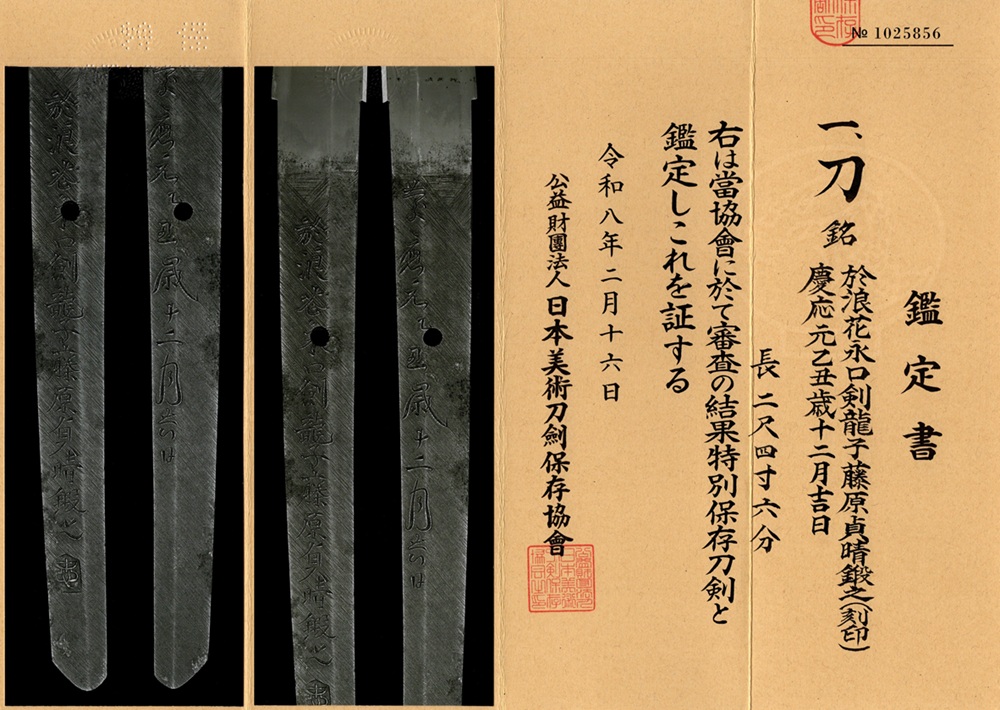
Certificate reading — 銘 於浪花永口剣龍子藤原貞晴鍛之(刻印) 慶応元乙丑歳十二月吉日
 NihontoWatch
mei · Keio (1865-1868) · nagasa 74.5cm · sori 1.3cm


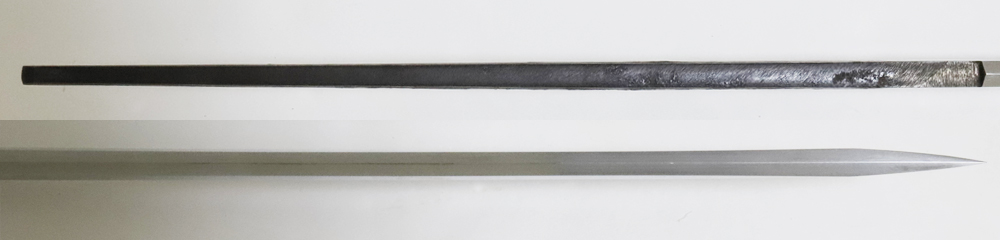
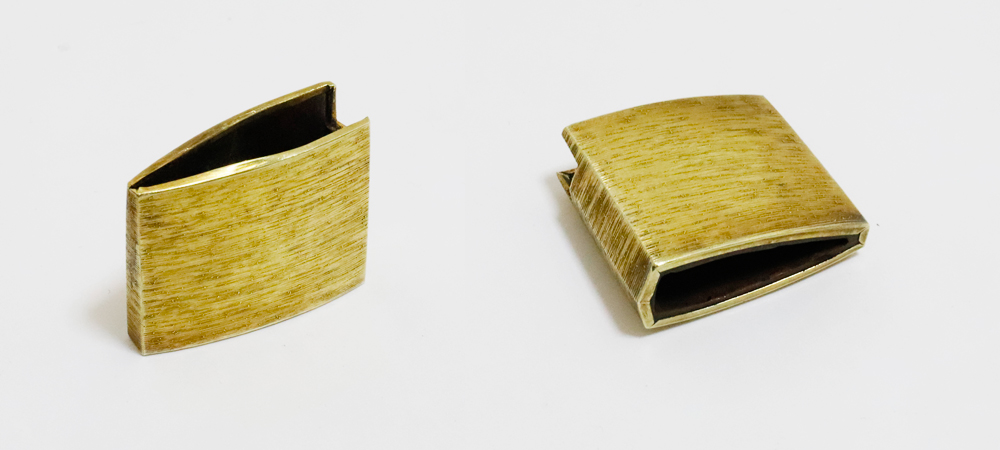
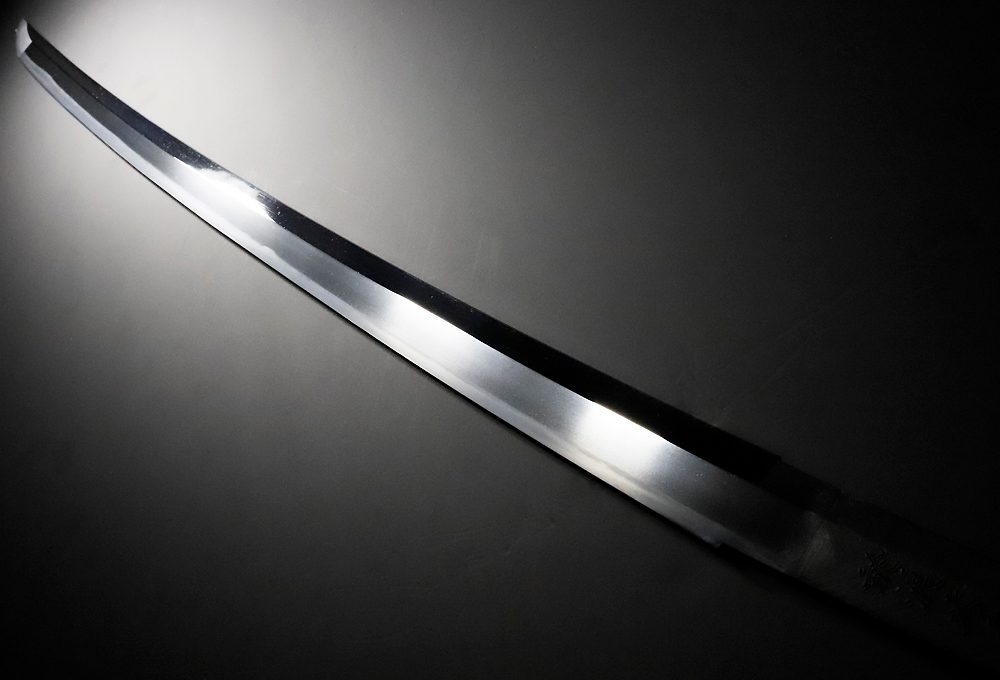
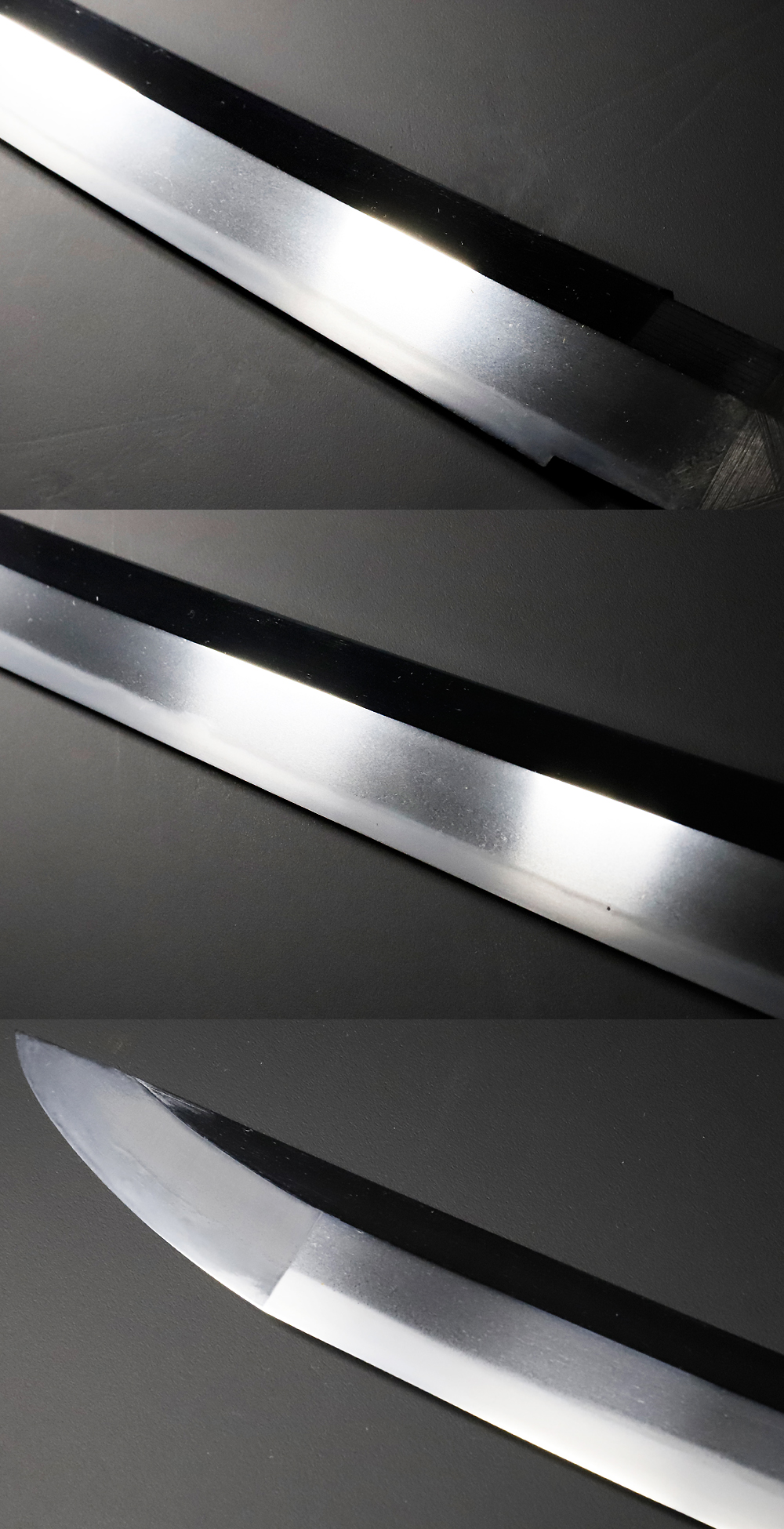
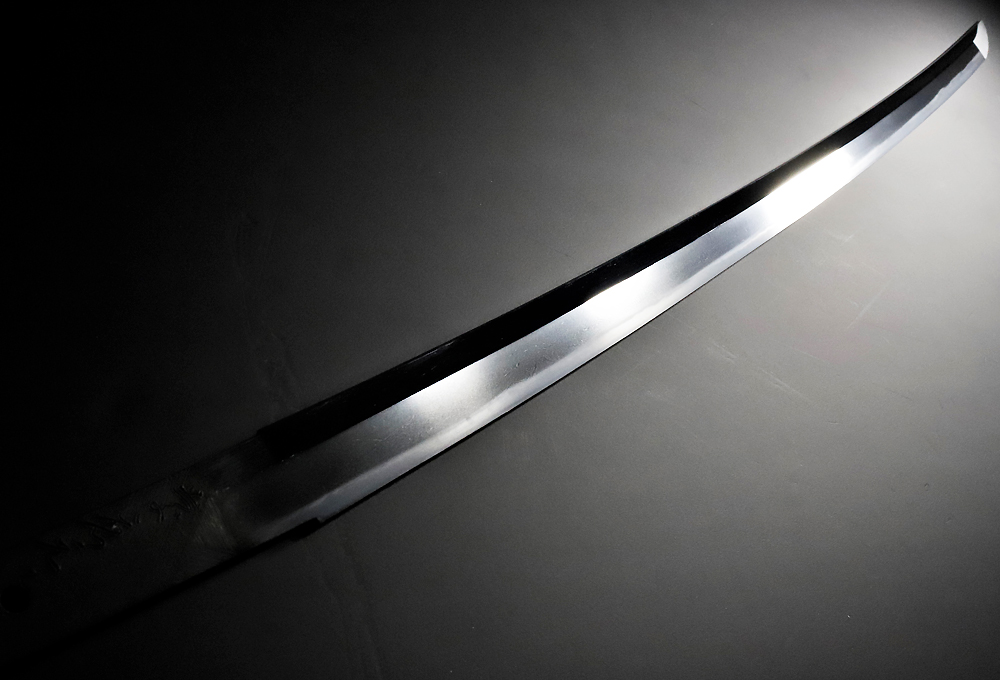
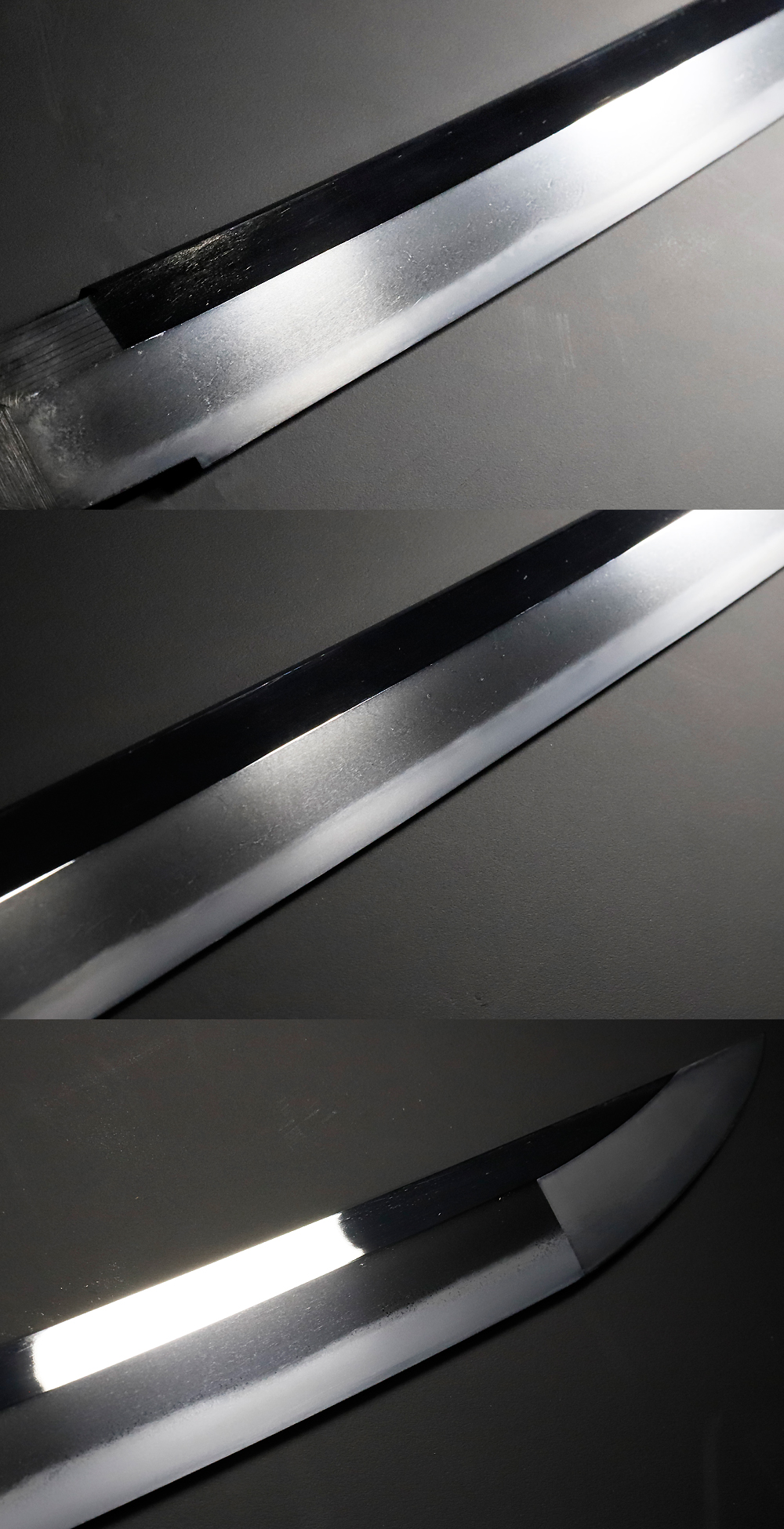
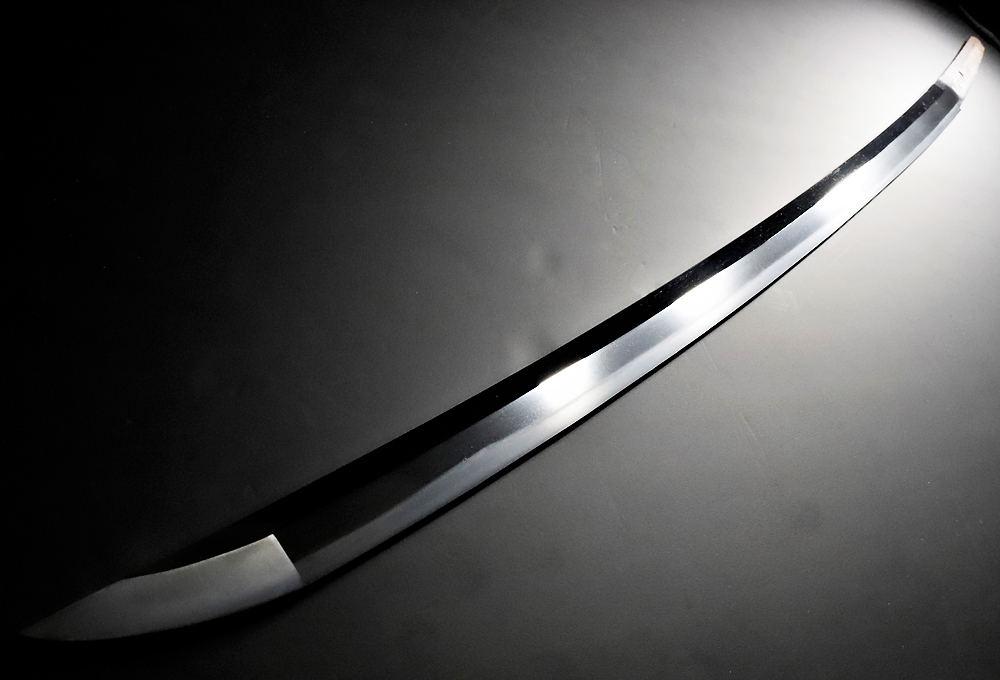
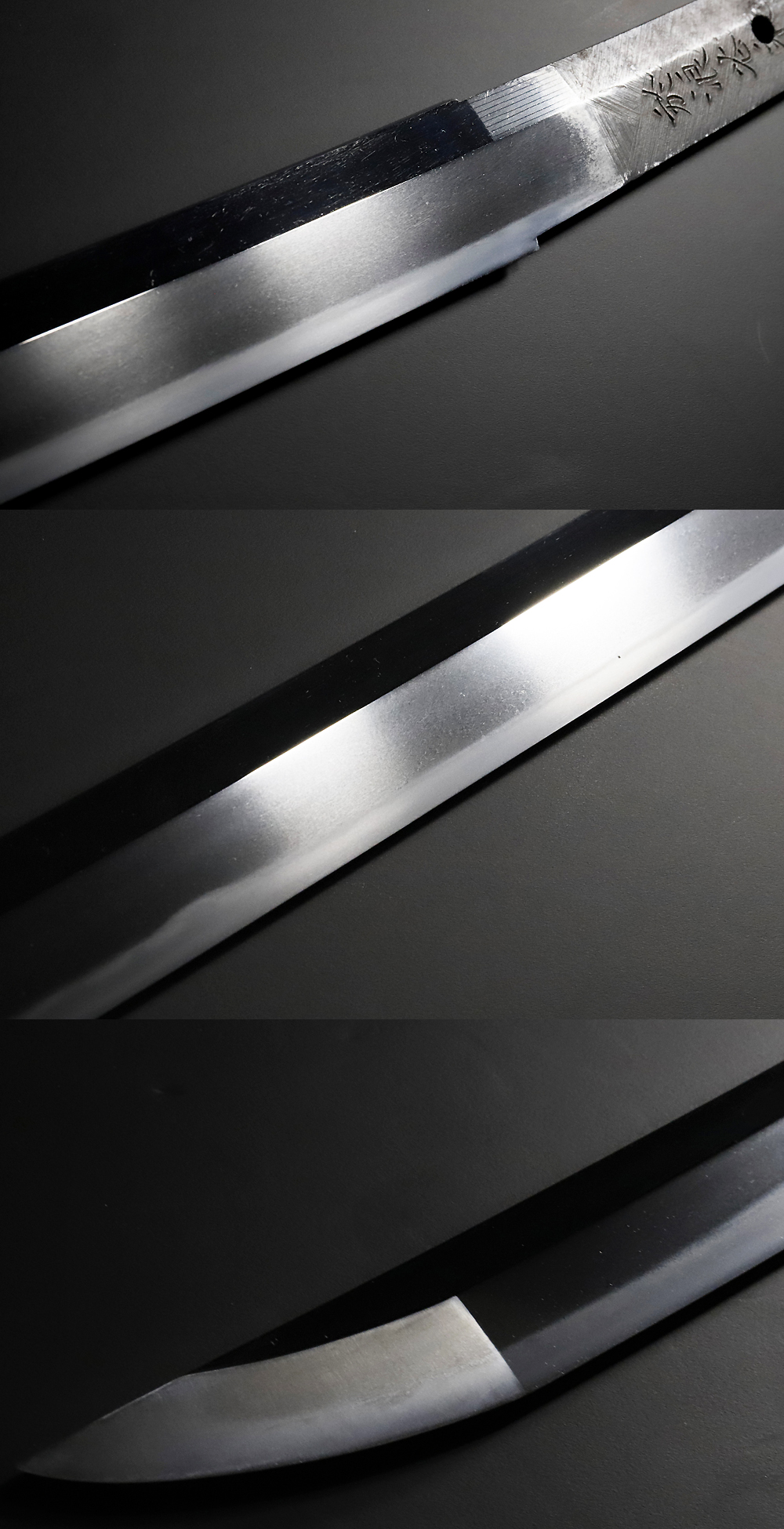
Shinshinto · Settsu · around 1865-1868
Tōken Taikan top 95%
7 pieces on the market now
Shinshinto · Settsu
37 pieces on the market now
| Smith | Era | Designated |
|---|---|---|
| Sadakazu貞一 | 1864-1865 | 2 |
| Sadaharu貞晴 | 1865-1868 | 0 |
| Sadayoshi貞吉 | 1926-1989 | 0 |
| Yoshiaki吉明 | 1844-1848 | 0 |
| Sadayoshi貞吉 | 1830-1863 | 0 |
Bakumatsu: the last war market
Perry’s arrival in 1853 unraveled the Tokugawa peace and created the first mass demand for working swords in two centuries. Kiyomaro, called the Masamune of Yotsuya, died on its eve; Munetsugu and Yukihide carried the boom to the end.
A Hozon-certified blade judged to show notably superior workmanship and a better state of preservation. The bar is higher: re-tempered blades and most unsigned Muromachi/Edo works are excluded.
The NBTHK (Nihon Bijutsu Tōken Hozon Kyōkai, the Society for the Preservation of Japanese Art Swords) is a public-interest incorporated foundation founded in 1948 and supervised by Japan’s Agency for Cultural Affairs (Bunkachō); it is based at the Japanese Sword Museum in Tokyo. Its expert panels physically examine each submitted work (shinsa) and issue a certificate (kanteishō) ranking it by artistic and historical merit. NBTHK papers are the most widely recognized standard of authentication for Japanese swords and fittings.
NBTHK official siteDomestic: items may be returned within 7 days in original condition for a full refund (buyer covers transport). Overseas orders: no-refunds, no-returns.
¥1,000,000
This is a magnificent katana by Kenryushi Sadaharu, a swordsmith from Osaka during the late Edo period and a student of Gassan Sadakatsu. The blade exhibits a shallow sori, wide mihaba, and extended kissaki, characteristic of the powerful style favored by samurai of the Bakumatsu era. It features a tightly forged ko-itame hada with ji-kei, and a sugu-cho hamon with ko-gunome and ko-ashi, accented by kinsuji along the ha-buchi. The nakago is meticulously finished with a large suji-kai yasurime and a kurijiri, bearing a precise long mei and an engraved seal, with the date Keio Gannen (1865) inscribed in elegant grass script on the ura.
Certificate reading — 銘 於浪花永口剣龍子藤原貞晴鍛之(刻印) 慶応元乙丑歳十二月吉日
NihontoWatchmei · Keio (1865-1868) · nagasa 74.5cm · sori 1.3cm
Shinshinto · Settsu · around 1865-1868
Tōken Taikan top 95%
7 pieces on the market now
Shinshinto · Settsu
37 pieces on the market now
| Smith | Era | Designated |
|---|---|---|
| Sadakazu貞一 | 1864-1865 | 2 |
| Sadaharu貞晴 | 1865-1868 | 0 |
| Sadayoshi貞吉 | 1926-1989 | 0 |
| Yoshiaki吉明 | 1844-1848 | 0 |
| Sadayoshi貞吉 | 1830-1863 | 0 |
Bakumatsu: the last war market
Perry’s arrival in 1853 unraveled the Tokugawa peace and created the first mass demand for working swords in two centuries. Kiyomaro, called the Masamune of Yotsuya, died on its eve; Munetsugu and Yukihide carried the boom to the end.
A Hozon-certified blade judged to show notably superior workmanship and a better state of preservation. The bar is higher: re-tempered blades and most unsigned Muromachi/Edo works are excluded.
The NBTHK (Nihon Bijutsu Tōken Hozon Kyōkai, the Society for the Preservation of Japanese Art Swords) is a public-interest incorporated foundation founded in 1948 and supervised by Japan’s Agency for Cultural Affairs (Bunkachō); it is based at the Japanese Sword Museum in Tokyo. Its expert panels physically examine each submitted work (shinsa) and issue a certificate (kanteishō) ranking it by artistic and historical merit. NBTHK papers are the most widely recognized standard of authentication for Japanese swords and fittings.
NBTHK official siteDomestic: items may be returned within 7 days in original condition for a full refund (buyer covers transport). Overseas orders: no-refunds, no-returns.
¥1,000,000





![Katana - by Gassan Sadaharu - Mei: O Naniwa Nagakuchi Sadaharu Zo Kore [Stamped] - O Matsumoto Han Masuda-shi Konomi Keio Gannen Kinoto-Ushi-doshi Kikuzuki](/_next/image?url=https%3A%2F%2Fitbhfhyptogxcjbjfzwx.supabase.co%2Fstorage%2Fv1%2Fobject%2Fpublic%2Flisting-images%2Fchoshuya%2FL35853%2F00.jpg&w=2560&q=90)

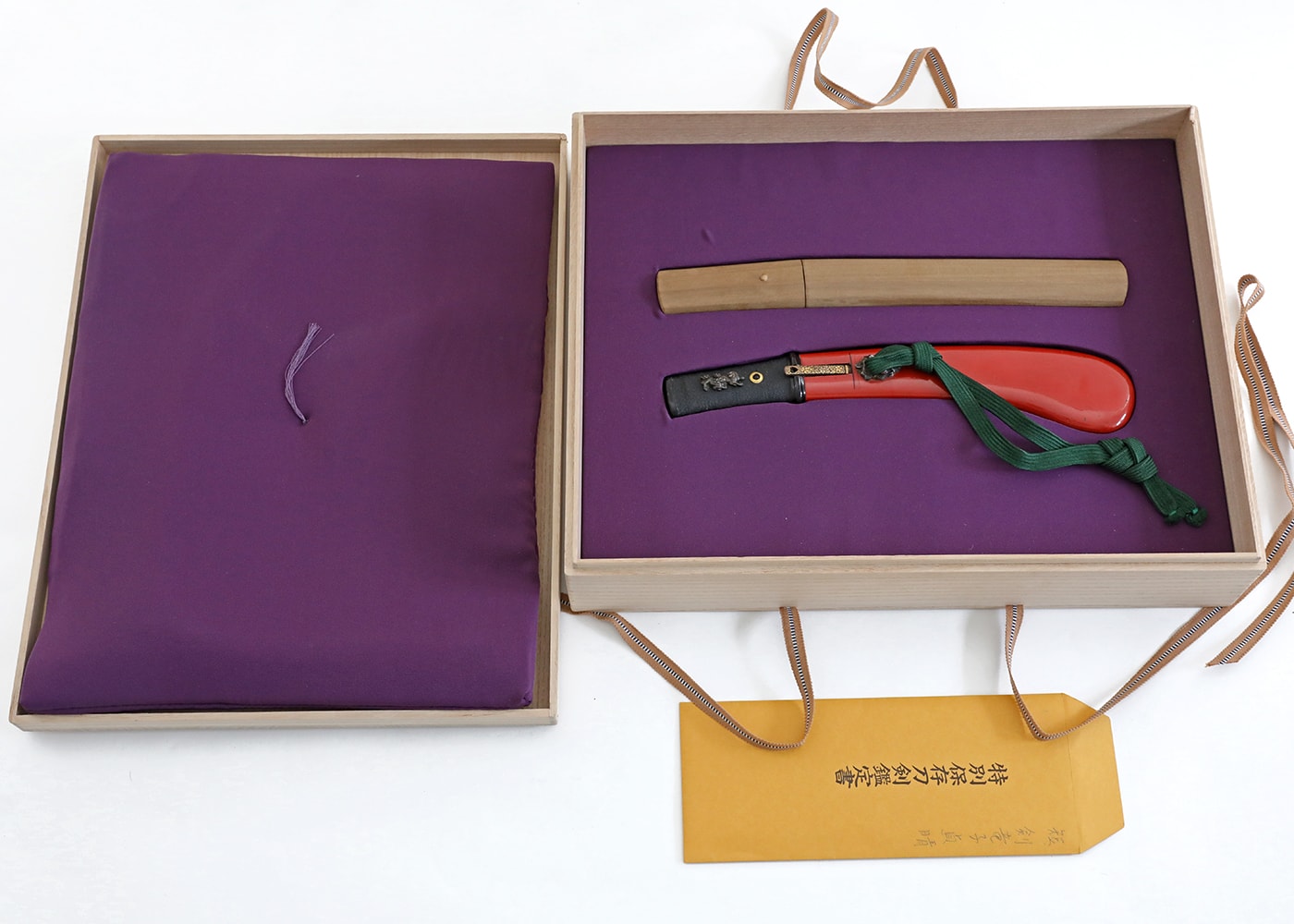
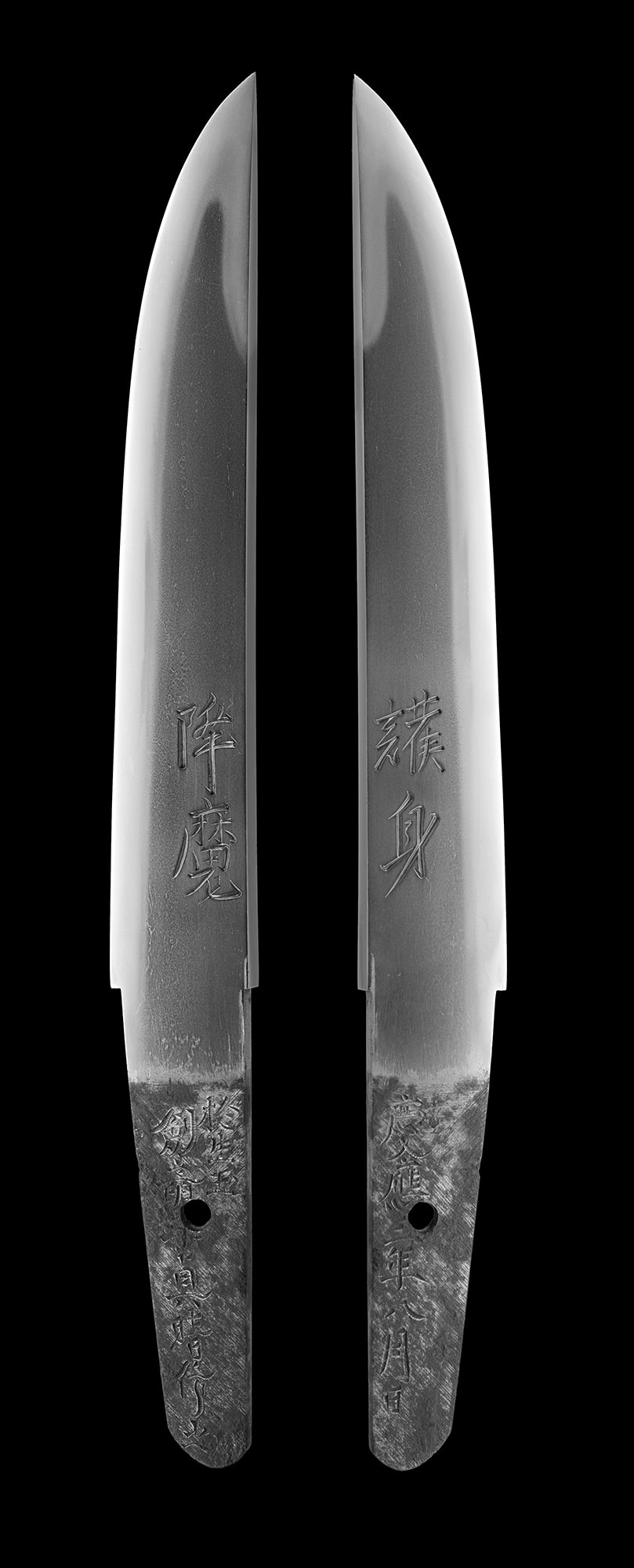
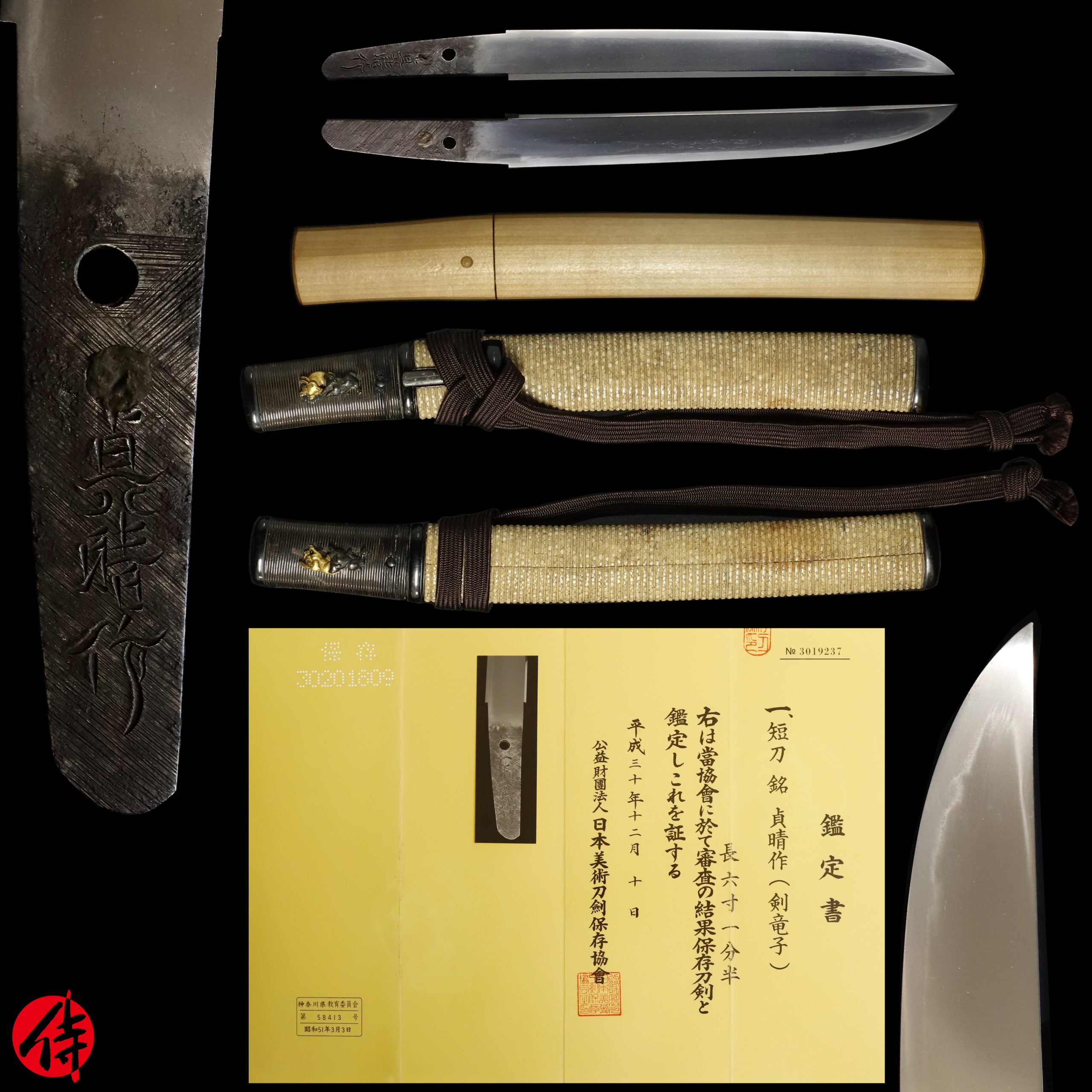
![Tanto - Hozon - by Gassan Sadaharu - Sold: Tanto Sadaharu (Kenryushi) - Shin-Shinto, with Hozon Token certificate [18.9cm, 6 sun 3 bu, with Umahari]](/_next/image?url=https%3A%2F%2Fitbhfhyptogxcjbjfzwx.supabase.co%2Fstorage%2Fv1%2Fobject%2Fpublic%2Flisting-images%2Ftoken-hasegawa%2FL640899%2F00.jpg&w=2560&q=90)
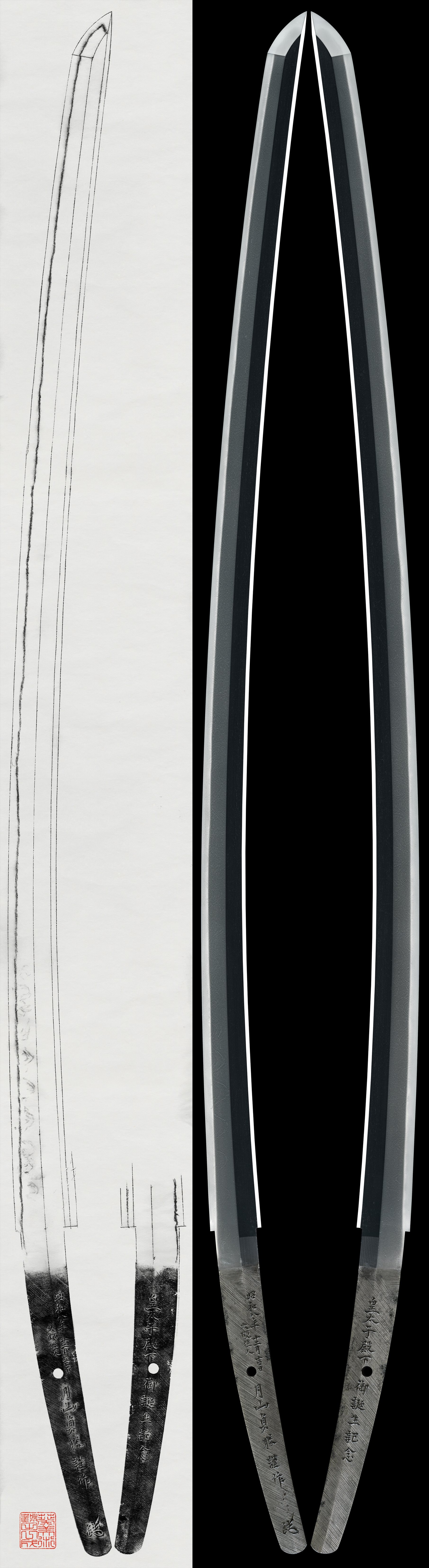



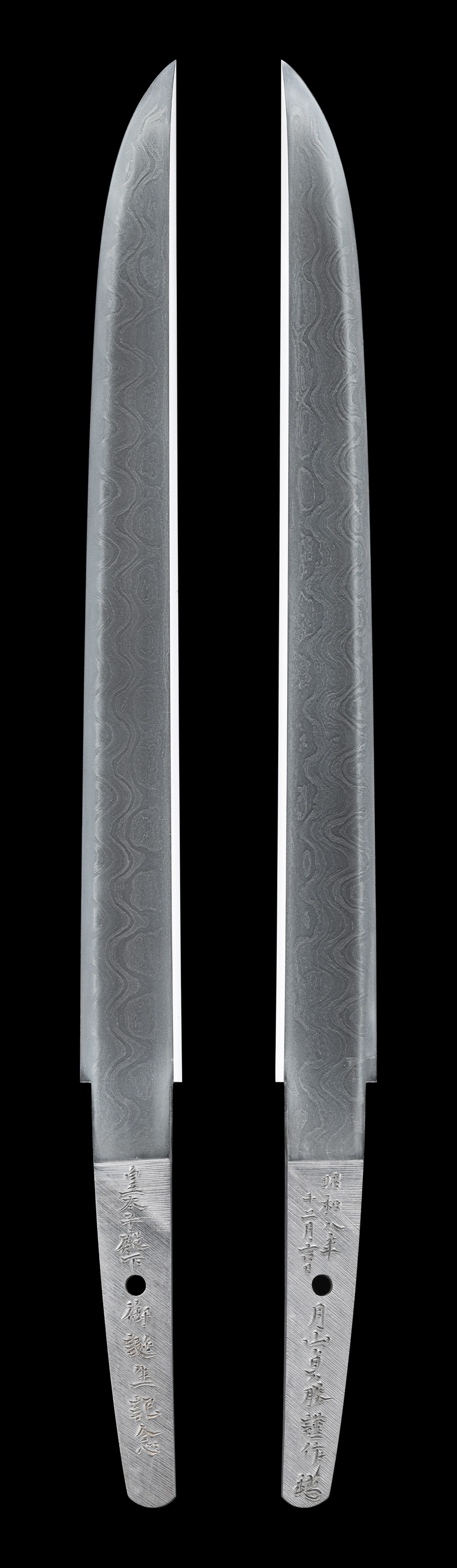






![Tanto - Hozon - by Gassan Sadayoshi - Fuyou Asahi, Ansei Hebidoshi 8gatsuhi (Attributed to Gassan Sadayoshi) [NBTHK Hozon]](/_next/image?url=https%3A%2F%2Fitbhfhyptogxcjbjfzwx.supabase.co%2Fstorage%2Fv1%2Fobject%2Fpublic%2Flisting-images%2Ftoyuukai%2FL519985%2F04.jpg&w=2560&q=90)