Perry’s arrival in 1853 unraveled the Tokugawa peace and created the first mass demand for working swords in two centuries. Kiyomaro, called the Masamune of Yotsuya, died on its eve; Munetsugu and Yukihide carried the boom to the end.
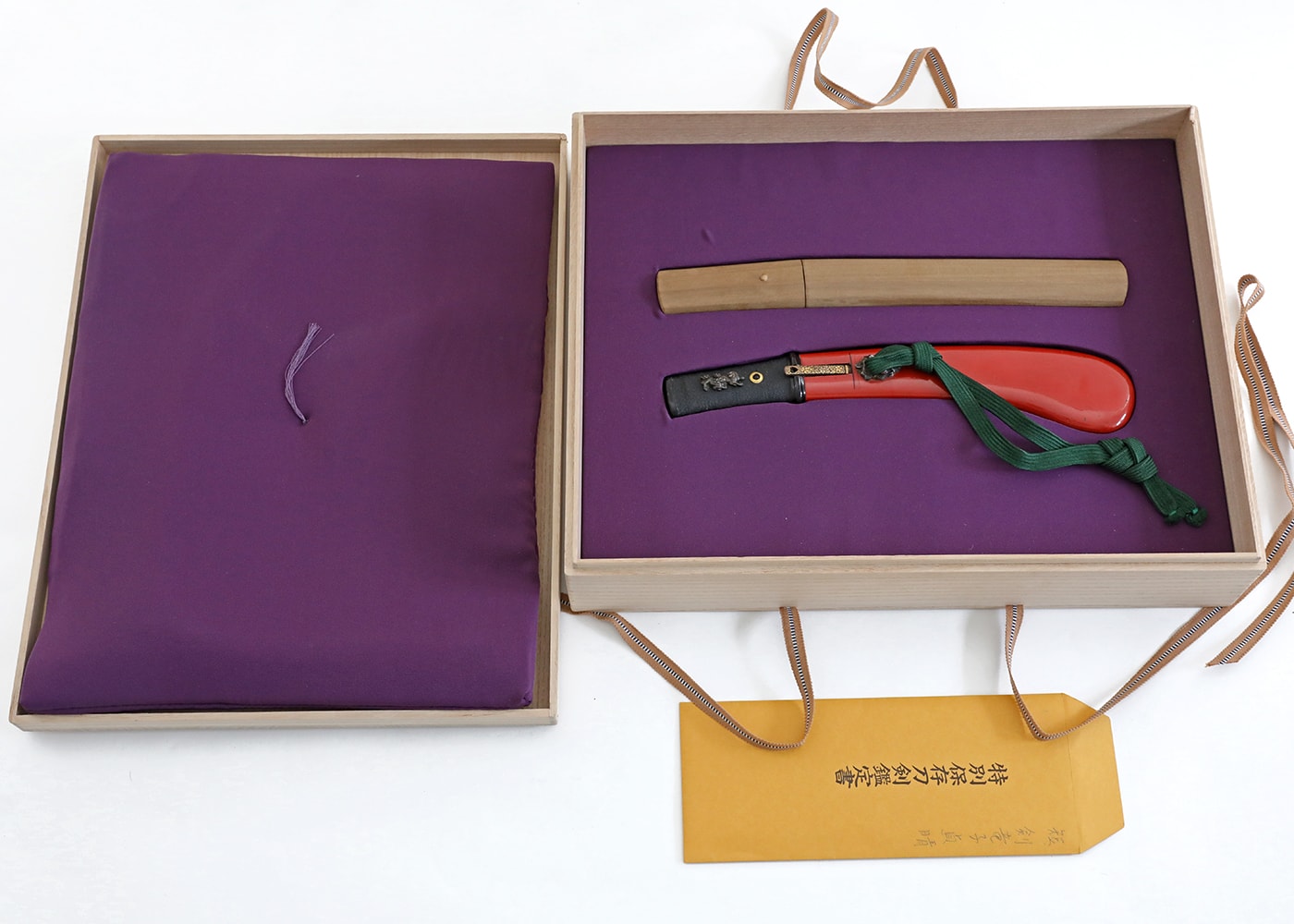
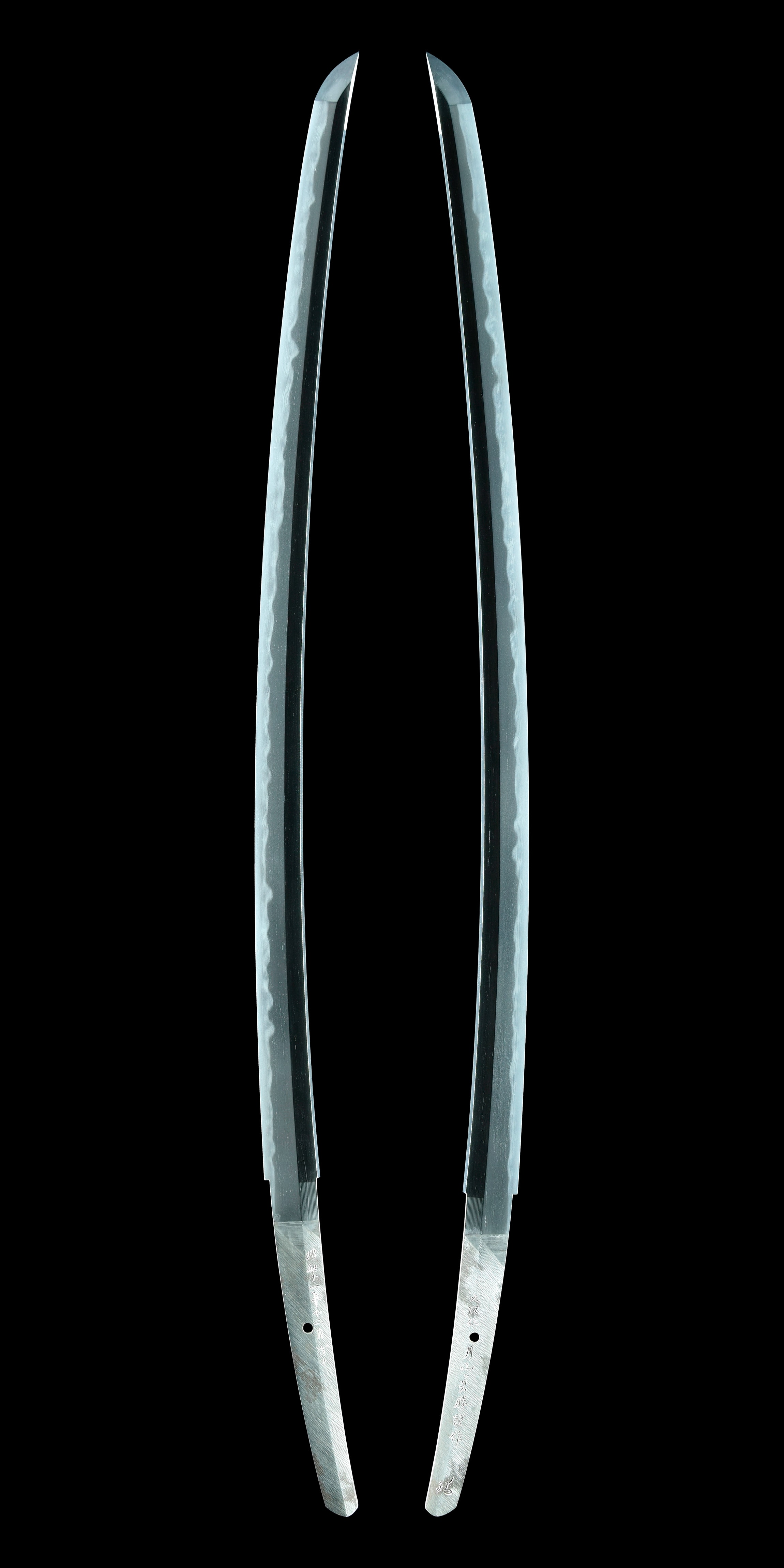
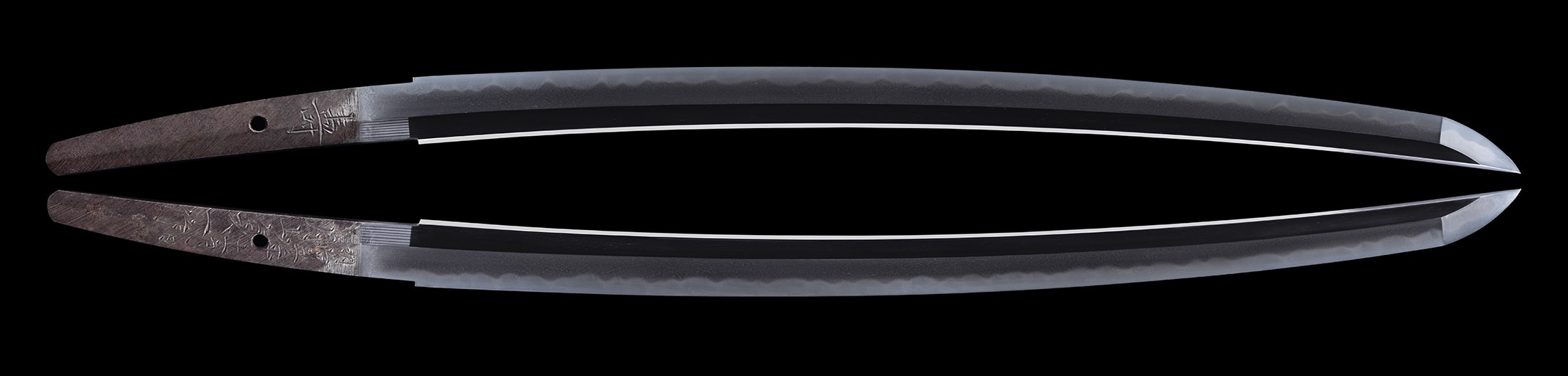
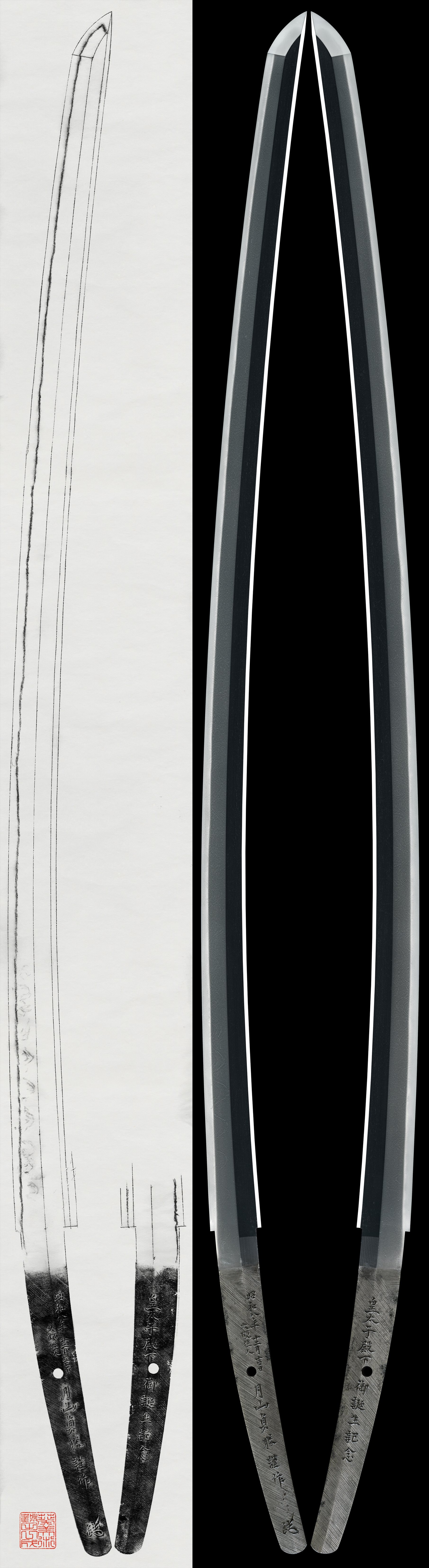
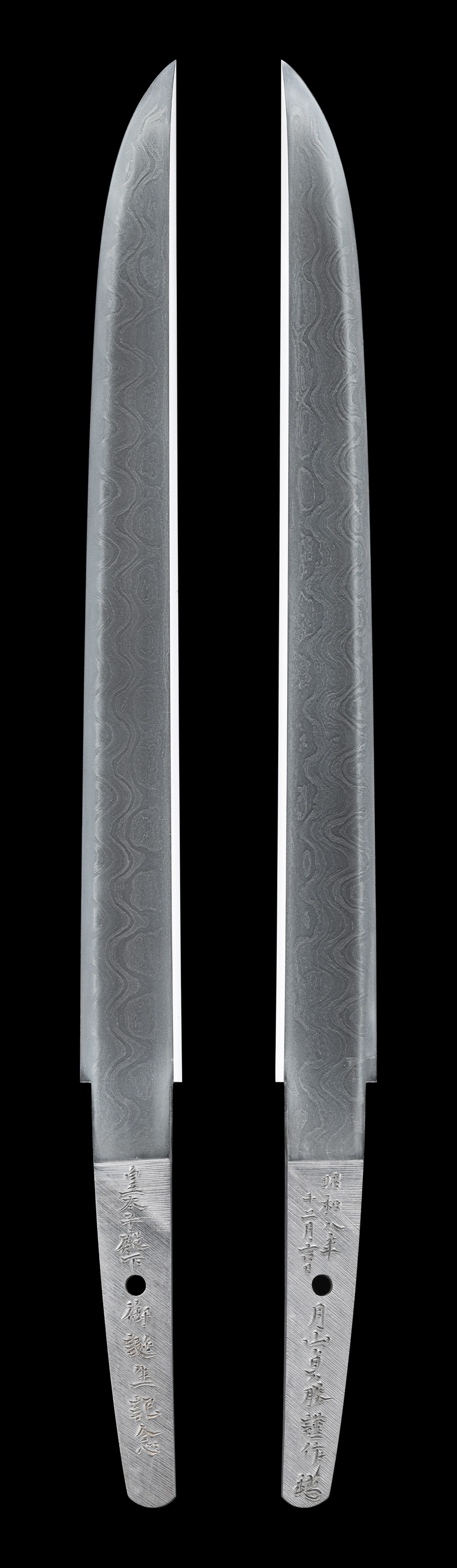
It has arrived, it has arrived—a tanto by Kenryushi Sadaharu, a famous smith whose extant works are rare, has appeared. Kenryushi Sadaharu was a pupil of the famous Osaka Gassan Sadayoshi and a senior smith to the Imperial Court Artist Gassan Teiichi. He was a master craftsman active from the Keio era at the end of the Edo period through the Meiji era, but because he performed daisaku (substitute smithing) for his master Gassan Sadayoshi and encountered the Haitorei (Sword Abolishment Edict), his extant works are extremely few, making this tanto precious. This tanto exhibits the Soshu-den style with a shin-no-mune. The sugata shows a wide moto-mihaba with a distinct difference from the saki-mihaba. The jigane is a superb, tightly packed ko-itame hada. The famous Gassan-hori (engravings) are skillfully done, featuring a hataboko on the omote and gomabashi on the ura. The hamon is a spirited Soshu-den style in nioi-deki with nie, consisting of notare-midare mixed with togari-ba. It is a masterpiece tanto, appearing as if one is looking at a high-quality work by his master Gassan Sadayoshi. There are records that Kenryushi Sadaharu forged in Ikutama-no-sho, Tennoji-ku, where the Ikutama Jinja (enshrining deities equal to the Ise Grand Shrine in the center of Osaka) is located; this tanto serves as evidence of that. Sadaharu is one of the few swordsmiths in Japan whose specific forging location is known. The luxurious tanto koshirae from that period adds further splendor to this work by Kenryushi Sadaharu. As this has appeared "raw" in the world for the first time, there is some slight ubusabi (light rust), so we are offering it at a special bargain price. Please enjoy it.
 NihontoWatch
Edo · nagasa 23.8cm


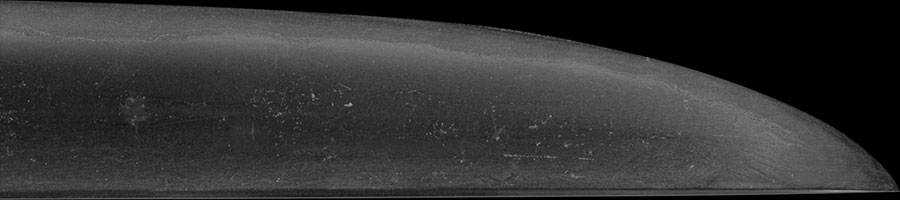
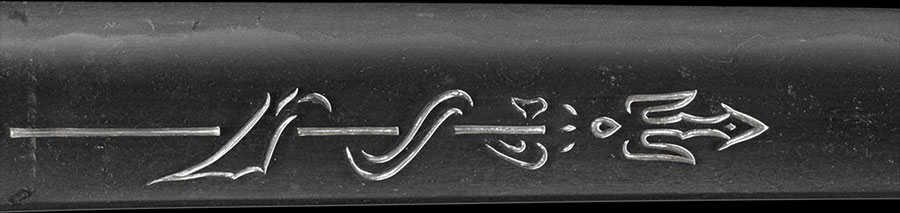
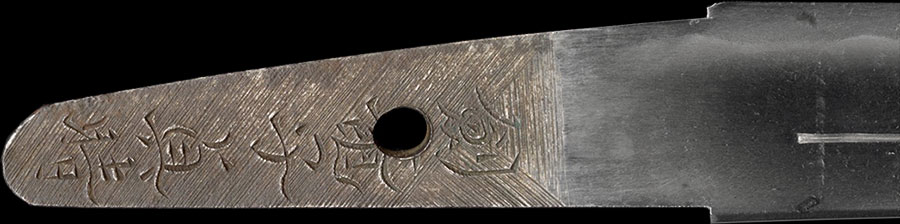
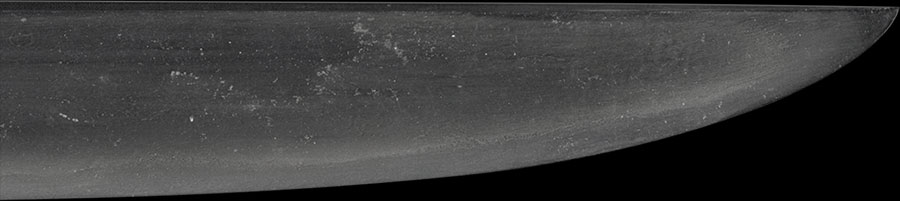
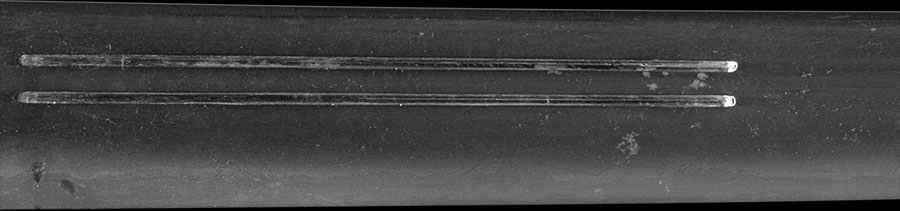
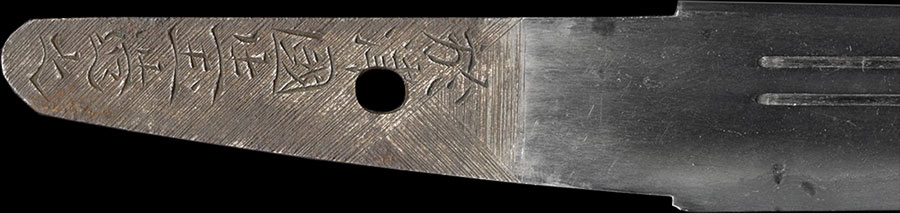
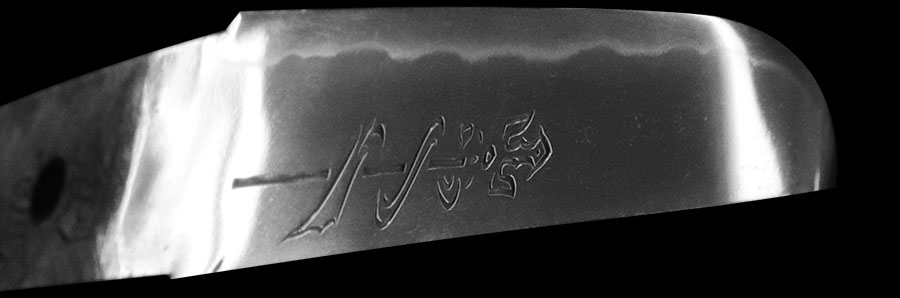
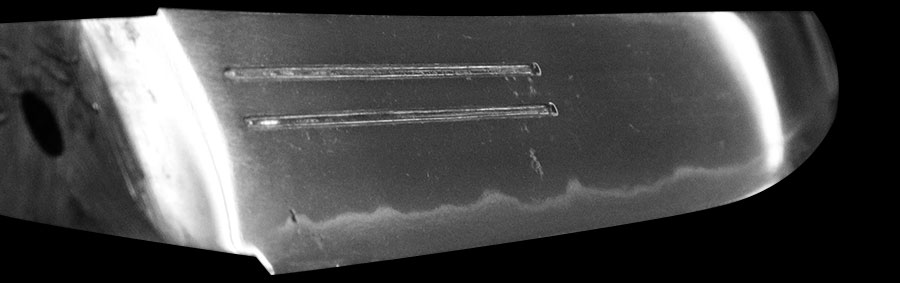
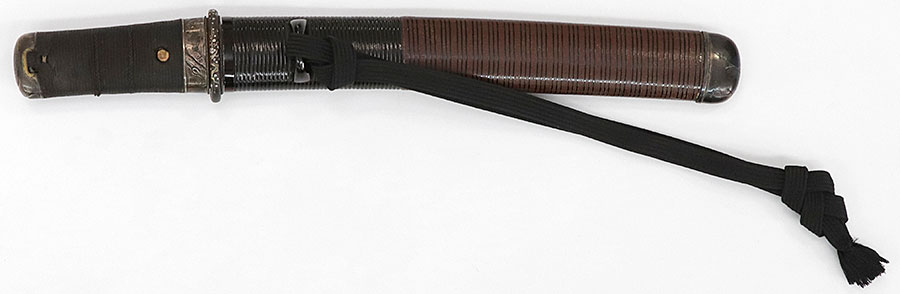
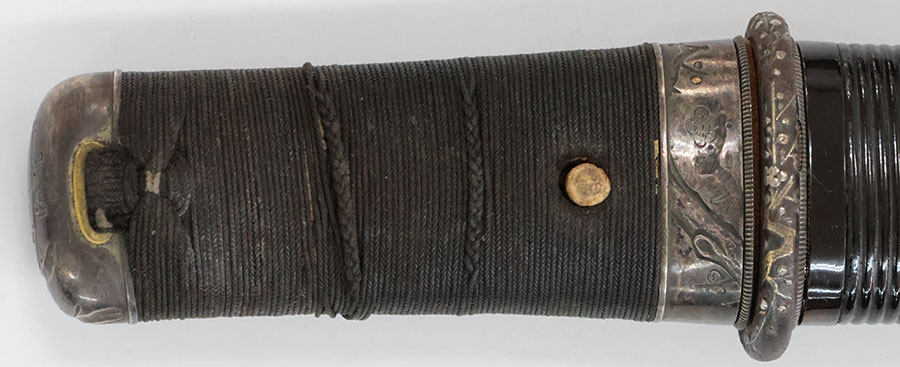
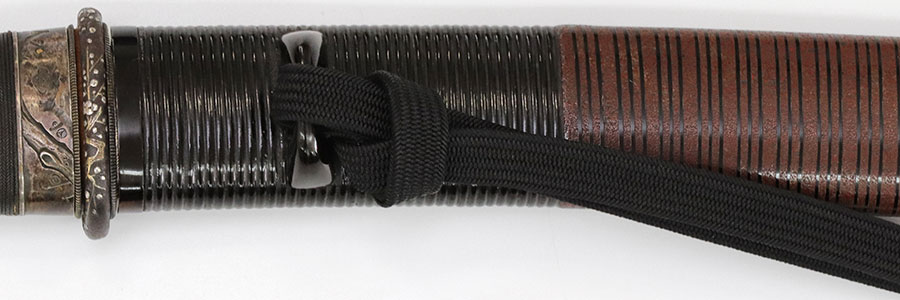
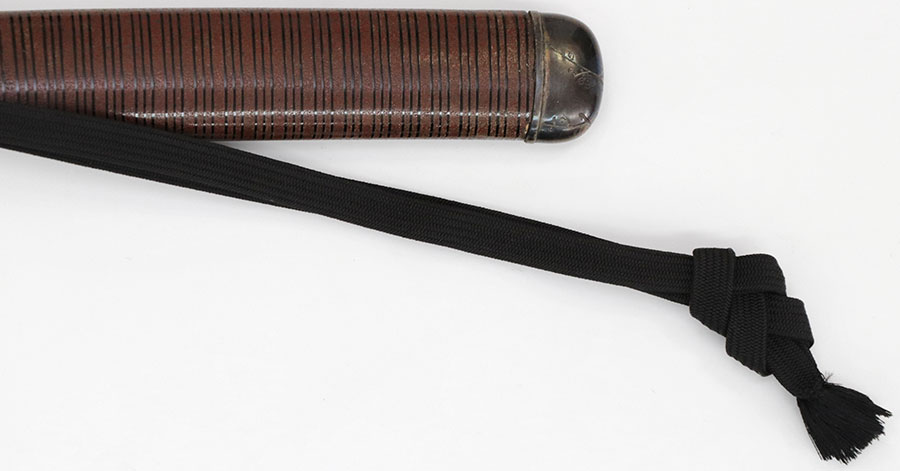
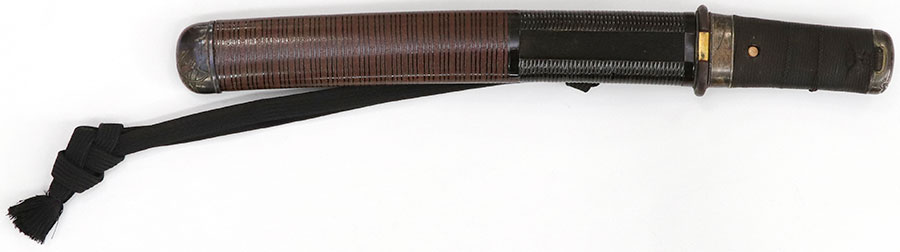
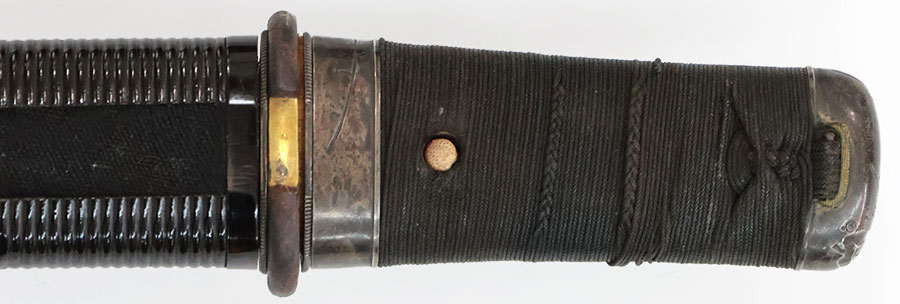
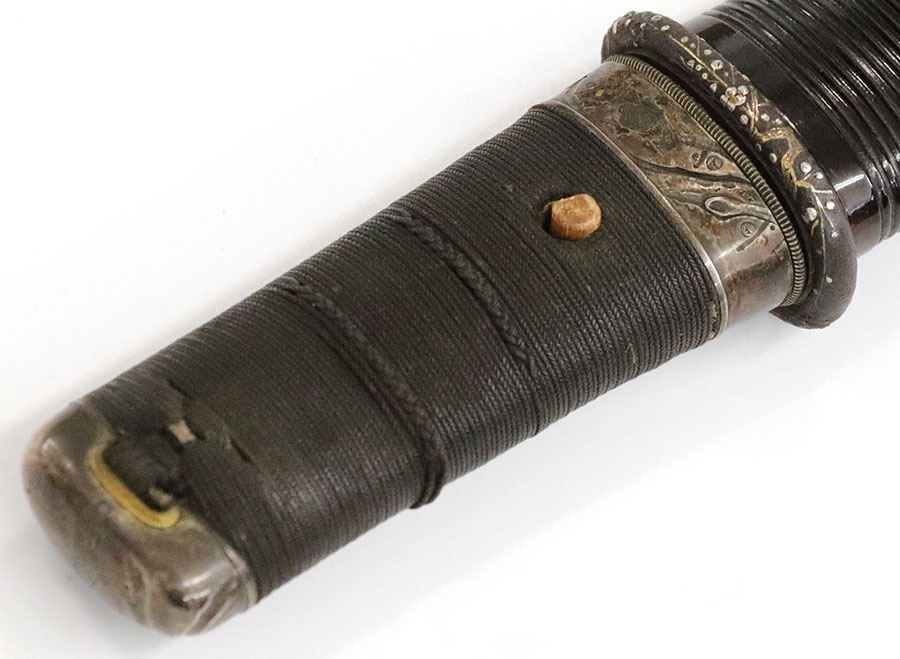
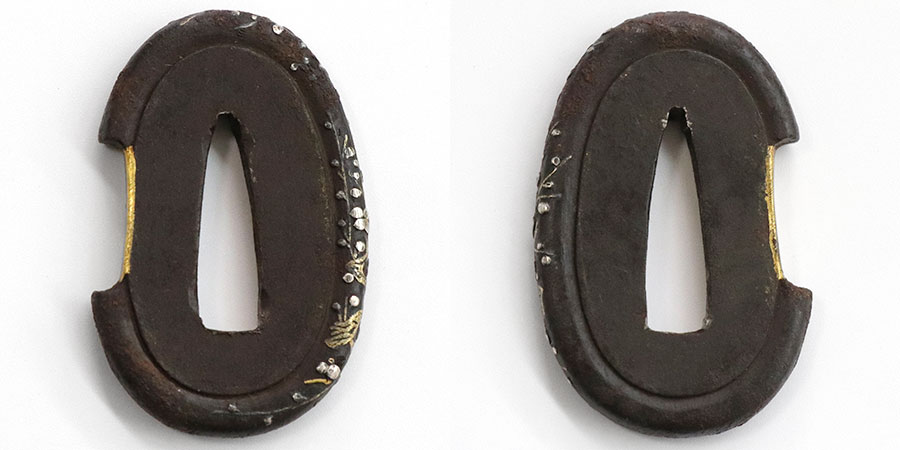
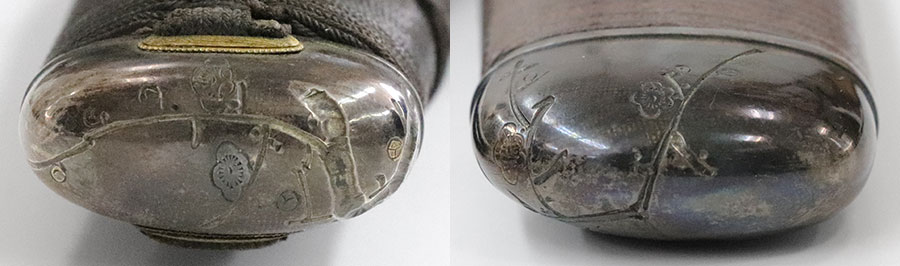
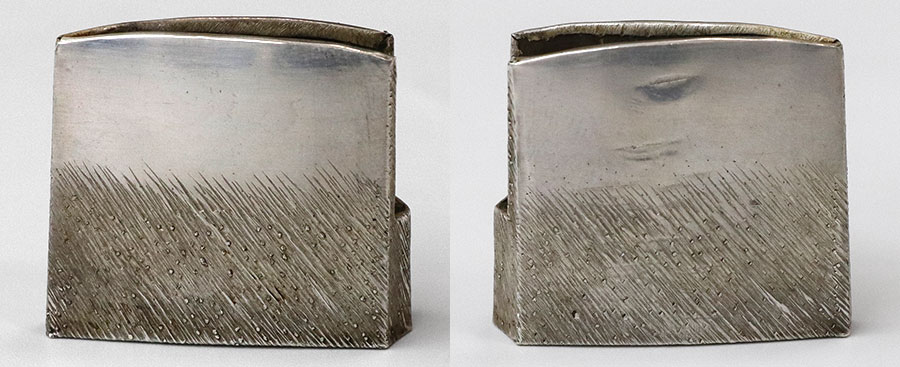
Shinshinto · Settsu · around 1865-1868
Tōken Taikan top 95%
7 pieces on the market now
Shinshinto · Settsu
36 pieces on the market now
| Smith | Era | Designated |
|---|---|---|
| Sadaharu貞晴 | 1865-1868 | 0 |
| Sadayoshi貞吉 | 1926-1989 | 0 |
| Yoshiaki吉明 | 1844-1848 | 0 |
| Naonobu直信 | 1854-1860 | 0 |
| Sadayoshi貞吉 | 1830-1863 | 0 |
Bakumatsu: the last war market
Perry’s arrival in 1853 unraveled the Tokugawa peace and created the first mass demand for working swords in two centuries. Kiyomaro, called the Masamune of Yotsuya, died on its eve; Munetsugu and Yukihide carried the boom to the end.
We could not find an authenticity certificate on the seller’s listing. Japanese swords and fittings are normally papered by the NBTHK (or the NTHK). Without one, the attribution is the seller’s own assessment and has not been independently verified — treat it with caution and ask the dealer about certification before buying.
For returns due to customer circumstances, the cost is the customer's responsibility. For returns due to our mis-shipment or a defective item, we bear the cost.
¥380,000
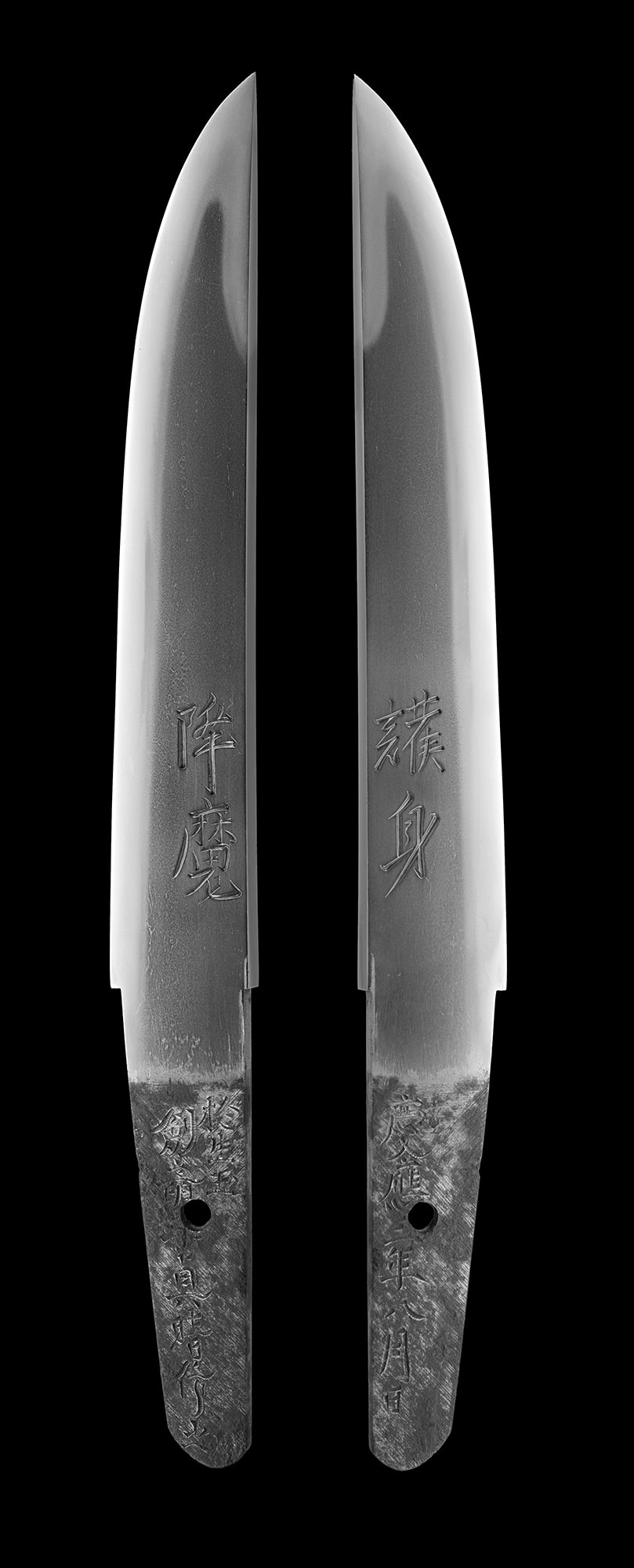





![Tanto - Hozon - by Gassan Sadaharu - Sold: Tanto Sadaharu (Kenryushi) - Shin-Shinto, with Hozon Token certificate [18.9cm, 6 sun 3 bu, with Umahari]](/_next/image?url=https%3A%2F%2Fitbhfhyptogxcjbjfzwx.supabase.co%2Fstorage%2Fv1%2Fobject%2Fpublic%2Flisting-images%2Ftoken-hasegawa%2FL640899%2F00.jpg&w=2560&q=90)
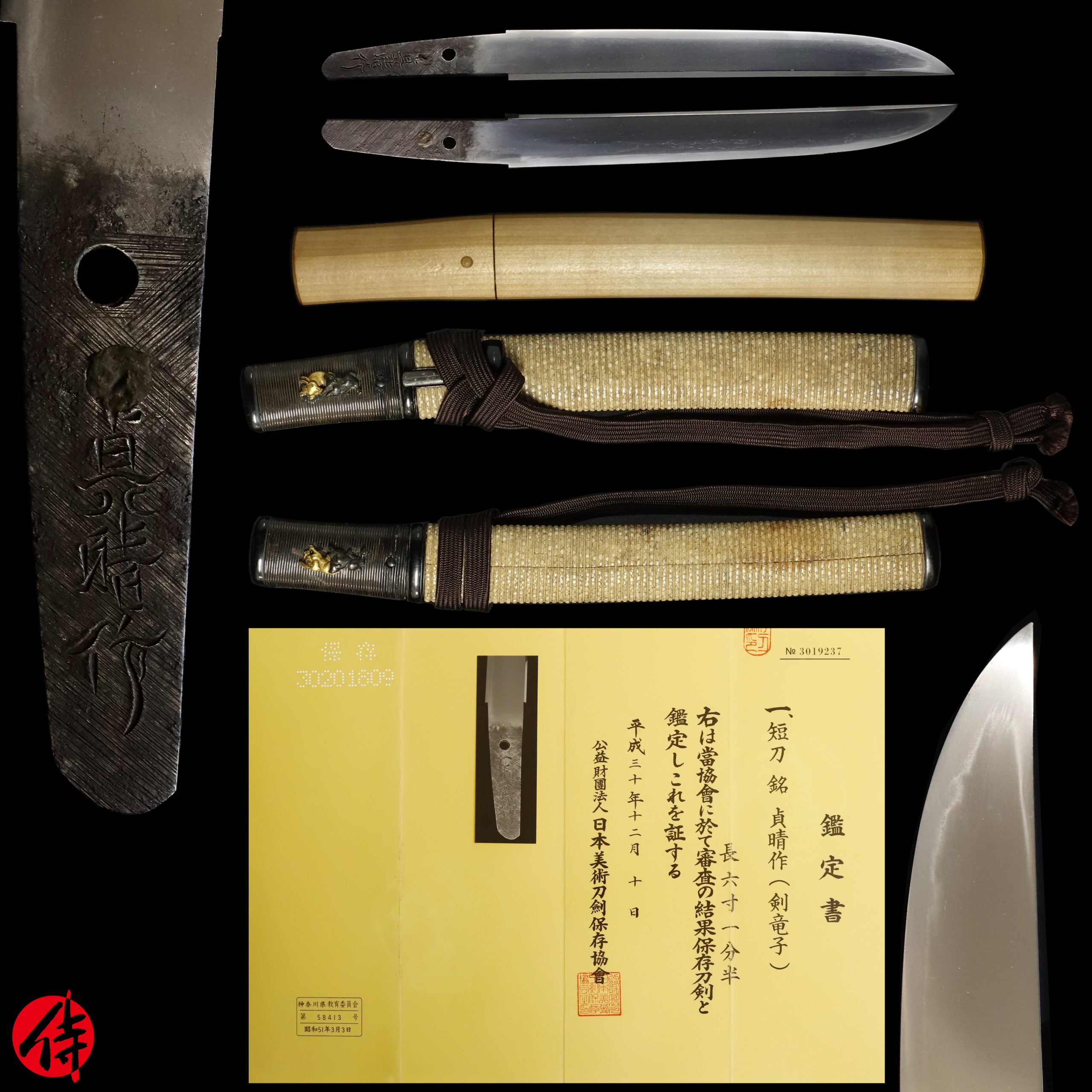



![Katana - Tokuho - by Gassan Sadakazu - Signed Naniwa ju Gassan Unryushi Sadakazu tsukuru [Seal] Keio gannen 11 gatsujitsu](/_next/image?url=https%3A%2F%2Fitbhfhyptogxcjbjfzwx.supabase.co%2Fstorage%2Fv1%2Fobject%2Fpublic%2Flisting-images%2Fchoshuya%2FL805711%2F00.jpg&w=2560&q=90)




![Tanto - Hozon - by Gassan Sadayoshi - Fuyou Asahi, Ansei Hebidoshi 8gatsuhi (Attributed to Gassan Sadayoshi) [NBTHK Hozon]](/_next/image?url=https%3A%2F%2Fitbhfhyptogxcjbjfzwx.supabase.co%2Fstorage%2Fv1%2Fobject%2Fpublic%2Flisting-images%2Ftoyuukai%2FL519985%2F04.jpg&w=2560&q=90)

