Perry’s arrival in 1853 unraveled the Tokugawa peace and created the first mass demand for working swords in two centuries. Kiyomaro, called the Masamune of Yotsuya, died on its eve; Munetsugu and Yukihide carried the boom to the end.
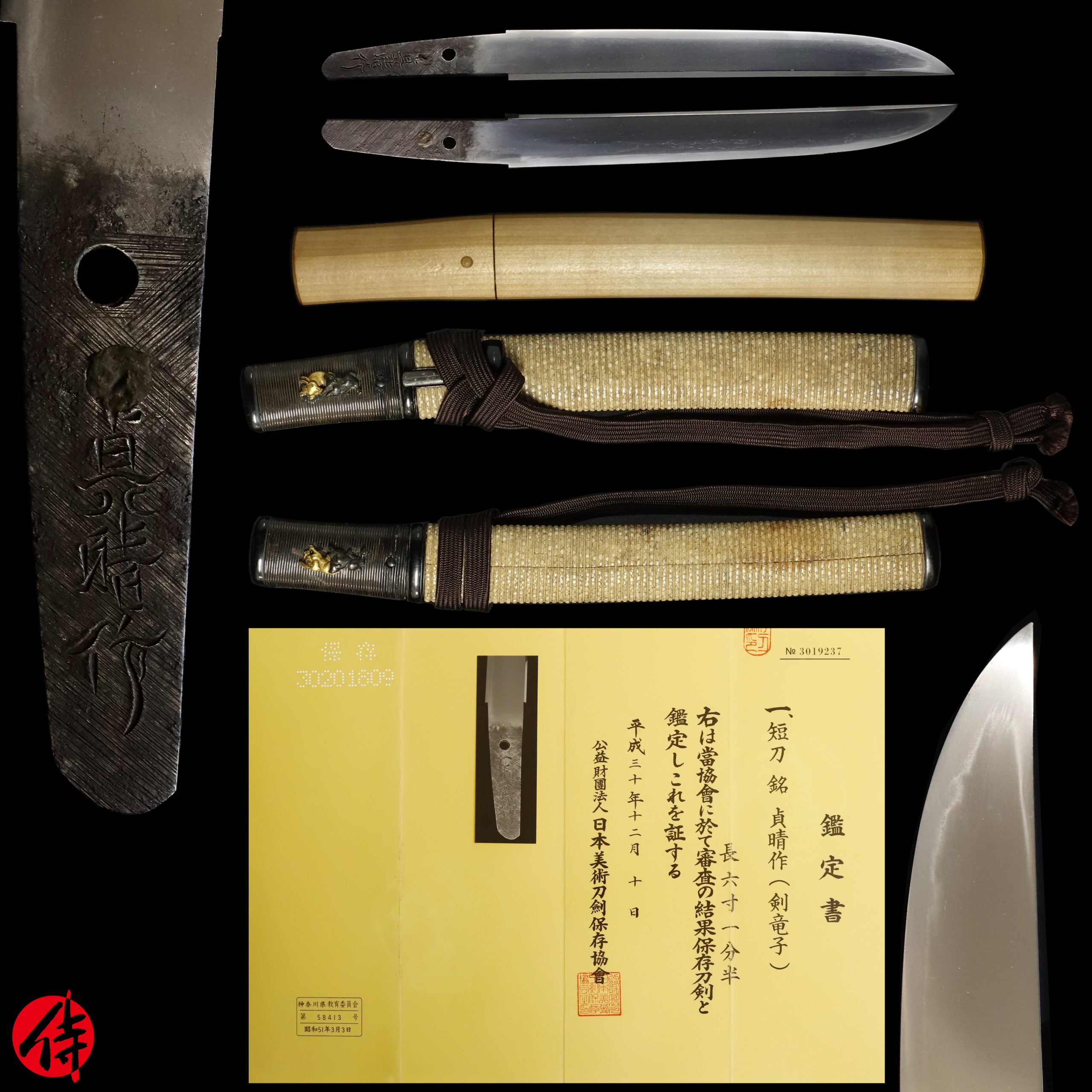
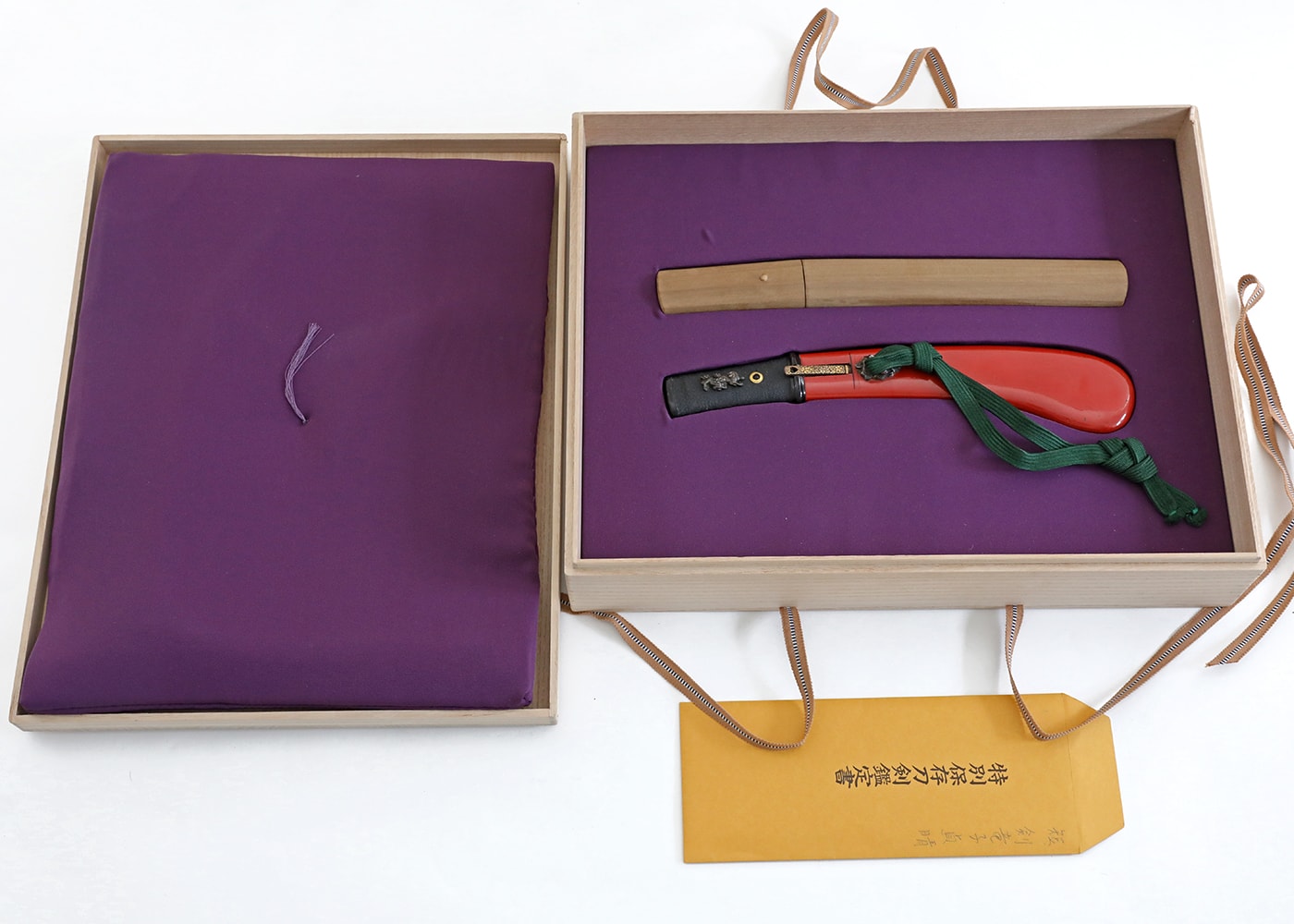
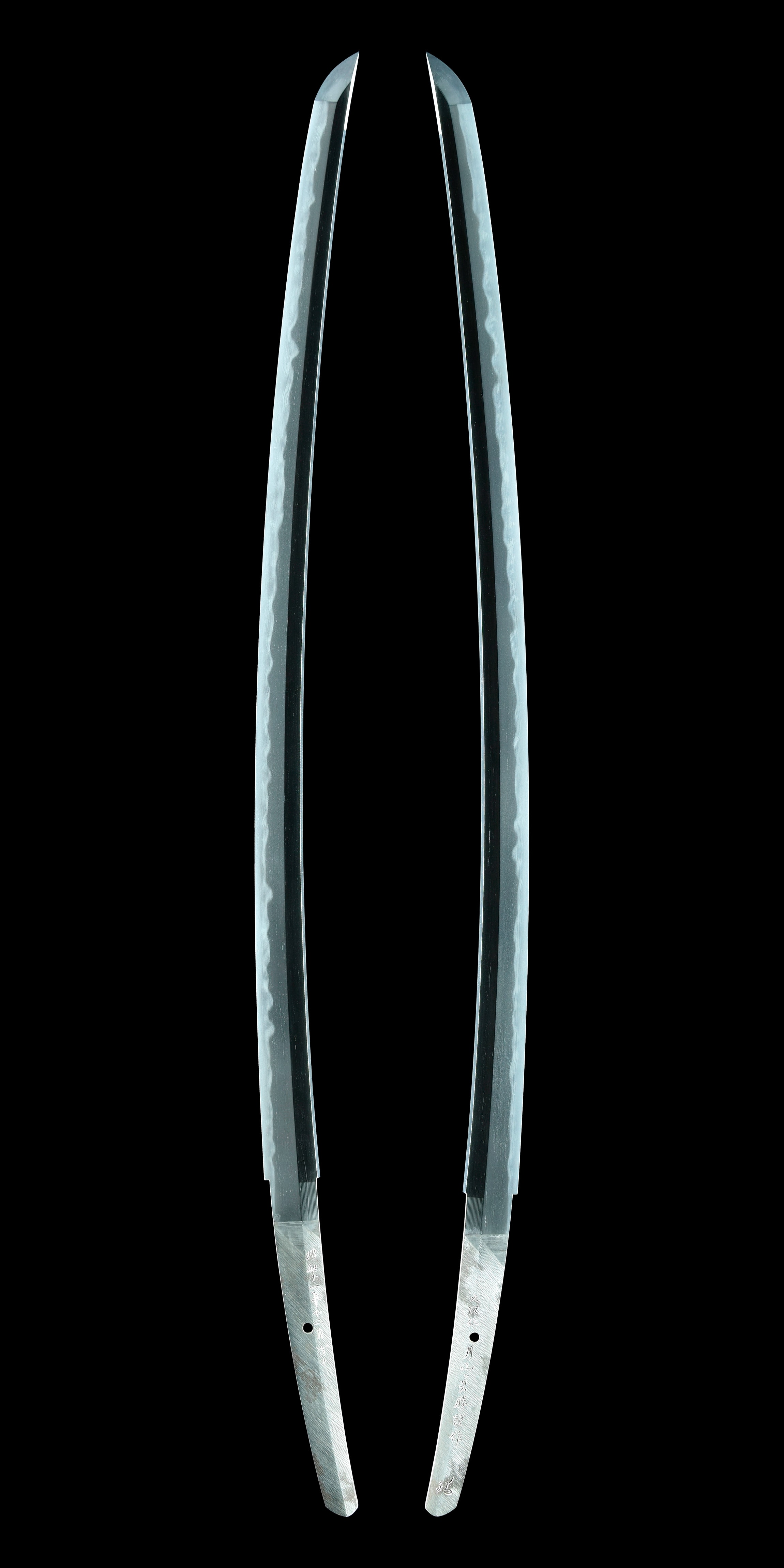
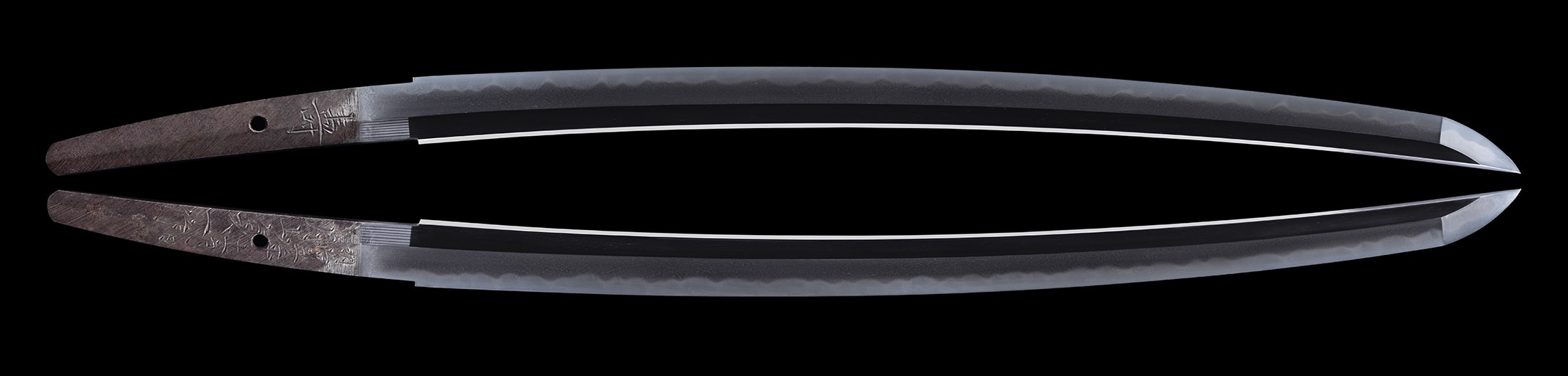
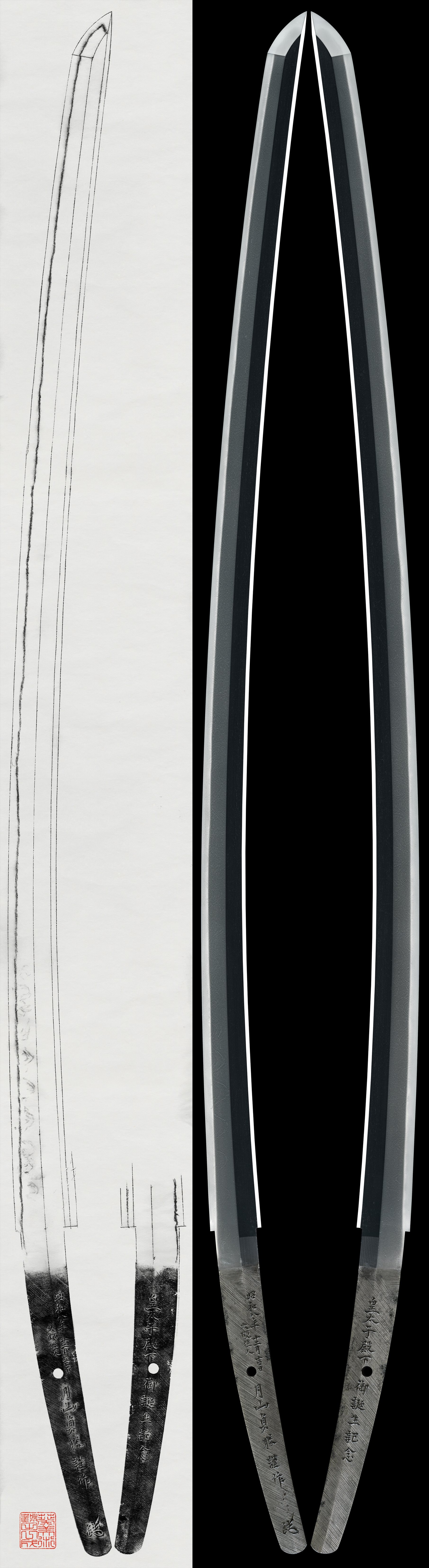
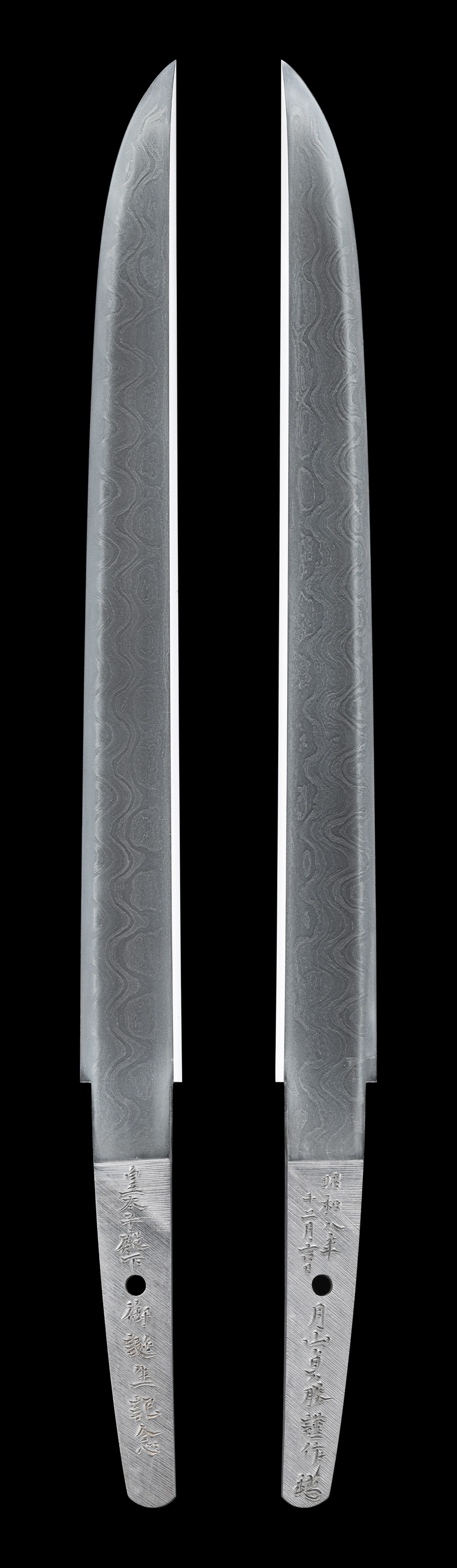
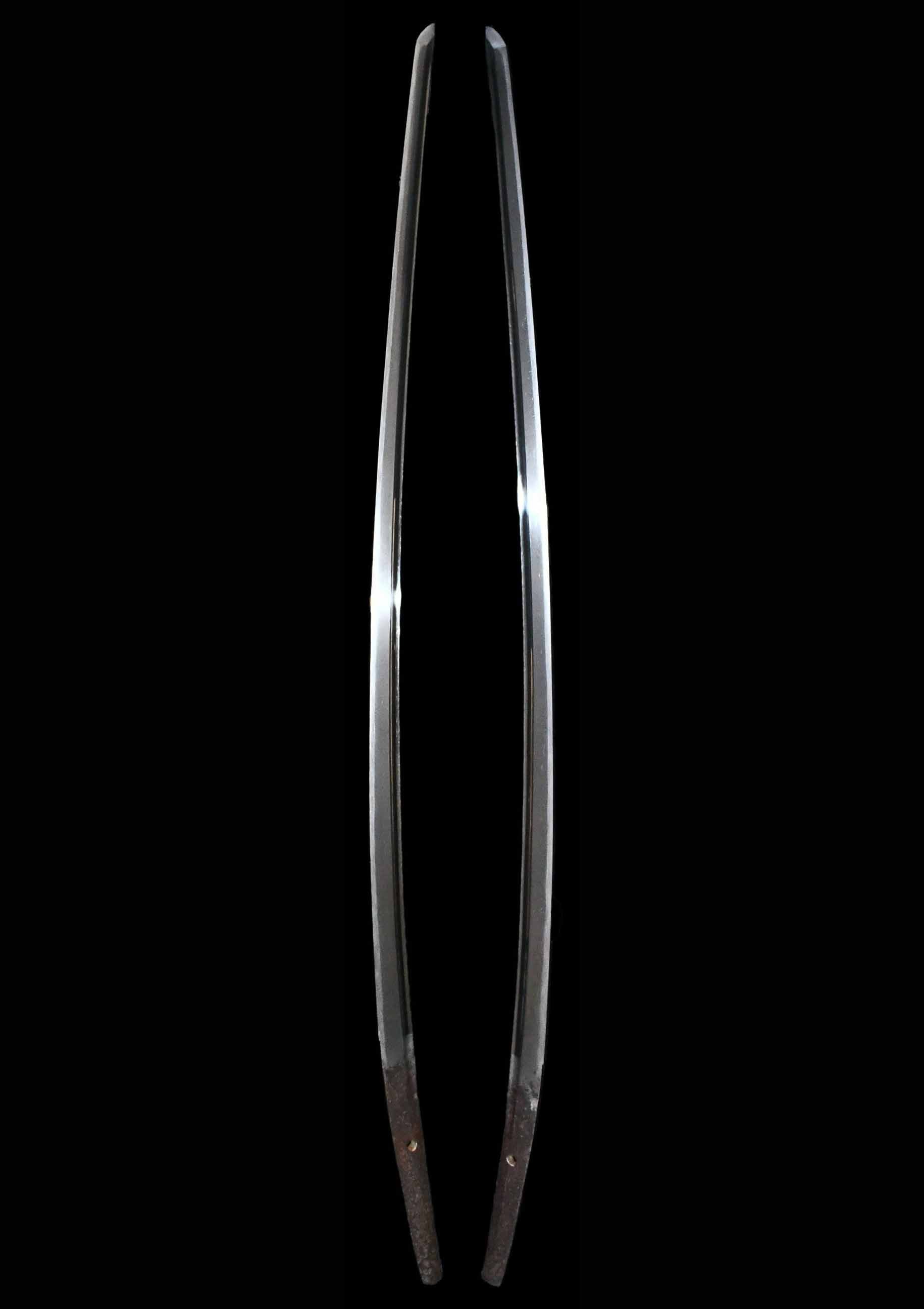
It has appeared, it has appeared! A miraculous *daisho* set of *meito* by the swordsmith Kenryushi Sadaharu has appeared. The reason it is called miraculous is that this *daisho* by Sadaharu was custom-ordered in Keio 2 (1866) (159 years ago)—exactly at the time Tokugawa Yoshinobu became the 15th Shogun—for a high-ranking samurai of the 270,950 *koku* Tsu Domain in Mie, whose ancestral founder was Lord Todo Takatora, the famous Sengoku warlord and master of castle construction who was greatly favored by Toyotomi Hideyoshi and Tokugawa Ieyasu. After the Haitorei (Sword Abolishment Edict) of the Meiji era, this *daisho* was separated and went its own ways, but fortunately, after 150 years, this *daisho* has become a matched set once again. It is a lucky and miraculous *daisho*. The maker, Kenryushi Sadaharu, was a student of the famous Osaka smith Gassan Sadayoshi and was a senior smith to the Imperial Court Artist Gassan Teiichi. Because he performed *daisaku* (work on behalf of the master) for his teacher Gassan Sadayoshi, and due to the Haitorei, his extant works are extremely few, making this *daisho* wonderfully precious. The *daito* exhibits a magnificent *sugata* with a wide *motohaba* and *sakihaba*, shallow *sori*, and an extended *kissaki*. The *wakizashi* exhibits a powerful *hira-zukuri* shape, also with a wide *motohaba* and *sakihaba*. The *jigane* of both the large and small swords shows a *ko-itame hada* mixed with *masame hada*, appearing bright and powerful, with masterful forging. The *hamon* of both is also magnificent, tempered in *nioi-deki* with *ko-nie*, featuring a bright straight *suguha* tone where the *masame hada* appears within the *ha*, showing unrestrained *hataraki*. It is a *meito* that looks exactly like a grand masterpiece *daisho* by Gassan Teiichi. Kenryushi Sadaharu is also a famous swordsmith whose place of forging is clearly known; he worked in Ikutama-no-sho, Tennoji-ku, the center of Osaka, where the Ikukunitama Jinja—Osaka's premier former *kanpei-taisha* (Imperial shrine) which enshrines a deity equal to Amaterasu Omikami of Ise Grand Shrine—is enshrined. On this occasion, an elderly connoisseur has entrusted us with these, saying, "I have grown old, so please pass these on to a successor at a low price." Therefore, we are offering this wonderfully lucky *daisho* set of *meito* by Kenryushi Sadaharu, reunited after 150 years, at a special bargain price. Please truly enjoy them.
Certificate reading — 銘 (大)銘 浪花住永口剣竜子貞晴作(刻印) 慶応二丙寅歳六月日 (小)銘 剣竜子貞晴作(刻印) 慶応二丙寅歳六月日
 NihontoWatch
Keio (1865-1868) · nagasa 74.1cm · sori 1.5cm















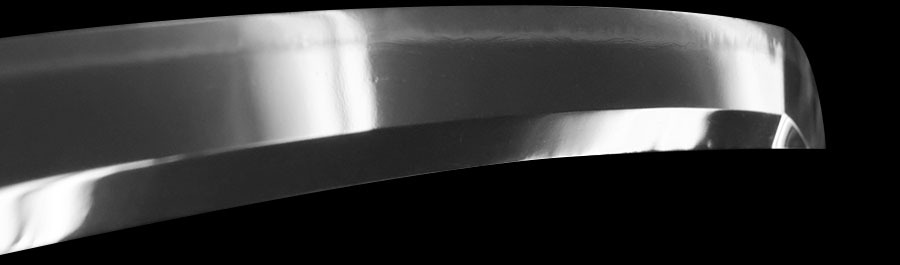
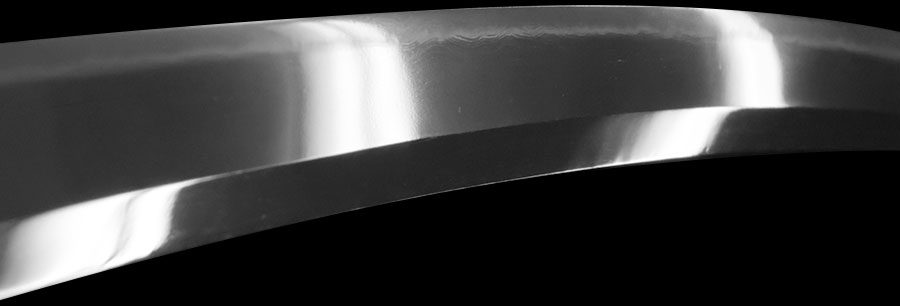
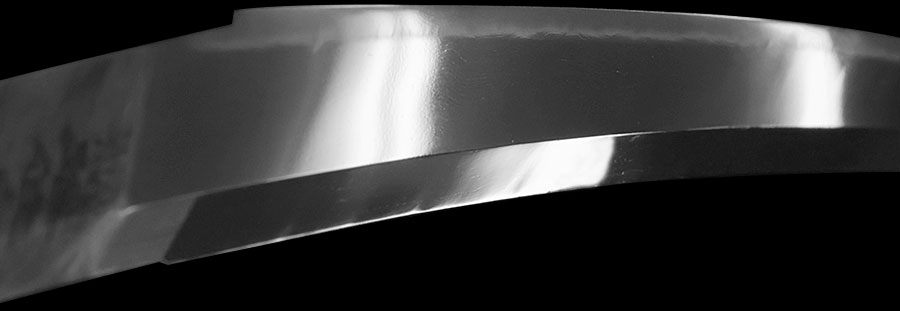
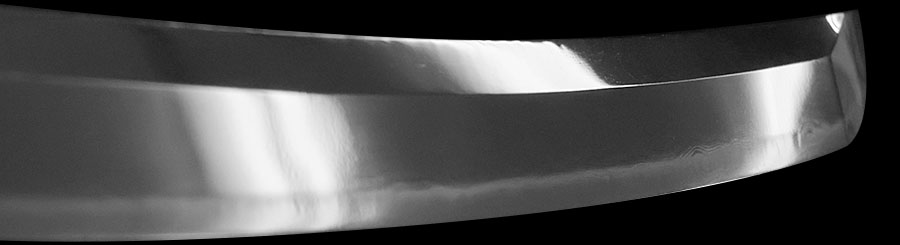
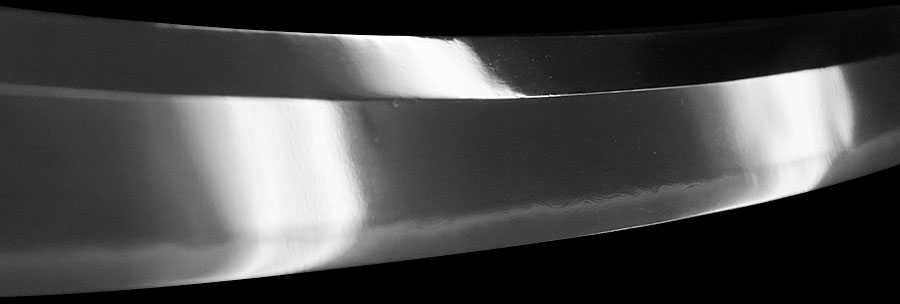
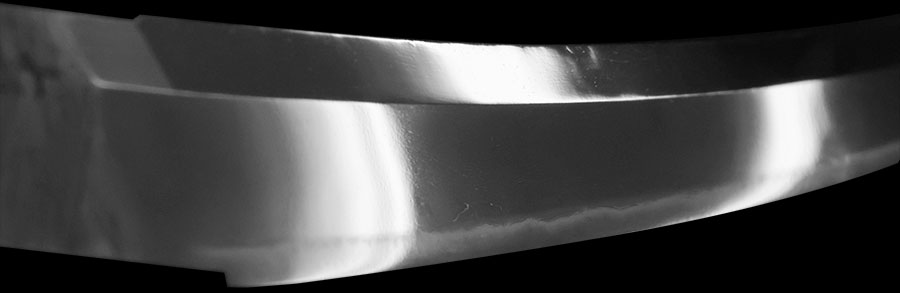
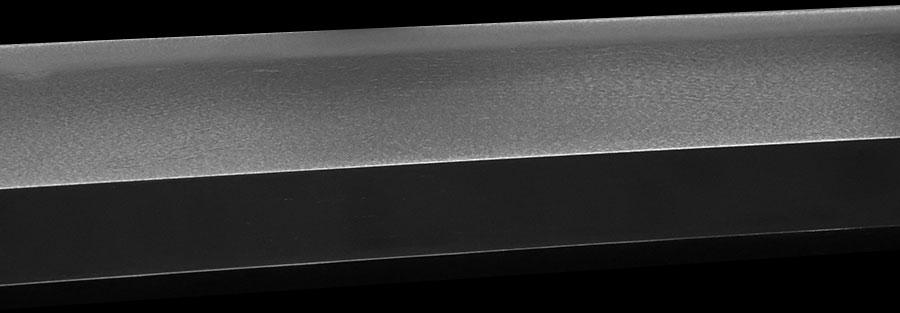
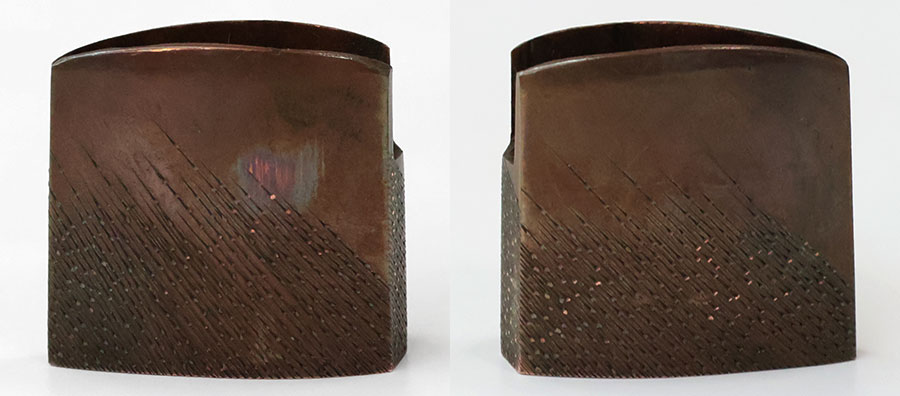








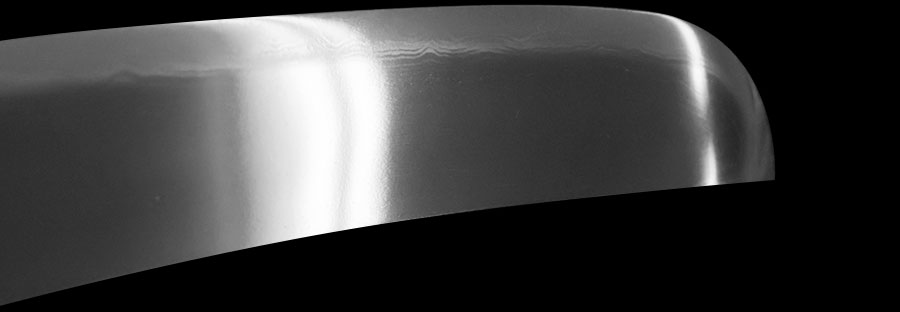
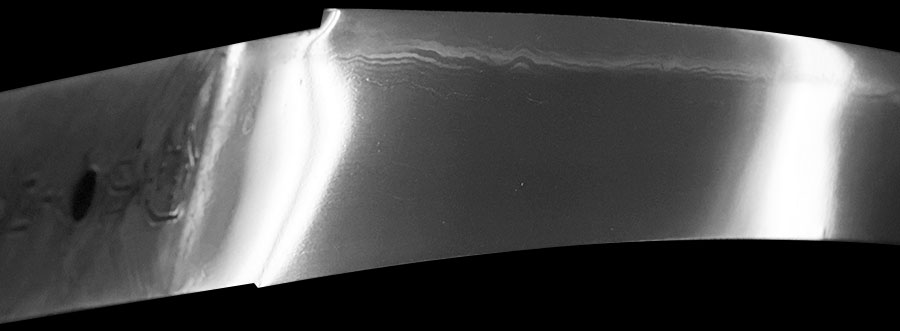
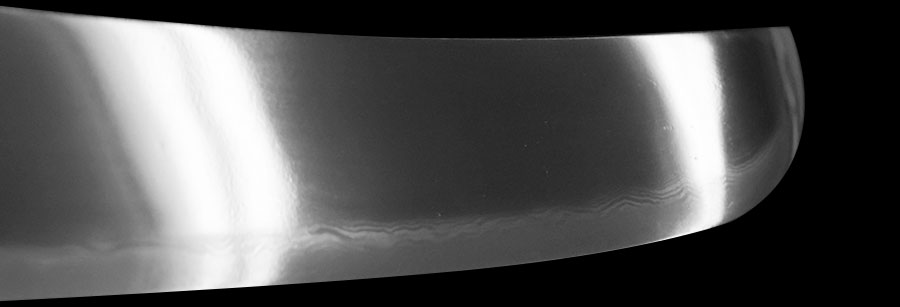
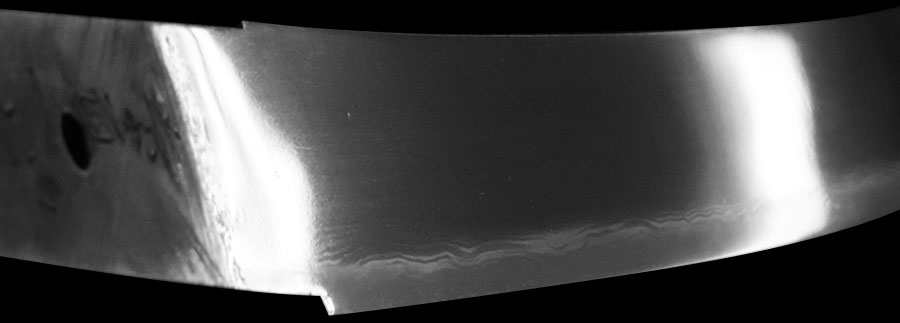
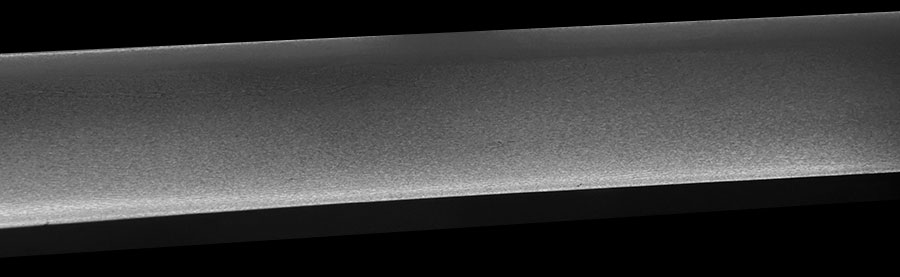
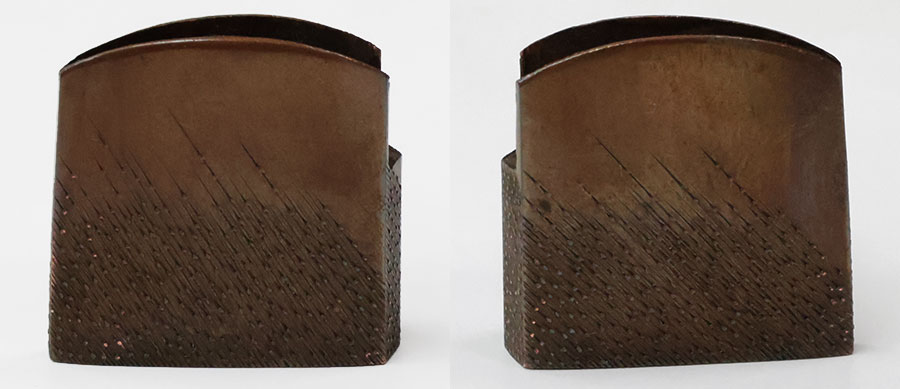
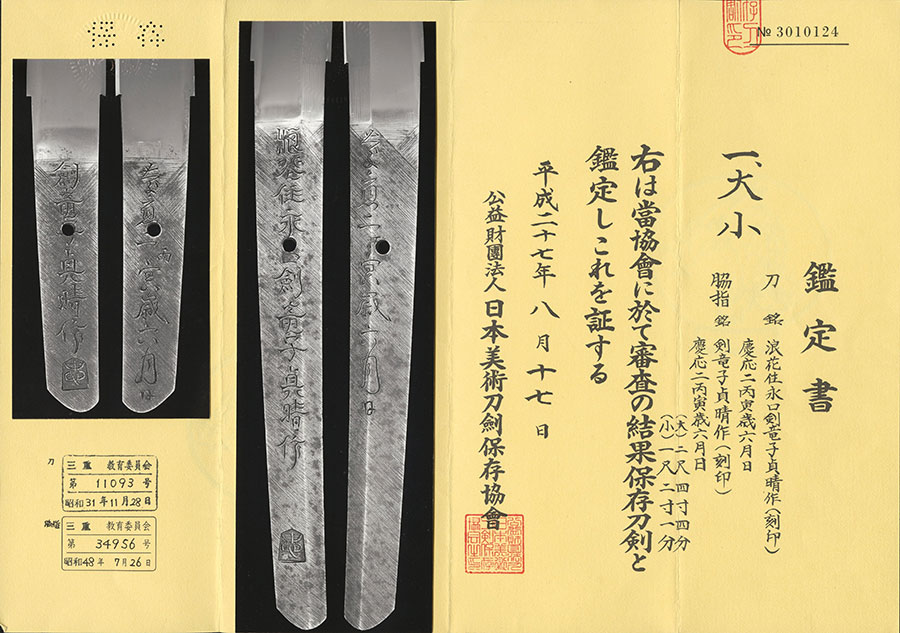
Shinshinto · Settsu · around 1865-1868
Tōken Taikan top 95%
7 pieces on the market now
Shinshinto · Settsu
36 pieces on the market now
| Smith | Era | Designated |
|---|---|---|
| Sadaharu貞晴 | 1865-1868 | 0 |
| Sadayoshi貞吉 | 1926-1989 | 0 |
| Yoshiaki吉明 | 1844-1848 | 0 |
| Naonobu直信 | 1854-1860 | 0 |
| Sadayoshi貞吉 | 1830-1863 | 0 |
Bakumatsu: the last war market
Perry’s arrival in 1853 unraveled the Tokugawa peace and created the first mass demand for working swords in two centuries. Kiyomaro, called the Masamune of Yotsuya, died on its eve; Munetsugu and Yukihide carried the boom to the end.
Certifies a genuine blade worth preserving: a signature confirmed correct, or, if unsigned, an era, province, and school that the NBTHK can reliably identify.
The NBTHK (Nihon Bijutsu Tōken Hozon Kyōkai, the Society for the Preservation of Japanese Art Swords) is a public-interest incorporated foundation founded in 1948 and supervised by Japan’s Agency for Cultural Affairs (Bunkachō); it is based at the Japanese Sword Museum in Tokyo. Its expert panels physically examine each submitted work (shinsa) and issue a certificate (kanteishō) ranking it by artistic and historical merit. NBTHK papers are the most widely recognized standard of authentication for Japanese swords and fittings.
NBTHK official siteFor returns due to customer circumstances, the cost is the customer's responsibility. For returns due to our mis-shipment or a defective item, we bear the cost.
¥1,800,000
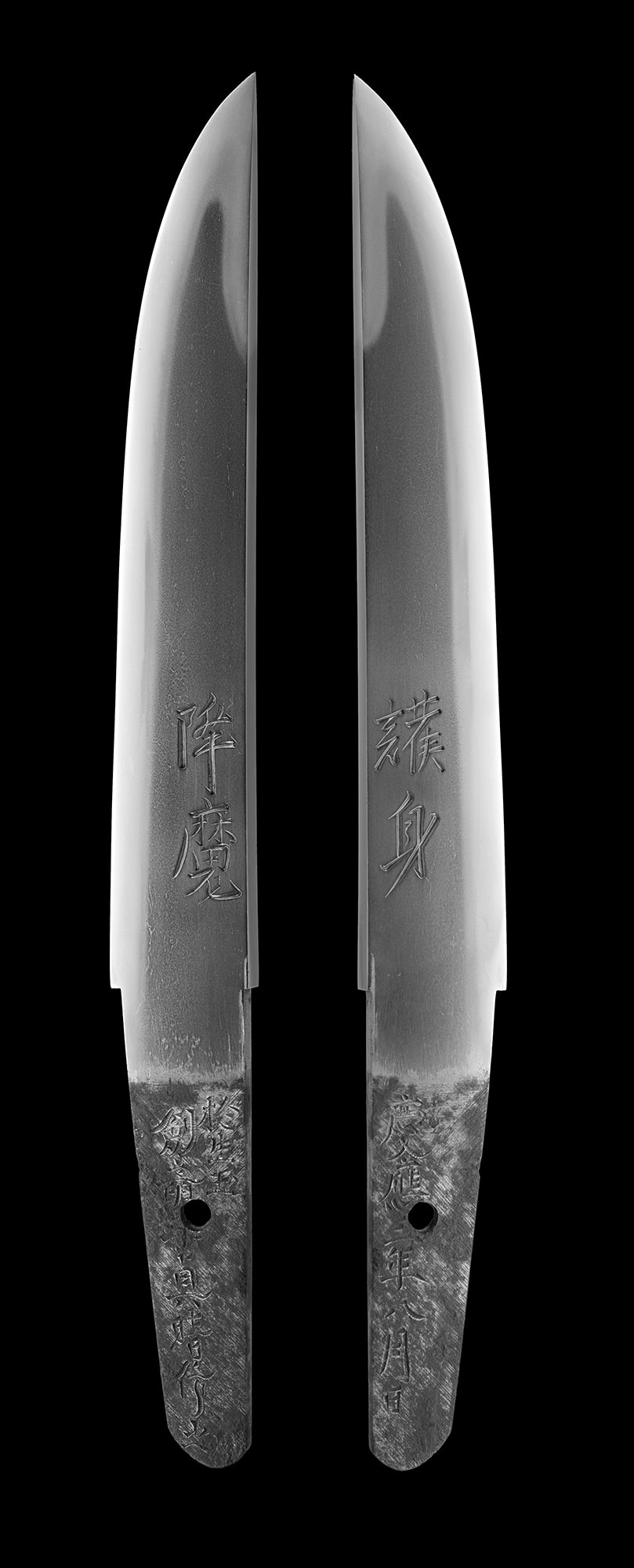





![Tanto - Hozon - by Gassan Sadaharu - Sold: Tanto Sadaharu (Kenryushi) - Shin-Shinto, with Hozon Token certificate [18.9cm, 6 sun 3 bu, with Umahari]](/_next/image?url=https%3A%2F%2Fitbhfhyptogxcjbjfzwx.supabase.co%2Fstorage%2Fv1%2Fobject%2Fpublic%2Flisting-images%2Ftoken-hasegawa%2FL640899%2F00.jpg&w=2560&q=90)



![Katana - Tokuho - by Gassan Sadakazu - Signed Naniwa ju Gassan Unryushi Sadakazu tsukuru [Seal] Keio gannen 11 gatsujitsu](/_next/image?url=https%3A%2F%2Fitbhfhyptogxcjbjfzwx.supabase.co%2Fstorage%2Fv1%2Fobject%2Fpublic%2Flisting-images%2Fchoshuya%2FL805711%2F00.jpg&w=2560&q=90)





![Tanto - Hozon - by Gassan Sadayoshi - Fuyou Asahi, Ansei Hebidoshi 8gatsuhi (Attributed to Gassan Sadayoshi) [NBTHK Hozon]](/_next/image?url=https%3A%2F%2Fitbhfhyptogxcjbjfzwx.supabase.co%2Fstorage%2Fv1%2Fobject%2Fpublic%2Flisting-images%2Ftoyuukai%2FL519985%2F04.jpg&w=2560&q=90)
