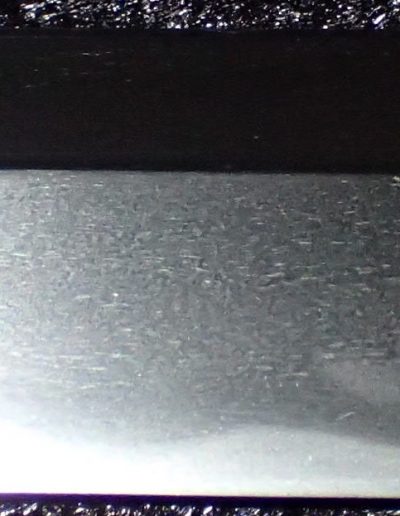
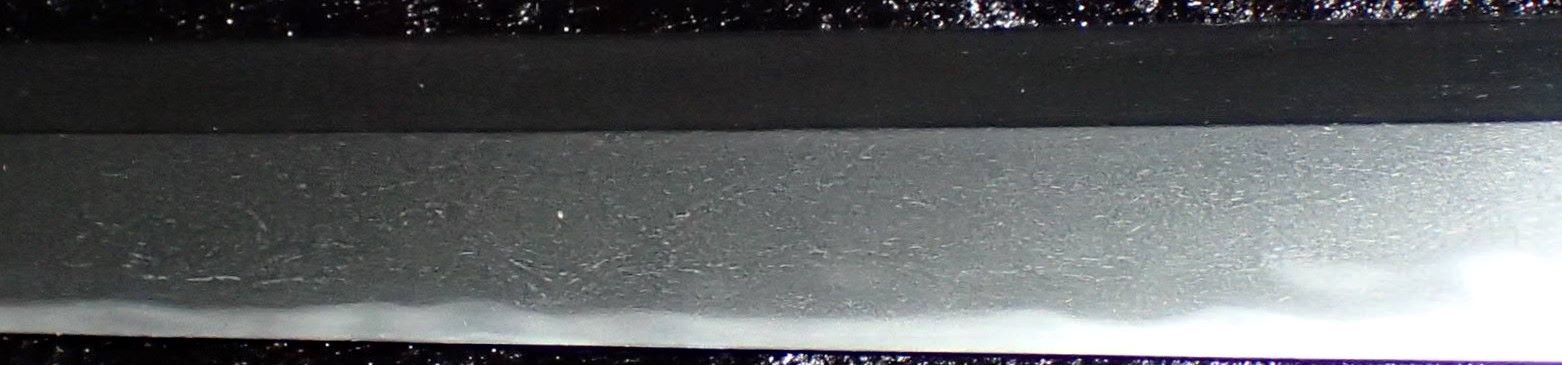
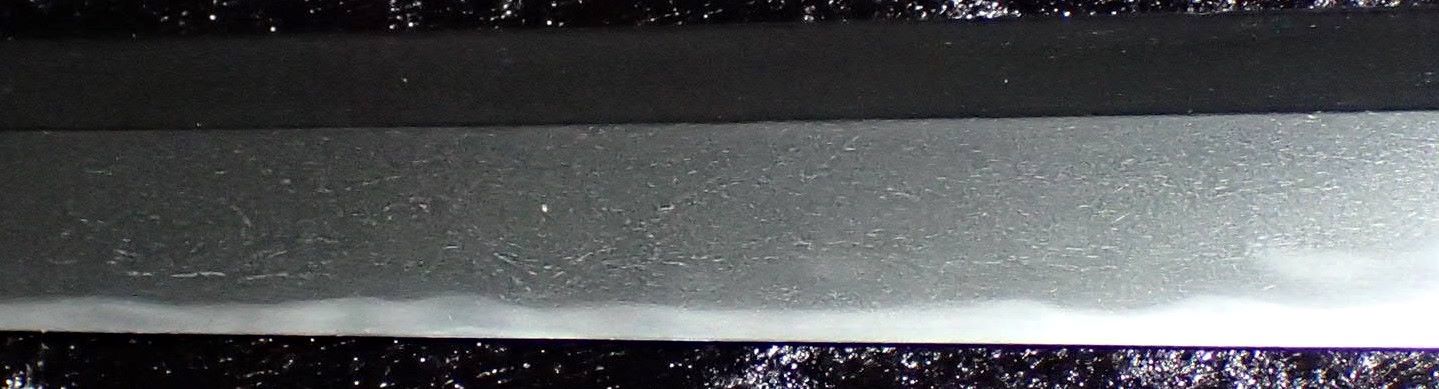
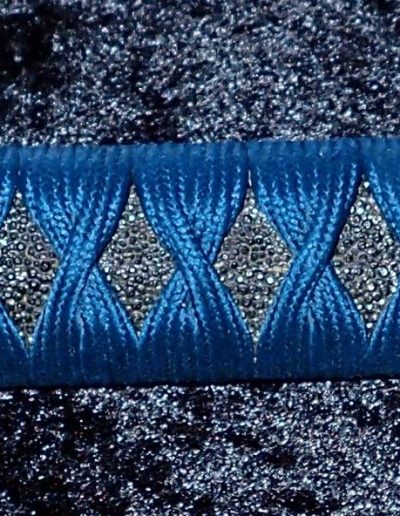
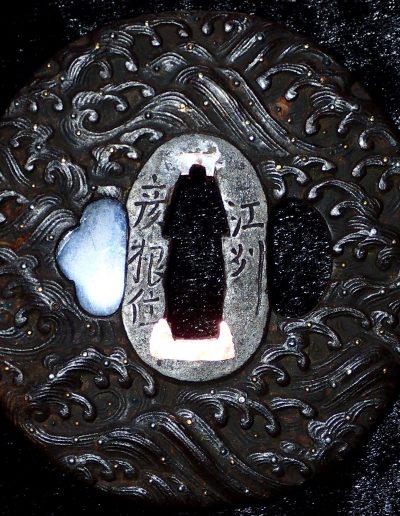
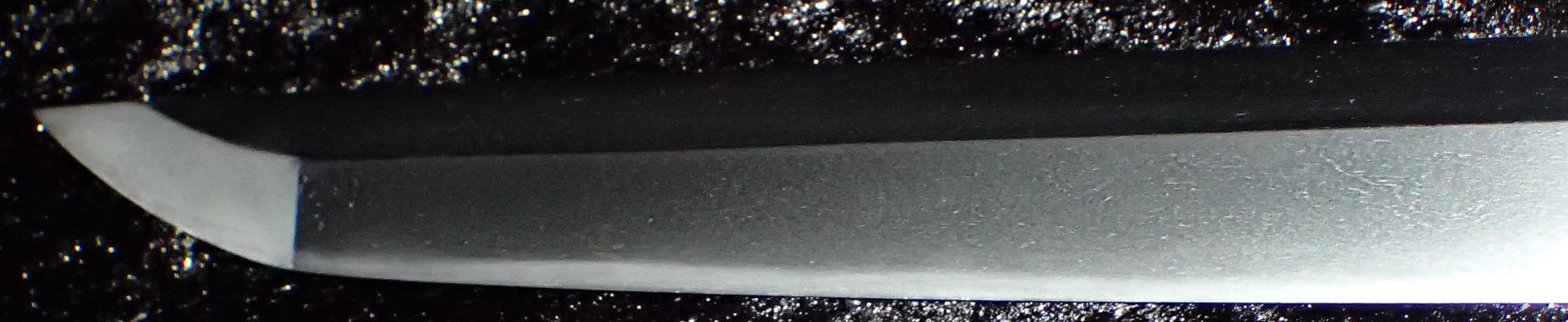
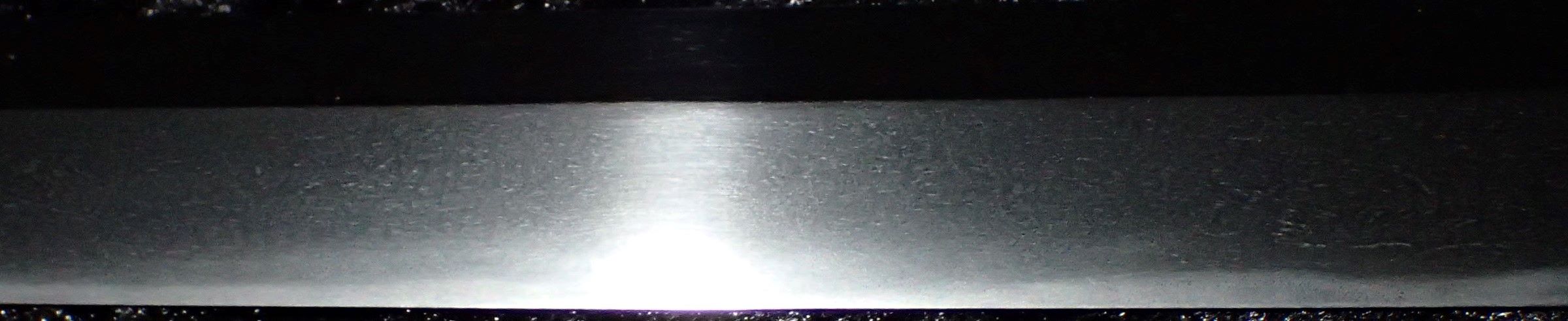
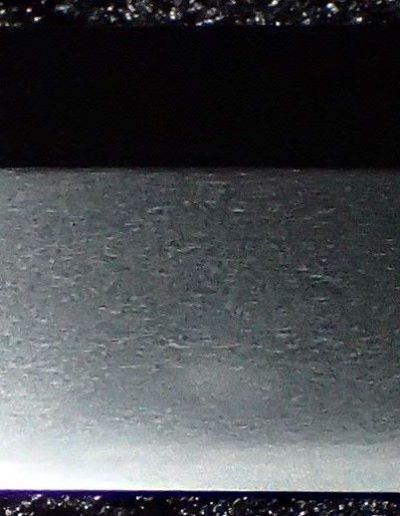
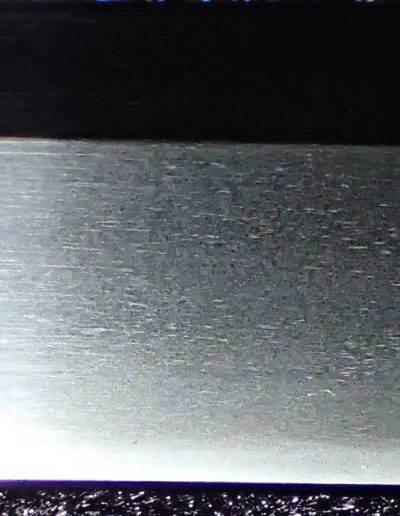
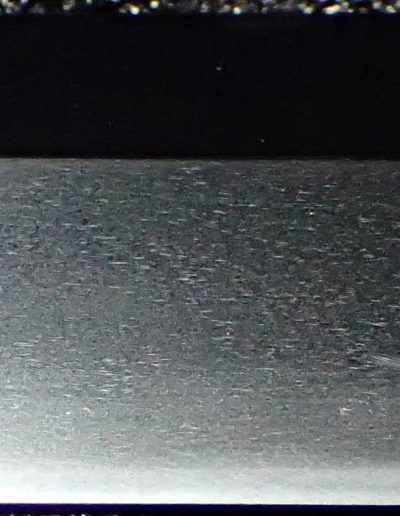
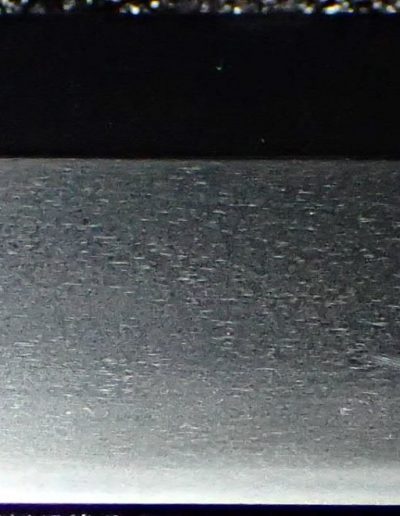
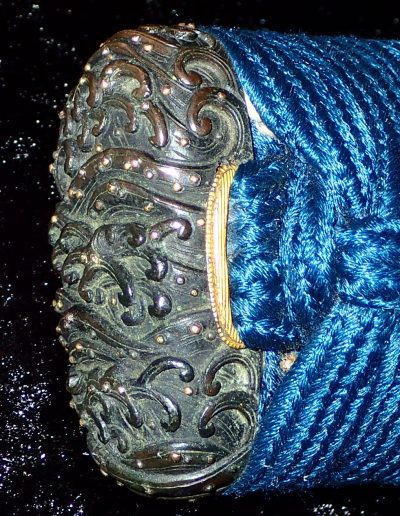
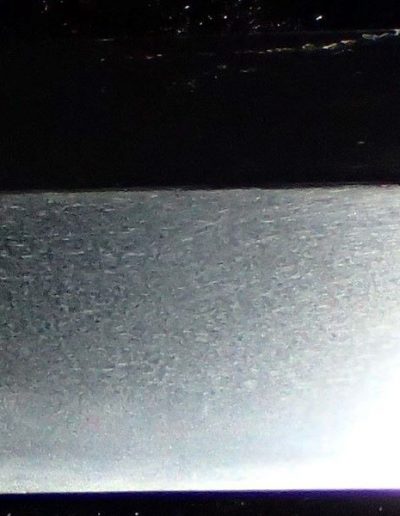
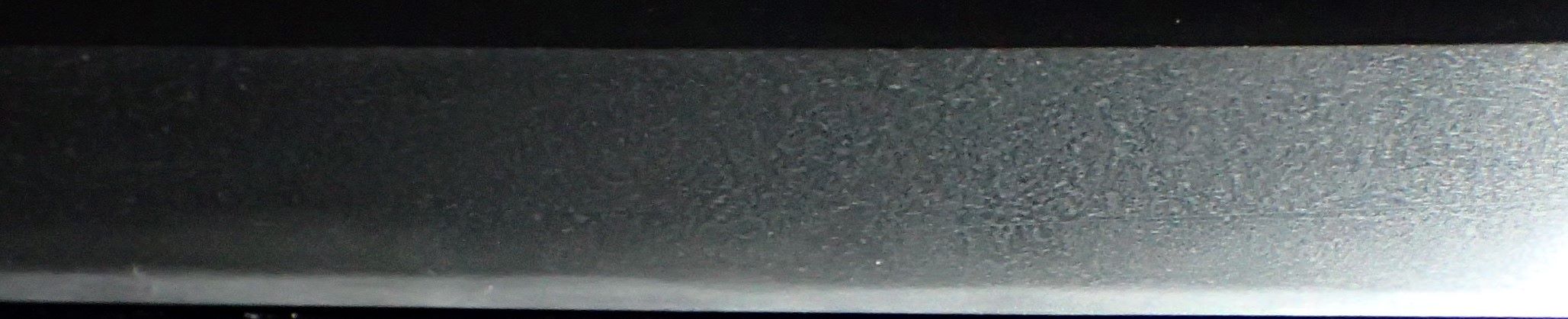
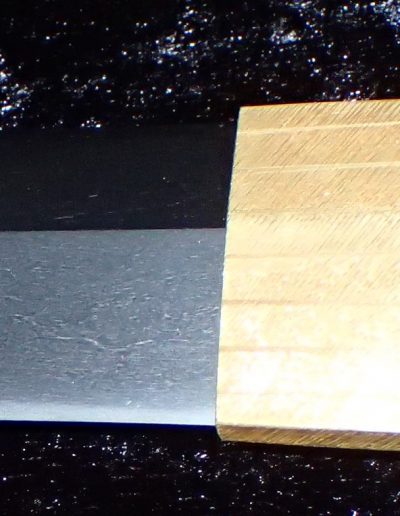
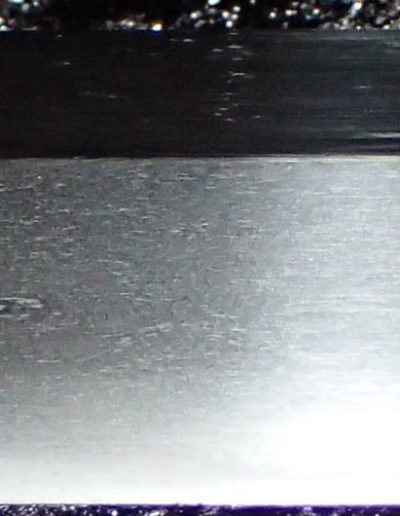
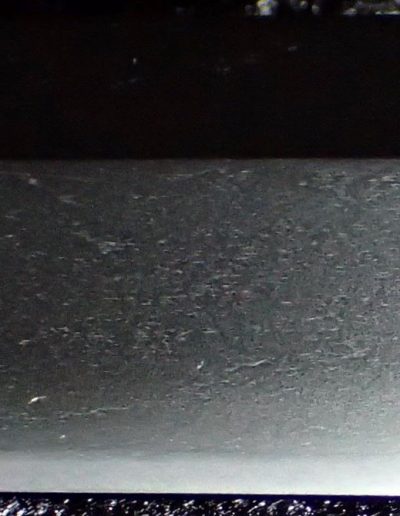
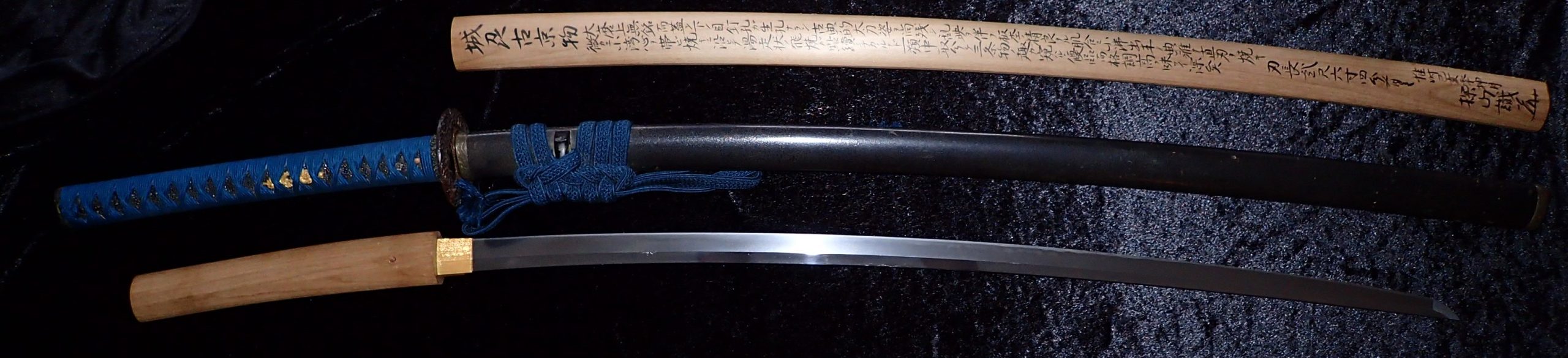
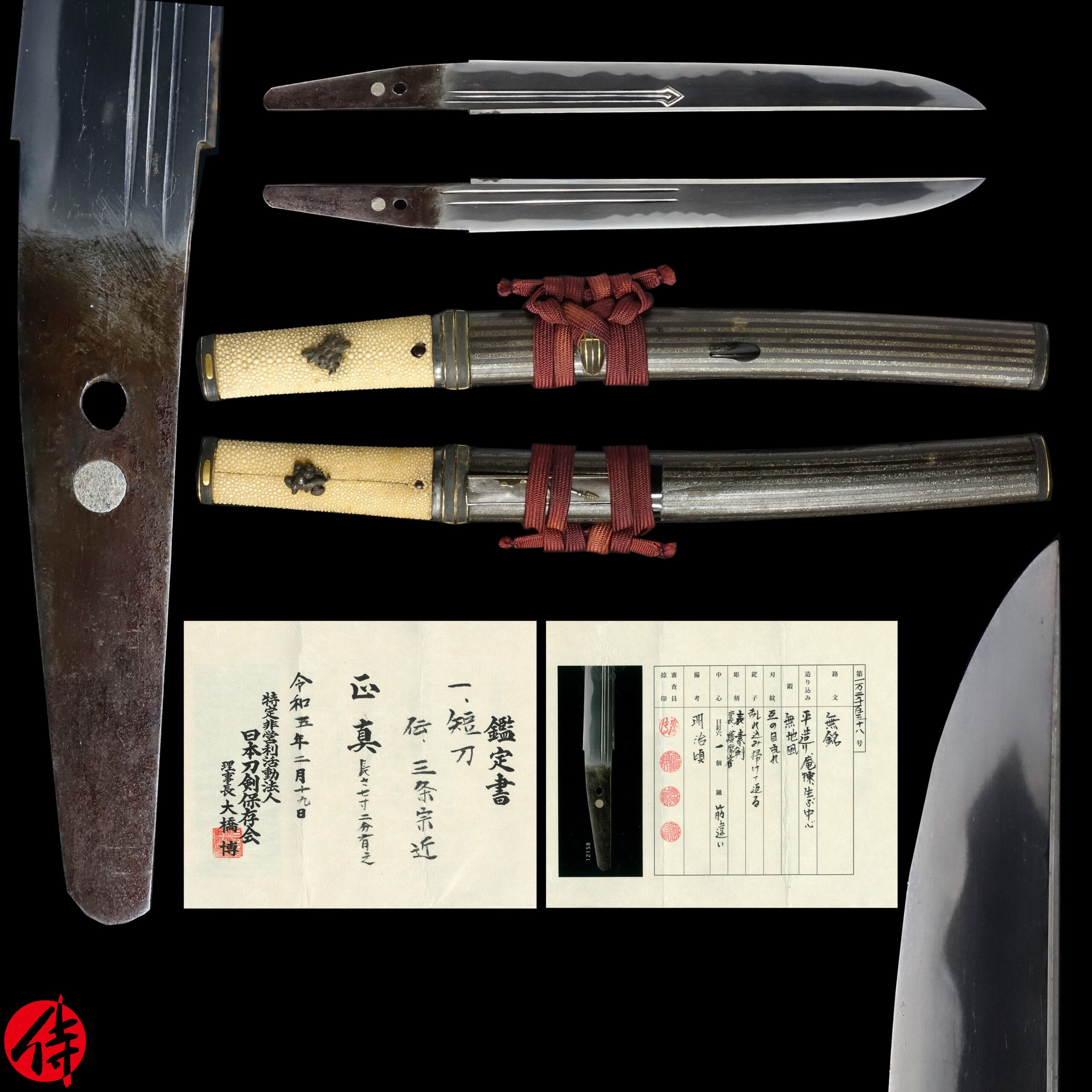
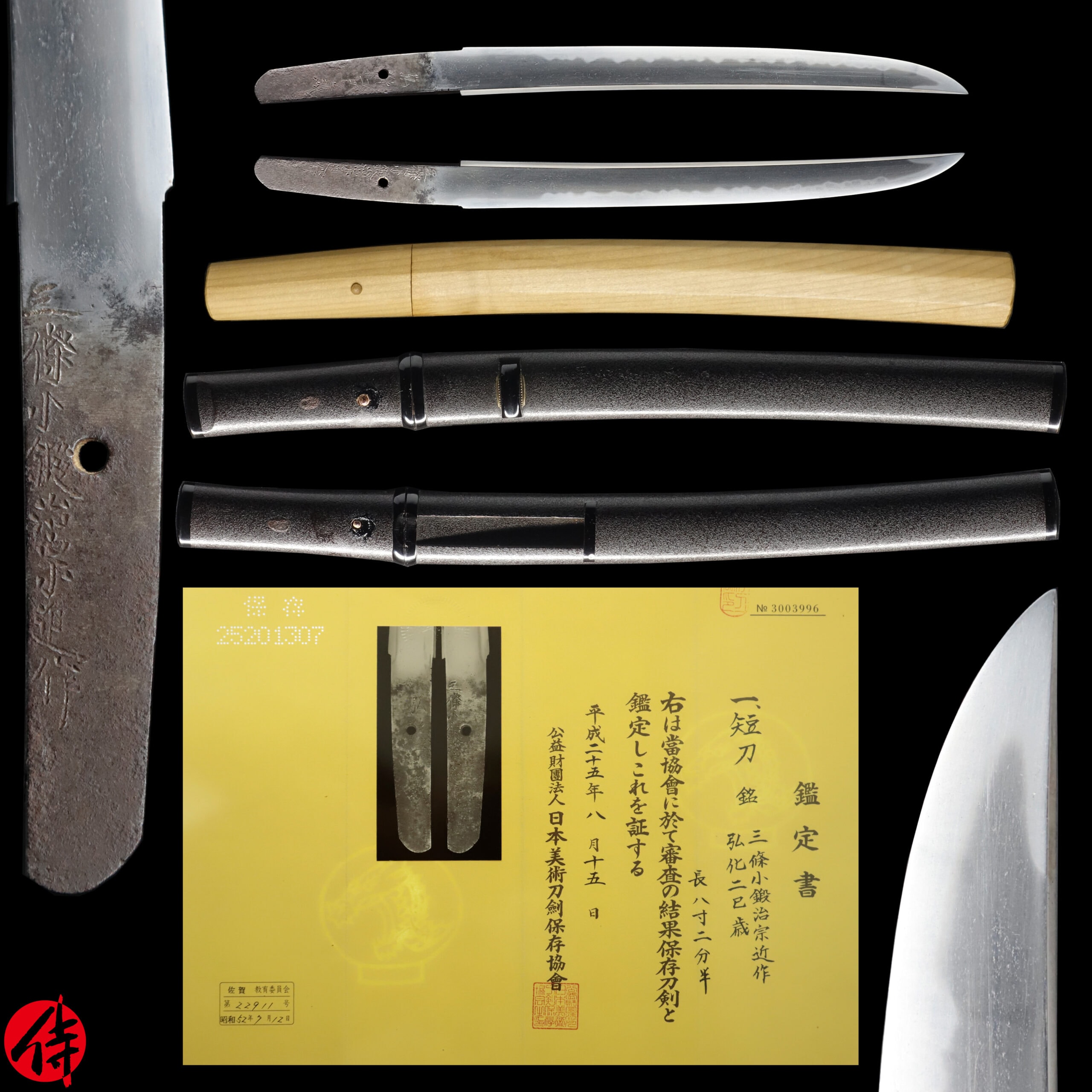
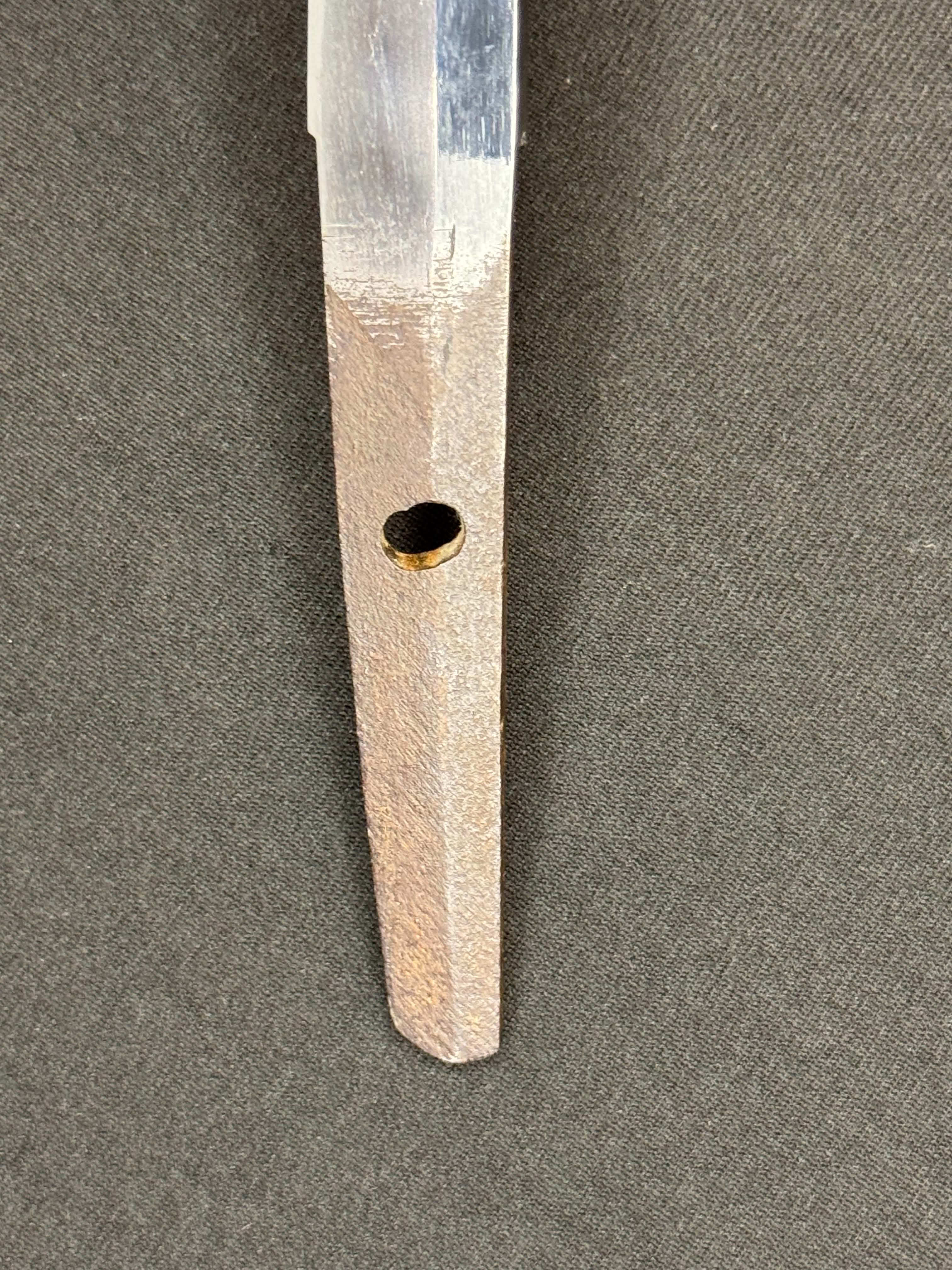
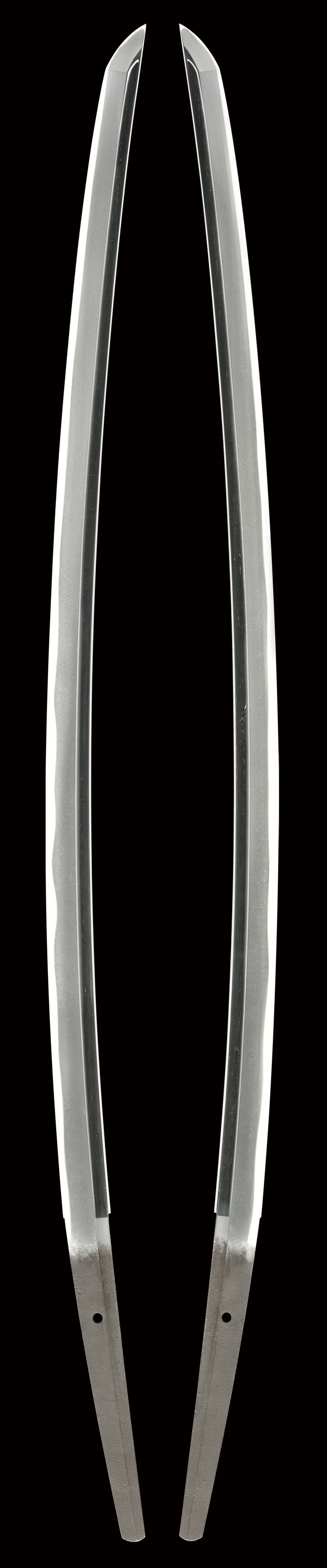
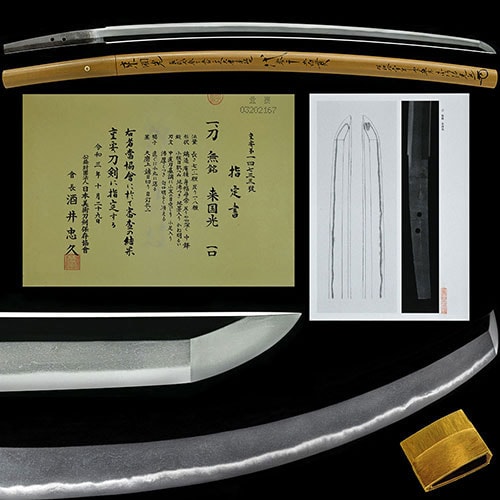
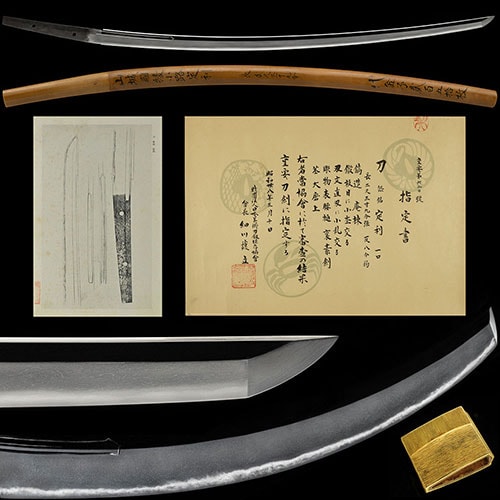
At the turn of the late Heian period, in the imperial capital and around the Sanjo district that gives the school its name, the curved shinogi-zukuri blade we now recognize as the Japanese sword was first settling into its mature form, and it was here that the Sanjo school took shape as the earliest stratum of Kyoto forging and the headwater of the whole Yamashiro-den. Its founder, Sanjo Munechika, worked around the Eien era and is counted among the very first smiths whose names survive, known in popular lore as Sanjo no Kokaji, the Little Smith of Sanjo; from his hand descend the Ko-Kyo-mono and, in time, the perfected Awataguchi and Rai lines that follow. The old registers gather the founding generation around him: Yoshiie, transmitted variously as his son or pupil and read by the published sources as a somewhat later hand of the same school; Chikamura, transmitted as a son; and a second house, the Gojo group, formed when Kanenaga and Kuninaga, drawn from the Munechika line, settled in the Gojo district of the city. Of these later smiths only a handful (Kanenaga, Kuninaga, Yoshiie, Chikamura) leave reliably signed work, the corpus thin and the scholarship around it candid. A shared vocabulary binds the school across these hands. The build is the old Kyoto tachi-sugata: slender in mihaba, the koshizori high and deep with funbari standing at the base of the ubu examples, the width narrowing markedly toward a small ko-kissaki. The steel is a refined ko-itame, tightly knit on the best pieces yet inclined to stand here and there into a flowing, open o-hada, carrying fine ji-nie laid as a mist, chikei within it, and a faint utsuri (read as a soft nie-utsuri or jifu-toned midare-utsuri) that reads the work as Kyoto rather than Yamato. Over this classical stance the temper is laid low and archaic: a suguha base into which ko-midare and ko-choji enter, ko-ashi and yo running in, nie sitting strongly with kinsuji and sunagashi sweeping through a bright nioiguchi.
Within this single manner the hands diverge. Munechika fires the quietest line, a narrow suguha-toned ko-midare with uchinoke, yubashiri, and a doubling and trebling into nijuba and sanjuba around the monouchi; Yoshiie carries that doubled feeling forward, his small midare taking on tobiyaki and turning nijuba above the monouchi, a trait the NBTHK names a viewing point of the school itself; Kanenaga and the Gojo work hold to a suguha-cho laced with ko-choji, judged more orderly than the founder, the ko-choji surviving in the suguha where the later Yamashiro runs plainer. To kantei a Sanjo blade is to read its antiquity and its refinement together: the slender, deeply koshizori archaic form, the nie-laden Kyoto ji with standing grain and faint utsuri, the low ko-midare over a bright nioiguchi, and the doubled temper lines that thread back to the Shosoin-associated early works. The standing problem is the homonym, for both Yoshiie and Chikamura share their names with smiths of the Ko-Bizen and Ichimonji lines; the adjudication rests on the strong, archaic nie and the manner of signing, the Ichimonji namesakes tending instead to a flamboyant choji-midare. Munechika holds the summit of the school and of early Japanese forging, graded Sai-jo saku by Fujishiro, his patrimony including the National Treasure Mikazuki Munechika, counted among the Tenka-Goken; Kanenaga and Yoshiie are graded Jo-jo saku. The provenance roll belongs to old Kyoto and the great houses: the Mikazuki in the Tokyo National Museum, Munechika's signed tachi carried by Atago Shrine and threaded through Hideyoshi and the Tokugawa; Yoshiie blades in the Kajiki Shimazu, Ikeda, and Owari Tokugawa houses, with the Hachiman-carved katana in the Tokugawa Art Museum; Kanenaga's work transmitted through the Owari Tokugawa and the Satake. These are heritage pieces held in trust far more often than traded; a tachi of the early Sanjo school comes to open hands only rarely, and a signed founding-generation blade, of which the published sources accept so few, almost never. Learn more →