NihontoWatch Mon

NihontoWatchBETA

MarketAuctions
Encyclopedia
NihontoWatch Mon

NihontoWatchBETA

MarketAuctions
Encyclopedia

Description

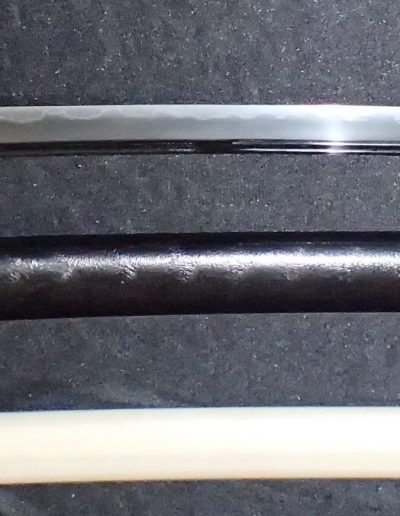
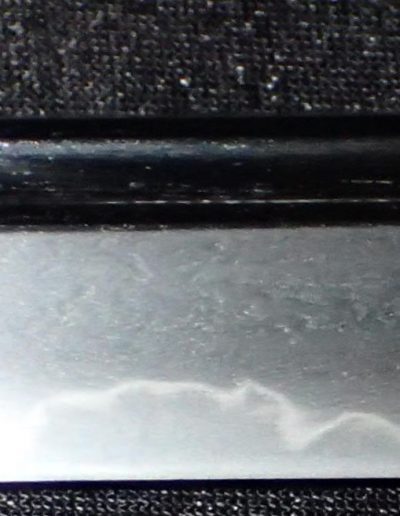
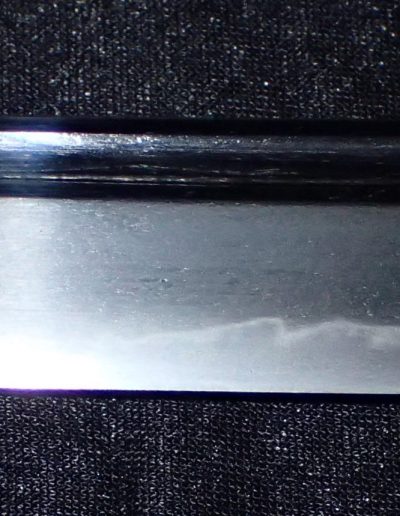
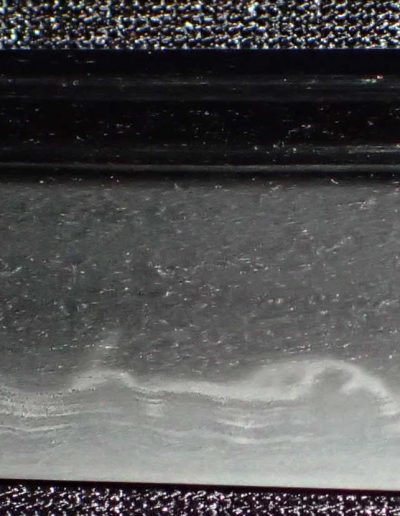
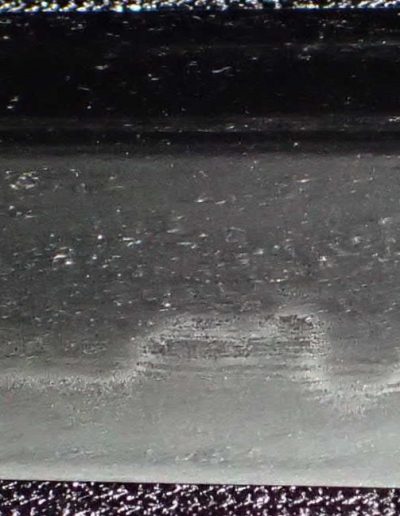
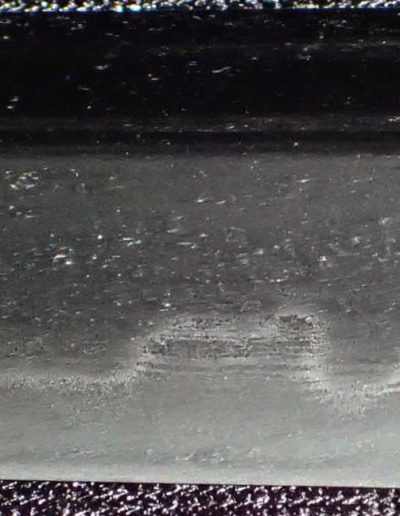
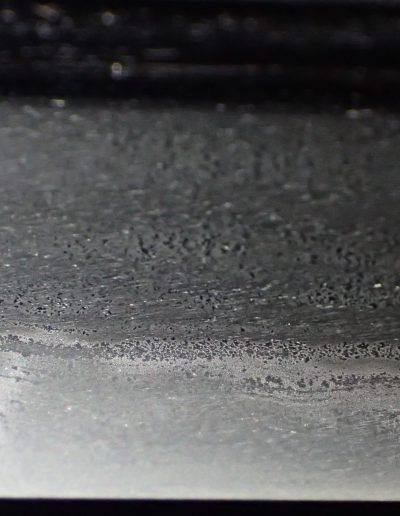
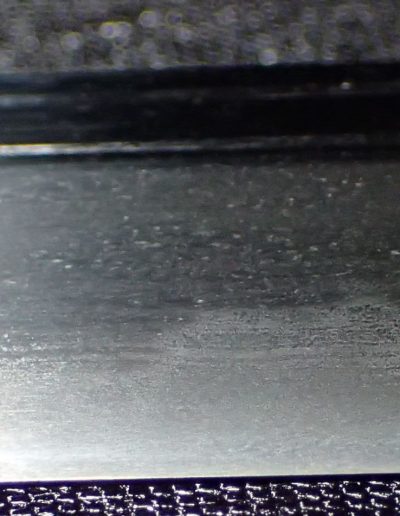
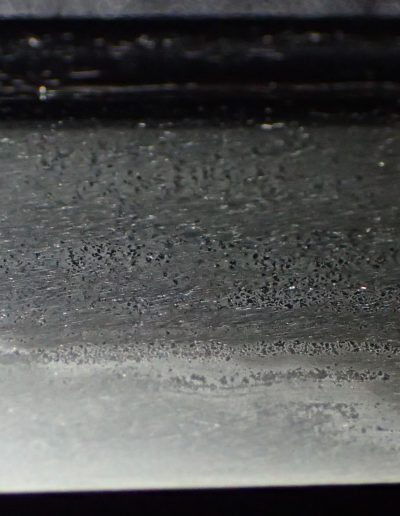
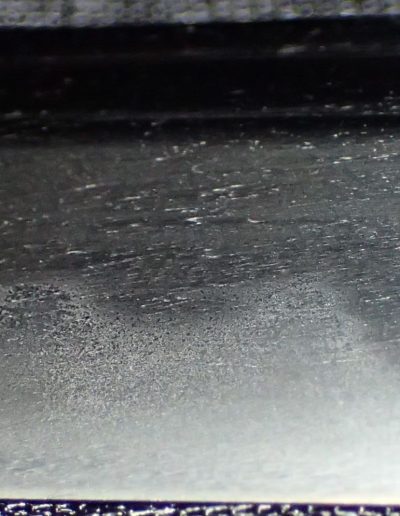
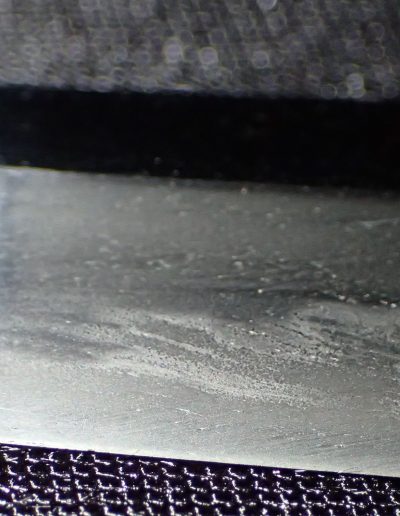
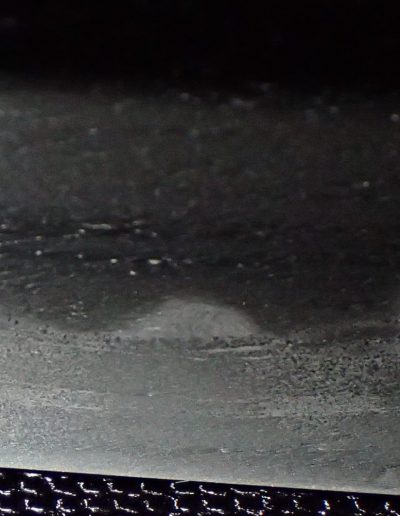
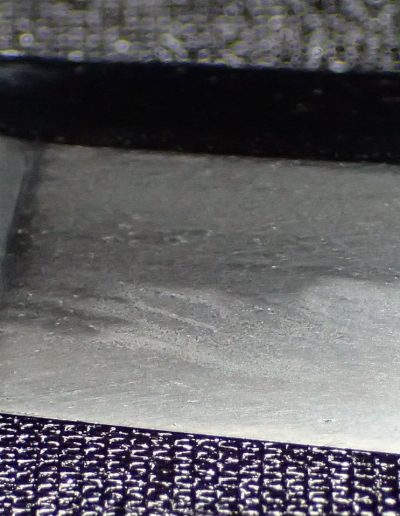
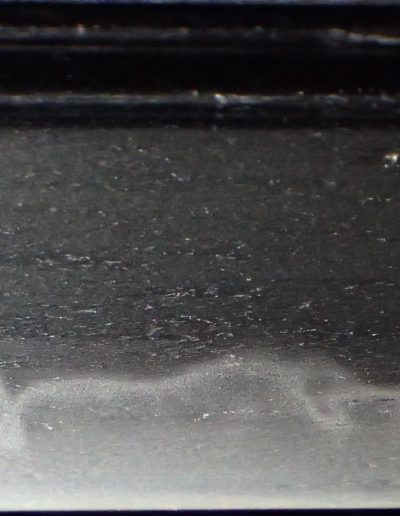
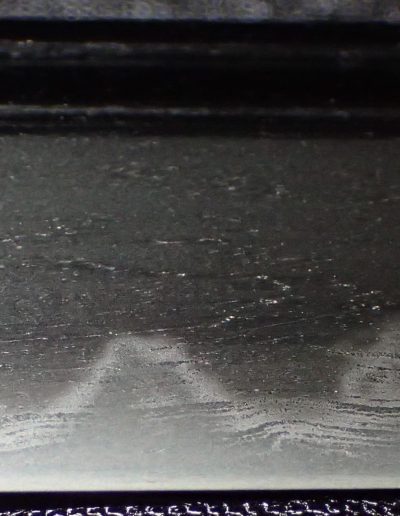
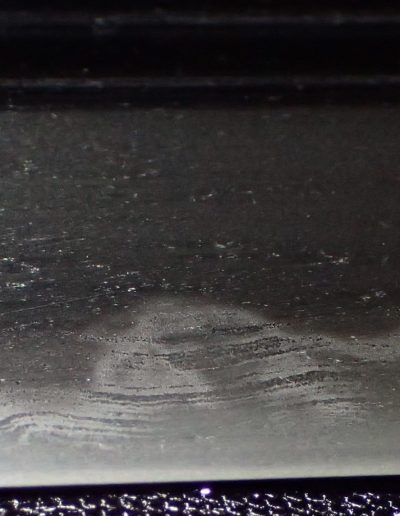
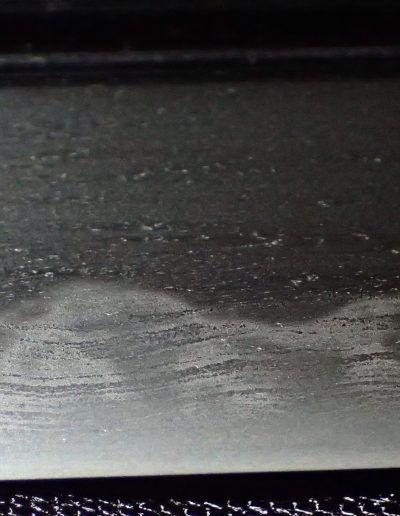
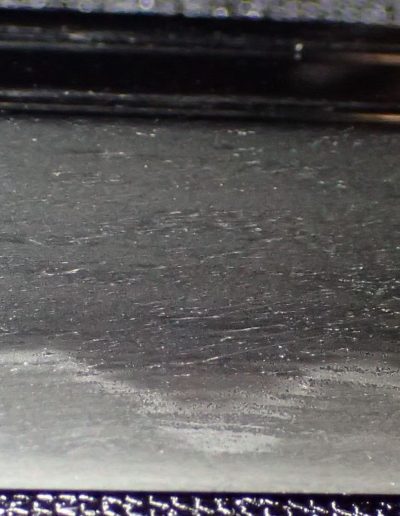
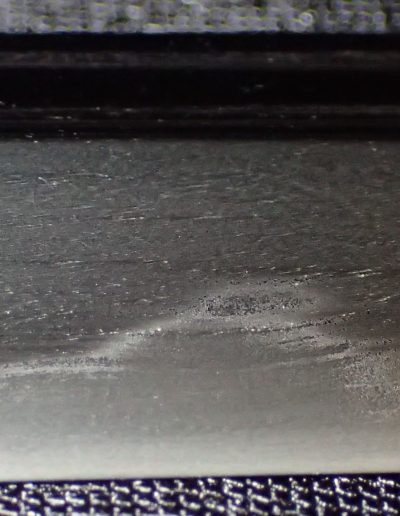
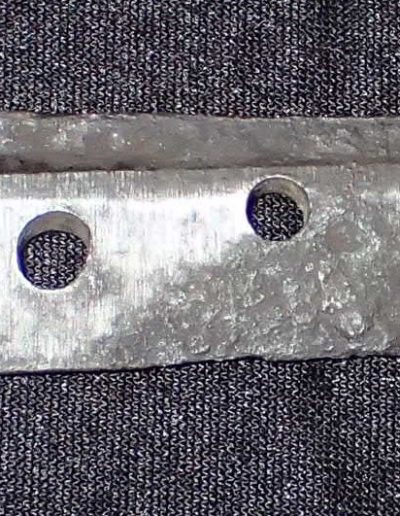
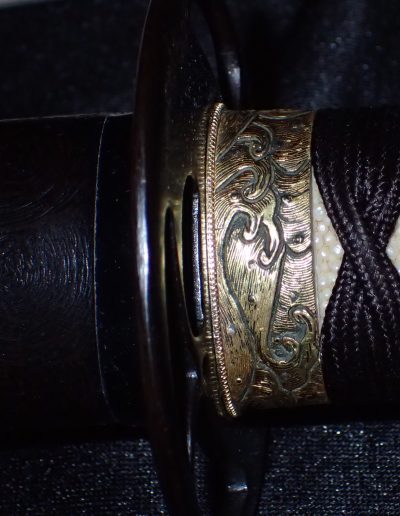
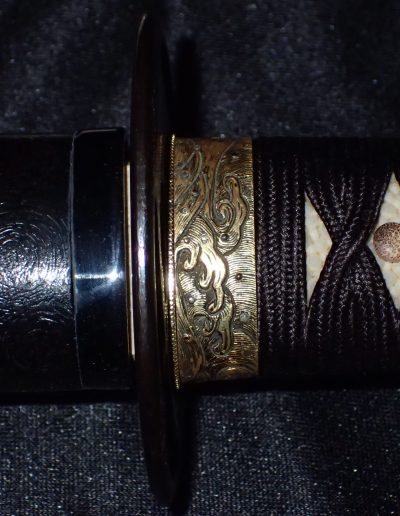
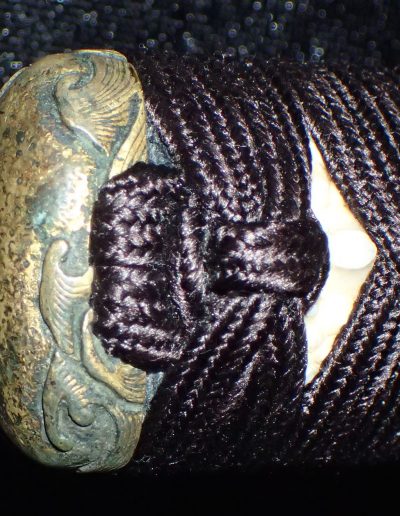
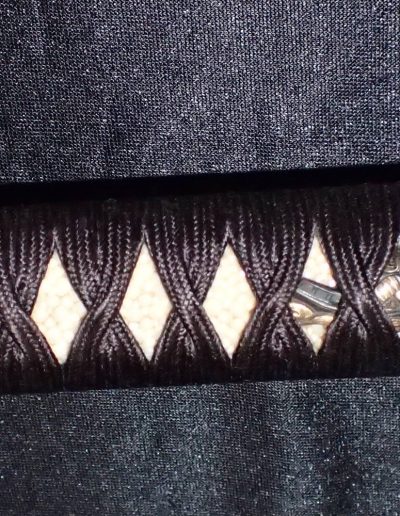
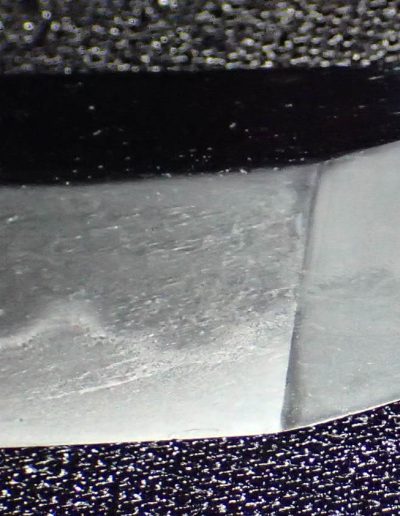
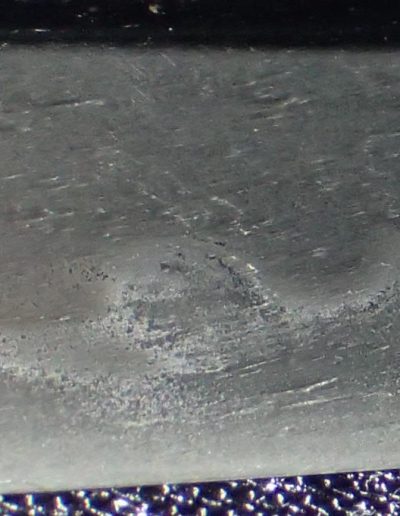
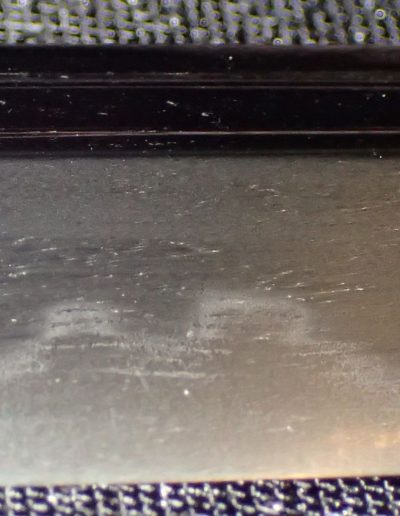
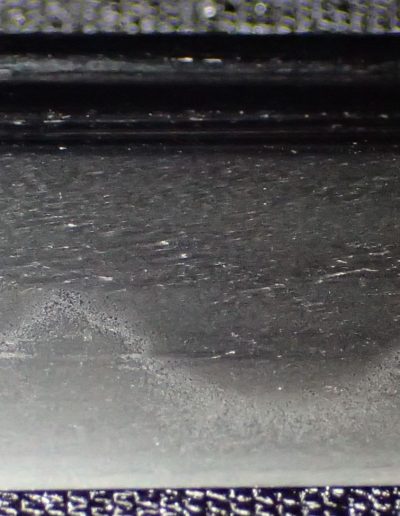
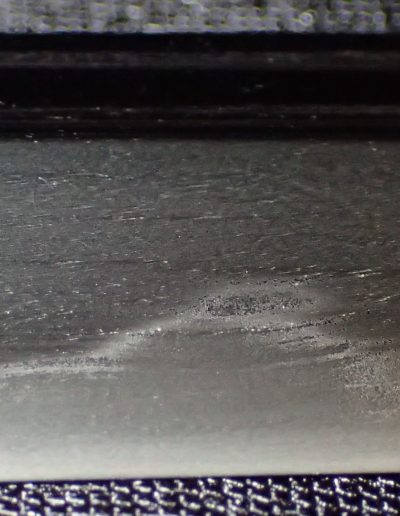
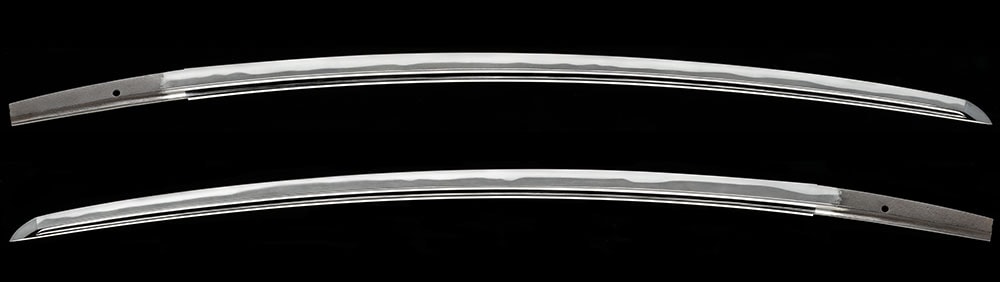
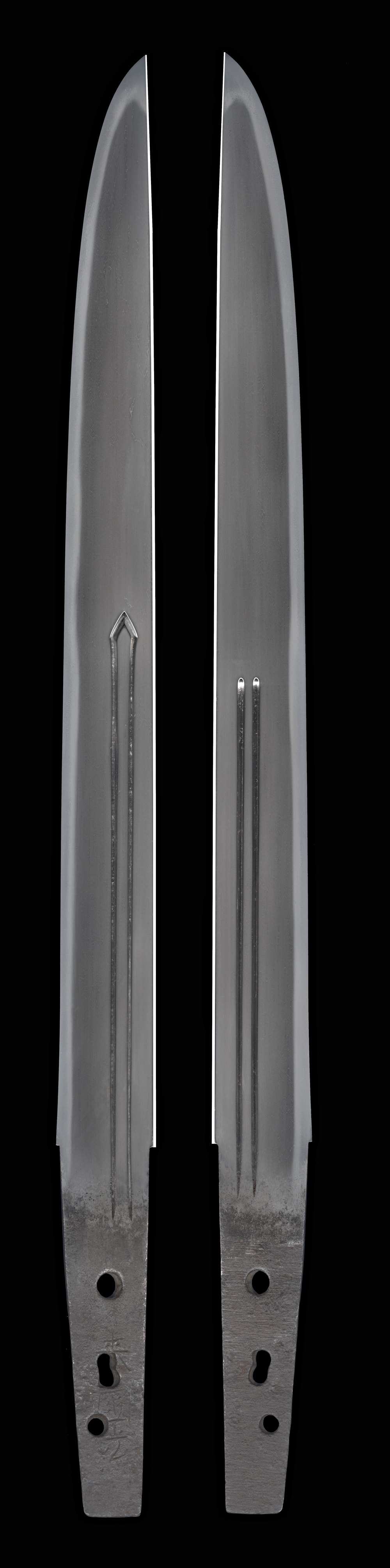
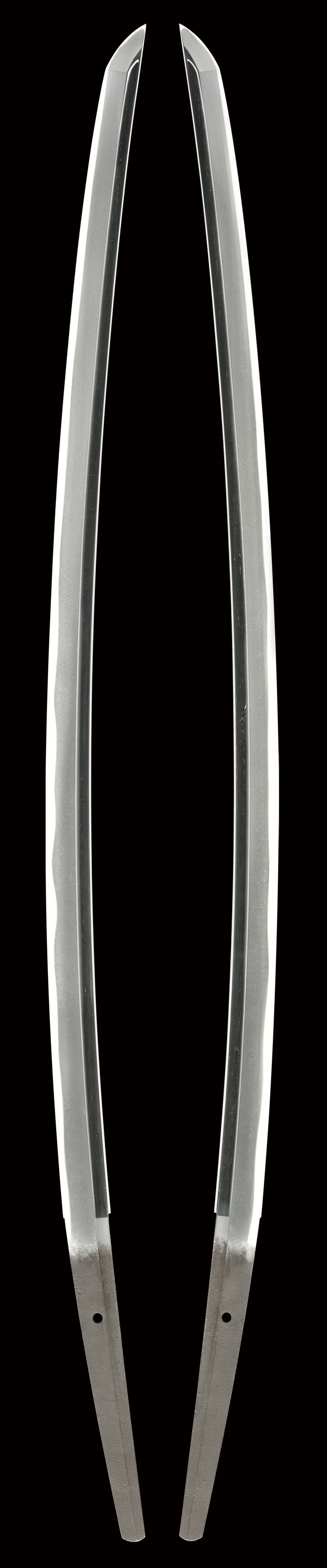
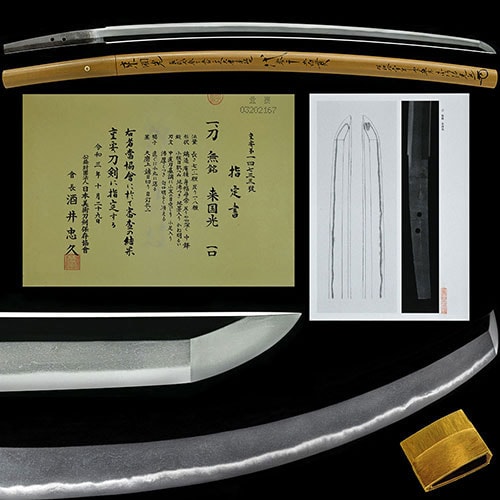
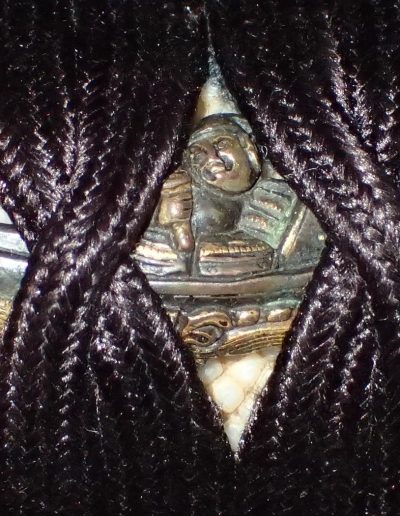
This is a katana attributed to the third generation Nobukuni from Yamashiro province during the Koto period. The blade is osuriage and mumei with a dense itame forging and a gunome-midare hamon mixed with yahazu sunagashi. It comes fully restored in shirasaya with koshirae and includes an NTHK certificate.

NihontoWatch MonNihontoWatchBETA
MarketAuctionsEncyclopedia
Swords›Yamashiro-den›Nobukuni›Katana: 3rd Gen. Nobukuni with NTHK Certificate
katana
Nobukuni

Katana: 3rd Gen. Nobukuni with NTHK Certificate

mumei · Saemonjo · Shitoku (1384-1387) ND · nagasa 70.3cm

Price on request
Visit seller website →
Nobukuni — 1 of 37
Nobukuni — 2 of 37
Nobukuni — 3 of 37
Nobukuni — 4 of 37
Nobukuni — 5 of 37
Nobukuni — 6 of 37
Nobukuni — 7 of 37
Nobukuni — 8 of 37
Nobukuni — 9 of 37
Nobukuni — 10 of 37
Nobukuni — 11 of 37
Nobukuni — 12 of 37
Nobukuni — 13 of 37
Nobukuni — 14 of 37
Nobukuni — 15 of 37
Nobukuni — 16 of 37
Nobukuni — 17 of 37
Nobukuni — 18 of 37
Nobukuni — 19 of 37
Nobukuni — 20 of 37
Nobukuni — 21 of 37
Nobukuni — 22 of 37
Nobukuni — 23 of 37
Nobukuni — 24 of 37
Nobukuni — 25 of 37
Nobukuni — 26 of 37
Nobukuni — 27 of 37
Nobukuni — 28 of 37
Nobukuni — 29 of 37
Nobukuni — 30 of 37
Nobukuni — 31 of 37
Nobukuni — 32 of 37
Nobukuni — 33 of 37
Nobukuni — 34 of 37
Nobukuni — 35 of 37
Nobukuni — 36 of 37
Nobukuni — 37 of 37
1 / 37
1 / 37
Nobukuni — 1 of 37Nobukuni — 2 of 37Nobukuni — 3 of 37Nobukuni — 4 of 37Nobukuni — 5 of 37Nobukuni — 6 of 37Nobukuni — 7 of 37Nobukuni — 8 of 37Nobukuni — 9 of 37Nobukuni — 10 of 37Nobukuni — 11 of 37Nobukuni — 12 of 37Nobukuni — 13 of 37Nobukuni — 14 of 37Nobukuni — 15 of 37Nobukuni — 16 of 37Nobukuni — 17 of 37Nobukuni — 18 of 37Nobukuni — 19 of 37Nobukuni — 20 of 37Nobukuni — 21 of 37Nobukuni — 22 of 37Nobukuni — 23 of 37Nobukuni — 24 of 37Nobukuni — 25 of 37Nobukuni — 26 of 37Nobukuni — 27 of 37Nobukuni — 28 of 37Nobukuni — 29 of 37Nobukuni — 30 of 37Nobukuni — 31 of 37Nobukuni — 32 of 37Nobukuni — 33 of 37Nobukuni — 34 of 37Nobukuni — 35 of 37Nobukuni — 36 of 37Nobukuni — 37 of 37
Measurements & details
Smith
Nobukuni
Type
Katana
School
Nobukuni
Period
Around 1383–1392(Shitoku ND)
Province
Yamashiro
Signature
Unsigned(70% of this smith's designated works are signed)
Measurements
Nagasa 70.3cm
Description
About the maker

Nobukuni

信國

Nobukuni (Yamashiro, Ryōkai lineage) · Yamashiro · around 1383-1392

Tōken Taikan top 14%

1 piece on the market now

›

Nobukuni is the Yamashiro master at the head of his school, a Kyoto smith of the Ryōkai line who worked through the Nanbokuchō period and, by tradition, carried the Rai inheritance into the age of Sōshū. The published sources record his descent in one sentence and then complicate it: he was a smith of the Ryōkai line who, they say, "is also said to have studied under Sadamune of Sagami"[[c:1]]. From those two roots, the Yamashiro Rai tradition and the Sōshū study under Sadamune, the whole shape of his work follows. The earliest reliably dated pieces fall in the Enbun, Kōan and Jōji years; the Meikan's older Kenmu date is set aside because nothing survives to support it. This is the Nanbokuchō Nobukuni, the shodai together with the late-Nanbokuchō successor who carried the name on after him, and the published commentary is careful to hold both apart from the early-Muromachi Ōei Nobukuni, Saemon-no-jō and Shikibu-no-jō, who came later.

His hand is most surely read in the carving. The school's horimono, a devotional program of bonji, kurikara, suken and gomabashi, banner-and-halberd reliefs, and the invocation "Namu Hachiman Daibosatsu" cut into the blade, recurs across the corpus and is the hereditary specialty the published sources single out, calling it work "of a hereditary art, executed with notable skill"[[c:2]]. It appears on roughly half his surviving blades, against the plain bō-hi of the rest, and on the finest pieces a long flame-framed bonji and a suken on a lotus pedestal are layered together in kasanebori. Few smiths of his time are so consistently identified by what they carved.

The steel beneath carries the Sōshū descent plainly. Over an itame that stands and flows toward masame, the jigane takes a thick ji-nie with chikei entering frequently, and on the finer-forged blades a pale, streak-like nie-utsuri stands in the ji. The published sources read the thickly laid ji-nie and frequent chikei as the visible influence of the Sōshū tradition, the trace of the study under Sadamune. The hamon is laid in nie whatever its pattern, with sunagashi and kinsuji running through it, the nioiguchi bright, and the bōshi most often midare-komi with hakikake, or running straight into a ko-maru.

The published sources divide his work into three manners, and the division is the key to the smith. The first is "a suguha showing the Kyō tradition," the refined straight temper of ko-nie with fine hotsure and a faint nijūba, carried on the tantō, ko-wakizashi and ken; a dated suguha piece they call an elegant work that "faithfully inherited the manner of the Rai antecedents"[[c:3]]. The second is "a notare temper that inherits the Sadamune manner" (京物の伝統を示した直刃と貞宗風を受け継いだ, the two modes named together), a ko-notare mixed with gunome, well laid in nie with conspicuous yubashiri, the most frequently met of his styles. The third belongs to the successor generation, which first produces tachi and adds, beyond the two inherited modes, a lively gunome-based midare. Its tell is named again and again: pairs of gunome set side by side and "linked across the valleys by a low, small notare"[[c:4]], taking on a yahazu, arrow-notch, profile. On the most animated late blades muneyaki, tobiyaki, yubashiri and nijūba enter as well.

What sets him apart is held within his own work rather than borrowed from a comparison. The Rai-derived suguha keeps him in the Kyō tradition; the nie-rich jigane, thick with chikei, marks the Sadamune study; and the paired-gunome yahazu of the late hand is the feature by which the daigawari Nobukuni is recognized. The published sources distinguish that late mode from the Ōei Nobukuni who follow, noting that in the late-Nanbokuchō hand the disorder is "broken down in a more cursive manner than in the Ōei Nobukuni," a point used to keep the generations separate. They are equally candid that the name was shared: "there appear to have been several smiths of the same signature in the Nanbokuchō period"[[c:5]], and a Meitoku-3 tachi signed Genzaemon-no-jō Nobukuni is by a different hand than the two-character Nobukuni of the same year.

For the collector he is a name encountered with patience rather than at will. He has no National Treasures and no Important Cultural Properties on record; his standing rests instead on two Tokubetsu Jūyō and twenty-nine Jūyō blades, thirty-one in the Tokubetsu Jūyō and Jūyō tiers together, with a prewar Jūyō Bijutsuhin among them and Hon'ami Kōchū origami attached to several. Signed, dated, ubu Nobukuni of the Nanbokuchō are uncommon, since the shodai's signed work is confined to tantō and ko-wakizashi, so the dated late-Nanbokuchō tachi and naginata are prized above all as reference material. Of recorded whereabouts, his blades are held in long-standing collections and institutions, one of the tantō preserved in the Samurai Art Museum in Berlin, with documented provenance to the Hisamatsu Matsudaira family, the Ōta collection and, in one instance, the Imperial Family. None of these is locked away as designated patrimony, so a signed example does, from time to time, pass into private hands; it comes to the serious collector only seldom, and a dated, carved tachi by the Nanbokuchō Nobukuni is a landmark when it does.

Historical importance

Where Nobukuni stands among comparable artisans: across all of nihontō, and within tradition, era, and period. The tiers (Foremost · Leading · Major · Notable) weigh official designations from the NBTHK and Japan's Agency for Cultural Affairs, together with historical honors of lasting repute such as the Sansaku and Meibutsu-chō.

随一
Foremost
屈指
Leading
有数
Major
著名
Notable

Select a lens to see how it's measured.

Designation record
33 designated works
Jūyō Bijutsuhin
1
Gyobutsu (Imperial)
1
Tokubetsu Jūyō
2
Jūyō
29
1 work by Nobukuni on the market→
Nobukuni — full profileNobukuni (Yamashiro, Ryōkai lineage) school

Dated Works

Years he was demonstrably active, proven by signed-and-dated blades

Active period
1383–1392
4 of 22 designated works carry a date
1380
1390
1400
About the school

Nobukuni

信国

Yamashiro-den · Yamashiro

28 pieces on the market now

›

Few Kyoto houses bridged two traditions as deliberately as Nobukuni (信国), the Yamashiro-den lineage whose work runs from the Nanbokucho period through Muromachi and on, in a western branch, into the shinto age. The first generation, the smith the NBTHK counts as shodai, is the master of the Enbun, Koan and Joji years; the older registers placed a founding Nobukuni back in the Kenmu era, but the published sources set that legend aside, since no work survives so early and the style of the oldest dated blades connects directly with that of Sadamune. Learn more →

12 recorded smiths173 designated works
Leading smiths
SmithEraDesignated
Nobukuni信國1356-136169
Nobukuni信國1383-139233
Nobukuni信國1394-142844
Yoshikane吉包1661-16867
Masanobu正信1356-13614
Explore the Nobukuni school →
Warning — certificate not found

We could not find an authenticity certificate on the seller’s listing. Japanese swords and fittings are normally papered by the NBTHK (or the NTHK). Without one, the attribution is the seller’s own assessment and has not been independently verified — treat it with caution and ask the dealer about certification before buying.

Seller
N
Nihonto Australia
🇦🇺Ships from Australia
›
✓Verified dealernihonto.com.au
Credit card
View all of Nihonto Australia’s listings→View this item on the dealer’s site→

Previously sold by Nobukuni

Nipponto
Tokubetsu Kichō
Tanto - Tokubetsu Kichō - by Nobukuni - Tanto by Nobukuni (3rd Generation)Tanto - Tokubetsu Kichō - by Nobukuni - Tanto by Nobukuni (3rd Generation)
Sold

Tantō

ByNobukuni
SOLD

More from the Yamashiro tradition

View all →
Samurai Nippon
Tokujū
Katana - Tokuju - by Awataguchi Kuniyoshi - Mumei (Attributed to Awataguchi Kuniyoshi)Katana - Tokuju - by Awataguchi Kuniyoshi - Mumei (Attributed to Awataguchi Kuniyoshi)

Katana

ByAwataguchi Kuniyoshi
Ask
Bushido Antique Japanese Swords
Tokuho
Katana - Tokuho - by Rai Kunitsugu - Rai Kunitsugu DaitoKatana - Tokuho - by Rai Kunitsugu - Rai Kunitsugu Daito

Katana

ByRai Kunitsugu
¥35,000
Eirakudo
Jūyō
Katana - Jūyō - by Rai Kunimitsu - Rai Kunimitsu - Juyo TokenKatana - Jūyō - by Rai Kunimitsu - Rai Kunimitsu - Juyo Token

Katana

ByRai Kunimitsu
¥7,800,000
Eirakudo
Tokuho
Katana - Tokuho - by Shintogo Kunimitsu - Shintogo Kunimitsu - Tokubetsu Hozon TokenKatana - Tokuho - by Shintogo Kunimitsu - Shintogo Kunimitsu - Tokubetsu Hozon Token

Katana

ByShintogo Kunimitsu
¥7,500,000
Eirakudo
Tokuho
Katana - Tokuho - by Rai Kunitoshi - Rai Kunitoshi Katana Tokubetsu Hozon TokenKatana - Tokuho - by Rai Kunitoshi - Rai Kunitoshi Katana Tokubetsu Hozon Token

Katana

ByRai Kunitoshi
¥3,000,000
Eirakudo
Jūyō
Tachi - Jūyō - by Ayanokoji Sadatoshi - Sadatoshi - Juyo TokenTachi - Jūyō - by Ayanokoji Sadatoshi - Sadatoshi - Juyo Token

Tachi

ByAyanokoji Sadatoshi
¥7,700,000
Samurai Nippon
Jūyō
Tachi - Jūyō - by Ryokai - Ryokai (Kinpun-mei)Tachi - Jūyō - by Ryokai - Ryokai (Kinpun-mei)

Tachi

ByRyokai
¥4,850,000
Choshuya
Tanto - by Rai Kunitoshi - Japanese Sword for Sale | Ginza Choshuya | Signed Rai Kunitoshi (O-wazamono), 1746Tanto - by Rai Kunitoshi - Japanese Sword for Sale | Ginza Choshuya | Signed Rai Kunitoshi (O-wazamono), 1746

Tantō

ByRai Kunitoshi
¥12,000,000

Swords

  • Katana
  • Wakizashi
  • Tantō
  • Tachi
  • Naginata
  • Yari

Fittings

  • Tsuba
  • Fuchi-Kashira
  • Kozuka
  • Menuki

By Certification

  • Tokujū
  • Jūyō
  • Tokuho
  • Hozon

Resources

  • Dealer Directory
  • Artist Directory
  • Glossary
  • Browse All
Nihontowatch© 2026
TermsPrivacyCookiesAbout

Description

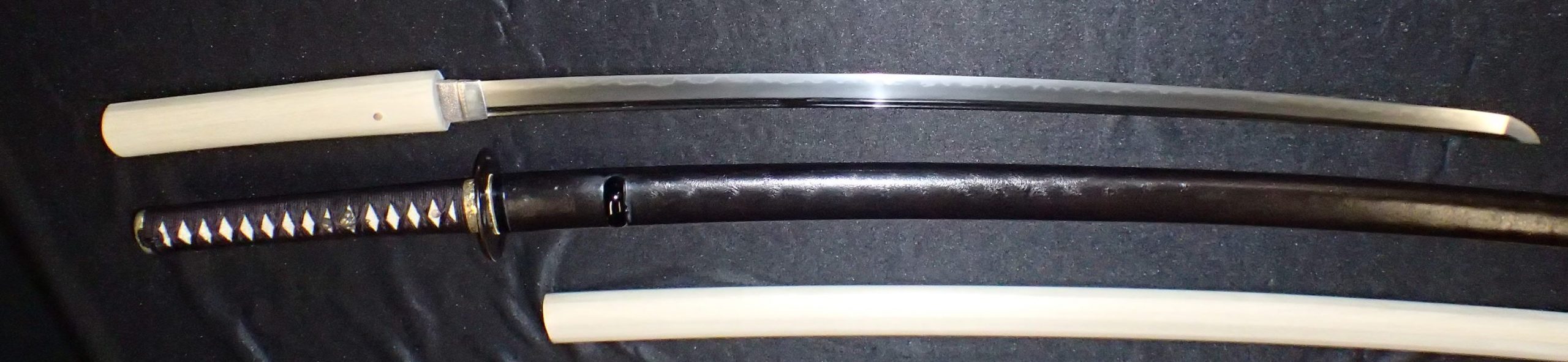
This is a katana attributed to the third generation Nobukuni from Yamashiro province during the Koto period. The blade is osuriage and mumei with a dense itame forging and a gunome-midare hamon mixed with yahazu sunagashi. It comes fully restored in shirasaya with koshirae and includes an NTHK certificate.

NihontoWatch MonNihontoWatchBETA
MarketAuctionsEncyclopedia
Swords›Yamashiro-den›Nobukuni›Katana: 3rd Gen. Nobukuni with NTHK Certificate
katana
Nobukuni

Katana: 3rd Gen. Nobukuni with NTHK Certificate

mumei · Saemonjo · Shitoku (1384-1387) ND · nagasa 70.3cm
Price on request
Visit seller website →
Nobukuni — 1 of 37
Nobukuni — 2 of 37
Nobukuni — 3 of 37
Nobukuni — 4 of 37
Nobukuni — 5 of 37
Nobukuni — 6 of 37
Nobukuni — 7 of 37
Nobukuni — 8 of 37
Nobukuni — 9 of 37
Nobukuni — 10 of 37
Nobukuni — 11 of 37
Nobukuni — 12 of 37
Nobukuni — 13 of 37
Nobukuni — 14 of 37
Nobukuni — 15 of 37
Nobukuni — 16 of 37
Nobukuni — 17 of 37
Nobukuni — 18 of 37
Nobukuni — 19 of 37
Nobukuni — 20 of 37
Nobukuni — 21 of 37
Nobukuni — 22 of 37
Nobukuni — 23 of 37
Nobukuni — 24 of 37
Nobukuni — 25 of 37
Nobukuni — 26 of 37
Nobukuni — 27 of 37
Nobukuni — 28 of 37
Nobukuni — 29 of 37
Nobukuni — 30 of 37
Nobukuni — 31 of 37
Nobukuni — 32 of 37
Nobukuni — 33 of 37
Nobukuni — 34 of 37
Nobukuni — 35 of 37
Nobukuni — 36 of 37
Nobukuni — 37 of 37
1 / 37
1 / 37
Nobukuni — 1 of 37Nobukuni — 2 of 37Nobukuni — 3 of 37Nobukuni — 4 of 37Nobukuni — 5 of 37Nobukuni — 6 of 37Nobukuni — 7 of 37Nobukuni — 8 of 37Nobukuni — 9 of 37Nobukuni — 10 of 37Nobukuni — 11 of 37Nobukuni — 12 of 37Nobukuni — 13 of 37Nobukuni — 14 of 37Nobukuni — 15 of 37Nobukuni — 16 of 37Nobukuni — 17 of 37Nobukuni — 18 of 37Nobukuni — 19 of 37Nobukuni — 20 of 37Nobukuni — 21 of 37Nobukuni — 22 of 37Nobukuni — 23 of 37Nobukuni — 24 of 37Nobukuni — 25 of 37Nobukuni — 26 of 37Nobukuni — 27 of 37Nobukuni — 28 of 37Nobukuni — 29 of 37Nobukuni — 30 of 37Nobukuni — 31 of 37Nobukuni — 32 of 37Nobukuni — 33 of 37Nobukuni — 34 of 37Nobukuni — 35 of 37Nobukuni — 36 of 37Nobukuni — 37 of 37
Measurements & details
Smith
Nobukuni
Type
Katana
School
Nobukuni
Period
Around 1383–1392(Shitoku ND)
Province
Yamashiro
Signature
Unsigned(70% of this smith's designated works are signed)
Measurements
Nagasa 70.3cm
Description
About the maker

Nobukuni

信國

Nobukuni (Yamashiro, Ryōkai lineage) · Yamashiro · around 1383-1392

Tōken Taikan top 14%

1 piece on the market now

›

Nobukuni is the Yamashiro master at the head of his school, a Kyoto smith of the Ryōkai line who worked through the Nanbokuchō period and, by tradition, carried the Rai inheritance into the age of Sōshū. The published sources record his descent in one sentence and then complicate it: he was a smith of the Ryōkai line who, they say, "is also said to have studied under Sadamune of Sagami"[[c:1]]. From those two roots, the Yamashiro Rai tradition and the Sōshū study under Sadamune, the whole shape of his work follows. The earliest reliably dated pieces fall in the Enbun, Kōan and Jōji years; the Meikan's older Kenmu date is set aside because nothing survives to support it. This is the Nanbokuchō Nobukuni, the shodai together with the late-Nanbokuchō successor who carried the name on after him, and the published commentary is careful to hold both apart from the early-Muromachi Ōei Nobukuni, Saemon-no-jō and Shikibu-no-jō, who came later.

His hand is most surely read in the carving. The school's horimono, a devotional program of bonji, kurikara, suken and gomabashi, banner-and-halberd reliefs, and the invocation "Namu Hachiman Daibosatsu" cut into the blade, recurs across the corpus and is the hereditary specialty the published sources single out, calling it work "of a hereditary art, executed with notable skill"[[c:2]]. It appears on roughly half his surviving blades, against the plain bō-hi of the rest, and on the finest pieces a long flame-framed bonji and a suken on a lotus pedestal are layered together in kasanebori. Few smiths of his time are so consistently identified by what they carved.

The steel beneath carries the Sōshū descent plainly. Over an itame that stands and flows toward masame, the jigane takes a thick ji-nie with chikei entering frequently, and on the finer-forged blades a pale, streak-like nie-utsuri stands in the ji. The published sources read the thickly laid ji-nie and frequent chikei as the visible influence of the Sōshū tradition, the trace of the study under Sadamune. The hamon is laid in nie whatever its pattern, with sunagashi and kinsuji running through it, the nioiguchi bright, and the bōshi most often midare-komi with hakikake, or running straight into a ko-maru.

The published sources divide his work into three manners, and the division is the key to the smith. The first is "a suguha showing the Kyō tradition," the refined straight temper of ko-nie with fine hotsure and a faint nijūba, carried on the tantō, ko-wakizashi and ken; a dated suguha piece they call an elegant work that "faithfully inherited the manner of the Rai antecedents"[[c:3]]. The second is "a notare temper that inherits the Sadamune manner" (京物の伝統を示した直刃と貞宗風を受け継いだ, the two modes named together), a ko-notare mixed with gunome, well laid in nie with conspicuous yubashiri, the most frequently met of his styles. The third belongs to the successor generation, which first produces tachi and adds, beyond the two inherited modes, a lively gunome-based midare. Its tell is named again and again: pairs of gunome set side by side and "linked across the valleys by a low, small notare"[[c:4]], taking on a yahazu, arrow-notch, profile. On the most animated late blades muneyaki, tobiyaki, yubashiri and nijūba enter as well.

What sets him apart is held within his own work rather than borrowed from a comparison. The Rai-derived suguha keeps him in the Kyō tradition; the nie-rich jigane, thick with chikei, marks the Sadamune study; and the paired-gunome yahazu of the late hand is the feature by which the daigawari Nobukuni is recognized. The published sources distinguish that late mode from the Ōei Nobukuni who follow, noting that in the late-Nanbokuchō hand the disorder is "broken down in a more cursive manner than in the Ōei Nobukuni," a point used to keep the generations separate. They are equally candid that the name was shared: "there appear to have been several smiths of the same signature in the Nanbokuchō period"[[c:5]], and a Meitoku-3 tachi signed Genzaemon-no-jō Nobukuni is by a different hand than the two-character Nobukuni of the same year.

For the collector he is a name encountered with patience rather than at will. He has no National Treasures and no Important Cultural Properties on record; his standing rests instead on two Tokubetsu Jūyō and twenty-nine Jūyō blades, thirty-one in the Tokubetsu Jūyō and Jūyō tiers together, with a prewar Jūyō Bijutsuhin among them and Hon'ami Kōchū origami attached to several. Signed, dated, ubu Nobukuni of the Nanbokuchō are uncommon, since the shodai's signed work is confined to tantō and ko-wakizashi, so the dated late-Nanbokuchō tachi and naginata are prized above all as reference material. Of recorded whereabouts, his blades are held in long-standing collections and institutions, one of the tantō preserved in the Samurai Art Museum in Berlin, with documented provenance to the Hisamatsu Matsudaira family, the Ōta collection and, in one instance, the Imperial Family. None of these is locked away as designated patrimony, so a signed example does, from time to time, pass into private hands; it comes to the serious collector only seldom, and a dated, carved tachi by the Nanbokuchō Nobukuni is a landmark when it does.

Historical importance

Where Nobukuni stands among comparable artisans: across all of nihontō, and within tradition, era, and period. The tiers (Foremost · Leading · Major · Notable) weigh official designations from the NBTHK and Japan's Agency for Cultural Affairs, together with historical honors of lasting repute such as the Sansaku and Meibutsu-chō.

随一
Foremost
屈指
Leading
有数
Major
著名
Notable

Select a lens to see how it's measured.

Designation record
33 designated works
Jūyō Bijutsuhin
1
Gyobutsu (Imperial)
1
Tokubetsu Jūyō
2
Jūyō
29
1 work by Nobukuni on the market→
Nobukuni — full profileNobukuni (Yamashiro, Ryōkai lineage) school

Dated Works

Years he was demonstrably active, proven by signed-and-dated blades

Active period
1383–1392
4 of 22 designated works carry a date
1380
1390
1400
About the school

Nobukuni

信国

Yamashiro-den · Yamashiro

28 pieces on the market now

›

Few Kyoto houses bridged two traditions as deliberately as Nobukuni (信国), the Yamashiro-den lineage whose work runs from the Nanbokucho period through Muromachi and on, in a western branch, into the shinto age. The first generation, the smith the NBTHK counts as shodai, is the master of the Enbun, Koan and Joji years; the older registers placed a founding Nobukuni back in the Kenmu era, but the published sources set that legend aside, since no work survives so early and the style of the oldest dated blades connects directly with that of Sadamune. Learn more →

12 recorded smiths173 designated works
Leading smiths
SmithEraDesignated
Nobukuni信國1356-136169
Nobukuni信國1383-139233
Nobukuni信國1394-142844
Yoshikane吉包1661-16867
Masanobu正信1356-13614
Explore the Nobukuni school →
Warning — certificate not found

We could not find an authenticity certificate on the seller’s listing. Japanese swords and fittings are normally papered by the NBTHK (or the NTHK). Without one, the attribution is the seller’s own assessment and has not been independently verified — treat it with caution and ask the dealer about certification before buying.

Seller
N
Nihonto Australia
🇦🇺Ships from Australia
›
✓Verified dealernihonto.com.au
Credit card
View all of Nihonto Australia’s listings→View this item on the dealer’s site→

Previously sold by Nobukuni

Nipponto
Tokubetsu Kichō
Tanto - Tokubetsu Kichō - by Nobukuni - Tanto by Nobukuni (3rd Generation)Tanto - Tokubetsu Kichō - by Nobukuni - Tanto by Nobukuni (3rd Generation)
Sold

Tantō

ByNobukuni
SOLD

More from the Yamashiro tradition

View all →
Samurai Nippon
Tokujū
Katana - Tokuju - by Awataguchi Kuniyoshi - Mumei (Attributed to Awataguchi Kuniyoshi)Katana - Tokuju - by Awataguchi Kuniyoshi - Mumei (Attributed to Awataguchi Kuniyoshi)

Katana

ByAwataguchi Kuniyoshi
Ask
Bushido Antique Japanese Swords
Tokuho
Katana - Tokuho - by Rai Kunitsugu - Rai Kunitsugu DaitoKatana - Tokuho - by Rai Kunitsugu - Rai Kunitsugu Daito

Katana

ByRai Kunitsugu
¥35,000
Eirakudo
Jūyō
Katana - Jūyō - by Rai Kunimitsu - Rai Kunimitsu - Juyo TokenKatana - Jūyō - by Rai Kunimitsu - Rai Kunimitsu - Juyo Token

Katana

ByRai Kunimitsu
¥7,800,000
Eirakudo
Tokuho
Katana - Tokuho - by Shintogo Kunimitsu - Shintogo Kunimitsu - Tokubetsu Hozon TokenKatana - Tokuho - by Shintogo Kunimitsu - Shintogo Kunimitsu - Tokubetsu Hozon Token

Katana

ByShintogo Kunimitsu
¥7,500,000
Eirakudo
Tokuho
Katana - Tokuho - by Rai Kunitoshi - Rai Kunitoshi Katana Tokubetsu Hozon TokenKatana - Tokuho - by Rai Kunitoshi - Rai Kunitoshi Katana Tokubetsu Hozon Token

Katana

ByRai Kunitoshi
¥3,000,000
Eirakudo
Jūyō
Tachi - Jūyō - by Ayanokoji Sadatoshi - Sadatoshi - Juyo TokenTachi - Jūyō - by Ayanokoji Sadatoshi - Sadatoshi - Juyo Token

Tachi

ByAyanokoji Sadatoshi
¥7,700,000
Samurai Nippon
Jūyō
Tachi - Jūyō - by Ryokai - Ryokai (Kinpun-mei)Tachi - Jūyō - by Ryokai - Ryokai (Kinpun-mei)

Tachi

ByRyokai
¥4,850,000
Choshuya
Tanto - by Rai Kunitoshi - Japanese Sword for Sale | Ginza Choshuya | Signed Rai Kunitoshi (O-wazamono), 1746Tanto - by Rai Kunitoshi - Japanese Sword for Sale | Ginza Choshuya | Signed Rai Kunitoshi (O-wazamono), 1746

Tantō

ByRai Kunitoshi
¥12,000,000

Swords

  • Katana
  • Wakizashi
  • Tantō
  • Tachi
  • Naginata
  • Yari

Fittings

  • Tsuba
  • Fuchi-Kashira
  • Kozuka
  • Menuki

By Certification

  • Tokujū
  • Jūyō
  • Tokuho
  • Hozon

Resources

  • Dealer Directory
  • Artist Directory
  • Glossary
  • Browse All
Nihontowatch© 2026
TermsPrivacyCookiesAbout
NihontoWatch Mon

NihontoWatchBETA

MarketAuctions
Encyclopedia
NihontoWatch Mon

NihontoWatchBETA

MarketAuctions
Encyclopedia