NihontoWatch Mon

NihontoWatchBETA

MarketAuctions
Encyclopedia
NihontoWatch Mon

NihontoWatchBETA

MarketAuctions
Encyclopedia

Description

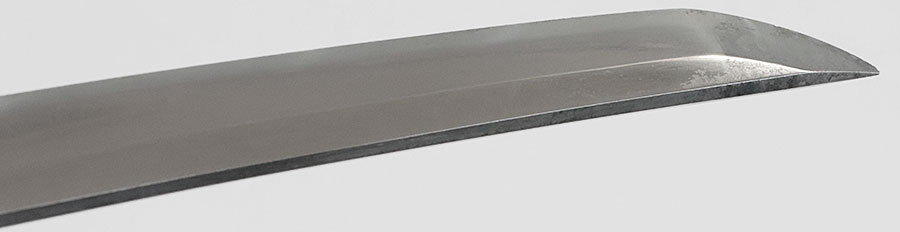
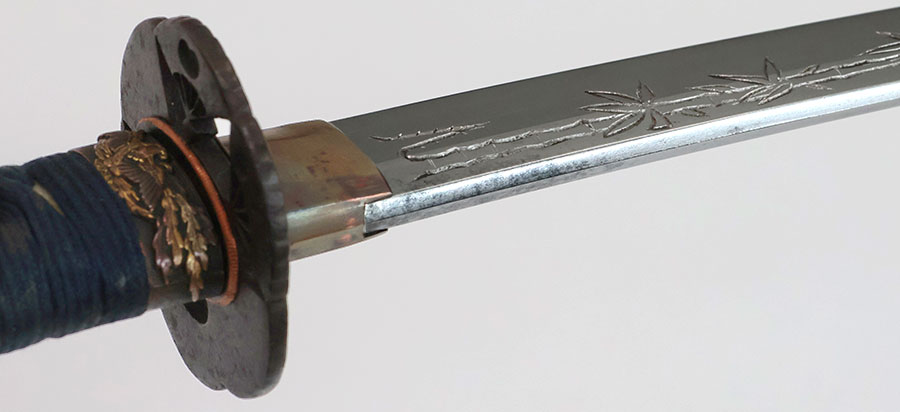
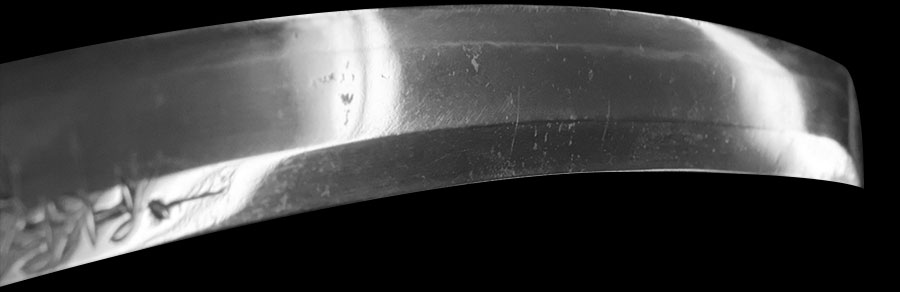
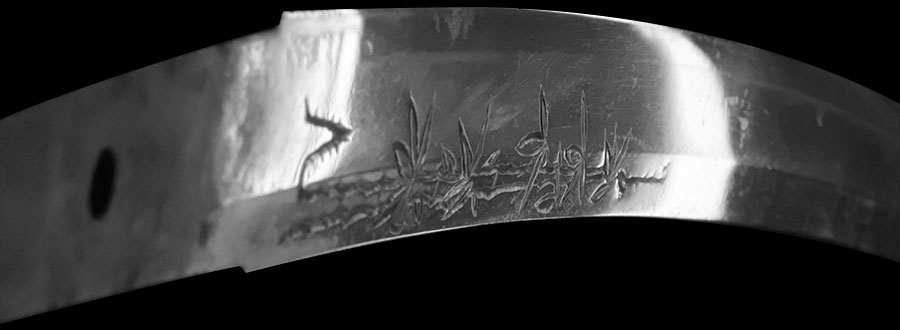
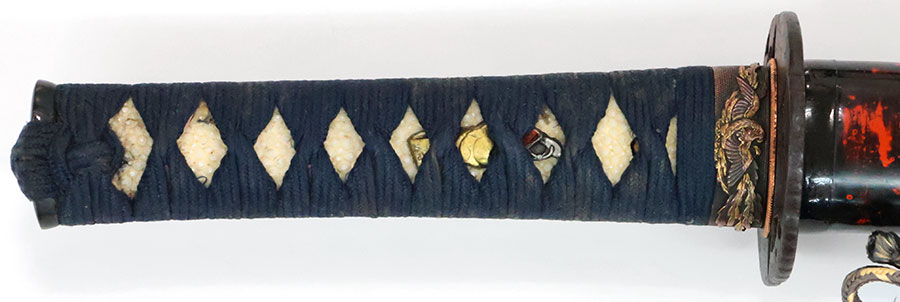
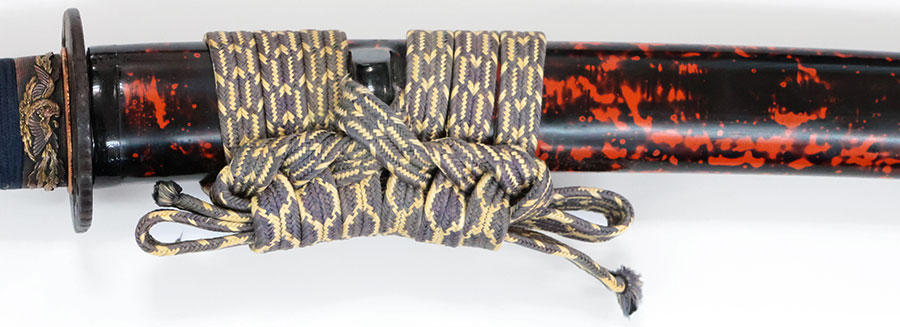
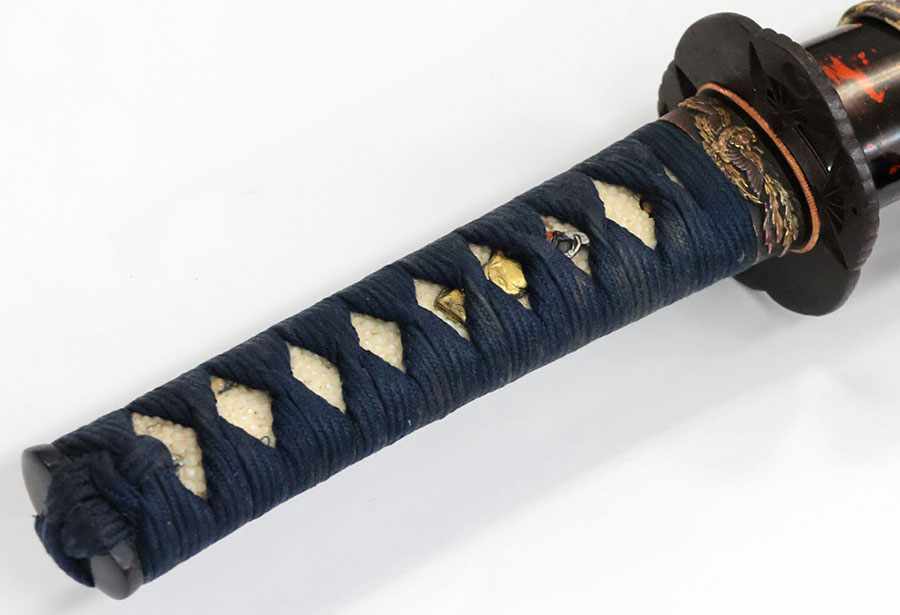
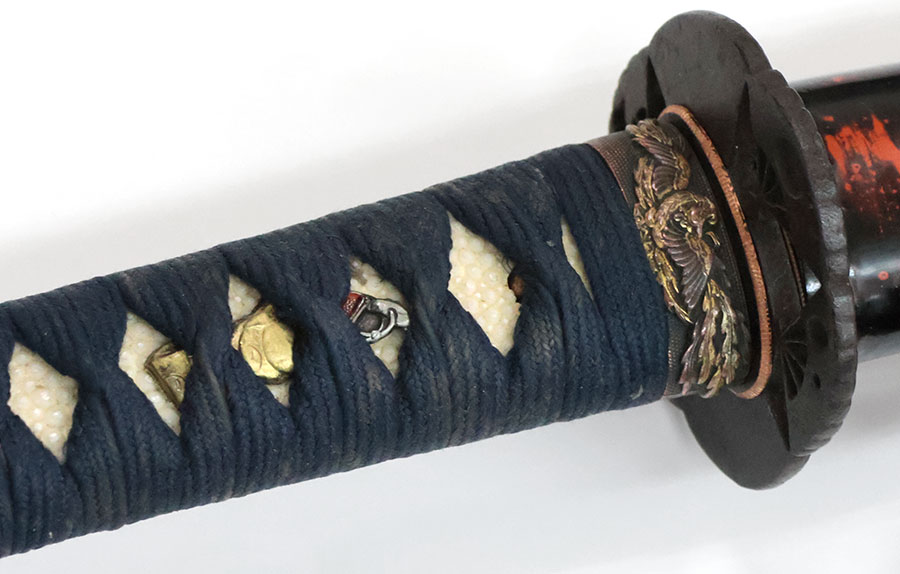
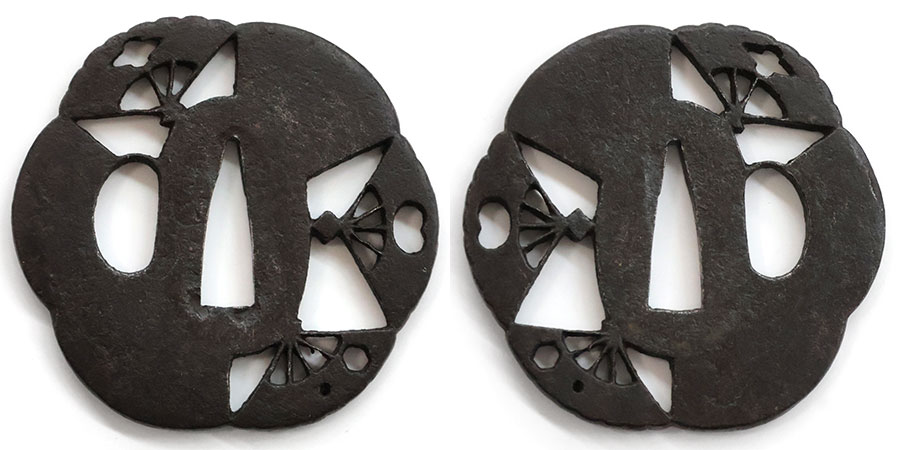
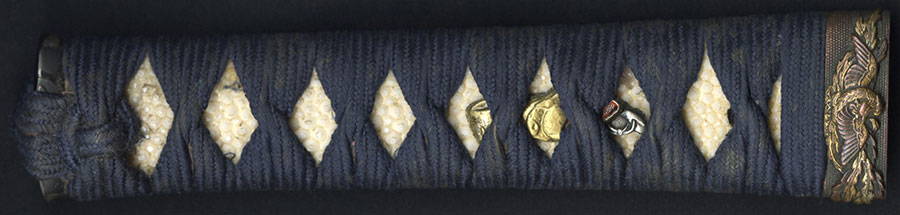
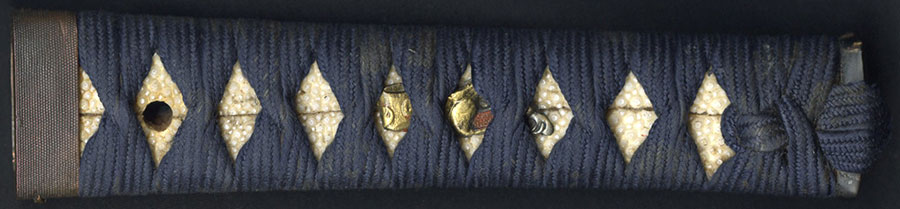
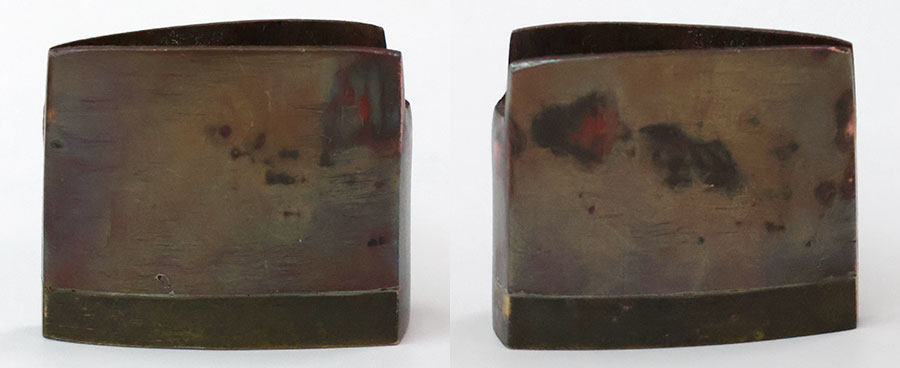
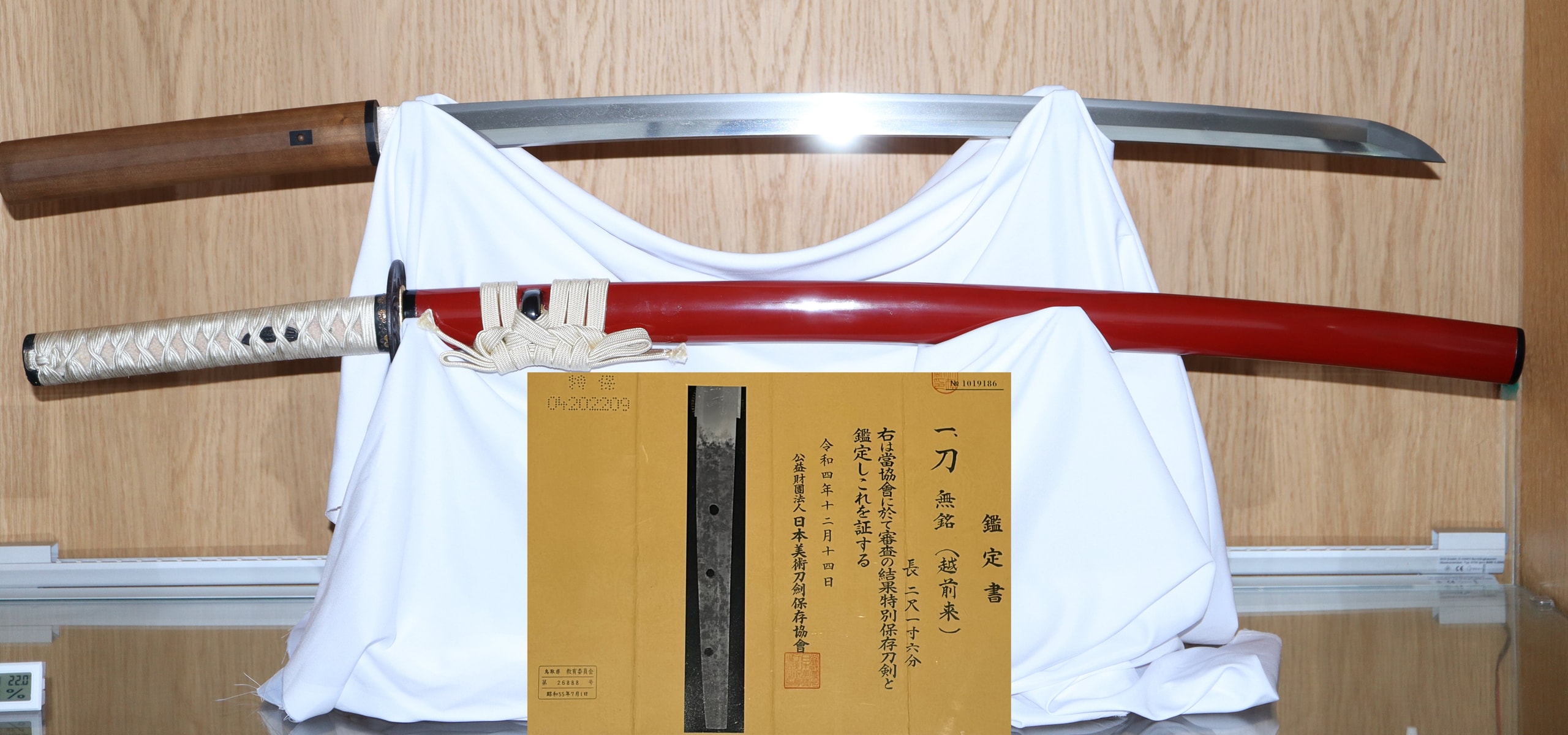
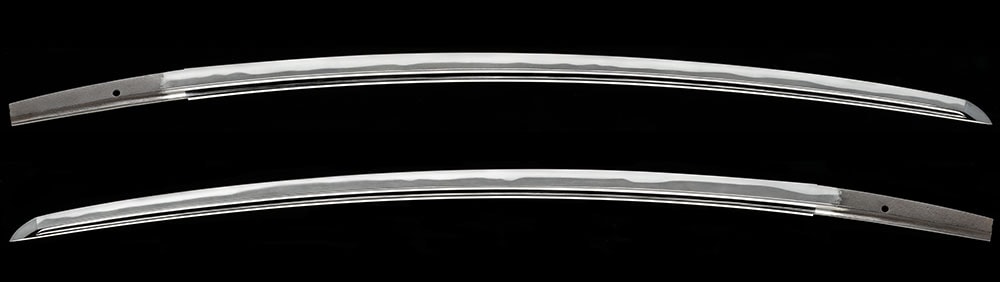
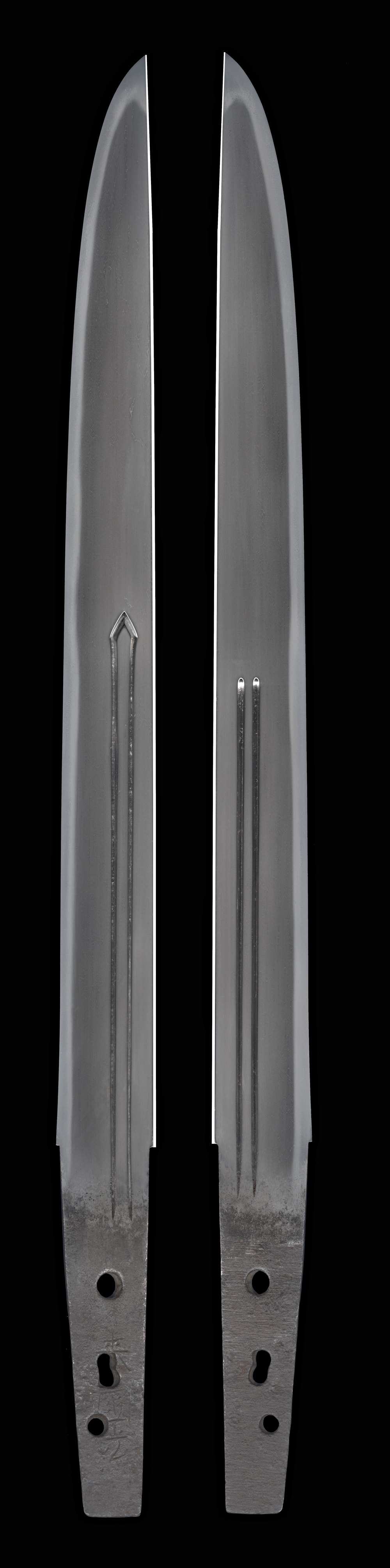
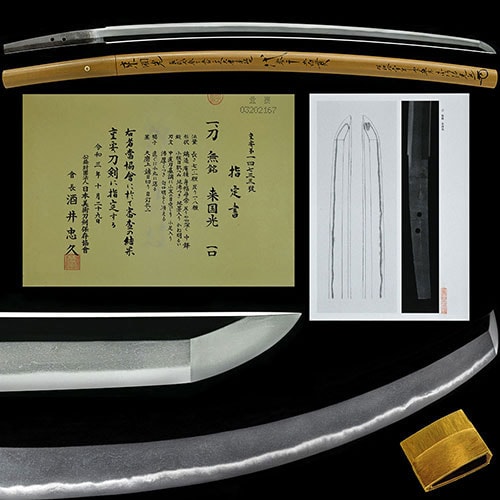
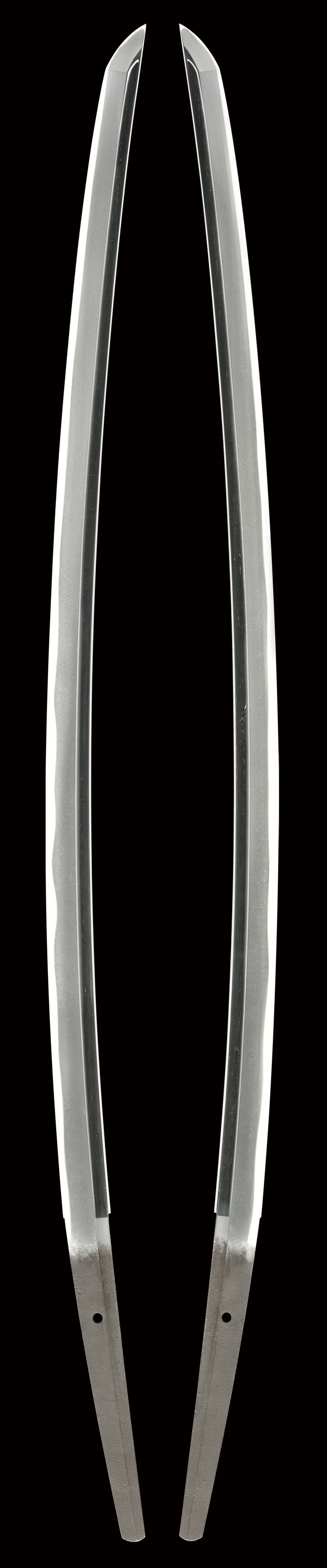
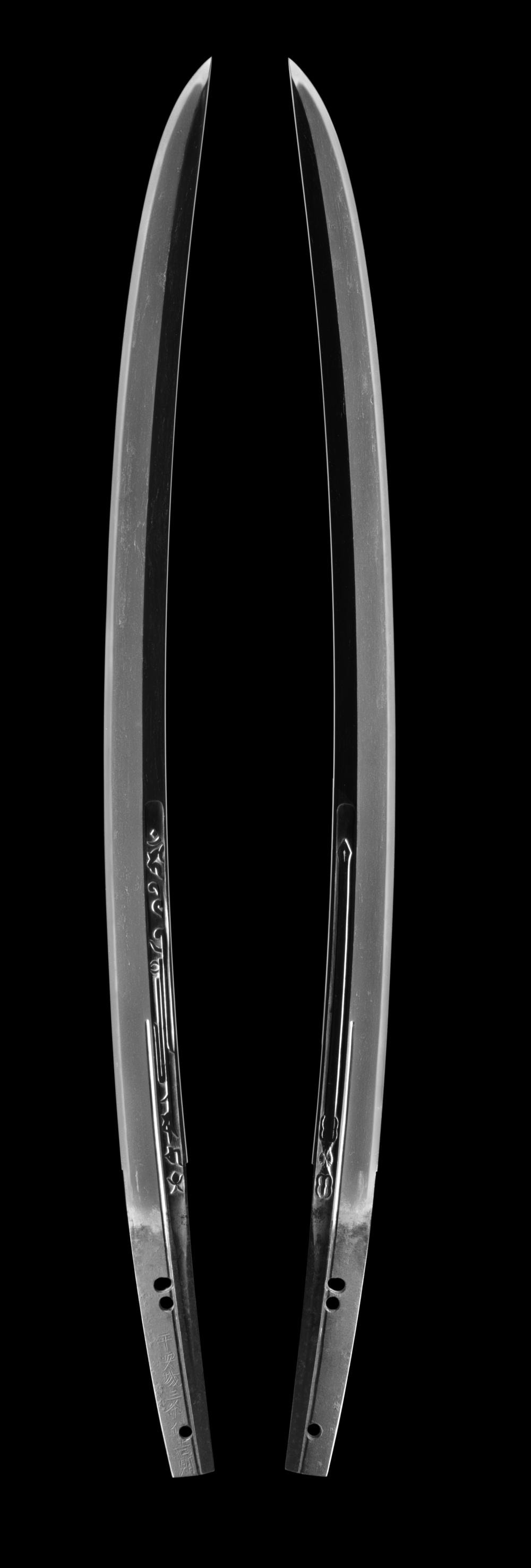
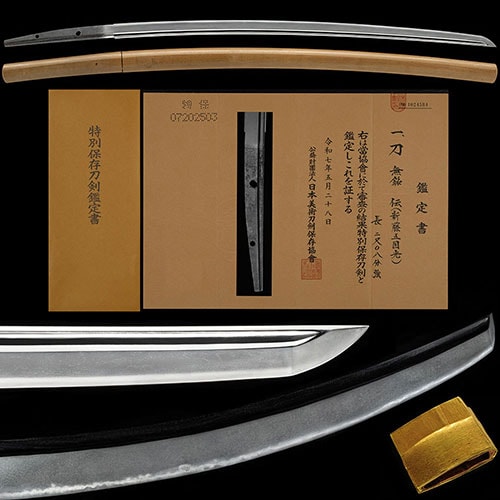
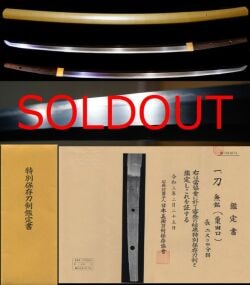
Weight: 512g (excluding saya) It has arrived, it has arrived—a wakizashi that appears to be the work of an Echizen swordsmith from the old, old Edo period, around the Kanbun era (1661) (365 years ago). The representative smiths of Echizen Shinto produced many masters such as Echizen Yasutsugu, Nagasone Okisato Nyudo Kotetsu, and so on. This wakizashi is mumei, but it displays the Kanbun Shinto sugata with a shallow sori and chu-kissaki. As you can see, the ji is currently not clearly visible, but it appears to be forged in ko-itame hada. The horimono features a design of bamboo (take no zu) carved on the omote. The hamon is a crisp, nioi-deki suguru-cho (straight) blade. The long years of the Sengoku period had settled, and the world was enjoying peace; however, in the kenjutsu dojo, shinai kendo became extremely popular. Thrusting techniques (tsuki-waza) in particular were very much in fashion, leading to the creation of Kanbun Shinto sugata works like this wakizashi, which has a shallow sori suitable for thrusting. This wakizashi is further enhanced by a koshirae with an Edo-period kawari-nuri saya. This time, we received this wakizashi from a high-ranking teacher of Iai-do, who had originally received it from the teacher who instructed him when he was a beginner. He mentioned, "I have grown old myself, so if there is someone among the younger generation for whom this would be useful, please pass it on at a low price." Because of this, and because the ji and ha are currently difficult to discern as you can see, we are offering it at a special, bargain price. Please enjoy this wakizashi with koshirae, which appears to be an old Echizen Shinto work from the Edo period.

NihontoWatch MonNihontoWatchBETA
MarketAuctionsEncyclopedia
Swords›Yamashiro-den›Rai›Echizen Rai›Echizen›Wakizashi attributed to Echizen Shinto
katana
Echizen Rai

Wakizashi attributed to Echizen Shinto

mumei · Edo · nagasa 50.4cm · sori 1.4cm

SOLD
Echizen Rai — 1 of 26
Echizen Rai — 2 of 26
Echizen Rai — 3 of 26
Echizen Rai — 4 of 26
Echizen Rai — 5 of 26
Echizen Rai — 6 of 26
Echizen Rai — 7 of 26
Echizen Rai — 8 of 26
Echizen Rai — 9 of 26
Echizen Rai — 10 of 26
Echizen Rai — 11 of 26
Echizen Rai — 12 of 26
Echizen Rai — 13 of 26
Echizen Rai — 14 of 26
Echizen Rai — 15 of 26
Echizen Rai — 16 of 26
Echizen Rai — 17 of 26
Echizen Rai — 18 of 26
Echizen Rai — 19 of 26
Echizen Rai — 20 of 26
Echizen Rai — 21 of 26
Echizen Rai — 22 of 26
Echizen Rai — 23 of 26
Echizen Rai — 24 of 26
Echizen Rai — 25 of 26
Echizen Rai — 26 of 26
1 / 26
1 / 26
Echizen Rai — 1 of 26Echizen Rai — 2 of 26Echizen Rai — 3 of 26Echizen Rai — 4 of 26Echizen Rai — 5 of 26Echizen Rai — 6 of 26Echizen Rai — 7 of 26Echizen Rai — 8 of 26Echizen Rai — 9 of 26Echizen Rai — 10 of 26Echizen Rai — 11 of 26Echizen Rai — 12 of 26Echizen Rai — 13 of 26Echizen Rai — 14 of 26Echizen Rai — 15 of 26Echizen Rai — 16 of 26Echizen Rai — 17 of 26Echizen Rai — 18 of 26Echizen Rai — 19 of 26Echizen Rai — 20 of 26Echizen Rai — 21 of 26Echizen Rai — 22 of 26Echizen Rai — 23 of 26Echizen Rai — 24 of 26Echizen Rai — 25 of 26Echizen Rai — 26 of 26
Measurements & details
Smith
Echizen Rai
Type
Katana
School
Echizen Rai
Period
Around 1312–1317(Showa)
Province
越前
Signature
Unsigned
Measurements
Nagasa 50.4cmSori 1.4cmMotohaba 2.88cmSakihaba 1.84cmKasane 0.63cm
Description

Weight: 512g (excluding saya) It has arrived, it has arrived—a wakizashi that appears to be the work of an Echizen swordsmith from the old, old Edo period, around the Kanbun era (1661) (365 years ago). The representative smiths of Echizen Shinto produced many masters such as Echizen Yasutsugu, Nagasone Okisato Nyudo Kotetsu, and so on. This wakizashi is mumei, but it displays the Kanbun Shinto sugata with a shallow sori and chu-kissaki. As you can see, the ji is currently not clearly visible, but it appears to be forged in ko-itame hada. The horimono features a design of bamboo (take no zu) carved on the omote. The hamon is a crisp, nioi-deki suguru-cho (straight) blade. The long years of the Sengoku period had settled, and the world was enjoying peace; however, in the kenjutsu dojo, shinai kendo became extremely popular. Thrusting techniques (tsuki-waza) in particular were very much in fashion, leading to the creation of Kanbun Shinto sugata works like this wakizashi, which has a shallow sori suitable for thrusting. This wakizashi is further enhanced by a koshirae with an Edo-period kawari-nuri saya. This time, we received this wakizashi from a high-ranking teacher of Iai-do, who had originally received it from the teacher who instructed him when he was a beginner. He mentioned, "I have grown old myself, so if there is someone among the younger generation for whom this would be useful, please pass it on at a low price." Because of this, and because the ji and ha are currently difficult to discern as you can see, we are offering it at a special, bargain price. Please enjoy this wakizashi with koshirae, which appears to be an old Echizen Shinto work from the Edo period.

About the maker

Echizen

越前

Yamashiro-den · Sanuki · around 1312-1317

3 pieces on the market now

›

Shodai Echizen Yasutsugu was born in Shimosaka-gō, Sakata District, Ōmi Province, where he styled himself Shimosaka Ichizaemon. He later moved to Echizen and entered the service of Yūki Hideyasu. In his early phase he signed "Higo Daijō Shimosaka," but between Keichō 10 and 11 (1605–1606) he was summoned to Edo, where he forged swords in the presence of both shoguns Ieyasu and Hidetada. In recognition of this distinction, he was granted the hollyhock crest (aoi-mon) and the character yasu, after which he adopted the name Yasutsugu. This direct patronage by the Tokugawa house placed him among the most politically elevated smiths of the early shintō period.

His forging is characteristically dense itame-hada mixed with mokume, exhibiting extremely fine ji-nie and well-entering chikei; overall the steel tends toward a dark tone, producing what is termed Echizen-gane. His hamon is typically based on a medium suguha or shallow notare, accompanied by linked ko-gunome; ko-ashi enter well, nie adheres thickly, and fine kinsuji and sunagashi appear in places. The nioiguchi frequently shows a shizumi tendency, lending a deep, savoury quality. His bōshi commonly rises in a suguha tone with a pointed tip in a Jizō-like manner, with vigorous hakikake and a long turnback. Notably, his finest works display a tightly forged ko-itame of excellent quality with a bright nioiguchi, departing from the more usual standing grain. His horimono are deeply cut and forceful, rendered in characteristic kinai-bori, with triad compositions of Fudō Myōō with the two dōji attendants appearing as a signature motif.

Shodai Yasutsugu occupies a foundational position in the Echizen tradition and among the official smiths of the Tokugawa shogunate. His works combine the powerful, dignified sugata of the Keichō era — wide mihaba, thick kasane, and elongated proportions — with a subdued depth of nie and surface activity that rewards close appreciation. His distinctive steel quality, intentional variation of tempering patterns, and superb sculptural carving together distinguish him as one of the preeminent smiths of early shintō swordmaking.


Historical importance

Where Echizen stands among comparable artisans: across all of nihontō, and within tradition, era, and period. The tiers (Foremost · Leading · Major · Notable) weigh official designations from the NBTHK and Japan's Agency for Cultural Affairs, together with historical honors of lasting repute such as the Sansaku and Meibutsu-chō.

随一
Foremost
屈指
Leading
有数
Major
著名
Notable

Select a lens to see how it's measured.

Designation record
3 designated works
Jūyō Bunkazai
1
Tokubetsu Jūyō
1
Jūyō
1
3 works by Echizen on the market→
Echizen — full profileYamashiro-den school
About the school

Echizen Rai

越前来

Yamashiro-den · Echizen

5 pieces on the market now

›
0 recorded smiths0 designated works
Leading smiths
SmithEraDesignated
Echizen越前1312-13173
Explore the Echizen Rai school →
Warning — certificate not found

We could not find an authenticity certificate on the seller’s listing. Japanese swords and fittings are normally papered by the NBTHK (or the NTHK). Without one, the attribution is the seller’s own assessment and has not been independently verified — treat it with caution and ask the dealer about certification before buying.

Seller
N
Nipponto
Established 1953 · 73 yrs on the market
🇯🇵Ships from Japan
›
✓Verified dealernipponto.co.jp
✓Ships worldwide✓English supportPayPalCredit card
Return policy

For returns due to customer circumstances, the cost is the customer's responsibility. For returns due to our mis-shipment or a defective item, we bear the cost.

View all of Nipponto’s listings→View this item on the dealer’s site→

More works by Echizen Rai

View all →
Samurai Shokai
Tokuho
Katana - Tokuho - by Echizen Rai - Yasutsugu (Echizen 3rd Generation) with Aoi-monKatana - Tokuho - by Echizen Rai - Yasutsugu (Echizen 3rd Generation) with Aoi-mon

Katana

ByEchizen Rai
Ask
Samurai Museum
Hozon
Tsuba - Hozon - by Echizen Rai - Antique Tsuba for Samurai Sword with NBTHK Hozon Certificate (T-873)Tsuba - Hozon - by Echizen Rai - Antique Tsuba for Samurai Sword with NBTHK Hozon Certificate (T-873)

Tsuba

ByEchizen Rai
¥855
Toushin
Hozon
Tsuba - Hozon - by Echizen Rai - Bamboo and Sparrow Sukashi Tsuba Mumei (Echizen)Tsuba - Hozon - by Echizen Rai - Bamboo and Sparrow Sukashi Tsuba Mumei (Echizen)

Tsuba

ByEchizen Rai
¥165,000

More from the Echizen Rai school

View all →
Aoi Art
Tokuho
Wakizashi - Tokuho - by Echizen Rai School - Mumei (Unsigned) (Den Echizen Rai)Wakizashi - Tokuho - by Echizen Rai School - Mumei (Unsigned) (Den Echizen Rai)

Wakizashi

ByEchizen Rai School
Starting Bid¥450,000
Aoi Art
Tokuho
Katana - Tokuho - by Echizen Rai School - Mumei (Unsigned) Echizen RaiKatana - Tokuho - by Echizen Rai School - Mumei (Unsigned) Echizen Rai

Katana

ByEchizen Rai School
¥1,250,000

More from the Rai school

View all →
Bushido Antique Japanese Swords
Tokuho
Katana - Tokuho - by Rai Kunitsugu - Rai Kunitsugu DaitoKatana - Tokuho - by Rai Kunitsugu - Rai Kunitsugu Daito

Katana

ByRai Kunitsugu
¥35,000
Eirakudo
Jūyō
Katana - Jūyō - by Rai Kunimitsu - Rai Kunimitsu - Juyo TokenKatana - Jūyō - by Rai Kunimitsu - Rai Kunimitsu - Juyo Token

Katana

ByRai Kunimitsu
¥7,800,000
Eirakudo
Tokuho
Katana - Tokuho - by Rai Kunitoshi - Rai Kunitoshi Katana Tokubetsu Hozon TokenKatana - Tokuho - by Rai Kunitoshi - Rai Kunitoshi Katana Tokubetsu Hozon Token

Katana

ByRai Kunitoshi
¥3,000,000
Samurai Nippon
Jūyō
Tachi - Jūyō - by Ryokai - Ryokai (Kinpun-mei)Tachi - Jūyō - by Ryokai - Ryokai (Kinpun-mei)

Tachi

ByRyokai
¥4,850,000
Samurai Nippon
Tokuho
Tokuho - by Nakajima Rai School - Naginata-naoshi Wakizashi: Nakajima Rai (Mumei)Tokuho - by Nakajima Rai School - Naginata-naoshi Wakizashi: Nakajima Rai (Mumei)

Naginata-naoshi Wakizashi: Nakajima Rai (Mumei)

ByNakajima Rai School
¥780,000
Choshuya
Tanto - by Rai Kunitoshi - Japanese Sword for Sale | Ginza Choshuya | Signed Rai Kunitoshi (O-wazamono), 1746Tanto - by Rai Kunitoshi - Japanese Sword for Sale | Ginza Choshuya | Signed Rai Kunitoshi (O-wazamono), 1746

Tantō

ByRai Kunitoshi
¥12,000,000
Yushindou
Tokubetsu Kichō
Katana - Tokubetsu Kichō - by Nakajima Rai Munenaga - Munemasa - Koshu Tokubetsu KichoKatana - Tokubetsu Kichō - by Nakajima Rai Munenaga - Munemasa - Koshu Tokubetsu Kicho

Katana

ByNakajima Rai Munenaga
¥2,000,000
Iida Koendo
Jūyō
Tanto - Jūyō - by Rai Kunitoshi - Rai KunitoshiTanto - Jūyō - by Rai Kunitoshi - Rai Kunitoshi

Tantō

ByRai Kunitoshi
¥11,000,000

More from the Yamashiro tradition

View all →
Samurai Nippon
Tokujū
Katana - Tokuju - by Awataguchi Kuniyoshi - Mumei (Attributed to Awataguchi Kuniyoshi)Katana - Tokuju - by Awataguchi Kuniyoshi - Mumei (Attributed to Awataguchi Kuniyoshi)

Katana

ByAwataguchi Kuniyoshi
Ask
Eirakudo
Tokuho
Katana - Tokuho - by Shintogo Kunimitsu - Shintogo Kunimitsu - Tokubetsu Hozon TokenKatana - Tokuho - by Shintogo Kunimitsu - Shintogo Kunimitsu - Tokubetsu Hozon Token

Katana

ByShintogo Kunimitsu
¥7,500,000
Eirakudo
Jūyō
Tachi - Jūyō - by Ayanokoji Sadatoshi - Sadatoshi - Juyo TokenTachi - Jūyō - by Ayanokoji Sadatoshi - Sadatoshi - Juyo Token

Tachi

ByAyanokoji Sadatoshi
¥7,700,000
Aoi Art
Tokuho
Katana - Tokuho - by Shintogo Kunimitsu - Unsigned (Attributed to Shintogo)Katana - Tokuho - by Shintogo Kunimitsu - Unsigned (Attributed to Shintogo)

Katana

ByShintogo Kunimitsu
¥7,800,000
Nihon Art
Tokuho
Tanto - Tokuho - by Shintogo Kunimitsu - Shintogo Kunimitsu TantoTanto - Tokuho - by Shintogo Kunimitsu - Shintogo Kunimitsu Tanto

Tantō

ByShintogo Kunimitsu
Ask
Toushin
Hozon
Katana - Hozon - by Enju School - Enju (Mumei)Katana - Hozon - by Enju School - Enju (Mumei)

Katana

ByEnju School
¥550,000
Nipponto
Jūyō
Katana - Jūyō - by Rai Kuniyuki - Kuniyuki (Yamashiro Kyoto Rai School Founder) (From Baron Sugiyama Shigemaru Family)Katana - Jūyō - by Rai Kuniyuki - Kuniyuki (Yamashiro Kyoto Rai School Founder) (From Baron Sugiyama Shigemaru Family)

Katana

ByRai Kuniyuki
Ask
Nipponto
Jūyō
Katana - Jūyō - by Rai Kunitsugu - Rai Kunitsugu (Listed in Kantou Hibi Sho Zoku 2)Katana - Jūyō - by Rai Kunitsugu - Rai Kunitsugu (Listed in Kantou Hibi Sho Zoku 2)

Katana

ByRai Kunitsugu
Ask

Swords

  • Katana
  • Wakizashi
  • Tantō
  • Tachi
  • Naginata
  • Yari

Fittings

  • Tsuba
  • Fuchi-Kashira
  • Kozuka
  • Menuki

By Certification

  • Tokujū
  • Jūyō
  • Tokuho
  • Hozon

Resources

  • Dealer Directory
  • Artist Directory
  • Glossary
  • Browse All
Nihontowatch© 2026
TermsPrivacyCookiesAbout

Description

Weight: 512g (excluding saya) It has arrived, it has arrived—a wakizashi that appears to be the work of an Echizen swordsmith from the old, old Edo period, around the Kanbun era (1661) (365 years ago). The representative smiths of Echizen Shinto produced many masters such as Echizen Yasutsugu, Nagasone Okisato Nyudo Kotetsu, and so on. This wakizashi is mumei, but it displays the Kanbun Shinto sugata with a shallow sori and chu-kissaki. As you can see, the ji is currently not clearly visible, but it appears to be forged in ko-itame hada. The horimono features a design of bamboo (take no zu) carved on the omote. The hamon is a crisp, nioi-deki suguru-cho (straight) blade. The long years of the Sengoku period had settled, and the world was enjoying peace; however, in the kenjutsu dojo, shinai kendo became extremely popular. Thrusting techniques (tsuki-waza) in particular were very much in fashion, leading to the creation of Kanbun Shinto sugata works like this wakizashi, which has a shallow sori suitable for thrusting. This wakizashi is further enhanced by a koshirae with an Edo-period kawari-nuri saya. This time, we received this wakizashi from a high-ranking teacher of Iai-do, who had originally received it from the teacher who instructed him when he was a beginner. He mentioned, "I have grown old myself, so if there is someone among the younger generation for whom this would be useful, please pass it on at a low price." Because of this, and because the ji and ha are currently difficult to discern as you can see, we are offering it at a special, bargain price. Please enjoy this wakizashi with koshirae, which appears to be an old Echizen Shinto work from the Edo period.

NihontoWatch MonNihontoWatchBETA
MarketAuctionsEncyclopedia
Swords›Yamashiro-den›Rai›Echizen Rai›Echizen›Wakizashi attributed to Echizen Shinto
katana
Echizen Rai

Wakizashi attributed to Echizen Shinto

mumei · Edo · nagasa 50.4cm · sori 1.4cm

SOLD
Echizen Rai — 1 of 26
Echizen Rai — 2 of 26
Echizen Rai — 3 of 26
Echizen Rai — 4 of 26
Echizen Rai — 5 of 26
Echizen Rai — 6 of 26
Echizen Rai — 7 of 26
Echizen Rai — 8 of 26
Echizen Rai — 9 of 26
Echizen Rai — 10 of 26
Echizen Rai — 11 of 26
Echizen Rai — 12 of 26
Echizen Rai — 13 of 26
Echizen Rai — 14 of 26
Echizen Rai — 15 of 26
Echizen Rai — 16 of 26
Echizen Rai — 17 of 26
Echizen Rai — 18 of 26
Echizen Rai — 19 of 26
Echizen Rai — 20 of 26
Echizen Rai — 21 of 26
Echizen Rai — 22 of 26
Echizen Rai — 23 of 26
Echizen Rai — 24 of 26
Echizen Rai — 25 of 26
Echizen Rai — 26 of 26
1 / 26
1 / 26
Echizen Rai — 1 of 26Echizen Rai — 2 of 26Echizen Rai — 3 of 26Echizen Rai — 4 of 26Echizen Rai — 5 of 26Echizen Rai — 6 of 26Echizen Rai — 7 of 26Echizen Rai — 8 of 26Echizen Rai — 9 of 26Echizen Rai — 10 of 26Echizen Rai — 11 of 26Echizen Rai — 12 of 26Echizen Rai — 13 of 26Echizen Rai — 14 of 26Echizen Rai — 15 of 26Echizen Rai — 16 of 26Echizen Rai — 17 of 26Echizen Rai — 18 of 26Echizen Rai — 19 of 26Echizen Rai — 20 of 26Echizen Rai — 21 of 26Echizen Rai — 22 of 26Echizen Rai — 23 of 26Echizen Rai — 24 of 26Echizen Rai — 25 of 26Echizen Rai — 26 of 26
Measurements & details
Smith
Echizen Rai
Type
Katana
School
Echizen Rai
Period
Around 1312–1317(Showa)
Province
越前
Signature
Unsigned
Measurements
Nagasa 50.4cmSori 1.4cmMotohaba 2.88cmSakihaba 1.84cmKasane 0.63cm
Description

Weight: 512g (excluding saya) It has arrived, it has arrived—a wakizashi that appears to be the work of an Echizen swordsmith from the old, old Edo period, around the Kanbun era (1661) (365 years ago). The representative smiths of Echizen Shinto produced many masters such as Echizen Yasutsugu, Nagasone Okisato Nyudo Kotetsu, and so on. This wakizashi is mumei, but it displays the Kanbun Shinto sugata with a shallow sori and chu-kissaki. As you can see, the ji is currently not clearly visible, but it appears to be forged in ko-itame hada. The horimono features a design of bamboo (take no zu) carved on the omote. The hamon is a crisp, nioi-deki suguru-cho (straight) blade. The long years of the Sengoku period had settled, and the world was enjoying peace; however, in the kenjutsu dojo, shinai kendo became extremely popular. Thrusting techniques (tsuki-waza) in particular were very much in fashion, leading to the creation of Kanbun Shinto sugata works like this wakizashi, which has a shallow sori suitable for thrusting. This wakizashi is further enhanced by a koshirae with an Edo-period kawari-nuri saya. This time, we received this wakizashi from a high-ranking teacher of Iai-do, who had originally received it from the teacher who instructed him when he was a beginner. He mentioned, "I have grown old myself, so if there is someone among the younger generation for whom this would be useful, please pass it on at a low price." Because of this, and because the ji and ha are currently difficult to discern as you can see, we are offering it at a special, bargain price. Please enjoy this wakizashi with koshirae, which appears to be an old Echizen Shinto work from the Edo period.

About the maker

Echizen

越前

Yamashiro-den · Sanuki · around 1312-1317

3 pieces on the market now

›

Shodai Echizen Yasutsugu was born in Shimosaka-gō, Sakata District, Ōmi Province, where he styled himself Shimosaka Ichizaemon. He later moved to Echizen and entered the service of Yūki Hideyasu. In his early phase he signed "Higo Daijō Shimosaka," but between Keichō 10 and 11 (1605–1606) he was summoned to Edo, where he forged swords in the presence of both shoguns Ieyasu and Hidetada. In recognition of this distinction, he was granted the hollyhock crest (aoi-mon) and the character yasu, after which he adopted the name Yasutsugu. This direct patronage by the Tokugawa house placed him among the most politically elevated smiths of the early shintō period.

His forging is characteristically dense itame-hada mixed with mokume, exhibiting extremely fine ji-nie and well-entering chikei; overall the steel tends toward a dark tone, producing what is termed Echizen-gane. His hamon is typically based on a medium suguha or shallow notare, accompanied by linked ko-gunome; ko-ashi enter well, nie adheres thickly, and fine kinsuji and sunagashi appear in places. The nioiguchi frequently shows a shizumi tendency, lending a deep, savoury quality. His bōshi commonly rises in a suguha tone with a pointed tip in a Jizō-like manner, with vigorous hakikake and a long turnback. Notably, his finest works display a tightly forged ko-itame of excellent quality with a bright nioiguchi, departing from the more usual standing grain. His horimono are deeply cut and forceful, rendered in characteristic kinai-bori, with triad compositions of Fudō Myōō with the two dōji attendants appearing as a signature motif.

Shodai Yasutsugu occupies a foundational position in the Echizen tradition and among the official smiths of the Tokugawa shogunate. His works combine the powerful, dignified sugata of the Keichō era — wide mihaba, thick kasane, and elongated proportions — with a subdued depth of nie and surface activity that rewards close appreciation. His distinctive steel quality, intentional variation of tempering patterns, and superb sculptural carving together distinguish him as one of the preeminent smiths of early shintō swordmaking.

Historical importance

Where Echizen stands among comparable artisans: across all of nihontō, and within tradition, era, and period. The tiers (Foremost · Leading · Major · Notable) weigh official designations from the NBTHK and Japan's Agency for Cultural Affairs, together with historical honors of lasting repute such as the Sansaku and Meibutsu-chō.

随一
Foremost
屈指
Leading
有数
Major
著名
Notable

Select a lens to see how it's measured.

Designation record
3 designated works
Jūyō Bunkazai
1
Tokubetsu Jūyō
1
Jūyō
1
3 works by Echizen on the market→
Echizen — full profileYamashiro-den school
About the school

Echizen Rai

越前来

Yamashiro-den · Echizen

5 pieces on the market now

›
0 recorded smiths0 designated works
Leading smiths
SmithEraDesignated
Echizen越前1312-13173
Explore the Echizen Rai school →
Warning — certificate not found

We could not find an authenticity certificate on the seller’s listing. Japanese swords and fittings are normally papered by the NBTHK (or the NTHK). Without one, the attribution is the seller’s own assessment and has not been independently verified — treat it with caution and ask the dealer about certification before buying.


Seller
N
Nipponto
Established 1953 · 73 yrs on the market
🇯🇵Ships from Japan
›
✓Verified dealernipponto.co.jp
✓Ships worldwide✓English supportPayPalCredit card
Return policy

For returns due to customer circumstances, the cost is the customer's responsibility. For returns due to our mis-shipment or a defective item, we bear the cost.

View all of Nipponto’s listings→View this item on the dealer’s site→

More works by Echizen Rai

View all →
Samurai Shokai
Tokuho
Katana - Tokuho - by Echizen Rai - Yasutsugu (Echizen 3rd Generation) with Aoi-monKatana - Tokuho - by Echizen Rai - Yasutsugu (Echizen 3rd Generation) with Aoi-mon

Katana

ByEchizen Rai
Ask
Samurai Museum
Hozon
Tsuba - Hozon - by Echizen Rai - Antique Tsuba for Samurai Sword with NBTHK Hozon Certificate (T-873)Tsuba - Hozon - by Echizen Rai - Antique Tsuba for Samurai Sword with NBTHK Hozon Certificate (T-873)

Tsuba

ByEchizen Rai
¥855
Toushin
Hozon
Tsuba - Hozon - by Echizen Rai - Bamboo and Sparrow Sukashi Tsuba Mumei (Echizen)Tsuba - Hozon - by Echizen Rai - Bamboo and Sparrow Sukashi Tsuba Mumei (Echizen)

Tsuba

ByEchizen Rai
¥165,000

More from the Echizen Rai school

View all →
Aoi Art
Tokuho
Wakizashi - Tokuho - by Echizen Rai School - Mumei (Unsigned) (Den Echizen Rai)Wakizashi - Tokuho - by Echizen Rai School - Mumei (Unsigned) (Den Echizen Rai)

Wakizashi

ByEchizen Rai School
Starting Bid¥450,000
Aoi Art
Tokuho
Katana - Tokuho - by Echizen Rai School - Mumei (Unsigned) Echizen RaiKatana - Tokuho - by Echizen Rai School - Mumei (Unsigned) Echizen Rai

Katana

ByEchizen Rai School
¥1,250,000

More from the Rai school

View all →
Bushido Antique Japanese Swords
Tokuho
Katana - Tokuho - by Rai Kunitsugu - Rai Kunitsugu DaitoKatana - Tokuho - by Rai Kunitsugu - Rai Kunitsugu Daito

Katana

ByRai Kunitsugu
¥35,000
Eirakudo
Jūyō
Katana - Jūyō - by Rai Kunimitsu - Rai Kunimitsu - Juyo TokenKatana - Jūyō - by Rai Kunimitsu - Rai Kunimitsu - Juyo Token

Katana

ByRai Kunimitsu
¥7,800,000
Eirakudo
Tokuho
Katana - Tokuho - by Rai Kunitoshi - Rai Kunitoshi Katana Tokubetsu Hozon TokenKatana - Tokuho - by Rai Kunitoshi - Rai Kunitoshi Katana Tokubetsu Hozon Token

Katana

ByRai Kunitoshi
¥3,000,000
Samurai Nippon
Jūyō
Tachi - Jūyō - by Ryokai - Ryokai (Kinpun-mei)Tachi - Jūyō - by Ryokai - Ryokai (Kinpun-mei)

Tachi

ByRyokai
¥4,850,000
Samurai Nippon
Tokuho
Tokuho - by Nakajima Rai School - Naginata-naoshi Wakizashi: Nakajima Rai (Mumei)Tokuho - by Nakajima Rai School - Naginata-naoshi Wakizashi: Nakajima Rai (Mumei)

Naginata-naoshi Wakizashi: Nakajima Rai (Mumei)

ByNakajima Rai School
¥780,000
Choshuya
Tanto - by Rai Kunitoshi - Japanese Sword for Sale | Ginza Choshuya | Signed Rai Kunitoshi (O-wazamono), 1746Tanto - by Rai Kunitoshi - Japanese Sword for Sale | Ginza Choshuya | Signed Rai Kunitoshi (O-wazamono), 1746

Tantō

ByRai Kunitoshi
¥12,000,000
Yushindou
Tokubetsu Kichō
Katana - Tokubetsu Kichō - by Nakajima Rai Munenaga - Munemasa - Koshu Tokubetsu KichoKatana - Tokubetsu Kichō - by Nakajima Rai Munenaga - Munemasa - Koshu Tokubetsu Kicho

Katana

ByNakajima Rai Munenaga
¥2,000,000
Iida Koendo
Jūyō
Tanto - Jūyō - by Rai Kunitoshi - Rai KunitoshiTanto - Jūyō - by Rai Kunitoshi - Rai Kunitoshi

Tantō

ByRai Kunitoshi
¥11,000,000

More from the Yamashiro tradition

View all →
Samurai Nippon
Tokujū
Katana - Tokuju - by Awataguchi Kuniyoshi - Mumei (Attributed to Awataguchi Kuniyoshi)Katana - Tokuju - by Awataguchi Kuniyoshi - Mumei (Attributed to Awataguchi Kuniyoshi)

Katana

ByAwataguchi Kuniyoshi
Ask
Eirakudo
Tokuho
Katana - Tokuho - by Shintogo Kunimitsu - Shintogo Kunimitsu - Tokubetsu Hozon TokenKatana - Tokuho - by Shintogo Kunimitsu - Shintogo Kunimitsu - Tokubetsu Hozon Token

Katana

ByShintogo Kunimitsu
¥7,500,000
Eirakudo
Jūyō
Tachi - Jūyō - by Ayanokoji Sadatoshi - Sadatoshi - Juyo TokenTachi - Jūyō - by Ayanokoji Sadatoshi - Sadatoshi - Juyo Token

Tachi

ByAyanokoji Sadatoshi
¥7,700,000
Aoi Art
Tokuho
Katana - Tokuho - by Shintogo Kunimitsu - Unsigned (Attributed to Shintogo)Katana - Tokuho - by Shintogo Kunimitsu - Unsigned (Attributed to Shintogo)

Katana

ByShintogo Kunimitsu
¥7,800,000
Nihon Art
Tokuho
Tanto - Tokuho - by Shintogo Kunimitsu - Shintogo Kunimitsu TantoTanto - Tokuho - by Shintogo Kunimitsu - Shintogo Kunimitsu Tanto

Tantō

ByShintogo Kunimitsu
Ask
Toushin
Hozon
Katana - Hozon - by Enju School - Enju (Mumei)Katana - Hozon - by Enju School - Enju (Mumei)

Katana

ByEnju School
¥550,000
Nipponto
Jūyō
Katana - Jūyō - by Rai Kuniyuki - Kuniyuki (Yamashiro Kyoto Rai School Founder) (From Baron Sugiyama Shigemaru Family)Katana - Jūyō - by Rai Kuniyuki - Kuniyuki (Yamashiro Kyoto Rai School Founder) (From Baron Sugiyama Shigemaru Family)

Katana

ByRai Kuniyuki
Ask
Nipponto
Jūyō
Katana - Jūyō - by Rai Kunitsugu - Rai Kunitsugu (Listed in Kantou Hibi Sho Zoku 2)Katana - Jūyō - by Rai Kunitsugu - Rai Kunitsugu (Listed in Kantou Hibi Sho Zoku 2)

Katana

ByRai Kunitsugu
Ask

Swords

  • Katana
  • Wakizashi
  • Tantō
  • Tachi
  • Naginata
  • Yari

Fittings

  • Tsuba
  • Fuchi-Kashira
  • Kozuka
  • Menuki

By Certification

  • Tokujū
  • Jūyō
  • Tokuho
  • Hozon

Resources

  • Dealer Directory
  • Artist Directory
  • Glossary
  • Browse All
Nihontowatch© 2026
TermsPrivacyCookiesAbout
NihontoWatch Mon

NihontoWatchBETA

MarketAuctions
Encyclopedia
NihontoWatch Mon

NihontoWatchBETA

MarketAuctions
Encyclopedia