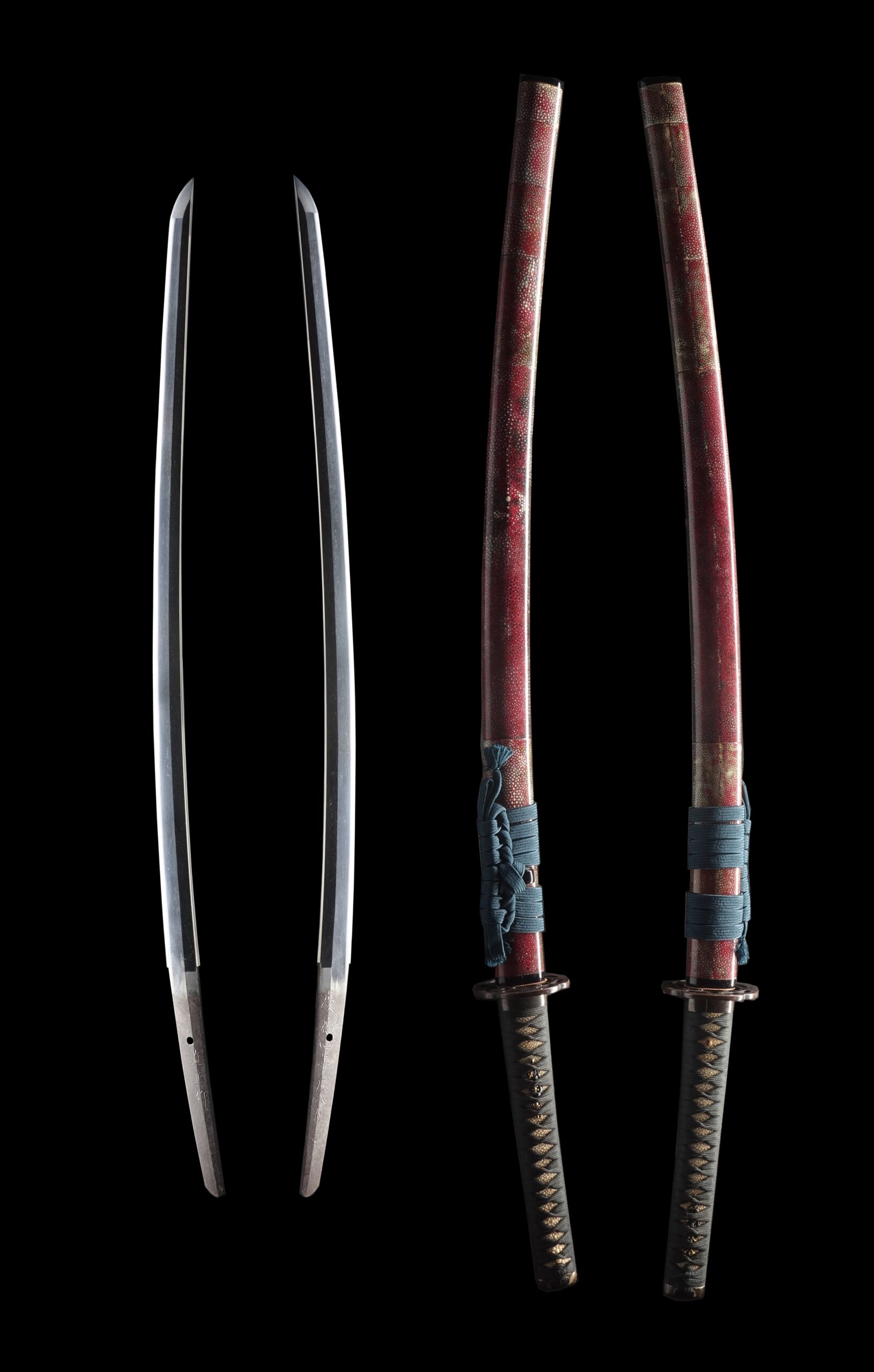
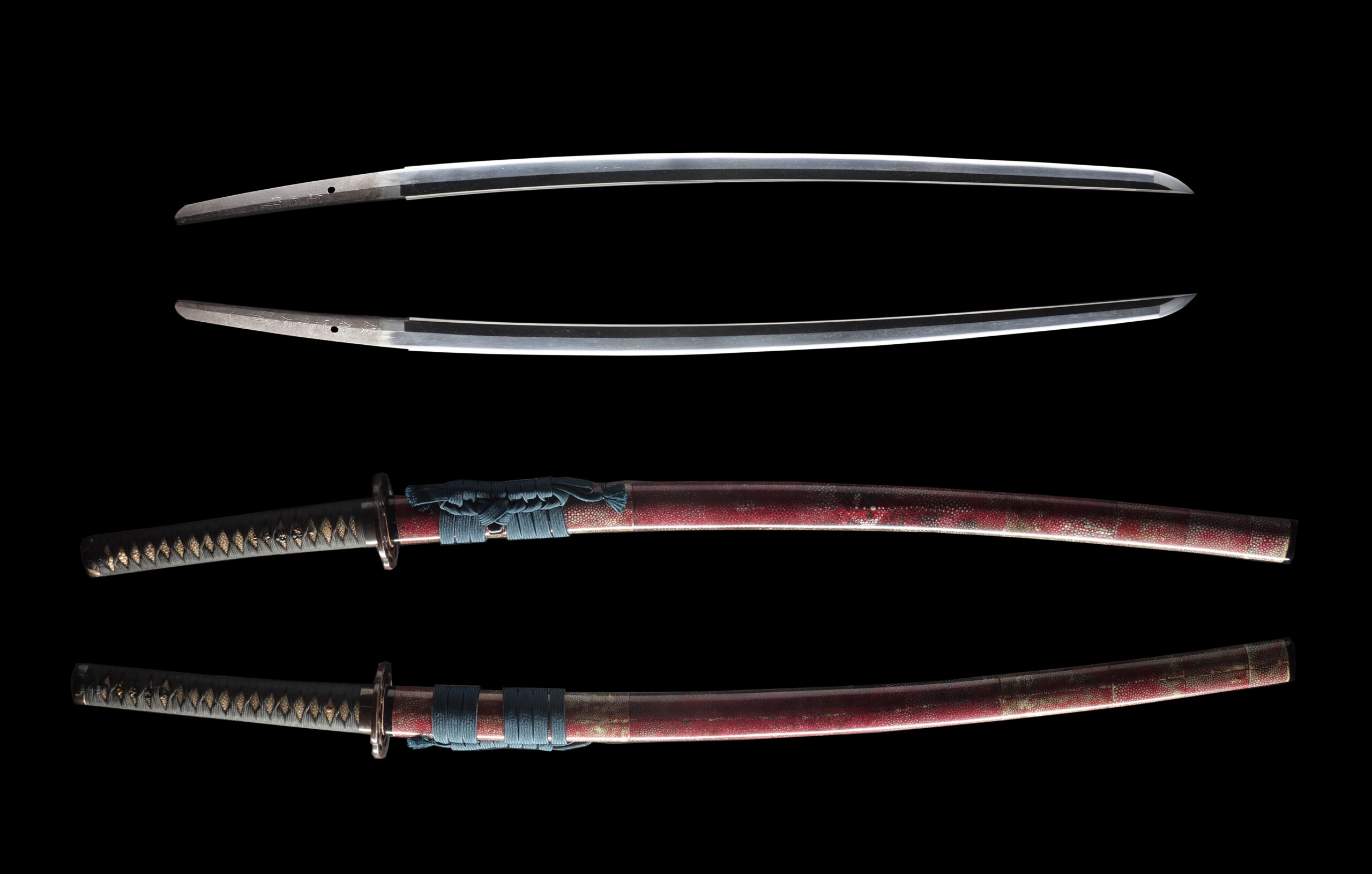
Around 1800 Suishinshi Masahide argued in his writings that the craft must return to the old masters’ methods: the fukkotō revival. His greatest successor Naotane worked convincingly in Bizen and Sōshū manners that had been dead for centuries.
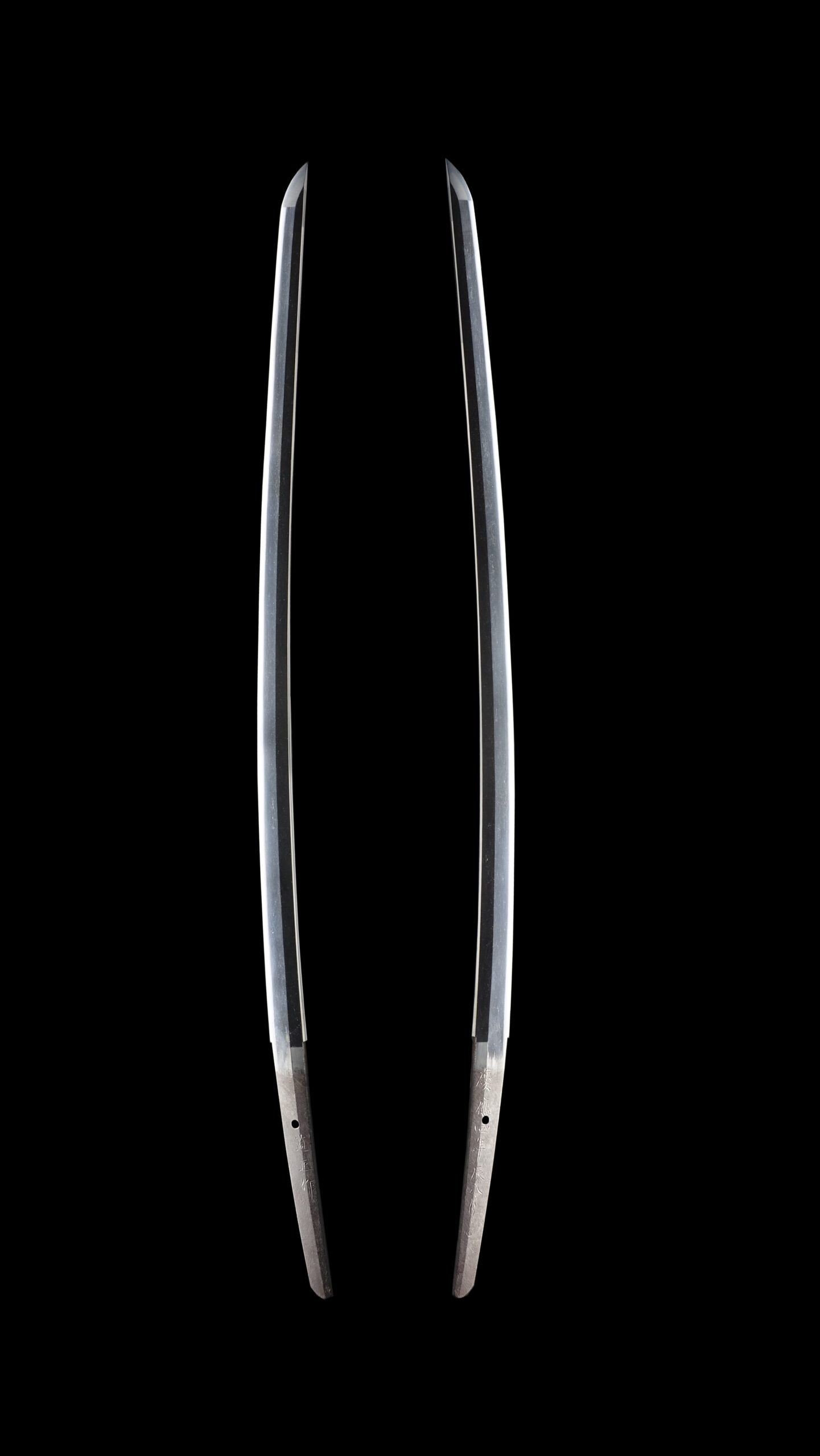
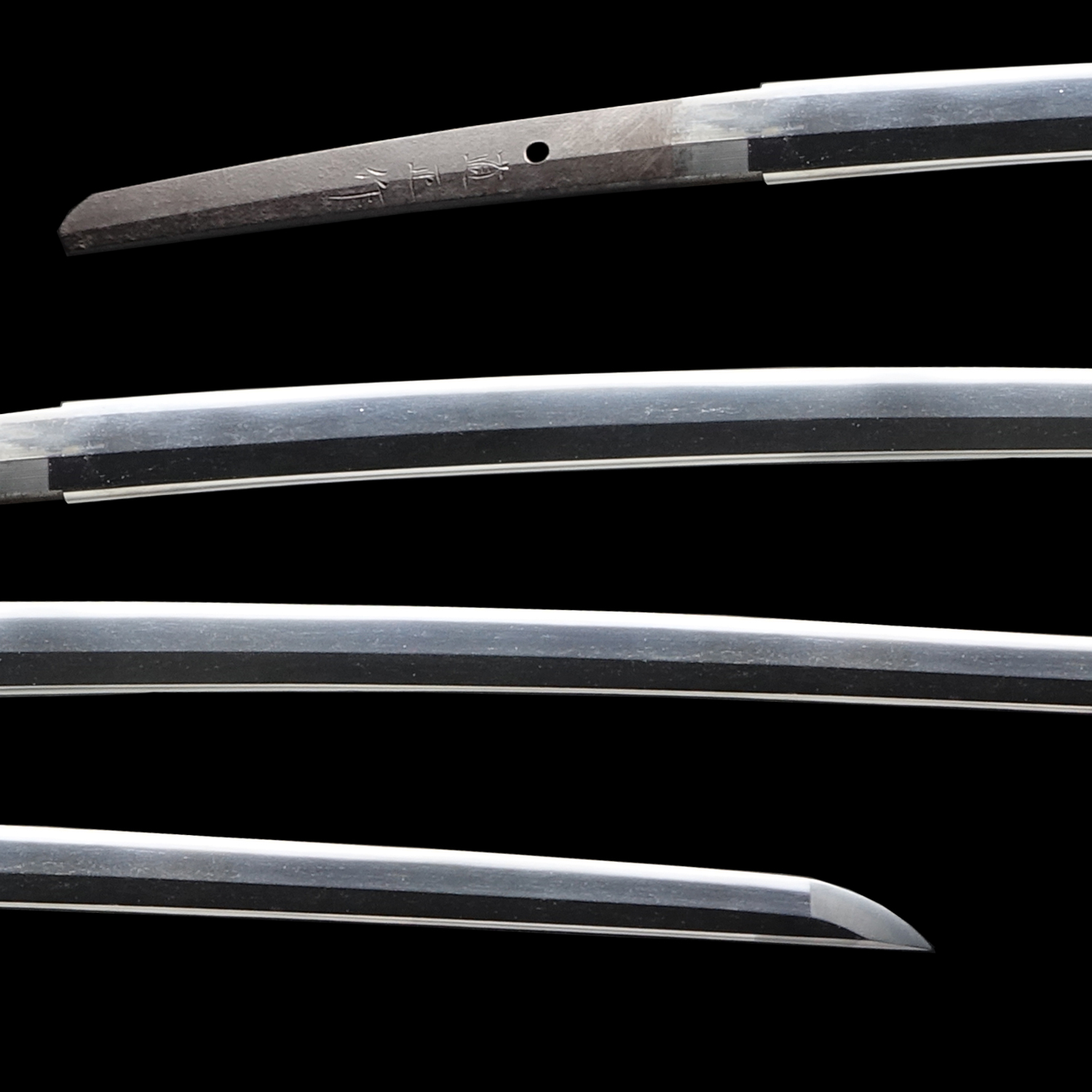
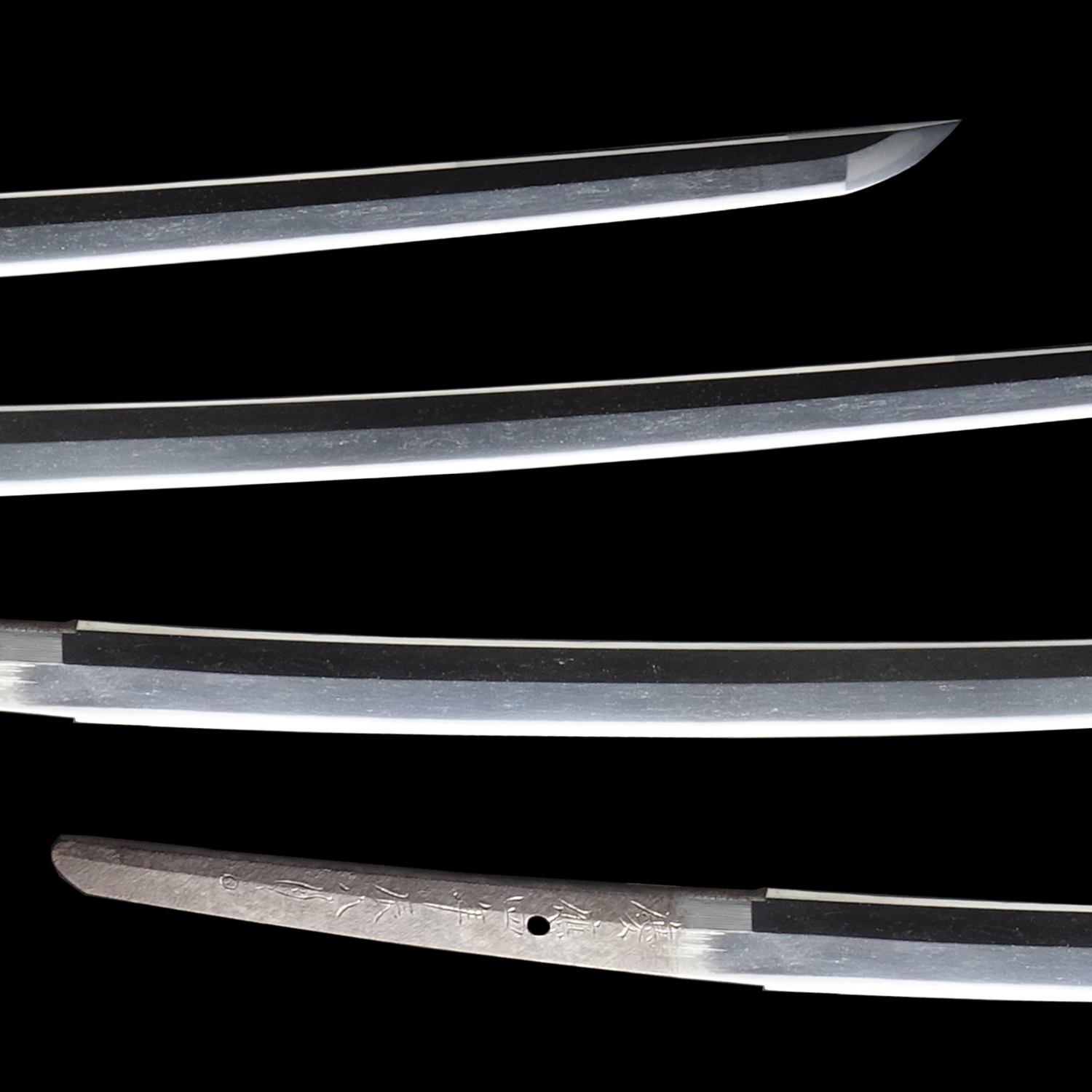
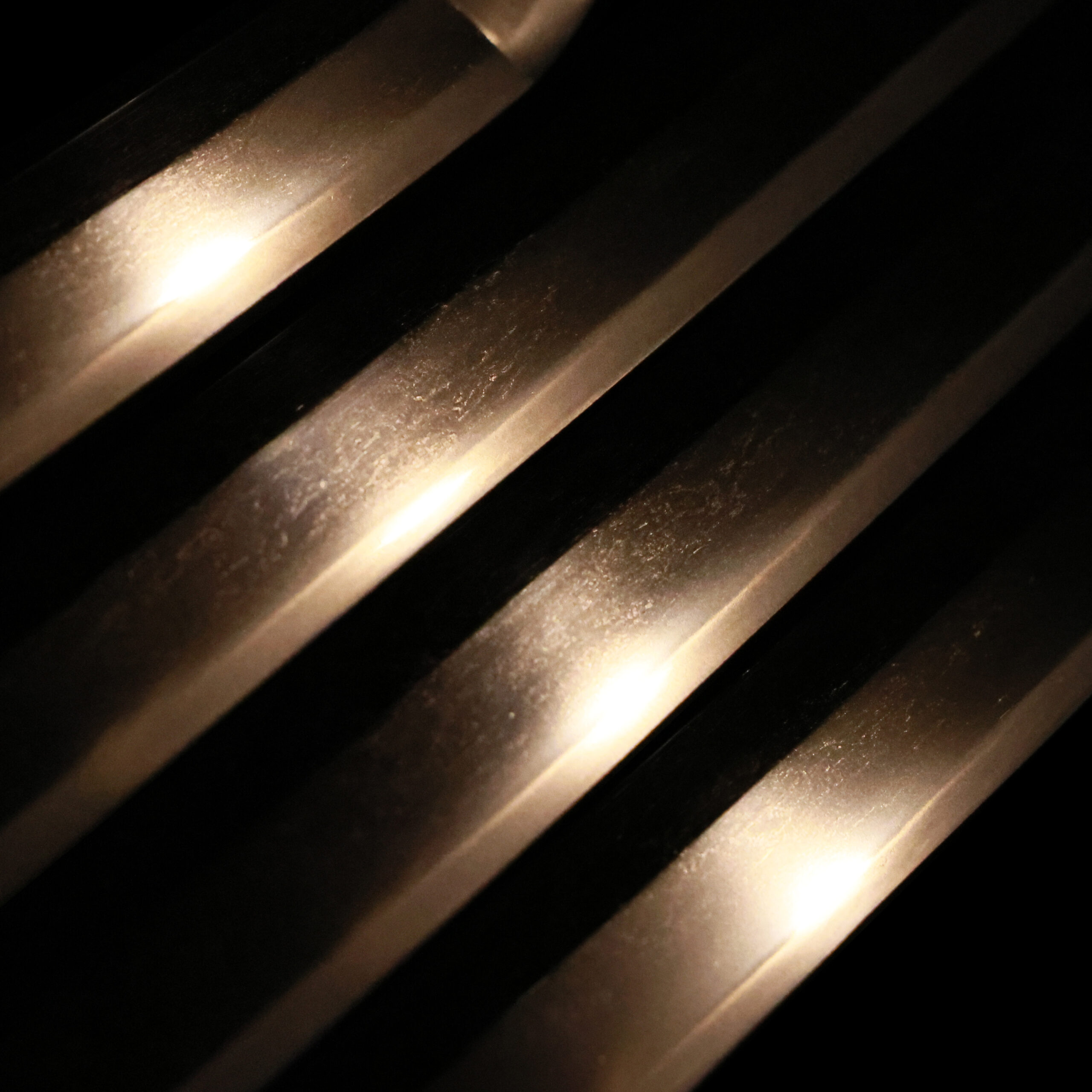
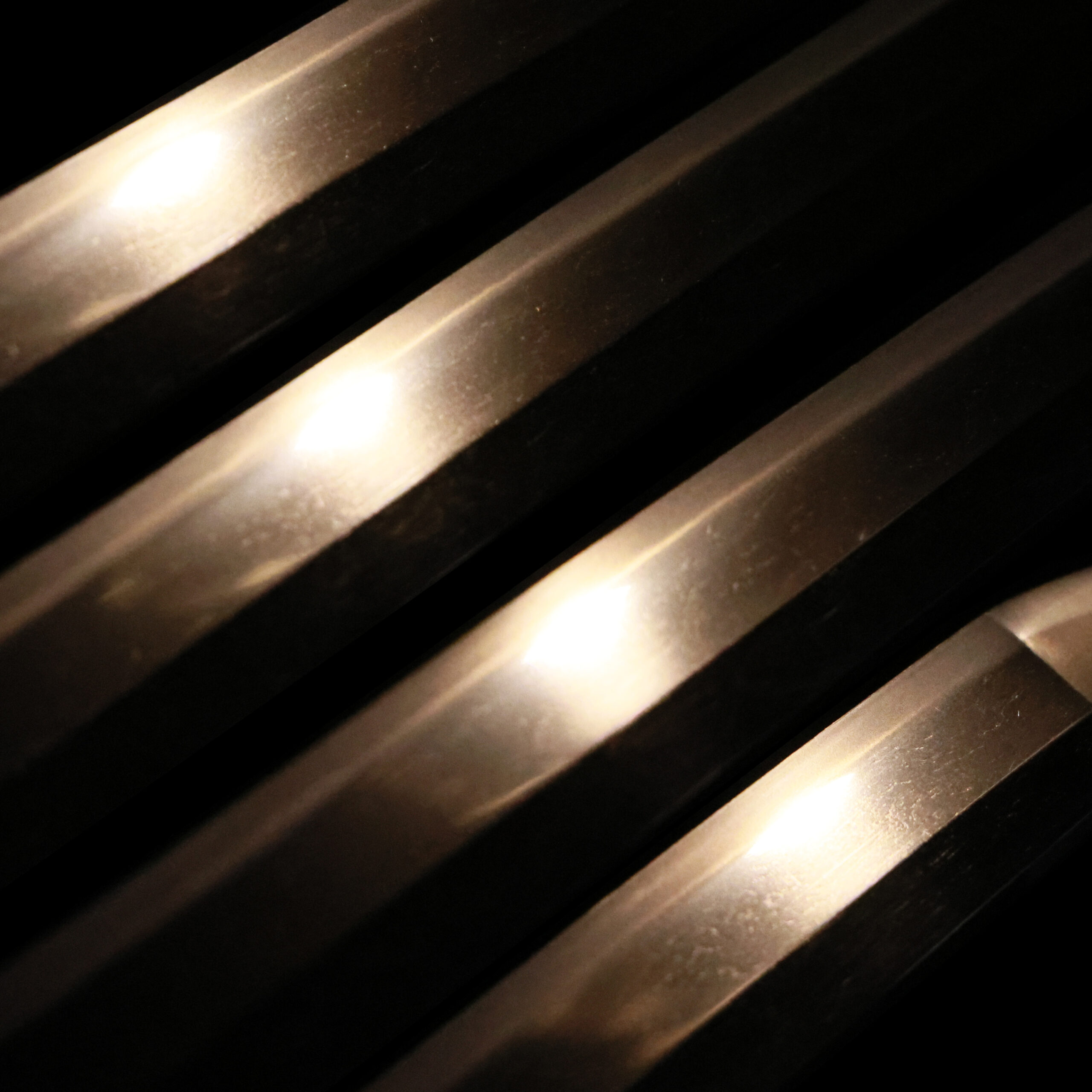
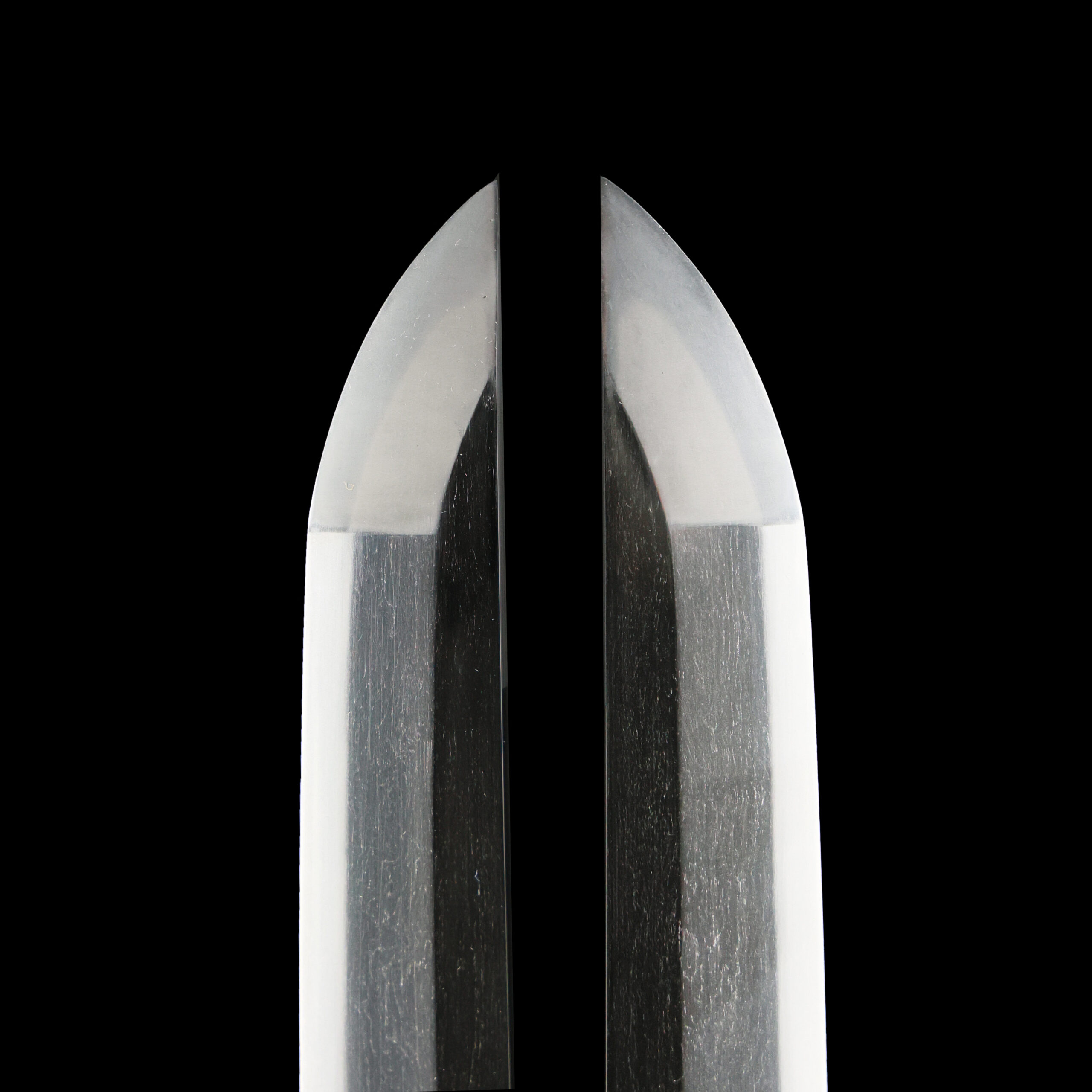
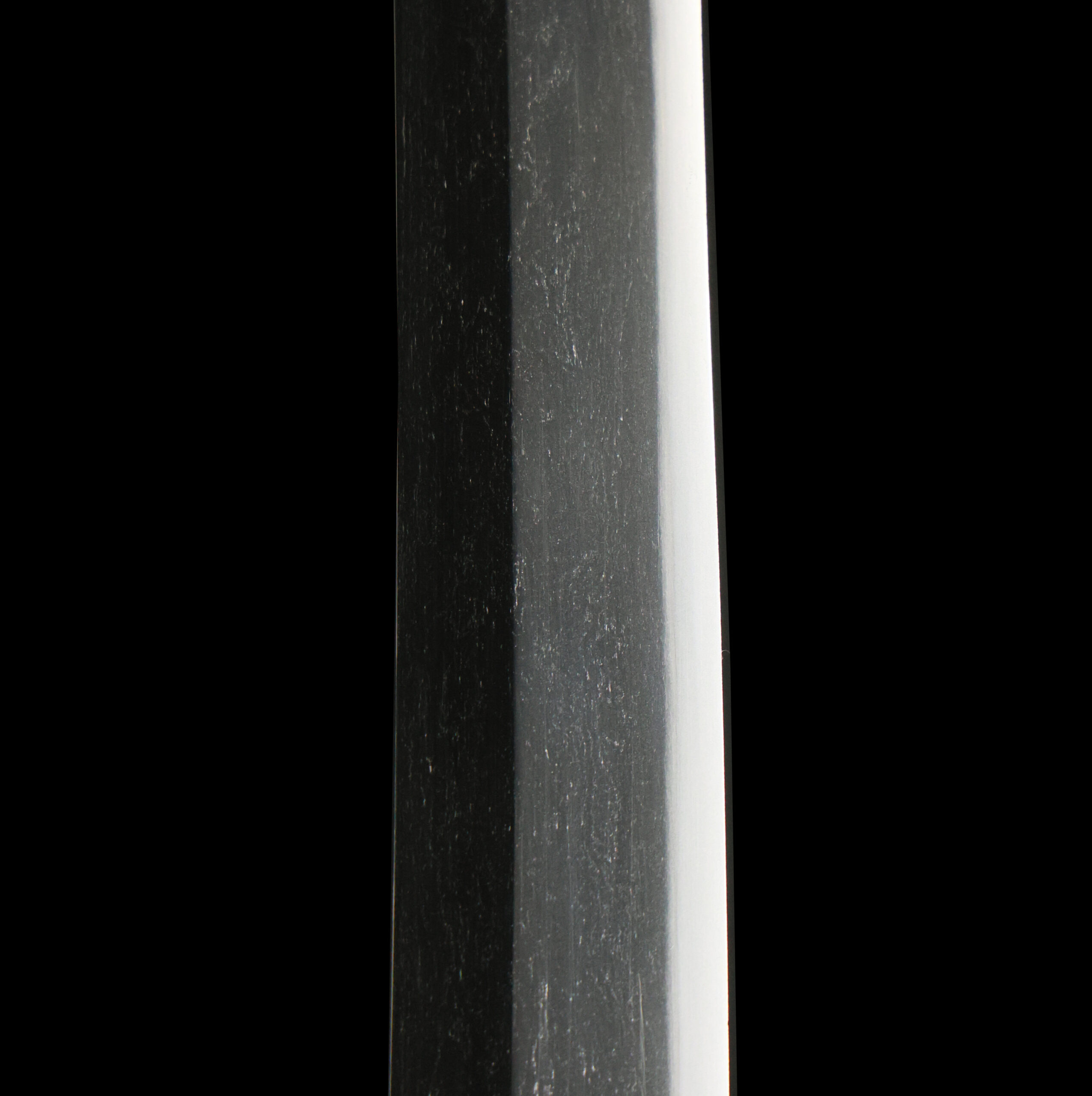
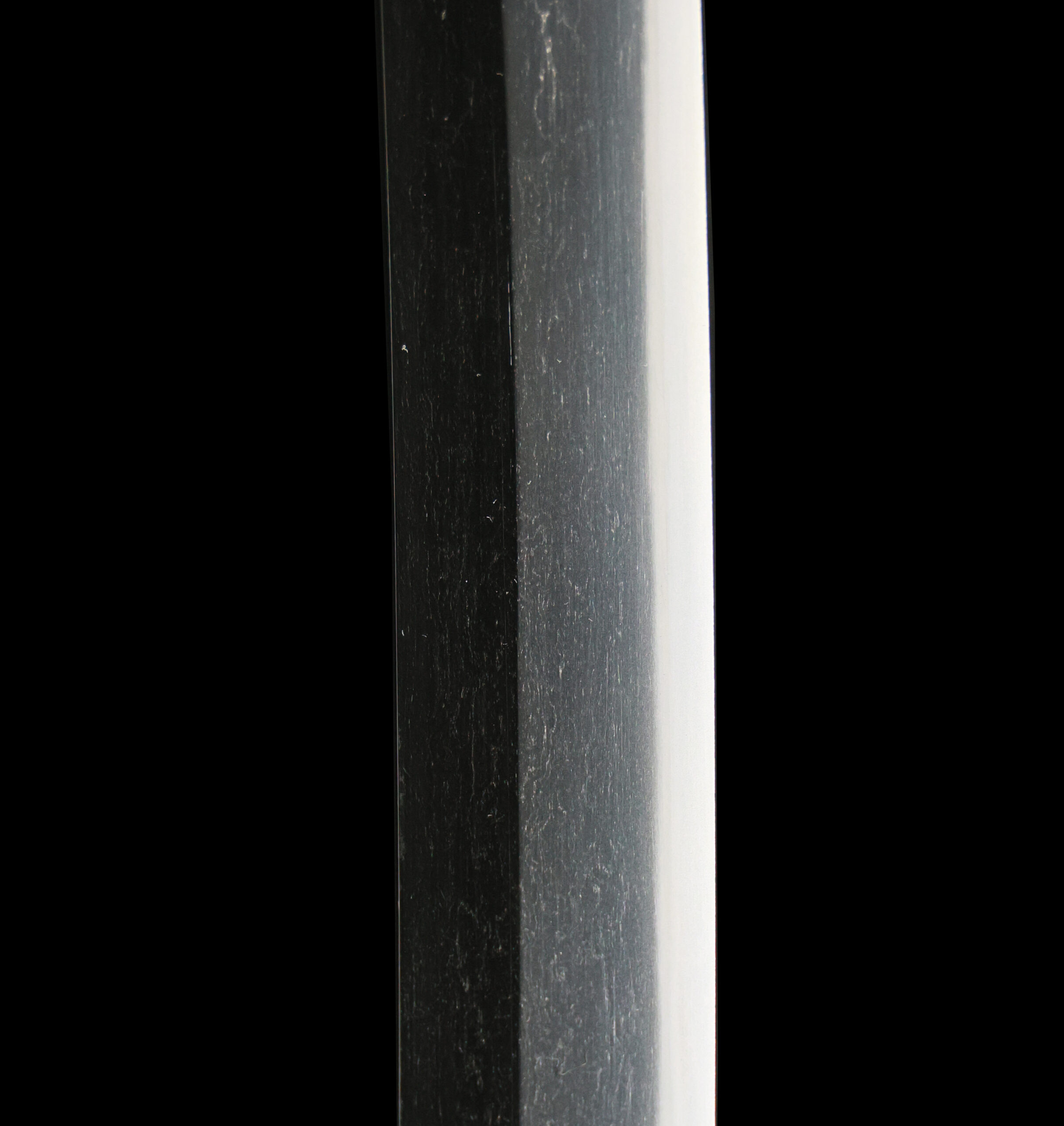
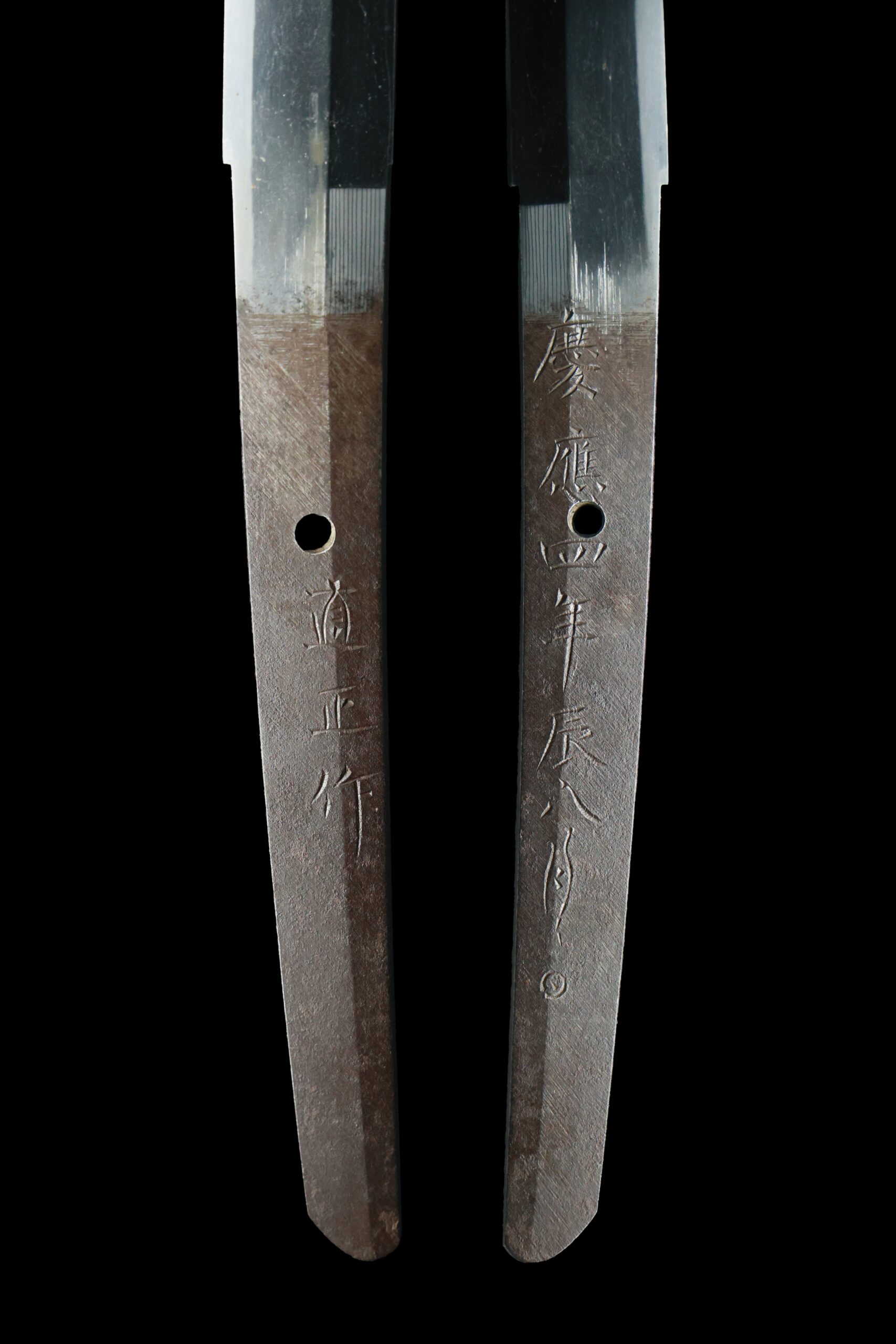
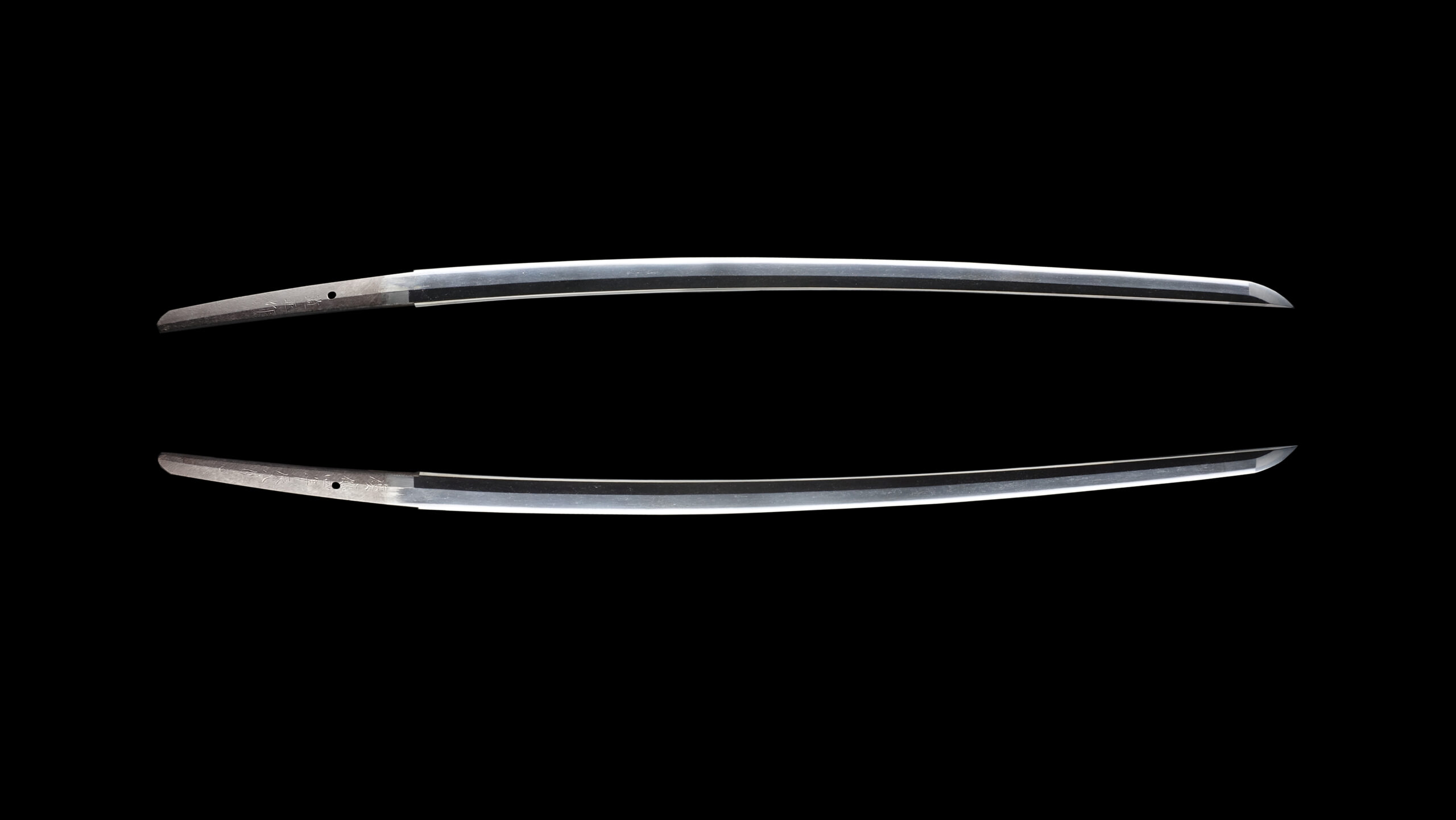
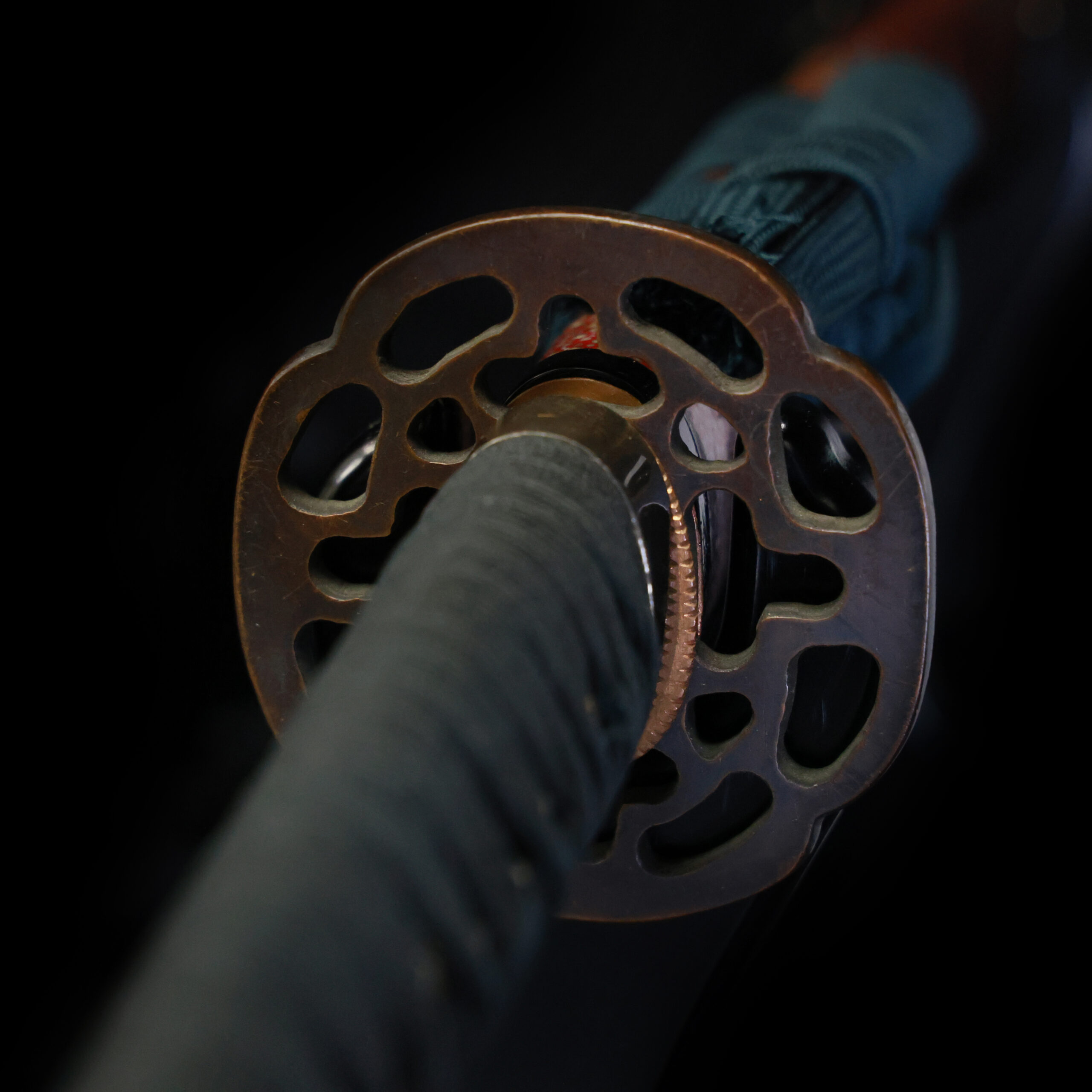
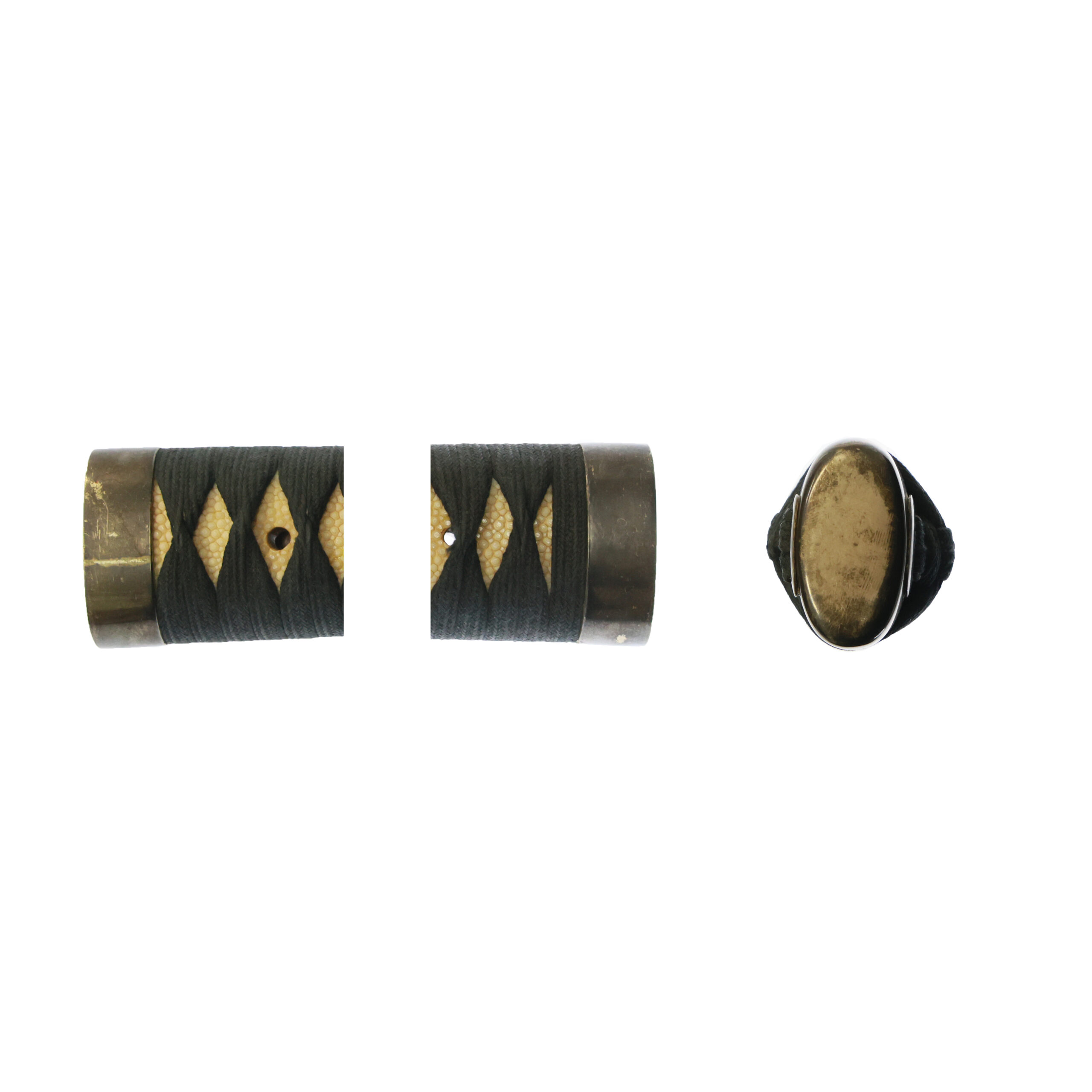
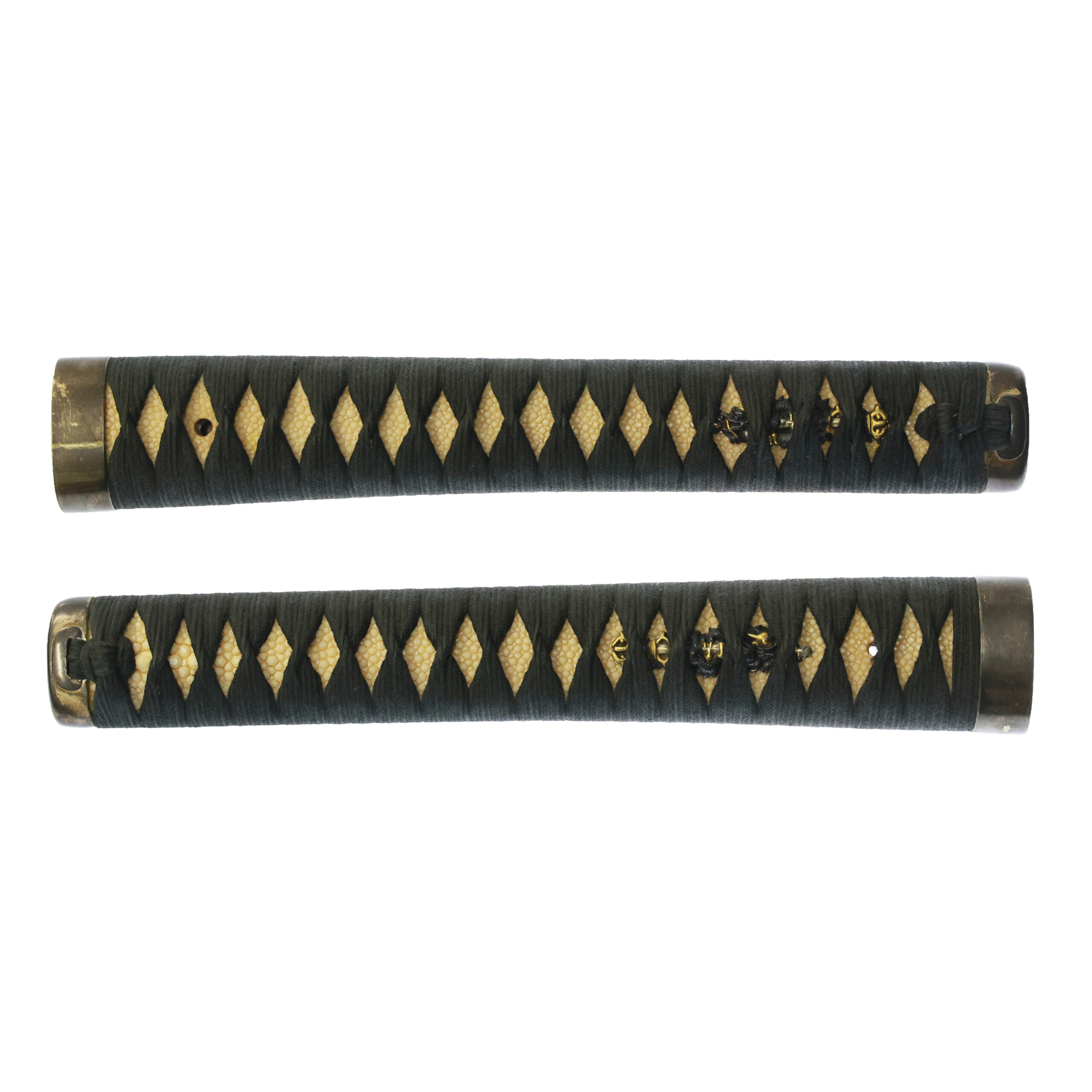
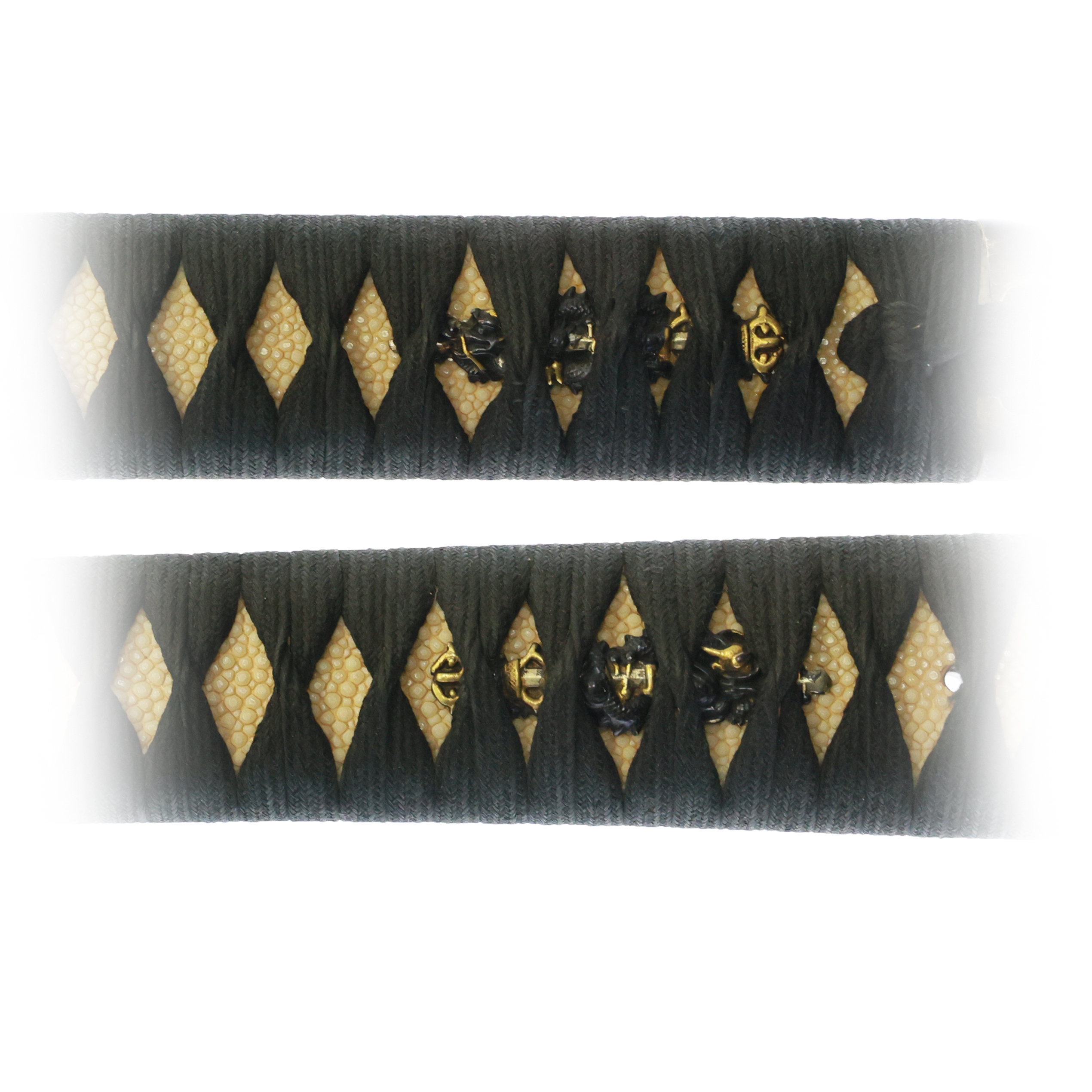
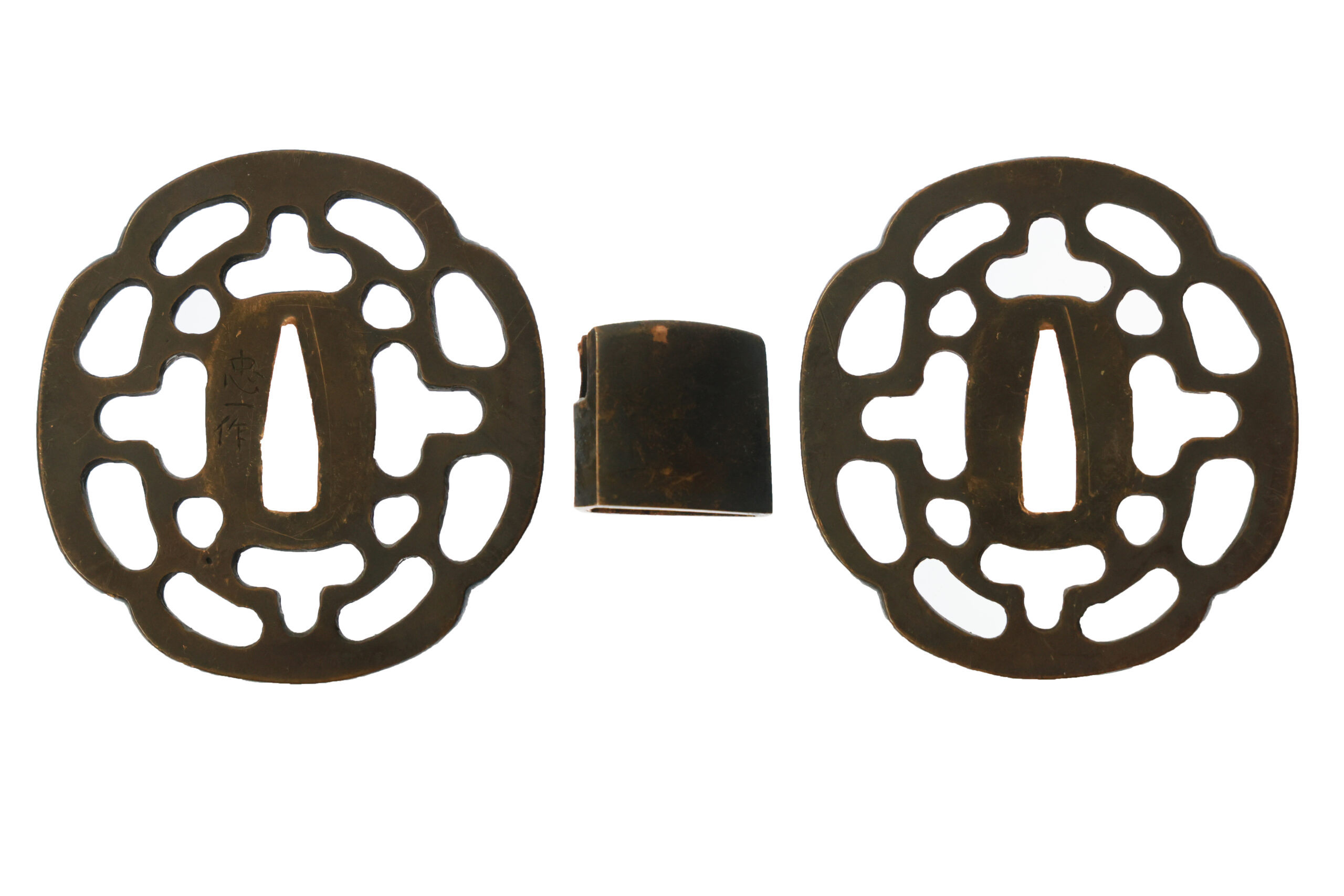
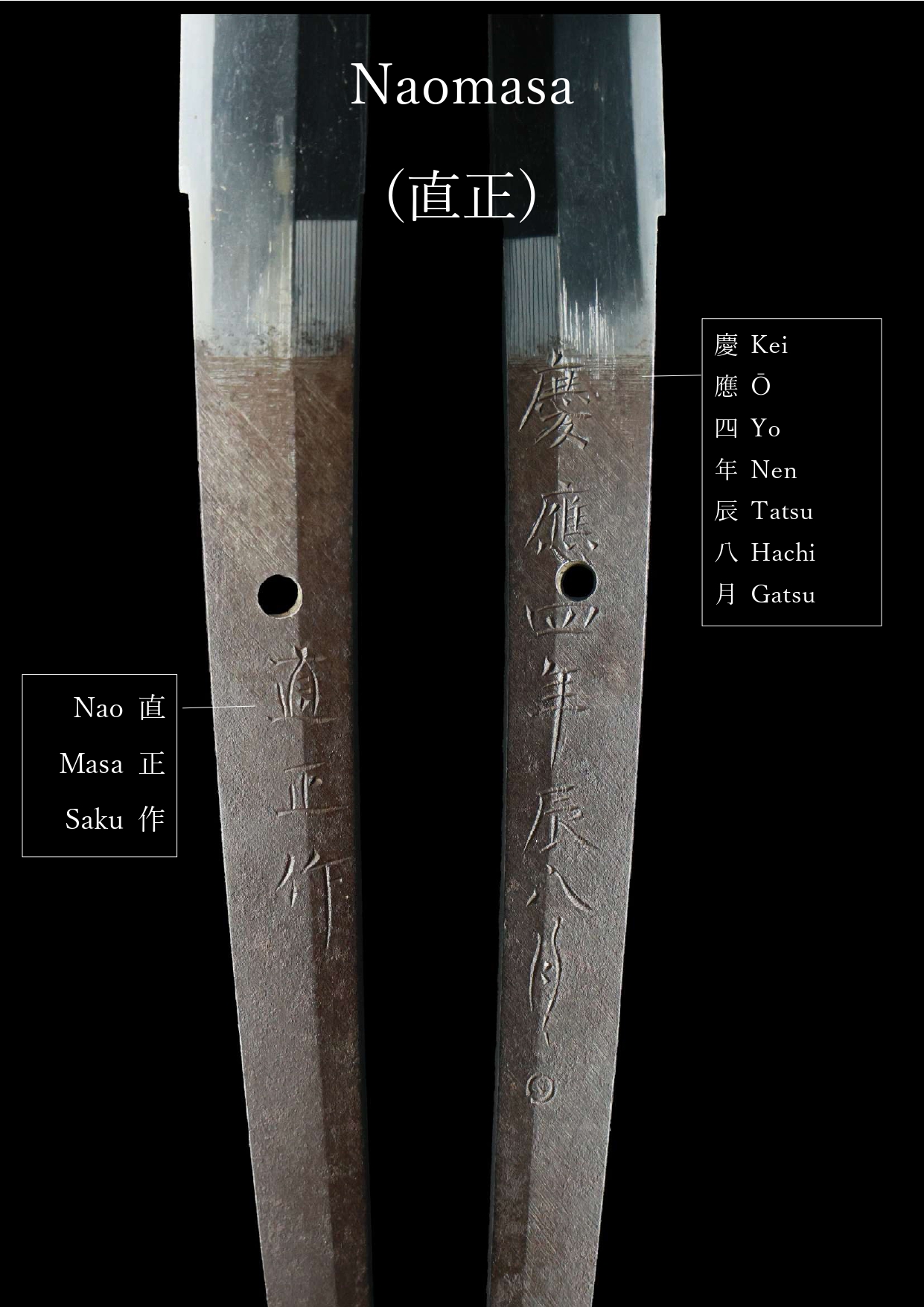
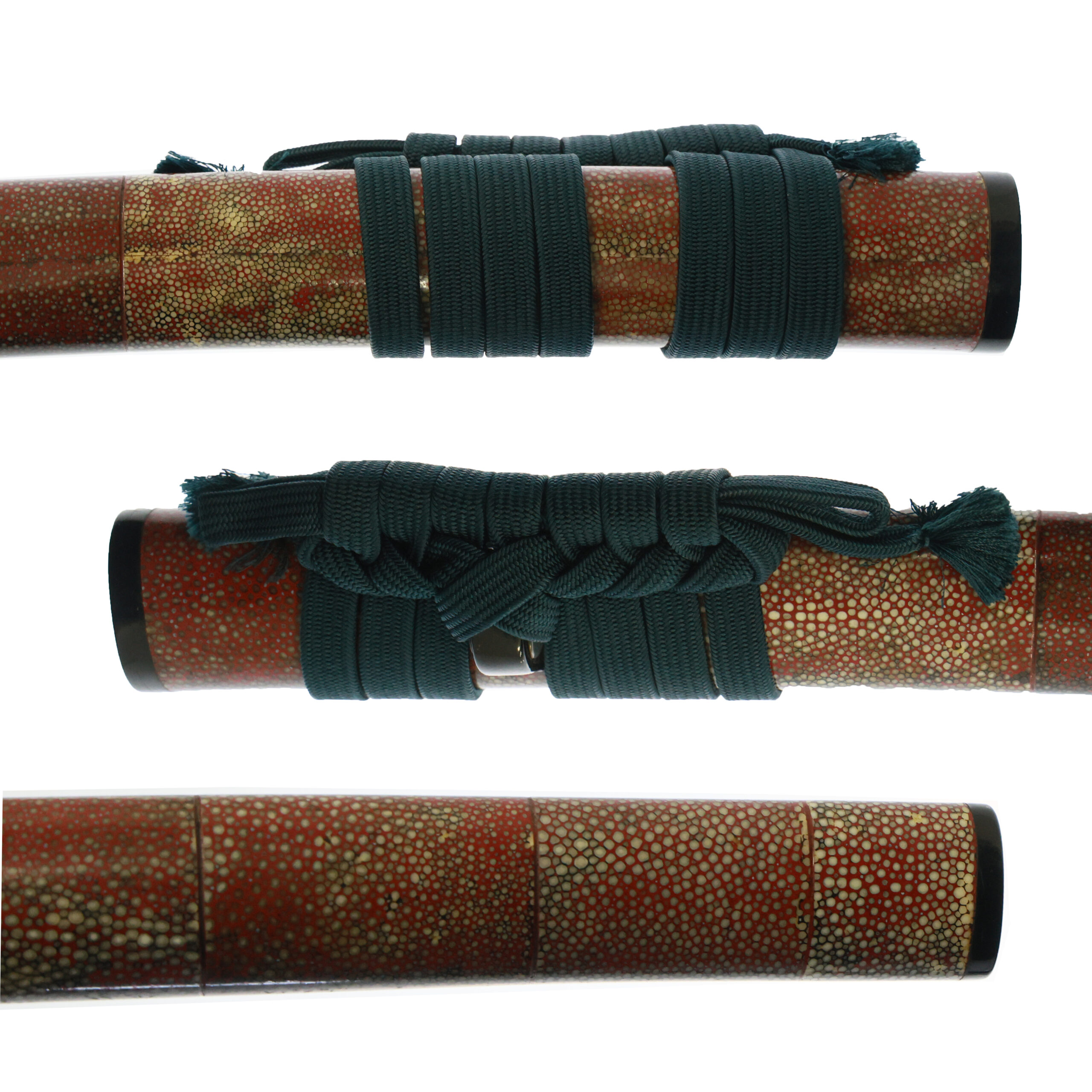
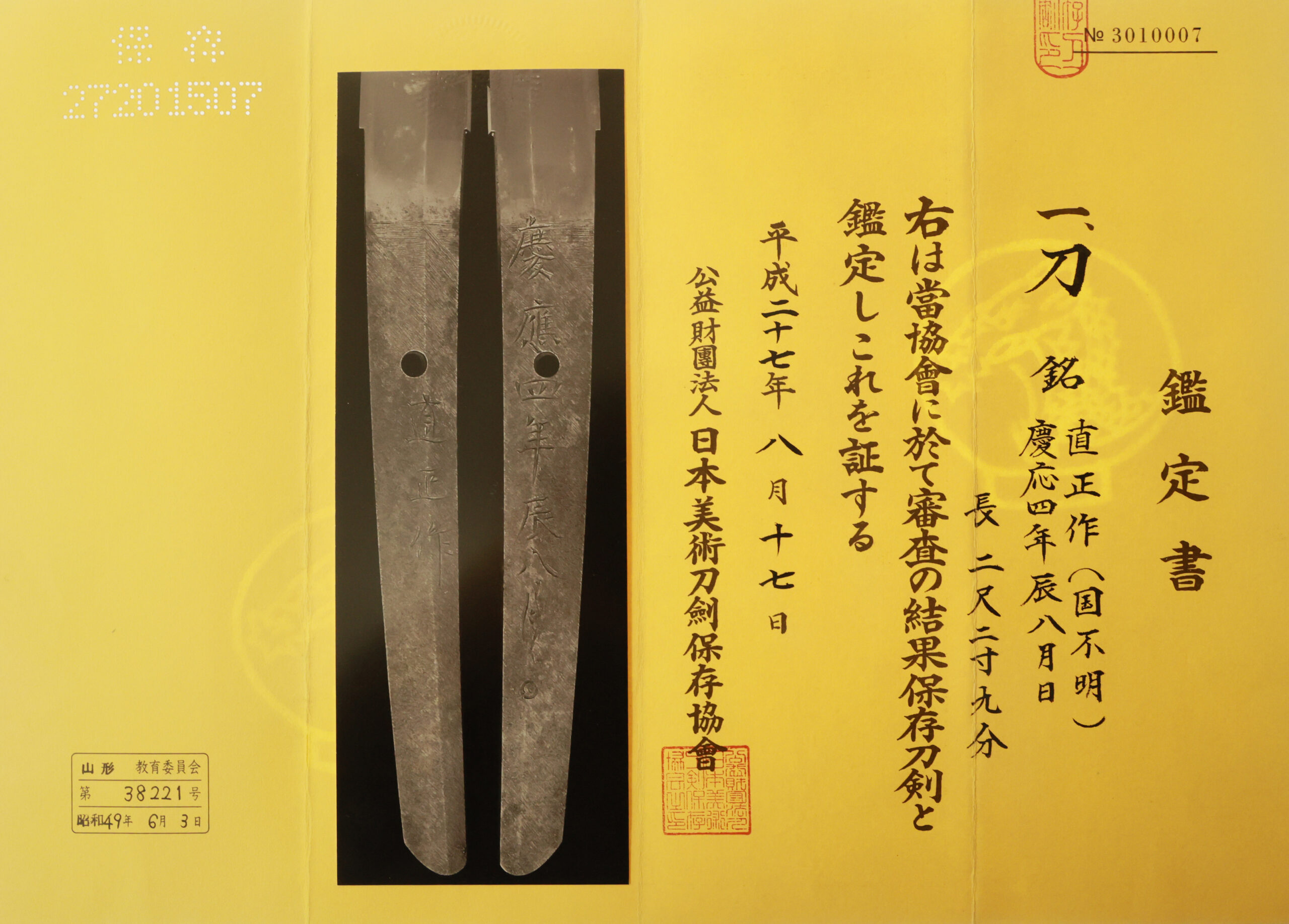
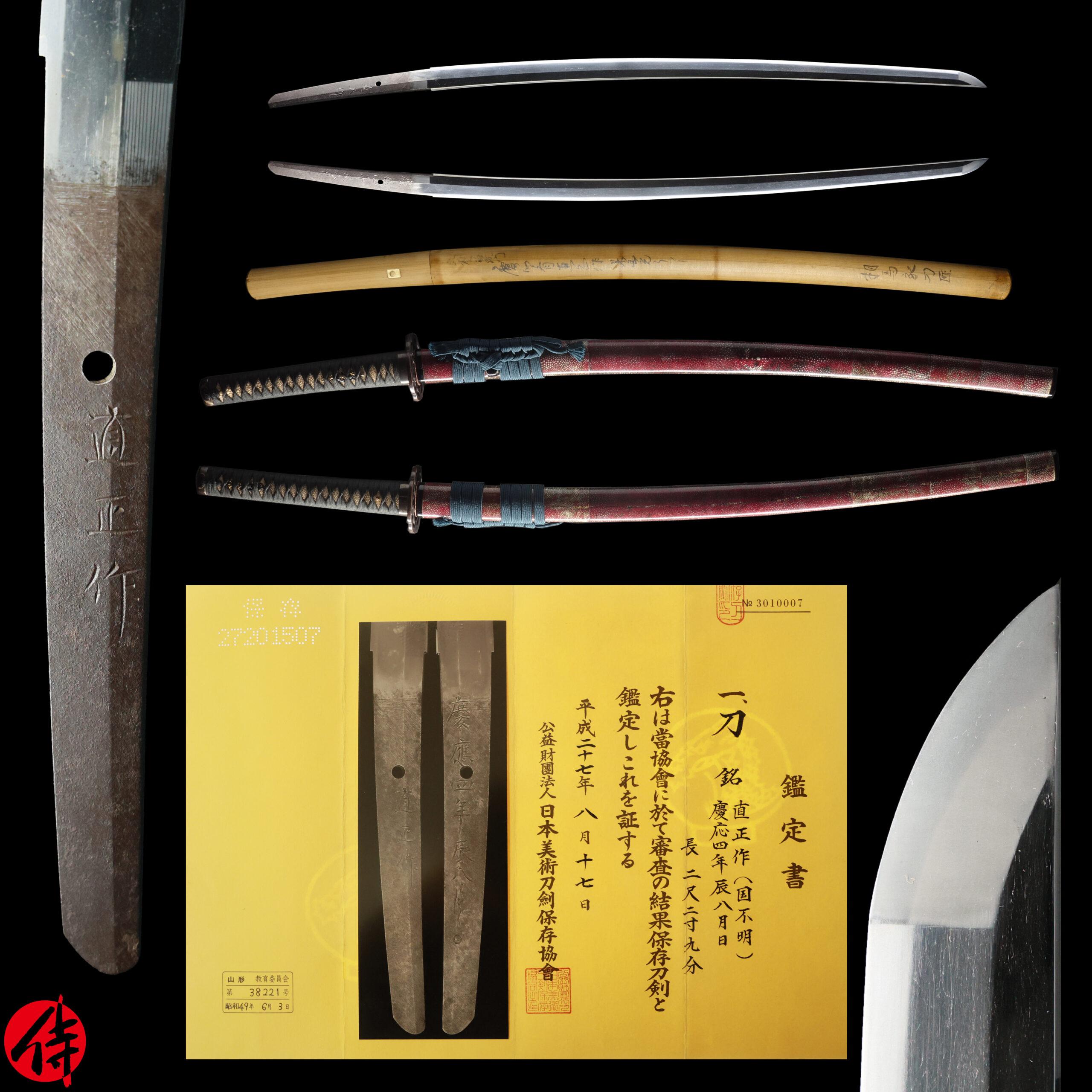
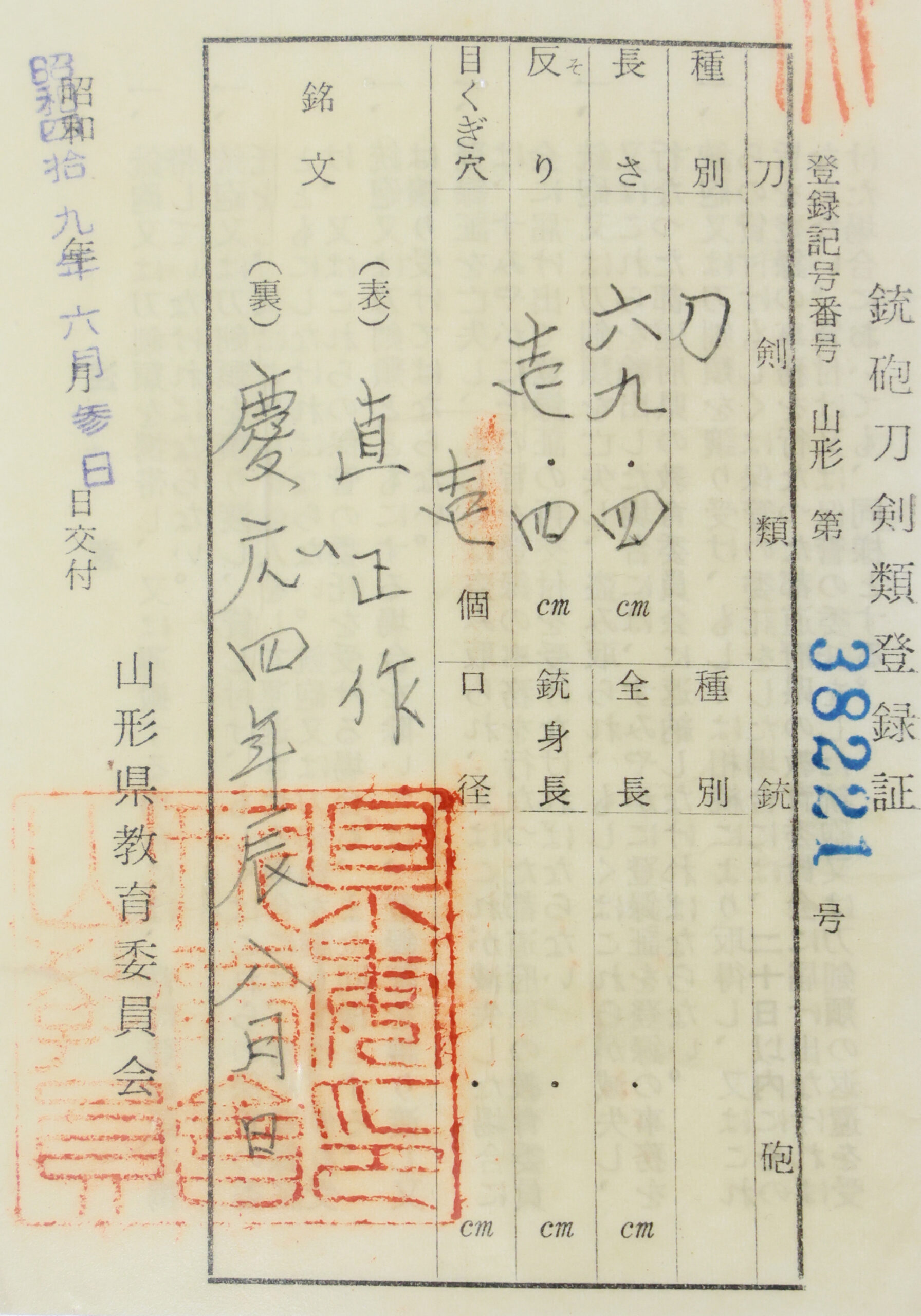
This blade was signed by Naomasa (直正) and dated August 1868. According to the NBTHK authentication papers, the place of creation is unknown. Nonetheless, you can see great craftsmanship from the end of the Edo period. The year 1868 (Keiō 4 / Meiji 1), when this blade was forged, was a pivotal moment in Japanese history. With the proclamation of the restoration of imperial rule (王政復古の大号令, Ōsei Fukko no Daigōrei), the Tokugawa shogunate was abolished, and with the surrender of Edo Castle, the shogunate effectively came to an end. This was a time of great upheaval, marking the transition from the age of the samurai to the dawn of modern Japan. Background – Late Edo Period The Bakumatsu period (幕末) marks the final phase of Japan’s Edo period, spanning roughly from 1853 to 1868. It began with the arrival of American ships led by Commodore Matthew Perry, which prompted Japan to open its ports to international trade. This event became a major turning point in Japanese history, as exposure to Western technology and ideas led many to reconsider the country’s future. During this time, political tensions grew between those who supported the ruling Tokugawa shogunate and those who advocated for modernization and the restoration of power to the Emperor. These conflicts ultimately led to the collapse of the samurai-led government. Samurai played a central role during the Bakumatsu period. Their swords, known as katana, were not only weapons but also powerful symbols of their identity, values, and way of life. However, as Japan modernized and adopted Western military systems and firearms, swords gradually lost their practical role on the battlefield. It is appraised as a Hozon Token (保存刀剣) issued by NBTHK (Nihon Bijutsu Touken Hozon Kyokai:日本美術刀剣保存協会). *Please keep in mind that there is a couple of Kitae Kizu on the Mune (backbone) of the blade. Koshirae *While this blade was made during the end of the Edo period, we assume its overall Koshirae was made later than this time period. Fuchi-Kashira This fuchi-kashira is adorned with gold, enhancing its elegant appearance. Tsuka and Menuki The motif of this Menuki is Kurikara-ken (倶利伽羅剣, Kurikara sword). The Kurikara-ken (Sword entwined by a dragon) is the sword held by Fudō Myō-ō in his right hand. A flaming dragon known as Kurikara Ryū-ō (倶利伽羅竜王) coils around the blade, symbolizing the “Sword of Wisdom” that cuts through ignorance, evil, and worldly desires. In esoteric Buddhism, this sacred sword is believed to possess the power to purify the spirit and ward off evil forces. Tsuba and Habaki This Tsuba is in a Yotsu-Mokko gata shape (四ツ木瓜形), meaning a four-lobbed form that resembles a stylized gourd. It is made using the Sukashi-bori (透かし彫り), a type of openwork carving where parts of the metal are carefully cut out to create the design. Saya The saya appears to be made in the kairagi samegawa togidashi-zaya style(梅花皮鮫皮研出鞘), which involves wrapping the scabbard with the skin of a kairagi-zame (a type of shark known for its distinctive bumpy texture). After applying lacquer over the sharkskin, the surface is polished to reveal the unique pattern beneath. This technique highlights both the natural texture of the skin and the refined craftsmanship involved. Authentication Paper They authenticated the blade on August 17th in the 27th year of Heisei (2015). They appraised it as Hozon Touken, the blade especially worth preserving for Japanese society.
Offered by Samurai Museum
3 on the market


Shinshinto · Mutsu · around 1864-1865
Tōken Taikan top 95%
3 pieces on the market now
Shinshinto · Musashi
69 pieces on the market now
At Hamachō in Edo, in the closing decades of the eighteenth century and the opening ones of the nineteenth, Suishinshi Masahide[[c:1]] gathered the school that would turn Japanese swordmaking back toward its medieval models. Born Kawabe Gihachirō at Akayu in Dewa in 1750, signing first as Suzuki Takahide and then Eikoku, he studied under the Shitahara smith Yoshihide of Musashi, took the name Masahide in An'ei 3, and served the Akimoto house of Yamagata before settling in Edo, where he worked for nearly fifty years. He is the founding figure of the shinshintō and the theorist of the fukko-tō (revival-sword) doctrine, the argument that the sword ought to return to its Kamakura forms. Around that teaching he drew a large body of pupils, among them Taikei Naotane, who would give the revival its fullest practical form, the future second Masayoshi (Hosokawa Morihide), and a wider Edo and provincial following that carried the program into the Mito, Yonezawa, Tsuyama, and Tatebayashi domains. The shared vocabulary of the school is the deliberate reach back into the koto traditions, worked over a tightly forged, often muji-toned ko-itame with thick ji-nie. Masahide's own prime hand was the Ōsaka-utsushi, the surging tōran-midare of Tsuda Sukehiro opening from a long yakidashi and the broad suguha after Inoue Shinkai, betrayed on even his closest copies by a blackish, coarse nie that spills from the ha into the ji. Naotane gave the revival its Bizen and Sōshū faces: a reverse-leaning chōji-midare with angular kaku-gunome and saka-ashi, modeled on the late-Kamakura Osafune masters Kagemitsu and Kanemitsu and anchored by a consciously revived midare-utsuri that no ordinary shinshintō steel carries, set beside a Sōshū notare with its whorled uzumaki-hada and coarse, striped nie. The pupils divided this inheritance along their own lines. Jirōtarō Naokatsu, Naotane's adopted son, took a Bizen-den led by a kataochi-gunome from Kanemitsu with a pervasive saka-gakari slant and chōji- or midare-utsuri in the ji.
Suishinshi Masatsugu reproduced Naotane's two traditions, Sōshū and Bizen, down to the cut of his signature. Through Masayoshi the Bizen current passed to his heir Hosokawa Masamori of Tsuyama, whose chōji clusters mixed with gunome-chōji and togariba. The Osaka wave traveled separately into Mito through Naoe Sukemasa, who set a Shinkai-styled suguha and a Sukehiro tōran over a clear ko-itame, while Chōunsai Tsunatoshi of the Uesugi service carried a nioi-deki chōji mixed with gunome, suguha, and tōran-midare, often with carving by his own hand. To kantei the school is to weigh a tradition consciously copied against the period marks the copy cannot shed: the constant of the line is that the hamon is never the pure nioi-deki of old Bizen but carries nie throughout, a difference the NBTHK names outright as the divide between koto and shinshintō. The revived utsuri in Naotane and Naokatsu, the spilling nie in Masahide, the whorled uzumaki-hada shared across the line, and the broad, thick-kasane late-Edo sugata are the surest tells, narrowed further by the school's habit of full, dated signatures that make these smiths among the most exactly knowable of their age. Masahide stands at the head as the teacher and theorist, his finest work in his Ōsaka copies rather than the doctrine he proclaimed; Naotane stands ahead of him in execution, his Bizen-den held the finest among the shinshintō. Their pupils define the late-Edo Osafune and Sōshū revivals as practiced through Edo and the domains, with Naokatsu and Masatsugu read as the next hands after Naotane and Masayoshi. The provenance of the school runs through domain commission and bestowal (Mito blades forged at the Kōrakuen by lordly order, Tsuyama and Yonezawa fief work, Naotane's Sanada daishō and a tachi recorded in Honma's inventory of the Imperial collection) rather than ancient daimyō transmission, fitting for a movement that, within a single generation at Edo, redrew the direction of nineteenth-century swordmaking by turning it back toward the old models. Learn more →
| Smith | Era | Designated |
|---|---|---|
| Naotane直胤 | 1801-1837 | 40 |
| Masahide正秀 | 1777-1817 | 28 |
| Sukemasa助政 | 1804-1825 | 8 |
| Jirotaro Naokatsu直勝 | 1805-1858 | 7 |
| Masayoshi正義 | 1791-1860 | 5 |
The Shinshintō revival
Around 1800 Suishinshi Masahide argued in his writings that the craft must return to the old masters’ methods: the fukkotō revival. His greatest successor Naotane worked convincingly in Bizen and Sōshū manners that had been dead for centuries.
Certifies a genuine blade worth preserving: a signature confirmed correct, or, if unsigned, an era, province, and school that the NBTHK can reliably identify.
The NBTHK (Nihon Bijutsu Tōken Hozon Kyōkai, the Society for the Preservation of Japanese Art Swords) is a public-interest incorporated foundation founded in 1948 and supervised by Japan’s Agency for Cultural Affairs (Bunkachō); it is based at the Japanese Sword Museum in Tokyo. Its expert panels physically examine each submitted work (shinsa) and issue a certificate (kanteishō) ranking it by artistic and historical merit. NBTHK papers are the most widely recognized standard of authentication for Japanese swords and fittings.
NBTHK official siteReturns/exchanges limited to defects caused by shipping (except willful misconduct or gross negligence by the company); customers must contact within 72 hours of receiving the product.
¥850,000
Certificate reading — 銘 直正作 慶応四年辰八月日