NihontoWatch MonNihontoWatch
Market
Encyclopedia
Kantei
NihontoWatch MonNihontoWatch
Market
Encyclopedia
Kantei

Description

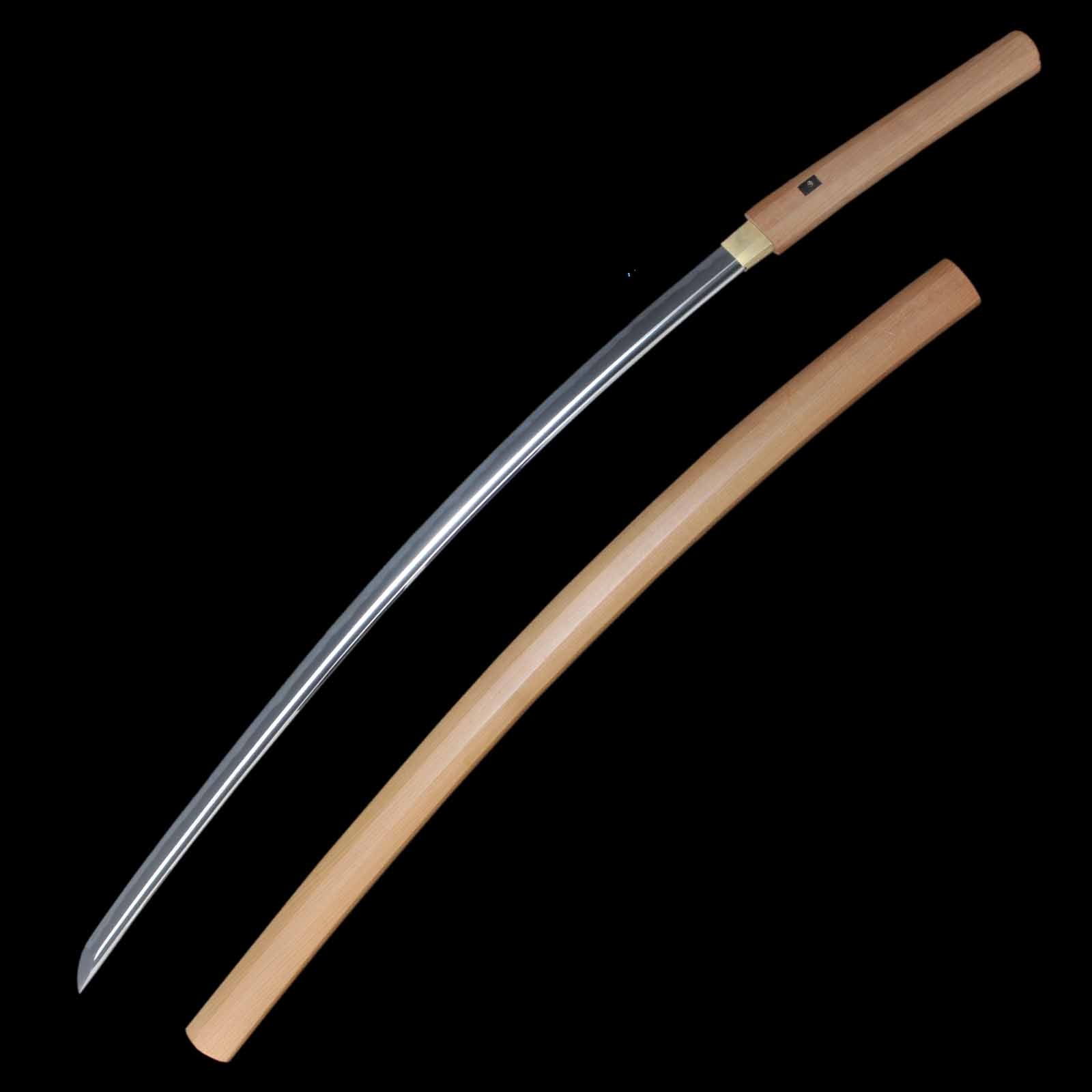
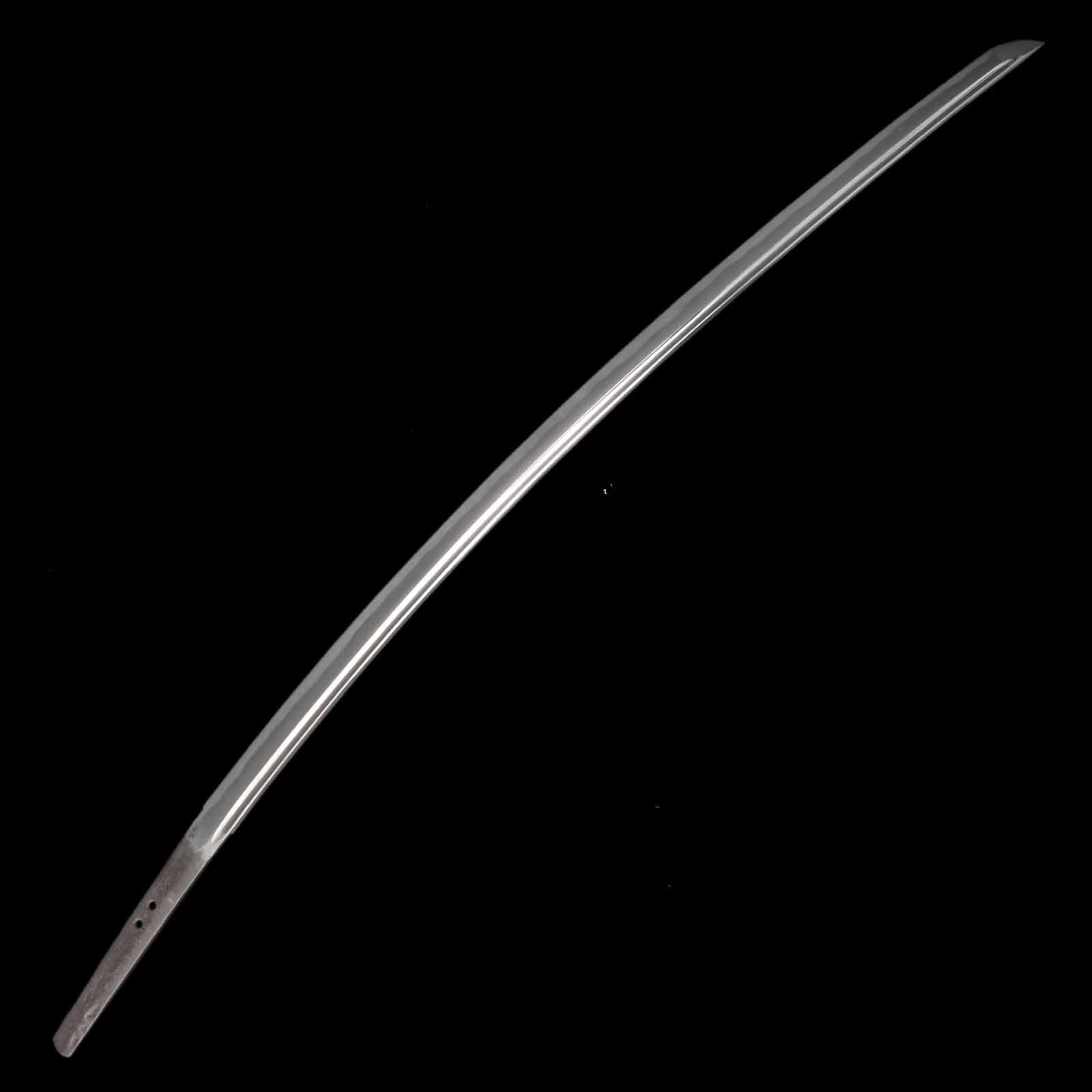
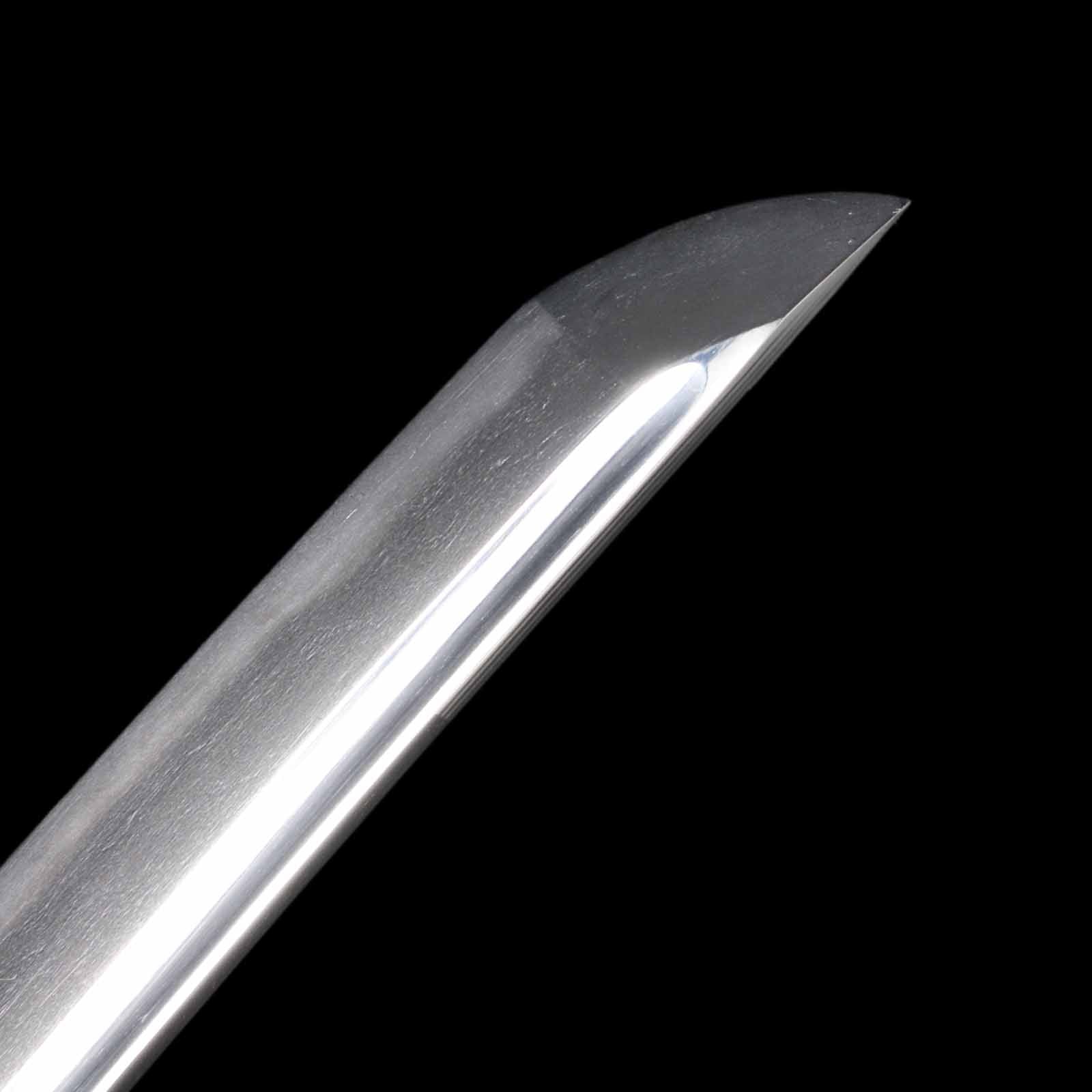
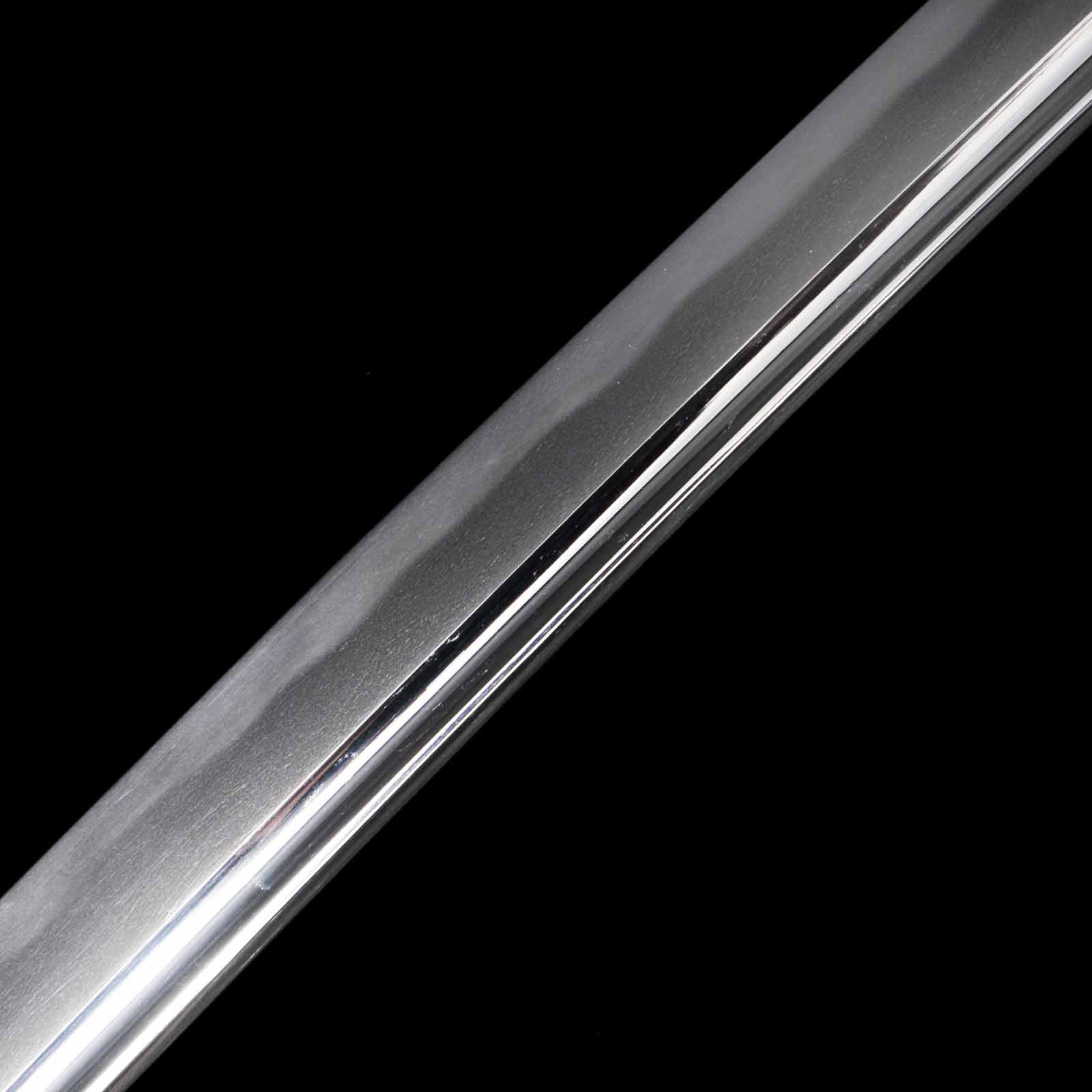
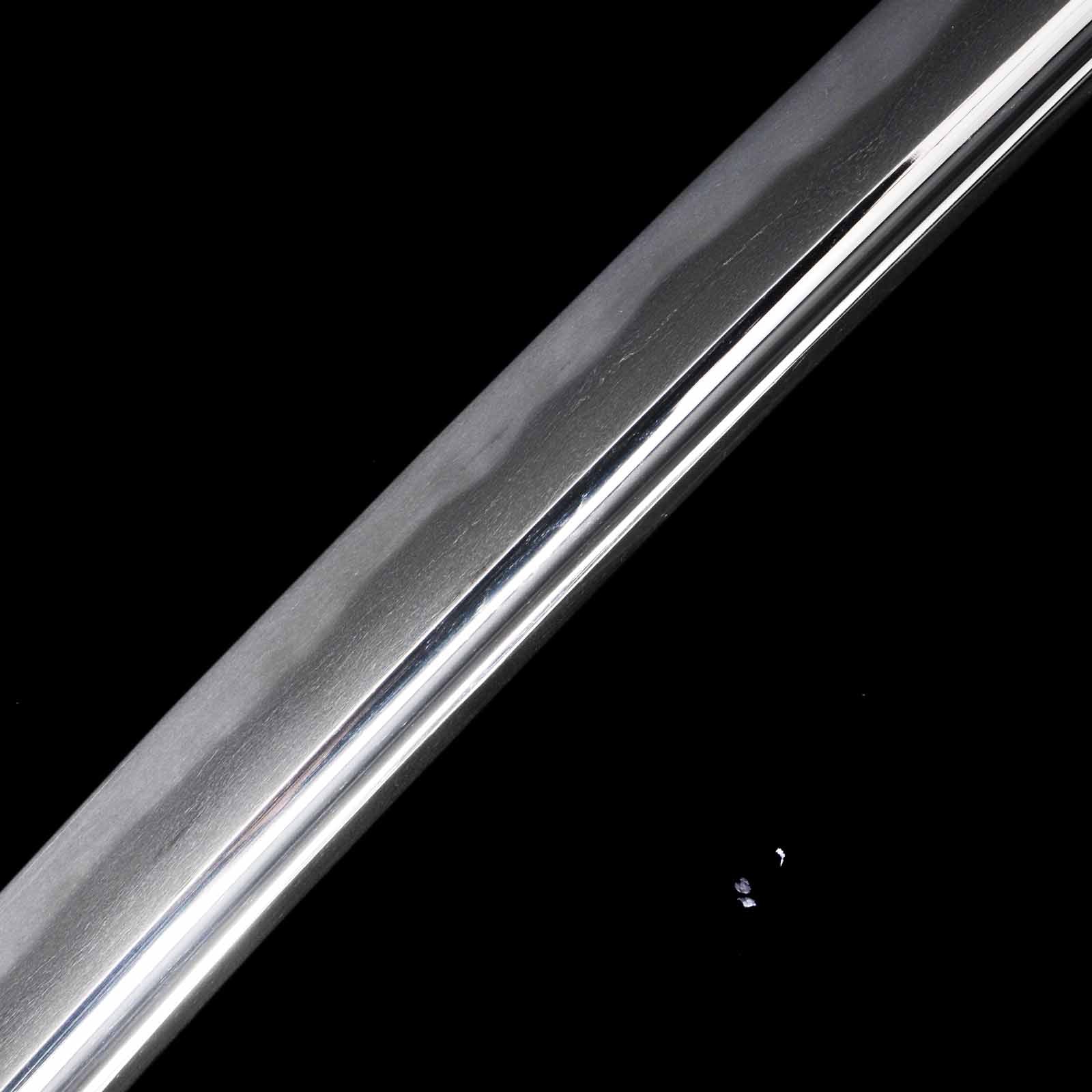
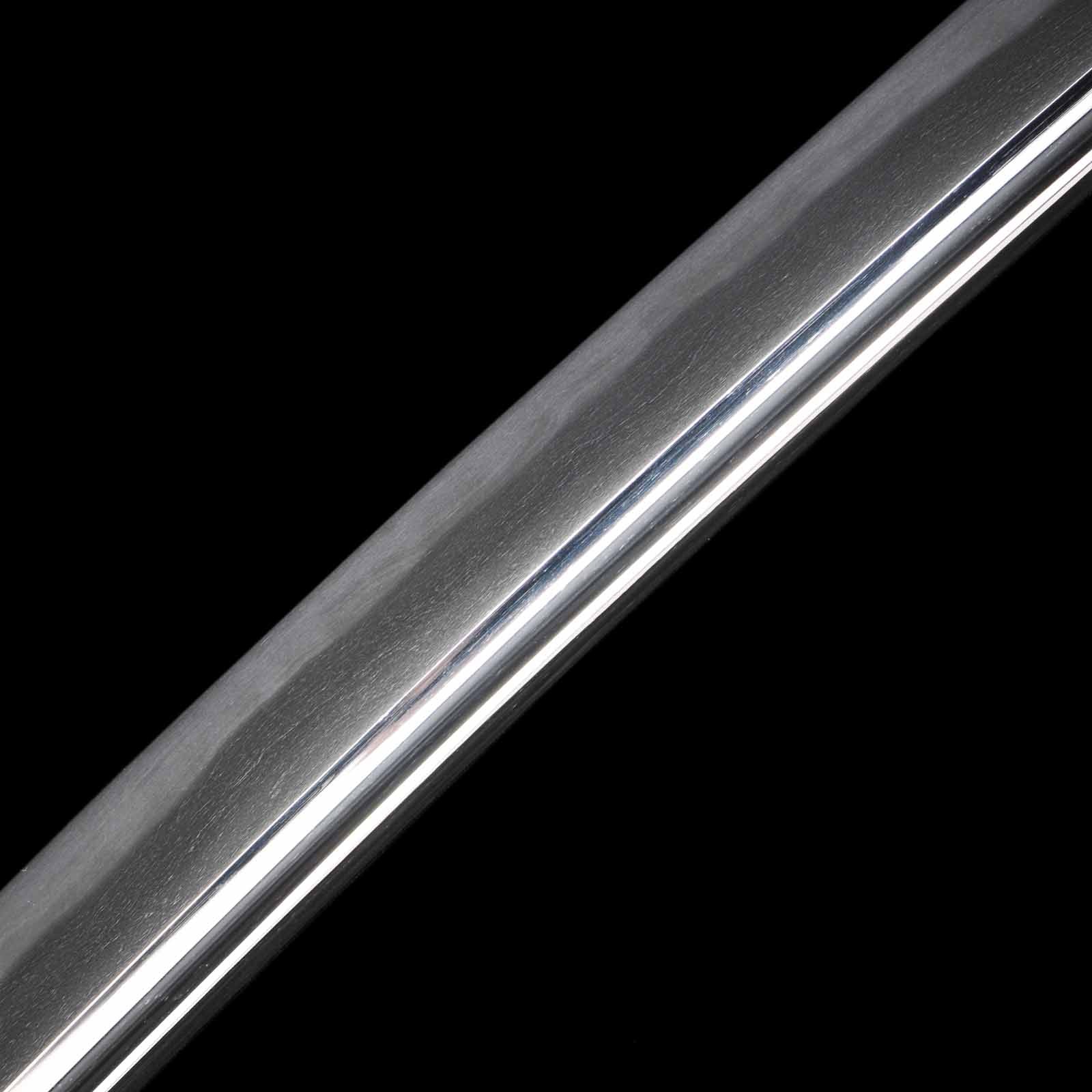
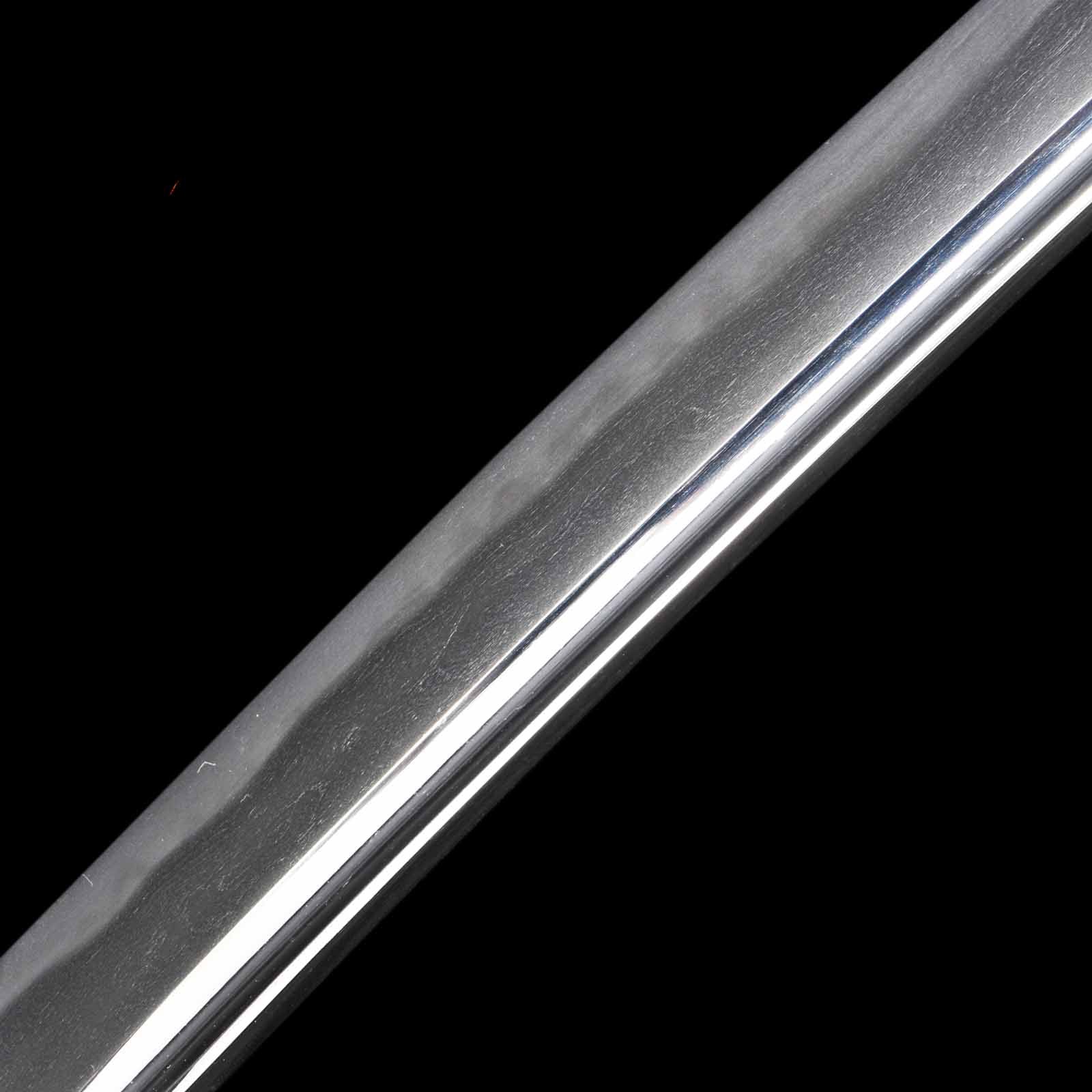
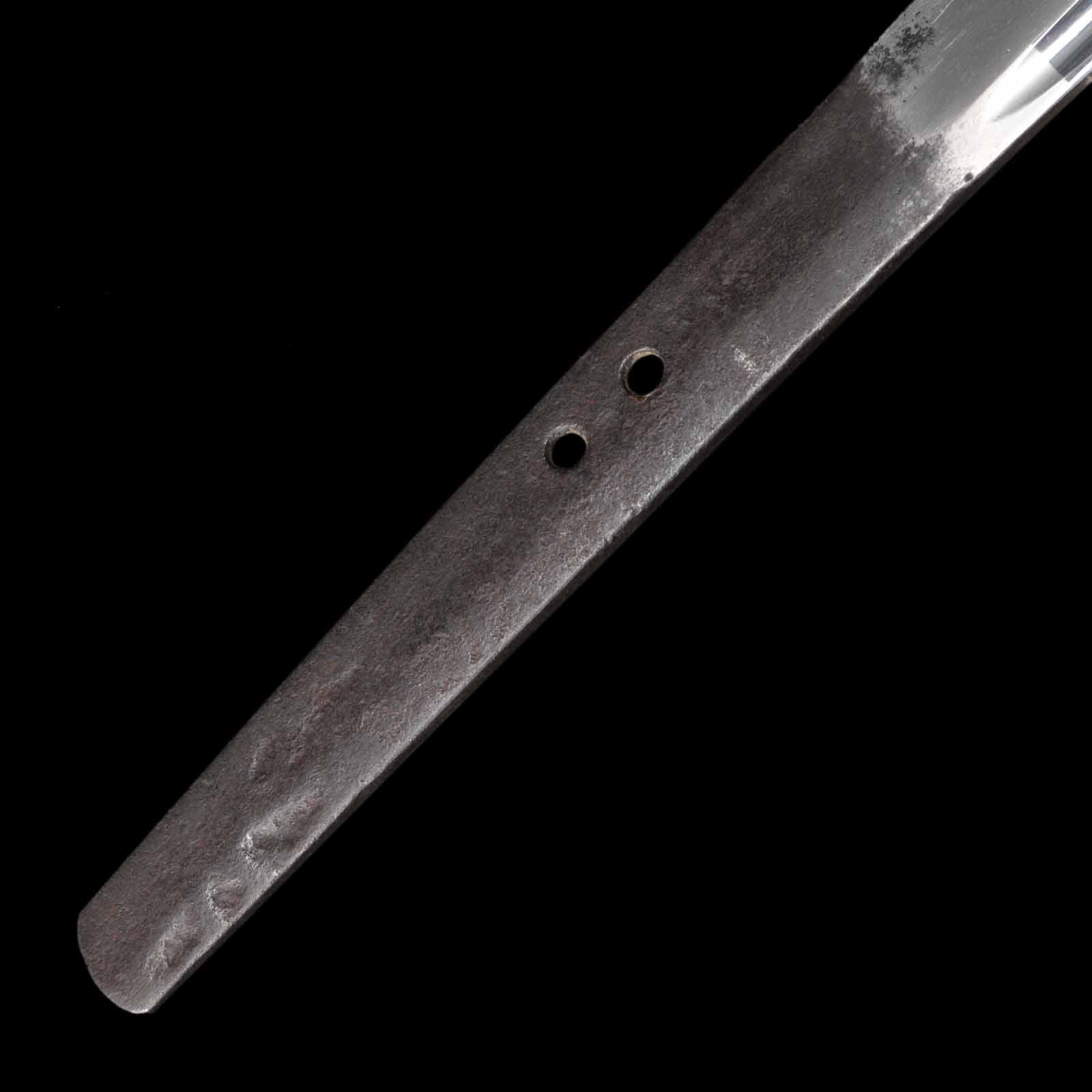
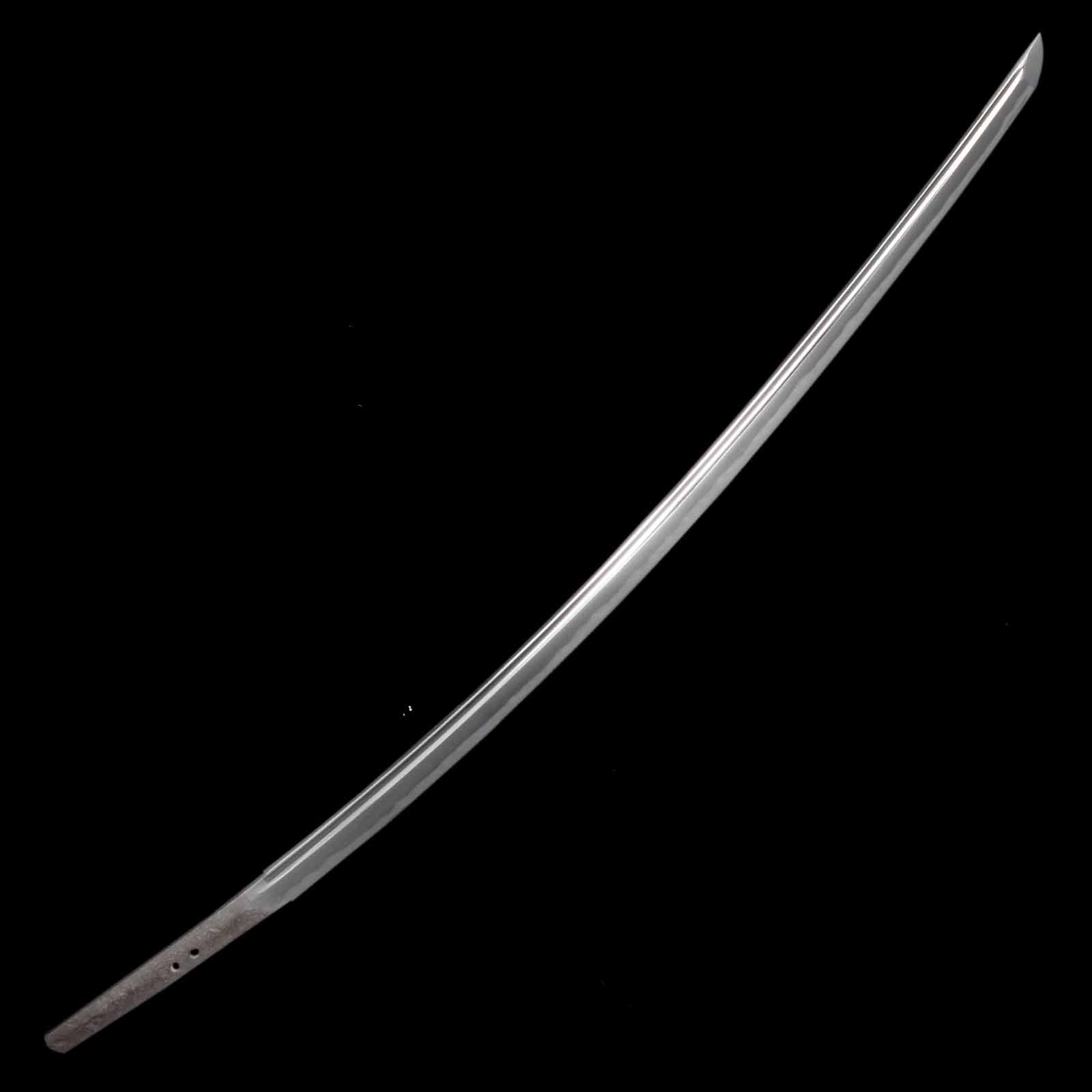
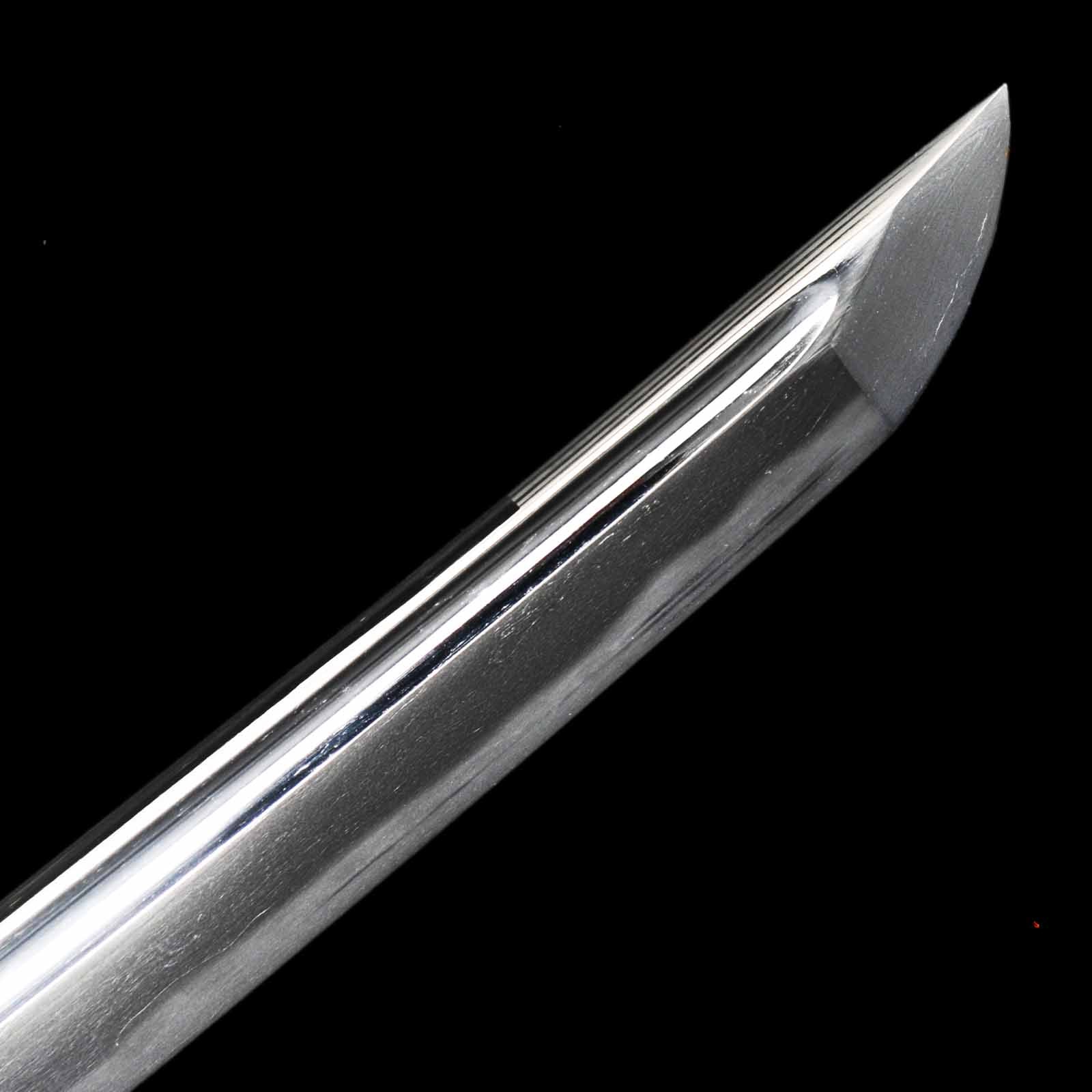
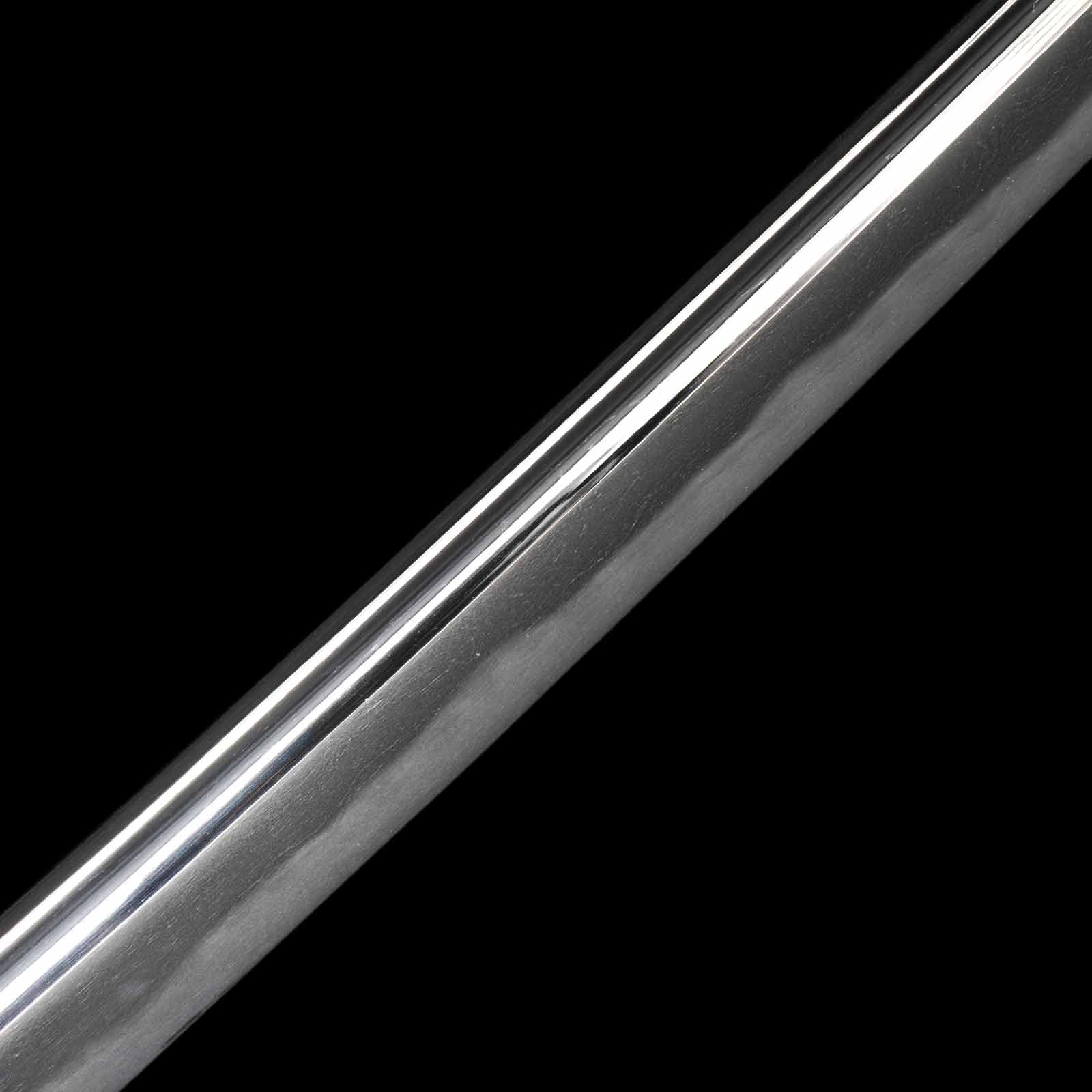
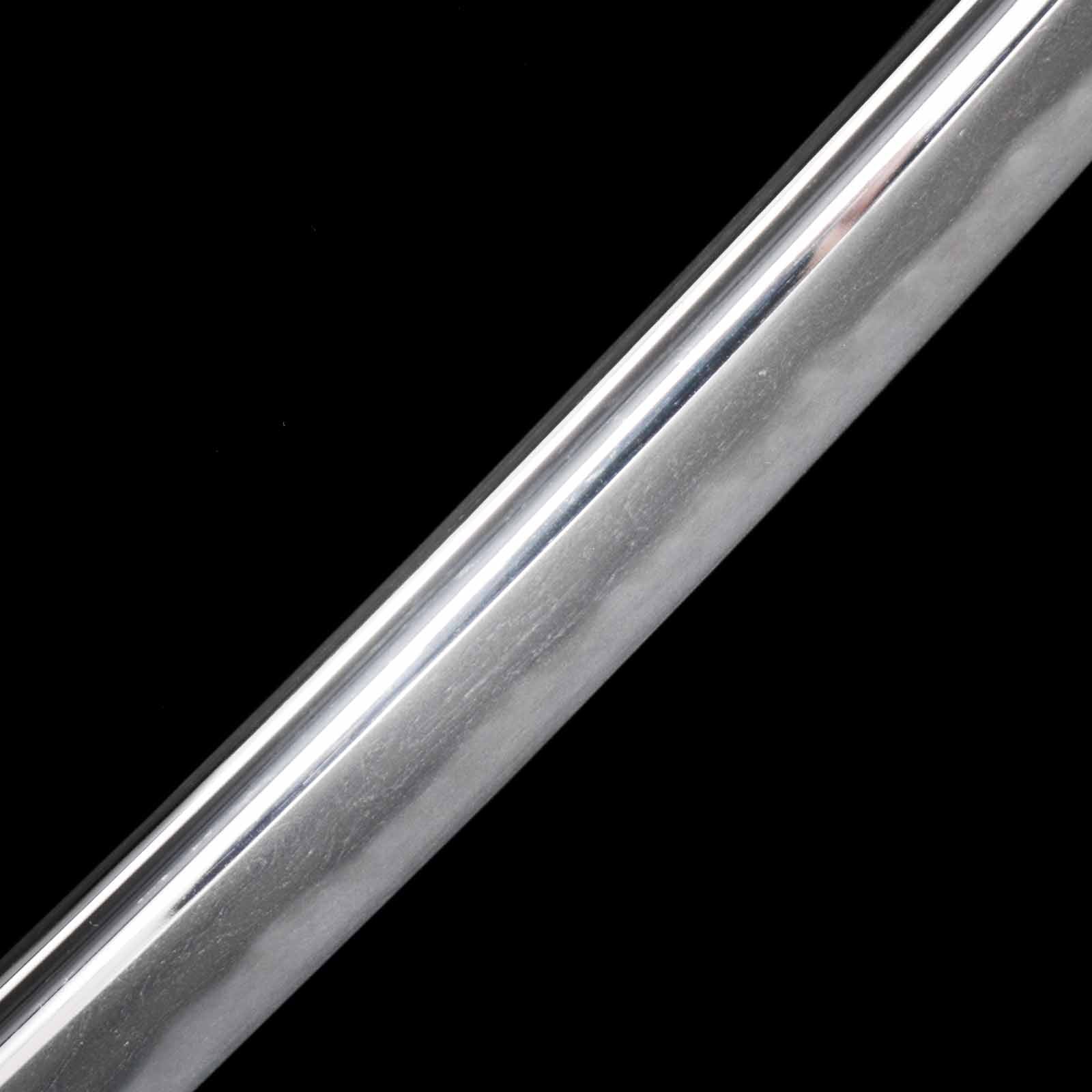
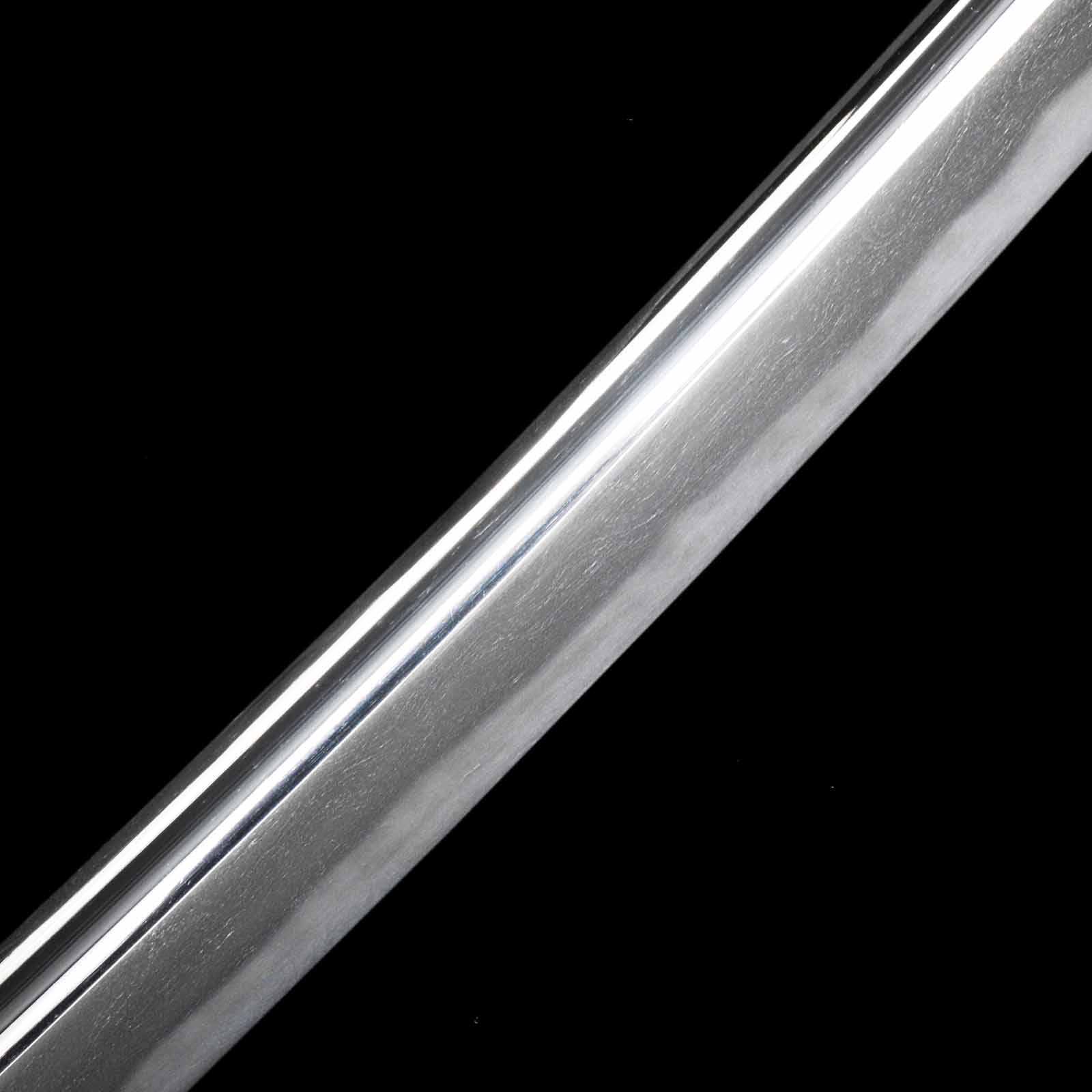
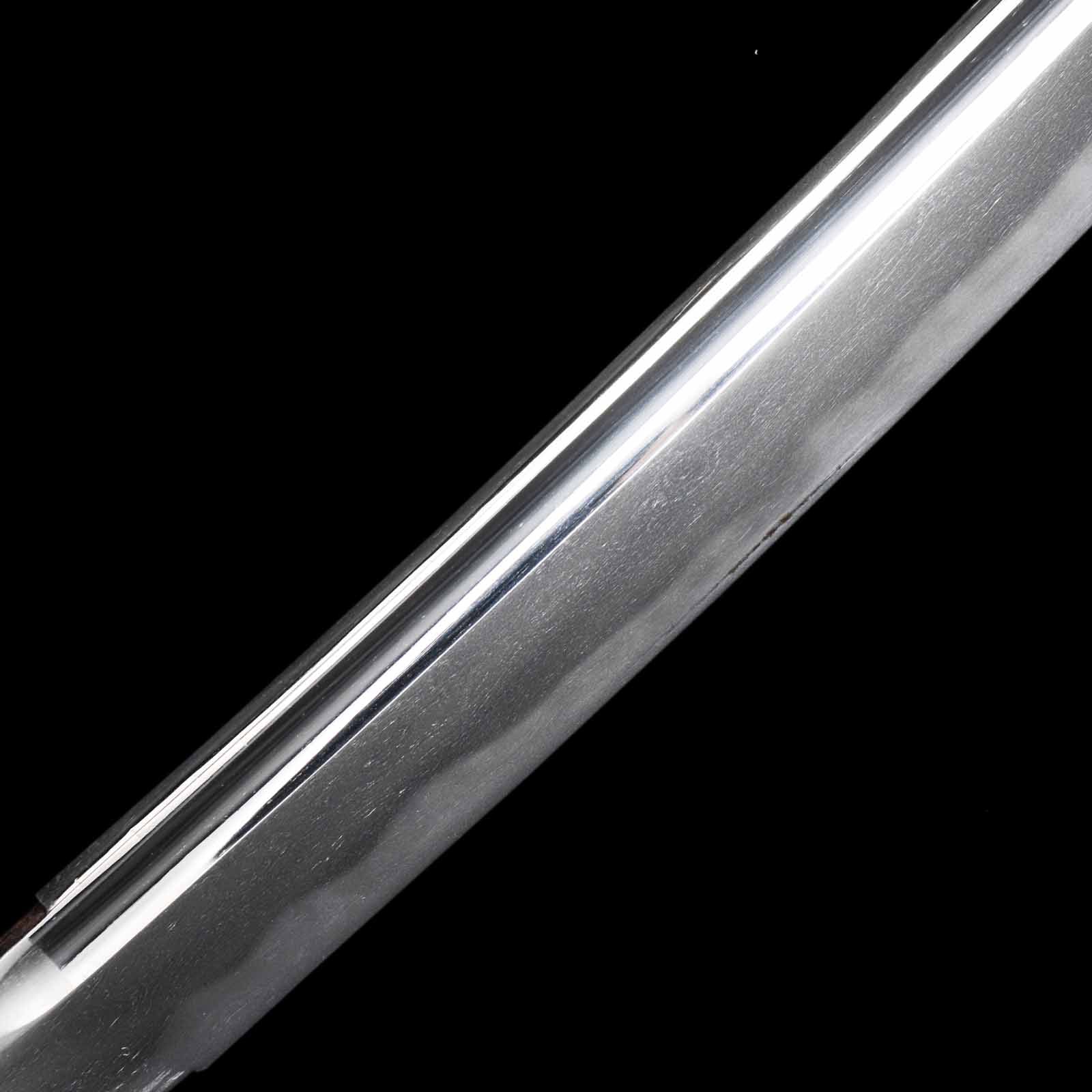
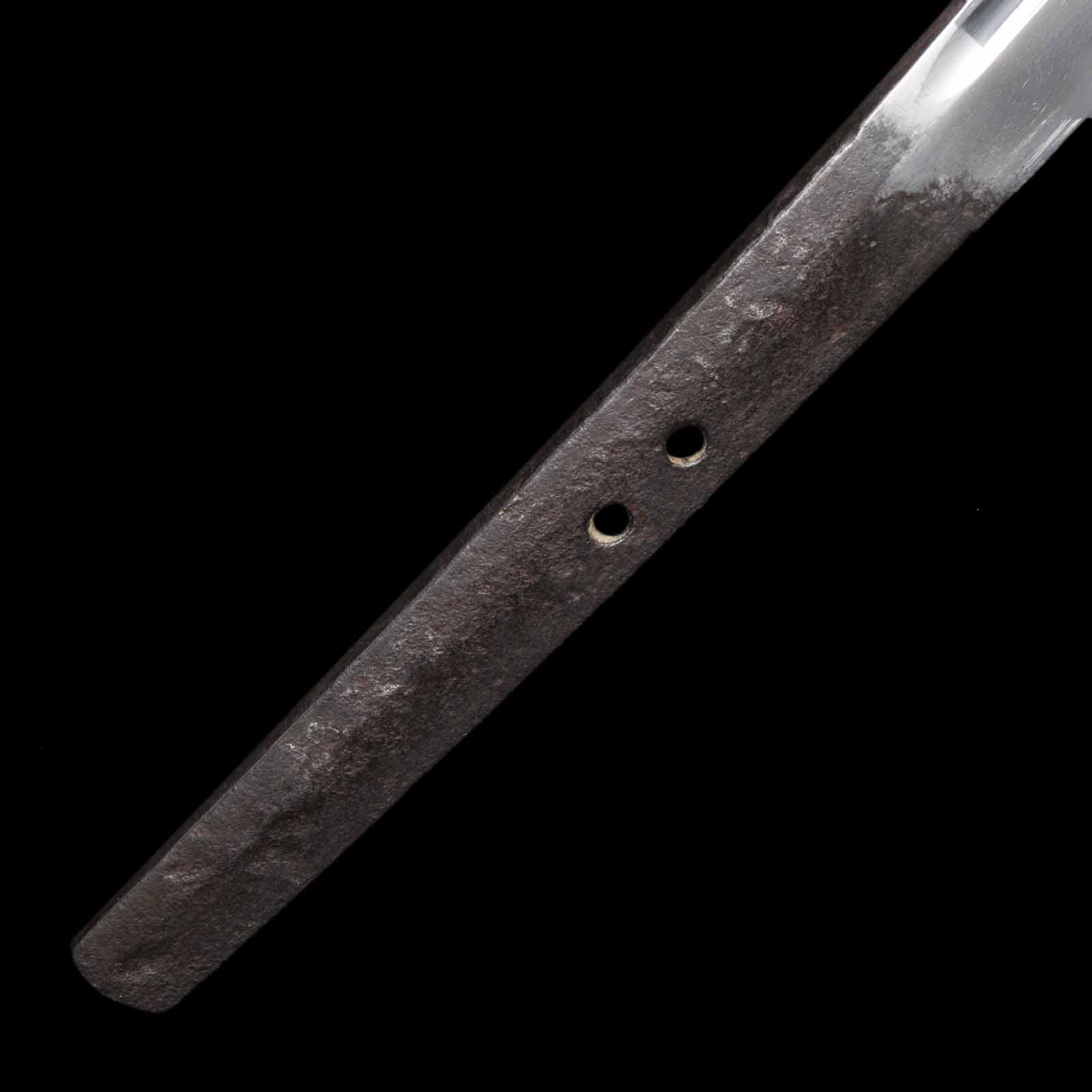
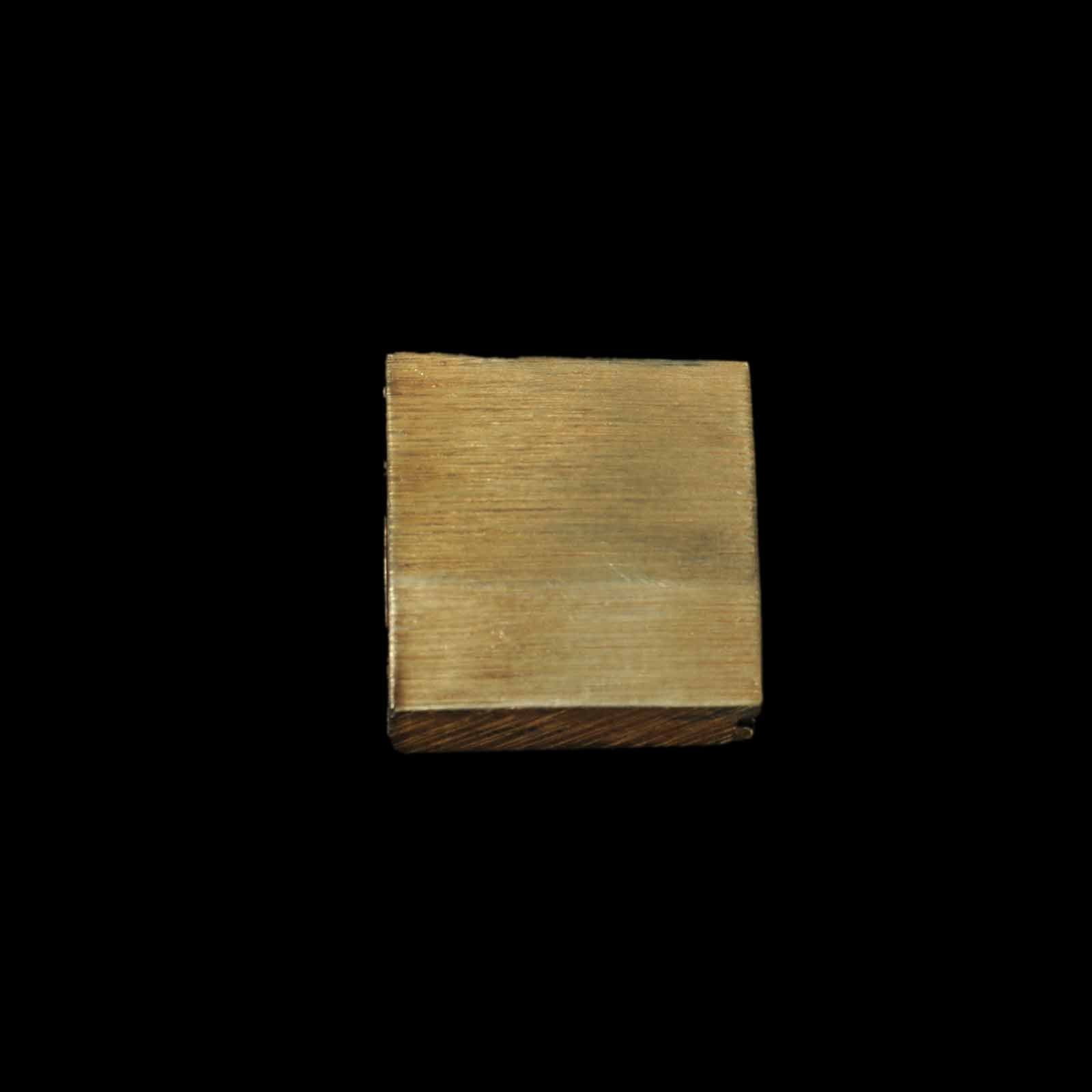
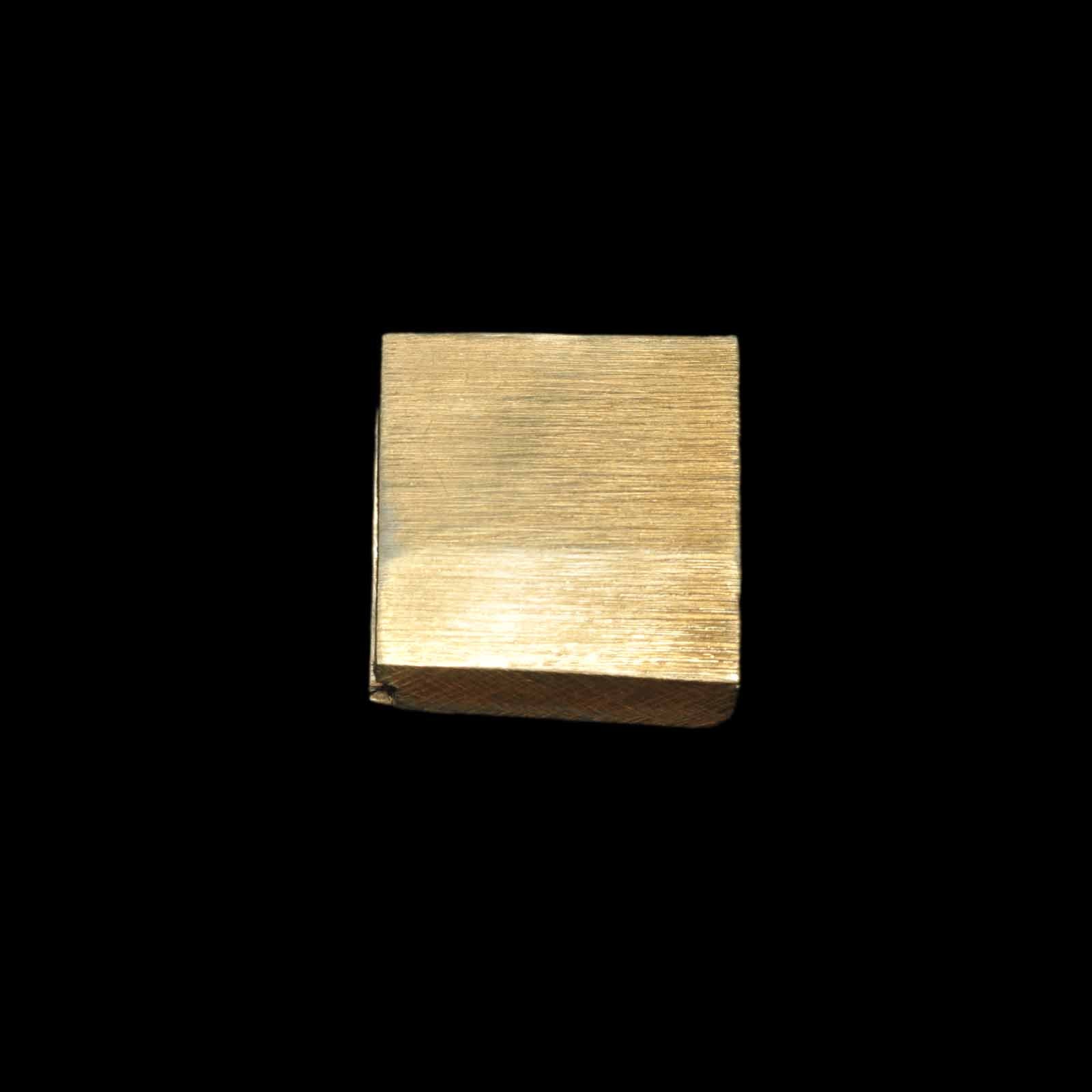
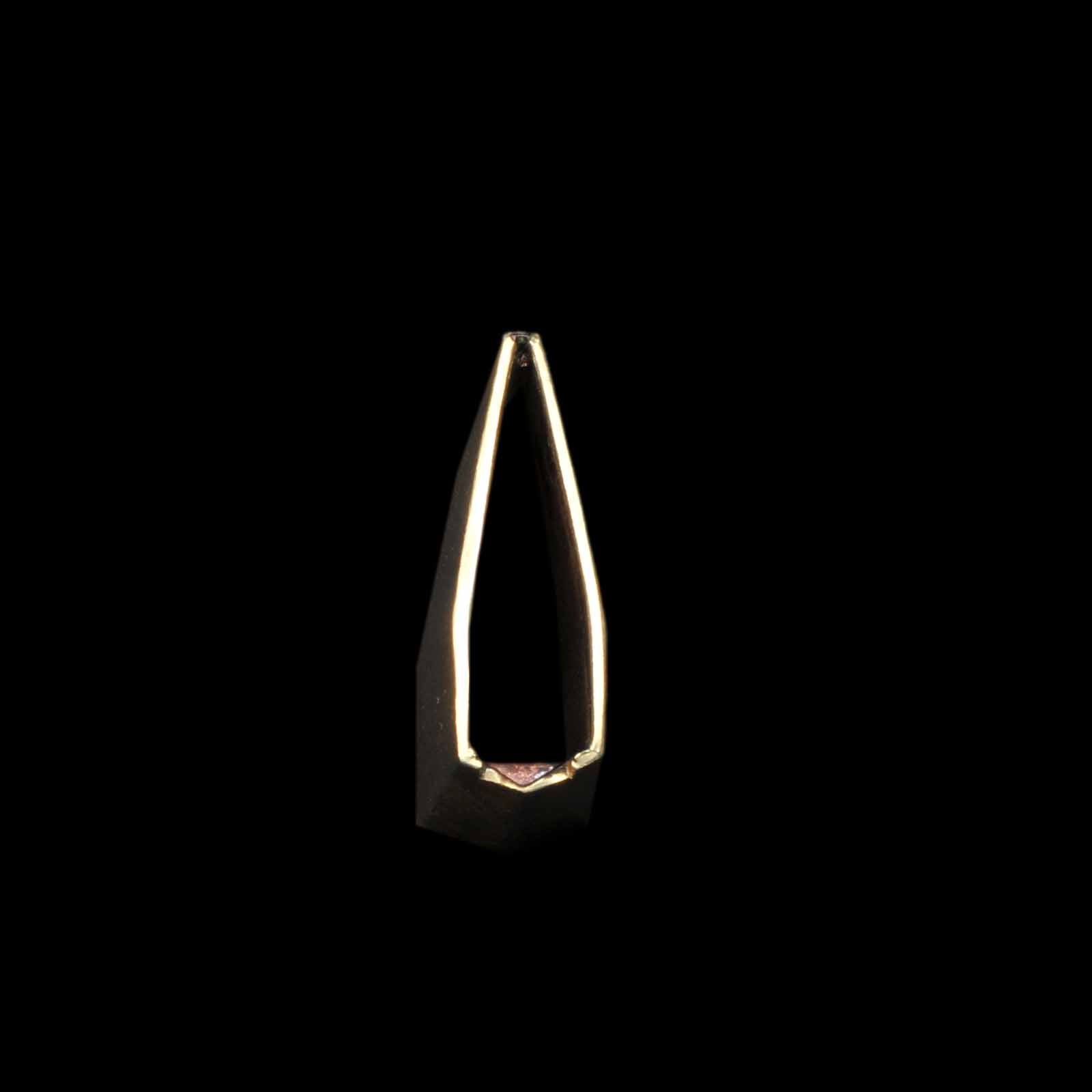
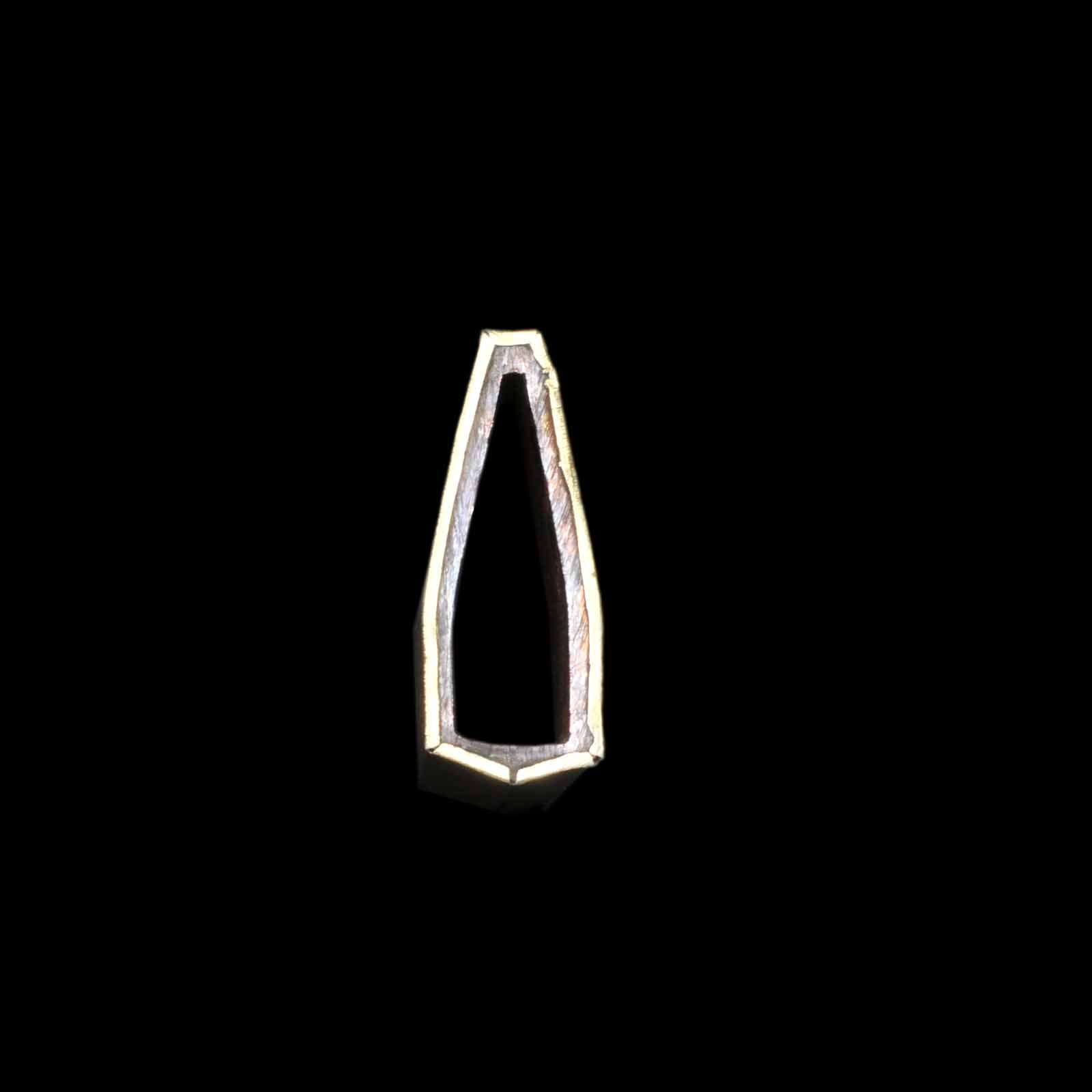
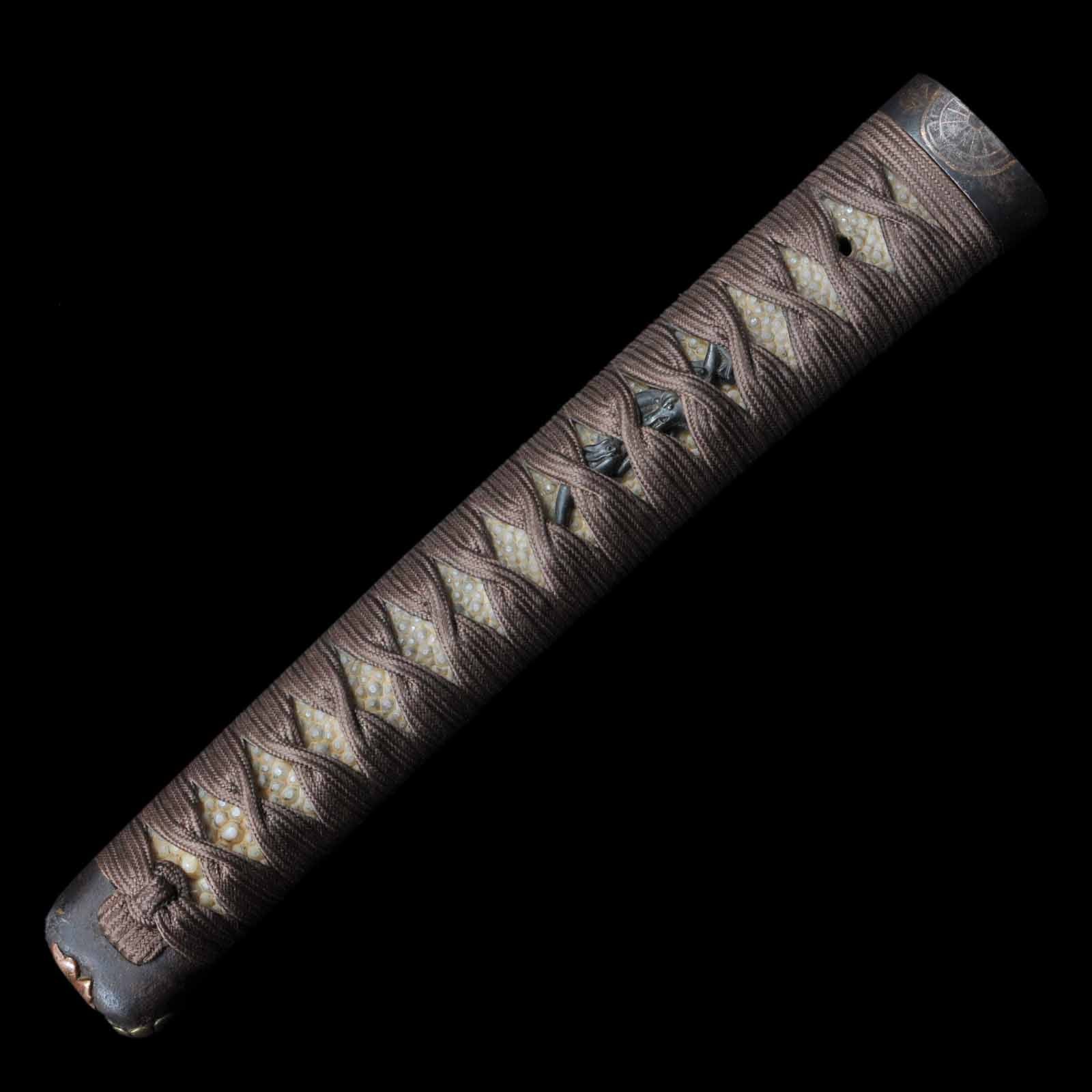
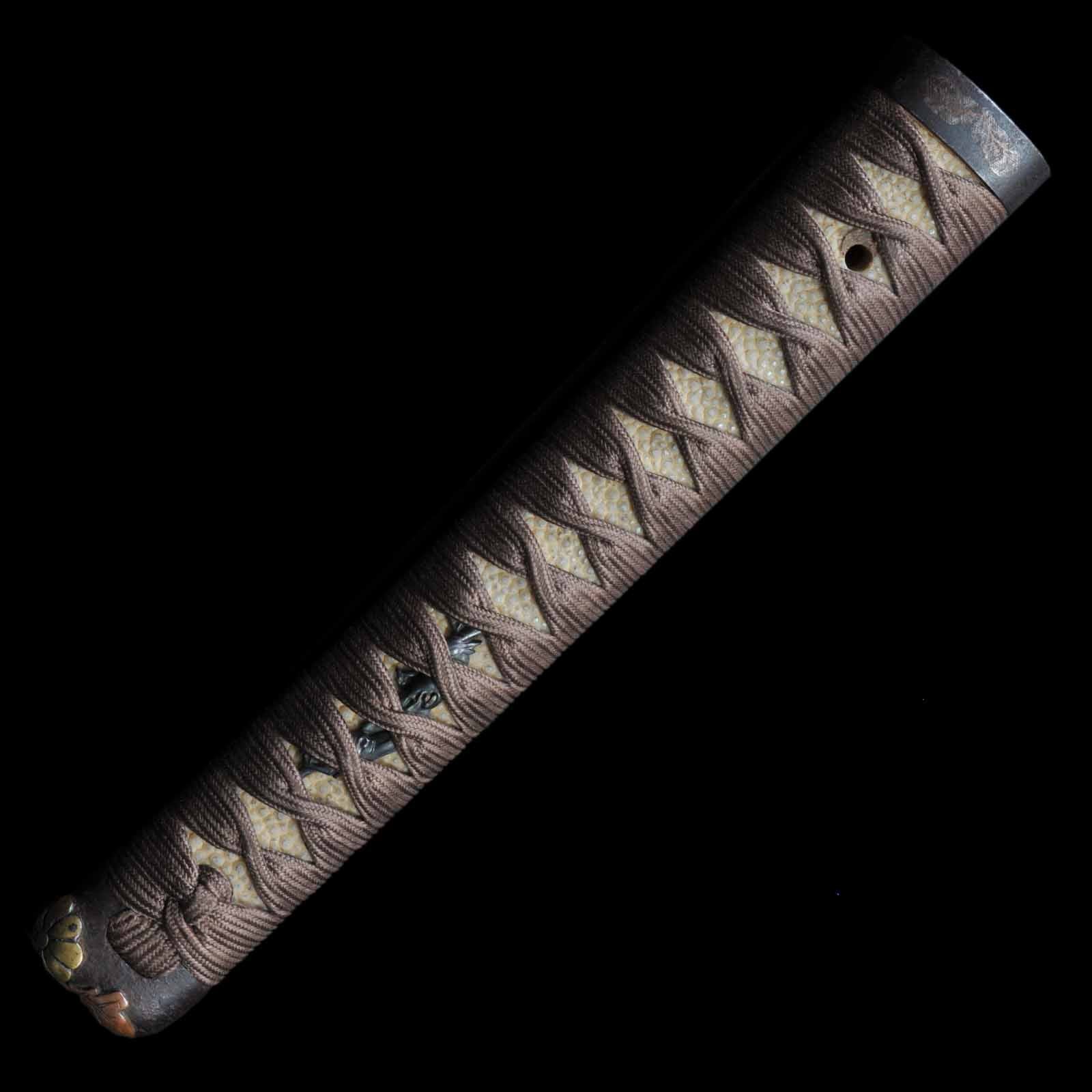
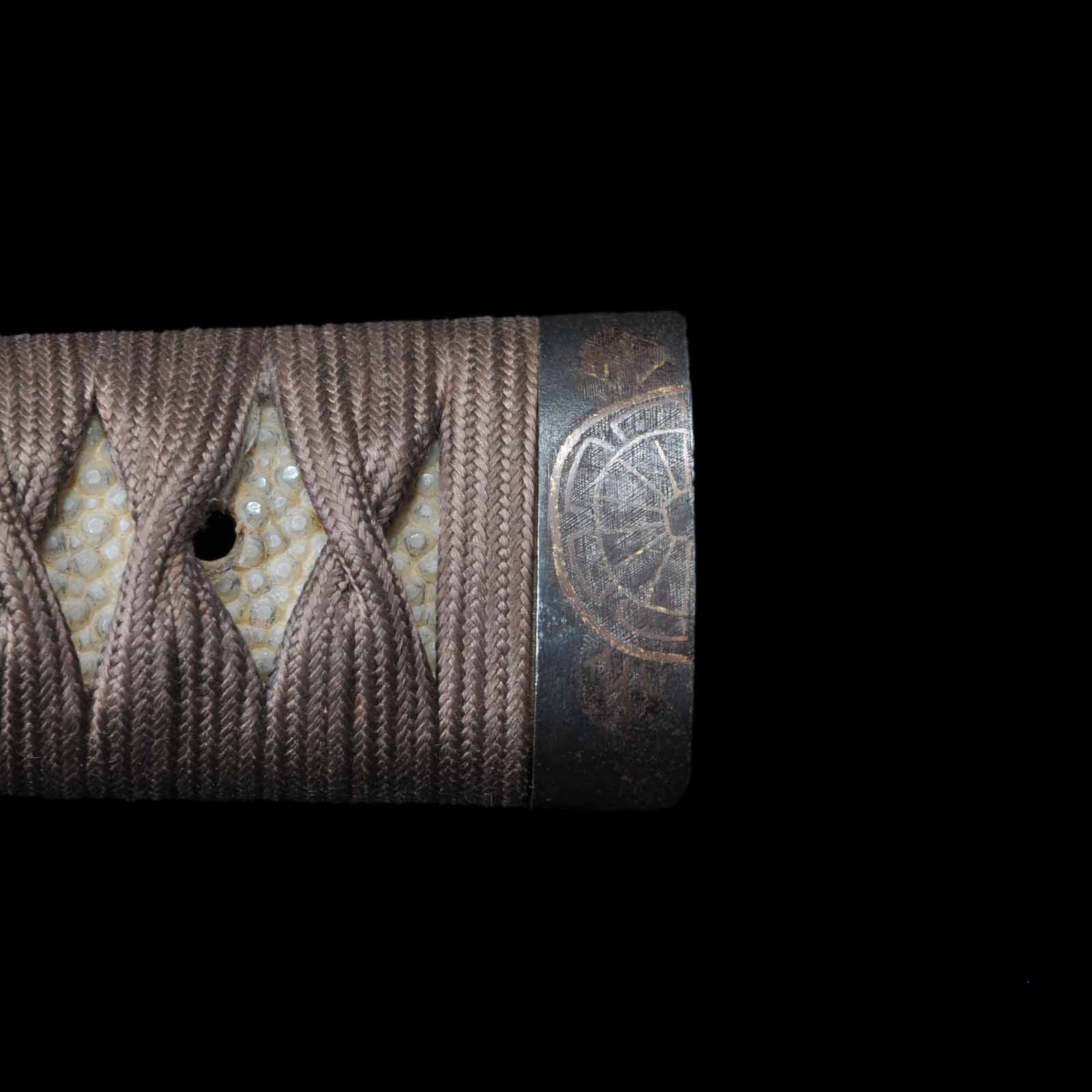
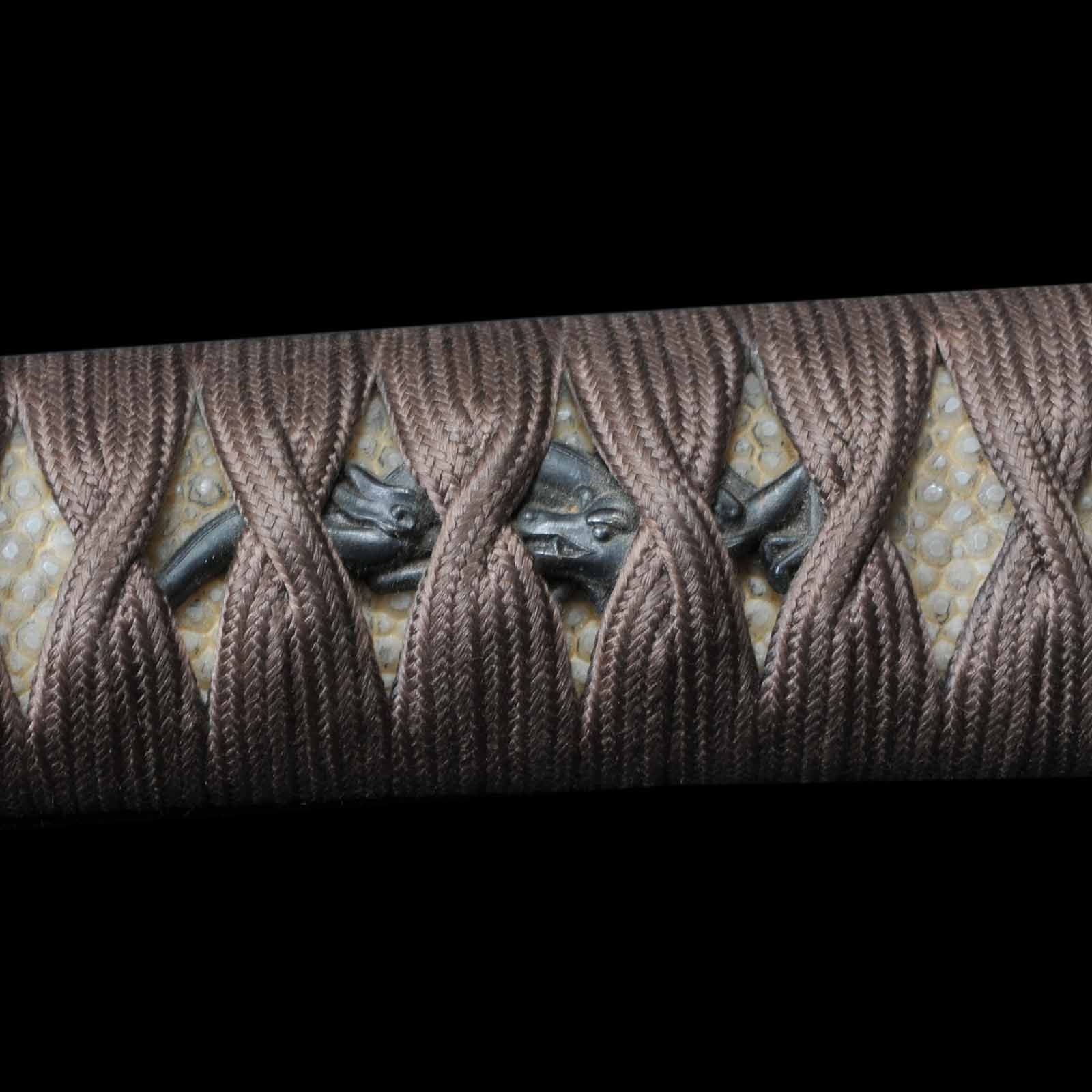
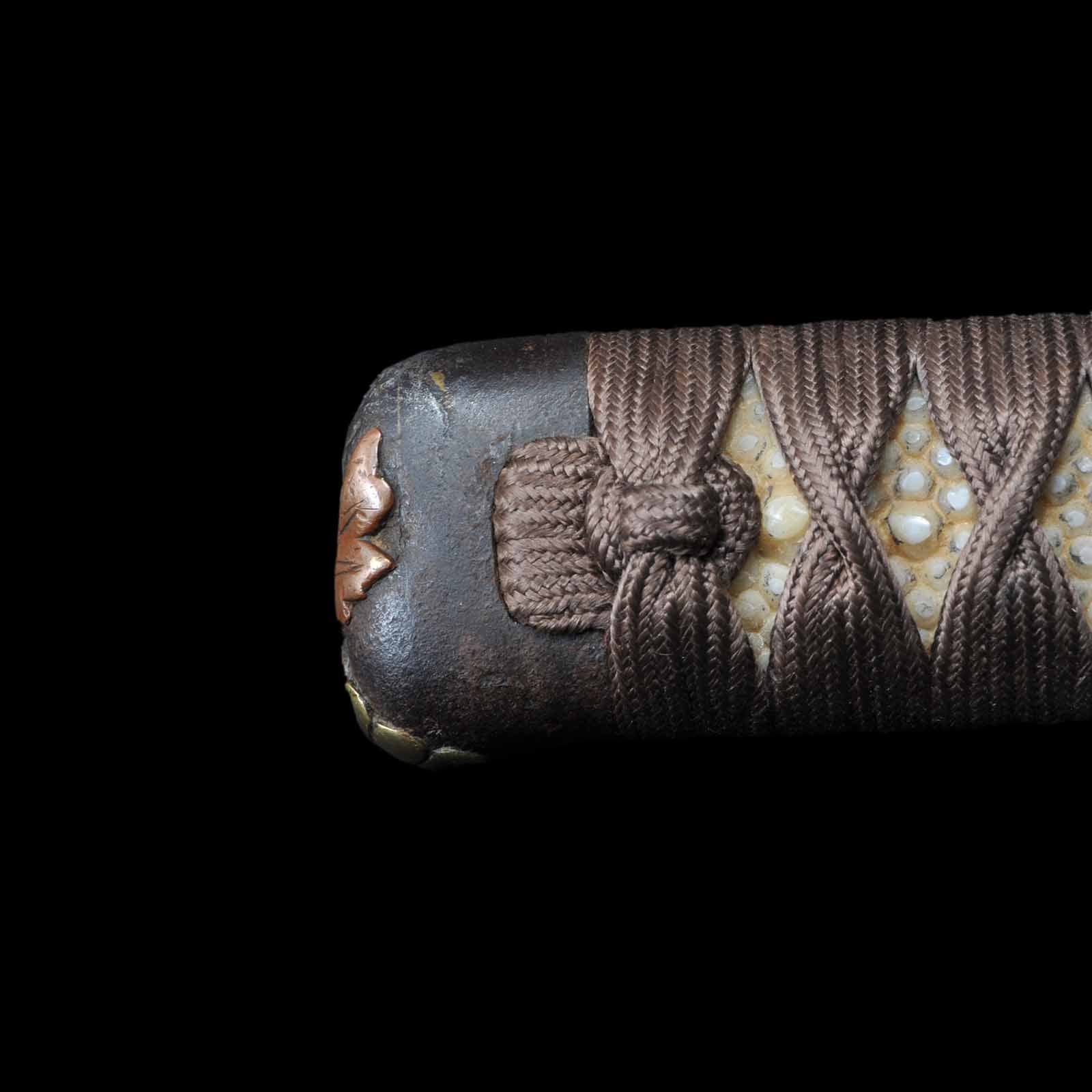
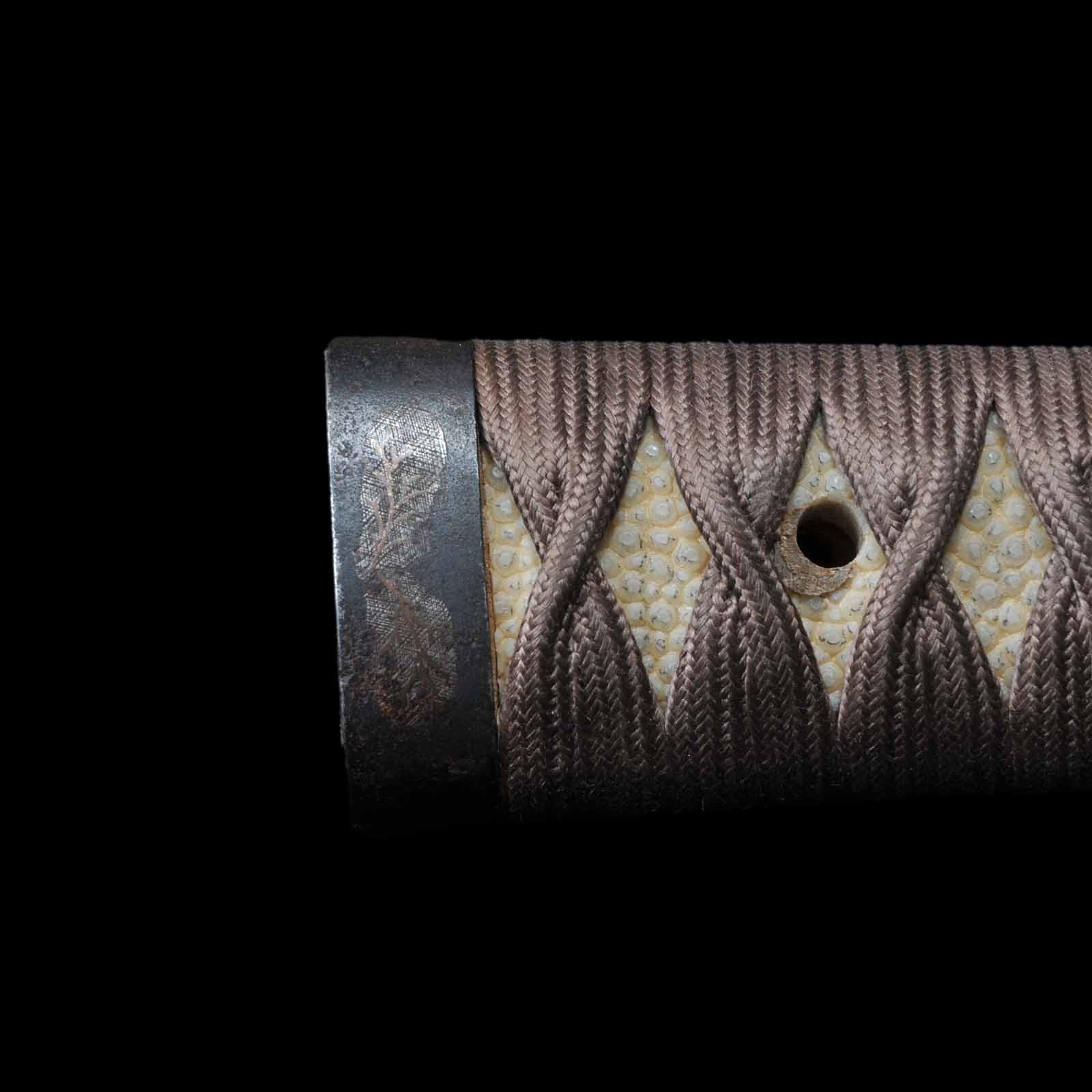
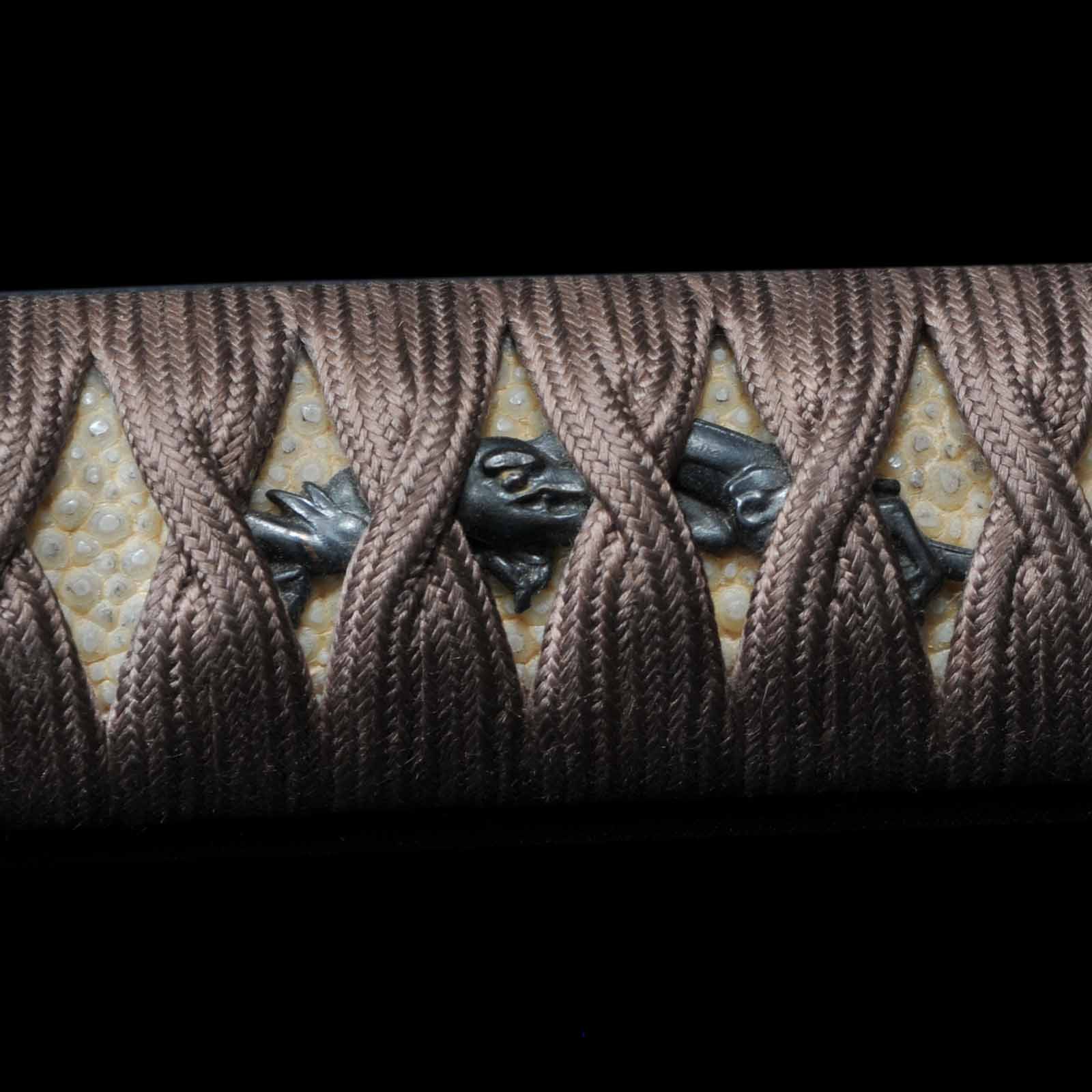
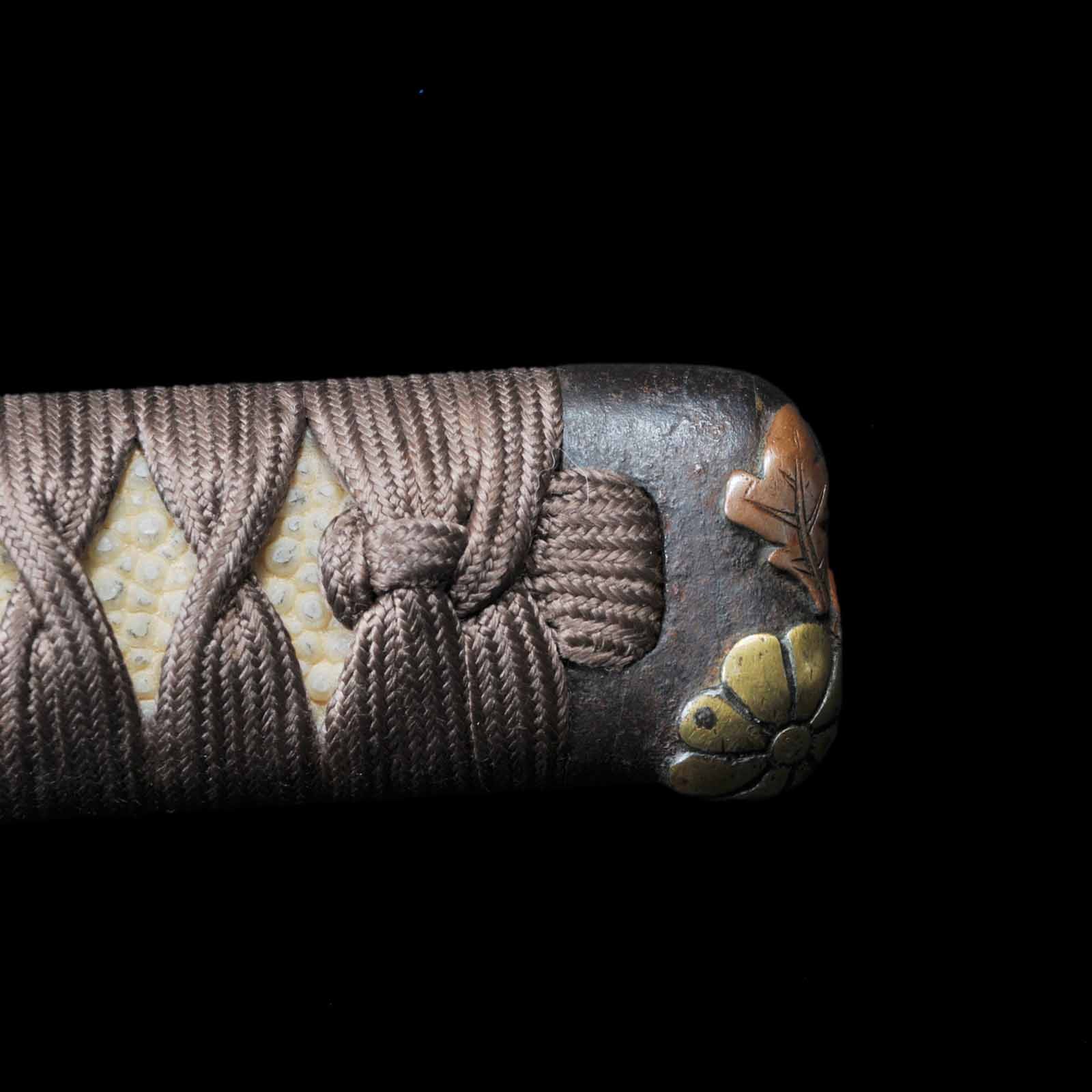
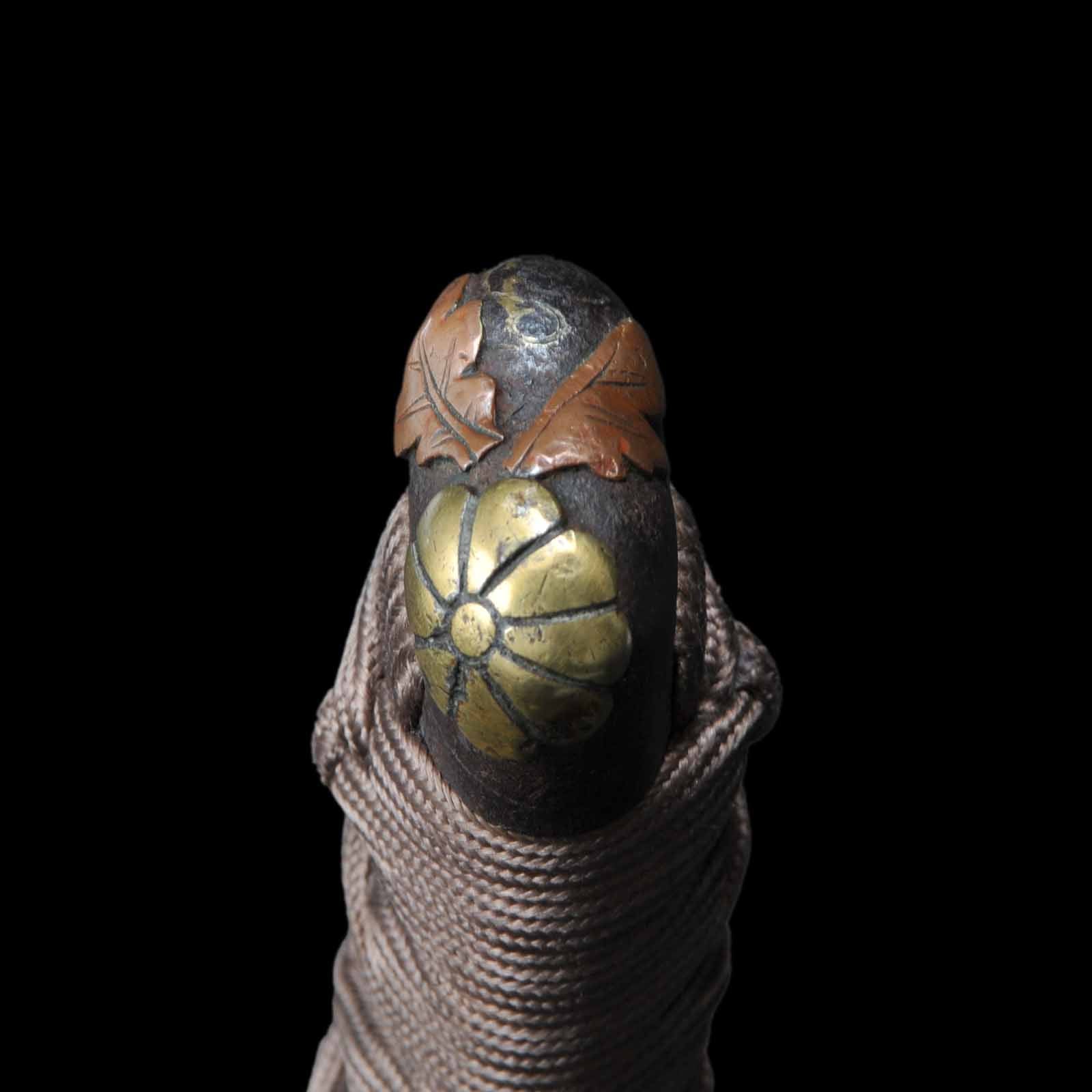
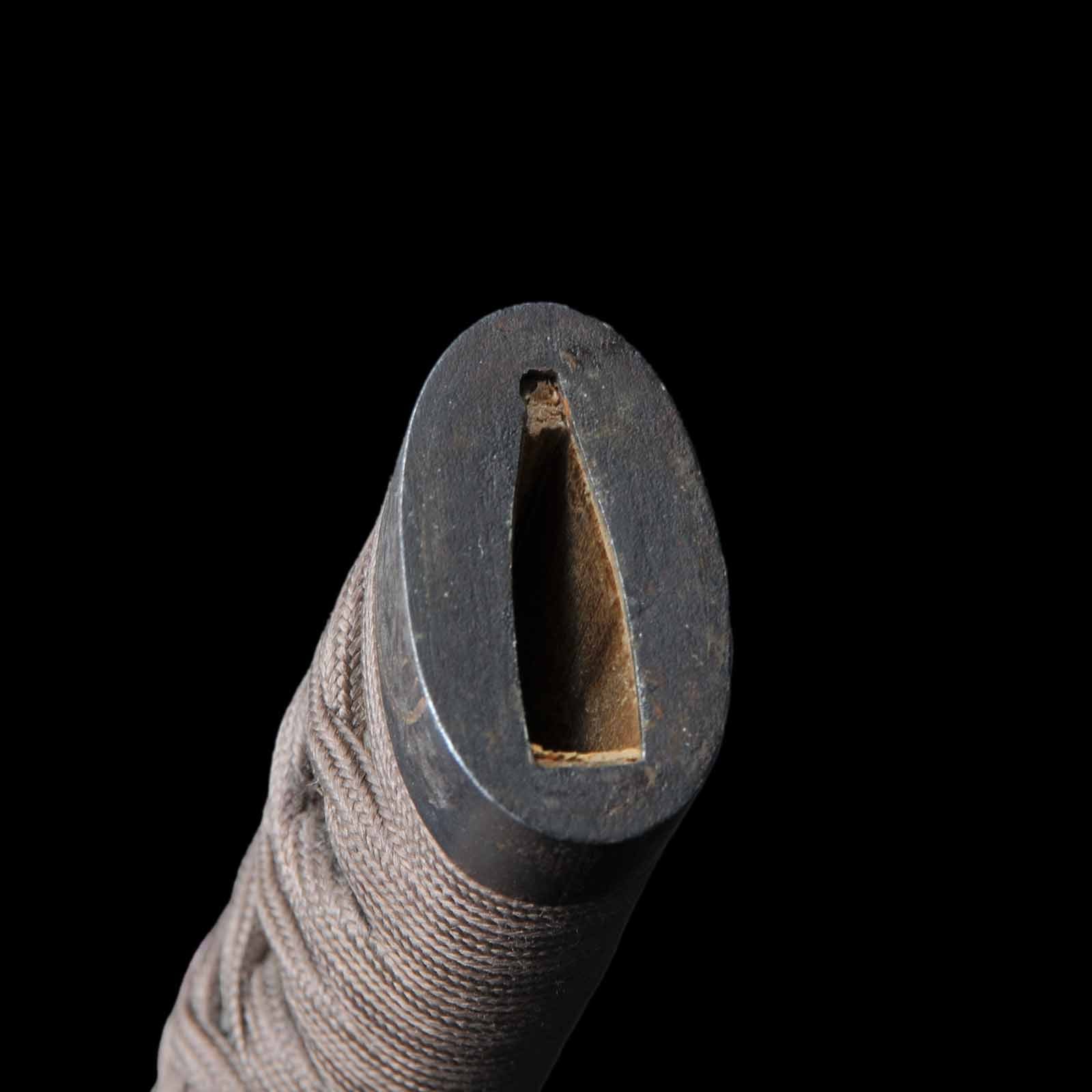
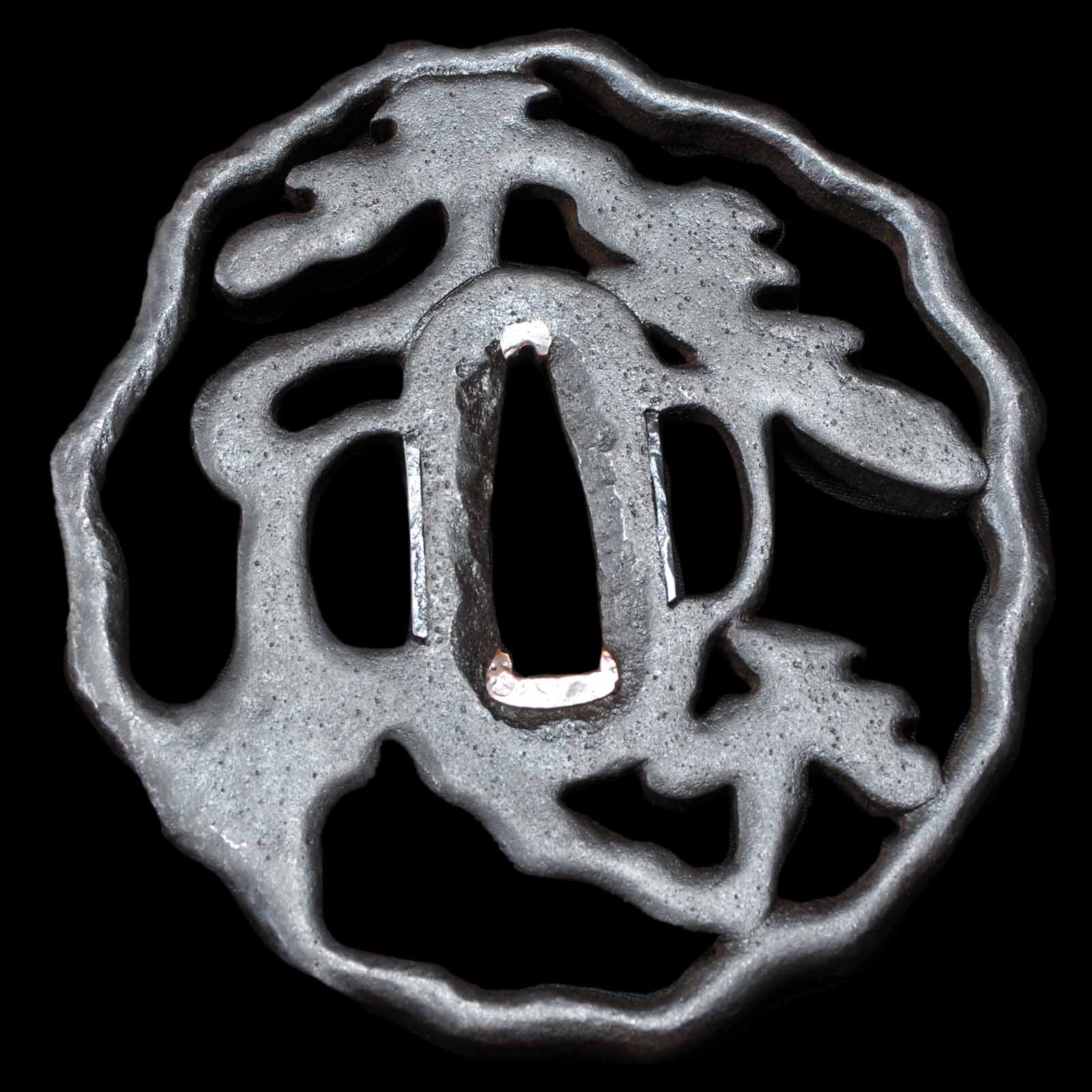
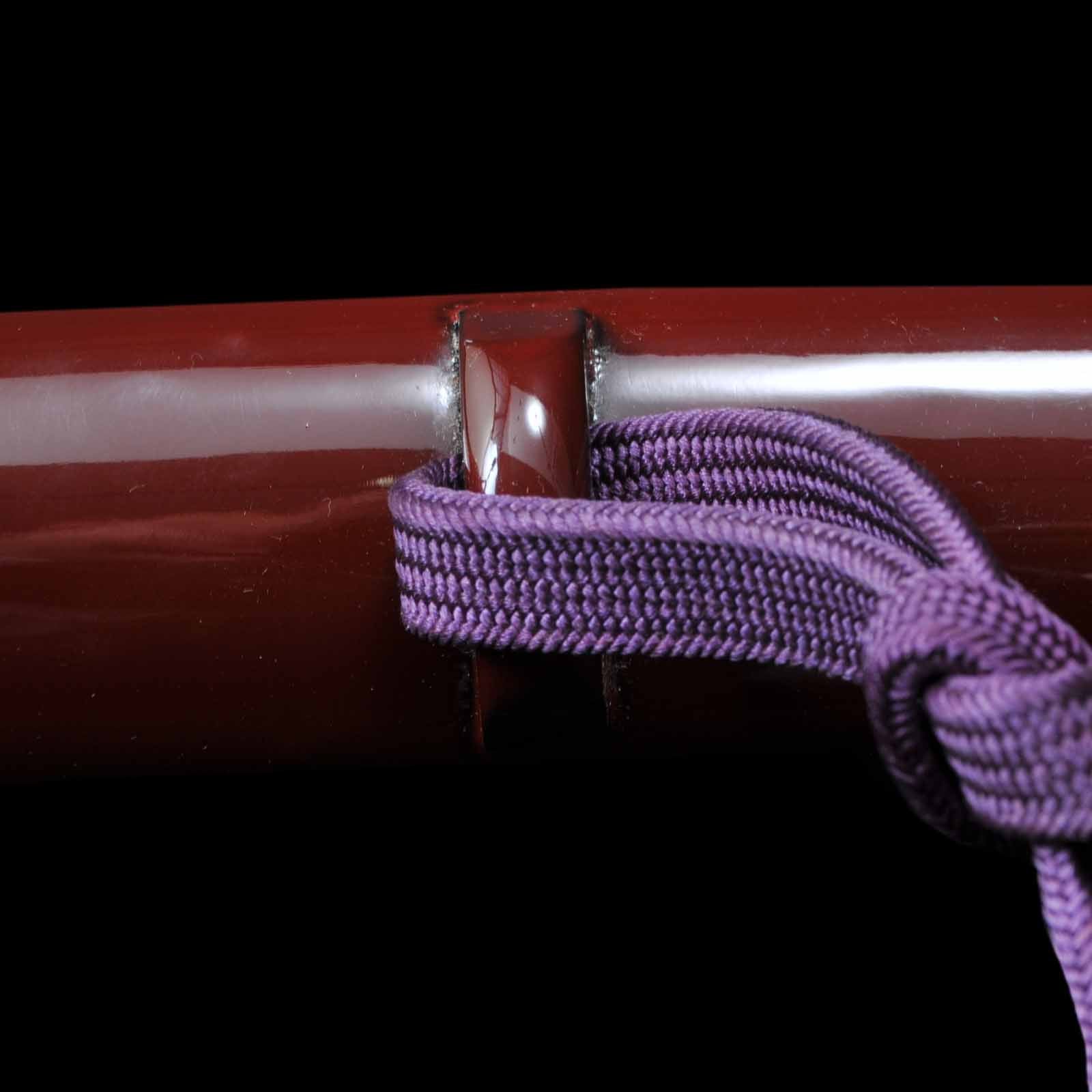
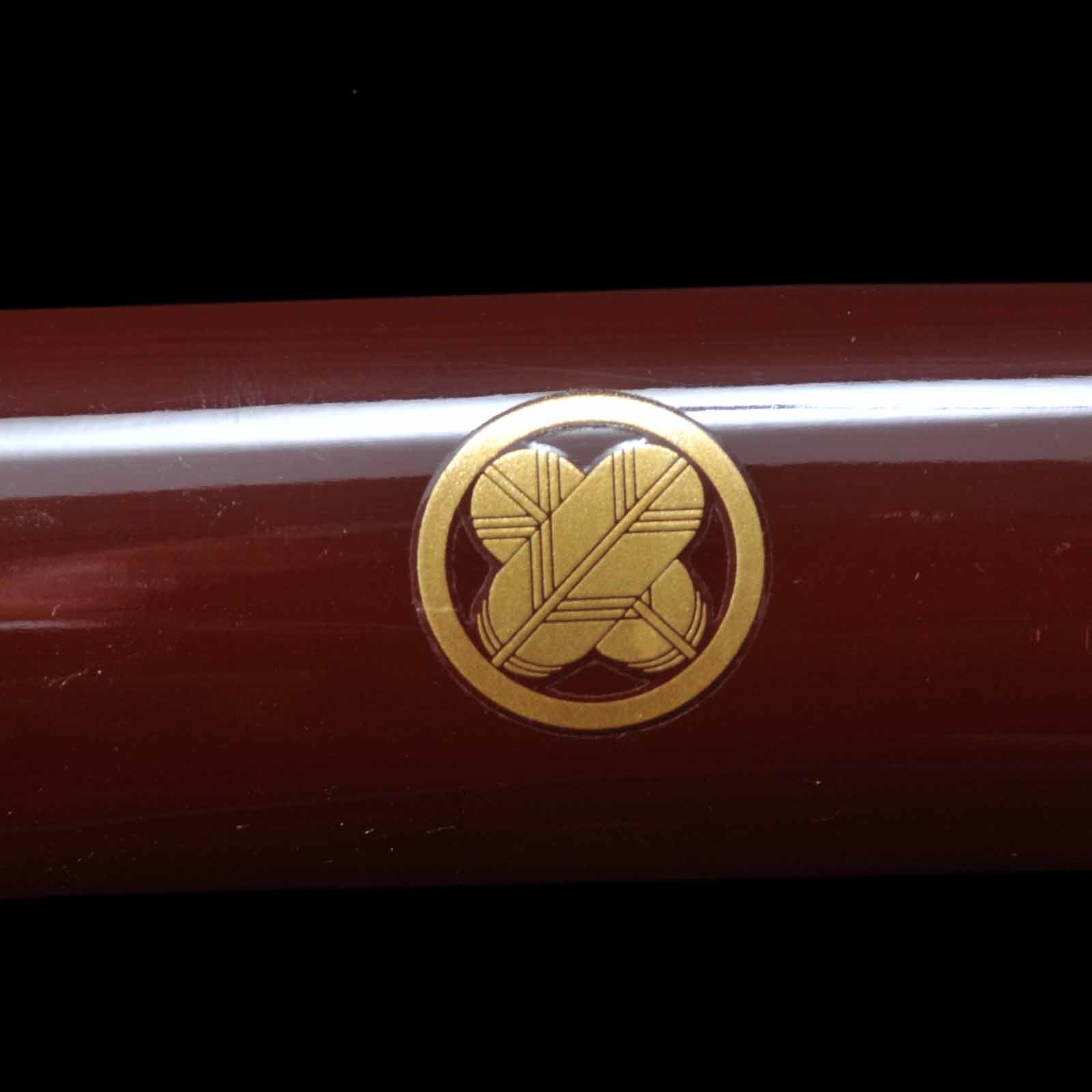
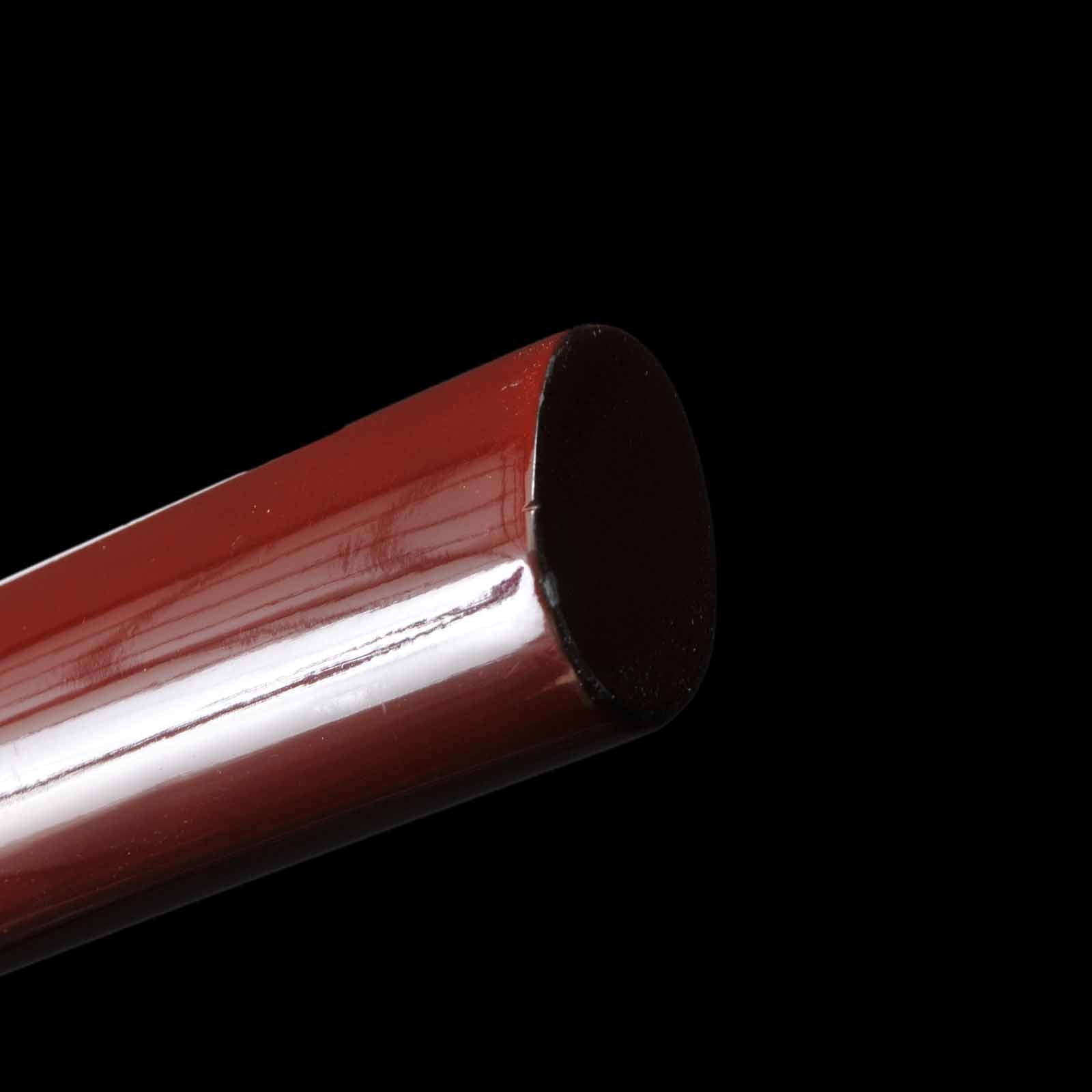
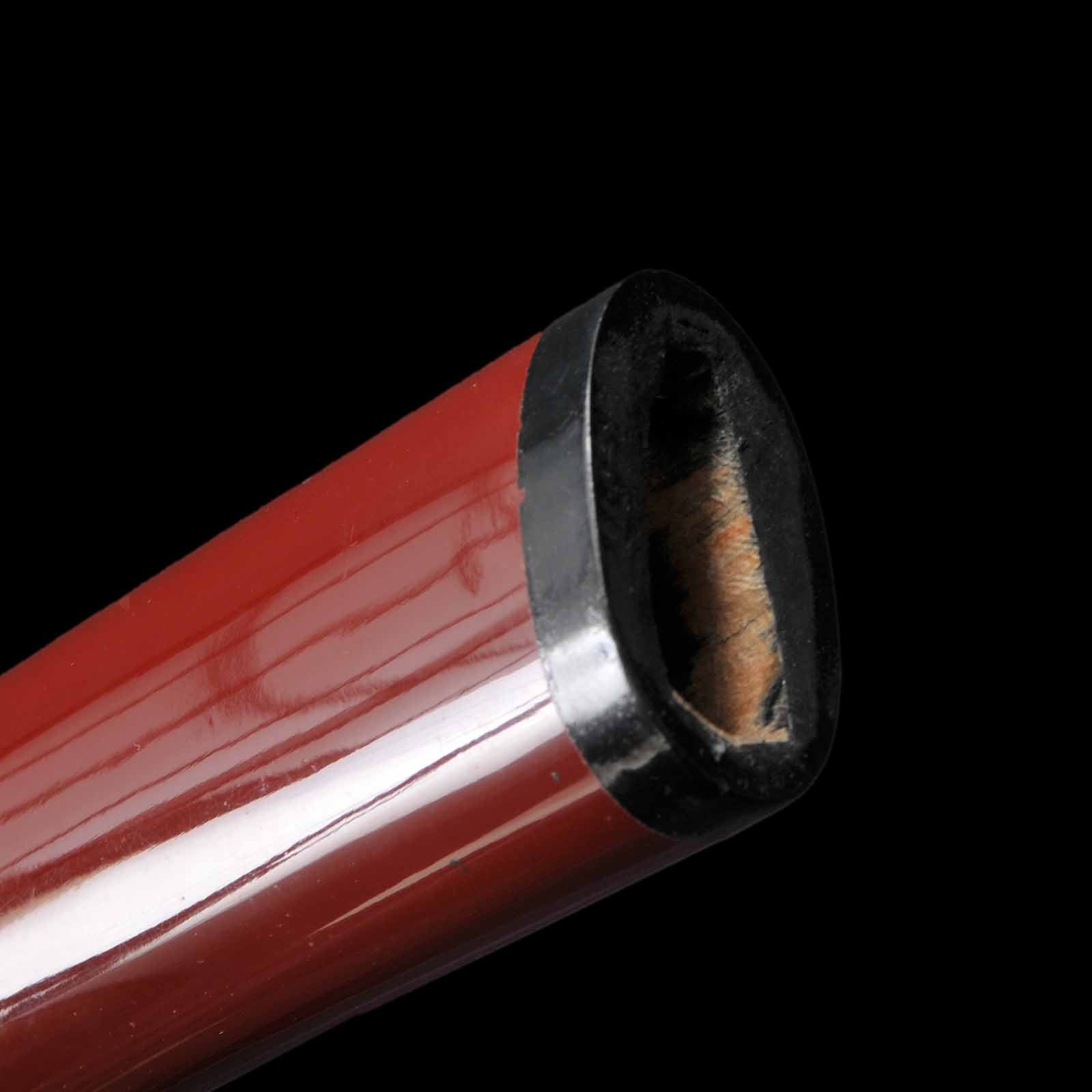
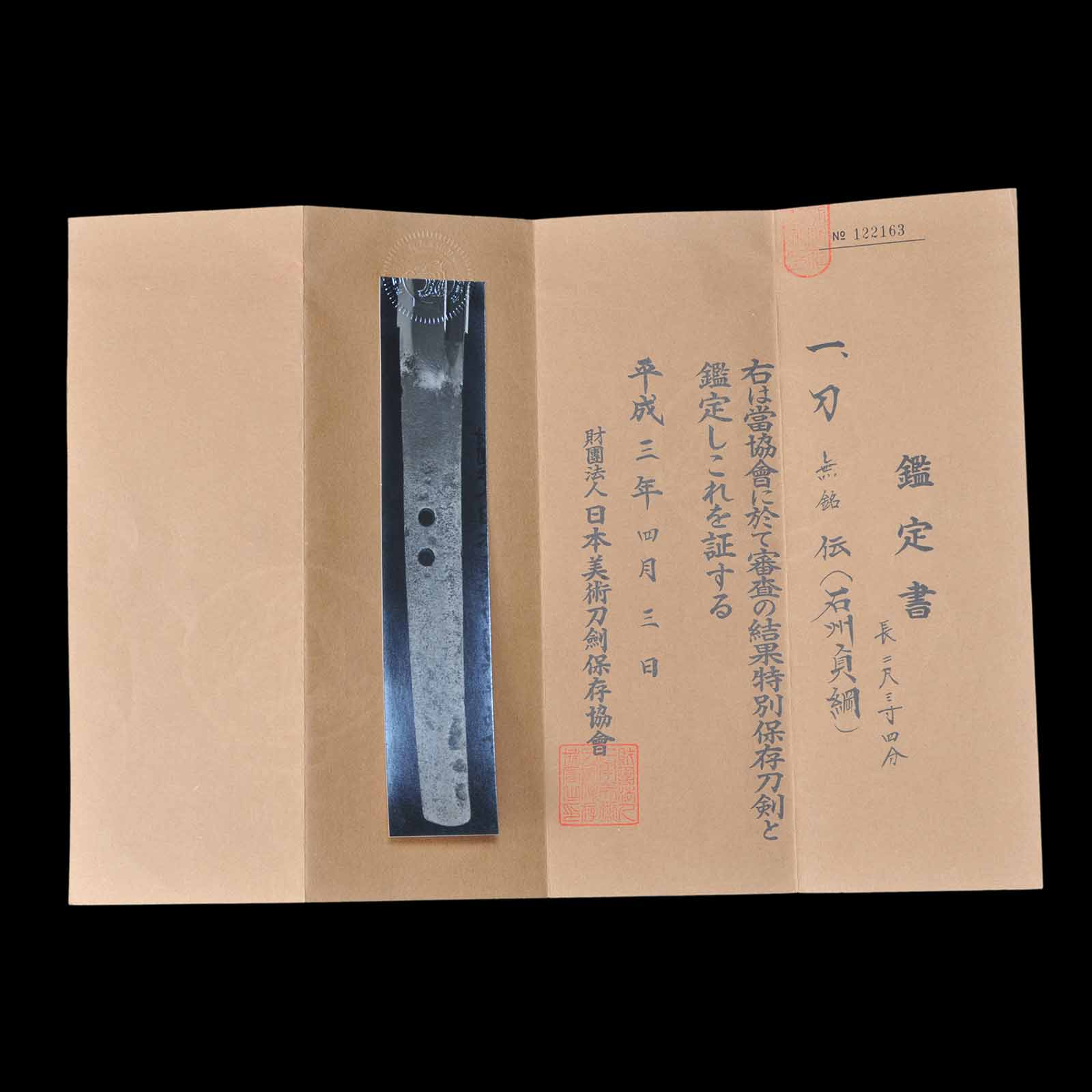
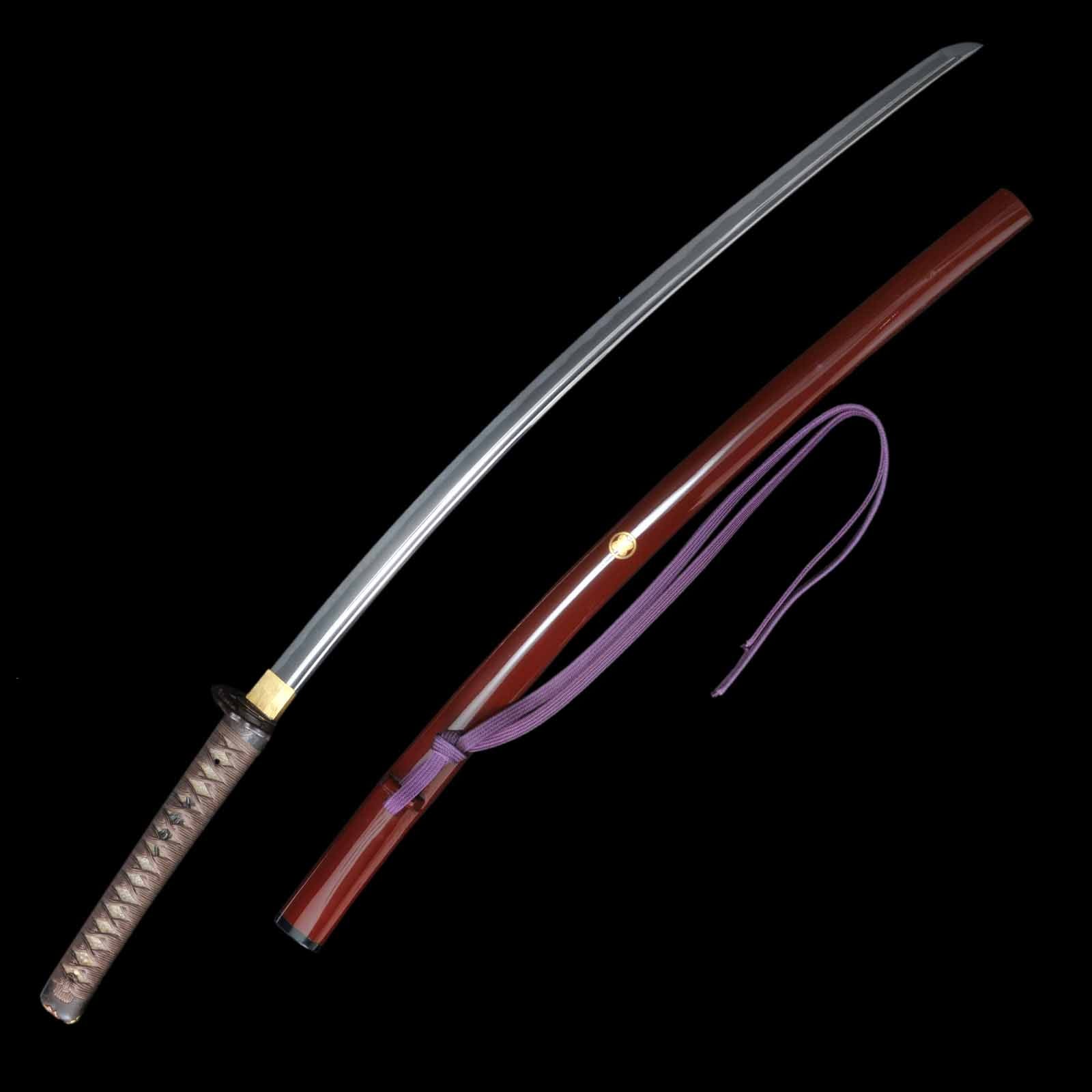
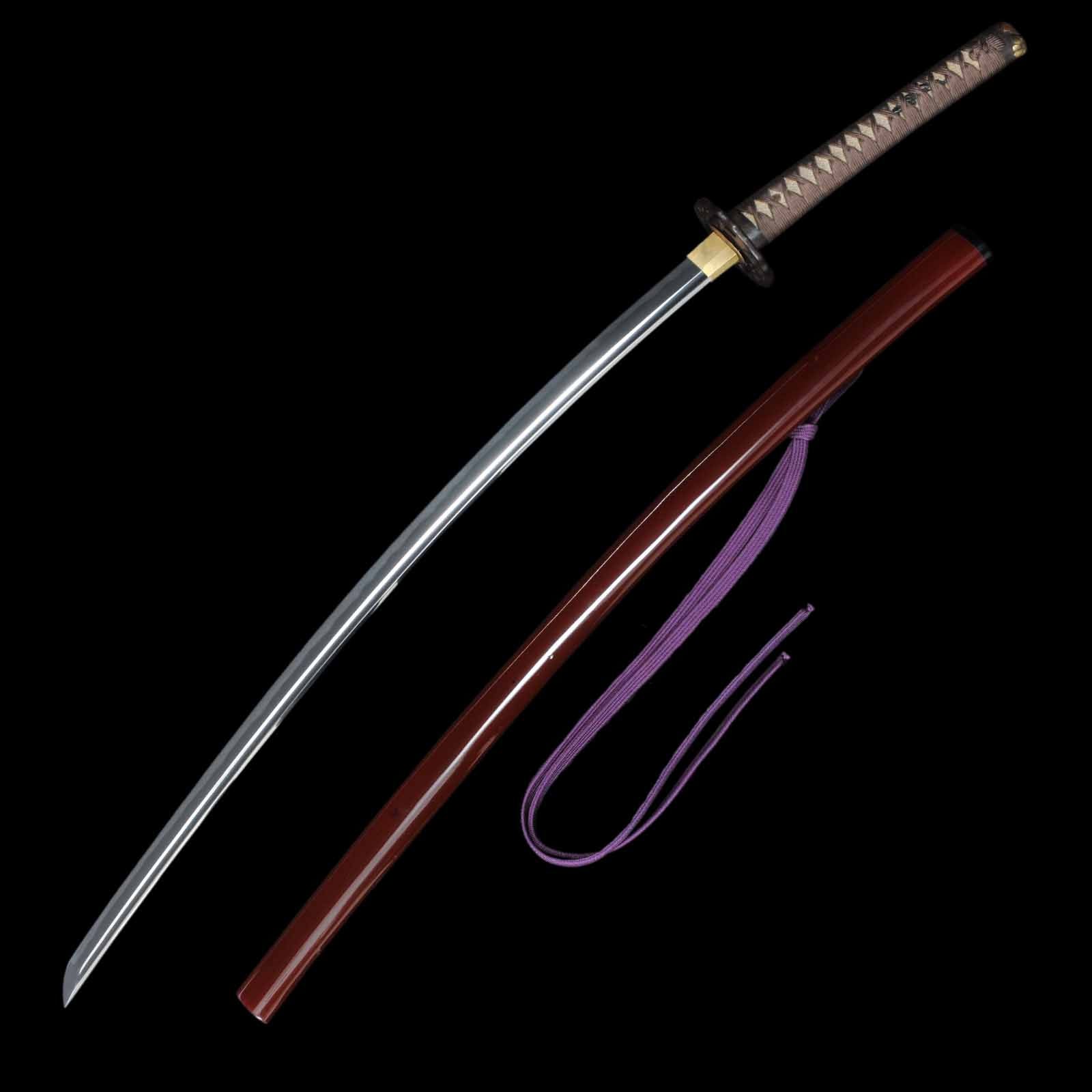
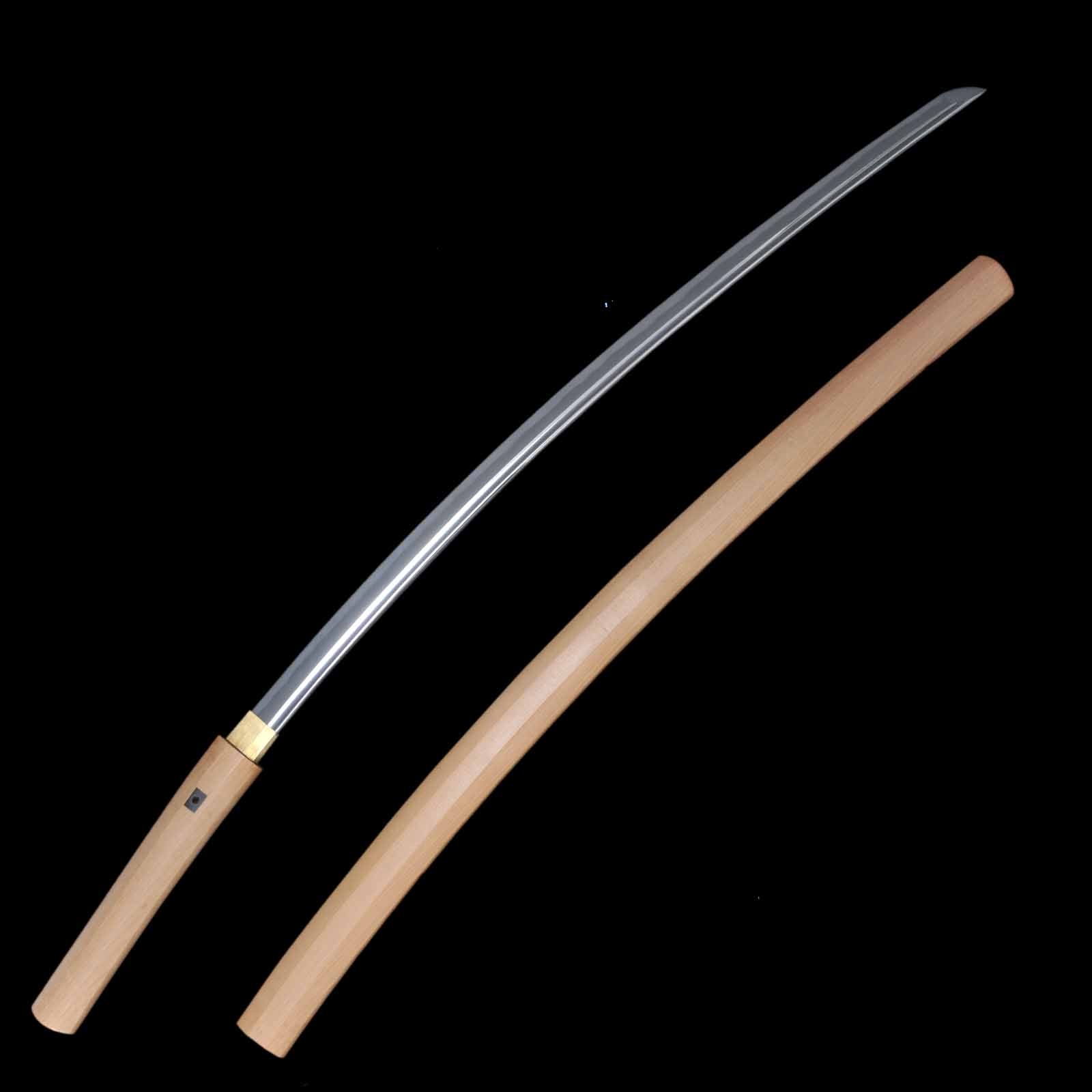
This is a katana attributed to Sadatsuna from the Nanbokucho period, certified as Tokubetsu Hozon by the NBTHK. It features itame mixed with mokume jigane and a gunome midare hamon. The katana comes with both an uchigatana koshirae and a shirasaya.

NihontoWatch MonNihontoWatch
MarketEncyclopediaKantei
Swords›Sōshū-den›Naotsuna›Katana: Sadatsuna - Tokubetsu Hozon, Uchigatana Koshirae, Ubu Nakago, Koto Era
katanaTokubetsu Hozon
Naotsuna School

Katana: Sadatsuna - Tokubetsu Hozon, Uchigatana Koshirae, Ubu Nakago, Koto Era

mumei · Nanbokucho · nagasa 70.9cm · sori 2.6cm

SOLD
Katana
Could you name the smith from the blade alone? Today’s kantei →
Naotsuna School — 1 of 40
Naotsuna School — 2 of 40
Naotsuna School — 3 of 40
Naotsuna School — 4 of 40
Naotsuna School — 5 of 40
Naotsuna School — 6 of 40
Naotsuna School — 7 of 40
Naotsuna School — 8 of 40
Naotsuna School — 9 of 40
Naotsuna School — 10 of 40
Naotsuna School — 11 of 40
Naotsuna School — 12 of 40
Naotsuna School — 13 of 40
Naotsuna School — 14 of 40
Naotsuna School — 15 of 40
Naotsuna School — 16 of 40
Naotsuna School — 17 of 40
Naotsuna School — 18 of 40
Naotsuna School — 19 of 40
Naotsuna School — 20 of 40
Naotsuna School — 21 of 40
Naotsuna School — 22 of 40
Naotsuna School — 23 of 40
Naotsuna School — 24 of 40
Naotsuna School — 25 of 40
Naotsuna School — 26 of 40
Naotsuna School — 27 of 40
Naotsuna School — 28 of 40
Naotsuna School — 29 of 40
Naotsuna School — 30 of 40
Naotsuna School — 31 of 40
Naotsuna School — 32 of 40
Naotsuna School — 33 of 40
Naotsuna School — 34 of 40
Naotsuna School — 35 of 40
Naotsuna School — 36 of 40
Naotsuna School — 37 of 40
Naotsuna School — 38 of 40
Naotsuna School — 39 of 40
Naotsuna School — 40 of 40
1 / 40
1 / 40
Naotsuna School — 1 of 40Naotsuna School — 2 of 40Naotsuna School — 3 of 40Naotsuna School — 4 of 40Naotsuna School — 5 of 40Naotsuna School — 6 of 40Naotsuna School — 7 of 40Naotsuna School — 8 of 40Naotsuna School — 9 of 40Naotsuna School — 10 of 40Naotsuna School — 11 of 40Naotsuna School — 12 of 40Naotsuna School — 13 of 40Naotsuna School — 14 of 40Naotsuna School — 15 of 40Naotsuna School — 16 of 40Naotsuna School — 17 of 40Naotsuna School — 18 of 40Naotsuna School — 19 of 40Naotsuna School — 20 of 40Naotsuna School — 21 of 40Naotsuna School — 22 of 40Naotsuna School — 23 of 40Naotsuna School — 24 of 40Naotsuna School — 25 of 40Naotsuna School — 26 of 40Naotsuna School — 27 of 40Naotsuna School — 28 of 40Naotsuna School — 29 of 40Naotsuna School — 30 of 40Naotsuna School — 31 of 40Naotsuna School — 32 of 40Naotsuna School — 33 of 40Naotsuna School — 34 of 40Naotsuna School — 35 of 40Naotsuna School — 36 of 40Naotsuna School — 37 of 40Naotsuna School — 38 of 40Naotsuna School — 39 of 40Naotsuna School — 40 of 40
Katana
Could you name the smith from the blade alone? Today’s kantei →
Measurements & details
Smith
Naotsuna School
Type
Katana
School
Naotsuna
Period
Nanbokucho(1334-1500)
Province
Shimane
Signature
Unsigned
Measurements
Nagasa 70.9cmSori 2.6cmMotohaba 2.75cmSakihaba 1.94cmKasane 0.53cmWeight 630g
Description

This is a katana attributed to Sadatsuna from the Nanbokucho period, certified as Tokubetsu Hozon by the NBTHK. It features itame mixed with mokume jigane and a gunome midare hamon. The katana comes with both an uchigatana koshirae and a shirasaya.

About the school

Naotsuna

直綱

Soshu-den · Iwami

6 pieces on the market now

›

In Iwami Province, called Sekishū, a line of smiths signing Naotsuna (直綱) worked in the manner of the Soshu-den far from Sagami, carrying that tradition into the San'in region during the Nanbokuchō period. The setsumei record several smiths of this name, the older tradition books placing a first generation in the Kenmu era, a second in Eiwa, and a third in Ōei, though the NBTHK is careful to note that a strict separation of the generations still awaits further study. The first-generation Naotsuna, sometimes given the family name Ishikawa, is transmitted as a pupil of Sagami Masamune and counted among the so-called Masamune Juttetsu, the Ten Disciples; the appraisals repeatedly add that, considered chronologically, a direct connection to Masamune seems difficult, and that the correctness of the tradition must be left to future research. Signed work of the first generation is rare, and the tachi signed Iwami no Kuni Naotsuna is described as exceedingly valuable for that reason. The shared hand is built on a forging of itame mixed with mokume that tends to stand (hada-dachi) and often runs with nagare, thickly covered in ji-nie with chikei entering well; the steel reads dark, an iron-toned kanashoku with a blackish cast that the appraisals treat as a recognition point. Upon this ground the temper is a gunome-based midare, the gunome frequently angular and run together in linked sequences, mixed with ko-notare, ko-gunome, and pointed togariba. Ashi and yō enter densely, nie adheres thickly and at times coarsely, and kinsuji and sunagashi run prominently through the ha, often joined by yubashiri, tobiyaki, and intermittent muneyaki. The bōshi is typically midare-komi with vigorous hakikake, returning in ko-maru or yakizume. These traits the NBTHK reads as the influence of the Soshu-den made plain, sharing an underlying current with Shizu and Samonji; one fourth-session tachi draws the comparison directly.

A chōji-flavored, Bizen-leaning element is occasionally mixed into the gunome, and faint utsuri is noted on a single katana, but the nie-laden Soshu character governs. To recognize Naotsuna's hand is to read this combination together: dark standing itame, an angular gunome base, and abundant kinsuji and sunagashi, set in the wide mihaba and ō-kissaki of the Enbun and Jōji moment. The line extends through smiths the setsumei name in their own right. Sadatsuna, recorded as a son of the first-generation Naotsuna and likewise resident at Izuha (Deawa) in Iwami, works in a manner that closely resembles Naotsuna's, seen both in a gunome-based and a ko-notare-based style and marked in either case by well-applied nie and vigorous sunagashi; his signed tantō, including a six-character Sekishū Deawa Sadatsuna, anchor the attribution of his mumei pieces. Masatsuna, given as a son of Sekishū Naotsuna and active from Nanbokuchō into the Muromachi period, is met in a bold, open ō-itame of zanguri texture with standing grain. The Suesada lineage, begun by a son of Sadatsuna, carried the tradition further into the Muromachi period and produced an ōdachi exceeding five shaku, and the appraisals trace still later Nagahama followers such as Shōsue, Shōsada, Yōtei, and Rinshō. As kantei points the register fixes the dark kanashoku, the angular and locally linked gunome, the thick and sometimes uneven nie, and the conspicuous kinsuji and sunagashi, with the su-ken and bonji carvings recorded on several blades. Across the surviving body of signed and mumei work, gathered in the Jūyō-Bijutsuhin registers and in references such as the Kokon Kaji Bikō, Naotsuna stands as the carrier of the Soshu manner into Iwami, a provincial reading of Masamune's tradition recognized by its own settled vocabulary. Learn more →
7 recorded smiths88 designated works
Leading smiths
SmithEraDesignated
Naotsuna直綱1334-133874
Sadatsuna貞綱1352-13568
Masatsuna正綱1444-14491
Naotsuna直綱1469-14870
Naoshige直重1368-13751
Explore the Naotsuna school →

Historical context

Sōshū in the Nanbokuchō period

›

Kamakura fell in 1333, but the school’s greatest era followed: Sadamune working at his teacher’s standard, Hiromitsu and Akihiro spilling hitatsura over the whole blade, and the Sōshū manner spreading with the armies until it became, for a time, a national style.

Sōshū in the Nanbokuchō period →

NBTHK Certificate
Tokubetsu Hozon Tōken特別保存刀剣
Sword Especially Worthy of Preservation
›

A Hozon-certified blade judged to show notably superior workmanship and a better state of preservation. The bar is higher: re-tempered blades and most unsigned Muromachi/Edo works are excluded.

About the NBTHK›

The NBTHK (Nihon Bijutsu Tōken Hozon Kyōkai, the Society for the Preservation of Japanese Art Swords) is a public-interest incorporated foundation founded in 1948 and supervised by Japan’s Agency for Cultural Affairs (Bunkachō); it is based at the Japanese Sword Museum in Tokyo. Its expert panels physically examine each submitted work (shinsa) and issue a certificate (kanteishō) ranking it by artistic and historical merit. NBTHK papers are the most widely recognized standard of authentication for Japanese swords and fittings.

NBTHK official site→
Seller
T
Tozando
Established 1989 · 37 yrs on the market
🇯🇵Ships from Japan
›
✓Verified dealerjapanesesword.net
✓Ships worldwide✓English supportWire transferPayPalCredit card
Return policy

As a general rule, returns/exchanges are not accepted on Japanese sword orders unless damaged upon delivery. Other items: returns/exchanges accepted within 7 days of delivery. Cancellation for personal reasons incurs a 30% restocking fee (70% refunded). Return shipping must be prepaid and insured by the buyer; shipping/handling fees are non-refundable. Contact katana@tozando.co.jp to initiate a return.

View all of Tozando’s listings→View this item on the dealer’s site→

Previously sold — Naotsuna School

View all →
Tokka Biz
Tokuho
Katana - Tokuho - by Naotsuna School - Mumei Sekishu SadatsunaKatana - Tokuho - by Naotsuna School - Mumei Sekishu Sadatsuna
Sold

Katana

ByNaotsuna School
SOLD
Nihonto Antiques
Hozon
Katana - Hozon - by Naotsuna School - Sadatsuna DewaKatana - Hozon - by Naotsuna School - Sadatsuna Dewa
Sold

Katana

ByNaotsuna School
SOLD

More from the Naotsuna school

View all →
Token-Net
Jūyō
Tachi - Jūyō - by Naotsuna - Sekishu Dewa Naotsuna (Iwami)Tachi - Jūyō - by Naotsuna - Sekishu Dewa Naotsuna (Iwami)

Tachi

ByNaotsuna
¥5,800,000
Toushin
Hozon
Wakizashi - Hozon - by Naotsuna School - Sekishu Dewa SadatsunaWakizashi - Hozon - by Naotsuna School - Sekishu Dewa Sadatsuna

Wakizashi

ByNaotsuna School
¥330,000
Tetsugendo
Tokuho
Katana - Tokuho - by Naotsuna - NaotsunaKatana - Tokuho - by Naotsuna - Naotsuna

Katana

ByNaotsuna
¥40,000
Nihonto Antiques
Jūyō
Katana - Jūyō - by Naotsuna - Seki-shū Naotsuna - Jūyō TōkenKatana - Jūyō - by Naotsuna - Seki-shū Naotsuna - Jūyō Tōken

Katana

ByNaotsuna
Ask
Samurai Nippon
Tokuho
Katana - Tokuho - by Naotsuna Sadatsuna - Sekishu Sadatsuna (Mumei)Katana - Tokuho - by Naotsuna Sadatsuna - Sekishu Sadatsuna (Mumei)

Katana

ByNaotsuna Sadatsuna
¥1,800,000
Ayakashi
Hozon
Wakizashi - Hozon - by Naotsuna School - Mumei Sadamitsu from IshishuWakizashi - Hozon - by Naotsuna School - Mumei Sadamitsu from Ishishu

Wakizashi

ByNaotsuna School
¥600,000

More from the Sōshū tradition

View all →
Aoi Art
Tokuho
Katana - Tokuho - by Gō Yoshihiro - Mumei (Unsigned) Den Go YoshihiroKatana - Tokuho - by Gō Yoshihiro - Mumei (Unsigned) Den Go Yoshihiro

Katana

ByGō Yoshihiro
¥35,000,000
Tsuruginoya
Tokujū
Katana - Tokuju - by Soshu Yukimitsu - Soshu YukimitsuKatana - Tokuju - by Soshu Yukimitsu - Soshu Yukimitsu

Katana

BySoshu Yukimitsu
Ask
Eirakudo
Tokuho
Katana - Tokuho - by Soshu Norishige - Norishige - Tokubetsu Hozon TokenKatana - Tokuho - by Soshu Norishige - Norishige - Tokubetsu Hozon Token

Katana

BySoshu Norishige
¥6,500,000
Choshuya
Jūyō
Tanto - Jūyō - by Soshu Norishige - Ubu-nakago Mumei NorishigeTanto - Jūyō - by Soshu Norishige - Ubu-nakago Mumei Norishige

Tantō

BySoshu Norishige
¥6,500,000
Eirakudo
Jūyō
Tanto - Jūyō - by Soshu Yukimitsu - Sosyu Yukimitsu Tanto Juyo TokenTanto - Jūyō - by Soshu Yukimitsu - Sosyu Yukimitsu Tanto Juyo Token

Tantō

BySoshu Yukimitsu
Ask
Samurai Nippon
Jūyō
Tanto - Jūyō - by Soshu Yukimitsu - Soshu Yukimitsu (Ubu Mumei)Tanto - Jūyō - by Soshu Yukimitsu - Soshu Yukimitsu (Ubu Mumei)

Tantō

BySoshu Yukimitsu
¥6,700,000
Eirakudo
Tokuho
Katana - Tokuho - by Shintogo Kunimitsu - Shintogo Kunimitsu - Tokubetsu Hozon TokenKatana - Tokuho - by Shintogo Kunimitsu - Shintogo Kunimitsu - Tokubetsu Hozon Token

Katana

ByShintogo Kunimitsu
¥7,500,000
Mandarin Mansion
Jūyō
Tachi - Jūyō - by Soshu Yukimitsu - Juyo Soshu Yukimitsu TachiTachi - Jūyō - by Soshu Yukimitsu - Juyo Soshu Yukimitsu Tachi

Tachi

BySoshu Yukimitsu
Ask

Swords

  • Katana
  • Wakizashi
  • Tantō
  • Tachi
  • Naginata
  • Yari
  • Japanese Swords
  • Samurai Swords

Fittings

  • Tsuba
  • Fuchi-Kashira
  • Kozuka
  • Menuki
  • Sword Guards (Tsuba)

Armor

  • Kabuto
  • Samurai Armor
  • All Samurai Armor

By Certification

  • Tokujū
  • Jūyō
  • Tokuho
  • Hozon

Resources

  • Dealer Directory
  • Artist Directory
  • The Daily Kantei
  • Glossary
  • Browse All
Nihontowatch© 2026
TermsPrivacyCookiesAbout
Sold

Description

This is a katana attributed to Sadatsuna from the Nanbokucho period, certified as Tokubetsu Hozon by the NBTHK. It features itame mixed with mokume jigane and a gunome midare hamon. The katana comes with both an uchigatana koshirae and a shirasaya.

NihontoWatch MonNihontoWatch
MarketEncyclopediaKantei
Swords›Sōshū-den›Naotsuna›Katana: Sadatsuna - Tokubetsu Hozon, Uchigatana Koshirae, Ubu Nakago, Koto Era
katanaTokubetsu Hozon
Naotsuna School

Katana: Sadatsuna - Tokubetsu Hozon, Uchigatana Koshirae, Ubu Nakago, Koto Era

mumei · Nanbokucho · nagasa 70.9cm · sori 2.6cm

SOLD
Katana
Could you name the smith from the blade alone? Today’s kantei →
Naotsuna School — 1 of 40
Naotsuna School — 2 of 40
Naotsuna School — 3 of 40
Naotsuna School — 4 of 40
Naotsuna School — 5 of 40
Naotsuna School — 6 of 40
Naotsuna School — 7 of 40
Naotsuna School — 8 of 40
Naotsuna School — 9 of 40
Naotsuna School — 10 of 40
Naotsuna School — 11 of 40
Naotsuna School — 12 of 40
Naotsuna School — 13 of 40
Naotsuna School — 14 of 40
Naotsuna School — 15 of 40
Naotsuna School — 16 of 40
Naotsuna School — 17 of 40
Naotsuna School — 18 of 40
Naotsuna School — 19 of 40
Naotsuna School — 20 of 40
Naotsuna School — 21 of 40
Naotsuna School — 22 of 40
Naotsuna School — 23 of 40
Naotsuna School — 24 of 40
Naotsuna School — 25 of 40
Naotsuna School — 26 of 40
Naotsuna School — 27 of 40
Naotsuna School — 28 of 40
Naotsuna School — 29 of 40
Naotsuna School — 30 of 40
Naotsuna School — 31 of 40
Naotsuna School — 32 of 40
Naotsuna School — 33 of 40
Naotsuna School — 34 of 40
Naotsuna School — 35 of 40
Naotsuna School — 36 of 40
Naotsuna School — 37 of 40
Naotsuna School — 38 of 40
Naotsuna School — 39 of 40
Naotsuna School — 40 of 40
1 / 40
1 / 40
Naotsuna School — 1 of 40Naotsuna School — 2 of 40Naotsuna School — 3 of 40Naotsuna School — 4 of 40Naotsuna School — 5 of 40Naotsuna School — 6 of 40Naotsuna School — 7 of 40Naotsuna School — 8 of 40Naotsuna School — 9 of 40Naotsuna School — 10 of 40Naotsuna School — 11 of 40Naotsuna School — 12 of 40Naotsuna School — 13 of 40Naotsuna School — 14 of 40Naotsuna School — 15 of 40Naotsuna School — 16 of 40Naotsuna School — 17 of 40Naotsuna School — 18 of 40Naotsuna School — 19 of 40Naotsuna School — 20 of 40Naotsuna School — 21 of 40Naotsuna School — 22 of 40Naotsuna School — 23 of 40Naotsuna School — 24 of 40Naotsuna School — 25 of 40Naotsuna School — 26 of 40Naotsuna School — 27 of 40Naotsuna School — 28 of 40Naotsuna School — 29 of 40Naotsuna School — 30 of 40Naotsuna School — 31 of 40Naotsuna School — 32 of 40Naotsuna School — 33 of 40Naotsuna School — 34 of 40Naotsuna School — 35 of 40Naotsuna School — 36 of 40Naotsuna School — 37 of 40Naotsuna School — 38 of 40Naotsuna School — 39 of 40Naotsuna School — 40 of 40
Katana
Could you name the smith from the blade alone? Today’s kantei →
Measurements & details
Smith
Naotsuna School
Type
Katana
School
Naotsuna
Period
Nanbokucho(1334-1500)
Province
Shimane
Signature
Unsigned
Measurements
Nagasa 70.9cmSori 2.6cmMotohaba 2.75cmSakihaba 1.94cmKasane 0.53cmWeight 630g
Description

This is a katana attributed to Sadatsuna from the Nanbokucho period, certified as Tokubetsu Hozon by the NBTHK. It features itame mixed with mokume jigane and a gunome midare hamon. The katana comes with both an uchigatana koshirae and a shirasaya.

About the school

Naotsuna

直綱

Soshu-den · Iwami

6 pieces on the market now

›

In Iwami Province, called Sekishū, a line of smiths signing Naotsuna (直綱) worked in the manner of the Soshu-den far from Sagami, carrying that tradition into the San'in region during the Nanbokuchō period. The setsumei record several smiths of this name, the older tradition books placing a first generation in the Kenmu era, a second in Eiwa, and a third in Ōei, though the NBTHK is careful to note that a strict separation of the generations still awaits further study. The first-generation Naotsuna, sometimes given the family name Ishikawa, is transmitted as a pupil of Sagami Masamune and counted among the so-called Masamune Juttetsu, the Ten Disciples; the appraisals repeatedly add that, considered chronologically, a direct connection to Masamune seems difficult, and that the correctness of the tradition must be left to future research. Signed work of the first generation is rare, and the tachi signed Iwami no Kuni Naotsuna is described as exceedingly valuable for that reason. The shared hand is built on a forging of itame mixed with mokume that tends to stand (hada-dachi) and often runs with nagare, thickly covered in ji-nie with chikei entering well; the steel reads dark, an iron-toned kanashoku with a blackish cast that the appraisals treat as a recognition point. Upon this ground the temper is a gunome-based midare, the gunome frequently angular and run together in linked sequences, mixed with ko-notare, ko-gunome, and pointed togariba. Ashi and yō enter densely, nie adheres thickly and at times coarsely, and kinsuji and sunagashi run prominently through the ha, often joined by yubashiri, tobiyaki, and intermittent muneyaki. The bōshi is typically midare-komi with vigorous hakikake, returning in ko-maru or yakizume. These traits the NBTHK reads as the influence of the Soshu-den made plain, sharing an underlying current with Shizu and Samonji; one fourth-session tachi draws the comparison directly.

A chōji-flavored, Bizen-leaning element is occasionally mixed into the gunome, and faint utsuri is noted on a single katana, but the nie-laden Soshu character governs. To recognize Naotsuna's hand is to read this combination together: dark standing itame, an angular gunome base, and abundant kinsuji and sunagashi, set in the wide mihaba and ō-kissaki of the Enbun and Jōji moment. The line extends through smiths the setsumei name in their own right. Sadatsuna, recorded as a son of the first-generation Naotsuna and likewise resident at Izuha (Deawa) in Iwami, works in a manner that closely resembles Naotsuna's, seen both in a gunome-based and a ko-notare-based style and marked in either case by well-applied nie and vigorous sunagashi; his signed tantō, including a six-character Sekishū Deawa Sadatsuna, anchor the attribution of his mumei pieces. Masatsuna, given as a son of Sekishū Naotsuna and active from Nanbokuchō into the Muromachi period, is met in a bold, open ō-itame of zanguri texture with standing grain. The Suesada lineage, begun by a son of Sadatsuna, carried the tradition further into the Muromachi period and produced an ōdachi exceeding five shaku, and the appraisals trace still later Nagahama followers such as Shōsue, Shōsada, Yōtei, and Rinshō. As kantei points the register fixes the dark kanashoku, the angular and locally linked gunome, the thick and sometimes uneven nie, and the conspicuous kinsuji and sunagashi, with the su-ken and bonji carvings recorded on several blades. Across the surviving body of signed and mumei work, gathered in the Jūyō-Bijutsuhin registers and in references such as the Kokon Kaji Bikō, Naotsuna stands as the carrier of the Soshu manner into Iwami, a provincial reading of Masamune's tradition recognized by its own settled vocabulary. Learn more →
7 recorded smiths88 designated works
Leading smiths
SmithEraDesignated
Naotsuna直綱1334-133874
Sadatsuna貞綱1352-13568
Masatsuna正綱1444-14491
Naotsuna直綱1469-14870
Naoshige直重1368-13751
Explore the Naotsuna school →
Historical context

Sōshū in the Nanbokuchō period

›

Kamakura fell in 1333, but the school’s greatest era followed: Sadamune working at his teacher’s standard, Hiromitsu and Akihiro spilling hitatsura over the whole blade, and the Sōshū manner spreading with the armies until it became, for a time, a national style.

Sōshū in the Nanbokuchō period →
NBTHK Certificate
Tokubetsu Hozon Tōken特別保存刀剣
Sword Especially Worthy of Preservation
›

A Hozon-certified blade judged to show notably superior workmanship and a better state of preservation. The bar is higher: re-tempered blades and most unsigned Muromachi/Edo works are excluded.

About the NBTHK›

The NBTHK (Nihon Bijutsu Tōken Hozon Kyōkai, the Society for the Preservation of Japanese Art Swords) is a public-interest incorporated foundation founded in 1948 and supervised by Japan’s Agency for Cultural Affairs (Bunkachō); it is based at the Japanese Sword Museum in Tokyo. Its expert panels physically examine each submitted work (shinsa) and issue a certificate (kanteishō) ranking it by artistic and historical merit. NBTHK papers are the most widely recognized standard of authentication for Japanese swords and fittings.

NBTHK official site→
Seller
T
Tozando
Established 1989 · 37 yrs on the market
🇯🇵Ships from Japan
›
✓Verified dealerjapanesesword.net
✓Ships worldwide✓English supportWire transferPayPalCredit card
Return policy

As a general rule, returns/exchanges are not accepted on Japanese sword orders unless damaged upon delivery. Other items: returns/exchanges accepted within 7 days of delivery. Cancellation for personal reasons incurs a 30% restocking fee (70% refunded). Return shipping must be prepaid and insured by the buyer; shipping/handling fees are non-refundable. Contact katana@tozando.co.jp to initiate a return.

View all of Tozando’s listings→View this item on the dealer’s site→

Previously sold — Naotsuna School

View all →
Tokka Biz
Tokuho
Katana - Tokuho - by Naotsuna School - Mumei Sekishu SadatsunaKatana - Tokuho - by Naotsuna School - Mumei Sekishu Sadatsuna
Sold

Katana

ByNaotsuna School
SOLD
Nihonto Antiques
Hozon
Katana - Hozon - by Naotsuna School - Sadatsuna DewaKatana - Hozon - by Naotsuna School - Sadatsuna Dewa
Sold

Katana

ByNaotsuna School
SOLD

More from the Naotsuna school

View all →
Token-Net
Jūyō
Tachi - Jūyō - by Naotsuna - Sekishu Dewa Naotsuna (Iwami)Tachi - Jūyō - by Naotsuna - Sekishu Dewa Naotsuna (Iwami)

Tachi

ByNaotsuna
¥5,800,000
Toushin
Hozon
Wakizashi - Hozon - by Naotsuna School - Sekishu Dewa SadatsunaWakizashi - Hozon - by Naotsuna School - Sekishu Dewa Sadatsuna

Wakizashi

ByNaotsuna School
¥330,000
Tetsugendo
Tokuho
Katana - Tokuho - by Naotsuna - NaotsunaKatana - Tokuho - by Naotsuna - Naotsuna

Katana

ByNaotsuna
¥40,000
Nihonto Antiques
Jūyō
Katana - Jūyō - by Naotsuna - Seki-shū Naotsuna - Jūyō TōkenKatana - Jūyō - by Naotsuna - Seki-shū Naotsuna - Jūyō Tōken

Katana

ByNaotsuna
Ask
Samurai Nippon
Tokuho
Katana - Tokuho - by Naotsuna Sadatsuna - Sekishu Sadatsuna (Mumei)Katana - Tokuho - by Naotsuna Sadatsuna - Sekishu Sadatsuna (Mumei)

Katana

ByNaotsuna Sadatsuna
¥1,800,000
Ayakashi
Hozon
Wakizashi - Hozon - by Naotsuna School - Mumei Sadamitsu from IshishuWakizashi - Hozon - by Naotsuna School - Mumei Sadamitsu from Ishishu

Wakizashi

ByNaotsuna School
¥600,000

More from the Sōshū tradition

View all →
Aoi Art
Tokuho
Katana - Tokuho - by Gō Yoshihiro - Mumei (Unsigned) Den Go YoshihiroKatana - Tokuho - by Gō Yoshihiro - Mumei (Unsigned) Den Go Yoshihiro

Katana

ByGō Yoshihiro
¥35,000,000
Tsuruginoya
Tokujū
Katana - Tokuju - by Soshu Yukimitsu - Soshu YukimitsuKatana - Tokuju - by Soshu Yukimitsu - Soshu Yukimitsu

Katana

BySoshu Yukimitsu
Ask
Eirakudo
Tokuho
Katana - Tokuho - by Soshu Norishige - Norishige - Tokubetsu Hozon TokenKatana - Tokuho - by Soshu Norishige - Norishige - Tokubetsu Hozon Token

Katana

BySoshu Norishige
¥6,500,000
Choshuya
Jūyō
Tanto - Jūyō - by Soshu Norishige - Ubu-nakago Mumei NorishigeTanto - Jūyō - by Soshu Norishige - Ubu-nakago Mumei Norishige

Tantō

BySoshu Norishige
¥6,500,000
Eirakudo
Jūyō
Tanto - Jūyō - by Soshu Yukimitsu - Sosyu Yukimitsu Tanto Juyo TokenTanto - Jūyō - by Soshu Yukimitsu - Sosyu Yukimitsu Tanto Juyo Token

Tantō

BySoshu Yukimitsu
Ask
Samurai Nippon
Jūyō
Tanto - Jūyō - by Soshu Yukimitsu - Soshu Yukimitsu (Ubu Mumei)Tanto - Jūyō - by Soshu Yukimitsu - Soshu Yukimitsu (Ubu Mumei)

Tantō

BySoshu Yukimitsu
¥6,700,000
Eirakudo
Tokuho
Katana - Tokuho - by Shintogo Kunimitsu - Shintogo Kunimitsu - Tokubetsu Hozon TokenKatana - Tokuho - by Shintogo Kunimitsu - Shintogo Kunimitsu - Tokubetsu Hozon Token

Katana

ByShintogo Kunimitsu
¥7,500,000
Mandarin Mansion
Jūyō
Tachi - Jūyō - by Soshu Yukimitsu - Juyo Soshu Yukimitsu TachiTachi - Jūyō - by Soshu Yukimitsu - Juyo Soshu Yukimitsu Tachi

Tachi

BySoshu Yukimitsu
Ask

Swords

  • Katana
  • Wakizashi
  • Tantō
  • Tachi
  • Naginata
  • Yari
  • Japanese Swords
  • Samurai Swords

Fittings

  • Tsuba
  • Fuchi-Kashira
  • Kozuka
  • Menuki
  • Sword Guards (Tsuba)

Armor

  • Kabuto
  • Samurai Armor
  • All Samurai Armor

By Certification

  • Tokujū
  • Jūyō
  • Tokuho
  • Hozon

Resources

  • Dealer Directory
  • Artist Directory
  • The Daily Kantei
  • Glossary
  • Browse All
Nihontowatch© 2026
TermsPrivacyCookiesAbout
Sold
NihontoWatch MonNihontoWatch
Market
Encyclopedia
Kantei
NihontoWatch MonNihontoWatch
Market
Encyclopedia
Kantei