 NihontoWatchNihontoWatch
Description ITEM: It Comes with certificate of SupeinNihonto. Comes with wood box. Katana Iron tsuba of openwork circular form (sukashi) featuring a stylized vegetal composition of flowing stems and leaves arranged in an enveloping pattern. The design shows an organic and fluid treatment, with the main motif running along the perimeter and creating a dynamic balance around the seppa-dai. The surface displays a mature, even dark patina consistent with an antique forged iron guard. The openwork carving is clean, with edges softly rounded by age and handling. The seppa-dai is of classical oval outline, with traditionally shaped hitsu-ana for kozuka and kogai. Functional wear is visible at the nakago-ana, with evidence of an old fitting adjustment (sekigane possibly lost or greatly reduced), indicating genuine historical mounting and practical use in koshirae. The iron texture and sukashi workmanship point to solid Edo-period craftsmanship. 7,7 x 7,7 cm ABOUT US: At Supein Nihonto we strive to bring you high quality samurai swords and armors at prices far below the competition. We are probably the largest exporter in Europe and we are proud to anunce that we are number one TOP SELLER in Catawiki Samurai and Japanese auctions. This is especially important to save on taxes and waiting times that can exceed four months deliveries with Japanese sellers also headaches with tedious and sometimes problematic processes that further lengthen deliveries, even returning the parcel to its origin and more than 35% extra on the final price due the customs, tariffs and fees that increase the product but not the quality and the future resell. We are also professional sellers and therefore our satisfaction guarantee, knowledge and standards are superior to private sellers and with higher after sales guarantees. Thanks to this and the lowest professional prices in the industry plus our fast and efficient shipping method which rarely exceeds three days delivery in Europe, we are sure you
NihontoWatchOffered by Supein Nihonto
This piece has sold
Get an email when a new Goto Kenjo piece hits the market.

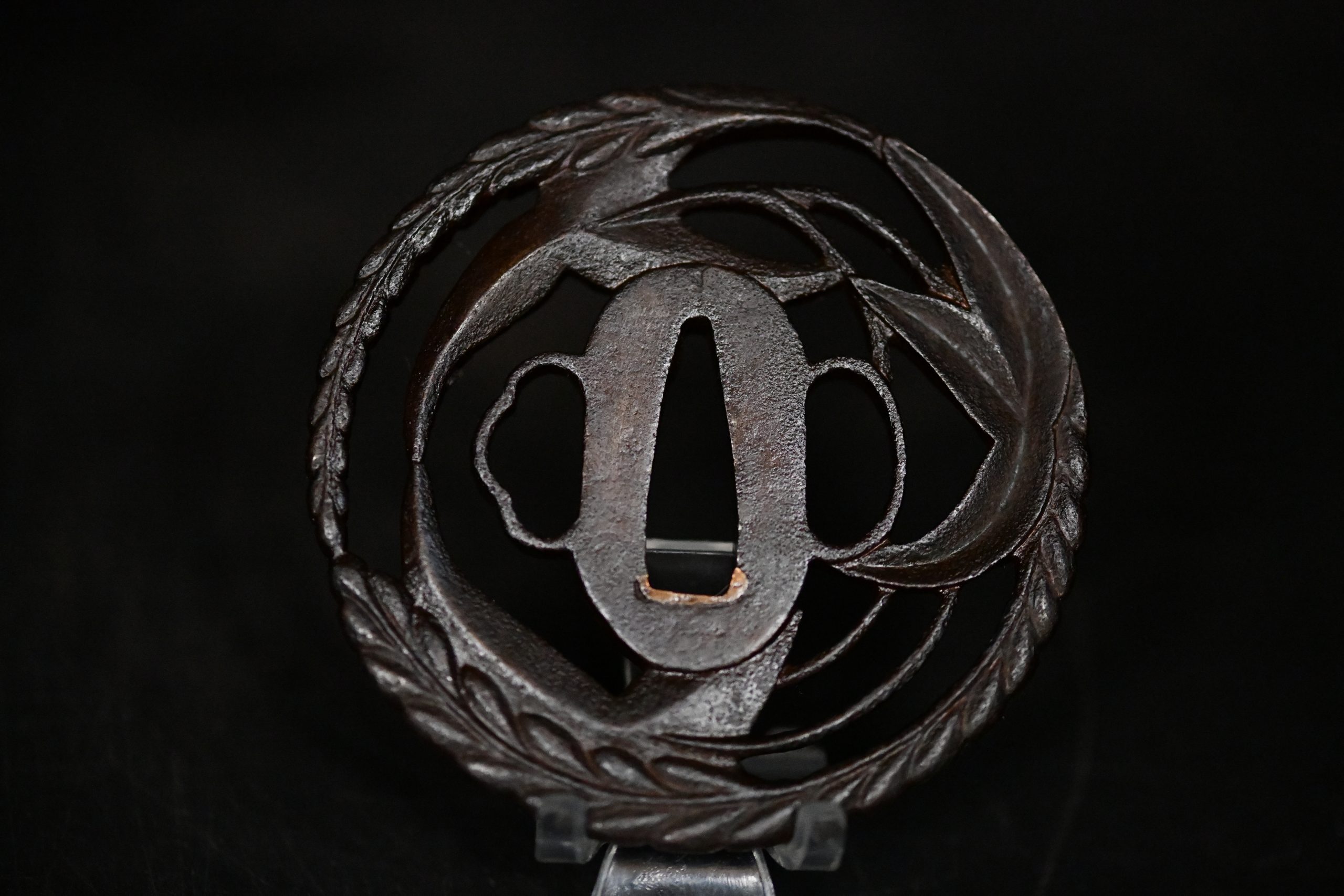
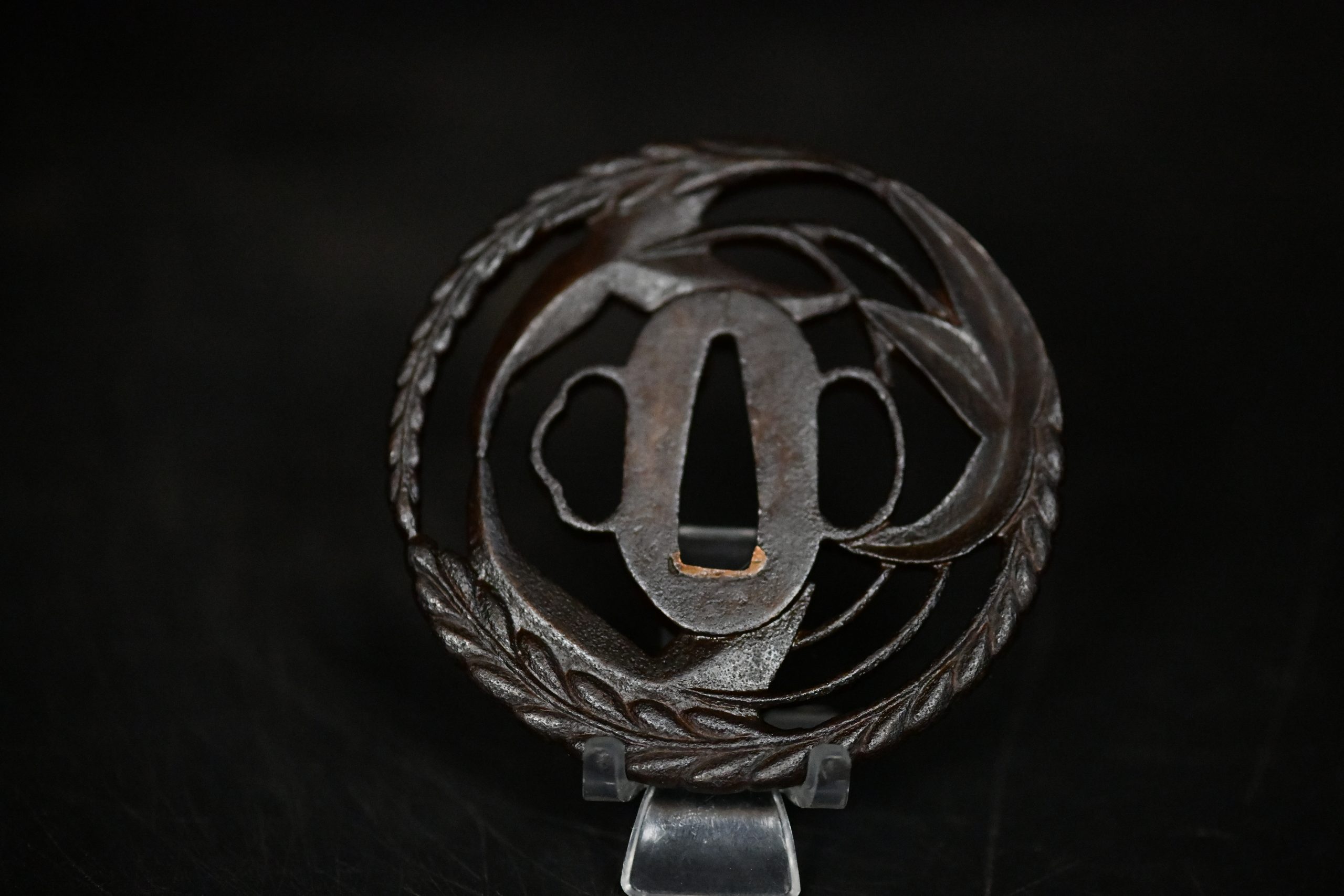
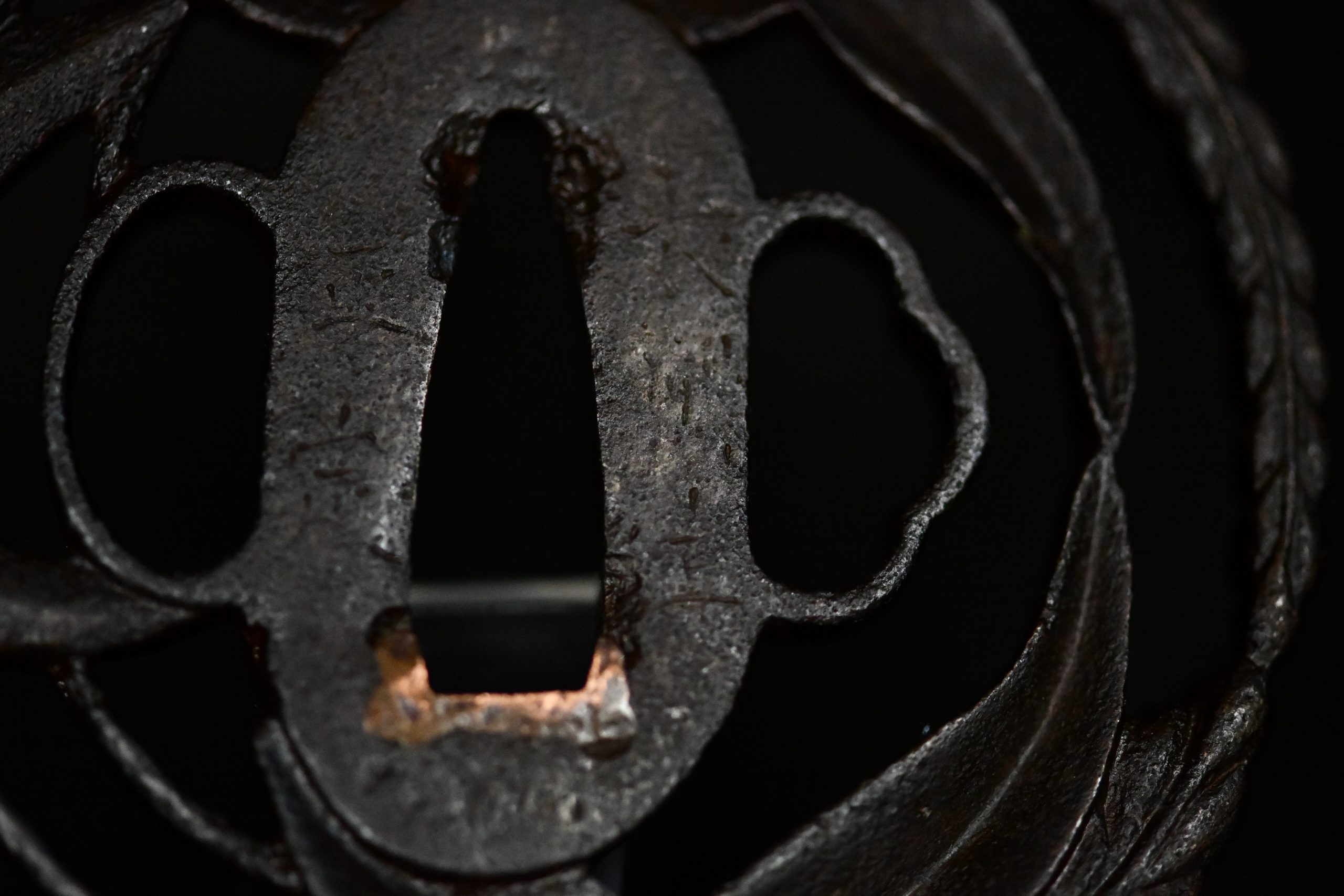
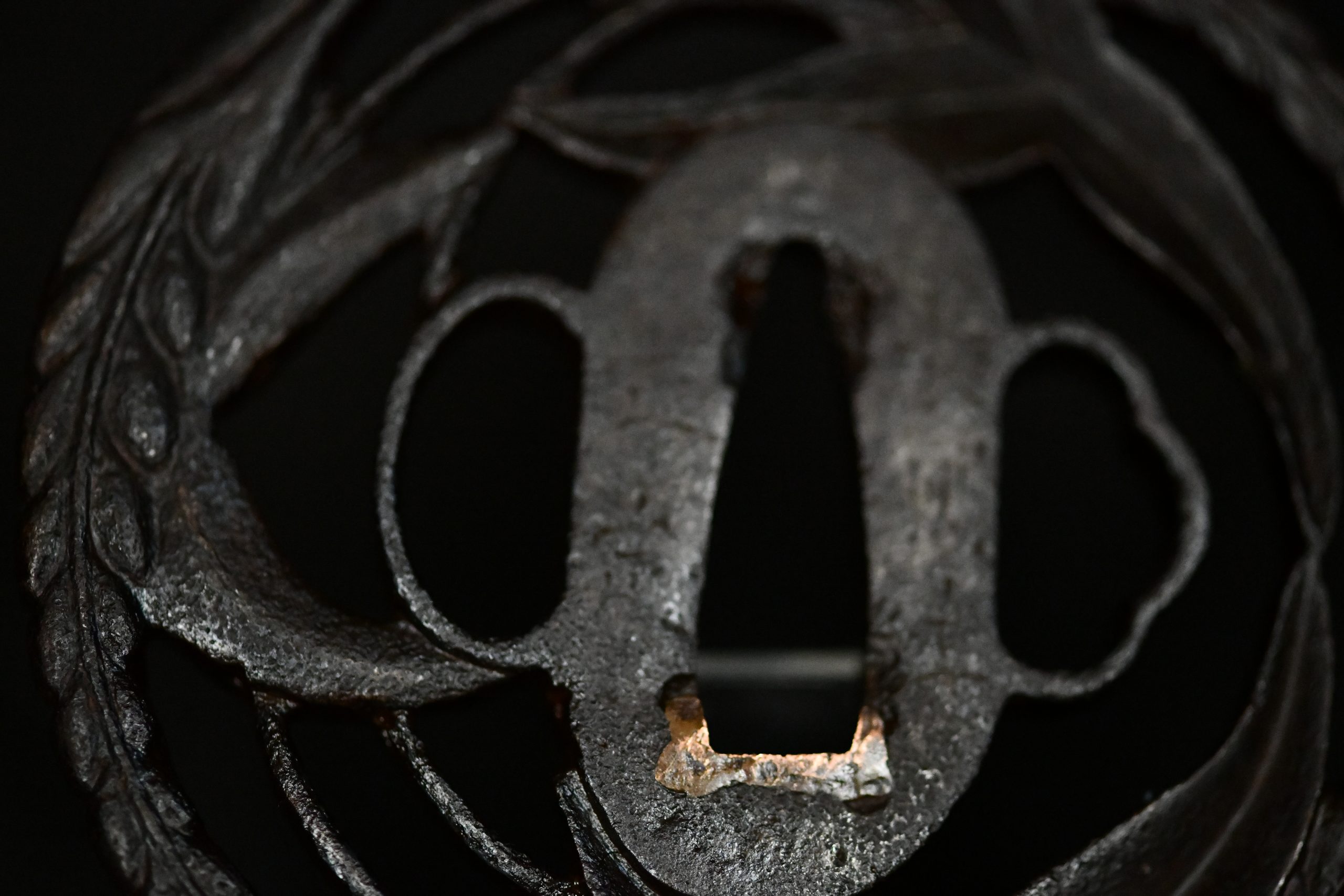
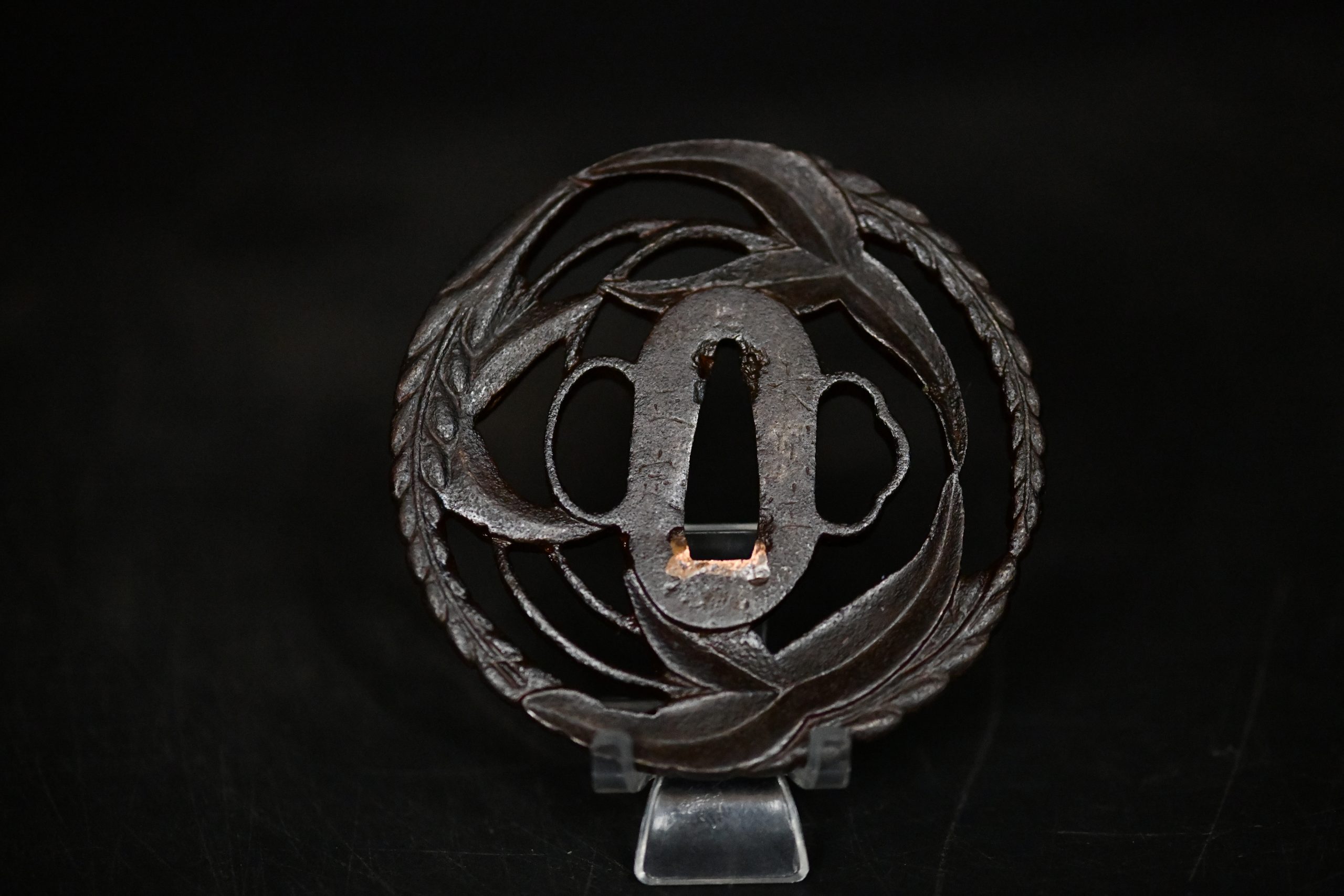
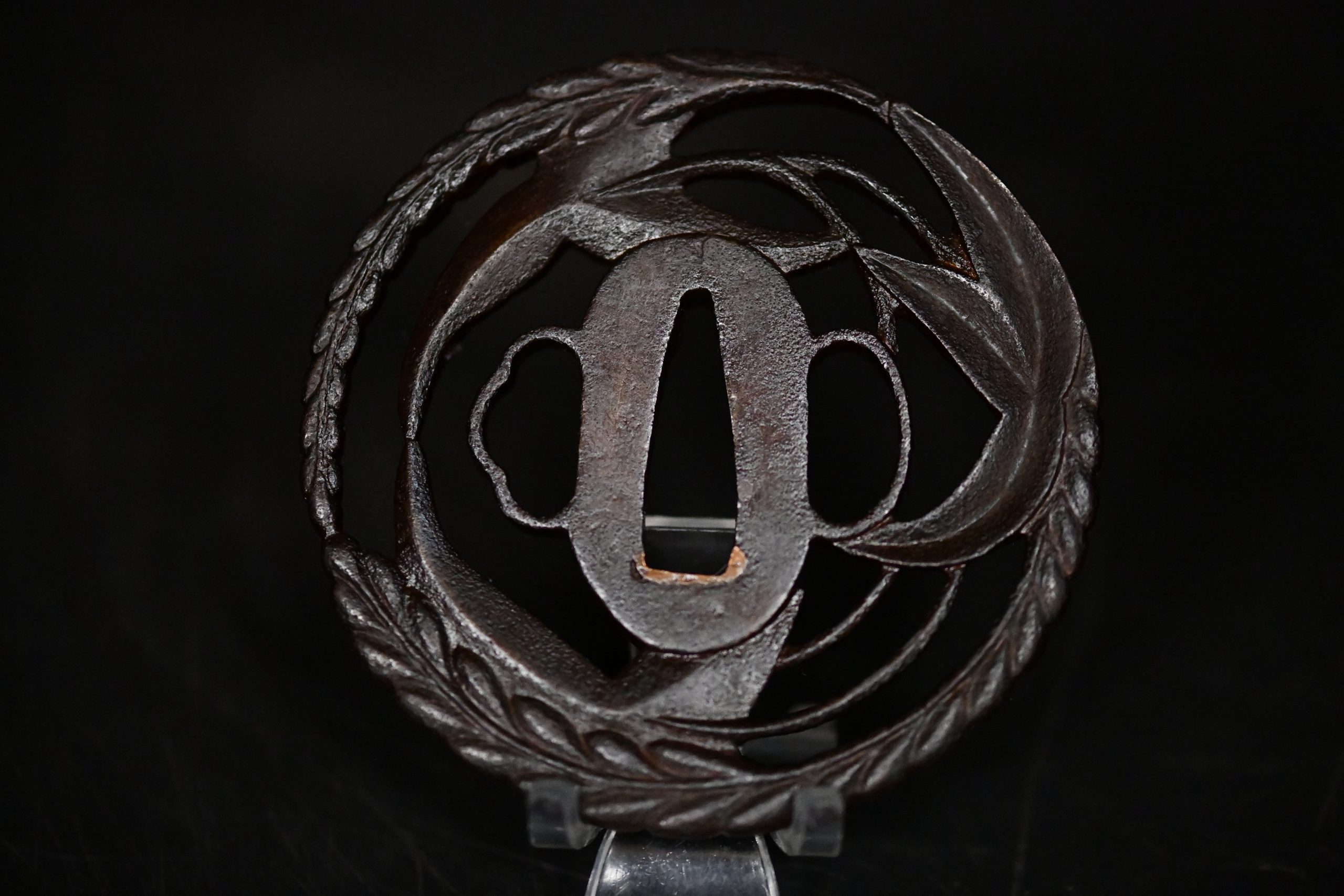
Iebori · Yamashiro · around 1586-1663
2 pieces on the market now
Goto Kenjo, the seventh-generation head of the Goto mainline (soke), was the third son of the fifth master Tokujo and was born in Tensho 14 (1586). His childhood name was Toraichi; his common name was Gen'ichiro; and his personal name (imina) was Mitsutsune. Upon reaching maturity he established a separate branch, founding the Rihei house, and changed his name to Rihei Masatsugu. In Genna 3 (1617), his elder brother Eijo, the sixth-generation head, died of illness. Although Eijo's second son Genshichiro (Mitsushige) had already reached the age of eighteen, Kenjo nonetheless succeeded as the seventh head of the main house, acting as guardian to Genshichiro and carrying out the duties of the family headship. Around Kan'ei 4--5 (1627--1628), Kenjo arranged for Mitsushige to succeed as the eighth master, Sokujo. Thereafter, Kenjo was invited by the Maeda lords of Kaga, and together with his cousin Kakujo he traveled to Kaga in alternating years, laying the foundations for the later flourishing of the Kaga-Goto tradition. Since olden times the finest exponents of the Goto house have been termed Yuko-ken, and among them Kenjo in particular has been praised as a restorer of the house's fortunes.
Kenjo's chisel work is described as both forceful and possessed of dignity, owing to his precise command of the tagane. His preferred medium is shakudo nanako-ji with gold crests (kinmon), the canonical Goto ground treatment, though he also produced works of striking sumptuousness in solid gold (kinmuku). His takabori is characteristically deep and animated, conveying strong movement, while his menuki employ rounded relief (yobori) with long tangs and chikaragane executed as four gold elements in accordance with house conventions. The NBTHK repeatedly observes that his forms are taut and tightly composed, filled with power and communicating a palpable tension. In figural subjects -- dragons, lions, monkeys, cranes, tigers and leopards -- the modeling is compact yet ample, with each creature rendered in a distinct pose displaying superbly convincing movement. On kozuka employing shibuichi nanako-ji or the distinctive korotsugi construction with gold joining, the setsumei note an especially sharp and sensitive atmosphere, while his use of shakudo inlay to render stripe and spot patterning on tigers and leopards is singled out for meticulous articulation. The overall spirit of his work is characterized as shosha -- austere and urbane -- giving off an elegant, tasteful quality that clearly distinguishes it from the manner of the first six generations of the Goto mainline.
The NBTHK has designated Kenjo's works across a broad range of subjects -- from the Goto house's prescribed okitemono motifs such as the Kurikara dragon and shishi, to literary and Buddhist themes including Zen implements, Hotei, Idaten, and Ebisu and Daikoku -- and consistently finds in them an elevated dignity through which the traditional beauty of the Goto lineage is fully manifested. Works bearing Kenjo's own signature are few; the setsumei state that known examples of signed mitokoromono number fewer than five, rendering such pieces especially precious documentary references. Several of his surviving works carry authentication inscriptions (kiwame) by his biological son Teijo or the eighth master Sokujo Mitsushige, conferring credibility equivalent to an autograph signature. That his solid-gold Kurikara mitokoromono -- appraised at the extraordinary sum of 250 kan -- was produced by studying a masterpiece by the founding ancestor Yujo, yet expresses with elevated dignity the sumptuous beauty of the Momoyama period, encapsulates the judgment that recurs throughout the designation records: Kenjo stands as a figure in whom the true strengths of the Goto house are fully manifested, a restorer whose work communicates at once the orthodox conventions of the lineage and a distinctive personal refinement.
Where Goto Kenjo stands among comparable artisans: across all of nihontō, and within tradition, era, and period. The tiers (Foremost · Leading · Major · Notable) weigh official designations from the NBTHK and Japan's Agency for Cultural Affairs, together with historical honors of lasting repute such as the Sansaku and Meibutsu-chō.
Select a lens to see how it's measured.
Iebori · Yamashiro
Phase: Goto Main Line後藤宗家· 1573–1900
309 pieces on the market now
| Smith | Era | Designated |
|---|---|---|
| Goto Joshin後藤乗真 | 1512-1562 | 68 |
| Goto Yujo後藤祐乗 | 1440-1512 | 41 |
| Goto Sojo後藤宗乗 | 1461-1538 | 56 |
| Goto Kenjo後藤顕乗 | 1586-1663 | 46 |
| Goto Teijo後藤程乗 | 1603-1673 | 42 |
14-day return if items arrive damaged or in unexpected condition; customer bears return shipping + insurance; items returned in original condition with all accessories; antique armour non-returnable; only regular priced items refundable; shipping costs non-refundable.