二世紀半の泰平のあいだ、刀は武器である以上に武士の身分の標章であった。江戸の実証と大坂の華やぎのように都市ごとの作風が育ち、時代の末には需要も細っていく。
 NihontoWatchNihontoWatch
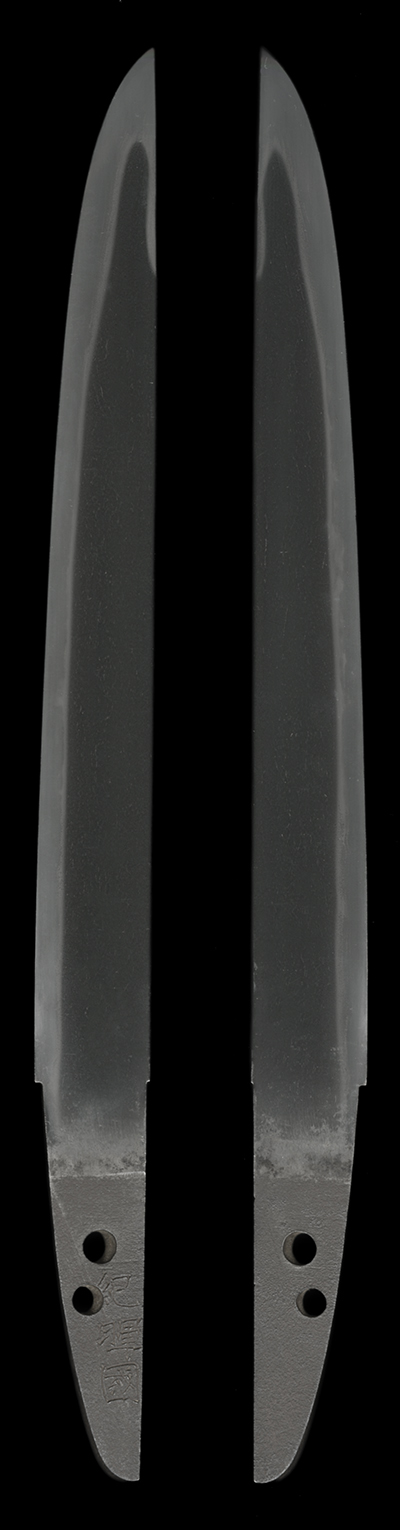
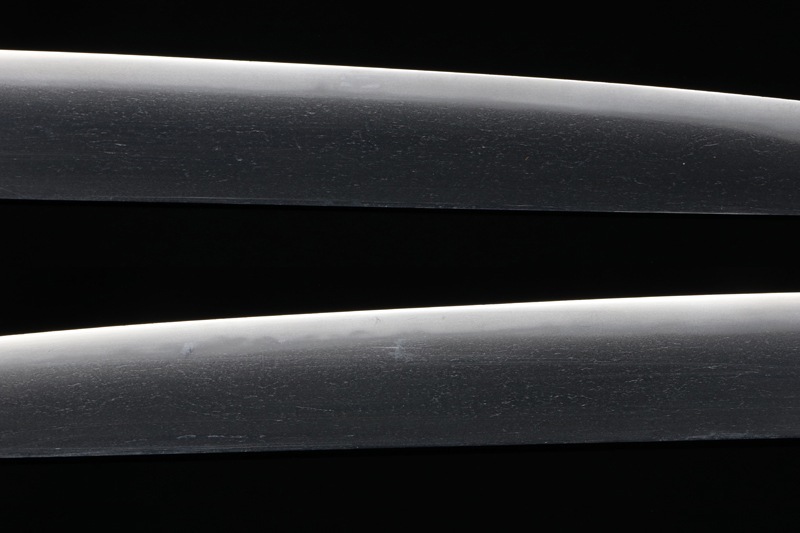
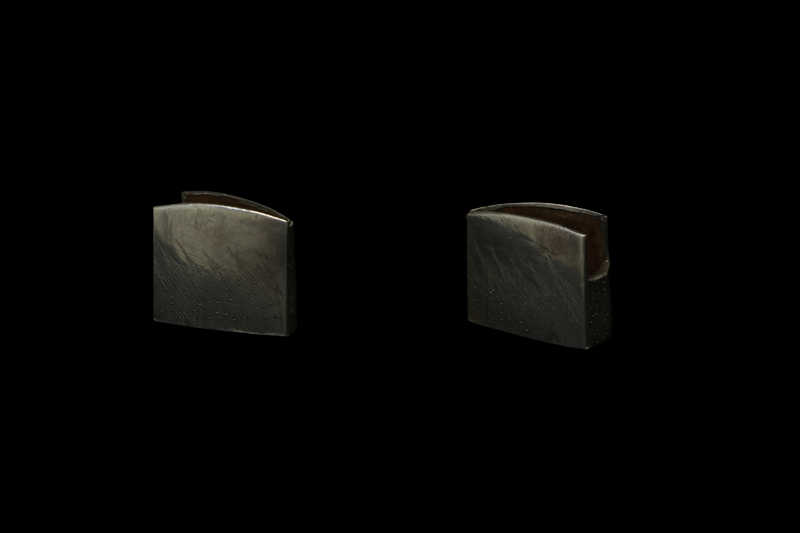
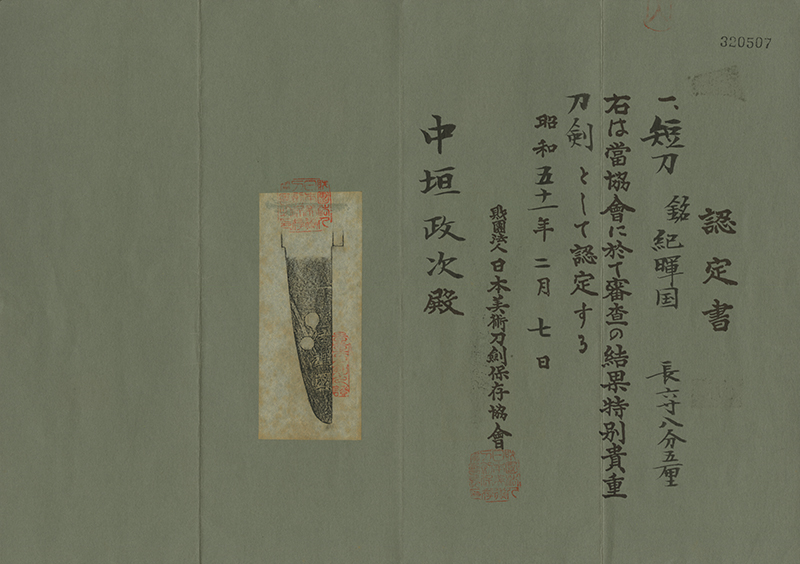
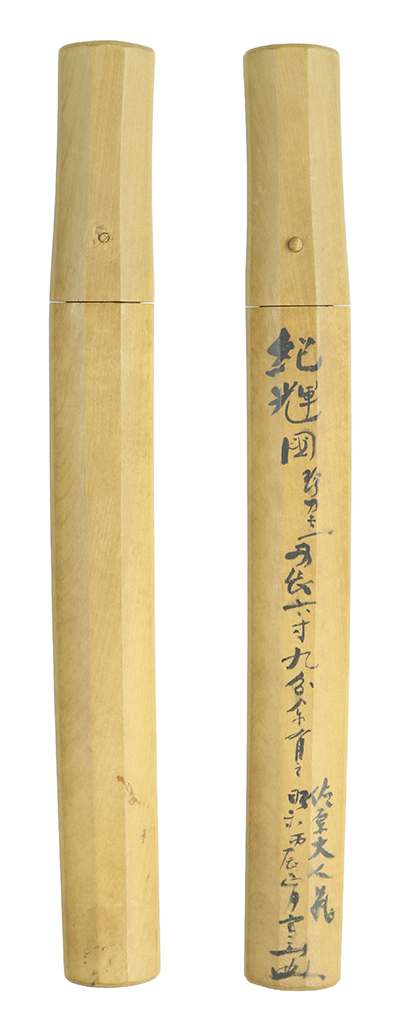
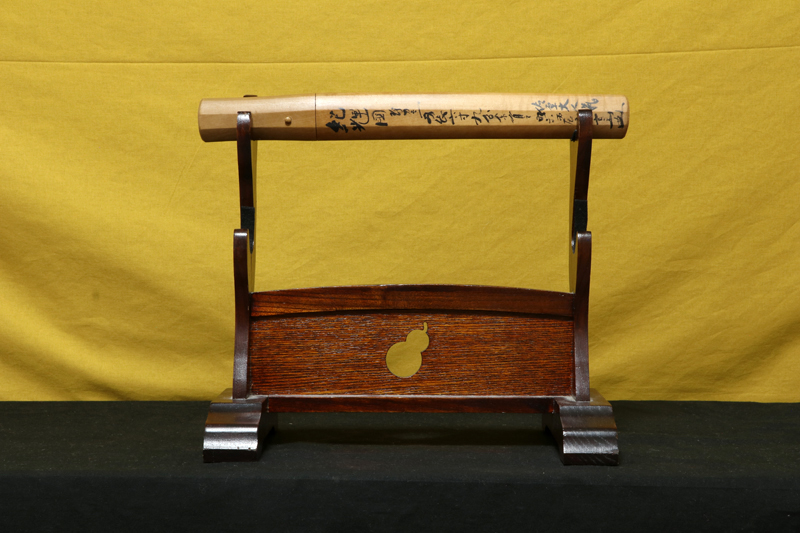
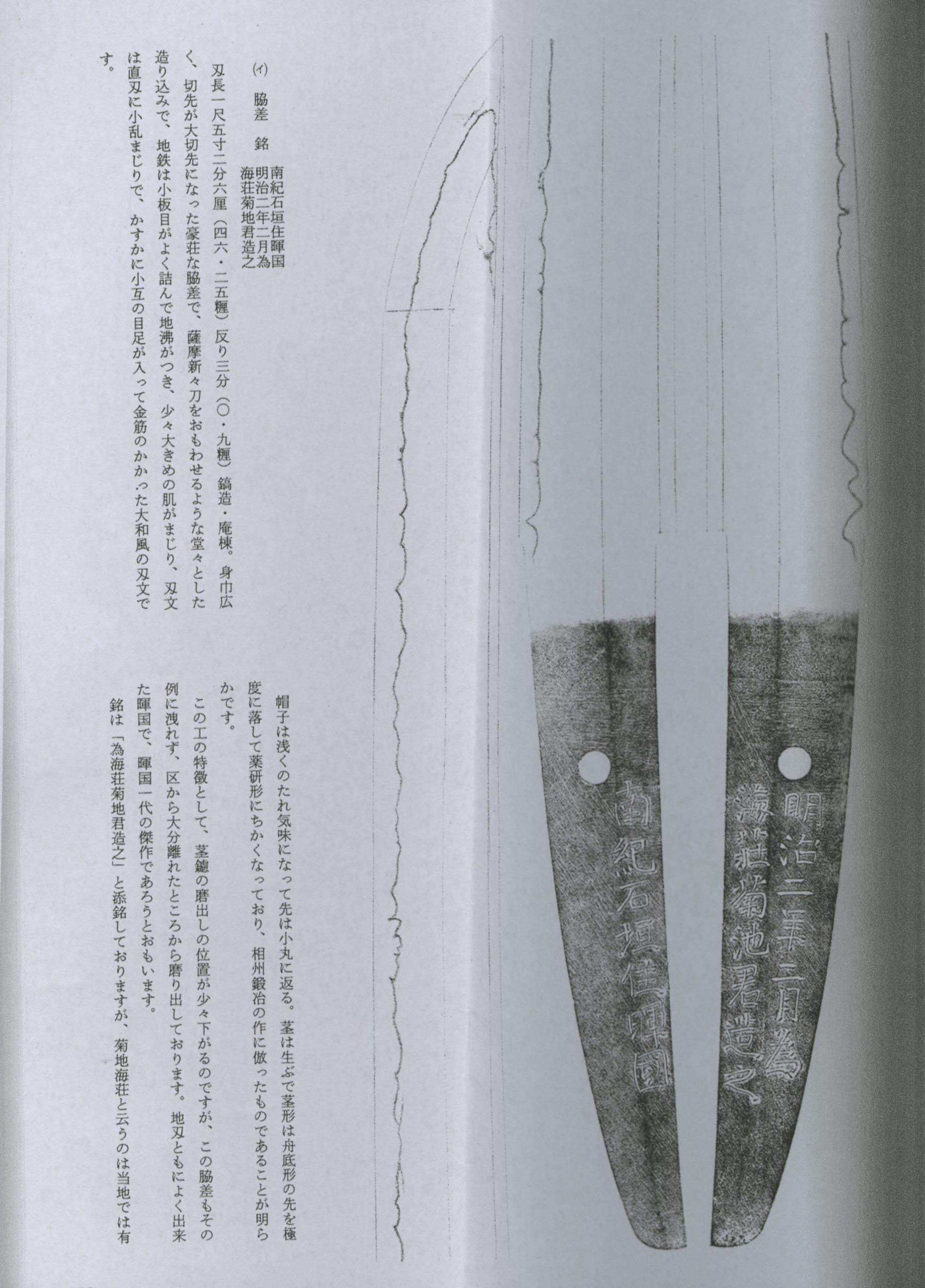
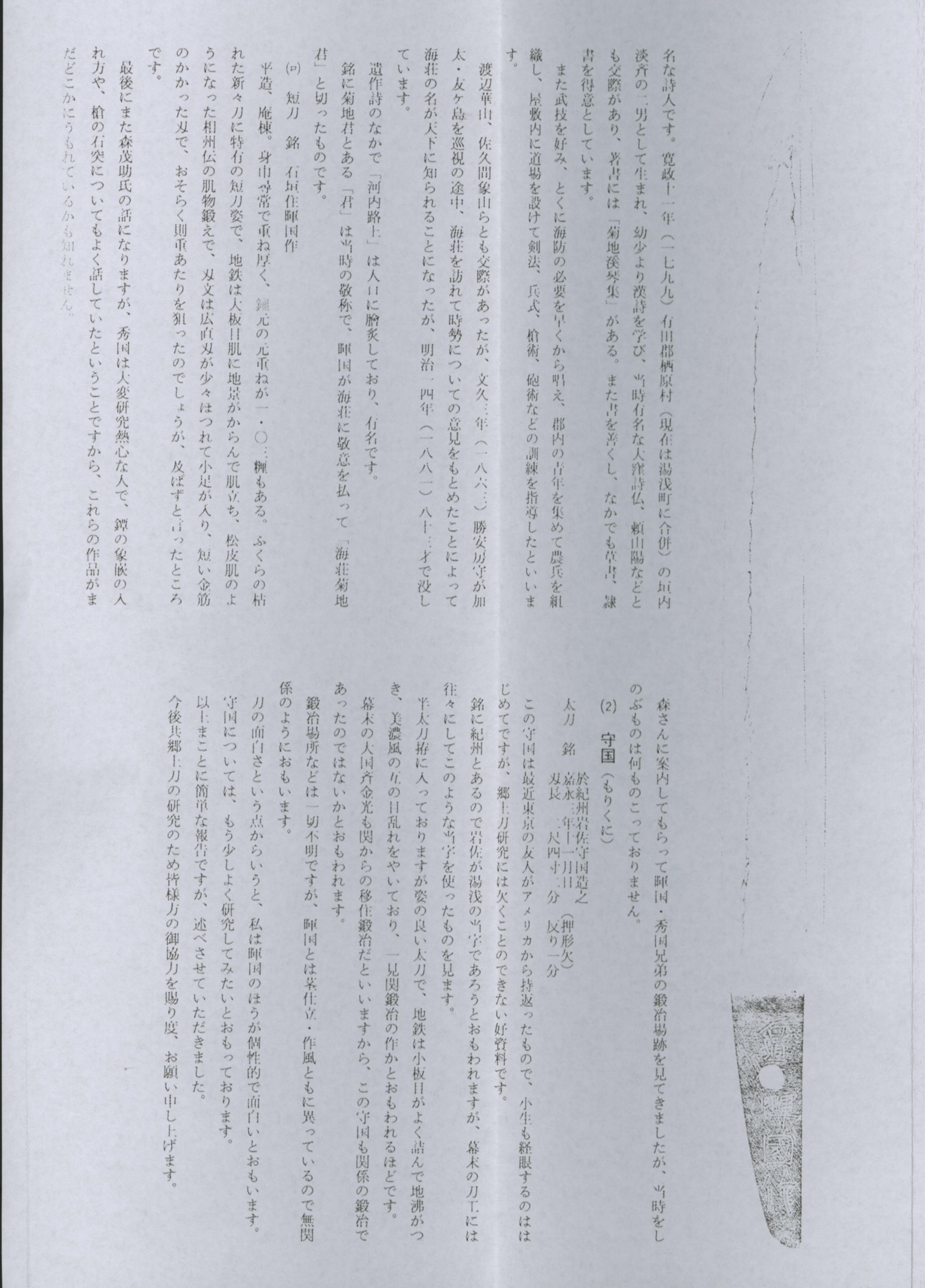
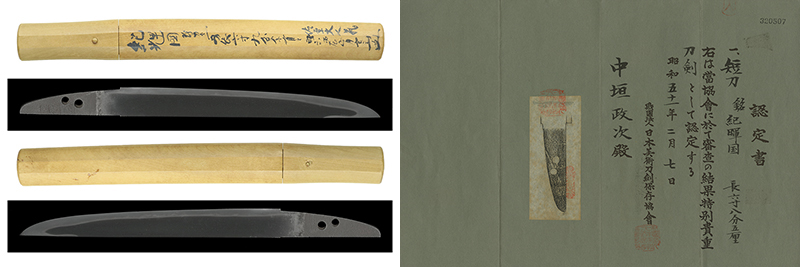
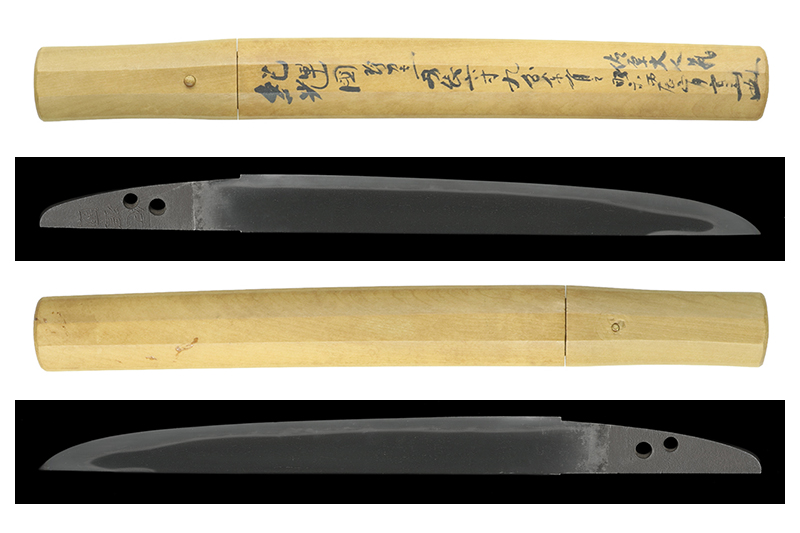
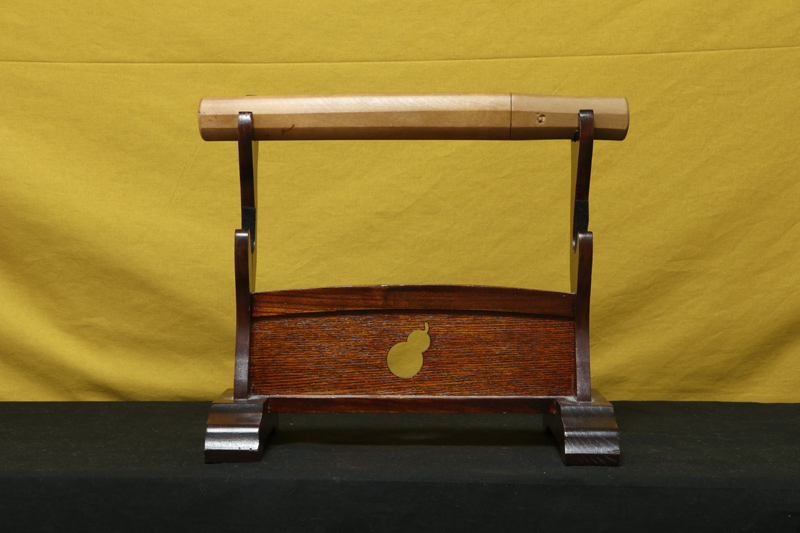
Tokubetsu Kityotoken Ki Terukuni. 紀暉国は、紀伊国有田郡吉原(現在の和歌山県有田郡湯浅町吉原)に住んでいた刀工で、本名は東助市。 有田川流域では平安末頃から湯浅を中心に「湯浅党」が形成されたが、刀鍛冶を示す記録は乏しく、現存作例も少ない。知られる刀工は「石垣暉国」と、昭和後期に発見された「守國」のみである。 本作は、よく詰まった小板目肌に、小沸騰した中の直刃を焼いた優品で、地元コレクターから放出された貴重な暉国の一振りである。 Ki Terukuni, whose real name was Azuma Sukeichi, was a swordsmith who lived in Yoshihara, Arida District, Kii Province (present-day Yoshihara, Yuasa Town, Wakayama Prefecture). From around the late Heian period, a powerful warrior group known as the “Yuasa-to” developed around Yuasa in the Aridagawa River region. However, historical records of swordsmiths in this area are scarce, and very few examples of their work survive today. The only known smiths from the region are Ishigaki Terukuni and Morikuni, whose work was discovered in the late Showa period. This is an excellent blade, featuring a tightly forged ko-itame hada and a chu-suguha hamon in ko-nie-deki. Acquired from a local collector, it is a rare and valuable surviving example of Terukuni’s work. 「刀姿 sword figure」 平造り庵棟、身幅尋常重厚く、反り無し中鋒。茎は生で独特な化粧鑢がかかり、茎尻は刃上がりの栗尻。 Hira-zukuri with an iori-mune, of standard width and substantial thickness, with no curvature and a chū-kissaki. The nakago is ubu, with distinctive kesho-yasurime, and the nakago-jiri is ha-agari kurijiri. 「地鉄 jigane」 地鉄は小板目肌が流れ柾かかり良く詰み、地沸付く。 The jigane is a tightly forged ko-itame hada, becoming flowing and tending toward masame, with ji-nie. 「刃紋 hamon」 刃紋は小沸出来の中直刃に小互の目が交じる、刃緑小沸付き砂流しかかり、刃中は葉が入り金筋働く、釯子は刃紋成りに入り小丸に深く返る。 The hamon is a chū-suguha mixed with ko-gunome in ko-nie-deki. Ko-nie clings to the habuchi with sunagashi, while yo appear within the ha and kinsuji works through it. The bōshi follows the hamon and turns back deeply in a ko-maru. 「特徴 detailed」 紀暉国。本名は東助市。紀伊国有田郡吉原(現在の和歌山県有田郡湯浅町吉原)に住したと伝わる刀工で、師や系統については明らかになっていません。弟の市蔵も「秀國」と名乗り、暉国の向槌を務めていたと伝わります。明治3年(1870年)1月17日没。 有田川流域では、平安時代末頃から湯浅を中心に「湯浅党」と呼ばれる武士団が形成されました。源頼光の末裔とされる湯浅権頭宗重を中心に、鎌倉御家人として紀州で大きな勢力を誇り、得田氏、糸我氏、石垣氏、保田氏、阿氐河氏、桛田氏、木本氏、六十谷氏、藤並氏など多くの一族が存在しました。 こうした武士団の存在から刀剣・武具の需要があったことは想像されますが、この地域に刀鍛冶が存在したことを示す記録はほとんど残されていません。現存する有田川流域の刀工の作例も極めて少なく、地元の湯浅・箕島の愛刀家に知られる「石垣暉国」と、昭和後期に新たに発見された「守國」が、現在知られている同地域の刀工です。 本作は、良く詰んだ小板目肌を鍛え、小沸出来の中直刃を焼いた、出来の優れた一振りです。 地元コレクターより放出された暉国の作で、現存する数少ない作例のうちの貴重な一振りです。 Ki Terukuni, whose real name was Azuma Sukeichi, is said to have lived in Yoshihara, Arida District, Kii Province (present-day Yoshihara, Yuasa Town, Arida District, Wakayama Prefecture). His teacher and lineage remain unknown. His younger brother, Ichizo, also worked as a swordsmith under the name Hidekuni and is said to have served as Terukuni’s assistant smith. Terukuni died on January 17, 1870. From around the late Heian period, a powerful warrior group known as the “Yuasa-to” developed around Yuasa in the Aridagawa River region. Led by Yuasa Gonto Muneshige, who was said to be a descendant of Minamoto no Yorimitsu, the group established itself as Kamakura retainers and became an influential military force in Kii Province. The Yuasa clan included numerous branches, such as the Tokuda, Itoga, Ishigaki, Yasuda, Atagawa, Kaseda, Kimoto, Mutsutani, and Fujinami families. The presence of these warrior families suggests that there must have been a demand for swords and armor in the region. However, very few historical records remain concerning local swordsmiths. Surviving examples by smiths from the Aridagawa River region are extremely rare. Ishigaki Terukuni, long known among local sword enthusiasts in Yuasa and Minoshima, and Morikuni, whose work was newly discovered in the late Showa period, are the two swordsmiths currently known to have worked in this area. This blade is an excellent work, featuring a finely forged and tightly packed ko-itame hada with a chu-suguha hamon in ko-nie-deki. This Terukuni blade came from the collection of a local sword collector and is one of only a very small number of surviving examples of his work. 「拵 koshirae」 鎺(habaki) :素銅地銀着一重の腰祐乗。 白鞘 「刀身の状態 condition of blade」 研:少しヒケが有りますが、概ね良好です。 傷: 欠点に成るような傷は有りません。

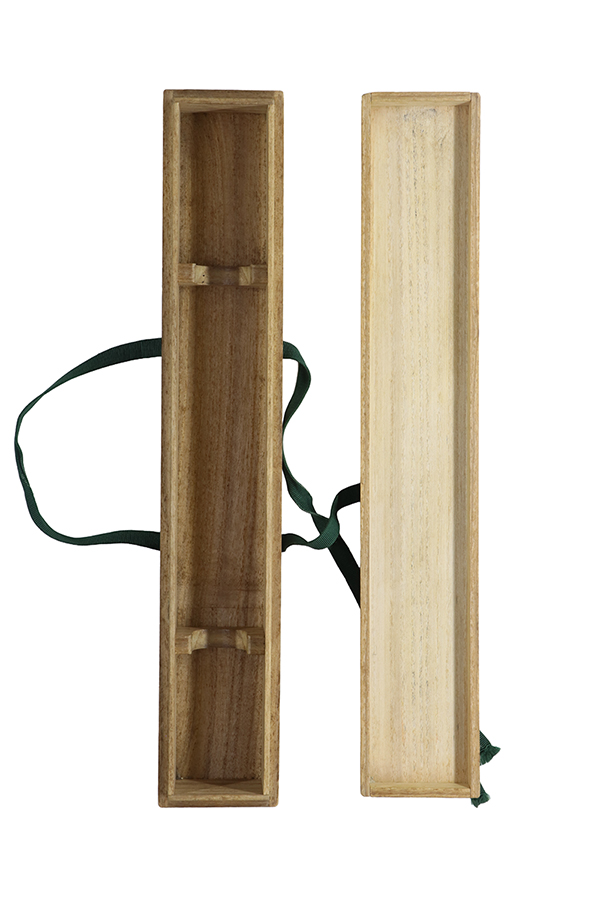
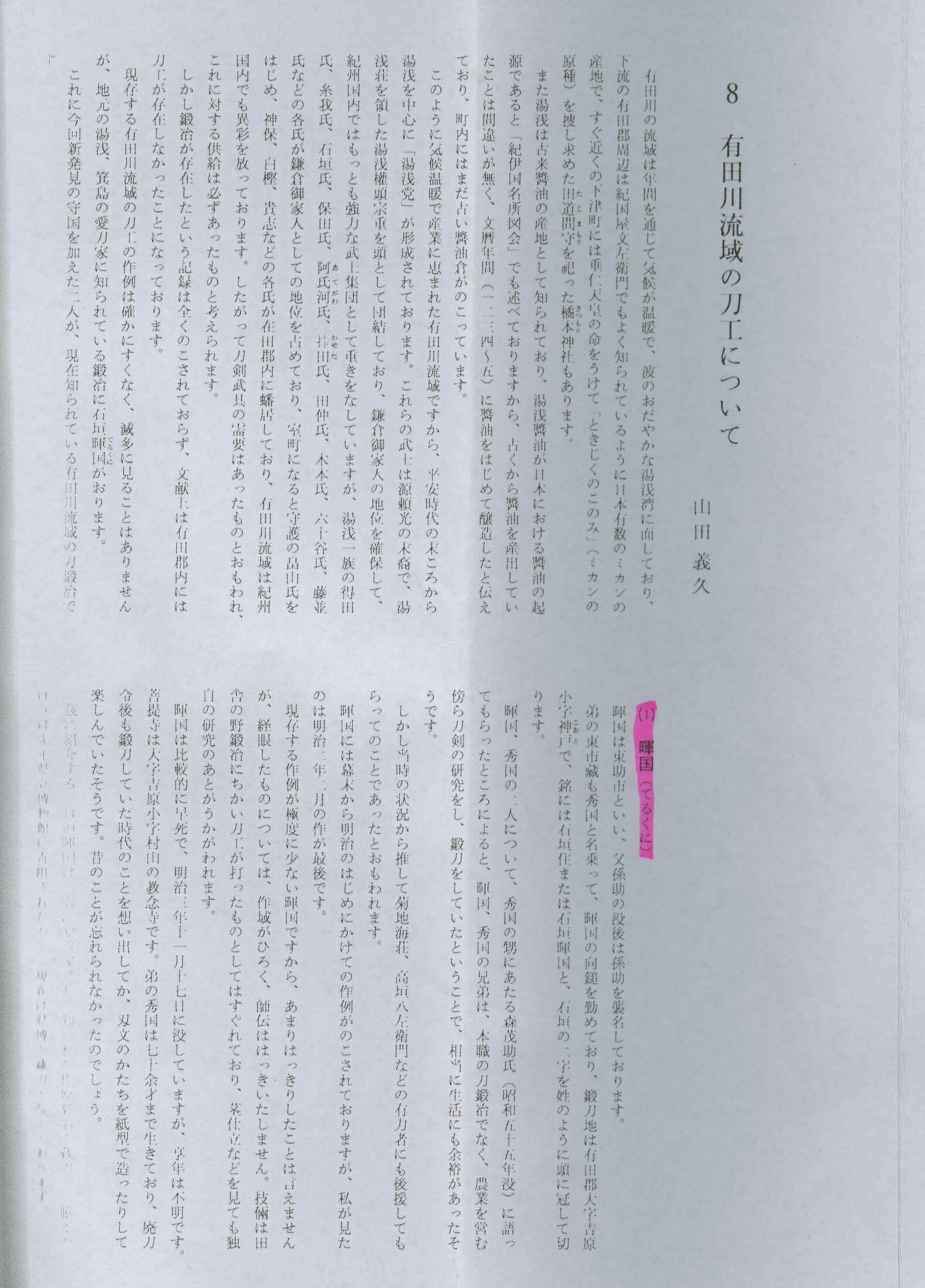
江戸時代
二世紀半の泰平のあいだ、刀は武器である以上に武士の身分の標章であった。江戸の実証と大坂の華やぎのように都市ごとの作風が育ち、時代の末には需要も細っていく。
本作はNBTHKの旧鑑定書(貴重・特別貴重)を有しますが、これらは現在発行されておらず、現在の日刀保ではほとんど認められていません。極めを確認するには、公的な鑑定機関(NBTHK・NTHKなど)に再提出し、現行の鑑定を受けることもご検討ください。
ご購入頂いた商品の到着してから3日以内であれば返金もしくは交換対応をいたします。返品時の送料と返金する際の振込手数料はお客様のご負担とさせていただきます。