肥前刀は藩営の産業である。鍋島家は1596年頃、忠吉を京の埋忠明寿のもとに学ばせ、帰国したその工を核に公認の一門を築いた。小糠肌で名高いその作は、九代にわたり明治まで続いている。
 NihontoWatchNihontoWatch
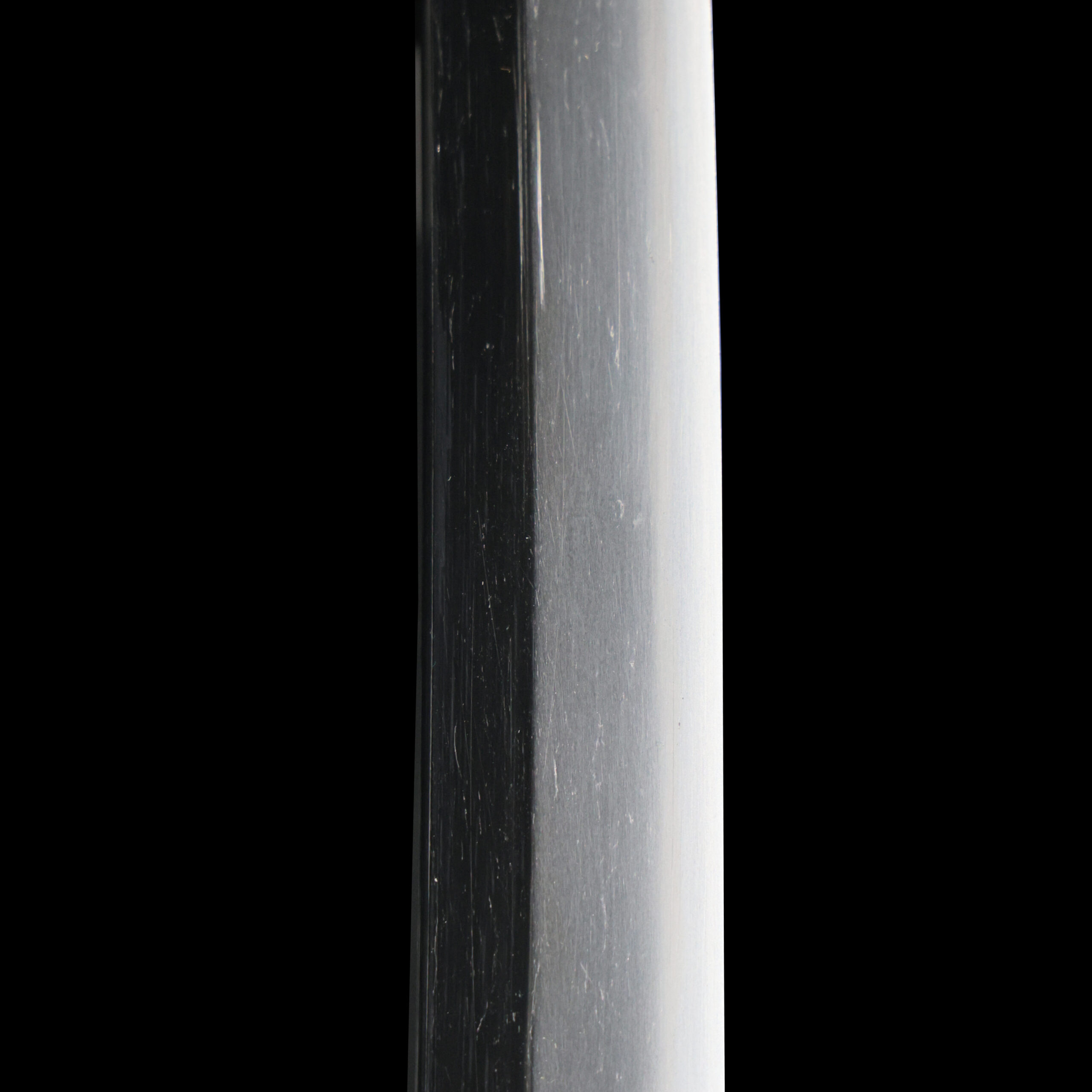
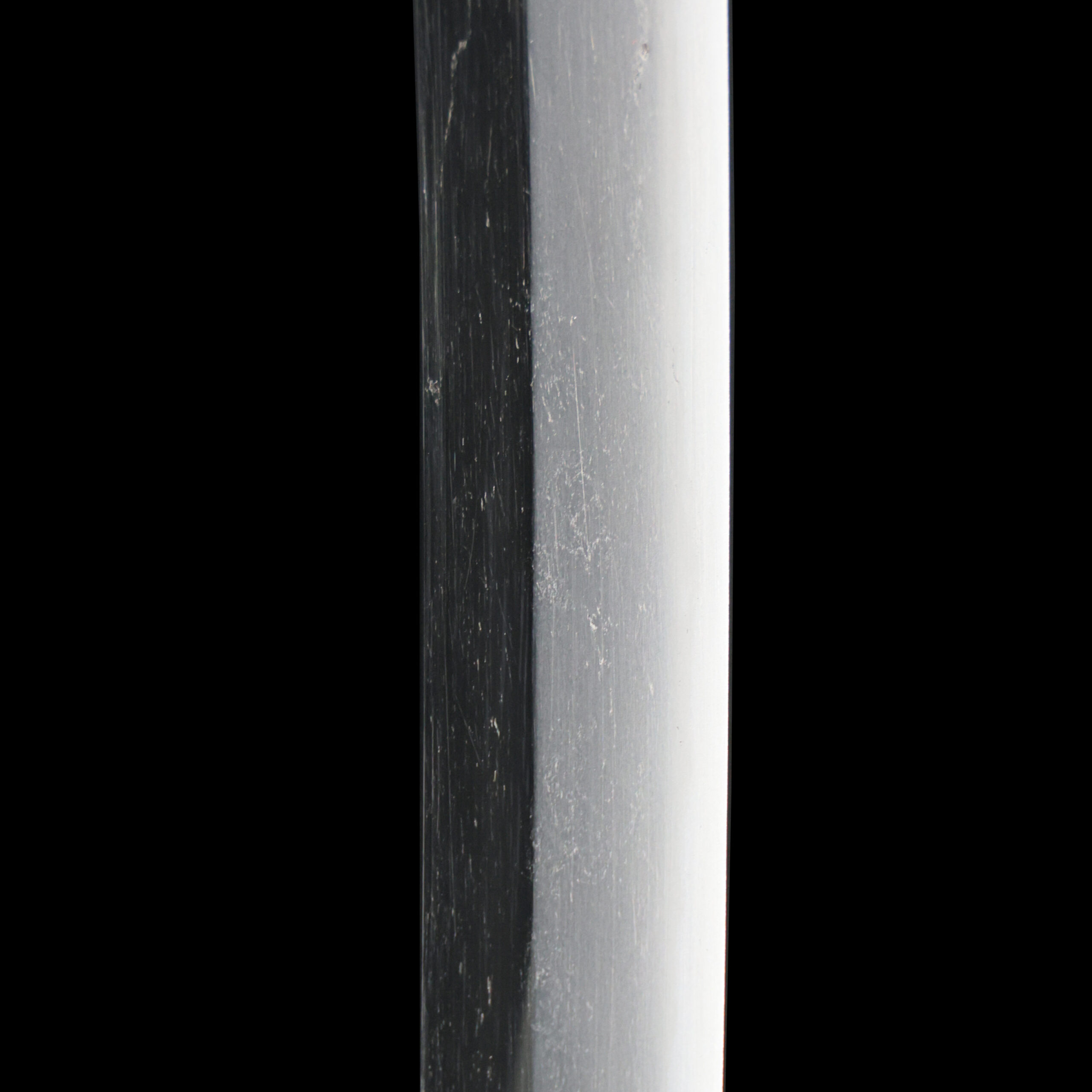
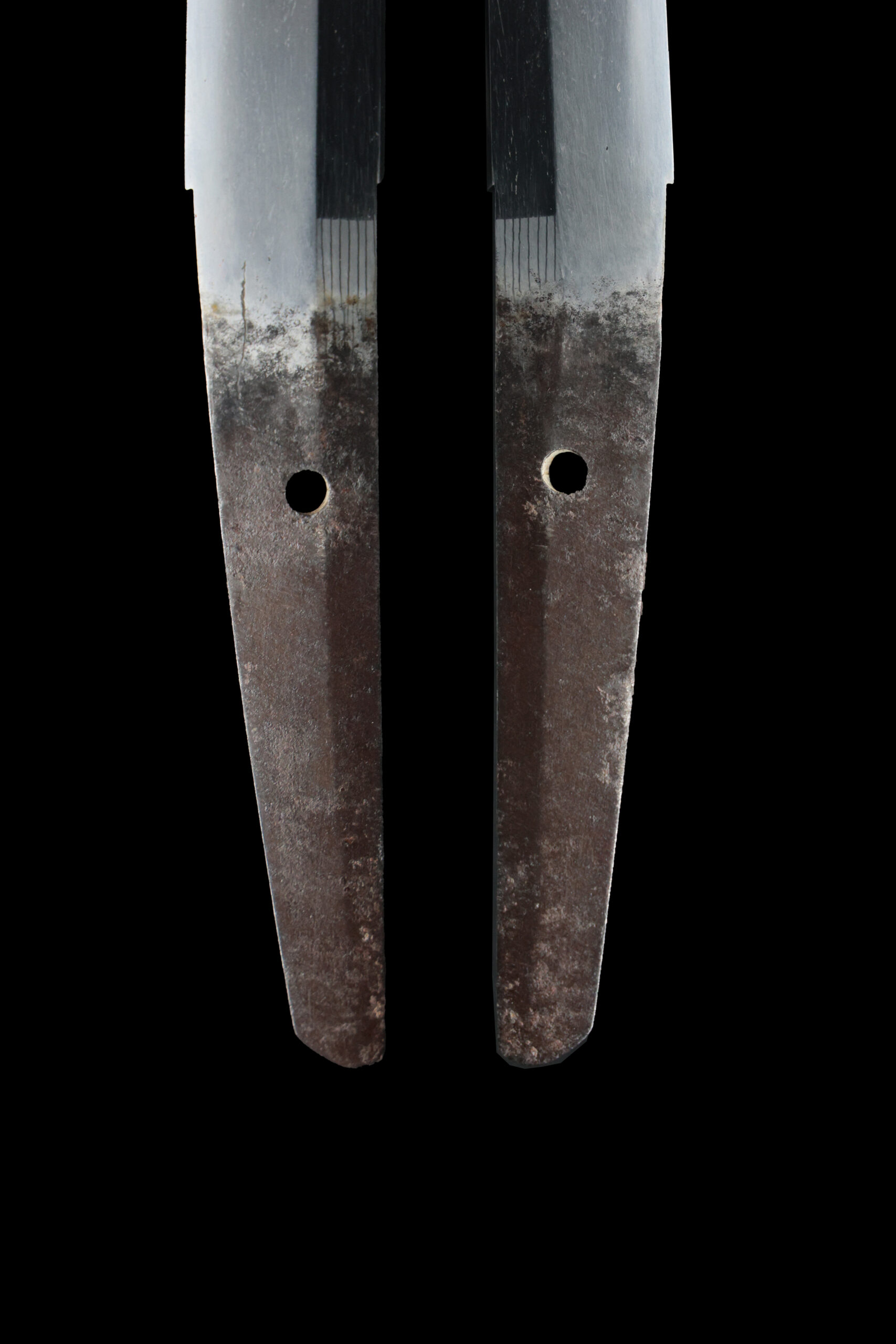
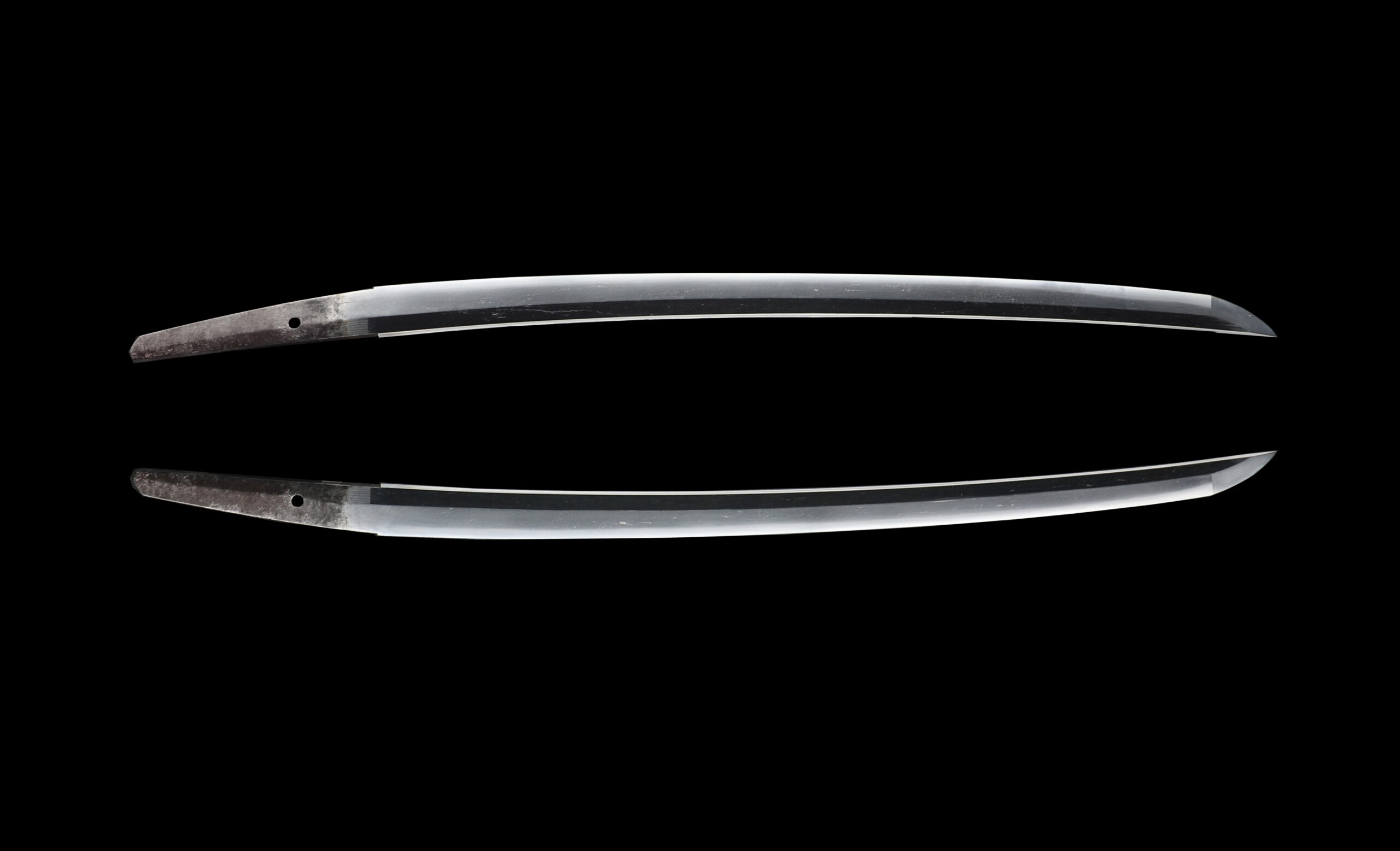
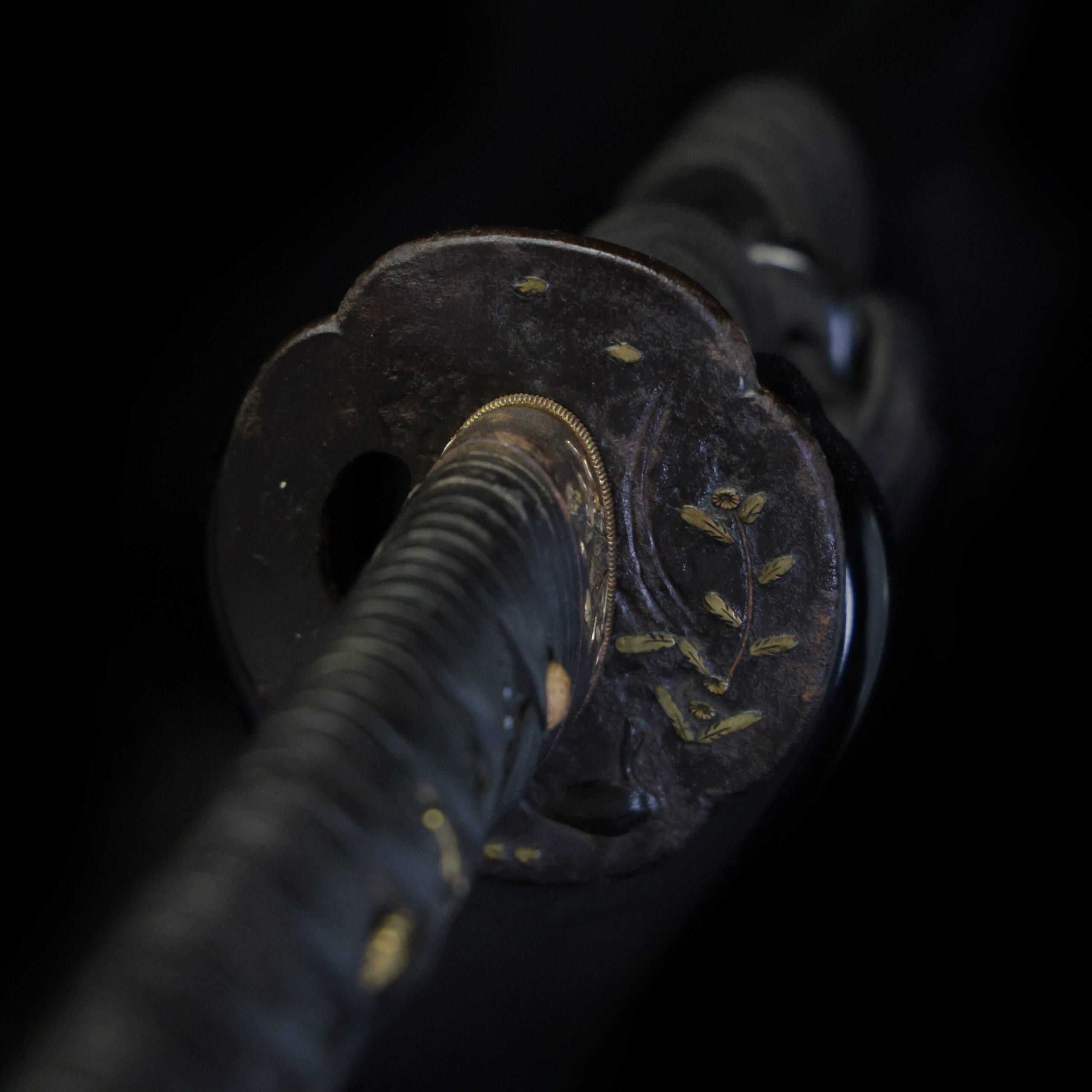
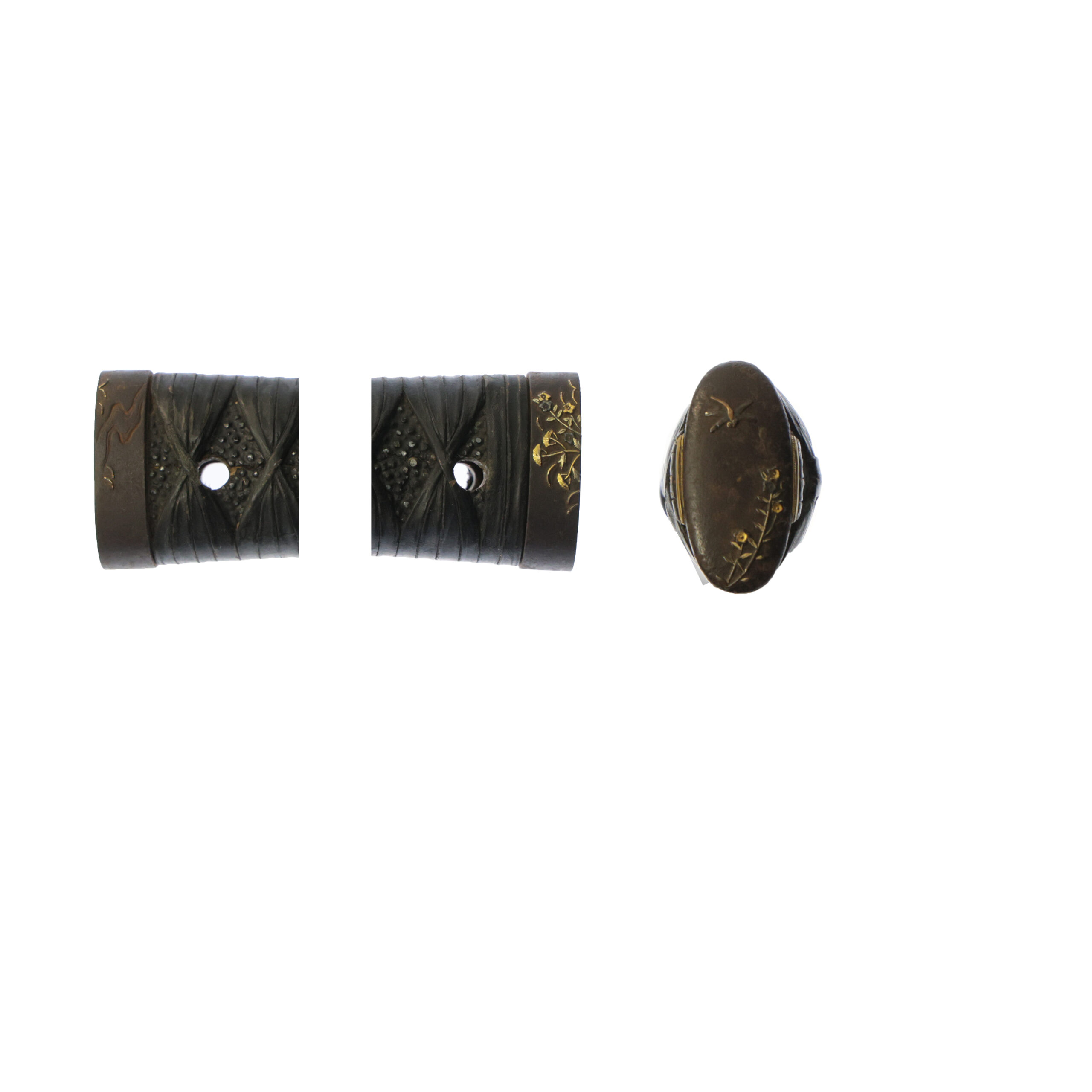
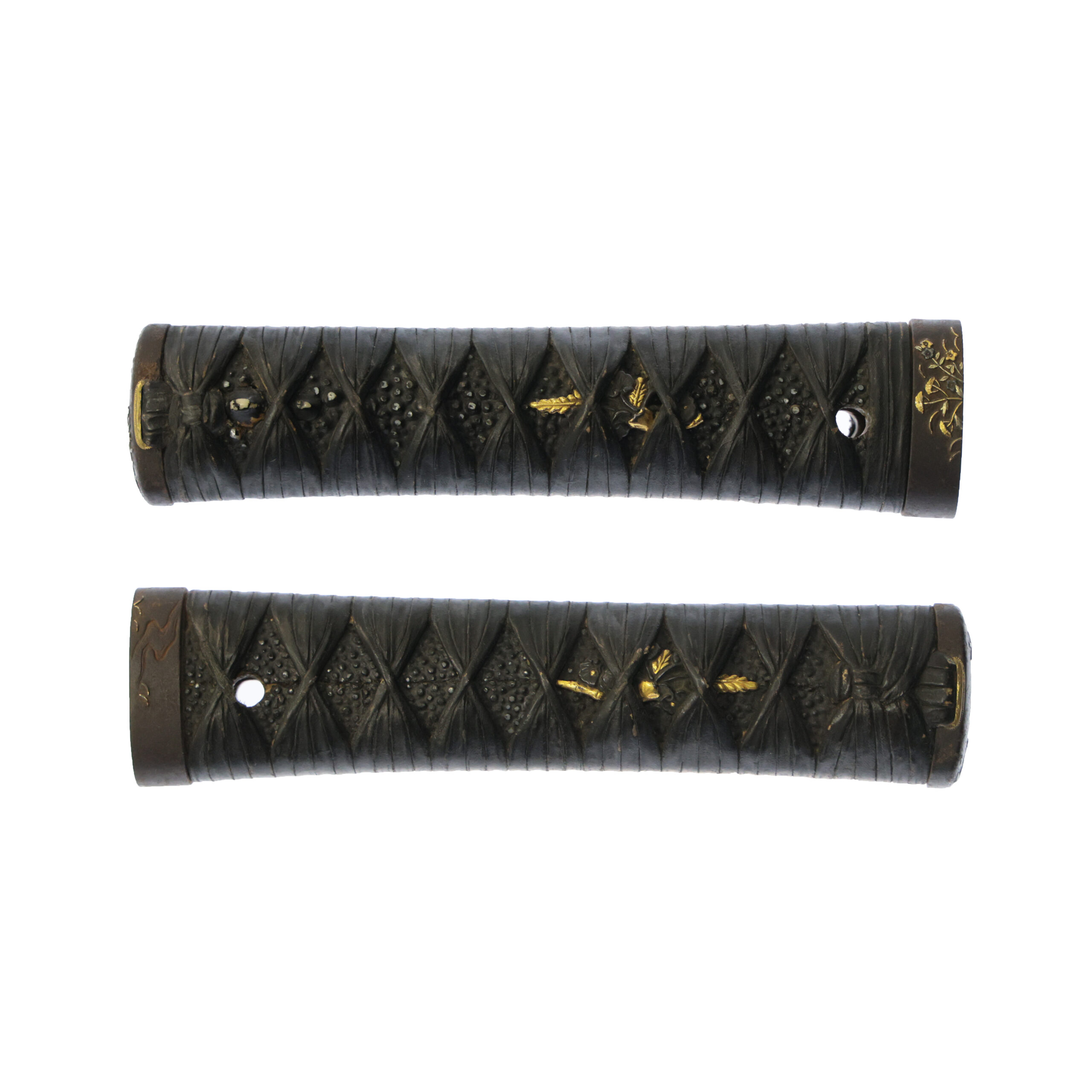
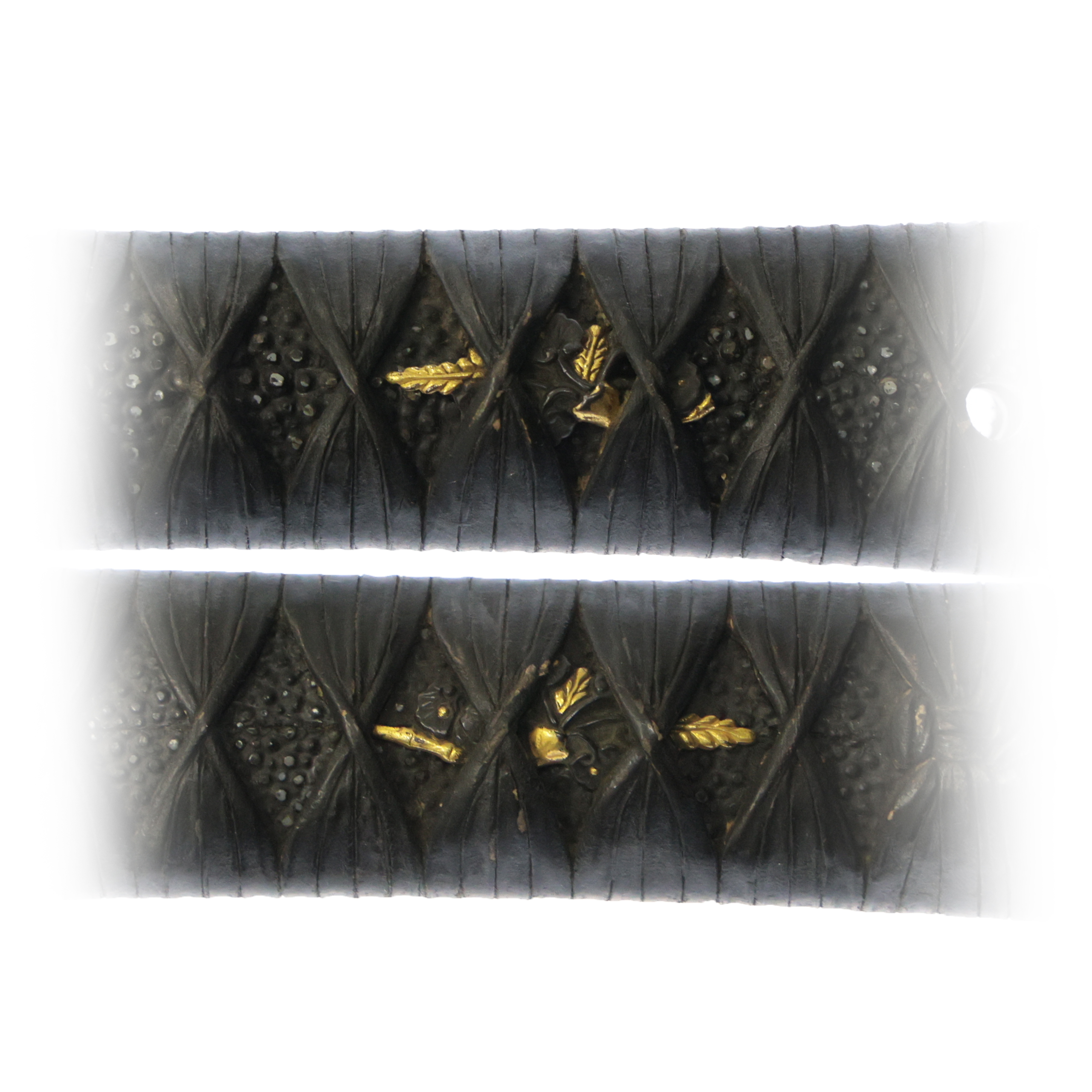
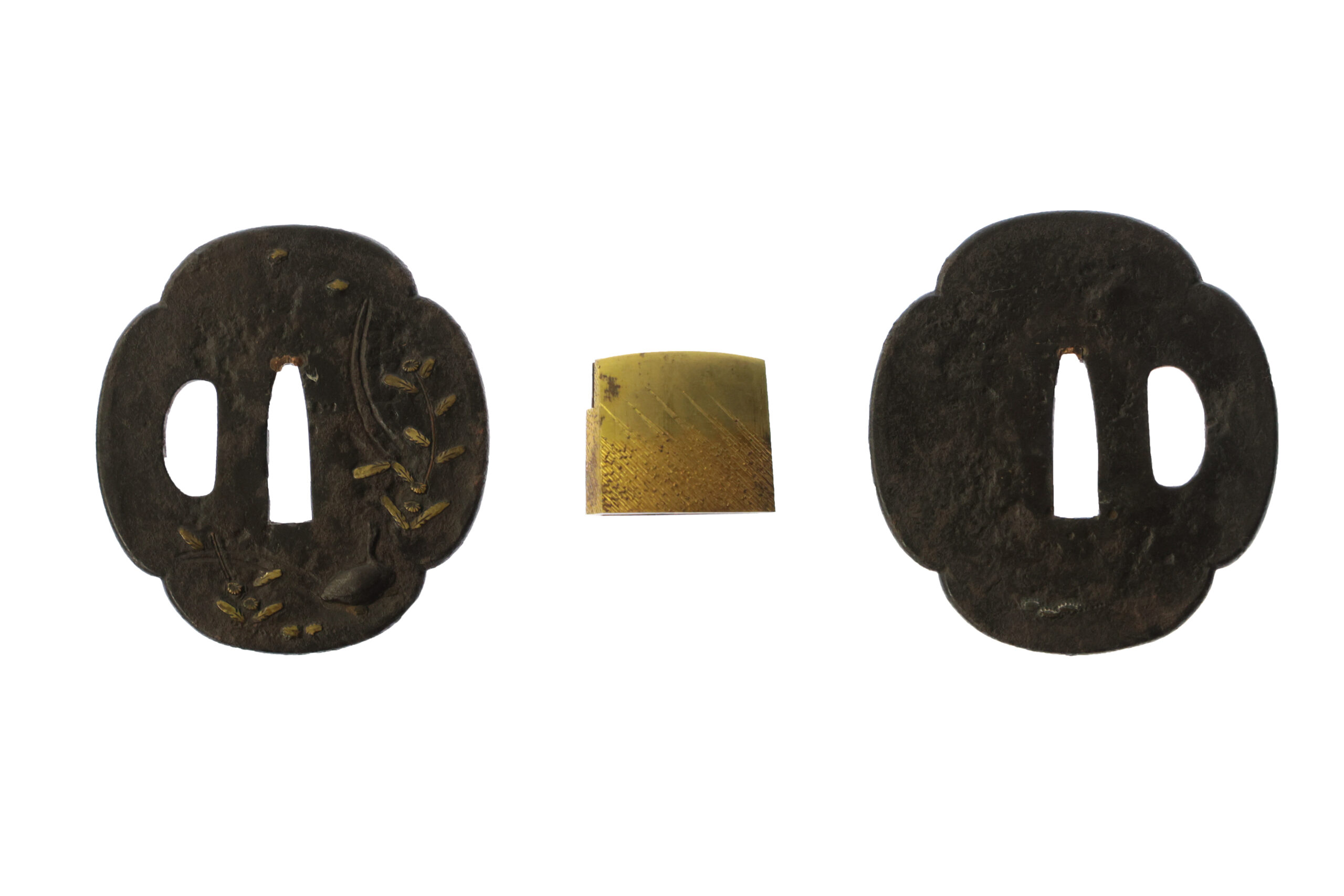
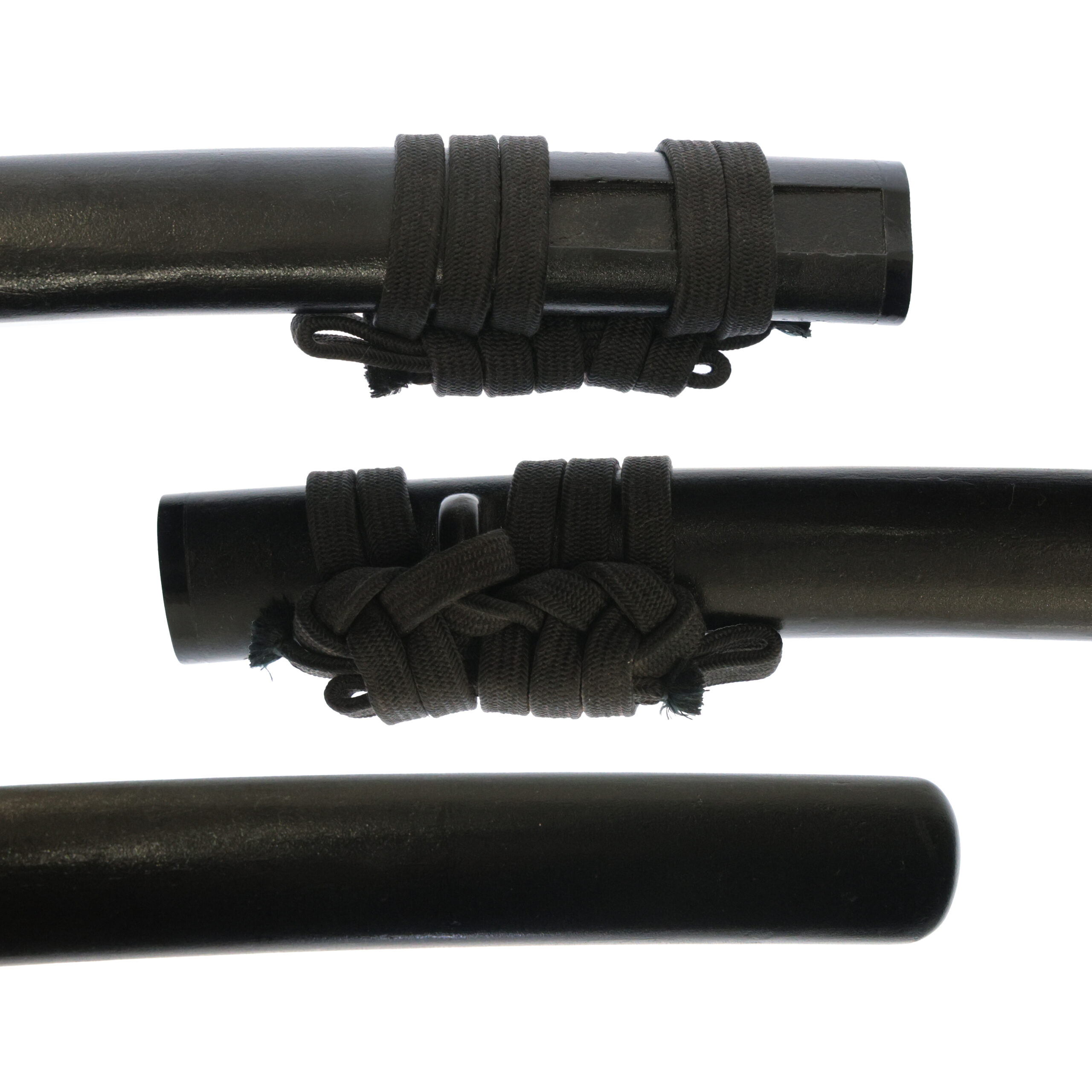
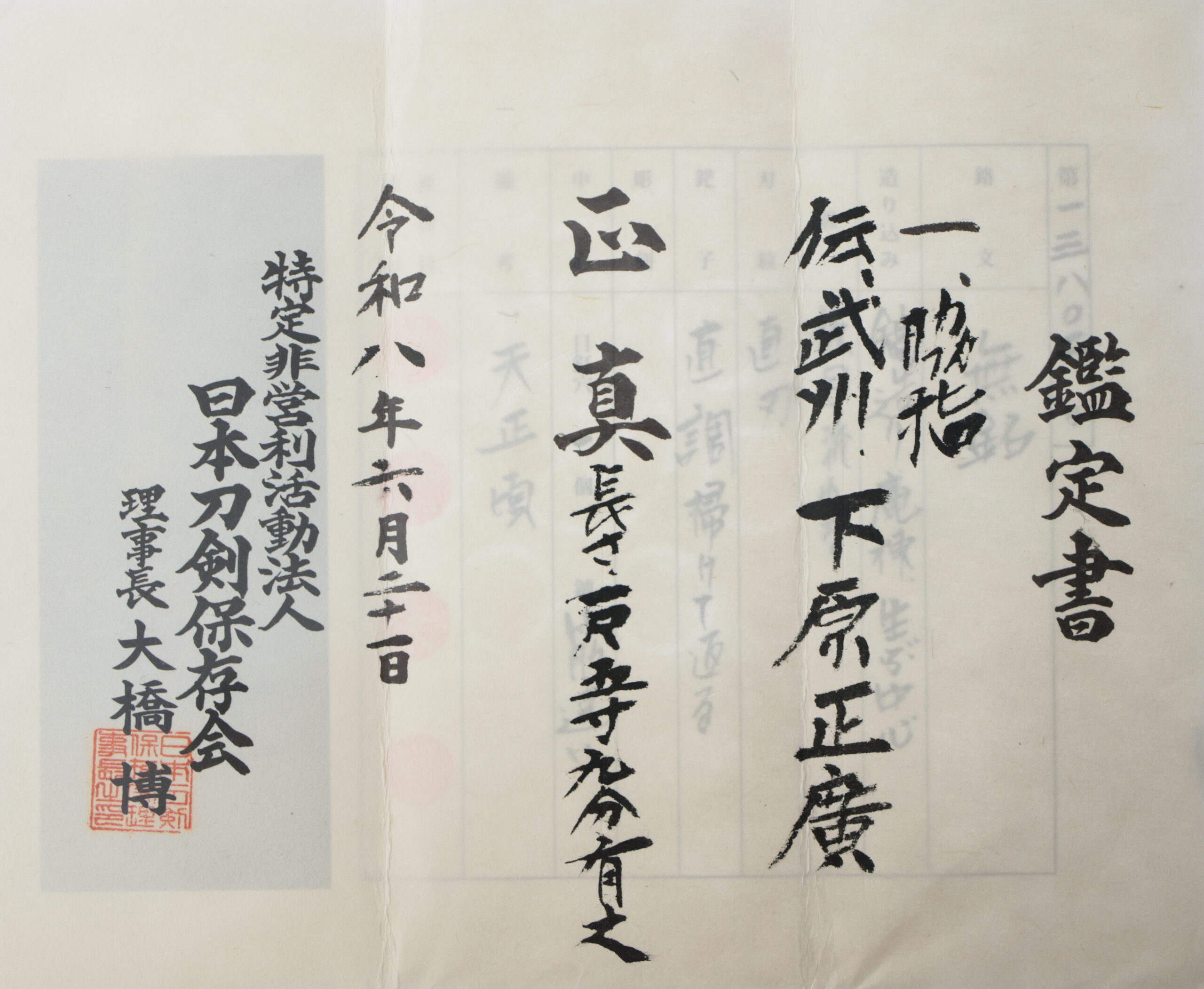
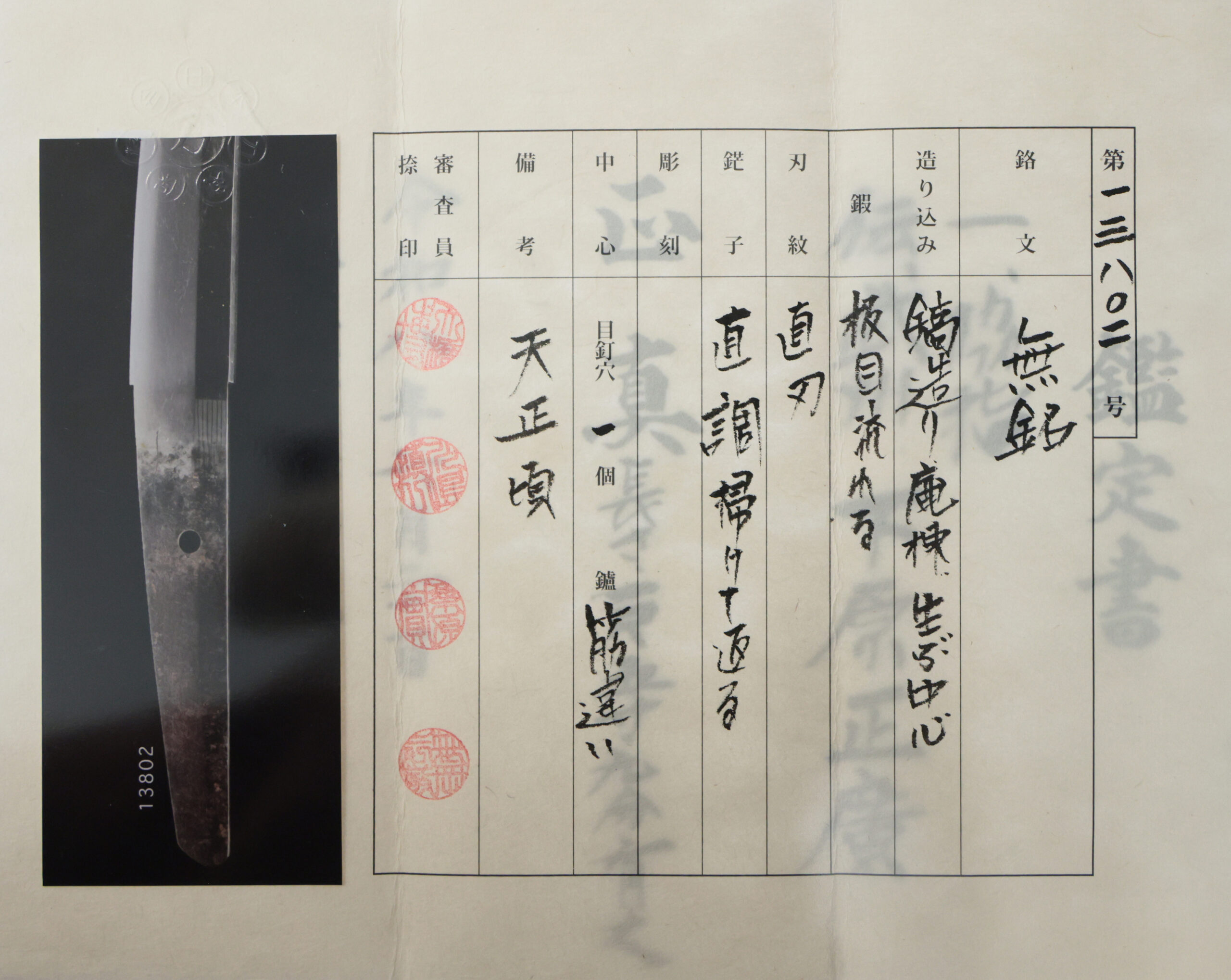
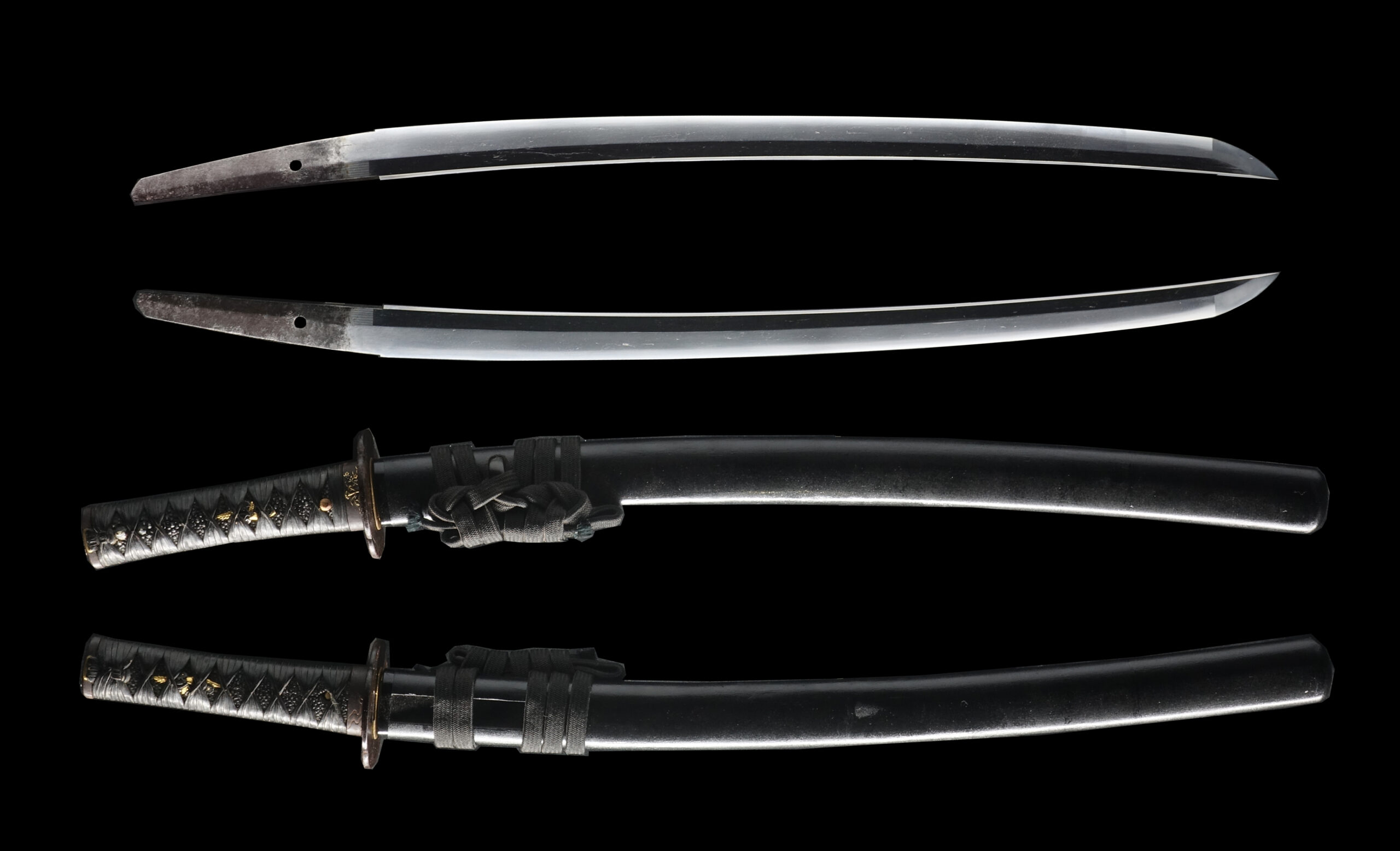
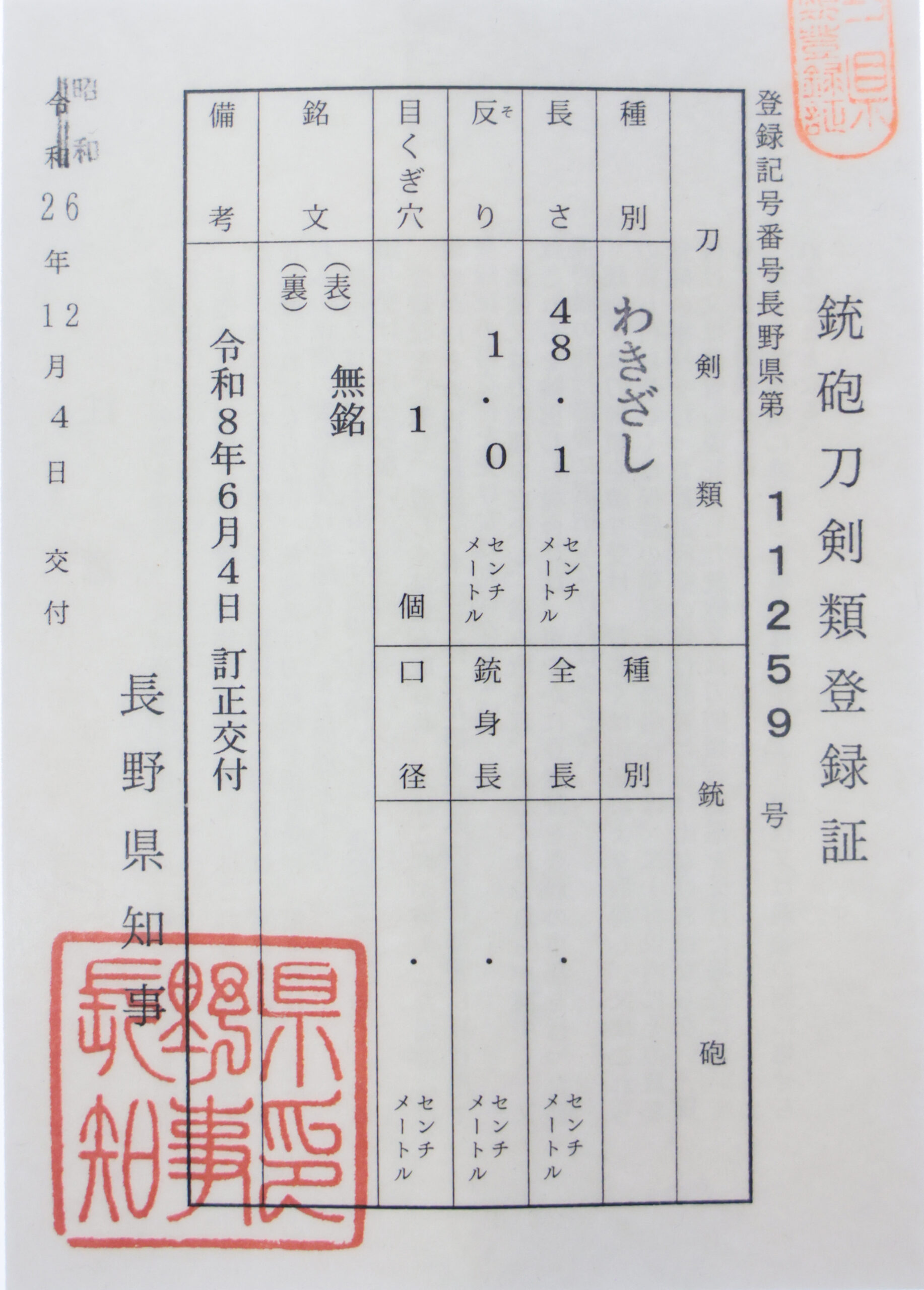
Summary This blade is attributed to Den Bushū Shitahara Masahiro (伝 武州下原正廣) and is dated to the Tenshō era of the Azuchi-Momoyama period (1573–1592), according to the NTHK certificate. Bushū Shitahara refers to the area where this blade was forged, located in present-day Hachioji, Tokyo. According to Japanese sword references, swordsmiths first settled in Shitahara around 1588 (Tenshō 16), shortly after the construction of Hachioji Castle. Today, Hachioji Castle is designated as a National Historic Site and is recognized as one of Japan’s 100 Famous Castles. Masahiro belonged to the Bushū Shitahara School, which flourished from the late Muromachi period through the late Edo period (approximately the late 16th to the late 19th century). The school is traditionally believed to have been founded by Yamamoto Norishige. The Shitahara swordsmiths originally served the Later Hōjō clan, one of the most powerful samurai families in the Kantō region during the late Muromachi and Azuchi-Momoyama periods. Their swords were valued for their practicality and durability, reflecting the needs of warriors in an era of frequent warfare. After the Toyotomi clan destroyed the Hojo clan in the Azuchi Momoyama period, Shitahara started to serve the Tokugawa clan as Okakae Kaji, swordsmiths exclusively working for a specific feudal family. Most of the Shitahara swordsmith’s real sir name was Yamamoto. They especially flourished during the late Muromachi period-early Edo period. They kept forging for the Tokugawa clan until the end of the Edo period. As you can see, Masahiro’s active period was from the Azuchi Momoyama-early Edo period. That signifies that he forged blades during the heyday of this school. And you can see beautiful craftsmanship from this Wakizashi. *Please keep in mind that there are a few Kitae Kizu on this blade. Fuchi-Kashira This Fuchi-Kashira features bellflowers (桔梗, Kikyō) and dragonflies (蜻蛉, Tonbo). The graceful bellflowers swaying in the autumn breeze, accompanied by dragonflies in flight, create a refined seasonal scene. This composition was also famously depicted by the renowned Edo-period artist Katsushika Hokusai, reflecting its popularity in Japanese art. In Japan, the dragonfly has long been regarded as a symbol of victory and courage. Because it is believed to fly only forward and never backward, it became known as the “victory insect” (勝ち虫, kachimushi) and was especially favored by Samurai warriors as a symbol of determination and success in battle. Tsuka and Menuki The motif of this menuki is believed to depict an autumn grasses (秋草, Akikusa). In Japanese art, autumn grasses are a traditional seasonal motif that represents the beauty and transience of nature. Tsuba and Habaki This Tsuba appears to depict dandelions (蒲公英, Tanpopo). In Japan, dandelions have long been appreciated for their bright yellow flowers and familiar appearance. Although small and delicate in appearance, they are remarkably resilient. Even if the stem is cut, the plant can grow again as long as its roots remain intact. This strong vitality and ability to regenerate may have symbolized perseverance and resilience, qualities highly admired by Samurai warriors. For this reason, the dandelion may have been chosen as a motif representing strength in the face of adversity. Saya We estimate the surface of this Saya is decorated with the Ishime-Ji (石目地). Its base was hit by Tagane (鏨, chisel for metalworking), and it makes a rough surface that seems stone. Authentication Paper NTHK, also known as NPO Nihon Touken Hozon Kai, is the oldest organization for sword authentication of Japanese swords in modern times. It was established in 1910 during the post-Samurai era. They authenticated the blade on June 21st in the 8th year of Reiwa (2026). Registration Number It is called Jyu Hou Touken Rui Torokusho (銃砲刀剣類登録証).

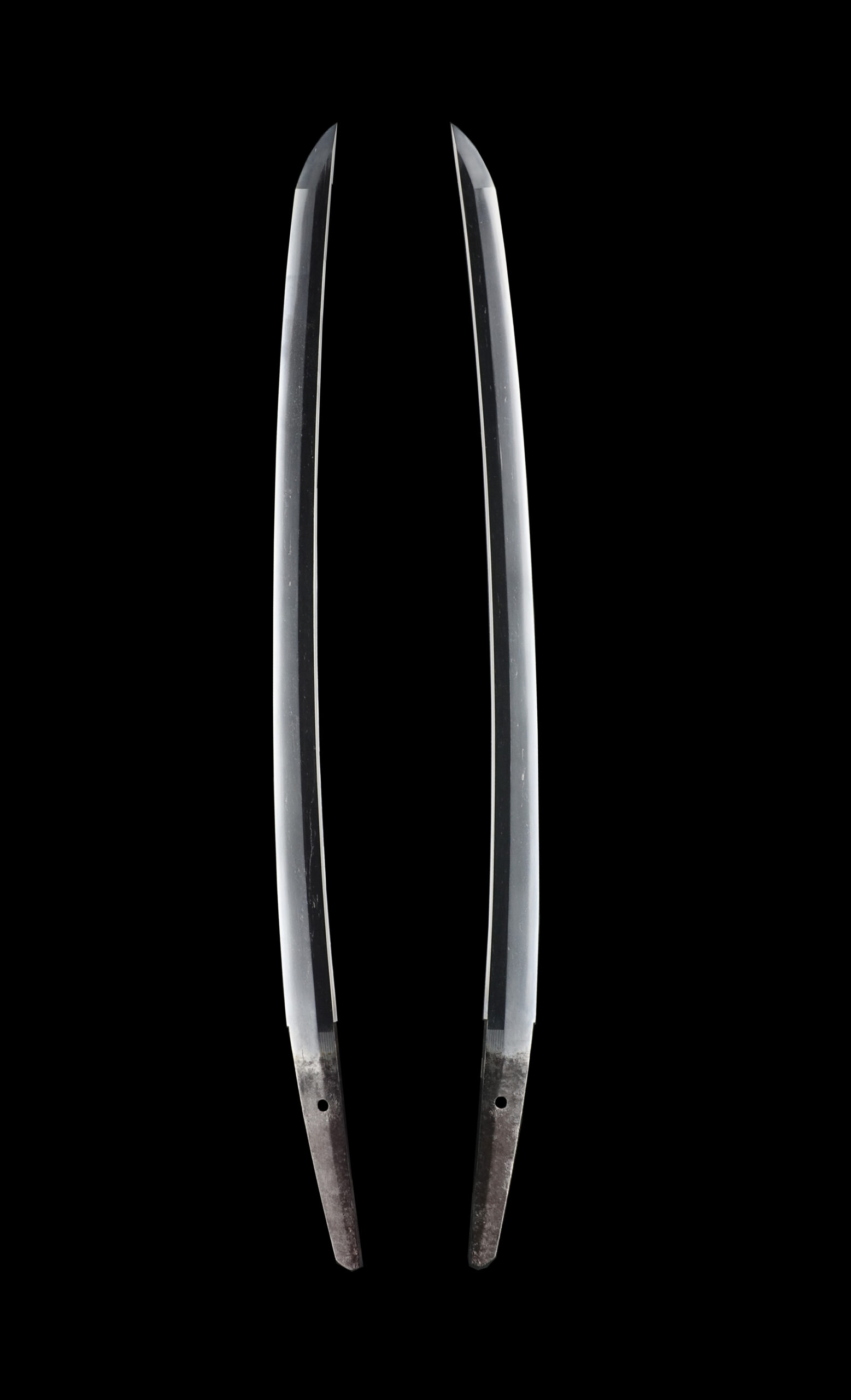
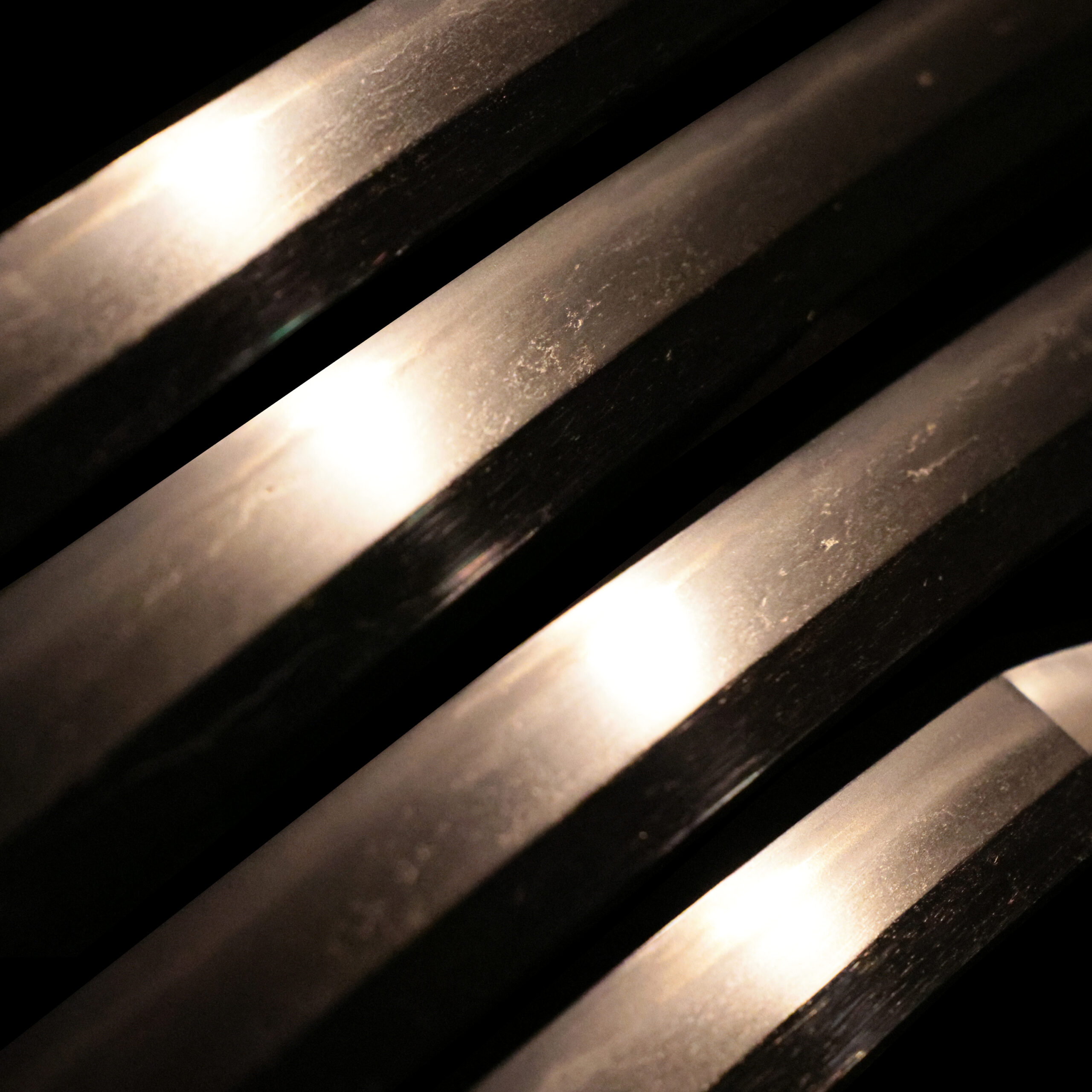
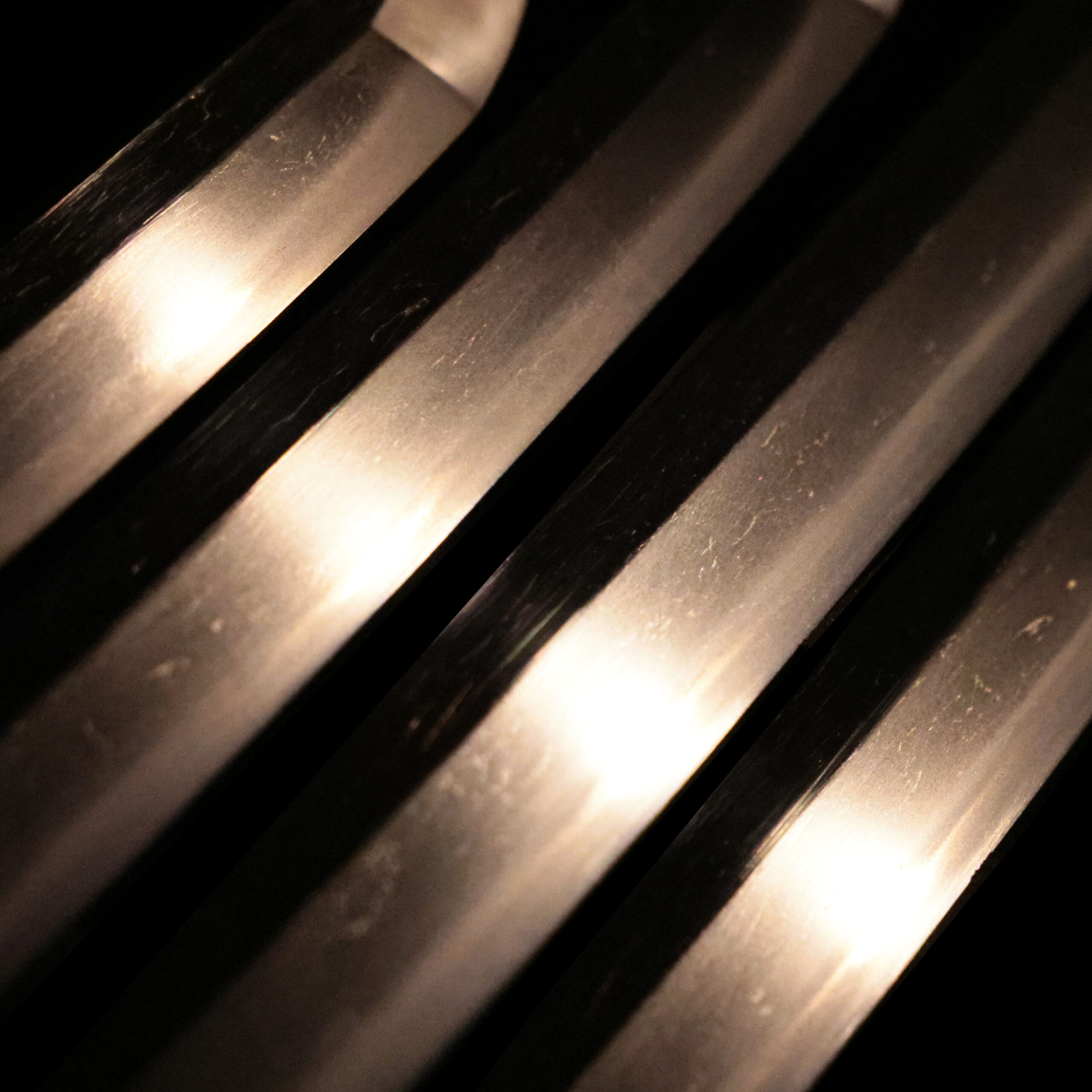
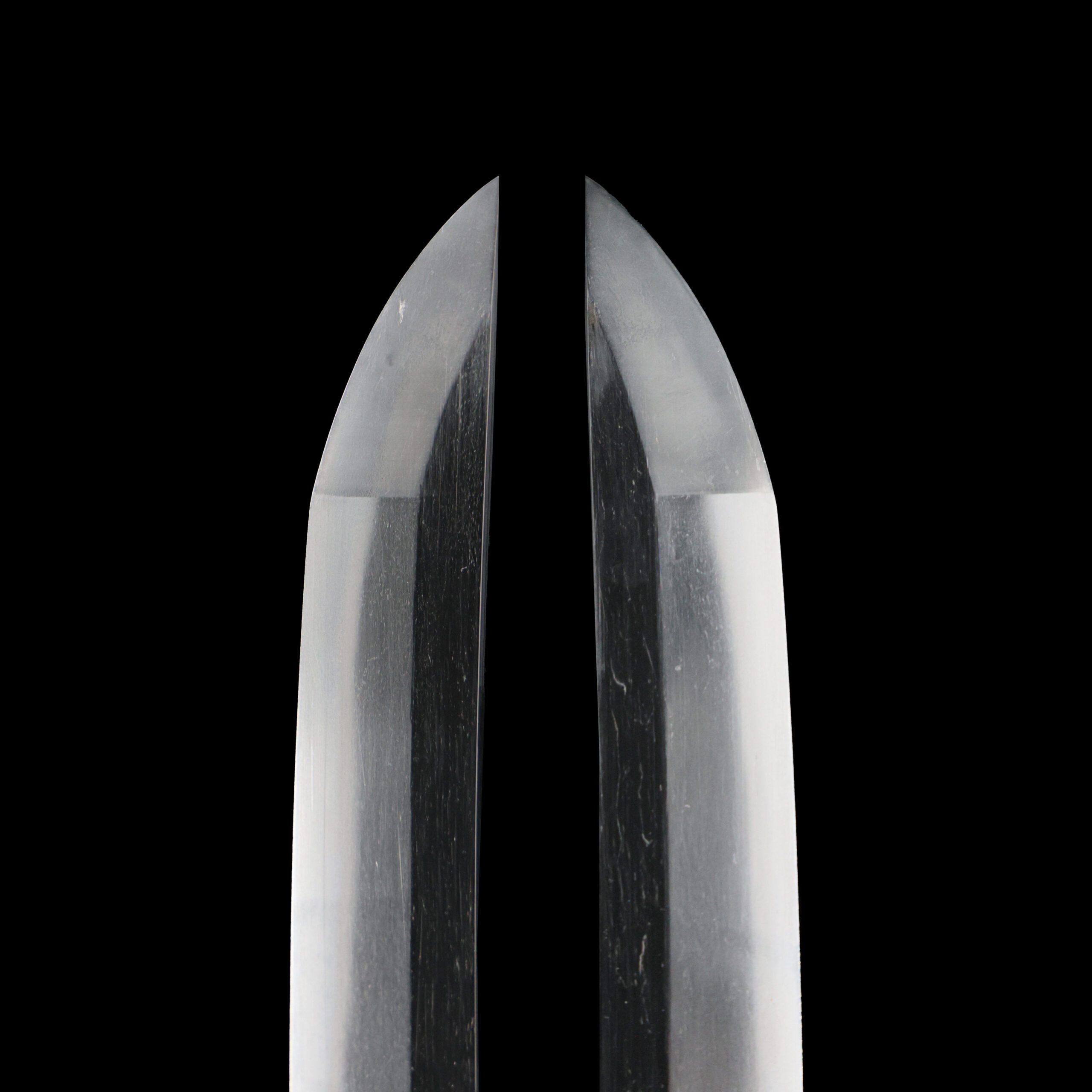
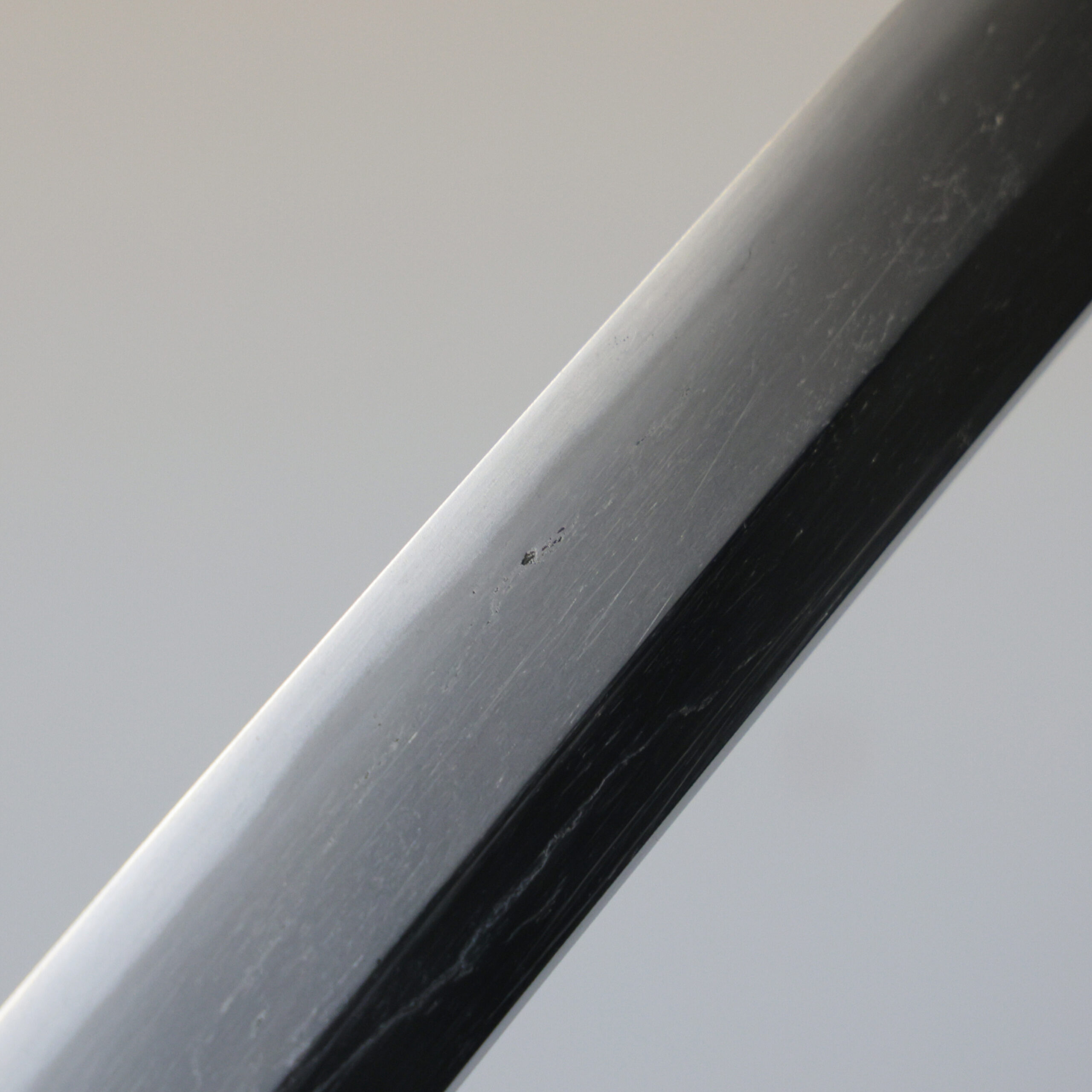
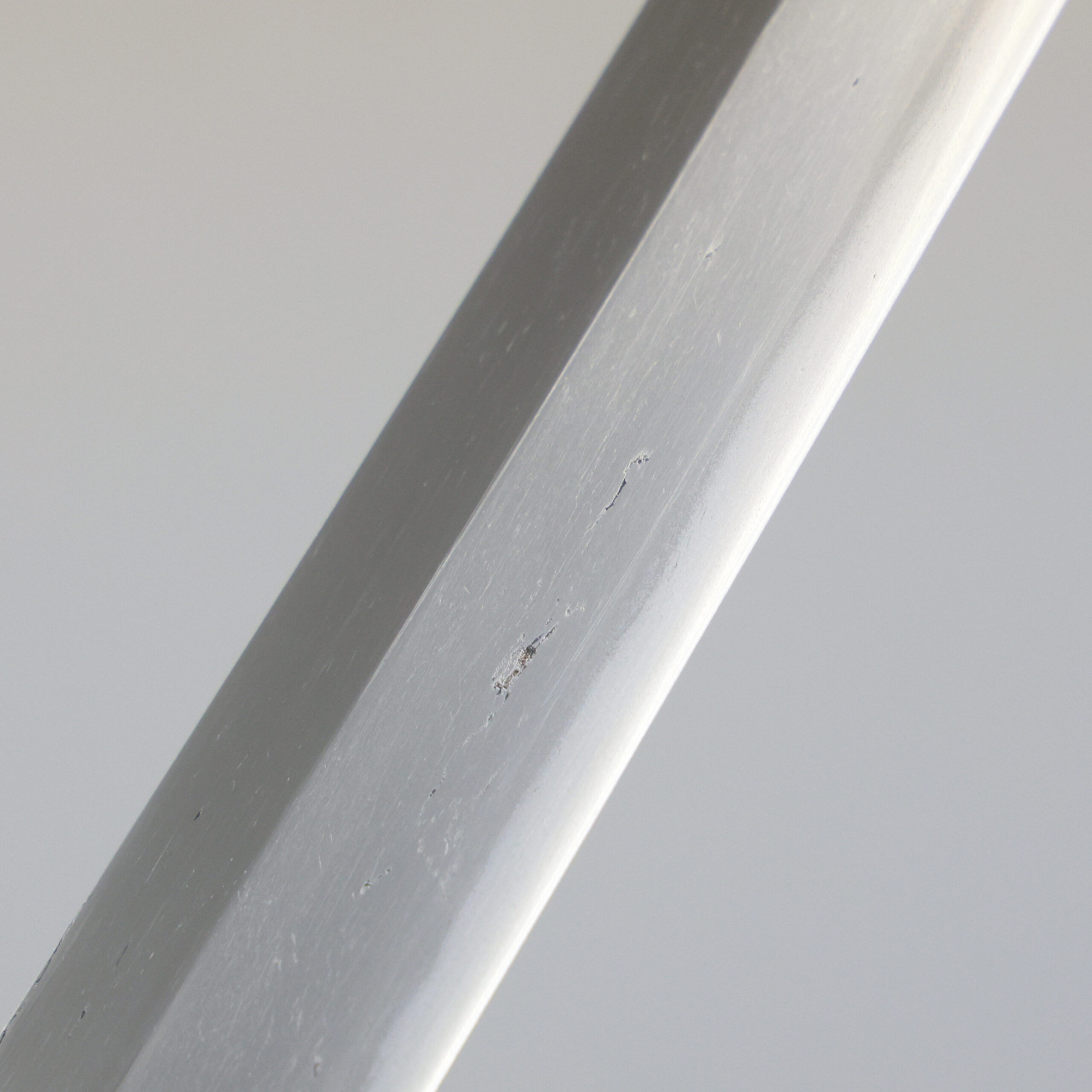
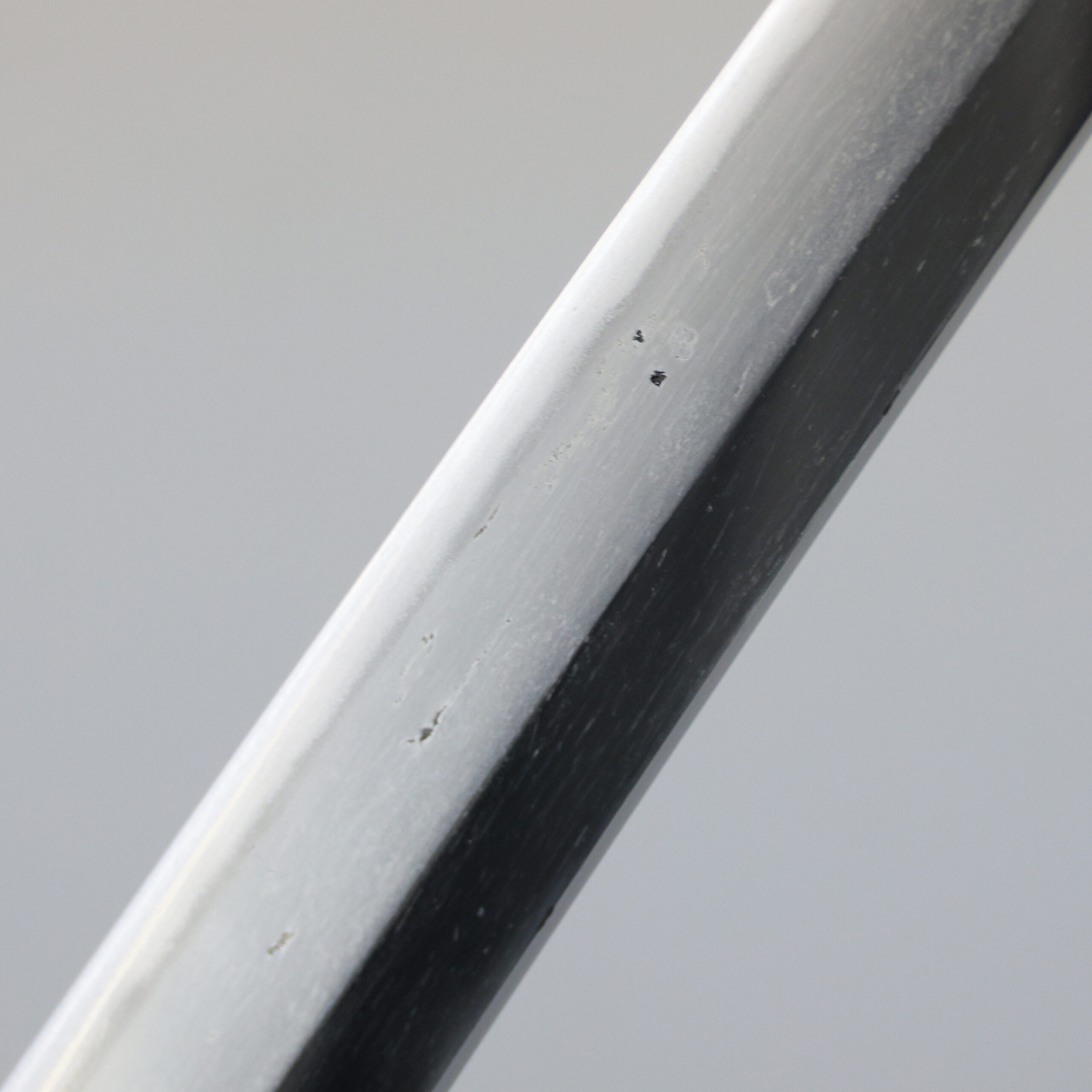
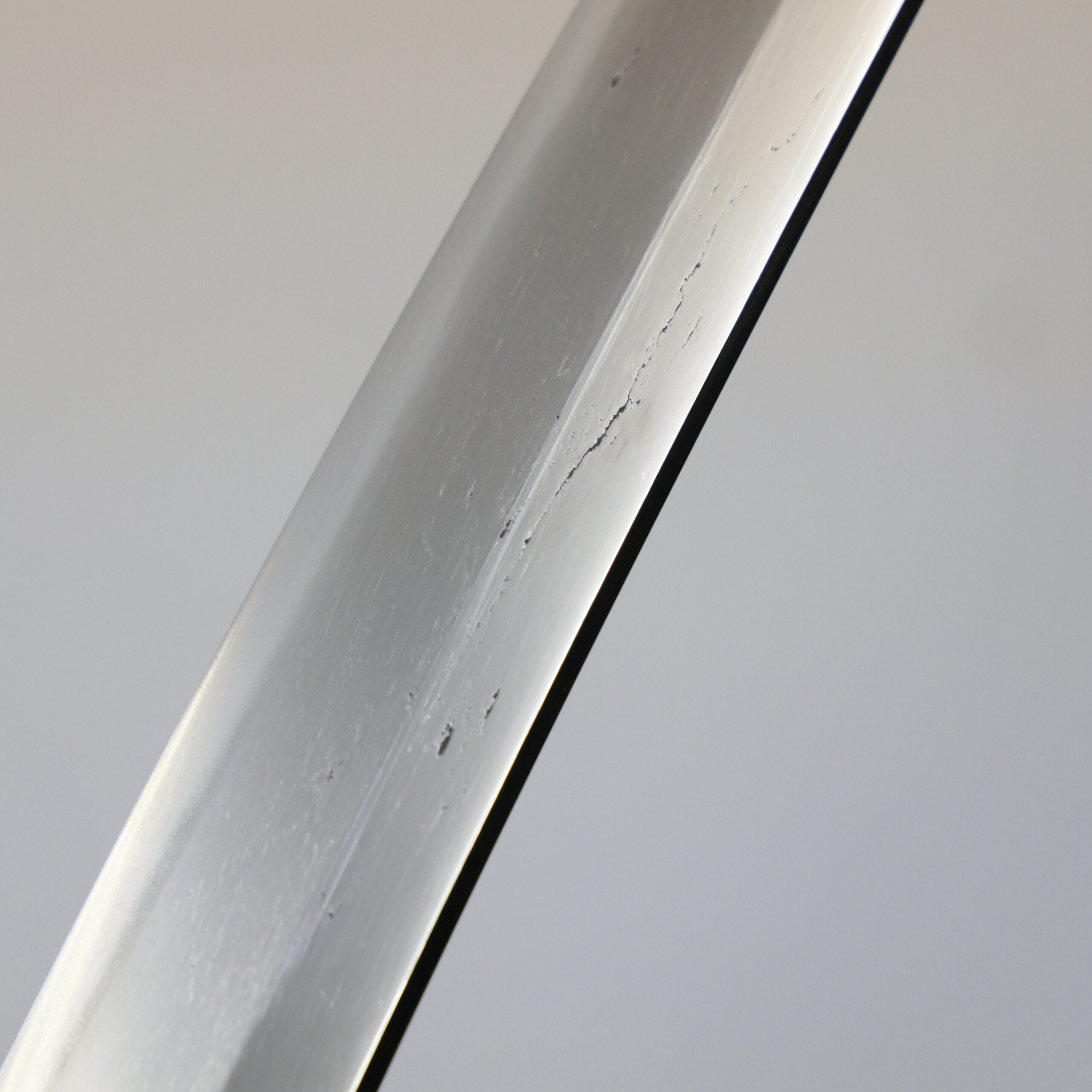
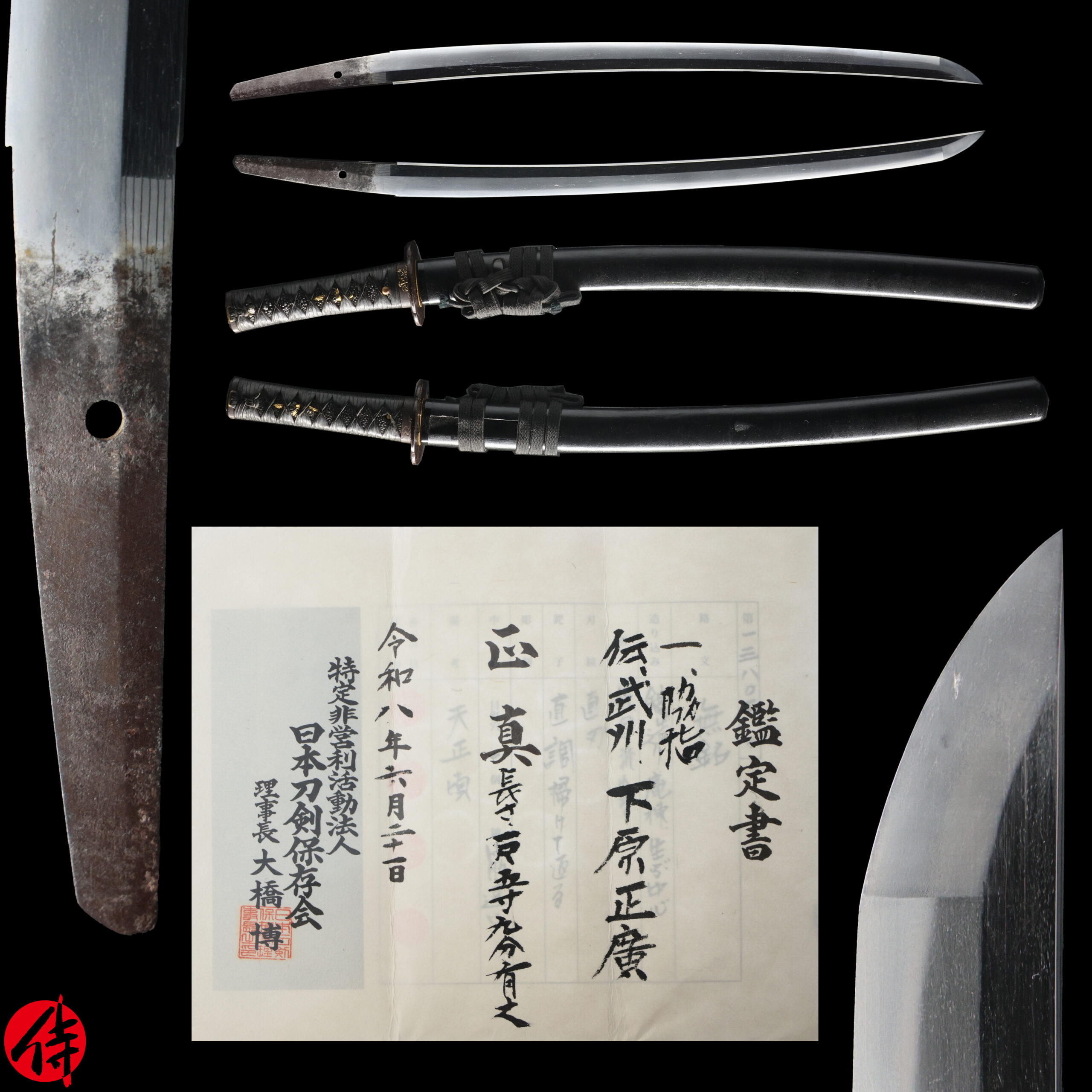
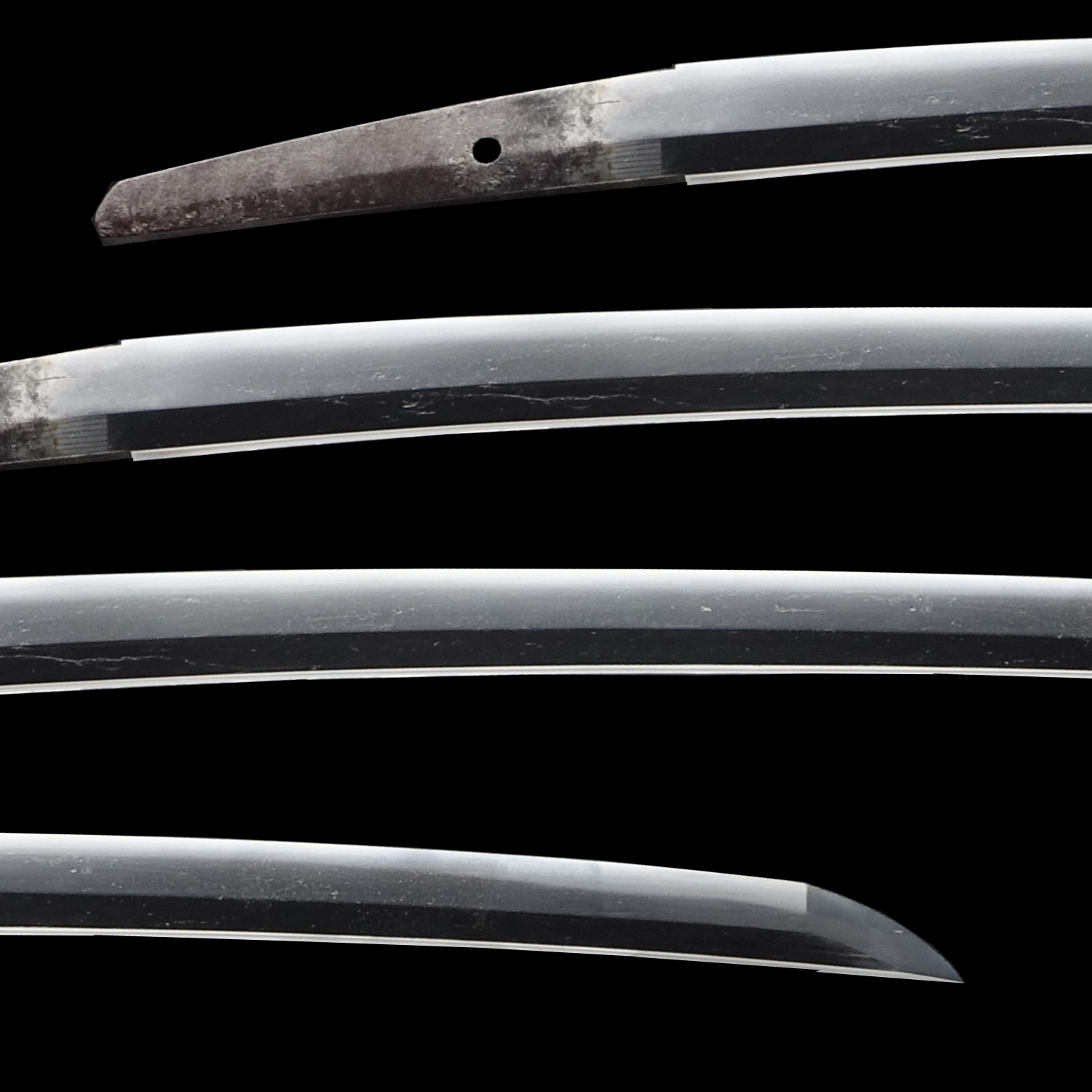
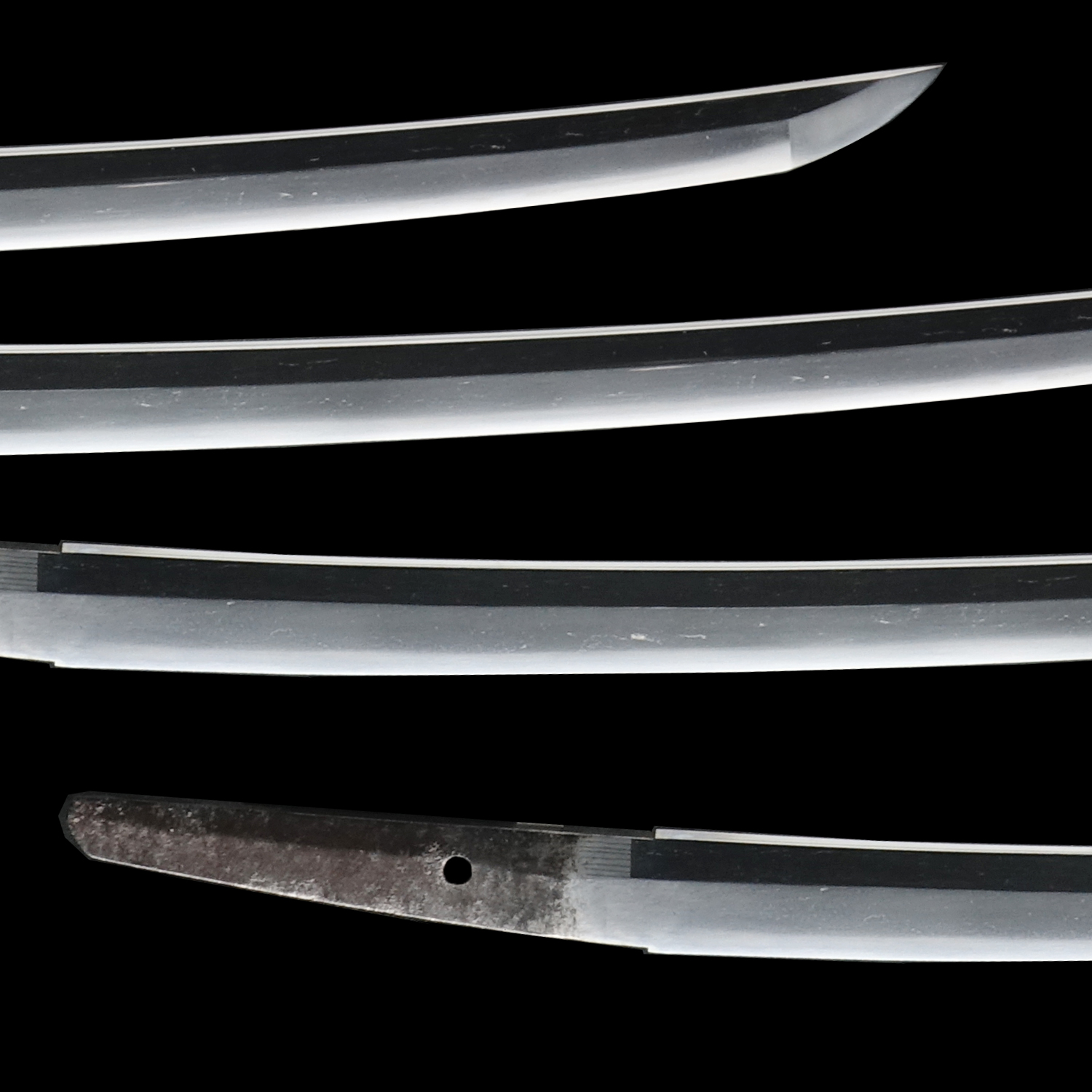
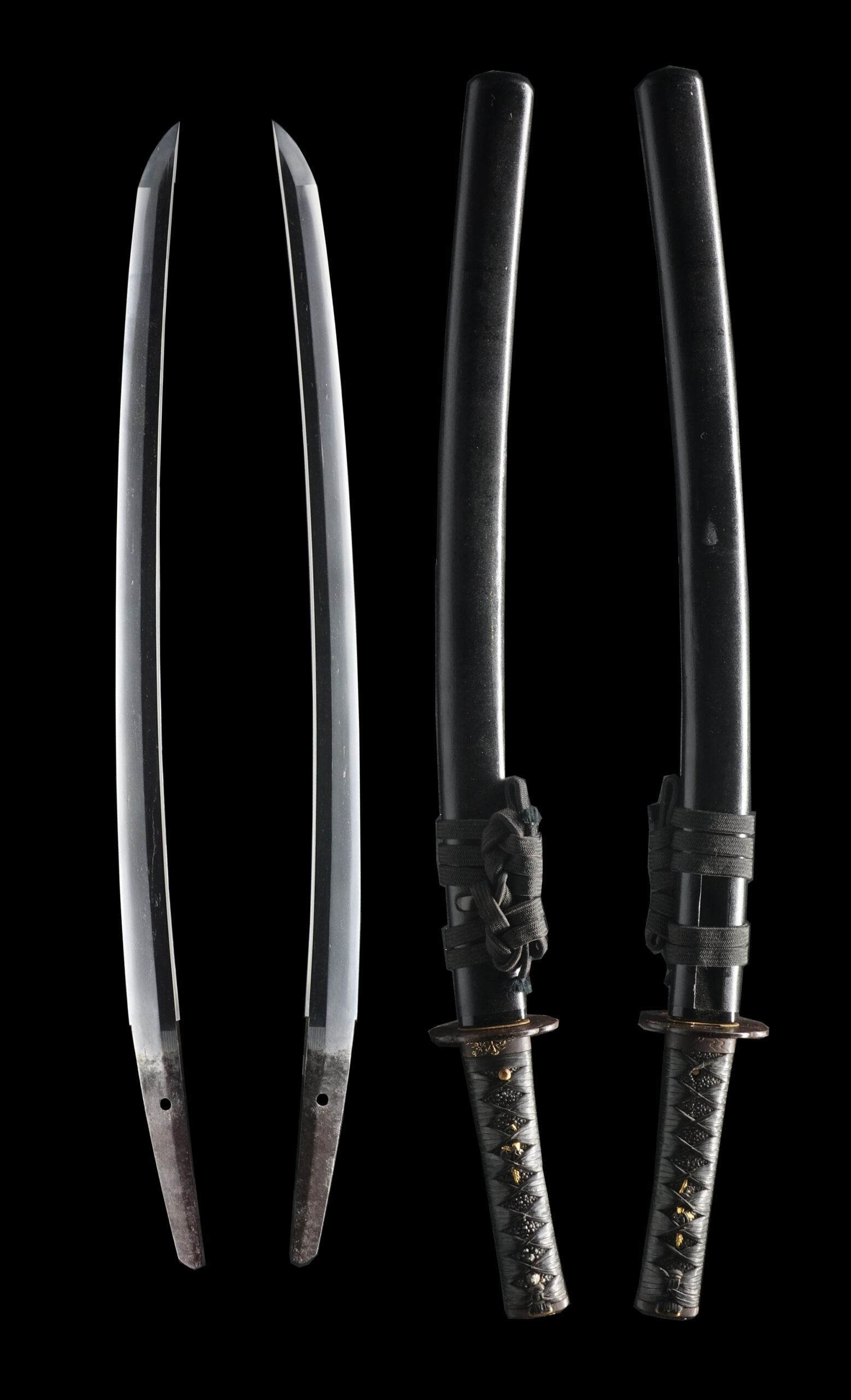
販売店の記載のまま
新刀 · 肥前
現在107点販売中
肥前派は、肥前佐賀の城下を中心に興った新刀期の一流であり、その祖は橋本新左衛門と称した初代忠吉である。資料によれば、初代は鍋島家の抱え工として、慶長元年に藩命により彫工宗長とともに上洛して京の埋忠明寿の門に入り、忠吉は鍛刀を、宗長は彫技を学んだという。同三年に帰国して佐賀城下に住し、鍋島藩の庇護のもとに一門は大いに栄えた。年紀は慶長五年に始まり、元和十年には再び上洛して武蔵大掾を受領し、名を忠吉から忠広に、氏を源から藤原に改めている。この改名は同一の手の変遷であって別人ではない。初代の嫡子たる二代近江大掾忠広は六十有余年に及ぶ作刀生活を送って肥前最多作の工となり、本家の忠吉銘は土佐守家を経て三代陸奥守忠吉へと返上襲名されて、上三代の本流を成した。これと並んで、初代の門人や身内から、播磨大掾忠国の系、河内大掾正広に発する正広の系、出羽守行広の系といった分家、すなわち傍肥前と汎称される諸工が興り、代を重ねて佐賀の工房は確立された。 一門の共通する作風は、まずその地鉄に表れる。よく約んだ小板目を緻密に鍛え、地沸が微塵に厚く均しくつき、地景が細かに頻りに入って、かね明るく冴える。資料はこれを肥前特有の米糠肌と名指し、他派の出さない細かく明るい肌であるとする。この精良な地の上に、本家の本領たる中直刃を焼く。浅くのたれごころを帯び、処々に小互の目を交え、小足・葉が入り、匂深く小沸が細かについて締まり明るく、帽子は直ぐに小丸へ静かに返る。本来狙った来一門の直刃に対しては、匂口がより締まって明るく、鍛えに覇気がある点で分かれると説く。一方、初代の初期作には直江志津・古作大和物・来一門・鎌倉名工を狙った多様な写し物があり、掃きかけの帽子など本家の通則の例外も見える。代や系統による差異も資料の支持する範囲で明らかである。二代忠広と三代忠吉は本家本領の静かな直刃を継ぎ、なかでも三代は祖父初代を想わせる強く精美な鍛えを身上とする。これに対し傍肥前の諸工は華やかな乱れ刃を好み、正広は丁子を主調とした乱れに互の目を交え、行広は竪長の足長丁子乱れを焼き、忠国は一門の中で最も砂流しが目立つ足長丁子をあらわした。本家が直刃で読まれるのに対し、傍系はその精良な地を覇気ある乱刃へ運んだのである。 肥前刀の鑑定の勘所は、何よりこの米糠肌にある。明るく冴えた小糠肌の上に締まった直刃を焼くという組合せこそ、収集家が肥前刀を求める核心であり、地鉄と刃文が相俟って同派同定の眼目を成す。さらに銘振りもまた鑑定の一部をなし、本家は刀に指裏すなわち太刀銘に切るのを常とし、五字銘・住人銘・受領銘の別が時期を語る。主要刀工の格は資料の伝える通りで、初代忠吉は藤代の極めで最上作、二代忠広・三代忠吉や正広・行広は上々作ないし上作に位置づけられる。代表作には鍋島家伝来の作が多く、来歴には尾張徳川家・佐竹家・皇室などの名が録され、初代の一口には師明寿の添銘が遺り、忠国・正広の作には山野加右衛門ら截断銘を金象嵌に帯びるものがあって、手のみならず刃味の証となる。指定を受けた作の多くは旧蔵家や公の収蔵に永く蔵されて市に現れることは少なく、傍系の作も折にふれて世に出るにとどまる。されば在銘の肥前忠吉は手の届かぬものではないが、祖その人の作や、最も精美な米糠肌に直刃を焼いた一口が現れることは時折のことであり、現れれば肥前刀の一里塚というべきものである。 詳しく見る →
肥前 藩営の刀
肥前刀は藩営の産業である。鍋島家は1596年頃、忠吉を京の埋忠明寿のもとに学ばせ、帰国したその工を核に公認の一門を築いた。小糠肌で名高いその作は、九代にわたり明治まで続いている。
NTHKの中心的な鑑定書で、相応の出来を備えた作に発行されます。在銘作は銘の正真を、無銘作は審査員による刀工・流派の極めを示します。点数を記す詳細な審査表が付されます。
NTHK(日本刀剣保存会)は、NBTHK(1948年設立)に先立つ1910年に創立された、日本で最も古い刀剣鑑定団体です。長く会を率いた会長の没後、NTHKとNTHK-NPOの二つに分かれ、いずれも審査を続けています。NTHKの鑑定書は、点数と審査員の所見を併記する詳細な審査表が特徴で、特に無銘作の極めに定評があります。
Returns/exchanges limited to defects caused by shipping (except willful misconduct or gross negligence by the company); customers must contact within 72 hours of receiving the product.