NihontoWatch Mon

NihontoWatchBETA

マーケットオークション
事典
NihontoWatch Mon

NihontoWatchBETA

マーケットオークション
事典

説明

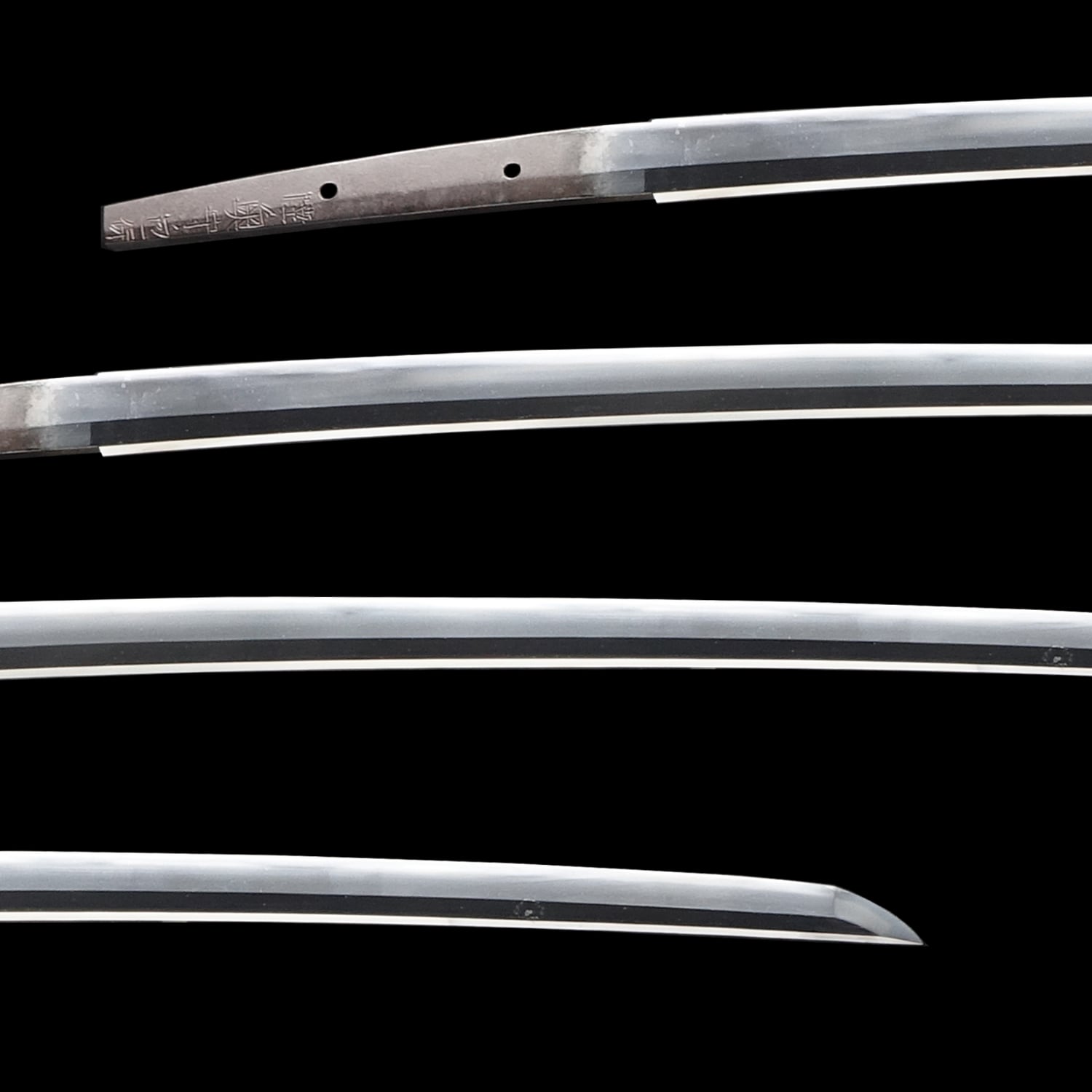
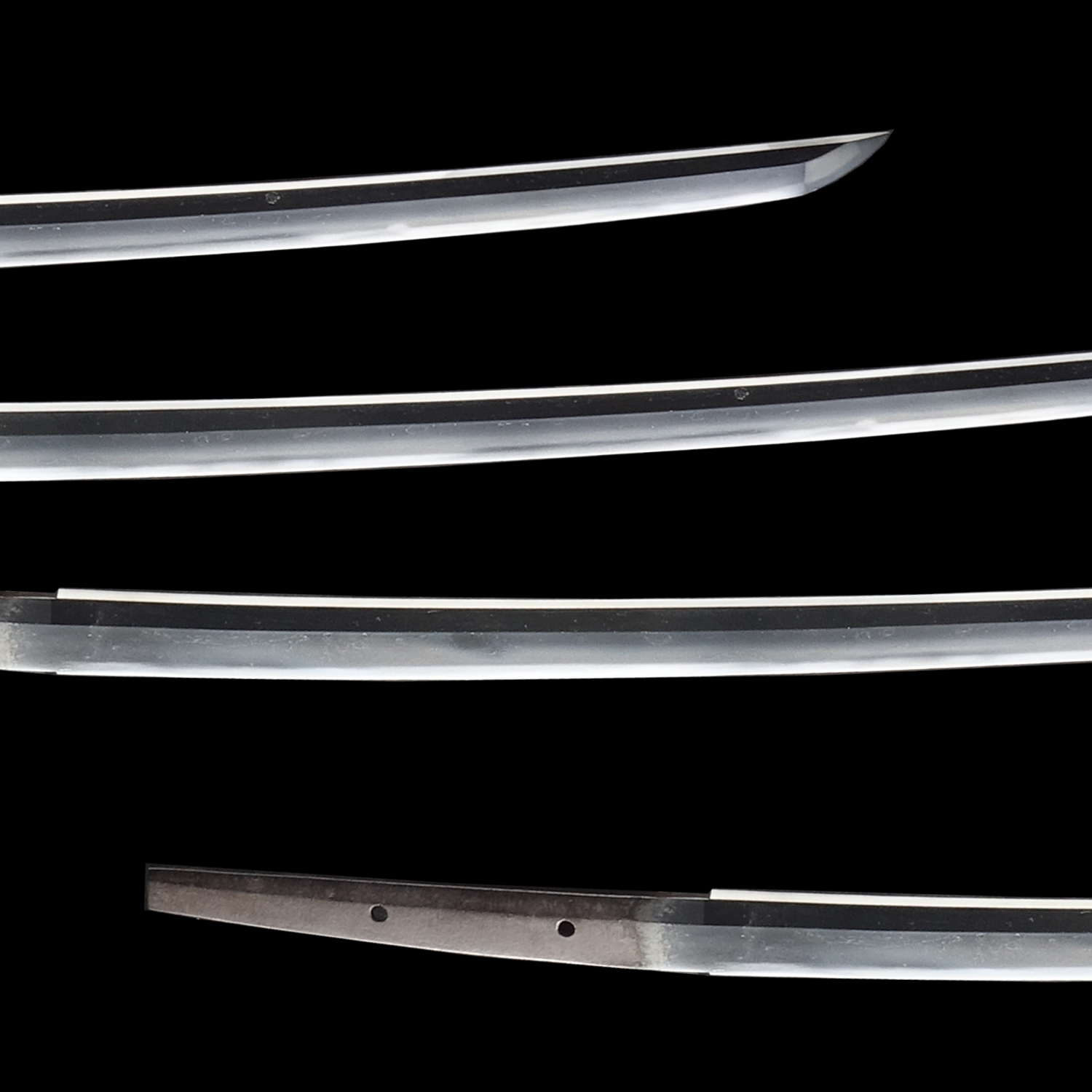
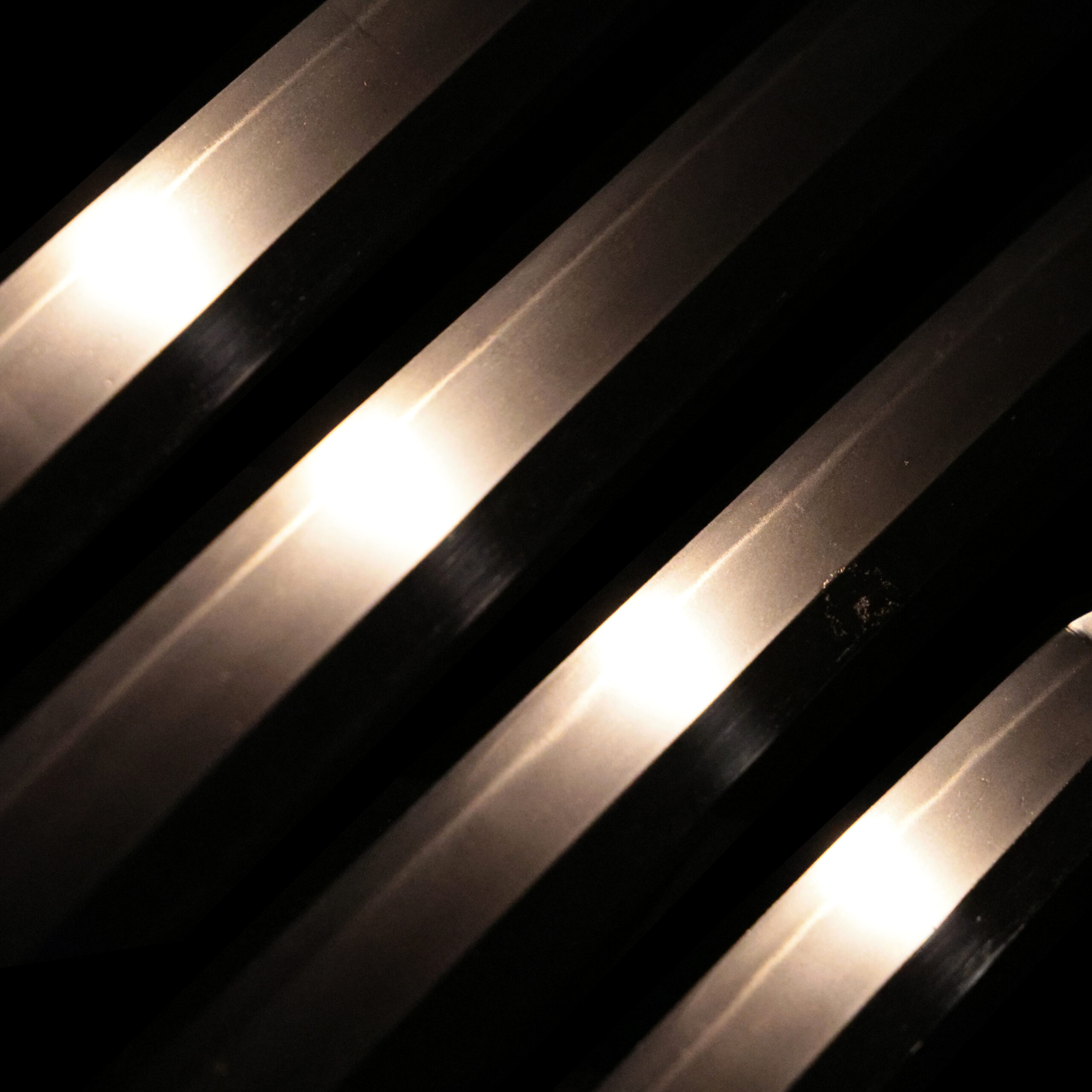
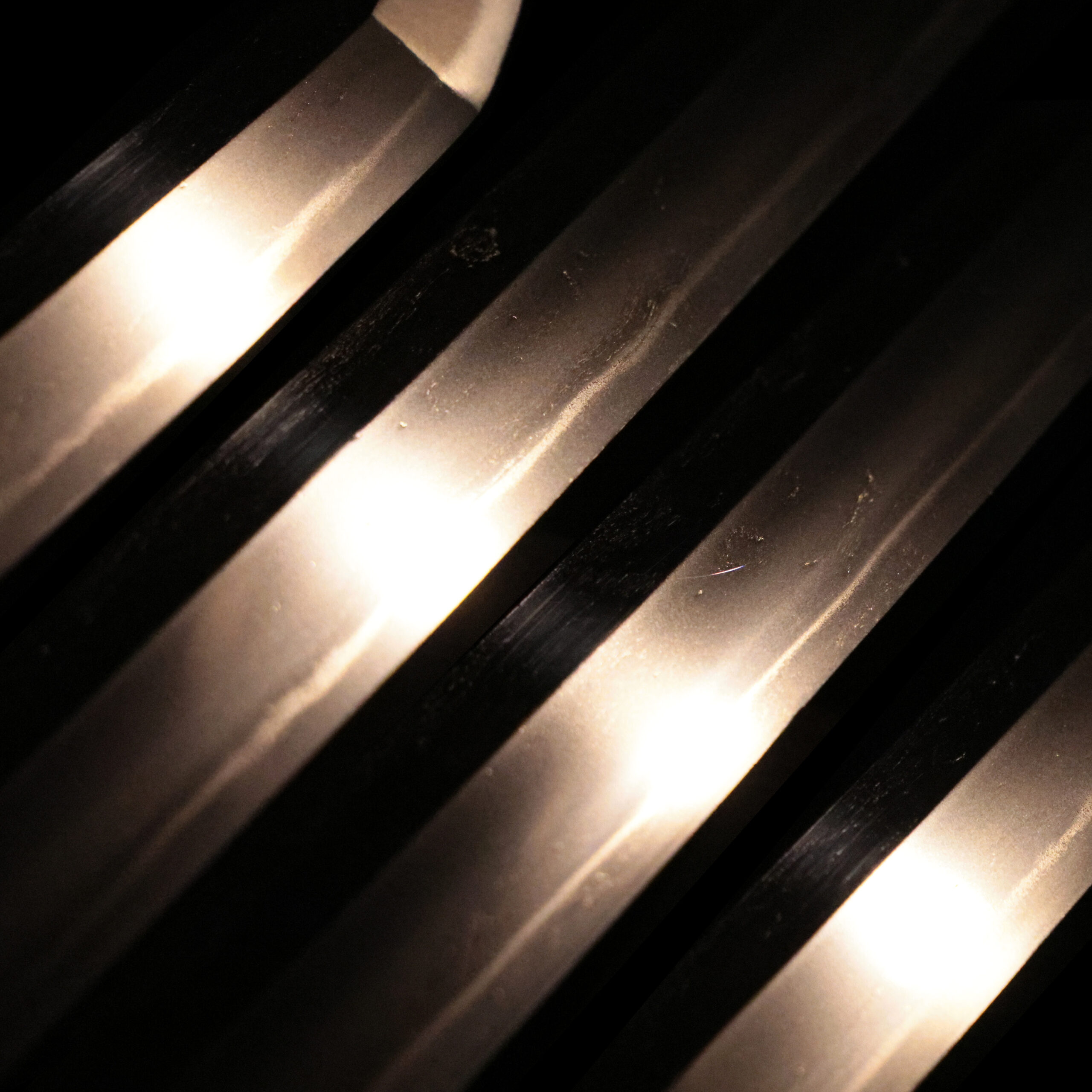
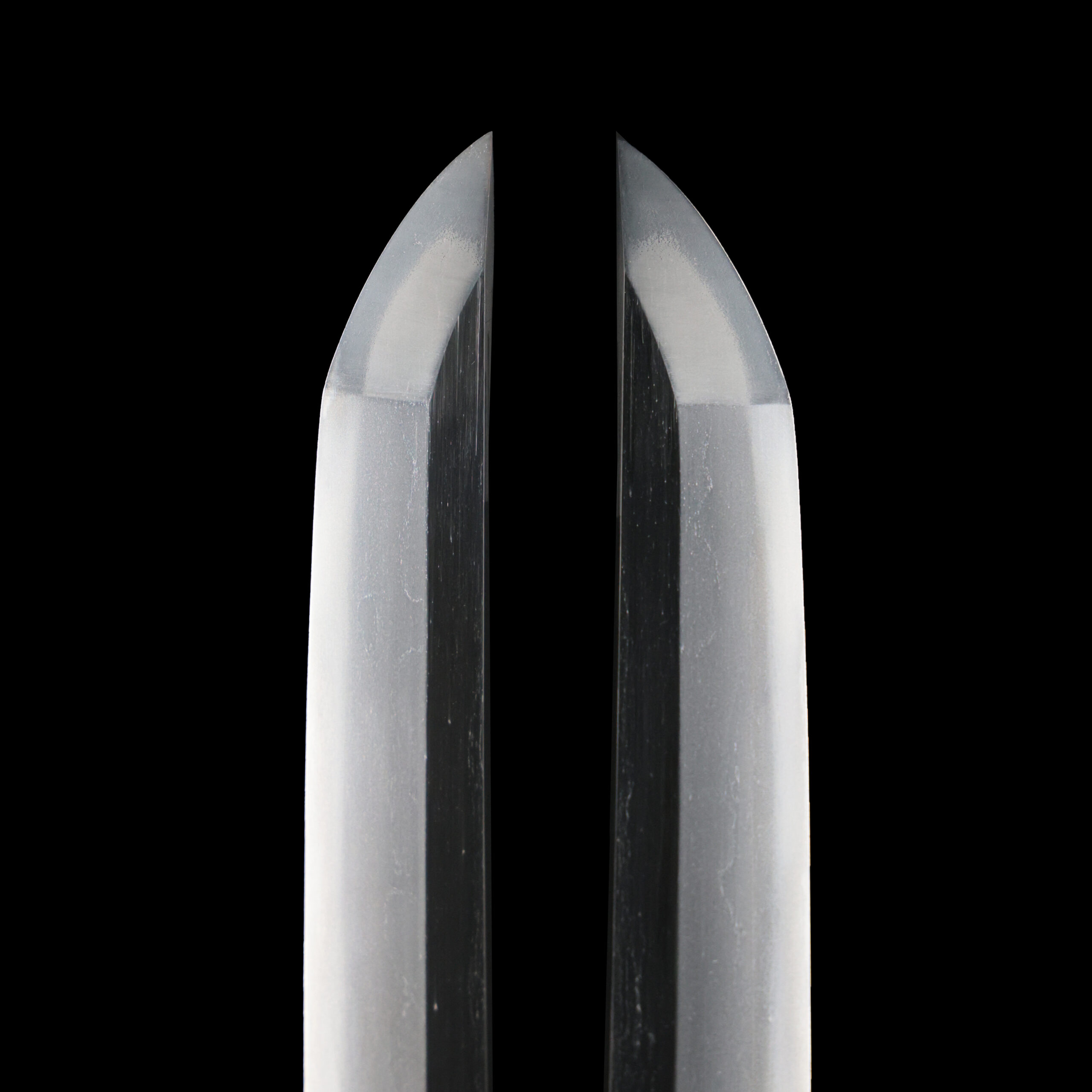
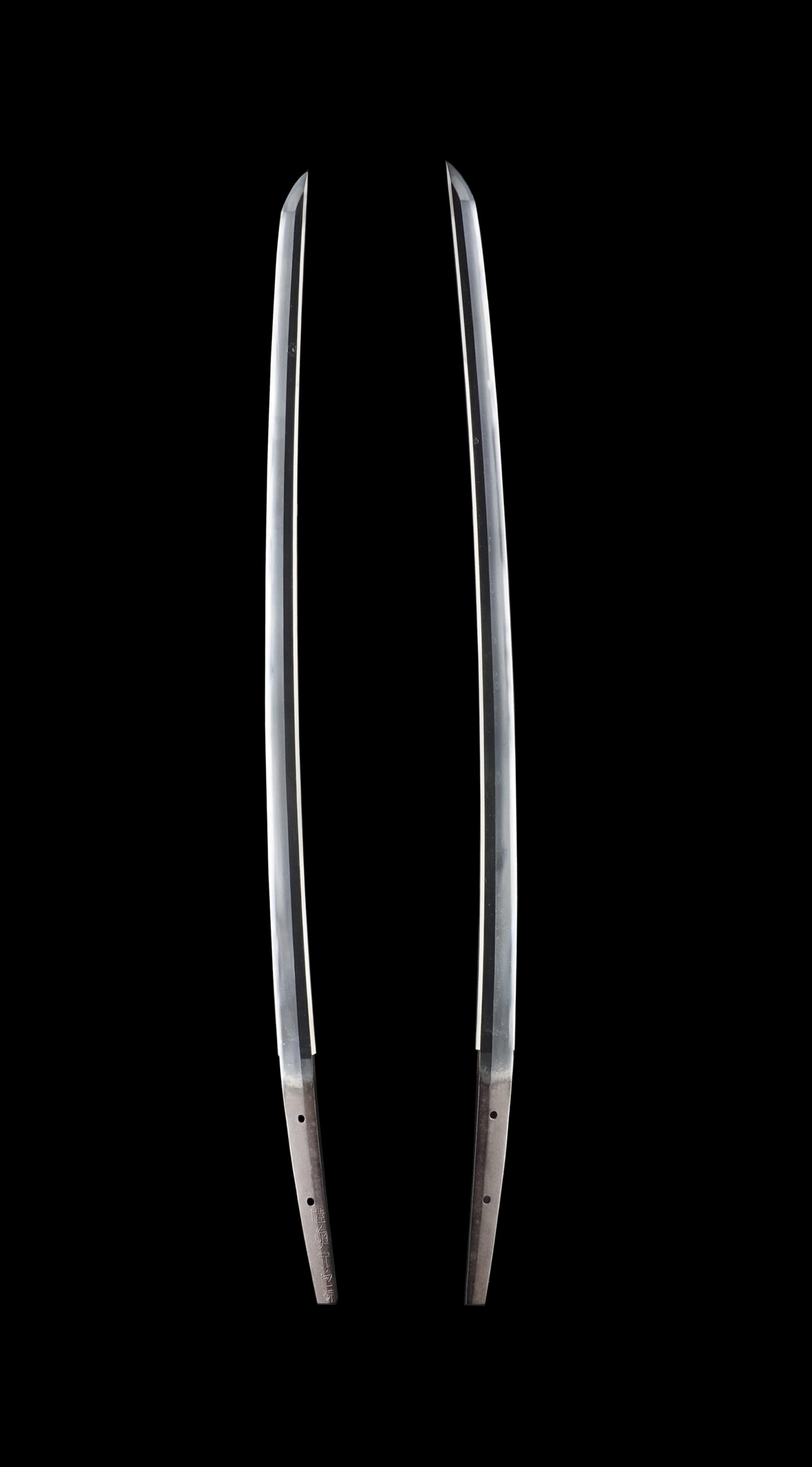
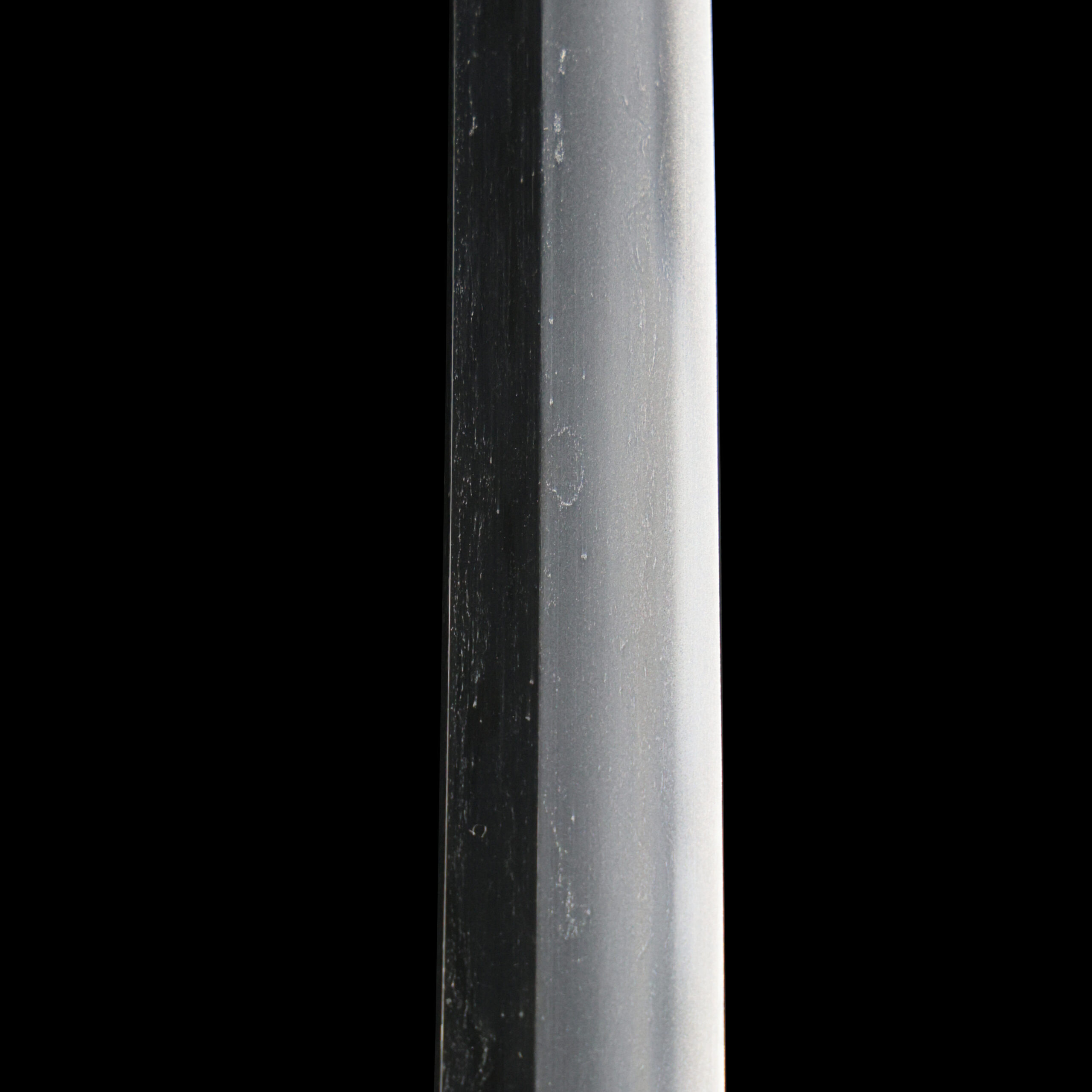
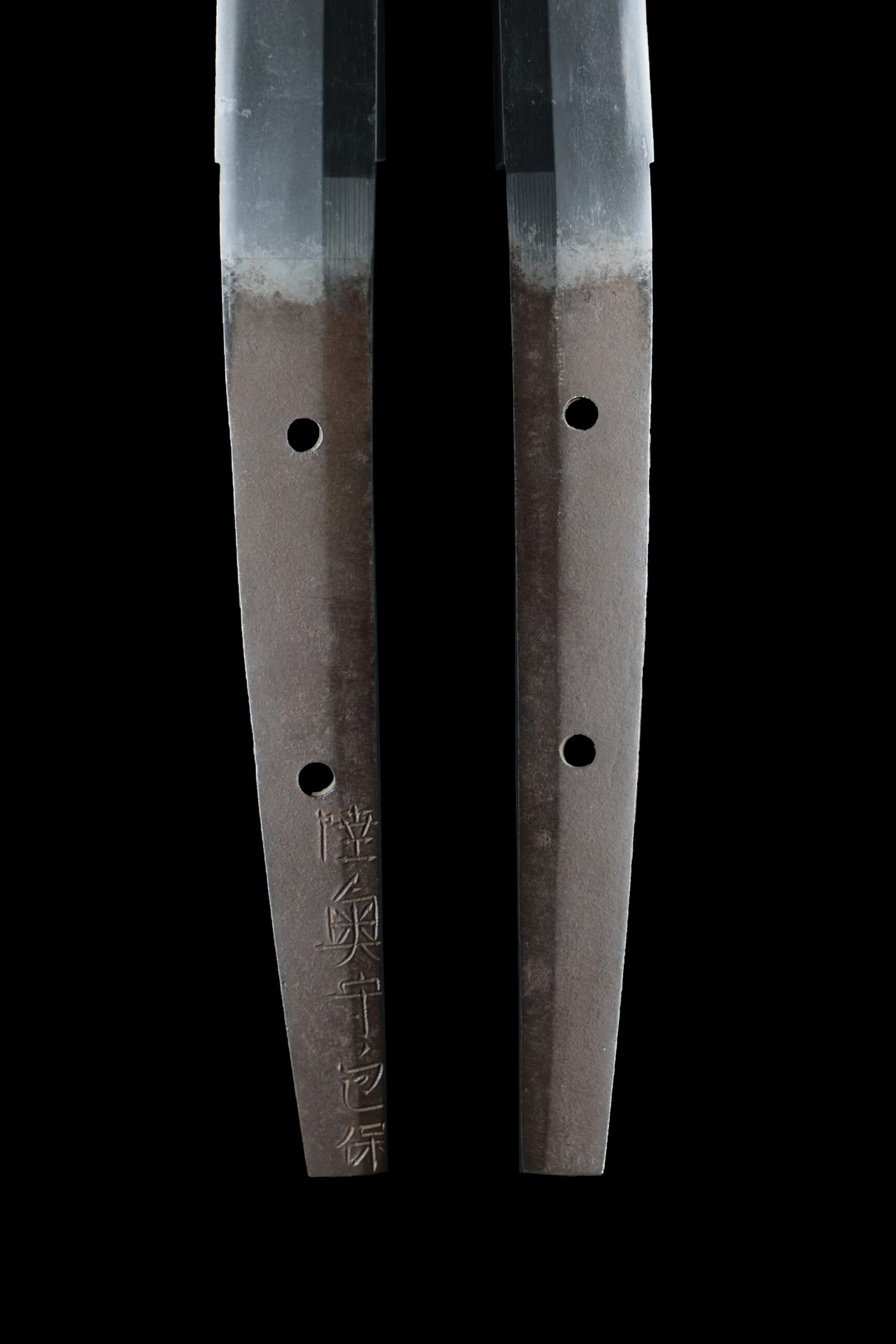
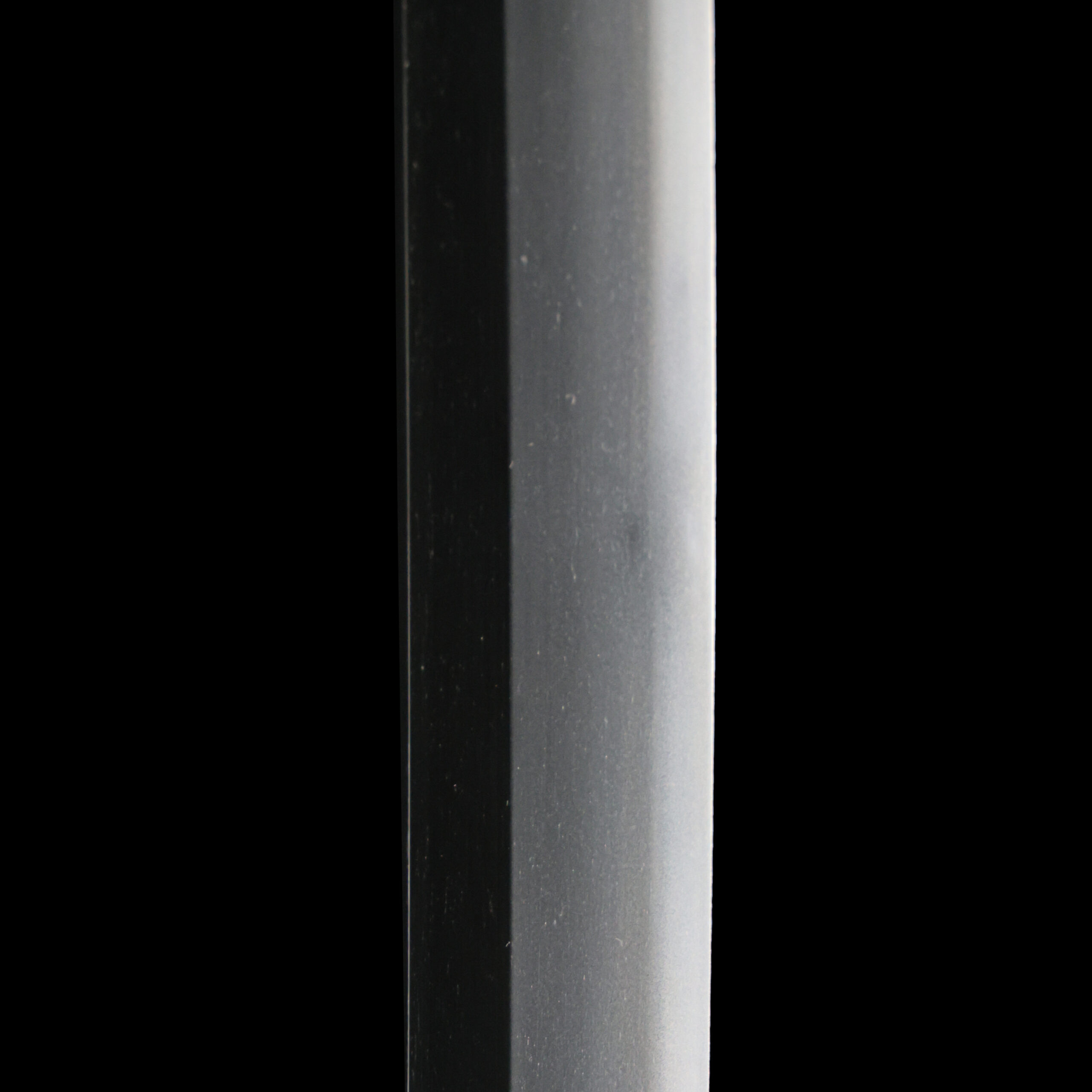
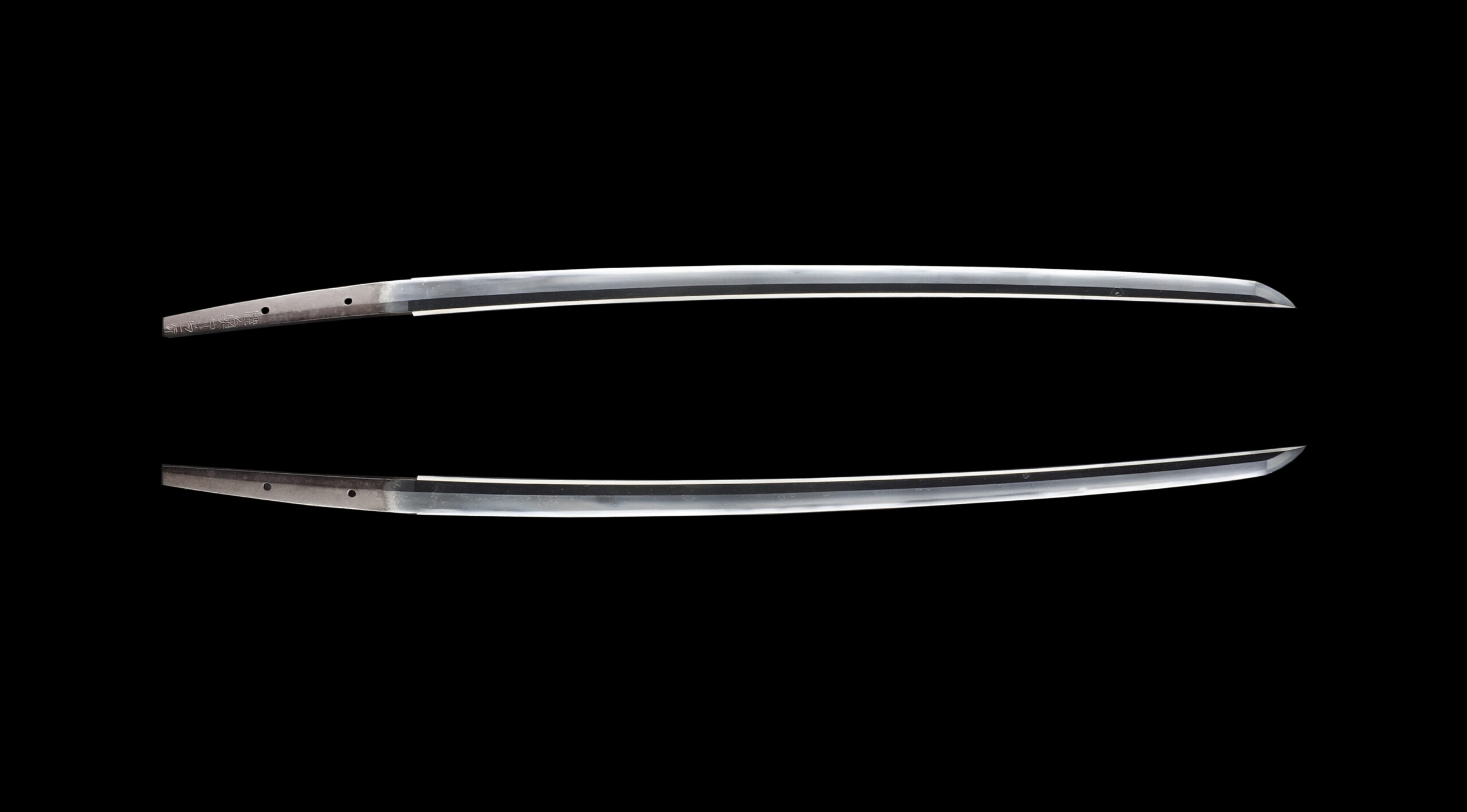
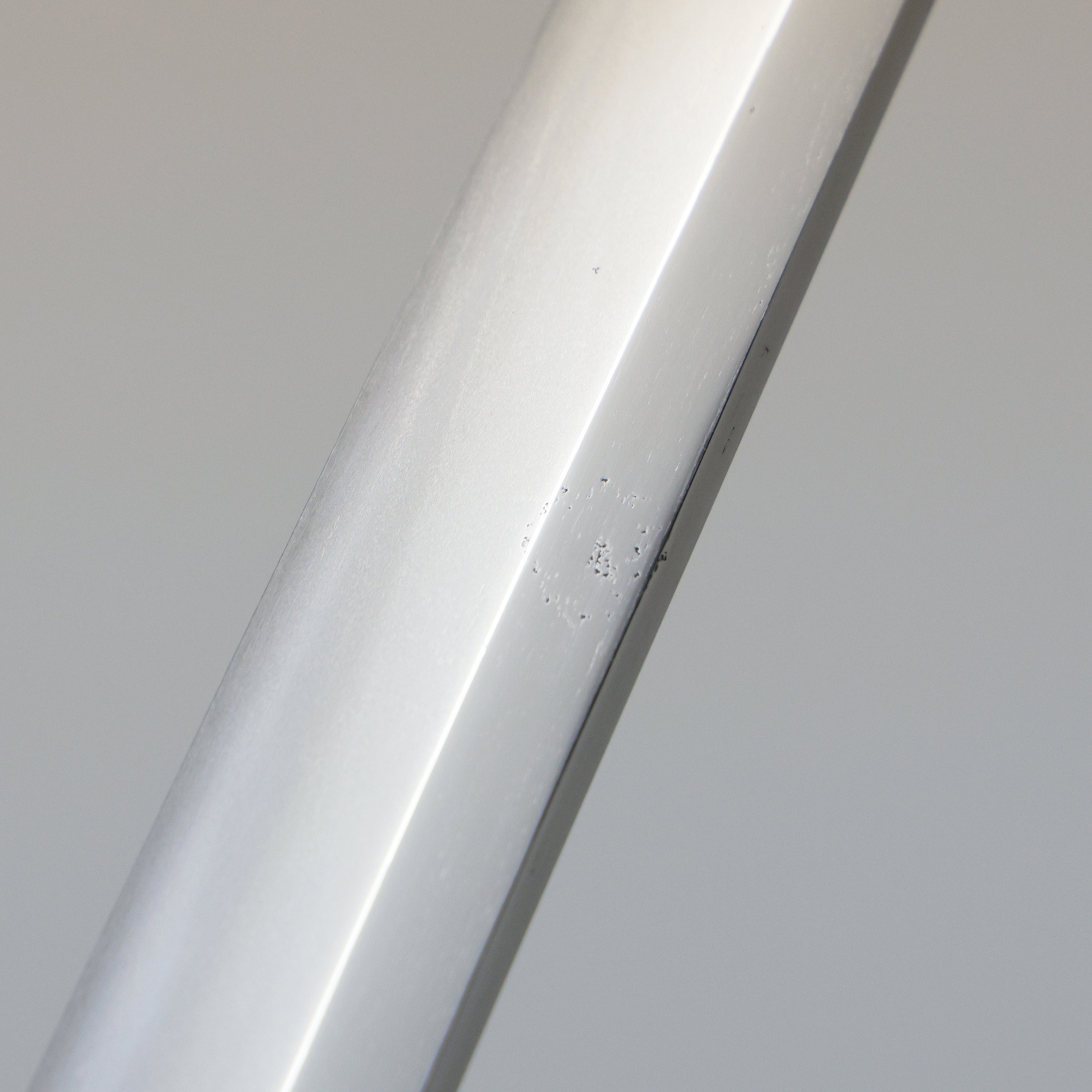
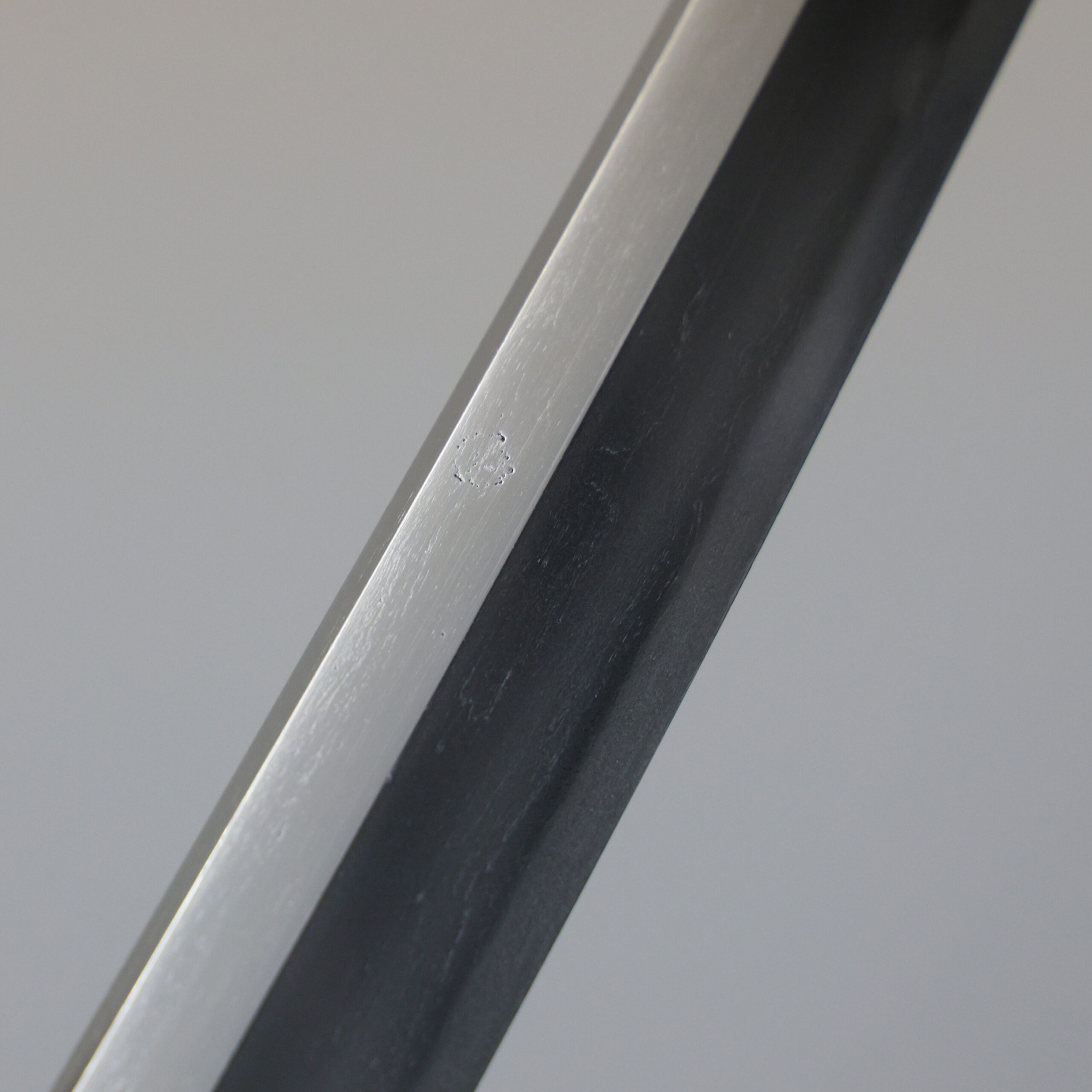
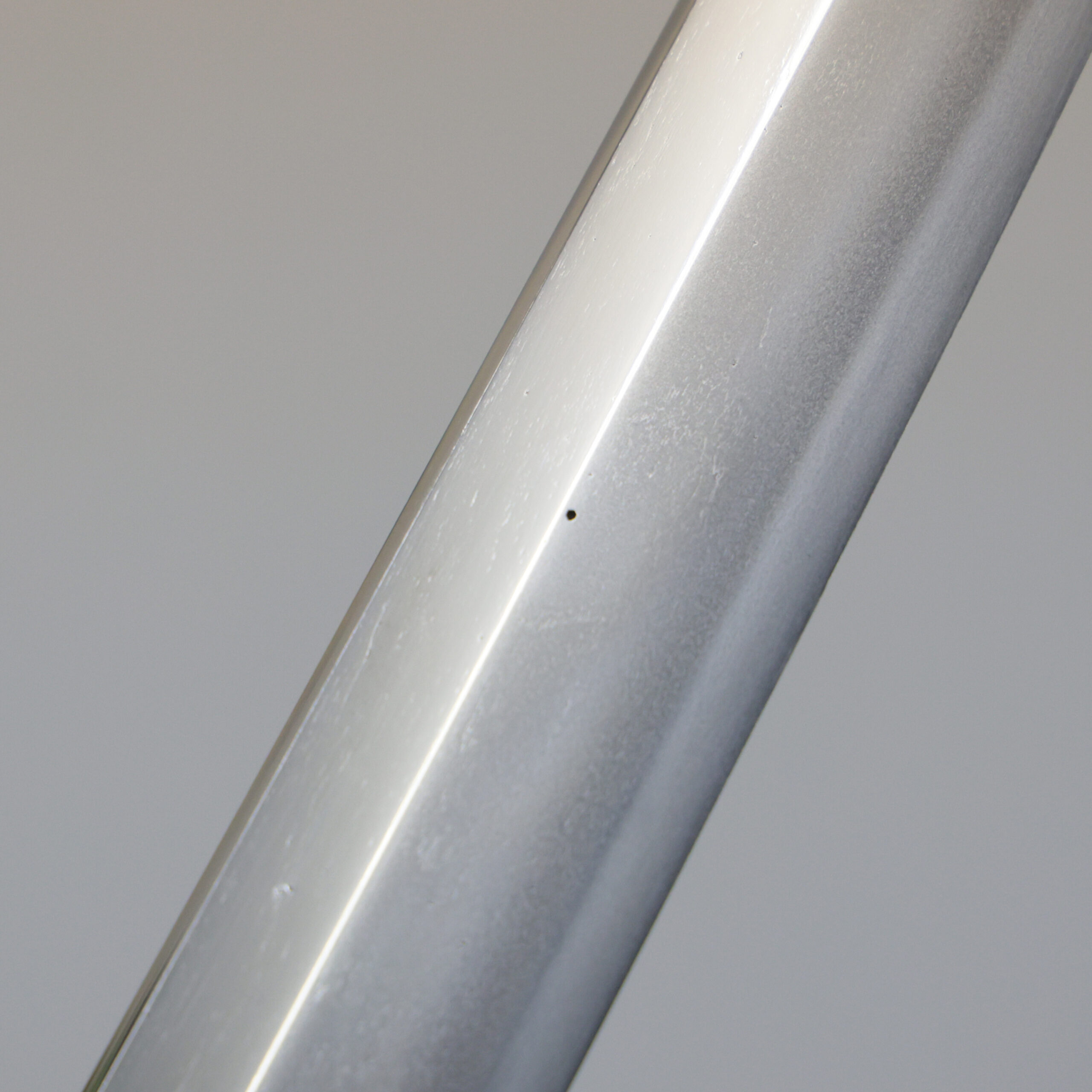
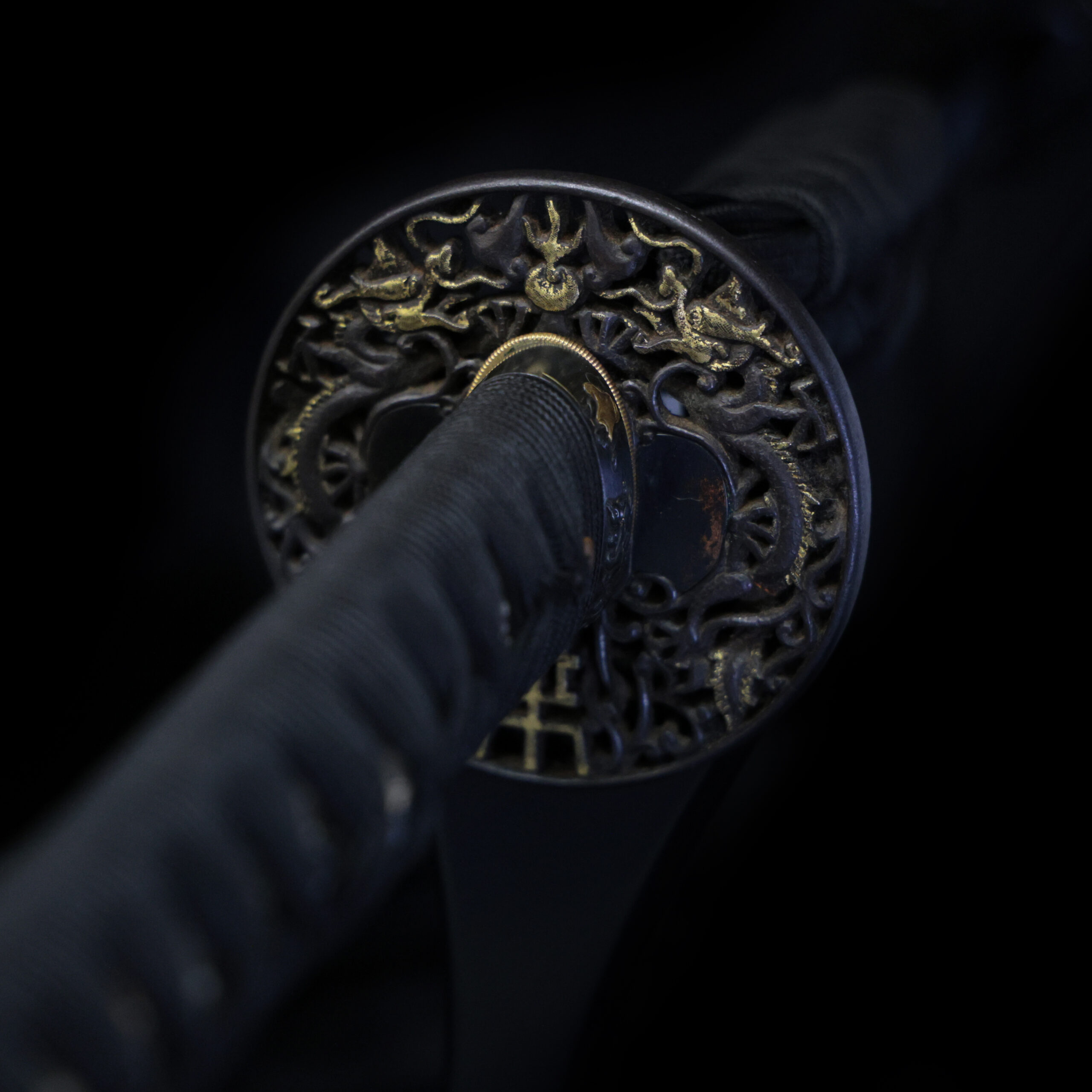
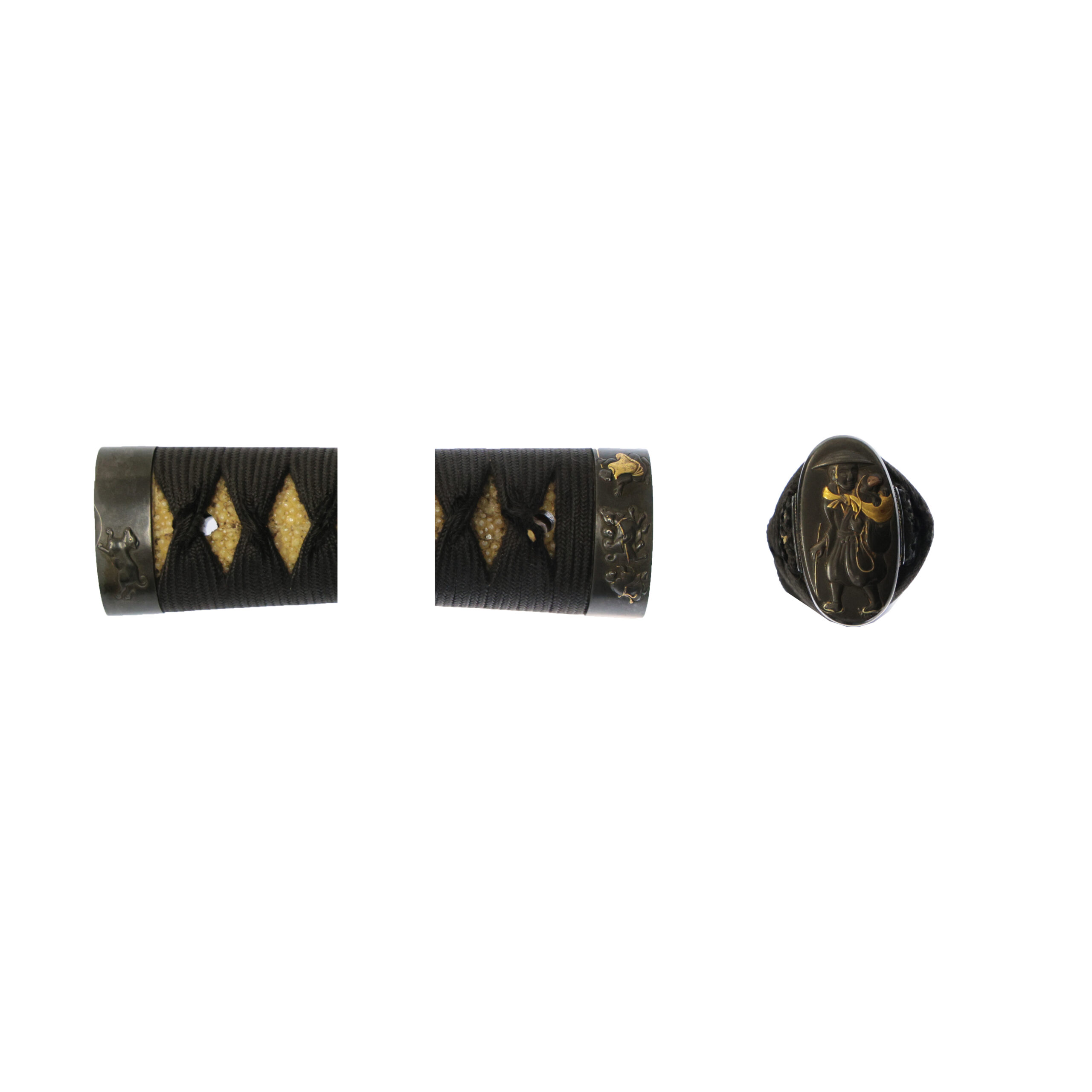
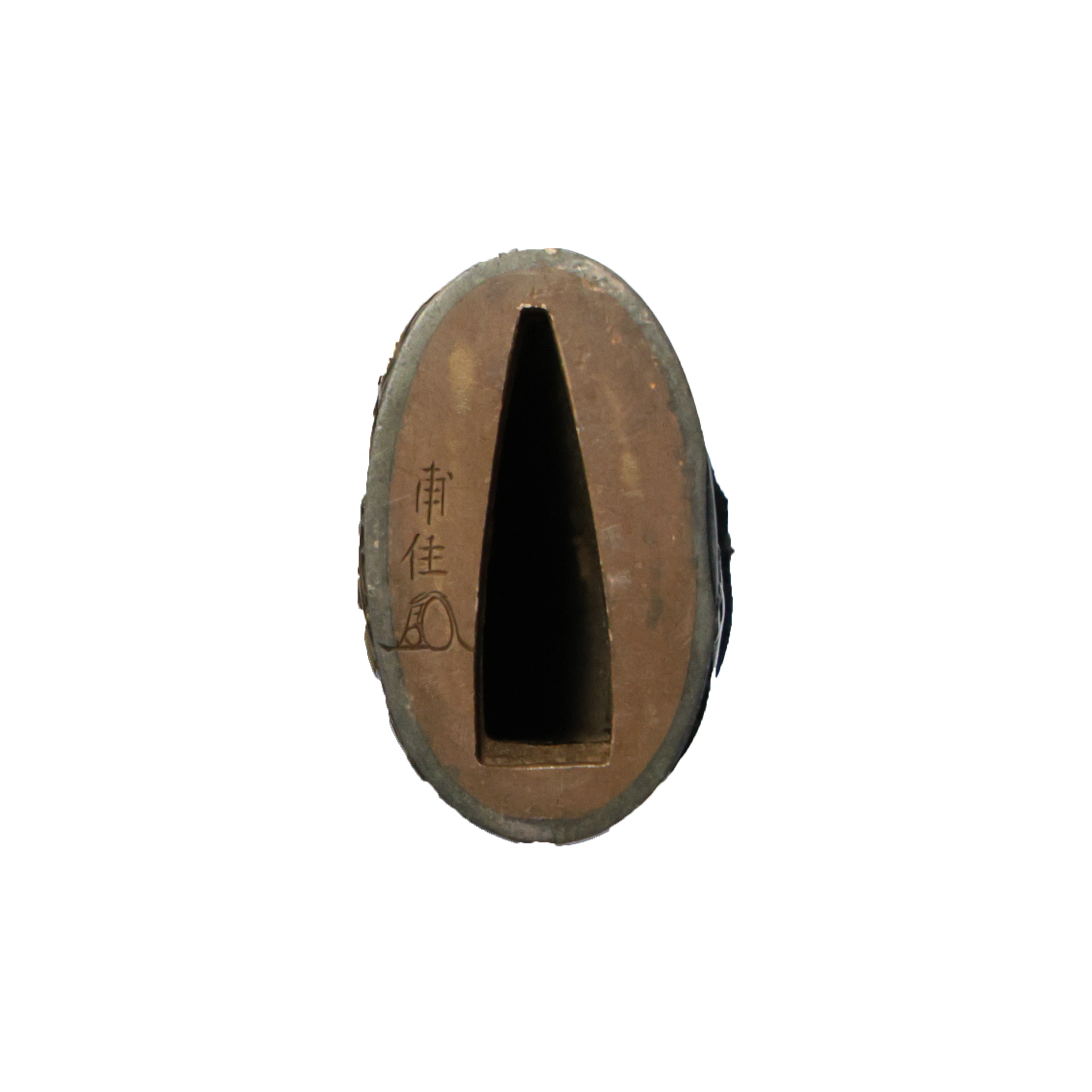
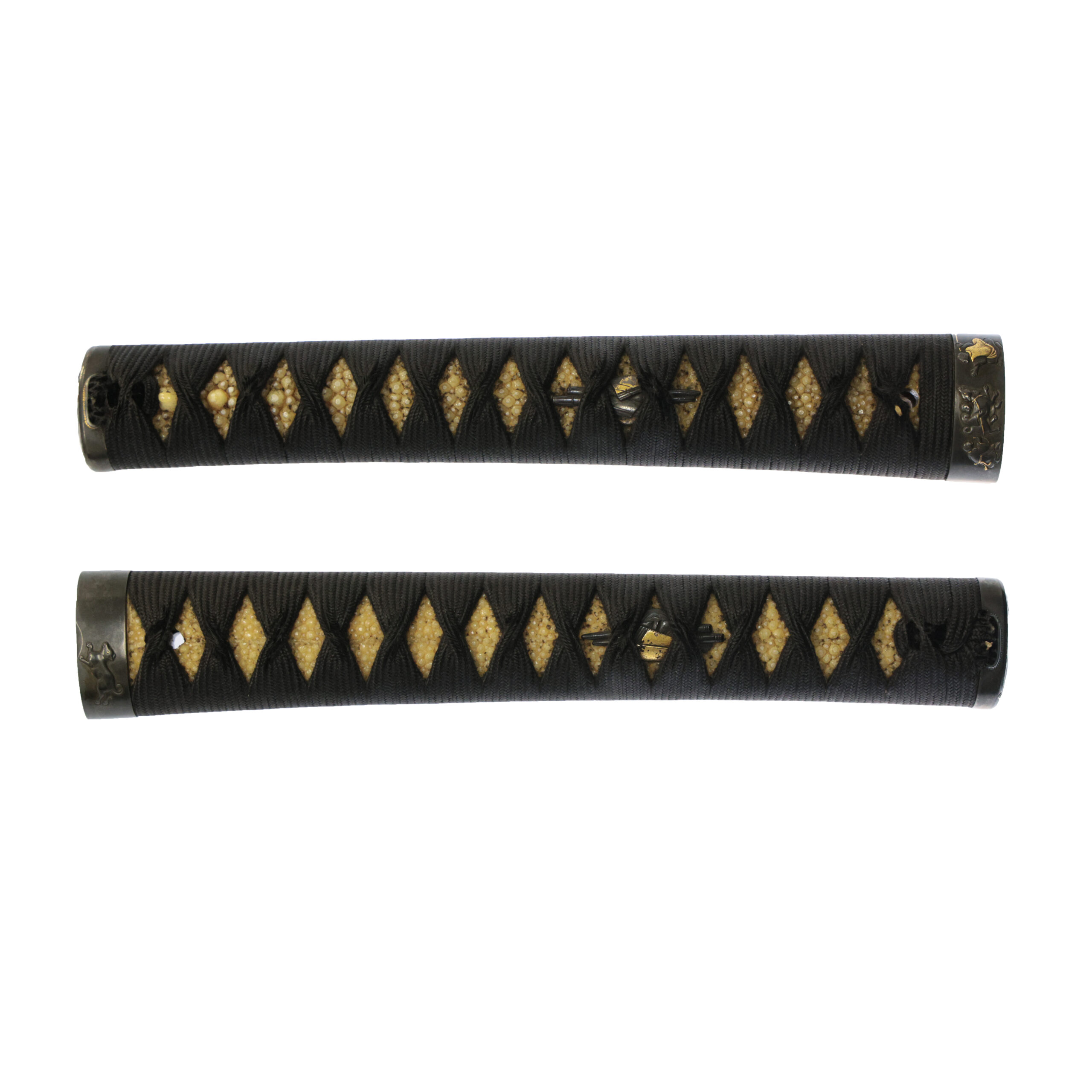
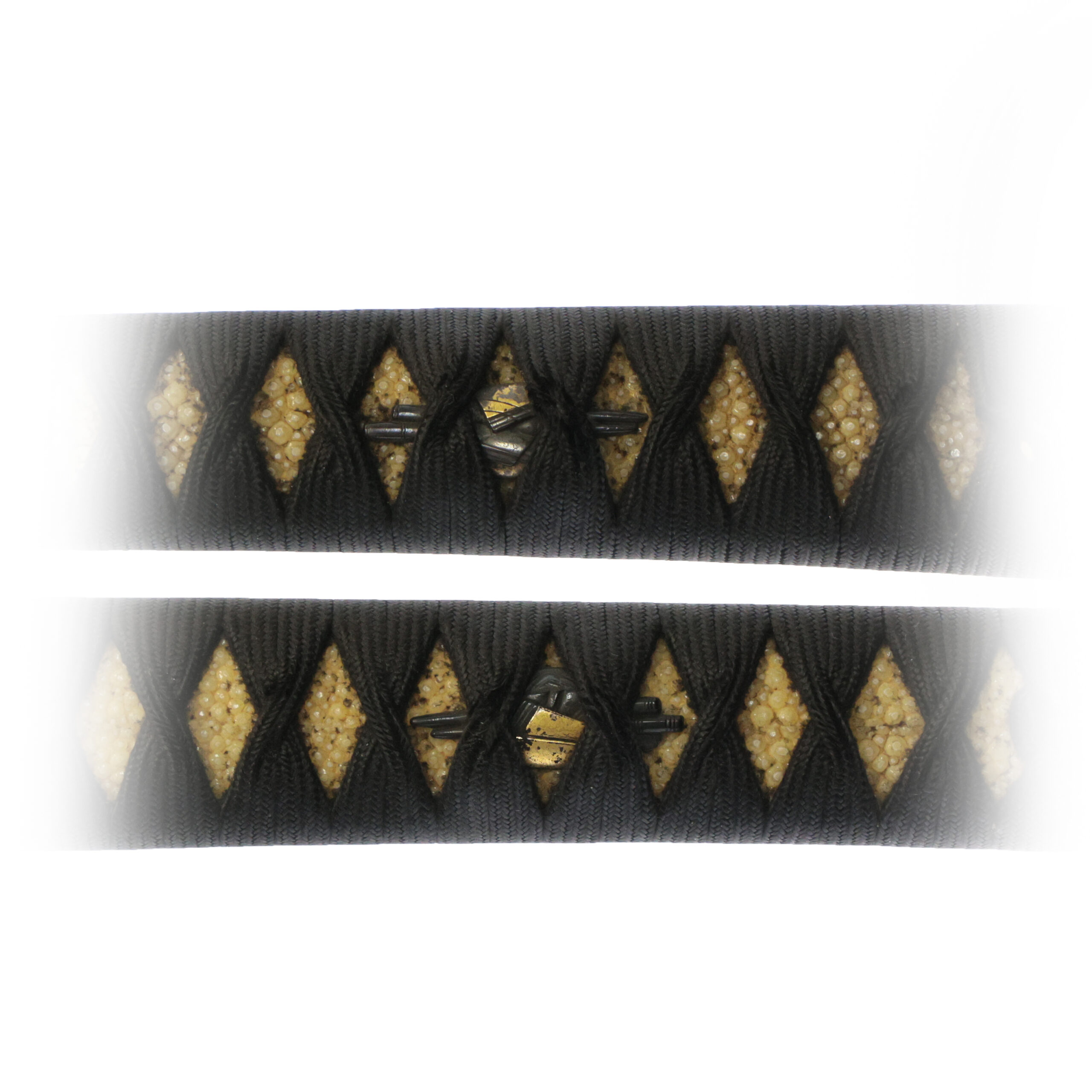
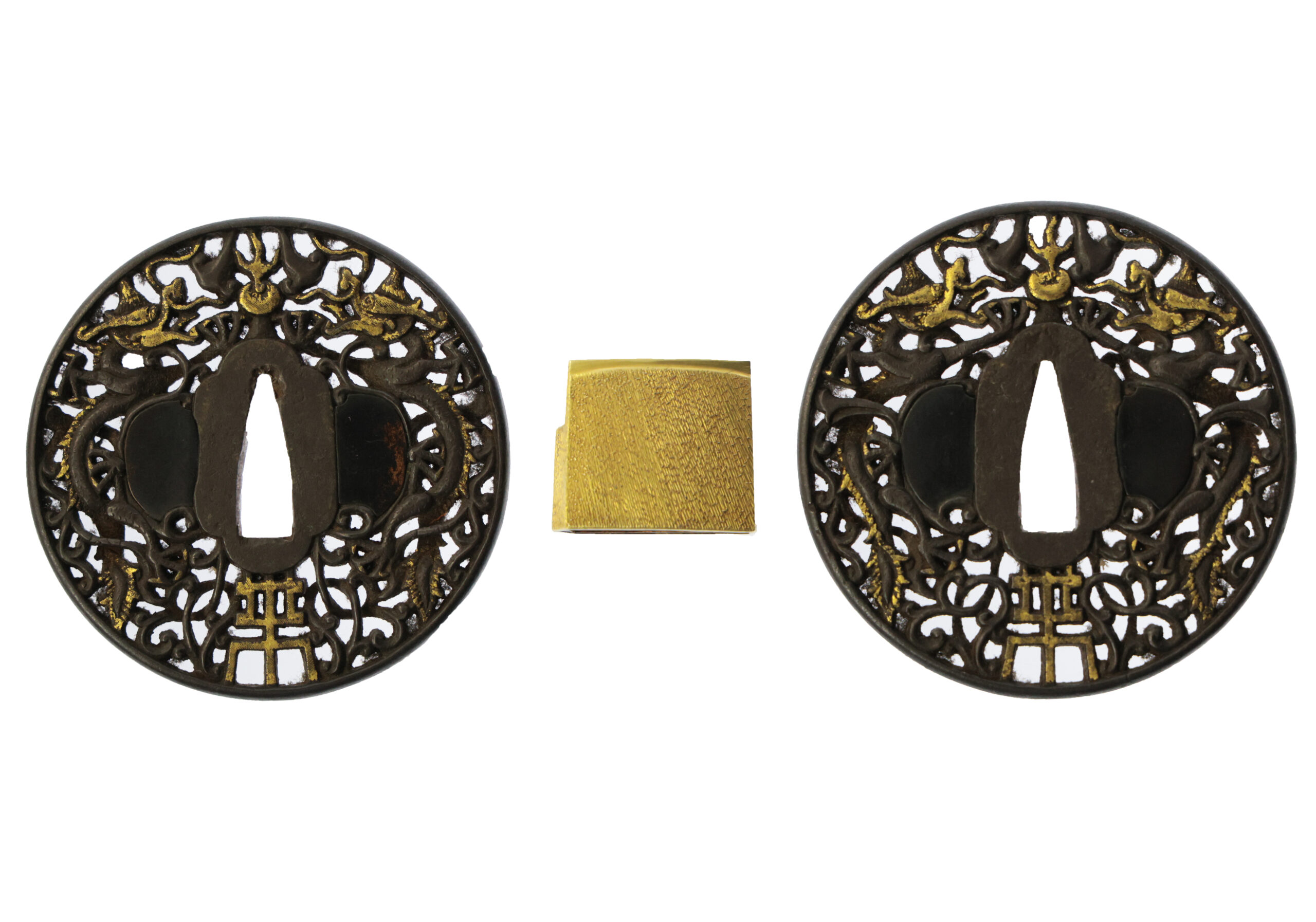
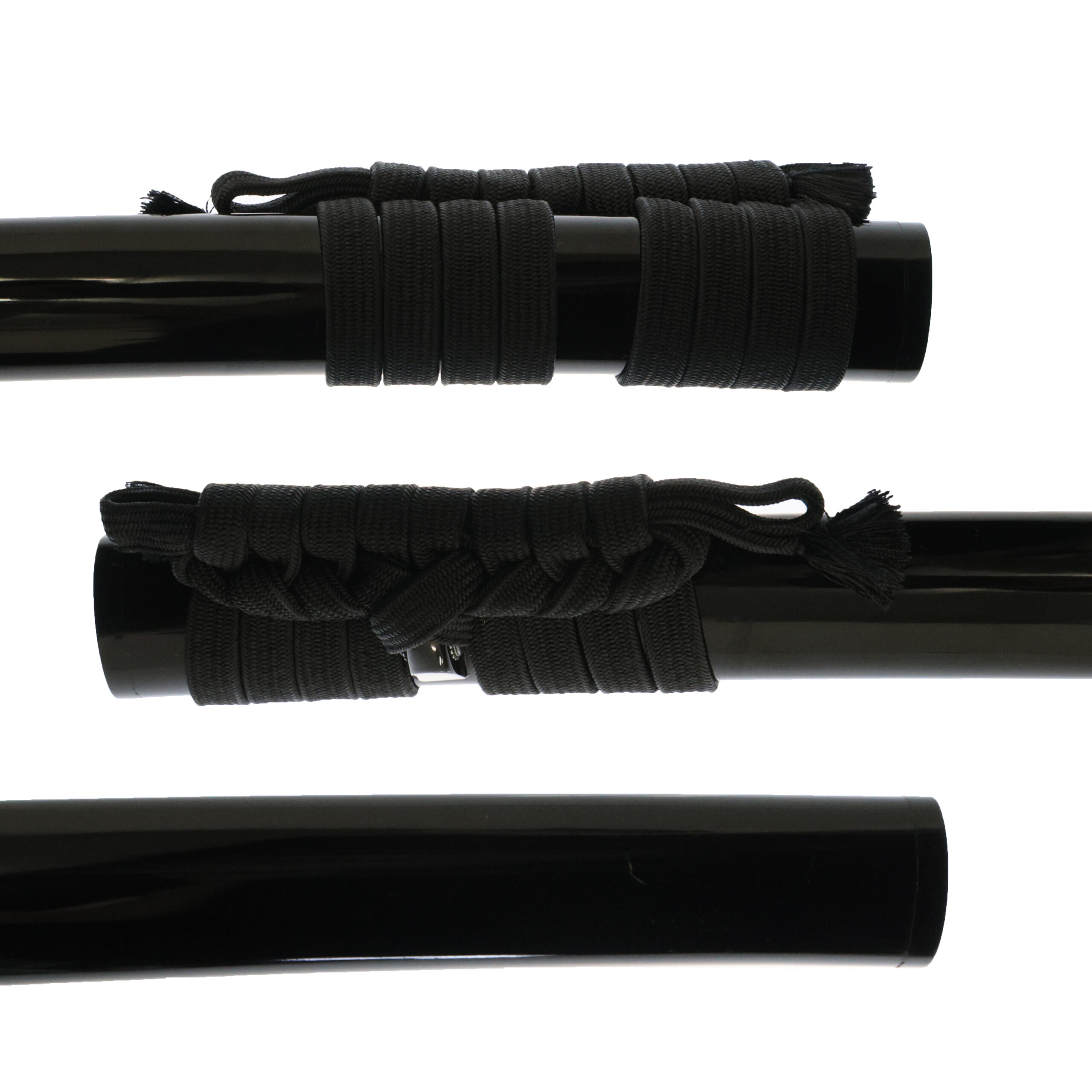
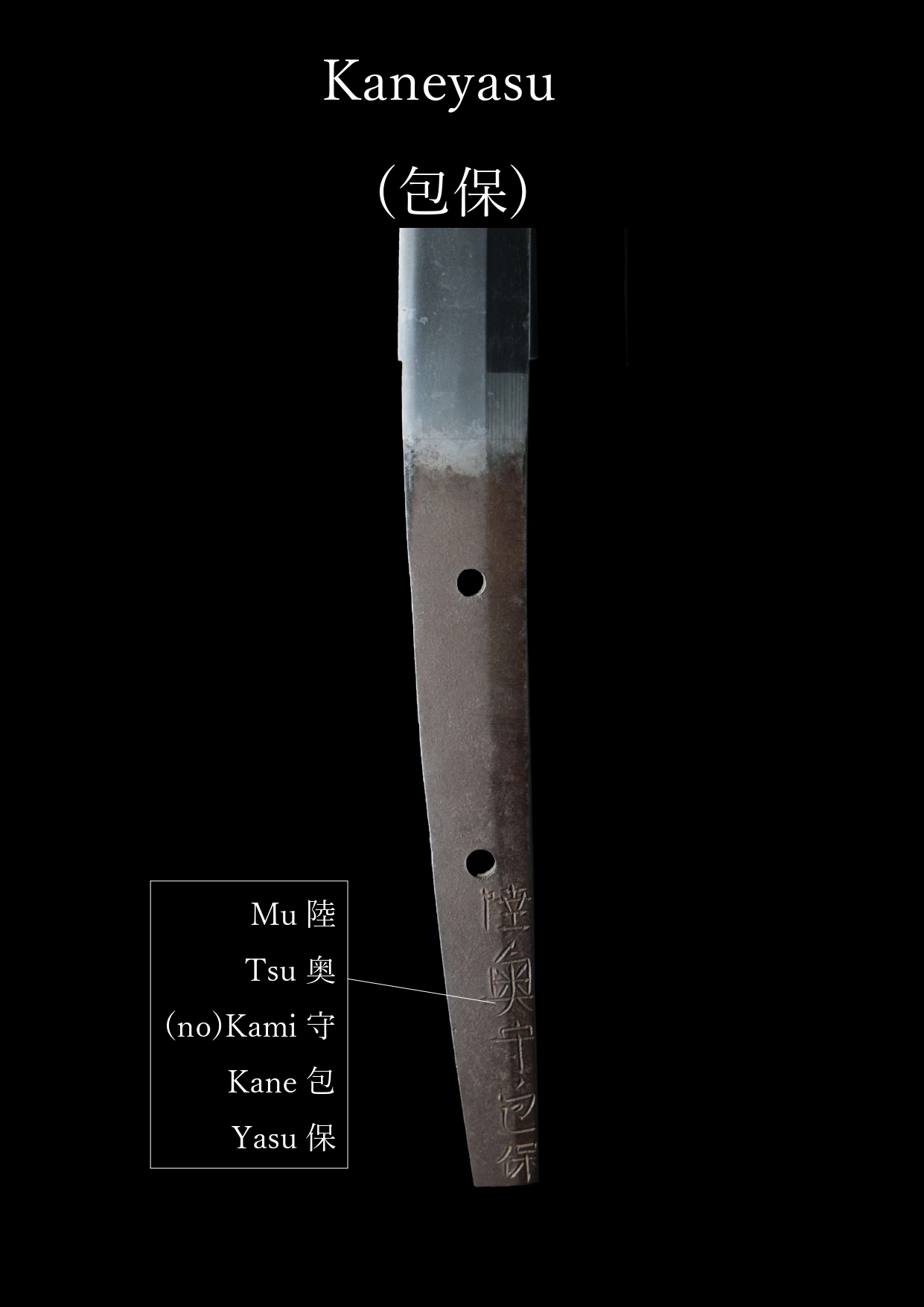
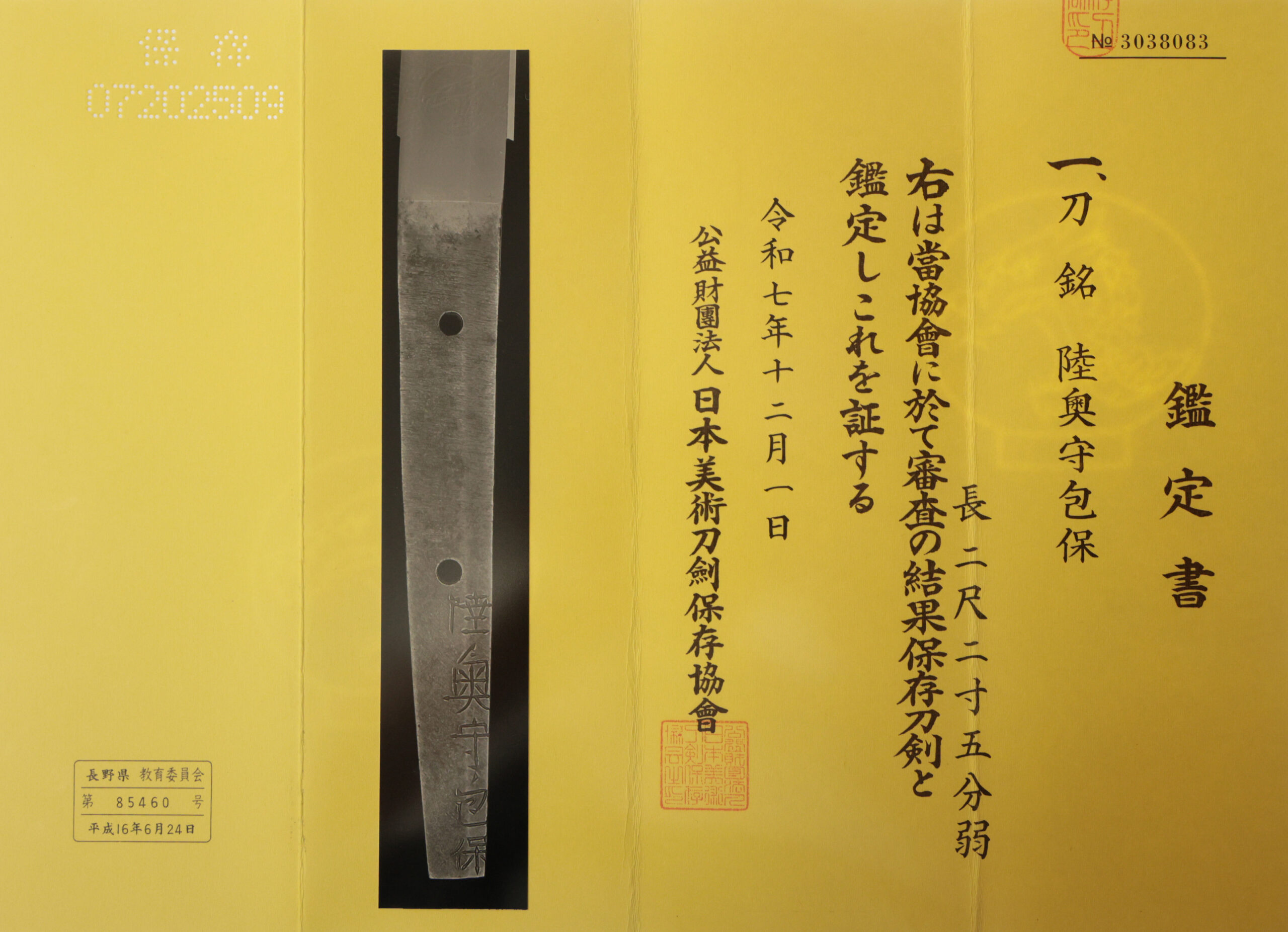
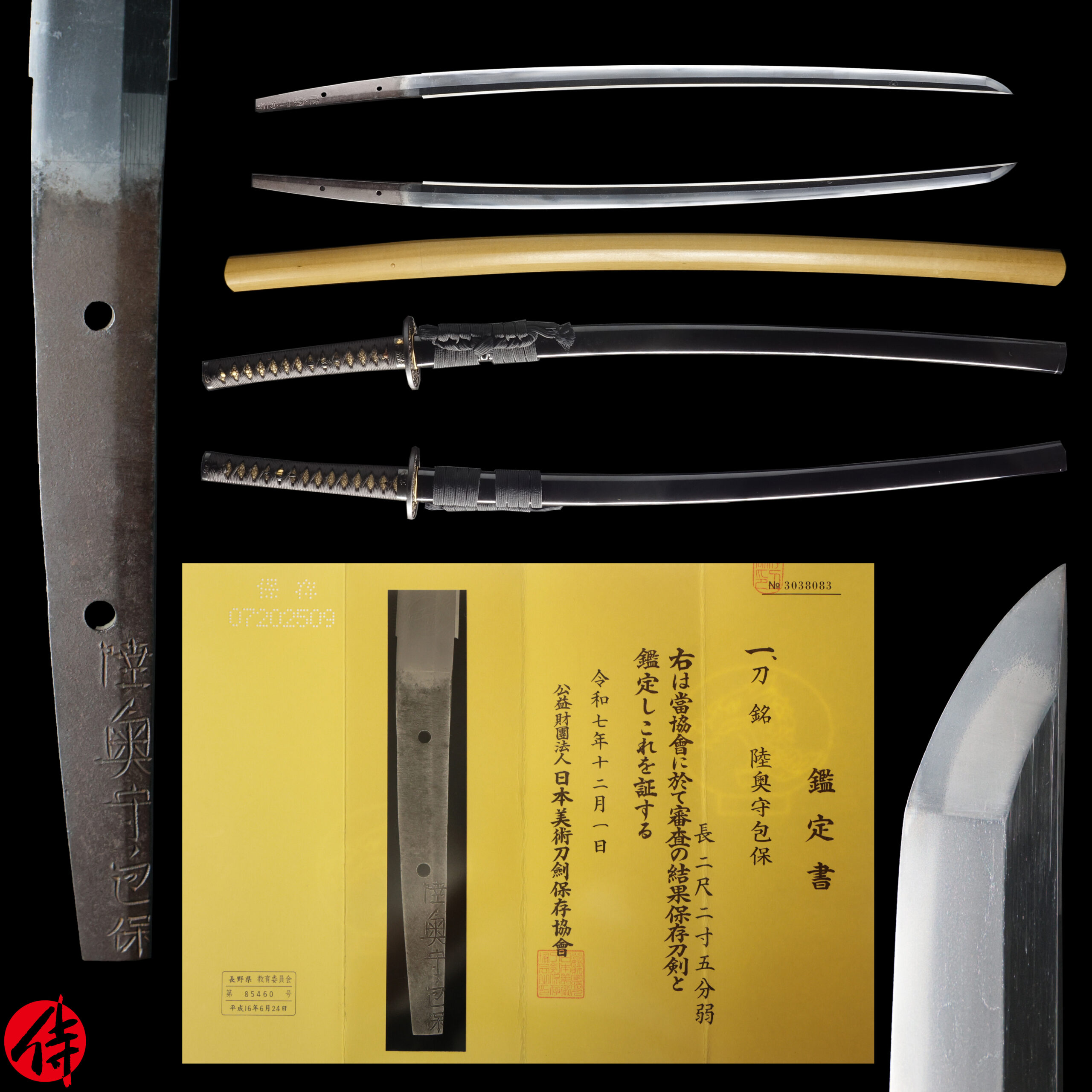
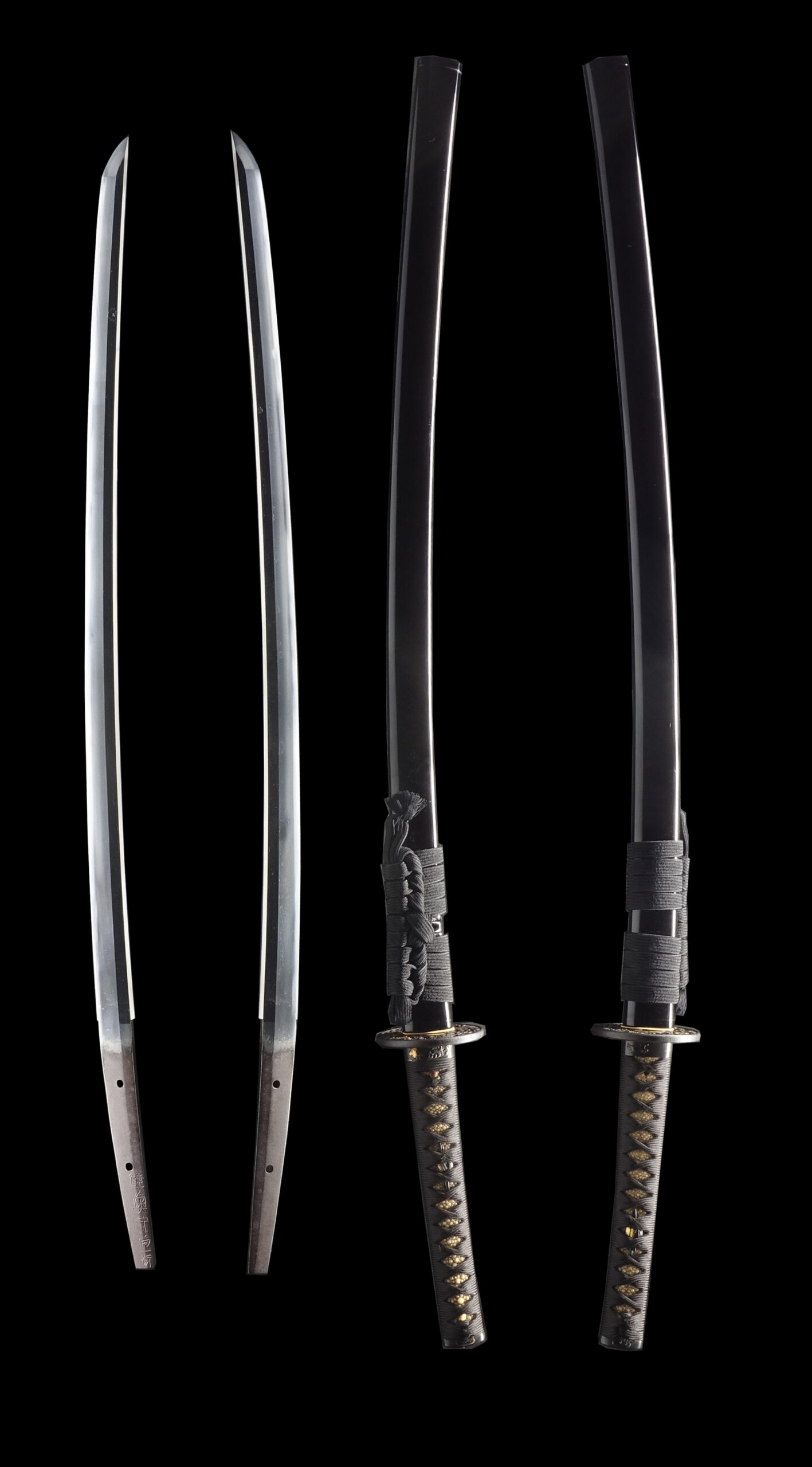
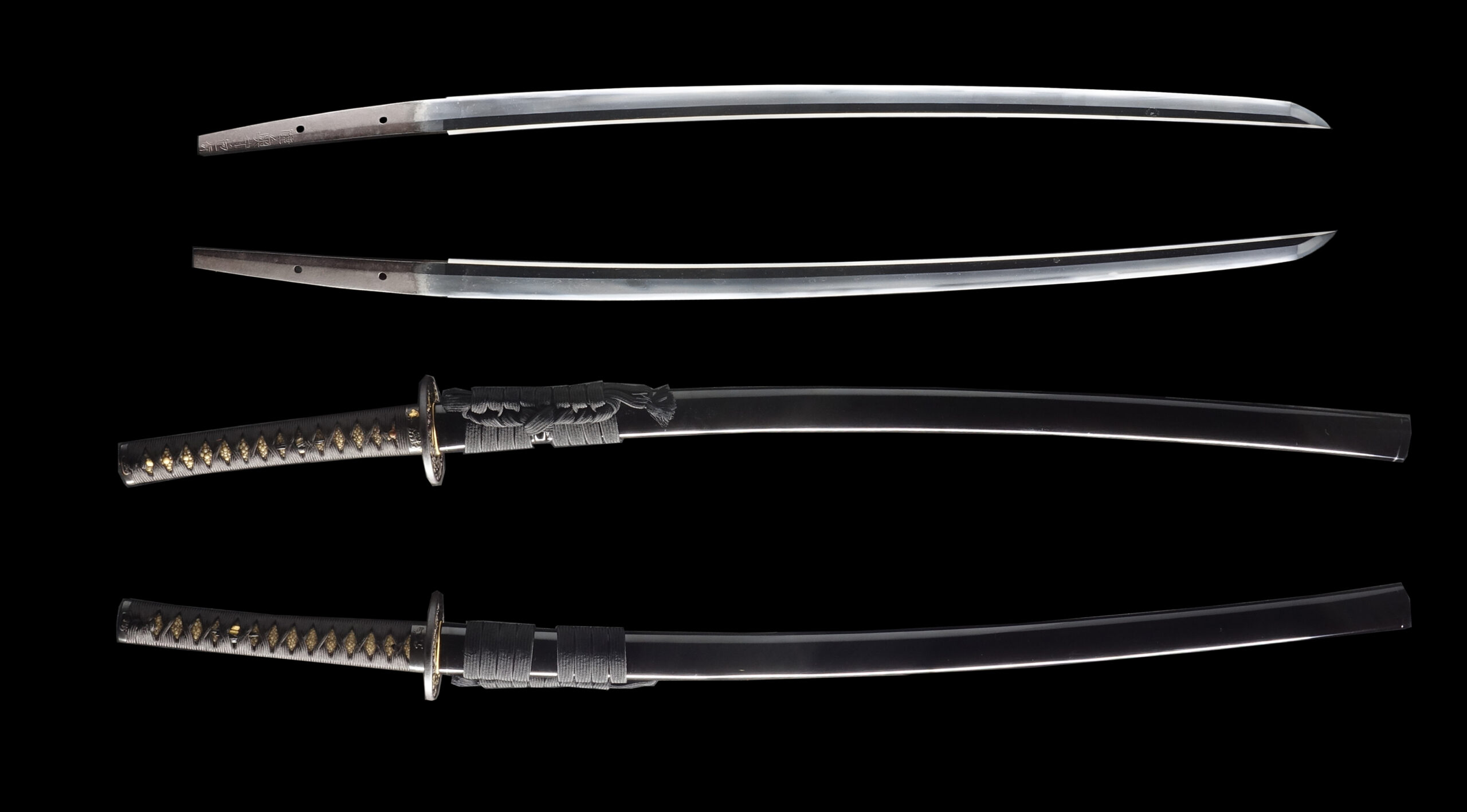
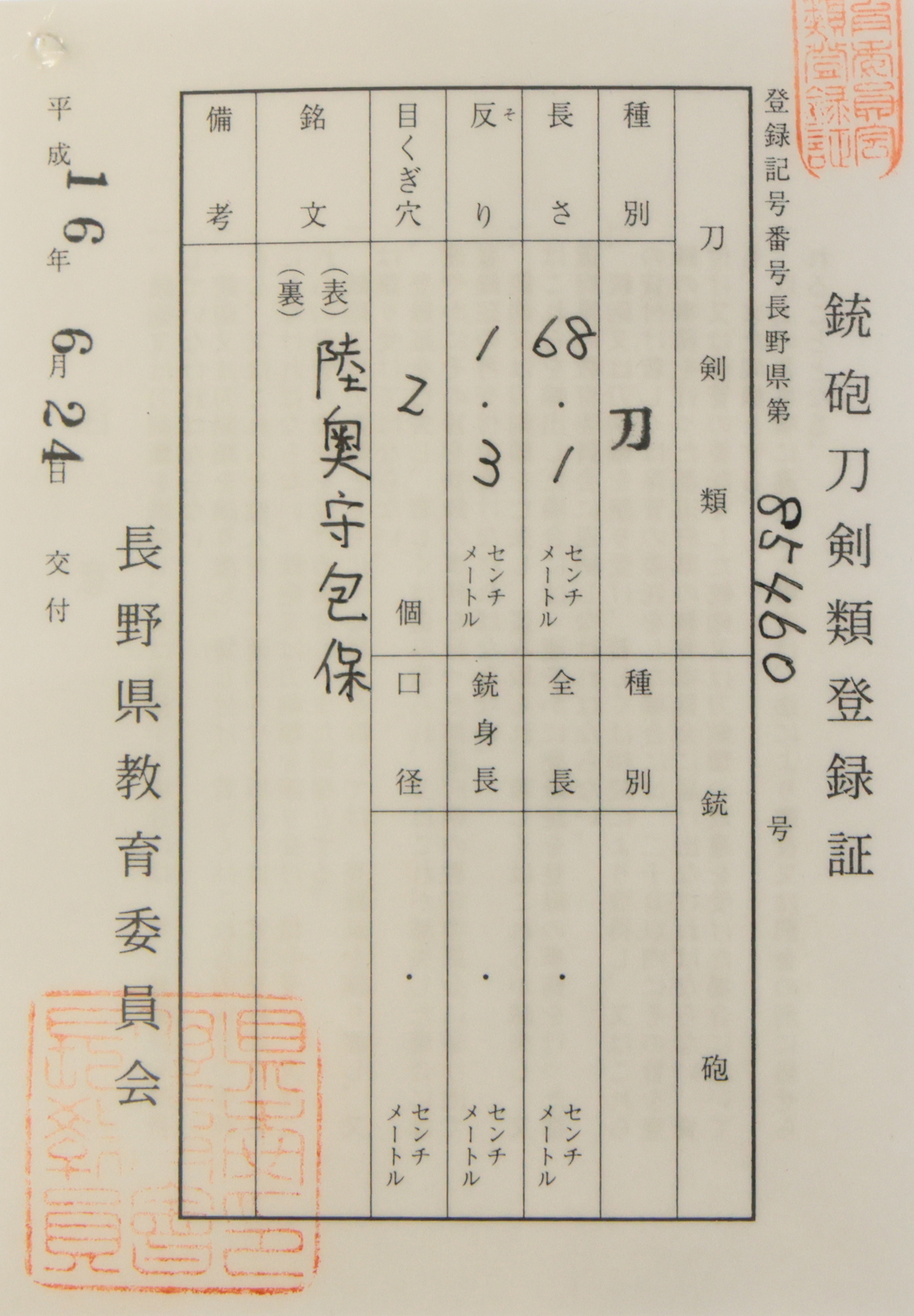
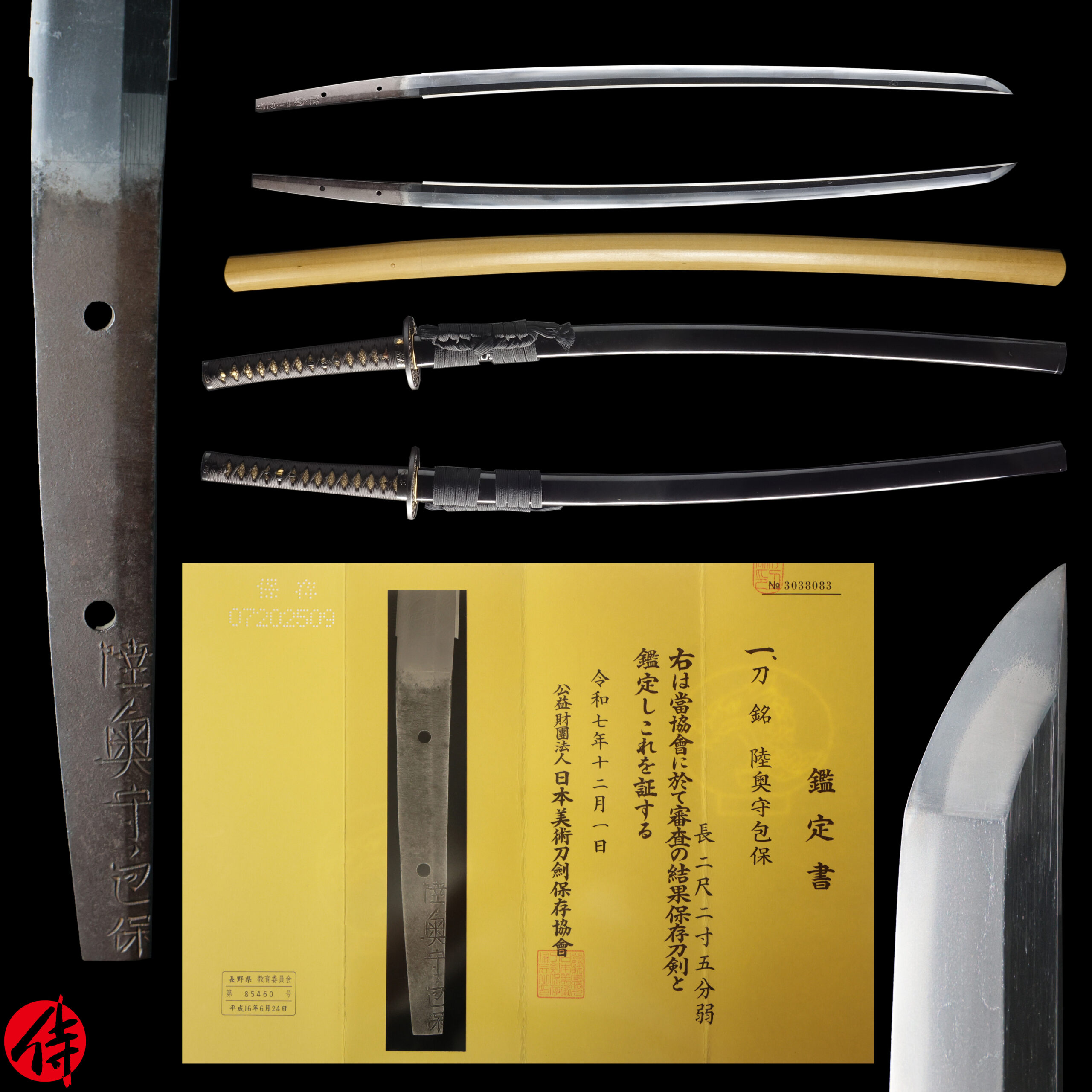
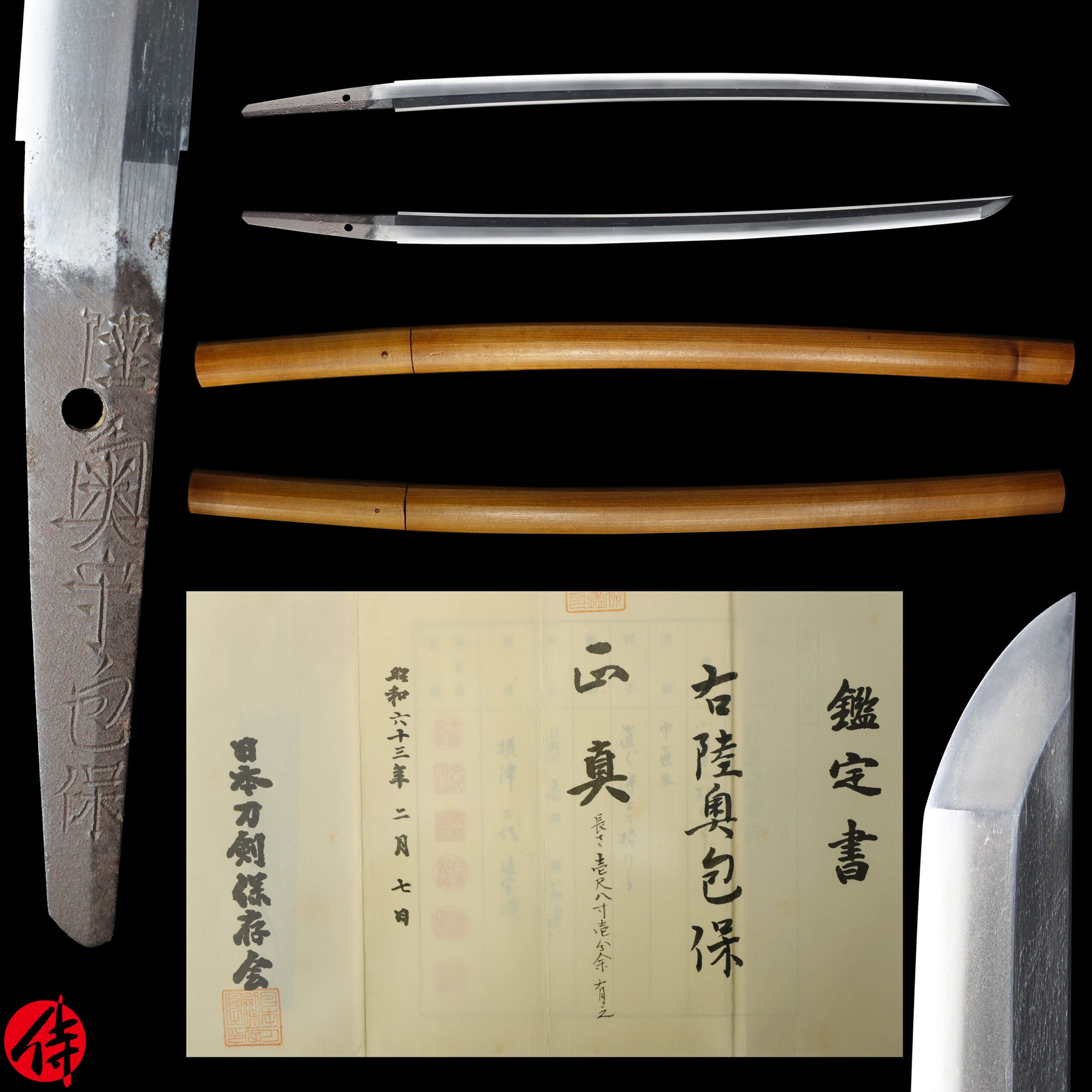
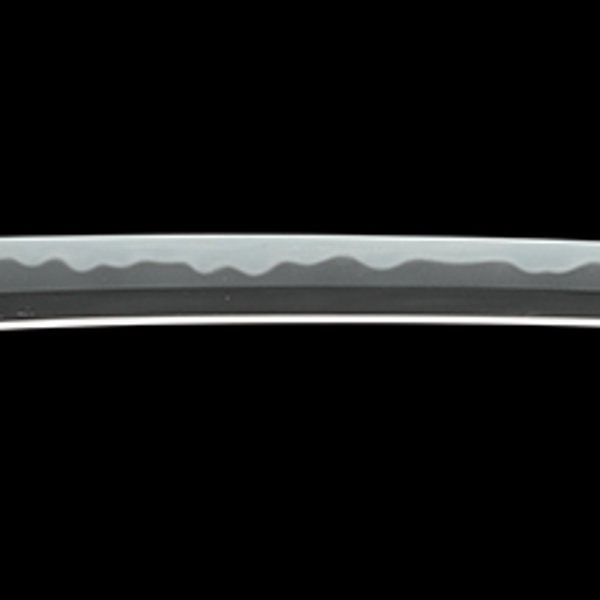
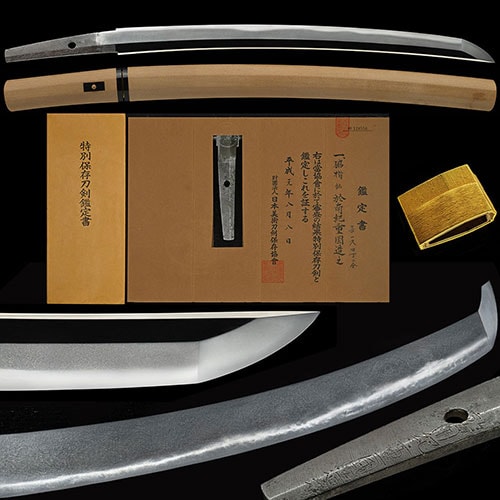
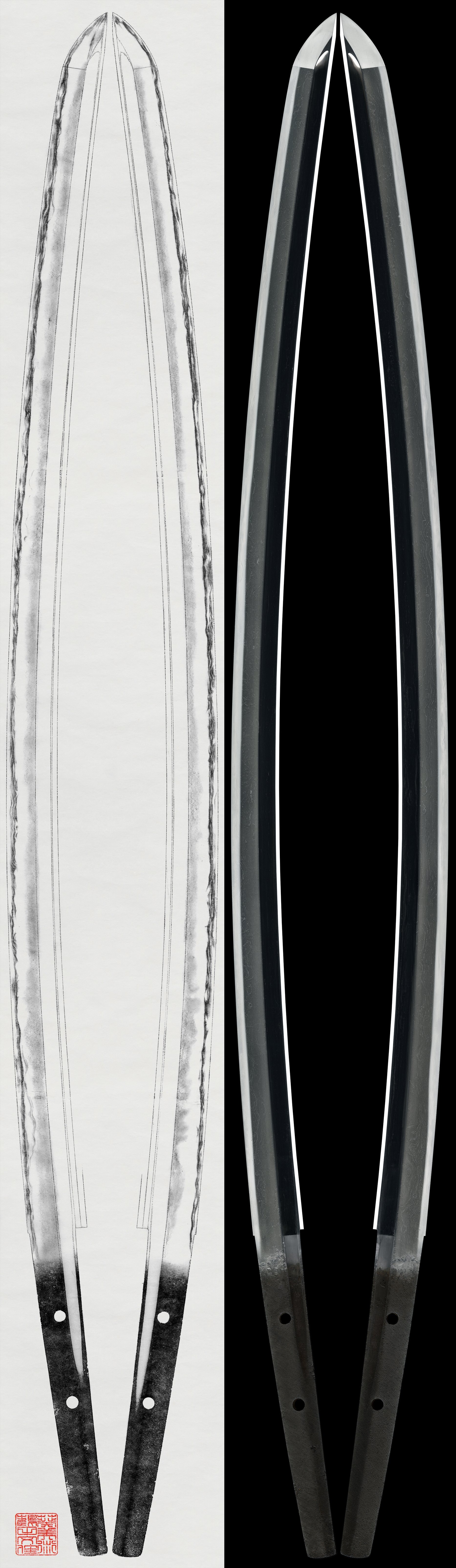
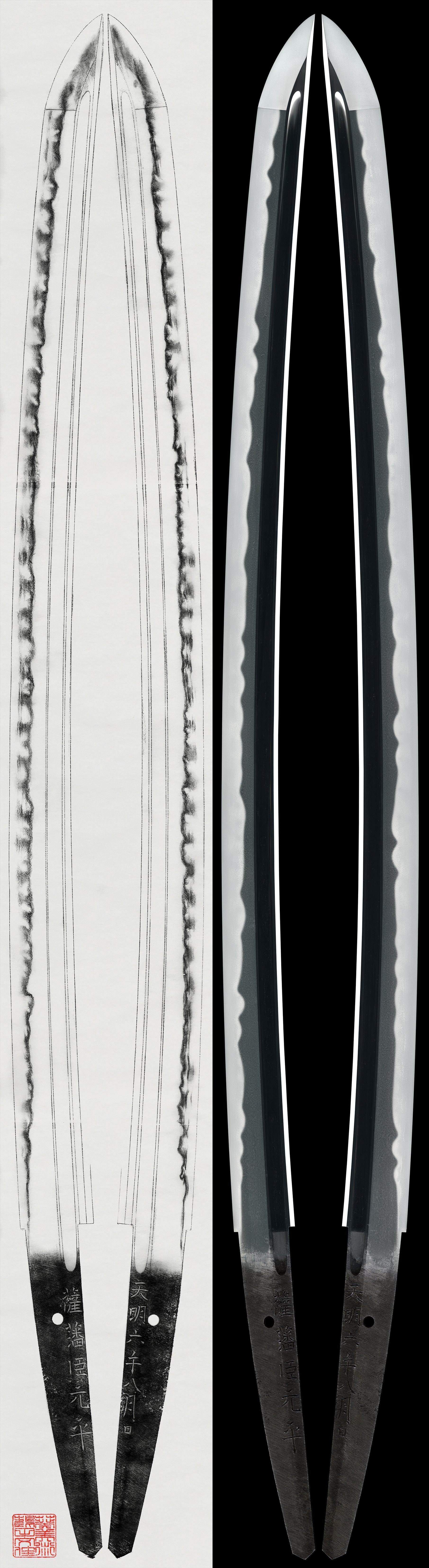
Antique Japanese Sword Katana signed by Kaneyasu with Hozon Certificate 【Description】 This blade was signed by the second-generation Mutsu no Kami Kaneyasu (陸奥守包保). He was originally from Tango Province (the northern part of present-day Kyoto Prefecture). He studied sword-forging as an apprentice under the first-generation Mutsu no Kami Kaneyasu, who later adopted him, making him his legal son. Before succeeding his adoptive father’s smith name, he signed his works as Kaneshige (包重), engraving the signature in reverse—an intentional practice inherited from his master, who was left-handed. After formally taking over the name Kaneyasu, he began signing in the conventional orientation. For this reason, the second generation is known as “Right Mutsu” (右陸奥), while his master is referred to as “Left Mutsu” (左陸奥). He primarily forged swords in Edo and Osaka. Later in his career, together with his adoptive father, he entered the exclusive service of the Mizuno clan at Matsumoto Castle in present-day Nagano Prefecture. Based on extant works, his active period is dated to 1661–1689, during the early Edo period (late 17th century). Osaka Shinto The blades forged by Kaneyasu are categorized as Osaka Shinto. Shinto is Japanese Sword terminology that refers to the swords forged during 1596-1781. The blades made in the Osaka area during this period are called Osaka Shinto. There are many famous swordsmiths in this Osaka Shinto era. After Hideyoshi Toyotomi built Osaka castle, Osaka city flourished as a castle town and became the business center. Many swordsmiths moved to Osaka to look for better opportunities. They not only forged swords for those Samurai who lived in Osaka but also for feudal lords nationwide. One of the most notable characteristics of Osaka Shinto is its beauty in Jigane. Jigane is a visible steel surface pattern created by folding and hammering during the forging process), which made it possible by the location of Osaka. Osaka had close access to the Tamahagane(special carbon steel to make Japanese swords) production sites. The swordsmiths residing in Osaka were able to get high-quality carbon steel from these sites. This blade is appraised as a Hozon Token (保存刀剣) issued by NBTHK (Nihon Bijutsu Touken Hozon Kyokai:日本美術刀剣保存協会). This authentication paper was only given to authentic Japanese swords, well preserved and high quality with artistic value. *Please keep in mind that there are a couple of Kitae Kizu on the blade. If you like to know the detailed condition, please feel free to contact us. 【Blade】 Cutting Edge Length(Nagasa) : 68.1 cm ( 26.8 inches) Curvature(Sori) : 1.3 cm (0.51 inches) Hamon : The crystalline structure which forms along the cutting edge of a blade as a result of the hardening process Jimon(Jihada) : visible steel surface pattern created by folding and hammering during forging process Kissaki : Kissaki is the tip of the Japanese sword. Nakago : Nakago is the tang of the Japanese sword. Japanese swordsmiths left the black rust on the tang because it prevents red rust while the tang is in its handle. And the discoloration of the tang was created over time, and it is a great indicator for a Japanese sword specialist to estimate when the sword was forged. Koshirae :Koshirae is the mounting of the Japanese sword. There are several parts that consist of Koshirae such as Saya (Scabbard), Tsuka (Handle), Tsuba (Handguard). Fuchi-Kashira : A pair of matching sword fittings that cover the upper and bottom parts of its sword hilt. The fuchi-kashira (hilt collar and pommel) depict scenes from everyday life. The kashira shows a traveler wearing a traditional woven hat ( kasa ) and carrying a cloth bundle ( furoshiki ), from which a young monkey peeks out, adding a playful and humorous touch. The fuchi portrays people playfully interacting with a dogs. Rather than depicting warriors or legendary figures, these scenes celebrate the charm of ordinary life. Also, although this Fuchi-Kashira is not accompanied by a

NihontoWatch MonNihontoWatchBETA
MarketAuctionsEncyclopedia
刀剣›大和伝›文珠›包保›Antique Japanese Sword Katana signed by Kaneyasu NBTHK Hozon Certificate
刀保存
包保

Antique Japanese Sword Katana signed by Kaneyasu NBTHK Hozon Certificate

在銘 · 江戸 · 長さ 68.1cm · 反り 1.3cm

$5,027.9
販売店のサイトへ →
包保 — 1 of 27
包保 — 2 of 27
包保 — 3 of 27
包保 — 4 of 27
包保 — 5 of 27
包保 — 6 of 27
包保 — 7 of 27
包保 — 8 of 27
包保 — 9 of 27
包保 — 10 of 27
包保 — 11 of 27
包保 — 12 of 27
包保 — 13 of 27
包保 — 14 of 27
包保 — 15 of 27
包保 — 16 of 27
包保 — 17 of 27
包保 — 18 of 27
包保 — 19 of 27
包保 — 20 of 27
包保 — 21 of 27
包保 — 22 of 27
包保 — 23 of 27
包保 — 24 of 27
包保 — 25 of 27
包保 — 26 of 27
包保 — 27 of 27
1 / 27
1 / 27
包保 — 1 of 27包保 — 2 of 27包保 — 3 of 27包保 — 4 of 27包保 — 5 of 27包保 — 6 of 27包保 — 7 of 27包保 — 8 of 27包保 — 9 of 27包保 — 10 of 27包保 — 11 of 27包保 — 12 of 27包保 — 13 of 27包保 — 14 of 27包保 — 15 of 27包保 — 16 of 27包保 — 17 of 27包保 — 18 of 27包保 — 19 of 27包保 — 20 of 27包保 — 21 of 27包保 — 22 of 27包保 — 23 of 27包保 — 24 of 27包保 — 25 of 27包保 — 26 of 27包保 — 27 of 27
法量・詳細
刀工
包保
種別
刀
流派
Monju
活動期
1624–1655年頃(Kanei-Joo)
国
摂津
銘
在銘
法量
長さ 68.1cm反り 1.3cm
説明

Antique Japanese Sword Katana signed by Kaneyasu with Hozon Certificate 【Description】 This blade was signed by the second-generation Mutsu no Kami Kaneyasu (陸奥守包保). He was originally from Tango Province (the northern part of present-day Kyoto Prefecture). He studied sword-forging as an apprentice under the first-generation Mutsu no Kami Kaneyasu, who later adopted him, making him his legal son. Before succeeding his adoptive father’s smith name, he signed his works as Kaneshige (包重), engraving the signature in reverse—an intentional practice inherited from his master, who was left-handed. After formally taking over the name Kaneyasu, he began signing in the conventional orientation. For this reason, the second generation is known as “Right Mutsu” (右陸奥), while his master is referred to as “Left Mutsu” (左陸奥). He primarily forged swords in Edo and Osaka. Later in his career, together with his adoptive father, he entered the exclusive service of the Mizuno clan at Matsumoto Castle in present-day Nagano Prefecture. Based on extant works, his active period is dated to 1661–1689, during the early Edo period (late 17th century). Osaka Shinto The blades forged by Kaneyasu are categorized as Osaka Shinto. Shinto is Japanese Sword terminology that refers to the swords forged during 1596-1781. The blades made in the Osaka area during this period are called Osaka Shinto. There are many famous swordsmiths in this Osaka Shinto era. After Hideyoshi Toyotomi built Osaka castle, Osaka city flourished as a castle town and became the business center. Many swordsmiths moved to Osaka to look for better opportunities. They not only forged swords for those Samurai who lived in Osaka but also for feudal lords nationwide. One of the most notable characteristics of Osaka Shinto is its beauty in Jigane. Jigane is a visible steel surface pattern created by folding and hammering during the forging process), which made it possible by the location of Osaka. Osaka had close access to the Tamahagane(special carbon steel to make Japanese swords) production sites. The swordsmiths residing in Osaka were able to get high-quality carbon steel from these sites. This blade is appraised as a Hozon Token (保存刀剣) issued by NBTHK (Nihon Bijutsu Touken Hozon Kyokai:日本美術刀剣保存協会). This authentication paper was only given to authentic Japanese swords, well preserved and high quality with artistic value. *Please keep in mind that there are a couple of Kitae Kizu on the blade. If you like to know the detailed condition, please feel free to contact us. 【Blade】 Cutting Edge Length(Nagasa) : 68.1 cm ( 26.8 inches) Curvature(Sori) : 1.3 cm (0.51 inches) Hamon : The crystalline structure which forms along the cutting edge of a blade as a result of the hardening process Jimon(Jihada) : visible steel surface pattern created by folding and hammering during forging process Kissaki : Kissaki is the tip of the Japanese sword. Nakago : Nakago is the tang of the Japanese sword. Japanese swordsmiths left the black rust on the tang because it prevents red rust while the tang is in its handle. And the discoloration of the tang was created over time, and it is a great indicator for a Japanese sword specialist to estimate when the sword was forged. Koshirae :Koshirae is the mounting of the Japanese sword. There are several parts that consist of Koshirae such as Saya (Scabbard), Tsuka (Handle), Tsuba (Handguard). Fuchi-Kashira : A pair of matching sword fittings that cover the upper and bottom parts of its sword hilt. The fuchi-kashira (hilt collar and pommel) depict scenes from everyday life. The kashira shows a traveler wearing a traditional woven hat ( kasa ) and carrying a cloth bundle ( furoshiki ), from which a young monkey peeks out, adding a playful and humorous touch. The fuchi portrays people playfully interacting with a dogs. Rather than depicting warriors or legendary figures, these scenes celebrate the charm of ordinary life. Also, although this Fuchi-Kashira is not accompanied by a

作者について

包保

大和伝 · 摂津 · 1624-1655頃

藤代 Jo saku · 刀剣大鑑 上位31%

現在5点販売中

›
包保の作 5点が現在販売中→
包保 — 詳細大和伝派
流派について

文珠

大和伝 · 大和

現在22点販売中

›

文珠派は、説示が一様に「本国は大和、手掻派の末葉」[[c:1]]と伝える系統を出自とする。ここに収める作はいずれも南紀重国、すなわち通称九郎三郎を名のり、紀州明光山に住して文珠を号した初代重国の手になるもので、慶長年間に徳川家康に召し抱えられて駿府に作刀し、元和五年、家康の第十子徳川頼宣が紀州和歌山へ移封されるに従って和歌山へ移った経緯が繰り返し記される。銘も「和州手搔住重国於駿府造之」[[c:2]]から「於南紀重国造之」「於紀州和歌山重国作」[[c:3]]へと住地の推移を映し、駿府打と紀州打の双方が確認される。すなわち本派の説示が実際に扱う範囲は、大和手掻の末流を承けて駿府から紀州へと展開した桃山から江戸初期の一工とその作域であり、所伝として手掻包永を遠祖に置く点で一貫している。 作風について説示は、当工に大別して二様があると記す。一つはのたれに互の目を交えた乱れ刃で、相州上工、就中、郷(江)義弘に私淑したと想われるもの、他は御家芸というべき大和手掻の直刃を焼いて包永を髣髴とさせるものである。そしていずれの場合にも、板目が流れて杢を交え肌立ちごころとなる鍛えに、地沸が厚くつき、地景がよく入ってかねが冴える地鉄が共通し、刃中もよく沸づいて金筋・砂流しがかかり、殊に地刃の明るく冴える点を本領とする。相州伝の作は小のたれに小互の目・尖りごころの刃を交え、足・葉入り、沸厚くつき処々沸崩れ、湯走り状の飛焼を見せて放胆に乱れる。大和伝の作は中直刃を基調に喰違刃・二重刃・ほつれを交え、帽子は焼詰めごころに掃きかける。さらに両伝を加味してその上に独自の作域を樹立した一類があり、流れ肌や喰違刃に大和色を残しつつ強い沸と金筋に相州色を示すもので、文珠風の刃取りに連なる色合いとも評される。姿は身幅広く寸延びて先反りのつく慶長新刀の体配を採り、平造の脇指に先反りの目立つ造込みを当工の特徴とする。 伝承の上では、説示は地刃の沸の強さ、地景・金筋・砂流しの働き、明るく冴える地刃を鑑定の眼目に挙げ、なかでも相州伝の狙うところが郷にあることを繰り返し説く。帽子の掃きかけと返りの浅さ、流れた鍛肌など、相州伝の作にも本来の大和気質が看取される旨も指摘される。代表作には頼宣の重臣蔭山土佐守宗信や都筑藤一の所持銘を帯びた注文打、元和八年紀を有する脇指などがあり、来歴を記した銘文ともども重国研究上の資料として重んじられる。来歴の確かなものに紀州徳川家伝来の刀があり、長大な生ぶ茎の遺例は奉納刀の可能性も説かれる。当工の相州伝作は磨上げられた例が多く、生ぶ茎を残すものは稀少として珍重される。大和の祖法に相州伝を融合させ独自の作域を開いた点に、本派を貫く位置づけが認められる。

5名の刀工指定65口
主要刀工
刀工時代指定
重國1596-163059
重國1655-16733
包次1596-16150
包藏1624-16440
包有1681-16840
文珠流派を見る →
NBTHK鑑定書
Hozon Tōken保存刀剣
Sword Worthy of Preservation
›

銘が正しい、または無銘でも年代・国・系統を確実に指摘できる、保存に値する真正の作と鑑定されたものです。

NBTHKについて›

日本美術刀剣保存協会(NBTHK)は、1948年に設立され、文化庁の監督を受ける公益財団法人で、東京・刀剣博物館に本部を置きます。専門の審査員が出品作を直接審査し、美術的・歴史的価値に応じた鑑定書を発行します。NBTHKの鑑定書は、日本刀および刀装具の真正性を示す最も広く認知された基準です。

NBTHK公式サイト→
販売店
サ
サムライミュージアム
🇯🇵日本から発送
›
✓認証販売店samuraimuseum.jp
決済通貨:USD
✓海外発送可✓英語対応PayPalクレジットカード
返品ポリシー

Returns/exchanges limited to defects caused by shipping (except willful misconduct or gross negligence by the company); customers must contact within 72 hours of receiving the product.

サムライミュージアムの出品一覧を見る→販売店サイトでこの商品を見る→

包保の他の作

すべて見る →
銀座長州屋
特別保存
Katana - Tokuho - by Monju Kaneyasu - 刀 銘 陸奥守包保(業物)Katana - Tokuho - by Monju Kaneyasu - 刀 銘 陸奥守包保(業物)

刀

作包保
70.8cm·Shoho (1644-1648)
¥1,200,000
十拳
保存
Katana - Hozon - by Monju Kaneyasu - 刀/陸奥守包保(左陸奥)Katana - Hozon - by Monju Kaneyasu - 刀/陸奥守包保(左陸奥)

刀

作包保
65.2cm·Shoho (1644-1648)
¥650,000
Toyuukai
保存
Katana - Hozon - by Monju Kaneyasu - 陸奥守包保 2尺4寸6分半 保存刀剣鑑定書 品番:KA012Katana - Hozon - by Monju Kaneyasu - 陸奥守包保 2尺4寸6分半 保存刀剣鑑定書 品番:KA012

刀

作包保
¥1,300,000
刀心
保存
Wakizashi - Hozon - by Monju Kaneyasu - 陸奥守包保 甲割(右陸奥) 3-947Wakizashi - Hozon - by Monju Kaneyasu - 陸奥守包保 甲割(右陸奥) 3-947

脇差

作包保
45.1cm·新刀
¥660,000

包保の売約済み

銀座長州屋
Katana - by Monju Kaneyasu - 銘 陸奥守包保(業物)Katana - by Monju Kaneyasu - 銘 陸奥守包保(業物)
売切れ

刀

作包保
Shoho (1644-1648)
売却済
池田美術
Wakizashi - by Monju Kaneyasu - 【大阪新刀】「陸奥守包保」 53.2cm 、鑑賞に・拵を付け居合・試斬刀として!!!Wakizashi - by Monju Kaneyasu - 【大阪新刀】「陸奥守包保」 53.2cm 、鑑賞に・拵を付け居合・試斬刀として!!!
売切れ

脇差

作包保
53.2cm·Kanbun (1661-1673)
売却済
池田美術
Wakizashi - by Monju Kaneyasu - 【大脇指】「陸奥守包保(左陸奥)」 59.7 、鑑賞に・居合・試斬刀として!!!Wakizashi - by Monju Kaneyasu - 【大脇指】「陸奥守包保(左陸奥)」 59.7 、鑑賞に・居合・試斬刀として!!!
売切れ

脇差

作包保
59.7cm·江戸
売却済
サムライミュージアム
特別保存
Katana - Tokuho - by Monju Kaneyasu - Antique Japanese Sword Katana Signed by Kaneyasu NBTHK Tokubetsu Hozon CertificateKatana - Tokuho - by Monju Kaneyasu - Antique Japanese Sword Katana Signed by Kaneyasu NBTHK Tokubetsu Hozon Certificate
売切れ

刀

作包保
71.5cm·Shoho (1644-1648)
売却済

文珠派の作

すべて見る →
永楽堂
特別保存
Katana - Tokuho - by Monju Shigekuni - 南紀重国 刀 特別保存刀剣Katana - Tokuho - by Monju Shigekuni - 南紀重国 刀 特別保存刀剣

刀

作重國
76.6cm·Keicho (1596-1615)
¥5,500,000
飯田高遠堂
重要
Katana - Jūyō - by Monju Shigekuni - 刀剣Katana - Jūyō - by Monju Shigekuni - 刀剣

刀

作重國
69.9cm·Keicho (1596-1615)
¥9,900,000
葵美術
特別保存
Wakizashi - Tokuho - by Monju School - 脇差:文珠重国造之(日本美術刀剣保存協会 特別保存刀剣)Wakizashi - Tokuho - by Monju School - 脇差:文珠重国造之(日本美術刀剣保存協会 特別保存刀剣)

脇差

作文珠派
53cm·江戸
¥500,000
銀座長州屋
Wakizashi - by Monju Shigekuni - 銘 於南紀重国造之 (良業物)Wakizashi - by Monju Shigekuni - 銘 於南紀重国造之 (良業物)

脇差

作重國
Keicho (1596-1615)
お問い合わせ
Toyuukai
特別保存
Wakizashi - Tokuho - by Monju School - 脇指 於南紀重国造之 最上作 特別保存刀剣鑑定書 品番:WA022Wakizashi - Tokuho - by Monju School - 脇指 於南紀重国造之 最上作 特別保存刀剣鑑定書 品番:WA022

脇差

作文珠派
新刀
¥2,200,000
刀心
特別保存
Wakizashi - Tokuho - by Monju Masazane - 武蔵住源正真 3-522Wakizashi - Tokuho - by Monju Masazane - 武蔵住源正真 3-522

脇差

作正真
49.52cm·新刀
¥660,000
永楽堂
特別保存
Wakizashi - Tokuho - by Monju School - 南紀重国造 脇差 特別保存刀剣Wakizashi - Tokuho - by Monju School - 南紀重国造 脇差 特別保存刀剣

脇差

作文珠派
43cm·新刀
¥2,000,000
Japanese Sword Books and Tsuba
特別保存
Wakizashi - Tokuho - by Monju School - Q882. 特別保存刀剣 文珠重国作 小脇差Wakizashi - Tokuho - by Monju School - Q882. 特別保存刀剣 文珠重国作 小脇差

脇差

作文珠派
36.3cm·新刀
¥3,495

大和の伝統

すべて見る →
草薙の舎
特別保存
Katana - Tokuho - by Shikkake Norinaga - 尻懸派の祖大業物初代『尻懸則長』特別保存刀剣鑑定書Katana - Tokuho - by Shikkake Norinaga - 尻懸派の祖大業物初代『尻懸則長』特別保存刀剣鑑定書

刀

作則長
65.4cm·Bunpo (1317-1319)
¥1,280,000
葵美術
特別保存
Katana - Tokuho - by Tegai School - 刀:無銘(手掻)(日本美術刀剣保存協会 特別保存刀剣)(附 拵:特別貴重刀装具)Katana - Tokuho - by Tegai School - 刀:無銘(手掻)(日本美術刀剣保存協会 特別保存刀剣)(附 拵:特別貴重刀装具)

刀

作手掻派
69.5cm·鎌倉
開始価格¥2,500,000
葵美術
保存
Wakizashi - Hozon - by Mihara School - 脇差:無銘(三原)(日本美術刀剣保存協会 保存刀剣)Wakizashi - Hozon - by Mihara School - 脇差:無銘(三原)(日本美術刀剣保存協会 保存刀剣)

脇差

作三原派
53.9cm·Late Kamakura (c. 1278)
開始価格¥250,000
つるぎの屋
重要
Katana - Jūyō - by Tegai Kanenaga - 刀 手掻包永Katana - Jūyō - by Tegai Kanenaga - 刀 手掻包永

刀

作包永
68.8cm·Teio (1222-1224)
¥7,500,000
江州屋刀剣店
特重
Katana - Tokuju - by Satsuma Yasuyo - 🔶特別重要刀剣(一ッ葉葵紋)主馬首一平藤原朝臣安代 享保12年3月吉日於薩刕給黎郡作之Katana - Tokuju - by Satsuma Yasuyo - 🔶特別重要刀剣(一ッ葉葵紋)主馬首一平藤原朝臣安代 享保12年3月吉日於薩刕給黎郡作之

刀

作安代
76.9cm·Kyoho (1716-1736)
お問い合わせ
刀心
特別保存
Tanto - Tokuho - by Tegai School - 無銘(手掻包俊) 4-333Tanto - Tokuho - by Tegai School - 無銘(手掻包俊) 4-333

短刀

作手掻派
28cm·南北朝
¥1,100,000
Nihon Art
NTHK
Katana - NTHK - by Tegai Kanetoshi - 大和手掻包利 刀Katana - NTHK - by Tegai Kanetoshi - 大和手掻包利 刀

刀

作包俊
室町
お問い合わせ
Nihon Art
特別保存
Wakizashi - Tokuho - by Taima School - 大和当麻 脇差 田野辺氏鞘書付Wakizashi - Tokuho - by Taima School - 大和当麻 脇差 田野辺氏鞘書付

脇差

作当麻派
46.9cm·古刀
お問い合わせ

刀剣

  • 刀
  • 脇差
  • 短刀
  • 太刀
  • 薙刀
  • 槍

刀装具

  • 鍔
  • 縁頭
  • 小柄
  • 目貫

鑑定別

  • 特重
  • 重要
  • 特別保存
  • 保存

リソース

  • 刀剣商一覧
  • 刀工一覧
  • すべて見る
Nihontowatch© 2026
利用規約プライバシーCookie運営者情報

説明

Antique Japanese Sword Katana signed by Kaneyasu with Hozon Certificate 【Description】 This blade was signed by the second-generation Mutsu no Kami Kaneyasu (陸奥守包保). He was originally from Tango Province (the northern part of present-day Kyoto Prefecture). He studied sword-forging as an apprentice under the first-generation Mutsu no Kami Kaneyasu, who later adopted him, making him his legal son. Before succeeding his adoptive father’s smith name, he signed his works as Kaneshige (包重), engraving the signature in reverse—an intentional practice inherited from his master, who was left-handed. After formally taking over the name Kaneyasu, he began signing in the conventional orientation. For this reason, the second generation is known as “Right Mutsu” (右陸奥), while his master is referred to as “Left Mutsu” (左陸奥). He primarily forged swords in Edo and Osaka. Later in his career, together with his adoptive father, he entered the exclusive service of the Mizuno clan at Matsumoto Castle in present-day Nagano Prefecture. Based on extant works, his active period is dated to 1661–1689, during the early Edo period (late 17th century). Osaka Shinto The blades forged by Kaneyasu are categorized as Osaka Shinto. Shinto is Japanese Sword terminology that refers to the swords forged during 1596-1781. The blades made in the Osaka area during this period are called Osaka Shinto. There are many famous swordsmiths in this Osaka Shinto era. After Hideyoshi Toyotomi built Osaka castle, Osaka city flourished as a castle town and became the business center. Many swordsmiths moved to Osaka to look for better opportunities. They not only forged swords for those Samurai who lived in Osaka but also for feudal lords nationwide. One of the most notable characteristics of Osaka Shinto is its beauty in Jigane. Jigane is a visible steel surface pattern created by folding and hammering during the forging process), which made it possible by the location of Osaka. Osaka had close access to the Tamahagane(special carbon steel to make Japanese swords) production sites. The swordsmiths residing in Osaka were able to get high-quality carbon steel from these sites. This blade is appraised as a Hozon Token (保存刀剣) issued by NBTHK (Nihon Bijutsu Touken Hozon Kyokai:日本美術刀剣保存協会). This authentication paper was only given to authentic Japanese swords, well preserved and high quality with artistic value. *Please keep in mind that there are a couple of Kitae Kizu on the blade. If you like to know the detailed condition, please feel free to contact us. 【Blade】 Cutting Edge Length(Nagasa) : 68.1 cm ( 26.8 inches) Curvature(Sori) : 1.3 cm (0.51 inches) Hamon : The crystalline structure which forms along the cutting edge of a blade as a result of the hardening process Jimon(Jihada) : visible steel surface pattern created by folding and hammering during forging process Kissaki : Kissaki is the tip of the Japanese sword. Nakago : Nakago is the tang of the Japanese sword. Japanese swordsmiths left the black rust on the tang because it prevents red rust while the tang is in its handle. And the discoloration of the tang was created over time, and it is a great indicator for a Japanese sword specialist to estimate when the sword was forged. Koshirae :Koshirae is the mounting of the Japanese sword. There are several parts that consist of Koshirae such as Saya (Scabbard), Tsuka (Handle), Tsuba (Handguard). Fuchi-Kashira : A pair of matching sword fittings that cover the upper and bottom parts of its sword hilt. The fuchi-kashira (hilt collar and pommel) depict scenes from everyday life. The kashira shows a traveler wearing a traditional woven hat ( kasa ) and carrying a cloth bundle ( furoshiki ), from which a young monkey peeks out, adding a playful and humorous touch. The fuchi portrays people playfully interacting with a dogs. Rather than depicting warriors or legendary figures, these scenes celebrate the charm of ordinary life. Also, although this Fuchi-Kashira is not accompanied by a

NihontoWatch MonNihontoWatchBETA
MarketAuctionsEncyclopedia
刀剣›大和伝›文珠›包保›Antique Japanese Sword Katana signed by Kaneyasu NBTHK Hozon Certificate
刀保存
包保

Antique Japanese Sword Katana signed by Kaneyasu NBTHK Hozon Certificate

在銘 · 江戸 · 長さ 68.1cm · 反り 1.3cm

$5,027.9
販売店のサイトへ →
包保 — 1 of 27
包保 — 2 of 27
包保 — 3 of 27
包保 — 4 of 27
包保 — 5 of 27
包保 — 6 of 27
包保 — 7 of 27
包保 — 8 of 27
包保 — 9 of 27
包保 — 10 of 27
包保 — 11 of 27
包保 — 12 of 27
包保 — 13 of 27
包保 — 14 of 27
包保 — 15 of 27
包保 — 16 of 27
包保 — 17 of 27
包保 — 18 of 27
包保 — 19 of 27
包保 — 20 of 27
包保 — 21 of 27
包保 — 22 of 27
包保 — 23 of 27
包保 — 24 of 27
包保 — 25 of 27
包保 — 26 of 27
包保 — 27 of 27
1 / 27
1 / 27
包保 — 1 of 27包保 — 2 of 27包保 — 3 of 27包保 — 4 of 27包保 — 5 of 27包保 — 6 of 27包保 — 7 of 27包保 — 8 of 27包保 — 9 of 27包保 — 10 of 27包保 — 11 of 27包保 — 12 of 27包保 — 13 of 27包保 — 14 of 27包保 — 15 of 27包保 — 16 of 27包保 — 17 of 27包保 — 18 of 27包保 — 19 of 27包保 — 20 of 27包保 — 21 of 27包保 — 22 of 27包保 — 23 of 27包保 — 24 of 27包保 — 25 of 27包保 — 26 of 27包保 — 27 of 27
法量・詳細
刀工
包保
種別
刀
流派
Monju
活動期
1624–1655年頃(Kanei-Joo)
国
摂津
銘
在銘
法量
長さ 68.1cm反り 1.3cm
説明

Antique Japanese Sword Katana signed by Kaneyasu with Hozon Certificate 【Description】 This blade was signed by the second-generation Mutsu no Kami Kaneyasu (陸奥守包保). He was originally from Tango Province (the northern part of present-day Kyoto Prefecture). He studied sword-forging as an apprentice under the first-generation Mutsu no Kami Kaneyasu, who later adopted him, making him his legal son. Before succeeding his adoptive father’s smith name, he signed his works as Kaneshige (包重), engraving the signature in reverse—an intentional practice inherited from his master, who was left-handed. After formally taking over the name Kaneyasu, he began signing in the conventional orientation. For this reason, the second generation is known as “Right Mutsu” (右陸奥), while his master is referred to as “Left Mutsu” (左陸奥). He primarily forged swords in Edo and Osaka. Later in his career, together with his adoptive father, he entered the exclusive service of the Mizuno clan at Matsumoto Castle in present-day Nagano Prefecture. Based on extant works, his active period is dated to 1661–1689, during the early Edo period (late 17th century). Osaka Shinto The blades forged by Kaneyasu are categorized as Osaka Shinto. Shinto is Japanese Sword terminology that refers to the swords forged during 1596-1781. The blades made in the Osaka area during this period are called Osaka Shinto. There are many famous swordsmiths in this Osaka Shinto era. After Hideyoshi Toyotomi built Osaka castle, Osaka city flourished as a castle town and became the business center. Many swordsmiths moved to Osaka to look for better opportunities. They not only forged swords for those Samurai who lived in Osaka but also for feudal lords nationwide. One of the most notable characteristics of Osaka Shinto is its beauty in Jigane. Jigane is a visible steel surface pattern created by folding and hammering during the forging process), which made it possible by the location of Osaka. Osaka had close access to the Tamahagane(special carbon steel to make Japanese swords) production sites. The swordsmiths residing in Osaka were able to get high-quality carbon steel from these sites. This blade is appraised as a Hozon Token (保存刀剣) issued by NBTHK (Nihon Bijutsu Touken Hozon Kyokai:日本美術刀剣保存協会). This authentication paper was only given to authentic Japanese swords, well preserved and high quality with artistic value. *Please keep in mind that there are a couple of Kitae Kizu on the blade. If you like to know the detailed condition, please feel free to contact us. 【Blade】 Cutting Edge Length(Nagasa) : 68.1 cm ( 26.8 inches) Curvature(Sori) : 1.3 cm (0.51 inches) Hamon : The crystalline structure which forms along the cutting edge of a blade as a result of the hardening process Jimon(Jihada) : visible steel surface pattern created by folding and hammering during forging process Kissaki : Kissaki is the tip of the Japanese sword. Nakago : Nakago is the tang of the Japanese sword. Japanese swordsmiths left the black rust on the tang because it prevents red rust while the tang is in its handle. And the discoloration of the tang was created over time, and it is a great indicator for a Japanese sword specialist to estimate when the sword was forged. Koshirae :Koshirae is the mounting of the Japanese sword. There are several parts that consist of Koshirae such as Saya (Scabbard), Tsuka (Handle), Tsuba (Handguard). Fuchi-Kashira : A pair of matching sword fittings that cover the upper and bottom parts of its sword hilt. The fuchi-kashira (hilt collar and pommel) depict scenes from everyday life. The kashira shows a traveler wearing a traditional woven hat ( kasa ) and carrying a cloth bundle ( furoshiki ), from which a young monkey peeks out, adding a playful and humorous touch. The fuchi portrays people playfully interacting with a dogs. Rather than depicting warriors or legendary figures, these scenes celebrate the charm of ordinary life. Also, although this Fuchi-Kashira is not accompanied by a

作者について

包保

大和伝 · 摂津 · 1624-1655頃

藤代 Jo saku · 刀剣大鑑 上位31%

現在5点販売中

›
包保の作 5点が現在販売中→
包保 — 詳細大和伝派
流派について

文珠

大和伝 · 大和

現在22点販売中

›

文珠派は、説示が一様に「本国は大和、手掻派の末葉」[[c:1]]と伝える系統を出自とする。ここに収める作はいずれも南紀重国、すなわち通称九郎三郎を名のり、紀州明光山に住して文珠を号した初代重国の手になるもので、慶長年間に徳川家康に召し抱えられて駿府に作刀し、元和五年、家康の第十子徳川頼宣が紀州和歌山へ移封されるに従って和歌山へ移った経緯が繰り返し記される。銘も「和州手搔住重国於駿府造之」[[c:2]]から「於南紀重国造之」「於紀州和歌山重国作」[[c:3]]へと住地の推移を映し、駿府打と紀州打の双方が確認される。すなわち本派の説示が実際に扱う範囲は、大和手掻の末流を承けて駿府から紀州へと展開した桃山から江戸初期の一工とその作域であり、所伝として手掻包永を遠祖に置く点で一貫している。 作風について説示は、当工に大別して二様があると記す。一つはのたれに互の目を交えた乱れ刃で、相州上工、就中、郷(江)義弘に私淑したと想われるもの、他は御家芸というべき大和手掻の直刃を焼いて包永を髣髴とさせるものである。そしていずれの場合にも、板目が流れて杢を交え肌立ちごころとなる鍛えに、地沸が厚くつき、地景がよく入ってかねが冴える地鉄が共通し、刃中もよく沸づいて金筋・砂流しがかかり、殊に地刃の明るく冴える点を本領とする。相州伝の作は小のたれに小互の目・尖りごころの刃を交え、足・葉入り、沸厚くつき処々沸崩れ、湯走り状の飛焼を見せて放胆に乱れる。大和伝の作は中直刃を基調に喰違刃・二重刃・ほつれを交え、帽子は焼詰めごころに掃きかける。さらに両伝を加味してその上に独自の作域を樹立した一類があり、流れ肌や喰違刃に大和色を残しつつ強い沸と金筋に相州色を示すもので、文珠風の刃取りに連なる色合いとも評される。姿は身幅広く寸延びて先反りのつく慶長新刀の体配を採り、平造の脇指に先反りの目立つ造込みを当工の特徴とする。 伝承の上では、説示は地刃の沸の強さ、地景・金筋・砂流しの働き、明るく冴える地刃を鑑定の眼目に挙げ、なかでも相州伝の狙うところが郷にあることを繰り返し説く。帽子の掃きかけと返りの浅さ、流れた鍛肌など、相州伝の作にも本来の大和気質が看取される旨も指摘される。代表作には頼宣の重臣蔭山土佐守宗信や都筑藤一の所持銘を帯びた注文打、元和八年紀を有する脇指などがあり、来歴を記した銘文ともども重国研究上の資料として重んじられる。来歴の確かなものに紀州徳川家伝来の刀があり、長大な生ぶ茎の遺例は奉納刀の可能性も説かれる。当工の相州伝作は磨上げられた例が多く、生ぶ茎を残すものは稀少として珍重される。大和の祖法に相州伝を融合させ独自の作域を開いた点に、本派を貫く位置づけが認められる。

5名の刀工指定65口
主要刀工
刀工時代指定
重國1596-163059
重國1655-16733
包次1596-16150
包藏1624-16440
包有1681-16840
文珠流派を見る →
NBTHK鑑定書
Hozon Tōken保存刀剣
Sword Worthy of Preservation
›

銘が正しい、または無銘でも年代・国・系統を確実に指摘できる、保存に値する真正の作と鑑定されたものです。

NBTHKについて›

日本美術刀剣保存協会(NBTHK)は、1948年に設立され、文化庁の監督を受ける公益財団法人で、東京・刀剣博物館に本部を置きます。専門の審査員が出品作を直接審査し、美術的・歴史的価値に応じた鑑定書を発行します。NBTHKの鑑定書は、日本刀および刀装具の真正性を示す最も広く認知された基準です。

NBTHK公式サイト→
販売店
サ
サムライミュージアム
🇯🇵日本から発送
›
✓認証販売店samuraimuseum.jp
決済通貨:USD
✓海外発送可✓英語対応PayPalクレジットカード
返品ポリシー

Returns/exchanges limited to defects caused by shipping (except willful misconduct or gross negligence by the company); customers must contact within 72 hours of receiving the product.

サムライミュージアムの出品一覧を見る→販売店サイトでこの商品を見る→

包保の他の作

すべて見る →
銀座長州屋
特別保存
Katana - Tokuho - by Monju Kaneyasu - 刀 銘 陸奥守包保(業物)Katana - Tokuho - by Monju Kaneyasu - 刀 銘 陸奥守包保(業物)

刀

作包保
70.8cm·Shoho (1644-1648)
¥1,200,000
十拳
保存
Katana - Hozon - by Monju Kaneyasu - 刀/陸奥守包保(左陸奥)Katana - Hozon - by Monju Kaneyasu - 刀/陸奥守包保(左陸奥)

刀

作包保
65.2cm·Shoho (1644-1648)
¥650,000
Toyuukai
保存
Katana - Hozon - by Monju Kaneyasu - 陸奥守包保 2尺4寸6分半 保存刀剣鑑定書 品番:KA012Katana - Hozon - by Monju Kaneyasu - 陸奥守包保 2尺4寸6分半 保存刀剣鑑定書 品番:KA012

刀

作包保
¥1,300,000
刀心
保存
Wakizashi - Hozon - by Monju Kaneyasu - 陸奥守包保 甲割(右陸奥) 3-947Wakizashi - Hozon - by Monju Kaneyasu - 陸奥守包保 甲割(右陸奥) 3-947

脇差

作包保
45.1cm·新刀
¥660,000

包保の売約済み

銀座長州屋
Katana - by Monju Kaneyasu - 銘 陸奥守包保(業物)Katana - by Monju Kaneyasu - 銘 陸奥守包保(業物)
売切れ

刀

作包保
Shoho (1644-1648)
売却済
池田美術
Wakizashi - by Monju Kaneyasu - 【大阪新刀】「陸奥守包保」 53.2cm 、鑑賞に・拵を付け居合・試斬刀として!!!Wakizashi - by Monju Kaneyasu - 【大阪新刀】「陸奥守包保」 53.2cm 、鑑賞に・拵を付け居合・試斬刀として!!!
売切れ

脇差

作包保
53.2cm·Kanbun (1661-1673)
売却済
池田美術
Wakizashi - by Monju Kaneyasu - 【大脇指】「陸奥守包保(左陸奥)」 59.7 、鑑賞に・居合・試斬刀として!!!Wakizashi - by Monju Kaneyasu - 【大脇指】「陸奥守包保(左陸奥)」 59.7 、鑑賞に・居合・試斬刀として!!!
売切れ

脇差

作包保
59.7cm·江戸
売却済
サムライミュージアム
特別保存
Katana - Tokuho - by Monju Kaneyasu - Antique Japanese Sword Katana Signed by Kaneyasu NBTHK Tokubetsu Hozon CertificateKatana - Tokuho - by Monju Kaneyasu - Antique Japanese Sword Katana Signed by Kaneyasu NBTHK Tokubetsu Hozon Certificate
売切れ

刀

作包保
71.5cm·Shoho (1644-1648)
売却済

文珠派の作

すべて見る →
永楽堂
特別保存
Katana - Tokuho - by Monju Shigekuni - 南紀重国 刀 特別保存刀剣Katana - Tokuho - by Monju Shigekuni - 南紀重国 刀 特別保存刀剣

刀

作重國
76.6cm·Keicho (1596-1615)
¥5,500,000
飯田高遠堂
重要
Katana - Jūyō - by Monju Shigekuni - 刀剣Katana - Jūyō - by Monju Shigekuni - 刀剣

刀

作重國
69.9cm·Keicho (1596-1615)
¥9,900,000
葵美術
特別保存
Wakizashi - Tokuho - by Monju School - 脇差:文珠重国造之(日本美術刀剣保存協会 特別保存刀剣)Wakizashi - Tokuho - by Monju School - 脇差:文珠重国造之(日本美術刀剣保存協会 特別保存刀剣)

脇差

作文珠派
53cm·江戸
¥500,000
銀座長州屋
Wakizashi - by Monju Shigekuni - 銘 於南紀重国造之 (良業物)Wakizashi - by Monju Shigekuni - 銘 於南紀重国造之 (良業物)

脇差

作重國
Keicho (1596-1615)
お問い合わせ
Toyuukai
特別保存
Wakizashi - Tokuho - by Monju School - 脇指 於南紀重国造之 最上作 特別保存刀剣鑑定書 品番:WA022Wakizashi - Tokuho - by Monju School - 脇指 於南紀重国造之 最上作 特別保存刀剣鑑定書 品番:WA022

脇差

作文珠派
新刀
¥2,200,000
刀心
特別保存
Wakizashi - Tokuho - by Monju Masazane - 武蔵住源正真 3-522Wakizashi - Tokuho - by Monju Masazane - 武蔵住源正真 3-522

脇差

作正真
49.52cm·新刀
¥660,000
永楽堂
特別保存
Wakizashi - Tokuho - by Monju School - 南紀重国造 脇差 特別保存刀剣Wakizashi - Tokuho - by Monju School - 南紀重国造 脇差 特別保存刀剣

脇差

作文珠派
43cm·新刀
¥2,000,000
Japanese Sword Books and Tsuba
特別保存
Wakizashi - Tokuho - by Monju School - Q882. 特別保存刀剣 文珠重国作 小脇差Wakizashi - Tokuho - by Monju School - Q882. 特別保存刀剣 文珠重国作 小脇差

脇差

作文珠派
36.3cm·新刀
¥3,495

大和の伝統

すべて見る →
草薙の舎
特別保存
Katana - Tokuho - by Shikkake Norinaga - 尻懸派の祖大業物初代『尻懸則長』特別保存刀剣鑑定書Katana - Tokuho - by Shikkake Norinaga - 尻懸派の祖大業物初代『尻懸則長』特別保存刀剣鑑定書

刀

作則長
65.4cm·Bunpo (1317-1319)
¥1,280,000
葵美術
特別保存
Katana - Tokuho - by Tegai School - 刀:無銘(手掻)(日本美術刀剣保存協会 特別保存刀剣)(附 拵:特別貴重刀装具)Katana - Tokuho - by Tegai School - 刀:無銘(手掻)(日本美術刀剣保存協会 特別保存刀剣)(附 拵:特別貴重刀装具)

刀

作手掻派
69.5cm·鎌倉
開始価格¥2,500,000
葵美術
保存
Wakizashi - Hozon - by Mihara School - 脇差:無銘(三原)(日本美術刀剣保存協会 保存刀剣)Wakizashi - Hozon - by Mihara School - 脇差:無銘(三原)(日本美術刀剣保存協会 保存刀剣)

脇差

作三原派
53.9cm·Late Kamakura (c. 1278)
開始価格¥250,000
つるぎの屋
重要
Katana - Jūyō - by Tegai Kanenaga - 刀 手掻包永Katana - Jūyō - by Tegai Kanenaga - 刀 手掻包永

刀

作包永
68.8cm·Teio (1222-1224)
¥7,500,000
江州屋刀剣店
特重
Katana - Tokuju - by Satsuma Yasuyo - 🔶特別重要刀剣(一ッ葉葵紋)主馬首一平藤原朝臣安代 享保12年3月吉日於薩刕給黎郡作之Katana - Tokuju - by Satsuma Yasuyo - 🔶特別重要刀剣(一ッ葉葵紋)主馬首一平藤原朝臣安代 享保12年3月吉日於薩刕給黎郡作之

刀

作安代
76.9cm·Kyoho (1716-1736)
お問い合わせ
刀心
特別保存
Tanto - Tokuho - by Tegai School - 無銘(手掻包俊) 4-333Tanto - Tokuho - by Tegai School - 無銘(手掻包俊) 4-333

短刀

作手掻派
28cm·南北朝
¥1,100,000
Nihon Art
NTHK
Katana - NTHK - by Tegai Kanetoshi - 大和手掻包利 刀Katana - NTHK - by Tegai Kanetoshi - 大和手掻包利 刀

刀

作包俊
室町
お問い合わせ
Nihon Art
特別保存
Wakizashi - Tokuho - by Taima School - 大和当麻 脇差 田野辺氏鞘書付Wakizashi - Tokuho - by Taima School - 大和当麻 脇差 田野辺氏鞘書付

脇差

作当麻派
46.9cm·古刀
お問い合わせ

刀剣

  • 刀
  • 脇差
  • 短刀
  • 太刀
  • 薙刀
  • 槍

刀装具

  • 鍔
  • 縁頭
  • 小柄
  • 目貫

鑑定別

  • 特重
  • 重要
  • 特別保存
  • 保存

リソース

  • 刀剣商一覧
  • 刀工一覧
  • すべて見る
Nihontowatch© 2026
利用規約プライバシーCookie運営者情報
NihontoWatch Mon

NihontoWatchBETA

マーケットオークション
事典
NihontoWatch Mon

NihontoWatchBETA

マーケットオークション
事典