戦国の関は一つの産業であった。春日神社を氏神と仰ぐ鍛冶たちが、中部日本の軍勢を武装させた。孫六兼元の三本杉と之定の最上作は、量産の町に第一級の技が息づいていたことの証である。
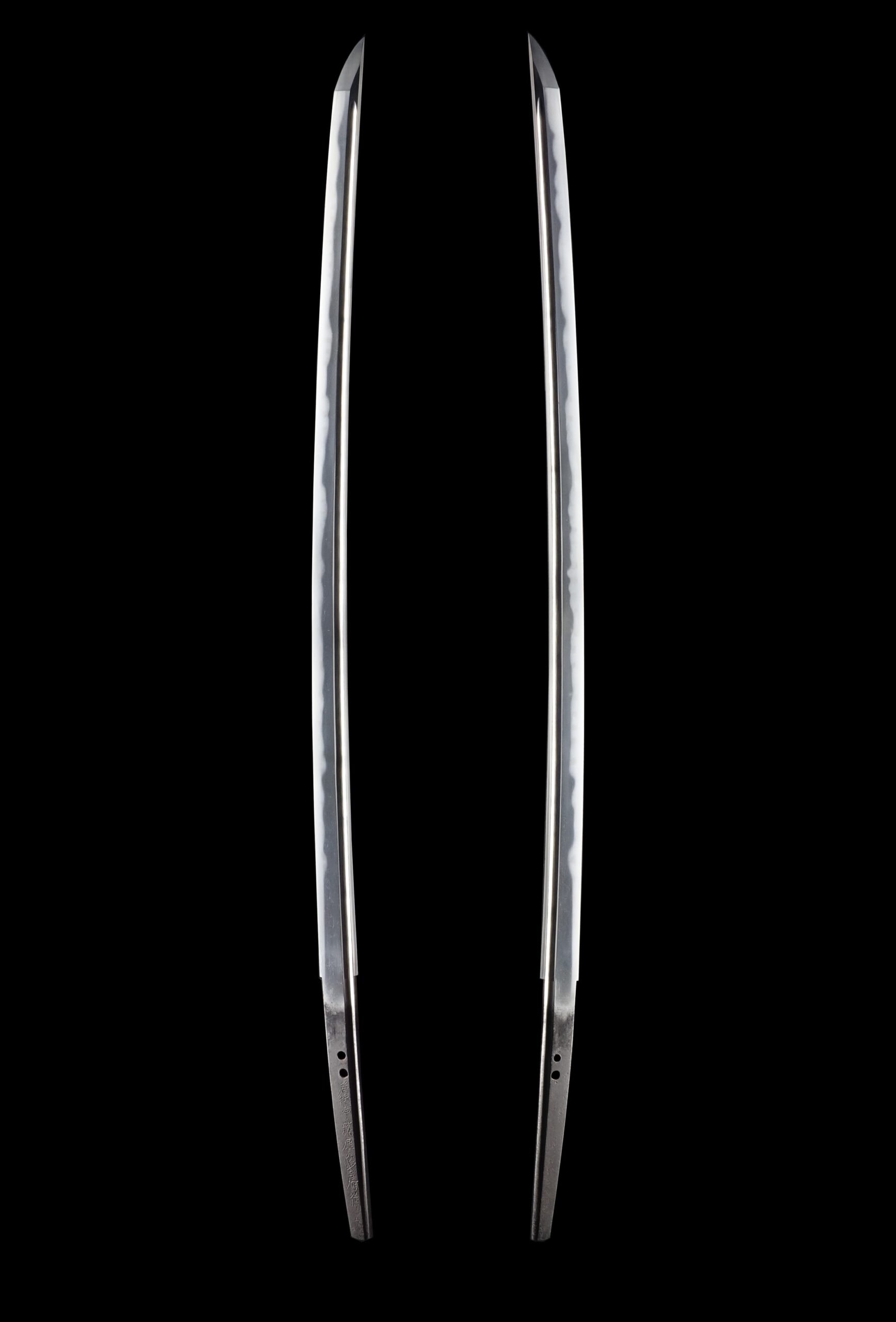
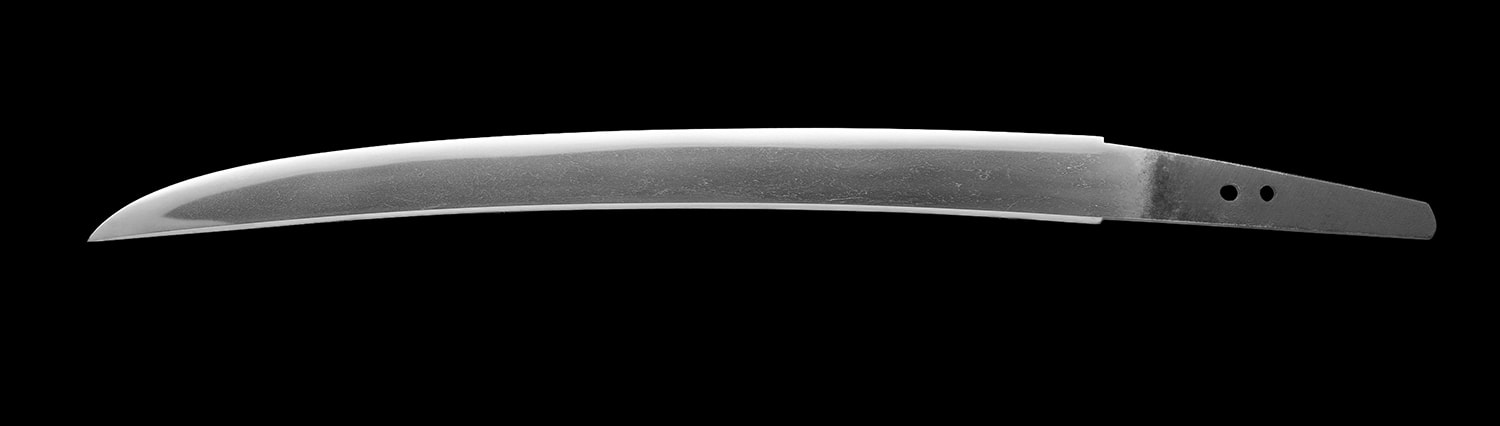
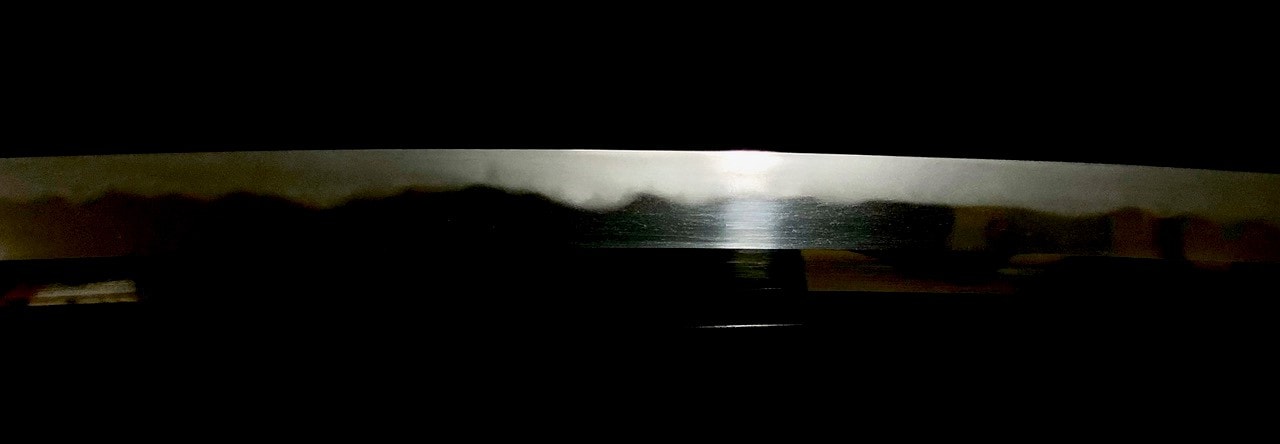
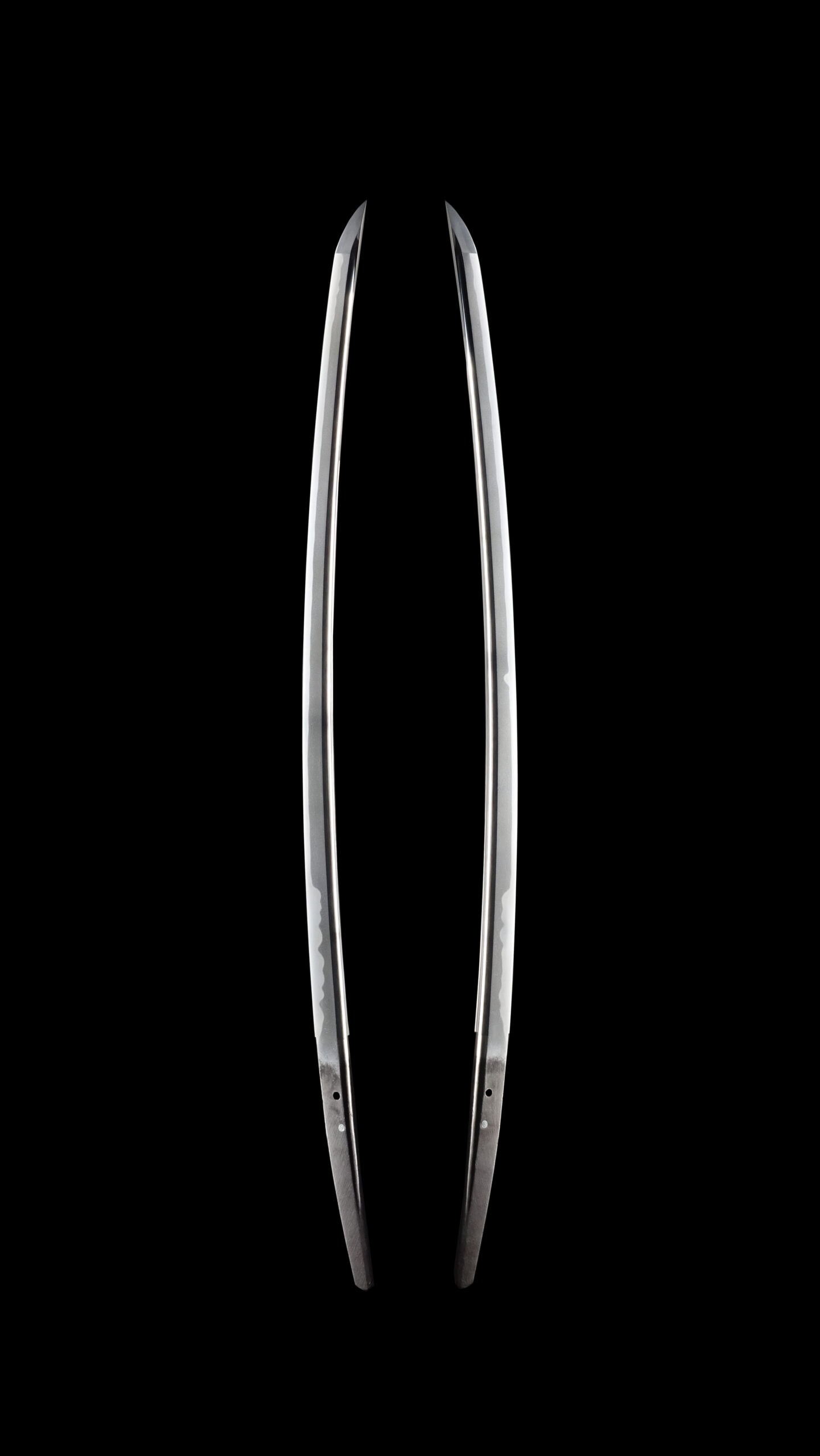
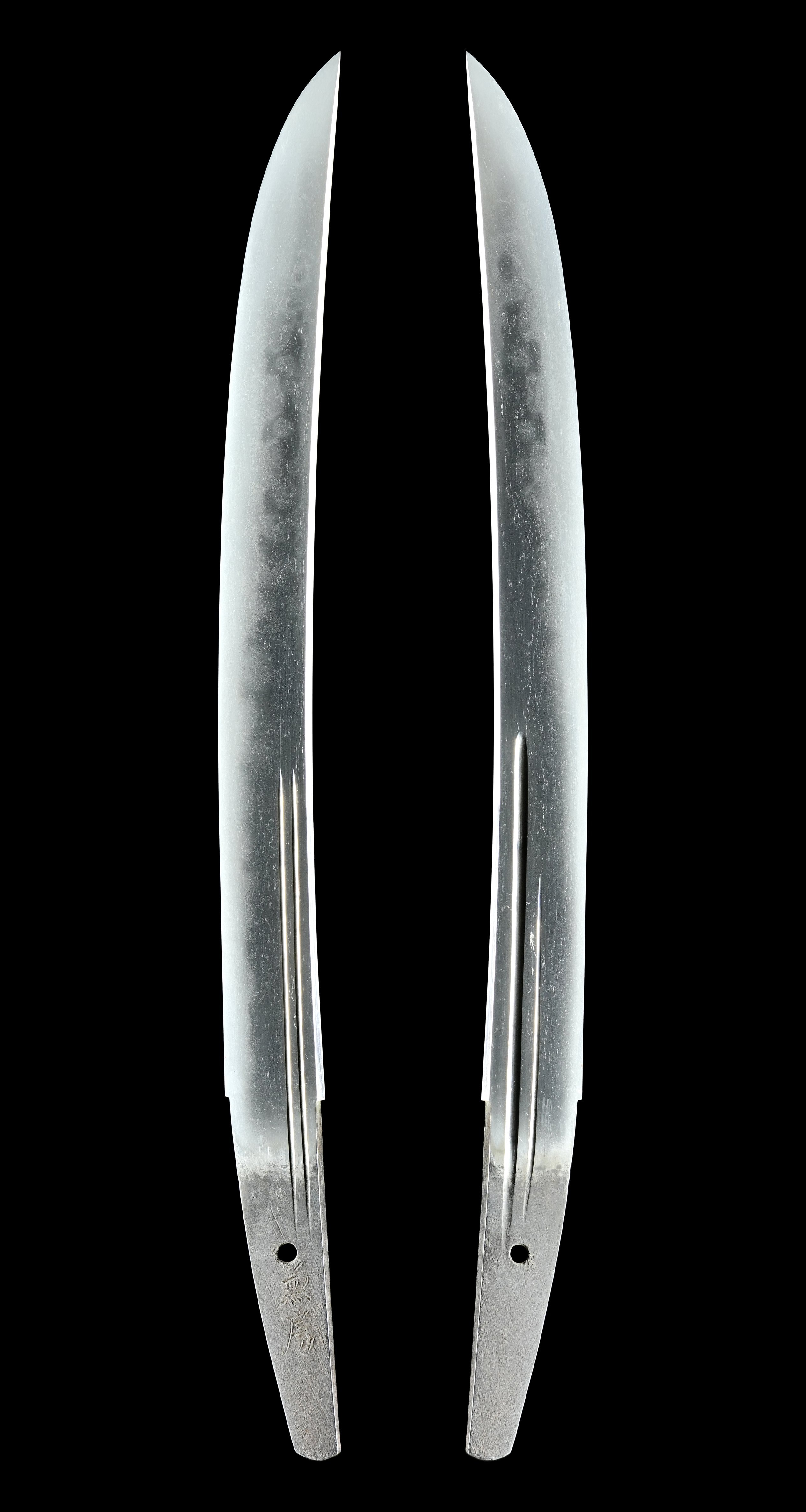
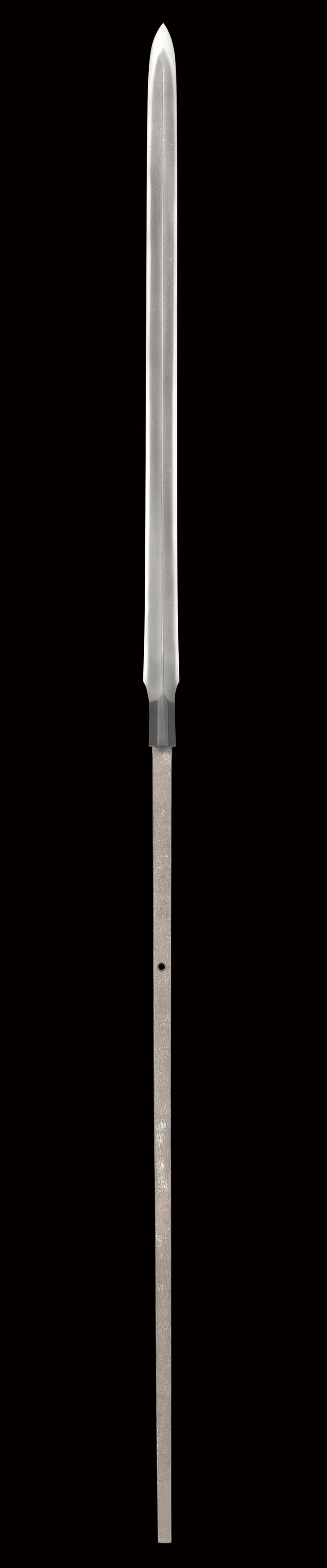
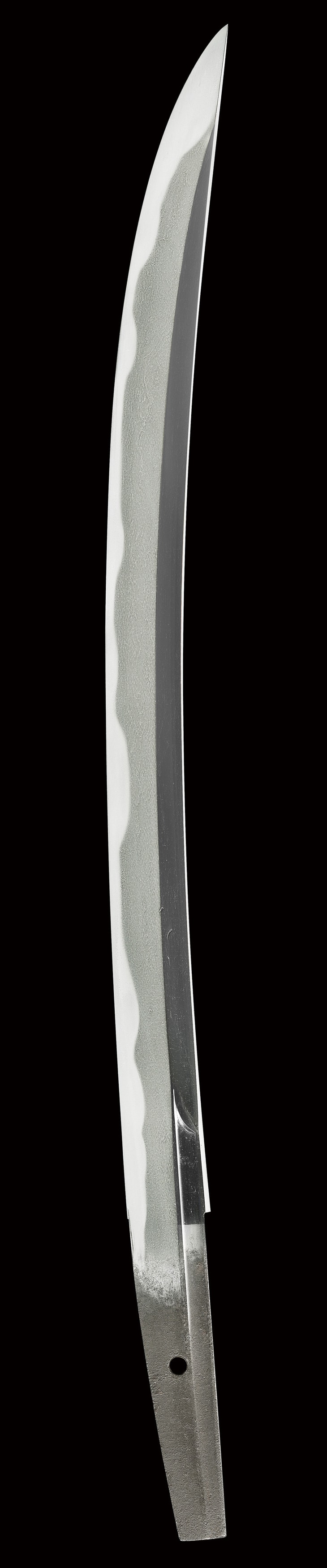
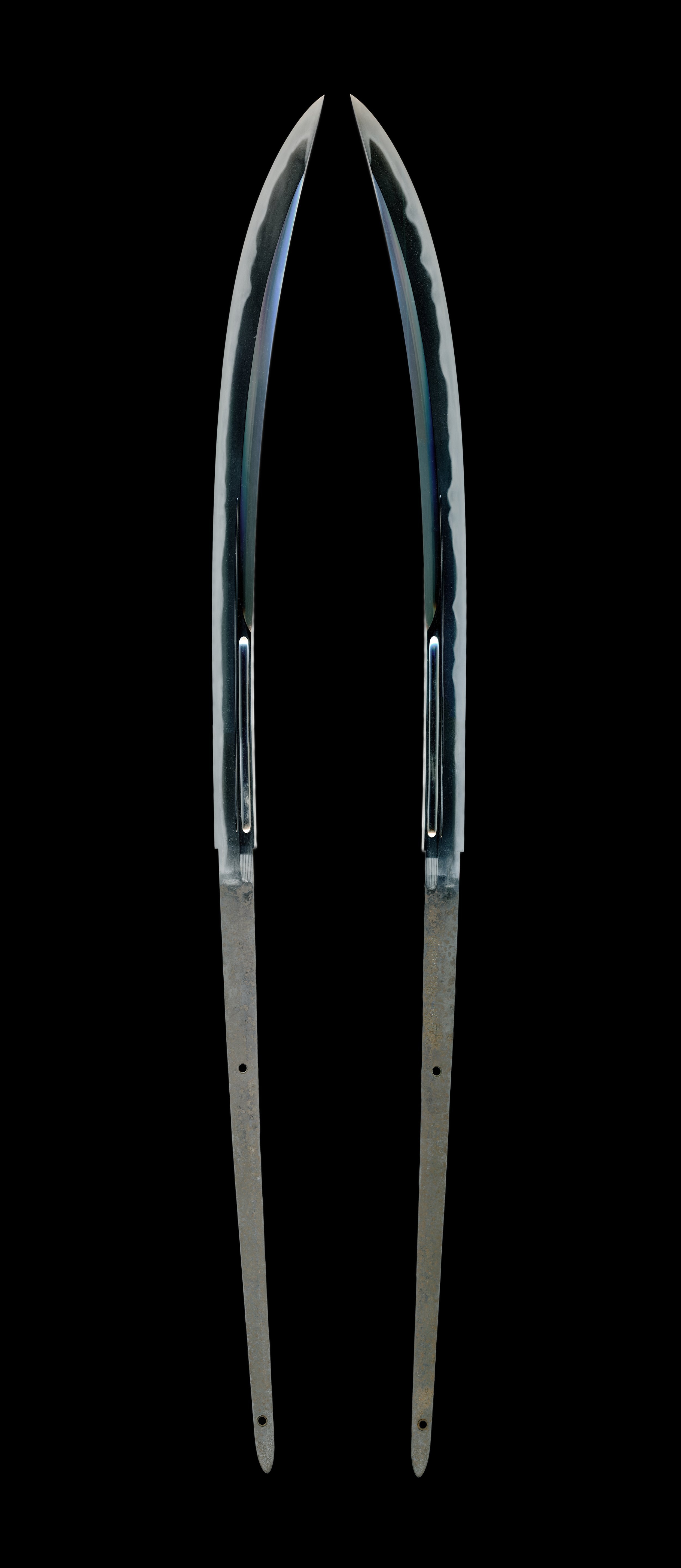
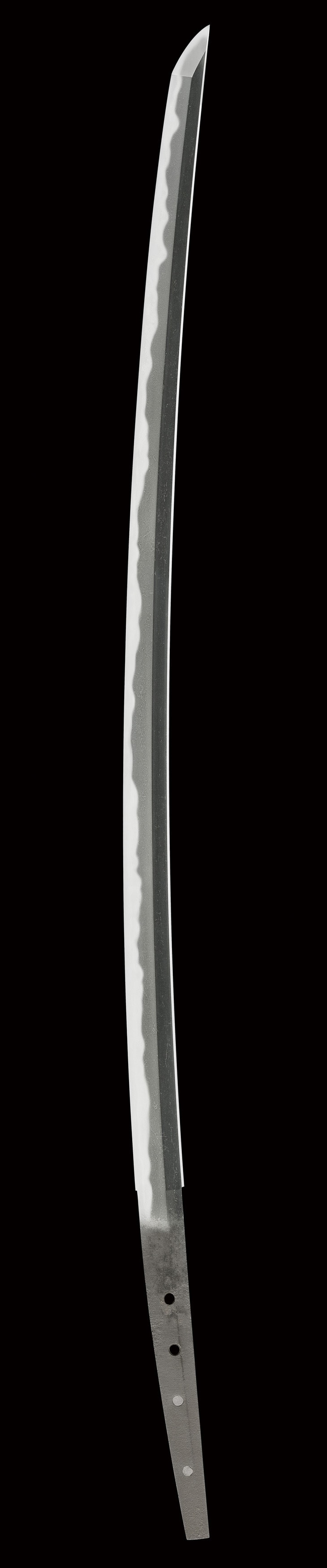
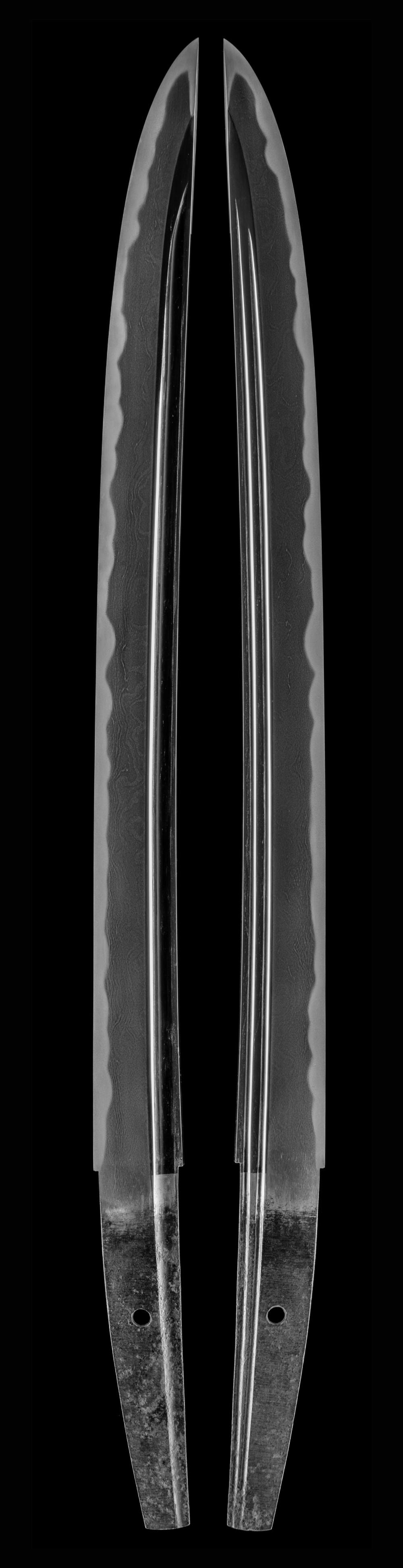
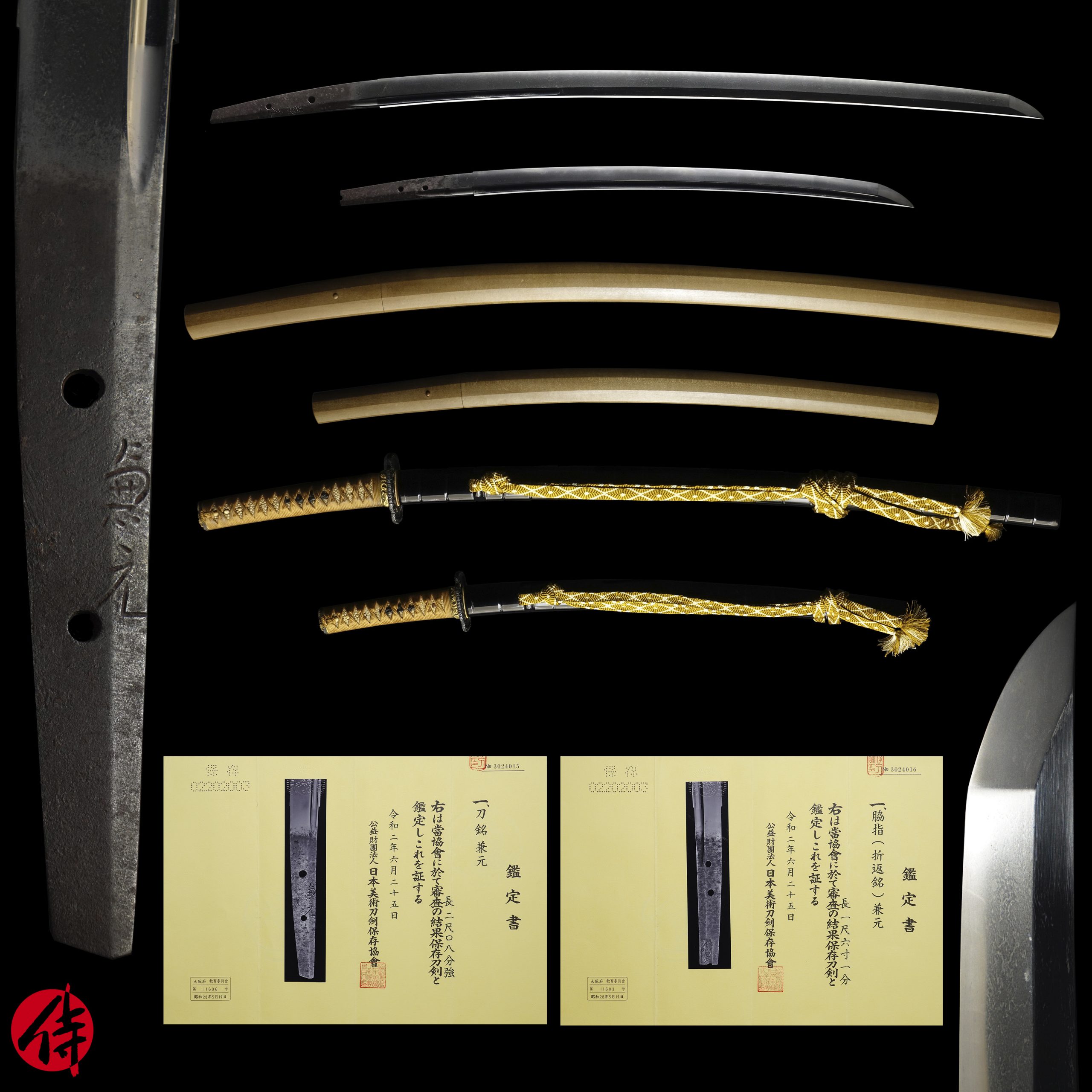
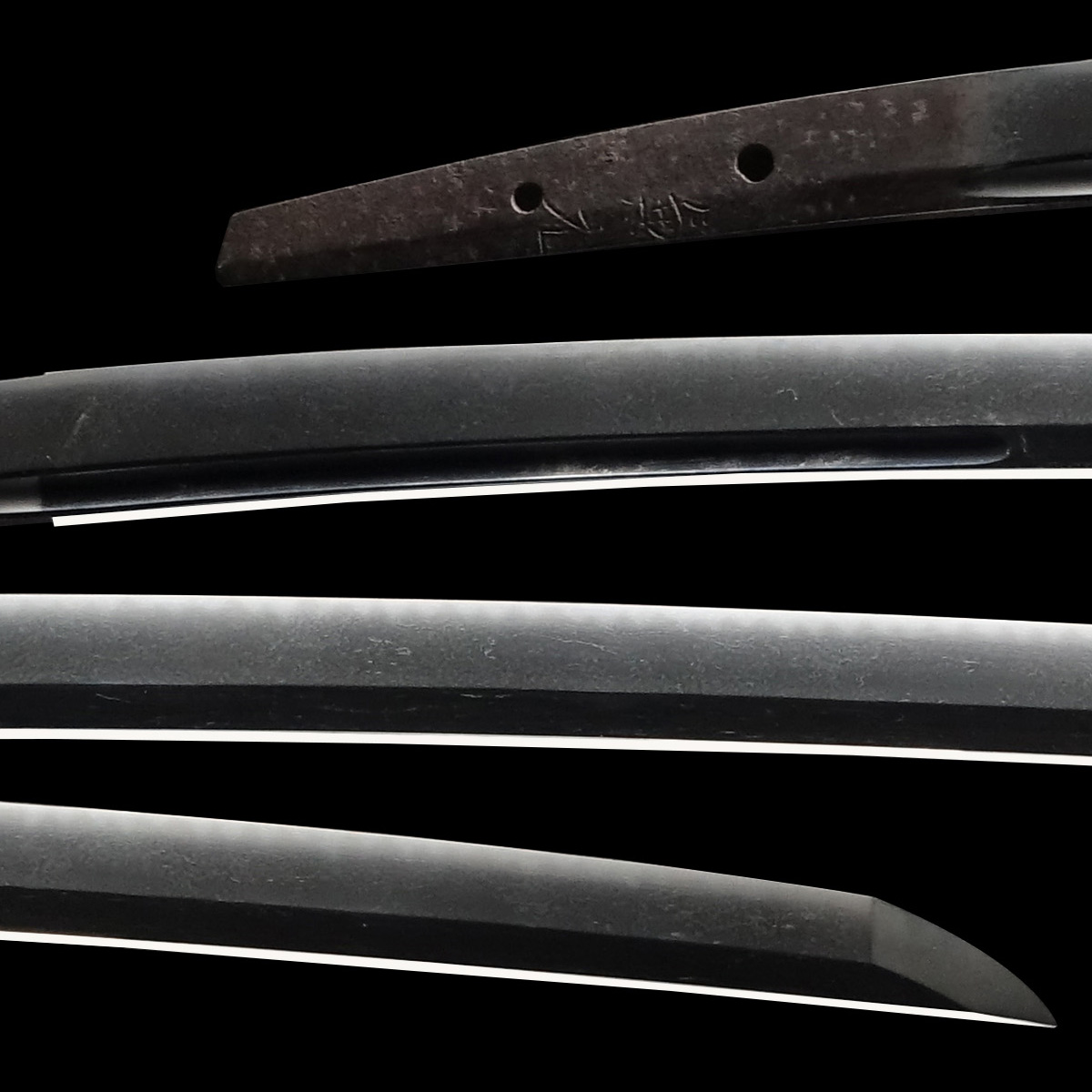
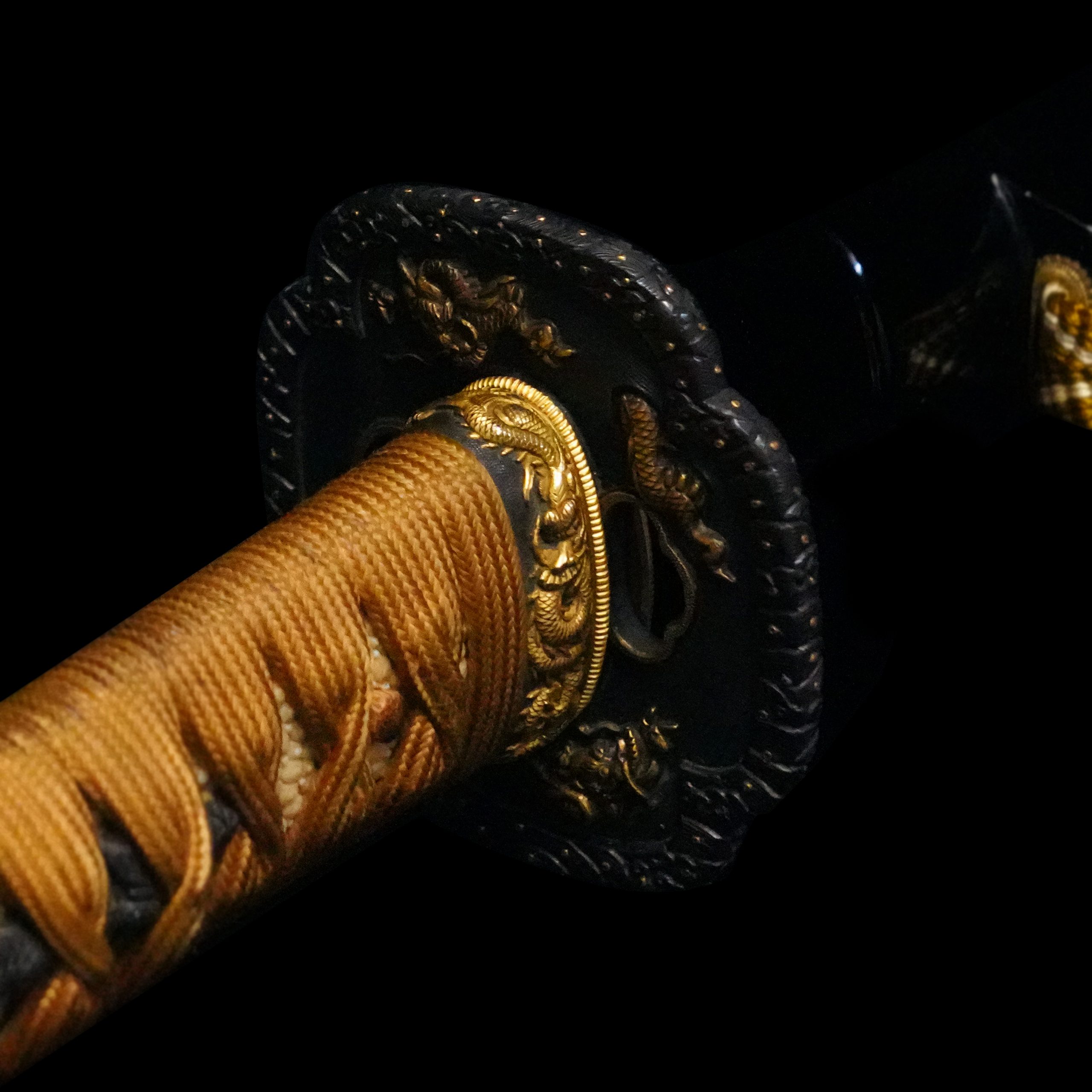
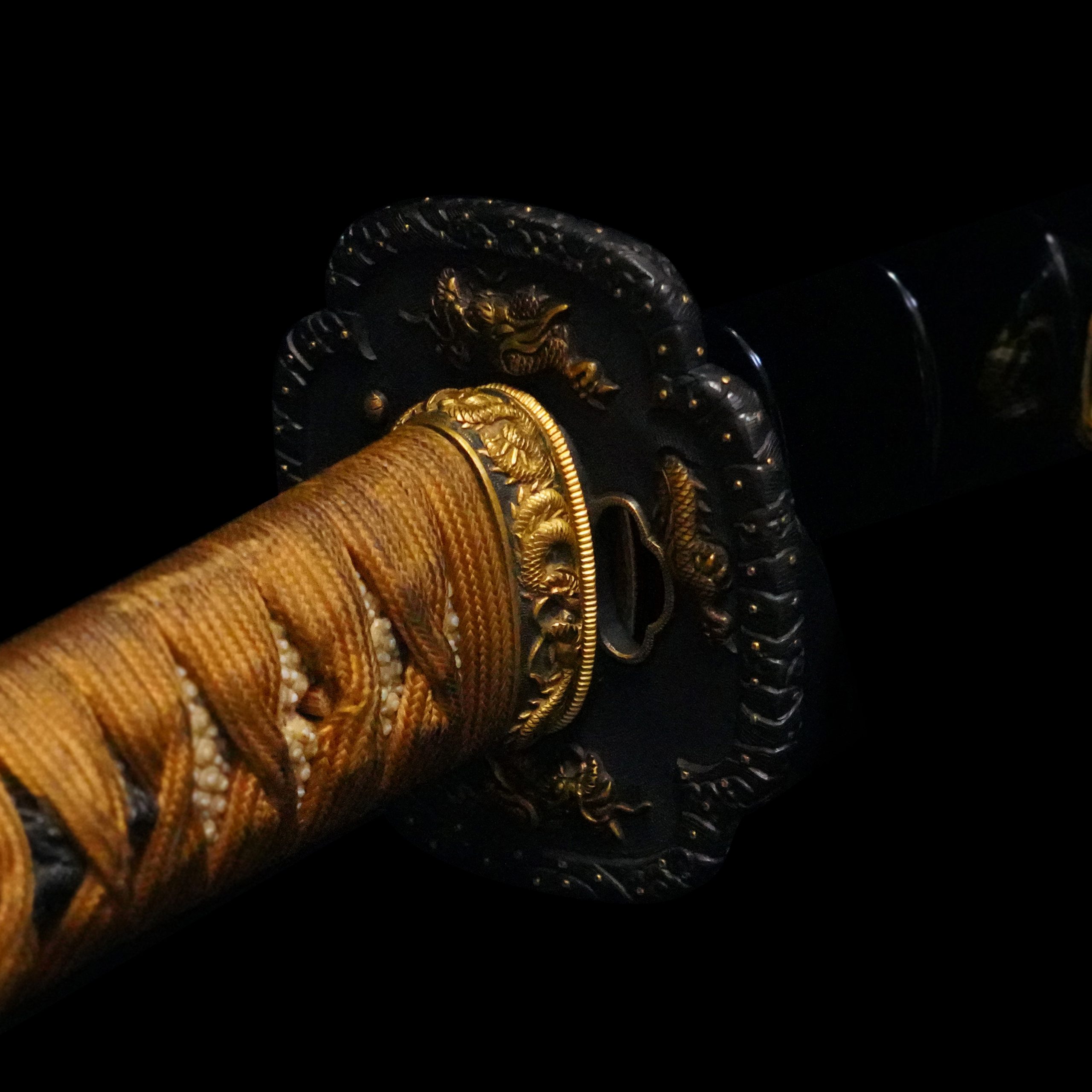
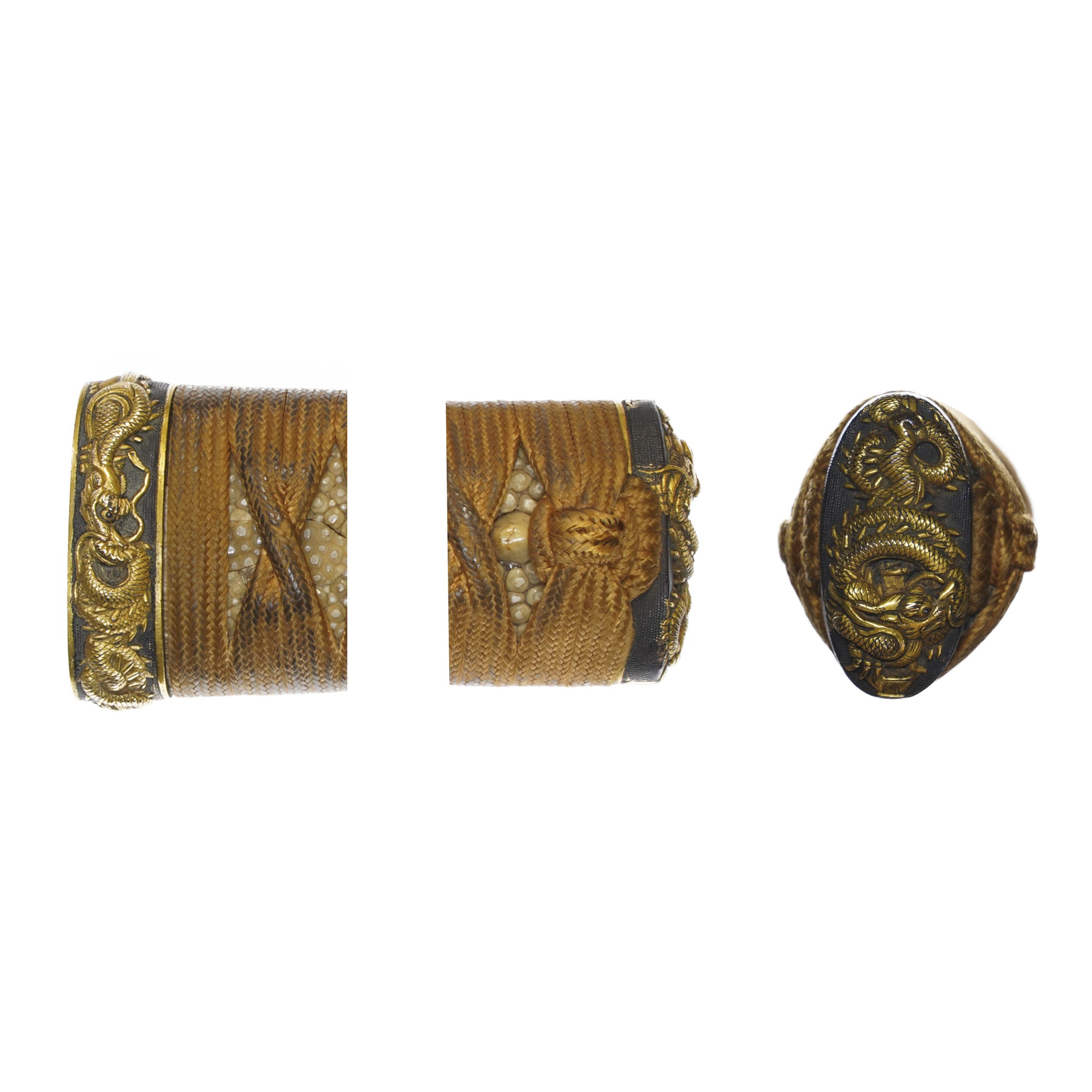
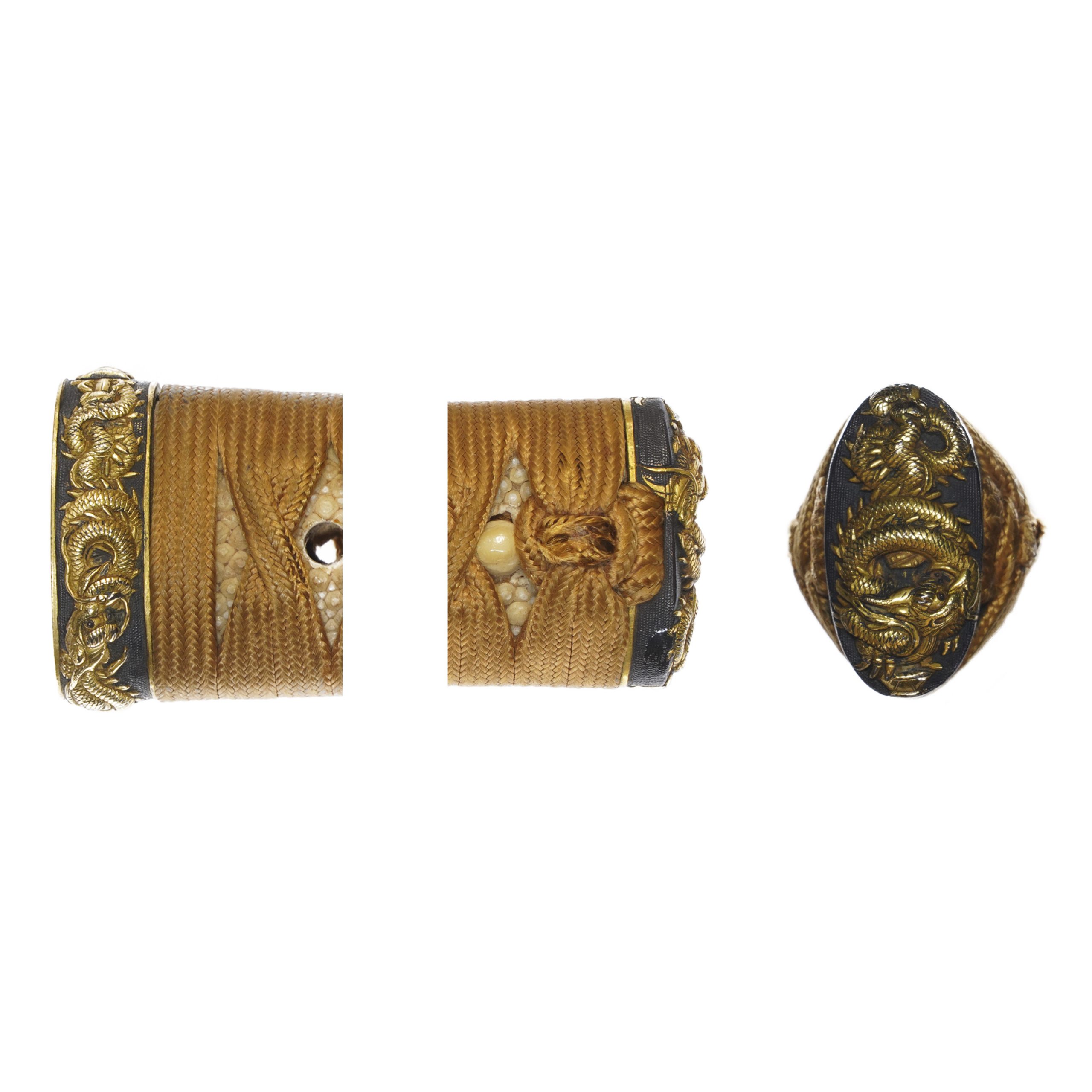
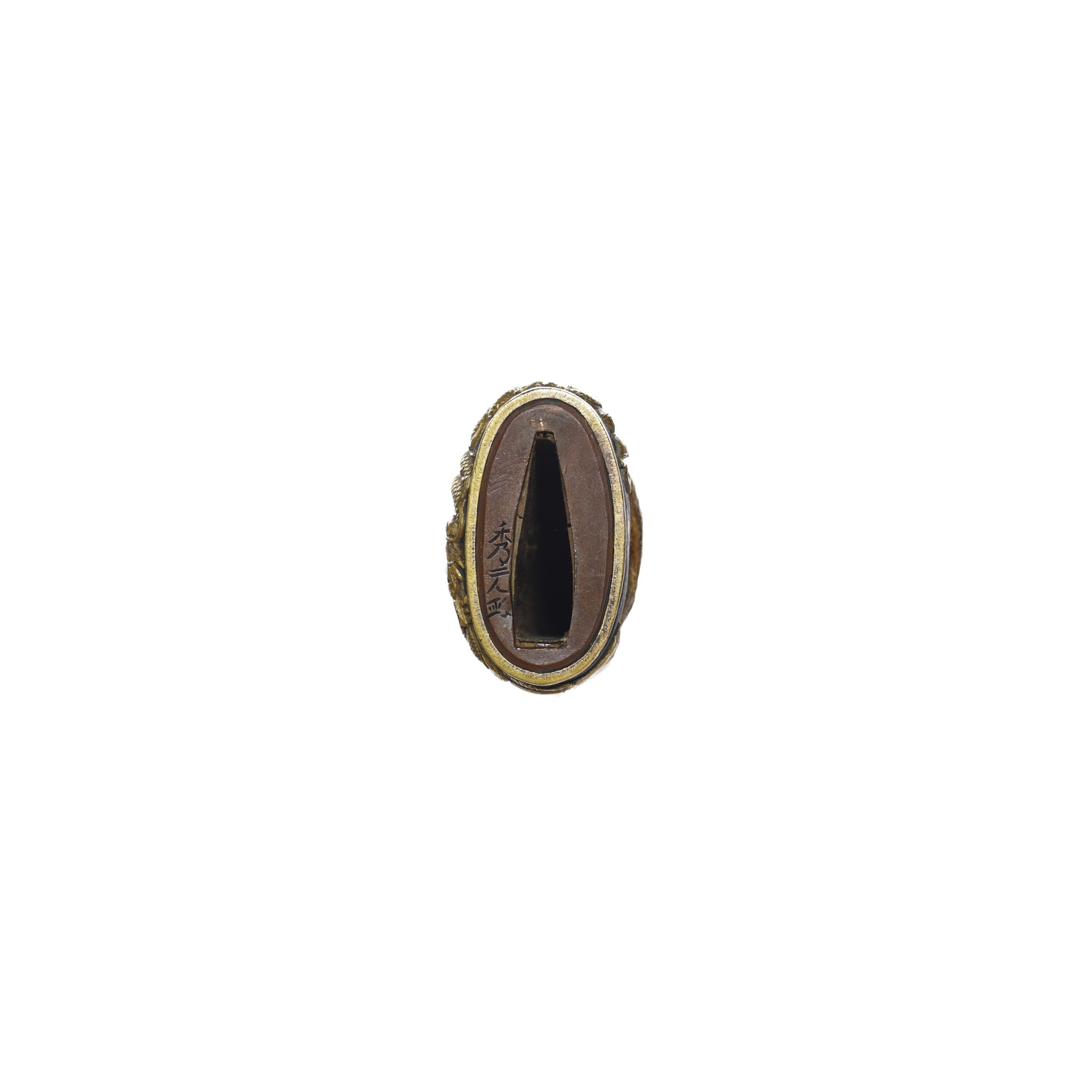
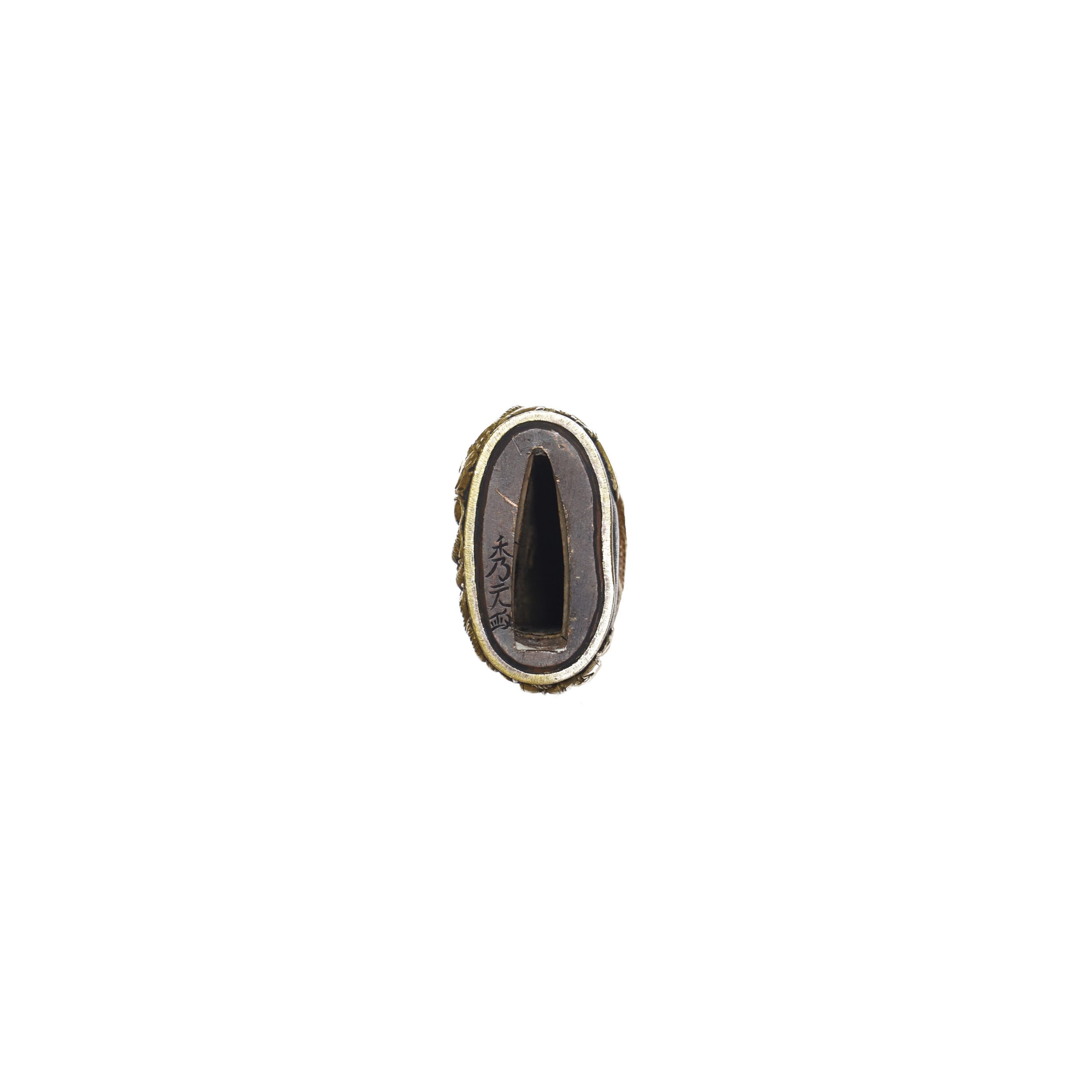
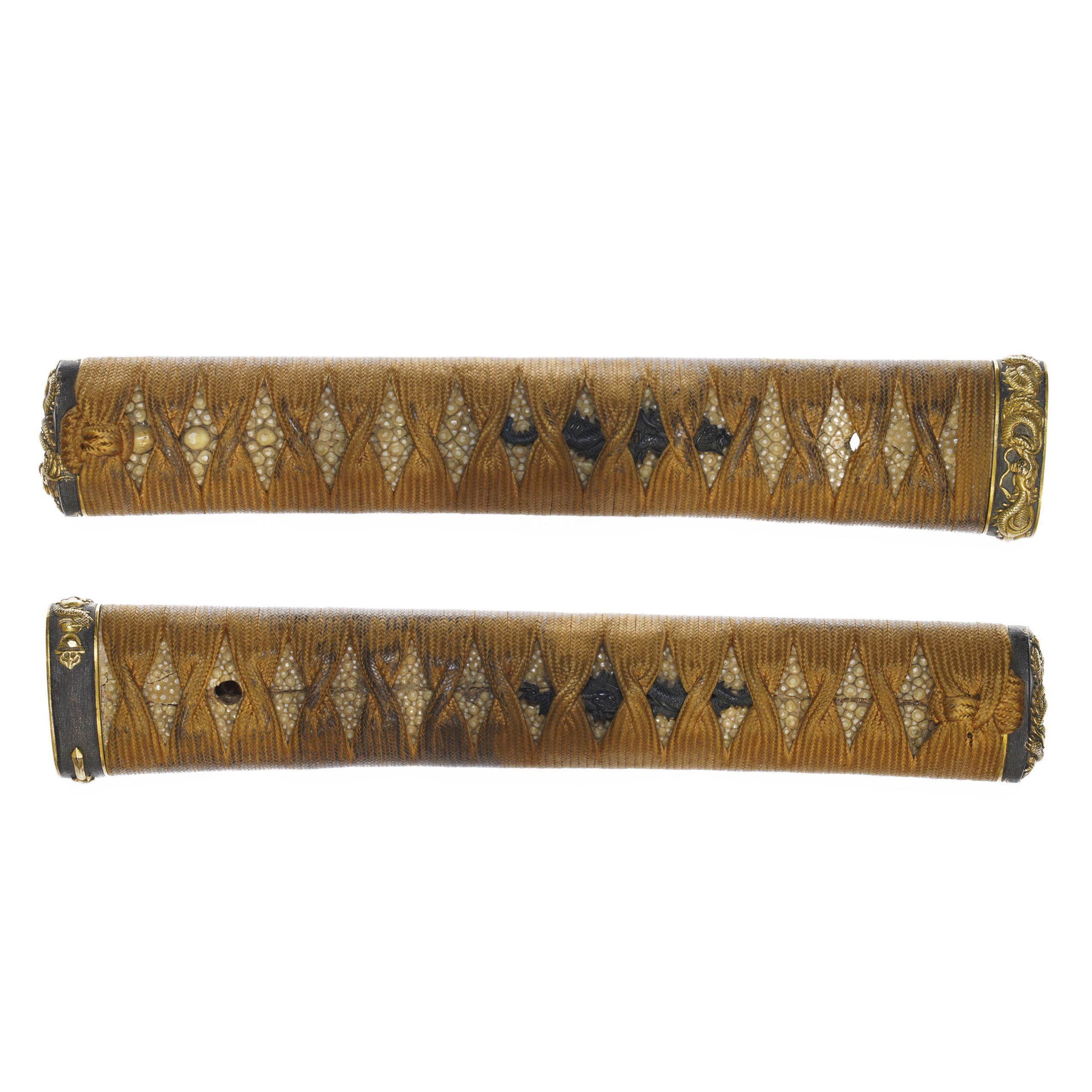
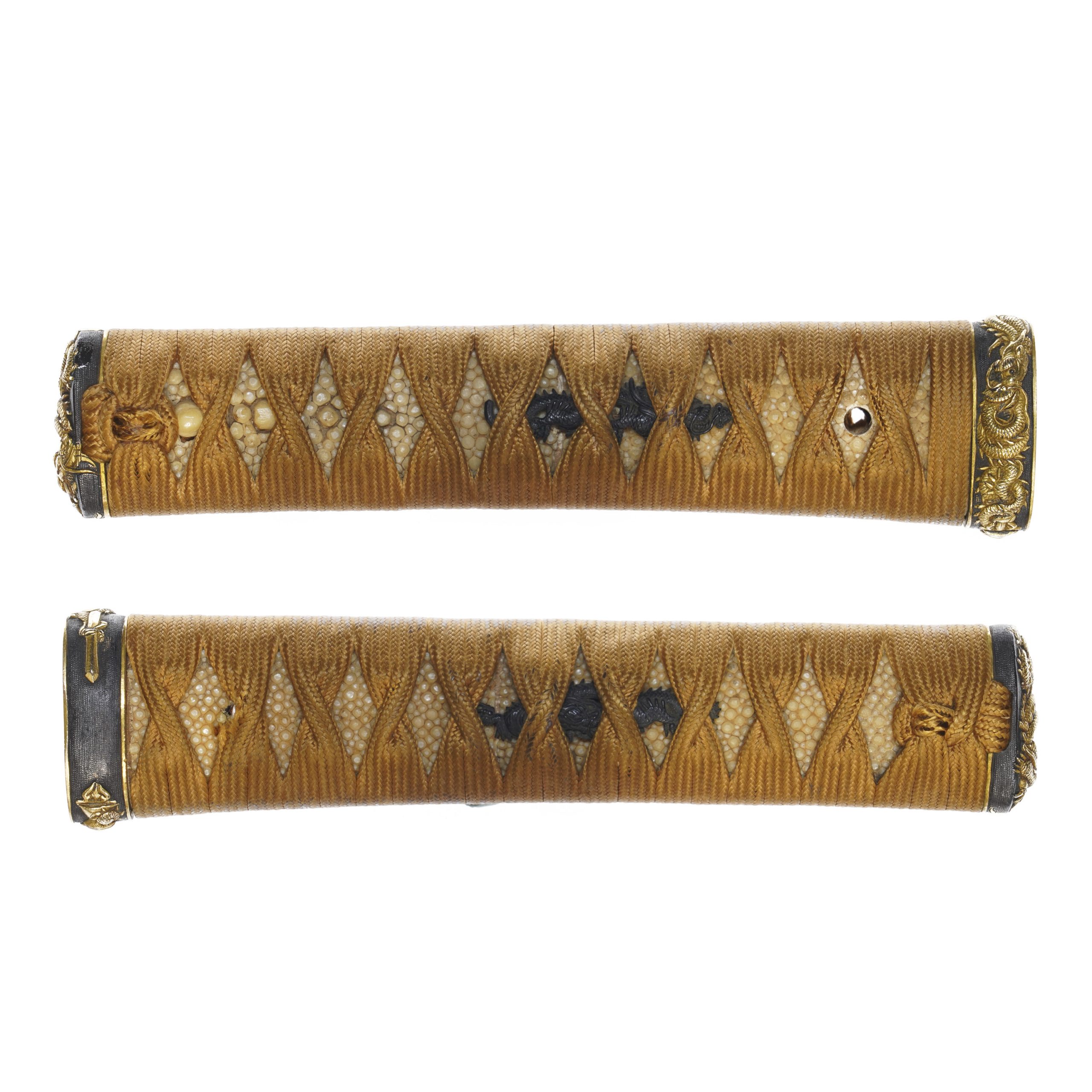
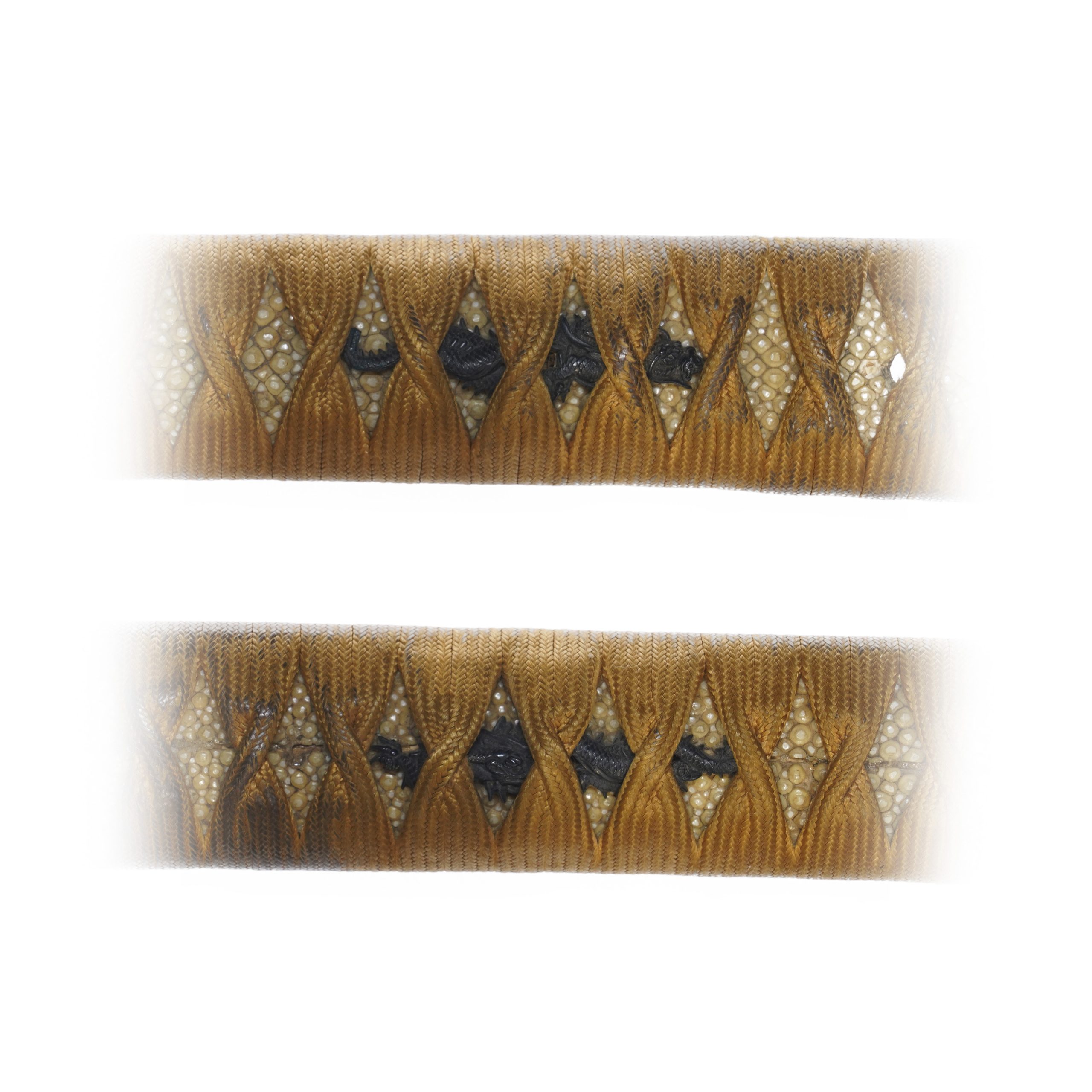
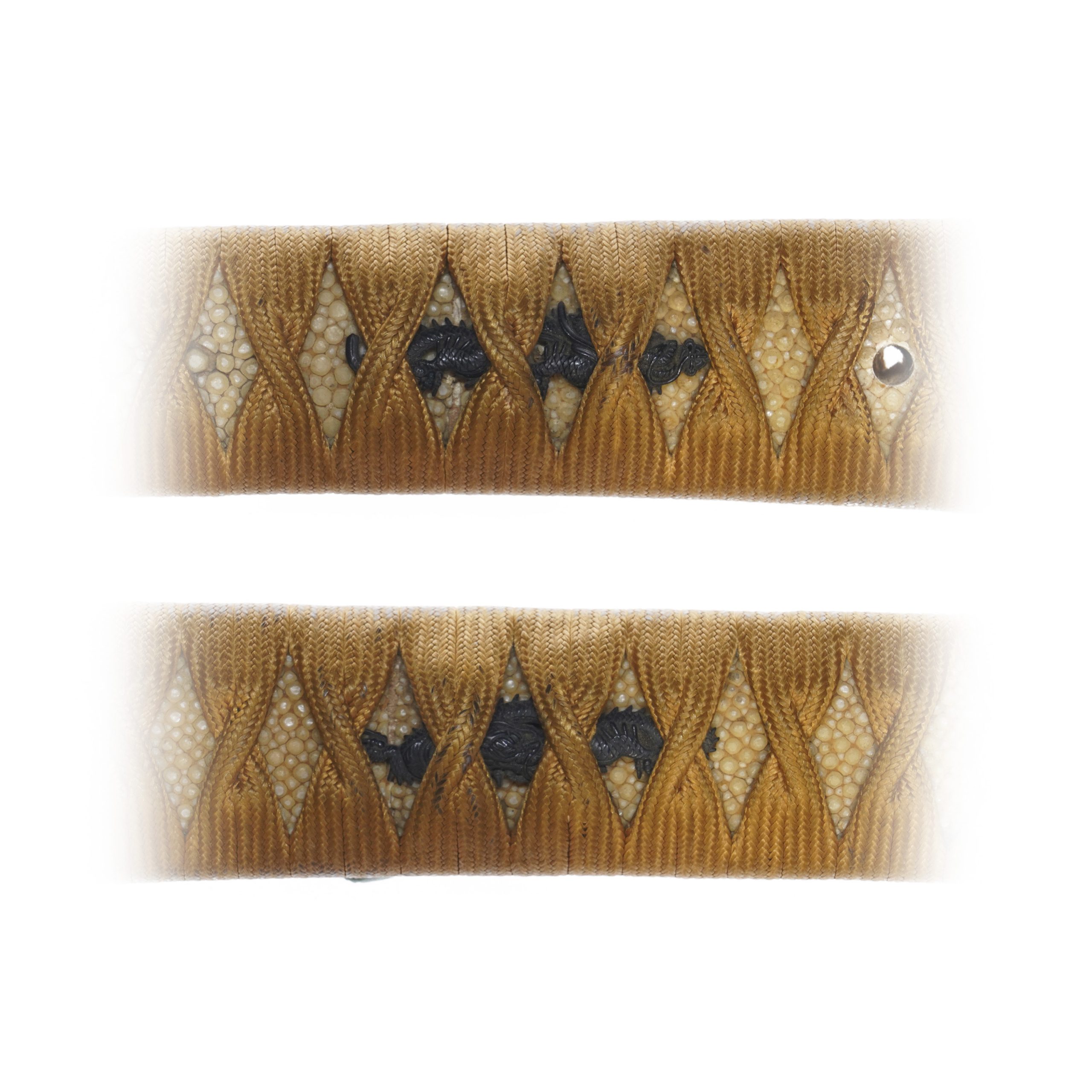
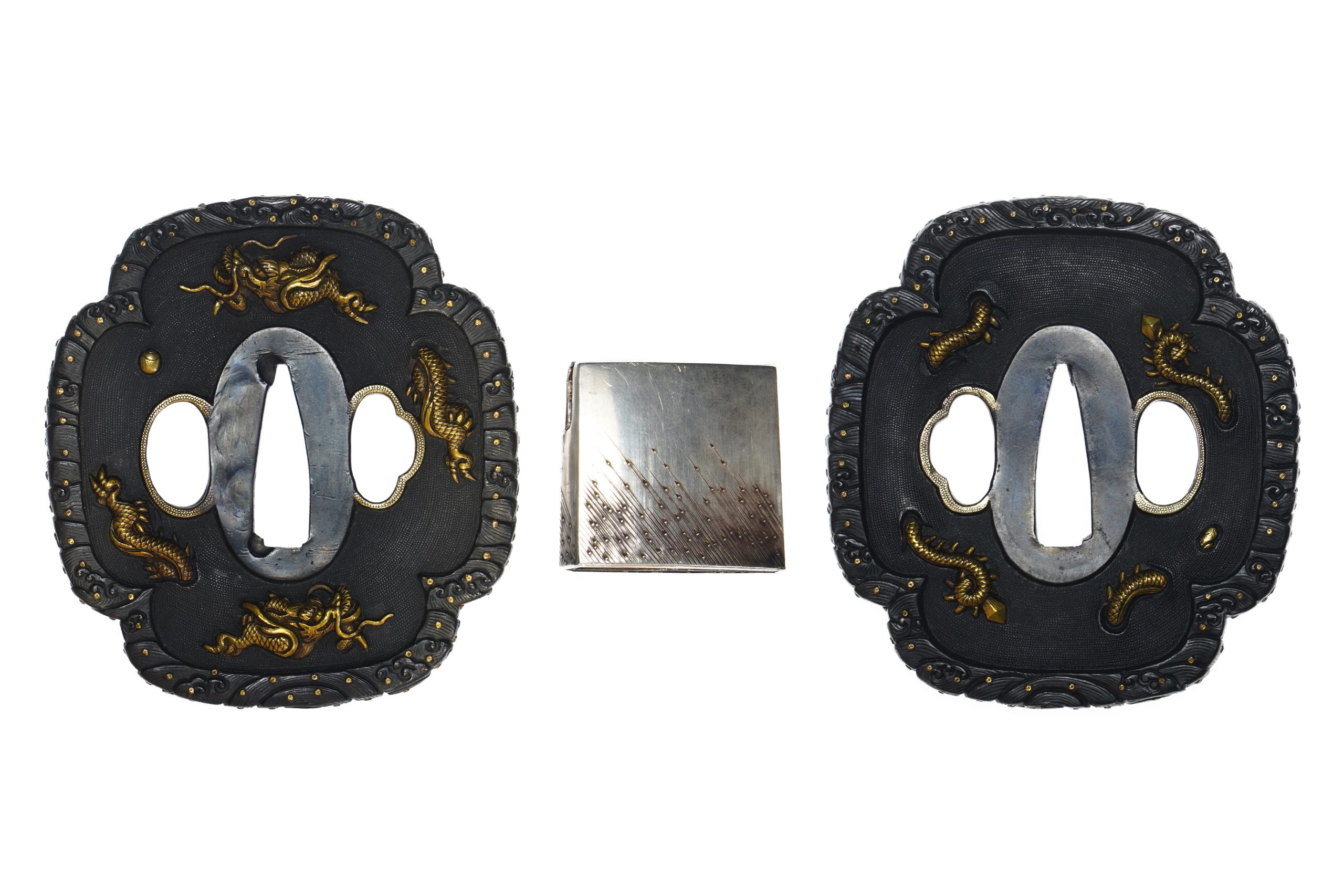
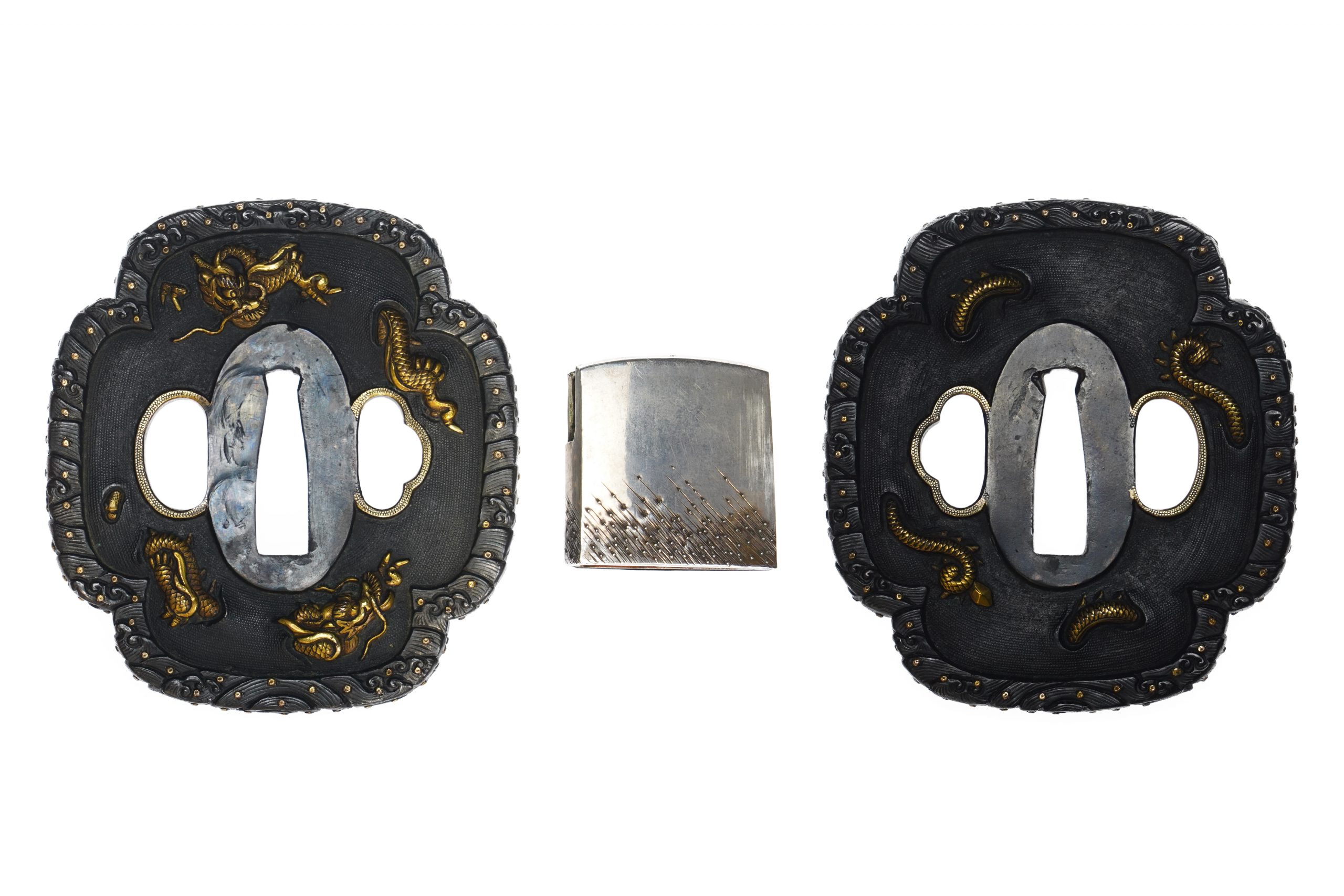
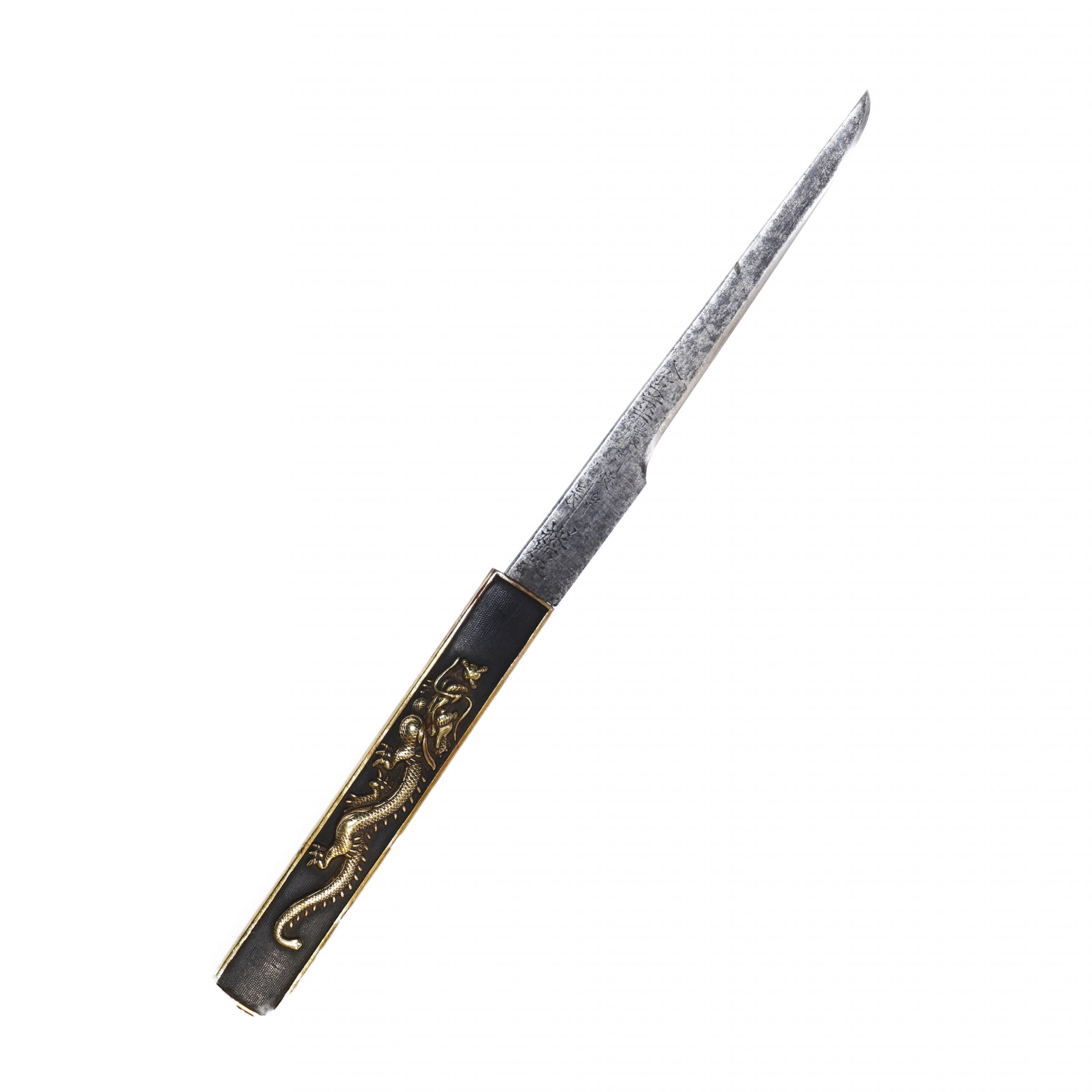
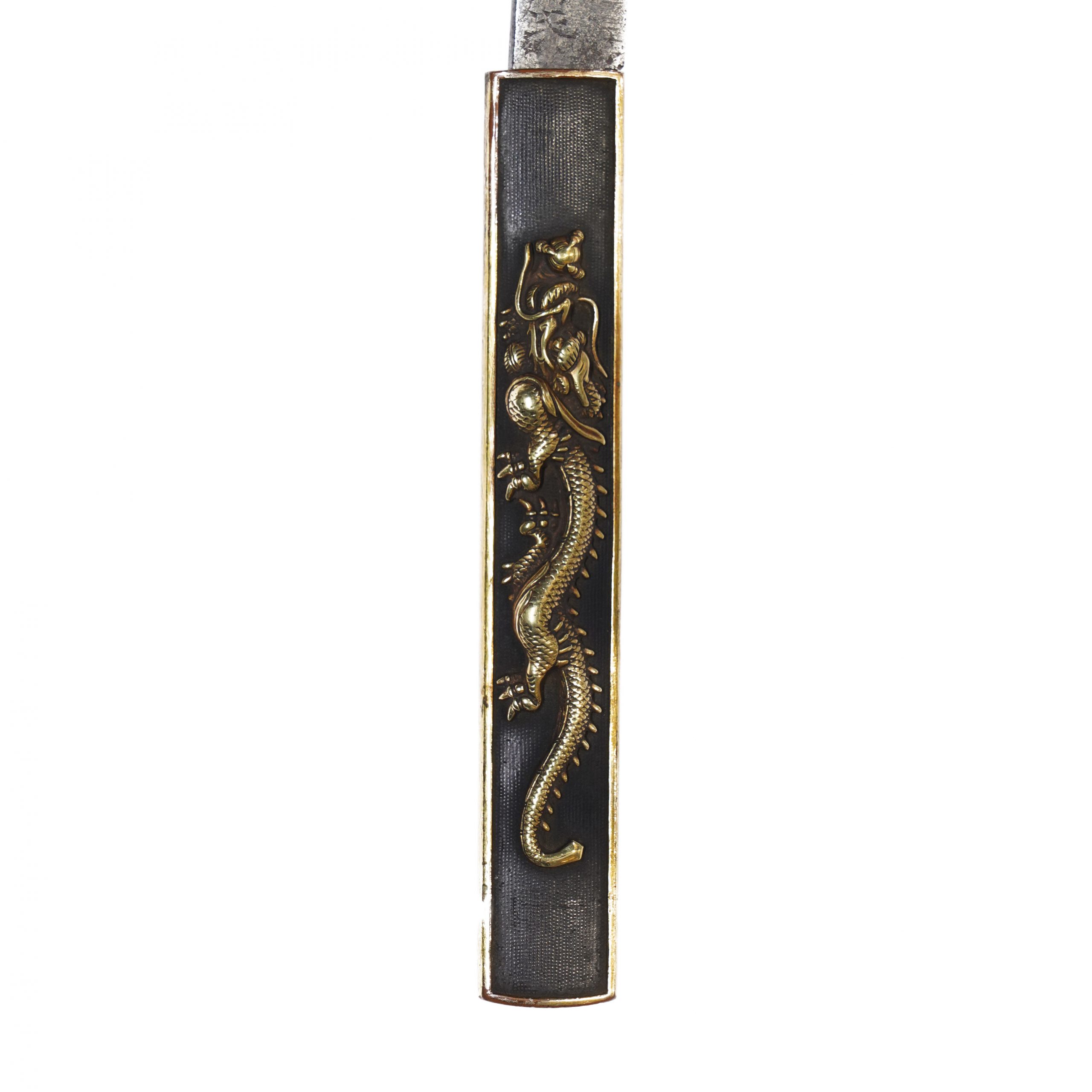
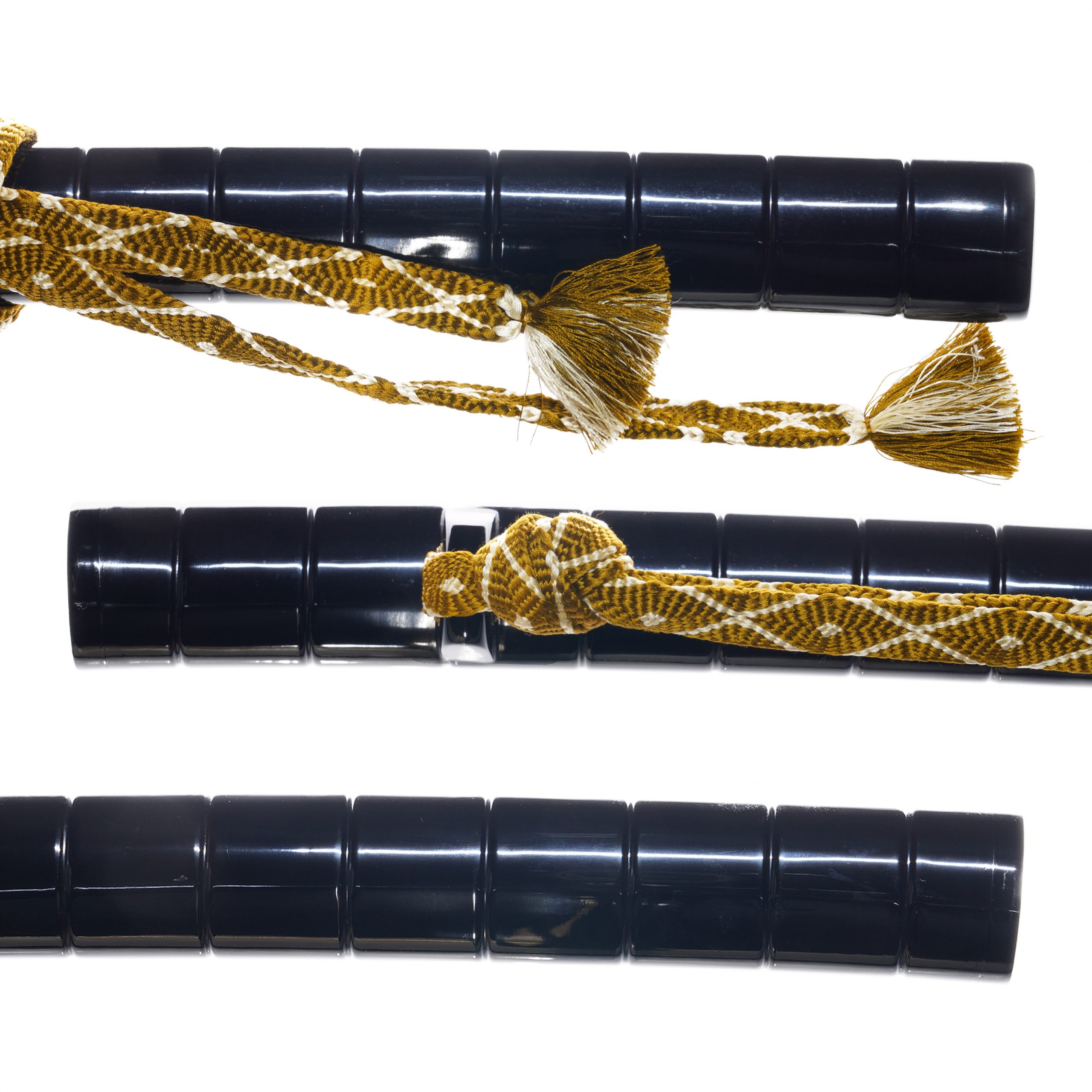
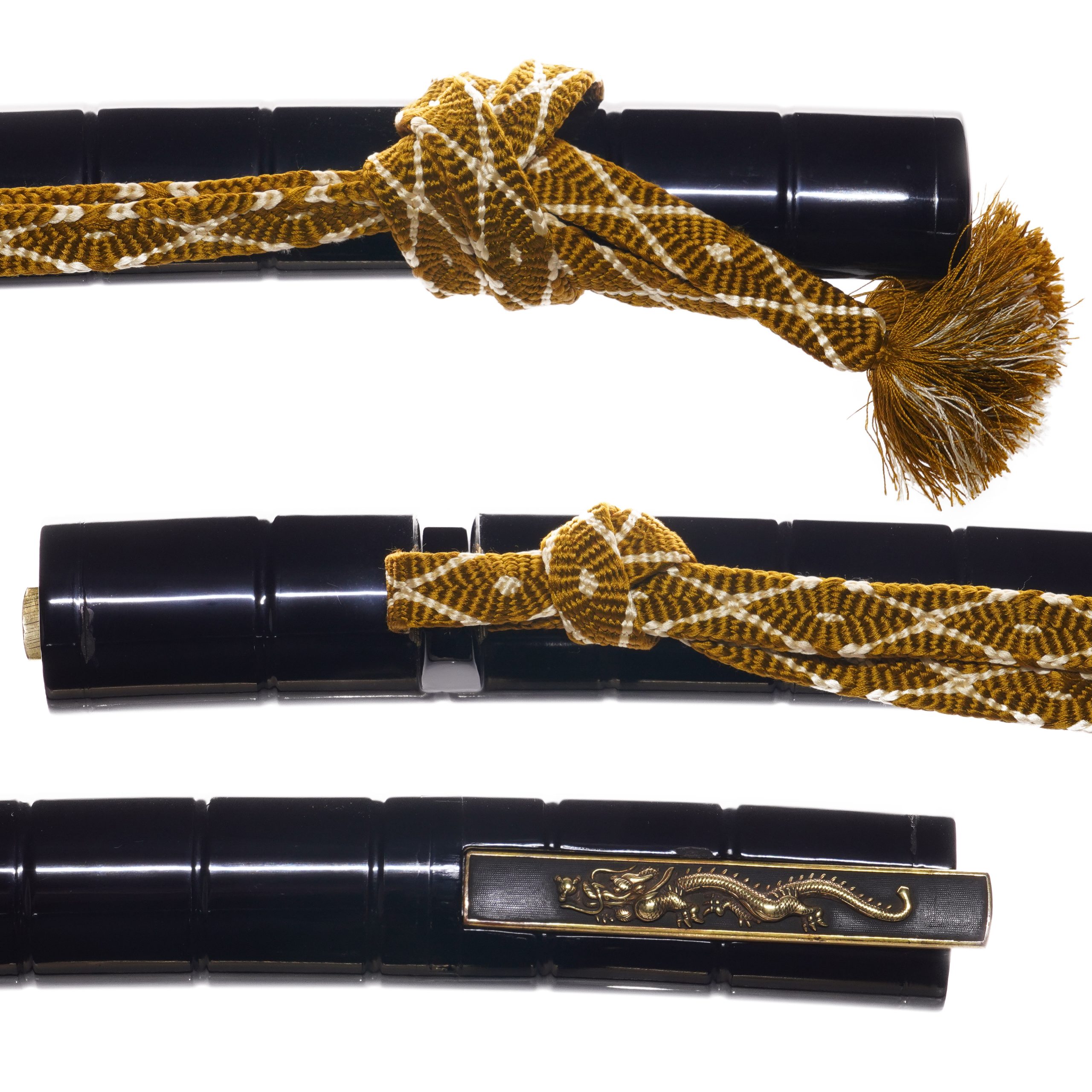
Antique Japanese Sword Daisho Signed by Kanemoto with NBTHK Hozon Certificate 【Description】 Both Katana and Wakizashi were signed by Kanemoto(兼元). According to NBTHK, these two blades were forged by later-gen Kanemoto during the late Muromachi period( 1492~1569 ). The swordsmith Kanemoto lasted 27th generations from the Muromachi period to the Heisei period(modern-day). It is said the most skilled Kanemoto of all is the second-gen, also known as Magoroku, who was one of the most famous MINO swordsmiths from the Muromachi period. He forged swords in the Mino province, which is renowned for a particular sword style called MINO-DEN. Each gen of Kanemoto was good at forging swords with Sanbon Sugi tempering line(Hamon in Japanese). Sanbon Sugi tempering line resembles a small cedar tree/forest growing horizontally. Those who forged swords in Mino province at the end of the Muromachi period are called Sue-Seki. The MINO swordsmiths style, also known as MINO-DEN, basically has the TOGARI(Pointed shapes protruding from the Hamon )in a classic straight line and random temper line with some white Utsuri. MINO-DEN had its origin from YAMATO-DEN in the late KAMAKURA period(1280-1330). The school flourished in the MUROMACHI period(1333-1573) and continued until the EDO period(1603-1868). MINO-DEN exceedingly prospered during Sengoku Jidai(Warring State period) due to the high demand for weapons. And the location of Mino province beat others. Akechi Mitsuhide controlled Mino province, and Nobunaga Oda ruled Owari province, and Tokugawa Ieyasu was the lord of Suruga (Neighboring areas). There was high demand from those powerful feudal lords and their retainers. Furthermore, so many wars occurred between the Kanto region and the Kyoto area. Mino is located in the middle, making feudal lords feel convenient to order swords from MINO-DEN. The blades forged in MINO provinces also had the reputation of their practical design and sharpness. Many feudal lords demanded swords forged in the Mino province. While the signature of Katana is the standard type, that of Wakizashi is unusual looking. This is called Orikaeshi Mei(折返し銘). It is often the case that the signature was cut when adjusting the size of the blade. However, sometimes, Japanese swordsmiths folded the signature part and put it to the other side to keep the signature. That is why the signature of this Wakizashi looks upside down. What is Daisho? Daisho is a pair of two Japanese swords Samurai carried. During the Edo period, having Daisho in public places was considered social status for Samurai. Furthermore, Samurai were required to wear them under the law back then. Daisho is written as 大=Big and 小=Small. Dai part means Katana, and Sho part means Wakizashi. They have such a fancy appearance that we believe a high-ranked Samurai owned them. If you like dragon, we are confident you would like this pair of Daisho Koshirae. Appraisal These blades are appraised as a Hozon certificate issued by NBTHK. This authentication paper was only given to Japanese swords, worth preserving by Nihon Bijutsu Touken Hozon Kyokai(the Society for the Preservation of the Japan Art Sword). 【 Blade】 -Katana Cutting Edge Length(Nagasa) : 63.3 cm( 24.9 inches) Curvature(Sori) : 1.51 cm(0.59 inches) -Wakizashi Cutting Edge Length(Nagasa) : 48.8 cm(19.2 inches) Curvature(Sori) : 1.27 cm( 0.50 inches) Hamon : The crystalline structure which forms along the cutting edge of a blade as a result of the hardening process Jimon(Jihada) : visible steel surface pattern created by folding and hammering during forging process -Katana -Wakizashi Nakago : Nakago is the tang of the Japanese sword. Japanese swordsmiths left the black rust on the tang because it prevents red rust while the tang is in its handle. And the discoloration of the tang was created over time, and it is a great indicator for a Japanese sword specialist to estimate when the sword was forged. Koshirae: Koshirae is the mounting of the Japanese sword. There ar
 NihontoWatch
在銘 · Mino · 室町 · 長さ 63.3cm · 反り 1.51cm
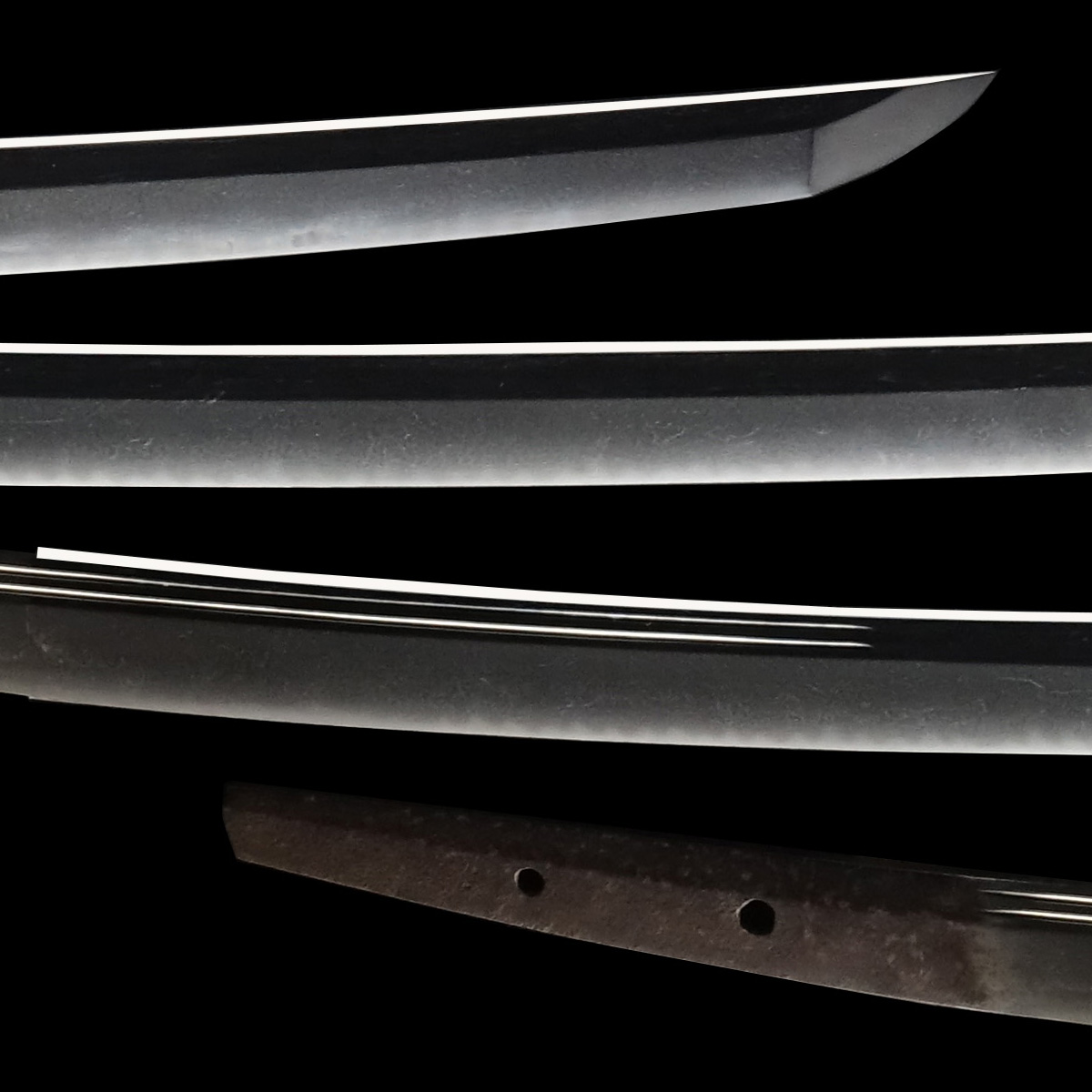
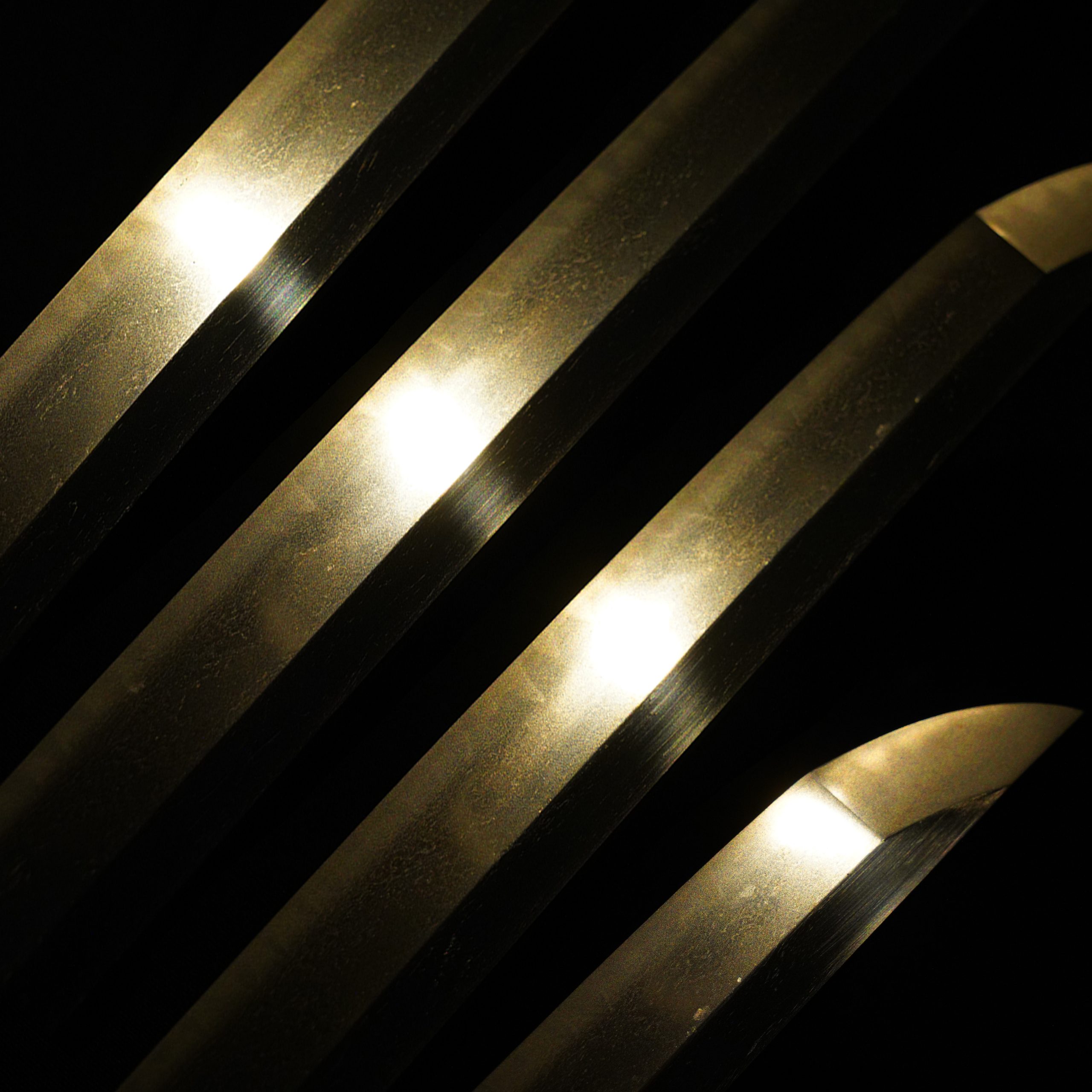
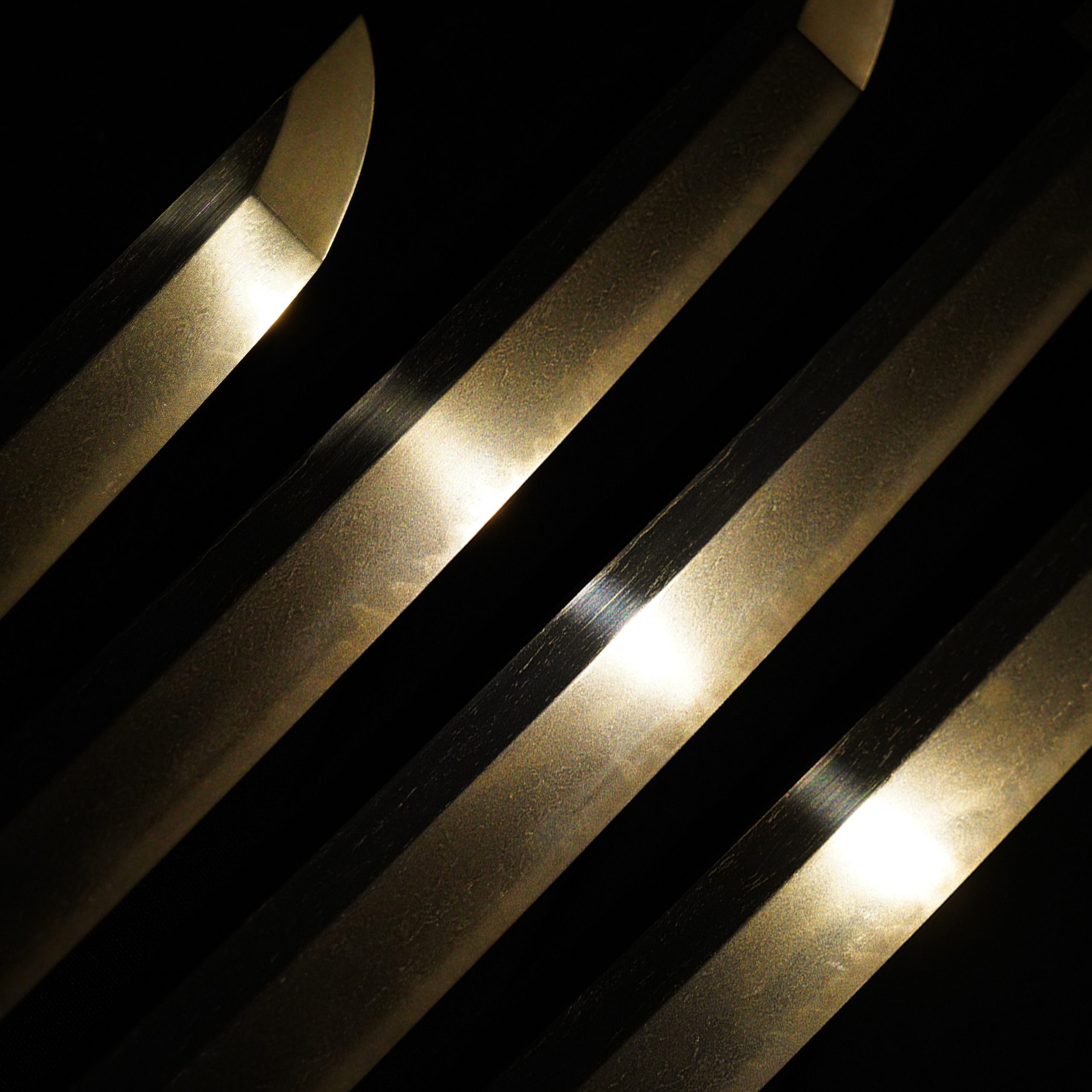
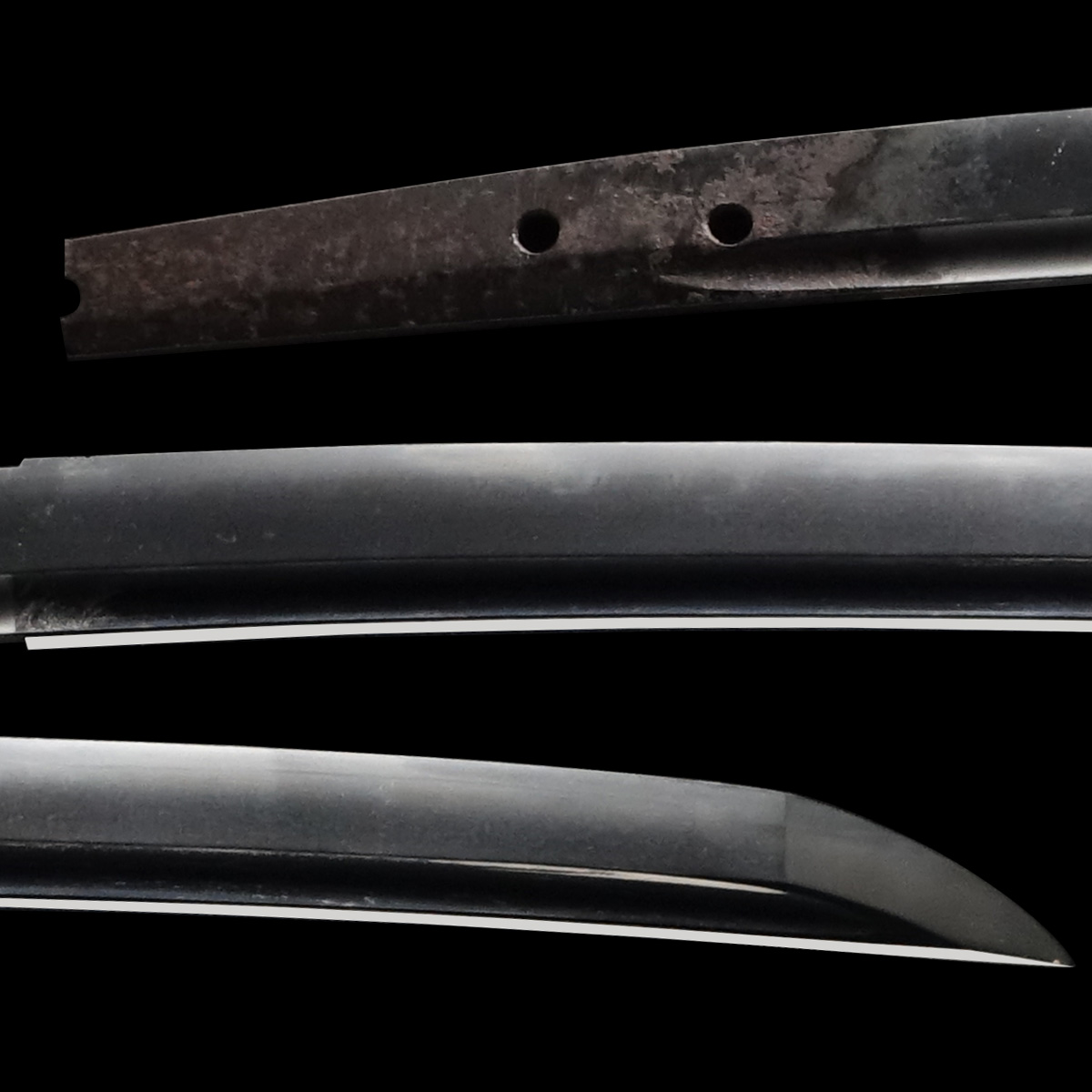
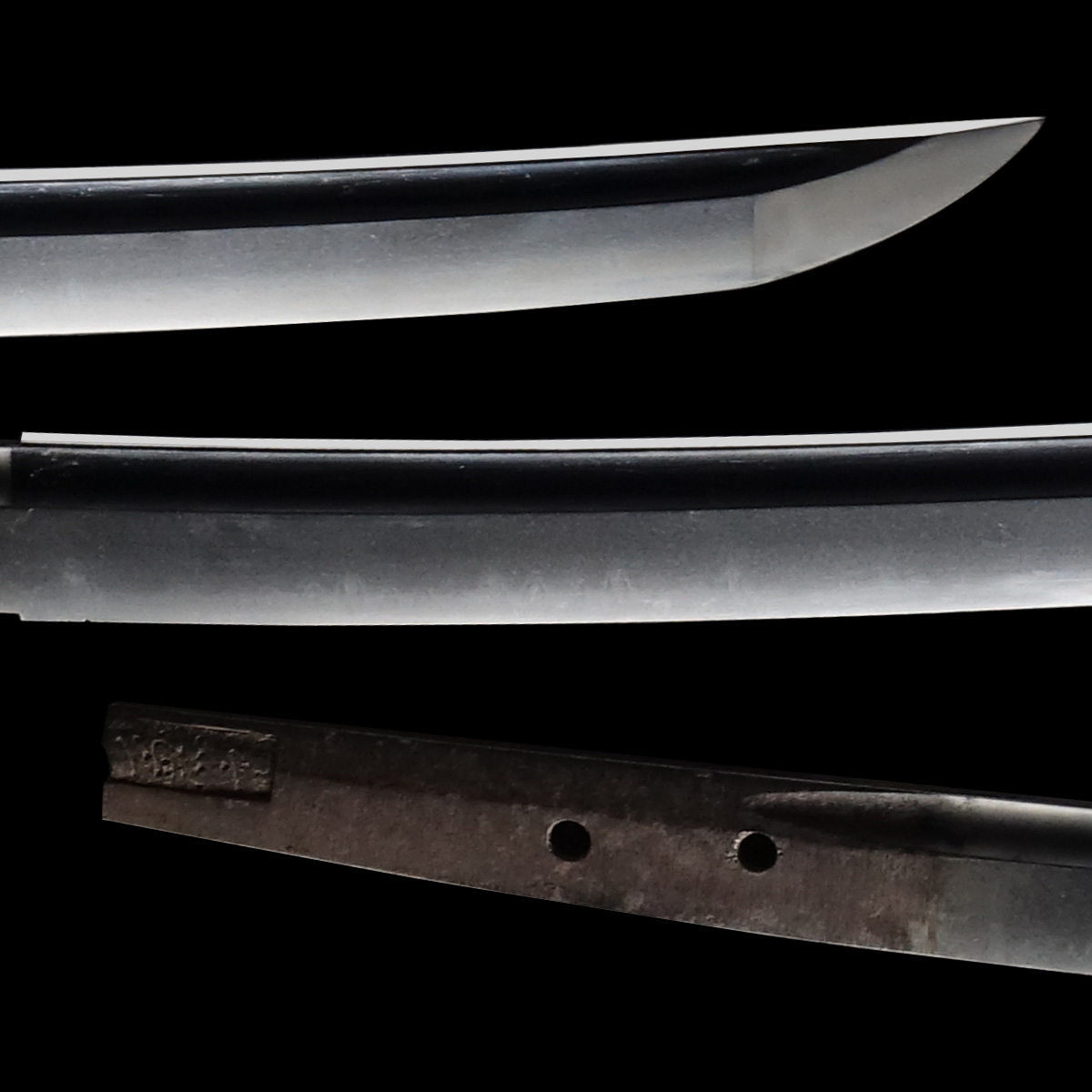
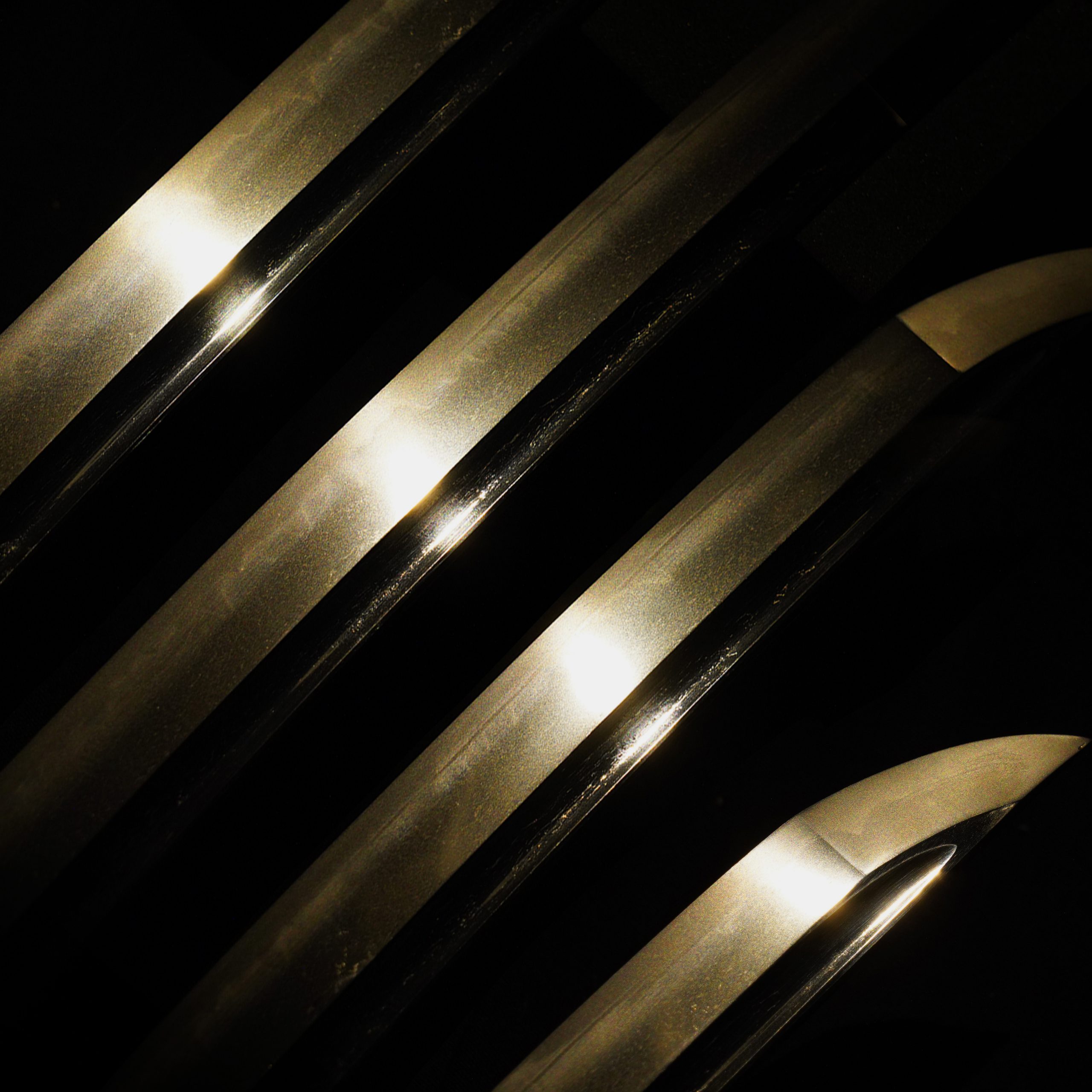
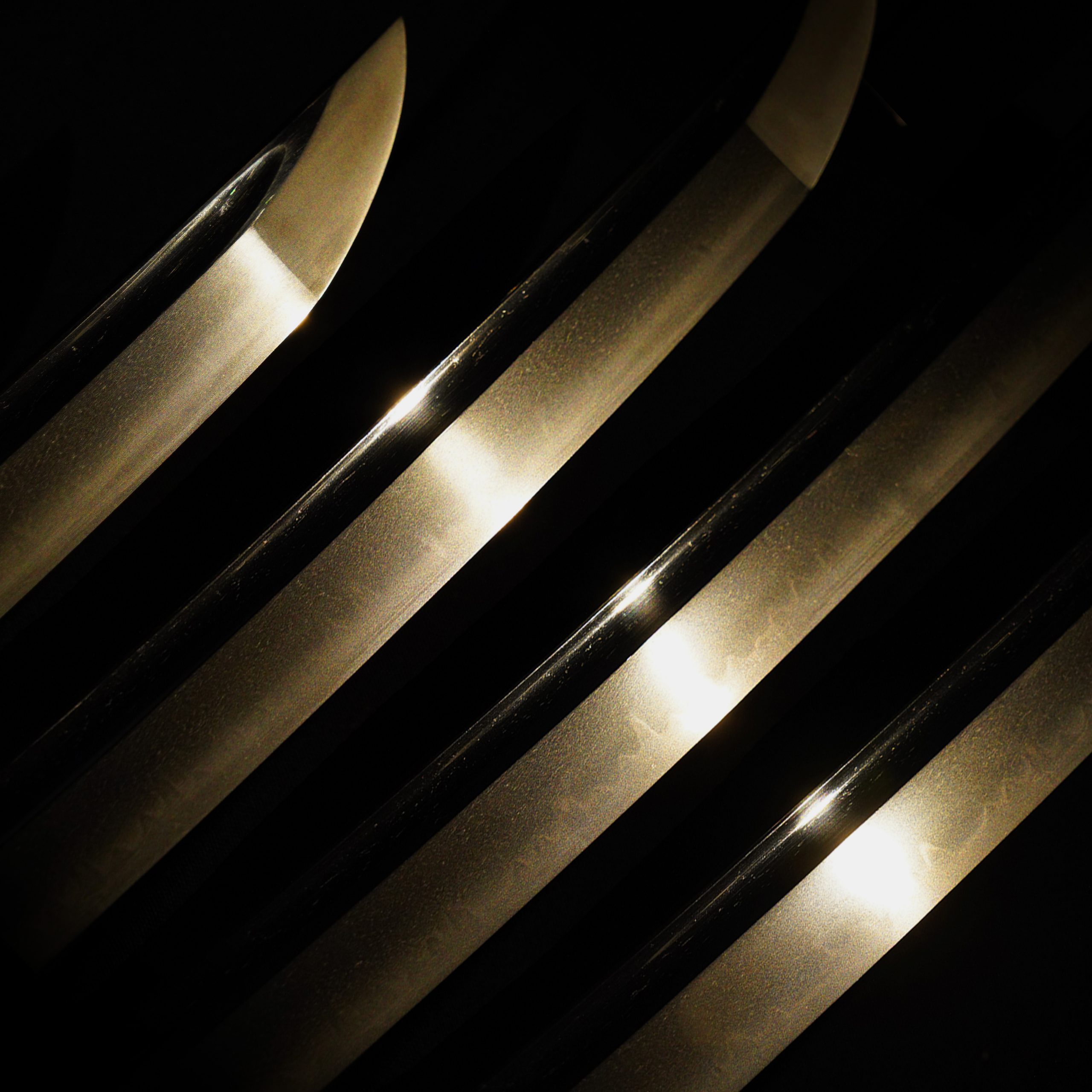
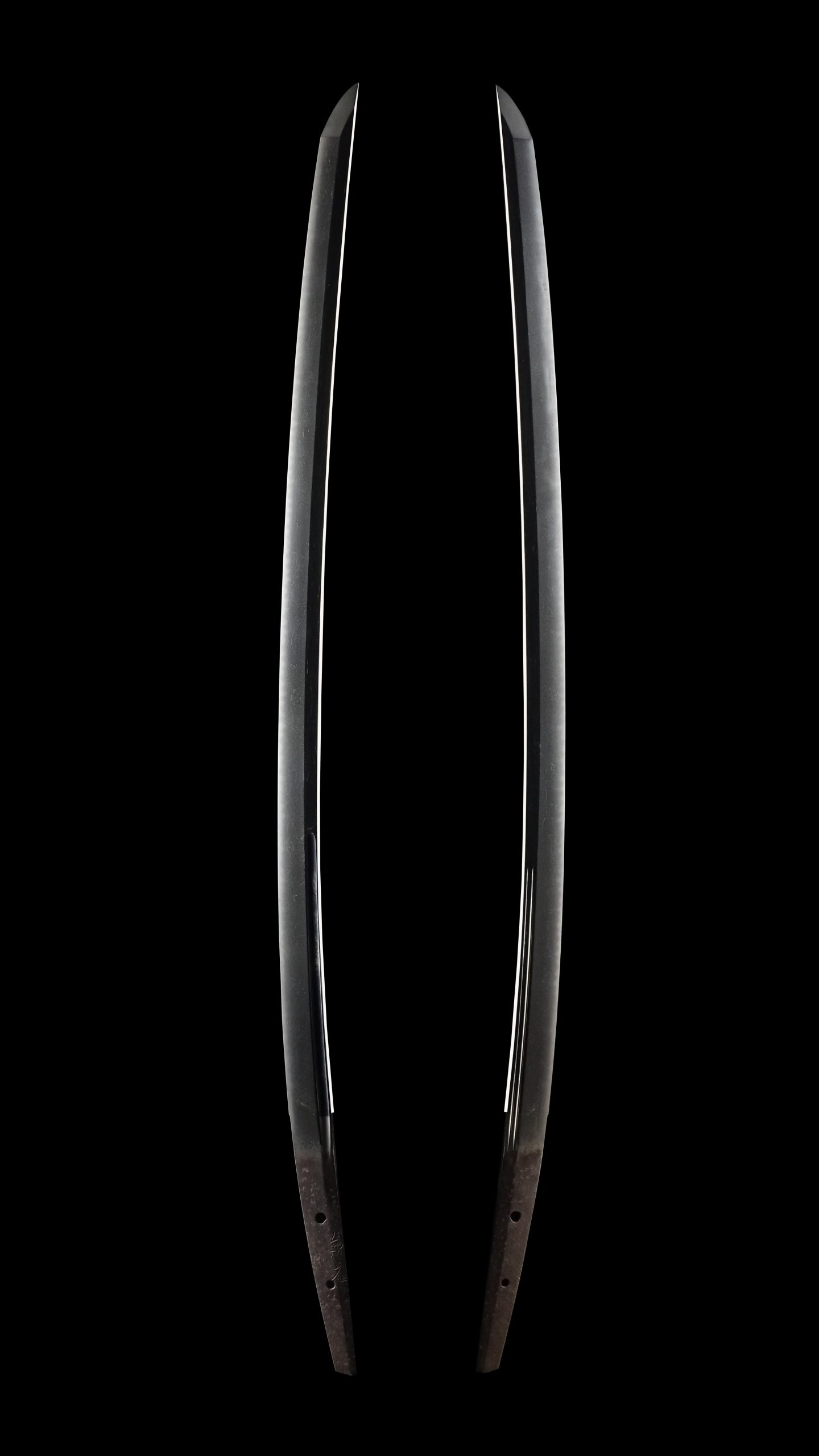
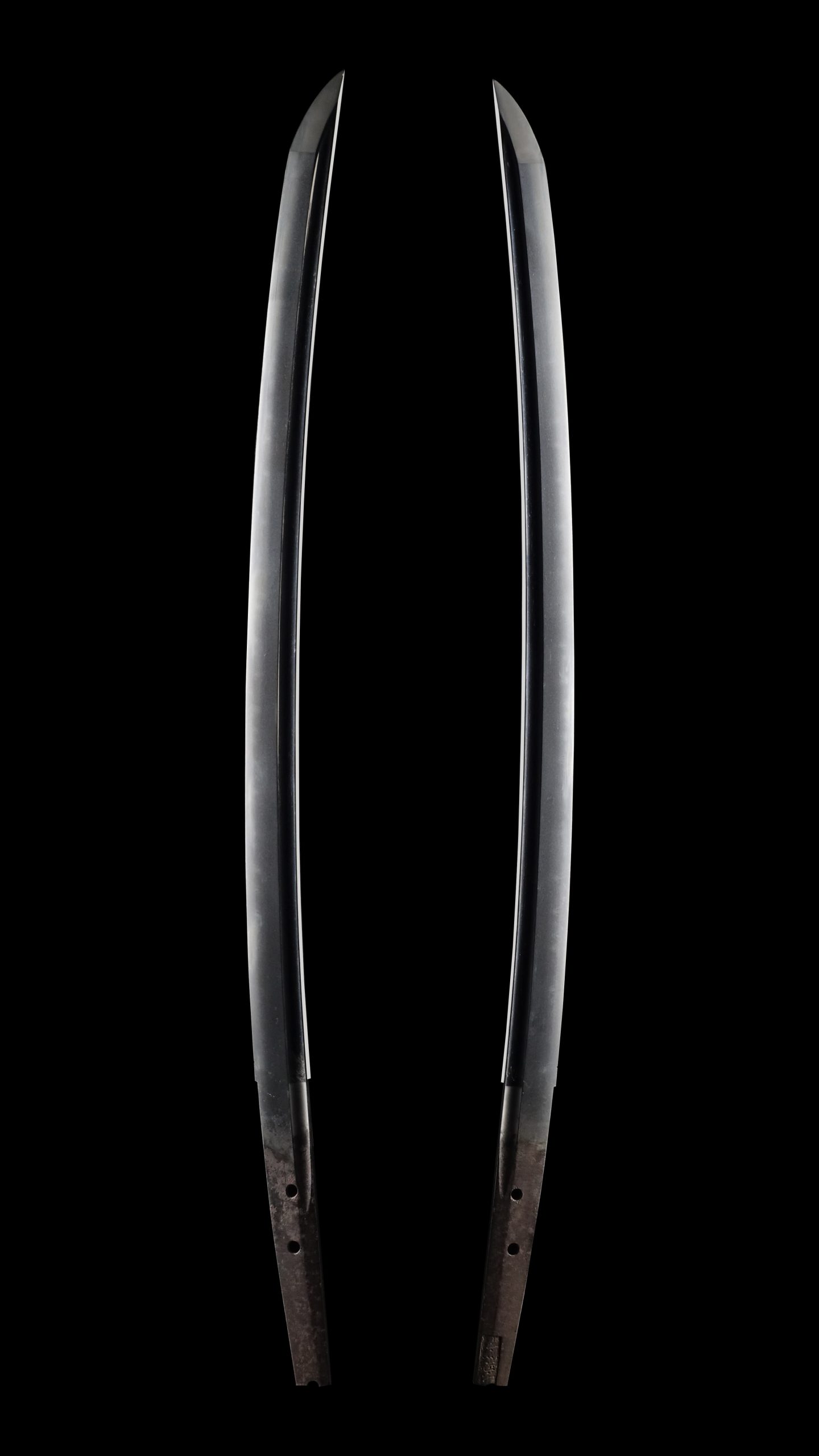
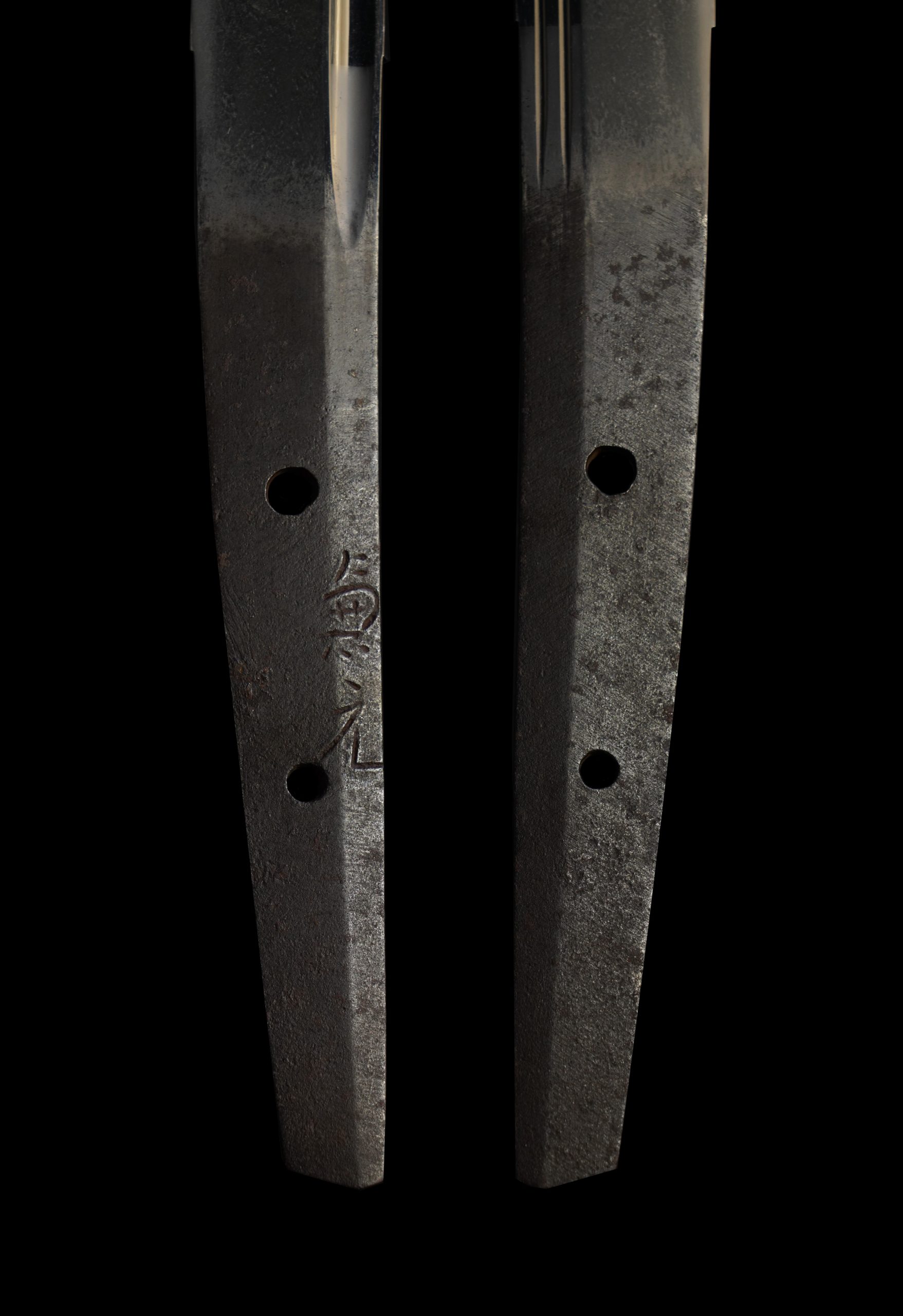
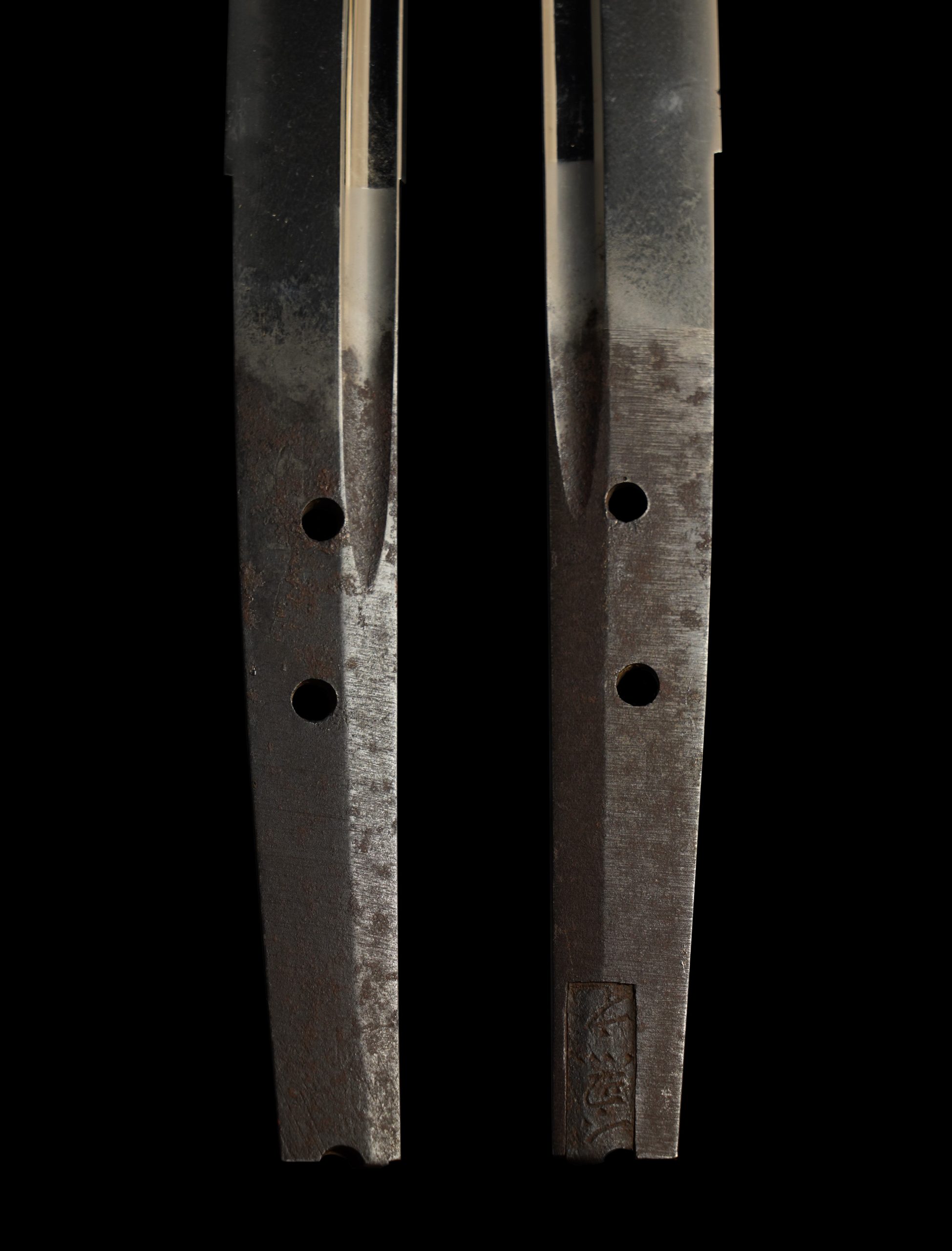
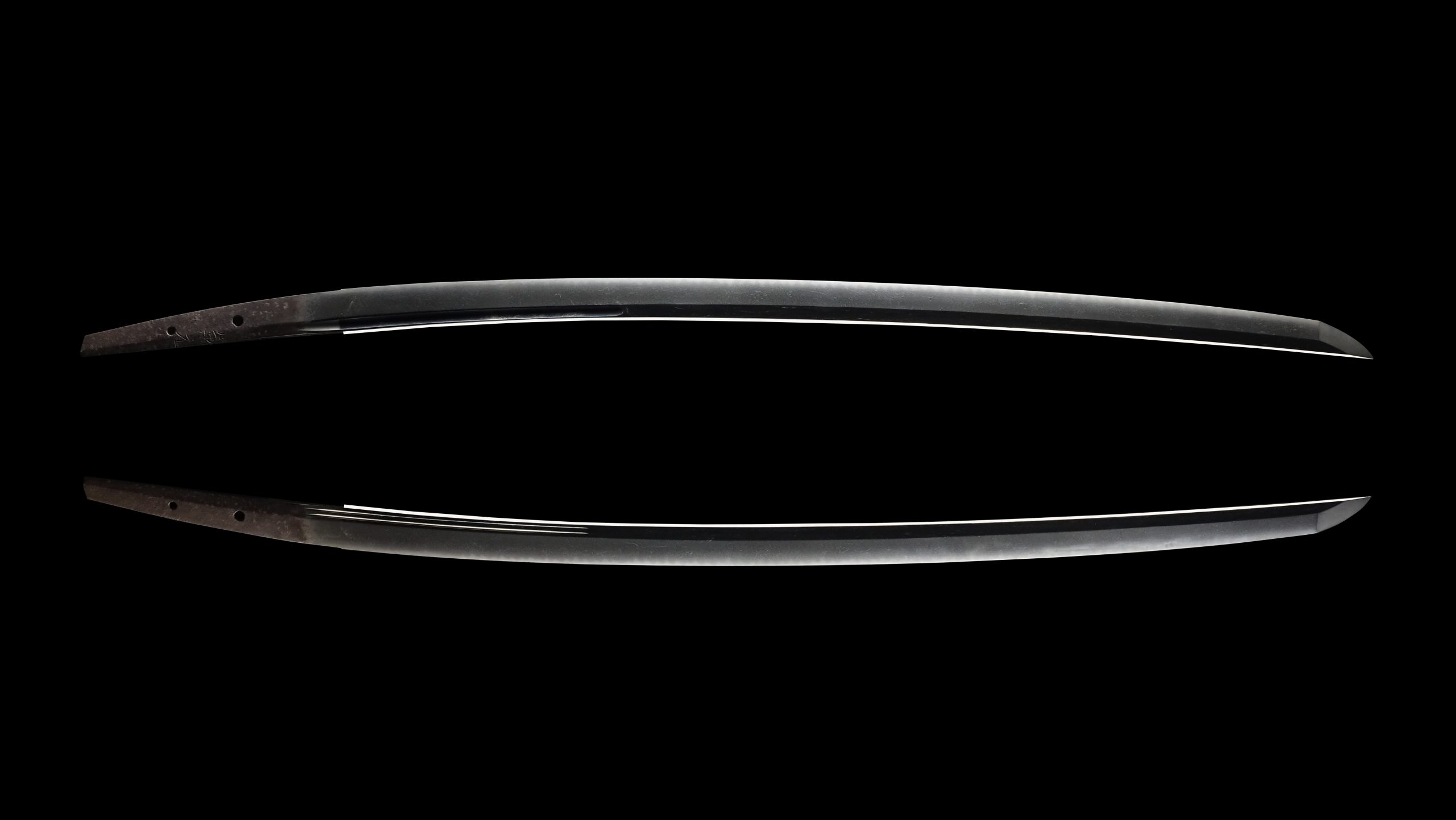
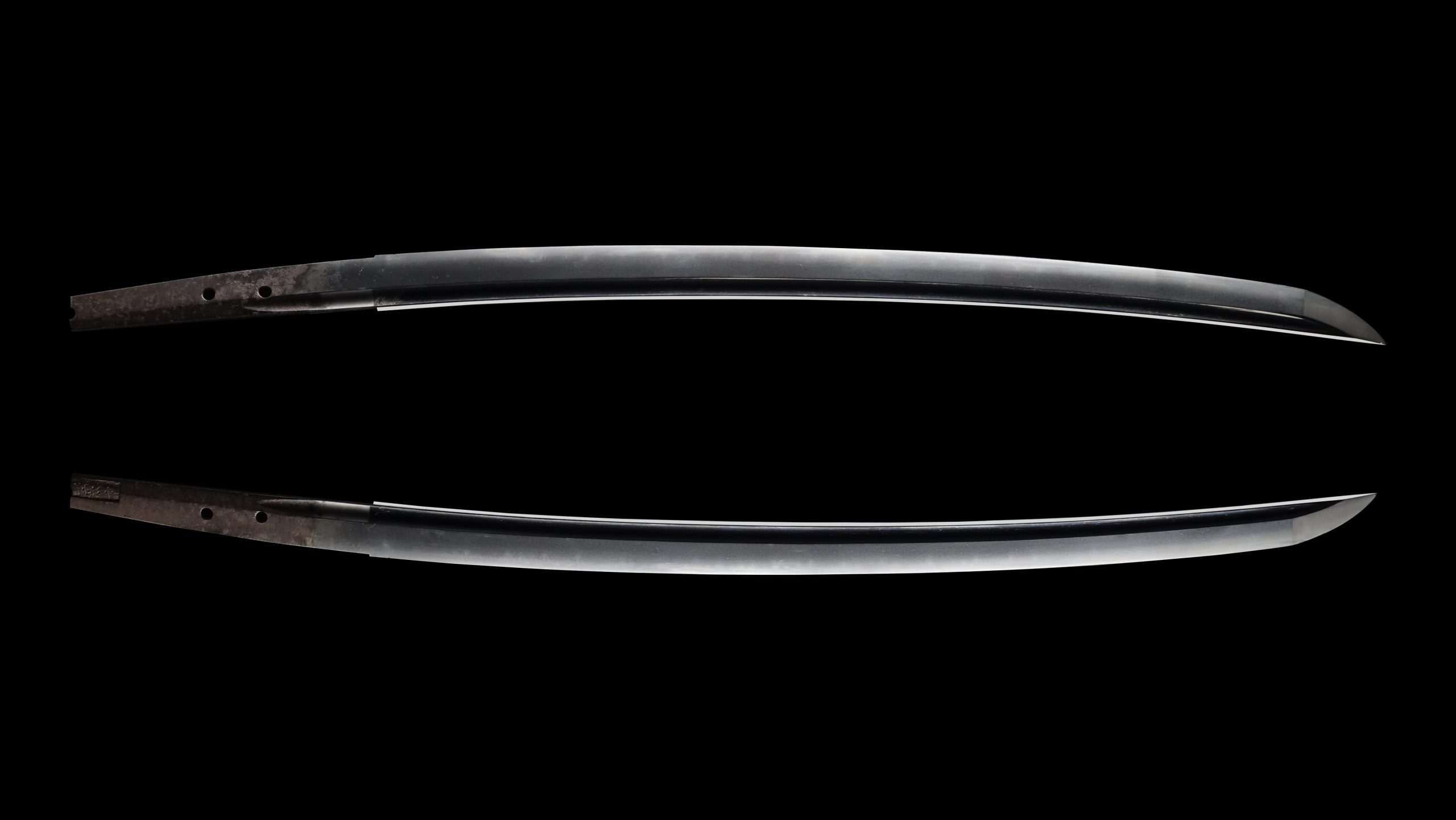
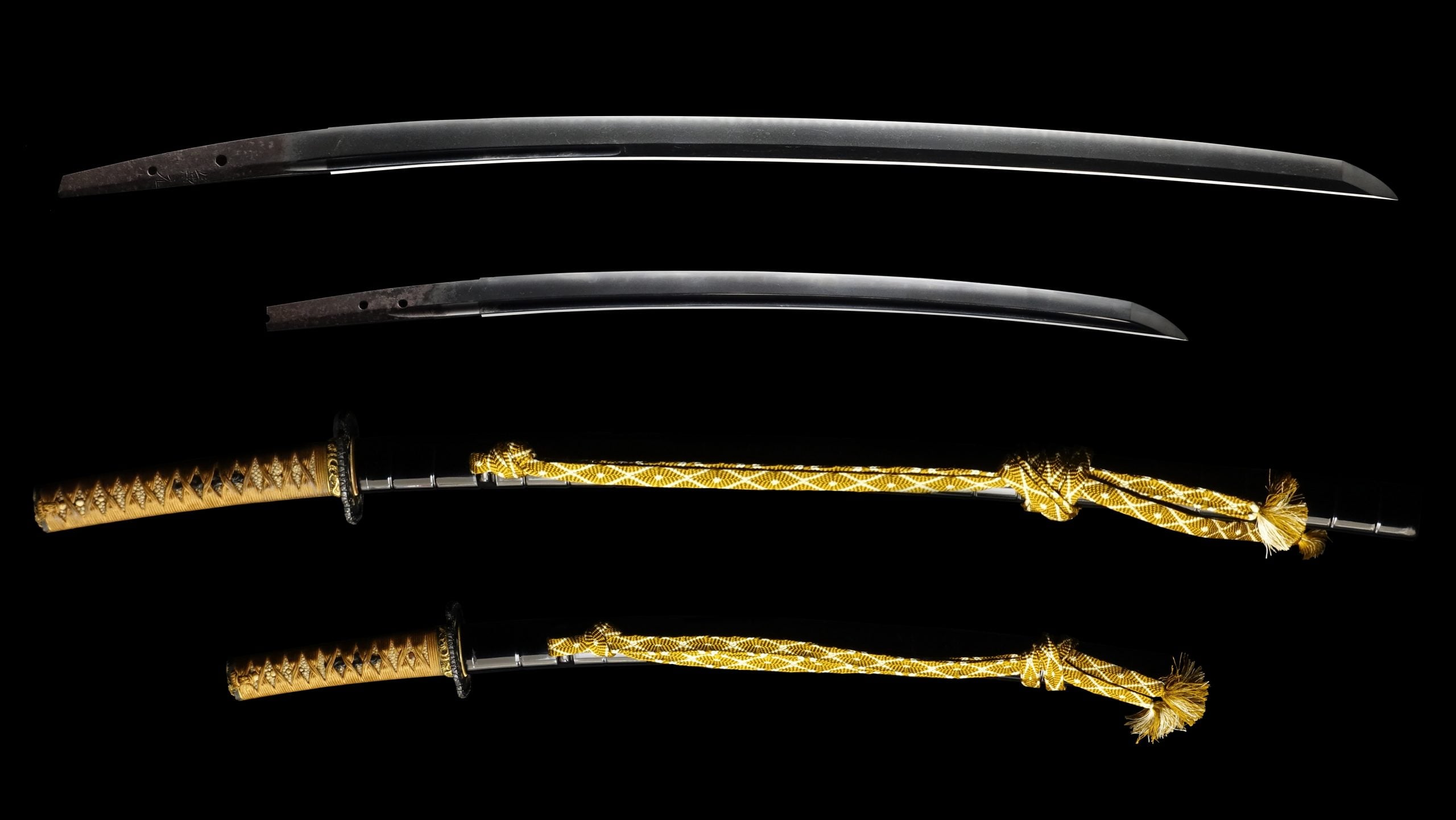
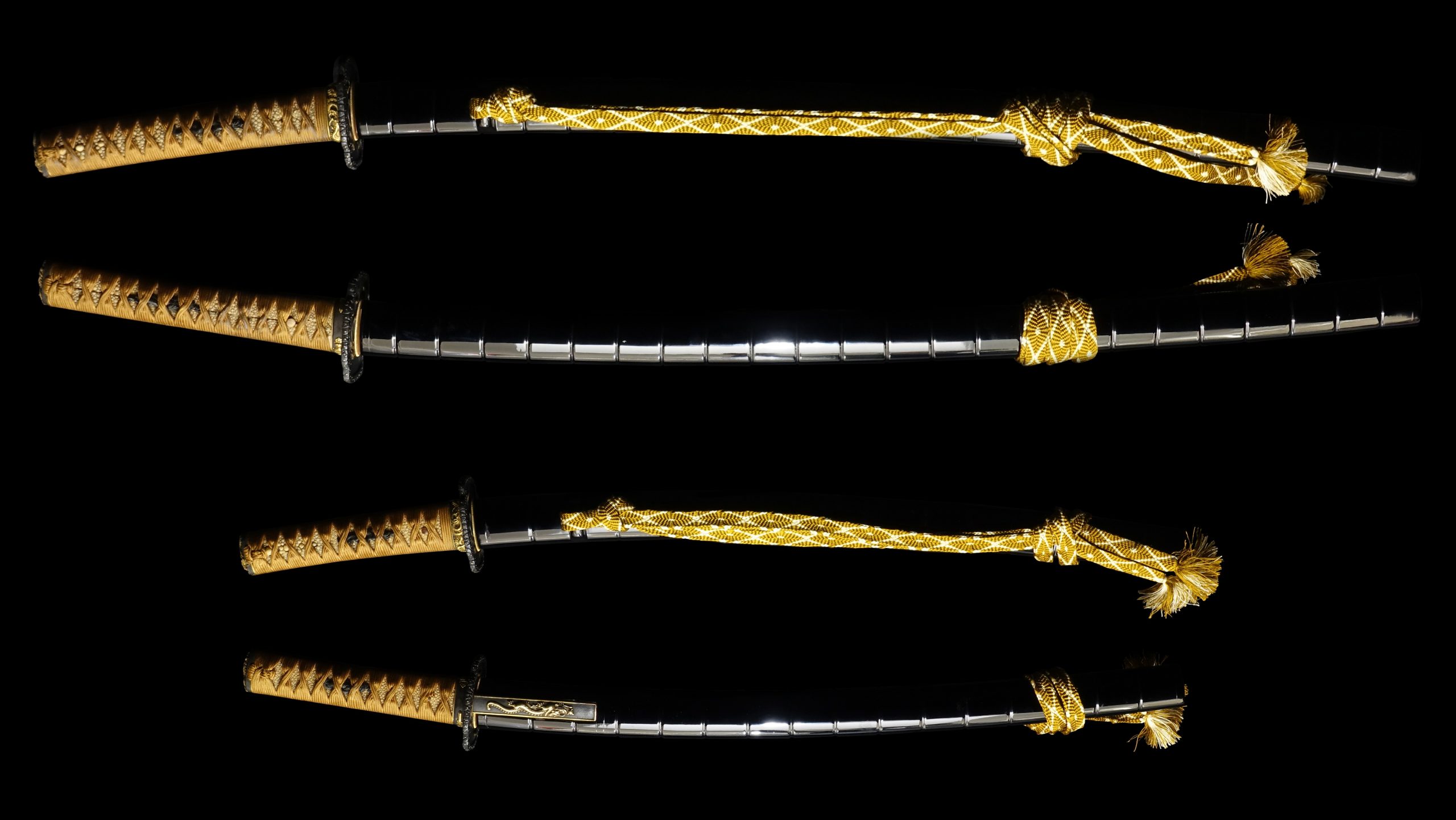
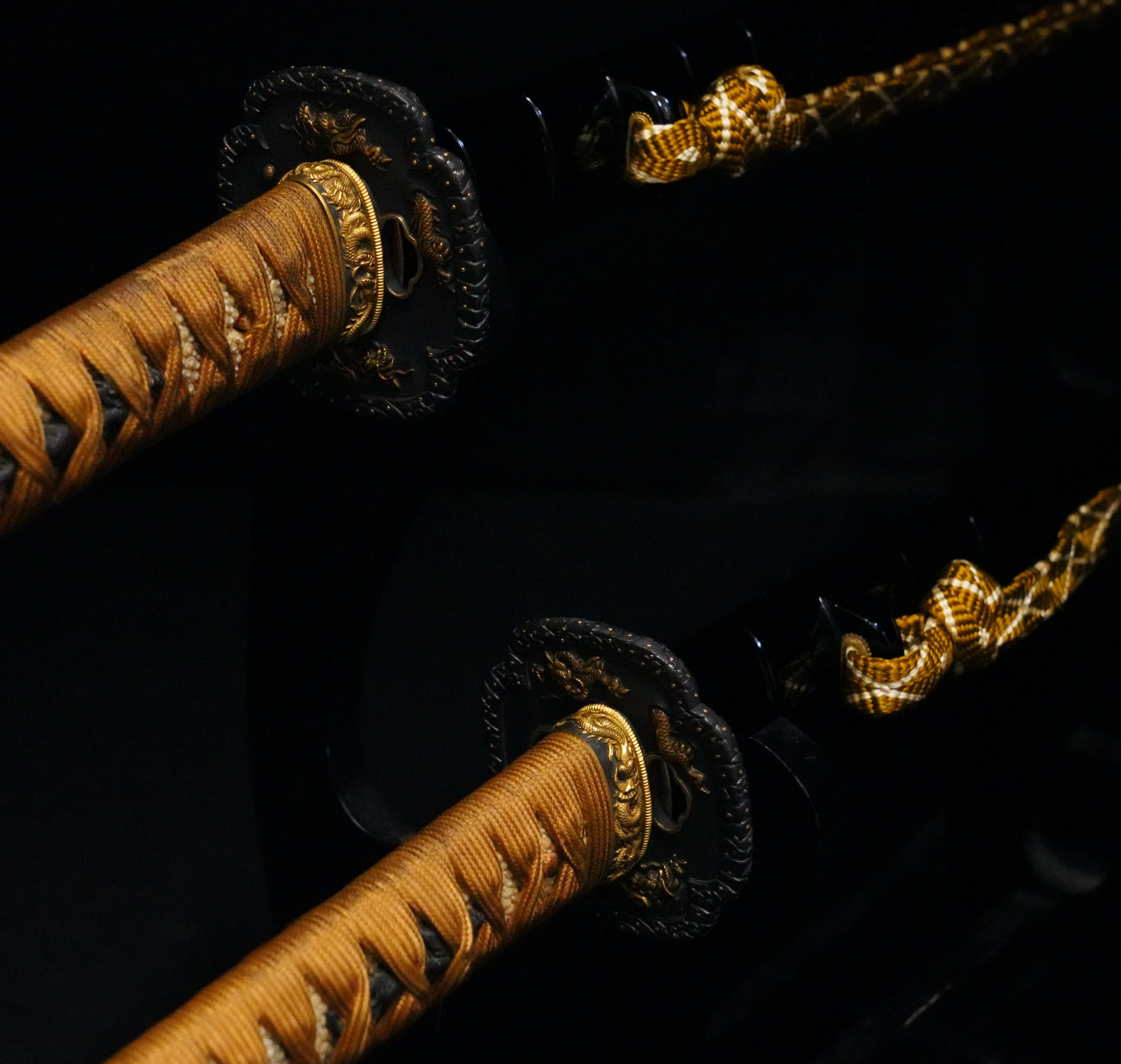
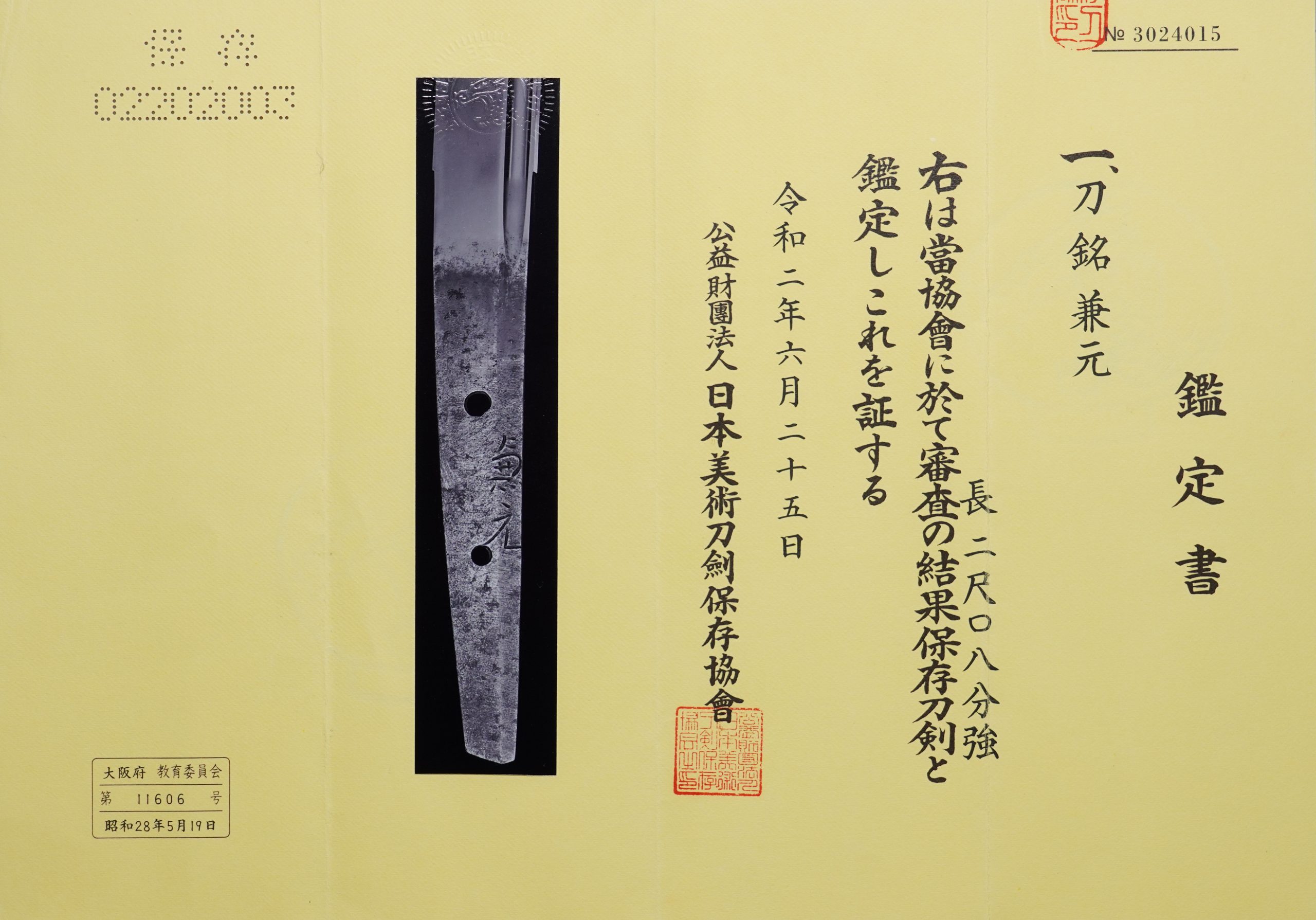
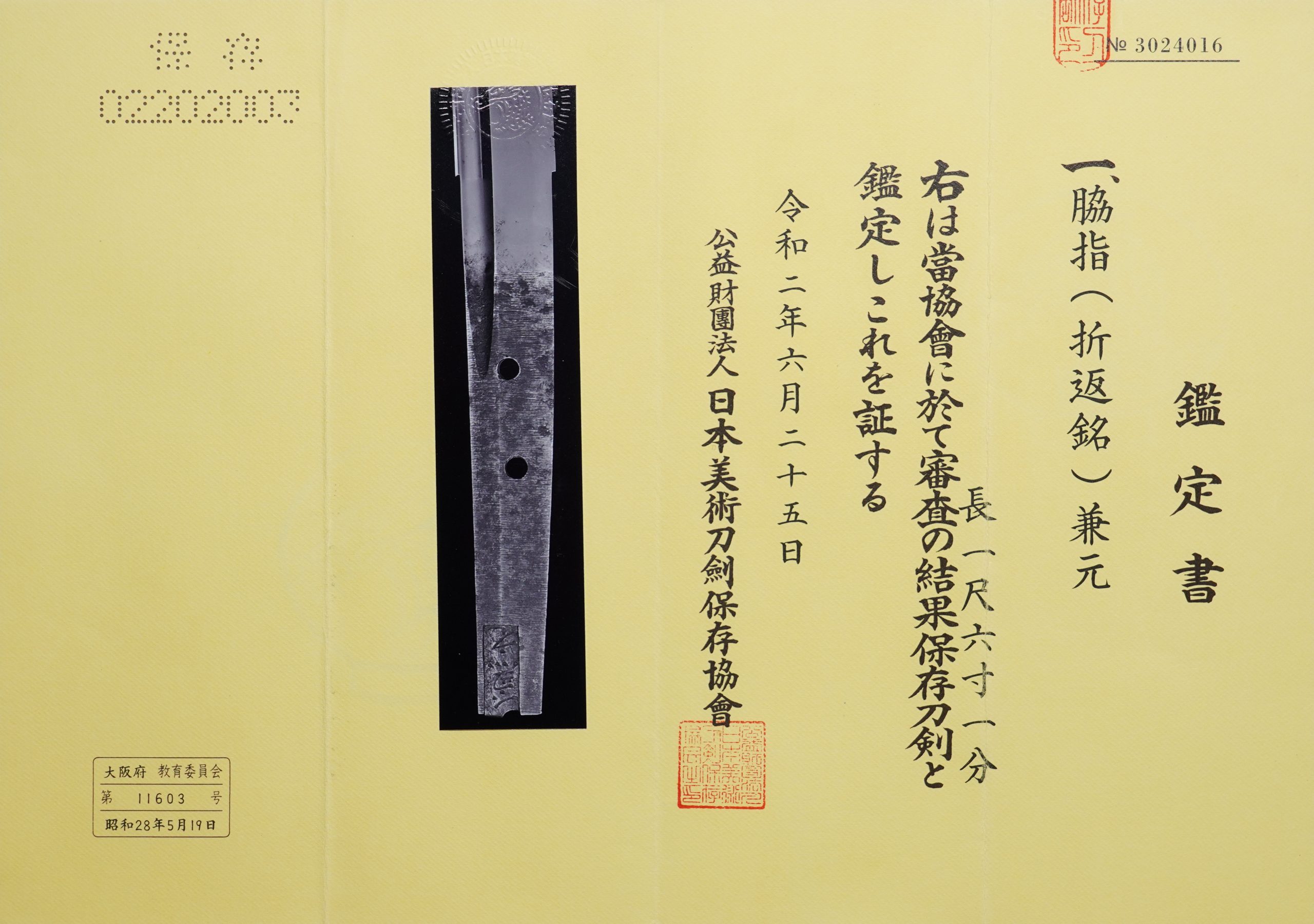
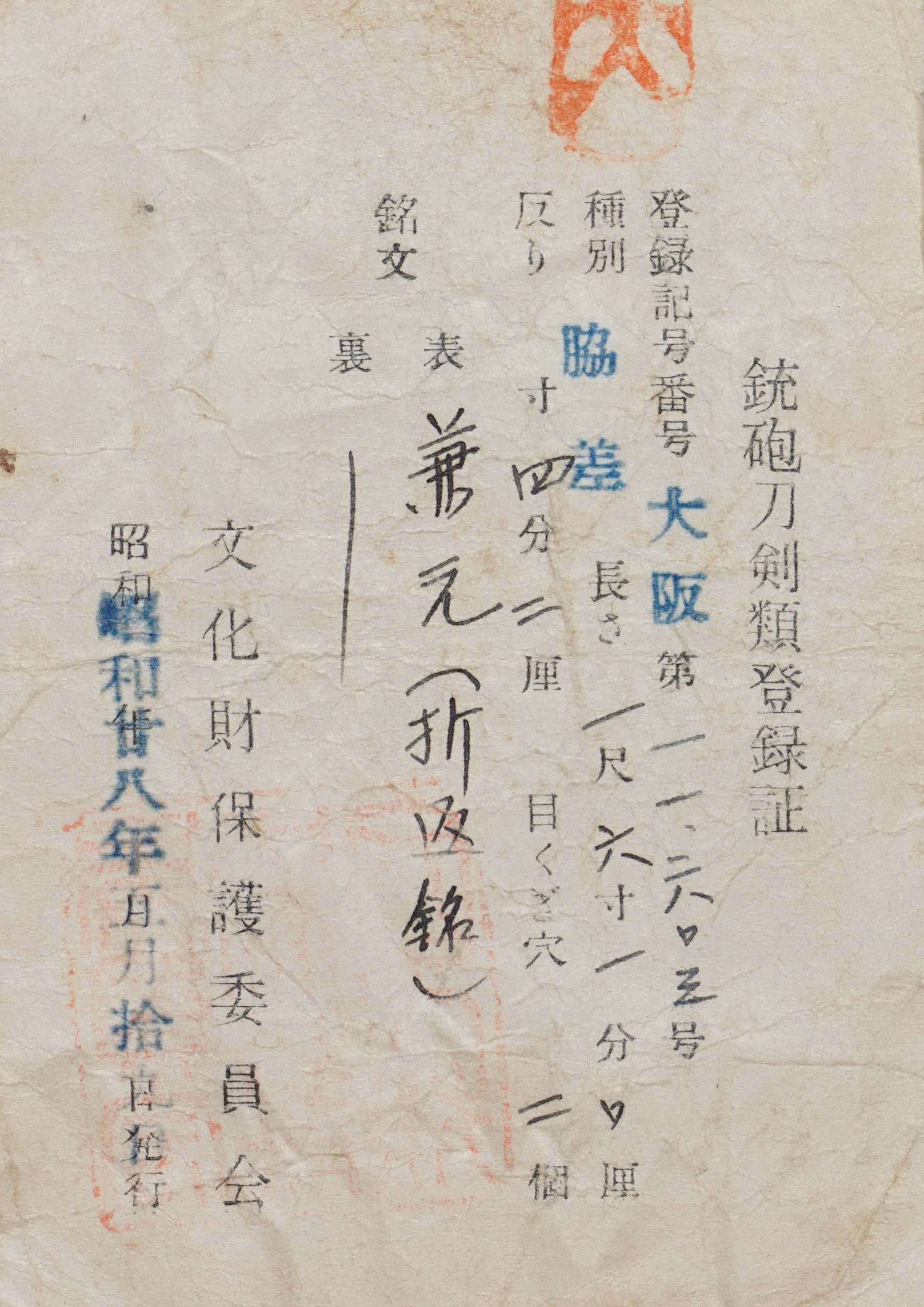
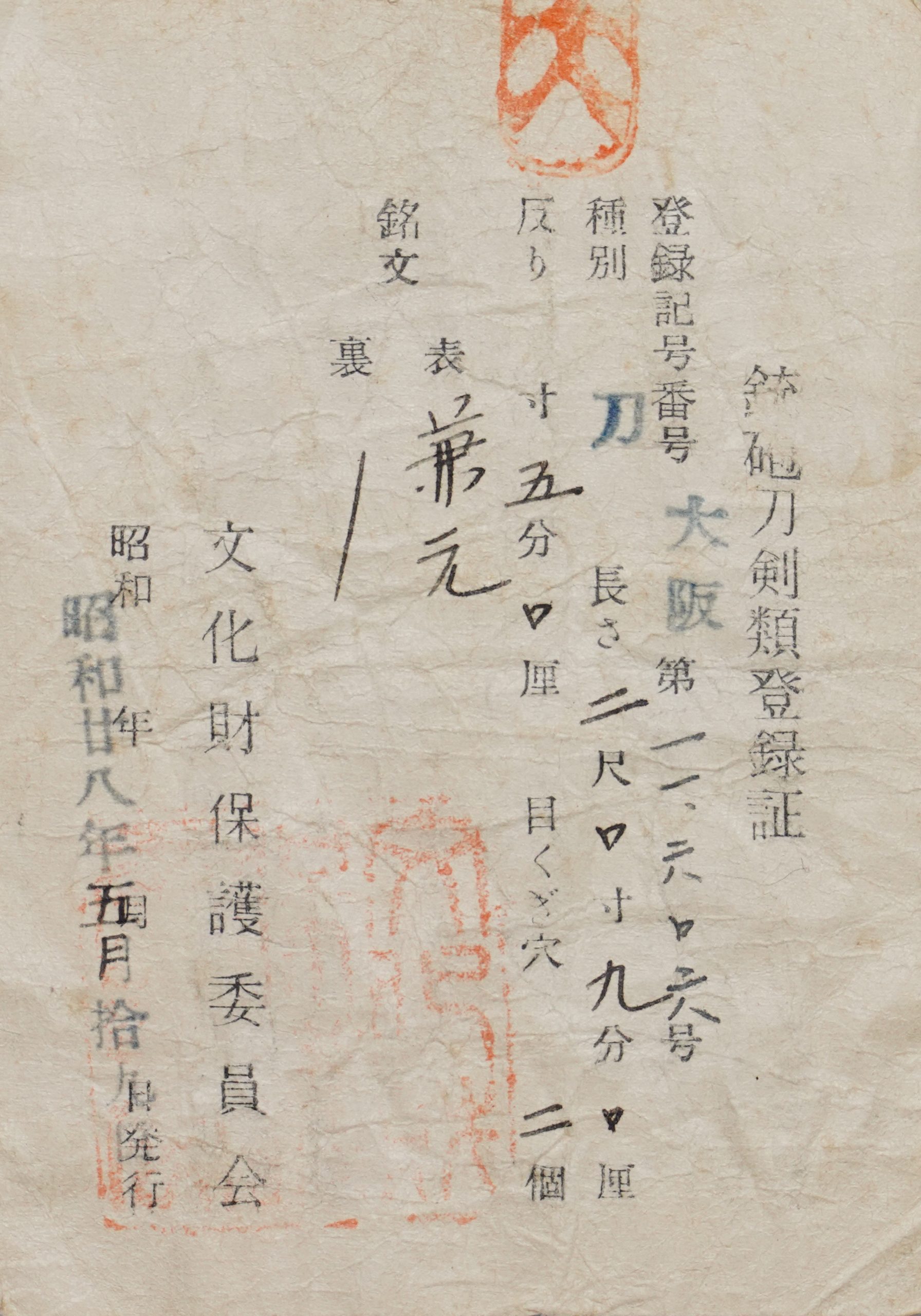
美濃伝 · 美濃 · 1532-1555頃
現在3点販売中
美濃伝 · 美濃
現在27点販売中
兼元は、美濃国関を本拠とした末美濃の刀工で、室町時代後期に和泉守兼定と並んで美濃鍛冶を代表する家系である。同名が相継いで栄えたが、なかでも最も技量にすぐれるのは二代で、世上この兼元を指して「孫六兼元」と呼称し賞翫してきた。「孫六」は兼元家代々の通称であり、二代がとりわけ著名であることから、この称がそのまま二代の代名詞として用いられている。居住地を明示した作には「濃州赤坂住」と切るものがあり、赤坂を一つの拠点としていたことが知られる。説示には明応・享禄・大永などの年紀を有する作が挙げられ、紀年銘の比較的少ない同家にあって、これらは作期や系統を研究するうえで好資料とされている。 作風の中核をなすのは、三本杉と称される尖り互の目の連れた刃文である。各代を通じてこの刃文を得意とするが、二代と後代とでは趣を異にする。代が下ると尖り刃の形が鋭角的で規則正しく揃うのに対し、二代は互の目の頭が処々丸みをおびて変化を見せ、三本杉のほかに二本杉・四本杉・五本杉といった群落を交えるなど画一的でないところに特色がある。説示はこれを行草の体の三本杉と評し、刃取りに起伏を見せて変化に富む点を二代の見どころとする。地鉄は板目に杢・流れ柾を交えて肌立ちごころとなり、地沸が細かにつき、地景が入り、白け映りが立つのが常で、帽子は乱れ込んで先丸く地蔵状に返るものが多い。一方、初代はあまり三本杉が目立たず、互の目に互の目丁子を交え、時に湯走り・飛焼を伴うものが多く、年紀は明応六年を最も古いものとし、居住地はすべて濃州赤坂住と切られる。二代と初代、さらに後代との別は、こうした刃文の構成と地鉄の風合いから見分けられる。 伝来をみると、二代兼元は実戦刀としての評価が高く、元亀元年の姉川の戦で青木一重が真柄真隆を討ったと伝える青木兼元、また截断銘を裏に施した作などが知られ、切れ味を尊ぶ風が早くから付随していた。金象嵌で笹露と号した作のように、所持者の名とともに伝えられた優品もある。作刀は薙刀・刀・脇指・短刀に及び、長寸で先の張った雄勁な造込みのものから、来写し・京物写しと目される稀な直刃の上品な短刀まで幅があり、二代の技量の振幅を伝えている。説示はこれらを孫六兼元の典型かつ出色の出来口として位置づけ、行体の三本杉が匂口明るくよく沸え、地刃ともに冴える点を賞するとともに、末関を代表する刀工としての名声を確かなものとしている。 詳しく見る →
戦国の関は一つの産業であった。春日神社を氏神と仰ぐ鍛冶たちが、中部日本の軍勢を武装させた。孫六兼元の三本杉と之定の最上作は、量産の町に第一級の技が息づいていたことの証である。
銘が正しい、または無銘でも年代・国・系統を確実に指摘できる、保存に値する真正の作と鑑定されたものです。
日本美術刀剣保存協会(NBTHK)は、1948年に設立され、文化庁の監督を受ける公益財団法人で、東京・刀剣博物館に本部を置きます。専門の審査員が出品作を直接審査し、美術的・歴史的価値に応じた鑑定書を発行します。NBTHKの鑑定書は、日本刀および刀装具の真正性を示す最も広く認知された基準です。
NBTHK公式サイトReturns/exchanges limited to defects caused by shipping (except willful misconduct or gross negligence by the company); customers must contact within 72 hours of receiving the product.
Antique Japanese Sword Daisho Signed by Kanemoto with NBTHK Hozon Certificate 【Description】 Both Katana and Wakizashi were signed by Kanemoto(兼元). According to NBTHK, these two blades were forged by later-gen Kanemoto during the late Muromachi period( 1492~1569 ). The swordsmith Kanemoto lasted 27th generations from the Muromachi period to the Heisei period(modern-day). It is said the most skilled Kanemoto of all is the second-gen, also known as Magoroku, who was one of the most famous MINO swordsmiths from the Muromachi period. He forged swords in the Mino province, which is renowned for a particular sword style called MINO-DEN. Each gen of Kanemoto was good at forging swords with Sanbon Sugi tempering line(Hamon in Japanese). Sanbon Sugi tempering line resembles a small cedar tree/forest growing horizontally. Those who forged swords in Mino province at the end of the Muromachi period are called Sue-Seki. The MINO swordsmiths style, also known as MINO-DEN, basically has the TOGARI(Pointed shapes protruding from the Hamon )in a classic straight line and random temper line with some white Utsuri. MINO-DEN had its origin from YAMATO-DEN in the late KAMAKURA period(1280-1330). The school flourished in the MUROMACHI period(1333-1573) and continued until the EDO period(1603-1868). MINO-DEN exceedingly prospered during Sengoku Jidai(Warring State period) due to the high demand for weapons. And the location of Mino province beat others. Akechi Mitsuhide controlled Mino province, and Nobunaga Oda ruled Owari province, and Tokugawa Ieyasu was the lord of Suruga (Neighboring areas). There was high demand from those powerful feudal lords and their retainers. Furthermore, so many wars occurred between the Kanto region and the Kyoto area. Mino is located in the middle, making feudal lords feel convenient to order swords from MINO-DEN. The blades forged in MINO provinces also had the reputation of their practical design and sharpness. Many feudal lords demanded swords forged in the Mino province. While the signature of Katana is the standard type, that of Wakizashi is unusual looking. This is called Orikaeshi Mei(折返し銘). It is often the case that the signature was cut when adjusting the size of the blade. However, sometimes, Japanese swordsmiths folded the signature part and put it to the other side to keep the signature. That is why the signature of this Wakizashi looks upside down. What is Daisho? Daisho is a pair of two Japanese swords Samurai carried. During the Edo period, having Daisho in public places was considered social status for Samurai. Furthermore, Samurai were required to wear them under the law back then. Daisho is written as 大=Big and 小=Small. Dai part means Katana, and Sho part means Wakizashi. They have such a fancy appearance that we believe a high-ranked Samurai owned them. If you like dragon, we are confident you would like this pair of Daisho Koshirae. Appraisal These blades are appraised as a Hozon certificate issued by NBTHK. This authentication paper was only given to Japanese swords, worth preserving by Nihon Bijutsu Touken Hozon Kyokai(the Society for the Preservation of the Japan Art Sword). 【 Blade】 -Katana Cutting Edge Length(Nagasa) : 63.3 cm( 24.9 inches) Curvature(Sori) : 1.51 cm(0.59 inches) -Wakizashi Cutting Edge Length(Nagasa) : 48.8 cm(19.2 inches) Curvature(Sori) : 1.27 cm( 0.50 inches) Hamon : The crystalline structure which forms along the cutting edge of a blade as a result of the hardening process Jimon(Jihada) : visible steel surface pattern created by folding and hammering during forging process -Katana -Wakizashi Nakago : Nakago is the tang of the Japanese sword. Japanese swordsmiths left the black rust on the tang because it prevents red rust while the tang is in its handle. And the discoloration of the tang was created over time, and it is a great indicator for a Japanese sword specialist to estimate when the sword was forged. Koshirae: Koshirae is the mounting of the Japanese sword. There ar
NihontoWatch在銘 · Mino · 室町 · 長さ 63.3cm · 反り 1.51cm
美濃伝 · 美濃 · 1532-1555頃
現在3点販売中
美濃伝 · 美濃
現在27点販売中
兼元は、美濃国関を本拠とした末美濃の刀工で、室町時代後期に和泉守兼定と並んで美濃鍛冶を代表する家系である。同名が相継いで栄えたが、なかでも最も技量にすぐれるのは二代で、世上この兼元を指して「孫六兼元」と呼称し賞翫してきた。「孫六」は兼元家代々の通称であり、二代がとりわけ著名であることから、この称がそのまま二代の代名詞として用いられている。居住地を明示した作には「濃州赤坂住」と切るものがあり、赤坂を一つの拠点としていたことが知られる。説示には明応・享禄・大永などの年紀を有する作が挙げられ、紀年銘の比較的少ない同家にあって、これらは作期や系統を研究するうえで好資料とされている。 作風の中核をなすのは、三本杉と称される尖り互の目の連れた刃文である。各代を通じてこの刃文を得意とするが、二代と後代とでは趣を異にする。代が下ると尖り刃の形が鋭角的で規則正しく揃うのに対し、二代は互の目の頭が処々丸みをおびて変化を見せ、三本杉のほかに二本杉・四本杉・五本杉といった群落を交えるなど画一的でないところに特色がある。説示はこれを行草の体の三本杉と評し、刃取りに起伏を見せて変化に富む点を二代の見どころとする。地鉄は板目に杢・流れ柾を交えて肌立ちごころとなり、地沸が細かにつき、地景が入り、白け映りが立つのが常で、帽子は乱れ込んで先丸く地蔵状に返るものが多い。一方、初代はあまり三本杉が目立たず、互の目に互の目丁子を交え、時に湯走り・飛焼を伴うものが多く、年紀は明応六年を最も古いものとし、居住地はすべて濃州赤坂住と切られる。二代と初代、さらに後代との別は、こうした刃文の構成と地鉄の風合いから見分けられる。 伝来をみると、二代兼元は実戦刀としての評価が高く、元亀元年の姉川の戦で青木一重が真柄真隆を討ったと伝える青木兼元、また截断銘を裏に施した作などが知られ、切れ味を尊ぶ風が早くから付随していた。金象嵌で笹露と号した作のように、所持者の名とともに伝えられた優品もある。作刀は薙刀・刀・脇指・短刀に及び、長寸で先の張った雄勁な造込みのものから、来写し・京物写しと目される稀な直刃の上品な短刀まで幅があり、二代の技量の振幅を伝えている。説示はこれらを孫六兼元の典型かつ出色の出来口として位置づけ、行体の三本杉が匂口明るくよく沸え、地刃ともに冴える点を賞するとともに、末関を代表する刀工としての名声を確かなものとしている。 詳しく見る →
戦国の関は一つの産業であった。春日神社を氏神と仰ぐ鍛冶たちが、中部日本の軍勢を武装させた。孫六兼元の三本杉と之定の最上作は、量産の町に第一級の技が息づいていたことの証である。
銘が正しい、または無銘でも年代・国・系統を確実に指摘できる、保存に値する真正の作と鑑定されたものです。
日本美術刀剣保存協会(NBTHK)は、1948年に設立され、文化庁の監督を受ける公益財団法人で、東京・刀剣博物館に本部を置きます。専門の審査員が出品作を直接審査し、美術的・歴史的価値に応じた鑑定書を発行します。NBTHKの鑑定書は、日本刀および刀装具の真正性を示す最も広く認知された基準です。
NBTHK公式サイトReturns/exchanges limited to defects caused by shipping (except willful misconduct or gross negligence by the company); customers must contact within 72 hours of receiving the product.