応仁の乱が足利の体制を砕いた後、戦国の一世紀はほとんどすべての国を武装させた。この時代は選ぶ目に報いる。並の作は多いが、その傍らには第一級の注文打ちが立っている。
 NihontoWatchNihontoWatch
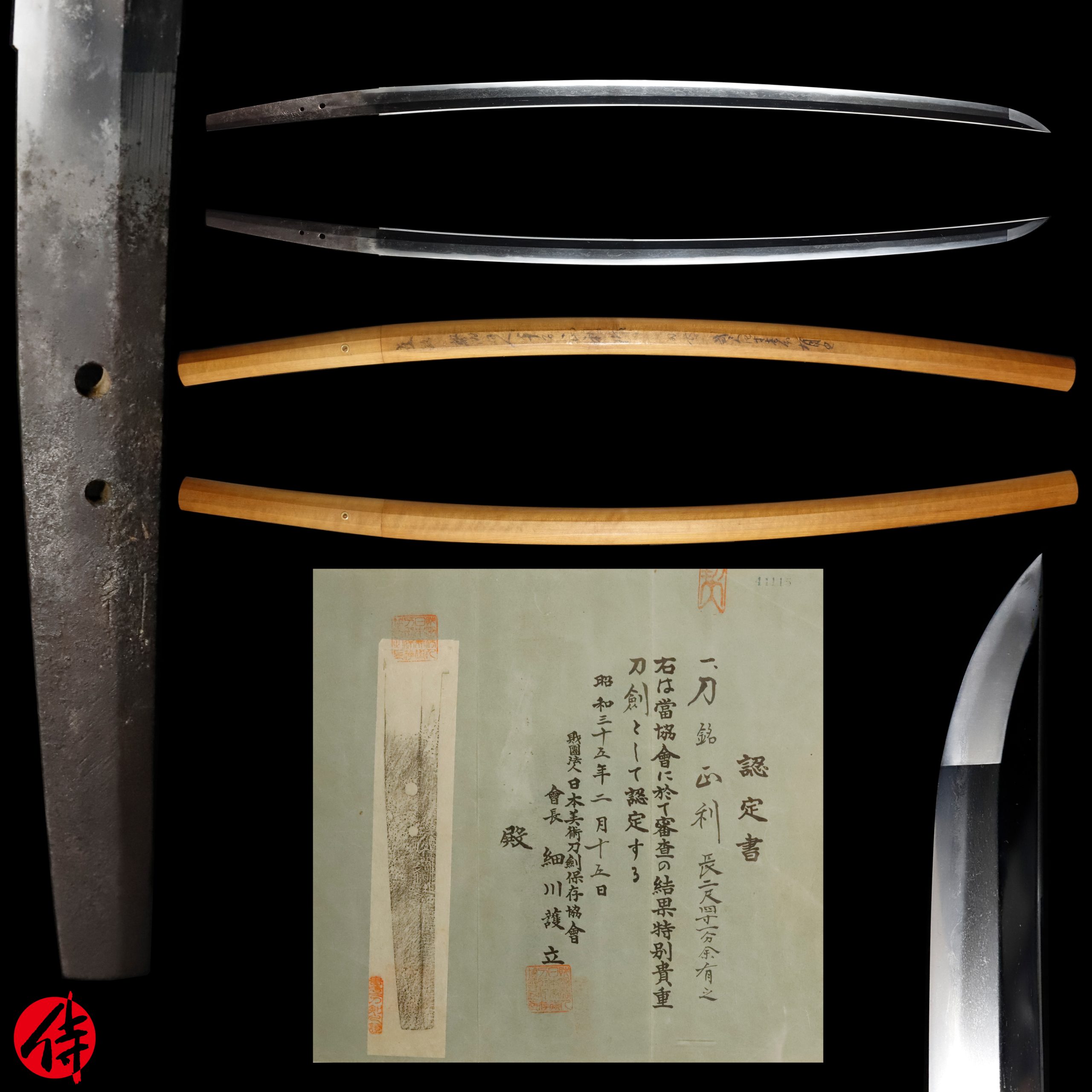
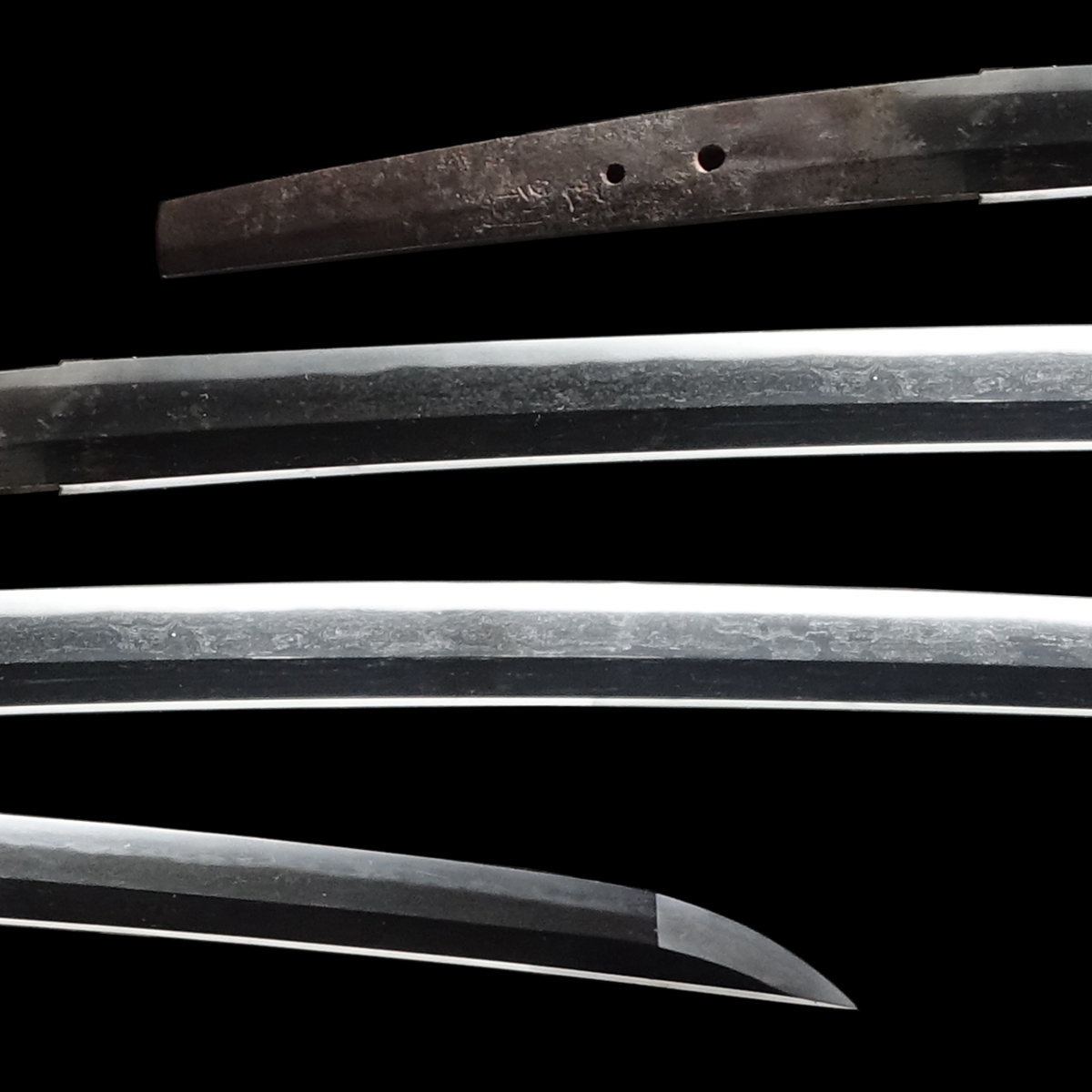
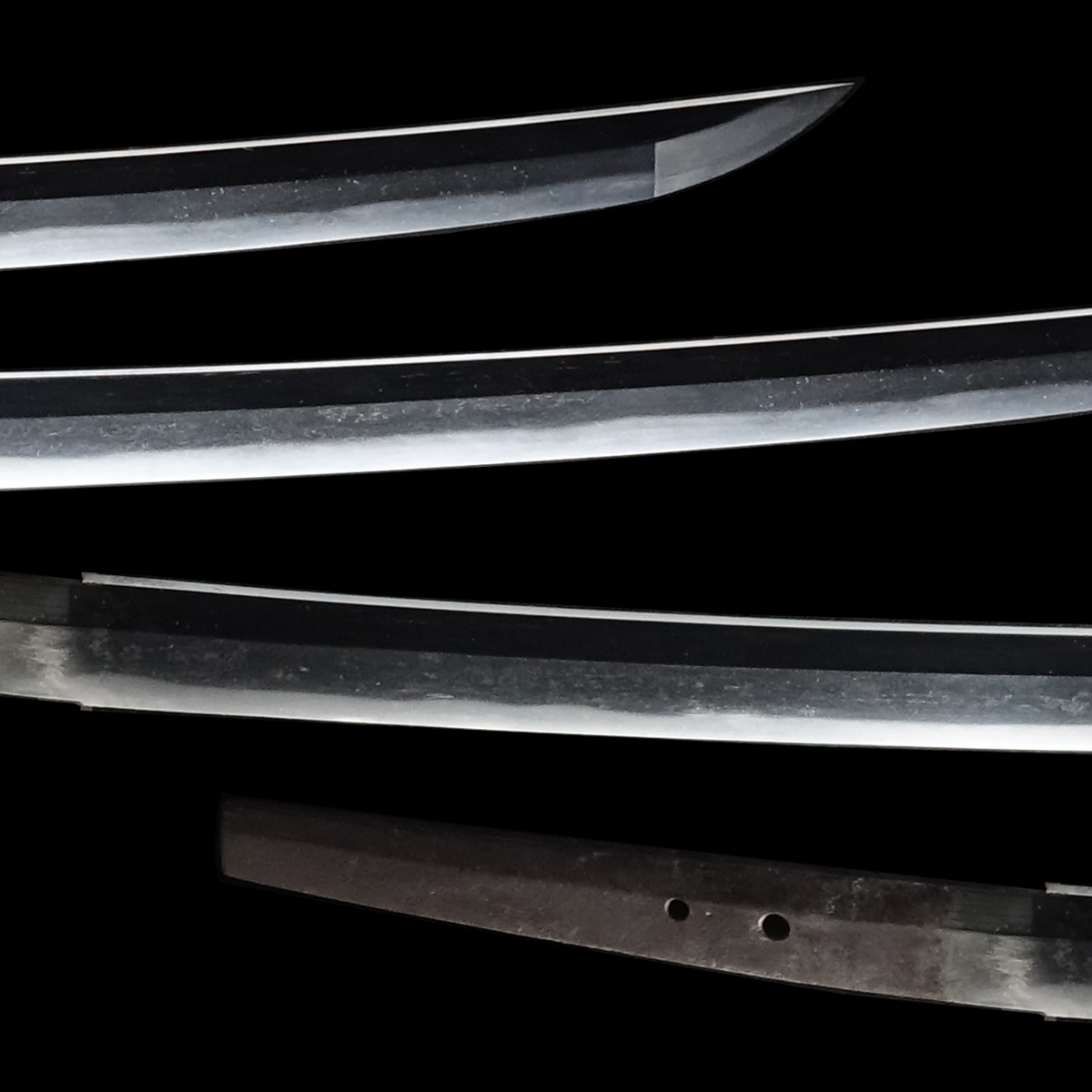
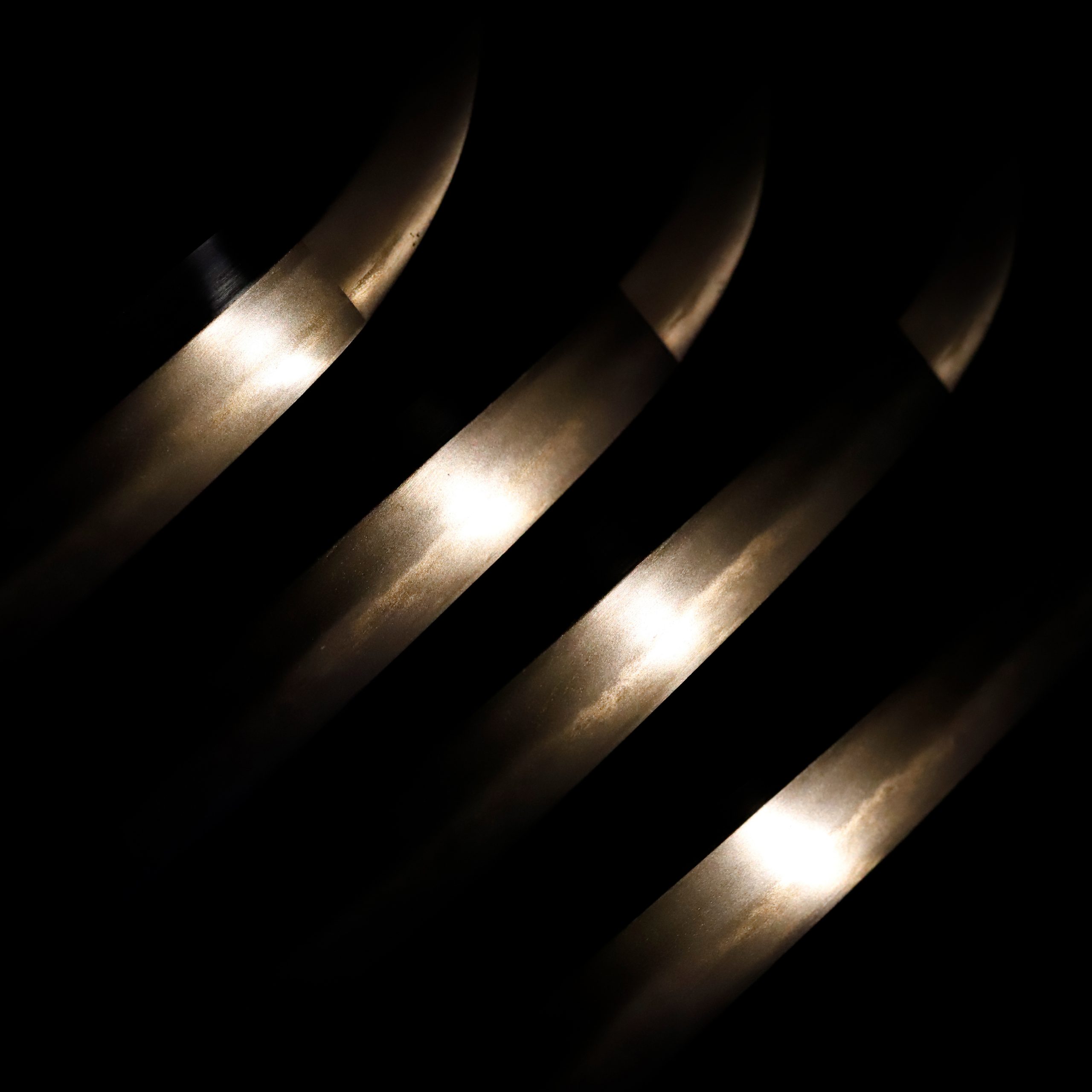
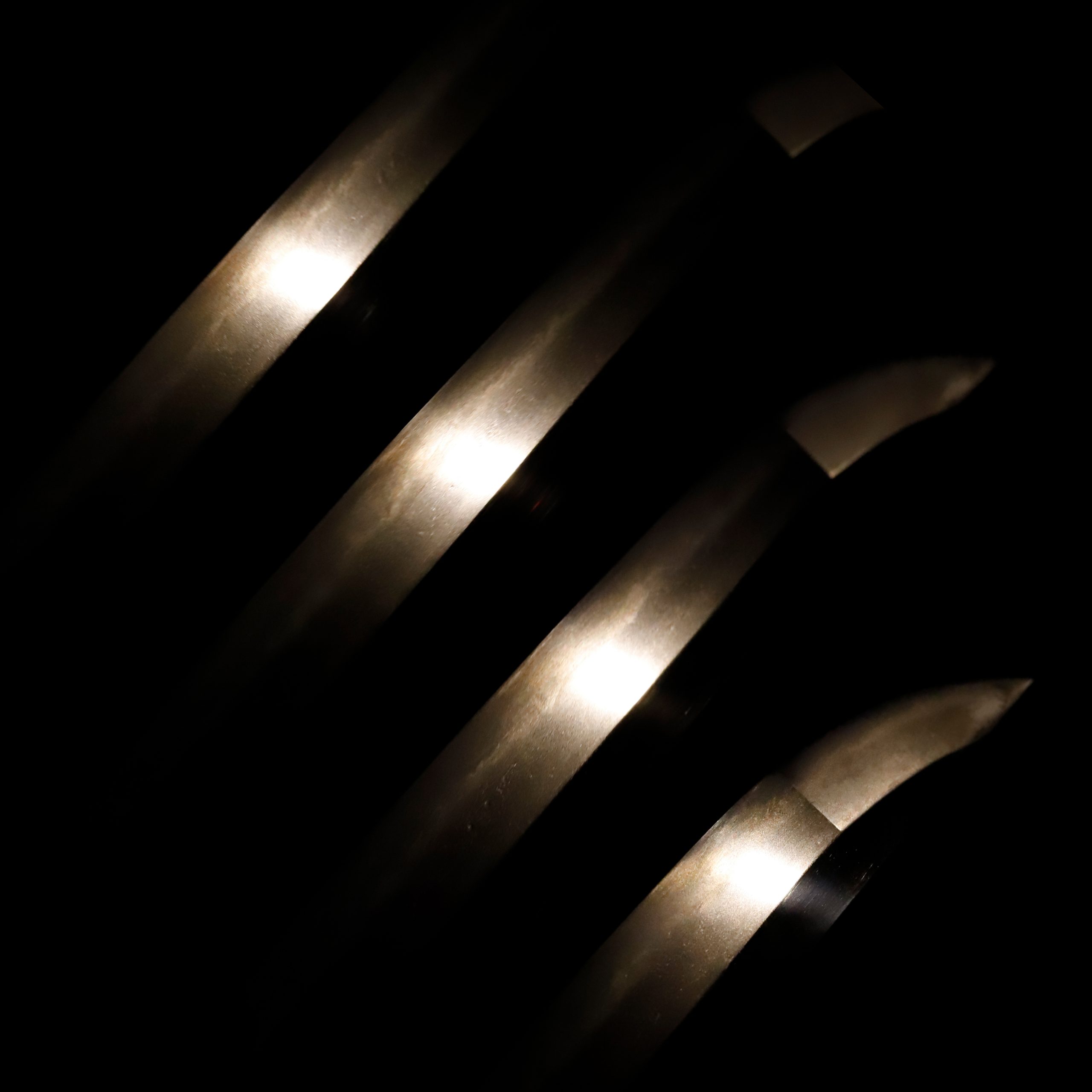
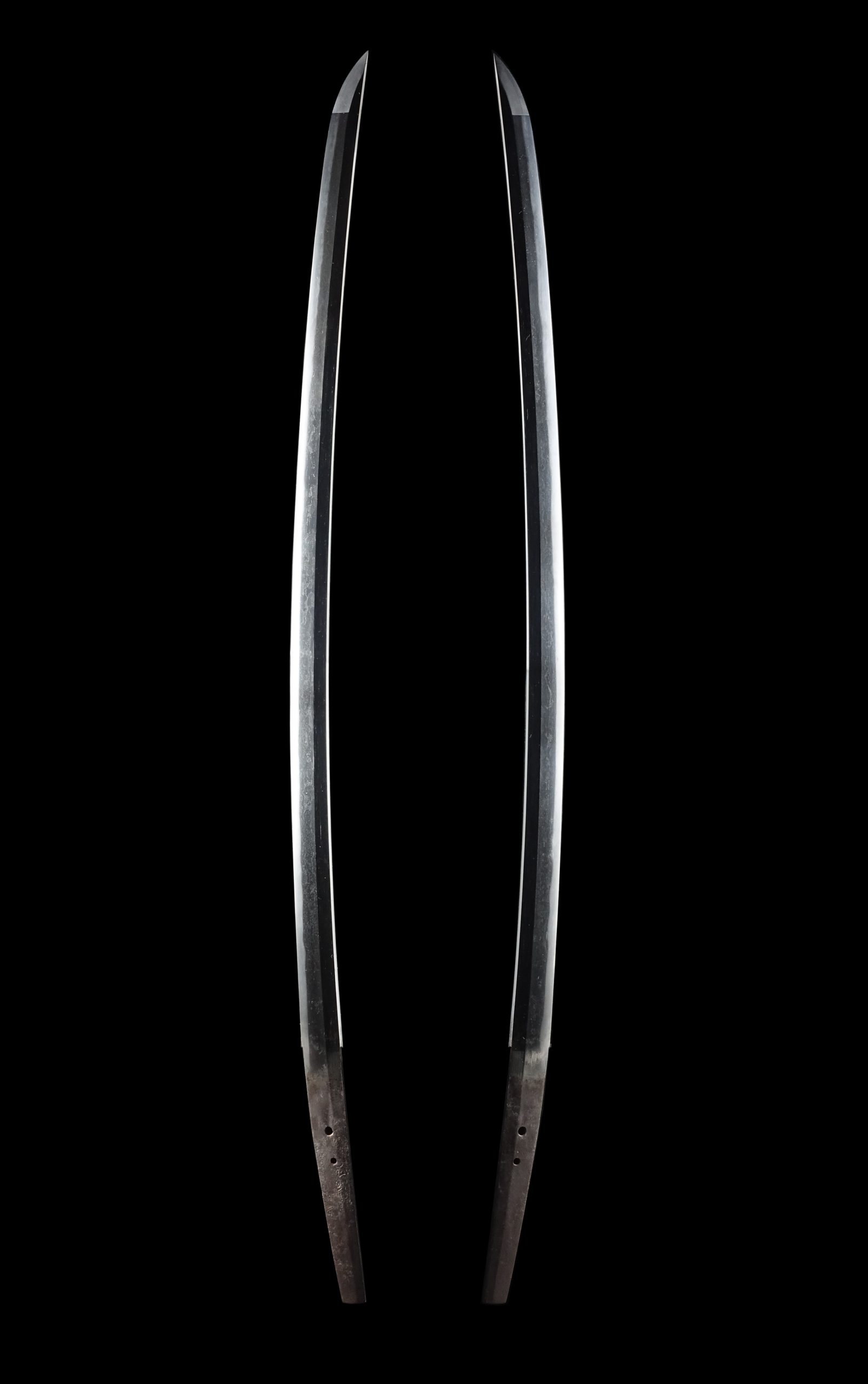
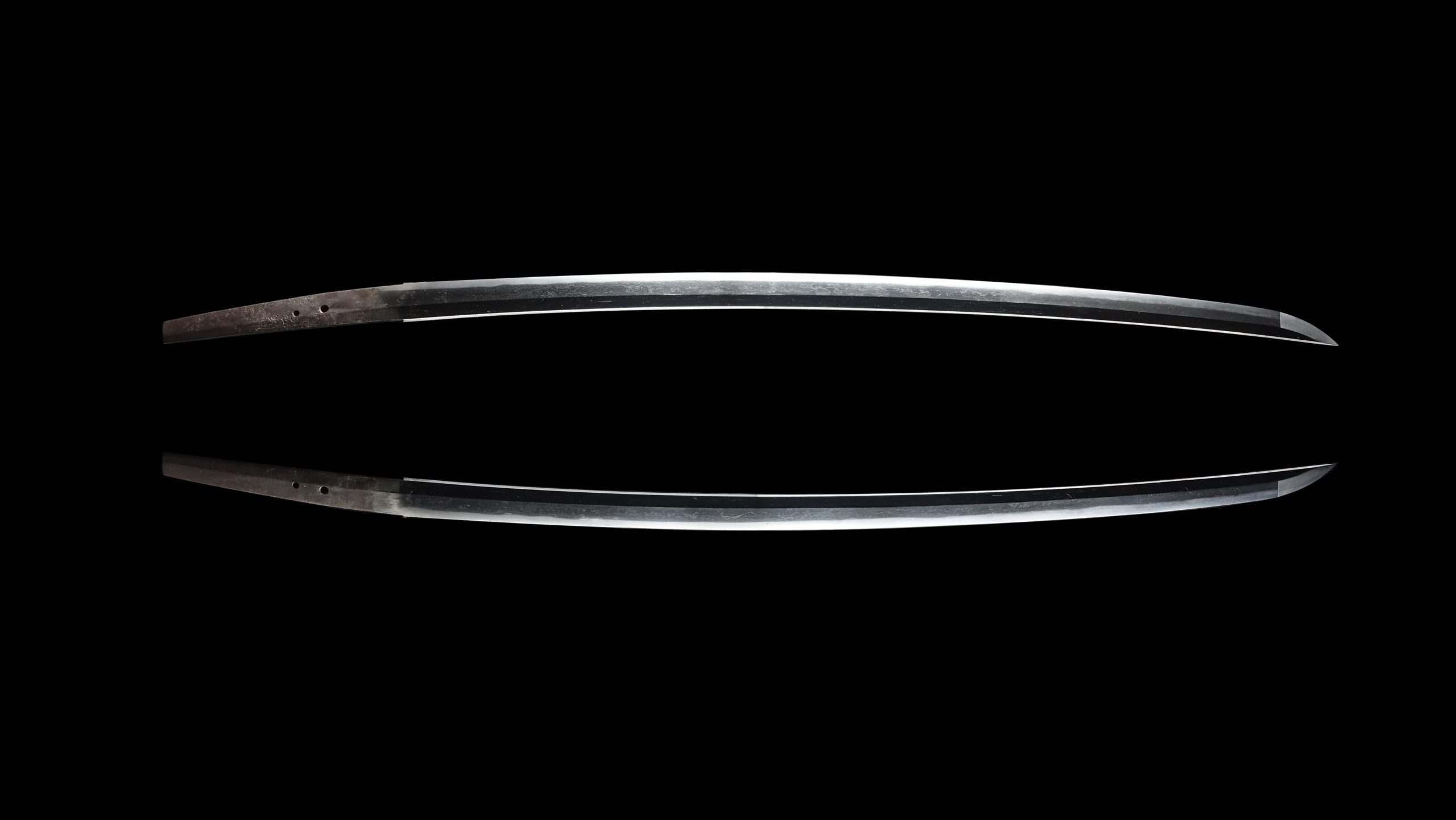
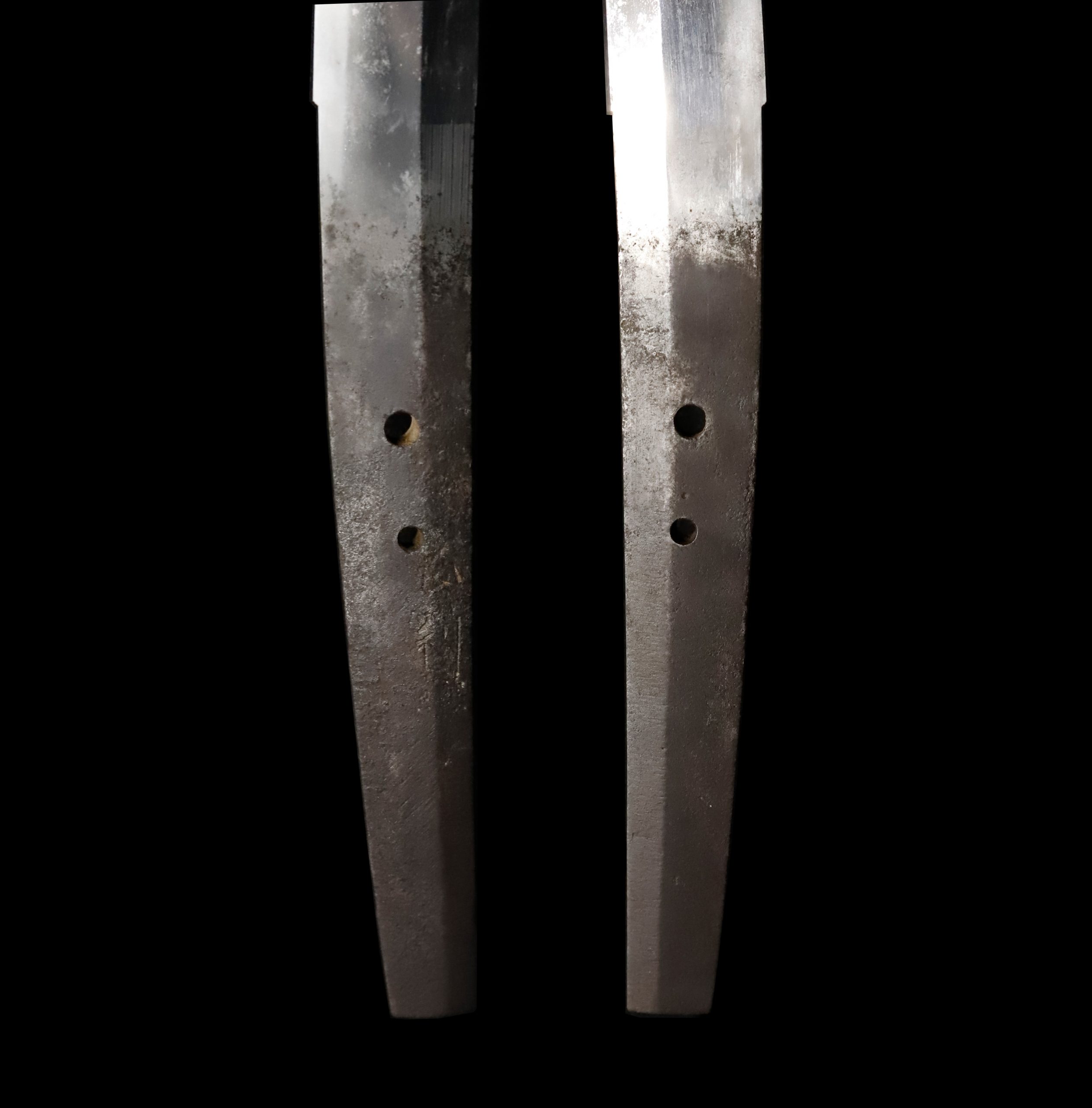
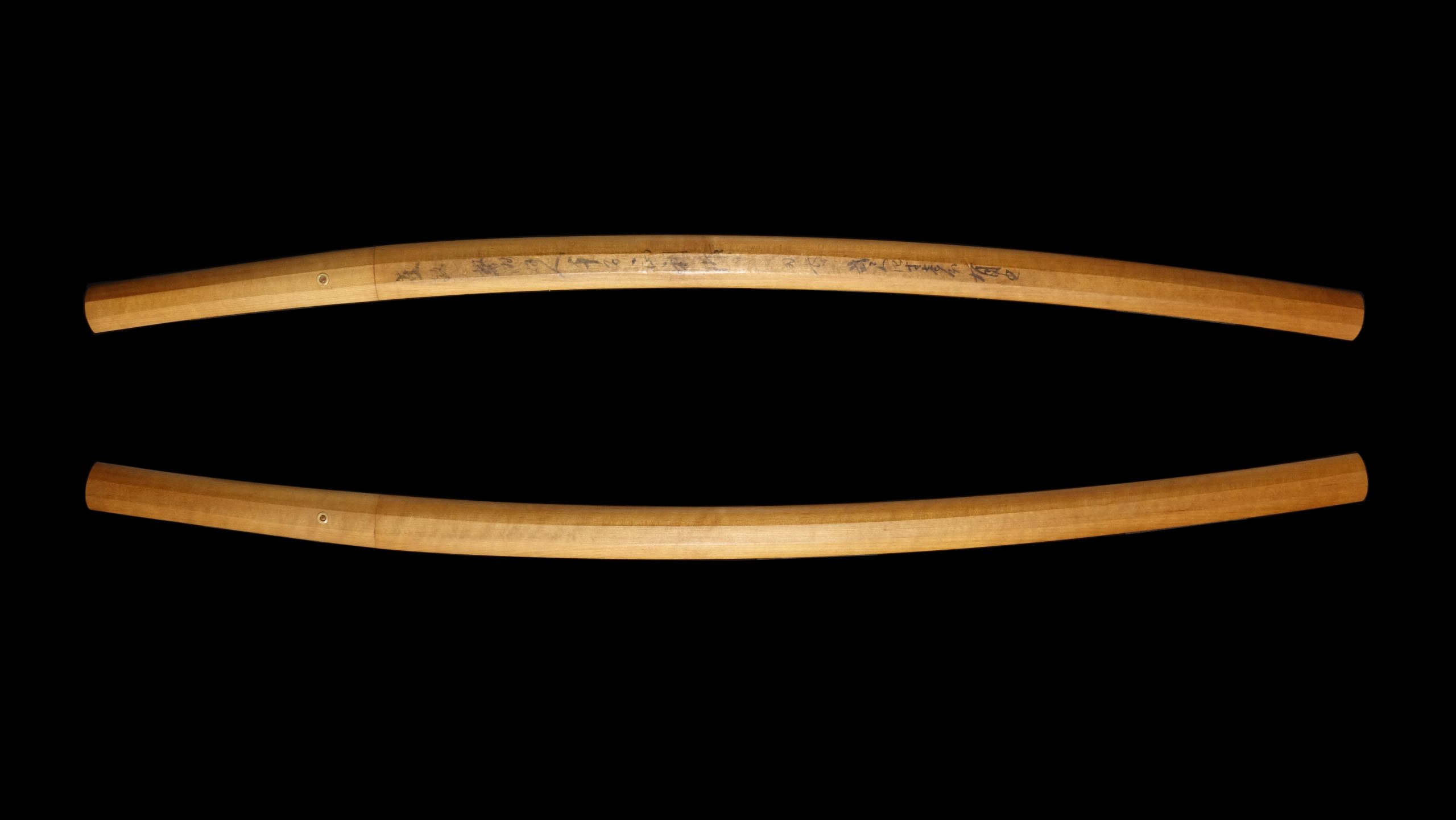
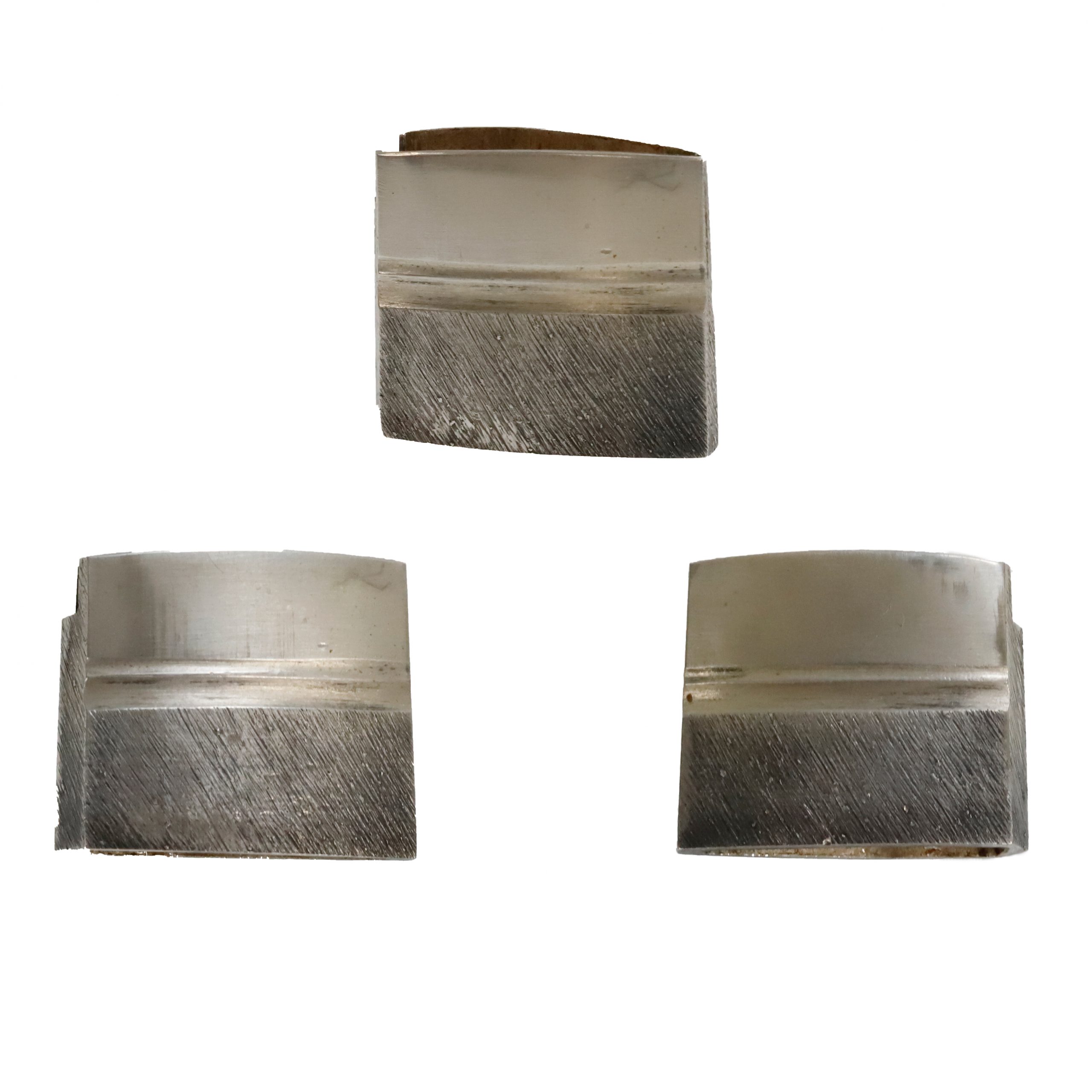
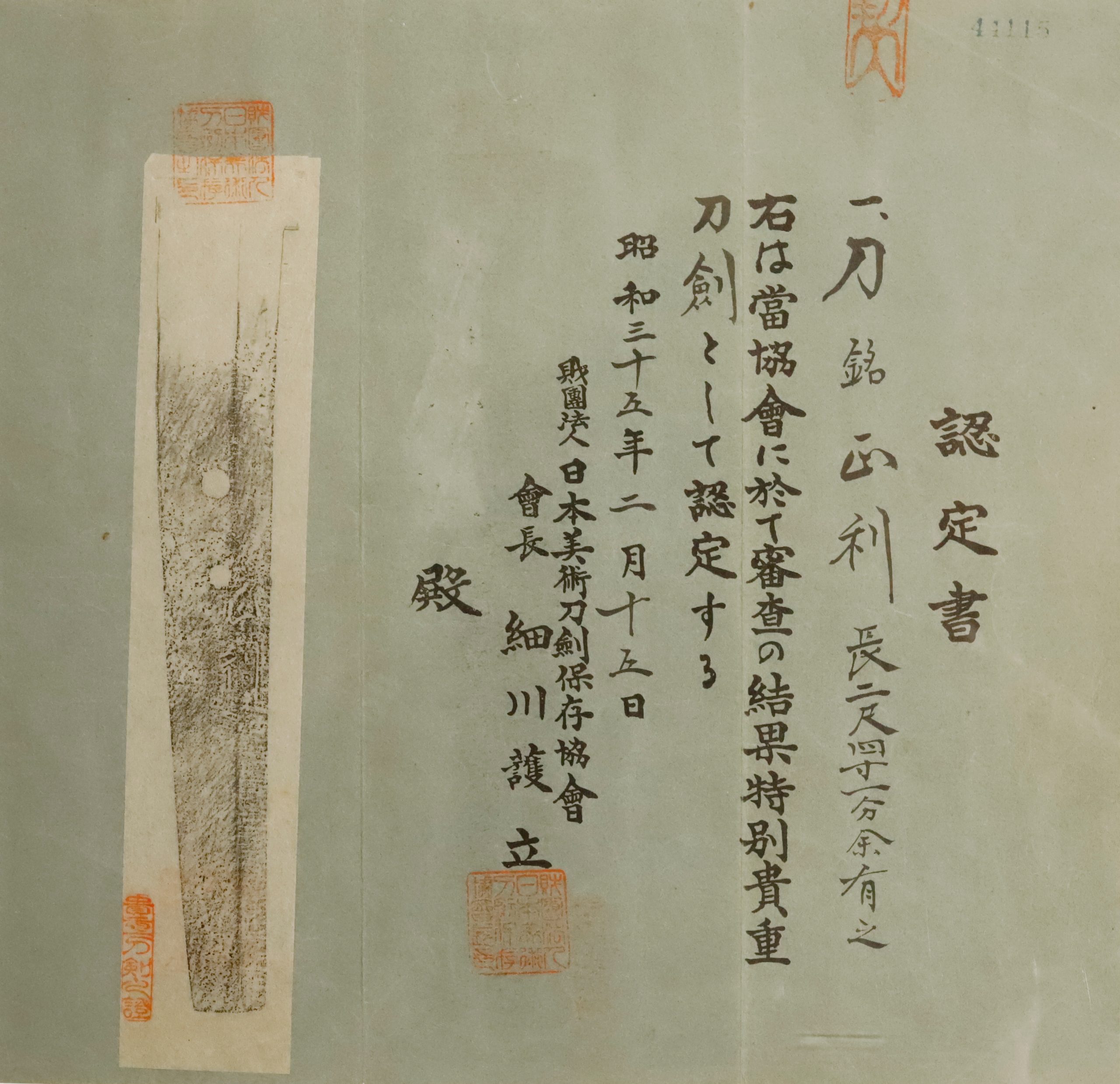
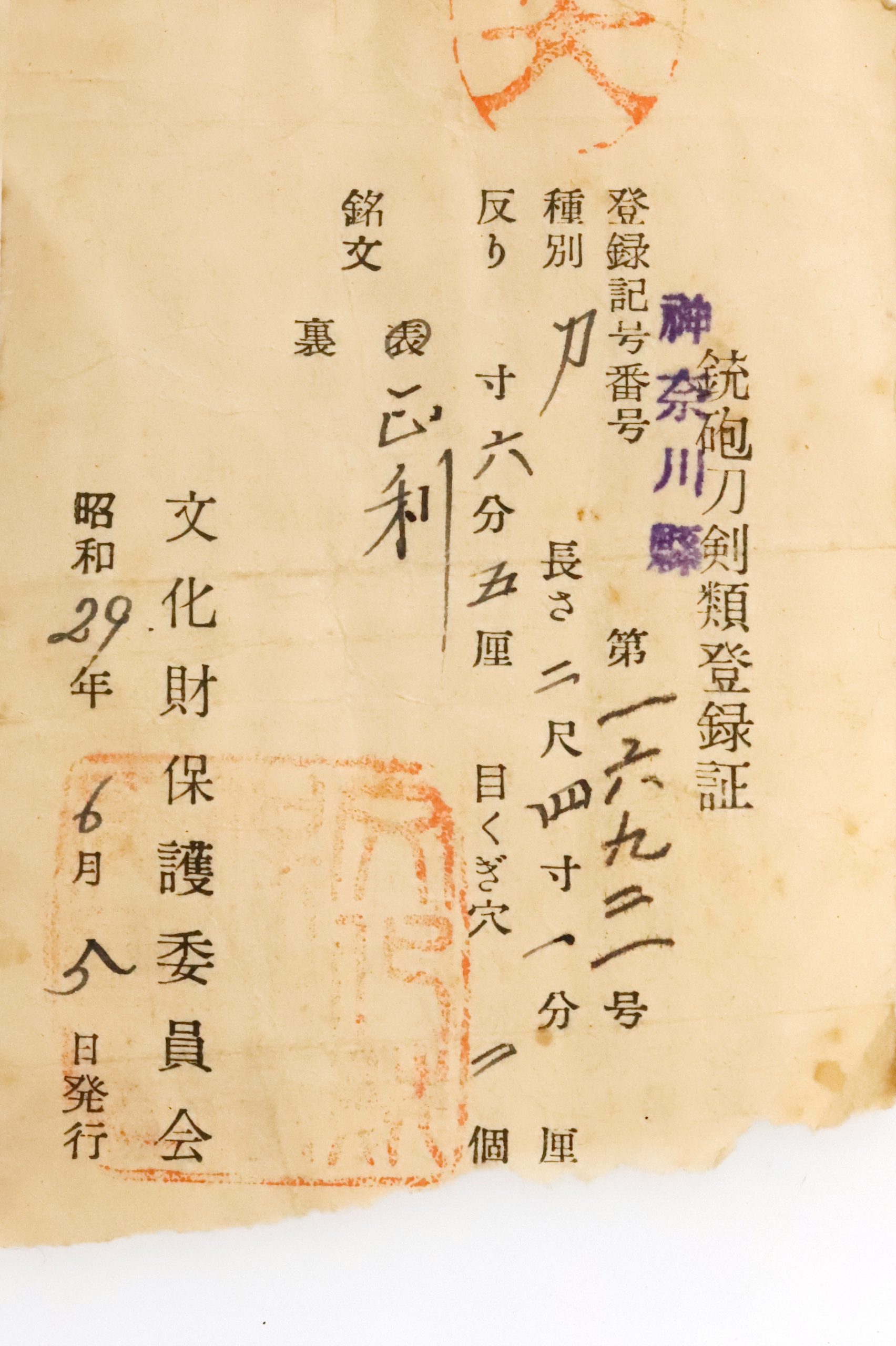
Antique Japanese Sword Shirasaya Katana Unsigned Kanemoto with NBTHK Kanteisho Certificate 【Description】 Masatoshi (正利) was a swordsmith from Mino province in the late Muromachi period(1532-1558). He was a son of Sakakura Masayoshi. He forged swords in the Sakakura town near Seki city(the central area in the Mino province), so he was also called Sakura Seki swordsmith. It is said that he had a technological exchange with Muramasa school, a prestigious sword-making school back then. The signature of Masa(正) made by Masatusgu resembles that of Masa(正) made by Muramasa(村正) to support this reasoning. The MINO swordsmiths style, also known as MINO-DEN, basically has the TOGARI(Pointed shapes protruding from the Hamon )in a classic straight line and random temper line with some white Utsuri. MINO-DEN had its origin from YAMATO-DEN in the late KAMAKURA period(1280-1330). It flourished in the MUROMACHI period(1333-1573) and continued until the EDO period(1603-1868). MINO-DEN especially prospered during Sengoku Jidai(Warring State period) due to the high demand for weapons. And the location of Mino province beat others. Akechi Mitsuhide controlled Mino province, and Nobunaga Oda ruled Owari province, and Tokugawa Ieyasu was the lord of Suruga (Neighboring areas). There was high demand from those powerful feudal lords and their retainers. Furthermore, so many wars occurred between the Kanto region and the Kyoto area, and Mino is located in the middle, making feudal lords feel convenient to order swords from MINO-DEN. The blades forged in MINO provinces also had the reputation of their practical design and sharpness. Many feudal lords demanded swords forged in the Mino province. This blade has beautiful Jihada, and the shape of Kissaki(tip part) looks very strong. It is rare to find such a long blade(73 cm) made in the late Muromachi period because most of the swords forged in this era were shortened due to the size adjustment in the Edo period. 【Blade 】 Cutting Edge Length(Nagasa) : 73 cm(28.74 inches) Curvature(Sori) : 1.96 c m( 0.77 inches) Hamon : The crystalline structure which forms along the cutting edge of a blade as a result of the hardening process Jimon(Jihada) : visible steel surface pattern created by folding and hammering during forging process 【Other details】 Nakago : Nakago is the hilt of the Japanese sword. This blade was shortened at least once based on the number of holes on the tang. Japanese swordsmiths left the black rust on the tang because it prevents red rust while the tang is in its handle. And the discoloration of the tang was created over time, and it is a great indicator for a Japanese sword specialist to estimate when the sword was forged. Habaki : Habaki is the equipment to make the blade not touch its scabbard inside. It prevents the blade from getting rusty and chipped. Authentication Paper : NBTHK Tokubetsu Kicho Certificate for the blade NBTHK , also known as Nihon Bijutsu Touken Hozon Kyokai (the Society for the Preservation of the Japan Art Sword), is one of the oldest Japanese sword appraising organizations in modern-day Japan. They authenticated the blade on Feb 15th in the 35th year of Showa (1960). They appraised it as Tokubetsu Kicho Touken, an old form of the authentication paper . The purchaser will receive this original certificate as well. We can also translate what is written into English and make a PDF file for your record if you request. Registration Number : Kanagawa 16921 The Board of Education in Kanagawa prefecture issued a registration paper for this sword . It is called Jyu Token Rui Torokusho(銃刀剣類登録証). Bunkacho(The Agency for Cultural Affairs) acknowledges a Japanese sword with this paper as a work of art. The sword needs to be traditionally hand-forged and made of Tamahagane carbon steel to be registered in the system. With this paper, its owner in Japan can legally own an authentic Japanese sword. Based on this registration number, we will apply for its export permit. This paper w
NihontoWatch取扱店 サムライミュージアム

美濃 · 1532-1555頃
刀剣大鑑 上位49%
現在1点販売中
室町時代
応仁の乱が足利の体制を砕いた後、戦国の一世紀はほとんどすべての国を武装させた。この時代は選ぶ目に報いる。並の作は多いが、その傍らには第一級の注文打ちが立っている。
本作はNBTHKの旧鑑定書(貴重・特別貴重)を有しますが、これらは現在発行されておらず、現在の日刀保ではほとんど認められていません。極めを確認するには、公的な鑑定機関(NBTHK・NTHKなど)に再提出し、現行の鑑定を受けることもご検討ください。
Returns/exchanges limited to defects caused by shipping (except willful misconduct or gross negligence by the company); customers must contact within 72 hours of receiving the product.