肥前刀は藩営の産業である。鍋島家は1596年頃、忠吉を京の埋忠明寿のもとに学ばせ、帰国したその工を核に公認の一門を築いた。小糠肌で名高いその作は、九代にわたり明治まで続いている。
 NihontoWatchNihontoWatch
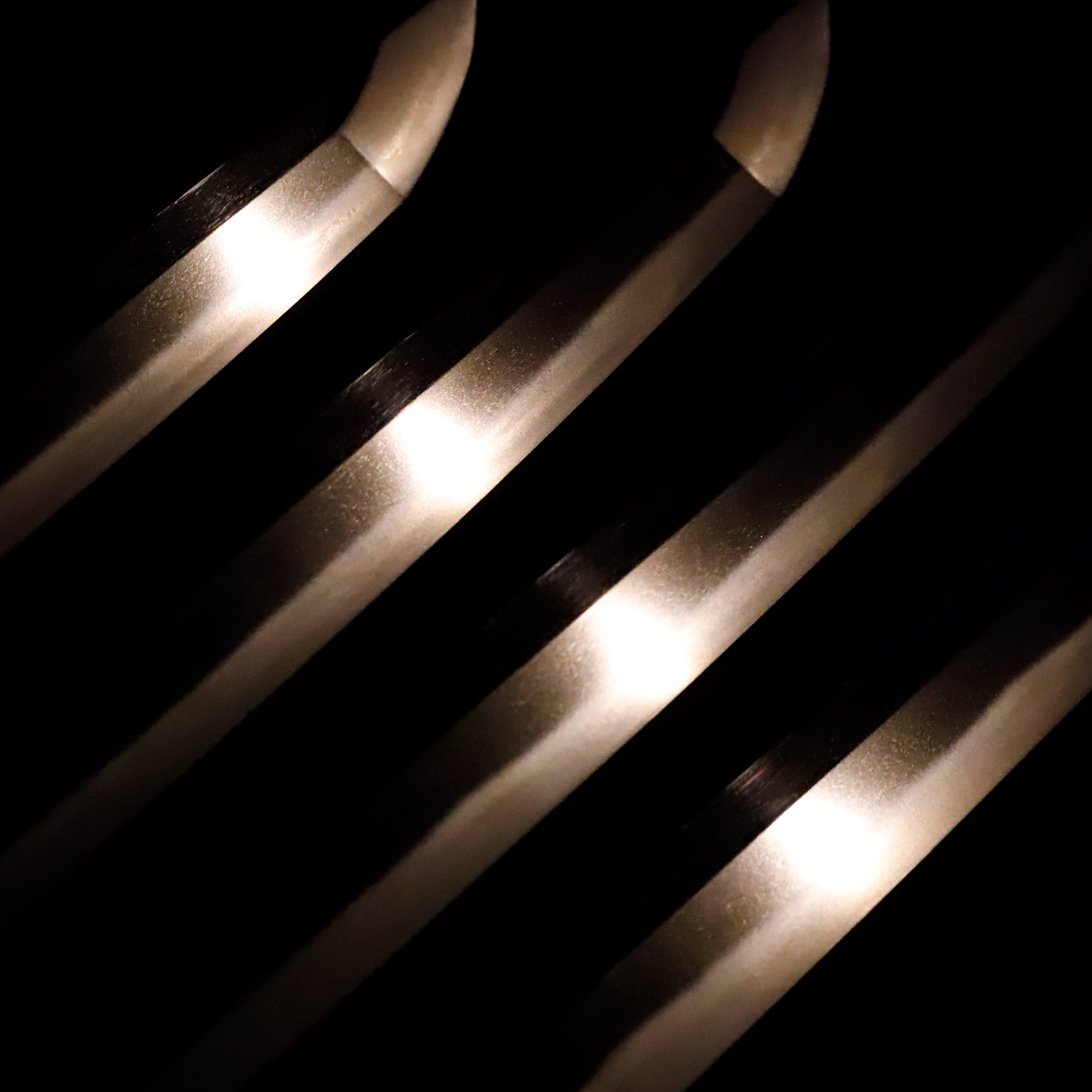
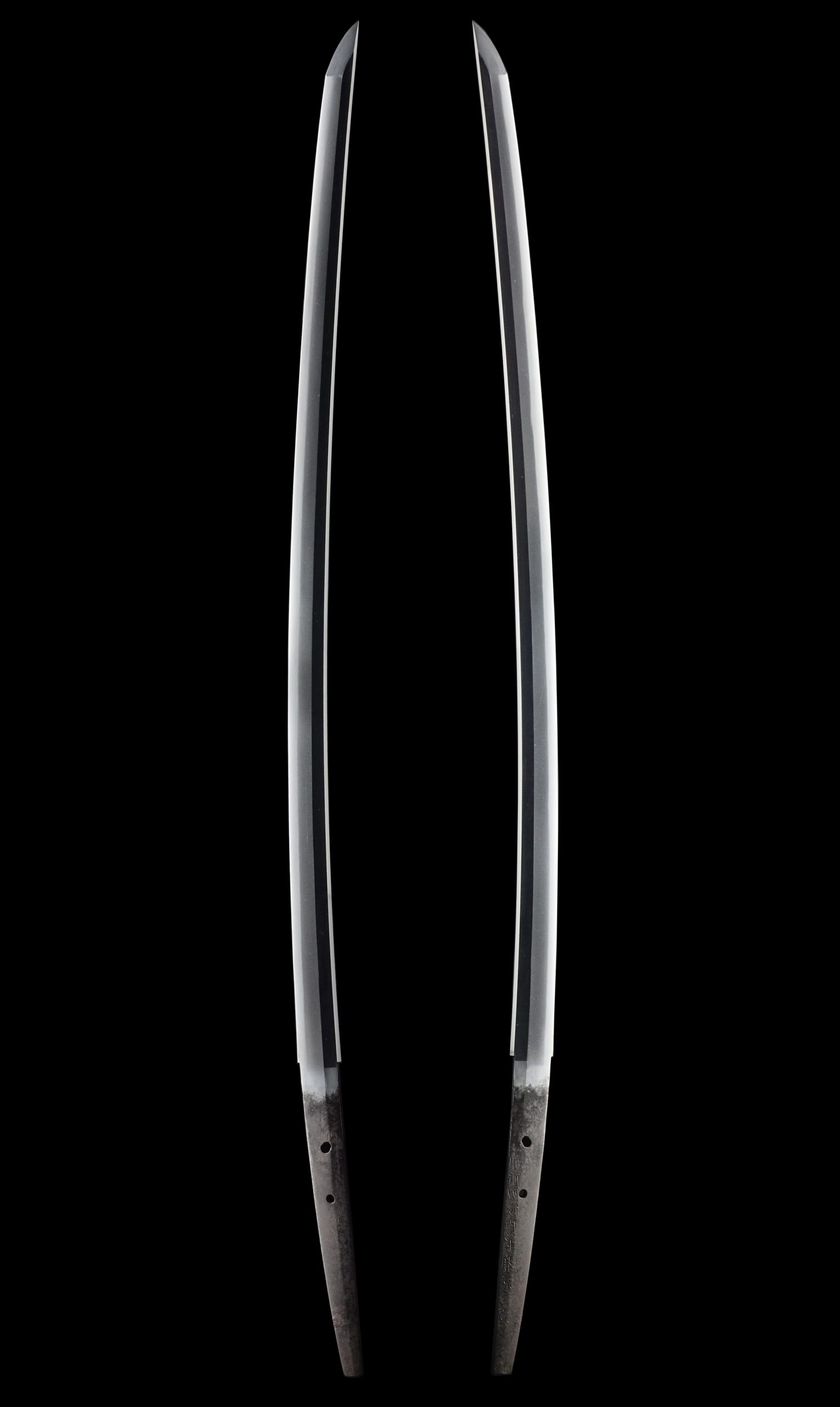
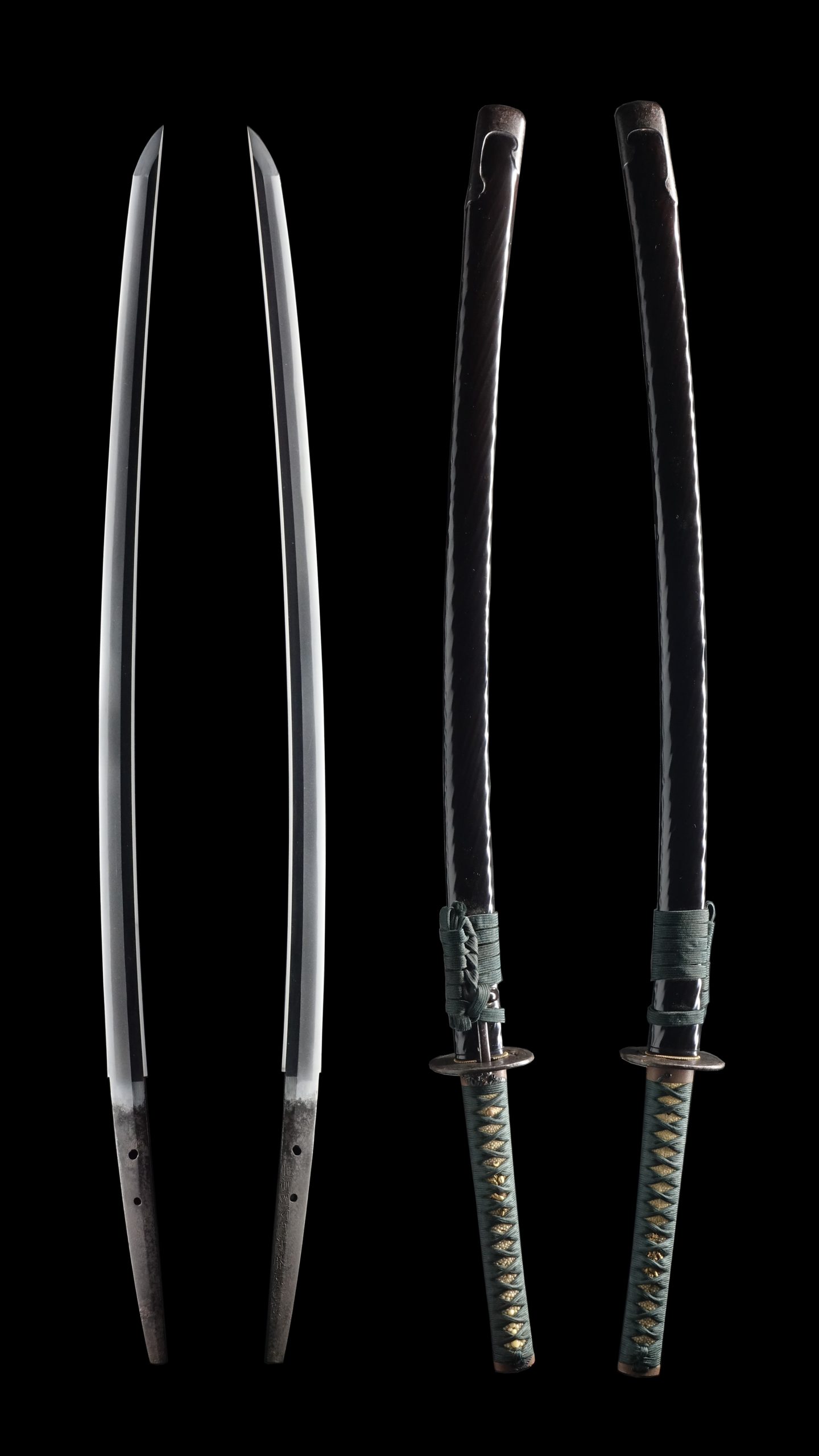
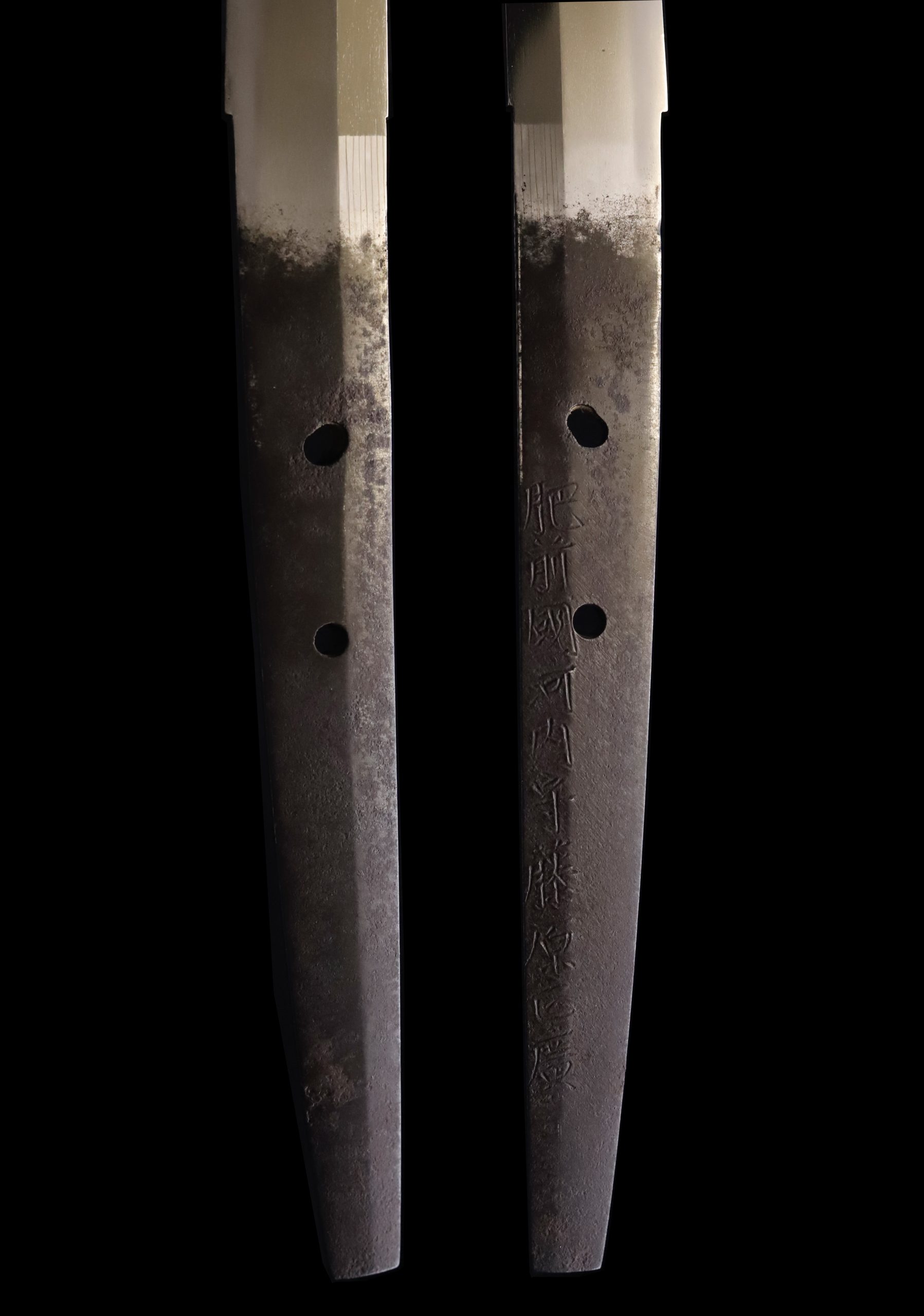
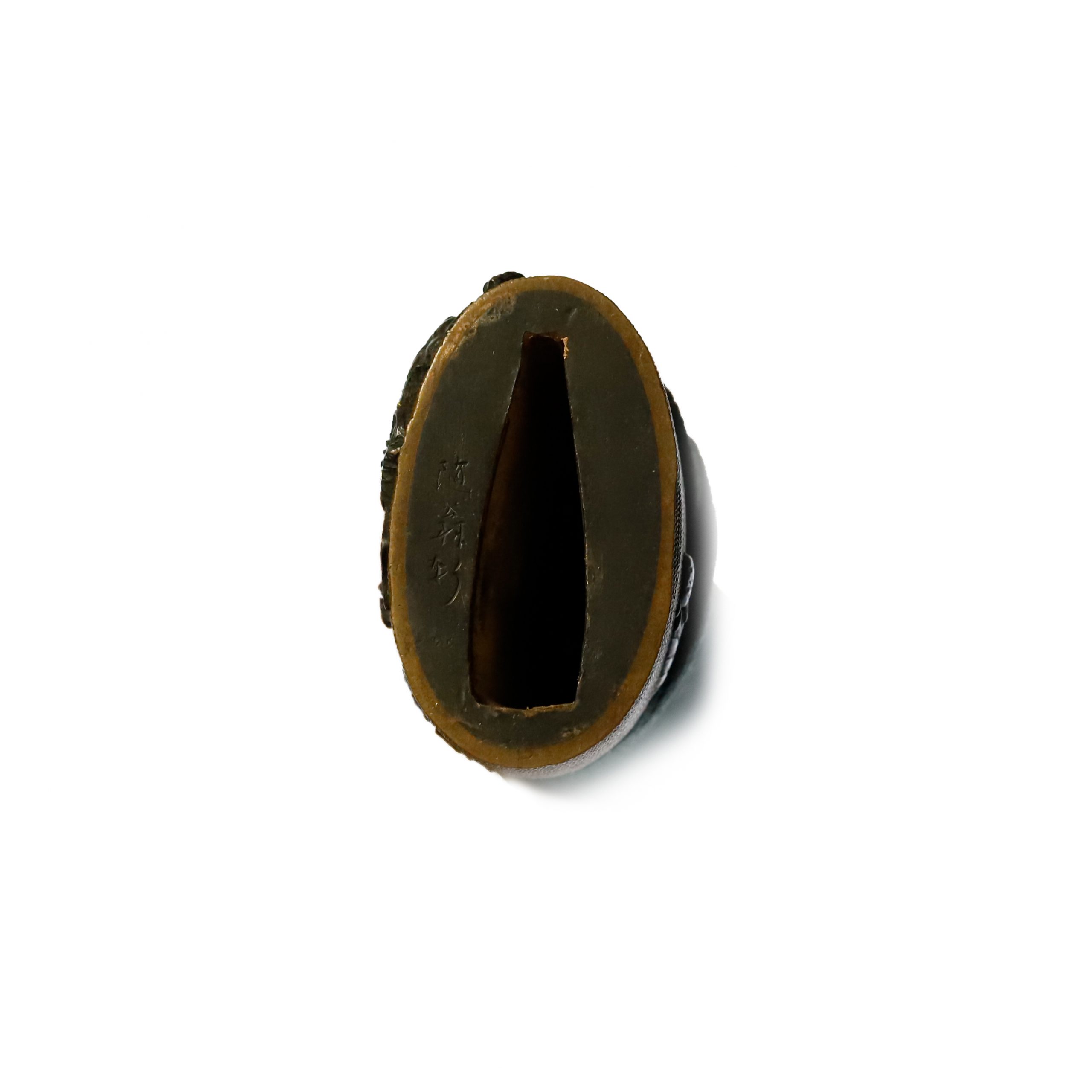
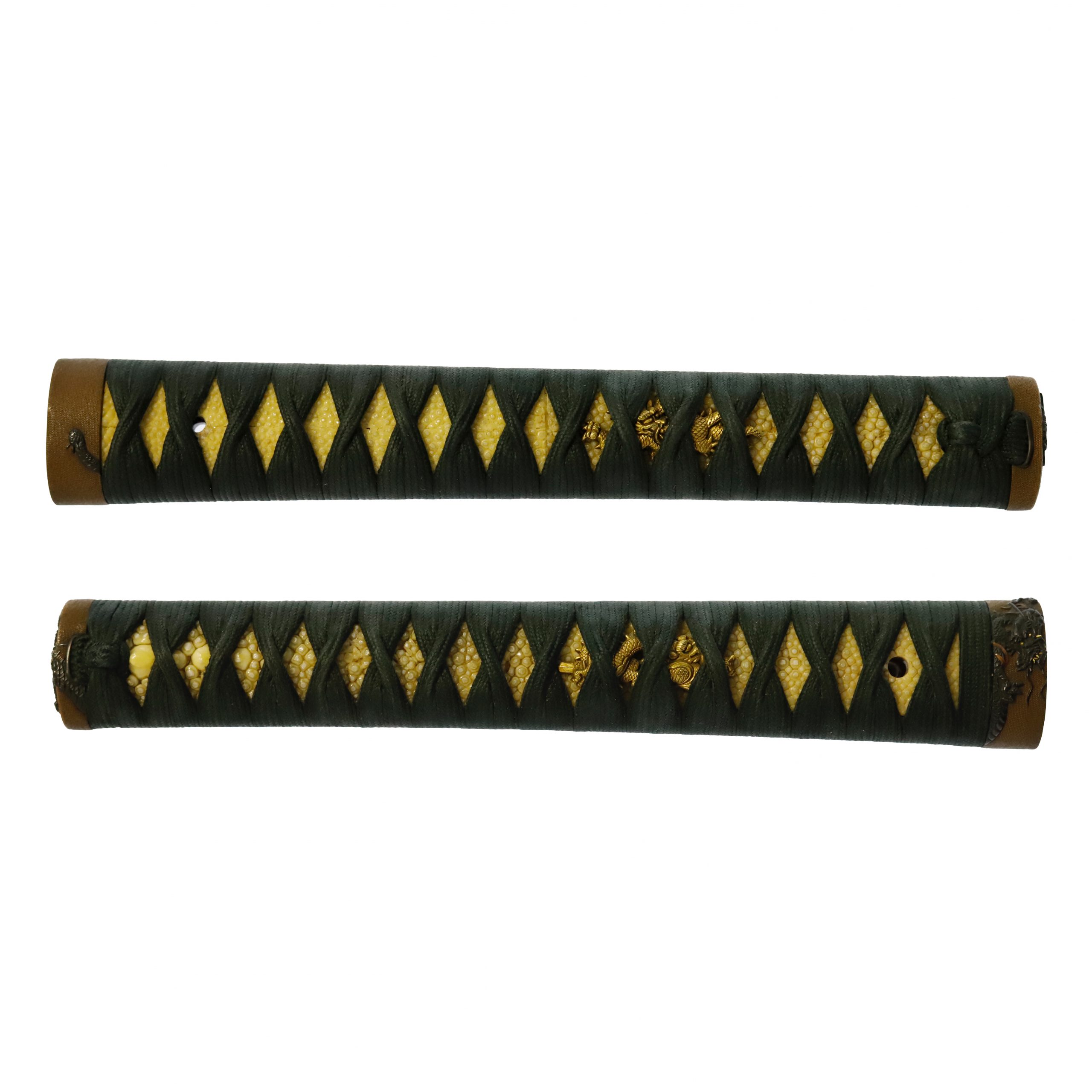
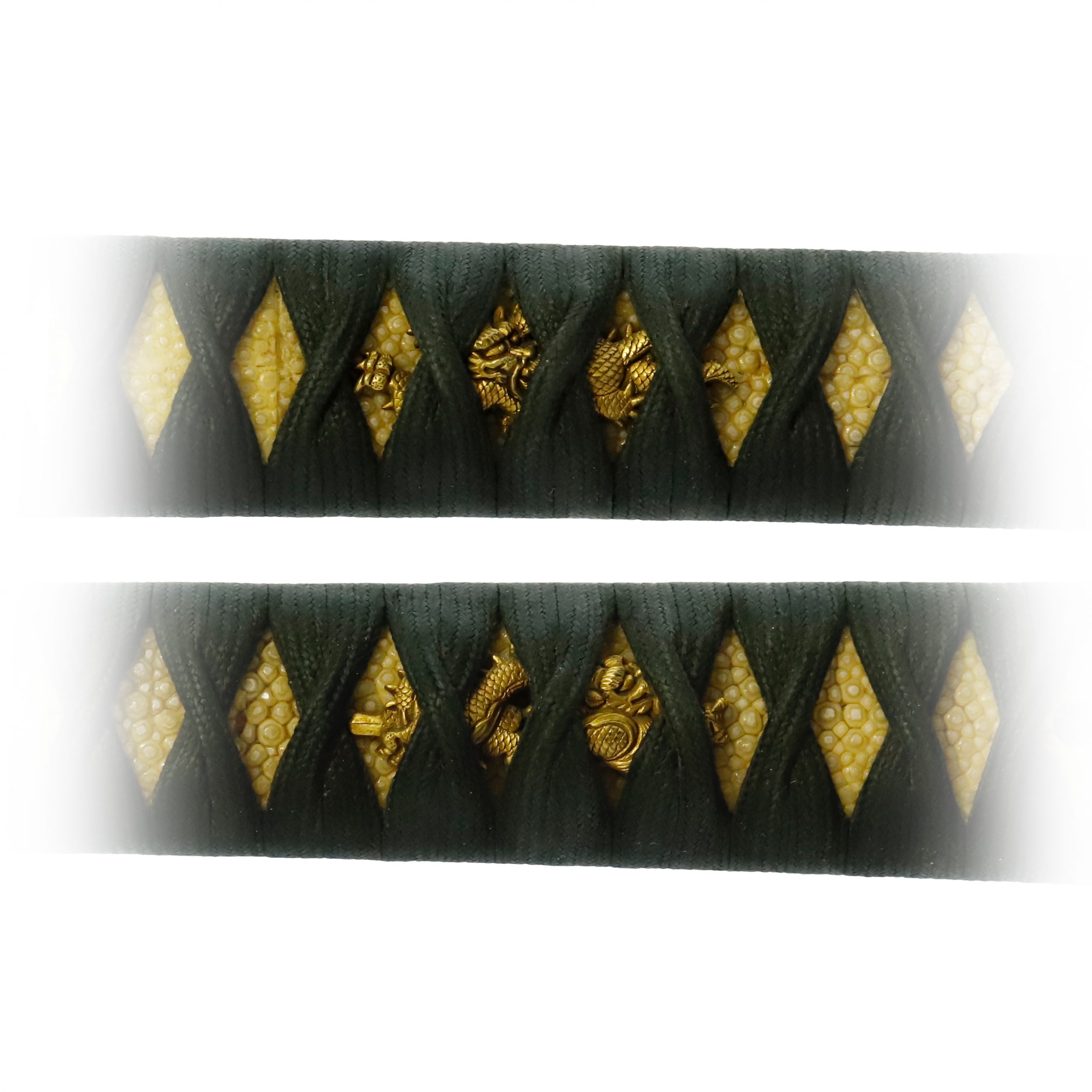
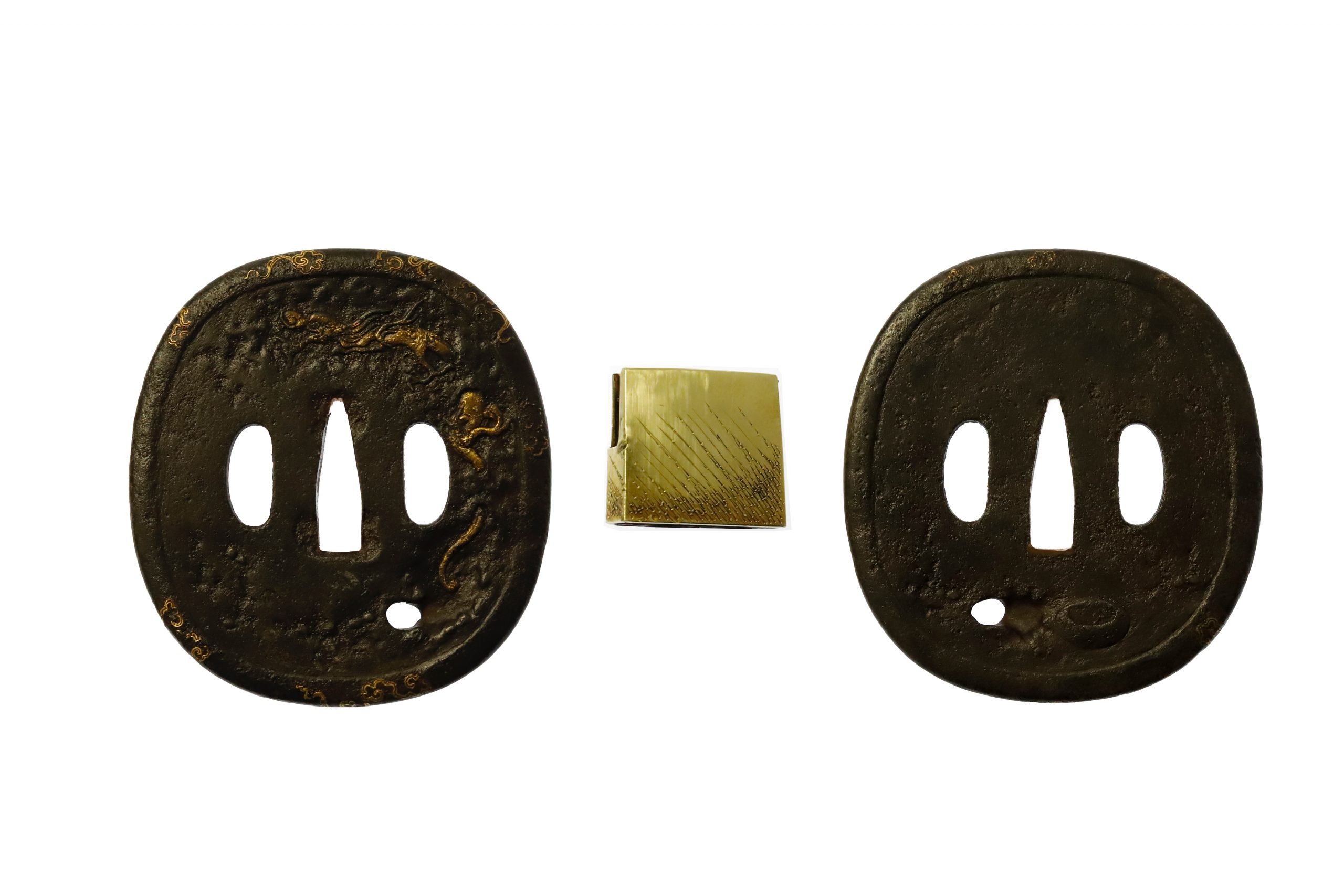
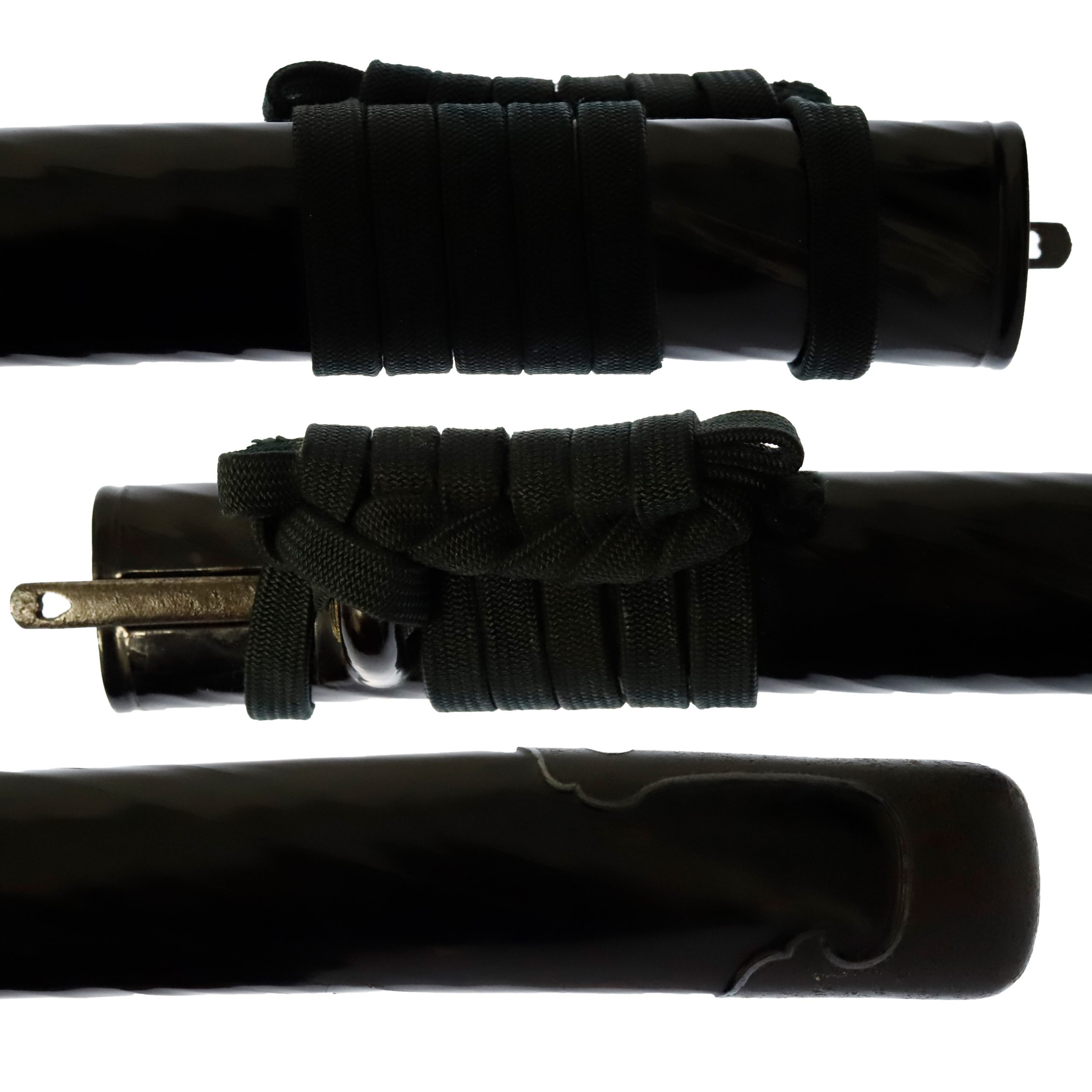
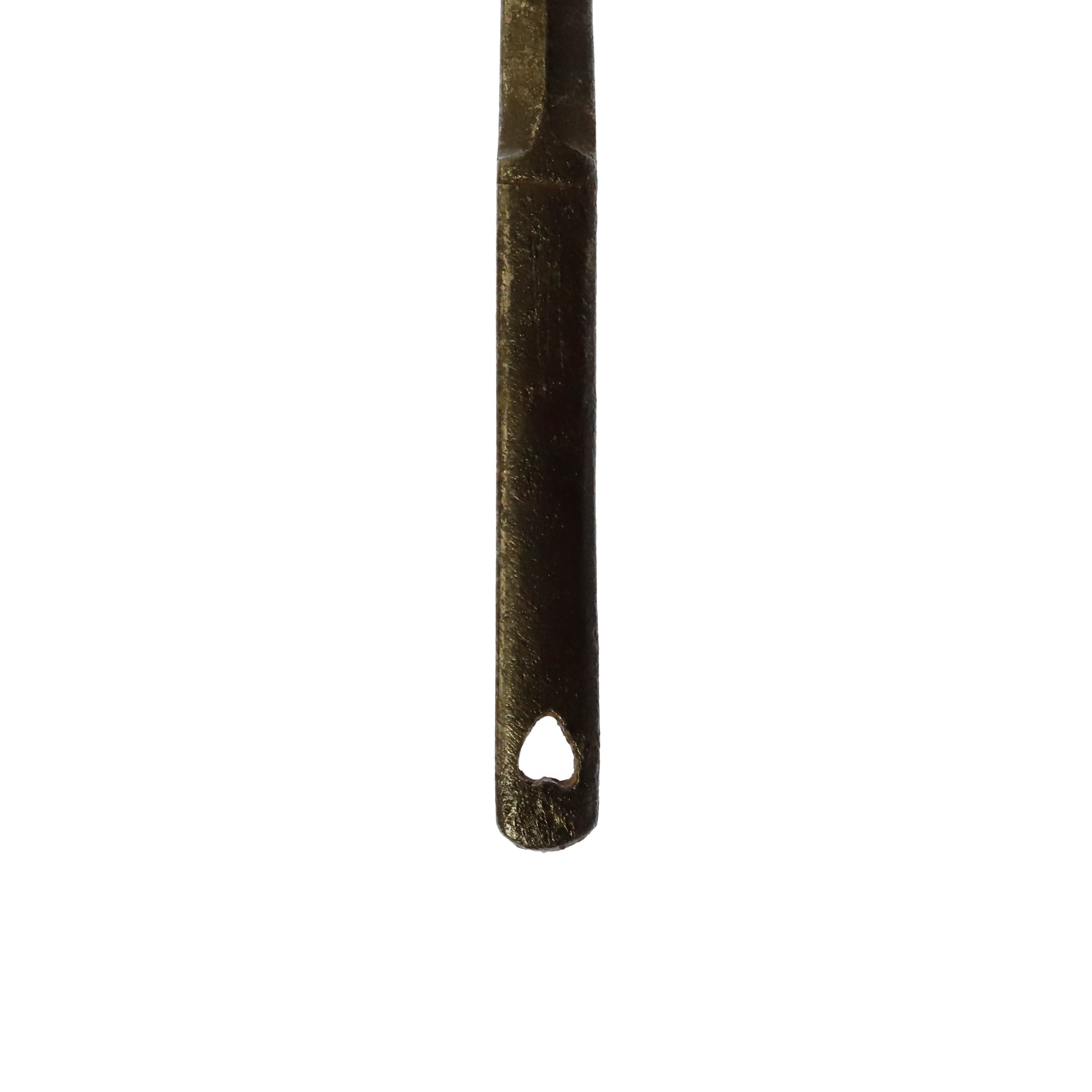
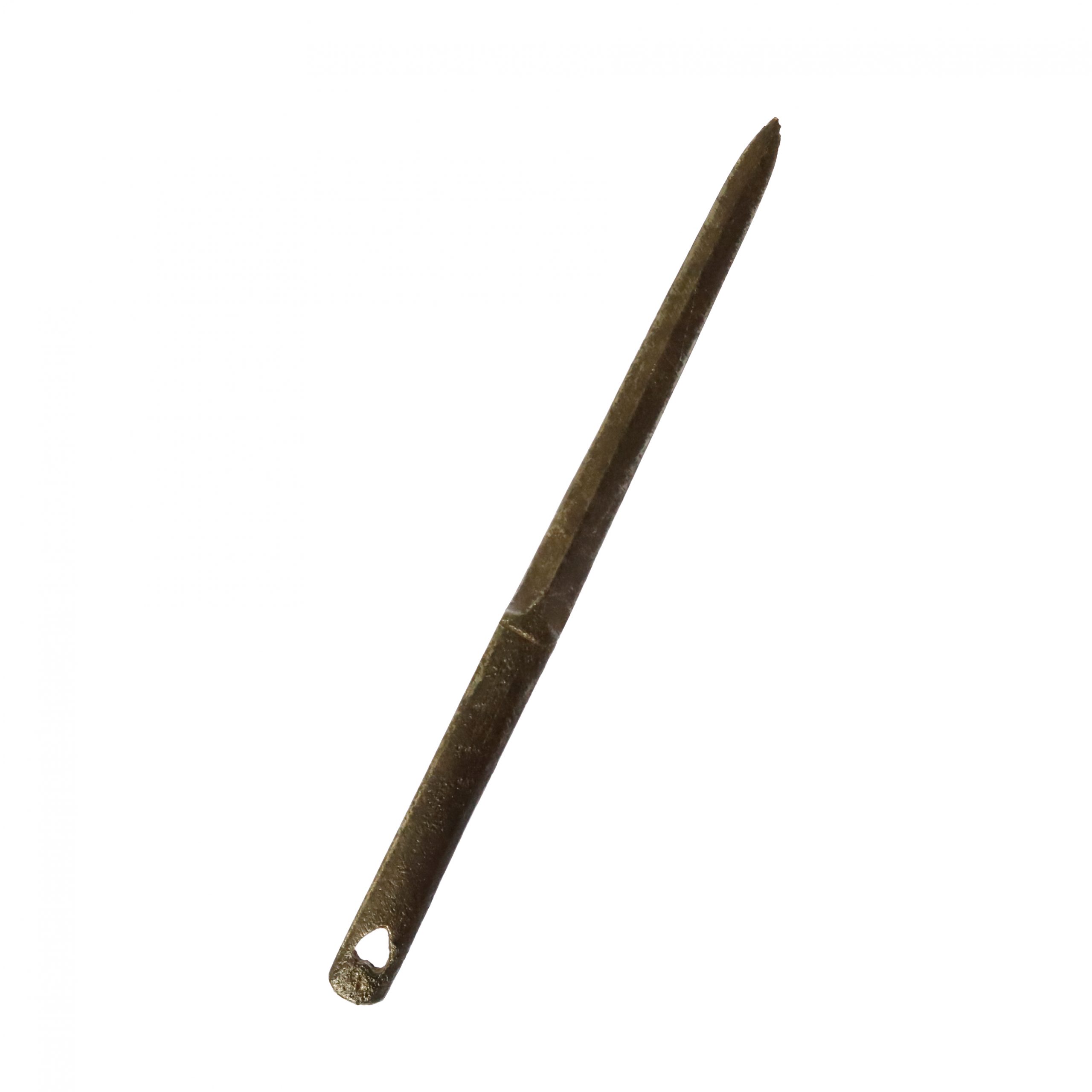
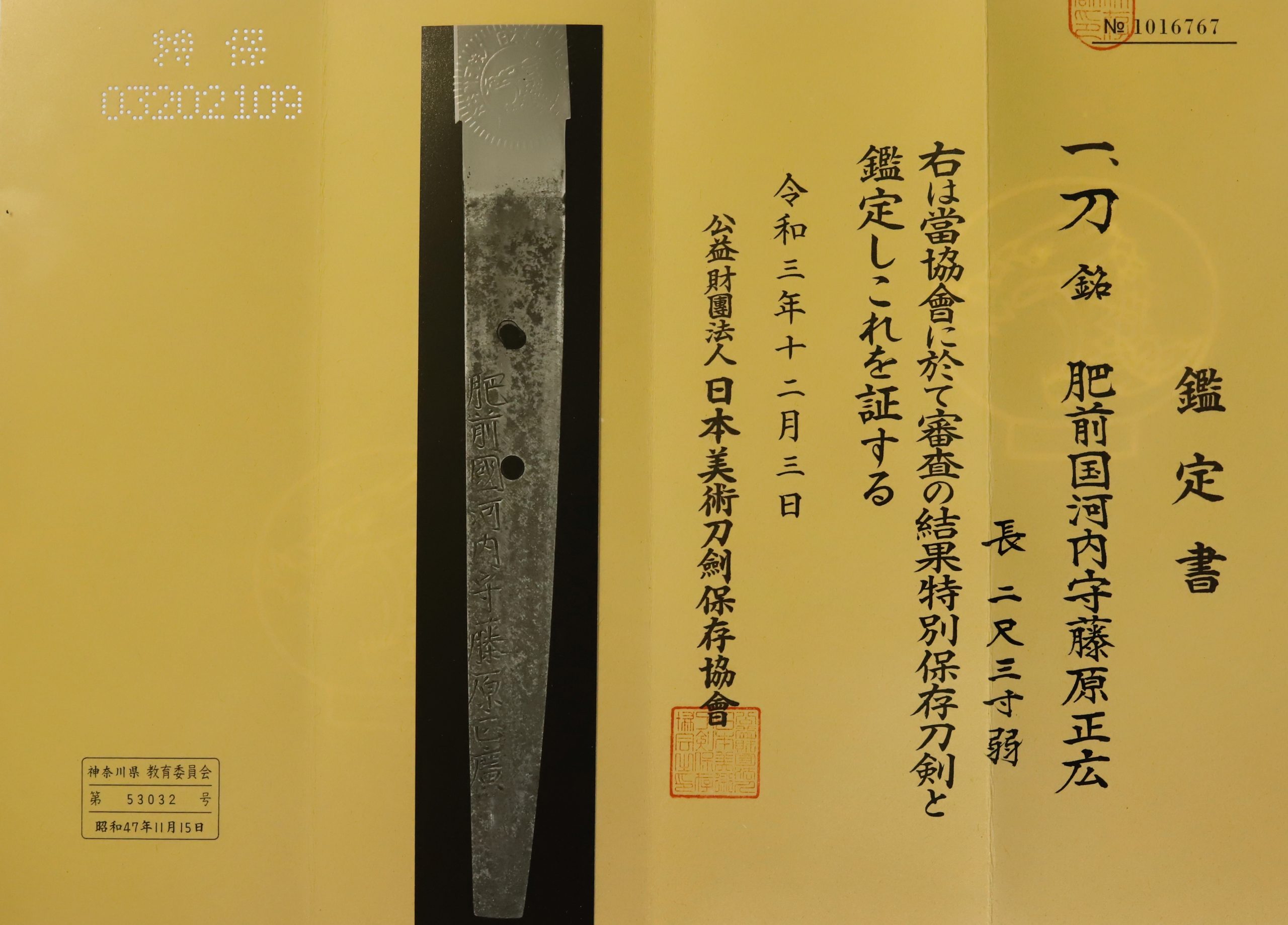
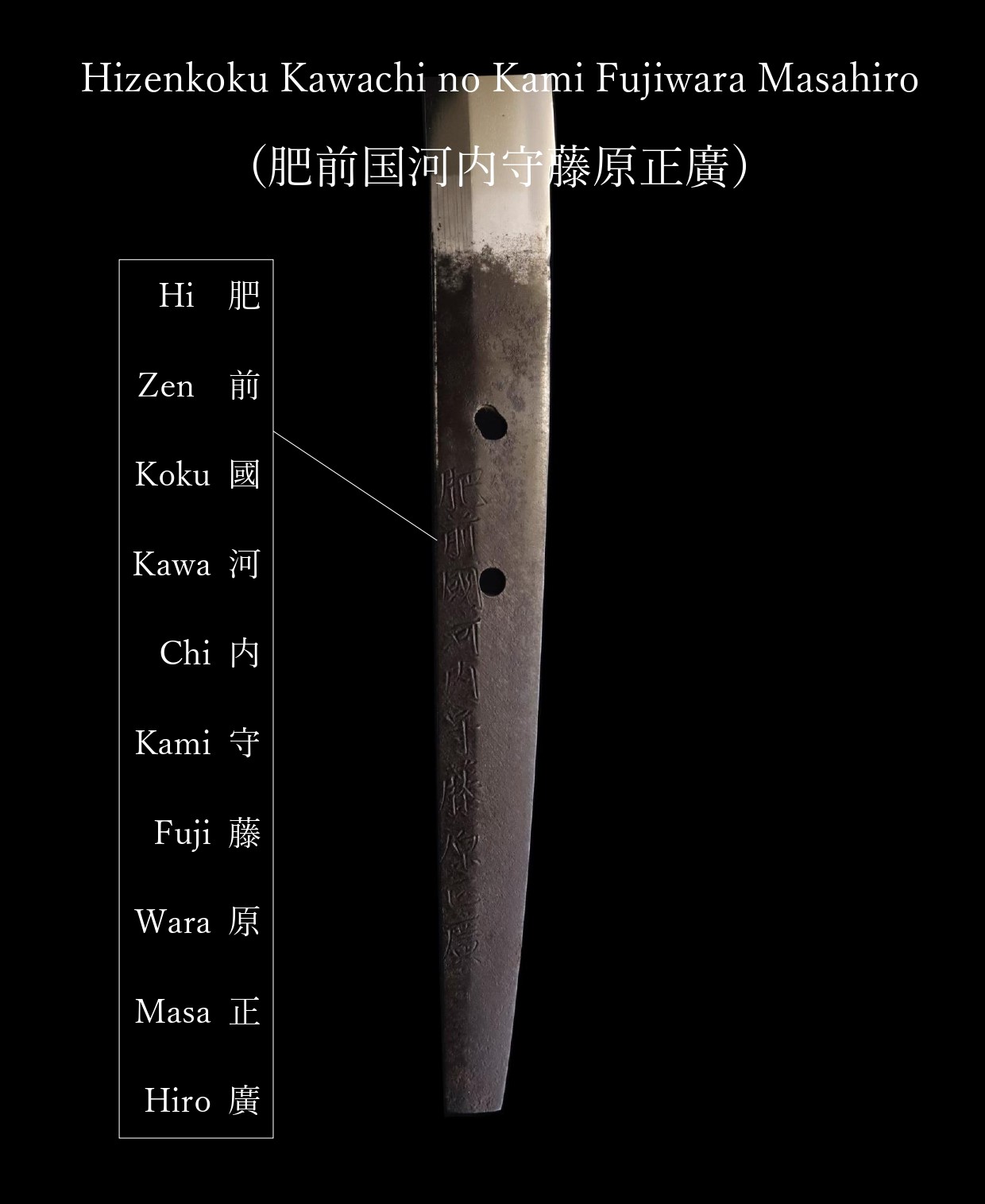
Hizenkoku Kawachi no kami Fujiwara Masahiro This blade was signed by Hizenkoku Kawachi no kami Fujiwara Masahiro (肥前国河内守藤原正廣), also known as the second-gen Masahiro. He was especially active in sword-forging during the early Edo period (Approx. 1658-1673). He was born in the fourth year of Kan-Ei era (1626) as the child of the first-gen Masahiro. The second-gen Masahiro received the honorable official title named Musashi Daijyo(武蔵大掾) in the third year of Manji era(1660) and promoted to Musashi no Kami(武蔵守) next year. He eventually received Kawachi no Kami(河内守) in the fifth year of Kan-Ei era (1665) after his father, first-gen Masahiro, was deceased. The second-gen died at the age of 73 in the 12th year of Genroku era(1699). We believe this blade was forged after 1665 as the signature includes Kawachi no Kami, his last title. Kami or Daijyo is an honorable official title given by the emperor for highly-skilled swordsmiths. Hizenkoku, located in Saga prefecture, is the name of the place where the second-Masahiro forged swords. His linage dates back to the beginning of the Edo period, when the first-gen Tadayoshi, his great grandfather, founded the school. Tadayoshi is known as one of the greatest swordsmiths in the early Edo period in Japanese sword history. His father, the first-gen Masahiro, is also a famous swordsmith in the province. The first-gen Masahiro started to serve Nabeshima Katsushige when he was 17 years old. Nabeshima Katsushige became the head of Saga Domain in Hizen in 1607. The first-gen Masahiro was selected as Okakae Kaji for the Nabeshima clan, meaning he exclusively forged swords for the feudal family. The second-gen Masahiro, the swordsmith who forged this blade, was also an Okakaekaji for this clan. Nabeshima clan ruled Hizenkoku during the Edo period, which indicates that Masahiro served a powerful feudal lord. The swordsmiths in the Hizen province worked under the auspices of the Nabeshima clan like the second-gen Masahiro. They were able to produce beautiful Jigane-patterned blades, also known as Hizen To, using and mixing carbon steel made in western countries. Hizenkoku had been flourishing by international trading. The geographic location of this domain made it possible to have easy access to western carbon steel. The first-gen Tadayoshi (His grand grandfather) The first-gen Tadayoshi was born and raised in the Saga domain. In 1596, under the domain’s order, he went to Kyoto to learn the sword-forging technique from Umetada Myojyu(埋忠明寿), one of the greatest swordsmiths in the early Edo period. He improved his craftsmanship and returned to the Saga domain two years later (1598). The first head of the Nabeshima clan, Nabeshima Katsushige, appreciated the work of the first-gen Tadayoshi very much. Then, Katsushige appointed him as his Okakaekaji, a swordsmith who exclusively forged swords for a specific domain or clan. And Tadayoshi started to stay near Saga castle, which is the headquarter of the Nabeshima clan. And, he founded Hizen Tadayoshi school, which trained more than 100 swordsmiths during the Edo period. Masahiro is one of them. This blade is appraised as a Tokubetsu Hozon Token(特別保存刀剣) issued by NBTHK(Nihon Bijutsu Touken Hozon Kyokai:日本美術刀剣保存協会). Fuchi-Kashira The surface is decorated with the Nanako-Ji (魚子地) technique. It is made by hitting a specific chisel, and it makes minor protrusions. In this Fuchi Kashira, each protrusion is beautifully arranged and decorates this work. A dragon is engraved on Fuchi and Kashira. You would find the same motif in other sword mountings of this sword: Menuki and Tsuba. Please check the following explications. Tsuka and Menuki The dragon is the motif of this Menuki. Golden paint is applied to it and adds a decorativeness to the Koshirae. Initially, the dragon is an imaginary creature found in ancient traditions or myths. Furthermore, it is regarded as a symbol of auspicious signs. Its body is likened to nine animals: antlers are deer, the head is a camel, eyes are demons, the neck is a snake, belly is the Mizuchi (蛟, a mythical animal in Japan that looks like a snake and has a horn and four legs), scales are fish, claws are falcons, palms are tigers, and ears are cows. It was thought that the dragon would reign at the top of all animals because of its odd-looking appearance. There are many sword mountings that have the dragon design. It shows that lots of Samurais loved this dignified beast motif. Tsuba and Habaki As mentioned above, this Tsuba is also decorated with a dragon design. You would find it on the front. If you focus on the Tsuba’s edge, you will see the cloud pattern is inlaid with golden metal (probably gold or brass). The combination of dragons and clouds is often seen, including sword mountings. We are unsure, but it might have been inspired by a religion that worships a dragon as a water god. As clouds would bring blessed rain, this relation is understandable. Or, a theory says dragons and gods dwell in clouds; some people have believed in clouds’ supernatural power. It is also a possibility that this combination is designed for various items. Bashin A Bashin (馬針) is a tool for keeping a horse in good condition by scratching the legs of a congested horse after a long run to promote bleeding. A Bashin is also called the Kankyu-Tou (貫級刀). It looks similar to Kozuka. The difference between these weapons is that a Bashin has a double-edged blade, and the handle and sword are integrally molded. You would find a small heart mark-shaped hole at the edge of the handle part. It is the Inome (猪の目, boar’s eye) pattern, which has been used since ancient times. Some people believed that the Inome design would work as an amulet to protect them from evil spirits or fire. Also, it is said it would bring good luck. Authentication Paper They authenticated the blade on Dec 3rd in the 3rd year of Reiwa (2021). They appraised it as Tokubetsu Hozon Touken, the blade especially worth preserving for Japanese society.

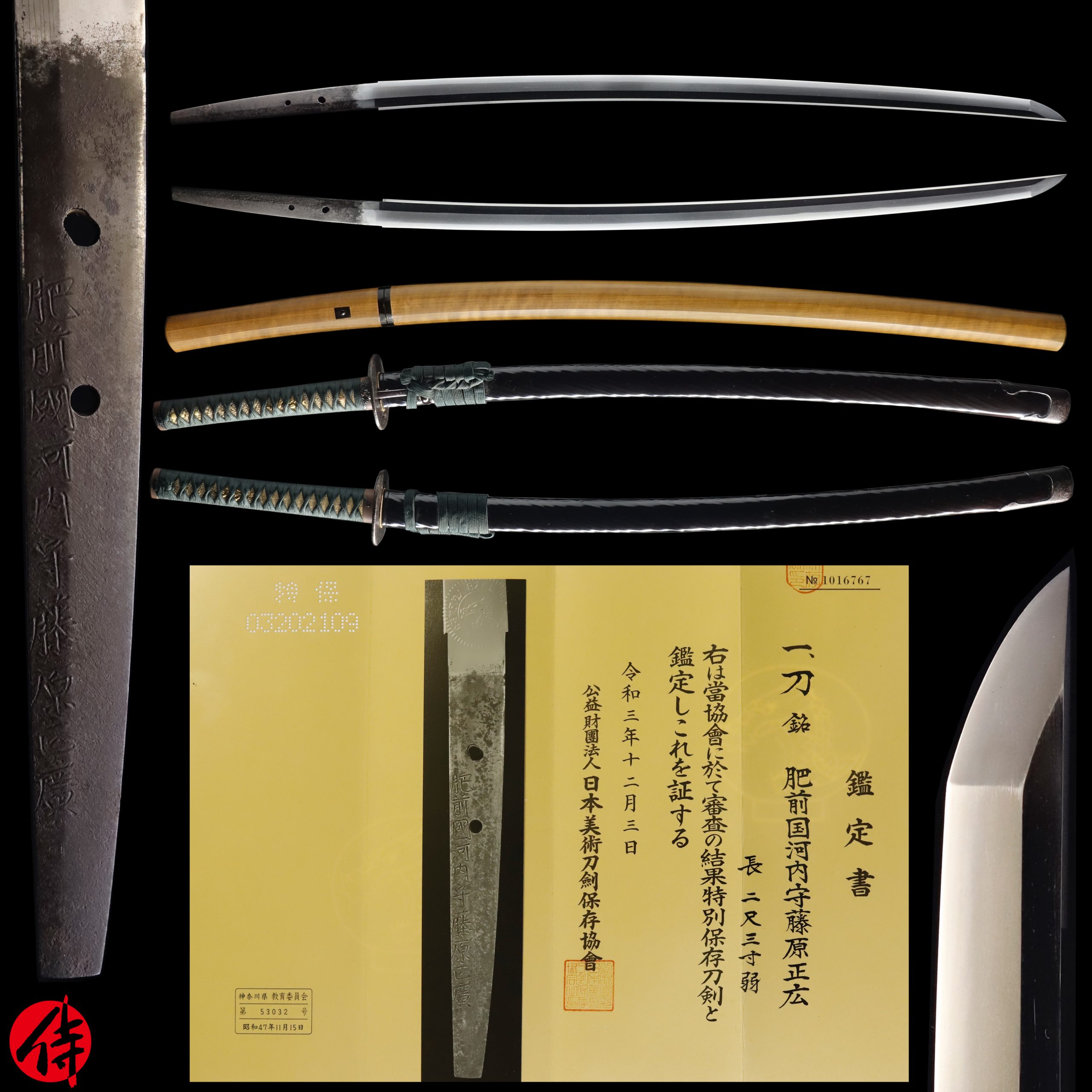
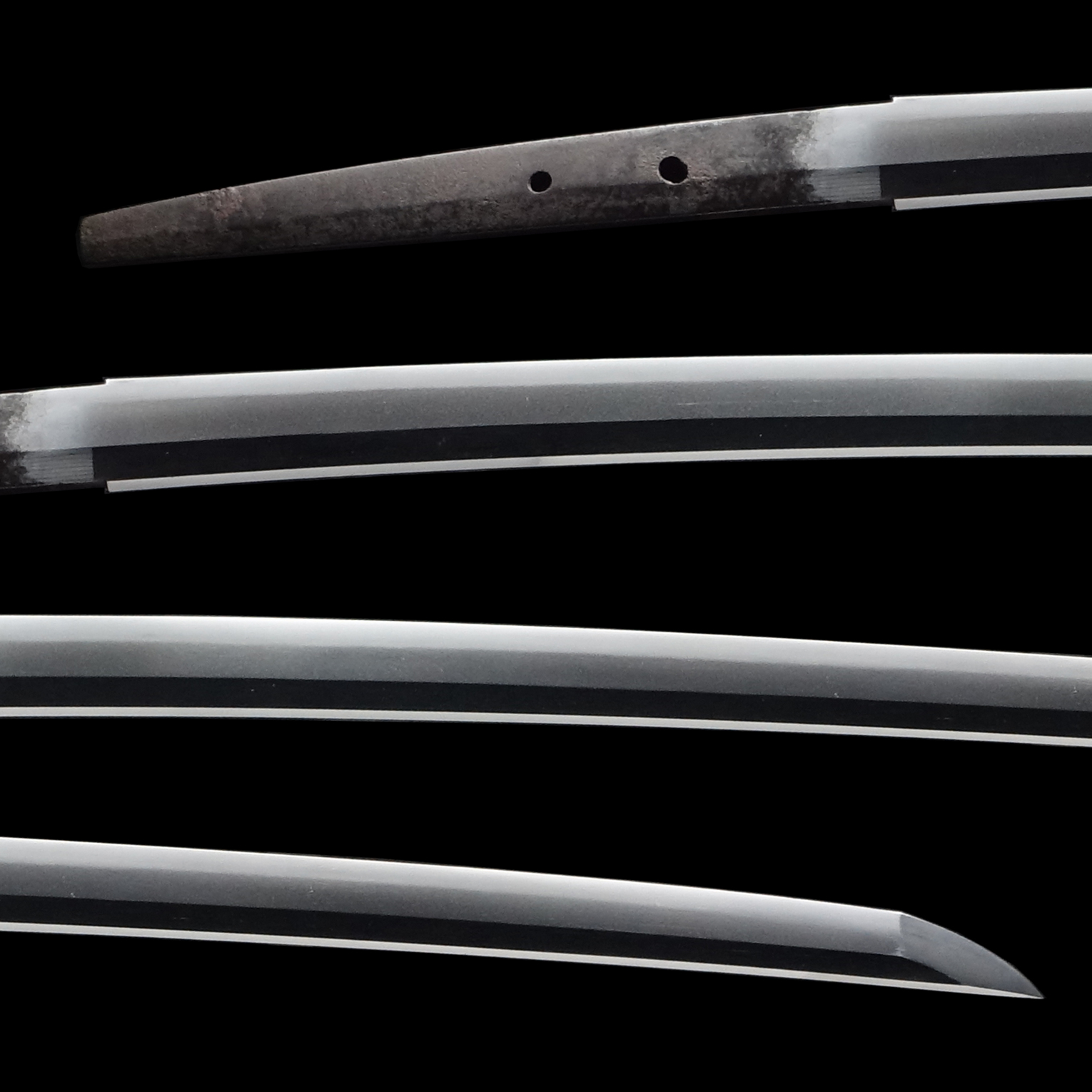
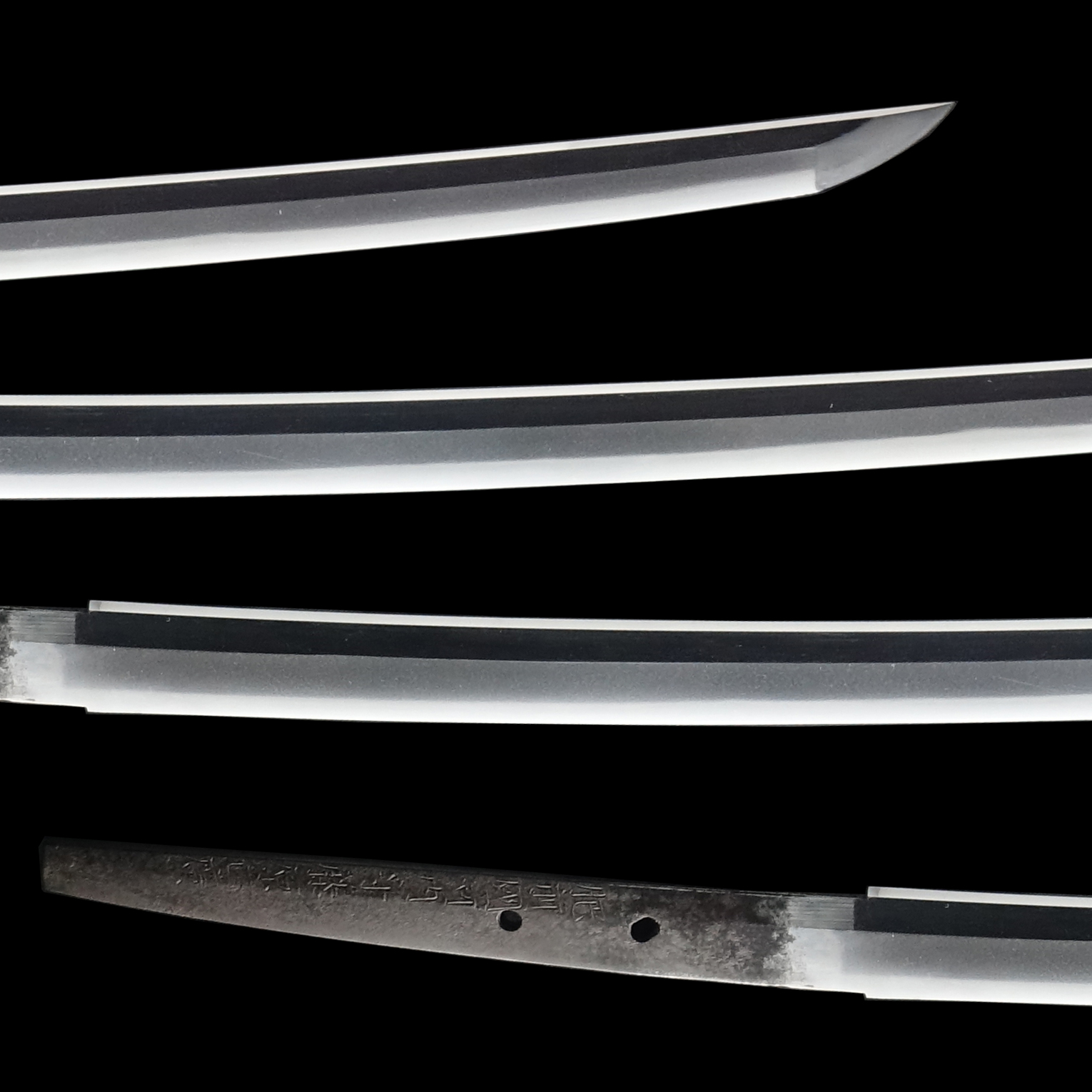
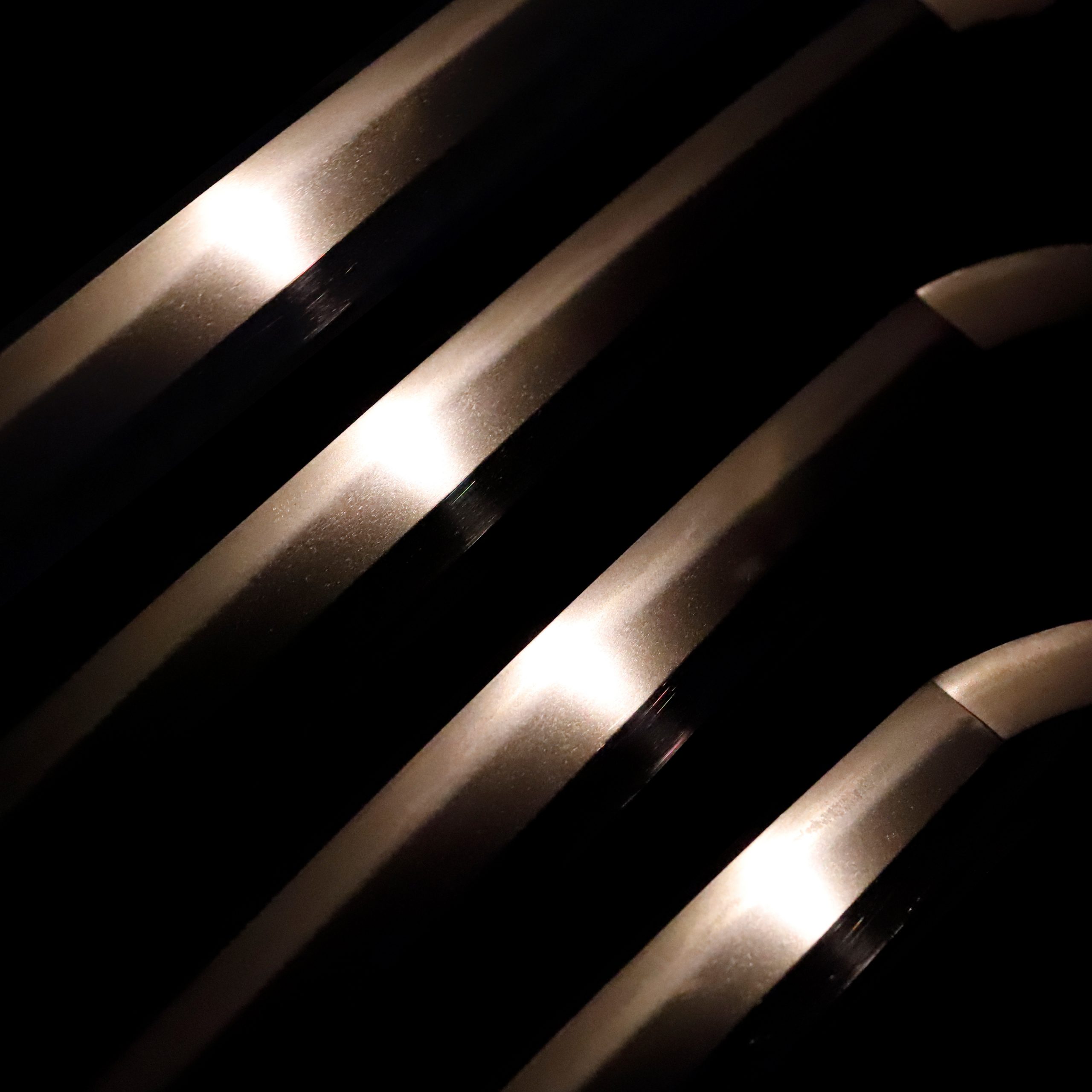
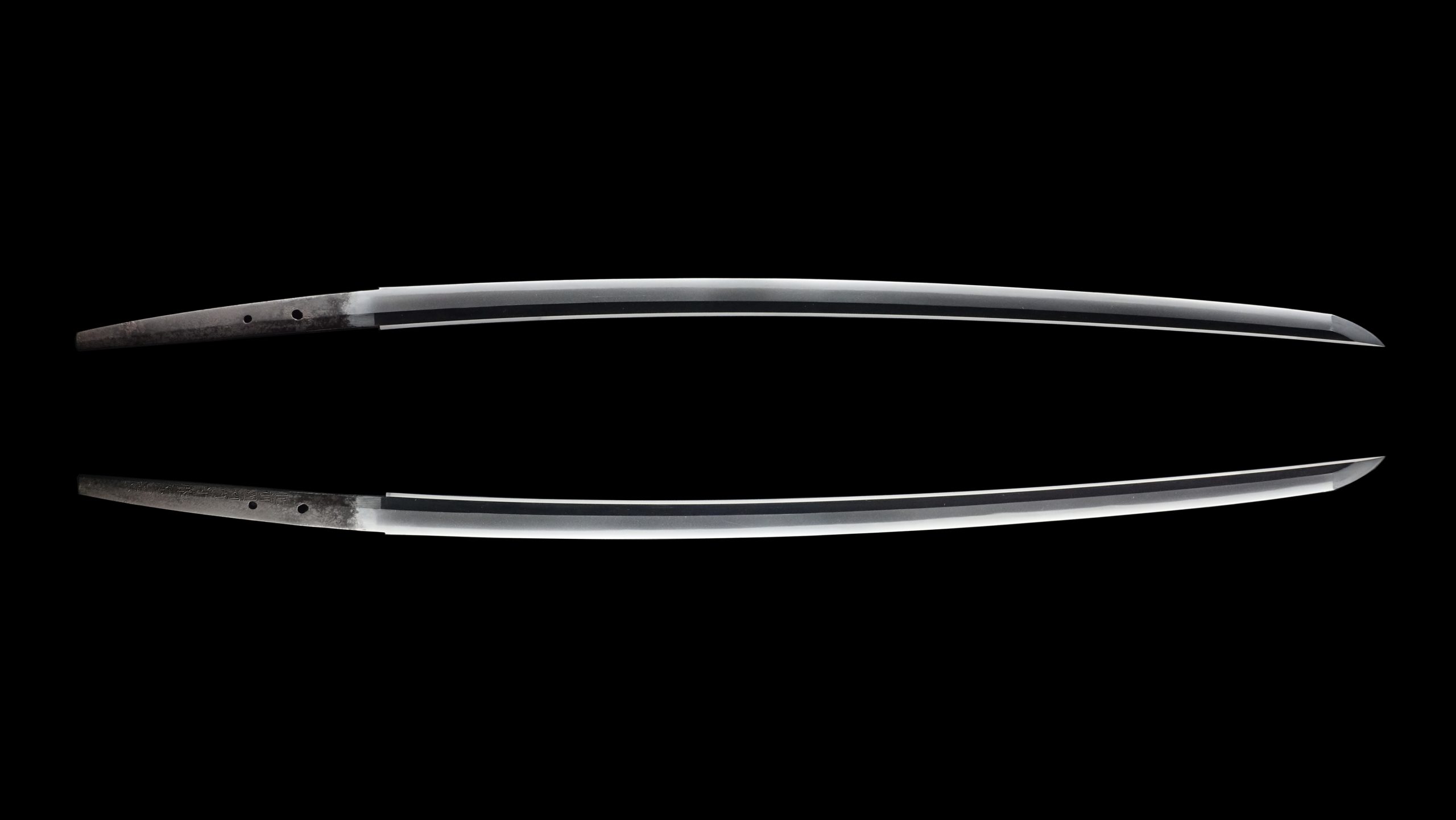
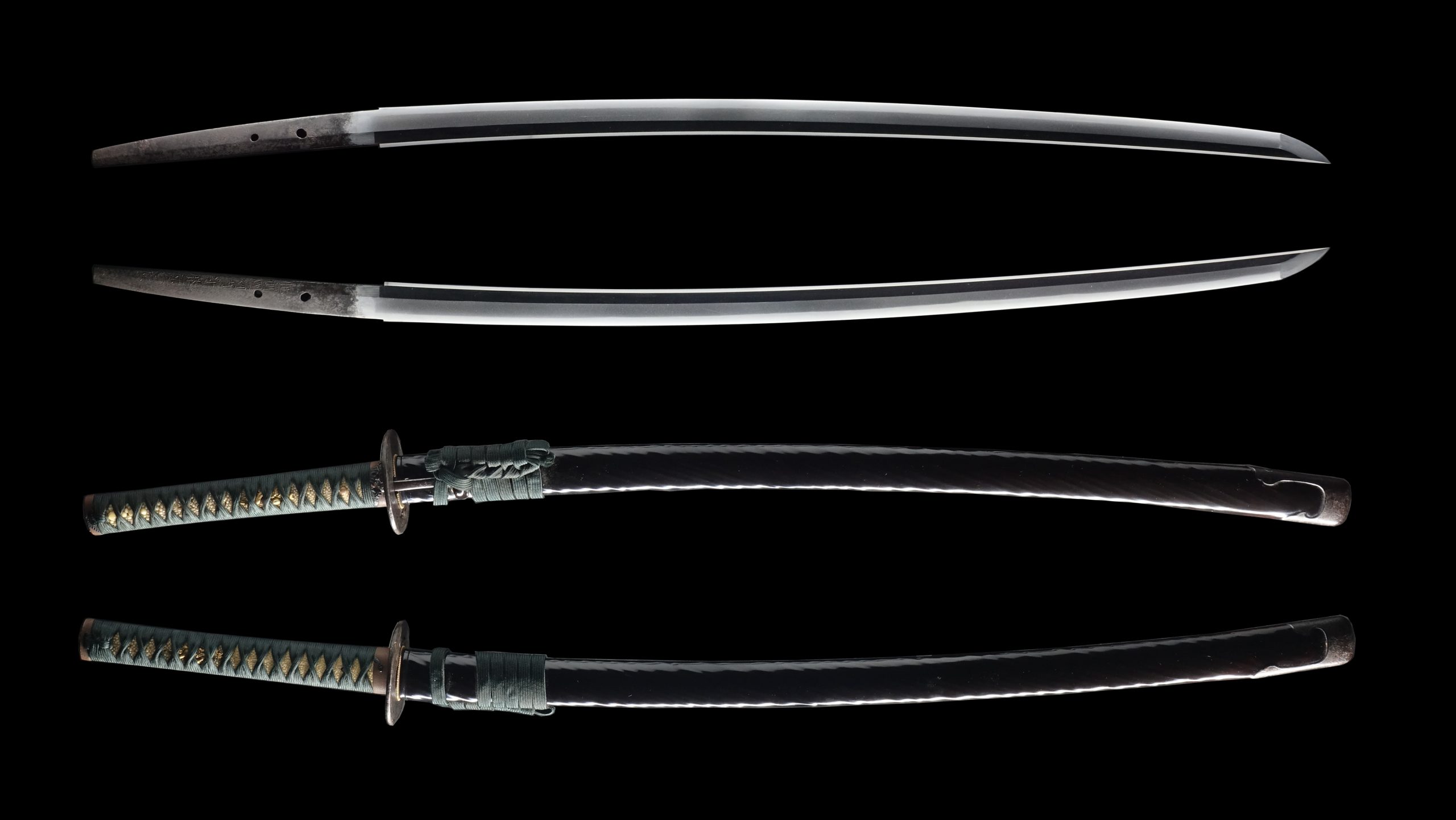
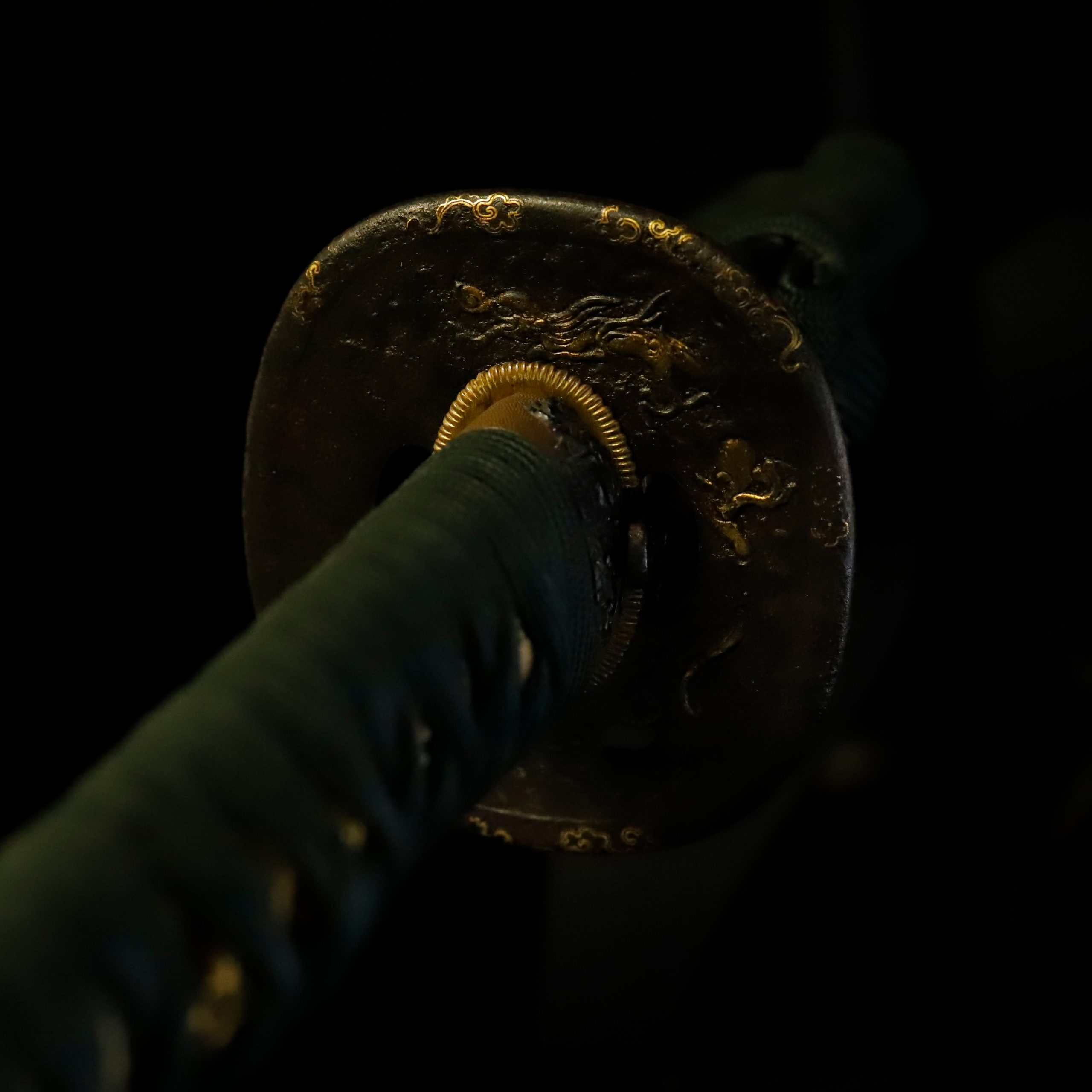
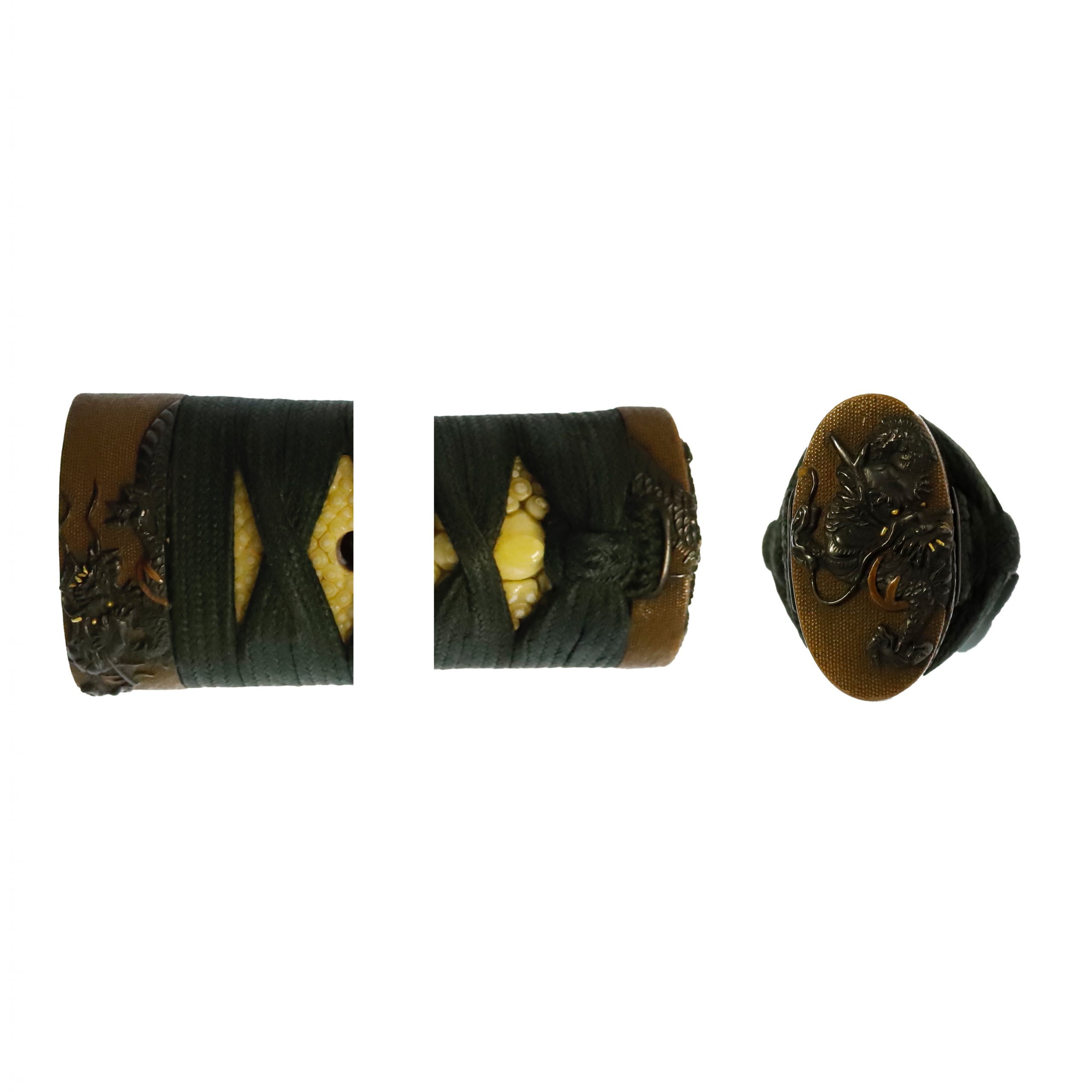
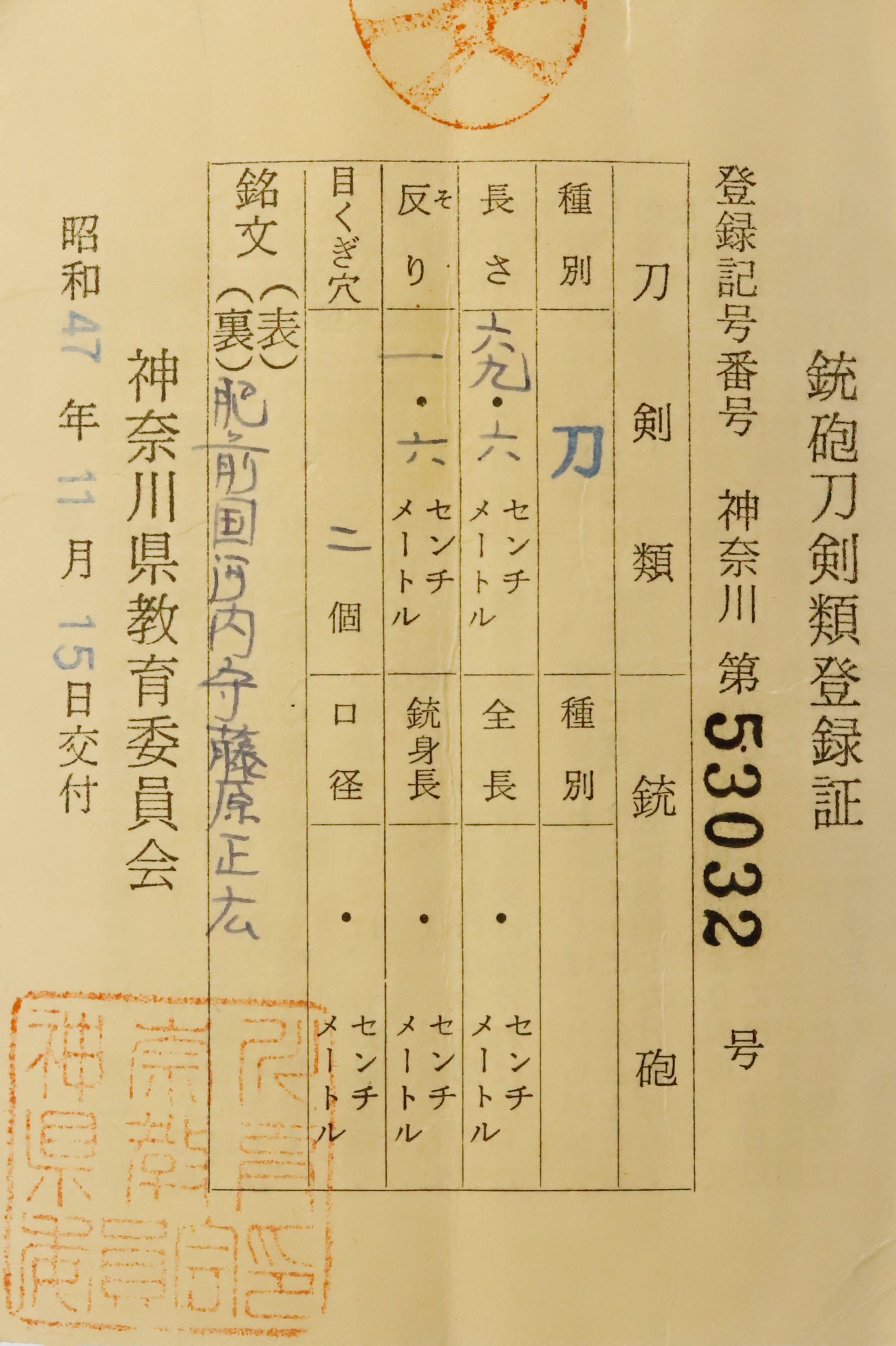
販売店の記載のまま
Hizen Tadayoshi main line, second-generation Masahiro (Saga) · 肥前 · 1658-1661頃
藤代 上作 · 刀剣大鑑 上位26%
現在3点販売中
二代正広は初代河内大掾正広の子で、寛永四年に生まれ、初め佐伝次と称した。父の在世中は武蔵守正永と銘し、万治三年に武蔵大掾を受領、翌寛文元年に武蔵守に転じた。寛文五年二月五日、彼が三十九歳の時に父が歿し、同年四月十三日に河内守に転じている。正広銘の襲名については、口宣案に「武蔵守藤原正広、宜任河内守」[[c:1]]とあることから、説明書は「おそらく初代正広歿後すぐのことであろう」[[c:6]]とする。元禄十二年、七十三歳で歿した。父と同じく本家の協力者の一人であったとみられる。
説明書は本工を父に極めて近いものとして読む。直刃・乱刃ともに父につぐ上手で、「殆んど甲乙つけがたいものがある」[[c:7]]と記し、作柄は直刃・乱れ刃ともに初代正広さながらで、技術は父に劣らないとする。なかでも乱れ刃を得意とし、焼幅を広く取って華やかな丁子乱れを展開するところは「正に彼の独壇場である」[[c:8]]と評される。
その乱れ刃は丁子を主調に互の目を交え、焼幅広く大模様に乱れるものである。刃中に頭の丸い互の目や矢筈風の刃を交える点に、二代正広の刃取りの特徴が窺えるとされる。足・葉よく入り、匂深く沸厚くつき、処々谷に沸が凝り、金筋・砂流しがさかんにかかる。飛焼を交えるものもあり、ある一刀は「同作中最も華やかな出来を示したもの」[[c:9]]とされる。傍肥前の諸工と同じく、元に直ぐの焼出しを見せることもある。地鉄は小板目肌がよくつみ、地沸が微塵に厚くついて地景が細かに入り、肥前刀特有の米糠肌状と記される作が多く、頑健な一刀では肌目が立つとされる。帽子は直ぐに小丸に返る。
直刃は本工のもう一つの作域であり、説明書は「初代正広よりも直刃の作品が多く見られることにも注意したい」[[c:10]]と特に記す。直刃の作は乱れ刃より少ないものの父よりは多く見られ、出来にむらがなく総じて優れているという。典型の中直刃の刀では地がねが一段とよく約むとされ、匂深の中直刃の一刀は直刃を得意とした本家の作を見るようであるという。常々の直刃より一際匂深く沸厚くつき、働きの豊富な二口の刀には「或種の放胆さが窺えて」[[c:11]]と評される。姿は身幅広く重ね厚く、手持ちの重い頑健なものが多く、時に鋒が延びて大鋒となる。
初・二代の別は銘に見る。二代は「肥前国河内守藤原正広」[[c:12]]と切るものが最も多く、中には「藤氏」と切ったものもある。説明書は「藤」と「廣」の字形に父子の相違を挙げ、二代の「廣」は一画多いとする。彫物は極めて少なく、寛文十二年紀の一刀には後に信国美直が彫物を施し、寛文十三年の山野勘十郎の截断銘を伴う。
藤代の極めは上作。国宝・重要文化財はなく、その記録は重要刀剣の位にあり、指定を受けた作は二十六口である。大きく乱れ刃を焼き、日月等の飛焼を交えた一刀は最高の出来とされ「肥前刀を代表する一刀である」[[c:13]]と称えられ、山野勘十郎久英の截断金象嵌銘と「継小袖」の号を有する。別の一刀には「剪風」の号らしき試し銘があり、説明書は肥前刀に試し銘のあるものは極めて稀であると記す。寛文七年紀の脇指はその年紀が好資料とされる。来歴の記録は乏しく、在銘の重要刀剣が市に現れるのは時折のことである。
正廣の位置づけを、日本刀全体および伝法・時代・時期ごとに示します。各区分(随一・屈指・有数・著名)は、NBTHK および文化庁による指定に加え、三作や名物帳などの歴史的栄誉を加味したものです。
各項目を選ぶと評価方法が表示されます。
新刀 · 肥前
現在107点販売中
肥前派は、肥前佐賀の城下を中心に興った新刀期の一流であり、その祖は橋本新左衛門と称した初代忠吉である。資料によれば、初代は鍋島家の抱え工として、慶長元年に藩命により彫工宗長とともに上洛して京の埋忠明寿の門に入り、忠吉は鍛刀を、宗長は彫技を学んだという。同三年に帰国して佐賀城下に住し、鍋島藩の庇護のもとに一門は大いに栄えた。年紀は慶長五年に始まり、元和十年には再び上洛して武蔵大掾を受領し、名を忠吉から忠広に、氏を源から藤原に改めている。この改名は同一の手の変遷であって別人ではない。初代の嫡子たる二代近江大掾忠広は六十有余年に及ぶ作刀生活を送って肥前最多作の工となり、本家の忠吉銘は土佐守家を経て三代陸奥守忠吉へと返上襲名されて、上三代の本流を成した。これと並んで、初代の門人や身内から、播磨大掾忠国の系、河内大掾正広に発する正広の系、出羽守行広の系といった分家、すなわち傍肥前と汎称される諸工が興り、代を重ねて佐賀の工房は確立された。 一門の共通する作風は、まずその地鉄に表れる。よく約んだ小板目を緻密に鍛え、地沸が微塵に厚く均しくつき、地景が細かに頻りに入って、かね明るく冴える。資料はこれを肥前特有の米糠肌と名指し、他派の出さない細かく明るい肌であるとする。この精良な地の上に、本家の本領たる中直刃を焼く。浅くのたれごころを帯び、処々に小互の目を交え、小足・葉が入り、匂深く小沸が細かについて締まり明るく、帽子は直ぐに小丸へ静かに返る。本来狙った来一門の直刃に対しては、匂口がより締まって明るく、鍛えに覇気がある点で分かれると説く。一方、初代の初期作には直江志津・古作大和物・来一門・鎌倉名工を狙った多様な写し物があり、掃きかけの帽子など本家の通則の例外も見える。代や系統による差異も資料の支持する範囲で明らかである。二代忠広と三代忠吉は本家本領の静かな直刃を継ぎ、なかでも三代は祖父初代を想わせる強く精美な鍛えを身上とする。これに対し傍肥前の諸工は華やかな乱れ刃を好み、正広は丁子を主調とした乱れに互の目を交え、行広は竪長の足長丁子乱れを焼き、忠国は一門の中で最も砂流しが目立つ足長丁子をあらわした。本家が直刃で読まれるのに対し、傍系はその精良な地を覇気ある乱刃へ運んだのである。 肥前刀の鑑定の勘所は、何よりこの米糠肌にある。明るく冴えた小糠肌の上に締まった直刃を焼くという組合せこそ、収集家が肥前刀を求める核心であり、地鉄と刃文が相俟って同派同定の眼目を成す。さらに銘振りもまた鑑定の一部をなし、本家は刀に指裏すなわち太刀銘に切るのを常とし、五字銘・住人銘・受領銘の別が時期を語る。主要刀工の格は資料の伝える通りで、初代忠吉は藤代の極めで最上作、二代忠広・三代忠吉や正広・行広は上々作ないし上作に位置づけられる。代表作には鍋島家伝来の作が多く、来歴には尾張徳川家・佐竹家・皇室などの名が録され、初代の一口には師明寿の添銘が遺り、忠国・正広の作には山野加右衛門ら截断銘を金象嵌に帯びるものがあって、手のみならず刃味の証となる。指定を受けた作の多くは旧蔵家や公の収蔵に永く蔵されて市に現れることは少なく、傍系の作も折にふれて世に出るにとどまる。されば在銘の肥前忠吉は手の届かぬものではないが、祖その人の作や、最も精美な米糠肌に直刃を焼いた一口が現れることは時折のことであり、現れれば肥前刀の一里塚というべきものである。 詳しく見る →
肥前 藩営の刀
肥前刀は藩営の産業である。鍋島家は1596年頃、忠吉を京の埋忠明寿のもとに学ばせ、帰国したその工を核に公認の一門を築いた。小糠肌で名高いその作は、九代にわたり明治まで続いている。
保存刀剣のうち、出来が一層優れ、保存状態も良好と認められたものです。再刃や、室町・江戸期の多くの無銘作は対象外となり、保存刀剣より高い基準が課されます。
日本美術刀剣保存協会(NBTHK)は、1948年に設立され、文化庁の監督を受ける公益財団法人で、東京・刀剣博物館に本部を置きます。専門の審査員が出品作を直接審査し、美術的・歴史的価値に応じた鑑定書を発行します。NBTHKの鑑定書は、日本刀および刀装具の真正性を示す最も広く認知された基準です。
NBTHK公式サイトReturns/exchanges limited to defects caused by shipping (except willful misconduct or gross negligence by the company); customers must contact within 72 hours of receiving the product.