二十世紀は二度この工芸を殺しかけた。戦時の歪みと、占領下の禁令である。1948年の日刀保設立と1953年の作刀再開が刀を美術として再建し、人間国宝と無鑑査がその頂に立つ。
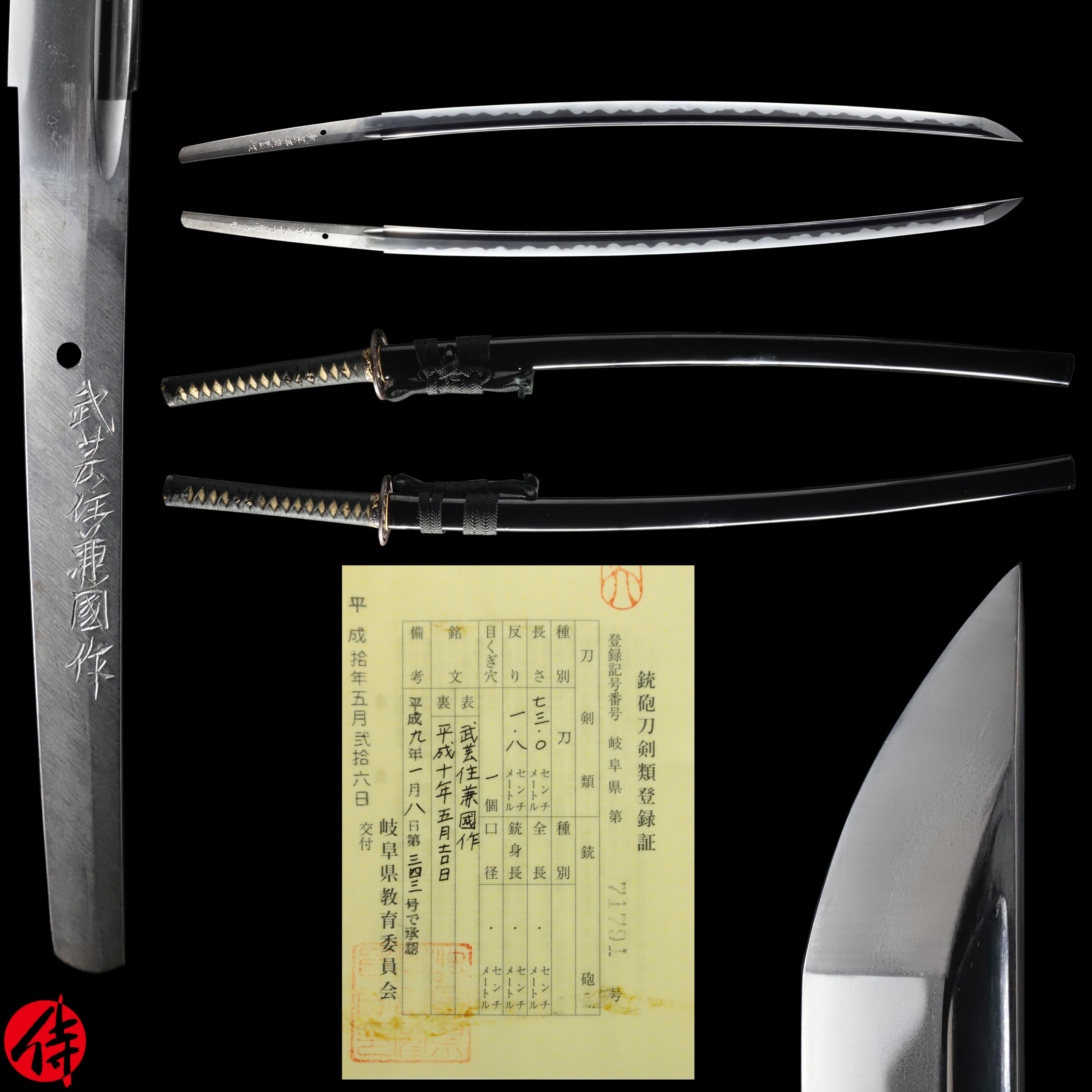
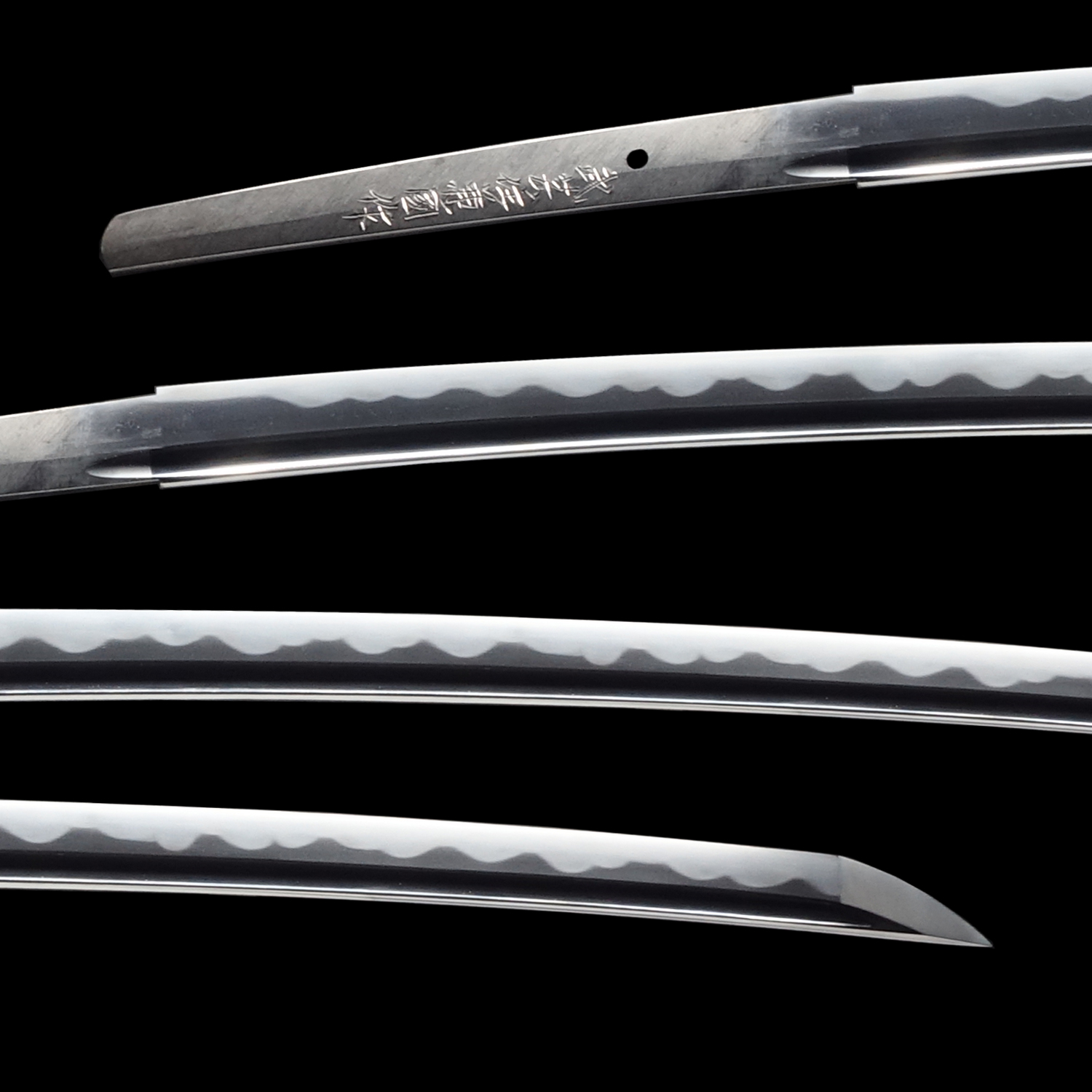
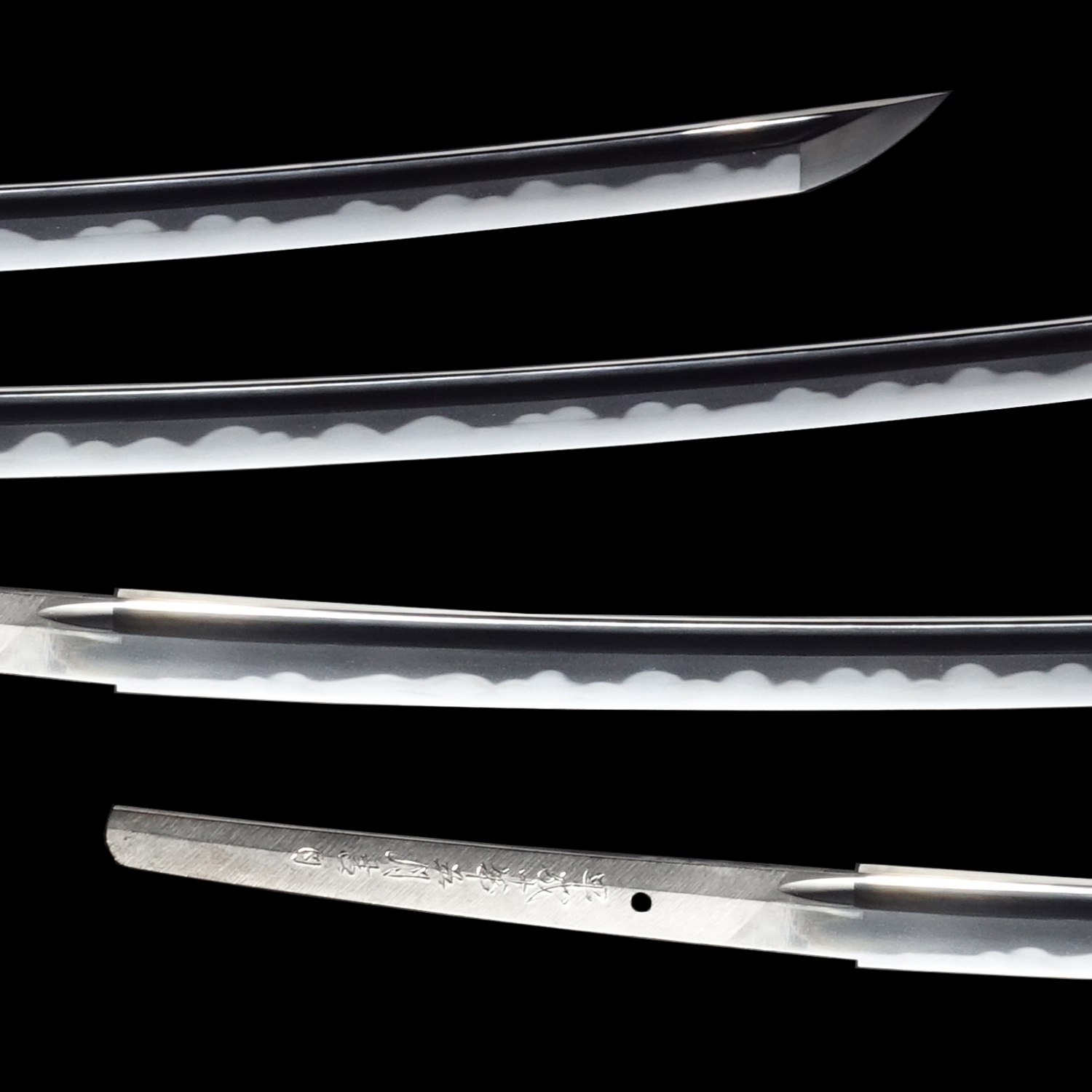
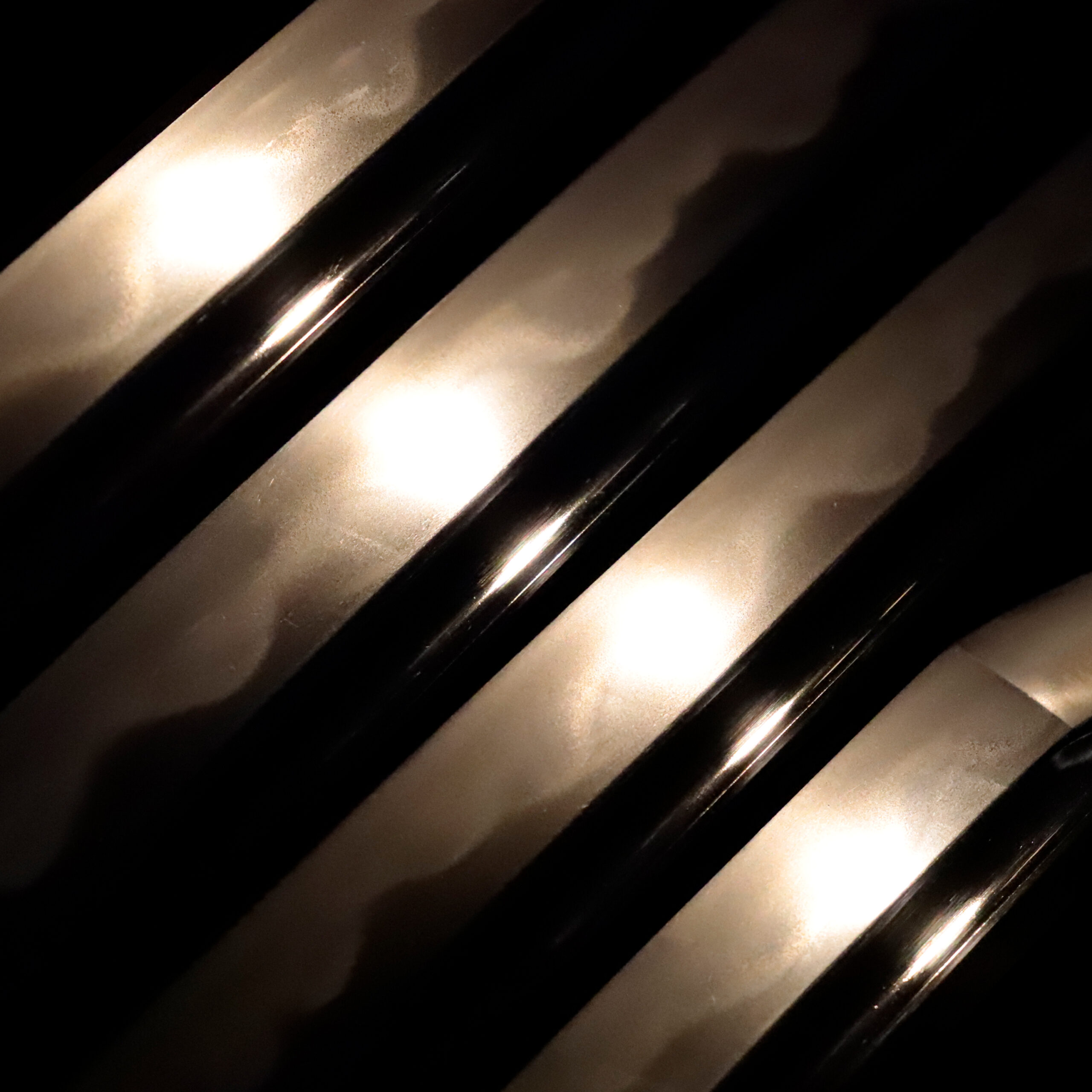
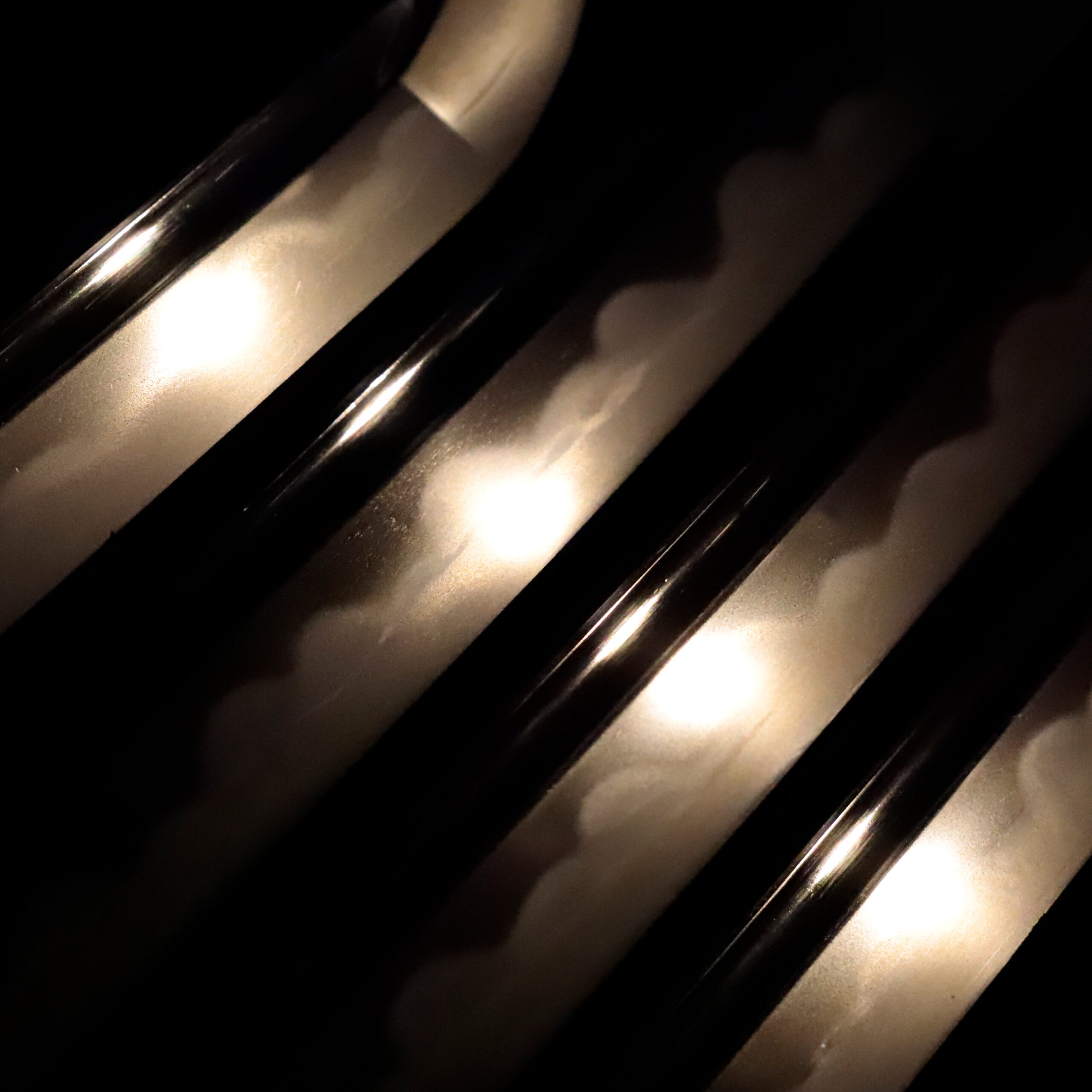
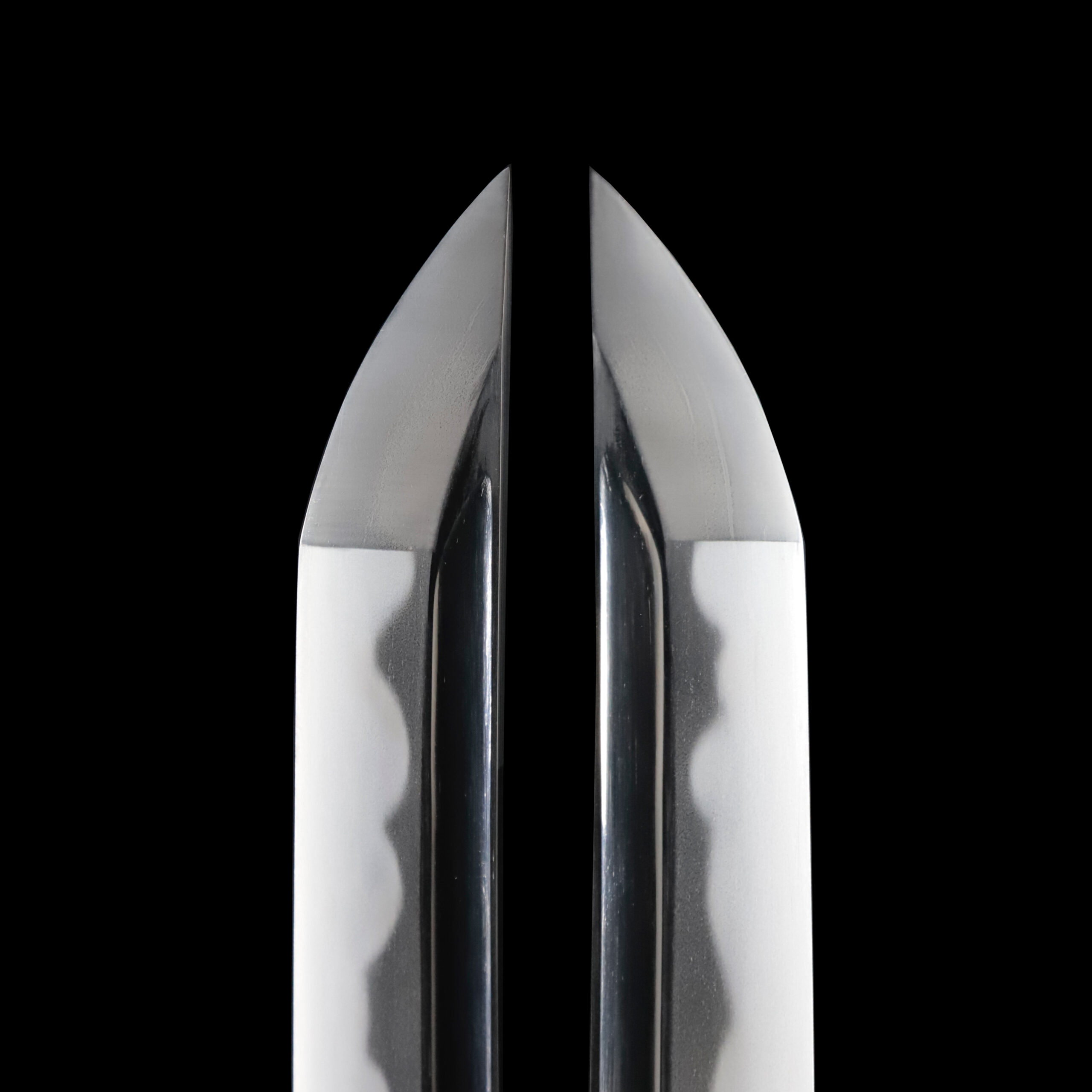
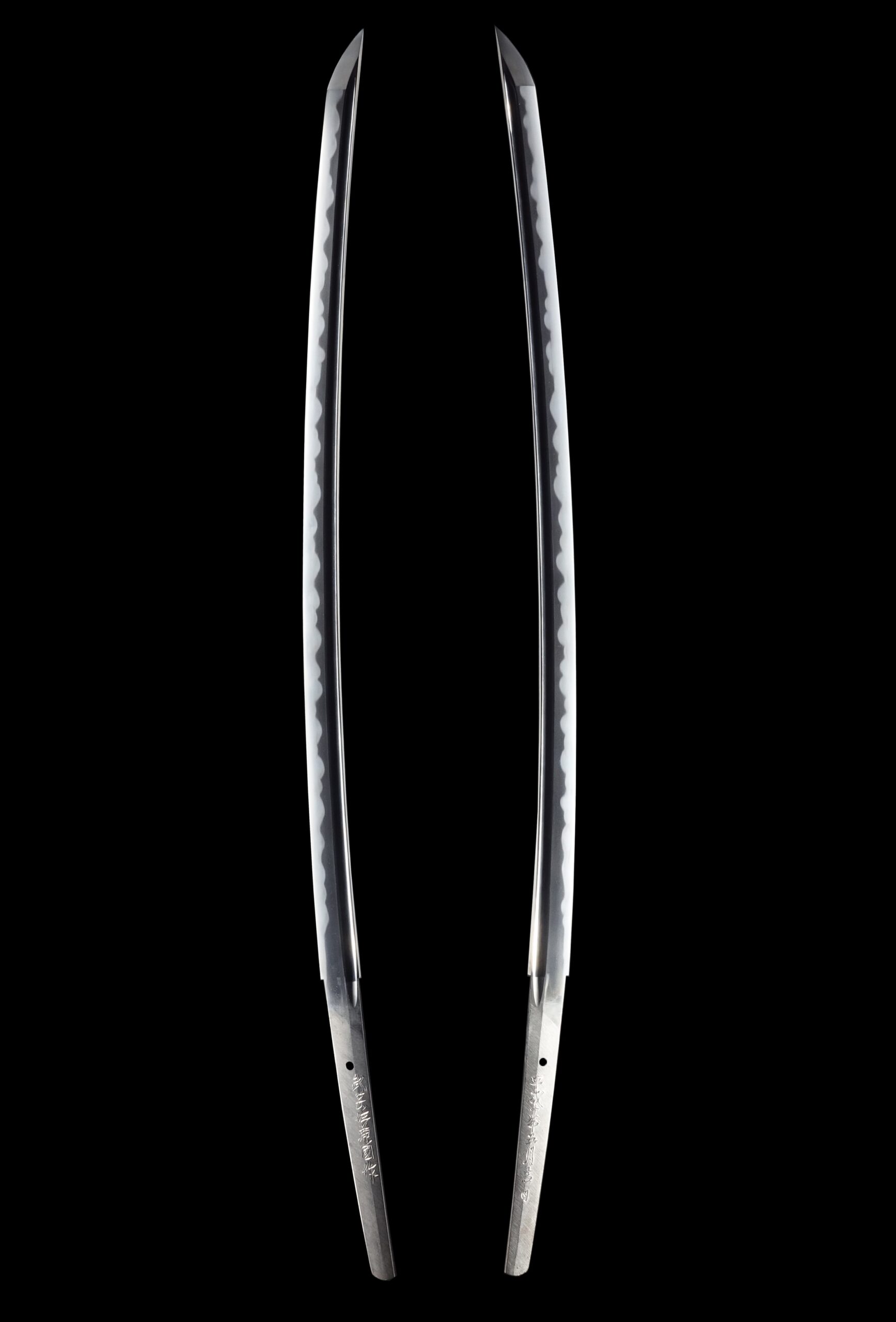
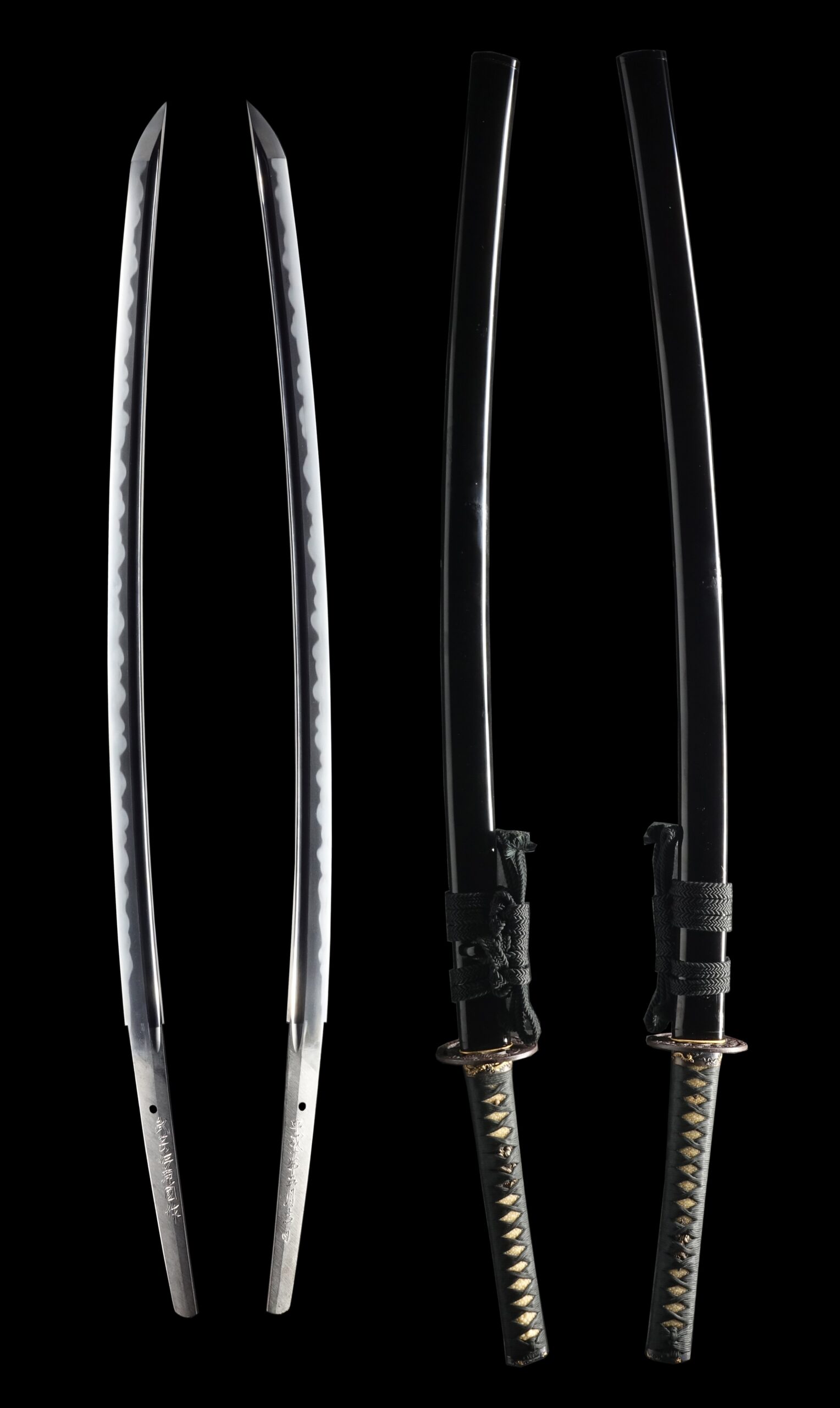
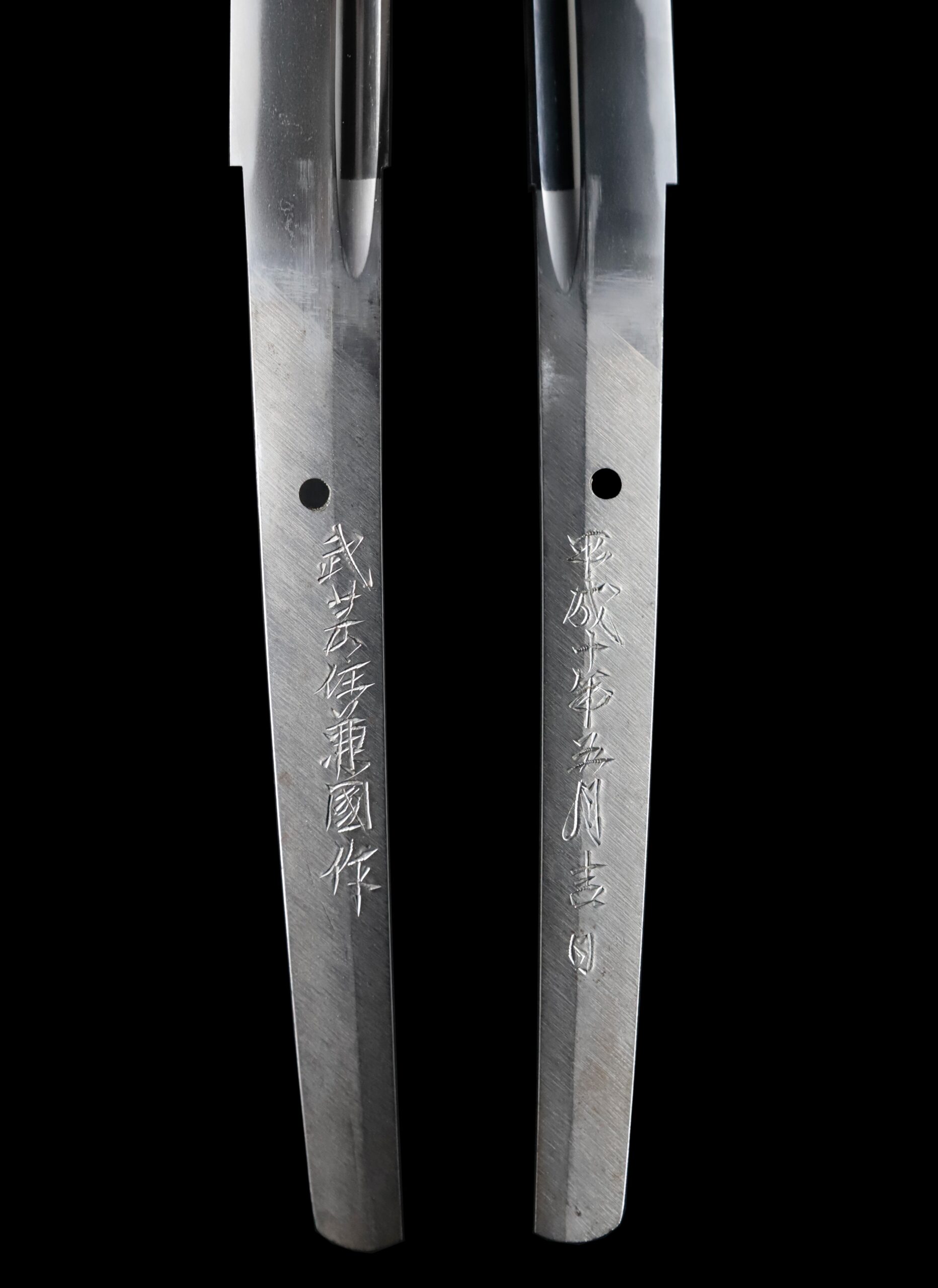
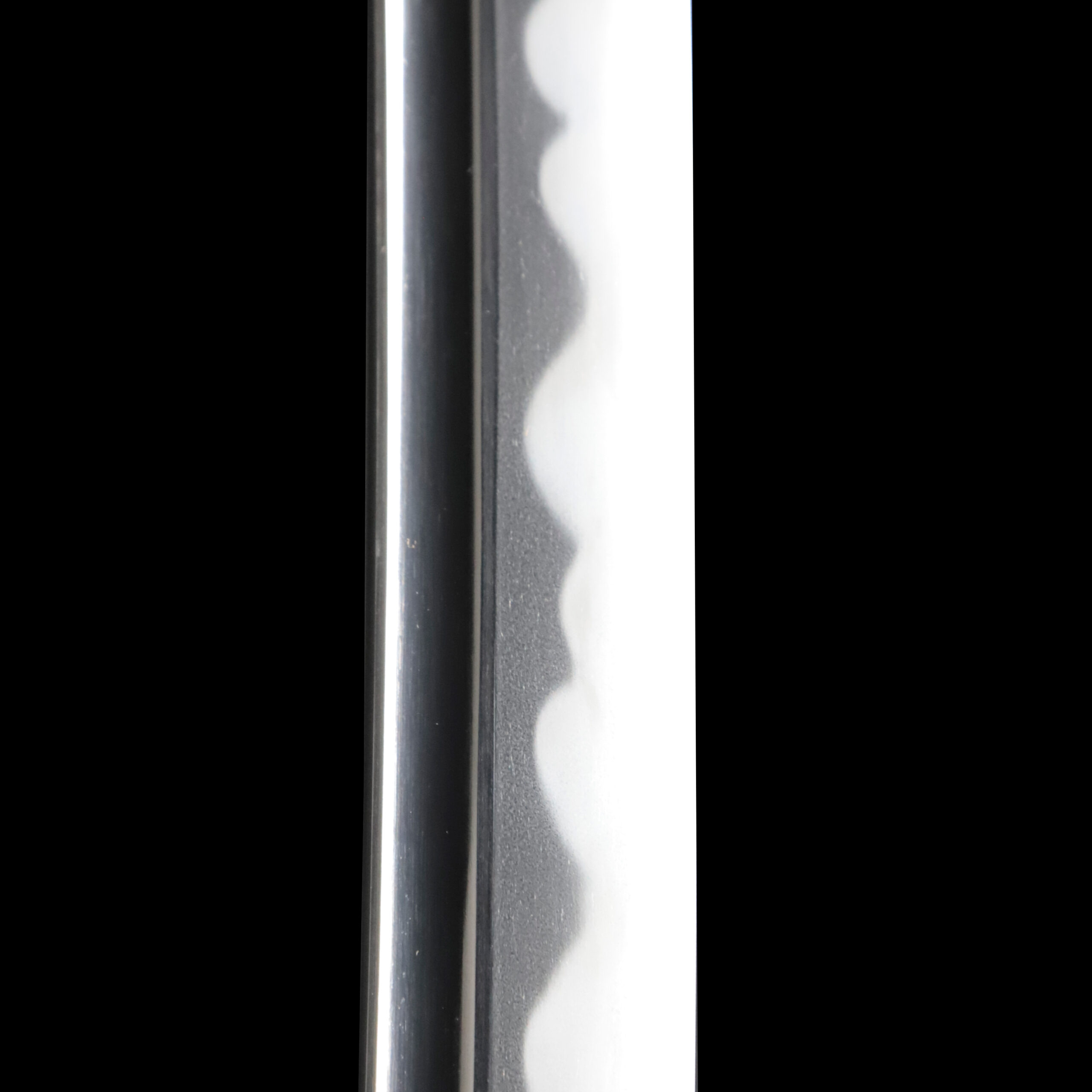
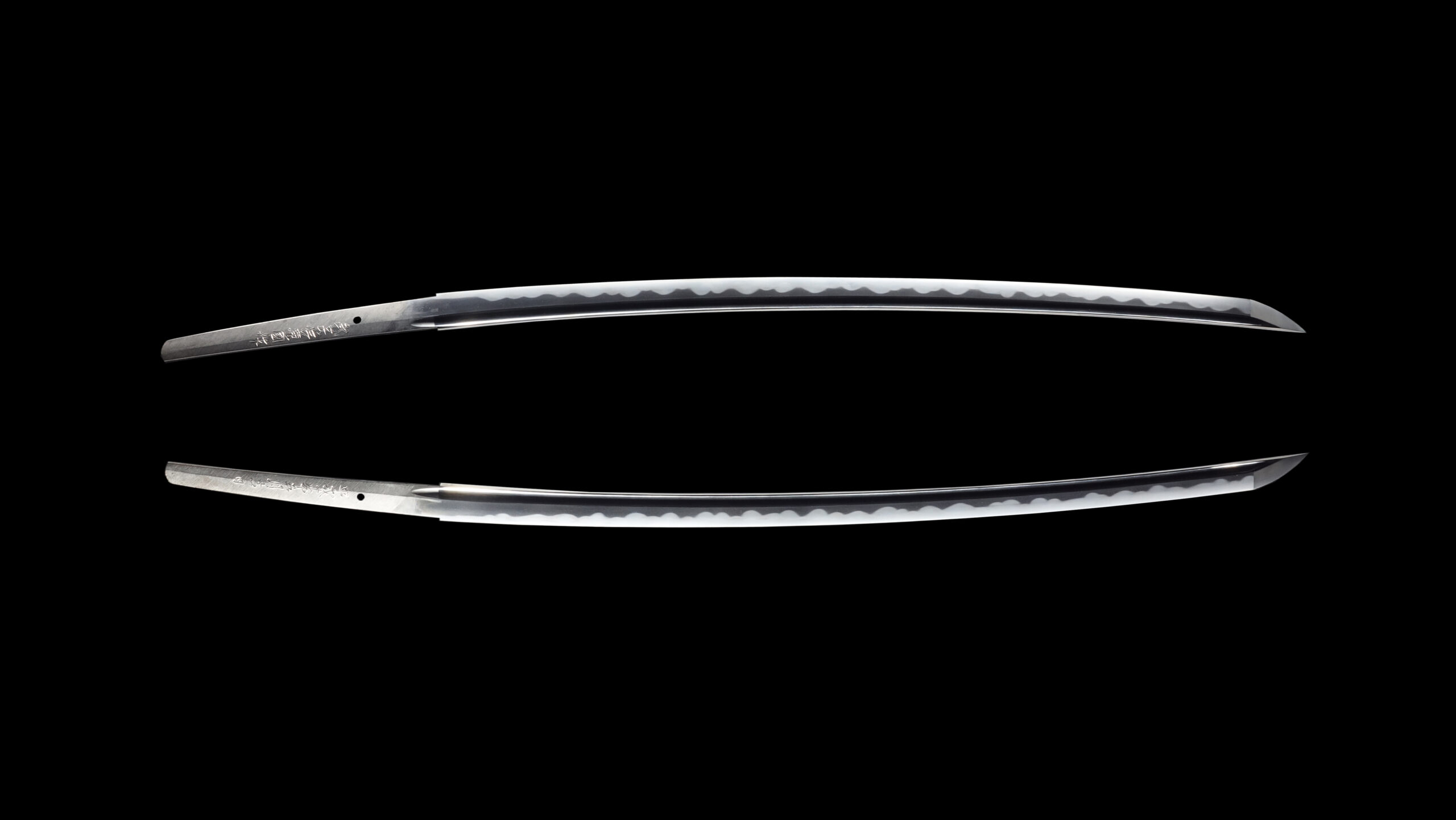
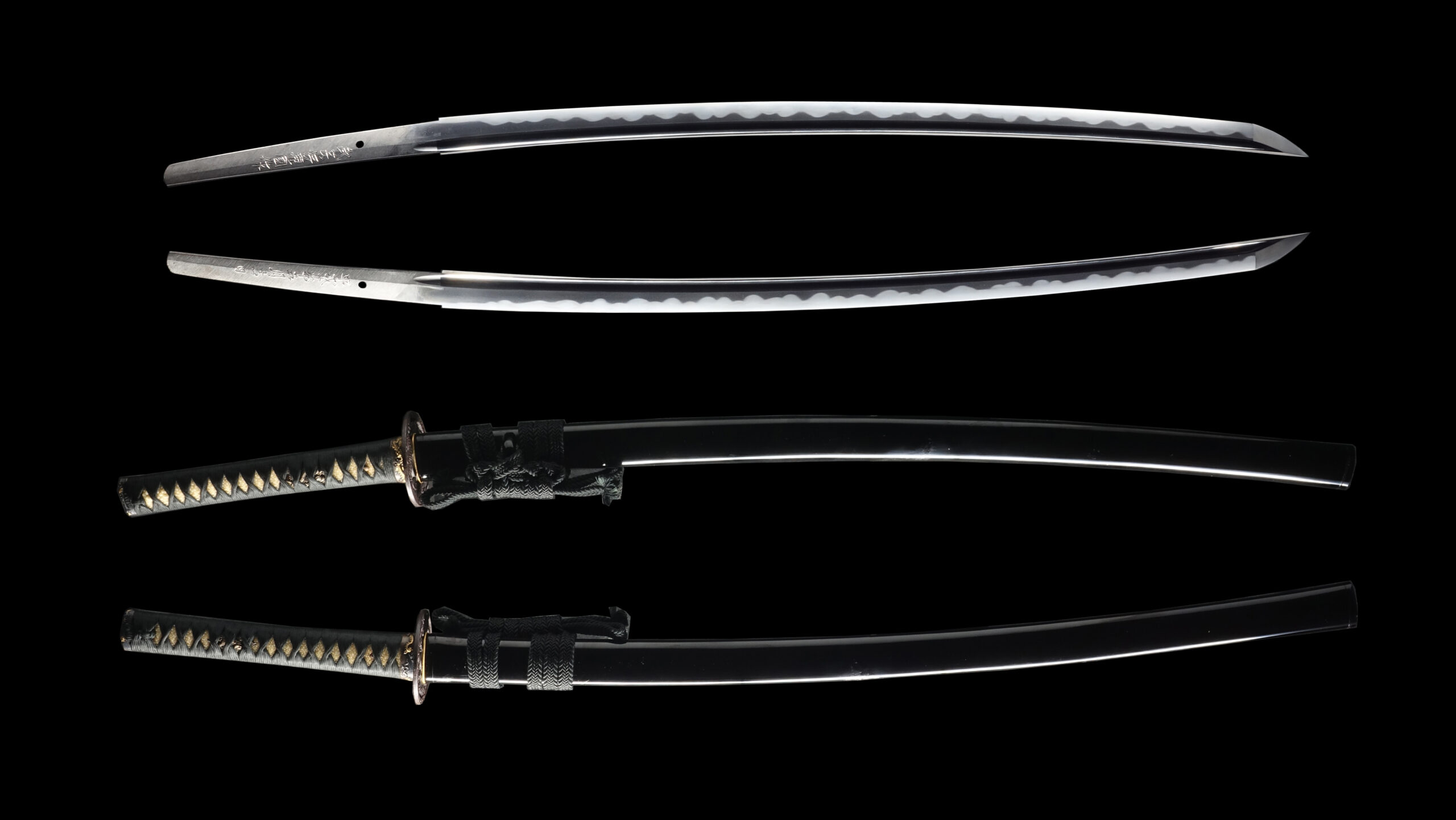
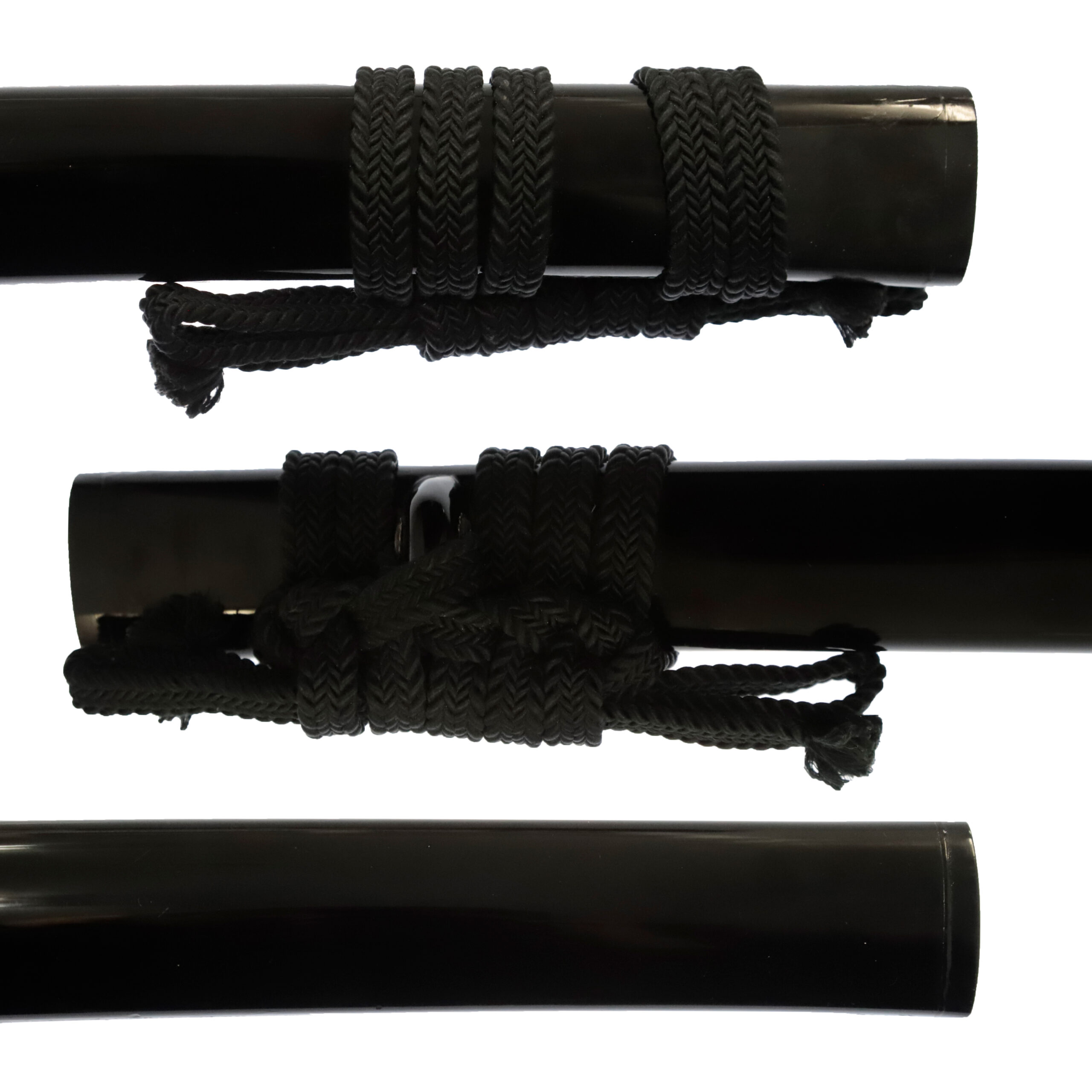
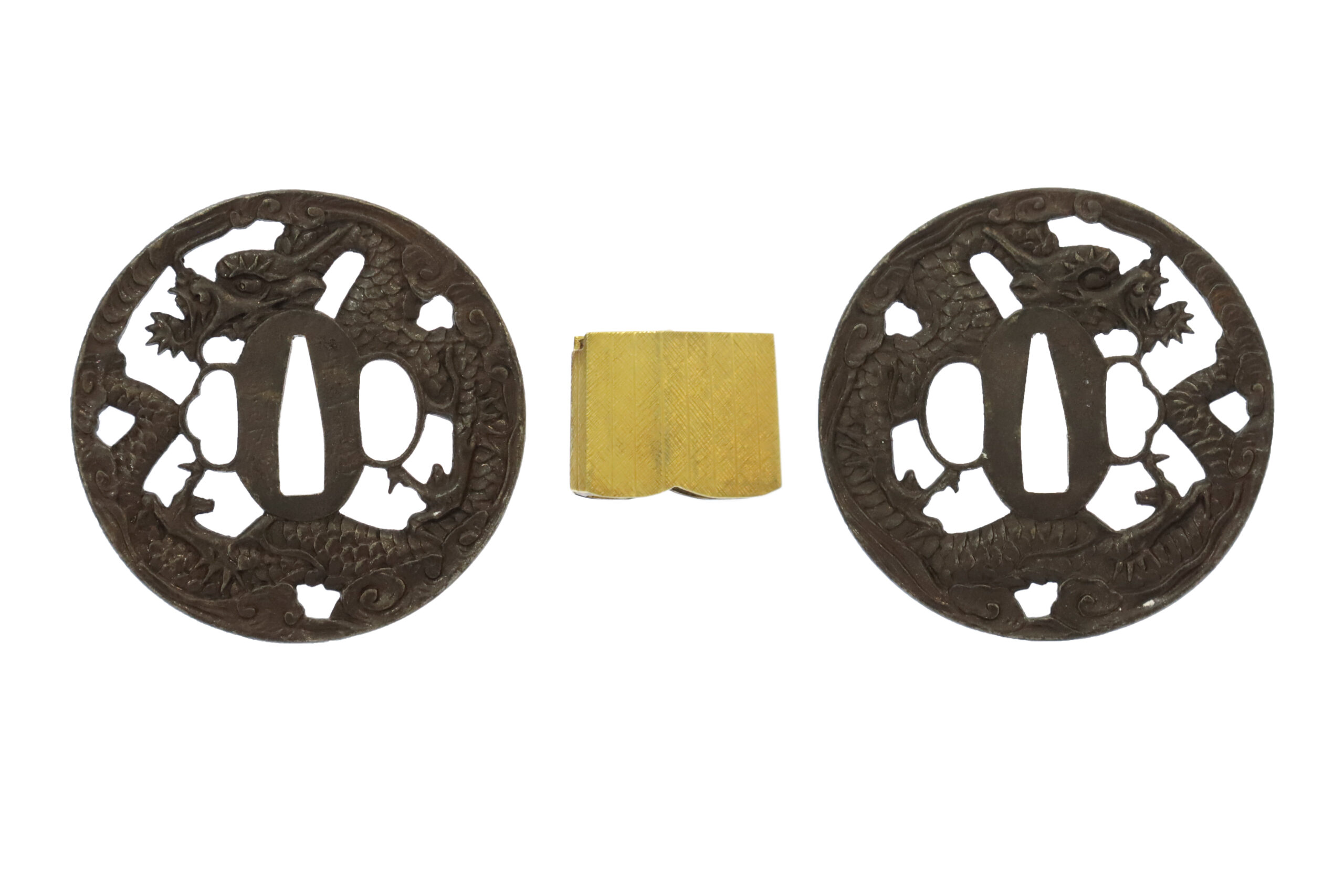
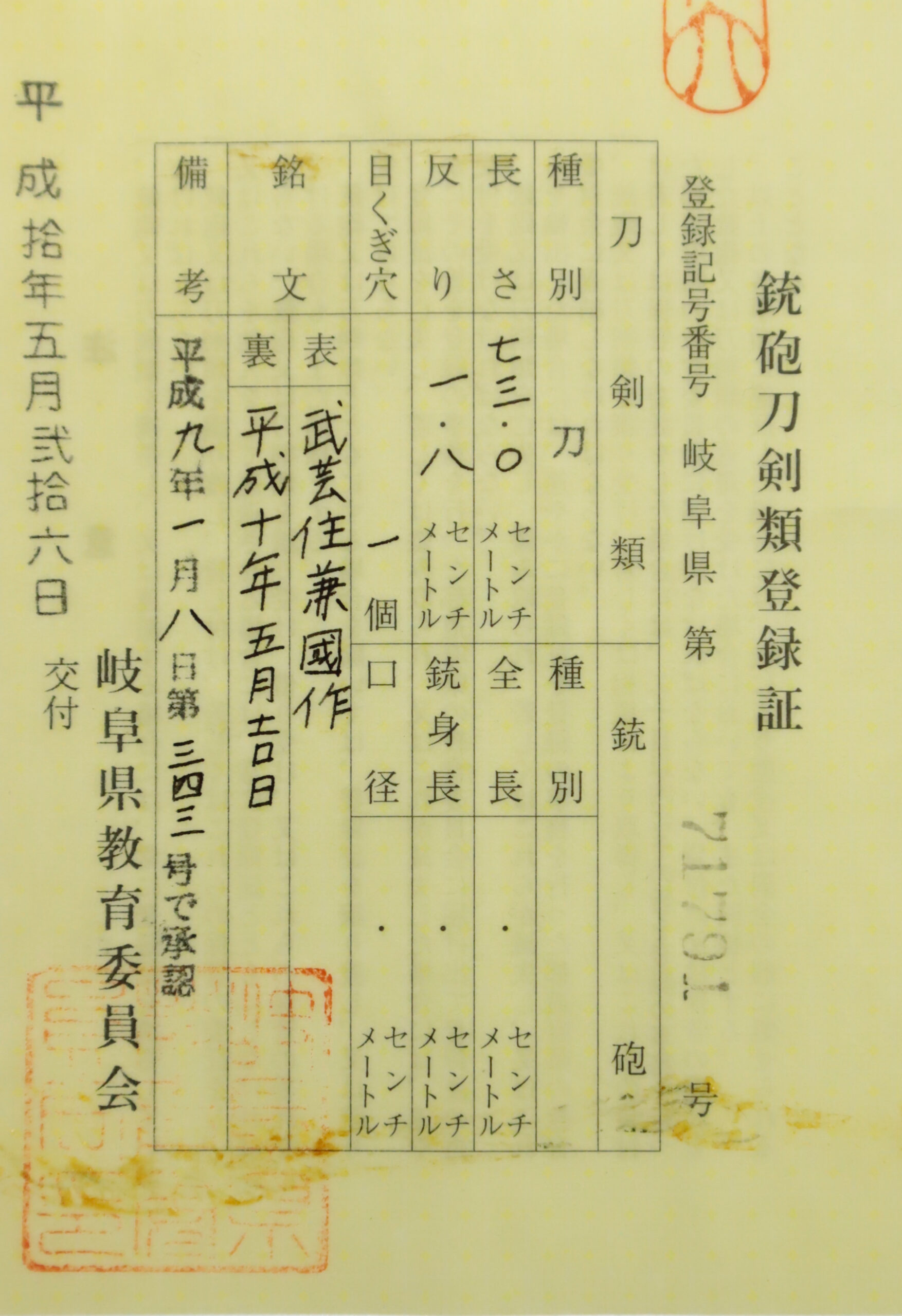
Modern Authentic Japanese Sword Katana Signed by Bugei Jyu Kanekuni 【Description】 This blade was signed by Bugei Jyu Kanekuni (武芸住兼国) in the 11th year of the Heisei era (1999) in Bugei, a town located in Gifu prefecture. He was born in the 14th year of the Taisho era (1925). He started training to become a swordsmith in the 14th year of the Showa era (1939) by enrolling in the school run by Ogawa Kanekuni (小川兼国). He signed Kunitada (国忠) as his first maker’s name. During 1932-1934, he forged blades in Chiba prefecture as a Rikugun Jyumei Tosho(陸軍受命刀匠), which was the title given by the Japanese military to skilled Japanese swordsmiths during Taisho-the early Showa period. To receive this title, a swordsmith forged two swords and submitted them to the governmental agency that produced weapons. After passing the particular and rigorous exam there, the swordsmith would be acknowledged as Rikugun Jyumei Tosho. We assumed he primarily forged swords for the Japanese military before and during World War II. After the end of World War II, Bugei Jyu Kanekuni’s career took a new turn. In 1972, he sought to expand his knowledge and skills by learning old sword-forging techniques from Kaneko Magoroku Kanemoto. This marked the beginning of his independent journey as a swordsmith, as he opened his workshop in Hachiman, a village in Bugei town in Gifu prefecture. Throughout his career, Bugei Jyu Kanekuni’s craftsmanship was widely recognized and celebrated. He was the recipient of numerous awards in the Japanese sword community, a testament to his superb skills and dedication. Today, he is remembered as one of the most distinguished modern Japanese swordsmiths in Gifu prefecture. In 2008, Gifu prefecture designated him as an intangible cultural asset. He was also acknowledged as a *Mukansa swordsmith after receiving another award in the Shinsaku Meito Ten in 2006. He devoted his late career to preserving the precious tradition of Japanese sword-forging and researching old methods to create beautiful Japanese swords. He died at the age of 87 in 2012. This blade was made when he was 74 years old. You can see fantastic craftsmanship from this blade. What is Mukansa swordsmith? It is one of the most honorable titles a modern swordsmith could receive. One with this title could submit his work to the Japanese sword exhibition held by NBTHK(Nihon Bijyutu Touken Hozon Kyokai) without being examined. In contrast, other sword makers must pass a rigorous test to participate in this event. This fact also suggests he was a great swordsmith in modern times. This exhibition is held by NBTHK once a year, and modern swordsmiths compete for their craftsmanship there. There have only been 39 Mukansa swordsmiths since the exhibition started in 1955. About Modern Swordsmith There are around 150-200 swordsmiths in Japan today. To legally produce Japanese swords, one needs to pass the national exam given by the Agency for Cultural Affairs(Bunka-Cho) and receive the license. Before taking the exam, one must finish his or her apprenticeship under a licensed master for more than five years. Those who practice Iaido(居合道) tend to use those modern swords, and there are modern Japanese sword collectors nationwide. Modern Japanese sword makers are researching old ways to forge swords and trying to recreate ancient-style swords. They are the ones who keep the tradition of Japanese history alive. 【Blade】 Cutting Edge Length (Nagasa) : 73.0 cm (28.7 inches) Curvature (Sori) : 1.8 cm (0.71 inches) Hamon : The crystalline structure which forms along the cutting edge of a blade as a result of the hardening process. Jimon(Jihada) : visible steel surface pattern created by folding and hammering during forging process Kissaki : Kissaki is the tip of the Japanese sword. Nakago : Nakago is the tang of the Japanese sword. Japanese swordsmiths left the black rust on the tang because it prevents red rust while the tang is in its handle. And the discoloration of the tang was created over ti
 NihontoWatch
在銘 · 平成 · 長さ 73cm · 反り 1.8cm

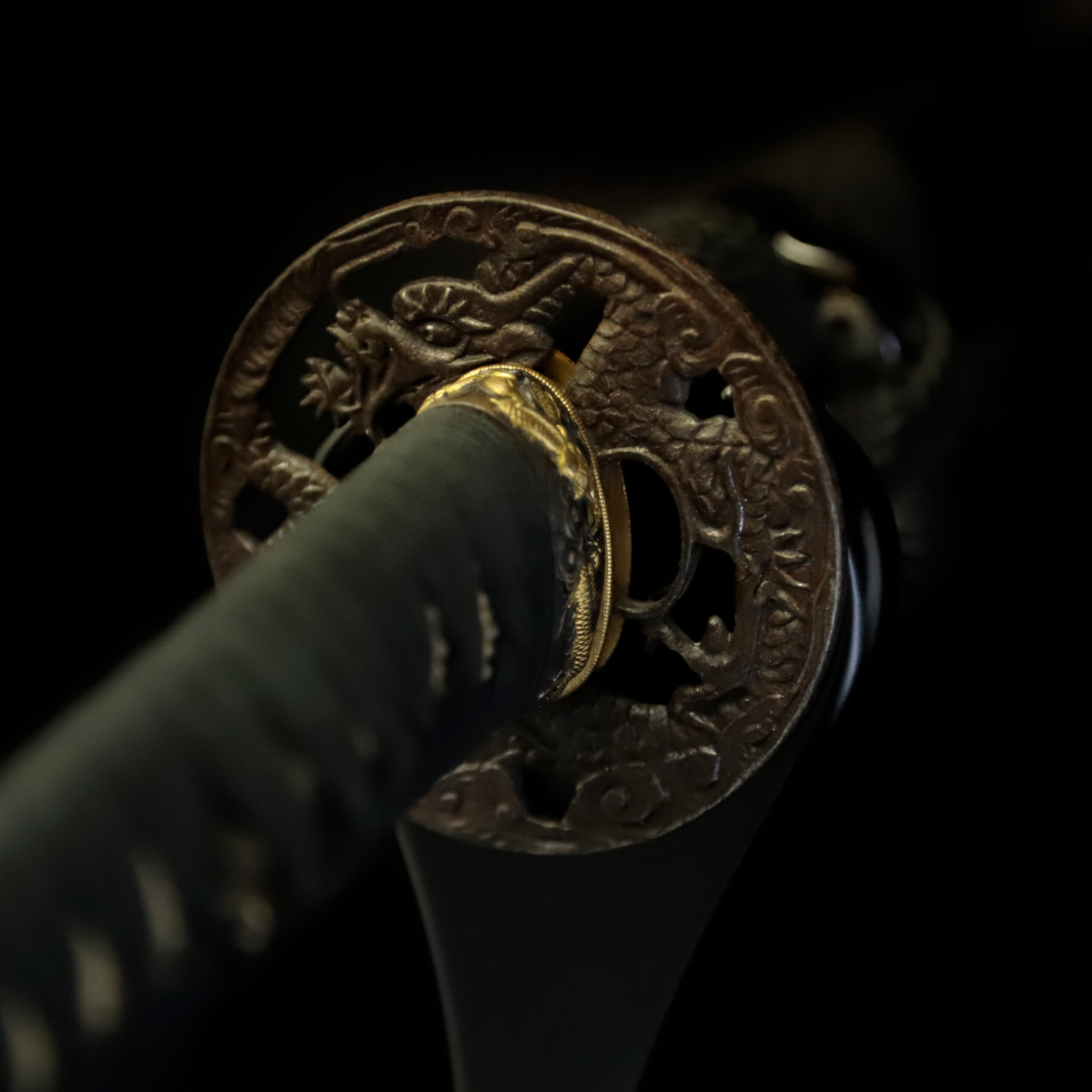
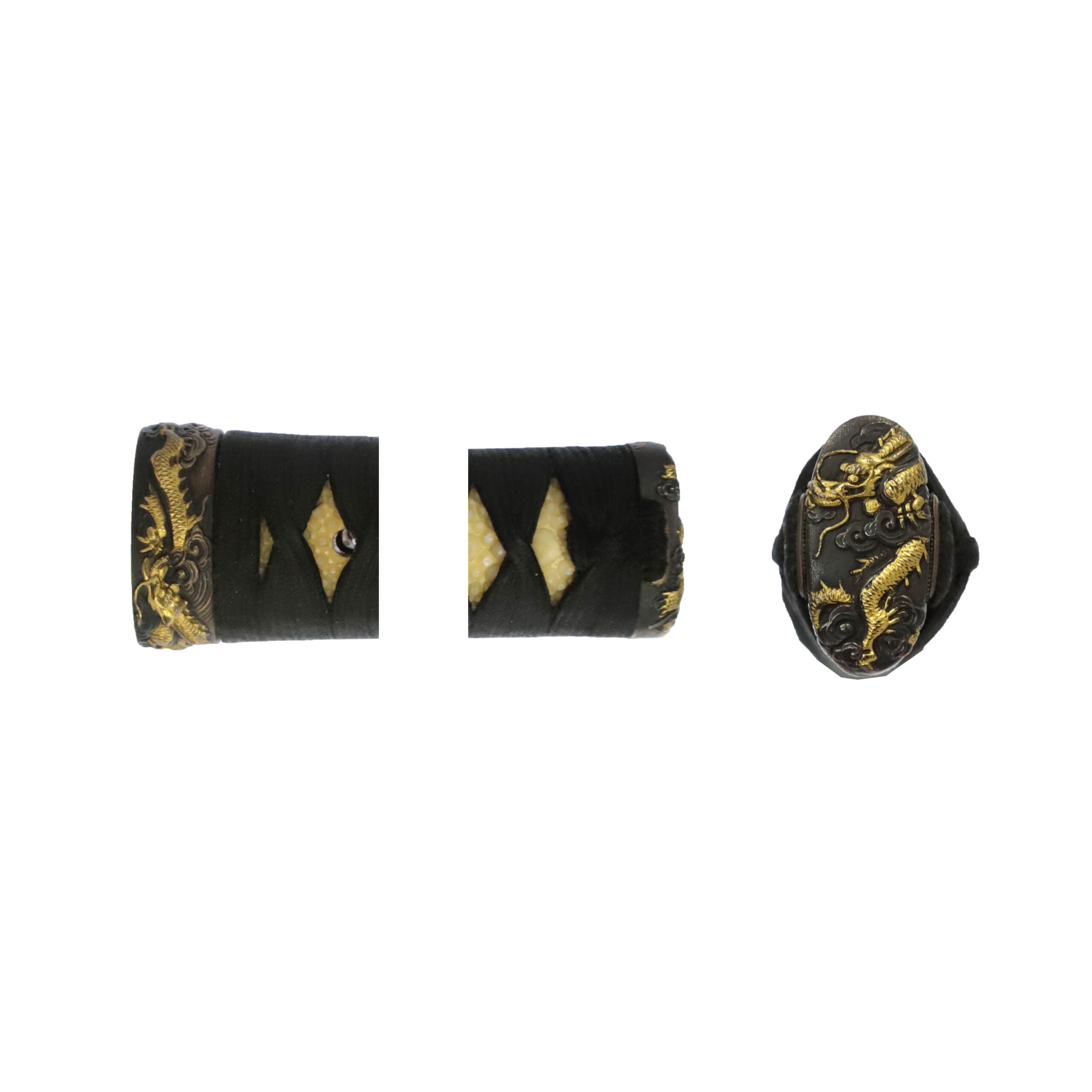
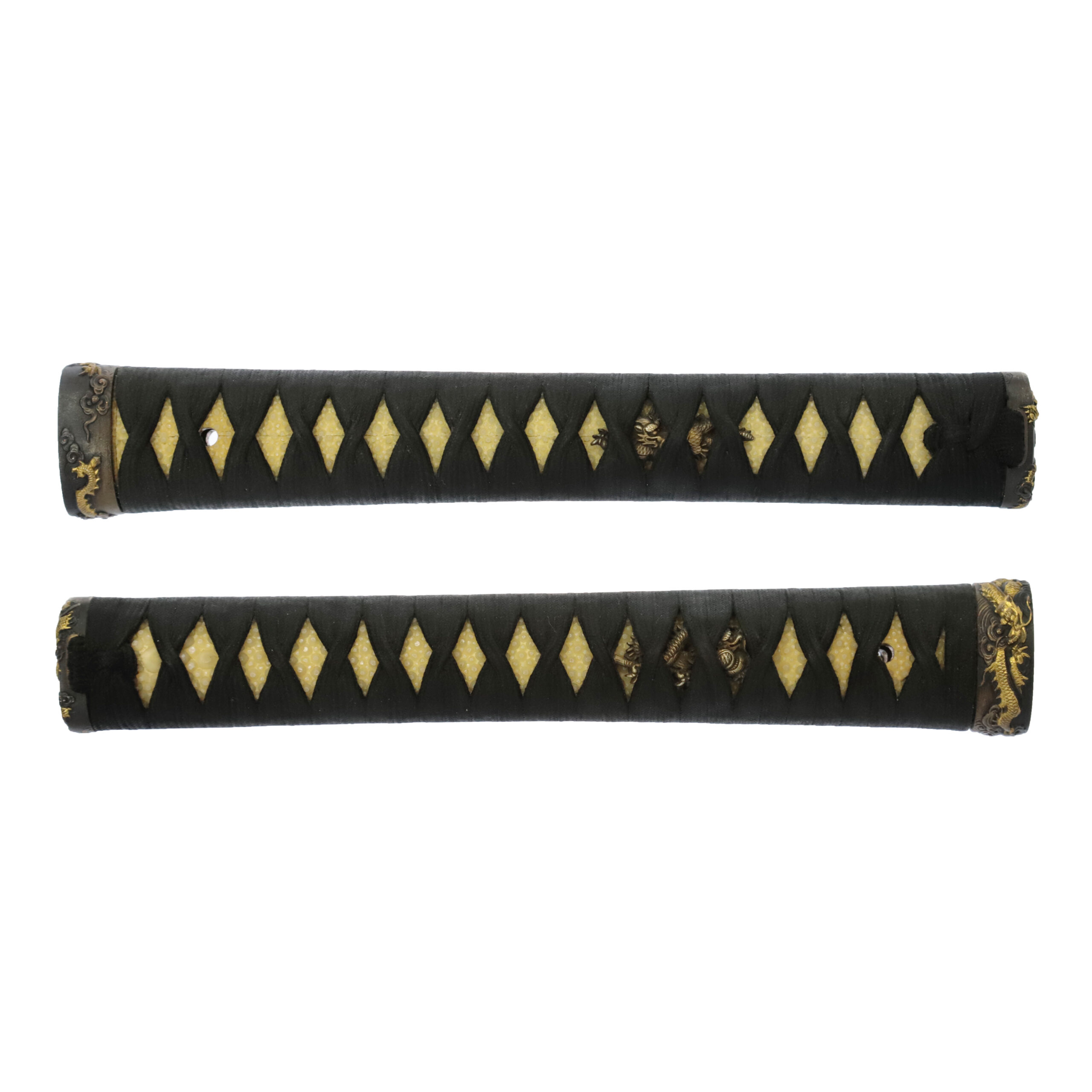
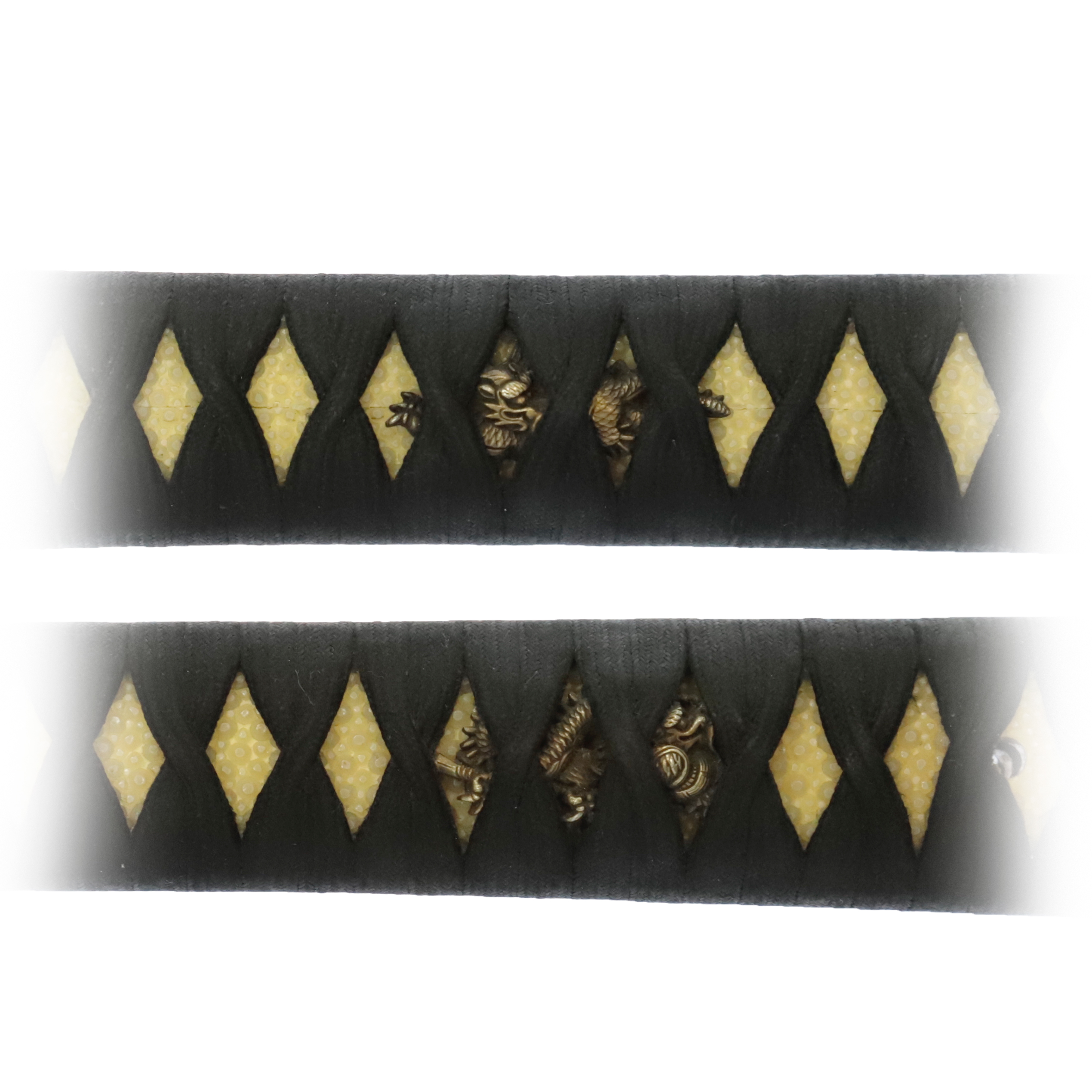
美濃 · 1986-2025頃
現在2点販売中
昭和から現代へ 断絶と再生
二十世紀は二度この工芸を殺しかけた。戦時の歪みと、占領下の禁令である。1948年の日刀保設立と1953年の作刀再開が刀を美術として再建し、人間国宝と無鑑査がその頂に立つ。
販売店の出品ページで鑑定書を確認できませんでした。日本刀および刀装具は通常、NBTHK(または NTHK)の鑑定を受けます。鑑定書がない場合、極めは販売店の見解にとどまり、第三者による確認は行われていません。ご購入前に販売店へ鑑定書の有無をお問い合わせのうえ、慎重にご判断ください。
Returns/exchanges limited to defects caused by shipping (except willful misconduct or gross negligence by the company); customers must contact within 72 hours of receiving the product.
Modern Authentic Japanese Sword Katana Signed by Bugei Jyu Kanekuni 【Description】 This blade was signed by Bugei Jyu Kanekuni (武芸住兼国) in the 11th year of the Heisei era (1999) in Bugei, a town located in Gifu prefecture. He was born in the 14th year of the Taisho era (1925). He started training to become a swordsmith in the 14th year of the Showa era (1939) by enrolling in the school run by Ogawa Kanekuni (小川兼国). He signed Kunitada (国忠) as his first maker’s name. During 1932-1934, he forged blades in Chiba prefecture as a Rikugun Jyumei Tosho(陸軍受命刀匠), which was the title given by the Japanese military to skilled Japanese swordsmiths during Taisho-the early Showa period. To receive this title, a swordsmith forged two swords and submitted them to the governmental agency that produced weapons. After passing the particular and rigorous exam there, the swordsmith would be acknowledged as Rikugun Jyumei Tosho. We assumed he primarily forged swords for the Japanese military before and during World War II. After the end of World War II, Bugei Jyu Kanekuni’s career took a new turn. In 1972, he sought to expand his knowledge and skills by learning old sword-forging techniques from Kaneko Magoroku Kanemoto. This marked the beginning of his independent journey as a swordsmith, as he opened his workshop in Hachiman, a village in Bugei town in Gifu prefecture. Throughout his career, Bugei Jyu Kanekuni’s craftsmanship was widely recognized and celebrated. He was the recipient of numerous awards in the Japanese sword community, a testament to his superb skills and dedication. Today, he is remembered as one of the most distinguished modern Japanese swordsmiths in Gifu prefecture. In 2008, Gifu prefecture designated him as an intangible cultural asset. He was also acknowledged as a *Mukansa swordsmith after receiving another award in the Shinsaku Meito Ten in 2006. He devoted his late career to preserving the precious tradition of Japanese sword-forging and researching old methods to create beautiful Japanese swords. He died at the age of 87 in 2012. This blade was made when he was 74 years old. You can see fantastic craftsmanship from this blade. What is Mukansa swordsmith? It is one of the most honorable titles a modern swordsmith could receive. One with this title could submit his work to the Japanese sword exhibition held by NBTHK(Nihon Bijyutu Touken Hozon Kyokai) without being examined. In contrast, other sword makers must pass a rigorous test to participate in this event. This fact also suggests he was a great swordsmith in modern times. This exhibition is held by NBTHK once a year, and modern swordsmiths compete for their craftsmanship there. There have only been 39 Mukansa swordsmiths since the exhibition started in 1955. About Modern Swordsmith There are around 150-200 swordsmiths in Japan today. To legally produce Japanese swords, one needs to pass the national exam given by the Agency for Cultural Affairs(Bunka-Cho) and receive the license. Before taking the exam, one must finish his or her apprenticeship under a licensed master for more than five years. Those who practice Iaido(居合道) tend to use those modern swords, and there are modern Japanese sword collectors nationwide. Modern Japanese sword makers are researching old ways to forge swords and trying to recreate ancient-style swords. They are the ones who keep the tradition of Japanese history alive. 【Blade】 Cutting Edge Length (Nagasa) : 73.0 cm (28.7 inches) Curvature (Sori) : 1.8 cm (0.71 inches) Hamon : The crystalline structure which forms along the cutting edge of a blade as a result of the hardening process. Jimon(Jihada) : visible steel surface pattern created by folding and hammering during forging process Kissaki : Kissaki is the tip of the Japanese sword. Nakago : Nakago is the tang of the Japanese sword. Japanese swordsmiths left the black rust on the tang because it prevents red rust while the tang is in its handle. And the discoloration of the tang was created over ti
NihontoWatch在銘 · 平成 · 長さ 73cm · 反り 1.8cm
美濃 · 1986-2025頃
現在2点販売中
昭和から現代へ 断絶と再生
二十世紀は二度この工芸を殺しかけた。戦時の歪みと、占領下の禁令である。1948年の日刀保設立と1953年の作刀再開が刀を美術として再建し、人間国宝と無鑑査がその頂に立つ。
販売店の出品ページで鑑定書を確認できませんでした。日本刀および刀装具は通常、NBTHK(または NTHK)の鑑定を受けます。鑑定書がない場合、極めは販売店の見解にとどまり、第三者による確認は行われていません。ご購入前に販売店へ鑑定書の有無をお問い合わせのうえ、慎重にご判断ください。
Returns/exchanges limited to defects caused by shipping (except willful misconduct or gross negligence by the company); customers must contact within 72 hours of receiving the product.


