江戸は刀の目利きの時代である。本阿弥の鑑定、1719年の享保名物帳、盛んな刀剣書が、戦で抜かれることのなくなった刀を学問の対象へと変えていった。
 NihontoWatchNihontoWatch
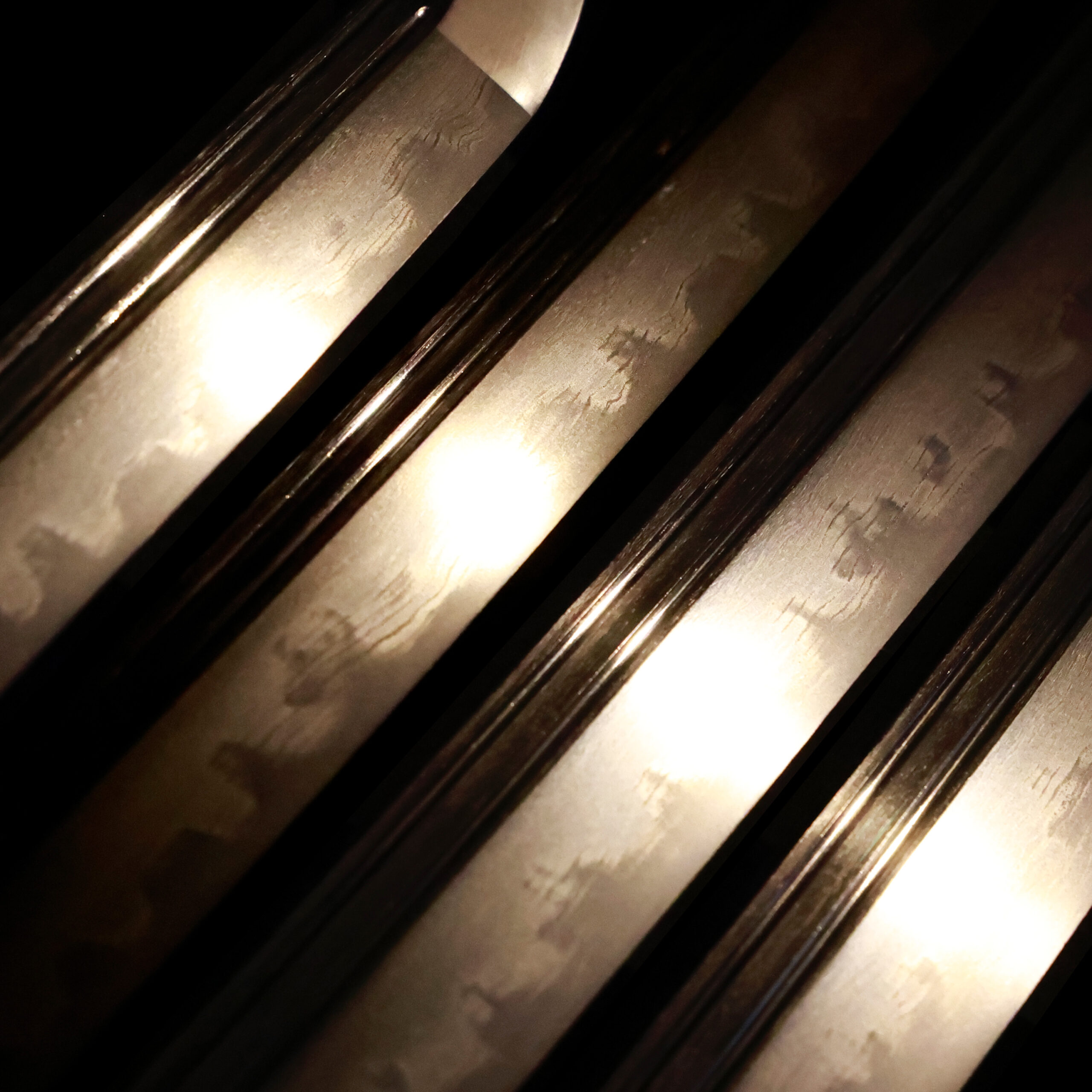
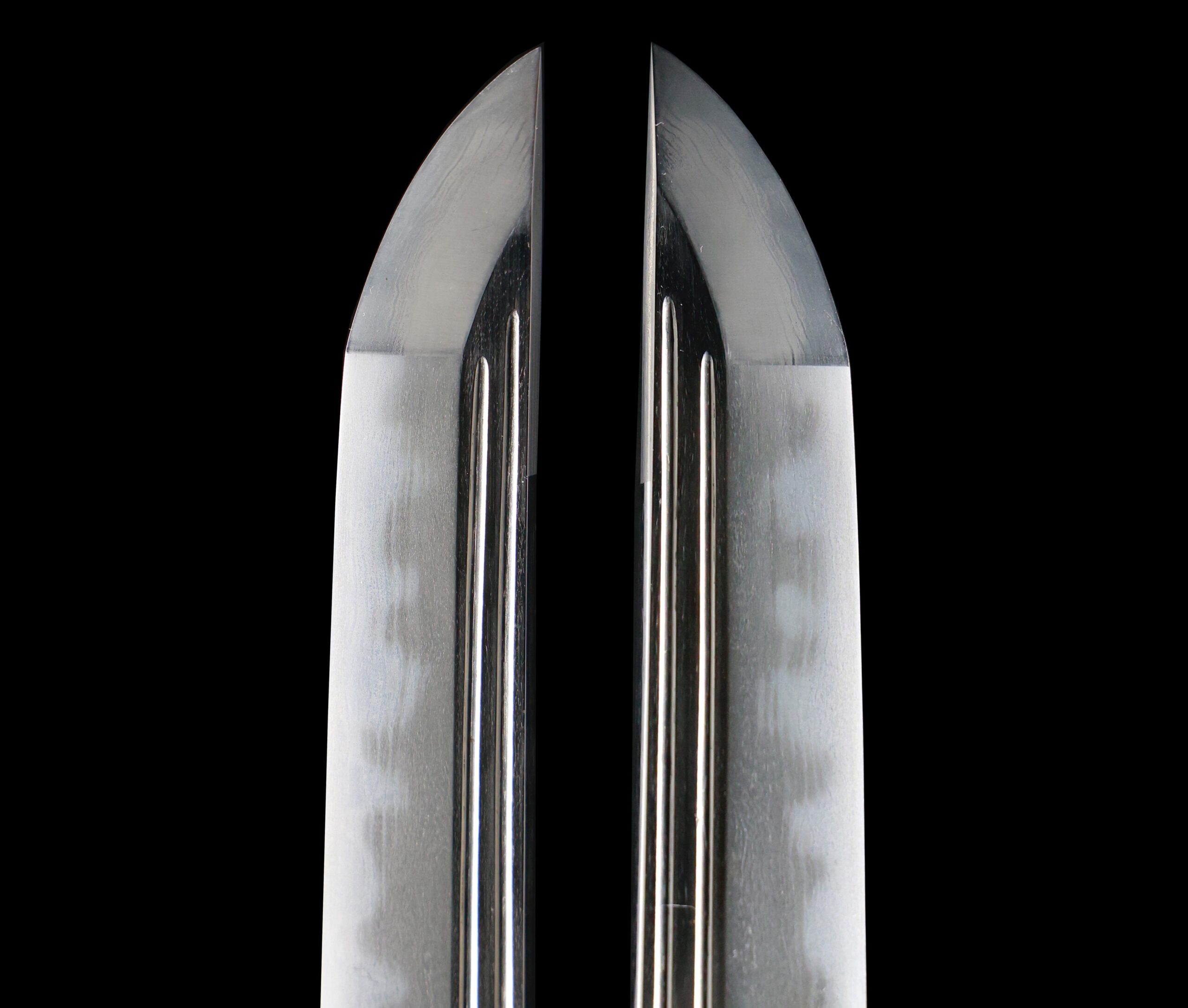
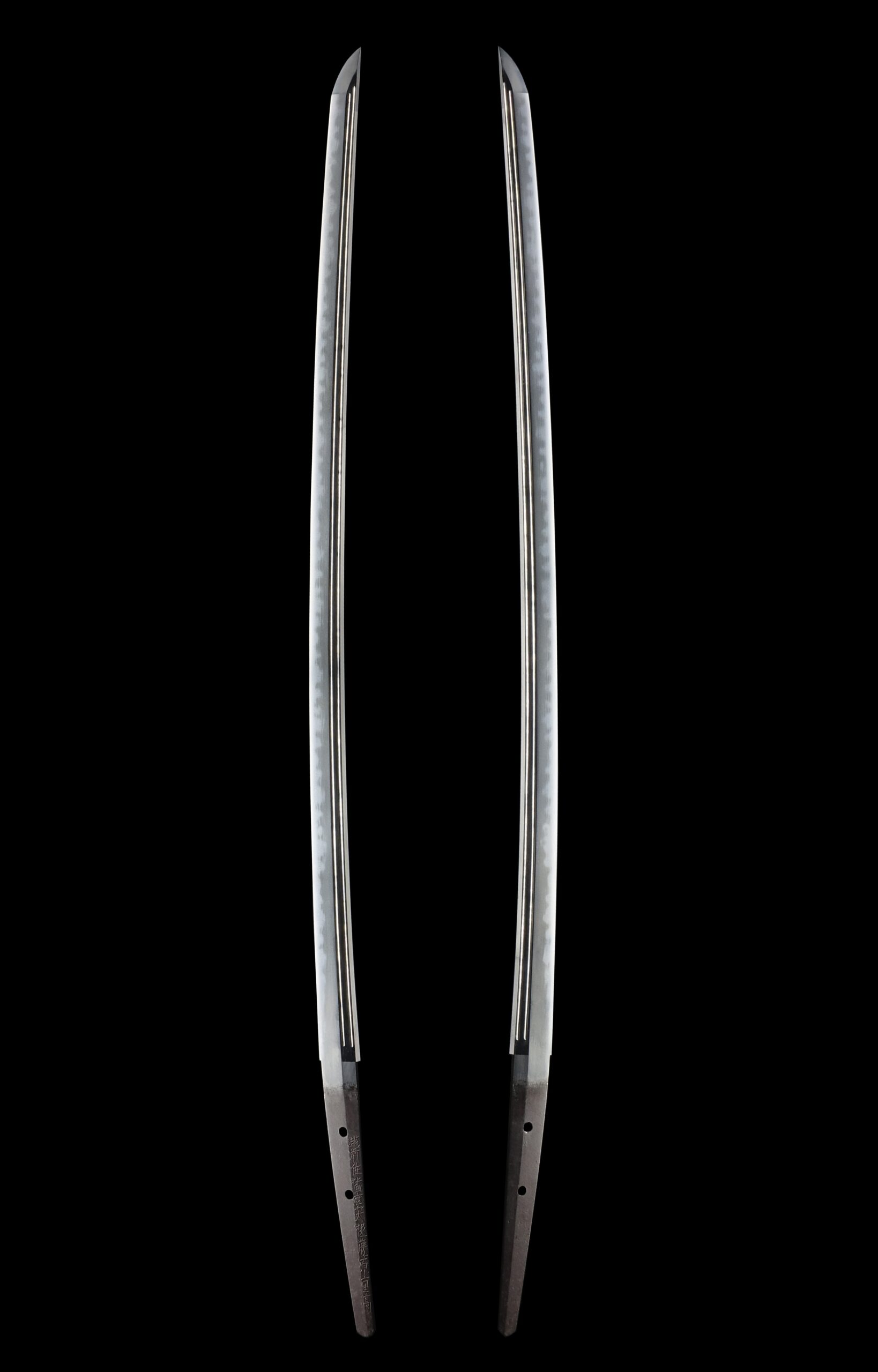
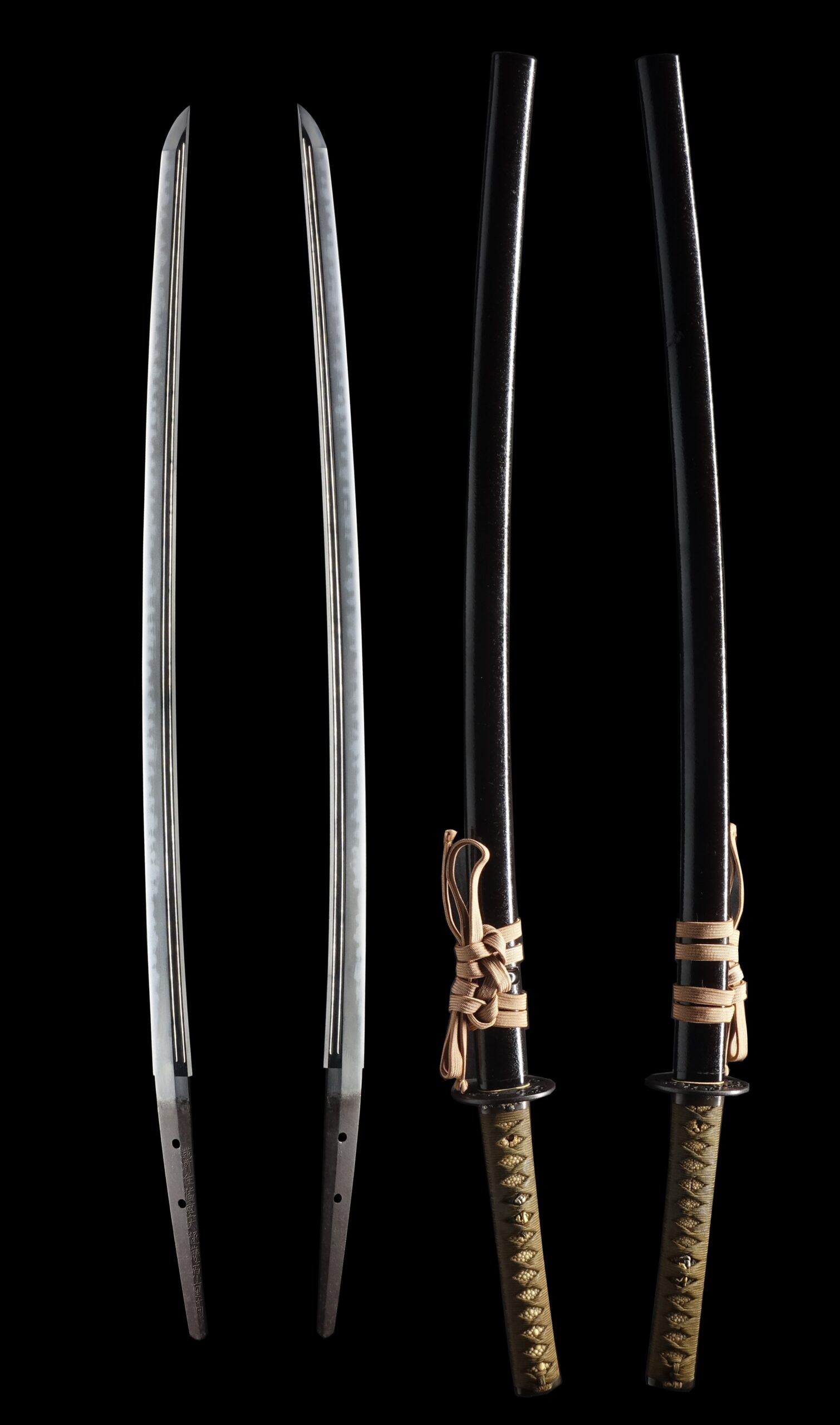
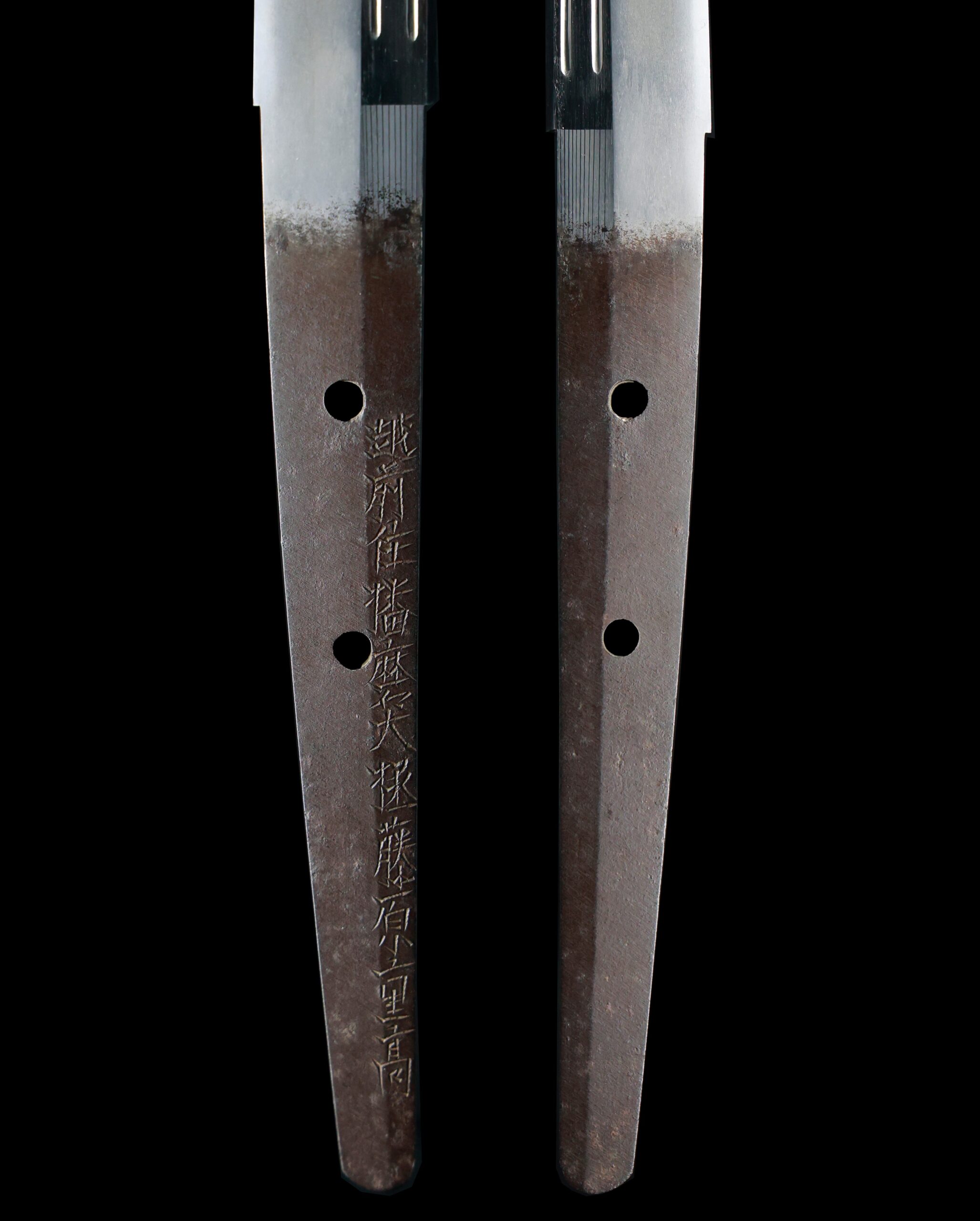
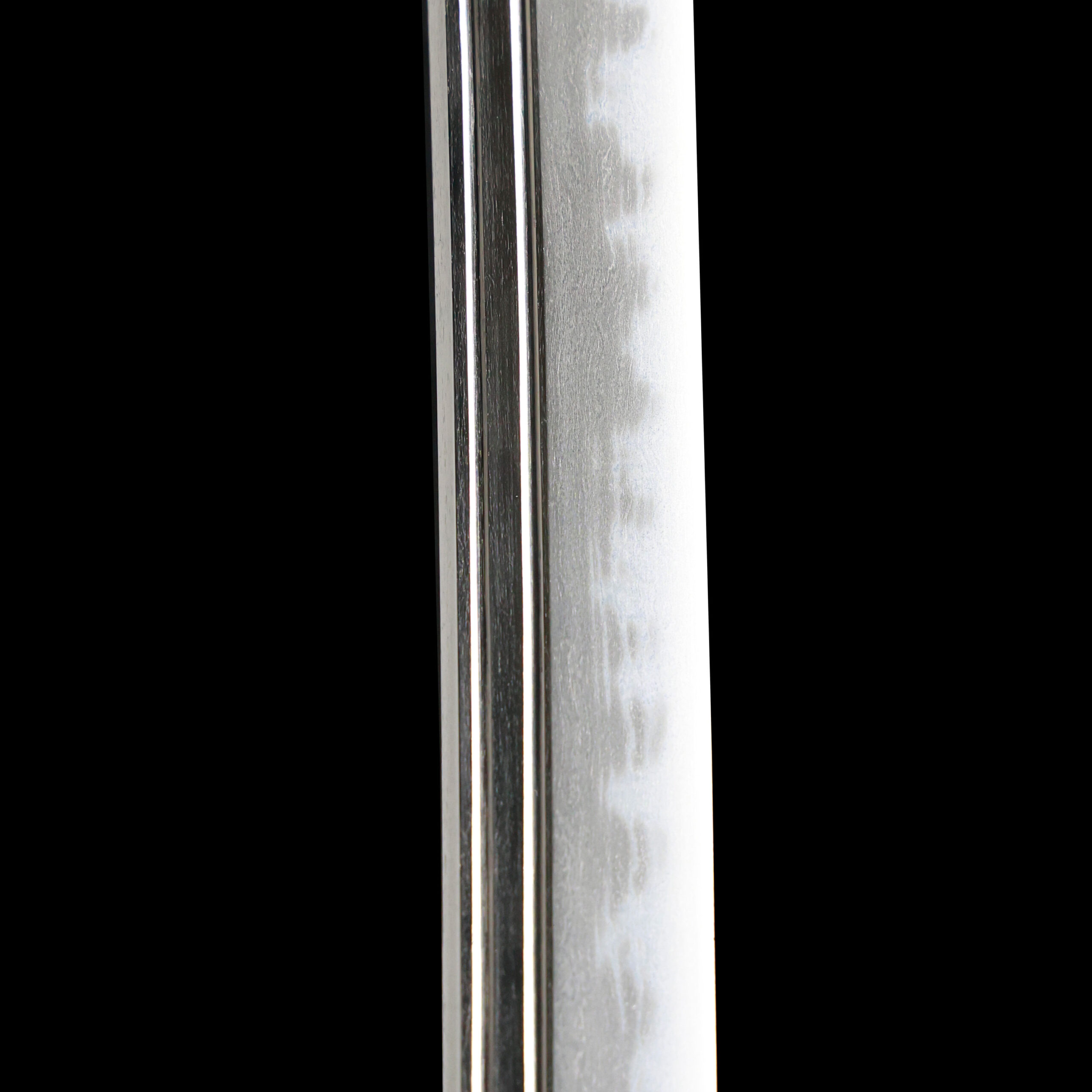
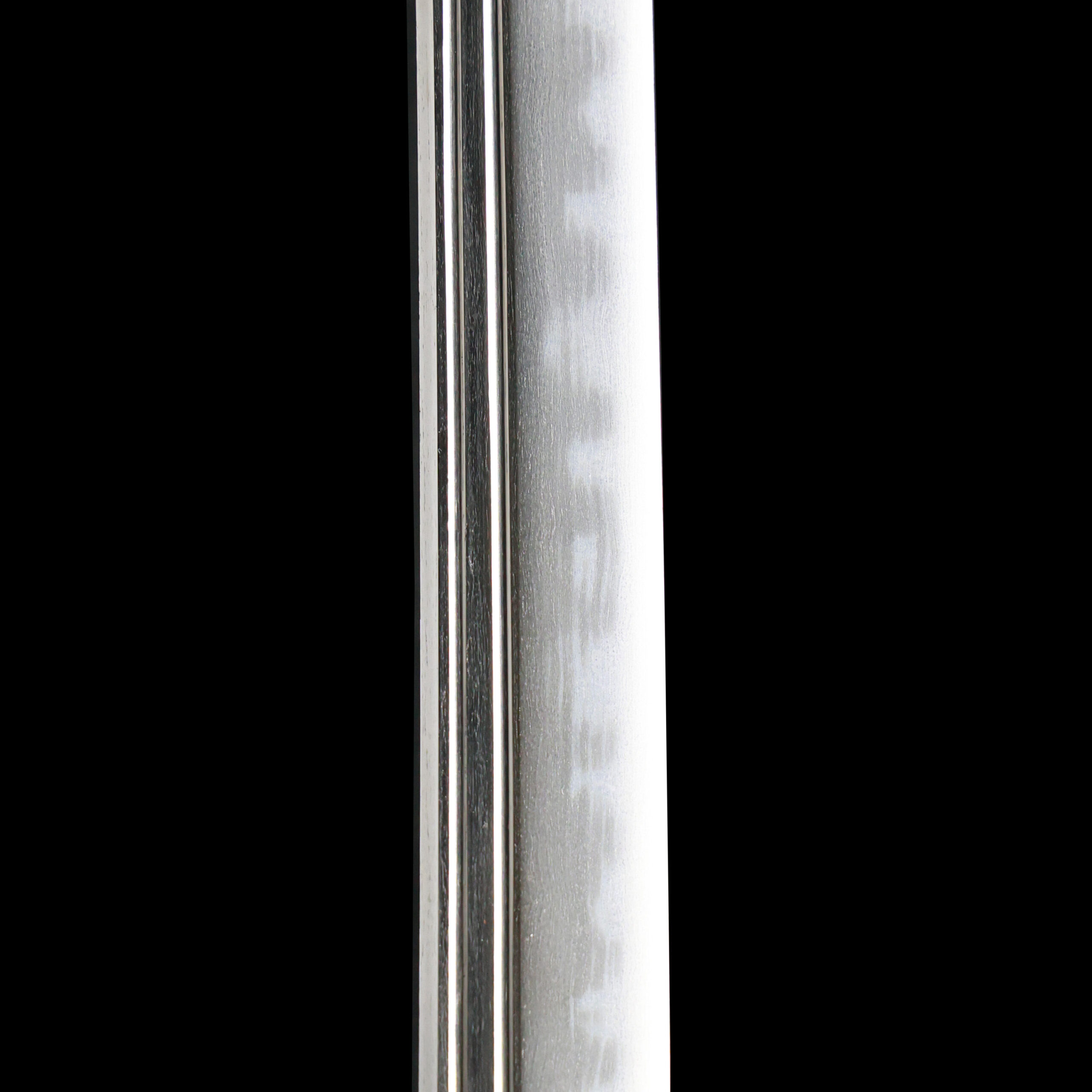
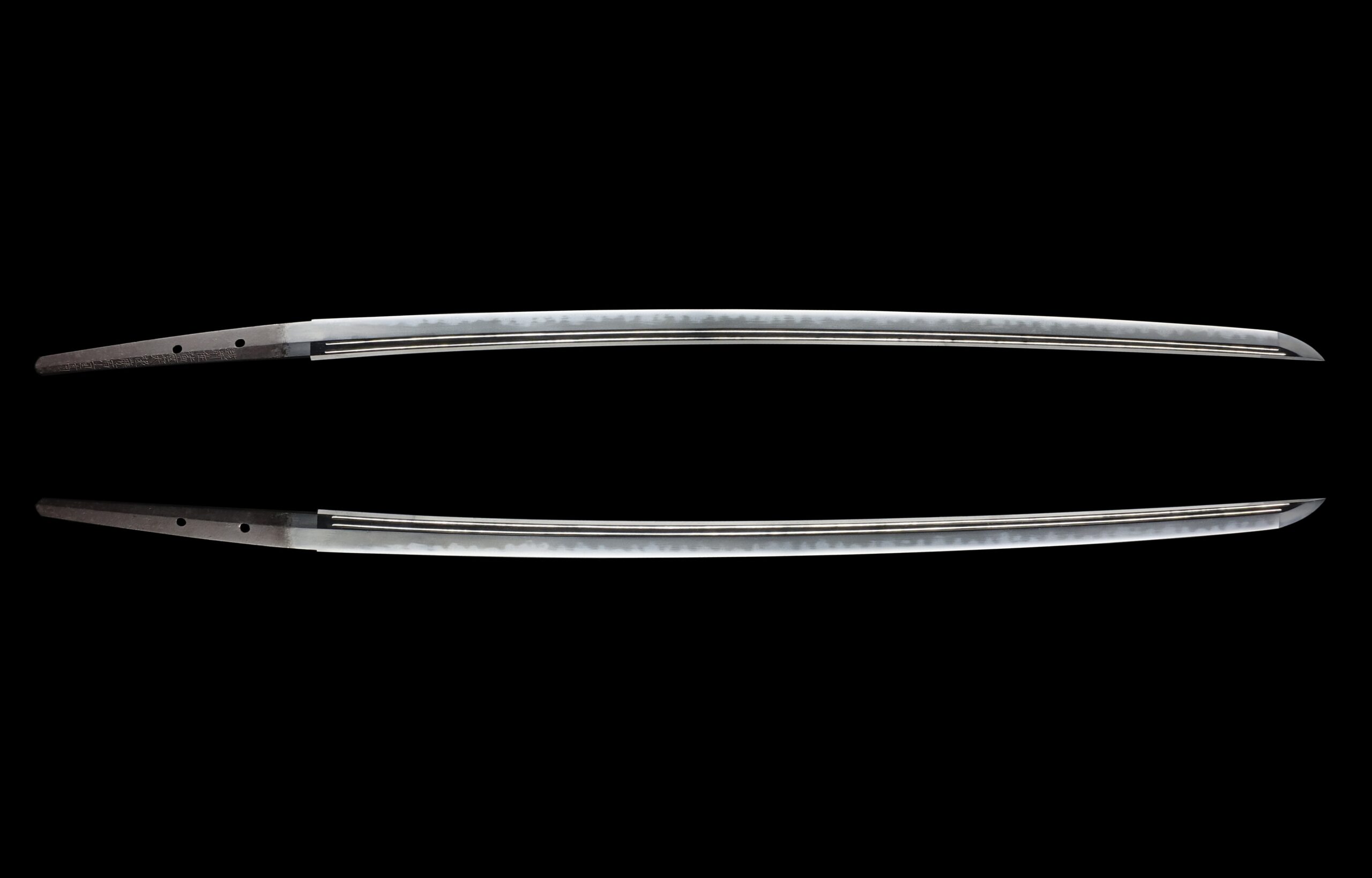
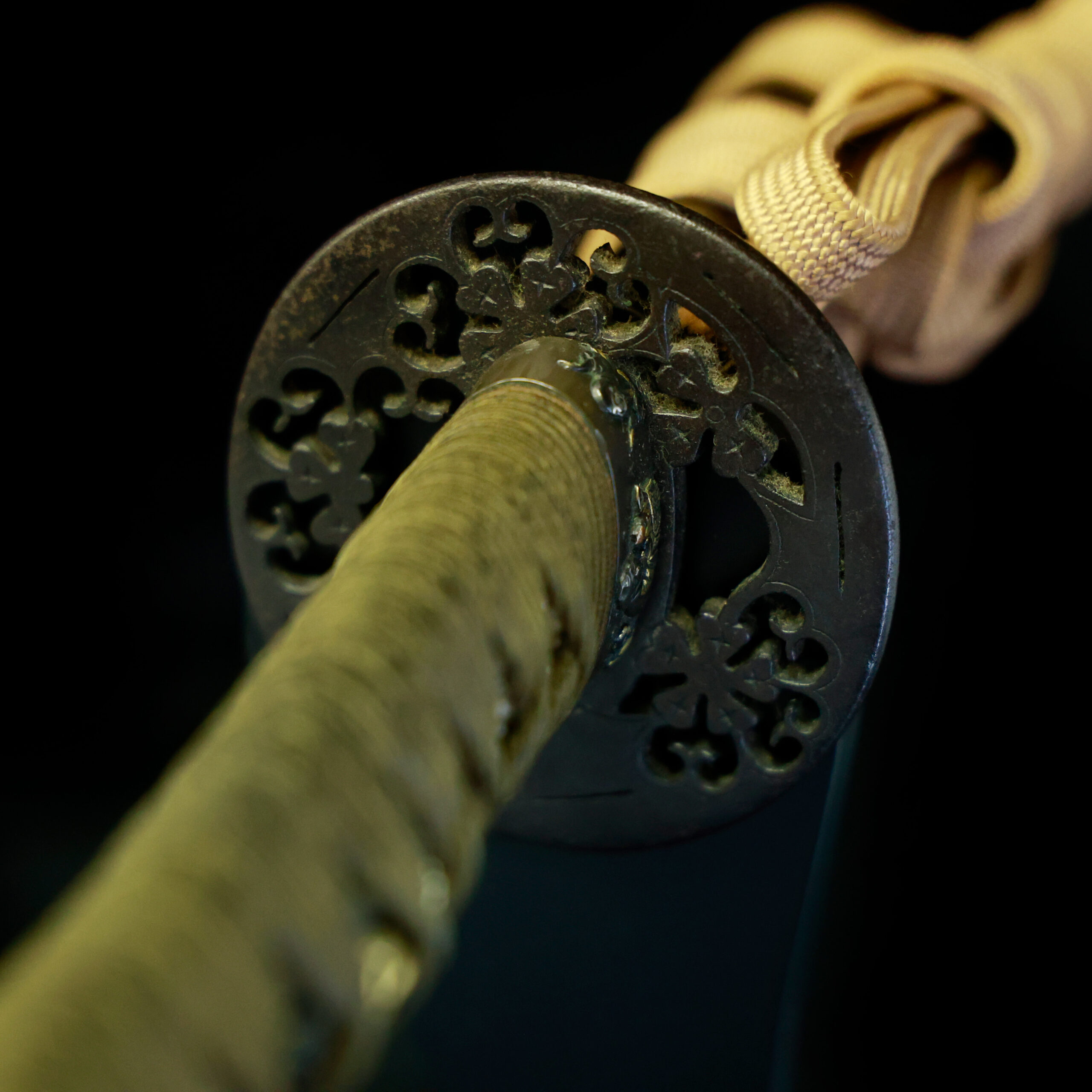
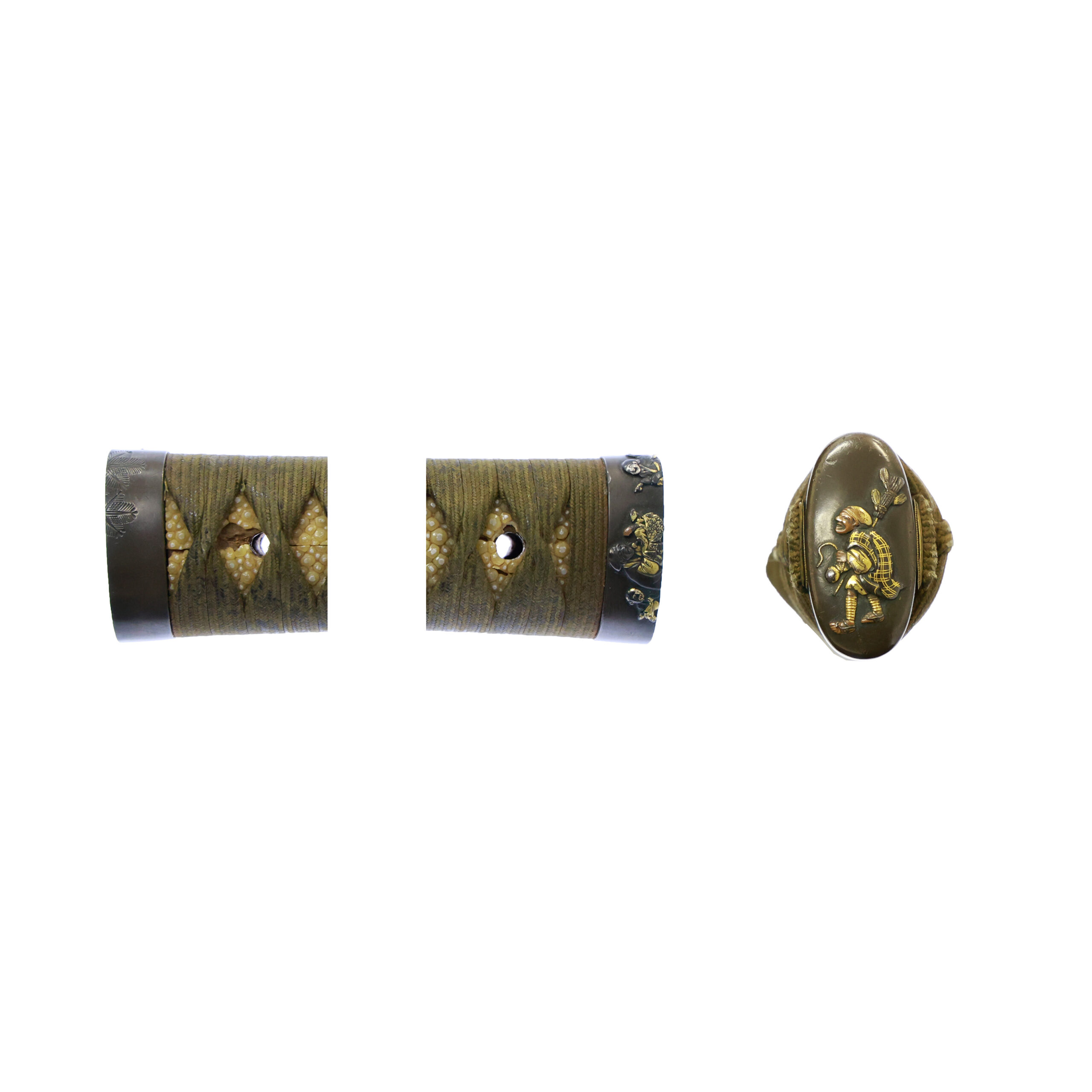
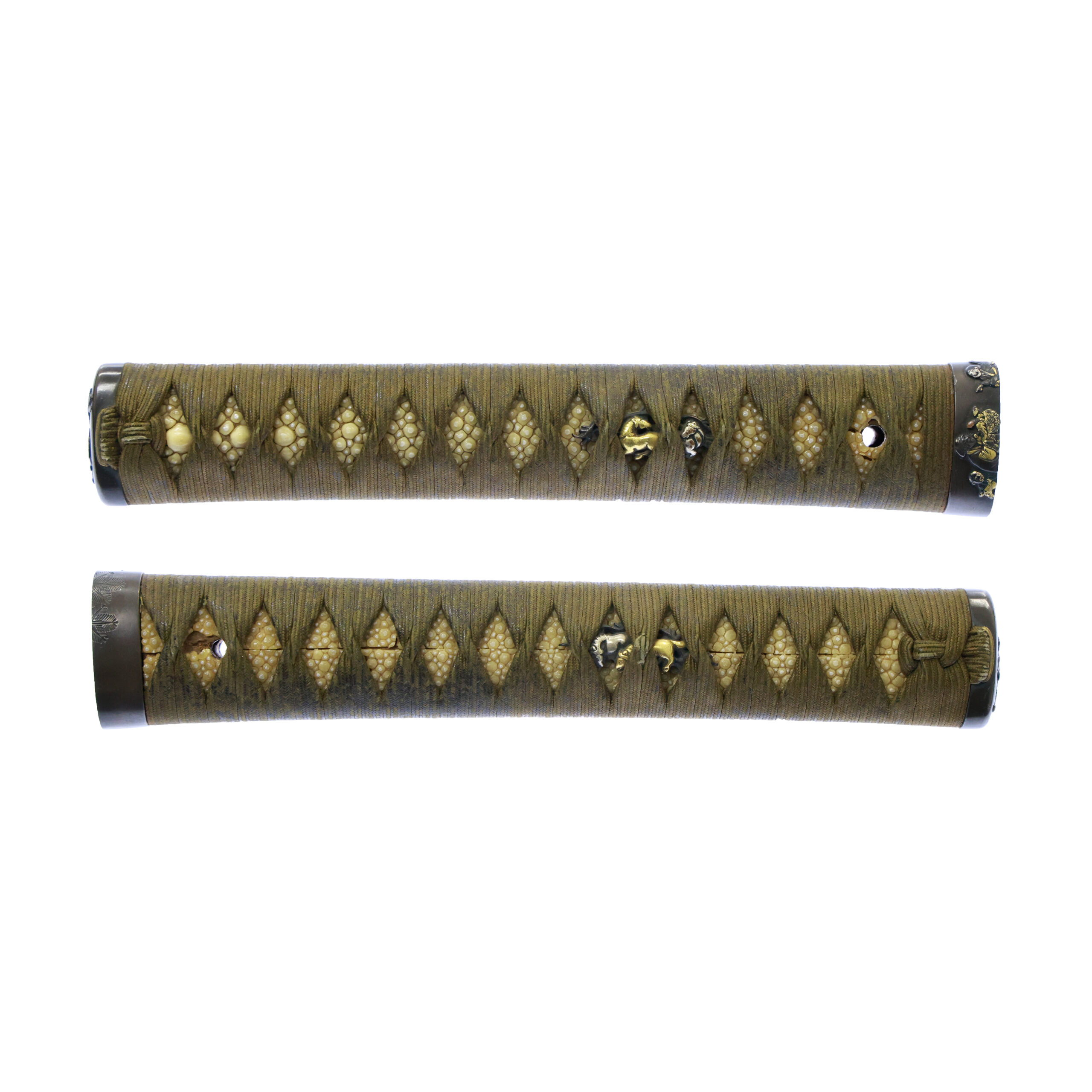
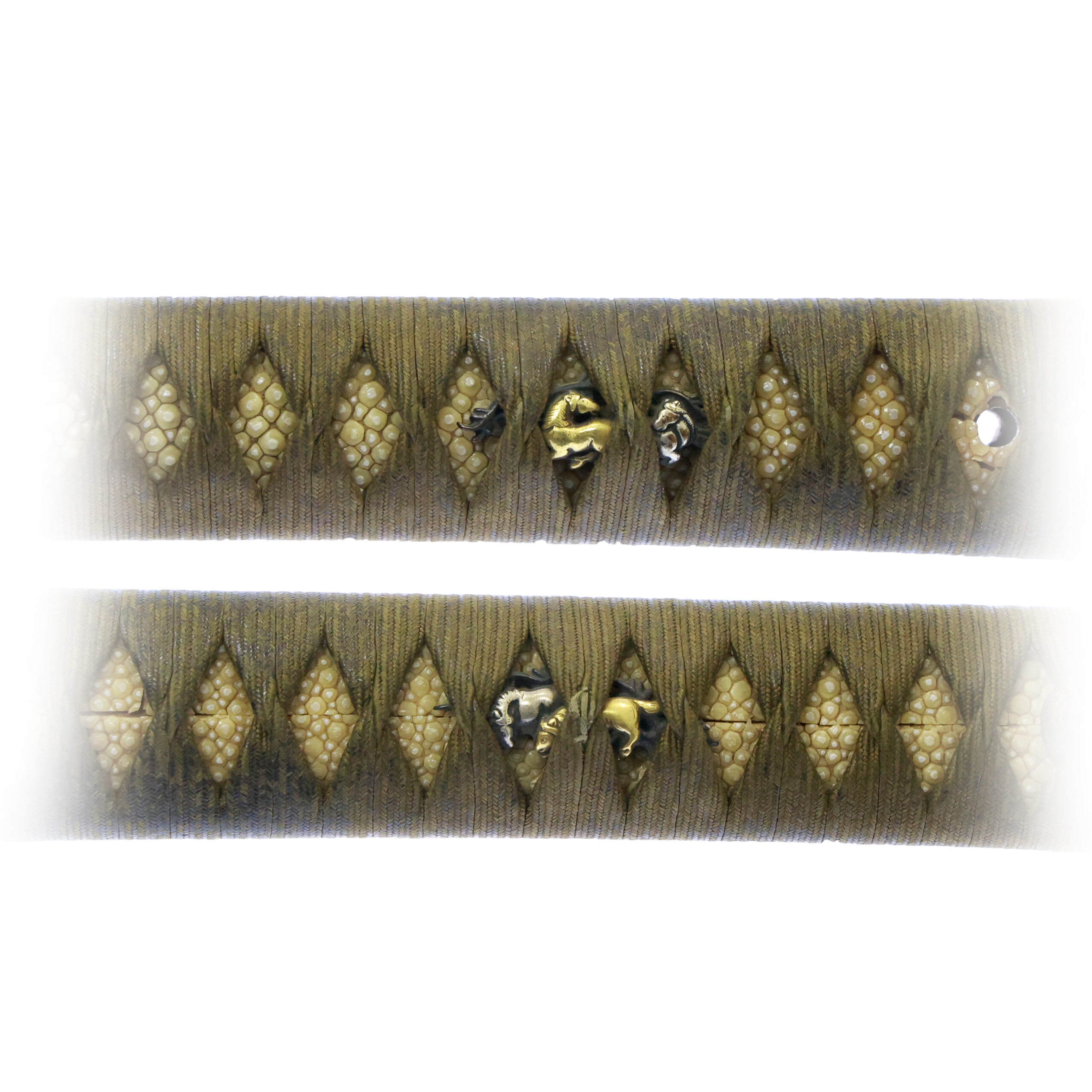
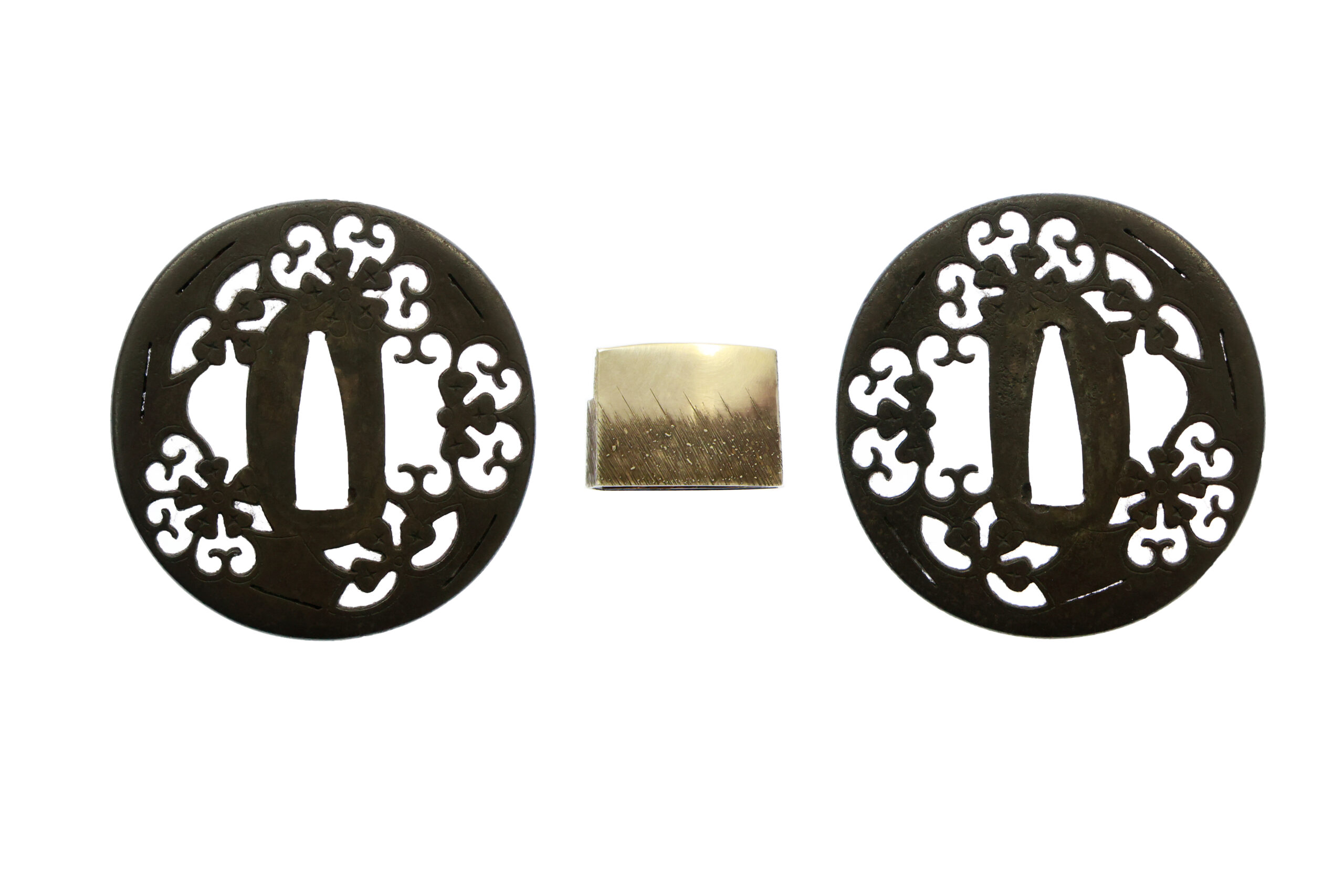
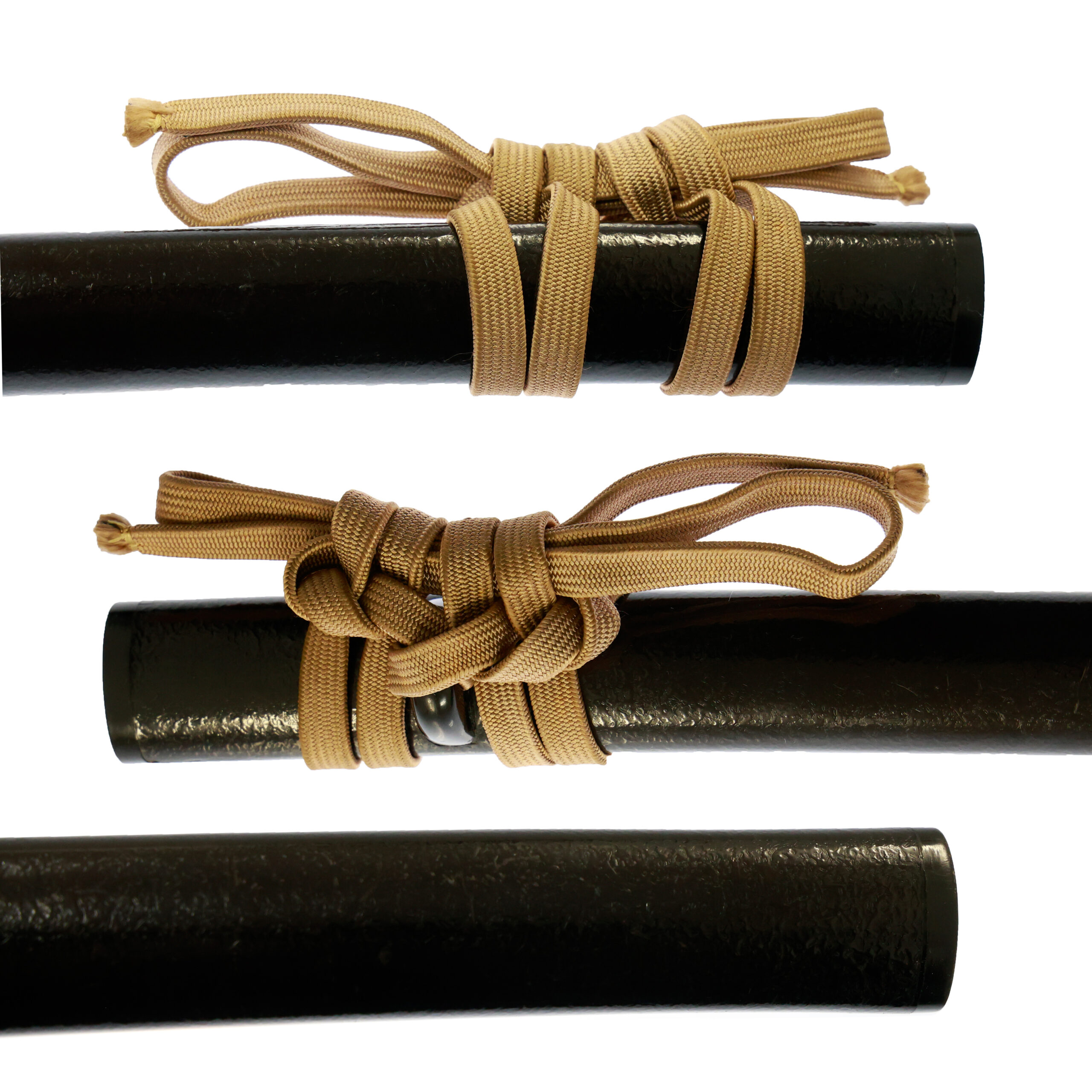
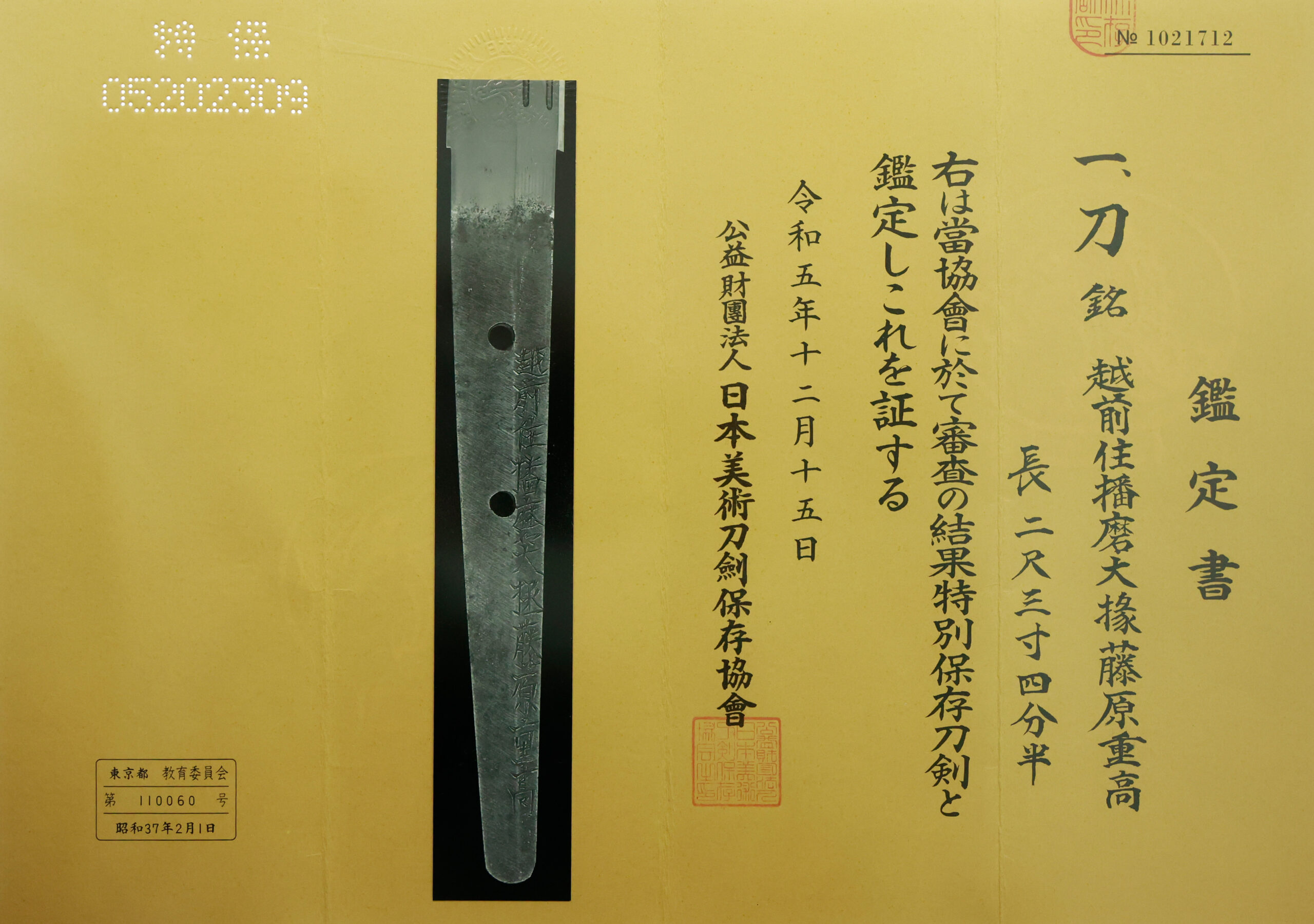
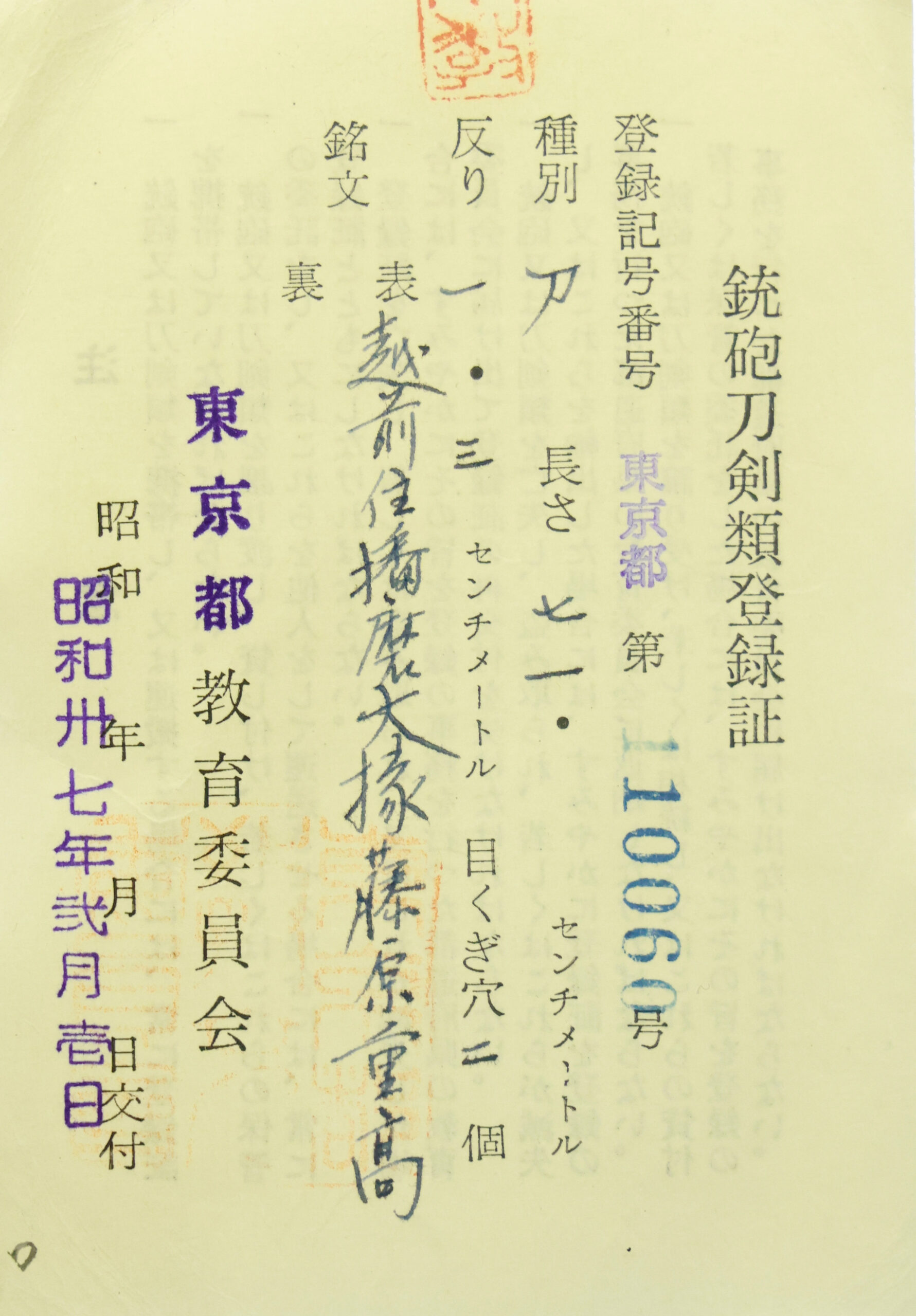
This blade was signed by Echizen Jyu Harima Daijyo Shigetaka(越前住播磨大掾重高). Echizen Jyu means living in Echizen province (Today’s Fukui prefecture), and Harima Daijyo is an honorable official title he received from the imperial court for his excellent craftsmanship. It was often the case that a swordsmith signed his signature with where he lived and a title he held. The maker’s name, Shigetaka, which lasted 11th generations until the end of the Edo period (Late 19th century), is one of the most renowned swordsmiths in Echizen province. From the first to the third generations, Shigetaka received the Harima Daijyo title. Considering this fact, this blade was made by one of the Shigetaka (1st-3rd generation). The first-gen Shigetaka was active during 1600-1624, the second-gen was active during 1624-1661, and the third-gen was during 1661-1681. It is said that the second-gen and third-gen were as skilled as the first-gen. The first-gen Shigetaka was born in the Shinshu area (today’s Nagano prefecture) and moved to Mino province (Today’s Gifu prefecture) to become an apprentice of Kanenori(兼則), one of the most renowned sword makers in the region. Mino province was also one of Japanese history’s most prominent sword-forging sites. During the late Muromachi period (the end of the 16th century), Shigetaka and the master Kaenenori moved to Echizen province. Since then, the generations of Shigetaka resided in this province, forging high-quality blades for the Matsudaira clan, who controlled this area. Echizen Province was prosperous during the Edo period, being ruled by the Echizen Matsudaira clan, a direct retainer of Tokugawa clan who ruled the Edo government. Many skilled swordsmiths from different regions moved to Echizen because of the high demand among the Samurai. Many renowned swordsmiths, such as the first-gen Shigetaka, were originally from the Mino province(Gifu prefecture). They are called Echizen Seki swordsmiths. It is appraised as a Tokubetsu Hozon Token(特別保存刀剣) issued by NBTHK(Nihon Bijutsu Touken Hozon Kyokai:日本美術刀剣保存協会). Fuchi-Kashira The Fuchi-Kashira depicts an elderly man with a cheerful expression. He is wearing a hood resembling the one traditionally associated with Daikokuten (大黒天), one of the Seven Lucky Gods (七福神, shichifukujin). This type of hood, round and low with bulging sides, was commonly used by monks and elderly people during Edo period. In Japanese culture, there is a custom to celebrate Kanreki (還暦), the 60th birthday, which marks a significant milestone as the zodiac cycle (干支) returns to the sign of one’s birth year. During this celebration, the honoree often wears a red vest called a chan-chanko (ちゃんちゃんこ). This tradition originates from the belief in red as a color that wards off evil spirits, stemming from a time when infant mortality was high. Newborns were dressed in red garments as a talisman to protect them and ensure their healthy growth. The practice of gifting a red chan-chanko for Kanreki symbolizes a “return to childhood” and serves as a blessing for continued health and longevity. This design, combining the cheerful elder and the cultural connection to Kanreki, reflects a deep appreciation for tradition and the celebration of life’s milestones in Japanese culture. Tsuka and Menuki The Menuki features two horses, one depicted in gold and the other in silver, symbolizing balance and elegance. In Japanese culture, horses hold significant historical and cultural importance. During the Edo period, horses were not only valued for their practical use in agriculture and transportation but also deeply revered for their association with divinity and good fortune. Horses were often considered sacred animals, believed to serve as messengers for the gods. They were prominently featured in Shinto rituals, and offerings called ema—wooden plaques with images of horses—were made at shrines to convey prayers and wishes for prosperity, health, and success. The term “ema” translates to “picture horse,” reflecting the historical practice of donating live horses to shrines as a gesture of devotion, which later evolved into the use of symbolic wooden plaques. In addition to their religious significance, horses were seen as symbols of vitality, strength, and speed. They were also considered a harbinger of good fortune and progress, as their ability to travel swiftly symbolized overcoming obstacles and moving forward in life. Tsuba and Habaki The Tsuba features a design of cherry blossoms (桜) crafted using the sukashi (透かし) technique, a traditional openwork method that creates intricate patterns by cutting through the material. Cherry blossoms hold a deeply significant place in Japanese culture, symbolizing the fleeting beauty of life, renewal, and the arrival of spring. In Japan, cherry blossoms are celebrated during hanami (花見), or flower-viewing festivals, where people gather under blooming cherry trees to appreciate their beauty and reflect on the impermanence of life, a concept known as mono no aware (物の哀れ). This cultural appreciation stems from the blossoms’ brief blooming period, which serves as a poignant reminder of life’s transient nature and the importance of cherishing each moment. The cherry blossom is also associated with renewal and hope, as its bloom coincides with the start of the new school and fiscal year in Japan. It has long been a symbol of optimism and fresh beginnings. Saya Raden technique is partially applied on this Saya. The Raden is a decorative technique that is often used for traditional craftwork. It uses the pearl part of seashells and puts it into the engraved surface of lacquer or wood. Thanks to its iridescent luster, it gives a luxurious look to works. Authentication Paper They authenticated the blade on Dec 15th in the 5th year of Reiwa (2023). They appraised it as Tokubetsu Hozon Touken, the blade especially worth preserving for Japanese society.

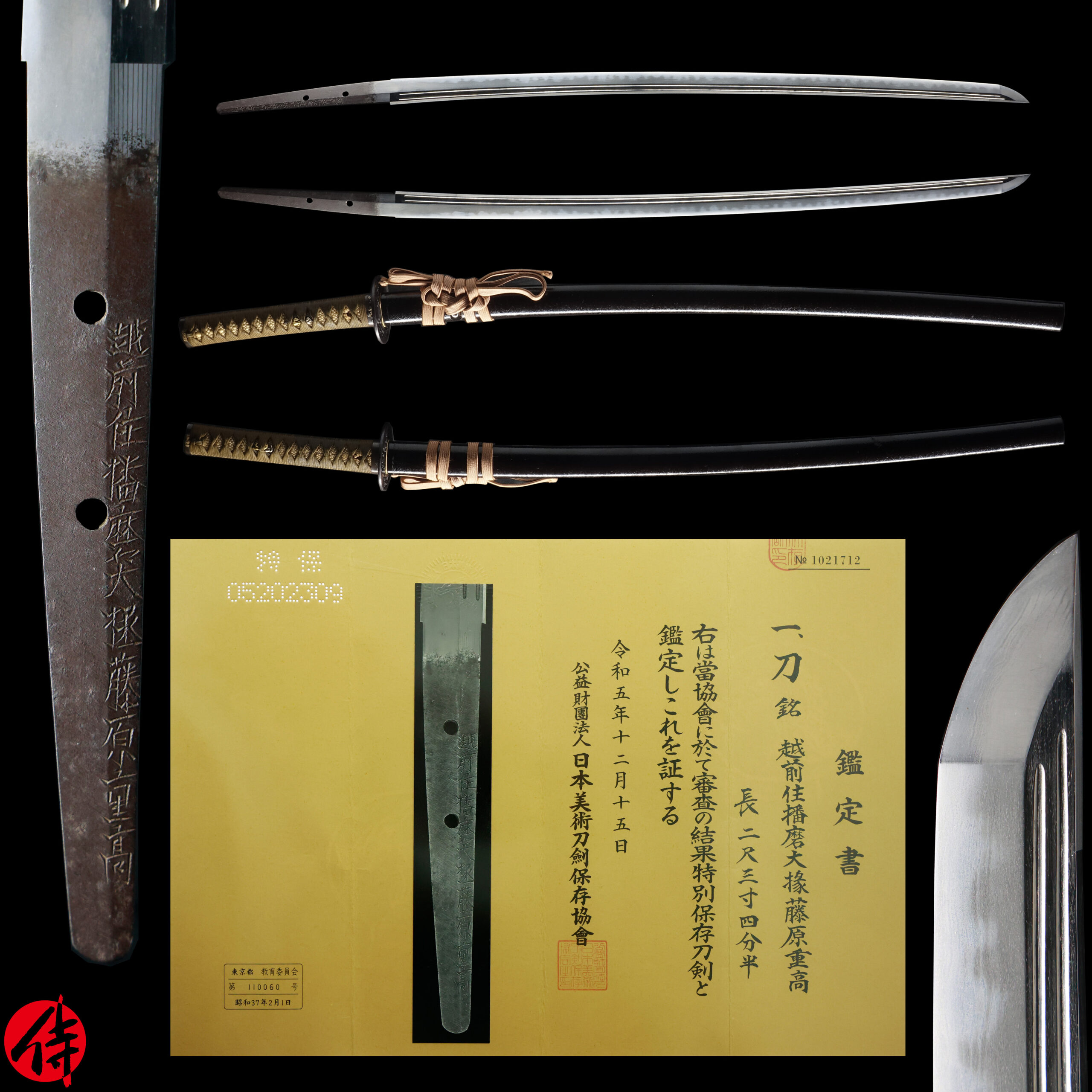
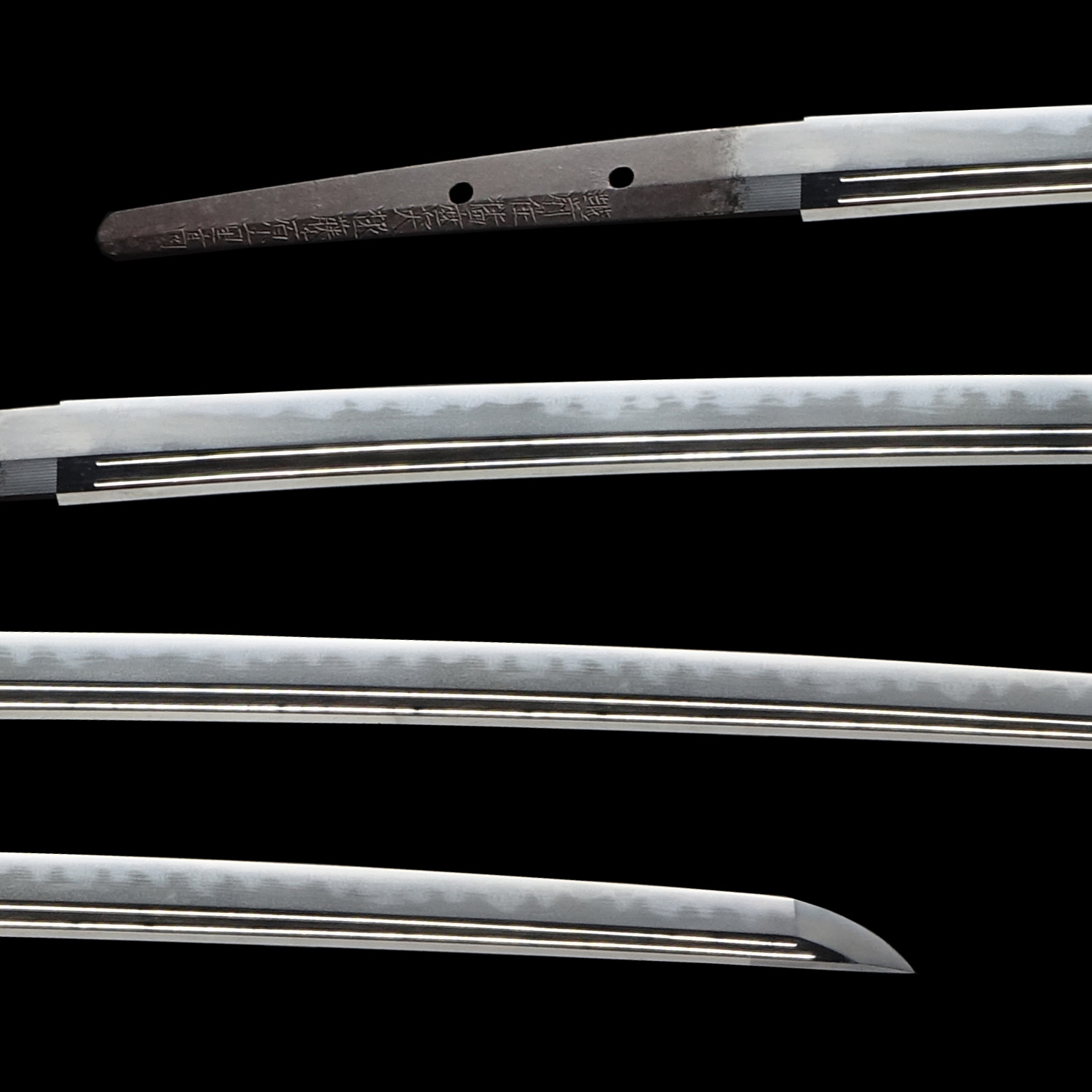
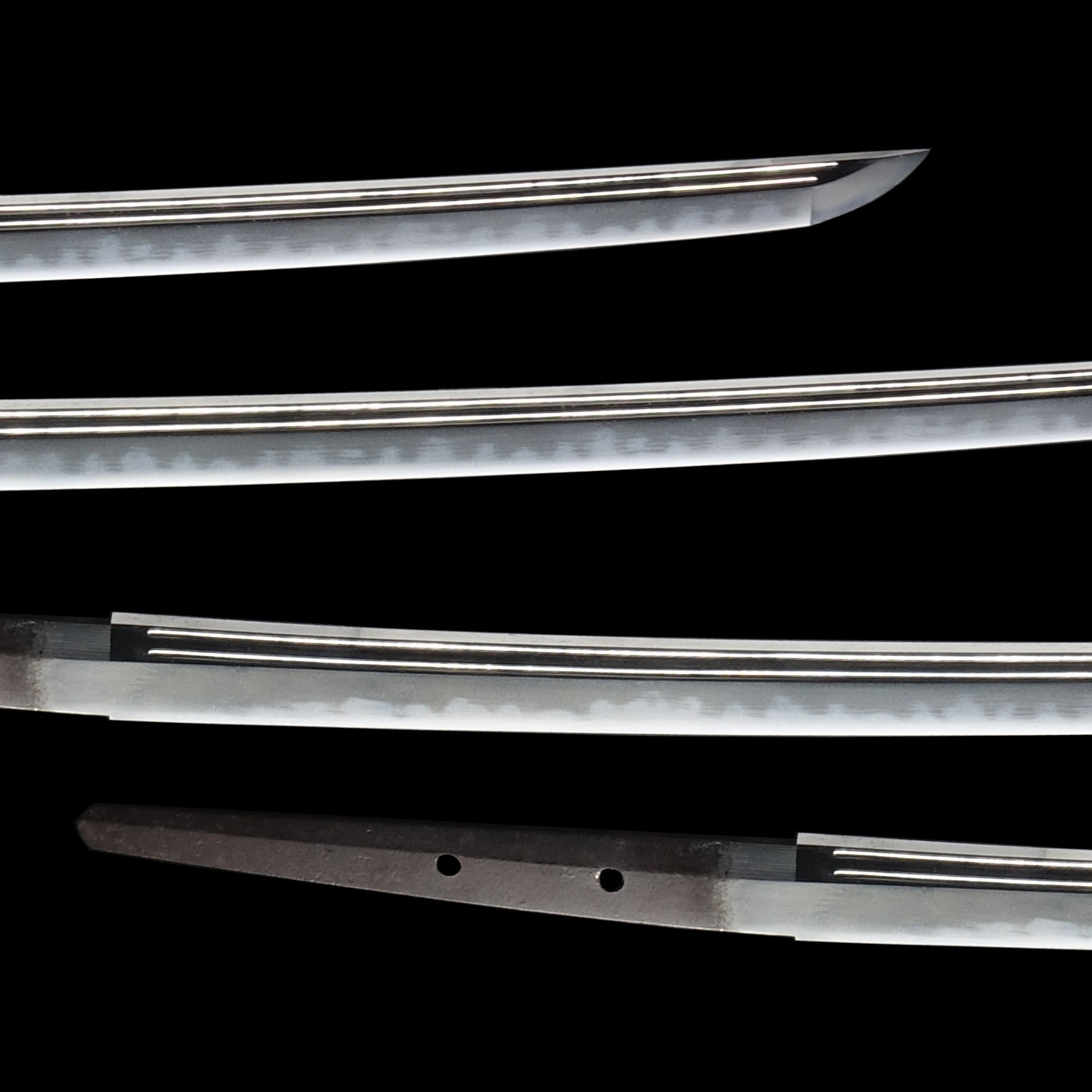
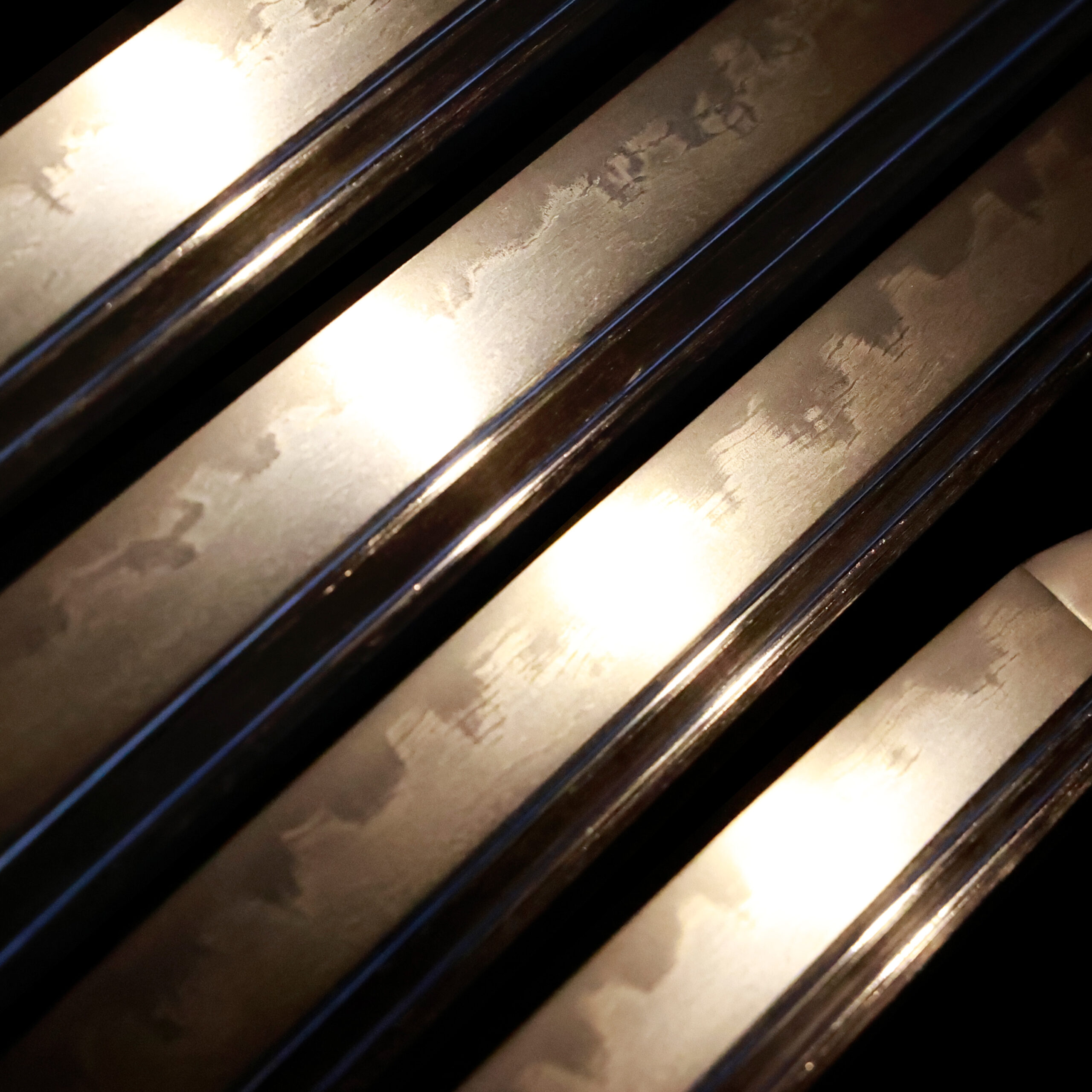
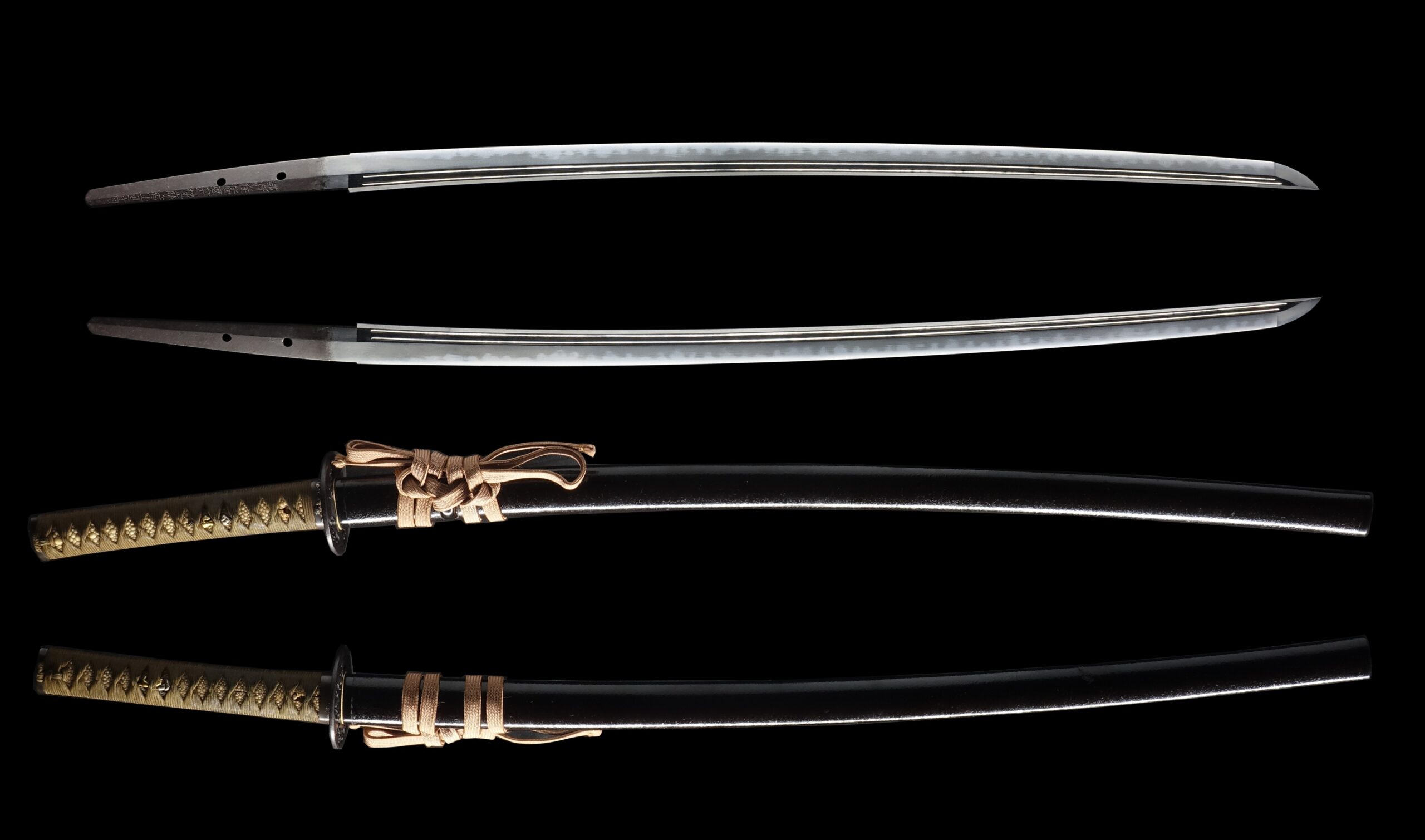
販売店の記載のまま
Shimosaka / Echizen (Echizen shinto) · 越前 · 1596-1615頃
藤代 中上作 · 刀剣大鑑 上位49%
現在4点販売中
重高は「播磨大掾藤原重高」[[c:10]]と銘し、しばしば「越前住」と添える。説明書は本工を初代越前康継の門人とし、師に似て上手であったと記す。元和紀の脇指が遺存し、その活躍期は江戸初期と明らかである。同名は数代を経て幕末に及ぶというが、その技量は初代が最も高く、中には「初代康継に迫る作域」[[c:1]]のものがあるとされる。初代の現存作はあまり見られず、刀は少なく、平造の脇指が比較的多く、短刀には平造・冠落造がある。
その手の最も恒常的な特徴は茎にある。康継をはじめ多くの越前刀工が茎尻を剣形とする中で、説明書は「重高は栗尻である点が特筆される」[[c:2]]と記す。栗尻は各代を通して保たれ、初代はやや浅い傾向にある。初代の銘振りは竪詰りで太鏨となり、後代のものは銘字がやや竪長となって角ばり、細鏨のものが多い。
地鉄は板目に杢・流れ肌を交え、総体に肌立ちごころとなり、地沸つき、地景細かに入り、かね黒味をおびる。慶長新刀の姿を呈する身幅広い脇指では、刃文は直刃調に処々浅く小さくのたれて小互の目ごころを交え、足・葉さかんに入り、沸よくついて処々ばさけごころがあり、総体に砂流しかかり、金筋細かに入り、匂口沈みごころとなる。説明書はこれを一派の特色がよく示された穏やかな作域とし、「初代康継にせまる出来映え」[[c:3]]を示すとする。刀もまた同じ刃文に互の目・尖りごころの刃を交え、処々荒めの沸が強くついてむら立つ。説明書は通常の越前物に比して特に鍛えがつんで精美である点に注目し、「初代康継を髣髴とさせるものがある」[[c:4]]とする。帽子は直ぐ、あるいは浅くのたれて小丸となり、時に突き上げ風に先尖りごころを見せ、掃きかけてやや深く返る。
冠落造の短刀には別の作域が現れる。刃文は細直刃に小沸つき、細かに砂流しかかり、刃縁ほつれ、金筋入り、区際を焼込む。説明書は造込みおよび地刃の出来より古作大和をねらったものと見て、「いかにも古調な出来である」[[c:5]]とする。上手の作には深く力強い記内彫が施される。平造の短刀は表に真の倶利迦羅、裏に三鈷剣を彫り、説明書はこれを「初代重高会心の一口」[[c:6]]とし、彫物も力強く、さらいの深いところに記内彫の特色が示されるとする。身幅広い脇指には不動明王と二童子の三体仏を彫り、この手の図柄は初代康継にも見られる。
最も名高いのは名物骨喰藤四郎の写しである。説明書は本科の来歴を述べる。古来大友の薙刀と称して名高く、大友氏より足利尊氏に贈られ、やがて秀吉の愛刀の一口に加えられて秀頼に伝わり、大坂落城後は徳川秀忠の有に帰したが、明暦の大火に焼け、後に三代康継が再刃した。写しは初代康継にもあり、「骨喰吉光模」と銘する。重高の写しについて説明書は「本科に誠に忠実であり」[[c:7]]、出来もよく、彫物も立派で、重高の最高傑作の一口とする。
第七の一口、平造の短刀は、本間による御物台帳に所載する。刃文は大きく浅く湾れ、下半に砂流しかかり、上半は匂口締りごころとなり、刀樋の中に真倶利迦羅を浮彫にする。本間の説明はその作域をより広く示し、湾れ、または互の目の出来が多く「直刃は少い」とし、師康継にみる彫物と全く同様なものがあるのは「彫物師が同じであった」[[c:9]]ことを物語るとする。一方、茎先の栗尻の丸い点は康継と異なる。本間はこの短刀を「蓋しその傑作である」[[c:11]]と結ぶ。
収集の観点では、重高は藤代の中上作である。その記録は僅かながら一様に高く、重要刀剣に六口、すべて在銘で、特別重要刀剣・国宝・重要文化財はない。来歴の知られるのは身幅広い脇指の一口で、藩政時代には秋田本荘藩瀧沢家に伝来し、黒塗竜文螺鈿脇指拵を附して伝わる。初代の作が世に出ることは稀であり、記内彫と栗尻の茎を備えた在銘の一口は、越前新刀の中でも得難い出会いである。
重高の位置づけを、日本刀全体および伝法・時代・時期ごとに示します。各区分(随一・屈指・有数・著名)は、NBTHK および文化庁による指定に加え、三作や名物帳などの歴史的栄誉を加味したものです。
各項目を選ぶと評価方法が表示されます。
新刀 · 越前
現在39点販売中
茎にきられた黒い鉄こそ、この一門の最も確かな標である。鍛えは板目に杢が目立って交じり、刃寄り棟寄りに流れて肌立ち、地沸厚く、地景細かに入って、かねが総じて黒みをおびる。説明書はこれを繰り返し「越前がねの特色」と名指し、初代康継から重高・貞国・貞次に至るまで終始変わらぬ見どころとする。この一団は近江国坂田郡下坂郷を本貫とし、新刀初頭の越前にあって「下坂」を商標として用いた幾人かの鍛冶の集まりであって、説明書は一人の刀工とみるよりは一団とみるのが妥当とし、初期は康継をその代表者とする。初代康継は下坂市左衛門と称して越前に移り結城秀康に仕え、初め肥後大掾下坂と銘した。慶長十年から十一年にかけて江戸に召され、家康・秀忠両将軍の御前で鍛刀した褒賞として「康」の一字と三つ葉葵紋を茎にきることを許されて康継と改名し、葵下坂・御紋康継の名はこれに発する。以後は将軍家の御抱工として越前と江戸を隔年に勤め、本国打には越前住、江戸打には於武州江戸と切り添え、南蛮鉄を以南蛮鉄と添えた。肥後大掾藤原下坂の康継前銘は貞国・兼法・国康らと鏨運びも筆意も酷似し、今日なお銘振りによってしか分かち得ぬほど近い。 この一門の手は静かで、同時代の備前・美濃の華やかな新刀の多くに対置される。刃文は浅いのたれ・中直刃を基調に小互の目を連れて交え、小足・葉入り、沸厚く、荒めの沸がむらにつき、本工らしいばさけを生じて、金筋・砂流しが長くかかり、棟焼・飛焼さかんに、時に皆焼風となり、匂口は沈みごころとなる。帽子は浅くのたれて先尖りごころに三品風を呈し、掃きかけて長く返る。姿は身幅広く元先の幅差少なく重ね厚め反り浅い慶長新刀体配で、平造脇指は幅広寸延びとなる。彫物がいま一つの恒常で、彫口深く力強い越前彫・記内彫が一門の手を示し、不動三体仏・倶利迦羅・梵字・護摩箸・素剣を巧みに彫る。記内ら越前の彫物師の手によるこの深い浮彫は、説明書が地方の特色と名指すものである。一門が最も称えられる作域は相州写しであって、初代・二代ともに大坂落城に焼失した名物の再刃を試み、中でも貞宗写しを最も得意とし、各写しに自らの作風を加えて徒らに模倣せぬところに特色がある。手は系統と目的とで分かれ、貞国は直刃を得意として地がつんで精美に、貞次は越前関の系譜を引いて丁子の目立つ明るい現れを示し、重高は茎尻を栗尻とする点で一門の剣形と分かたれる。 収集家がこの一門の作に向かうべき所以は、その見分けやすさにある。黒く肌立った越前がね、ばさけた刃縁、縞がかる砂流し、長く掃きかける小丸の返り、そして深い記内彫が併さって、写した古作によってではなく一門自らの語法によって読まれる。中心に立つのは初代康継で、駿府滞在中の駿州打や名物写しを残し、駿府御分物の一刀は紀州徳川家に、号風雷神の刀は越前松平家に伝来した。嫡子二代康継は父風を忠実に継ぎ、継の字形以外では殆ど区別し難く、晩年は初代に劣らぬ域に達した。二代の後、家は江戸三代を右馬助、越前家を四郎右衛門が継いで両系に分かれ、同名は幕末まで両地に栄えた。江戸三代は鍛えがつんで綺麗に、匂口は明るく、直ぐの焼出しを置いて法城寺一派など当時の江戸物に近づく。後援者本多飛騨守成重の立葵紋が貞次や康継一門の優品に多くきられ、截断銘がその伝来を彩る。藤代は上々作から上作に位し、一門は名だたる蔵伝よりも在銘の指定刀を通して出会われる。市に現れるのは葵紋を切った在銘の康継、あるいは下坂貞国・貞次・重高の在銘作であって、根気をもって待てば折にふれ世に現れ、現れれば家康の葵紋下賜に発する越前下坂の確かな一口となる。 詳しく見る →
江戸時代
江戸は刀の目利きの時代である。本阿弥の鑑定、1719年の享保名物帳、盛んな刀剣書が、戦で抜かれることのなくなった刀を学問の対象へと変えていった。
保存刀剣のうち、出来が一層優れ、保存状態も良好と認められたものです。再刃や、室町・江戸期の多くの無銘作は対象外となり、保存刀剣より高い基準が課されます。
日本美術刀剣保存協会(NBTHK)は、1948年に設立され、文化庁の監督を受ける公益財団法人で、東京・刀剣博物館に本部を置きます。専門の審査員が出品作を直接審査し、美術的・歴史的価値に応じた鑑定書を発行します。NBTHKの鑑定書は、日本刀および刀装具の真正性を示す最も広く認知された基準です。
NBTHK公式サイトReturns/exchanges limited to defects caused by shipping (except willful misconduct or gross negligence by the company); customers must contact within 72 hours of receiving the product.