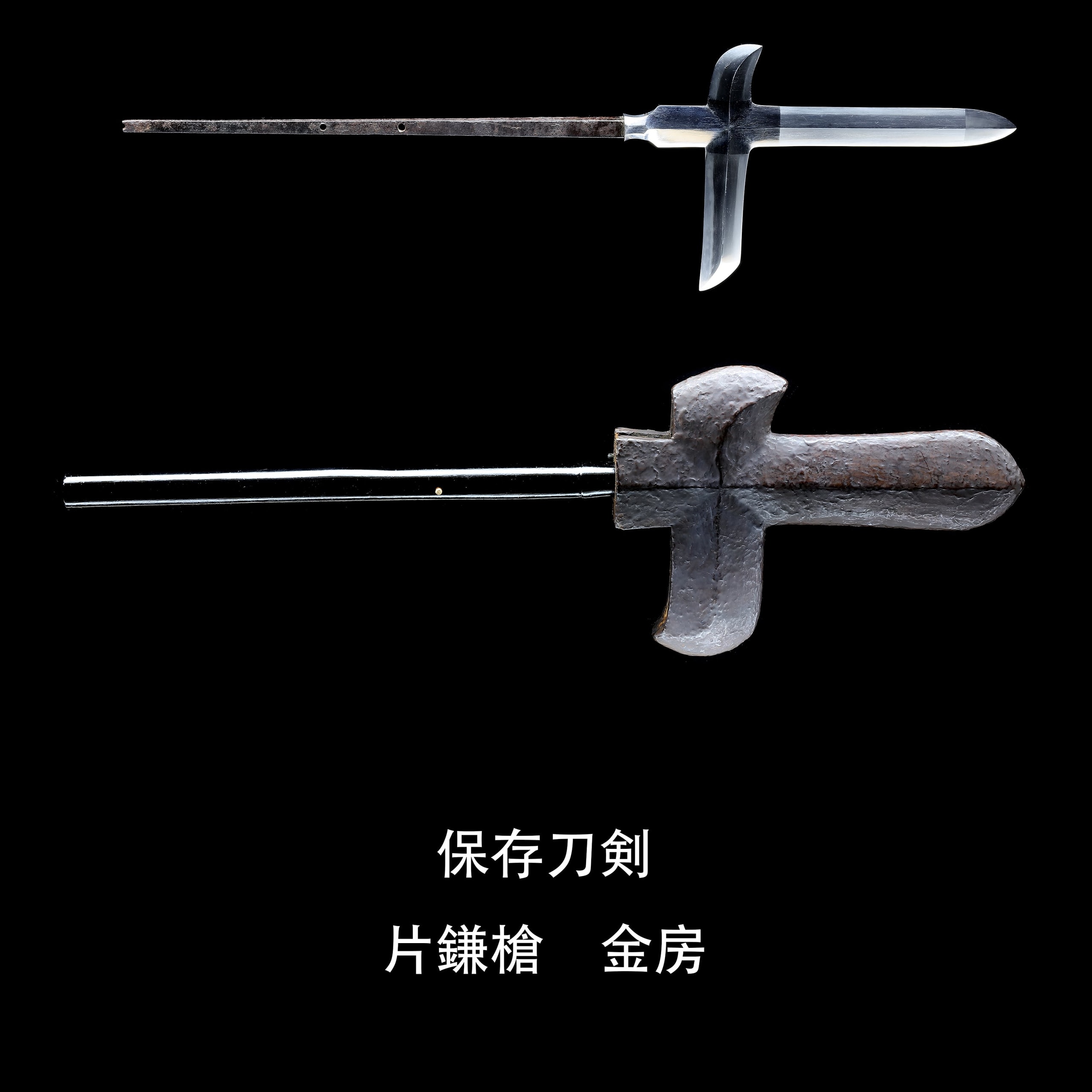
室町は刀剣業を産業に変えた。徒歩の集団戦とともに打刀が興り、長船と関は数打ち物と注文打ちを並行して産し、勘合貿易は日本刀を数万振の単位で海外へ運んだ。
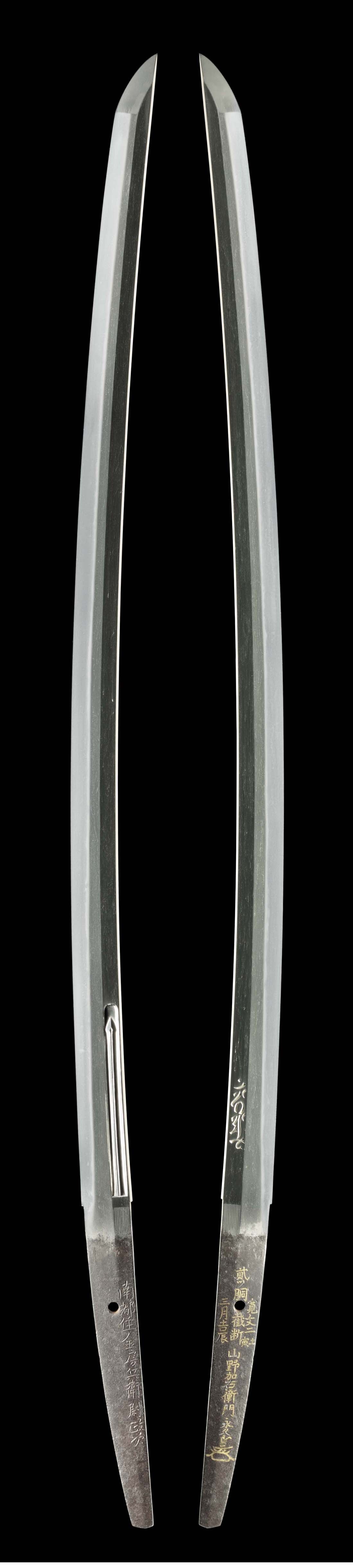
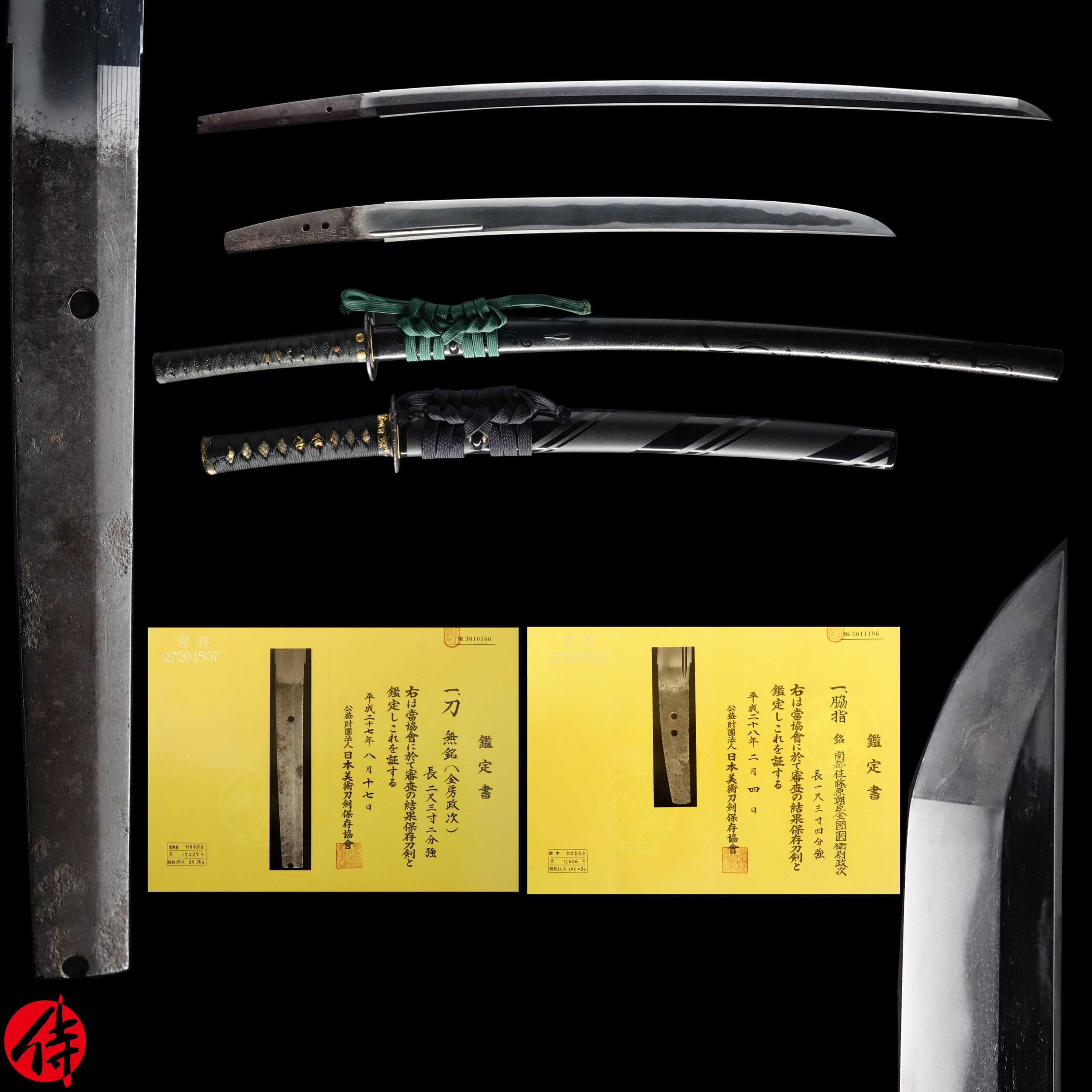
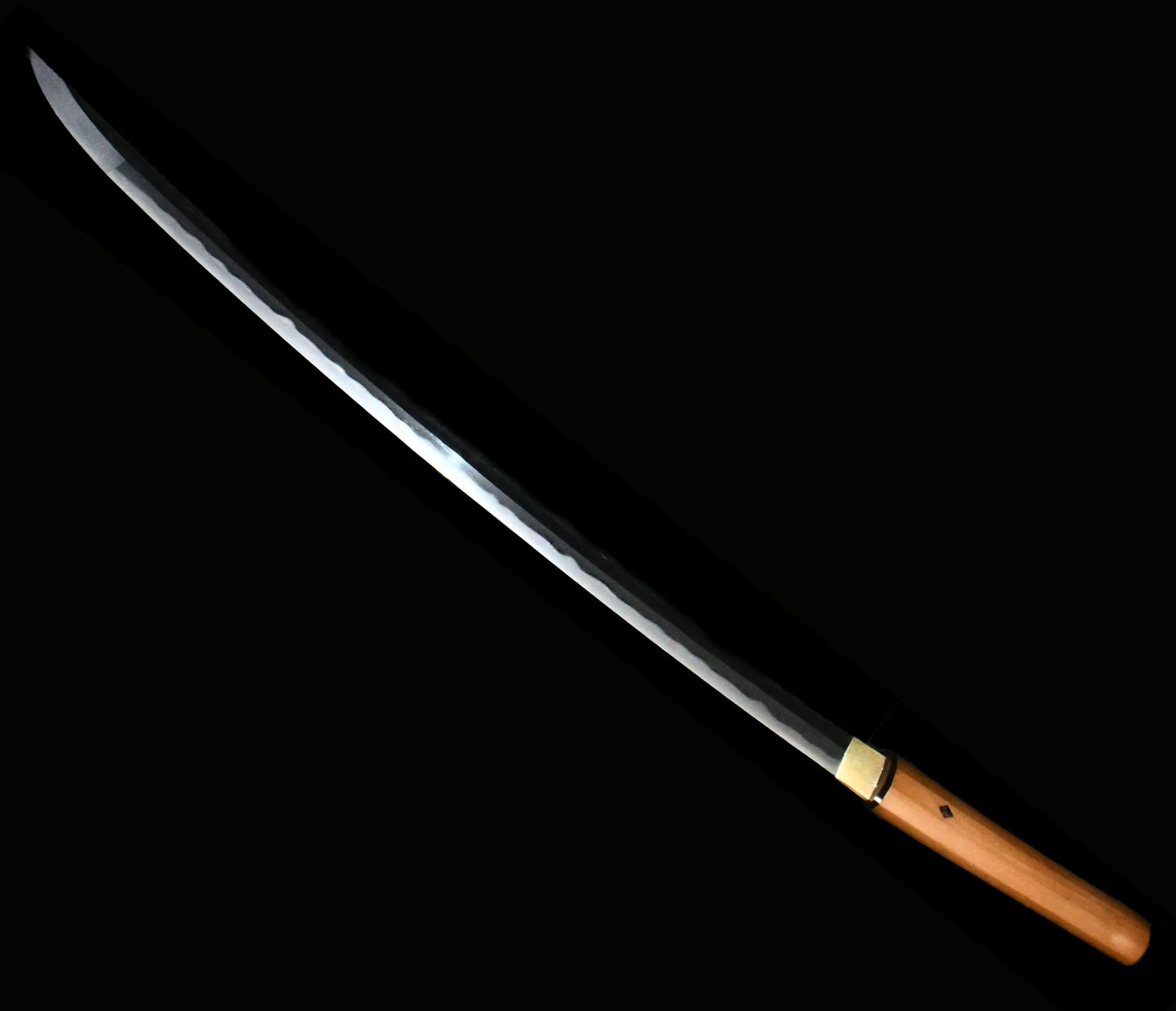
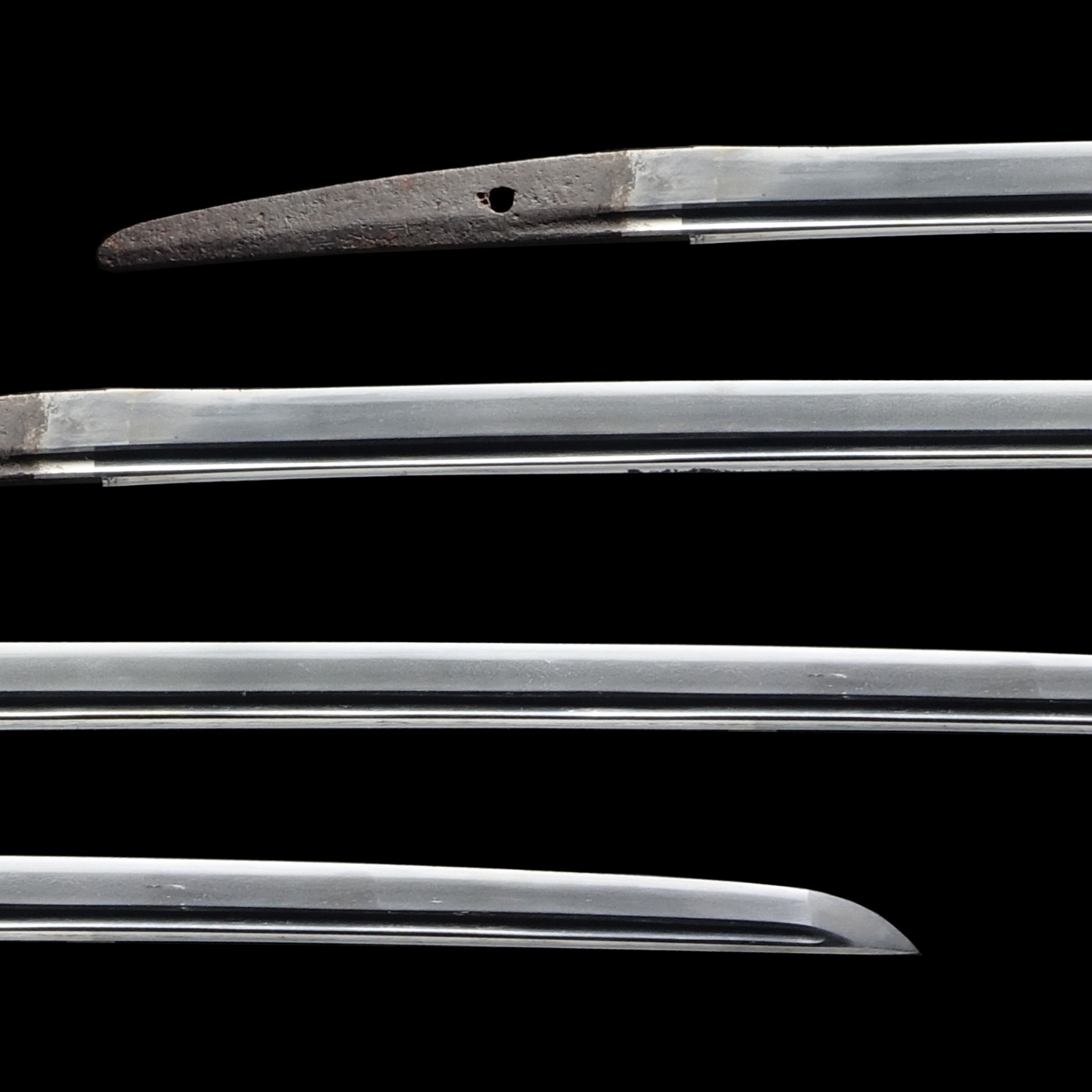
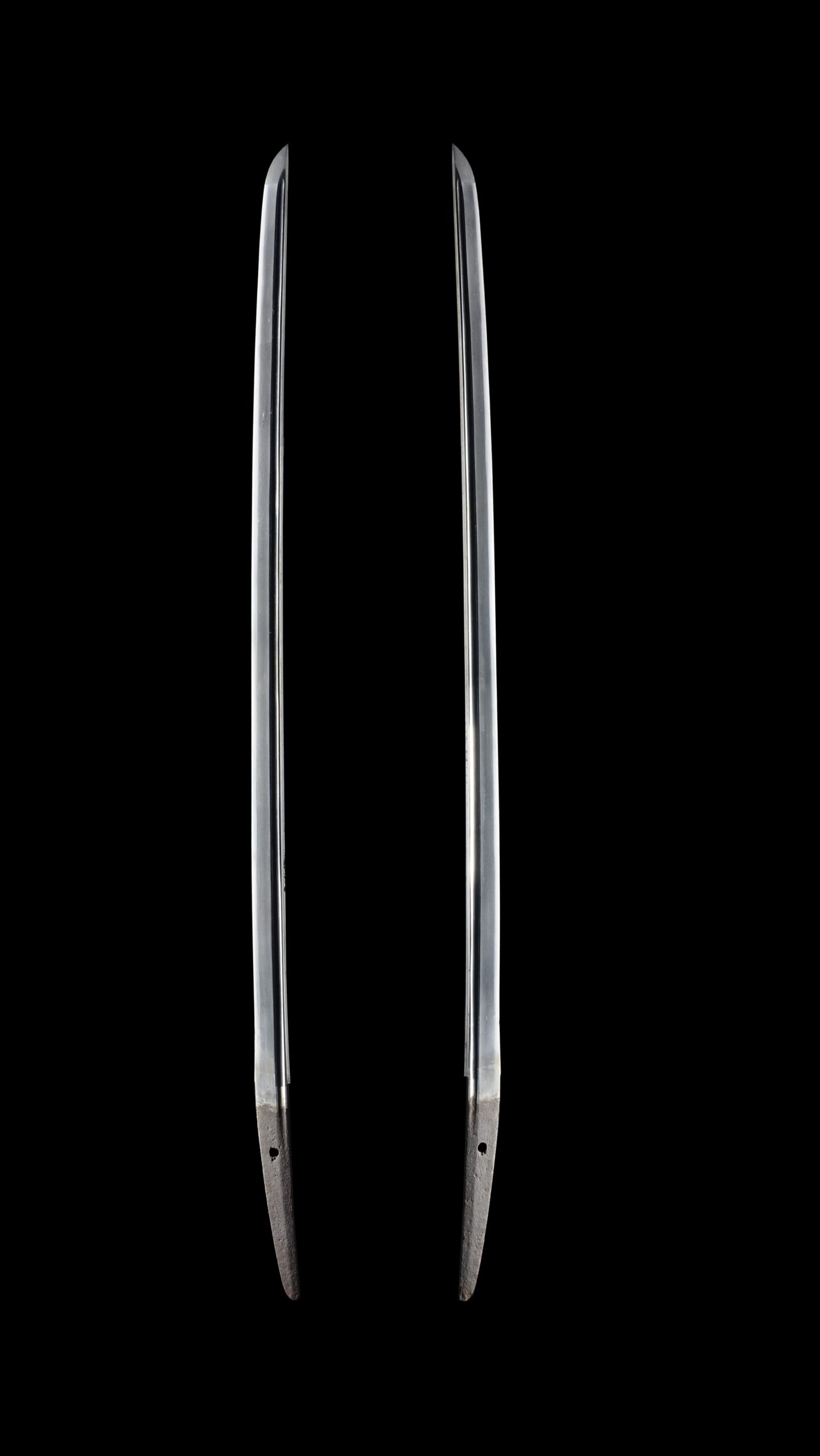
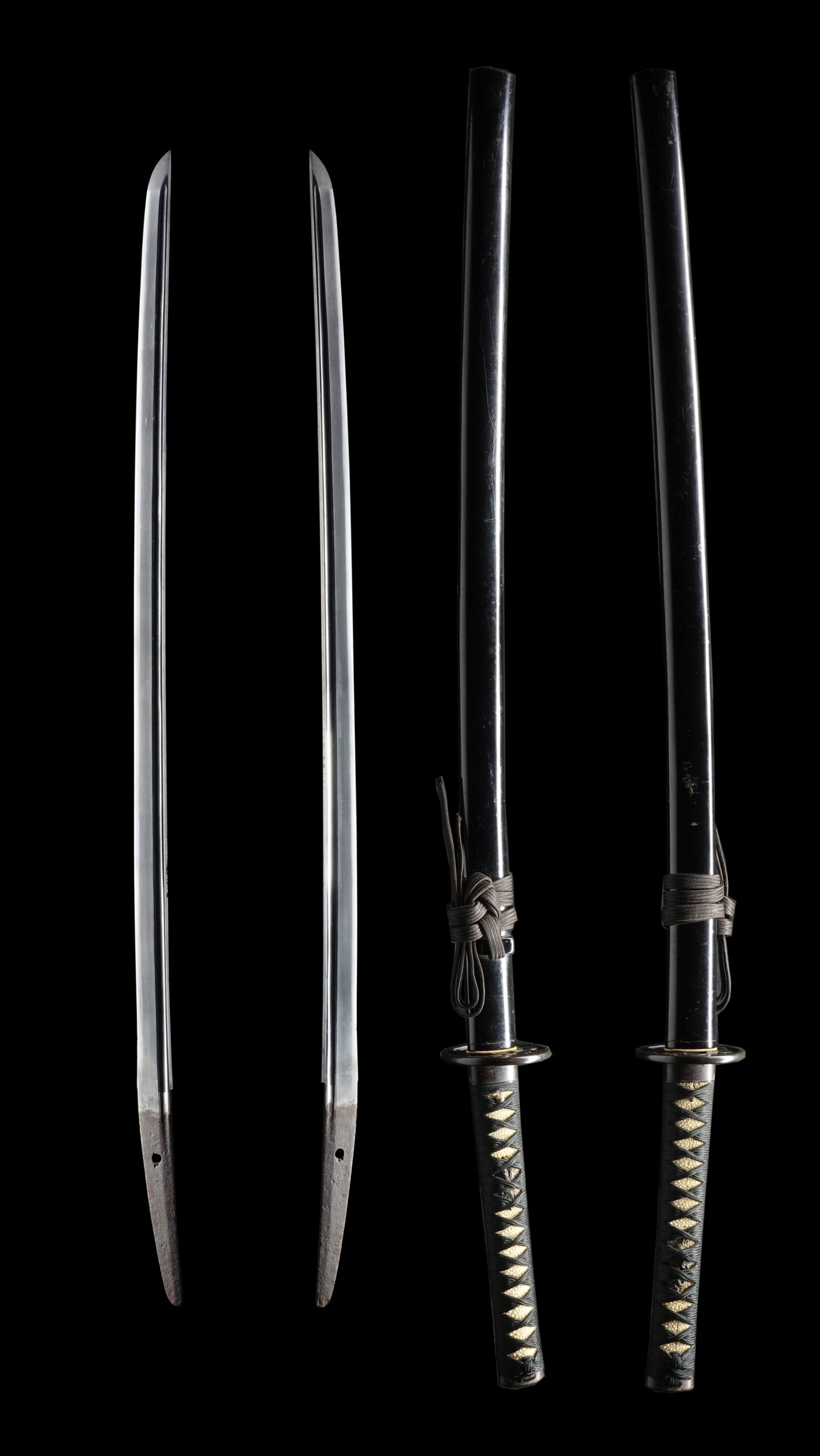
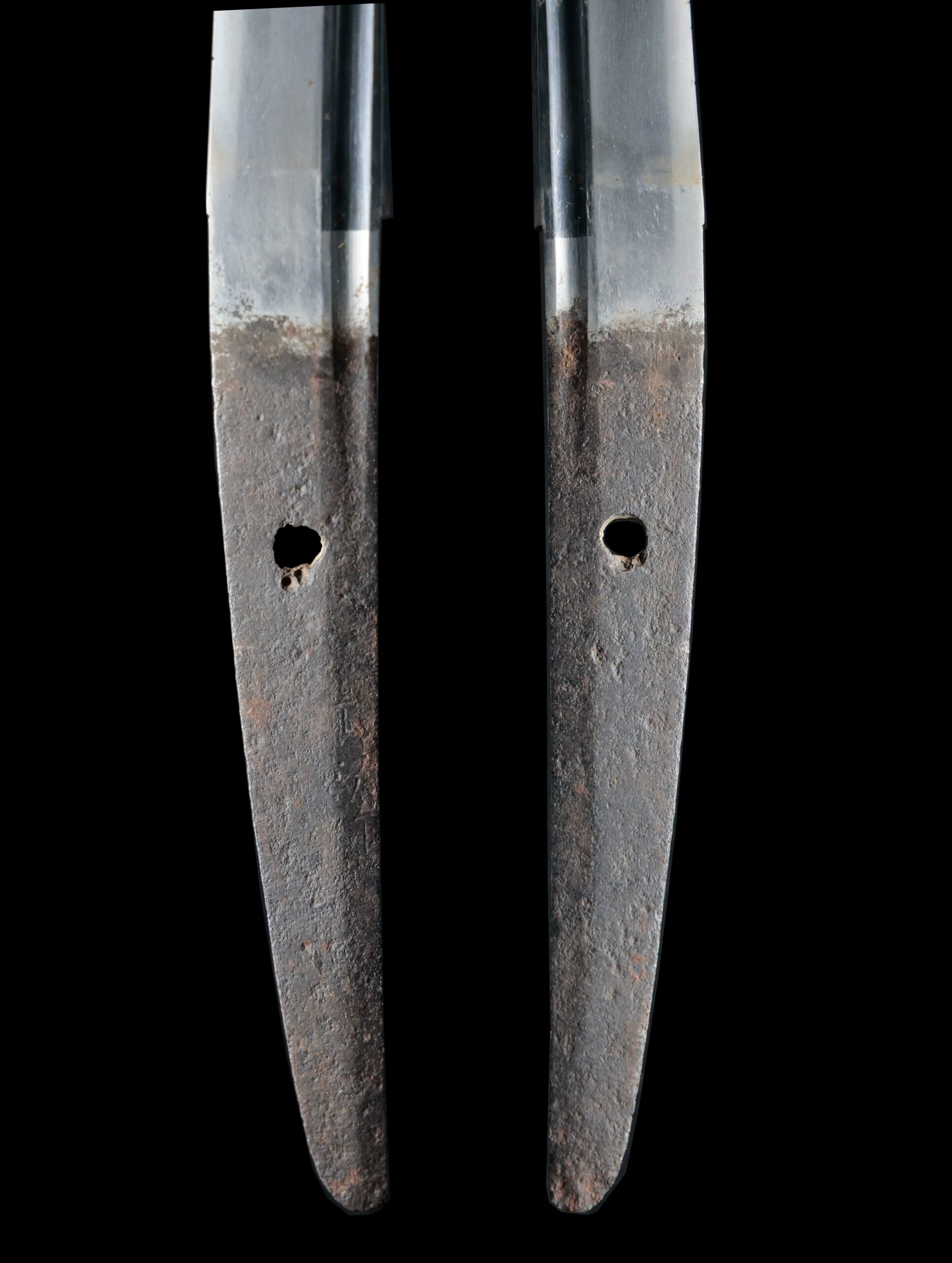
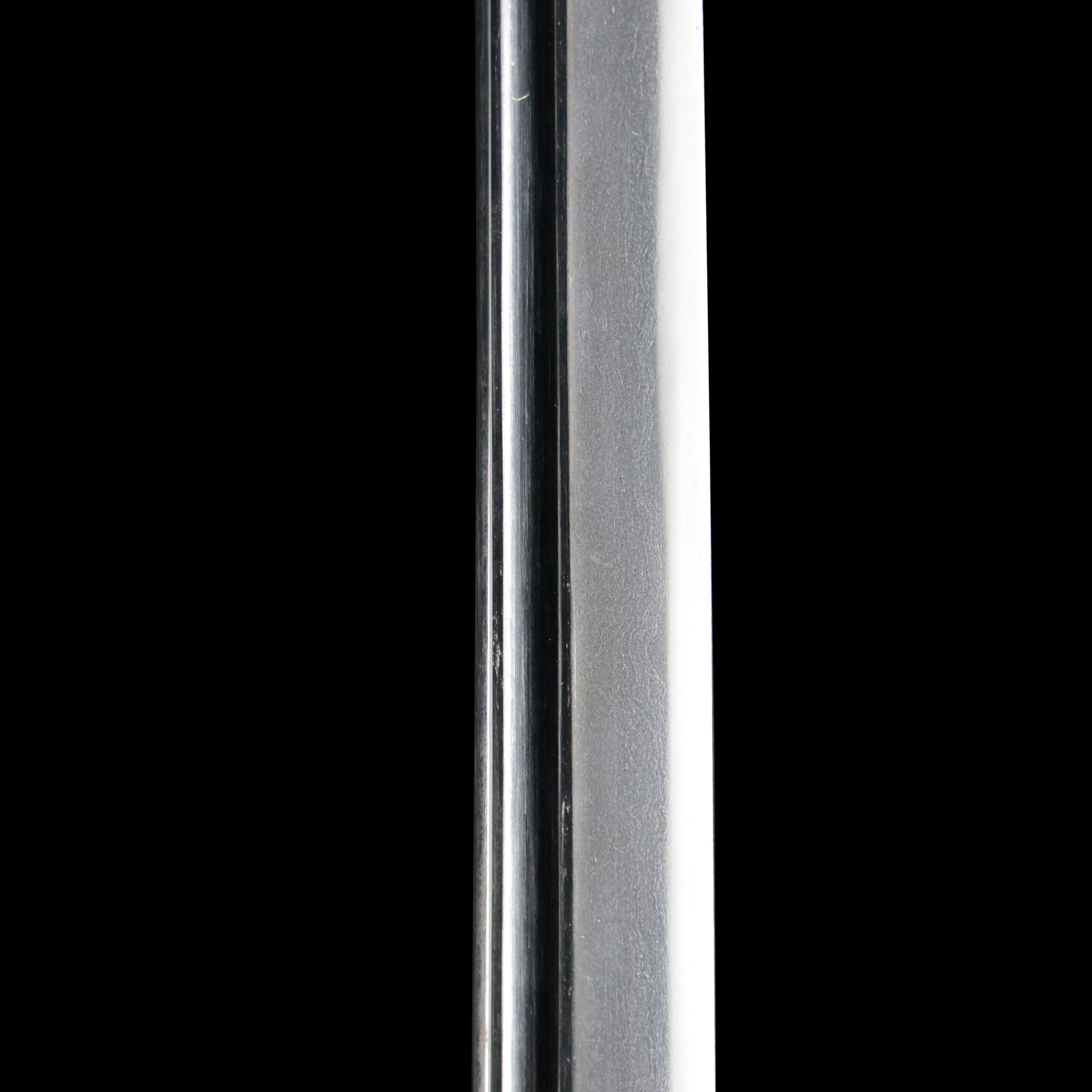
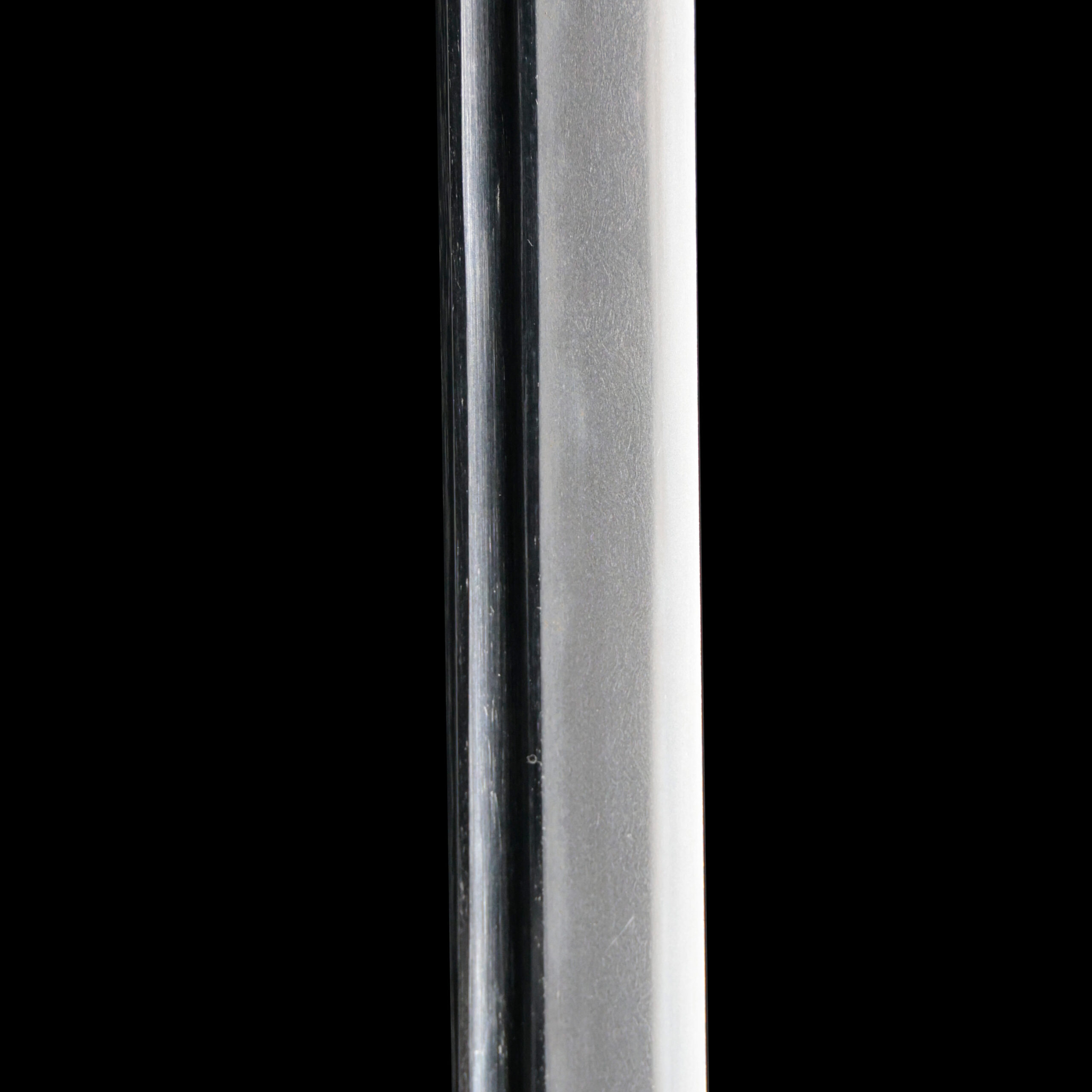
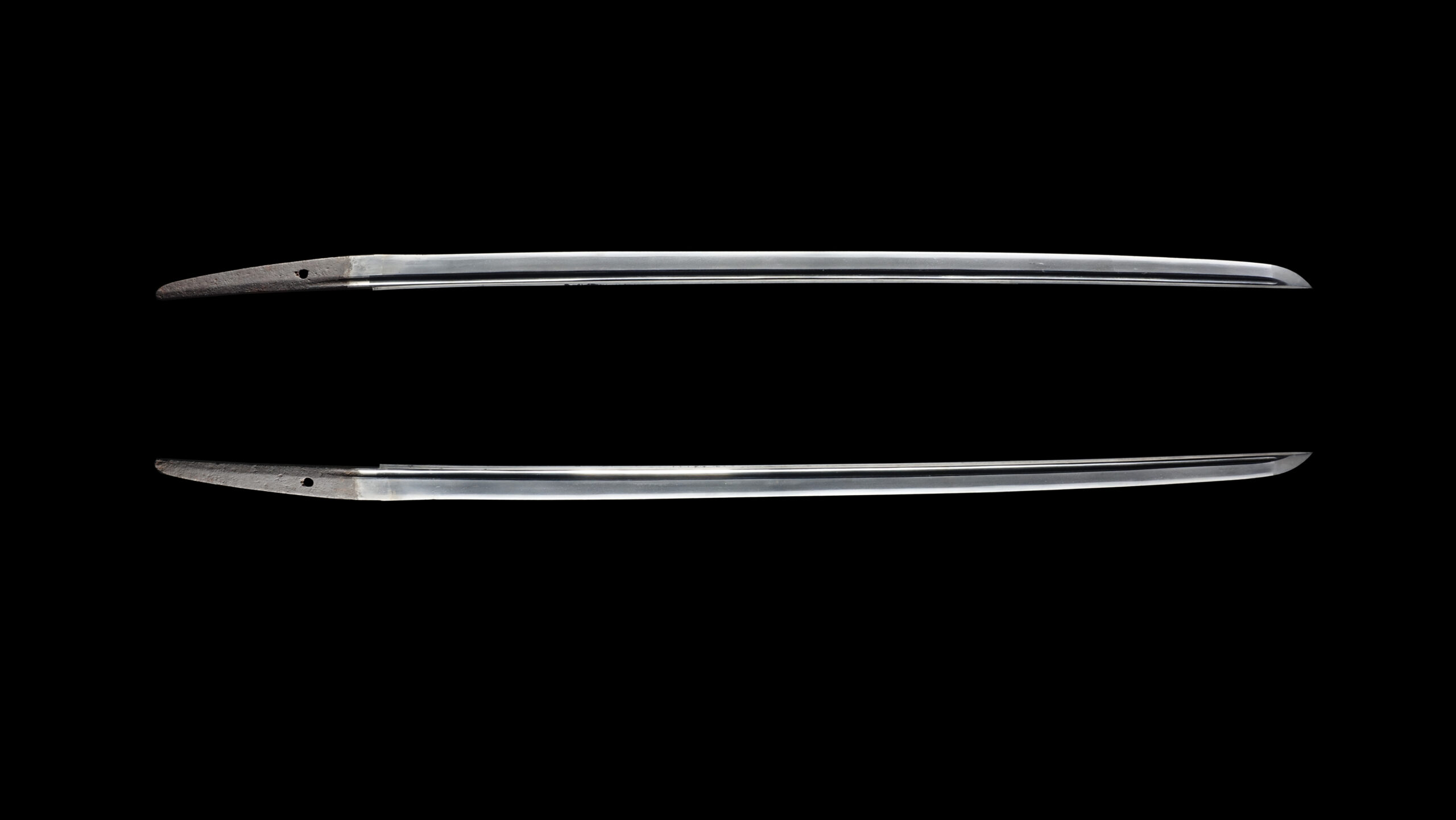
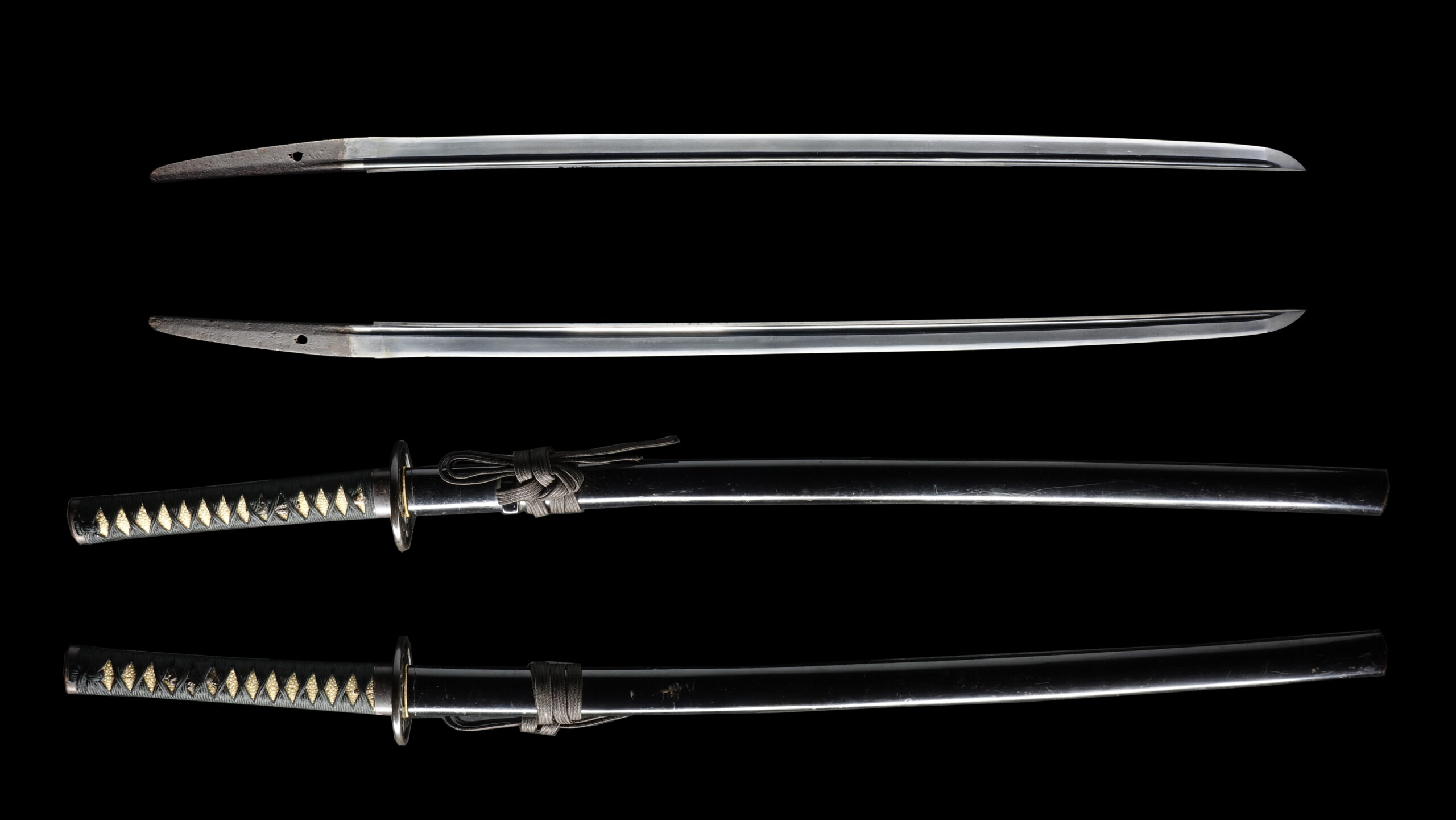
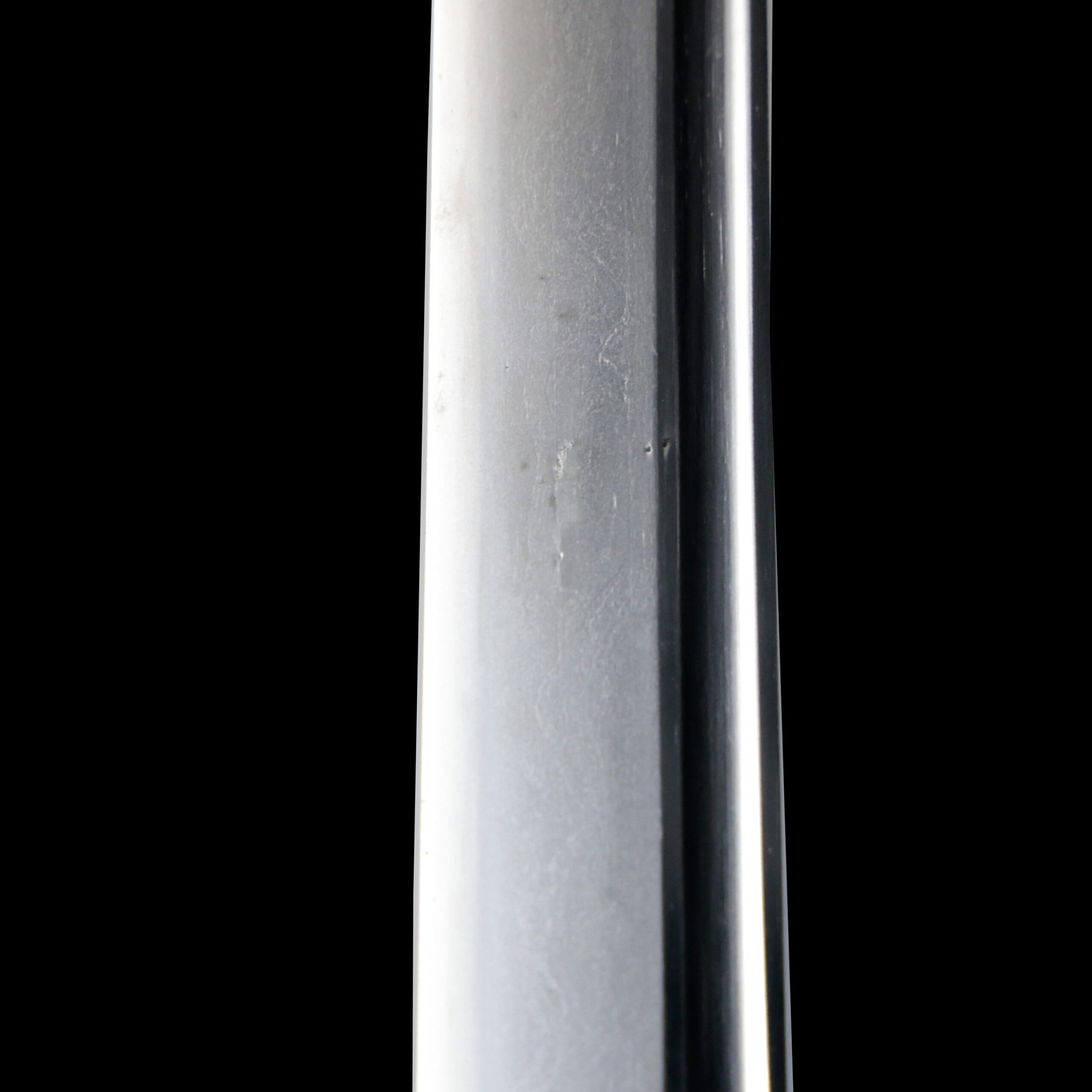
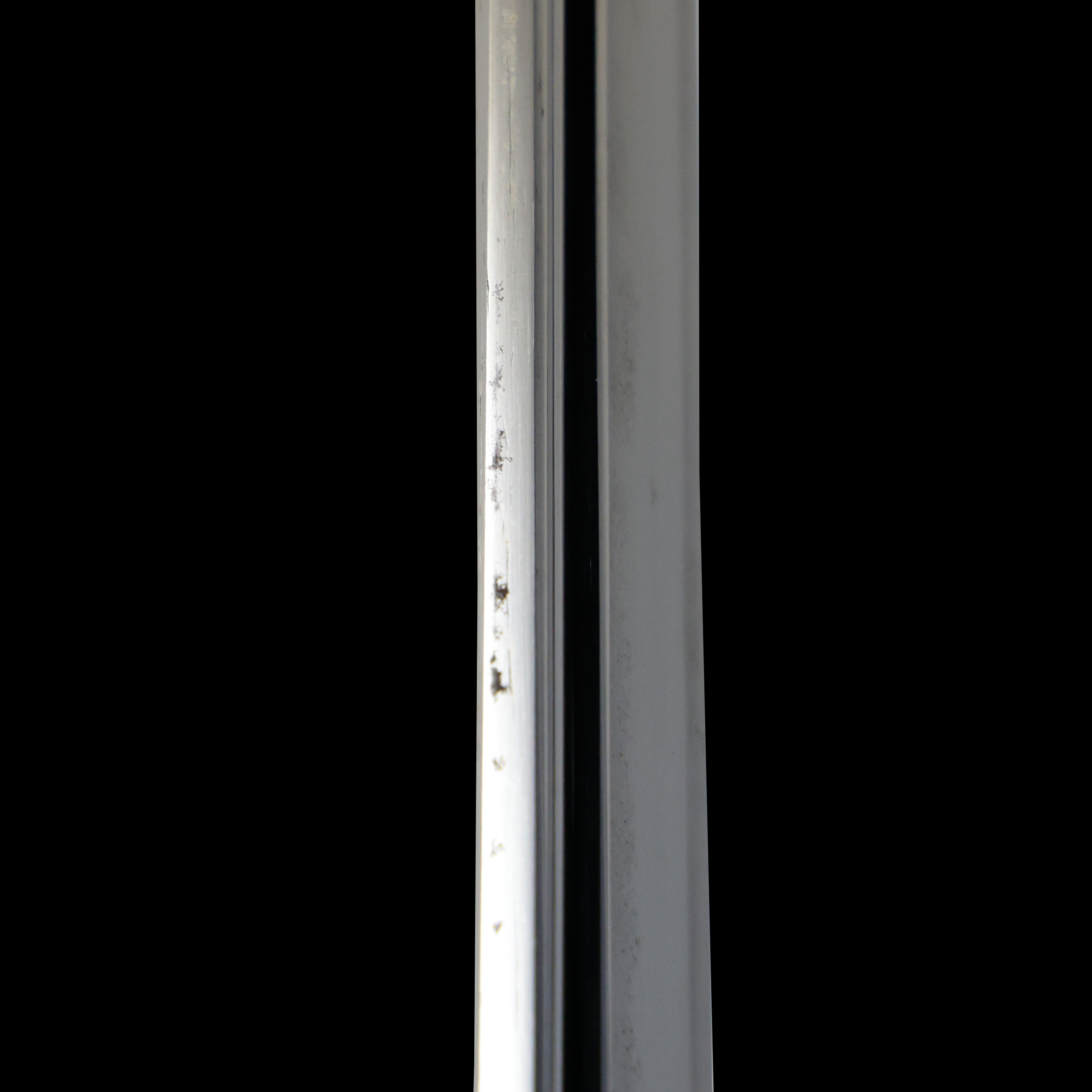
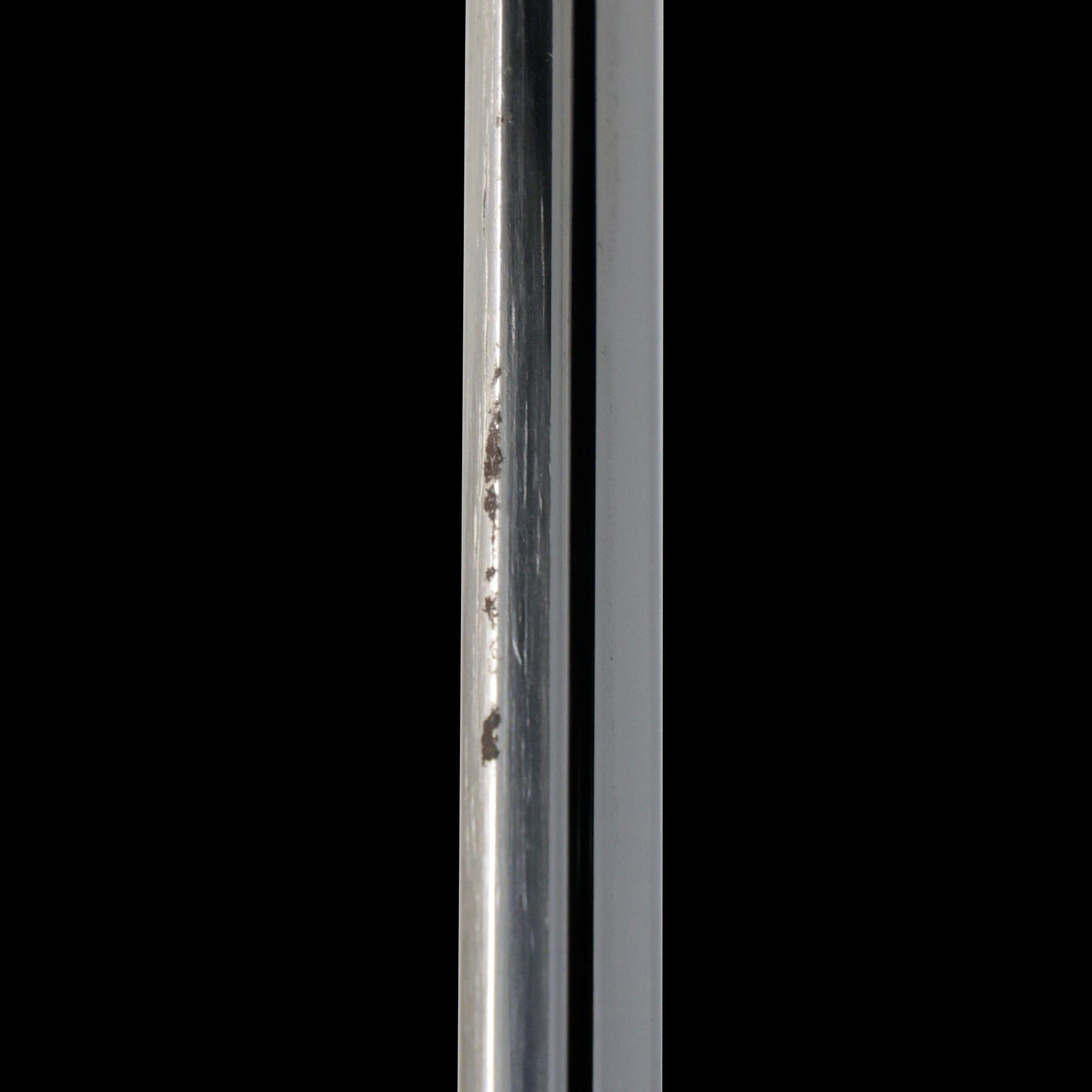
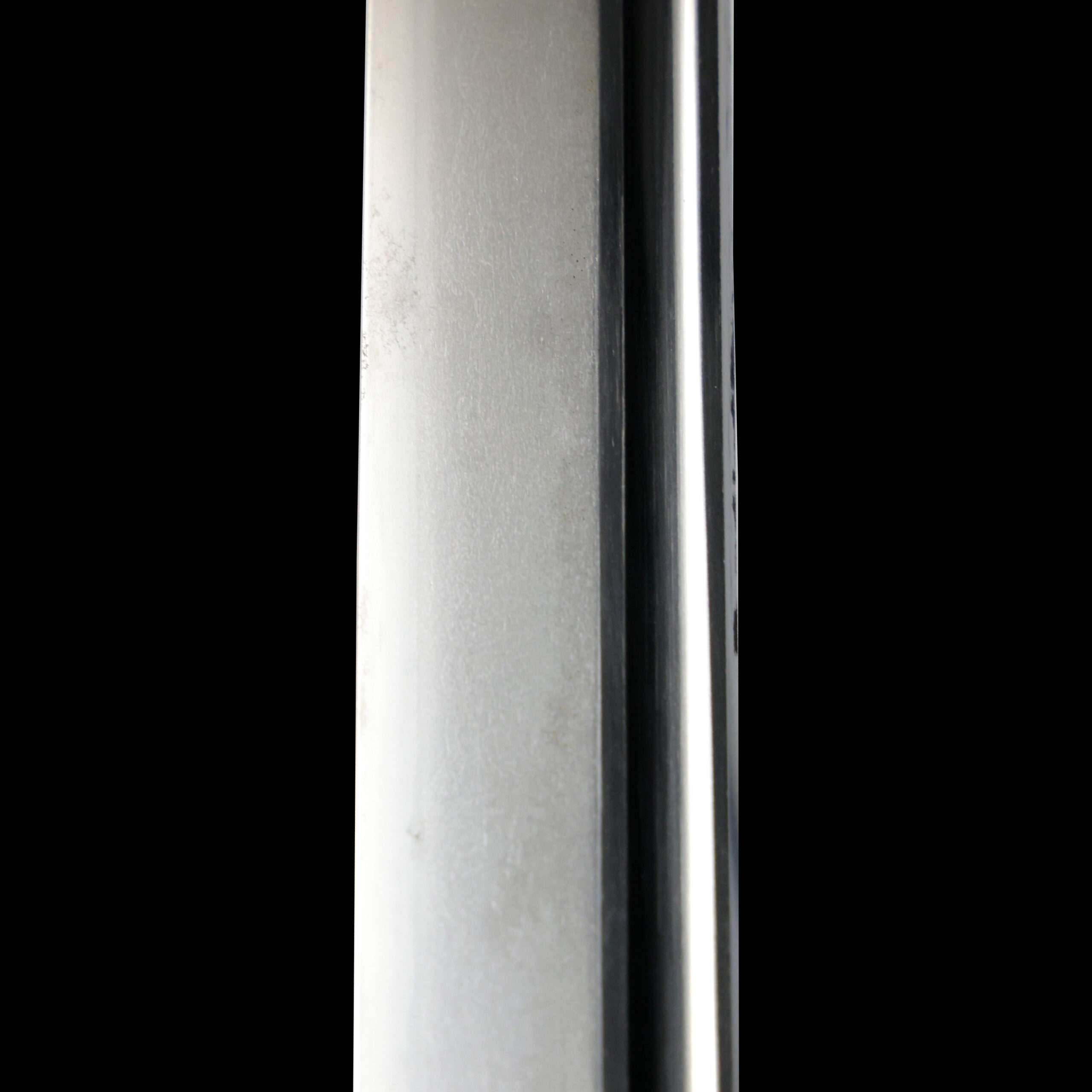
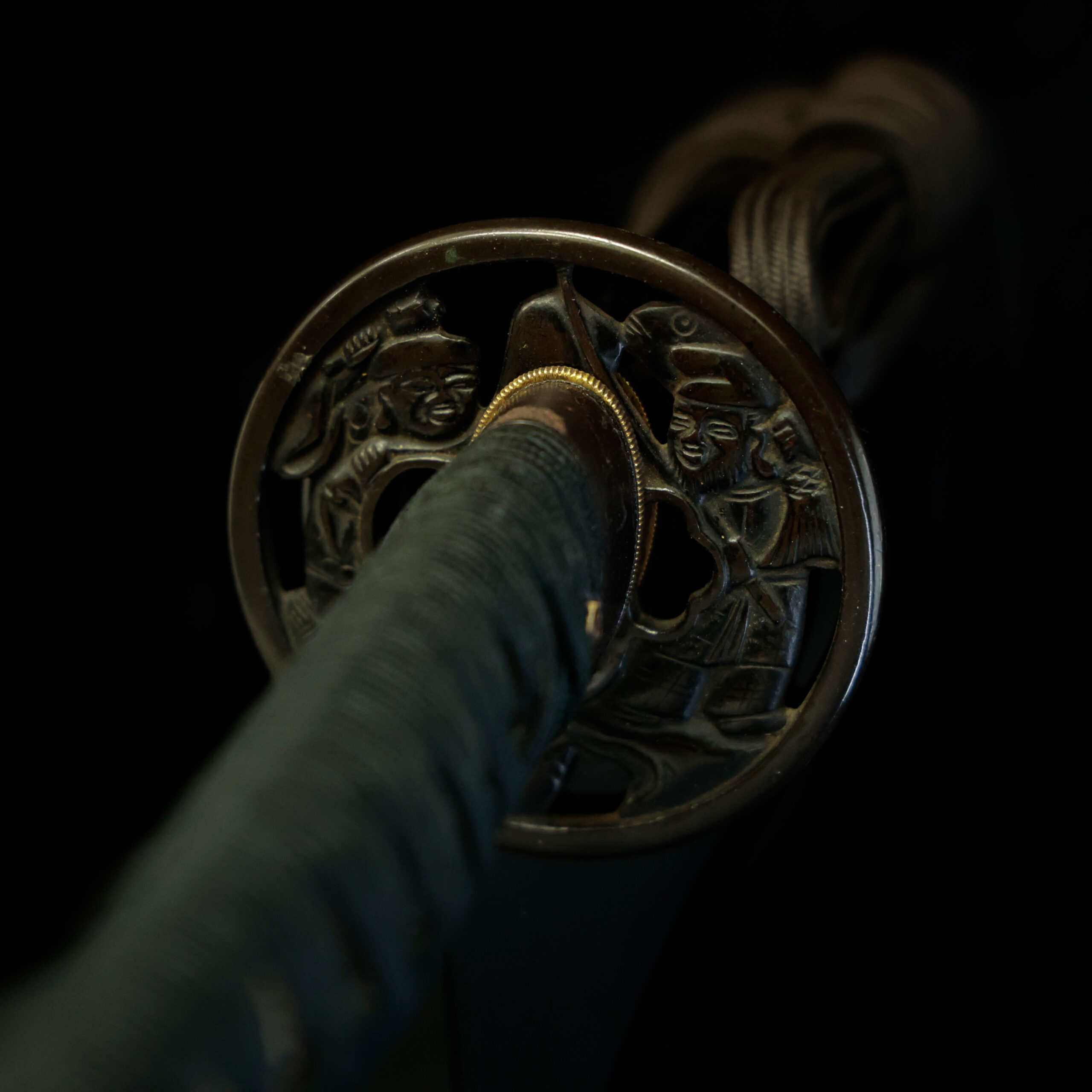
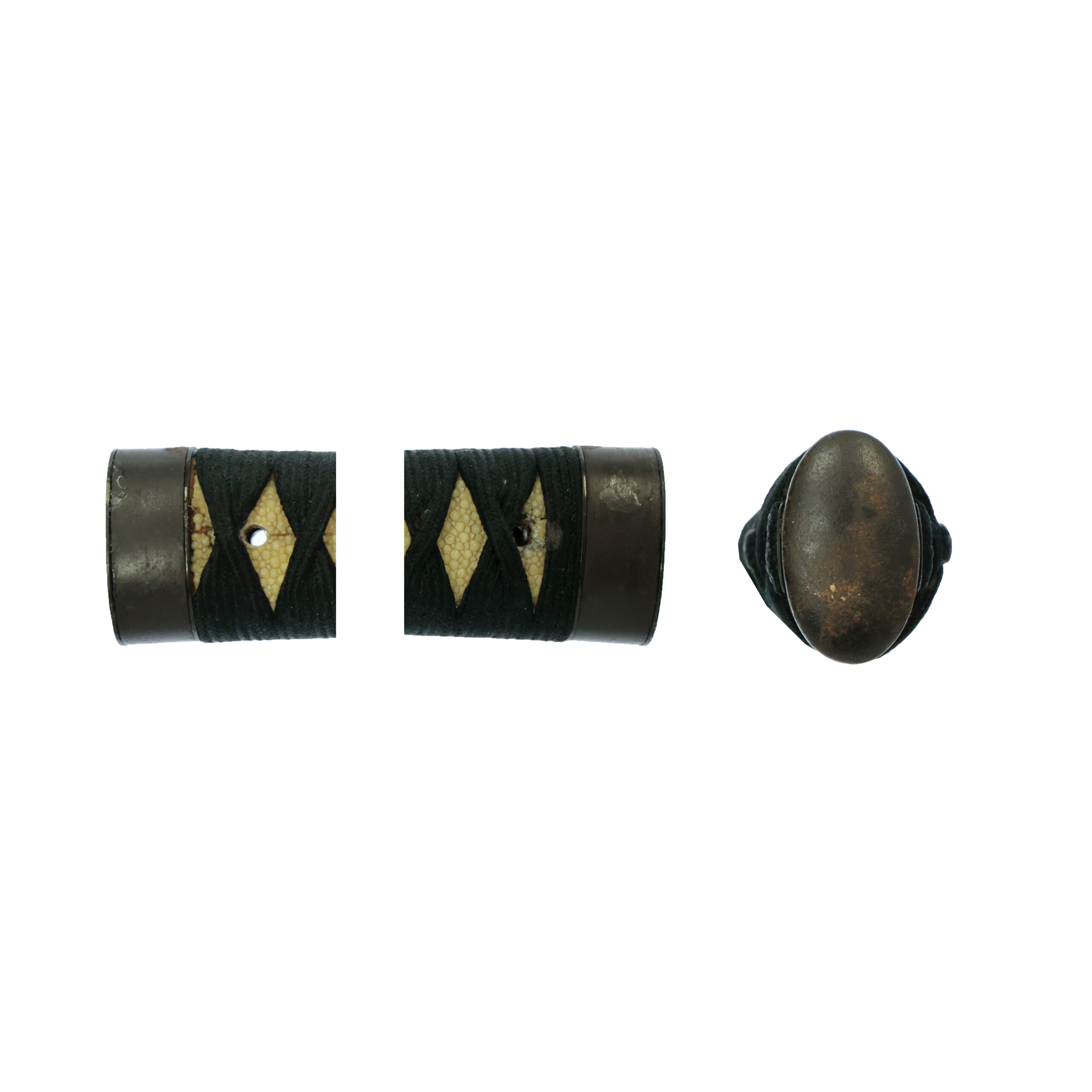
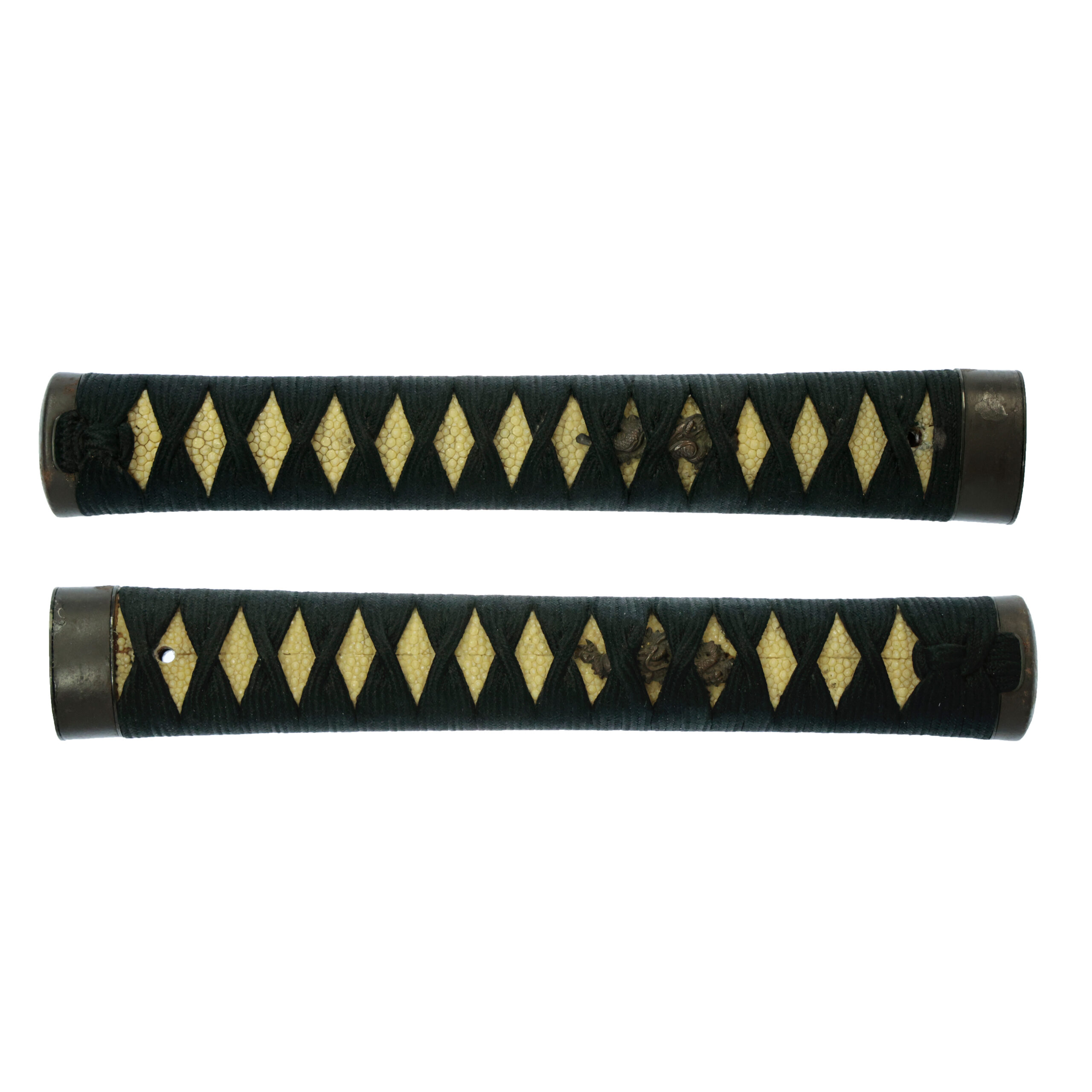
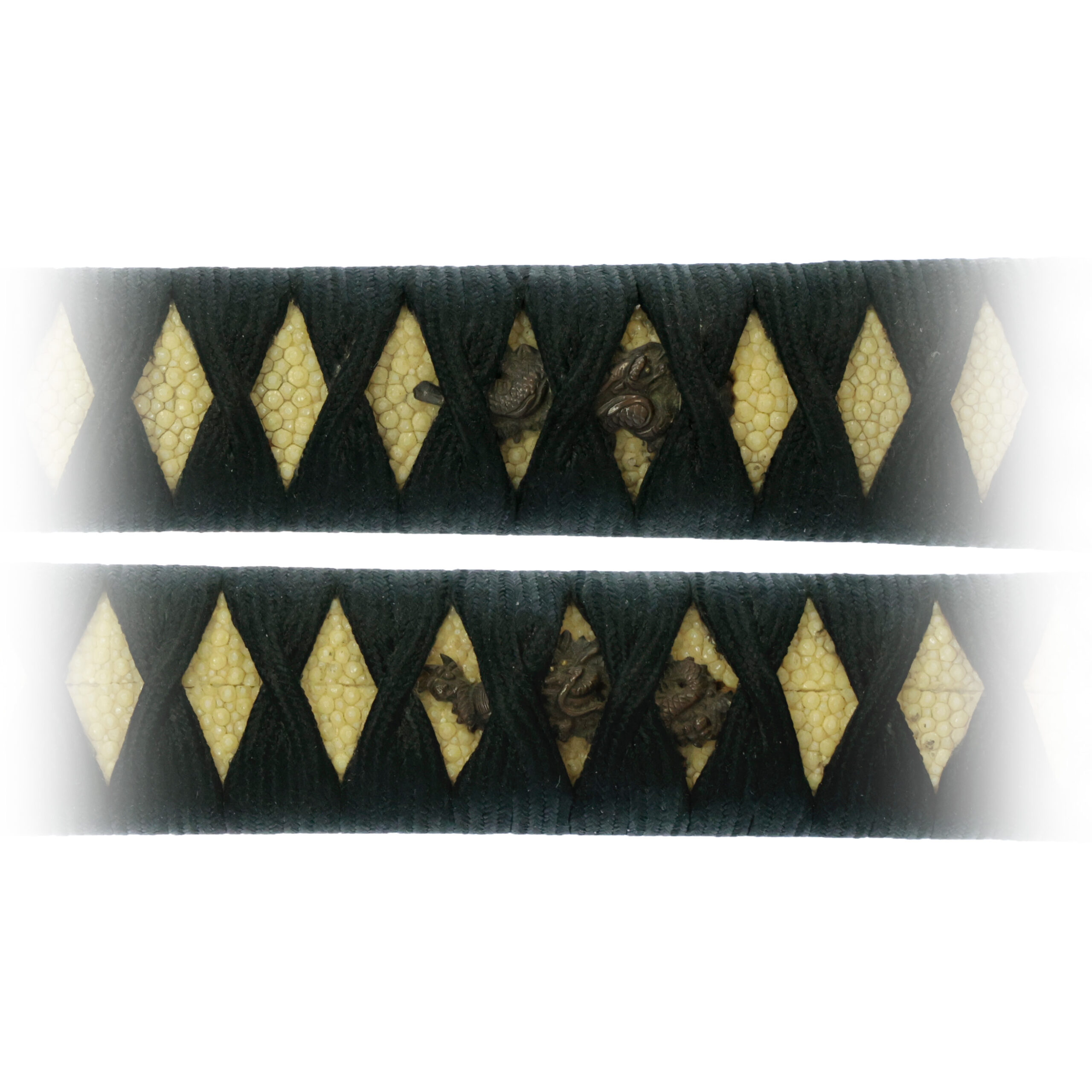
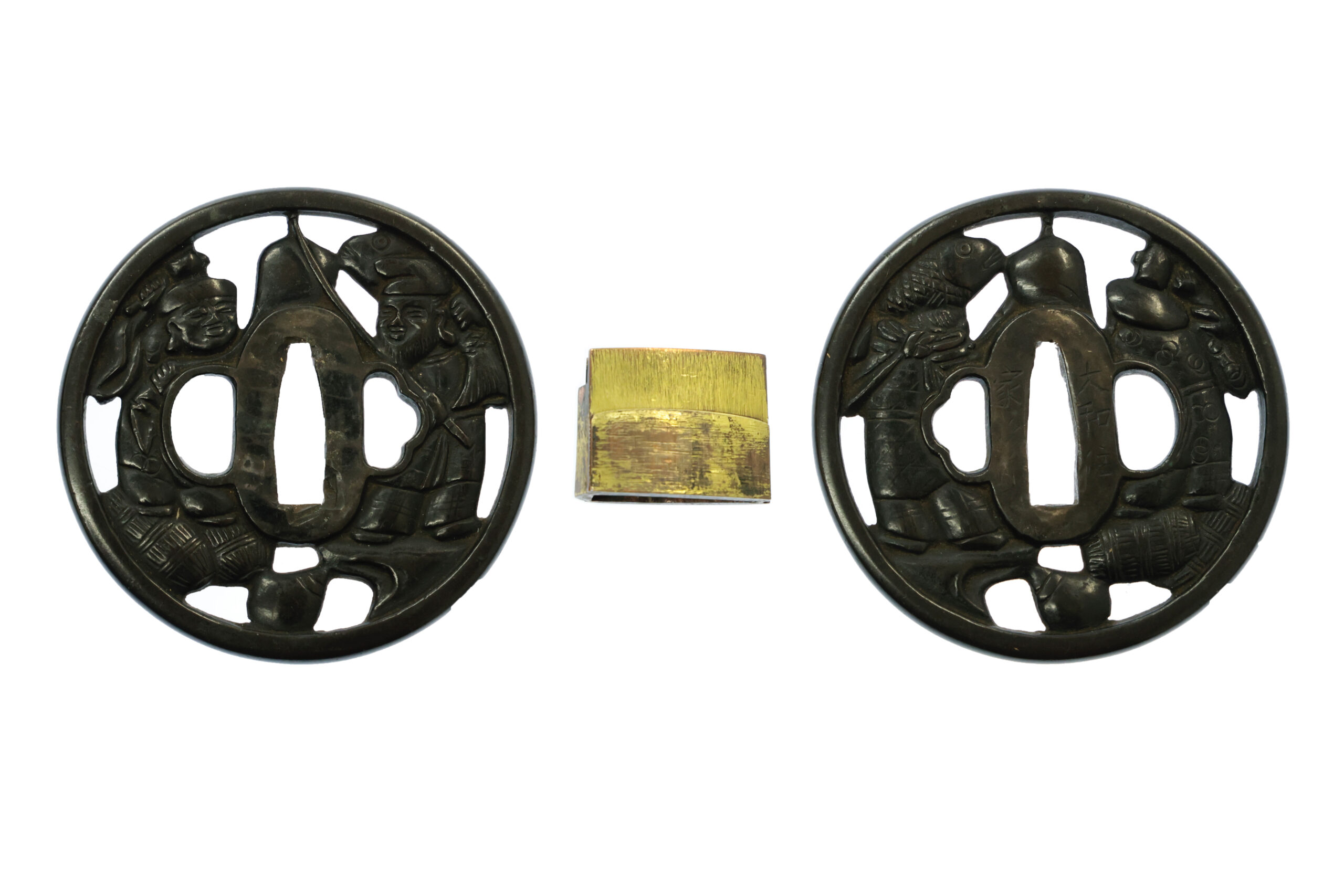
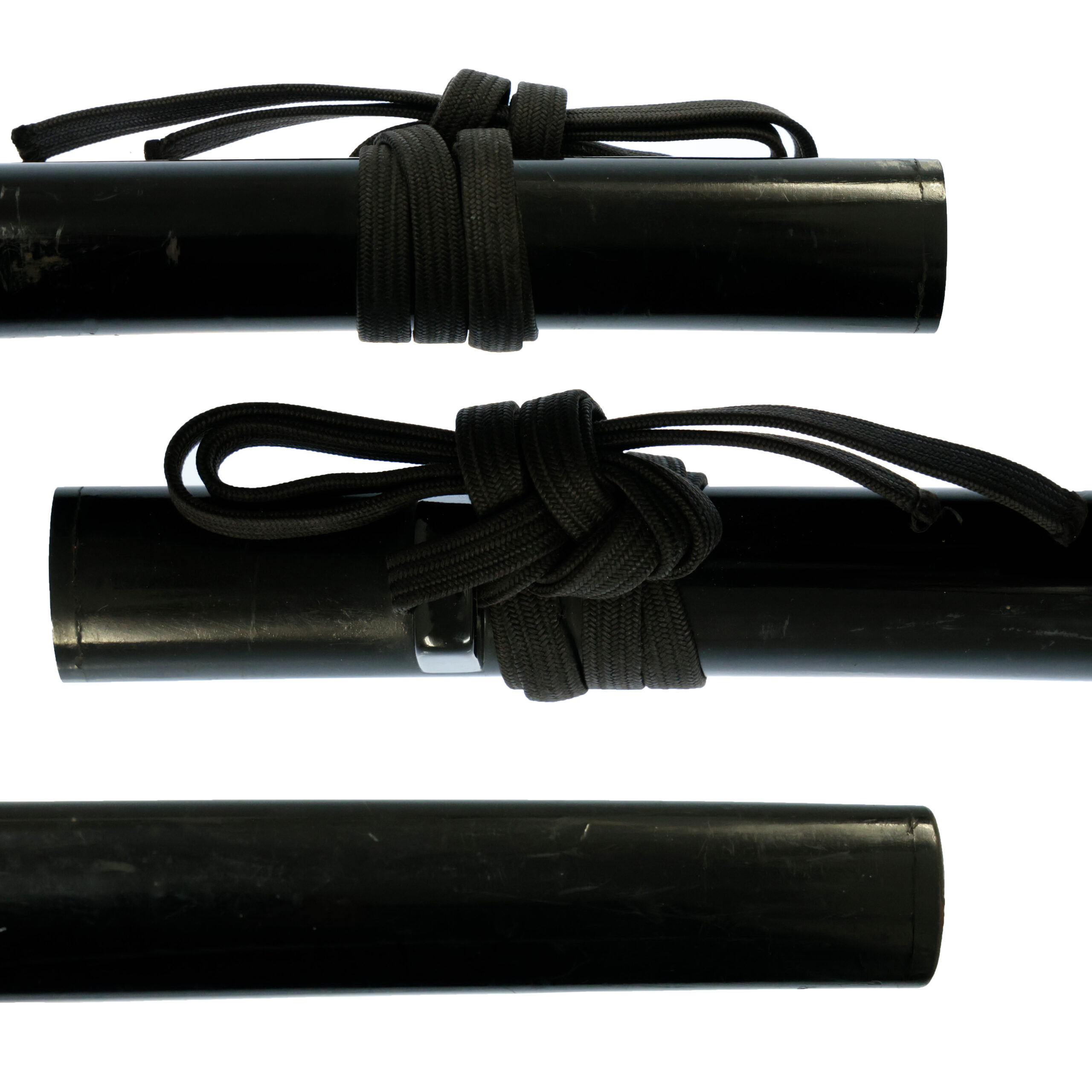
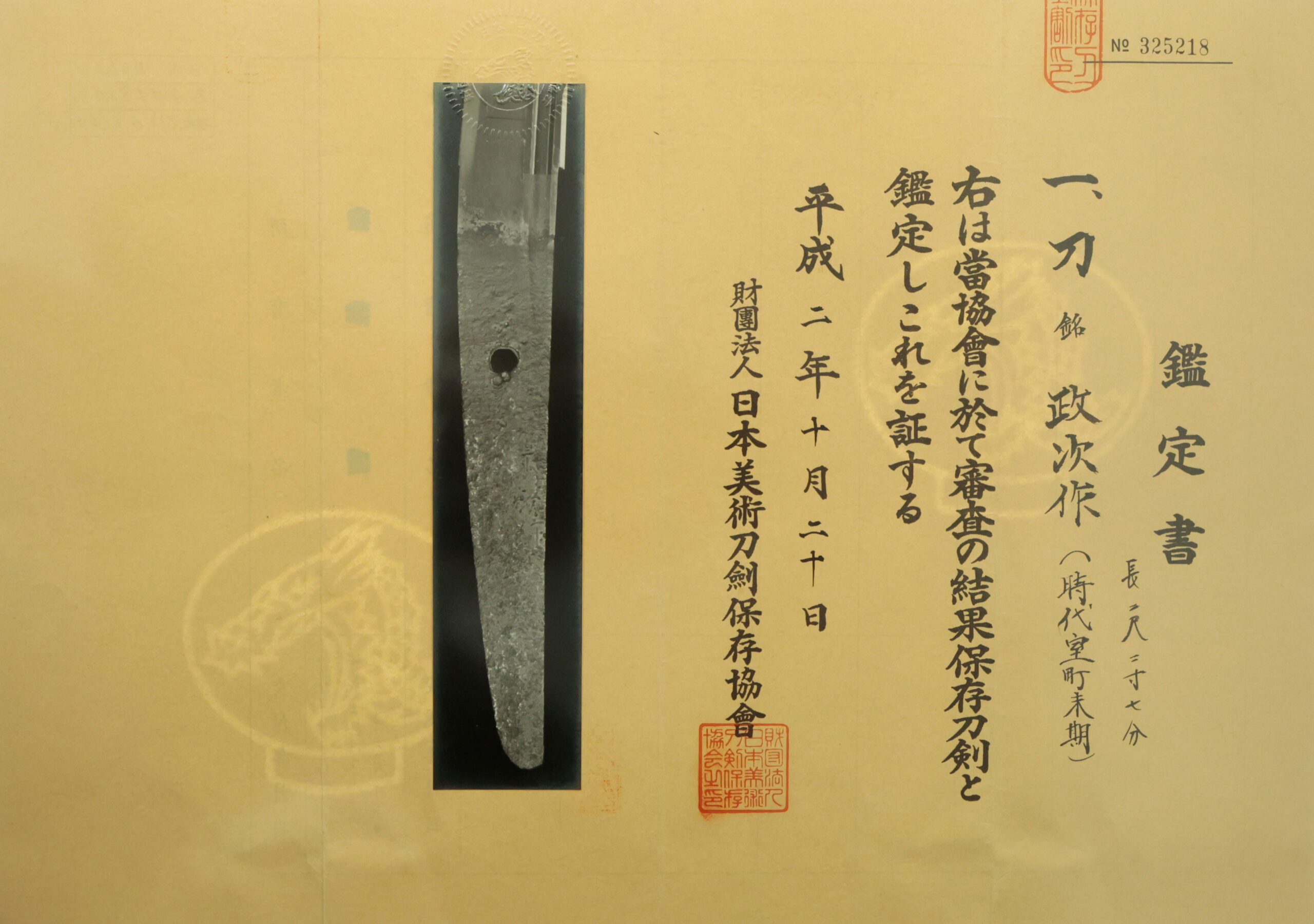
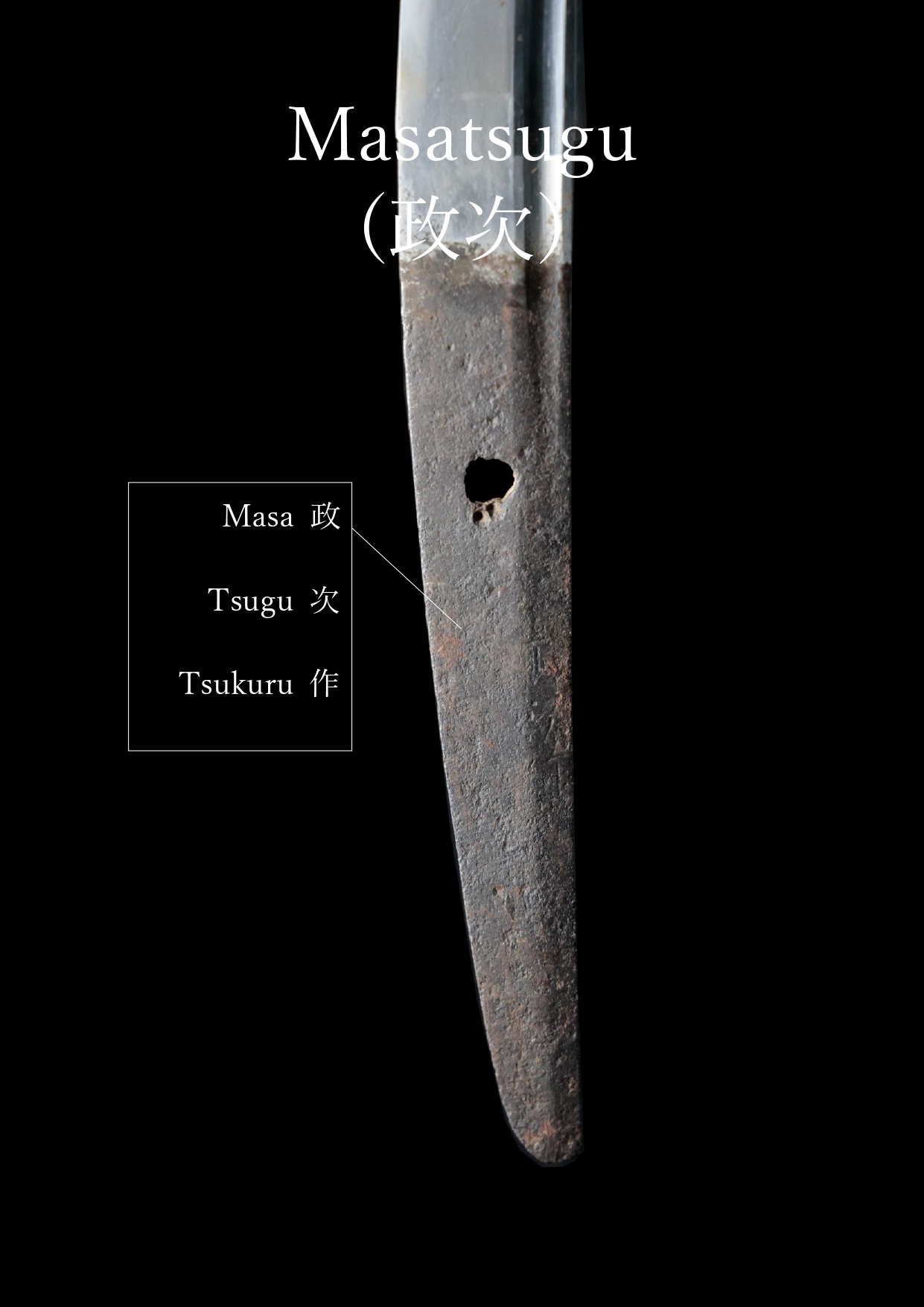
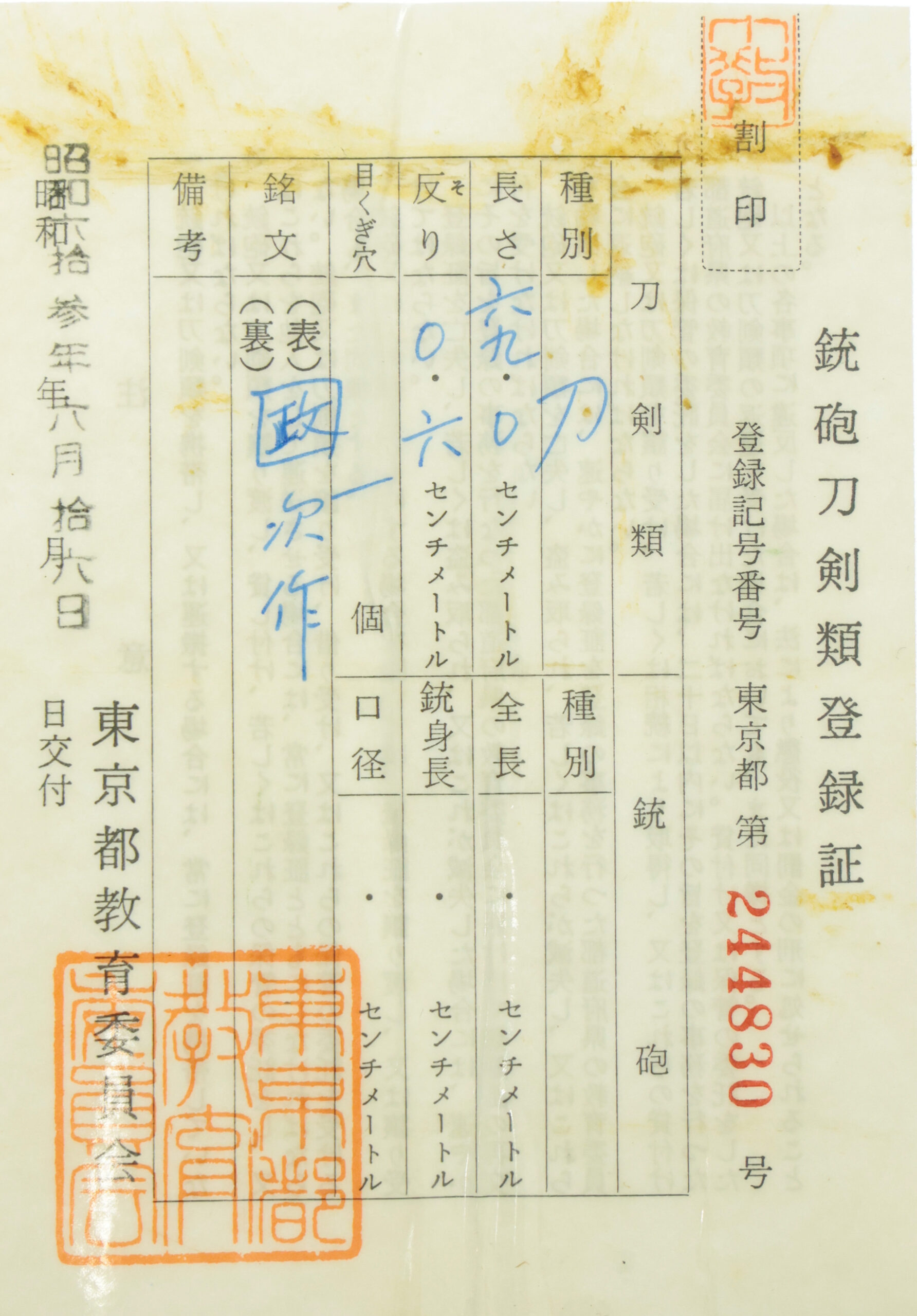
保存刀剣鑑定書付 銘:政次 【概要】 本作は「政次」と銘が切られた一振りです。政次の名は室町時代から昭和期に至るまで、大和(現在の奈良県)、備中(岡山県)、相模(神奈川県)など各地で数代にわたり受け継がれてきました。日本美術刀剣保存協会(日美刀協)の鑑定によれば、本作は室町時代末期(16世紀後半)に打たれたものとされています。 この時代はまさに戦国時代の真っ只中であり、各地の有力大名が領地や権力を巡って熾烈な争いを繰り広げていました。本作も当時の武士の需要に応じ、実戦を想定して鍛えられた一振りであると推察されます。 本作は、日本美術刀剣保存協会より「保存刀剣」に認定されています。これは、保存状態が良く、美術的価値が高い正真の日本刀であることを証明するものです。 ※刀身には数箇所の鍛え傷と黒錆が見受けられます。詳細なコンディションについては、お気軽にお問い合わせください。 【刀身】 長さ(Nagasa):69.0 cm 反り(Sori):0.6 cm 刃文(Hamon):焼入れによって刃縁に現れる結晶構造。 地文(地肌):鍛錬の際の折り返しによって現れる鋼の模様。 切先(Kissaki):刀身の先端部分。 茎(Nakago):柄に収まる中心(なかご)部分。 茎に現れる黒錆は、柄内部での赤錆の発生を防ぐ役割があります。また、経年による茎の変色は、専門家が制作年代を特定する際の重要な指標となります。 【外装】 拵(Koshirae):鞘、柄、鍔などから構成される日本刀の外装。 縁頭(Fuchi-Kashira):柄の両端を保護し、装飾を兼ねる一対の金具。 柄・目貫(Tsuka / Menuki): 目貫の意匠は「龍」です。龍は古代中国の神話に由来する想像上の生物であり、瑞祥(吉兆)の象徴とされてきました。その姿は「九似(きゅうじ)」、すなわち角は鹿、頭は駱駝、眼は鬼、項は蛇、腹は蛟(みずち)、鱗は魚、爪は鷹、掌は虎、耳は牛に似るとされ、あらゆる動物の頂点に立つ存在と考えられてきました。 中国では皇帝の象徴として厳格な規定がありましたが、日本では階級による制約は少なく、万能の吉祥文様として広く愛されてきました。また、古来より稲作文化が根付く日本において、龍は「龍神」として水の神とも崇められており、日本人にとって非常に親しみ深いモチーフです。 鍔・鎺(Tsuba / Habaki): 鍔は手を守るための仕切りであり、鎺(はばき)は刀身を鞘の中に固定し、刀身が鞘の内側に触れて錆びたり傷ついたりするのを防ぐ役割を持ちます。 この鍔には、七福神の一員である「大黒天」と「恵比寿」が描かれています。
 NihontoWatch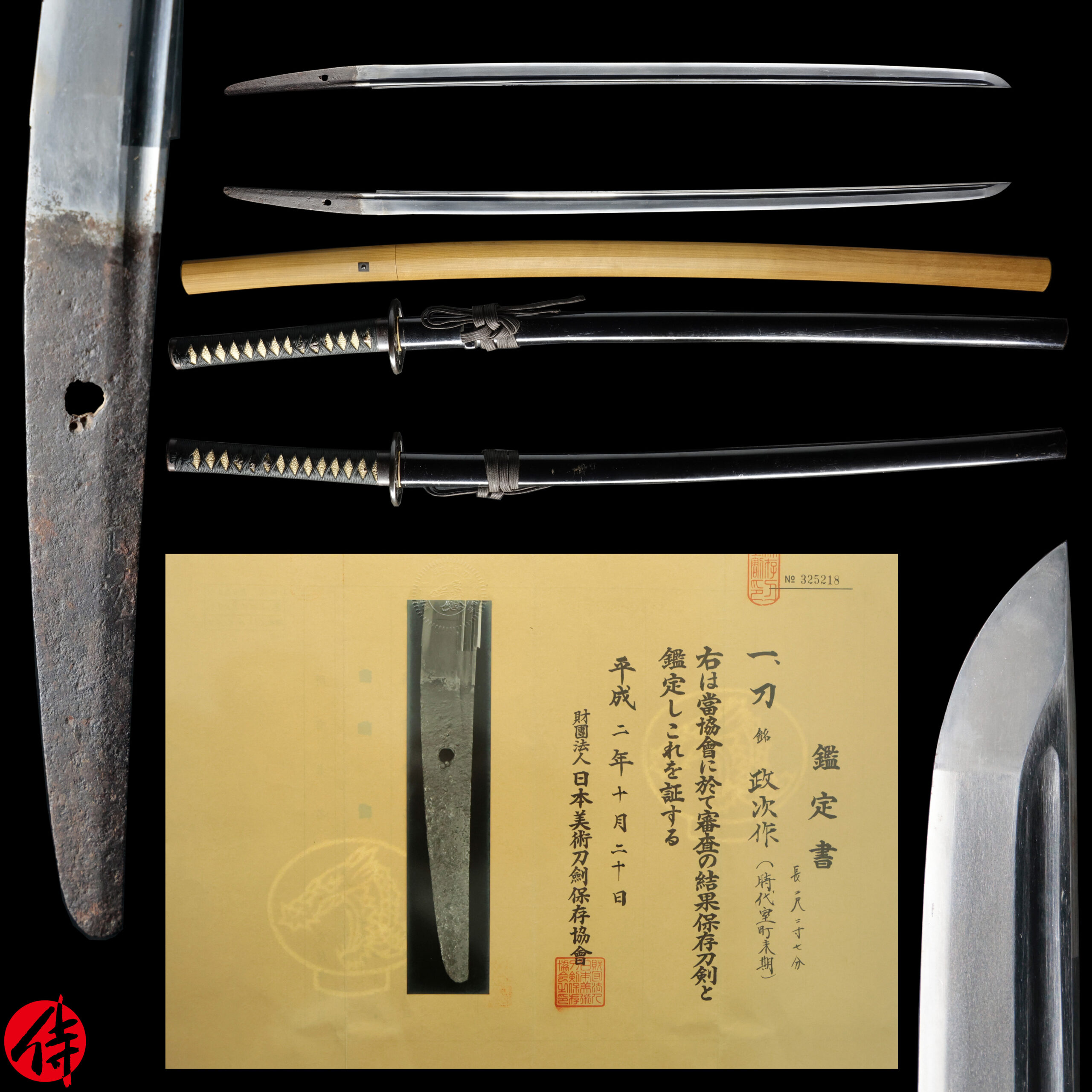
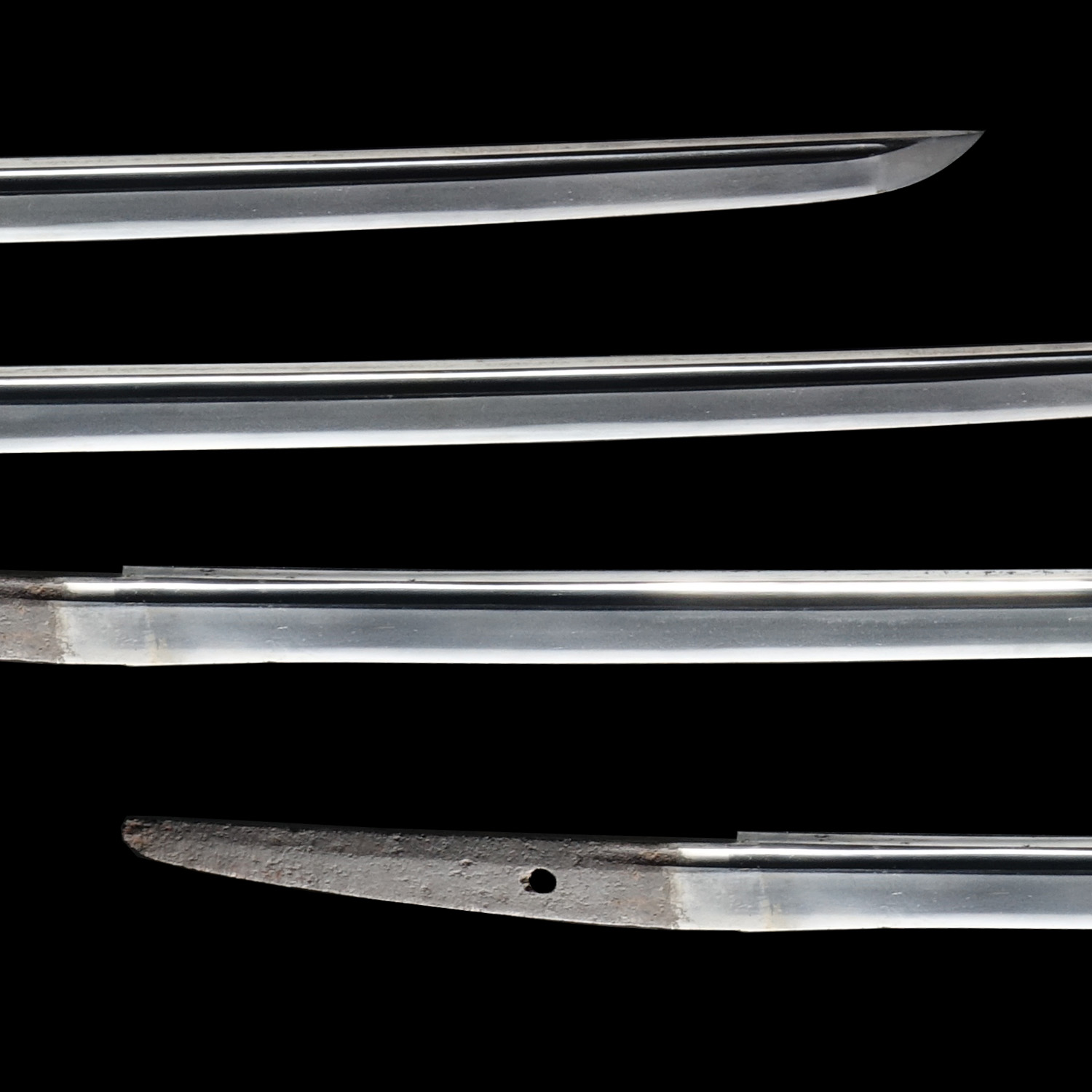
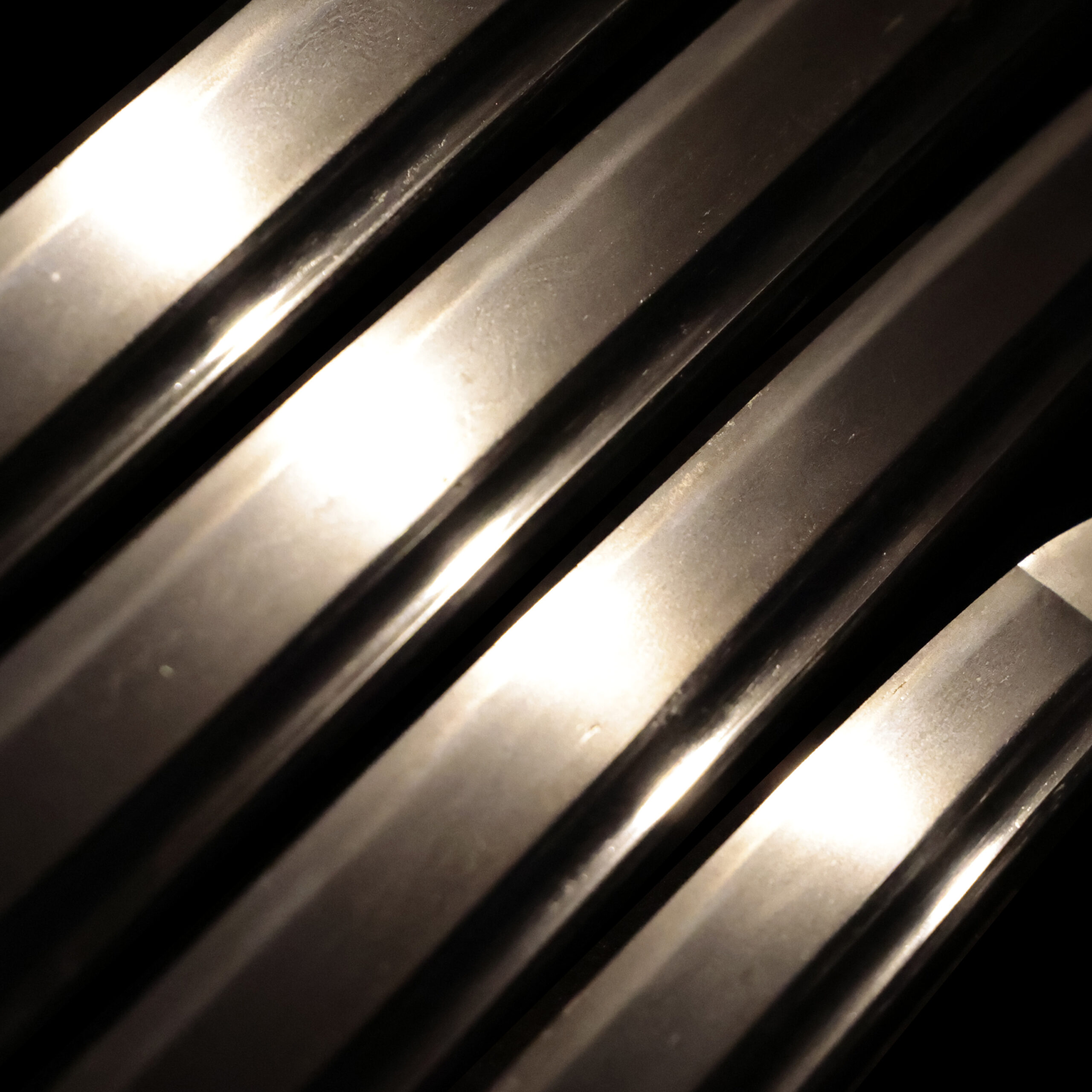
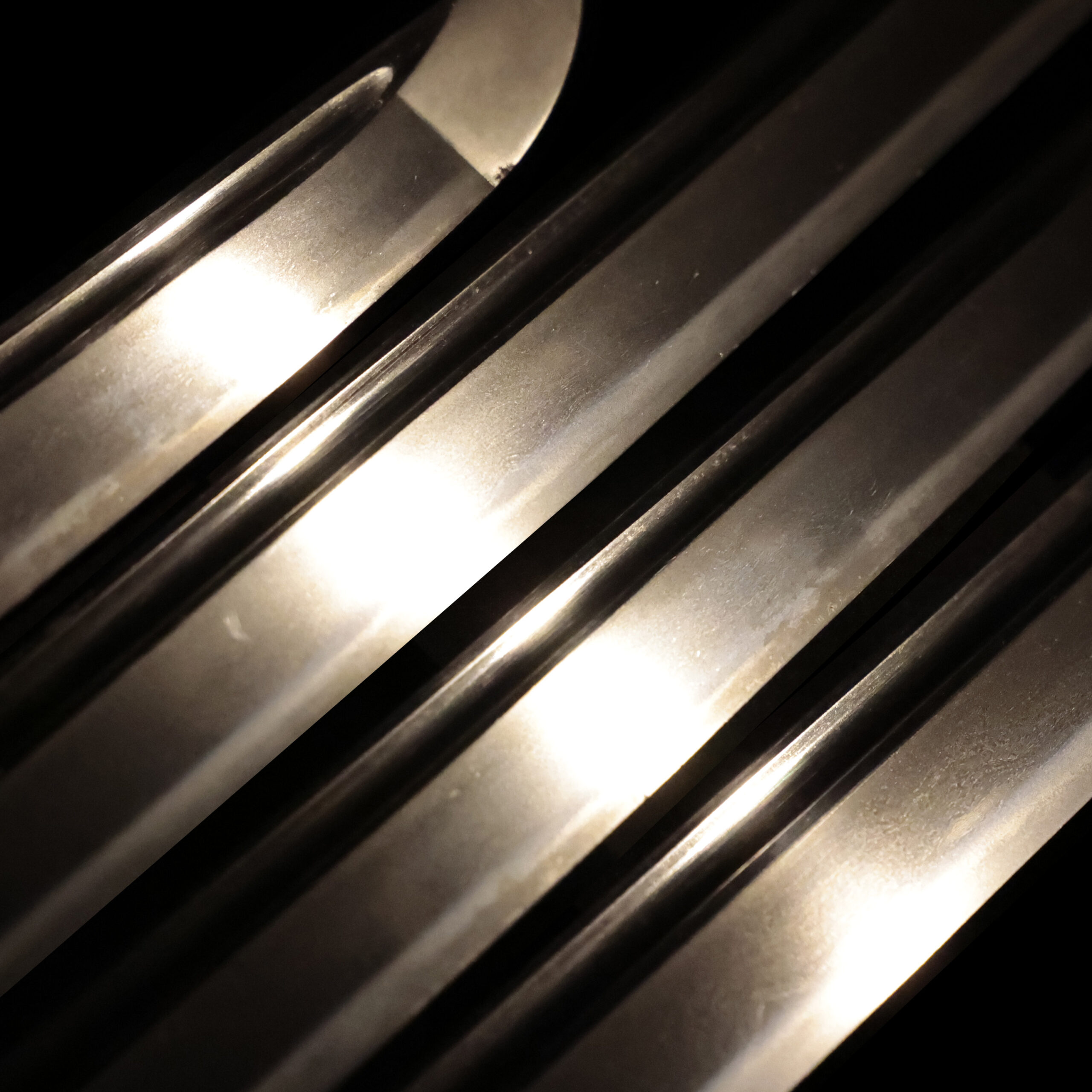
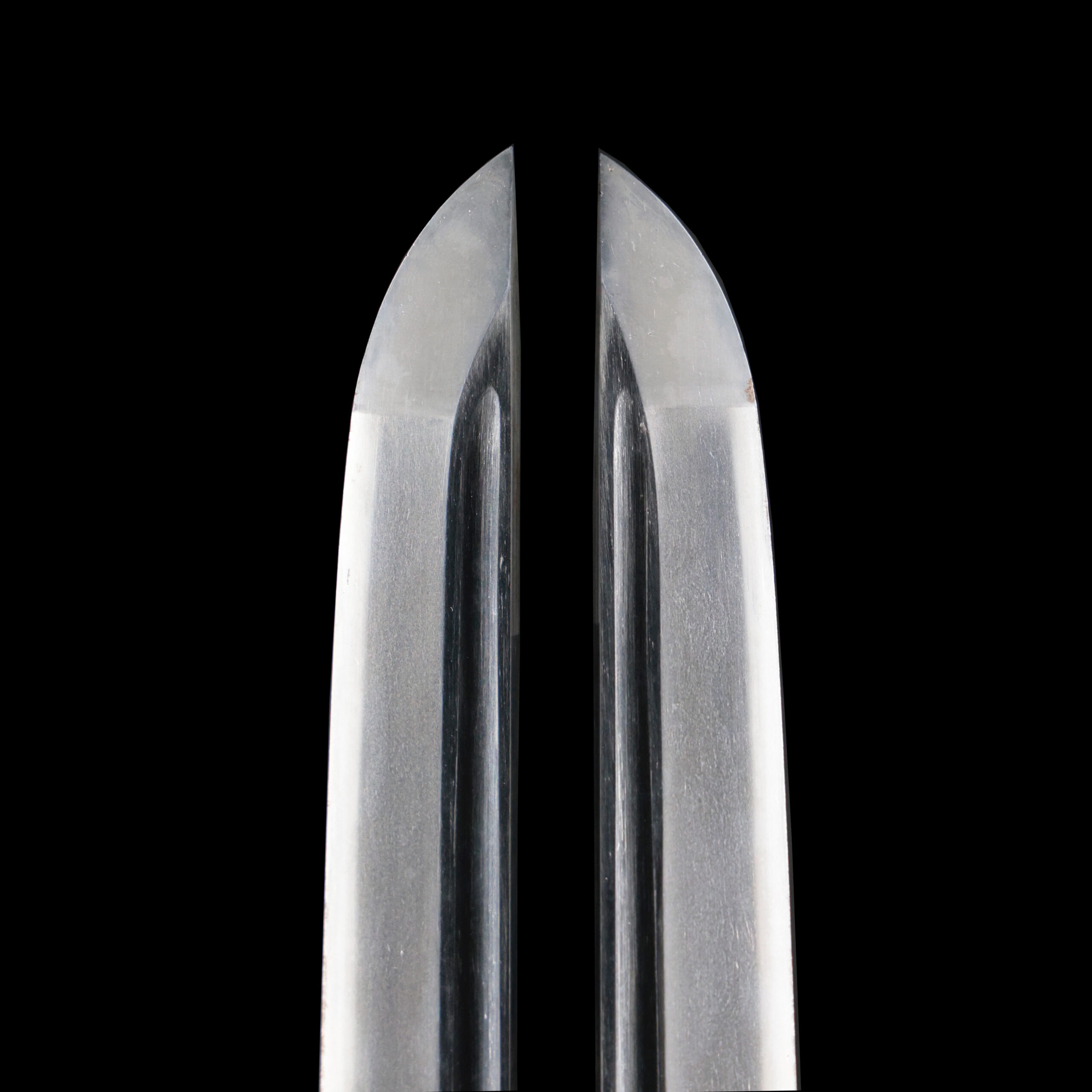
Kanabo (Yamato, Nara) · 大和 · 1492-1570頃
藤代 Jo saku · 刀剣大鑑 上位60%
現在3点販売中
政次は南都住金房兵衛尉政次と長銘に切り、その銘は生ぶ茎の棟寄りに長く刻まれる。本工は説明書が「同派の中で最も名の知られた政次」[[c:1]]と記す刀工で、金房派は室町末期に奈良に隆盛をみた一派である。同派は南都すなわち奈良に住し、室町末期から新刀期にかけて栄え、多くの刀工が金房某と銘したが、政次はその代表的な工として別格に扱われる。銘鑑は永正以降の年紀作を伝え、説明書は同派が大和五派のいずれとも関係が明らかでないと率直に記す。この不明こそ本工を解く鍵で、その作はおよそ大和物らしく振る舞わない。手掻やその近隣の真っ直ぐな柾と控えめな沸ではなく、本工の刀は室町末期の実戦刀の広く逞しい姿をとり、説明書は金房の作域を末備前・末関の打刀に擬し、その身幅広く先反のついた打刀姿に共通すると述べる。
本工の指定作すべてに通う手は互の目調の大乱で、まずこれによって知られる。のたれを地として角がかった互の目・小互の目を一度に交え、足・葉がよく入り、刃幅広く落ち着かない。第十五回の刀はまさにこの通りで、のたれに角がかった互の目・小互の目を交え、匂深く小沸がつき、第二十四回の薙刀では焼幅が広がり腰の開いた互の目に砂流しが沸を縫って働く。匂口は柔らかくではなく締まりごころとなり、説明書は同派一般について、金房の刃が互の目調の大乱で匂口の沈んだものが多いと観察する。政次自身の刃はその一門の癖のより制御され明るい現れで、多くの同派工が単に鈍いところを匂深く焼くのであり、それゆえ説明書は第十五回の刀を同工同派の中で優れた作風を示すものと判ずる。
地鉄は本工を見分けるもう一つの半ばで、刀身の他の部分が伝統を離れてもなお大和の痕跡をとどめる。鍛えは流れて柾がかった板目で、研ぎの下にやや肌立ち、最も奔放な薙刀では杢を交えて大肌にまで緩む。その上に地沸が敷き、第二十五回の長大な大薙刀では地に白気映りが立ち、これは末期の大和・美濃の鉄が見せる淡い映りである。広い刃中には砂流し・金筋が走り、最も働きの強い作では刃縁にほつれを交え地に処々湯走りが起こる。帽子は一定で見どころとなる。すなわち本工のいずれの作も乱れ込み、初期の刀・薙刀では小丸に、長大な大薙刀では先尖りごころに返り、最も新しい薙刀ではしきりに掃きかけてやや長く焼き下げてから返る。
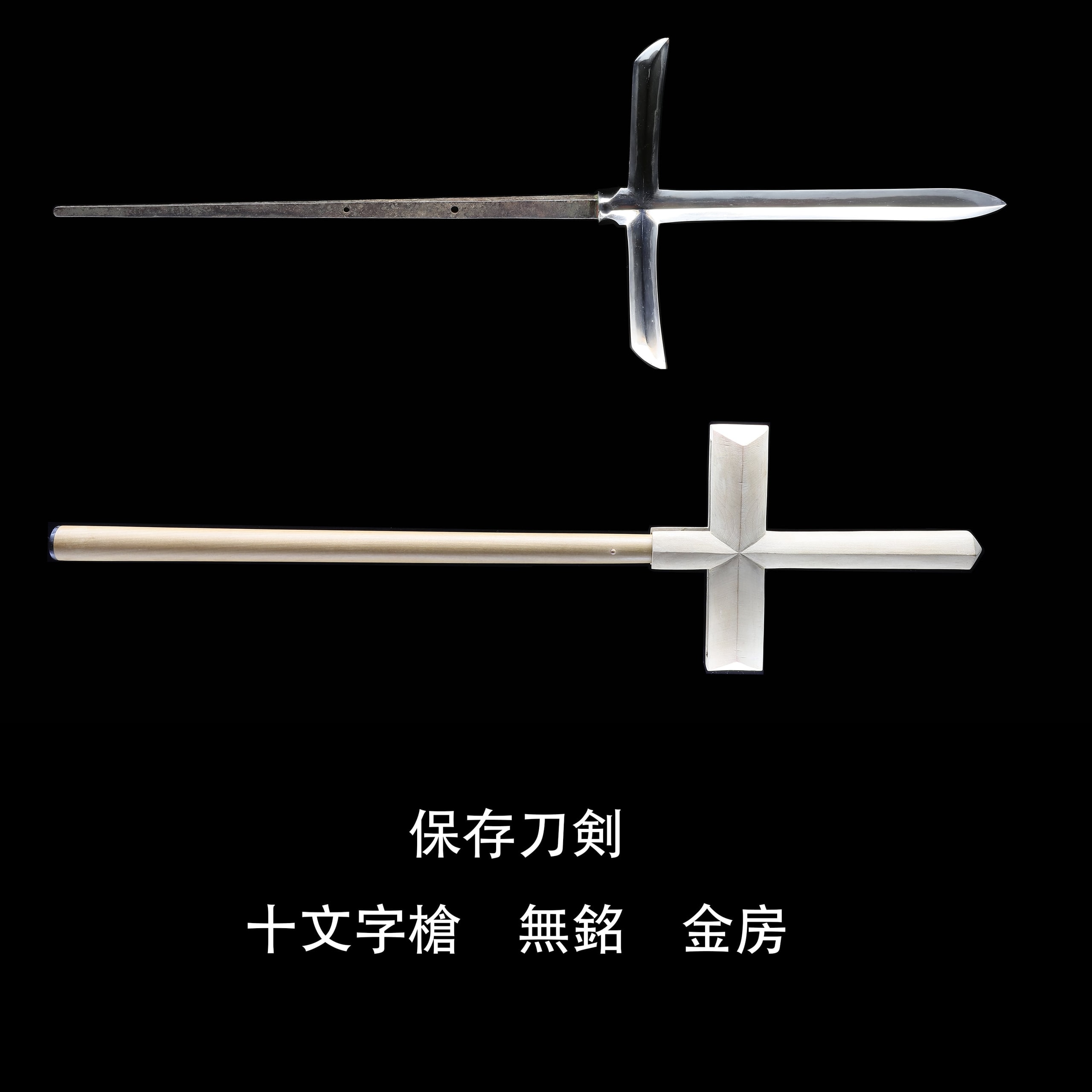
本工に残るのは太刀や刀ではなく長柄物が主で、これが記録の最も特異な事実である。金房派は薙刀の遺例が目立ち、説明書はその多さを、興福寺をはじめとする南都七大寺の僧兵の需要にこたえた製作と素直に読む。その武器庫は数多くの長柄を要したのである。本工の指定作四口のうち二口が薙刀で、最も長いものは説明書が「極めて長大であり、しかも出来が優れている」[[c:2]]と評する堂々たる一口である。同派は本工の指定作には現れない静かな作域、匂口の締まった直刃に足・葉がよく入るものも焼き、説明書はこれを実は金房で最も多い刃文と記すが、政次の現存作ではその直刃は控えとなり互の目調の乱れが終始主調をなす。第三十八回の薙刀は朱塗長巻拵を共に完存し、説明書はこれを「政次の一典型」と呼び、拵も中身の製作に合わせて作られたものと推す。
本工を分かつものは、周囲の諸派との対比よりも、その自身の地に足のついた特色によって最もよく語られる。広い実戦の姿に大鋒、流れて肌立つ地鉄、深い匂と締まった匂口を伴う多形の互の目乱れ、そして絶えず乱れ込む帽子が一つの見分けられる全体をなし、いずれの大和伝にも属さず、むしろ同時代の末備前・末関の工に通う。金房派そのものの中では、作の大半が確かながら平凡であるのに対し、本工の手は説明書が同派中最も健全で出来が優れたものとして挙げる手であり、同派を測る基準である。五派への上方の関係は説明書自身が認める通りなお未解明の問題であり、その古い系譜からの離れこそが、その作を一見して読みやすくしている一因である。
政次の作は四口が公の指定記録に立ち、いずれも重要刀剣の位で、これが収集家がいつか出会いうるものの現実的な目安である。本工に国宝・重要文化財の指定はなく、現存する指定作は私蔵され、所有者の多くは図録に記録されていないので、名家の連なりを正直に並べることはできない。本工は藤代の位列で上作とされ、末期室町の地方工としては堅実な評価であり、刀剣図鑑の評価額も中位に位置する。その作が市に出るのは時折で、しかも主にその薙刀においてであり、本工は最もこの形で出会われる。第三十八回の作のように生ぶの拵を完存する例はさらに稀である。末期大和の諸派と、それを支えた奈良の武装した寺院に惹かれる収集家にとって、広く率直で紛れもない互の目乱れに焼かれた指定の政次は、最も優れた金房の手の確かに極められた作を手にする、より得やすい道の一つである。
政次の位置づけを、日本刀全体および伝統・時代・時期ごとに示します。各位(随一・屈指・有数・著名)は、NBTHK および文化庁による指定に加え、三作や名物帳などの歴史的栄誉を加味したものです。
各項目を選ぶと評価方法が表示されます。
脇物 · 大和
現在8点販売中
金房派は、大和国奈良すなわち南都を本拠として室町末期から新刀期にかけて活動した一群である。説示によれば、金房某と銘する刀工が数多く知られて栄え、永正以降の年紀作をままみるという。同派の代表工としては政次があり、南都住金房兵衛尉政次と長銘を切る。ほかに政定が伝わり、南都住藤原朝臣金房左衛門尉政定作と銘し、永禄二年の年紀を有する作が知られる。大和の伝統的な五派との関係は明らかでないと説示は記しており、同地に拠りながらも別個の一派として隆盛をみたものと位置づけられる。同派に薙刀の遺例が比較的目立つのは、興福寺をはじめとする南都七大寺の僧兵の需要にこたえたものと説示は説く。 作風について説示が共通して挙げるのは、板目が流れて柾がかり、肌立つ鍛であり、地沸のつくもの、白気映りの立つものがみられる点である。刃文は、説示の一には直刃が最も多いとし、ほかにのたれや互の目を焼くと記すが、互の目調の大乱を主とする作も多く、腰の開いた互の目乱れに小足・葉のよく入るもの、足・葉が太く入るものが見受けられる。匂口は締まりごころとなるものを多く挙げ、一方で沈みごころとなるものにも触れる。帽子は乱れ込んで掃きかけ、先尖りごころに返るものや、やや長く焼き下げるものがある。造込みは身幅広く反り浅い大鋒の打刀姿を採り、末備前・末関などと共通する姿を示すと説示は述べ、薙刀造の作と併せて、実用に応じた一派の性格をうかがわせる。彫物には棒樋や倶利迦羅を施す例があり、茎は生ぶ、鑢目は勝手下りや筋違を交える。 鑑定にあたっては、柾がかって流れる板目鍛と、足・葉の目立つ互の目調の刃を要点とし、薙刀を含む実用本位の造込みを併せて見るべきものである。代表作としては政次の長大な薙刀があり、説示はこれを同派中の著名な一典型とする。政定の打刀には永禄の年紀と倶利迦羅の彫を備えた作が伝わる。なお薙刀には朱塗長巻拵などを附帯し、中身の製作に合わせて誂えられ、金具・塗りともそのままに保存される例もある。資料は僅少であるが、説示の記すところに従えば、金房派は大和奈良に拠りつつ伝統的な大和伝とは異なる作風を展開し、僧兵の需要を背景に薙刀と実用の刀槍を手がけた、室町末期を代表する一派として理解される。 詳しく見る →
室町時代
室町は刀剣業を産業に変えた。徒歩の集団戦とともに打刀が興り、長船と関は数打ち物と注文打ちを並行して産し、勘合貿易は日本刀を数万振の単位で海外へ運んだ。
銘が正しい、または無銘でも年代・国・系統を確実に指摘できる、保存に値する真正の作と鑑定されたものです。
日本美術刀剣保存協会(NBTHK)は、1948年に設立され、文化庁の監督を受ける公益財団法人で、東京・刀剣博物館に本部を置きます。専門の審査員が出品作を直接審査し、美術的・歴史的価値に応じた鑑定書を発行します。NBTHKの鑑定書は、日本刀および刀装具の真正性を示す最も広く認知された基準です。
NBTHK公式サイトReturns/exchanges limited to defects caused by shipping (except willful misconduct or gross negligence by the company); customers must contact within 72 hours of receiving the product.
保存刀剣鑑定書付 銘:政次 【概要】 本作は「政次」と銘が切られた一振りです。政次の名は室町時代から昭和期に至るまで、大和(現在の奈良県)、備中(岡山県)、相模(神奈川県)など各地で数代にわたり受け継がれてきました。日本美術刀剣保存協会(日美刀協)の鑑定によれば、本作は室町時代末期(16世紀後半)に打たれたものとされています。 この時代はまさに戦国時代の真っ只中であり、各地の有力大名が領地や権力を巡って熾烈な争いを繰り広げていました。本作も当時の武士の需要に応じ、実戦を想定して鍛えられた一振りであると推察されます。 本作は、日本美術刀剣保存協会より「保存刀剣」に認定されています。これは、保存状態が良く、美術的価値が高い正真の日本刀であることを証明するものです。 ※刀身には数箇所の鍛え傷と黒錆が見受けられます。詳細なコンディションについては、お気軽にお問い合わせください。 【刀身】 長さ(Nagasa):69.0 cm 反り(Sori):0.6 cm 刃文(Hamon):焼入れによって刃縁に現れる結晶構造。 地文(地肌):鍛錬の際の折り返しによって現れる鋼の模様。 切先(Kissaki):刀身の先端部分。 茎(Nakago):柄に収まる中心(なかご)部分。 茎に現れる黒錆は、柄内部での赤錆の発生を防ぐ役割があります。また、経年による茎の変色は、専門家が制作年代を特定する際の重要な指標となります。 【外装】 拵(Koshirae):鞘、柄、鍔などから構成される日本刀の外装。 縁頭(Fuchi-Kashira):柄の両端を保護し、装飾を兼ねる一対の金具。 柄・目貫(Tsuka / Menuki): 目貫の意匠は「龍」です。龍は古代中国の神話に由来する想像上の生物であり、瑞祥(吉兆)の象徴とされてきました。その姿は「九似(きゅうじ)」、すなわち角は鹿、頭は駱駝、眼は鬼、項は蛇、腹は蛟(みずち)、鱗は魚、爪は鷹、掌は虎、耳は牛に似るとされ、あらゆる動物の頂点に立つ存在と考えられてきました。 中国では皇帝の象徴として厳格な規定がありましたが、日本では階級による制約は少なく、万能の吉祥文様として広く愛されてきました。また、古来より稲作文化が根付く日本において、龍は「龍神」として水の神とも崇められており、日本人にとって非常に親しみ深いモチーフです。 鍔・鎺(Tsuba / Habaki): 鍔は手を守るための仕切りであり、鎺(はばき)は刀身を鞘の中に固定し、刀身が鞘の内側に触れて錆びたり傷ついたりするのを防ぐ役割を持ちます。 この鍔には、七福神の一員である「大黒天」と「恵比寿」が描かれています。
NihontoWatchKanabo (Yamato, Nara) · 大和 · 1492-1570頃
藤代 Jo saku · 刀剣大鑑 上位60%
現在3点販売中
政次は南都住金房兵衛尉政次と長銘に切り、その銘は生ぶ茎の棟寄りに長く刻まれる。本工は説明書が「同派の中で最も名の知られた政次」[[c:1]]と記す刀工で、金房派は室町末期に奈良に隆盛をみた一派である。同派は南都すなわち奈良に住し、室町末期から新刀期にかけて栄え、多くの刀工が金房某と銘したが、政次はその代表的な工として別格に扱われる。銘鑑は永正以降の年紀作を伝え、説明書は同派が大和五派のいずれとも関係が明らかでないと率直に記す。この不明こそ本工を解く鍵で、その作はおよそ大和物らしく振る舞わない。手掻やその近隣の真っ直ぐな柾と控えめな沸ではなく、本工の刀は室町末期の実戦刀の広く逞しい姿をとり、説明書は金房の作域を末備前・末関の打刀に擬し、その身幅広く先反のついた打刀姿に共通すると述べる。
本工の指定作すべてに通う手は互の目調の大乱で、まずこれによって知られる。のたれを地として角がかった互の目・小互の目を一度に交え、足・葉がよく入り、刃幅広く落ち着かない。第十五回の刀はまさにこの通りで、のたれに角がかった互の目・小互の目を交え、匂深く小沸がつき、第二十四回の薙刀では焼幅が広がり腰の開いた互の目に砂流しが沸を縫って働く。匂口は柔らかくではなく締まりごころとなり、説明書は同派一般について、金房の刃が互の目調の大乱で匂口の沈んだものが多いと観察する。政次自身の刃はその一門の癖のより制御され明るい現れで、多くの同派工が単に鈍いところを匂深く焼くのであり、それゆえ説明書は第十五回の刀を同工同派の中で優れた作風を示すものと判ずる。
地鉄は本工を見分けるもう一つの半ばで、刀身の他の部分が伝統を離れてもなお大和の痕跡をとどめる。鍛えは流れて柾がかった板目で、研ぎの下にやや肌立ち、最も奔放な薙刀では杢を交えて大肌にまで緩む。その上に地沸が敷き、第二十五回の長大な大薙刀では地に白気映りが立ち、これは末期の大和・美濃の鉄が見せる淡い映りである。広い刃中には砂流し・金筋が走り、最も働きの強い作では刃縁にほつれを交え地に処々湯走りが起こる。帽子は一定で見どころとなる。すなわち本工のいずれの作も乱れ込み、初期の刀・薙刀では小丸に、長大な大薙刀では先尖りごころに返り、最も新しい薙刀ではしきりに掃きかけてやや長く焼き下げてから返る。
本工に残るのは太刀や刀ではなく長柄物が主で、これが記録の最も特異な事実である。金房派は薙刀の遺例が目立ち、説明書はその多さを、興福寺をはじめとする南都七大寺の僧兵の需要にこたえた製作と素直に読む。その武器庫は数多くの長柄を要したのである。本工の指定作四口のうち二口が薙刀で、最も長いものは説明書が「極めて長大であり、しかも出来が優れている」[[c:2]]と評する堂々たる一口である。同派は本工の指定作には現れない静かな作域、匂口の締まった直刃に足・葉がよく入るものも焼き、説明書はこれを実は金房で最も多い刃文と記すが、政次の現存作ではその直刃は控えとなり互の目調の乱れが終始主調をなす。第三十八回の薙刀は朱塗長巻拵を共に完存し、説明書はこれを「政次の一典型」と呼び、拵も中身の製作に合わせて作られたものと推す。
本工を分かつものは、周囲の諸派との対比よりも、その自身の地に足のついた特色によって最もよく語られる。広い実戦の姿に大鋒、流れて肌立つ地鉄、深い匂と締まった匂口を伴う多形の互の目乱れ、そして絶えず乱れ込む帽子が一つの見分けられる全体をなし、いずれの大和伝にも属さず、むしろ同時代の末備前・末関の工に通う。金房派そのものの中では、作の大半が確かながら平凡であるのに対し、本工の手は説明書が同派中最も健全で出来が優れたものとして挙げる手であり、同派を測る基準である。五派への上方の関係は説明書自身が認める通りなお未解明の問題であり、その古い系譜からの離れこそが、その作を一見して読みやすくしている一因である。
政次の作は四口が公の指定記録に立ち、いずれも重要刀剣の位で、これが収集家がいつか出会いうるものの現実的な目安である。本工に国宝・重要文化財の指定はなく、現存する指定作は私蔵され、所有者の多くは図録に記録されていないので、名家の連なりを正直に並べることはできない。本工は藤代の位列で上作とされ、末期室町の地方工としては堅実な評価であり、刀剣図鑑の評価額も中位に位置する。その作が市に出るのは時折で、しかも主にその薙刀においてであり、本工は最もこの形で出会われる。第三十八回の作のように生ぶの拵を完存する例はさらに稀である。末期大和の諸派と、それを支えた奈良の武装した寺院に惹かれる収集家にとって、広く率直で紛れもない互の目乱れに焼かれた指定の政次は、最も優れた金房の手の確かに極められた作を手にする、より得やすい道の一つである。
政次の位置づけを、日本刀全体および伝統・時代・時期ごとに示します。各位(随一・屈指・有数・著名)は、NBTHK および文化庁による指定に加え、三作や名物帳などの歴史的栄誉を加味したものです。
各項目を選ぶと評価方法が表示されます。
脇物 · 大和
現在8点販売中
金房派は、大和国奈良すなわち南都を本拠として室町末期から新刀期にかけて活動した一群である。説示によれば、金房某と銘する刀工が数多く知られて栄え、永正以降の年紀作をままみるという。同派の代表工としては政次があり、南都住金房兵衛尉政次と長銘を切る。ほかに政定が伝わり、南都住藤原朝臣金房左衛門尉政定作と銘し、永禄二年の年紀を有する作が知られる。大和の伝統的な五派との関係は明らかでないと説示は記しており、同地に拠りながらも別個の一派として隆盛をみたものと位置づけられる。同派に薙刀の遺例が比較的目立つのは、興福寺をはじめとする南都七大寺の僧兵の需要にこたえたものと説示は説く。 作風について説示が共通して挙げるのは、板目が流れて柾がかり、肌立つ鍛であり、地沸のつくもの、白気映りの立つものがみられる点である。刃文は、説示の一には直刃が最も多いとし、ほかにのたれや互の目を焼くと記すが、互の目調の大乱を主とする作も多く、腰の開いた互の目乱れに小足・葉のよく入るもの、足・葉が太く入るものが見受けられる。匂口は締まりごころとなるものを多く挙げ、一方で沈みごころとなるものにも触れる。帽子は乱れ込んで掃きかけ、先尖りごころに返るものや、やや長く焼き下げるものがある。造込みは身幅広く反り浅い大鋒の打刀姿を採り、末備前・末関などと共通する姿を示すと説示は述べ、薙刀造の作と併せて、実用に応じた一派の性格をうかがわせる。彫物には棒樋や倶利迦羅を施す例があり、茎は生ぶ、鑢目は勝手下りや筋違を交える。 鑑定にあたっては、柾がかって流れる板目鍛と、足・葉の目立つ互の目調の刃を要点とし、薙刀を含む実用本位の造込みを併せて見るべきものである。代表作としては政次の長大な薙刀があり、説示はこれを同派中の著名な一典型とする。政定の打刀には永禄の年紀と倶利迦羅の彫を備えた作が伝わる。なお薙刀には朱塗長巻拵などを附帯し、中身の製作に合わせて誂えられ、金具・塗りともそのままに保存される例もある。資料は僅少であるが、説示の記すところに従えば、金房派は大和奈良に拠りつつ伝統的な大和伝とは異なる作風を展開し、僧兵の需要を背景に薙刀と実用の刀槍を手がけた、室町末期を代表する一派として理解される。 詳しく見る →
室町時代
室町は刀剣業を産業に変えた。徒歩の集団戦とともに打刀が興り、長船と関は数打ち物と注文打ちを並行して産し、勘合貿易は日本刀を数万振の単位で海外へ運んだ。
銘が正しい、または無銘でも年代・国・系統を確実に指摘できる、保存に値する真正の作と鑑定されたものです。
日本美術刀剣保存協会(NBTHK)は、1948年に設立され、文化庁の監督を受ける公益財団法人で、東京・刀剣博物館に本部を置きます。専門の審査員が出品作を直接審査し、美術的・歴史的価値に応じた鑑定書を発行します。NBTHKの鑑定書は、日本刀および刀装具の真正性を示す最も広く認知された基準です。
NBTHK公式サイトReturns/exchanges limited to defects caused by shipping (except willful misconduct or gross negligence by the company); customers must contact within 72 hours of receiving the product.