室町は刀剣業を産業に変えた。徒歩の集団戦とともに打刀が興り、長船と関は数打ち物と注文打ちを並行して産し、勘合貿易は日本刀を数万振の単位で海外へ運んだ。
 NihontoWatchNihontoWatch
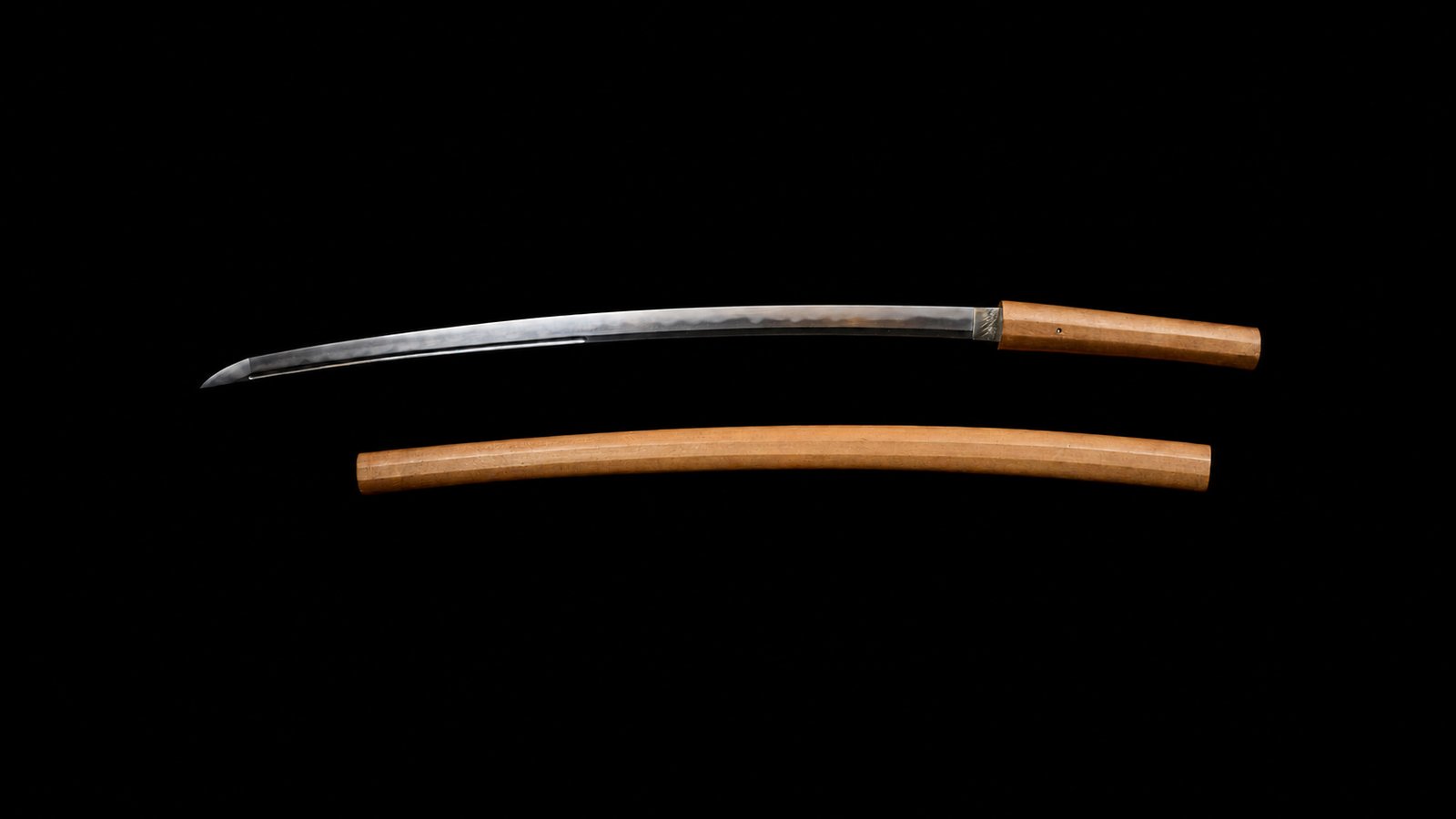
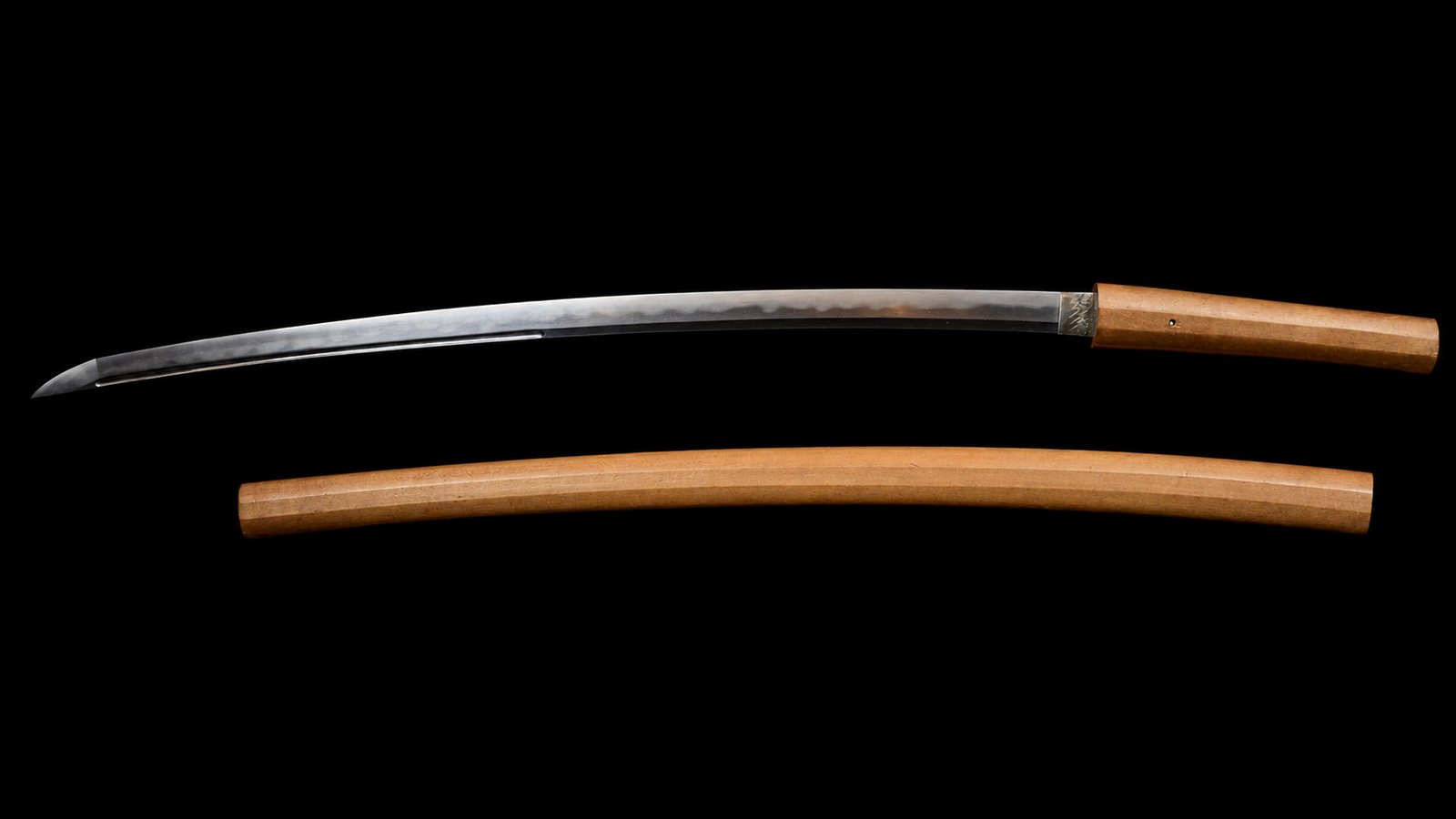
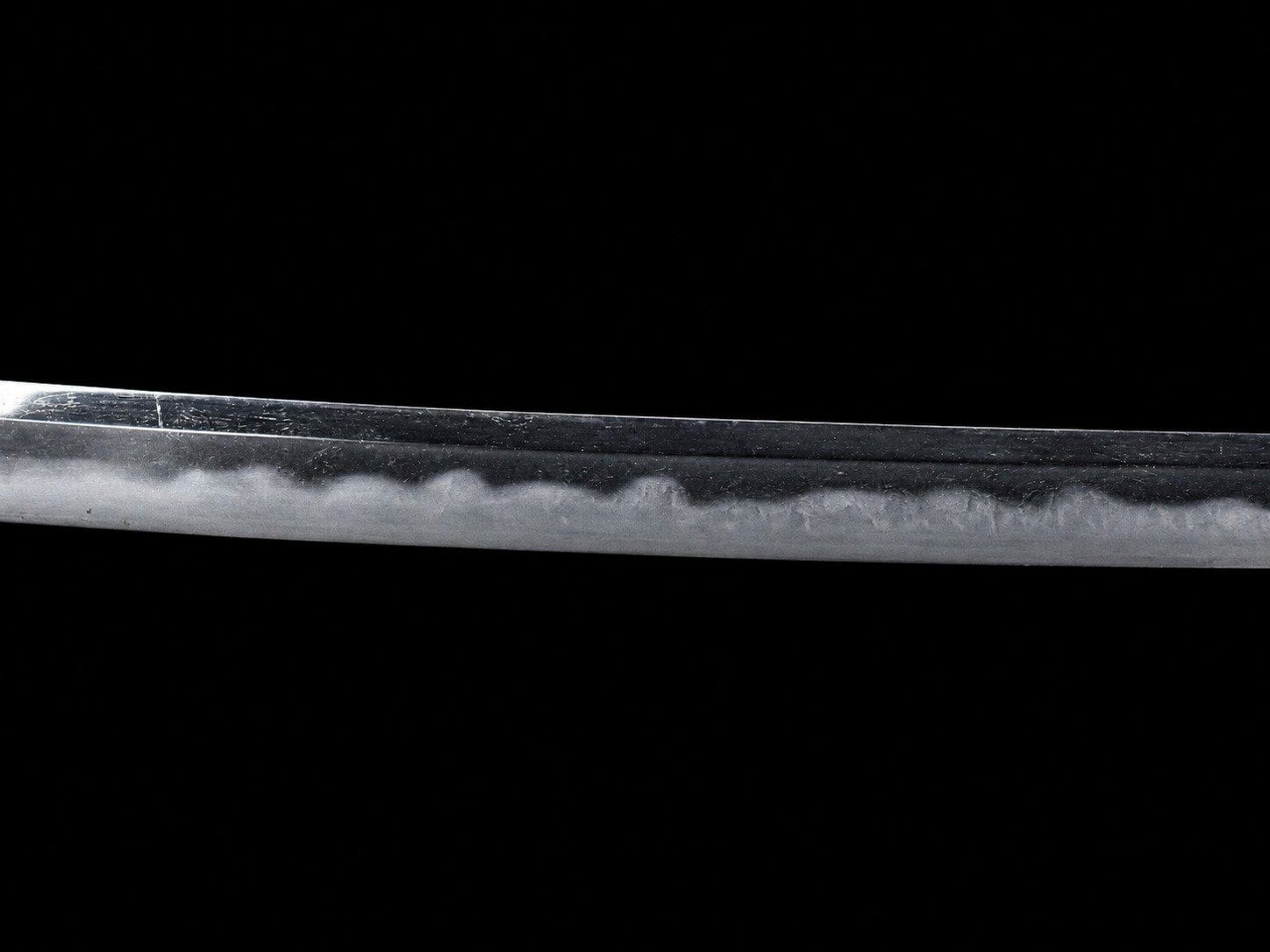
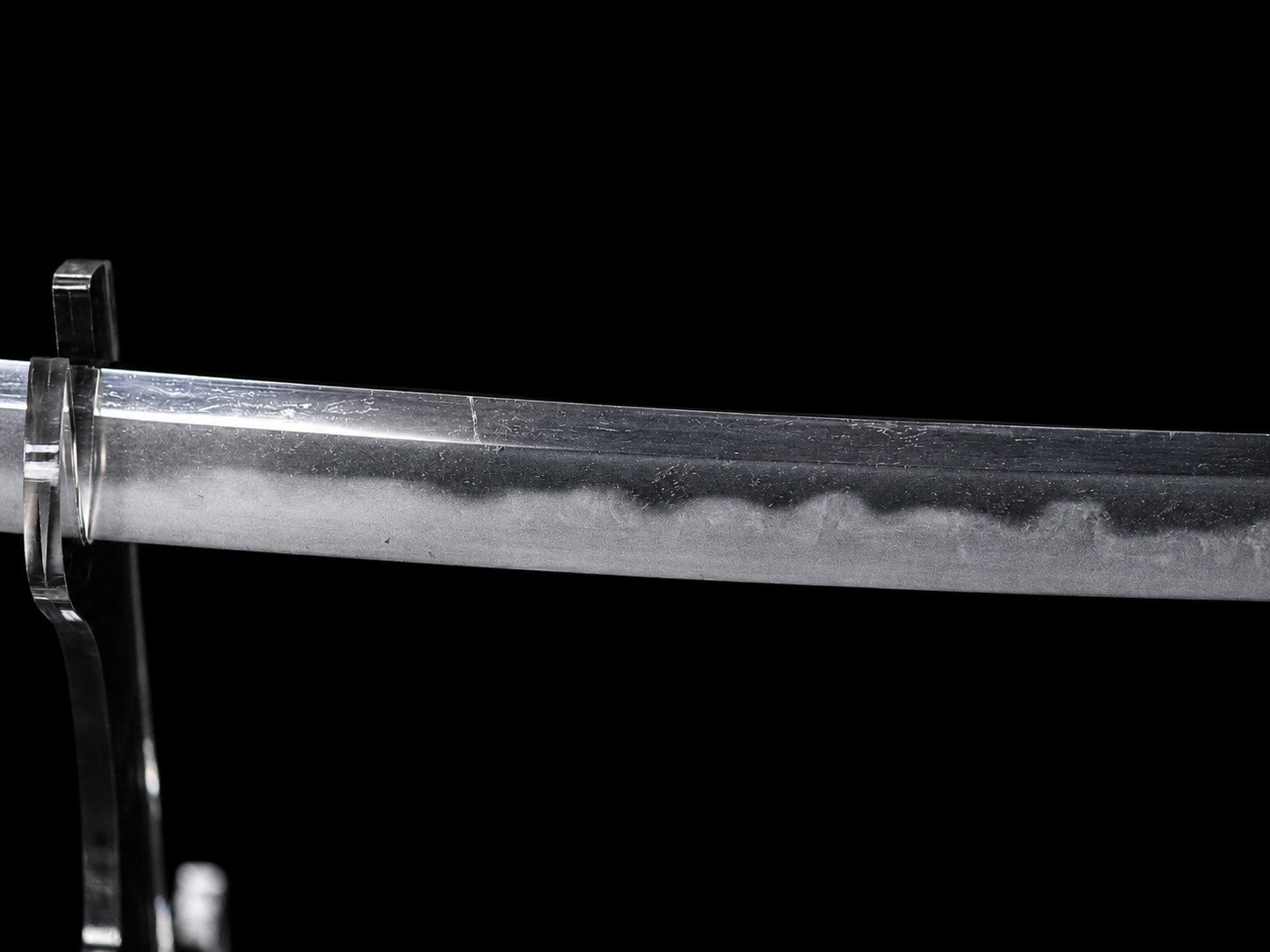
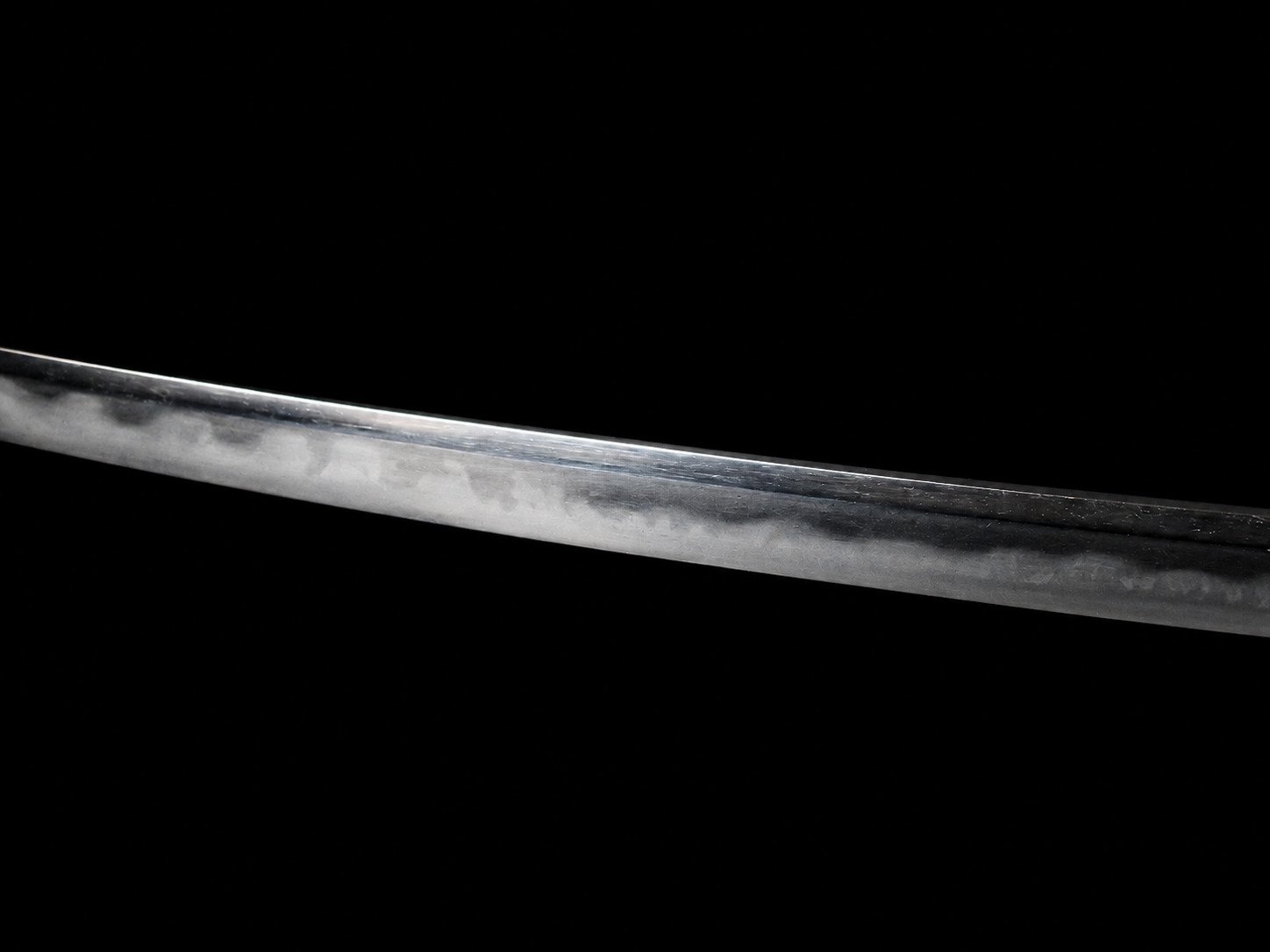
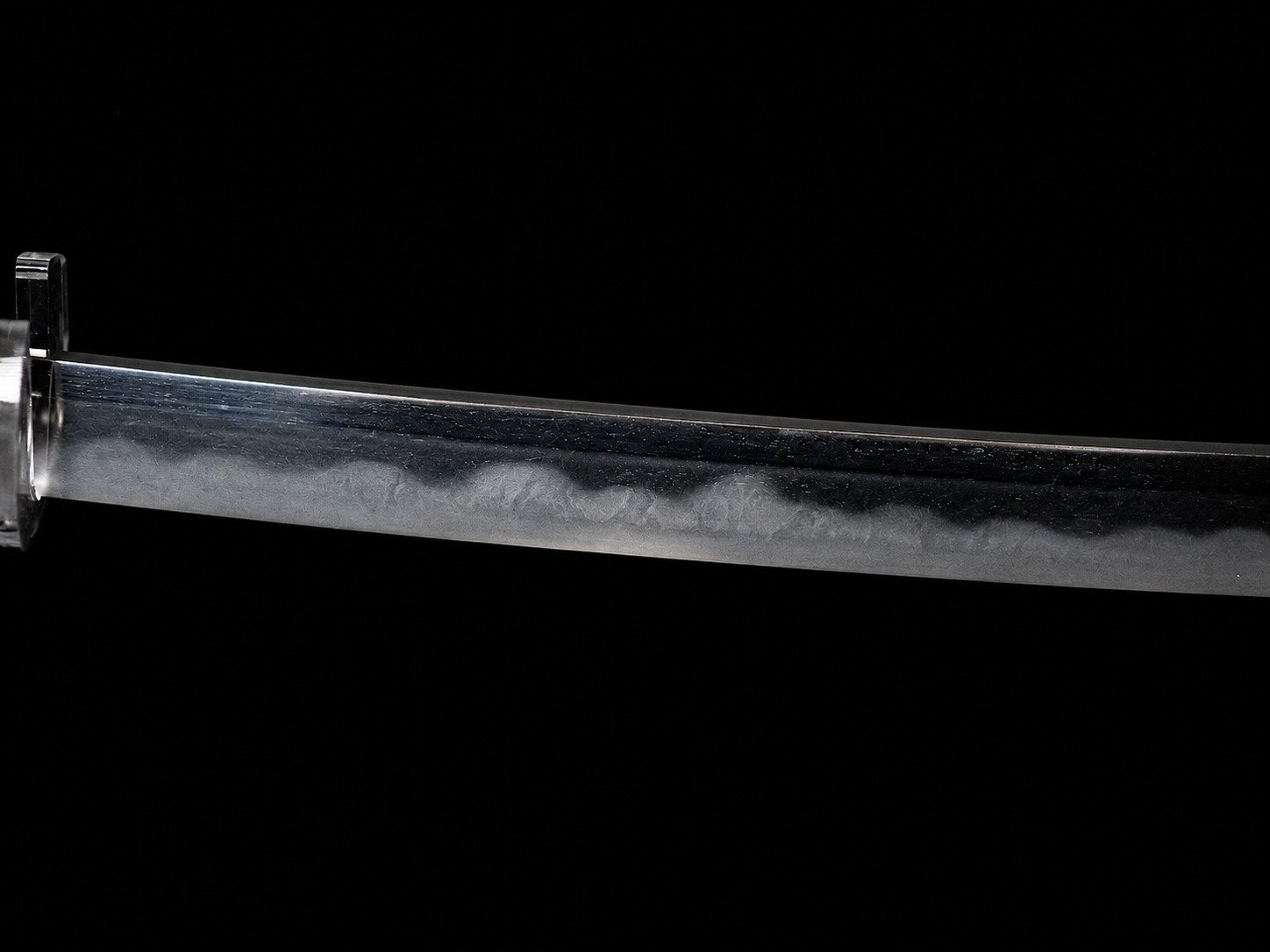
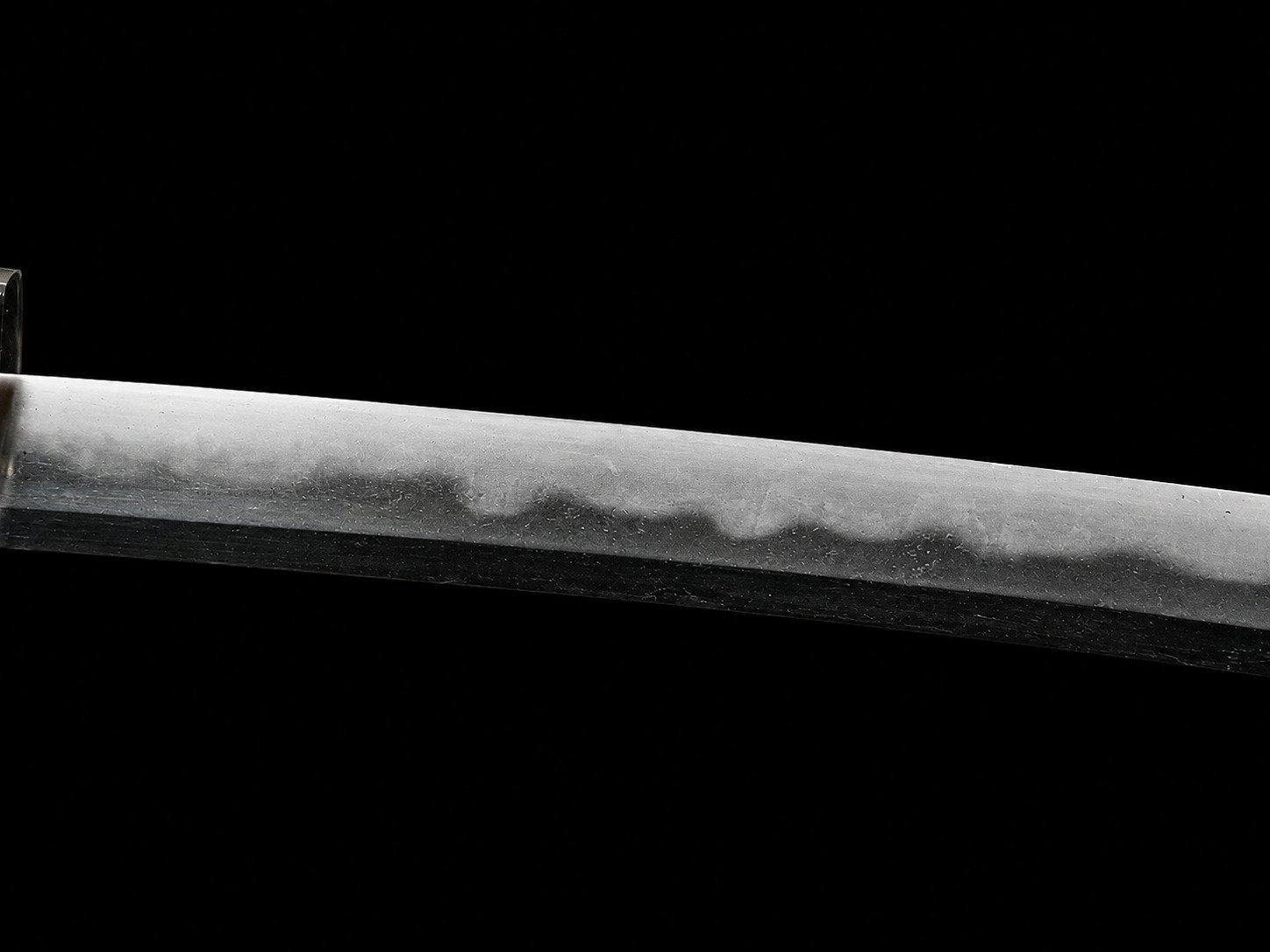
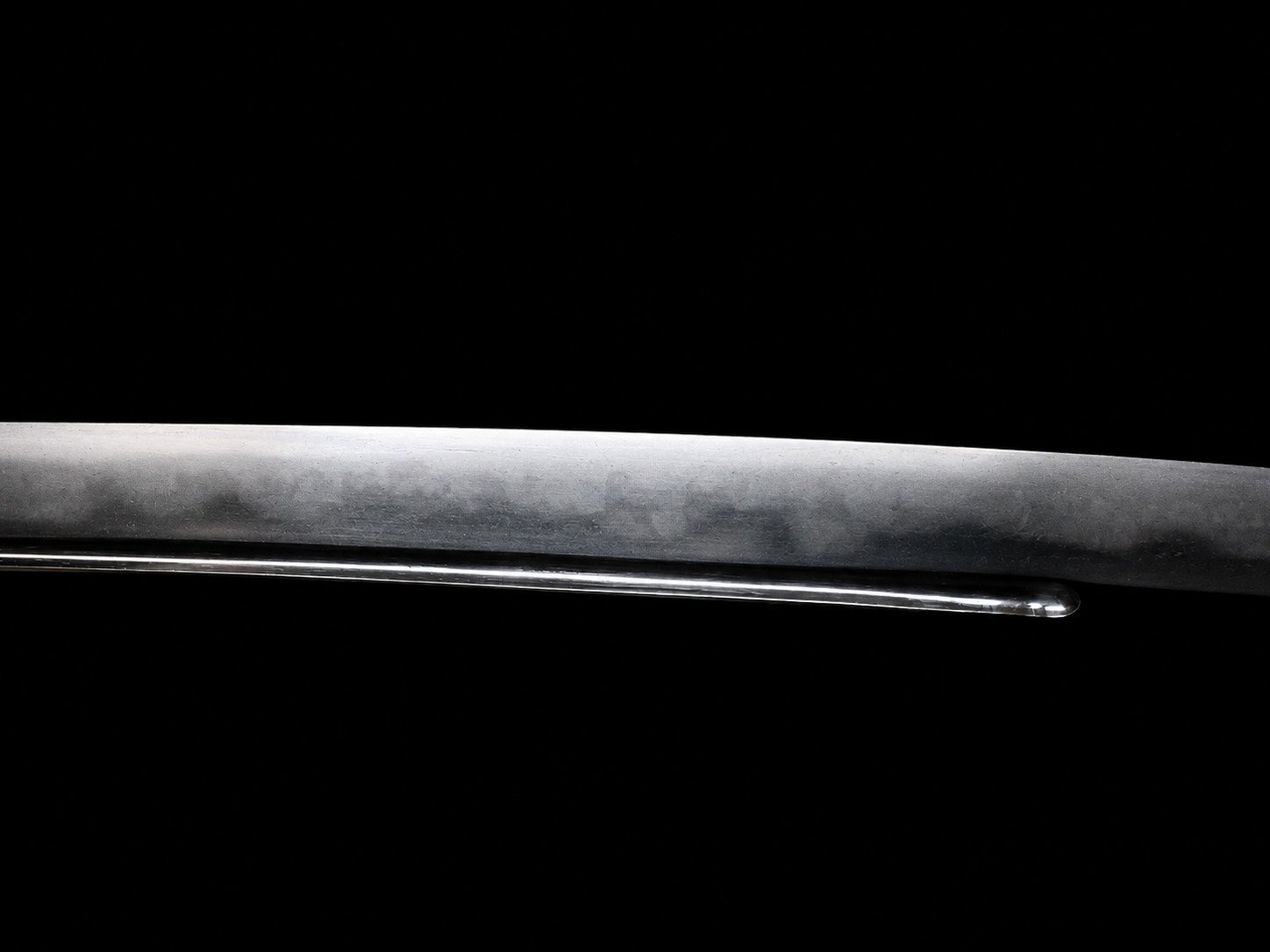
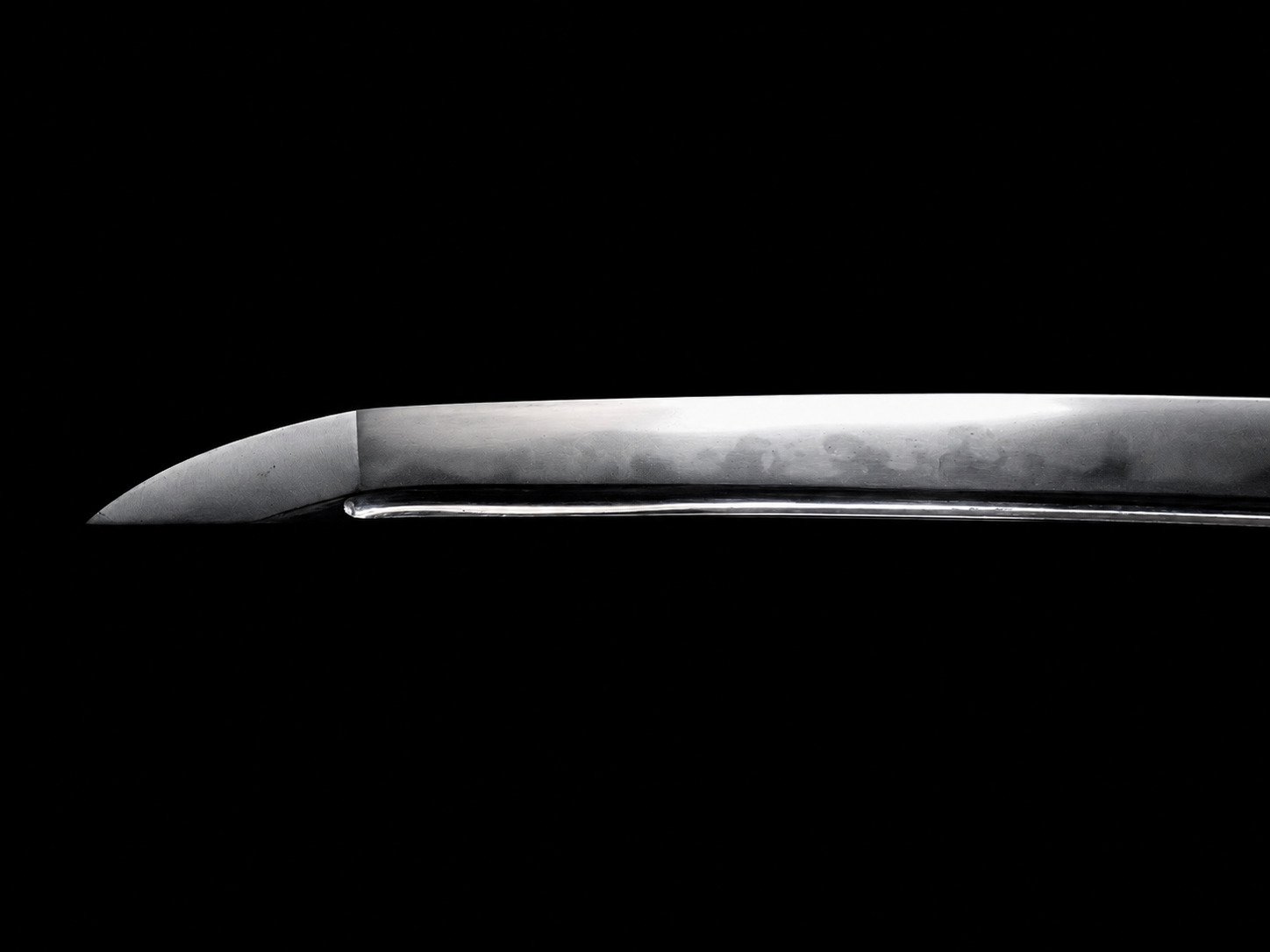
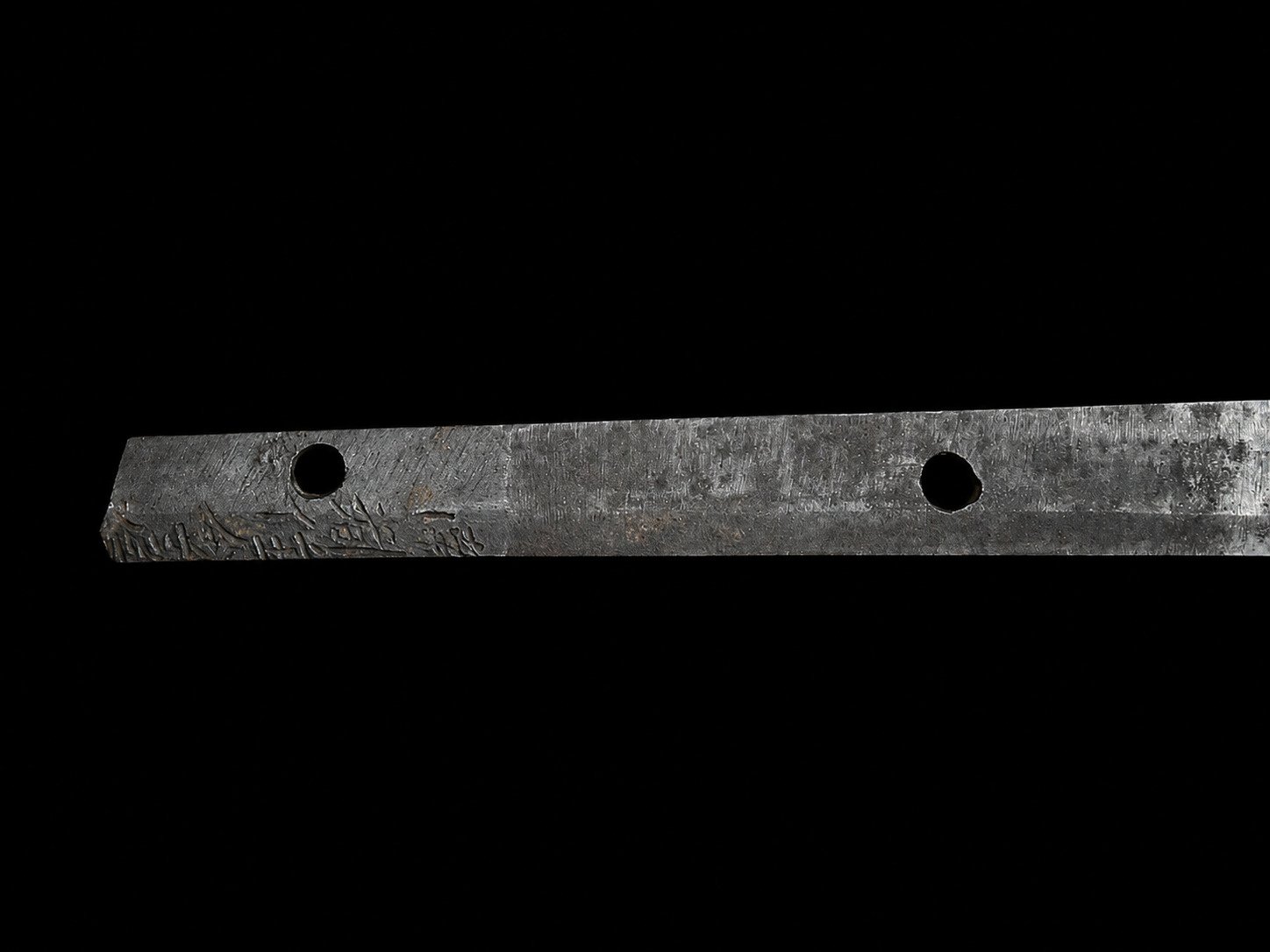
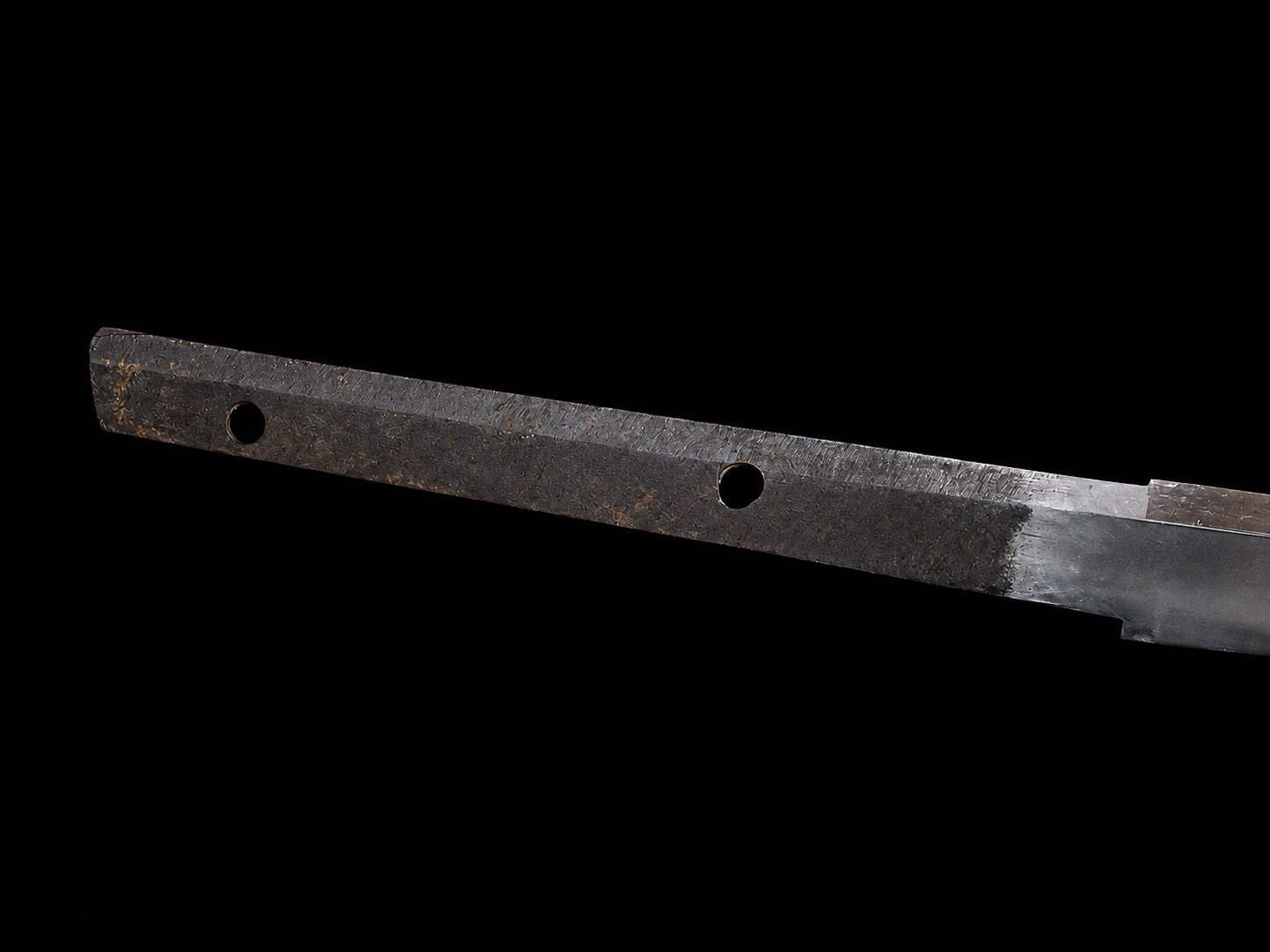
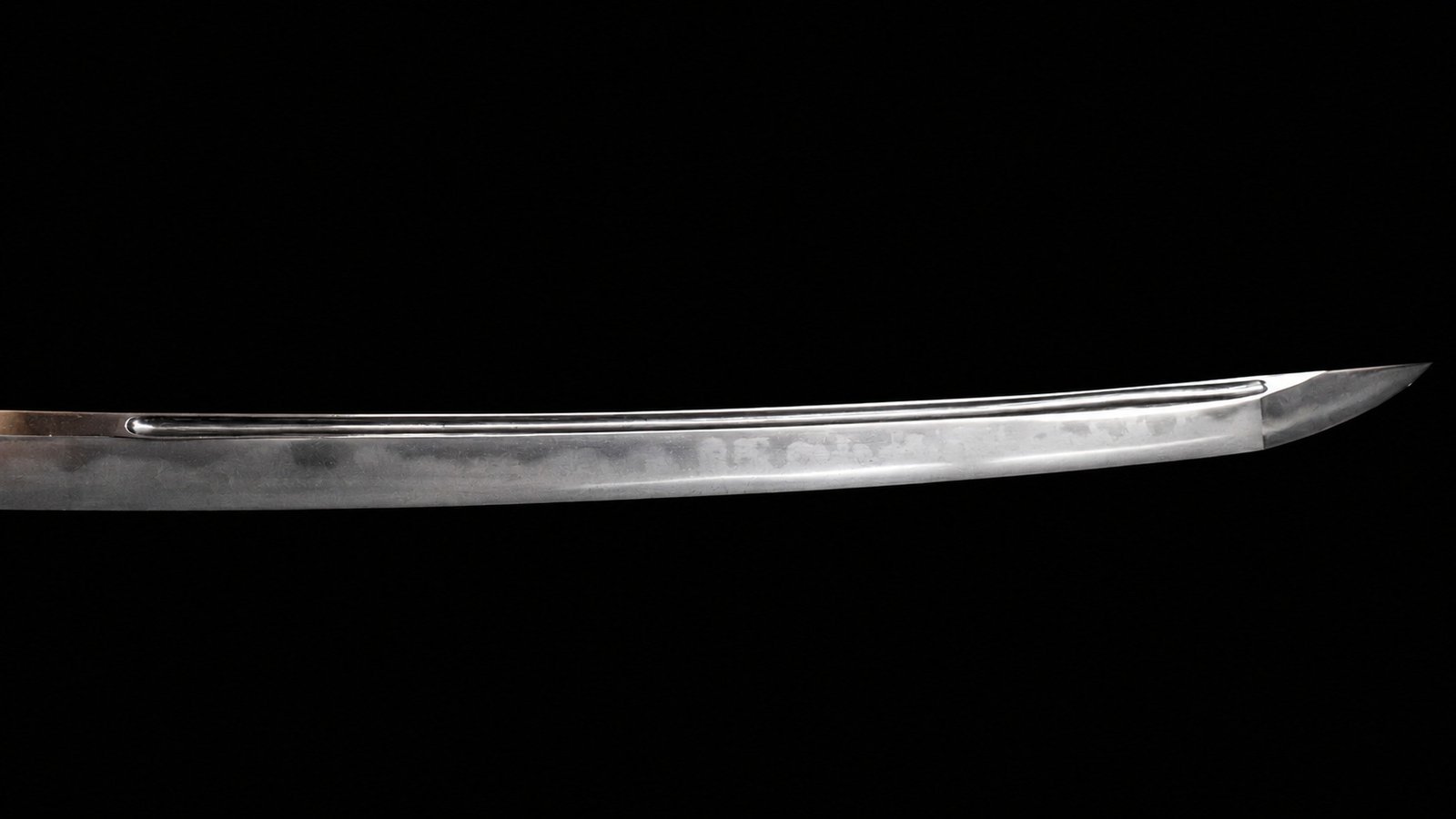
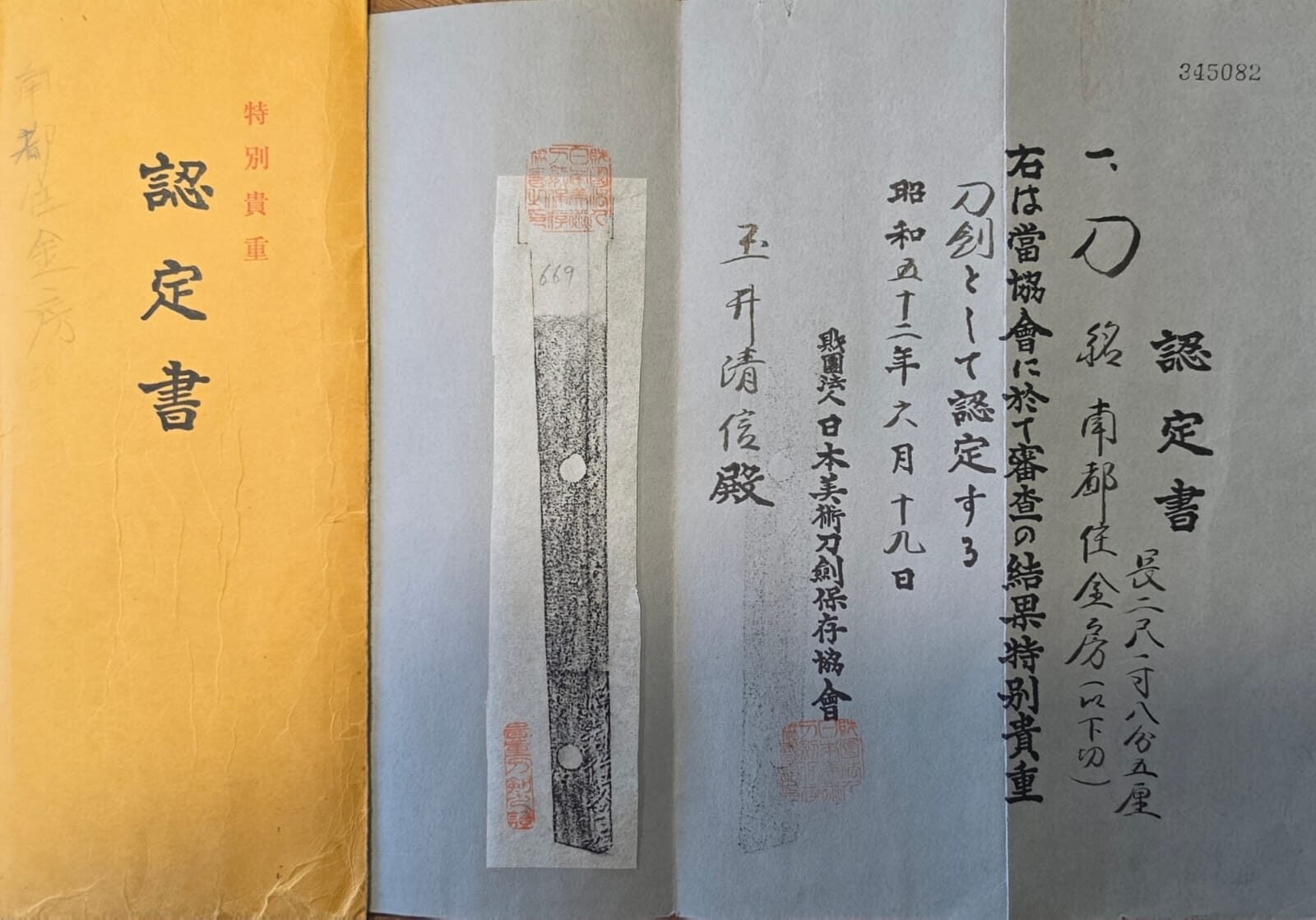
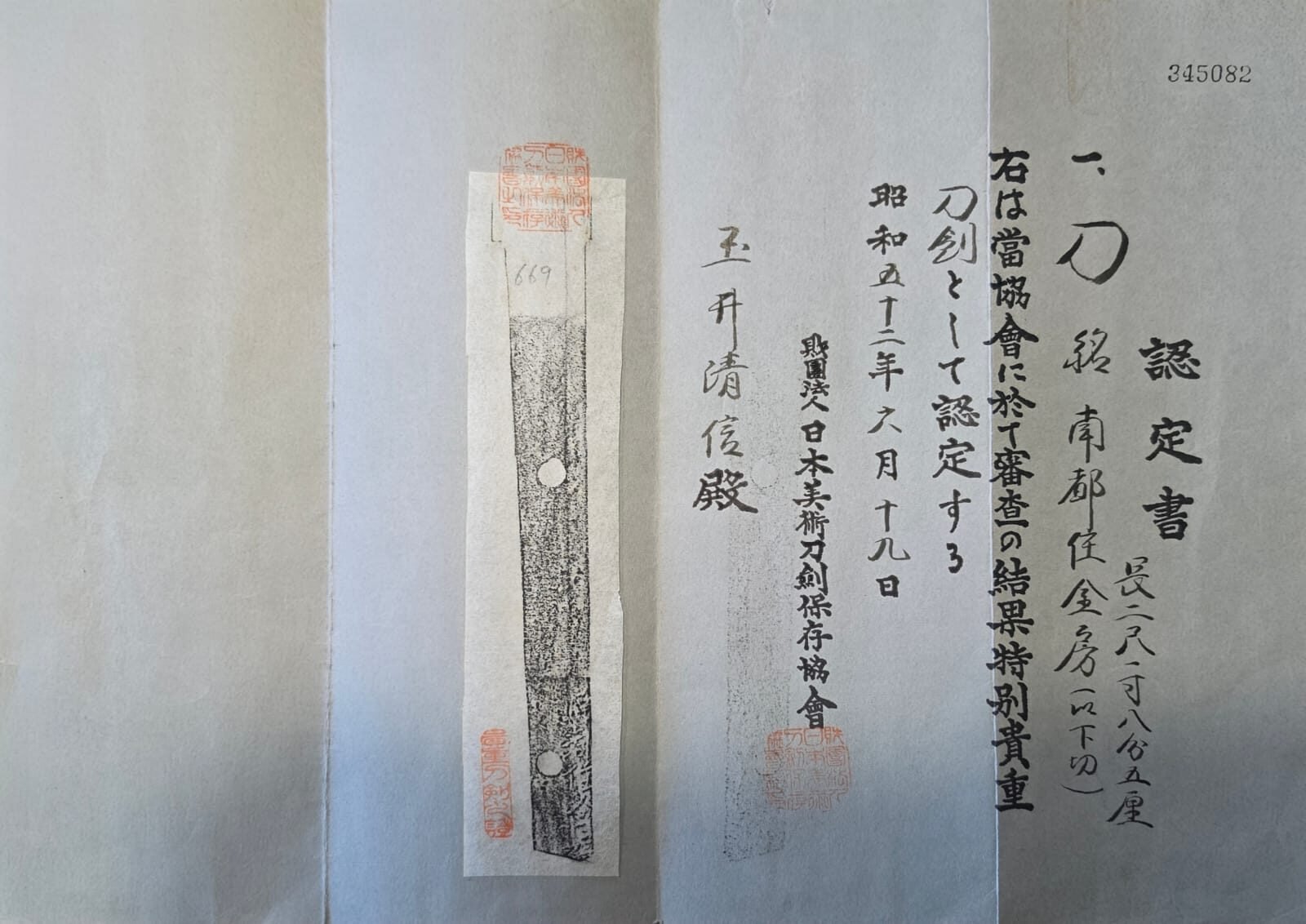
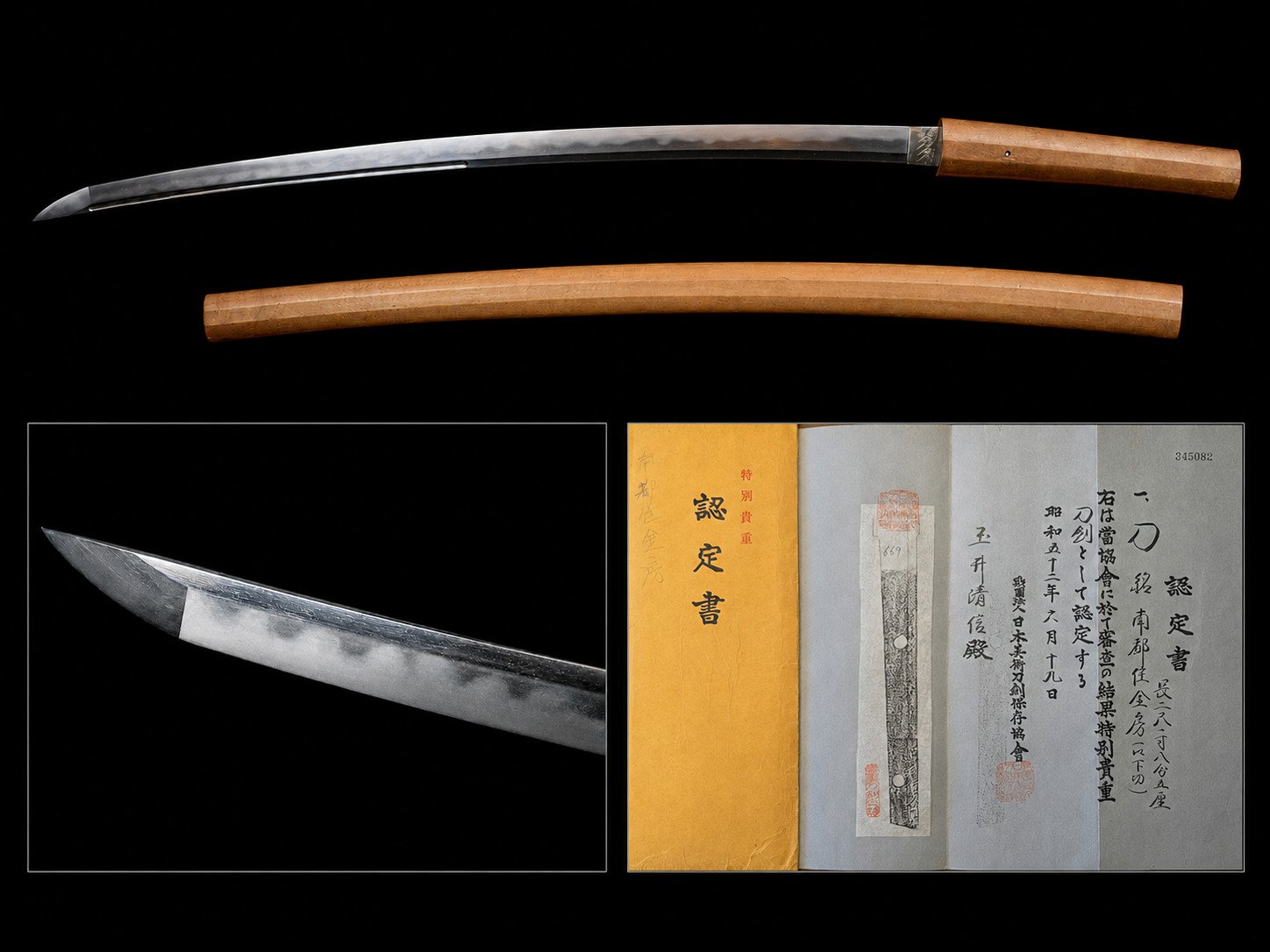
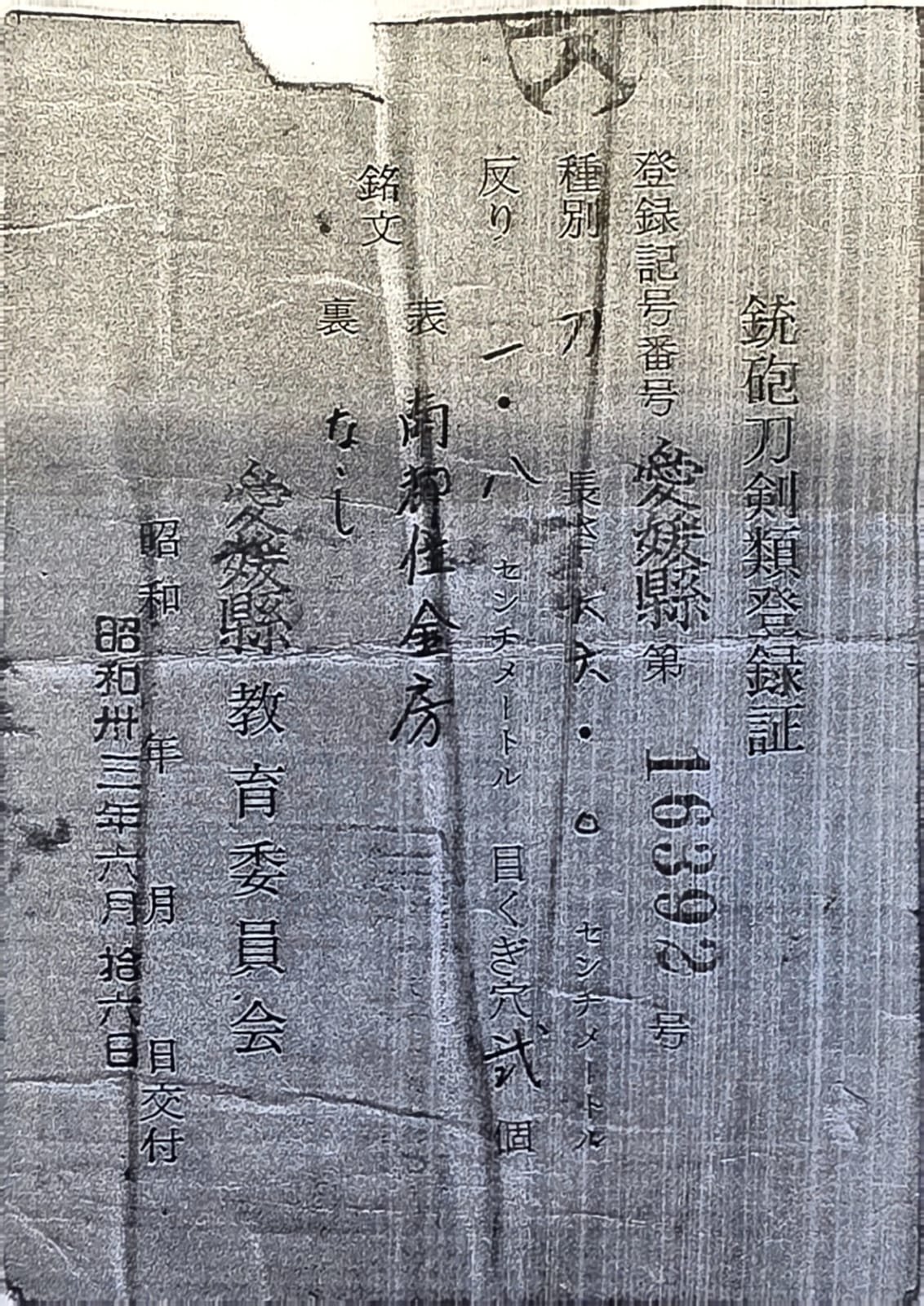
A signed Japanese katana associated with the Kanabō tradition of Nara, an important group of swordsmiths working within the broader cultural and technical environment of Yamato sword production. The tang bears the inscription 南都住金房 — Nanto-jū Kanabō, meaning “Kanabō, resident of Nanto”. Nanto was an historical name for Nara, one of the principal centres of religious, military and sword-making activity in medieval Japan. The blade has undergone historical shortening (suriage), and the lower portion of the inscription is consequently lost. The surviving signature is recorded as ika kiru — indicating that the lower part has been cut away — a feature consistent with a blade adapted during its working life. Signature – Nanto-jū Kanabō The surviving mei reads: 南都住金房 Nanto-jū Kanabō “Kanabō, resident of Nanto [Nara]” The inscription is located on the omote side of the tang. Because the blade has been shortened, the lower portion of the nakago and consequently part of the original inscription are no longer present. Historical shortening of Japanese swords was common and could be carried out to adapt an older blade to later mounting preferences or changing methods of use. NBTHK Tokubetsu Kichō Certificate The katana is accompanied by an official NBTHK Ninteisho issued by the Nihon Bijutsu Tōken Hozon Kyōkai (NBTHK). Tokubetsu Kichō — literally “Especially Valuable” — belonged to the NBTHK’s historical certification system in use at the time this paper was issued. It should therefore be understood within that historical grading framework rather than treated as a direct equivalent of the organisation’s current paper classifications. The sword is also accompanied by its Ehime Prefecture registration certificate, registration No. 16392. The Kanabō Tradition of Nara The Kanabō group was active in and around Nara, historically known as Nanto, and is generally considered within the broader sphere of the Yamato sword-making tradition. Kanabō smiths are associated with the area around Komori-gō and the great temple complexes of medieval Nara, including Kōfuku-ji. Their precise genealogical relationship with the classical Yamato schools is not completely settled, although the tradition has often been discussed in connection with the Tegai lineage. The workshops produced a wide range of weapons, including swords, spears and naginata, serving the martial environment of Nara and the surrounding region. This included both samurai clientele and the powerful religious institutions whose armed retainers and warrior-monks formed an important part of medieval Nara’s military culture. Yamato Character and Kanabō Style Kanabō blades are often discussed as representing a comparatively robust expression of the Yamato tradition. Rather than the most restrained classical forms associated with some earlier Yamato work, later Kanabō production can display strong proportions and an assertive overall shape appropriate to the martial conditions of the Muromachi period. Features traditionally associated with the group can include pronounced curvature, relatively powerful blade geometry and active temper patterns. Individual blades, however, should always be assessed on their own visible characteristics rather than assuming that every work bearing the Kanabō name follows a single formula. This example should therefore be understood first as a signed and papered sword associated with the Nara Kanabō tradition, with its own geometry, forging characteristics and tempering activity deserving direct study. Muromachi-Period Martial Context The Kanabō tradition developed within the militarised environment of medieval Nara and the broader Muromachi period, when the demand for practical swords and polearms was substantial. Nara was not only a religious and cultural centre but also home to powerful temple institutions with significant military influence. Swordsmiths working in this environment supplied weapons for a society in which both regional warriors and armed religious communities played active roles. Kanabō is also historically associated with the production of polearms, reinforcing the tradition’s close relationship with the martial culture of Nara. Historical Suriage The nakago has been shortened through suriage, with the lower portion of the original tang removed. As a consequence, part of the mei has been lost, while the remaining inscription Nanto-jū Kanabō survives above the shortened section. Suriage is a well-documented historical practice in Japanese sword culture. Older blades were frequently adapted to later preferences in length and mounting configuration, and such modification should be evaluated as part of the sword’s historical biography rather than automatically regarded as unusual damage. Shirasaya The blade is currently preserved in a plain wooden shirasaya, consisting of a simple wooden scabbard and matching hilt intended primarily for storage and protection of the blade. The understated mounting keeps visual attention on the sword itself and provides an appropriate conservation-oriented presentation for a historic Japanese blade. Key Features Condition The blade has undergone historical suriage, resulting in the removal of the lower part of the nakago and a corresponding portion of the original inscription. The surviving mei remains clearly identifiable as Nanto-jū Kanabō, and the historical alteration is consistent with the long working life often encountered on Japanese swords of this age. The sword is preserved in shirasaya and is accompanied by both its historical NBTHK Tokubetsu Kichō certificate and its Japanese registration documentation. As with any antique Japanese sword, minor surface variations and signs of age should be considered within the context of the blade’s long history rather than as modern manufacturing imperfections. A signed and documented Kanabō katana of the Yamato tradition, connecting the sword-making culture of medieval Nara with the martial environment of the Muromachi period. With its surviving Nanto-jū Kanabō mei, historical suriage and 1977 NBTHK Tokubetsu Kichō certificate, it represents a particularly interesting study piece from one of Nara’s distinctive sword-making traditions.
取扱店 Supein Nihonto

大きな金額ですが、この品の現在有効な鑑定書は確認できませんでした。ご購入前に、審査に出されたことがあるか、出せるかを刀剣商にお尋ねください。 — Hoshi まずはご相談ください
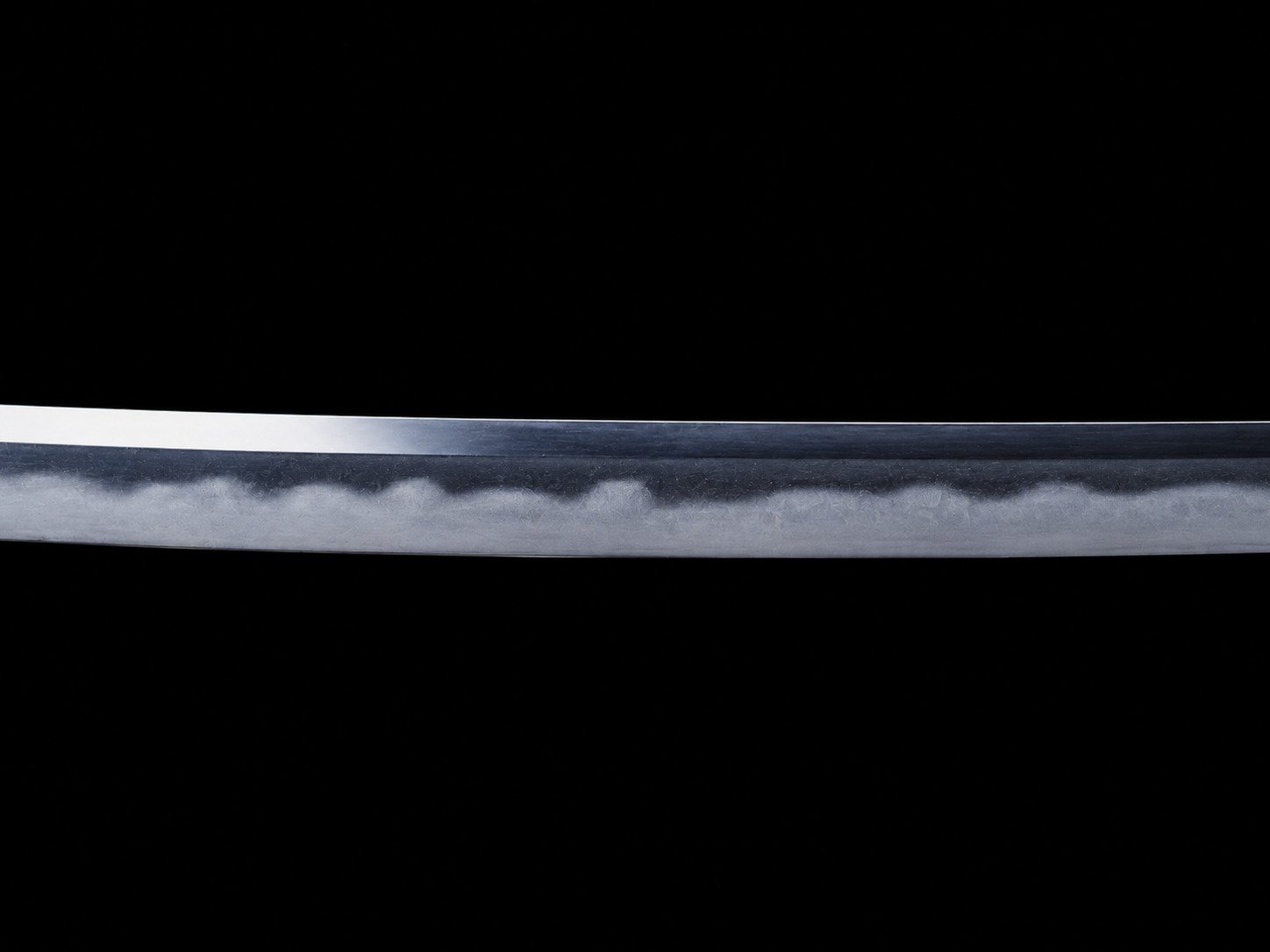
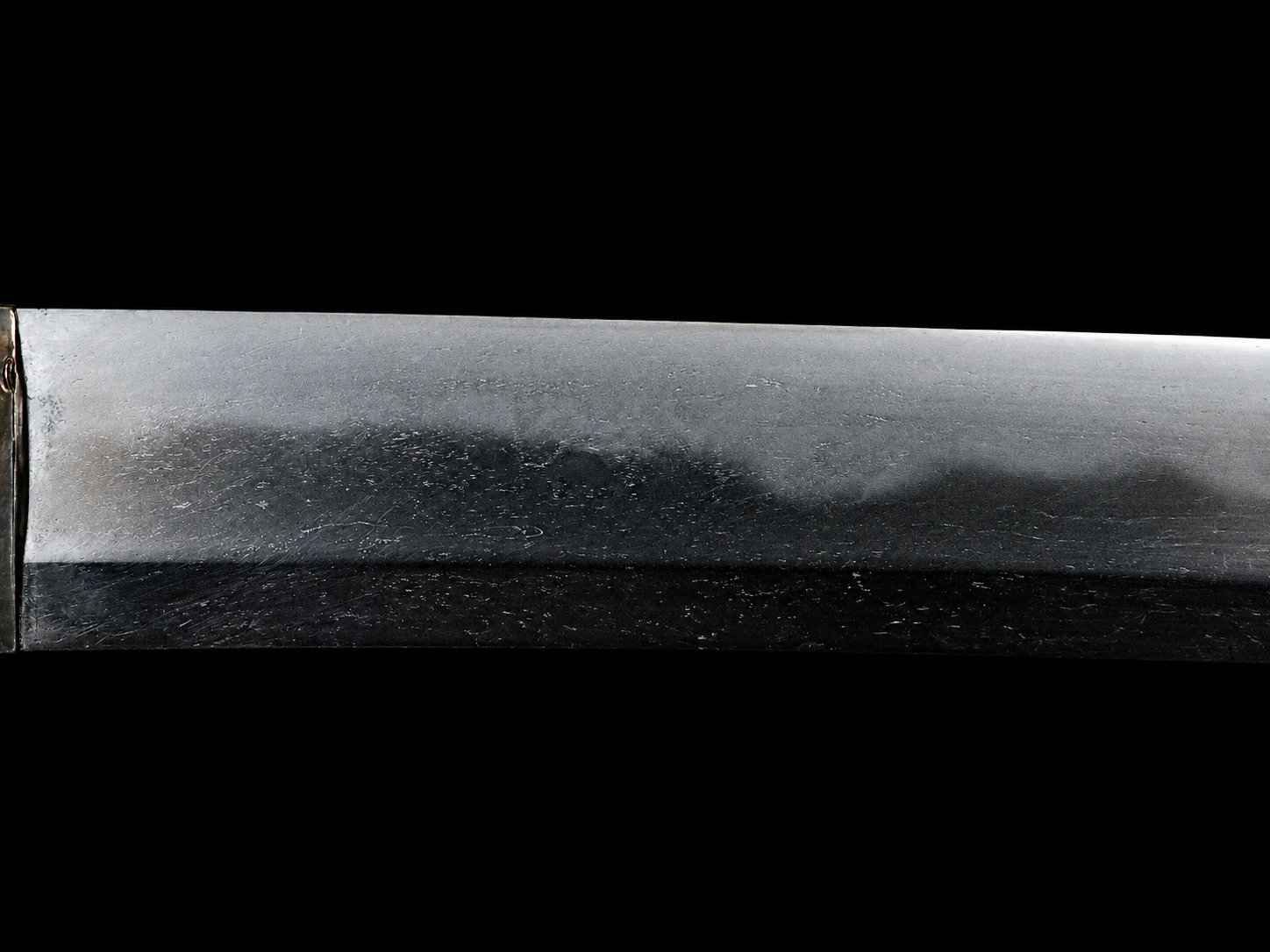
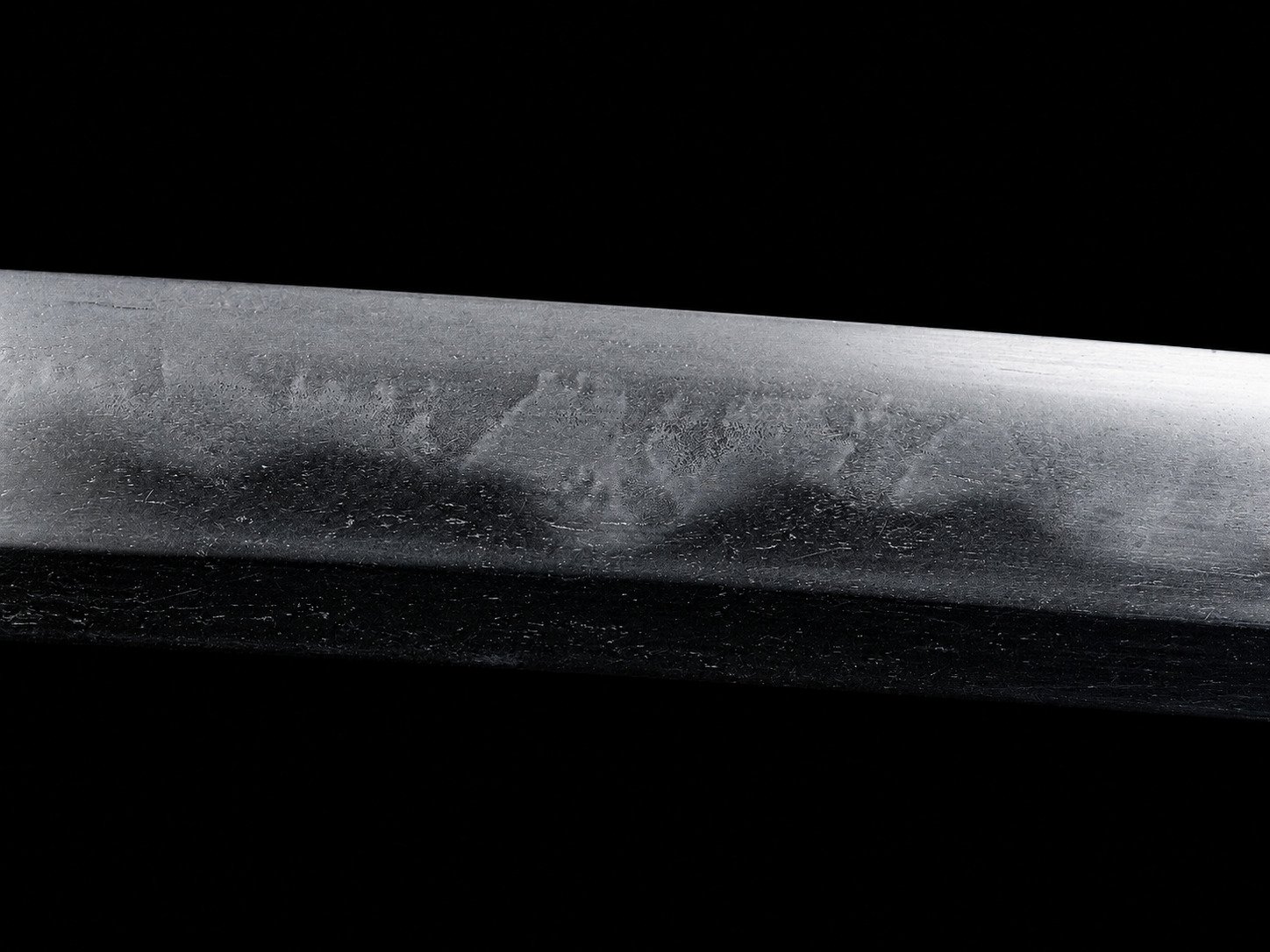
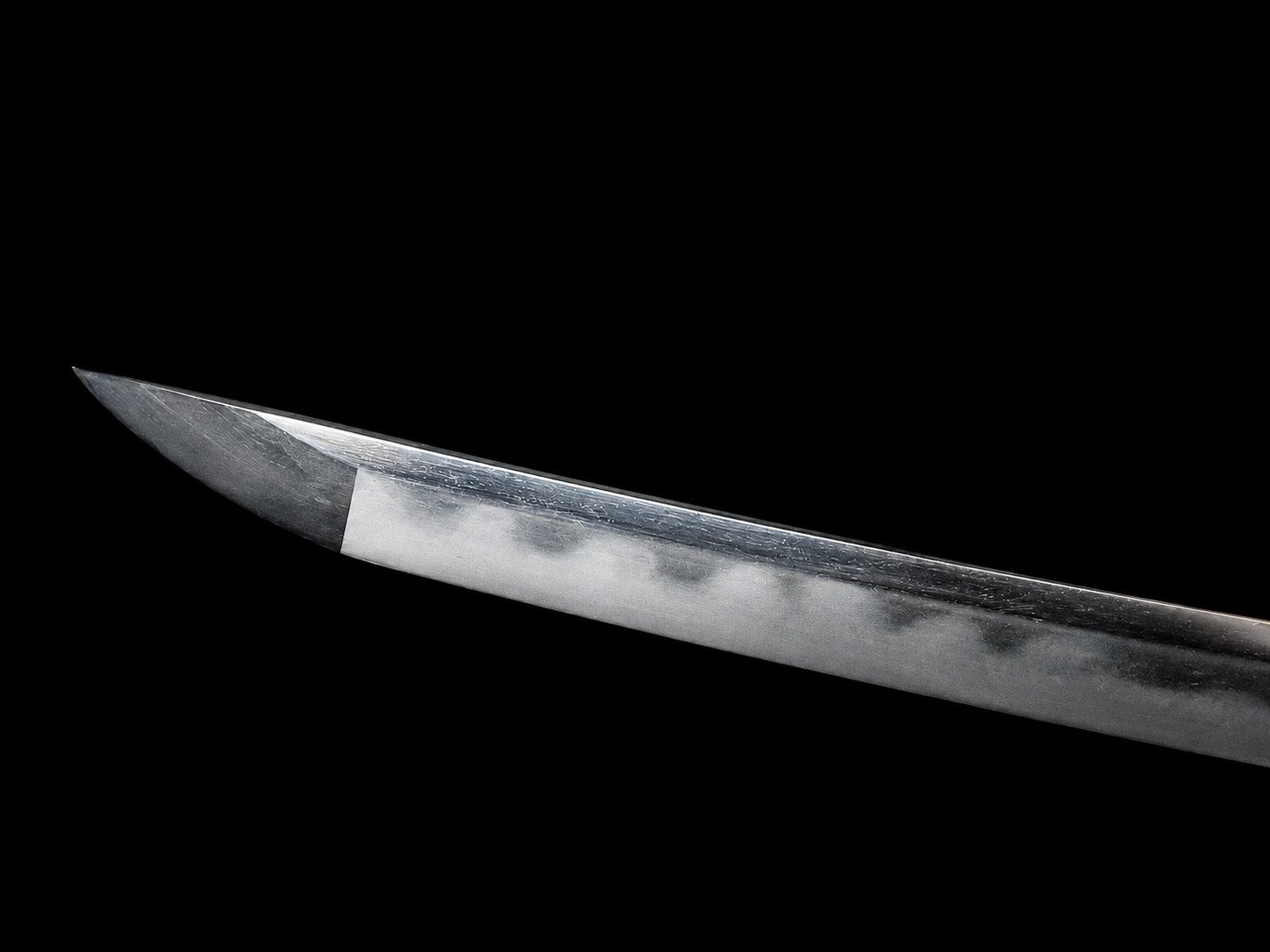
販売店の記載のまま
(翻訳なし) 店主の原文のまま表示しています。正確さの確認を通った翻訳のみを表示します。
脇物 · 大和
現在6点販売中
金房派は、大和国奈良すなわち南都を本拠として室町末期から新刀期にかけて活動した一群である。説示によれば、金房某と銘する刀工が数多く知られて栄え、永正以降の年紀作をままみるという。同派の代表工としては政次があり、南都住金房兵衛尉政次と長銘を切る。ほかに政定が伝わり、南都住藤原朝臣金房左衛門尉政定作と銘し、永禄二年の年紀を有する作が知られる。大和の伝統的な五派との関係は明らかでないと説示は記しており、同地に拠りながらも別個の一派として隆盛をみたものと位置づけられる。同派に薙刀の遺例が比較的目立つのは、興福寺をはじめとする南都七大寺の僧兵の需要にこたえたものと説示は説く。 作風について説示が共通して挙げるのは、板目が流れて柾がかり、肌立つ鍛であり、地沸のつくもの、白気映りの立つものがみられる点である。刃文は、説示の一には直刃が最も多いとし、ほかにのたれや互の目を焼くと記すが、互の目調の大乱を主とする作も多く、腰の開いた互の目乱れに小足・葉のよく入るもの、足・葉が太く入るものが見受けられる。匂口は締まりごころとなるものを多く挙げ、一方で沈みごころとなるものにも触れる。帽子は乱れ込んで掃きかけ、先尖りごころに返るものや、やや長く焼き下げるものがある。造込みは身幅広く反り浅い大鋒の打刀姿を採り、末備前・末関などと共通する姿を示すと説示は述べ、薙刀造の作と併せて、実用に応じた一派の性格をうかがわせる。彫物には棒樋や倶利迦羅を施す例があり、茎は生ぶ、鑢目は勝手下りや筋違を交える。 鑑定にあたっては、柾がかって流れる板目鍛と、足・葉の目立つ互の目調の刃を要点とし、薙刀を含む実用本位の造込みを併せて見るべきものである。代表作としては政次の長大な薙刀があり、説示はこれを同派中の著名な一典型とする。政定の打刀には永禄の年紀と倶利迦羅の彫を備えた作が伝わる。なお薙刀には朱塗長巻拵などを附帯し、中身の製作に合わせて誂えられ、金具・塗りともそのままに保存される例もある。資料は僅少であるが、説示の記すところに従えば、金房派は大和奈良に拠りつつ伝統的な大和伝とは異なる作風を展開し、僧兵の需要を背景に薙刀と実用の刀槍を手がけた、室町末期を代表する一派として理解される。 詳しく見る →
室町時代
室町は刀剣業を産業に変えた。徒歩の集団戦とともに打刀が興り、長船と関は数打ち物と注文打ちを並行して産し、勘合貿易は日本刀を数万振の単位で海外へ運んだ。
本作は日刀保の旧鑑定書(貴重・特別貴重)を有しますが、これらは現在発行されておらず、現在の日刀保ではほとんど認められていません。極めを確認するには、公的な鑑定機関(日刀保・日本刀剣保存会など)に再提出し、現行の鑑定を受けることもご検討ください。
14-day return if items arrive damaged or in unexpected condition; customer bears return shipping + insurance; items returned in original condition with all accessories; antique armour non-returnable; only regular priced items refundable; shipping costs non-refundable.
$6,768