NihontoWatch Mon

NihontoWatch

マーケットオークション
事典
NihontoWatch Mon

NihontoWatch

マーケットオークション
事典

説明

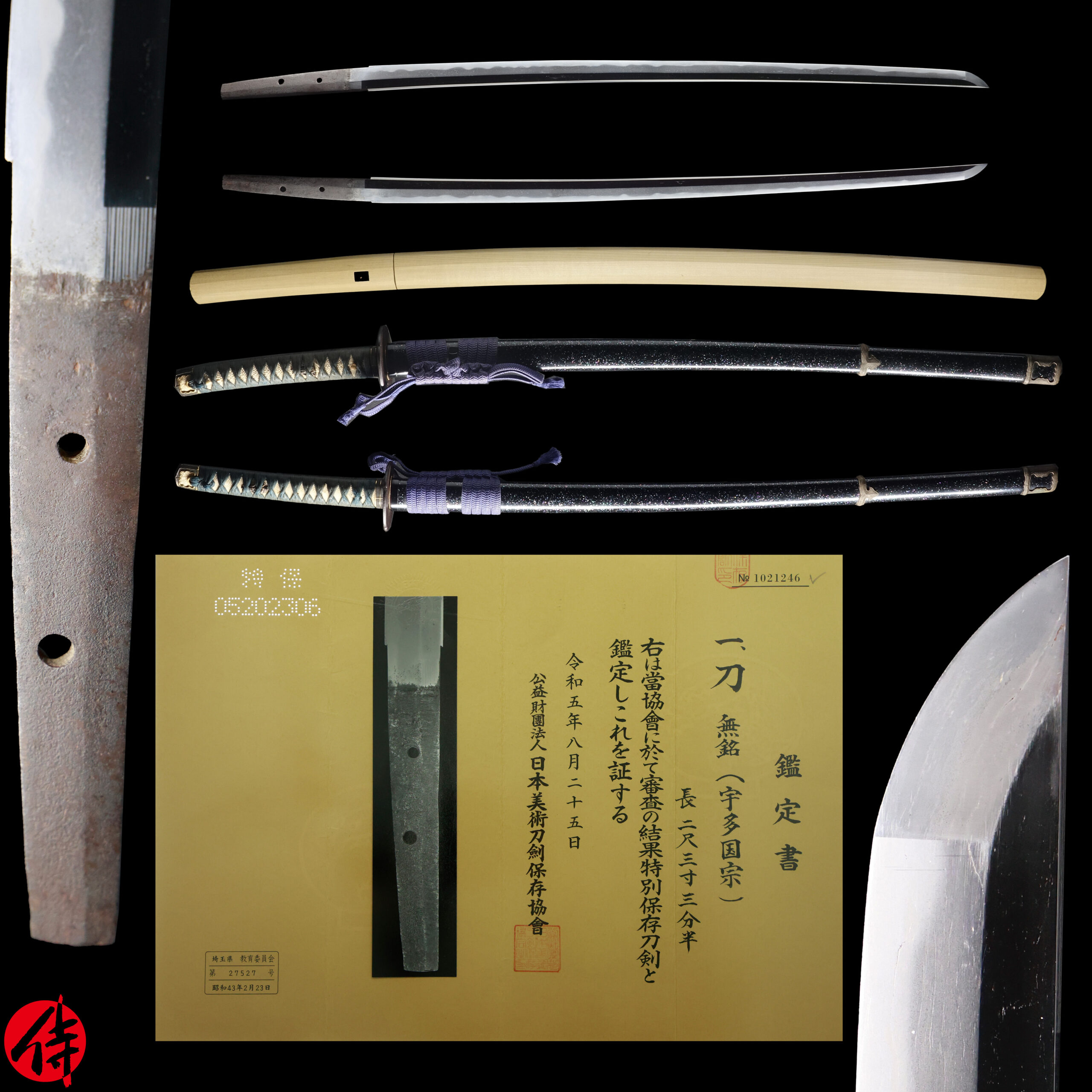
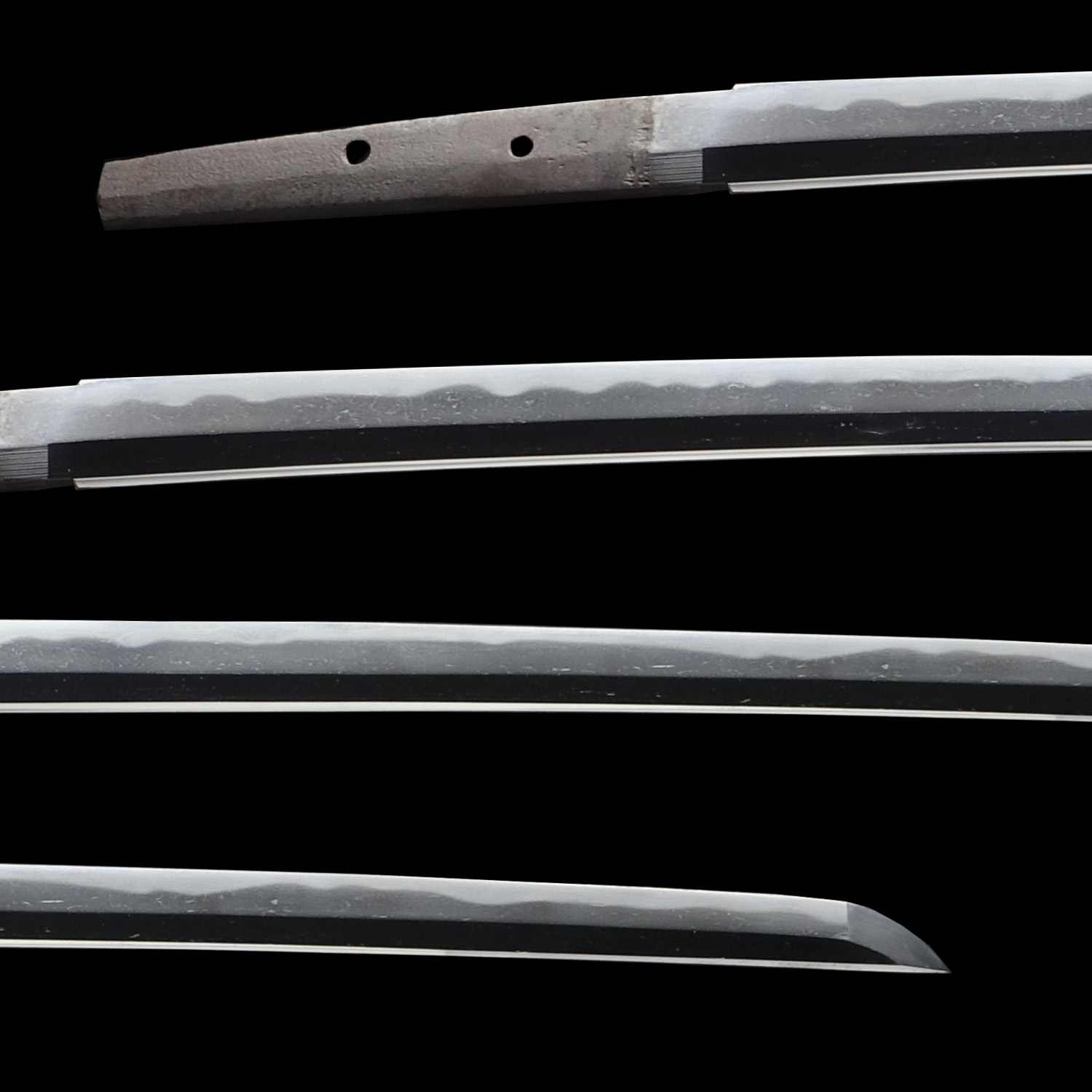
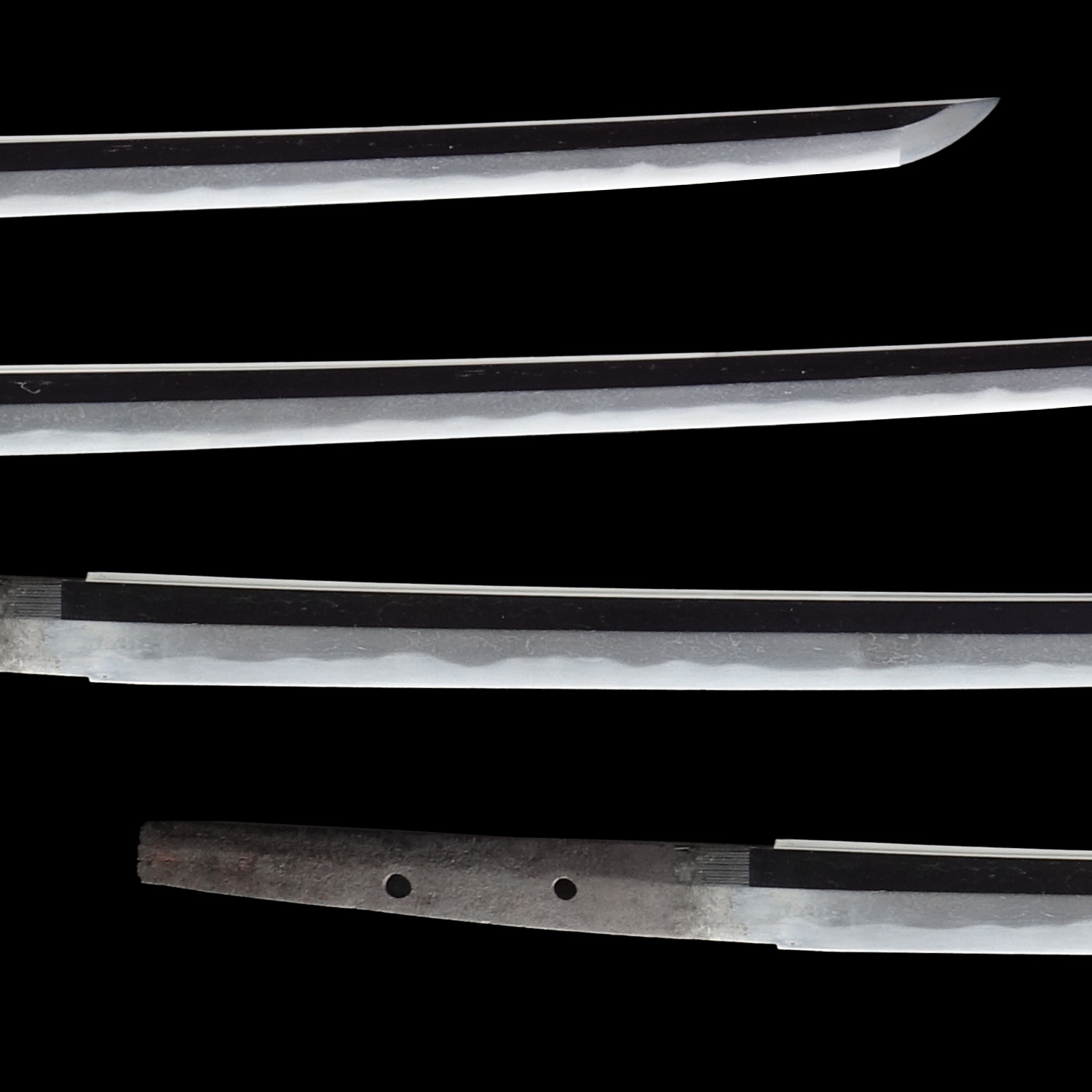
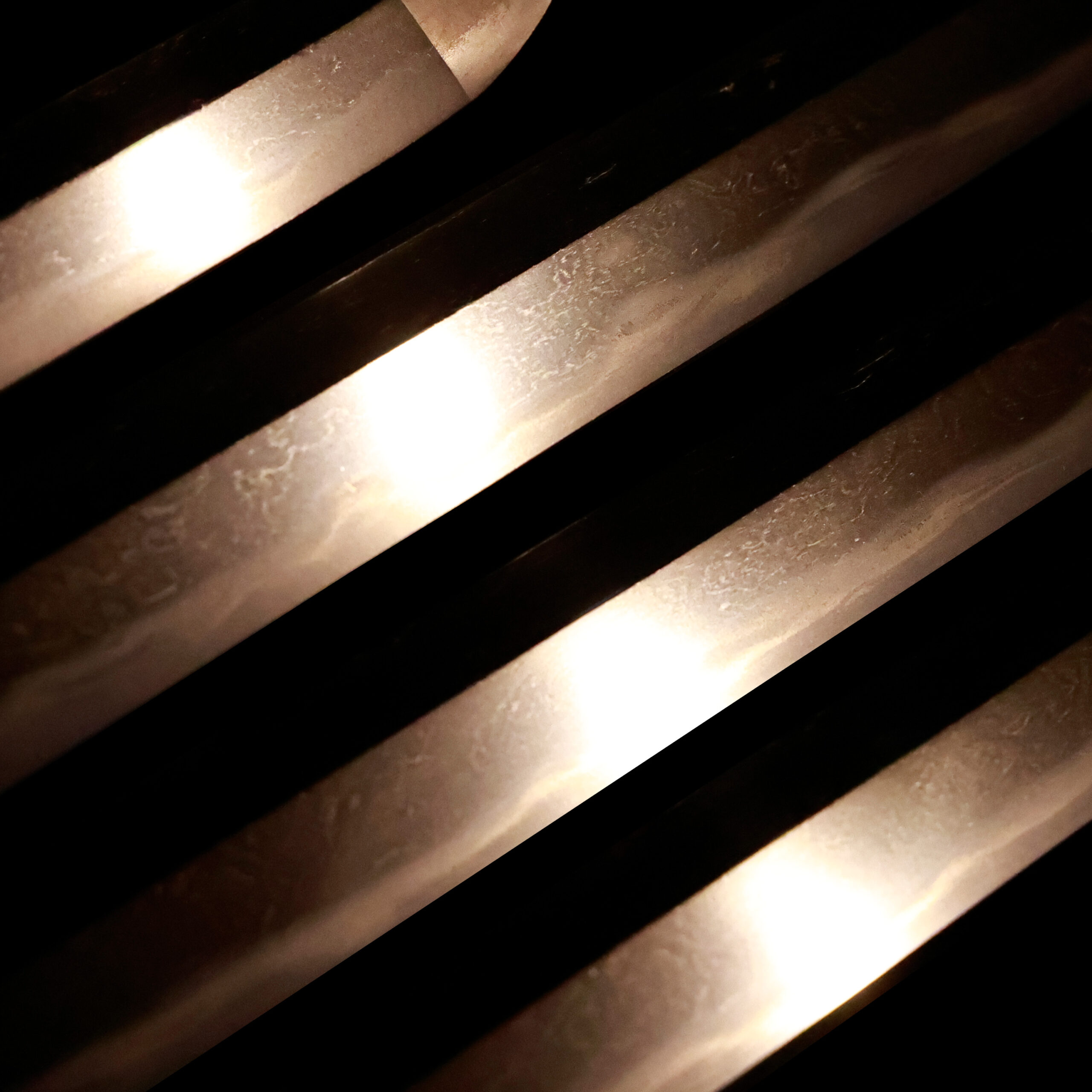
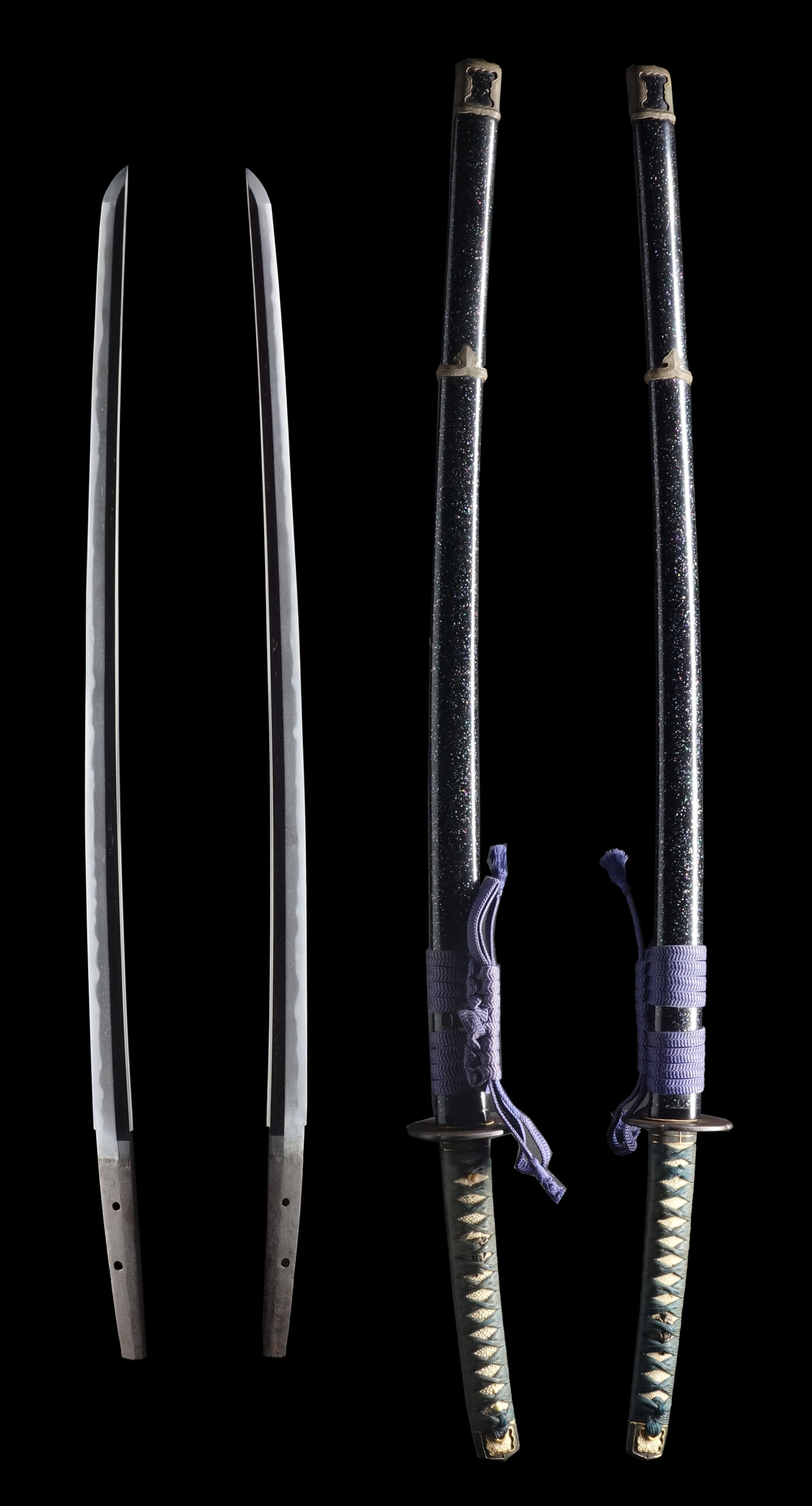
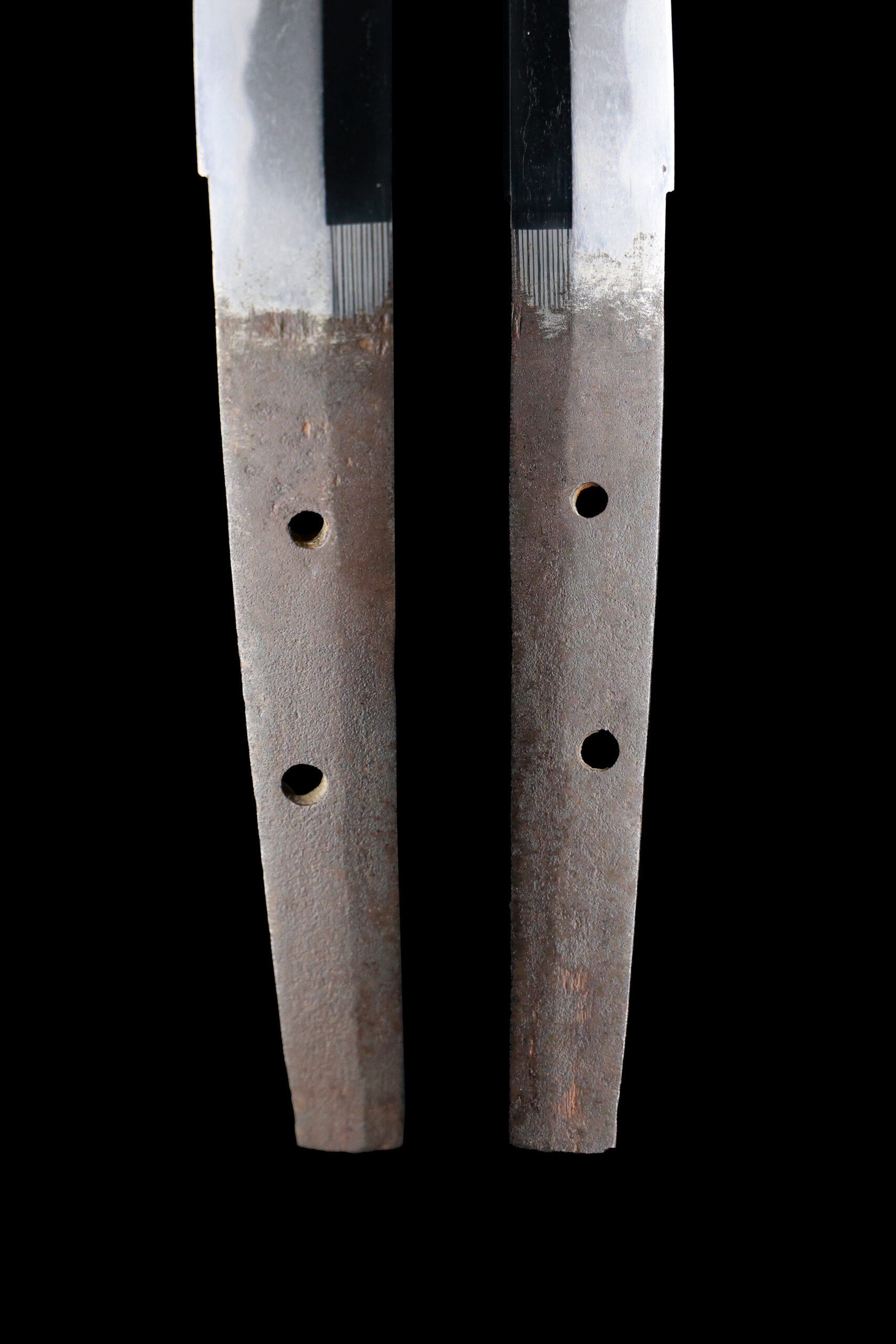
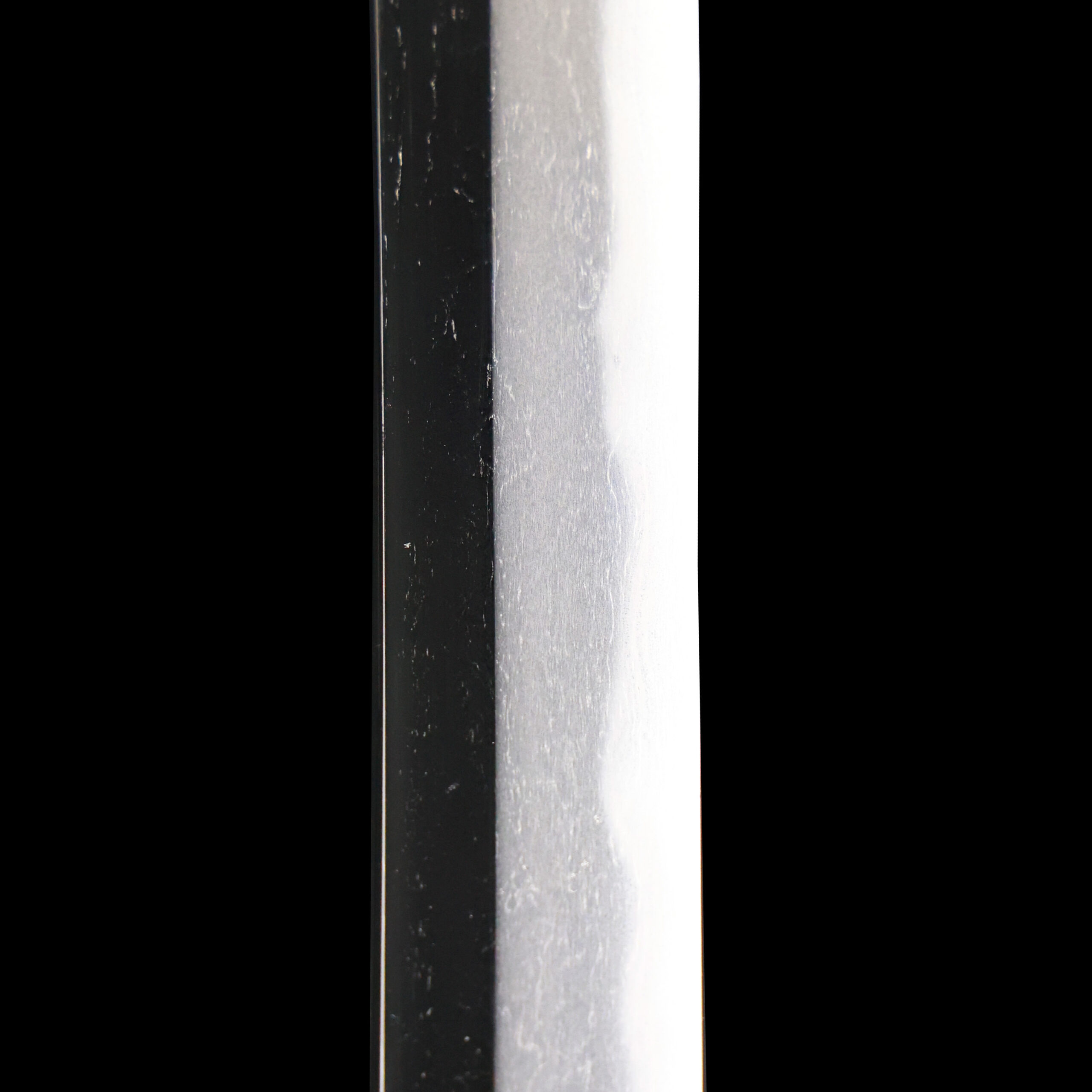
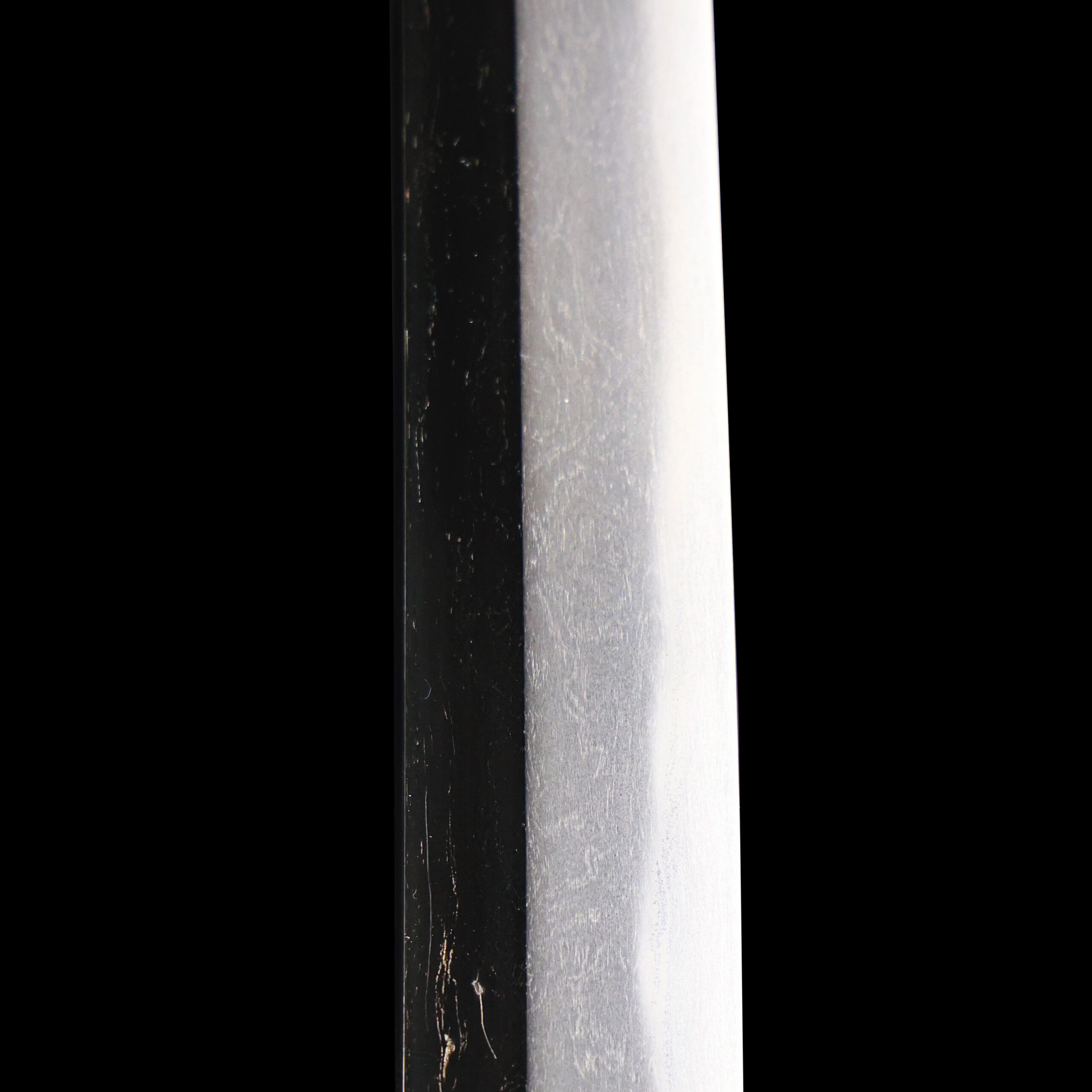
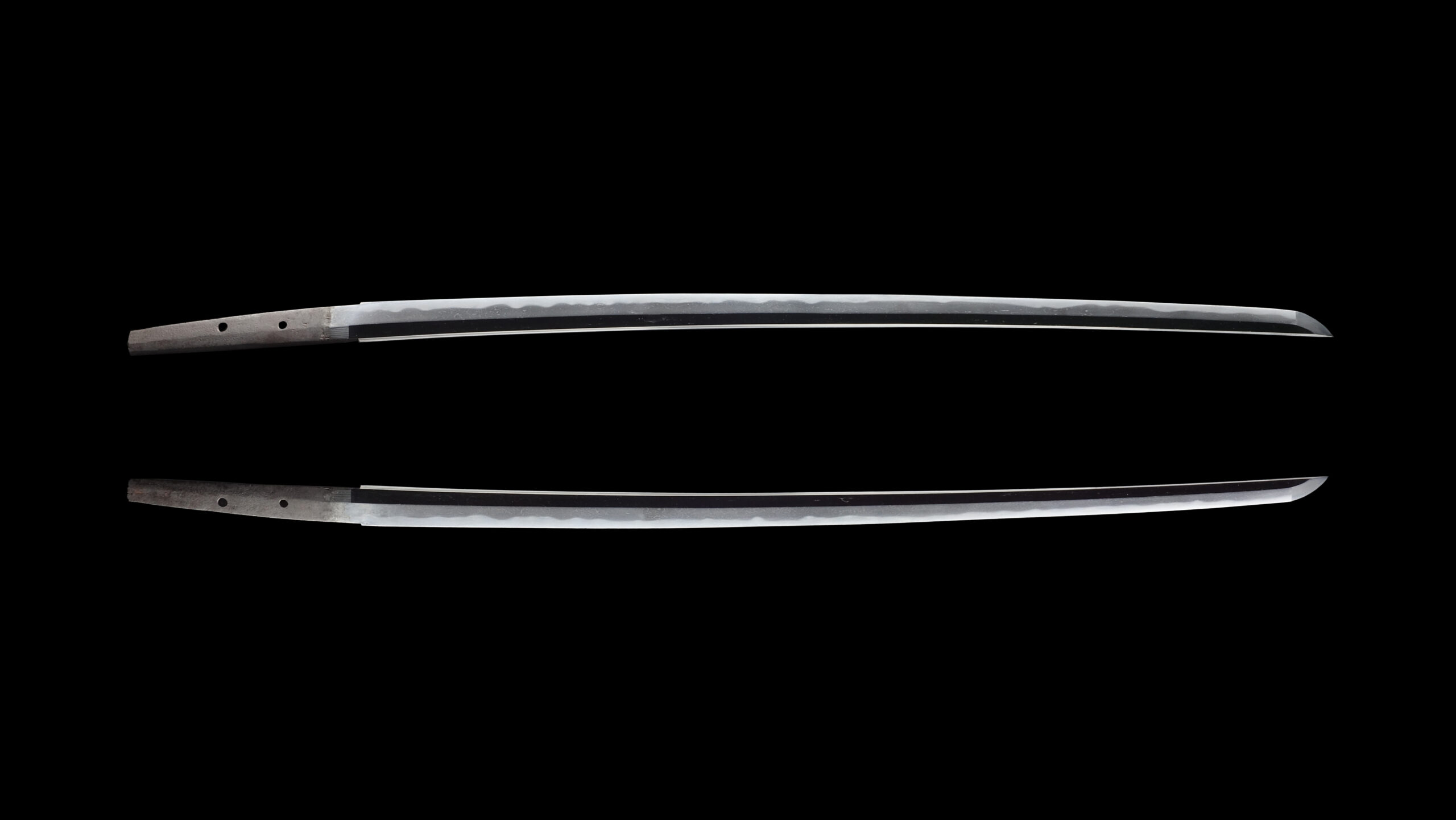
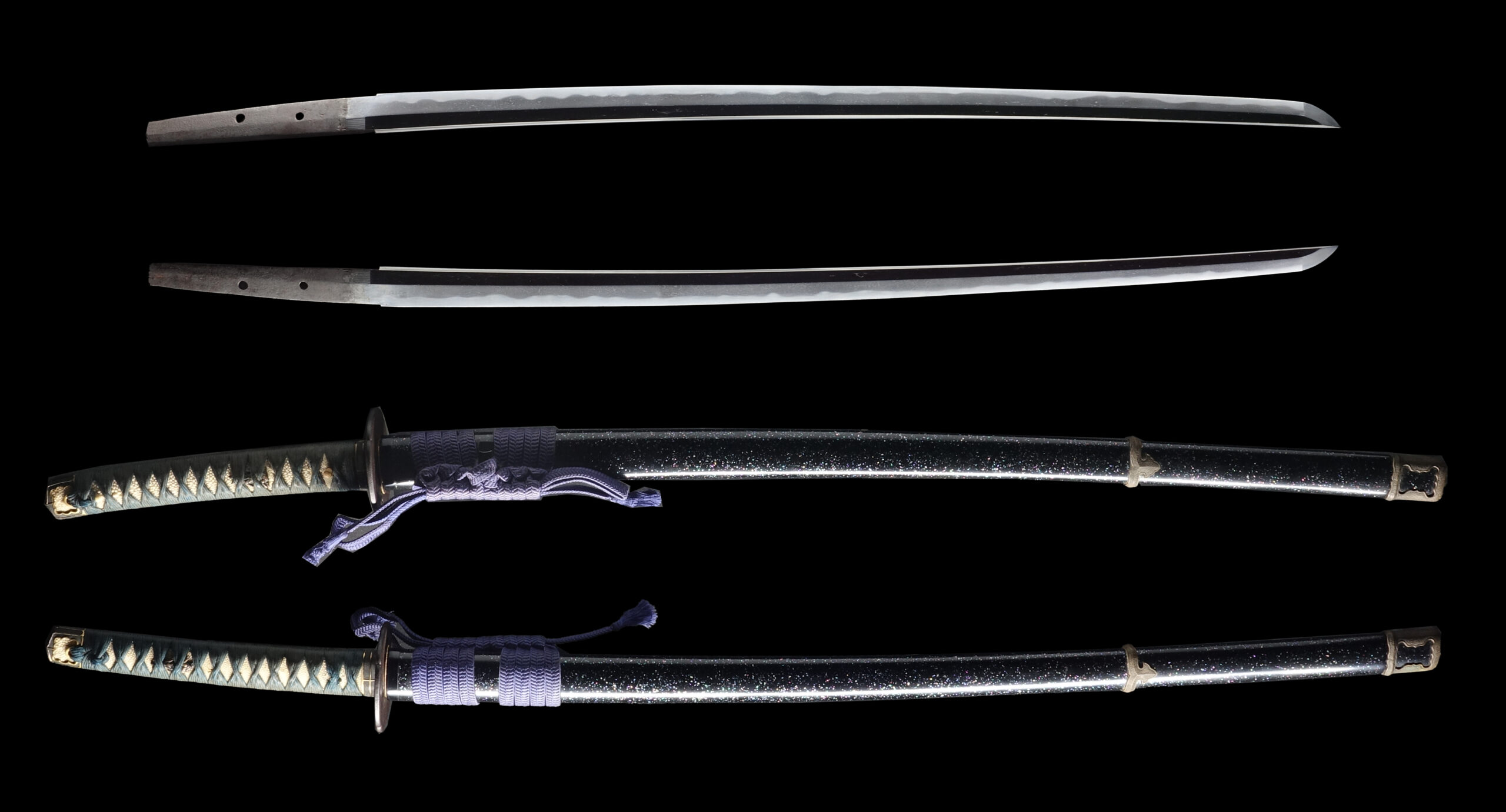
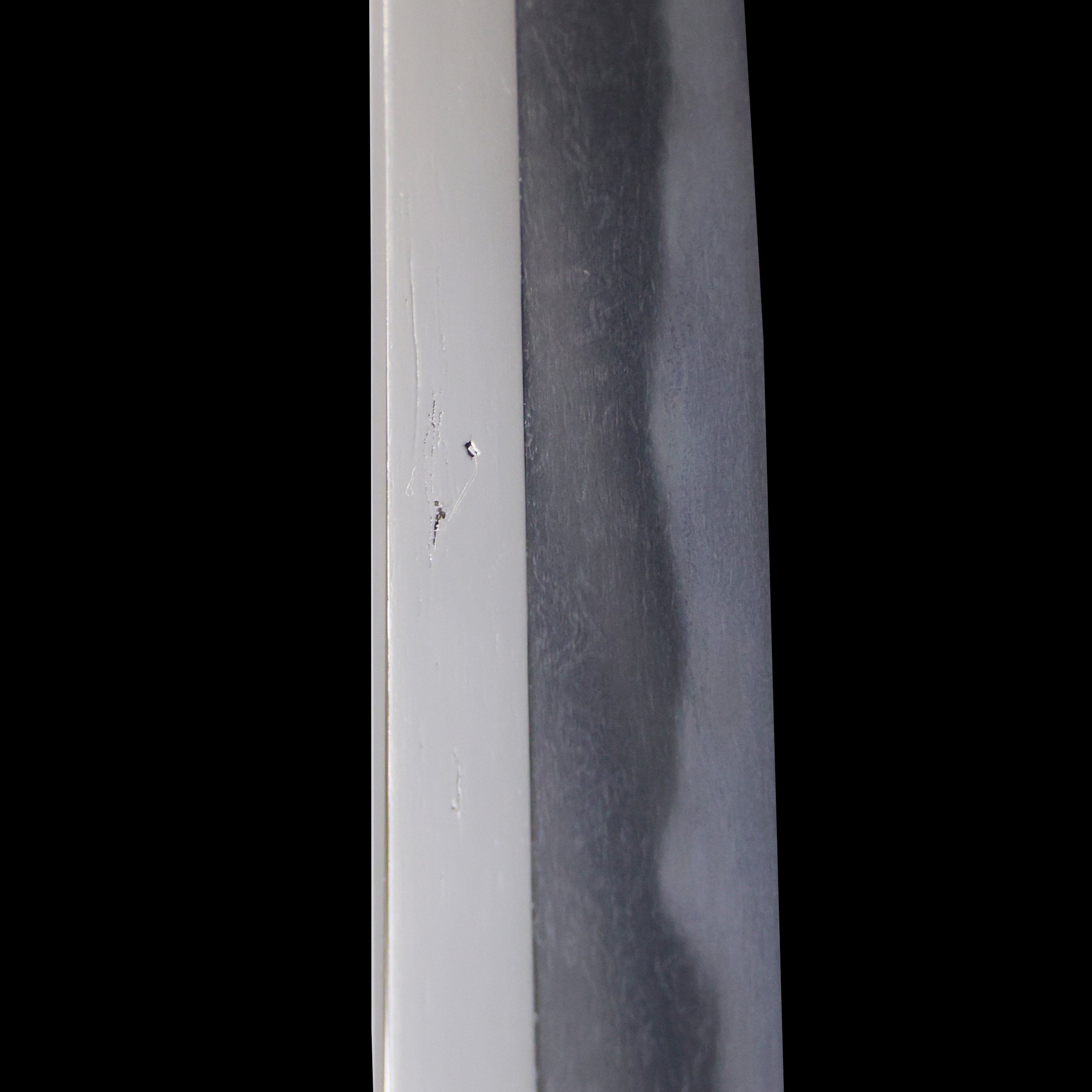
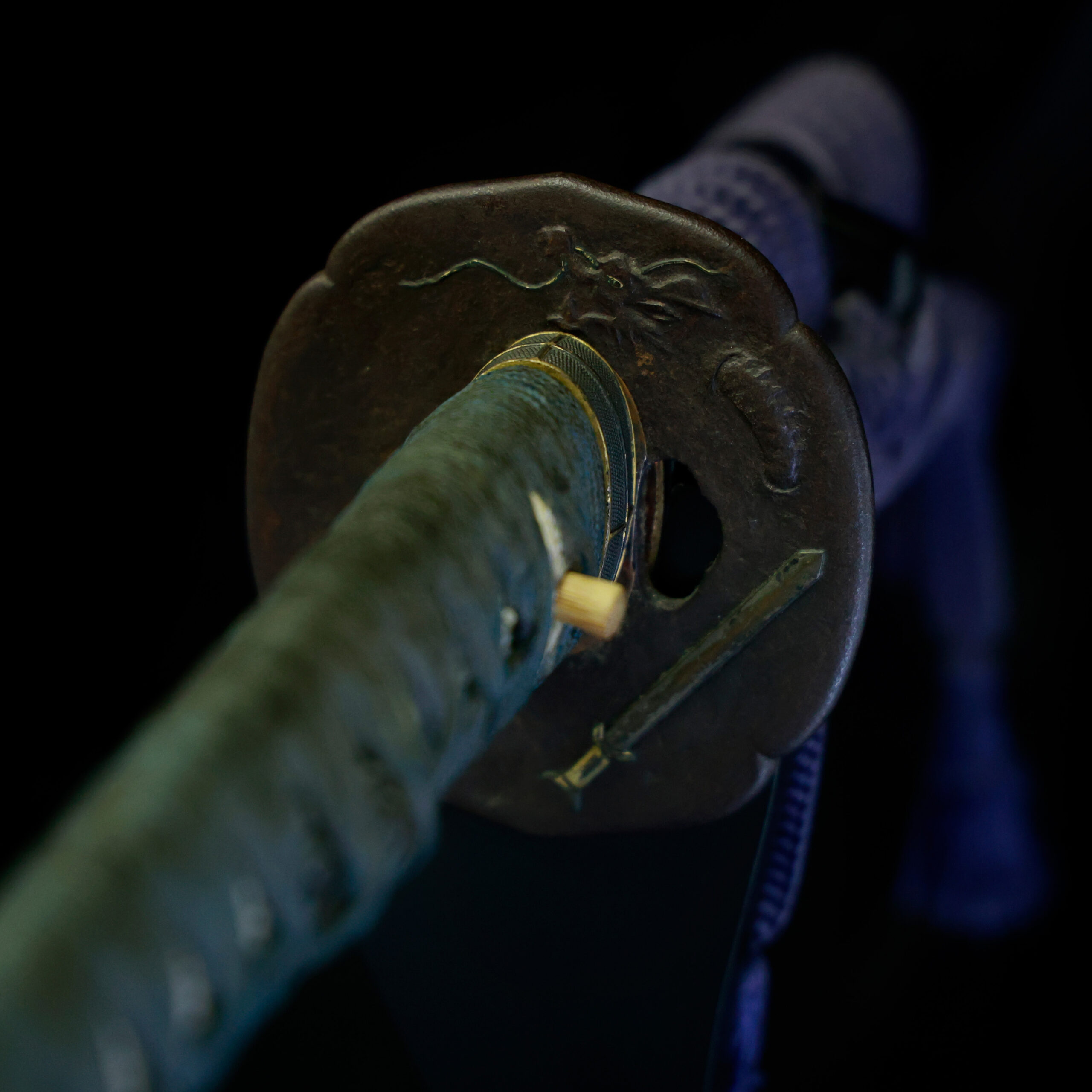
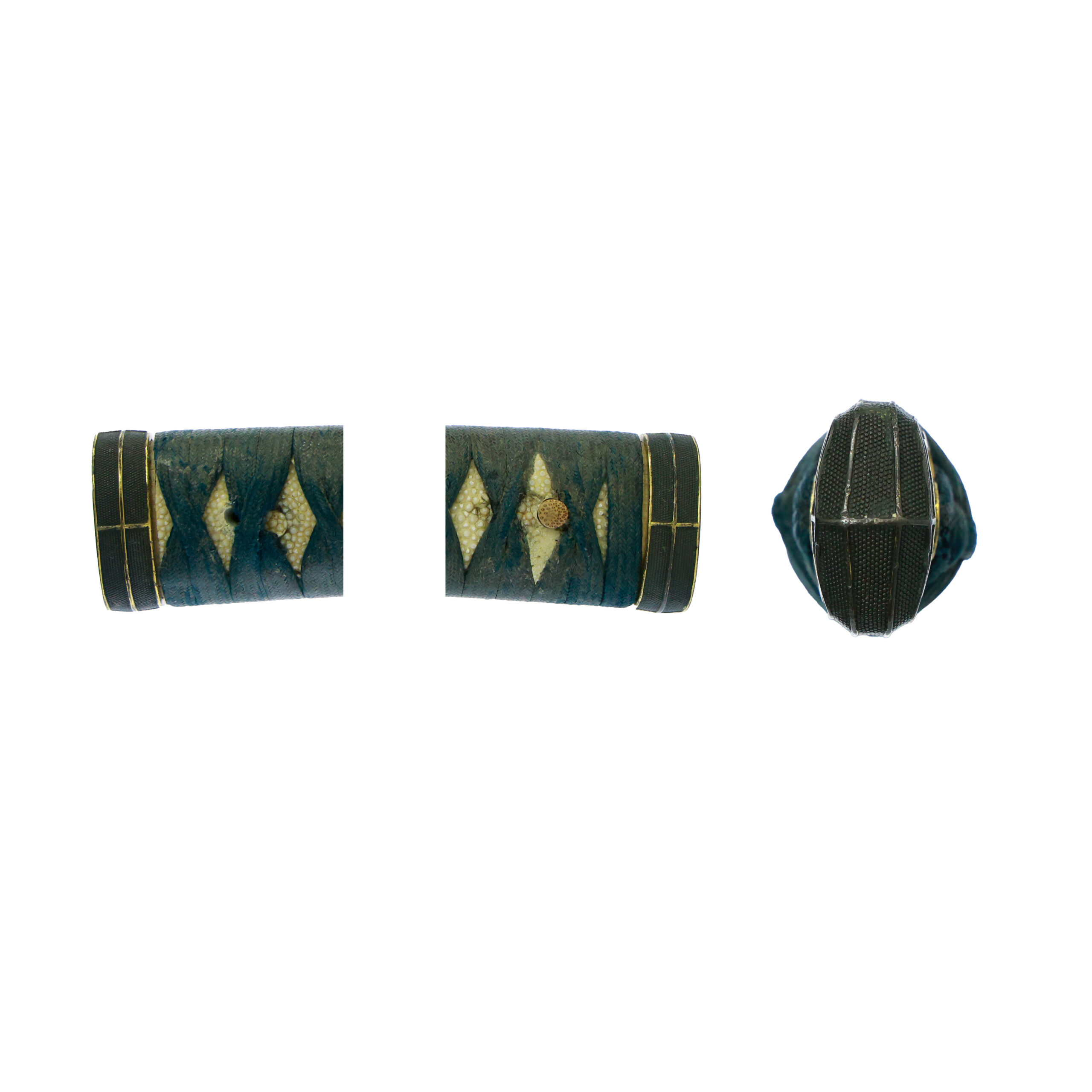
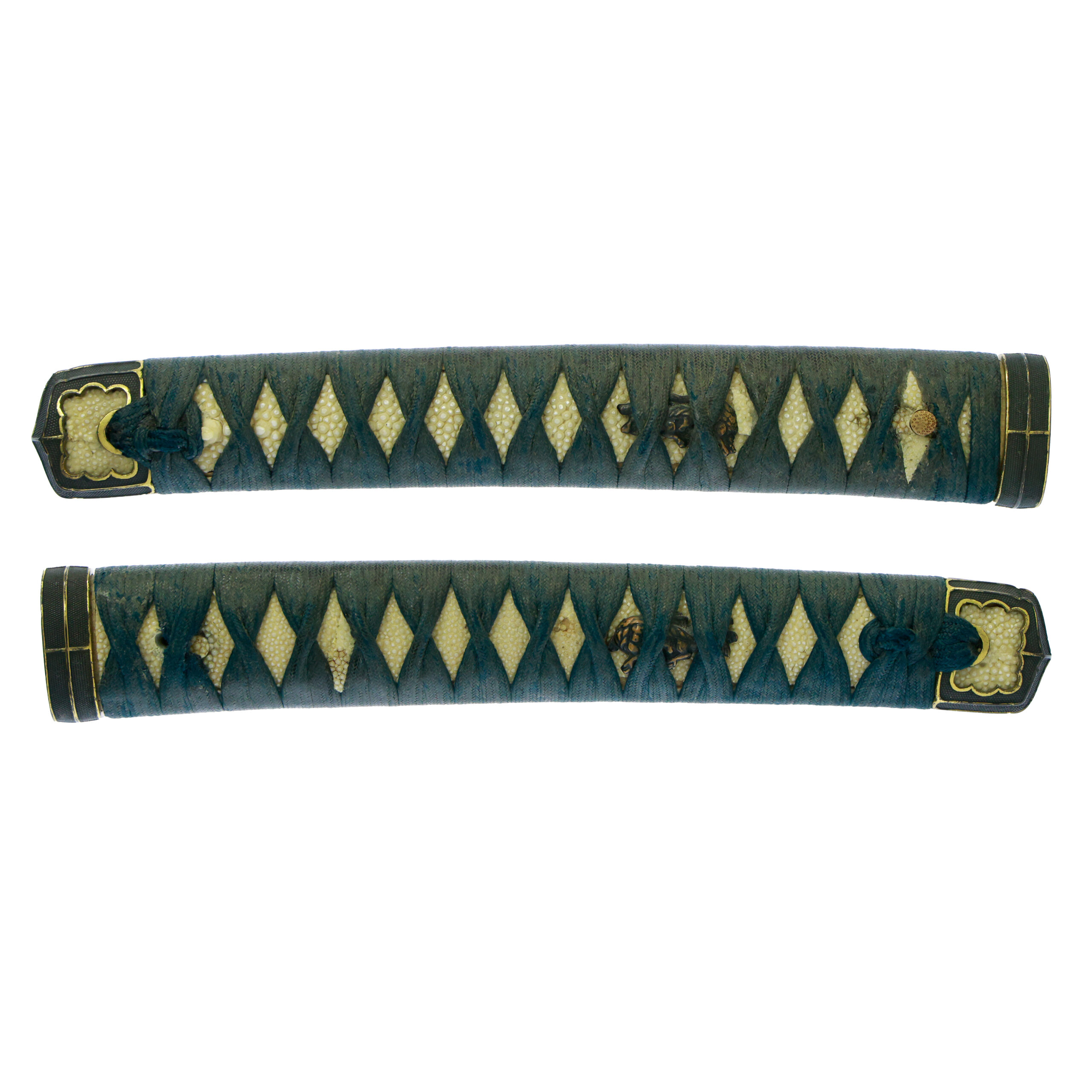
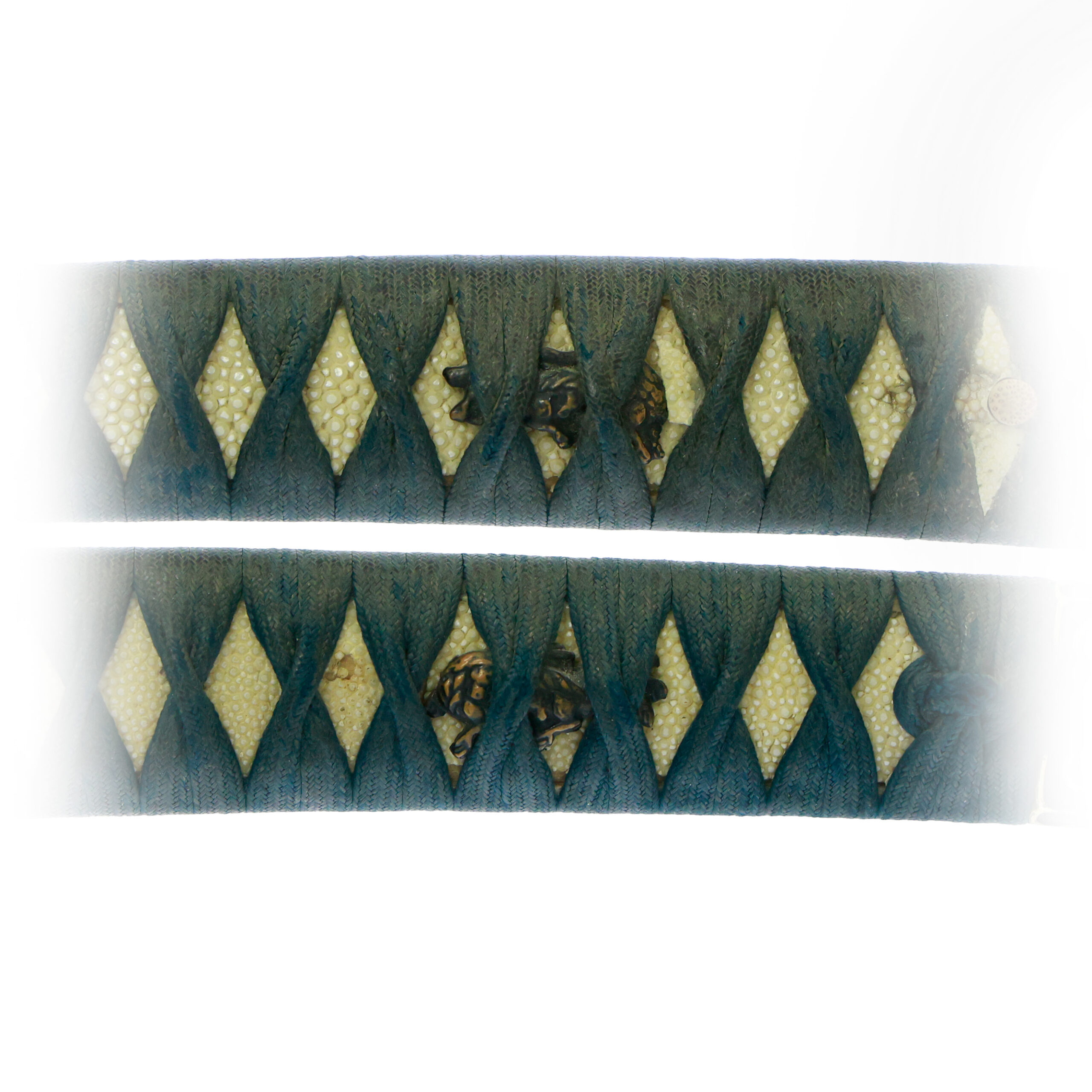
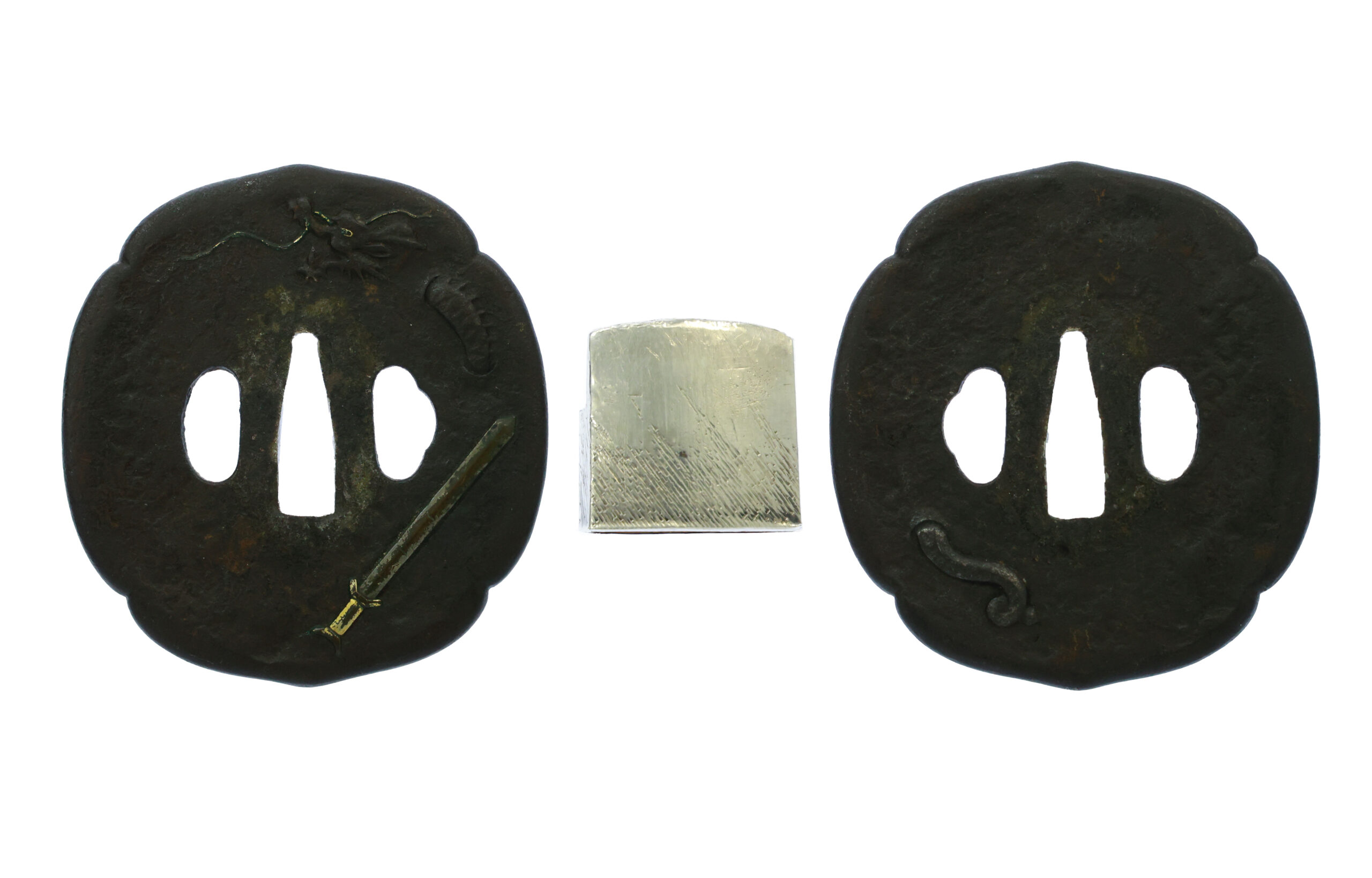
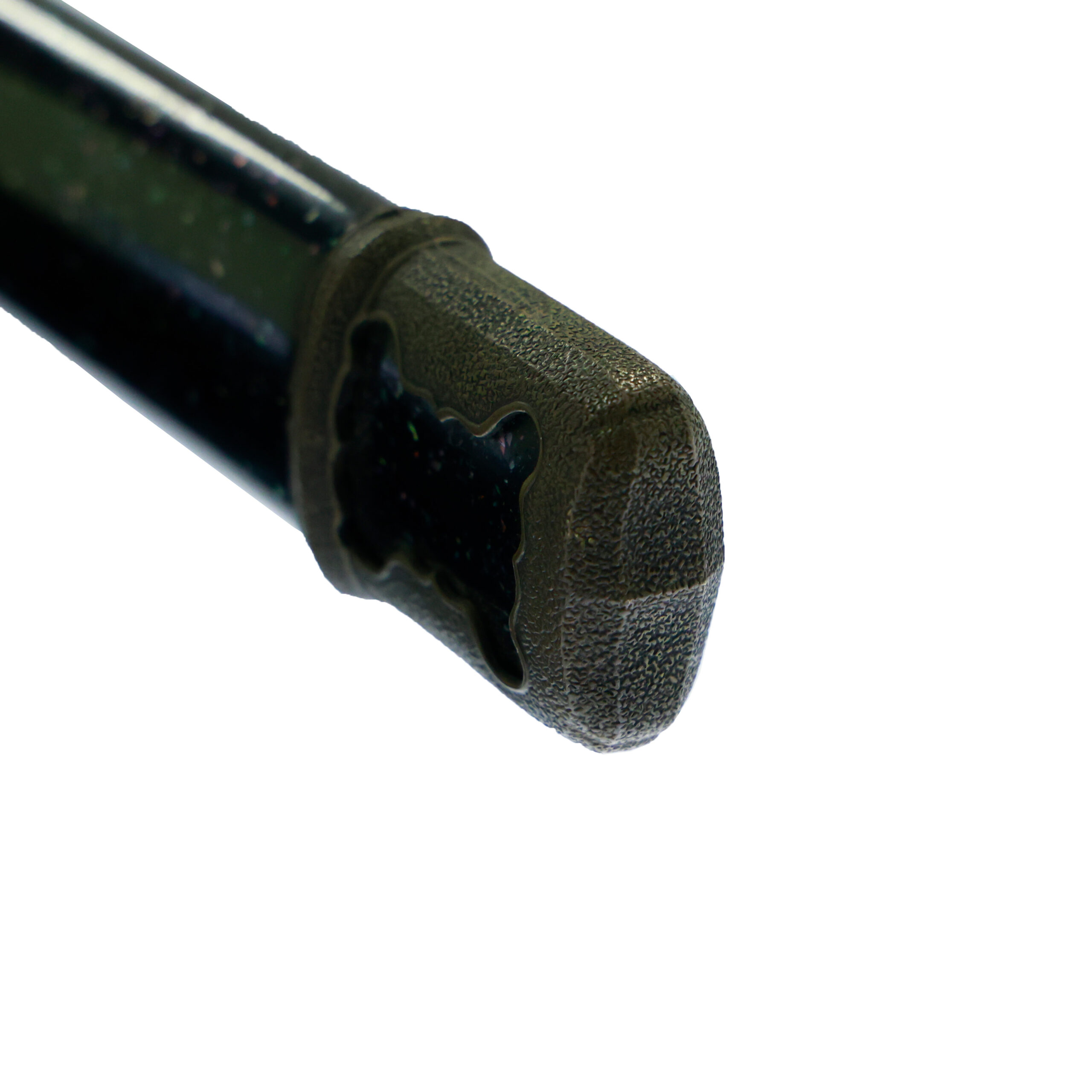
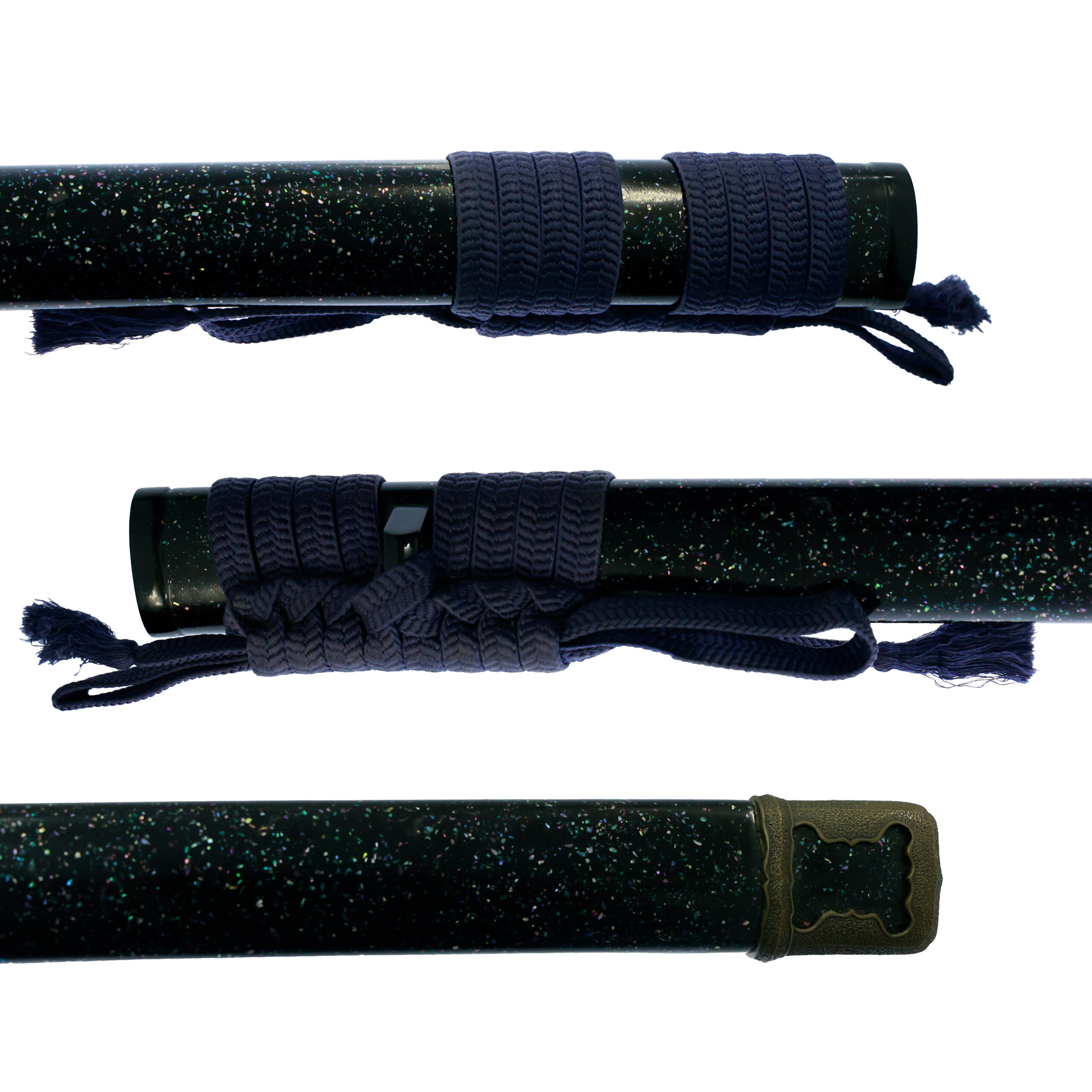
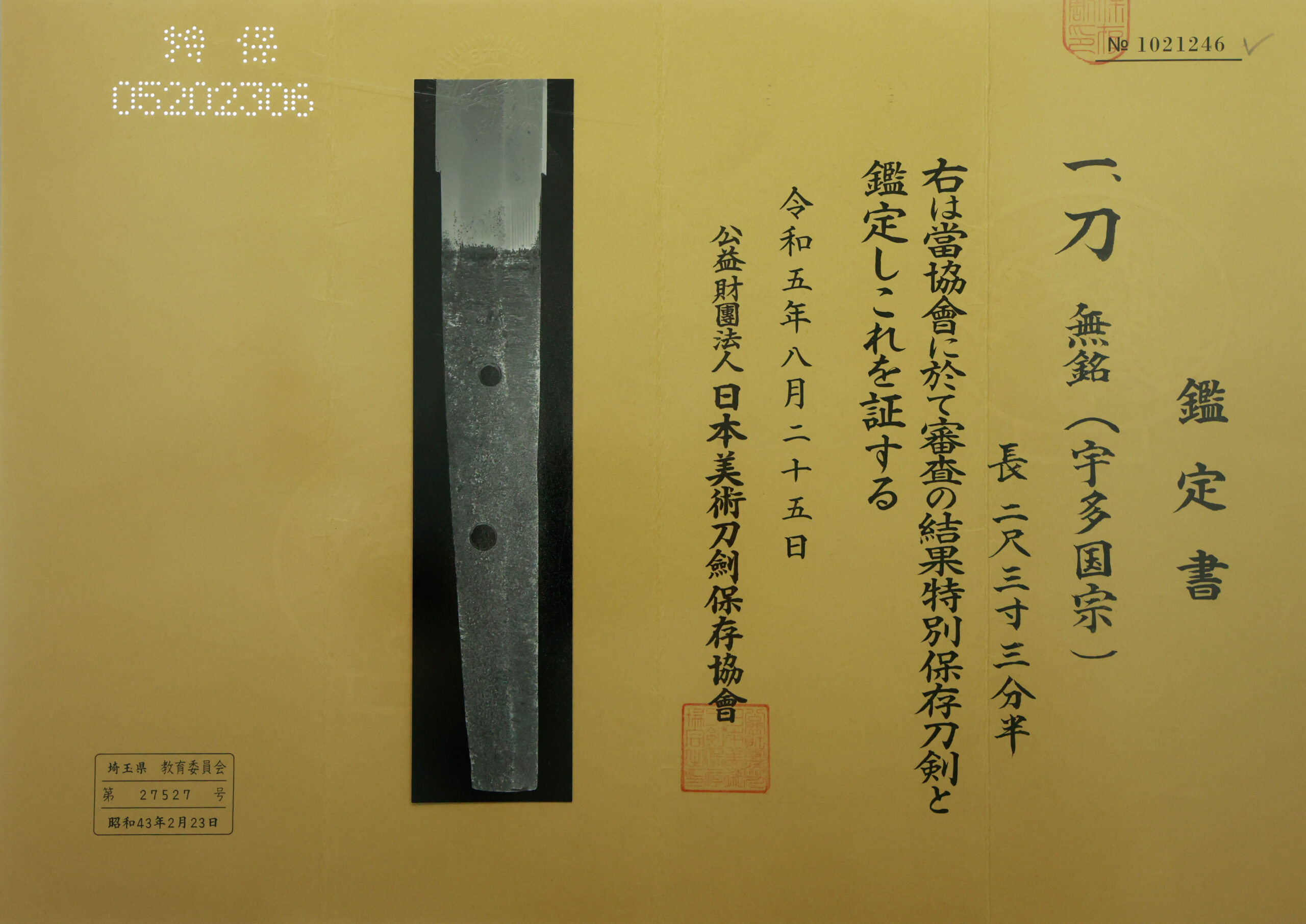
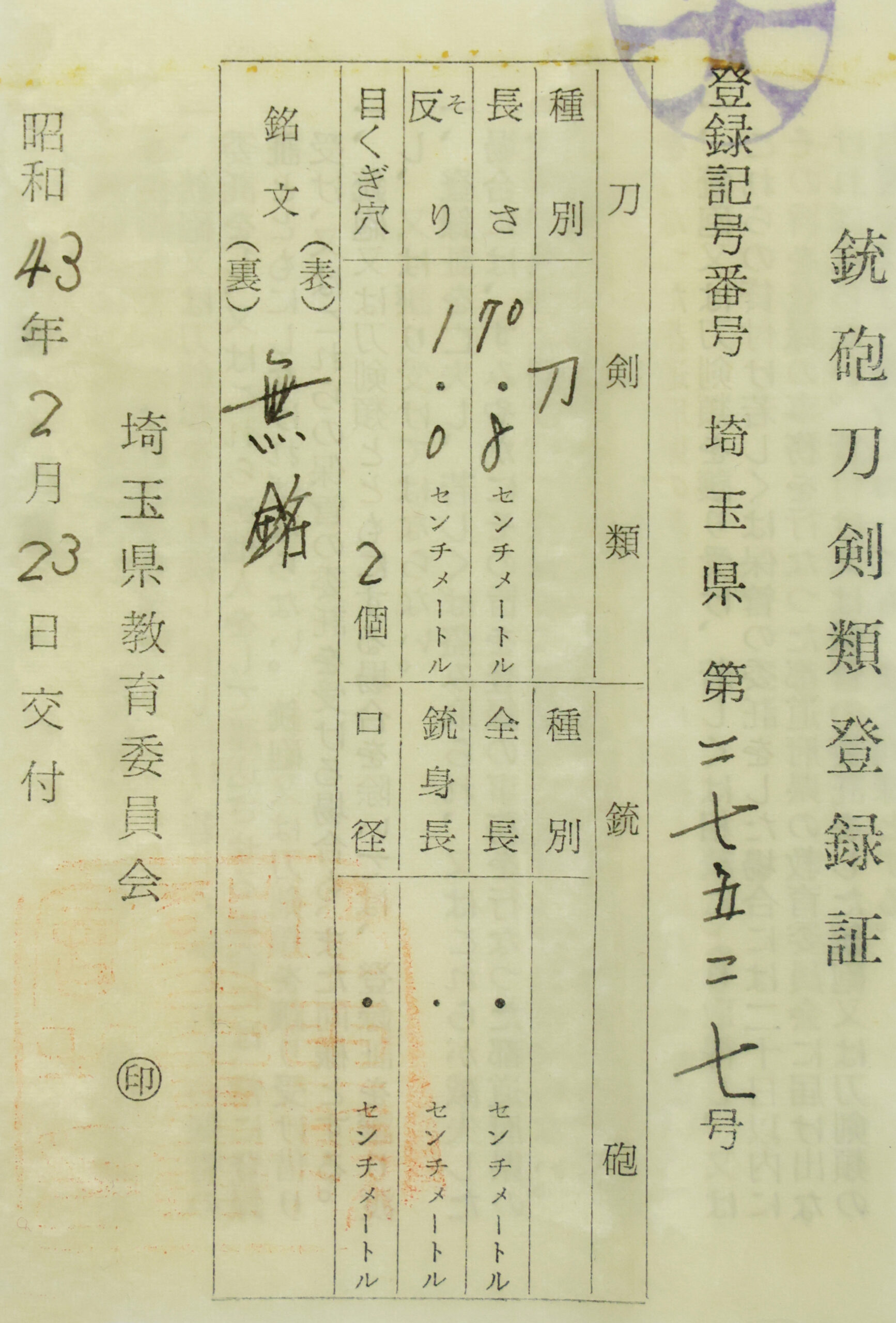
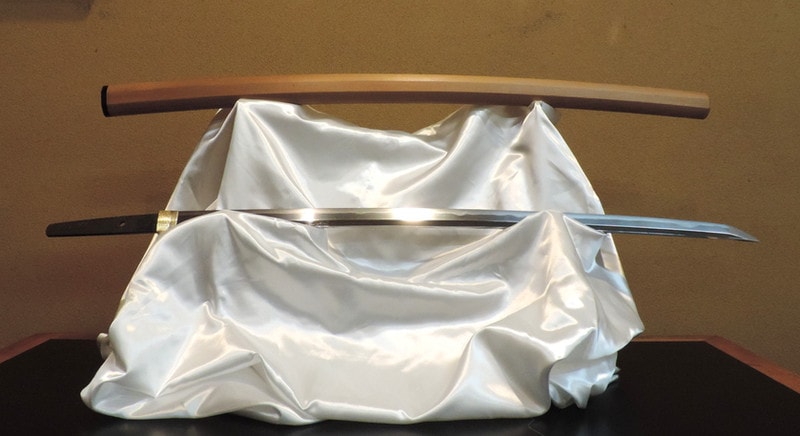
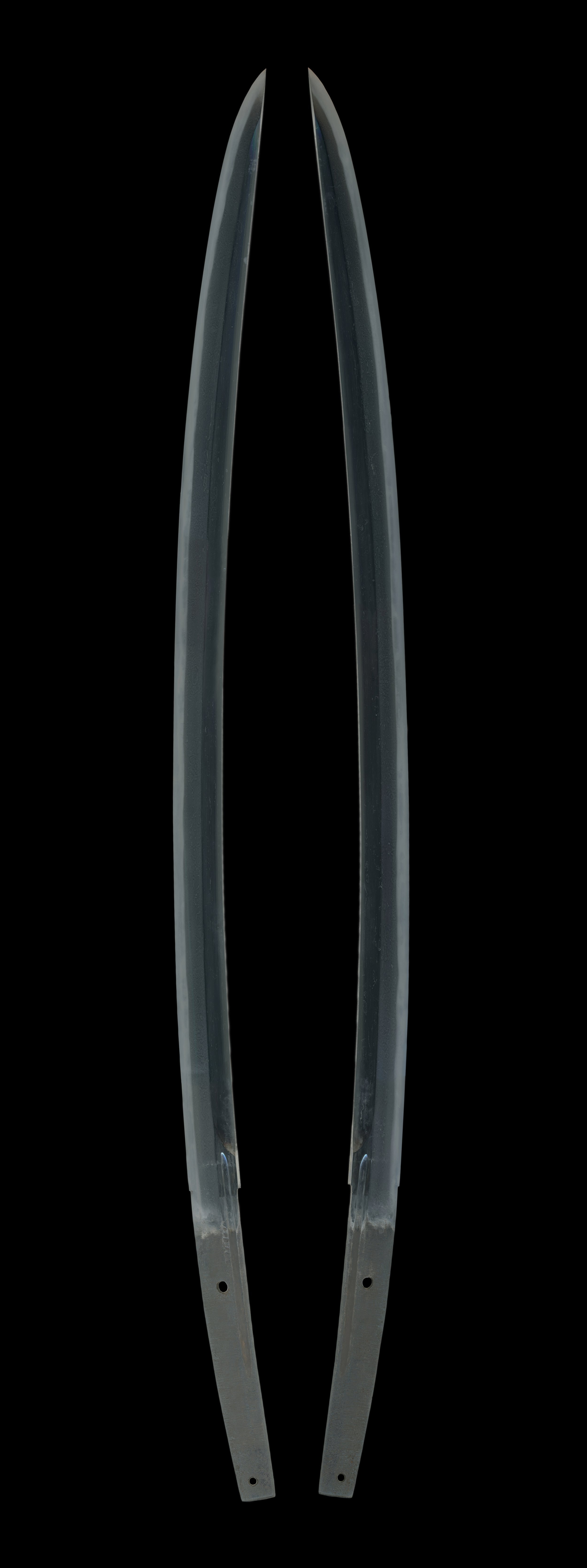
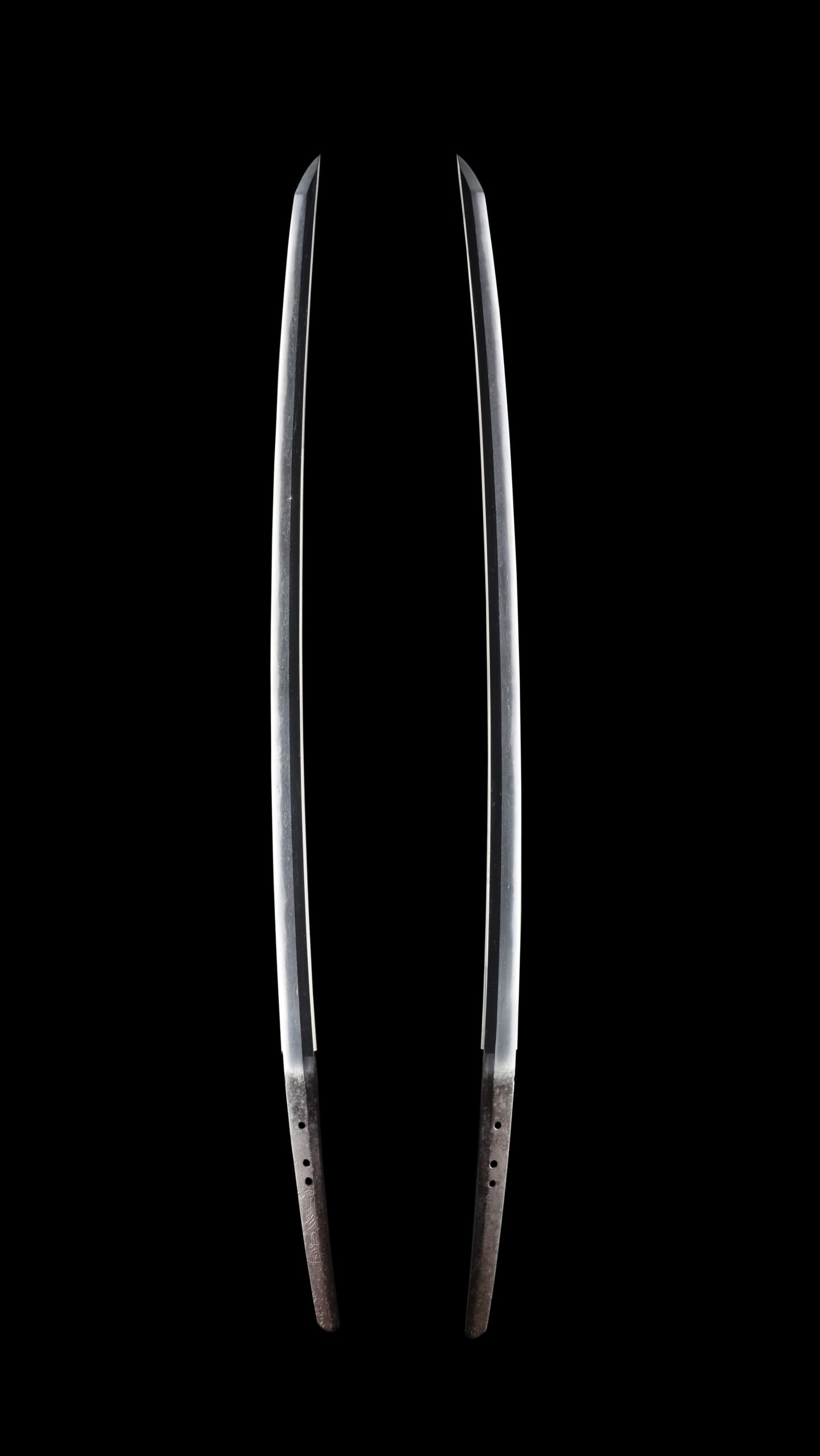
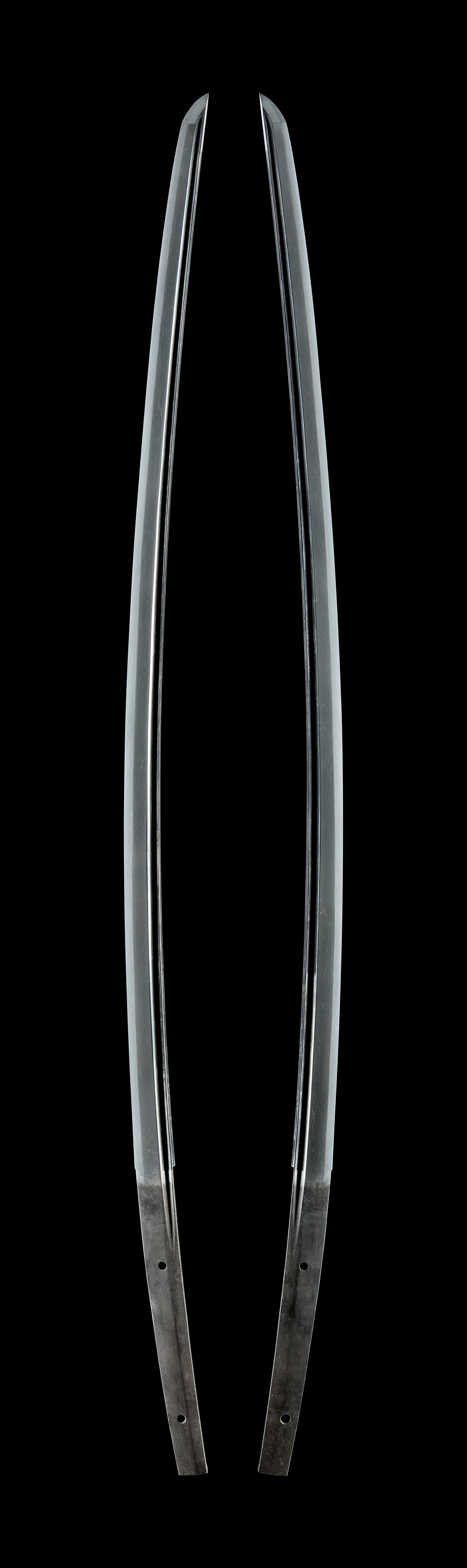
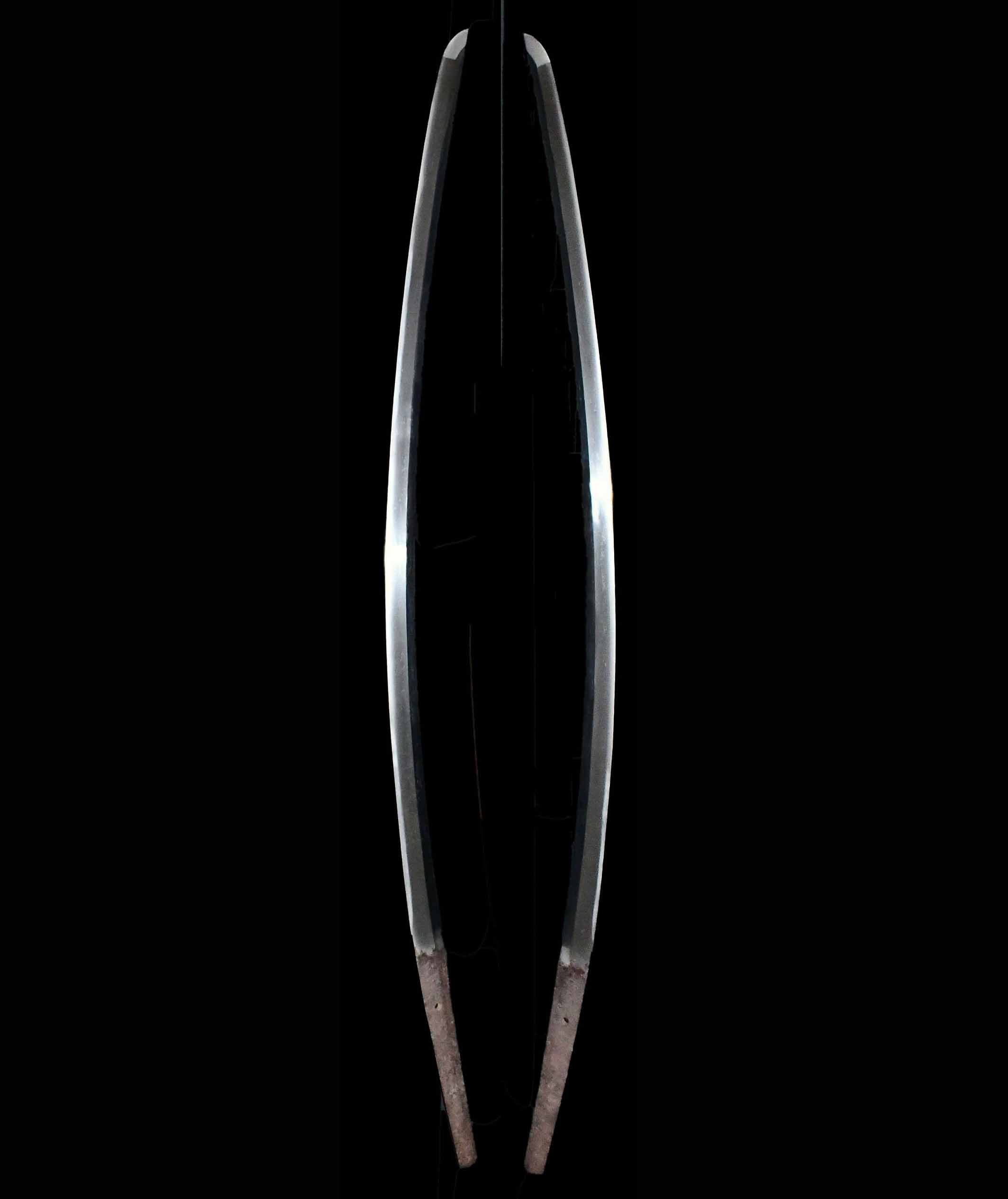
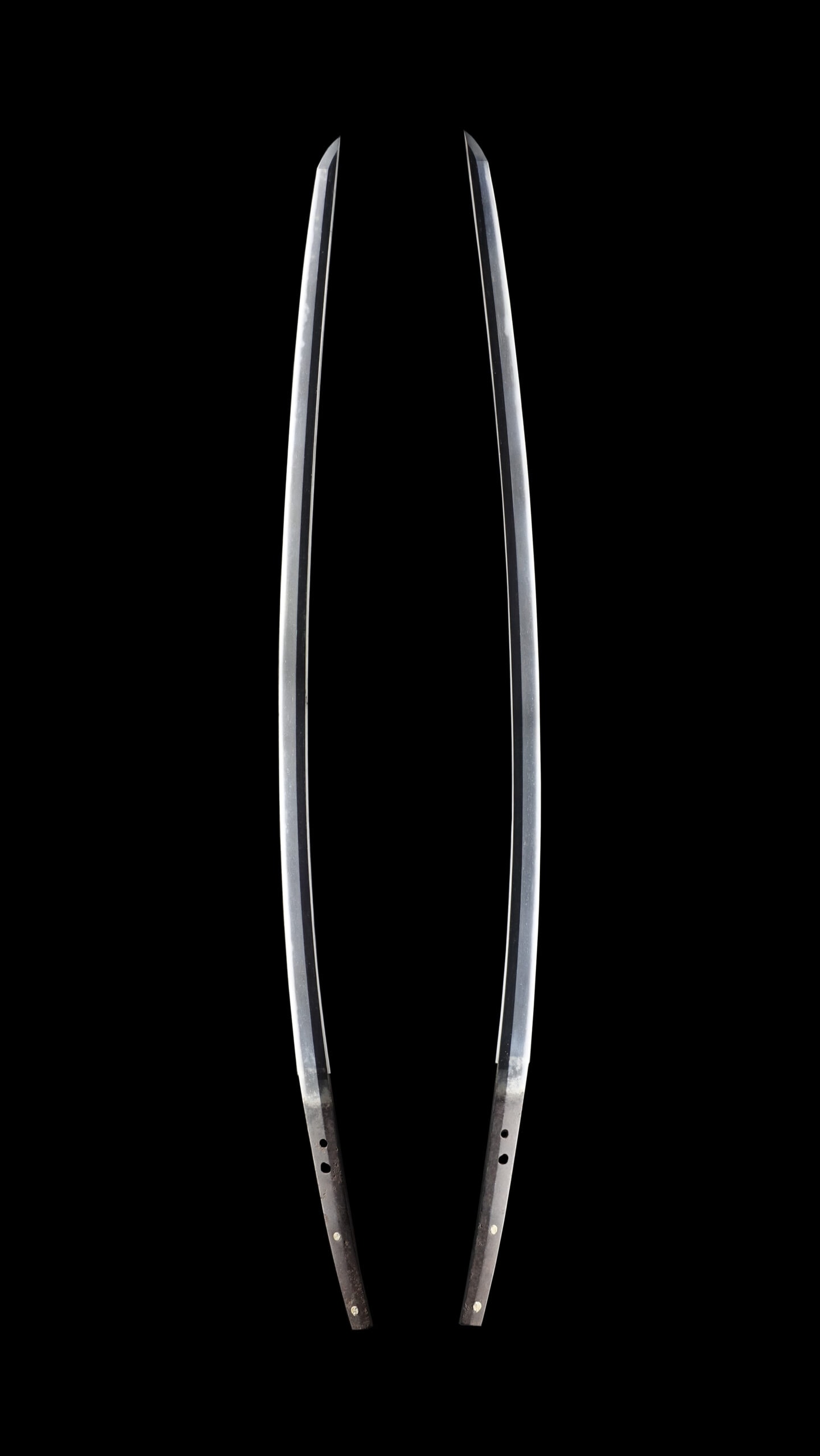
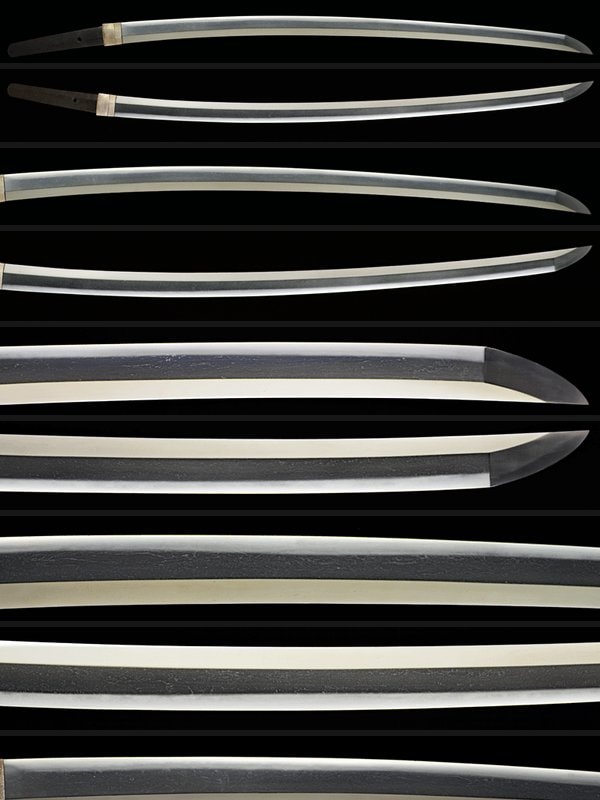
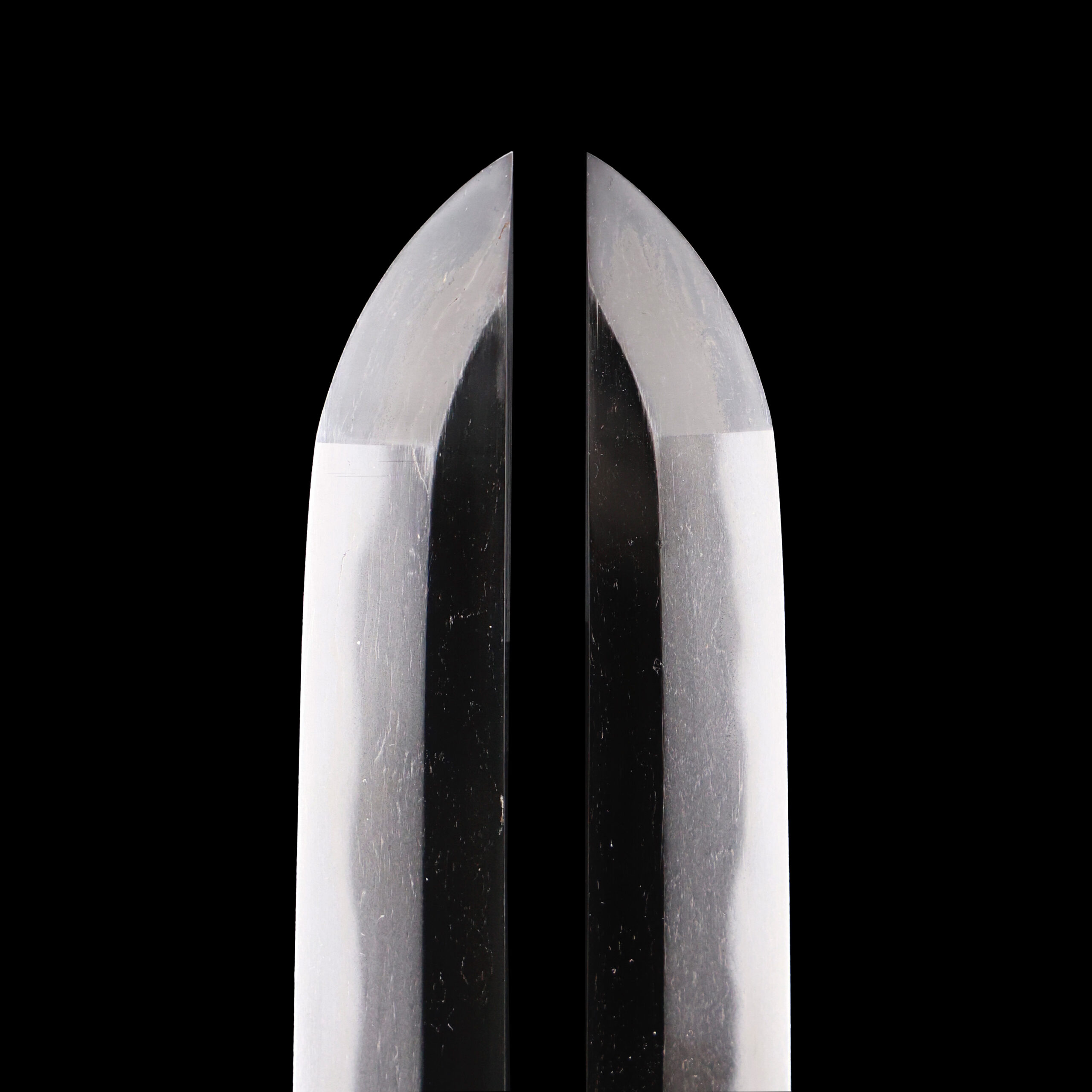
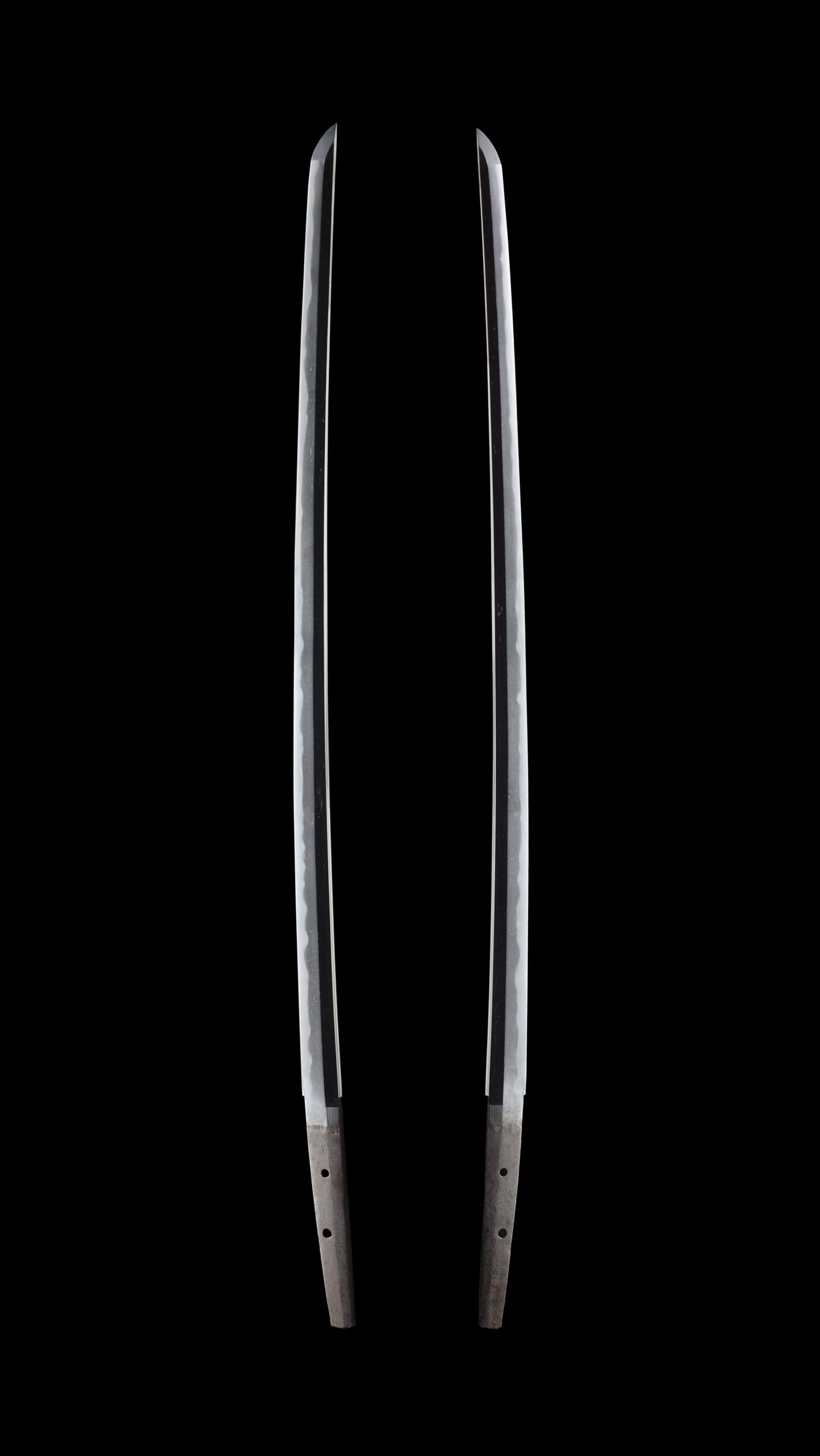
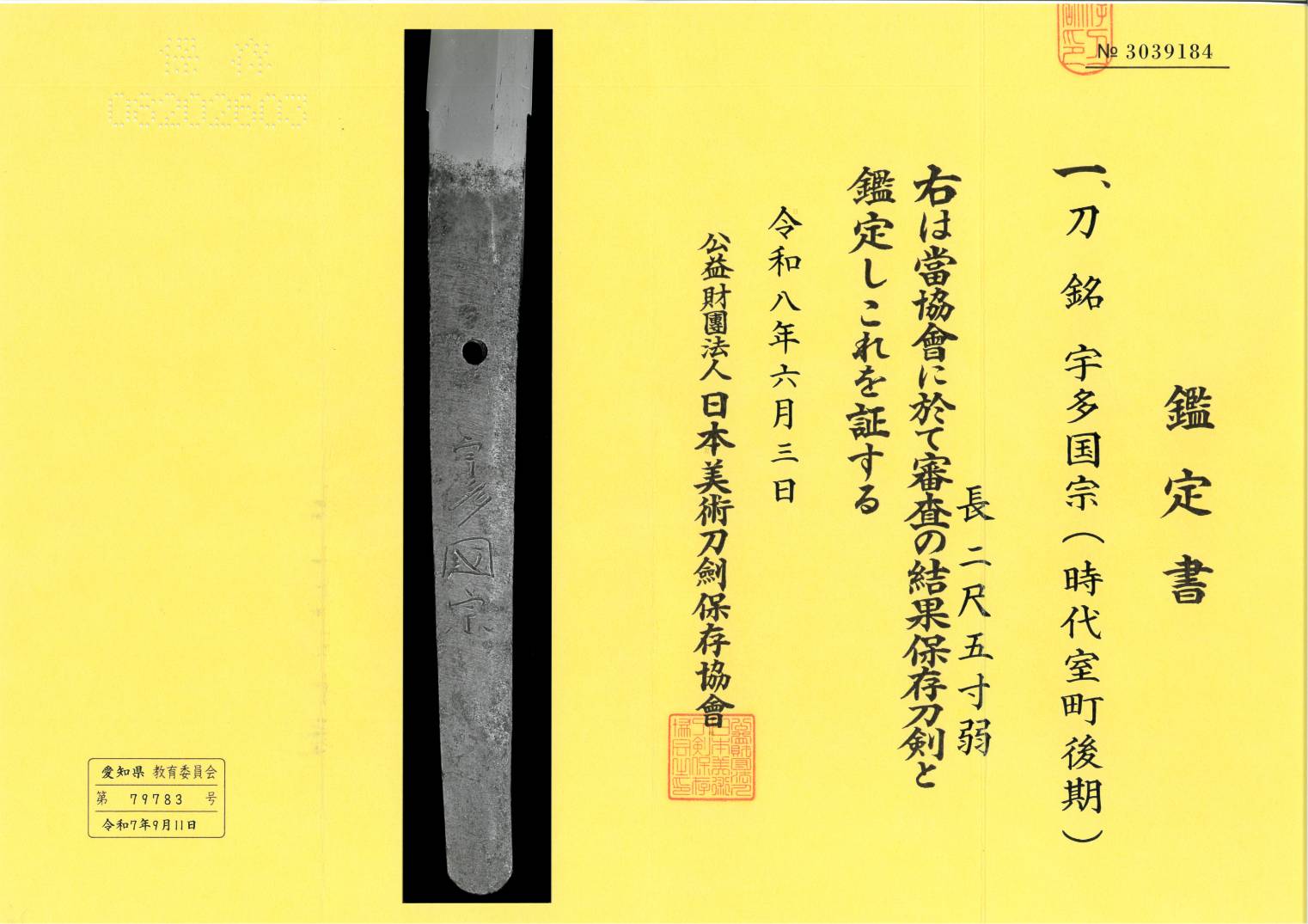
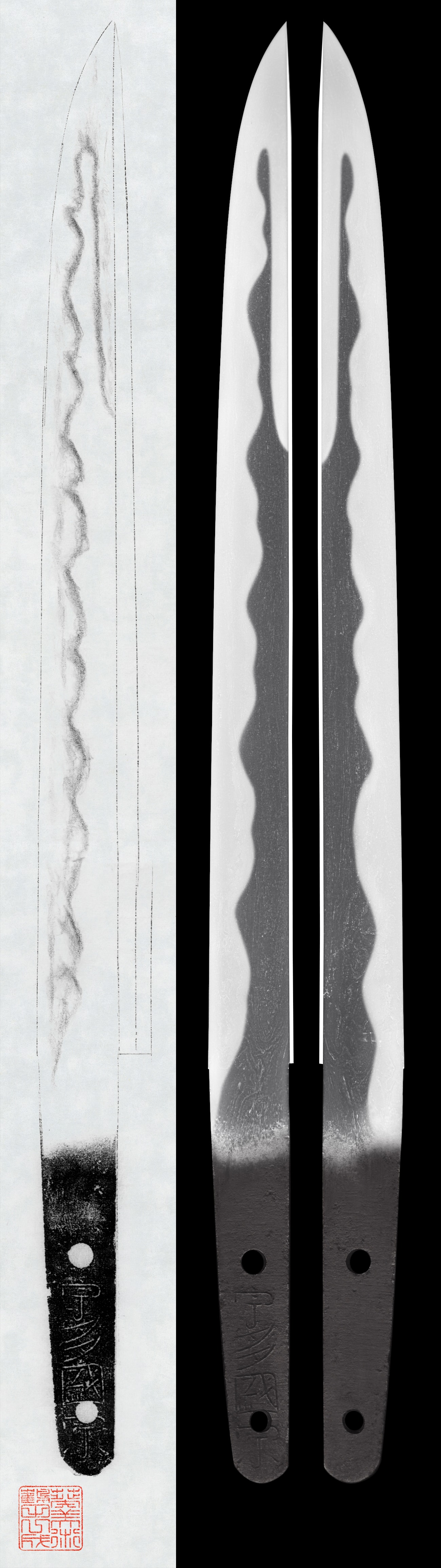
Antique Japanese Sword Katana Attributed to Uda Kunimune with Tokubetsu Hozon Certificate 【Description】 Summary This blade is attributed to the work of Uda Kunimune (宇多国宗), a swordsmith active from the Nanbokuchō period to the early Muromachi period. He was one of the leading swordsmiths of the Uda school and a successor in the lineage of Uda Kunimitsu (宇多国光). Kunimune’s works are known for their well-forged jigane (steel texture) and practical yet elegant hamon (tempering pattern), reflecting the influence of the Yamato-den tradition. His swords were valued for their durability and cutting ability, making them highly sought after by samurai during turbulent times. Uda (宇多) is the prestigious school that originally flourished during the Nanbokuchoto-mid Muromachi period(approx. 1334-1491). It was founded by Kunimitsu(国光) in the late Kamakura period. The school was located in Etchu province in Toyama prefecture today. Kunimitsu was originally from Yamato Uda Gun(大和宇多郡), located in Nara prefecture but moved to Etchu in the late Kamakura period (1299-1333) with his apprentices including the first-gen Kunifusa(国房), and Kunimune(国宗). Kunimune played an essential role for the school to flourish after they moved to Etchu province. Uda school was famous for producing practically designed blades, which were desirable during Nanbokucho- Muromachi period. Among other schools in the Hokuriku region (the northwestern part of Honshu), Uda school was the most prominent school. It is appraised as a Tokubetsu Hozon Token (特別保存刀剣) issued by NBTHK (Nihon Bijutsu Touken Hozon Kyokai:日本美術刀剣保存協会). This authentication paper was only given to authentic Japanese swords, especially well preserved and high quality with artistic value.avex *Please keep in mind that there are a couple of minor Kitae Kizu on this blade. If you like to know the detailed condition, please feel free to contact us. 【 Blade】 Cutting Edge Length(Nagasa) : 70.8 cm (27.8inches) Curvature(Sori) : 1 .0 cm (0.39 inches) Hamon : The crystalline structure which forms along the cutting edge of a blade as a result of the hardening process Jimon(Jihada) : visible steel surface pattern created by folding and hammering during forging process Kissaki : Kissaki is the tip of the Japanese sword. Nakago : Nakago is the tang of the Japanese sword. Japanese swordsmiths left the black rust on the tang because it prevents red rust while the tang is in its handle. And the discoloration of the tang was created over time, and it is a great indicator for a Japanese sword specialist to estimate when the sword was forged. Koshirae : Koshirae is the mounting of the Japanese sword. There are several parts that consist of Koshirae such as Saya(Scabbard), Tsuka(Handle), Tsuba(Handguard). Fuchi-Kashira : A pair of matching sword fittings that cover the upper and bottom parts of its sword hilt. Tsuka and Menuki : Tsuka is the handle of the Japanese sword and Menuki is its decoration. This menuki features a creature presumably resembling a Shishi (獅子), a guardian lion found in Japanese and East Asian culture. The Shishi symbolizes protection and the warding off of evil spirits. In Japan, it is commonly associated with Komainu (狛犬), guardian statues placed at the entrances of temples and shrines, believed to prevent malevolent forces from entering. Tsuba and Habaki : Tsuba is the handguard for the Japanese Sword and Habaki is the equipment to make the blade not touch its scabbard inside. It prevents the blade from getting rusty and chipped. This tsuba features both a dragon and a sword depicted together. The dragon is a mythical creature symbolizing strength and protection in East Asian cultures. In Japan, dragons are also revered as water deities, representing power, dignity, and a mysterious presence. The sword depicted may represent the Kurikara-ken (倶利伽羅剣), a sacred blade in esoteric Buddhism. This sword, wielded by Fudō Myō-ō (Acala), is engulfed in flames and symbolizes the power to cut through evil. The K

NihontoWatch MonNihontoWatch
MarketAuctionsEncyclopedia
刀剣›宇多›國宗›Antique Japanese Sword Katana attributed to Uda Kunimune NBTHK Tokubetsu Hozon Certificate
刀特別保存
國宗

Antique Japanese Sword Katana attributed to Uda Kunimune NBTHK Tokubetsu Hozon Certificate

無銘 · Uda · 応永 · 長さ 70.8cm · 反り 1cm
売却済
國宗 — 1 of 23
國宗 — 2 of 23
國宗 — 3 of 23
國宗 — 4 of 23
國宗 — 5 of 23
國宗 — 6 of 23
國宗 — 7 of 23
國宗 — 8 of 23
國宗 — 9 of 23
國宗 — 10 of 23
國宗 — 11 of 23
國宗 — 12 of 23
國宗 — 13 of 23
國宗 — 14 of 23
國宗 — 15 of 23
國宗 — 16 of 23
國宗 — 17 of 23
國宗 — 18 of 23
國宗 — 19 of 23
國宗 — 20 of 23
國宗 — 21 of 23
國宗 — 22 of 23
國宗 — 23 of 23
1 / 23
1 / 23
國宗 — 1 of 23國宗 — 2 of 23國宗 — 3 of 23國宗 — 4 of 23國宗 — 5 of 23國宗 — 6 of 23國宗 — 7 of 23國宗 — 8 of 23國宗 — 9 of 23國宗 — 10 of 23國宗 — 11 of 23國宗 — 12 of 23國宗 — 13 of 23國宗 — 14 of 23國宗 — 15 of 23國宗 — 16 of 23國宗 — 17 of 23國宗 — 18 of 23國宗 — 19 of 23國宗 — 20 of 23國宗 — 21 of 23國宗 — 22 of 23國宗 — 23 of 23
法量・詳細
刀工
國宗
種別
刀
流派
Uda
活動期
1394–1428年頃(Oei)
国
越中
銘
無銘(在銘率 67%)
法量
長さ 70.8cm反り 1cm
説明

Antique Japanese Sword Katana Attributed to Uda Kunimune with Tokubetsu Hozon Certificate 【Description】 Summary This blade is attributed to the work of Uda Kunimune (宇多国宗), a swordsmith active from the Nanbokuchō period to the early Muromachi period. He was one of the leading swordsmiths of the Uda school and a successor in the lineage of Uda Kunimitsu (宇多国光). Kunimune’s works are known for their well-forged jigane (steel texture) and practical yet elegant hamon (tempering pattern), reflecting the influence of the Yamato-den tradition. His swords were valued for their durability and cutting ability, making them highly sought after by samurai during turbulent times. Uda (宇多) is the prestigious school that originally flourished during the Nanbokuchoto-mid Muromachi period(approx. 1334-1491). It was founded by Kunimitsu(国光) in the late Kamakura period. The school was located in Etchu province in Toyama prefecture today. Kunimitsu was originally from Yamato Uda Gun(大和宇多郡), located in Nara prefecture but moved to Etchu in the late Kamakura period (1299-1333) with his apprentices including the first-gen Kunifusa(国房), and Kunimune(国宗). Kunimune played an essential role for the school to flourish after they moved to Etchu province. Uda school was famous for producing practically designed blades, which were desirable during Nanbokucho- Muromachi period. Among other schools in the Hokuriku region (the northwestern part of Honshu), Uda school was the most prominent school. It is appraised as a Tokubetsu Hozon Token (特別保存刀剣) issued by NBTHK (Nihon Bijutsu Touken Hozon Kyokai:日本美術刀剣保存協会). This authentication paper was only given to authentic Japanese swords, especially well preserved and high quality with artistic value.avex *Please keep in mind that there are a couple of minor Kitae Kizu on this blade. If you like to know the detailed condition, please feel free to contact us. 【 Blade】 Cutting Edge Length(Nagasa) : 70.8 cm (27.8inches) Curvature(Sori) : 1 .0 cm (0.39 inches) Hamon : The crystalline structure which forms along the cutting edge of a blade as a result of the hardening process Jimon(Jihada) : visible steel surface pattern created by folding and hammering during forging process Kissaki : Kissaki is the tip of the Japanese sword. Nakago : Nakago is the tang of the Japanese sword. Japanese swordsmiths left the black rust on the tang because it prevents red rust while the tang is in its handle. And the discoloration of the tang was created over time, and it is a great indicator for a Japanese sword specialist to estimate when the sword was forged. Koshirae : Koshirae is the mounting of the Japanese sword. There are several parts that consist of Koshirae such as Saya(Scabbard), Tsuka(Handle), Tsuba(Handguard). Fuchi-Kashira : A pair of matching sword fittings that cover the upper and bottom parts of its sword hilt. Tsuka and Menuki : Tsuka is the handle of the Japanese sword and Menuki is its decoration. This menuki features a creature presumably resembling a Shishi (獅子), a guardian lion found in Japanese and East Asian culture. The Shishi symbolizes protection and the warding off of evil spirits. In Japan, it is commonly associated with Komainu (狛犬), guardian statues placed at the entrances of temples and shrines, believed to prevent malevolent forces from entering. Tsuba and Habaki : Tsuba is the handguard for the Japanese Sword and Habaki is the equipment to make the blade not touch its scabbard inside. It prevents the blade from getting rusty and chipped. This tsuba features both a dragon and a sword depicted together. The dragon is a mythical creature symbolizing strength and protection in East Asian cultures. In Japan, dragons are also revered as water deities, representing power, dignity, and a mysterious presence. The sword depicted may represent the Kurikara-ken (倶利伽羅剣), a sacred blade in esoteric Buddhism. This sword, wielded by Fudō Myō-ō (Acala), is engulfed in flames and symbolizes the power to cut through evil. The K

作者について

國宗

脇物 · 越中 · 1394-1428頃

刀剣大鑑 上位37%

現在1点販売中

›

歴史的重要度

國宗の位置づけを、日本刀全体および伝統・時代・時期ごとに示します。各位(随一・屈指・有数・著名)は、NBTHK および文化庁による指定に加え、三作や名物帳などの歴史的栄誉を加味したものです。

随一
随一
屈指
屈指
有数
有数
著名
著名

各項目を選ぶと評価方法が表示されます。

指定の実績
指定3口
重要刀剣
3
國宗の作 1点が現在販売中→
國宗 — 詳細脇物派
流派について

宇多

脇物 · 越中

時期区分: 宇多· 1390–1596

現在35点販売中

›

古宇多が南北朝期までの草創を画したのに対し、本区分はその後を承けて室町時代を通じて継続した越中宇多派を扱う。説示によれば、宇多派は鎌倉時代末期の文保頃、大和国宇陀郡から越中に移住した古入道国光を祖とし、南北朝期の国房・国宗・国次らを承けて、同名相継ぎながら室町時代末期に亘って栄えた。南北朝期を降らぬ作を古宇多と呼ぶのに対し、その後のものを宇多と汎称しており、本区分はまさにこの後者にあたる。応永を最古とする国久、初代国光の子と伝える国宗の系、永享から天正に及ぶ国長、永享・永正の国吉、天文頃の平国・真国、さらに国清・友久ら、国の字を冠す諸工が代を重ねて活躍した。元来が大和宇陀郡の出自であるため大和気質を色濃く残しつつ、越中の先達則重や江に倣った相州伝風をも併せ持つのが、北国に根を下ろしたこの一派の地盤である。 後代宇多の作風は、板目に杢を交えて総体に肌立ち、地沸がつき地景が入る鍛えに、かねが黒みをおびて淡く白け映りの立つ点に北国の地方色が顕著に表れる。刃文は中直刃調に小互の目を連れ、小のたれや小尖り刃を交え、匂勝ちに小沸がつき、つぶらな沸を交えて金筋・砂流しがかかり、帽子は先尖りごころに小丸となって長く返るものが多い。応永頃の国久・友久のように小板目がよく錬れて精美に詰み、地刃明るく冴える優品がある一方、室町期に降るにつれて作は定型化し、身幅の割に寸の延びた短刀姿や先反りのつく姿など室町の体配を示すようになる。平国や国長には飛焼・湯走りを交えてやや皆焼状を呈し、覇気迫力に富む作もみえる。総じて、古宇多が相州上工に紛れんばかりの古色と変化を見せたのに対し、後代は肌立ちがやや粗くなり、北陸物らしい黒みのある鉄色が一段と地方色を強める点に差がある。 後代宇多を古宇多と分かつ鑑定の要点は、説示が古色の有無に置く。古宇多が来国光・国次に紛れんばかりの精良さと激しい働きを見せるのに対し、後代は地鉄の黒みと白け映り、肌立ちごころの鍛えに地方色が強まり、茎先の張る茎仕立や国の字の銘振りに見処があるとされる。主要工としては、応永頃の国久・友久を上工とし、国宗・国次・国房はそれぞれ代を重ね、文明・天文の年紀を有する作も存して時代の指標となる。能州笠師に移った国長のように、信国に通う作風を示す傍系もみえる。在銘作は比較的稀で、無銘極めや諸国に伝来した作によって同派の広がりが知られ、富山をはじめ北陸ゆかりの伝来を持つものが少なくない。

26名の刀工指定127口
主要刀工
刀工時代指定
國久1394-142810
國宗1429-14796
國房1455-14573
友次1381-13843
國宗1394-14283
宇多流派を見る →
NBTHK鑑定書
Tokubetsu Hozon Tōken特別保存刀剣
Sword Especially Worthy of Preservation
›

保存刀剣のうち、出来が一層優れ、保存状態も良好と認められたものです。再刃や、室町・江戸期の多くの無銘作は対象外となり、保存刀剣より高い基準が課されます。

NBTHKについて›

日本美術刀剣保存協会(NBTHK)は、1948年に設立され、文化庁の監督を受ける公益財団法人で、東京・刀剣博物館に本部を置きます。専門の審査員が出品作を直接審査し、美術的・歴史的価値に応じた鑑定書を発行します。NBTHKの鑑定書は、日本刀および刀装具の真正性を示す最も広く認知された基準です。

NBTHK公式サイト→
販売店
サ
サムライミュージアム
🇯🇵日本から発送
›
✓認証販売店samuraimuseum.jp
✓海外発送可✓英語対応PayPalクレジットカード
返品ポリシー

Returns/exchanges limited to defects caused by shipping (except willful misconduct or gross negligence by the company); customers must contact within 72 hours of receiving the product.

サムライミュージアムの出品一覧を見る→販売店サイトでこの商品を見る→

國宗の他の作

すべて見る →
葵美術
保存
Tanto - Hozon - by Uda Kunimune - AS26369 短刀:宇多国宗(日本美術刀剣保存協会 保存刀剣)Tanto - Hozon - by Uda Kunimune - AS26369 短刀:宇多国宗(日本美術刀剣保存協会 保存刀剣)

短刀

作國宗
25.9cm·古刀
開始価格¥450,000

國宗の売約済み

銀座長州屋
Tanto - by Uda Kunimune - 銘 宇多国宗Tanto - by Uda Kunimune - 銘 宇多国宗
売切れ

短刀

作國宗
室町
売却済
明倫産業
特別貴重
Katana - Tokubetsu Kichō - by Uda Kunimune - 宇多国宗作 Uda KunimuneKatana - Tokubetsu Kichō - by Uda Kunimune - 宇多国宗作 Uda Kunimune
売切れ

刀

作國宗
65.4cm·Oei (1394-1428)
売却済
永楽堂
保存
Tanto - Hozon - by Uda Kunimune - 宇多国宗 短刀 保存刀剣Tanto - Hozon - by Uda Kunimune - 宇多国宗 短刀 保存刀剣
売切れ

短刀

作國宗
25cm·南北朝
売却済
銀座長州屋
特別保存
Tanto - Tokuho - by Uda Kunimune - 短刀 銘 宇多国宗Tanto - Tokuho - by Uda Kunimune - 短刀 銘 宇多国宗
売切れ

短刀

作國宗
26.7cm·Eikyo (1429-1441)
売却済
サムライミュージアム
保存
Katana - Hozon - by Uda Kunimune - 日本刀 刀 伝宇多国宗(日本美術刀剣保存協会 保存刀剣鑑定書付)Katana - Hozon - by Uda Kunimune - 日本刀 刀 伝宇多国宗(日本美術刀剣保存協会 保存刀剣鑑定書付)
売切れ

刀

作國宗
61.1cm·南北朝
売却済
サムライミュージアム
特別保存
Wakizashi - Tokuho - by Uda Kunimune - Antique Japanese Sword Wakizashi Attributed to Uda Kunimune NBTHK Tokubetsu Hozon CertificateWakizashi - Tokuho - by Uda Kunimune - Antique Japanese Sword Wakizashi Attributed to Uda Kunimune NBTHK Tokubetsu Hozon Certificate
売切れ

脇差

作國宗
56.3cm·Oei (1394-1428)
売却済

宇多派の作

すべて見る →
刀剣杉田
保存
Wakizashi - Hozon - by Uda Hirakuni - 無銘(宇多平國)(越中)(北陸道)Wakizashi - Hozon - by Uda Hirakuni - 無銘(宇多平國)(越中)(北陸道)

脇差

作平國
45.8cm·室町
¥190,000
Toyuukai
保存
Tachi - Hozon - by Ko-Uda School - 太刀 無銘(後代宝寿)日本美術刀剣保存協会 保存刀剣鑑定書付Tachi - Hozon - by Ko-Uda School - 太刀 無銘(後代宝寿)日本美術刀剣保存協会 保存刀剣鑑定書付

太刀

作古宇多派
83cm·Late Kamakura (c. 1290)
¥1,500,000
勇進堂
保存
Wakizashi - Hozon - by Uda School - 02-3253 【保存】脇差 無銘(古宇多)Wakizashi - Hozon - by Uda School - 02-3253 【保存】脇差 無銘(古宇多)

脇差

作宇多派
43.5cm·古刀
¥800,000
宝刀堂
保存
Katana - Hozon - by Uda Kunimune - 無銘 伝宇多国宗Katana - Hozon - by Uda Kunimune - 無銘 伝宇多国宗

刀

作國宗
69.8cm·Eikyo (1429-1441)
¥850,000
サムライミュージアム
特別保存
Katana - Tokuho - by Uda Sanekuni - 日本刀 刀 銘 宇多真国 日本美術刀剣保存協会 特別保存刀剣鑑定書付Katana - Tokuho - by Uda Sanekuni - 日本刀 刀 銘 宇多真国 日本美術刀剣保存協会 特別保存刀剣鑑定書付

刀

作眞國
73.8cm·室町
¥7,519
Token Oranda
特別保存
Katana - Tokuho - by Uda Kunimune - 無銘 宇多国宗 刀 拵・白鞘付 本阿弥折紙 並びに 日本美術刀剣保存協会 特別保存刀剣鑑定書付Katana - Tokuho - by Uda Kunimune - 無銘 宇多国宗 刀 拵・白鞘付 本阿弥折紙 並びに 日本美術刀剣保存協会 特別保存刀剣鑑定書付

刀

作國宗
60.6cm·Eikyo (1429-1441)
¥4,900
刀心
特別保存
Katana - Tokuho - by Ko-Uda Kunifusa - 無銘(宇多国房) 2-1794Katana - Tokuho - by Ko-Uda Kunifusa - 無銘(宇多国房) 2-1794

刀

作國房
69.9cm·Eitoku (1381-1384) ND
¥770,000
Toyuukai
特別保存
Katana - Tokuho - by Ko-Uda School - 無銘(古宇多) 特別保存刀剣 大前田家伝来 品番:KA022Katana - Tokuho - by Ko-Uda School - 無銘(古宇多) 特別保存刀剣 大前田家伝来 品番:KA022

刀

作古宇多派
古刀
¥1,300,000

刀剣

  • 刀
  • 脇差
  • 短刀
  • 太刀
  • 薙刀
  • 槍

刀装具

  • 鍔
  • 縁頭
  • 小柄
  • 目貫

鑑定別

  • 特重
  • 重要
  • 特別保存
  • 保存

リソース

  • 刀剣商一覧
  • 刀工一覧
  • すべて見る
Nihontowatch© 2026
利用規約プライバシーCookie運営者情報

説明

Antique Japanese Sword Katana Attributed to Uda Kunimune with Tokubetsu Hozon Certificate 【Description】 Summary This blade is attributed to the work of Uda Kunimune (宇多国宗), a swordsmith active from the Nanbokuchō period to the early Muromachi period. He was one of the leading swordsmiths of the Uda school and a successor in the lineage of Uda Kunimitsu (宇多国光). Kunimune’s works are known for their well-forged jigane (steel texture) and practical yet elegant hamon (tempering pattern), reflecting the influence of the Yamato-den tradition. His swords were valued for their durability and cutting ability, making them highly sought after by samurai during turbulent times. Uda (宇多) is the prestigious school that originally flourished during the Nanbokuchoto-mid Muromachi period(approx. 1334-1491). It was founded by Kunimitsu(国光) in the late Kamakura period. The school was located in Etchu province in Toyama prefecture today. Kunimitsu was originally from Yamato Uda Gun(大和宇多郡), located in Nara prefecture but moved to Etchu in the late Kamakura period (1299-1333) with his apprentices including the first-gen Kunifusa(国房), and Kunimune(国宗). Kunimune played an essential role for the school to flourish after they moved to Etchu province. Uda school was famous for producing practically designed blades, which were desirable during Nanbokucho- Muromachi period. Among other schools in the Hokuriku region (the northwestern part of Honshu), Uda school was the most prominent school. It is appraised as a Tokubetsu Hozon Token (特別保存刀剣) issued by NBTHK (Nihon Bijutsu Touken Hozon Kyokai:日本美術刀剣保存協会). This authentication paper was only given to authentic Japanese swords, especially well preserved and high quality with artistic value.avex *Please keep in mind that there are a couple of minor Kitae Kizu on this blade. If you like to know the detailed condition, please feel free to contact us. 【 Blade】 Cutting Edge Length(Nagasa) : 70.8 cm (27.8inches) Curvature(Sori) : 1 .0 cm (0.39 inches) Hamon : The crystalline structure which forms along the cutting edge of a blade as a result of the hardening process Jimon(Jihada) : visible steel surface pattern created by folding and hammering during forging process Kissaki : Kissaki is the tip of the Japanese sword. Nakago : Nakago is the tang of the Japanese sword. Japanese swordsmiths left the black rust on the tang because it prevents red rust while the tang is in its handle. And the discoloration of the tang was created over time, and it is a great indicator for a Japanese sword specialist to estimate when the sword was forged. Koshirae : Koshirae is the mounting of the Japanese sword. There are several parts that consist of Koshirae such as Saya(Scabbard), Tsuka(Handle), Tsuba(Handguard). Fuchi-Kashira : A pair of matching sword fittings that cover the upper and bottom parts of its sword hilt. Tsuka and Menuki : Tsuka is the handle of the Japanese sword and Menuki is its decoration. This menuki features a creature presumably resembling a Shishi (獅子), a guardian lion found in Japanese and East Asian culture. The Shishi symbolizes protection and the warding off of evil spirits. In Japan, it is commonly associated with Komainu (狛犬), guardian statues placed at the entrances of temples and shrines, believed to prevent malevolent forces from entering. Tsuba and Habaki : Tsuba is the handguard for the Japanese Sword and Habaki is the equipment to make the blade not touch its scabbard inside. It prevents the blade from getting rusty and chipped. This tsuba features both a dragon and a sword depicted together. The dragon is a mythical creature symbolizing strength and protection in East Asian cultures. In Japan, dragons are also revered as water deities, representing power, dignity, and a mysterious presence. The sword depicted may represent the Kurikara-ken (倶利伽羅剣), a sacred blade in esoteric Buddhism. This sword, wielded by Fudō Myō-ō (Acala), is engulfed in flames and symbolizes the power to cut through evil. The K

NihontoWatch MonNihontoWatch
MarketAuctionsEncyclopedia
刀剣›宇多›國宗›Antique Japanese Sword Katana attributed to Uda Kunimune NBTHK Tokubetsu Hozon Certificate
刀特別保存
國宗

Antique Japanese Sword Katana attributed to Uda Kunimune NBTHK Tokubetsu Hozon Certificate

無銘 · Uda · 応永 · 長さ 70.8cm · 反り 1cm
売却済
國宗 — 1 of 23
國宗 — 2 of 23
國宗 — 3 of 23
國宗 — 4 of 23
國宗 — 5 of 23
國宗 — 6 of 23
國宗 — 7 of 23
國宗 — 8 of 23
國宗 — 9 of 23
國宗 — 10 of 23
國宗 — 11 of 23
國宗 — 12 of 23
國宗 — 13 of 23
國宗 — 14 of 23
國宗 — 15 of 23
國宗 — 16 of 23
國宗 — 17 of 23
國宗 — 18 of 23
國宗 — 19 of 23
國宗 — 20 of 23
國宗 — 21 of 23
國宗 — 22 of 23
國宗 — 23 of 23
1 / 23
1 / 23
國宗 — 1 of 23國宗 — 2 of 23國宗 — 3 of 23國宗 — 4 of 23國宗 — 5 of 23國宗 — 6 of 23國宗 — 7 of 23國宗 — 8 of 23國宗 — 9 of 23國宗 — 10 of 23國宗 — 11 of 23國宗 — 12 of 23國宗 — 13 of 23國宗 — 14 of 23國宗 — 15 of 23國宗 — 16 of 23國宗 — 17 of 23國宗 — 18 of 23國宗 — 19 of 23國宗 — 20 of 23國宗 — 21 of 23國宗 — 22 of 23國宗 — 23 of 23
法量・詳細
刀工
國宗
種別
刀
流派
Uda
活動期
1394–1428年頃(Oei)
国
越中
銘
無銘(在銘率 67%)
法量
長さ 70.8cm反り 1cm
説明

Antique Japanese Sword Katana Attributed to Uda Kunimune with Tokubetsu Hozon Certificate 【Description】 Summary This blade is attributed to the work of Uda Kunimune (宇多国宗), a swordsmith active from the Nanbokuchō period to the early Muromachi period. He was one of the leading swordsmiths of the Uda school and a successor in the lineage of Uda Kunimitsu (宇多国光). Kunimune’s works are known for their well-forged jigane (steel texture) and practical yet elegant hamon (tempering pattern), reflecting the influence of the Yamato-den tradition. His swords were valued for their durability and cutting ability, making them highly sought after by samurai during turbulent times. Uda (宇多) is the prestigious school that originally flourished during the Nanbokuchoto-mid Muromachi period(approx. 1334-1491). It was founded by Kunimitsu(国光) in the late Kamakura period. The school was located in Etchu province in Toyama prefecture today. Kunimitsu was originally from Yamato Uda Gun(大和宇多郡), located in Nara prefecture but moved to Etchu in the late Kamakura period (1299-1333) with his apprentices including the first-gen Kunifusa(国房), and Kunimune(国宗). Kunimune played an essential role for the school to flourish after they moved to Etchu province. Uda school was famous for producing practically designed blades, which were desirable during Nanbokucho- Muromachi period. Among other schools in the Hokuriku region (the northwestern part of Honshu), Uda school was the most prominent school. It is appraised as a Tokubetsu Hozon Token (特別保存刀剣) issued by NBTHK (Nihon Bijutsu Touken Hozon Kyokai:日本美術刀剣保存協会). This authentication paper was only given to authentic Japanese swords, especially well preserved and high quality with artistic value.avex *Please keep in mind that there are a couple of minor Kitae Kizu on this blade. If you like to know the detailed condition, please feel free to contact us. 【 Blade】 Cutting Edge Length(Nagasa) : 70.8 cm (27.8inches) Curvature(Sori) : 1 .0 cm (0.39 inches) Hamon : The crystalline structure which forms along the cutting edge of a blade as a result of the hardening process Jimon(Jihada) : visible steel surface pattern created by folding and hammering during forging process Kissaki : Kissaki is the tip of the Japanese sword. Nakago : Nakago is the tang of the Japanese sword. Japanese swordsmiths left the black rust on the tang because it prevents red rust while the tang is in its handle. And the discoloration of the tang was created over time, and it is a great indicator for a Japanese sword specialist to estimate when the sword was forged. Koshirae : Koshirae is the mounting of the Japanese sword. There are several parts that consist of Koshirae such as Saya(Scabbard), Tsuka(Handle), Tsuba(Handguard). Fuchi-Kashira : A pair of matching sword fittings that cover the upper and bottom parts of its sword hilt. Tsuka and Menuki : Tsuka is the handle of the Japanese sword and Menuki is its decoration. This menuki features a creature presumably resembling a Shishi (獅子), a guardian lion found in Japanese and East Asian culture. The Shishi symbolizes protection and the warding off of evil spirits. In Japan, it is commonly associated with Komainu (狛犬), guardian statues placed at the entrances of temples and shrines, believed to prevent malevolent forces from entering. Tsuba and Habaki : Tsuba is the handguard for the Japanese Sword and Habaki is the equipment to make the blade not touch its scabbard inside. It prevents the blade from getting rusty and chipped. This tsuba features both a dragon and a sword depicted together. The dragon is a mythical creature symbolizing strength and protection in East Asian cultures. In Japan, dragons are also revered as water deities, representing power, dignity, and a mysterious presence. The sword depicted may represent the Kurikara-ken (倶利伽羅剣), a sacred blade in esoteric Buddhism. This sword, wielded by Fudō Myō-ō (Acala), is engulfed in flames and symbolizes the power to cut through evil. The K

作者について

國宗

脇物 · 越中 · 1394-1428頃

刀剣大鑑 上位37%

現在1点販売中

›

歴史的重要度

國宗の位置づけを、日本刀全体および伝統・時代・時期ごとに示します。各位(随一・屈指・有数・著名)は、NBTHK および文化庁による指定に加え、三作や名物帳などの歴史的栄誉を加味したものです。

随一
随一
屈指
屈指
有数
有数
著名
著名

各項目を選ぶと評価方法が表示されます。

指定の実績
指定3口
重要刀剣
3
國宗の作 1点が現在販売中→
國宗 — 詳細脇物派
流派について

宇多

脇物 · 越中

時期区分: 宇多· 1390–1596

現在35点販売中

›

古宇多が南北朝期までの草創を画したのに対し、本区分はその後を承けて室町時代を通じて継続した越中宇多派を扱う。説示によれば、宇多派は鎌倉時代末期の文保頃、大和国宇陀郡から越中に移住した古入道国光を祖とし、南北朝期の国房・国宗・国次らを承けて、同名相継ぎながら室町時代末期に亘って栄えた。南北朝期を降らぬ作を古宇多と呼ぶのに対し、その後のものを宇多と汎称しており、本区分はまさにこの後者にあたる。応永を最古とする国久、初代国光の子と伝える国宗の系、永享から天正に及ぶ国長、永享・永正の国吉、天文頃の平国・真国、さらに国清・友久ら、国の字を冠す諸工が代を重ねて活躍した。元来が大和宇陀郡の出自であるため大和気質を色濃く残しつつ、越中の先達則重や江に倣った相州伝風をも併せ持つのが、北国に根を下ろしたこの一派の地盤である。 後代宇多の作風は、板目に杢を交えて総体に肌立ち、地沸がつき地景が入る鍛えに、かねが黒みをおびて淡く白け映りの立つ点に北国の地方色が顕著に表れる。刃文は中直刃調に小互の目を連れ、小のたれや小尖り刃を交え、匂勝ちに小沸がつき、つぶらな沸を交えて金筋・砂流しがかかり、帽子は先尖りごころに小丸となって長く返るものが多い。応永頃の国久・友久のように小板目がよく錬れて精美に詰み、地刃明るく冴える優品がある一方、室町期に降るにつれて作は定型化し、身幅の割に寸の延びた短刀姿や先反りのつく姿など室町の体配を示すようになる。平国や国長には飛焼・湯走りを交えてやや皆焼状を呈し、覇気迫力に富む作もみえる。総じて、古宇多が相州上工に紛れんばかりの古色と変化を見せたのに対し、後代は肌立ちがやや粗くなり、北陸物らしい黒みのある鉄色が一段と地方色を強める点に差がある。 後代宇多を古宇多と分かつ鑑定の要点は、説示が古色の有無に置く。古宇多が来国光・国次に紛れんばかりの精良さと激しい働きを見せるのに対し、後代は地鉄の黒みと白け映り、肌立ちごころの鍛えに地方色が強まり、茎先の張る茎仕立や国の字の銘振りに見処があるとされる。主要工としては、応永頃の国久・友久を上工とし、国宗・国次・国房はそれぞれ代を重ね、文明・天文の年紀を有する作も存して時代の指標となる。能州笠師に移った国長のように、信国に通う作風を示す傍系もみえる。在銘作は比較的稀で、無銘極めや諸国に伝来した作によって同派の広がりが知られ、富山をはじめ北陸ゆかりの伝来を持つものが少なくない。

26名の刀工指定127口
主要刀工
刀工時代指定
國久1394-142810
國宗1429-14796
國房1455-14573
友次1381-13843
國宗1394-14283
宇多流派を見る →
NBTHK鑑定書
Tokubetsu Hozon Tōken特別保存刀剣
Sword Especially Worthy of Preservation
›

保存刀剣のうち、出来が一層優れ、保存状態も良好と認められたものです。再刃や、室町・江戸期の多くの無銘作は対象外となり、保存刀剣より高い基準が課されます。

NBTHKについて›

日本美術刀剣保存協会(NBTHK)は、1948年に設立され、文化庁の監督を受ける公益財団法人で、東京・刀剣博物館に本部を置きます。専門の審査員が出品作を直接審査し、美術的・歴史的価値に応じた鑑定書を発行します。NBTHKの鑑定書は、日本刀および刀装具の真正性を示す最も広く認知された基準です。

NBTHK公式サイト→
販売店
サ
サムライミュージアム
🇯🇵日本から発送
›
✓認証販売店samuraimuseum.jp
✓海外発送可✓英語対応PayPalクレジットカード
返品ポリシー

Returns/exchanges limited to defects caused by shipping (except willful misconduct or gross negligence by the company); customers must contact within 72 hours of receiving the product.
サムライミュージアムの出品一覧を見る→販売店サイトでこの商品を見る→

國宗の他の作

すべて見る →
葵美術
保存
Tanto - Hozon - by Uda Kunimune - AS26369 短刀:宇多国宗(日本美術刀剣保存協会 保存刀剣)Tanto - Hozon - by Uda Kunimune - AS26369 短刀:宇多国宗(日本美術刀剣保存協会 保存刀剣)

短刀

作國宗
25.9cm·古刀
開始価格¥450,000

國宗の売約済み

銀座長州屋
Tanto - by Uda Kunimune - 銘 宇多国宗Tanto - by Uda Kunimune - 銘 宇多国宗
売切れ

短刀

作國宗
室町
売却済
明倫産業
特別貴重
Katana - Tokubetsu Kichō - by Uda Kunimune - 宇多国宗作 Uda KunimuneKatana - Tokubetsu Kichō - by Uda Kunimune - 宇多国宗作 Uda Kunimune
売切れ

刀

作國宗
65.4cm·Oei (1394-1428)
売却済
永楽堂
保存
Tanto - Hozon - by Uda Kunimune - 宇多国宗 短刀 保存刀剣Tanto - Hozon - by Uda Kunimune - 宇多国宗 短刀 保存刀剣
売切れ

短刀

作國宗
25cm·南北朝
売却済
銀座長州屋
特別保存
Tanto - Tokuho - by Uda Kunimune - 短刀 銘 宇多国宗Tanto - Tokuho - by Uda Kunimune - 短刀 銘 宇多国宗
売切れ

短刀

作國宗
26.7cm·Eikyo (1429-1441)
売却済
サムライミュージアム
保存
Katana - Hozon - by Uda Kunimune - 日本刀 刀 伝宇多国宗(日本美術刀剣保存協会 保存刀剣鑑定書付)Katana - Hozon - by Uda Kunimune - 日本刀 刀 伝宇多国宗(日本美術刀剣保存協会 保存刀剣鑑定書付)
売切れ

刀

作國宗
61.1cm·南北朝
売却済
サムライミュージアム
特別保存
Wakizashi - Tokuho - by Uda Kunimune - Antique Japanese Sword Wakizashi Attributed to Uda Kunimune NBTHK Tokubetsu Hozon CertificateWakizashi - Tokuho - by Uda Kunimune - Antique Japanese Sword Wakizashi Attributed to Uda Kunimune NBTHK Tokubetsu Hozon Certificate
売切れ

脇差

作國宗
56.3cm·Oei (1394-1428)
売却済

宇多派の作

すべて見る →
刀剣杉田
保存
Wakizashi - Hozon - by Uda Hirakuni - 無銘(宇多平國)(越中)(北陸道)Wakizashi - Hozon - by Uda Hirakuni - 無銘(宇多平國)(越中)(北陸道)

脇差

作平國
45.8cm·室町
¥190,000
Toyuukai
保存
Tachi - Hozon - by Ko-Uda School - 太刀 無銘(後代宝寿)日本美術刀剣保存協会 保存刀剣鑑定書付Tachi - Hozon - by Ko-Uda School - 太刀 無銘(後代宝寿)日本美術刀剣保存協会 保存刀剣鑑定書付

太刀

作古宇多派
83cm·Late Kamakura (c. 1290)
¥1,500,000
勇進堂
保存
Wakizashi - Hozon - by Uda School - 02-3253 【保存】脇差 無銘(古宇多)Wakizashi - Hozon - by Uda School - 02-3253 【保存】脇差 無銘(古宇多)

脇差

作宇多派
43.5cm·古刀
¥800,000
宝刀堂
保存
Katana - Hozon - by Uda Kunimune - 無銘 伝宇多国宗Katana - Hozon - by Uda Kunimune - 無銘 伝宇多国宗

刀

作國宗
69.8cm·Eikyo (1429-1441)
¥850,000
サムライミュージアム
特別保存
Katana - Tokuho - by Uda Sanekuni - 日本刀 刀 銘 宇多真国 日本美術刀剣保存協会 特別保存刀剣鑑定書付Katana - Tokuho - by Uda Sanekuni - 日本刀 刀 銘 宇多真国 日本美術刀剣保存協会 特別保存刀剣鑑定書付

刀

作眞國
73.8cm·室町
¥7,519
Token Oranda
特別保存
Katana - Tokuho - by Uda Kunimune - 無銘 宇多国宗 刀 拵・白鞘付 本阿弥折紙 並びに 日本美術刀剣保存協会 特別保存刀剣鑑定書付Katana - Tokuho - by Uda Kunimune - 無銘 宇多国宗 刀 拵・白鞘付 本阿弥折紙 並びに 日本美術刀剣保存協会 特別保存刀剣鑑定書付

刀

作國宗
60.6cm·Eikyo (1429-1441)
¥4,900
刀心
特別保存
Katana - Tokuho - by Ko-Uda Kunifusa - 無銘(宇多国房) 2-1794Katana - Tokuho - by Ko-Uda Kunifusa - 無銘(宇多国房) 2-1794

刀

作國房
69.9cm·Eitoku (1381-1384) ND
¥770,000
Toyuukai
特別保存
Katana - Tokuho - by Ko-Uda School - 無銘(古宇多) 特別保存刀剣 大前田家伝来 品番:KA022Katana - Tokuho - by Ko-Uda School - 無銘(古宇多) 特別保存刀剣 大前田家伝来 品番:KA022

刀

作古宇多派
古刀
¥1,300,000

刀剣

  • 刀
  • 脇差
  • 短刀
  • 太刀
  • 薙刀
  • 槍

刀装具

  • 鍔
  • 縁頭
  • 小柄
  • 目貫

鑑定別

  • 特重
  • 重要
  • 特別保存
  • 保存

リソース

  • 刀剣商一覧
  • 刀工一覧
  • すべて見る
Nihontowatch© 2026
利用規約プライバシーCookie運営者情報
NihontoWatch Mon

NihontoWatch

マーケットオークション
事典
NihontoWatch Mon

NihontoWatch

マーケットオークション
事典