江戸は刀の目利きの時代である。本阿弥の鑑定、1719年の享保名物帳、盛んな刀剣書が、戦で抜かれることのなくなった刀を学問の対象へと変えていった。
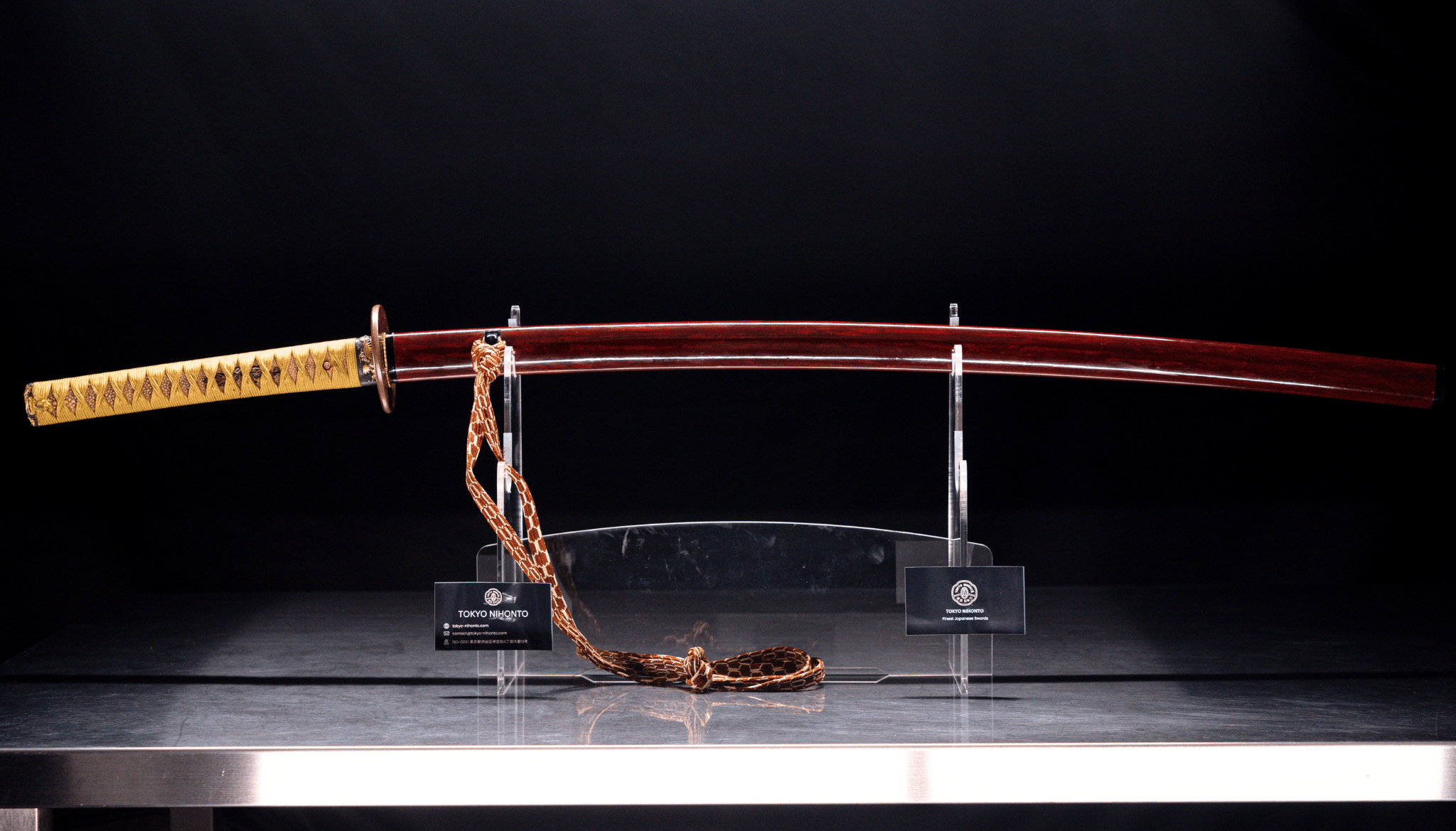
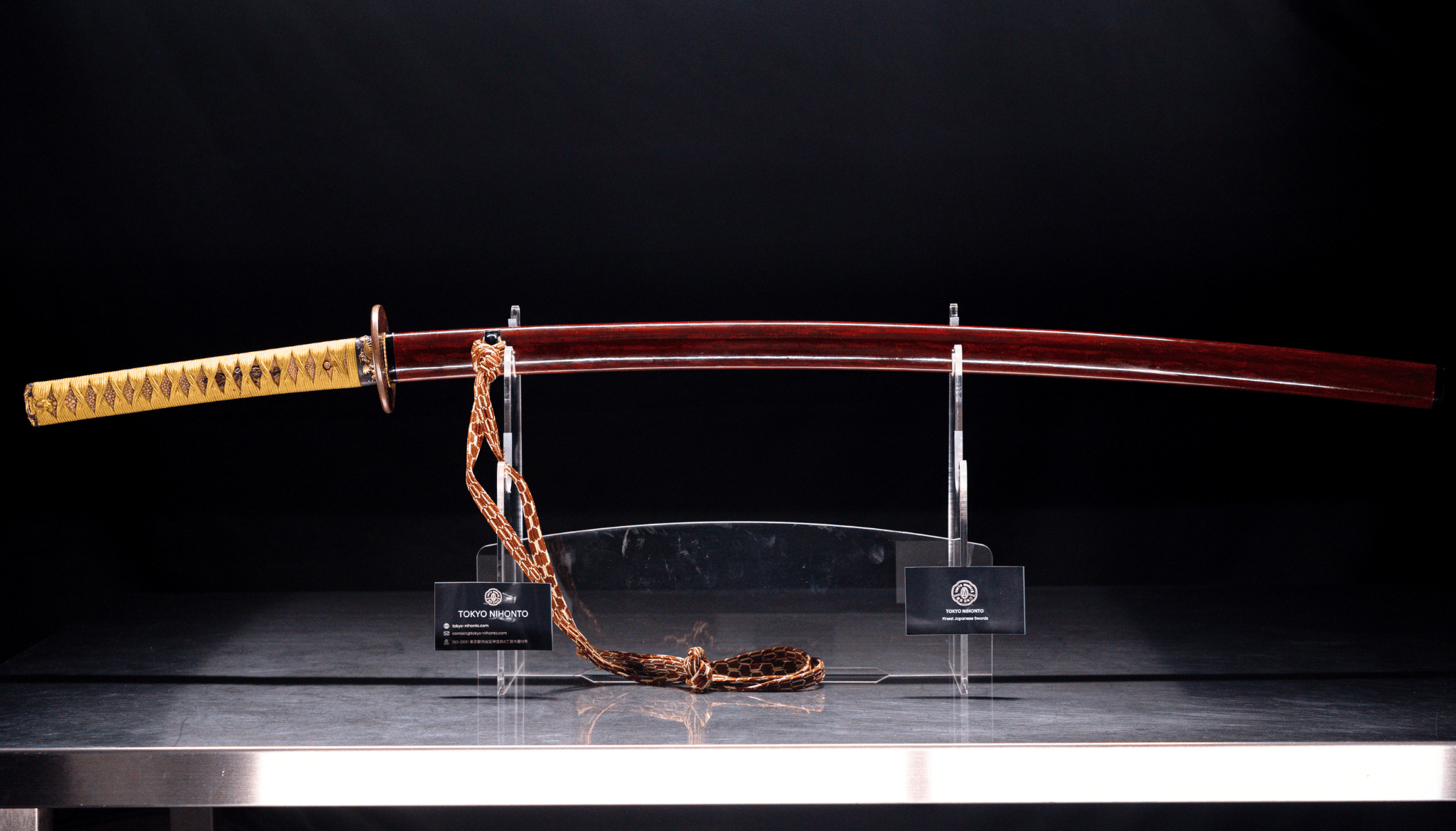
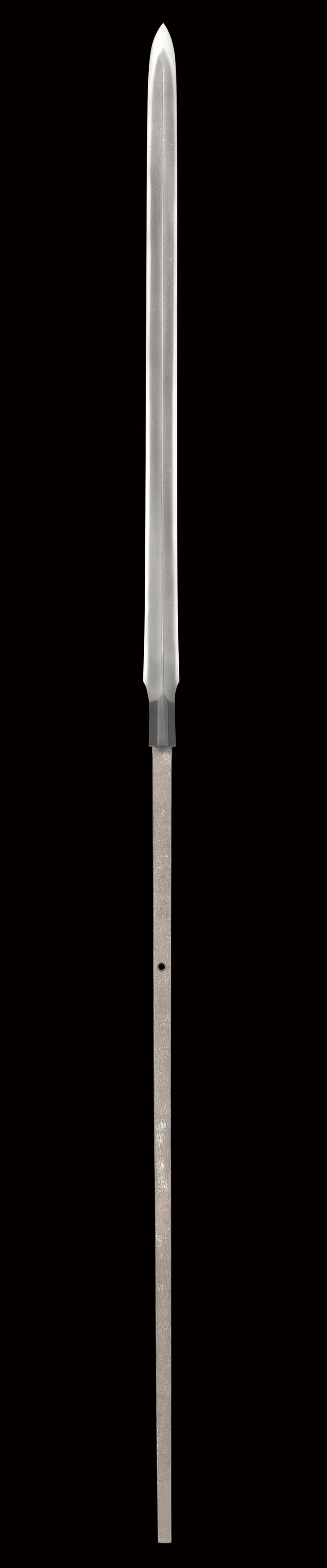
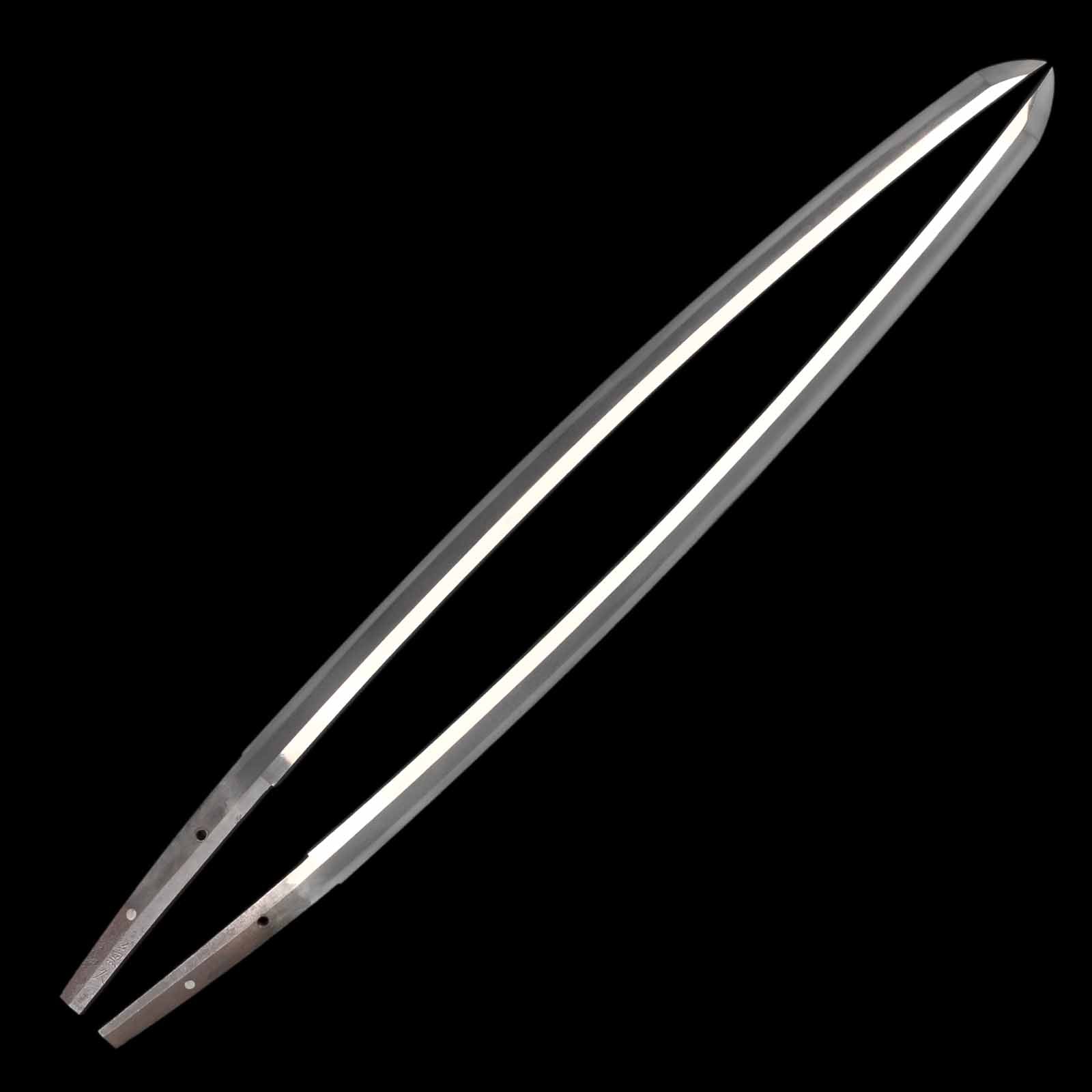
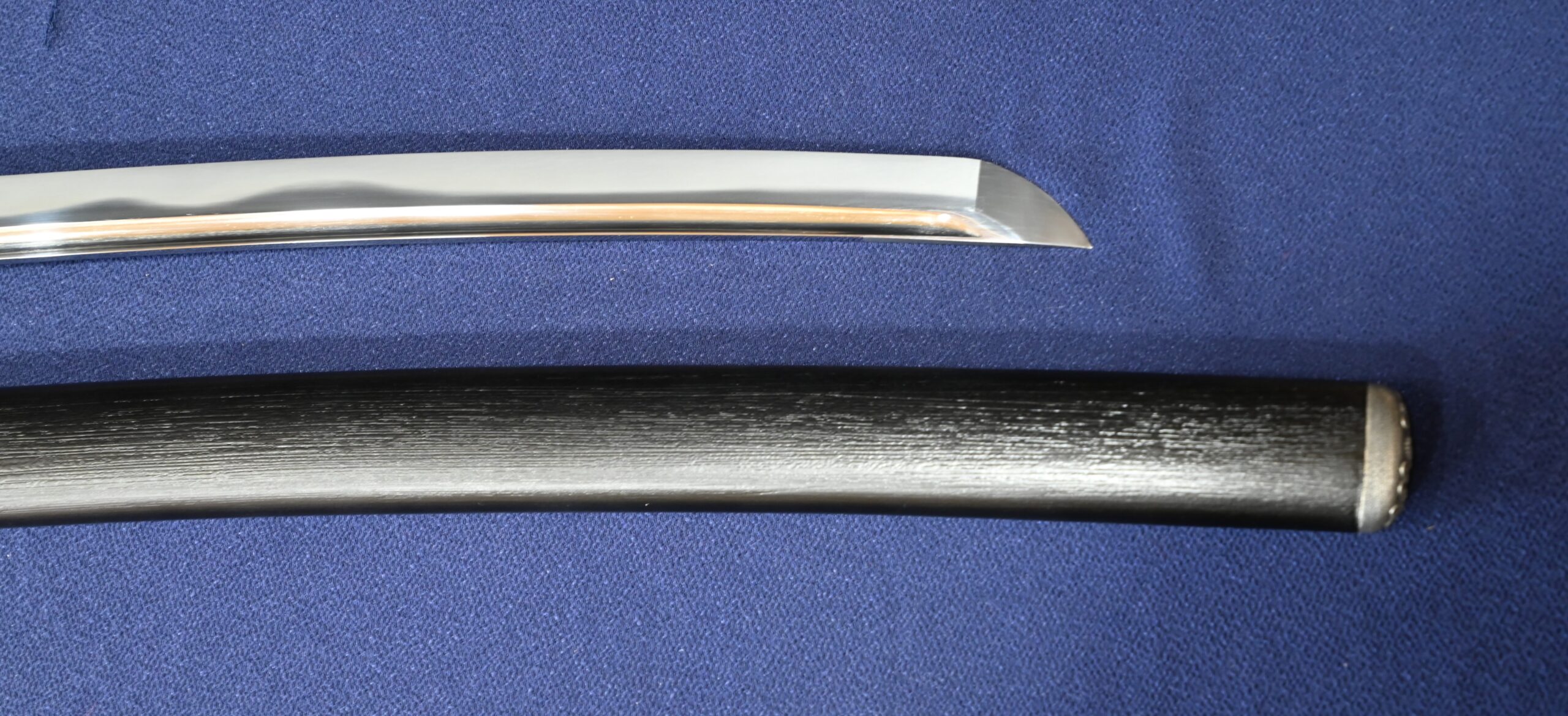
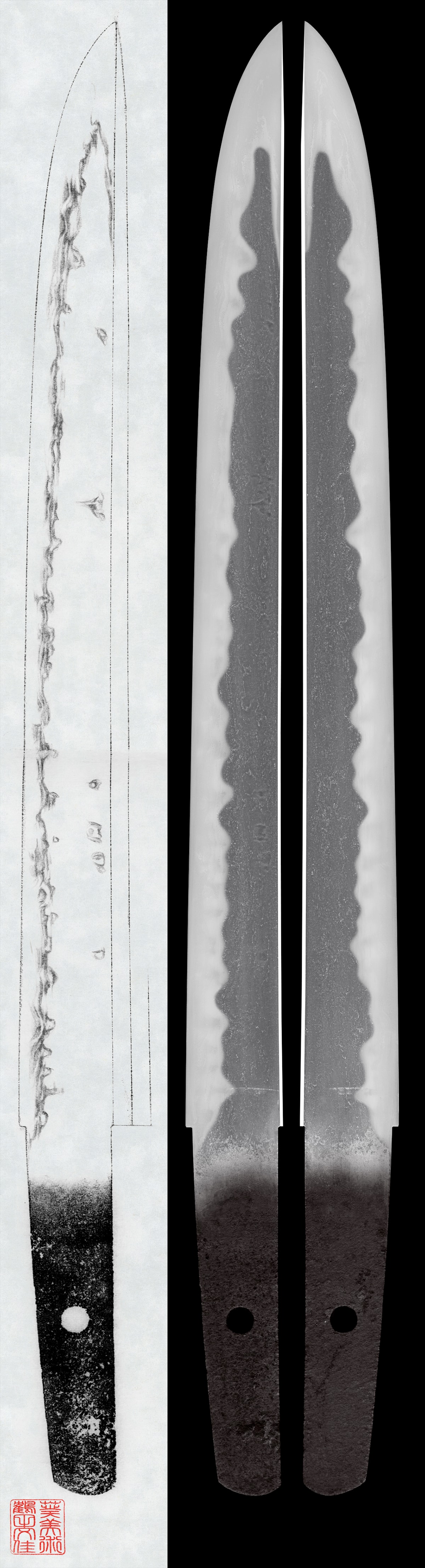
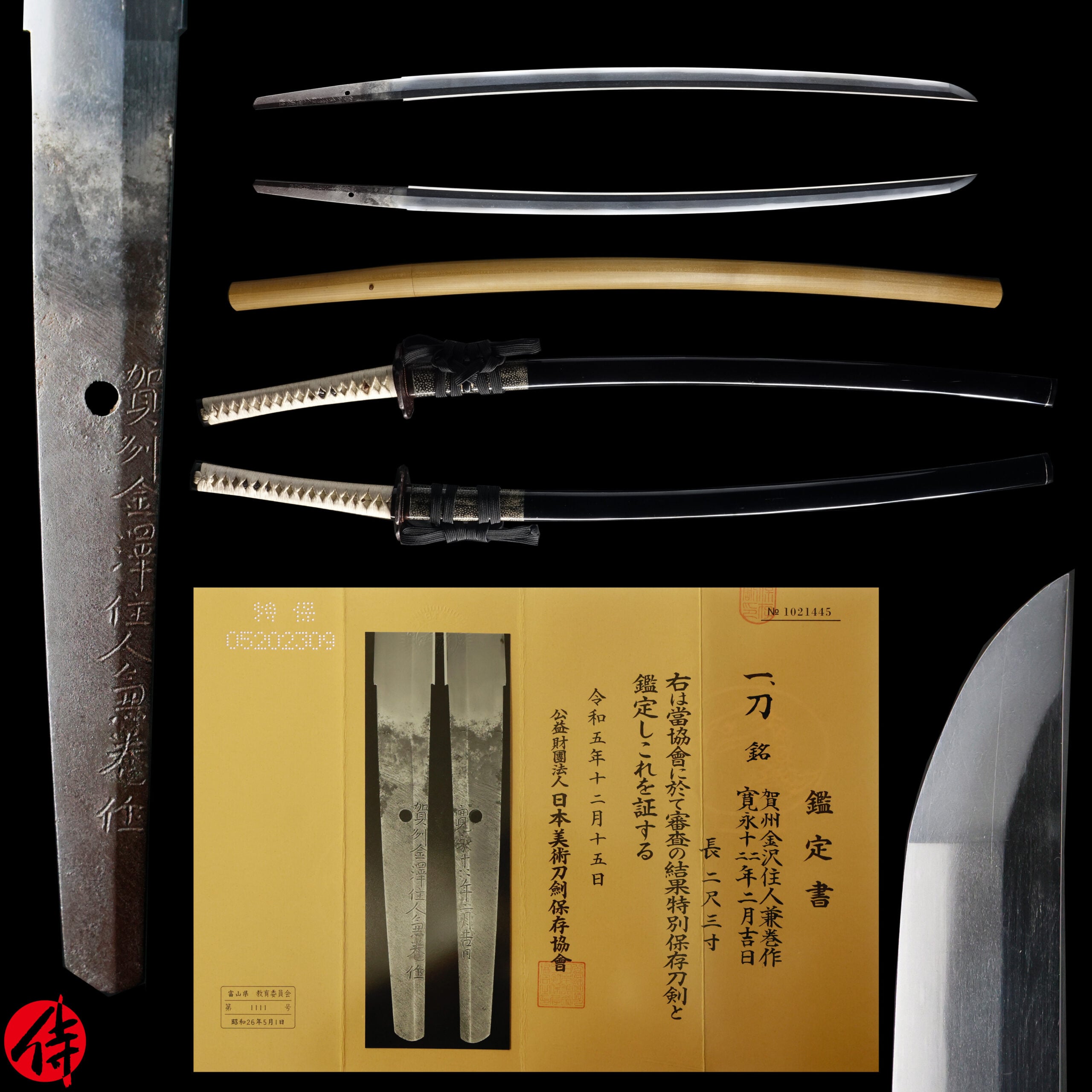
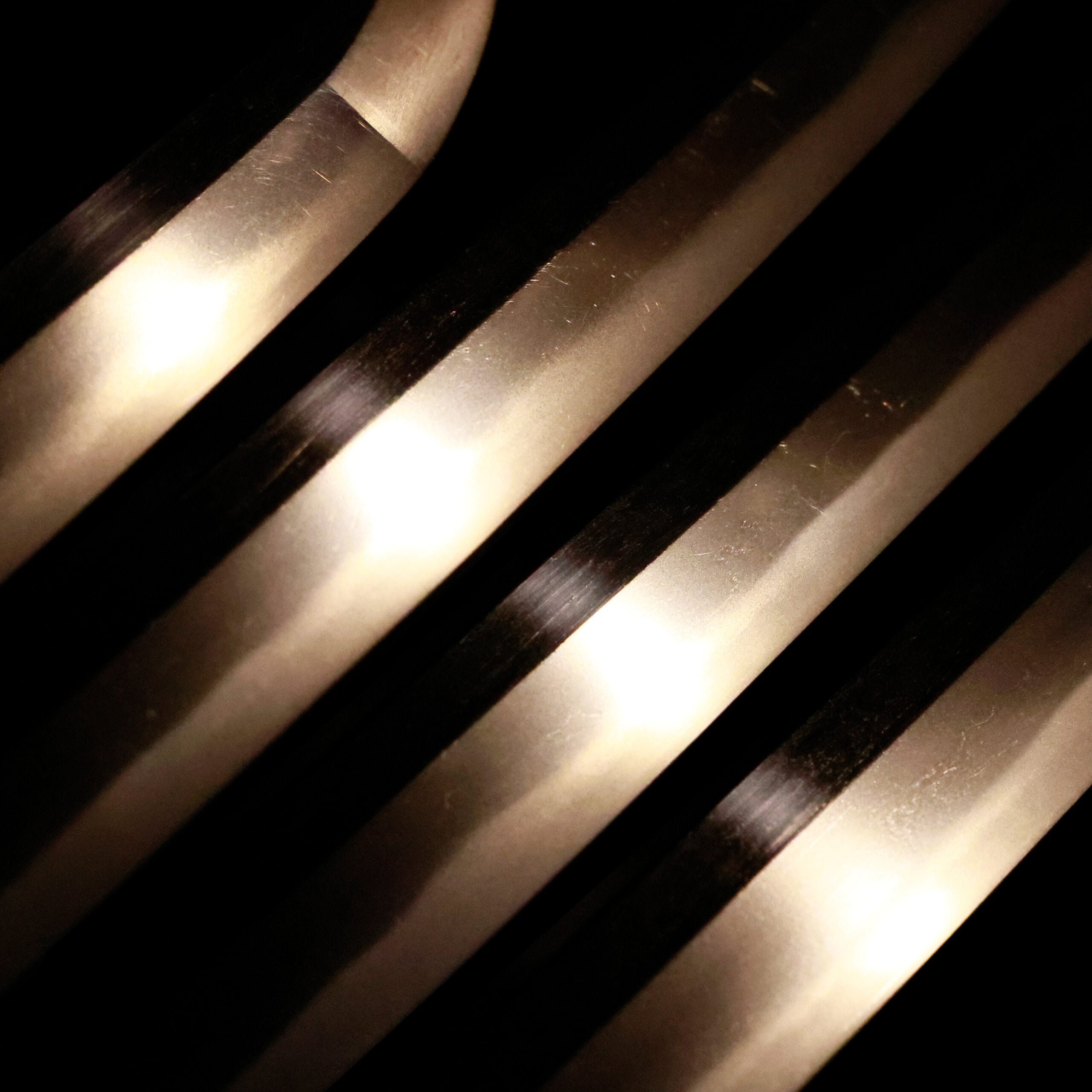
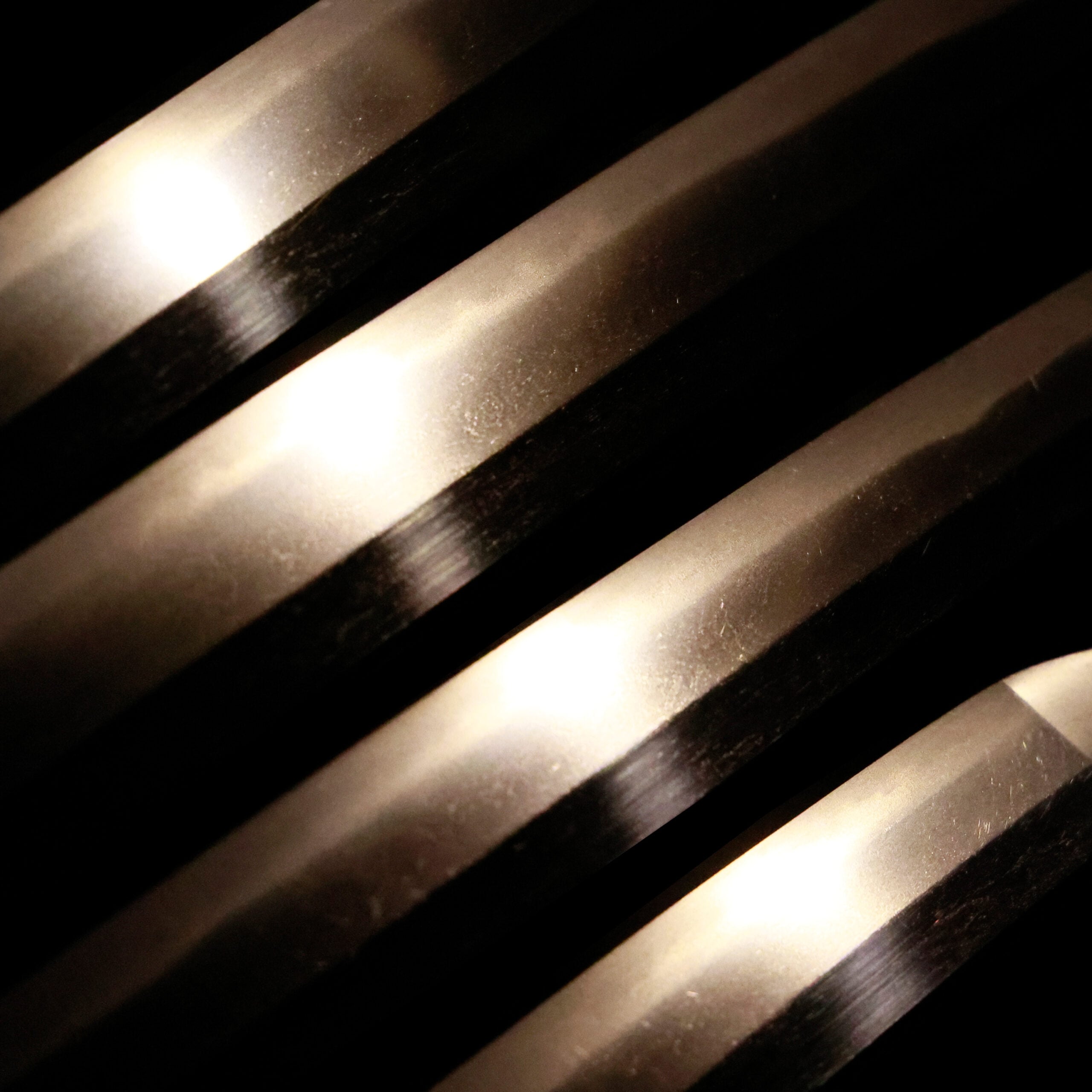
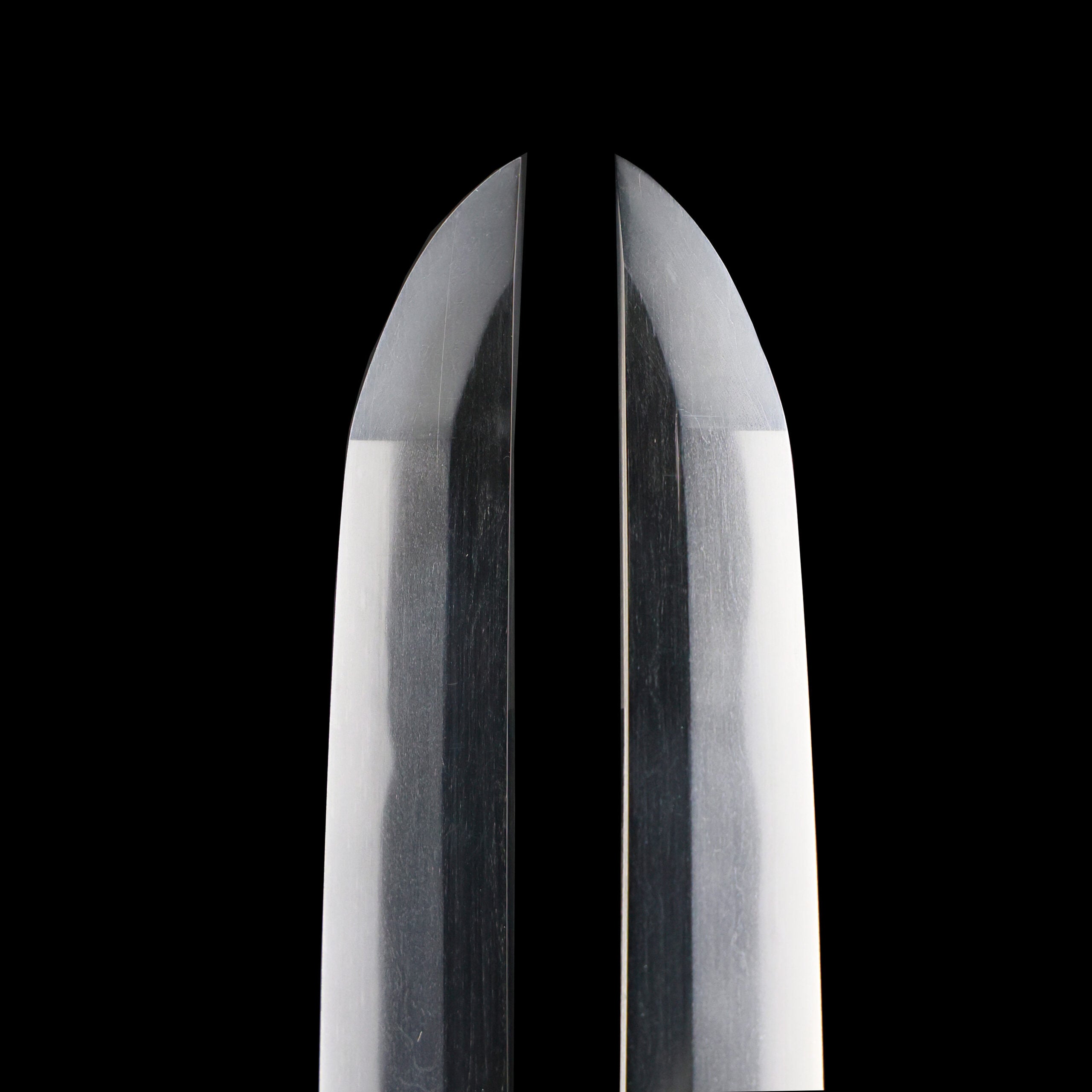
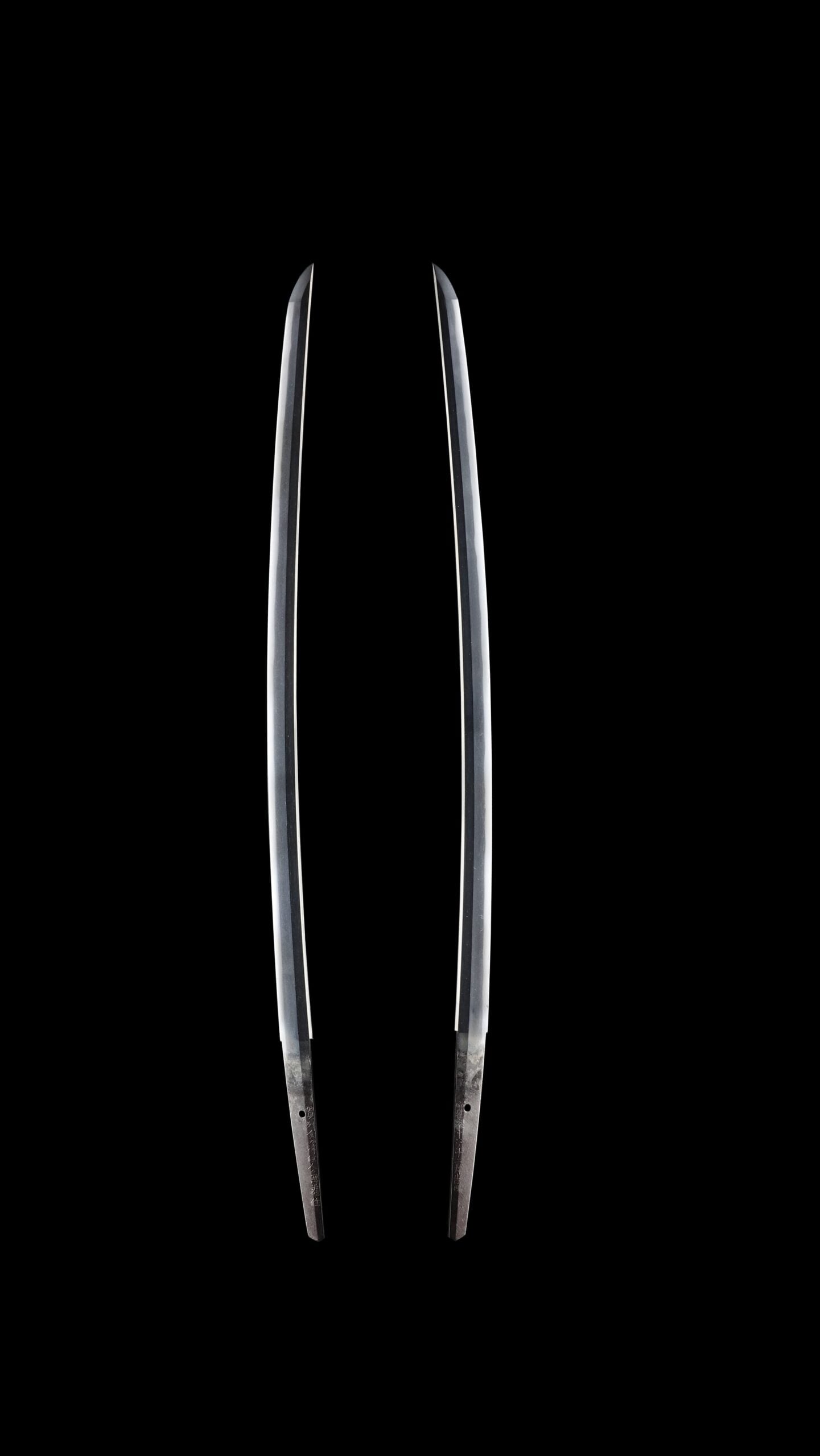
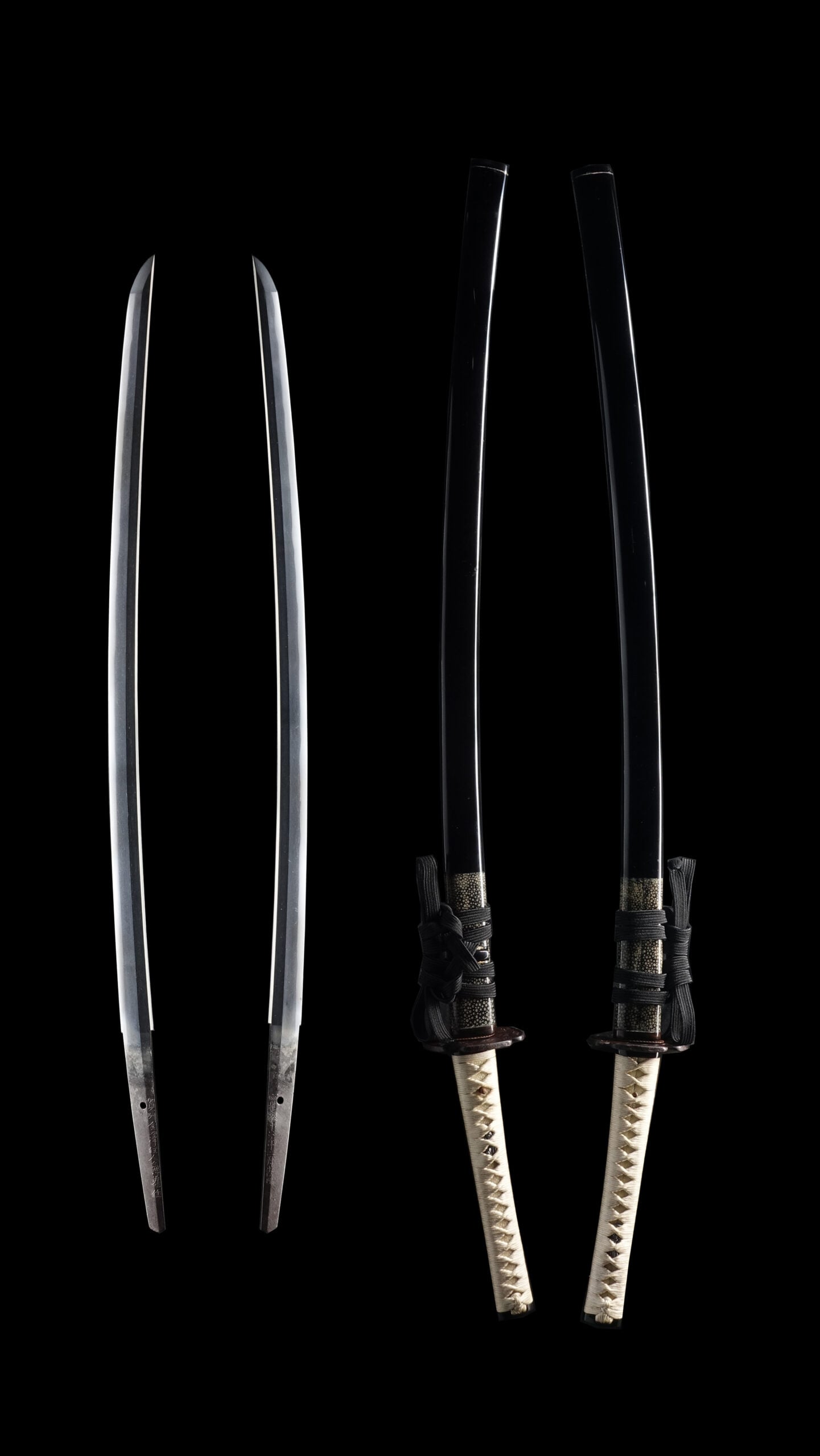
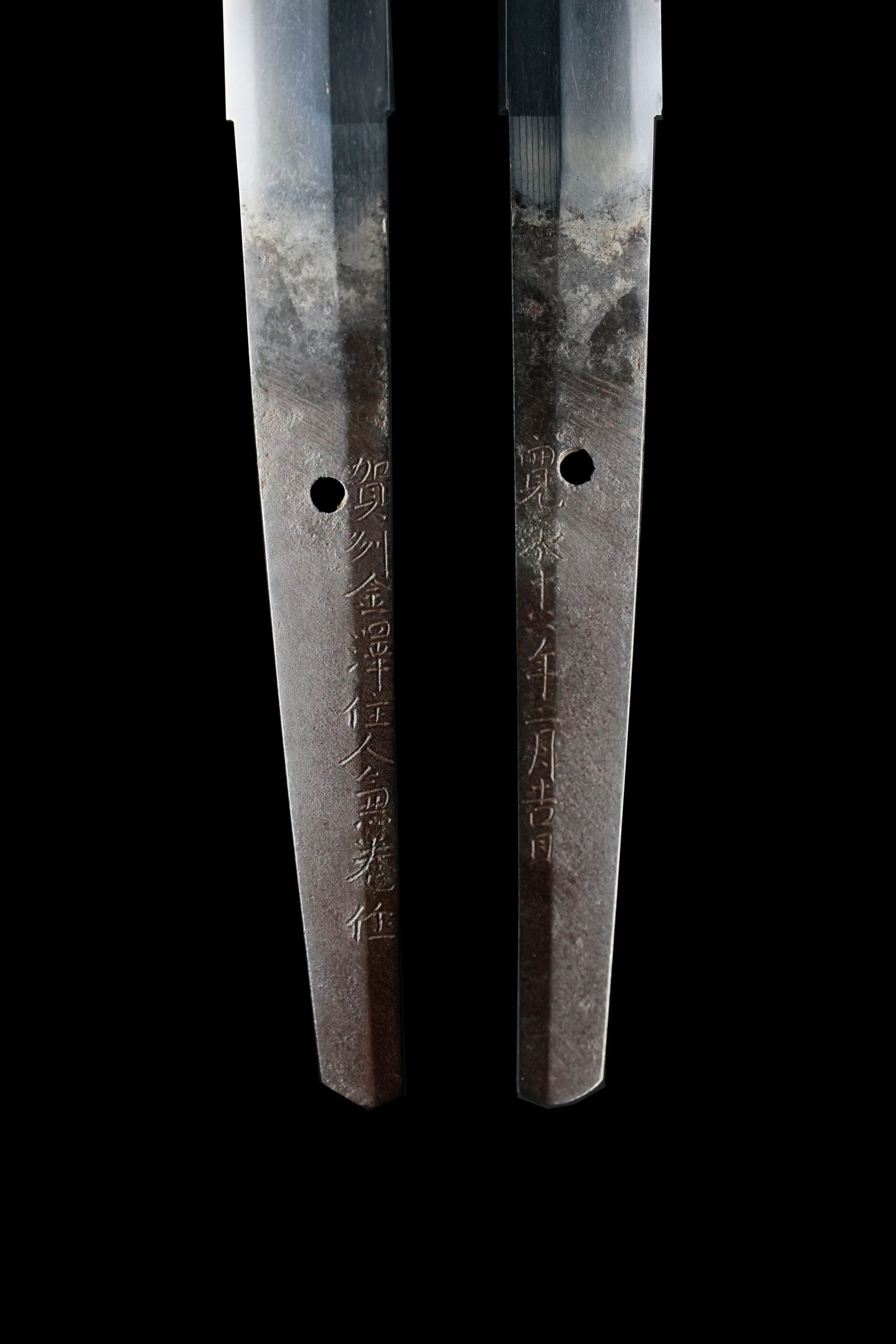
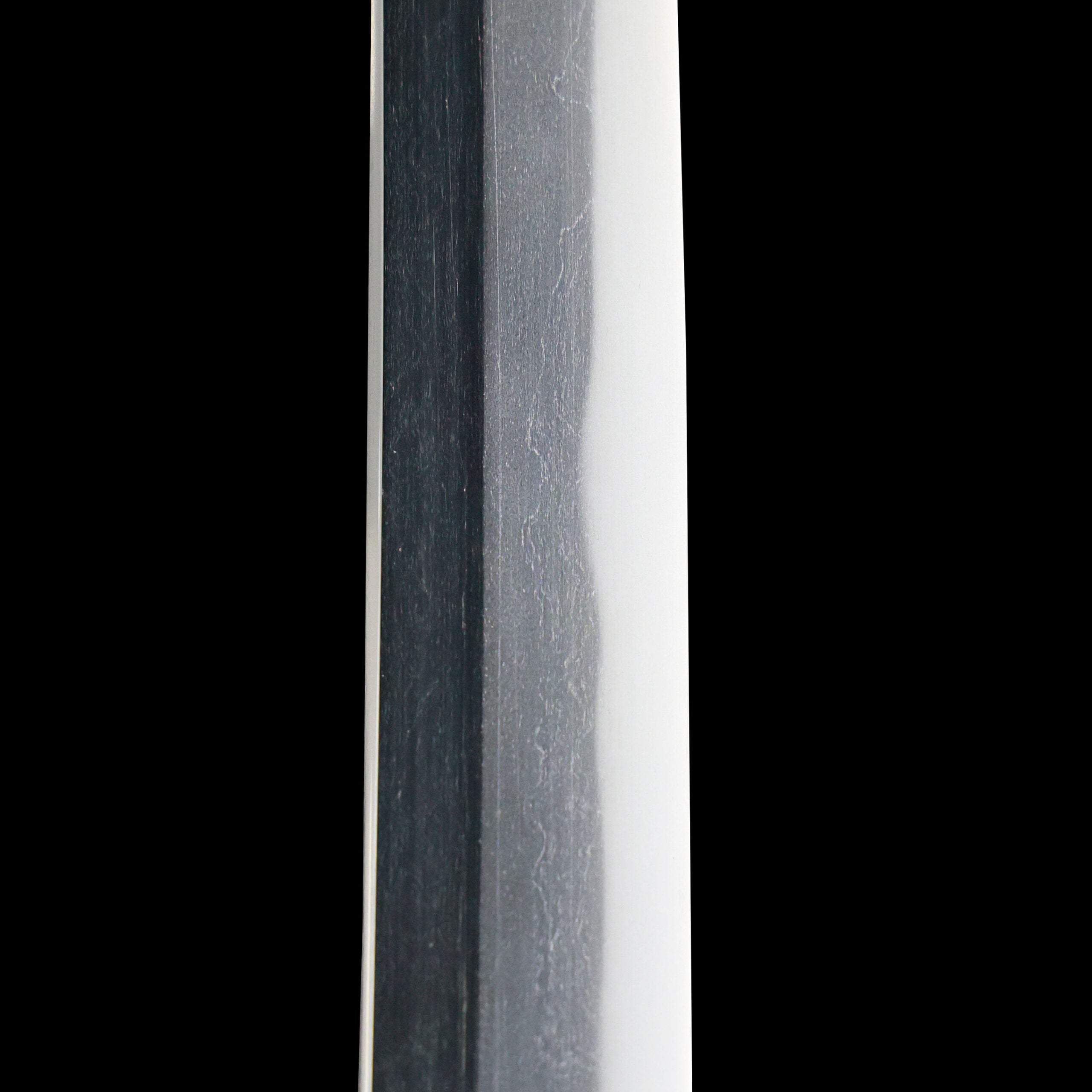
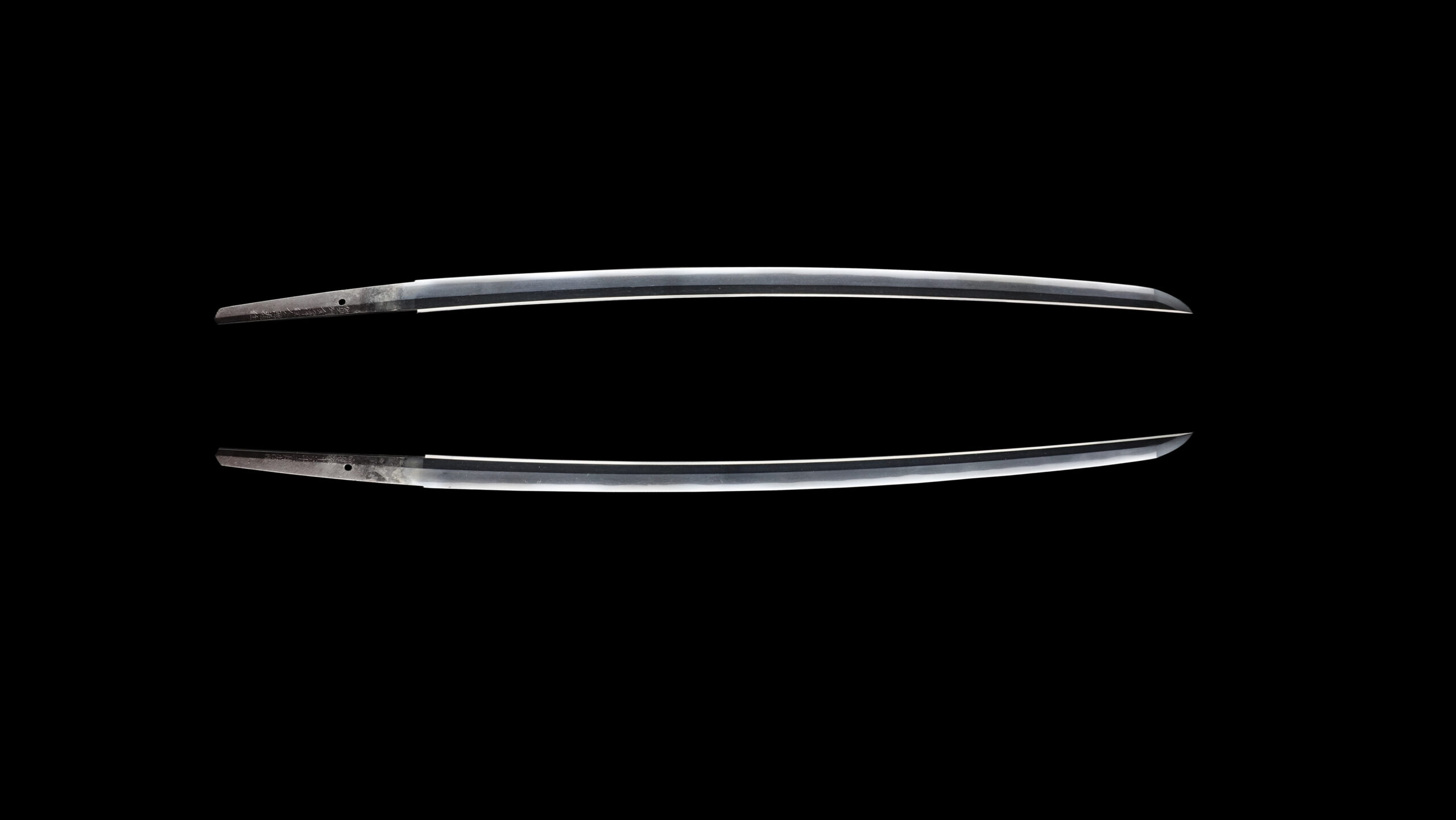
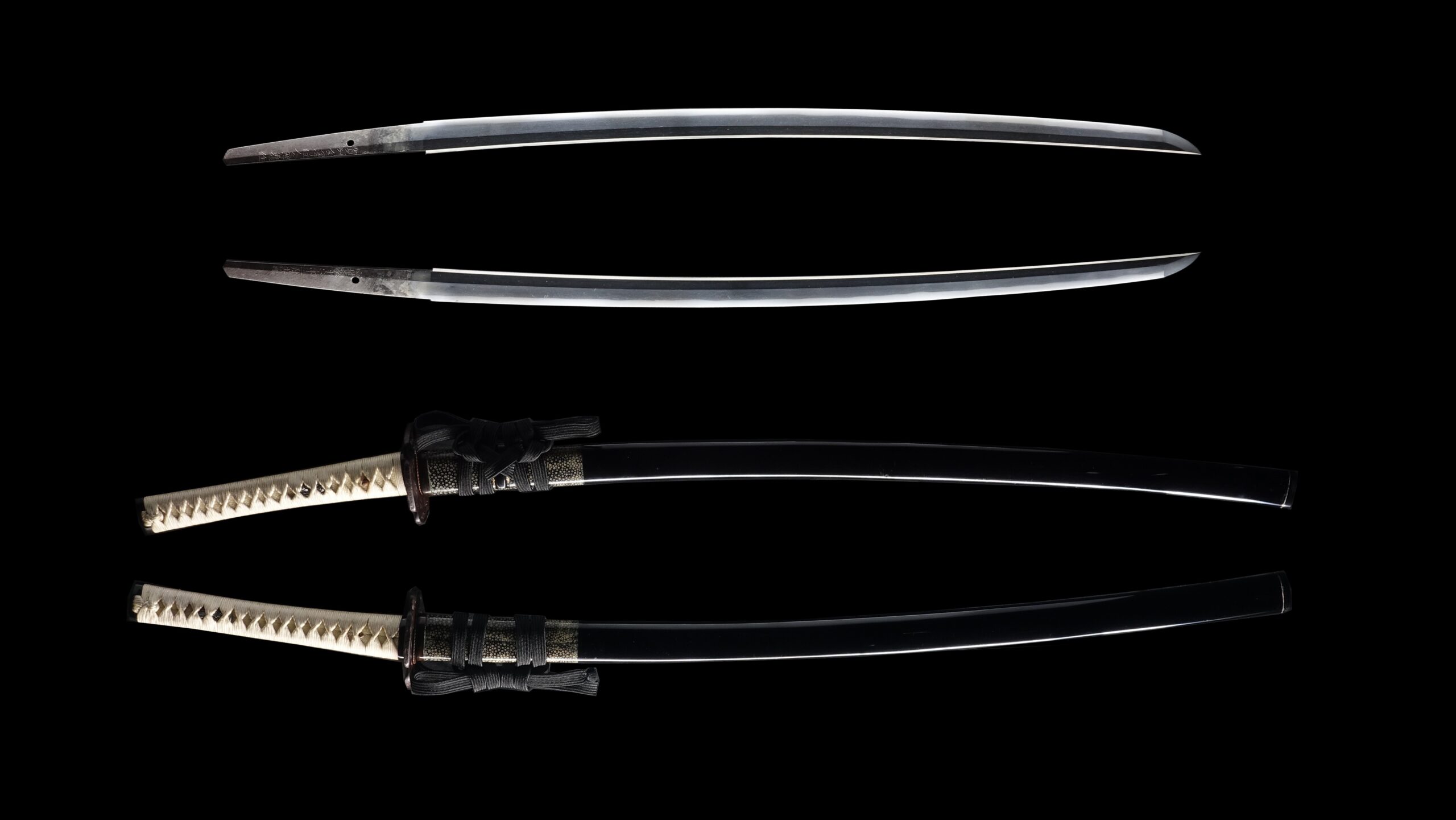
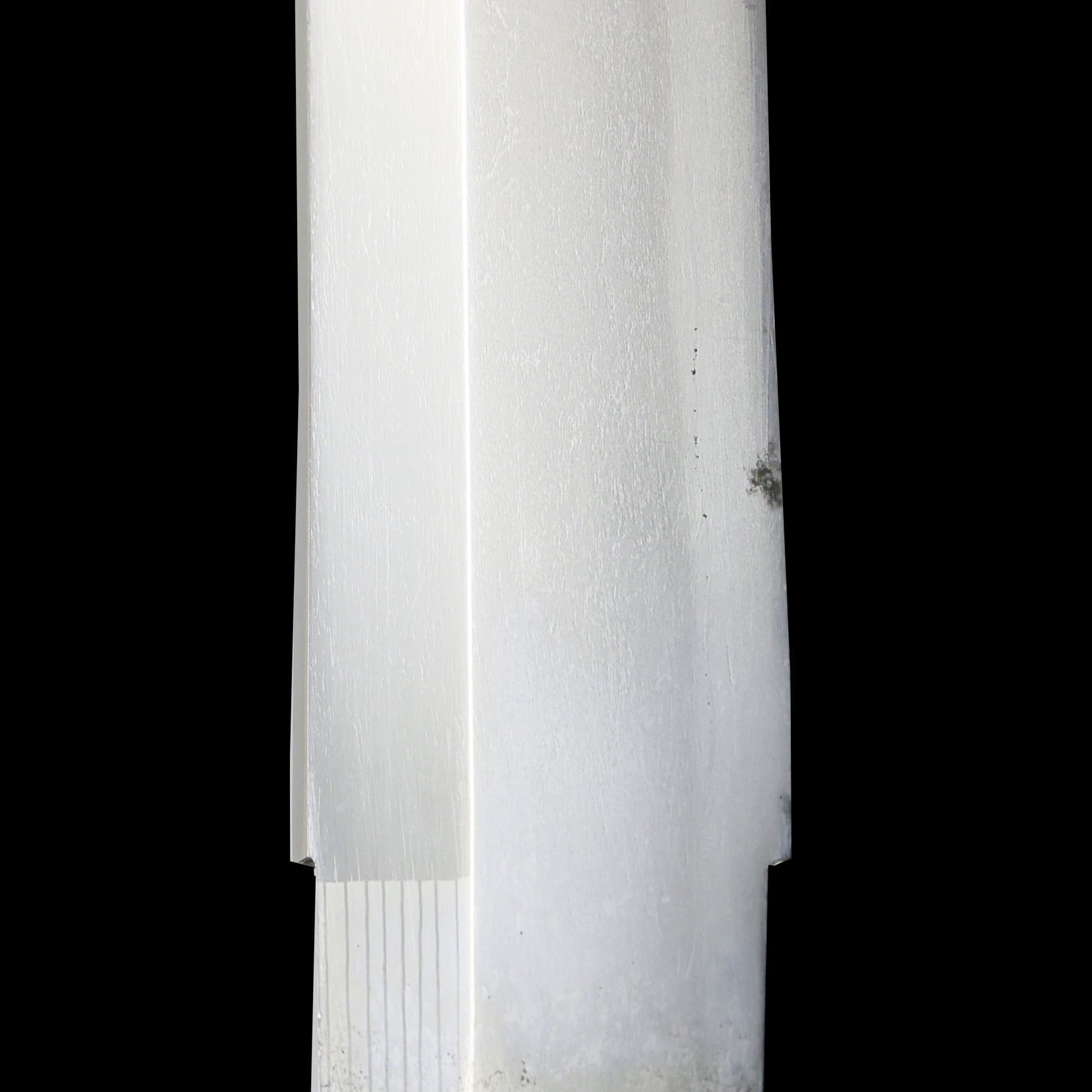
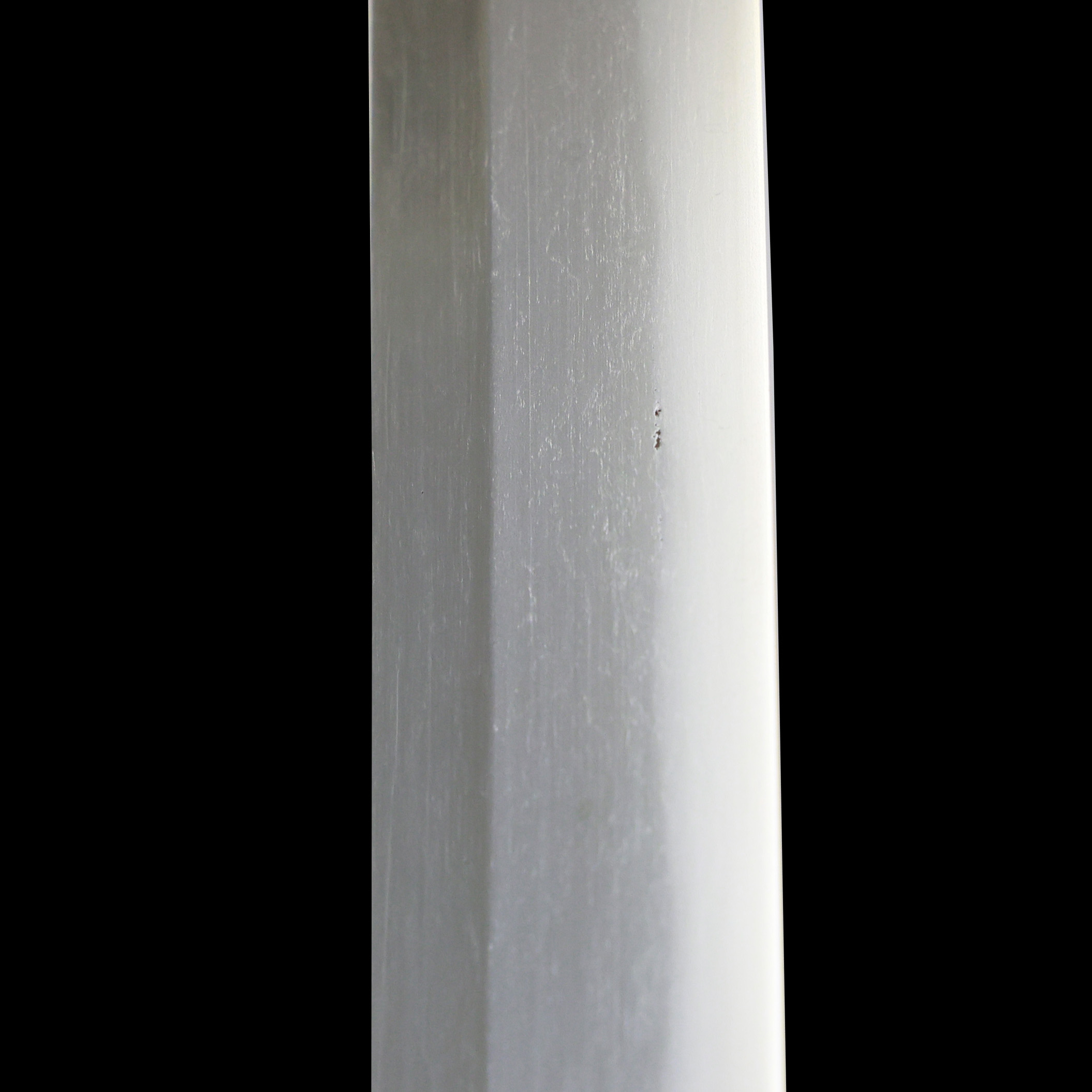
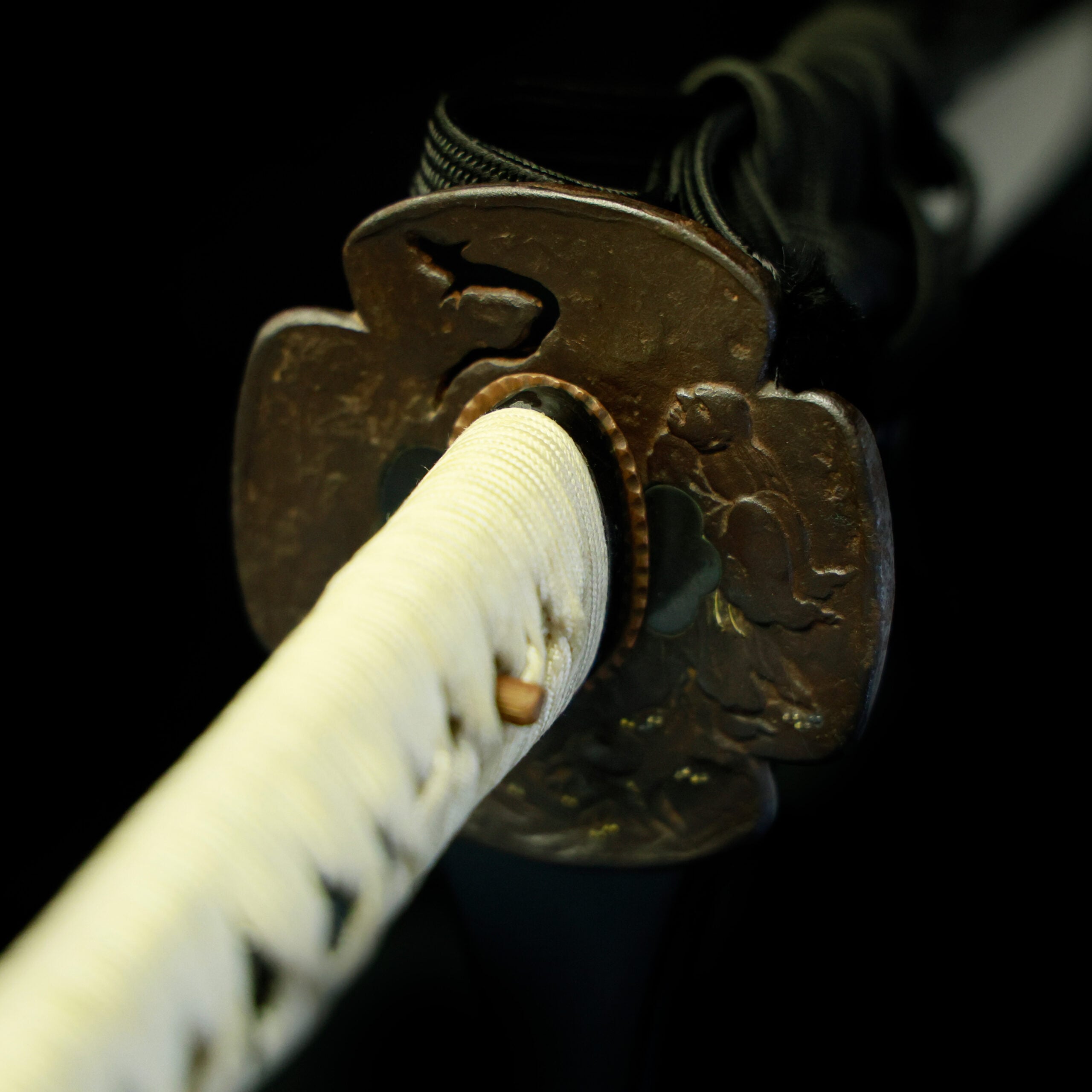
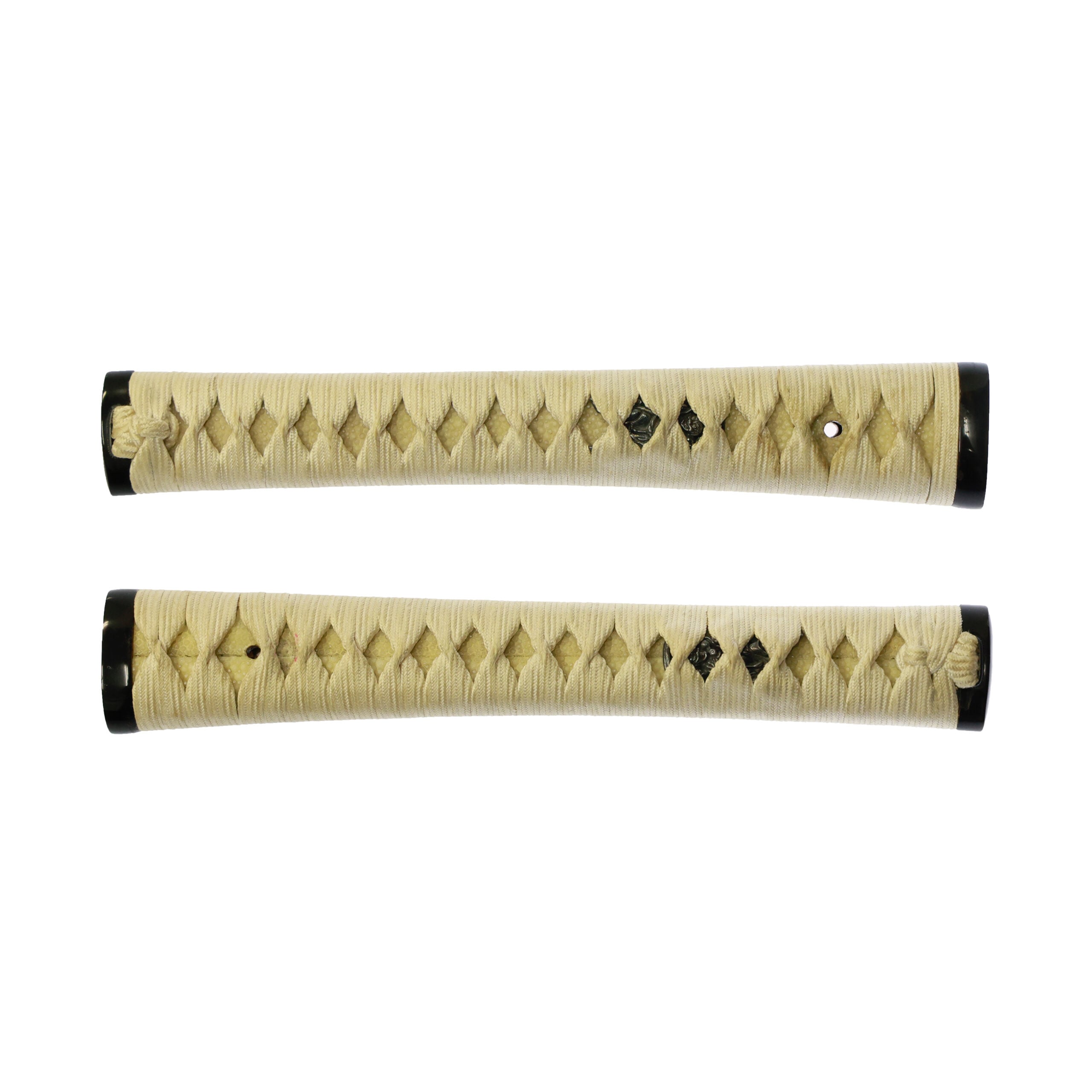
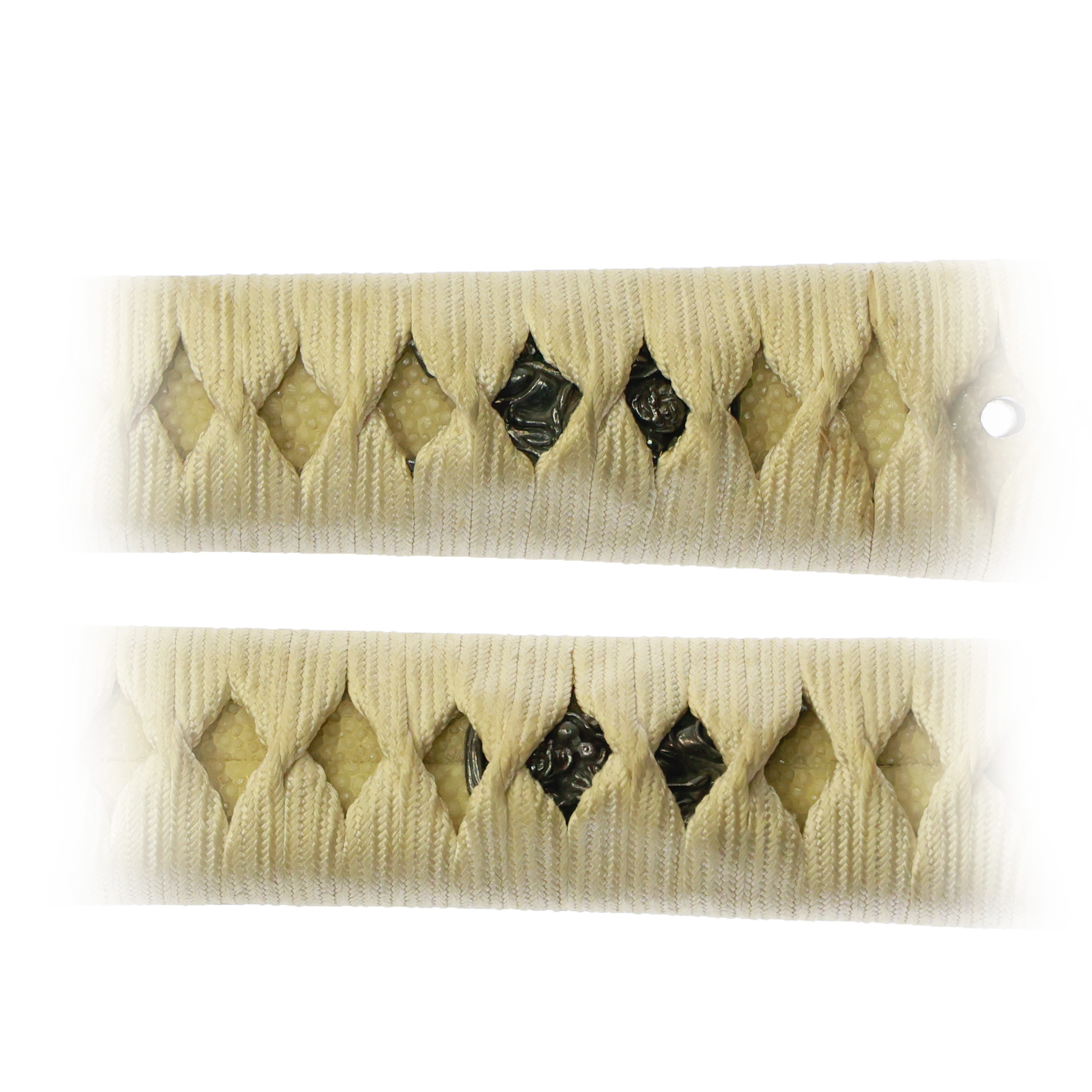
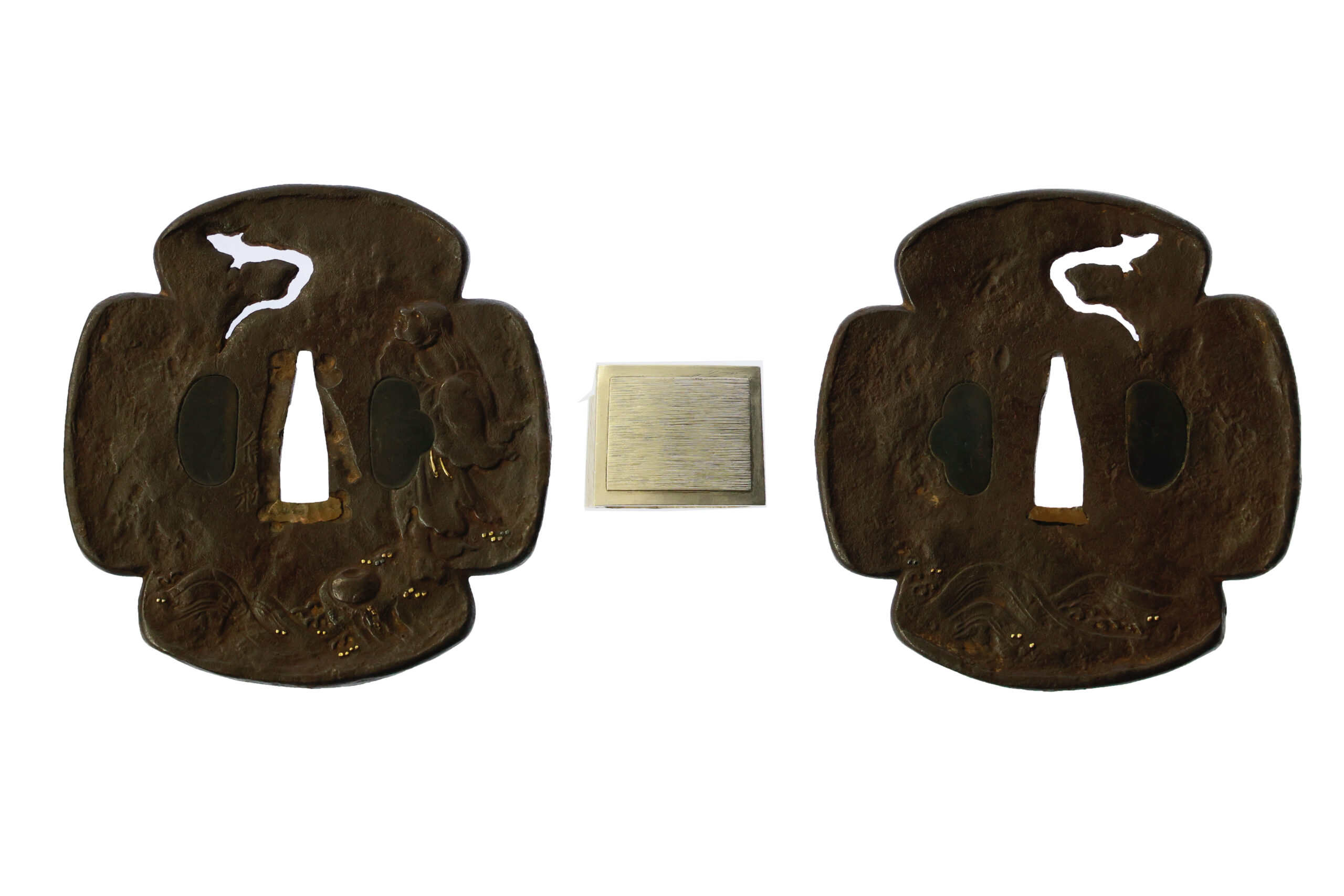
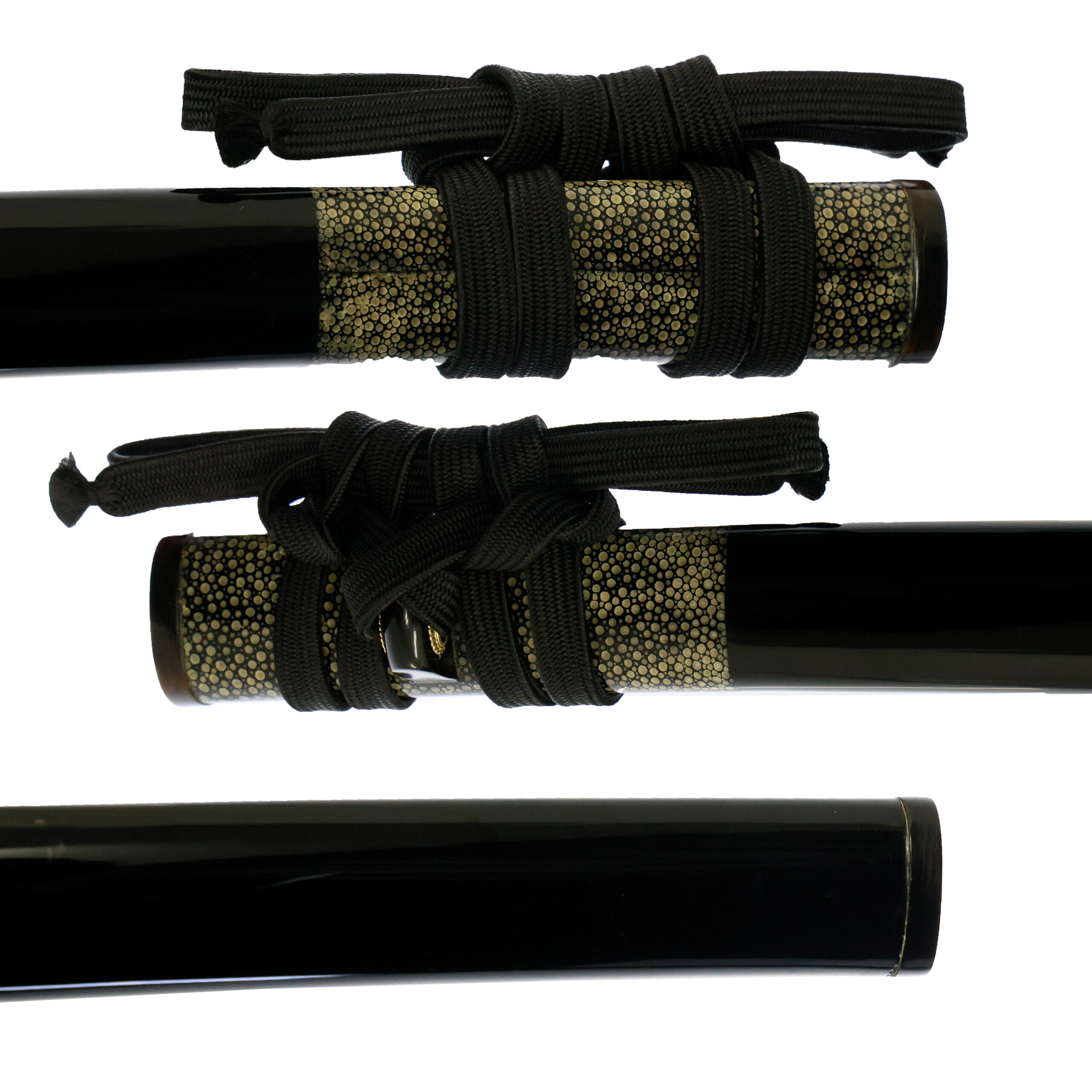
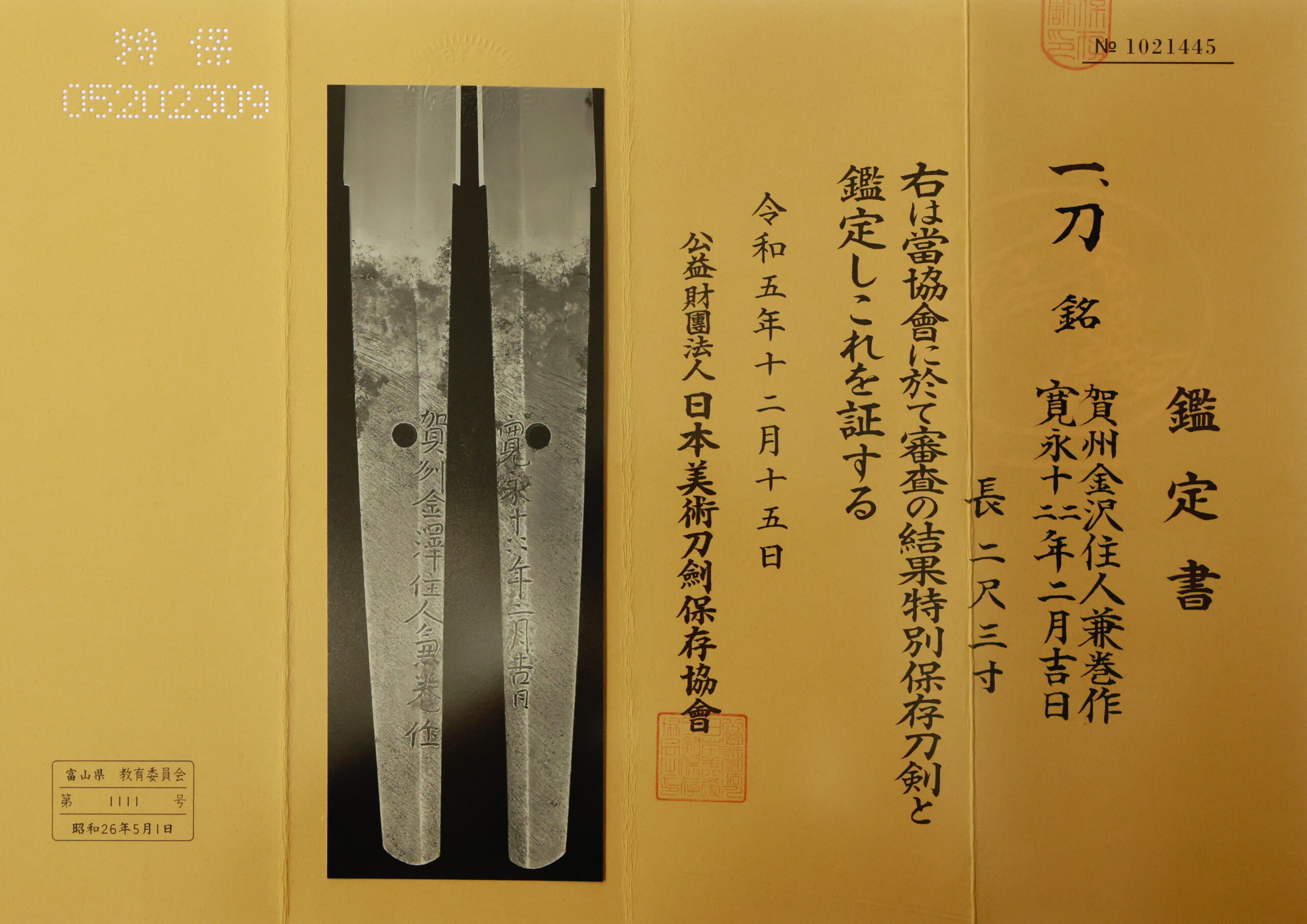
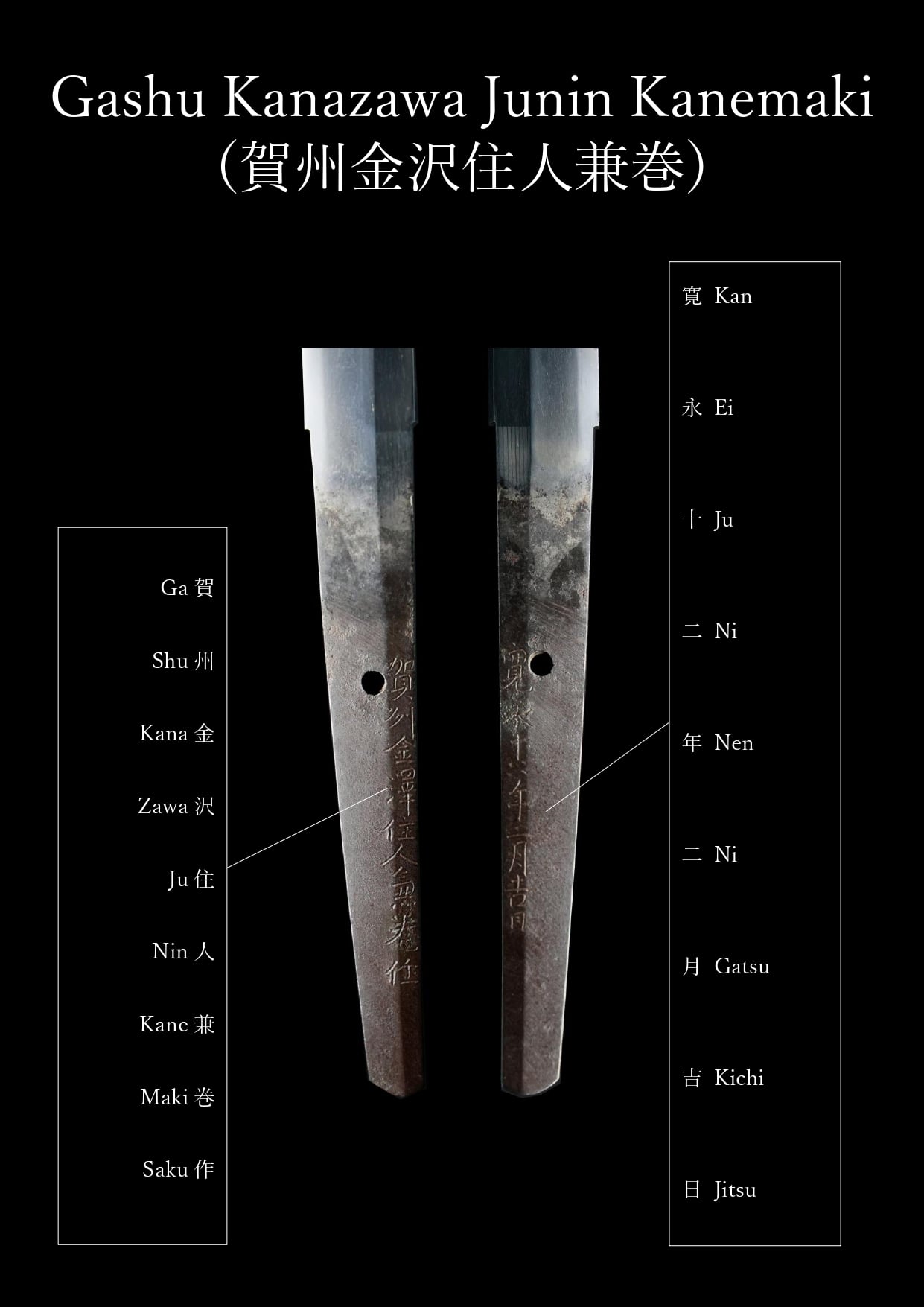
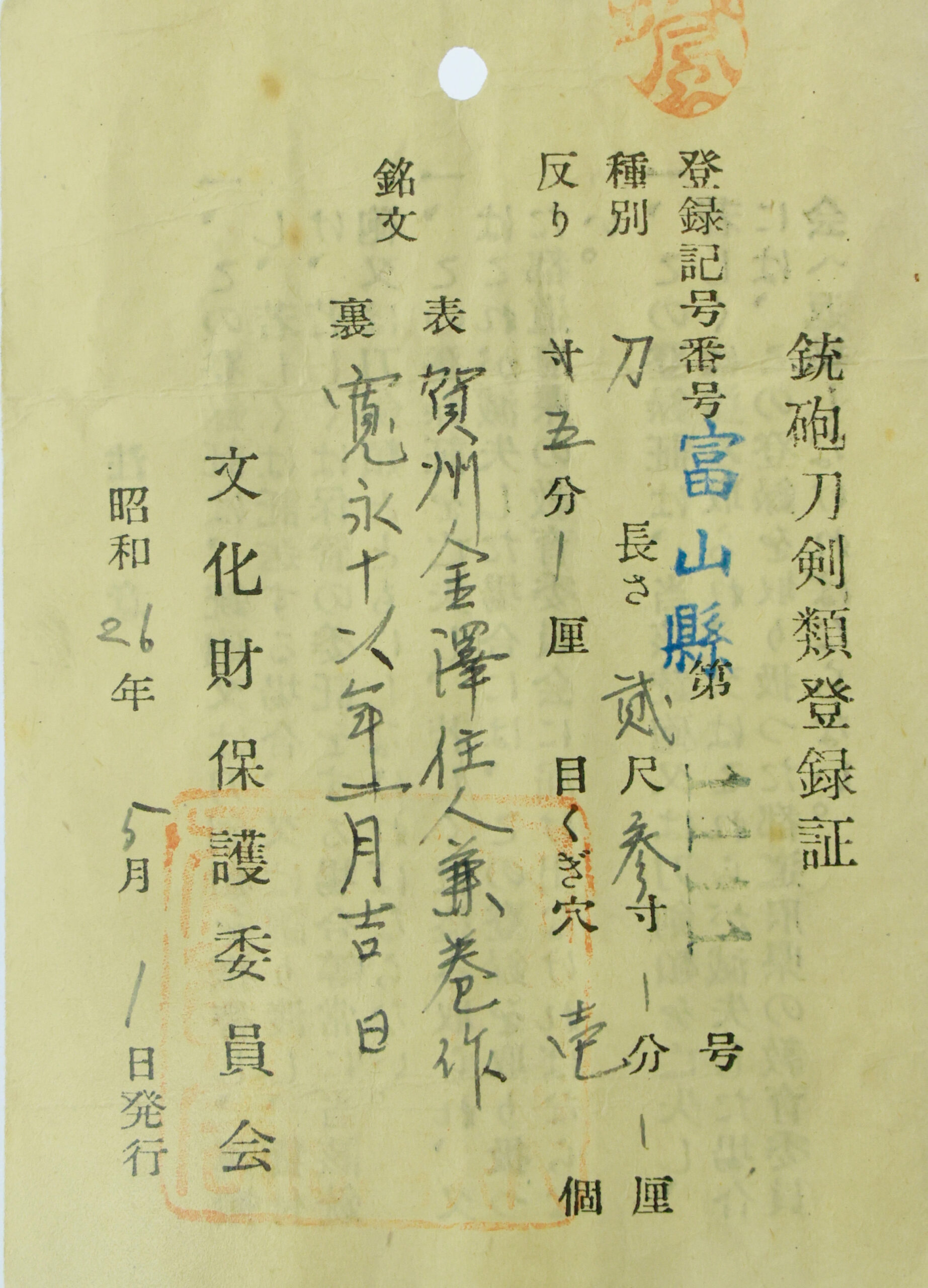
Antique Japanese Sword Katana Signed by Kanemaki with Tokubetsu Hozon Certificate 【Description】 This blade was signed by Gashu Kanazawa Junin Kanemaki (賀州金沢住人兼巻) in February, 14th year of the Kan-Ei era (1637). Kanemaki was active during the early Edo period (the early – mid 17th century) and Gashu Kanazawa Junin means that he resided in this area when he forged blades. The maker’s name Kanemaki lasted five generations. It is said that the first-gen Kanemaki originated from Mino province (today’s Gifu prefecture), and belonged to Seki school, which was founded by Kinju, one of the most reputable swordsmiths in Mino province. The first-gen moved to Kanazawa in the early Edo period, and his sword forging skill was passed down to the late generations. The second-gen Kanemaki moved to Komatsu in 1640 after being summoned by Maeda Toshitsune, the third lord of the Kaga Domain and Komatsu Castle, and then he became a famous swordsmith in Kaga province with his excellent craftsmanship. Later generations returned to Kanazawa and continued to forge swords. They were also acknowledged to forge high-quality swords. Considering that this blade was signed in 1637, we believe it was signed by the second-gen Kanemaki before he moved to Komatsu. During his time, Kaga Province was under the rule of the Maeda clan. The Maeda family originally served as retainers of the Oda clan , which governed Owari Province ( 尾張国 , modern-day Nagoya in Aichi Prefecture). The Maeda clan’s rise to power began with its first leader, Toshiie Maeda, who advanced through the ranks of samurai society to become the feudal lord of Kaga Province. Toshiie Maeda governed a domain famous for its vast rice production, known as Hyakuman Goku , symbolizing wealth sufficient to feed one million people. Under Toshiie’s leadership, the Maeda clan became one of the most influential samurai families in history, maintaining strong ties with both Oda Nobunaga ( 織田信長 ) and Hideyoshi Toyotomi ( 豊臣秀吉 ). It is appraised as a Tokubetsu Hozon Token (特別保存刀剣) issued by NBTHK (Nihon Bijutsu Touken Hozon Kyokai:日本美術刀剣保存協会). This authentication paper was only given to authentic Japanese swords, especially well preserved and high quality with artistic value. *Please keep in mind that there is partial black rust near the tang. If you like to see more detailed condition, please feel free to contact us. 【Blade】 Cutting Edge Length(Nagasa) : 69.7 cm (27.5 inches) Curvature(Sori) : 1.6 cm (0.6 inches) Hamon : The crystalline structure which forms along the cutting edge of a blade as a result of the hardening process Jimon(Jihada) : visible steel surface pattern created by folding and hammering during forging process Kissaki : Kissaki is the tip of the Japanese sword. Nakago : Nakago is the tang of the Japanese sword. Japanese swordsmiths left the black rust on the tang because it prevents red rust while the tang is in its handle. And the discoloration of the tang was created over time, and it is a great indicator for a Japanese sword specialist to estimate when the sword was forged. Koshirae :Koshirae is the mounting of the Japanese sword. There are several parts that consist of Koshirae such as Saya (Scabbard), Tsuka (Handle), Tsuba (Handguard). Fuchi-Kashira : A pair of matching sword fittings that cover the upper and bottom parts of its sword hilt. Tsuka and Menuki : Tsuka is the handle of the Japanese sword and Menuki is its decoration. We estimate this Menuki’s motif is the Kongou Rikishi (金剛力士). It is also called the Niou (仁王/二王) and is one of the guardian deities of Buddhism. The combination of A-Gyou (阿形, opened mouth) and Un-Gyou (吽形, closed mouth) is often seen at the gates in temples. They wear a look of anger and have dignified looks. Tsuba and Habaki : Tsuba is the handguard for the Japanese Sword and Habaki is the equipment to make the blade not touch its scabbard inside. It prevents the blade from getting rusty and chipped. An eel going upward and an older man looking up at it from b
 NihontoWatch
在銘 · Seki · 寛永 · 長さ 69.7cm · 反り 1.6cm
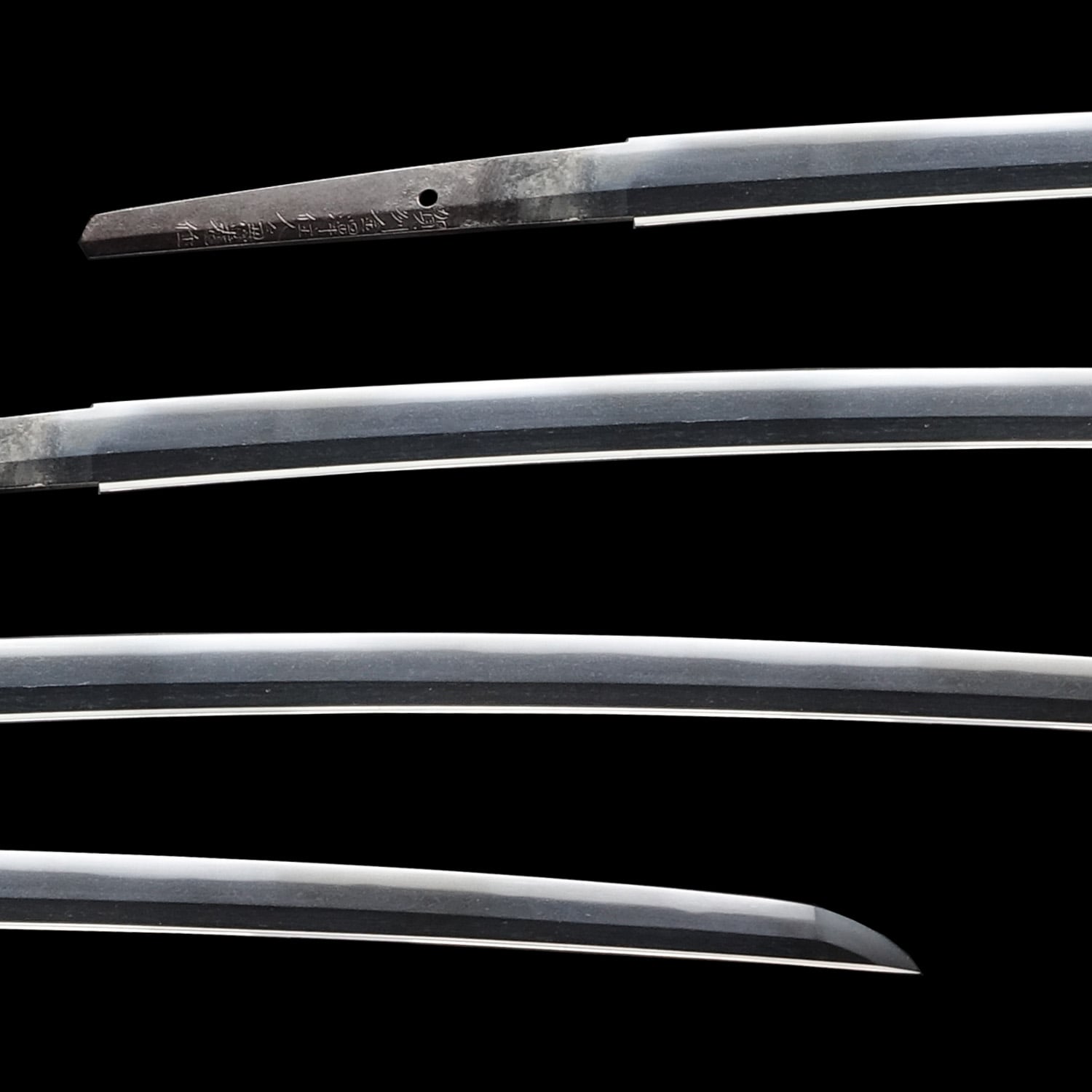
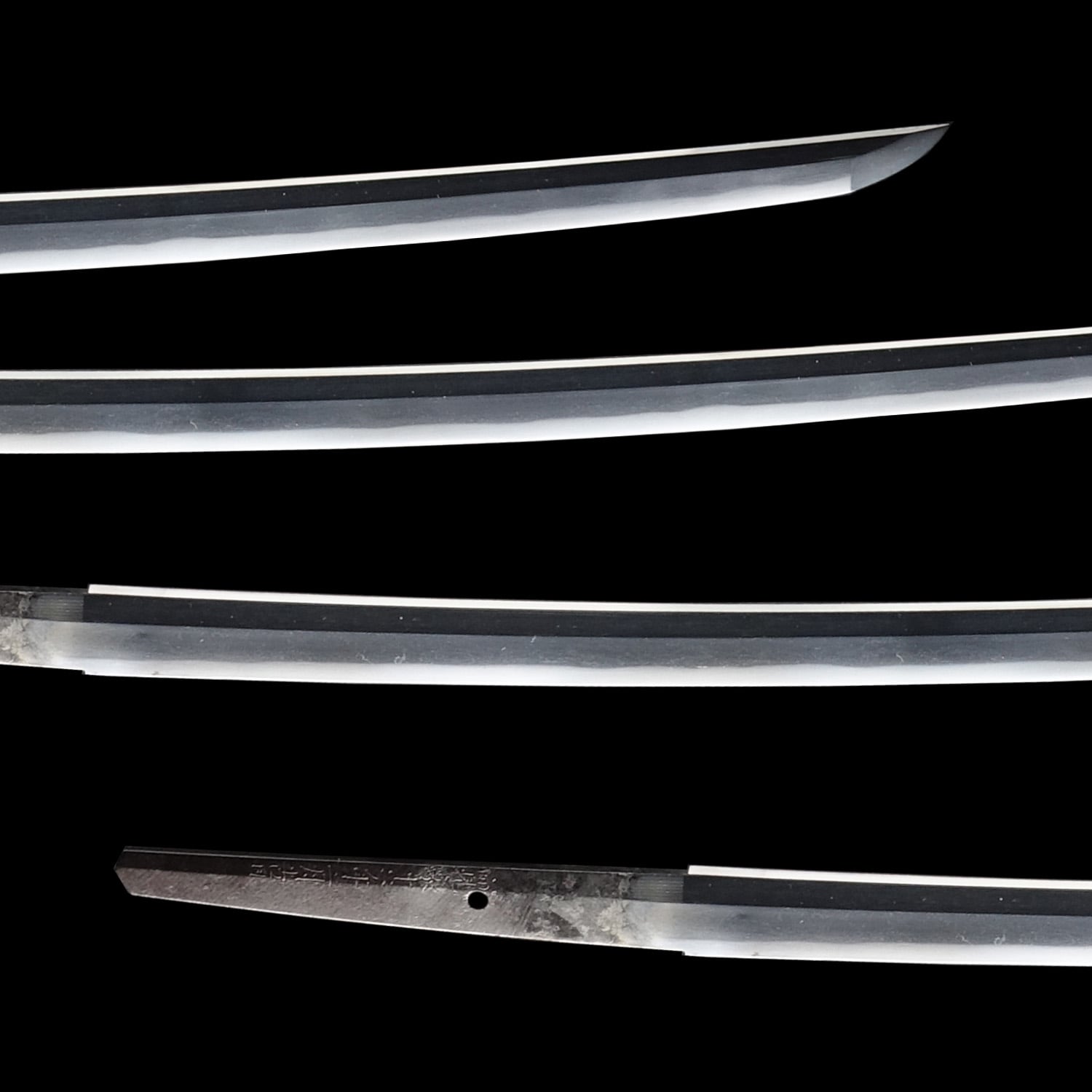


加賀 · 1624-1644頃
刀剣大鑑 上位76%
現在1点販売中
江戸は刀の目利きの時代である。本阿弥の鑑定、1719年の享保名物帳、盛んな刀剣書が、戦で抜かれることのなくなった刀を学問の対象へと変えていった。
保存刀剣のうち、出来が一層優れ、保存状態も良好と認められたものです。再刃や、室町・江戸期の多くの無銘作は対象外となり、保存刀剣より高い基準が課されます。
日本美術刀剣保存協会(NBTHK)は、1948年に設立され、文化庁の監督を受ける公益財団法人で、東京・刀剣博物館に本部を置きます。専門の審査員が出品作を直接審査し、美術的・歴史的価値に応じた鑑定書を発行します。NBTHKの鑑定書は、日本刀および刀装具の真正性を示す最も広く認知された基準です。
NBTHK公式サイトReturns/exchanges limited to defects caused by shipping (except willful misconduct or gross negligence by the company); customers must contact within 72 hours of receiving the product.
Antique Japanese Sword Katana Signed by Kanemaki with Tokubetsu Hozon Certificate 【Description】 This blade was signed by Gashu Kanazawa Junin Kanemaki (賀州金沢住人兼巻) in February, 14th year of the Kan-Ei era (1637). Kanemaki was active during the early Edo period (the early – mid 17th century) and Gashu Kanazawa Junin means that he resided in this area when he forged blades. The maker’s name Kanemaki lasted five generations. It is said that the first-gen Kanemaki originated from Mino province (today’s Gifu prefecture), and belonged to Seki school, which was founded by Kinju, one of the most reputable swordsmiths in Mino province. The first-gen moved to Kanazawa in the early Edo period, and his sword forging skill was passed down to the late generations. The second-gen Kanemaki moved to Komatsu in 1640 after being summoned by Maeda Toshitsune, the third lord of the Kaga Domain and Komatsu Castle, and then he became a famous swordsmith in Kaga province with his excellent craftsmanship. Later generations returned to Kanazawa and continued to forge swords. They were also acknowledged to forge high-quality swords. Considering that this blade was signed in 1637, we believe it was signed by the second-gen Kanemaki before he moved to Komatsu. During his time, Kaga Province was under the rule of the Maeda clan. The Maeda family originally served as retainers of the Oda clan , which governed Owari Province ( 尾張国 , modern-day Nagoya in Aichi Prefecture). The Maeda clan’s rise to power began with its first leader, Toshiie Maeda, who advanced through the ranks of samurai society to become the feudal lord of Kaga Province. Toshiie Maeda governed a domain famous for its vast rice production, known as Hyakuman Goku , symbolizing wealth sufficient to feed one million people. Under Toshiie’s leadership, the Maeda clan became one of the most influential samurai families in history, maintaining strong ties with both Oda Nobunaga ( 織田信長 ) and Hideyoshi Toyotomi ( 豊臣秀吉 ). It is appraised as a Tokubetsu Hozon Token (特別保存刀剣) issued by NBTHK (Nihon Bijutsu Touken Hozon Kyokai:日本美術刀剣保存協会). This authentication paper was only given to authentic Japanese swords, especially well preserved and high quality with artistic value. *Please keep in mind that there is partial black rust near the tang. If you like to see more detailed condition, please feel free to contact us. 【Blade】 Cutting Edge Length(Nagasa) : 69.7 cm (27.5 inches) Curvature(Sori) : 1.6 cm (0.6 inches) Hamon : The crystalline structure which forms along the cutting edge of a blade as a result of the hardening process Jimon(Jihada) : visible steel surface pattern created by folding and hammering during forging process Kissaki : Kissaki is the tip of the Japanese sword. Nakago : Nakago is the tang of the Japanese sword. Japanese swordsmiths left the black rust on the tang because it prevents red rust while the tang is in its handle. And the discoloration of the tang was created over time, and it is a great indicator for a Japanese sword specialist to estimate when the sword was forged. Koshirae :Koshirae is the mounting of the Japanese sword. There are several parts that consist of Koshirae such as Saya (Scabbard), Tsuka (Handle), Tsuba (Handguard). Fuchi-Kashira : A pair of matching sword fittings that cover the upper and bottom parts of its sword hilt. Tsuka and Menuki : Tsuka is the handle of the Japanese sword and Menuki is its decoration. We estimate this Menuki’s motif is the Kongou Rikishi (金剛力士). It is also called the Niou (仁王/二王) and is one of the guardian deities of Buddhism. The combination of A-Gyou (阿形, opened mouth) and Un-Gyou (吽形, closed mouth) is often seen at the gates in temples. They wear a look of anger and have dignified looks. Tsuba and Habaki : Tsuba is the handguard for the Japanese Sword and Habaki is the equipment to make the blade not touch its scabbard inside. It prevents the blade from getting rusty and chipped. An eel going upward and an older man looking up at it from b
NihontoWatch在銘 · Seki · 寛永 · 長さ 69.7cm · 反り 1.6cm
加賀 · 1624-1644頃
刀剣大鑑 上位76%
現在1点販売中
江戸は刀の目利きの時代である。本阿弥の鑑定、1719年の享保名物帳、盛んな刀剣書が、戦で抜かれることのなくなった刀を学問の対象へと変えていった。
保存刀剣のうち、出来が一層優れ、保存状態も良好と認められたものです。再刃や、室町・江戸期の多くの無銘作は対象外となり、保存刀剣より高い基準が課されます。
日本美術刀剣保存協会(NBTHK)は、1948年に設立され、文化庁の監督を受ける公益財団法人で、東京・刀剣博物館に本部を置きます。専門の審査員が出品作を直接審査し、美術的・歴史的価値に応じた鑑定書を発行します。NBTHKの鑑定書は、日本刀および刀装具の真正性を示す最も広く認知された基準です。
NBTHK公式サイトReturns/exchanges limited to defects caused by shipping (except willful misconduct or gross negligence by the company); customers must contact within 72 hours of receiving the product.