二世紀半の泰平のあいだ、刀は武器である以上に武士の身分の標章であった。江戸の実証と大坂の華やぎのように都市ごとの作風が育ち、時代の末には需要も細っていく。
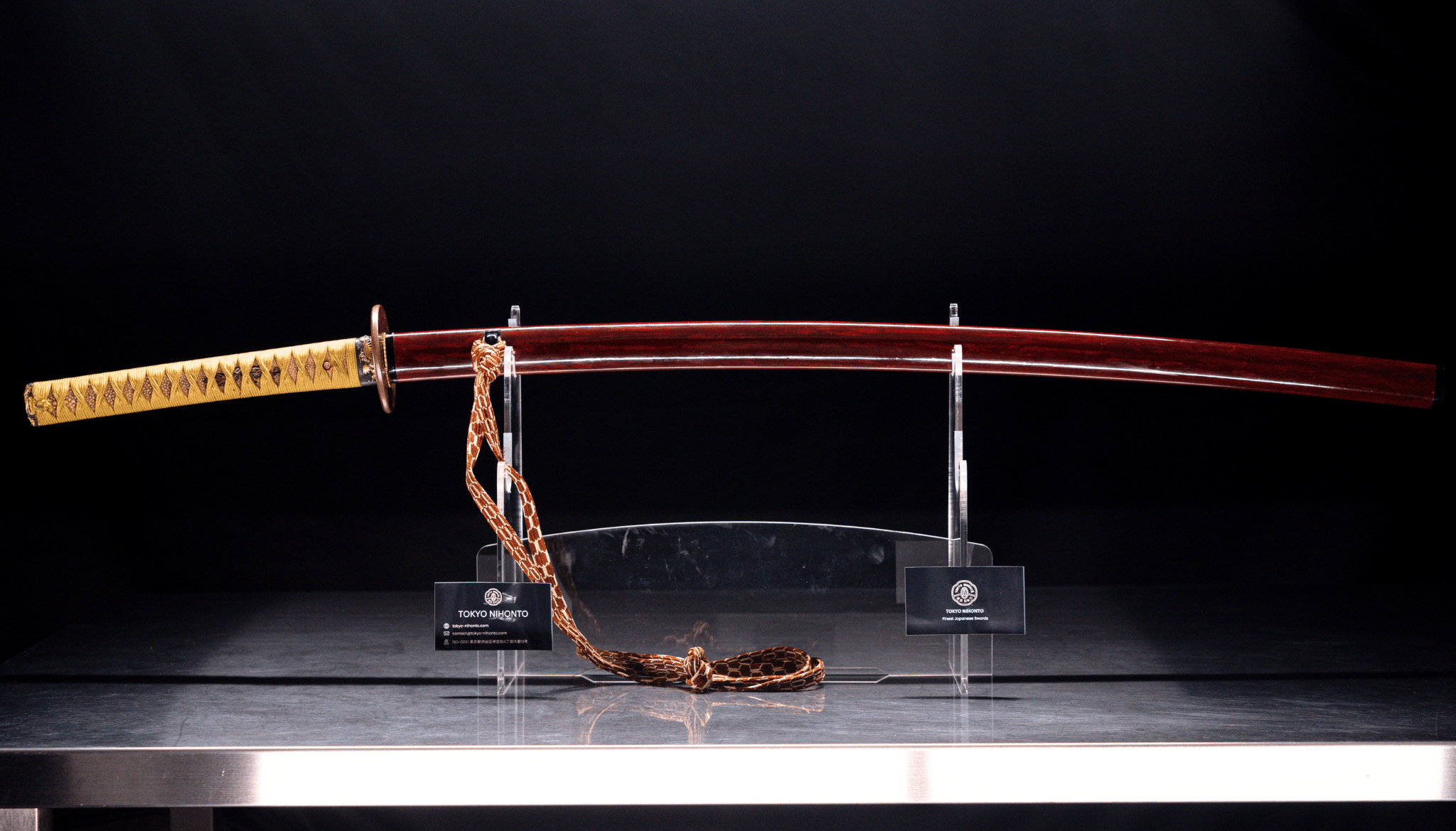
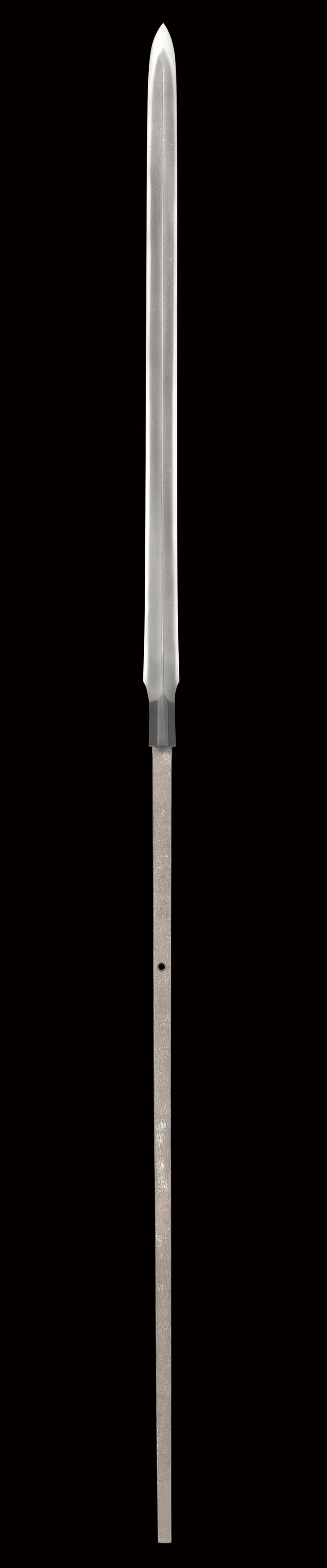
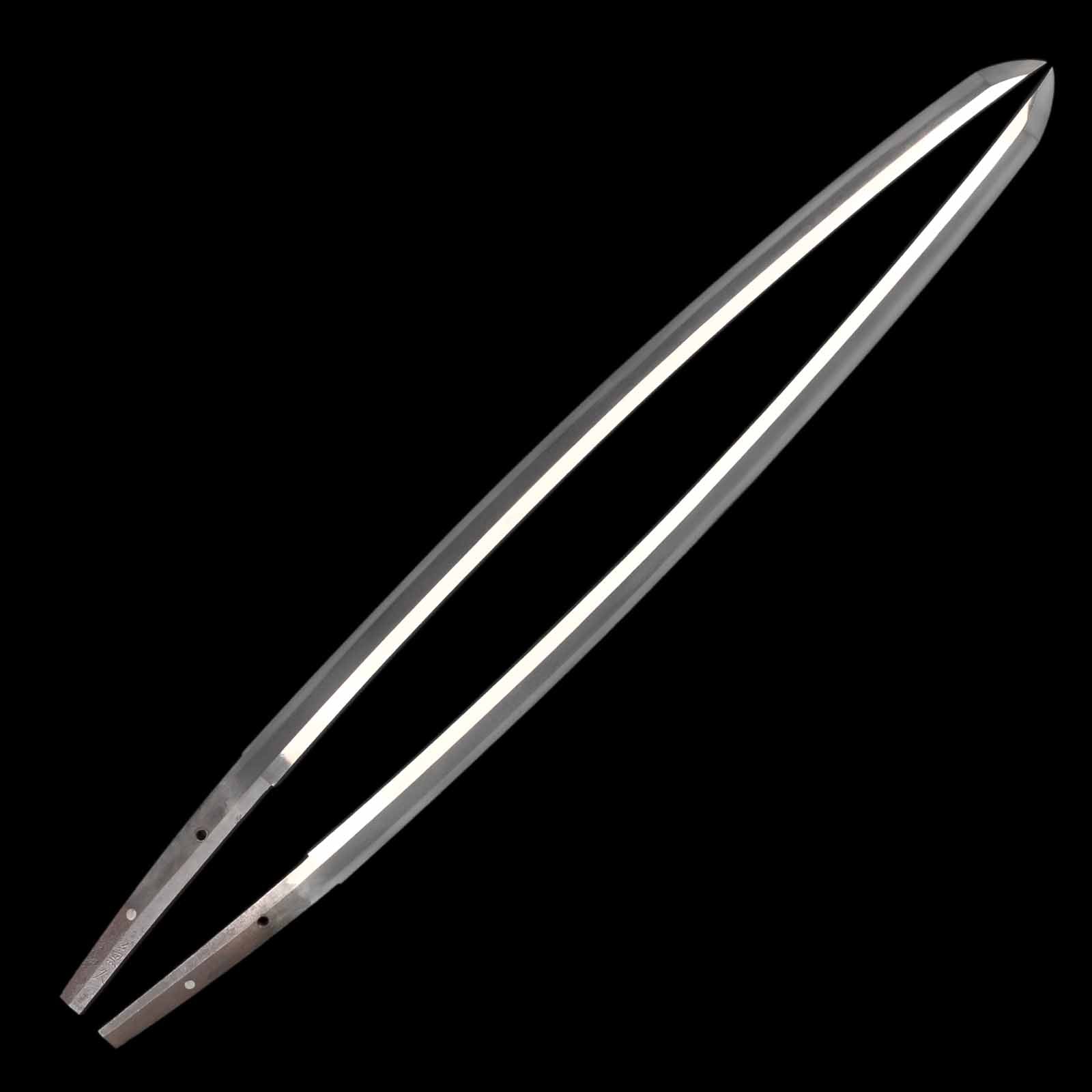
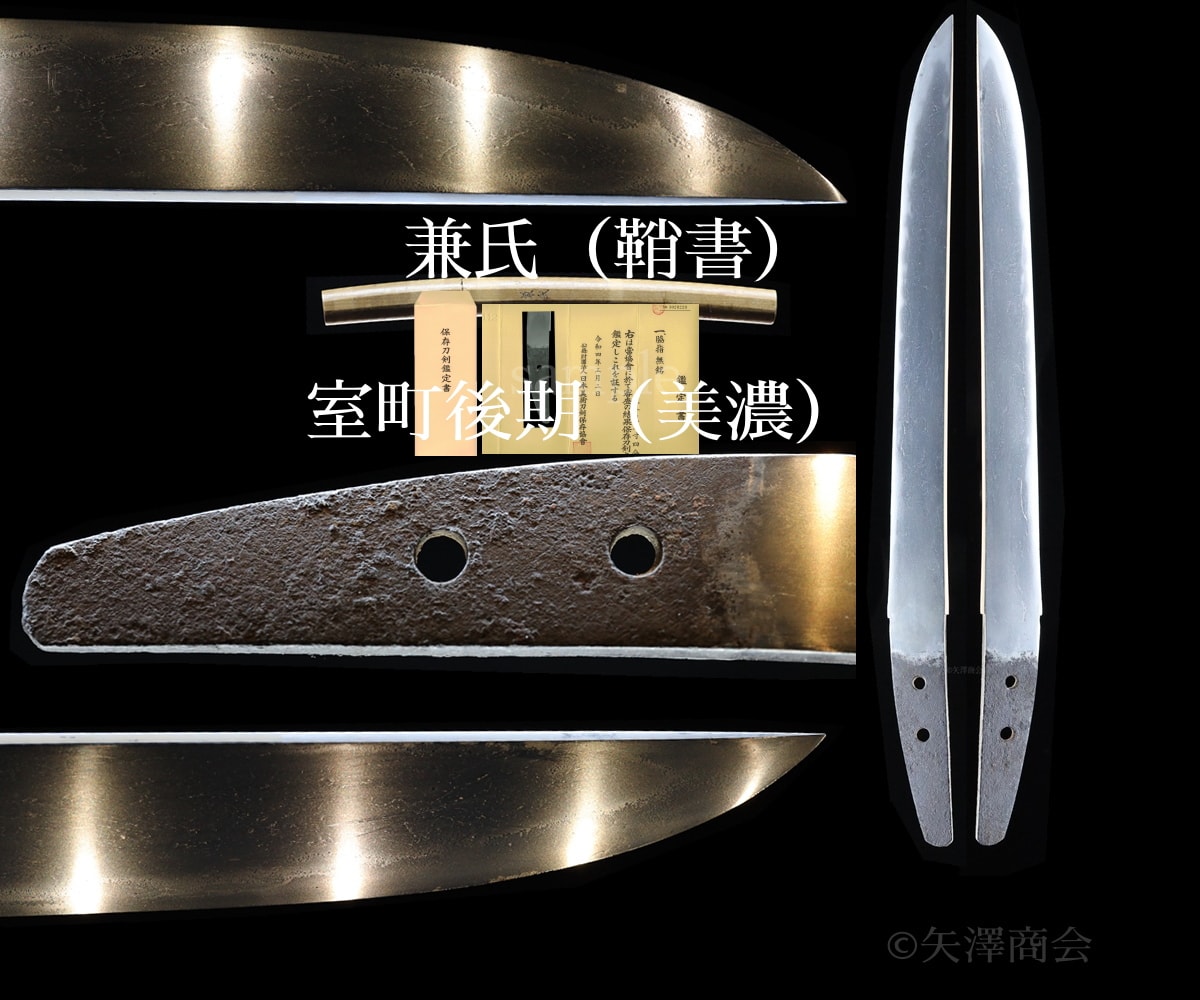
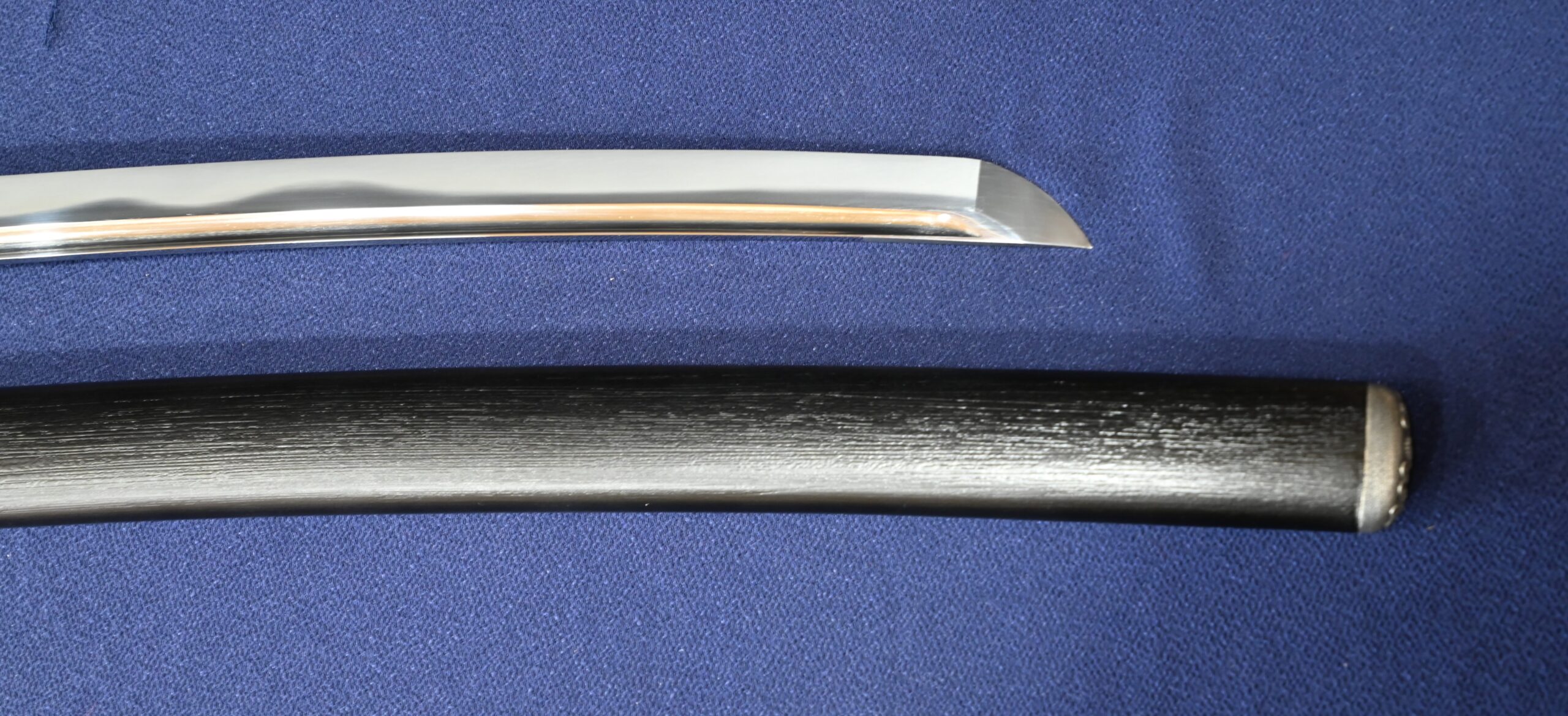
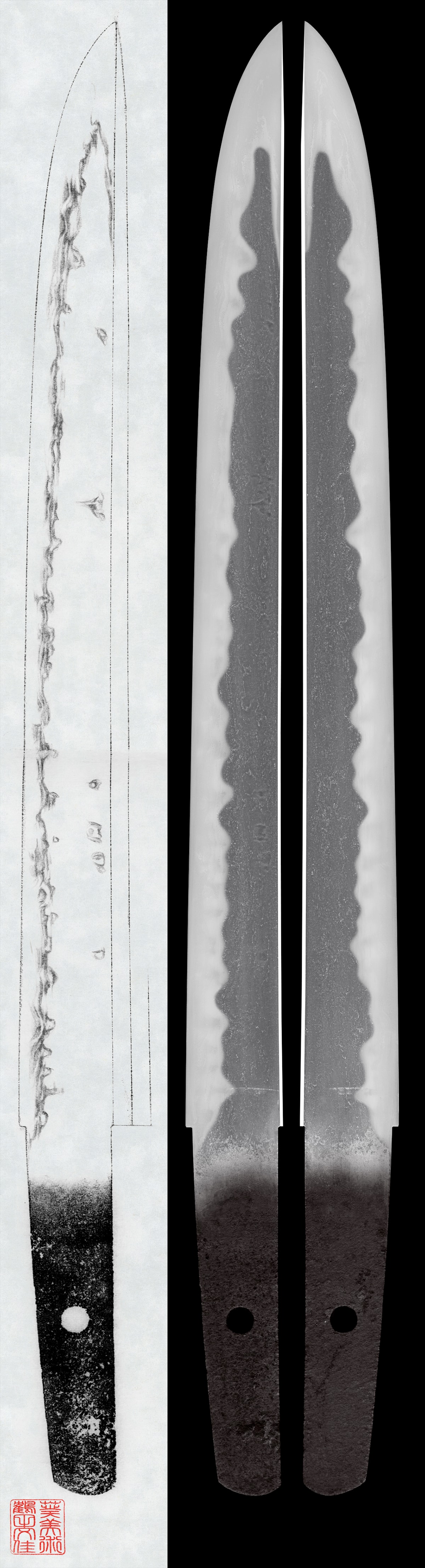
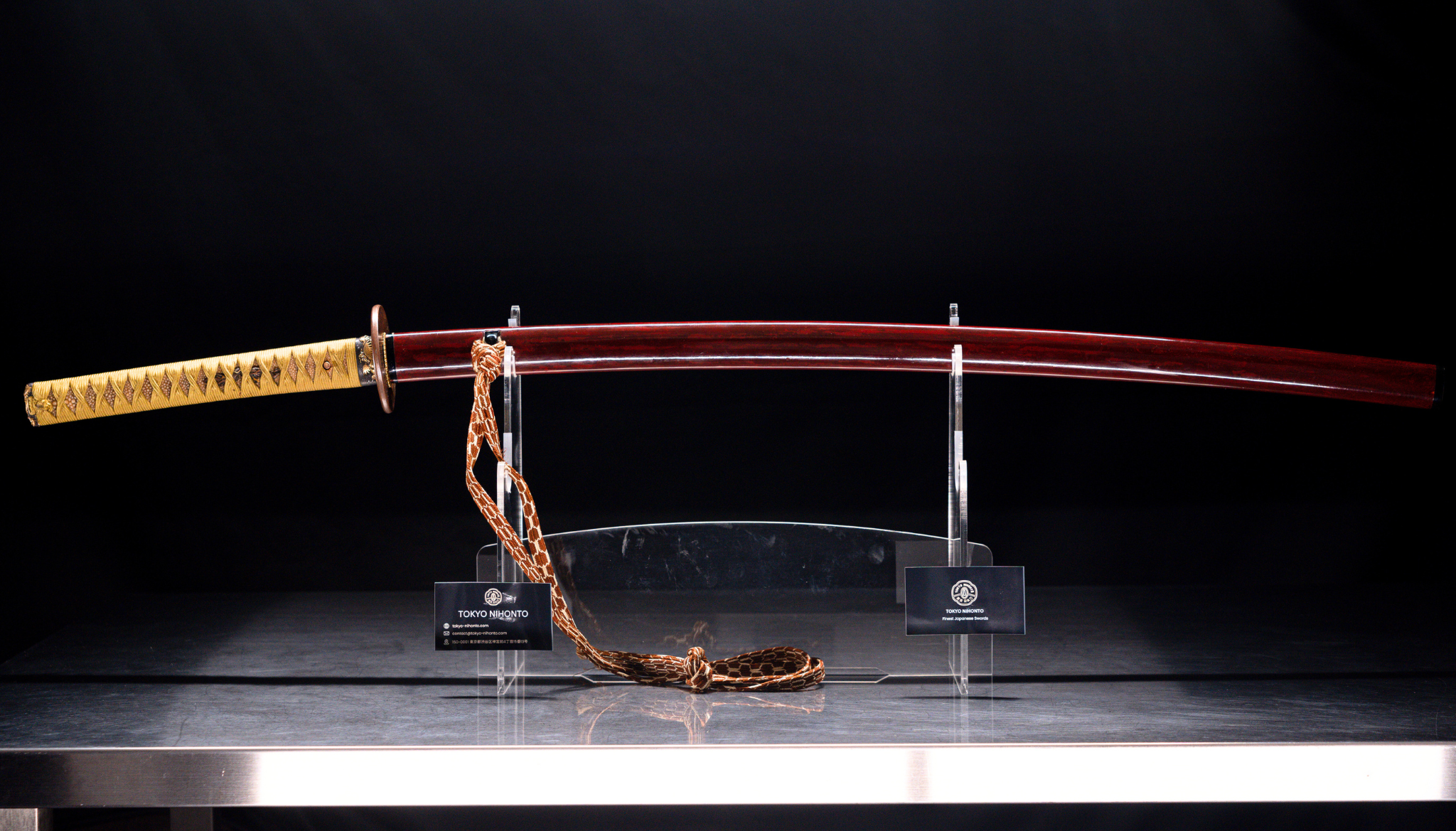
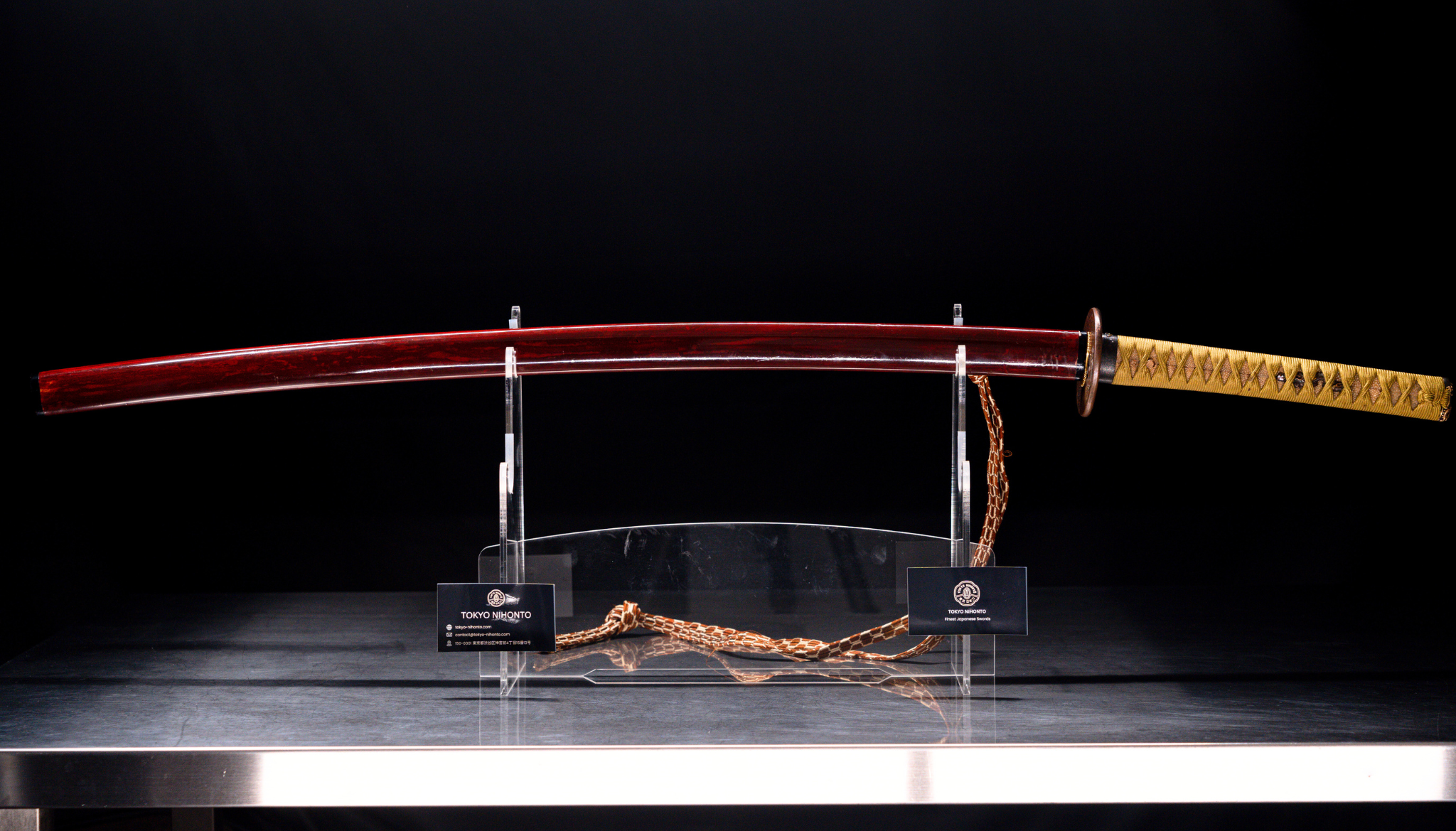
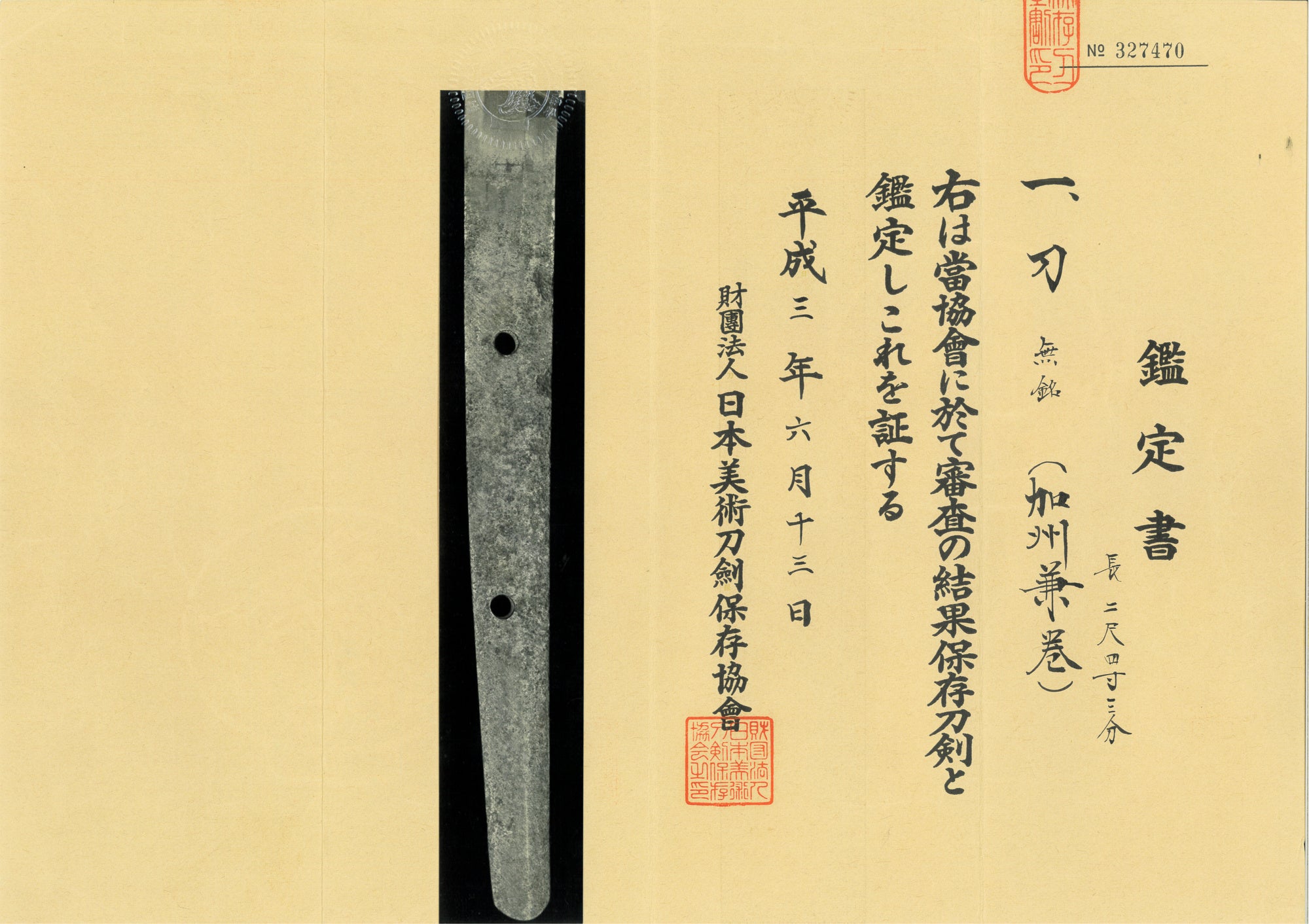
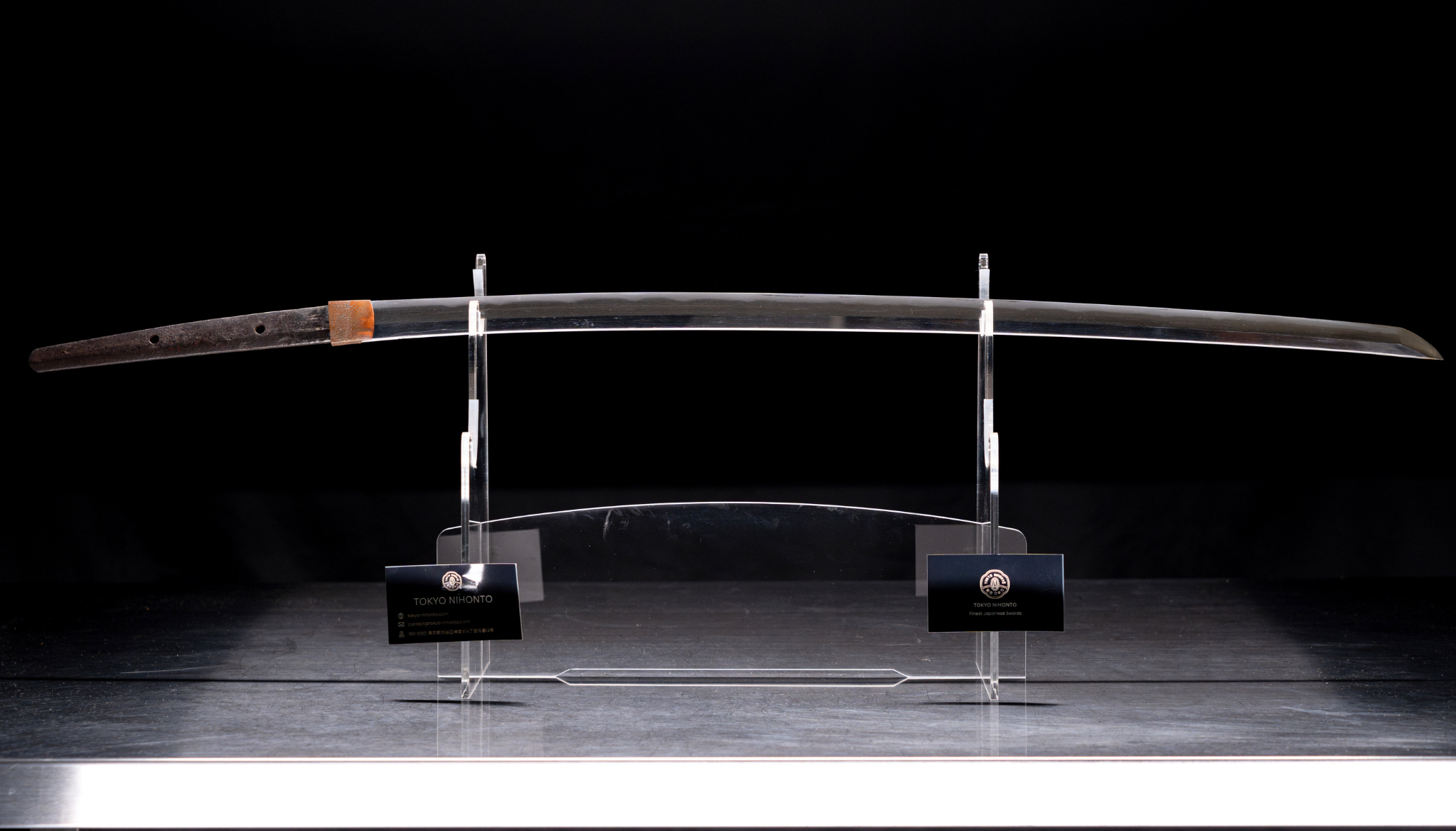
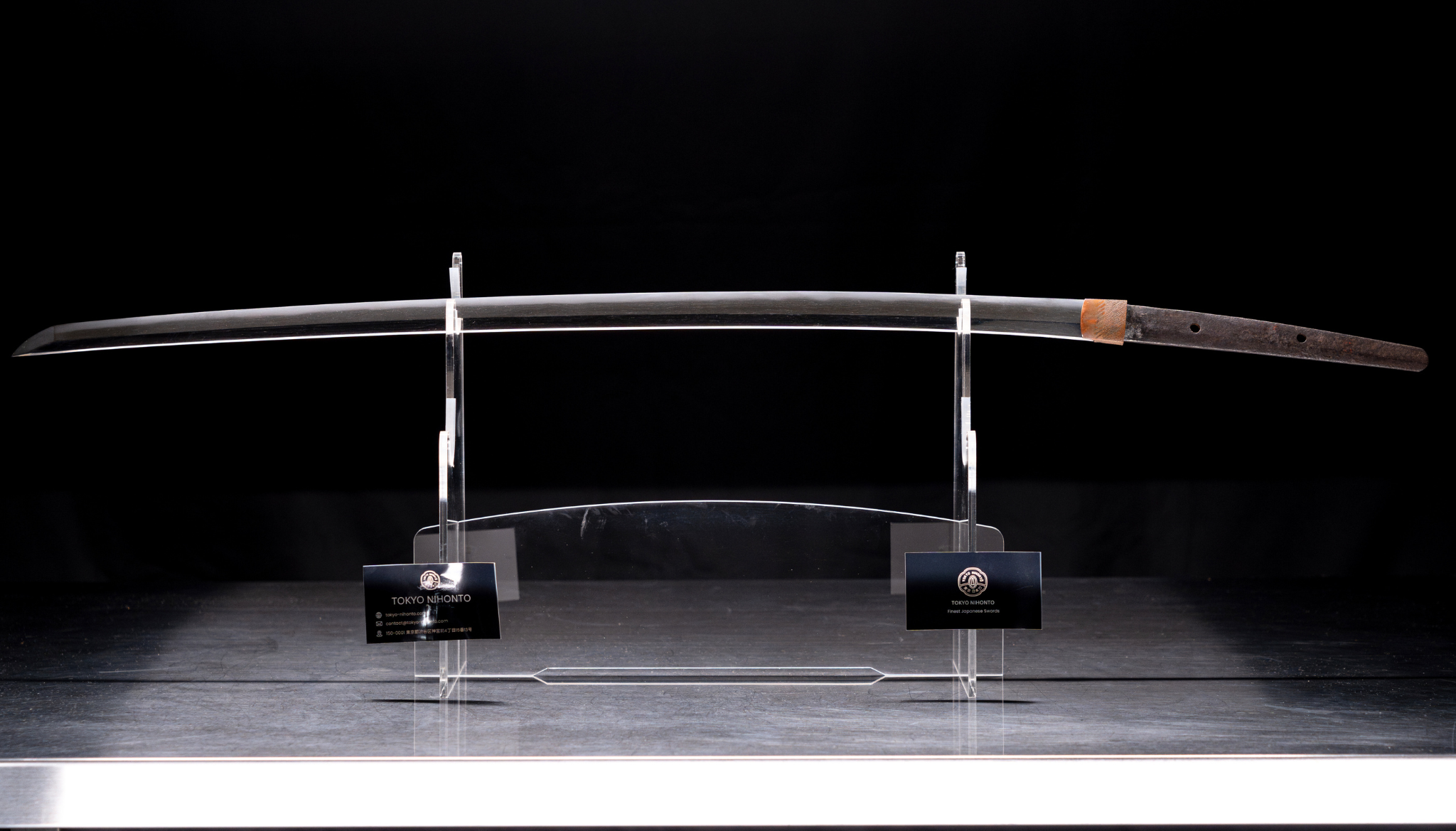
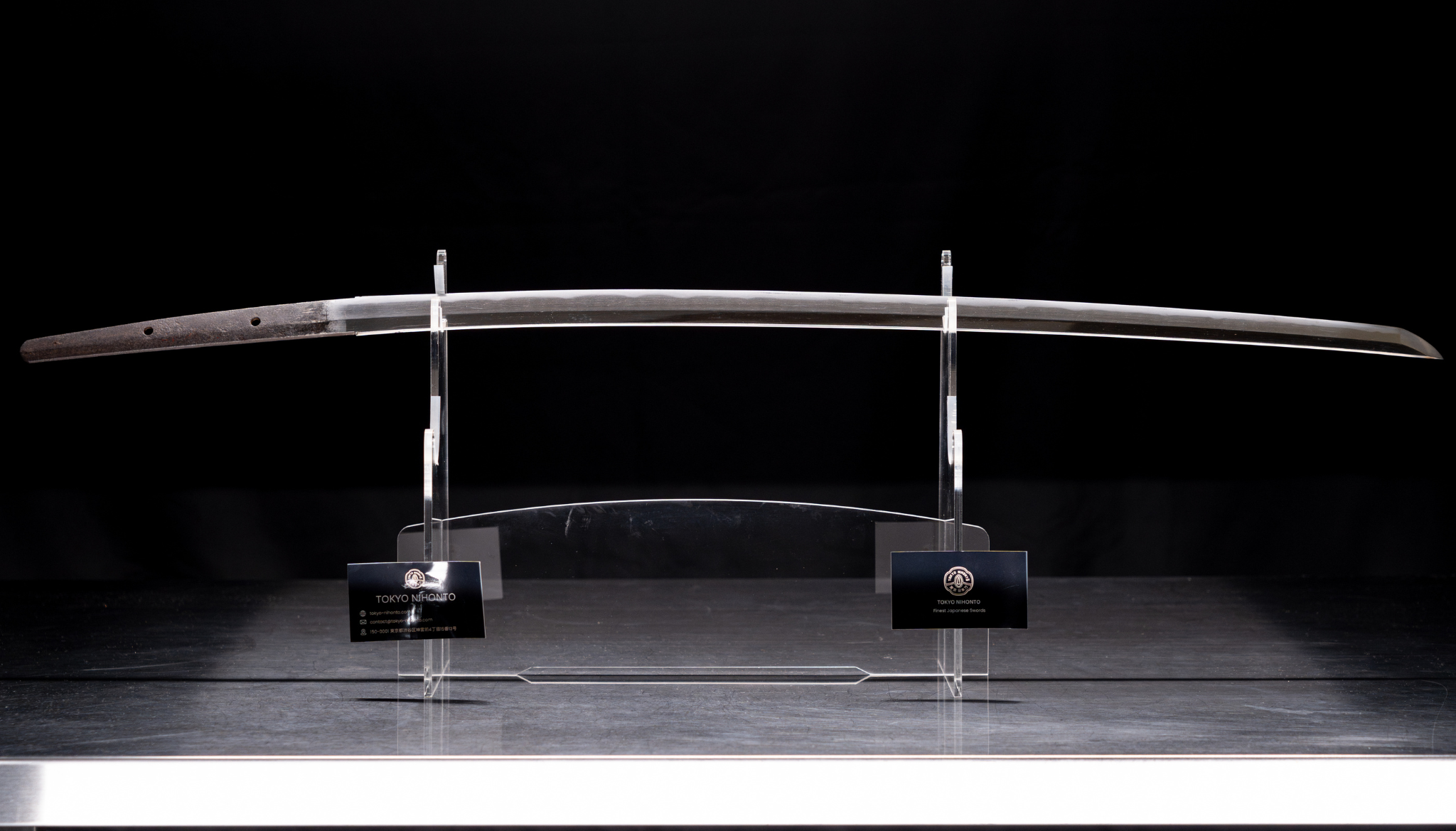
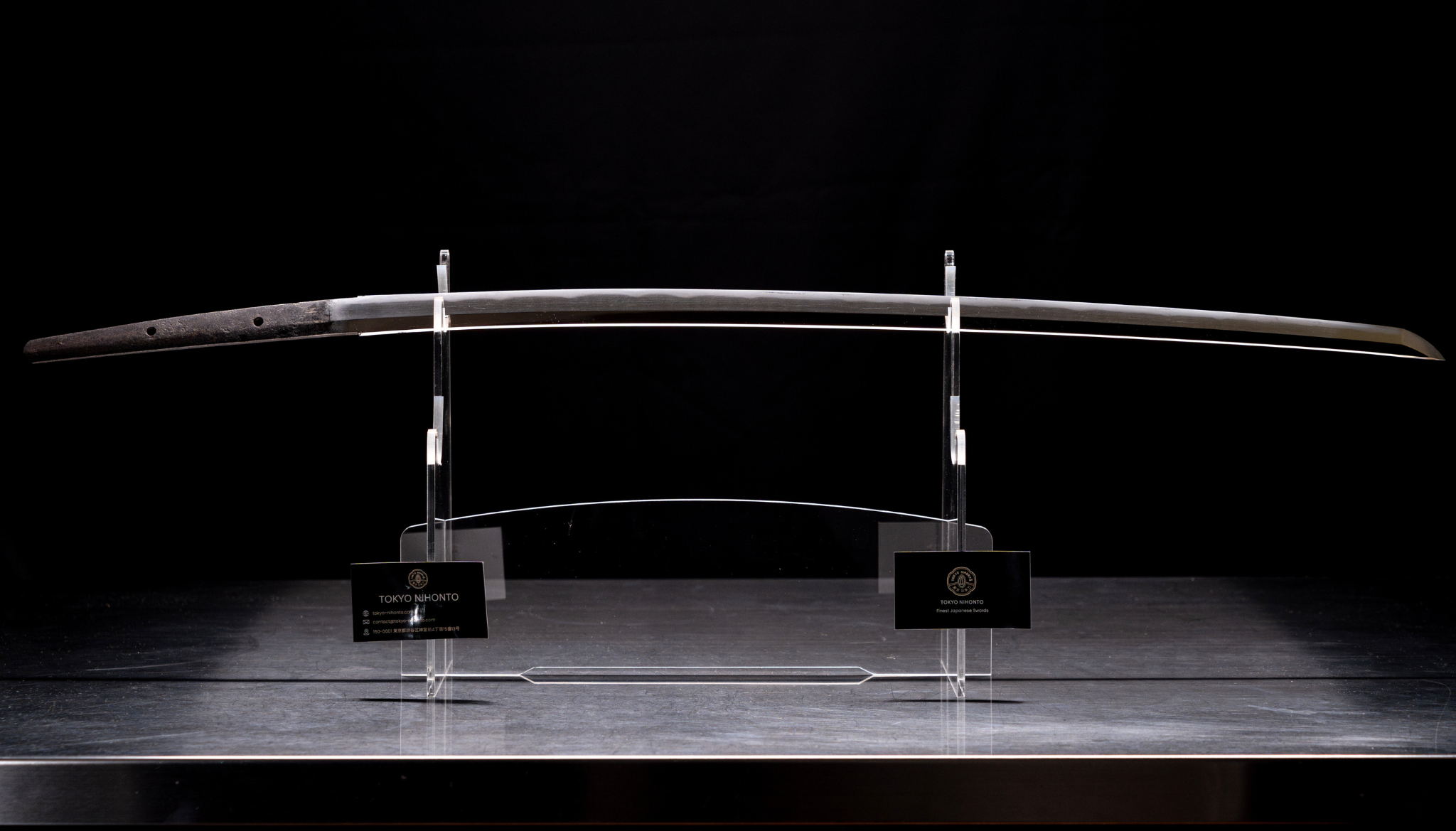
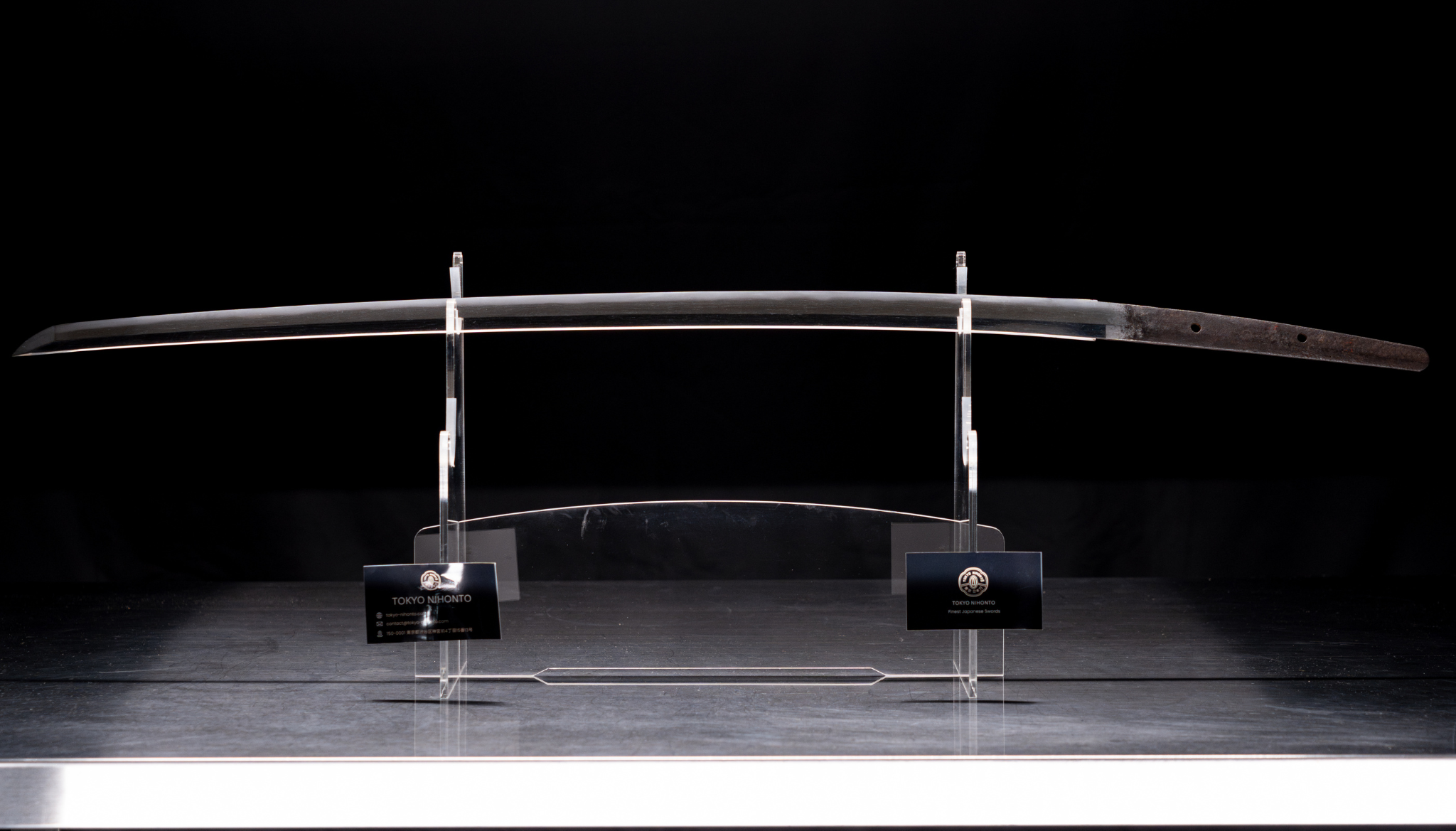
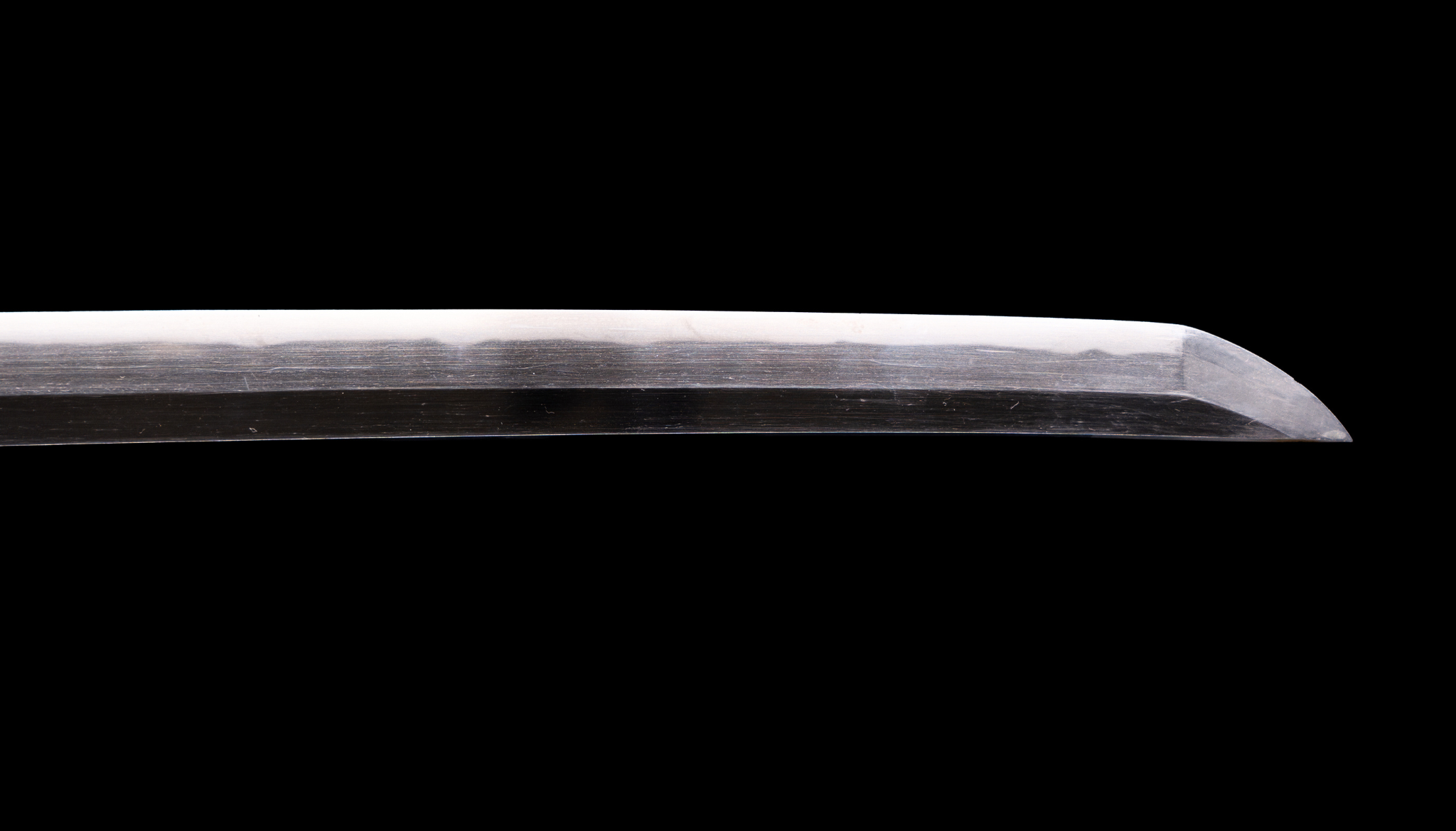
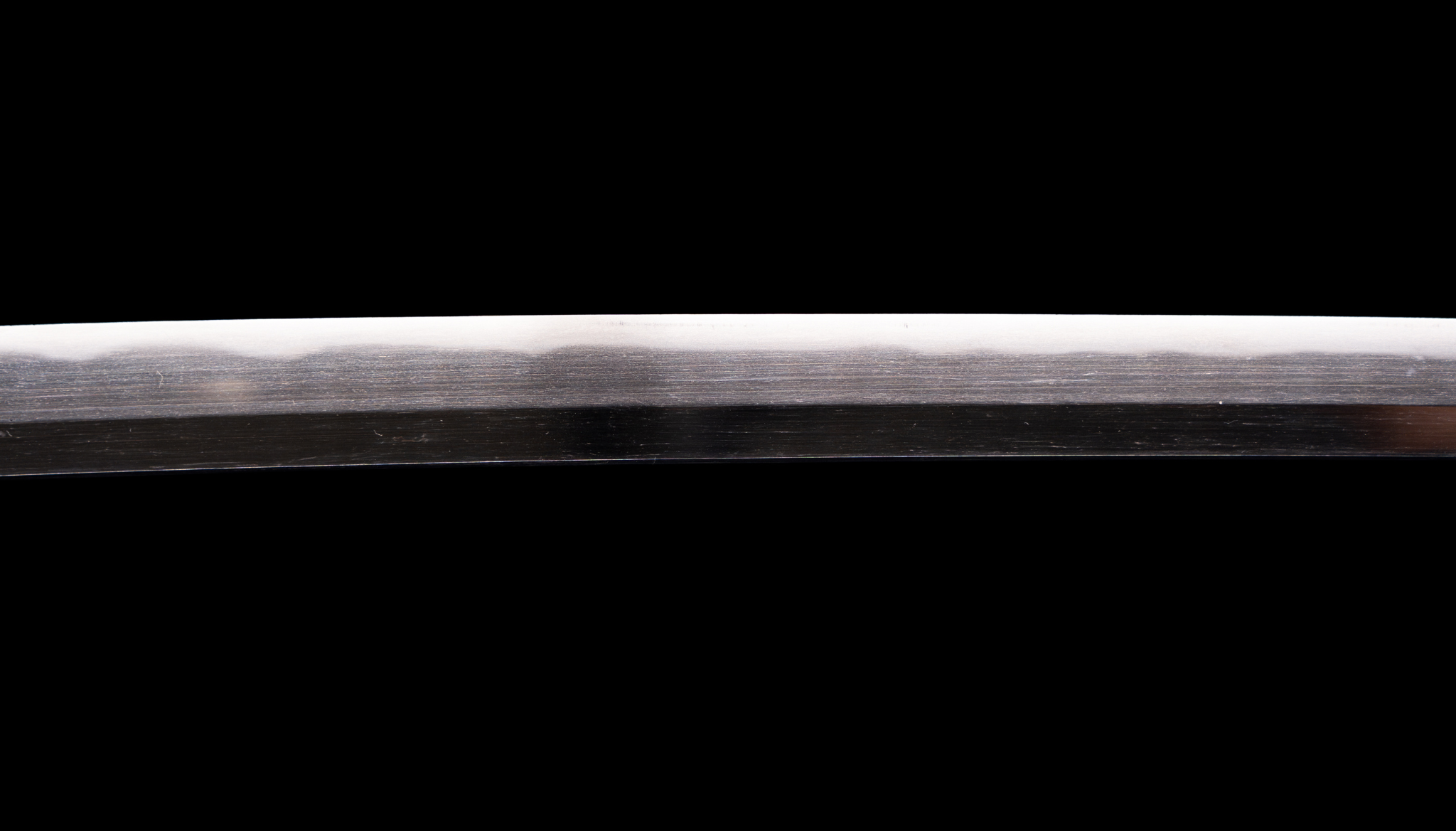
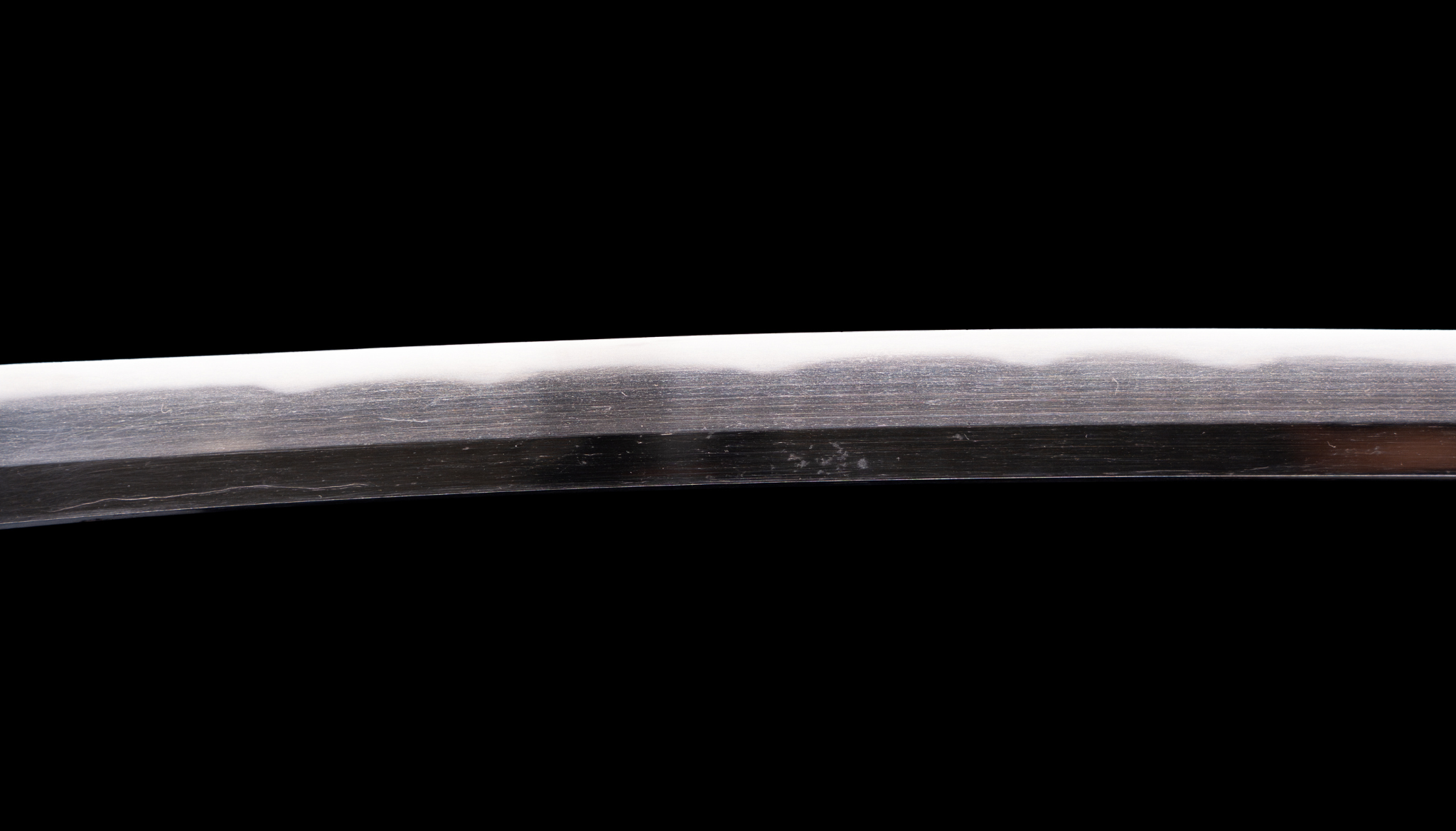
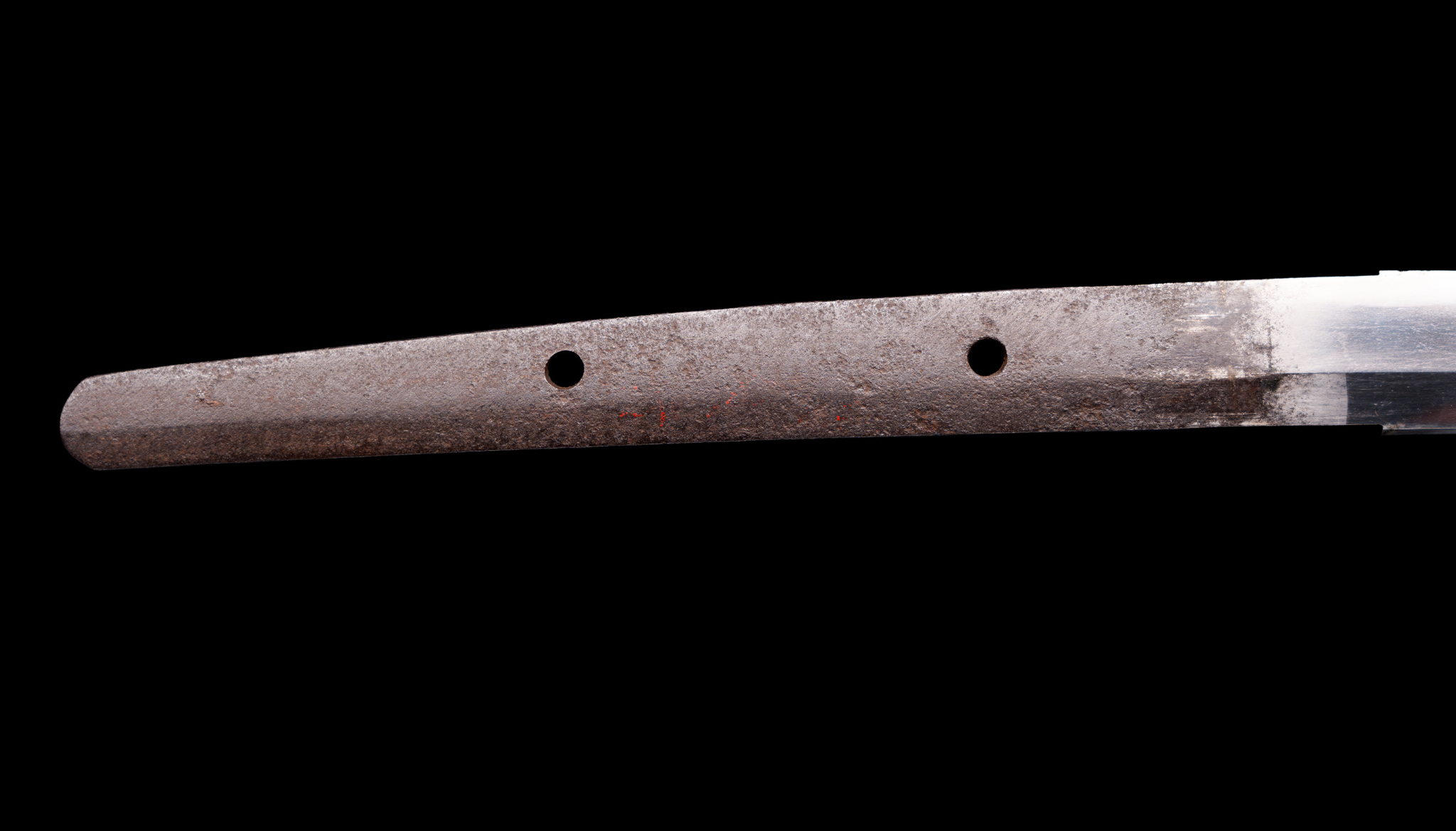
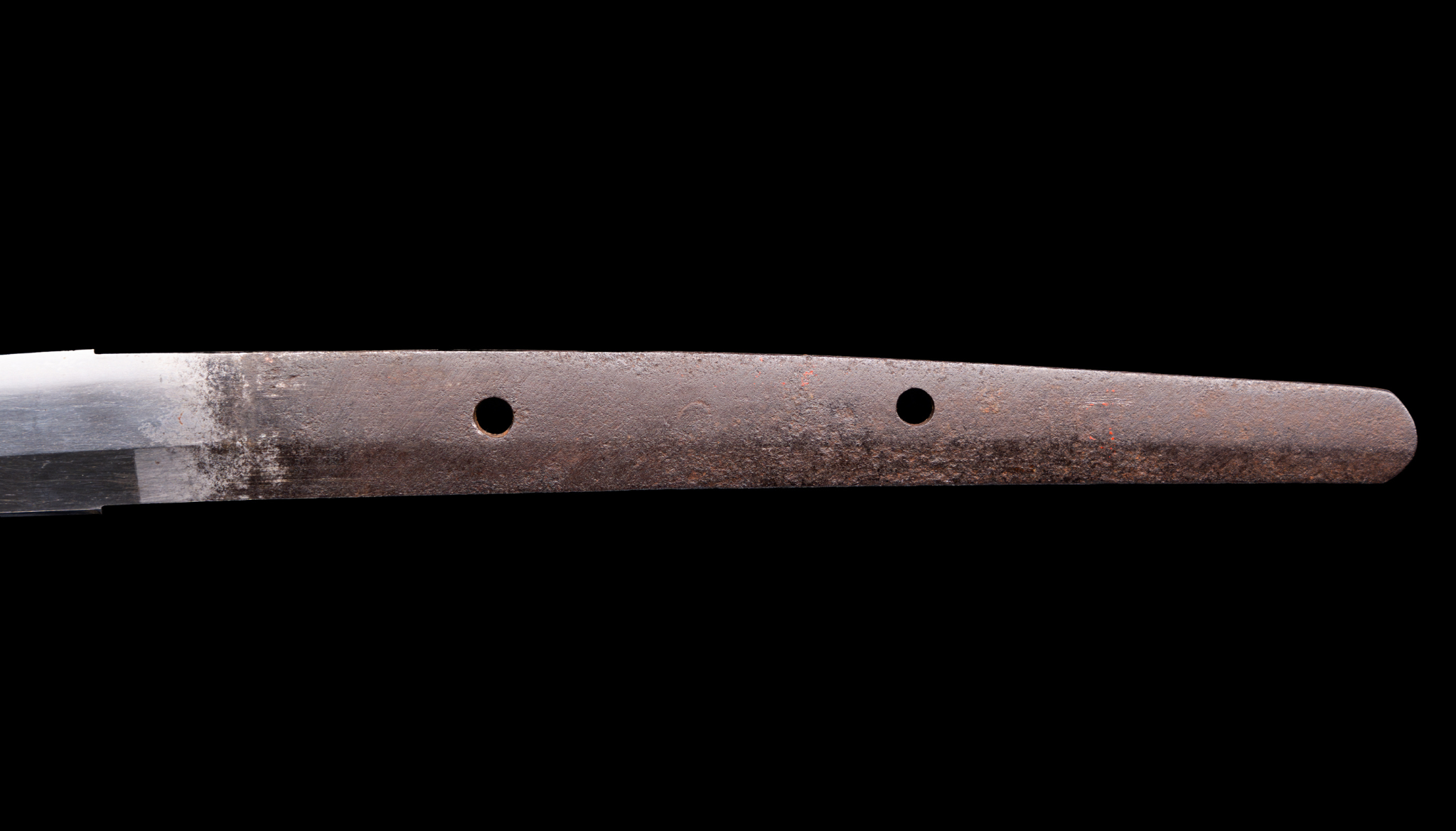
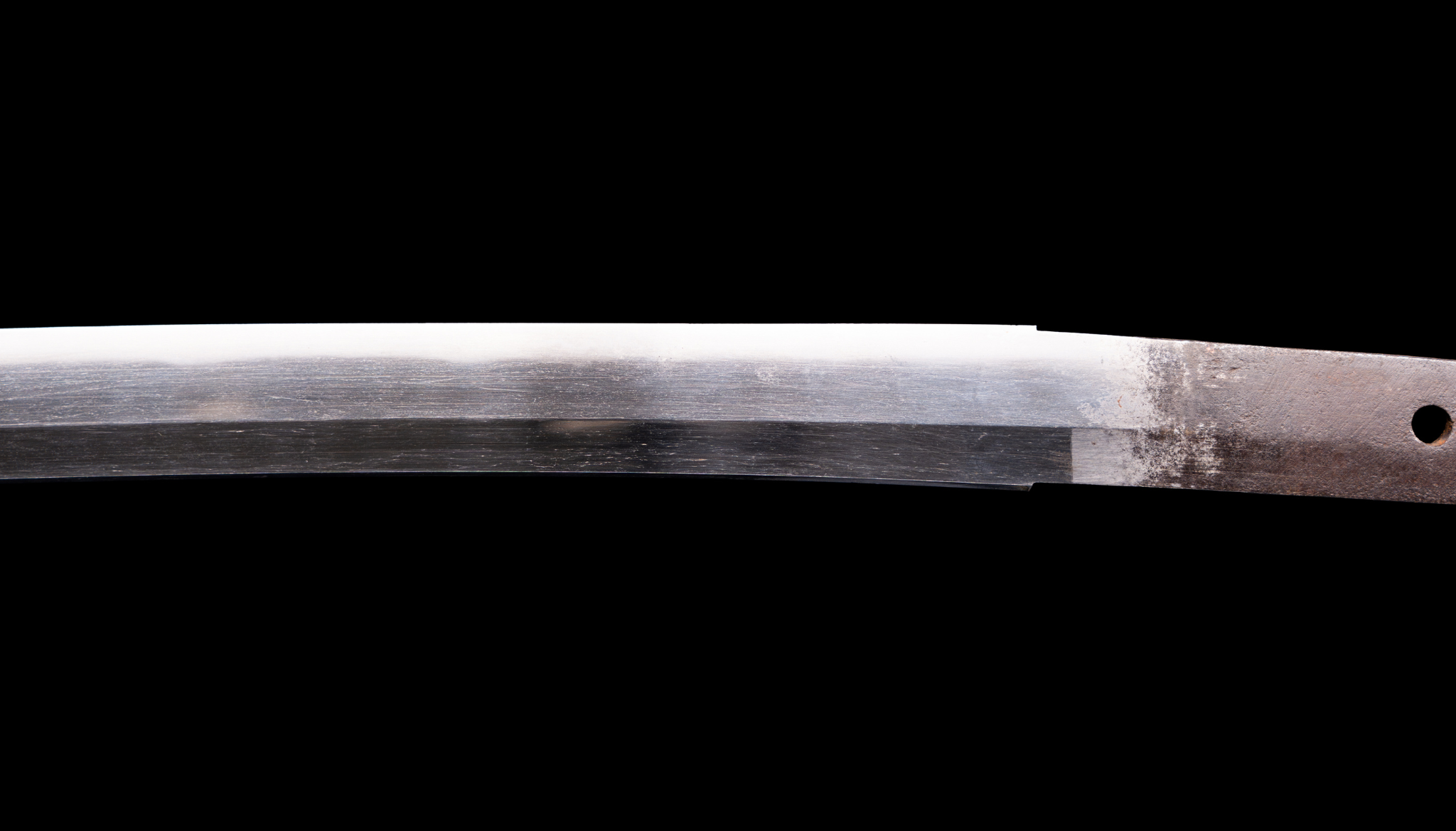
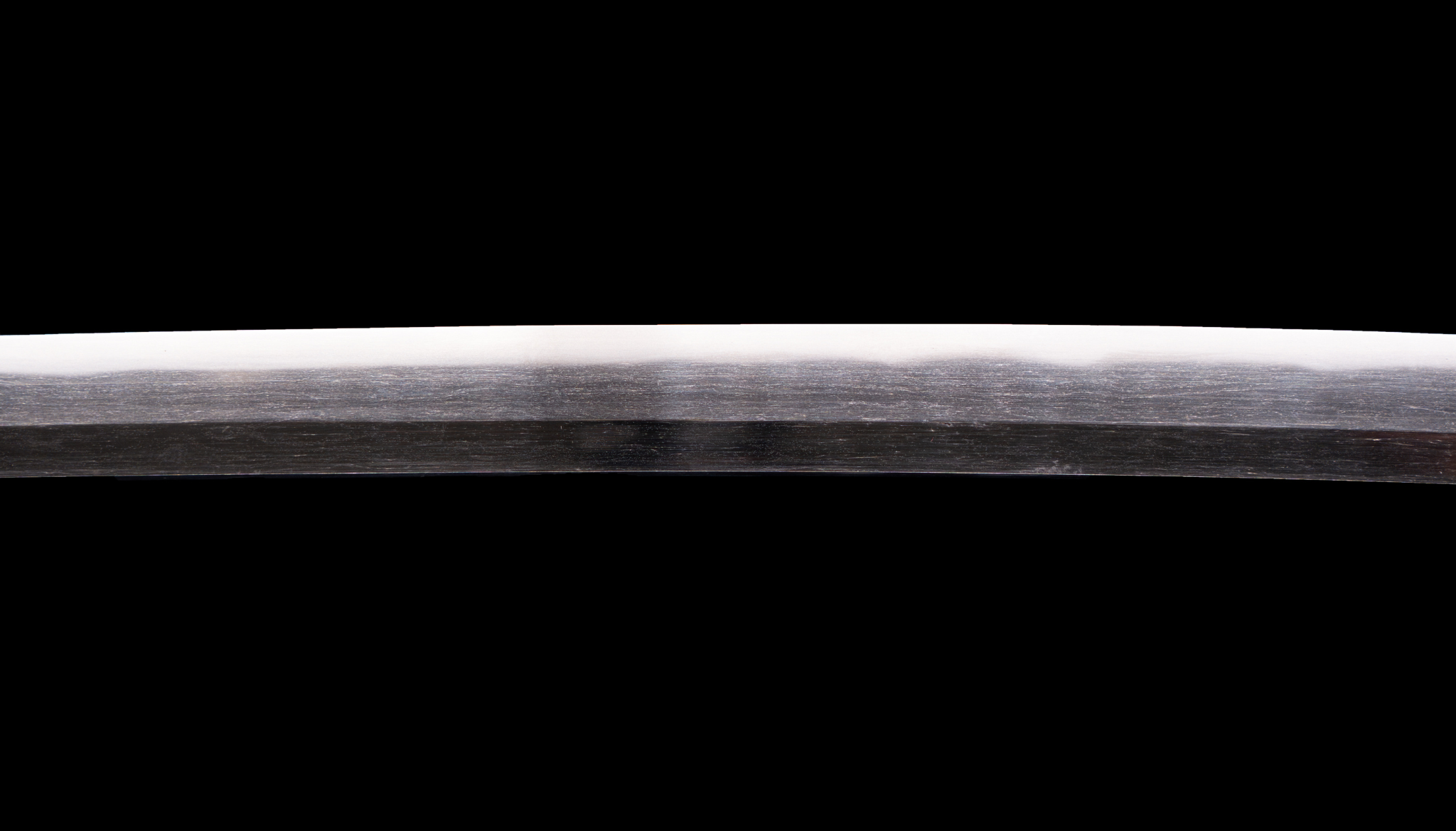
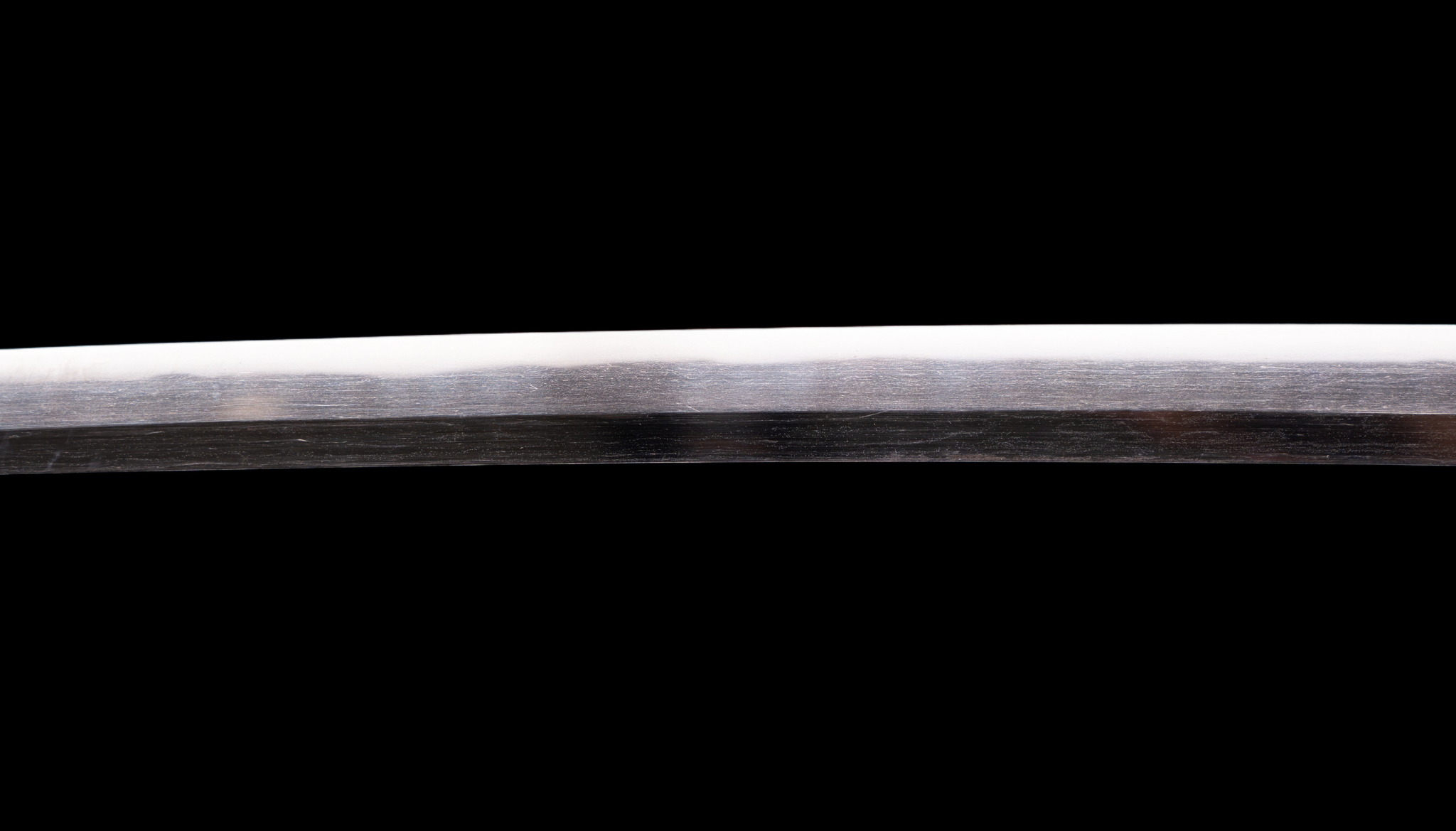
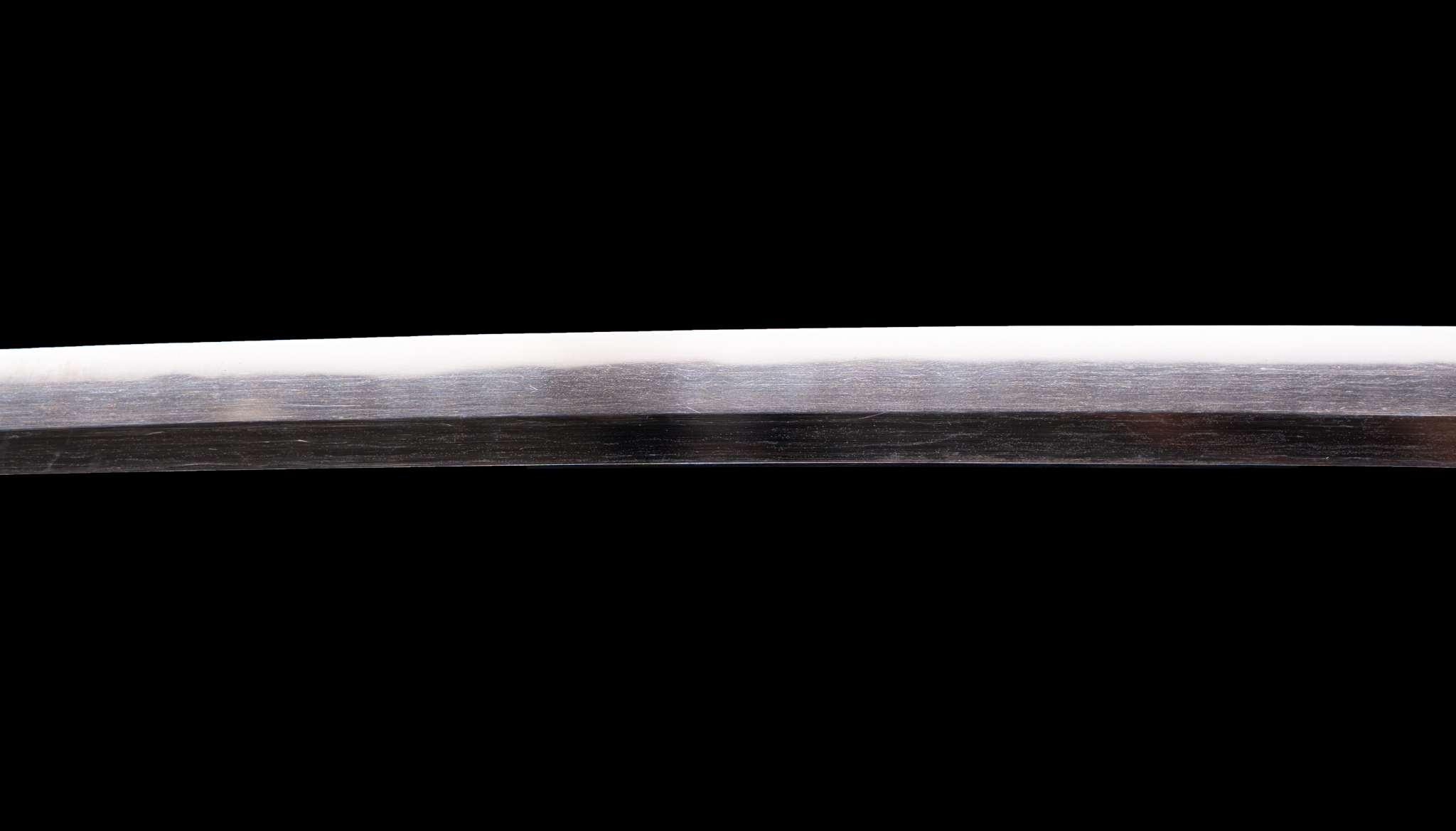
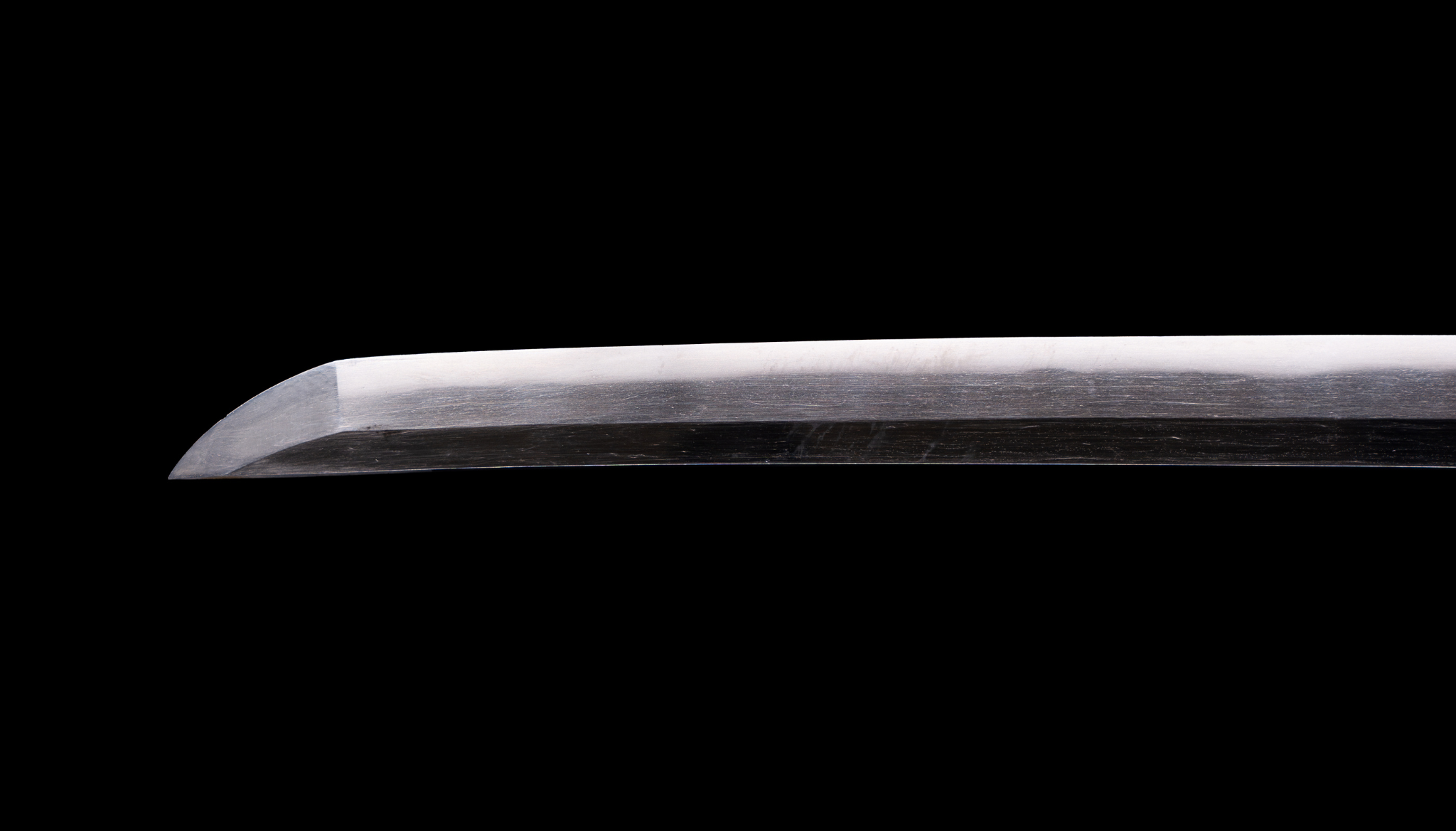
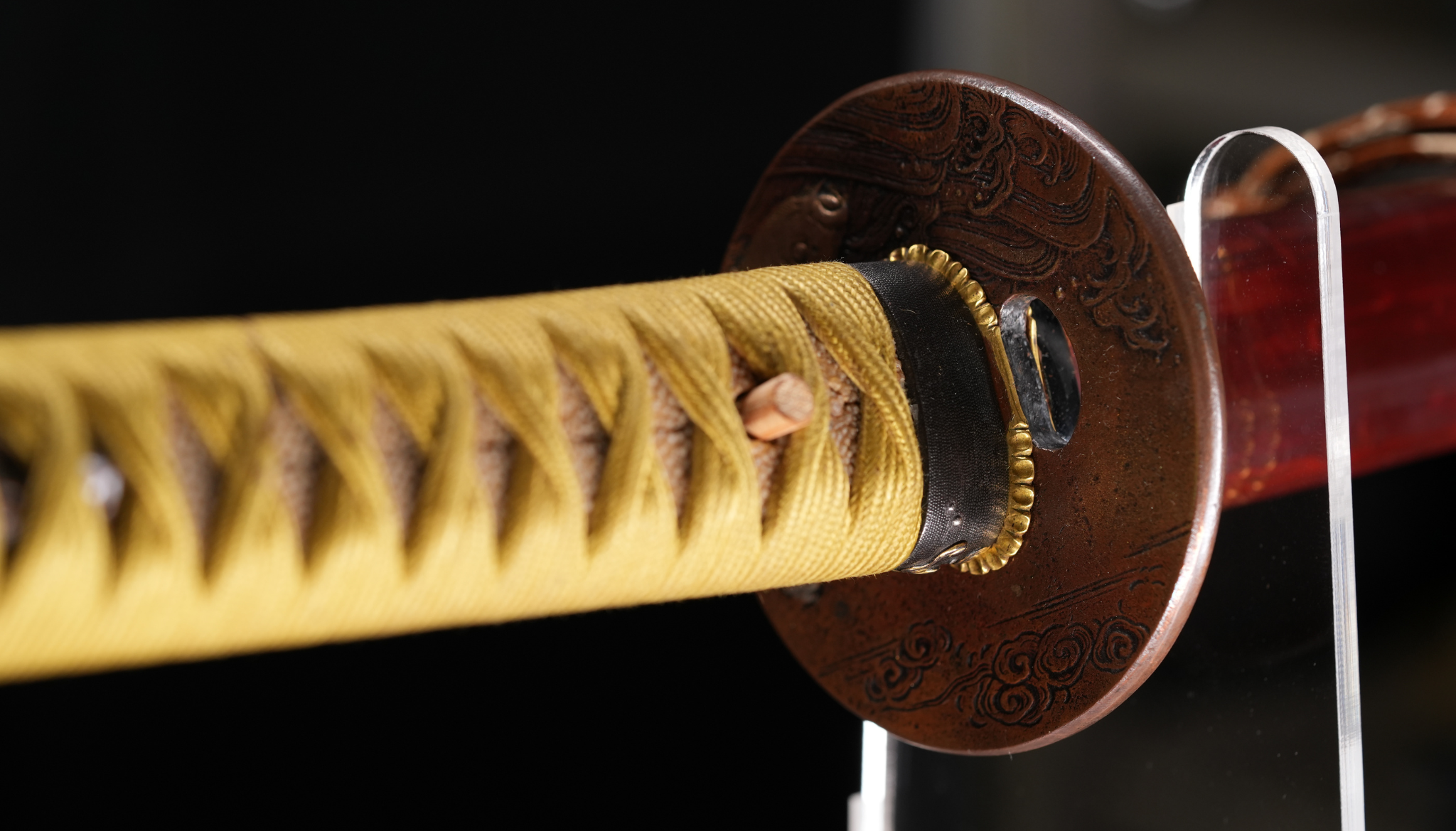
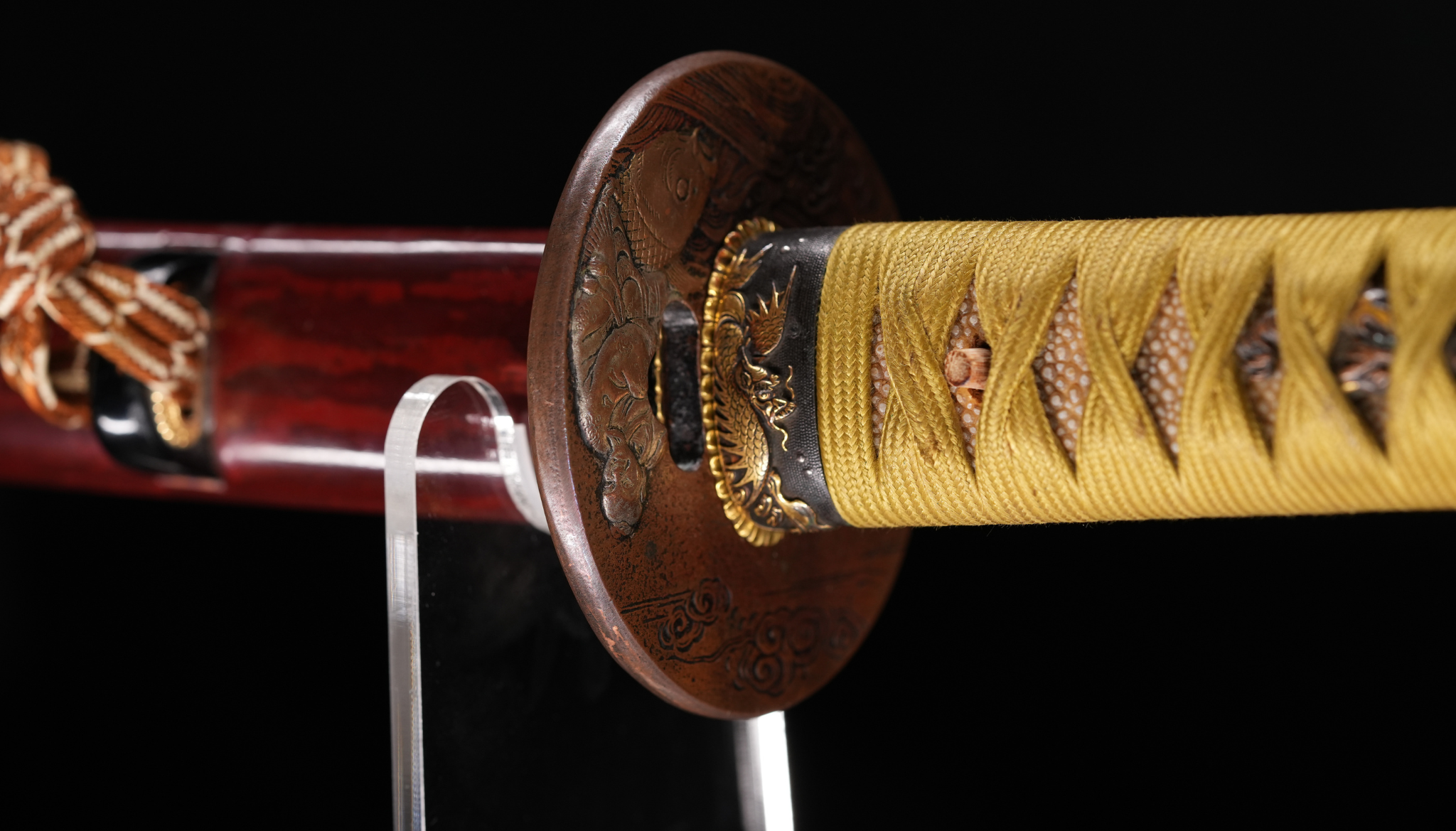
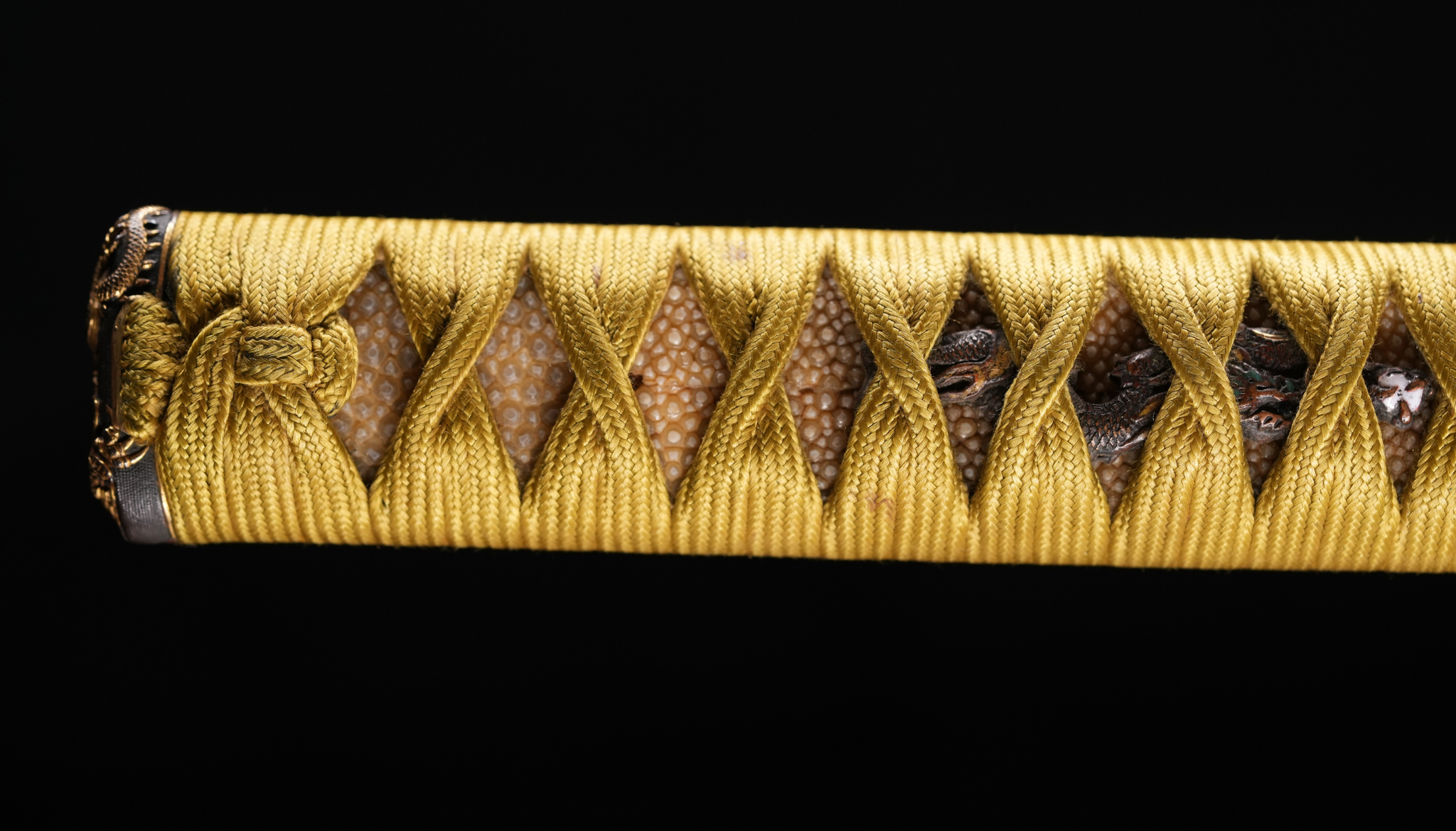
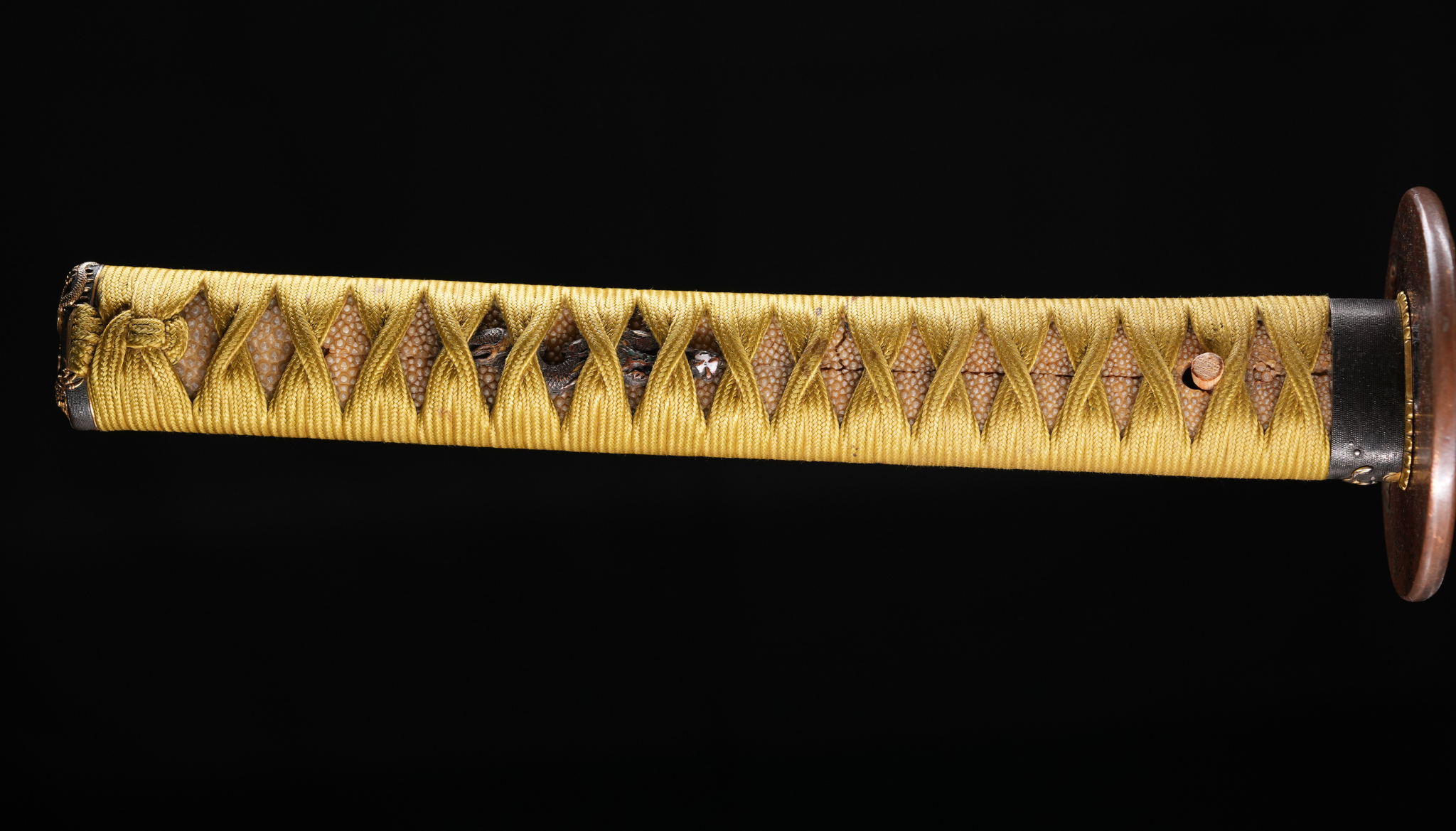
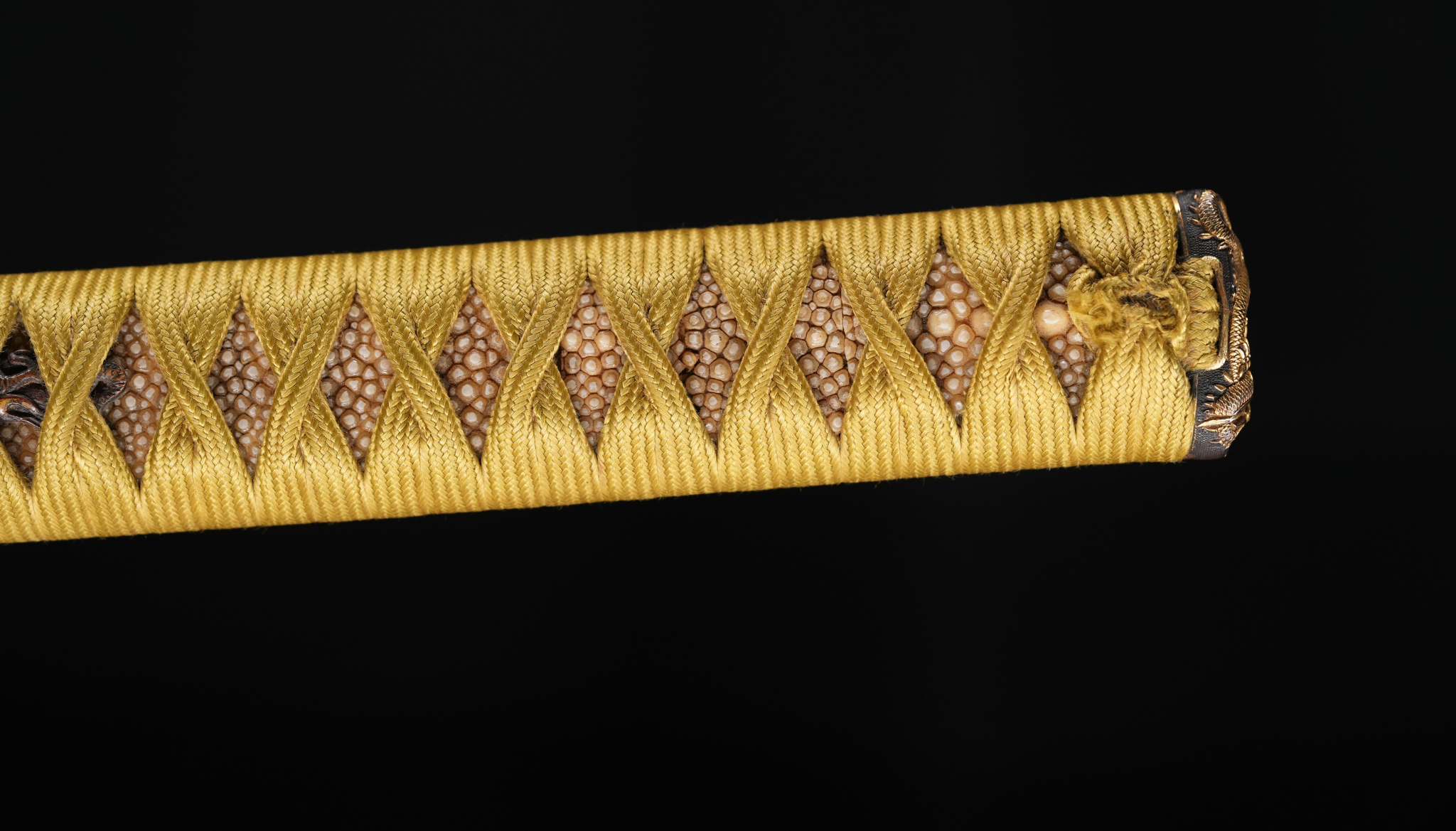
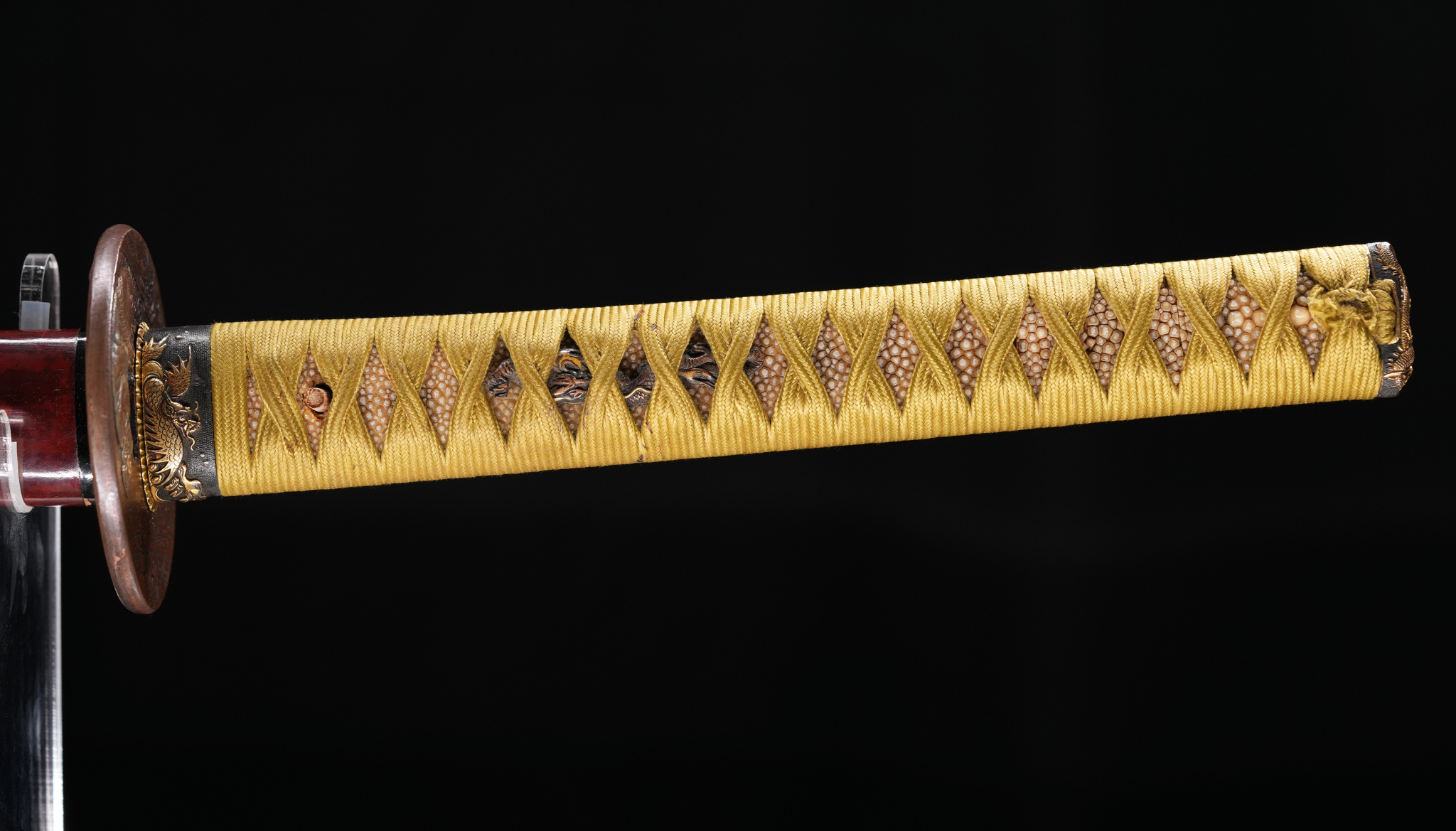
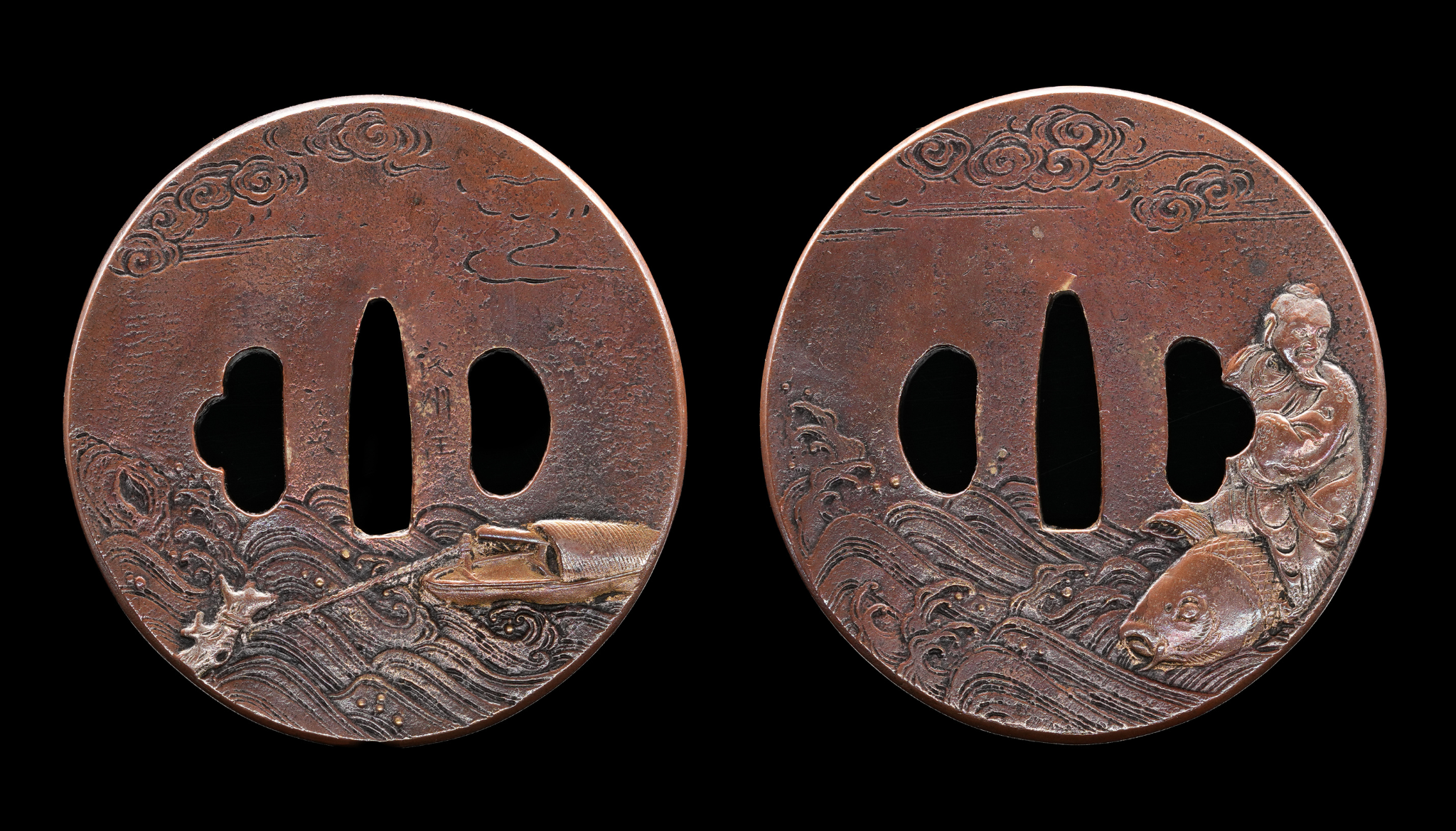
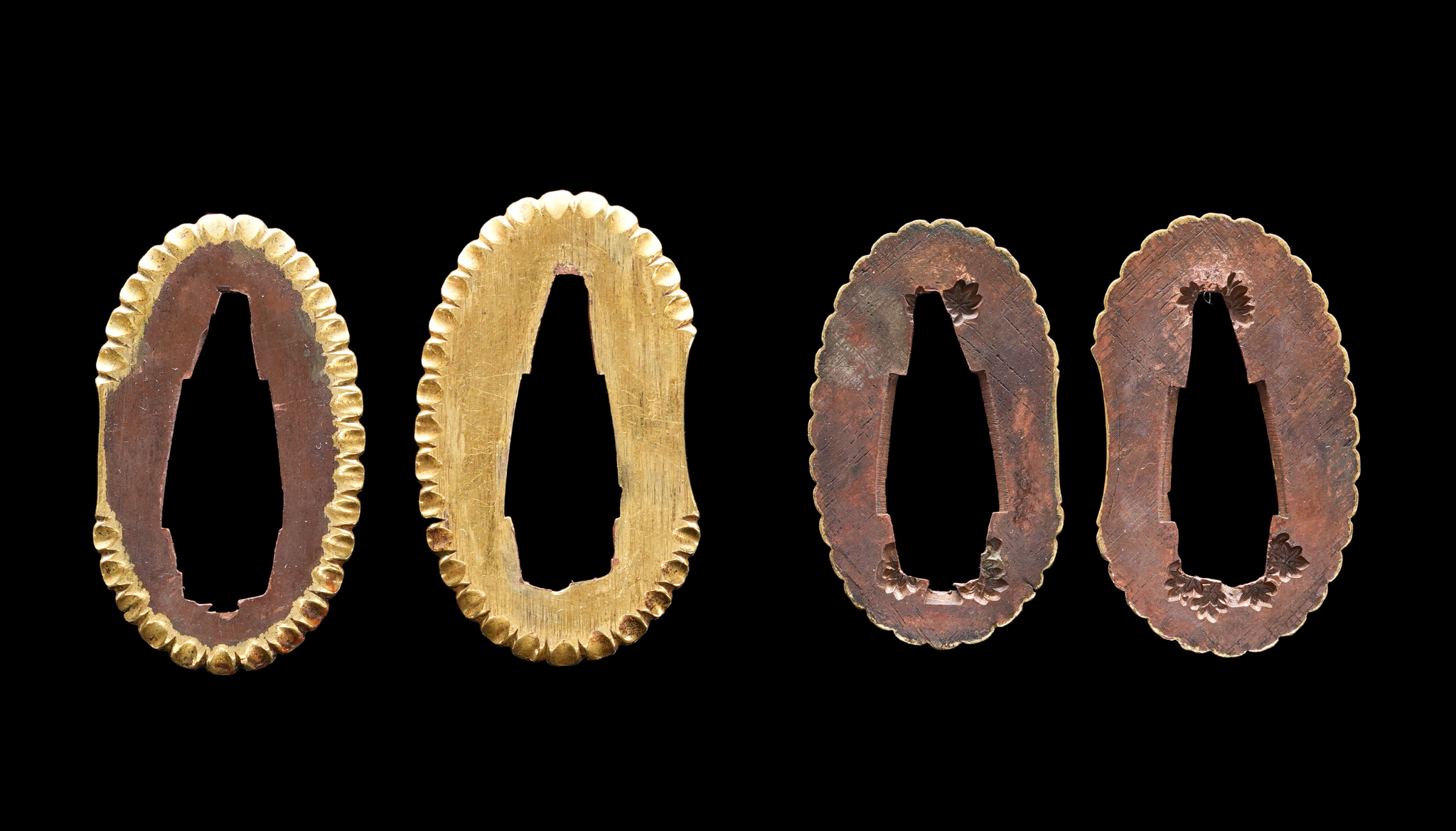
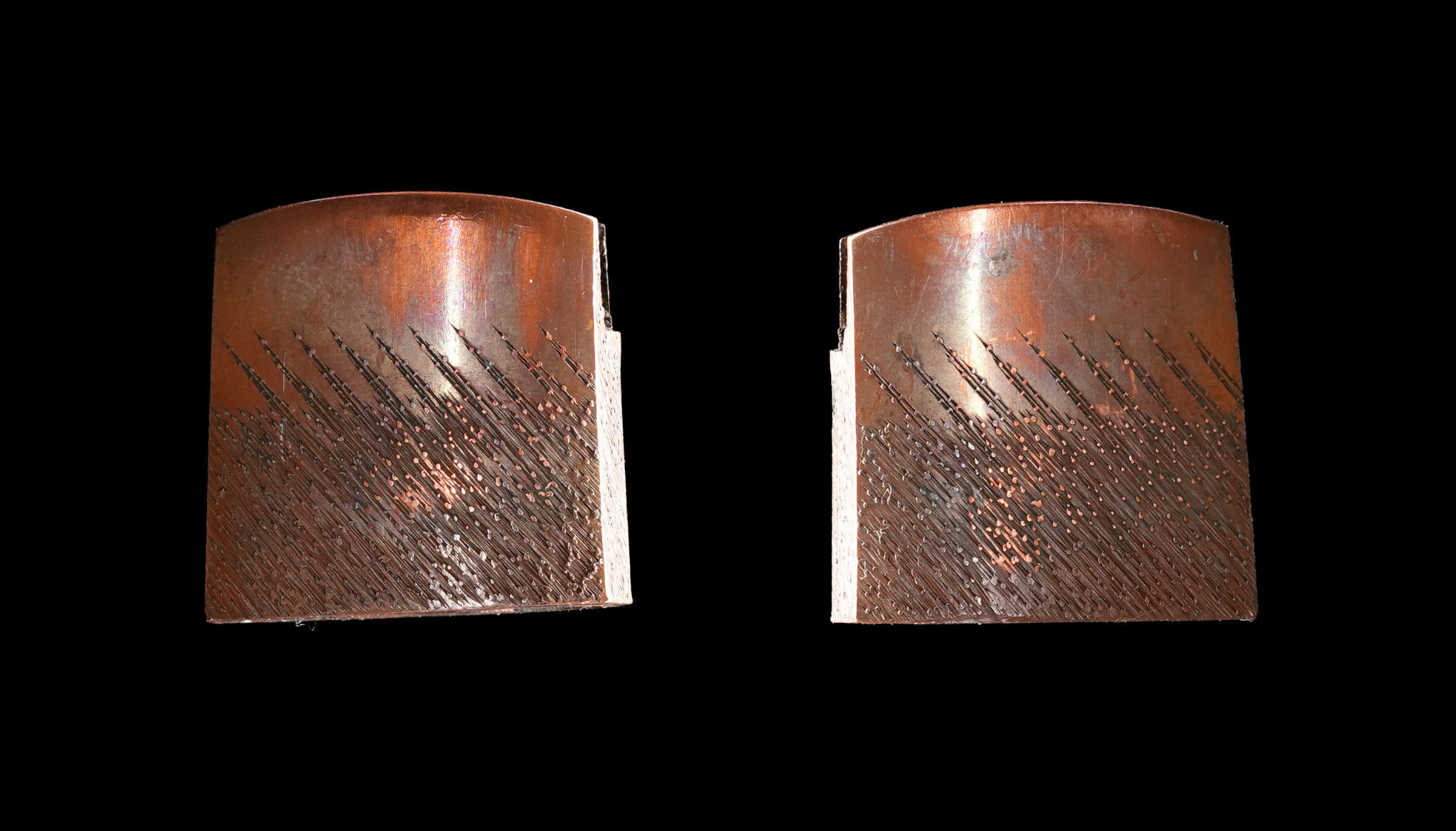
This exceptional katana, estimated to be from the E do period , showcases superb craftsmanship and intricate details. The blade features a medium curve (Naka-sori) with a shallow depth, crafted in the Shinogi-zukuri style with an Iori-mune (simple back). Specifications: Certificate : Hozon Token Mumei Blade Length (刃長): 73.3 cm Blade Width at Base (元幅): 2.8 cm Blade Width at Tip (先幅): 2.0 cm Blade Thickness at Base (元重ね): 0.7 cm Blade Thickness at Tip (先重ね): 0.5 cm Blade Weight (刀身重さ): 662g Full Length with Mountings (拵え全長): 110 cm Features and Additional Details: The katana features a medium curve (Naka-sori) with a shallow depth, crafted in the Shinogi-zukuri style with an Iori-mune (simple back). The tip of the blade is small (Ko-kissaki) and has a sweeping finish (Haki-kakeru). The Hamon is slightly undulating (Ko-cho) with small irregularities (Ware). It contains fine nie (martensitic particles) and shows sunagashi (whisker-like lines). The Jigane is a ko-itame-hada mixed with mokume , which stand out distinctly. The koshirae is equally impressive. The fuchi-kashira, or pommel and collar, are made of shakudo (an alloy of gold and copper) with a fish egg pattern (Nanako-ji) and feature a gold inlay dragon design (Kin-zogan de Ryu-zu). The menuki, or handle ornaments, are large dragons chasing a pearl. The tsuba, is made of plain copper in a round shape featuring a carp and human figure design. The saya, is lacquered in a red polished vermilion finish Historical Context : The swordsmith Kanemaki originated from Mino province and was part of the Seki school. In the early Edo period, he moved to Kanazawa, continuing his craft through five generations. The second generation was summoned to Komatsu by Maeda Toshitsune, a retired daimyo residing at Komatsu Castle. Later generations returned to Kanazawa to continue their work. Swords signed with inscriptions such as "Kashu Kanazawa ju Kanemaki" and "Kashu Komatsu ju Kanemaki" are examples of their craftsmanship. This k
 NihontoWatch
無銘 · Seki · 江戸 · 長さ 73.3cm
加賀 · 1624-1644頃
刀剣大鑑 上位76%
現在1点販売中
二世紀半の泰平のあいだ、刀は武器である以上に武士の身分の標章であった。江戸の実証と大坂の華やぎのように都市ごとの作風が育ち、時代の末には需要も細っていく。
銘が正しい、または無銘でも年代・国・系統を確実に指摘できる、保存に値する真正の作と鑑定されたものです。
日本美術刀剣保存協会(NBTHK)は、1948年に設立され、文化庁の監督を受ける公益財団法人で、東京・刀剣博物館に本部を置きます。専門の審査員が出品作を直接審査し、美術的・歴史的価値に応じた鑑定書を発行します。NBTHKの鑑定書は、日本刀および刀装具の真正性を示す最も広く認知された基準です。
NBTHK公式サイト30-day money-back guarantee from receipt; items must be unused, complete, in original packaging. Sale items Final Sale. Antique swords non-returnable (Japanese export law). Damage reported within 72 hours. Customer pays return shipping unless seller error/defect. Refunds within 14 days of inspection.
This exceptional katana, estimated to be from the E do period , showcases superb craftsmanship and intricate details. The blade features a medium curve (Naka-sori) with a shallow depth, crafted in the Shinogi-zukuri style with an Iori-mune (simple back). Specifications: Certificate : Hozon Token Mumei Blade Length (刃長): 73.3 cm Blade Width at Base (元幅): 2.8 cm Blade Width at Tip (先幅): 2.0 cm Blade Thickness at Base (元重ね): 0.7 cm Blade Thickness at Tip (先重ね): 0.5 cm Blade Weight (刀身重さ): 662g Full Length with Mountings (拵え全長): 110 cm Features and Additional Details: The katana features a medium curve (Naka-sori) with a shallow depth, crafted in the Shinogi-zukuri style with an Iori-mune (simple back). The tip of the blade is small (Ko-kissaki) and has a sweeping finish (Haki-kakeru). The Hamon is slightly undulating (Ko-cho) with small irregularities (Ware). It contains fine nie (martensitic particles) and shows sunagashi (whisker-like lines). The Jigane is a ko-itame-hada mixed with mokume , which stand out distinctly. The koshirae is equally impressive. The fuchi-kashira, or pommel and collar, are made of shakudo (an alloy of gold and copper) with a fish egg pattern (Nanako-ji) and feature a gold inlay dragon design (Kin-zogan de Ryu-zu). The menuki, or handle ornaments, are large dragons chasing a pearl. The tsuba, is made of plain copper in a round shape featuring a carp and human figure design. The saya, is lacquered in a red polished vermilion finish Historical Context : The swordsmith Kanemaki originated from Mino province and was part of the Seki school. In the early Edo period, he moved to Kanazawa, continuing his craft through five generations. The second generation was summoned to Komatsu by Maeda Toshitsune, a retired daimyo residing at Komatsu Castle. Later generations returned to Kanazawa to continue their work. Swords signed with inscriptions such as "Kashu Kanazawa ju Kanemaki" and "Kashu Komatsu ju Kanemaki" are examples of their craftsmanship. This k
NihontoWatch無銘 · Seki · 江戸 · 長さ 73.3cm
加賀 · 1624-1644頃
刀剣大鑑 上位76%
現在1点販売中
二世紀半の泰平のあいだ、刀は武器である以上に武士の身分の標章であった。江戸の実証と大坂の華やぎのように都市ごとの作風が育ち、時代の末には需要も細っていく。
銘が正しい、または無銘でも年代・国・系統を確実に指摘できる、保存に値する真正の作と鑑定されたものです。
日本美術刀剣保存協会(NBTHK)は、1948年に設立され、文化庁の監督を受ける公益財団法人で、東京・刀剣博物館に本部を置きます。専門の審査員が出品作を直接審査し、美術的・歴史的価値に応じた鑑定書を発行します。NBTHKの鑑定書は、日本刀および刀装具の真正性を示す最も広く認知された基準です。
NBTHK公式サイト30-day money-back guarantee from receipt; items must be unused, complete, in original packaging. Sale items Final Sale. Antique swords non-returnable (Japanese export law). Damage reported within 72 hours. Customer pays return shipping unless seller error/defect. Refunds within 14 days of inspection.