 NihontoWatchNihontoWatch
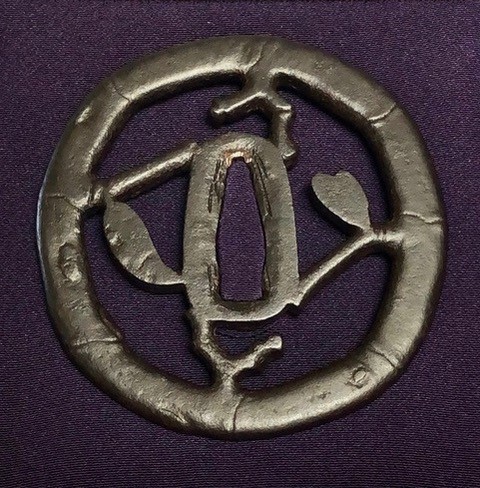
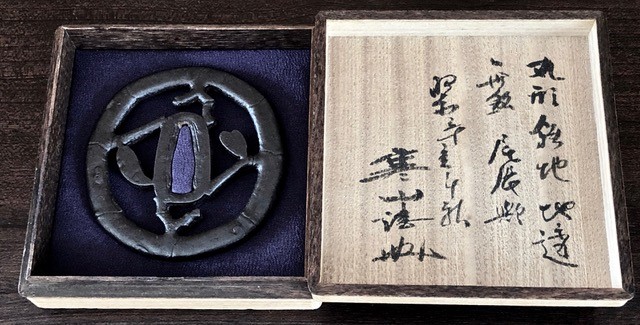
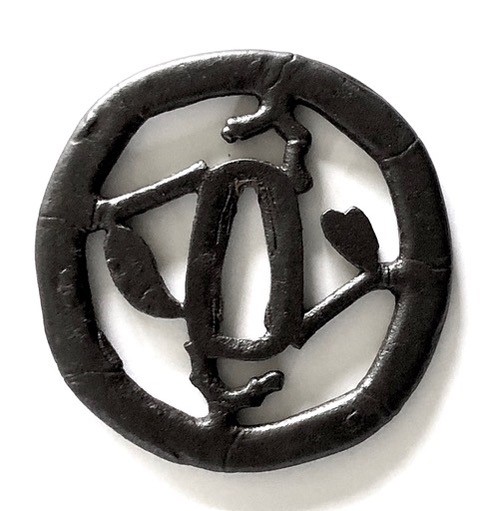
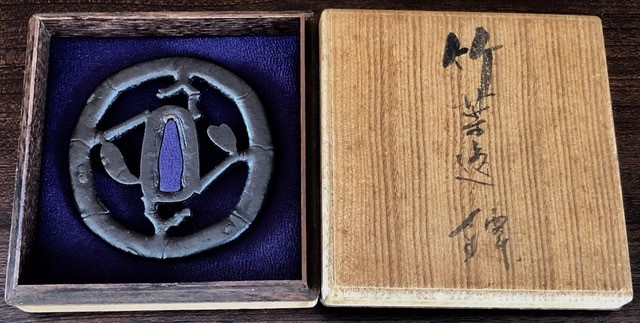
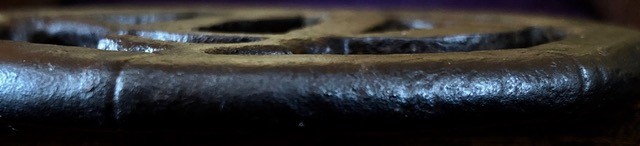
A Sukashi Tsuba of Bamboo Stems design, ( Oratake). Unsigned Owari. (Very similar to a Hayashi Matashichi Tsuba off the same design kept at the Kurokawa Institute of Ancient Culture, Hyogo Prefecture in the Kansai region of Japan’s main Island Honshu. A brief History of the Hayashi School: The first master of the Hayashi School ( Matashichi ) was born on the eighteenth year of Keicho(1613) and died in the twelfth year of Genroku at the age of 87. Matashichi’s works differ greatly depending on wether or not they have Zogan ( Inlaid work of Gold or Silver). His Sukashi Tsuba in general has quality Iron, carefully finished with sophisticated designs. His work is considered outstanding. Setsumei: ( Explanation) Sukashi Iron Tsuba of great quality Iron and showing Tekkotsu on the rim. Seppa Dai Thickness: 5mm The condition of this Tsuba is beautiful and has a rich dark granular texture and Tekkotsu on the rim and is in exceptional condition. The age of the Tsuba is early Edo period. This is a rare Tsuba and also has a Hakogaki (箱書き) (Box inscription) by Kanzan Sato. Highly recommended for the advanced Iron Tsuba collector and scholar. For centuries many characteristics of the OWARI school have been appreciated and held in high esteem by the Samurai, expressing their aesthetic standards. The Owari Tsuba started being made in the Oei era (1394-1427) and lasted until the Sword abolition law was enacted in the ninth year of Meiji 1876. It comes with NBTHK Tokubetsu Hozon Certificate attesting to it’s rarity and authenticity.
NihontoWatch取扱店 Connoisseur Arms
この作品は売約済みです

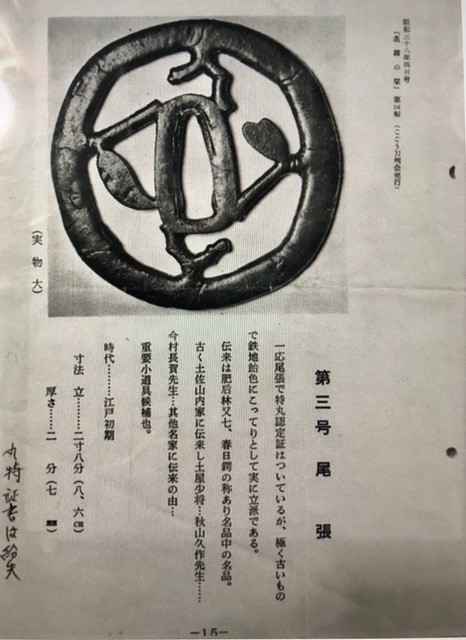
保存刀装具のうち、出来・保存状態が一層優れ、銘文や作風に資料的価値の高いものと認められたものです。
日本美術刀剣保存協会(NBTHK)は、1948年に設立され、文化庁の監督を受ける公益財団法人で、東京・刀剣博物館に本部を置きます。専門の審査員が出品作を直接審査し、美術的・歴史的価値に応じた鑑定書を発行します。NBTHKの鑑定書は、日本刀および刀装具の真正性を示す最も広く認知された基準です。
NBTHK公式サイトPurchases are final and items cannot be returned unless otherwise stated.