南朝が大和国吉野に都を置いたとき、大和の諸派は最盛期にあった。包永以後の手掻、尻懸則長、そして保昌の純然たる柾目である。その技はすでに諸国へ広がりつつあった。
 NihontoWatchNihontoWatch
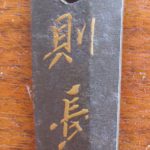
K79. Tanto in shirasaya with gold wash habaki. Nagasa: 10 7/8″ 27.6 cm. Sori: .4 cm. Moto haba: 2.4 cm. Moto kasane: .3 cm. Saki haba: 2.2 cm. Saki kasane: .3 cm. Kissaki nagasa: 13.7 cm. Nakago Nagasa: 3 7/8″ 9.8 cm. Overall in shirasaya: 19 1/2″ 44.3 cm Before I write my spiel, let me say that this was the most difficult sword to photograph I’ve ever had. Try as I might and for whatever reason, my pictures show very little of what is nice about this tanto and make what is normal grain structure in the blade look bad. I’ll try to be quite thorough with my description. This tanto, I believe, used to be a naginata. The mune in the kissaki was brought forward and the nakago was cut short, leaving what we have today. There is a shu-mei (lacquer attribution) to Yamato Shikkake Norinaga, signed by Honami Koson. Also included is a paper issued at a 1975 shinsa in California, giving the blade to Norinaga and with the date of 1394. The hada is masame with mokume, some of it tending large. The hamon begins in a narrow suguba with subtle hataraki and at the yokote it changes to the classic ko-gumome expected from Shikkake, on through the kissaki and out the back without kaeri, all in a consistant nioi-guchi covered in finest ko-nie. The blade is in polish and other than the large grain there is nothing that could be considered a defect. Shikkake is one of the 5 schools of Yamato Den. Norinaga’s father/master is thought to be the founder of Shikkake but since there is no work extant from him, Norinaga is the founder by default. Early Yamato naginata are rare; it is somewhat amazing that this has come down to us as a tanto. 14 ounces.
NihontoWatch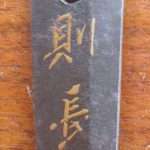


大和伝 · 大和
現在10点販売中
尻懸派は大和五派の一つであり、則長を事実上の祖として鎌倉時代末期から室町時代にかけて栄えた。則長には文保三年四十八歳、暦応三年六十九歳と行年を切った短刀が現存し、それによって逆算すると文永九年の生まれであることが分かる。同銘の継承は鎌倉末期より室町時代にわたって見られ、『鍛冶銘早見出』は三代を応永、四代を永亨頃としている。同派の祖は則弘と伝えるが、確実な作を見ず、則長が実質的な流派の祖と見做されている。僧兵を抱えた有力寺院が位置する大和鍛冶に薙刀の作が多いのは当然であるが、その中でも尻懸派と鑑せられる薙刀が最も多く、南北朝期の長大な薙刀が生ぶ茎で伝来している例は極めて稀である。 作風は大和物一般に共通する様式を示すが、鎬幅広く鎬筋の高い造込みに、板目が目立って流れる鍛えを見せ、地沸厚くつき、地景頻りに入り、沸映り立つものもある。刃文は直刃基調であるが、直刃調に小互の目が頻りに連れて交じる点に大きな見処と個性がある。刃縁には頻りにほつれ、二重刃・喰違刃・湯走り・打のけ・砂流し・金筋などの働きが見られ、匂口明るく冴える。帽子は乱れ込み、さかんに掃きかけて火炎状となるものや焼詰め風となるものがある。『紛寄論』には「是も多分すぐ焼刃にて当麻とたがひの出来ふできにて紛るる作也、併当麻ほどは地つまらずしてしほ相うすく、位のおとるを以て尻懸と知べし」[[c:1]]とあり、その見方をよく言い尽している。 尻懸派の作は在銘作が少なく、無銘極めとなるものが大半を占めるが、本阿弥家の鑑定によって伝世してきたものが多い。地鉄は板目に杢目・流れ肌を交え、肌立ちごころとなり、総じてよく錬れてつみ、地沸微塵に厚くつき、地景太く頻りに入る。刃文は中直刃調に小互の目が元から先まで連れ、足・葉繁く入り、小沸よくつき、刃縁にほつれ・二重刃・喰違刃・湯走り現われ、金筋・砂流し細かにかかり、光の強い沸が厚くついて明るく冴える。特に小互の目の連れた刃縁に光の強い沸をあしらった喰違刃のかかる状には、徳川本家に伝来し重要美術品の則長在銘作を思わせるものがあり、尻懸派の特色と美点を十二分に現わした作が多く残されている。 詳しく見る →
南北朝時代の大和
南朝が大和国吉野に都を置いたとき、大和の諸派は最盛期にあった。包永以後の手掻、尻懸則長、そして保昌の純然たる柾目である。その技はすでに諸国へ広がりつつあった。
3-day return window from receipt.