大坂は町人の都であり、刀も金の流れに従った。脇差一腰しか許されぬ町人のための贅沢な作、助広の濤瀾乱れ、大坂正宗と呼ばれた真改。率直に言えば、見られるために作られた刀である。
 NihontoWatchNihontoWatch
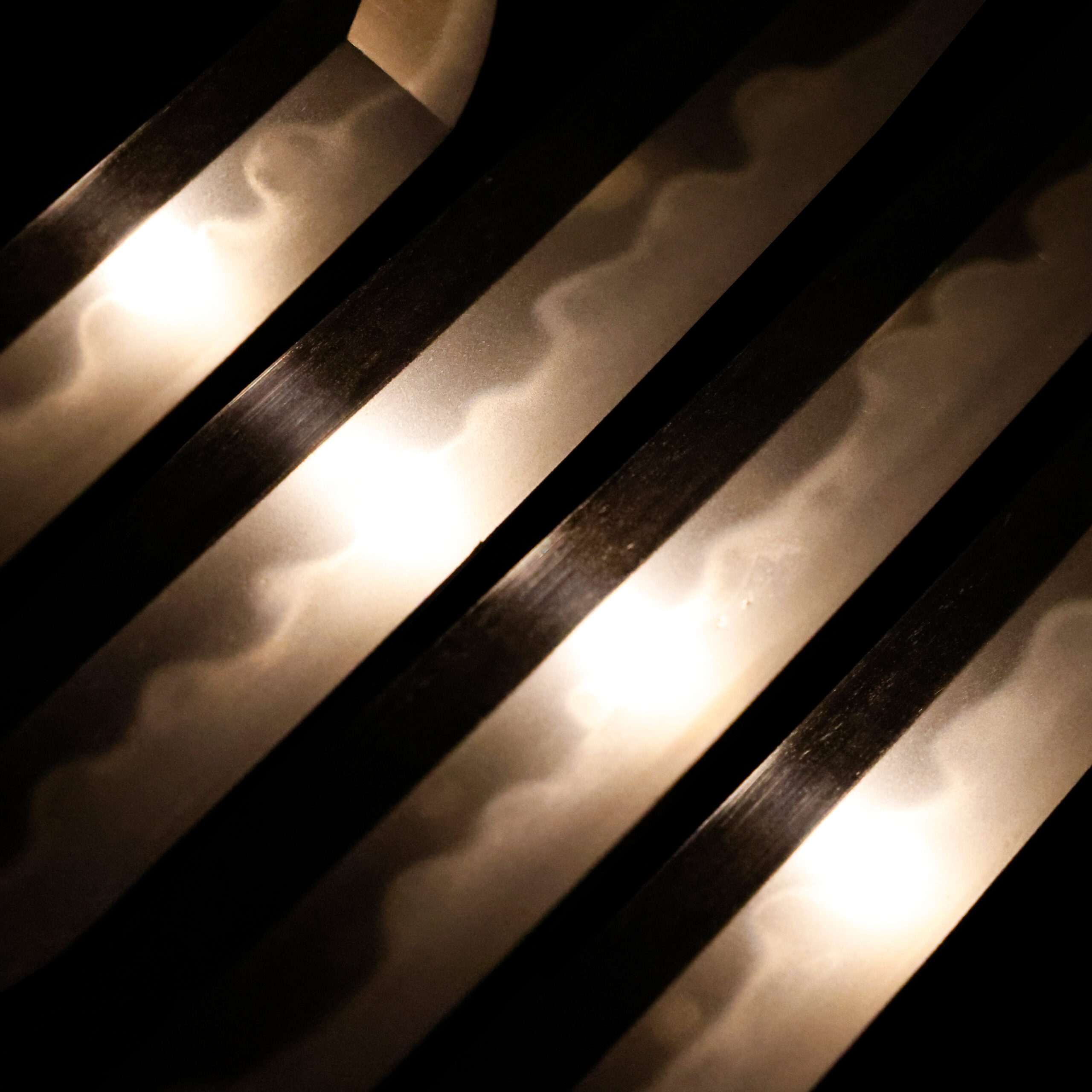
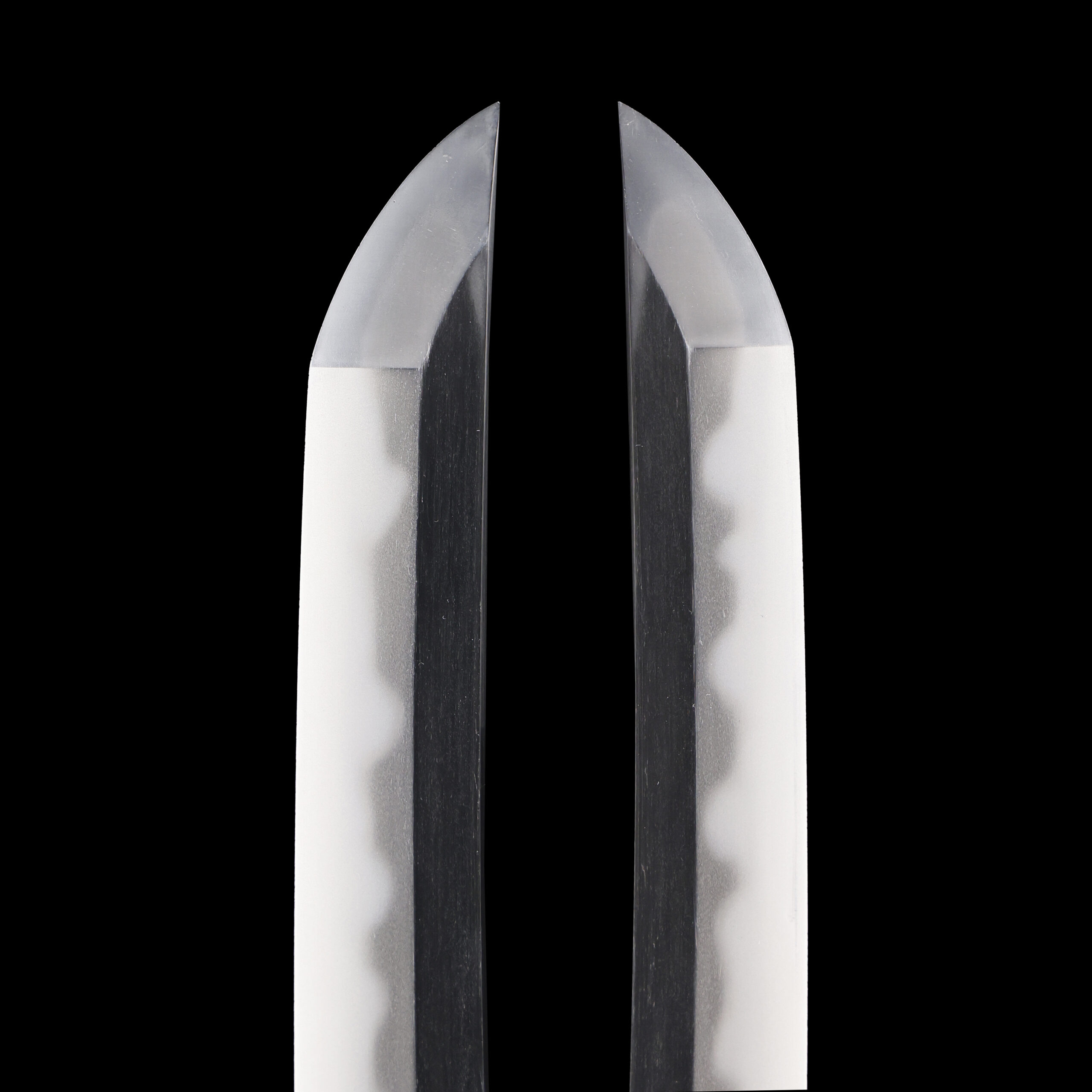
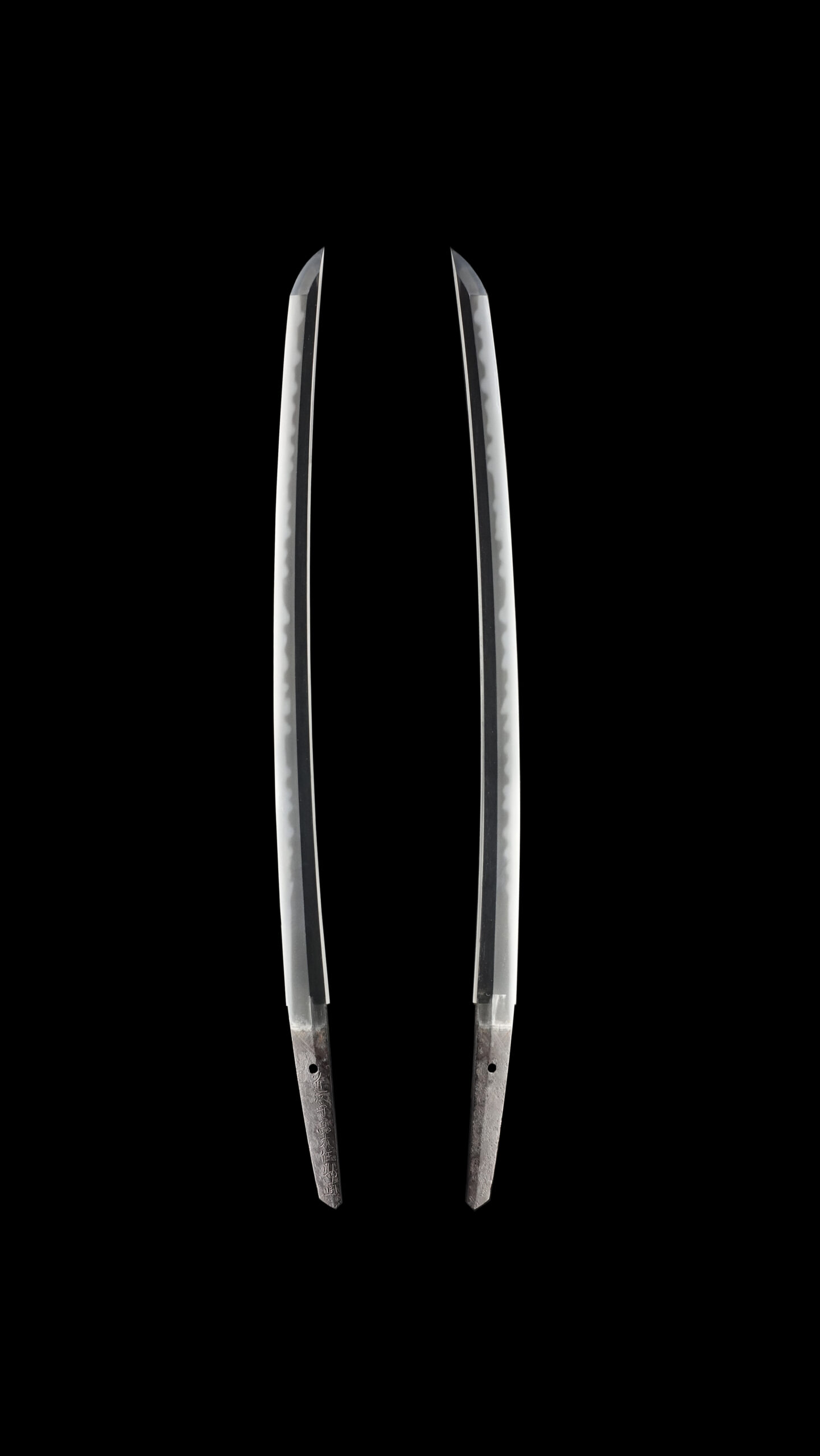
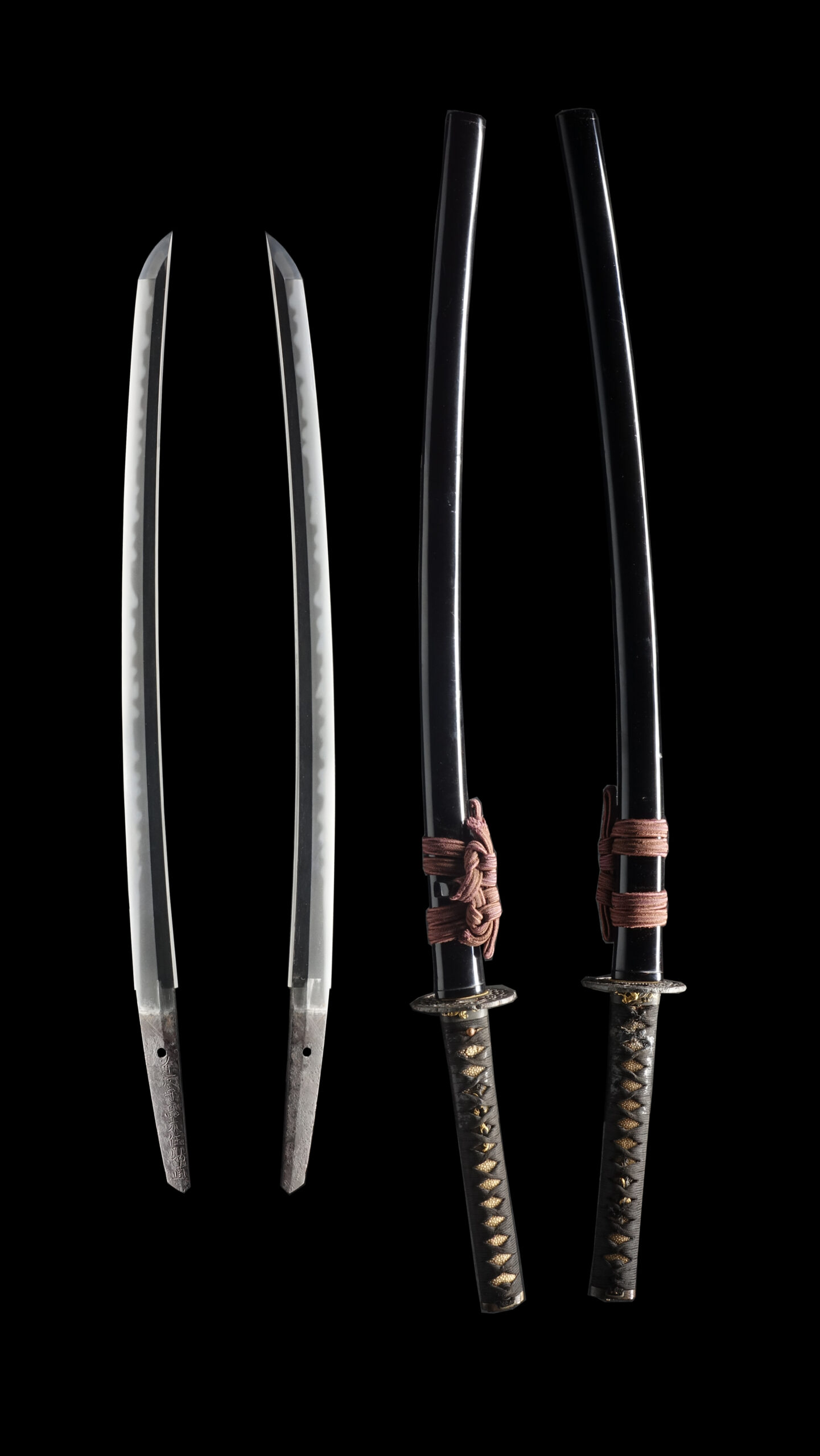
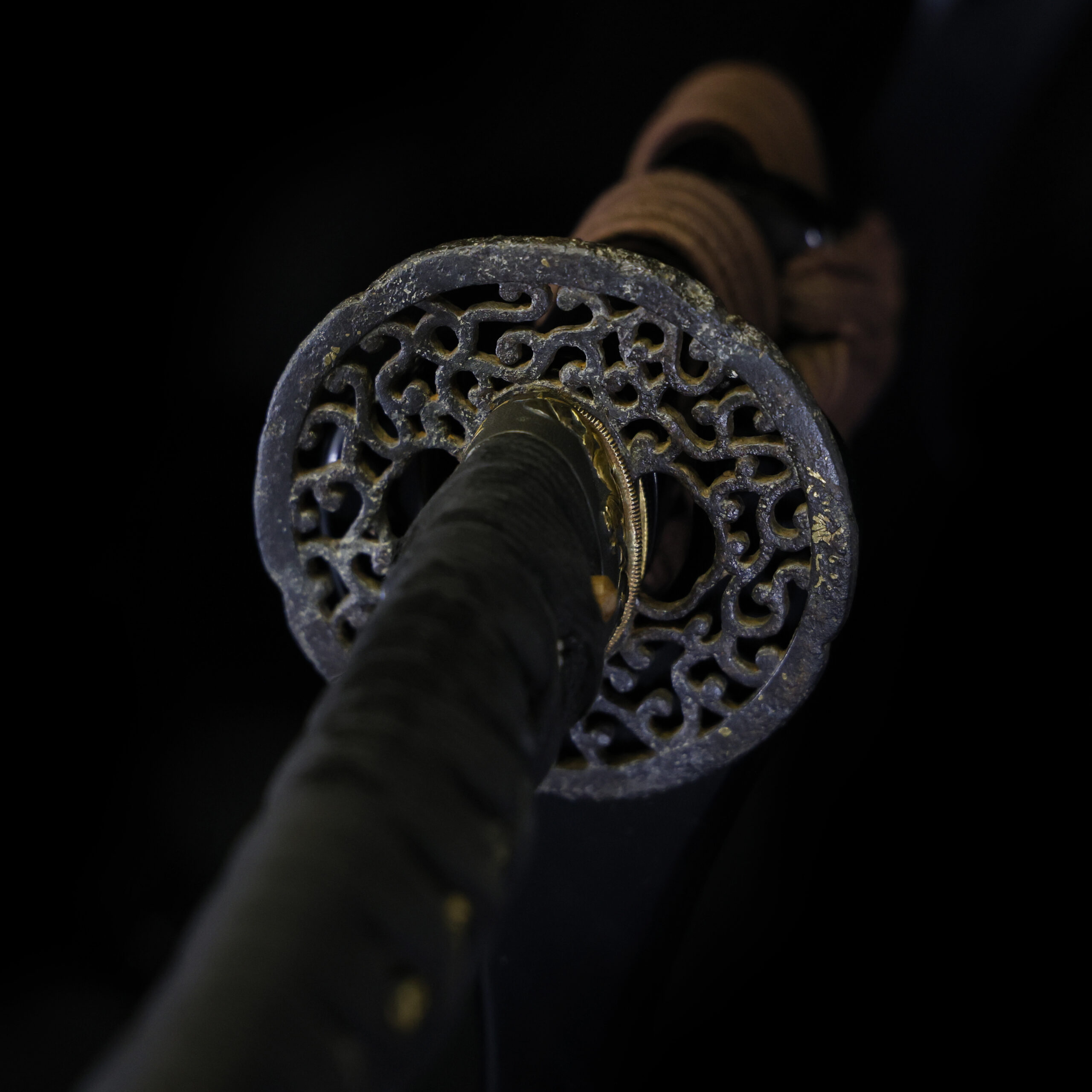
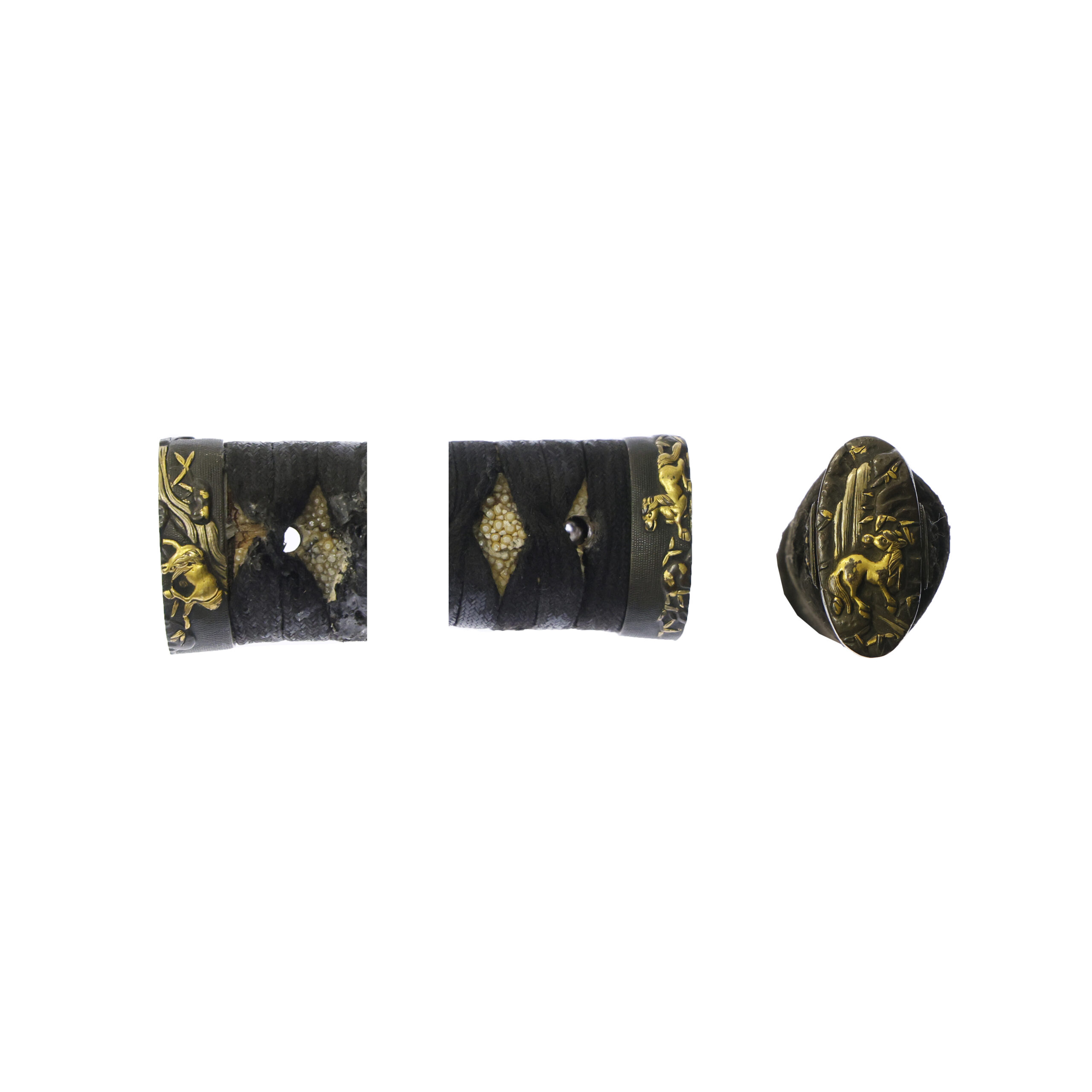
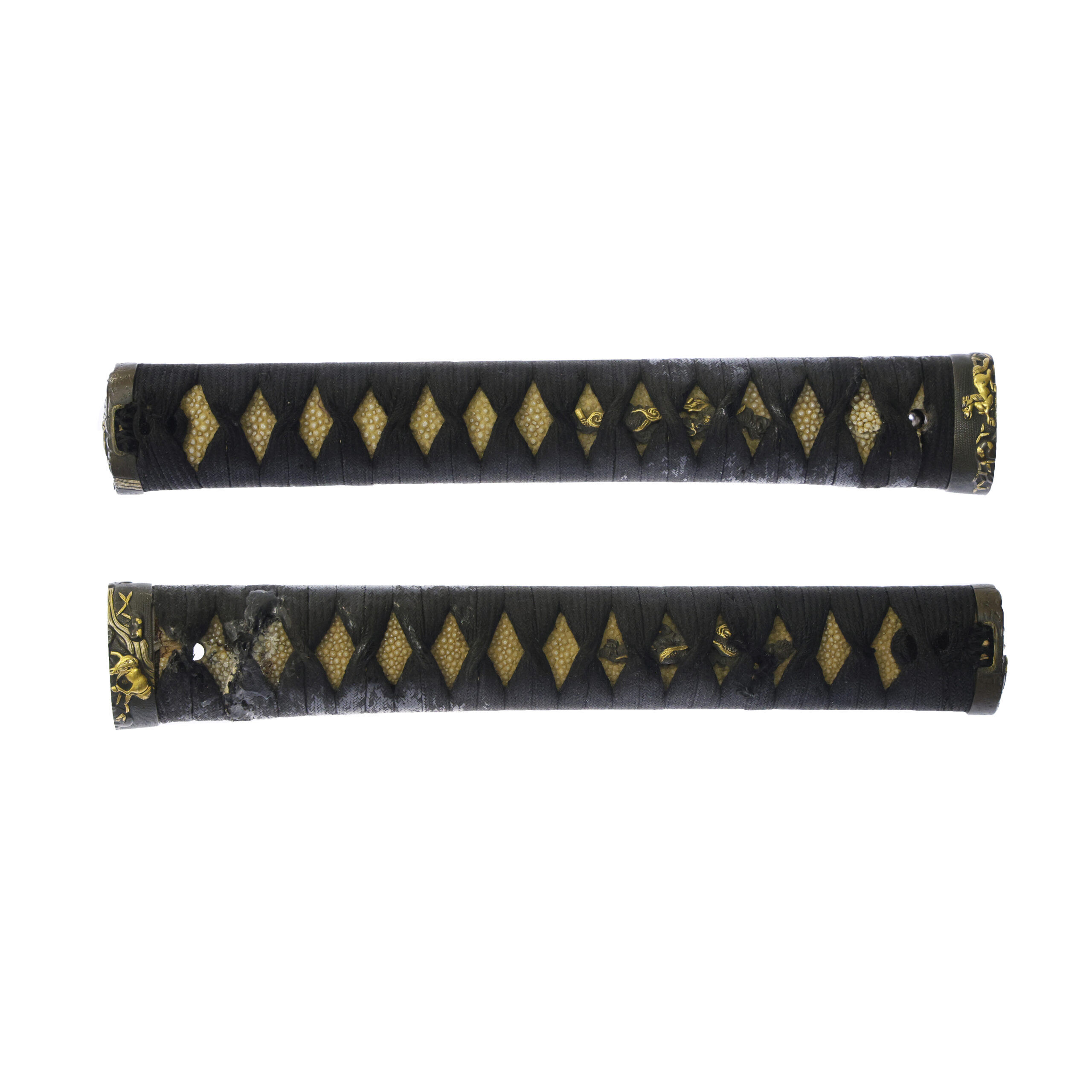
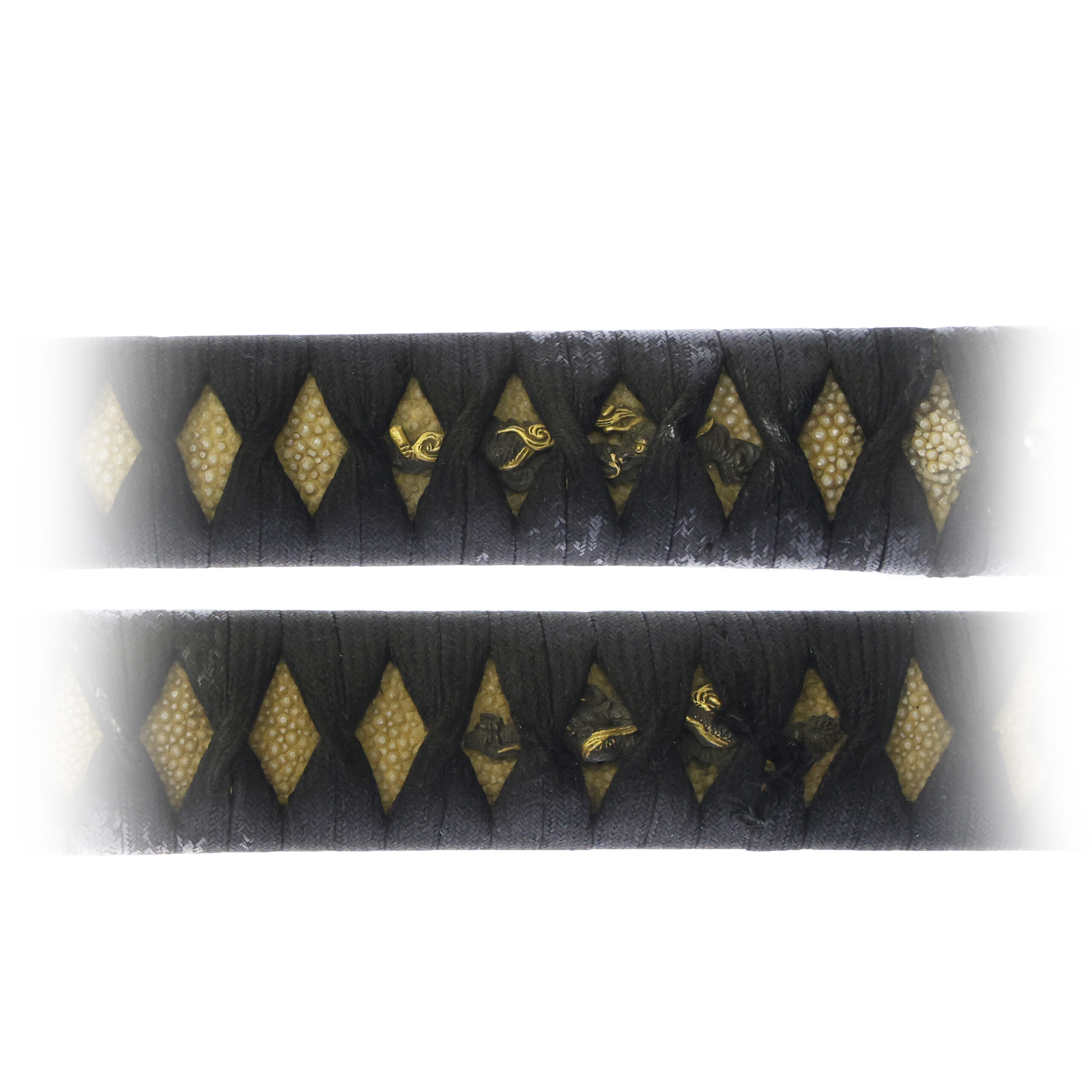
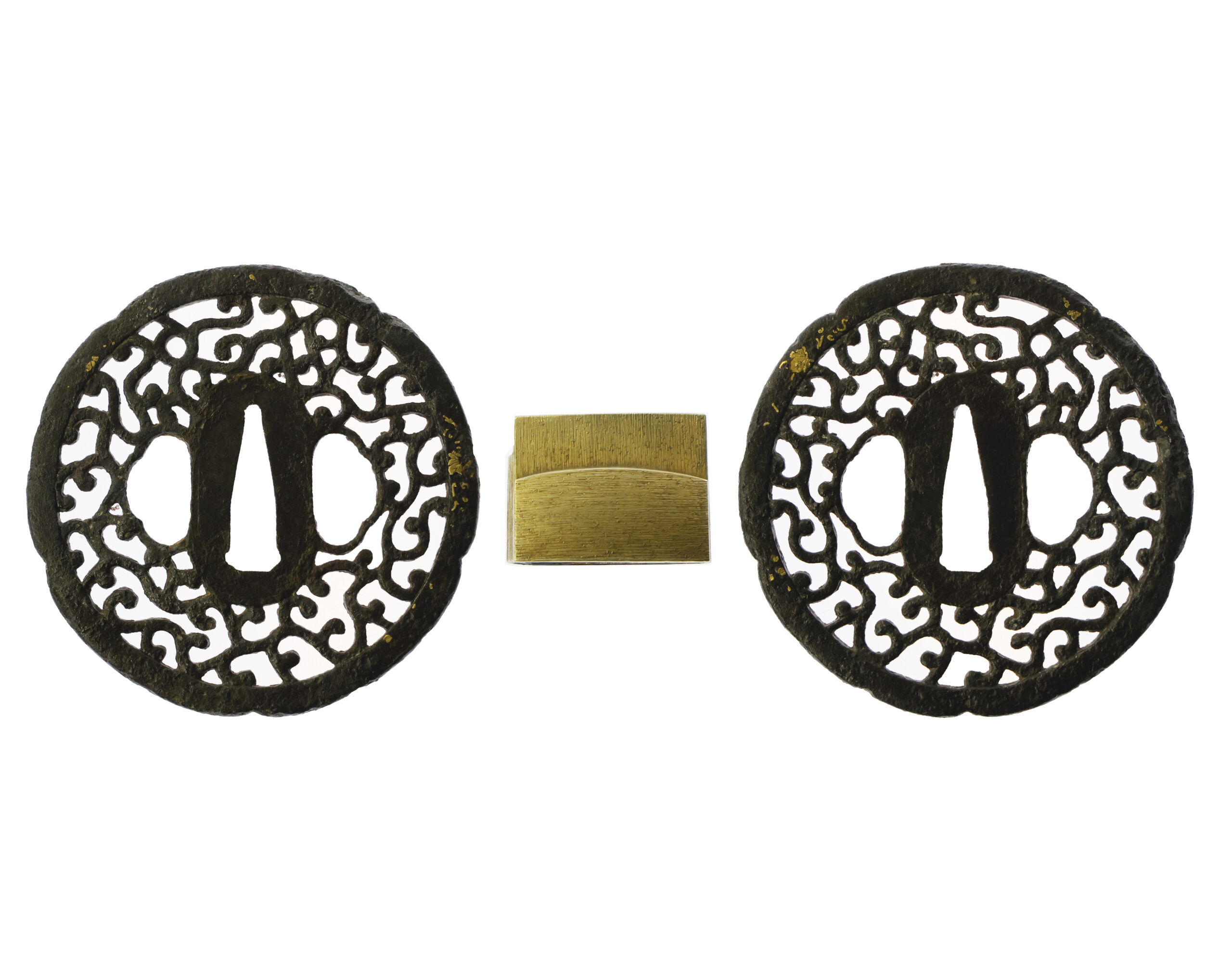
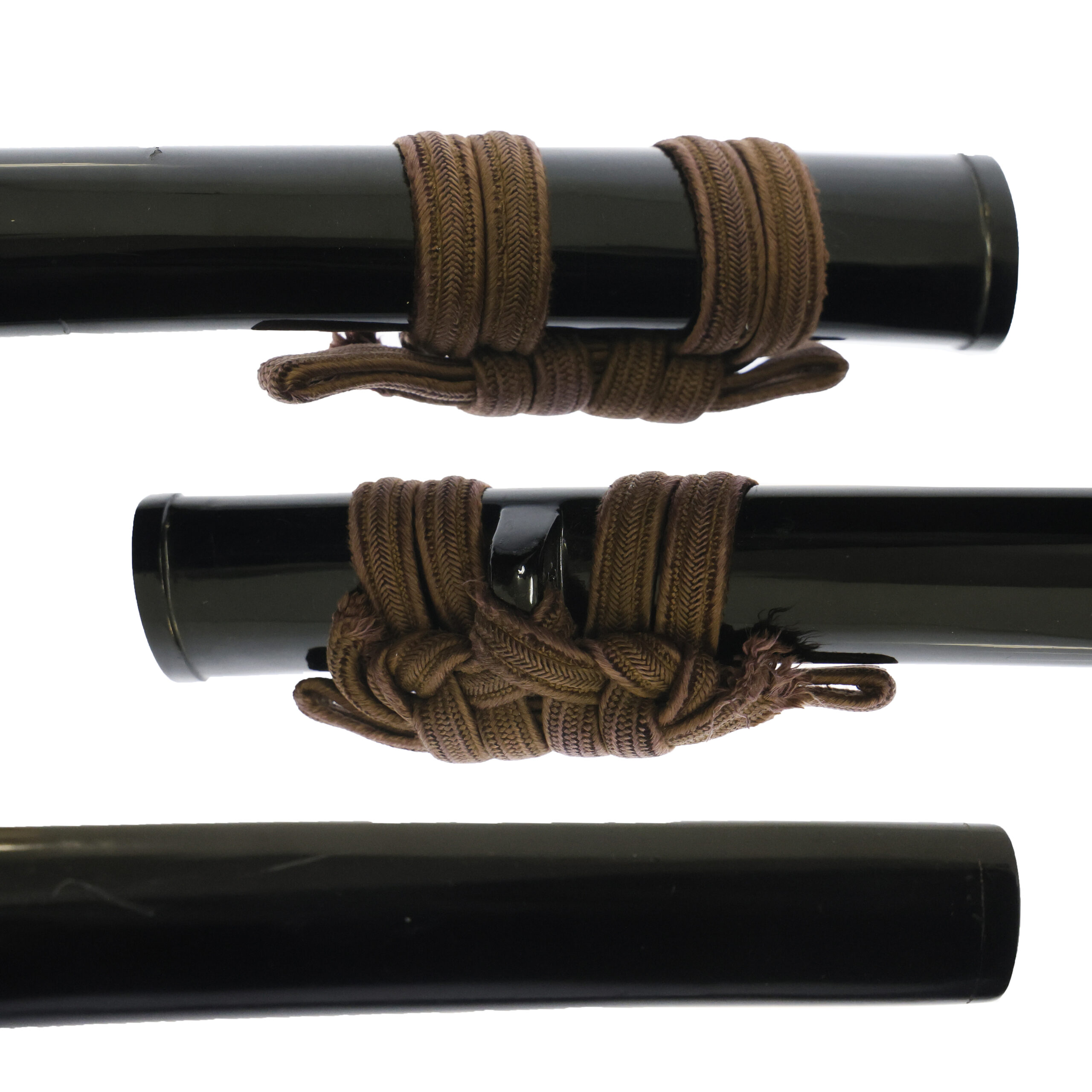
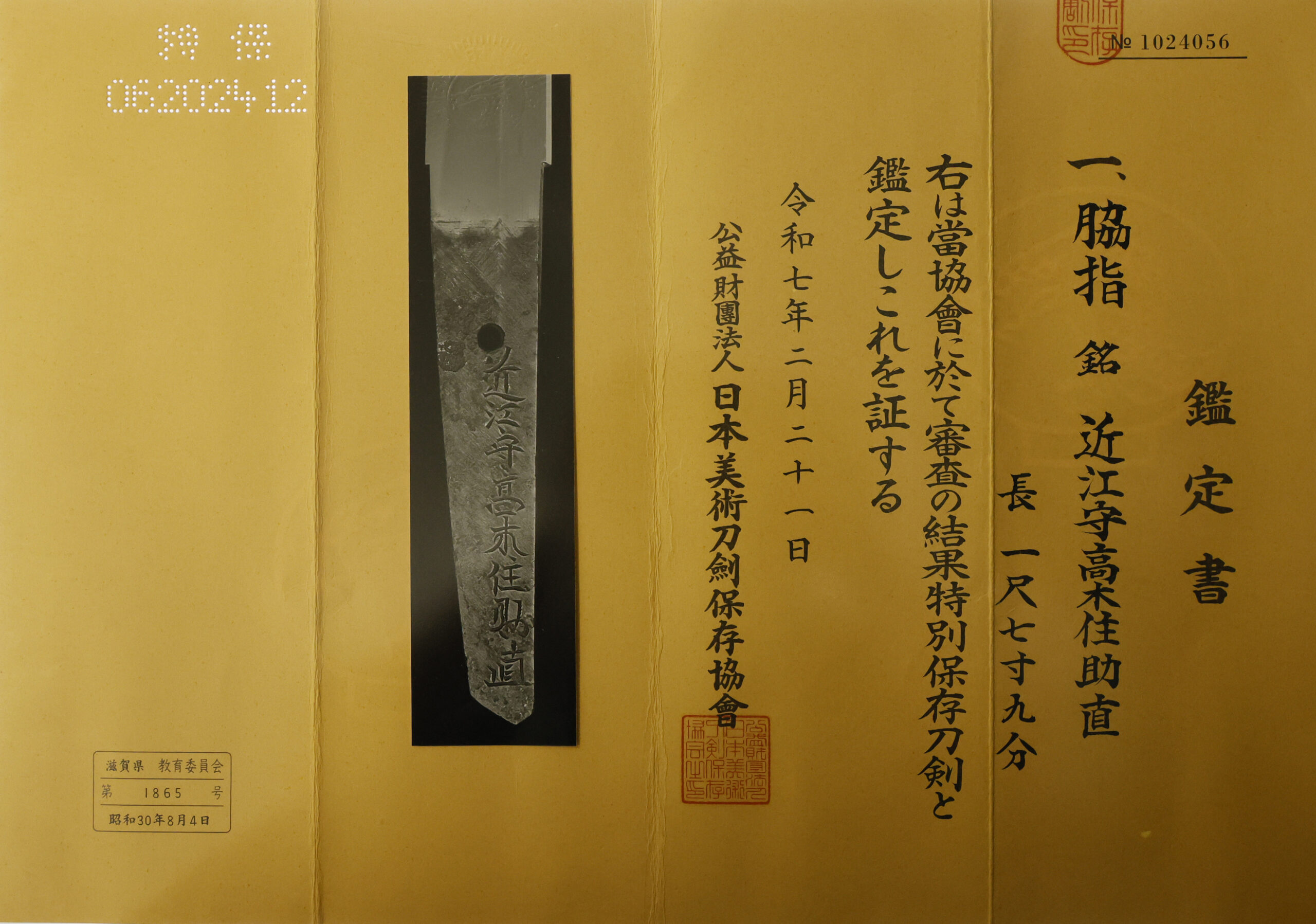
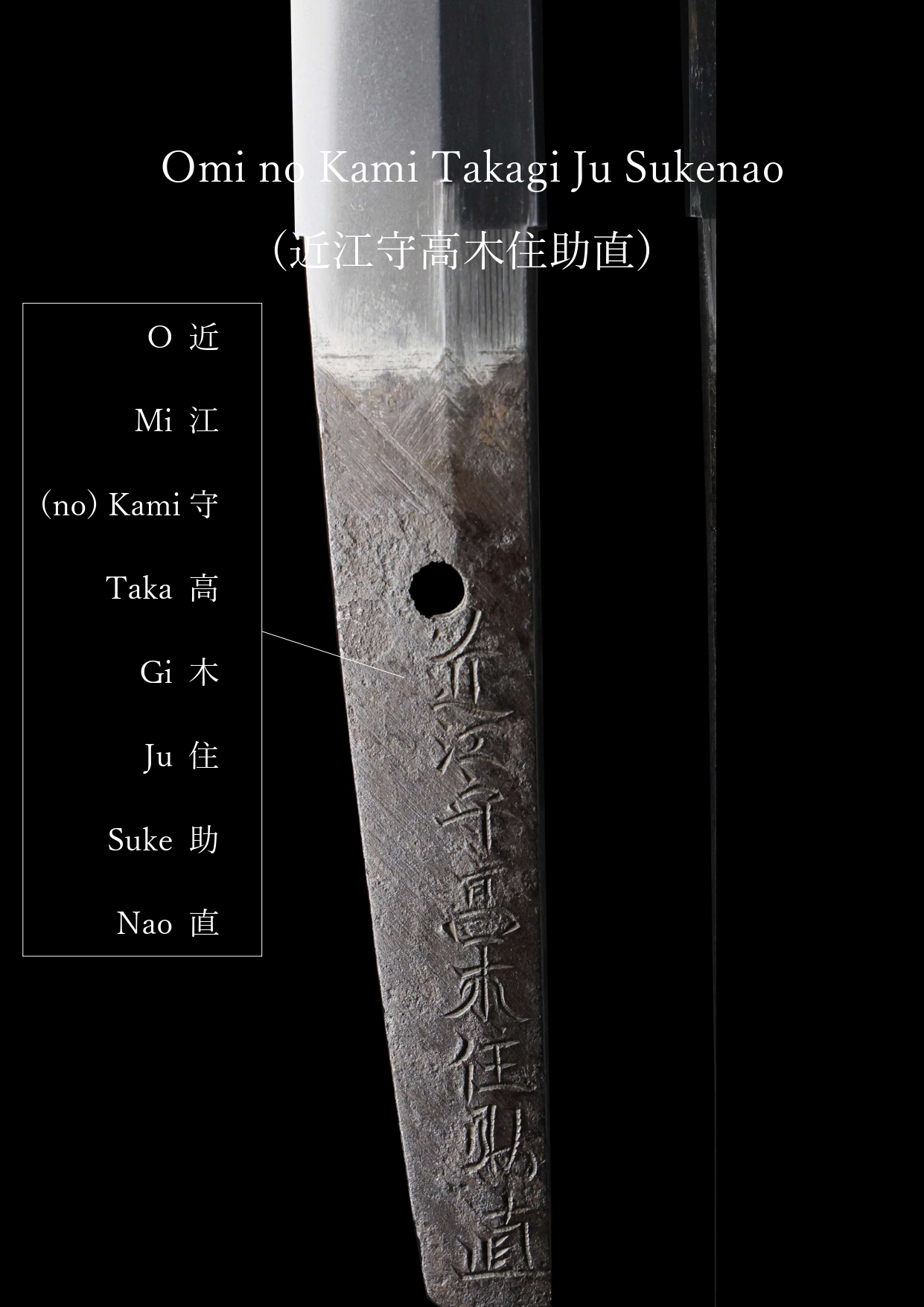
This blade was signed by Omi no Kami Takagi Ju Sukenao (近江守高木住助直) during the mid-Edo period, in the late 17th to late 18th century. He was an apprentice of Tsuda Echizen no Kami Sukehiro (津田越前守助広), one of the most famous swordsmiths during the early Edo period in Osaka. Sukenao, born in the 16th year of the Kan-Ei era (1639) in Omi province (Today’s Shiga prefecture), learned the art of sword-forging from Sukehiro. In 1675, he married Sukehiro’s daughter and was given the Tsuda family name. Returning to Omi province, he continued to forge blades. However, after Sukehiro’s passing in 1682, he moved back to Osaka and took over Sukehiro’s school. It is said that he was active by the end of the 17th century. His exceptional craftsmanship was recognized by the imperial court, and he was honored with the title of Omi no Kami, adding to the prestige of this signed blade. Osaka Shinto The blades forged by Sukenao are categorized as Osaka Shinto. Shinto is Japanese Sword terminology that refers to the swords forged during 1596-1781. The blades made in the Osaka area during this period are called Osaka Shinto. There are many famous swordsmiths in this Osaka Shinto era. After Hideyoshi Toyotomi built Osaka Castle, Osaka City flourished as a castle town and became a business center. Many swordsmiths moved to Osaka to look for better opportunities. They not only forged swords for those Samurai who lived in Osaka but also for feudal lords nationwide. Ikanshi Tadatsuna (Awataguchi Omi no Kami Tadatsuna), Inoue Shinkai (his son), and Tsuda Sukehiro are the most famous among many swordsmiths. One of the most striking features of Osaka Shinto swords is the beauty of their Jigane, a visible steel surface pattern created by folding and hammering during the forging process. This beauty was made possible by the unique geographical advantage of Osaka. The city had direct access to the Tamahagane production sites, which provided the high-quality carbon steel necessary for crafting these exceptional swords. This proximity to the source of their raw materials speaks to the resourcefulness and ingenuity of the swordsmiths of Osaka It is appraised as a Tokubetsu Hozon Token (特別保存刀剣) issued by NBTHK (Nihon Bijutsu Touken Hozon Kyokai: 日本美術刀剣保存協会). *Please keep in mind that there are a couple of Kitae Kizu on this blade. *Please keep in mind that the Koshirae for this Wakizashi is much longer than the blade and we presume its size is one made for a Katana. Fuchi-Kashira This fuchi-kashira features a horse (馬, Uma) design. For samurai, the horse was not only an essential companion in battle but also held significant cultural meaning in Japan. The horse symbolizes strength, nobility, and loyalty, reflecting qualities that were highly valued by the samurai. In Japanese culture, the horse is also seen as a symbol of grace, freedom, and connection to nature, often appearing in various forms of art and tradition. Tsuka and Menuki Tthe motif of this Menuki is the dragon (龍, Ryu). Initially, the dragon is an imaginary creature found in ancient Chinese traditions or myths. Furthermore, it is regarded as a symbolic beast of auspicious signs. Its body is likened to nine animals: antlers are deer, the head is a camel, eyes are demons, the neck is a snake, belly is Mizuchi (蛟, mythical animal in Japan which looks like a snake and have a horn and four legs), scales are fish, claws are falcons, palms are tigers, and ears are cows. It was thought that the dragon would reign at the top of all animals because of its odd-looking appearance. In ancient China, the dragon pattern was used for emperors’ clothing so that people strictly defined its shape or even the number of nails. On the other hand, the dragon pattern does not have detailed rules to represent classes in Japan. However, still, it maintains its meaning as the all-purpose auspicious pattern. Also, in Japan, there is a belief that worships dragon as a water god and is called Ryujin Shinkou (竜神信仰). Since rice cultivation flourished in this country, water is always an essential resource. Therefore, the dragon motif has been familiar to Japanese people since a long time ago. Tsuba and Habaki Considering its appearance, we believe this tsuba can be categorized as a Nanban tsuba (南蛮鐔). Nanban tsuba are typically circular or mokkō-shaped (木瓜) and often feature dragons, foreign scripts, or arabesque designs (唐草文様, karakusa-monyō) engraved and inlaid with gold or silver on thin iron. The karakusa (唐草) pattern is a traditional Japanese motif symbolizing good fortune (吉祥, kisshō). Introduced from China via the Silk Road, it has been widely used in Japanese crafts, including sword fittings. This continuous vine pattern represents longevity, prosperity, and the unbroken lineage of samurai families. It was also believed to ward off evil and provide protection, making it a favored design among samurai. Authentication Paper They authenticated the blade on February 21st in the 7th year of Reiwa (2025). They appraised it as Tokubetsu Hozon Touken, the blade especially worth preserving for Japanese society.
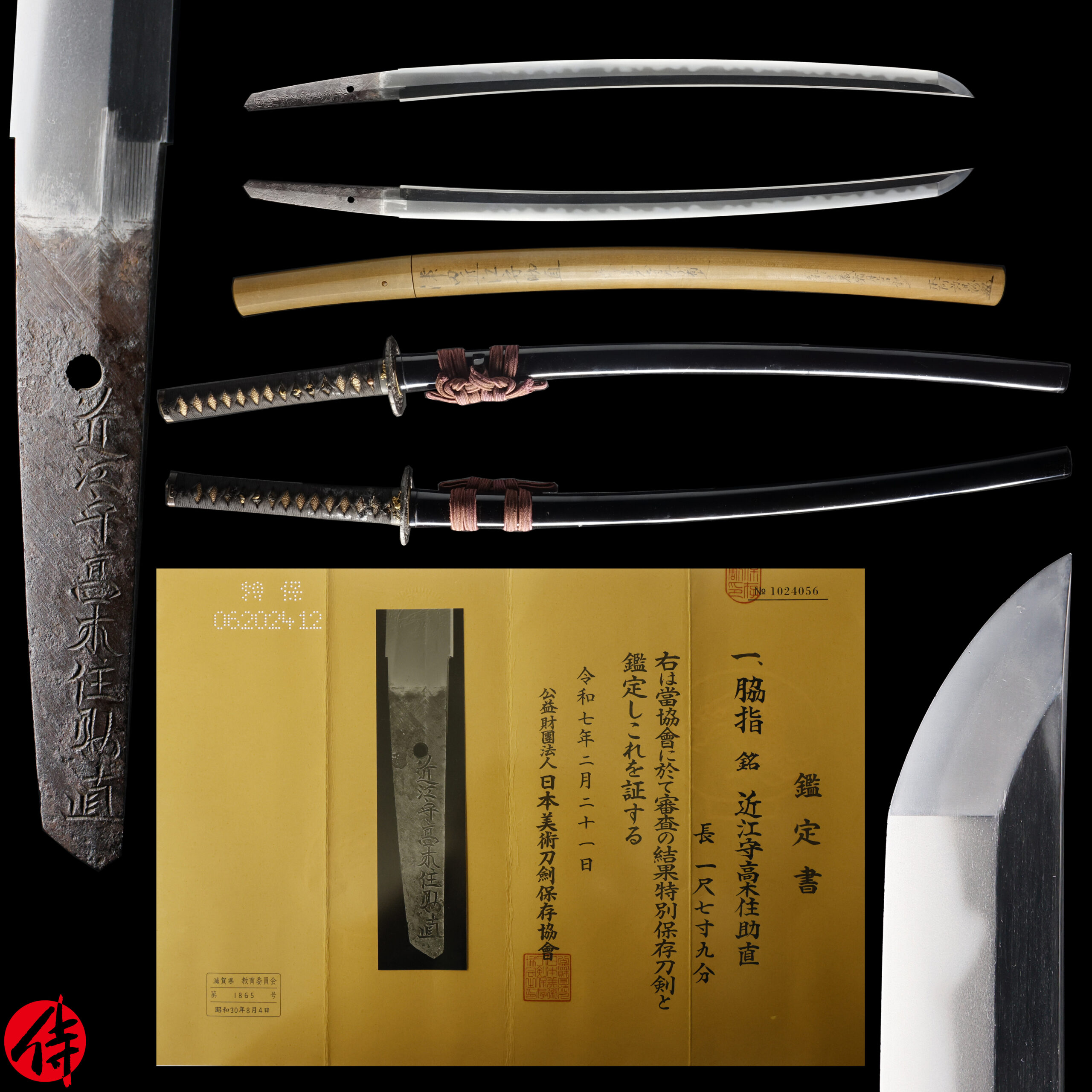
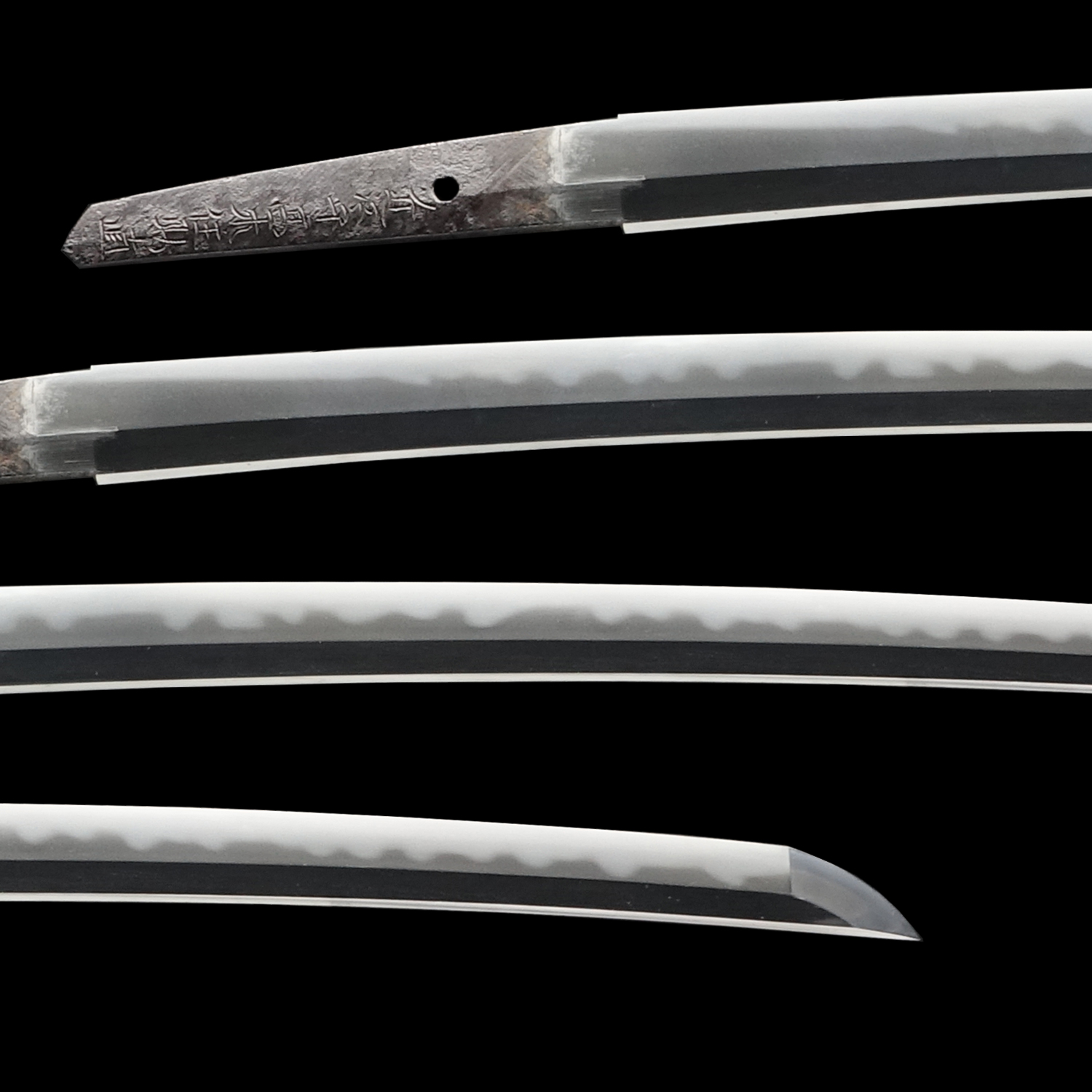
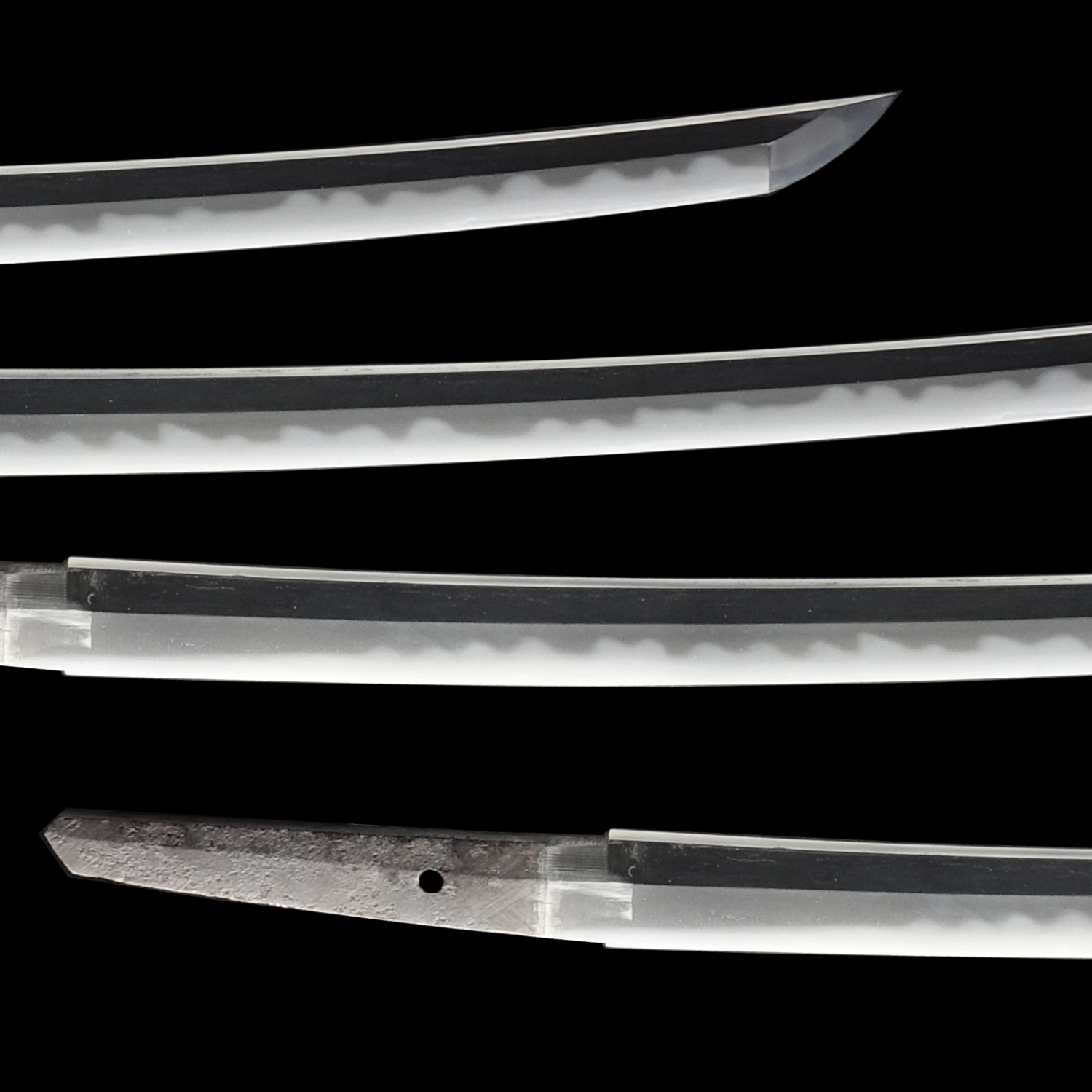
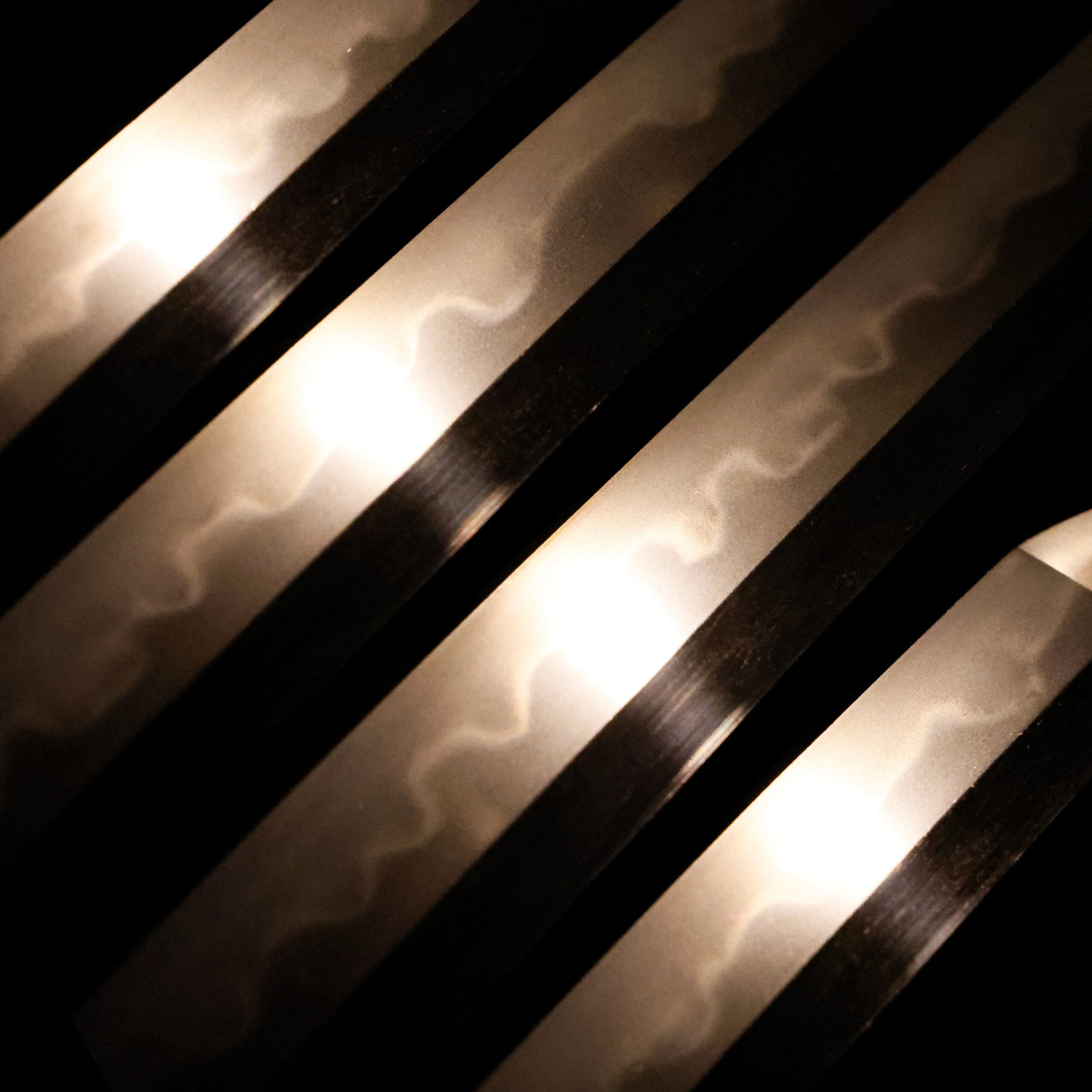
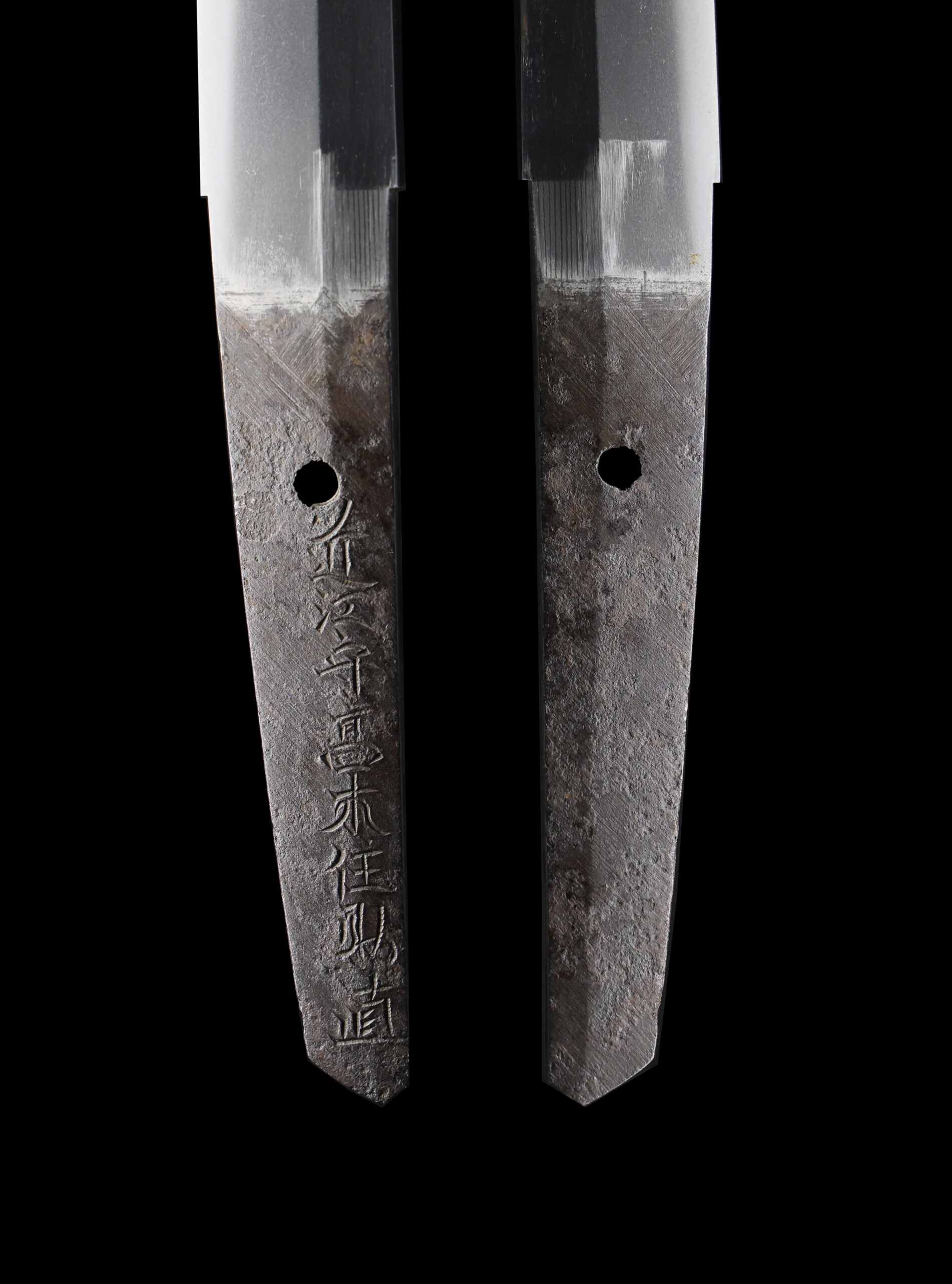
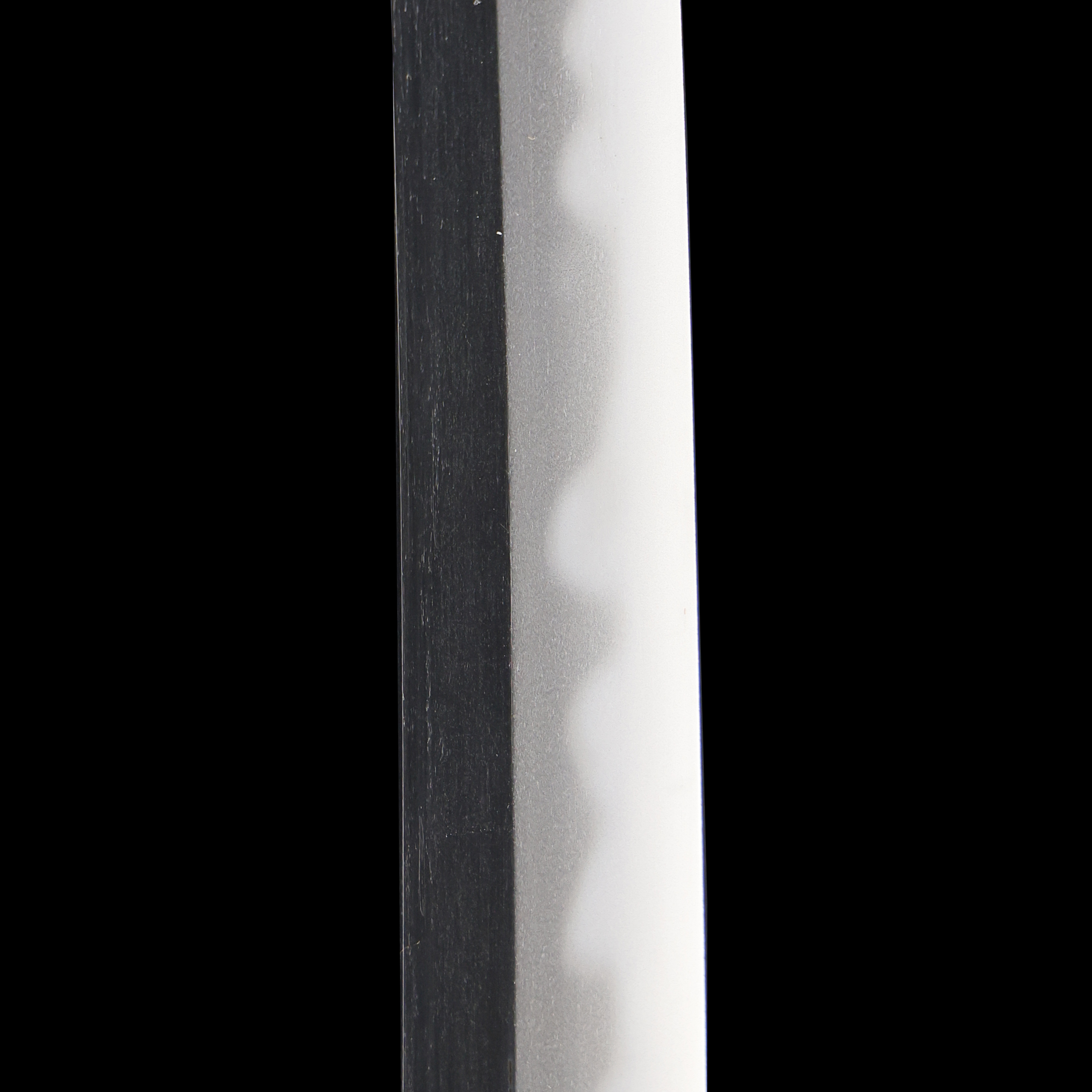
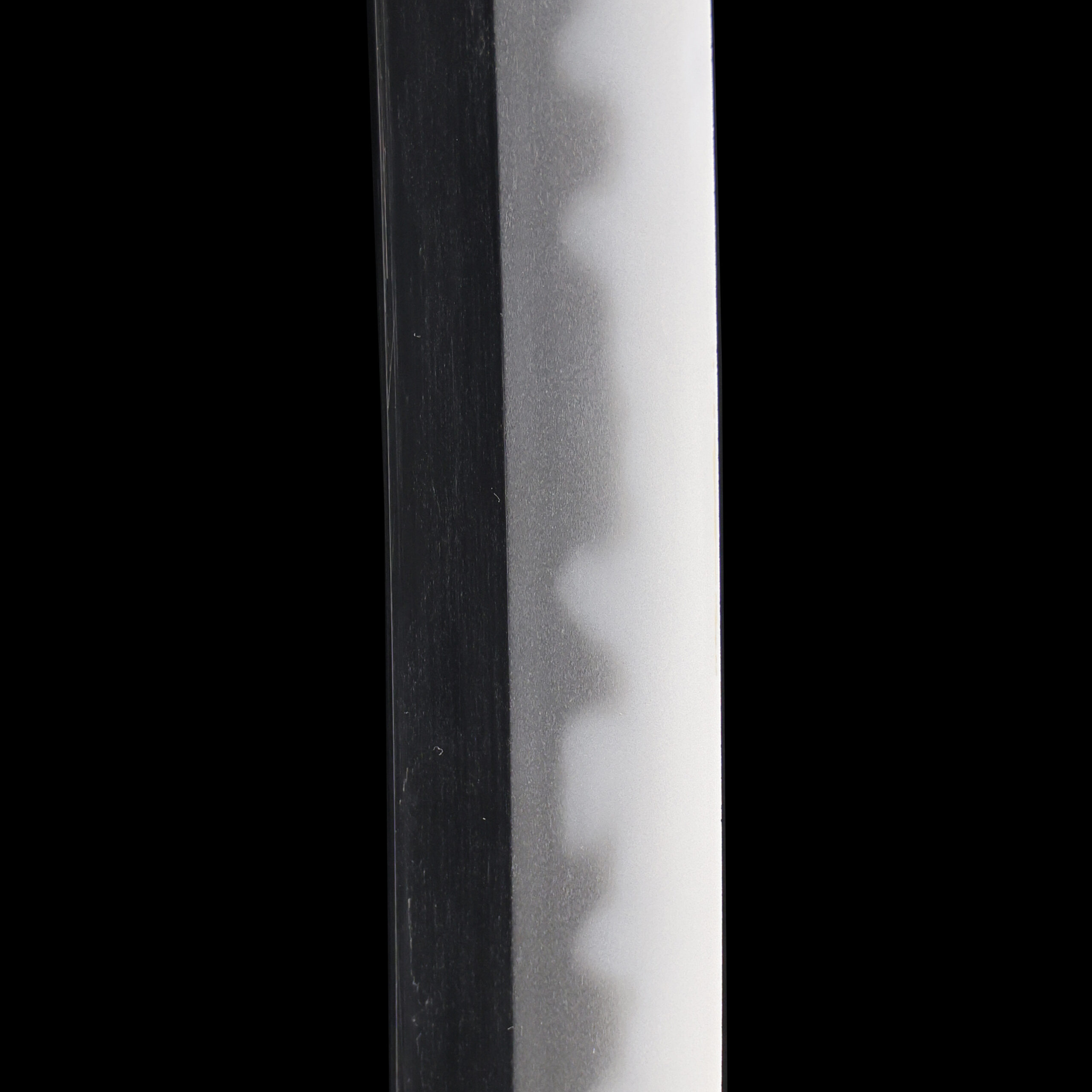
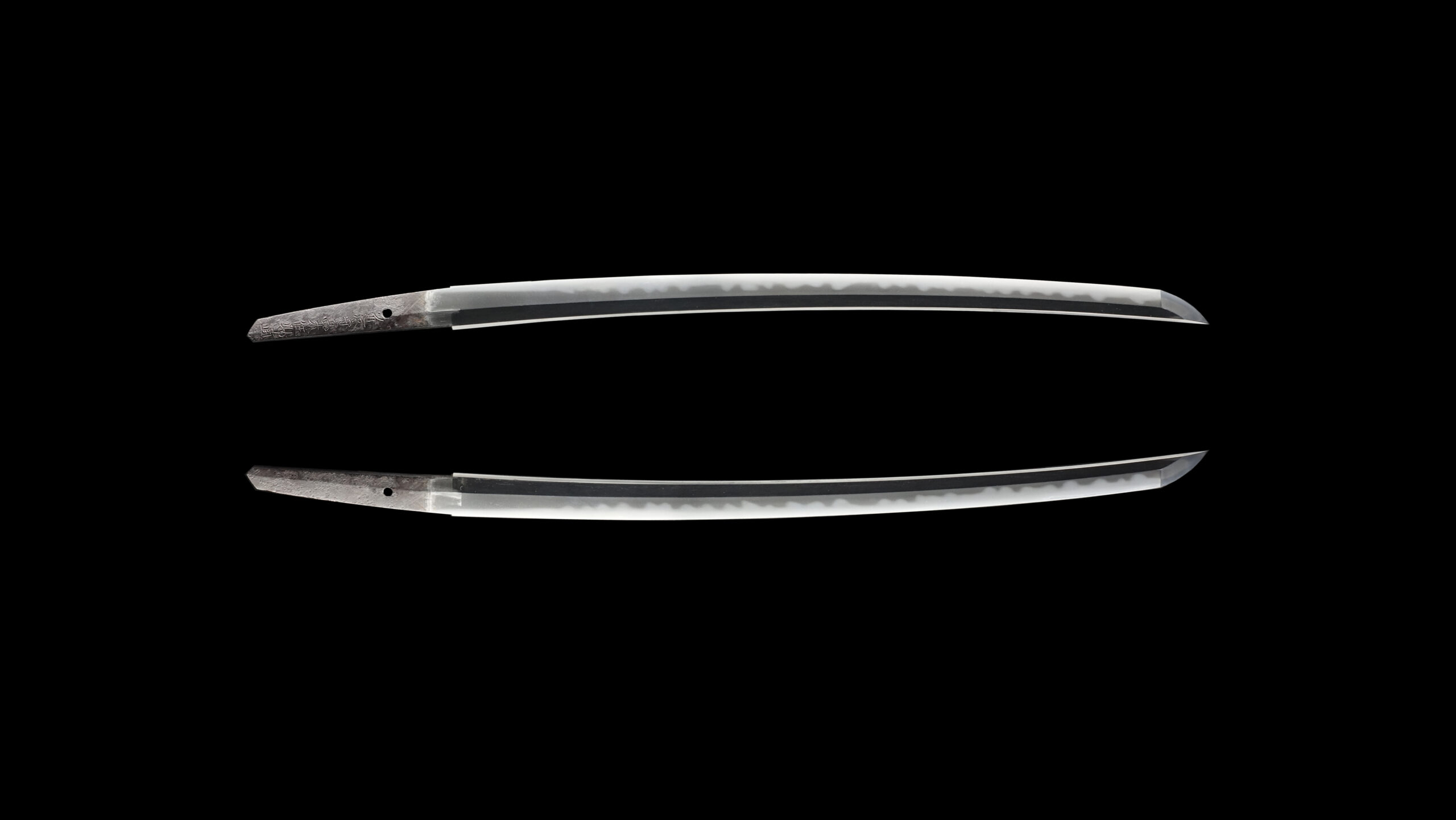
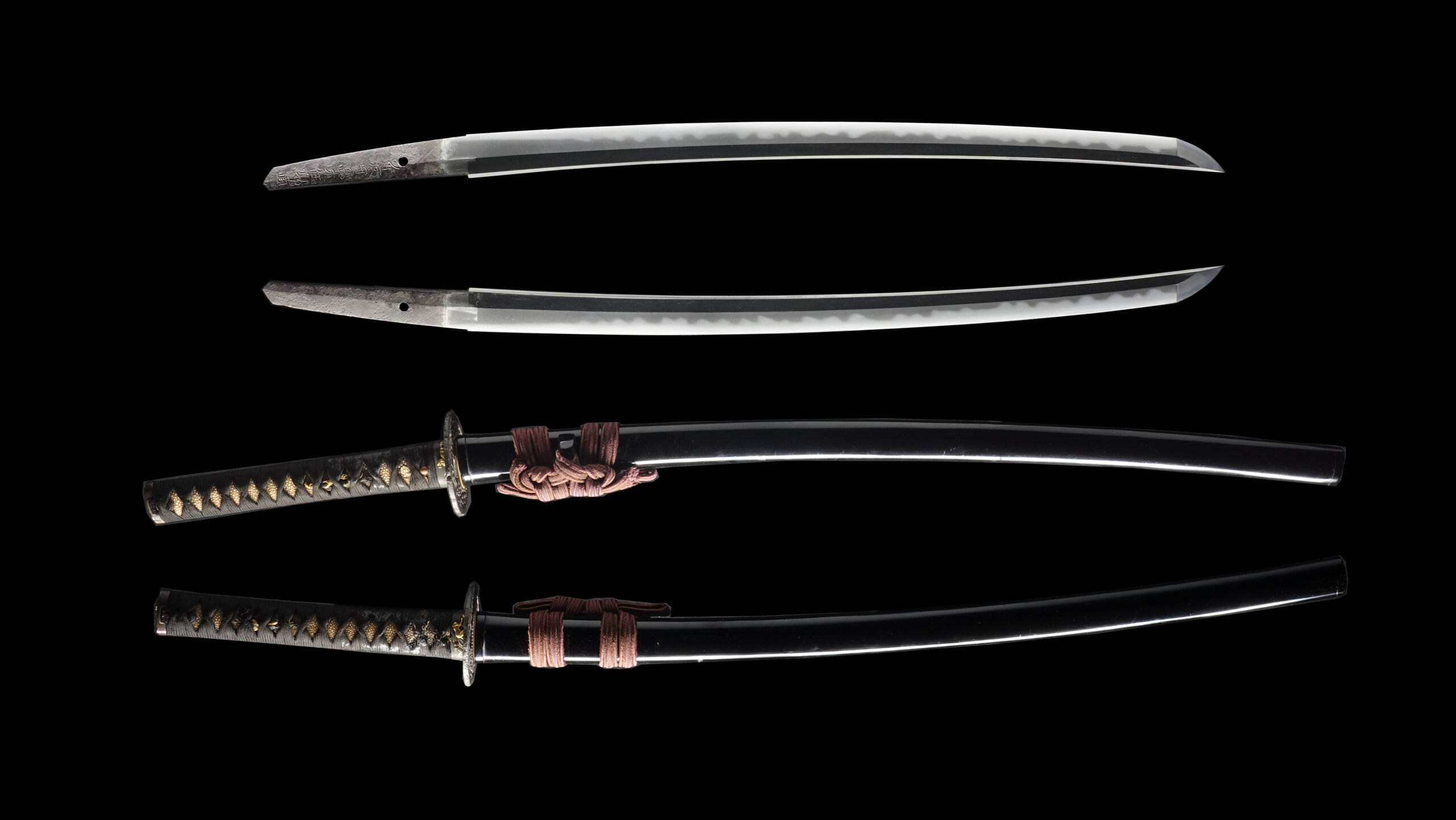
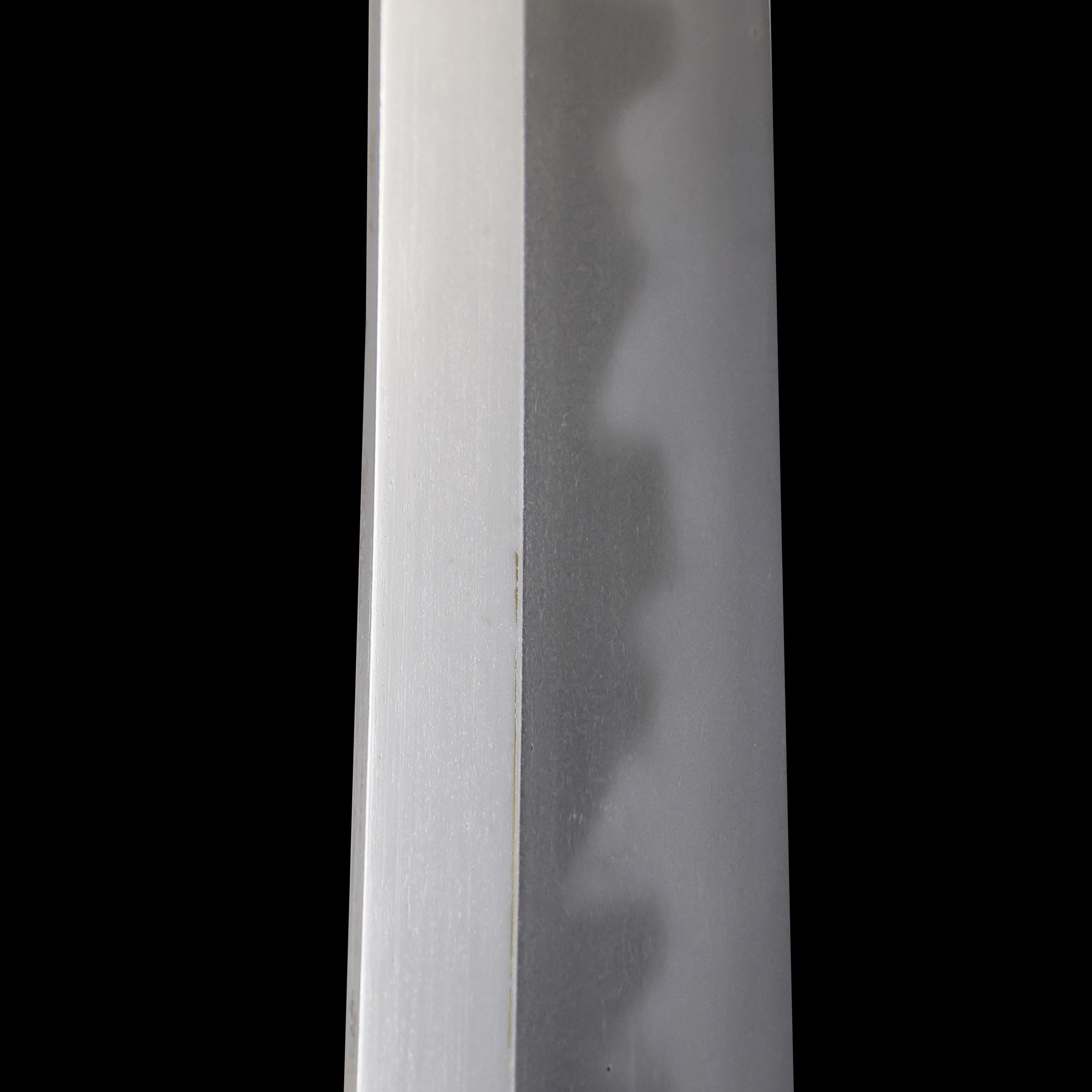
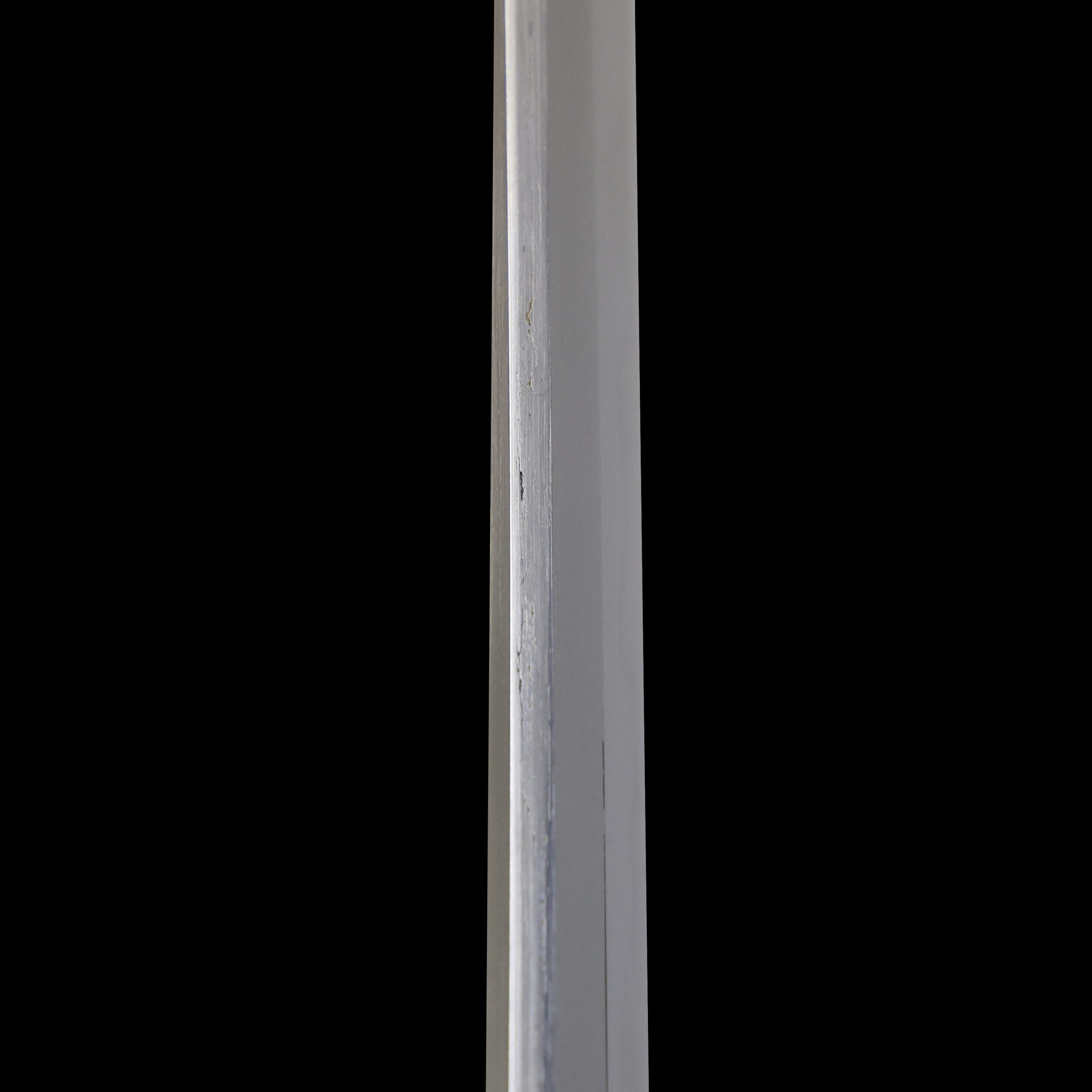
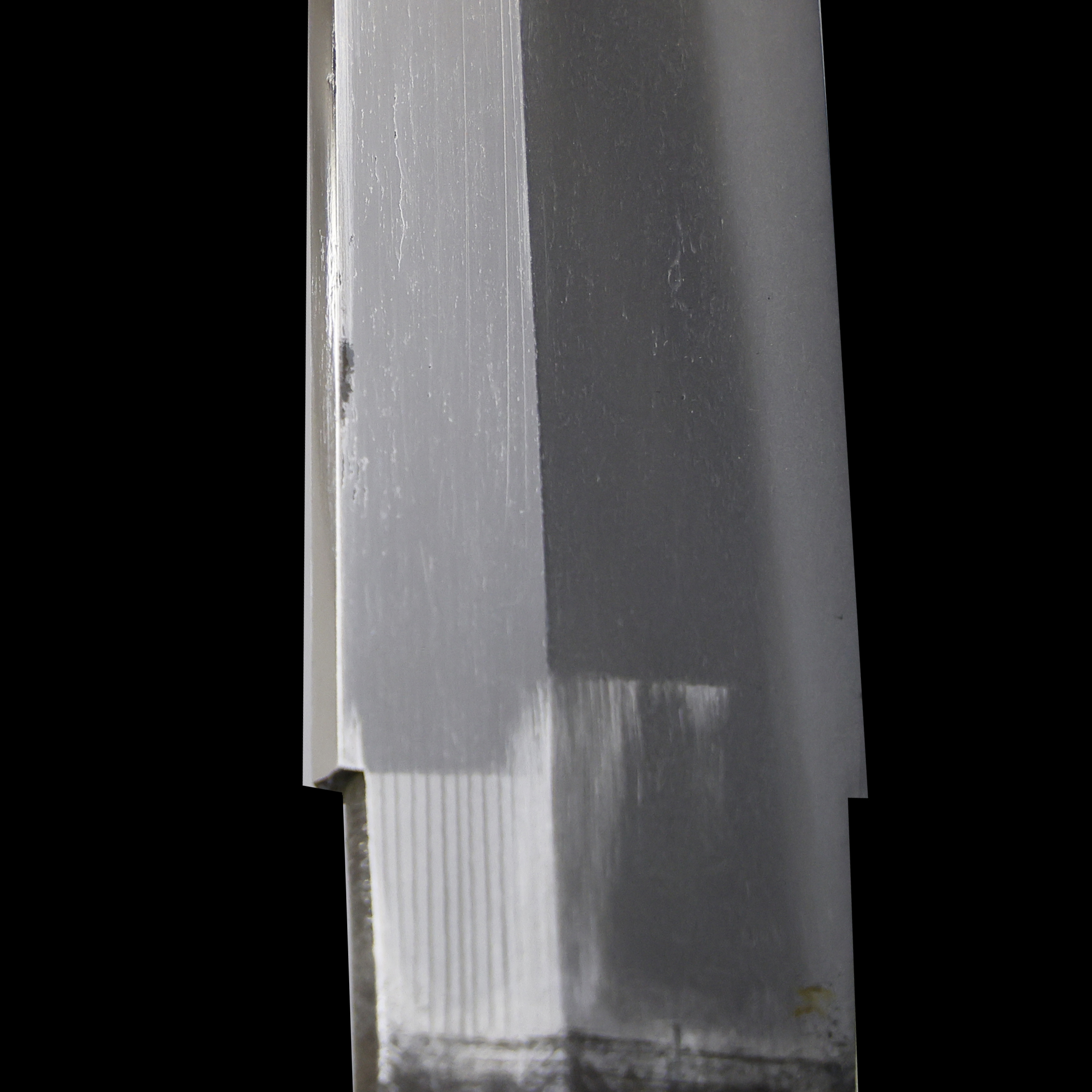
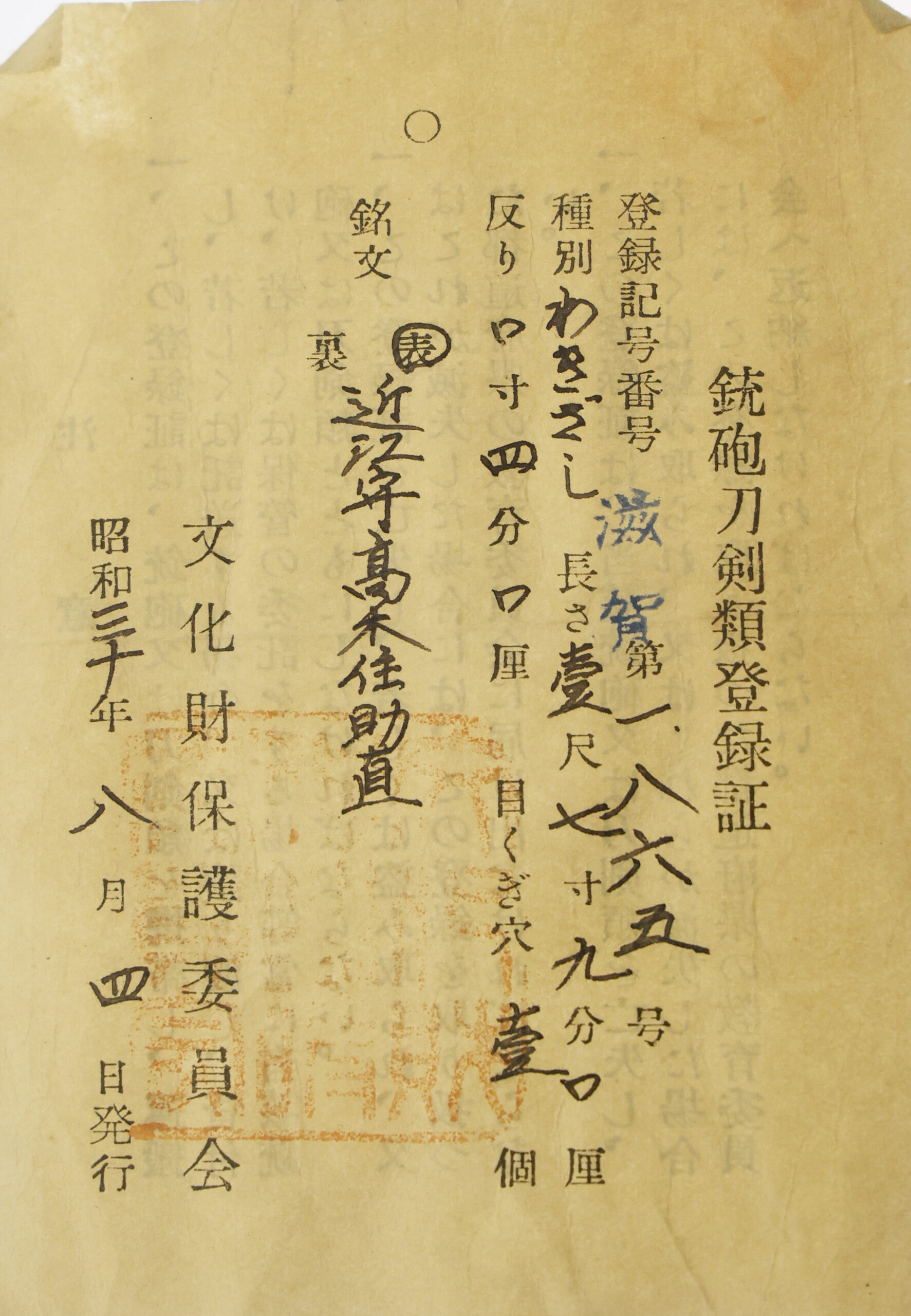
販売店の記載のまま
Tsuda Sukehiro line, Osaka Shinto (Settsu / Omi) · 摂津 · 1668-1693頃
藤代 上々作 · 刀剣大鑑 上位14%
現在7点販売中
助直は寛永十六年(一六三九)近江国野洲郡高木に生まれ、通称を孫太郎、また孫太夫と伝え、その年紀作は寛文八年(一六六八)より、五十五歳を迎えた元禄六年(一六九三)に及ぶ。説明書は、初め初代そぼろ助広の門に入り、のち二代津田越前守助広の指導を受けて大成したこと、助広の妹婿となって津田姓を冠したこと、天和二年(一六八二)の師の歿後は後継者として大坂に常住したことを記す。延宝年中の作には「高木住」と銘したものが多く、成業の後一時生国高木に帰ったものと説明書は見る。津田門の中でその手は最も師に近く、最晩年の特別重要刀剣について説明書は「師の助広と区別し難いほどの上出来」[[c:1]]とし、円熟した技術を見せるものとする。
助直の聞こえる作風は濤瀾乱れで、説明書はこれを師助広の創始したものとし、助直はよくこれを継承したとする。元を直ぐに焼き出し、その上に大互の目に丁子・小のたれを交えて波となし、足長く入り、匂深く、小沸厚くつき、砂流し・金筋細かにかかり、時に飛焼を交える。説明書は作ごとにほぼ同じ言葉で、匂が深く、小沸がよくつき、匂口が明るく冴える作柄が通例であり、「中には助広に迫る作もある」[[c:2]]と記す。
地鉄は小板目がよくつみ、地沸微塵に厚くつき、地景細かに入って、かねが冴える。最上の作では殆ど梨子地となる。円熟期の特別重要刀剣はまさにこの鍛えに、互の目を交えた濤瀾乱れを焼き、匂口深く小沸厚くつき、金筋・砂流し細かにかかり、説明書は「地刃に助直の特色と美点が十二分に示されている」[[c:3]]と結ぶ。帽子は各作直ぐに小丸、僅かに返り、時に先掃きかける。
濤瀾の傍らに、説明書は別の作域を挙げる。一つは互の目乱れとのたれで、大互の目が波に上がりきらないもの。一つは穏やかな直刃、また広直刃で、濤瀾を以て聞こえながらこれを巧みにこなした。延宝三年、なお高木にあって鍛えた刀は広直刃を焼き、説明書はおだやかとしつつ「流石に堂々たる出来である」[[c:4]]と添える。ある年紀の脇指については、濤瀾のほか「他にこの脇指の如く直刃も巧みにこなしている」[[c:5]]と記す。刀身の彫は棒樋に留まり、貞享三年紀の一口にみる倶利迦羅・旗鉾は、切付銘によって長坂遊鵬軒の手になることが知られる。
師との差についても説明書は明らかに記す。その刀は身幅が広い傾向があり、ある特別重要刀剣は典型作として「姿は助広より幅があり堂々とした体配」[[c:6]]とされ、匂口深く師の上作に迫るという。その濤瀾刃は助広に比べ刃先に砂流しがかかり、「やや荒目の沸がつくものがある」[[c:7]]。本間による御物台帳に所載の二口は、この評価の両面を示す。元禄三年、五十二歳の刀は同作中の傑作として「殆ど師父助広の域に迫る」[[c:8]]とされる。一方、延宝五年紀で高木住と切り「以地鉄落作之」と添銘する脇指は、師同様に直刃も得意としたことを示すが、本間は「地がねのよさは到底師に及ばない」[[c:9]]と付記する。
助直は藤代が上々作とし、大坂新刀の主要な名跡に数えられる。国宝・重要文化財はない。その記録は現代の級を通じ、特別重要刀剣四口、重要刀剣五十九口、両級併せて六十三口に及び、すべて在銘で、年紀あるものも多い。来歴の知られるものは僅かで、松平家に伝わった一口と、信州松本藩士の旧蔵の一口がある。その格の指定刀の多くは伝えられて売り立てられることが少なく、在銘年紀の助直が市に現れるのは折にふれてのことであり、濤瀾乱れの見事な刀はその折にいよいよ求められる。津田助広に最も近づいた門人の作である。
助直の位置づけを、日本刀全体および伝法・時代・時期ごとに示します。各区分(随一・屈指・有数・著名)は、NBTHK および文化庁による指定に加え、三作や名物帳などの歴史的栄誉を加味したものです。
各項目を選ぶと評価方法が表示されます。
在銘年紀作が示す、確実に活動していた年代
新刀 · 摂津
現在26点販売中
助広一門は、摂津国大坂に拠って江戸時代前期に活躍した新刀の一系であり、その名は初代そぼろ助広に始まる。初代助広は、もと播磨国国衙庄津田の数打工であったと伝わり、後に大坂へ出て初代河内守国助の門に学んだ。国助はもと石堂派の出身であり、初代助広が丁子乱れを得意として匂口締まりごころに小沸をつけ、足・葉を交えた一見石堂風の作柄を示すのも、この師系に由来する。切り添えられた「そほろ」の銘によりそぼろ助広とも通称され、寛文三年に歿した。その二代を継いだのが津田越前守助広である。越前守助広は寛永十四年に摂州打出村に生まれ、通称を甚之丞といい、初代の門に学んでその歿後に二代目を襲い、明暦三年に越前守を受領し、寛文七年には大坂城代青山因幡守宗俊に召し抱えられ、天和二年に四十六歳で歿した。門人には近江国高木に生まれて二代助広に学び、後にその妹婿になったと伝える津田近江守助直があり、いずれも寛文・延宝を中心とする大坂新刀の中核を成した。 本一門の作風は、大坂鍛えに特有の精緻な地鉄と、明るく深い匂口を共通の身上とする。鍛えは小板目肌がよくつんで些かの緩みもなく、地沸が微塵に厚くつき、地景が細かに入り、かねが冴える。刃文は元を直ぐに焼き出す大坂焼出しを置き、その上に二代助広が創始した濤瀾乱れを焼くのを特色とする。濤瀾は大互の目に互の目・小のたれを交えて大きくうねる独特の刃文で、足太く入り、匂深く小沸厚くつき、金筋・砂流しがかかり、匂口が明るく冴える。二代助広は初期に石堂風の丁子乱れを焼き、ついで互の目乱れを経て濤瀾へと至り一世を風靡したが、直刃もまた頗る巧みで、同地大坂の井上真改と双璧と称された。助広の直刃は浅く五つにのたれを帯び、横手下から焼幅を広める手癖を示し、沸の粒が真改より細かく、刃縁が奉書紙を裂いたように地へ向かって細かに働く点が見どころとされる。門人助直は師の濤瀾をよく継承しつつ、互の目乱れやのたれ・直刃にも作域を広げ、中には師に迫る出来を見せた。茎には入山形の茎尻に大筋違や筋違の鑢に香包の化粧鑢を施し、角津田・丸津田の銘を切る点も一門を分かつ手掛かりとなる。 助広が古来重んじられてきたのは、濤瀾という新刀屈指の華やかな刃文を創始し、かつ直刃にも比類なき冴えを示した両面の妙によるところが大きい。鑑定にあたっては、精緻によくつんだ小板目肌、微塵に厚くつく地沸、深く明るい匂口、そして大坂焼出しから立ち上がる濤瀾の態を要点とする。代表作には、大坂城代青山宗俊の命により助広四十二歳の時に鵜首造の異風な姿で鍛え、雨乞いの願いを込めて倶利迦羅と梵字を彫った延宝六年紀の大太刀「村雨」があり、青山家に代々秘蔵された。その濃密な彫物は助広自身彫ではなく、当時大坂で活躍した彫師長坂遊鵬軒の手になるものと推され、同様の彫例は助直や一竿子忠綱・伊勢守国輝らの作にもうかがえる。さらに井上真改との合作の脇指も知られ、茎仕立てから鑢目、銘字に至るまで助広の主座が看取され、大坂新刀を代表する両雄の協同を伝える資料として価値が高い。門人助直の天和年紀の濤瀾の傑作とともに、これらの優品は、大坂新刀の到達点を今に示すものである。 詳しく見る →
大坂 町人の都の刀
大坂は町人の都であり、刀も金の流れに従った。脇差一腰しか許されぬ町人のための贅沢な作、助広の濤瀾乱れ、大坂正宗と呼ばれた真改。率直に言えば、見られるために作られた刀である。
保存刀剣のうち、出来が一層優れ、保存状態も良好と認められたものです。再刃や、室町・江戸期の多くの無銘作は対象外となり、保存刀剣より高い基準が課されます。
日本美術刀剣保存協会(NBTHK)は、1948年に設立され、文化庁の監督を受ける公益財団法人で、東京・刀剣博物館に本部を置きます。専門の審査員が出品作を直接審査し、美術的・歴史的価値に応じた鑑定書を発行します。NBTHKの鑑定書は、日本刀および刀装具の真正性を示す最も広く認知された基準です。
NBTHK公式サイトReturns/exchanges limited to defects caused by shipping (except willful misconduct or gross negligence by the company); customers must contact within 72 hours of receiving the product.