大坂は町人の都であり、刀も金の流れに従った。脇差一腰しか許されぬ町人のための贅沢な作、助広の濤瀾乱れ、大坂正宗と呼ばれた真改。率直に言えば、見られるために作られた刀である。
 NihontoWatchNihontoWatch
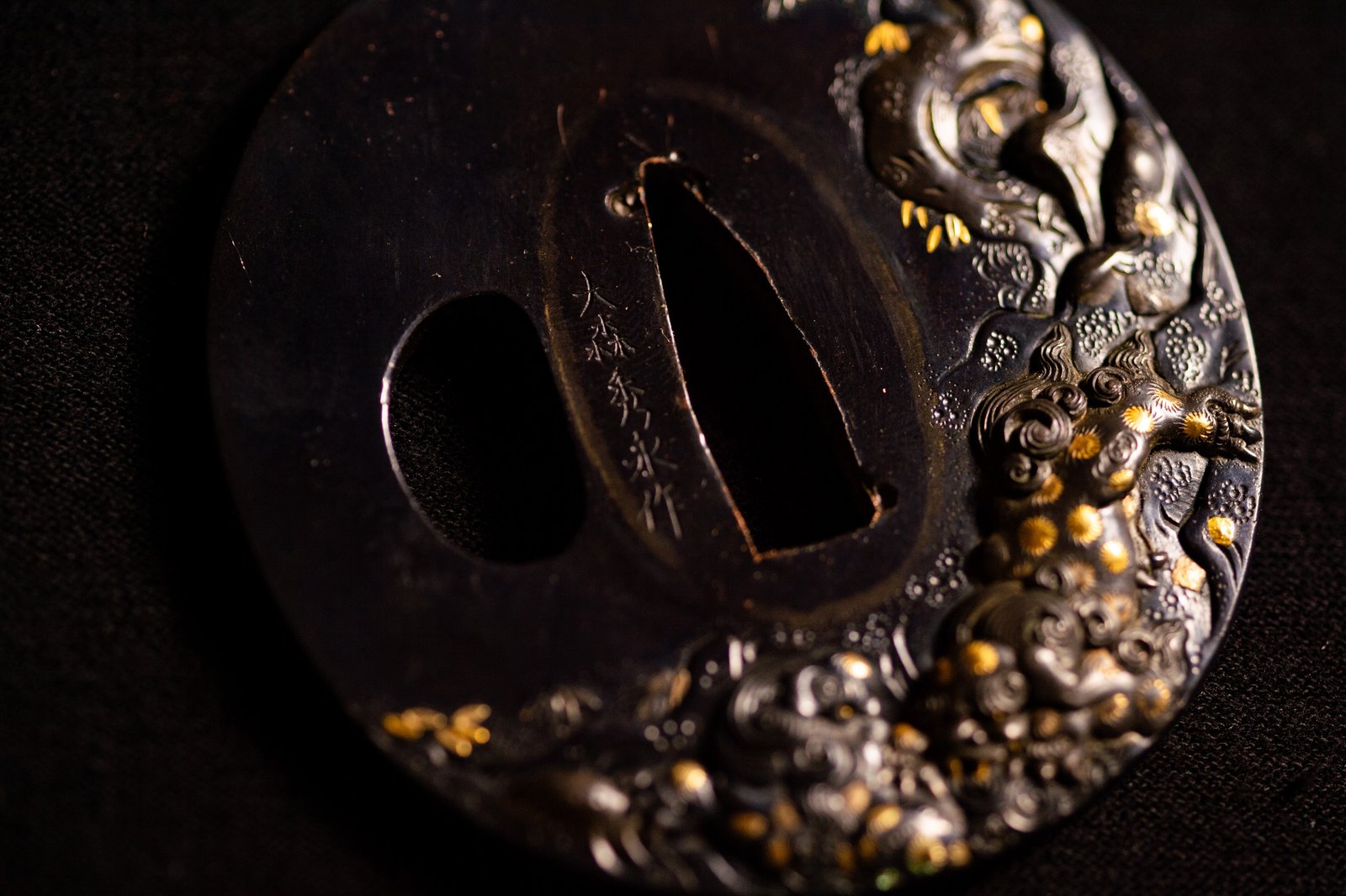
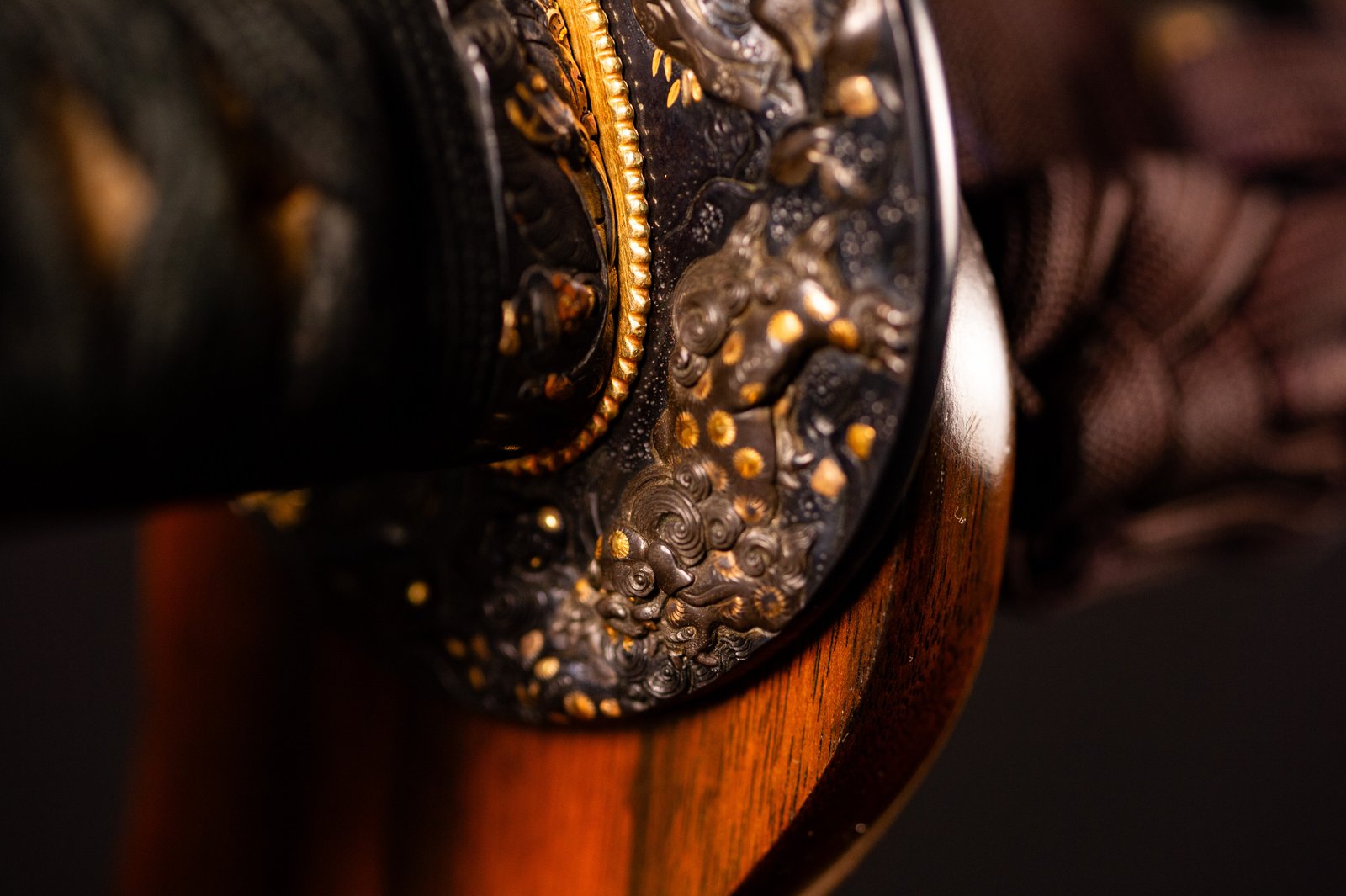
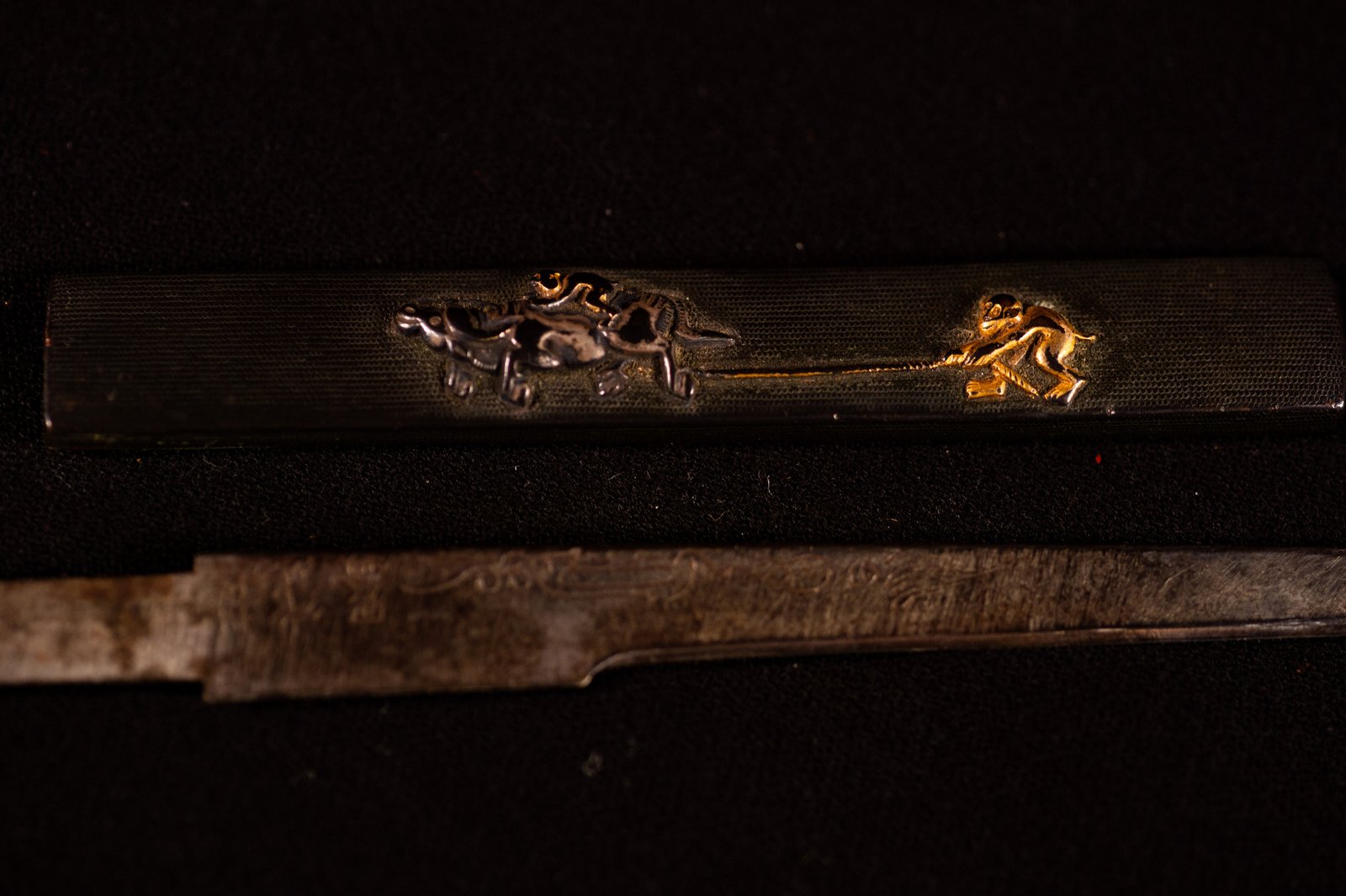
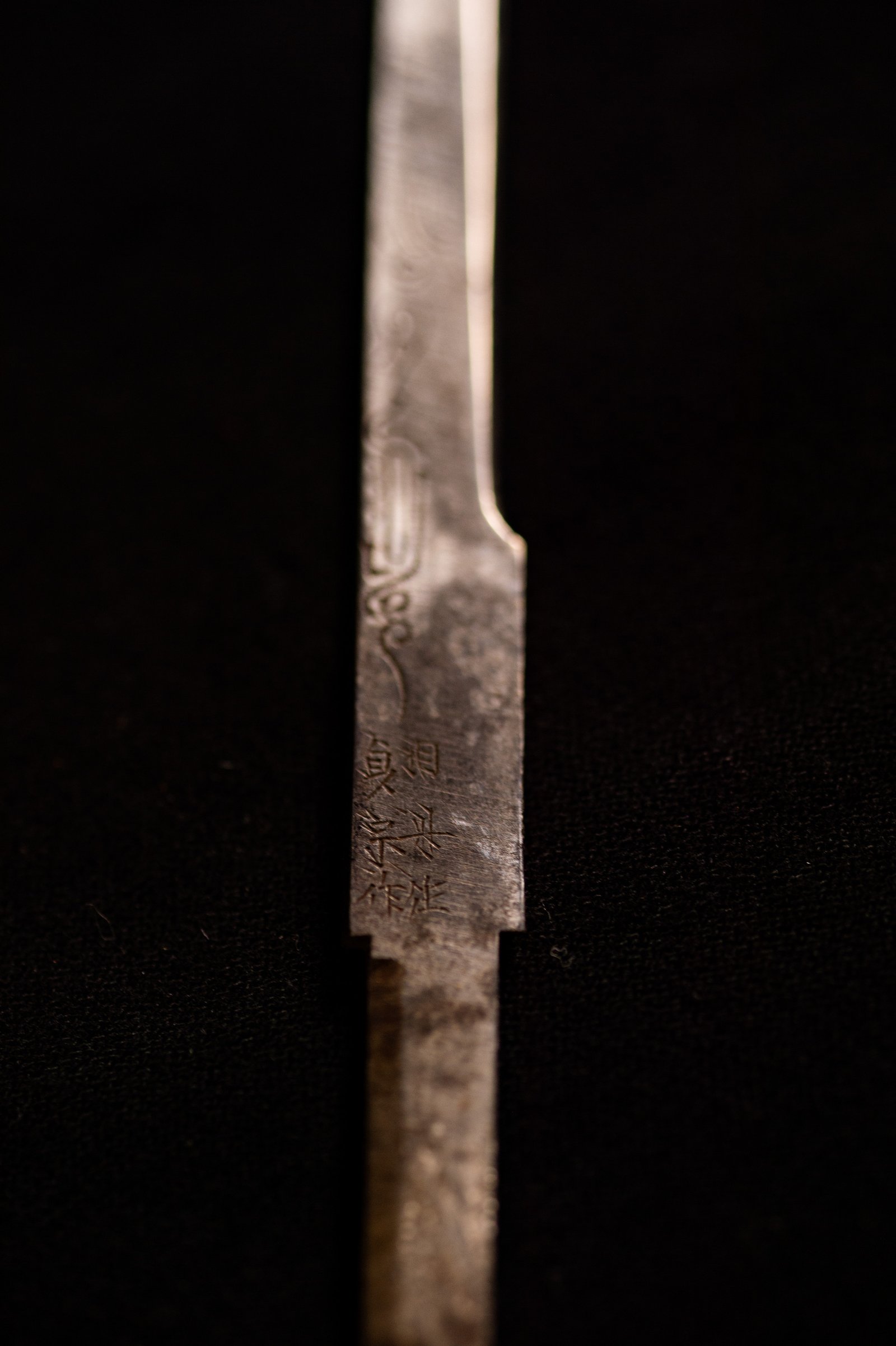
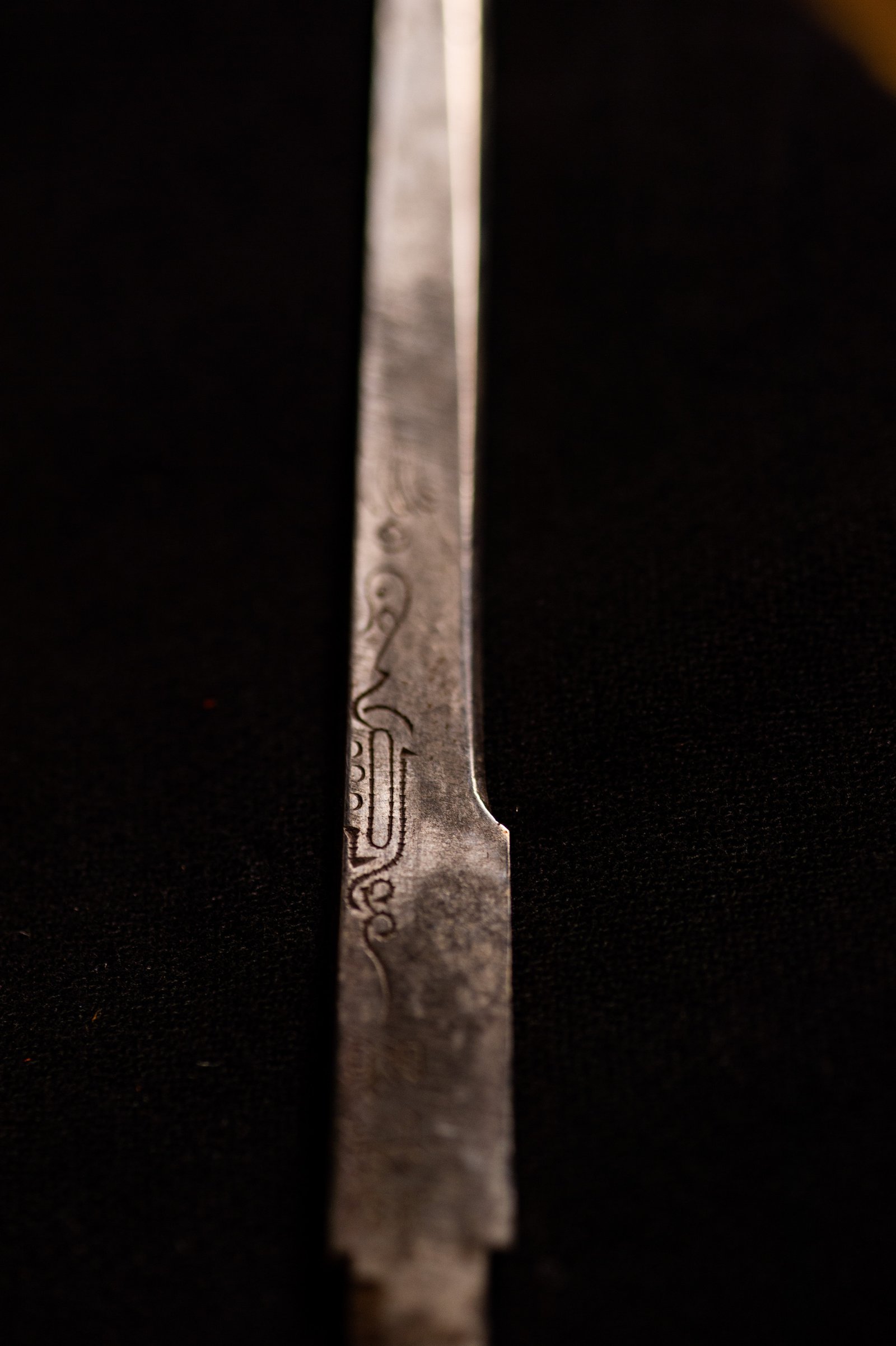
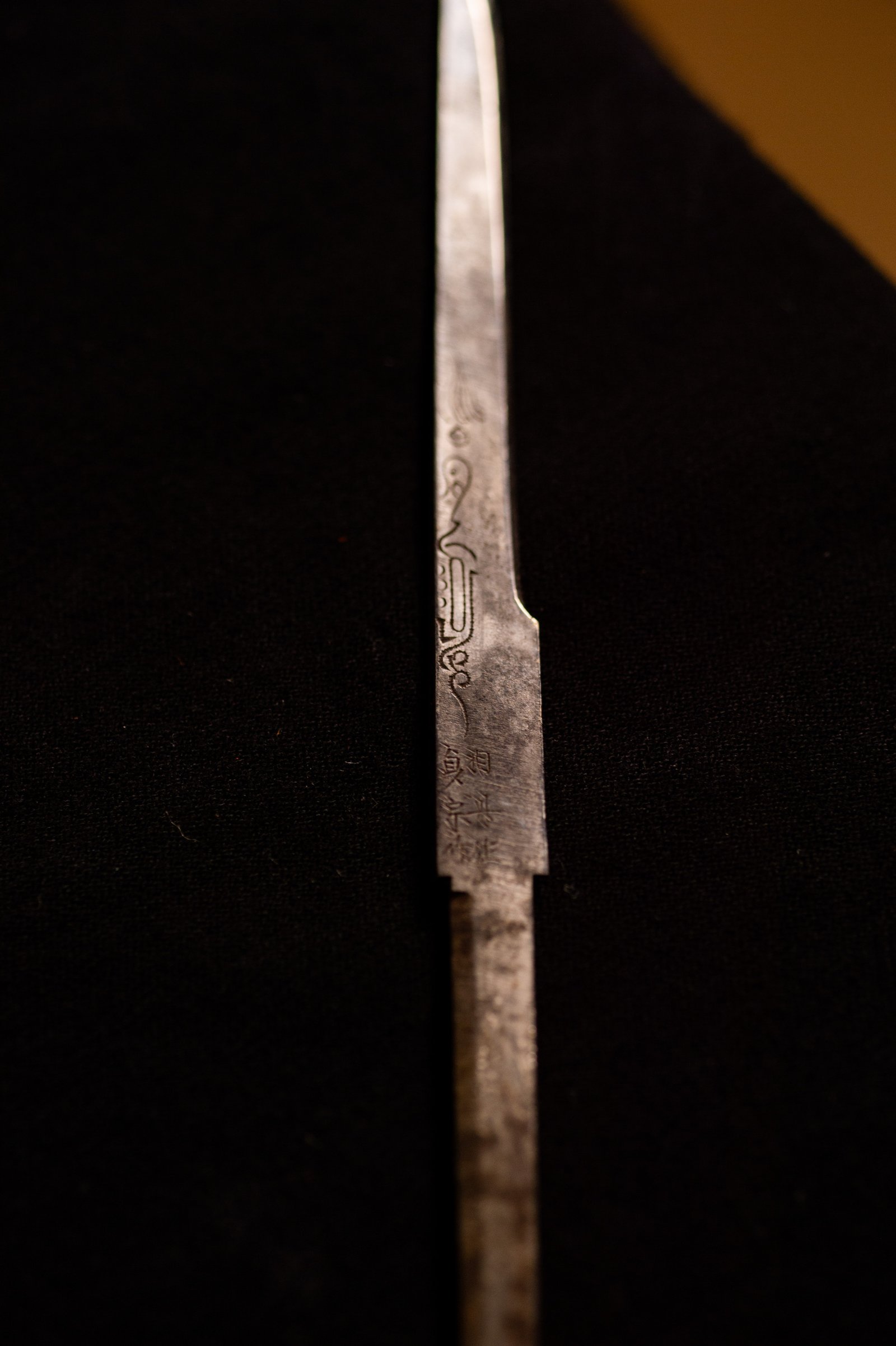
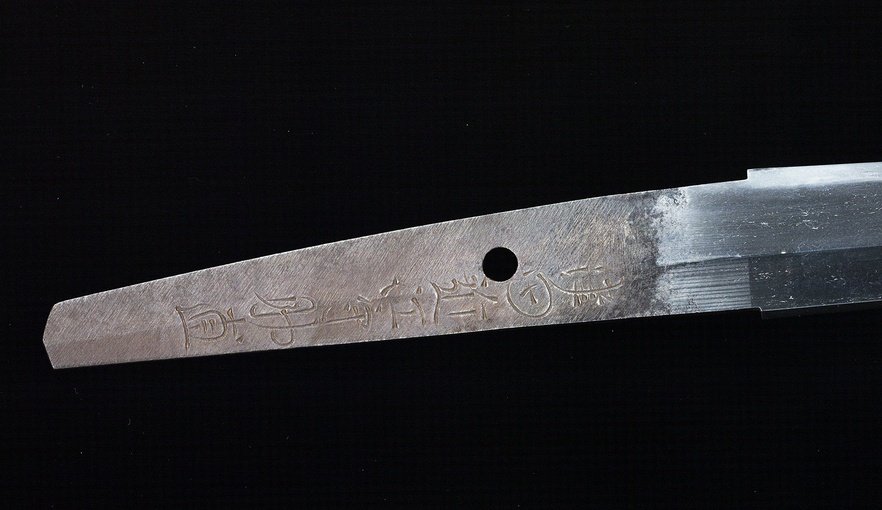
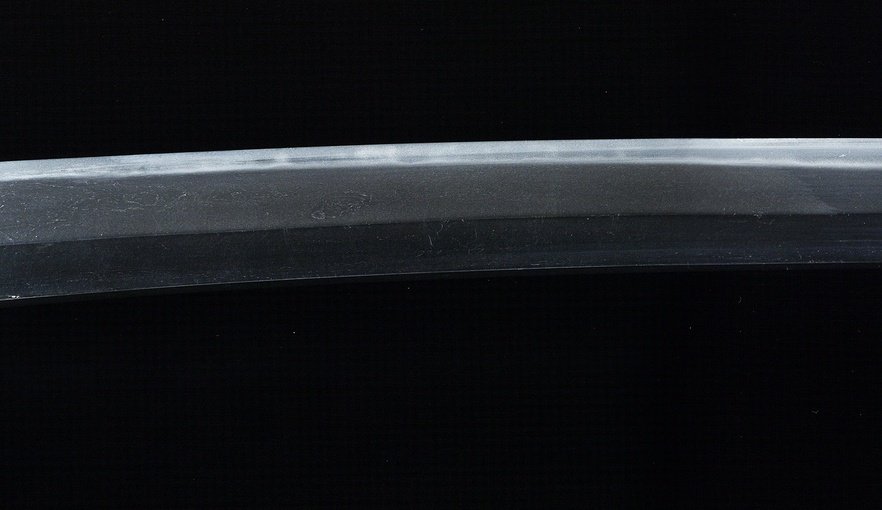
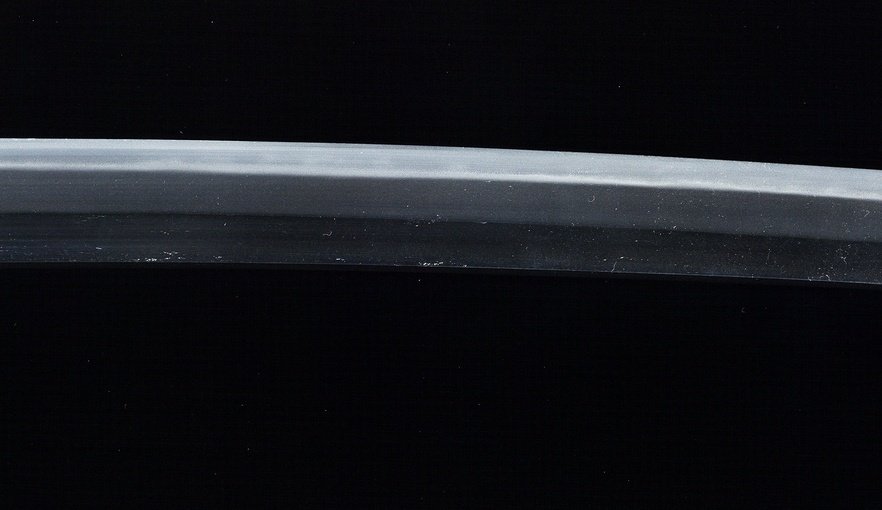
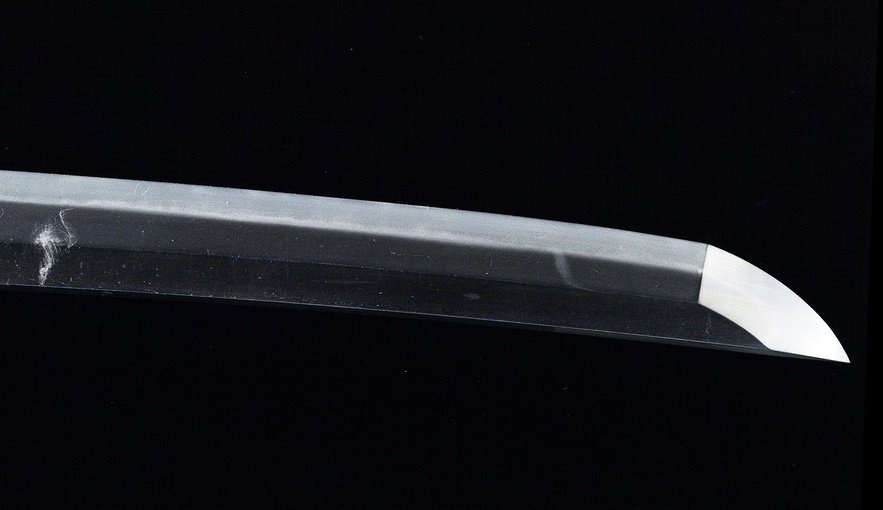
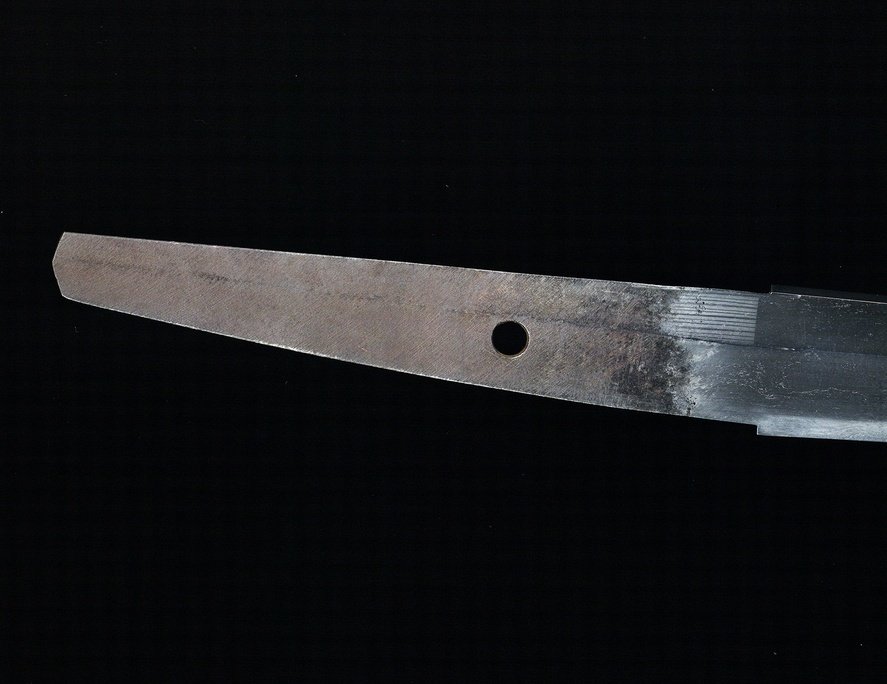
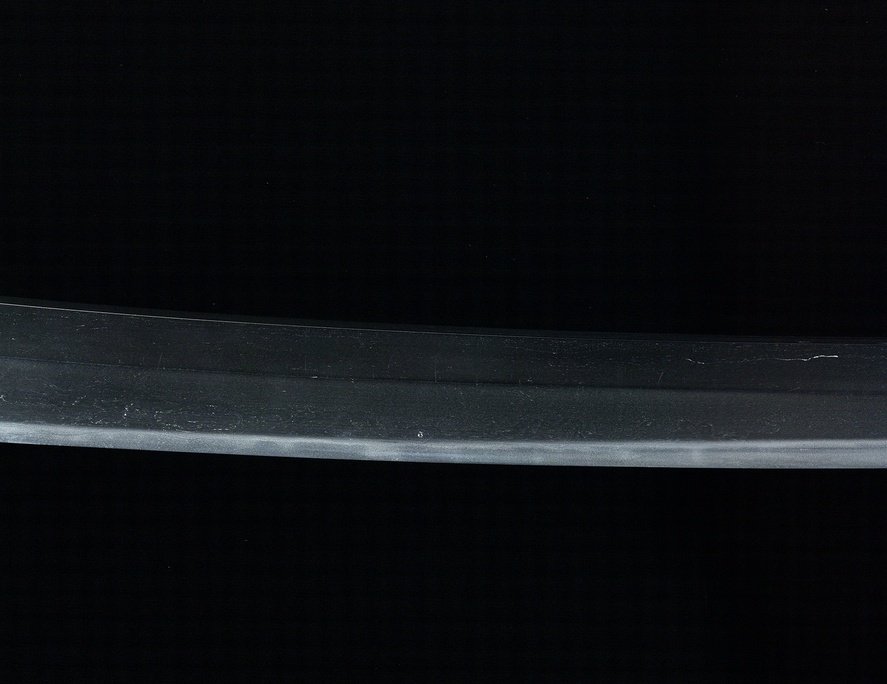
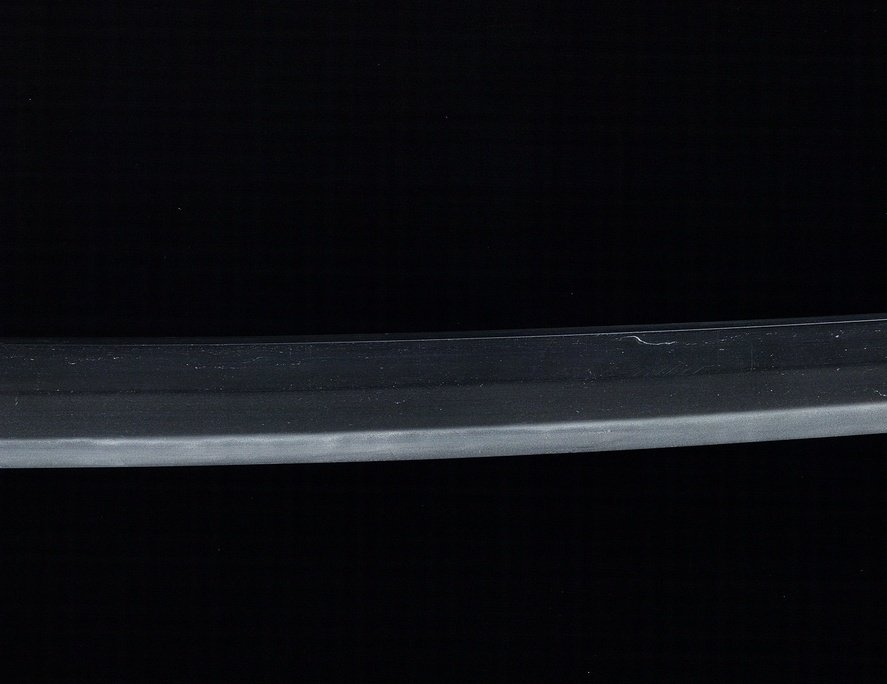
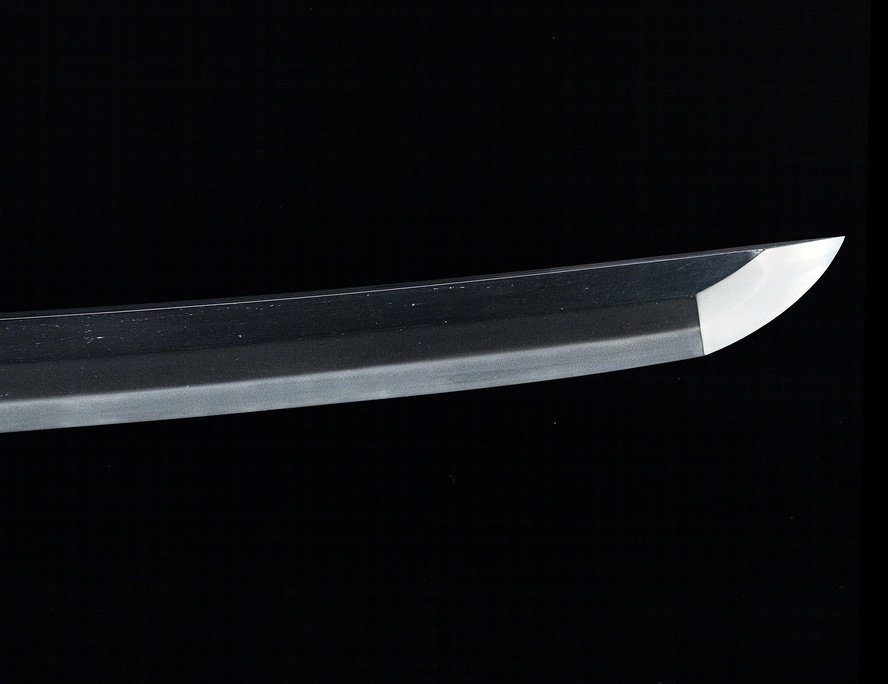
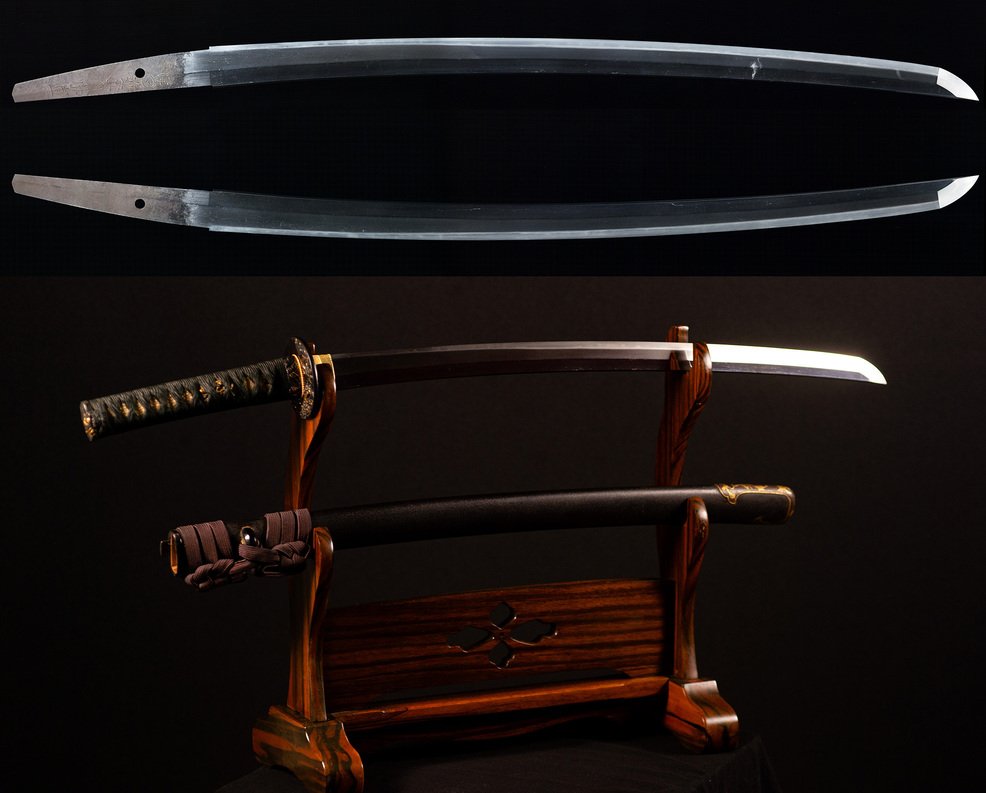
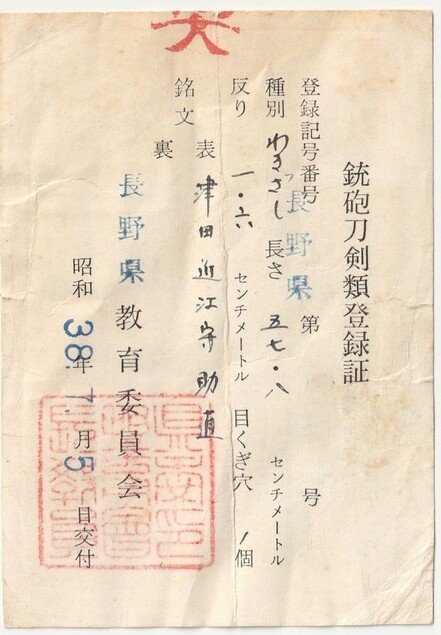
Edo Period · Shintō · Osaka School · 57.8 cm Nagasa · Original 1963 Torokusho · Signed Ōmori Tsuba · Complete Koshirae & Shirasaya A highly attractive Japanese wakizashi signed 津田近江守助直 – Tsuda Ōmi no Kami Sukenao, a recognised Osaka shintō smith closely connected to one of the most celebrated swordmaking families of the Edo period. With a substantial registered nagasa of 57.8 cm, the blade stands at the upper limit of traditional wakizashi dimensions and possesses the strong visual presence of a short katana. The sword is accompanied by its original Japanese Jūhō Tōken Rui Tōrokushō, issued by Nagano Prefecture on 5 July 1963, giving the piece more than six decades of documented registration history. Its appeal is further strengthened by a complete and sophisticated koshirae incorporating fittings of notable quality, including a signed Ōmori 大森 tsuba, sculptural fuchi-kashira, richly decorated kozuka, samurai-themed menuki, black ito over warm-toned samegawa, a glossy black lacquer saya with gold makie detail, and a dark plum-brown sageo. Also included is a natural-wood shirasaya for correct long-term preservation of the blade. The Swordsmith – Tsuda Ōmi no Kami Sukenao 津田近江守助直 The blade bears the signature: 津田近江守助直 Tsuda Ōmi no Kami Sukenao Sukenao belonged to the distinguished Osaka swordmaking world of the shintō period and was the brother-in-law of Tsuda Echizen no Kami Sukehiro. Sukehiro is one of the most celebrated swordsmiths of the Edo period and is particularly famous for the development of the dramatic toranba, or “billowing wave”, temper pattern. Within Japanese sword scholarship, Sukehiro is consistently regarded among the greatest representatives of shintō swordmaking, frequently discussed alongside Nagasone Kotetsu as one of the towering masters of the period. Sukenao’s close familial connection to this circle places his work within one of the most prestigious environments of Osaka sword production. Japanese sources cited in the accompanying documentation describe Sukenao himself as a meikō, a recognised master smith, rather than merely a peripheral member of the Sukehiro family circle. The Osaka Shintō Tradition The present blade belongs to the broader tradition of Osaka Shintō, one of the most refined schools of swordmaking to emerge during the Edo period. As political stability increased after the warfare of the preceding centuries, swordmaking gradually developed beyond purely battlefield requirements. Osaka became an important centre for highly controlled forging, refined surface steel and sophisticated temper patterns, with smiths working for an increasingly discerning samurai clientele. The Tsuda family occupied an important position within this environment. The technical and artistic achievements of Sukehiro and the smiths connected to his circle helped define the visual identity of Osaka shintō, particularly through increasingly expressive and carefully controlled hamon. The present Sukenao blade should be understood within this highly accomplished regional tradition. The Blade (Tōshin) According to its Japanese registration, the blade has a nagasa of 57.8 cm. This dimension places it at the upper boundary of the traditional wakizashi category, giving the sword a notably elongated and imposing profile. At this length, the piece occupies a particularly attractive position for collectors: technically a wakizashi, yet with dimensions and visual presence approaching those of a shorter katana. The blade has a registered sori of 1.6 cm, creating a restrained but clearly visible curvature. Its overall profile is elegant and balanced, combining substantial length with the controlled proportions associated with Edo-period Japanese swordmaking. Wakizashi or Short Katana? With a blade length of 57.8 cm, this sword falls just below the traditional 2-shaku threshold generally associated with katana classification. For that reason, it is correctly described as a wakizashi. However, its exceptional length places it very close to the boundary between the two categories. Visually and physically, the sword therefore possesses much of the presence of a short katana while retaining the historical classification of wakizashi. This makes it an especially attractive format for collectors who appreciate more substantial wakizashi blades. The Nakago and Mei The nakago preserves the signature of the smith and presents a naturally aged surface consistent with an antique Japanese blade. The registration records one mekugi-ana. The presence of a single mounting hole gives the tang a particularly clean and coherent appearance. The signed nakago is one of the most important historical components of the piece and should be preserved in its existing condition without cleaning or alteration. Its patina forms an essential part of the sword’s material history. The Koshirae The sword is accompanied by a complete traditional koshirae of considerable decorative interest. The mounting combines dark metal, black lacquer, gold highlights and subtle textile accents to create an elegant and sophisticated composition. Rather than relying on a single decorative theme, the fittings incorporate a rich range of Japanese motifs including animals, samurai figures, botanical elements and auspicious imagery. The result is a mounting with considerable independent artistic value in addition to its function as the historical presentation of the blade. The Tsuka The tsuka is wrapped in black ito over warm gold-tan samegawa. The contrast between the dark wrapping and the lighter ray skin creates a particularly refined appearance. The traditional diamond-shaped openings reveal the samegawa beneath and allow the decorative menuki to emerge visually through the wrapping. The overall condition of the handle remains attractive and coherent with the rest of the mounting. The Menuki – Samurai Motifs The menuki depict samurai figures. Their small sculptural forms are visible through the openings of the black tsuka-ito, providing subtle but highly characteristic points of decoration along the handle. The use of samurai imagery reinforces the martial character of the mounting and directly references the warrior class for whom such swords were historically intended. The restrained placement of the figures ensures that they enrich the handle without visually overwhelming the overall composition. The Signed Ōmori Tsuba 大森 One of the most important elements of the koshirae is the signed tsuba bearing the name: 大森 – Ōmori The Ōmori school is recognised within Japanese kinkō work for sophisticated decorative metalwork, particularly in shakudō, finely worked surfaces and dynamic compositions. The guard displays a richly sculpted scene incorporating guardian-lion and natural motifs, with carefully applied gold accents creating contrast against the dark metal ground. The quality of the relief gives the figures substantial depth and movement. The presence of a signed tsuba is particularly important because the fitting possesses its own artistic identity independently from the blade. This transforms the sword from a strong signed blade with a decorative mounting into an ensemble containing more than one individually attributable component. The Ōmori School The Ōmori name is associated with refined Japanese metalwork and is particularly recognised for decorative compositions combining dark shakudō surfaces with finely modelled relief and gold highlights. Works associated with this tradition frequently display exceptional control of depth, texture and movement. Dragon imagery, clouds, waves and natural forms are among the decorative subjects historically associated with sophisticated kinkō production. The signed guard accompanying the present sword therefore adds a meaningful second layer of collectability to the ensemble. The blade and tsuba should be appreciated as separate artistic objects that together form a highly attractive complete mounting. The Fuchi The fuchi is executed in dark metal and decorated with a rearing horse in relief enhanced with gilt detailing. The raised animal figure gives the fitting strong sculptural character. The horse has deep associations with the samurai class and mounted warfare and therefore represents an especially appropriate subject for sword furniture. The contrast between the dark surface and the warmer metallic highlights allows the details of the animal to emerge without disrupting the restrained colour palette of the handle. The Kashira The matching kashira continues the dark-metal and gold decorative vocabulary. Its surface incorporates scrolling foliate motifs highlighted in gold. The flowing vegetal decoration provides an elegant counterpoint to the more explicitly martial imagery elsewhere on the mounting. Together, the fuchi and kashira create a visually balanced pair that frames the handle and contributes to the refined overall character of the koshirae. The Kozuka The kozuka is one of the most charming decorative components of the mounting. Its surface presents an unusual animal scene depicting a running ox accompanied by a monkey figure pulling on a cord. The composition is executed in contrasting silver and gold against a dark shakudō ground. The scene combines movement, humour and highly detailed metalwork, characteristics frequently encountered in fine Edo-period sword fittings. Rather than serving purely as ornament, the kozuka demonstrates how sword furniture could become a miniature canvas for sophisticated narrative compositions. The Saya The saya is finished in glossy black lacquer. Its restrained surface creates a sophisticated contrast with the richer metalwork of the handle and guard. Near the mouth of the scabbard appears a gold makie inscription, introducing a subtle decorative element without disturbing the formal appearance of the overall mounting. The black lacquer gives the sword a classical visual foundation and allows the gold and dark-metal fittings to remain the principal areas of decorative focus. The Sageo The saya is fitted with a braided dark plum-brown sageo. Its subdued colour adds warmth to the otherwise black and gold palette of the koshirae. The cord is tied in traditional fashion and creates an attractive textile counterpoint to the black tsuka-ito of the handle. This subtle chromatic variation gives the mounting additional sophistication without drawing attention away from the principal metalwork. The Shirasaya A natural-wood shirasaya is included with the blade. Unlike the decorative koshirae, the shirasaya is specifically designed for preservation. Its simple untreated wooden construction provides a neutral environment for the blade during long-term storage. The inclusion of both koshirae and shirasaya allows the sword to be displayed in its complete historical mounting while also permitting the blade to be stored correctly when required. For serious collectors, this dual presentation is particularly desirable. Original Japanese Torokusho – 1963 The sword is accompanied by its original Japanese Jūhō Tōken Rui Tōrokushō registration document. The document was issued by Nagano Prefecture on 5 July 1963. It records the sword as a Japanese blade with a nagasa of 57.8 cm, a sori of 1.6 cm and one mekugi-ana. The survival of this document provides more than sixty years of documented Japanese registration history. For collectors, such original documentation is especially valuable because it forms part of the blade’s modern Japanese provenance rather than relying solely on later commercial records. Condition The blade remains in a condition that allows its overall geometry, curvature and principal characteristics to be clearly appreciated. The nakago retains its historical surface and signature, with a single mekugi-ana recorded in the documentation. The koshirae remains visually coherent and highly attractive. The black ito, warm-toned samegawa, signed Ōmori tsuba, sculptural fittings, glossy black lacquer saya and dark plum-brown sageo combine to create a sophisticated complete ensemble. As expected from an antique Japanese sword and its historical fittings, natural signs of age and use may be present and should be understood as part of the object’s history. Collector’s Value This sword combines several independent qualities that make it particularly attractive to the serious collector. First is the blade itself: a substantial 57.8 cm wakizashi signed Tsuda Ōmi no Kami Sukenao, a recognised Osaka smith directly connected by marriage to the family of Tsuda Echizen no Kami Sukehiro. This connection places the blade within one of the most important swordmaking circles of the Japanese shintō period. The unusually generous length further enhances its appeal. At 57.8 cm, the blade sits extremely close to katana dimensions, giving the sword considerably more presence than a conventional mid-sized wakizashi. Second is the documentation. The original Nagano torokusho dated 5 July 1963 provides more than six decades of documented Japanese registration history. Third is the koshirae, which deserves consideration in its own right. The presence of a signed Ōmori tsuba is especially significant. Rather than being merely an unsigned decorative guard, it constitutes a separately attributable piece of Japanese metalwork. The rearing-horse fuchi, gold-decorated kashira, narrative ox-and-monkey kozuka, samurai menuki, gold makie on the black lacquer saya and dark plum-brown sageo create a richly detailed but visually coherent mounting. Finally, the inclusion of a dedicated natural-wood shirasaya permits correct preservation of the blade while maintaining the complete koshirae as an independent display ensemble. A highly distinctive Osaka Shintō wakizashi signed Tsuda Ōmi no Kami Sukenao, combining a substantial 57.8 cm blade, direct historical connection with the celebrated Sukehiro family circle, original Japanese registration from 1963, complete traditional koshirae, signed Ōmori-school tsuba and dedicated shirasaya. With strong documentary, artistic and historical interest across both blade and fittings, this sword represents an especially attractive opportunity for collectors seeking a refined and characterful Edo-period nihontō.

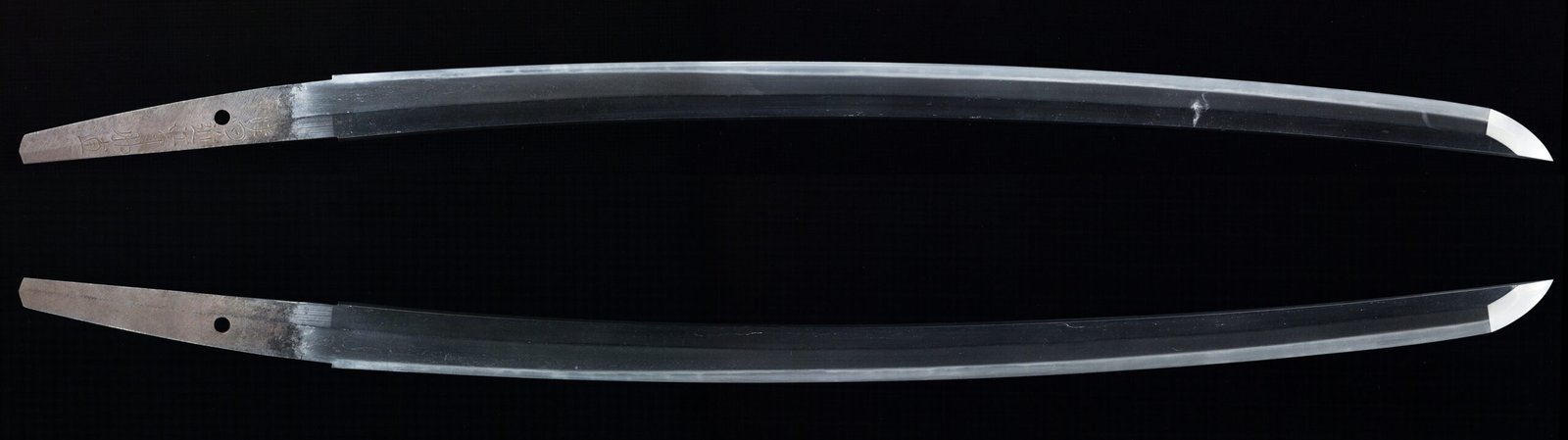

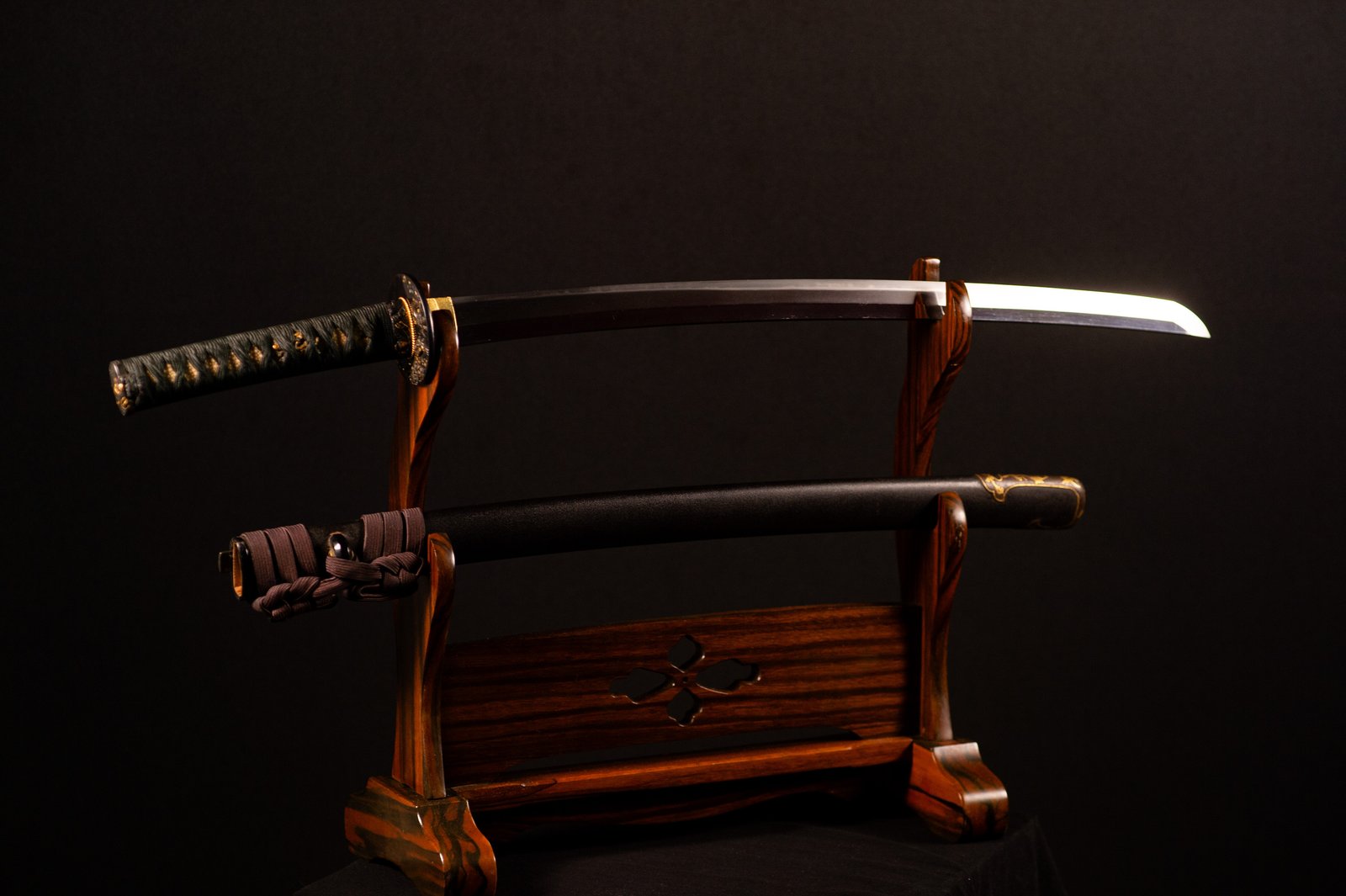
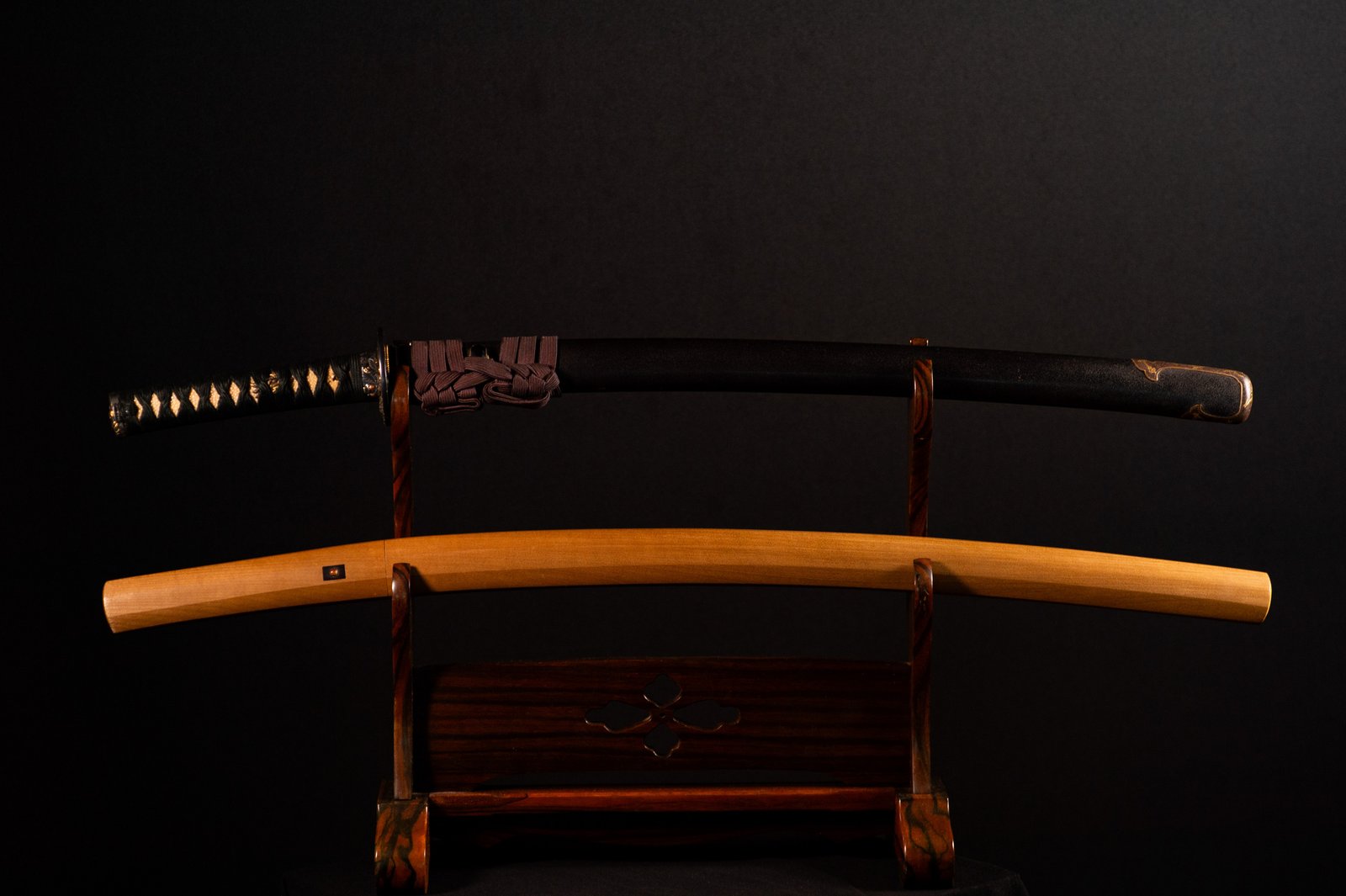
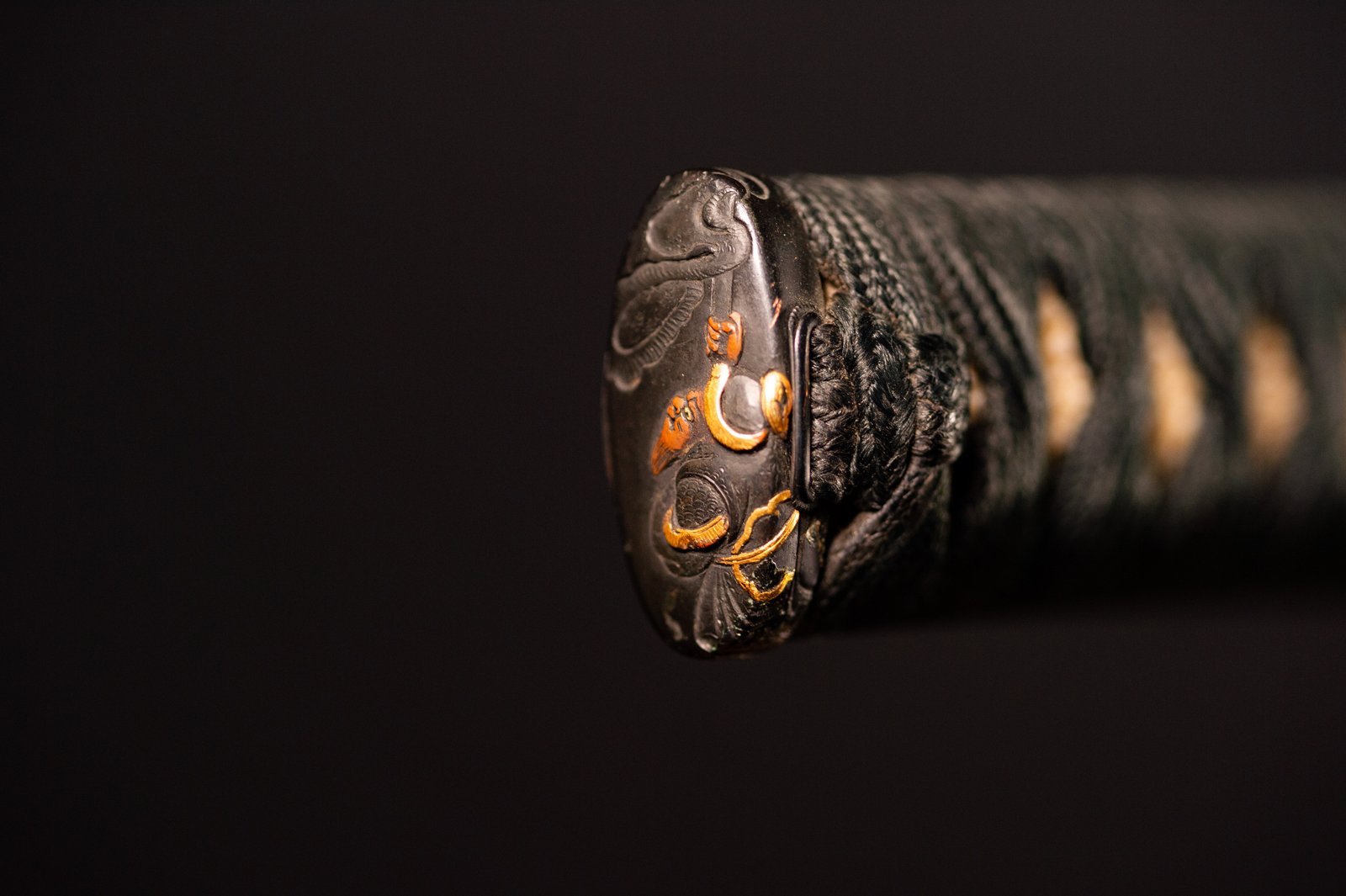
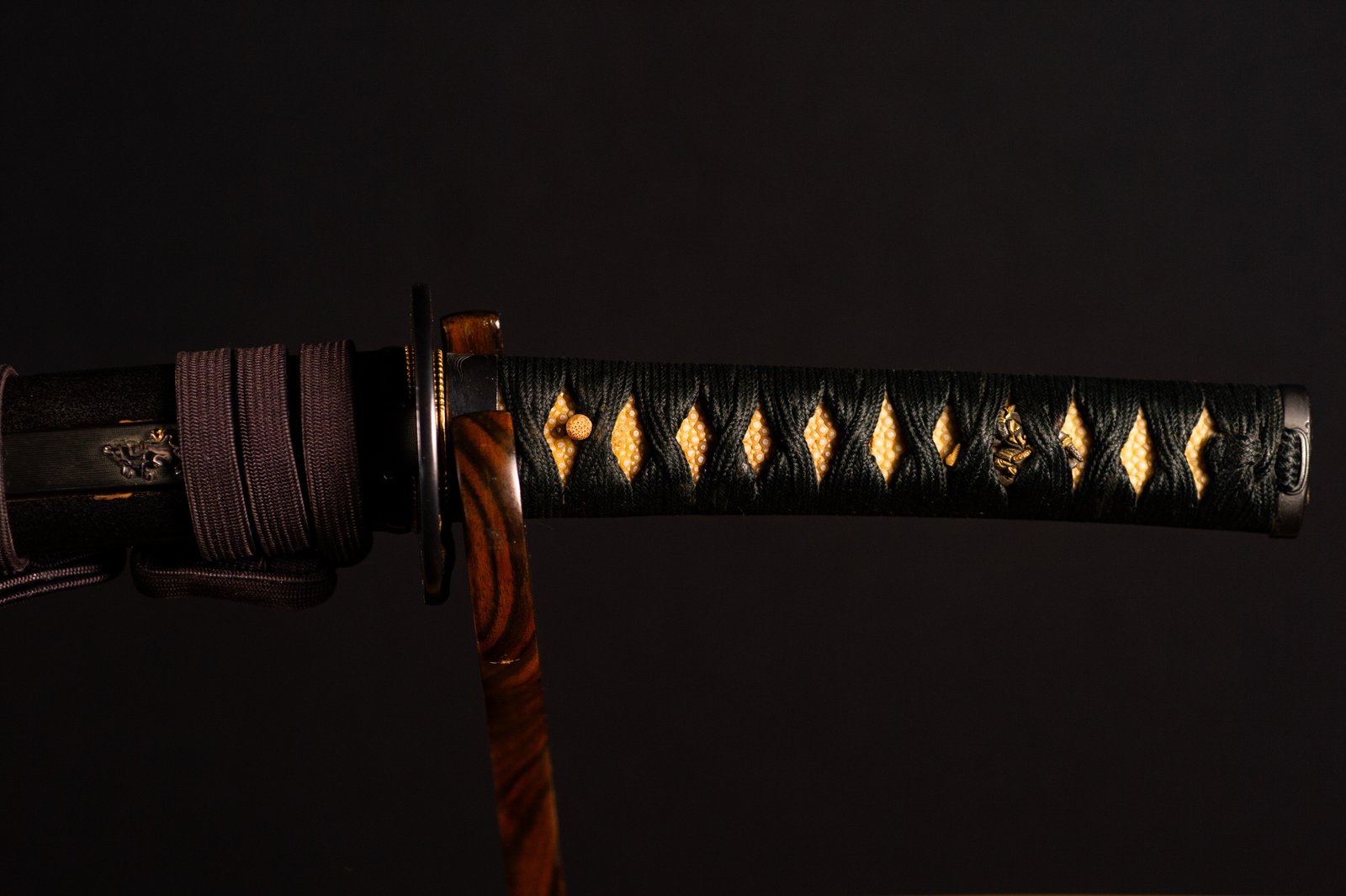
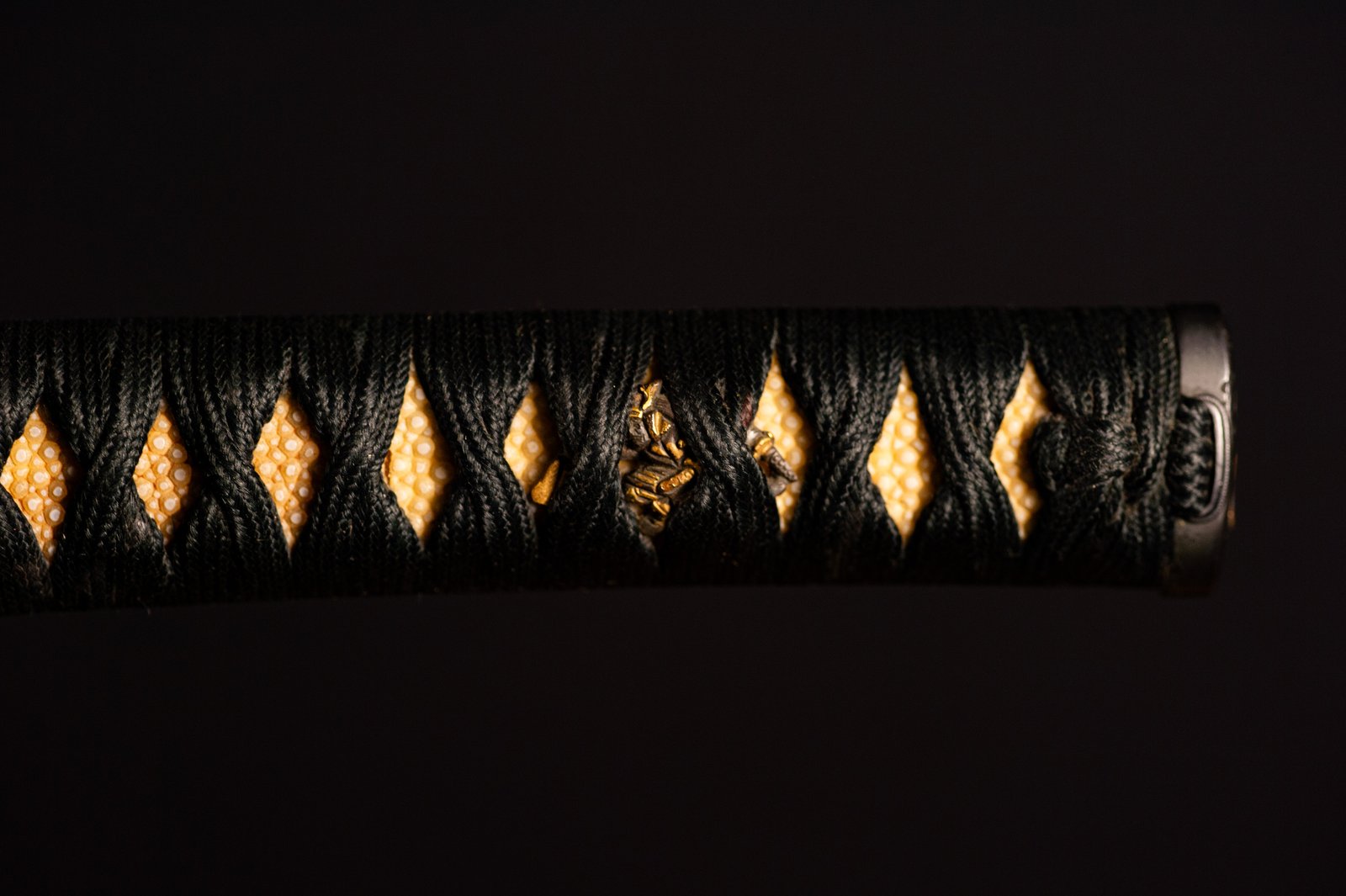
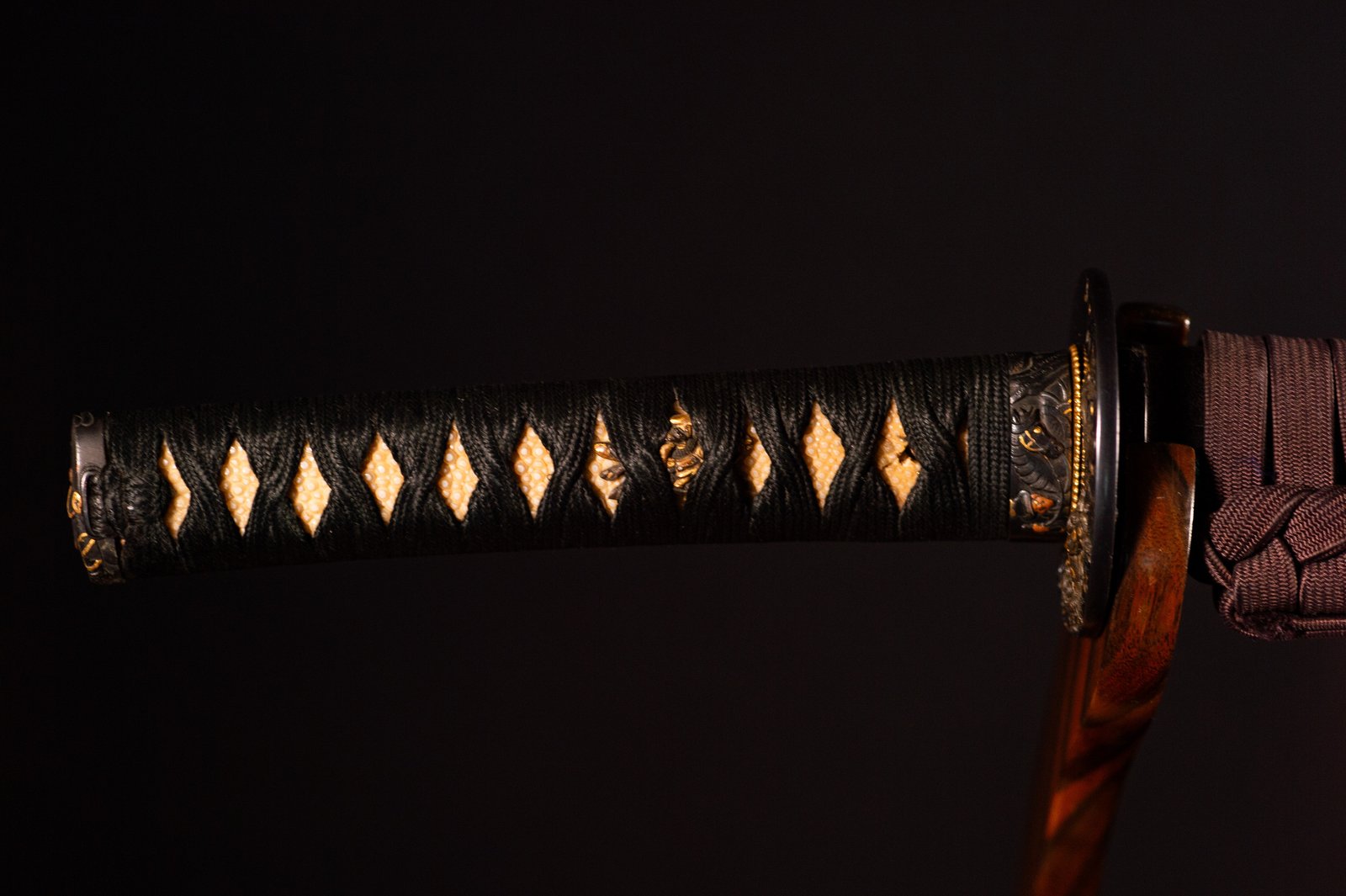
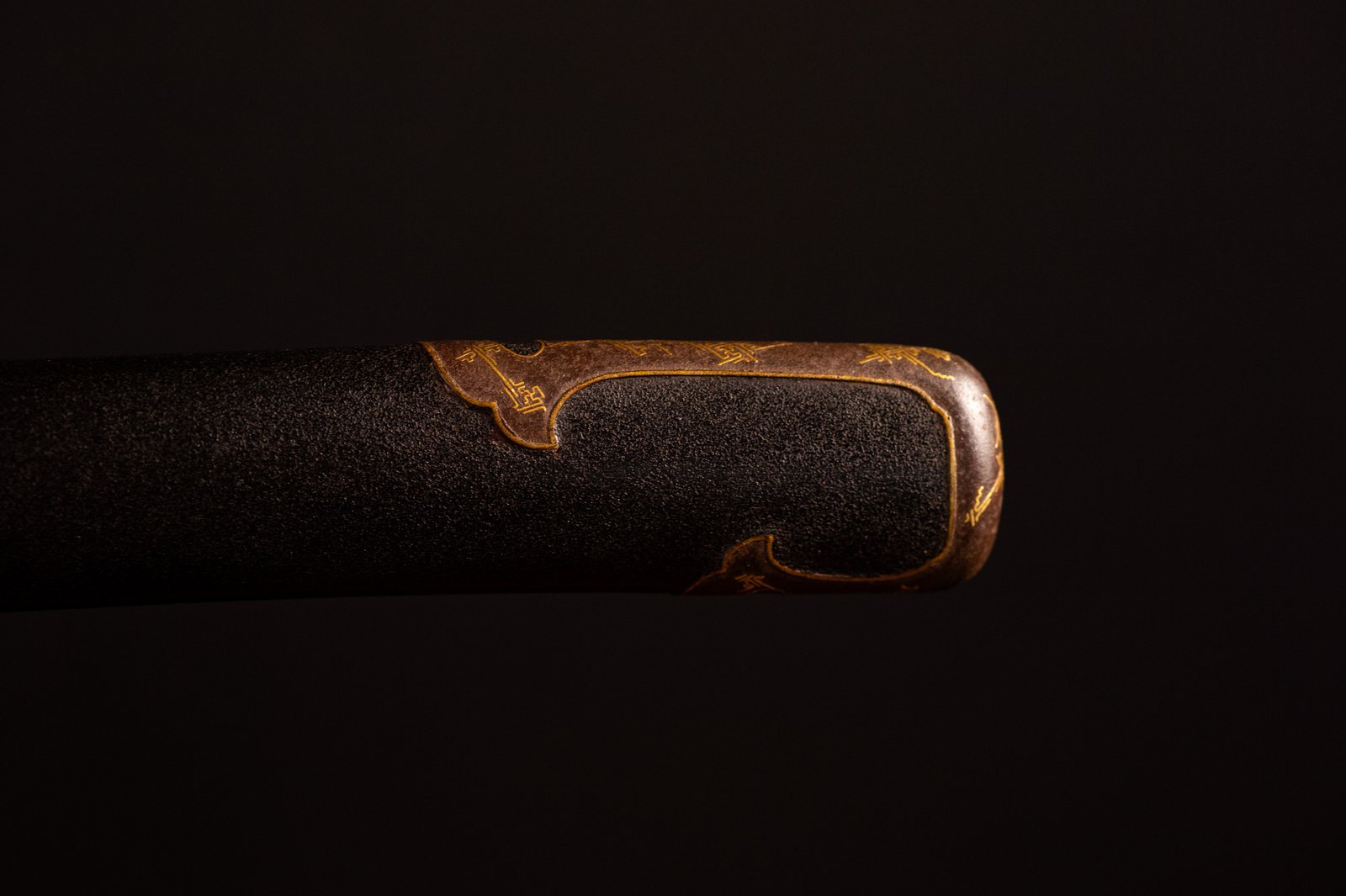
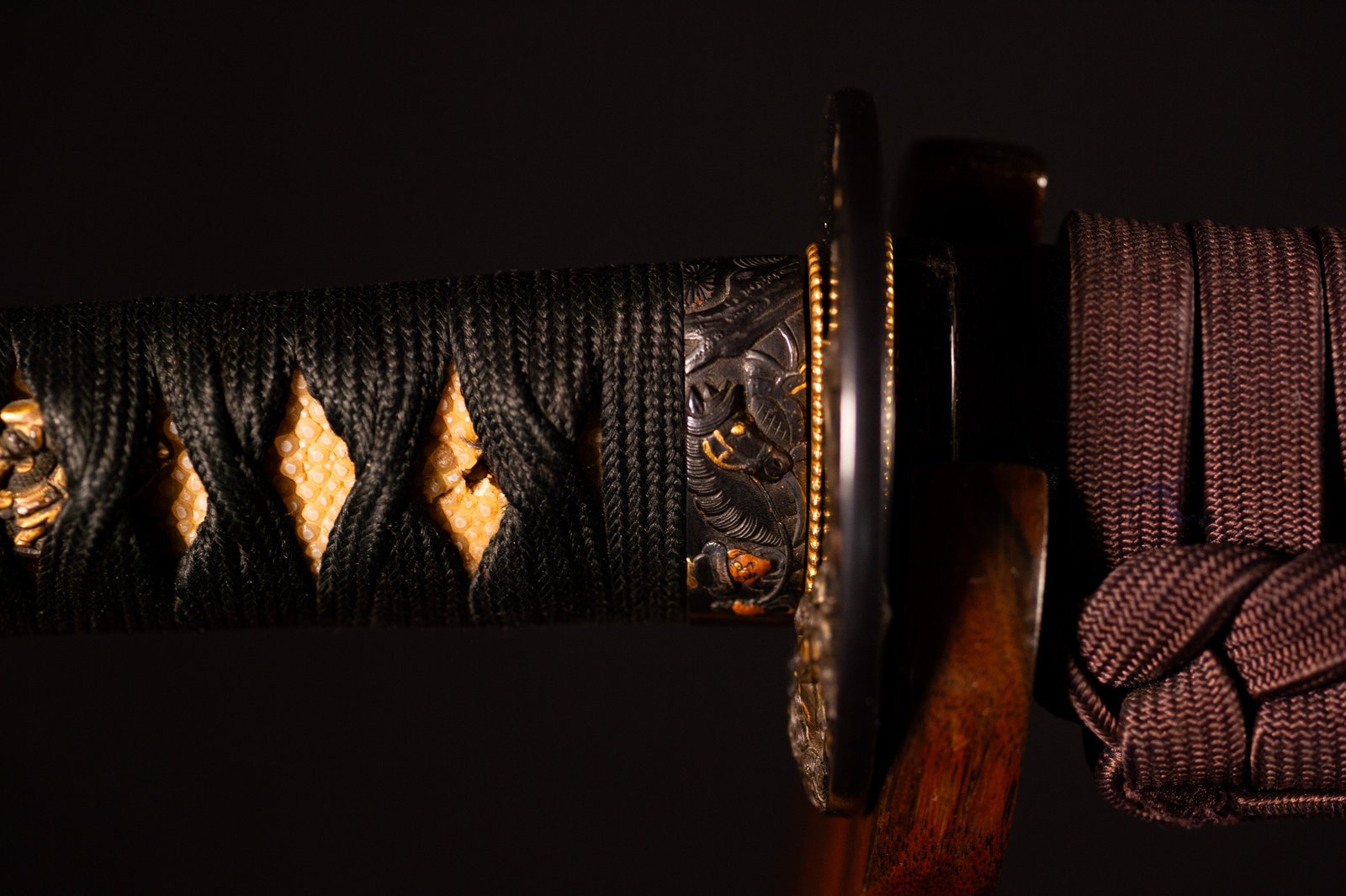
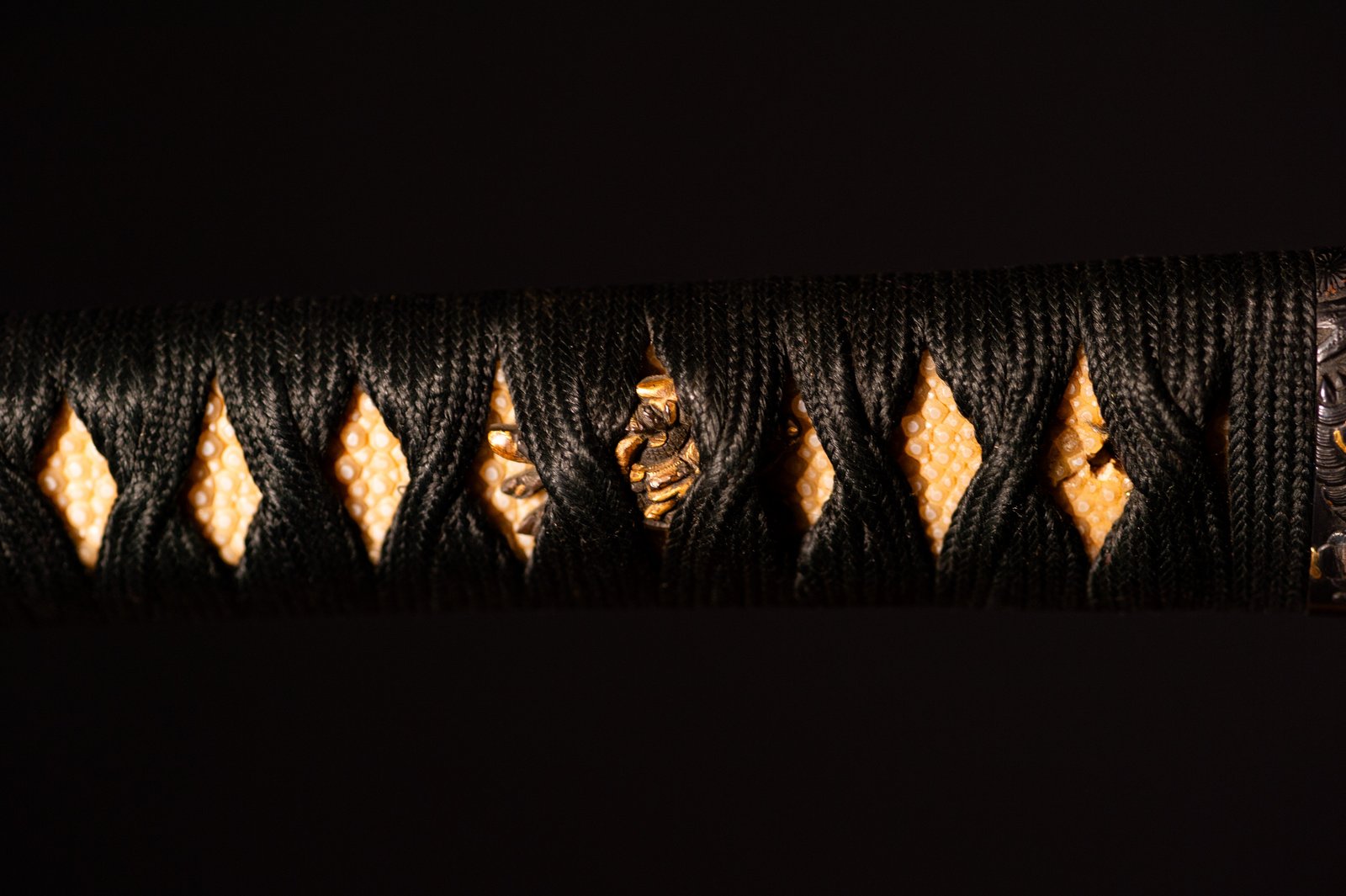
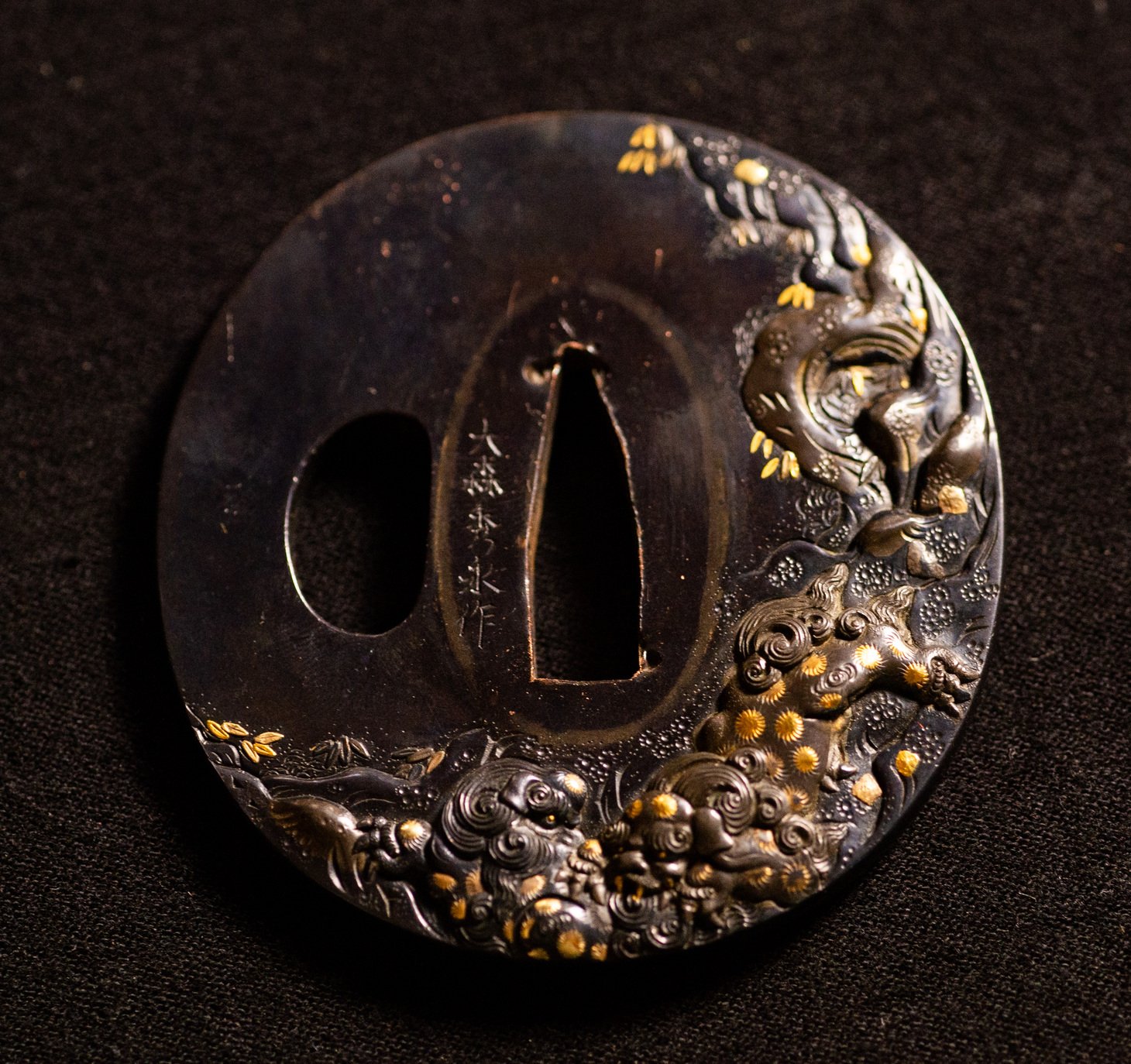
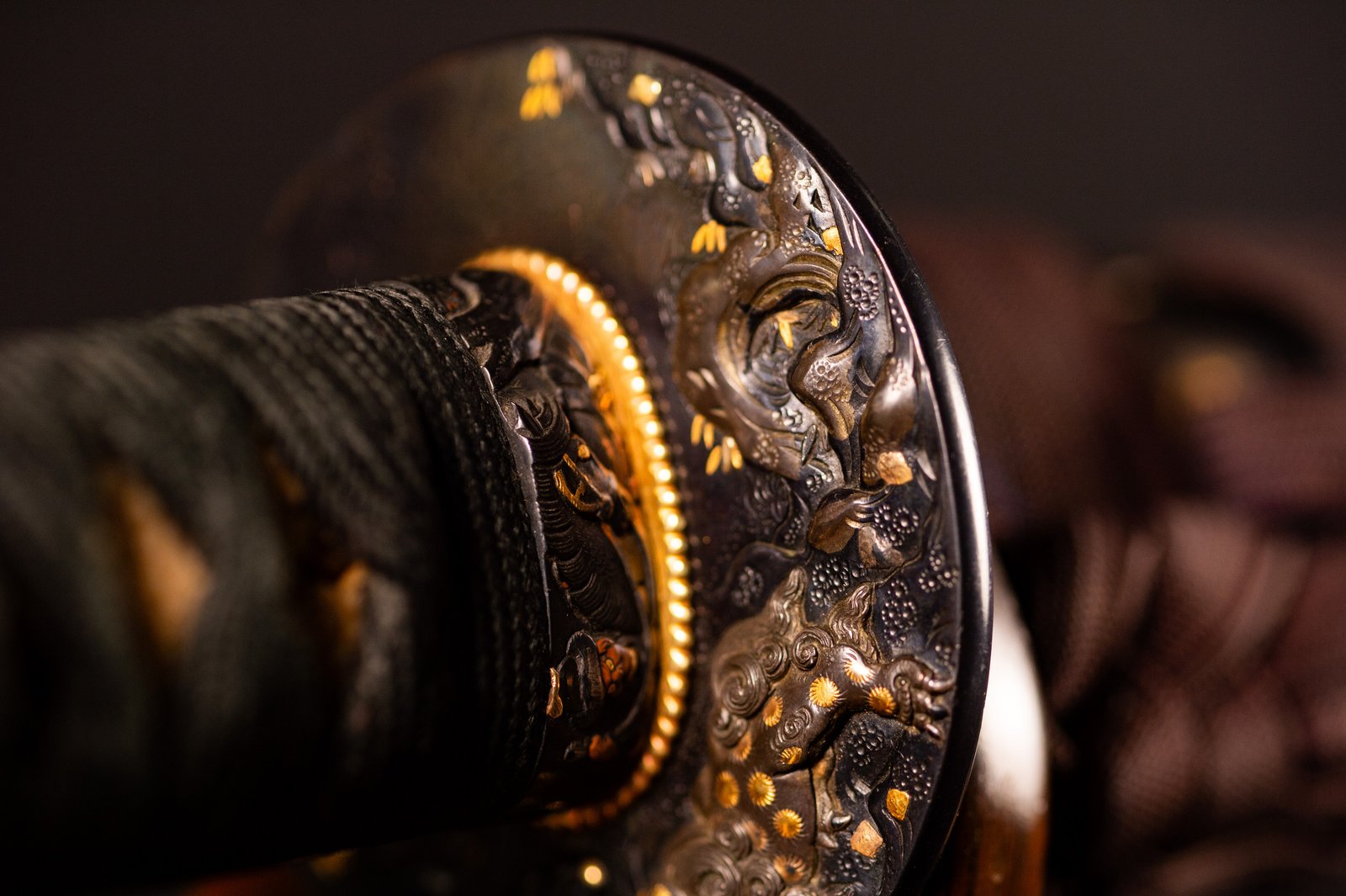

販売店の記載のまま
Tsuda Sukehiro line, Osaka Shinto (Settsu / Omi) · 摂津 · 1668-1693頃
藤代 上々作 · 刀剣大鑑 上位14%
現在7点販売中
助直は寛永十六年(一六三九)近江国野洲郡高木に生まれ、通称を孫太郎、また孫太夫と伝え、その年紀作は寛文八年(一六六八)より、五十五歳を迎えた元禄六年(一六九三)に及ぶ。説明書は、初め初代そぼろ助広の門に入り、のち二代津田越前守助広の指導を受けて大成したこと、助広の妹婿となって津田姓を冠したこと、天和二年(一六八二)の師の歿後は後継者として大坂に常住したことを記す。延宝年中の作には「高木住」と銘したものが多く、成業の後一時生国高木に帰ったものと説明書は見る。津田門の中でその手は最も師に近く、最晩年の特別重要刀剣について説明書は「師の助広と区別し難いほどの上出来」[[c:1]]とし、円熟した技術を見せるものとする。
助直の聞こえる作風は濤瀾乱れで、説明書はこれを師助広の創始したものとし、助直はよくこれを継承したとする。元を直ぐに焼き出し、その上に大互の目に丁子・小のたれを交えて波となし、足長く入り、匂深く、小沸厚くつき、砂流し・金筋細かにかかり、時に飛焼を交える。説明書は作ごとにほぼ同じ言葉で、匂が深く、小沸がよくつき、匂口が明るく冴える作柄が通例であり、「中には助広に迫る作もある」[[c:2]]と記す。
地鉄は小板目がよくつみ、地沸微塵に厚くつき、地景細かに入って、かねが冴える。最上の作では殆ど梨子地となる。円熟期の特別重要刀剣はまさにこの鍛えに、互の目を交えた濤瀾乱れを焼き、匂口深く小沸厚くつき、金筋・砂流し細かにかかり、説明書は「地刃に助直の特色と美点が十二分に示されている」[[c:3]]と結ぶ。帽子は各作直ぐに小丸、僅かに返り、時に先掃きかける。
濤瀾の傍らに、説明書は別の作域を挙げる。一つは互の目乱れとのたれで、大互の目が波に上がりきらないもの。一つは穏やかな直刃、また広直刃で、濤瀾を以て聞こえながらこれを巧みにこなした。延宝三年、なお高木にあって鍛えた刀は広直刃を焼き、説明書はおだやかとしつつ「流石に堂々たる出来である」[[c:4]]と添える。ある年紀の脇指については、濤瀾のほか「他にこの脇指の如く直刃も巧みにこなしている」[[c:5]]と記す。刀身の彫は棒樋に留まり、貞享三年紀の一口にみる倶利迦羅・旗鉾は、切付銘によって長坂遊鵬軒の手になることが知られる。
師との差についても説明書は明らかに記す。その刀は身幅が広い傾向があり、ある特別重要刀剣は典型作として「姿は助広より幅があり堂々とした体配」[[c:6]]とされ、匂口深く師の上作に迫るという。その濤瀾刃は助広に比べ刃先に砂流しがかかり、「やや荒目の沸がつくものがある」[[c:7]]。本間による御物台帳に所載の二口は、この評価の両面を示す。元禄三年、五十二歳の刀は同作中の傑作として「殆ど師父助広の域に迫る」[[c:8]]とされる。一方、延宝五年紀で高木住と切り「以地鉄落作之」と添銘する脇指は、師同様に直刃も得意としたことを示すが、本間は「地がねのよさは到底師に及ばない」[[c:9]]と付記する。
助直は藤代が上々作とし、大坂新刀の主要な名跡に数えられる。国宝・重要文化財はない。その記録は現代の級を通じ、特別重要刀剣四口、重要刀剣五十九口、両級併せて六十三口に及び、すべて在銘で、年紀あるものも多い。来歴の知られるものは僅かで、松平家に伝わった一口と、信州松本藩士の旧蔵の一口がある。その格の指定刀の多くは伝えられて売り立てられることが少なく、在銘年紀の助直が市に現れるのは折にふれてのことであり、濤瀾乱れの見事な刀はその折にいよいよ求められる。津田助広に最も近づいた門人の作である。
助直の位置づけを、日本刀全体および伝法・時代・時期ごとに示します。各区分(随一・屈指・有数・著名)は、NBTHK および文化庁による指定に加え、三作や名物帳などの歴史的栄誉を加味したものです。
各項目を選ぶと評価方法が表示されます。
在銘年紀作が示す、確実に活動していた年代
新刀 · 摂津
現在26点販売中
助広一門は、摂津国大坂に拠って江戸時代前期に活躍した新刀の一系であり、その名は初代そぼろ助広に始まる。初代助広は、もと播磨国国衙庄津田の数打工であったと伝わり、後に大坂へ出て初代河内守国助の門に学んだ。国助はもと石堂派の出身であり、初代助広が丁子乱れを得意として匂口締まりごころに小沸をつけ、足・葉を交えた一見石堂風の作柄を示すのも、この師系に由来する。切り添えられた「そほろ」の銘によりそぼろ助広とも通称され、寛文三年に歿した。その二代を継いだのが津田越前守助広である。越前守助広は寛永十四年に摂州打出村に生まれ、通称を甚之丞といい、初代の門に学んでその歿後に二代目を襲い、明暦三年に越前守を受領し、寛文七年には大坂城代青山因幡守宗俊に召し抱えられ、天和二年に四十六歳で歿した。門人には近江国高木に生まれて二代助広に学び、後にその妹婿になったと伝える津田近江守助直があり、いずれも寛文・延宝を中心とする大坂新刀の中核を成した。 本一門の作風は、大坂鍛えに特有の精緻な地鉄と、明るく深い匂口を共通の身上とする。鍛えは小板目肌がよくつんで些かの緩みもなく、地沸が微塵に厚くつき、地景が細かに入り、かねが冴える。刃文は元を直ぐに焼き出す大坂焼出しを置き、その上に二代助広が創始した濤瀾乱れを焼くのを特色とする。濤瀾は大互の目に互の目・小のたれを交えて大きくうねる独特の刃文で、足太く入り、匂深く小沸厚くつき、金筋・砂流しがかかり、匂口が明るく冴える。二代助広は初期に石堂風の丁子乱れを焼き、ついで互の目乱れを経て濤瀾へと至り一世を風靡したが、直刃もまた頗る巧みで、同地大坂の井上真改と双璧と称された。助広の直刃は浅く五つにのたれを帯び、横手下から焼幅を広める手癖を示し、沸の粒が真改より細かく、刃縁が奉書紙を裂いたように地へ向かって細かに働く点が見どころとされる。門人助直は師の濤瀾をよく継承しつつ、互の目乱れやのたれ・直刃にも作域を広げ、中には師に迫る出来を見せた。茎には入山形の茎尻に大筋違や筋違の鑢に香包の化粧鑢を施し、角津田・丸津田の銘を切る点も一門を分かつ手掛かりとなる。 助広が古来重んじられてきたのは、濤瀾という新刀屈指の華やかな刃文を創始し、かつ直刃にも比類なき冴えを示した両面の妙によるところが大きい。鑑定にあたっては、精緻によくつんだ小板目肌、微塵に厚くつく地沸、深く明るい匂口、そして大坂焼出しから立ち上がる濤瀾の態を要点とする。代表作には、大坂城代青山宗俊の命により助広四十二歳の時に鵜首造の異風な姿で鍛え、雨乞いの願いを込めて倶利迦羅と梵字を彫った延宝六年紀の大太刀「村雨」があり、青山家に代々秘蔵された。その濃密な彫物は助広自身彫ではなく、当時大坂で活躍した彫師長坂遊鵬軒の手になるものと推され、同様の彫例は助直や一竿子忠綱・伊勢守国輝らの作にもうかがえる。さらに井上真改との合作の脇指も知られ、茎仕立てから鑢目、銘字に至るまで助広の主座が看取され、大坂新刀を代表する両雄の協同を伝える資料として価値が高い。門人助直の天和年紀の濤瀾の傑作とともに、これらの優品は、大坂新刀の到達点を今に示すものである。 詳しく見る →
大坂 町人の都の刀
大坂は町人の都であり、刀も金の流れに従った。脇差一腰しか許されぬ町人のための贅沢な作、助広の濤瀾乱れ、大坂正宗と呼ばれた真改。率直に言えば、見られるために作られた刀である。
14-day return if items arrive damaged or in unexpected condition; customer bears return shipping + insurance; items returned in original condition with all accessories; antique armour non-returnable; only regular priced items refundable; shipping costs non-refundable.