Perry’s arrival in 1853 unraveled the Tokugawa peace and created the first mass demand for working swords in two centuries. Kiyomaro, called the Masamune of Yotsuya, died on its eve; Munetsugu and Yukihide carried the boom to the end.
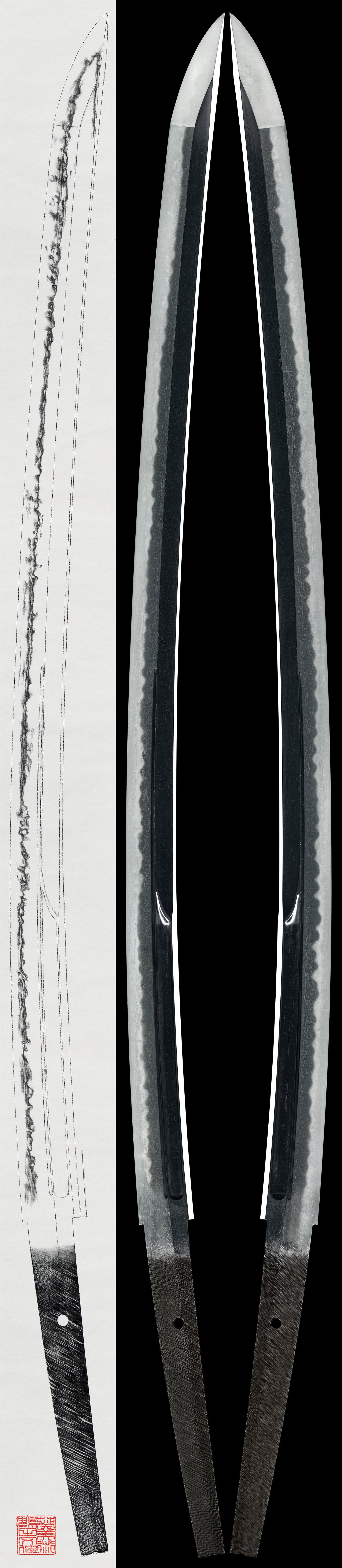
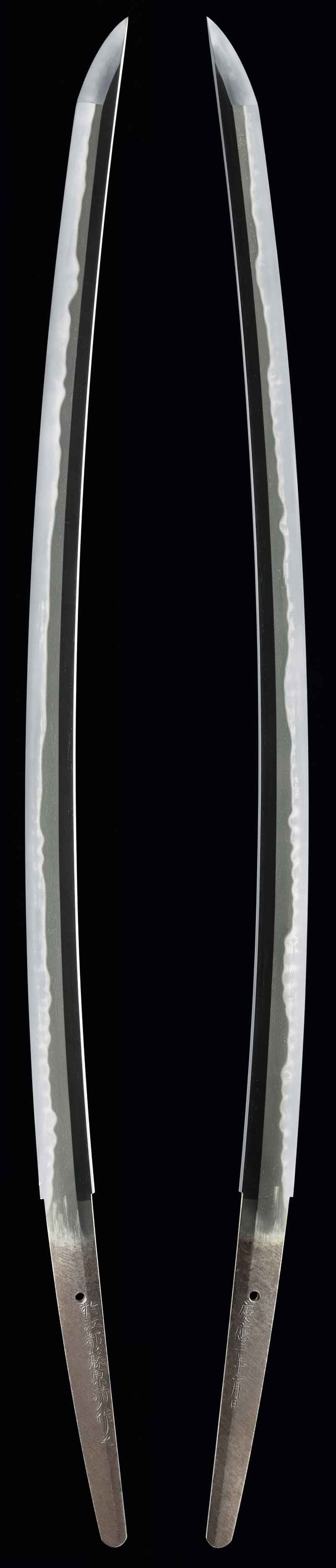
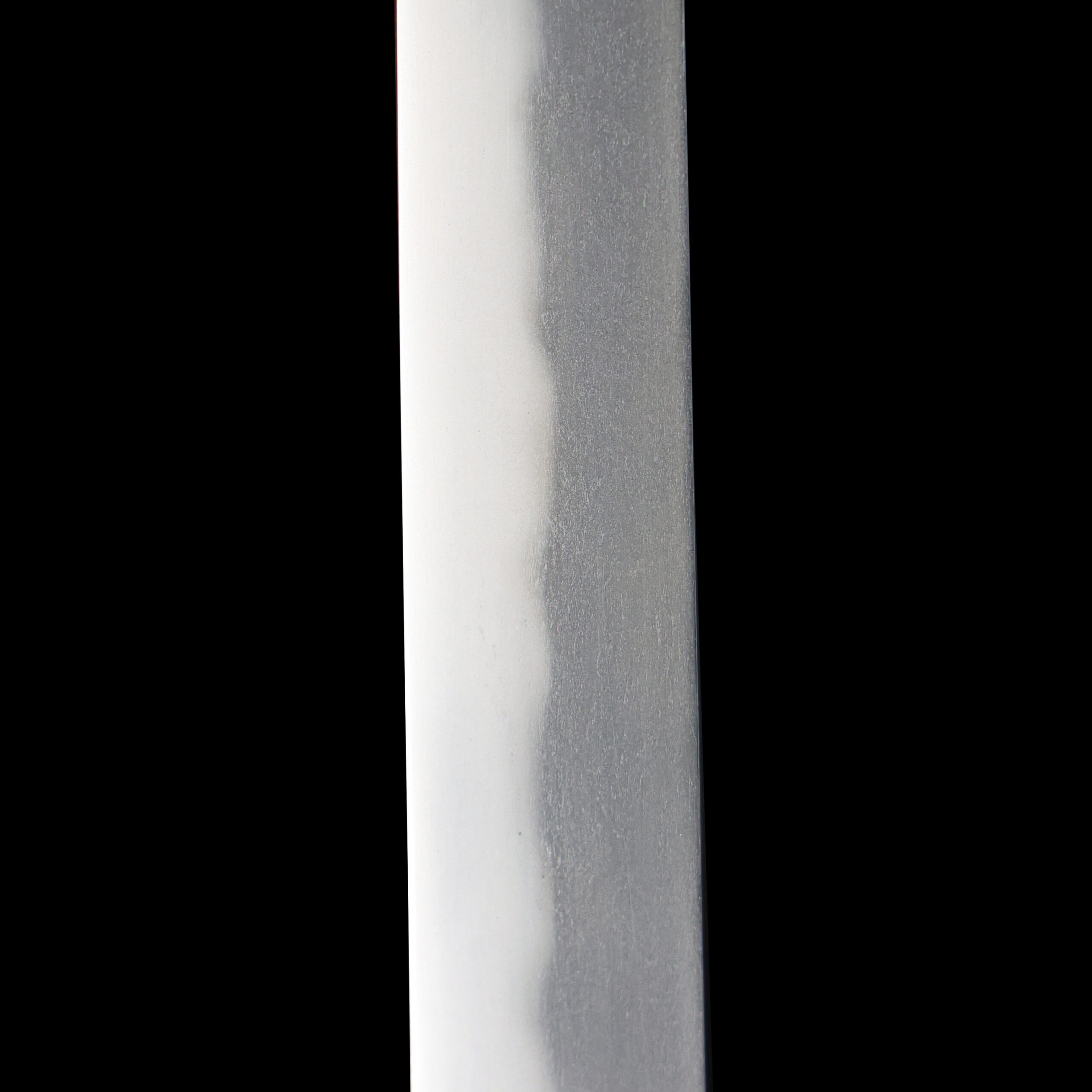
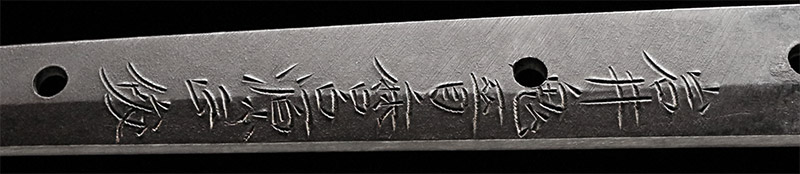
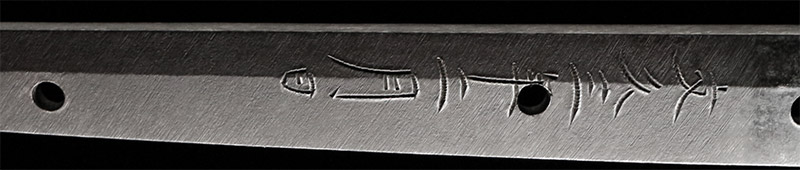
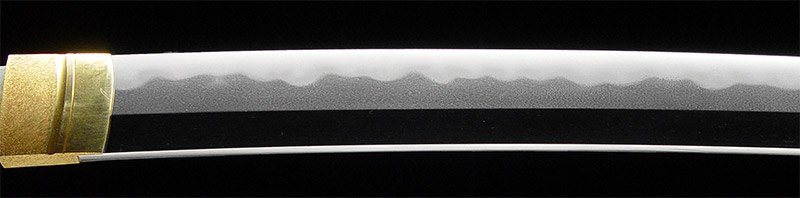
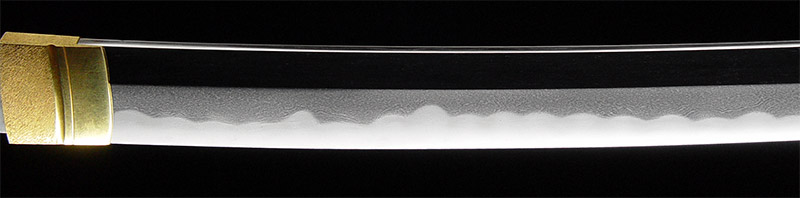
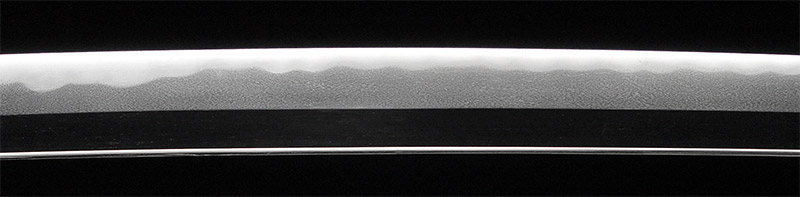
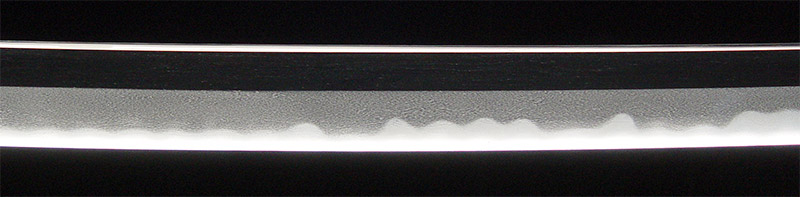
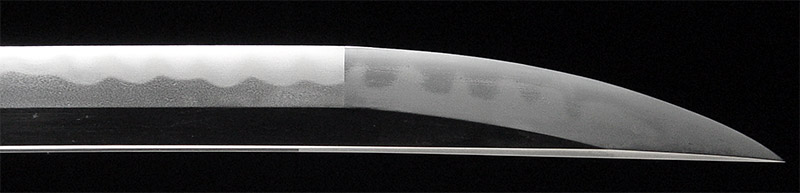
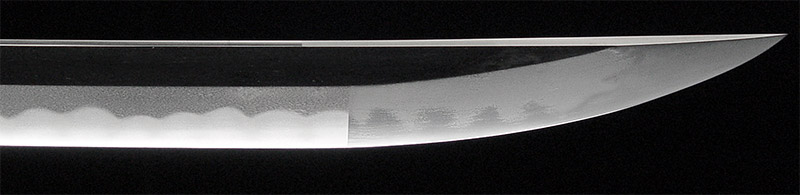
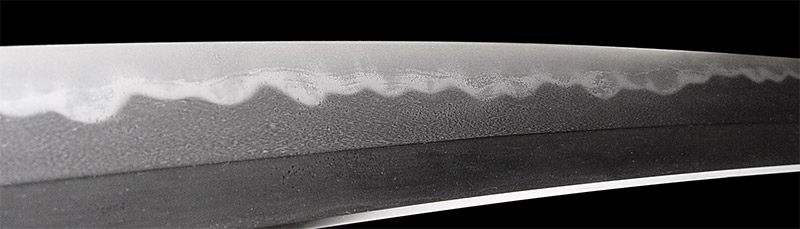
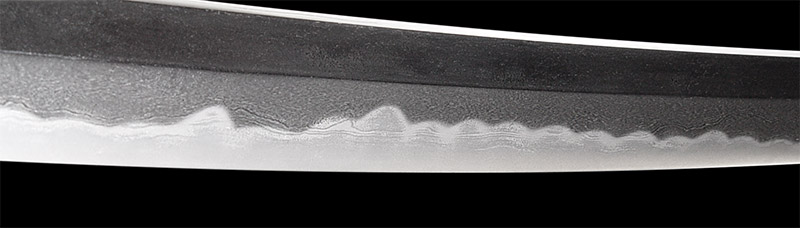
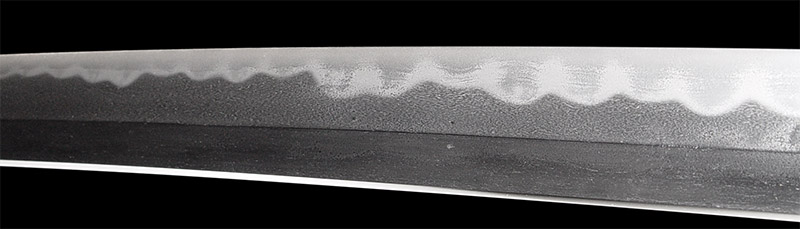
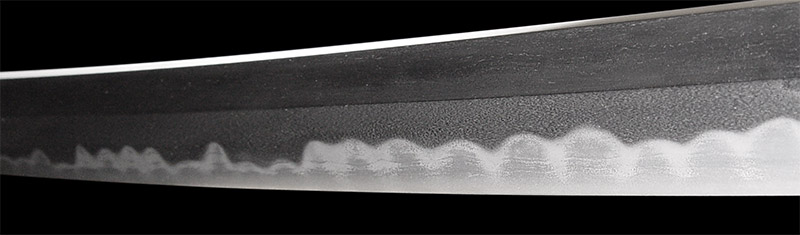
This katana was made by Kishinmaro Masatoshi in 1863. Masatoshi was a student of Kiyomaro and also studied with Masayoshi and Naotane. The blade features a gunome choji midare hamon and ko-itame jigane. It comes with a shirasaya and a NBTHK Hozon Token certificate.
 NihontoWatch
mei · Manen (1860-1861) · nagasa 70.1cm · sori 1.6cm



Shinshinto · Musashi · around 1860-1862
Fujishiro Jo saku · Tōken Taikan top 49%
1 piece on the market now
Where Masatoshi stands among comparable artisans: across all of nihontō, and within tradition, era, and period. The tiers (Foremost · Leading · Major · Notable) weigh official designations from the NBTHK and Japan's Agency for Cultural Affairs, together with historical honors of lasting repute such as the Sansaku and Meibutsu-chō.
Select a lens to see how it's measured.
Years he was demonstrably active, proven by signed-and-dated blades
Shinshinto · Musashi
14 pieces on the market now
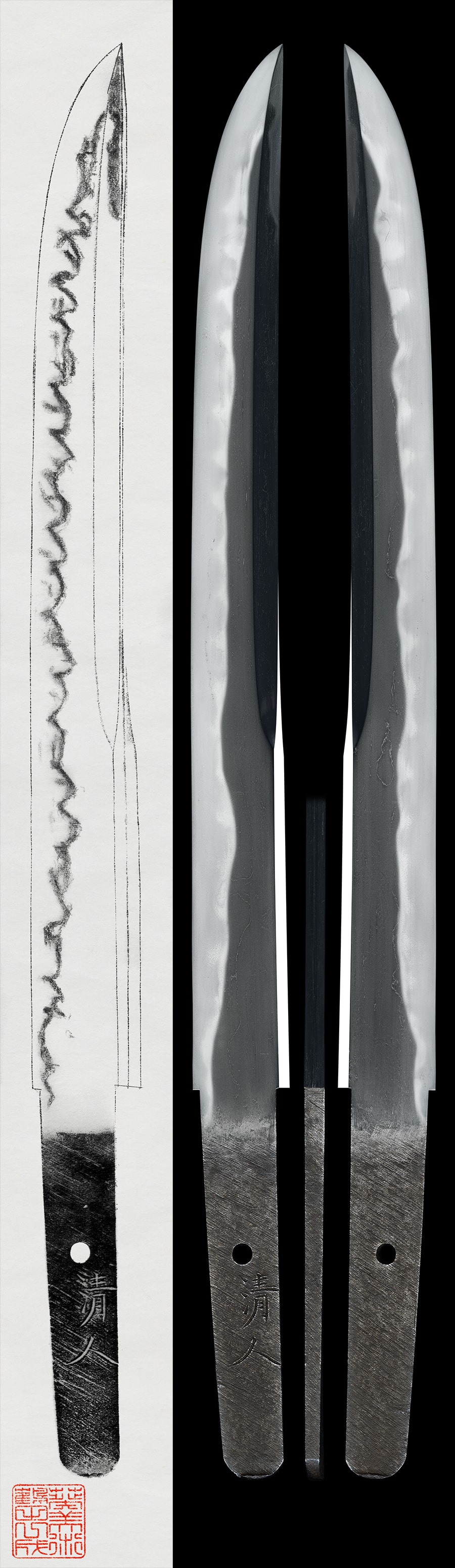
The Kiyomaro school gathered in the workshops of Yotsuya in Edo around the middle of the nineteenth century, its founder Yamaura Kiyomaro (清麿) born in Bunka 10 (1813) at Akaiwa village in the Komoro district of Shinano, the second son of the country gentry-warrior Yamaura Nobukaze. He learned forging first under the Ueda-domain smith Kawamura Toshitaka, signing his early blades Masayuki, went up to Edo in Tenpo 6 (1835) under the patronage of the military scholar Kubota Kiyone, and in the autumn of Koka 3 (1846) settled at Iga-cho in Yotsuya and changed his signature to Kiyomaro; he died by his own hand at forty-two in Kaei 7 (1854). Around him moved his elder brother Yamaura Masao (真雄/正雄), who took the same instruction from Toshitaka and walked the same course from choji into Soshu-den, and the pupils who entered the Yotsuya forge in its final years: Kurihara Nobuhide (信秀), a mirror-maker from Sanjo in Echigo whom the published sources place nearest the master's hand; Saito Kiyondo (清人) of Dewa, who afterward settled his teacher's sword debts and carried the manner into early Meiji; and the wider circle of associates and patrons through which the line passed. The shared vocabulary of the school is a powerful Soshu-revival manner. Over an itame that flows and stands a little, well packed and at times opening into mokume and o-itame, the smiths lay thick ji-nie with frequent chikei, the steel clear and without utsuri, for this is a late hand reaching back five centuries to Sagami rather than a Bizen revival. The temper is an o-midare or gunome-midare mixed with ko-notare, the ashi and yo entering, the nie thick and gathering coarse in clusters of ara-nie, with long kinsuji and streaming sunagashi running through nearly every blade; the boshi answers in a midare-komi turning pointed with hakikake. A Bizen-leaning side survives from the early years in the residual choji that shades into the mature work. Within this common ground the hands diverge. Kiyomaro's is read as the overwhelming one, his Soshu-den reaching the upper transmission with the Shizu vein as his forte of fortes, the NBTHK calling his work 「覇気に満ちている」, filled with commanding spirit.
Masao's grounded forging is candidly weighed against his brother's, the texts noting that his chikei, sunagashi, and kinsuji run fewer and the quality does not reach Kiyomaro's level. Nobuhide is named the closest approach to the master and is alone in the school for his carving, a mirror-maker's hand that set kurikara, dragons, and bonji into blades the others left plain. Kiyondo holds the round-headed gunome-midare at full strength and adds a manner of his own, a bright suguha aligned with the Yamato tradition that Kiyomaro never worked. To kantei the school, read first the imposing shape particular to the Yamaura line: a wide body with little taper, the sori toward the point, a chu-kissaki extended or run to an o-kissaki whose fukura is allowed to wither for a sharp impression, often a shobu-zukuri or kanmuri-otoshi wakizashi. Read then the nie, thick in ji and ha, the chikei and the conspicuous kinsuji and sunagashi that mark the force of the steel rather than any borrowed pattern. Carving narrows the field to Nobuhide; a Yamato suguha narrows it to Kiyondo. Kiyomaro stands at the head of the line, ranked by the published sources as high as Kotetsu and named without question the leading master among the shinshinto, the smith called the Yotsuya Masamune (四谷正宗). His extant work is scarce and closely held, passing through documented hands such as the Iwasaki family and the Seikado Bunko, and reaches the market only from time to time and at the very top of it. The pupils and the elder brother offer the more attainable face of the circle, signed and dated blades that come to a collector with patience; a signed example of any of these hands is a document of the moment when Soshu was reborn in Edo. Learn more →
| Smith | Era | Designated |
|---|---|---|
| Kiyomaro清麿 | 1839-1854 | 52 |
| Nobuhide信秀 | 1857-1867 | 34 |
| Kiyondo清人 | 1848-1868 | 8 |
| Masao真雄 | 1844-1866 | 6 |
| Masanao正直 | 1865-1868 | 3 |
Bakumatsu: the last war market
Perry’s arrival in 1853 unraveled the Tokugawa peace and created the first mass demand for working swords in two centuries. Kiyomaro, called the Masamune of Yotsuya, died on its eve; Munetsugu and Yukihide carried the boom to the end.
Certifies a genuine blade worth preserving: a signature confirmed correct, or, if unsigned, an era, province, and school that the NBTHK can reliably identify.
The NBTHK (Nihon Bijutsu Tōken Hozon Kyōkai, the Society for the Preservation of Japanese Art Swords) is a public-interest incorporated foundation founded in 1948 and supervised by Japan’s Agency for Cultural Affairs (Bunkachō); it is based at the Japanese Sword Museum in Tokyo. Its expert panels physically examine each submitted work (shinsa) and issue a certificate (kanteishō) ranking it by artistic and historical merit. NBTHK papers are the most widely recognized standard of authentication for Japanese swords and fittings.
NBTHK official siteIf the item is not to your liking, please feel free to return it for any reason. Return shipping is the customer's responsibility. After the item arrives and we confirm it is in the same condition as at the time of sale, we transfer the refund to your designated account the same day. Purchases made at the store are outside the scope of cooling-off.
This katana was made by Kishinmaro Masatoshi in 1863. Masatoshi was a student of Kiyomaro and also studied with Masayoshi and Naotane. The blade features a gunome choji midare hamon and ko-itame jigane. It comes with a shirasaya and a NBTHK Hozon Token certificate.
NihontoWatchmei · Manen (1860-1861) · nagasa 70.1cm · sori 1.6cm
Shinshinto · Musashi · around 1860-1862
Fujishiro Jo saku · Tōken Taikan top 49%
1 piece on the market now
Where Masatoshi stands among comparable artisans: across all of nihontō, and within tradition, era, and period. The tiers (Foremost · Leading · Major · Notable) weigh official designations from the NBTHK and Japan's Agency for Cultural Affairs, together with historical honors of lasting repute such as the Sansaku and Meibutsu-chō.
Select a lens to see how it's measured.
Years he was demonstrably active, proven by signed-and-dated blades
Shinshinto · Musashi
14 pieces on the market now
The Kiyomaro school gathered in the workshops of Yotsuya in Edo around the middle of the nineteenth century, its founder Yamaura Kiyomaro (清麿) born in Bunka 10 (1813) at Akaiwa village in the Komoro district of Shinano, the second son of the country gentry-warrior Yamaura Nobukaze. He learned forging first under the Ueda-domain smith Kawamura Toshitaka, signing his early blades Masayuki, went up to Edo in Tenpo 6 (1835) under the patronage of the military scholar Kubota Kiyone, and in the autumn of Koka 3 (1846) settled at Iga-cho in Yotsuya and changed his signature to Kiyomaro; he died by his own hand at forty-two in Kaei 7 (1854). Around him moved his elder brother Yamaura Masao (真雄/正雄), who took the same instruction from Toshitaka and walked the same course from choji into Soshu-den, and the pupils who entered the Yotsuya forge in its final years: Kurihara Nobuhide (信秀), a mirror-maker from Sanjo in Echigo whom the published sources place nearest the master's hand; Saito Kiyondo (清人) of Dewa, who afterward settled his teacher's sword debts and carried the manner into early Meiji; and the wider circle of associates and patrons through which the line passed. The shared vocabulary of the school is a powerful Soshu-revival manner. Over an itame that flows and stands a little, well packed and at times opening into mokume and o-itame, the smiths lay thick ji-nie with frequent chikei, the steel clear and without utsuri, for this is a late hand reaching back five centuries to Sagami rather than a Bizen revival. The temper is an o-midare or gunome-midare mixed with ko-notare, the ashi and yo entering, the nie thick and gathering coarse in clusters of ara-nie, with long kinsuji and streaming sunagashi running through nearly every blade; the boshi answers in a midare-komi turning pointed with hakikake. A Bizen-leaning side survives from the early years in the residual choji that shades into the mature work. Within this common ground the hands diverge. Kiyomaro's is read as the overwhelming one, his Soshu-den reaching the upper transmission with the Shizu vein as his forte of fortes, the NBTHK calling his work 「覇気に満ちている」, filled with commanding spirit.
Masao's grounded forging is candidly weighed against his brother's, the texts noting that his chikei, sunagashi, and kinsuji run fewer and the quality does not reach Kiyomaro's level. Nobuhide is named the closest approach to the master and is alone in the school for his carving, a mirror-maker's hand that set kurikara, dragons, and bonji into blades the others left plain. Kiyondo holds the round-headed gunome-midare at full strength and adds a manner of his own, a bright suguha aligned with the Yamato tradition that Kiyomaro never worked. To kantei the school, read first the imposing shape particular to the Yamaura line: a wide body with little taper, the sori toward the point, a chu-kissaki extended or run to an o-kissaki whose fukura is allowed to wither for a sharp impression, often a shobu-zukuri or kanmuri-otoshi wakizashi. Read then the nie, thick in ji and ha, the chikei and the conspicuous kinsuji and sunagashi that mark the force of the steel rather than any borrowed pattern. Carving narrows the field to Nobuhide; a Yamato suguha narrows it to Kiyondo. Kiyomaro stands at the head of the line, ranked by the published sources as high as Kotetsu and named without question the leading master among the shinshinto, the smith called the Yotsuya Masamune (四谷正宗). His extant work is scarce and closely held, passing through documented hands such as the Iwasaki family and the Seikado Bunko, and reaches the market only from time to time and at the very top of it. The pupils and the elder brother offer the more attainable face of the circle, signed and dated blades that come to a collector with patience; a signed example of any of these hands is a document of the moment when Soshu was reborn in Edo. Learn more →
| Smith | Era | Designated |
|---|---|---|
| Kiyomaro清麿 | 1839-1854 | 52 |
| Nobuhide信秀 | 1857-1867 | 34 |
| Kiyondo清人 | 1848-1868 | 8 |
| Masao真雄 | 1844-1866 | 6 |
| Masanao正直 | 1865-1868 | 3 |
Bakumatsu: the last war market
Perry’s arrival in 1853 unraveled the Tokugawa peace and created the first mass demand for working swords in two centuries. Kiyomaro, called the Masamune of Yotsuya, died on its eve; Munetsugu and Yukihide carried the boom to the end.
Certifies a genuine blade worth preserving: a signature confirmed correct, or, if unsigned, an era, province, and school that the NBTHK can reliably identify.
The NBTHK (Nihon Bijutsu Tōken Hozon Kyōkai, the Society for the Preservation of Japanese Art Swords) is a public-interest incorporated foundation founded in 1948 and supervised by Japan’s Agency for Cultural Affairs (Bunkachō); it is based at the Japanese Sword Museum in Tokyo. Its expert panels physically examine each submitted work (shinsa) and issue a certificate (kanteishō) ranking it by artistic and historical merit. NBTHK papers are the most widely recognized standard of authentication for Japanese swords and fittings.
NBTHK official siteIf the item is not to your liking, please feel free to return it for any reason. Return shipping is the customer's responsibility. After the item arrives and we confirm it is in the same condition as at the time of sale, we transfer the refund to your designated account the same day. Purchases made at the store are outside the scope of cooling-off.