Power sat in Kamakura, but taste was still made in Kyōto. The Awataguchi school’s pear-skin steel became a byword for perfection, and the Rai line supplied dignified tachi to the court, senior warriors, and the great temples alike.
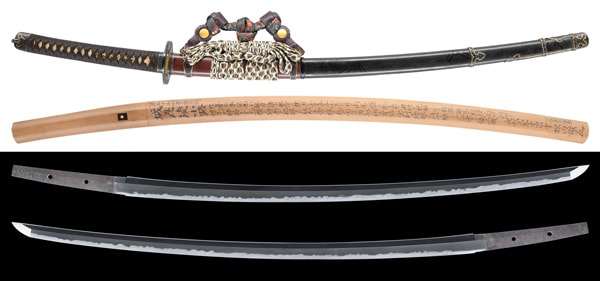
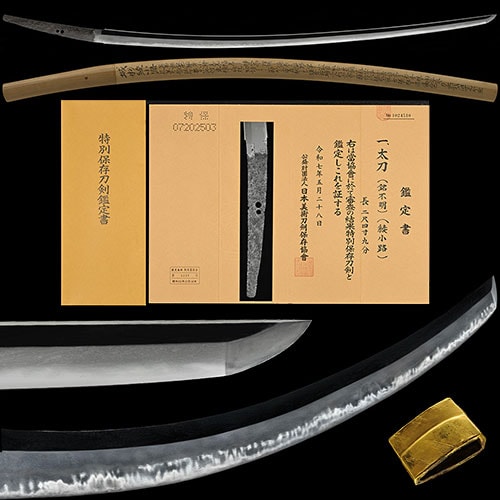
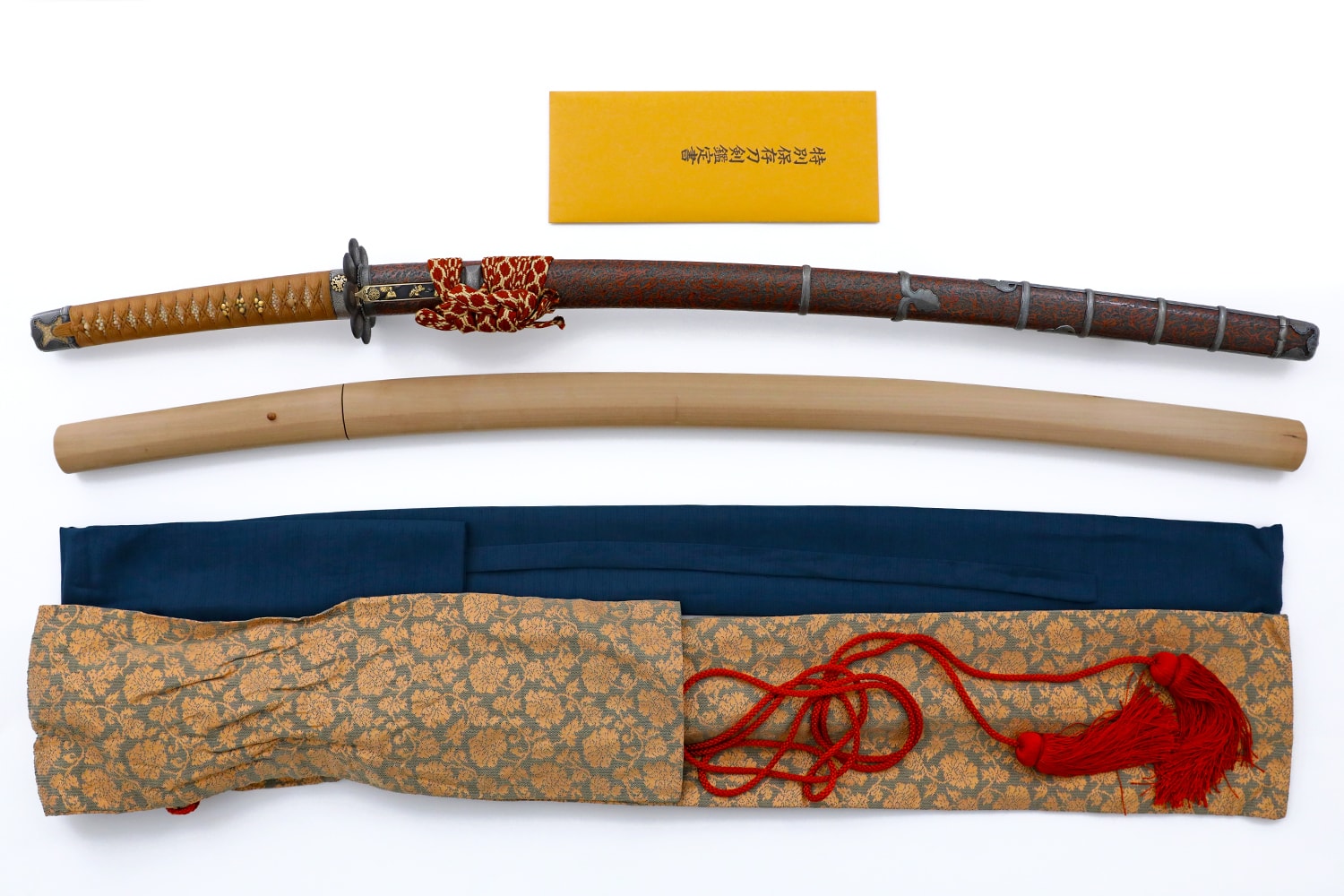
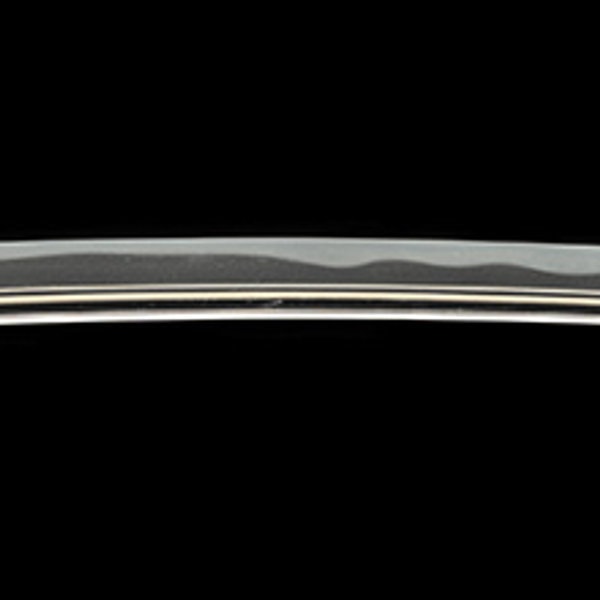
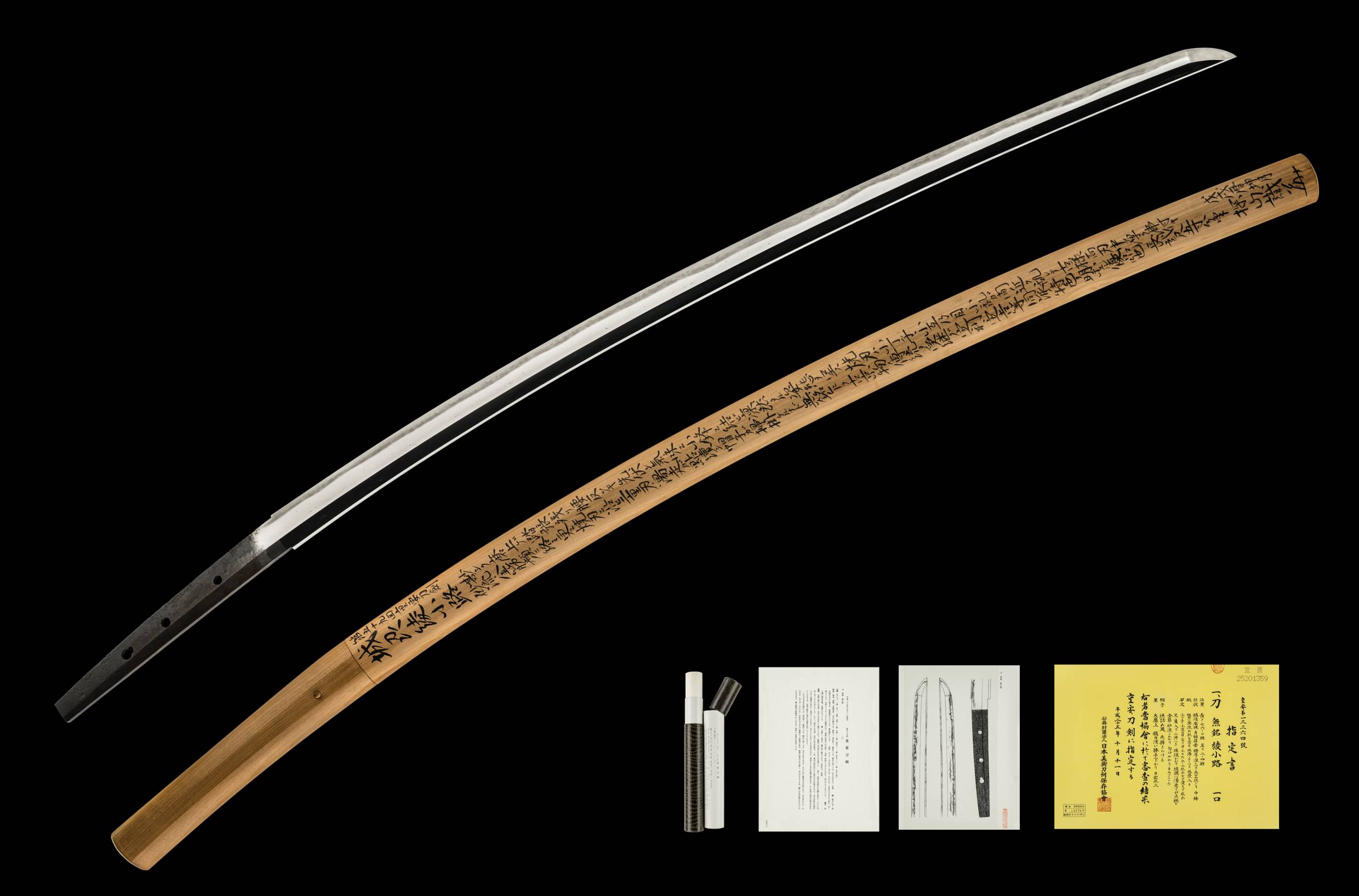
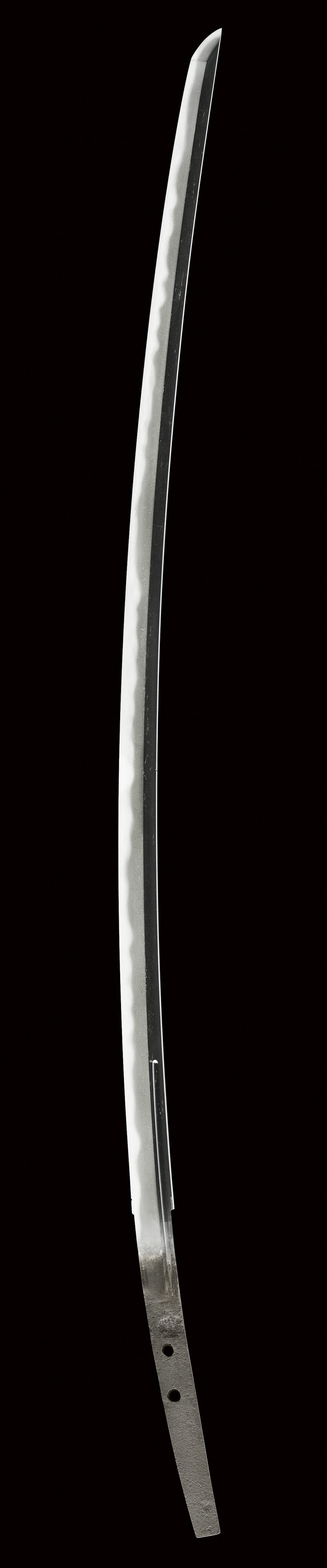
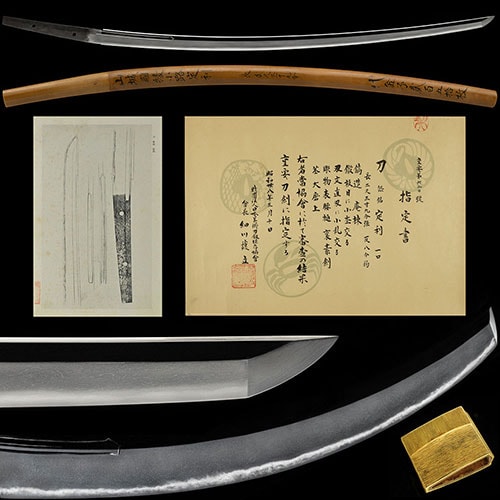
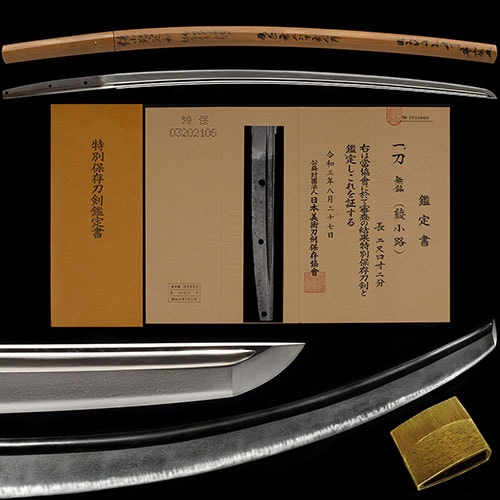
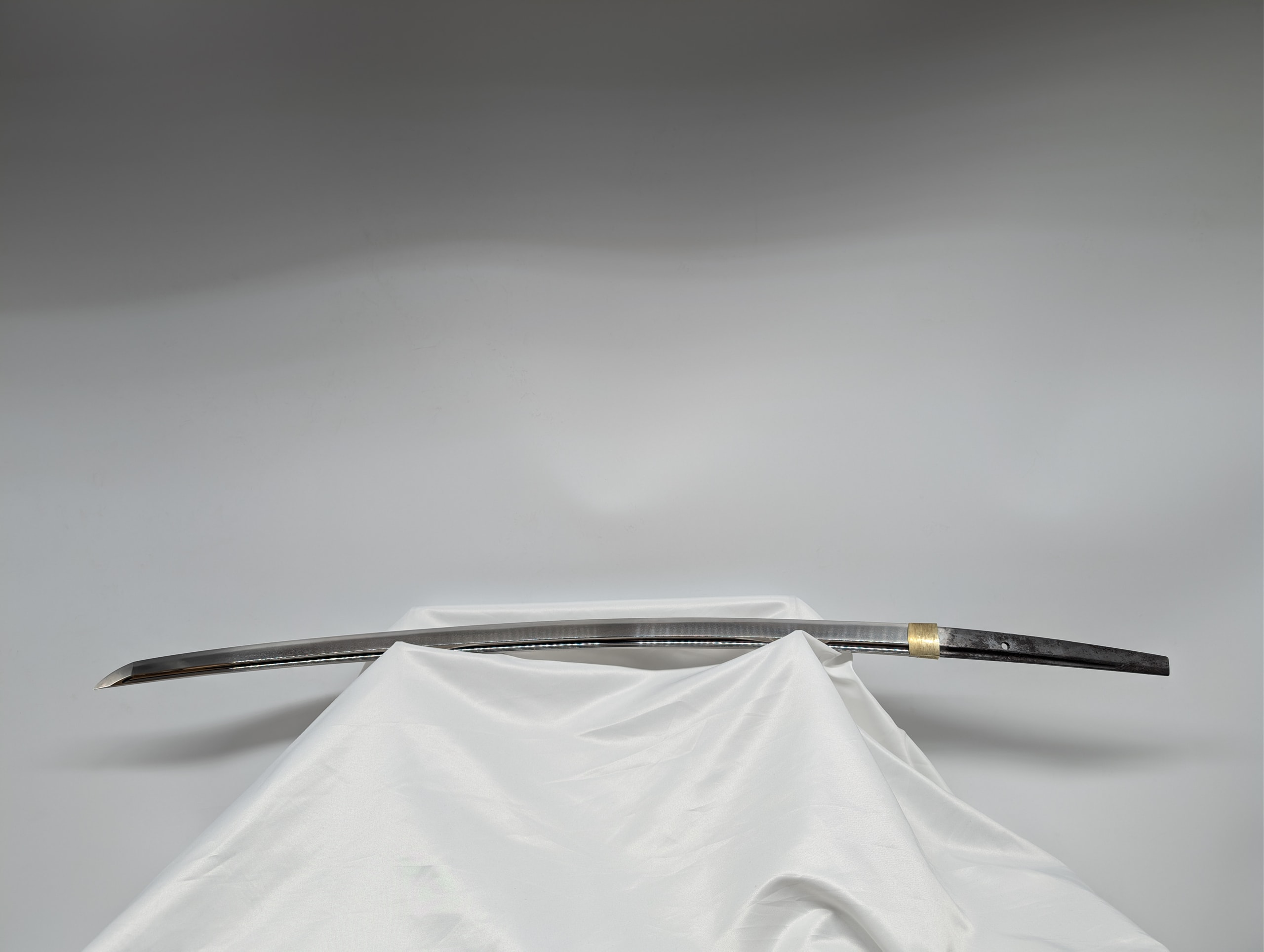
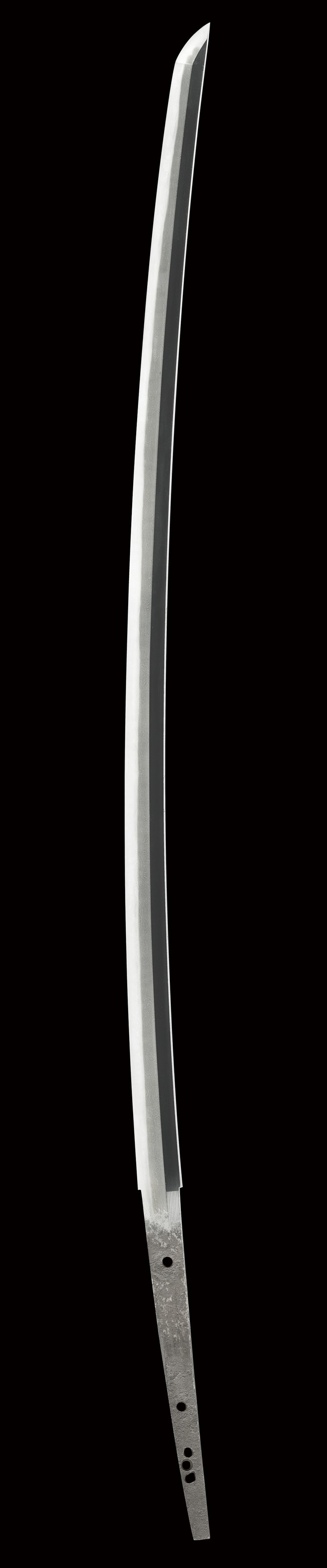
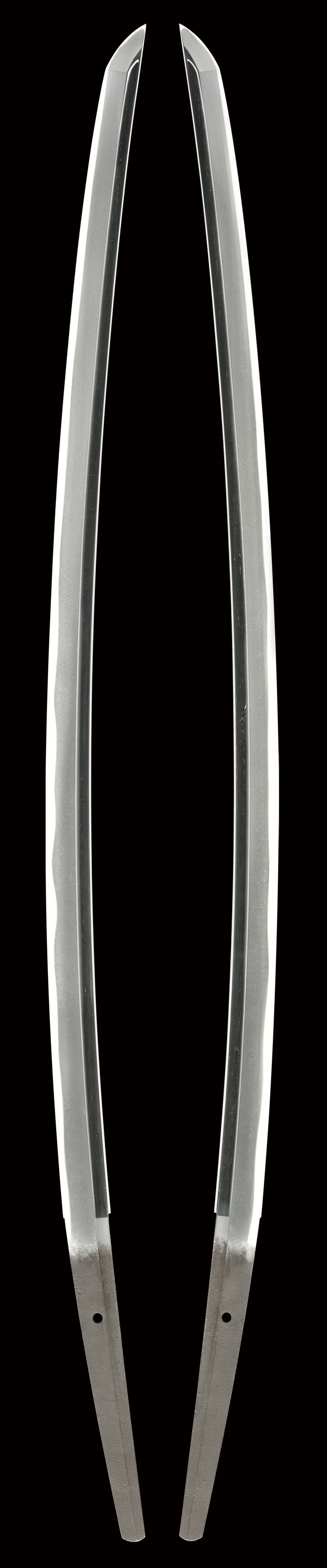
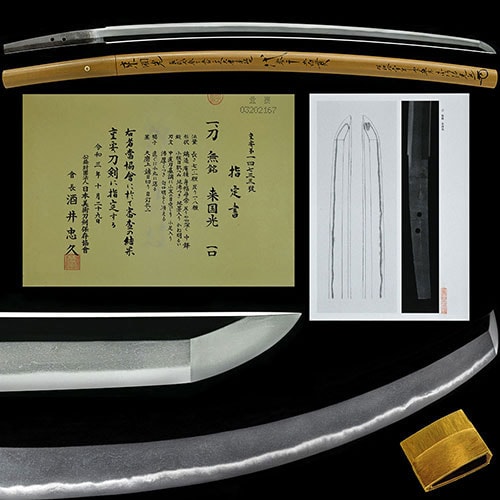
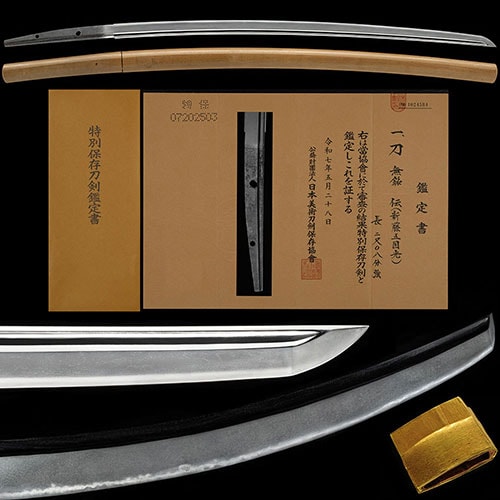
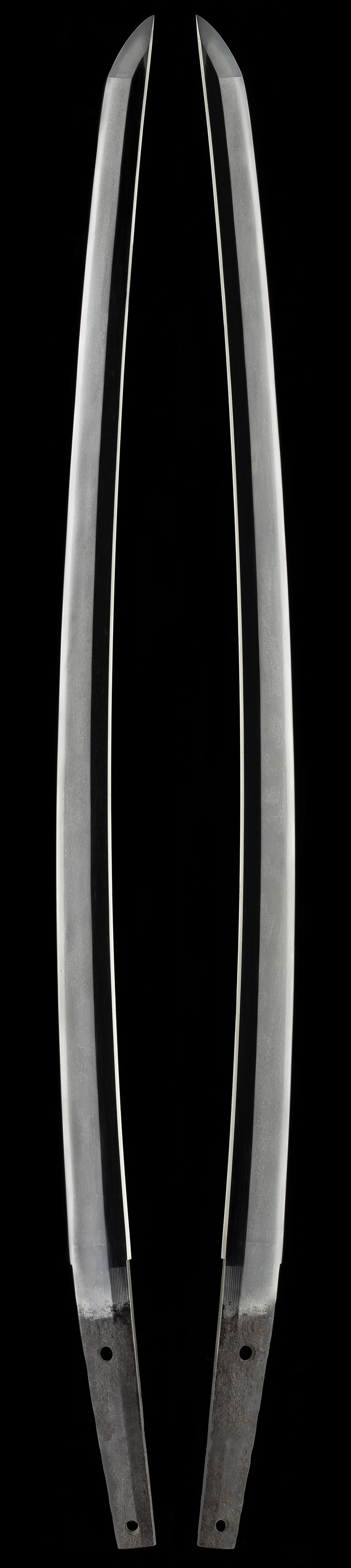
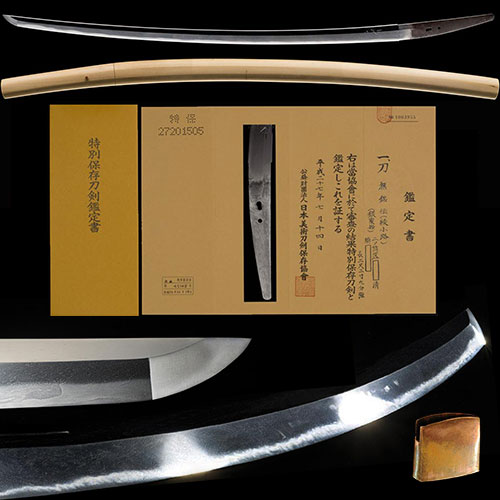
This is a Tachi attributed to the Ayanokoji school from the early Kamakura period, designated as Tokubetsu Hozon. It features a graceful tachi-sugata with strong koshizori, intricate jigane, and a complex hamon with abundant nie and nioi. The blade is described as exceptionally healthy and a masterpiece of its era.
 NihontoWatch
mumei · Ayanokoji · Kamakura · nagasa 69.5cm · sori 1.8cm

Yamashiro-den · Yamashiro
11 pieces on the market now
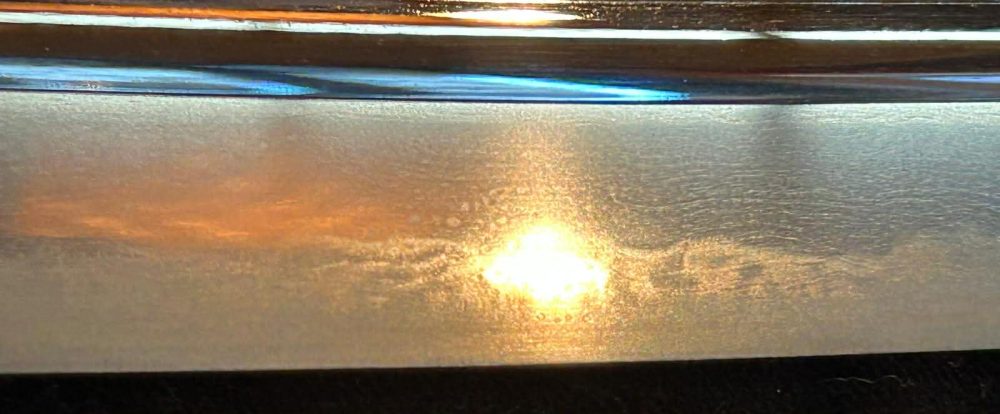
The Ayanokoji school (綾小路) takes its name from the swordsmiths who lived along Ayanokoji street in the Shijo quarter of Kyoto, and the published sources count it, with Awataguchi and Rai, among the three lineages of Yamashiro-den smiths of the Kamakura period. Its founder is Sadatoshi (定利), whose dating the old registers do not settle: the Noami Meizukushi places him around Hoji (1247-48) and the Kokon Kaji Meizukushi around Bun'ei (1264-75), while one tradition relates that he was on friendly terms with Rai Kuniyuki[[c:3]], the two even producing substitute works for one another as demand required. The registers list further names (Sukesada, Sadaie, Sueyuki, Tadaie, a second Sadatoshi written with different characters) yet of these only Sadatoshi survives in signed work, and within the school the sole other attested hand is his son Sadayoshi (定吉), recorded as working in the Kyoto manner near the home of Rai Kuniyuki. The make of everything extant carries an archaic cast that recalls the older Kyo-mono of the Sanjo and Gojo groups[[c:1]], an elegance calling Awataguchi Kuniyasu to mind, and from this the NBTHK appraises the smiths as going back earlier than the conventional view[[c:2]]. The shared Ayanokoji vocabulary rests first in the ground: a well-knit ko-itame, in places mixed with nagare or a slightly standing itame, with fine ji-nie lying thick, fine chikei, and a nie-utsuri that stands out, the jigane at its best taking on a moist, viscous quality. The classic tachi-sugata is slender, the taper from base to tip marked, the koshizori high with funbari, closing in a ko-kissaki. Across the school the temper is a small-pattern midare, a ko-midare mixed with ko-choji and ko-gunome over a suguha tone, the undulations close-set and intricately complex[[c:4]], with ashi and yo entering frequently, ko-nie adhering, and fine kinsuji and sunagashi running through; this is a Bizen-like, choji-laden temper laid upon a Yamashiro ji. Two further tells recur. Along the yakigashira, smaller patches of yaki with yubashiri, uchi-noke, and tobiyaki appear in dotted succession and build an effect akin to nijuba[[c:5]]; and the nioiguchi clouds softly, an urumi quality the published record names one of the school's viewing points.
The boshi continues the temper quietly with hakikake[[c:6]], at times taking a flame-like appearance, finishing yakizume, or entering midare-komi with a small ko-maru return. Sadatoshi anchors this manner, while Sadayoshi transmits it faithfully, his ground denser and more tenacious and his suguha-based ha mixing Kyo-style saka-ashi; a minority of Sadatoshi blades depart toward a brighter, urumi-free nioiguchi led by choji, a make the sources read toward the younger Kuniyuki. To kantei an Ayanokoji blade is to read its particular blend: the tightly packed small-pattern midare, the dotted nijuba effect along the yakigashira, and the softly clouded nioiguchi, set upon a fine ko-itame with conspicuous nie-utsuri. That combination separates the school from its Kyoto neighbors. Against Rai, the Ayanokoji ji is more archaic and its nioiguchi softer, where Rai runs brighter and clearer; against Ichimonji, the choji sits smaller and more intricate, carried on a suguha tone rather than the exuberant flamboyant choji of Bizen, and the Yamashiro forging keeps the ground close and nie-laden. The signed tachi bear a two-character mei with the character Sada cut large in a cursive manner and the second character smaller, set low on the nakago, a placement the sources note even where the signature avoids the groove; most signed blades are suriage, an ubu nakago is rare, and the o-suriage mumei katana are appraised by the same rules. Sadatoshi stands well above his school, Fujishiro grading him Jo-jo saku and Honma judging the National Treasure tachi in the Tokyo National Museum the finest of all he had examined, while Sadayoshi remains an exceedingly rare hand of scholarly weight. Recorded provenance runs through the Kishu Tokugawa, the Shimazu of Sadowara, the Maeda, the Matsudaira, and the Meiji statesman Ito Miyoji, with patrimony held by Hie Jinja and Ise Jingu; a signed Ayanokoji tachi comes to the market only rarely, and is a landmark for Yamashiro connoisseurship when it does. Learn more →
| Smith | Era | Designated |
|---|---|---|
| Sadatoshi定利 | 1232-1233 | 42 |
| Sueyuki末行 | 1303-1306 | 3 |
| Sadaie定家 | 1293-1299 | 0 |
| Sadatoshi定利 | 1334-1338 | 0 |
| Ieyasu家安 | 1327-1350 | 1 |
Yamashiro in the Kamakura period
Power sat in Kamakura, but taste was still made in Kyōto. The Awataguchi school’s pear-skin steel became a byword for perfection, and the Rai line supplied dignified tachi to the court, senior warriors, and the great temples alike.
A Hozon-certified blade judged to show notably superior workmanship and a better state of preservation. The bar is higher: re-tempered blades and most unsigned Muromachi/Edo works are excluded.
The NBTHK (Nihon Bijutsu Tōken Hozon Kyōkai, the Society for the Preservation of Japanese Art Swords) is a public-interest incorporated foundation founded in 1948 and supervised by Japan’s Agency for Cultural Affairs (Bunkachō); it is based at the Japanese Sword Museum in Tokyo. Its expert panels physically examine each submitted work (shinsa) and issue a certificate (kanteishō) ranking it by artistic and historical merit. NBTHK papers are the most widely recognized standard of authentication for Japanese swords and fittings.
NBTHK official siteReturns/exchanges/cancellations not accepted after shipment except for significant defects; if defective, return/exchange possible within 3 days of arrival (return shipping paid by customer).
This is a Tachi attributed to the Ayanokoji school from the early Kamakura period, designated as Tokubetsu Hozon. It features a graceful tachi-sugata with strong koshizori, intricate jigane, and a complex hamon with abundant nie and nioi. The blade is described as exceptionally healthy and a masterpiece of its era.
NihontoWatchmumei · Ayanokoji · Kamakura · nagasa 69.5cm · sori 1.8cm
Yamashiro-den · Yamashiro
11 pieces on the market now
The Ayanokoji school (綾小路) takes its name from the swordsmiths who lived along Ayanokoji street in the Shijo quarter of Kyoto, and the published sources count it, with Awataguchi and Rai, among the three lineages of Yamashiro-den smiths of the Kamakura period. Its founder is Sadatoshi (定利), whose dating the old registers do not settle: the Noami Meizukushi places him around Hoji (1247-48) and the Kokon Kaji Meizukushi around Bun'ei (1264-75), while one tradition relates that he was on friendly terms with Rai Kuniyuki[[c:3]], the two even producing substitute works for one another as demand required. The registers list further names (Sukesada, Sadaie, Sueyuki, Tadaie, a second Sadatoshi written with different characters) yet of these only Sadatoshi survives in signed work, and within the school the sole other attested hand is his son Sadayoshi (定吉), recorded as working in the Kyoto manner near the home of Rai Kuniyuki. The make of everything extant carries an archaic cast that recalls the older Kyo-mono of the Sanjo and Gojo groups[[c:1]], an elegance calling Awataguchi Kuniyasu to mind, and from this the NBTHK appraises the smiths as going back earlier than the conventional view[[c:2]]. The shared Ayanokoji vocabulary rests first in the ground: a well-knit ko-itame, in places mixed with nagare or a slightly standing itame, with fine ji-nie lying thick, fine chikei, and a nie-utsuri that stands out, the jigane at its best taking on a moist, viscous quality. The classic tachi-sugata is slender, the taper from base to tip marked, the koshizori high with funbari, closing in a ko-kissaki. Across the school the temper is a small-pattern midare, a ko-midare mixed with ko-choji and ko-gunome over a suguha tone, the undulations close-set and intricately complex[[c:4]], with ashi and yo entering frequently, ko-nie adhering, and fine kinsuji and sunagashi running through; this is a Bizen-like, choji-laden temper laid upon a Yamashiro ji. Two further tells recur. Along the yakigashira, smaller patches of yaki with yubashiri, uchi-noke, and tobiyaki appear in dotted succession and build an effect akin to nijuba[[c:5]]; and the nioiguchi clouds softly, an urumi quality the published record names one of the school's viewing points.
The boshi continues the temper quietly with hakikake[[c:6]], at times taking a flame-like appearance, finishing yakizume, or entering midare-komi with a small ko-maru return. Sadatoshi anchors this manner, while Sadayoshi transmits it faithfully, his ground denser and more tenacious and his suguha-based ha mixing Kyo-style saka-ashi; a minority of Sadatoshi blades depart toward a brighter, urumi-free nioiguchi led by choji, a make the sources read toward the younger Kuniyuki. To kantei an Ayanokoji blade is to read its particular blend: the tightly packed small-pattern midare, the dotted nijuba effect along the yakigashira, and the softly clouded nioiguchi, set upon a fine ko-itame with conspicuous nie-utsuri. That combination separates the school from its Kyoto neighbors. Against Rai, the Ayanokoji ji is more archaic and its nioiguchi softer, where Rai runs brighter and clearer; against Ichimonji, the choji sits smaller and more intricate, carried on a suguha tone rather than the exuberant flamboyant choji of Bizen, and the Yamashiro forging keeps the ground close and nie-laden. The signed tachi bear a two-character mei with the character Sada cut large in a cursive manner and the second character smaller, set low on the nakago, a placement the sources note even where the signature avoids the groove; most signed blades are suriage, an ubu nakago is rare, and the o-suriage mumei katana are appraised by the same rules. Sadatoshi stands well above his school, Fujishiro grading him Jo-jo saku and Honma judging the National Treasure tachi in the Tokyo National Museum the finest of all he had examined, while Sadayoshi remains an exceedingly rare hand of scholarly weight. Recorded provenance runs through the Kishu Tokugawa, the Shimazu of Sadowara, the Maeda, the Matsudaira, and the Meiji statesman Ito Miyoji, with patrimony held by Hie Jinja and Ise Jingu; a signed Ayanokoji tachi comes to the market only rarely, and is a landmark for Yamashiro connoisseurship when it does. Learn more →
| Smith | Era | Designated |
|---|---|---|
| Sadatoshi定利 | 1232-1233 | 42 |
| Sueyuki末行 | 1303-1306 | 3 |
| Sadaie定家 | 1293-1299 | 0 |
| Sadatoshi定利 | 1334-1338 | 0 |
| Ieyasu家安 | 1327-1350 | 1 |
Yamashiro in the Kamakura period
Power sat in Kamakura, but taste was still made in Kyōto. The Awataguchi school’s pear-skin steel became a byword for perfection, and the Rai line supplied dignified tachi to the court, senior warriors, and the great temples alike.
A Hozon-certified blade judged to show notably superior workmanship and a better state of preservation. The bar is higher: re-tempered blades and most unsigned Muromachi/Edo works are excluded.
The NBTHK (Nihon Bijutsu Tōken Hozon Kyōkai, the Society for the Preservation of Japanese Art Swords) is a public-interest incorporated foundation founded in 1948 and supervised by Japan’s Agency for Cultural Affairs (Bunkachō); it is based at the Japanese Sword Museum in Tokyo. Its expert panels physically examine each submitted work (shinsa) and issue a certificate (kanteishō) ranking it by artistic and historical merit. NBTHK papers are the most widely recognized standard of authentication for Japanese swords and fittings.
NBTHK official siteReturns/exchanges/cancellations not accepted after shipment except for significant defects; if defective, return/exchange possible within 3 days of arrival (return shipping paid by customer).