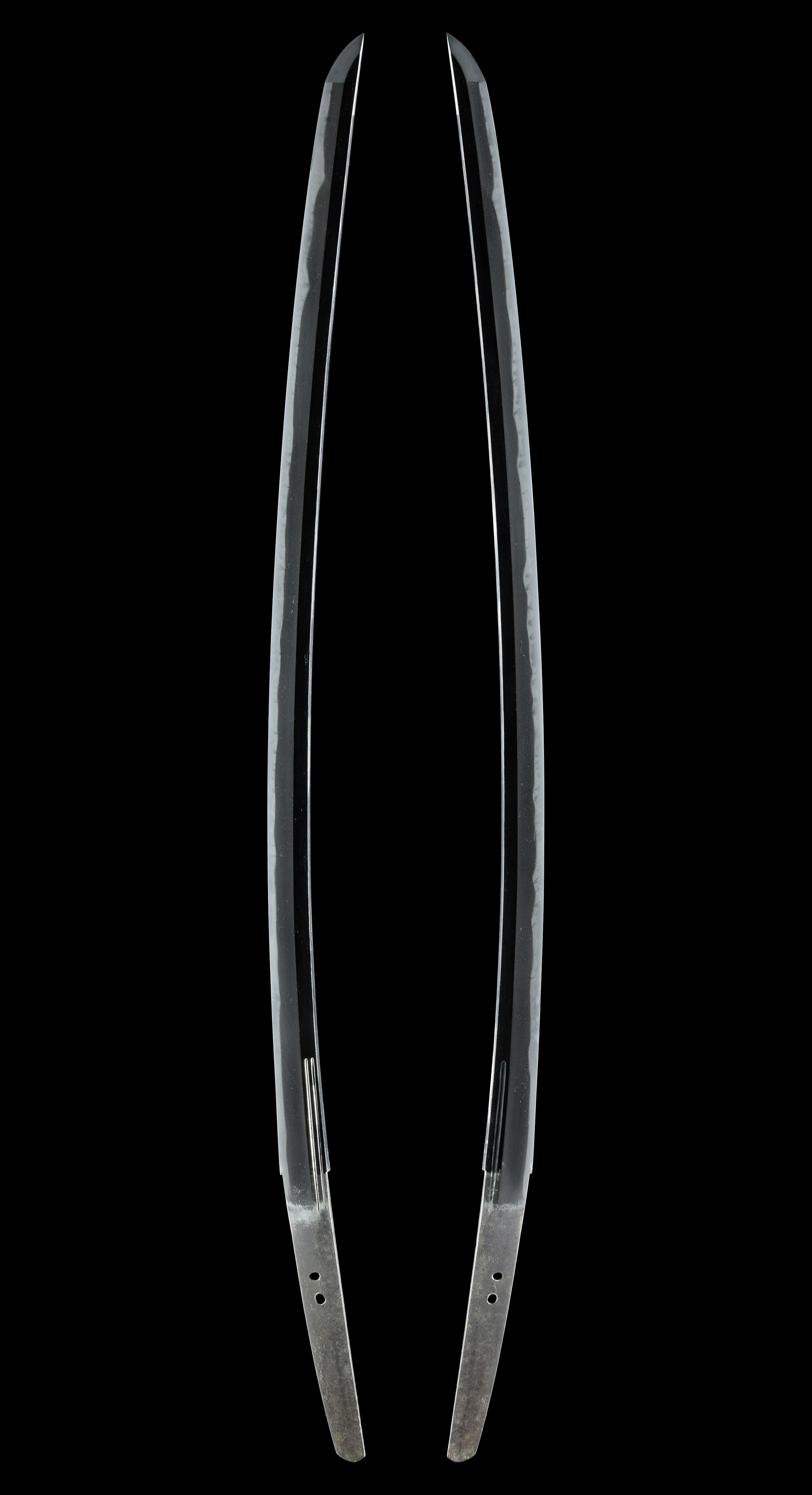
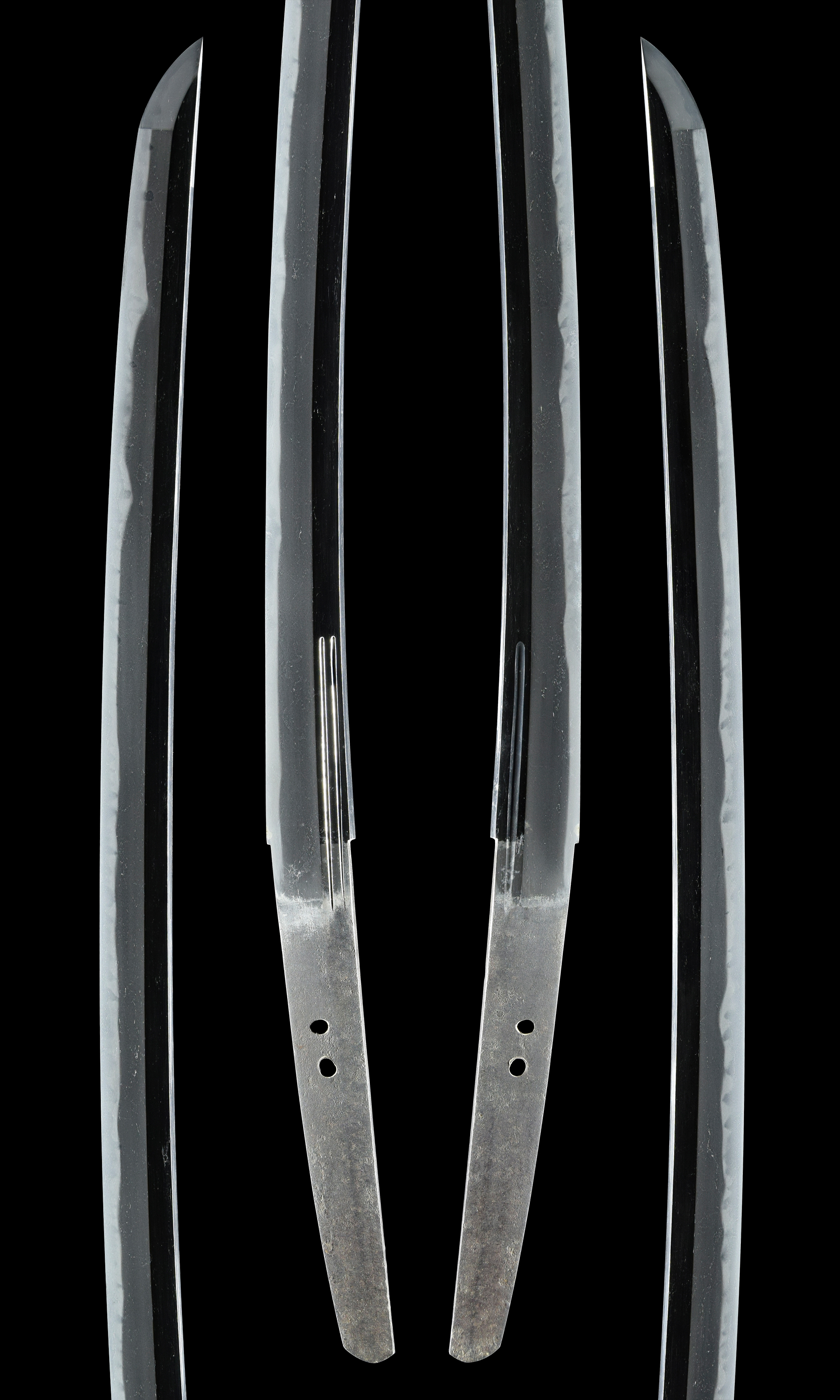
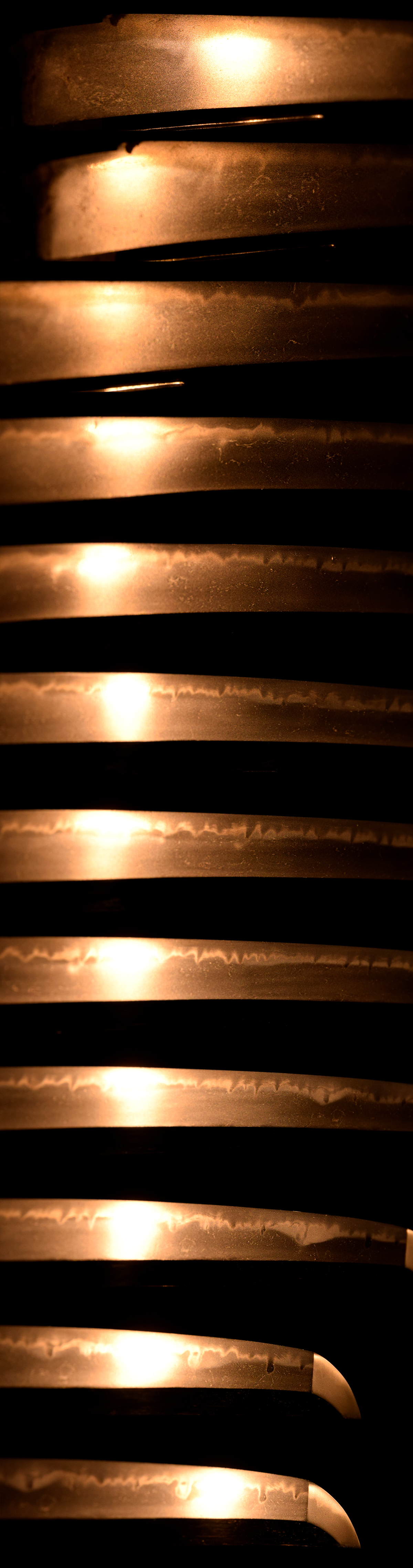
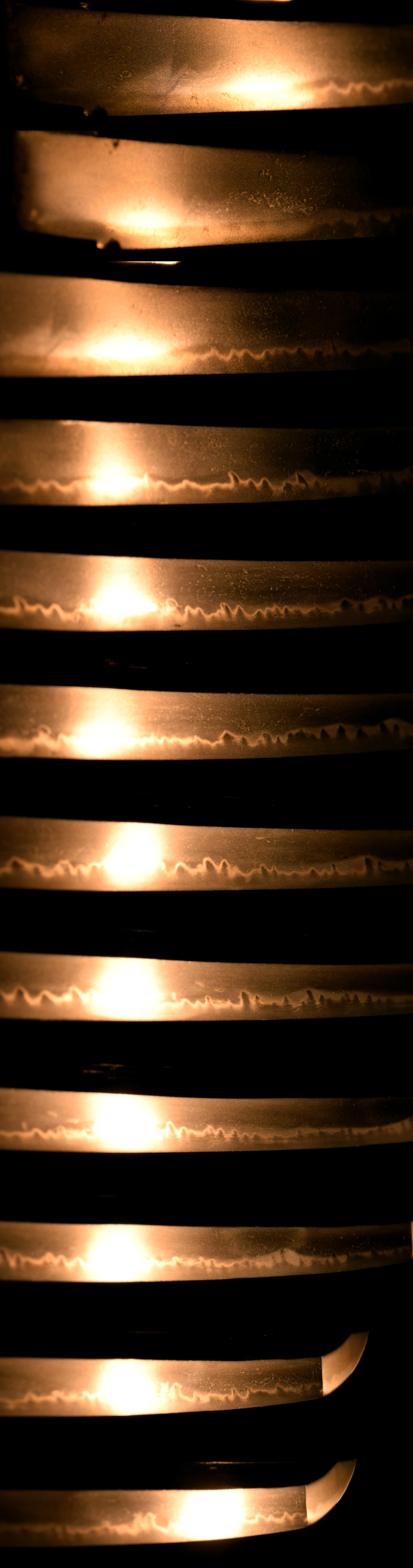
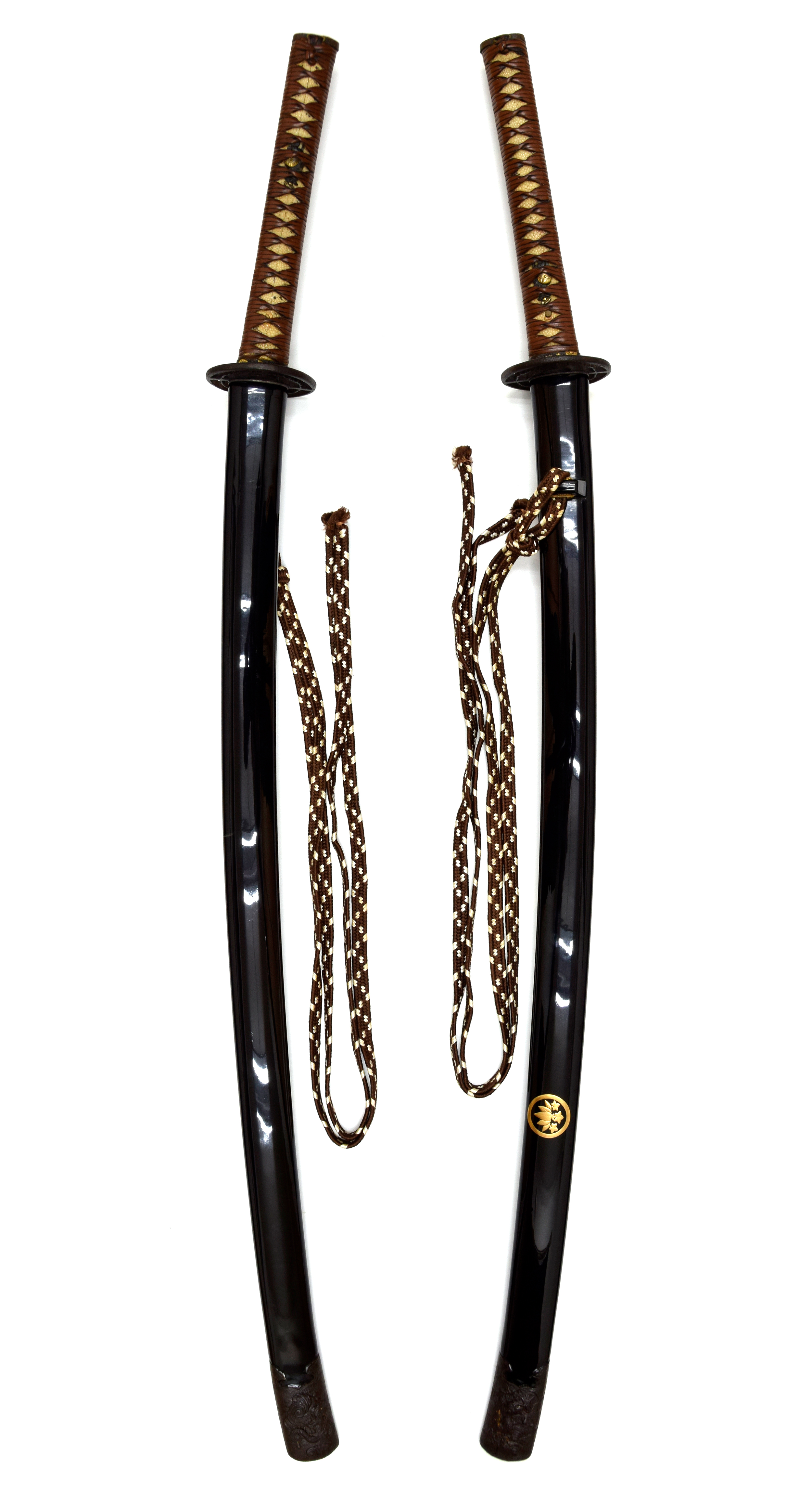
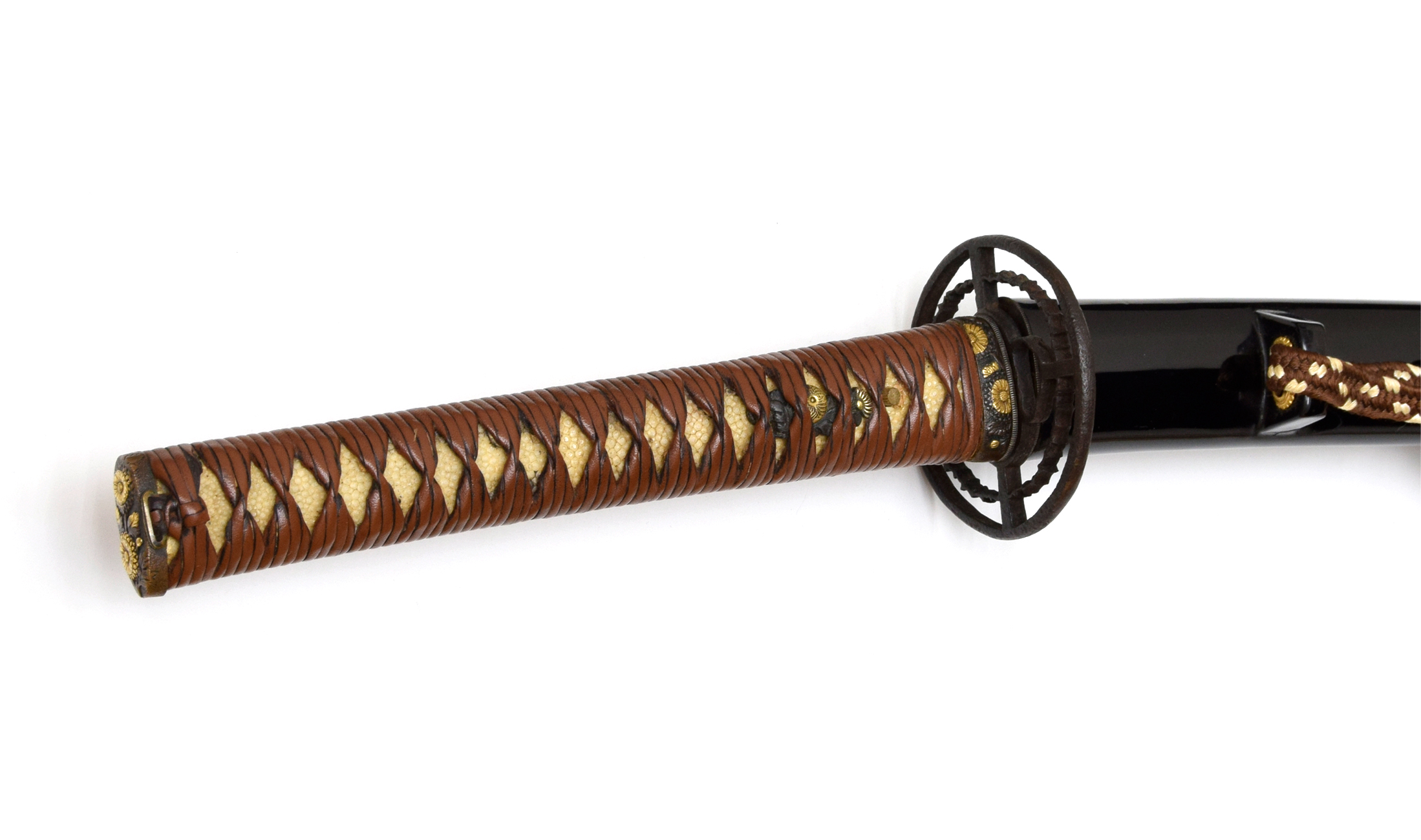
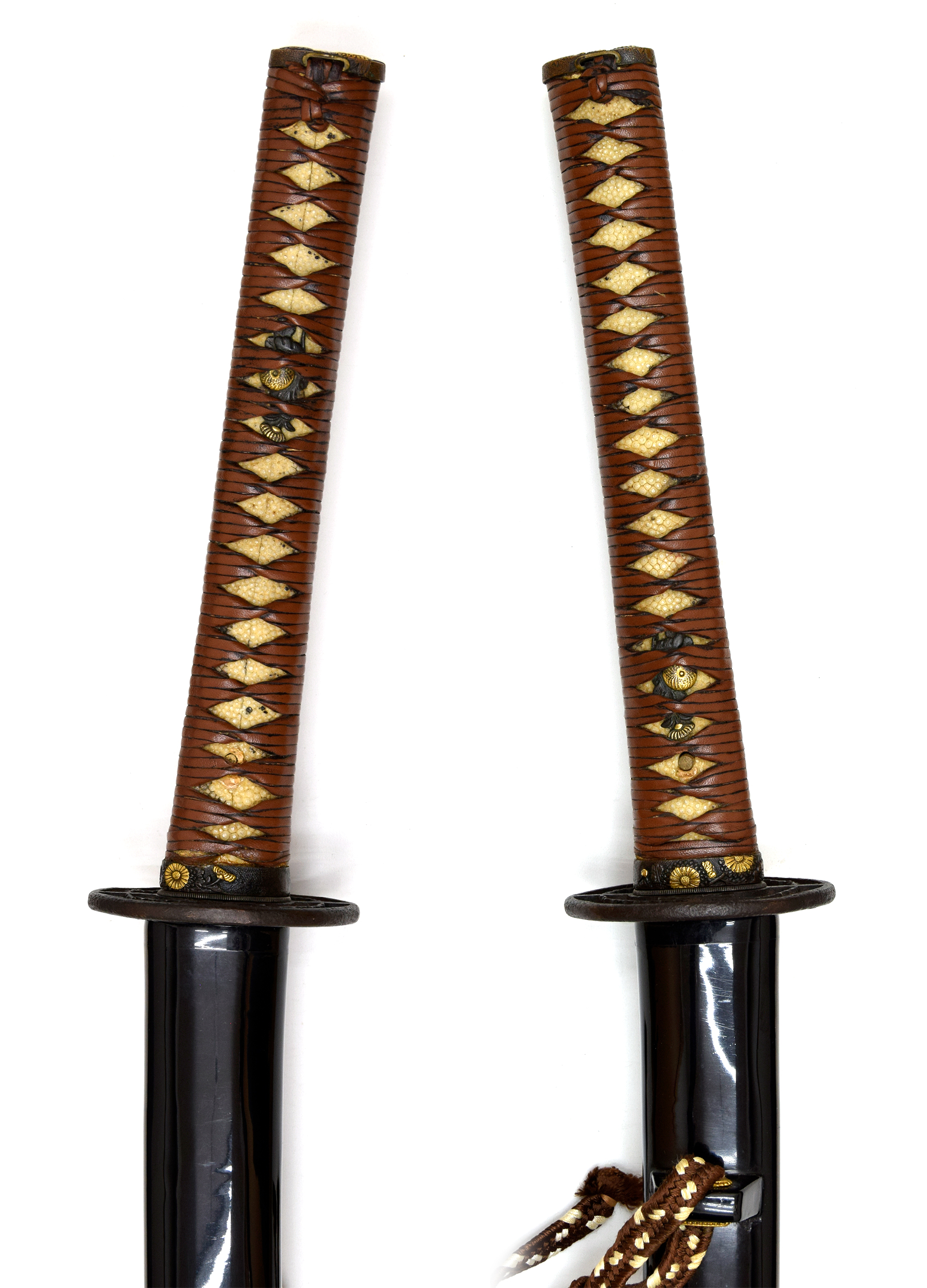
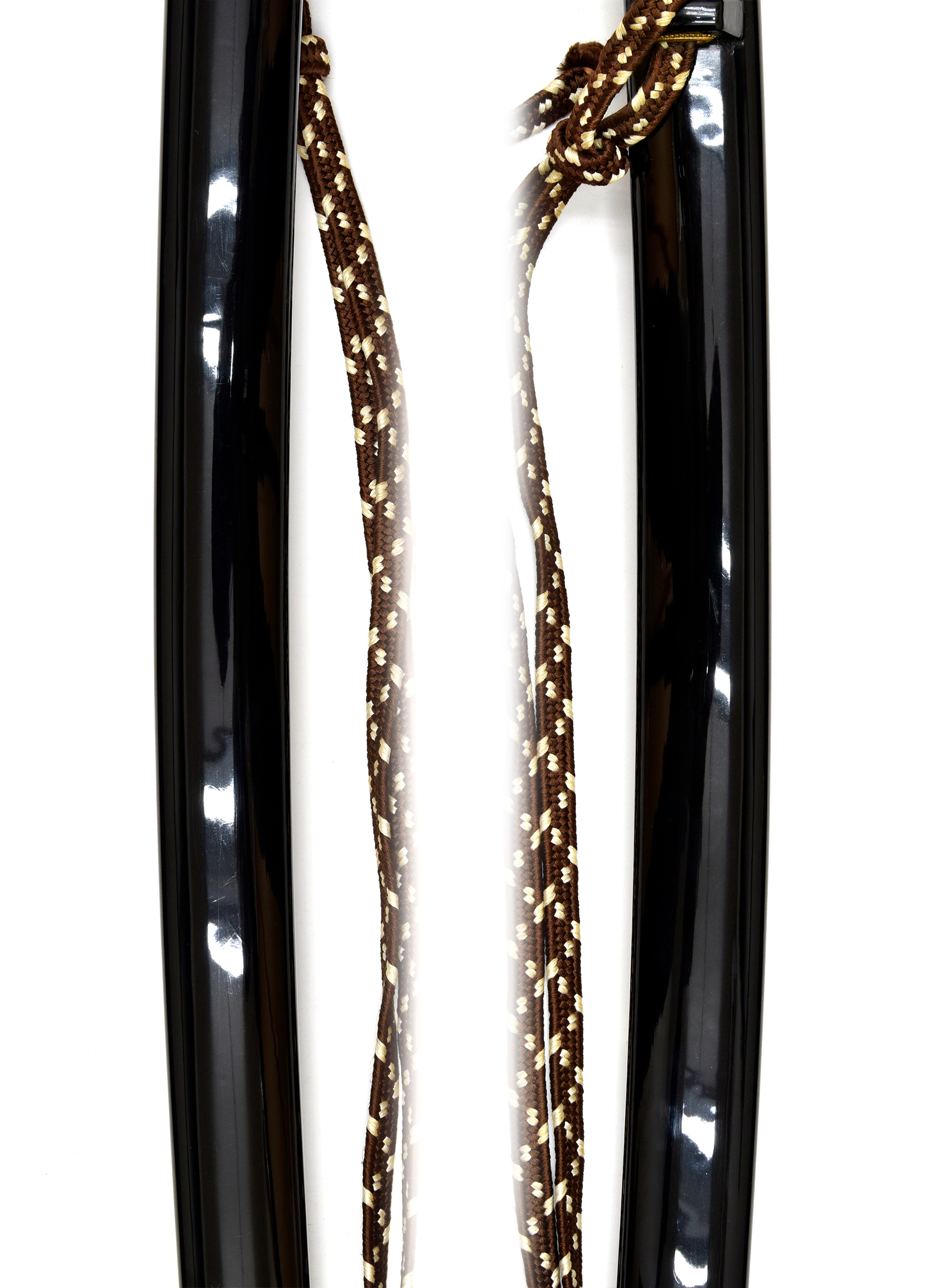
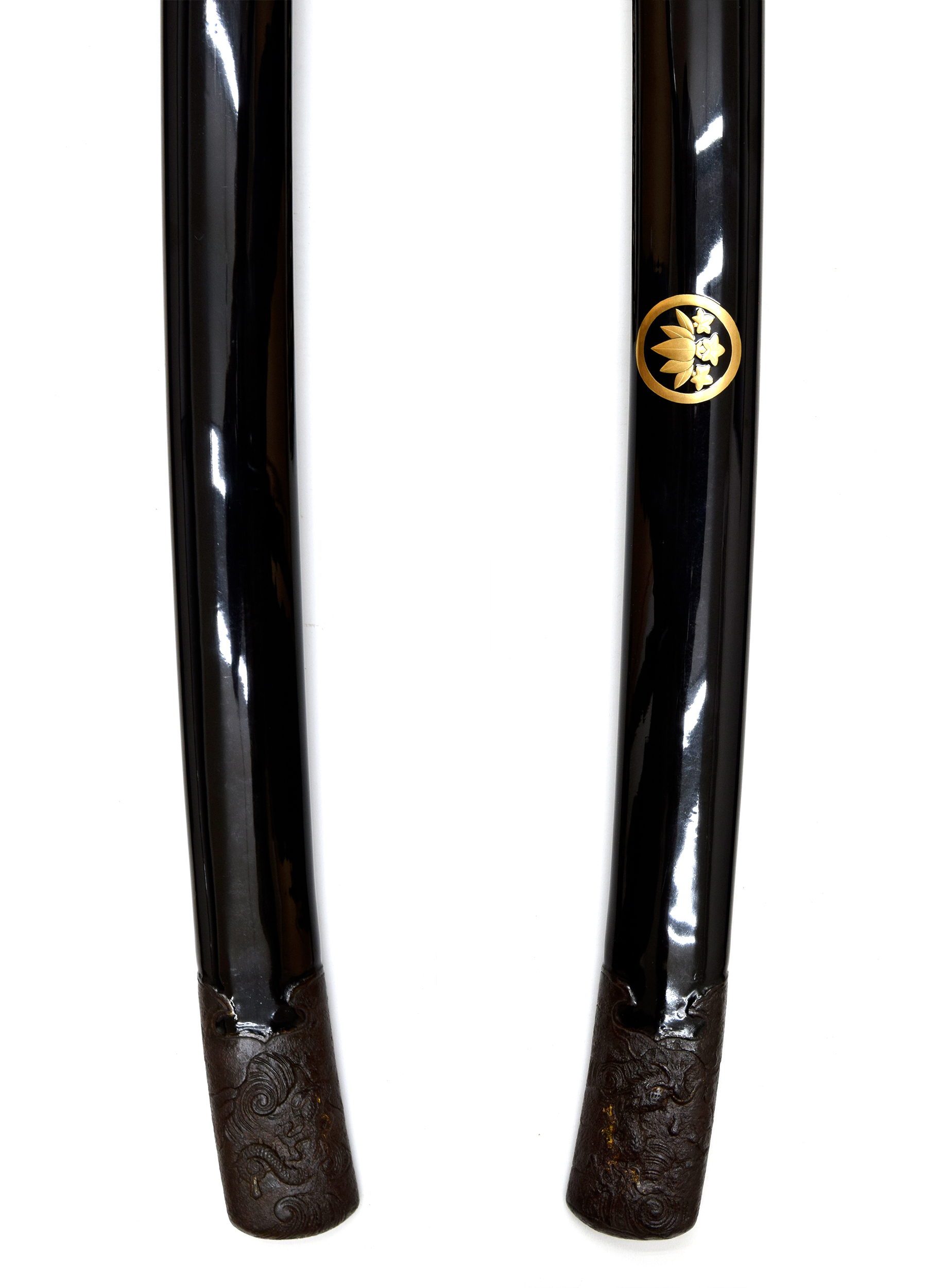
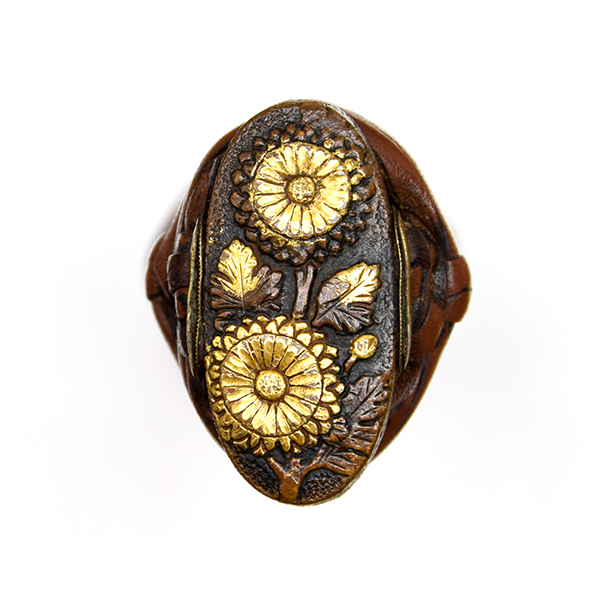
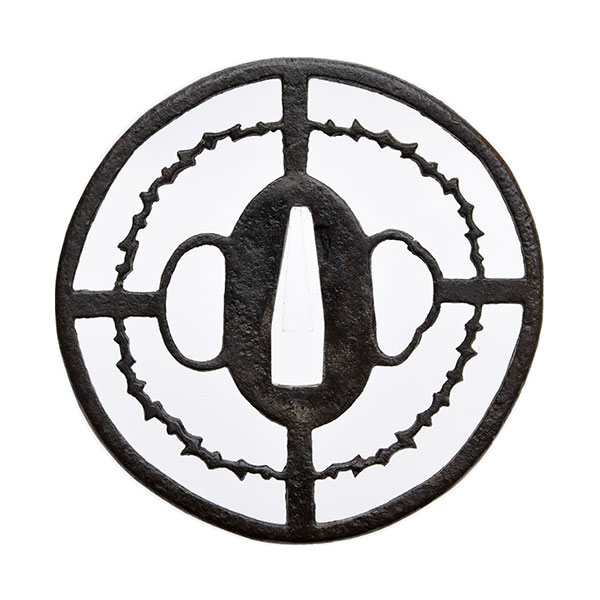
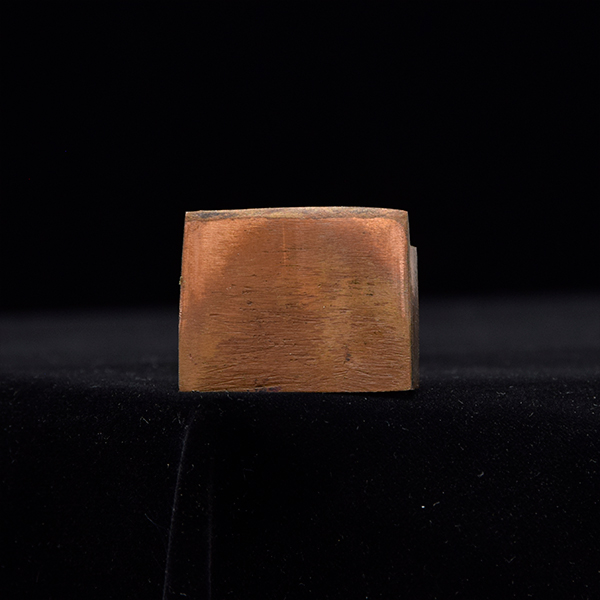
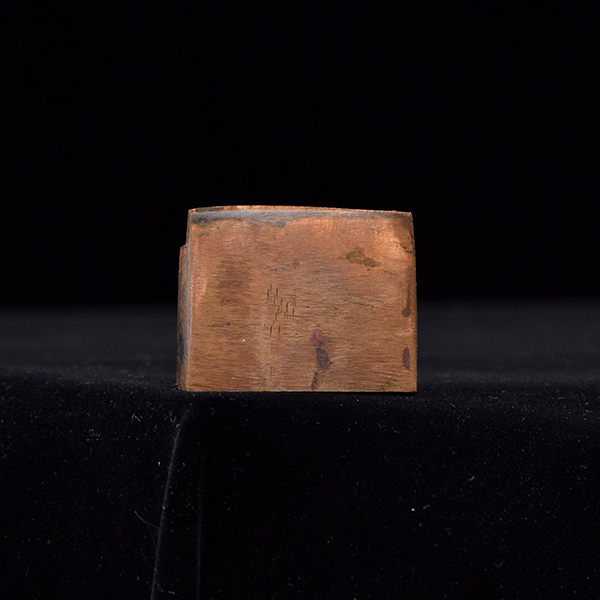
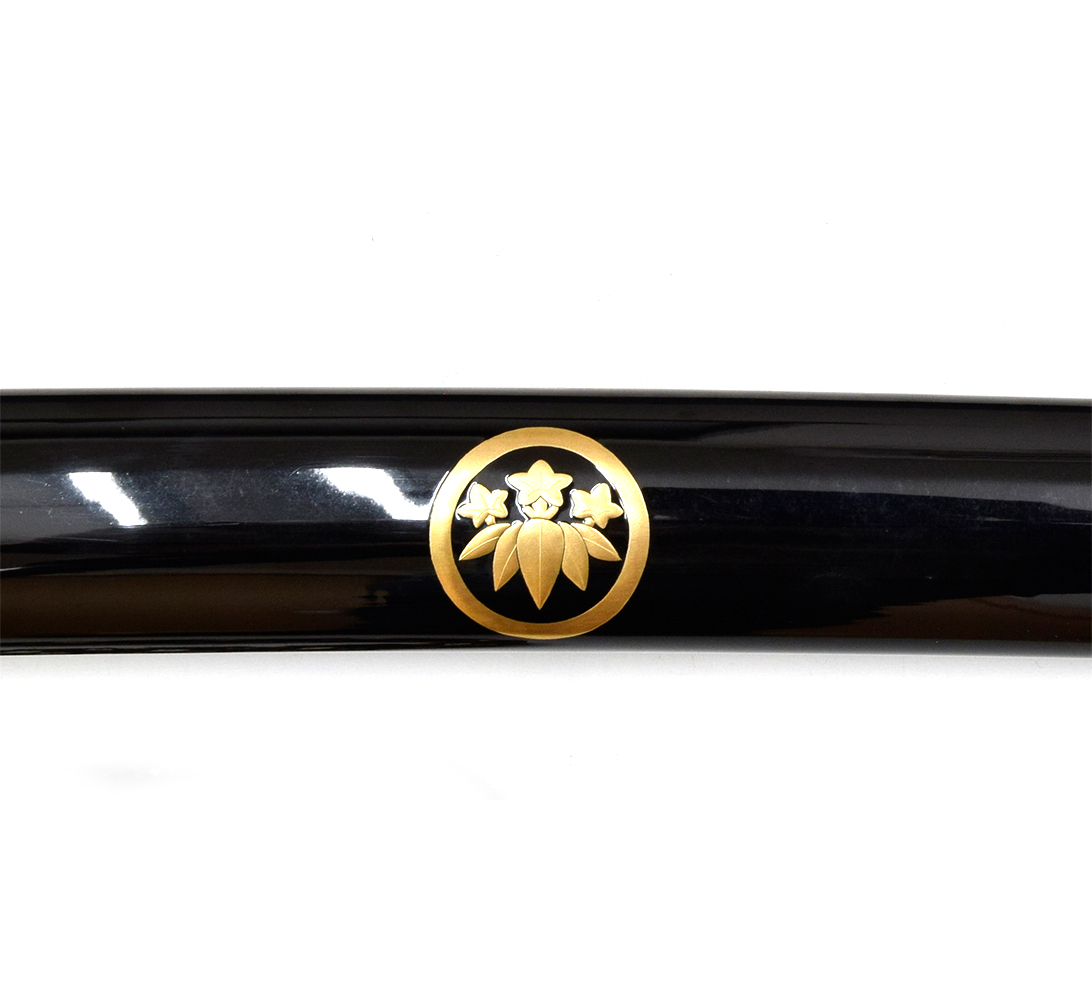
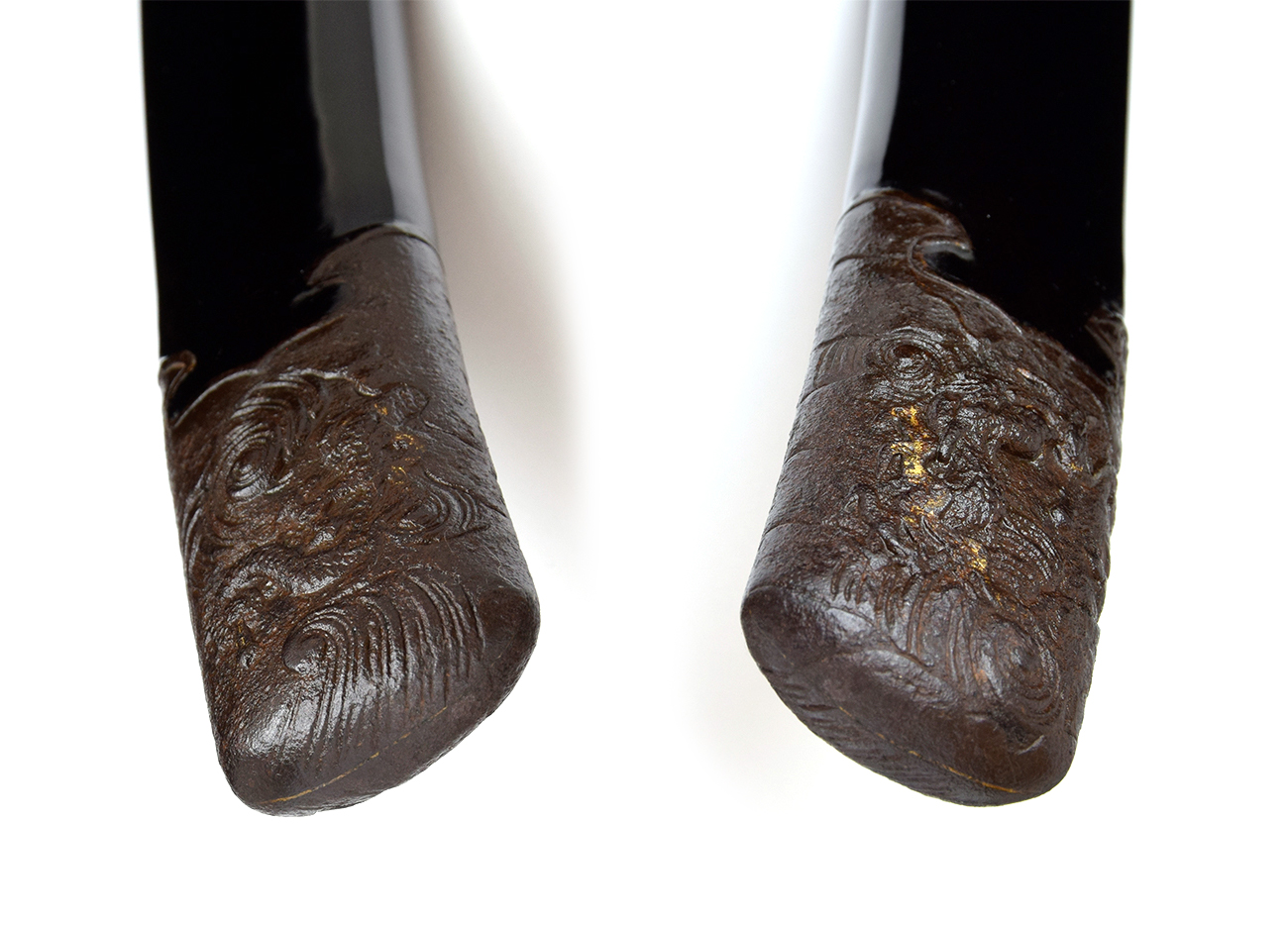
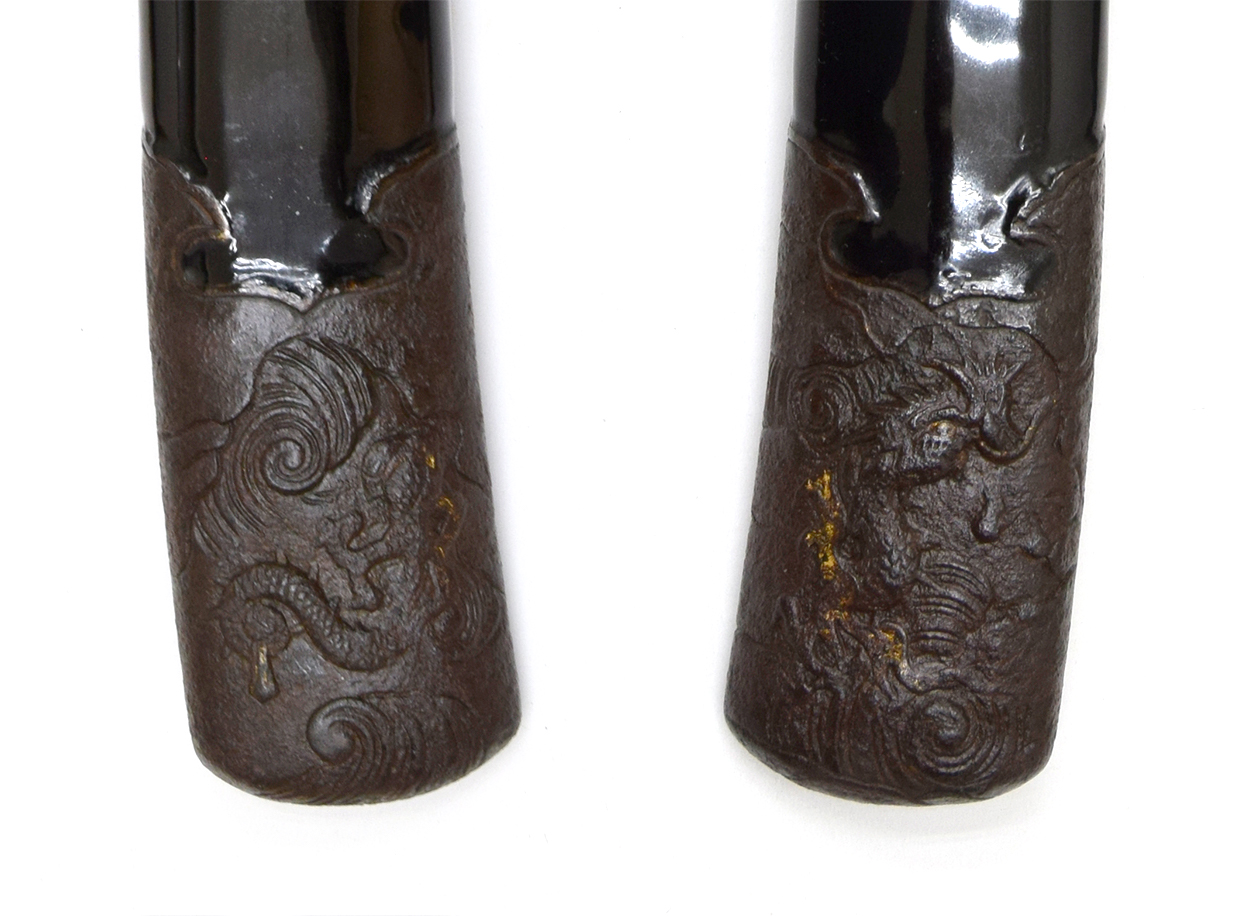
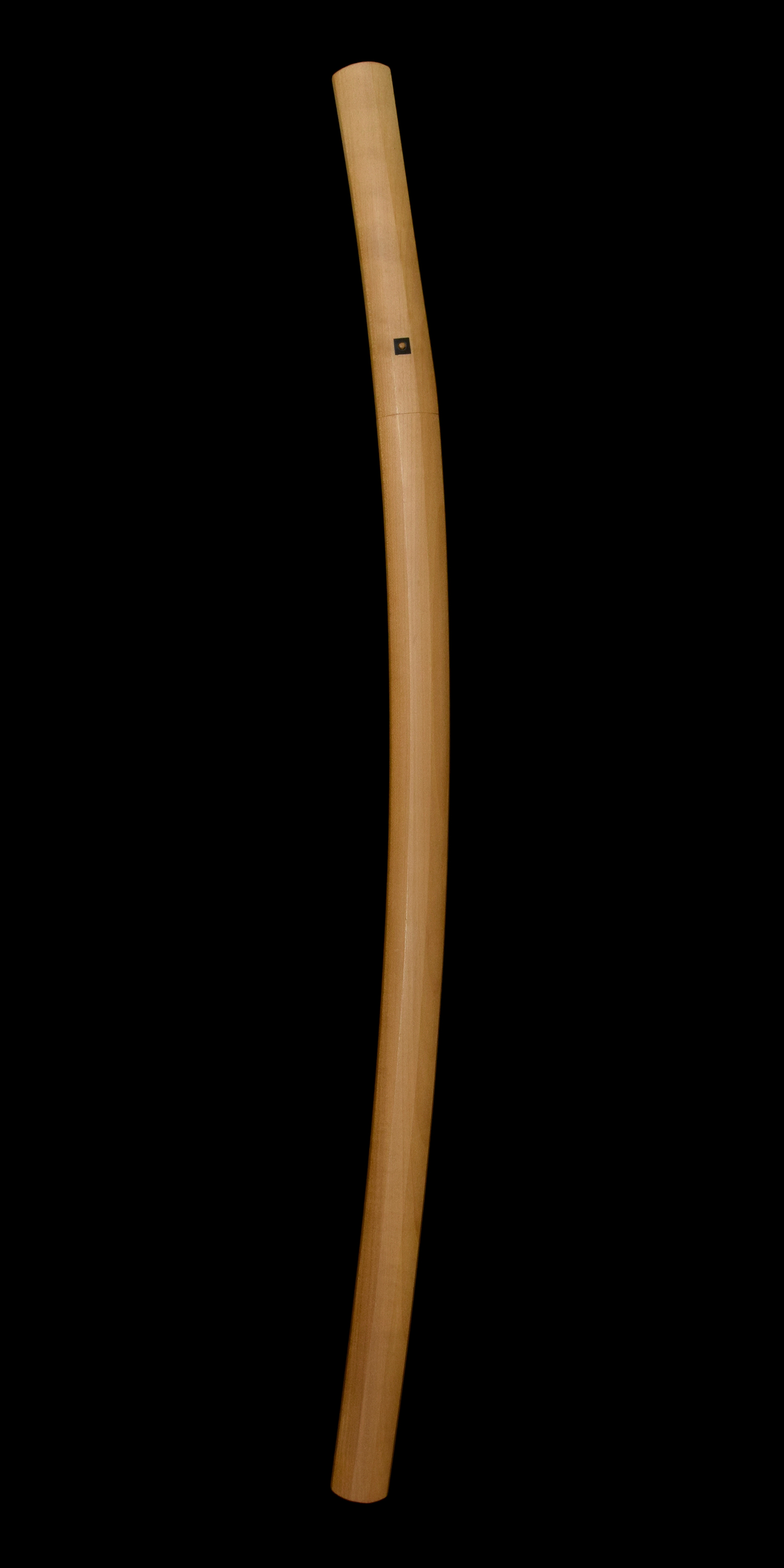
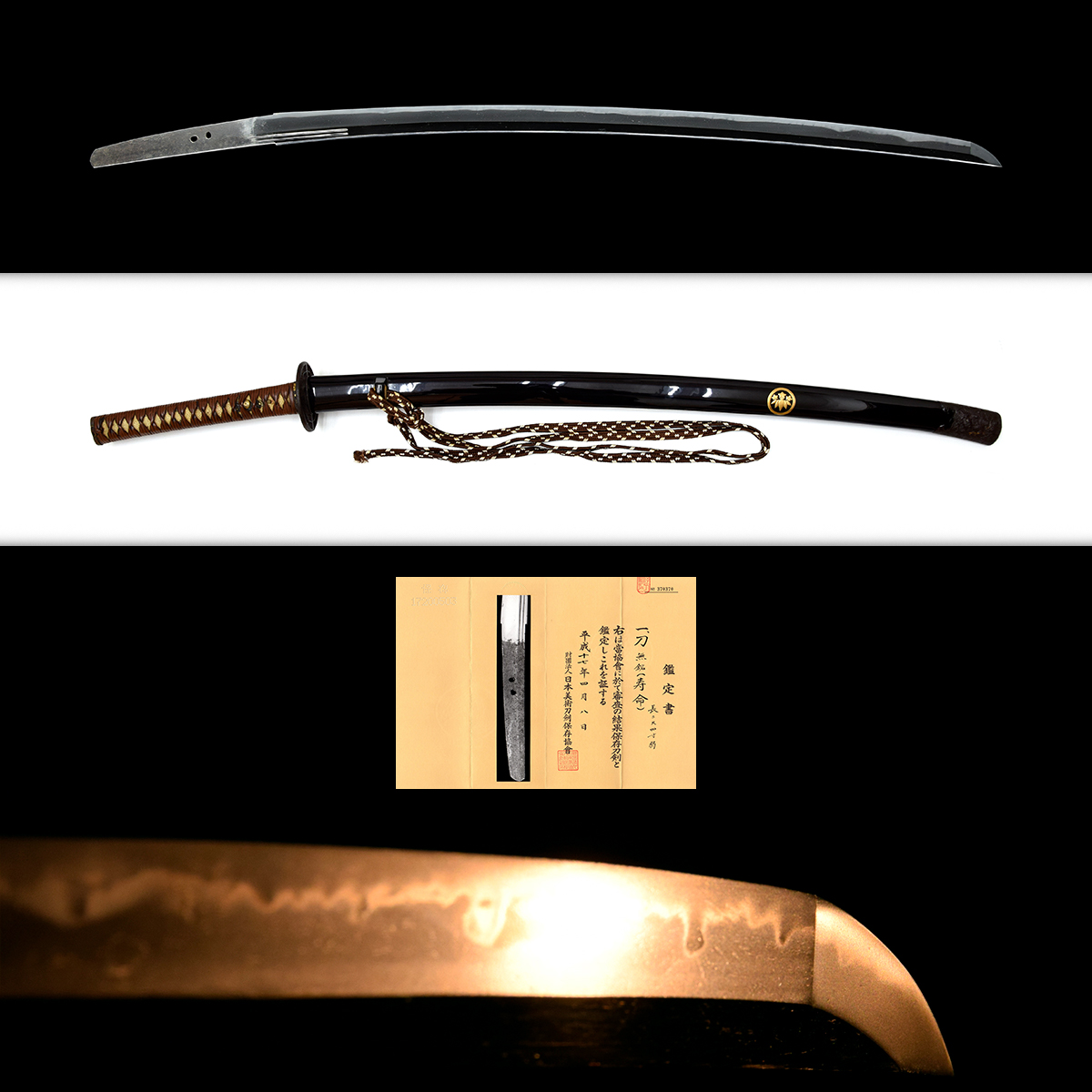
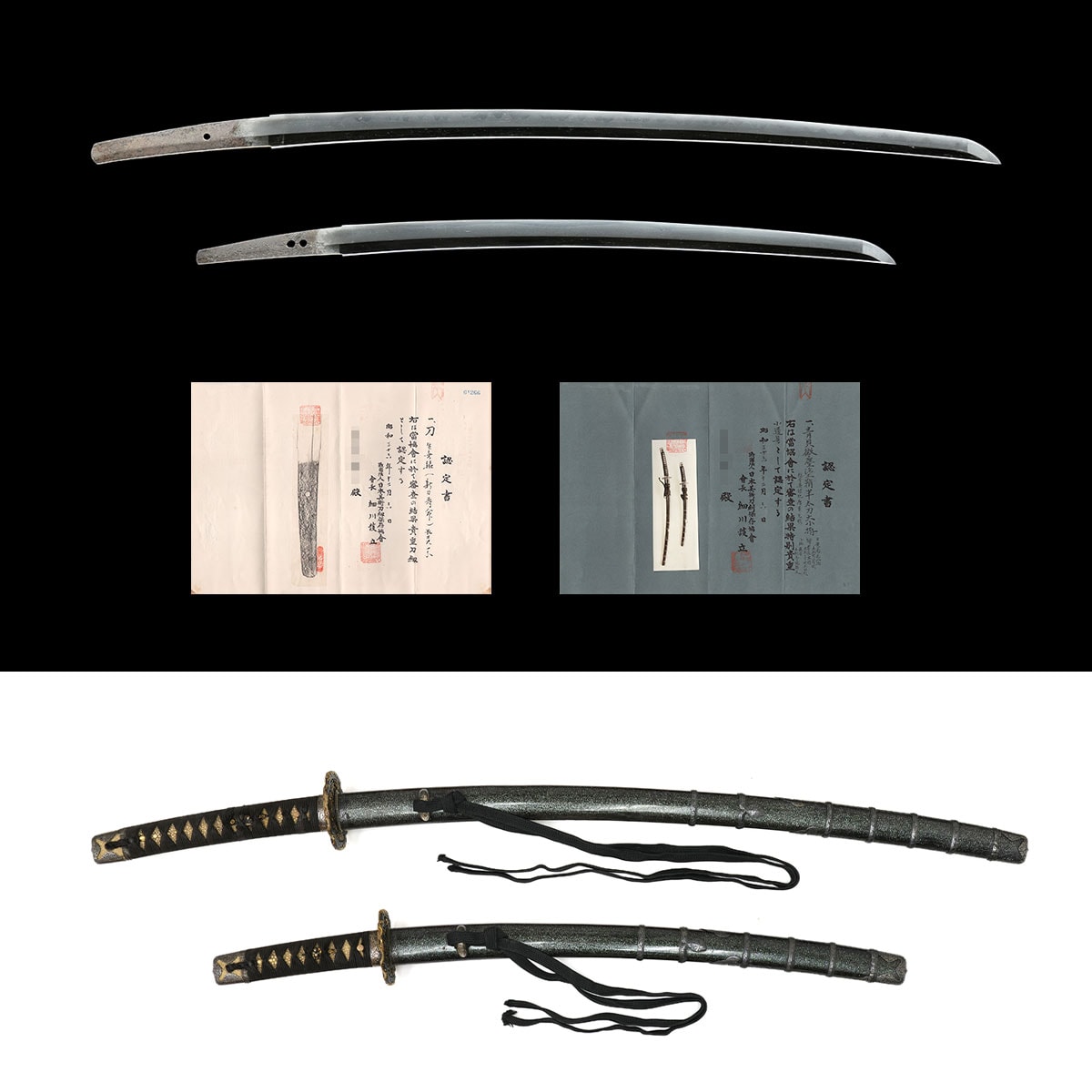
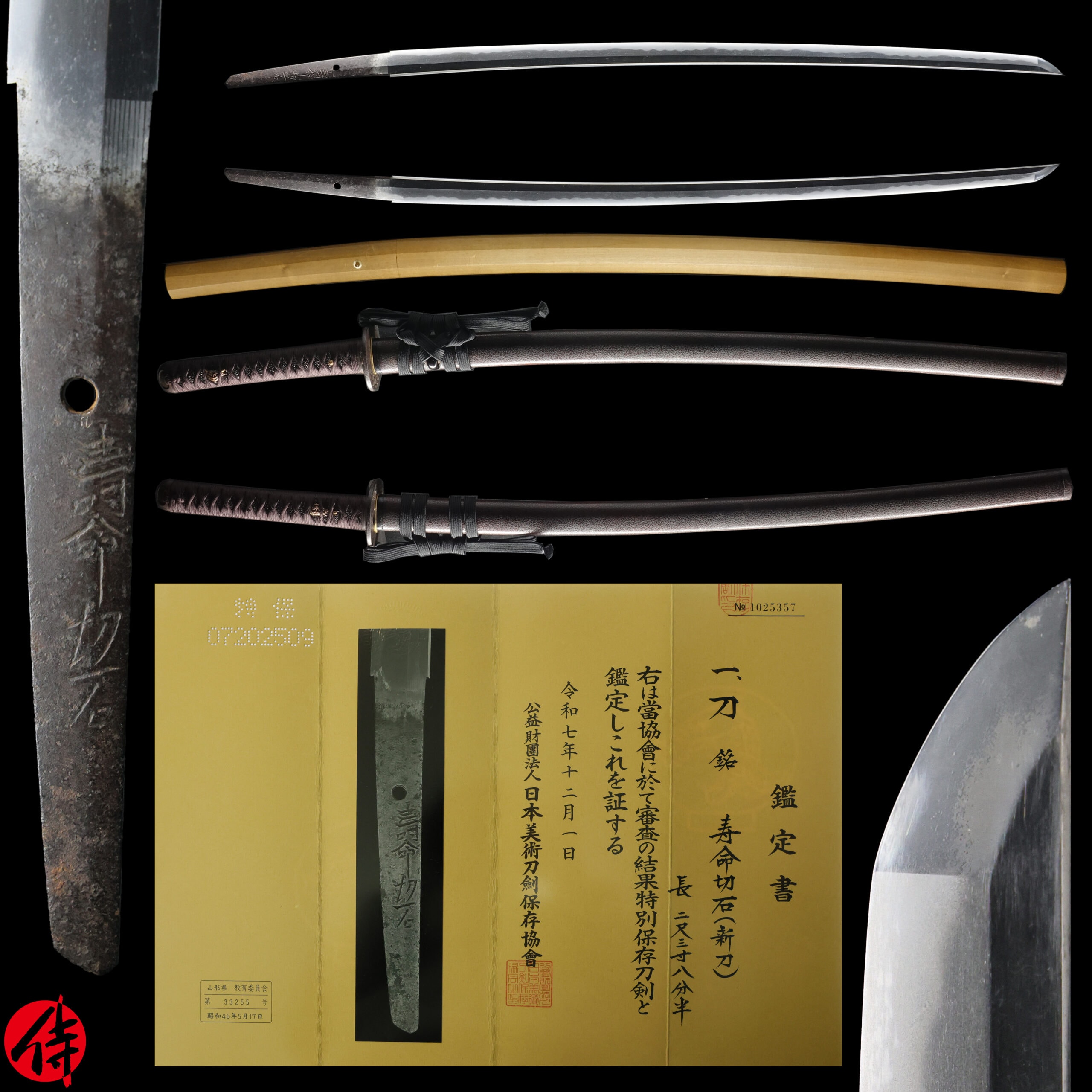
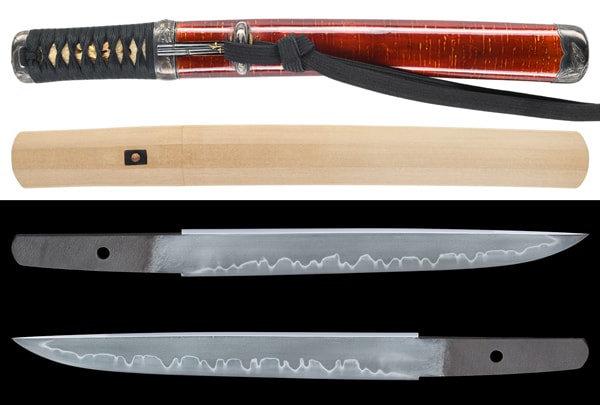
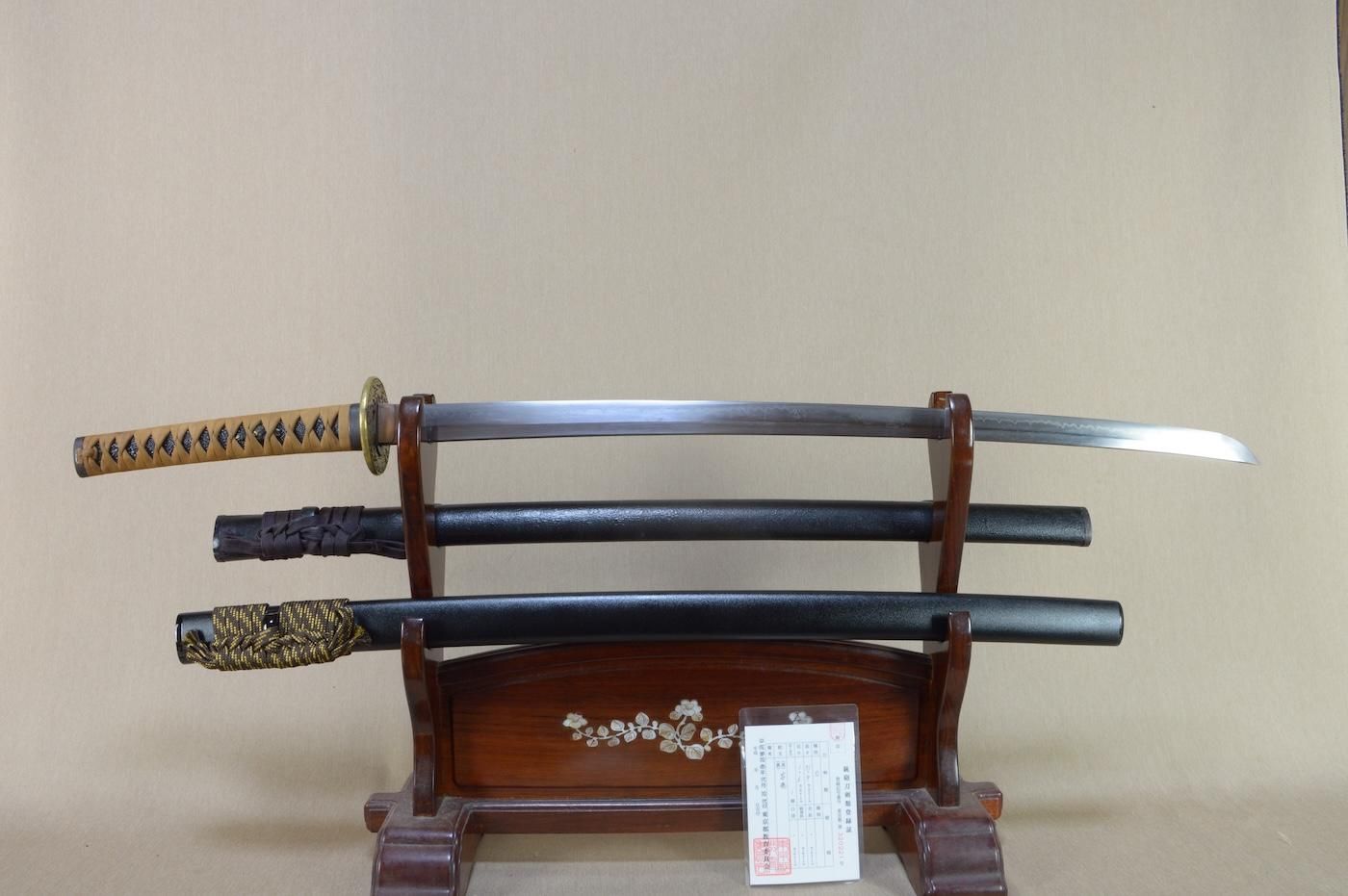
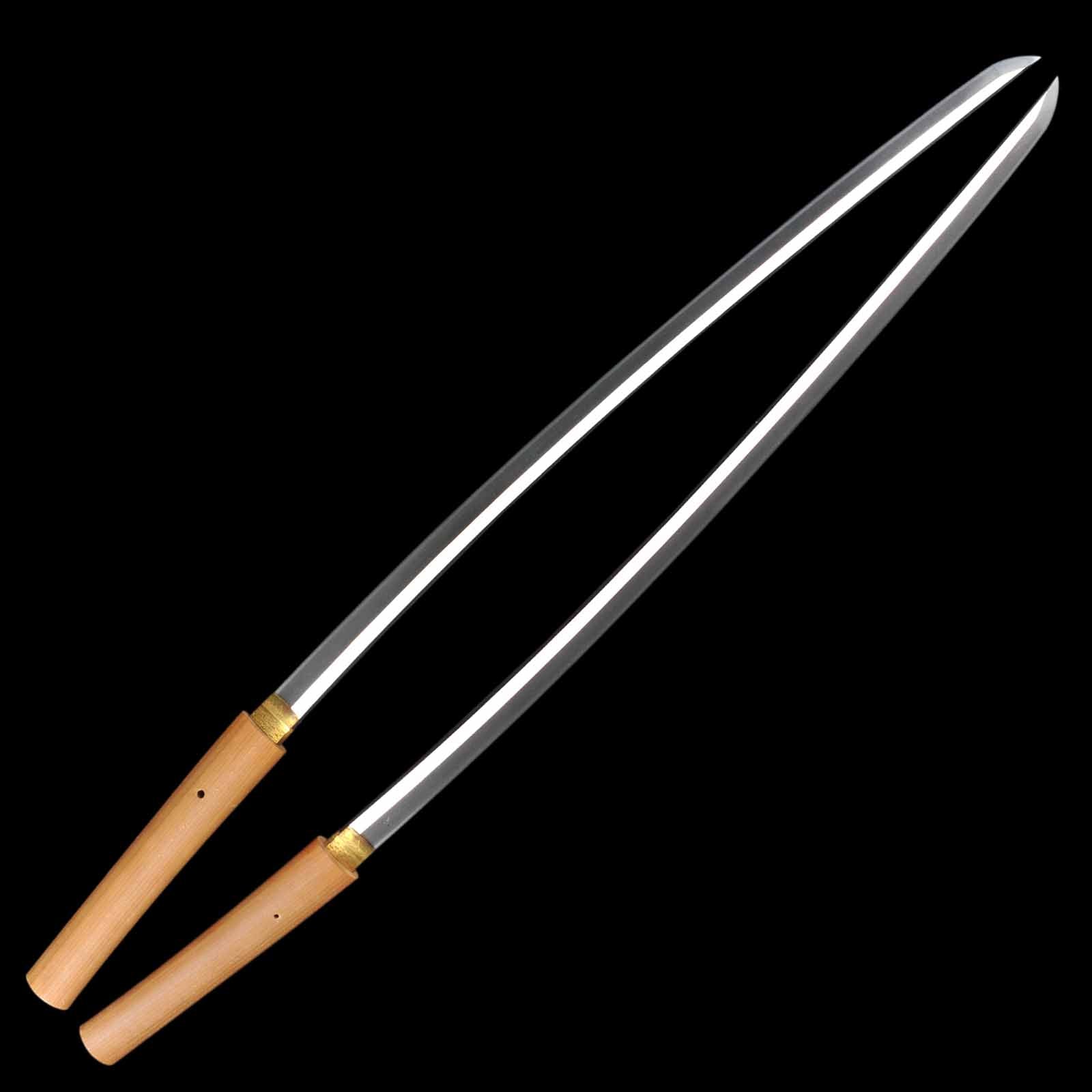
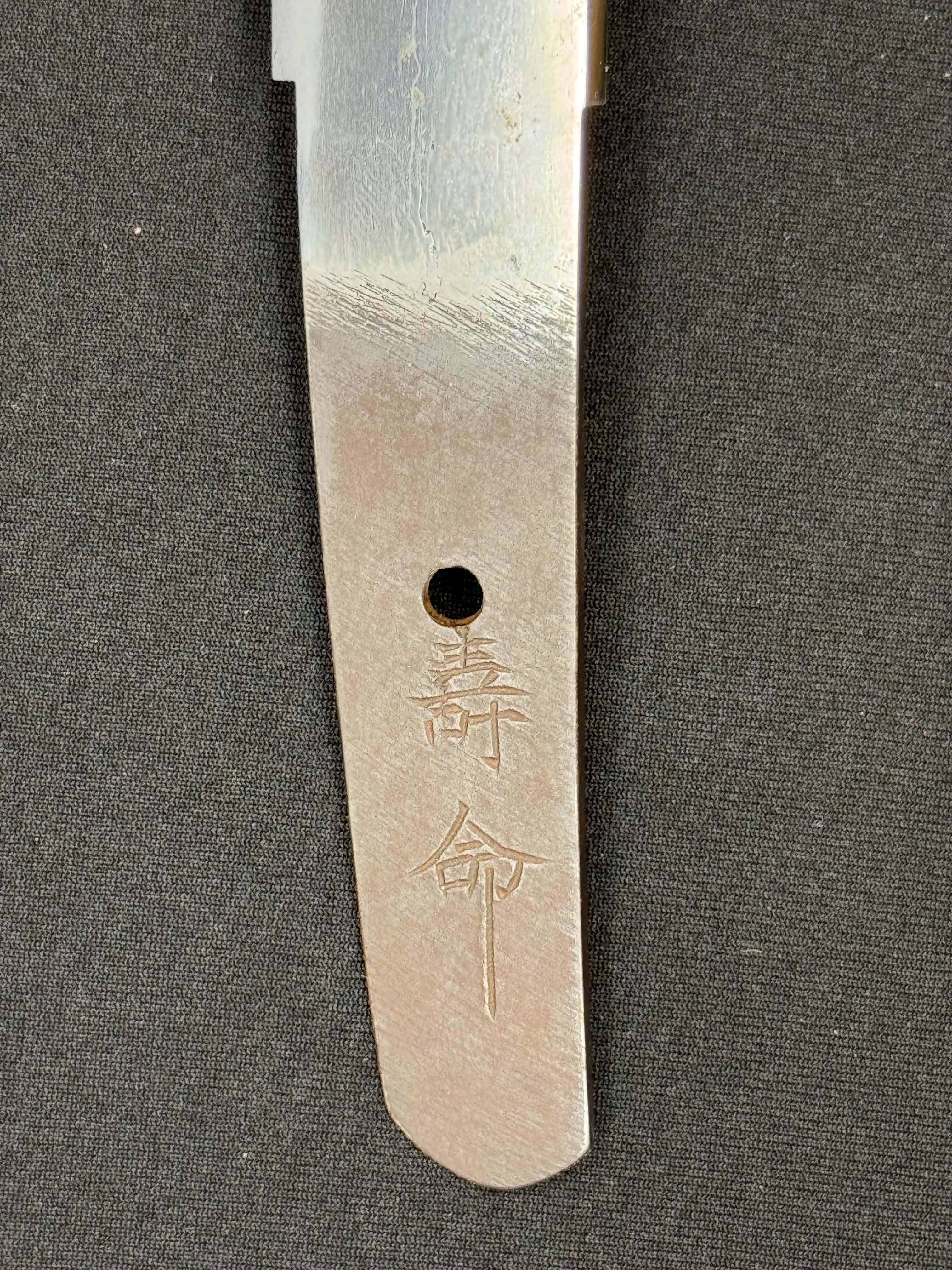
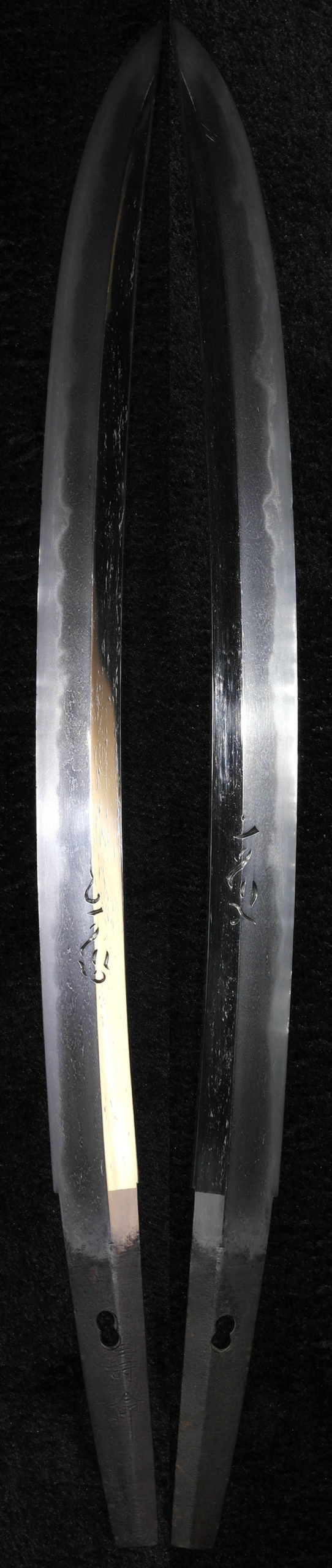
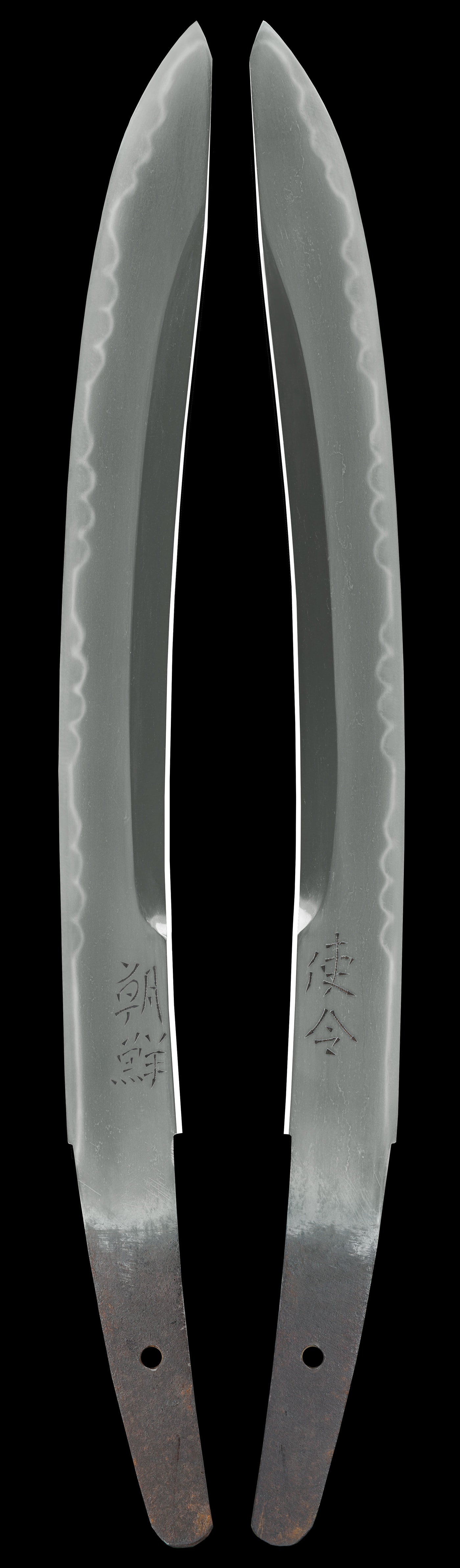
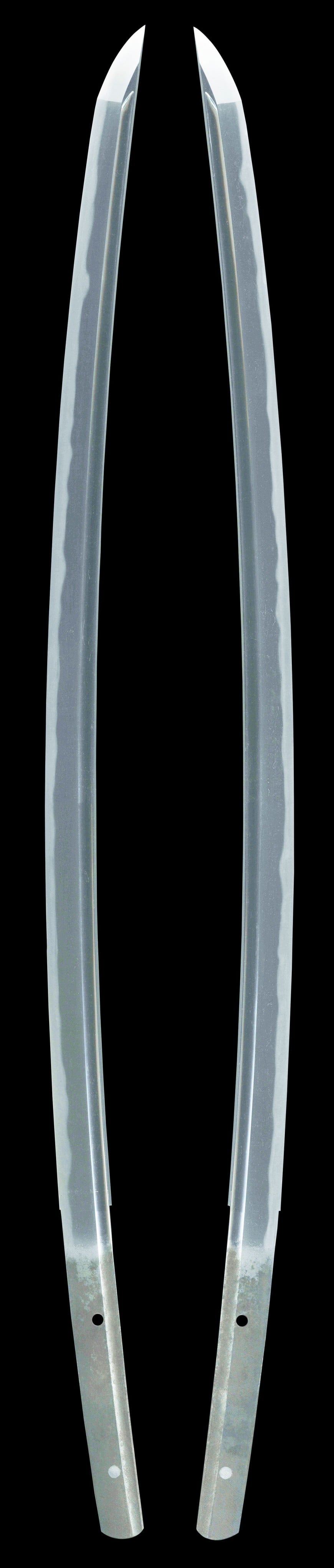
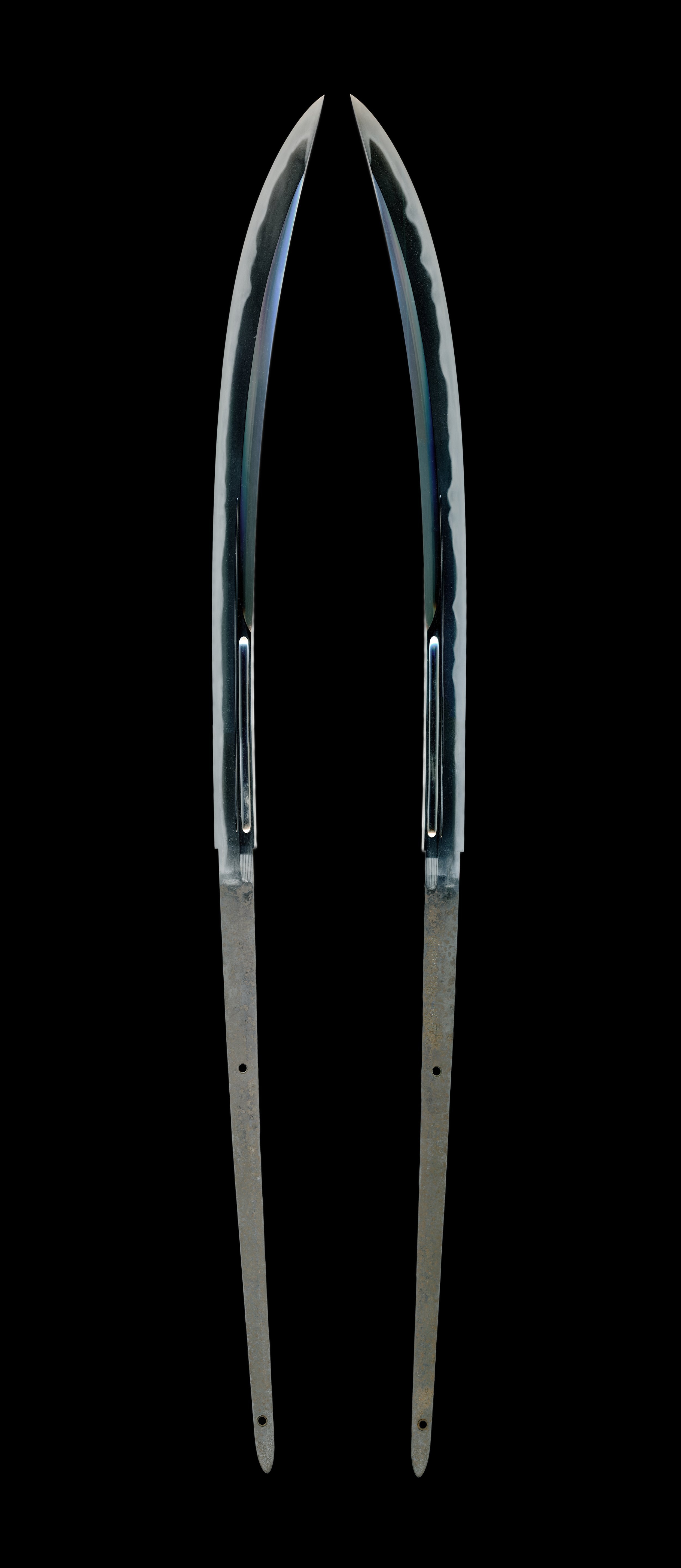
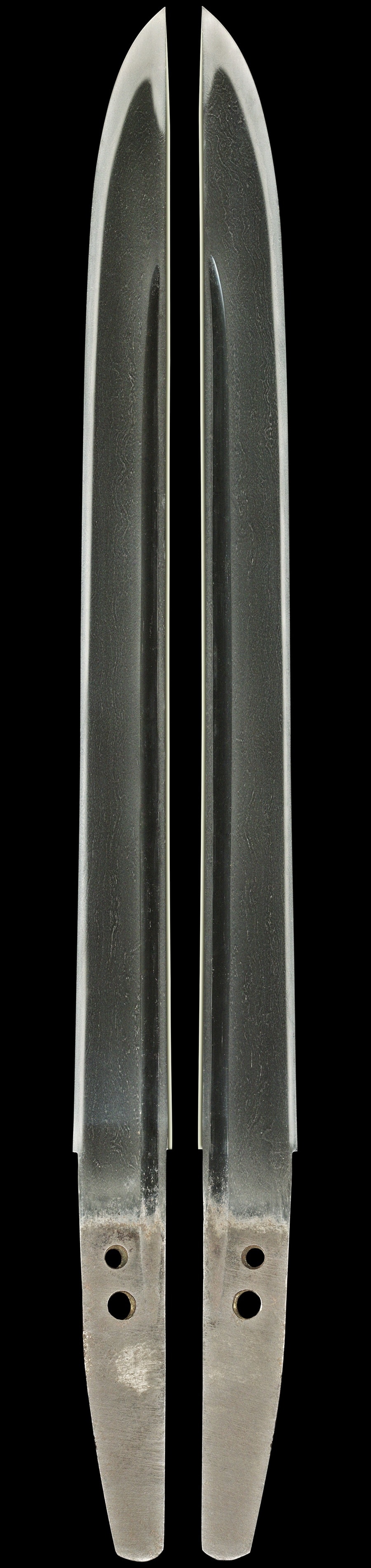
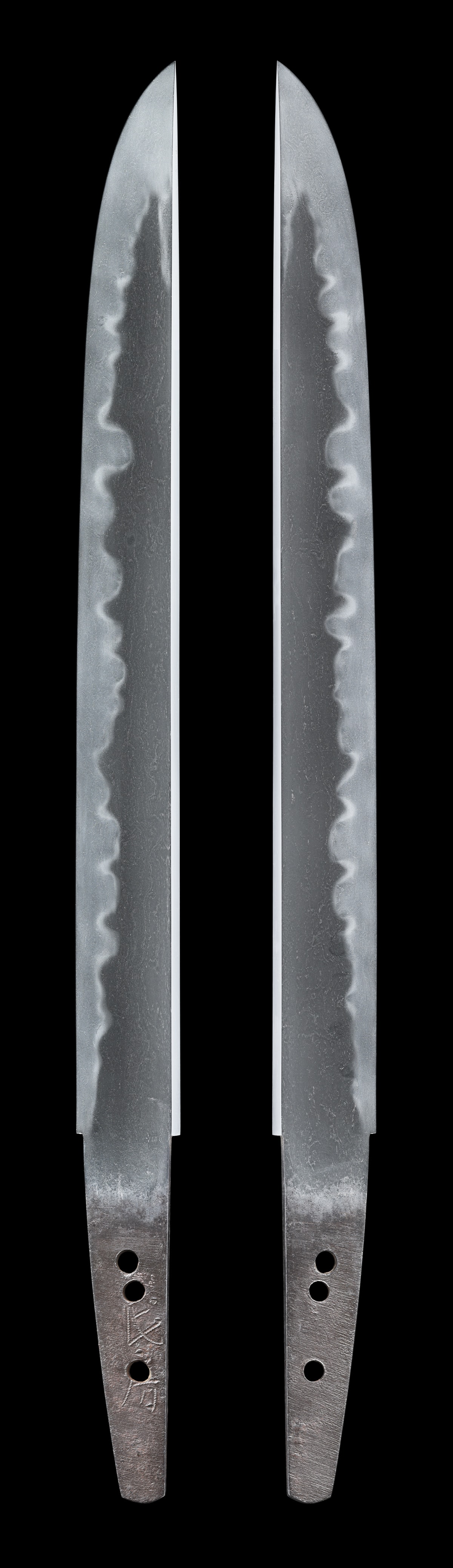
This is a katana attributed to the Toshinaga school, dating to the late Muromachi period. The blade features a先反り姿 (sakizori sugata) and a bright hamon with砂流 (sunagashi). It comes with a保存刀剣鑑定書 (Hozon Token) and a koshirae with a 黒蝋塗丸に笹竜胆紋蒔絵鞘 (kuro rourou nuri maru ni sasarindou mon makie saya).
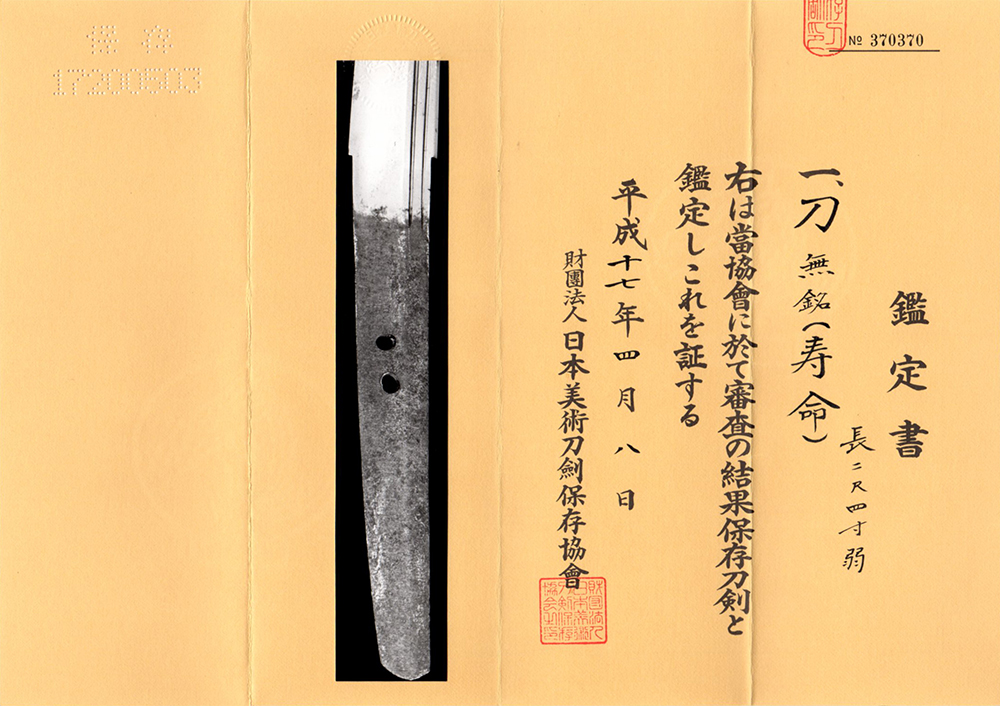
Certificate reading — 無銘(寿命)
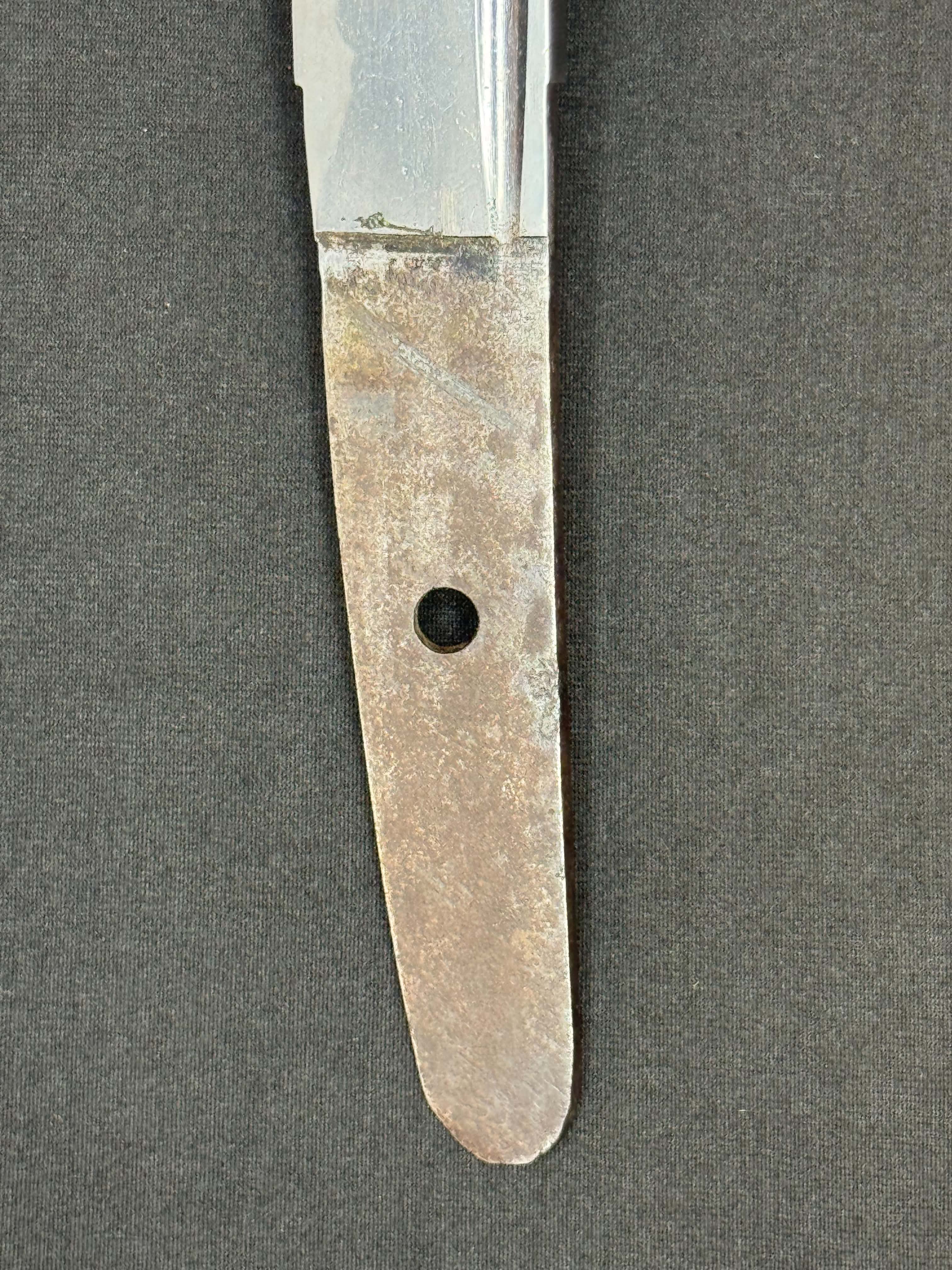
mumei · 1288 · nagasa 72.75cm · sori 2.1cm


Mino-den · Mino
15 pieces on the market now
Certifies a genuine blade worth preserving: a signature confirmed correct, or, if unsigned, an era, province, and school that the NBTHK can reliably identify.
The NBTHK (Nihon Bijutsu Tōken Hozon Kyōkai, the Society for the Preservation of Japanese Art Swords) is a public-interest incorporated foundation founded in 1948 and supervised by Japan’s Agency for Cultural Affairs (Bunkachō); it is based at the Japanese Sword Museum in Tokyo. Its expert panels physically examine each submitted work (shinsa) and issue a certificate (kanteishō) ranking it by artistic and historical merit. NBTHK papers are the most widely recognized standard of authentication for Japanese swords and fittings.
NBTHK official siteReturns accepted within 3 days of delivery for defective items or significant discrepancies; customer bears return shipping and bank fees.
This is a katana attributed to the Toshinaga school, dating to the late Muromachi period. The blade features a先反り姿 (sakizori sugata) and a bright hamon with砂流 (sunagashi). It comes with a保存刀剣鑑定書 (Hozon Token) and a koshirae with a 黒蝋塗丸に笹竜胆紋蒔絵鞘 (kuro rourou nuri maru ni sasarindou mon makie saya).
Certificate reading — 無銘(寿命)
mumei · 1288 · nagasa 72.75cm · sori 2.1cm


Mino-den · Mino
15 pieces on the market now
Certifies a genuine blade worth preserving: a signature confirmed correct, or, if unsigned, an era, province, and school that the NBTHK can reliably identify.
The NBTHK (Nihon Bijutsu Tōken Hozon Kyōkai, the Society for the Preservation of Japanese Art Swords) is a public-interest incorporated foundation founded in 1948 and supervised by Japan’s Agency for Cultural Affairs (Bunkachō); it is based at the Japanese Sword Museum in Tokyo. Its expert panels physically examine each submitted work (shinsa) and issue a certificate (kanteishō) ranking it by artistic and historical merit. NBTHK papers are the most widely recognized standard of authentication for Japanese swords and fittings.
NBTHK official siteReturns accepted within 3 days of delivery for defective items or significant discrepancies; customer bears return shipping and bank fees.