Unification closed the mass market, and Seki’s smiths moved to where the new money was: the Mishina line to Kyōto with court titles, Daidō smiths to castle towns across the provinces. Mino became the great technical ancestor of the Shintō age.
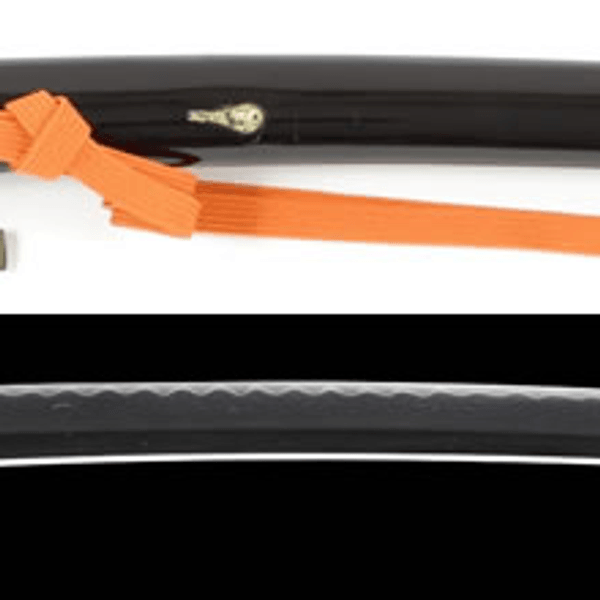
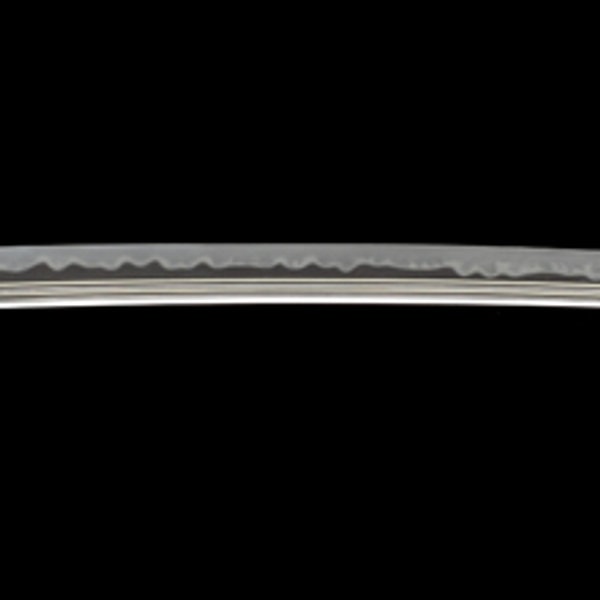
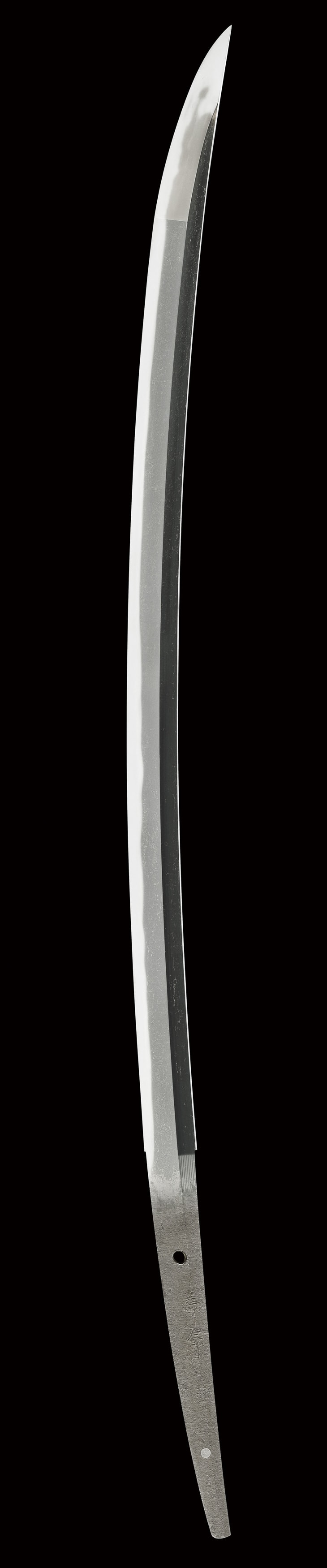
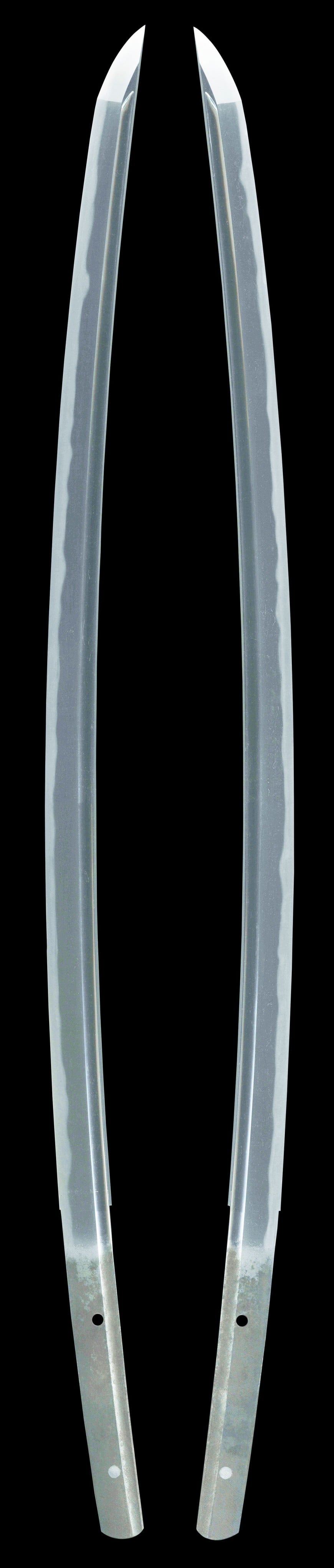
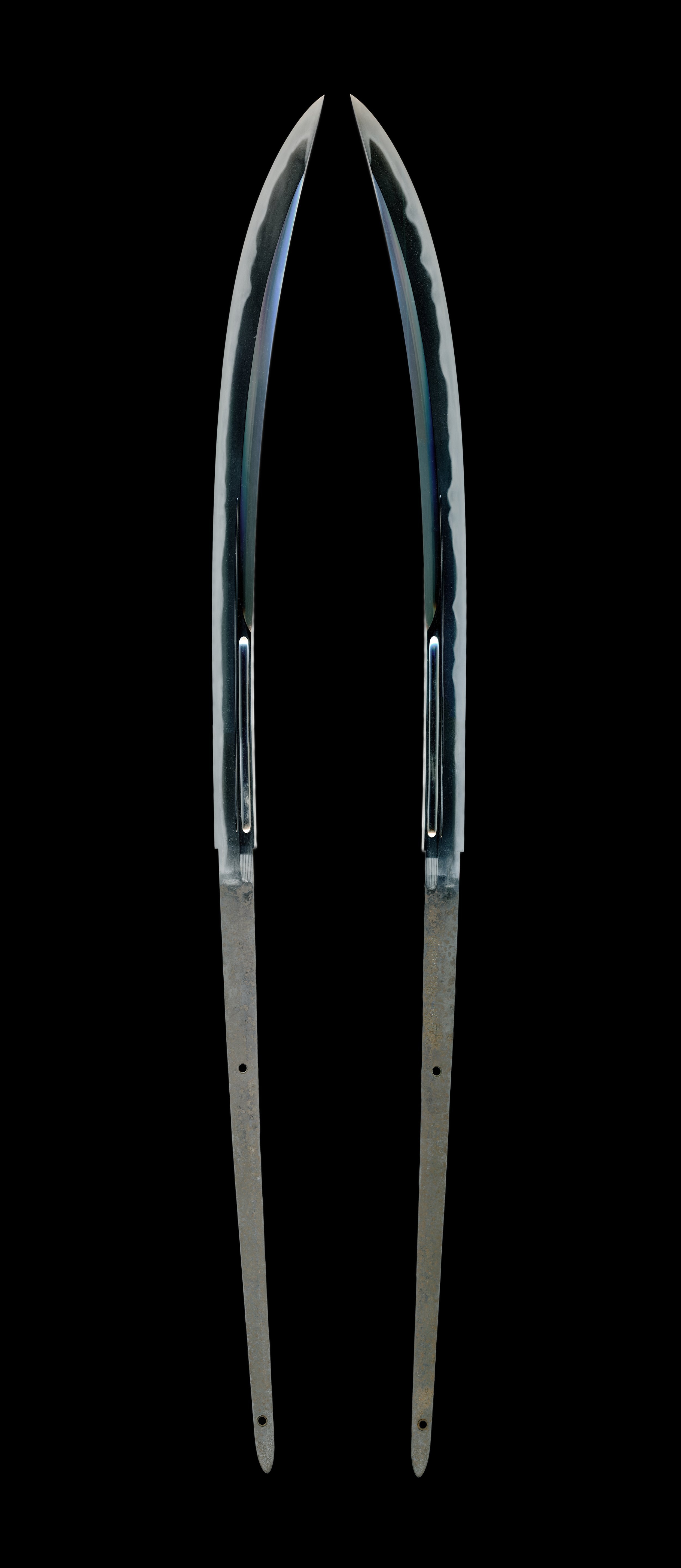
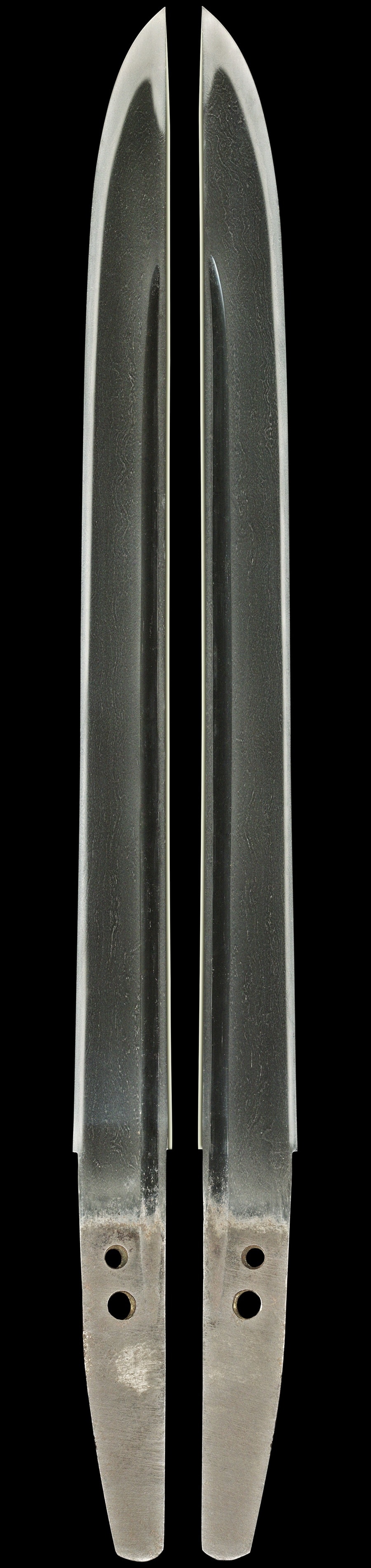
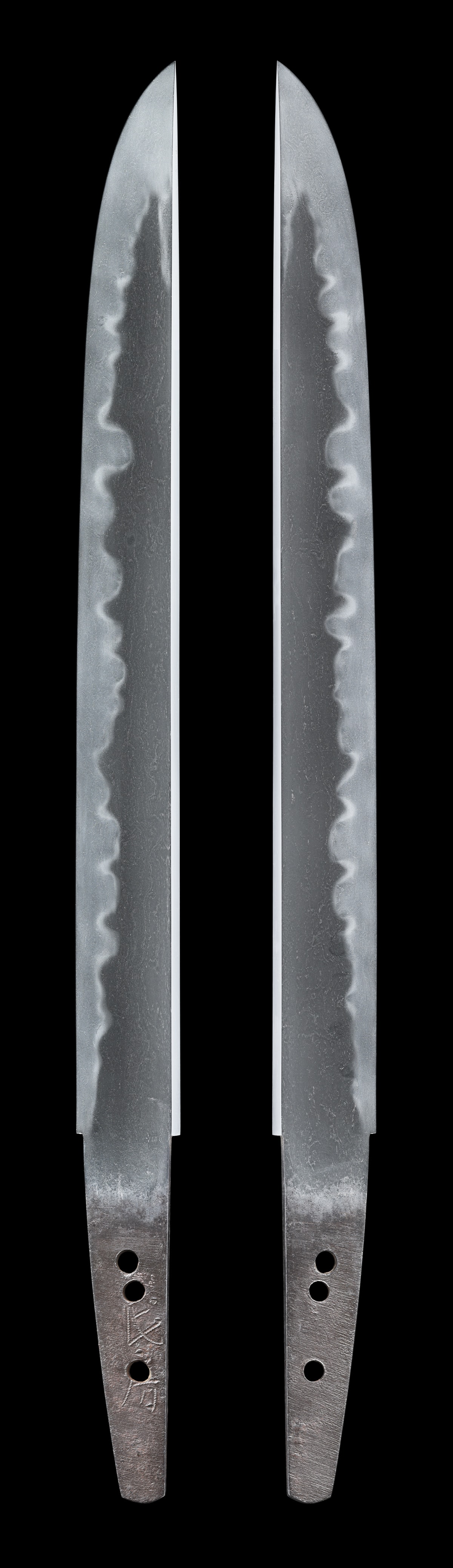
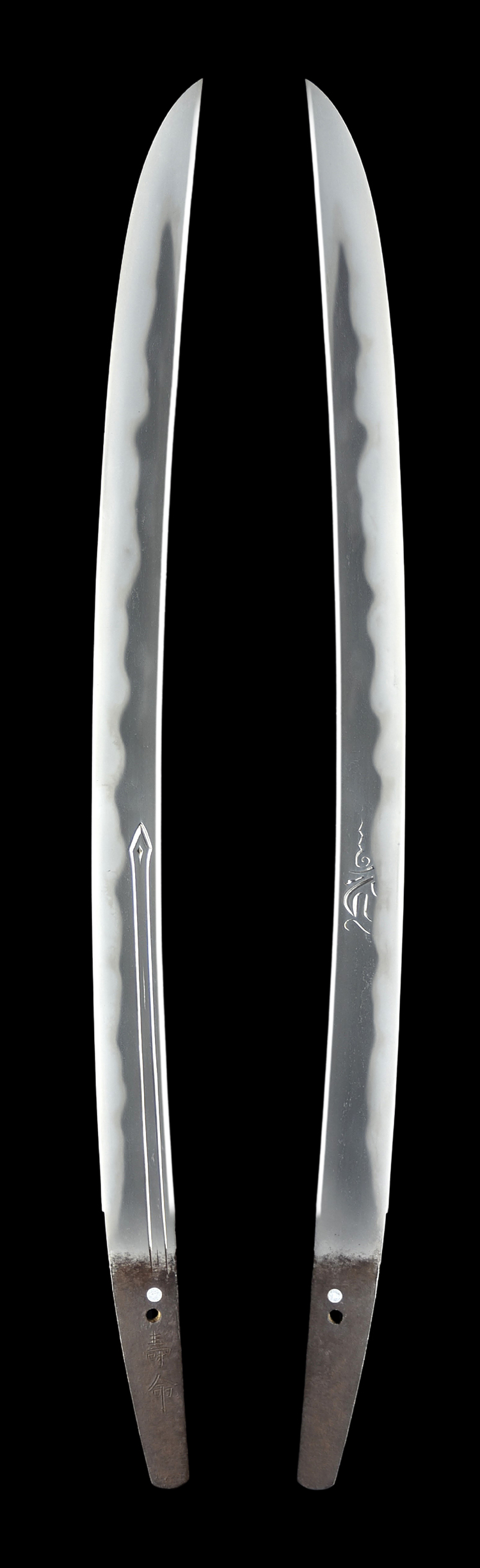
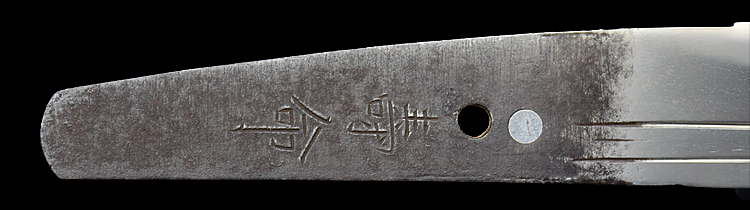
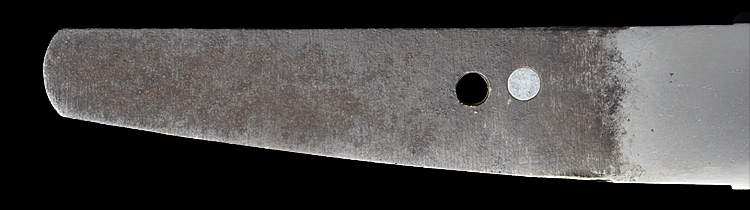
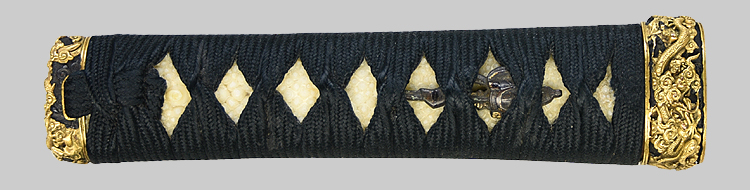
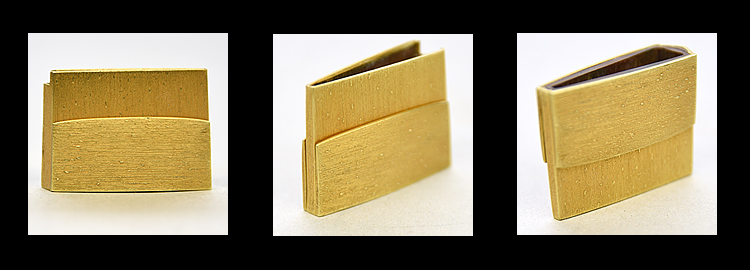
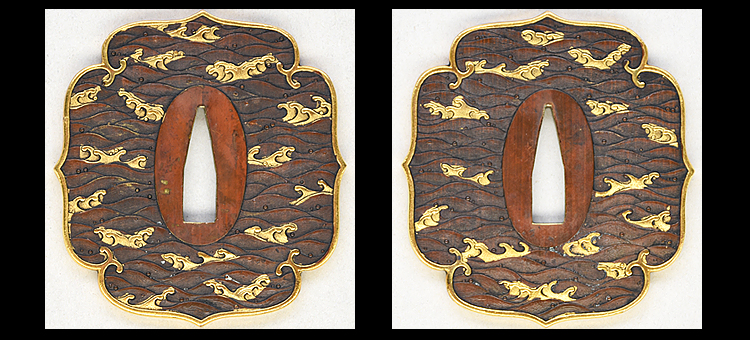
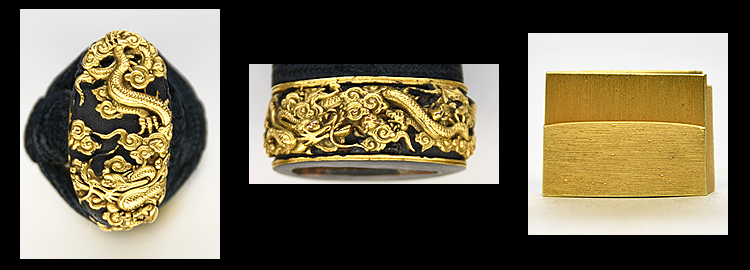
This is a Wakizashi by Jumyo from Mino province, active during the Azuchi-Momoyama period. It features a hirazukuri iorimune blade with a healthy jihada and vibrant hamon. The blade is accompanied by an NBTHK Tokubetsu Hozon certificate and comes with a black roiro saya koshirae.
 NihontoWatch
mei · Momoyama · nagasa 45.5cm · sori 0.9cm




Mino-den · Mino · around 1573-1592
Tōken Taikan top 76%
1 piece on the market now
Mino-den · Mino
16 pieces on the market now
Mino in the Momoyama period
Unification closed the mass market, and Seki’s smiths moved to where the new money was: the Mishina line to Kyōto with court titles, Daidō smiths to castle towns across the provinces. Mino became the great technical ancestor of the Shintō age.
A Hozon-certified blade judged to show notably superior workmanship and a better state of preservation. The bar is higher: re-tempered blades and most unsigned Muromachi/Edo works are excluded.
The NBTHK (Nihon Bijutsu Tōken Hozon Kyōkai, the Society for the Preservation of Japanese Art Swords) is a public-interest incorporated foundation founded in 1948 and supervised by Japan’s Agency for Cultural Affairs (Bunkachō); it is based at the Japanese Sword Museum in Tokyo. Its expert panels physically examine each submitted work (shinsa) and issue a certificate (kanteishō) ranking it by artistic and historical merit. NBTHK papers are the most widely recognized standard of authentication for Japanese swords and fittings.
NBTHK official siteWithin one week of the item's arrival (cooling-off is possible within Japan only). For defects that differ from the purchase conditions, we will accept the return and refund the payment. For other cases such as overseas, we will consult separately.
¥680,000
This is a Wakizashi by Jumyo from Mino province, active during the Azuchi-Momoyama period. It features a hirazukuri iorimune blade with a healthy jihada and vibrant hamon. The blade is accompanied by an NBTHK Tokubetsu Hozon certificate and comes with a black roiro saya koshirae.
NihontoWatchmei · Momoyama · nagasa 45.5cm · sori 0.9cm
Mino-den · Mino · around 1573-1592
Tōken Taikan top 76%
1 piece on the market now
Mino-den · Mino
16 pieces on the market now
Mino in the Momoyama period
Unification closed the mass market, and Seki’s smiths moved to where the new money was: the Mishina line to Kyōto with court titles, Daidō smiths to castle towns across the provinces. Mino became the great technical ancestor of the Shintō age.
A Hozon-certified blade judged to show notably superior workmanship and a better state of preservation. The bar is higher: re-tempered blades and most unsigned Muromachi/Edo works are excluded.
The NBTHK (Nihon Bijutsu Tōken Hozon Kyōkai, the Society for the Preservation of Japanese Art Swords) is a public-interest incorporated foundation founded in 1948 and supervised by Japan’s Agency for Cultural Affairs (Bunkachō); it is based at the Japanese Sword Museum in Tokyo. Its expert panels physically examine each submitted work (shinsa) and issue a certificate (kanteishō) ranking it by artistic and historical merit. NBTHK papers are the most widely recognized standard of authentication for Japanese swords and fittings.
NBTHK official siteWithin one week of the item's arrival (cooling-off is possible within Japan only). For defects that differ from the purchase conditions, we will accept the return and refund the payment. For other cases such as overseas, we will consult separately.
¥680,000