Perry’s arrival in 1853 unraveled the Tokugawa peace and created the first mass demand for working swords in two centuries. Kiyomaro, called the Masamune of Yotsuya, died on its eve; Munetsugu and Yukihide carried the boom to the end.
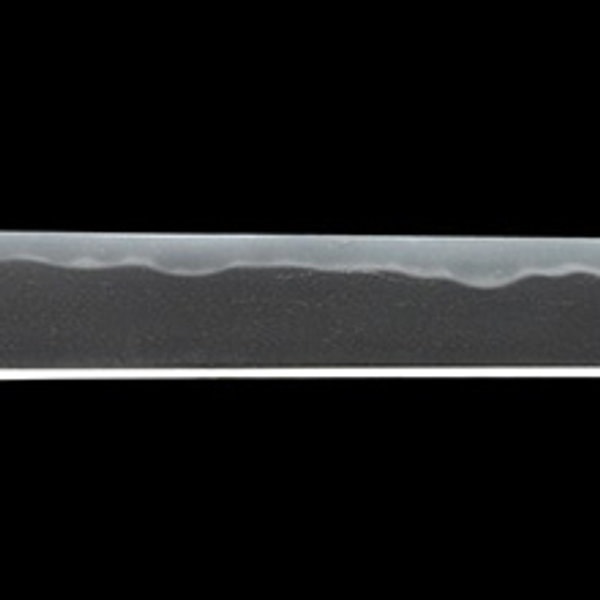
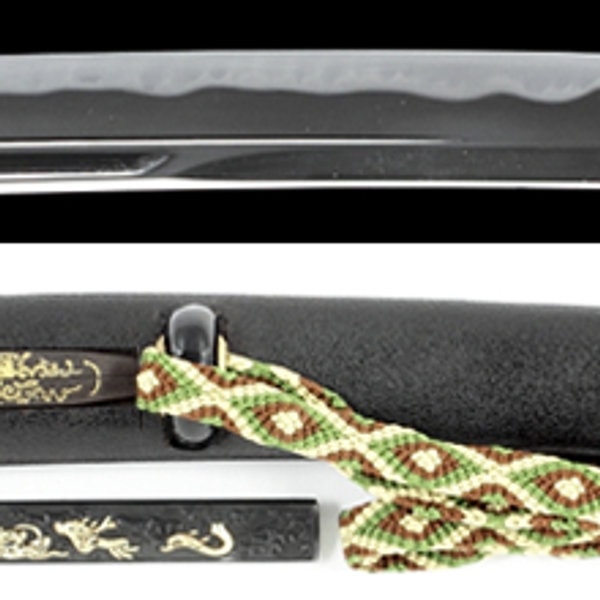
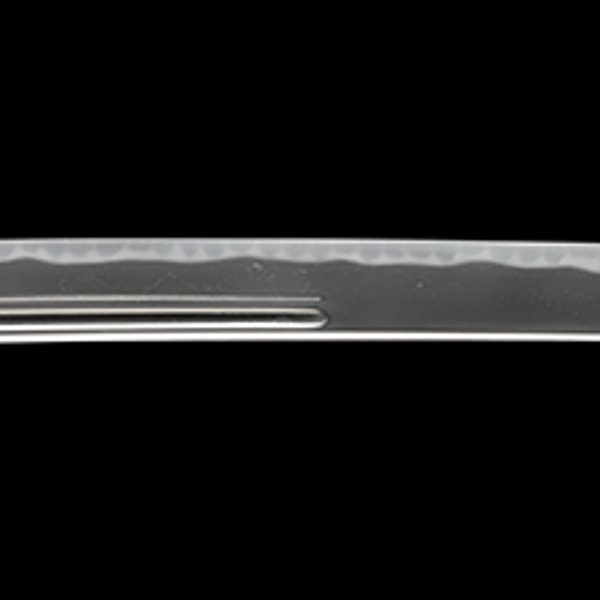
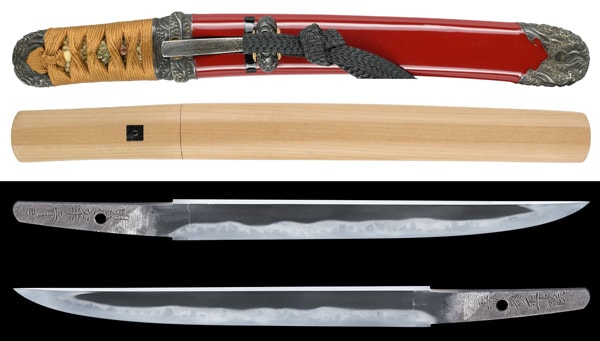
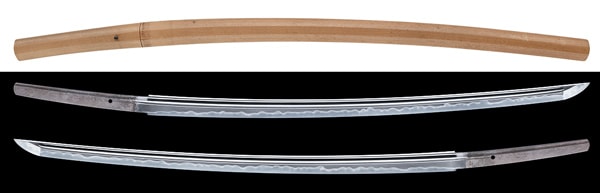
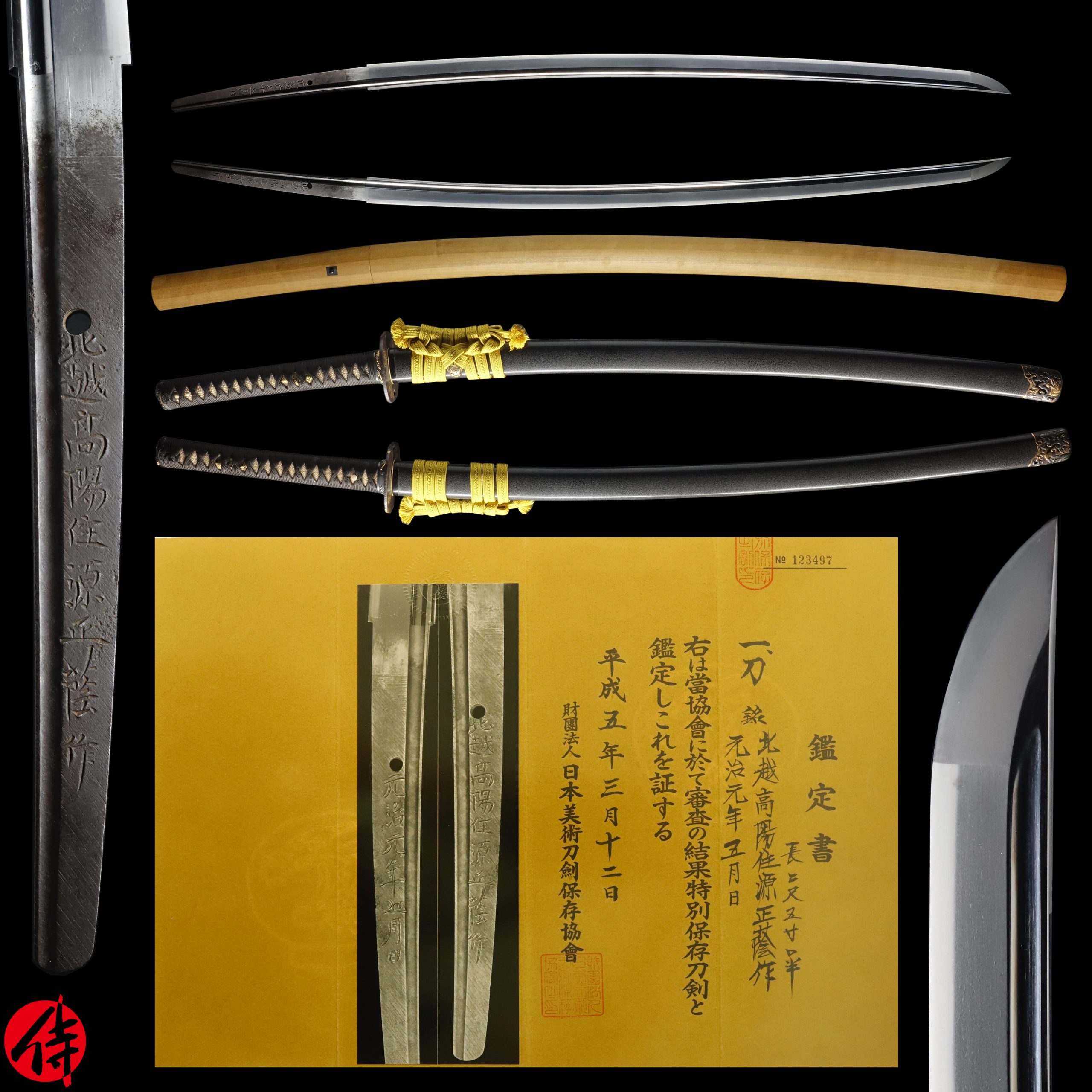
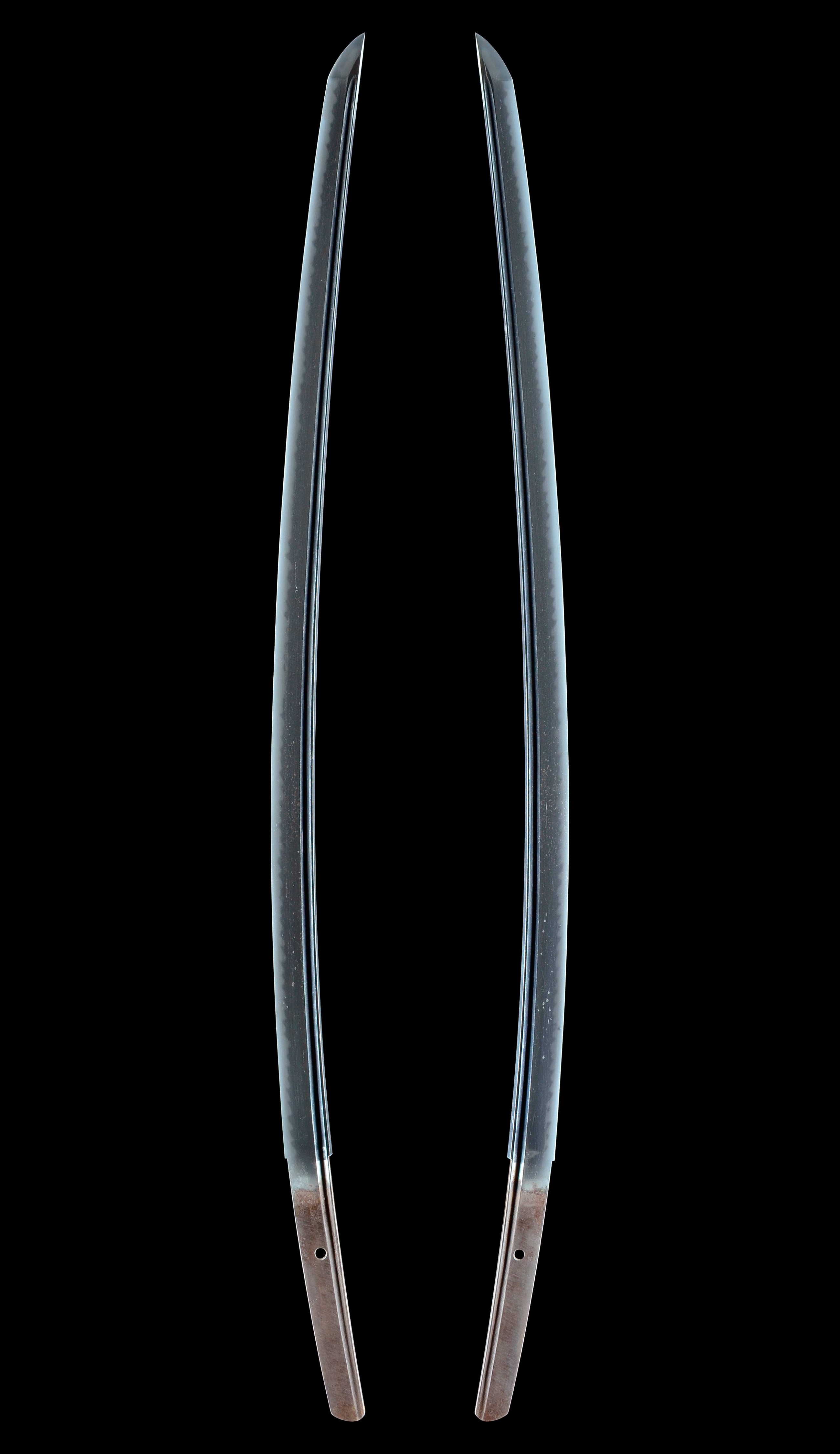
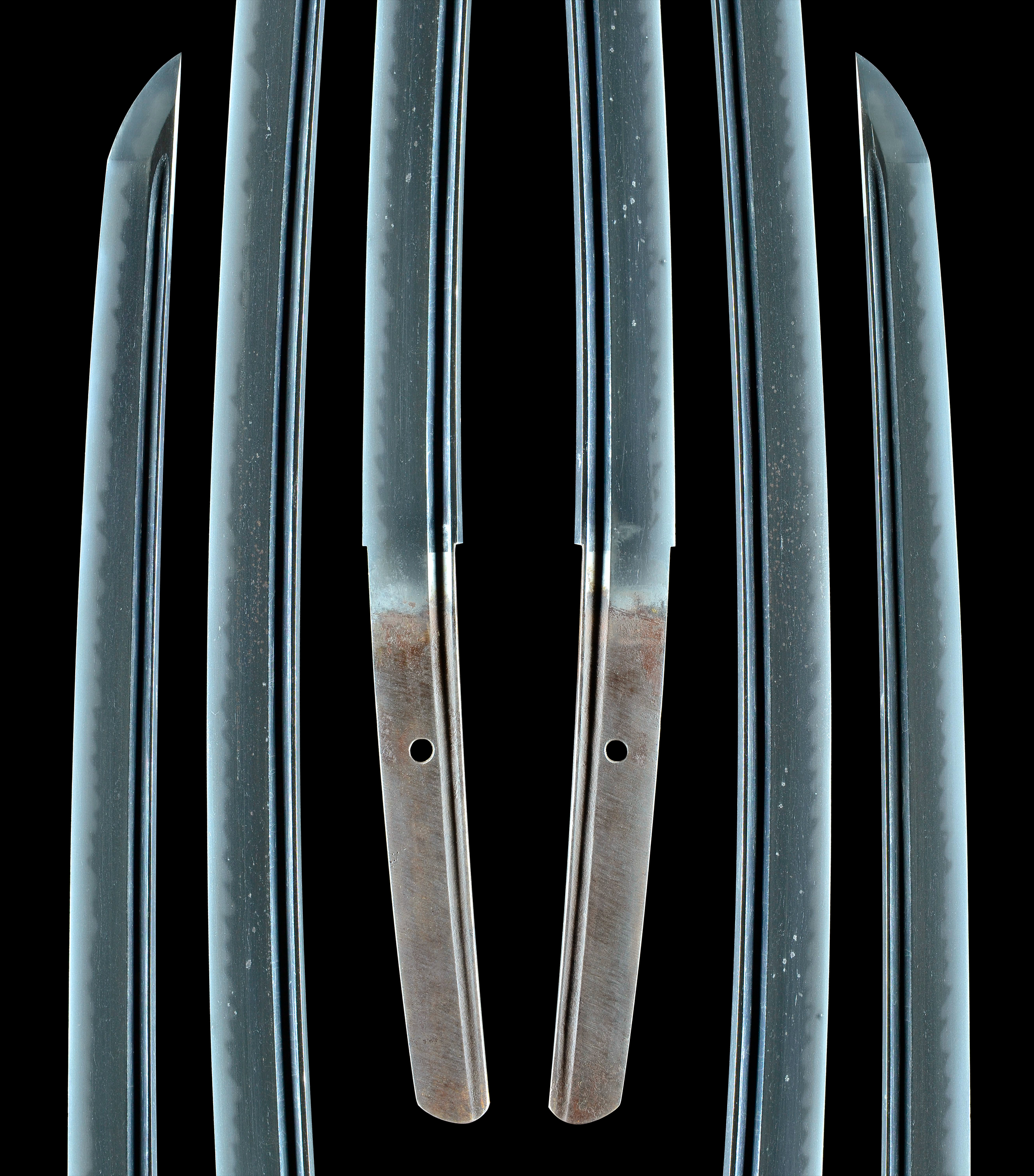
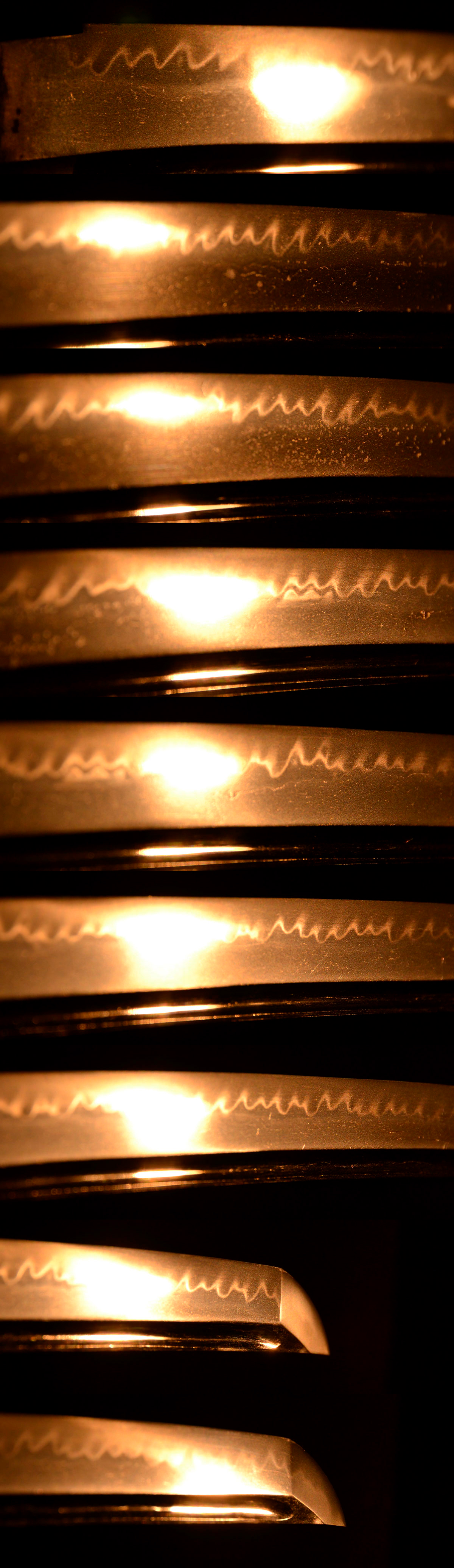
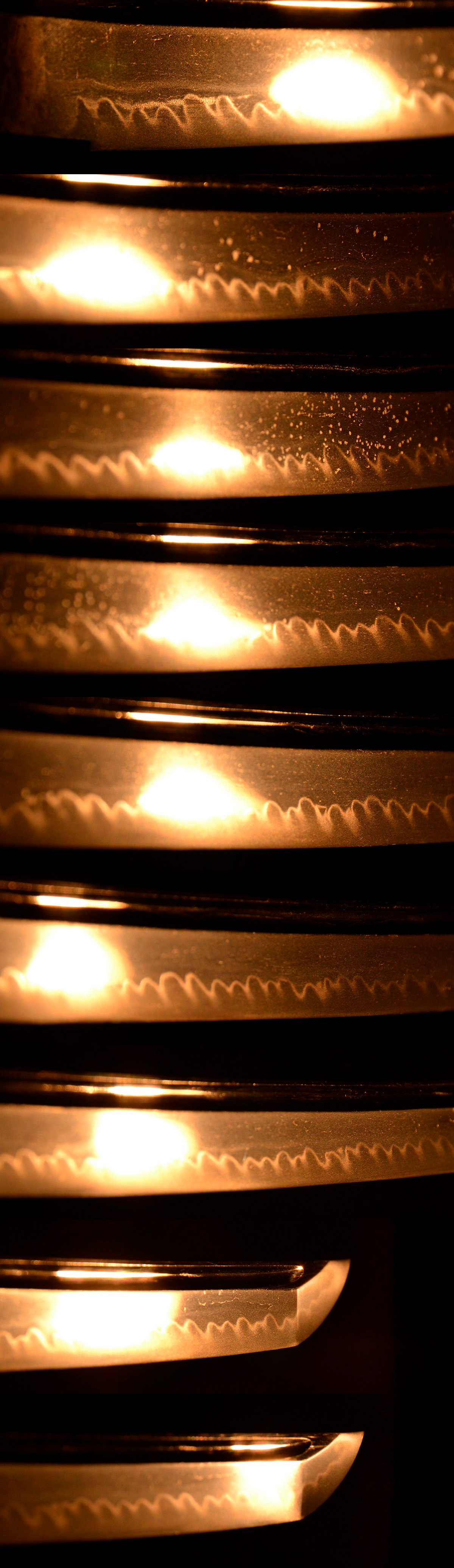
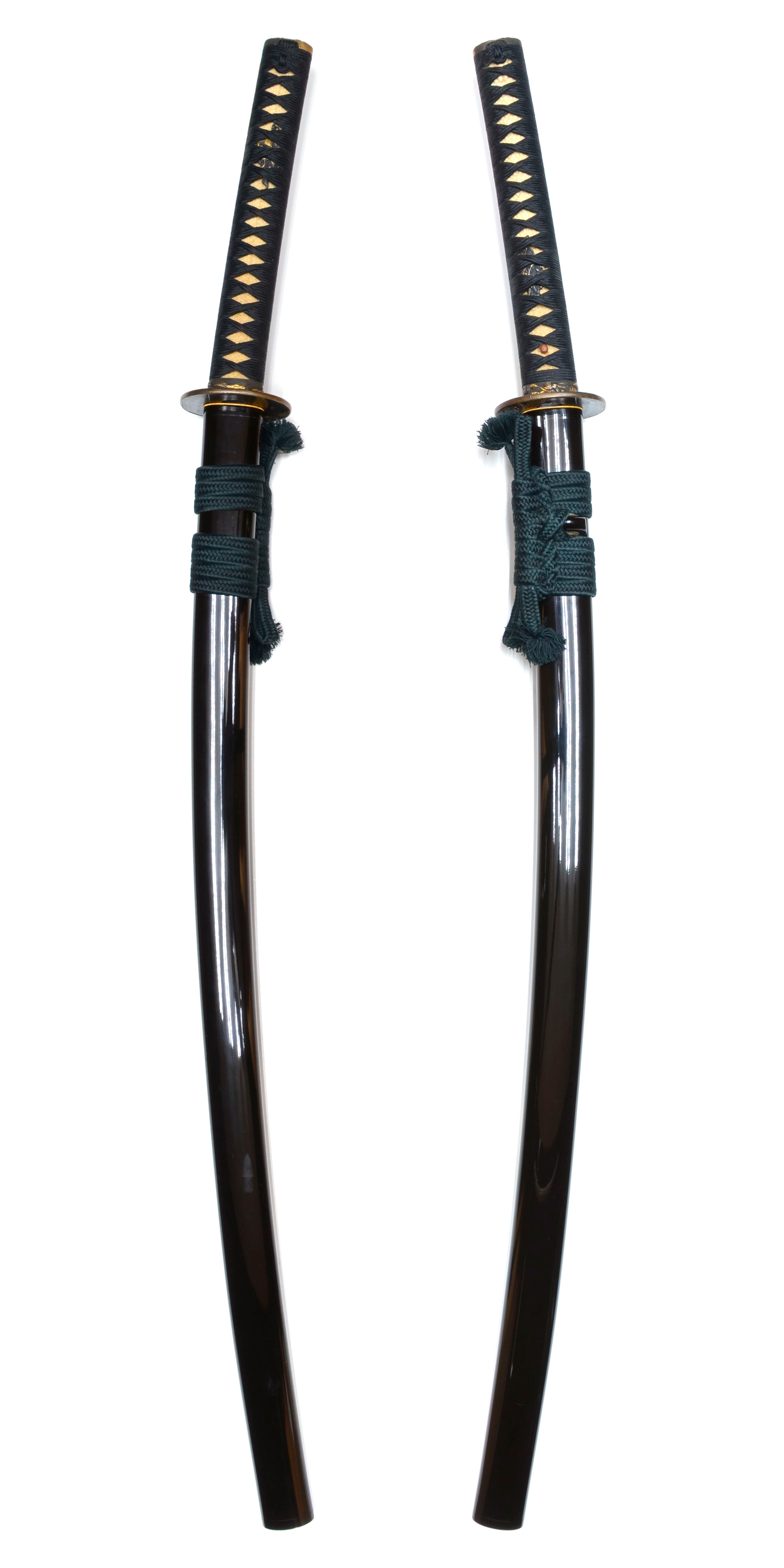
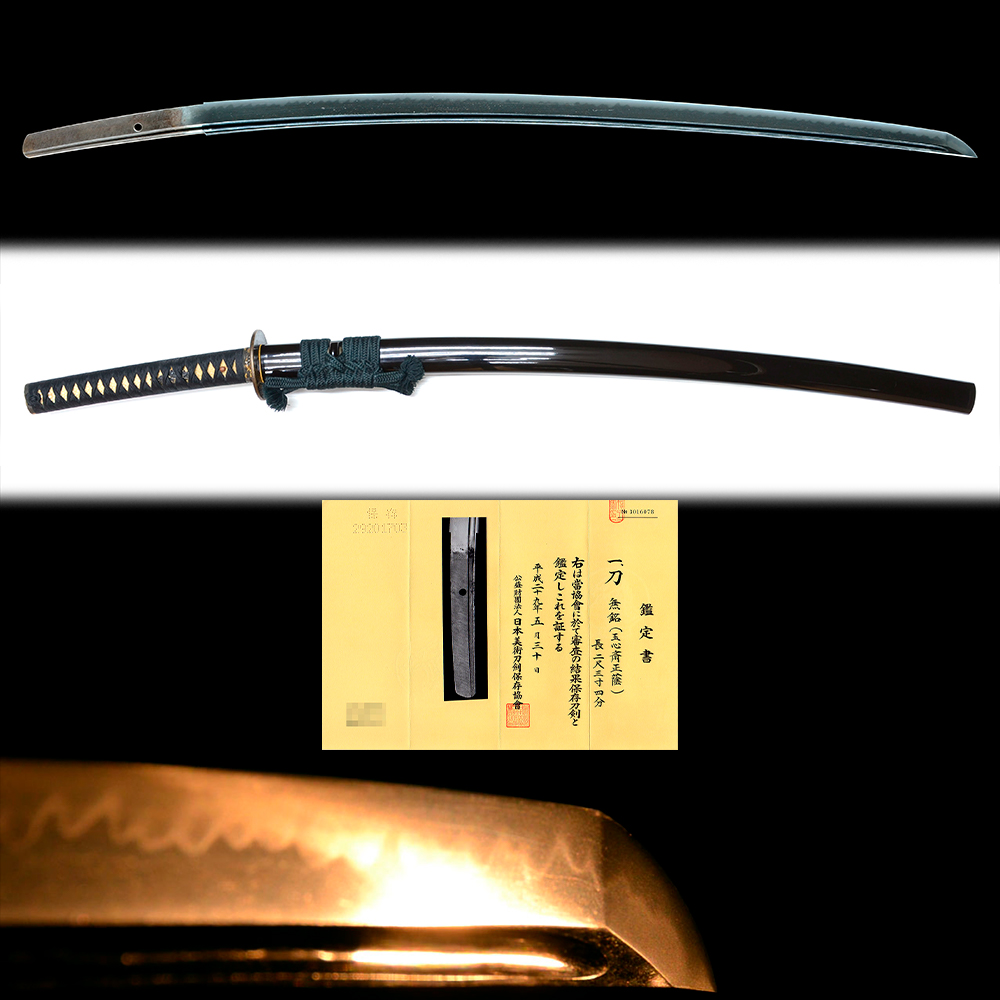
This katana is attributed to Gyokushinsai Masakage, who studied under Suishinshi Masatsugu and was known for his Yamaura-style work. The blade features a sharp construction with a small itame hada and utsuri, along with a bright yakiba in a gyaku-gunome pattern. It comes with a koshirae featuring fittings with a Genpei War theme.
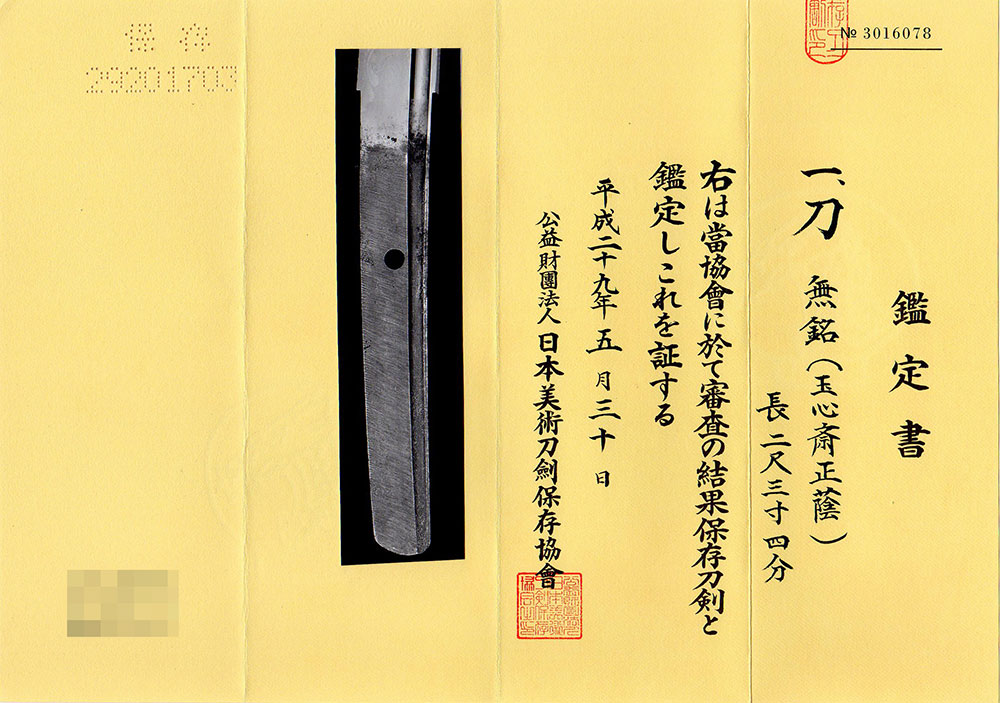
Certificate reading — 無銘(玉心斎正蔭)
 NihontoWatch
mumei · Yamaura · Shin-shinto · nagasa 70.85cm · sori 1.83cm
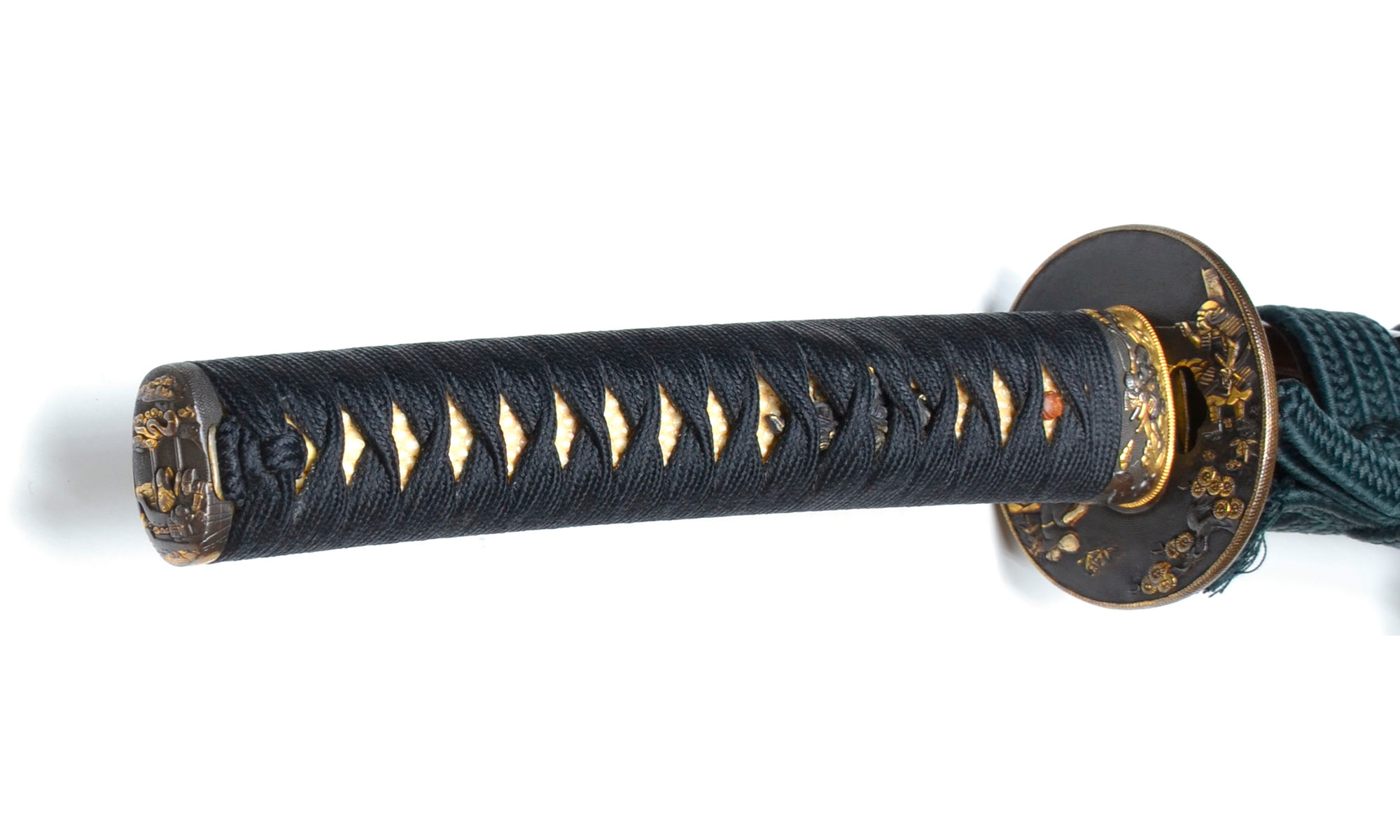
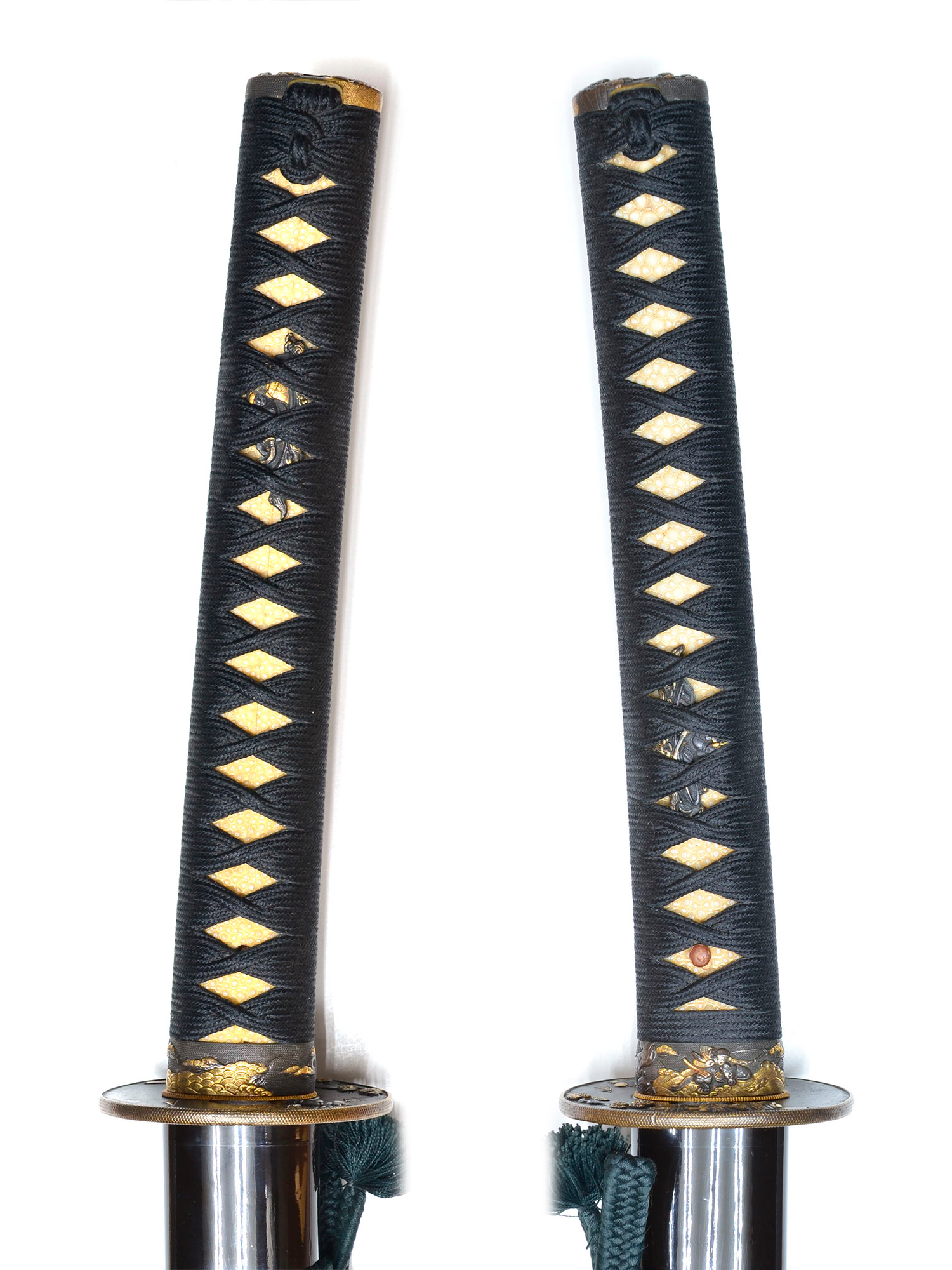
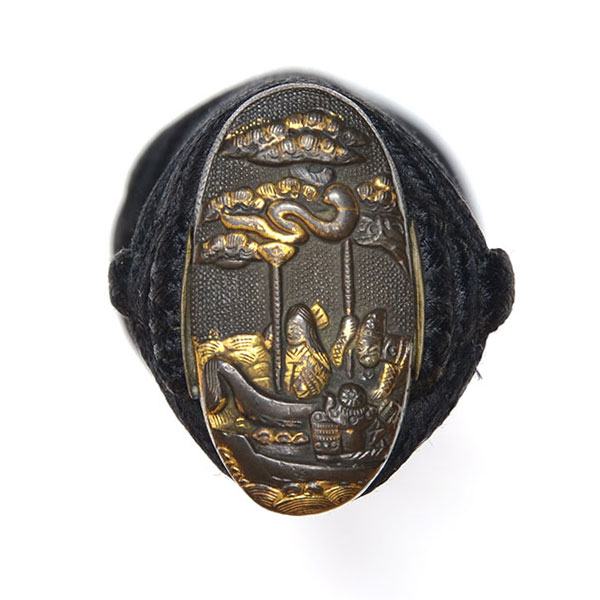
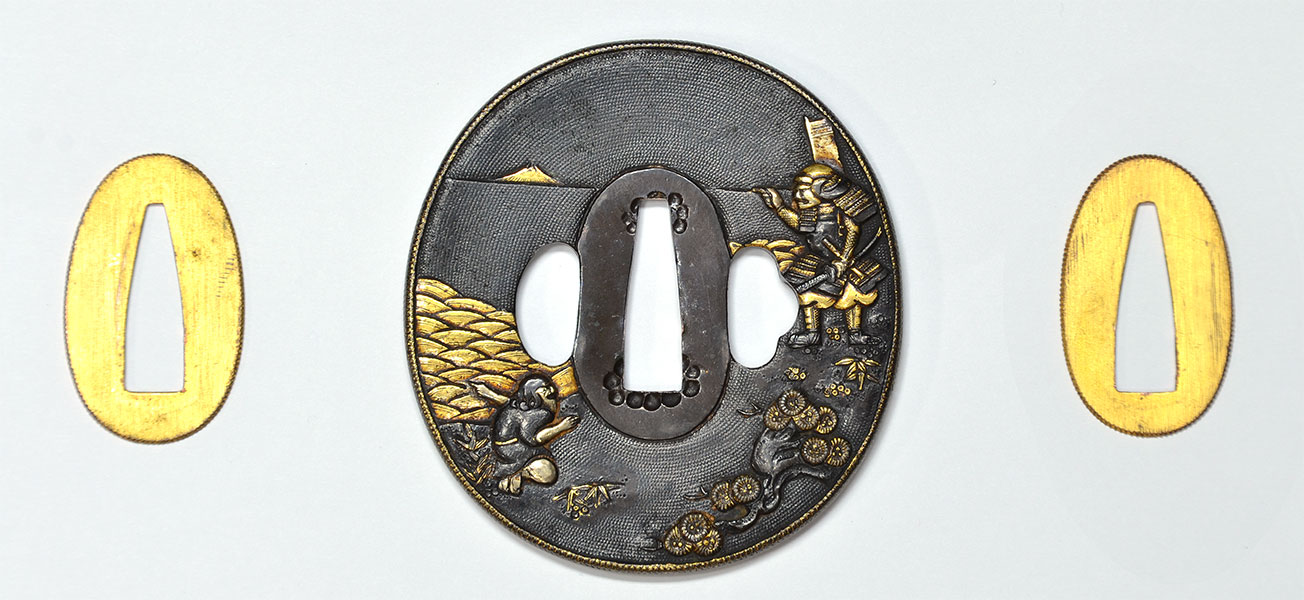
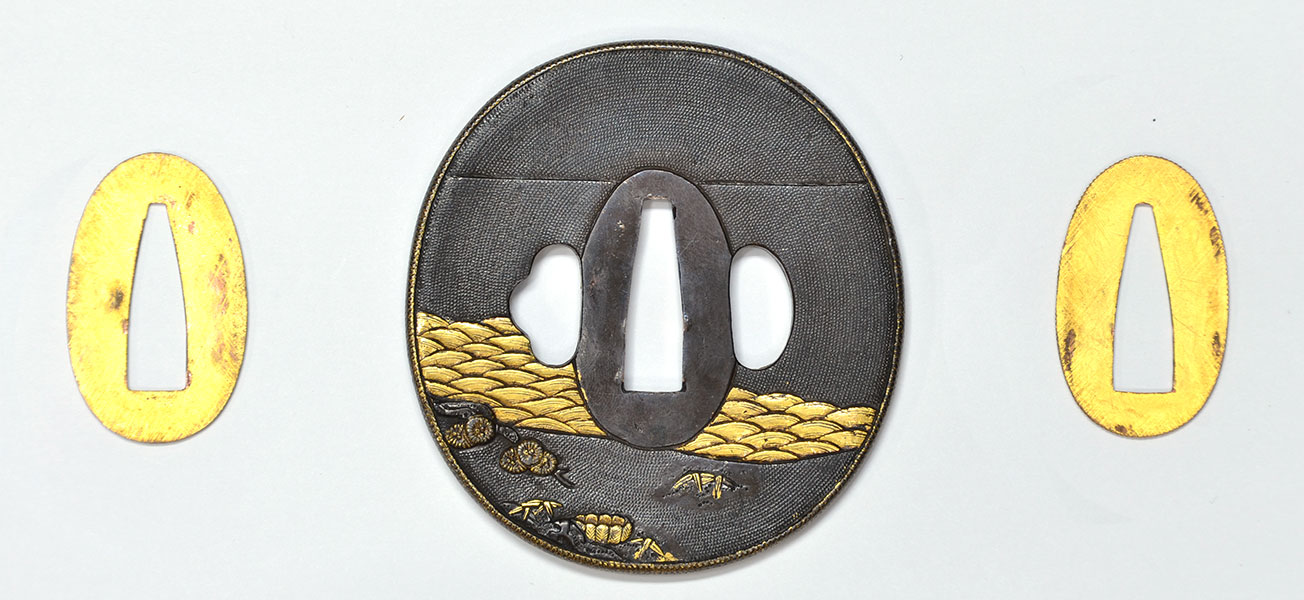
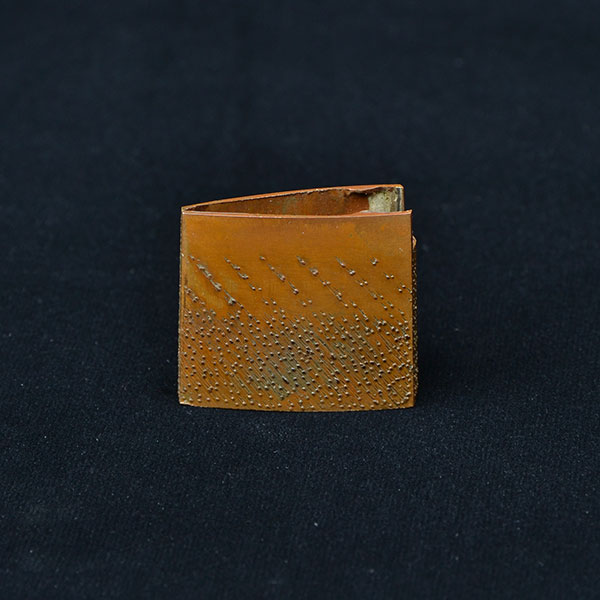
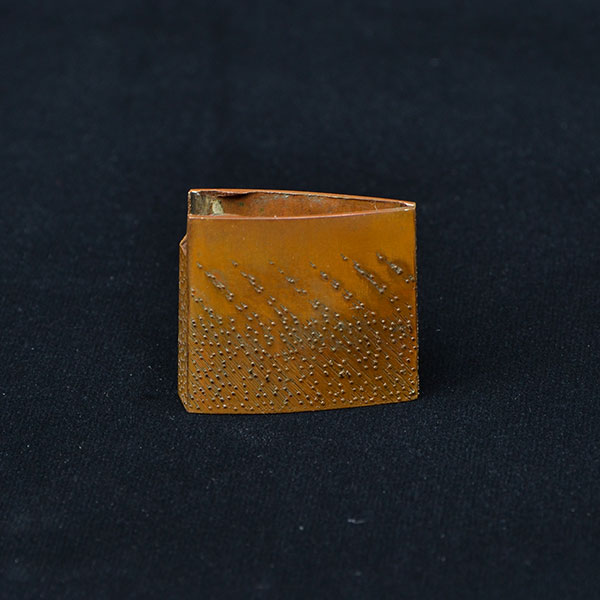
Echigo · around 1861-1864
Tōken Taikan top 97%
4 pieces on the market now
Bakumatsu: the last war market
Perry’s arrival in 1853 unraveled the Tokugawa peace and created the first mass demand for working swords in two centuries. Kiyomaro, called the Masamune of Yotsuya, died on its eve; Munetsugu and Yukihide carried the boom to the end.
Certifies a genuine blade worth preserving: a signature confirmed correct, or, if unsigned, an era, province, and school that the NBTHK can reliably identify.
The NBTHK (Nihon Bijutsu Tōken Hozon Kyōkai, the Society for the Preservation of Japanese Art Swords) is a public-interest incorporated foundation founded in 1948 and supervised by Japan’s Agency for Cultural Affairs (Bunkachō); it is based at the Japanese Sword Museum in Tokyo. Its expert panels physically examine each submitted work (shinsa) and issue a certificate (kanteishō) ranking it by artistic and historical merit. NBTHK papers are the most widely recognized standard of authentication for Japanese swords and fittings.
NBTHK official siteReturns accepted within 3 days of delivery for defective items or significant discrepancies; customer bears return shipping and bank fees.
¥660,000