The monasteries that had sustained Yamato lost ground through the Muromachi period, and the schools thinned with them; Sue-Tegai kept the old masame manner alive in quantity. The burning of Tōdaiji’s Great Buddha hall in 1567 closed the temple age.
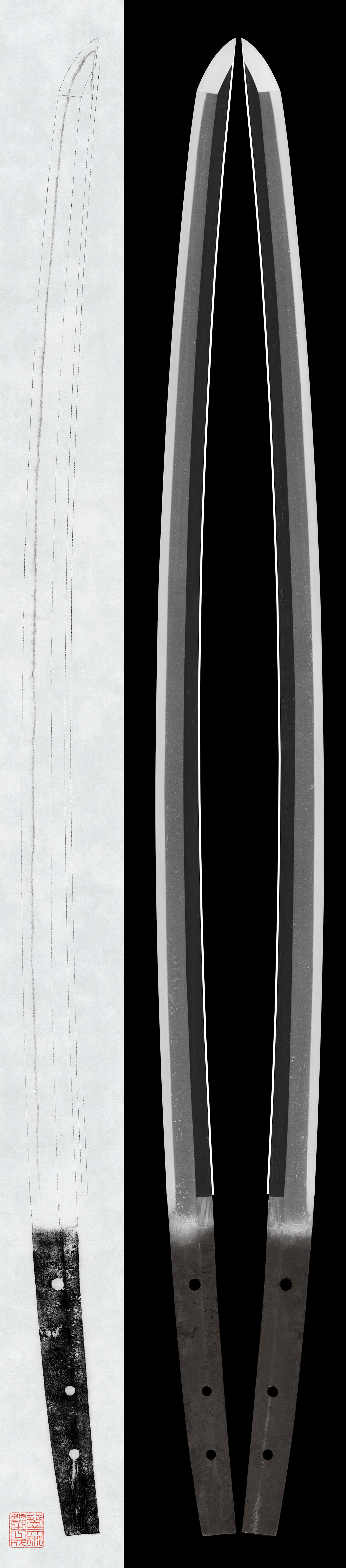
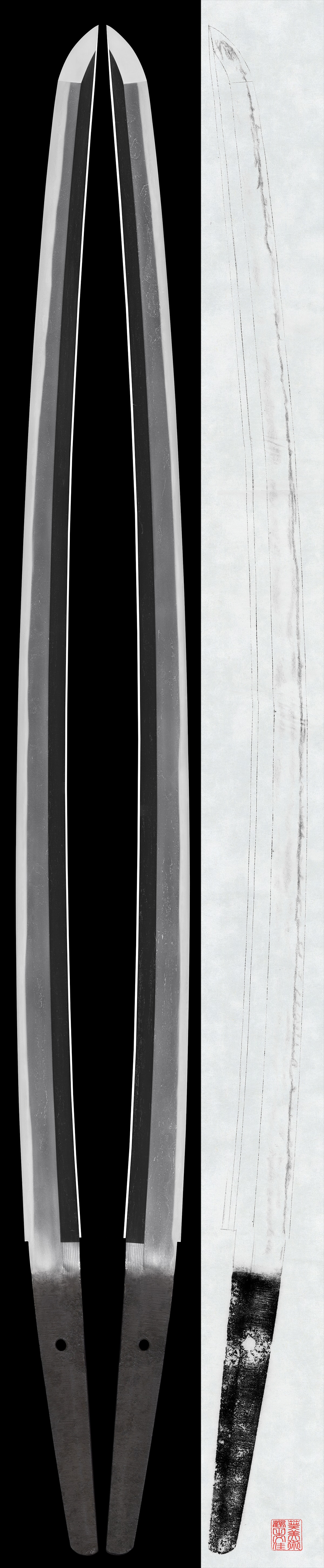
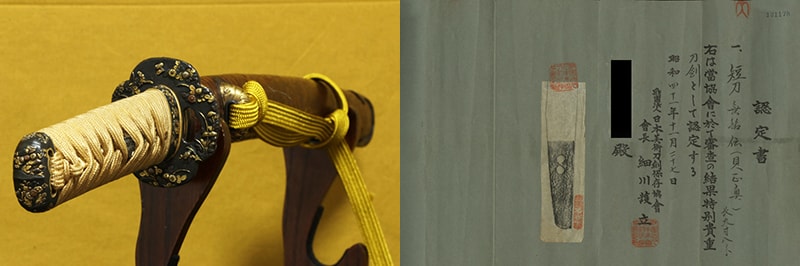
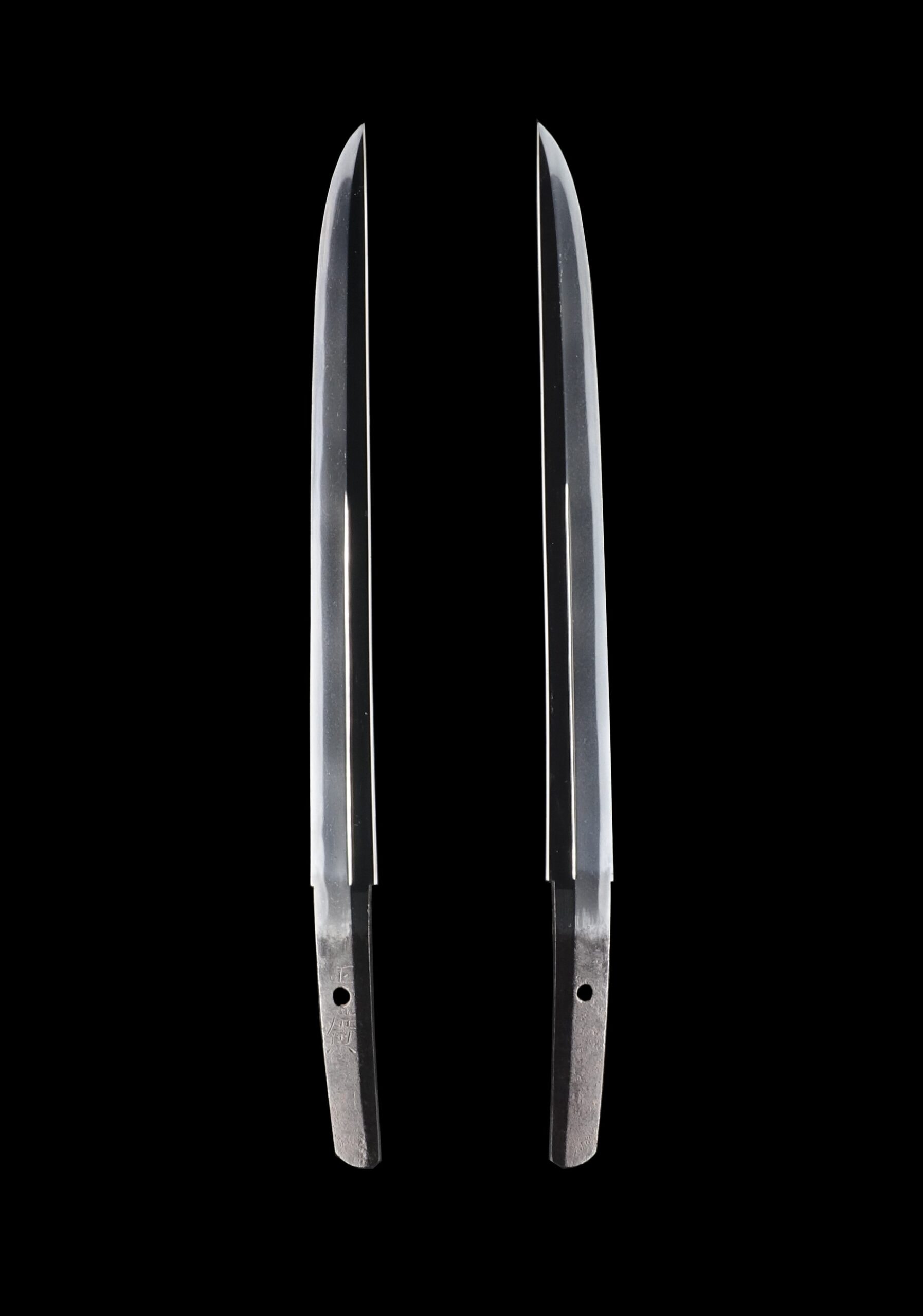
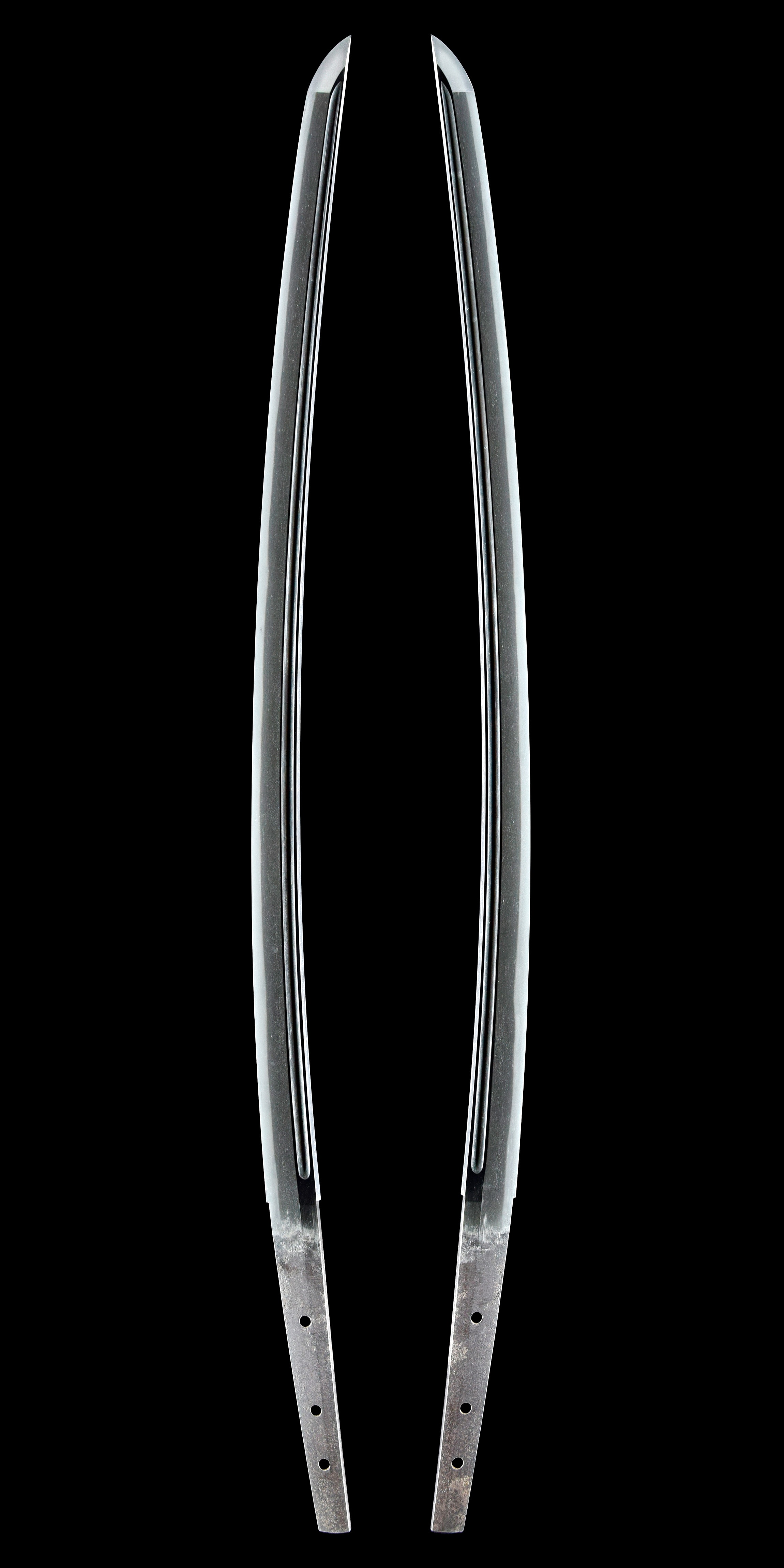
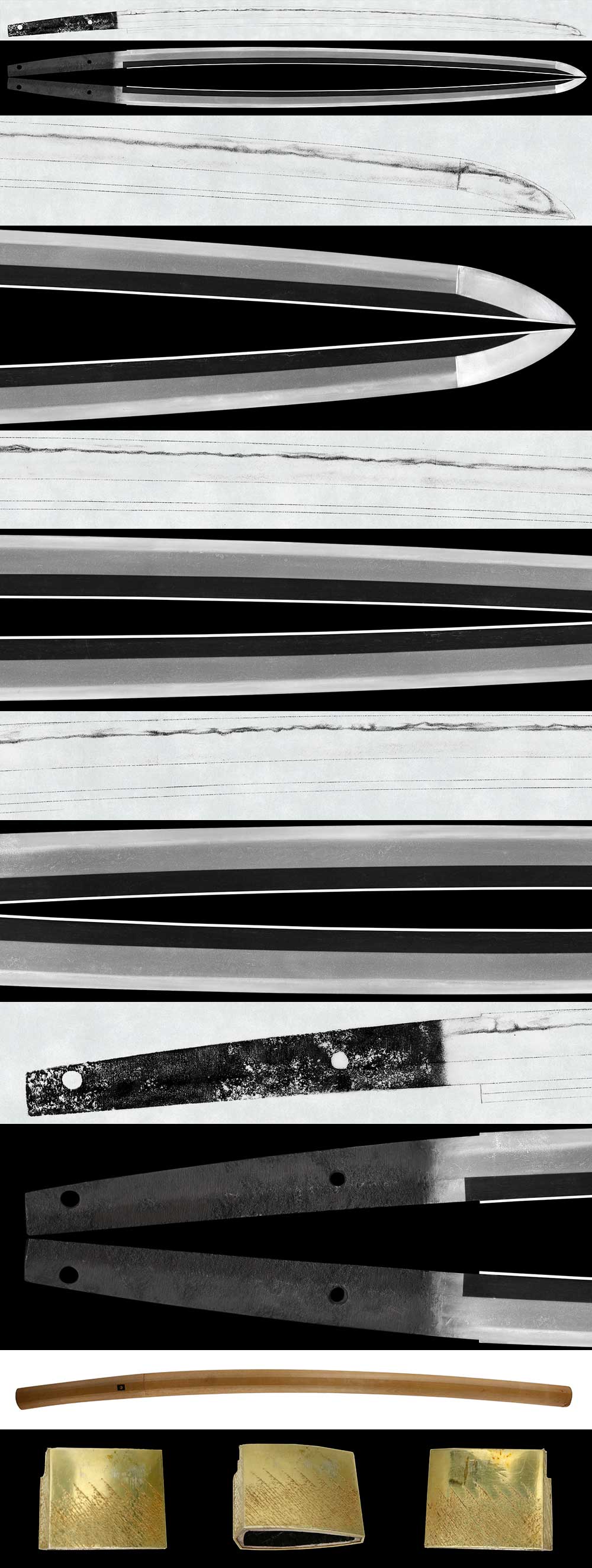
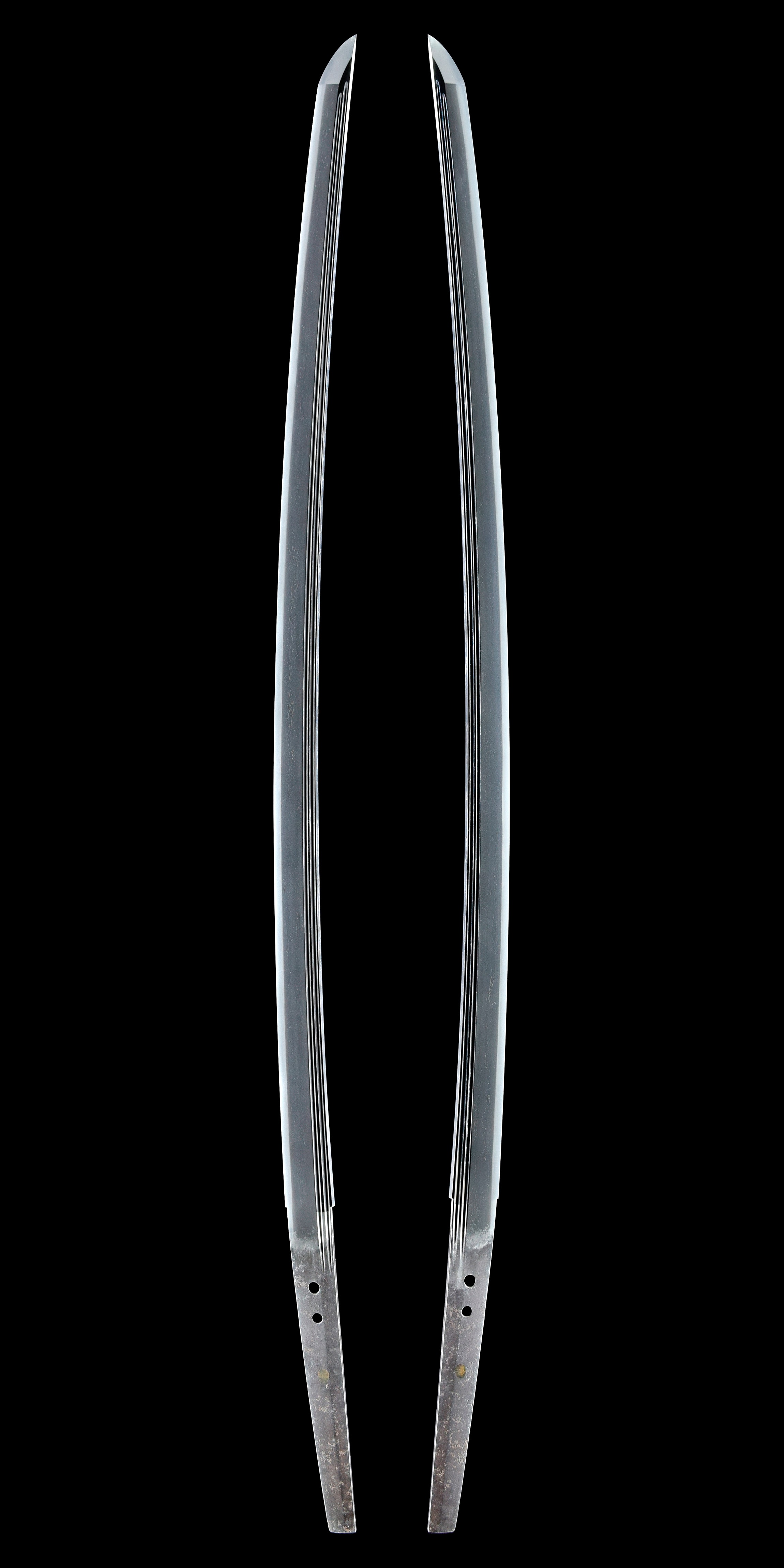
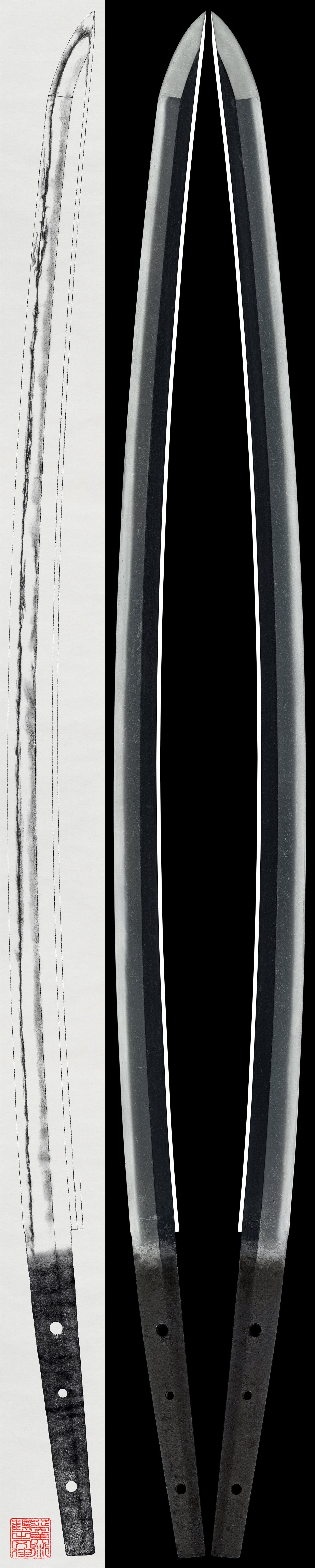
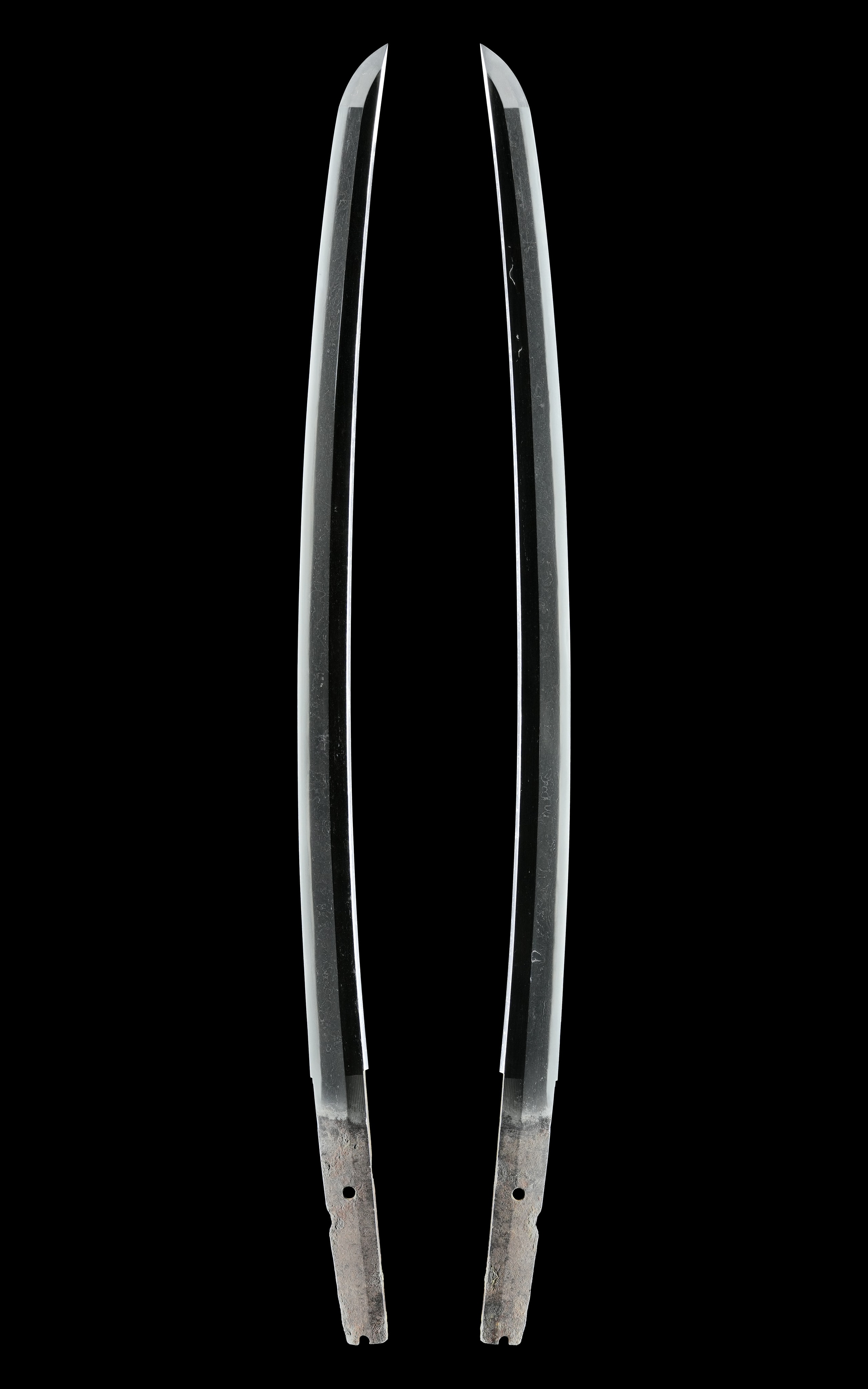
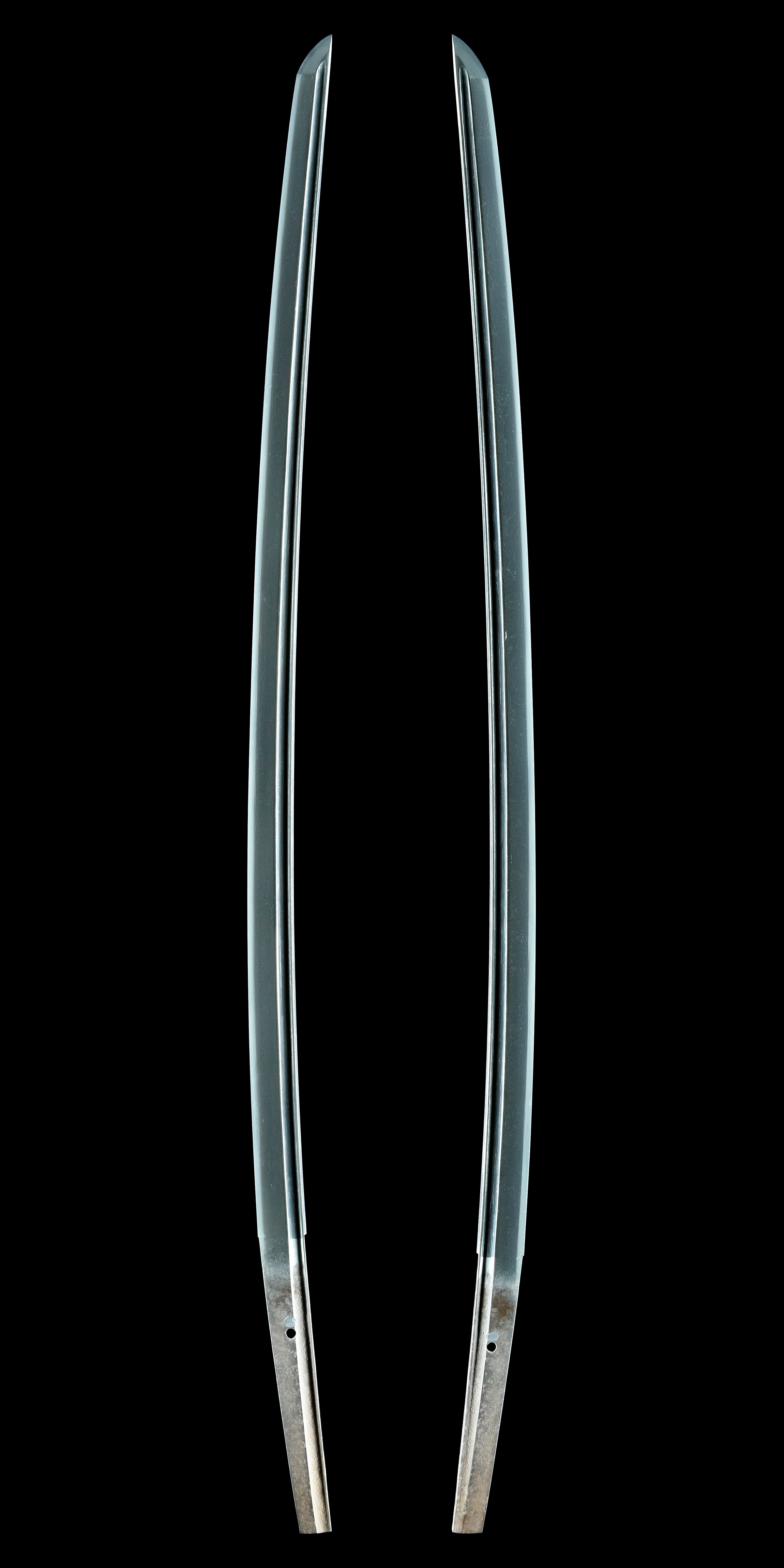
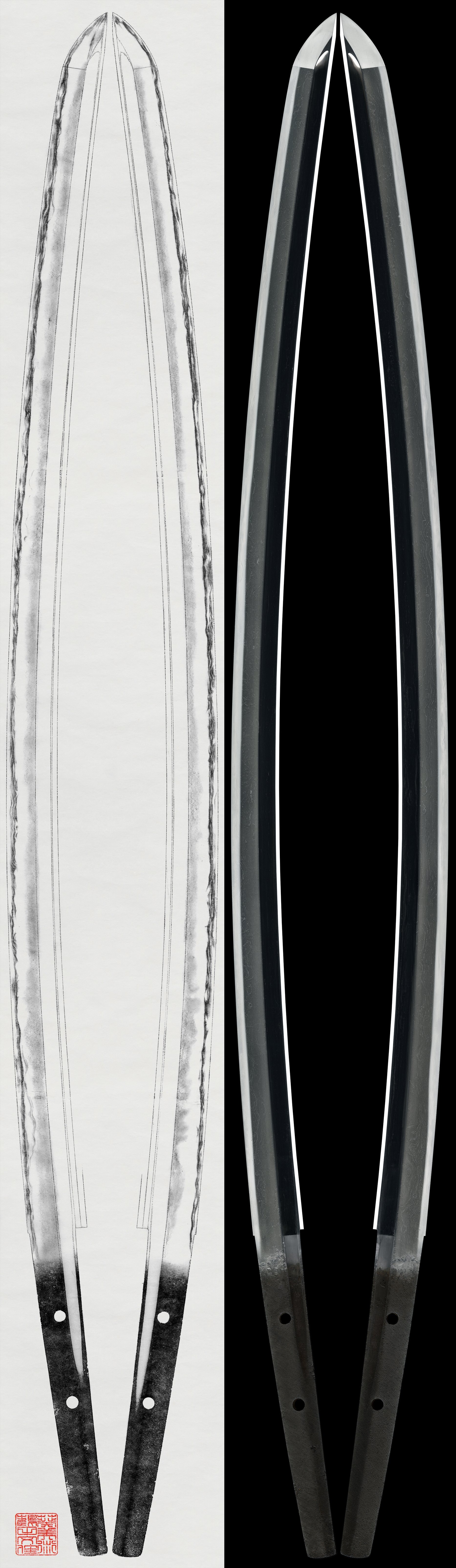
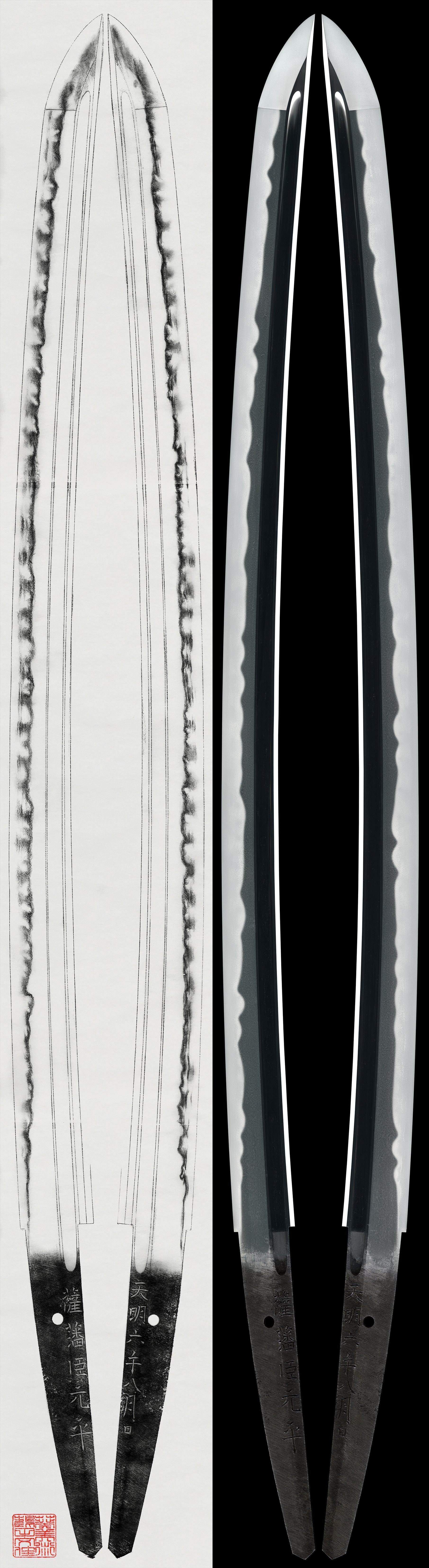
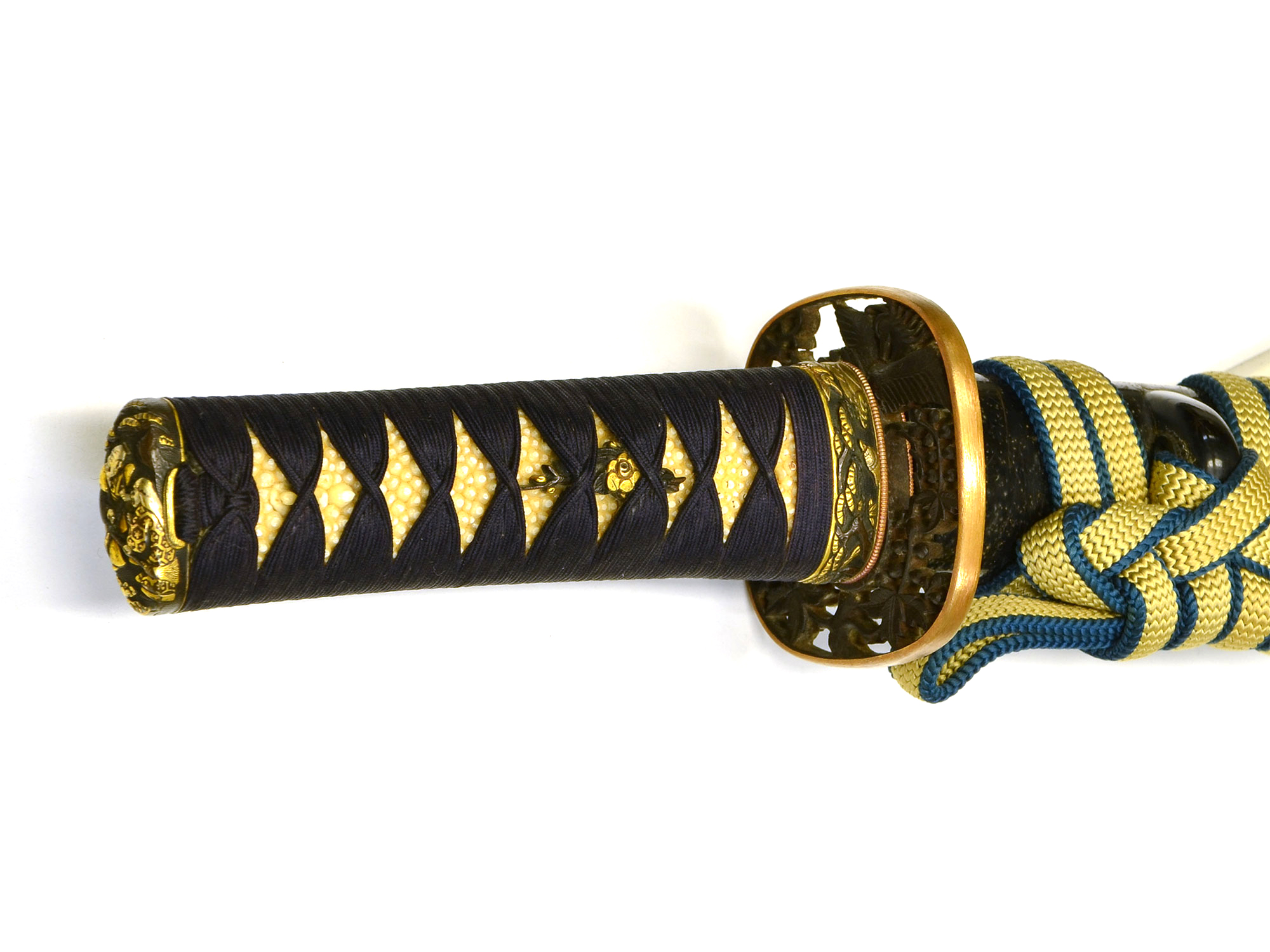
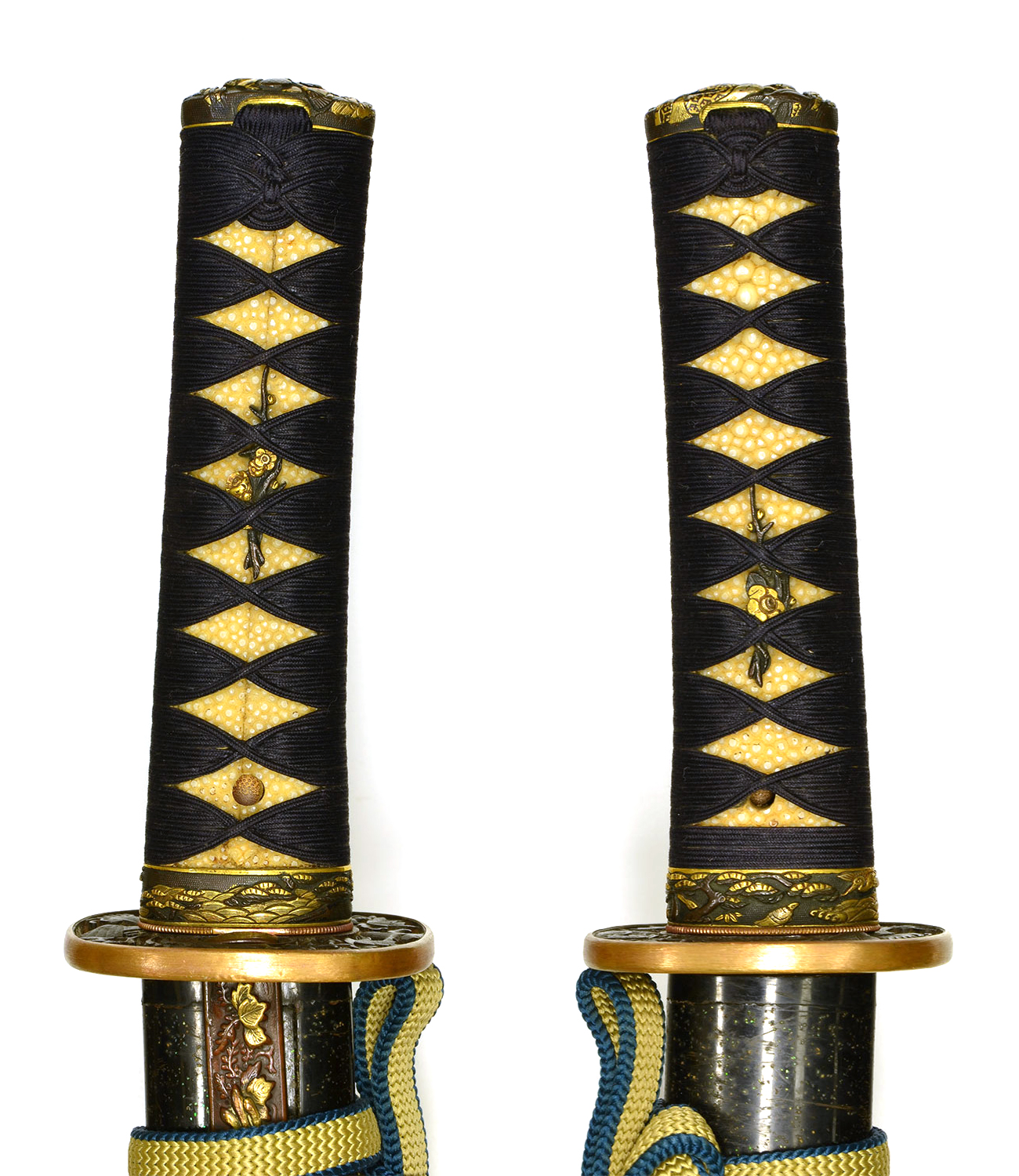
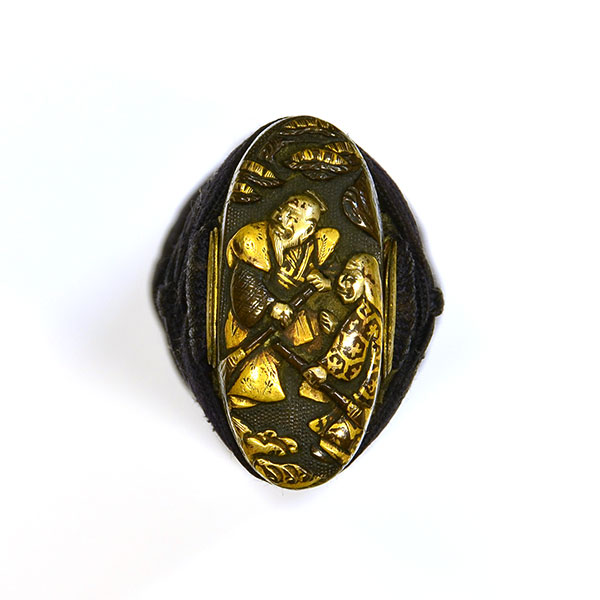
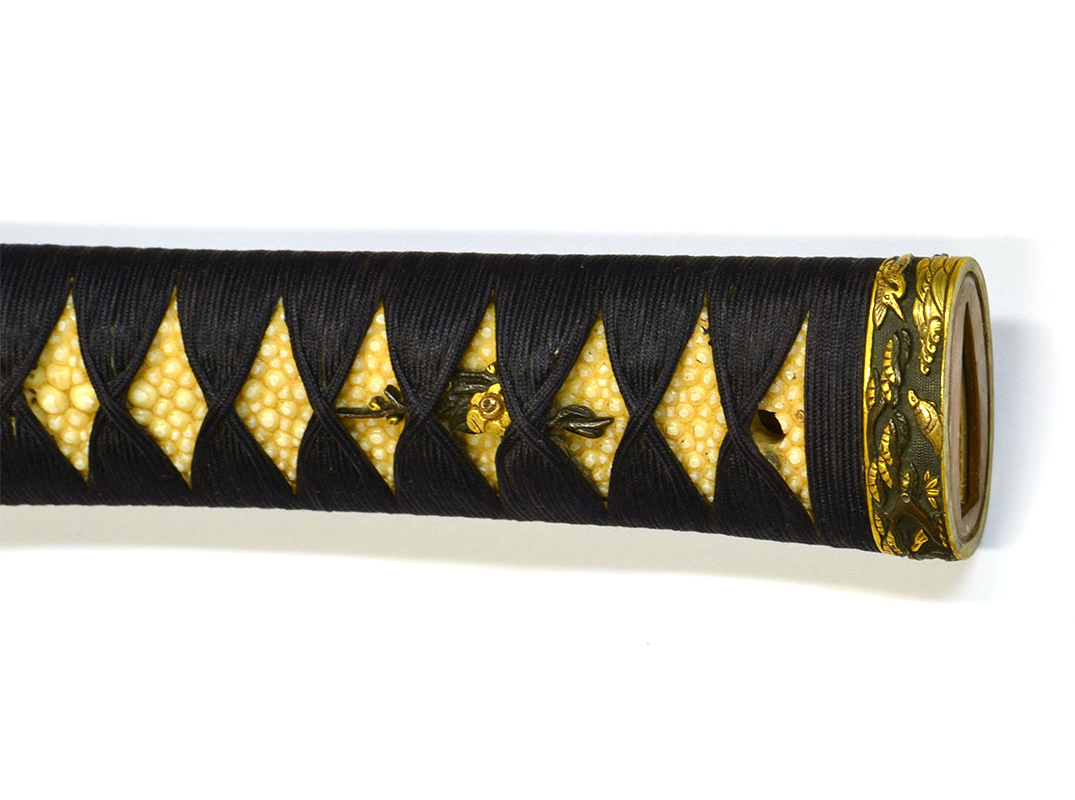
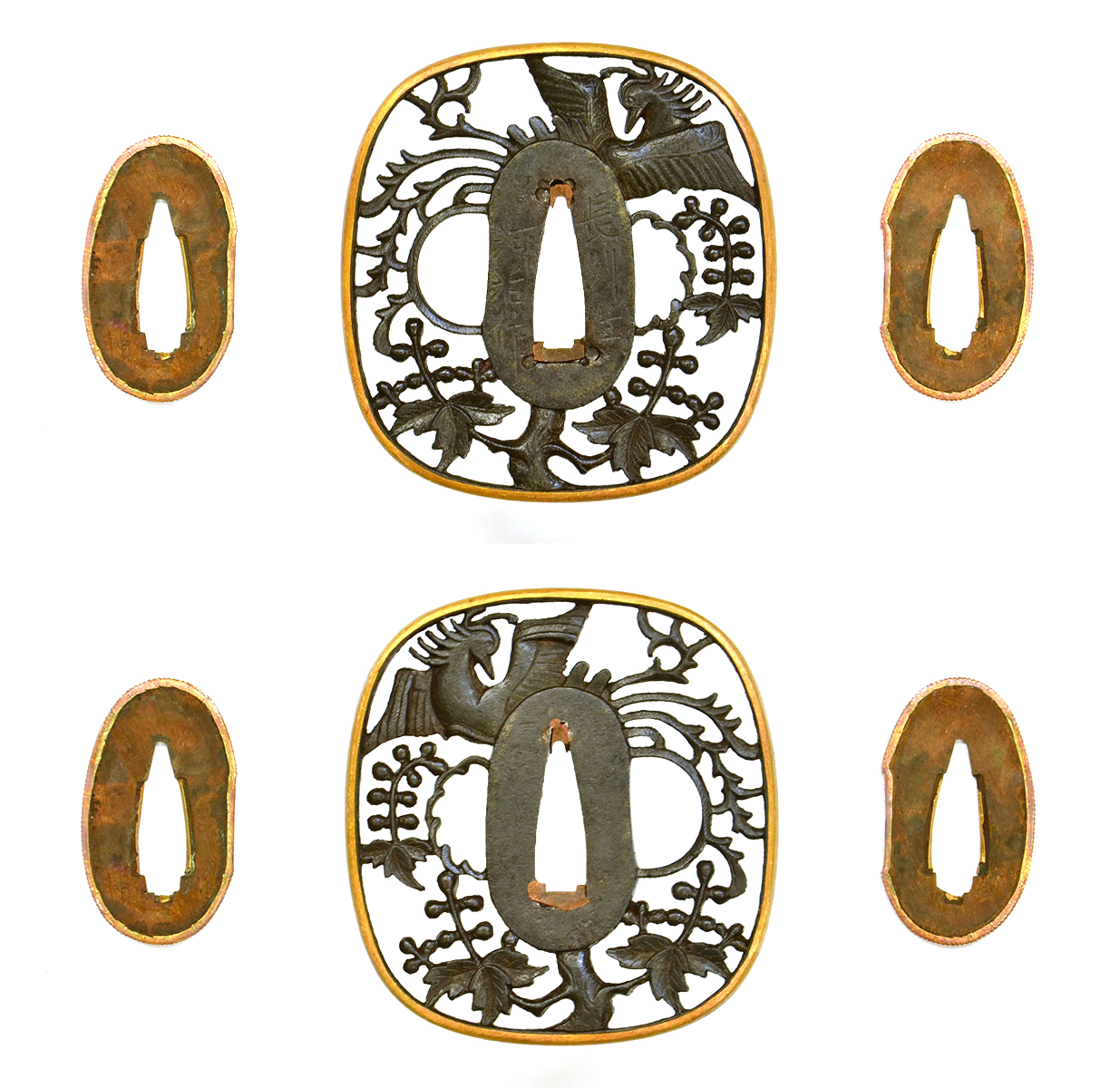
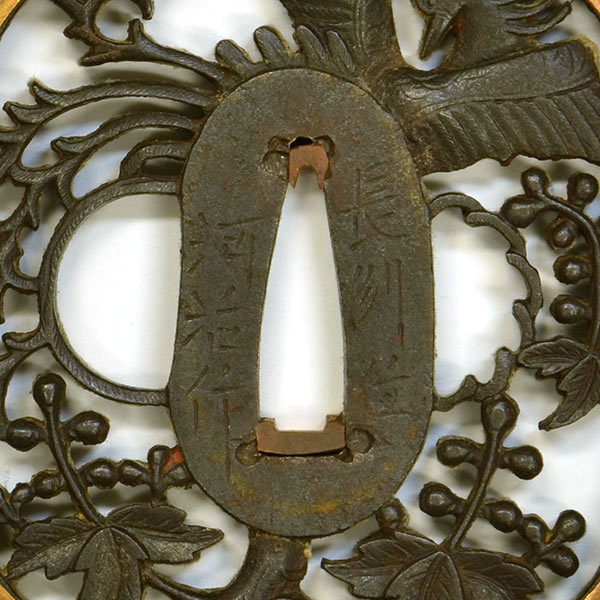
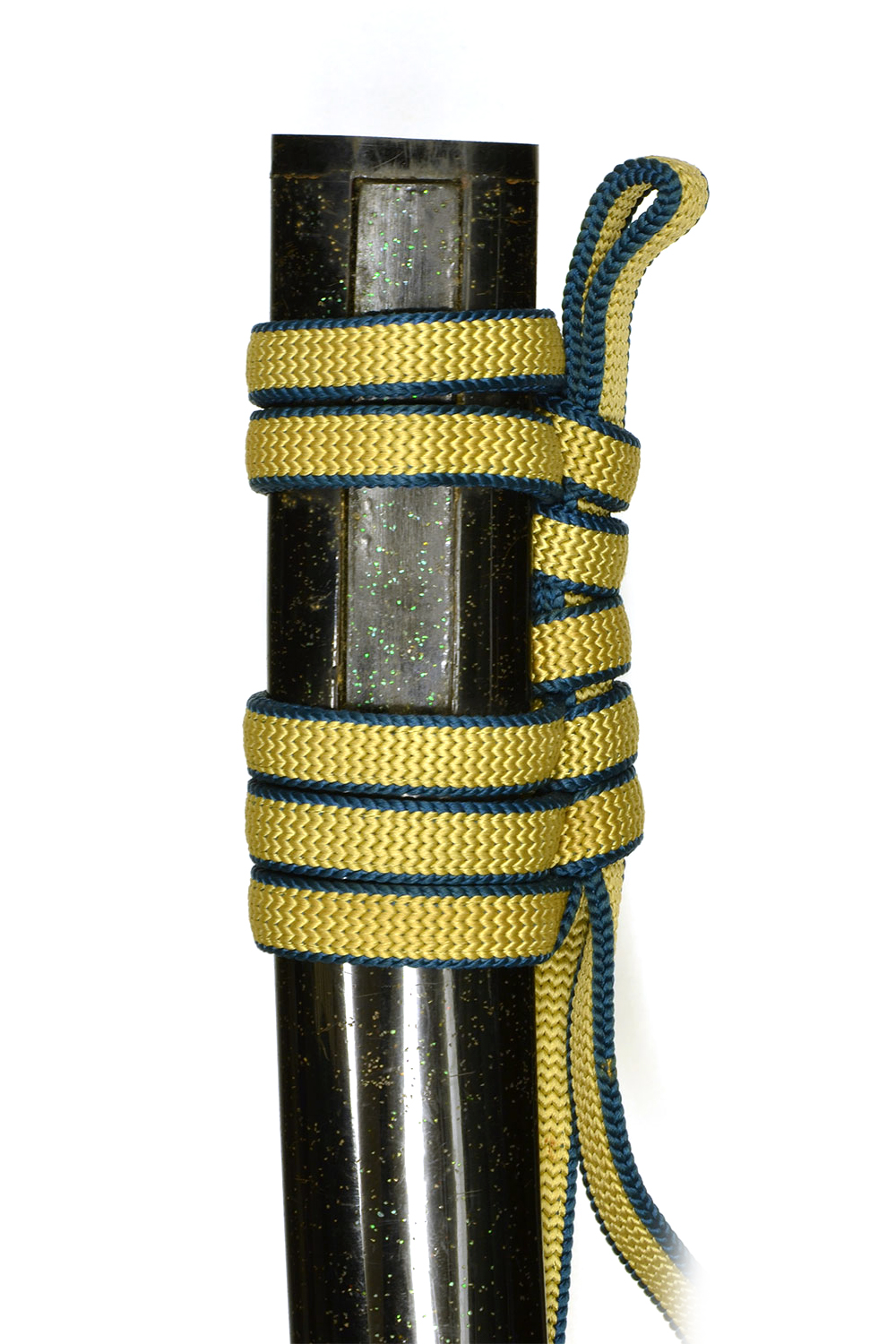
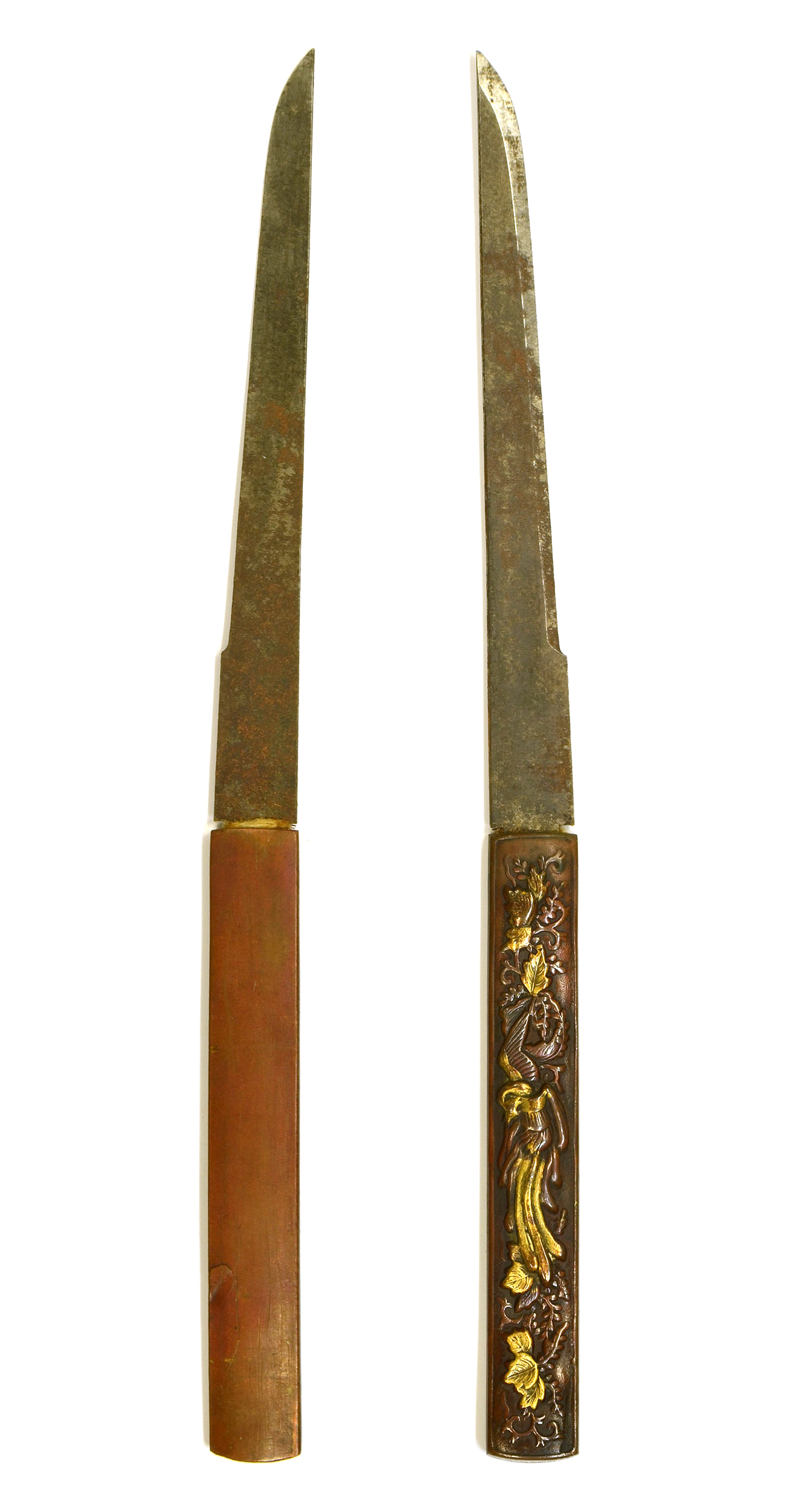
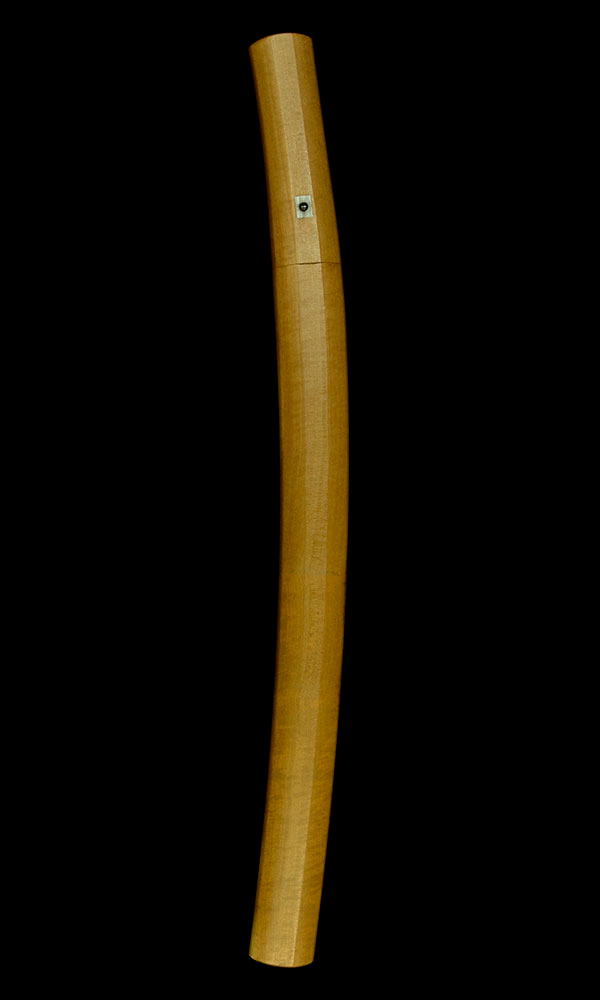
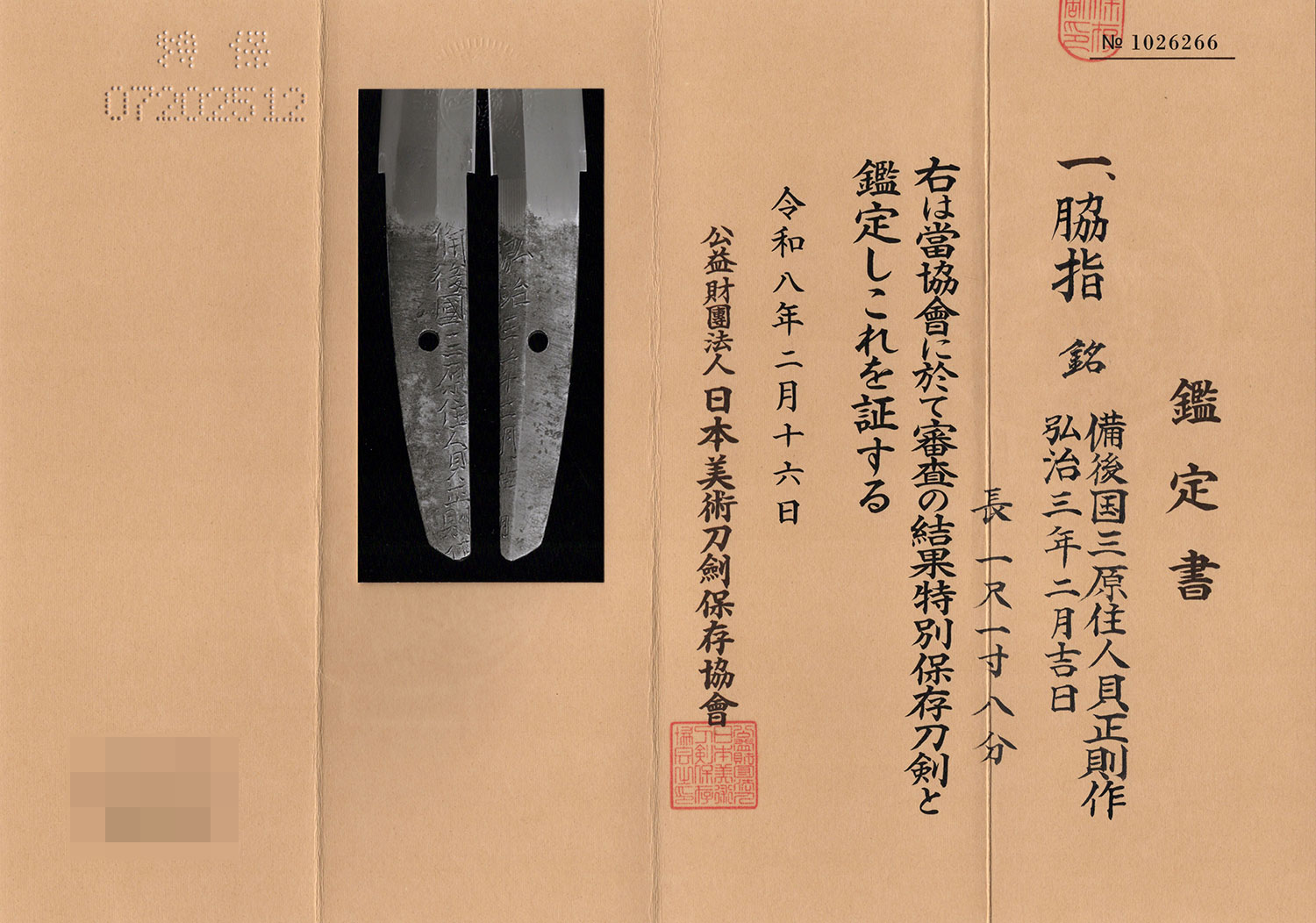
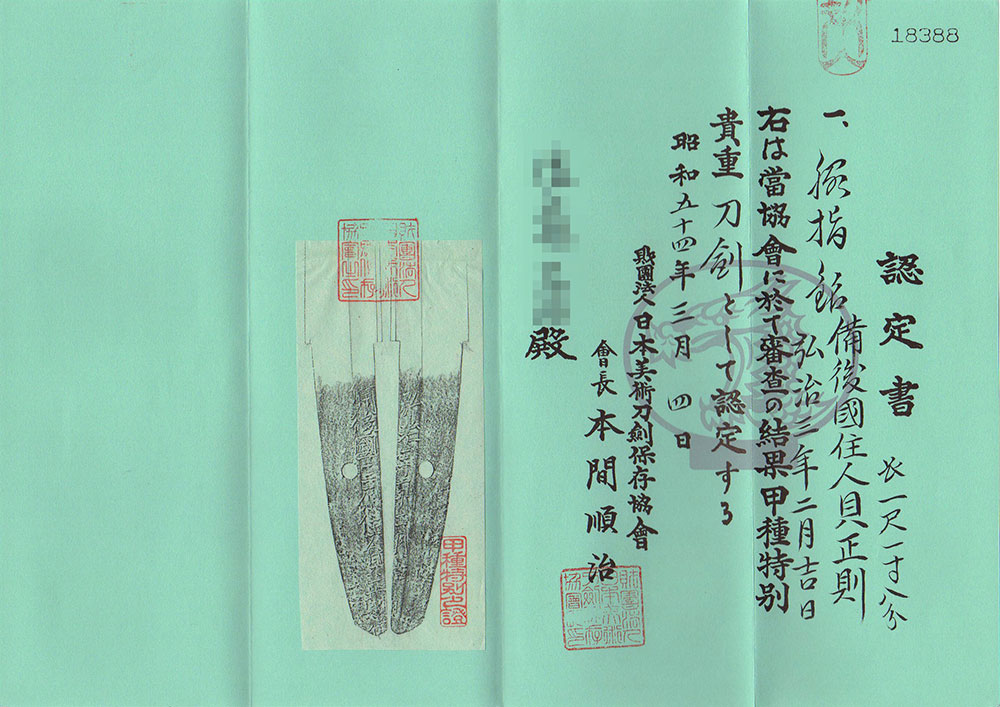
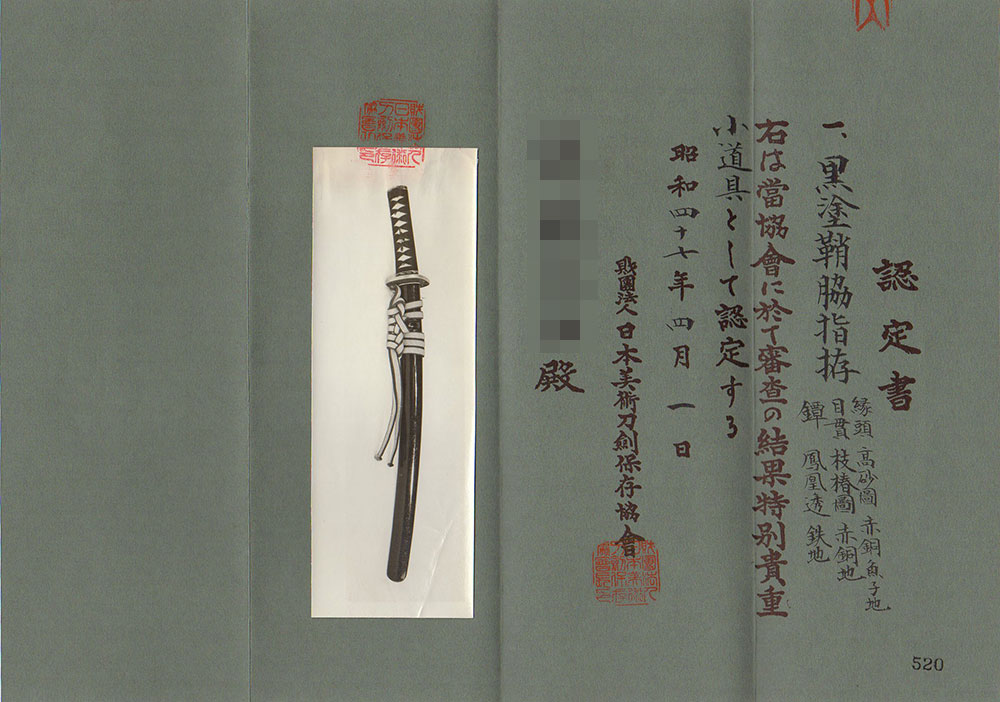
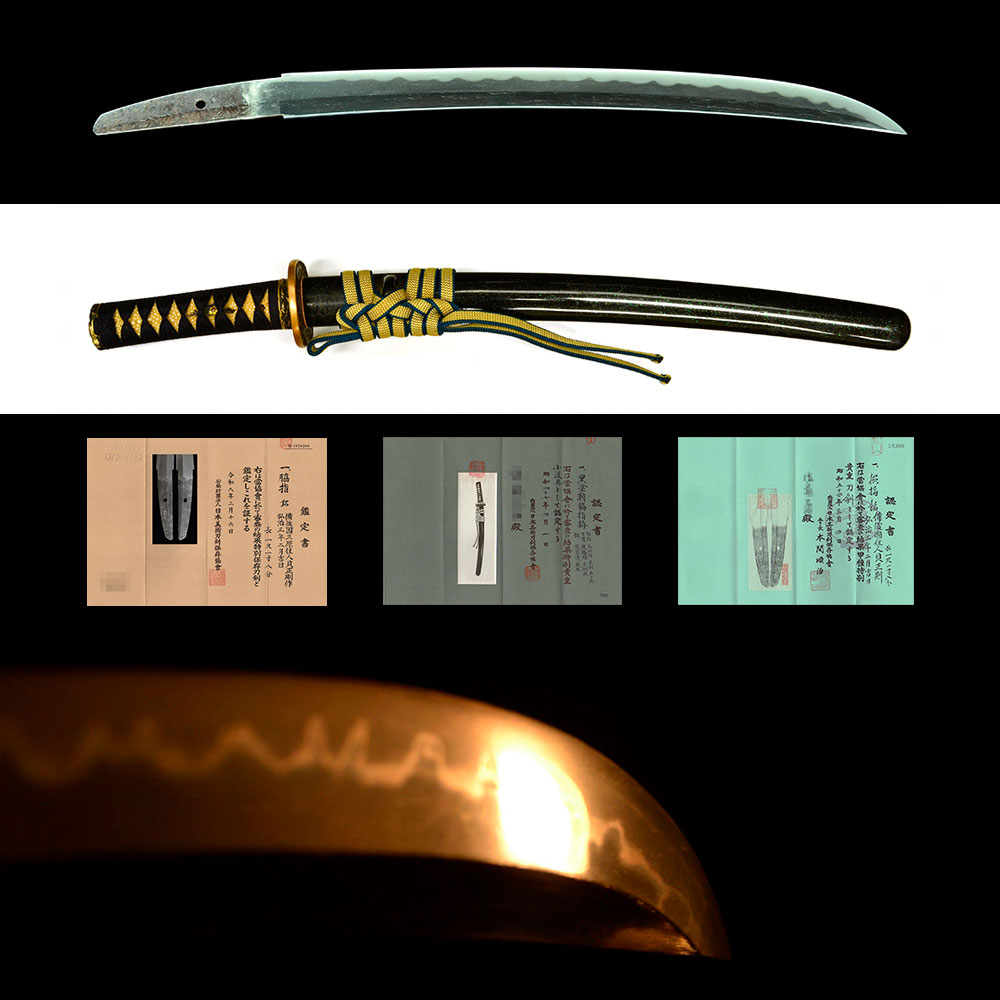
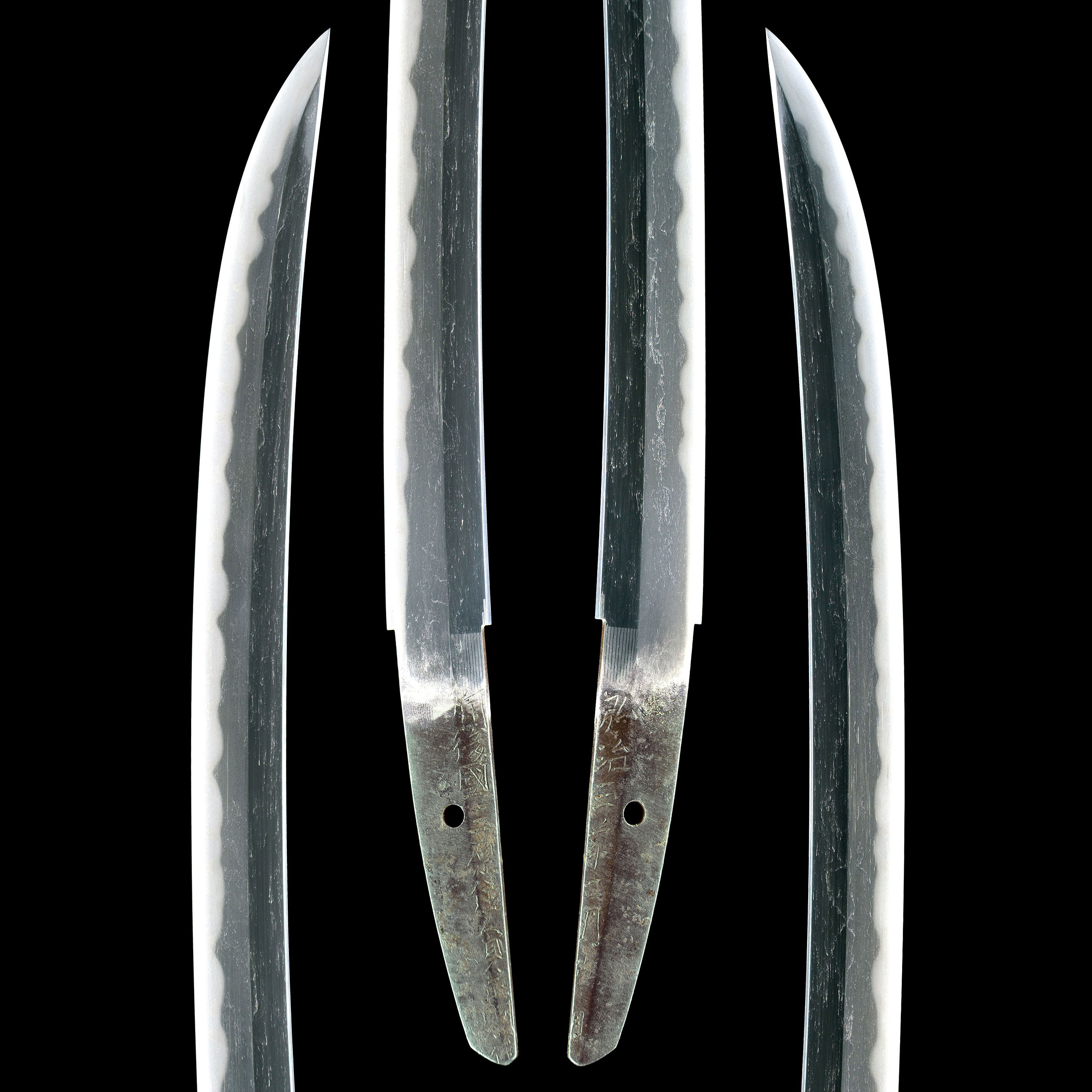
This is a wakizashi made by Kai Masanori 2nd generation of the Mihara school in Bingo province during the Muromachi period. It features a rare Koji era date and comes with a koshirae with fittings by the Kawaji family. The blade has a unique hamon resembling box-shaped patterns and is accompanied by various certifications.
 NihontoWatch
mei · Mihara · Tenmon (1532-1555) · nagasa 35.85cm · sori 1.05cm
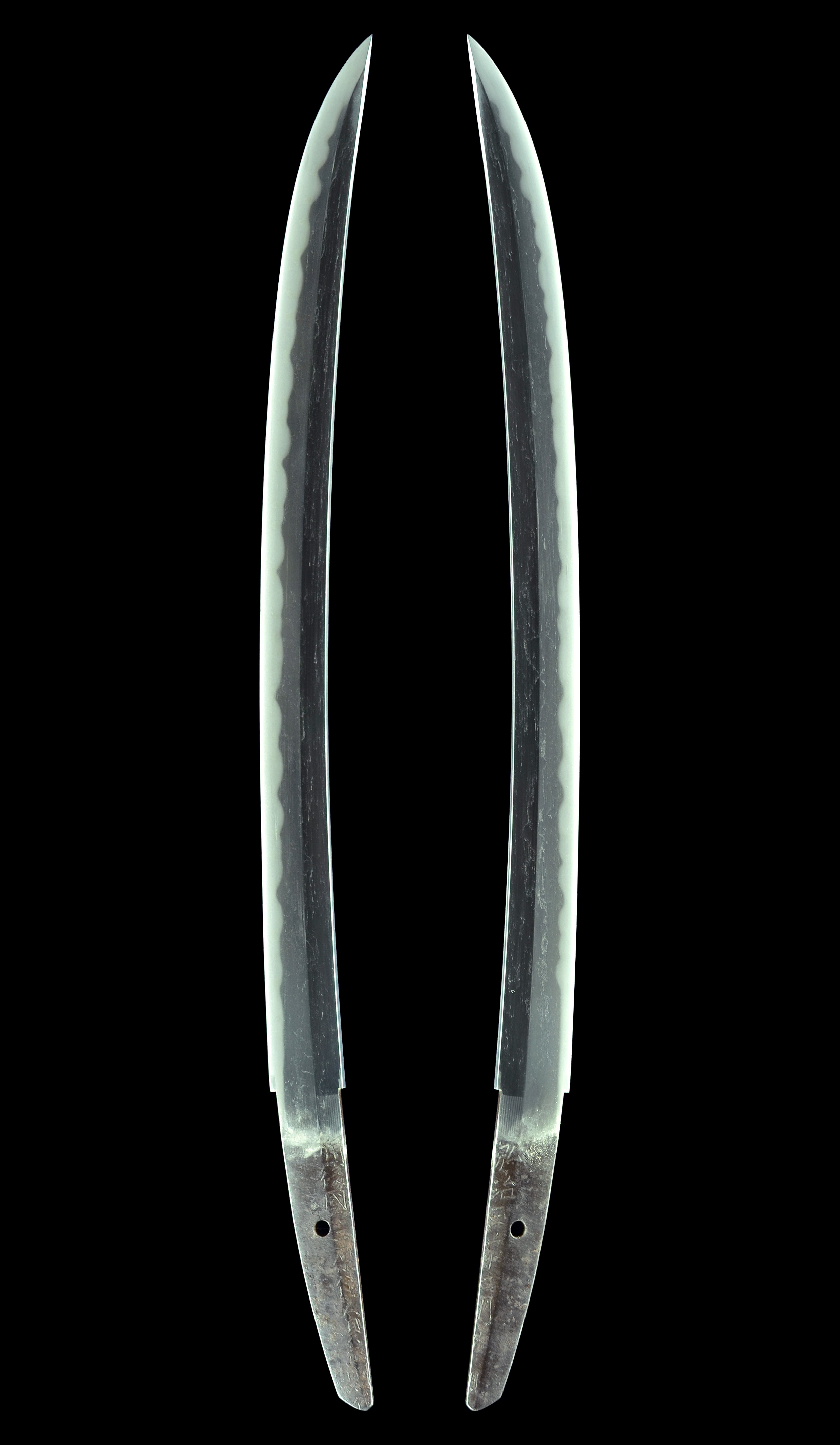
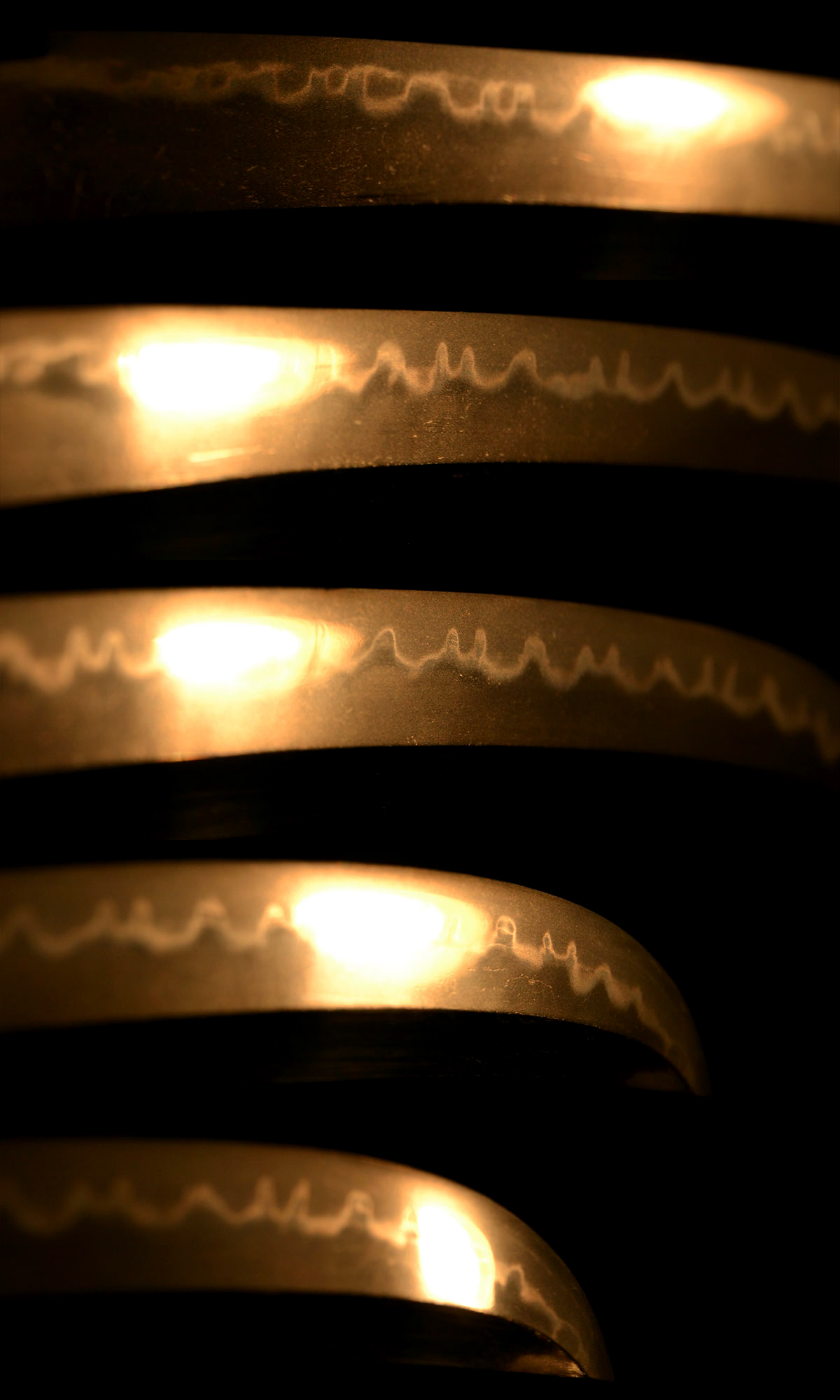
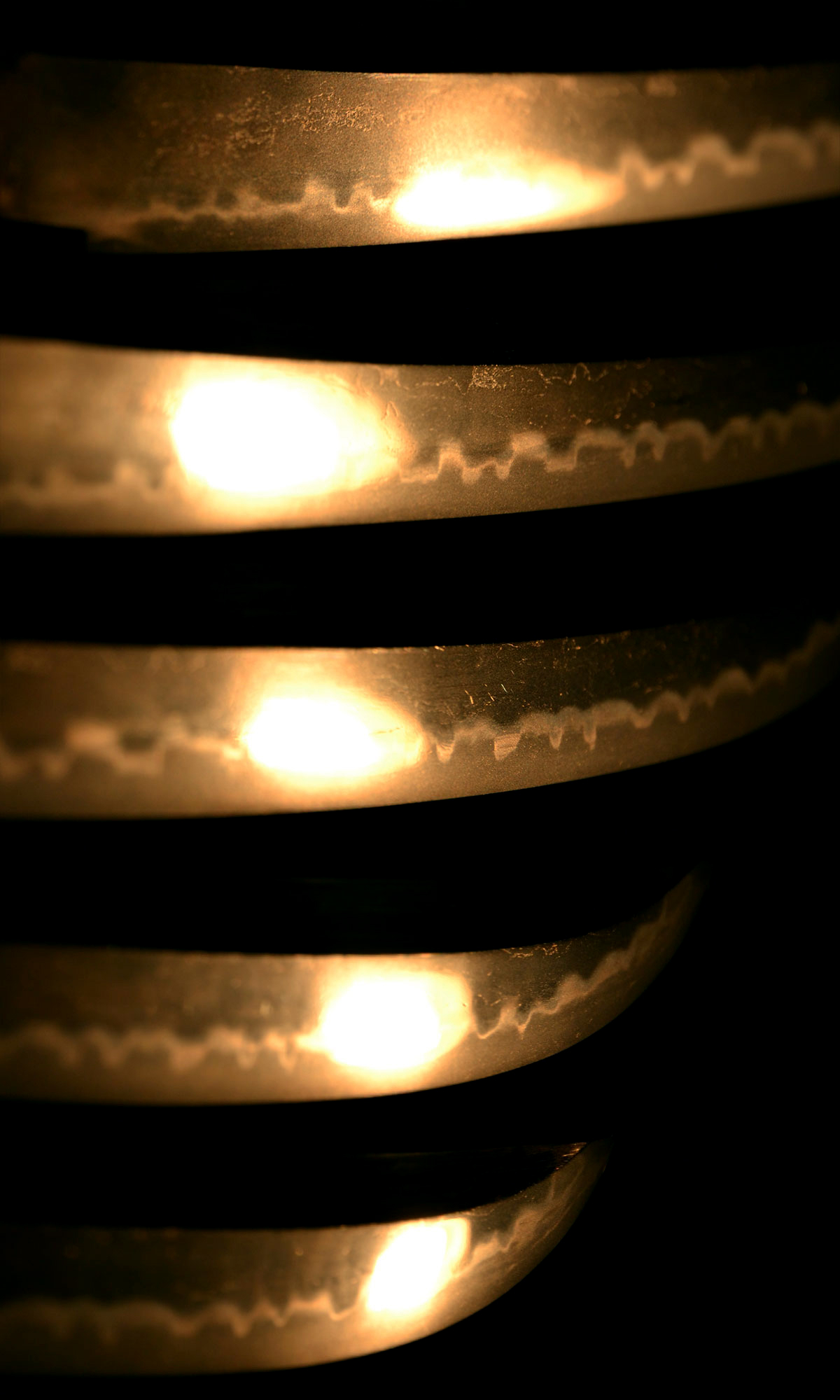
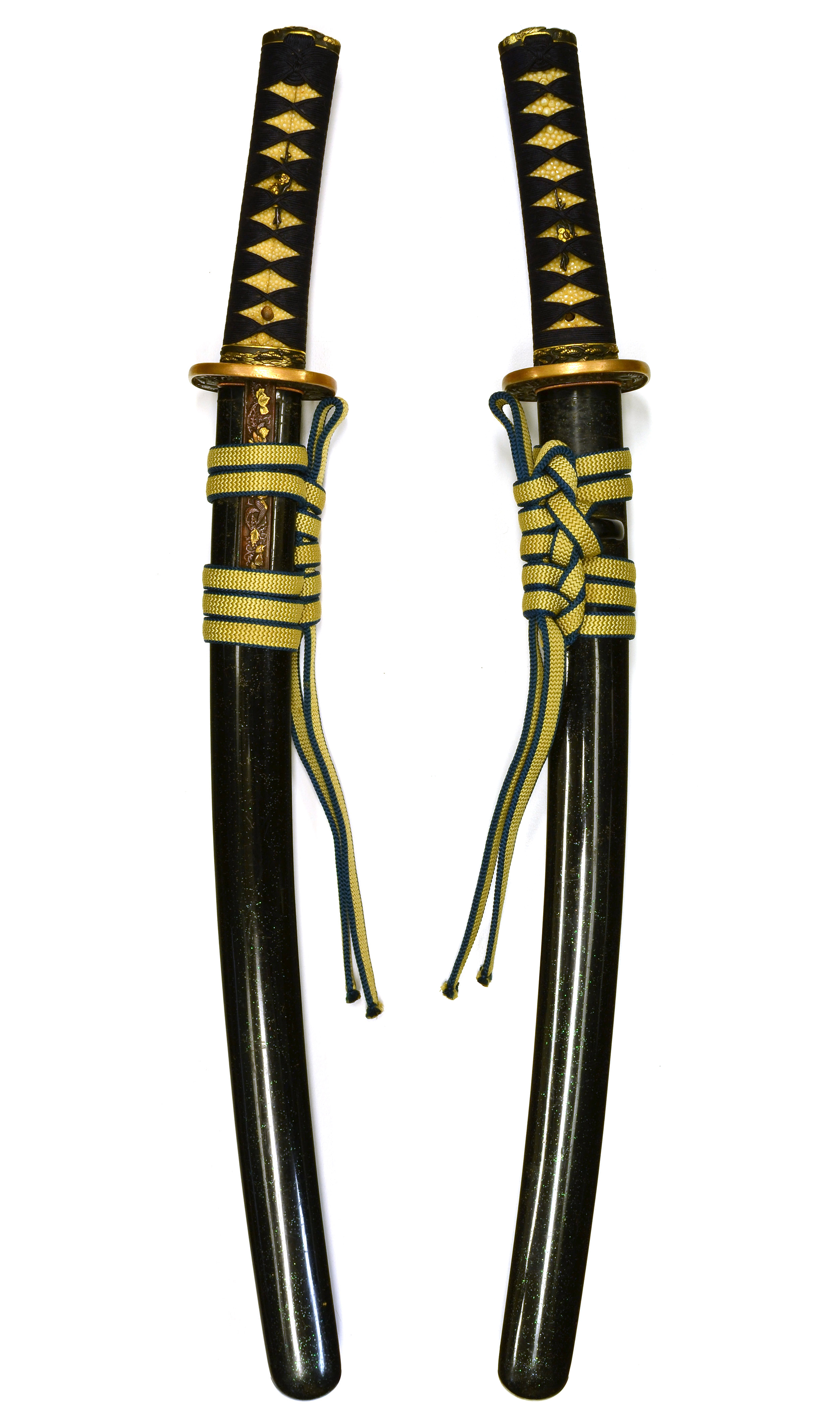
Yamato-den · Bingo
34 pieces on the market now
The Mihara school arose in Bingo Province during the late Kamakura period and maintained continuous production through the end of the Muromachi period. The region's ancient reputation as a center for iron goods—documented as early as Engi 14 (914) in the Seiji Yōryaku—provided the technical foundation for this sustained tradition. Because Bingo contained numerous landed estates (shōen) belonging to major Kinai temples and shrines such as Tōji and Rengeō-in (Sanjūsangendō), the smiths working at Mihara engaged in regular interchange with the central provinces. This geographical and economic relationship accounts for the pronounced Yamato temperament observable throughout the school's output. The term "Ko-Mihara" (Early Mihara) designates works produced from the late Kamakura through the Nanbokuchō period, with Masaie and Masahiro recognized as the lineage's most accomplished masters. Ko-Mihara workmanship reveals a distinctive fusion of Yamato influence and regional character. The forging typically exhibits itame-hada mixed with conspicuous mokume and flowing grain (nagare), often with a tendency for the texture to stand (hada-dachi). Fine ji-nie adheres throughout the steel surface, and a characteristic whitish cast (shirake-utsuri) appears prominently—a feature repeatedly cited in appraisals as diagnostic of the school. The tempering follows Yamato convention in emphasizing suguha, but the nioiguchi tends toward tightness (shimarigokoro) with well-adhering ko-nie rather than the more vigorous nie activity seen in Yamato proper.
Along the hardened edge, smiths frequently introduced hotsure, uchi-noke, and subtle kuichigai-ba effects, while the nioiguchi often exhibits a subdued (shizumi) quality. The bōshi typically runs straight and turns back gently in ko-maru or rounded (maru) form, concluding with fine hakikake at the tip—a restrained finish characteristic of the school. Nanbokuchō-period examples display the era's monumental aesthetic: wide mihaba with minimal taper from base to tip, shallow curvature, high shinogi, and extended chū-kissaki or ō-kissaki, creating a dignified and powerfully robust form. The school's output demonstrates how peripheral traditions absorbed and transformed influences from established centers while maintaining regional identity. Ko-Mihara blades occupy a position intermediate between the vigorous nie-work of Yamato proper and the more subdued aesthetic preferences of western Japan. This balance—robust construction paired with restrained tempering, standing grain texture combined with tight nioiguchi, and Yamato-derived suguha inflected with local characteristics—defines the school's technical achievement. The whitish forging, conspicuous mokume, and gentle bōshi became recognized signatures that distinguished Mihara work from its Yamato models. Through four centuries of continuous production, the smiths of Mihara maintained technical standards sufficient to supply both local demand and broader military markets, their works preserving a coherent school identity across generational transmission. Learn more →
| Smith | Era | Designated |
|---|---|---|
| Nobumori信守 | 987-1596 | 0 |
| Sadakuni貞國 | 1441-1444 | 0 |
| Masamori正盛 | 1469-1487 | 1 |
| Nobutsugu信次 | 1444-1449 | 0 |
| Nobuie信家 | 1394-1428 | 0 |
Yamato in the Muromachi period
The monasteries that had sustained Yamato lost ground through the Muromachi period, and the schools thinned with them; Sue-Tegai kept the old masame manner alive in quantity. The burning of Tōdaiji’s Great Buddha hall in 1567 closed the temple age.
A Hozon-certified blade judged to show notably superior workmanship and a better state of preservation. The bar is higher: re-tempered blades and most unsigned Muromachi/Edo works are excluded.
The NBTHK (Nihon Bijutsu Tōken Hozon Kyōkai, the Society for the Preservation of Japanese Art Swords) is a public-interest incorporated foundation founded in 1948 and supervised by Japan’s Agency for Cultural Affairs (Bunkachō); it is based at the Japanese Sword Museum in Tokyo. Its expert panels physically examine each submitted work (shinsa) and issue a certificate (kanteishō) ranking it by artistic and historical merit. NBTHK papers are the most widely recognized standard of authentication for Japanese swords and fittings.
NBTHK official siteReturns accepted within 3 days of delivery for defective items or significant discrepancies; customer bears return shipping and bank fees.
¥990,000
This is a wakizashi made by Kai Masanori 2nd generation of the Mihara school in Bingo province during the Muromachi period. It features a rare Koji era date and comes with a koshirae with fittings by the Kawaji family. The blade has a unique hamon resembling box-shaped patterns and is accompanied by various certifications.
NihontoWatchmei · Mihara · Tenmon (1532-1555) · nagasa 35.85cm · sori 1.05cm
Yamato-den · Bingo
34 pieces on the market now
The Mihara school arose in Bingo Province during the late Kamakura period and maintained continuous production through the end of the Muromachi period. The region's ancient reputation as a center for iron goods—documented as early as Engi 14 (914) in the Seiji Yōryaku—provided the technical foundation for this sustained tradition. Because Bingo contained numerous landed estates (shōen) belonging to major Kinai temples and shrines such as Tōji and Rengeō-in (Sanjūsangendō), the smiths working at Mihara engaged in regular interchange with the central provinces. This geographical and economic relationship accounts for the pronounced Yamato temperament observable throughout the school's output. The term "Ko-Mihara" (Early Mihara) designates works produced from the late Kamakura through the Nanbokuchō period, with Masaie and Masahiro recognized as the lineage's most accomplished masters. Ko-Mihara workmanship reveals a distinctive fusion of Yamato influence and regional character. The forging typically exhibits itame-hada mixed with conspicuous mokume and flowing grain (nagare), often with a tendency for the texture to stand (hada-dachi). Fine ji-nie adheres throughout the steel surface, and a characteristic whitish cast (shirake-utsuri) appears prominently—a feature repeatedly cited in appraisals as diagnostic of the school. The tempering follows Yamato convention in emphasizing suguha, but the nioiguchi tends toward tightness (shimarigokoro) with well-adhering ko-nie rather than the more vigorous nie activity seen in Yamato proper.
Along the hardened edge, smiths frequently introduced hotsure, uchi-noke, and subtle kuichigai-ba effects, while the nioiguchi often exhibits a subdued (shizumi) quality. The bōshi typically runs straight and turns back gently in ko-maru or rounded (maru) form, concluding with fine hakikake at the tip—a restrained finish characteristic of the school. Nanbokuchō-period examples display the era's monumental aesthetic: wide mihaba with minimal taper from base to tip, shallow curvature, high shinogi, and extended chū-kissaki or ō-kissaki, creating a dignified and powerfully robust form. The school's output demonstrates how peripheral traditions absorbed and transformed influences from established centers while maintaining regional identity. Ko-Mihara blades occupy a position intermediate between the vigorous nie-work of Yamato proper and the more subdued aesthetic preferences of western Japan. This balance—robust construction paired with restrained tempering, standing grain texture combined with tight nioiguchi, and Yamato-derived suguha inflected with local characteristics—defines the school's technical achievement. The whitish forging, conspicuous mokume, and gentle bōshi became recognized signatures that distinguished Mihara work from its Yamato models. Through four centuries of continuous production, the smiths of Mihara maintained technical standards sufficient to supply both local demand and broader military markets, their works preserving a coherent school identity across generational transmission. Learn more →
| Smith | Era | Designated |
|---|---|---|
| Nobumori信守 | 987-1596 | 0 |
| Sadakuni貞國 | 1441-1444 | 0 |
| Masamori正盛 | 1469-1487 | 1 |
| Nobutsugu信次 | 1444-1449 | 0 |
| Nobuie信家 | 1394-1428 | 0 |
Yamato in the Muromachi period
The monasteries that had sustained Yamato lost ground through the Muromachi period, and the schools thinned with them; Sue-Tegai kept the old masame manner alive in quantity. The burning of Tōdaiji’s Great Buddha hall in 1567 closed the temple age.
A Hozon-certified blade judged to show notably superior workmanship and a better state of preservation. The bar is higher: re-tempered blades and most unsigned Muromachi/Edo works are excluded.
The NBTHK (Nihon Bijutsu Tōken Hozon Kyōkai, the Society for the Preservation of Japanese Art Swords) is a public-interest incorporated foundation founded in 1948 and supervised by Japan’s Agency for Cultural Affairs (Bunkachō); it is based at the Japanese Sword Museum in Tokyo. Its expert panels physically examine each submitted work (shinsa) and issue a certificate (kanteishō) ranking it by artistic and historical merit. NBTHK papers are the most widely recognized standard of authentication for Japanese swords and fittings.
NBTHK official siteReturns accepted within 3 days of delivery for defective items or significant discrepancies; customer bears return shipping and bank fees.
¥990,000