NihontoWatch MonNihontoWatch
Market
Encyclopedia
Kantei
NihontoWatch MonNihontoWatch
Market
Encyclopedia
Kantei

Description

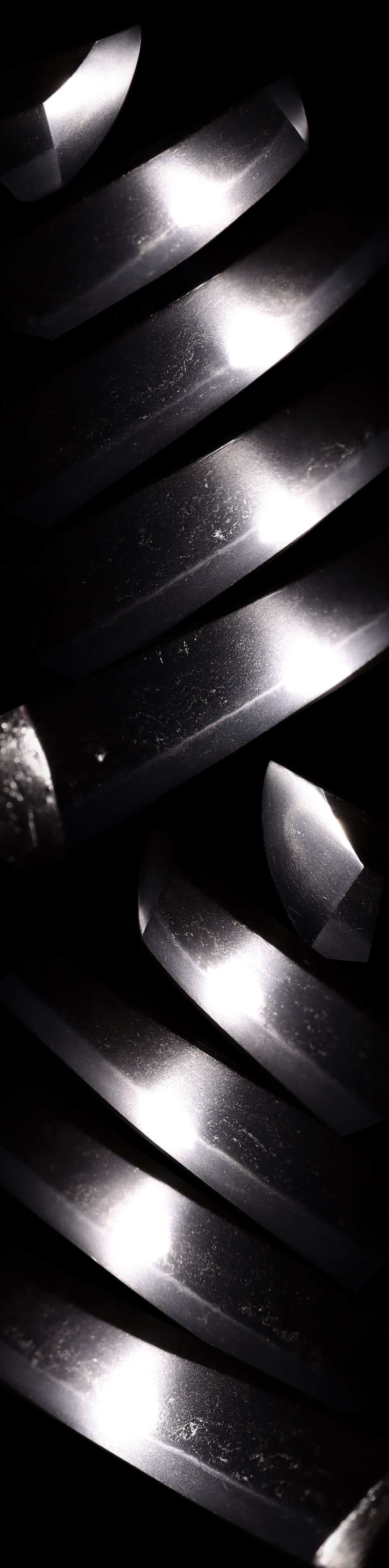
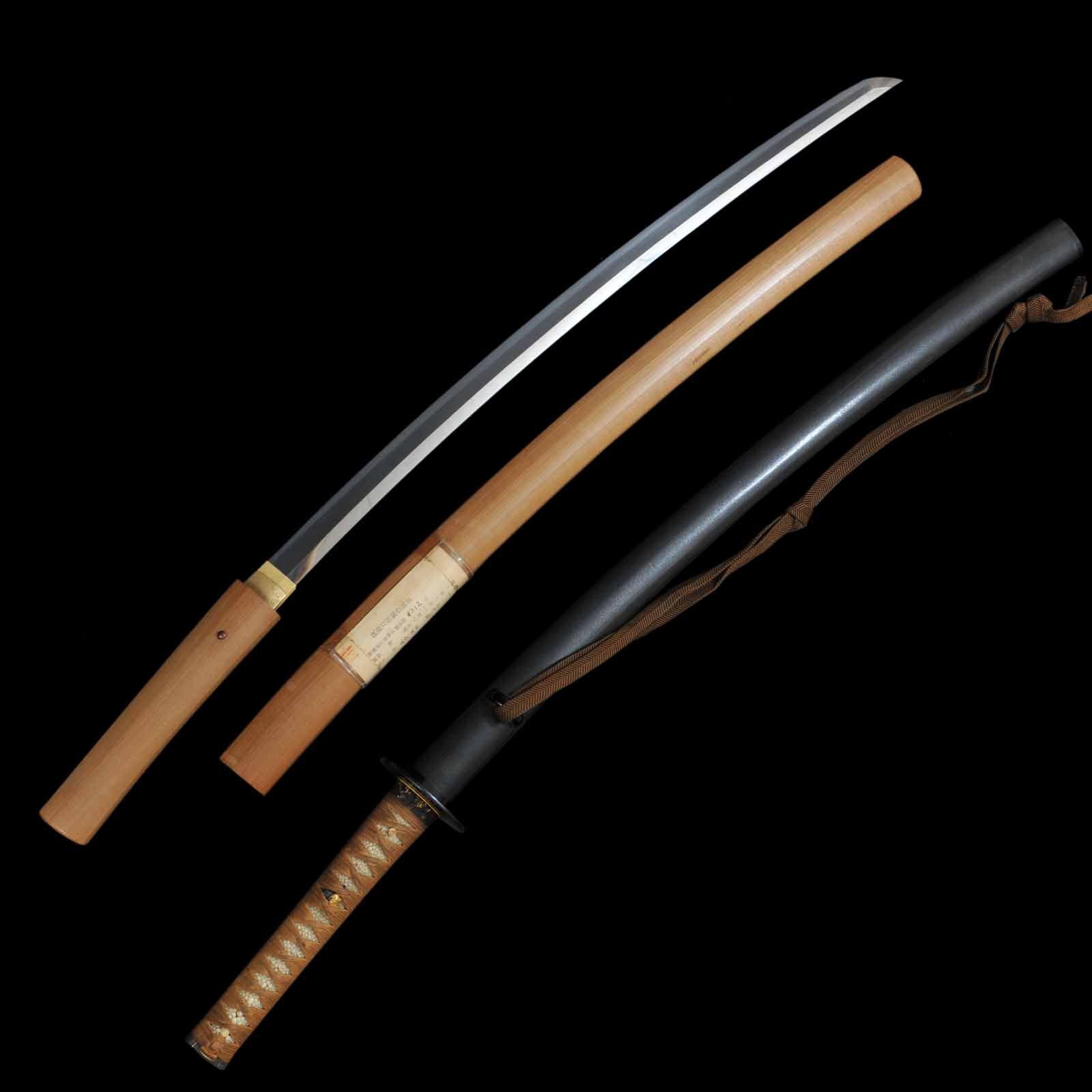
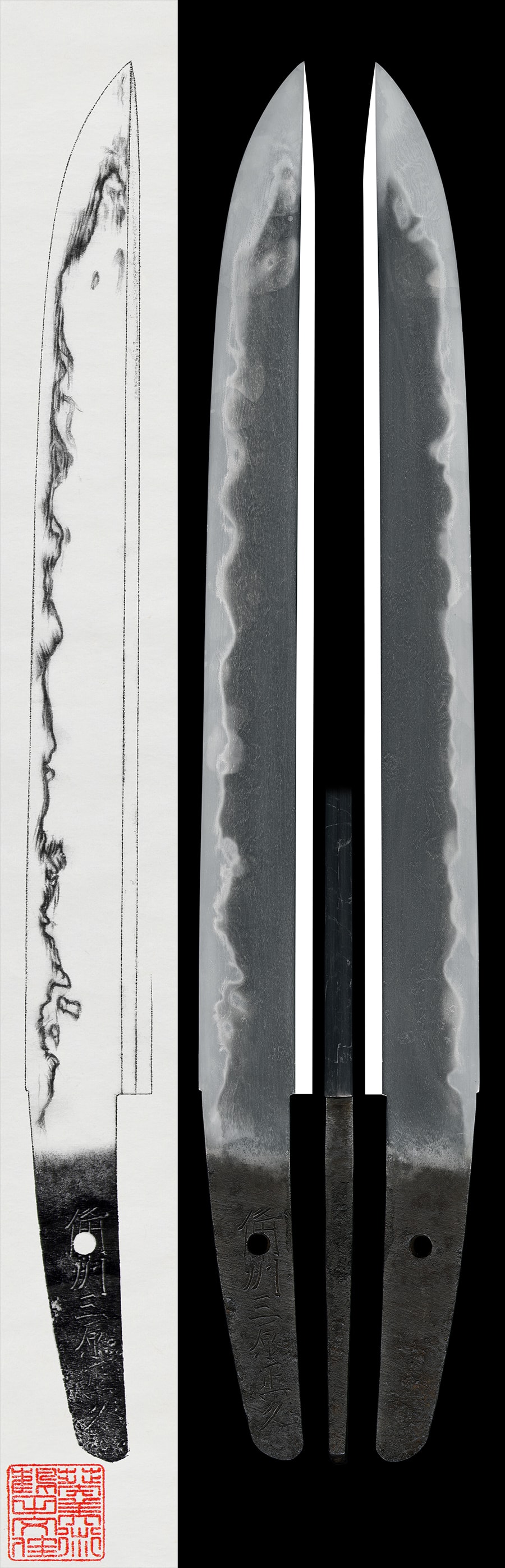
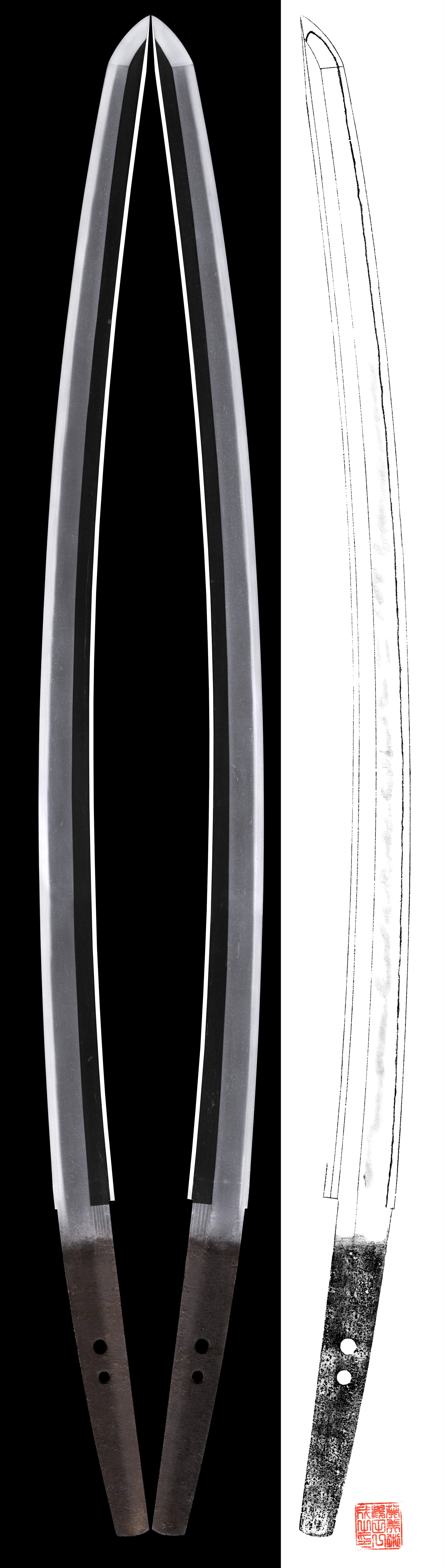
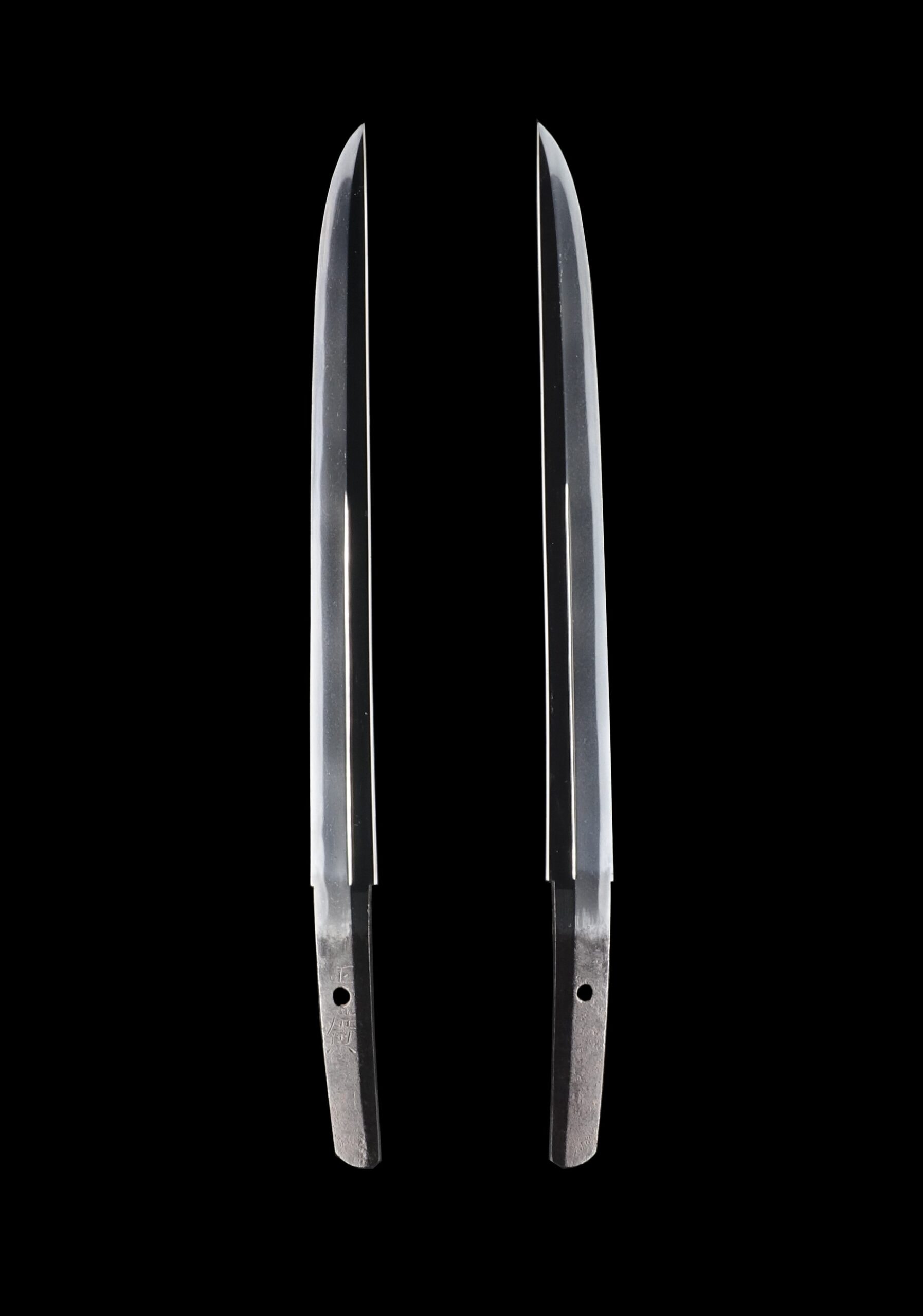
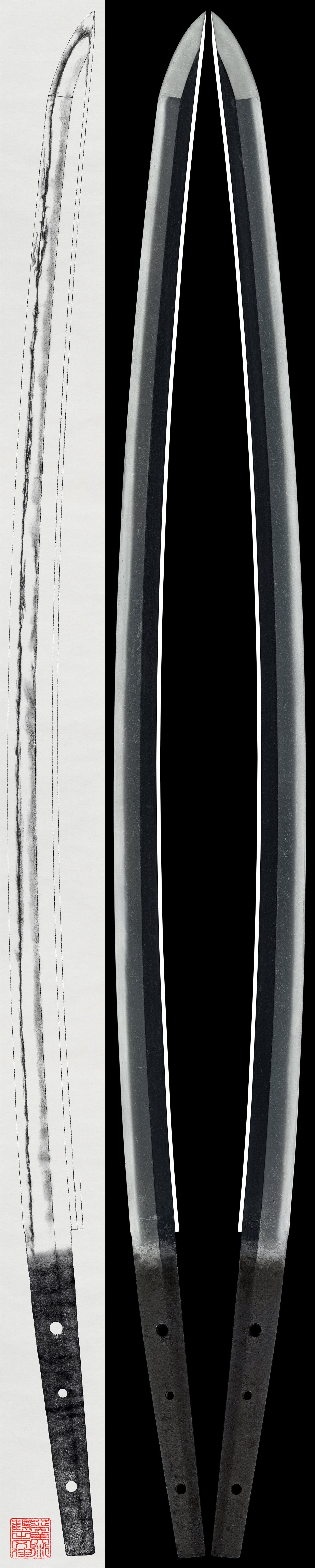
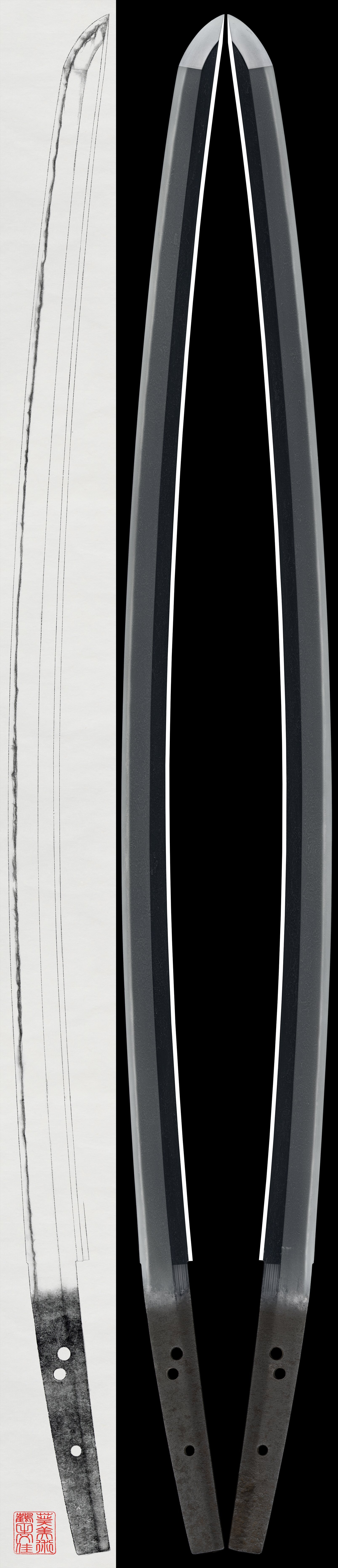
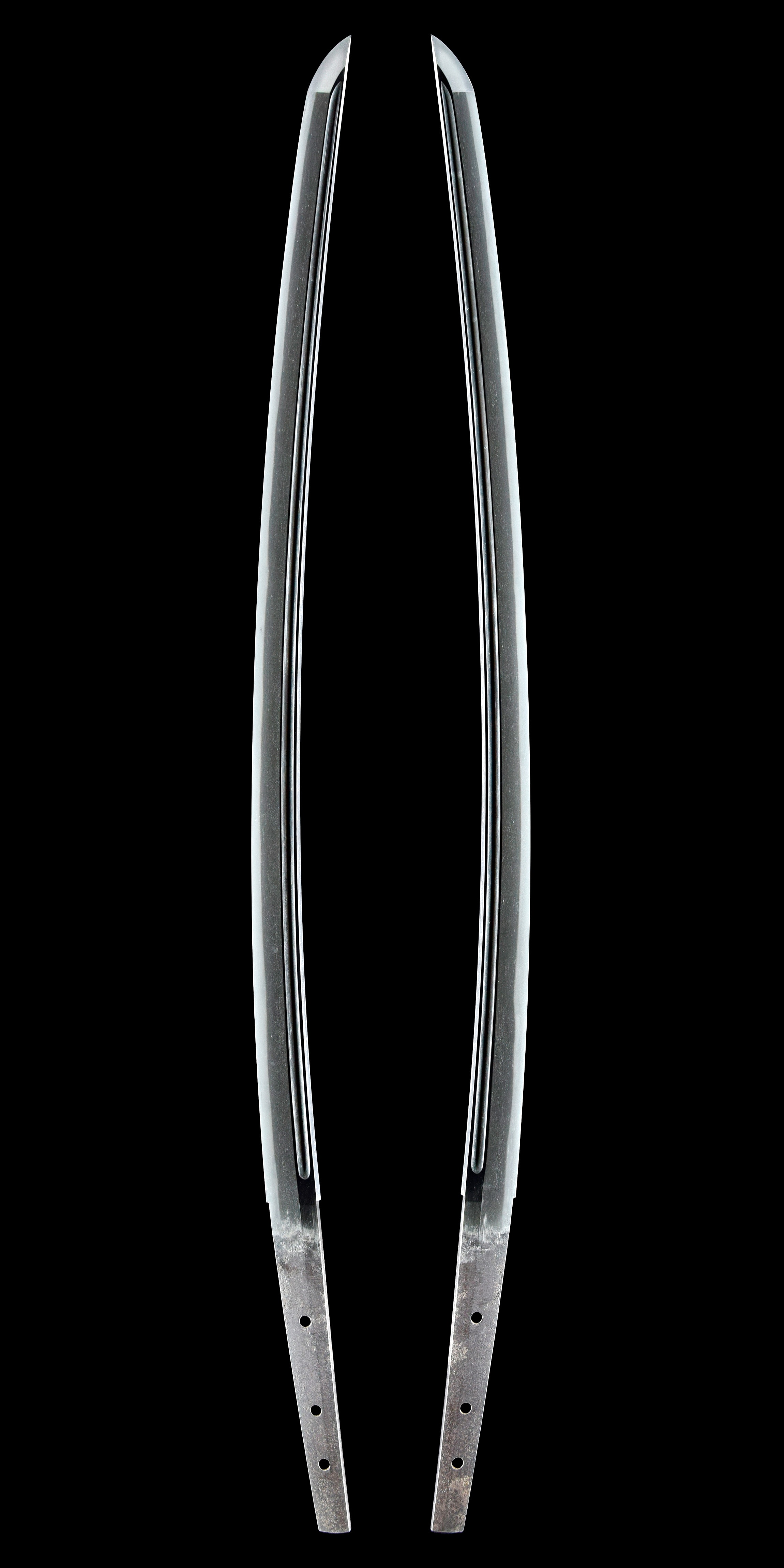
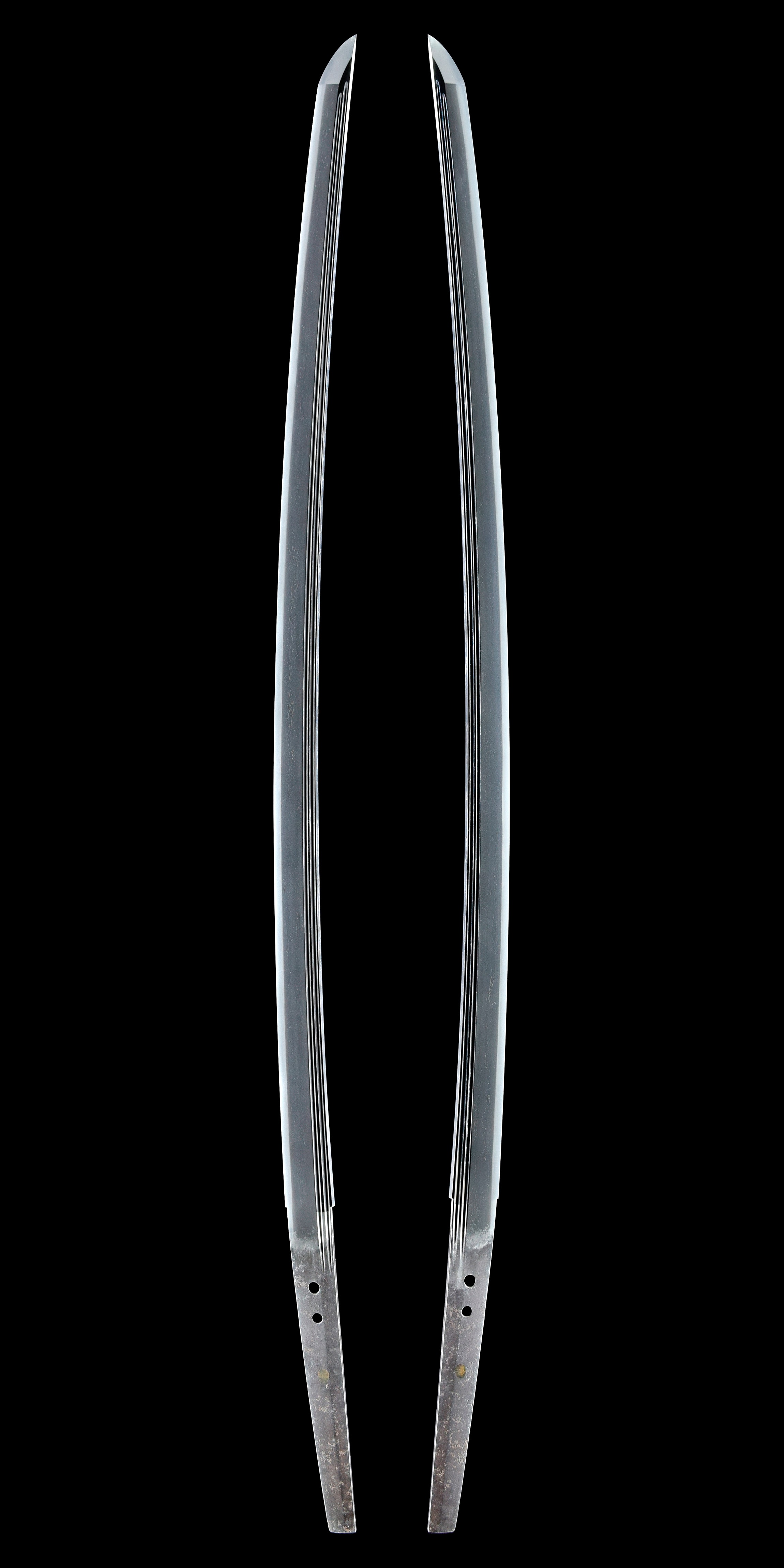
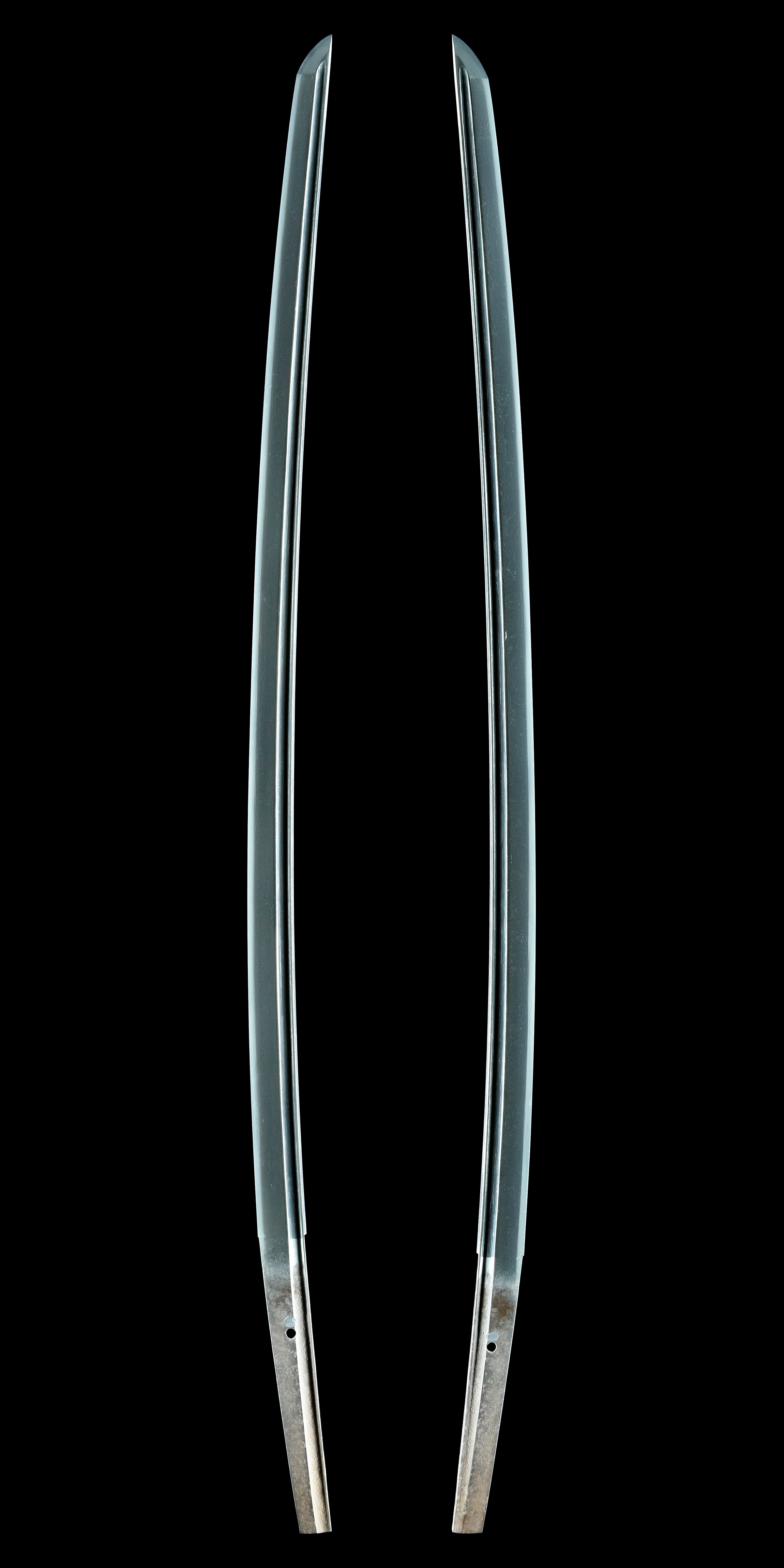
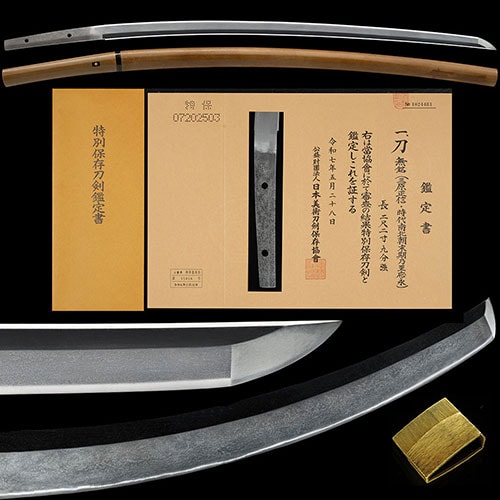
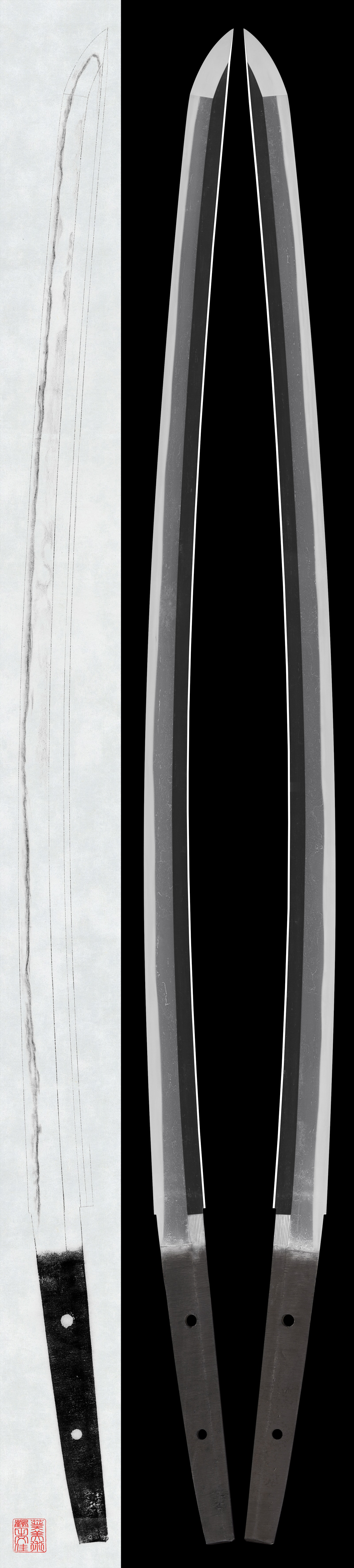
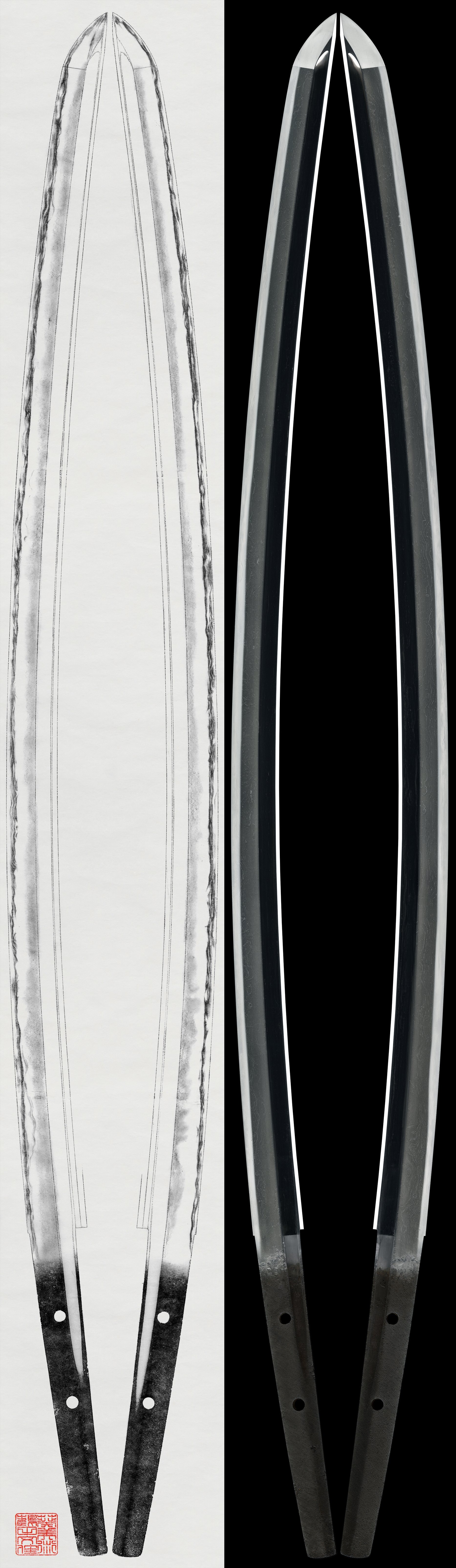
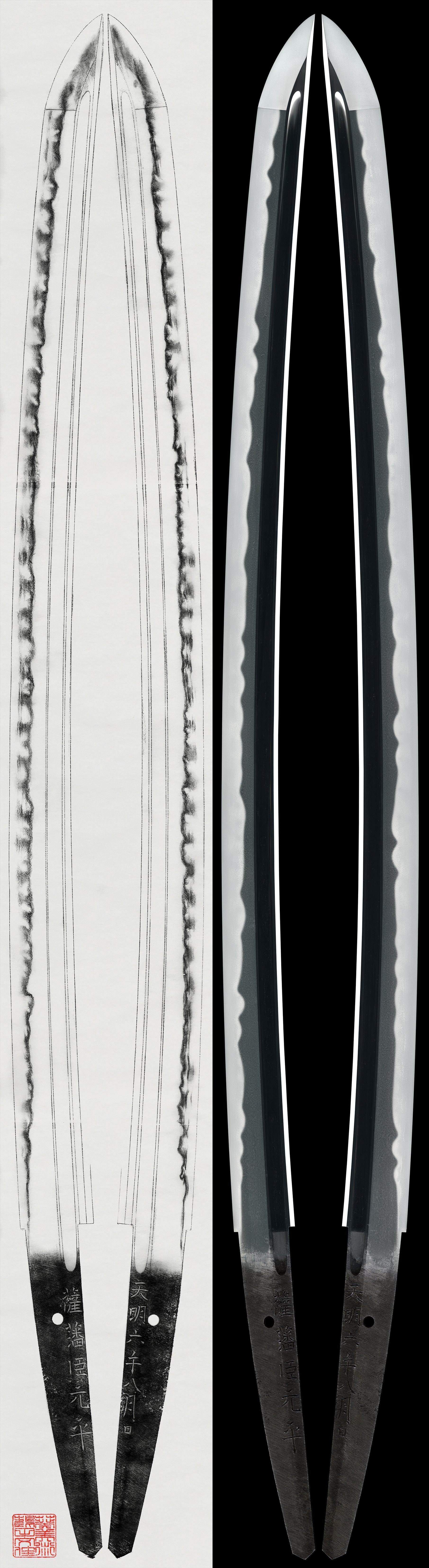
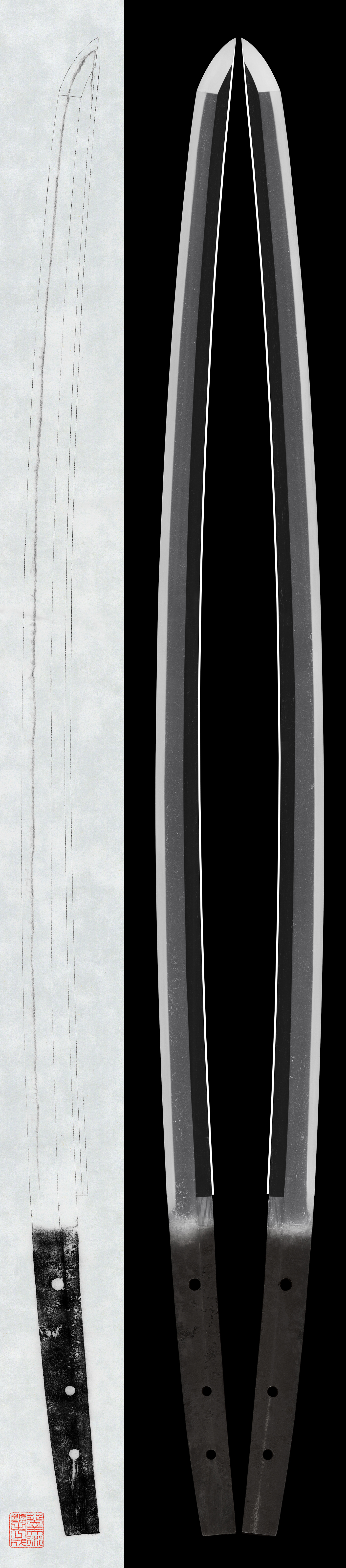
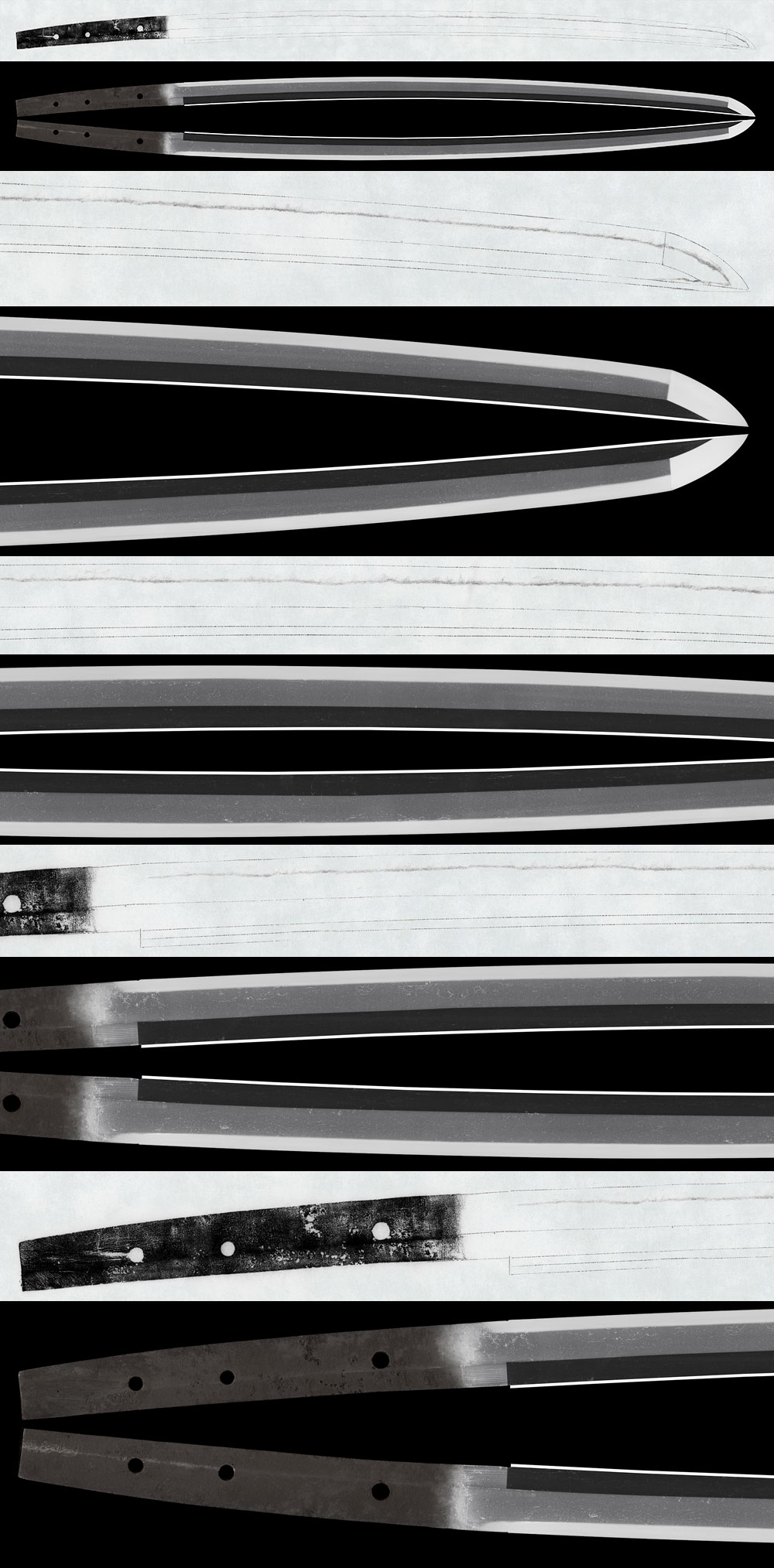
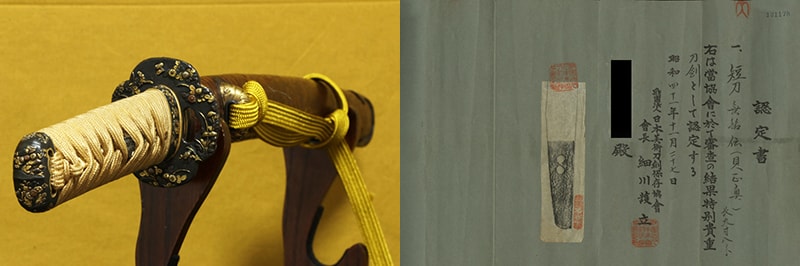
This is a well-proportioned katana attributed to the Mihara school from the mid-Muromachi period. It features a firm suguha hamon, a beautiful ko-itame hada with prominent utsuri, and an elongated kissaki. The blade comes with a shirasaya and a koshirae including a Shibuichi tsuba, floral menuki, and copper fuchikashira.

Auction History

Auction status: live on sword-auction.com.

NihontoWatch MonNihontoWatch
MarketEncyclopediaKantei
Swords›Yamato-den›Mihara›Katana: Mumei (Mihara) (NBTHK Hozon Token)
katanaHozon
Mihara School

Katana: Mumei (Mihara) (NBTHK Hozon Token)

mumei · Mihara · Muromachi · nagasa 67.9cm · sori 1.4cm
Current bidLive auction
¥550,000
1 bid·Ends in 2d 9h·Updated 7m ago
View & bid →
KatanaHozon
Could you name the smith from the blade alone? Today’s kantei →
Mihara School — 1 of 5
Mihara School — 2 of 5
Mihara School — 3 of 5
Mihara School — 4 of 5
Mihara School — 5 of 5
1 / 5
1 / 5
Mihara School — 1 of 5Mihara School — 2 of 5Mihara School — 3 of 5Mihara School — 4 of 5Mihara School — 5 of 5
KatanaHozon
Could you name the smith from the blade alone? Today’s kantei →
Measurements & details
Smith
Mihara School
Type
Katana
School
Mihara
Period
Muromachi(Late Kamakura)
Province
Bingo
Signature
Unsigned
Measurements
Nagasa 67.9cmSori 1.4cmMotohaba 2.84cmSakihaba 2.05cmKasane 0.66cmWeight 745g
Description

This is a well-proportioned katana attributed to the Mihara school from the mid-Muromachi period. It features a firm suguha hamon, a beautiful ko-itame hada with prominent utsuri, and an elongated kissaki. The blade comes with a shirasaya and a koshirae including a Shibuichi tsuba, floral menuki, and copper fuchikashira.

About the school

Mihara

三原

Yamato-den · Bingo

37 pieces on the market now

›

The Mihara school arose in Bingo Province during the late Kamakura period and maintained continuous production through the end of the Muromachi period. The region's ancient reputation as a center for iron goods—documented as early as Engi 14 (914) in the Seiji Yōryaku—provided the technical foundation for this sustained tradition. Because Bingo contained numerous landed estates (shōen) belonging to major Kinai temples and shrines such as Tōji and Rengeō-in (Sanjūsangendō), the smiths working at Mihara engaged in regular interchange with the central provinces. This geographical and economic relationship accounts for the pronounced Yamato temperament observable throughout the school's output. The term "Ko-Mihara" (Early Mihara) designates works produced from the late Kamakura through the Nanbokuchō period, with Masaie and Masahiro recognized as the lineage's most accomplished masters. Ko-Mihara workmanship reveals a distinctive fusion of Yamato influence and regional character. The forging typically exhibits itame-hada mixed with conspicuous mokume and flowing grain (nagare), often with a tendency for the texture to stand (hada-dachi). Fine ji-nie adheres throughout the steel surface, and a characteristic whitish cast (shirake-utsuri) appears prominently—a feature repeatedly cited in appraisals as diagnostic of the school. The tempering follows Yamato convention in emphasizing suguha, but the nioiguchi tends toward tightness (shimarigokoro) with well-adhering ko-nie rather than the more vigorous nie activity seen in Yamato proper.

Along the hardened edge, smiths frequently introduced hotsure, uchi-noke, and subtle kuichigai-ba effects, while the nioiguchi often exhibits a subdued (shizumi) quality. The bōshi typically runs straight and turns back gently in ko-maru or rounded (maru) form, concluding with fine hakikake at the tip—a restrained finish characteristic of the school. Nanbokuchō-period examples display the era's monumental aesthetic: wide mihaba with minimal taper from base to tip, shallow curvature, high shinogi, and extended chū-kissaki or ō-kissaki, creating a dignified and powerfully robust form. The school's output demonstrates how peripheral traditions absorbed and transformed influences from established centers while maintaining regional identity. Ko-Mihara blades occupy a position intermediate between the vigorous nie-work of Yamato proper and the more subdued aesthetic preferences of western Japan. This balance—robust construction paired with restrained tempering, standing grain texture combined with tight nioiguchi, and Yamato-derived suguha inflected with local characteristics—defines the school's technical achievement. The whitish forging, conspicuous mokume, and gentle bōshi became recognized signatures that distinguished Mihara work from its Yamato models. Through four centuries of continuous production, the smiths of Mihara maintained technical standards sufficient to supply both local demand and broader military markets, their works preserving a coherent school identity across generational transmission. Learn more →

20 recorded smiths253 designated works
Leading smiths
SmithEraDesignated
Nobumori信守987-15960
Sadakuni貞國1441-14440
Masamori正盛1469-14871
Nobutsugu信次1444-14490
Nobuie信家1394-14280
Explore the Mihara school →

Historical context

Yamato in the Muromachi period

›

The monasteries that had sustained Yamato lost ground through the Muromachi period, and the schools thinned with them; Sue-Tegai kept the old masame manner alive in quantity. The burning of Tōdaiji’s Great Buddha hall in 1567 closed the temple age.

Yamato in the Muromachi period →

NBTHK Certificate
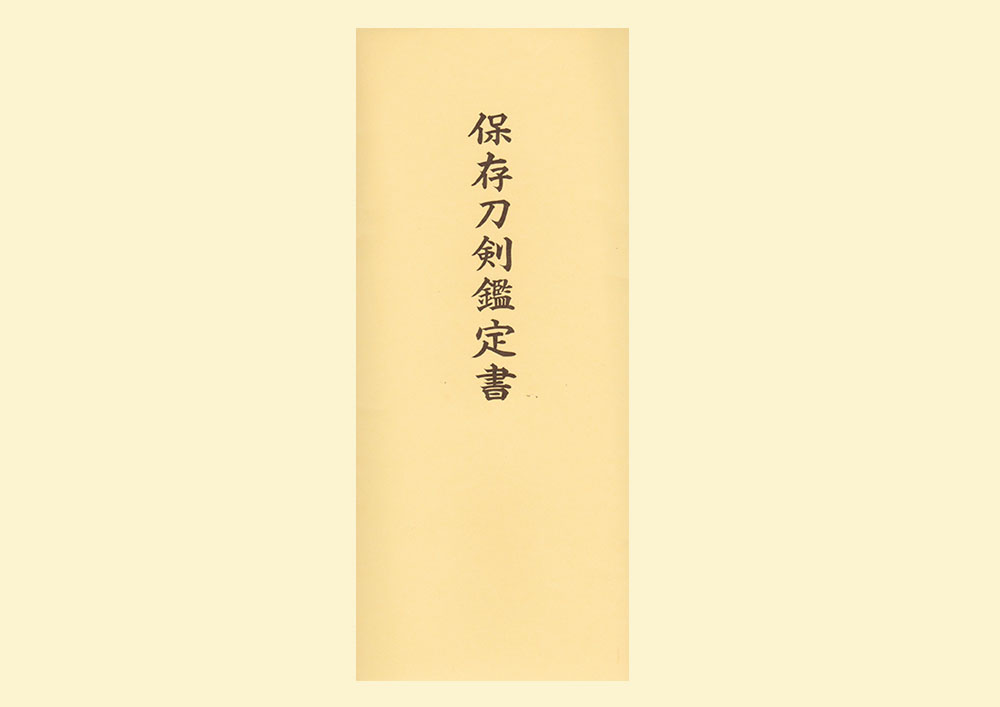
Hozon Tōken保存刀剣
Sword Worthy of Preservation
›

Certifies a genuine blade worth preserving: a signature confirmed correct, or, if unsigned, an era, province, and school that the NBTHK can reliably identify.

About the NBTHK›

The NBTHK (Nihon Bijutsu Tōken Hozon Kyōkai, the Society for the Preservation of Japanese Art Swords) is a public-interest incorporated foundation founded in 1948 and supervised by Japan’s Agency for Cultural Affairs (Bunkachō); it is based at the Japanese Sword Museum in Tokyo. Its expert panels physically examine each submitted work (shinsa) and issue a certificate (kanteishō) ranking it by artistic and historical merit. NBTHK papers are the most widely recognized standard of authentication for Japanese swords and fittings.

NBTHK official site→
Seller
A
Aoi Art
🇯🇵Ships from Japan
›
✓Verified dealeraoijapan.com
Settles in JPY
✓Ships worldwide✓English supportWire transferPayPalCredit card
Return policy

If you wish to return an item, please notify us within 3 days of receipt. After this period we cannot accept cancellations. Please ship the return to us within 5 business days. Cancellation is conditional on the item being kept in the same condition as at the time of sale, so please handle it with care.

View all of Aoi Art’s listings→

Previously sold — Mihara School

View all →
Aoi Art
Wakizashi - by Mihara School - Mumei (Mihara school) - NBTHK Hozon TokenWakizashi - by Mihara School - Mumei (Mihara school) - NBTHK Hozon Token
Sold

Wakizashi

ByMihara School
SOLD
Giheiya
Tokubetsu Kichō
Tanto - Tokubetsu Kichō - by Mihara School - Tokubetsu Kicho Token: Mumei (Attributed to Kai Masaoku) 9 Sun 8 Bu Tanto with Koshirae and ShirasayaTanto - Tokubetsu Kichō - by Mihara School - Tokubetsu Kicho Token: Mumei (Attributed to Kai Masaoku) 9 Sun 8 Bu Tanto with Koshirae and Shirasaya
Sold

Tantō

ByMihara School
SOLD
World Seiyudo
Hozon
Tanto - Hozon - by Mihara School - Mumei Ko-Mihara - Tokubetsu Hozon TokenTanto - Hozon - by Mihara School - Mumei Ko-Mihara - Tokubetsu Hozon Token
Sold

Tantō

ByMihara School
SOLD
Katana Yamadaiya
Tokuho
Tanto - Tokuho - by Mihara School - Tokubetsu Hozon Token: Bishu Mihara ju Masanao sakuTanto - Tokuho - by Mihara School - Tokubetsu Hozon Token: Bishu Mihara ju Masanao saku
Sold

Tantō

ByMihara School
SOLD
Tozando
Tokuho
Daisho - Tokuho - by Mihara School - Katana/Wakizashi Set: Masahisa Katana / Mumei Wakizashi - NBTHK Certified, Uchigatana, Shirasaya, Koshirae, Ubu Nakago, Shinto EraDaisho - Tokuho - by Mihara School - Katana/Wakizashi Set: Masahisa Katana / Mumei Wakizashi - NBTHK Certified, Uchigatana, Shirasaya, Koshirae, Ubu Nakago, Shinto Era
Sold

Daishō

ByMihara School
SOLD
Aoi Art
Tokuho
Tanto - Tokuho - by Mihara School - Bishu Mihara MasahisaTanto - Tokuho - by Mihara School - Bishu Mihara Masahisa
Sold

Tantō

ByMihara School
SOLD
Giheiya
Wakizashi - by Mihara School - Mihara Masasada (Kai Mihara) with KoshiraeWakizashi - by Mihara School - Mihara Masasada (Kai Mihara) with Koshirae
Sold

Wakizashi

ByMihara School
SOLD
Aoi Art
Hozon
Wakizashi - Hozon - by Mihara School - Mumei (Mihara school)Wakizashi - Hozon - by Mihara School - Mumei (Mihara school)
Sold

Wakizashi

ByMihara School
SOLD

More from the Mihara school

View all →
Tokka Biz
Hozon
Katana - Hozon - by Mihara School - Mumei MiharaKatana - Hozon - by Mihara School - Mumei Mihara

Katana

ByMihara School
¥650,000
Samurai Museum
Jūyō
Tanto - Jūyō - by Ko-Mihara Masahiro - Antique Japanese Sword Tanto Signed by Masahiro NBTHK JUYO TOKEN CertificateTanto - Jūyō - by Ko-Mihara Masahiro - Antique Japanese Sword Tanto Signed by Masahiro NBTHK JUYO TOKEN Certificate

Tantō

ByKo-Mihara Masahiro
¥22,461
Aoi Art
Tokuho
Katana - Tokuho - by Hokke School - Mumei (Unsigned) (Hokke School, Nanbokucho Period)Katana - Tokuho - by Hokke School - Mumei (Unsigned) (Hokke School, Nanbokucho Period)

Katana

ByHokke School
¥750,000
Aoi Art
Tokuho
Katana - Tokuho - by Ko-Mihara School - Mumei (Ko Mihara)Katana - Tokuho - by Ko-Mihara School - Mumei (Ko Mihara)

Katana

ByKo-Mihara School
¥950,000
Toushin
Jūyō
Katana - Jūyō - by Ko-Mihara School - Mumei (Komihara)Katana - Jūyō - by Ko-Mihara School - Mumei (Komihara)

Katana

ByKo-Mihara School
Ask
Toushin
Tokuho
Katana - Tokuho - by Kokubunji Sukekuni - Kokubunji Sukekuni - Mumei (Attributed)Katana - Tokuho - by Kokubunji Sukekuni - Kokubunji Sukekuni - Mumei (Attributed)

Katana

ByKokubunji Sukekuni
¥2,970,000
Toushin
Tokuho
Katana - Tokuho - by Ko-Mihara Masanobu - Mihara Masanobu - MumeiKatana - Tokuho - by Ko-Mihara Masanobu - Mihara Masanobu - Mumei

Katana

ByKo-Mihara Masanobu
¥698,500
Eirakudo
Tokuho
Katana - Tokuho - by Ko-Mihara Masanobu - Mihara Masanobu Katana - Tokubetsu Hozon TokenKatana - Tokuho - by Ko-Mihara Masanobu - Mihara Masanobu Katana - Tokubetsu Hozon Token

Katana

ByKo-Mihara Masanobu
¥1,200,000

More from the Yamato tradition

View all →
Aoi Art
Tokuho
Katana - Tokuho - by Senjuin School - Mumei (Senjuin)Katana - Tokuho - by Senjuin School - Mumei (Senjuin)

Katana

BySenjuin School
Starting Bid¥1,400,000
Aoi Art
Jūyō
Katana - Jūyō - by Taima School - Mumei (Taima)Katana - Jūyō - by Taima School - Mumei (Taima)

Katana

ByTaima School
¥4,500,000
Sanmei
Tokuho
Tachi - Tokuho - by Senjuin School - Unsigned SenjuinTachi - Tokuho - by Senjuin School - Unsigned Senjuin

Tachi

BySenjuin School
¥1,250,000
Choshuya
Tokuho
Katana - Tokuho - by Tegai School - Unsigned (O-suriage) TegaiKatana - Tokuho - by Tegai School - Unsigned (O-suriage) Tegai

Katana

ByTegai School
¥1,250,000
Goushuya
Tokujū
Katana - Tokuju - by Satsuma Yasuyo - Tokubetsu Juyo Token (One-Leaf Aoi Mon) Shume no Kami Ichihei Fujiwara Ason Yasuyo, Made in Satsushu Kirei-gun on an Auspicious Day in March, Kyoho 12Katana - Tokuju - by Satsuma Yasuyo - Tokubetsu Juyo Token (One-Leaf Aoi Mon) Shume no Kami Ichihei Fujiwara Ason Yasuyo, Made in Satsushu Kirei-gun on an Auspicious Day in March, Kyoho 12

Katana

BySatsuma Yasuyo
Ask
Aoi Art
Jūyō
Katana - Jūyō - by Satsuma Motohira - Sappan Shin MotohiraKatana - Jūyō - by Satsuma Motohira - Sappan Shin Motohira

Katana

BySatsuma Motohira
Starting Bid¥5,000,000
Touken Komachi
Tokuho
Katana - Tokuho - by Tegai Kanenaga - Katana in ShirasayaKatana - Tokuho - by Tegai Kanenaga - Katana in Shirasaya

Katana

ByTegai Kanenaga
¥3,000,000
Touken Komachi
Tokuho
Katana - Tokuho - by Senjuin School - Attributed to Senjuin, in ShirasayaKatana - Tokuho - by Senjuin School - Attributed to Senjuin, in Shirasaya

Katana

BySenjuin School
¥800,000

Swords

  • Katana
  • Wakizashi
  • Tantō
  • Tachi
  • Naginata
  • Yari
  • Japanese Swords
  • Samurai Swords

Fittings

  • Tsuba
  • Fuchi-Kashira
  • Kozuka
  • Menuki
  • Sword Guards (Tsuba)

Armor

  • Kabuto
  • Samurai Armor
  • All Samurai Armor

By Certification

  • Tokujū
  • Jūyō
  • Tokuho
  • Hozon

Resources

  • Dealer Directory
  • Artist Directory
  • The Daily Kantei
  • Glossary
  • Browse All
Nihontowatch© 2026
TermsPrivacyCookiesAbout

Description

This is a well-proportioned katana attributed to the Mihara school from the mid-Muromachi period. It features a firm suguha hamon, a beautiful ko-itame hada with prominent utsuri, and an elongated kissaki. The blade comes with a shirasaya and a koshirae including a Shibuichi tsuba, floral menuki, and copper fuchikashira.

Auction History

Auction status: live on sword-auction.com.

NihontoWatch MonNihontoWatch
MarketEncyclopediaKantei
Swords›Yamato-den›Mihara›Katana: Mumei (Mihara) (NBTHK Hozon Token)
katanaHozon
Mihara School

Katana: Mumei (Mihara) (NBTHK Hozon Token)

mumei · Mihara · Muromachi · nagasa 67.9cm · sori 1.4cm
Current bidLive auction
¥550,000
1 bid·Ends in 2d 9h·Updated 7m ago
View & bid →
KatanaHozon
Could you name the smith from the blade alone? Today’s kantei →
Mihara School — 1 of 5
Mihara School — 2 of 5
Mihara School — 3 of 5
Mihara School — 4 of 5
Mihara School — 5 of 5
1 / 5
1 / 5
Mihara School — 1 of 5Mihara School — 2 of 5Mihara School — 3 of 5Mihara School — 4 of 5Mihara School — 5 of 5
KatanaHozon
Could you name the smith from the blade alone? Today’s kantei →
Measurements & details
Smith
Mihara School
Type
Katana
School
Mihara
Period
Muromachi(Late Kamakura)
Province
Bingo
Signature
Unsigned
Measurements
Nagasa 67.9cmSori 1.4cmMotohaba 2.84cmSakihaba 2.05cmKasane 0.66cmWeight 745g
Description

This is a well-proportioned katana attributed to the Mihara school from the mid-Muromachi period. It features a firm suguha hamon, a beautiful ko-itame hada with prominent utsuri, and an elongated kissaki. The blade comes with a shirasaya and a koshirae including a Shibuichi tsuba, floral menuki, and copper fuchikashira.

About the school

Mihara

三原

Yamato-den · Bingo

37 pieces on the market now

›

The Mihara school arose in Bingo Province during the late Kamakura period and maintained continuous production through the end of the Muromachi period. The region's ancient reputation as a center for iron goods—documented as early as Engi 14 (914) in the Seiji Yōryaku—provided the technical foundation for this sustained tradition. Because Bingo contained numerous landed estates (shōen) belonging to major Kinai temples and shrines such as Tōji and Rengeō-in (Sanjūsangendō), the smiths working at Mihara engaged in regular interchange with the central provinces. This geographical and economic relationship accounts for the pronounced Yamato temperament observable throughout the school's output. The term "Ko-Mihara" (Early Mihara) designates works produced from the late Kamakura through the Nanbokuchō period, with Masaie and Masahiro recognized as the lineage's most accomplished masters. Ko-Mihara workmanship reveals a distinctive fusion of Yamato influence and regional character. The forging typically exhibits itame-hada mixed with conspicuous mokume and flowing grain (nagare), often with a tendency for the texture to stand (hada-dachi). Fine ji-nie adheres throughout the steel surface, and a characteristic whitish cast (shirake-utsuri) appears prominently—a feature repeatedly cited in appraisals as diagnostic of the school. The tempering follows Yamato convention in emphasizing suguha, but the nioiguchi tends toward tightness (shimarigokoro) with well-adhering ko-nie rather than the more vigorous nie activity seen in Yamato proper.

Along the hardened edge, smiths frequently introduced hotsure, uchi-noke, and subtle kuichigai-ba effects, while the nioiguchi often exhibits a subdued (shizumi) quality. The bōshi typically runs straight and turns back gently in ko-maru or rounded (maru) form, concluding with fine hakikake at the tip—a restrained finish characteristic of the school. Nanbokuchō-period examples display the era's monumental aesthetic: wide mihaba with minimal taper from base to tip, shallow curvature, high shinogi, and extended chū-kissaki or ō-kissaki, creating a dignified and powerfully robust form. The school's output demonstrates how peripheral traditions absorbed and transformed influences from established centers while maintaining regional identity. Ko-Mihara blades occupy a position intermediate between the vigorous nie-work of Yamato proper and the more subdued aesthetic preferences of western Japan. This balance—robust construction paired with restrained tempering, standing grain texture combined with tight nioiguchi, and Yamato-derived suguha inflected with local characteristics—defines the school's technical achievement. The whitish forging, conspicuous mokume, and gentle bōshi became recognized signatures that distinguished Mihara work from its Yamato models. Through four centuries of continuous production, the smiths of Mihara maintained technical standards sufficient to supply both local demand and broader military markets, their works preserving a coherent school identity across generational transmission. Learn more →

20 recorded smiths253 designated works
Leading smiths
SmithEraDesignated
Nobumori信守987-15960
Sadakuni貞國1441-14440
Masamori正盛1469-14871
Nobutsugu信次1444-14490
Nobuie信家1394-14280
Explore the Mihara school →

Historical context

Yamato in the Muromachi period

›

The monasteries that had sustained Yamato lost ground through the Muromachi period, and the schools thinned with them; Sue-Tegai kept the old masame manner alive in quantity. The burning of Tōdaiji’s Great Buddha hall in 1567 closed the temple age.

Yamato in the Muromachi period →

NBTHK Certificate
Hozon Tōken保存刀剣
Sword Worthy of Preservation
›

Certifies a genuine blade worth preserving: a signature confirmed correct, or, if unsigned, an era, province, and school that the NBTHK can reliably identify.

About the NBTHK›

The NBTHK (Nihon Bijutsu Tōken Hozon Kyōkai, the Society for the Preservation of Japanese Art Swords) is a public-interest incorporated foundation founded in 1948 and supervised by Japan’s Agency for Cultural Affairs (Bunkachō); it is based at the Japanese Sword Museum in Tokyo. Its expert panels physically examine each submitted work (shinsa) and issue a certificate (kanteishō) ranking it by artistic and historical merit. NBTHK papers are the most widely recognized standard of authentication for Japanese swords and fittings.

NBTHK official site→
Seller
A
Aoi Art
🇯🇵Ships from Japan
›
✓Verified dealeraoijapan.com
Settles in JPY
✓Ships worldwide✓English supportWire transferPayPalCredit card
Return policy

If you wish to return an item, please notify us within 3 days of receipt. After this period we cannot accept cancellations. Please ship the return to us within 5 business days. Cancellation is conditional on the item being kept in the same condition as at the time of sale, so please handle it with care.

View all of Aoi Art’s listings→

Previously sold — Mihara School

View all →
Aoi Art
Wakizashi - by Mihara School - Mumei (Mihara school) - NBTHK Hozon TokenWakizashi - by Mihara School - Mumei (Mihara school) - NBTHK Hozon Token
Sold

Wakizashi

ByMihara School
SOLD
Giheiya
Tokubetsu Kichō
Tanto - Tokubetsu Kichō - by Mihara School - Tokubetsu Kicho Token: Mumei (Attributed to Kai Masaoku) 9 Sun 8 Bu Tanto with Koshirae and ShirasayaTanto - Tokubetsu Kichō - by Mihara School - Tokubetsu Kicho Token: Mumei (Attributed to Kai Masaoku) 9 Sun 8 Bu Tanto with Koshirae and Shirasaya
Sold

Tantō

ByMihara School
SOLD
World Seiyudo
Hozon
Tanto - Hozon - by Mihara School - Mumei Ko-Mihara - Tokubetsu Hozon TokenTanto - Hozon - by Mihara School - Mumei Ko-Mihara - Tokubetsu Hozon Token
Sold

Tantō

ByMihara School
SOLD
Katana Yamadaiya
Tokuho
Tanto - Tokuho - by Mihara School - Tokubetsu Hozon Token: Bishu Mihara ju Masanao sakuTanto - Tokuho - by Mihara School - Tokubetsu Hozon Token: Bishu Mihara ju Masanao saku
Sold

Tantō

ByMihara School
SOLD
Tozando
Tokuho
Daisho - Tokuho - by Mihara School - Katana/Wakizashi Set: Masahisa Katana / Mumei Wakizashi - NBTHK Certified, Uchigatana, Shirasaya, Koshirae, Ubu Nakago, Shinto EraDaisho - Tokuho - by Mihara School - Katana/Wakizashi Set: Masahisa Katana / Mumei Wakizashi - NBTHK Certified, Uchigatana, Shirasaya, Koshirae, Ubu Nakago, Shinto Era
Sold

Daishō

ByMihara School
SOLD
Aoi Art
Tokuho
Tanto - Tokuho - by Mihara School - Bishu Mihara MasahisaTanto - Tokuho - by Mihara School - Bishu Mihara Masahisa
Sold

Tantō

ByMihara School
SOLD
Giheiya
Wakizashi - by Mihara School - Mihara Masasada (Kai Mihara) with KoshiraeWakizashi - by Mihara School - Mihara Masasada (Kai Mihara) with Koshirae
Sold

Wakizashi

ByMihara School
SOLD
Aoi Art
Hozon
Wakizashi - Hozon - by Mihara School - Mumei (Mihara school)Wakizashi - Hozon - by Mihara School - Mumei (Mihara school)
Sold

Wakizashi

ByMihara School
SOLD

More from the Mihara school

View all →
Tokka Biz
Hozon
Katana - Hozon - by Mihara School - Mumei MiharaKatana - Hozon - by Mihara School - Mumei Mihara

Katana

ByMihara School
¥650,000
Samurai Museum
Jūyō
Tanto - Jūyō - by Ko-Mihara Masahiro - Antique Japanese Sword Tanto Signed by Masahiro NBTHK JUYO TOKEN CertificateTanto - Jūyō - by Ko-Mihara Masahiro - Antique Japanese Sword Tanto Signed by Masahiro NBTHK JUYO TOKEN Certificate

Tantō

ByKo-Mihara Masahiro
¥22,461
Aoi Art
Tokuho
Katana - Tokuho - by Hokke School - Mumei (Unsigned) (Hokke School, Nanbokucho Period)Katana - Tokuho - by Hokke School - Mumei (Unsigned) (Hokke School, Nanbokucho Period)

Katana

ByHokke School
¥750,000
Aoi Art
Tokuho
Katana - Tokuho - by Ko-Mihara School - Mumei (Ko Mihara)Katana - Tokuho - by Ko-Mihara School - Mumei (Ko Mihara)

Katana

ByKo-Mihara School
¥950,000
Toushin
Jūyō
Katana - Jūyō - by Ko-Mihara School - Mumei (Komihara)Katana - Jūyō - by Ko-Mihara School - Mumei (Komihara)

Katana

ByKo-Mihara School
Ask
Toushin
Tokuho
Katana - Tokuho - by Kokubunji Sukekuni - Kokubunji Sukekuni - Mumei (Attributed)Katana - Tokuho - by Kokubunji Sukekuni - Kokubunji Sukekuni - Mumei (Attributed)

Katana

ByKokubunji Sukekuni
¥2,970,000
Toushin
Tokuho
Katana - Tokuho - by Ko-Mihara Masanobu - Mihara Masanobu - MumeiKatana - Tokuho - by Ko-Mihara Masanobu - Mihara Masanobu - Mumei

Katana

ByKo-Mihara Masanobu
¥698,500
Eirakudo
Tokuho
Katana - Tokuho - by Ko-Mihara Masanobu - Mihara Masanobu Katana - Tokubetsu Hozon TokenKatana - Tokuho - by Ko-Mihara Masanobu - Mihara Masanobu Katana - Tokubetsu Hozon Token

Katana

ByKo-Mihara Masanobu
¥1,200,000

More from the Yamato tradition

View all →
Aoi Art
Tokuho
Katana - Tokuho - by Senjuin School - Mumei (Senjuin)Katana - Tokuho - by Senjuin School - Mumei (Senjuin)

Katana

BySenjuin School
Starting Bid¥1,400,000
Aoi Art
Jūyō
Katana - Jūyō - by Taima School - Mumei (Taima)Katana - Jūyō - by Taima School - Mumei (Taima)

Katana

ByTaima School
¥4,500,000
Sanmei
Tokuho
Tachi - Tokuho - by Senjuin School - Unsigned SenjuinTachi - Tokuho - by Senjuin School - Unsigned Senjuin

Tachi

BySenjuin School
¥1,250,000
Choshuya
Tokuho
Katana - Tokuho - by Tegai School - Unsigned (O-suriage) TegaiKatana - Tokuho - by Tegai School - Unsigned (O-suriage) Tegai

Katana

ByTegai School
¥1,250,000
Goushuya
Tokujū
Katana - Tokuju - by Satsuma Yasuyo - Tokubetsu Juyo Token (One-Leaf Aoi Mon) Shume no Kami Ichihei Fujiwara Ason Yasuyo, Made in Satsushu Kirei-gun on an Auspicious Day in March, Kyoho 12Katana - Tokuju - by Satsuma Yasuyo - Tokubetsu Juyo Token (One-Leaf Aoi Mon) Shume no Kami Ichihei Fujiwara Ason Yasuyo, Made in Satsushu Kirei-gun on an Auspicious Day in March, Kyoho 12

Katana

BySatsuma Yasuyo
Ask
Aoi Art
Jūyō
Katana - Jūyō - by Satsuma Motohira - Sappan Shin MotohiraKatana - Jūyō - by Satsuma Motohira - Sappan Shin Motohira

Katana

BySatsuma Motohira
Starting Bid¥5,000,000
Touken Komachi
Tokuho
Katana - Tokuho - by Tegai Kanenaga - Katana in ShirasayaKatana - Tokuho - by Tegai Kanenaga - Katana in Shirasaya

Katana

ByTegai Kanenaga
¥3,000,000
Touken Komachi
Tokuho
Katana - Tokuho - by Senjuin School - Attributed to Senjuin, in ShirasayaKatana - Tokuho - by Senjuin School - Attributed to Senjuin, in Shirasaya

Katana

BySenjuin School
¥800,000

Swords

  • Katana
  • Wakizashi
  • Tantō
  • Tachi
  • Naginata
  • Yari
  • Japanese Swords
  • Samurai Swords

Fittings

  • Tsuba
  • Fuchi-Kashira
  • Kozuka
  • Menuki
  • Sword Guards (Tsuba)

Armor

  • Kabuto
  • Samurai Armor
  • All Samurai Armor

By Certification

  • Tokujū
  • Jūyō
  • Tokuho
  • Hozon

Resources

  • Dealer Directory
  • Artist Directory
  • The Daily Kantei
  • Glossary
  • Browse All
Nihontowatch© 2026
TermsPrivacyCookiesAbout
NihontoWatch MonNihontoWatch
Market
Encyclopedia
Kantei
NihontoWatch MonNihontoWatch
Market
Encyclopedia
Kantei