NihontoWatch Mon

NihontoWatch

MarketAuctions
Encyclopedia
NihontoWatch Mon

NihontoWatch

MarketAuctions
Encyclopedia

Description

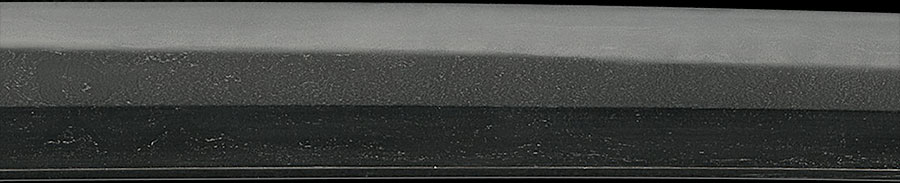
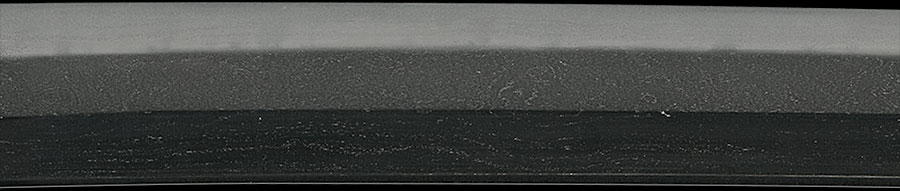
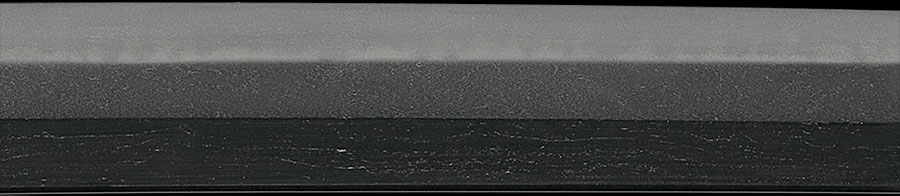
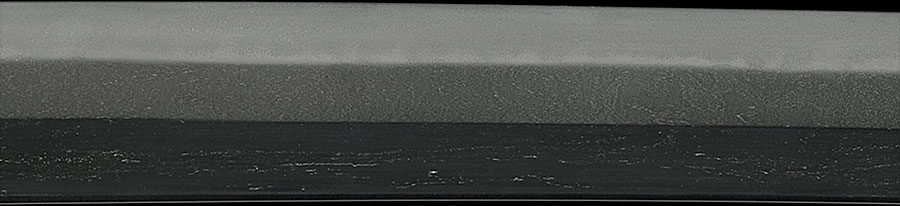
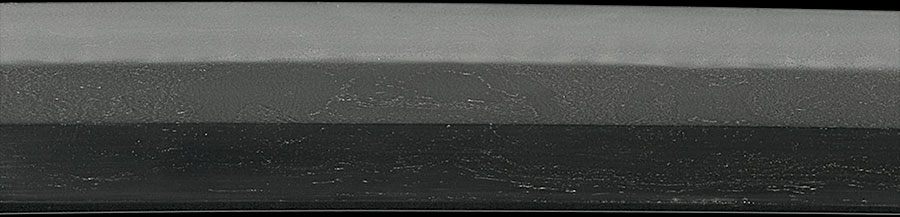
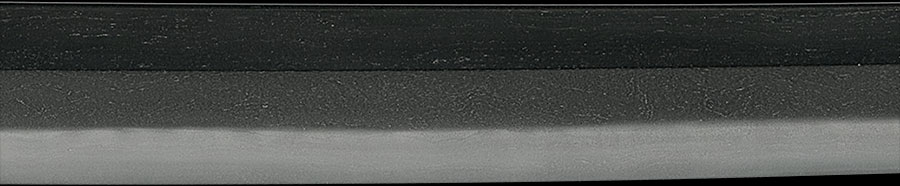
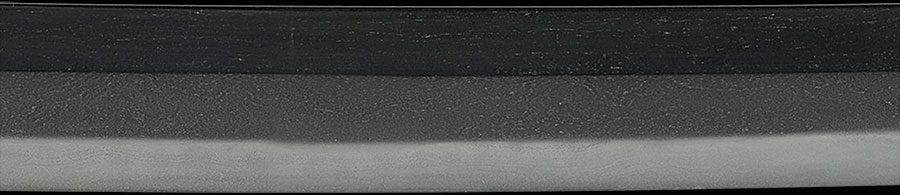
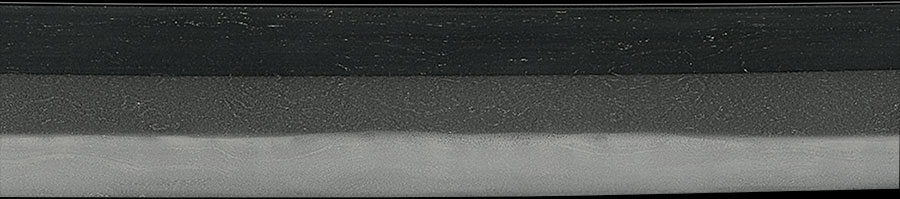
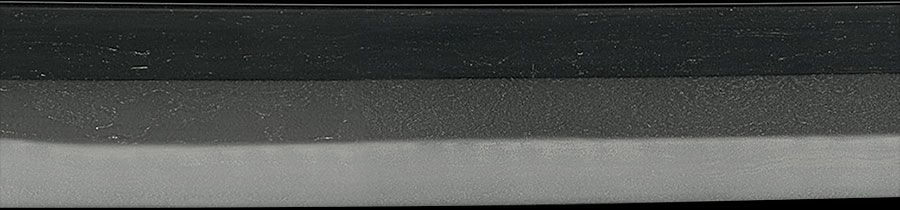
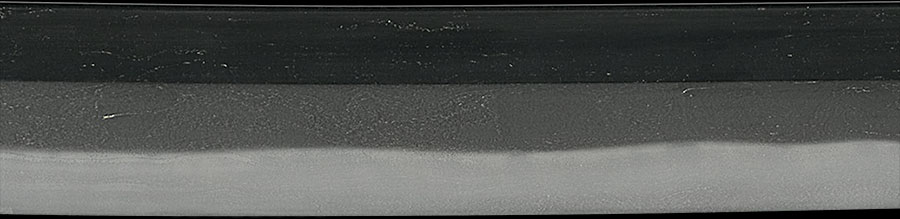
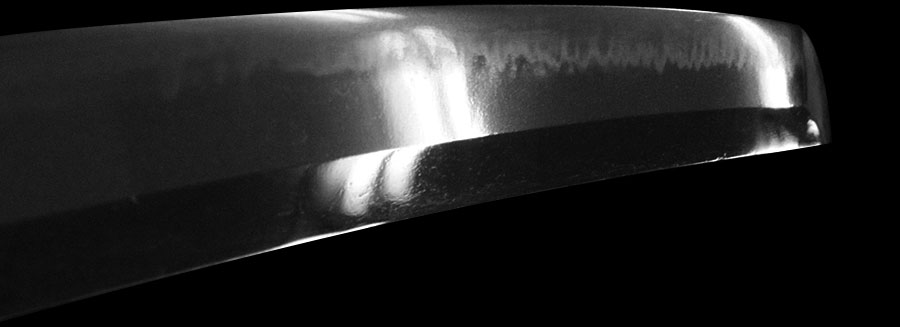
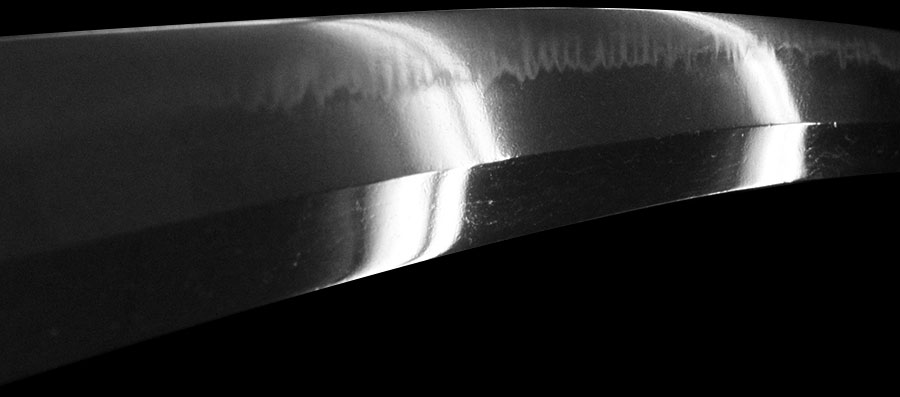
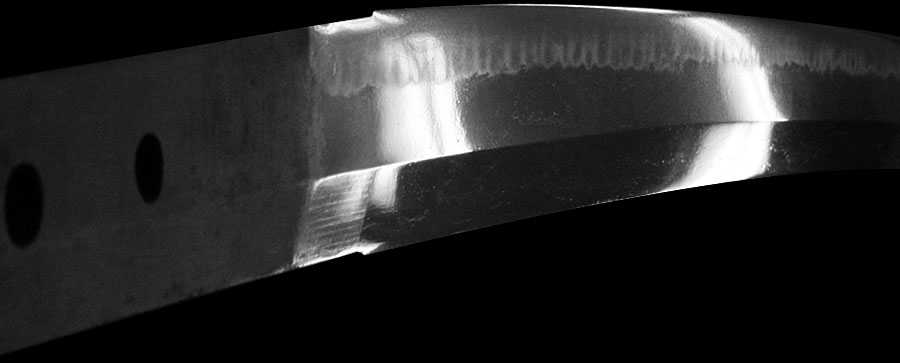
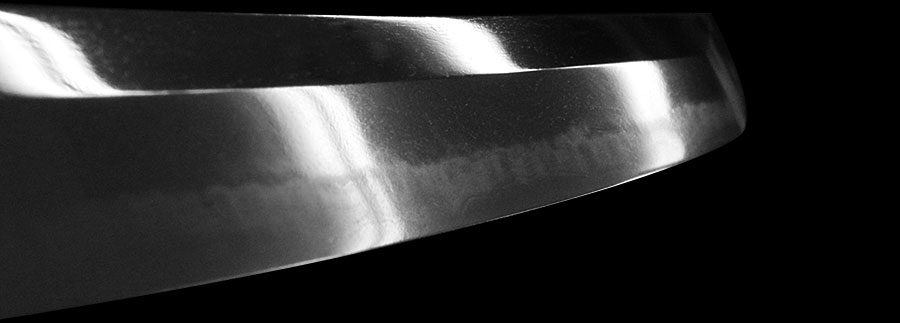
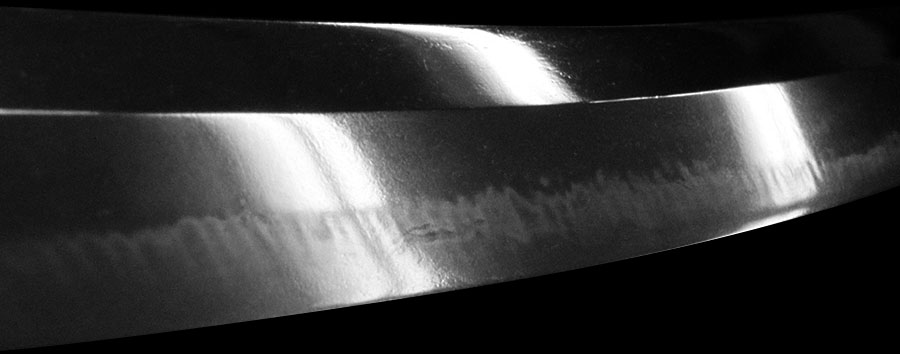
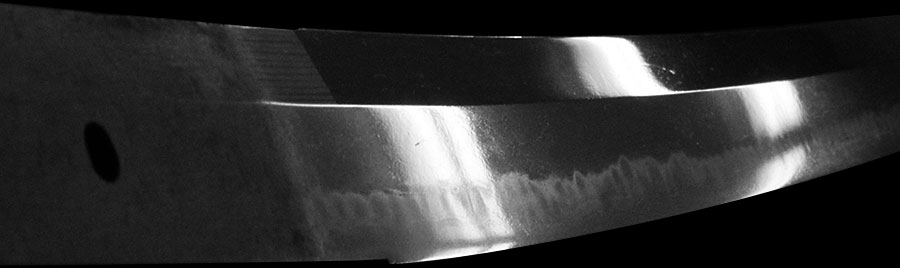
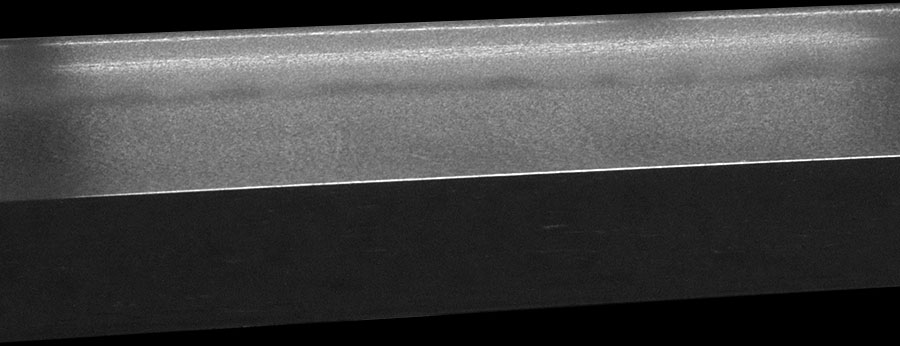
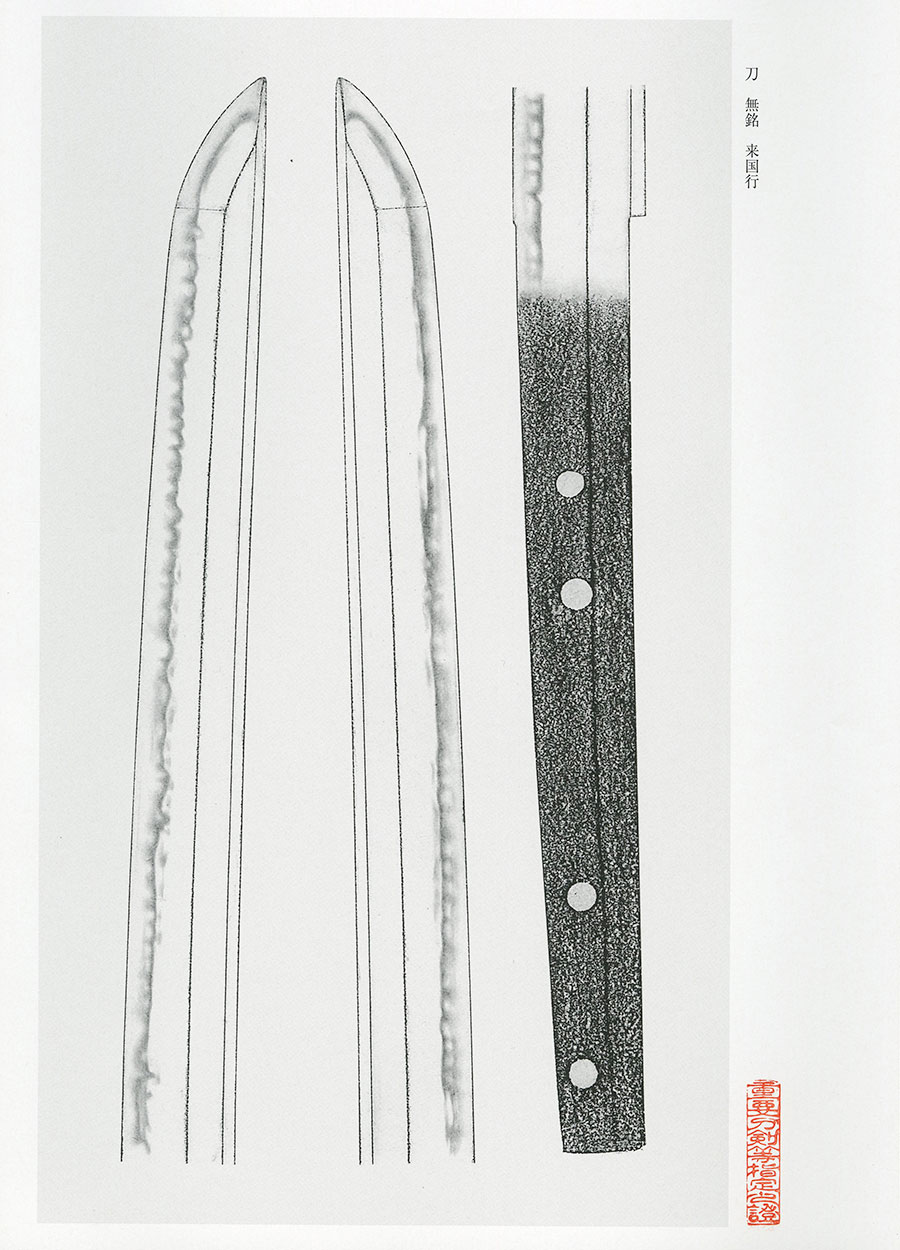
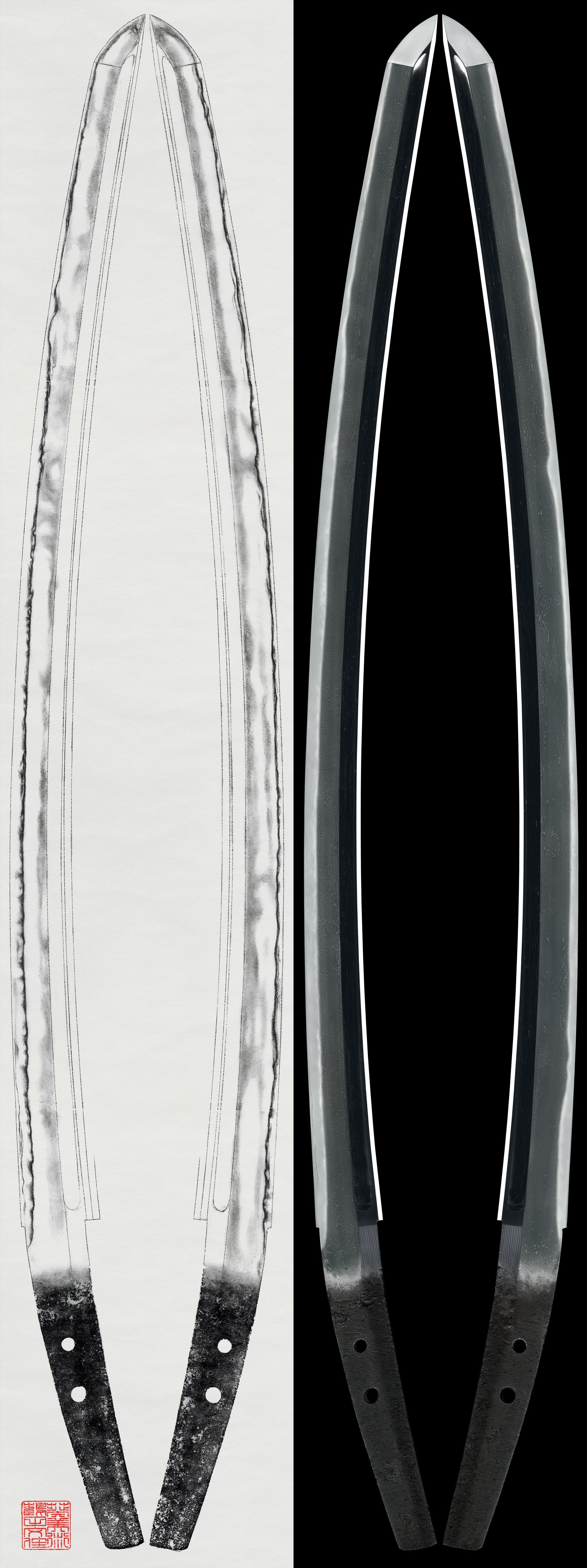
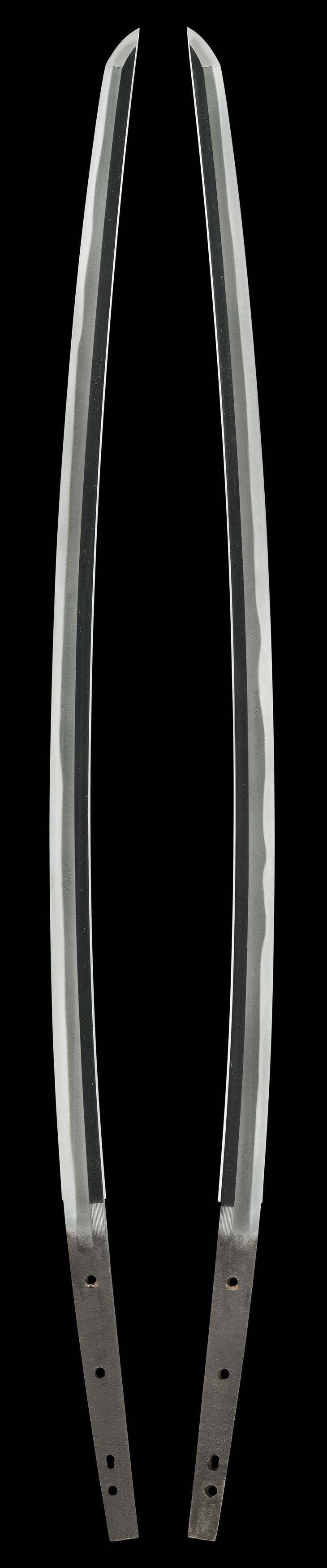
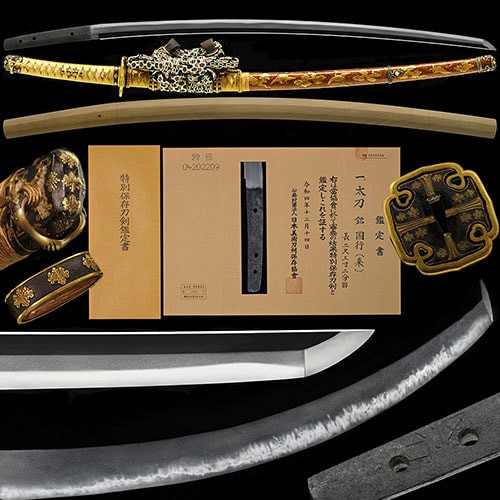
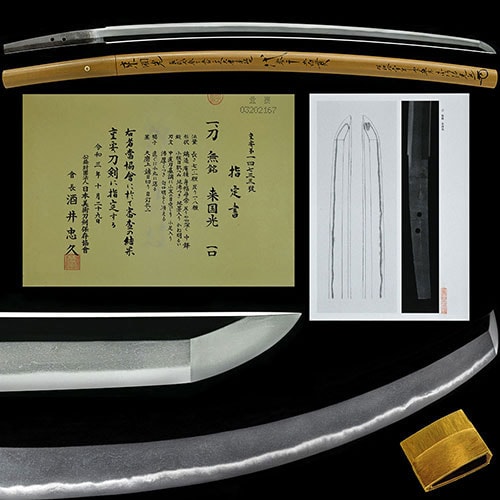
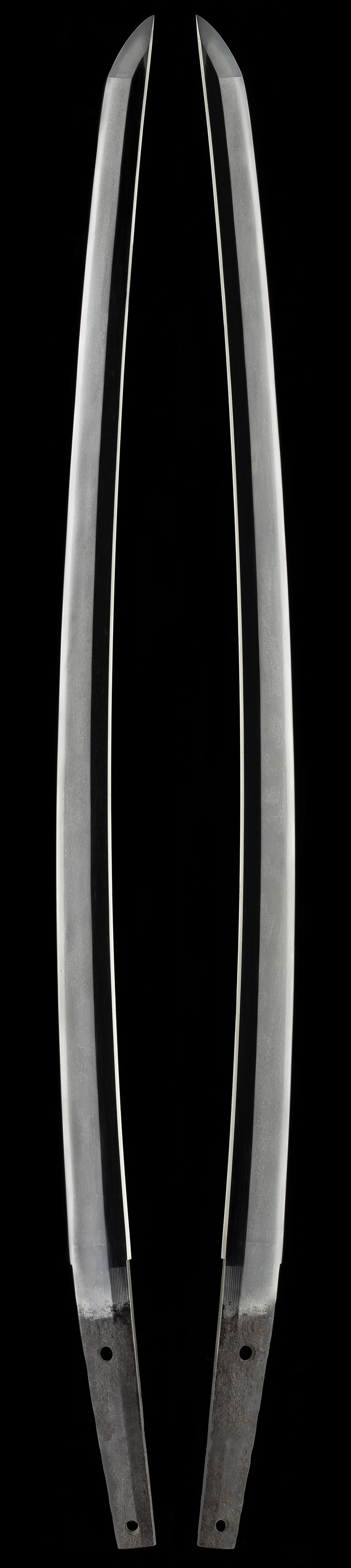
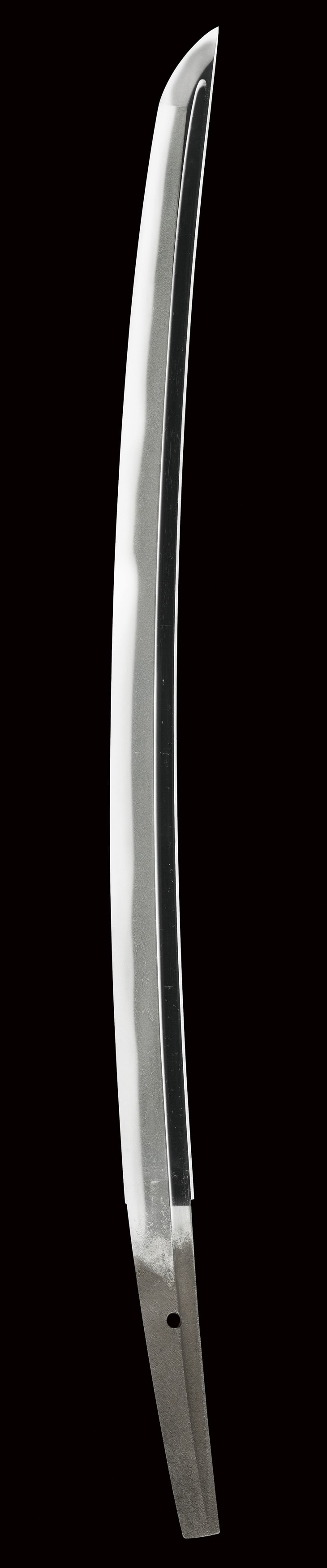
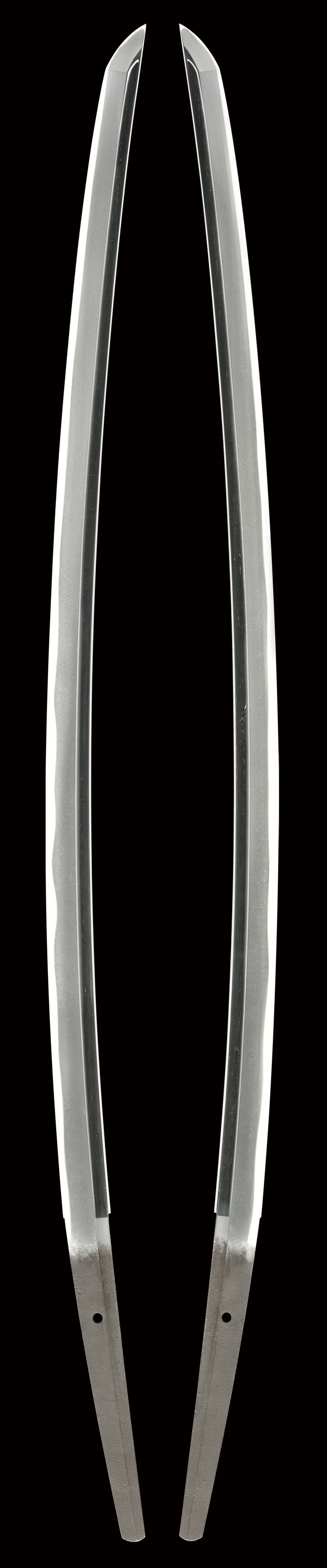
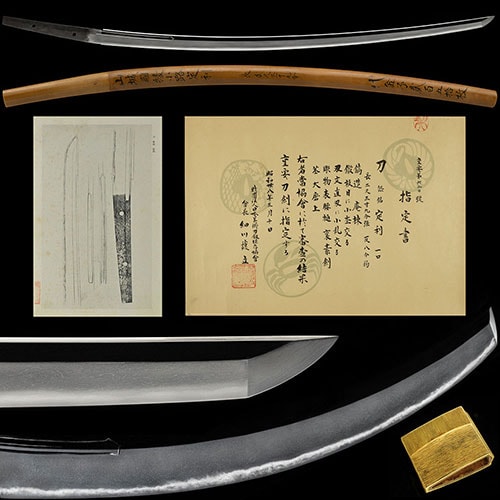
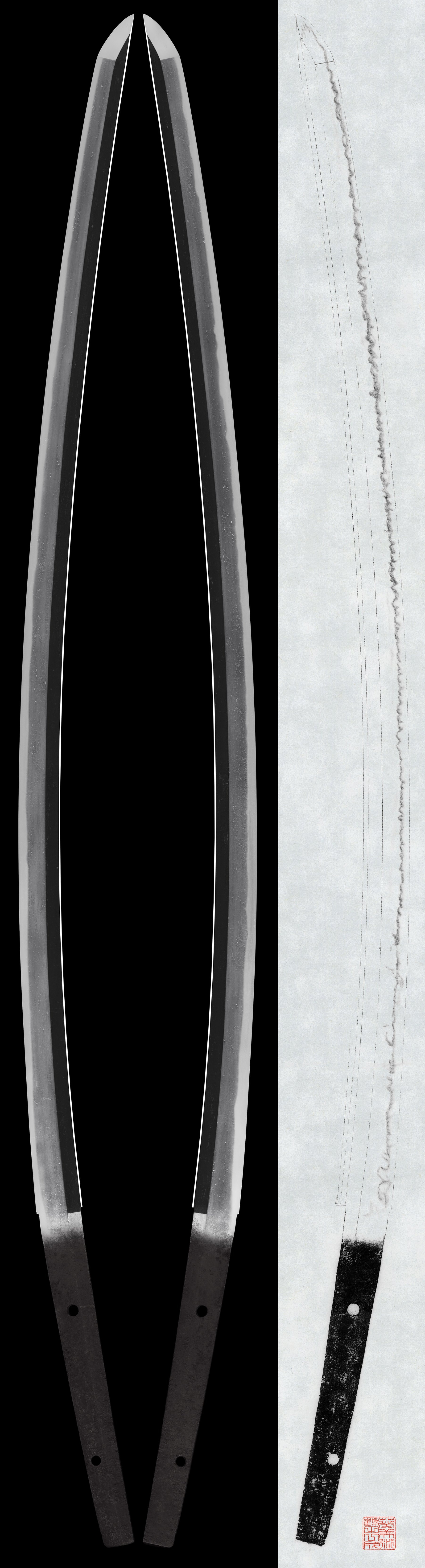
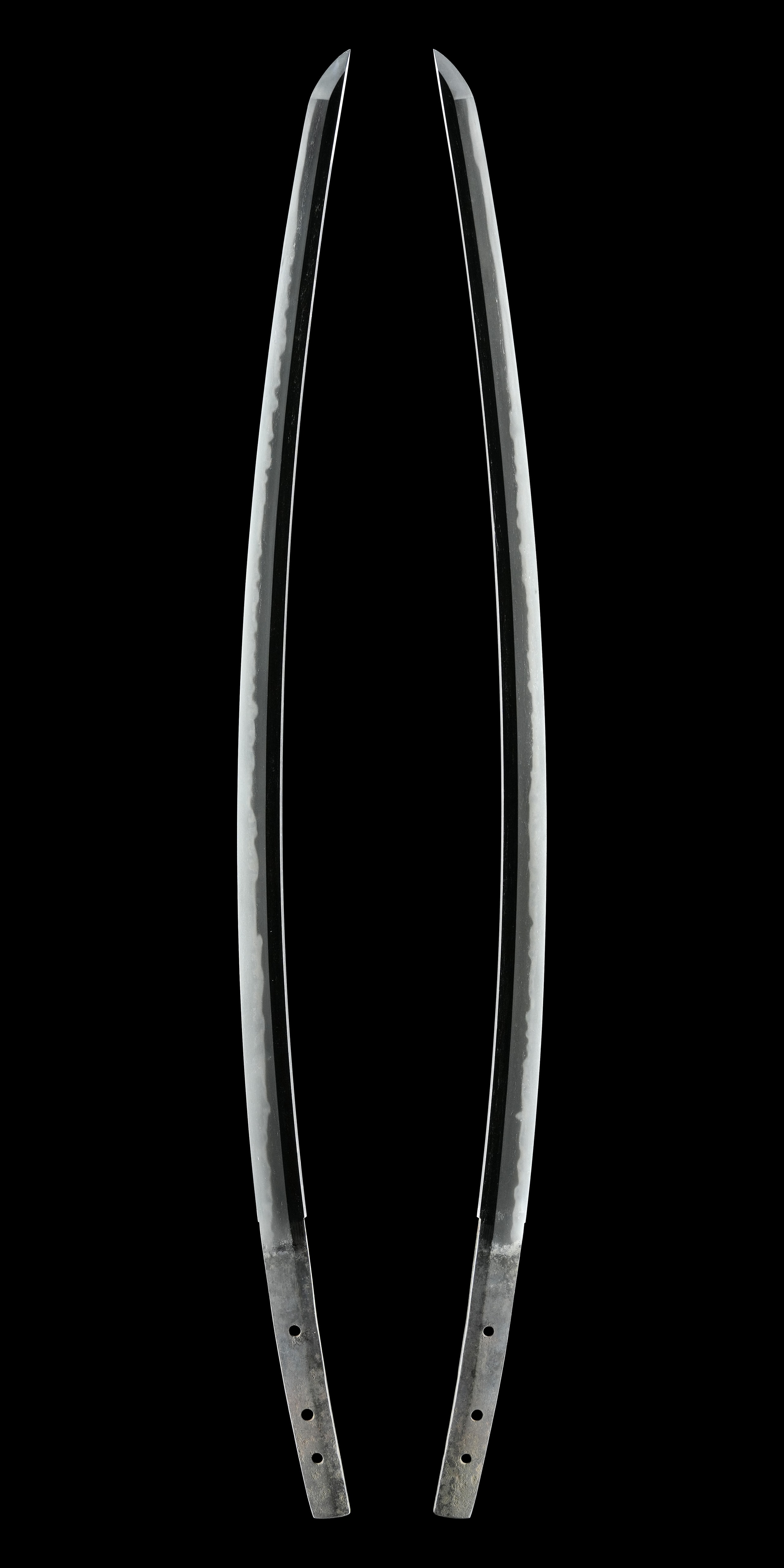
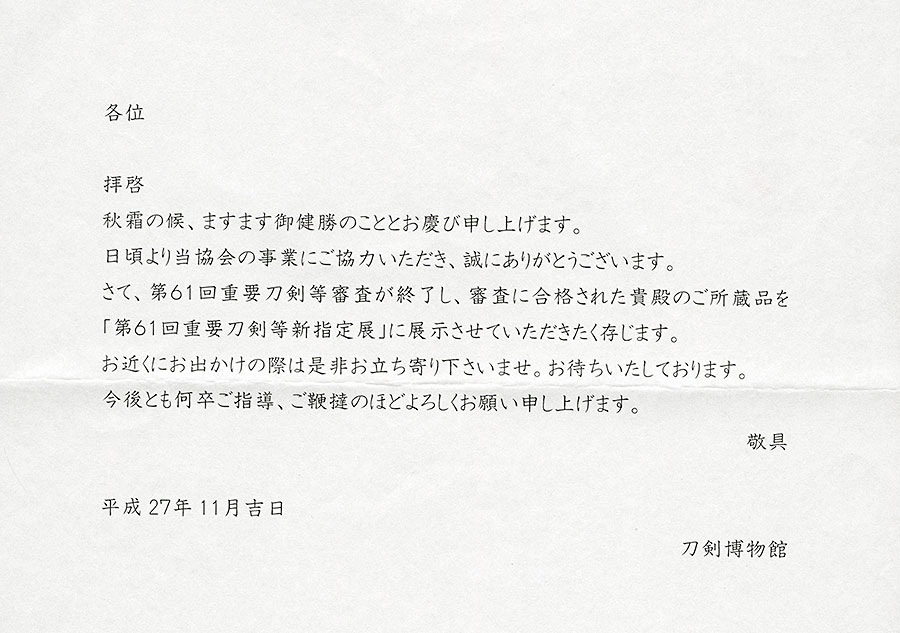
(Heisei 27, 61st Juyo Token) Rai Kuniyuki is the founder of the Rai school, active around the Shogen era (1259) (757 years ago). In the world of nihonto, he is well known to everyone as a yokozuna among yokozuna. This tachi exhibits a Kamakura period tachi-sugata, having been suriage by approximately 3 sun. The jigane is a tightly packed ko-itame hada with jinie, and a faint utsuri appears. The hamon is primarily gunome with choji, ko-choji, ashi, and yo entering frequently; the karigane-choji characteristic of the Rai school is also present, and the kinsuji are magnificent. This tachi was recently discovered and is remarkably kenzen; it lacks the coarse chihada sometimes referred to as "Rai-hada," making it a daimyo-to of incomparable health in both ji and ha. It is a daimyo-to by Rai Kuniyuki with a promising future for further advancement. The excellence of this sword is evident from the fact that it was selected as one of the 30 pieces displayed at the 61st Juyo Token designation exhibition. Please truly enjoy this masterpiece.

NBTHK Setsumei

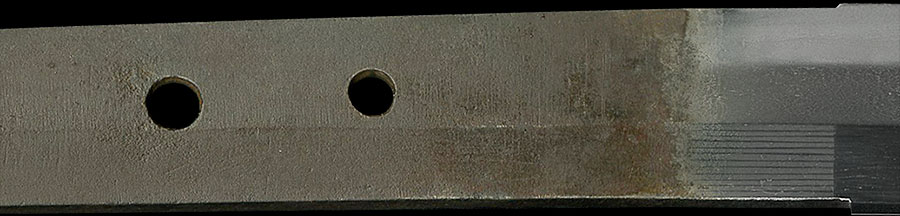
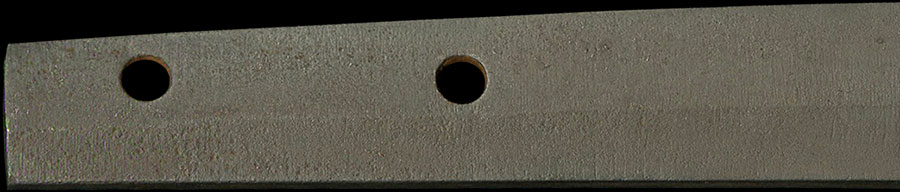
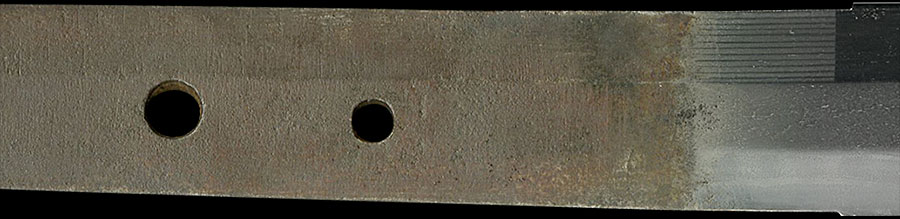
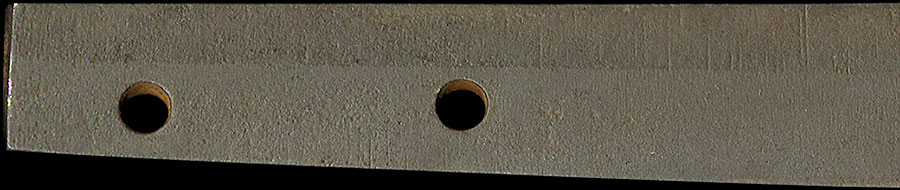
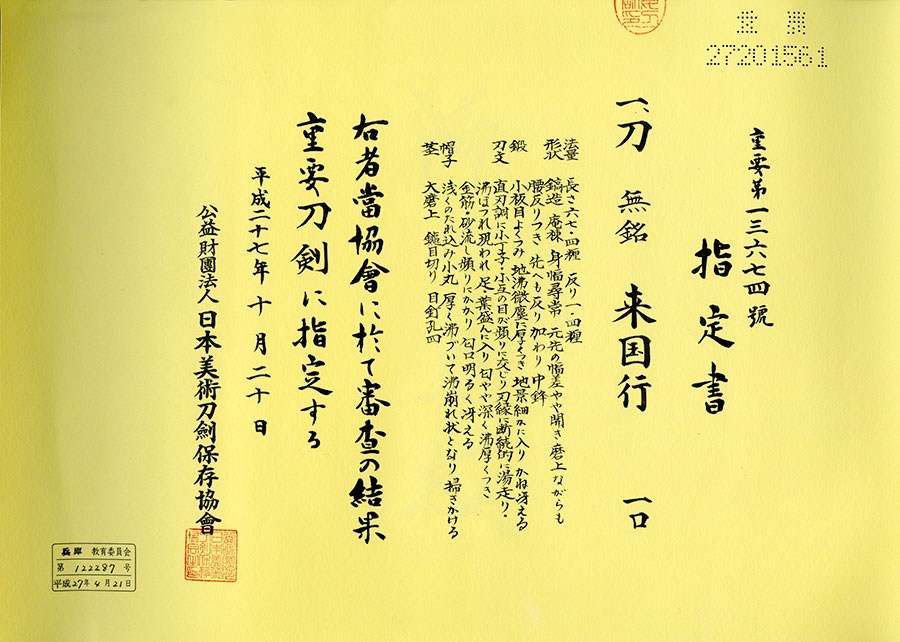
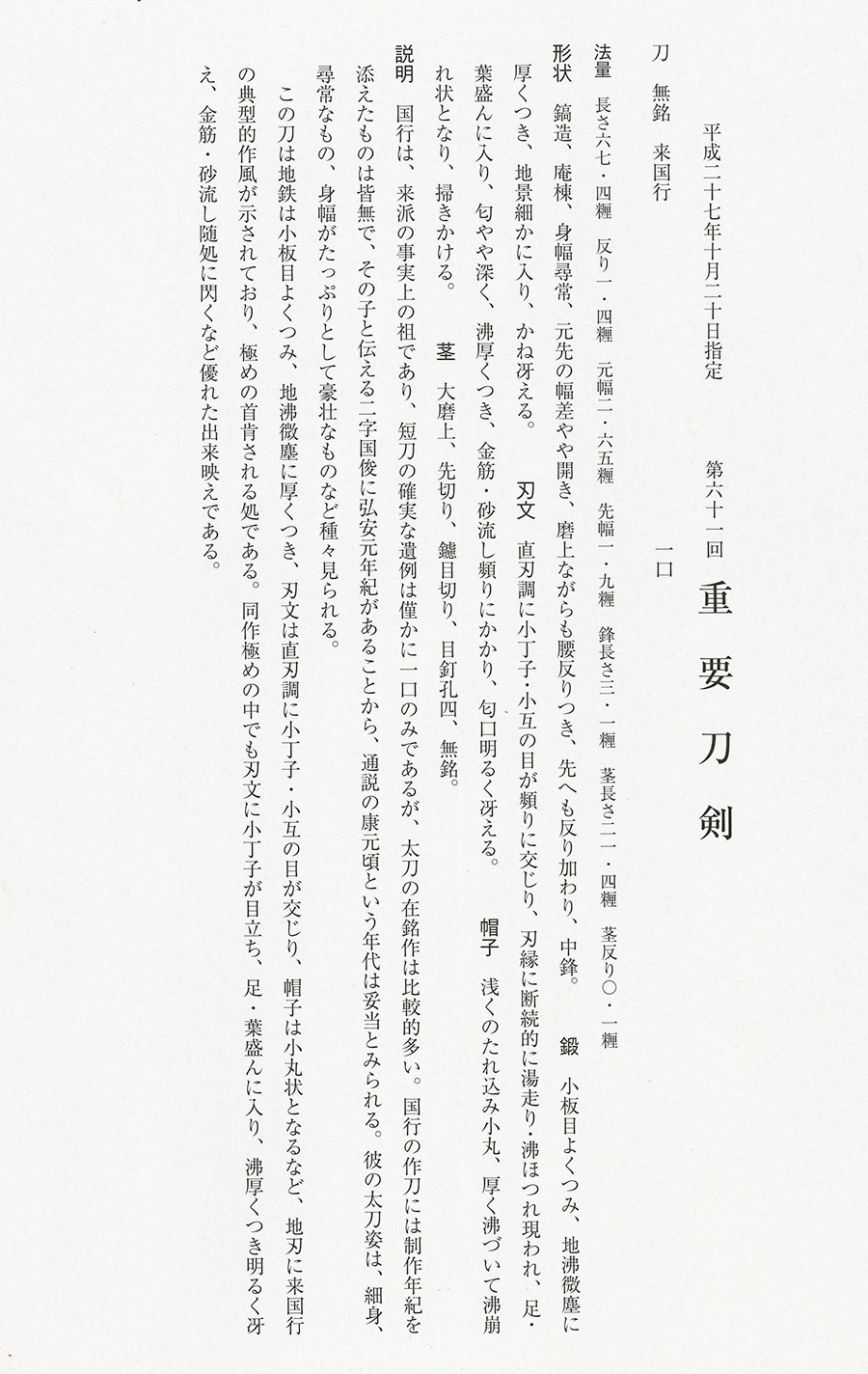
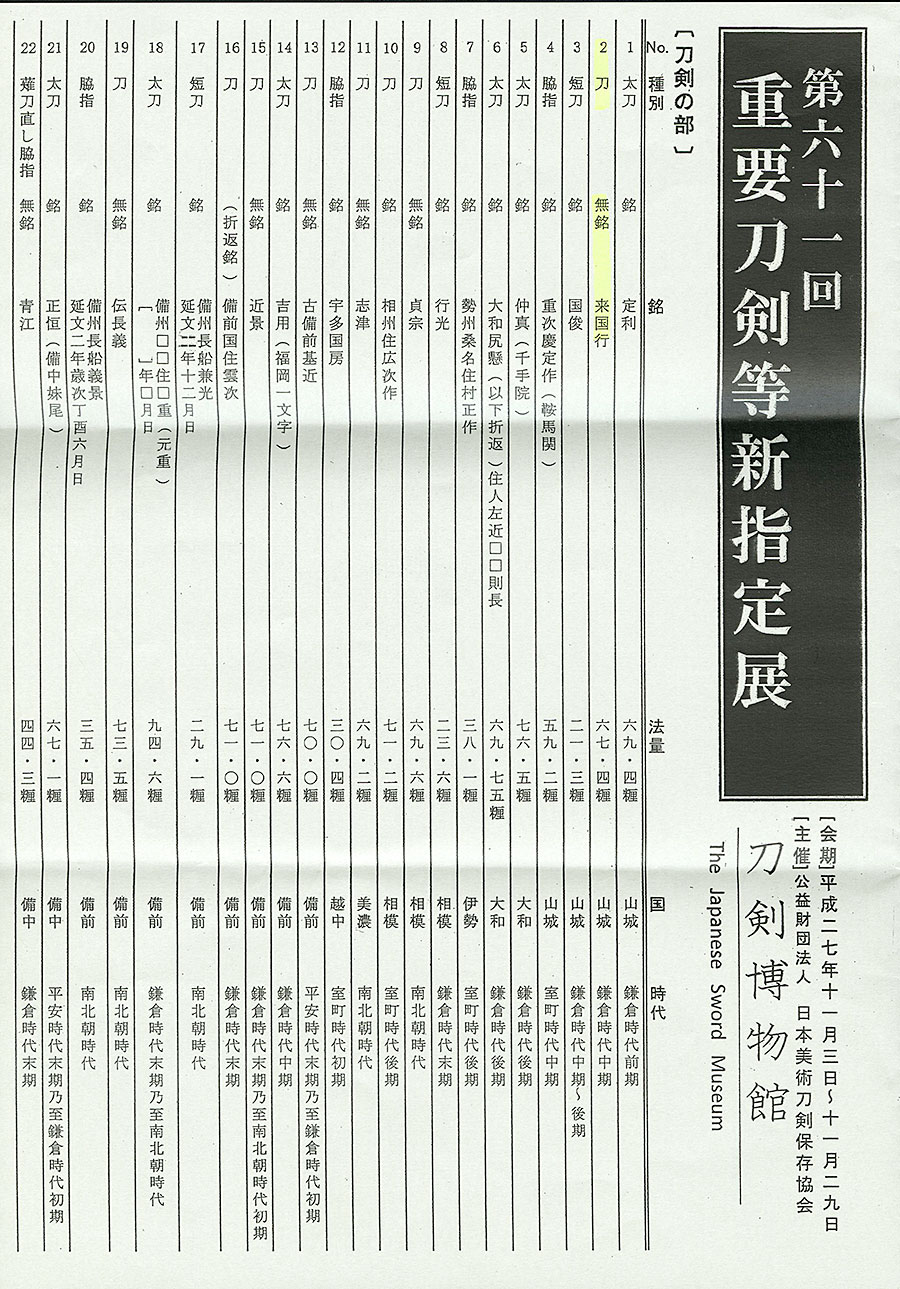
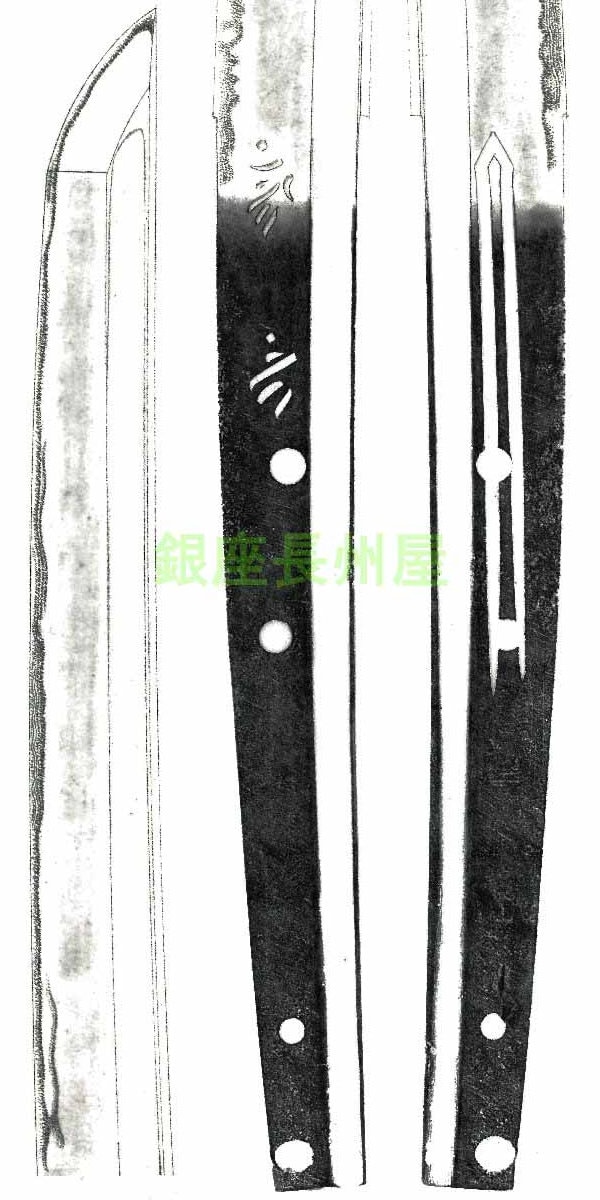
Jūyō-Tōken, 61st Session — Designated October 20, 2015 Katana, mumei: Rai Kuniyuki (来国行) Measurements Nagasa 67.4 cm, sori 1.4 cm, motohaba 2.65 cm, sakihaba 1.9 cm, kissaki-nagasa 3.1 cm, nakago-nagasa 24.0 cm, nakago-sori 0.1 cm Description Keijō: shinogi-zukuri, iori-mune; standard mihaba with a somewhat widening difference between base and tip; though suriage, it shows koshizori and further curvature toward the tip; chū-kissaki. Kitae: ko-itame tightly forged; ji-nie in minute particles forms densely and thickly; fine chikei enter, and the steel is clear. Hamon: Essentially suguha-chō, with frequent admixture of ko-chōji and ko-gunome; along the habuchi intermittent yubashiri and nie-hotsure appear; ashi and yō are abundant; the nioi is somewhat deep; nie forms thickly; kinsuji and sunagashi occur frequently; the nioiguchi is bright and clear. Bōshi: Shallow notare-komi ending in ko-maru; thick nie adheres, becoming nie-kuzure-like, and it is hakikake. Horimono: None. Nakago: ō-suriage; kiri-jiri; kiri yasurime; four mekugi-ana; unsigned. Artisan Rai Kuniyuki (来国行) Era Mid-Kamakura period (traditionally around the Kōgen era, 1256–1257) Explanation Kuniyuki was in effect the founder of the Rai school. Among works that can be regarded as fully secure, only a single tantō survives; by contrast, there are comparatively many signed works in tachi form. None of Kuniyuki’s blades bears a dated inscription. However, because the two-character signature “Kunitoshi,” traditionally transmitted as that of his son, includes a date of Kōan 1 (1278), the commonly accepted dating of Kuniyuki to around the Kōgen era is considered reasonable. Kuniyuki’s tachi forms show a variety of types: slender examples, those of standard proportions, and others with ample width and a bold, powerful appearance. In this blade, the jigane is a finely packed ko-itame with dense, minute ji-nie, while the hamon is a suguha-based temper mixed with ko-chōji and ko-gunome, and the bōshi takes a ko-maru-like form. Thus, both ji and ha display the archetypal style of Rai Kuniyuki, and the attribution is fully persuasive. Among blades attributed to this smith, this one is particularly fine: ko-chōji is conspicuous within the temper, ashi and yō enter vigorously, thick nie forms with bright clarity, and kinsuji and sunagashi flash here and there—altogether an excellent work.

NihontoWatch MonNihontoWatch
MarketAuctionsEncyclopedia
Swords›Yamashiro-den›Rai›Kuniyuki›Juyo Tachi by Kuniyuki, Founder of the Rai School
katanaJūyō
Rai Kuniyuki

Juyo Tachi by Kuniyuki, Founder of the Rai School

mumei · Kamakura · nagasa 67.5cm · sori 1.3cm

SOLD
Rai Kuniyuki — 1 of 35
Rai Kuniyuki — 2 of 35
Rai Kuniyuki — 3 of 35
Rai Kuniyuki — 4 of 35
Rai Kuniyuki — 5 of 35
Rai Kuniyuki — 6 of 35
Rai Kuniyuki — 7 of 35
Rai Kuniyuki — 8 of 35
Rai Kuniyuki — 9 of 35
Rai Kuniyuki — 10 of 35
Rai Kuniyuki — 11 of 35
Rai Kuniyuki — 12 of 35
Rai Kuniyuki — 13 of 35
Rai Kuniyuki — 14 of 35
Rai Kuniyuki — 15 of 35
Rai Kuniyuki — 16 of 35
Rai Kuniyuki — 17 of 35
Rai Kuniyuki — 18 of 35
Rai Kuniyuki — 19 of 35
Rai Kuniyuki — 20 of 35
Rai Kuniyuki — 21 of 35
Rai Kuniyuki — 22 of 35
Rai Kuniyuki — 23 of 35
Rai Kuniyuki — 24 of 35
Rai Kuniyuki — 25 of 35
Rai Kuniyuki — 26 of 35
Rai Kuniyuki — 27 of 35
Rai Kuniyuki — 28 of 35
Rai Kuniyuki — 29 of 35
Rai Kuniyuki — 30 of 35
Rai Kuniyuki — 31 of 35
Rai Kuniyuki — 32 of 35
Rai Kuniyuki — 33 of 35
Rai Kuniyuki — 34 of 35
Rai Kuniyuki — 35 of 35
1 / 35
1 / 35
Rai Kuniyuki — 1 of 35Rai Kuniyuki — 2 of 35Rai Kuniyuki — 3 of 35Rai Kuniyuki — 4 of 35Rai Kuniyuki — 5 of 35Rai Kuniyuki — 6 of 35Rai Kuniyuki — 7 of 35Rai Kuniyuki — 8 of 35Rai Kuniyuki — 9 of 35Rai Kuniyuki — 10 of 35Rai Kuniyuki — 11 of 35Rai Kuniyuki — 12 of 35Rai Kuniyuki — 13 of 35Rai Kuniyuki — 14 of 35Rai Kuniyuki — 15 of 35Rai Kuniyuki — 16 of 35Rai Kuniyuki — 17 of 35Rai Kuniyuki — 18 of 35Rai Kuniyuki — 19 of 35Rai Kuniyuki — 20 of 35Rai Kuniyuki — 21 of 35Rai Kuniyuki — 22 of 35Rai Kuniyuki — 23 of 35Rai Kuniyuki — 24 of 35Rai Kuniyuki — 25 of 35Rai Kuniyuki — 26 of 35Rai Kuniyuki — 27 of 35Rai Kuniyuki — 28 of 35Rai Kuniyuki — 29 of 35Rai Kuniyuki — 30 of 35Rai Kuniyuki — 31 of 35Rai Kuniyuki — 32 of 35Rai Kuniyuki — 33 of 35Rai Kuniyuki — 34 of 35Rai Kuniyuki — 35 of 35
Measurements & details
Smith
Rai Kuniyuki
Type
Katana
School
Rai
Period
Around 1259–1260(Shogen)
Signature
Unsigned(41% of this smith's designated works are signed)
Measurements
Nagasa 67.5cmSori 1.3cmMotohaba 2.78cmSakihaba 1.88cmKasane 0.69cm
Description

(Heisei 27, 61st Juyo Token) Rai Kuniyuki is the founder of the Rai school, active around the Shogen era (1259) (757 years ago). In the world of nihonto, he is well known to everyone as a yokozuna among yokozuna. This tachi exhibits a Kamakura period tachi-sugata, having been suriage by approximately 3 sun. The jigane is a tightly packed ko-itame hada with jinie, and a faint utsuri appears. The hamon is primarily gunome with choji, ko-choji, ashi, and yo entering frequently; the karigane-choji characteristic of the Rai school is also present, and the kinsuji are magnificent. This tachi was recently discovered and is remarkably kenzen; it lacks the coarse chihada sometimes referred to as "Rai-hada," making it a daimyo-to of incomparable health in both ji and ha. It is a daimyo-to by Rai Kuniyuki with a promising future for further advancement. The excellence of this sword is evident from the fact that it was selected as one of the 30 pieces displayed at the 61st Juyo Token designation exhibition. Please truly enjoy this masterpiece.

NBTHK Zufu Commentary

Juyo #61

AI translation — may contain errors

-, 61st Session — Designated October 20, 2015

, : Kuniyuki (来国行)

Measurements 67.4 cm, 1.4 cm, 2.65 cm, 1.9 cm, 3.1 cm, 24.0 cm, 0.1 cm

Description Keijō: , ; standard with a somewhat widening difference between base and tip; though , it shows and further curvature toward the tip; . : tightly forged; in minute particles forms densely and thickly; fine enter, and the steel is clear. : Essentially , with frequent admixture of and ; along the intermittent and - appear; and are abundant; the is somewhat deep; forms thickly; and occur frequently; the is bright and clear. : Shallow ending in ; thick adheres, becoming -like, and it is . : None. : ; ; ; four ; unsigned.

Artisan Kuniyuki (来国行)

Era Mid- period (traditionally around the Kōgen era, 1256–1257)

Explanation Kuniyuki was in effect the founder of the school. Among works that can be regarded as fully secure, only a single survives; by contrast, there are comparatively many signed works in form. None of Kuniyuki’s blades bears a dated inscription. However, because the two-character signature “Kunitoshi,” traditionally transmitted as that of his son, includes a date of Kōan 1 (1278), the commonly accepted dating of Kuniyuki to around the Kōgen era is considered reasonable.

Kuniyuki’s forms show a variety of types: slender examples, those of standard proportions, and others with ample width and a bold, powerful appearance.

In this blade, the is a finely packed with dense, minute , while the is a -based temper mixed with and , and the takes a -like form. Thus, both and display the archetypal style of Kuniyuki, and the attribution is fully persuasive. Among blades attributed to this smith, this one is particularly fine: is conspicuous within the temper, and enter vigorously, thick forms with bright clarity, and and flash here and there—altogether an excellent work.

[ VII]

About the maker

Kuniyuki

國行

Rai (Yamashiro), Rai Kuniyuki · Yamashiro · around 1259-1260

Fujishiro Sai-jo saku · Tōken Taikan top 2%

2 pieces on the market now

›

Rai Kuniyuki was, in the words the published sources return to again and again, the de facto founder of the Rai school of Yamashiro, working in the mid Kamakura period. None of his own blades carries a production date, but the two-character Kunitoshi, transmitted as his son, left a tachi dated Koan 1 (1278), and on that footing the published sources affirm the usual reckoning that places Kuniyuki around the Shogen and Bun'o years. He stands at the head of the line the late-Kamakura Yamashiro tradition would be built upon, and his signed tachi survive in comparatively large numbers while a single reliable tanto is all that is known, exactly as for that same Kunitoshi.

The shape of his tachi is not one thing. The published sources describe a range that runs from slender, orthodox builds to broad, powerfully made blades, with the point typically tied off in an ikubi manner. The signed, ubu pieces keep a high, wheel-like curvature and a small point of real grace; the great mass of the surviving work is o-suriage and unsigned, wide in the body with a thick kasane, and even after shortening it holds a deep wazori and a weighty, dignified bearing that reads at once as mid Kamakura.

The jigane is the constant. It is a finely forged ko-itame, at times carrying itame, mokume and a little nagare-hada, worked until it is dense and refined; over it the ji-nie lies thickly in minute particles, fine chikei enter, and a nie-utsuri rises that in places shades toward a midare-utsuri. The steel is strong and clear, and the bright, refined forging that the connoisseur reads as Rai-hada is the first thing the eye should settle on. This is the calm, lustrous jigane on which everything else is staged.

Over that jigane Kuniyuki tempers a wide, suguha-toned ha rather than the full choji of contemporary Bizen. Into it he mixes ko-choji, ko-gunome, small midare and squared-off elements, so that the temper is complex and changeful without ever becoming a clamorous midare; ashi and yo enter densely, often as the Kyoto-style saka-ashi, the nioiguchi runs deep and bright, ko-nie attaches thickly, and kinsuji and sunagashi move through the body of the ha. At the crests of the undulations small tobiyaki and yubashiri sometimes gather into a kiji-mata or gan-mata figure, and muneyaki may appear above. It is a temper of restraint and activity at once, the activity carried in the nie rather than in the height of the pattern.

The boshi is where his hand is most easily misjudged. It is not a plain ko-maru. A ko-maru is indeed the most frequent turnback, but it is most often drawn out by hakikake, the brushed nie of the point continuing the work of the ji below; the published sources describe a boshi that vigorously brushes[[c:1]] and that turns back in a small round with a slightly pointed tendency[[c:2]]. In many blades it falls into a midare-komi with a pointing tip[[c:3]], at times genuinely pointed, at times burned through in a yakizume manner. A reading that names only the small round and the irregular turnback misses the swept tip that is in fact the dominant feature, and for recognition the hakikake belongs in the first rank of his boshi traits beside the ko-maru itself.

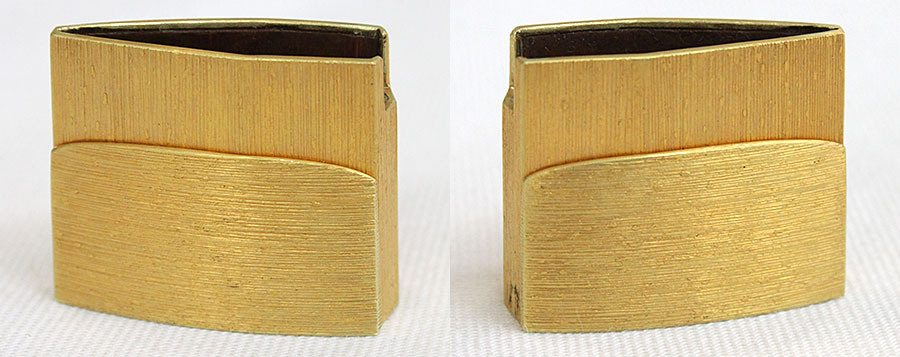
For a founder of his rank the named histories are heavy. A signed Tokubetsu-Juyo tachi descended in the Kuroda family of Chikuzen and carries an origami of Genroku 14 (1701) by Hon'ami Kochu[[c:4]] valuing it at one thousand kan, with Goto fittings on its tachi mounting; another o-suriage blade passed through the Shimazu family of Satsuma; signature variants are read against a piece formerly in the Ogasawara collection, and his blades reach into the Tokugawa houses as well. His work numbers a National Treasure and many Important Cultural Properties, and within the published catalogues his Tokubetsu-Juyo and Juyo entries together run to roughly a hundred, a count that places him among the very highest of the koto Yamashiro masters and makes a freely tradeable example a genuine rarity.


Historical importance

Where Kuniyuki stands among comparable artisans: across all of nihontō, and within tradition, era, and period. The tiers (Foremost · Leading · Major · Notable) weigh official designations from the NBTHK and Japan's Agency for Cultural Affairs, together with historical honors of lasting repute such as the Sansaku and Meibutsu-chō.

随一
Foremost
屈指
Leading
有数
Major
著名
Notable

Select a lens to see how it's measured.

Designation record
125 designated works
Kokuhō (National Treasure)
1
Jūyō Bunkazai
16
Jūyō Bijutsuhin
10
Tokubetsu Jūyō
20
Jūyō
78
2 works by Kuniyuki on the market→
Kuniyuki — full profileRai (Yamashiro), Rai Kuniyuki school
About the school

Rai

来

Yamashiro-den · Yamashiro

47 pieces on the market now

›

A calm, lustrous steel is the first thing the connoisseur's eye is meant to settle on with the Rai school: a finely forged ko-itame (小板目) worked until it is dense and refined, over which the ji-nie lies thickly in minute particles, fine chikei (地景) enter, and a nie-utsuri rises in the ji. This bright, refined jihada, the surface the trade reads as Rai-hada when its softer, looser patches intrude, is the constant beneath every manner the house produced. Learn more →

23 recorded smiths1010 designated works
Leading smiths
SmithEraDesignated
Kuniyuki國行1259-1260125
Kunitoshi國俊1278-128879
Kunitsugu國次1311-132765
Kunimitsu國光1326-1351259
Kunitoshi國俊1288-1319196
Explore the Rai school →
NBTHK Certificate
Jūyō Tōken重要刀剣
Important Sword
›

A blade of top-grade workmanship and condition, formally judged to rank with a nationally recognized Important Art Object (Jūyō Bijutsuhin). Awarded only at the NBTHK’s competitive annual examination.

Of Japan’s roughly 2.5 million registered swords, only 12,307 (about 1 in 203) have ever attained Jūyō.

About the NBTHK›

The NBTHK (Nihon Bijutsu Tōken Hozon Kyōkai, the Society for the Preservation of Japanese Art Swords) is a public-interest incorporated foundation founded in 1948 and supervised by Japan’s Agency for Cultural Affairs (Bunkachō); it is based at the Japanese Sword Museum in Tokyo. Its expert panels physically examine each submitted work (shinsa) and issue a certificate (kanteishō) ranking it by artistic and historical merit. NBTHK papers are the most widely recognized standard of authentication for Japanese swords and fittings.

NBTHK official site→
Seller
N
Nipponto
Established 1953 · 73 yrs on the market
🇯🇵Ships from Japan
›
✓Verified dealernipponto.co.jp
✓Ships worldwide✓English supportPayPalCredit card
Return policy

For returns due to customer circumstances, the cost is the customer's responsibility. For returns due to our mis-shipment or a defective item, we bear the cost.

View all of Nipponto’s listings→View this item on the dealer’s site→

More works by Rai Kuniyuki

View all →
Yazawa Shokai
Tokuho
Tachi - Tokuho - by Rai Kuniyuki - Consignment: Rai Kuniyuki Mid-Kamakura Period - Blade Length 69.7cm, Sori 1.9cm, in Shirasaya with Tachi KoshiraeTachi - Tokuho - by Rai Kuniyuki - Consignment: Rai Kuniyuki Mid-Kamakura Period - Blade Length 69.7cm, Sori 1.9cm, in Shirasaya with Tachi Koshirae

Tachi

ByRai Kuniyuki
¥3,000,000
Nipponto
Jūyō
Katana - Jūyō - by Rai Kuniyuki - Kuniyuki (Yamashiro Kyoto Rai School Founder) (From Baron Sugiyama Shigemaru Family)Katana - Jūyō - by Rai Kuniyuki - Kuniyuki (Yamashiro Kyoto Rai School Founder) (From Baron Sugiyama Shigemaru Family)

Katana

ByRai Kuniyuki
Ask

Previously sold by Rai Kuniyuki

Choshuya
Katana - by Rai Kuniyuki - O-suriage Mumei Rai KuniyukiKatana - by Rai Kuniyuki - O-suriage Mumei Rai Kuniyuki
Sold

Katana

ByRai Kuniyuki
SOLD
Nihon Art
Katana - by Rai Kuniyuki - Rai KuniyukiKatana - by Rai Kuniyuki - Rai Kuniyuki
Sold

Katana

ByRai Kuniyuki
SOLD
Aoi Art
Wakizashi - by Rai Kuniyuki - Wakizashi (Kodachi): Mumei (Rai Kuniyuki) - NBTHK Tokubetsu Hozon TokenWakizashi - by Rai Kuniyuki - Wakizashi (Kodachi): Mumei (Rai Kuniyuki) - NBTHK Tokubetsu Hozon Token
Sold

Wakizashi

ByRai Kuniyuki
SOLD
Nihon Art
Jūyō
Katana - Jūyō - by Rai Kuniyuki - Rai Kuniyuki - Juyo TokenKatana - Jūyō - by Rai Kuniyuki - Rai Kuniyuki - Juyo Token
Sold

Katana

ByRai Kuniyuki
SOLD
Iida Koendo
Jūyō
Tachi - Jūyō - by Rai Kuniyuki - Mumei (Rai Kuniyuki)Tachi - Jūyō - by Rai Kuniyuki - Mumei (Rai Kuniyuki)
Sold

Tachi

ByRai Kuniyuki
SOLD
Eirakudo
Tokuho
Tachi - Tokuho - by Rai Kuniyuki - Kuniyuki - Tokubetsu Hozon TokenTachi - Tokuho - by Rai Kuniyuki - Kuniyuki - Tokubetsu Hozon Token
Sold

Tachi

ByRai Kuniyuki
SOLD
Samurai Nippon
Jūyō
Katana - Jūyō - by Rai Kuniyuki - Rai Kuniyuki (Mumei)Katana - Jūyō - by Rai Kuniyuki - Rai Kuniyuki (Mumei)
Sold

Katana

ByRai Kuniyuki
SOLD

More from the Rai school

View all →
Eirakudo
Jūyō
Katana - Jūyō - by Rai Kunimitsu - Rai Kunimitsu - Juyo TokenKatana - Jūyō - by Rai Kunimitsu - Rai Kunimitsu - Juyo Token

Katana

ByRai Kunimitsu
¥7,800,000
Bushido Antique Japanese Swords
Tokuho
Katana - Tokuho - by Rai Kunitsugu - Rai Kunitsugu DaitoKatana - Tokuho - by Rai Kunitsugu - Rai Kunitsugu Daito

Katana

ByRai Kunitsugu
¥35,000
Choshuya
Tanto - by Rai Kunitoshi - Japanese Sword for Sale | Ginza Choshuya | Mei: Rai Kunitoshi (O-wazamono), 1746Tanto - by Rai Kunitoshi - Japanese Sword for Sale | Ginza Choshuya | Mei: Rai Kunitoshi (O-wazamono), 1746

Tantō

ByRai Kunitoshi
¥12,000,000
Eirakudo
Tokuho
Katana - Tokuho - by Rai Kunitoshi - Rai Kunitoshi Katana Tokubetsu Hozon TokenKatana - Tokuho - by Rai Kunitoshi - Rai Kunitoshi Katana Tokubetsu Hozon Token

Katana

ByRai Kunitoshi
¥3,000,000
Samurai Nippon
Jūyō
Tachi - Jūyō - by Ryokai - Ryokai (Kinpun-mei)Tachi - Jūyō - by Ryokai - Ryokai (Kinpun-mei)

Tachi

ByRyokai
¥4,850,000
Samurai Nippon
Tokuho
Tokuho - by Nakajima Rai School - Naginata-naoshi Wakizashi: Nakajima Rai (Mumei)Tokuho - by Nakajima Rai School - Naginata-naoshi Wakizashi: Nakajima Rai (Mumei)

Naginata-naoshi Wakizashi: Nakajima Rai (Mumei)

ByNakajima Rai School
¥780,000
Nipponto
Jūyō
Katana - Jūyō - by Rai Kunitsugu - Rai Kunitsugu (Listed in Kantou Hibi Sho Zoku 2)Katana - Jūyō - by Rai Kunitsugu - Rai Kunitsugu (Listed in Kantou Hibi Sho Zoku 2)

Katana

ByRai Kunitsugu
Ask
Yushindou
Tokubetsu Kichō
Katana - Tokubetsu Kichō - by Nakajima Rai Munenaga - Munemasa - Koshu Tokubetsu KichoKatana - Tokubetsu Kichō - by Nakajima Rai Munenaga - Munemasa - Koshu Tokubetsu Kicho

Katana

ByNakajima Rai Munenaga
¥2,000,000

More from the Yamashiro tradition

View all →
Samurai Nippon
Tokujū
Katana - Tokuju - by Awataguchi Kuniyoshi - Mumei (Attributed to Awataguchi Kuniyoshi)Katana - Tokuju - by Awataguchi Kuniyoshi - Mumei (Attributed to Awataguchi Kuniyoshi)

Katana

ByAwataguchi Kuniyoshi
Ask
Eirakudo
Tokuho
Katana - Tokuho - by Shintogo Kunimitsu - Shintogo Kunimitsu - Tokubetsu Hozon TokenKatana - Tokuho - by Shintogo Kunimitsu - Shintogo Kunimitsu - Tokubetsu Hozon Token

Katana

ByShintogo Kunimitsu
¥7,500,000
Eirakudo
Jūyō
Tachi - Jūyō - by Ayanokoji Sadatoshi - Sadatoshi - Juyo TokenTachi - Jūyō - by Ayanokoji Sadatoshi - Sadatoshi - Juyo Token

Tachi

ByAyanokoji Sadatoshi
¥7,700,000
Nihon Art
Tokuho
Tanto - Tokuho - by Shintogo Kunimitsu - Shintogo Kunimitsu TantoTanto - Tokuho - by Shintogo Kunimitsu - Shintogo Kunimitsu Tanto

Tantō

ByShintogo Kunimitsu
Ask
Giheiya
Tanto - by Enju School - Koto Mumei Kikuchi-yari naosi tanto with Aikuchi Koshirae and ShirasayaTanto - by Enju School - Koto Mumei Kikuchi-yari naosi tanto with Aikuchi Koshirae and Shirasaya

Tantō

ByEnju School
¥300,000
Aoi Art
Tokuho
Katana - Tokuho - by Shintogo Kunimitsu - Mumei (Attributed to Shintogo) - NBTHK Tokubetsu Hozon TokenKatana - Tokuho - by Shintogo Kunimitsu - Mumei (Attributed to Shintogo) - NBTHK Tokubetsu Hozon Token

Katana

ByShintogo Kunimitsu
¥7,800,000
Samurai Nippon
Jūyō
Katana - Jūyō - by Enju Kunitoki - Kunitoki (Enju) with Gold Inlay MeiKatana - Jūyō - by Enju Kunitoki - Kunitoki (Enju) with Gold Inlay Mei

Katana

ByEnju Kunitoki
¥4,900,000
Toushin
Hozon
Katana - Hozon - by Enju School - Enju (Mumei)Katana - Hozon - by Enju School - Enju (Mumei)

Katana

ByEnju School
¥550,000

Swords

  • Katana
  • Wakizashi
  • Tantō
  • Tachi
  • Naginata
  • Yari

Fittings

  • Tsuba
  • Fuchi-Kashira
  • Kozuka
  • Menuki

By Certification

  • Tokujū
  • Jūyō
  • Tokuho
  • Hozon

Resources

  • Dealer Directory
  • Artist Directory
  • Glossary
  • Browse All
Nihontowatch© 2026
TermsPrivacyCookiesAbout

Description

(Heisei 27, 61st Juyo Token) Rai Kuniyuki is the founder of the Rai school, active around the Shogen era (1259) (757 years ago). In the world of nihonto, he is well known to everyone as a yokozuna among yokozuna. This tachi exhibits a Kamakura period tachi-sugata, having been suriage by approximately 3 sun. The jigane is a tightly packed ko-itame hada with jinie, and a faint utsuri appears. The hamon is primarily gunome with choji, ko-choji, ashi, and yo entering frequently; the karigane-choji characteristic of the Rai school is also present, and the kinsuji are magnificent. This tachi was recently discovered and is remarkably kenzen; it lacks the coarse chihada sometimes referred to as "Rai-hada," making it a daimyo-to of incomparable health in both ji and ha. It is a daimyo-to by Rai Kuniyuki with a promising future for further advancement. The excellence of this sword is evident from the fact that it was selected as one of the 30 pieces displayed at the 61st Juyo Token designation exhibition. Please truly enjoy this masterpiece.

NBTHK Setsumei

Jūyō-Tōken, 61st Session — Designated October 20, 2015 Katana, mumei: Rai Kuniyuki (来国行) Measurements Nagasa 67.4 cm, sori 1.4 cm, motohaba 2.65 cm, sakihaba 1.9 cm, kissaki-nagasa 3.1 cm, nakago-nagasa 24.0 cm, nakago-sori 0.1 cm Description Keijō: shinogi-zukuri, iori-mune; standard mihaba with a somewhat widening difference between base and tip; though suriage, it shows koshizori and further curvature toward the tip; chū-kissaki. Kitae: ko-itame tightly forged; ji-nie in minute particles forms densely and thickly; fine chikei enter, and the steel is clear. Hamon: Essentially suguha-chō, with frequent admixture of ko-chōji and ko-gunome; along the habuchi intermittent yubashiri and nie-hotsure appear; ashi and yō are abundant; the nioi is somewhat deep; nie forms thickly; kinsuji and sunagashi occur frequently; the nioiguchi is bright and clear. Bōshi: Shallow notare-komi ending in ko-maru; thick nie adheres, becoming nie-kuzure-like, and it is hakikake. Horimono: None. Nakago: ō-suriage; kiri-jiri; kiri yasurime; four mekugi-ana; unsigned. Artisan Rai Kuniyuki (来国行) Era Mid-Kamakura period (traditionally around the Kōgen era, 1256–1257) Explanation Kuniyuki was in effect the founder of the Rai school. Among works that can be regarded as fully secure, only a single tantō survives; by contrast, there are comparatively many signed works in tachi form. None of Kuniyuki’s blades bears a dated inscription. However, because the two-character signature “Kunitoshi,” traditionally transmitted as that of his son, includes a date of Kōan 1 (1278), the commonly accepted dating of Kuniyuki to around the Kōgen era is considered reasonable. Kuniyuki’s tachi forms show a variety of types: slender examples, those of standard proportions, and others with ample width and a bold, powerful appearance. In this blade, the jigane is a finely packed ko-itame with dense, minute ji-nie, while the hamon is a suguha-based temper mixed with ko-chōji and ko-gunome, and the bōshi takes a ko-maru-like form. Thus, both ji and ha display the archetypal style of Rai Kuniyuki, and the attribution is fully persuasive. Among blades attributed to this smith, this one is particularly fine: ko-chōji is conspicuous within the temper, ashi and yō enter vigorously, thick nie forms with bright clarity, and kinsuji and sunagashi flash here and there—altogether an excellent work.

NihontoWatch MonNihontoWatch
MarketAuctionsEncyclopedia
Swords›Yamashiro-den›Rai›Kuniyuki›Juyo Tachi by Kuniyuki, Founder of the Rai School
katanaJūyō
Rai Kuniyuki

Juyo Tachi by Kuniyuki, Founder of the Rai School

mumei · Kamakura · nagasa 67.5cm · sori 1.3cm

SOLD
Rai Kuniyuki — 1 of 35
Rai Kuniyuki — 2 of 35
Rai Kuniyuki — 3 of 35
Rai Kuniyuki — 4 of 35
Rai Kuniyuki — 5 of 35
Rai Kuniyuki — 6 of 35
Rai Kuniyuki — 7 of 35
Rai Kuniyuki — 8 of 35
Rai Kuniyuki — 9 of 35
Rai Kuniyuki — 10 of 35
Rai Kuniyuki — 11 of 35
Rai Kuniyuki — 12 of 35
Rai Kuniyuki — 13 of 35
Rai Kuniyuki — 14 of 35
Rai Kuniyuki — 15 of 35
Rai Kuniyuki — 16 of 35
Rai Kuniyuki — 17 of 35
Rai Kuniyuki — 18 of 35
Rai Kuniyuki — 19 of 35
Rai Kuniyuki — 20 of 35
Rai Kuniyuki — 21 of 35
Rai Kuniyuki — 22 of 35
Rai Kuniyuki — 23 of 35
Rai Kuniyuki — 24 of 35
Rai Kuniyuki — 25 of 35
Rai Kuniyuki — 26 of 35
Rai Kuniyuki — 27 of 35
Rai Kuniyuki — 28 of 35
Rai Kuniyuki — 29 of 35
Rai Kuniyuki — 30 of 35
Rai Kuniyuki — 31 of 35
Rai Kuniyuki — 32 of 35
Rai Kuniyuki — 33 of 35
Rai Kuniyuki — 34 of 35
Rai Kuniyuki — 35 of 35
1 / 35
1 / 35
Rai Kuniyuki — 1 of 35Rai Kuniyuki — 2 of 35Rai Kuniyuki — 3 of 35Rai Kuniyuki — 4 of 35Rai Kuniyuki — 5 of 35Rai Kuniyuki — 6 of 35Rai Kuniyuki — 7 of 35Rai Kuniyuki — 8 of 35Rai Kuniyuki — 9 of 35Rai Kuniyuki — 10 of 35Rai Kuniyuki — 11 of 35Rai Kuniyuki — 12 of 35Rai Kuniyuki — 13 of 35Rai Kuniyuki — 14 of 35Rai Kuniyuki — 15 of 35Rai Kuniyuki — 16 of 35Rai Kuniyuki — 17 of 35Rai Kuniyuki — 18 of 35Rai Kuniyuki — 19 of 35Rai Kuniyuki — 20 of 35Rai Kuniyuki — 21 of 35Rai Kuniyuki — 22 of 35Rai Kuniyuki — 23 of 35Rai Kuniyuki — 24 of 35Rai Kuniyuki — 25 of 35Rai Kuniyuki — 26 of 35Rai Kuniyuki — 27 of 35Rai Kuniyuki — 28 of 35Rai Kuniyuki — 29 of 35Rai Kuniyuki — 30 of 35Rai Kuniyuki — 31 of 35Rai Kuniyuki — 32 of 35Rai Kuniyuki — 33 of 35Rai Kuniyuki — 34 of 35Rai Kuniyuki — 35 of 35
Measurements & details
Smith
Rai Kuniyuki
Type
Katana
School
Rai
Period
Around 1259–1260(Shogen)
Signature
Unsigned(41% of this smith's designated works are signed)
Measurements
Nagasa 67.5cmSori 1.3cmMotohaba 2.78cmSakihaba 1.88cmKasane 0.69cm
Description

(Heisei 27, 61st Juyo Token) Rai Kuniyuki is the founder of the Rai school, active around the Shogen era (1259) (757 years ago). In the world of nihonto, he is well known to everyone as a yokozuna among yokozuna. This tachi exhibits a Kamakura period tachi-sugata, having been suriage by approximately 3 sun. The jigane is a tightly packed ko-itame hada with jinie, and a faint utsuri appears. The hamon is primarily gunome with choji, ko-choji, ashi, and yo entering frequently; the karigane-choji characteristic of the Rai school is also present, and the kinsuji are magnificent. This tachi was recently discovered and is remarkably kenzen; it lacks the coarse chihada sometimes referred to as "Rai-hada," making it a daimyo-to of incomparable health in both ji and ha. It is a daimyo-to by Rai Kuniyuki with a promising future for further advancement. The excellence of this sword is evident from the fact that it was selected as one of the 30 pieces displayed at the 61st Juyo Token designation exhibition. Please truly enjoy this masterpiece.

NBTHK Zufu Commentary

Juyo #61

AI translation — may contain errors

-, 61st Session — Designated October 20, 2015

, : Kuniyuki (来国行)

Measurements 67.4 cm, 1.4 cm, 2.65 cm, 1.9 cm, 3.1 cm, 24.0 cm, 0.1 cm

Description Keijō: , ; standard with a somewhat widening difference between base and tip; though , it shows and further curvature toward the tip; . : tightly forged; in minute particles forms densely and thickly; fine enter, and the steel is clear. : Essentially , with frequent admixture of and ; along the intermittent and - appear; and are abundant; the is somewhat deep; forms thickly; and occur frequently; the is bright and clear. : Shallow ending in ; thick adheres, becoming -like, and it is . : None. : ; ; ; four ; unsigned.

Artisan Kuniyuki (来国行)

Era Mid- period (traditionally around the Kōgen era, 1256–1257)

Explanation Kuniyuki was in effect the founder of the school. Among works that can be regarded as fully secure, only a single survives; by contrast, there are comparatively many signed works in form. None of Kuniyuki’s blades bears a dated inscription. However, because the two-character signature “Kunitoshi,” traditionally transmitted as that of his son, includes a date of Kōan 1 (1278), the commonly accepted dating of Kuniyuki to around the Kōgen era is considered reasonable.

Kuniyuki’s forms show a variety of types: slender examples, those of standard proportions, and others with ample width and a bold, powerful appearance.

In this blade, the is a finely packed with dense, minute , while the is a -based temper mixed with and , and the takes a -like form. Thus, both and display the archetypal style of Kuniyuki, and the attribution is fully persuasive. Among blades attributed to this smith, this one is particularly fine: is conspicuous within the temper, and enter vigorously, thick forms with bright clarity, and and flash here and there—altogether an excellent work.

[ VII]

About the maker

Kuniyuki

國行

Rai (Yamashiro), Rai Kuniyuki · Yamashiro · around 1259-1260

Fujishiro Sai-jo saku · Tōken Taikan top 2%

2 pieces on the market now

›

Rai Kuniyuki was, in the words the published sources return to again and again, the de facto founder of the Rai school of Yamashiro, working in the mid Kamakura period. None of his own blades carries a production date, but the two-character Kunitoshi, transmitted as his son, left a tachi dated Koan 1 (1278), and on that footing the published sources affirm the usual reckoning that places Kuniyuki around the Shogen and Bun'o years. He stands at the head of the line the late-Kamakura Yamashiro tradition would be built upon, and his signed tachi survive in comparatively large numbers while a single reliable tanto is all that is known, exactly as for that same Kunitoshi.

The shape of his tachi is not one thing. The published sources describe a range that runs from slender, orthodox builds to broad, powerfully made blades, with the point typically tied off in an ikubi manner. The signed, ubu pieces keep a high, wheel-like curvature and a small point of real grace; the great mass of the surviving work is o-suriage and unsigned, wide in the body with a thick kasane, and even after shortening it holds a deep wazori and a weighty, dignified bearing that reads at once as mid Kamakura.

The jigane is the constant. It is a finely forged ko-itame, at times carrying itame, mokume and a little nagare-hada, worked until it is dense and refined; over it the ji-nie lies thickly in minute particles, fine chikei enter, and a nie-utsuri rises that in places shades toward a midare-utsuri. The steel is strong and clear, and the bright, refined forging that the connoisseur reads as Rai-hada is the first thing the eye should settle on. This is the calm, lustrous jigane on which everything else is staged.

Over that jigane Kuniyuki tempers a wide, suguha-toned ha rather than the full choji of contemporary Bizen. Into it he mixes ko-choji, ko-gunome, small midare and squared-off elements, so that the temper is complex and changeful without ever becoming a clamorous midare; ashi and yo enter densely, often as the Kyoto-style saka-ashi, the nioiguchi runs deep and bright, ko-nie attaches thickly, and kinsuji and sunagashi move through the body of the ha. At the crests of the undulations small tobiyaki and yubashiri sometimes gather into a kiji-mata or gan-mata figure, and muneyaki may appear above. It is a temper of restraint and activity at once, the activity carried in the nie rather than in the height of the pattern.

The boshi is where his hand is most easily misjudged. It is not a plain ko-maru. A ko-maru is indeed the most frequent turnback, but it is most often drawn out by hakikake, the brushed nie of the point continuing the work of the ji below; the published sources describe a boshi that vigorously brushes[[c:1]] and that turns back in a small round with a slightly pointed tendency[[c:2]]. In many blades it falls into a midare-komi with a pointing tip[[c:3]], at times genuinely pointed, at times burned through in a yakizume manner. A reading that names only the small round and the irregular turnback misses the swept tip that is in fact the dominant feature, and for recognition the hakikake belongs in the first rank of his boshi traits beside the ko-maru itself.

For a founder of his rank the named histories are heavy. A signed Tokubetsu-Juyo tachi descended in the Kuroda family of Chikuzen and carries an origami of Genroku 14 (1701) by Hon'ami Kochu[[c:4]] valuing it at one thousand kan, with Goto fittings on its tachi mounting; another o-suriage blade passed through the Shimazu family of Satsuma; signature variants are read against a piece formerly in the Ogasawara collection, and his blades reach into the Tokugawa houses as well. His work numbers a National Treasure and many Important Cultural Properties, and within the published catalogues his Tokubetsu-Juyo and Juyo entries together run to roughly a hundred, a count that places him among the very highest of the koto Yamashiro masters and makes a freely tradeable example a genuine rarity.

Historical importance

Where Kuniyuki stands among comparable artisans: across all of nihontō, and within tradition, era, and period. The tiers (Foremost · Leading · Major · Notable) weigh official designations from the NBTHK and Japan's Agency for Cultural Affairs, together with historical honors of lasting repute such as the Sansaku and Meibutsu-chō.

随一
Foremost
屈指
Leading
有数
Major
著名
Notable

Select a lens to see how it's measured.

Designation record
125 designated works
Kokuhō (National Treasure)
1
Jūyō Bunkazai
16
Jūyō Bijutsuhin
10
Tokubetsu Jūyō
20
Jūyō
78
2 works by Kuniyuki on the market→
Kuniyuki — full profileRai (Yamashiro), Rai Kuniyuki school
About the school

Rai

来

Yamashiro-den · Yamashiro

47 pieces on the market now

›

A calm, lustrous steel is the first thing the connoisseur's eye is meant to settle on with the Rai school: a finely forged ko-itame (小板目) worked until it is dense and refined, over which the ji-nie lies thickly in minute particles, fine chikei (地景) enter, and a nie-utsuri rises in the ji. This bright, refined jihada, the surface the trade reads as Rai-hada when its softer, looser patches intrude, is the constant beneath every manner the house produced. Learn more →

23 recorded smiths1010 designated works
Leading smiths
SmithEraDesignated
Kuniyuki國行1259-1260125
Kunitoshi國俊1278-128879
Kunitsugu國次1311-132765
Kunimitsu國光1326-1351259
Kunitoshi國俊1288-1319196
Explore the Rai school →
NBTHK Certificate
Jūyō Tōken重要刀剣
Important Sword
›

A blade of top-grade workmanship and condition, formally judged to rank with a nationally recognized Important Art Object (Jūyō Bijutsuhin). Awarded only at the NBTHK’s competitive annual examination.

Of Japan’s roughly 2.5 million registered swords, only 12,307 (about 1 in 203) have ever attained Jūyō.

About the NBTHK›

The NBTHK (Nihon Bijutsu Tōken Hozon Kyōkai, the Society for the Preservation of Japanese Art Swords) is a public-interest incorporated foundation founded in 1948 and supervised by Japan’s Agency for Cultural Affairs (Bunkachō); it is based at the Japanese Sword Museum in Tokyo. Its expert panels physically examine each submitted work (shinsa) and issue a certificate (kanteishō) ranking it by artistic and historical merit. NBTHK papers are the most widely recognized standard of authentication for Japanese swords and fittings.

NBTHK official site→
Seller
N
Nipponto
Established 1953 · 73 yrs on the market
🇯🇵Ships from Japan
›
✓Verified dealernipponto.co.jp
✓Ships worldwide✓English supportPayPalCredit card
Return policy

For returns due to customer circumstances, the cost is the customer's responsibility. For returns due to our mis-shipment or a defective item, we bear the cost.
View all of Nipponto’s listings→View this item on the dealer’s site→

More works by Rai Kuniyuki

View all →
Yazawa Shokai
Tokuho
Tachi - Tokuho - by Rai Kuniyuki - Consignment: Rai Kuniyuki Mid-Kamakura Period - Blade Length 69.7cm, Sori 1.9cm, in Shirasaya with Tachi KoshiraeTachi - Tokuho - by Rai Kuniyuki - Consignment: Rai Kuniyuki Mid-Kamakura Period - Blade Length 69.7cm, Sori 1.9cm, in Shirasaya with Tachi Koshirae

Tachi

ByRai Kuniyuki
¥3,000,000
Nipponto
Jūyō
Katana - Jūyō - by Rai Kuniyuki - Kuniyuki (Yamashiro Kyoto Rai School Founder) (From Baron Sugiyama Shigemaru Family)Katana - Jūyō - by Rai Kuniyuki - Kuniyuki (Yamashiro Kyoto Rai School Founder) (From Baron Sugiyama Shigemaru Family)

Katana

ByRai Kuniyuki
Ask

Previously sold by Rai Kuniyuki

Choshuya
Katana - by Rai Kuniyuki - O-suriage Mumei Rai KuniyukiKatana - by Rai Kuniyuki - O-suriage Mumei Rai Kuniyuki
Sold

Katana

ByRai Kuniyuki
SOLD
Nihon Art
Katana - by Rai Kuniyuki - Rai KuniyukiKatana - by Rai Kuniyuki - Rai Kuniyuki
Sold

Katana

ByRai Kuniyuki
SOLD
Aoi Art
Wakizashi - by Rai Kuniyuki - Wakizashi (Kodachi): Mumei (Rai Kuniyuki) - NBTHK Tokubetsu Hozon TokenWakizashi - by Rai Kuniyuki - Wakizashi (Kodachi): Mumei (Rai Kuniyuki) - NBTHK Tokubetsu Hozon Token
Sold

Wakizashi

ByRai Kuniyuki
SOLD
Nihon Art
Jūyō
Katana - Jūyō - by Rai Kuniyuki - Rai Kuniyuki - Juyo TokenKatana - Jūyō - by Rai Kuniyuki - Rai Kuniyuki - Juyo Token
Sold

Katana

ByRai Kuniyuki
SOLD
Iida Koendo
Jūyō
Tachi - Jūyō - by Rai Kuniyuki - Mumei (Rai Kuniyuki)Tachi - Jūyō - by Rai Kuniyuki - Mumei (Rai Kuniyuki)
Sold

Tachi

ByRai Kuniyuki
SOLD
Eirakudo
Tokuho
Tachi - Tokuho - by Rai Kuniyuki - Kuniyuki - Tokubetsu Hozon TokenTachi - Tokuho - by Rai Kuniyuki - Kuniyuki - Tokubetsu Hozon Token
Sold

Tachi

ByRai Kuniyuki
SOLD
Samurai Nippon
Jūyō
Katana - Jūyō - by Rai Kuniyuki - Rai Kuniyuki (Mumei)Katana - Jūyō - by Rai Kuniyuki - Rai Kuniyuki (Mumei)
Sold

Katana

ByRai Kuniyuki
SOLD

More from the Rai school

View all →
Eirakudo
Jūyō
Katana - Jūyō - by Rai Kunimitsu - Rai Kunimitsu - Juyo TokenKatana - Jūyō - by Rai Kunimitsu - Rai Kunimitsu - Juyo Token

Katana

ByRai Kunimitsu
¥7,800,000
Bushido Antique Japanese Swords
Tokuho
Katana - Tokuho - by Rai Kunitsugu - Rai Kunitsugu DaitoKatana - Tokuho - by Rai Kunitsugu - Rai Kunitsugu Daito

Katana

ByRai Kunitsugu
¥35,000
Choshuya
Tanto - by Rai Kunitoshi - Japanese Sword for Sale | Ginza Choshuya | Mei: Rai Kunitoshi (O-wazamono), 1746Tanto - by Rai Kunitoshi - Japanese Sword for Sale | Ginza Choshuya | Mei: Rai Kunitoshi (O-wazamono), 1746

Tantō

ByRai Kunitoshi
¥12,000,000
Eirakudo
Tokuho
Katana - Tokuho - by Rai Kunitoshi - Rai Kunitoshi Katana Tokubetsu Hozon TokenKatana - Tokuho - by Rai Kunitoshi - Rai Kunitoshi Katana Tokubetsu Hozon Token

Katana

ByRai Kunitoshi
¥3,000,000
Samurai Nippon
Jūyō
Tachi - Jūyō - by Ryokai - Ryokai (Kinpun-mei)Tachi - Jūyō - by Ryokai - Ryokai (Kinpun-mei)

Tachi

ByRyokai
¥4,850,000
Samurai Nippon
Tokuho
Tokuho - by Nakajima Rai School - Naginata-naoshi Wakizashi: Nakajima Rai (Mumei)Tokuho - by Nakajima Rai School - Naginata-naoshi Wakizashi: Nakajima Rai (Mumei)

Naginata-naoshi Wakizashi: Nakajima Rai (Mumei)

ByNakajima Rai School
¥780,000
Nipponto
Jūyō
Katana - Jūyō - by Rai Kunitsugu - Rai Kunitsugu (Listed in Kantou Hibi Sho Zoku 2)Katana - Jūyō - by Rai Kunitsugu - Rai Kunitsugu (Listed in Kantou Hibi Sho Zoku 2)

Katana

ByRai Kunitsugu
Ask
Yushindou
Tokubetsu Kichō
Katana - Tokubetsu Kichō - by Nakajima Rai Munenaga - Munemasa - Koshu Tokubetsu KichoKatana - Tokubetsu Kichō - by Nakajima Rai Munenaga - Munemasa - Koshu Tokubetsu Kicho

Katana

ByNakajima Rai Munenaga
¥2,000,000

More from the Yamashiro tradition

View all →
Samurai Nippon
Tokujū
Katana - Tokuju - by Awataguchi Kuniyoshi - Mumei (Attributed to Awataguchi Kuniyoshi)Katana - Tokuju - by Awataguchi Kuniyoshi - Mumei (Attributed to Awataguchi Kuniyoshi)

Katana

ByAwataguchi Kuniyoshi
Ask
Eirakudo
Tokuho
Katana - Tokuho - by Shintogo Kunimitsu - Shintogo Kunimitsu - Tokubetsu Hozon TokenKatana - Tokuho - by Shintogo Kunimitsu - Shintogo Kunimitsu - Tokubetsu Hozon Token

Katana

ByShintogo Kunimitsu
¥7,500,000
Eirakudo
Jūyō
Tachi - Jūyō - by Ayanokoji Sadatoshi - Sadatoshi - Juyo TokenTachi - Jūyō - by Ayanokoji Sadatoshi - Sadatoshi - Juyo Token

Tachi

ByAyanokoji Sadatoshi
¥7,700,000
Nihon Art
Tokuho
Tanto - Tokuho - by Shintogo Kunimitsu - Shintogo Kunimitsu TantoTanto - Tokuho - by Shintogo Kunimitsu - Shintogo Kunimitsu Tanto

Tantō

ByShintogo Kunimitsu
Ask
Giheiya
Tanto - by Enju School - Koto Mumei Kikuchi-yari naosi tanto with Aikuchi Koshirae and ShirasayaTanto - by Enju School - Koto Mumei Kikuchi-yari naosi tanto with Aikuchi Koshirae and Shirasaya

Tantō

ByEnju School
¥300,000
Aoi Art
Tokuho
Katana - Tokuho - by Shintogo Kunimitsu - Mumei (Attributed to Shintogo) - NBTHK Tokubetsu Hozon TokenKatana - Tokuho - by Shintogo Kunimitsu - Mumei (Attributed to Shintogo) - NBTHK Tokubetsu Hozon Token

Katana

ByShintogo Kunimitsu
¥7,800,000
Samurai Nippon
Jūyō
Katana - Jūyō - by Enju Kunitoki - Kunitoki (Enju) with Gold Inlay MeiKatana - Jūyō - by Enju Kunitoki - Kunitoki (Enju) with Gold Inlay Mei

Katana

ByEnju Kunitoki
¥4,900,000
Toushin
Hozon
Katana - Hozon - by Enju School - Enju (Mumei)Katana - Hozon - by Enju School - Enju (Mumei)

Katana

ByEnju School
¥550,000

Swords

  • Katana
  • Wakizashi
  • Tantō
  • Tachi
  • Naginata
  • Yari

Fittings

  • Tsuba
  • Fuchi-Kashira
  • Kozuka
  • Menuki

By Certification

  • Tokujū
  • Jūyō
  • Tokuho
  • Hozon

Resources

  • Dealer Directory
  • Artist Directory
  • Glossary
  • Browse All
Nihontowatch© 2026
TermsPrivacyCookiesAbout
NihontoWatch Mon

NihontoWatch

MarketAuctions
Encyclopedia
NihontoWatch Mon

NihontoWatch

MarketAuctions
Encyclopedia