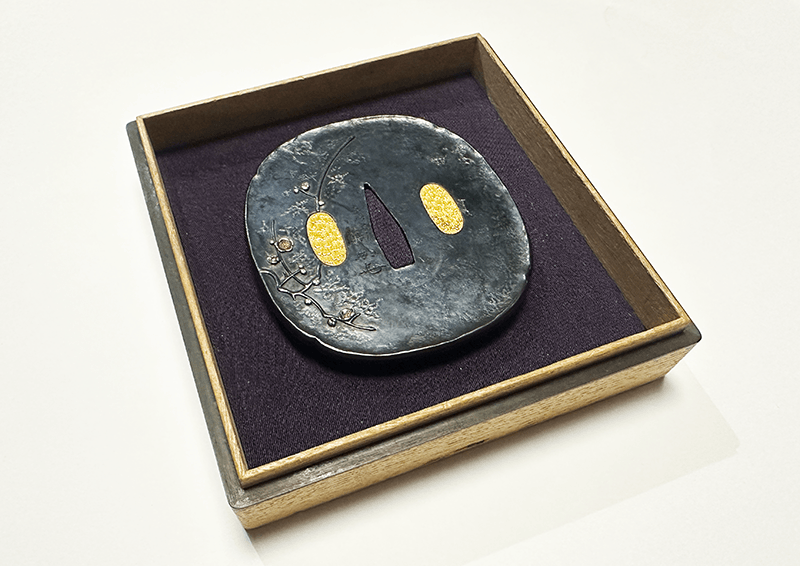
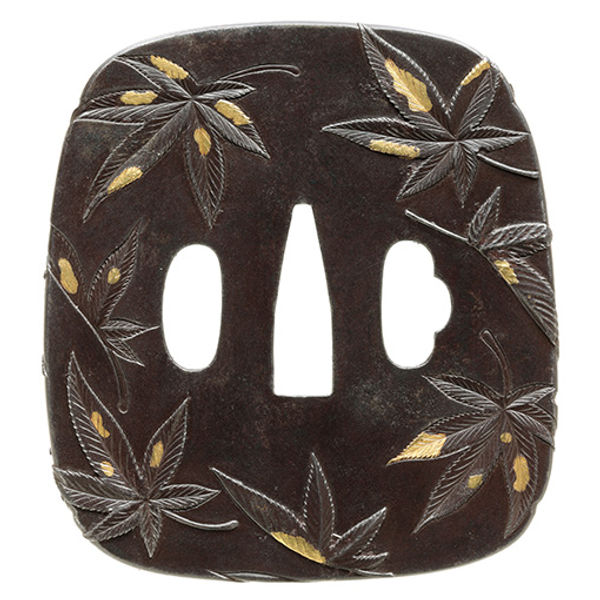
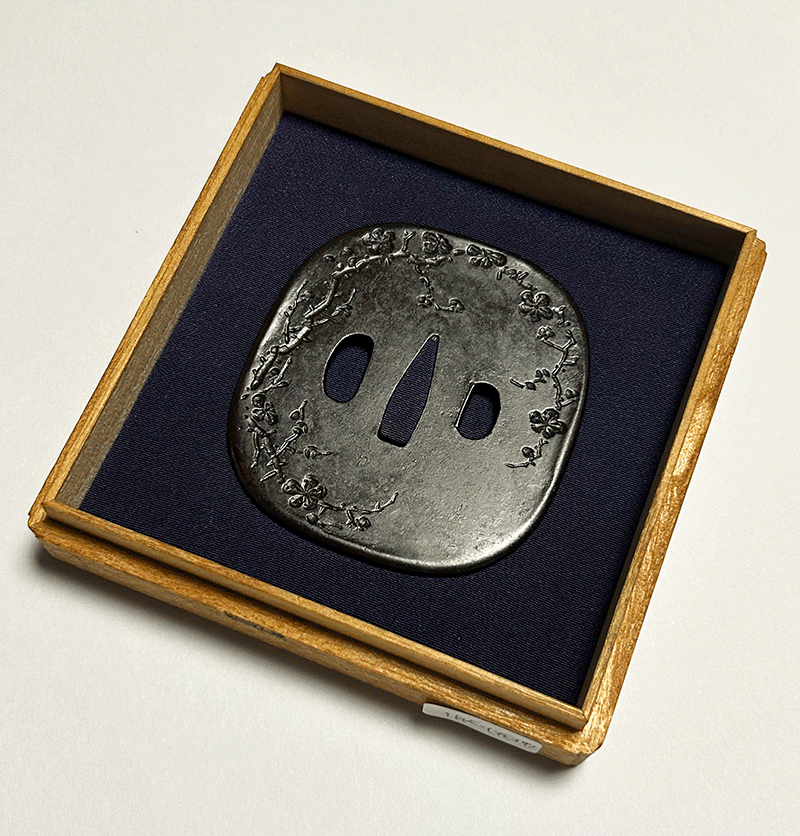
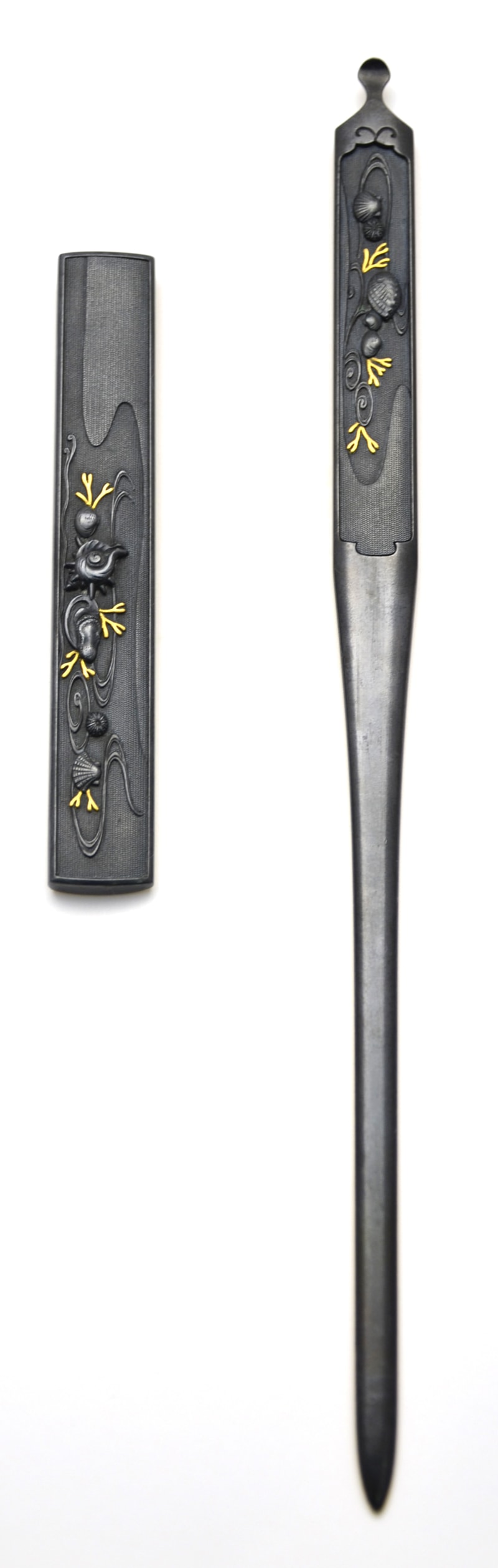
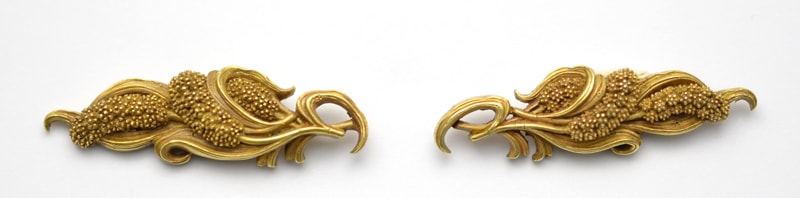
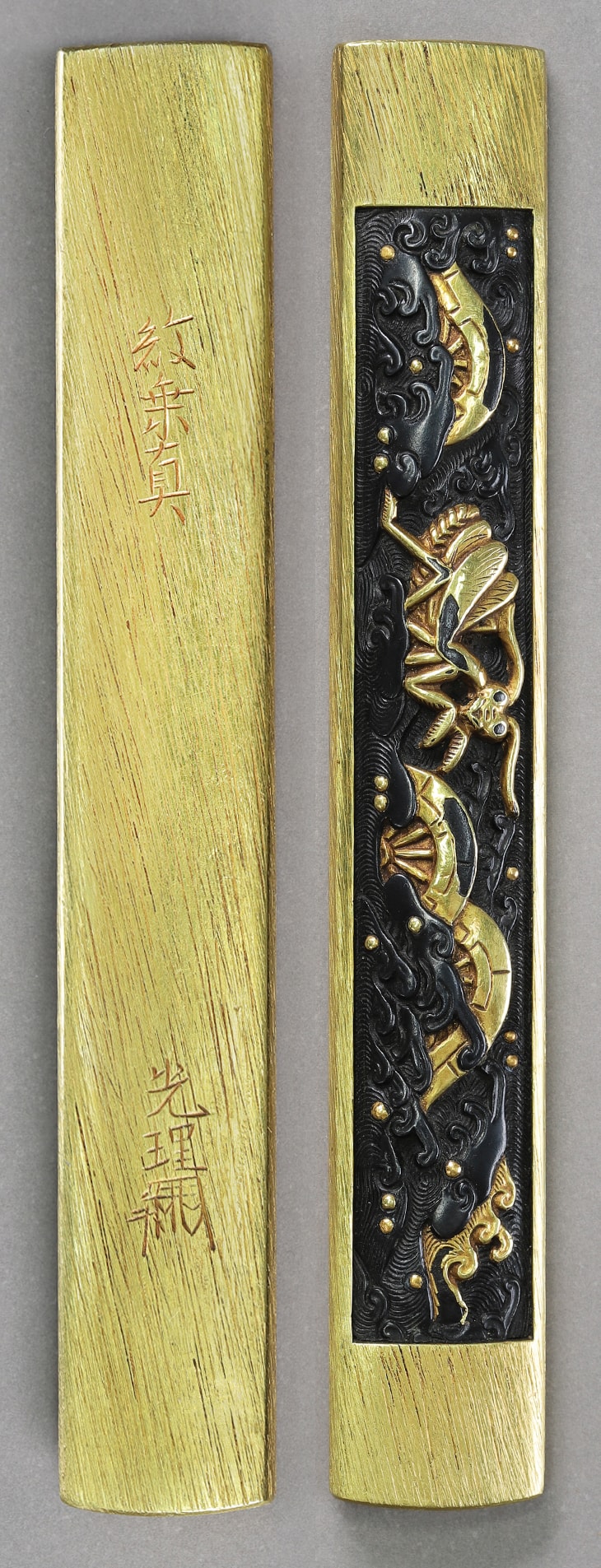
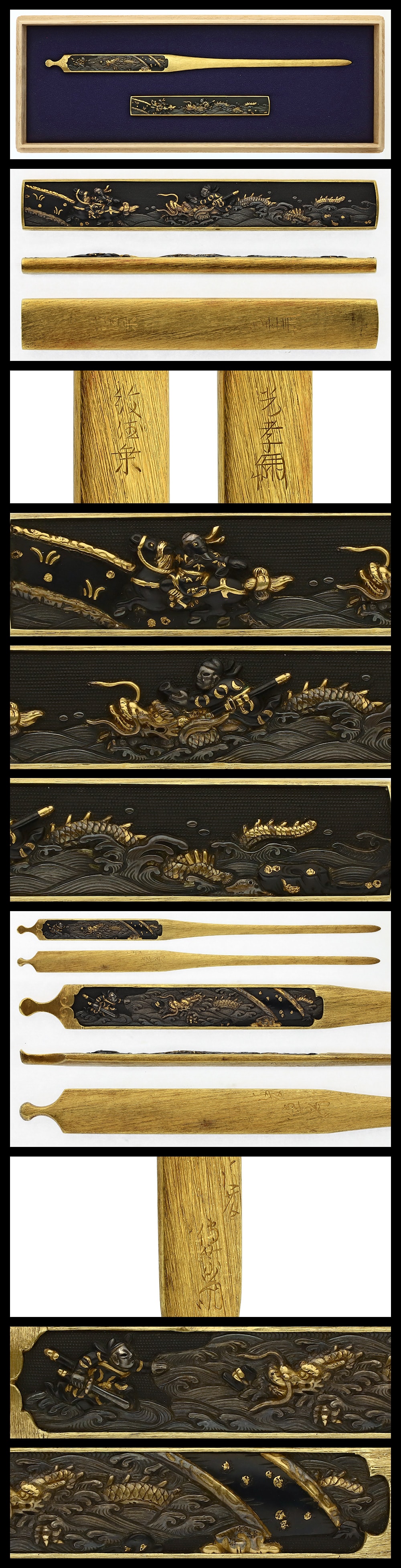
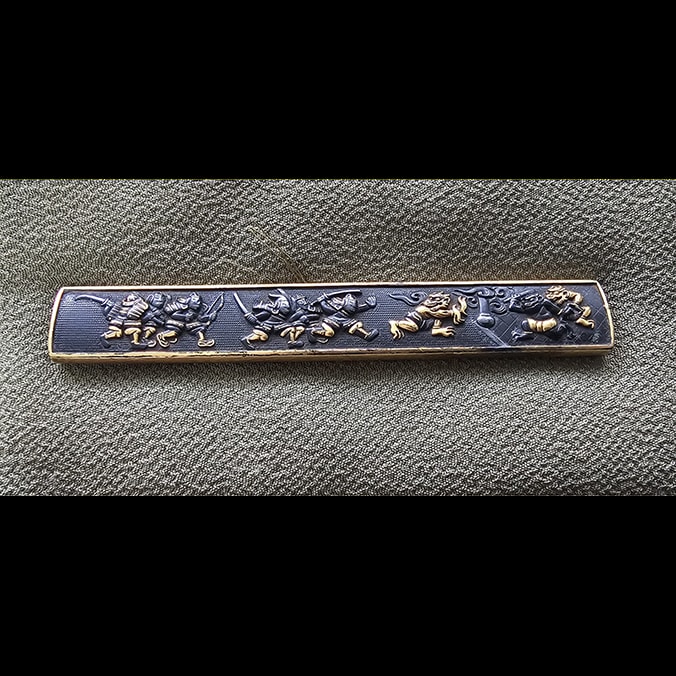
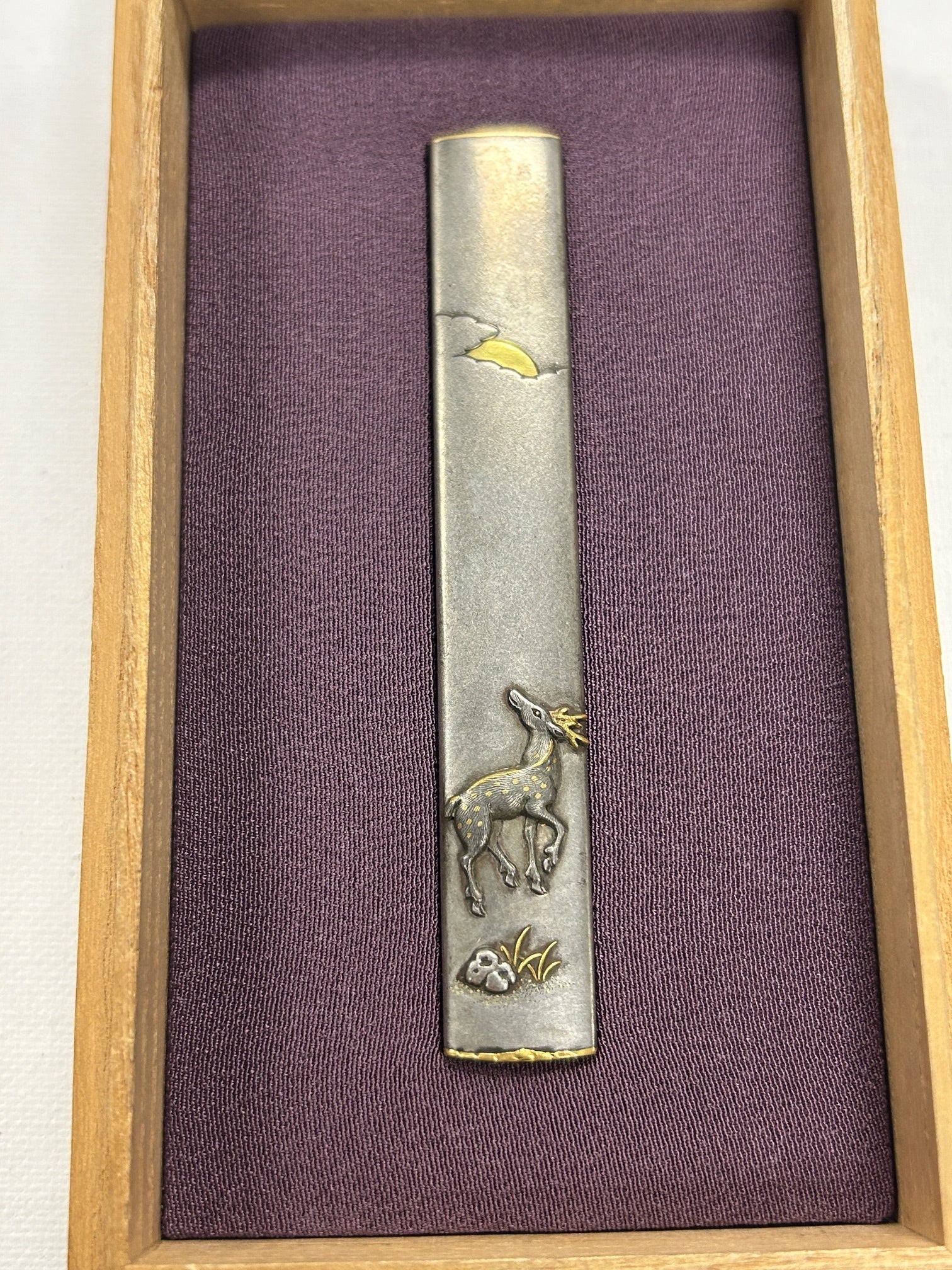
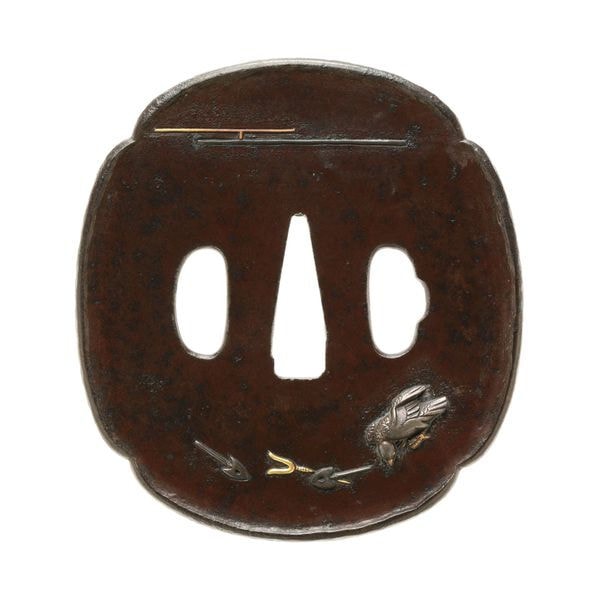
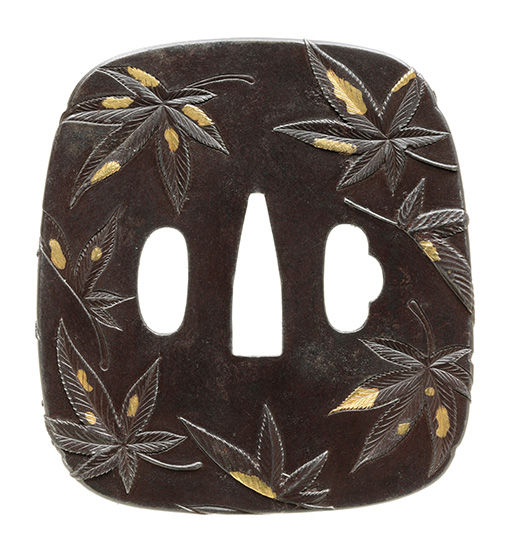
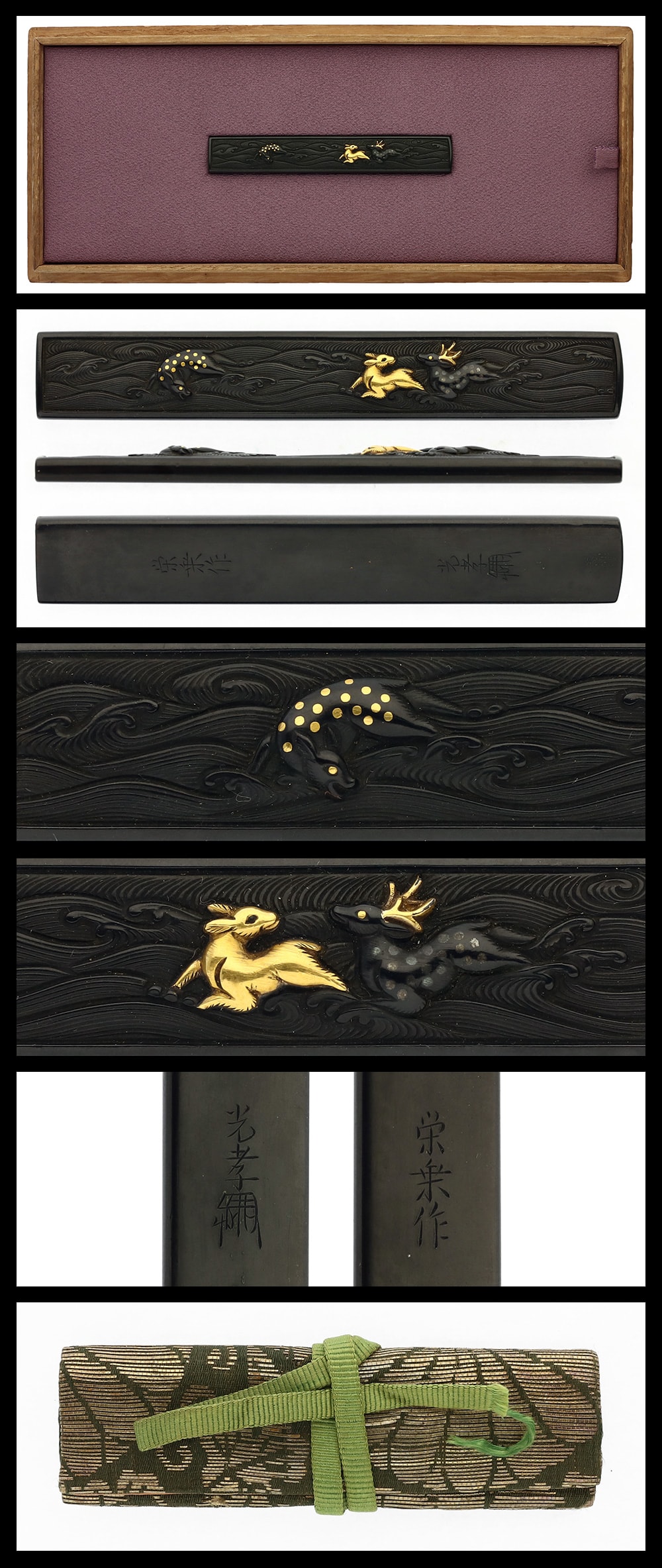
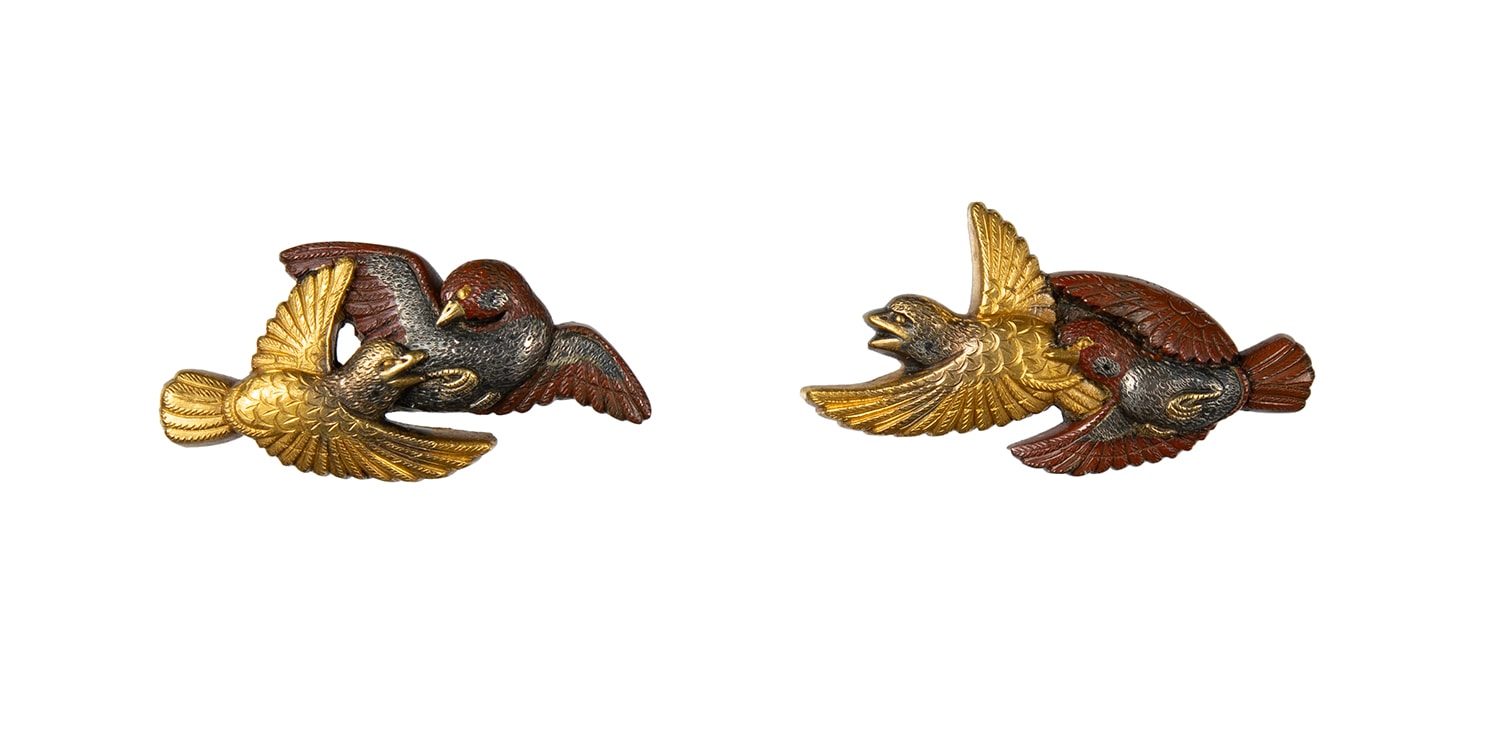
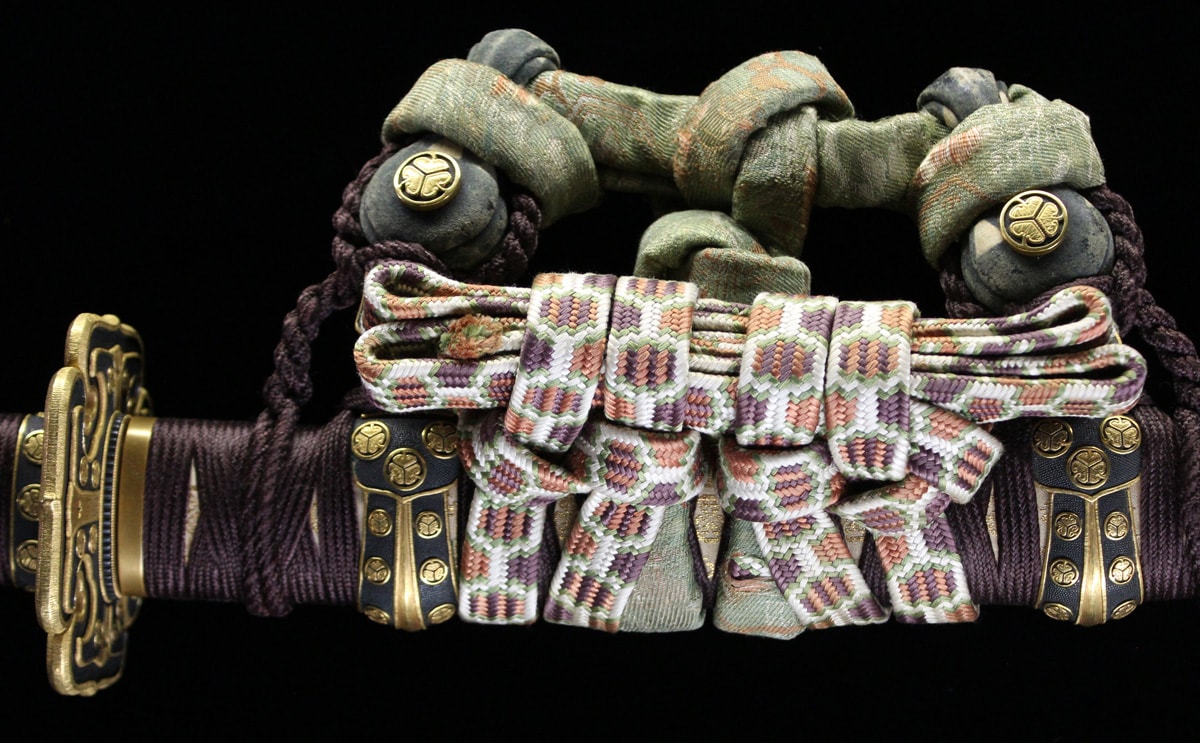
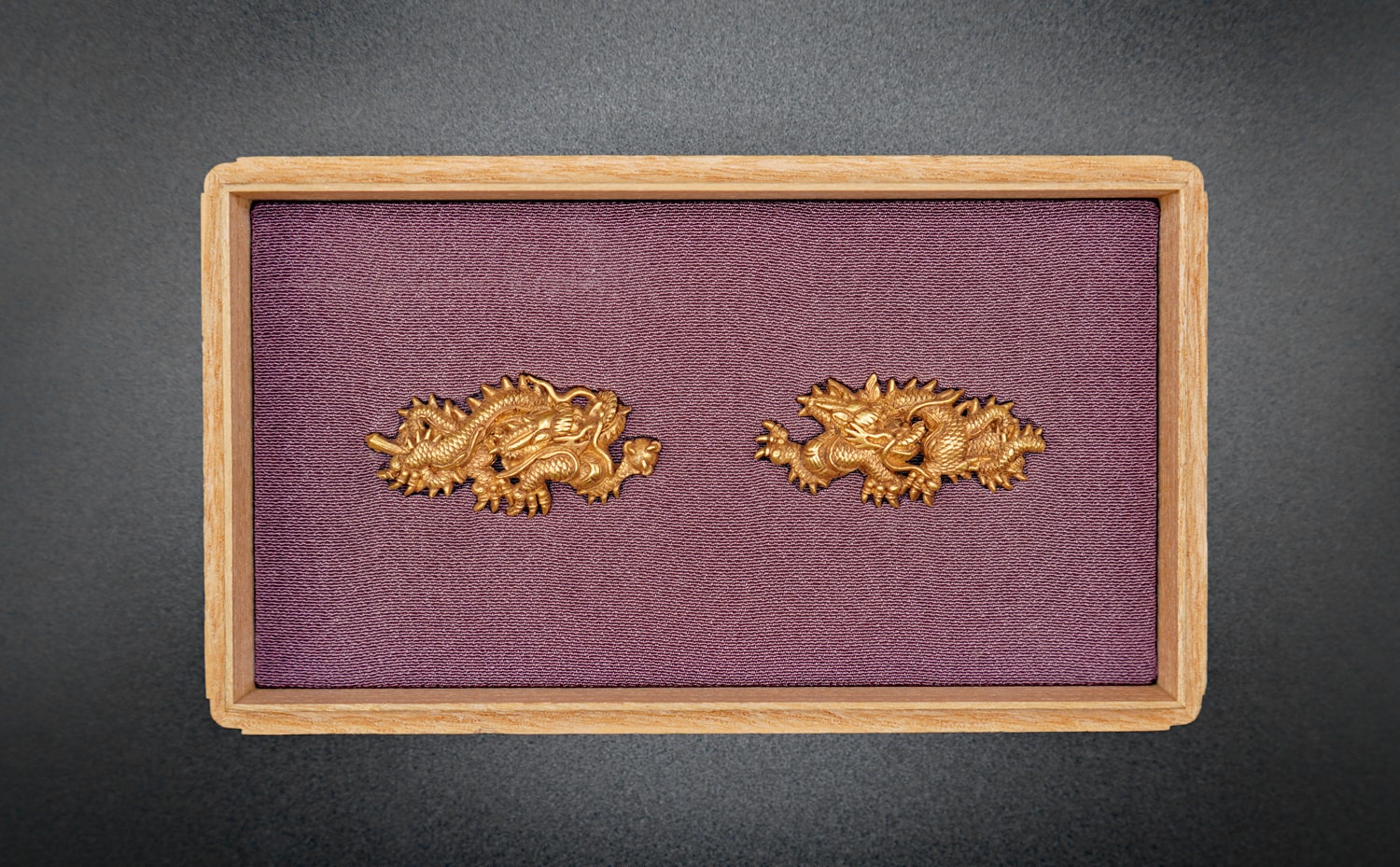
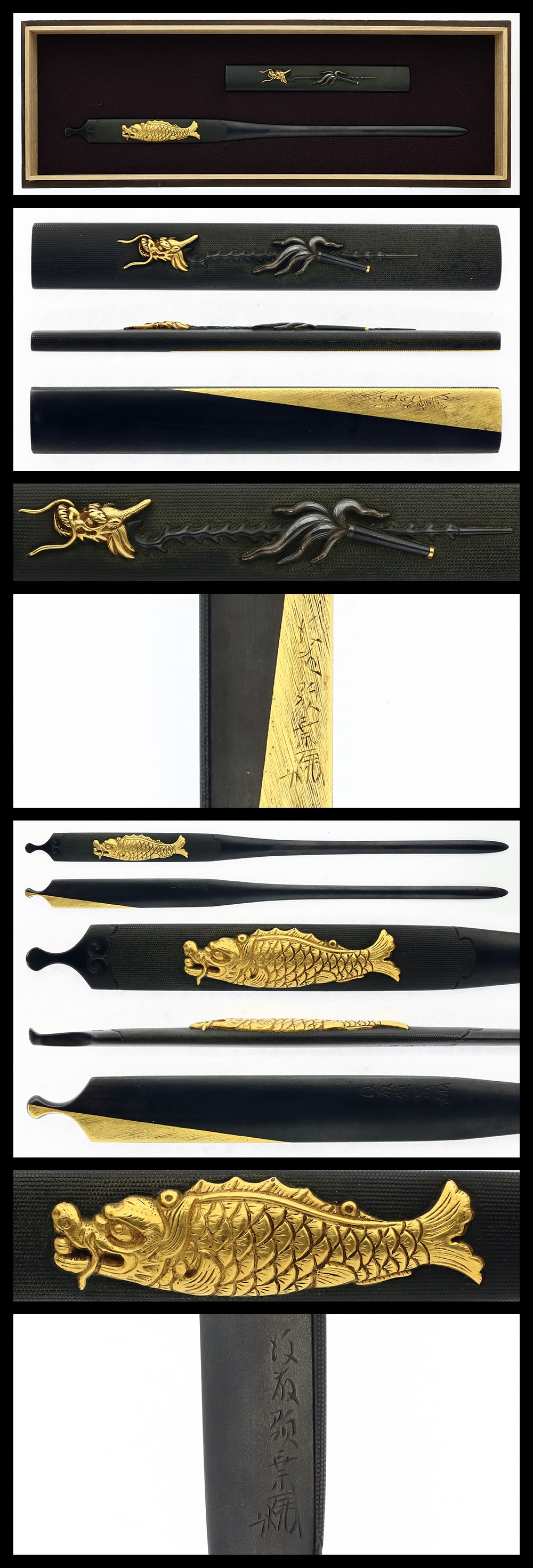
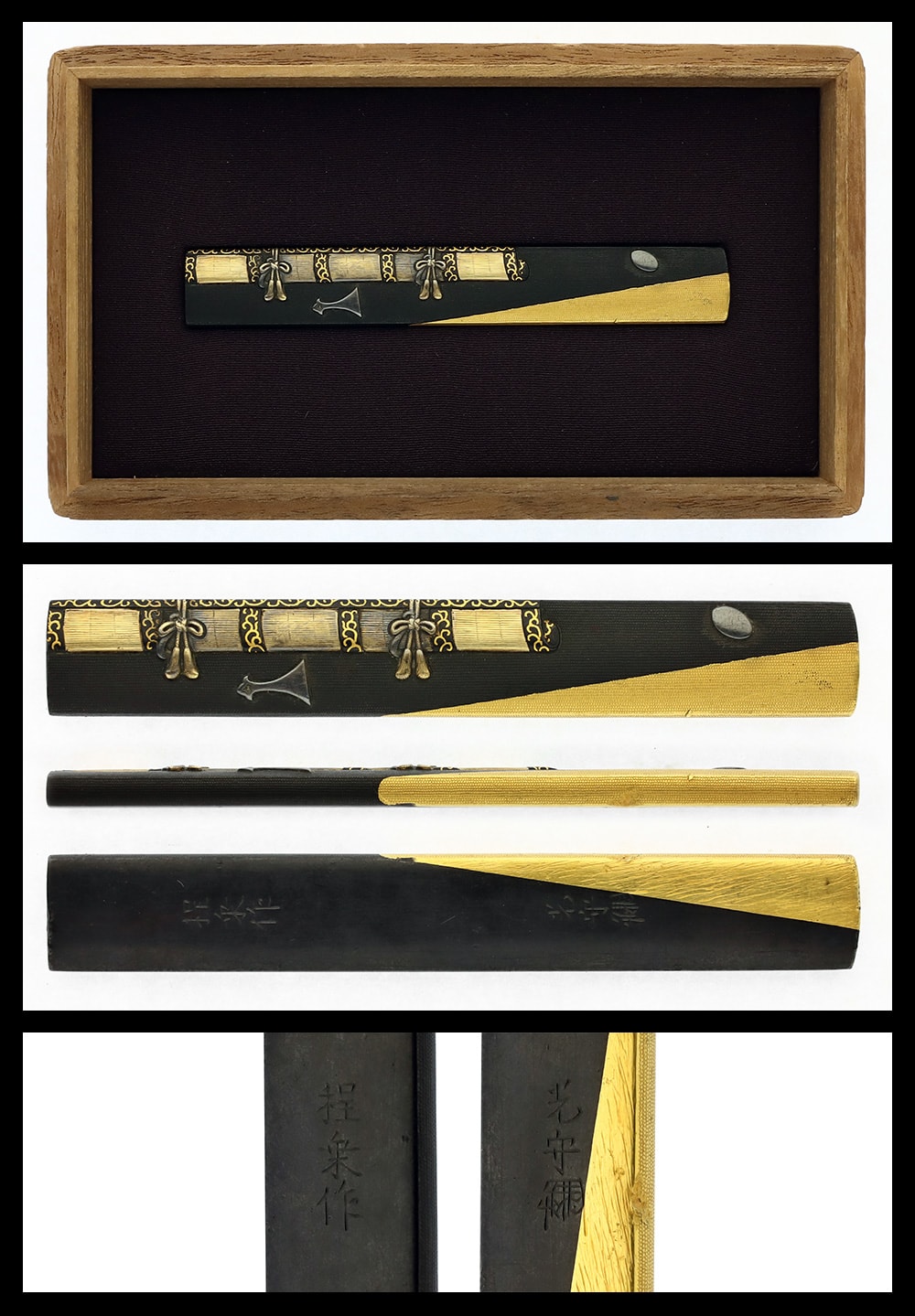
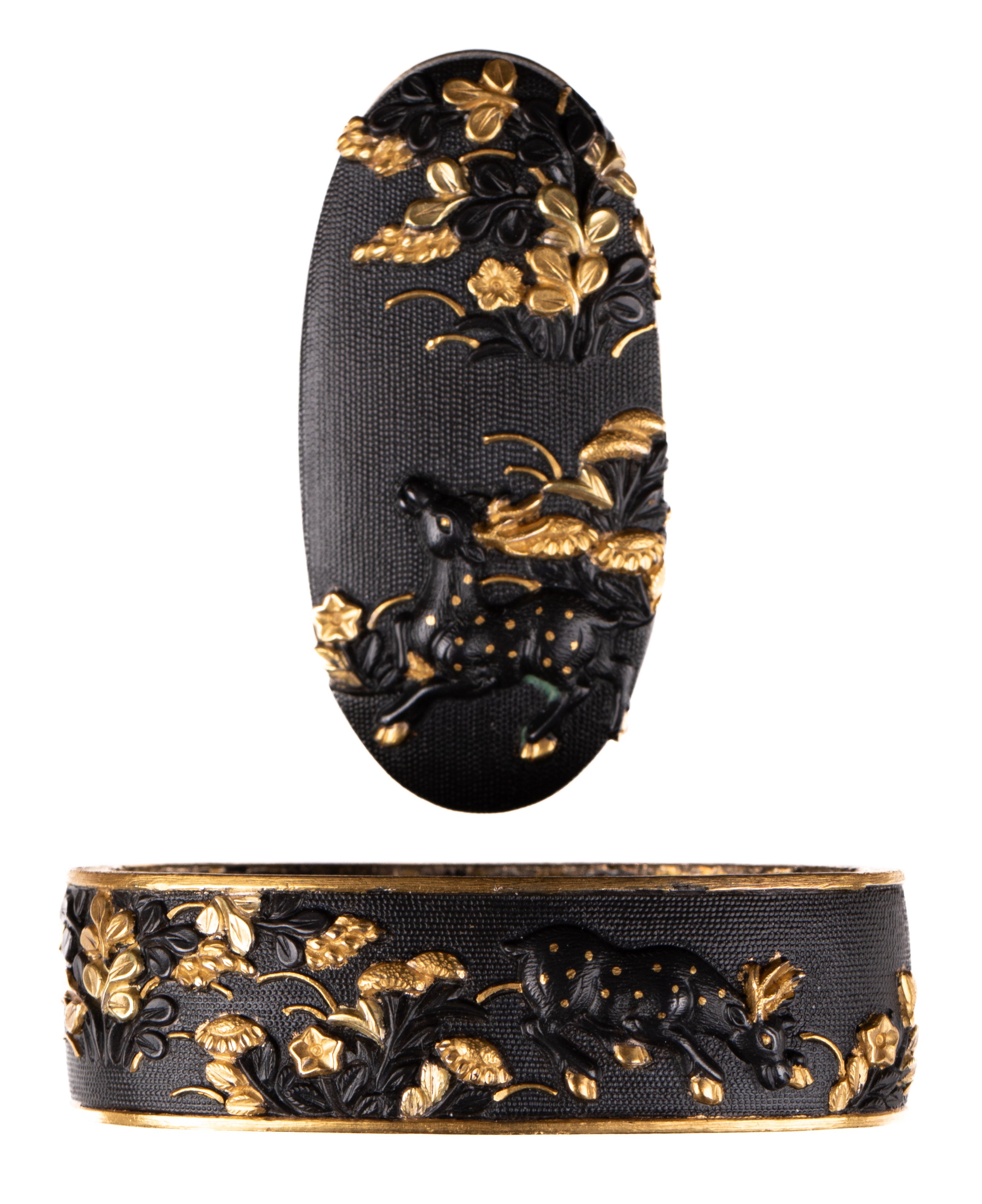
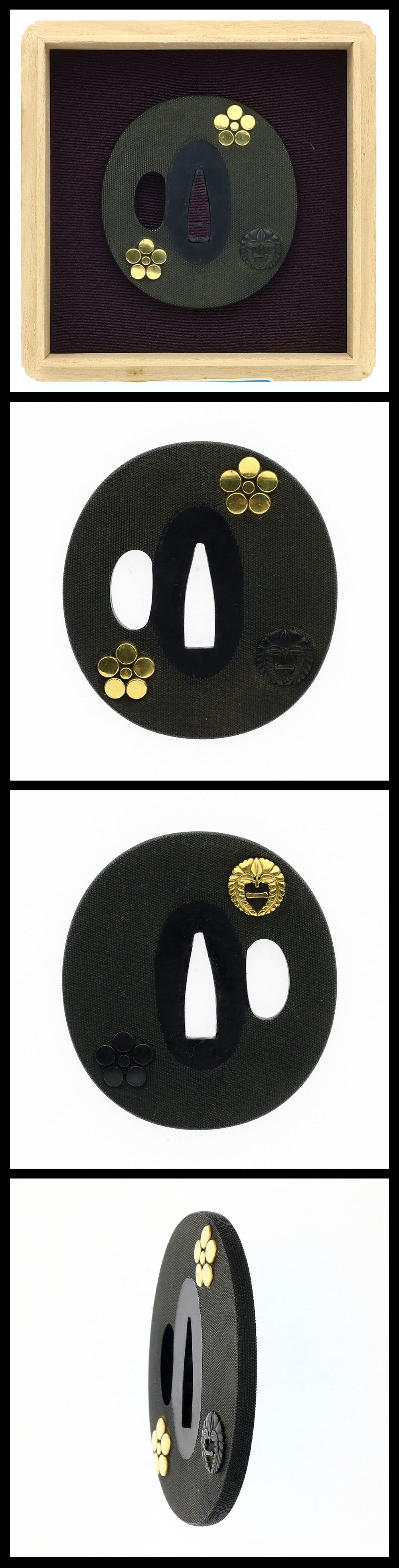
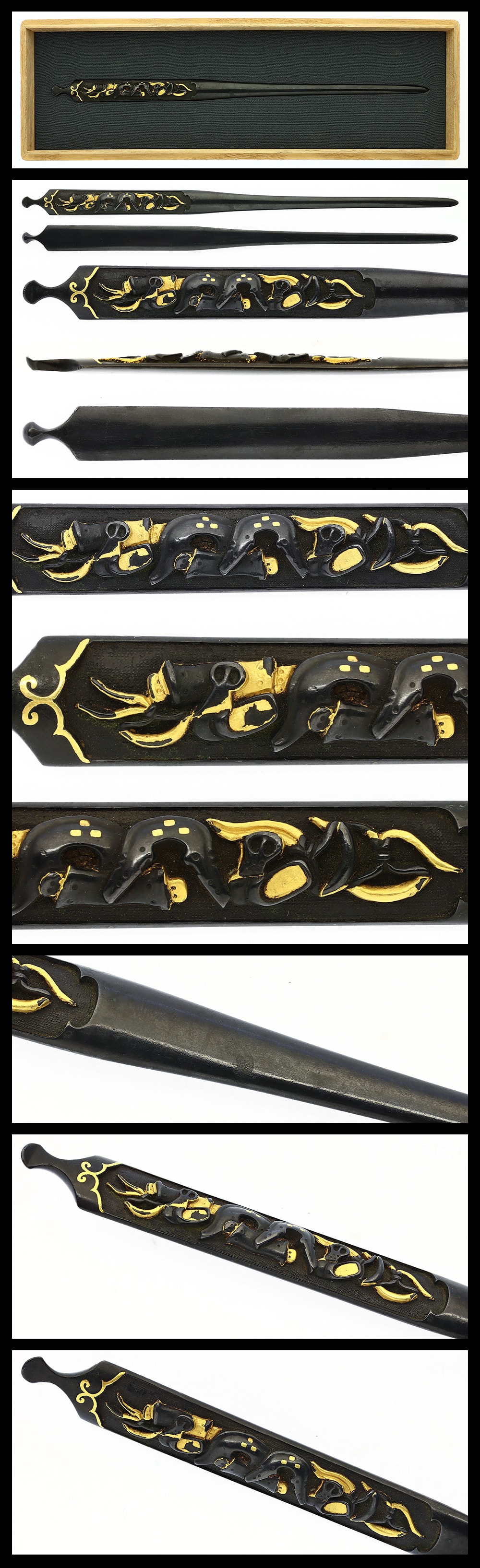
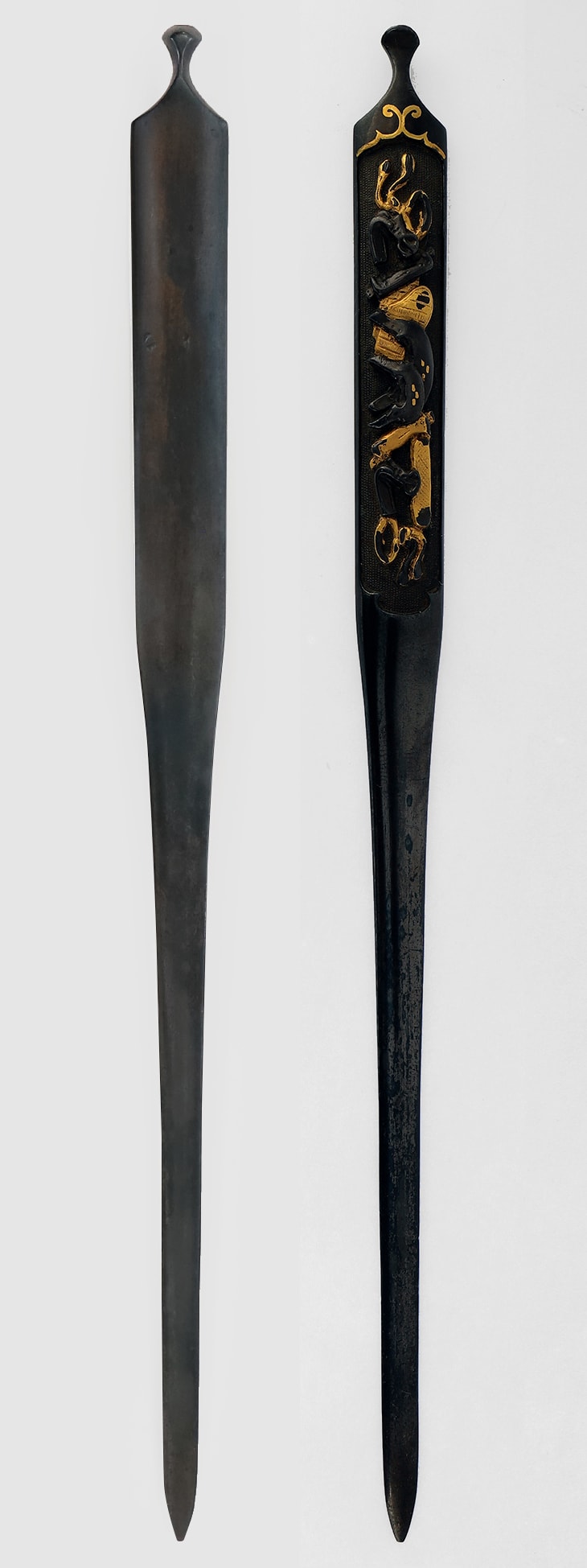
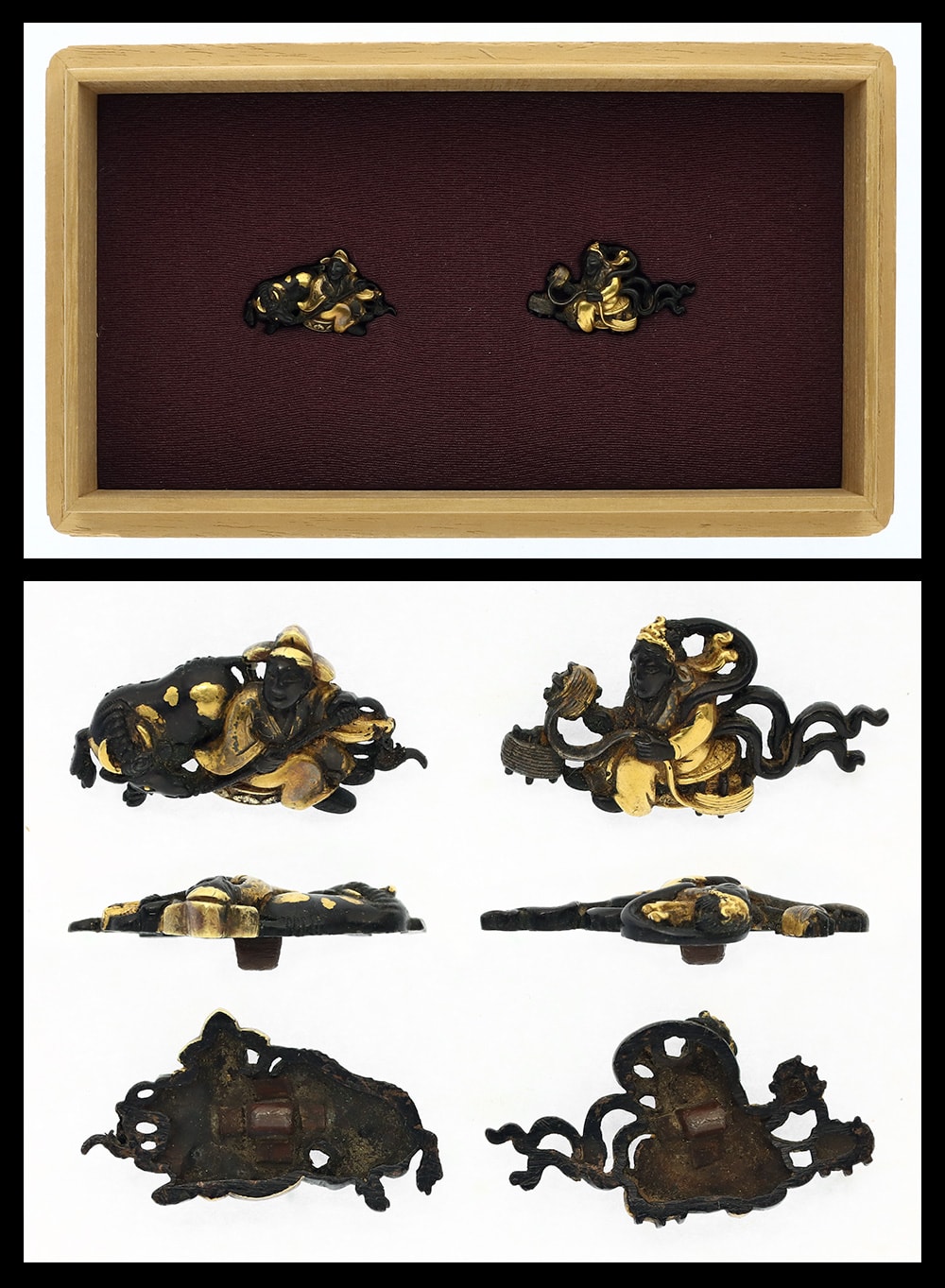
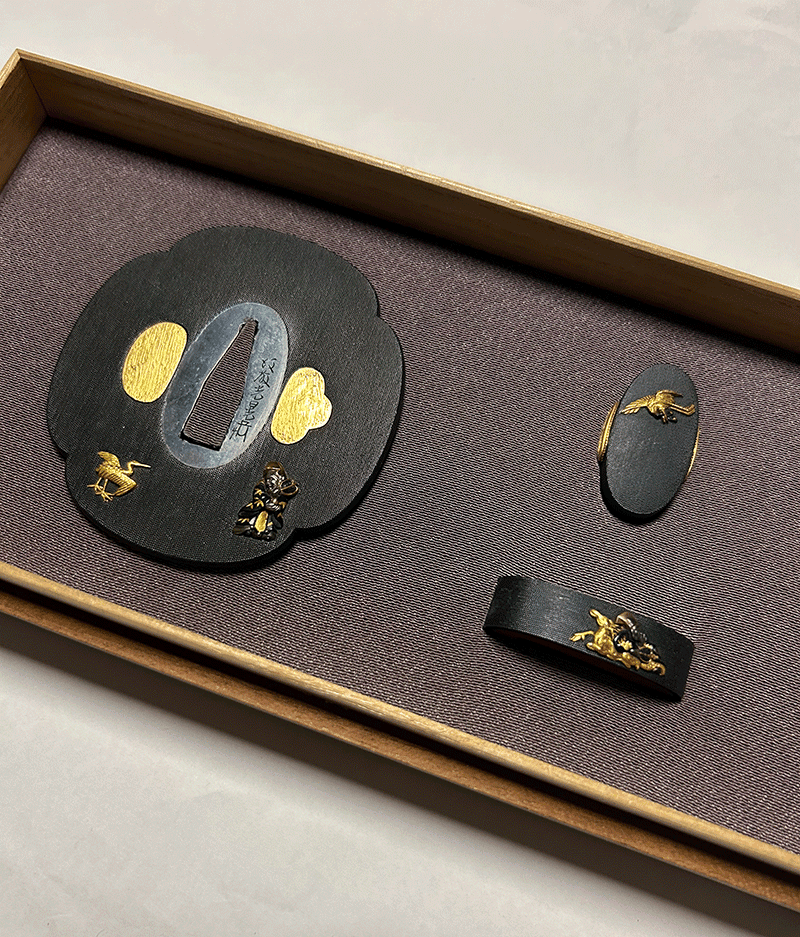
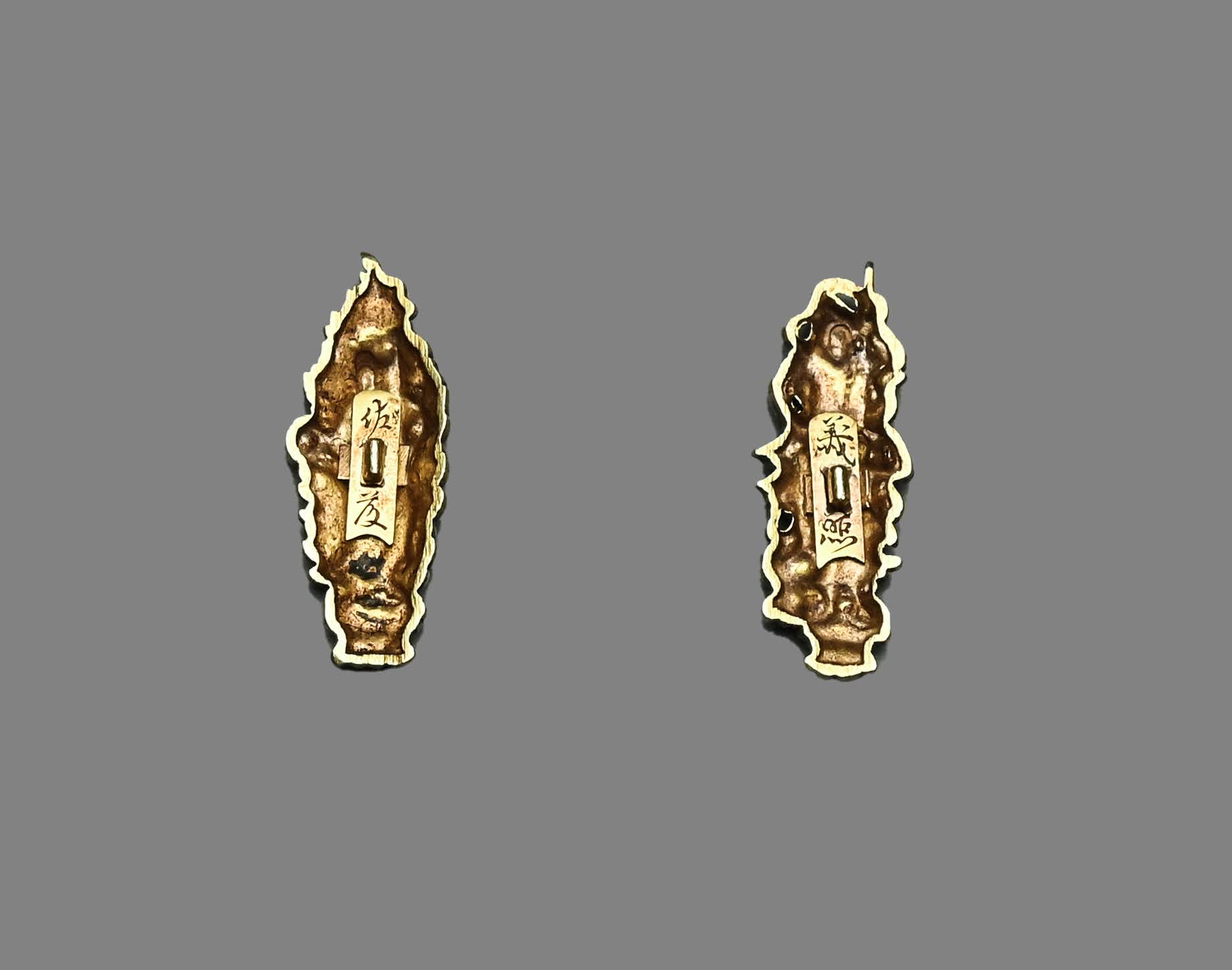
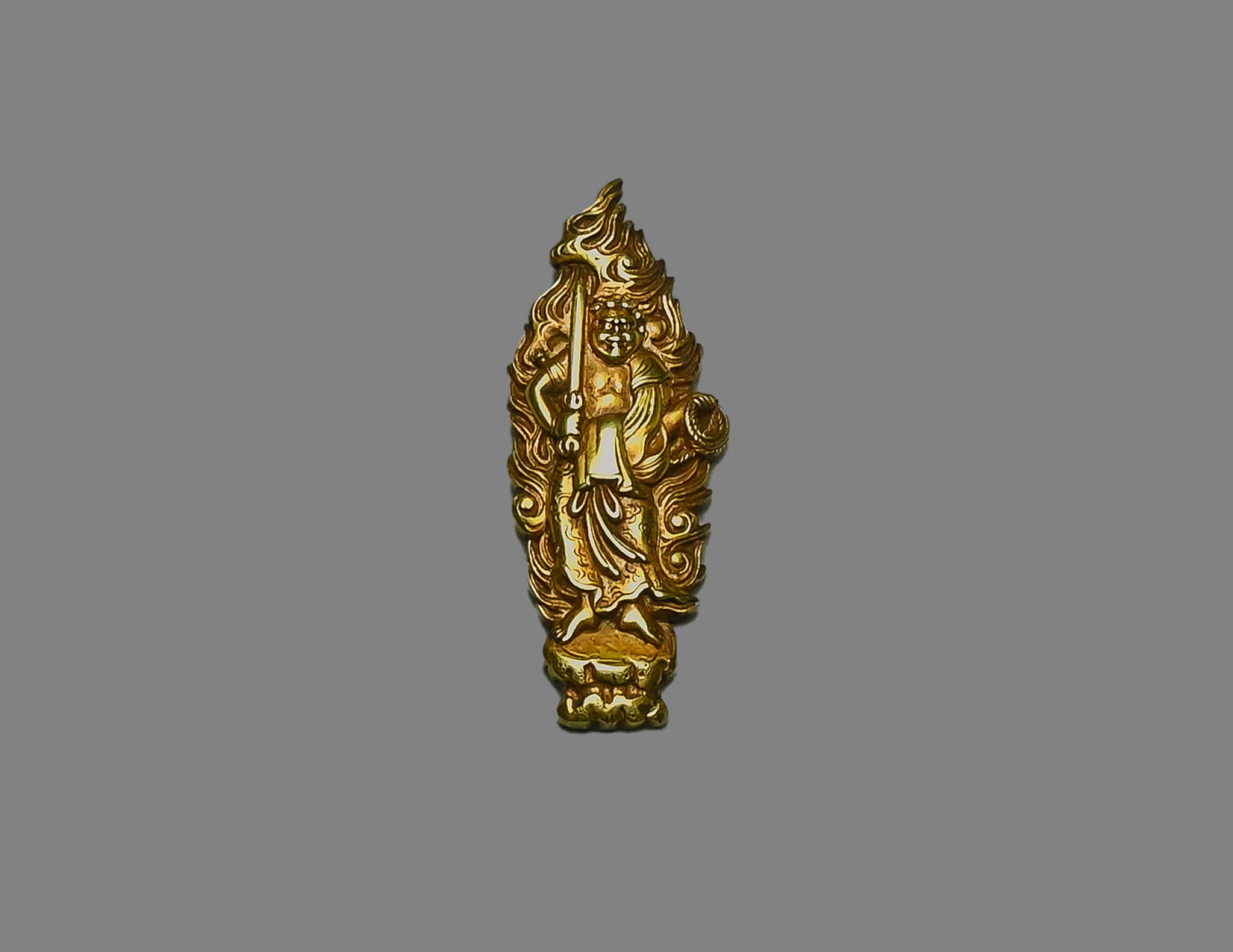
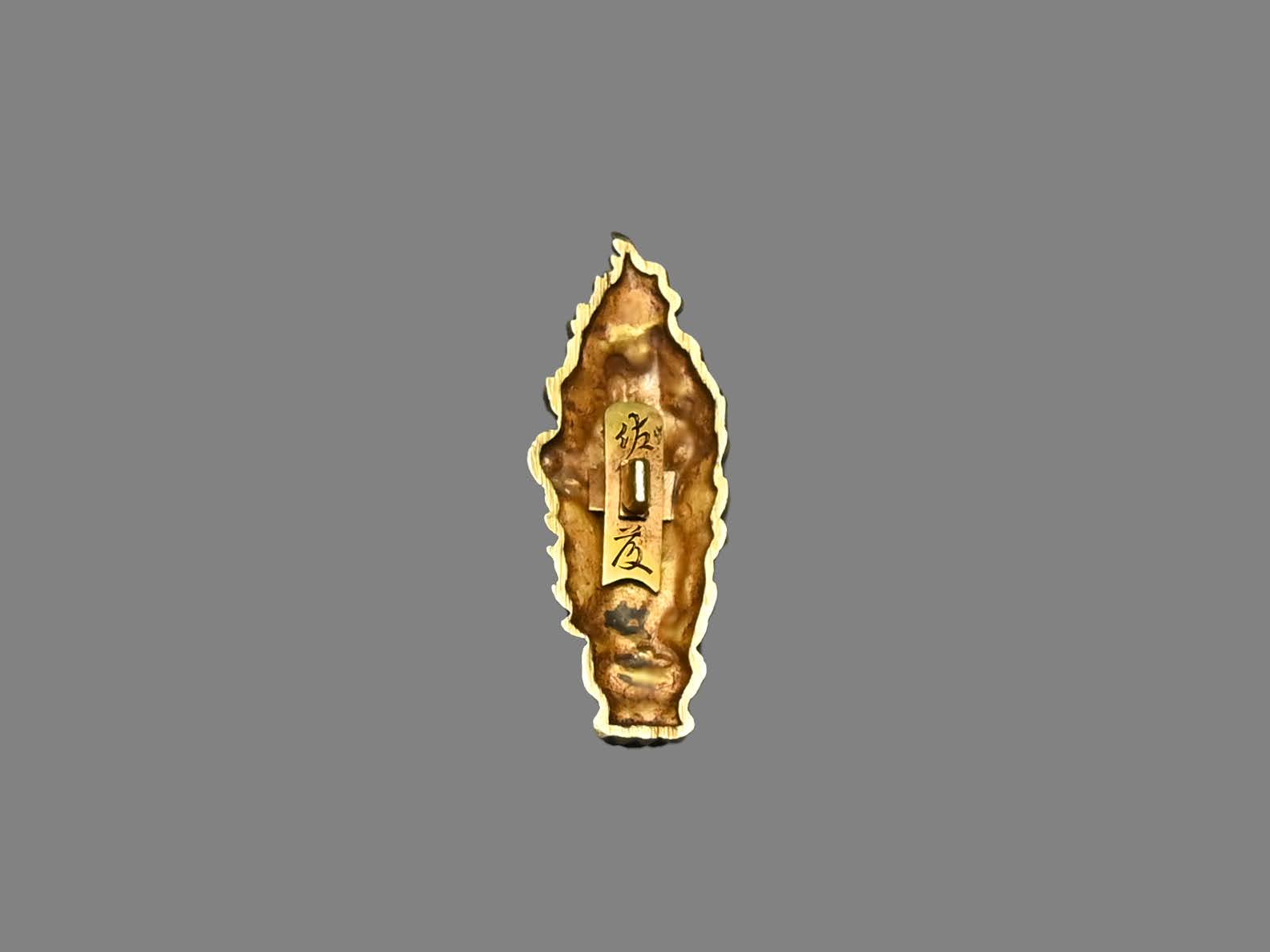
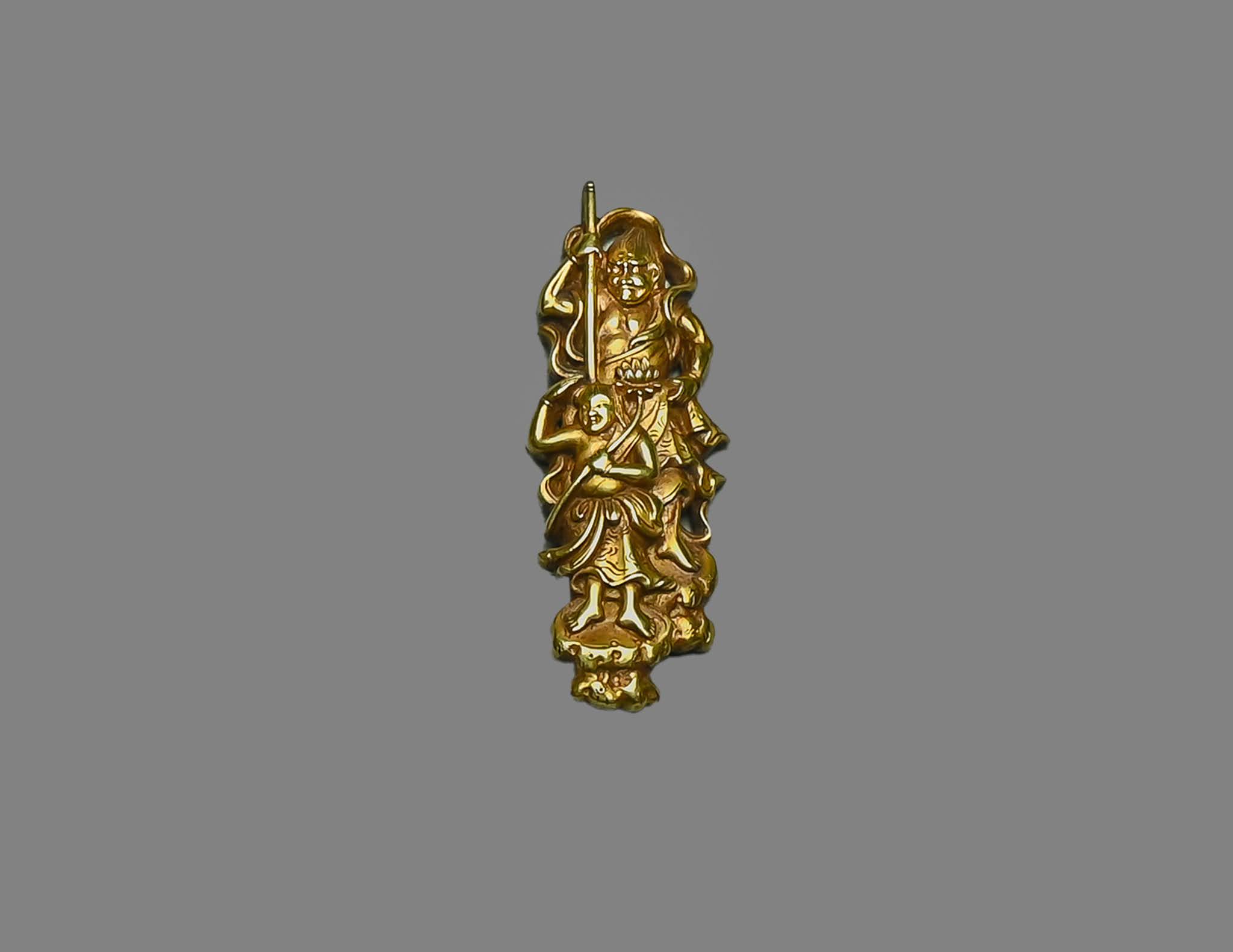
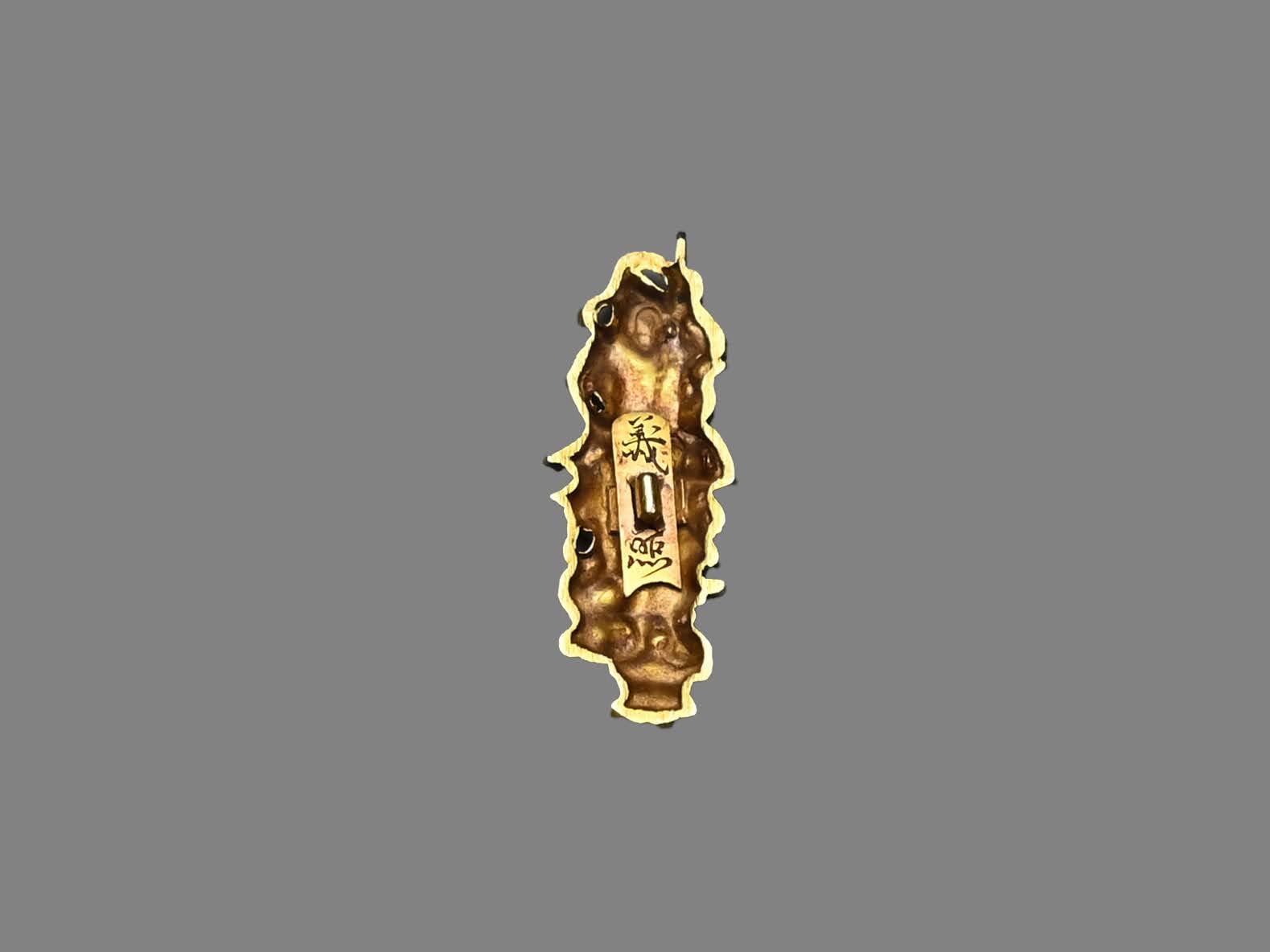
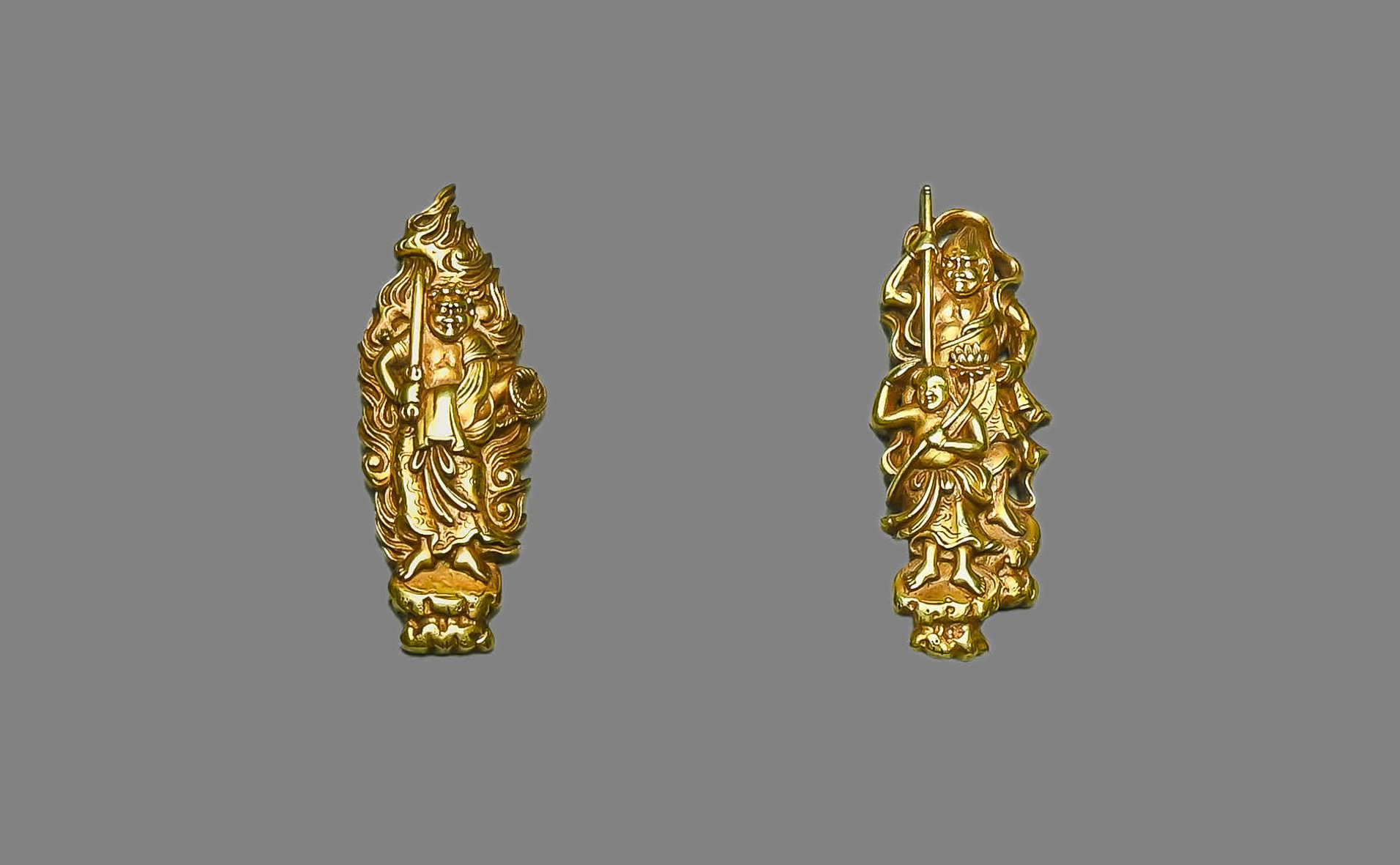
A pair of menuki signed by Sato Yoshiteru, depicting Fudosanson. Yoshiteru studied under Araki Tomei from the Goto Ichijo school, and later became an apprentice of Sato Toho. This piece is a remarkable depiction of the Fuddosanson done in gold with extraordinary attention to detail.
 NihontoWatchBETA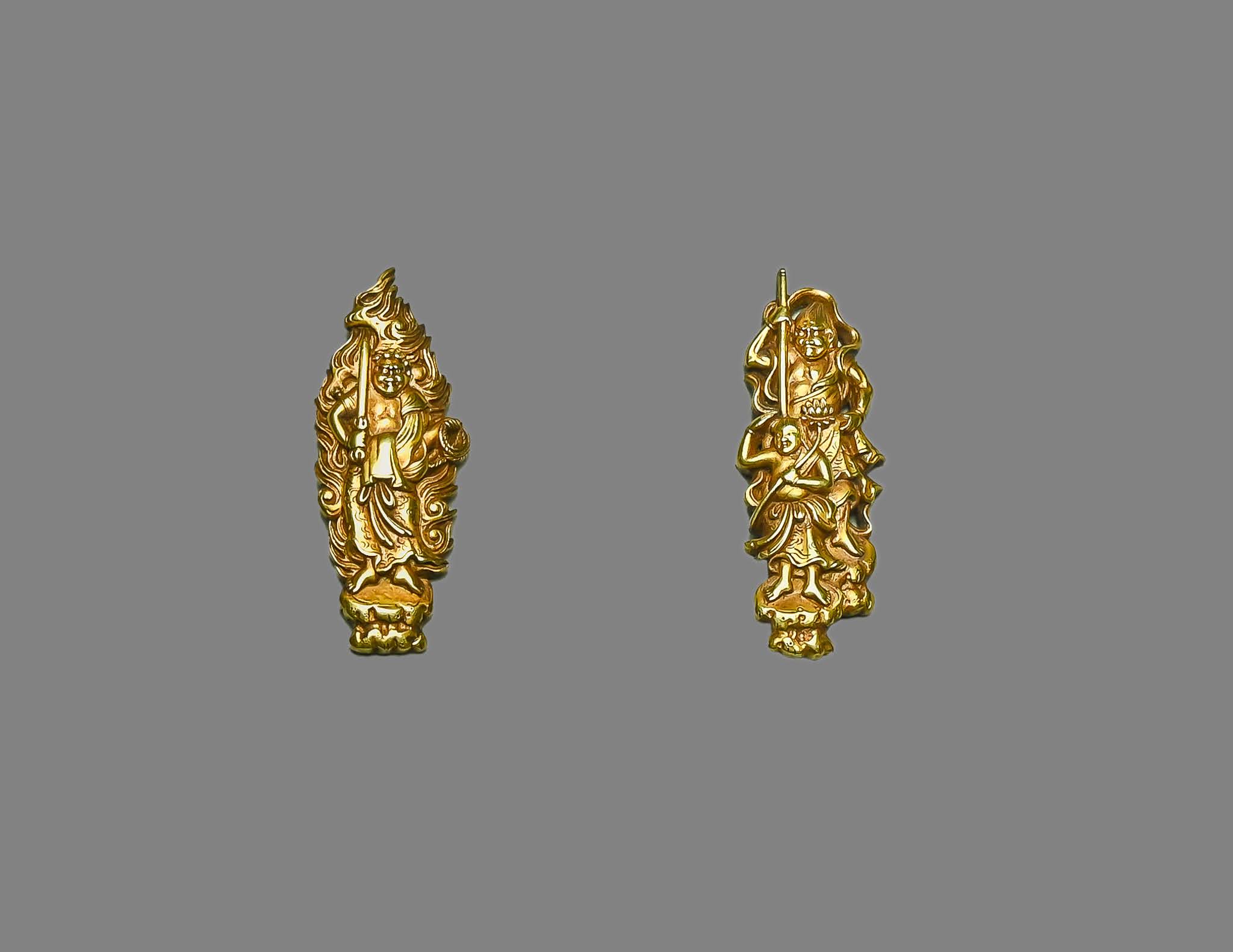
Ichijo Yoshiteru
Edo
Signed
Tokuho (NBTHK)
Iebori
2 pieces on the market now
Tōgintei Yoshiteru, whose former surname was Nose, was born in Kyoto in Bunka 11 (1814). He first studied under Araki Tōmei, himself a disciple of Gotō Ichijō, before entering the school of Satō Tōhō. Upon establishing himself independently, Yoshiteru married into the Satō house, succeeding to its name and lineage. The Satō family maintained long-standing connections with the Fushimi-no-miya imperial-princely household and held the privilege of wearing swords — a distinction that naturally conferred an elevated social standing upon its members. Yoshiteru also employed the art names Kōfukutei and Tōgintei, the latter meaning "Pavilion of Eastern Chant," reflecting his personal devotion to yōkyoku (Nō chanting).
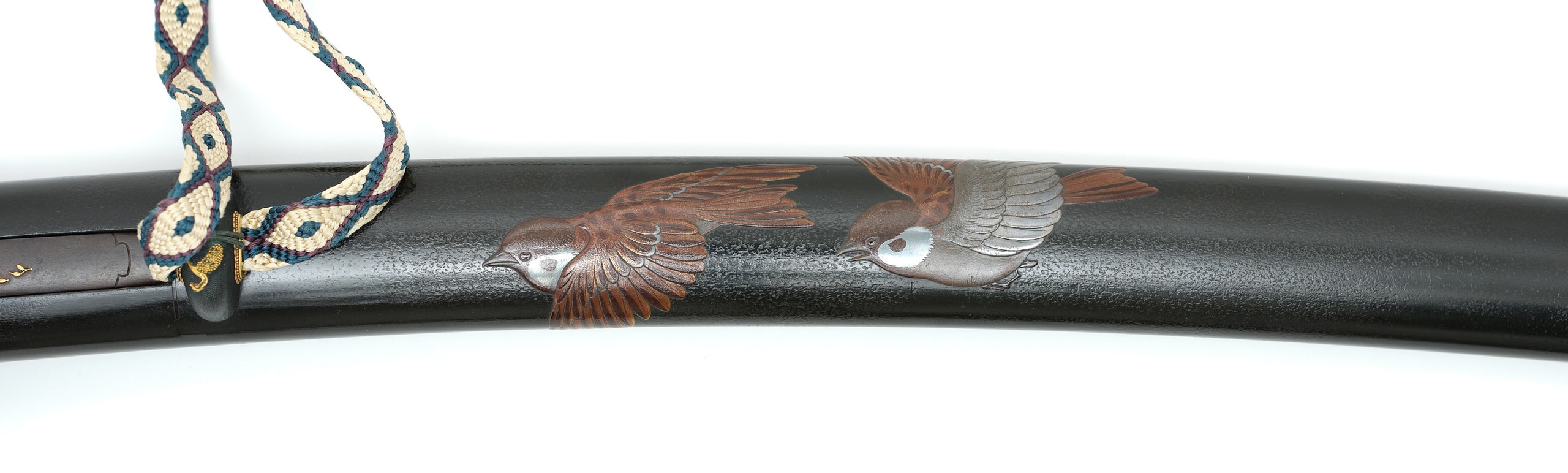
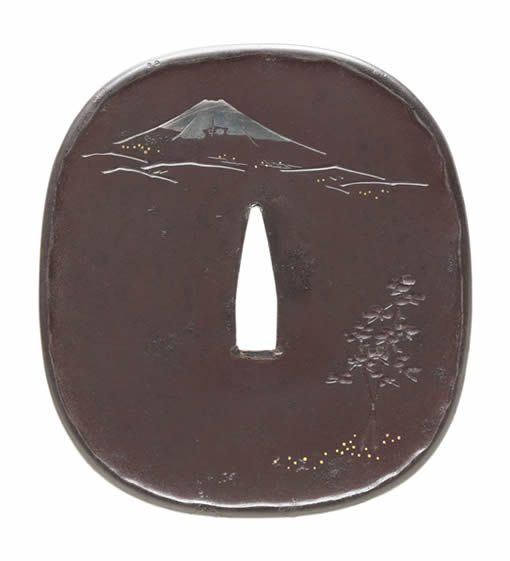
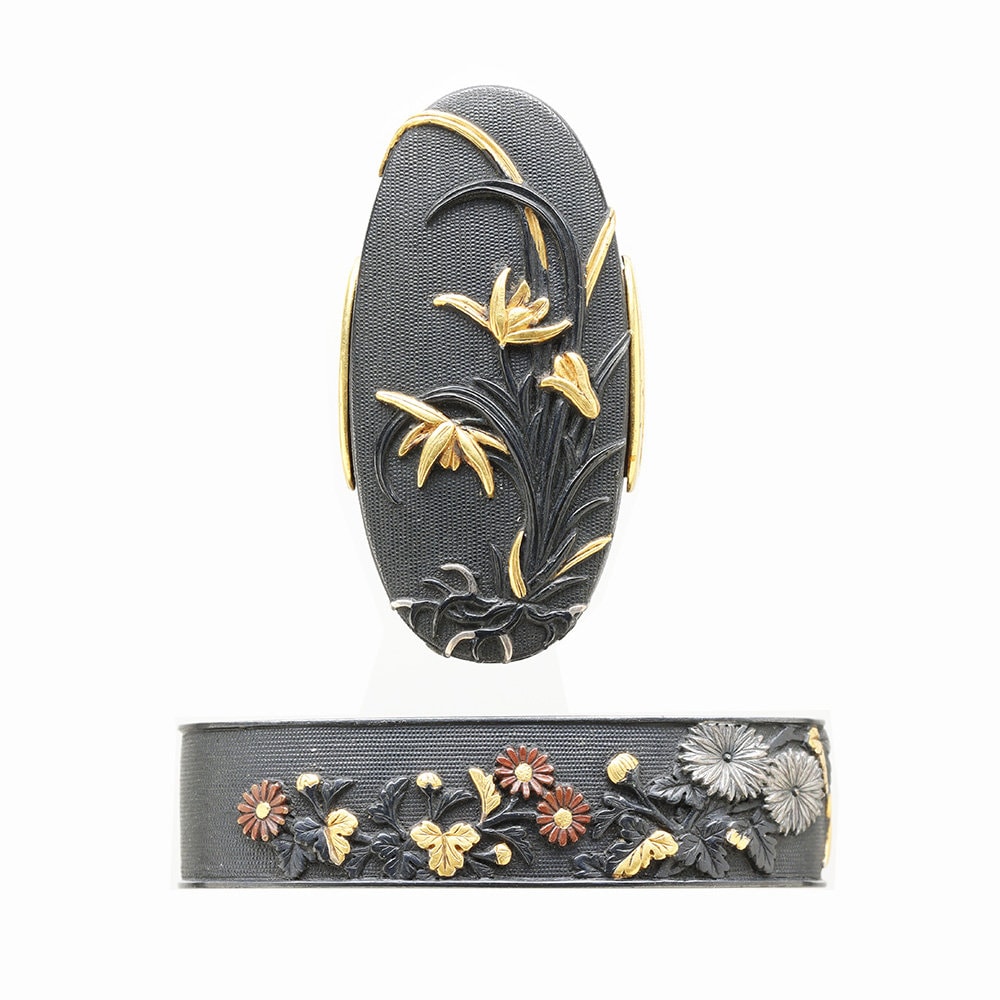
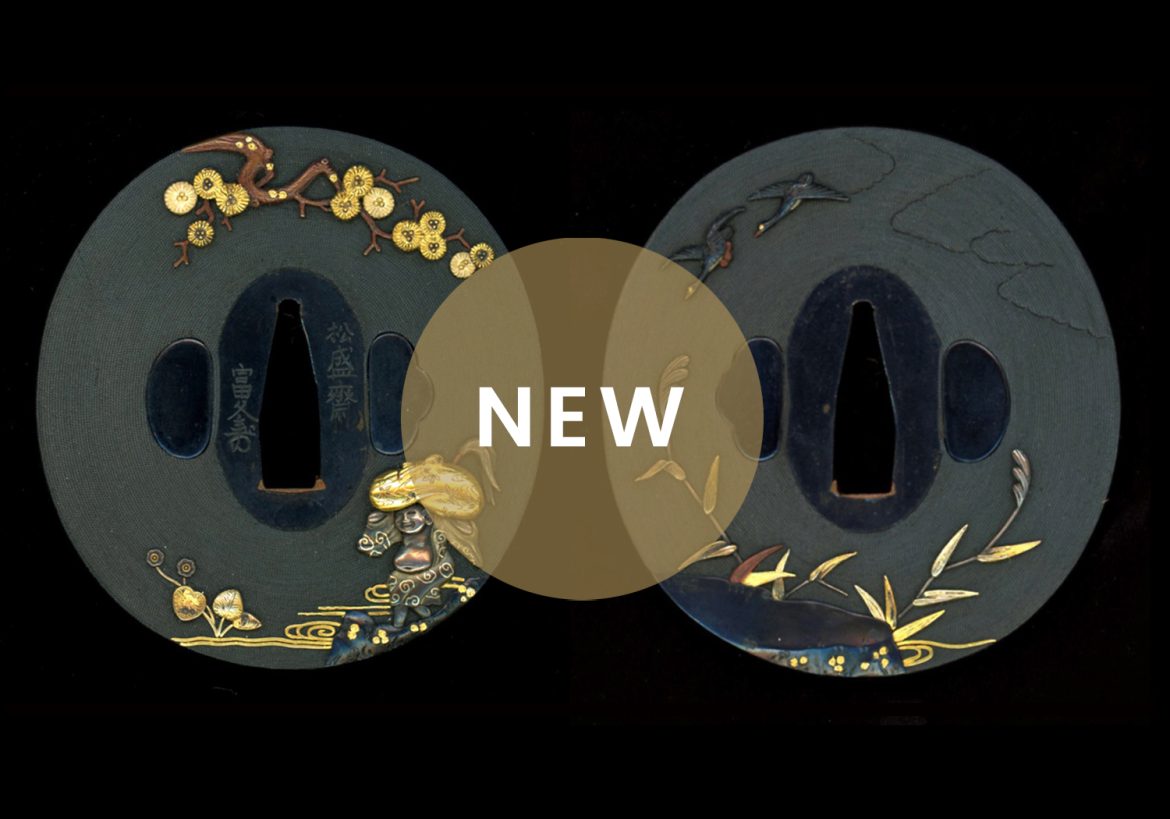
Yoshiteru's oeuvre is characterized by compositions of refined dignity executed on finely worked nanako-ji grounds in shakudō or silver. His preferred technique is sukidashi-takabori — orderly high-relief carving raised from the plate surface — enriched with polychrome iroe in gold, silver, shibuichi, and hi-irodō. A painterly, sketch-from-life sensibility governs his compositions, whether depicting flowers and birds of the four seasons, autumn grasses with descending wild geese, water dragons, or the implements of Shiki Sanban Nō performance. Both the sumi-iri mokkō-gata and tatemaru-gata forms appear among his tsuba, consistently finished with kaku-mimi ko-niku rims and demonstrating unmistakable Kyoto character in their carving.
The NBTHK repeatedly identifies Yoshiteru's works as possessing a high sense of dignity in both design and technique, conveying throughout "an unmistakably Kyōto-style refinement and elegant taste." His daishō tsuba pairs are cited as achievements that "fully reveal Yoshiteru's elevated technical accomplishment," with compositional sense and carving technique recognized as among the finest of his oeuvre. As a Kyoto metalsmith active at the close of the shogunate period, Yoshiteru occupies a distinguished position within the late machibori tradition, producing works enveloped in what the designating body describes as "a clear, tasteful atmosphere."
Where Yoshiteru stands among comparable artisans: across all of nihontō, and within tradition, era, and period. The tiers (Foremost · Leading · Major · Notable) weigh official designations from the NBTHK and Japan's Agency for Cultural Affairs, together with historical honors of lasting repute such as the Sansaku and Meibutsu-chō.
Select a lens to see how it's measured.
Iebori · Kyoto
29 pieces on the market now
" Ichijo was the fifth-generation head of the Shichiroemon house, a cadet branch of the Goto family, and trained under Hanzaemon Kamejo before succeeding to the headship at fifteen. His imperial commissions -- fittings for Emperor Kokaku in 1824 and Emperor Komei in 1862 -- earned him the ranks of Hokyo and Hogen respectively, and his atelier in Kyoto attracted a circle of gifted disciples who extended his aesthetic into the Bakumatsu and early Meiji periods. Learn more →
| Smith | Era | Designated |
|---|---|---|
| Goto Ichijo後藤一乗 | — | 91 |
| Tomei東明 | — | 32 |
| Nagatake永武 | — | 14 |
| Ikkin一琴 | — | 11 |
| Issho一匠 | 1828-1876 | 10 |
A Hozon-certified fitting of notably superior craftsmanship and condition, often with signature or workmanship of high reference value.
The NBTHK (Nihon Bijutsu Tōken Hozon Kyōkai, the Society for the Preservation of Japanese Art Swords) is a public-interest incorporated foundation founded in 1948 and supervised by Japan’s Agency for Cultural Affairs (Bunkachō); it is based at the Japanese Sword Museum in Tokyo. Its expert panels physically examine each submitted work (shinsa) and issue a certificate (kanteishō) ranking it by artistic and historical merit. NBTHK papers are the most widely recognized standard of authentication for Japanese swords and fittings.
NBTHK official siteReturns accepted within 7 days of receipt (JP terms; EN page states 3 days). Customer must contact within the window and return at own cost. Refund after items confirmed in original condition; repair fees charged if damage occurs.
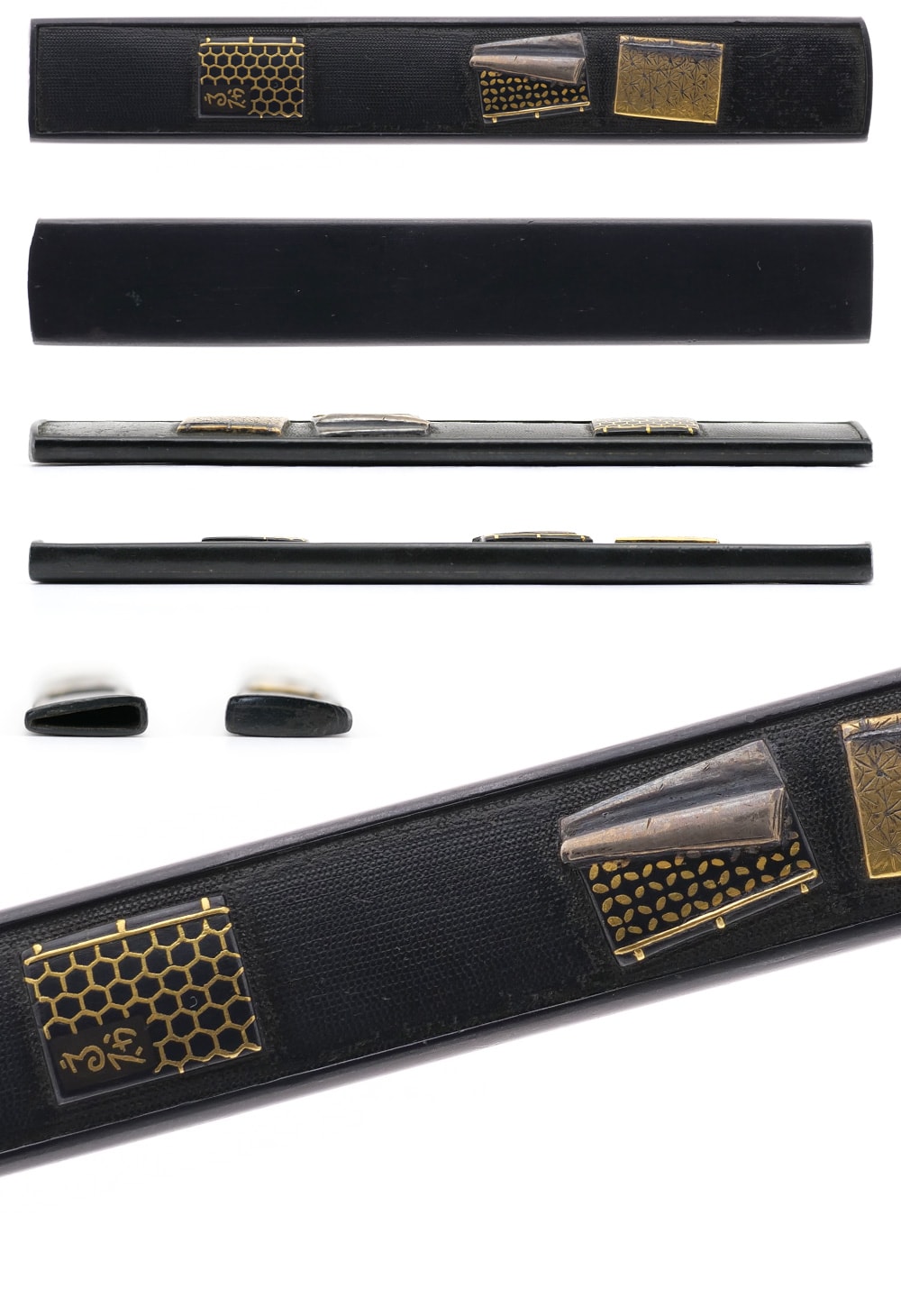
A pair of menuki signed by Sato Yoshiteru, depicting Fudosanson. Yoshiteru studied under Araki Tomei from the Goto Ichijo school, and later became an apprentice of Sato Toho. This piece is a remarkable depiction of the Fuddosanson done in gold with extraordinary attention to detail.
NihontoWatchBETAIchijo Yoshiteru
Edo
Signed
Tokuho (NBTHK)
Iebori
2 pieces on the market now
Tōgintei Yoshiteru, whose former surname was Nose, was born in Kyoto in Bunka 11 (1814). He first studied under Araki Tōmei, himself a disciple of Gotō Ichijō, before entering the school of Satō Tōhō. Upon establishing himself independently, Yoshiteru married into the Satō house, succeeding to its name and lineage. The Satō family maintained long-standing connections with the Fushimi-no-miya imperial-princely household and held the privilege of wearing swords — a distinction that naturally conferred an elevated social standing upon its members. Yoshiteru also employed the art names Kōfukutei and Tōgintei, the latter meaning "Pavilion of Eastern Chant," reflecting his personal devotion to yōkyoku (Nō chanting).
Yoshiteru's oeuvre is characterized by compositions of refined dignity executed on finely worked nanako-ji grounds in shakudō or silver. His preferred technique is sukidashi-takabori — orderly high-relief carving raised from the plate surface — enriched with polychrome iroe in gold, silver, shibuichi, and hi-irodō. A painterly, sketch-from-life sensibility governs his compositions, whether depicting flowers and birds of the four seasons, autumn grasses with descending wild geese, water dragons, or the implements of Shiki Sanban Nō performance. Both the sumi-iri mokkō-gata and tatemaru-gata forms appear among his tsuba, consistently finished with kaku-mimi ko-niku rims and demonstrating unmistakable Kyoto character in their carving.
The NBTHK repeatedly identifies Yoshiteru's works as possessing a high sense of dignity in both design and technique, conveying throughout "an unmistakably Kyōto-style refinement and elegant taste." His daishō tsuba pairs are cited as achievements that "fully reveal Yoshiteru's elevated technical accomplishment," with compositional sense and carving technique recognized as among the finest of his oeuvre. As a Kyoto metalsmith active at the close of the shogunate period, Yoshiteru occupies a distinguished position within the late machibori tradition, producing works enveloped in what the designating body describes as "a clear, tasteful atmosphere."
Where Yoshiteru stands among comparable artisans: across all of nihontō, and within tradition, era, and period. The tiers (Foremost · Leading · Major · Notable) weigh official designations from the NBTHK and Japan's Agency for Cultural Affairs, together with historical honors of lasting repute such as the Sansaku and Meibutsu-chō.
Select a lens to see how it's measured.
Iebori · Kyoto
29 pieces on the market now
" Ichijo was the fifth-generation head of the Shichiroemon house, a cadet branch of the Goto family, and trained under Hanzaemon Kamejo before succeeding to the headship at fifteen. His imperial commissions -- fittings for Emperor Kokaku in 1824 and Emperor Komei in 1862 -- earned him the ranks of Hokyo and Hogen respectively, and his atelier in Kyoto attracted a circle of gifted disciples who extended his aesthetic into the Bakumatsu and early Meiji periods. Learn more →
| Smith | Era | Designated |
|---|---|---|
| Goto Ichijo後藤一乗 | — | 91 |
| Tomei東明 | — | 32 |
| Nagatake永武 | — | 14 |
| Ikkin一琴 | — | 11 |
| Issho一匠 | 1828-1876 | 10 |
A Hozon-certified fitting of notably superior craftsmanship and condition, often with signature or workmanship of high reference value.
The NBTHK (Nihon Bijutsu Tōken Hozon Kyōkai, the Society for the Preservation of Japanese Art Swords) is a public-interest incorporated foundation founded in 1948 and supervised by Japan’s Agency for Cultural Affairs (Bunkachō); it is based at the Japanese Sword Museum in Tokyo. Its expert panels physically examine each submitted work (shinsa) and issue a certificate (kanteishō) ranking it by artistic and historical merit. NBTHK papers are the most widely recognized standard of authentication for Japanese swords and fittings.
NBTHK official siteReturns accepted within 7 days of receipt (JP terms; EN page states 3 days). Customer must contact within the window and return at own cost. Refund after items confirmed in original condition; repair fees charged if damage occurs.