In the Sengoku era the school served a second warrior court: the Later Hōjō at Odawara, whose patronage kept the Tsunahiro line forging hitatsura for the uchigatana age until the castle fell to Hideyoshi in 1590.
 NihontoWatchNihontoWatch
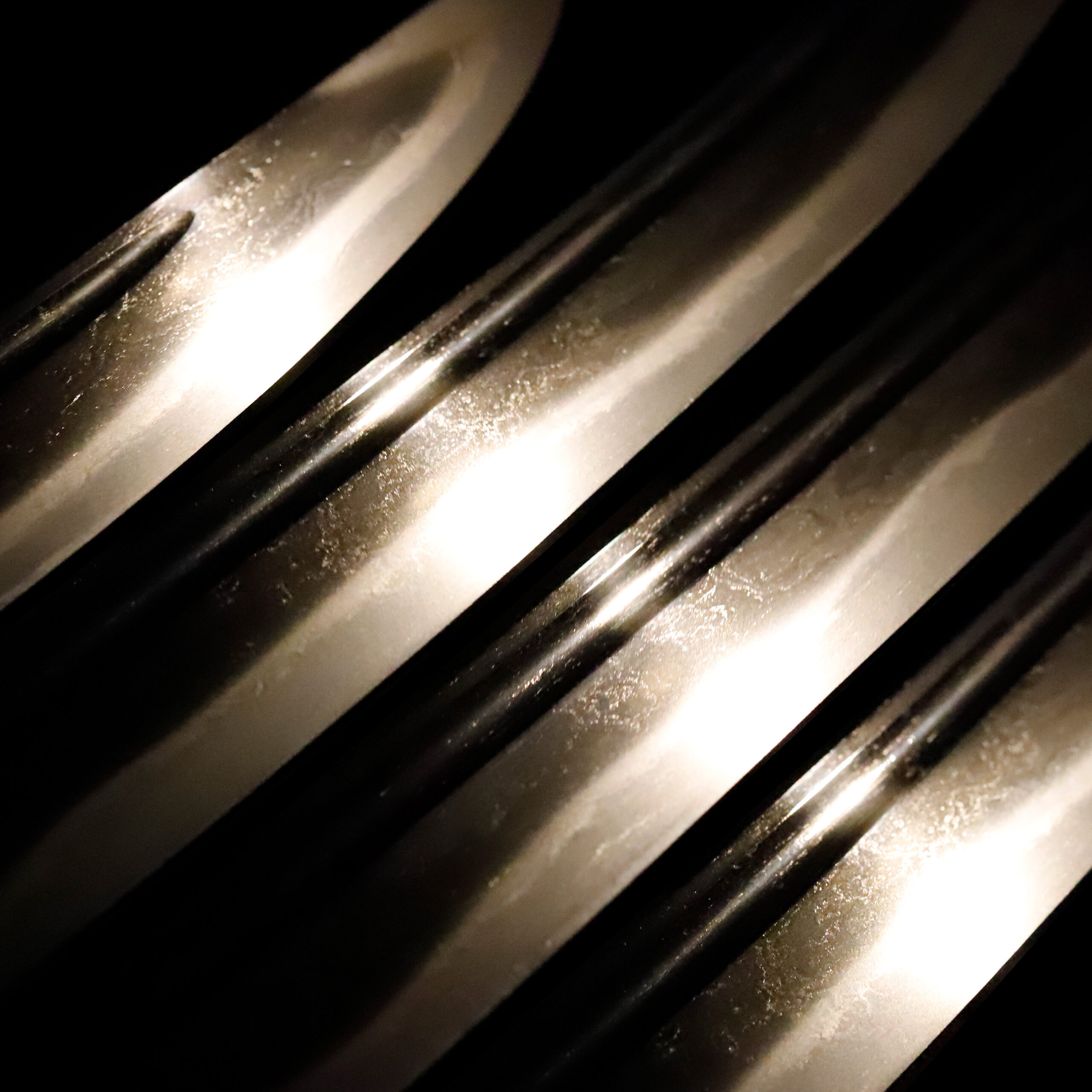
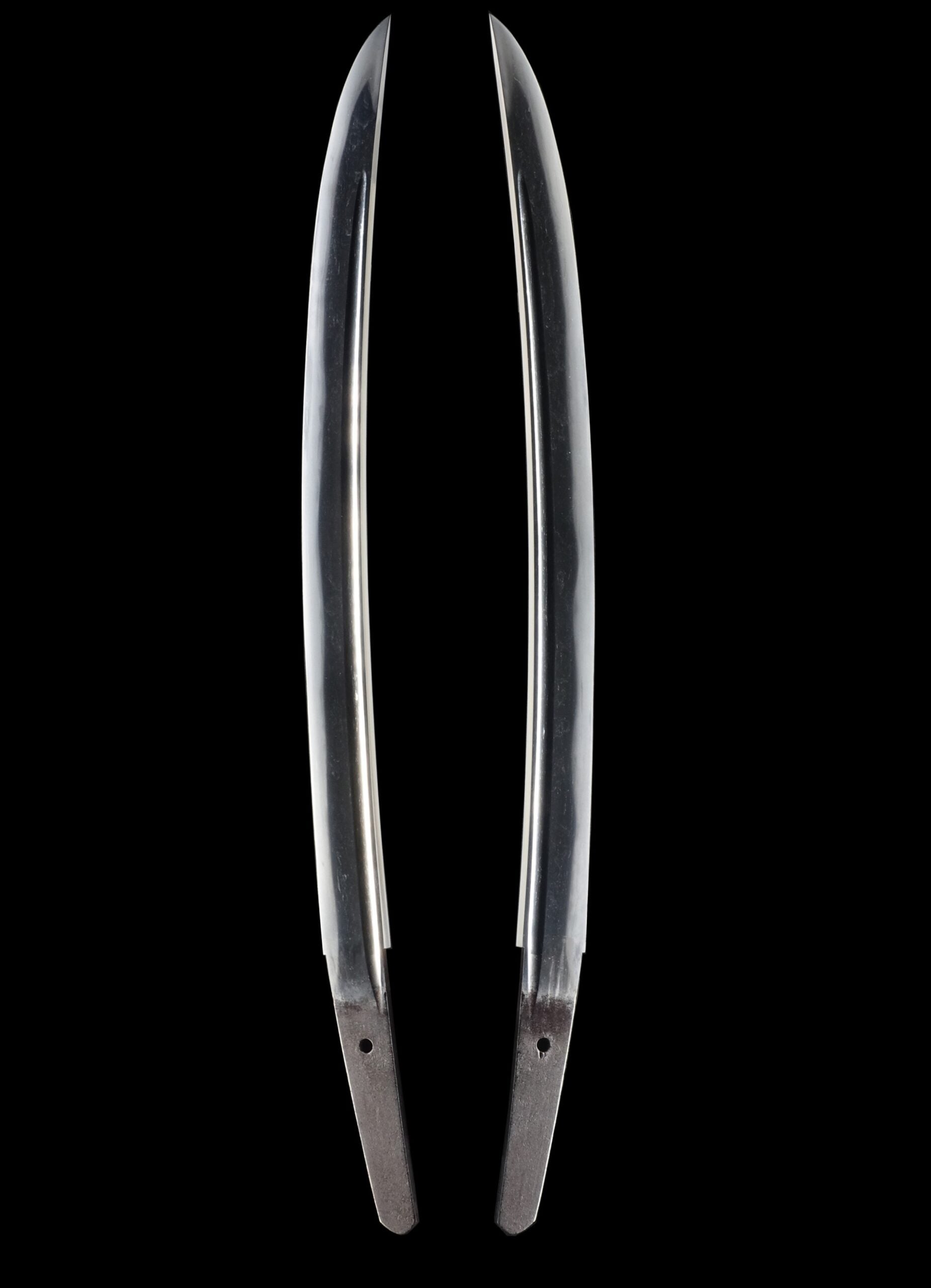
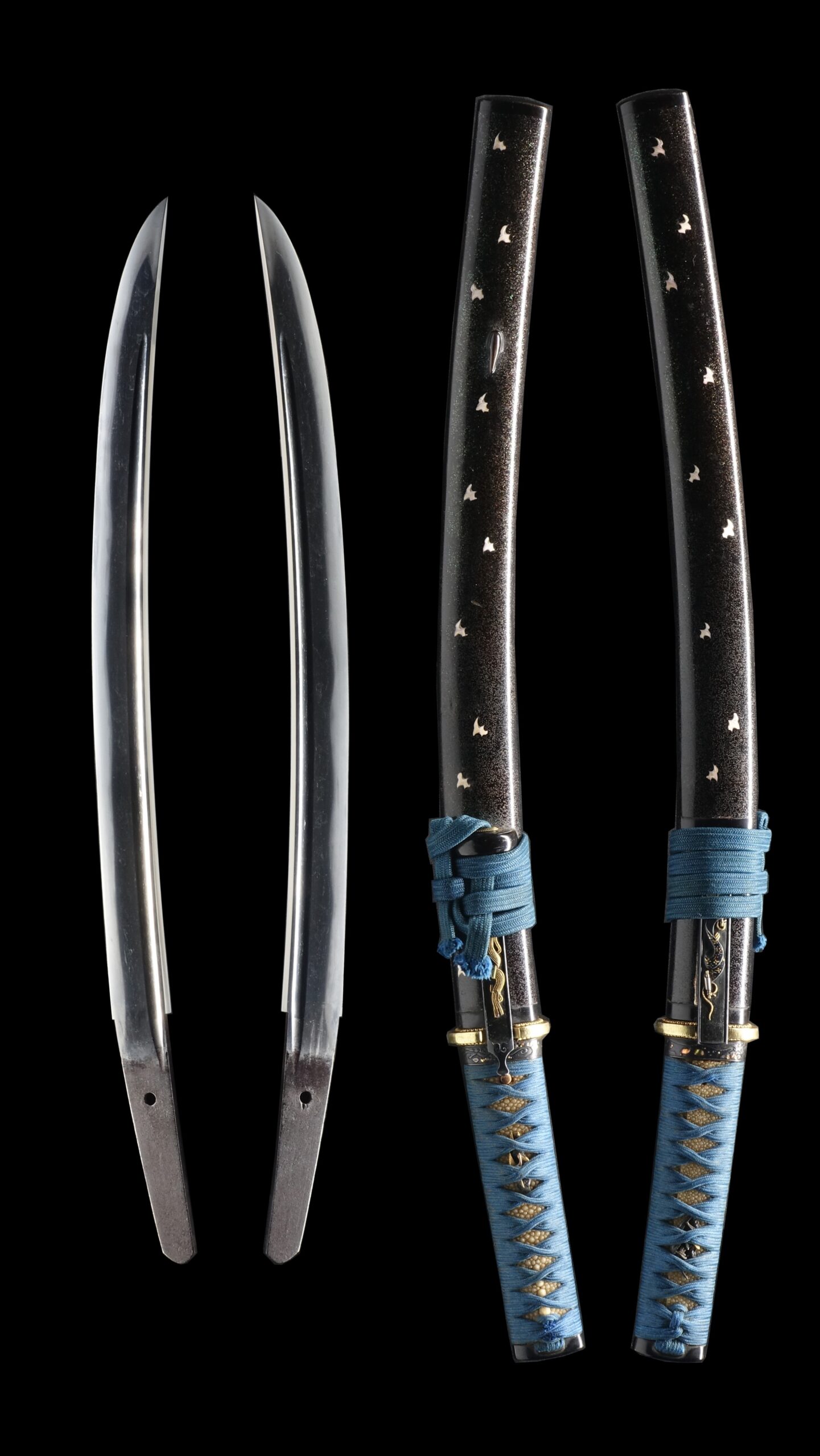
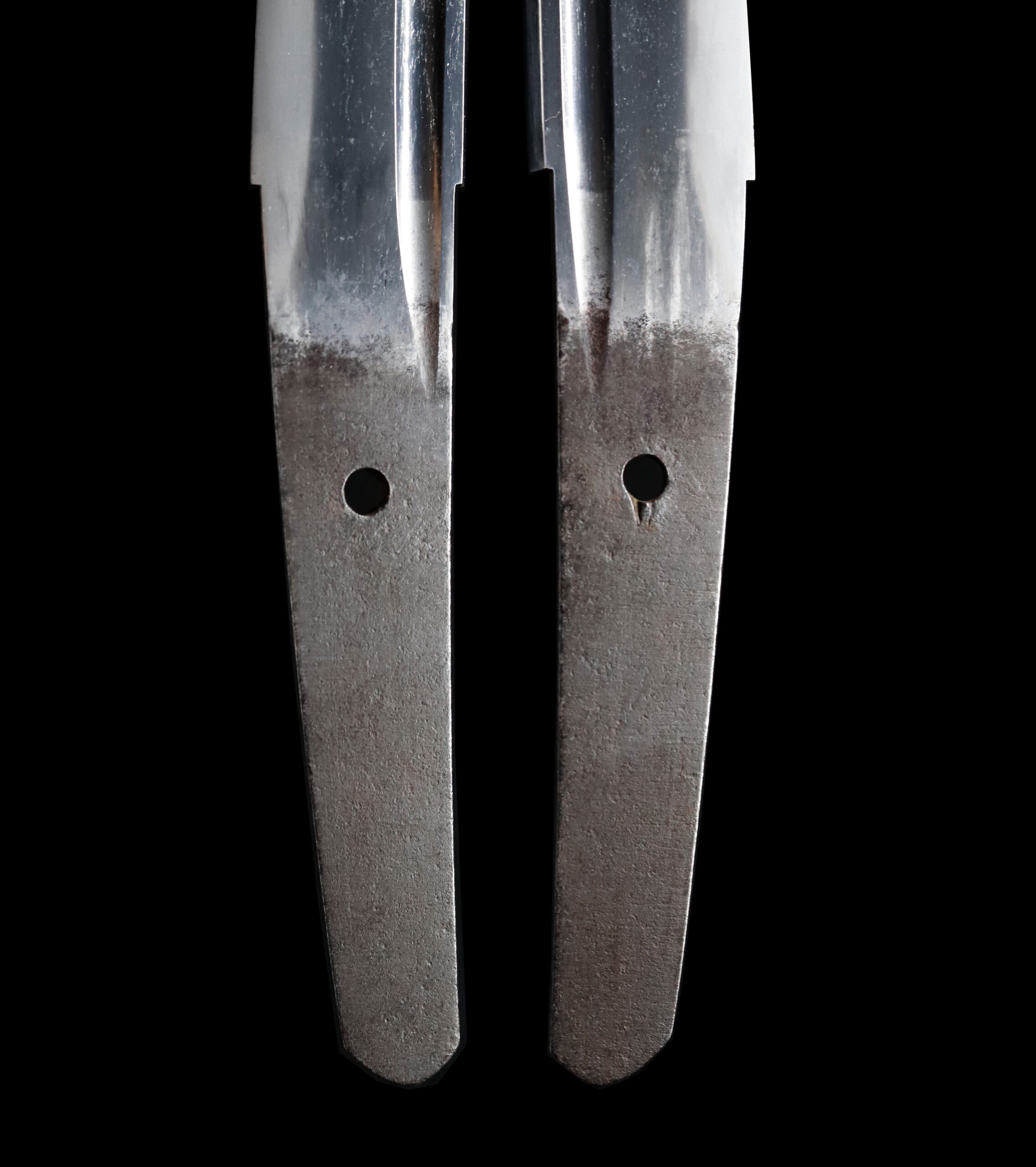
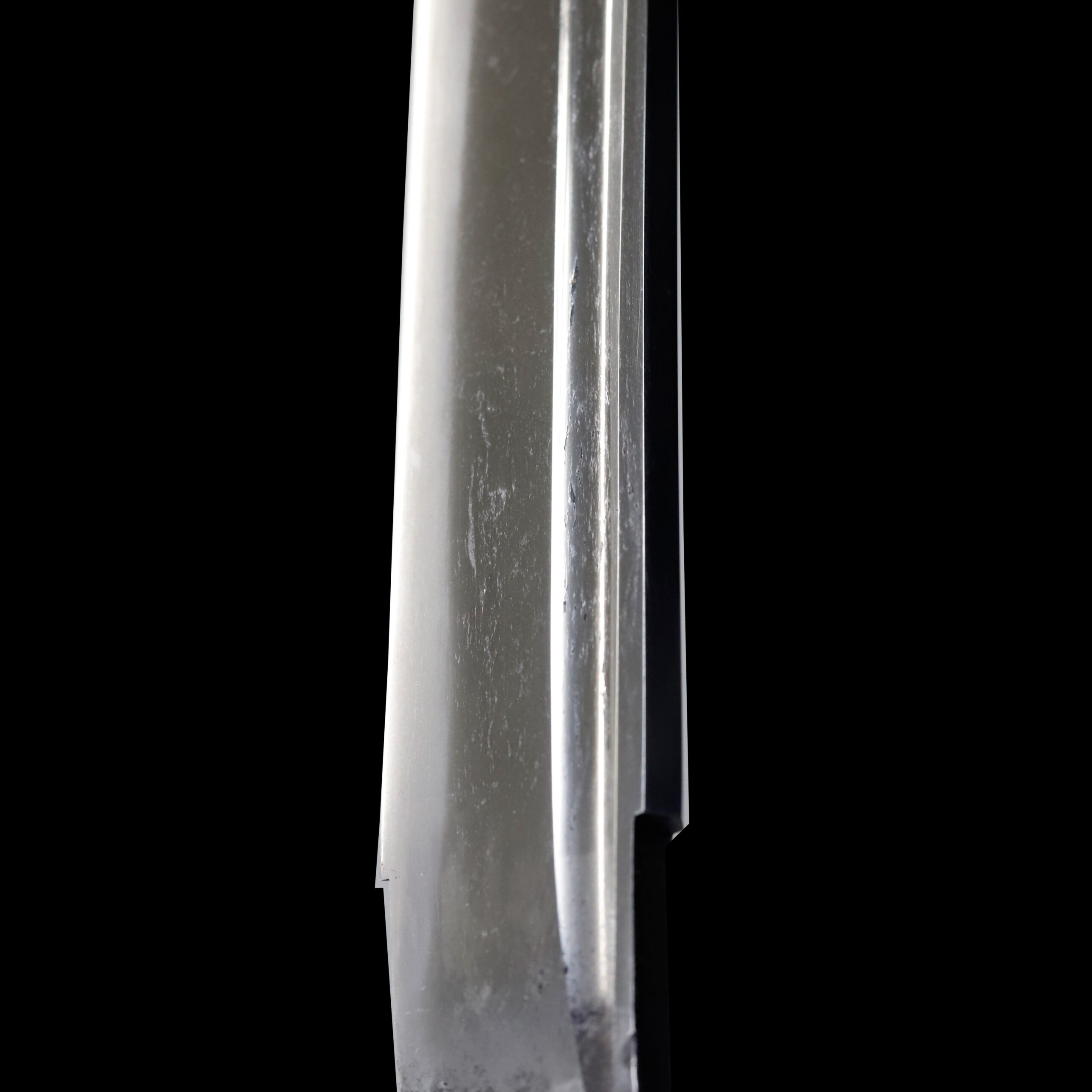
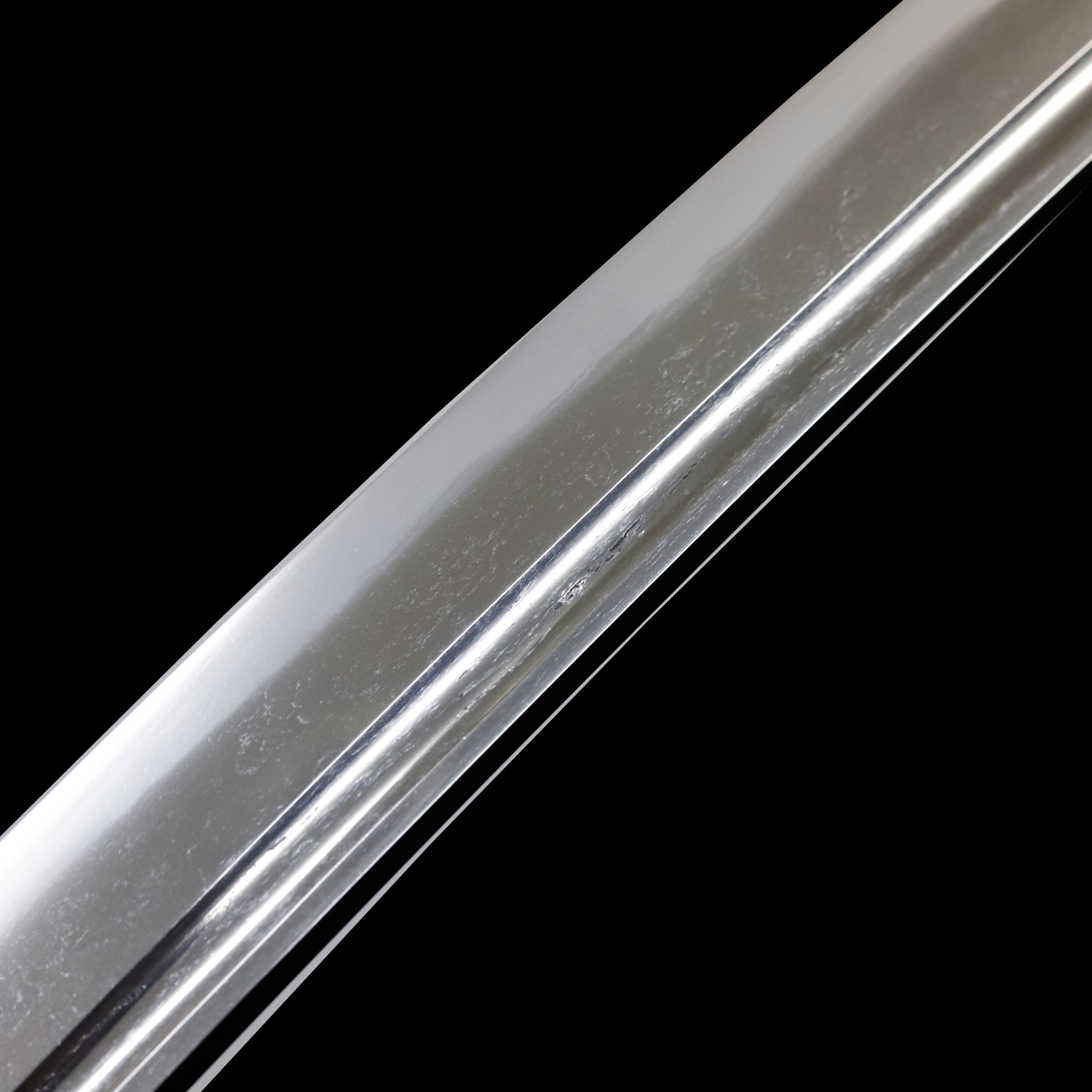
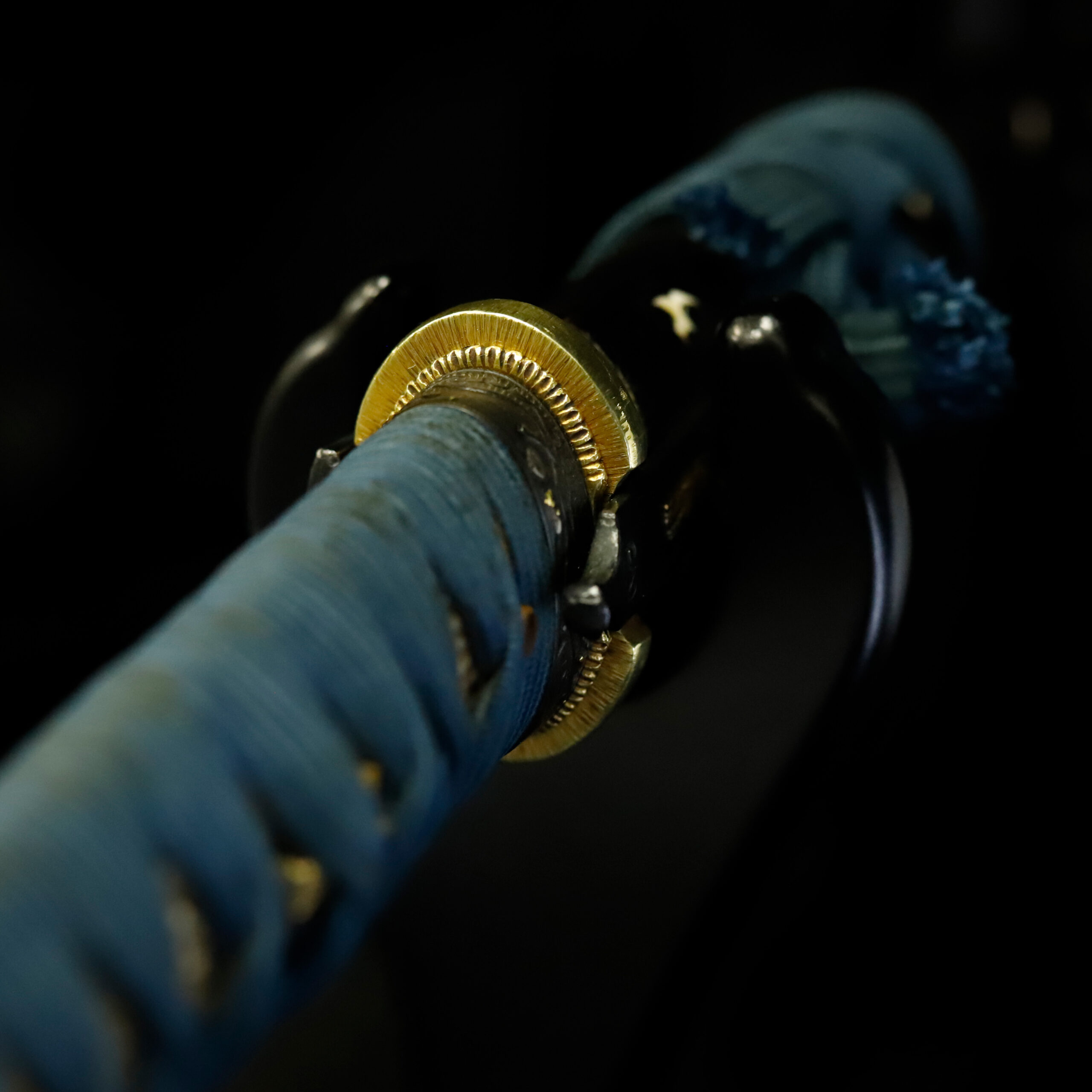
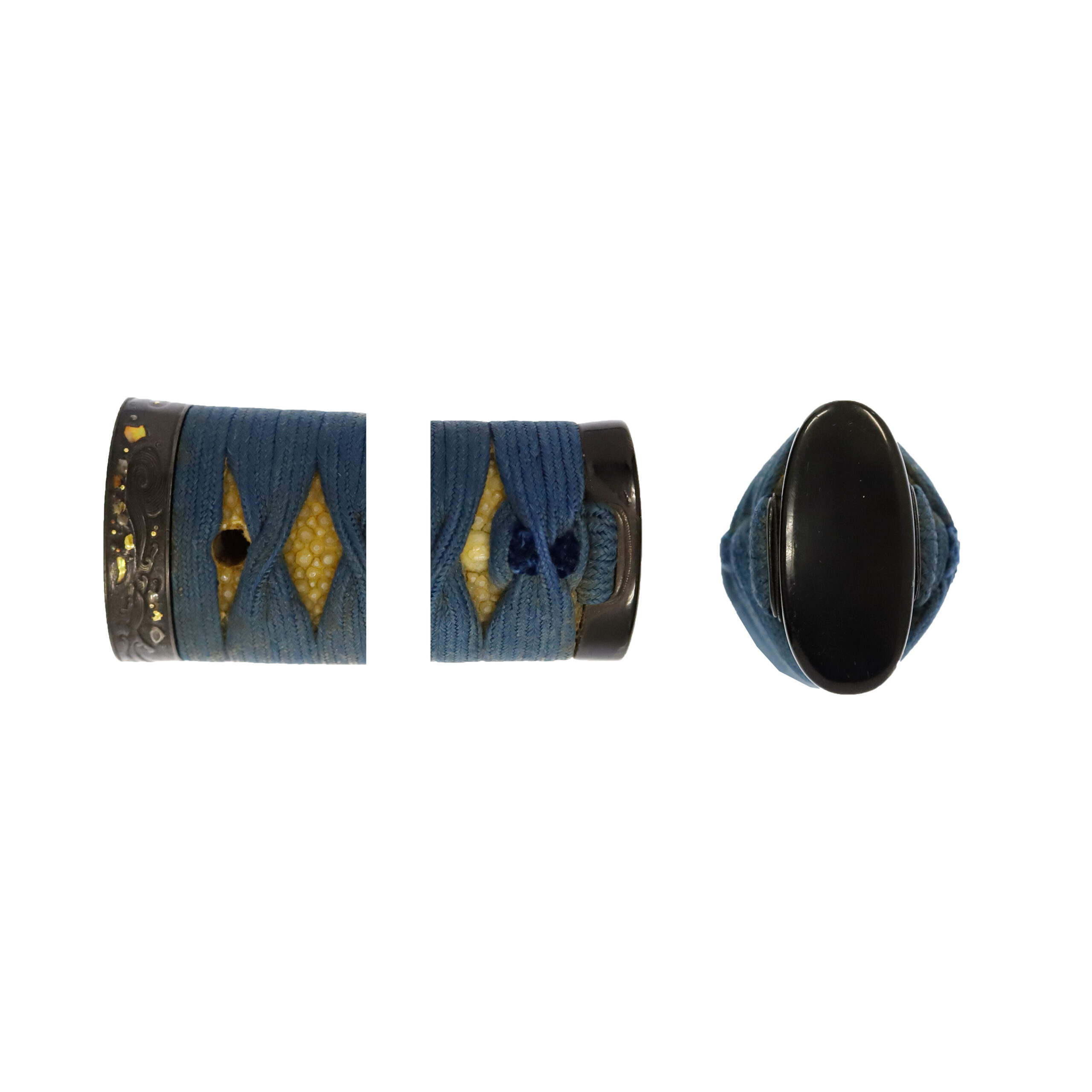
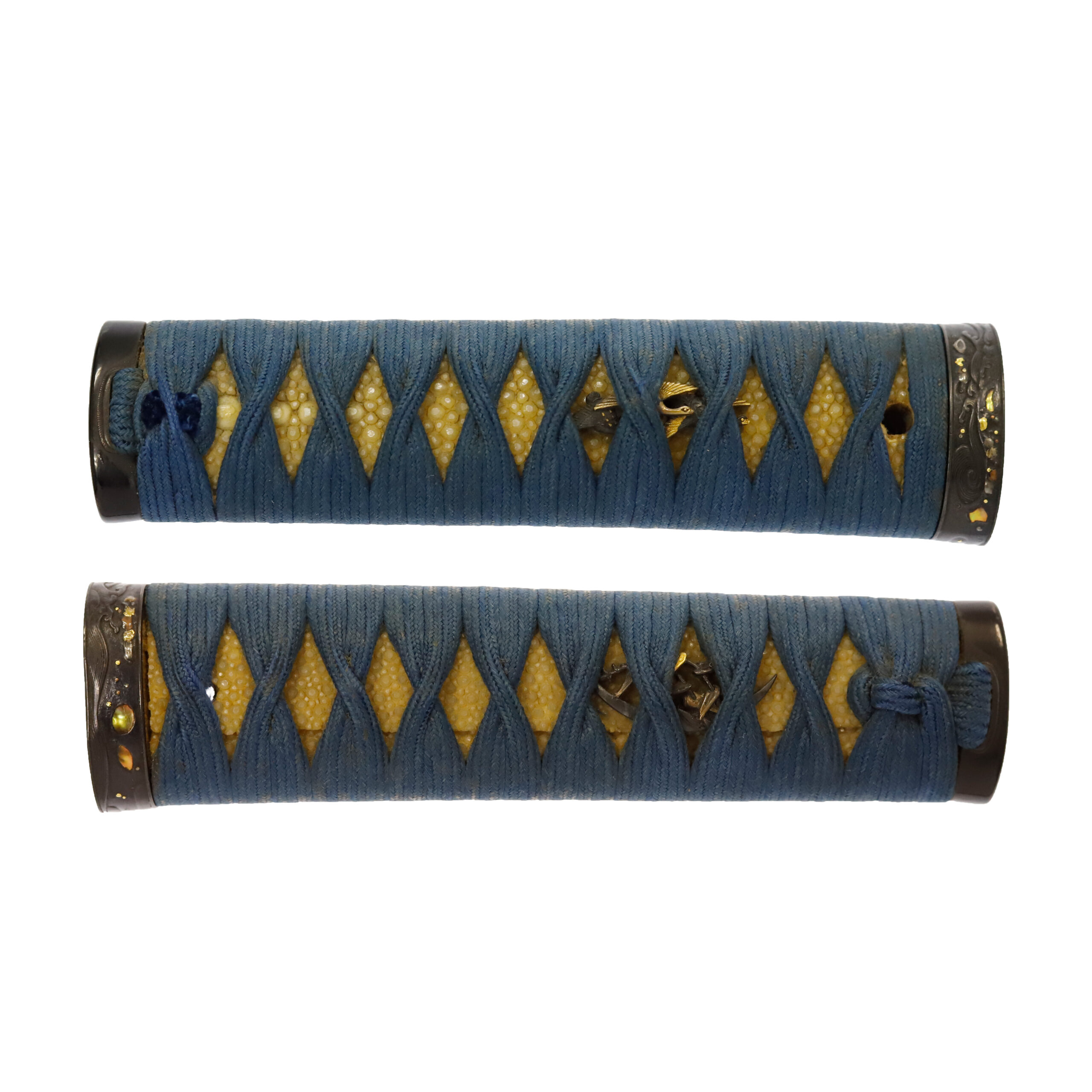
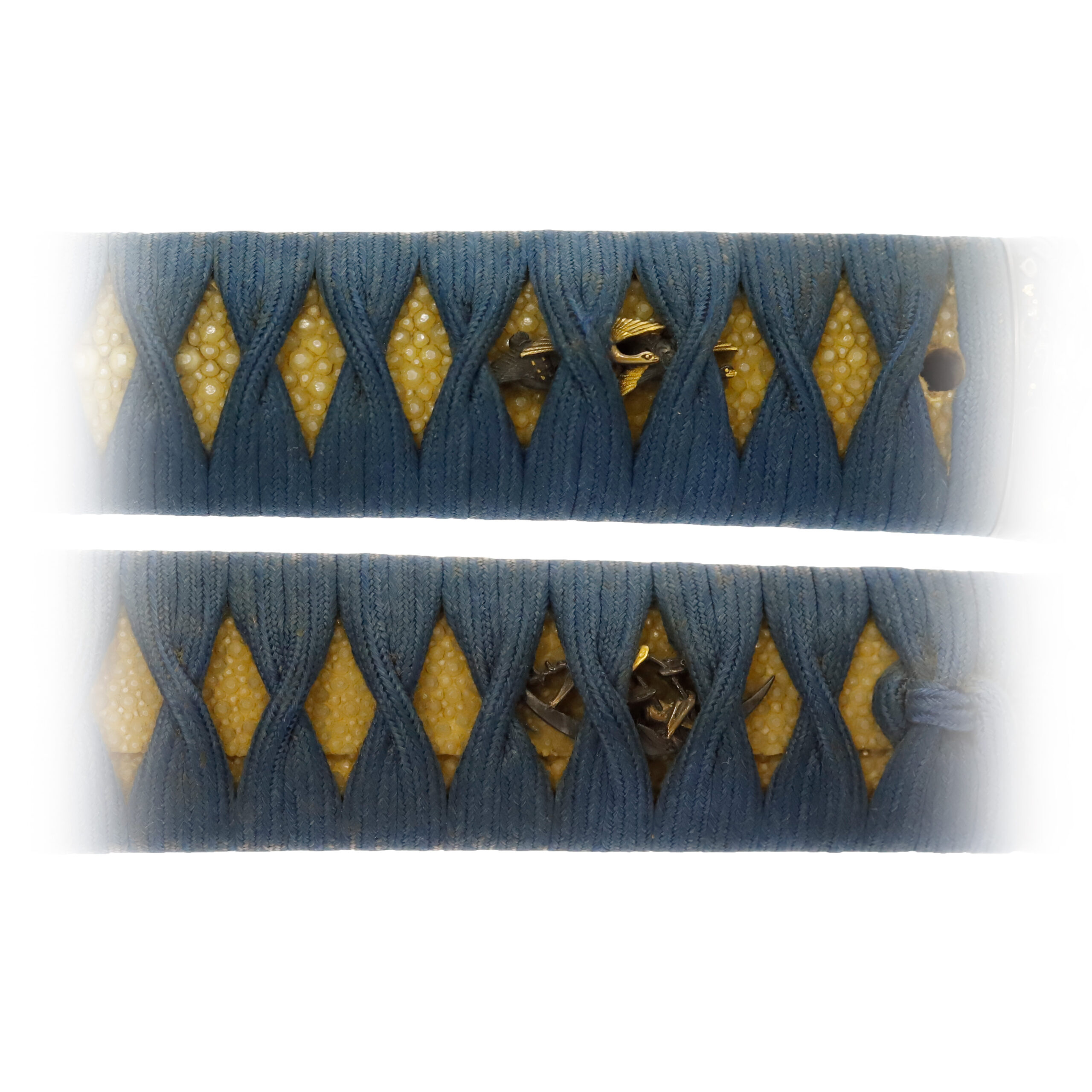
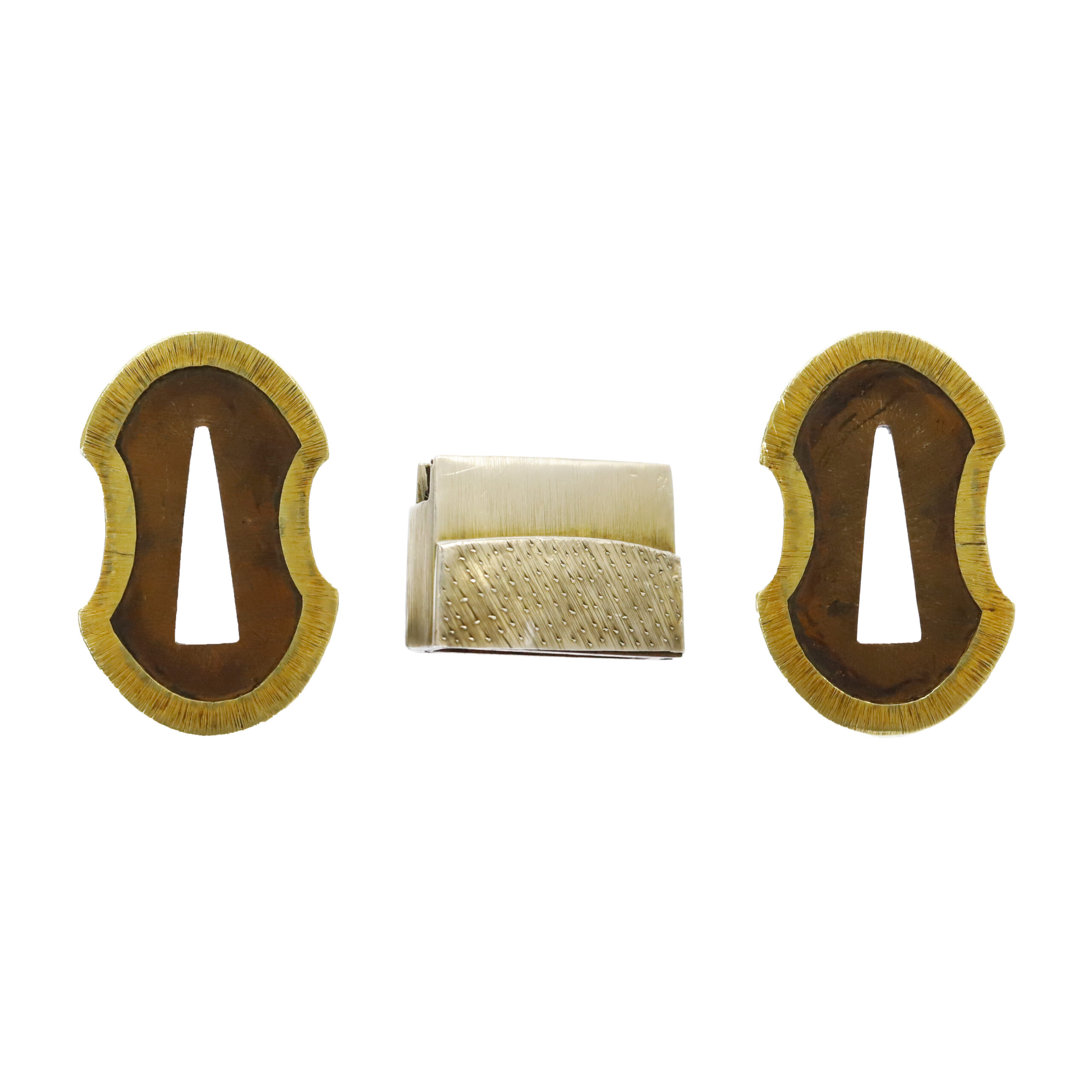
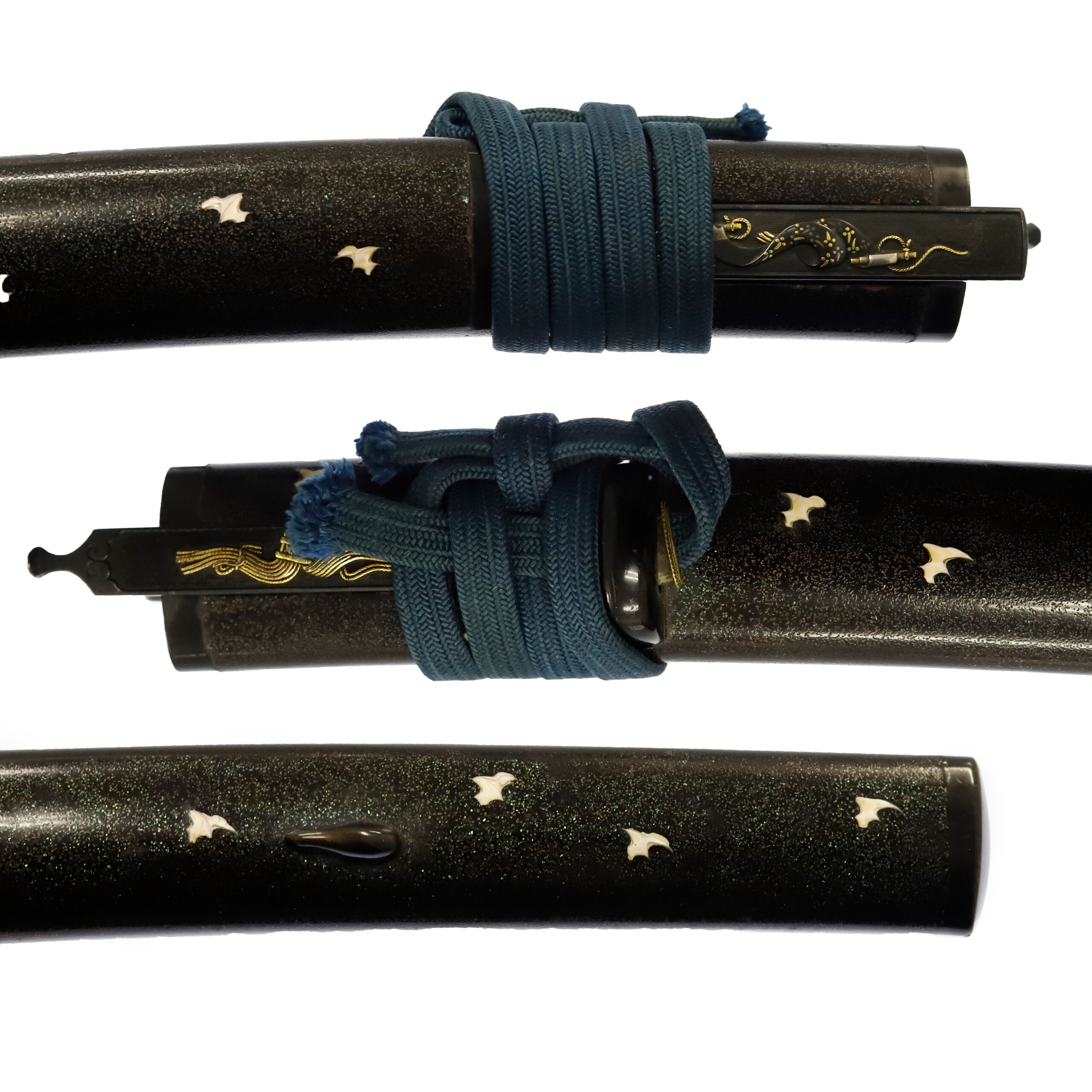
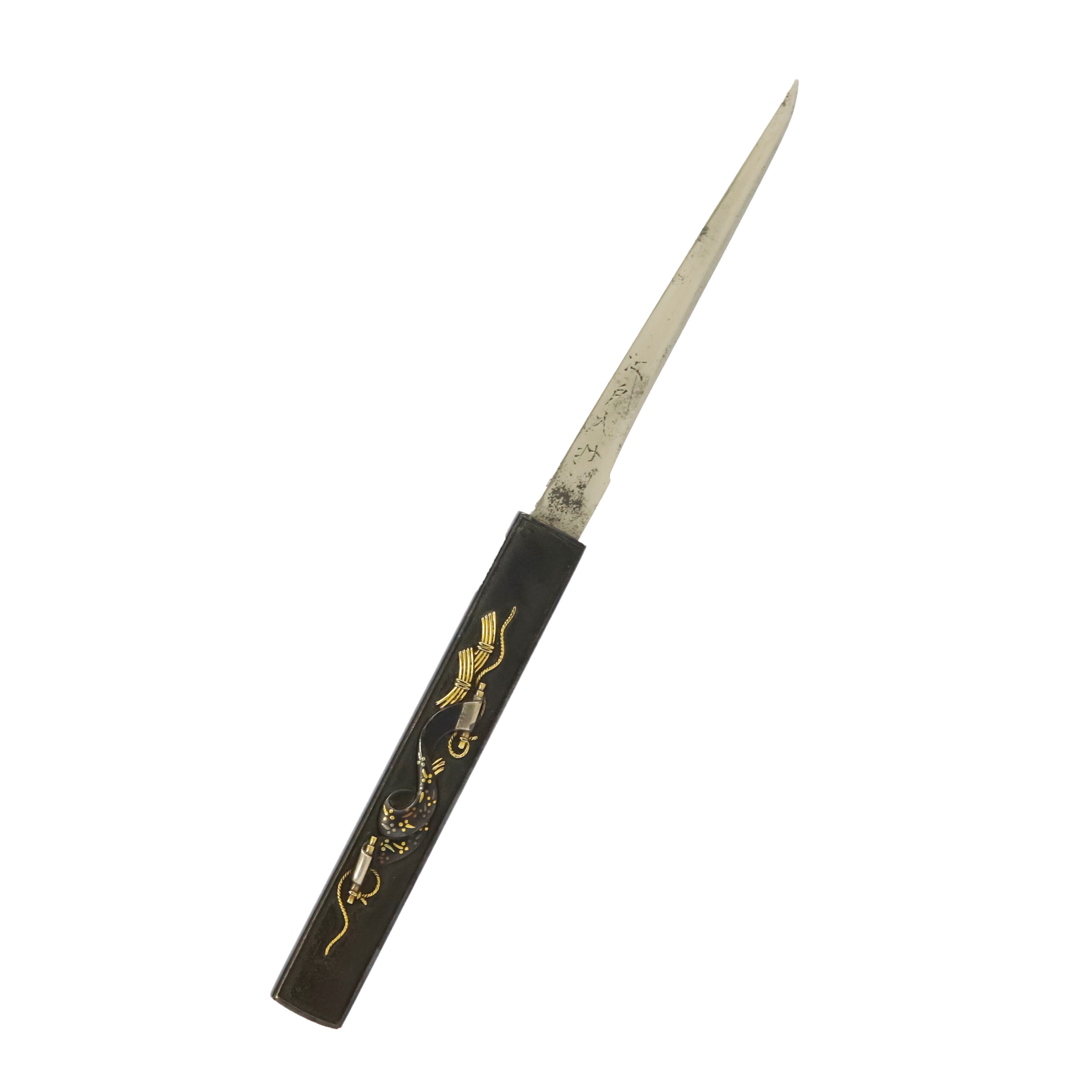
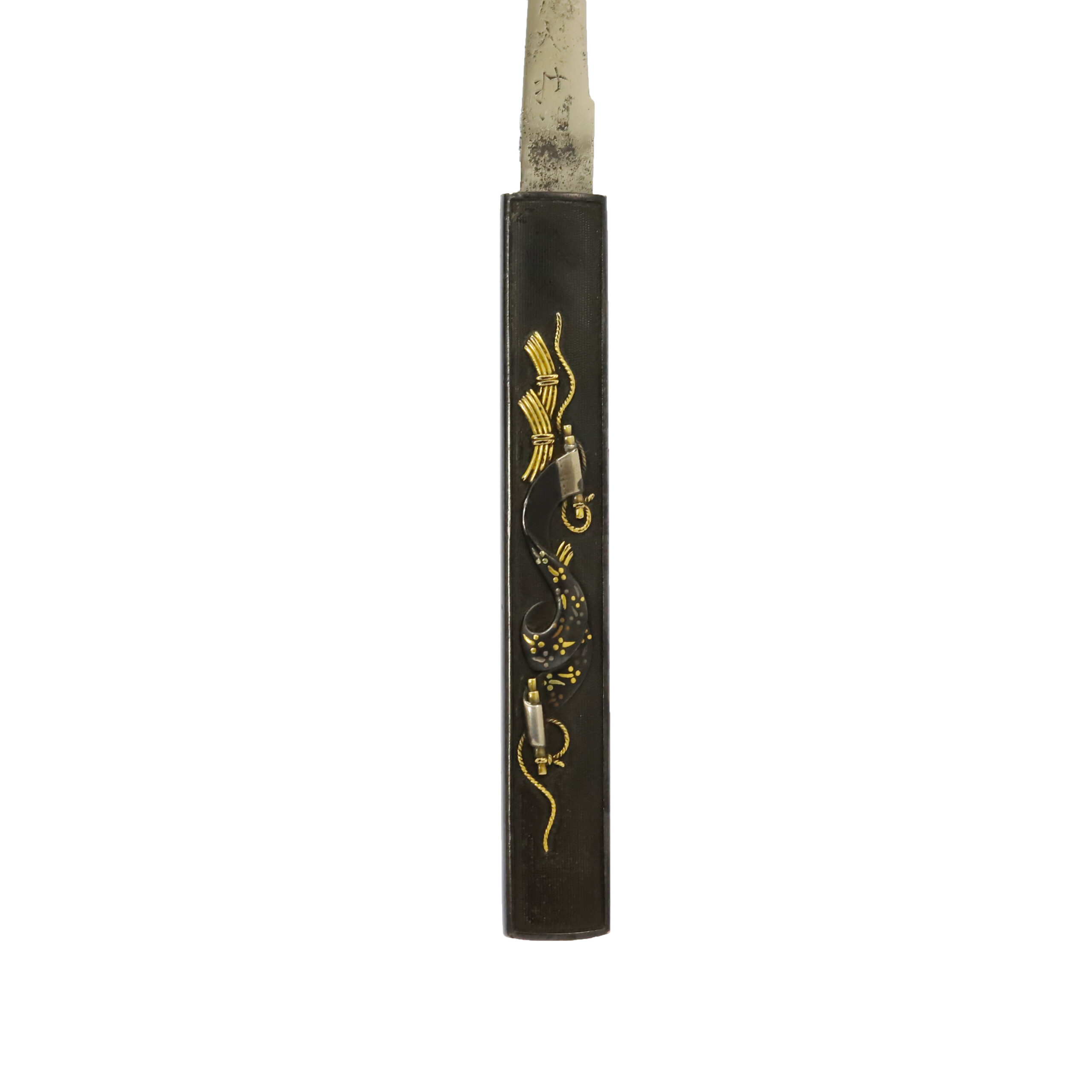
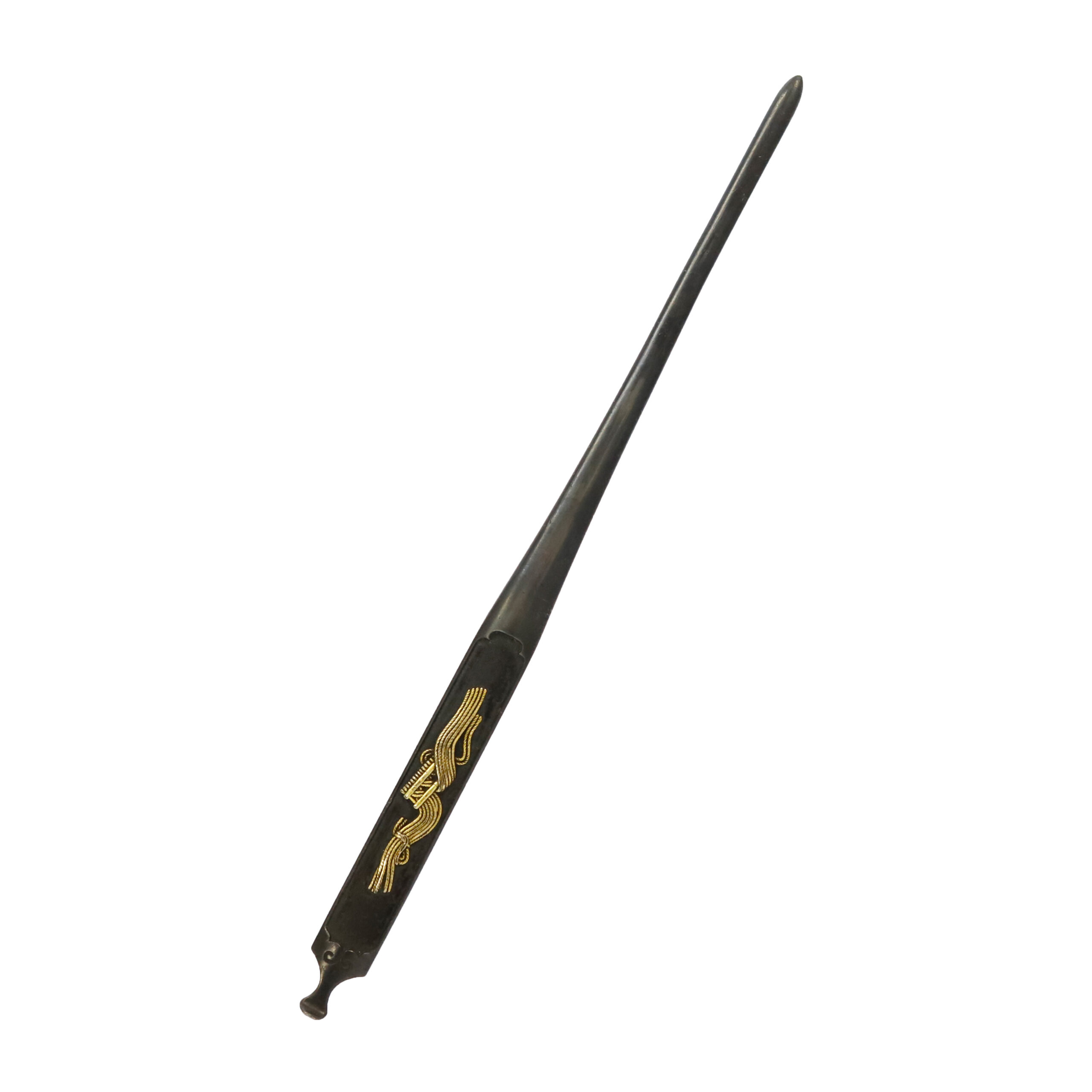
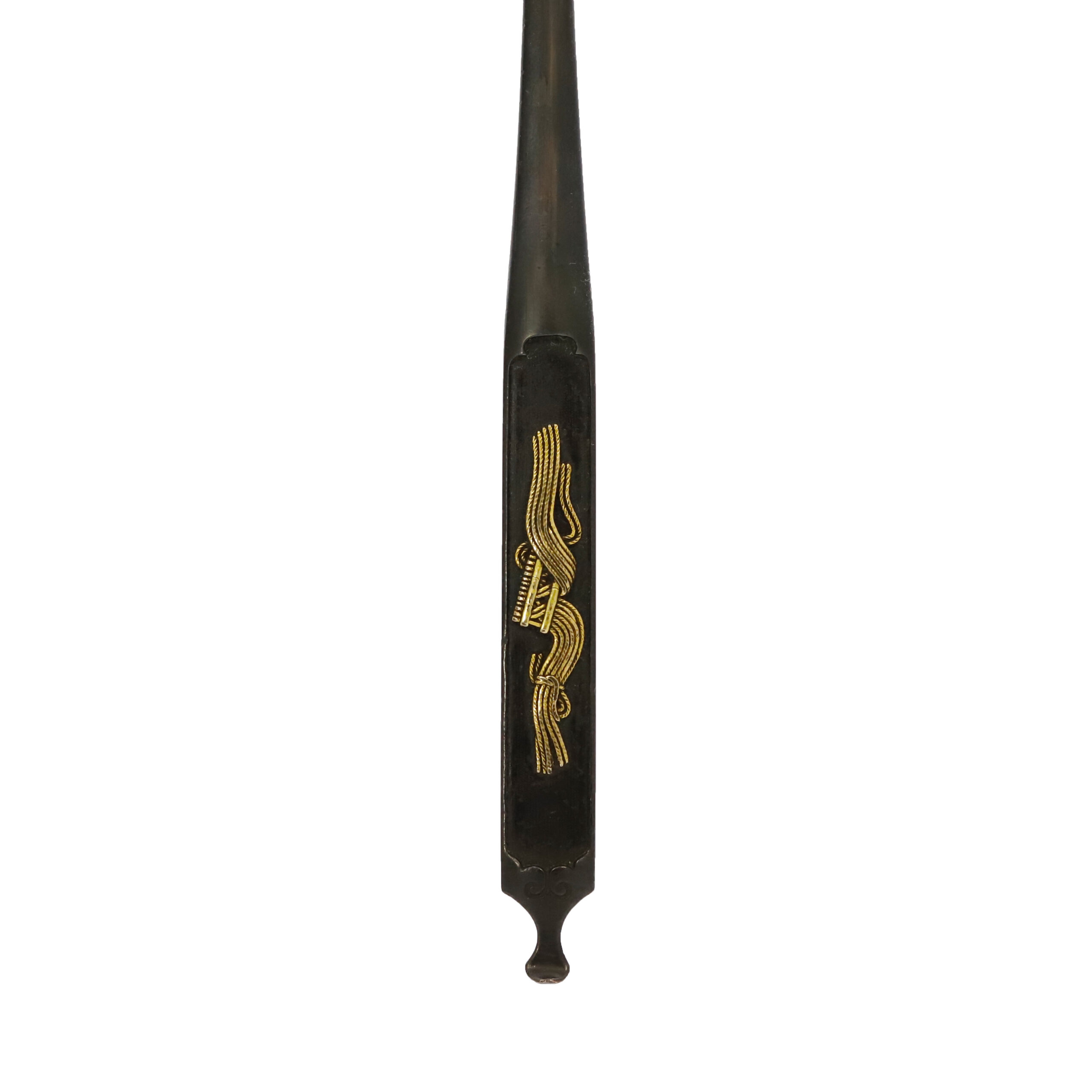
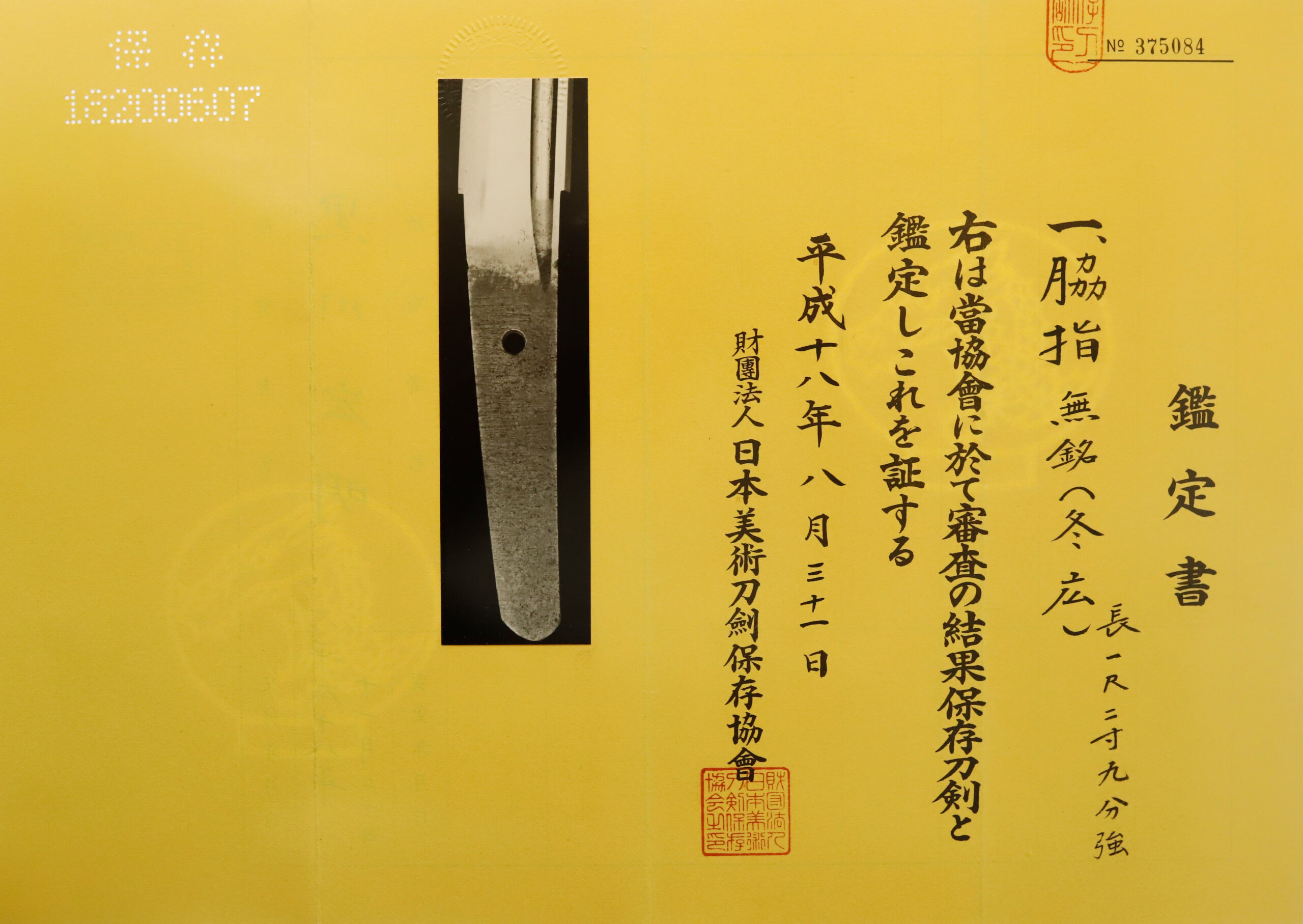
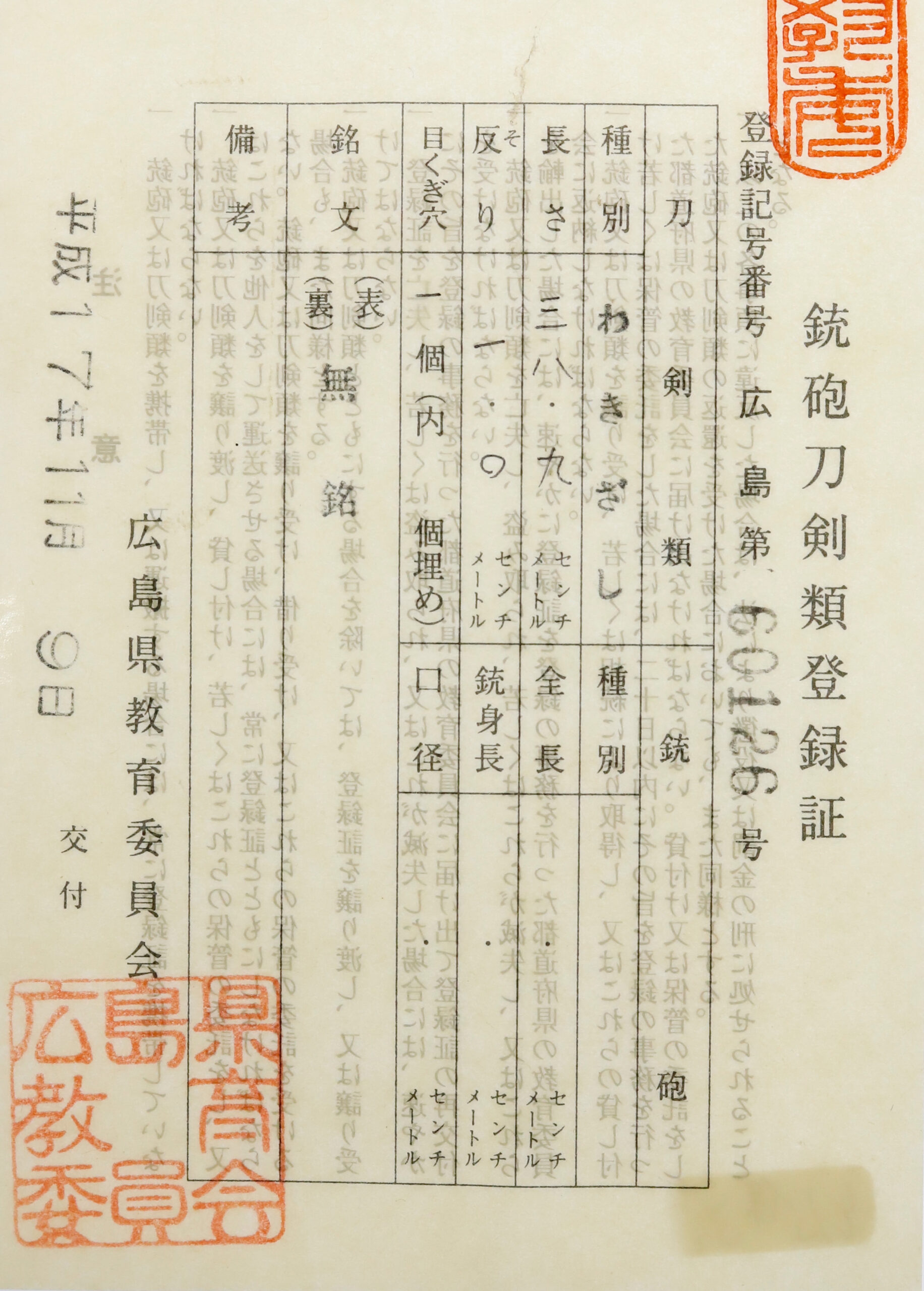
This blade is attributed to Fuyuhiro (冬廣) during the late Muromachi period. It is said that the first generation Fuyuhiro was the son of the second-gen Soshu Hirotsugu. The second-gen Soshu Hirotsugu was one of the most well-known swordsmiths in the Soshu region(today’s Kanagawa prefecture). The first-gen Fuyuhiro moved to Wakasa province(today’s Fukui prefecture) after learning sword forging techniques/tradition from his master (Approx. 1460: mid-Muromachi period). Firstly, he focused on forging swords with the Soshu Den tradition, one of the five well-established sword-forging traditions (Gokaden). However, he gradually mixed it with Bizen tradition, another tradition of the five. According to historical documents, the swordsmith’s name Fuyuhiro lasted 17 generations from the Muromachi period(1460-)to the end of the Edo period(-1868). We believe the attribution was given to the first-gen Fuyuhiro. During the Sengoku period(Warring state period), the generations of Fuyuhiro forged swords for high-class Samurai or feudal lords because of the popularity and the high demand for weapons. There are records of the swordsmith name Fuhiro forging in Bizen, Bingo, Izumo, and Hoki province in the Edo period. You can see interesting Kissaki (tip of the blade) called Shobu Zukuri (菖蒲造り). There is no Yokote on this blade. Yokote is the borderline between the tip and cutting edge. We are confident you will appreciate the elegant look of this blade. This blade is appraised as a Hozon Token(保存刀剣) issued by NBTHK(Nihon Bijutsu Touken Hozon Kyokai:日本美術刀剣保存協会). *Please keep in mind there are a couple of Kitae Kizu on the Hi (groove of the blade). Fuchi-Kashira The Kashira part has a simple appearance. On the other hand, waves are engraved on the Fuchi part, and it depicts a waterside landscape. You could also find things that seem to be seashells and stones. This Fuchi part is decorated with gorgeous colors such as gold, silver, and copper. Tsuka and Menuki The upper side Menuki’s motifs are probably wild geese. And lower side Menuki’s motif is a kind of plant. There is a classical theme called the Ryusui Ashi Kari Mon (流水葦雁文). This pattern is composed of a combination of reeds and wild geese, which represent autumnal features. In Japanese, reeds are called the Ashi (葦), and wild goose is called the Kari (雁). Assuming that this design was incorporated into this work, the plants designed here would be reeds. In addition, another sword mounting we mentioned earlier (Fuchi Kashira) had a wave pattern (running water) designed on it. In other words, when we look at the entire of this handle, it makes the Ryusui Ashi Kari Mon. Tsuba and Habaki It seems this Tsuba is made from copper. And its Mimi (耳, edge) part is framed with a golden plate, adding beauty to this work. In addition, it has practicality, such as preventing the wear of the edge part. Also, it prevents wear and tear on the Kimono if the edge damages it by touching the cloth. Kozuka A Kogatana (小刀, small knife) is stored in the Kozuka. The principal motif of this Kozuka’s design is the Makimono (巻物, scroll). Scrolls are symbols of scriptures, doctrines, teachings, and wisdom, and are symbols of wisdom accumulated since ancient times and its inheritance. In Japan, there is a classical design called the Takaradukushi (宝尽くし) pattern. It is a combination of treasures, and one of the elements of this theme is a scroll. Scrolls give us much information; therefore, this motif symbolizes knowledge and wisdom. In this way, it has been considered as auspicious motif for long time. Kougai This item is an antique Kougai (笄), which was used to arrange or fix the hairstyle of Samurai. A Kougai is usually stored in the Kougai Hitsu. And a Kozuka (小柄) is often stored at the other side of the scabbard. This Kougai’s design is similar to the Kozuka we have just focused on above. Although the motif is different, we feel the similarity between these sword mountings. Authentication Paper NBTHK,, also known as Nihon Bijutsu Touken Hozon Kyokai (the Society for the Preservation of the Japan Art Sword), is one of the oldest Japanese sword appraising organizations in modern-day Japan. They authenticated the blade on March 10th in the 18th year of Heisei (2006). They appraised it as Hozon Touken, the blade worth preserving for Japanese society.
Offered by Samurai Museum
This piece has sold
7 on the market
Get an email when new Wakasa Fuyuhiro School work hits the market.

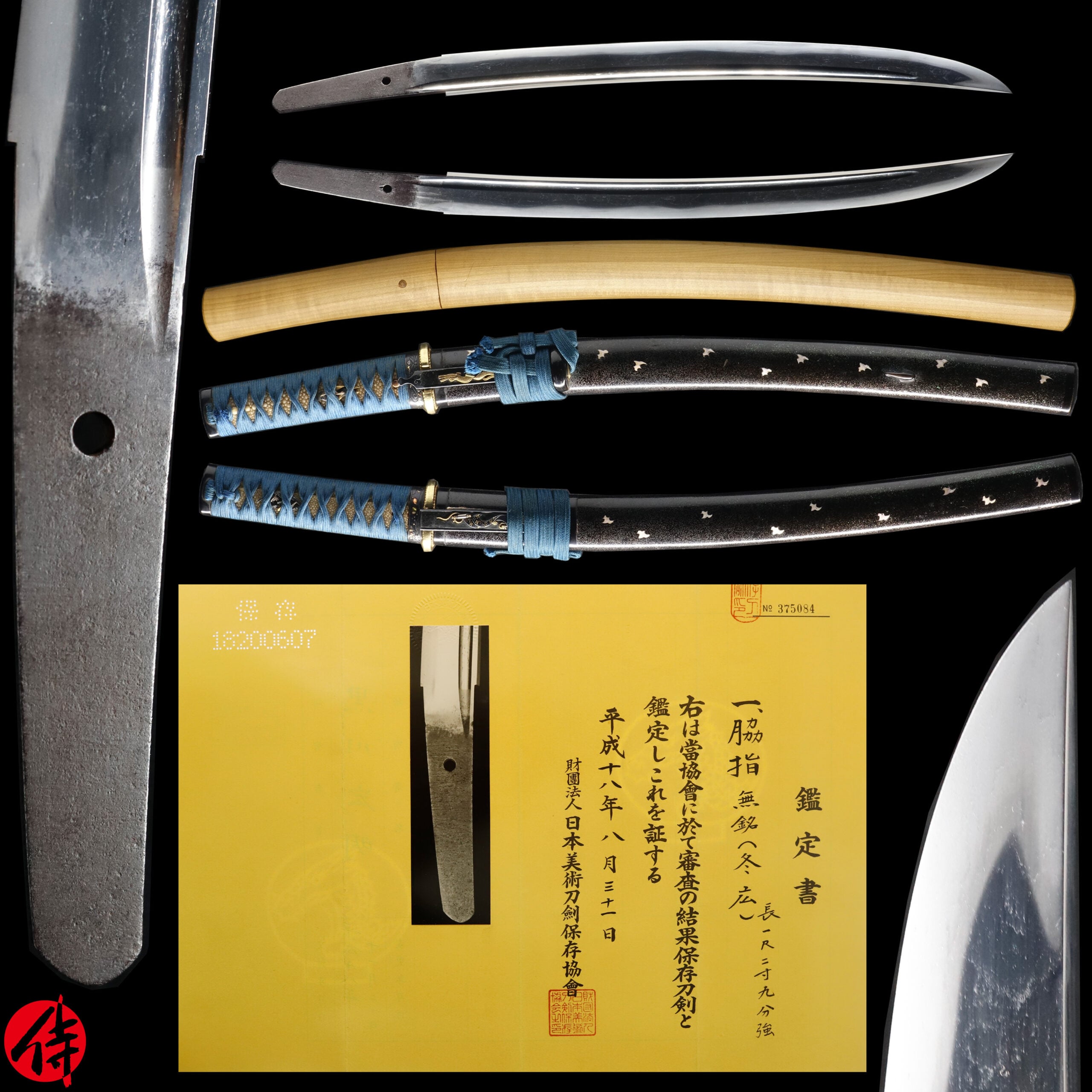
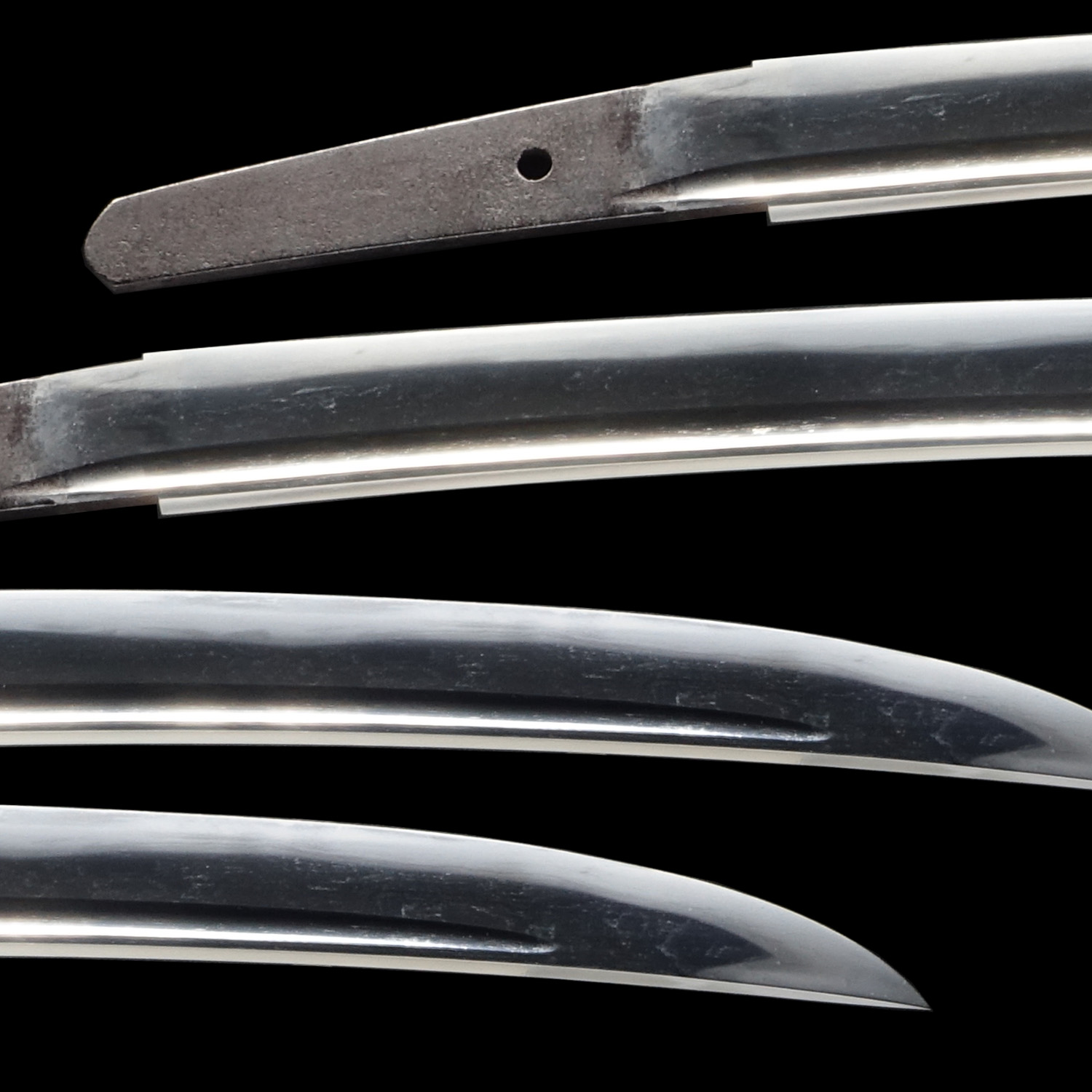
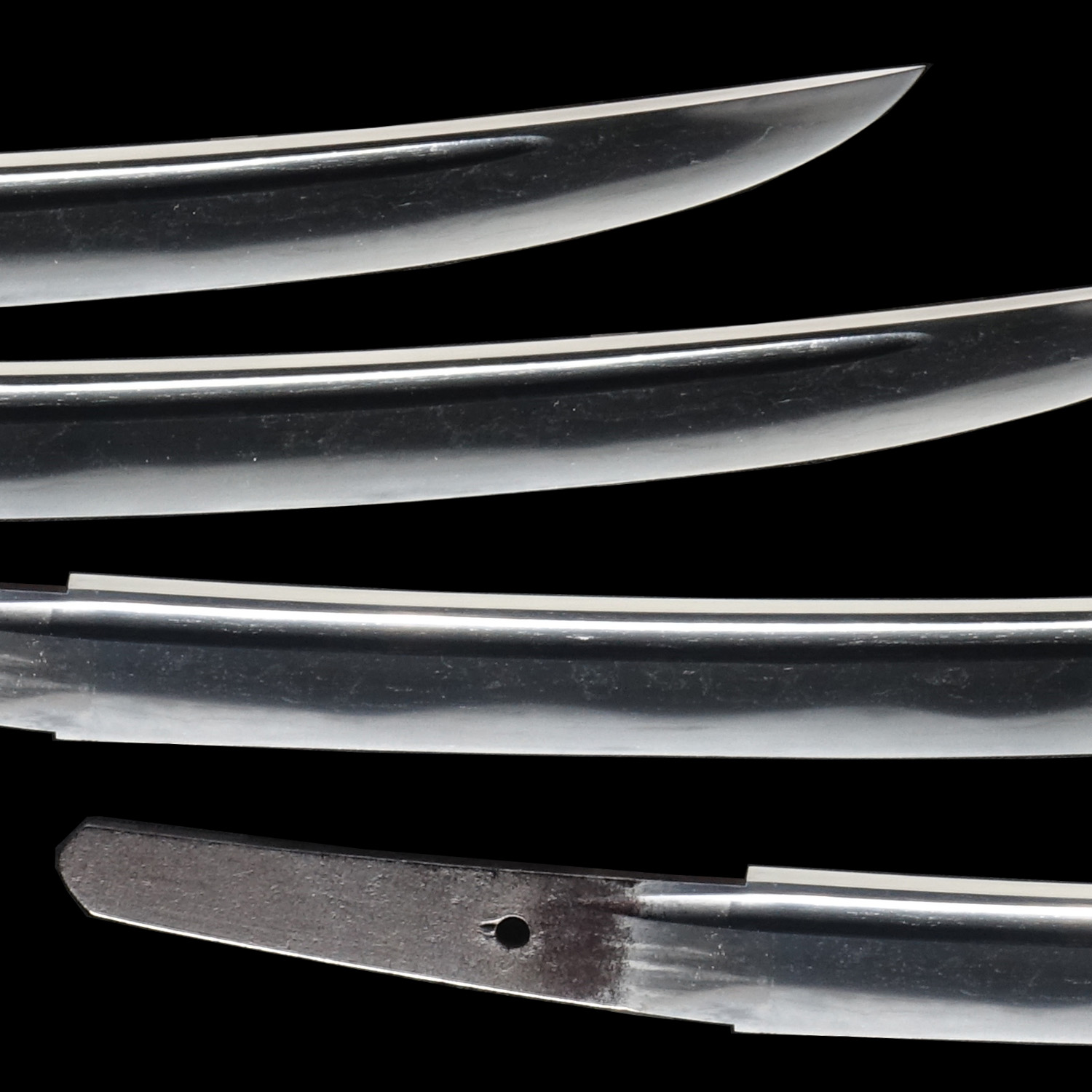
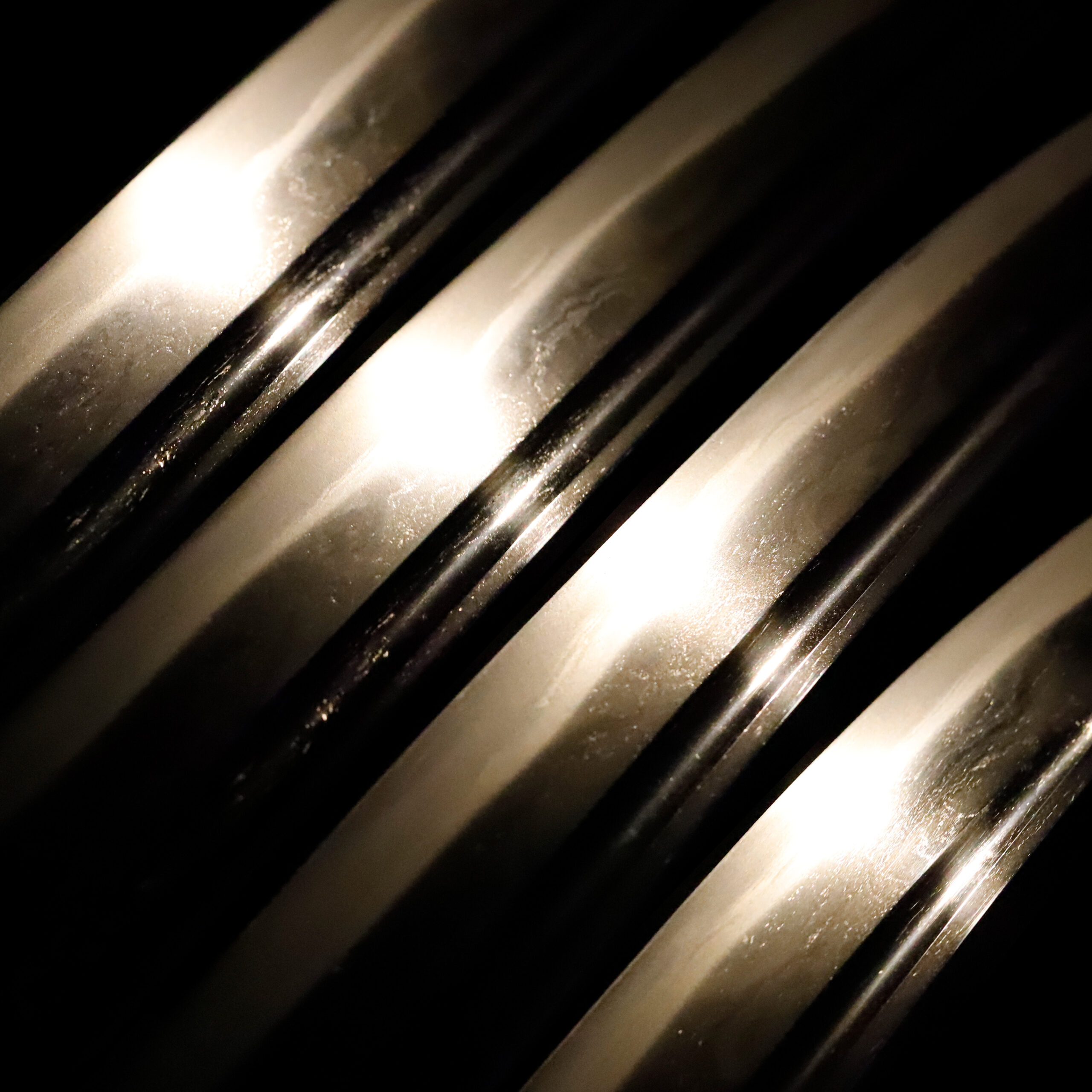
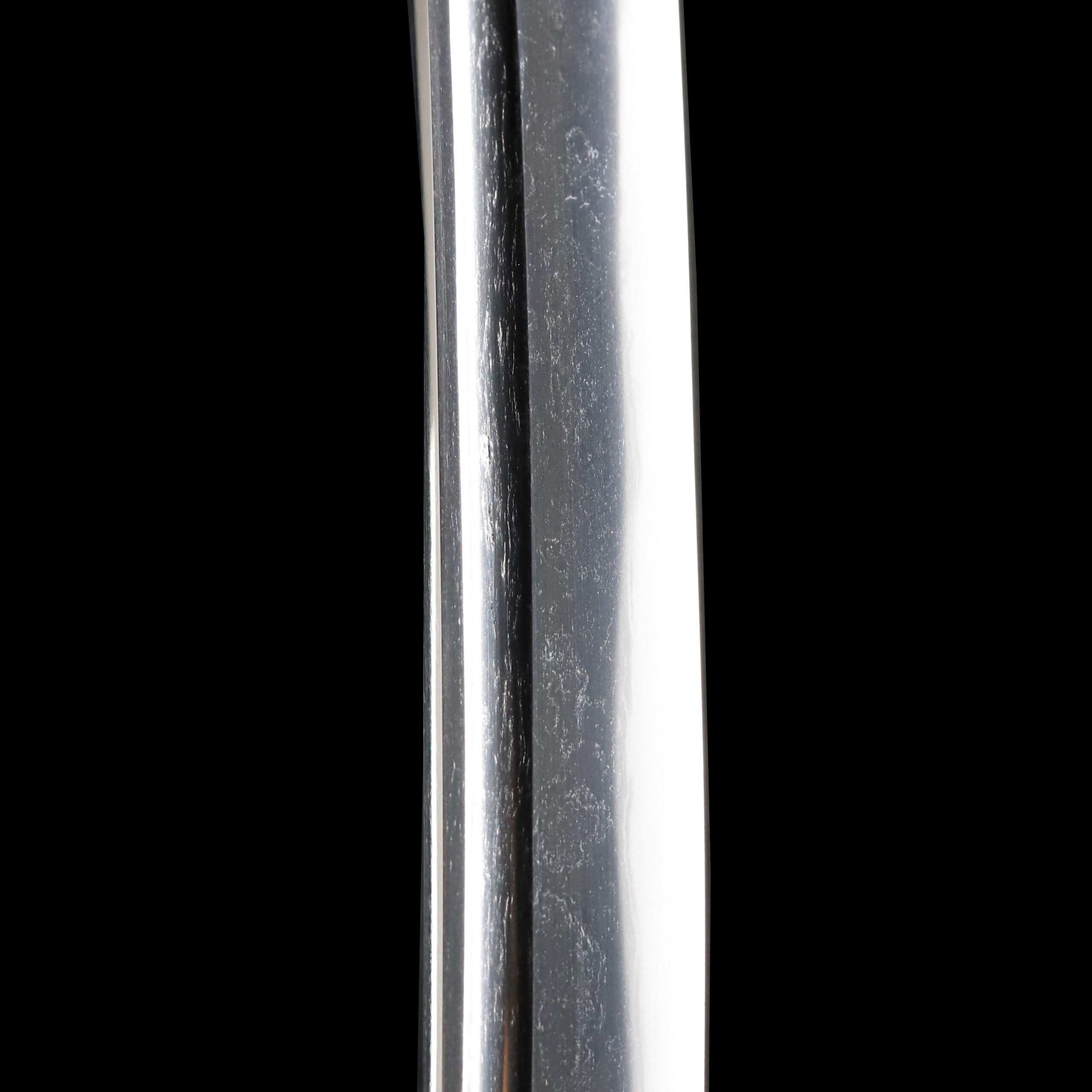
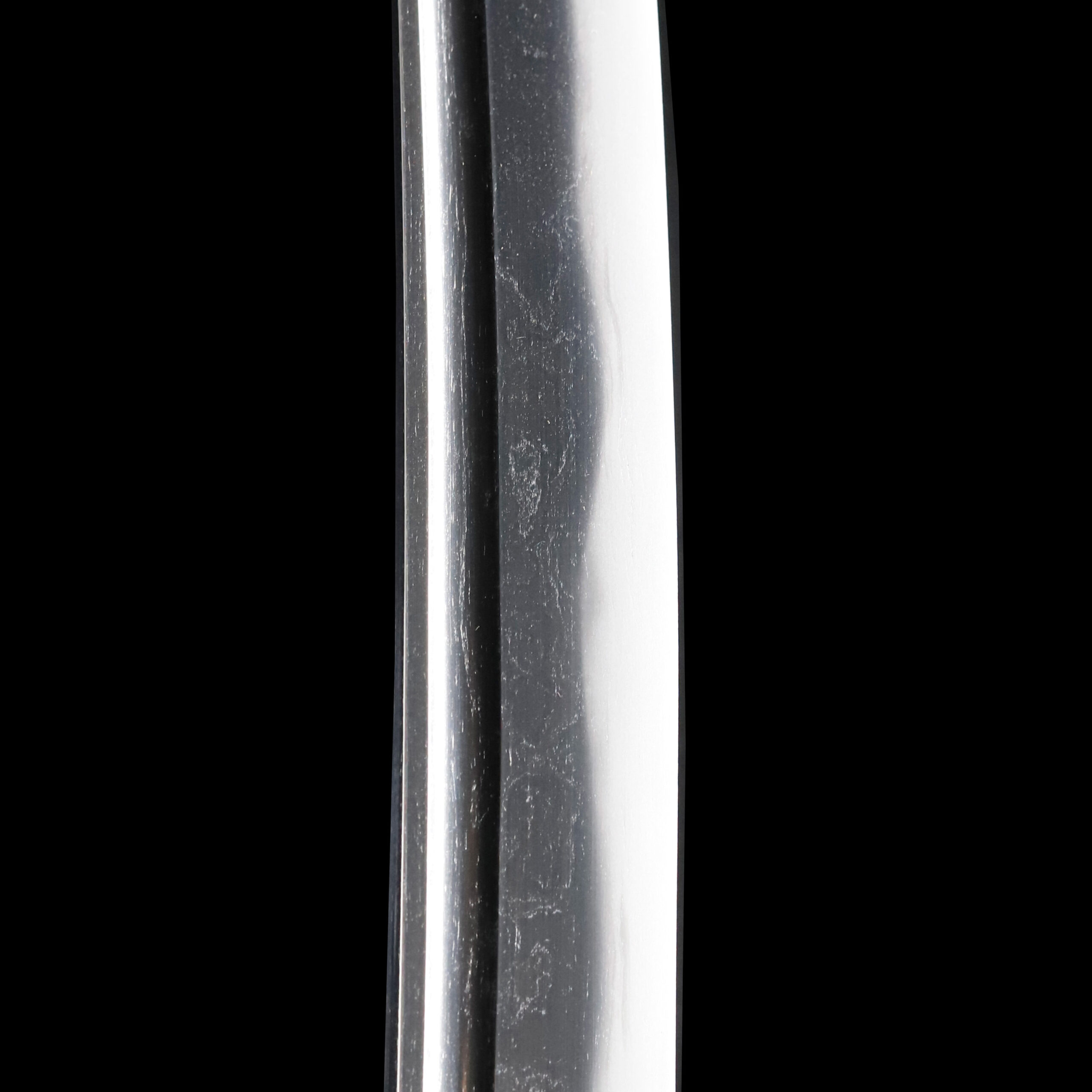
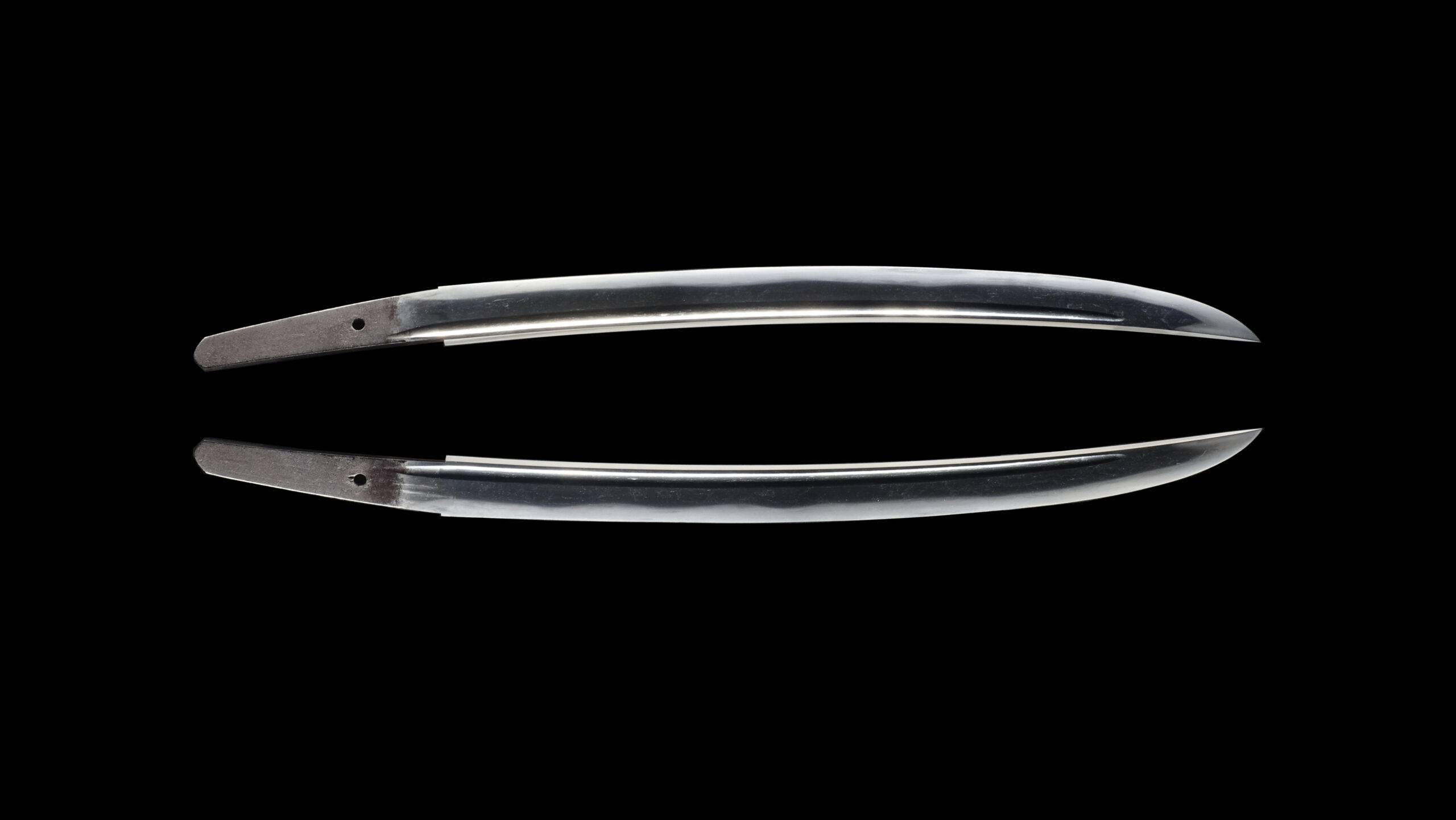
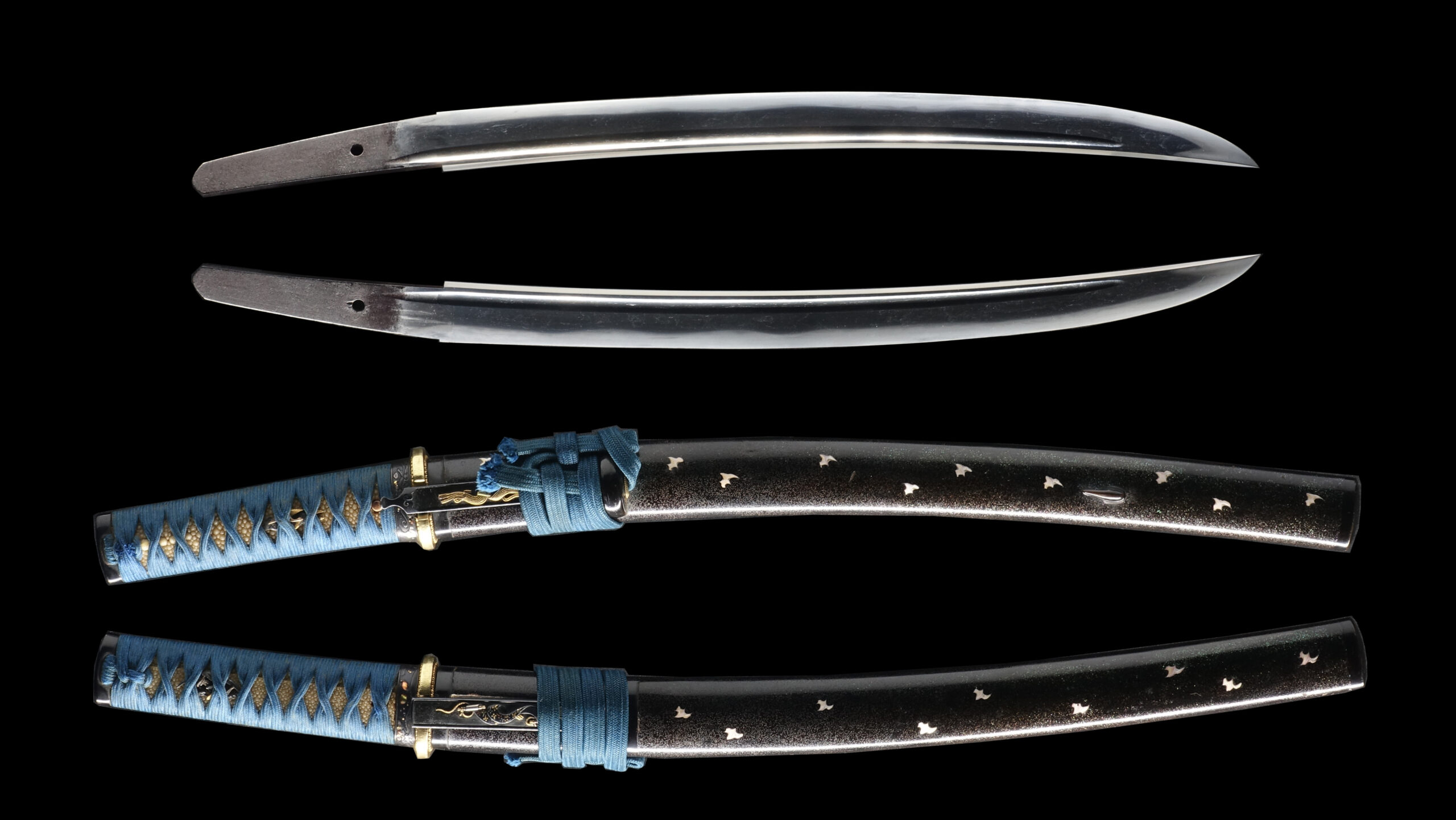
Soshu-den · Wakasa
7 pieces on the market now
The Fuyuhiro line worked at Obama in Wakasa Province, and the setsumei consistently trace its founder to Sagami. He is recorded as the son of the third-generation Hirotsugu of Sagami, said to have relocated to Obama around the Kōshō era (1455 to 1457), with one blade instead reporting that he studied under Tsunahiro of Sagami. The earliest hand is identified on a two-character mei attributed to the first-generation Wakasa Fuyuhiro, and the name continued thereafter, the lineage held to have run for some five generations and the signature extending into the shinshintō period and the closing years of the Edo period. " Several blades carry residence inscriptions for places far from Wakasa, among them Hōki, Unshū, Izumo, Bizen, and Bitchū, including a katana made at Matsuyama in Bitchū; whether these issued from one man or several is left by the setsumei as a matter for further study. The descent from Sagami places the line within the Soshu-den, working its late, provincial idiom. Across these blades the forging is itame mixed with mokume and nagare, repeatedly described as inclining toward hada-dachi, or standing grain, with ji-nie and frequent chikei. Two tempering modes recur. One follows late Sōshū and Sue-Sōshū taste, a wide notare or ō-notare mixed with ko-gunome, ko-chōji, and togariba, carrying ashi and yō, nie that adheres thickly and at times coarsely, with sunagashi and kinsuji, and in the most active examples tobiyaki and muneyaki that build into hitatsura. The other approaches Sue-Bizen, seen in a gunome-midare with koshi-biraki tendency or a tighter nioiguchi over ko-nie.
A third register appears as a broad suguha-chō set with ko-gunome and ko-notare. The bōshi is typically midare-komi, turning ko-maru or pointed with hakikake. To read the hand, the setsumei point to the standing grain and bright nioiguchi, the often grand sakizori construction with extended or ō-kissaki, and the carving: bō-hi with soe-hi, and on one blade a kurikara with bonji and goma-bashi whose manner is likened to Heianjō Nagayoshi rather than to Sōshū. Generations and modes separate by whether the workmanship leans Sue-Sōshū or Sue-Bizen. For kantei, the setsumei treat the place-stating signatures and dated tangs as the principal documentary value, several blades singled out for the clarity their inscriptions bring to the line's chronology and geographic reach; one Tenshō 8 katana adds the invocation "Hachiman Daibosatsu" beside the mekugi-ana and "Jūdai" cut on the mune. The recurring open question of the far-flung residence signatures, Hōki through Bitchū, frames the standing of the name as one whose precise membership the register still weighs. Among individual works, the writers name a suriage katana as a kessaku, a wholly hardened blade close to late Bizen, and a two-character first-generation piece judged the finest in jigane and hamon. Accompanying uchigatana koshirae survive on two katana, one with shakudō nanako fittings bearing the "Misu aoi" crest, the other a black-lacquered leather katate-maki mounting whose saya is held close in date to the blade. The setsumei present Fuyuhiro as a capable smith adept in both suguha and midare and in horimono, his Wakasa workshop carrying the Soshu-den into the late Muromachi and beyond. Learn more →
| Smith | Era | Designated |
|---|---|---|
| Fuyuhiro冬廣 | 1521-1568 | 5 |
| Fuyuhiro冬廣 | 1487-1489 | 0 |
| Fuyuhiro冬廣 | 1624-1644 | 0 |
| Fuyuhiro冬廣 | 1501-1504 | 0 |
| Fuyuhiro冬廣 | 1661-1673 | 0 |
Sōshū in the Muromachi period
In the Sengoku era the school served a second warrior court: the Later Hōjō at Odawara, whose patronage kept the Tsunahiro line forging hitatsura for the uchigatana age until the castle fell to Hideyoshi in 1590.
Certifies a genuine blade worth preserving: a signature confirmed correct, or, if unsigned, an era, province, and school that the NBTHK can reliably identify.
The NBTHK (Nihon Bijutsu Tōken Hozon Kyōkai, the Society for the Preservation of Japanese Art Swords) is a public-interest incorporated foundation founded in 1948 and supervised by Japan’s Agency for Cultural Affairs (Bunkachō); it is based at the Japanese Sword Museum in Tokyo. Its expert panels physically examine each submitted work (shinsa) and issue a certificate (kanteishō) ranking it by artistic and historical merit. NBTHK papers are the most widely recognized standard of authentication for Japanese swords and fittings.
NBTHK official siteReturns/exchanges limited to defects caused by shipping (except willful misconduct or gross negligence by the company); customers must contact within 72 hours of receiving the product.