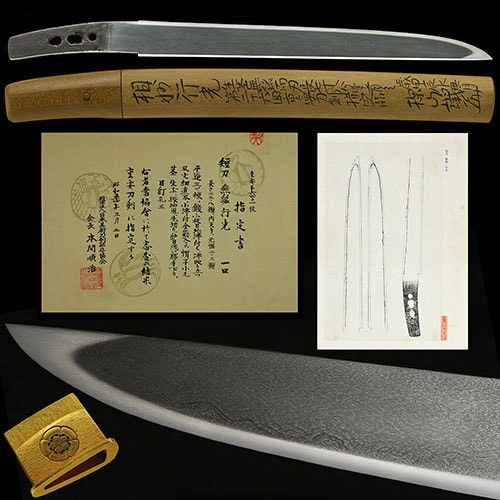
In the Sengoku era the school served a second warrior court: the Later Hōjō at Odawara, whose patronage kept the Tsunahiro line forging hitatsura for the uchigatana age until the castle fell to Hideyoshi in 1590.
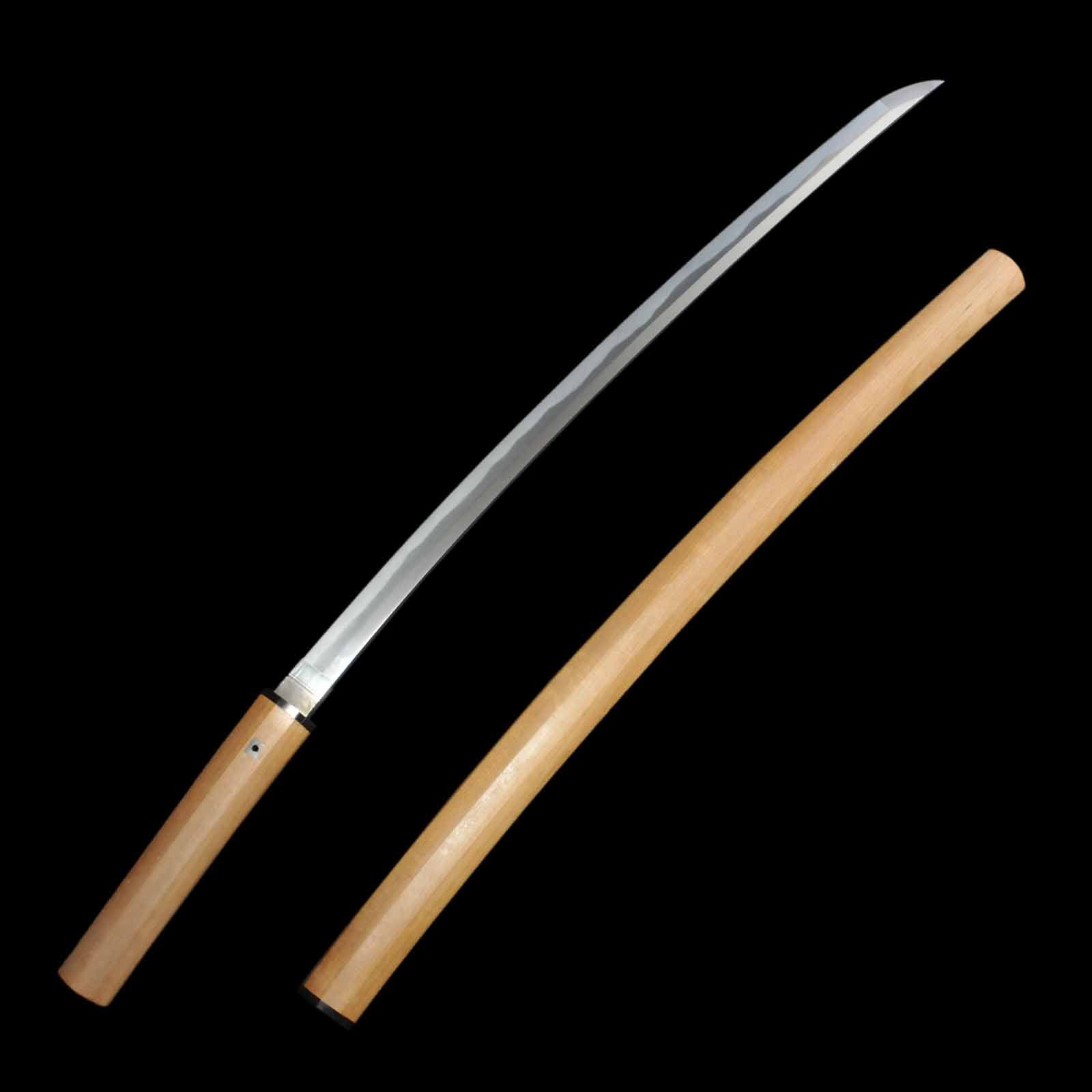
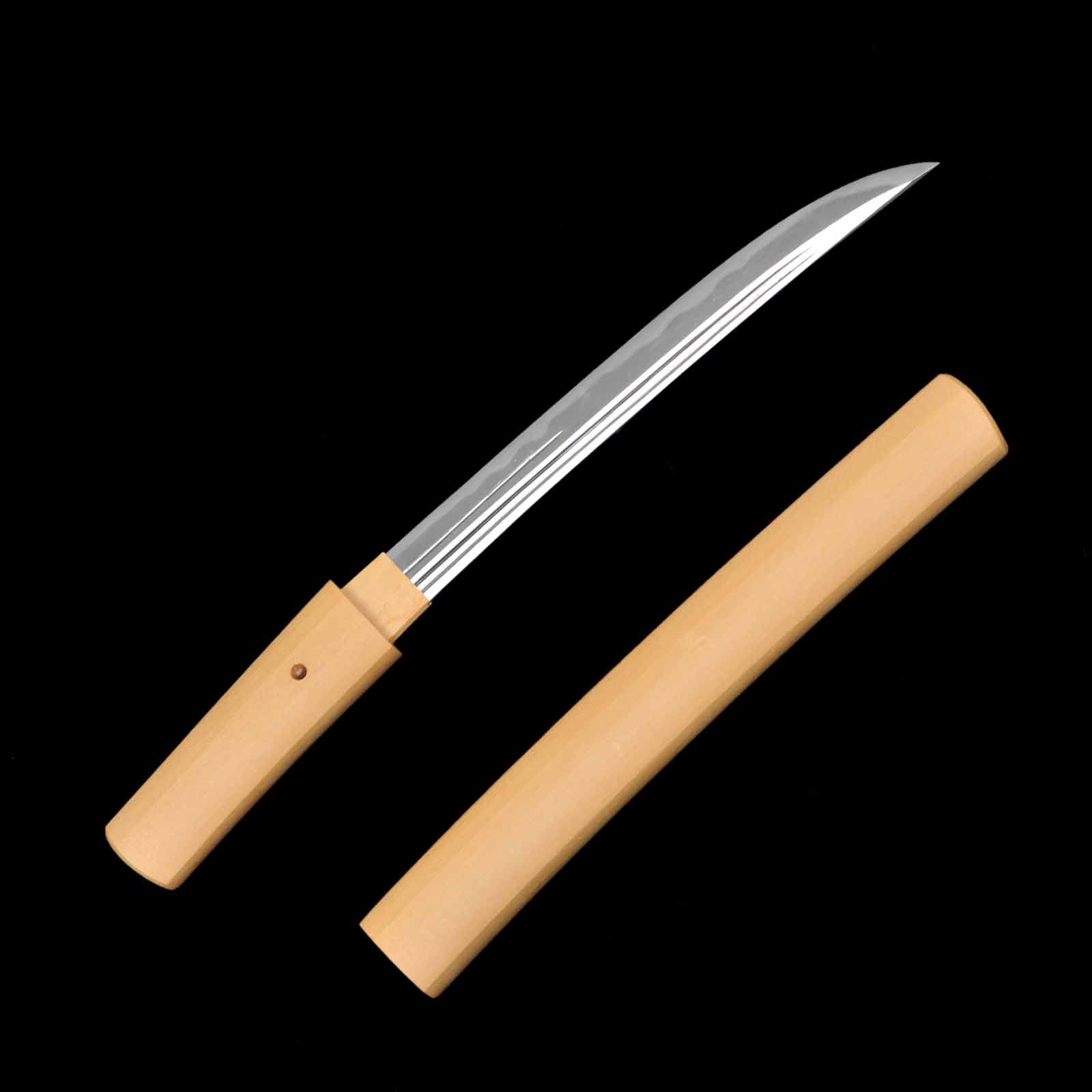
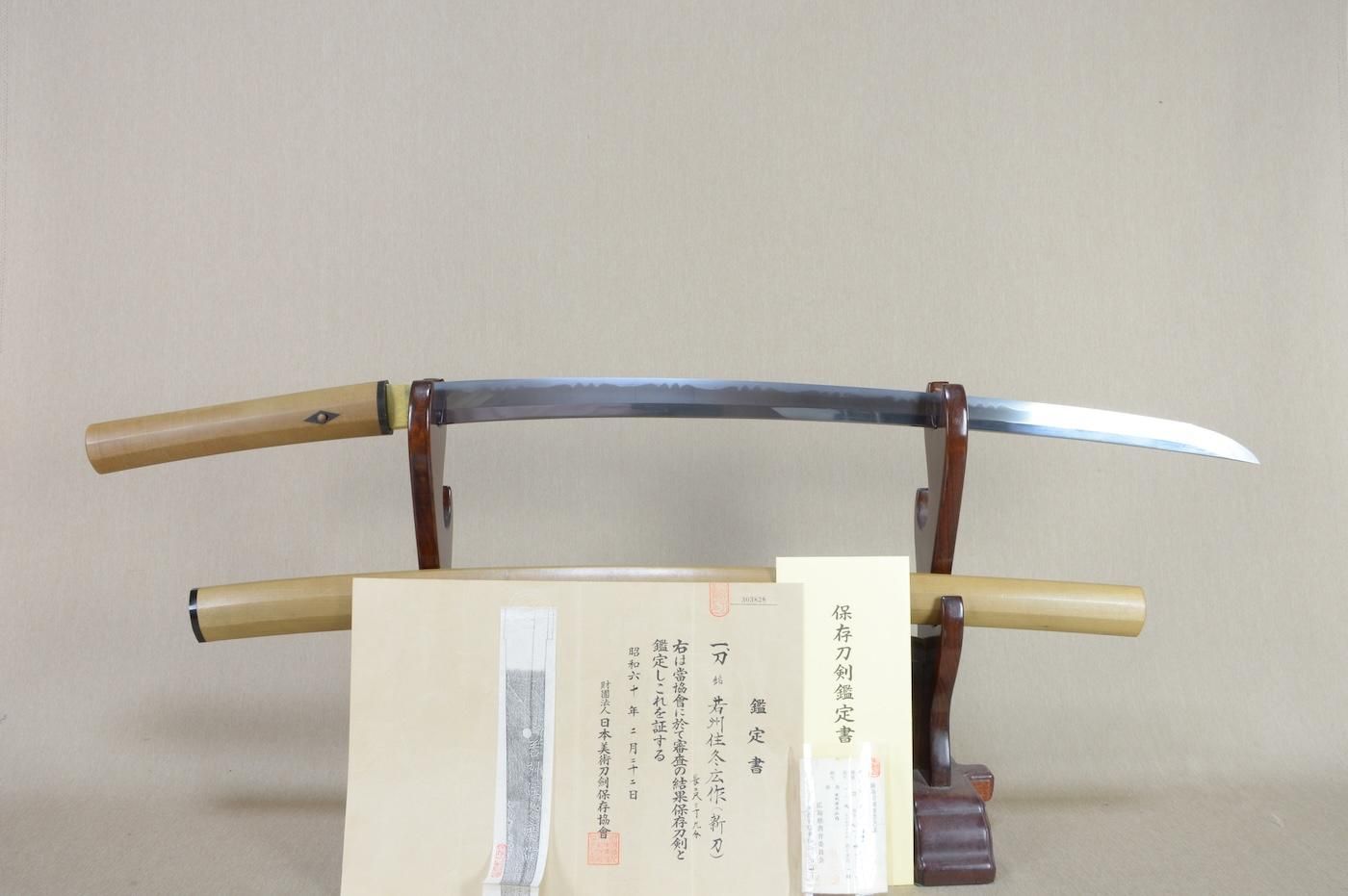
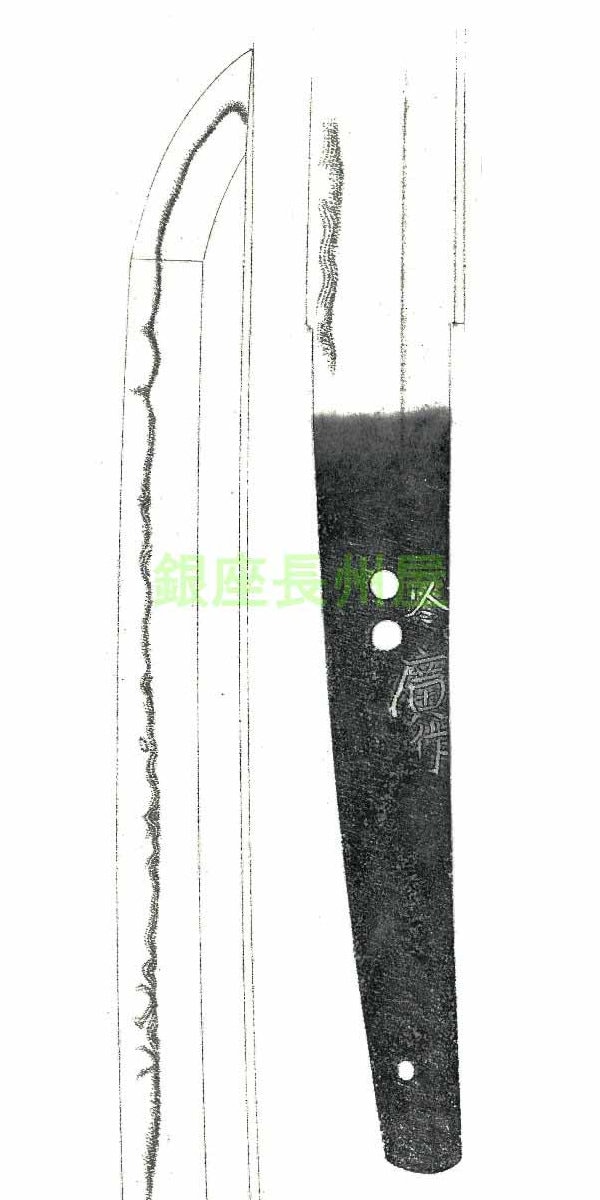
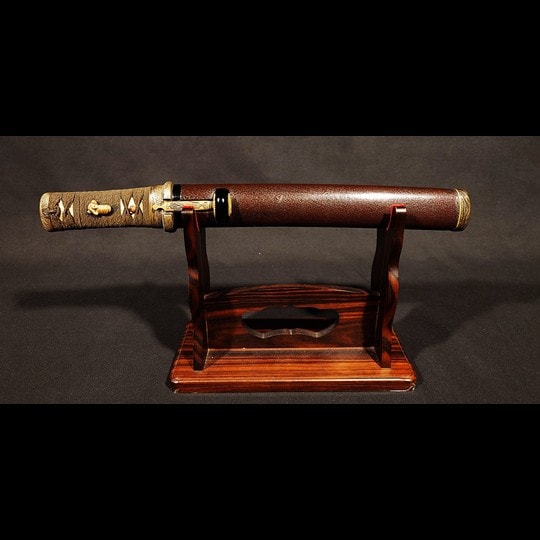
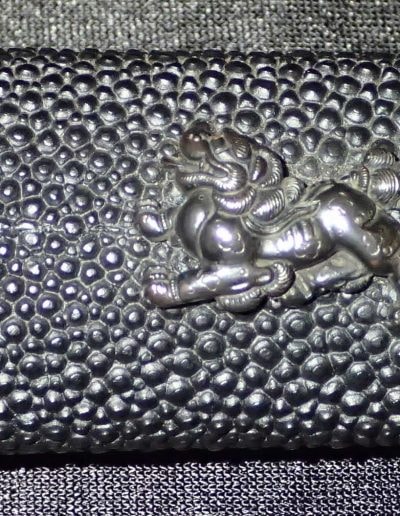
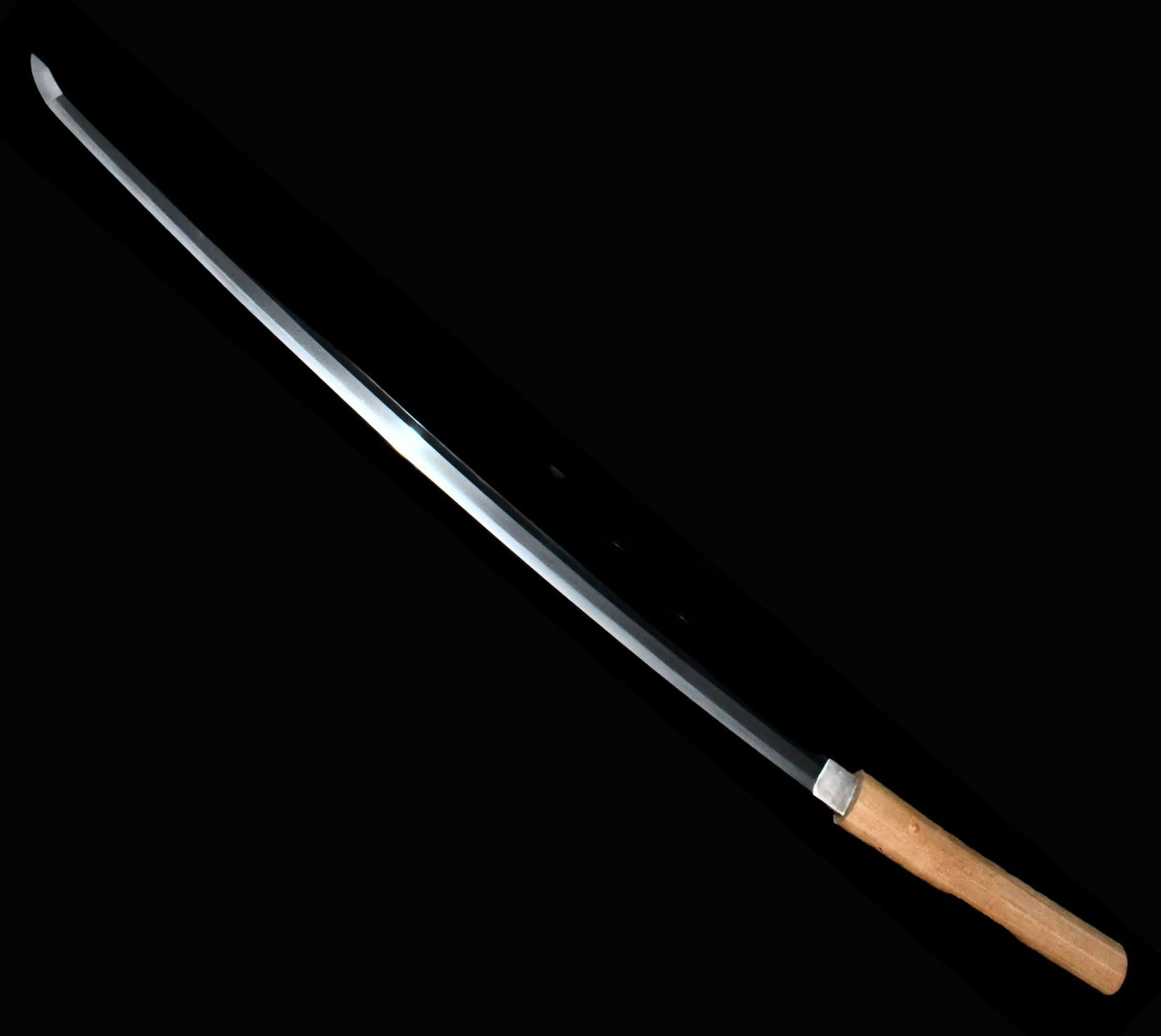
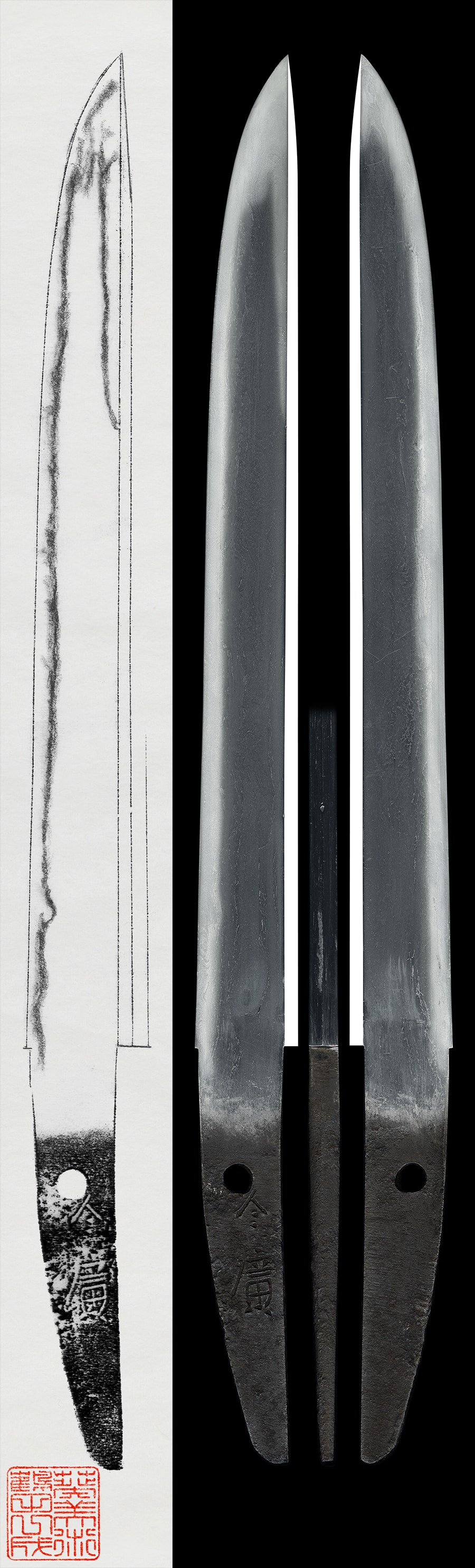
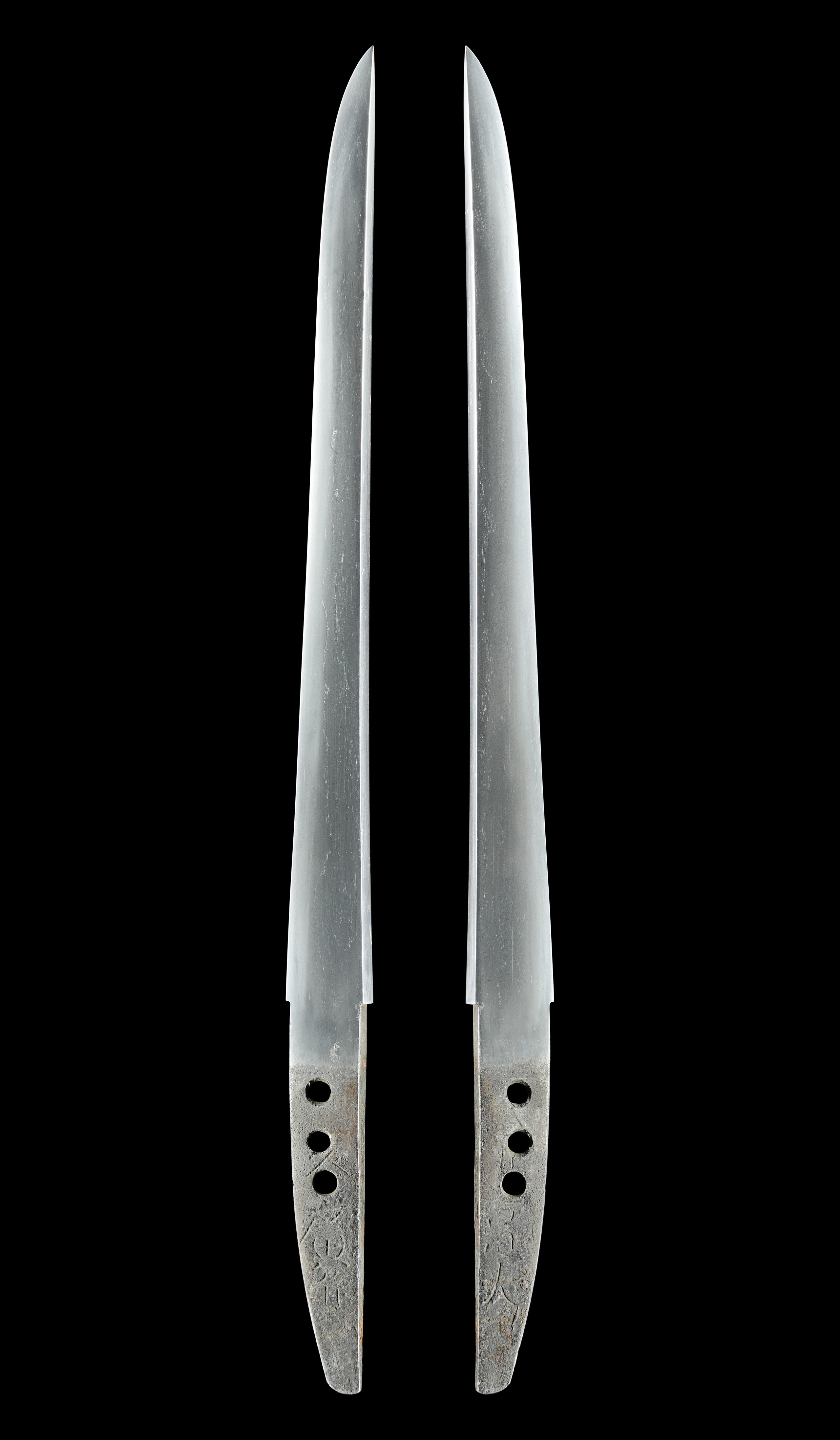
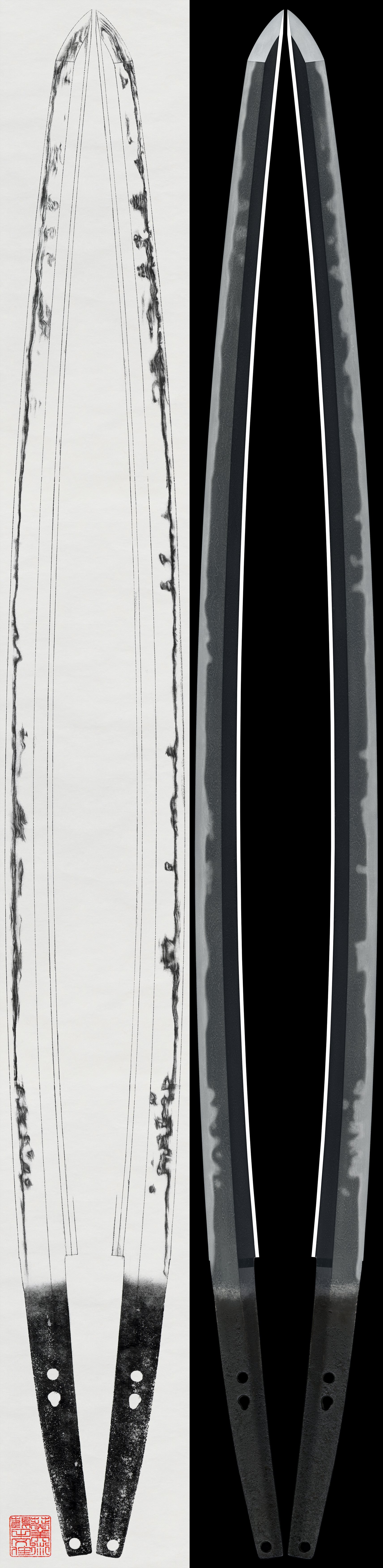
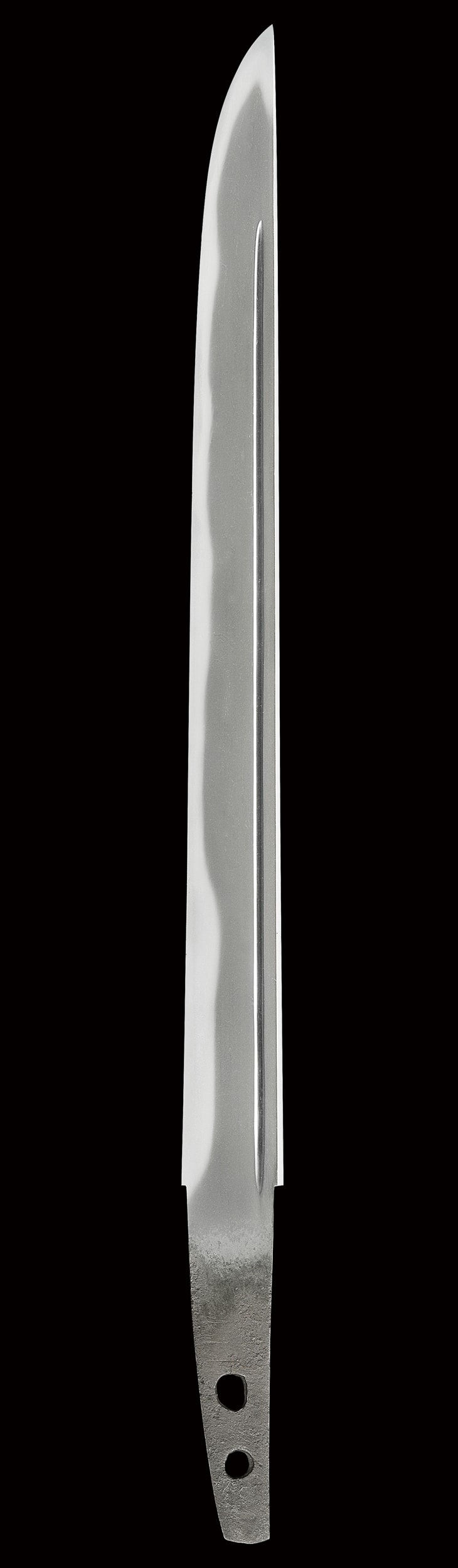
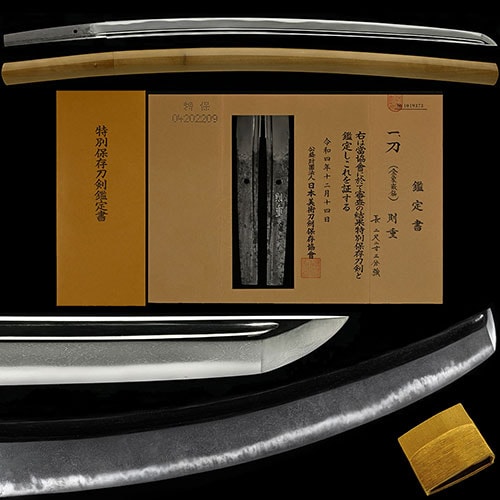
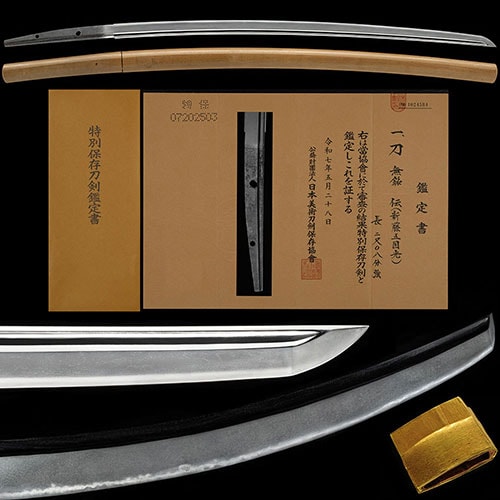
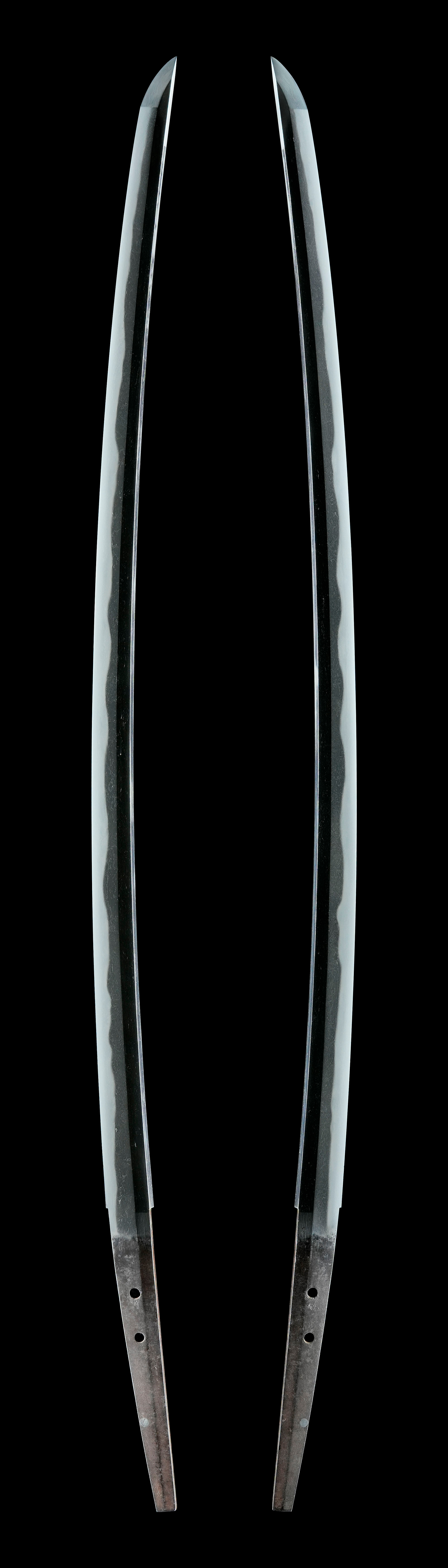
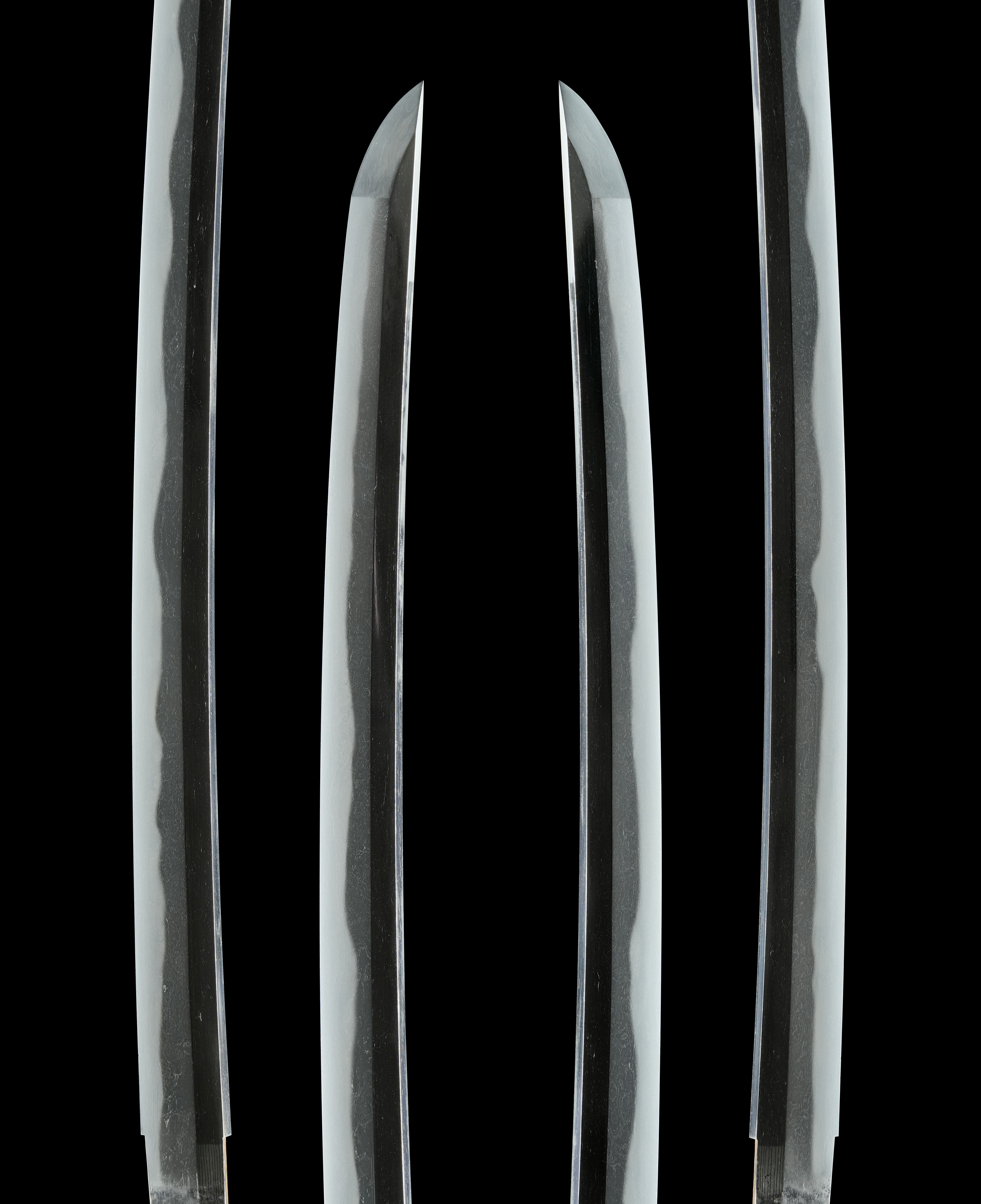
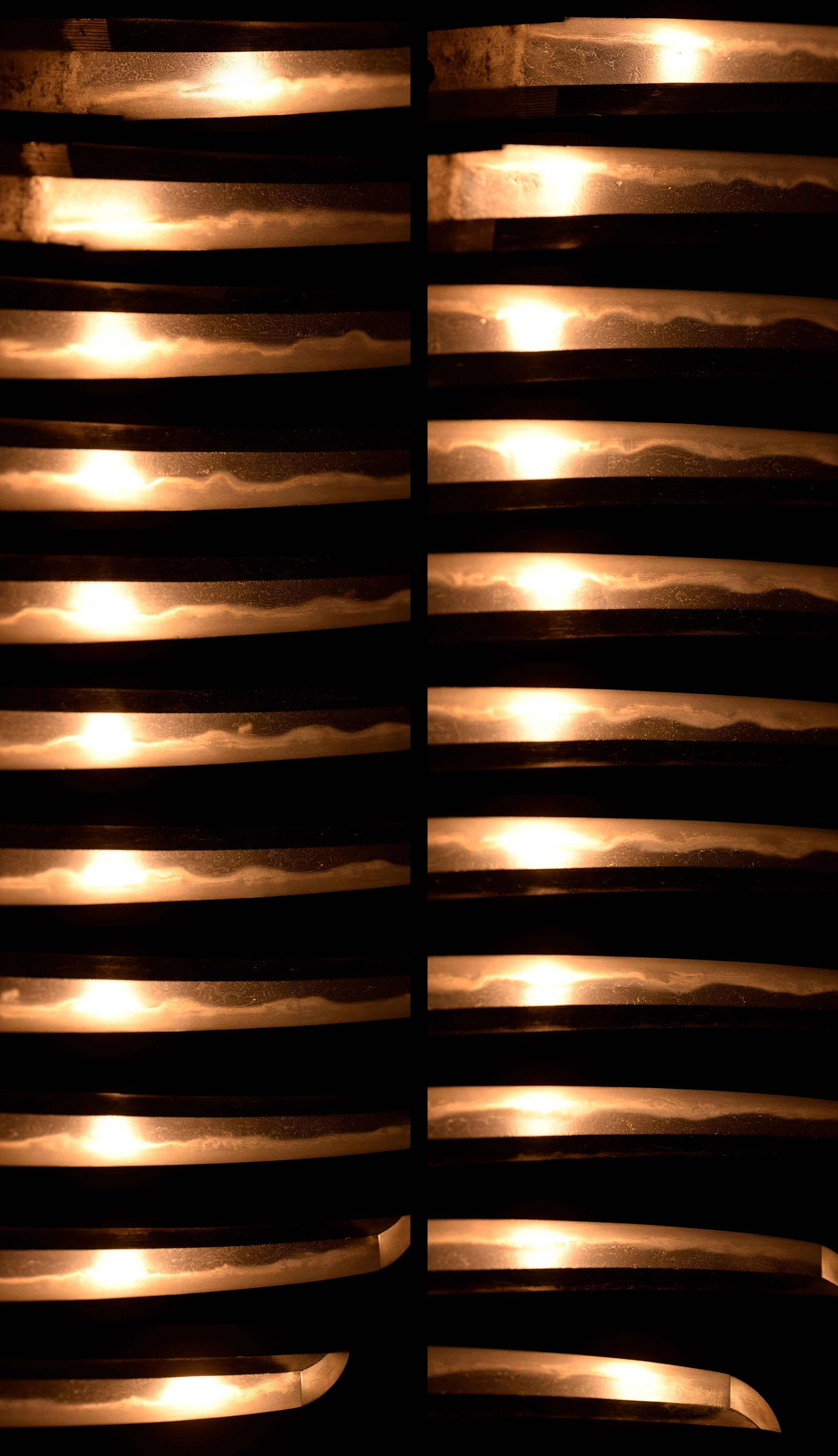
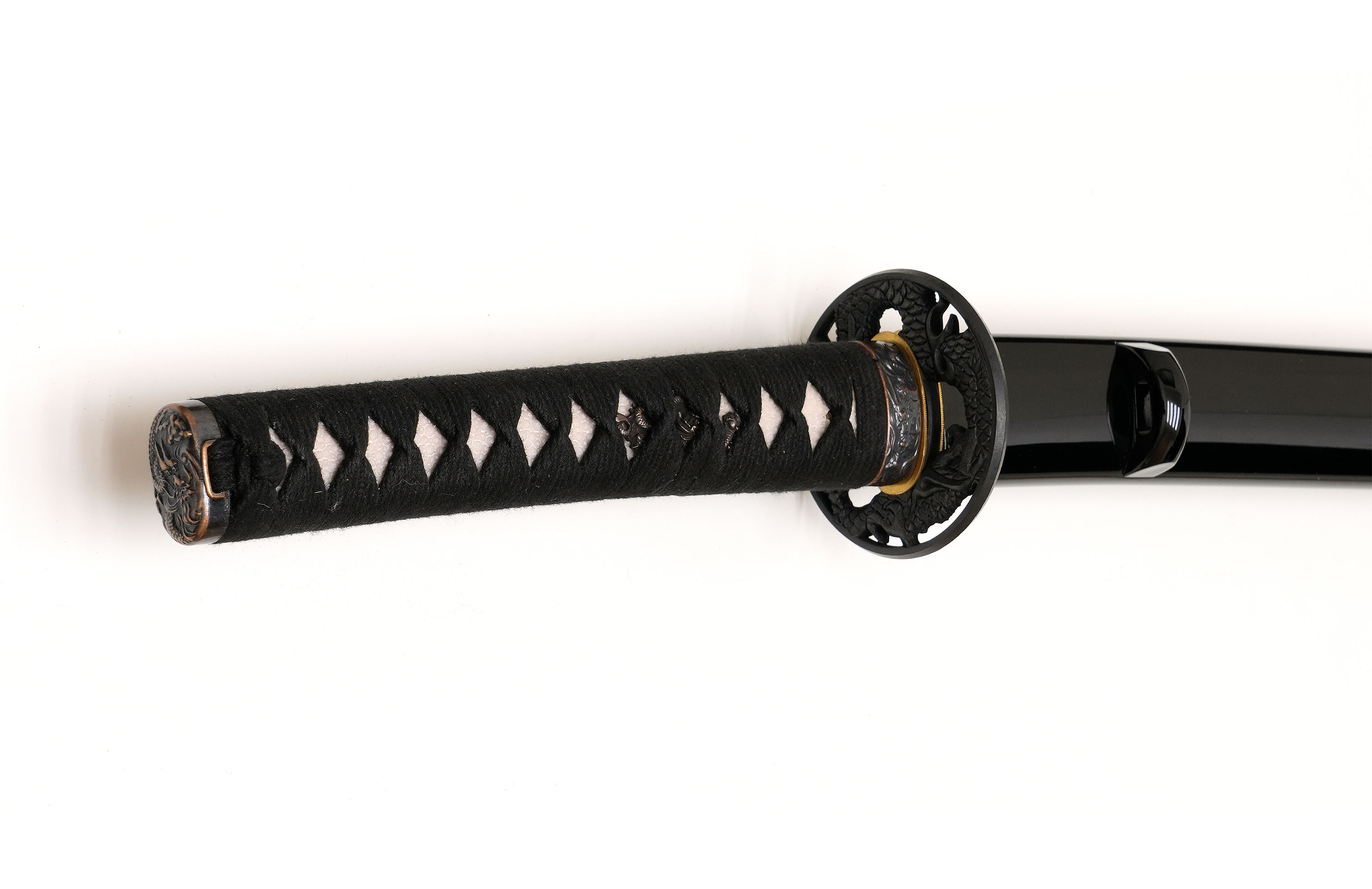
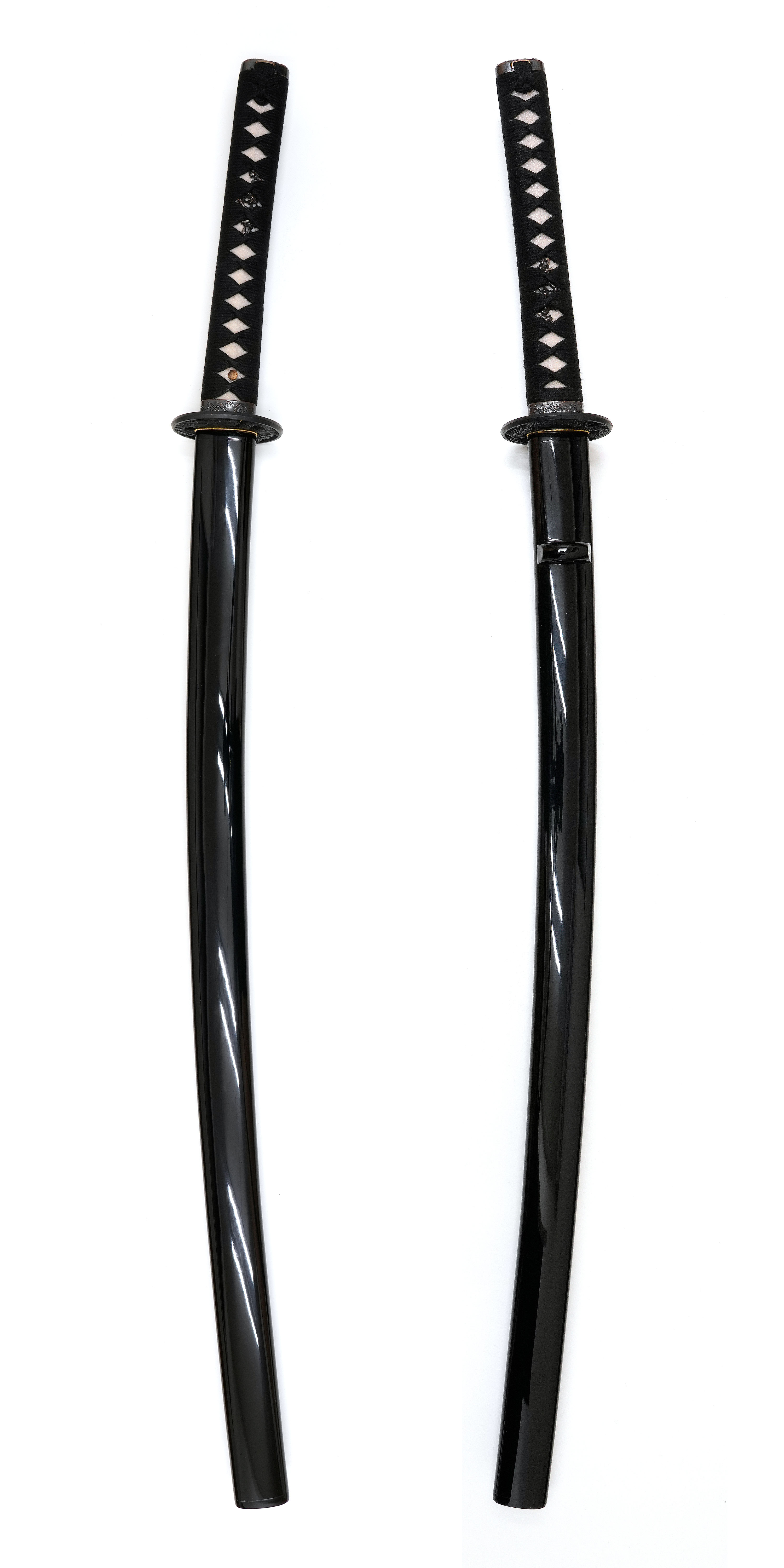
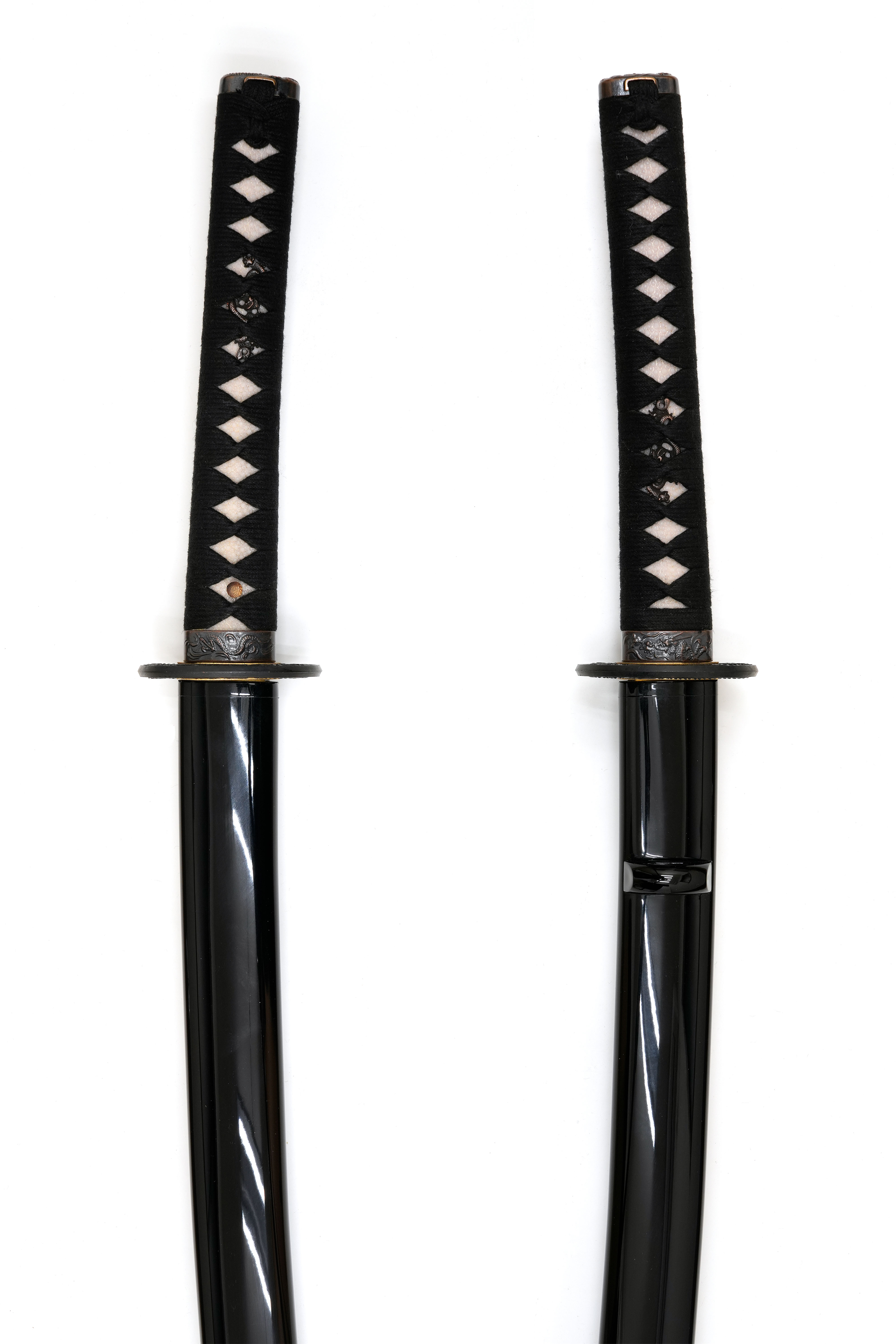
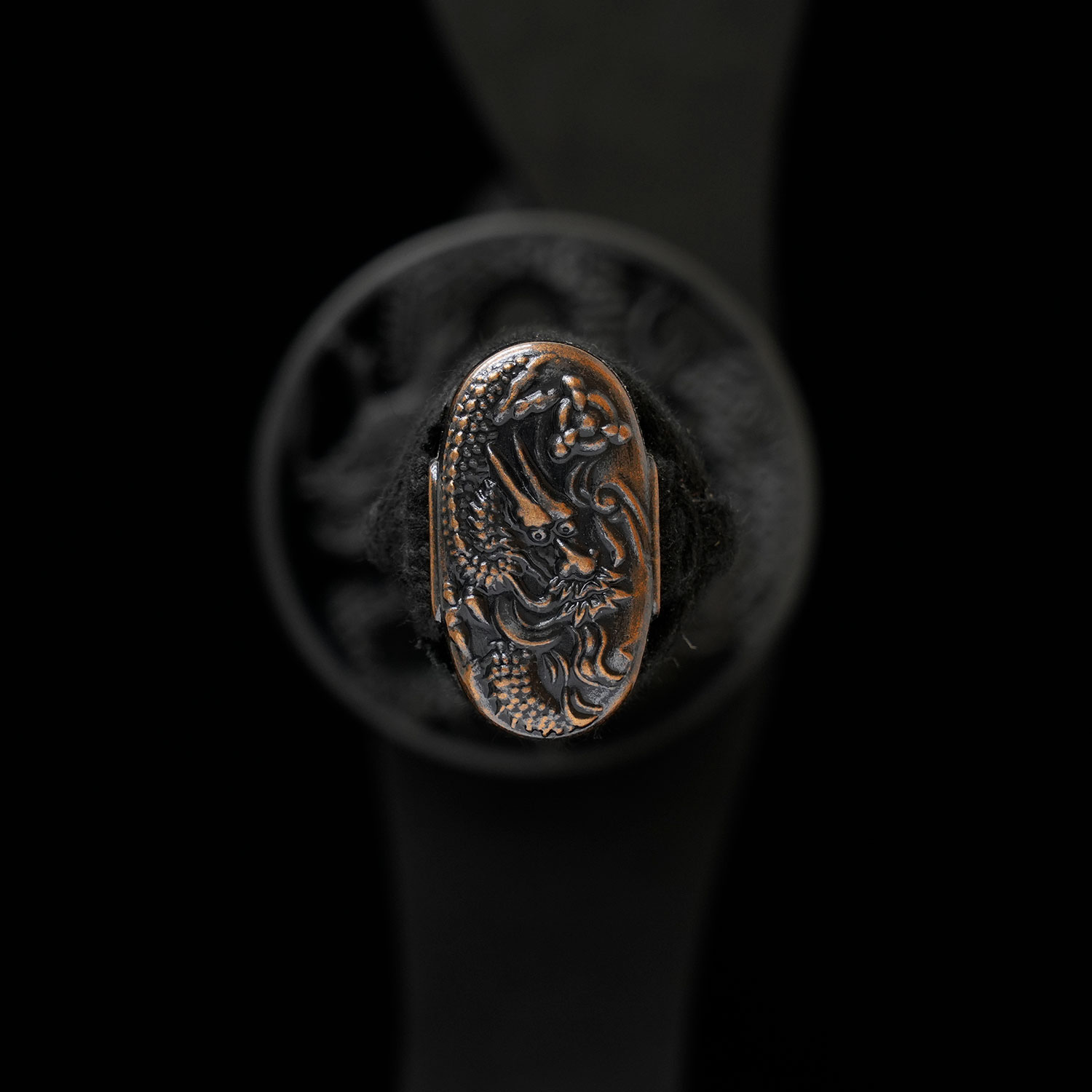
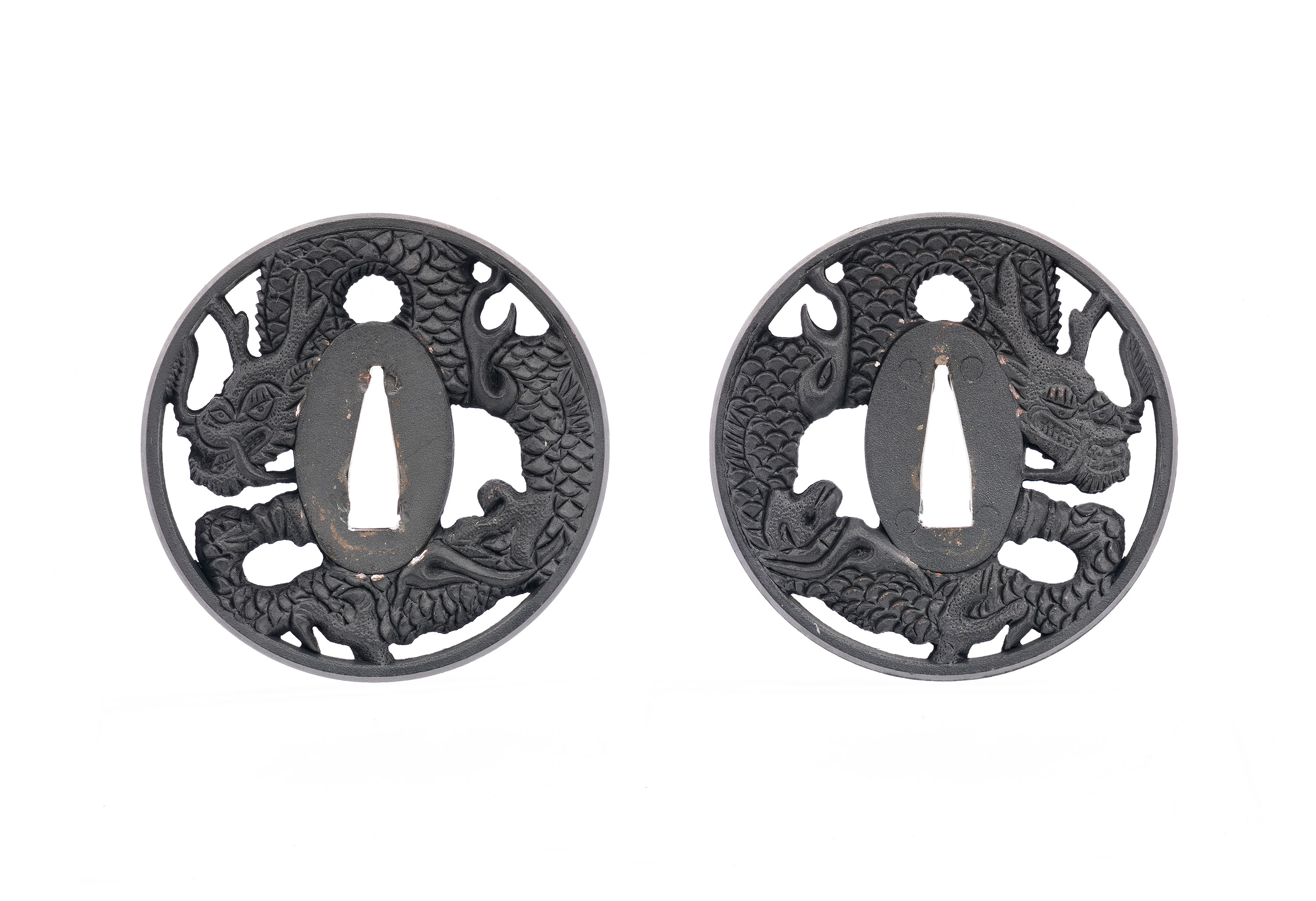
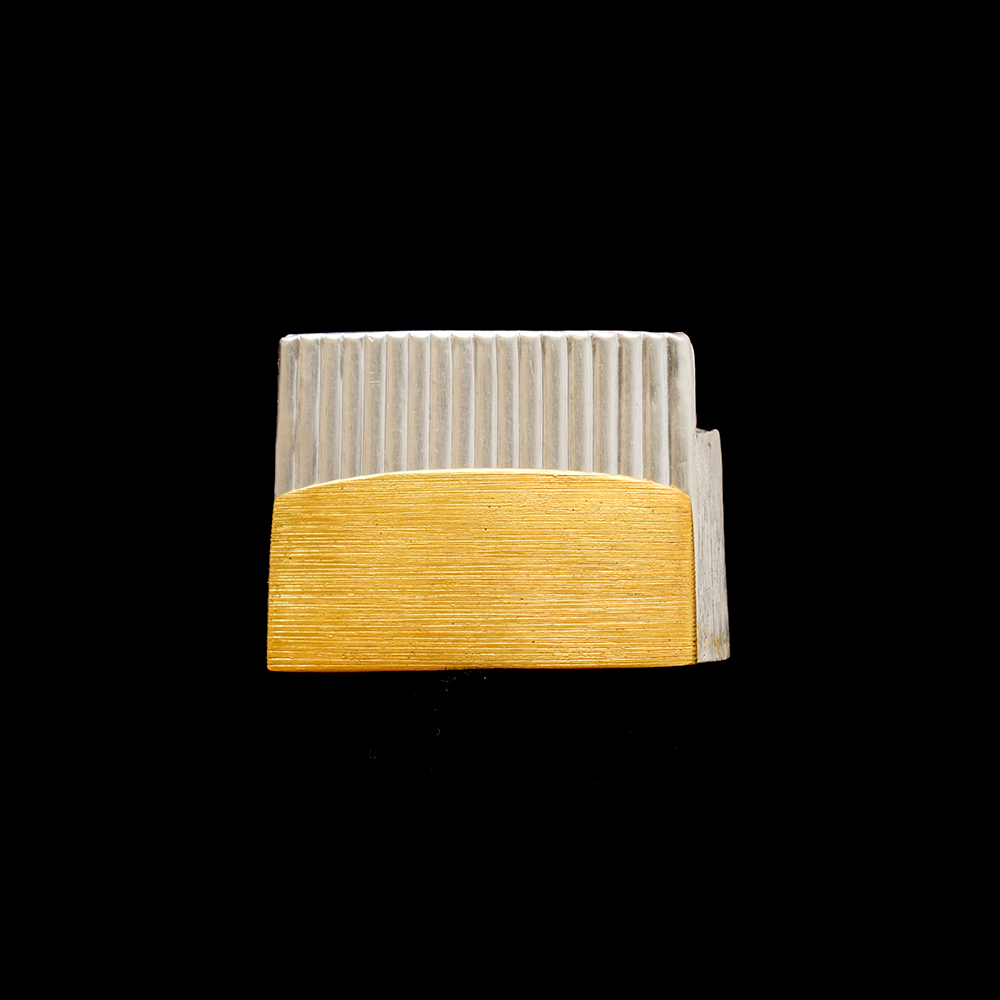
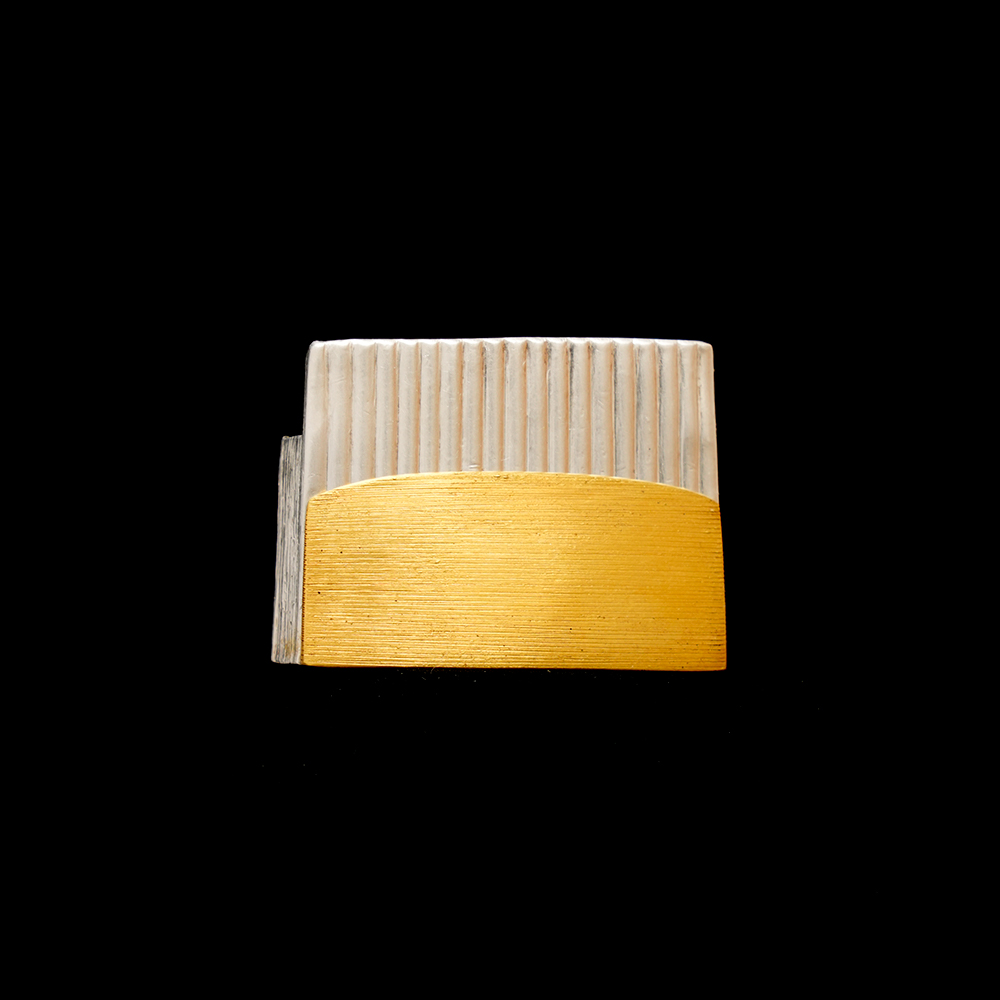
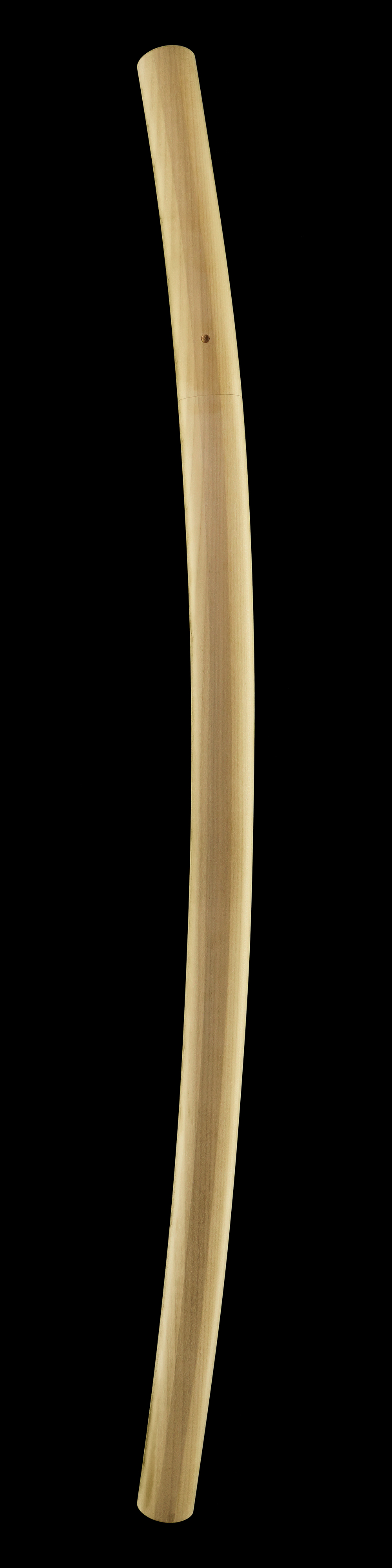
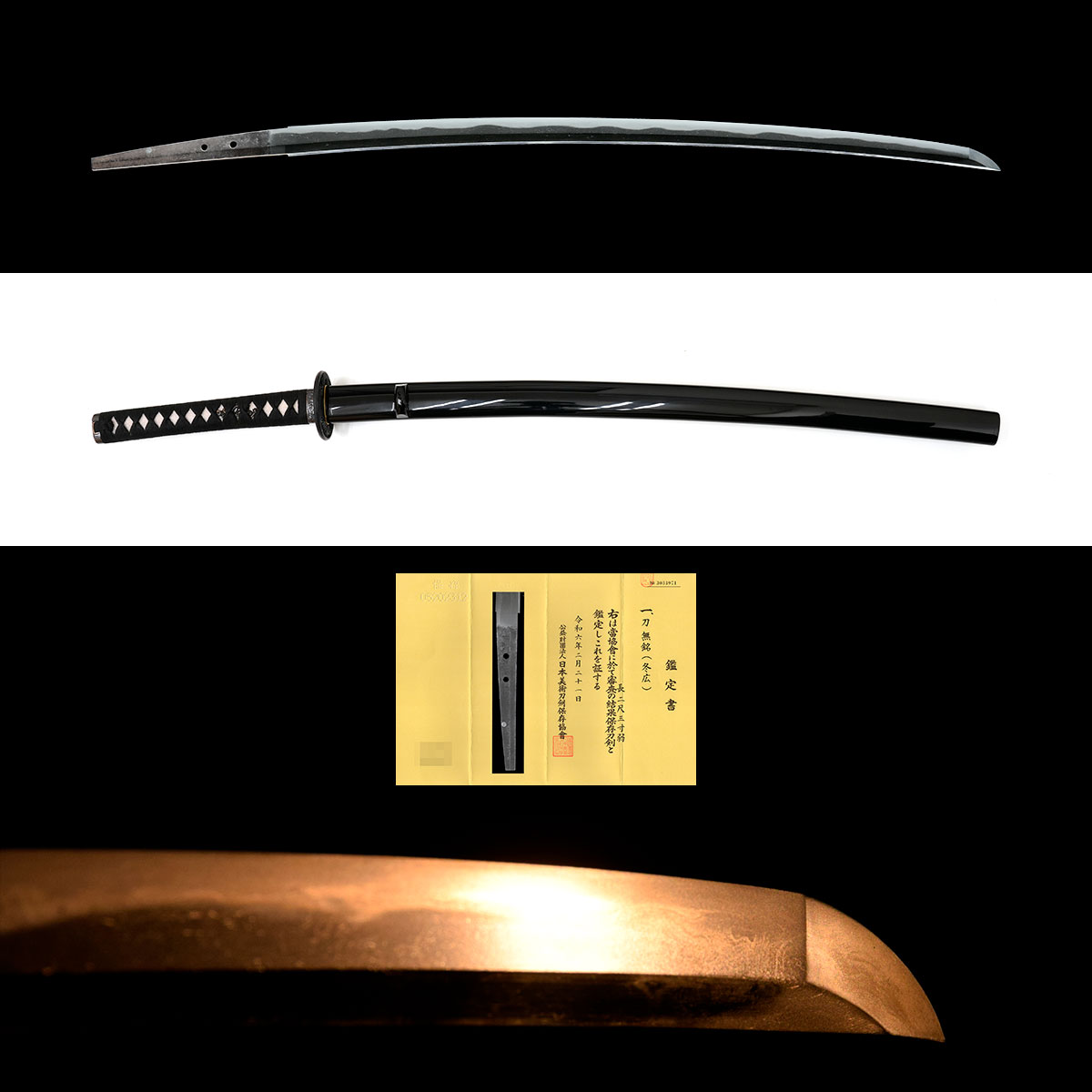
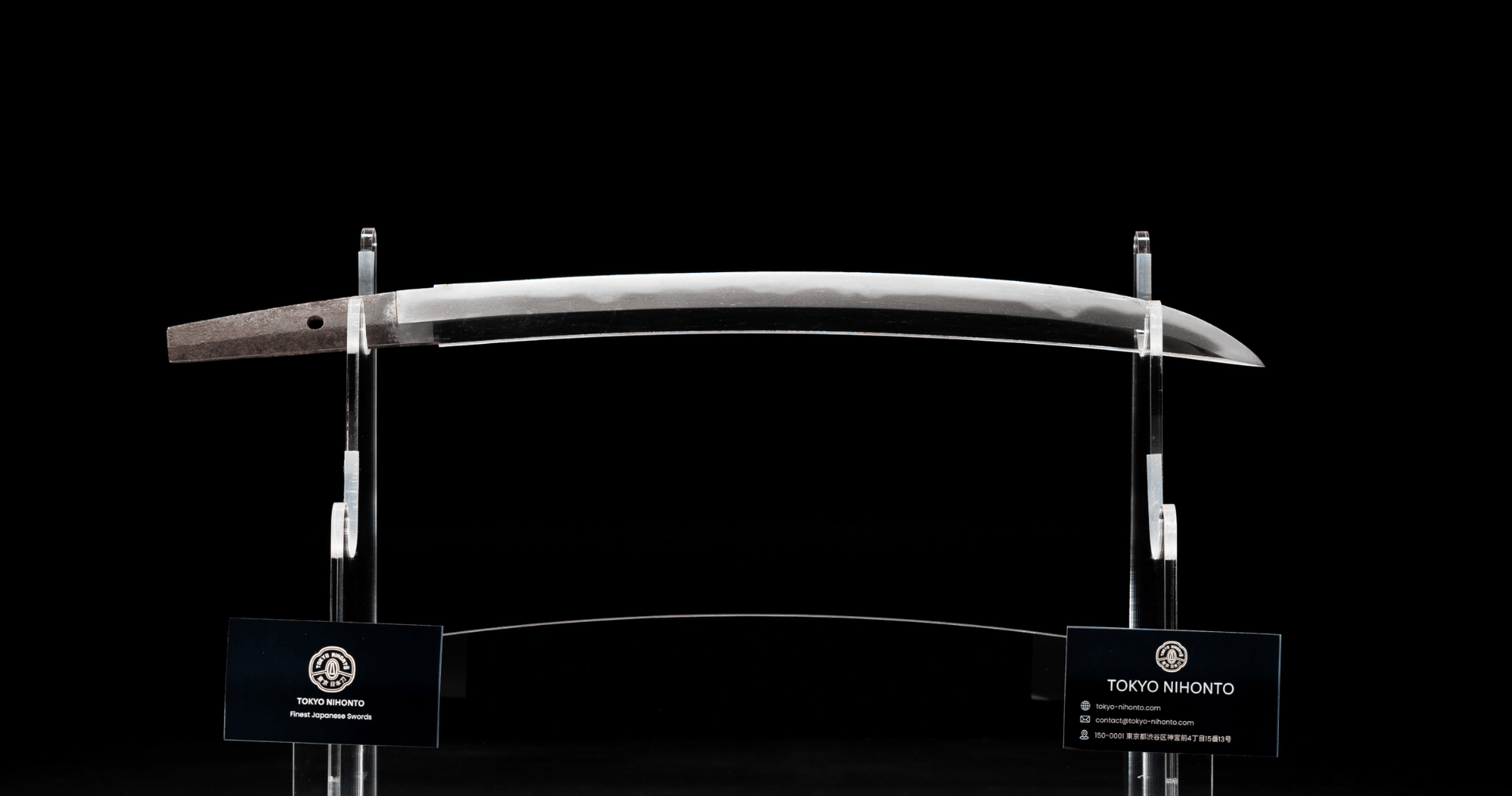
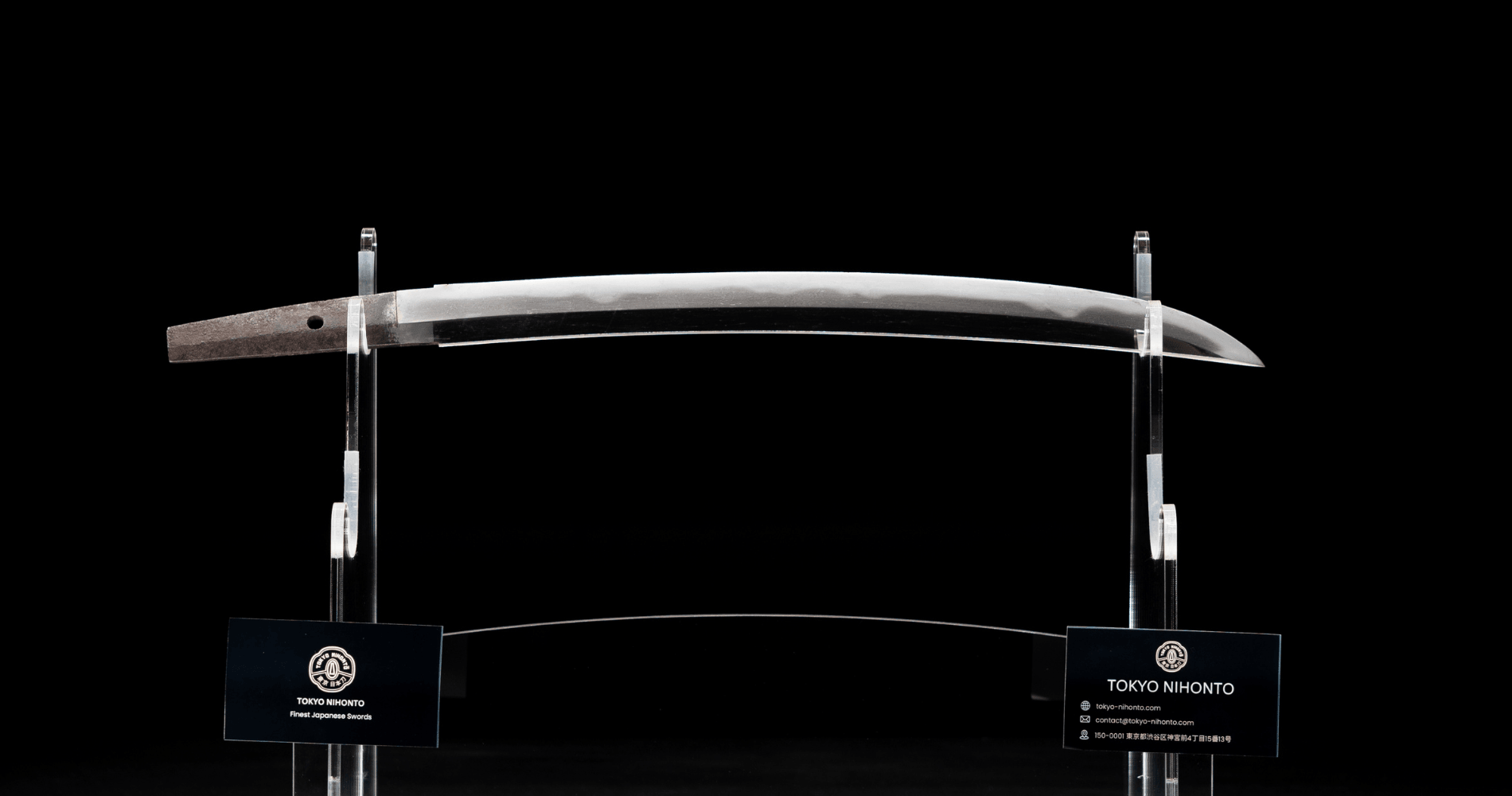
This is a katana attributed to Fuyuhiro from the late Muromachi period. The blade has a nagasa of 69.8 cm and comes with a Hozon Token certificate. It is mounted in a black lacquered koshirae.
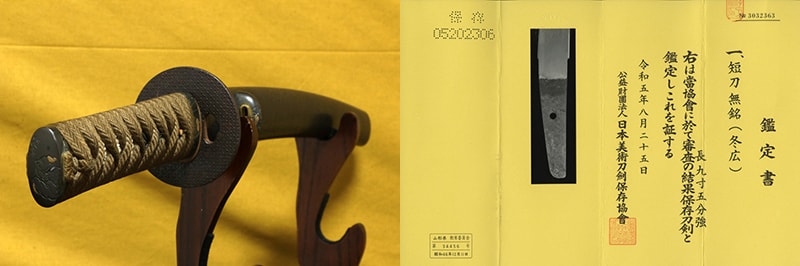
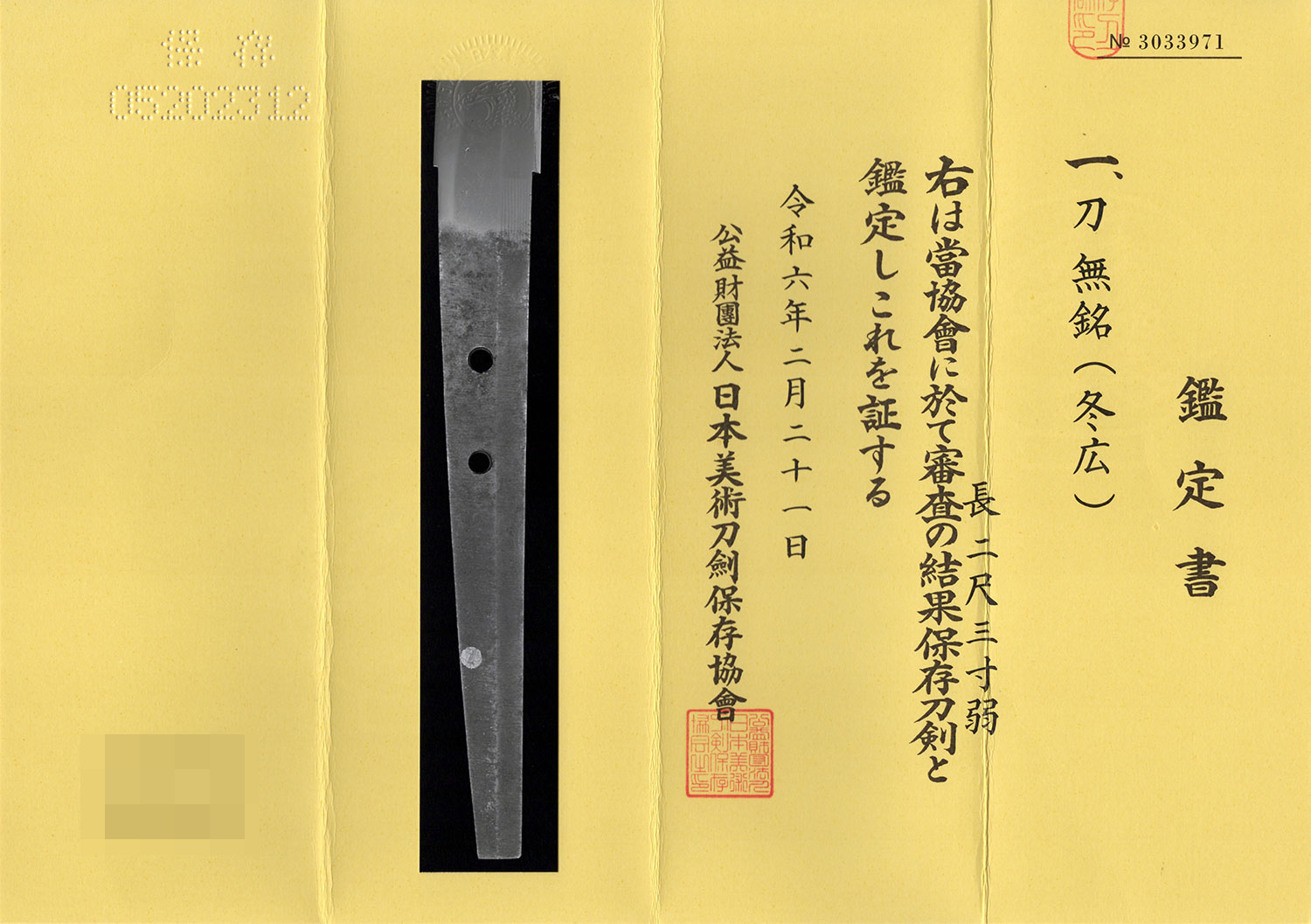
Certificate reading — 無銘(冬広)
 NihontoWatch
mumei · Muromachi · nagasa 69.8cm · sori 1.9cm
Soshu-den · Wakasa
8 pieces on the market now
The Fuyuhiro line worked at Obama in Wakasa Province, and the setsumei consistently trace its founder to Sagami. He is recorded as the son of the third-generation Hirotsugu of Sagami, said to have relocated to Obama around the Kōshō era (1455 to 1457), with one blade instead reporting that he studied under Tsunahiro of Sagami. The earliest hand is identified on a two-character mei attributed to the first-generation Wakasa Fuyuhiro, and the name continued thereafter, the lineage held to have run for some five generations and the signature extending into the shinshintō period and the closing years of the Edo period. " Several blades carry residence inscriptions for places far from Wakasa, among them Hōki, Unshū, Izumo, Bizen, and Bitchū, including a katana made at Matsuyama in Bitchū; whether these issued from one man or several is left by the setsumei as a matter for further study. The descent from Sagami places the line within the Soshu-den, working its late, provincial idiom. Across these blades the forging is itame mixed with mokume and nagare, repeatedly described as inclining toward hada-dachi, or standing grain, with ji-nie and frequent chikei. Two tempering modes recur. One follows late Sōshū and Sue-Sōshū taste, a wide notare or ō-notare mixed with ko-gunome, ko-chōji, and togariba, carrying ashi and yō, nie that adheres thickly and at times coarsely, with sunagashi and kinsuji, and in the most active examples tobiyaki and muneyaki that build into hitatsura. The other approaches Sue-Bizen, seen in a gunome-midare with koshi-biraki tendency or a tighter nioiguchi over ko-nie.
A third register appears as a broad suguha-chō set with ko-gunome and ko-notare. The bōshi is typically midare-komi, turning ko-maru or pointed with hakikake. To read the hand, the setsumei point to the standing grain and bright nioiguchi, the often grand sakizori construction with extended or ō-kissaki, and the carving: bō-hi with soe-hi, and on one blade a kurikara with bonji and goma-bashi whose manner is likened to Heianjō Nagayoshi rather than to Sōshū. Generations and modes separate by whether the workmanship leans Sue-Sōshū or Sue-Bizen. For kantei, the setsumei treat the place-stating signatures and dated tangs as the principal documentary value, several blades singled out for the clarity their inscriptions bring to the line's chronology and geographic reach; one Tenshō 8 katana adds the invocation "Hachiman Daibosatsu" beside the mekugi-ana and "Jūdai" cut on the mune. The recurring open question of the far-flung residence signatures, Hōki through Bitchū, frames the standing of the name as one whose precise membership the register still weighs. Among individual works, the writers name a suriage katana as a kessaku, a wholly hardened blade close to late Bizen, and a two-character first-generation piece judged the finest in jigane and hamon. Accompanying uchigatana koshirae survive on two katana, one with shakudō nanako fittings bearing the "Misu aoi" crest, the other a black-lacquered leather katate-maki mounting whose saya is held close in date to the blade. The setsumei present Fuyuhiro as a capable smith adept in both suguha and midare and in horimono, his Wakasa workshop carrying the Soshu-den into the late Muromachi and beyond. Learn more →
| Smith | Era | Designated |
|---|---|---|
| Fuyuhiro冬廣 | 1521-1568 | 5 |
| Fuyuhiro冬廣 | 1444-1449 | 1 |
| Fuyuhiro冬廣 | 1558-1592 | 2 |
| Fuyuhiro冬廣 | 1532-1555 | 1 |
| Fuyuhiro冬廣 | 1573-1592 | 1 |
Sōshū in the Muromachi period
In the Sengoku era the school served a second warrior court: the Later Hōjō at Odawara, whose patronage kept the Tsunahiro line forging hitatsura for the uchigatana age until the castle fell to Hideyoshi in 1590.
Certifies a genuine blade worth preserving: a signature confirmed correct, or, if unsigned, an era, province, and school that the NBTHK can reliably identify.
The NBTHK (Nihon Bijutsu Tōken Hozon Kyōkai, the Society for the Preservation of Japanese Art Swords) is a public-interest incorporated foundation founded in 1948 and supervised by Japan’s Agency for Cultural Affairs (Bunkachō); it is based at the Japanese Sword Museum in Tokyo. Its expert panels physically examine each submitted work (shinsa) and issue a certificate (kanteishō) ranking it by artistic and historical merit. NBTHK papers are the most widely recognized standard of authentication for Japanese swords and fittings.
NBTHK official siteReturns accepted within 3 days of delivery for defective items or significant discrepancies; customer bears return shipping and bank fees.
¥550,000
This is a katana attributed to Fuyuhiro from the late Muromachi period. The blade has a nagasa of 69.8 cm and comes with a Hozon Token certificate. It is mounted in a black lacquered koshirae.
Certificate reading — 無銘(冬広)
NihontoWatchmumei · Muromachi · nagasa 69.8cm · sori 1.9cm
Soshu-den · Wakasa
8 pieces on the market now
The Fuyuhiro line worked at Obama in Wakasa Province, and the setsumei consistently trace its founder to Sagami. He is recorded as the son of the third-generation Hirotsugu of Sagami, said to have relocated to Obama around the Kōshō era (1455 to 1457), with one blade instead reporting that he studied under Tsunahiro of Sagami. The earliest hand is identified on a two-character mei attributed to the first-generation Wakasa Fuyuhiro, and the name continued thereafter, the lineage held to have run for some five generations and the signature extending into the shinshintō period and the closing years of the Edo period. " Several blades carry residence inscriptions for places far from Wakasa, among them Hōki, Unshū, Izumo, Bizen, and Bitchū, including a katana made at Matsuyama in Bitchū; whether these issued from one man or several is left by the setsumei as a matter for further study. The descent from Sagami places the line within the Soshu-den, working its late, provincial idiom. Across these blades the forging is itame mixed with mokume and nagare, repeatedly described as inclining toward hada-dachi, or standing grain, with ji-nie and frequent chikei. Two tempering modes recur. One follows late Sōshū and Sue-Sōshū taste, a wide notare or ō-notare mixed with ko-gunome, ko-chōji, and togariba, carrying ashi and yō, nie that adheres thickly and at times coarsely, with sunagashi and kinsuji, and in the most active examples tobiyaki and muneyaki that build into hitatsura. The other approaches Sue-Bizen, seen in a gunome-midare with koshi-biraki tendency or a tighter nioiguchi over ko-nie.
A third register appears as a broad suguha-chō set with ko-gunome and ko-notare. The bōshi is typically midare-komi, turning ko-maru or pointed with hakikake. To read the hand, the setsumei point to the standing grain and bright nioiguchi, the often grand sakizori construction with extended or ō-kissaki, and the carving: bō-hi with soe-hi, and on one blade a kurikara with bonji and goma-bashi whose manner is likened to Heianjō Nagayoshi rather than to Sōshū. Generations and modes separate by whether the workmanship leans Sue-Sōshū or Sue-Bizen. For kantei, the setsumei treat the place-stating signatures and dated tangs as the principal documentary value, several blades singled out for the clarity their inscriptions bring to the line's chronology and geographic reach; one Tenshō 8 katana adds the invocation "Hachiman Daibosatsu" beside the mekugi-ana and "Jūdai" cut on the mune. The recurring open question of the far-flung residence signatures, Hōki through Bitchū, frames the standing of the name as one whose precise membership the register still weighs. Among individual works, the writers name a suriage katana as a kessaku, a wholly hardened blade close to late Bizen, and a two-character first-generation piece judged the finest in jigane and hamon. Accompanying uchigatana koshirae survive on two katana, one with shakudō nanako fittings bearing the "Misu aoi" crest, the other a black-lacquered leather katate-maki mounting whose saya is held close in date to the blade. The setsumei present Fuyuhiro as a capable smith adept in both suguha and midare and in horimono, his Wakasa workshop carrying the Soshu-den into the late Muromachi and beyond. Learn more →
| Smith | Era | Designated |
|---|---|---|
| Fuyuhiro冬廣 | 1521-1568 | 5 |
| Fuyuhiro冬廣 | 1444-1449 | 1 |
| Fuyuhiro冬廣 | 1558-1592 | 2 |
| Fuyuhiro冬廣 | 1532-1555 | 1 |
| Fuyuhiro冬廣 | 1573-1592 | 1 |
Sōshū in the Muromachi period
In the Sengoku era the school served a second warrior court: the Later Hōjō at Odawara, whose patronage kept the Tsunahiro line forging hitatsura for the uchigatana age until the castle fell to Hideyoshi in 1590.
Certifies a genuine blade worth preserving: a signature confirmed correct, or, if unsigned, an era, province, and school that the NBTHK can reliably identify.
The NBTHK (Nihon Bijutsu Tōken Hozon Kyōkai, the Society for the Preservation of Japanese Art Swords) is a public-interest incorporated foundation founded in 1948 and supervised by Japan’s Agency for Cultural Affairs (Bunkachō); it is based at the Japanese Sword Museum in Tokyo. Its expert panels physically examine each submitted work (shinsa) and issue a certificate (kanteishō) ranking it by artistic and historical merit. NBTHK papers are the most widely recognized standard of authentication for Japanese swords and fittings.
NBTHK official siteReturns accepted within 3 days of delivery for defective items or significant discrepancies; customer bears return shipping and bank fees.
¥550,000