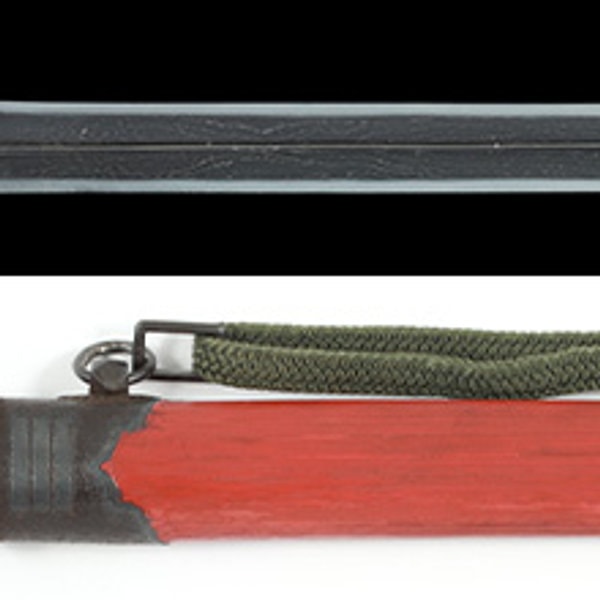
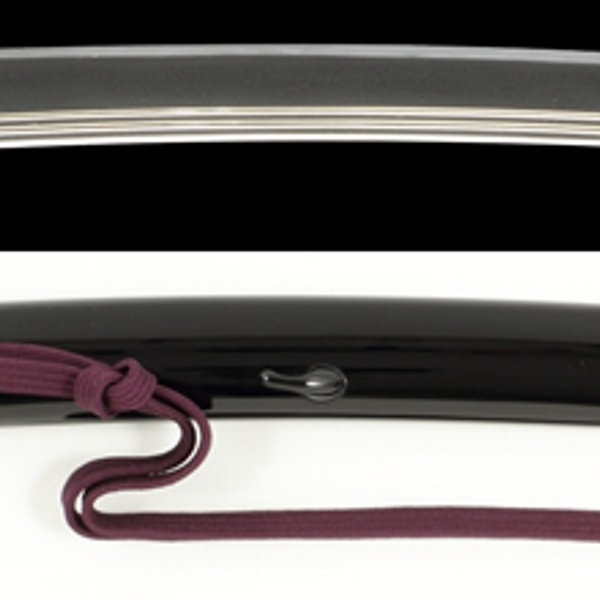
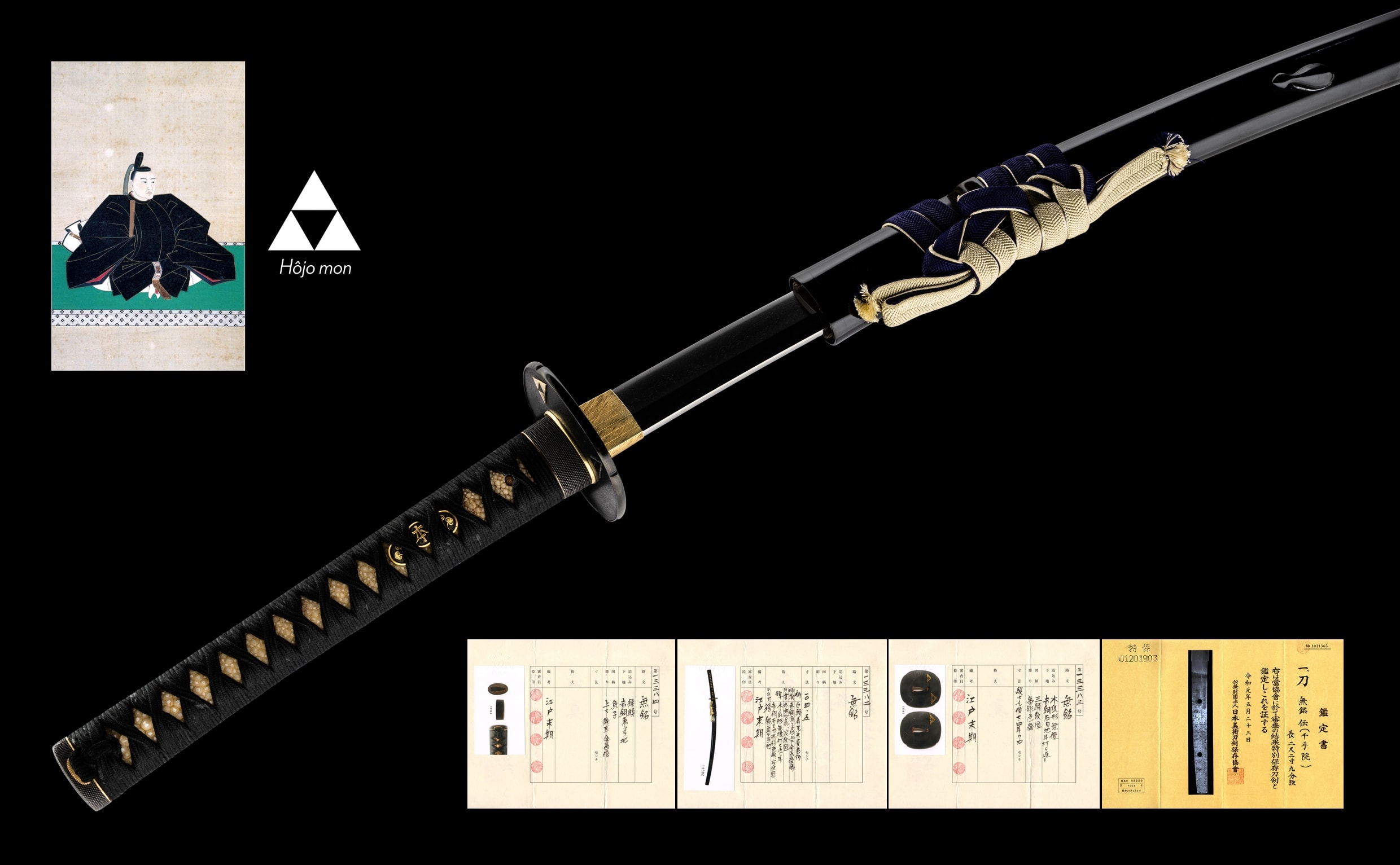
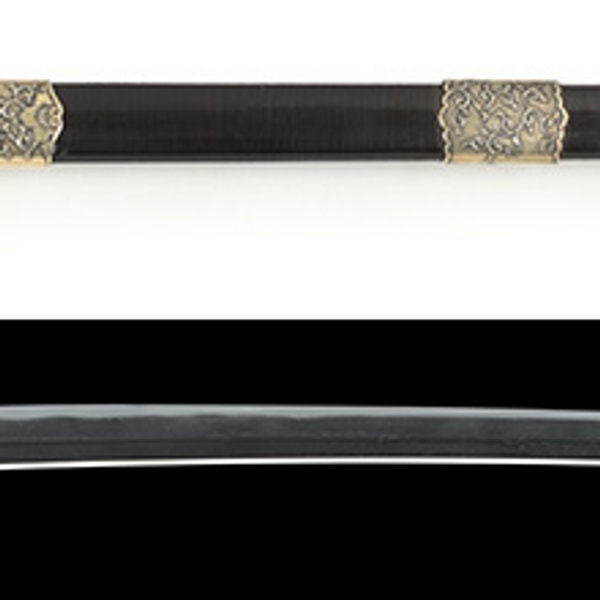
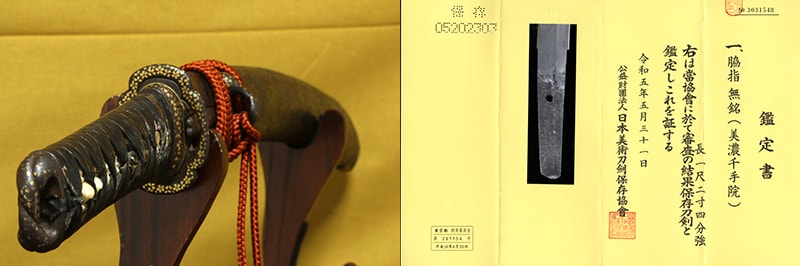
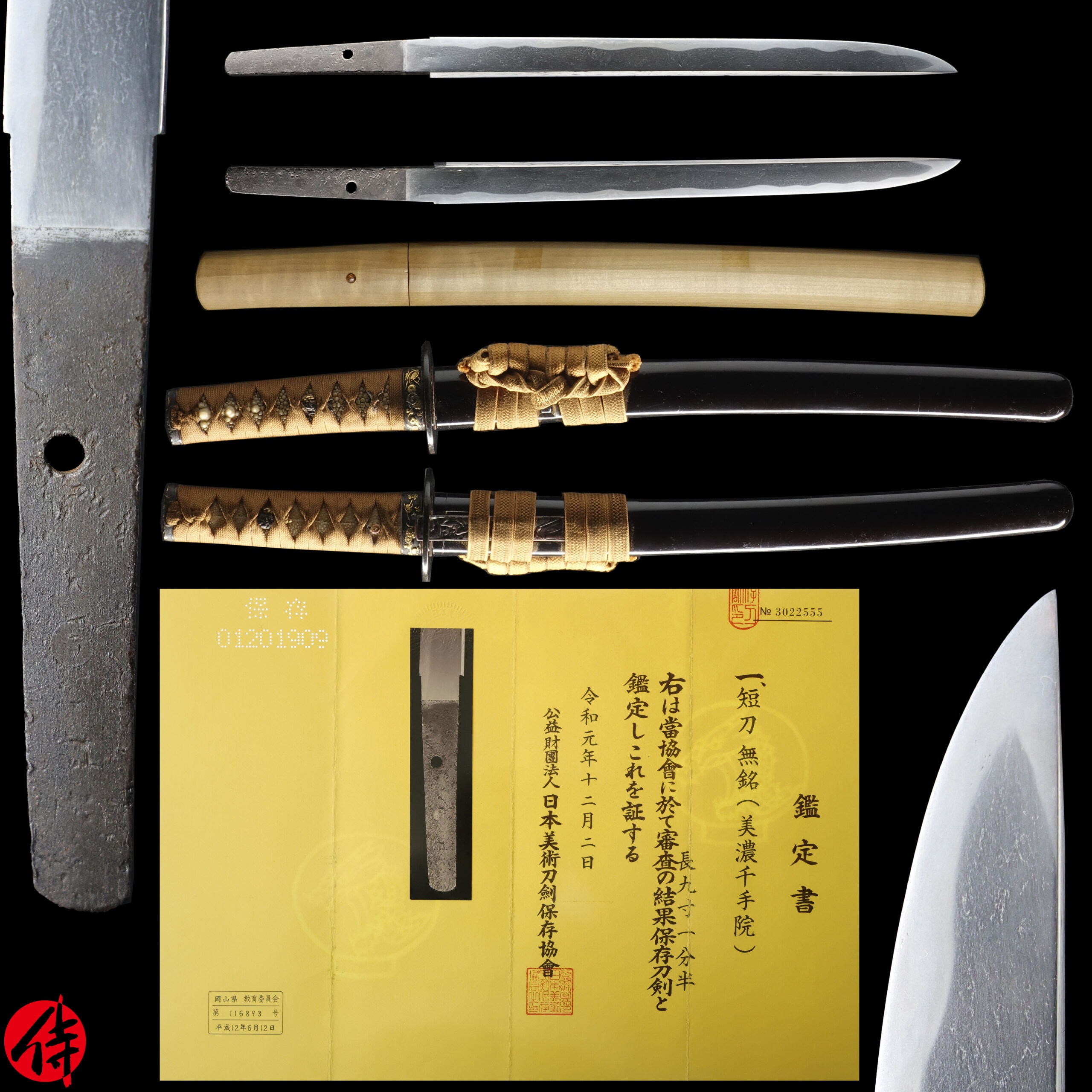
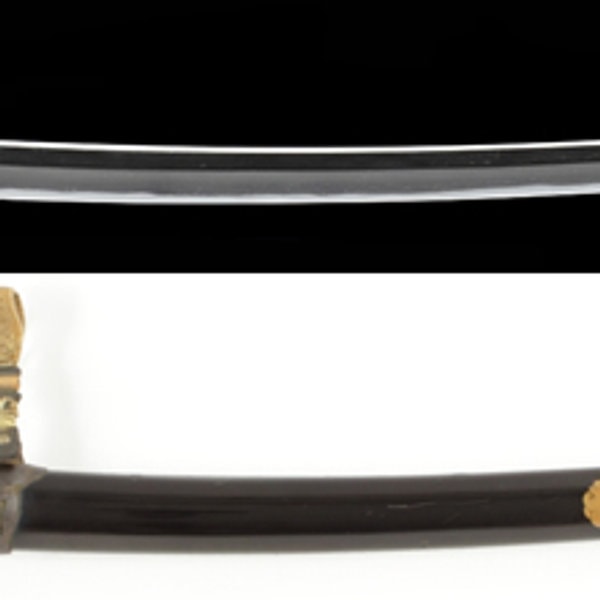
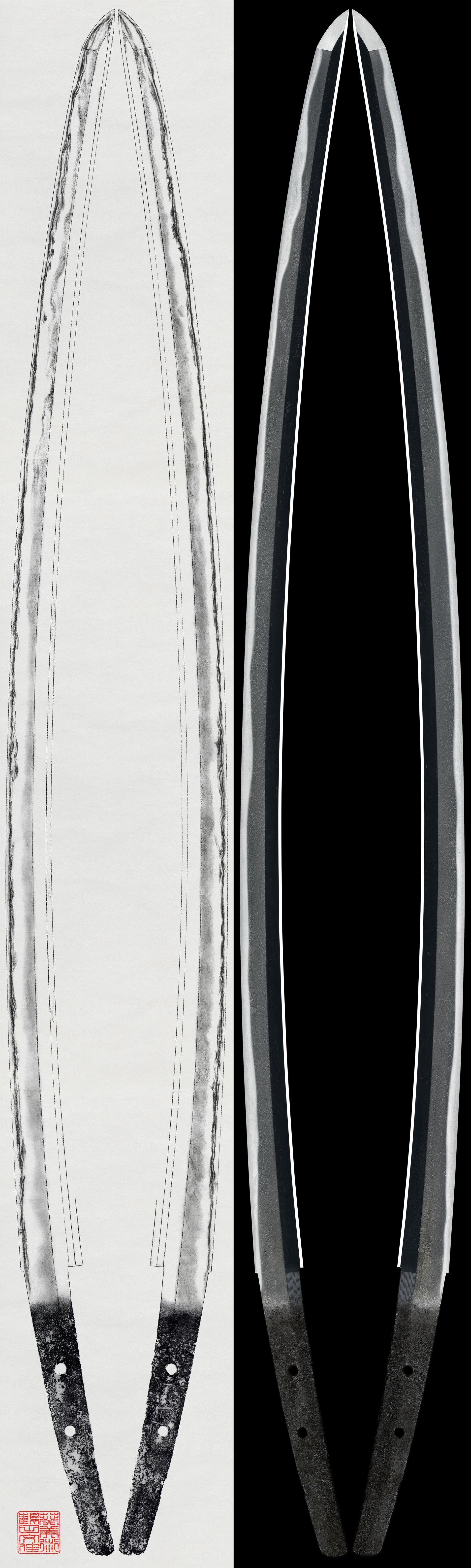
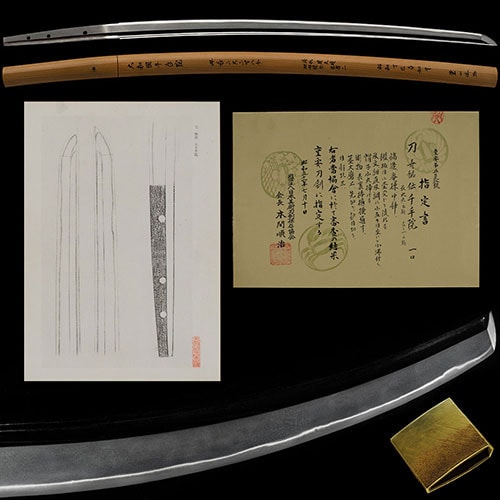
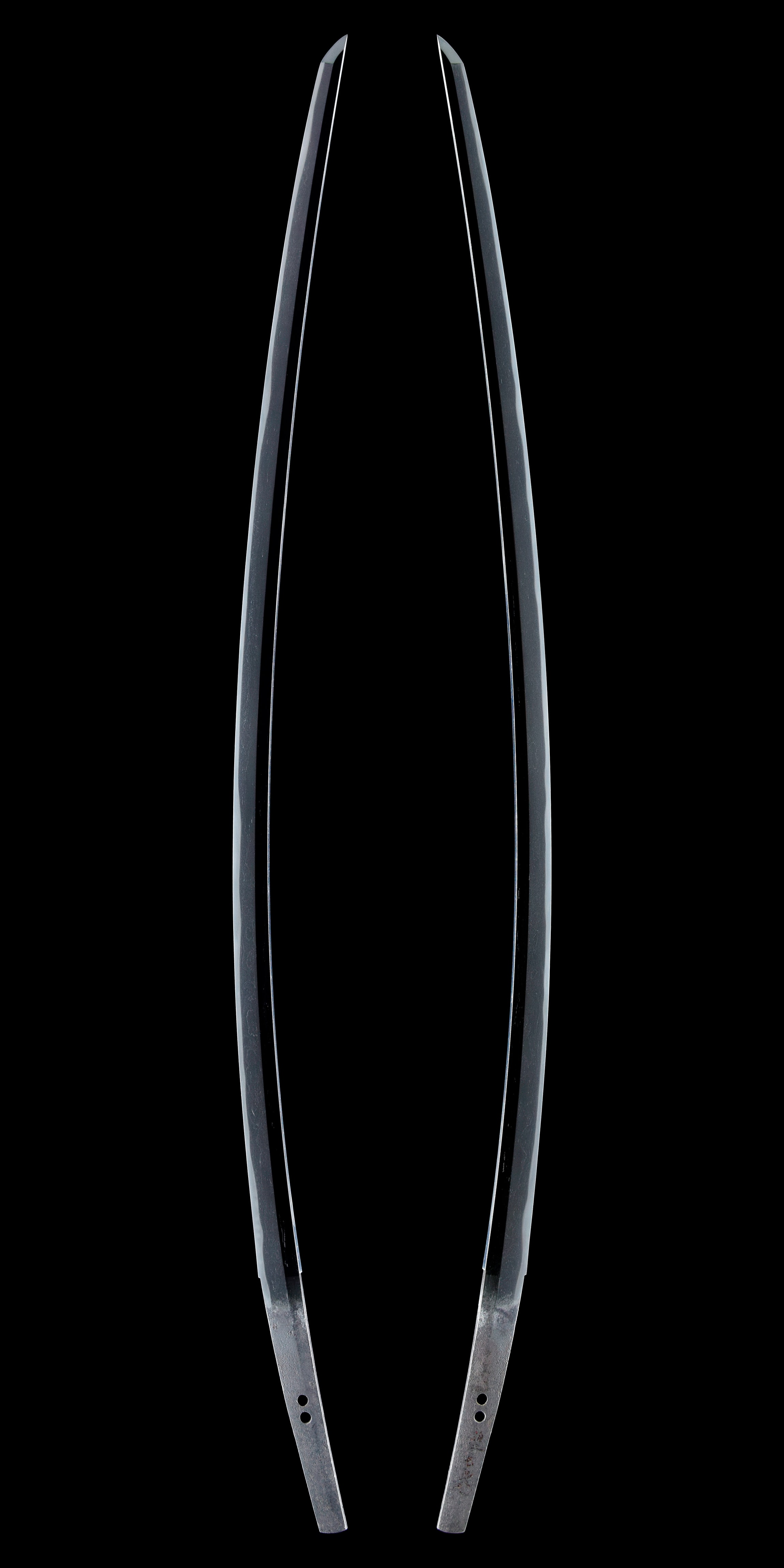
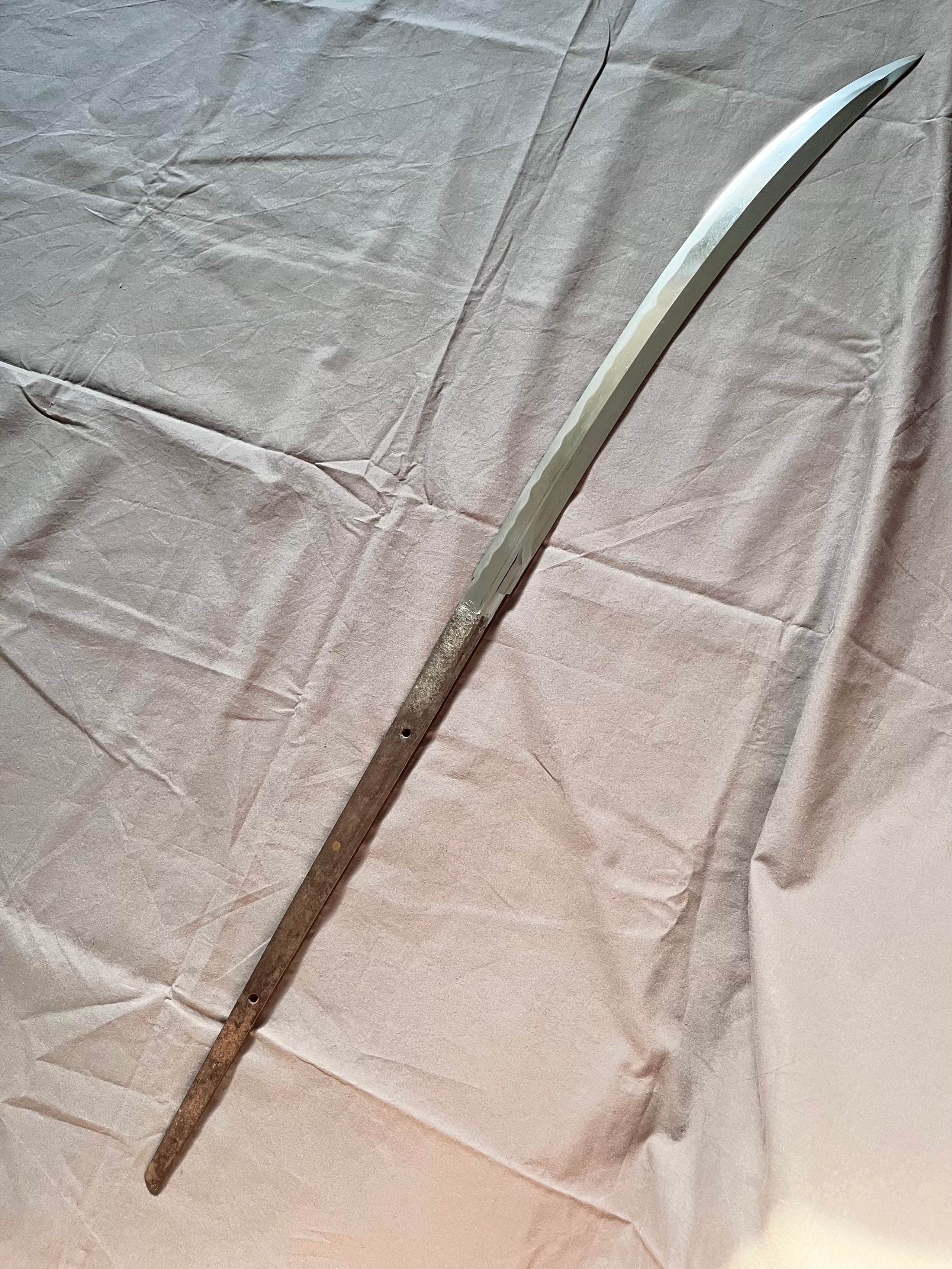
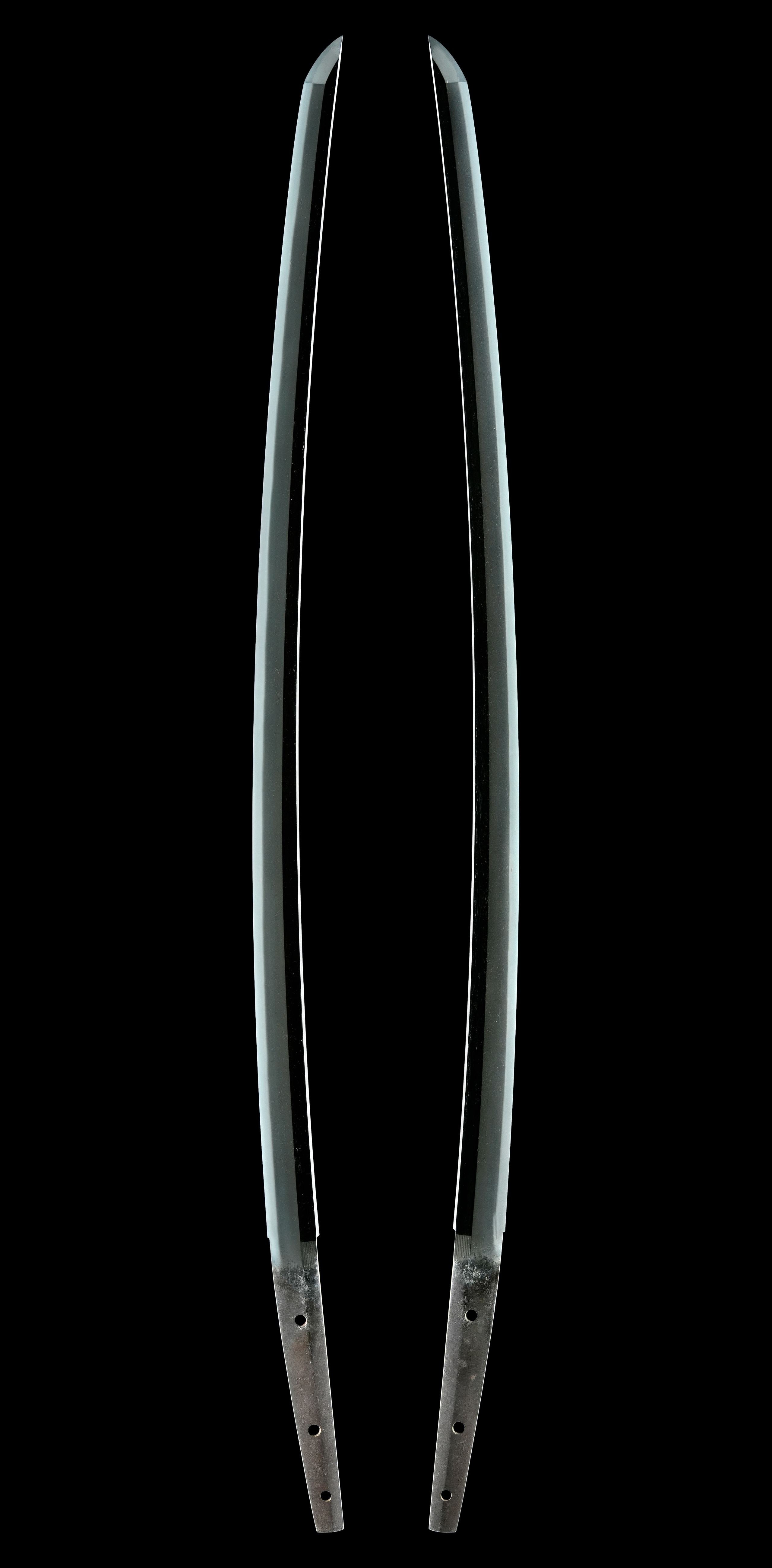
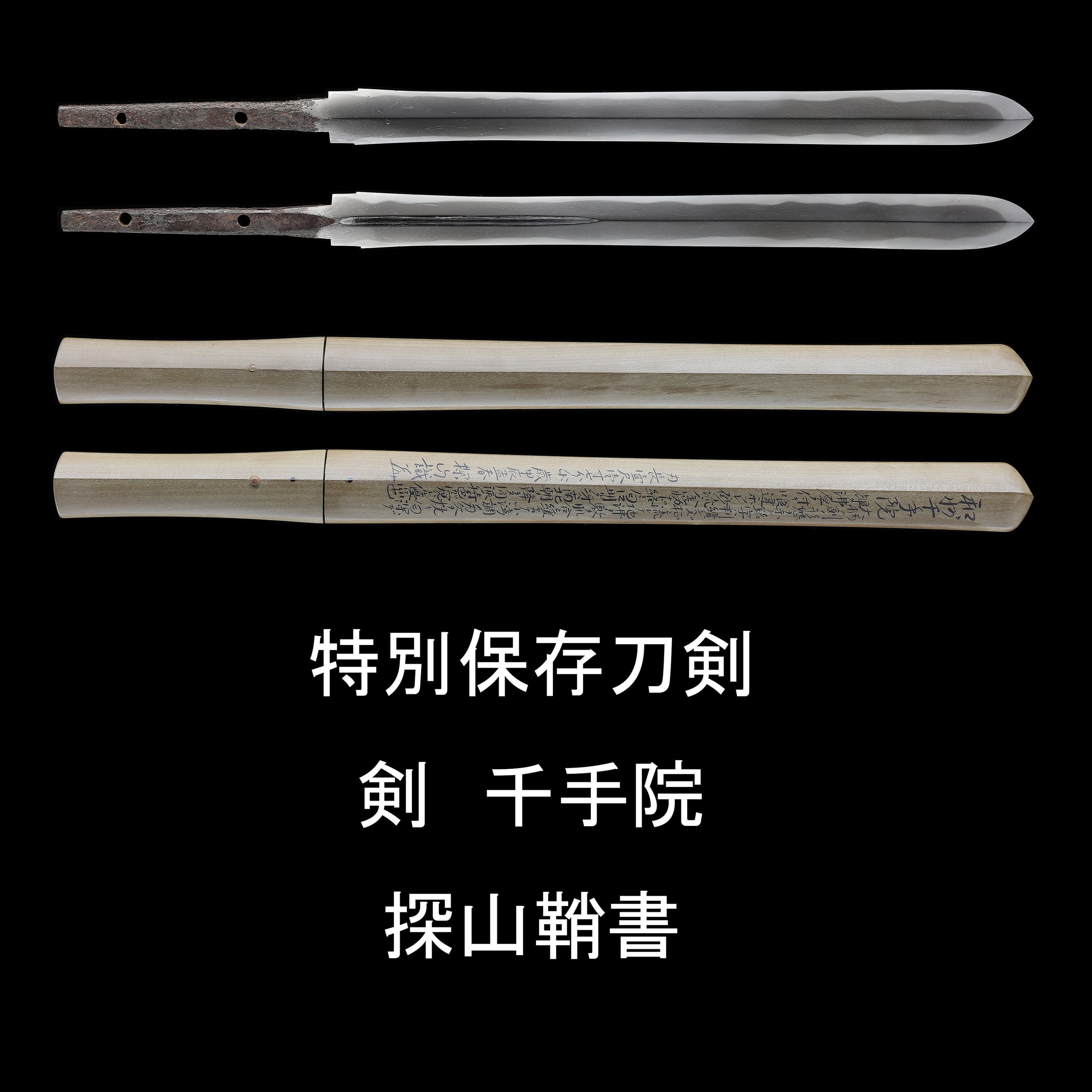
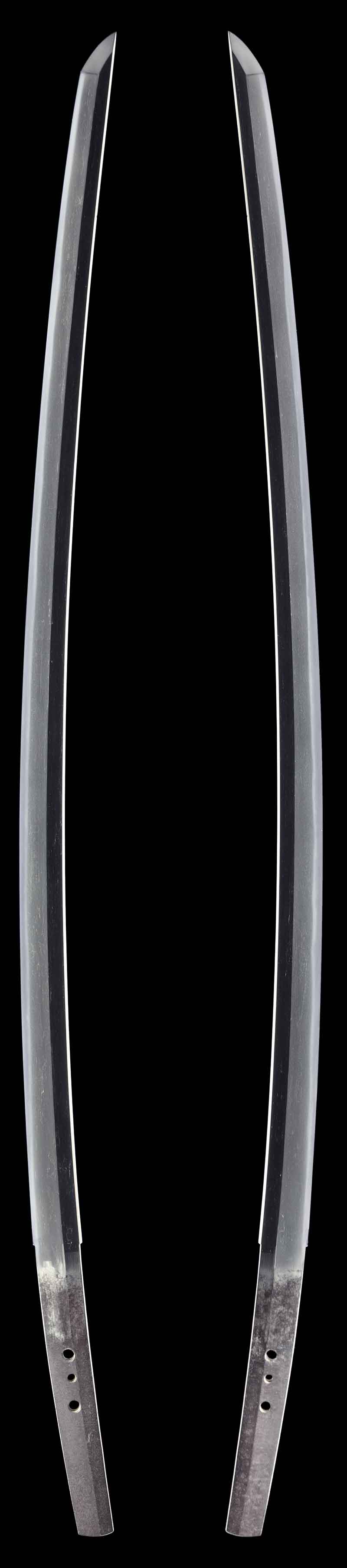
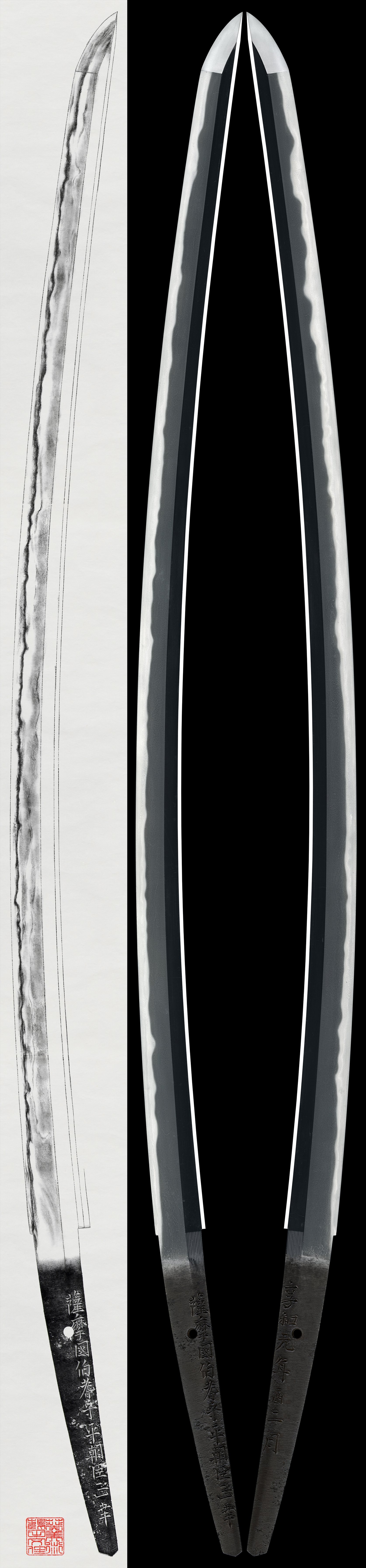
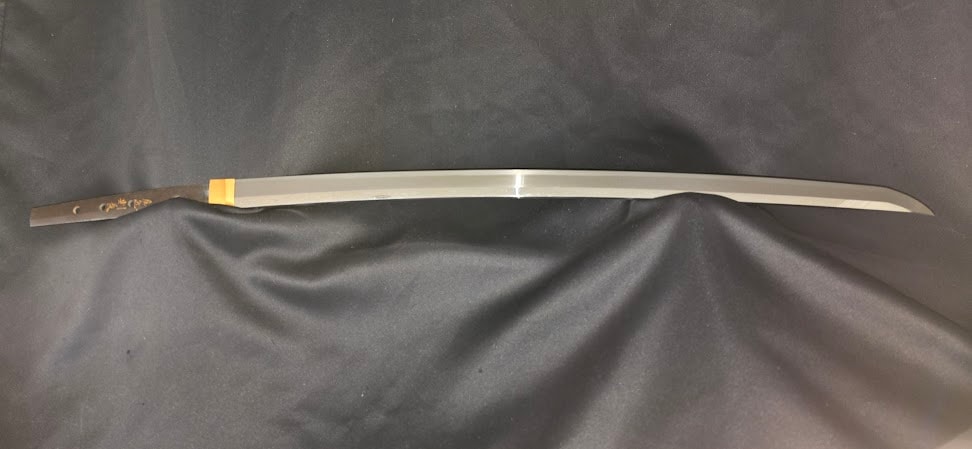
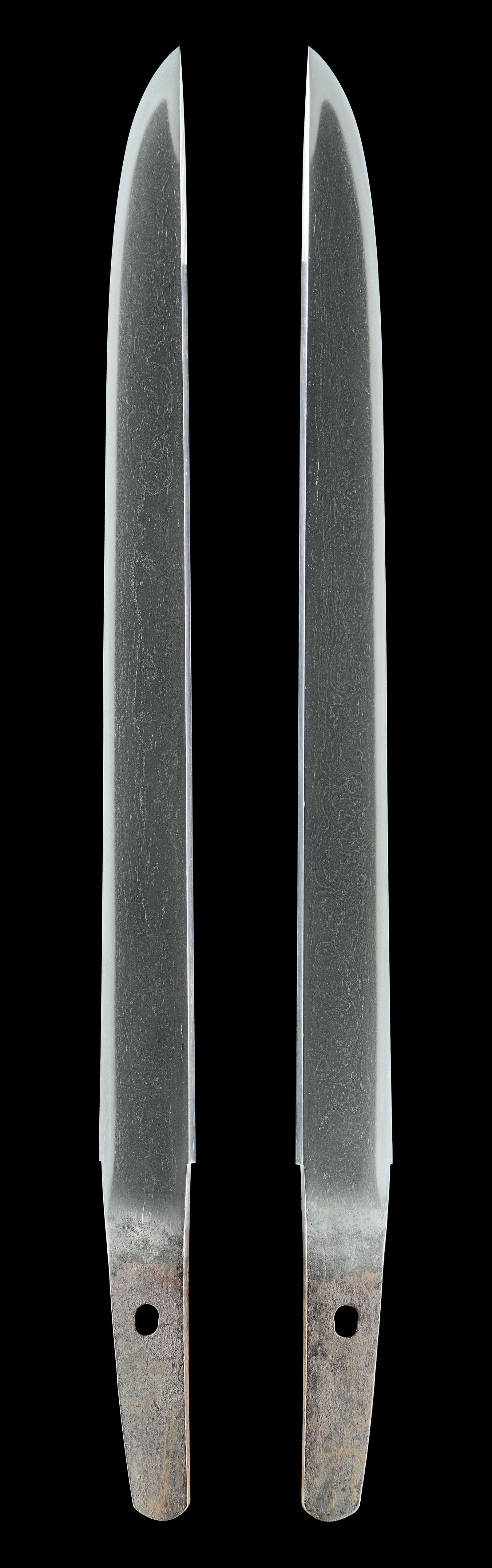
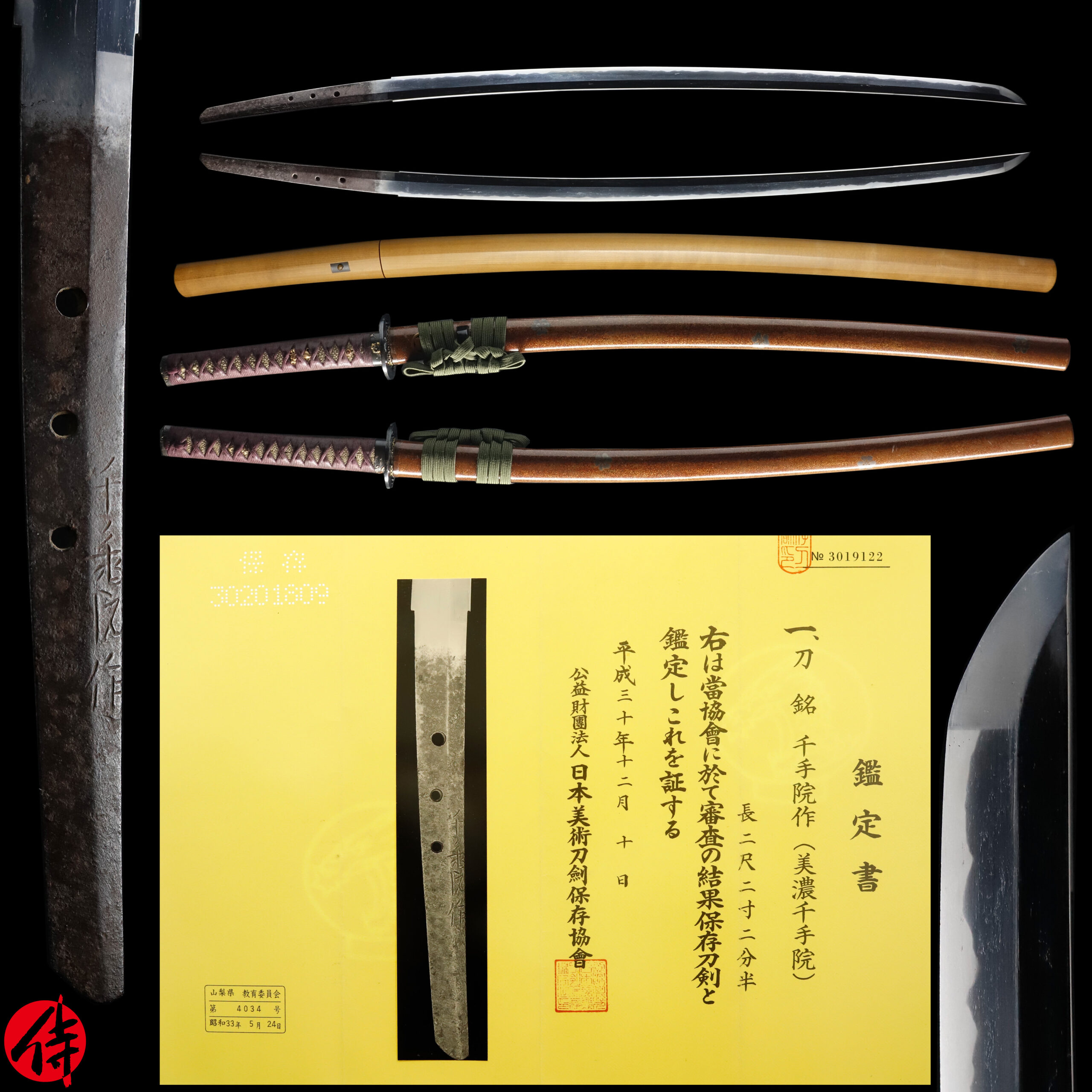
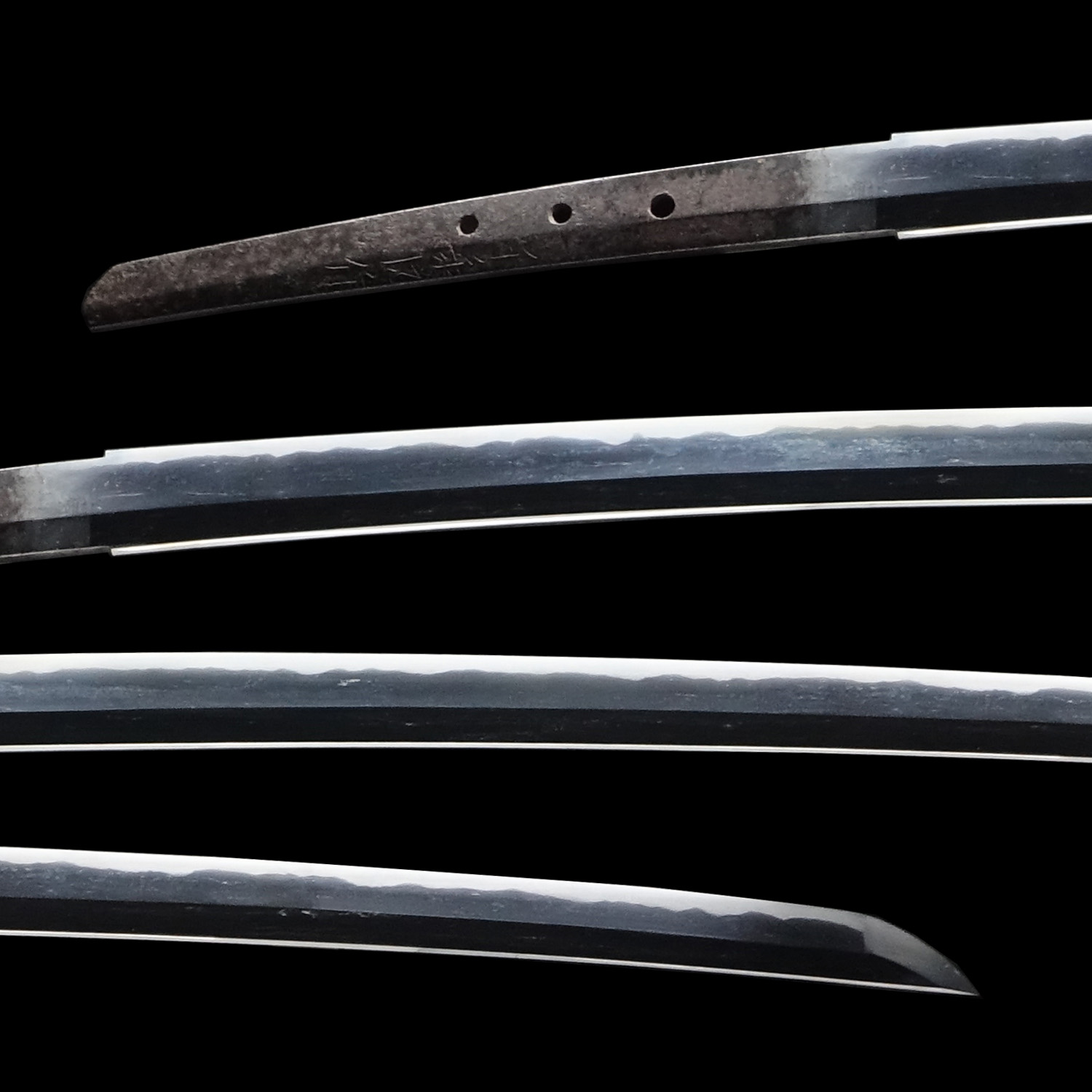
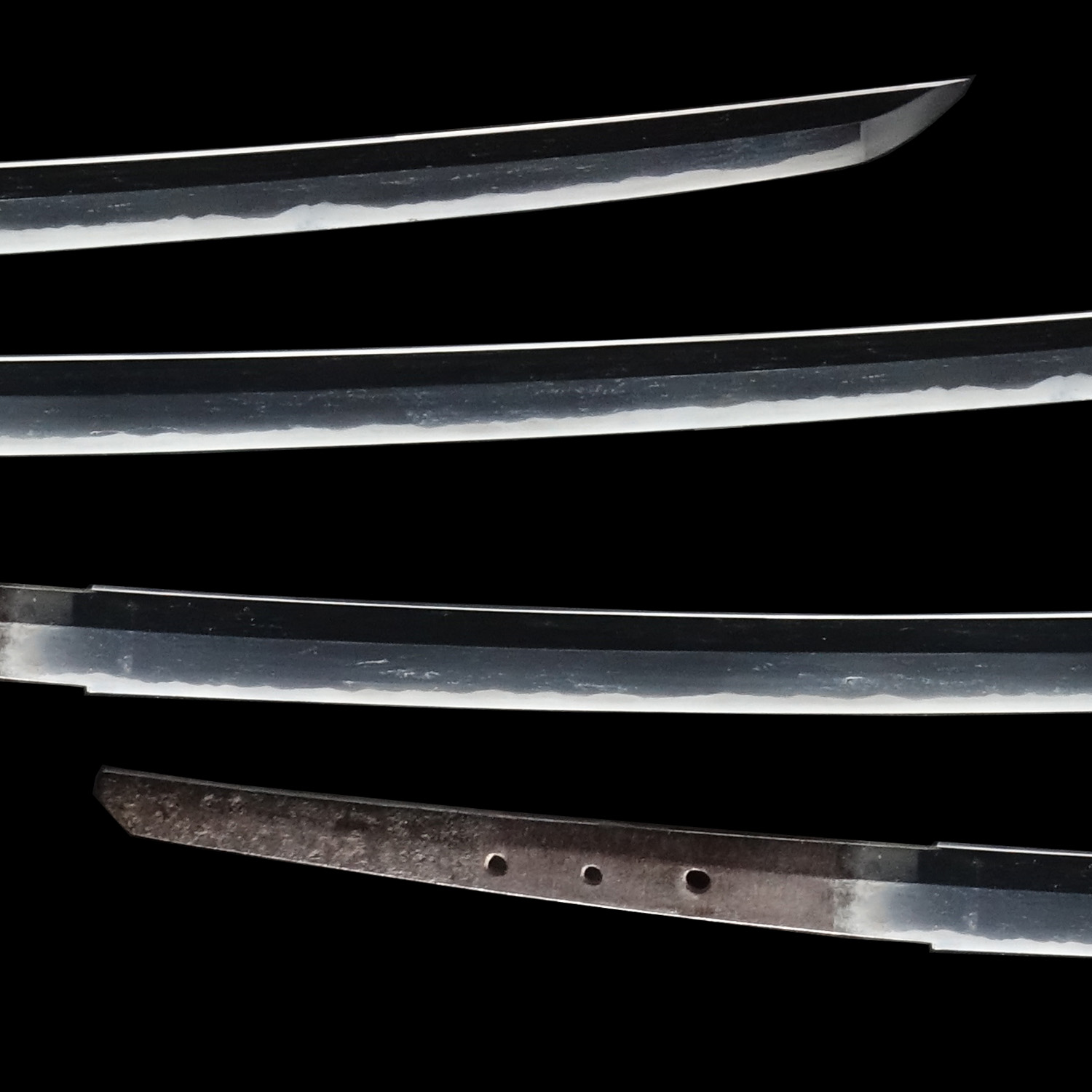
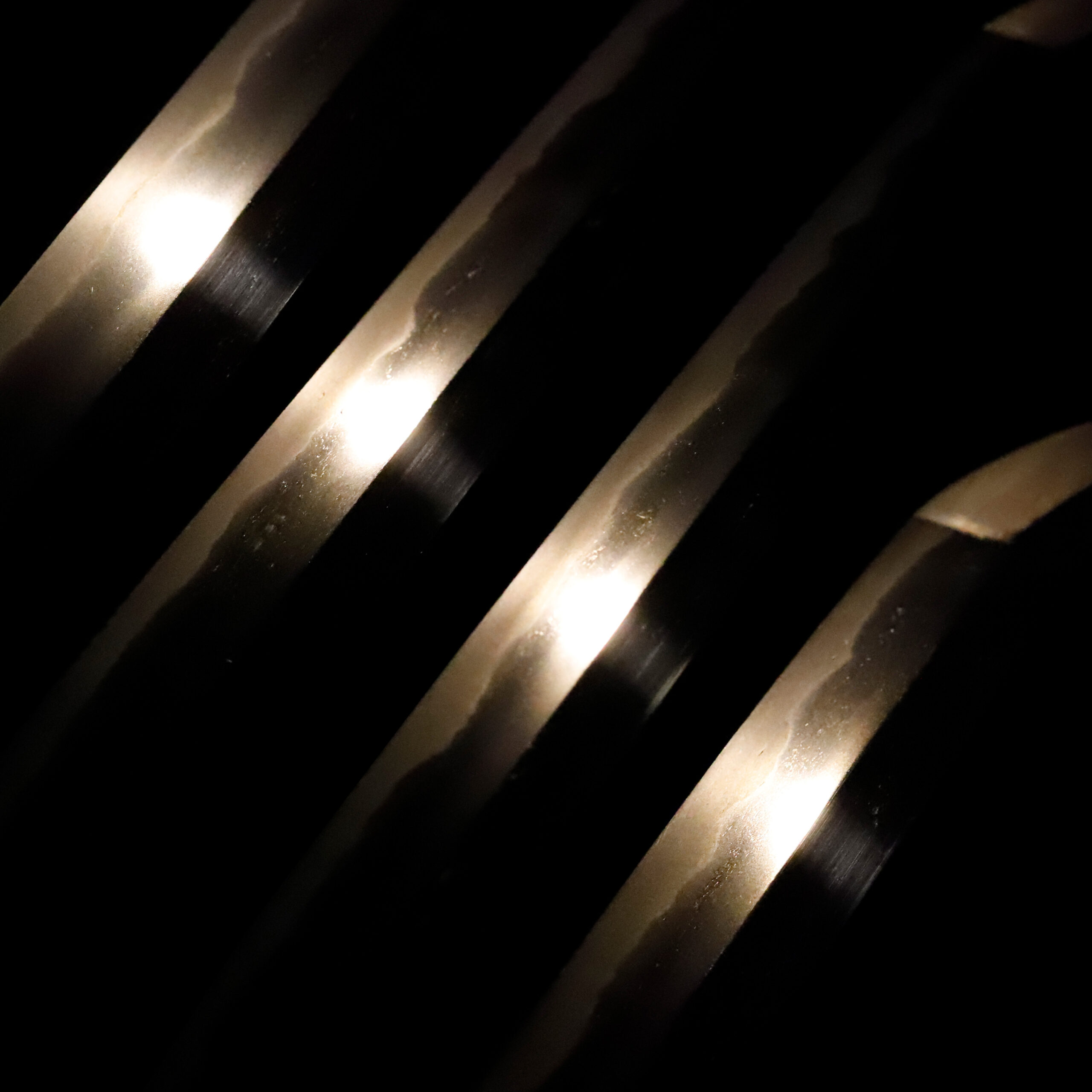
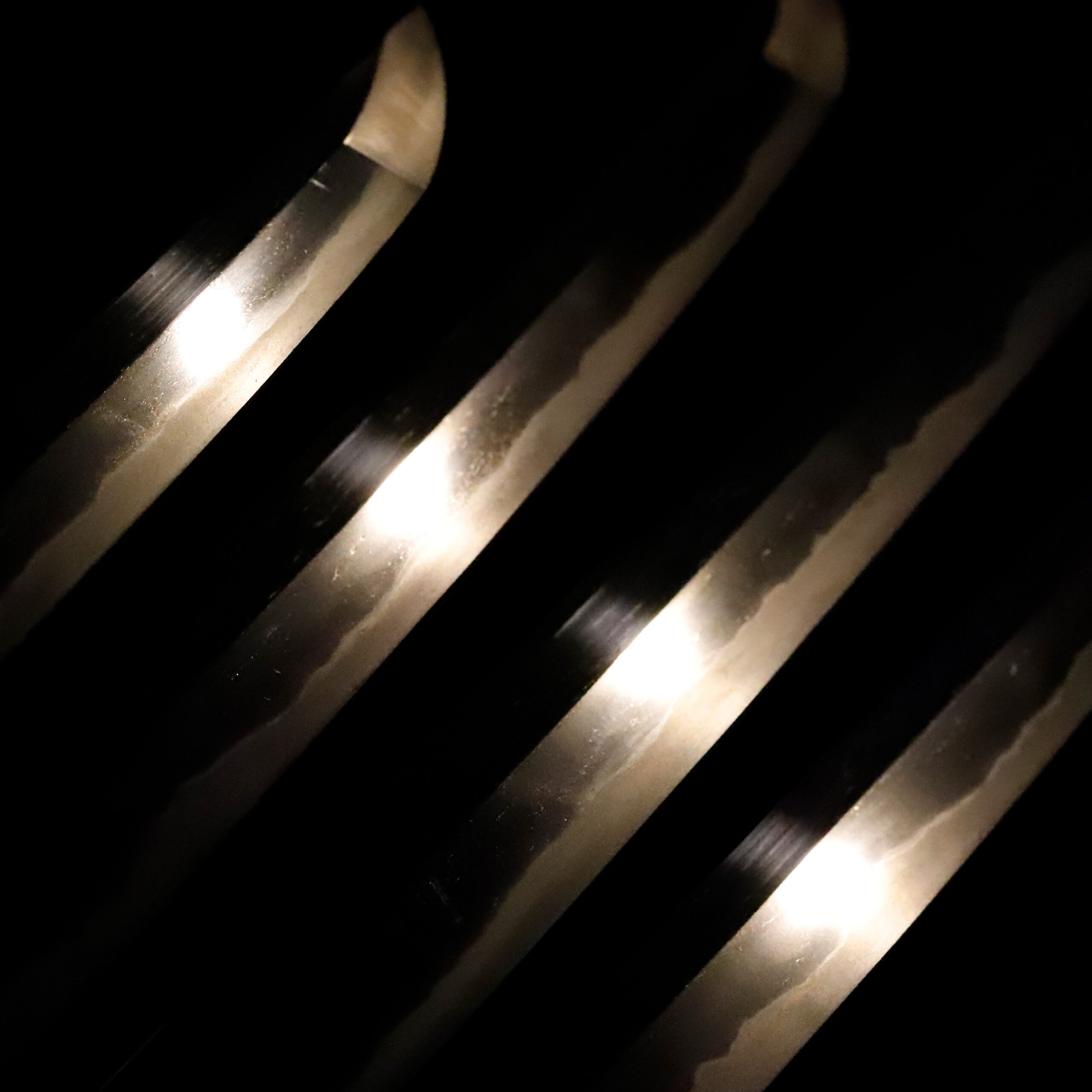
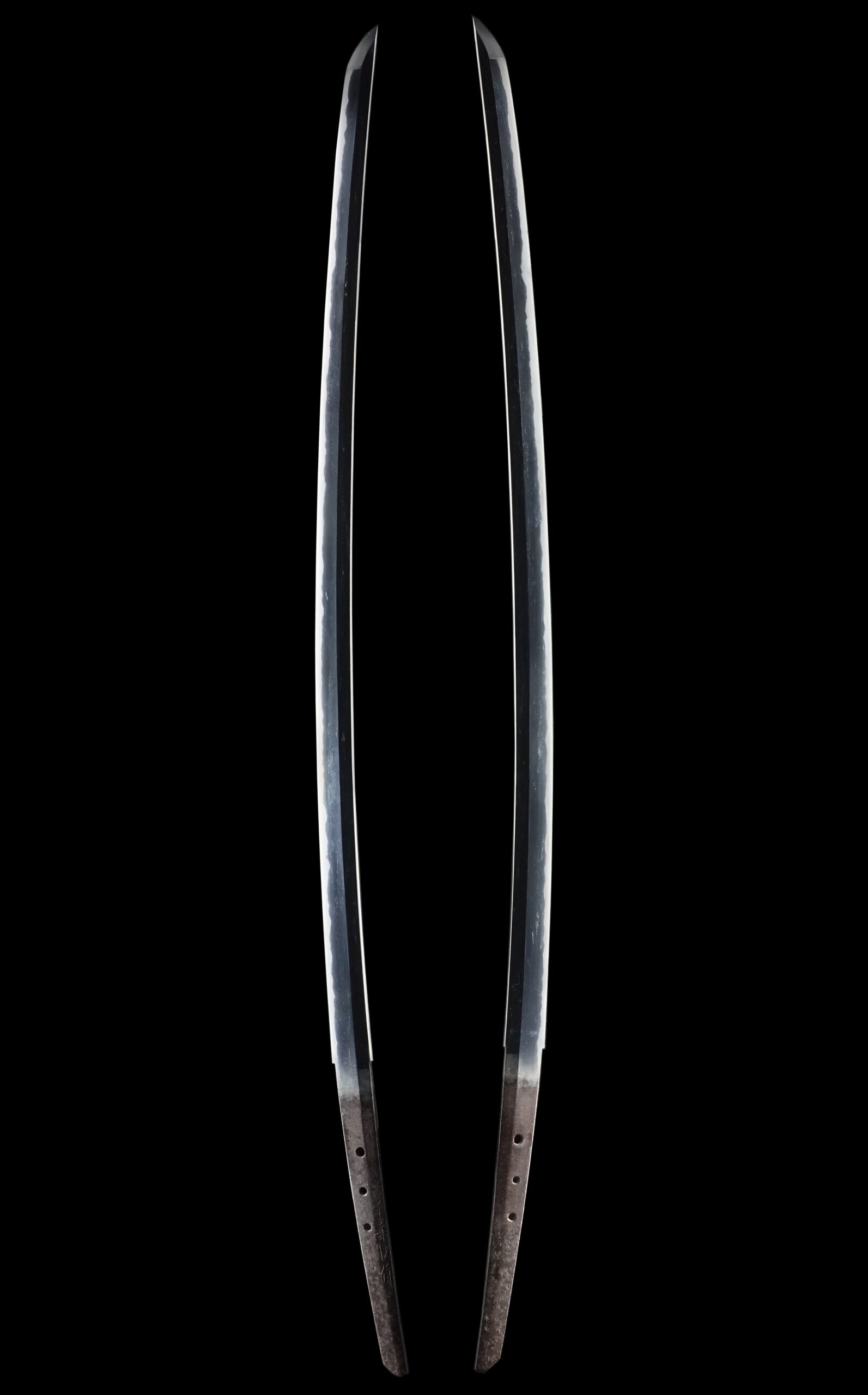
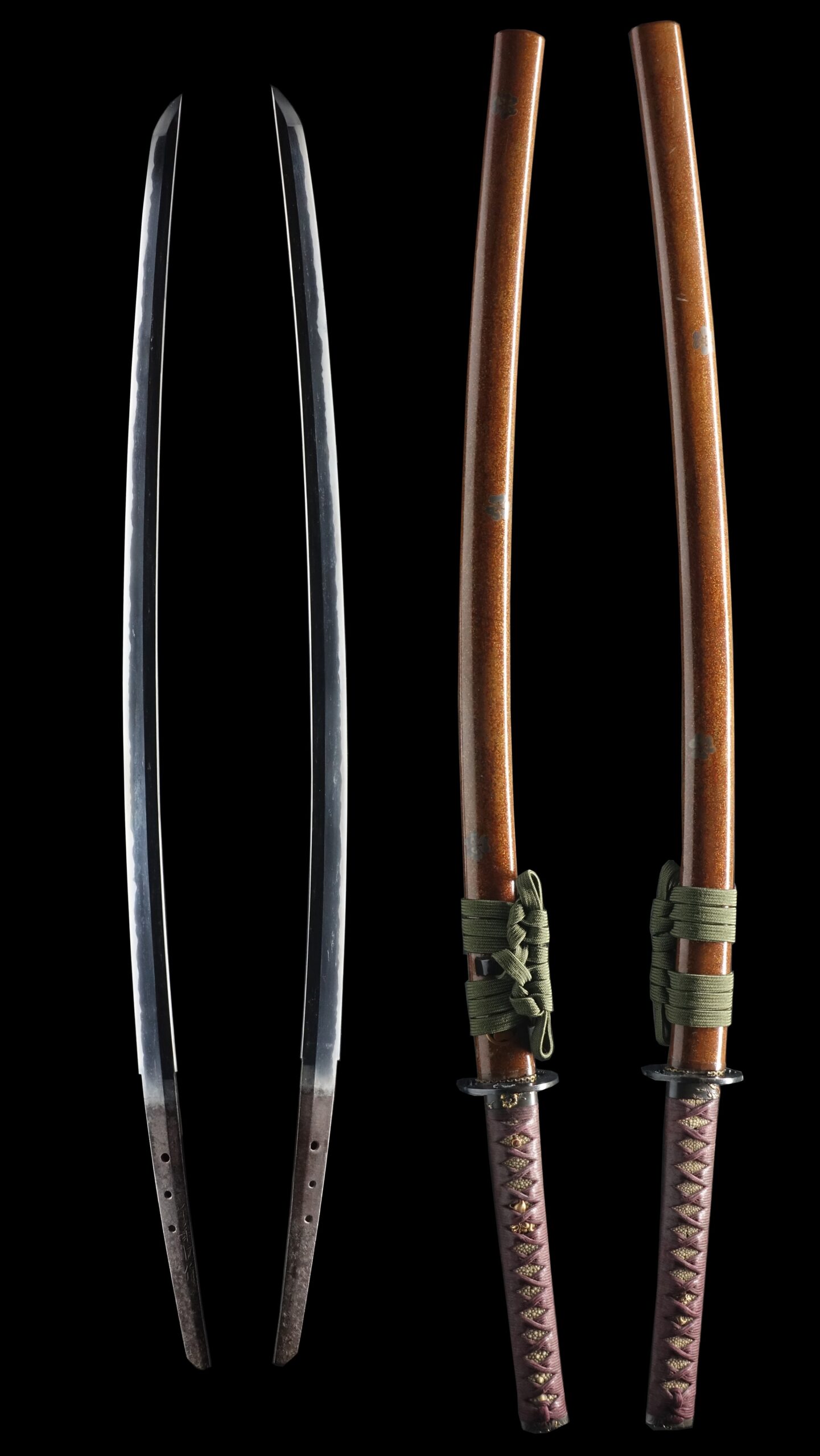
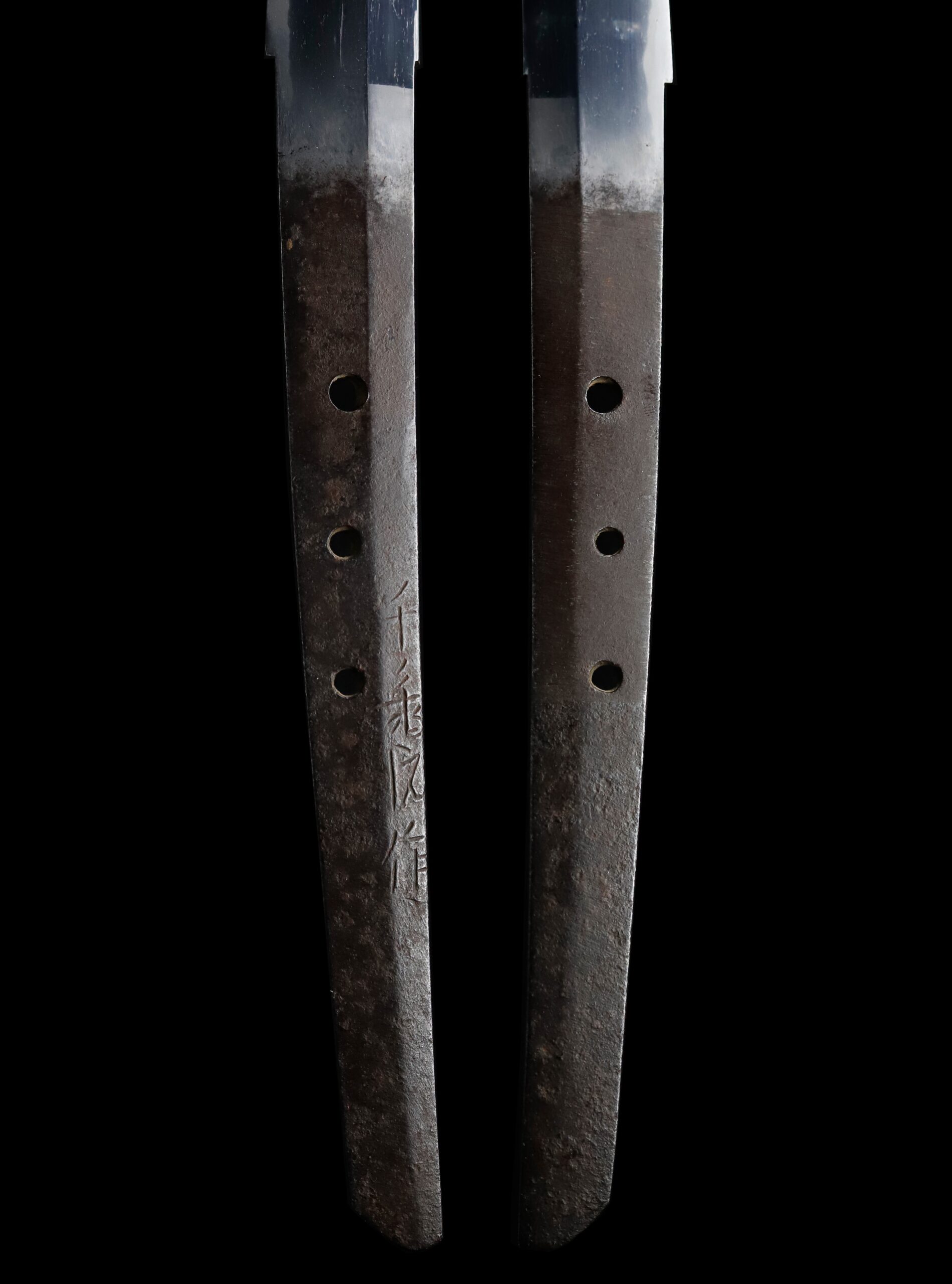
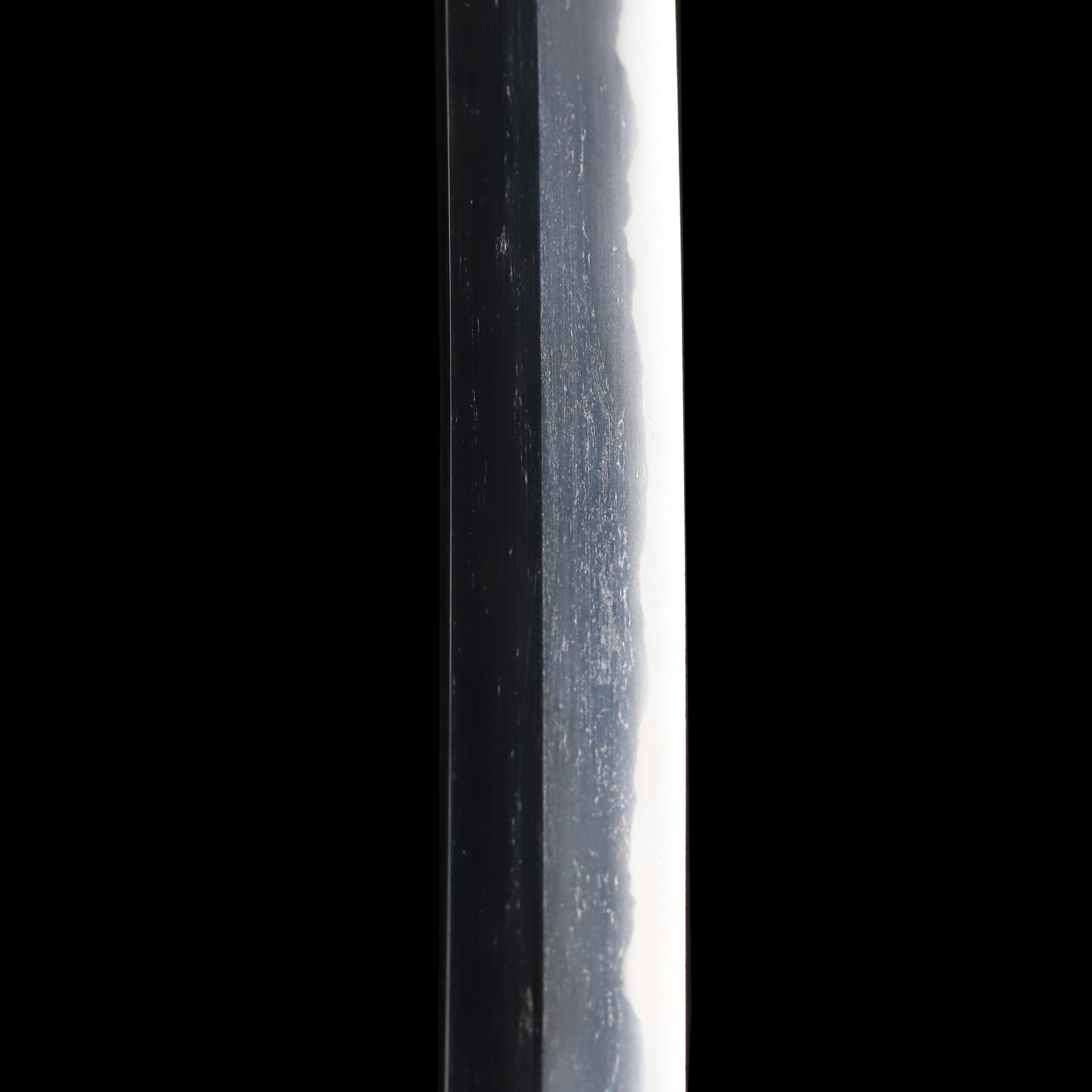
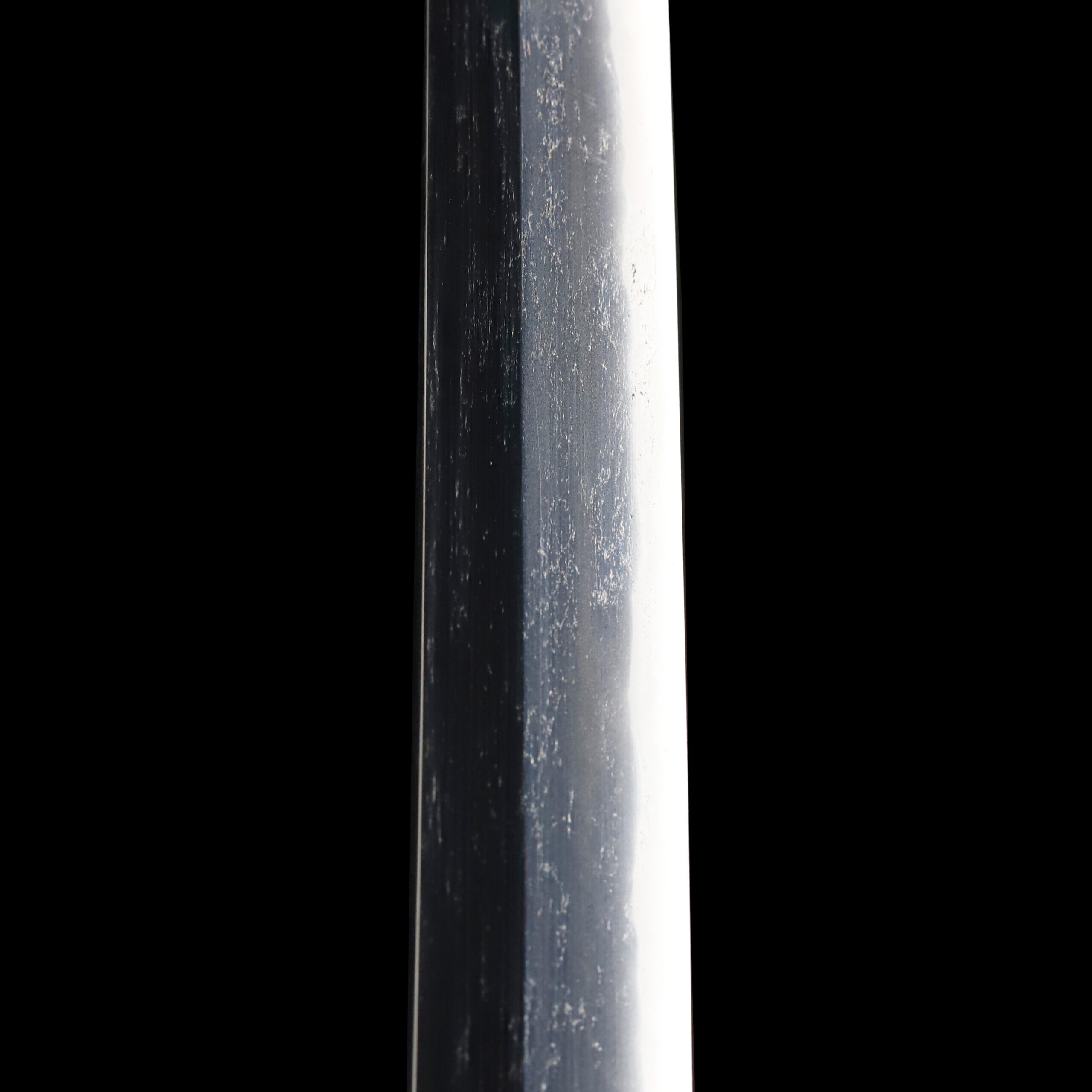
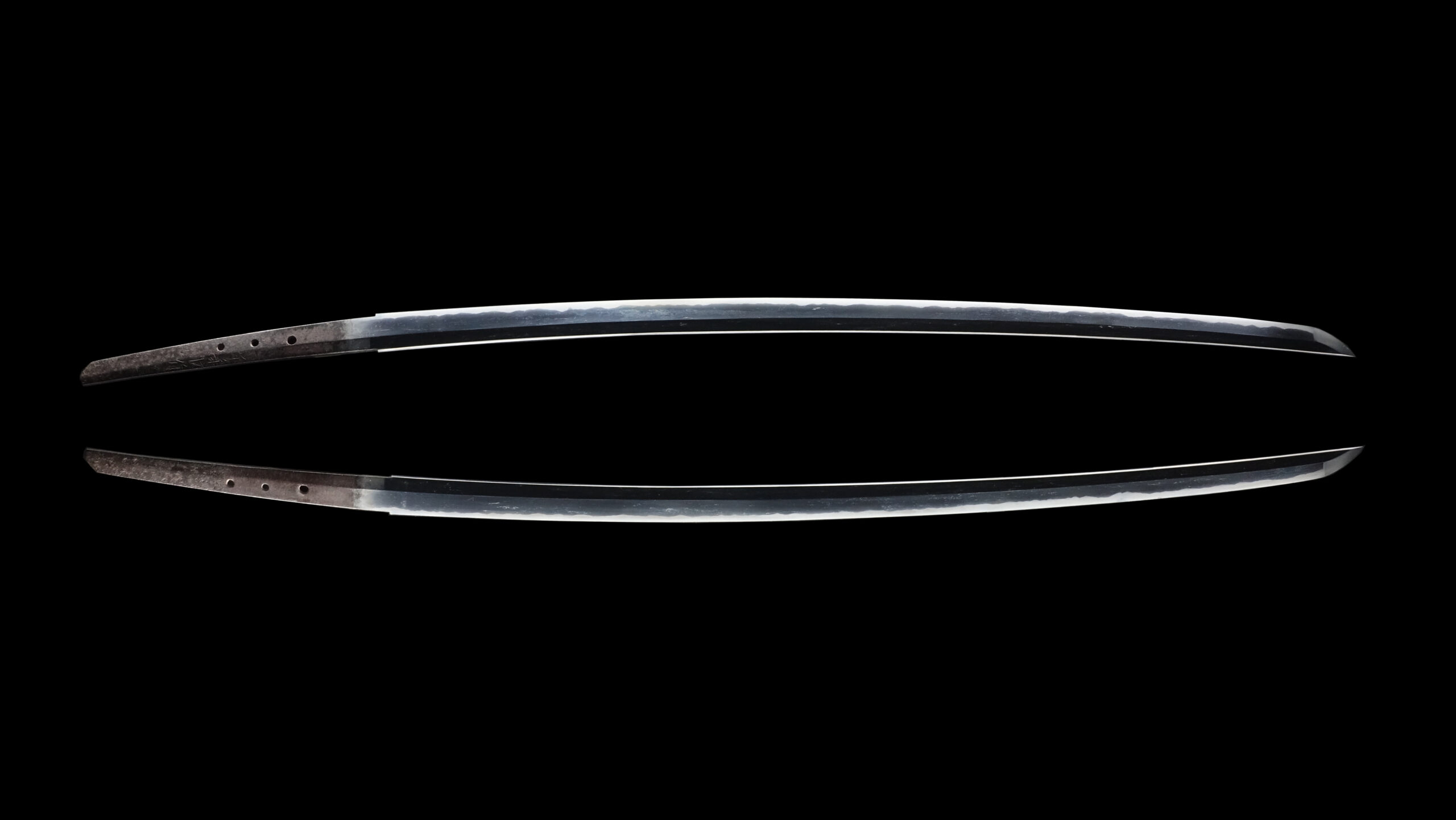
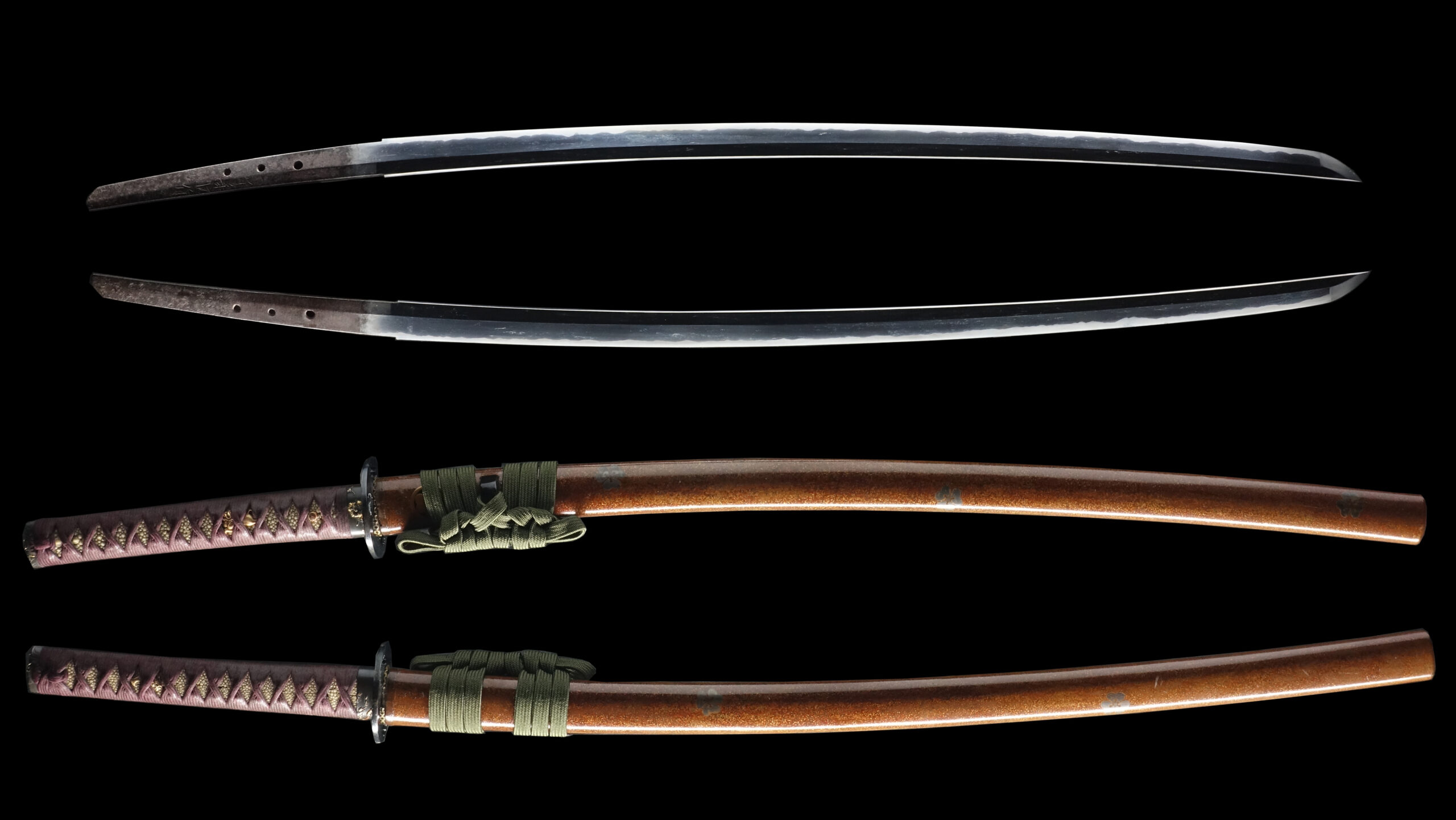
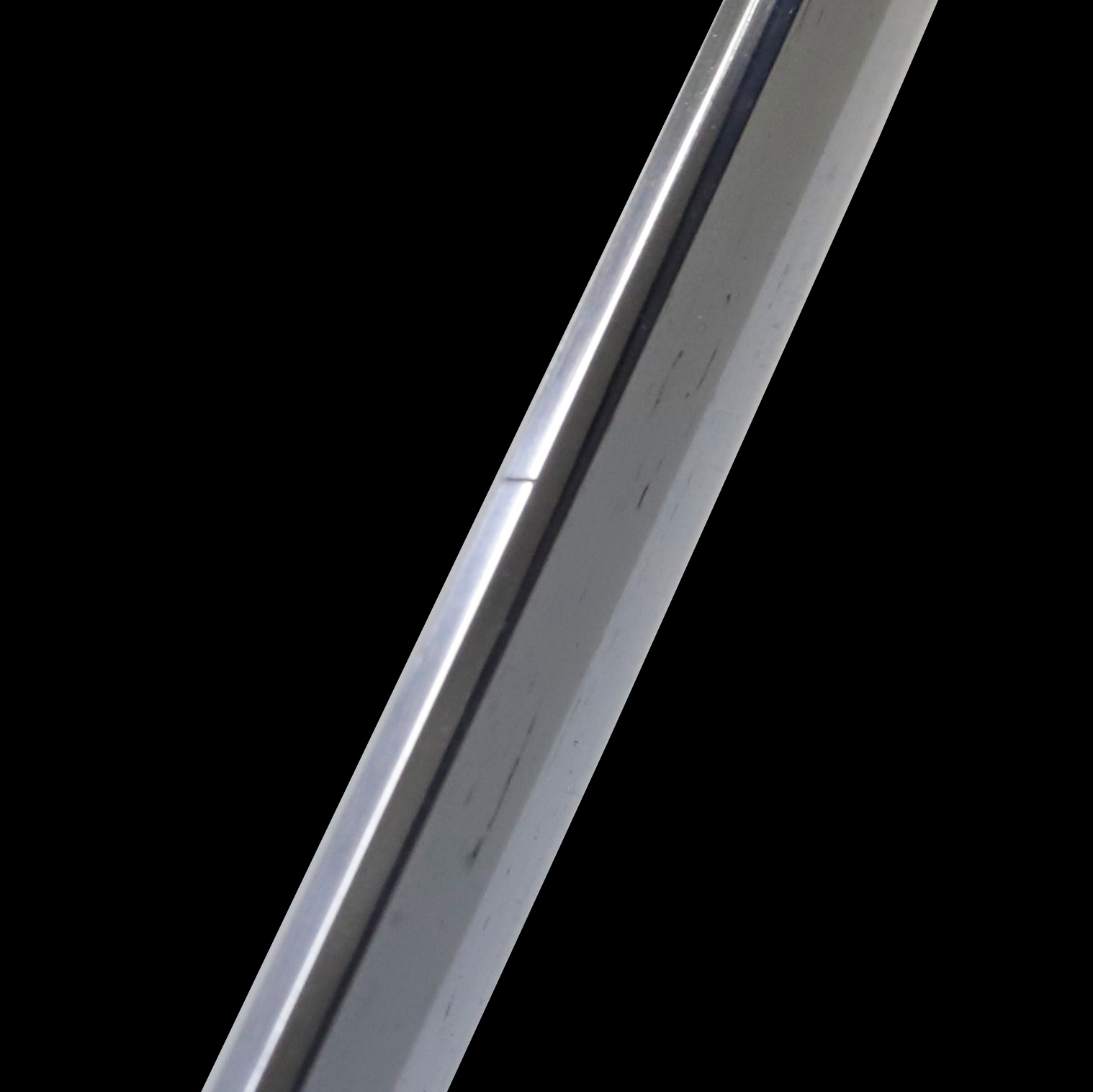
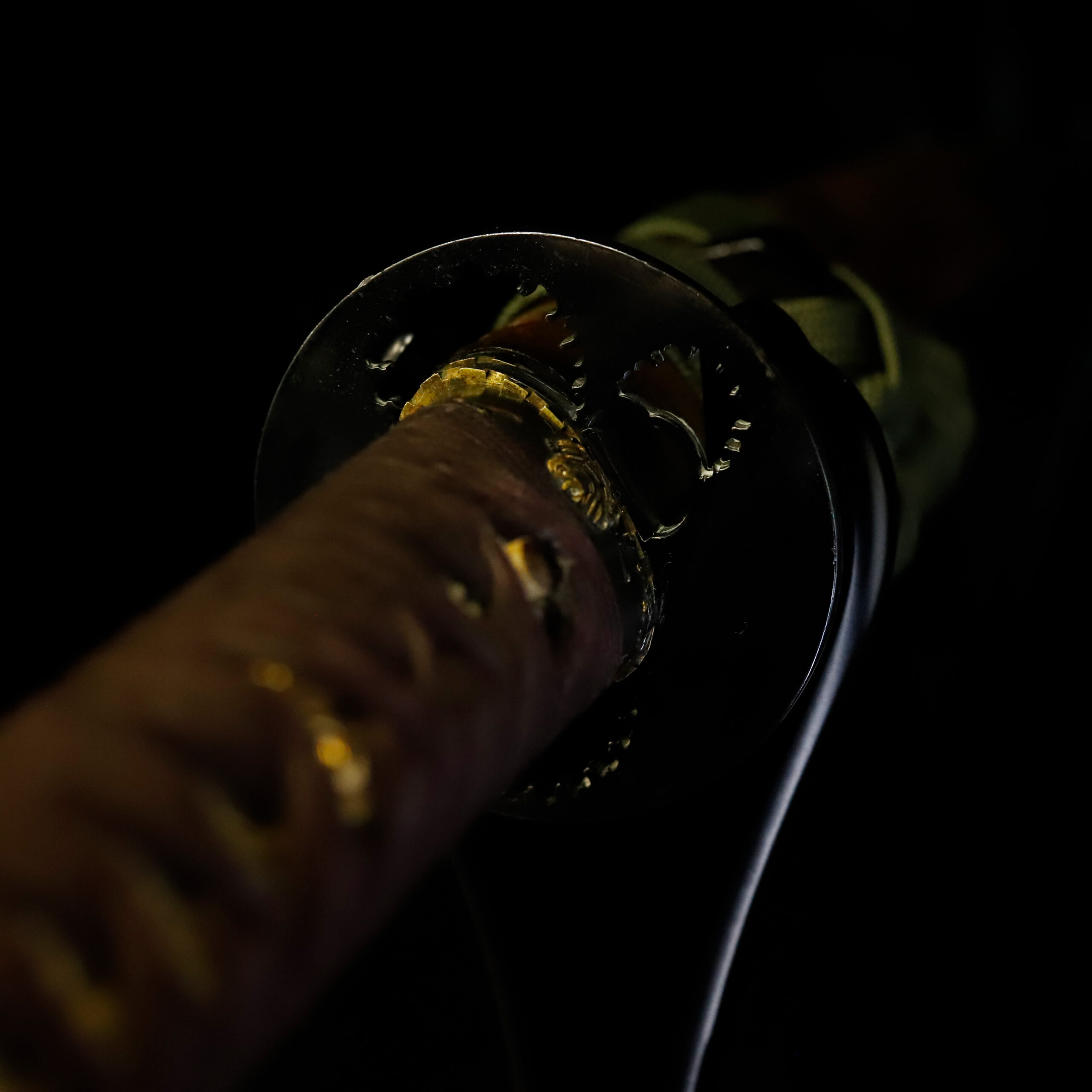
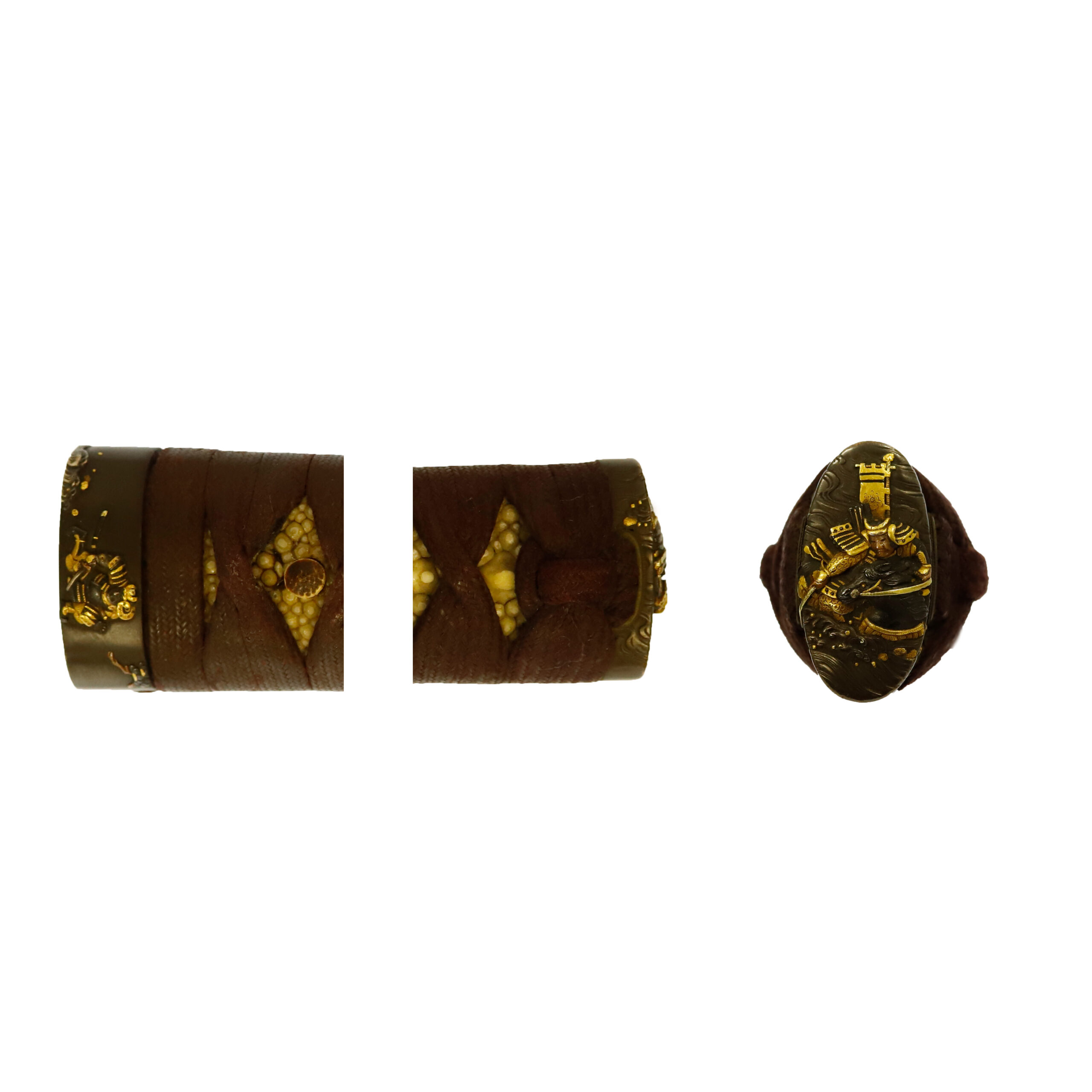
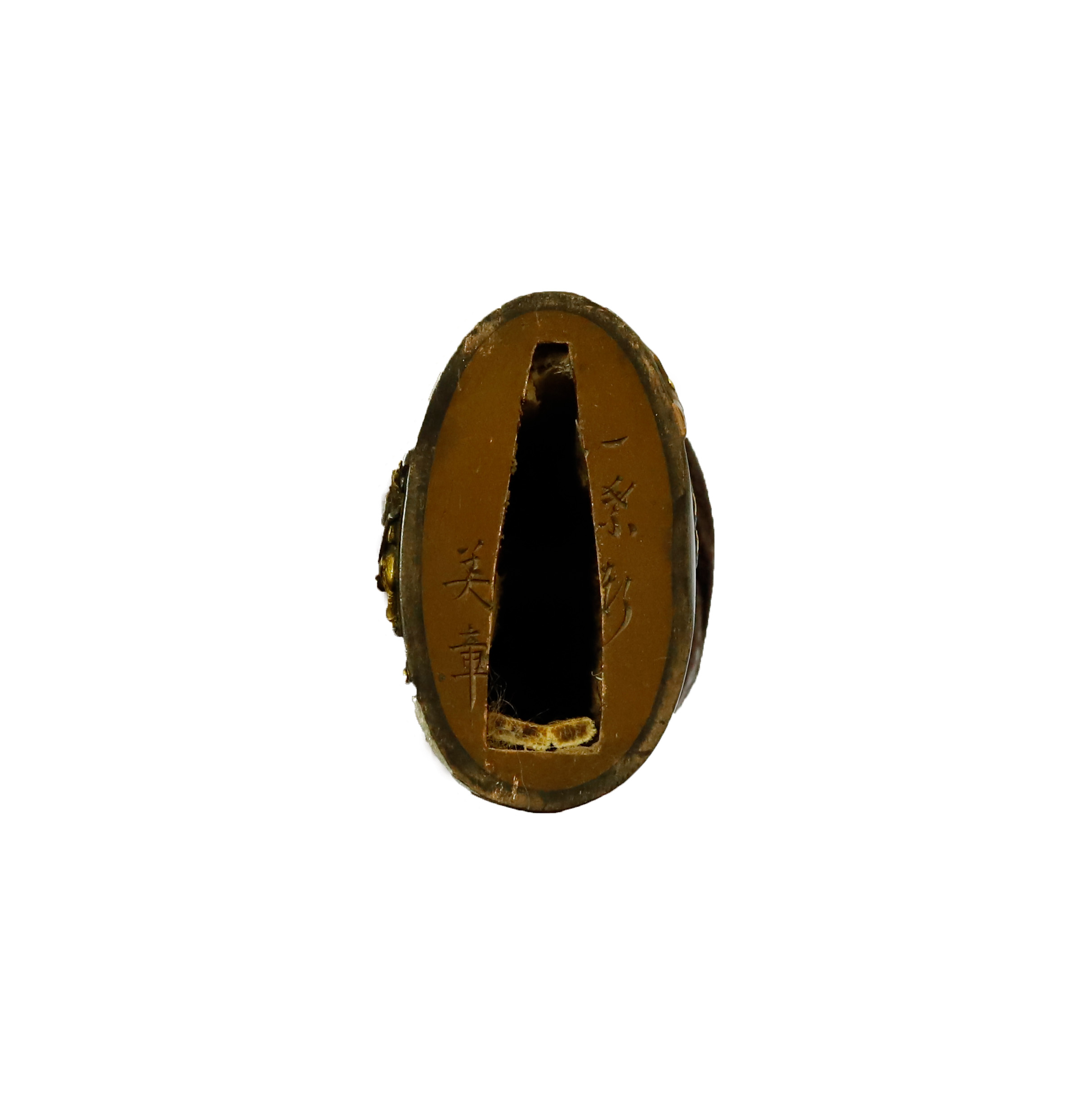
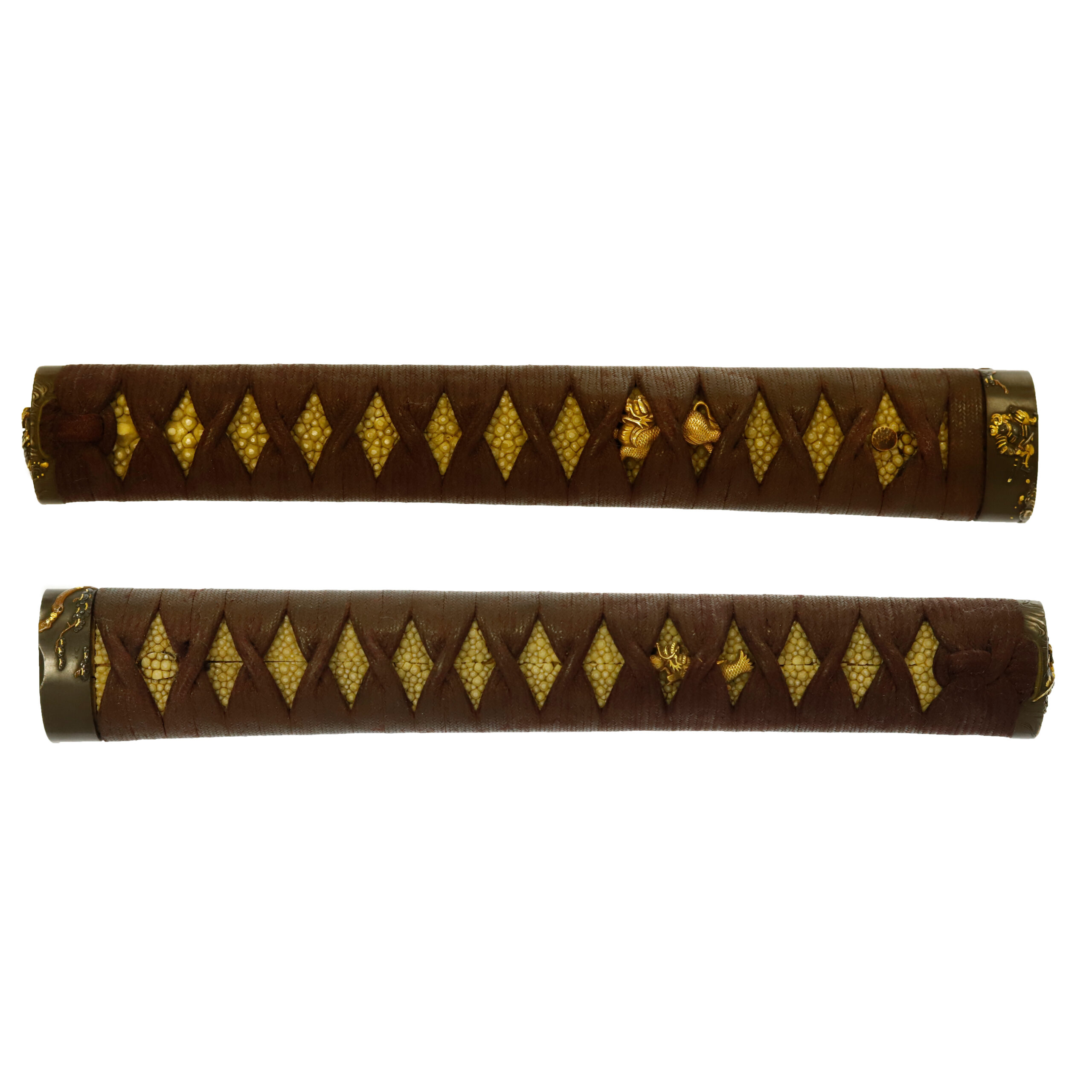
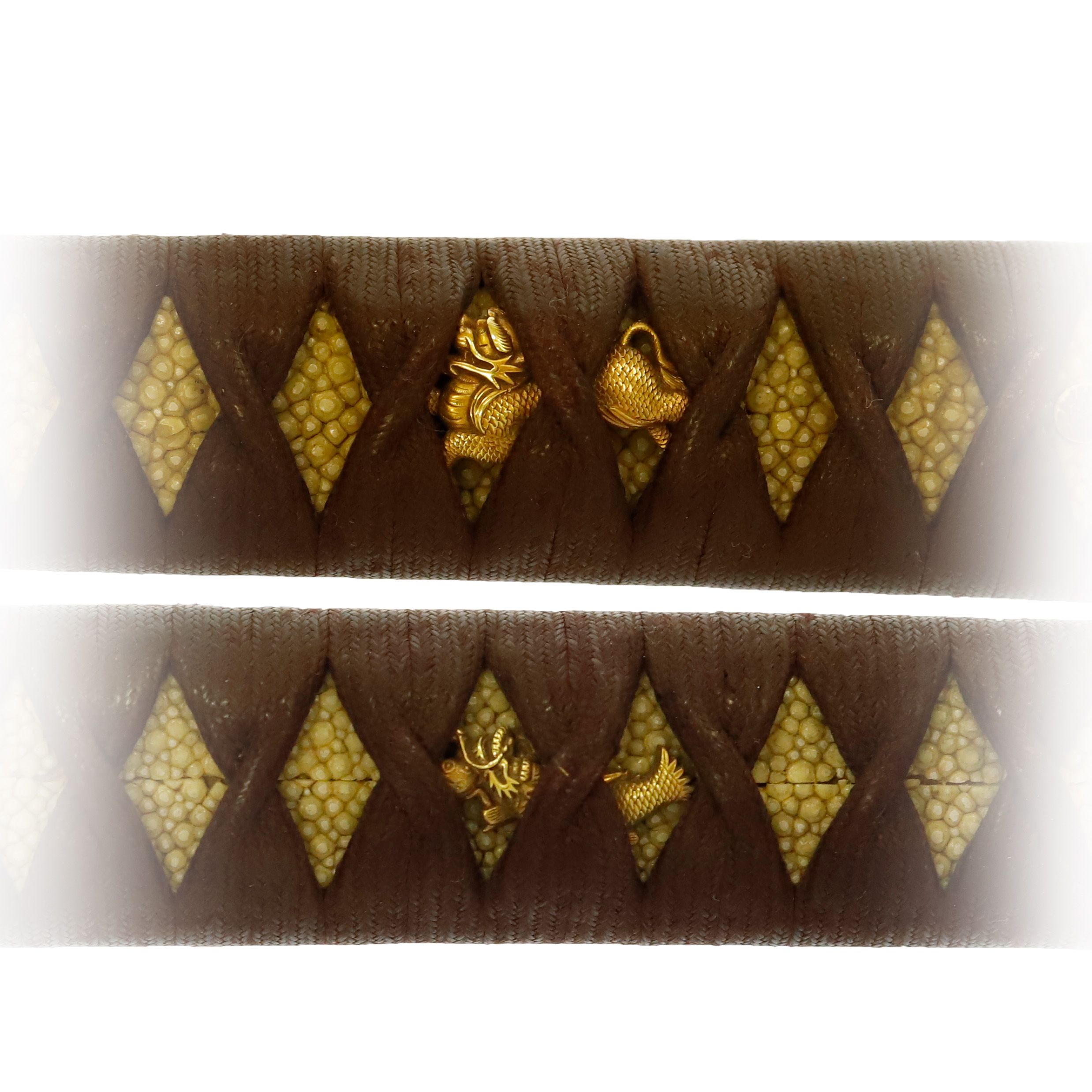
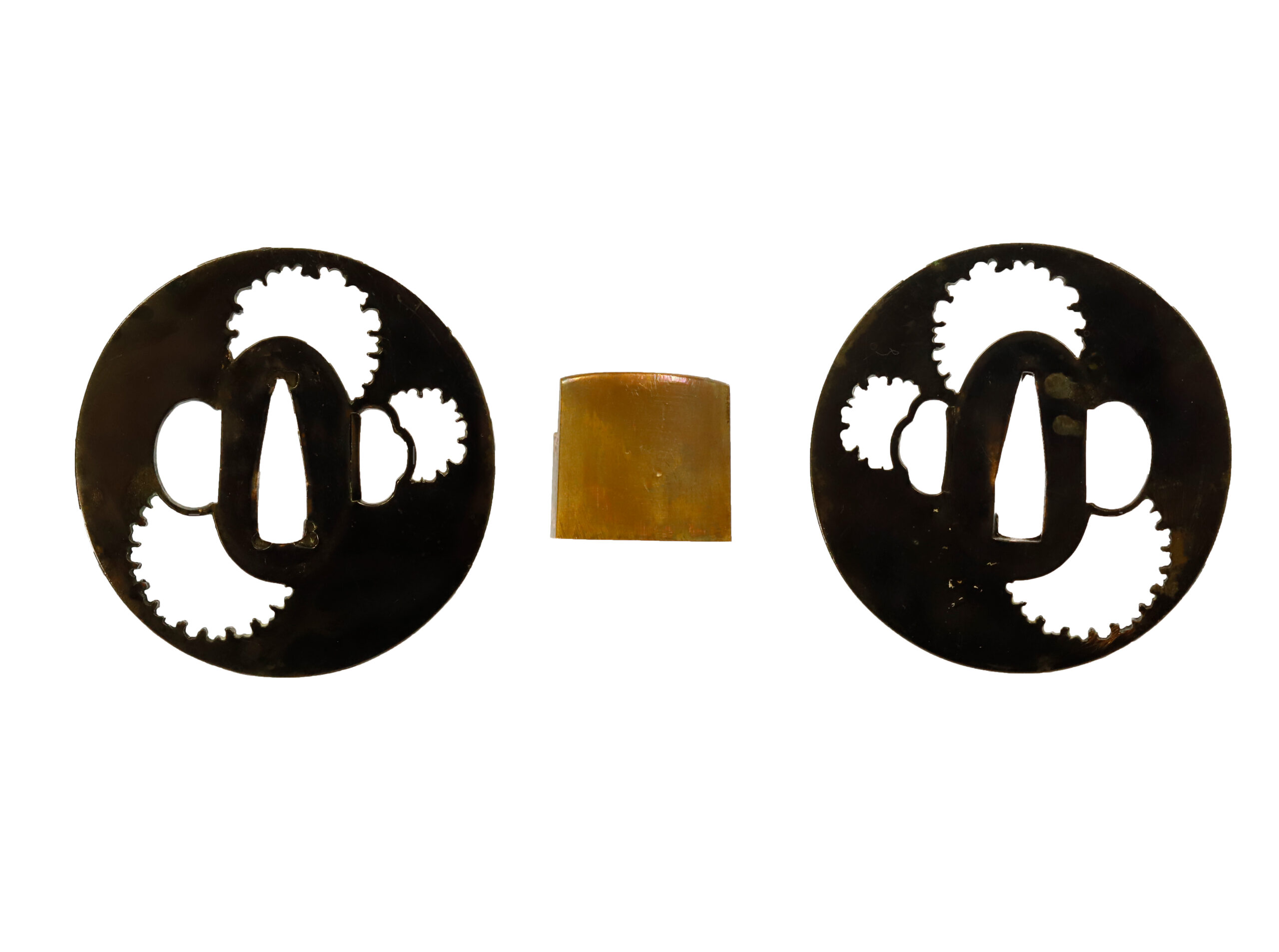
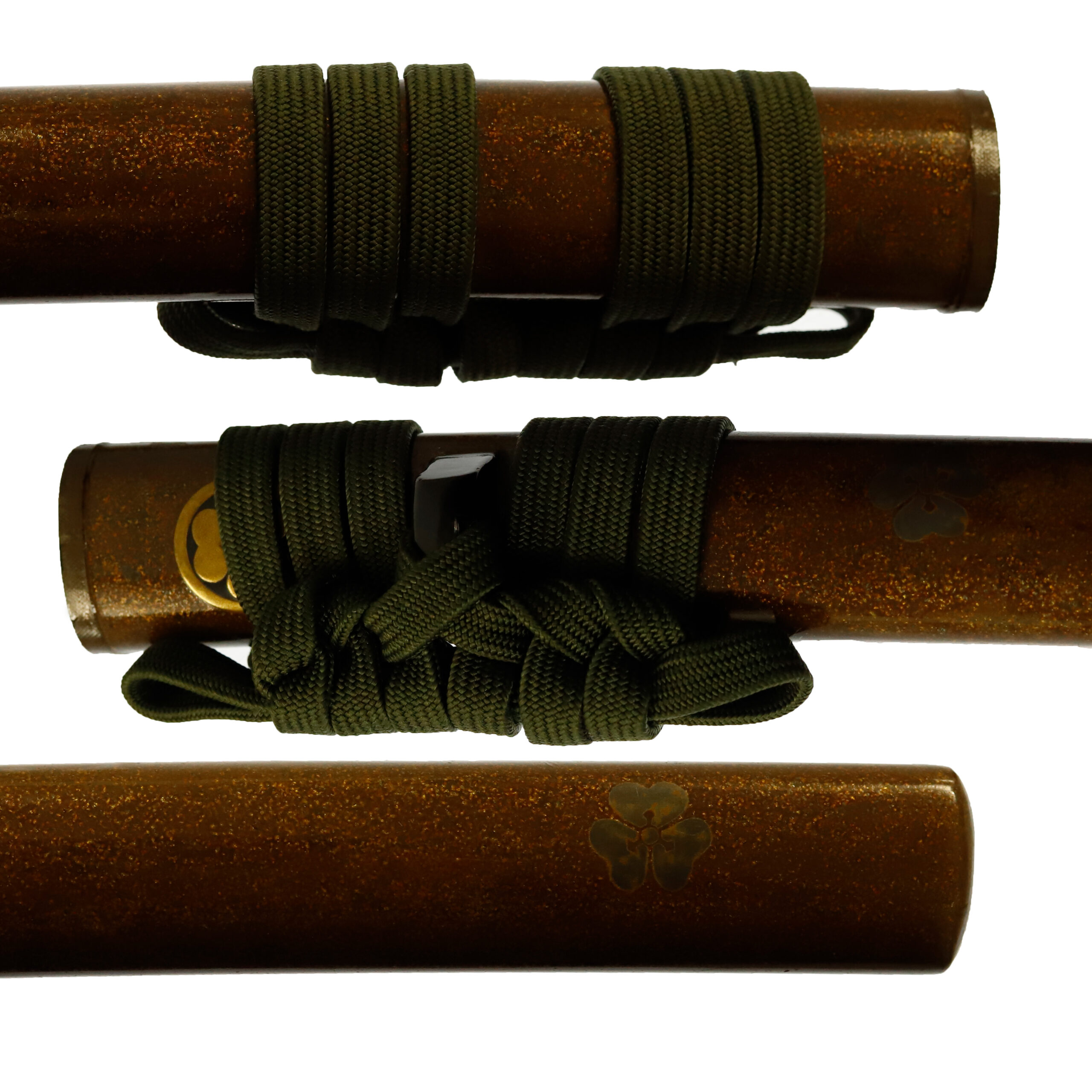
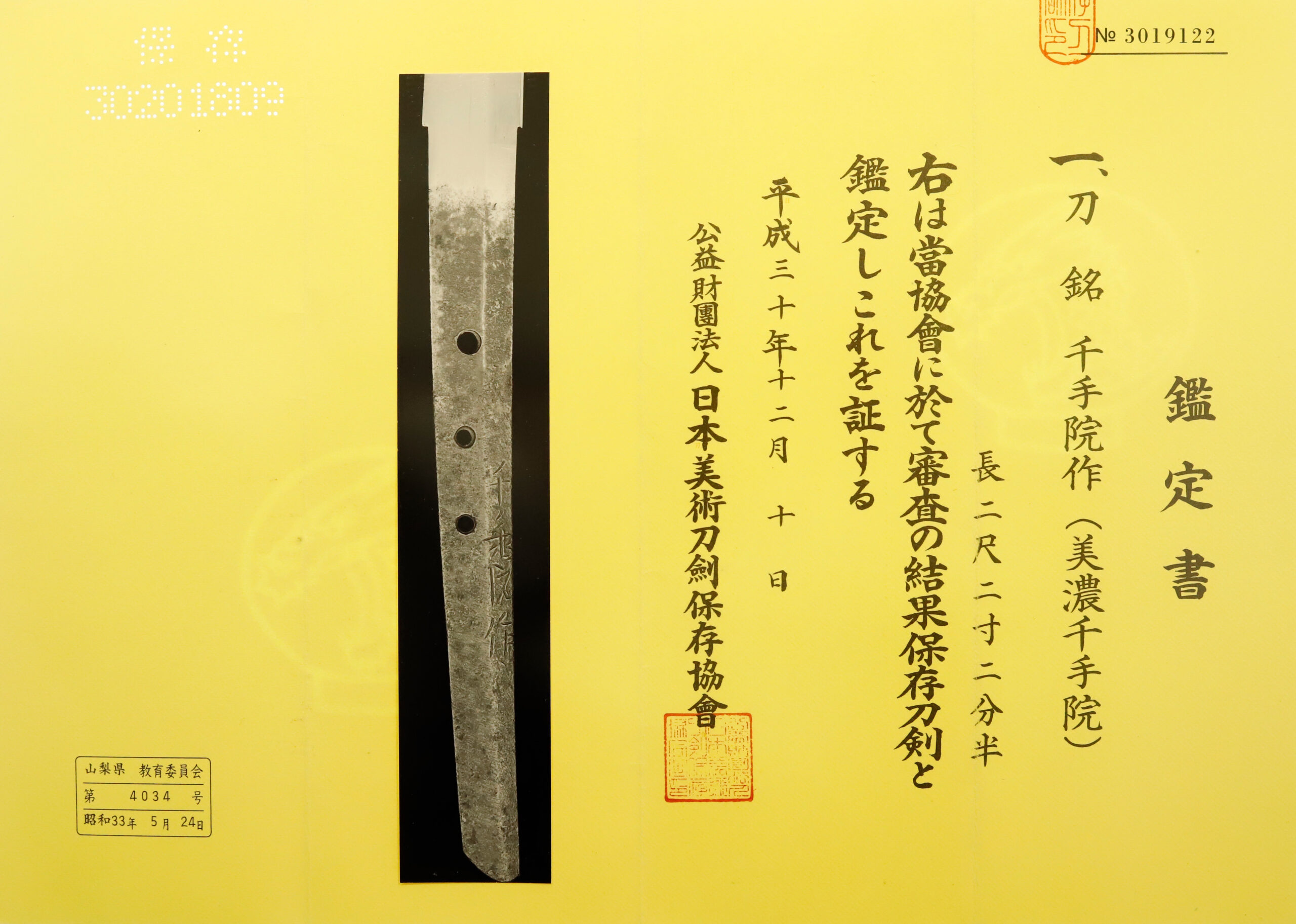
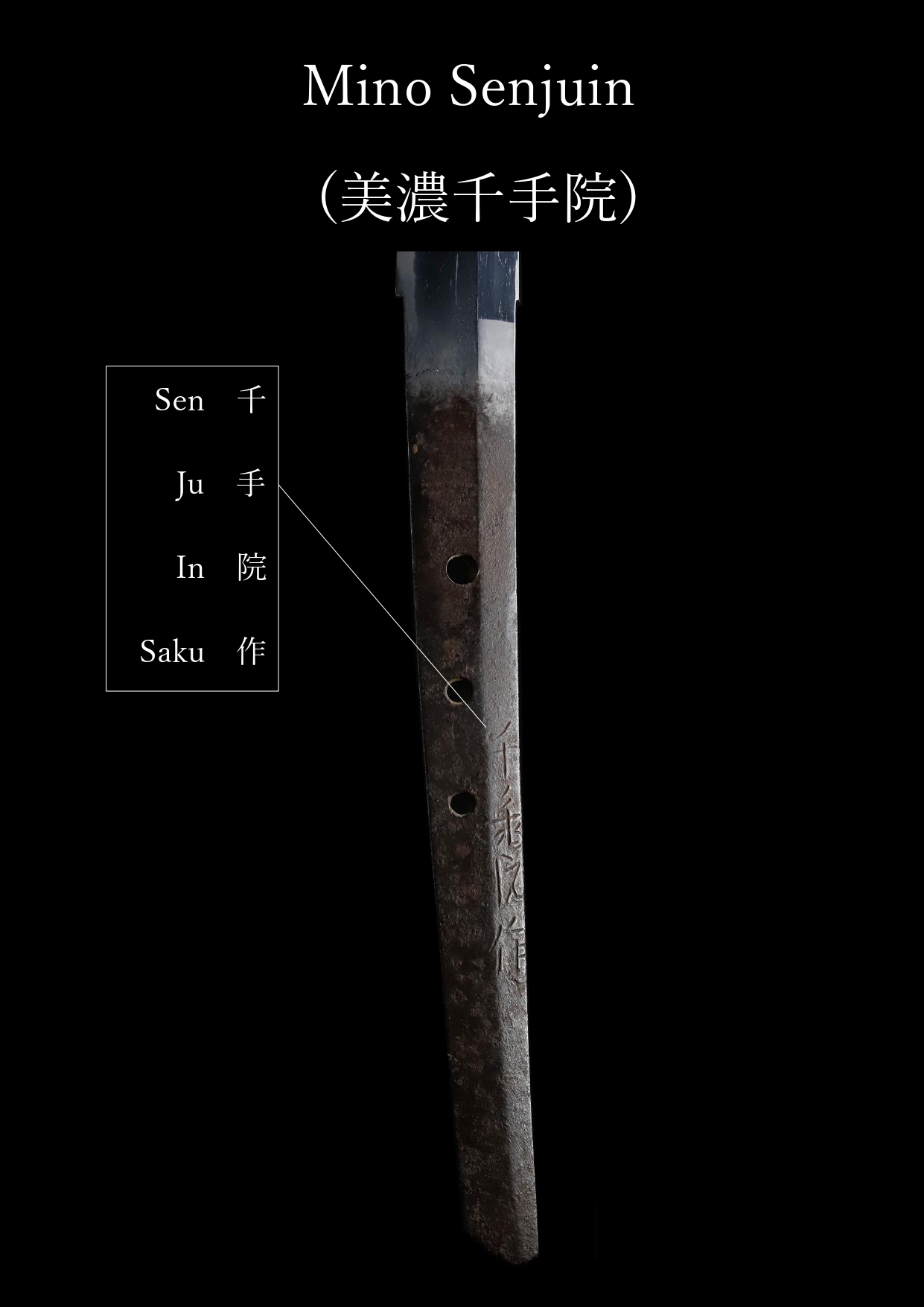
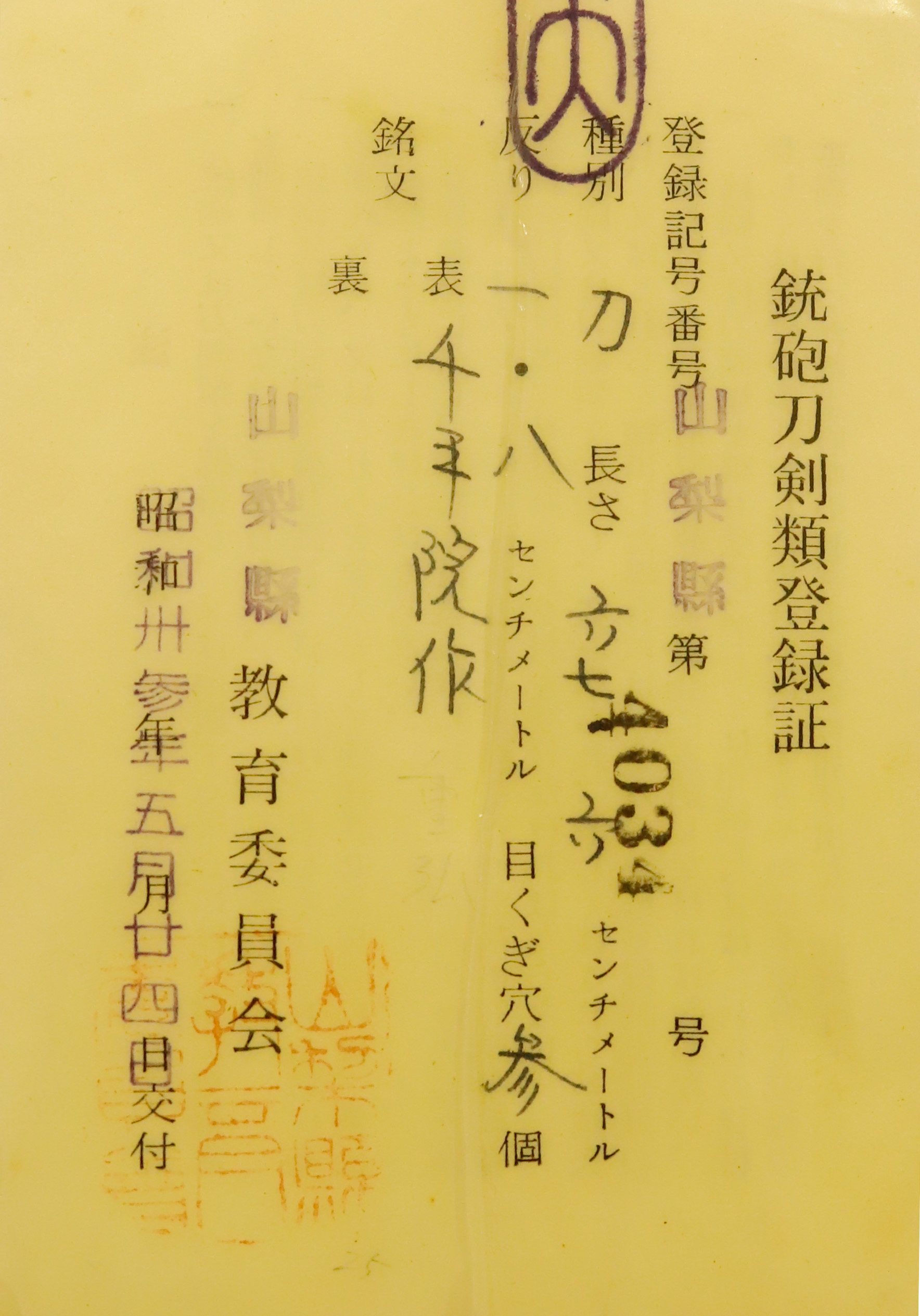
This antique Katana is signed by Mino Senjuin, a prominent school from the mid-14th to early 16th century in Mino province. Appraised by NBTHK as Hozon Token, it dates to the mid-late Muromachi period. The sword comes with a full koshirae mounting, shirasaya case, and a traditional carrying case.
 NihontoWatchBETA
mei · Mino Senjuin · Muromachi · nagasa 67.6cm · sori 1.8cm
Yamato-den · Yamato
21 pieces on the market now
Among the five schools of the Yamato-den, Senjuin (千手院) is held to be the earliest in origin, its name drawn from the Senjudo, a hall enshrining Senju Kannon (the Thousand-Armed Avalokitesvara) said to have stood at the western foothills of Mt. Wakakusa in Nara. Learn more →
| Smith | Era | Designated |
|---|---|---|
| Nobuyoshi延吉 | 1288-1293 | 29 |
| Sukemitsu助光 | 1243-1247 | 6 |
| Yoshihiro吉弘 | 1352-1356 | 5 |
| Yoshihiro義弘 | 1312-1317 | 3 |
| Yukise行瀬 | Mid-Kamakura to Nanbokucho | 0 |
Certifies a genuine blade worth preserving: a signature confirmed correct, or, if unsigned, an era, province, and school that the NBTHK can reliably identify.
The NBTHK (Nihon Bijutsu Tōken Hozon Kyōkai, the Society for the Preservation of Japanese Art Swords) is a public-interest incorporated foundation founded in 1948 and supervised by Japan’s Agency for Cultural Affairs (Bunkachō); it is based at the Japanese Sword Museum in Tokyo. Its expert panels physically examine each submitted work (shinsa) and issue a certificate (kanteishō) ranking it by artistic and historical merit. NBTHK papers are the most widely recognized standard of authentication for Japanese swords and fittings.
NBTHK official siteReturns/exchanges limited to defects caused by shipping (except willful misconduct or gross negligence by the company); customers must contact within 72 hours of receiving the product.
This antique Katana is signed by Mino Senjuin, a prominent school from the mid-14th to early 16th century in Mino province. Appraised by NBTHK as Hozon Token, it dates to the mid-late Muromachi period. The sword comes with a full koshirae mounting, shirasaya case, and a traditional carrying case.
NihontoWatchBETAmei · Mino Senjuin · Muromachi · nagasa 67.6cm · sori 1.8cm
Yamato-den · Yamato
21 pieces on the market now
Among the five schools of the Yamato-den, Senjuin (千手院) is held to be the earliest in origin, its name drawn from the Senjudo, a hall enshrining Senju Kannon (the Thousand-Armed Avalokitesvara) said to have stood at the western foothills of Mt. Wakakusa in Nara. Learn more →
| Smith | Era | Designated |
|---|---|---|
| Nobuyoshi延吉 | 1288-1293 | 29 |
| Sukemitsu助光 | 1243-1247 | 6 |
| Yoshihiro吉弘 | 1352-1356 | 5 |
| Yoshihiro義弘 | 1312-1317 | 3 |
| Yukise行瀬 | Mid-Kamakura to Nanbokucho | 0 |
Certifies a genuine blade worth preserving: a signature confirmed correct, or, if unsigned, an era, province, and school that the NBTHK can reliably identify.
The NBTHK (Nihon Bijutsu Tōken Hozon Kyōkai, the Society for the Preservation of Japanese Art Swords) is a public-interest incorporated foundation founded in 1948 and supervised by Japan’s Agency for Cultural Affairs (Bunkachō); it is based at the Japanese Sword Museum in Tokyo. Its expert panels physically examine each submitted work (shinsa) and issue a certificate (kanteishō) ranking it by artistic and historical merit. NBTHK papers are the most widely recognized standard of authentication for Japanese swords and fittings.
NBTHK official siteReturns/exchanges limited to defects caused by shipping (except willful misconduct or gross negligence by the company); customers must contact within 72 hours of receiving the product.