Sengoku Seki was an industry: smiths organized under their tutelary Kasuga shrine, arming the war bands of central Japan. Magoroku Kanemoto’s sanbonsugi and the finest Kanesada work prove quality survived inside mass production.
 NihontoWatchNihontoWatch
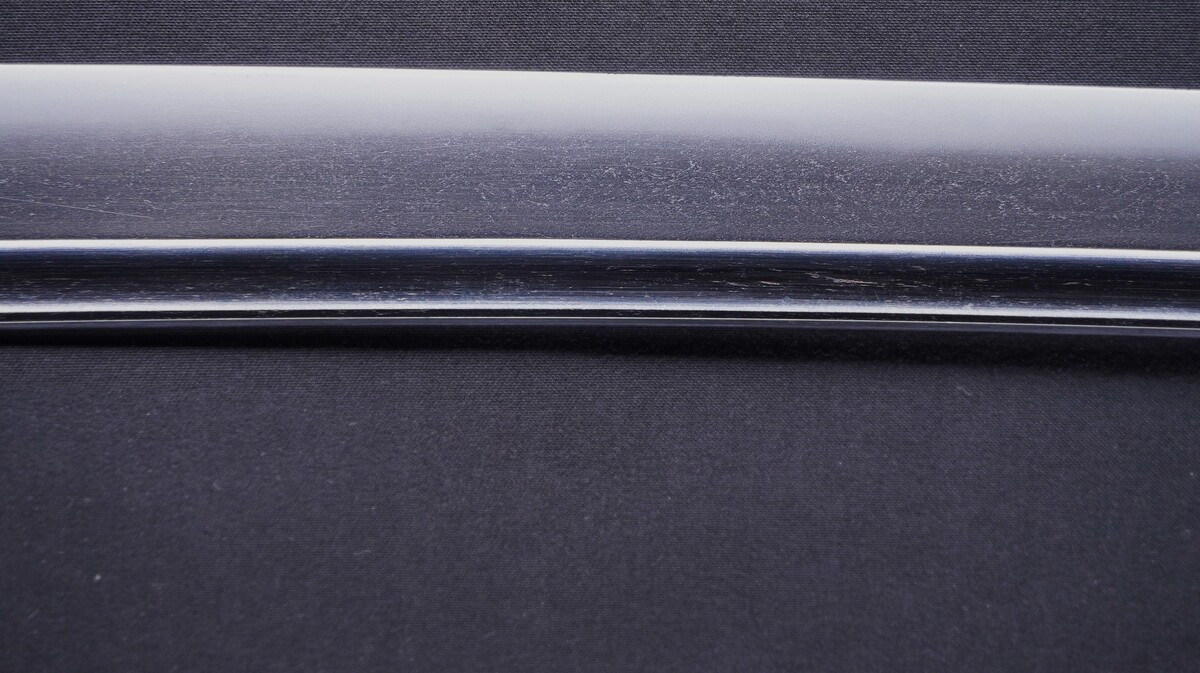
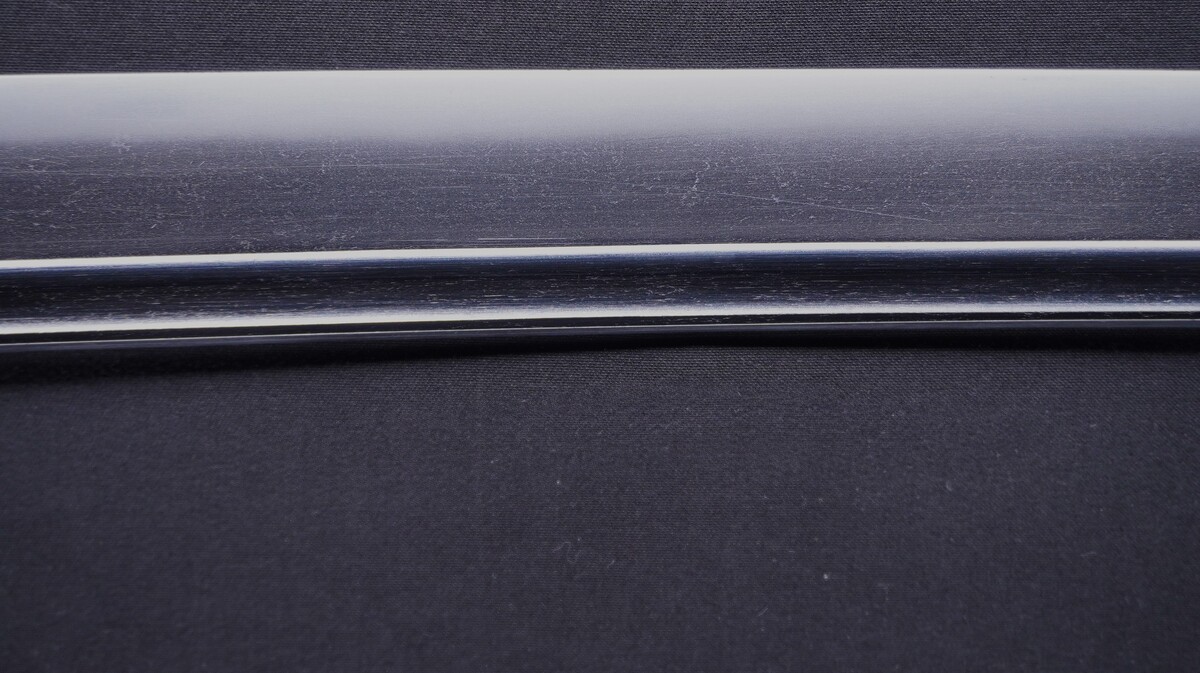
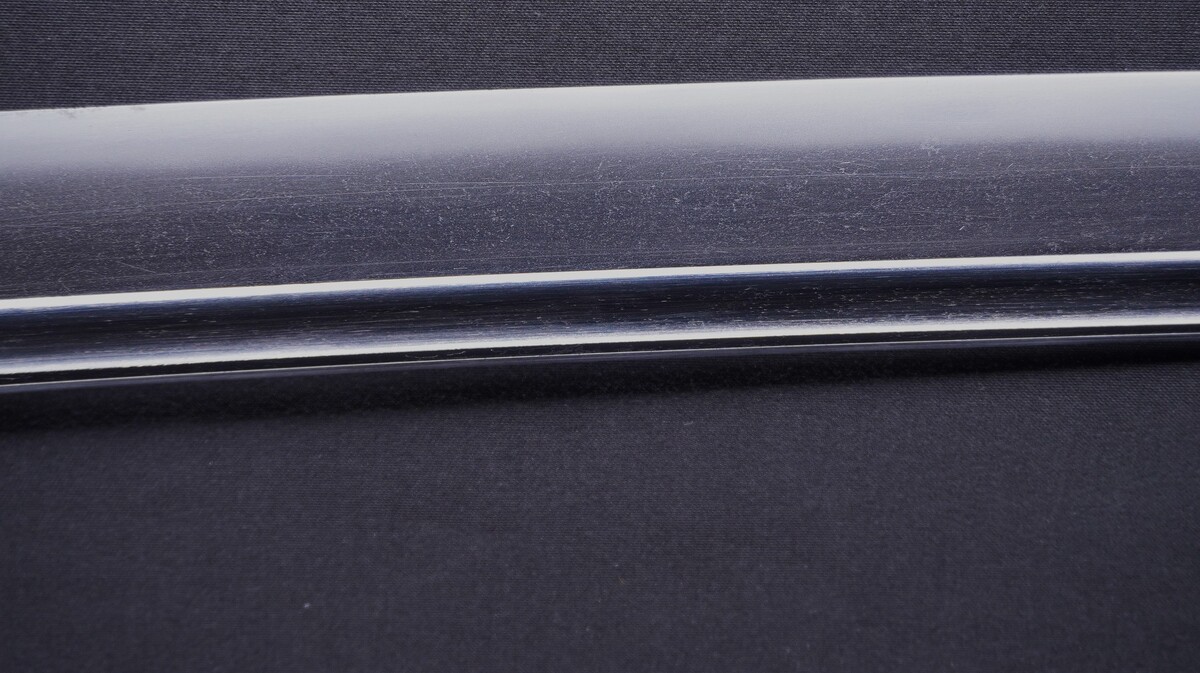
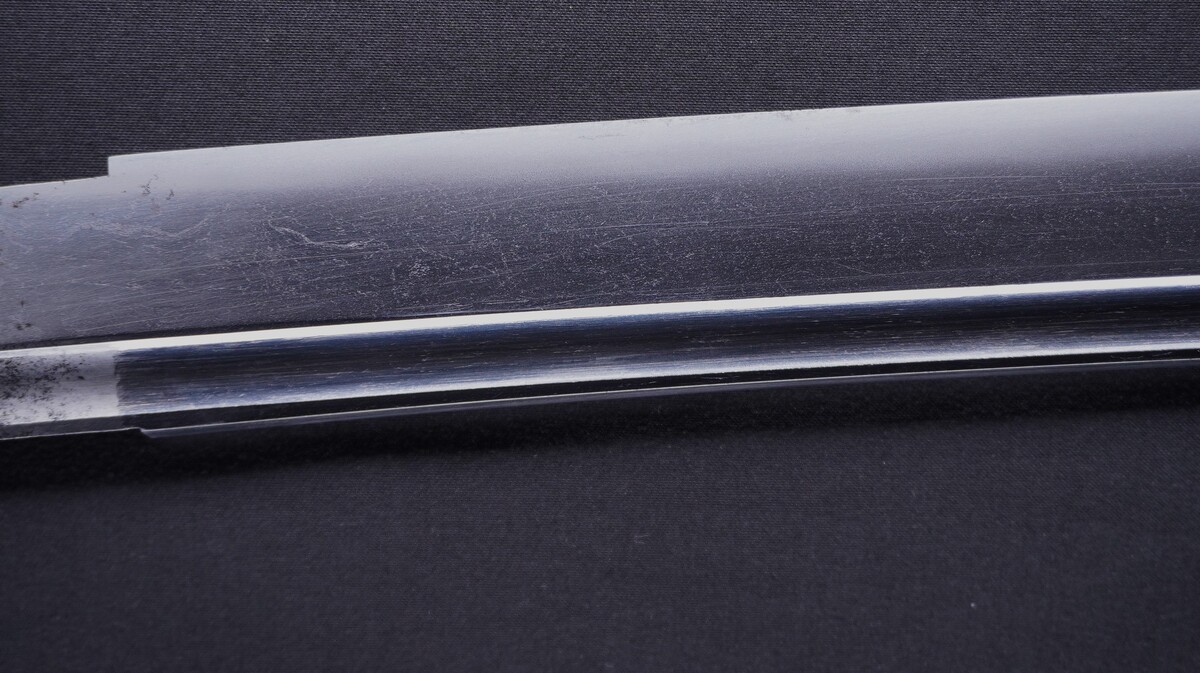
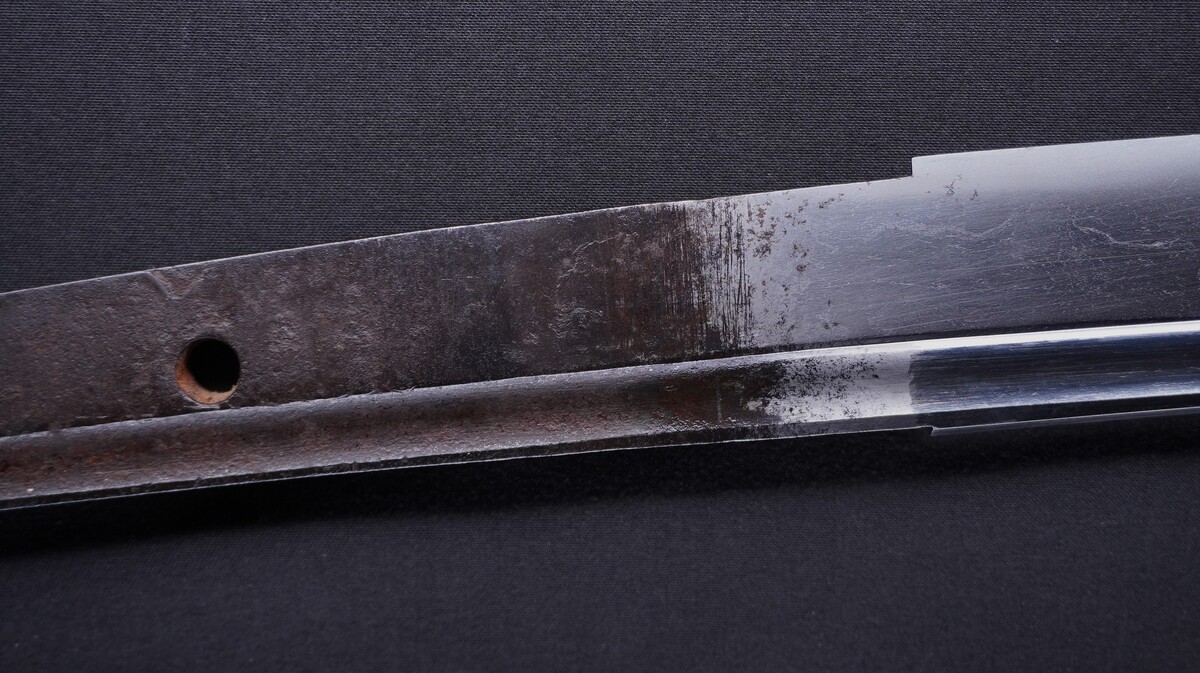
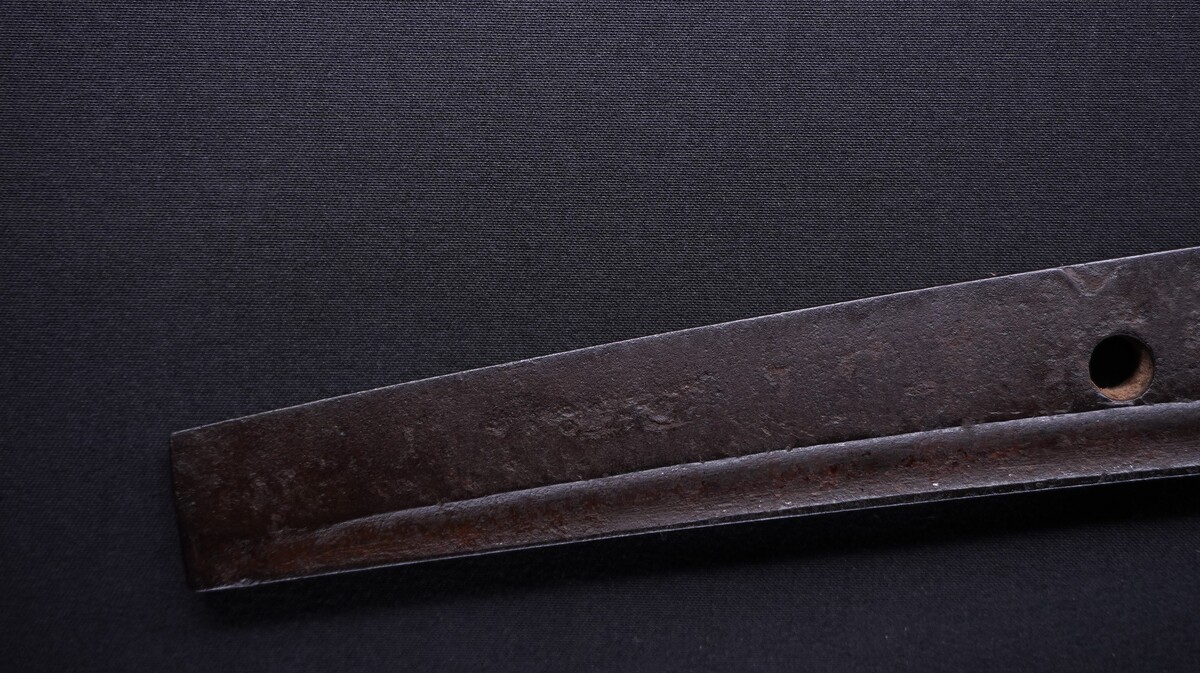
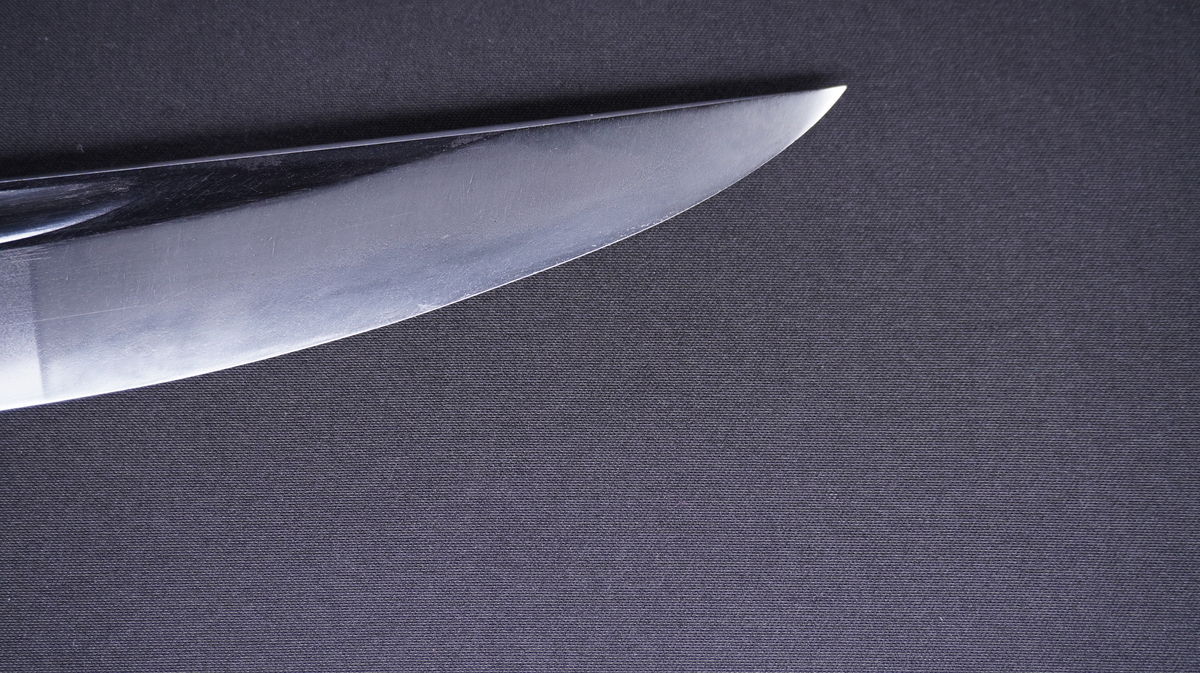
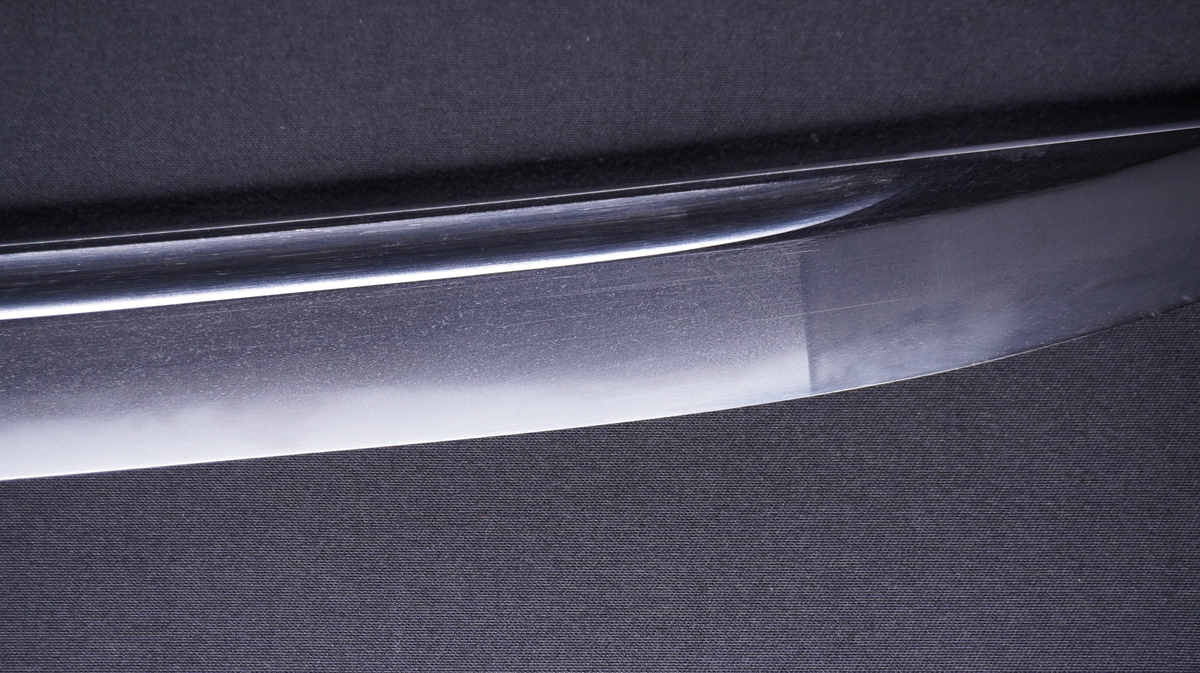
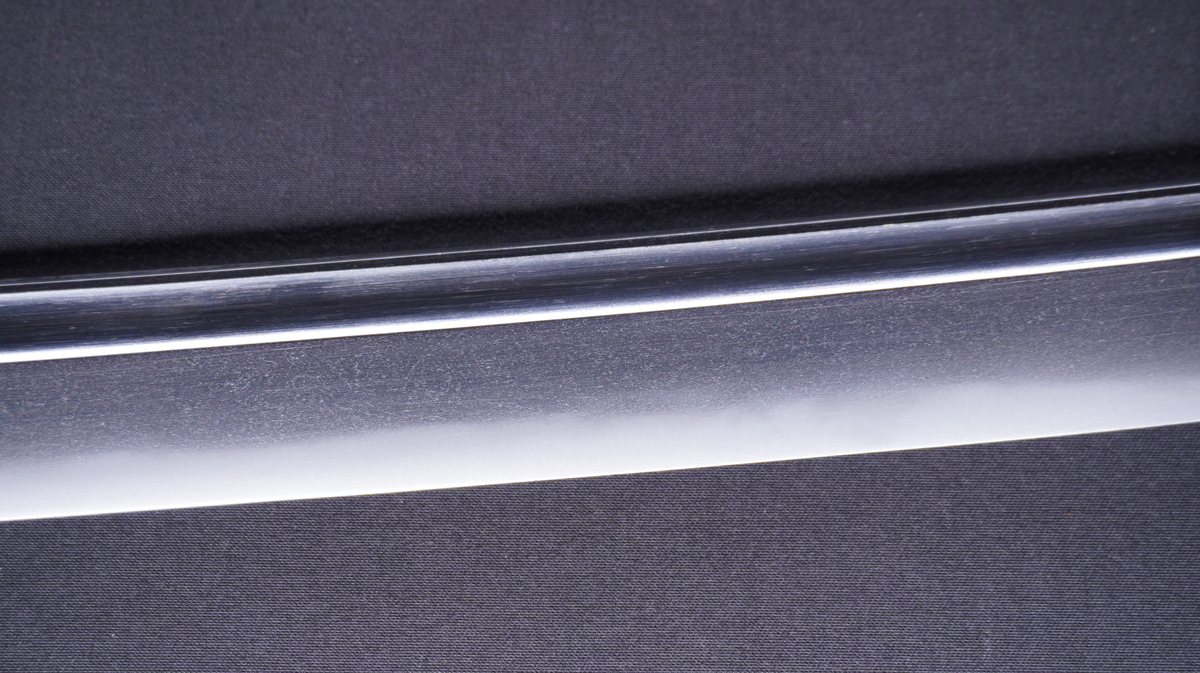
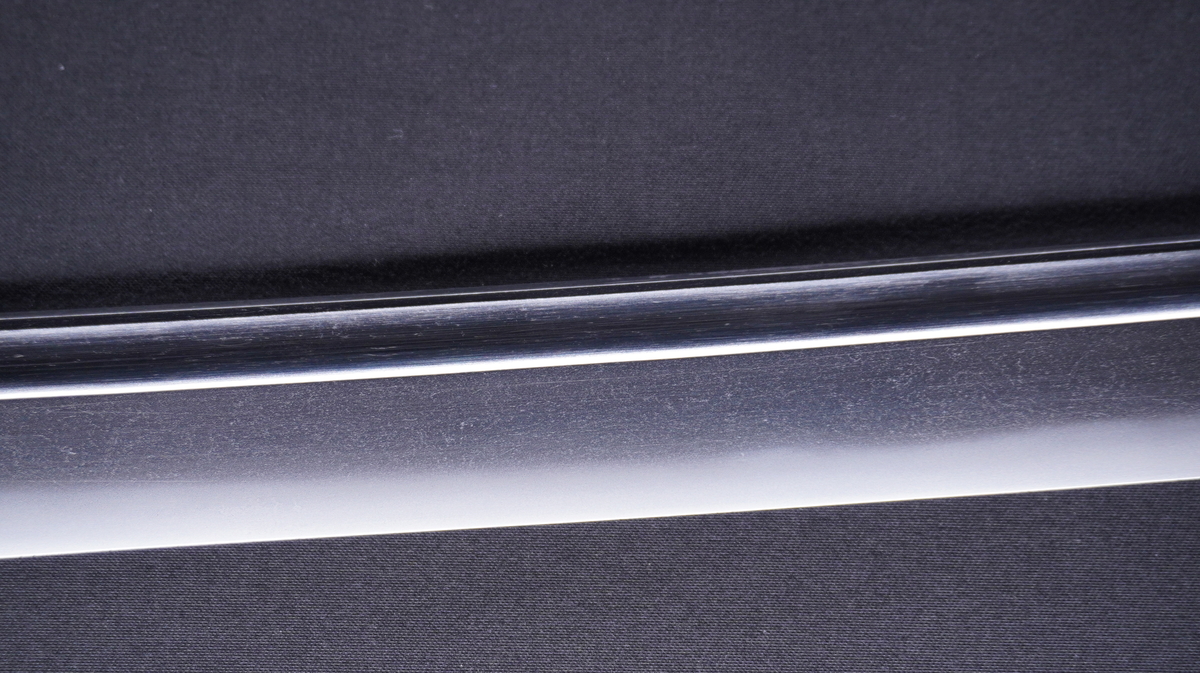
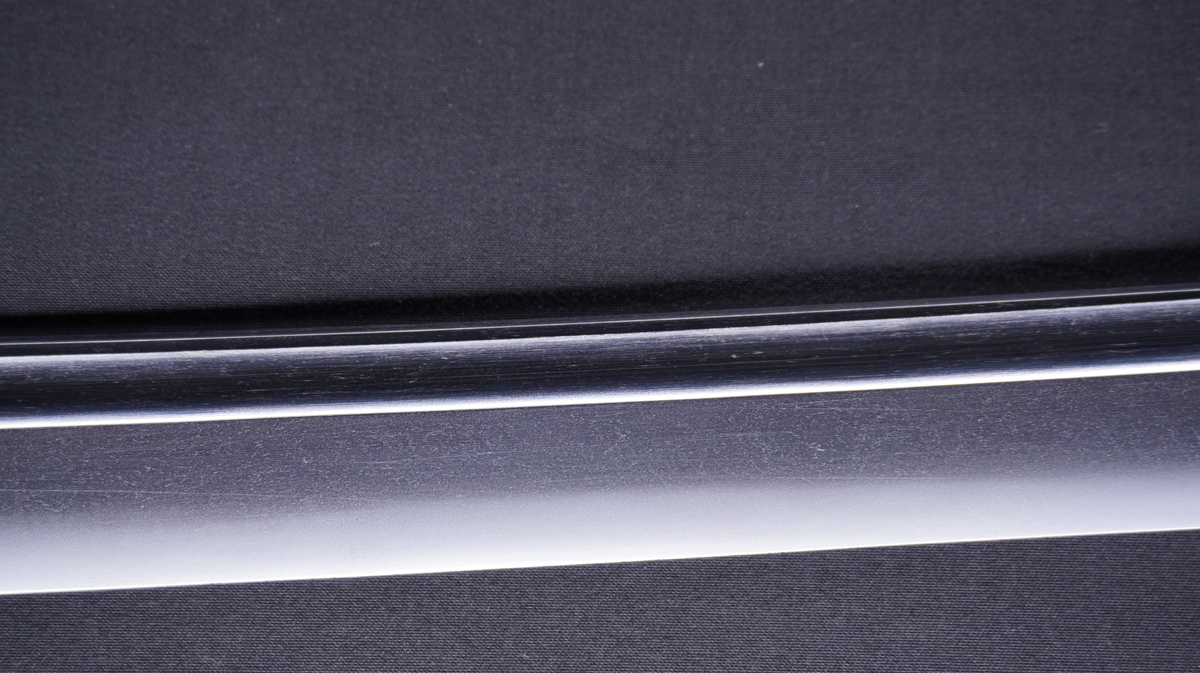
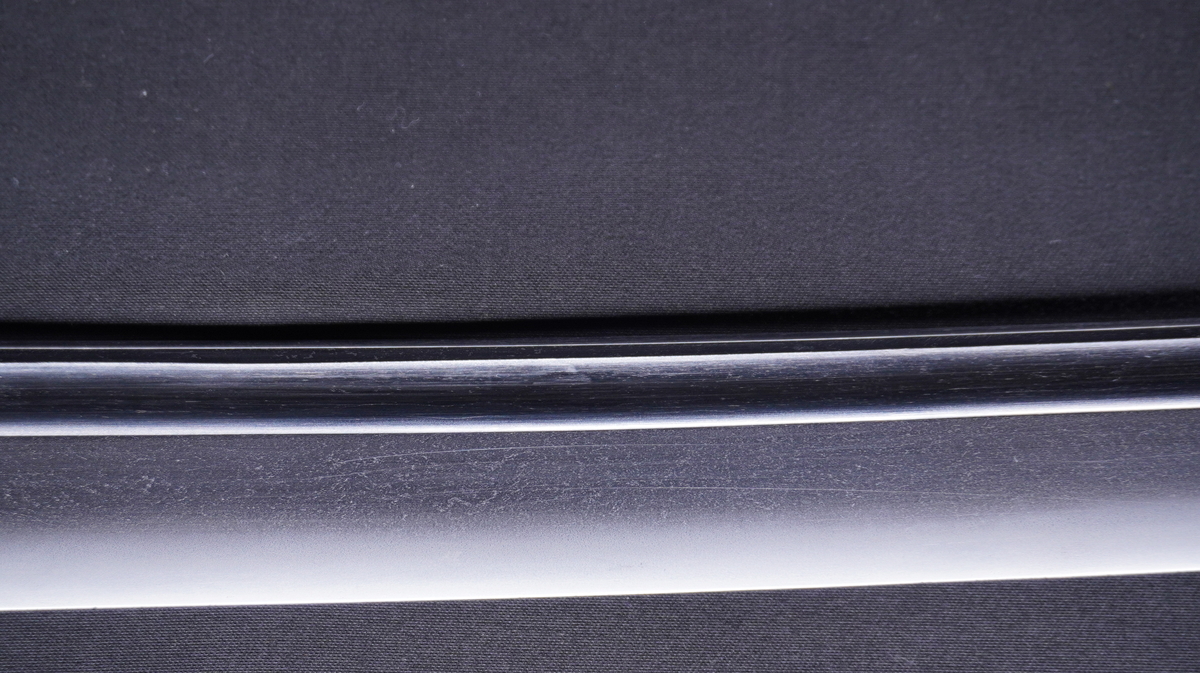
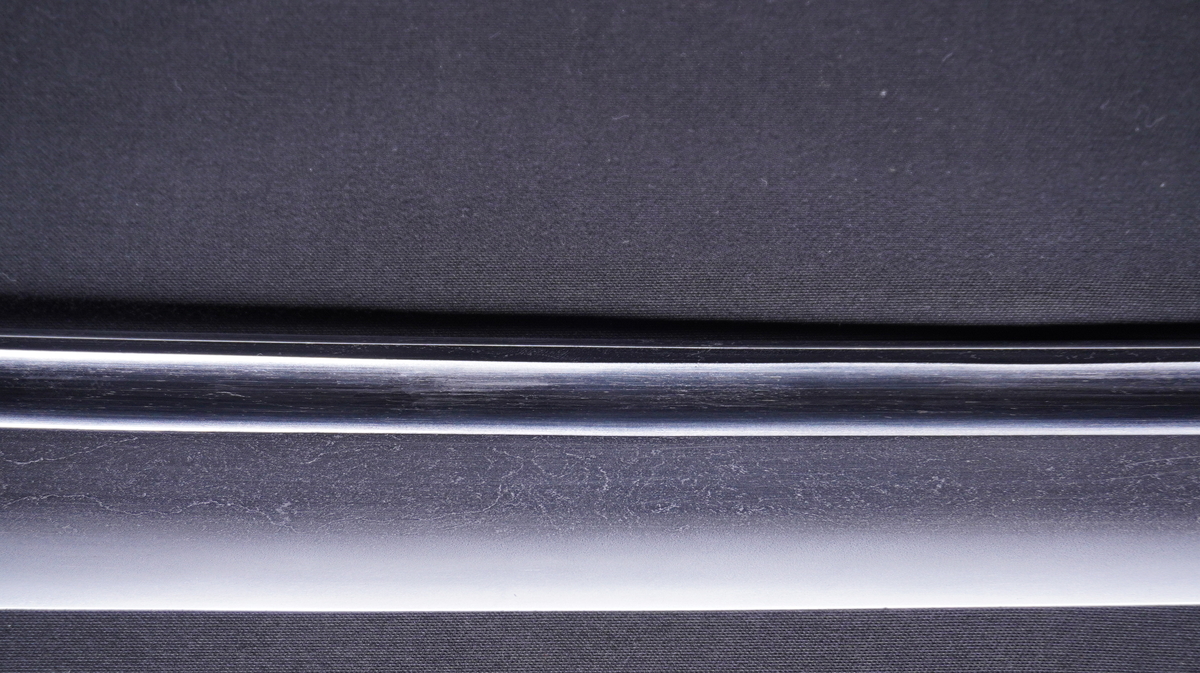
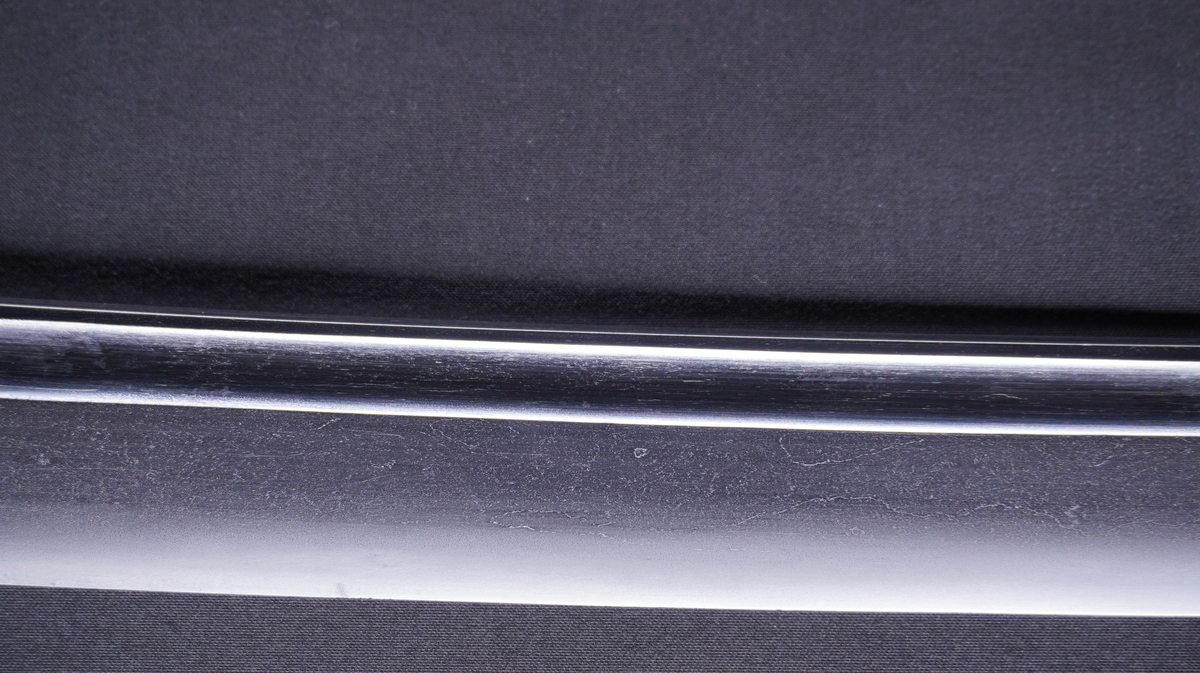
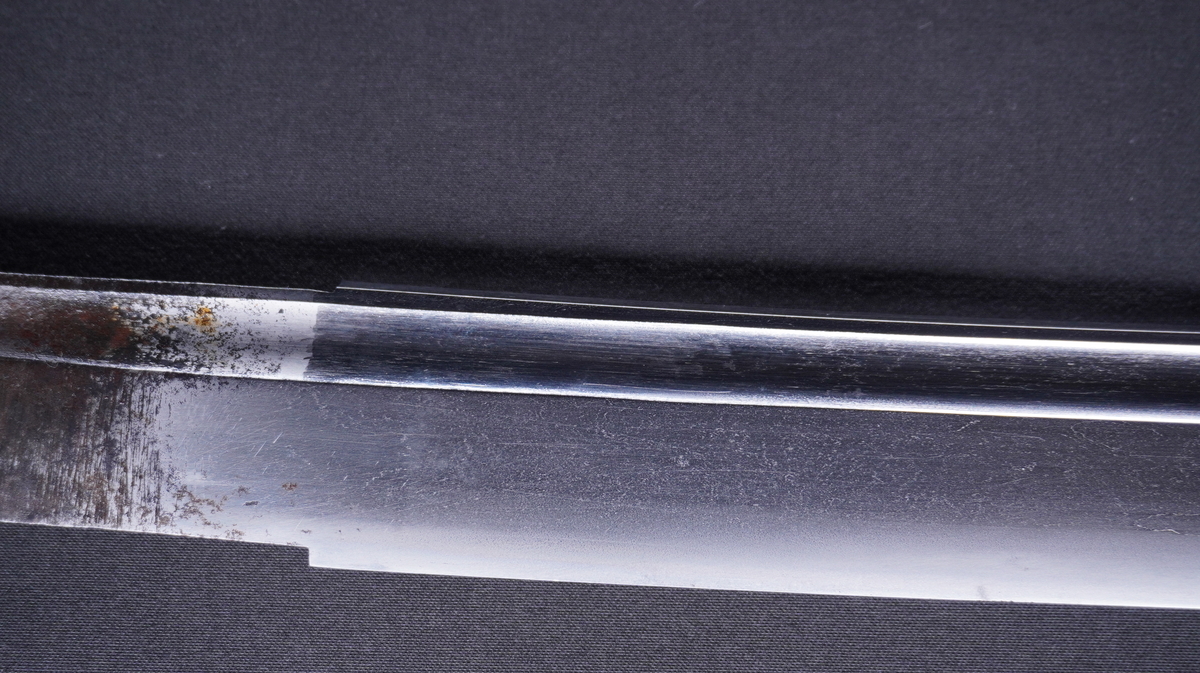
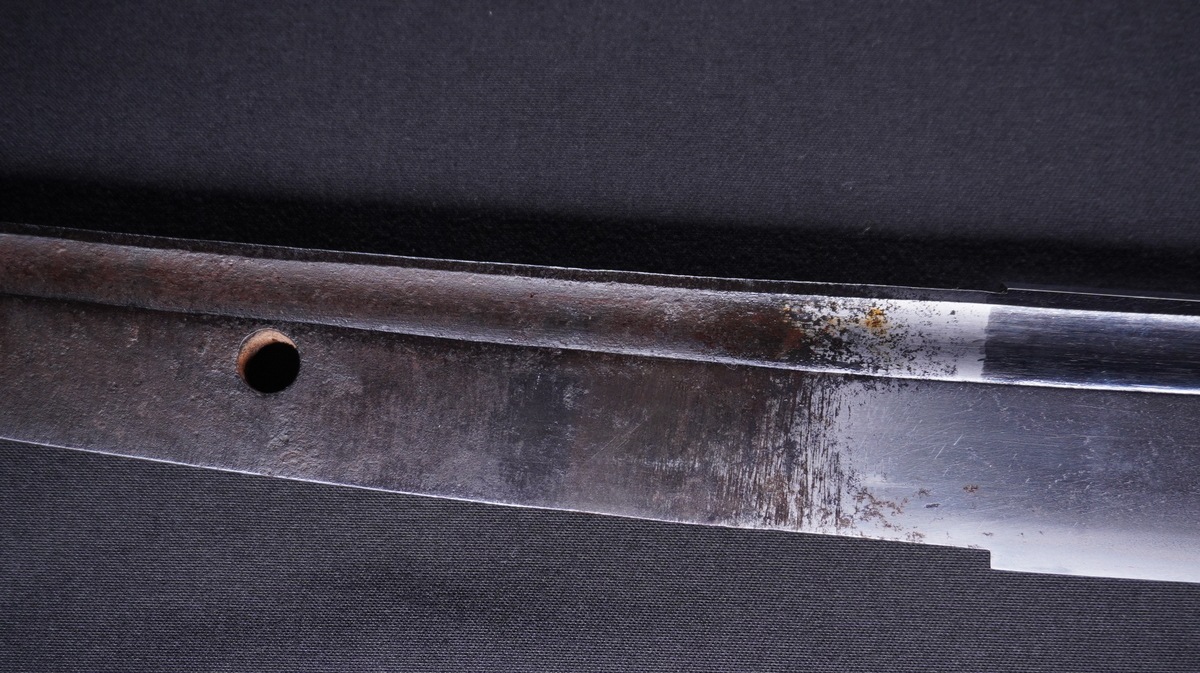
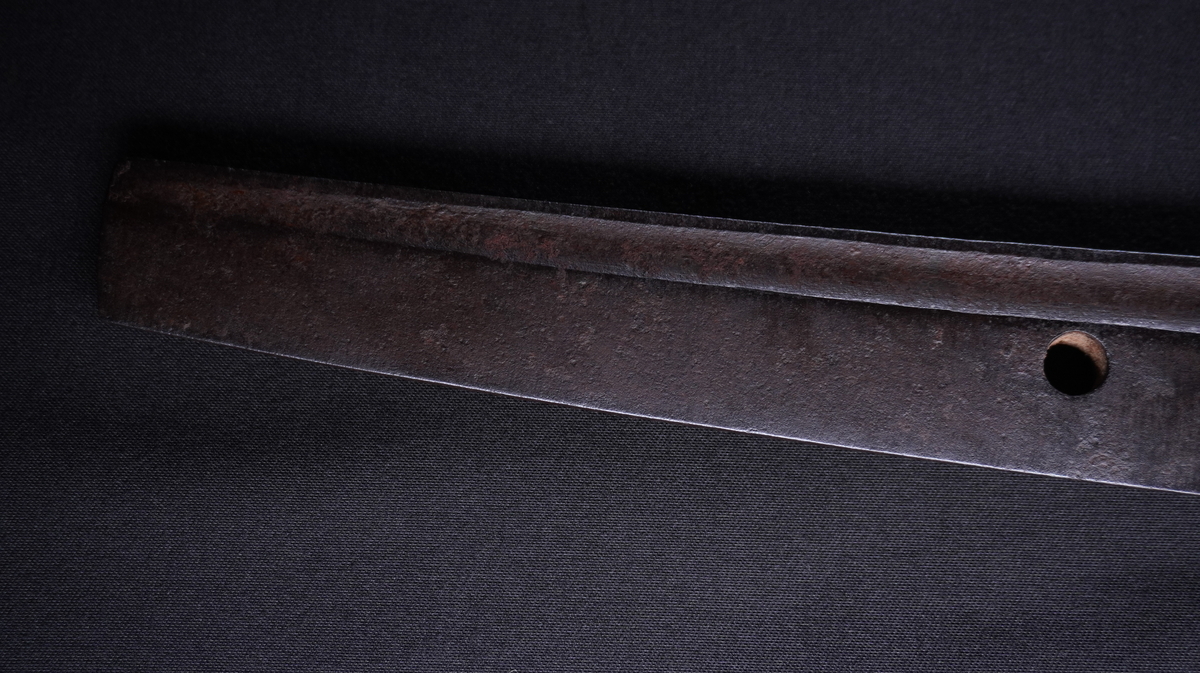
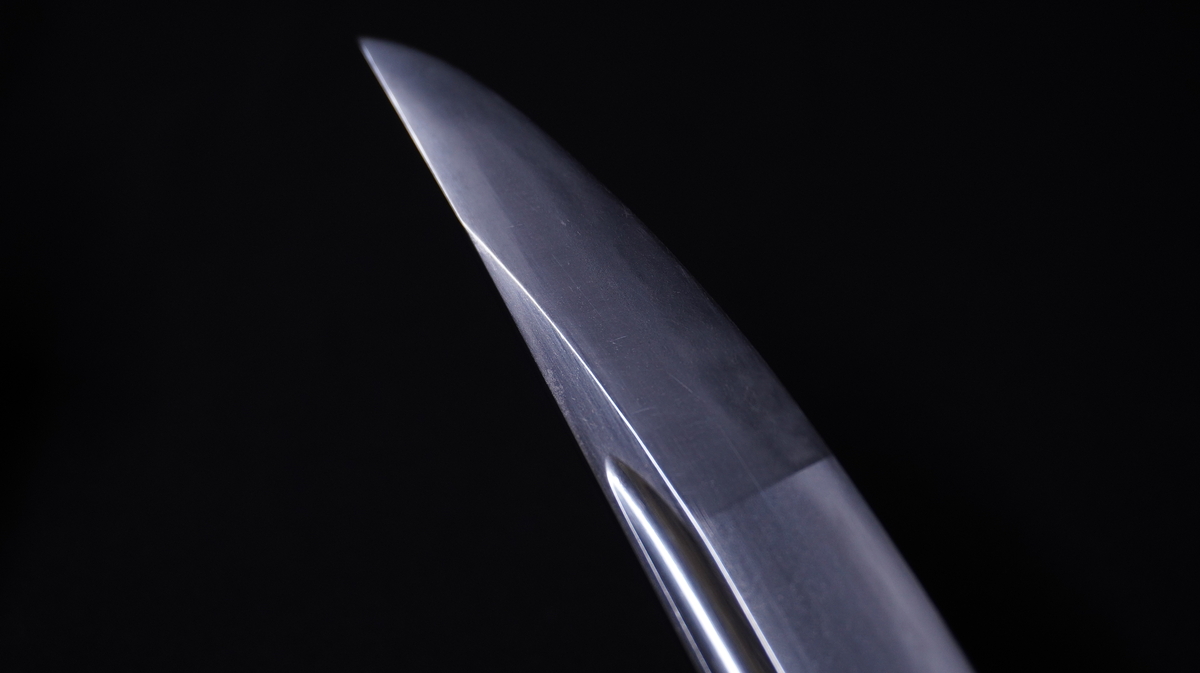
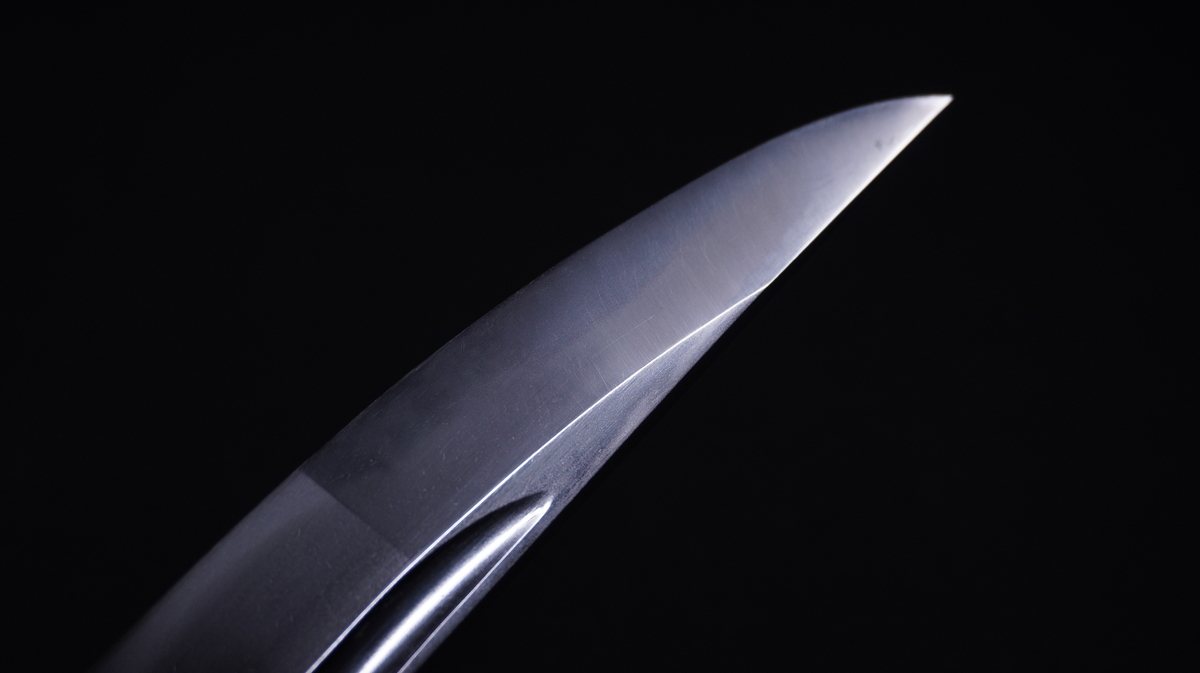
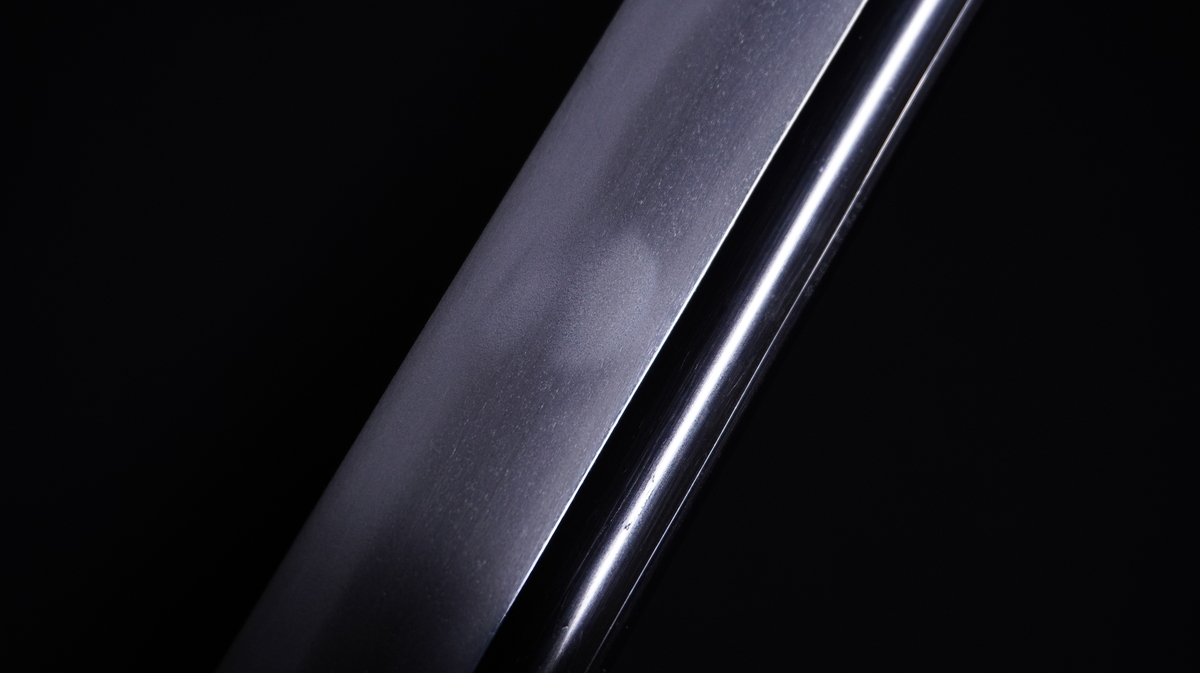
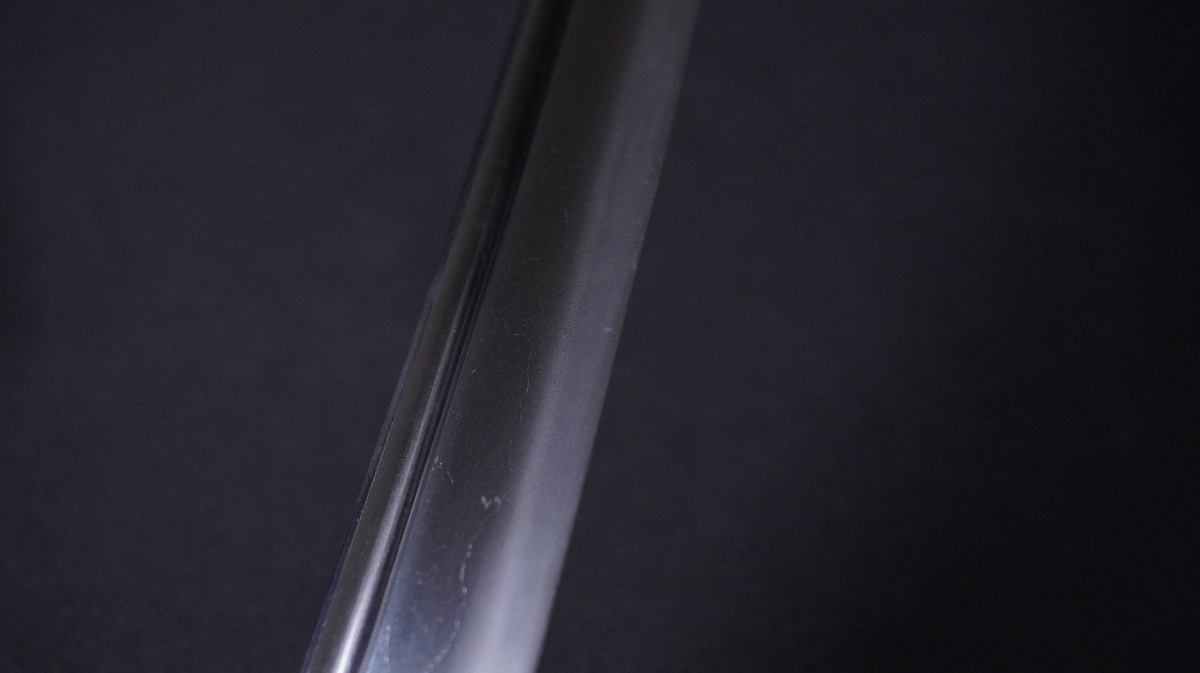
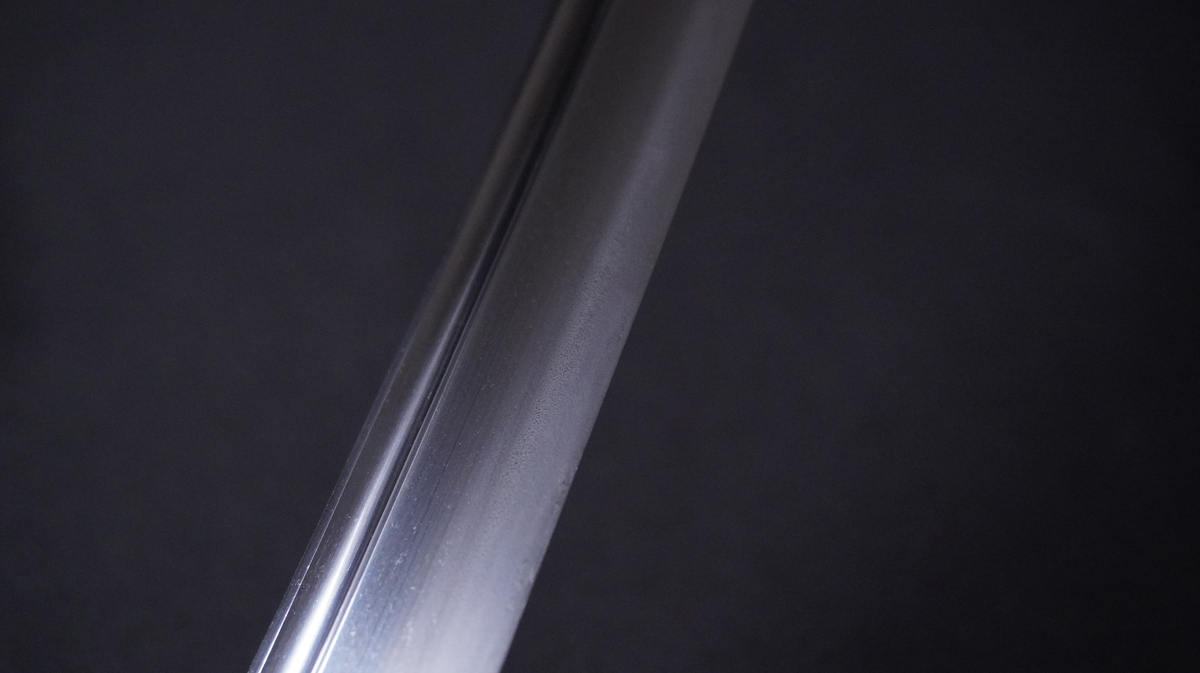
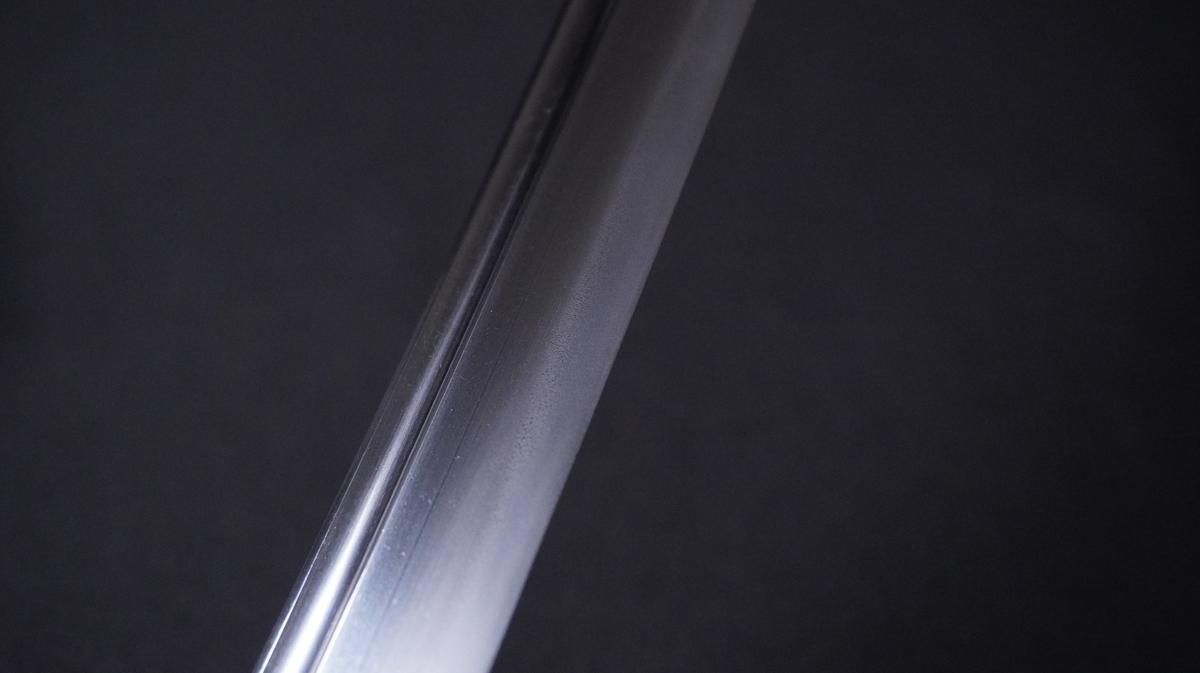
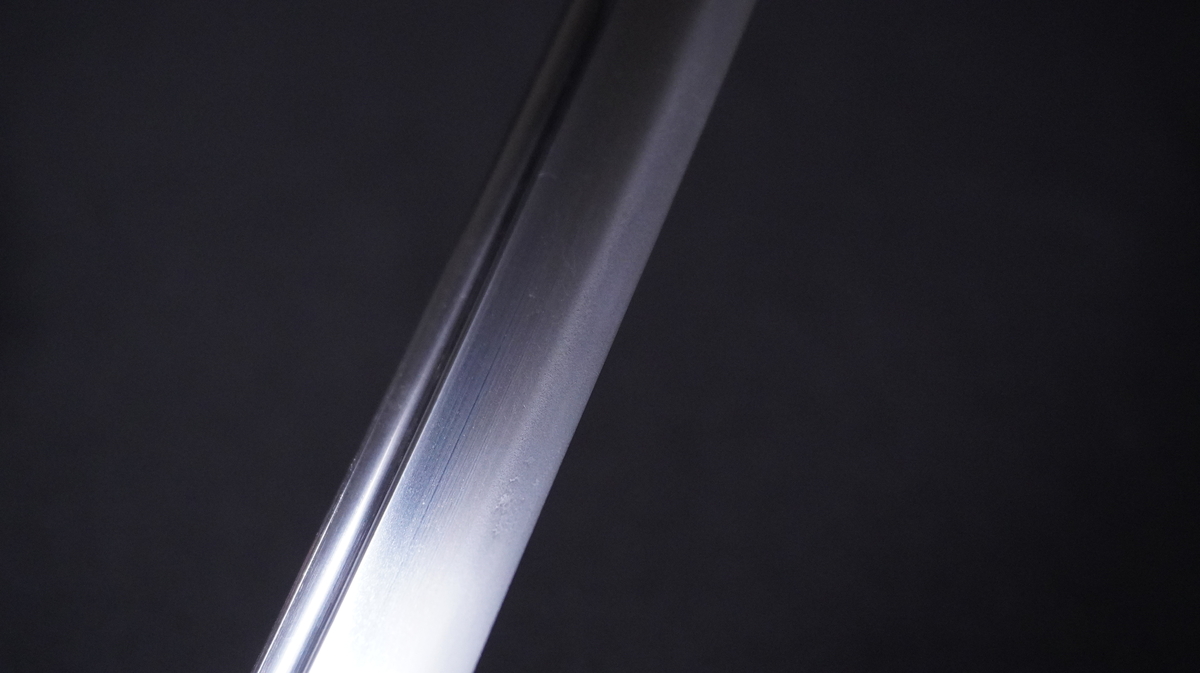
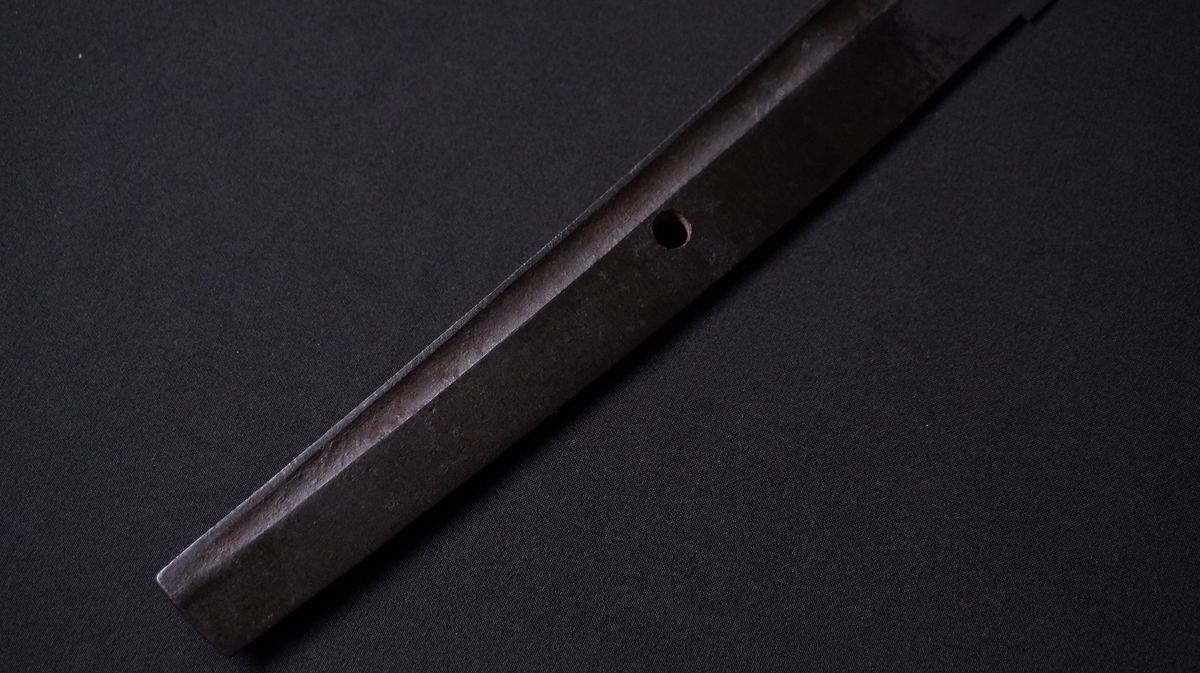
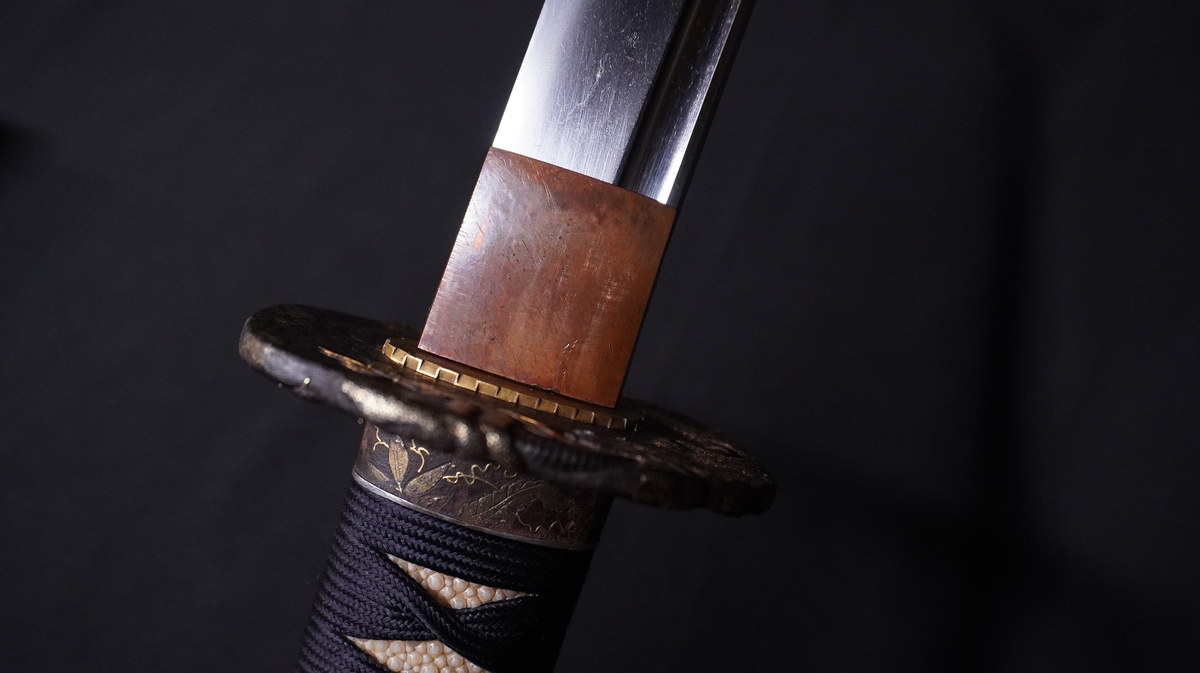
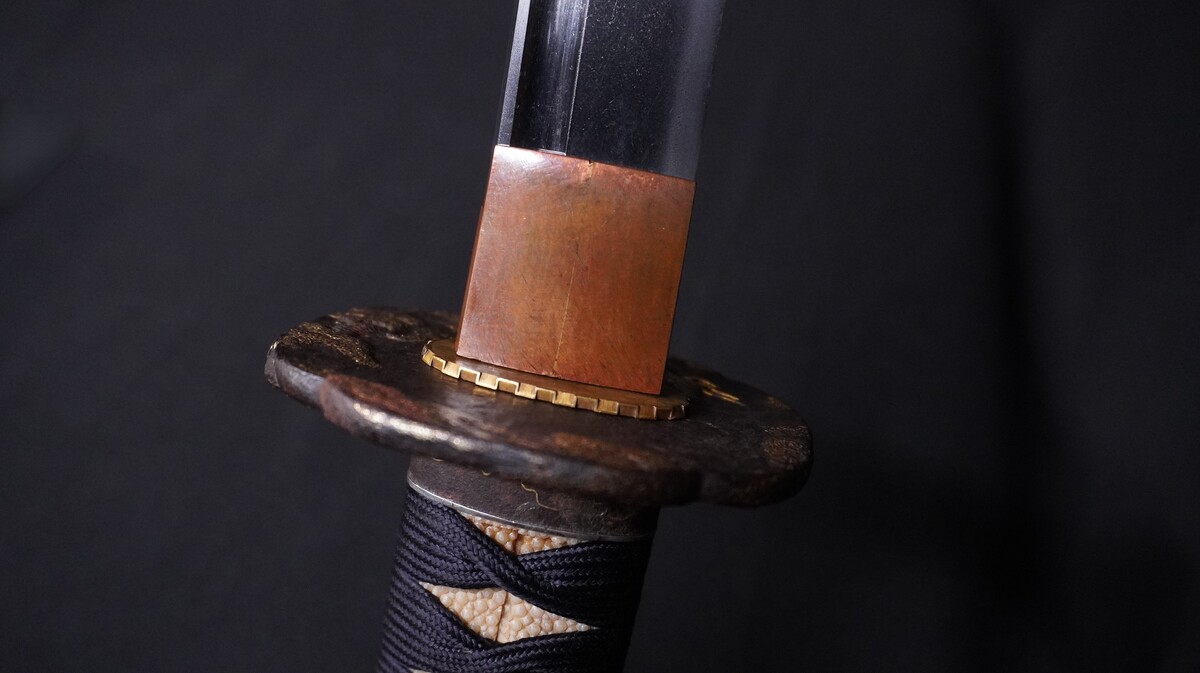
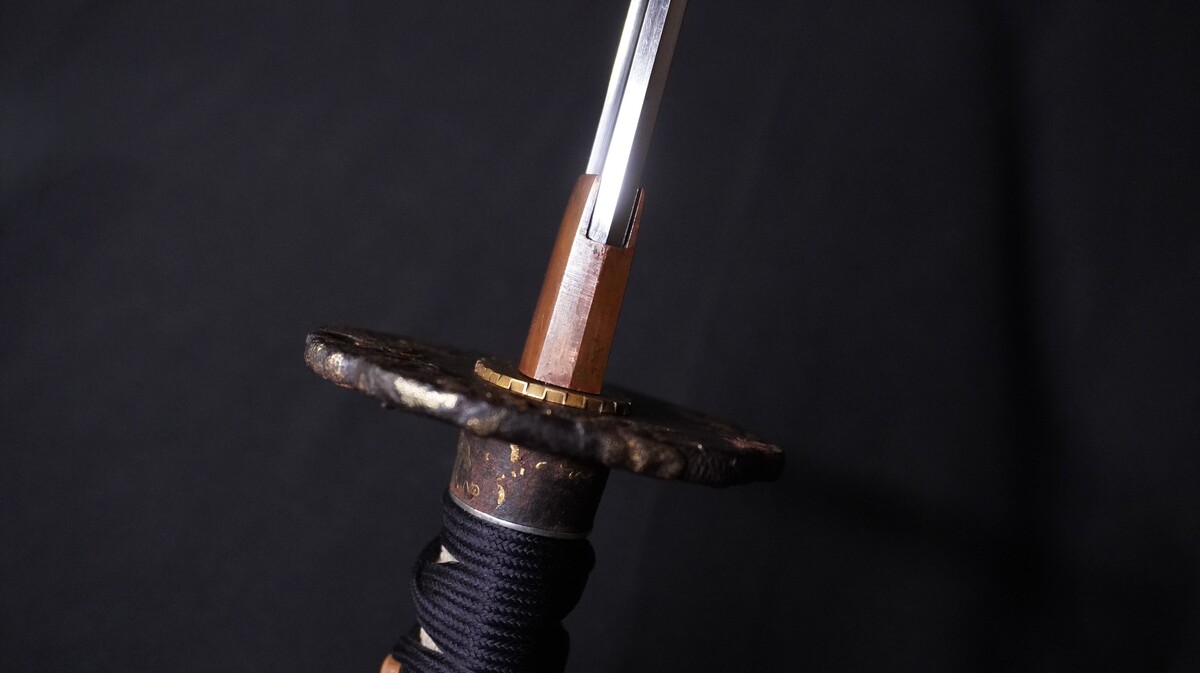
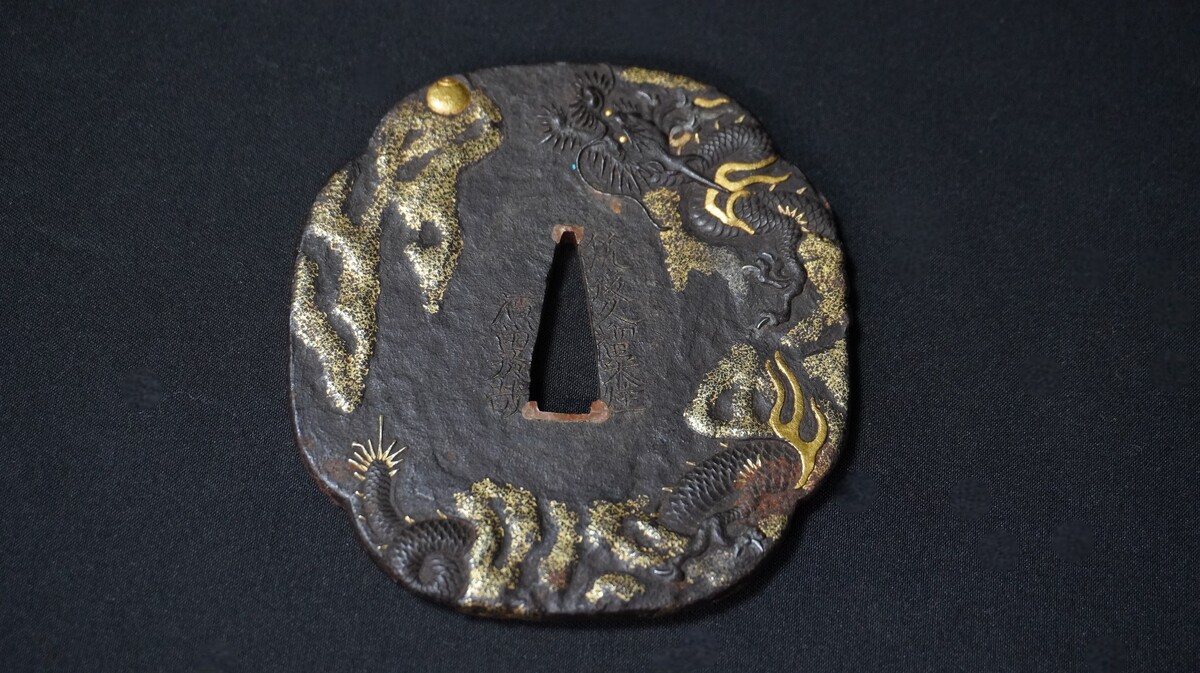
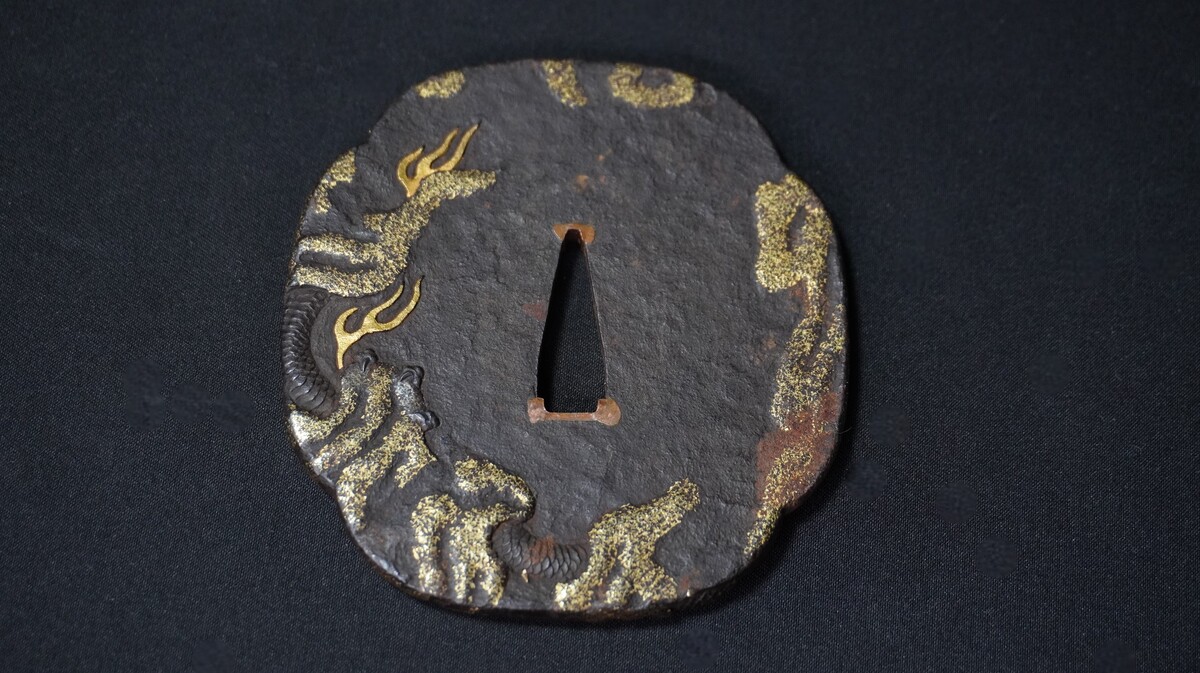
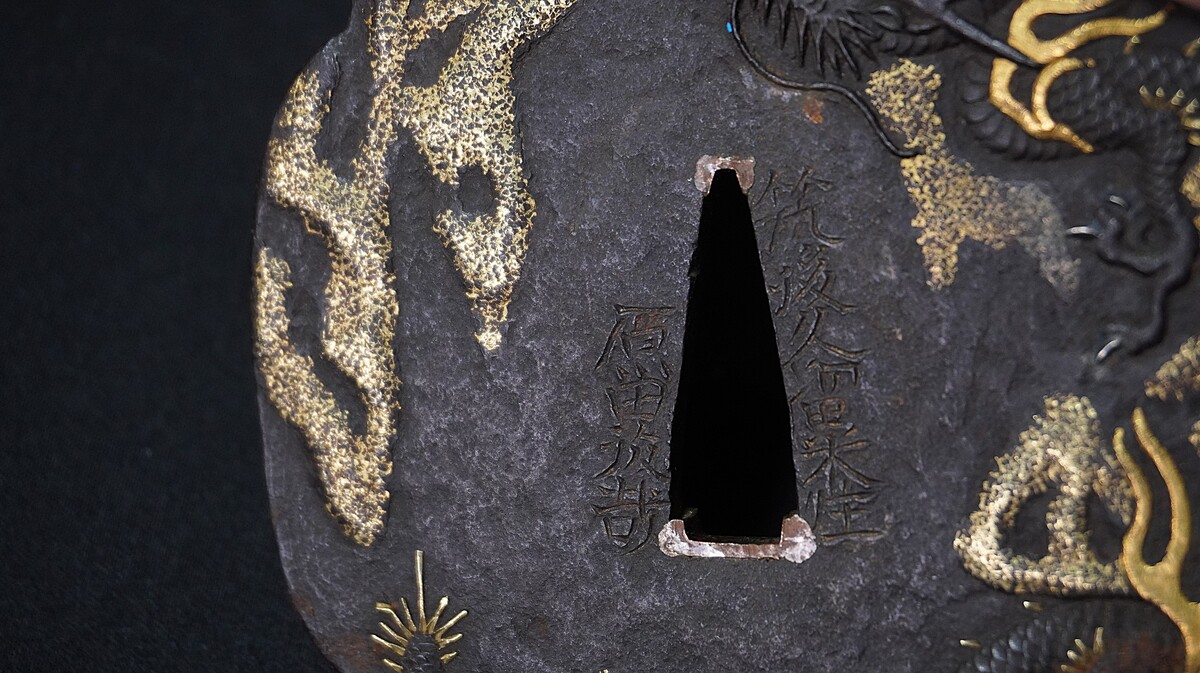
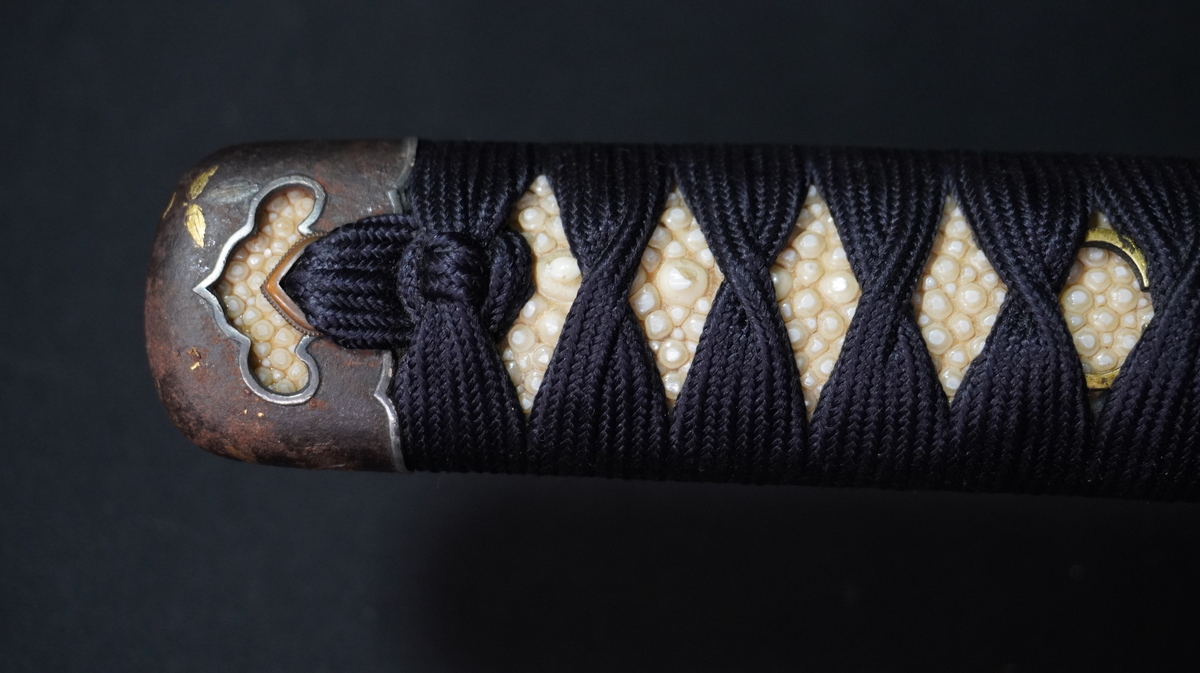
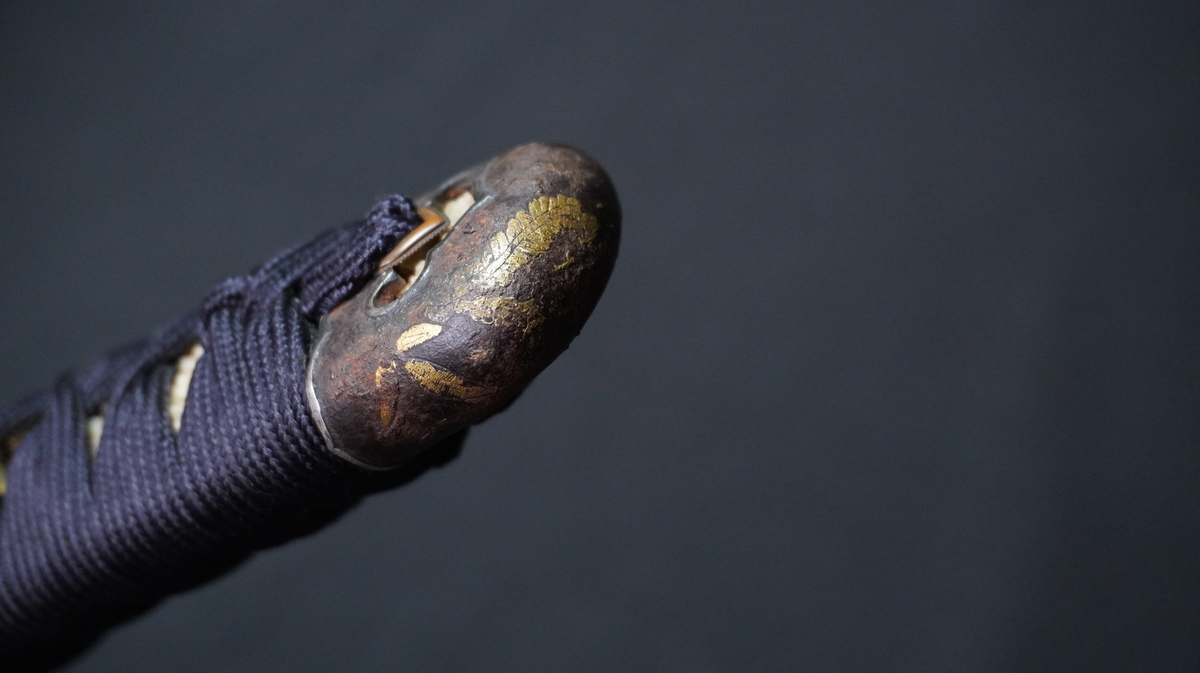
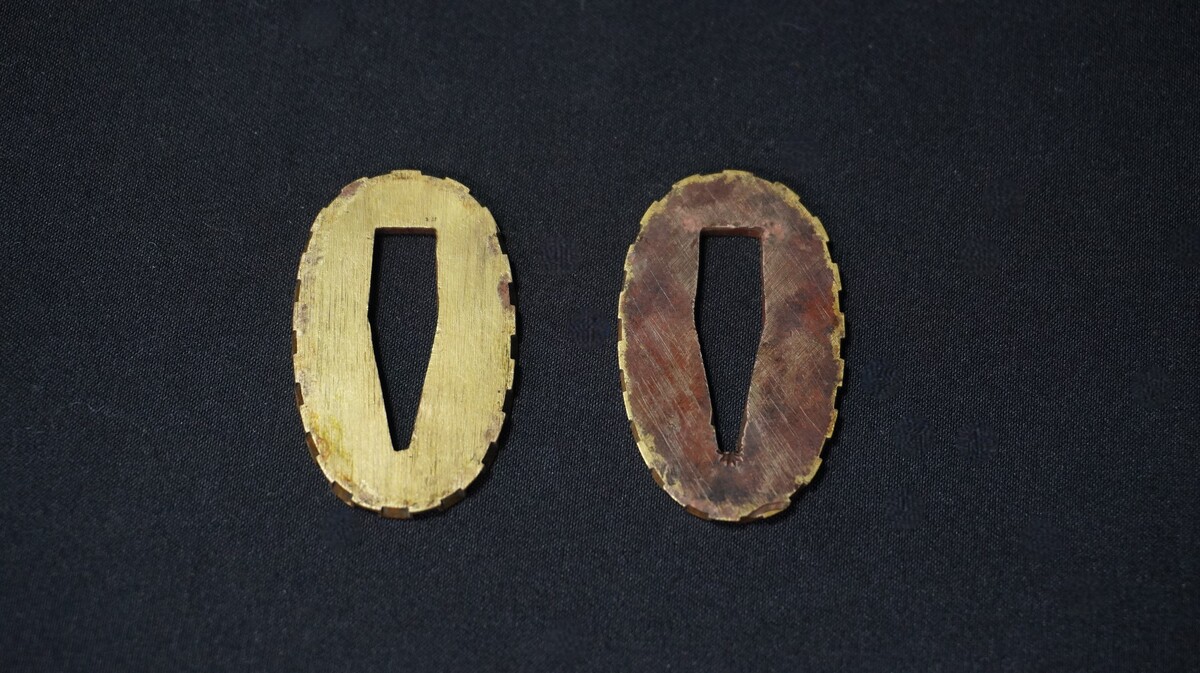
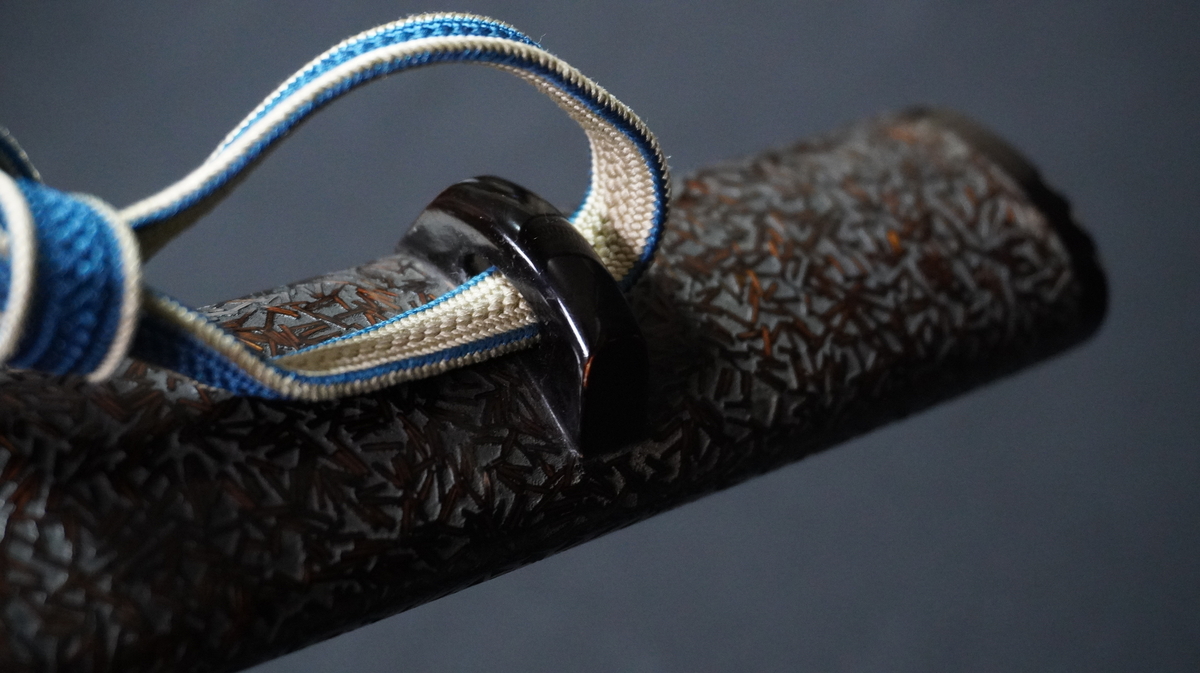
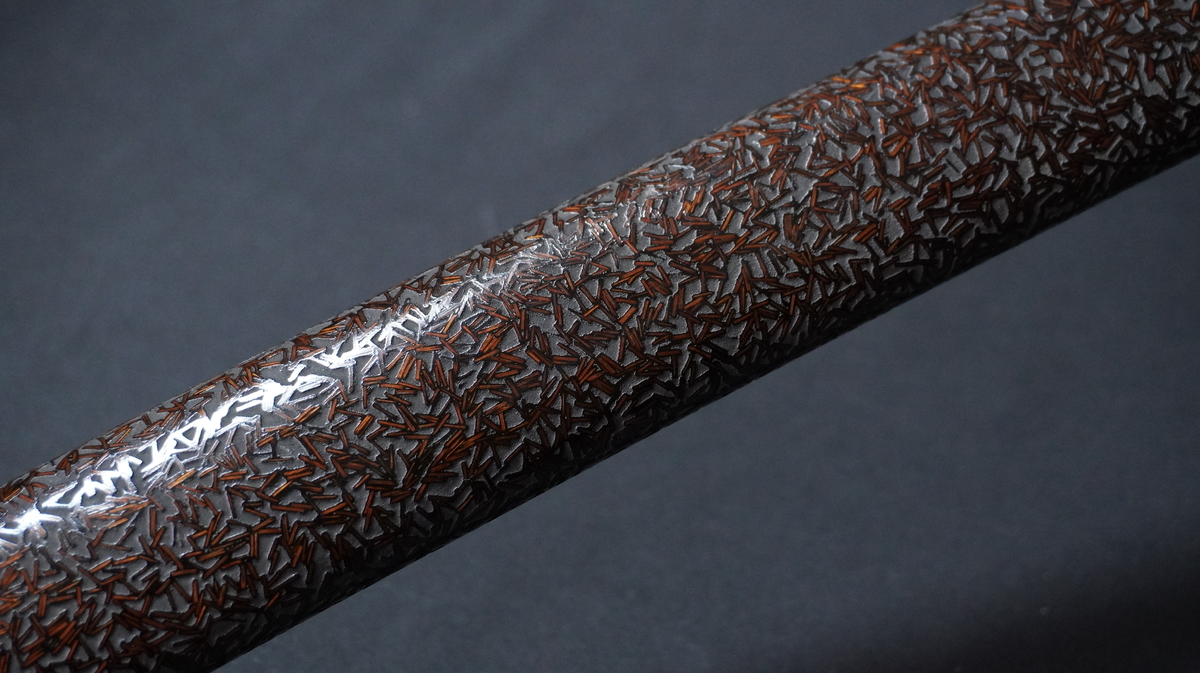
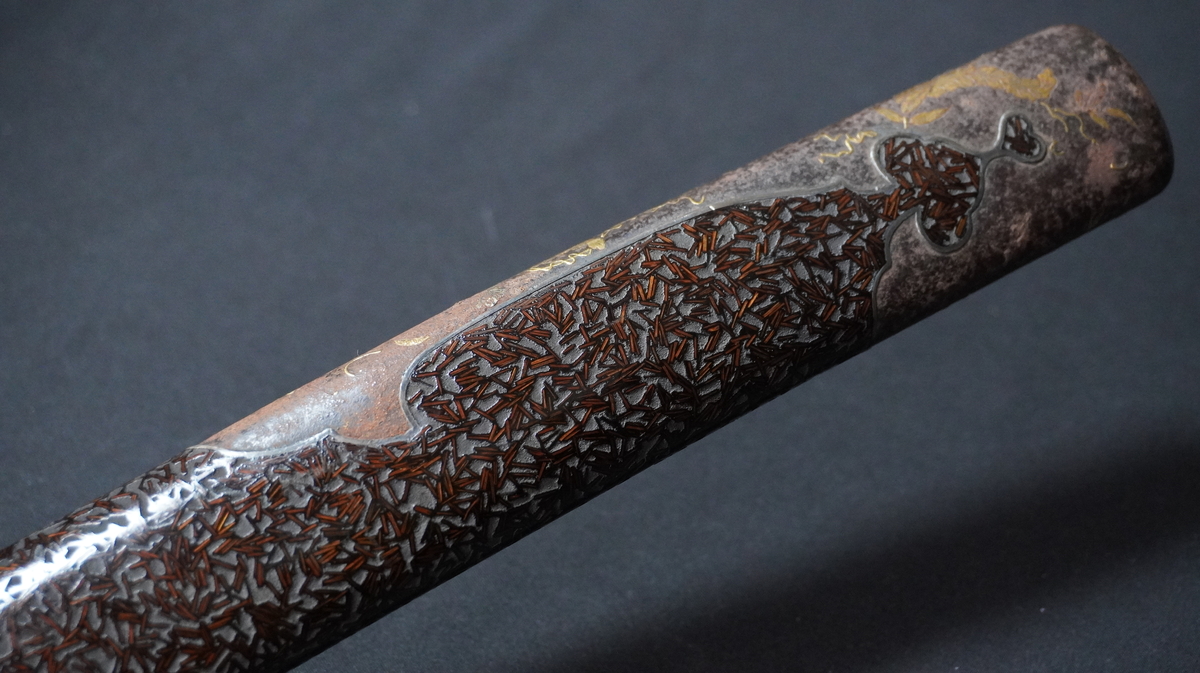
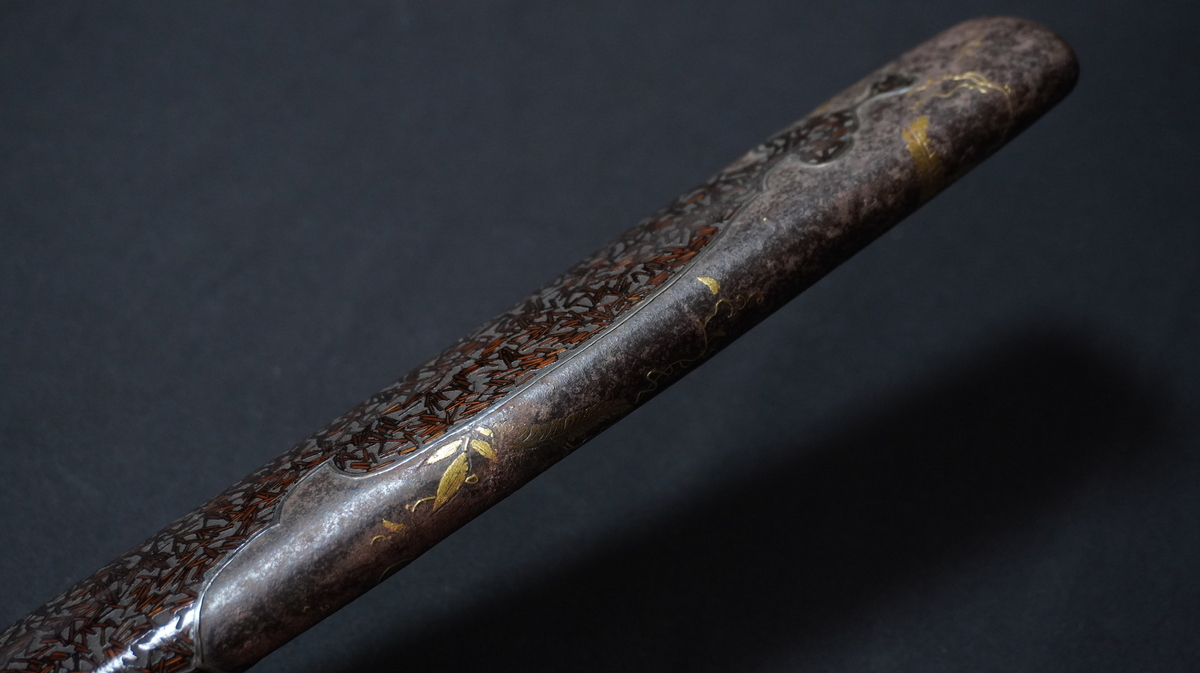
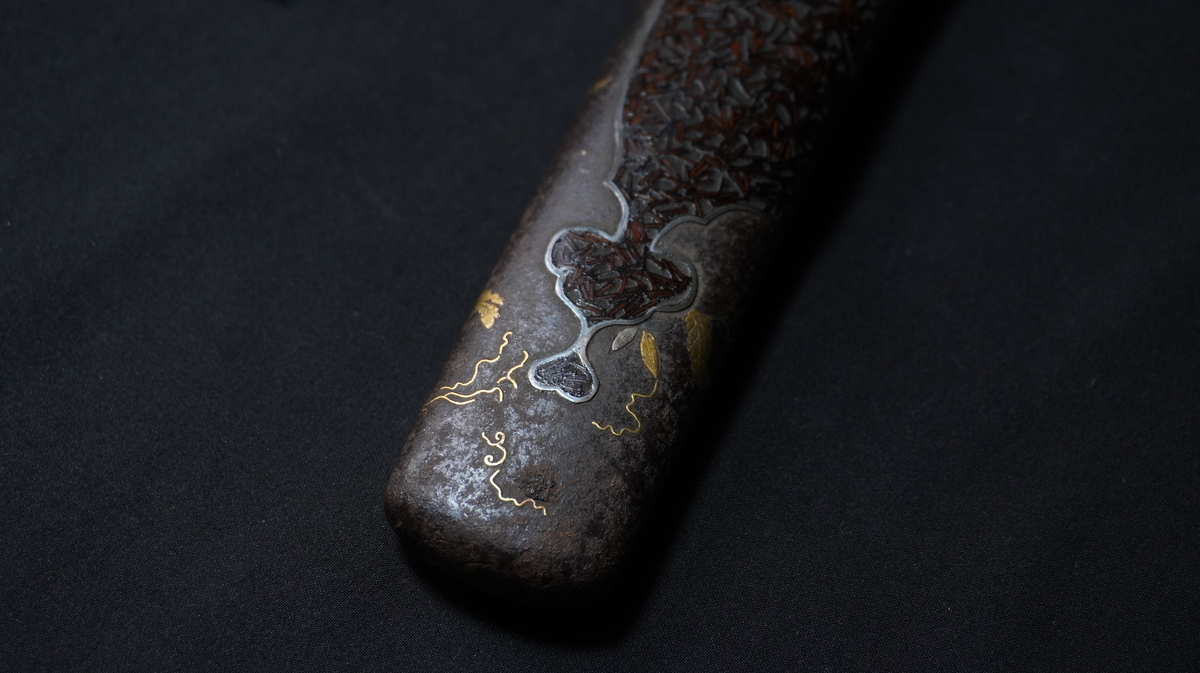
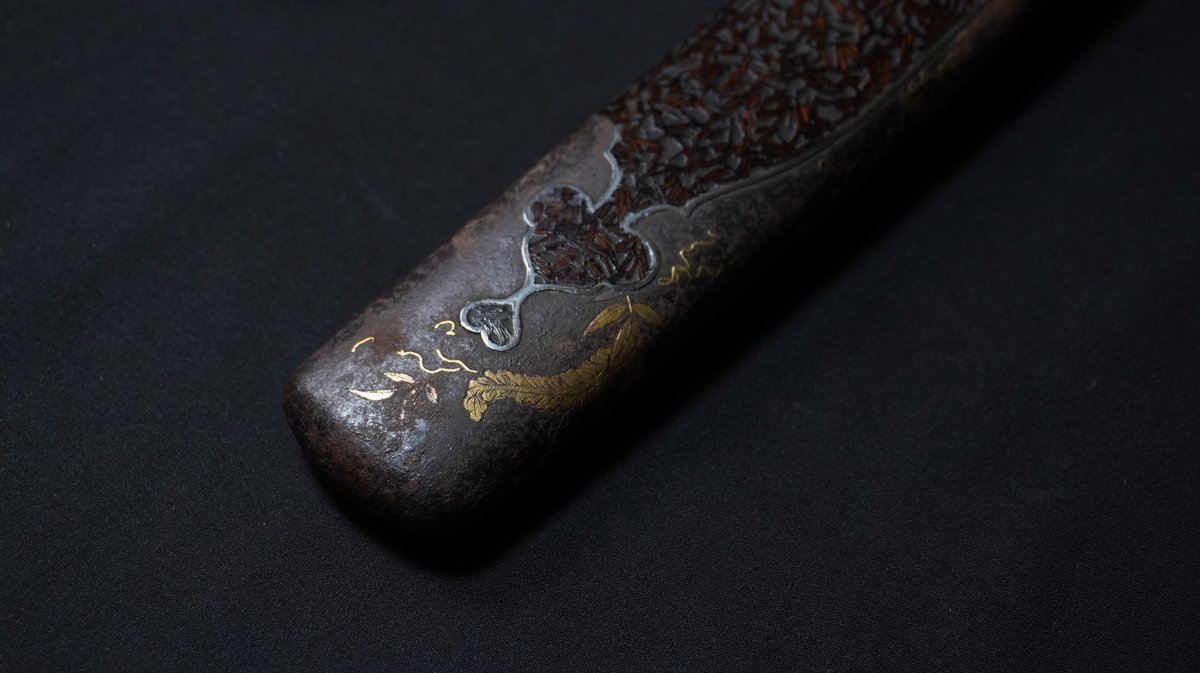
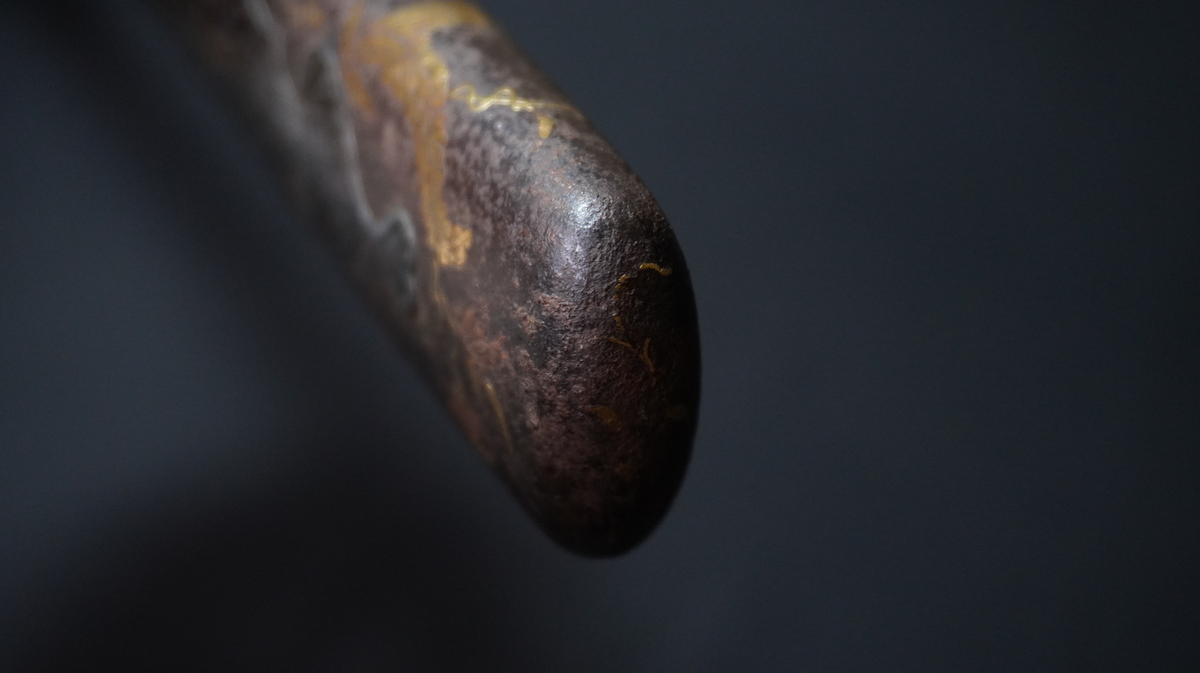
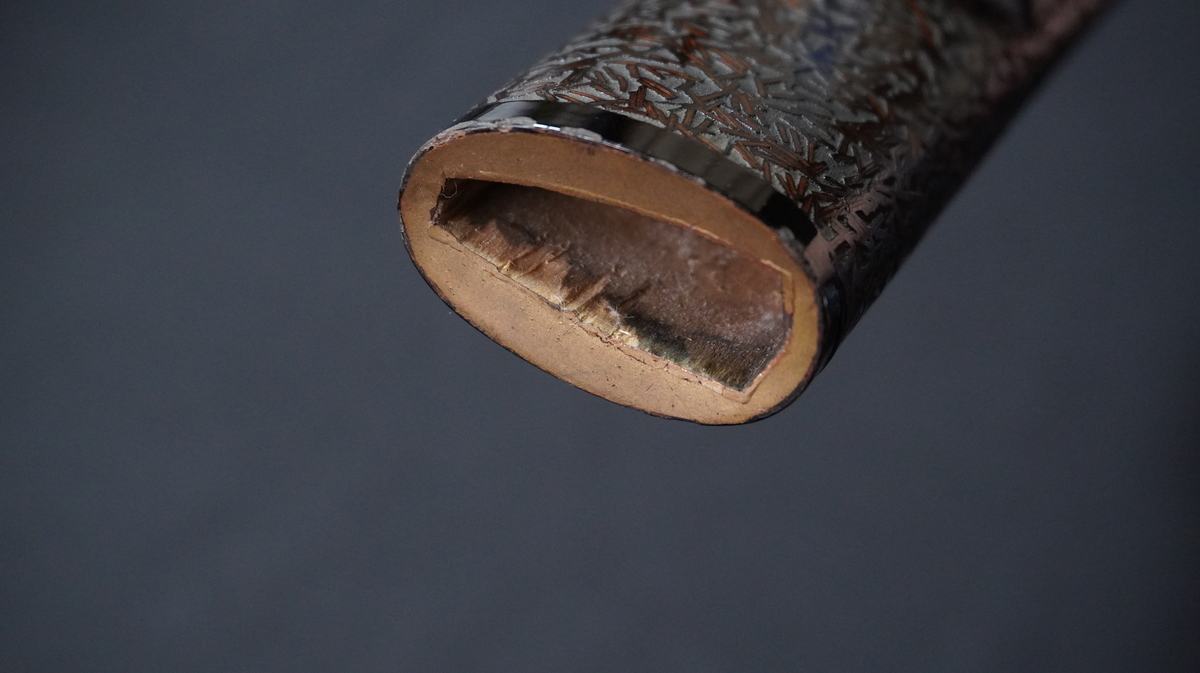
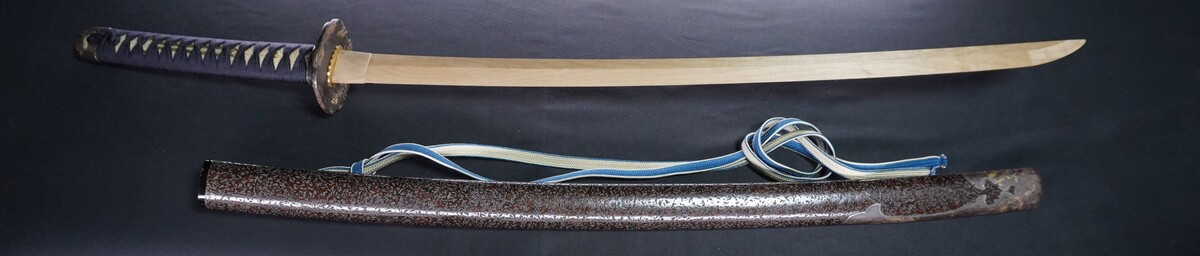
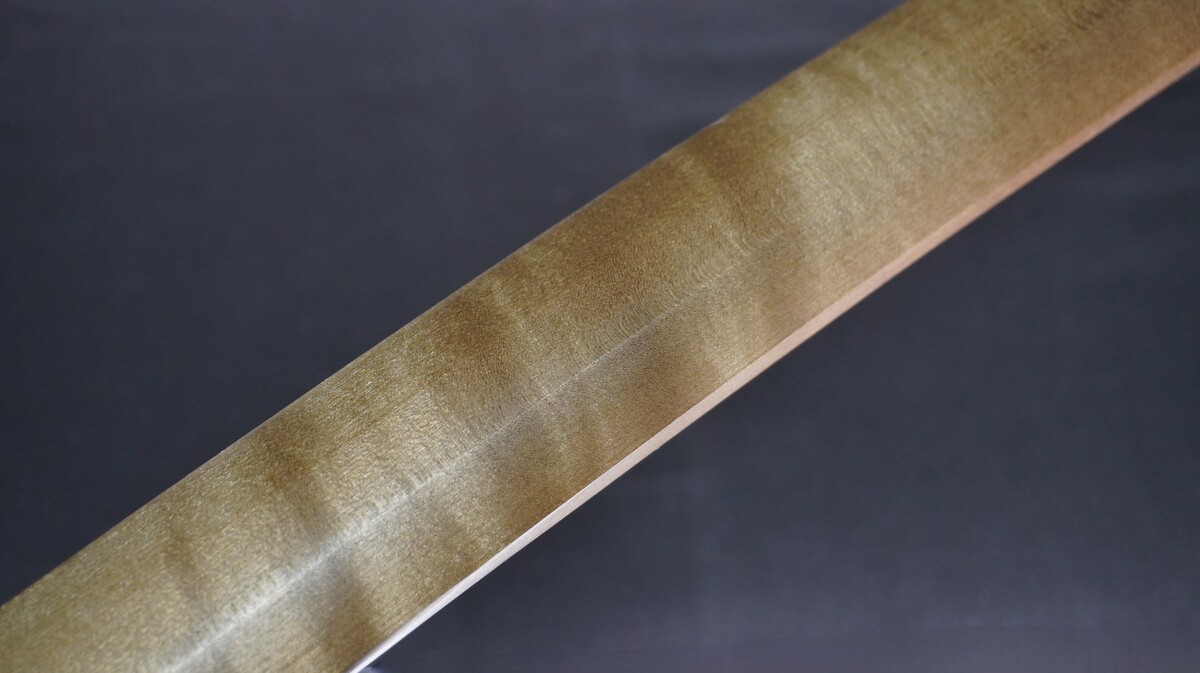
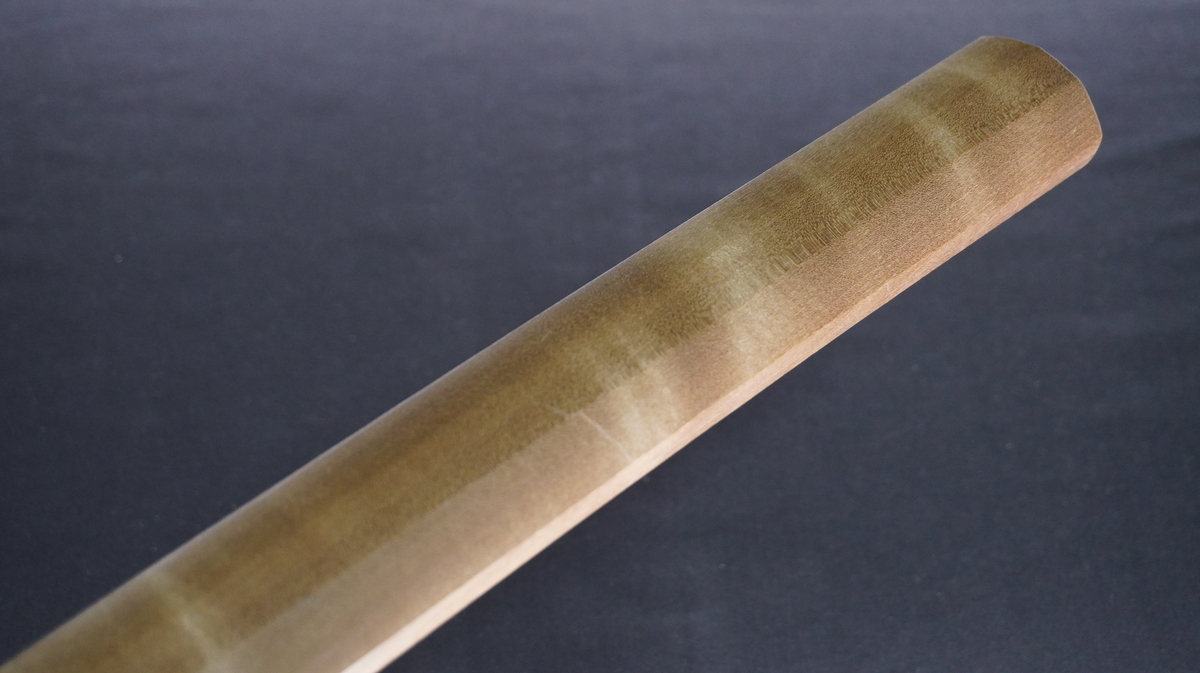
氏房(若狭守氏房)は美濃・尾張の刀工。古刀 中上作で業物。1534年(天文三年)に兼房の三男として生まれる。父に鍛刀を習い初銘は兼房と切るが、駿河の守護・今川氏真に招かれて府中で鍛刀し、氏真から氏の字を賜り「氏房」と改名。1570年(永禄十三年)に左衛門少尉及び若狭守を任じられる。 その後、織田信長のお抱え鍛冶となり、1577年(天正五年)近江国安土城下に移住。1582年(天正十年)本能寺の変後は岐阜に帰郷して信長の三男・織田信孝と佐久間正勝の扶持を受けて鍛刀に励んだ。 本刀は無銘氏房極の刀。刃文は直刃調の湾れ。かなりの沸出来。刃から続いている日輪のような丸い飛び焼きが特徴的です。肌は板目。ふくら枯れ気味の伸びやかな大切先。反り1.8cmを誇り、大磨り上げながらも迫力のある姿を楽しめます。この大切先と十分な先幅から豪壮な印象も受けますが、持ってみると手持ちがよく軽く感じるのはさすが古刀です。 江戸後期頃の棕櫚塗込鞘打刀拵が付属します。この塗りは時代物でしか味わえません。大きな割れや凹み等もなく状態が良いです。金具は鉄金具の一作。鉄金具というところが実戦的で時代を現しているようで、一見豪華に見えても乱世の拵なんだなと改めて感じます。 白鞘も付属しますが、これがまた最高の材料で作られています。非常に細かく柾目が詰んでおり、虎斑も出ています。やはり良い刀には良い白鞘が付いているものなんですね。 古研ぎですので、ヒケ、薄錆、微細な刃毀れございます。写真にて詳細ご確認頂ければと思います。
NihontoWatchOffered by Katana Yamadaiya
This piece has sold
Get an email when a new Ujifusa piece hits the market.





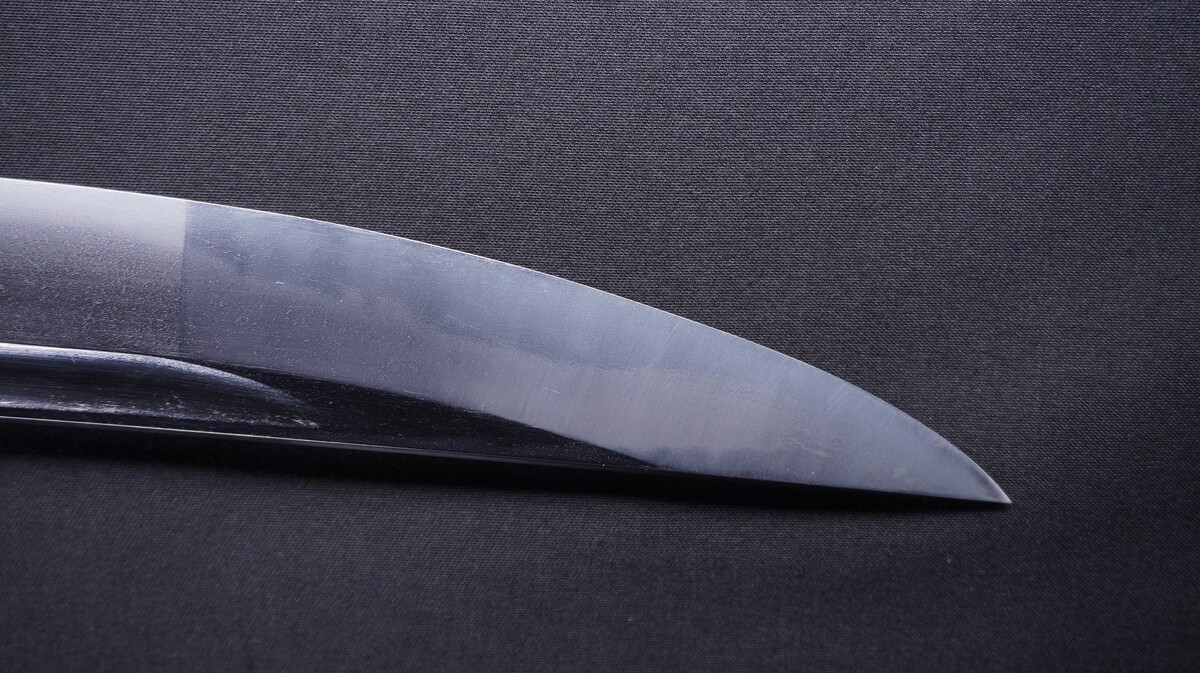
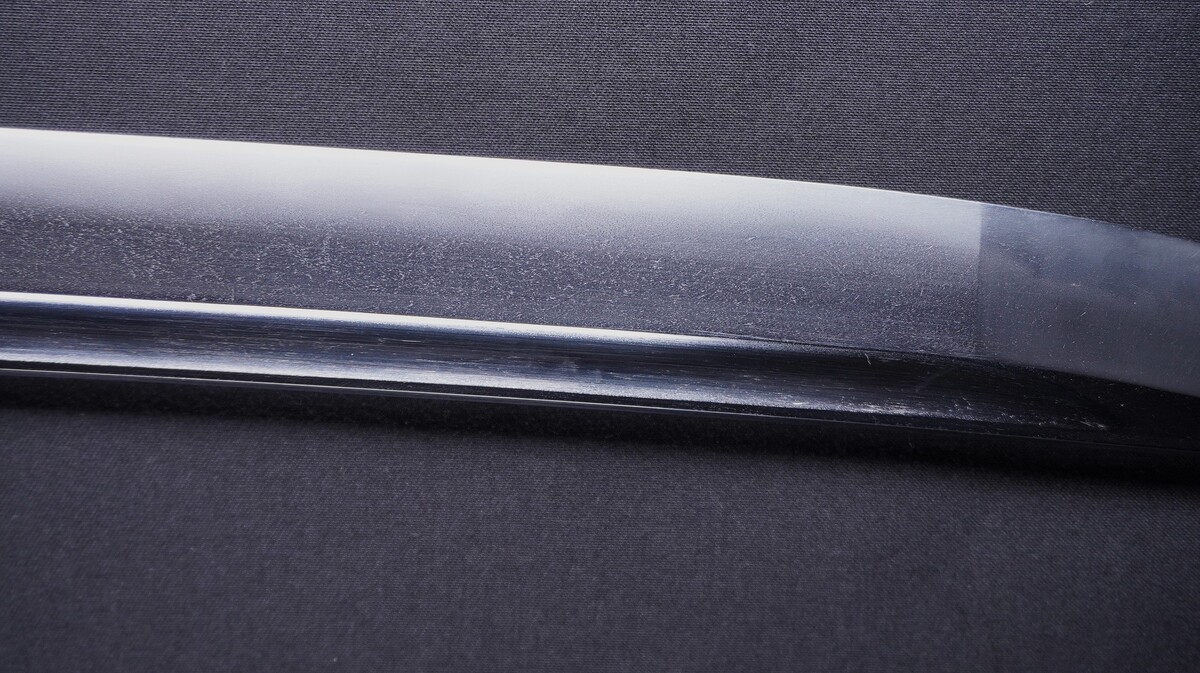
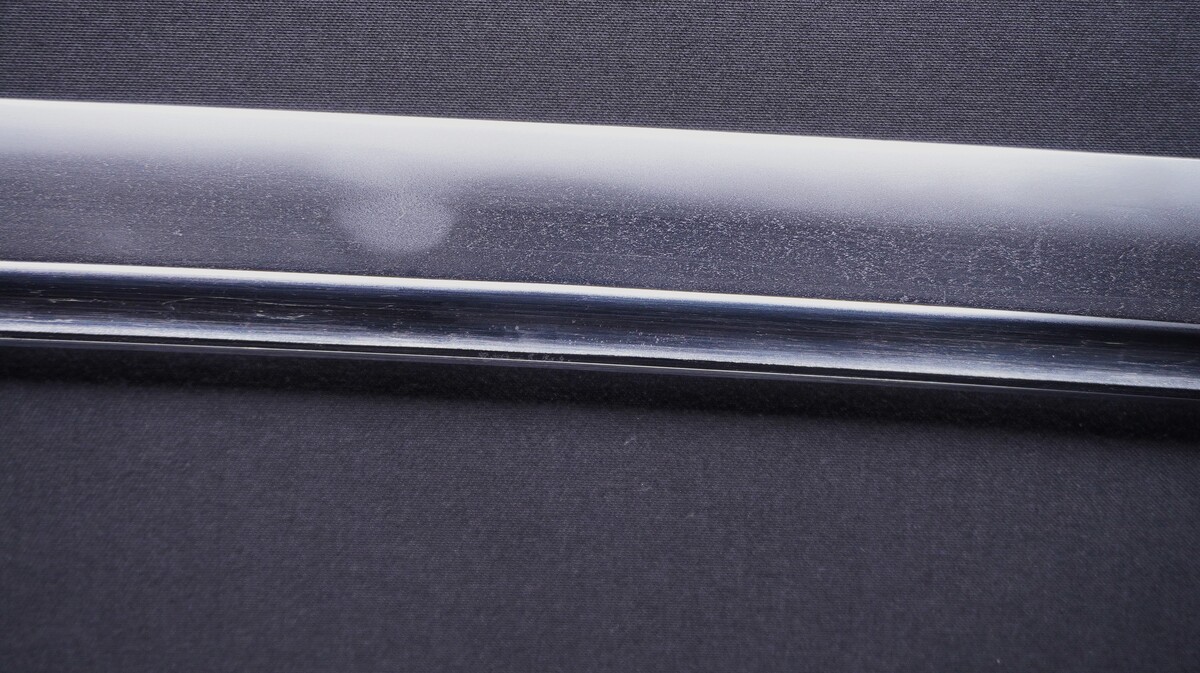
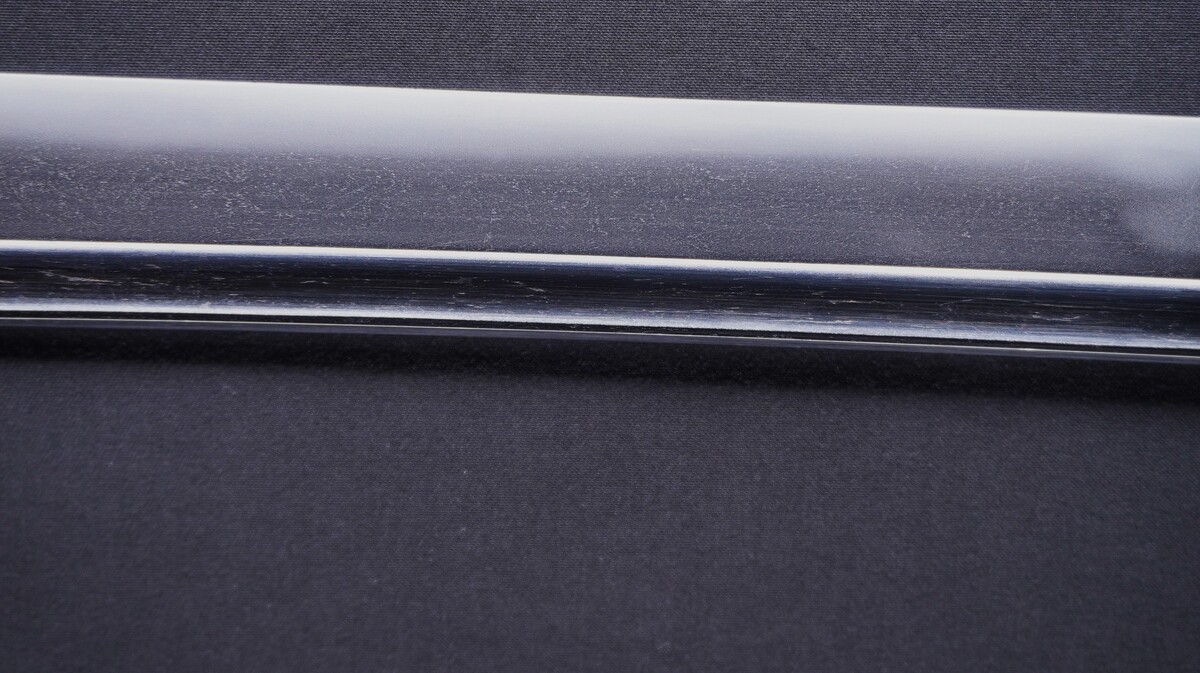
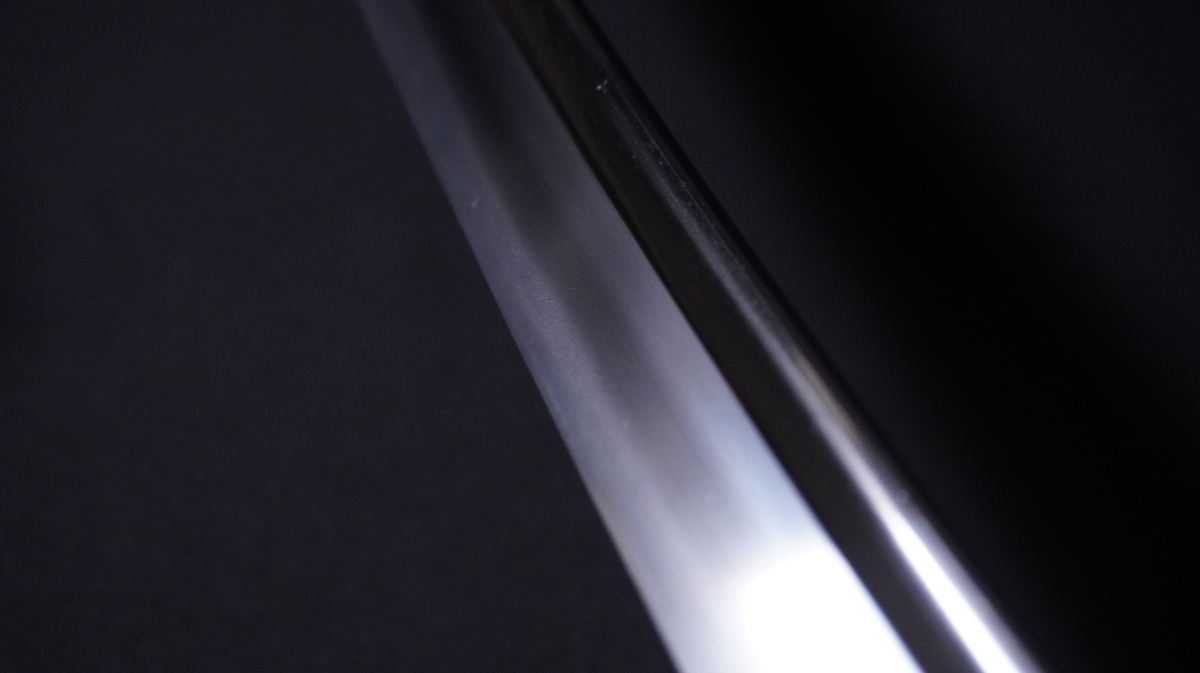
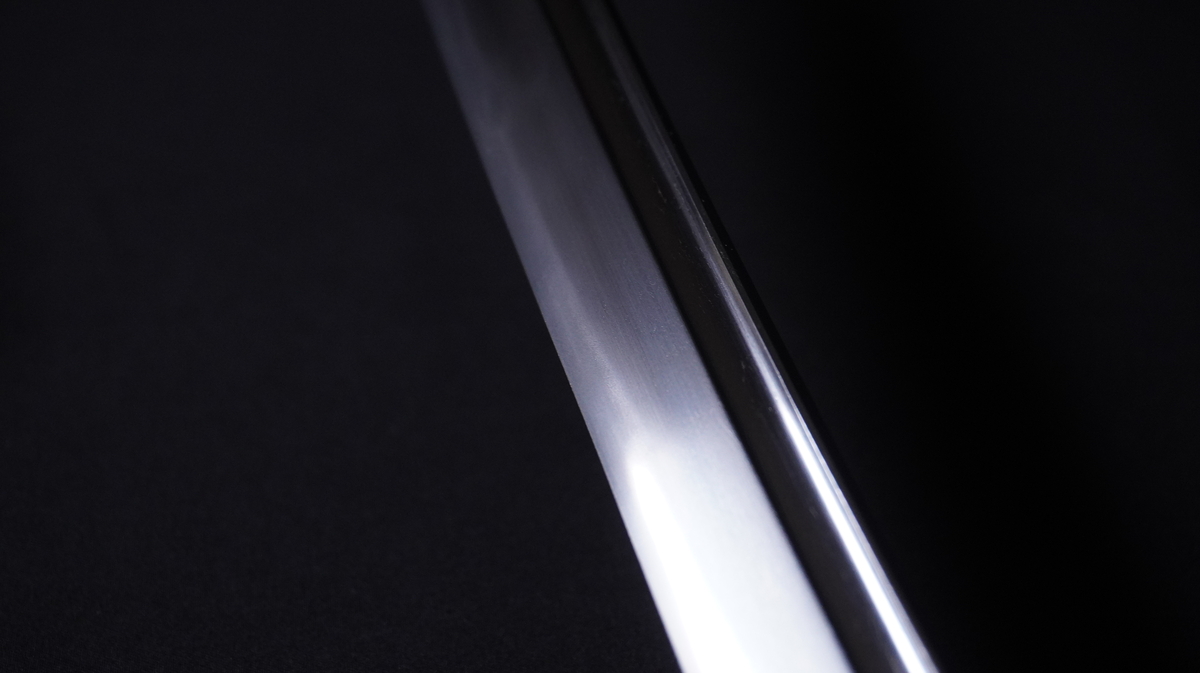
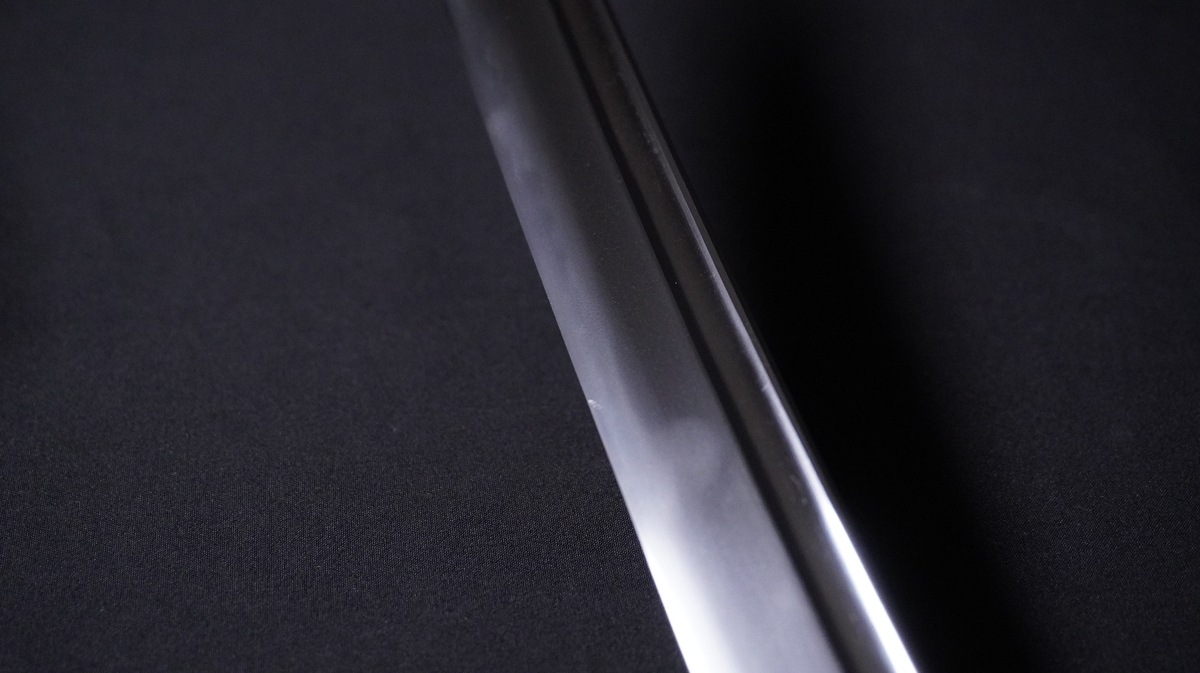
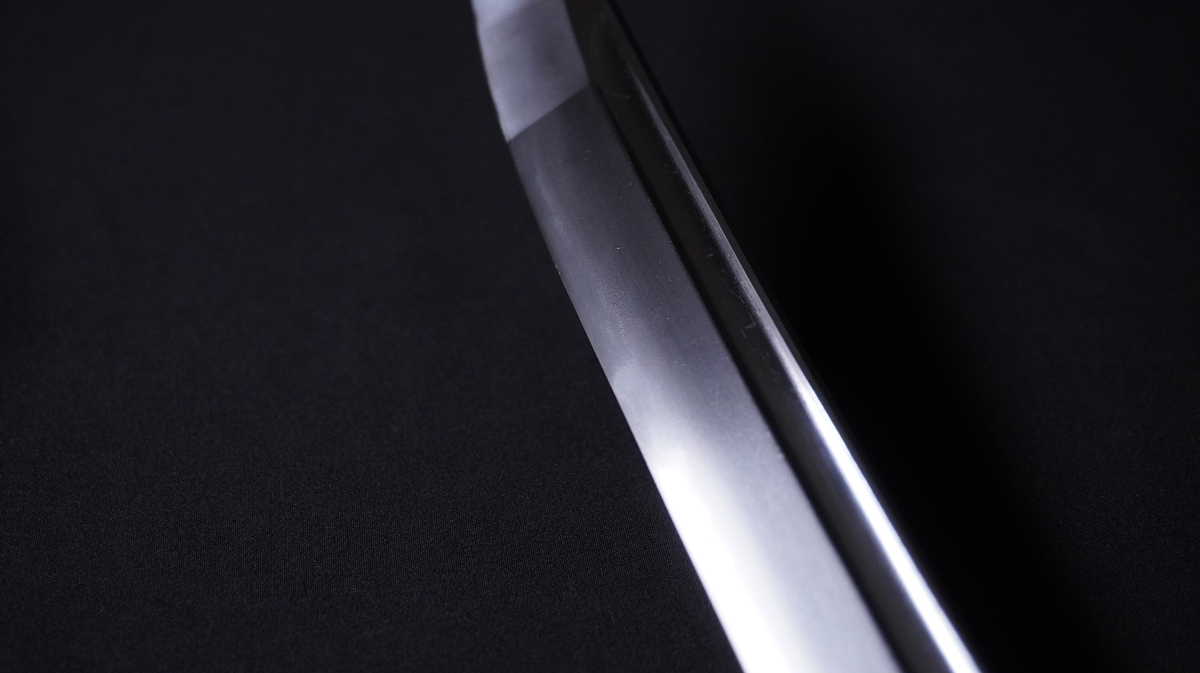
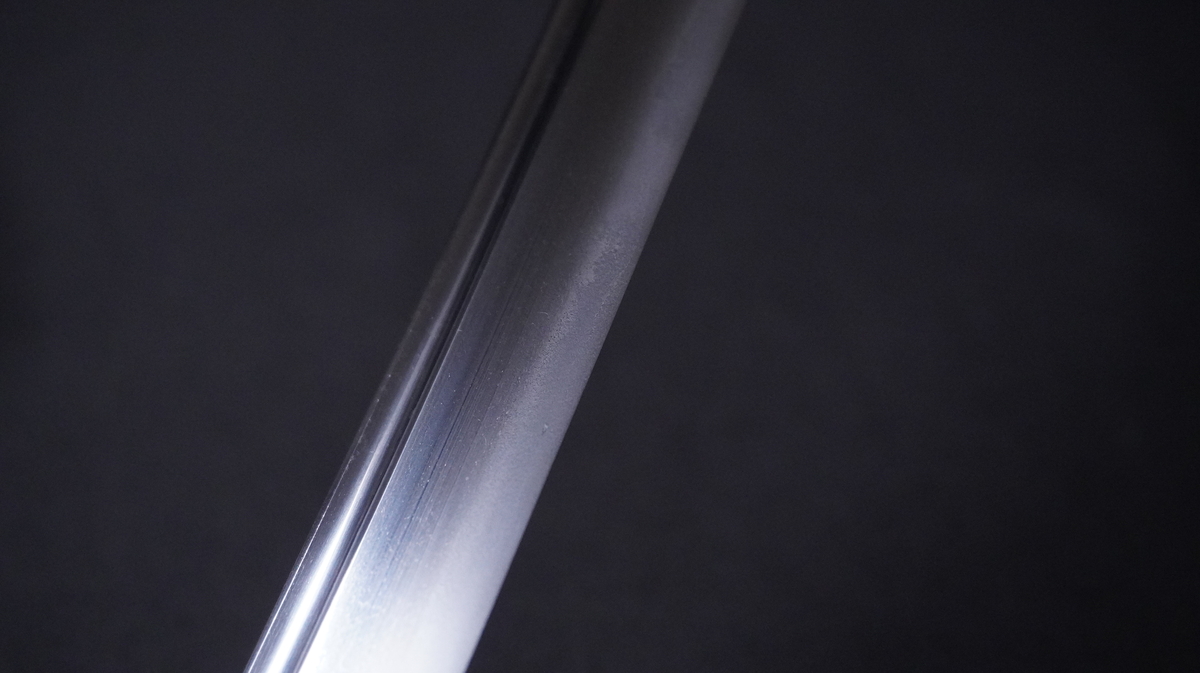
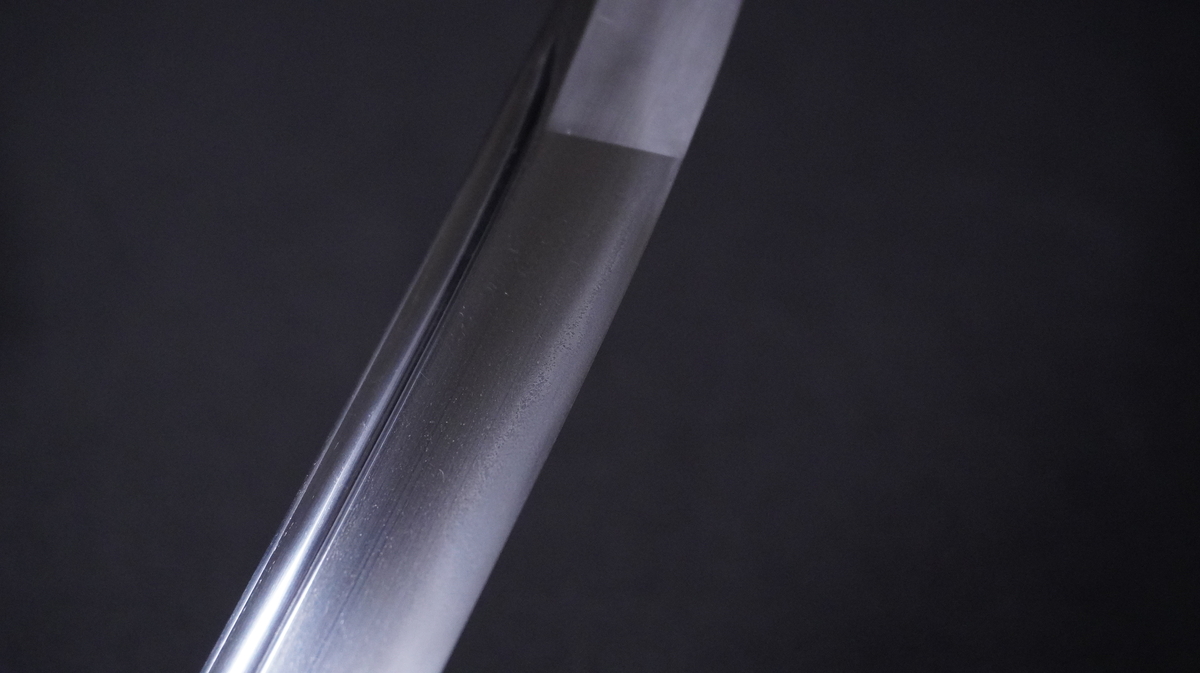
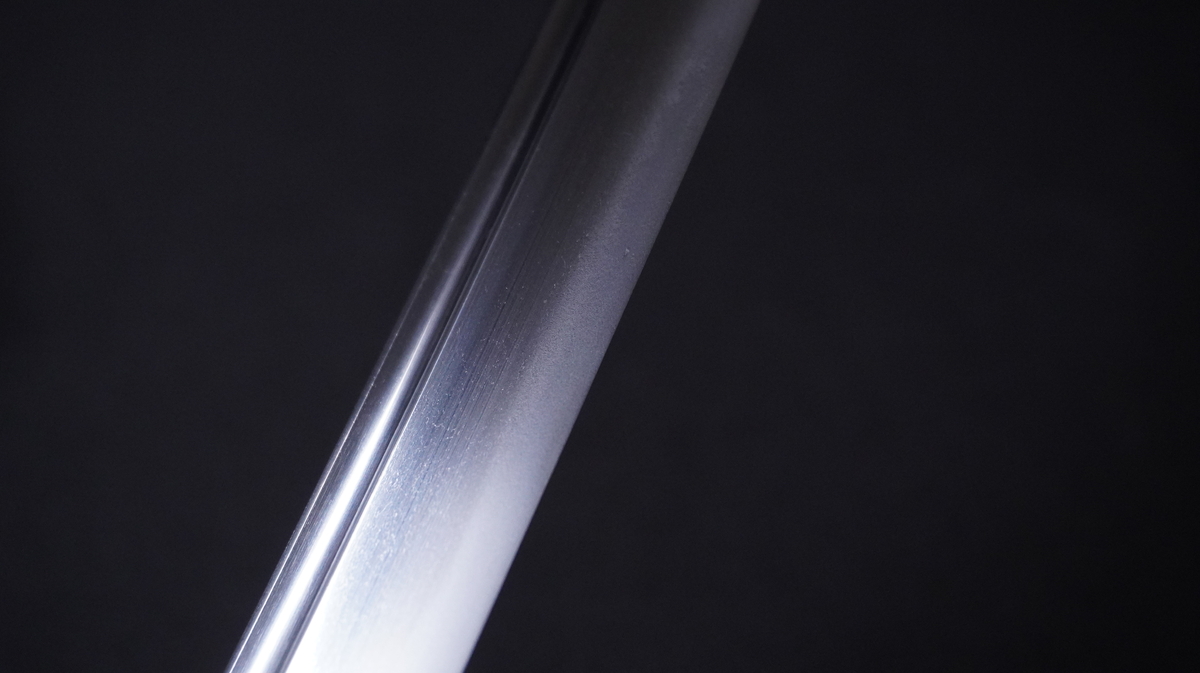
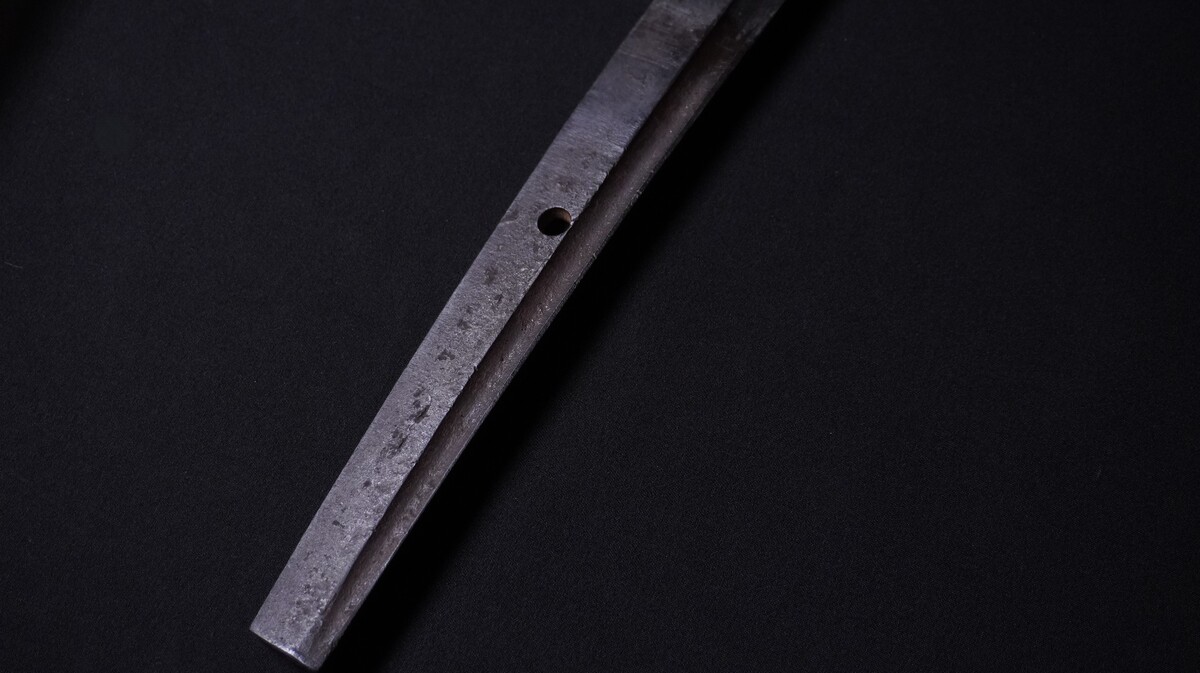
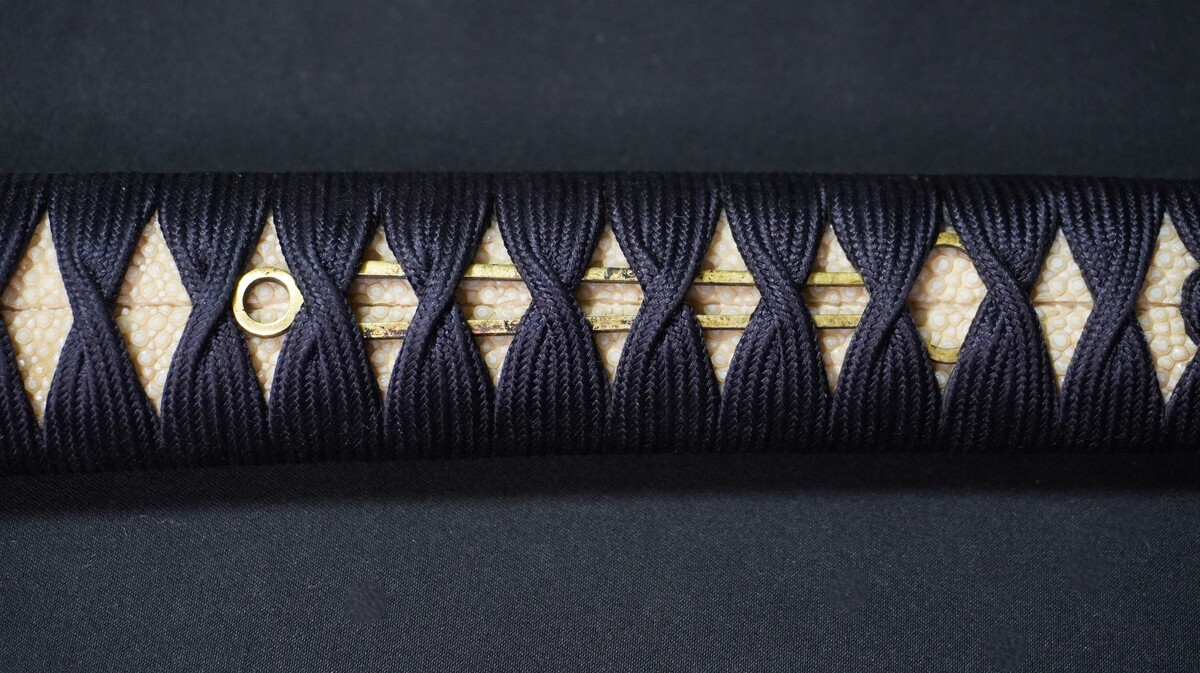
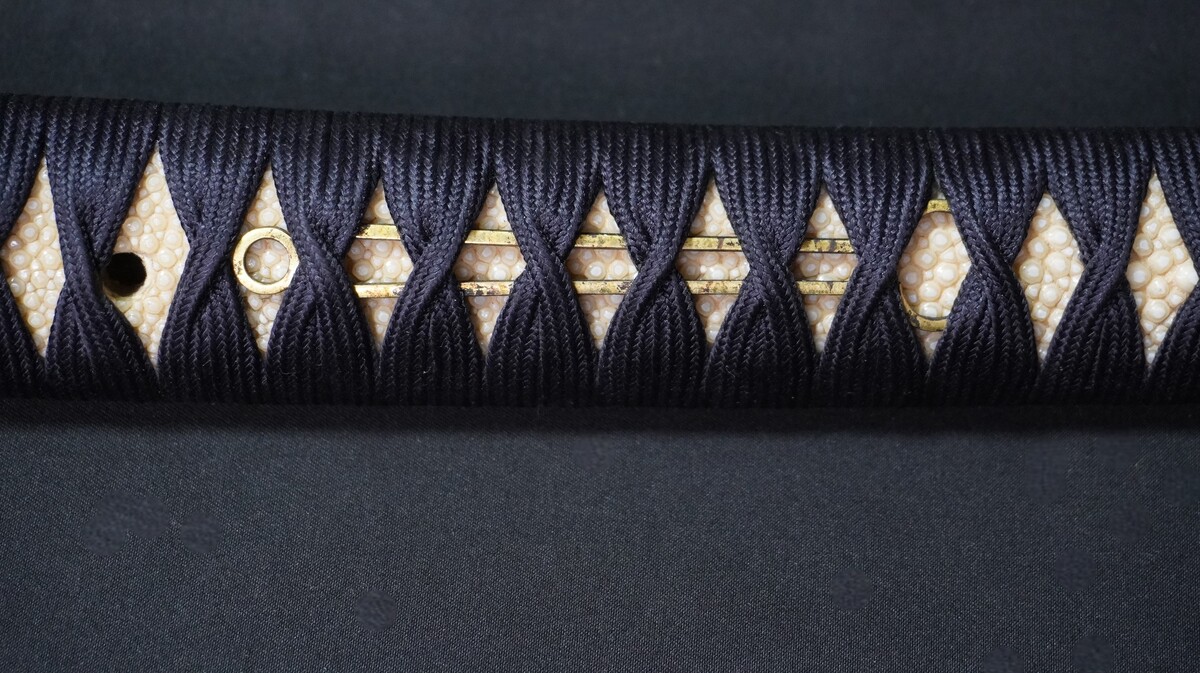
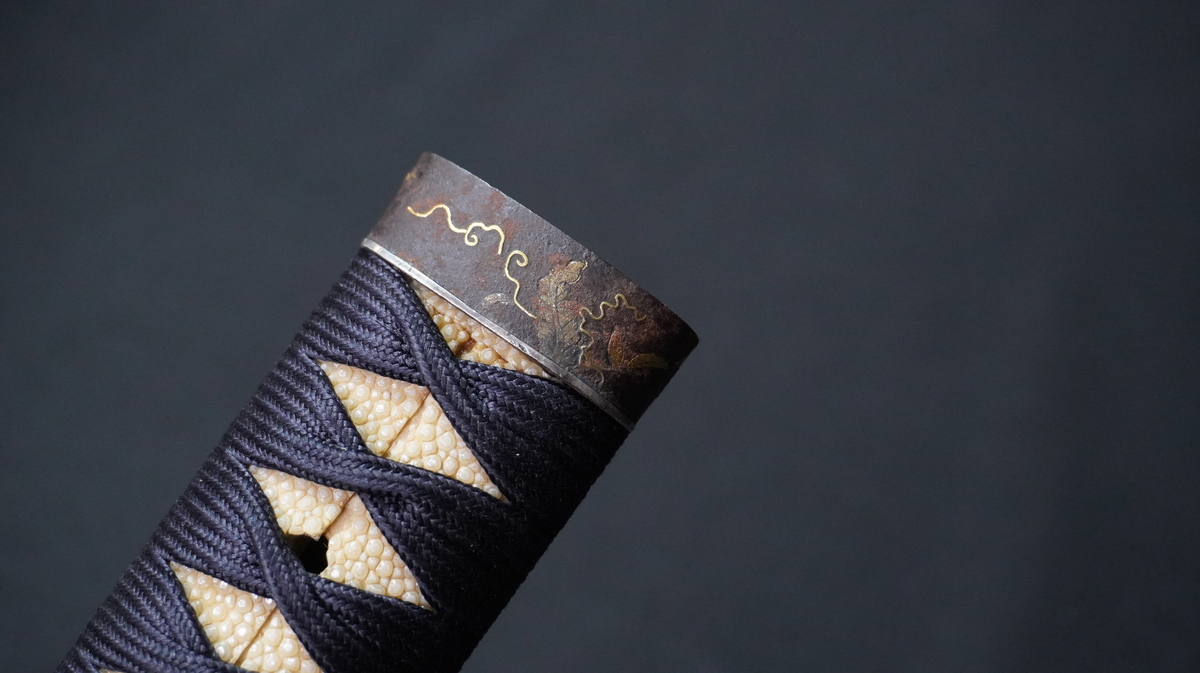
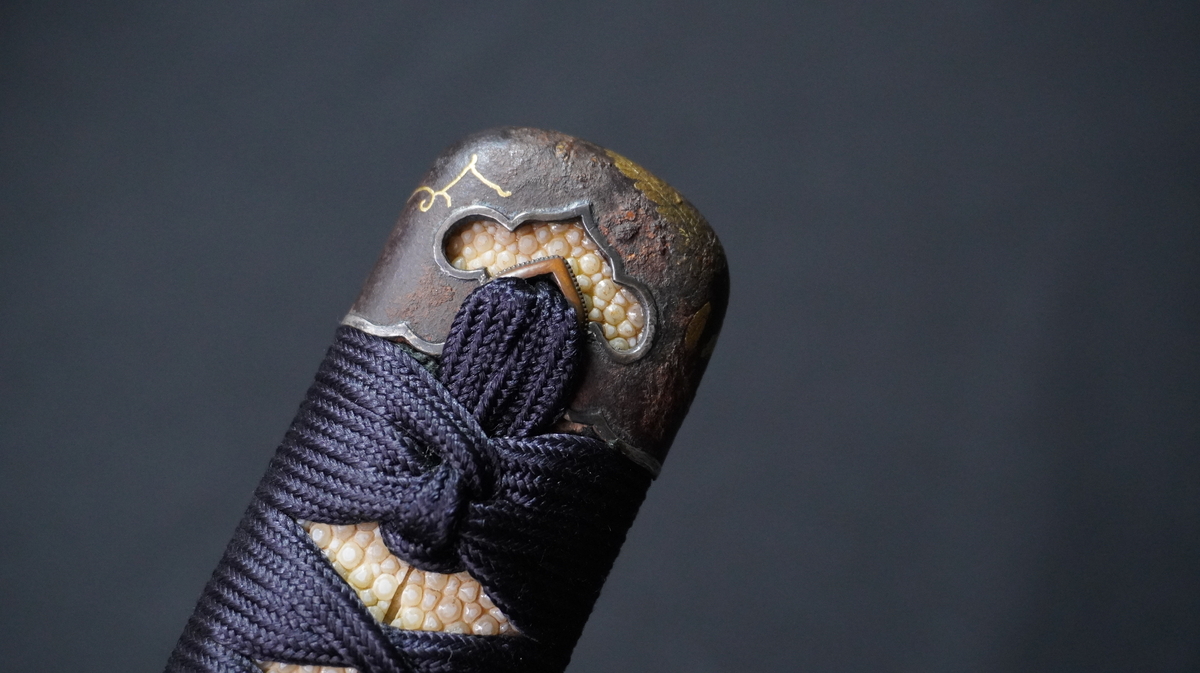


As written by the shop
Seki (late-Mino Sue-Seki; Wakasa no Kami line, son of Kanefusa) · Mino · around 1571-1592
4 pieces on the market now
Wakasa no Kami Ujifusa worked at Seki in Mino through the Genki and Tensho years of the late sixteenth century, and the published sources count him among the representative smiths of Sue-Seki, the last and largest body of the Mino tradition. He was the son of Seki Kanefusa, and the published record preserves a telling detail of his name: he at first succeeded to his father's name Kanefusa, and only later changed to Ujifusa, the character Uji said to have been granted to him by Imagawa Ujizane. He received the title Wakasa no Kami in Eiroku 13, and a Reiwa-designated katana still carries the residence inscription Bishu Kiyosu ju, the record of his removal in old age from Seki to Kiyosu in Owari. That move matters beyond his own work, for his son became Hida no Kami Ujifusa, the founder of the Owari Ujifusa line and one of the three founding masters of Owari shinto, so the father stands at the hinge where the old Mino tradition passes into the new Owari work.
His representative work is the broad katana, and a Genki-dated blade is the type: shinogi-zukuri with iori-mune, generous in mihaba with a chu- or large kissaki, several extended and a few slightly shortened, the build the published sources read as evidence that by the Genki years the uchigatana had grown long in place of the tachi and was carried in both hands. Over this body he tempers a notare or a broad large-gunome into which the pointed togariba of Mino enter, with ashi and yo, the nioiguchi running from tight and subdued to bright, ko-nie attached with sunagashi and patches of tobiyaki. The togariba mixed into the undulating temper is the Mino tell of his ordinary katana, the feature that places him squarely in the Seki body rather than to one side of it. The published record calls one such blade his representative work, a piece of imposing construction with a grand and open temper, a quiet superlative the institution rarely spends[[c:1]].
The jigane carries the same Seki character. His itame stands rather than tightening, flowing in places to nagare-hada with the masame gathering at the shinogi-ji, and ji-nie adheres over it, with chikei entering on his more vigorous blades. This standing, flowing jigane is the late-Mino surface, and it is the bed on which his nie and his tobiyaki sit; on a recent katana the published sources read a strong Genki-Tensho build with a robust open midare, the nioiguchi bright and the nie well gathered, the jigane and hamon alike well preserved. The boshi answers the temper below it, running midare-komi to a ko-maru on most of his katana and pointed and brushed in hakikake on others, while on a number of his blades the temper carries fully over the point in an ichimai face[[c:2]], the published sources reading one Reiwa-designated katana as an outright ichimai with the kaeri tempered long down the back and a Showa-designated blade as a midare-komi almost in the manner of ichimai turning back in ko-maru[[c:3]]; a plain bo-hi is carried through the blade. These are not the cool, regular Seki blades of the workshop average but the bolder, freer end of the tradition, and they are why the published sources hold work of this quality from his hand uncommon.
Against this broad katana manner stands a second and rarer face, seen on his tanto: a Yamashiro copy. A Tensho-dated hira-zukuri tanto is the surviving example, slightly wide for its length with a thick kasane and inner curvature, and over a ko-itame flowing overall, the masame especially strong on the omote, the ji-nie gathers finely and a whitish shirake-utsuri rises in the jigane. The temper is a narrow hoso-suguha, nioi-prevalent with a tight, controlled nioiguchi and ko-nie, the boshi running straight to a quiet ko-maru, the carving a gomabashi on the face and a koshi-bi at the base of the back. Of this register the published sources observe that the Seki work of the Genki-Tensho period often shows such Yamashiro-mono copies[[c:4]], and they rank this one as well composed and of fine quality, among Ujifusa's superior pieces[[c:5]]. The carving program reads off the form: where his katana carry the plain bo-hi, the devotional gomabashi and the short koshi-bi belong to the hira-zukuri tanto.
His place in the school is best taken from his own attested traits rather than borrowed comparison. He is a Sue-Seki smith whose hand is recognized in the standing itame, the togariba folded into a broad notare or large-gunome, and the occasional turn to a refined Yamashiro-copy suguha; the bright open midare and the bo-hi katana are the spine of his work, the quiet shirake-utsuri tanto its grace note. The lineage runs cleanly through him. He took the Mino body from his father Kanefusa and carried it, with the move to Kiyosu, to the threshold of Owari, where his son Hida no Kami Ujifusa would refine the broad notare into a settled Owari shinto manner and be numbered with Masatsune and Nobutaka as one of the three founders of that school. The published sources note that several generations continued under the name, and the father is the root of that descent.
Ujifusa is preserved entirely at the Juyo level, with no National Treasures or Important Cultural Properties on record, so his work belongs to the more attainable end of the connoisseur's field rather than to the museum population. The published designation record holds eight signed katana and a signed tanto among his designated works, all of them signed pieces rather than attributions, several carrying Genki and Tensho dates and one the Bishu Kiyosu ju residence inscription that the sources prize as material for the study of his late Owari years. No daimyo provenance or institutional holder is recorded for these blades, and the published sources are candid that his surviving work, his katana in particular, is comparatively few and that pieces of real quality are rarer still. A signed, dated Wakasa no Kami Ujifusa katana of the broad Genki-Tensho type is therefore an uncommon thing to encounter, and a collector meets one only from time to time and with patience, the strongest of them at the top of what the late-Mino field offers. The published sources sum the best of them plainly, calling one his representative work of imposing construction and grand temper, another a typical and representative Seki blade of the late Muromachi[[c:6]], and the fine suguha tanto one of his superior pieces.
Where Ujifusa stands among comparable artisans: across all of nihontō, and within tradition, era, and period. The tiers (Foremost · Leading · Major · Notable) weigh official designations from the NBTHK and Japan's Agency for Cultural Affairs, together with historical honors of lasting repute such as the Sansaku and Meibutsu-chō.
Select a lens to see how it's measured.
Years he was demonstrably active, proven by signed-and-dated blades
Mino-den · Owari
15 pieces on the market now
Rooted in Owari province at the boundary between the kotō and shintō eras, the Ujifusa line carried Mino-den forging into the late Momoyama and early Edo decades, working under the Tokugawa establishment of Owari at Nagoya. The setsumei here cover several hands of the group. Wakasa no Kami Ujifusa and Hida no Kami Ujifusa stand as the reference points against which the others are read. Echigo no Kami Fujiwara Ujitsune, recorded in the Meikan and the Mino-tō Taikan as the second son of Wakasa no Kami Ujifusa, first signed Ujishige, received the Echigo no Kami title in Genna 6 (1620), and died at Nagoya in Meireki 2 (1656). Ujisada, who took the court title Izumo no Kami and signed Sakon Shōshō and Sakon Gonshōshō, is transmitted as a son of the first-generation Ujifusa and younger brother of the second-generation Wakasa no Kami Ujifusa; one of his tantō carries a date of Tenshō 5 (1577). The shared hand begins in the kitae: a dense itame mixed with mokume and nagare-hada, carrying ji-nie and, in the fuller work, fine chikei. The temper draws on the Mino-den vocabulary, a notare mixed with gunome, ko-gunome in tsure, large gunome, and pointed togari-leaning forms, the notare often taking angular turns (kado-gakari).
Ko-ashi and yō enter; nie attaches, at times slightly coarse and unevenly applied, with kinsuji and sunagashi in the lower body and tobiyaki and muneyaki scattered through, so that some blades verge on hitatsura and minayaki. The nioiguchi can incline toward shizumi. The bōshi is tempered deeply and far down (yakisage) with hakikake, the point sometimes drawn into a sanpin-style sharpness on one face and an ō-maru on the other. Ujitsune's signed katana reads as a near-textbook gathering of these traits; Ujisada's tantō tightens the nioiguchi (shimarigokoro) toward his master's manner. For kantei, the angular notare, the patchy nie, the shizumi-inclined nioiguchi, and the sanpin-pointed bōshi with long yakisage mark the Wakasa no Kami group; the larger work adds broad mihaba, ō-kissaki, and thick kasane. Carving belongs to the record: a "grass" kurikara and gomabashi with rendai appear on Ujisada's tantō. The Ujitsune katana, by a smith the setsumei call a scant producer, is named his representative work, holding coherence across a great nagasa. Learn more →
| Smith | Era | Designated |
|---|---|---|
| Ujifusa氏房 | 1596-1615 | 16 |
| Ujifusa氏房 | 1571-1592 | 9 |
| Ujifusa氏房 | 1624-1644 | 0 |
| Ujitsune氏恒 | 1596-1615 | 1 |
| Ujisada氏貞 | 1558-1592 | 7 |
Mino in the Muromachi period
Sengoku Seki was an industry: smiths organized under their tutelary Kasuga shrine, arming the war bands of central Japan. Magoroku Kanemoto’s sanbonsugi and the finest Kanesada work prove quality survived inside mass production.
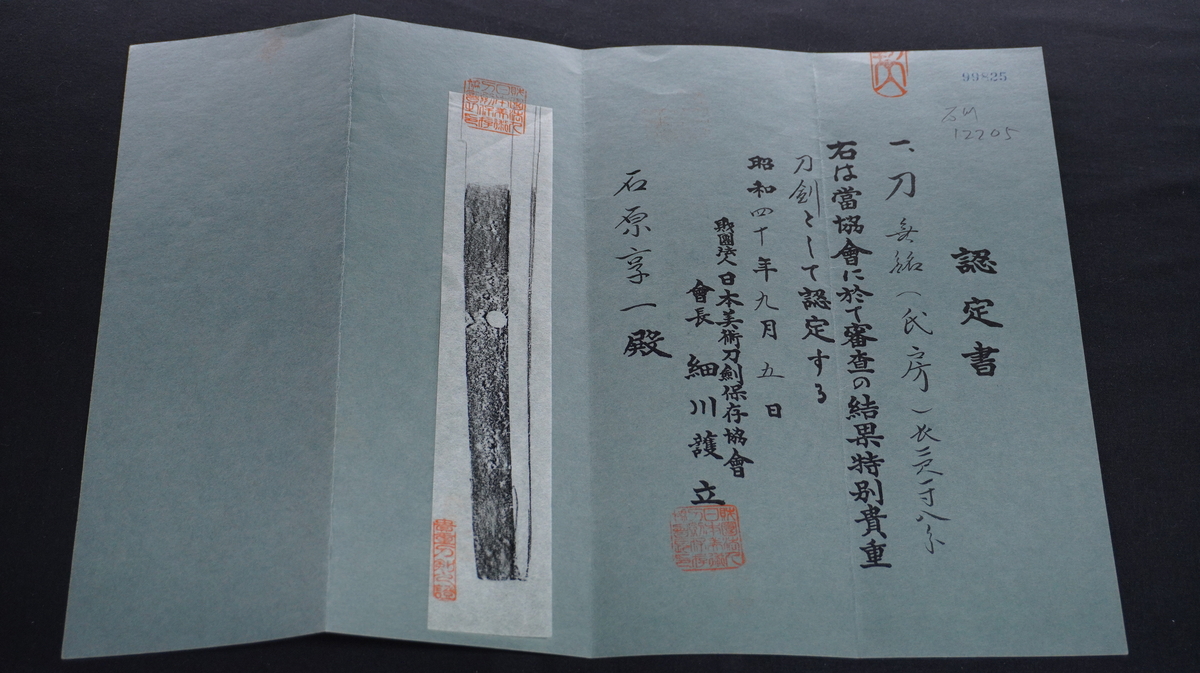
This work carries older NBTHK “Kichō”-era papers, which the NBTHK no longer issues and largely disavows today. To confirm the attribution, submission to an official Japanese examination body (such as the NBTHK or NTHK) for modern certification could be considered.