NihontoWatch Mon

NihontoWatch

MarketAuctions
Encyclopedia
NihontoWatch Mon

NihontoWatch

MarketAuctions
Encyclopedia

Description

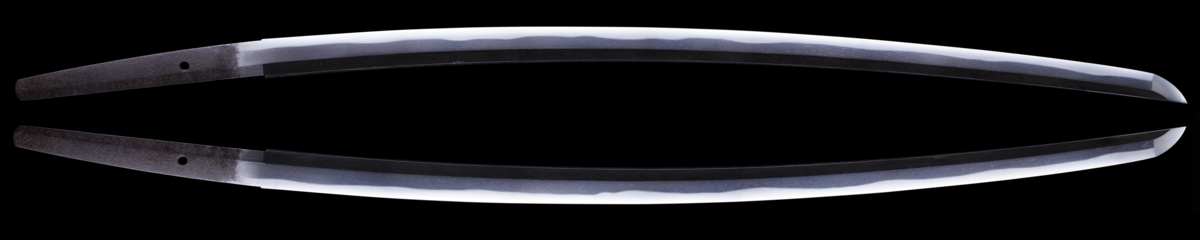
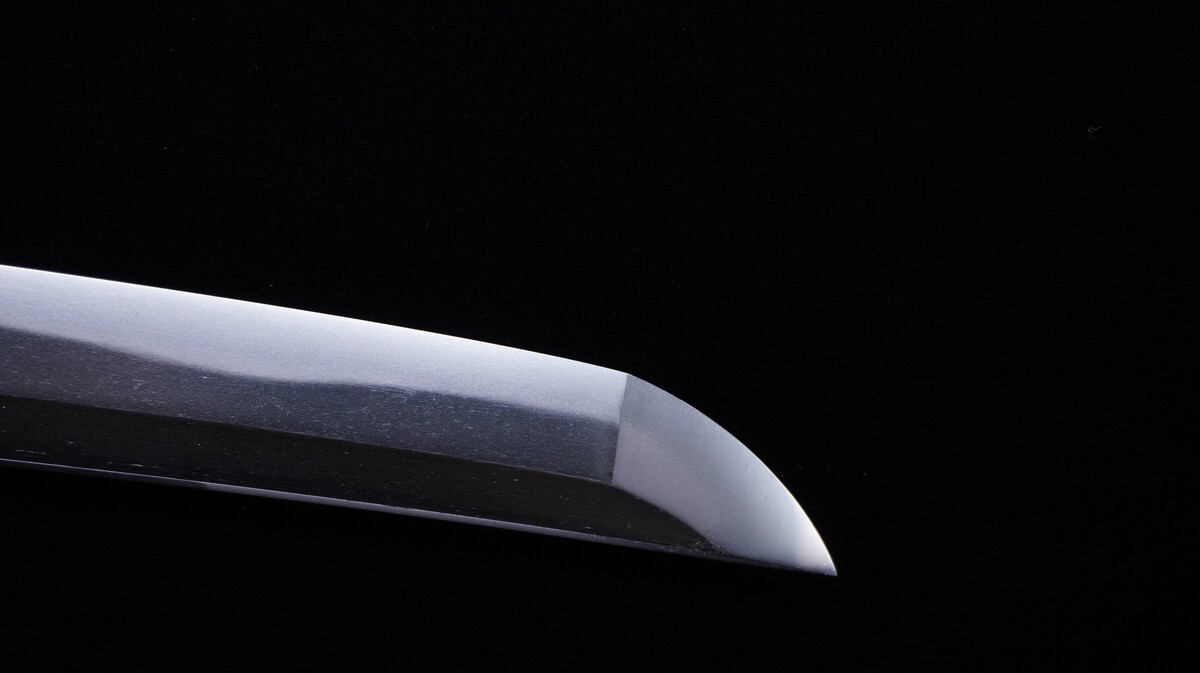
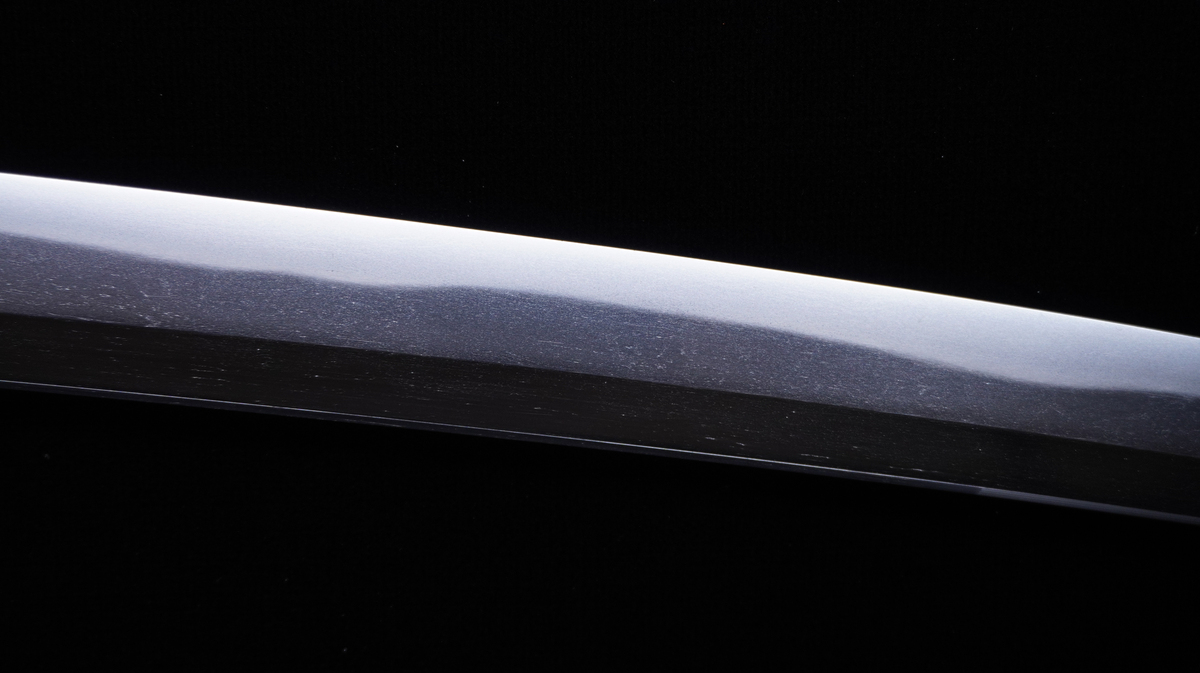
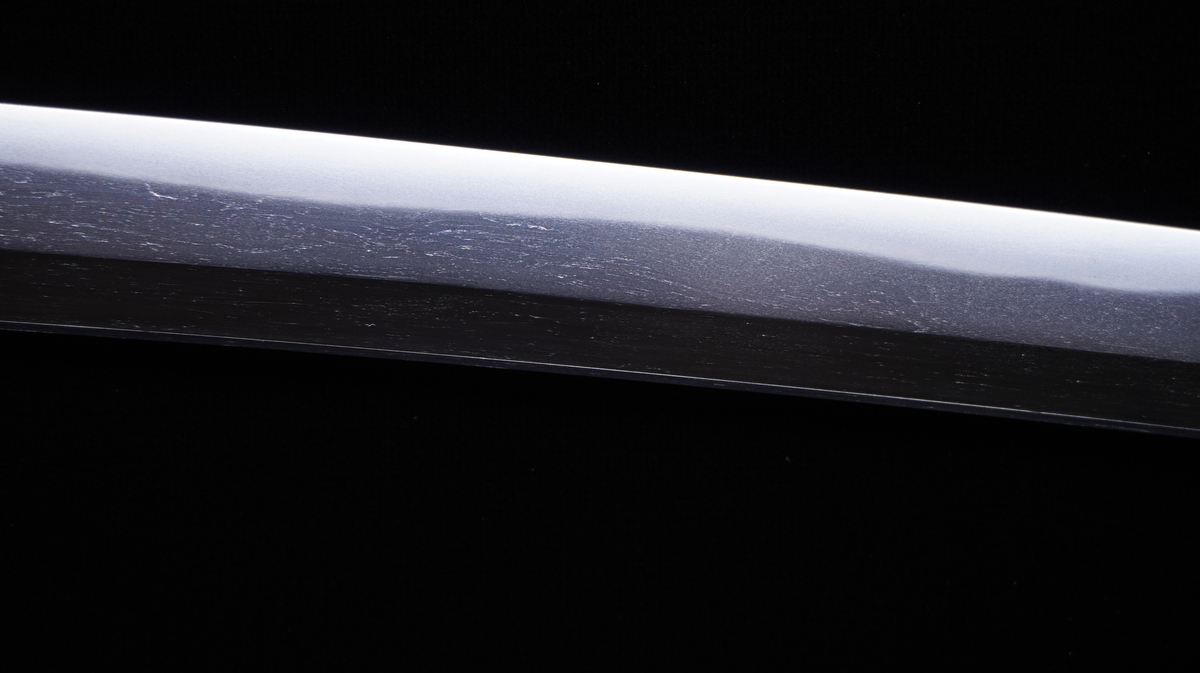
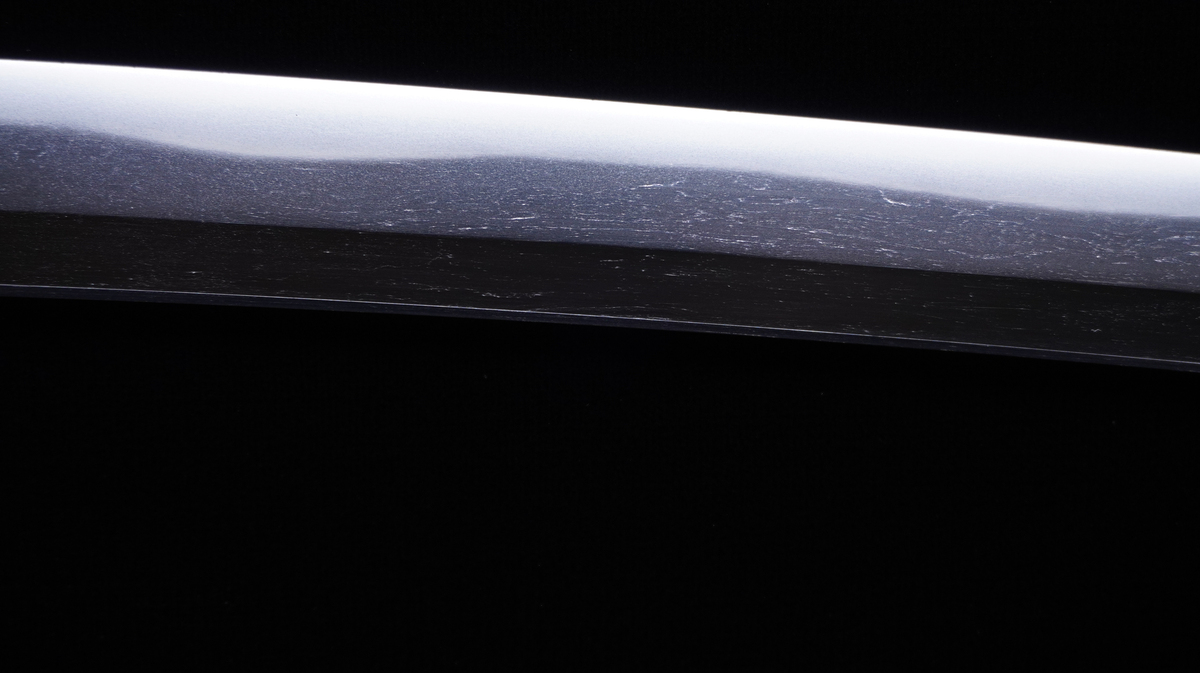
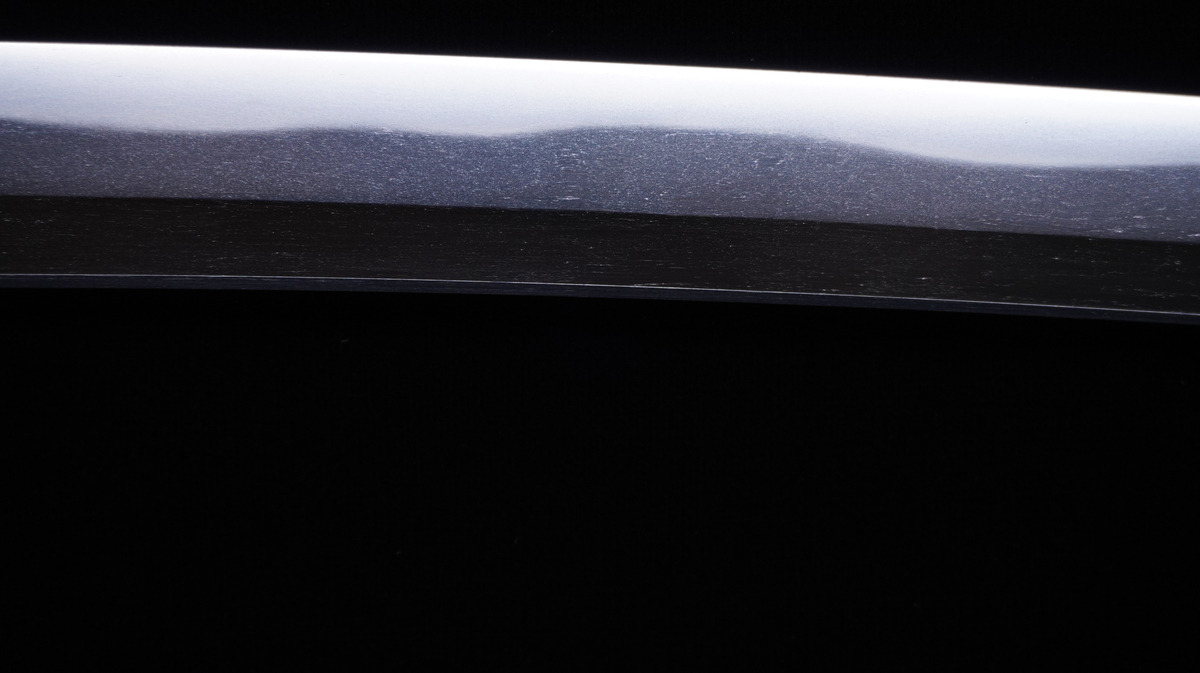
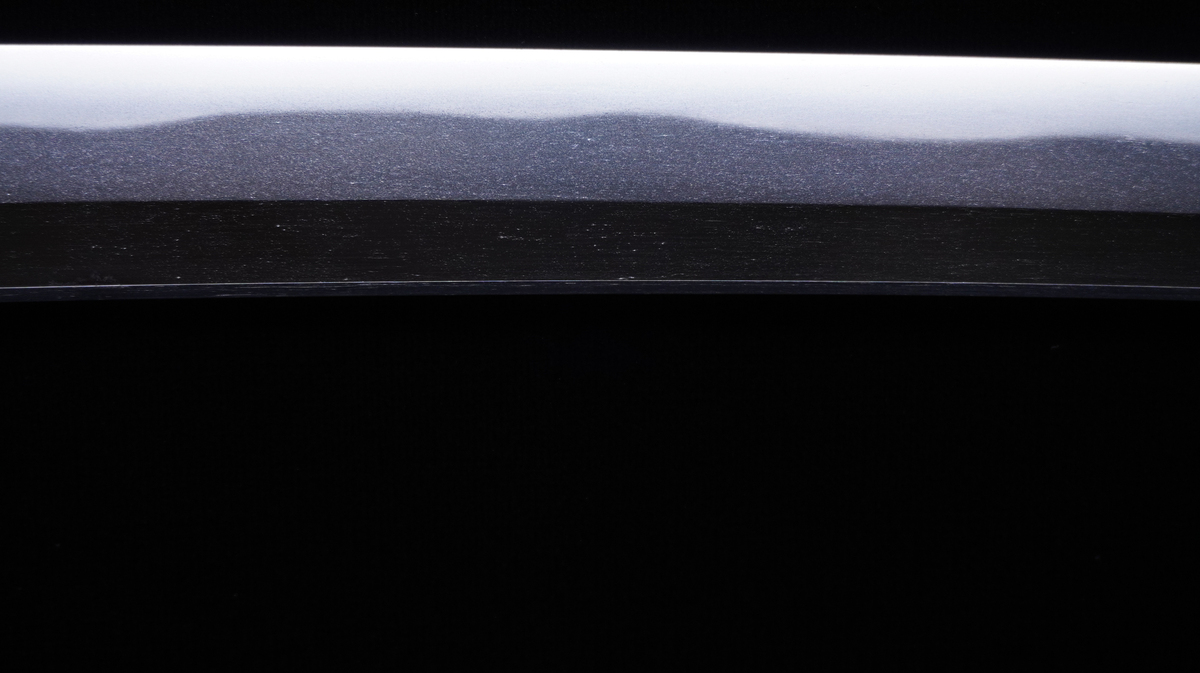
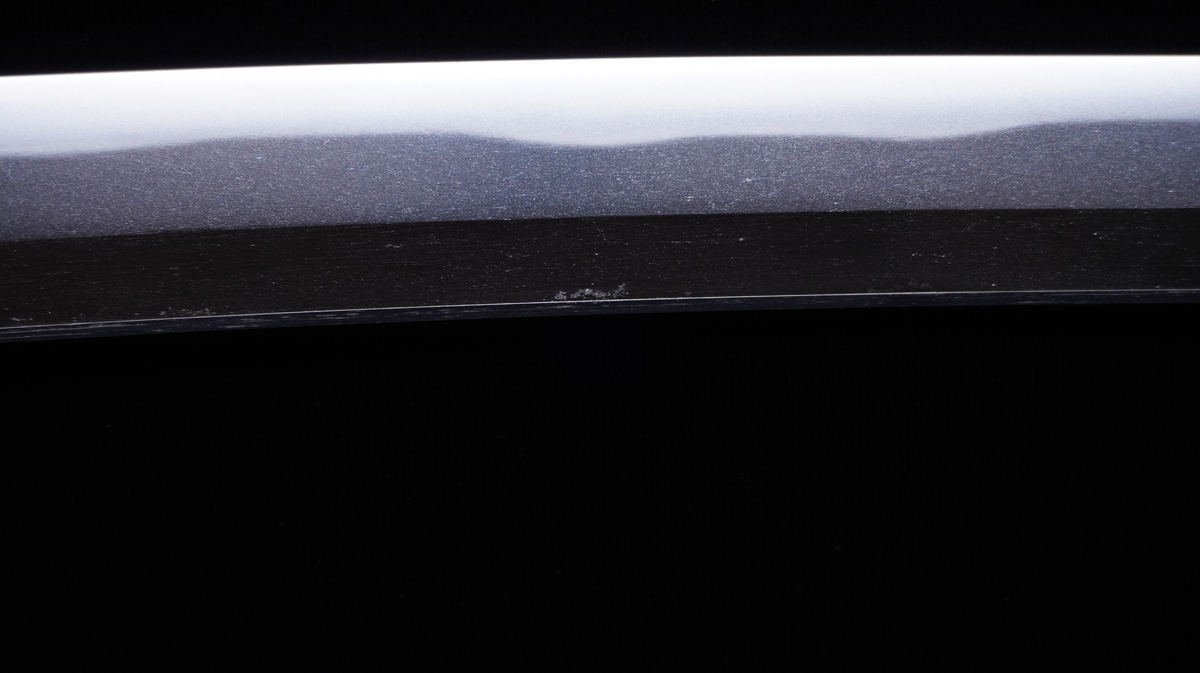
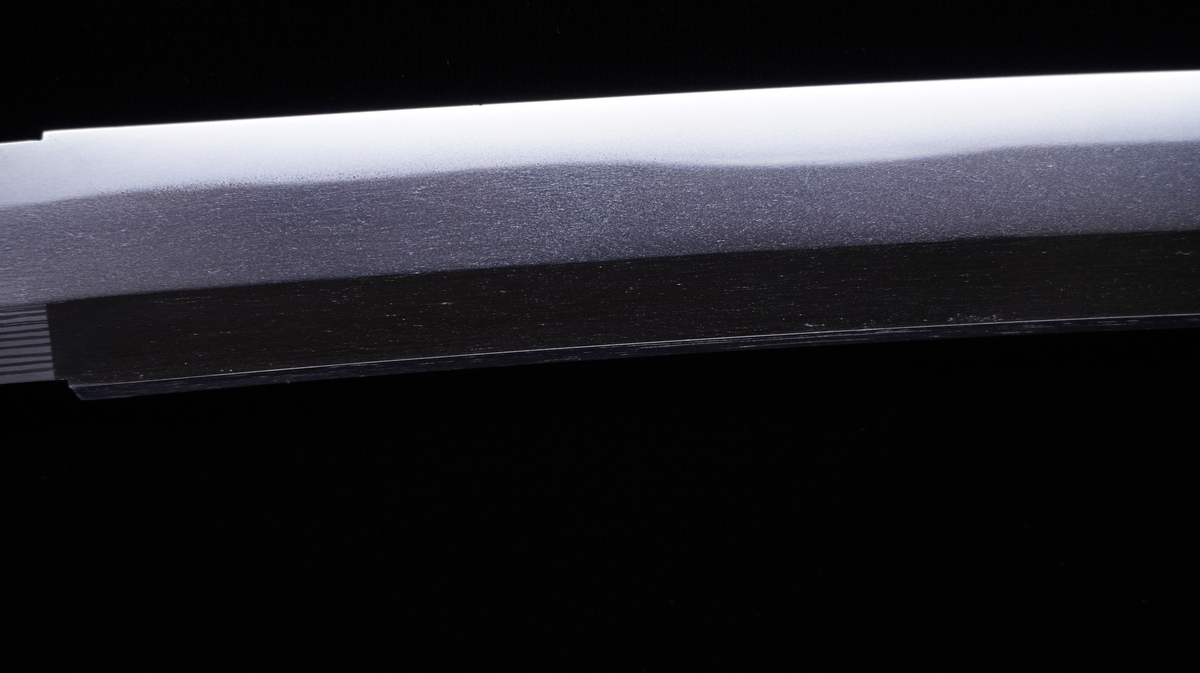
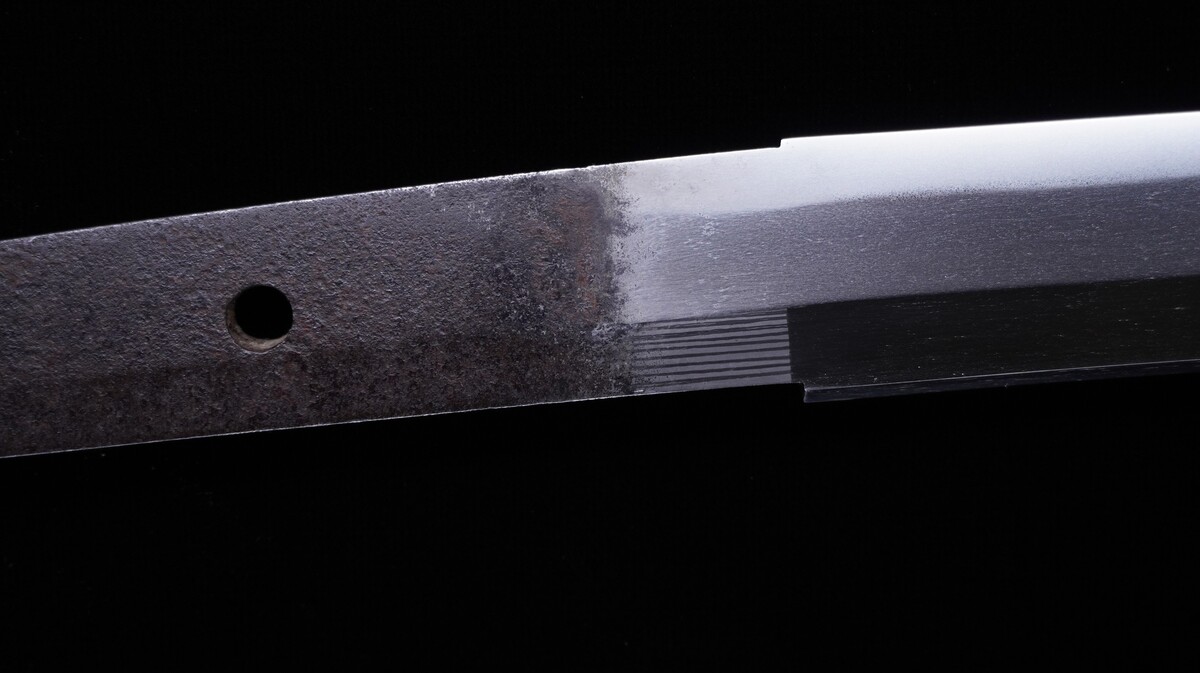
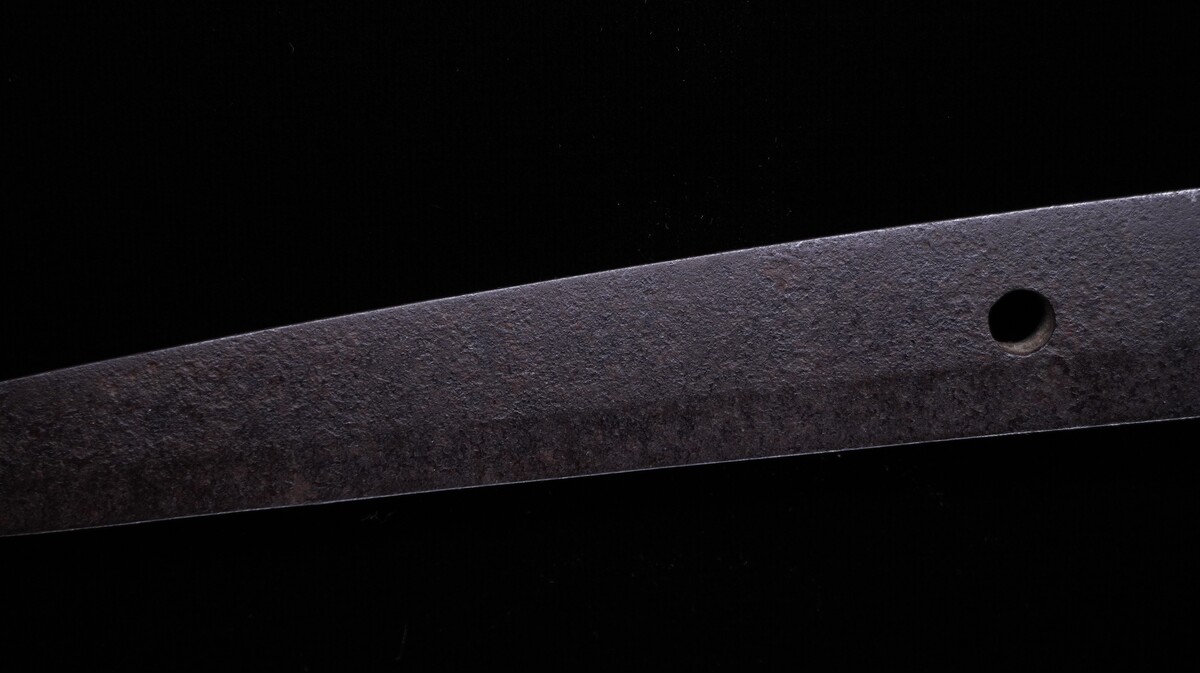
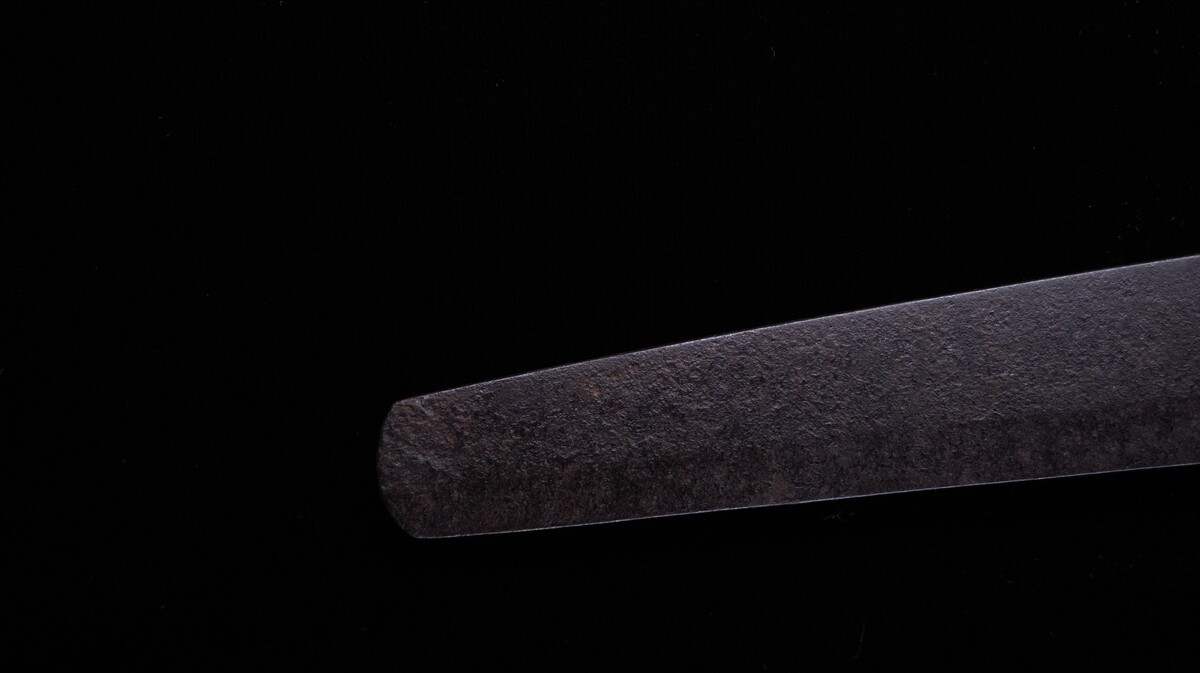
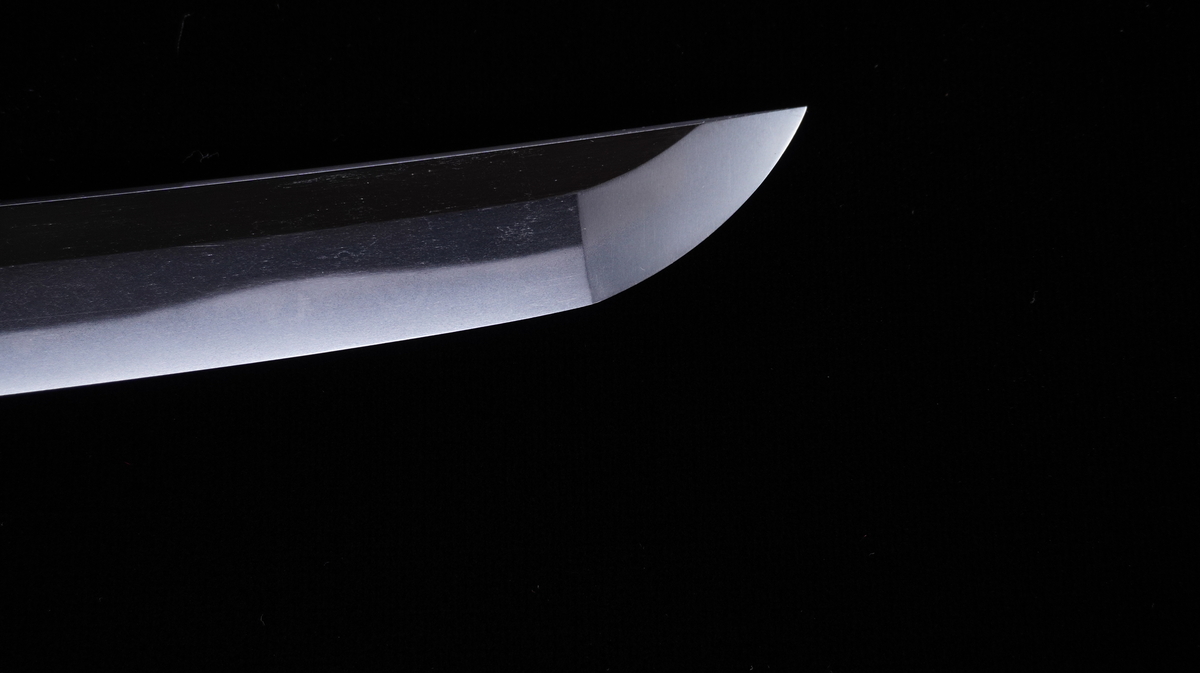
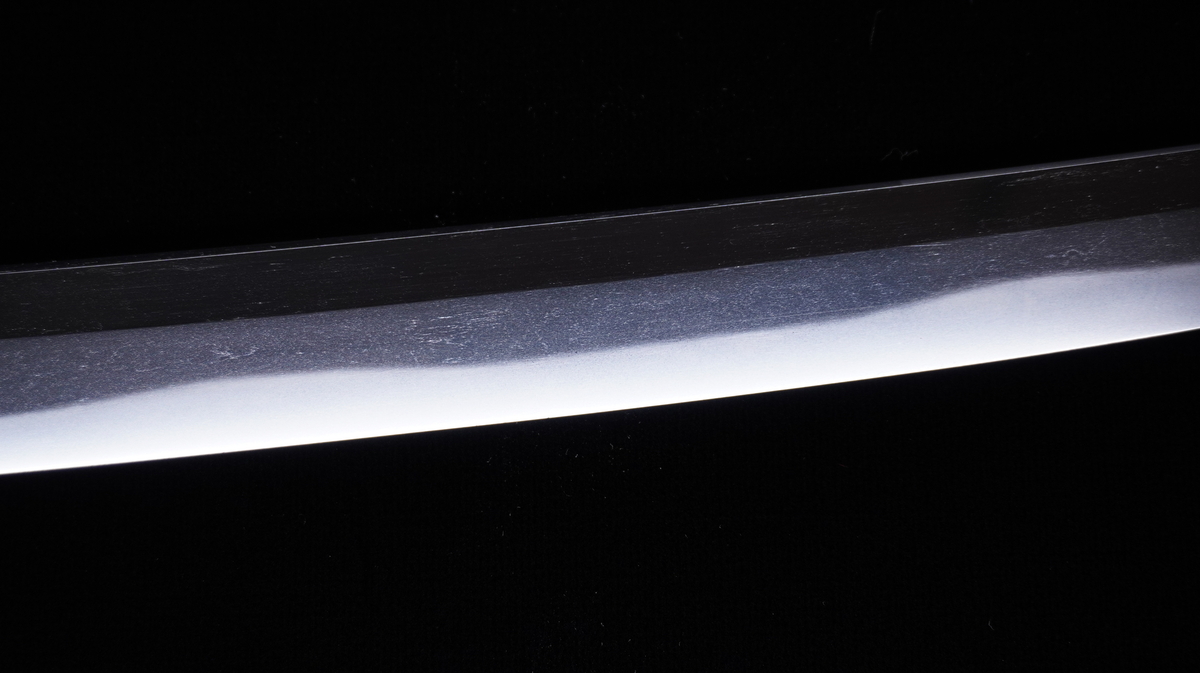
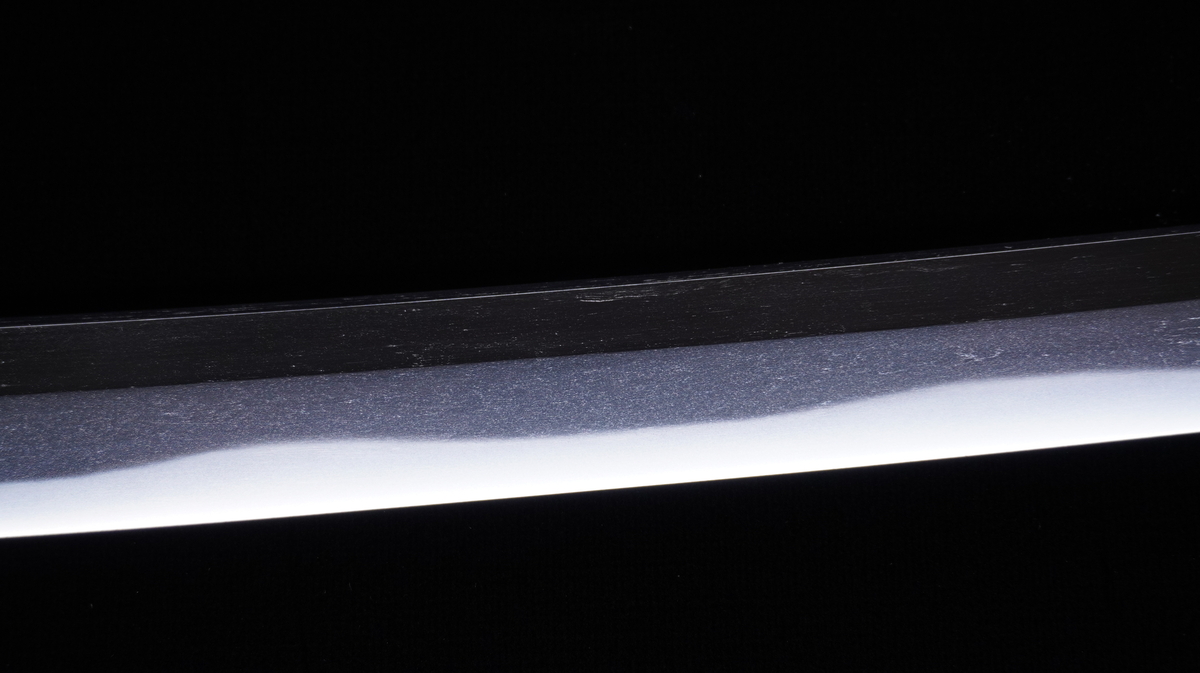
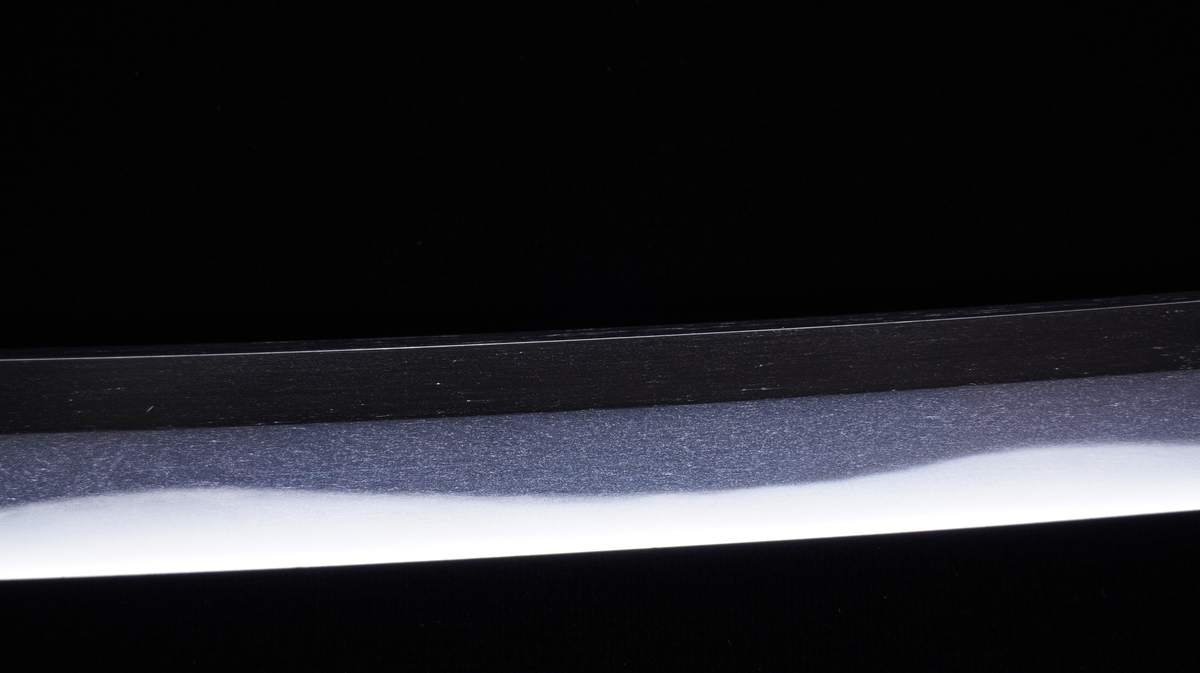
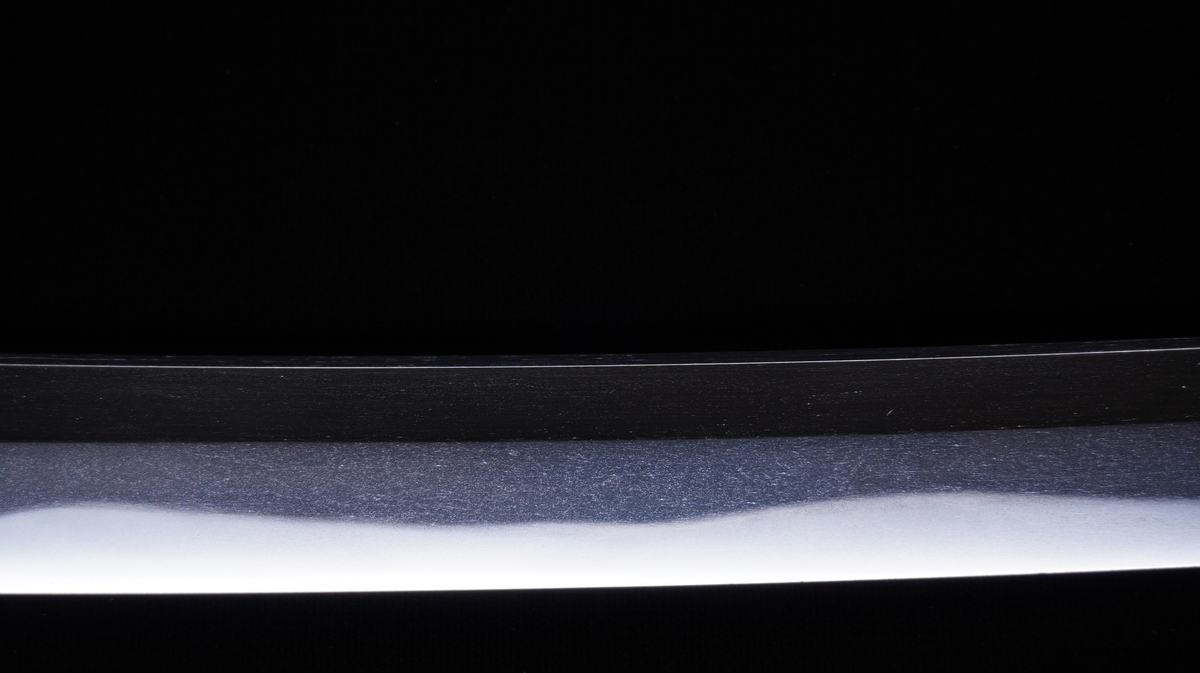
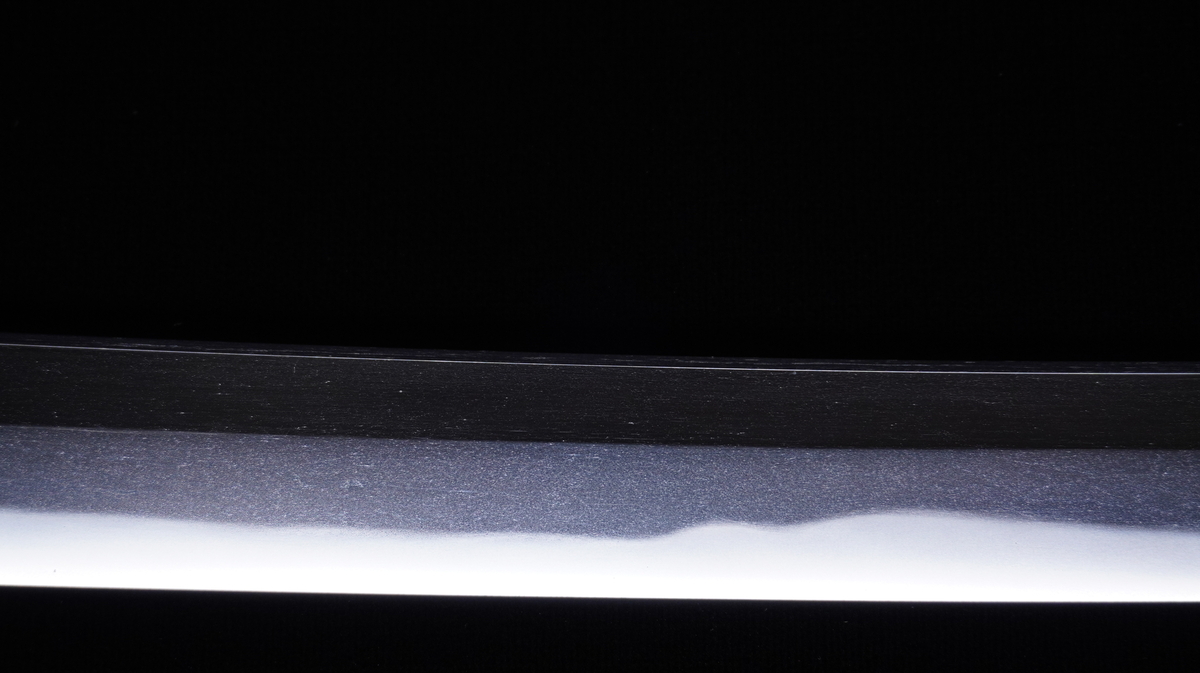
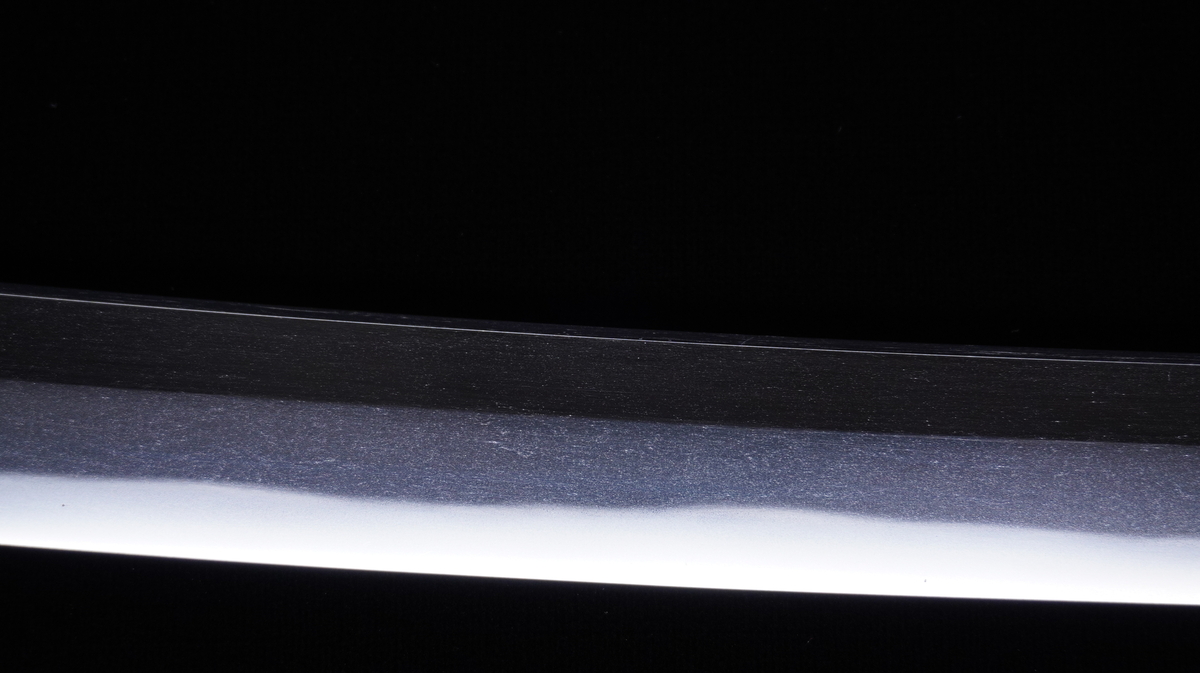
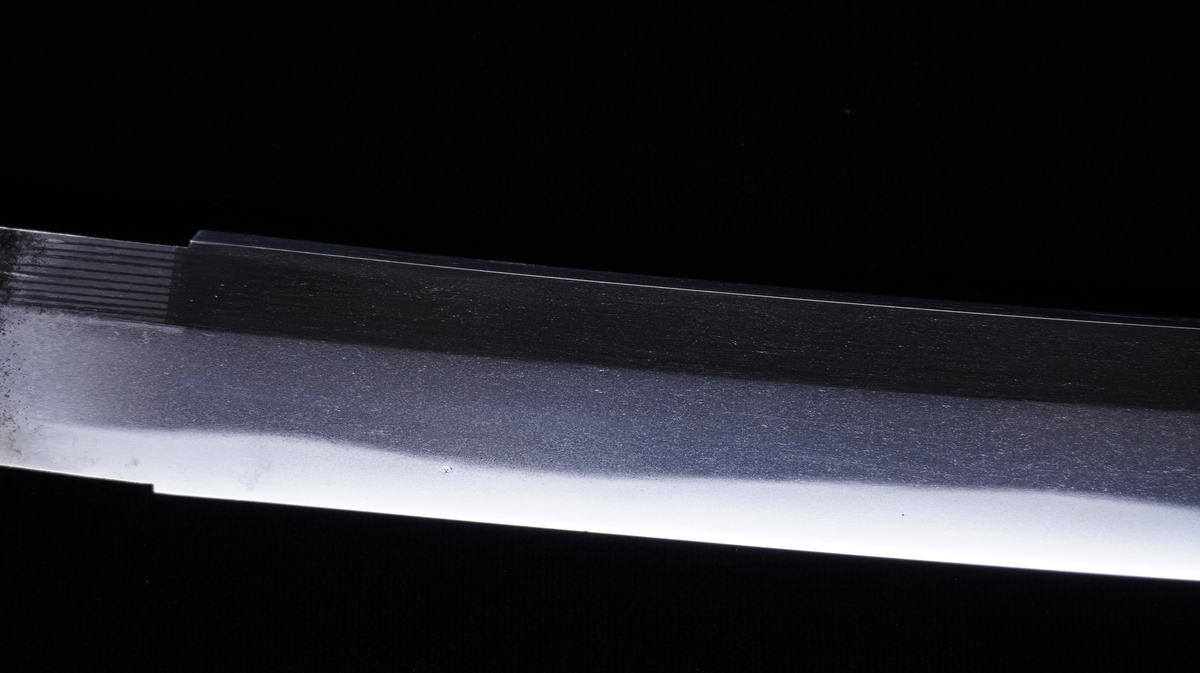
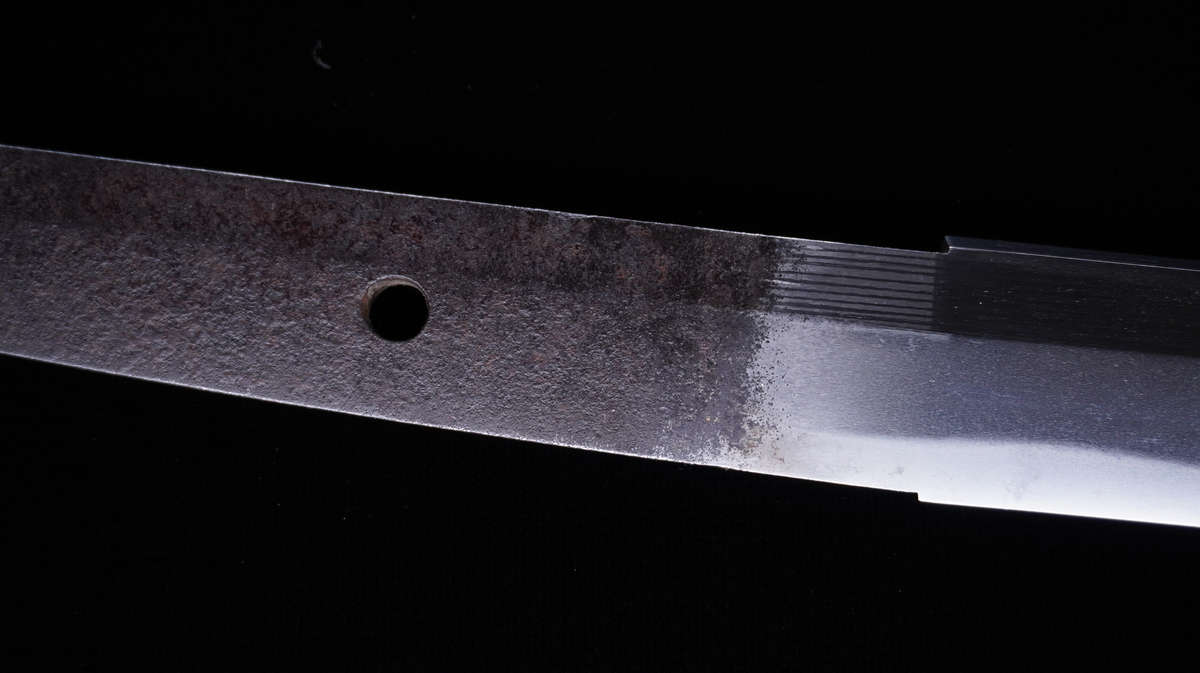
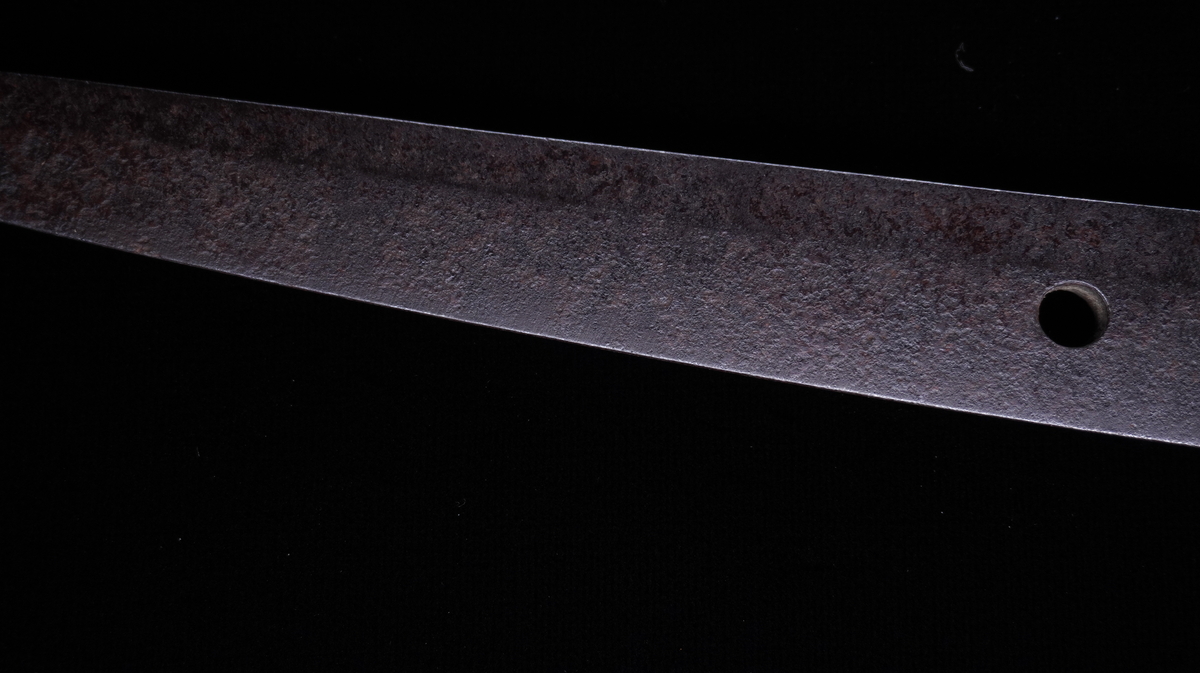
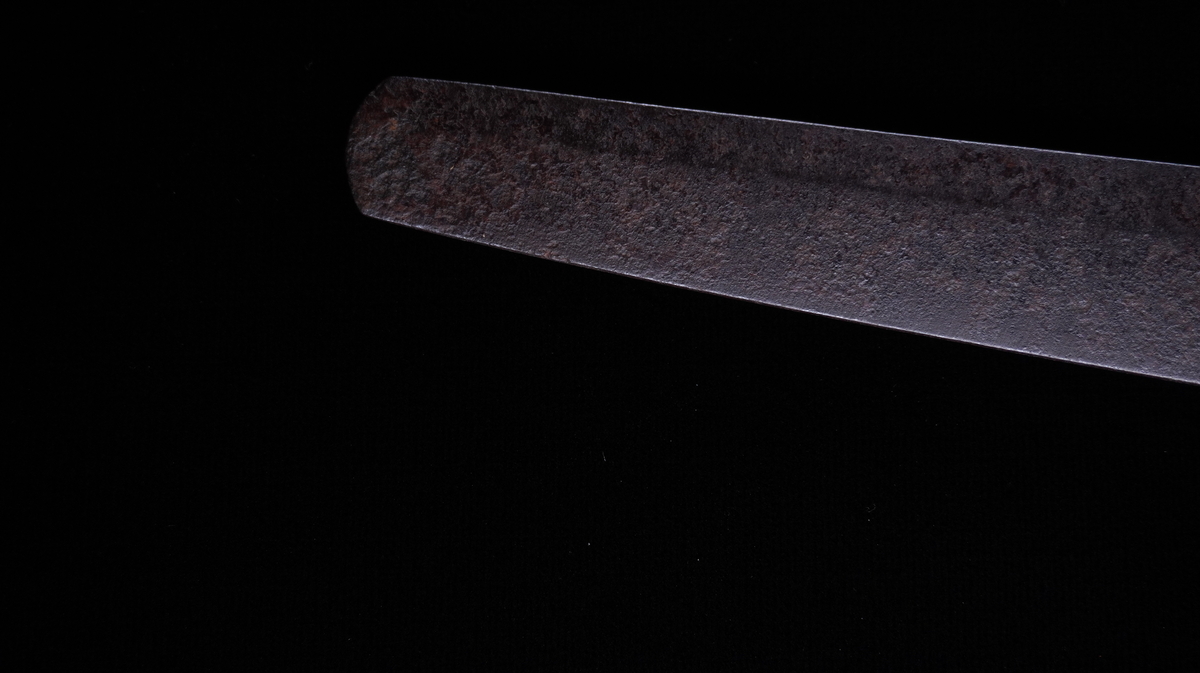
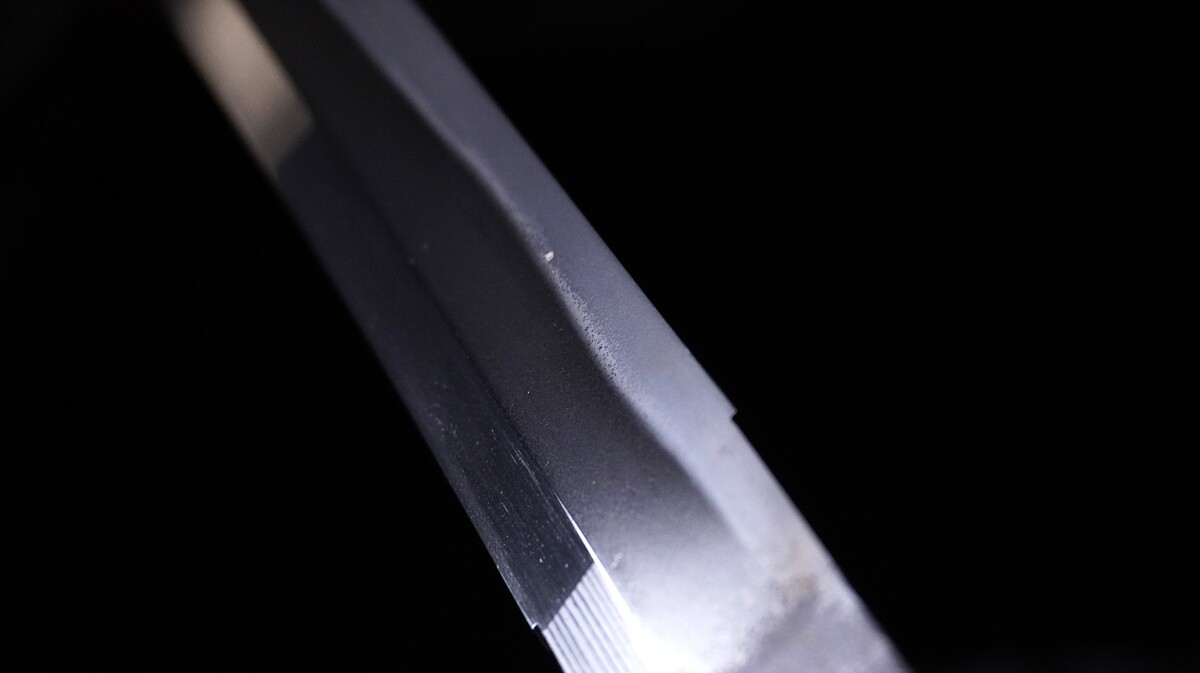
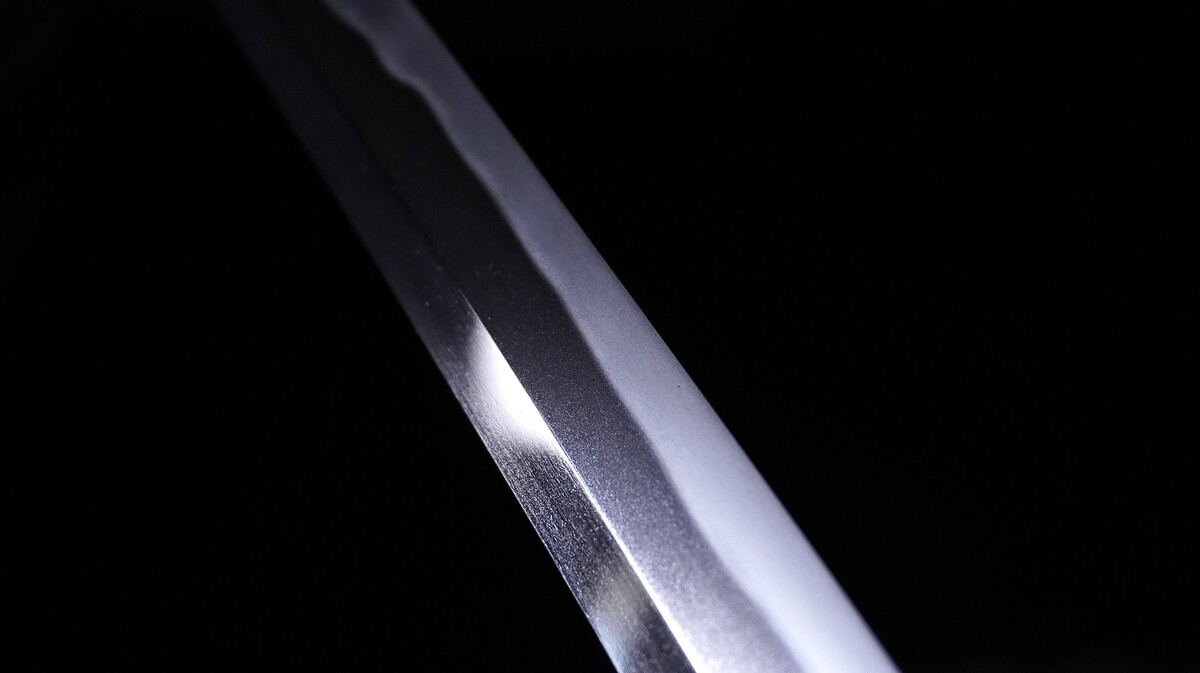
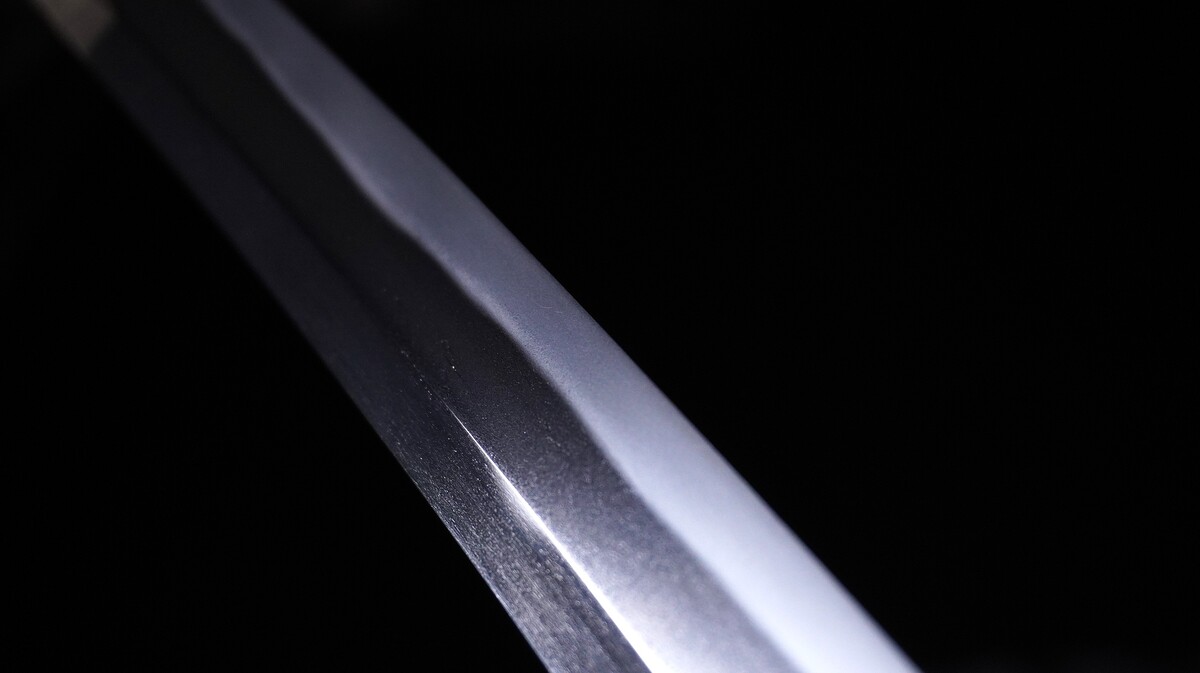
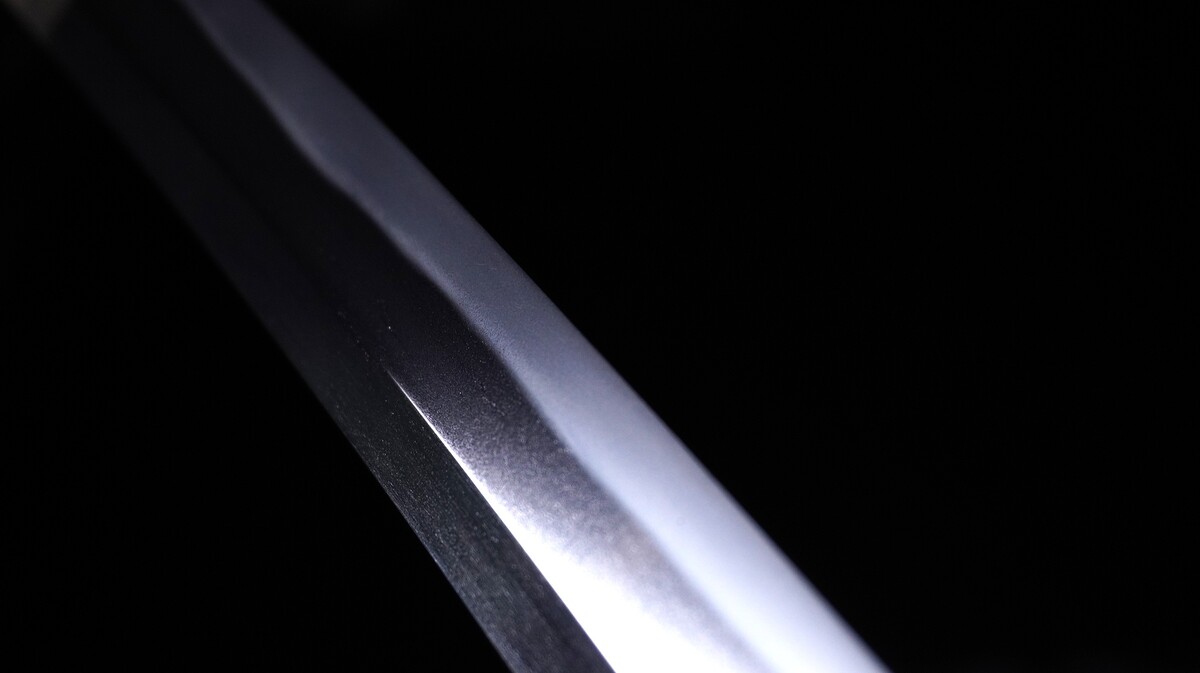
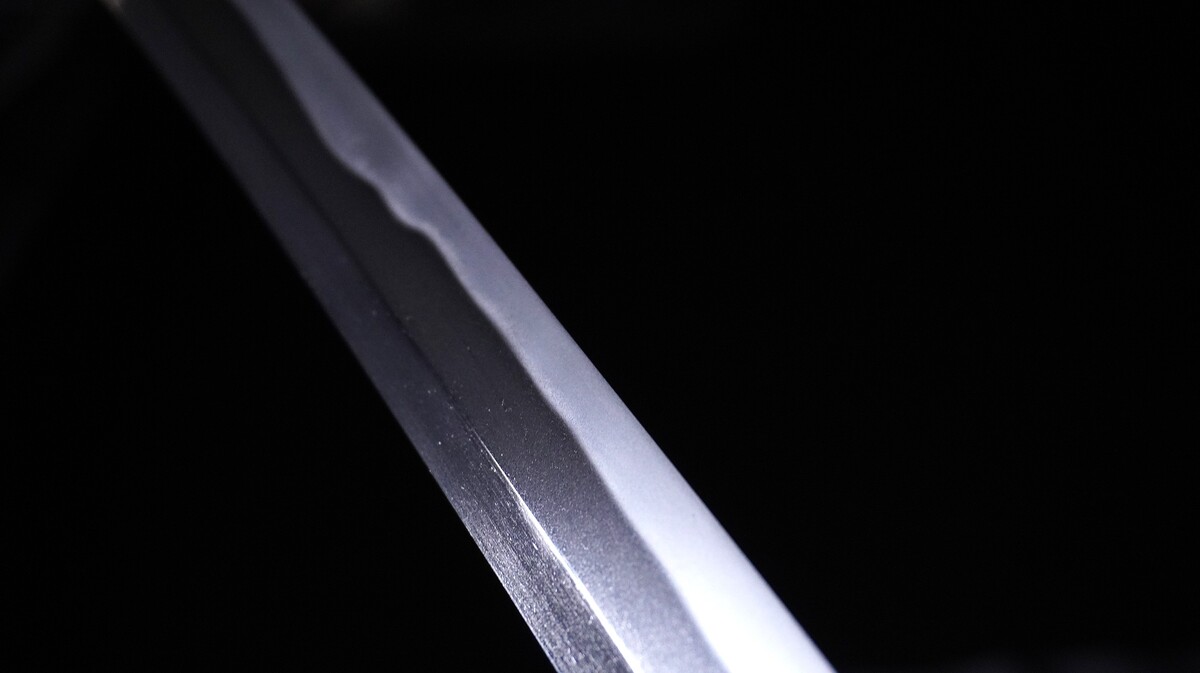
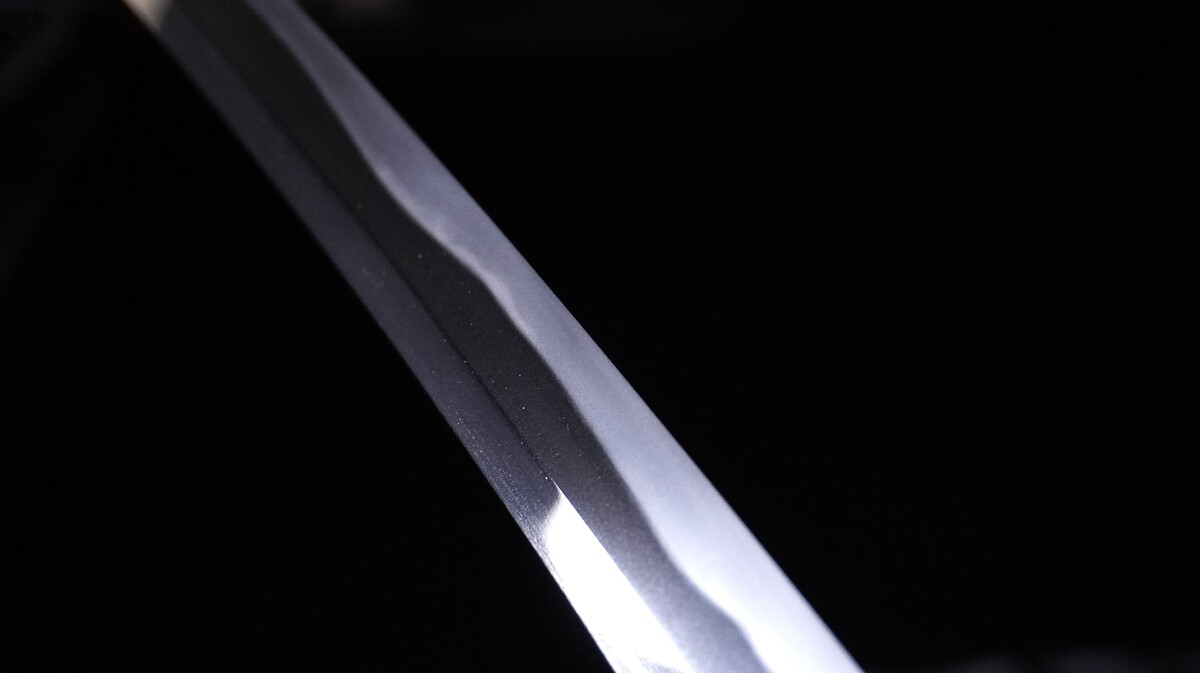
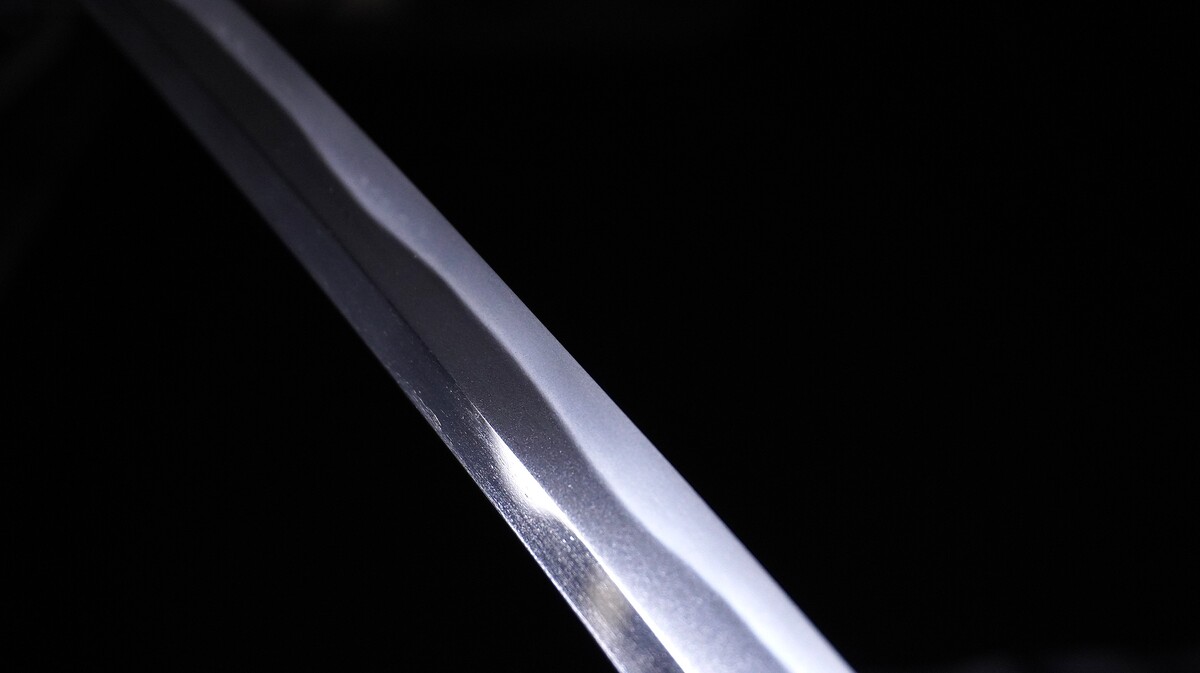
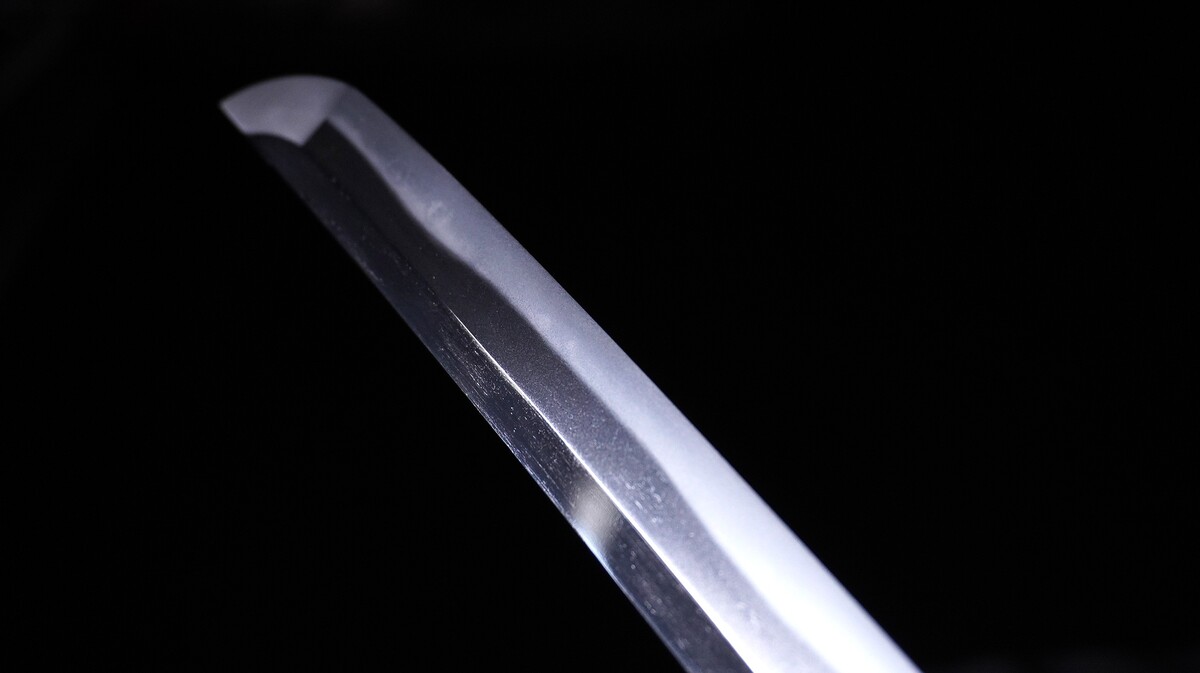
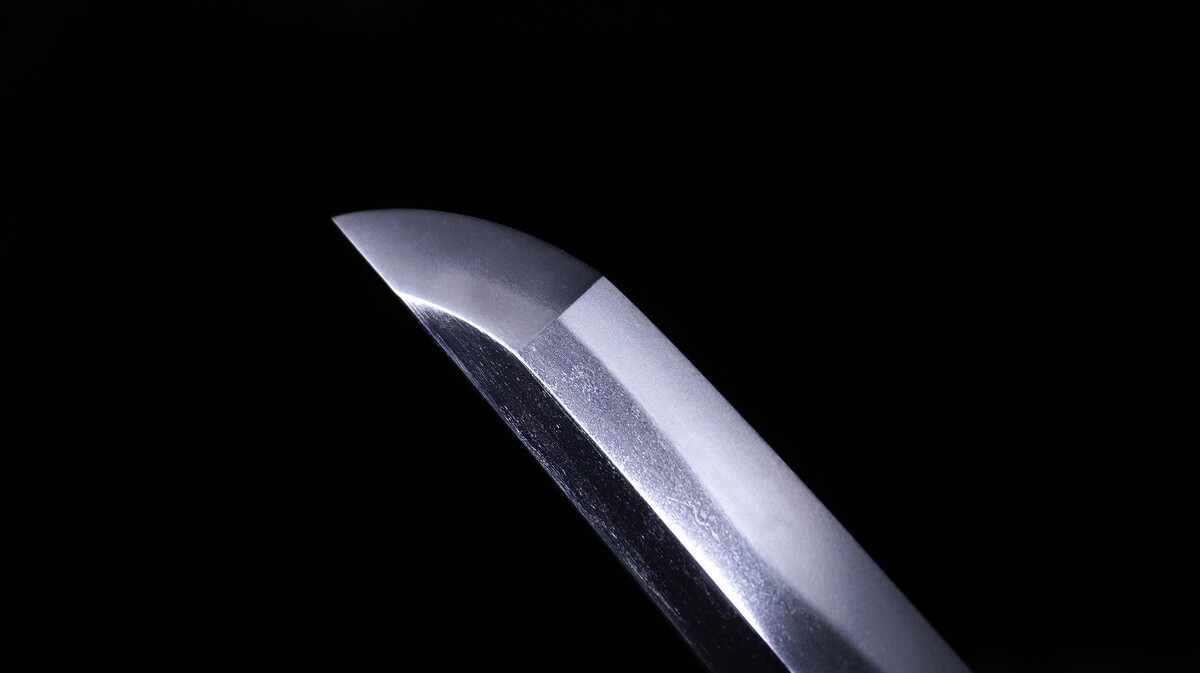
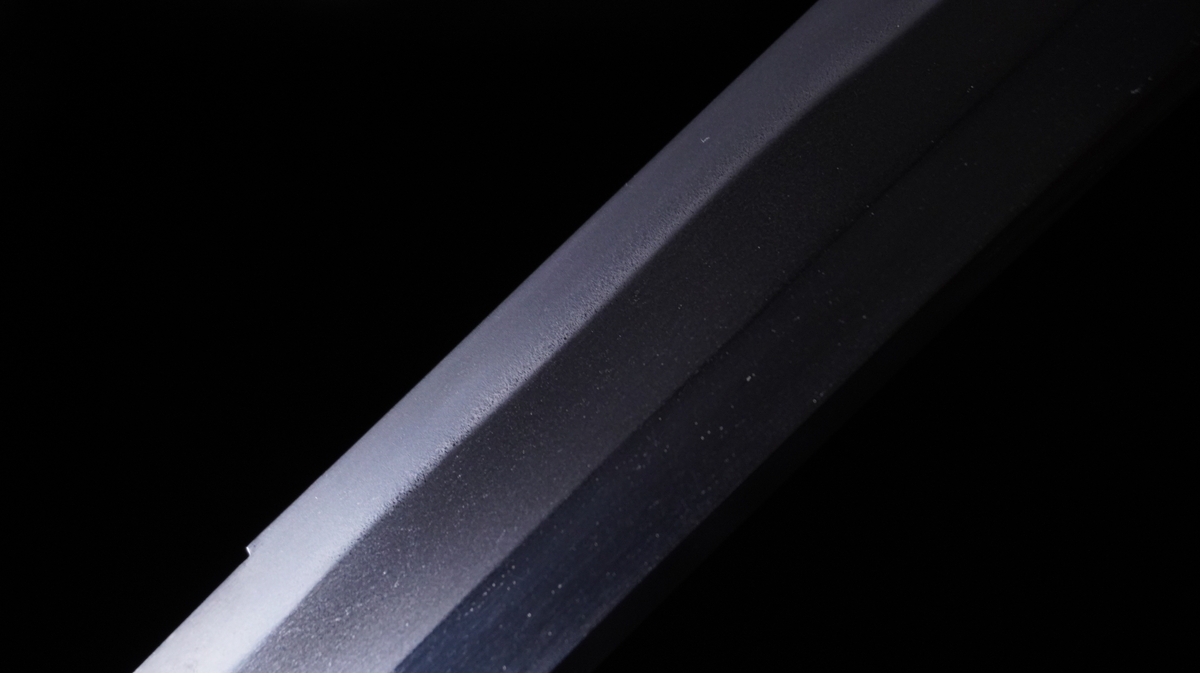
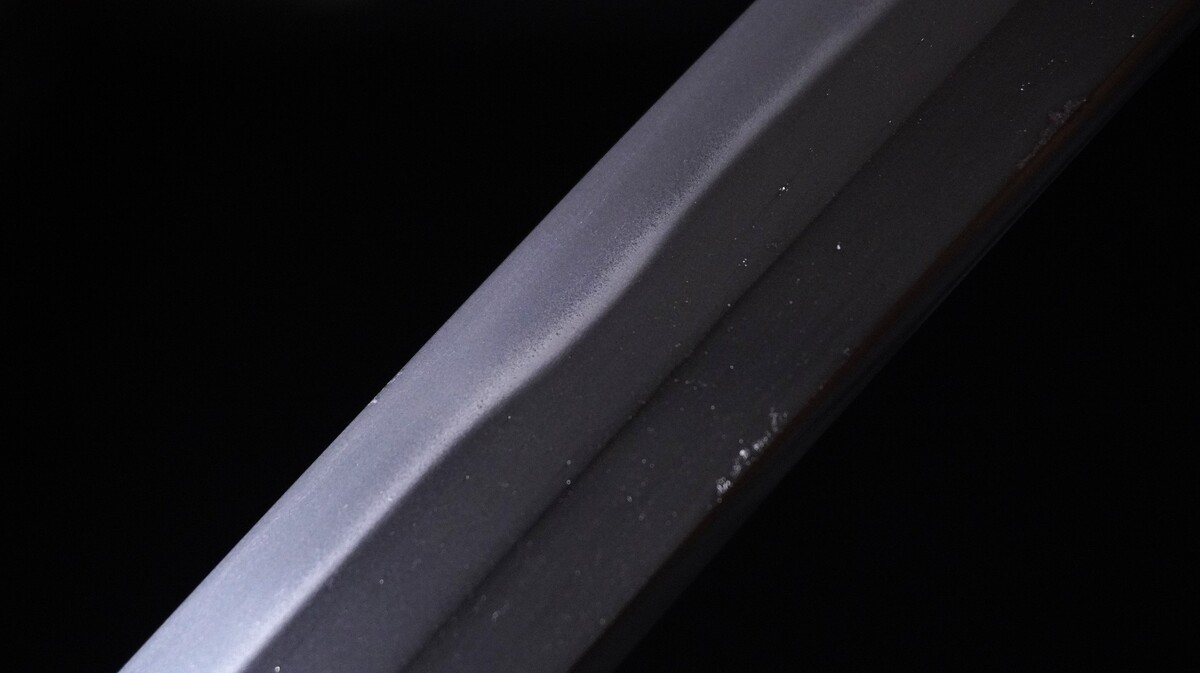
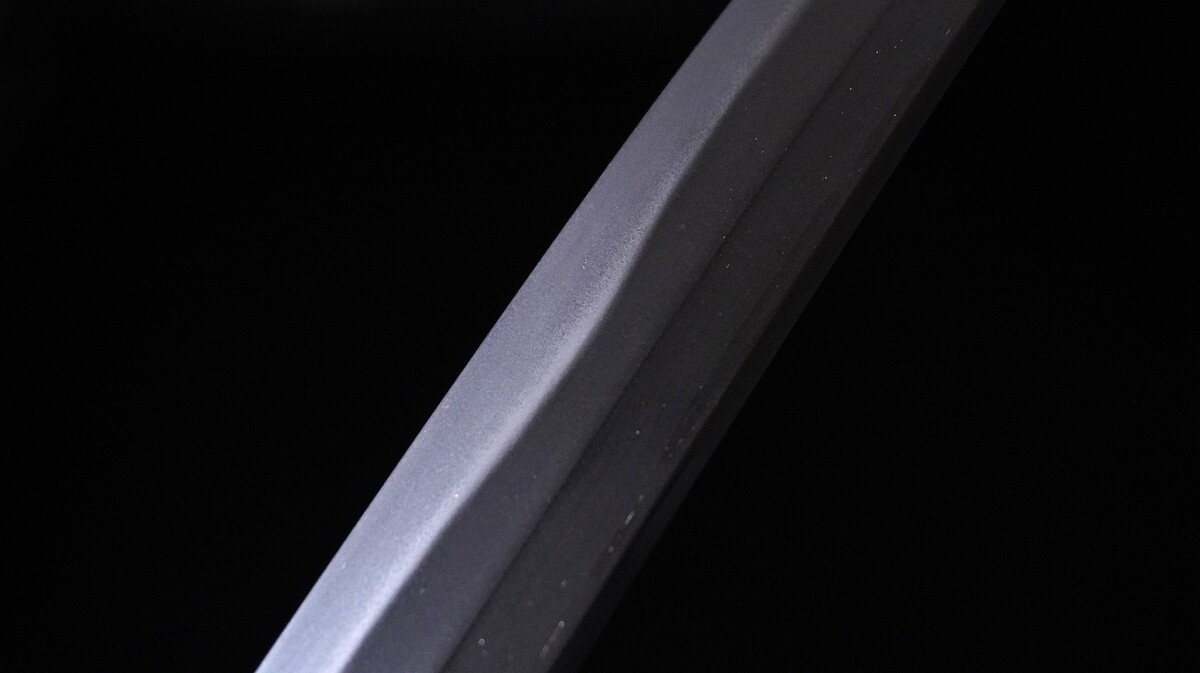
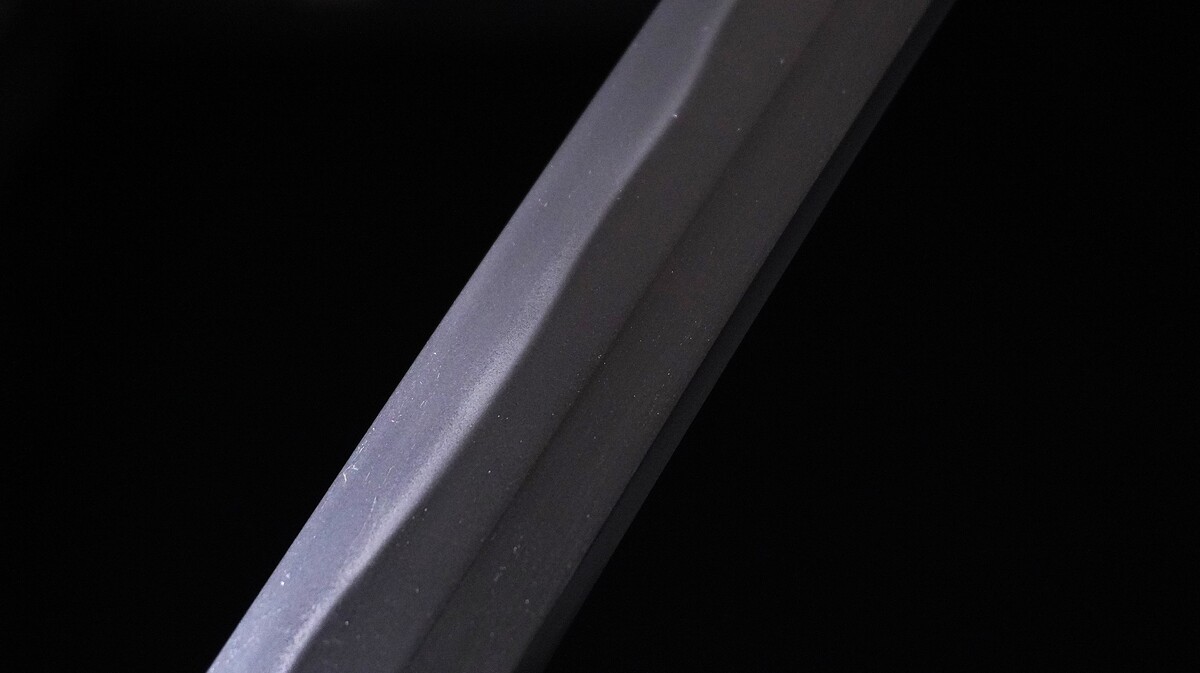
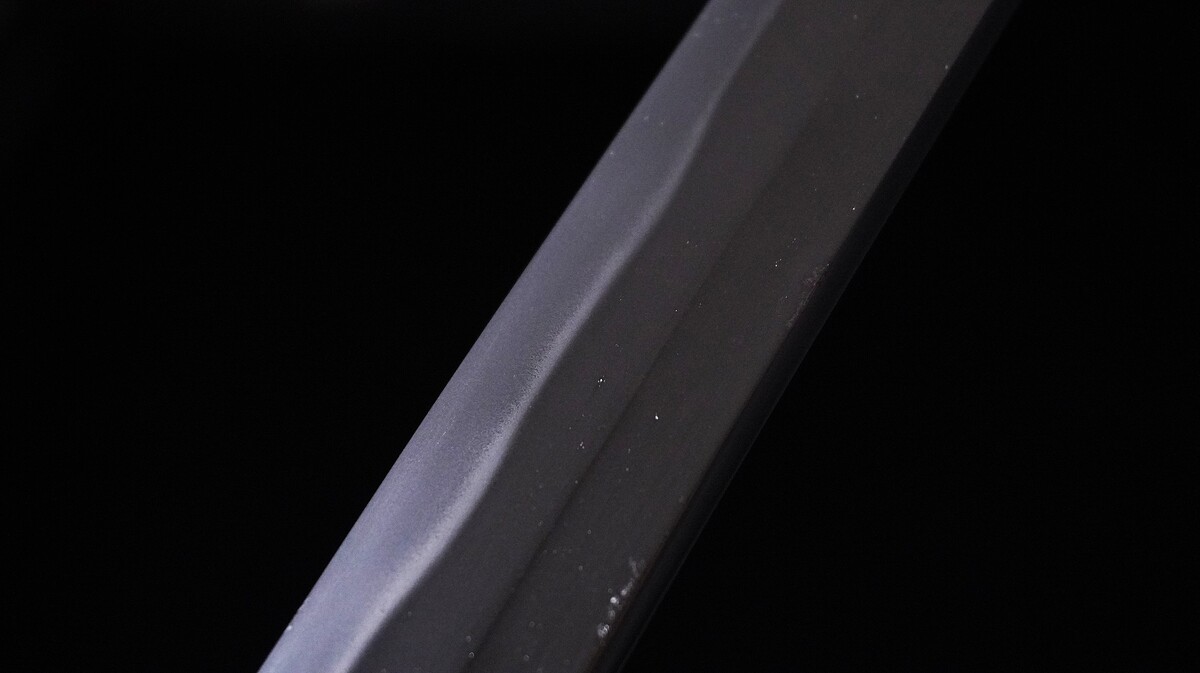
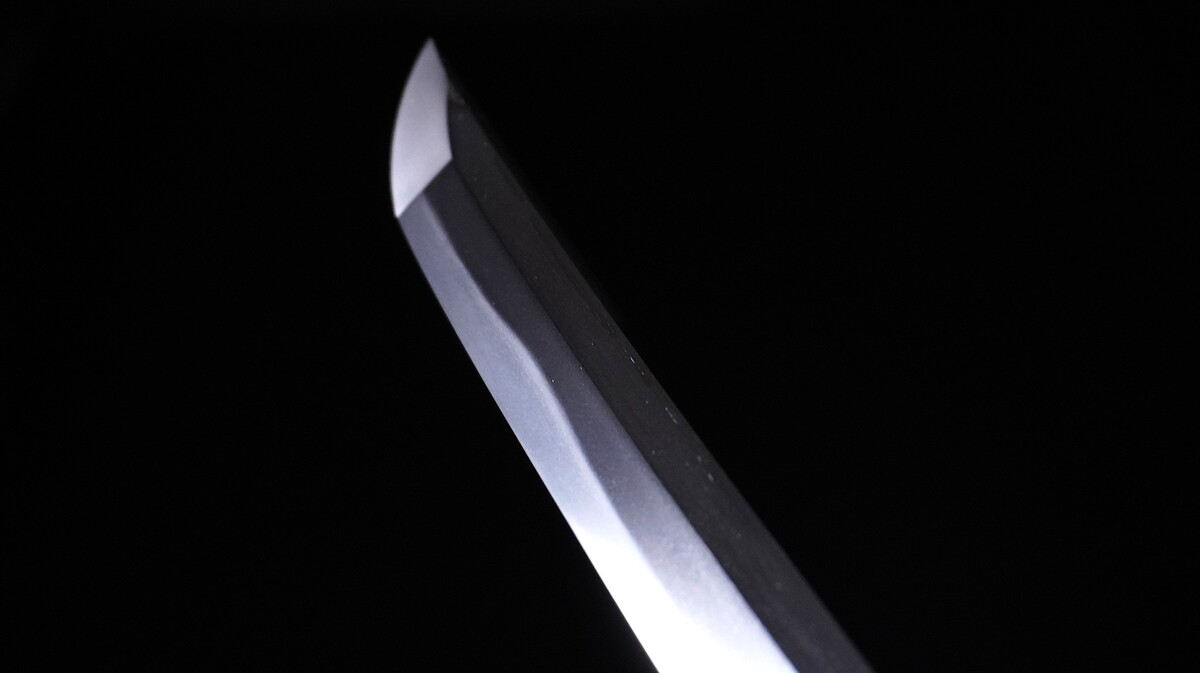
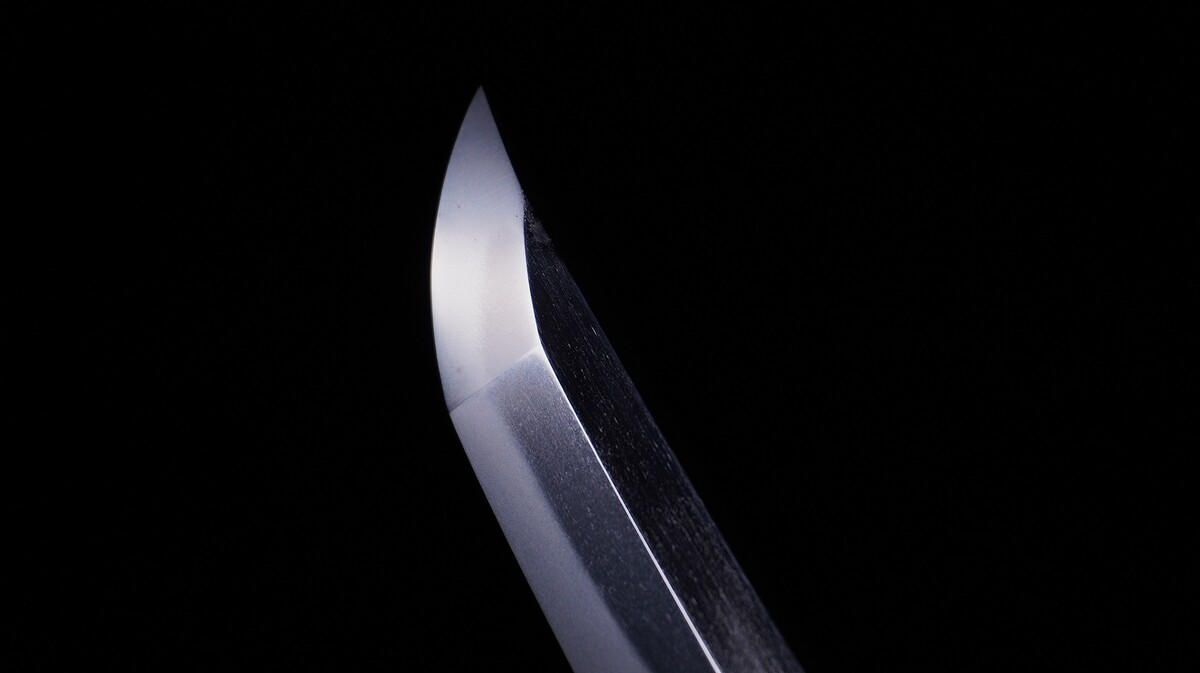
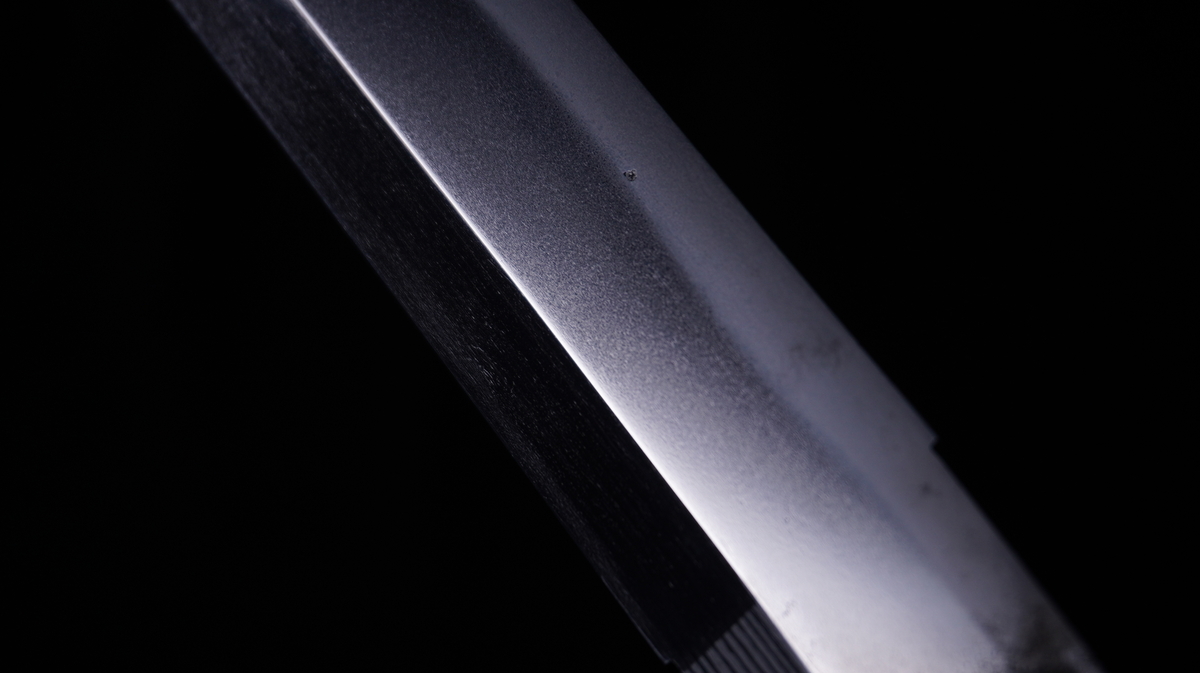
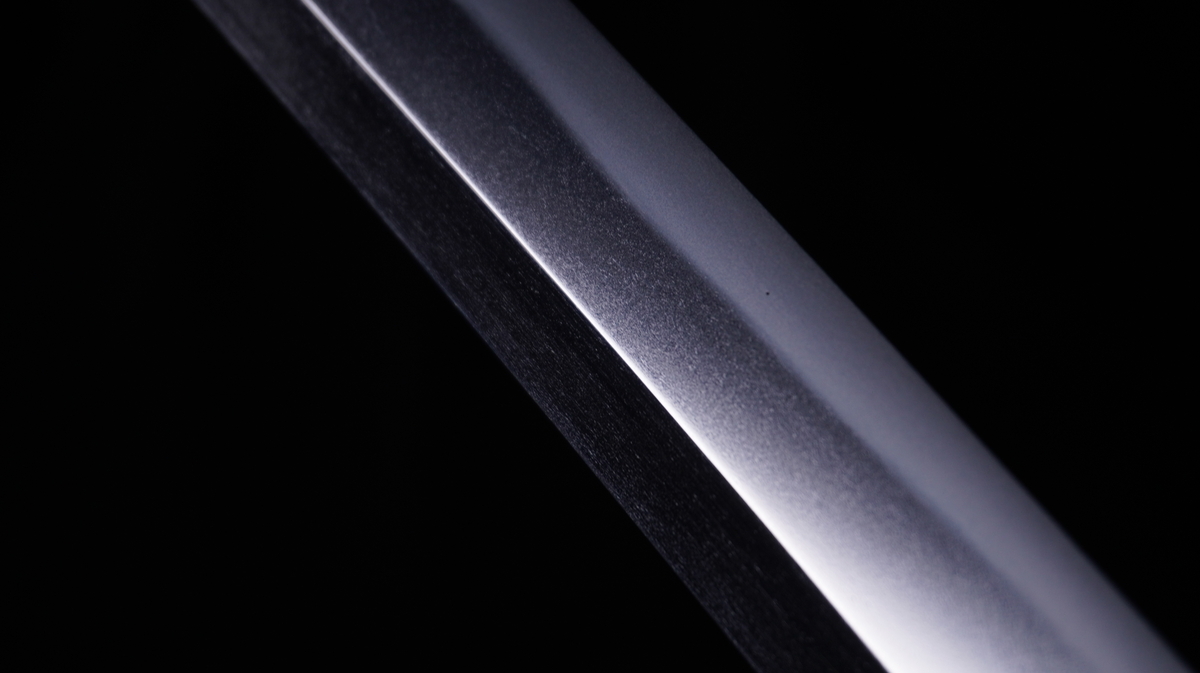
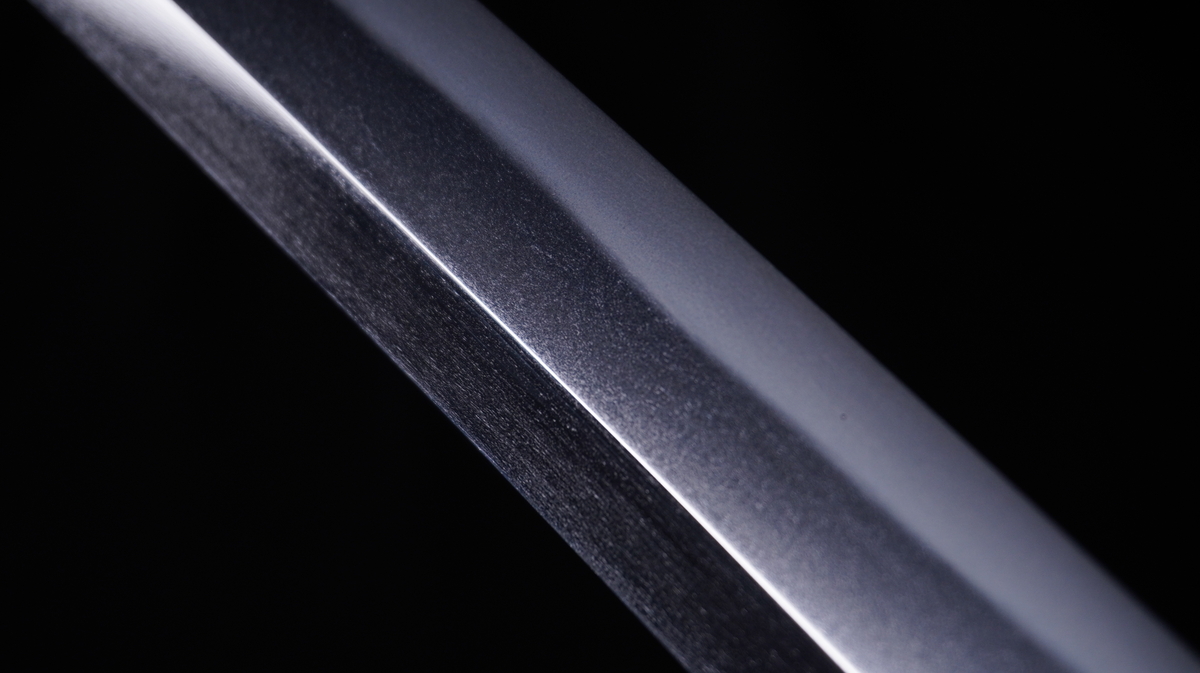
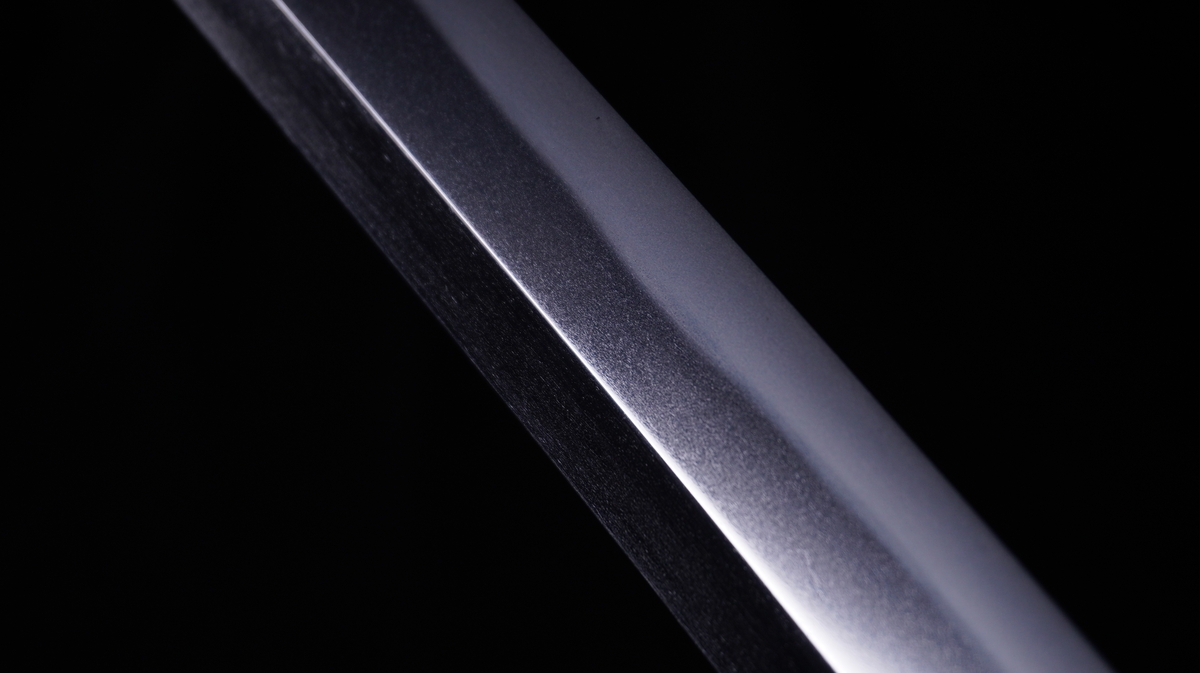
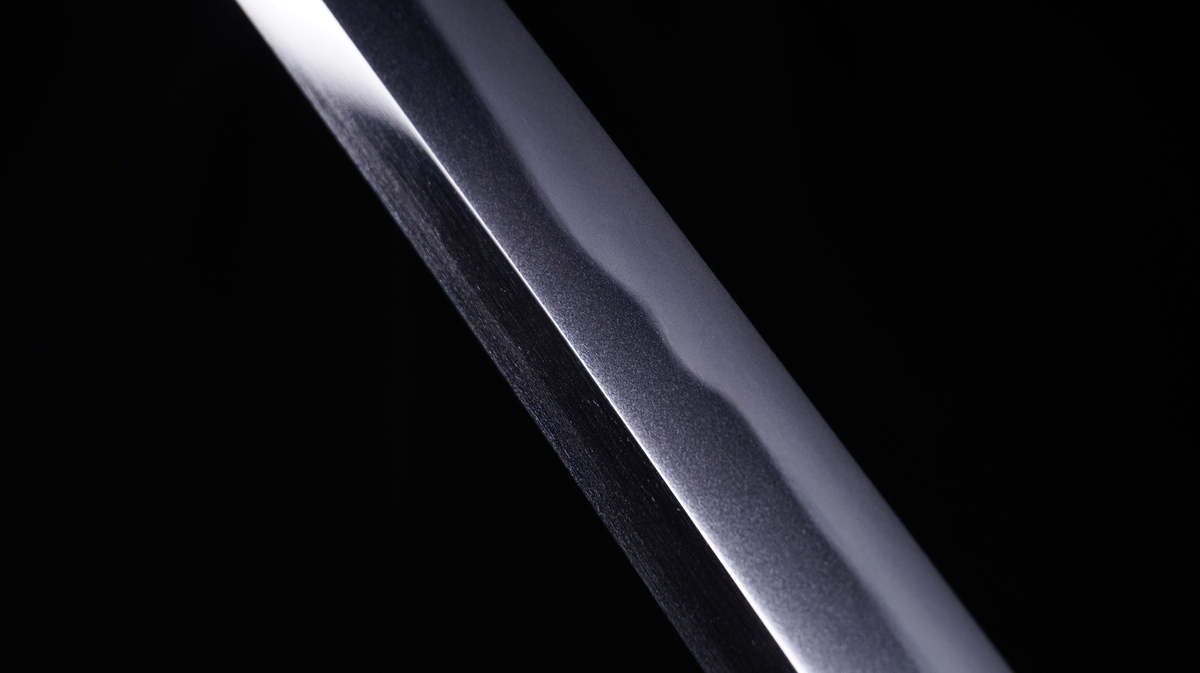
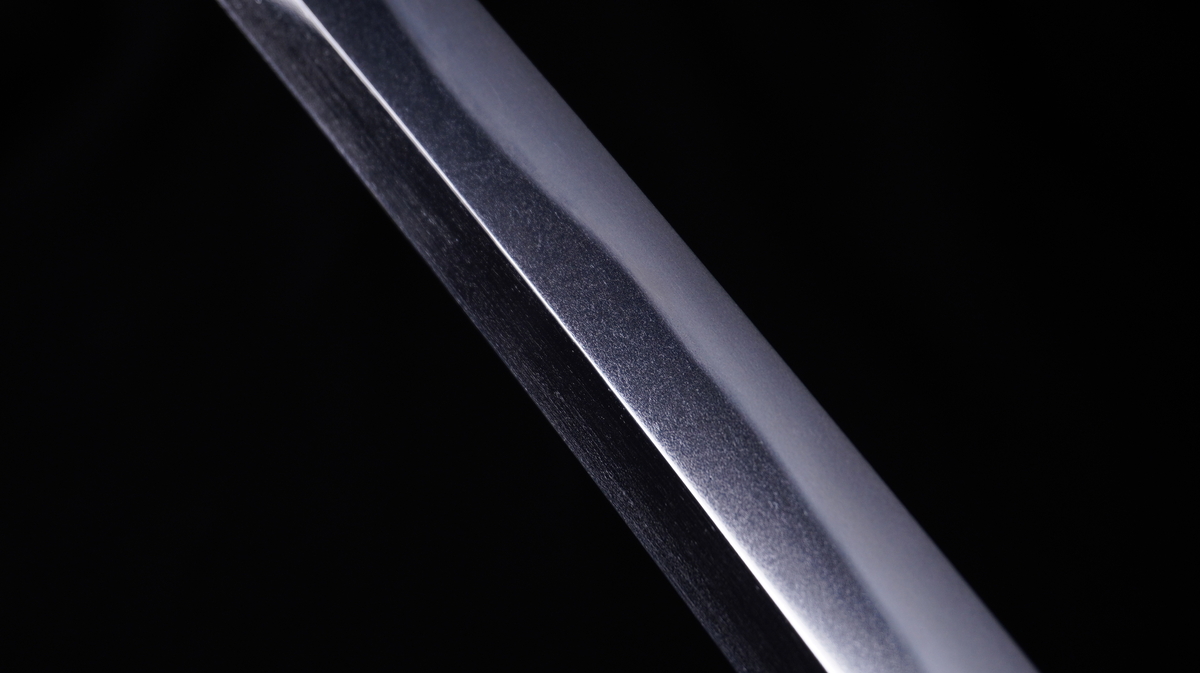
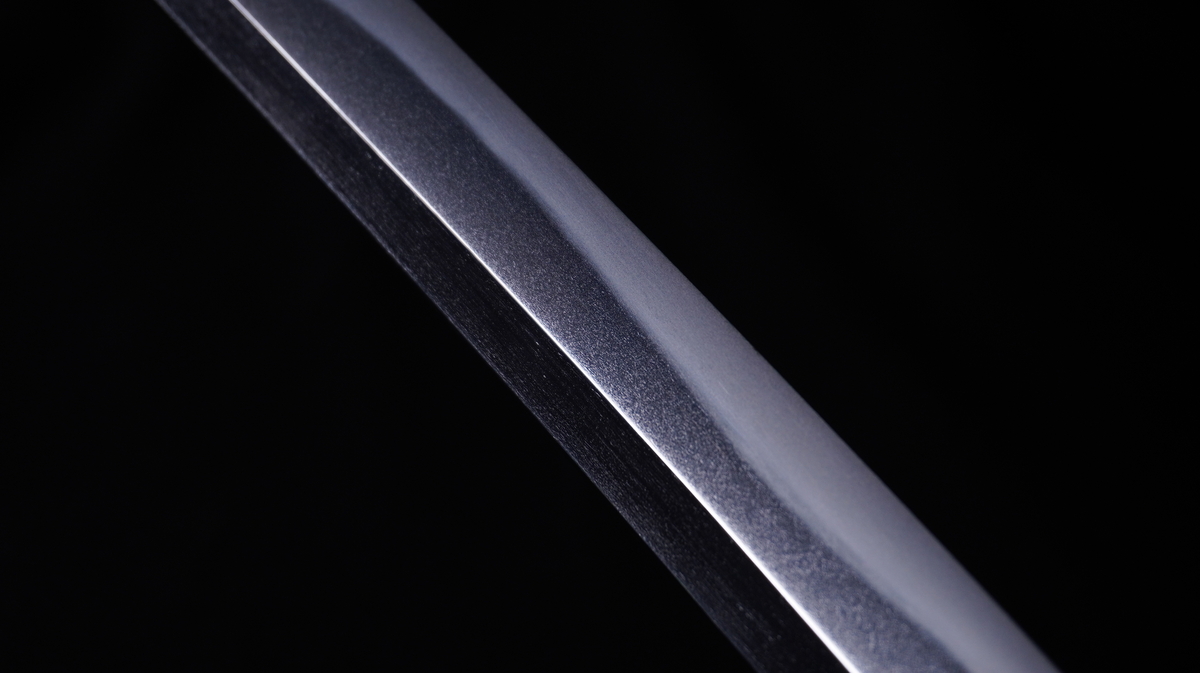
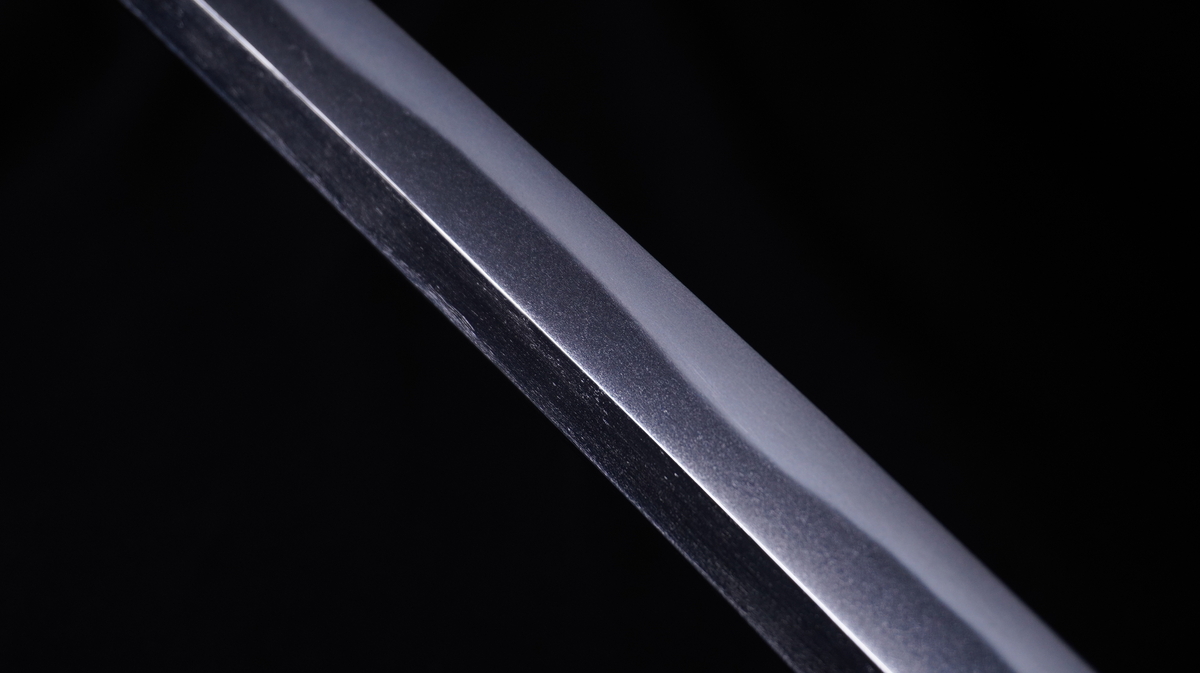
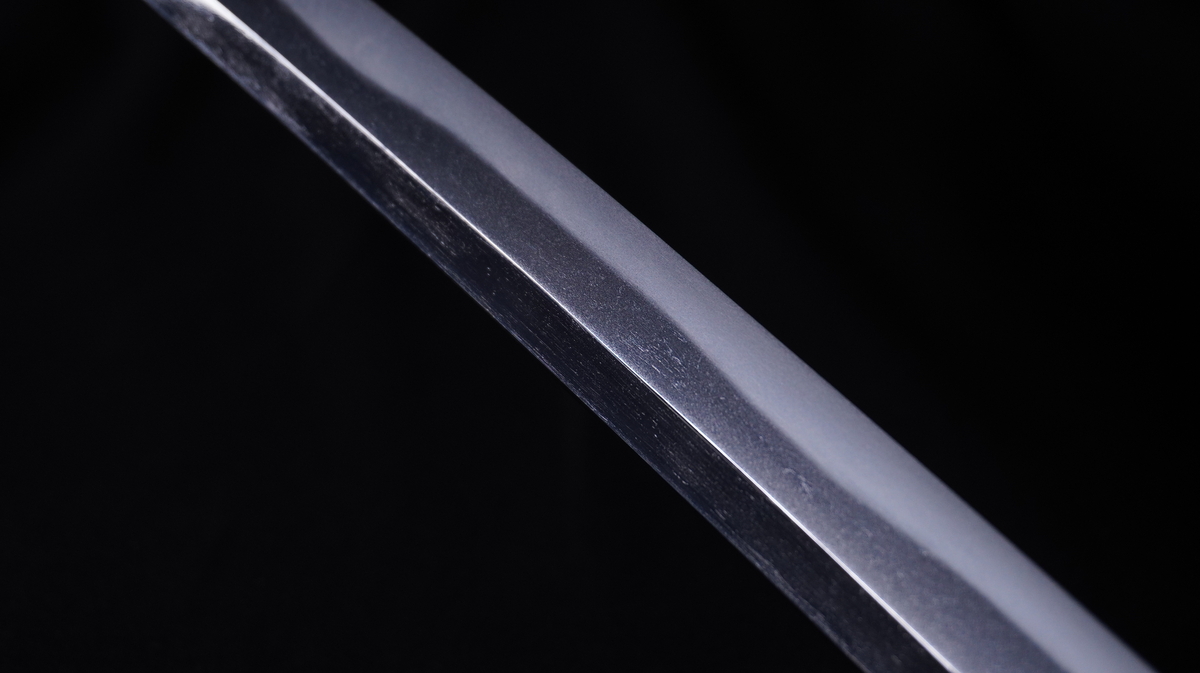
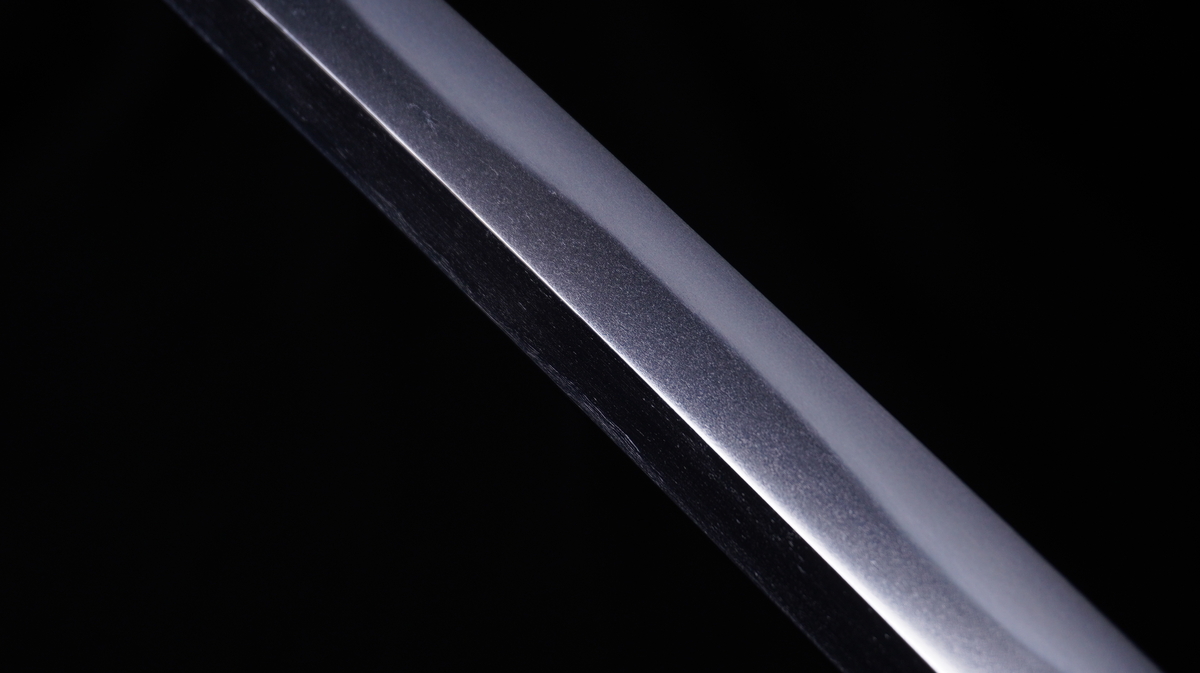
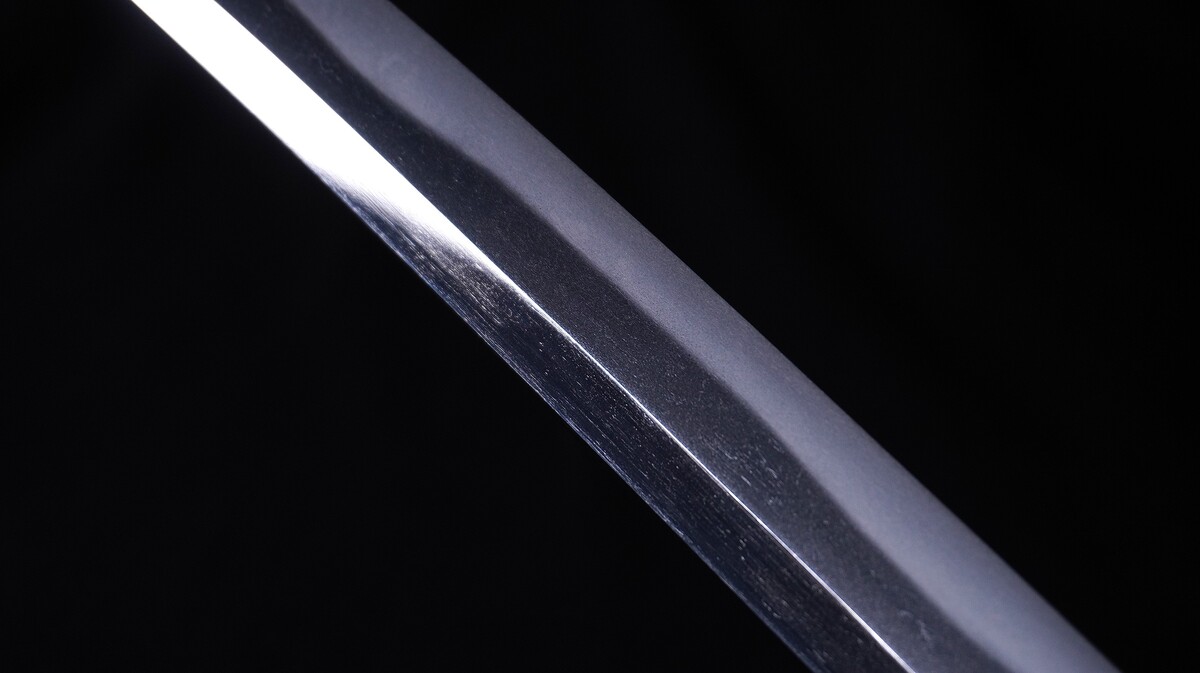
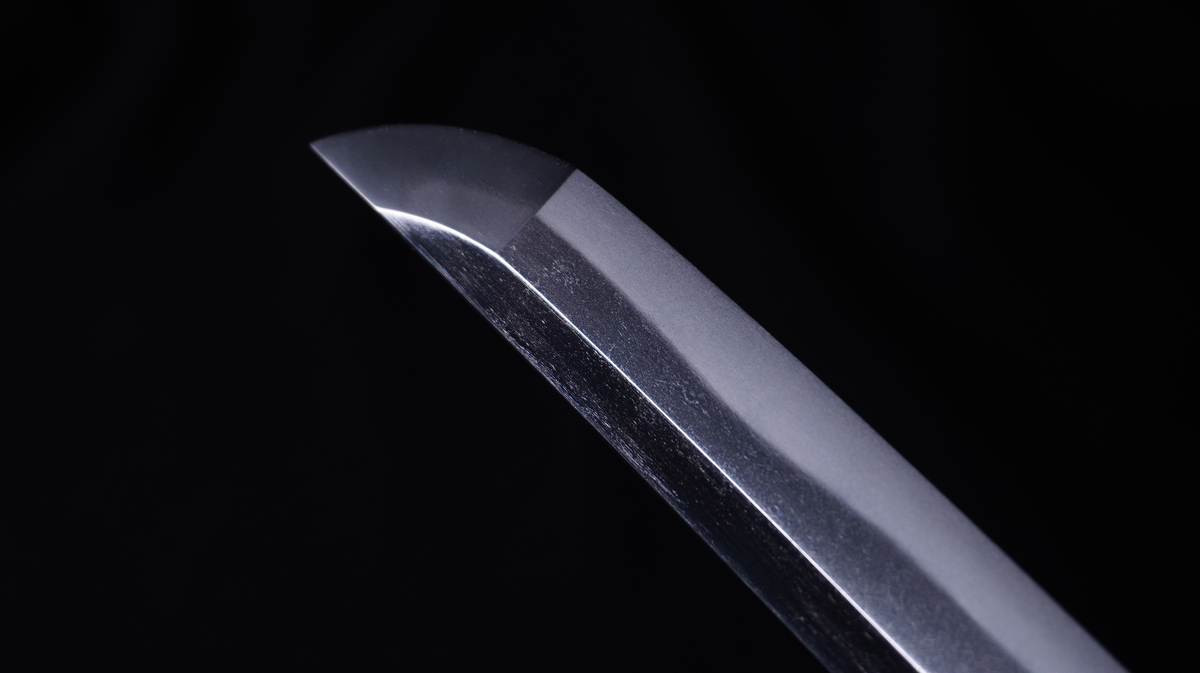
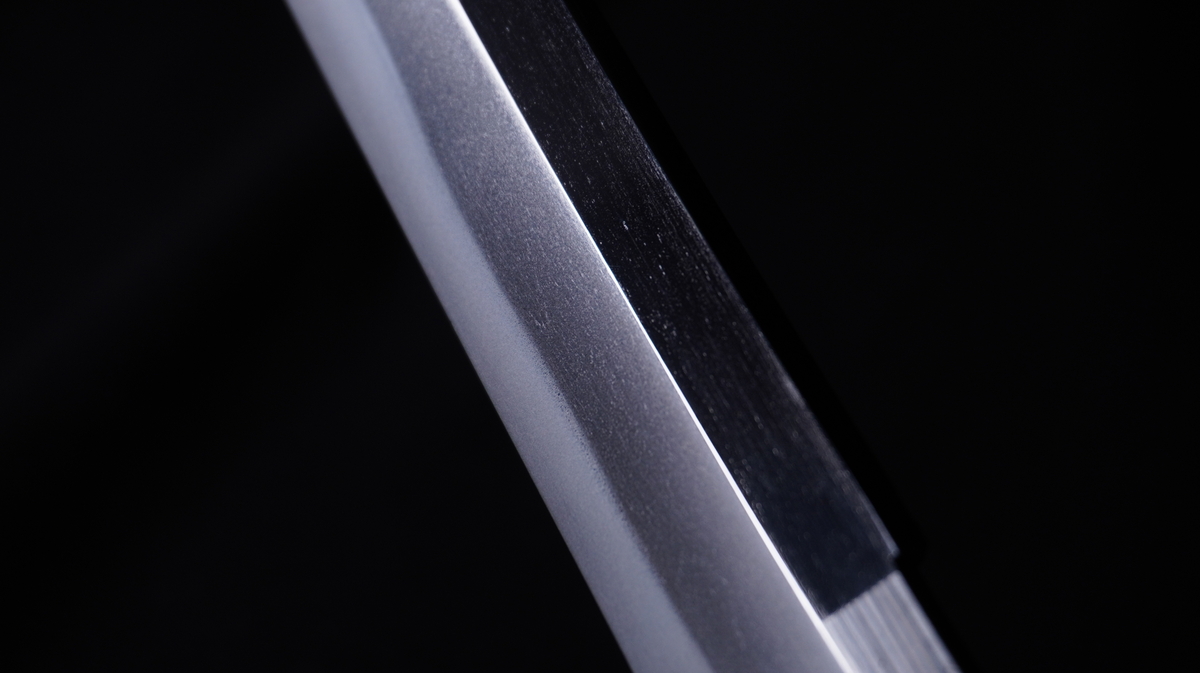
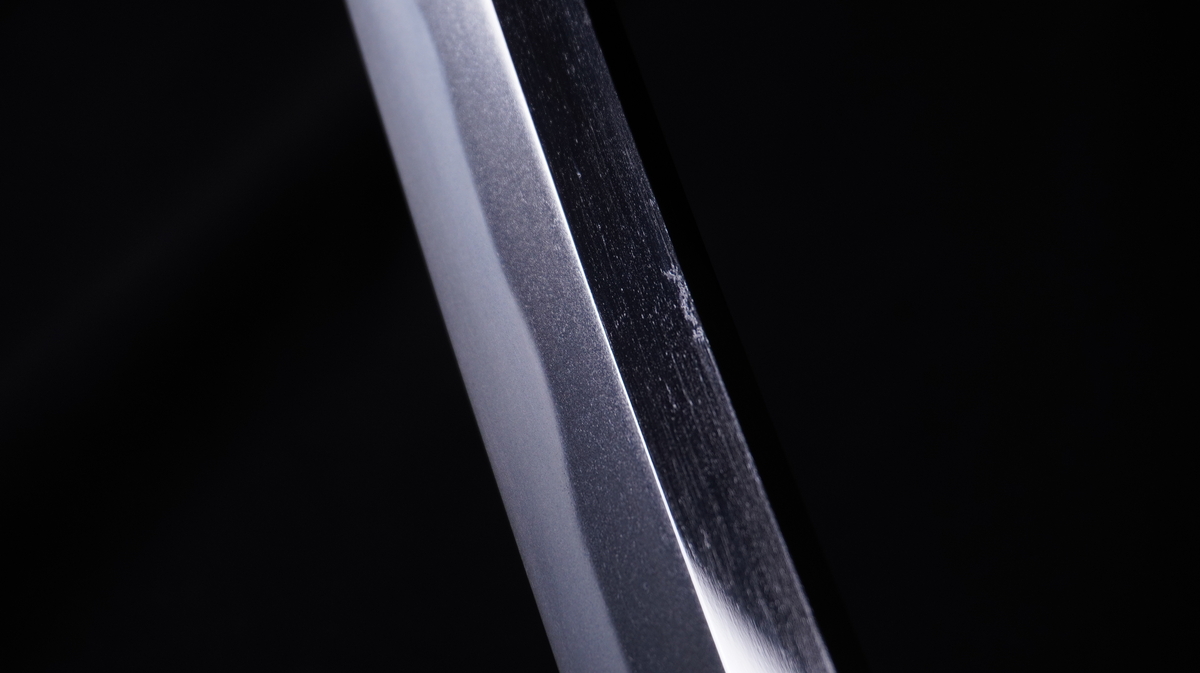
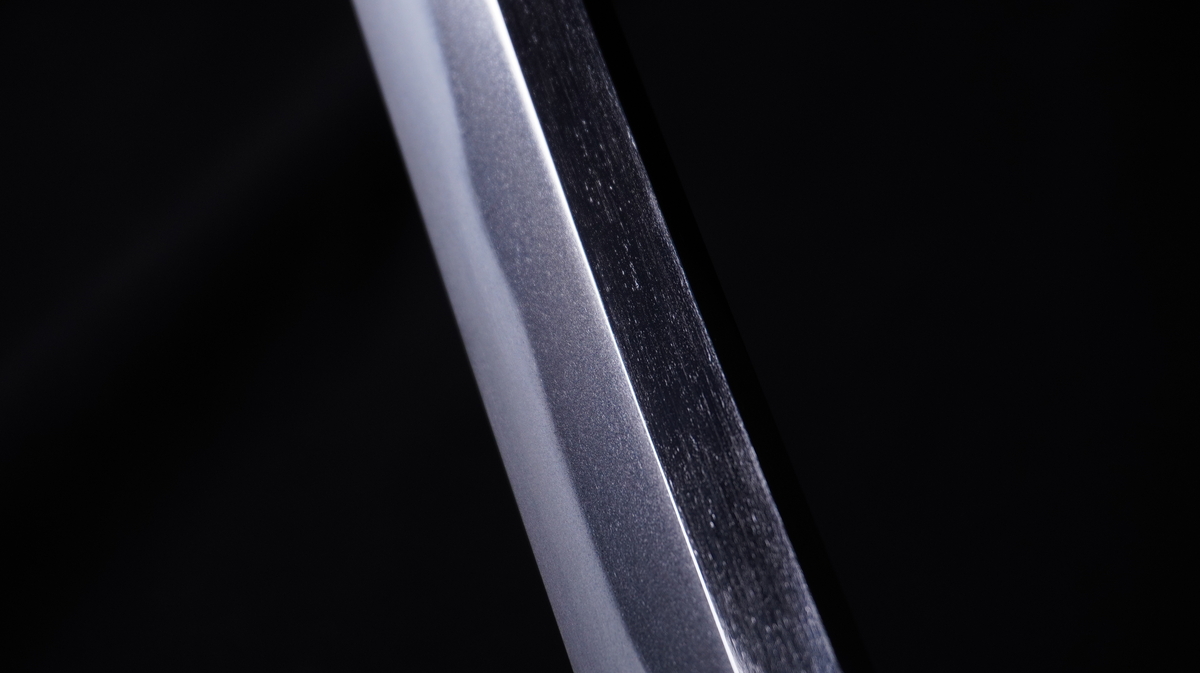
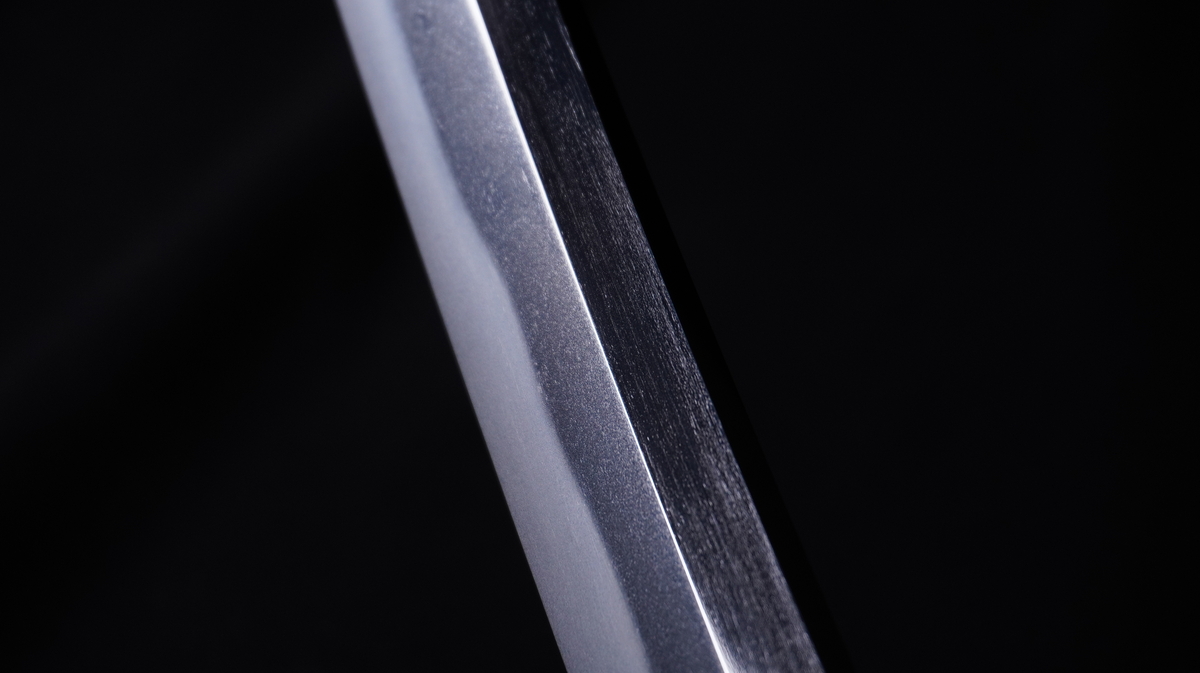
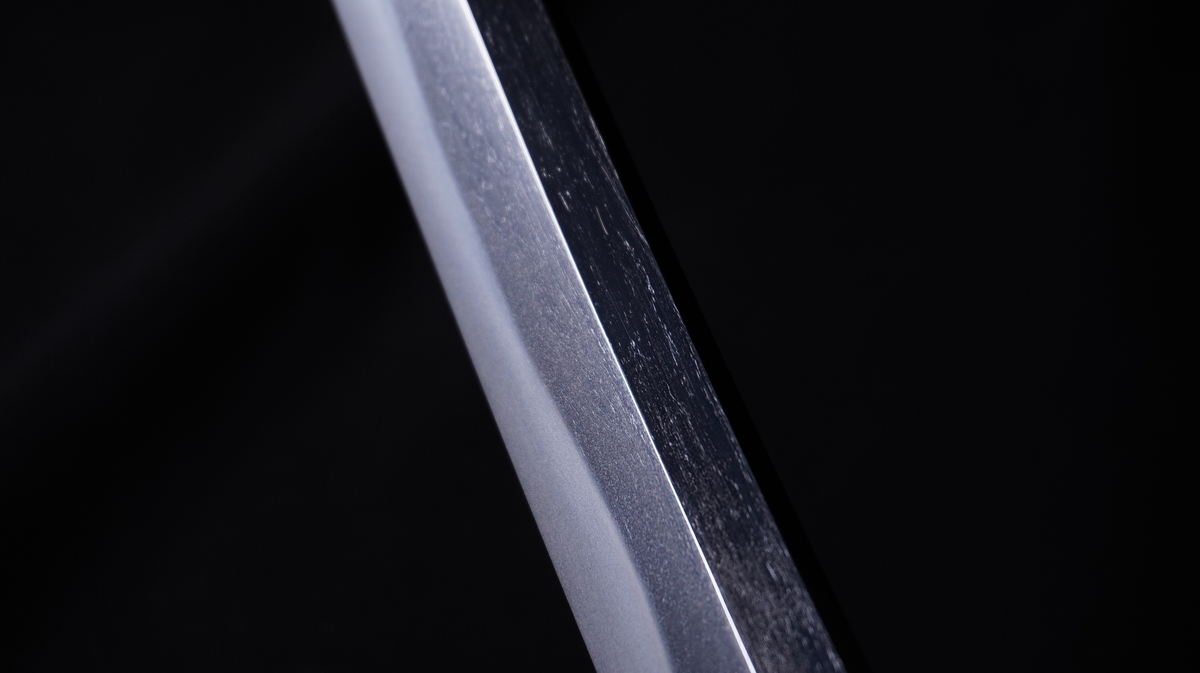
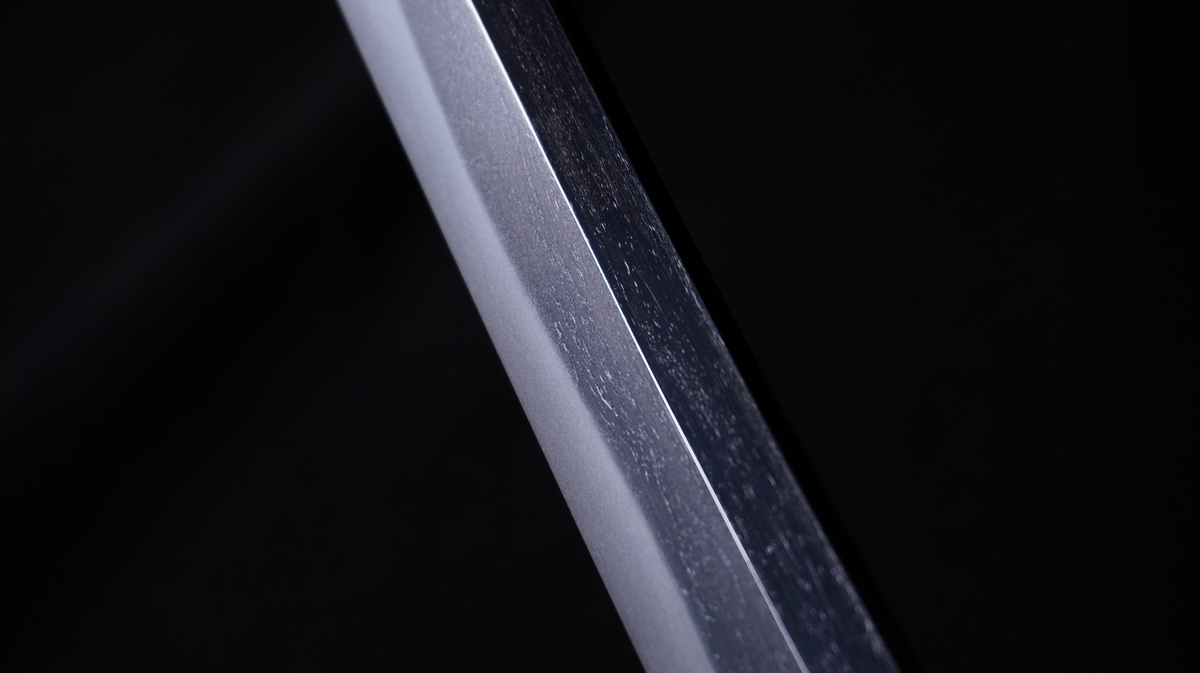
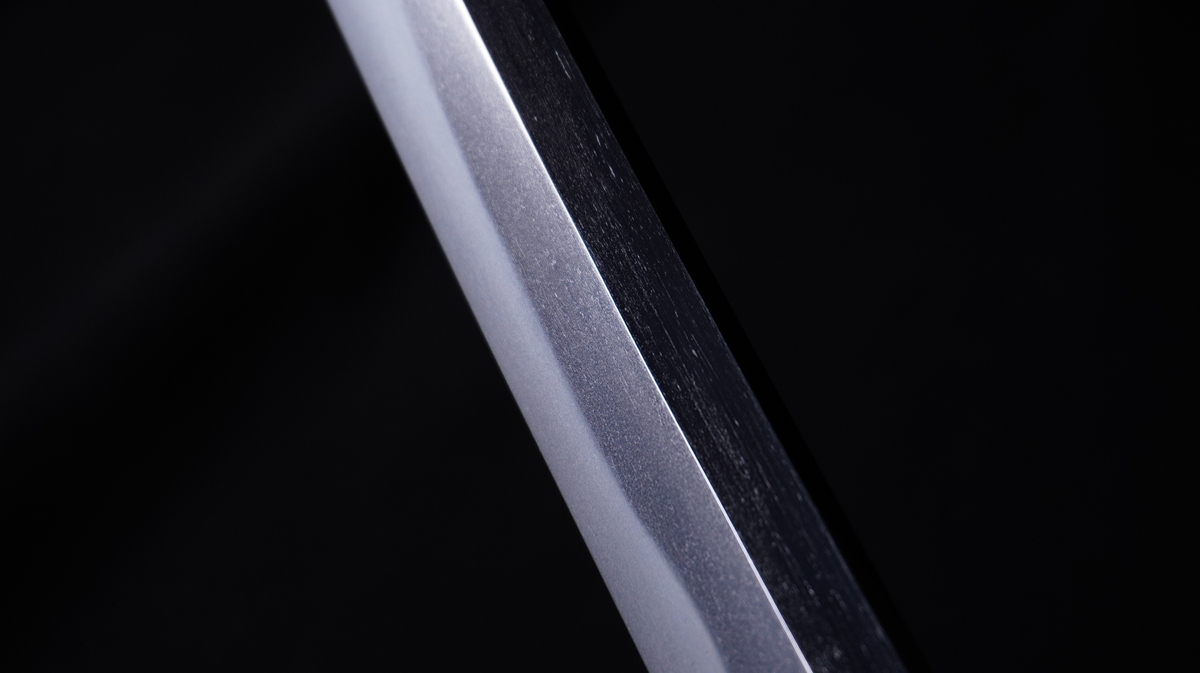
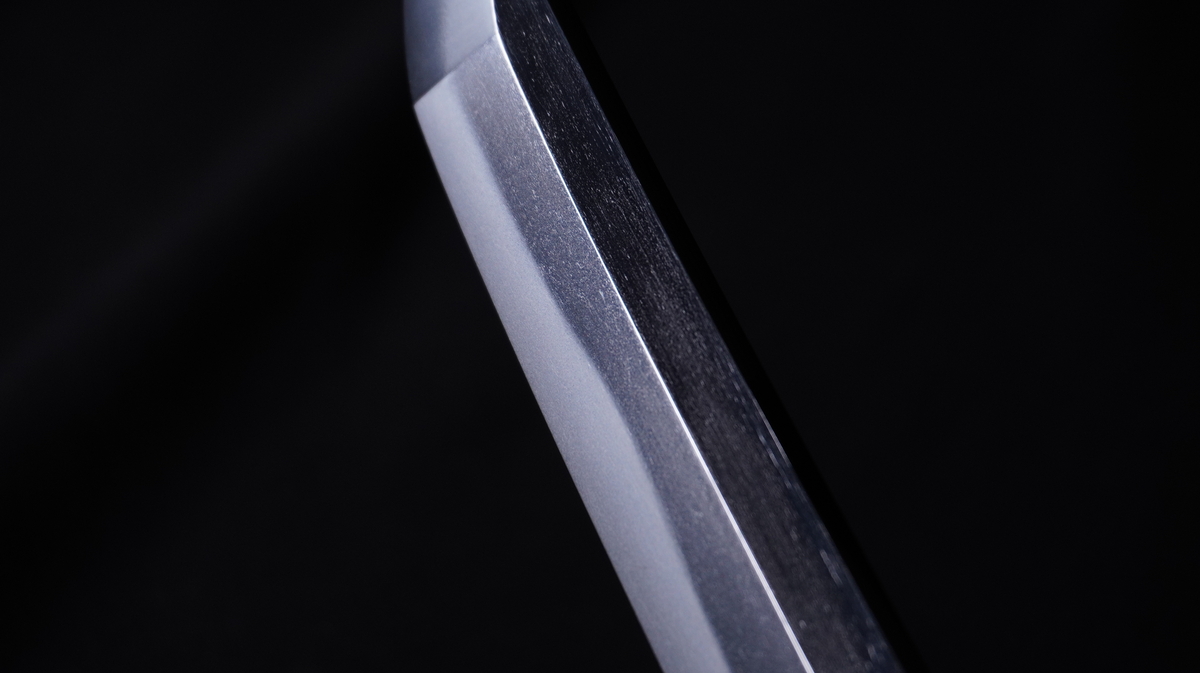
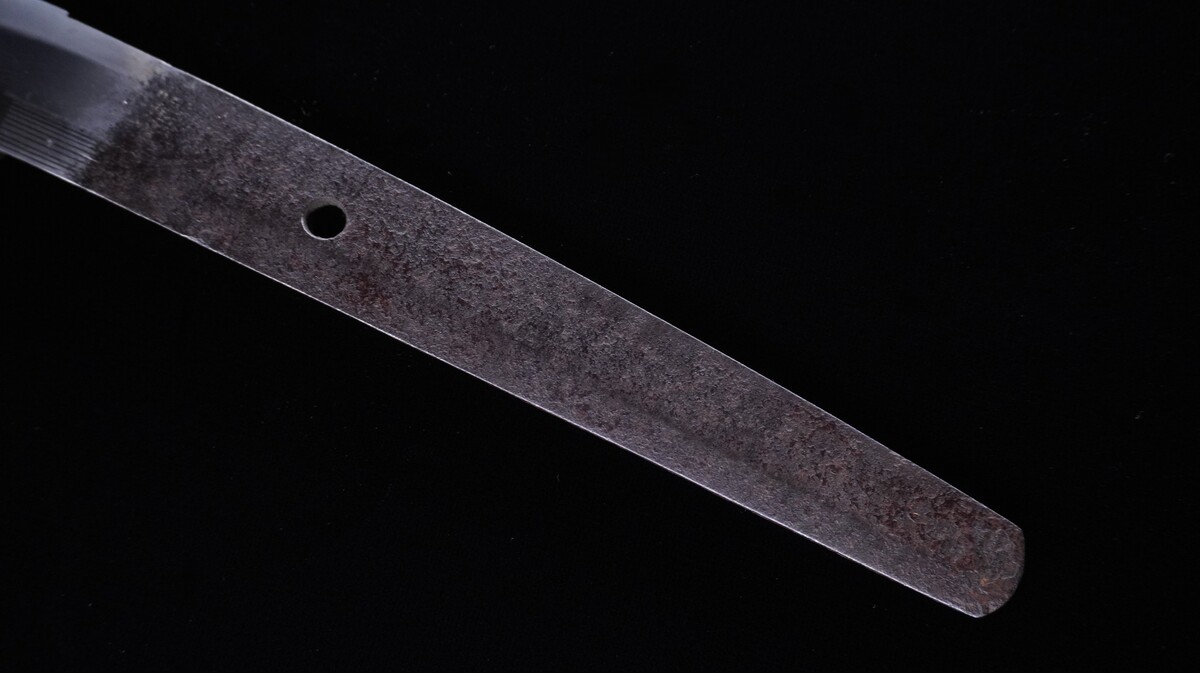
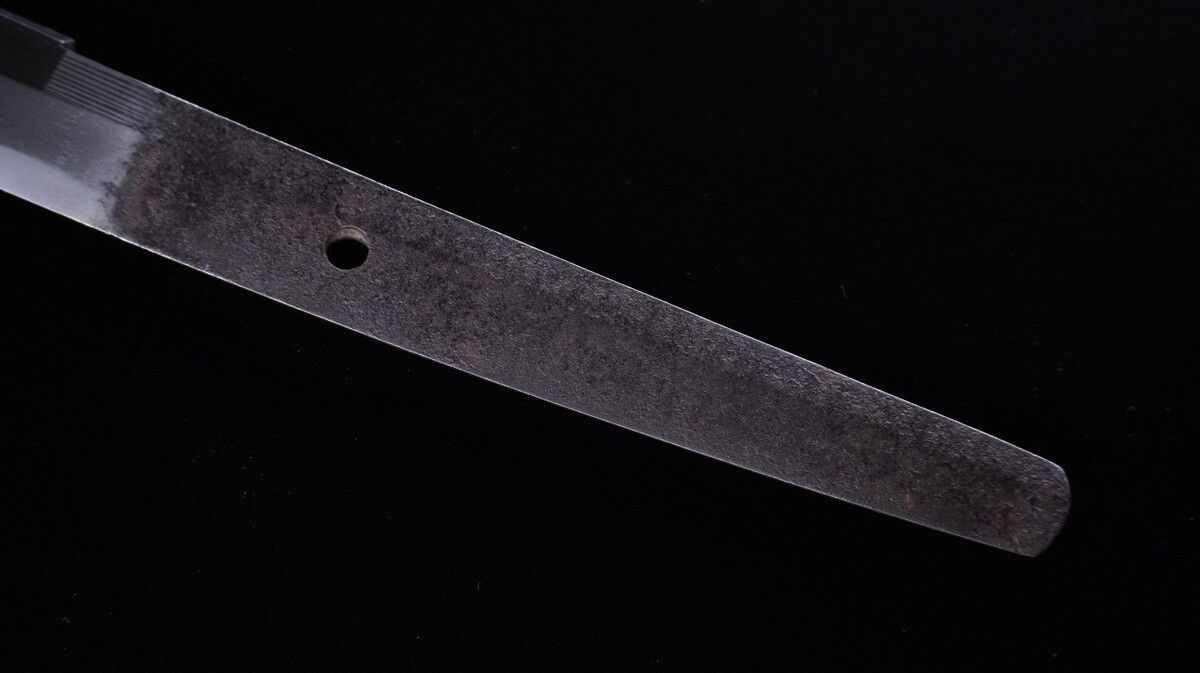
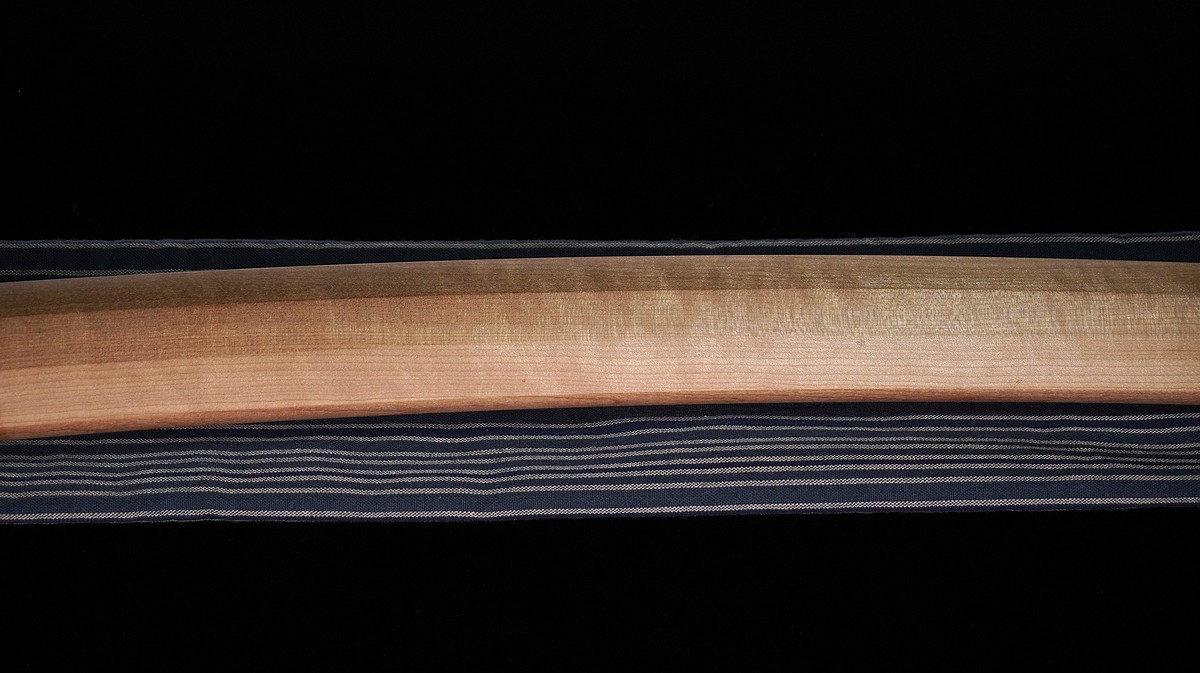
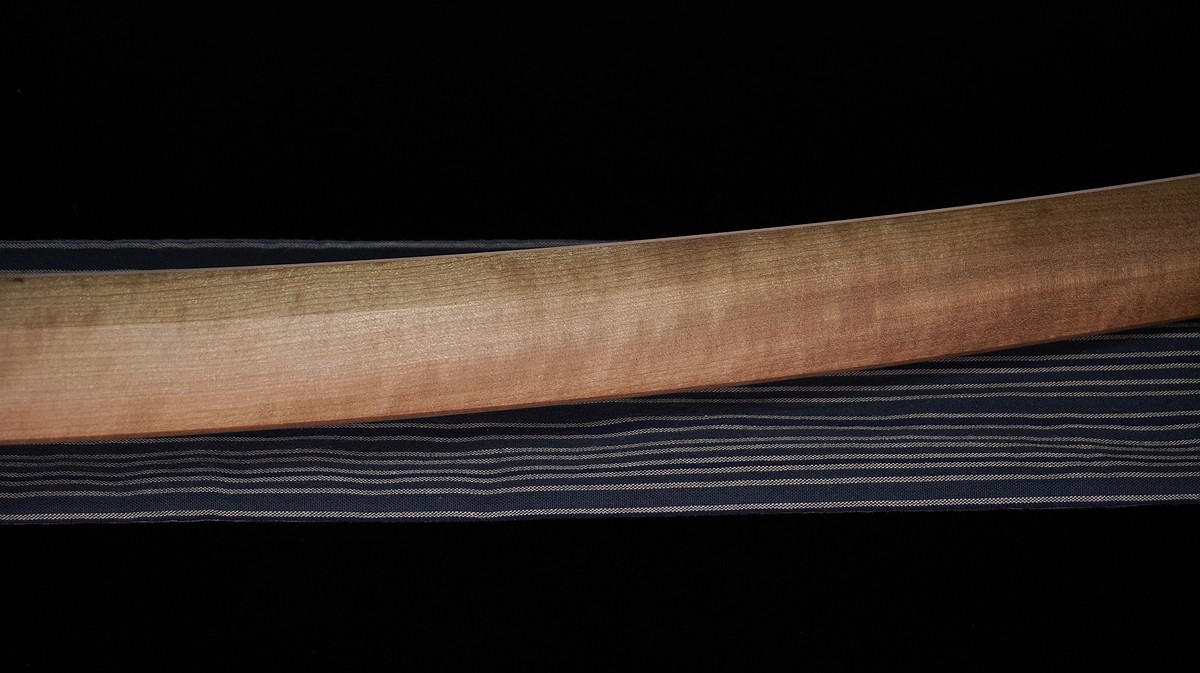
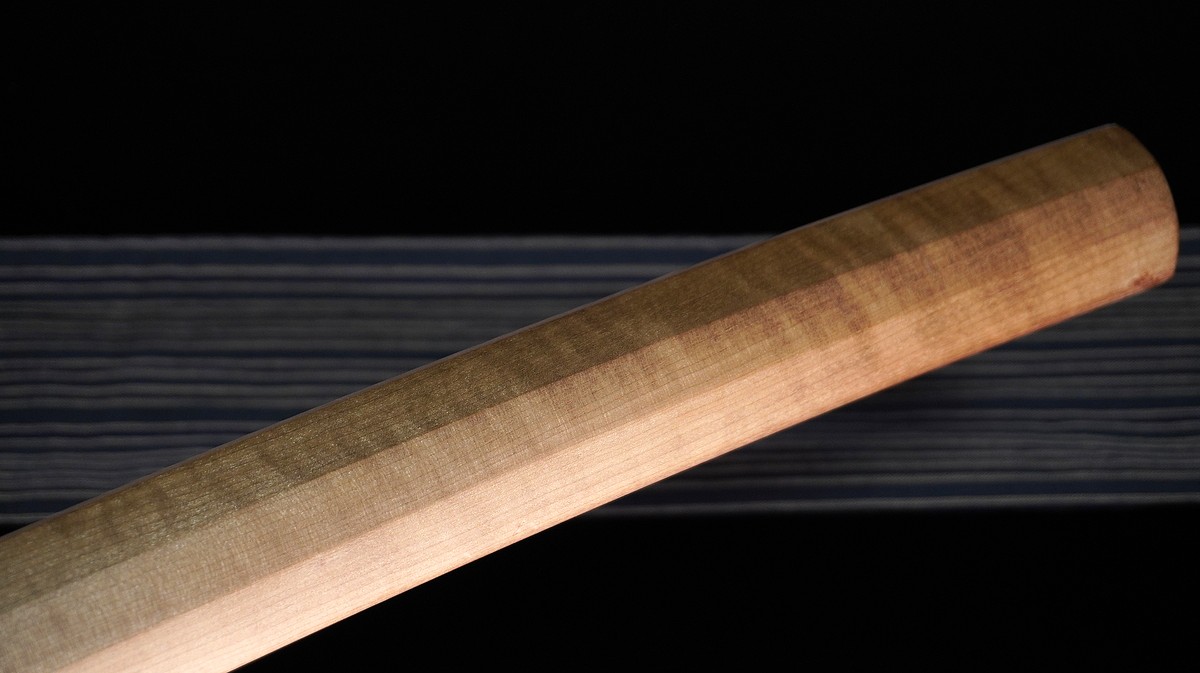
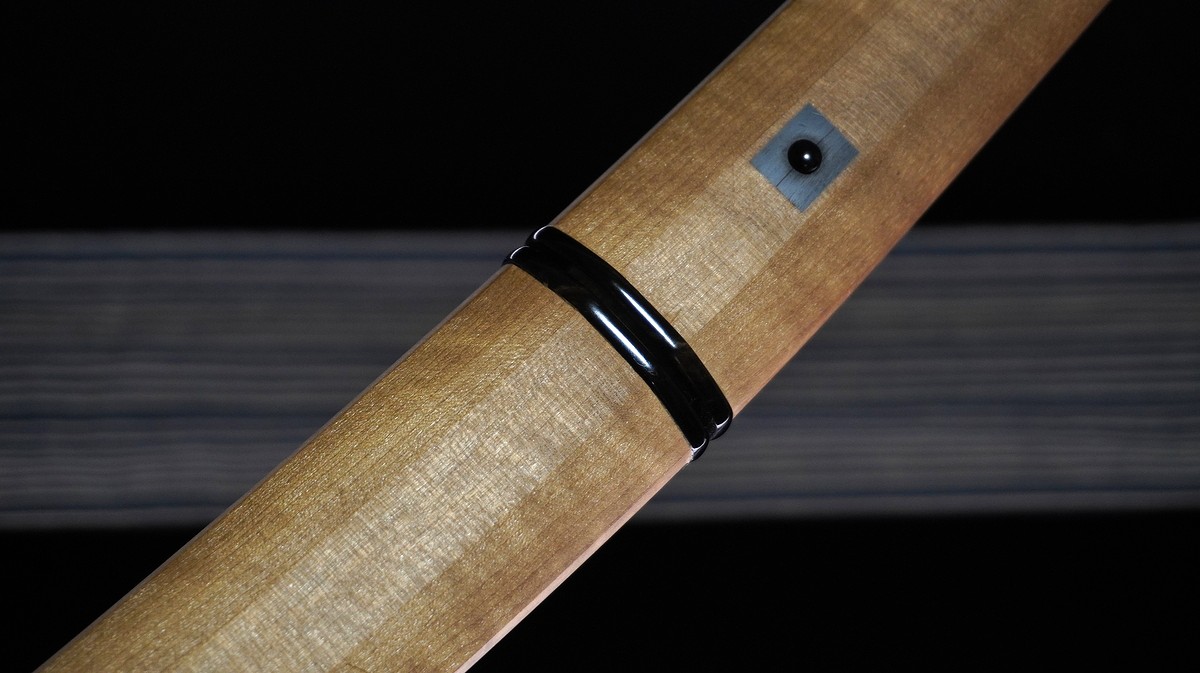
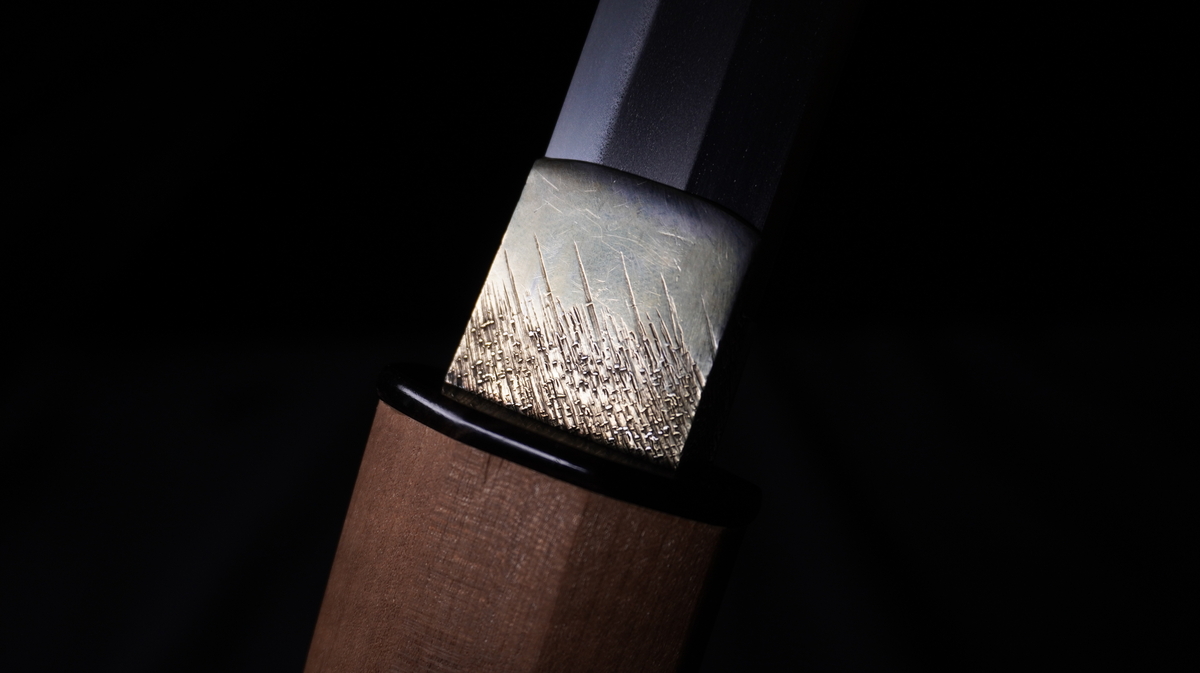
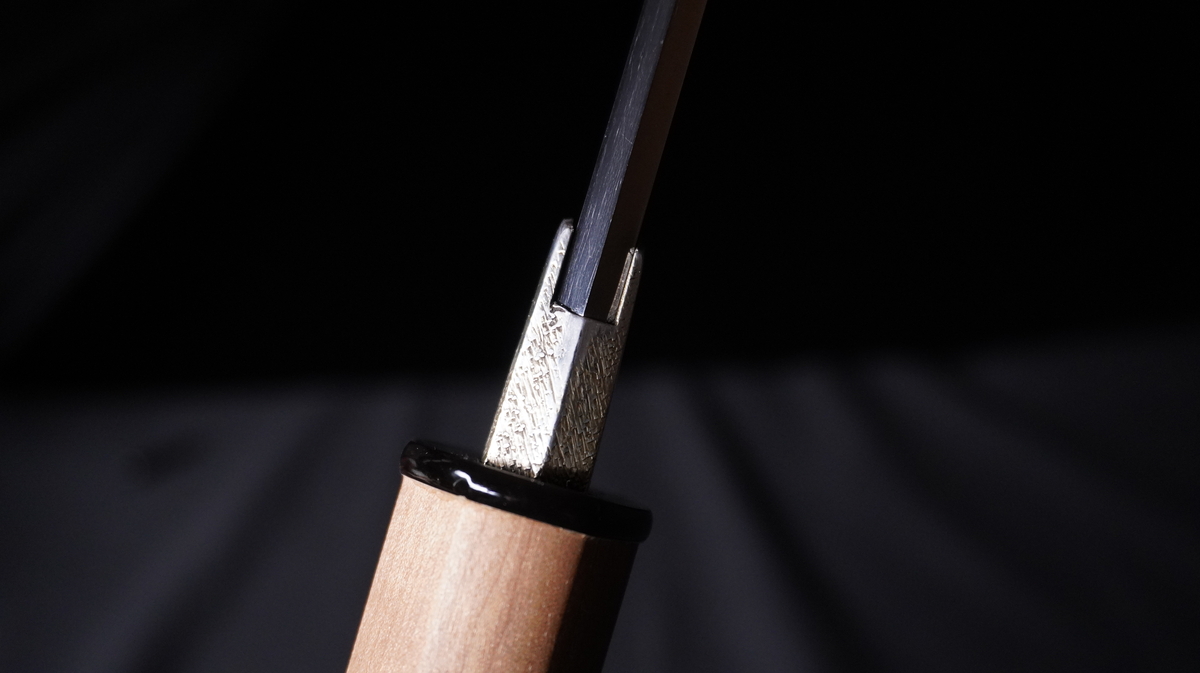
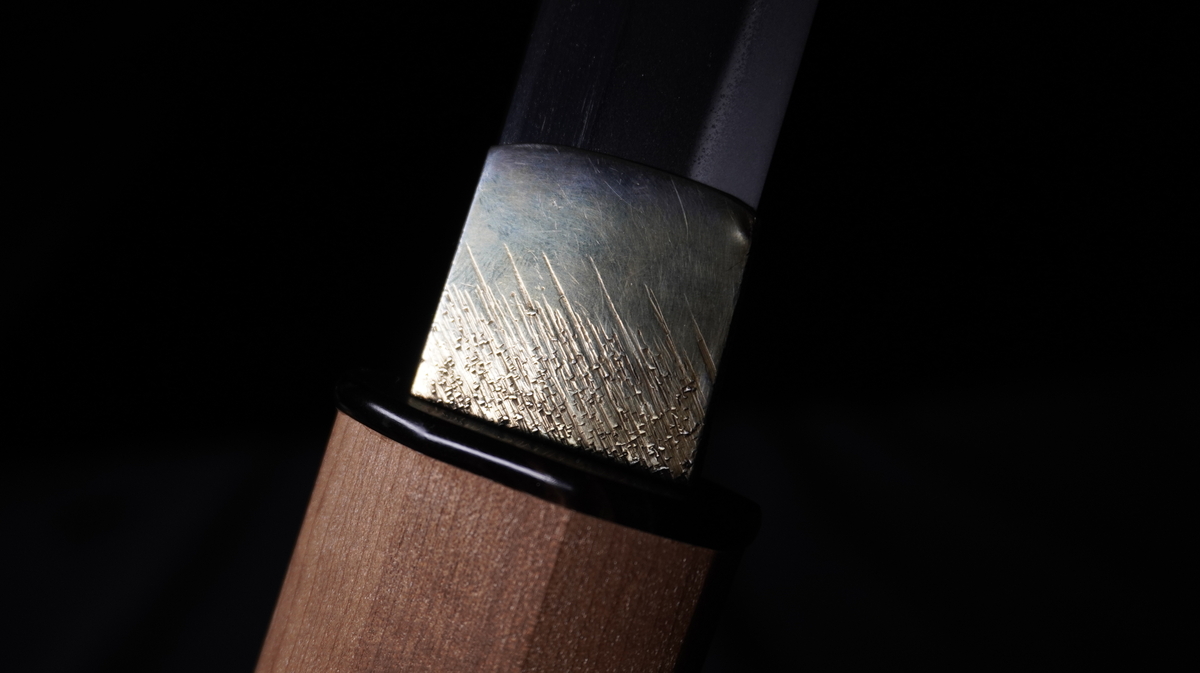
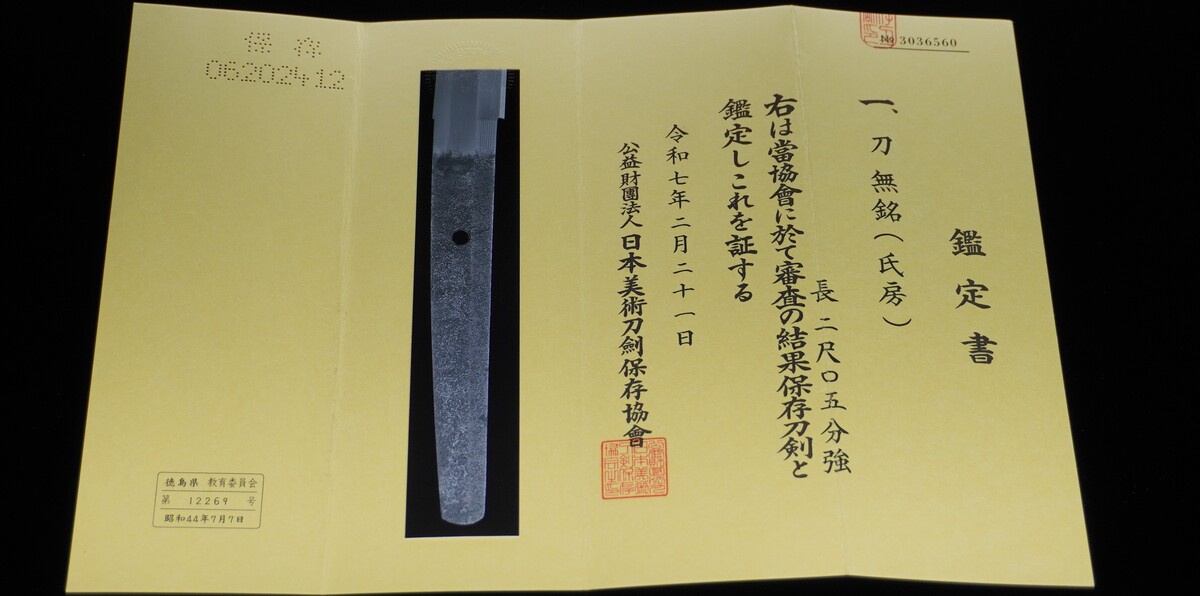
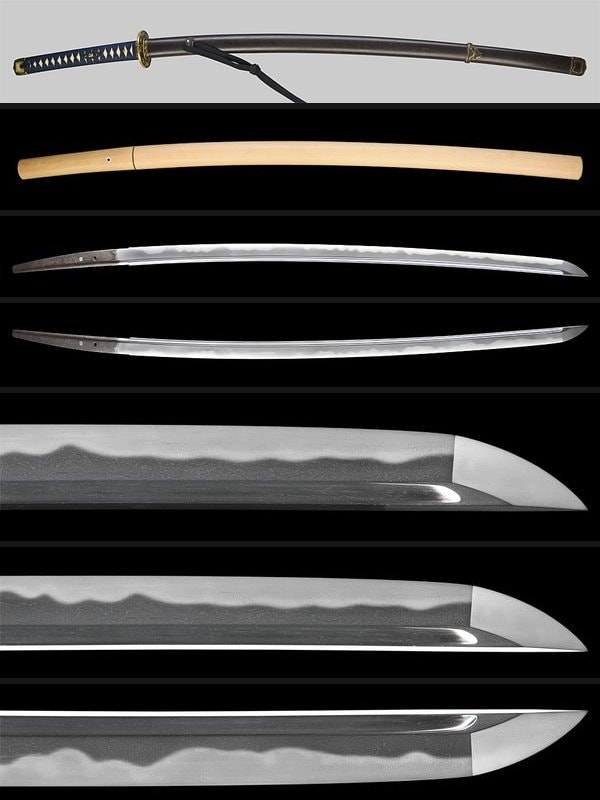
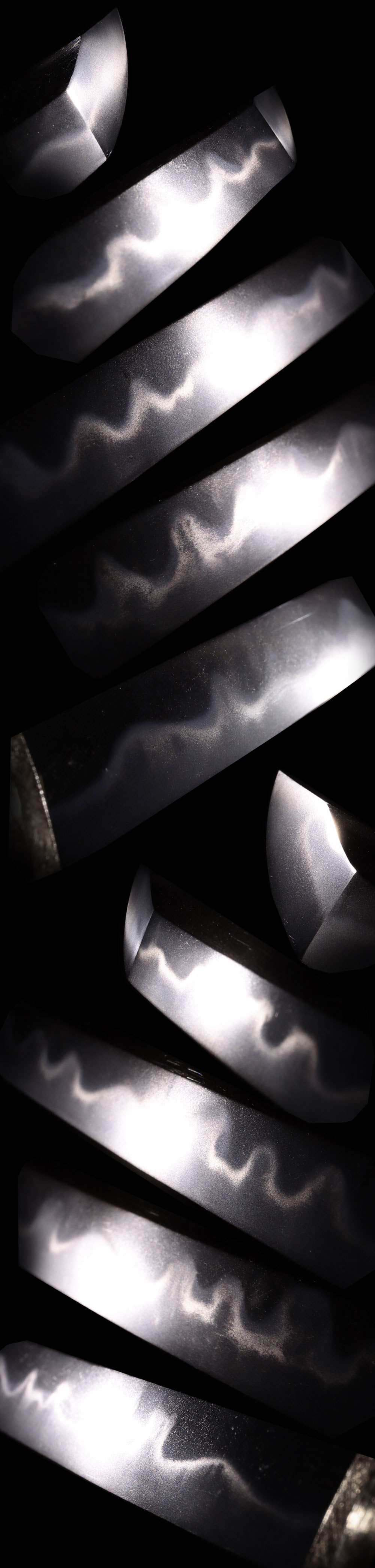
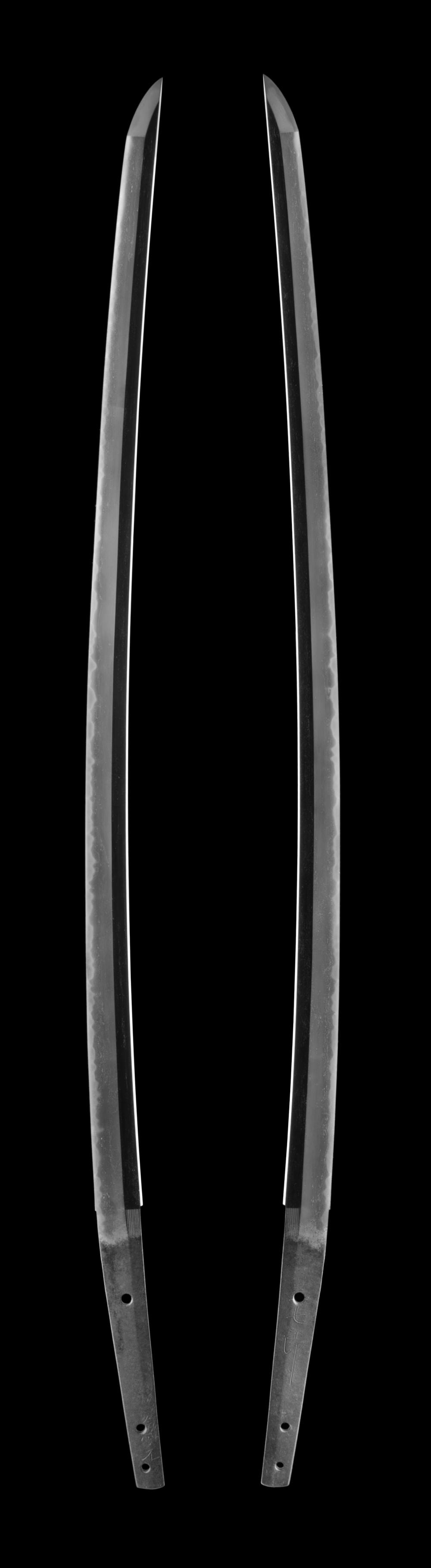
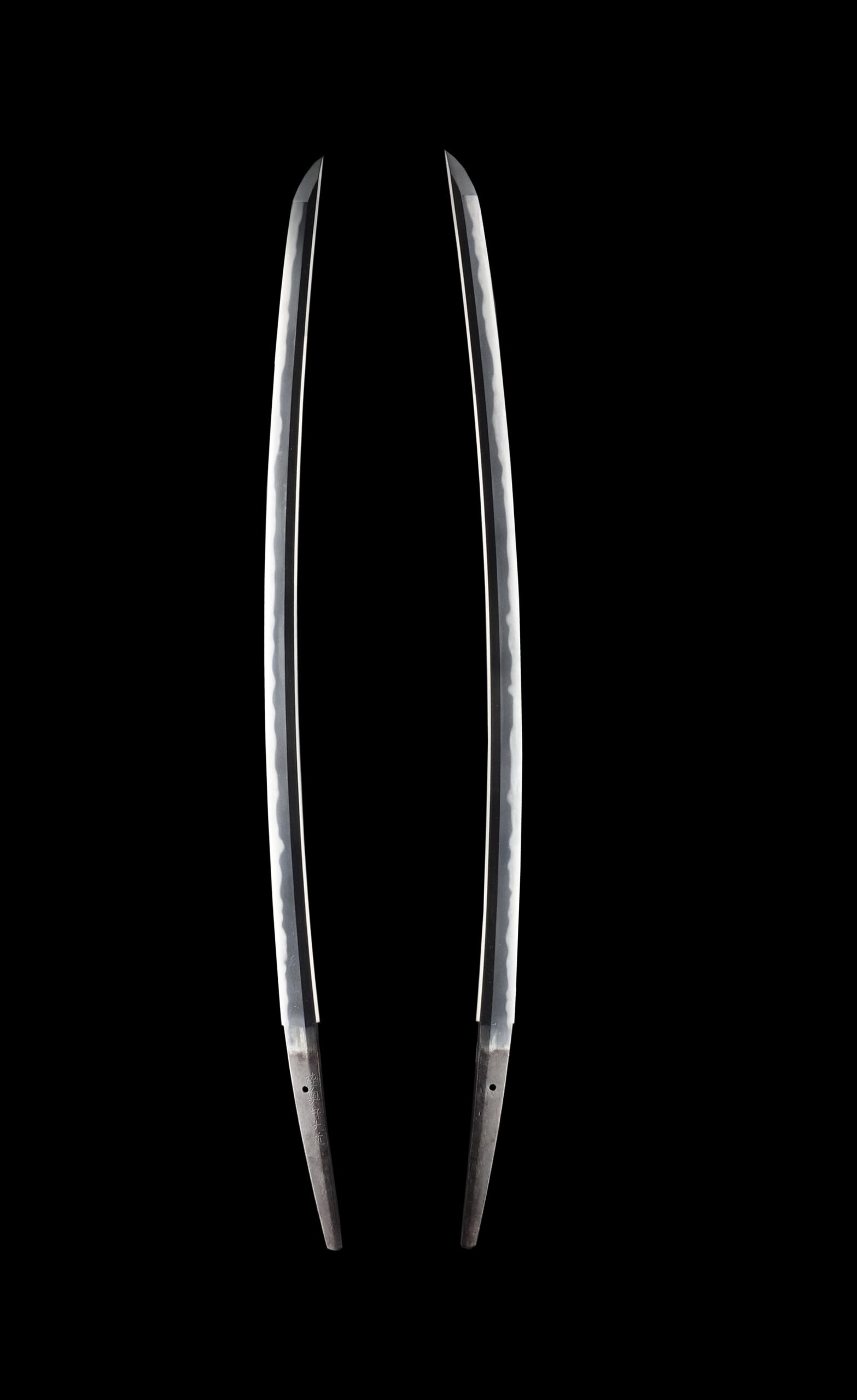
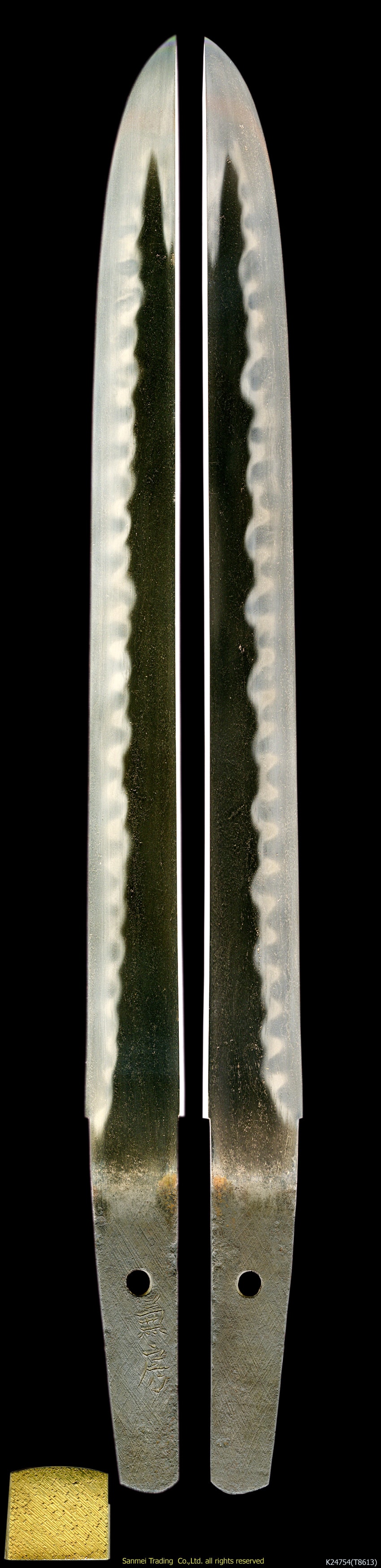
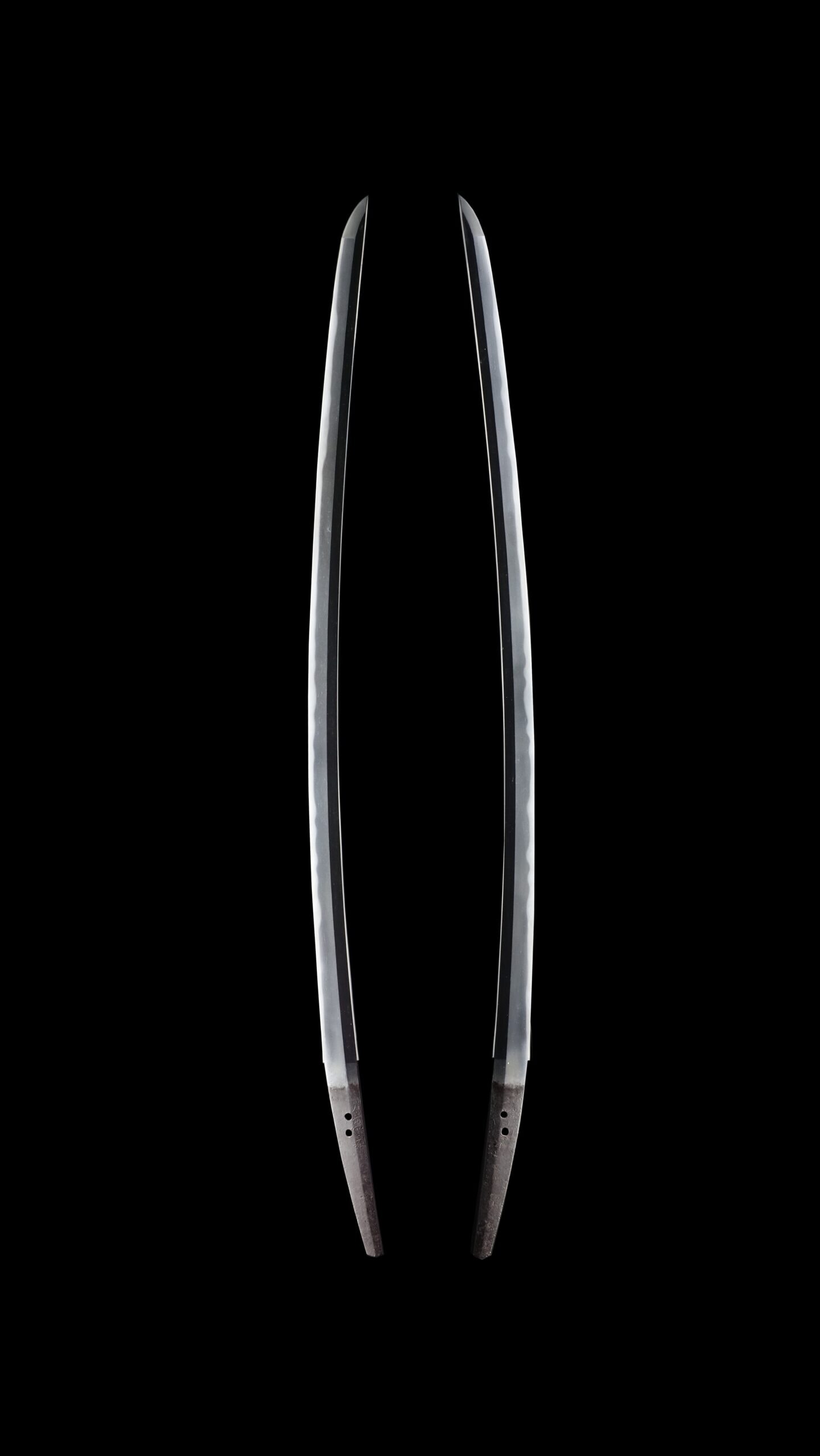
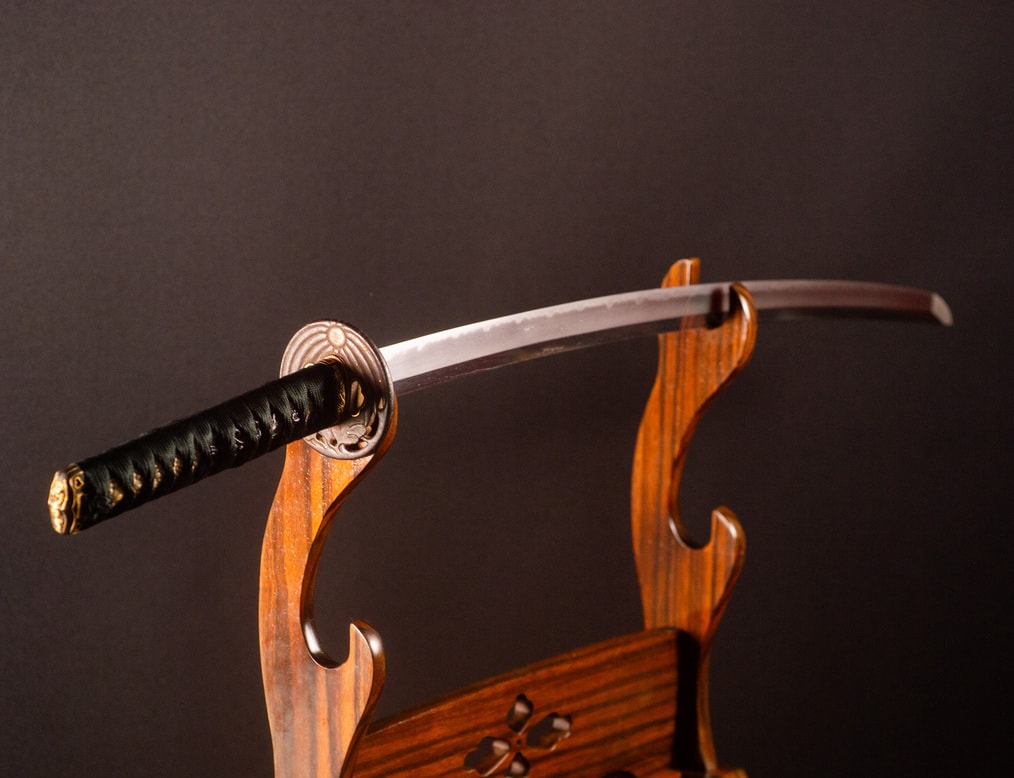
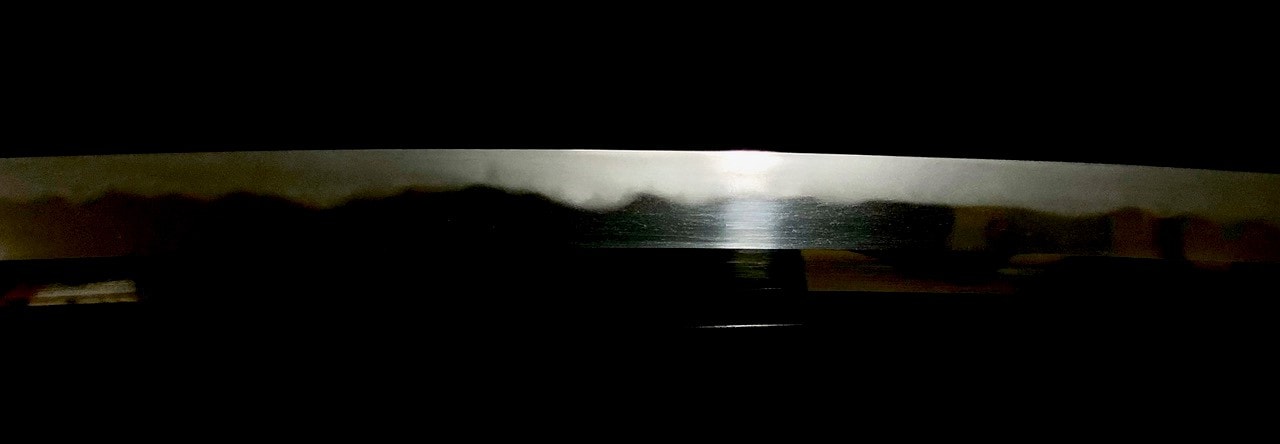
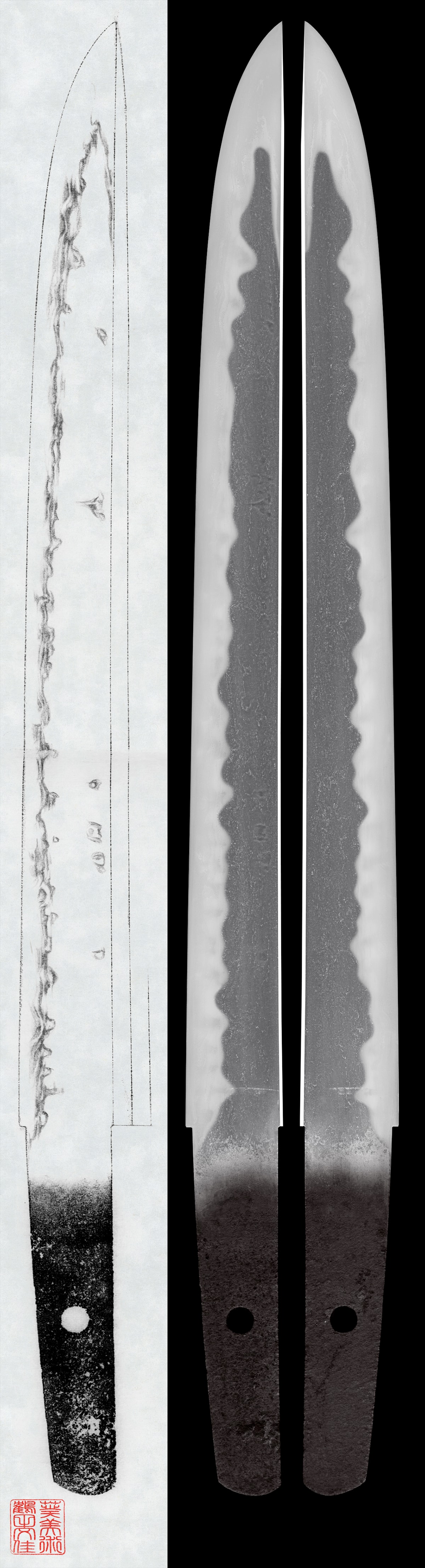
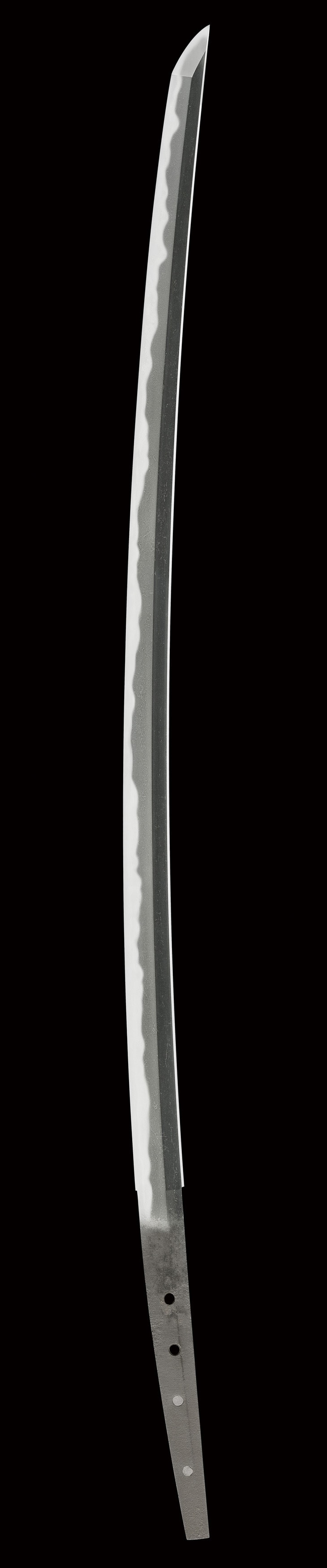
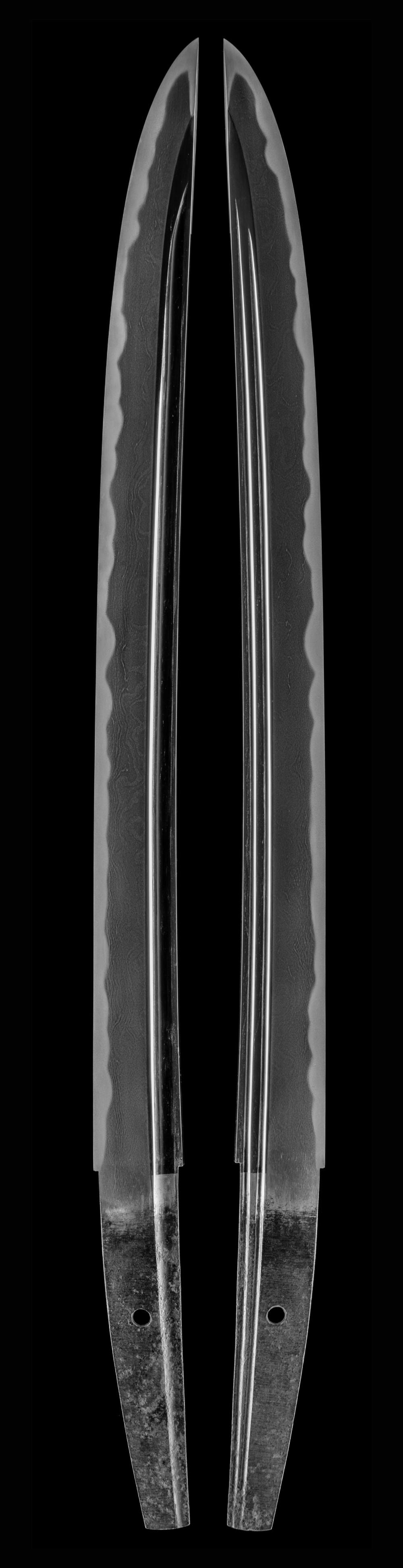
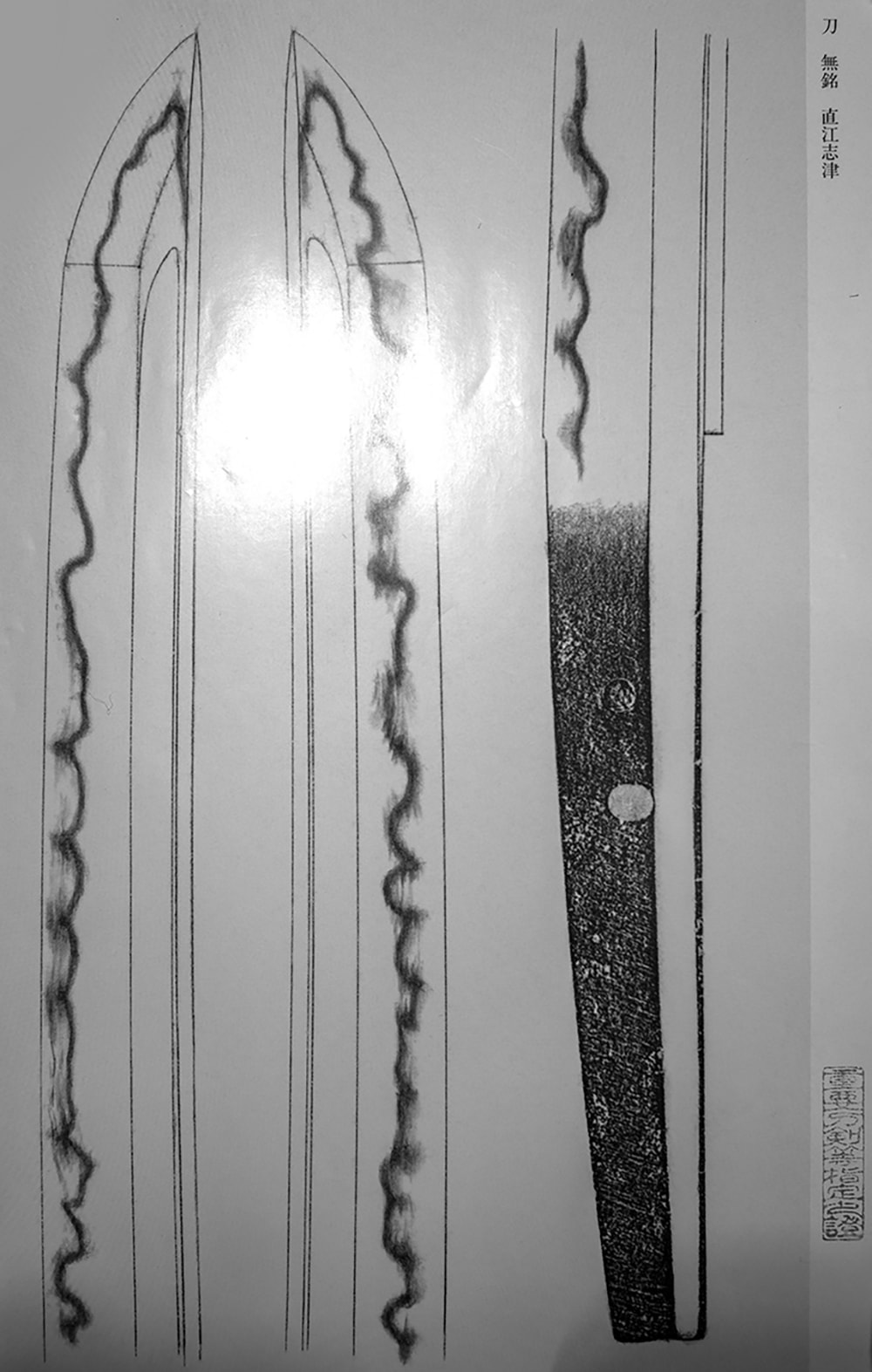
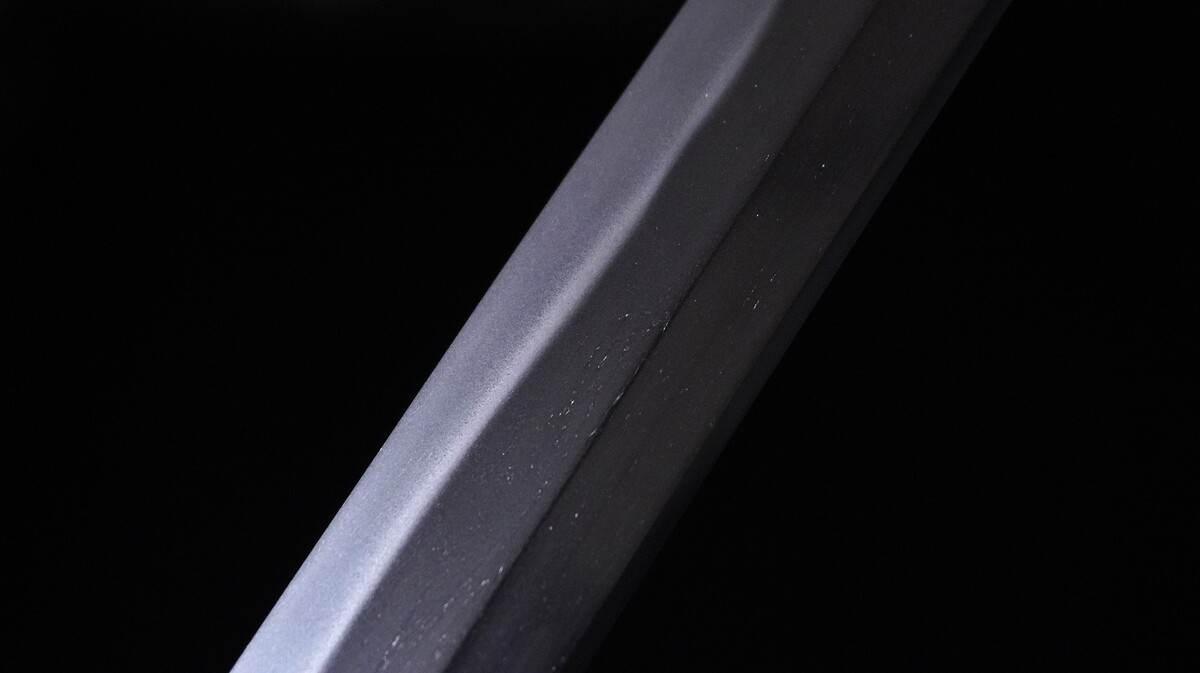
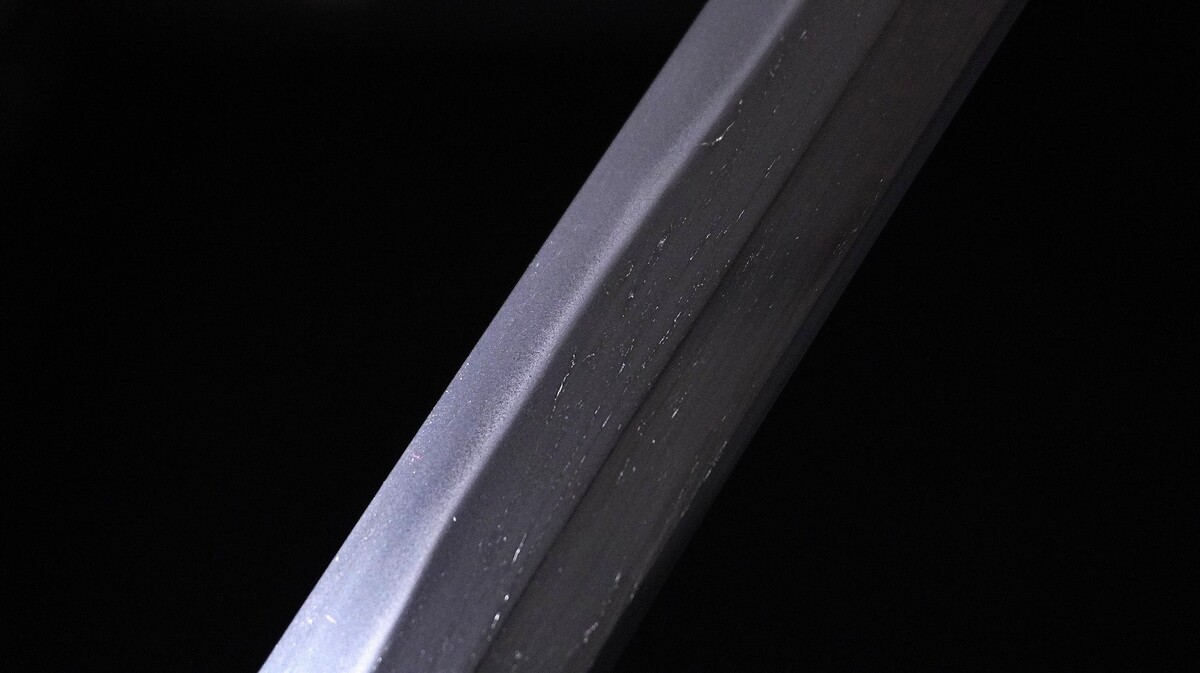
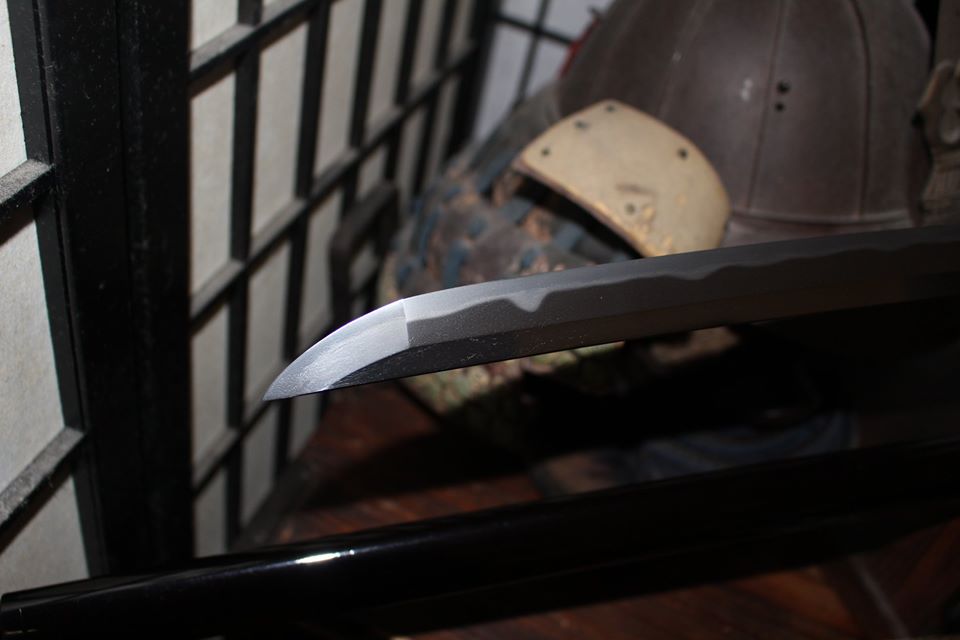
This is a Hozon Token certified katana, unsigned but attributed to Ujifusa, a smith from the late Muromachi period. It features a elegant kodachi-like form with a nagasa of 62.2cm and a sori of 1.8cm. The hamon is gunome, and the jigane is itame mixed with masame, characteristic of the Seki school. It comes with a shirasaya.

NihontoWatch MonNihontoWatch
MarketAuctionsEncyclopedia
Swords›Mino-den›Seki›Ujifusa›Hozon Token: Mumei (Ujifusa)
katanaHozon
Seki Ujifusa

Hozon Token: Mumei (Ujifusa)

mumei · Seki · Muromachi · nagasa 62.2cm · sori 1.8cm

SOLD
Seki Ujifusa — 1 of 75
Seki Ujifusa — 2 of 75
Seki Ujifusa — 3 of 75
Seki Ujifusa — 4 of 75
Seki Ujifusa — 5 of 75
Seki Ujifusa — 6 of 75
Seki Ujifusa — 7 of 75
Seki Ujifusa — 8 of 75
Seki Ujifusa — 9 of 75
Seki Ujifusa — 10 of 75
Seki Ujifusa — 11 of 75
Seki Ujifusa — 12 of 75
Seki Ujifusa — 13 of 75
Seki Ujifusa — 14 of 75
Seki Ujifusa — 15 of 75
Seki Ujifusa — 16 of 75
Seki Ujifusa — 17 of 75
Seki Ujifusa — 18 of 75
Seki Ujifusa — 19 of 75
Seki Ujifusa — 20 of 75
Seki Ujifusa — 21 of 75
Seki Ujifusa — 22 of 75
Seki Ujifusa — 23 of 75
Seki Ujifusa — 24 of 75
Seki Ujifusa — 25 of 75
Seki Ujifusa — 26 of 75
Seki Ujifusa — 27 of 75
Seki Ujifusa — 28 of 75
Seki Ujifusa — 29 of 75
Seki Ujifusa — 30 of 75
Seki Ujifusa — 31 of 75
Seki Ujifusa — 32 of 75
Seki Ujifusa — 33 of 75
Seki Ujifusa — 34 of 75
Seki Ujifusa — 35 of 75
Seki Ujifusa — 36 of 75
Seki Ujifusa — 37 of 75
Seki Ujifusa — 38 of 75
Seki Ujifusa — 39 of 75
Seki Ujifusa — 40 of 75
Seki Ujifusa — 41 of 75
Seki Ujifusa — 42 of 75
Seki Ujifusa — 43 of 75
Seki Ujifusa — 44 of 75
Seki Ujifusa — 45 of 75
Seki Ujifusa — 46 of 75
Seki Ujifusa — 47 of 75
Seki Ujifusa — 48 of 75
Seki Ujifusa — 49 of 75
Seki Ujifusa — 50 of 75
Seki Ujifusa — 51 of 75
Seki Ujifusa — 52 of 75
Seki Ujifusa — 53 of 75
Seki Ujifusa — 54 of 75
Seki Ujifusa — 55 of 75
Seki Ujifusa — 56 of 75
Seki Ujifusa — 57 of 75
Seki Ujifusa — 58 of 75
Seki Ujifusa — 59 of 75
Seki Ujifusa — 60 of 75
Seki Ujifusa — 61 of 75
Seki Ujifusa — 62 of 75
Seki Ujifusa — 63 of 75
Seki Ujifusa — 64 of 75
Seki Ujifusa — 65 of 75
Seki Ujifusa — 66 of 75
Seki Ujifusa — 67 of 75
Seki Ujifusa — 68 of 75
Seki Ujifusa — 69 of 75
Seki Ujifusa — 70 of 75
Seki Ujifusa — 71 of 75
Seki Ujifusa — 72 of 75
Seki Ujifusa — 73 of 75
Seki Ujifusa — 74 of 75
Seki Ujifusa — 75 of 75
1 / 75
1 / 75
Seki Ujifusa — 1 of 75Seki Ujifusa — 2 of 75Seki Ujifusa — 3 of 75Seki Ujifusa — 4 of 75Seki Ujifusa — 5 of 75Seki Ujifusa — 6 of 75Seki Ujifusa — 7 of 75Seki Ujifusa — 8 of 75Seki Ujifusa — 9 of 75Seki Ujifusa — 10 of 75Seki Ujifusa — 11 of 75Seki Ujifusa — 12 of 75Seki Ujifusa — 13 of 75Seki Ujifusa — 14 of 75Seki Ujifusa — 15 of 75Seki Ujifusa — 16 of 75Seki Ujifusa — 17 of 75Seki Ujifusa — 18 of 75Seki Ujifusa — 19 of 75Seki Ujifusa — 20 of 75Seki Ujifusa — 21 of 75Seki Ujifusa — 22 of 75Seki Ujifusa — 23 of 75Seki Ujifusa — 24 of 75Seki Ujifusa — 25 of 75Seki Ujifusa — 26 of 75Seki Ujifusa — 27 of 75Seki Ujifusa — 28 of 75Seki Ujifusa — 29 of 75Seki Ujifusa — 30 of 75Seki Ujifusa — 31 of 75Seki Ujifusa — 32 of 75Seki Ujifusa — 33 of 75Seki Ujifusa — 34 of 75Seki Ujifusa — 35 of 75Seki Ujifusa — 36 of 75Seki Ujifusa — 37 of 75Seki Ujifusa — 38 of 75Seki Ujifusa — 39 of 75Seki Ujifusa — 40 of 75Seki Ujifusa — 41 of 75Seki Ujifusa — 42 of 75Seki Ujifusa — 43 of 75Seki Ujifusa — 44 of 75Seki Ujifusa — 45 of 75Seki Ujifusa — 46 of 75Seki Ujifusa — 47 of 75Seki Ujifusa — 48 of 75Seki Ujifusa — 49 of 75Seki Ujifusa — 50 of 75Seki Ujifusa — 51 of 75Seki Ujifusa — 52 of 75Seki Ujifusa — 53 of 75Seki Ujifusa — 54 of 75Seki Ujifusa — 55 of 75Seki Ujifusa — 56 of 75Seki Ujifusa — 57 of 75Seki Ujifusa — 58 of 75Seki Ujifusa — 59 of 75Seki Ujifusa — 60 of 75Seki Ujifusa — 61 of 75Seki Ujifusa — 62 of 75Seki Ujifusa — 63 of 75Seki Ujifusa — 64 of 75Seki Ujifusa — 65 of 75Seki Ujifusa — 66 of 75Seki Ujifusa — 67 of 75Seki Ujifusa — 68 of 75Seki Ujifusa — 69 of 75Seki Ujifusa — 70 of 75Seki Ujifusa — 71 of 75Seki Ujifusa — 72 of 75Seki Ujifusa — 73 of 75Seki Ujifusa — 74 of 75Seki Ujifusa — 75 of 75
Measurements & details
Smith
Seki Ujifusa
Type
Katana
School
Seki
Period
Around 1571–1592(Tensho)
Province
Mino
Signature
Unsigned(100% of this smith's designated works are signed)
Measurements
Nagasa 62.2cmSori 1.8cmMotohaba 2.7cmSakihaba 2.06cmKasane 0.62cmWeight 575g
Description

This is a Hozon Token certified katana, unsigned but attributed to Ujifusa, a smith from the late Muromachi period. It features a elegant kodachi-like form with a nagasa of 62.2cm and a sori of 1.8cm. The hamon is gunome, and the jigane is itame mixed with masame, characteristic of the Seki school. It comes with a shirasaya.

About the maker

Ujifusa

氏房

Seki (late-Mino Sue-Seki; Wakasa no Kami line, son of Kanefusa) · Mino · around 1571-1592

3 pieces on the market now

›

Wakasa no Kami Ujifusa worked at Seki in Mino through the Genki and Tensho years of the late sixteenth century, and the published sources count him among the representative smiths of Sue-Seki, the last and largest body of the Mino tradition. He was the son of Seki Kanefusa, and the published record preserves a telling detail of his name: he at first succeeded to his father's name Kanefusa, and only later changed to Ujifusa, the character Uji said to have been granted to him by Imagawa Ujizane. He received the title Wakasa no Kami in Eiroku 13, and a Reiwa-designated katana still carries the residence inscription Bishu Kiyosu ju, the record of his removal in old age from Seki to Kiyosu in Owari. That move matters beyond his own work, for his son became Hida no Kami Ujifusa, the founder of the Owari Ujifusa line and one of the three founding masters of Owari shinto, so the father stands at the hinge where the old Mino tradition passes into the new Owari work.

His representative work is the broad katana, and a Genki-dated blade is the type: shinogi-zukuri with iori-mune, generous in mihaba with a chu- or large kissaki, several extended and a few slightly shortened, the build the published sources read as evidence that by the Genki years the uchigatana had grown long in place of the tachi and was carried in both hands. Over this body he tempers a notare or a broad large-gunome into which the pointed togariba of Mino enter, with ashi and yo, the nioiguchi running from tight and subdued to bright, ko-nie attached with sunagashi and patches of tobiyaki. The togariba mixed into the undulating temper is the Mino tell of his ordinary katana, the feature that places him squarely in the Seki body rather than to one side of it. The published record calls one such blade his representative work, a piece of imposing construction with a grand and open temper, a quiet superlative the institution rarely spends[[c:1]].

The jigane carries the same Seki character. His itame stands rather than tightening, flowing in places to nagare-hada with the masame gathering at the shinogi-ji, and ji-nie adheres over it, with chikei entering on his more vigorous blades. This standing, flowing jigane is the late-Mino surface, and it is the bed on which his nie and his tobiyaki sit; on a recent katana the published sources read a strong Genki-Tensho build with a robust open midare, the nioiguchi bright and the nie well gathered, the jigane and hamon alike well preserved. The boshi answers the temper below it, running midare-komi to a ko-maru on most of his katana and pointed and brushed in hakikake on others, while on a number of his blades the temper carries fully over the point in an ichimai face[[c:2]], the published sources reading one Reiwa-designated katana as an outright ichimai with the kaeri tempered long down the back and a Showa-designated blade as a midare-komi almost in the manner of ichimai turning back in ko-maru[[c:3]]; a plain bo-hi is carried through the blade. These are not the cool, regular Seki blades of the workshop average but the bolder, freer end of the tradition, and they are why the published sources hold work of this quality from his hand uncommon.

Against this broad katana manner stands a second and rarer face, seen on his tanto: a Yamashiro copy. A Tensho-dated hira-zukuri tanto is the surviving example, slightly wide for its length with a thick kasane and inner curvature, and over a ko-itame flowing overall, the masame especially strong on the omote, the ji-nie gathers finely and a whitish shirake-utsuri rises in the jigane. The temper is a narrow hoso-suguha, nioi-prevalent with a tight, controlled nioiguchi and ko-nie, the boshi running straight to a quiet ko-maru, the carving a gomabashi on the face and a koshi-bi at the base of the back. Of this register the published sources observe that the Seki work of the Genki-Tensho period often shows such Yamashiro-mono copies[[c:4]], and they rank this one as well composed and of fine quality, among Ujifusa's superior pieces[[c:5]]. The carving program reads off the form: where his katana carry the plain bo-hi, the devotional gomabashi and the short koshi-bi belong to the hira-zukuri tanto.

His place in the school is best taken from his own attested traits rather than borrowed comparison. He is a Sue-Seki smith whose hand is recognized in the standing itame, the togariba folded into a broad notare or large-gunome, and the occasional turn to a refined Yamashiro-copy suguha; the bright open midare and the bo-hi katana are the spine of his work, the quiet shirake-utsuri tanto its grace note. The lineage runs cleanly through him. He took the Mino body from his father Kanefusa and carried it, with the move to Kiyosu, to the threshold of Owari, where his son Hida no Kami Ujifusa would refine the broad notare into a settled Owari shinto manner and be numbered with Masatsune and Nobutaka as one of the three founders of that school. The published sources note that several generations continued under the name, and the father is the root of that descent.

Ujifusa is preserved entirely at the Juyo level, with no National Treasures or Important Cultural Properties on record, so his work belongs to the more attainable end of the connoisseur's field rather than to the museum population. The published designation record holds nine signed katana and a signed tanto among his designated works, all of them signed pieces rather than attributions, several carrying Genki and Tensho dates and one the Bishu Kiyosu ju residence inscription that the sources prize as material for the study of his late Owari years. No daimyo provenance or institutional holder is recorded for these blades, and the published sources are candid that his surviving work, his katana in particular, is comparatively few and that pieces of real quality are rarer still. A signed, dated Wakasa no Kami Ujifusa katana of the broad Genki-Tensho type is therefore an uncommon thing to encounter, and a collector meets one only from time to time and with patience, the strongest of them at the top of what the late-Mino field offers. The published sources sum the best of them plainly, calling one his representative work of imposing construction and grand temper, another a typical and representative Seki blade of the late Muromachi[[c:6]], and the fine suguha tanto one of his superior pieces.

Historical importance

Where Ujifusa stands among comparable artisans: across all of nihontō, and within tradition, era, and period. The tiers (Foremost · Leading · Major · Notable) weigh official designations from the NBTHK and Japan's Agency for Cultural Affairs, together with historical honors of lasting repute such as the Sansaku and Meibutsu-chō.

随一
Foremost
屈指
Leading
有数
Major
著名
Notable

Select a lens to see how it's measured.

Designation record
9 designated works
Jūyō
9
3 works by Ujifusa on the market→
Ujifusa — full profileSeki (late-Mino Sue-Seki; Wakasa no Kami line, son of Kanefusa) school

Dated Works

Years he was demonstrably active, proven by signed-and-dated blades

Active period
1571–1575Editorial estimate: 1571–1592
4 of 9 designated works carry a date
1560
1570
1580
About the school

Seki

関

Mino-den · Mino

150 pieces on the market now

›

Seki (関), in Mino Province, grew from two roots set down in the Nanbokuchō period and rose to become the great center of mass sword production in the late medieval age. Learn more →

55 recorded smiths244 designated works
Leading smiths
SmithEraDesignated
Kinju金重1340-134645
Ujifusa氏房1596-161516
Kaneyuki金行1350-135210
Ujifusa氏房1571-15929
Kanekore兼之1504-15557
Explore the Seki school →
NBTHK Certificate
Hozon Tōken保存刀剣
Sword Worthy of Preservation
›

Certifies a genuine blade worth preserving: a signature confirmed correct, or, if unsigned, an era, province, and school that the NBTHK can reliably identify.

About the NBTHK›

The NBTHK (Nihon Bijutsu Tōken Hozon Kyōkai, the Society for the Preservation of Japanese Art Swords) is a public-interest incorporated foundation founded in 1948 and supervised by Japan’s Agency for Cultural Affairs (Bunkachō); it is based at the Japanese Sword Museum in Tokyo. Its expert panels physically examine each submitted work (shinsa) and issue a certificate (kanteishō) ranking it by artistic and historical merit. NBTHK papers are the most widely recognized standard of authentication for Japanese swords and fittings.

NBTHK official site→
Seller
K
Katana Yamadaiya
🇯🇵Ships from Japan
›
✓Verified dealerkatana-yamadaiya.jp
View all of Katana Yamadaiya’s listings→View this item on the dealer’s site→

More works by Seki Ujifusa

View all →
Onihonto
Tokuho
Katana - Tokuho - by Seki Ujifusa - Hida no Kami UjifusaKatana - Tokuho - by Seki Ujifusa - Hida no Kami Ujifusa

Katana

BySeki Ujifusa
¥24,000
Token-Net
Jūyō
Katana - Jūyō - by Seki Ujifusa - Wakasamori UjifusaKatana - Jūyō - by Seki Ujifusa - Wakasamori Ujifusa

Katana

BySeki Ujifusa
¥7,800,000
Sanmei
Hozon
Katana - Hozon - by Seki Ujifusa - Katana signed Ujifusa (Wakasa-no-kami)Katana - Hozon - by Seki Ujifusa - Katana signed Ujifusa (Wakasa-no-kami)

Katana

BySeki Ujifusa
Ask

Previously sold by Seki Ujifusa

Aoi Art
Katana - by Seki Ujifusa - Mumei (Ujifusa) - NBTHK Hozon TokenKatana - by Seki Ujifusa - Mumei (Ujifusa) - NBTHK Hozon Token
Sold

Katana

BySeki Ujifusa
SOLD
Aoi Art
Tokuho
Wakizashi - Tokuho - by Seki Ujifusa - Hida Kami Fujiwara Ujifusa - NBTHK Tokubetsu Hozon TokenWakizashi - Tokuho - by Seki Ujifusa - Hida Kami Fujiwara Ujifusa - NBTHK Tokubetsu Hozon Token
Sold

Wakizashi

BySeki Ujifusa
SOLD
Aoi Art
Katana - by Seki Ujifusa - Wakasa no Kami UjifusaKatana - by Seki Ujifusa - Wakasa no Kami Ujifusa
Sold

Katana

BySeki Ujifusa
SOLD
Eirakudo
Tokuho
Tanto - Tokuho - by Seki Ujifusa - Ujifusa Tanto Tokubetsu Hozon TokenTanto - Tokuho - by Seki Ujifusa - Ujifusa Tanto Tokubetsu Hozon Token
Sold

Tantō

BySeki Ujifusa
SOLD
Katana Yamadaiya
Tokubetsu Kichō
Katana - Tokubetsu Kichō - by Seki Ujifusa - Special Kicho Token: Mumei (Ujifusa)Katana - Tokubetsu Kichō - by Seki Ujifusa - Special Kicho Token: Mumei (Ujifusa)
Sold

Katana

BySeki Ujifusa
SOLD
Choshuya
Wakizashi - by Seki Ujifusa - Hirazukuri Wakizashi: Wakasa no Kami Ujifusa (Wazamono)Wakizashi - by Seki Ujifusa - Hirazukuri Wakizashi: Wakasa no Kami Ujifusa (Wazamono)
Sold

Wakizashi

BySeki Ujifusa
SOLD
Token-Net
Tokuho
Wakizashi - Tokuho - by Seki Ujifusa - Wakasa no Kami Fujiwara Ujifusa (Mino)Wakizashi - Tokuho - by Seki Ujifusa - Wakasa no Kami Fujiwara Ujifusa (Mino)
Sold

Wakizashi

BySeki Ujifusa
SOLD
Iida Koendo
Tokuho
Tanto - Tokuho - by Seki Ujifusa - Koto Tanto: Wakasa no kami UjifusaTanto - Tokuho - by Seki Ujifusa - Koto Tanto: Wakasa no kami Ujifusa
Sold

Tantō

BySeki Ujifusa
SOLD

More from the Seki school

View all →
Shoubudou
Hozon
Katana - Hozon - by Kanemoto - Kanemoto (Magoroku)Katana - Hozon - by Kanemoto - Kanemoto (Magoroku)

Katana

ByKanemoto
¥5,000,000
Samurai Museum
Tokuho
Katana - Tokuho - by Seki Daido - Antique Japanese Sword Katana Signed by Mutsu no Kami Omichi NBTHK Tokubetsu Hozon CertificateKatana - Tokuho - by Seki Daido - Antique Japanese Sword Katana Signed by Mutsu no Kami Omichi NBTHK Tokubetsu Hozon Certificate

Katana

BySeki Daido
¥12,531
Samurai Shokai
Tokuho
Katana - Tokuho - by Kanesada School - Nodagoro Fujiwara Kaneasada (Mino, Genroku Period)Katana - Tokuho - by Kanesada School - Nodagoro Fujiwara Kaneasada (Mino, Genroku Period)

Katana

ByKanesada School
¥850,000
Sanmei
Tokuho
Tanto - Tokuho - by Seki Kanefusa - Tanto signed Kanefusa with Black Lacquered Samegawa-Polished Scabbard Chisa-katana KoshiraeTanto - Tokuho - by Seki Kanefusa - Tanto signed Kanefusa with Black Lacquered Samegawa-Polished Scabbard Chisa-katana Koshirae

Tantō

BySeki Kanefusa
¥700,000
Samurai Museum
Tokuho
Katana - Tokuho - by Kanemoto - Antique Japanese Sword Katana Signed by Kanemoto (Magoroku) NBTHK Tokubetsu Hozon CertificateKatana - Tokuho - by Kanemoto - Antique Japanese Sword Katana Signed by Kanemoto (Magoroku) NBTHK Tokubetsu Hozon Certificate

Katana

ByKanemoto
¥38,556
Supein Nihonto
Hozon
Katana - Hozon - by Seki Kanenori - NBTHK Hozon Katana by Kanenori - Muromachi Mino SekiKatana - Hozon - by Seki Kanenori - NBTHK Hozon Katana by Kanenori - Muromachi Mino Seki

Katana

BySeki Kanenori
¥8,500
Connoisseur Arms
Jūyō
Katana - Jūyō - by Kanemoto - Historic Katana by Sekino Magoroku KanemotoKatana - Jūyō - by Kanemoto - Historic Katana by Sekino Magoroku Kanemoto

Katana

ByKanemoto
Ask
Aoi Art
Hozon
Tanto - Hozon - by Seki School - Mumei (Unsigned) Sue SekiTanto - Hozon - by Seki School - Mumei (Unsigned) Sue Seki

Tantō

BySeki School
¥360,000

More from the Mino tradition

View all →
Aoi Art
Tokuho
Katana - Tokuho - by Yamato Shizu School - Yamato Shizu Kaneuji (with gold-inlaid attribution) Hon'ami (kao) (Koson)Katana - Tokuho - by Yamato Shizu School - Yamato Shizu Kaneuji (with gold-inlaid attribution) Hon'ami (kao) (Koson)

Katana

ByYamato Shizu School
¥2,300,000
Giheiya
Hozon
Katana - Hozon - by Zensho Yoshimasa - Hozon Token Wazamono: Kozuke Daijo Minamoto Yoshimasa (Musashi, around Jōkyō era) - 71.5cm Katana with Koshirae and ShirasayaKatana - Hozon - by Zensho Yoshimasa - Hozon Token Wazamono: Kozuke Daijo Minamoto Yoshimasa (Musashi, around Jōkyō era) - 71.5cm Katana with Koshirae and Shirasaya

Katana

ByZensho Yoshimasa
¥530,000
Samurai Nippon
Jūyō
Katana - Jūyō - by Shizu Kaneuji - Shizu (Mumei)Katana - Jūyō - by Shizu Kaneuji - Shizu (Mumei)

Katana

ByShizu Kaneuji
¥9,500,000
Sanmei
Tokuho
Katana - Tokuho - by Naoe Shizu School - Naoe-Shizu - Unsigned, attributedKatana - Tokuho - by Naoe Shizu School - Naoe-Shizu - Unsigned, attributed

Katana

ByNaoe Shizu School
¥1,350,000
Shoubudou
Tokuho
Wakizashi - Tokuho - by Naoe Shizu School - Mumei (Naoeshizu)Wakizashi - Tokuho - by Naoe Shizu School - Mumei (Naoeshizu)

Wakizashi

ByNaoe Shizu School
¥1,200,000
Nihon Art
Jūyō
Katana - Jūyō - by Naoe Shizu School - Naoe Shizu - Juyo TokenKatana - Jūyō - by Naoe Shizu School - Naoe Shizu - Juyo Token

Katana

ByNaoe Shizu School
Ask
Eirakudo
Tokuho
Katana - Tokuho - by Kanesada - Izuminokami Kanesada - Tokubetsu Hozon TokenKatana - Tokuho - by Kanesada - Izuminokami Kanesada - Tokubetsu Hozon Token

Katana

ByKanesada
¥5,000,000
Token-Net
Hozon
Tanto - Hozon - by Seki Kanenobu - Noshu Sekiju Kanenobu Saku (Mino) (Tosan-do)Tanto - Hozon - by Seki Kanenobu - Noshu Sekiju Kanenobu Saku (Mino) (Tosan-do)

Tantō

BySeki Kanenobu
¥190,000

Swords

  • Katana
  • Wakizashi
  • Tantō
  • Tachi
  • Naginata
  • Yari

Fittings

  • Tsuba
  • Fuchi-Kashira
  • Kozuka
  • Menuki

By Certification

  • Tokujū
  • Jūyō
  • Tokuho
  • Hozon

Resources

  • Dealer Directory
  • Artist Directory
  • Glossary
  • Browse All
Nihontowatch© 2026
TermsPrivacyCookiesAbout

Description

This is a Hozon Token certified katana, unsigned but attributed to Ujifusa, a smith from the late Muromachi period. It features a elegant kodachi-like form with a nagasa of 62.2cm and a sori of 1.8cm. The hamon is gunome, and the jigane is itame mixed with masame, characteristic of the Seki school. It comes with a shirasaya.

NihontoWatch MonNihontoWatch
MarketAuctionsEncyclopedia
Swords›Mino-den›Seki›Ujifusa›Hozon Token: Mumei (Ujifusa)
katanaHozon
Seki Ujifusa

Hozon Token: Mumei (Ujifusa)

mumei · Seki · Muromachi · nagasa 62.2cm · sori 1.8cm

SOLD
Seki Ujifusa — 1 of 75
Seki Ujifusa — 2 of 75
Seki Ujifusa — 3 of 75
Seki Ujifusa — 4 of 75
Seki Ujifusa — 5 of 75
Seki Ujifusa — 6 of 75
Seki Ujifusa — 7 of 75
Seki Ujifusa — 8 of 75
Seki Ujifusa — 9 of 75
Seki Ujifusa — 10 of 75
Seki Ujifusa — 11 of 75
Seki Ujifusa — 12 of 75
Seki Ujifusa — 13 of 75
Seki Ujifusa — 14 of 75
Seki Ujifusa — 15 of 75
Seki Ujifusa — 16 of 75
Seki Ujifusa — 17 of 75
Seki Ujifusa — 18 of 75
Seki Ujifusa — 19 of 75
Seki Ujifusa — 20 of 75
Seki Ujifusa — 21 of 75
Seki Ujifusa — 22 of 75
Seki Ujifusa — 23 of 75
Seki Ujifusa — 24 of 75
Seki Ujifusa — 25 of 75
Seki Ujifusa — 26 of 75
Seki Ujifusa — 27 of 75
Seki Ujifusa — 28 of 75
Seki Ujifusa — 29 of 75
Seki Ujifusa — 30 of 75
Seki Ujifusa — 31 of 75
Seki Ujifusa — 32 of 75
Seki Ujifusa — 33 of 75
Seki Ujifusa — 34 of 75
Seki Ujifusa — 35 of 75
Seki Ujifusa — 36 of 75
Seki Ujifusa — 37 of 75
Seki Ujifusa — 38 of 75
Seki Ujifusa — 39 of 75
Seki Ujifusa — 40 of 75
Seki Ujifusa — 41 of 75
Seki Ujifusa — 42 of 75
Seki Ujifusa — 43 of 75
Seki Ujifusa — 44 of 75
Seki Ujifusa — 45 of 75
Seki Ujifusa — 46 of 75
Seki Ujifusa — 47 of 75
Seki Ujifusa — 48 of 75
Seki Ujifusa — 49 of 75
Seki Ujifusa — 50 of 75
Seki Ujifusa — 51 of 75
Seki Ujifusa — 52 of 75
Seki Ujifusa — 53 of 75
Seki Ujifusa — 54 of 75
Seki Ujifusa — 55 of 75
Seki Ujifusa — 56 of 75
Seki Ujifusa — 57 of 75
Seki Ujifusa — 58 of 75
Seki Ujifusa — 59 of 75
Seki Ujifusa — 60 of 75
Seki Ujifusa — 61 of 75
Seki Ujifusa — 62 of 75
Seki Ujifusa — 63 of 75
Seki Ujifusa — 64 of 75
Seki Ujifusa — 65 of 75
Seki Ujifusa — 66 of 75
Seki Ujifusa — 67 of 75
Seki Ujifusa — 68 of 75
Seki Ujifusa — 69 of 75
Seki Ujifusa — 70 of 75
Seki Ujifusa — 71 of 75
Seki Ujifusa — 72 of 75
Seki Ujifusa — 73 of 75
Seki Ujifusa — 74 of 75
Seki Ujifusa — 75 of 75
1 / 75
1 / 75
Seki Ujifusa — 1 of 75Seki Ujifusa — 2 of 75Seki Ujifusa — 3 of 75Seki Ujifusa — 4 of 75Seki Ujifusa — 5 of 75Seki Ujifusa — 6 of 75Seki Ujifusa — 7 of 75Seki Ujifusa — 8 of 75Seki Ujifusa — 9 of 75Seki Ujifusa — 10 of 75Seki Ujifusa — 11 of 75Seki Ujifusa — 12 of 75Seki Ujifusa — 13 of 75Seki Ujifusa — 14 of 75Seki Ujifusa — 15 of 75Seki Ujifusa — 16 of 75Seki Ujifusa — 17 of 75Seki Ujifusa — 18 of 75Seki Ujifusa — 19 of 75Seki Ujifusa — 20 of 75Seki Ujifusa — 21 of 75Seki Ujifusa — 22 of 75Seki Ujifusa — 23 of 75Seki Ujifusa — 24 of 75Seki Ujifusa — 25 of 75Seki Ujifusa — 26 of 75Seki Ujifusa — 27 of 75Seki Ujifusa — 28 of 75Seki Ujifusa — 29 of 75Seki Ujifusa — 30 of 75Seki Ujifusa — 31 of 75Seki Ujifusa — 32 of 75Seki Ujifusa — 33 of 75Seki Ujifusa — 34 of 75Seki Ujifusa — 35 of 75Seki Ujifusa — 36 of 75Seki Ujifusa — 37 of 75Seki Ujifusa — 38 of 75Seki Ujifusa — 39 of 75Seki Ujifusa — 40 of 75Seki Ujifusa — 41 of 75Seki Ujifusa — 42 of 75Seki Ujifusa — 43 of 75Seki Ujifusa — 44 of 75Seki Ujifusa — 45 of 75Seki Ujifusa — 46 of 75Seki Ujifusa — 47 of 75Seki Ujifusa — 48 of 75Seki Ujifusa — 49 of 75Seki Ujifusa — 50 of 75Seki Ujifusa — 51 of 75Seki Ujifusa — 52 of 75Seki Ujifusa — 53 of 75Seki Ujifusa — 54 of 75Seki Ujifusa — 55 of 75Seki Ujifusa — 56 of 75Seki Ujifusa — 57 of 75Seki Ujifusa — 58 of 75Seki Ujifusa — 59 of 75Seki Ujifusa — 60 of 75Seki Ujifusa — 61 of 75Seki Ujifusa — 62 of 75Seki Ujifusa — 63 of 75Seki Ujifusa — 64 of 75Seki Ujifusa — 65 of 75Seki Ujifusa — 66 of 75Seki Ujifusa — 67 of 75Seki Ujifusa — 68 of 75Seki Ujifusa — 69 of 75Seki Ujifusa — 70 of 75Seki Ujifusa — 71 of 75Seki Ujifusa — 72 of 75Seki Ujifusa — 73 of 75Seki Ujifusa — 74 of 75Seki Ujifusa — 75 of 75
Measurements & details
Smith
Seki Ujifusa
Type
Katana
School
Seki
Period
Around 1571–1592(Tensho)
Province
Mino
Signature
Unsigned(100% of this smith's designated works are signed)
Measurements
Nagasa 62.2cmSori 1.8cmMotohaba 2.7cmSakihaba 2.06cmKasane 0.62cmWeight 575g
Description

This is a Hozon Token certified katana, unsigned but attributed to Ujifusa, a smith from the late Muromachi period. It features a elegant kodachi-like form with a nagasa of 62.2cm and a sori of 1.8cm. The hamon is gunome, and the jigane is itame mixed with masame, characteristic of the Seki school. It comes with a shirasaya.
About the maker

Ujifusa

氏房

Seki (late-Mino Sue-Seki; Wakasa no Kami line, son of Kanefusa) · Mino · around 1571-1592

3 pieces on the market now

›

Wakasa no Kami Ujifusa worked at Seki in Mino through the Genki and Tensho years of the late sixteenth century, and the published sources count him among the representative smiths of Sue-Seki, the last and largest body of the Mino tradition. He was the son of Seki Kanefusa, and the published record preserves a telling detail of his name: he at first succeeded to his father's name Kanefusa, and only later changed to Ujifusa, the character Uji said to have been granted to him by Imagawa Ujizane. He received the title Wakasa no Kami in Eiroku 13, and a Reiwa-designated katana still carries the residence inscription Bishu Kiyosu ju, the record of his removal in old age from Seki to Kiyosu in Owari. That move matters beyond his own work, for his son became Hida no Kami Ujifusa, the founder of the Owari Ujifusa line and one of the three founding masters of Owari shinto, so the father stands at the hinge where the old Mino tradition passes into the new Owari work.
His representative work is the broad katana, and a Genki-dated blade is the type: shinogi-zukuri with iori-mune, generous in mihaba with a chu- or large kissaki, several extended and a few slightly shortened, the build the published sources read as evidence that by the Genki years the uchigatana had grown long in place of the tachi and was carried in both hands. Over this body he tempers a notare or a broad large-gunome into which the pointed togariba of Mino enter, with ashi and yo, the nioiguchi running from tight and subdued to bright, ko-nie attached with sunagashi and patches of tobiyaki. The togariba mixed into the undulating temper is the Mino tell of his ordinary katana, the feature that places him squarely in the Seki body rather than to one side of it. The published record calls one such blade his representative work, a piece of imposing construction with a grand and open temper, a quiet superlative the institution rarely spends[[c:1]].

The jigane carries the same Seki character. His itame stands rather than tightening, flowing in places to nagare-hada with the masame gathering at the shinogi-ji, and ji-nie adheres over it, with chikei entering on his more vigorous blades. This standing, flowing jigane is the late-Mino surface, and it is the bed on which his nie and his tobiyaki sit; on a recent katana the published sources read a strong Genki-Tensho build with a robust open midare, the nioiguchi bright and the nie well gathered, the jigane and hamon alike well preserved. The boshi answers the temper below it, running midare-komi to a ko-maru on most of his katana and pointed and brushed in hakikake on others, while on a number of his blades the temper carries fully over the point in an ichimai face[[c:2]], the published sources reading one Reiwa-designated katana as an outright ichimai with the kaeri tempered long down the back and a Showa-designated blade as a midare-komi almost in the manner of ichimai turning back in ko-maru[[c:3]]; a plain bo-hi is carried through the blade. These are not the cool, regular Seki blades of the workshop average but the bolder, freer end of the tradition, and they are why the published sources hold work of this quality from his hand uncommon.

Against this broad katana manner stands a second and rarer face, seen on his tanto: a Yamashiro copy. A Tensho-dated hira-zukuri tanto is the surviving example, slightly wide for its length with a thick kasane and inner curvature, and over a ko-itame flowing overall, the masame especially strong on the omote, the ji-nie gathers finely and a whitish shirake-utsuri rises in the jigane. The temper is a narrow hoso-suguha, nioi-prevalent with a tight, controlled nioiguchi and ko-nie, the boshi running straight to a quiet ko-maru, the carving a gomabashi on the face and a koshi-bi at the base of the back. Of this register the published sources observe that the Seki work of the Genki-Tensho period often shows such Yamashiro-mono copies[[c:4]], and they rank this one as well composed and of fine quality, among Ujifusa's superior pieces[[c:5]]. The carving program reads off the form: where his katana carry the plain bo-hi, the devotional gomabashi and the short koshi-bi belong to the hira-zukuri tanto.

His place in the school is best taken from his own attested traits rather than borrowed comparison. He is a Sue-Seki smith whose hand is recognized in the standing itame, the togariba folded into a broad notare or large-gunome, and the occasional turn to a refined Yamashiro-copy suguha; the bright open midare and the bo-hi katana are the spine of his work, the quiet shirake-utsuri tanto its grace note. The lineage runs cleanly through him. He took the Mino body from his father Kanefusa and carried it, with the move to Kiyosu, to the threshold of Owari, where his son Hida no Kami Ujifusa would refine the broad notare into a settled Owari shinto manner and be numbered with Masatsune and Nobutaka as one of the three founders of that school. The published sources note that several generations continued under the name, and the father is the root of that descent.

Ujifusa is preserved entirely at the Juyo level, with no National Treasures or Important Cultural Properties on record, so his work belongs to the more attainable end of the connoisseur's field rather than to the museum population. The published designation record holds nine signed katana and a signed tanto among his designated works, all of them signed pieces rather than attributions, several carrying Genki and Tensho dates and one the Bishu Kiyosu ju residence inscription that the sources prize as material for the study of his late Owari years. No daimyo provenance or institutional holder is recorded for these blades, and the published sources are candid that his surviving work, his katana in particular, is comparatively few and that pieces of real quality are rarer still. A signed, dated Wakasa no Kami Ujifusa katana of the broad Genki-Tensho type is therefore an uncommon thing to encounter, and a collector meets one only from time to time and with patience, the strongest of them at the top of what the late-Mino field offers. The published sources sum the best of them plainly, calling one his representative work of imposing construction and grand temper, another a typical and representative Seki blade of the late Muromachi[[c:6]], and the fine suguha tanto one of his superior pieces.

Historical importance

Where Ujifusa stands among comparable artisans: across all of nihontō, and within tradition, era, and period. The tiers (Foremost · Leading · Major · Notable) weigh official designations from the NBTHK and Japan's Agency for Cultural Affairs, together with historical honors of lasting repute such as the Sansaku and Meibutsu-chō.

随一
Foremost
屈指
Leading
有数
Major
著名
Notable

Select a lens to see how it's measured.

Designation record
9 designated works
Jūyō
9
3 works by Ujifusa on the market→
Ujifusa — full profileSeki (late-Mino Sue-Seki; Wakasa no Kami line, son of Kanefusa) school

Dated Works

Years he was demonstrably active, proven by signed-and-dated blades

Active period
1571–1575Editorial estimate: 1571–1592
4 of 9 designated works carry a date
1560
1570
1580
About the school

Seki

関

Mino-den · Mino

150 pieces on the market now

›

Seki (関), in Mino Province, grew from two roots set down in the Nanbokuchō period and rose to become the great center of mass sword production in the late medieval age. Learn more →

55 recorded smiths244 designated works
Leading smiths
SmithEraDesignated
Kinju金重1340-134645
Ujifusa氏房1596-161516
Kaneyuki金行1350-135210
Ujifusa氏房1571-15929
Kanekore兼之1504-15557
Explore the Seki school →
NBTHK Certificate
Hozon Tōken保存刀剣
Sword Worthy of Preservation
›

Certifies a genuine blade worth preserving: a signature confirmed correct, or, if unsigned, an era, province, and school that the NBTHK can reliably identify.

About the NBTHK›

The NBTHK (Nihon Bijutsu Tōken Hozon Kyōkai, the Society for the Preservation of Japanese Art Swords) is a public-interest incorporated foundation founded in 1948 and supervised by Japan’s Agency for Cultural Affairs (Bunkachō); it is based at the Japanese Sword Museum in Tokyo. Its expert panels physically examine each submitted work (shinsa) and issue a certificate (kanteishō) ranking it by artistic and historical merit. NBTHK papers are the most widely recognized standard of authentication for Japanese swords and fittings.

NBTHK official site→
Seller
K
Katana Yamadaiya
🇯🇵Ships from Japan
›
✓Verified dealerkatana-yamadaiya.jp
View all of Katana Yamadaiya’s listings→View this item on the dealer’s site→

More works by Seki Ujifusa

View all →
Onihonto
Tokuho
Katana - Tokuho - by Seki Ujifusa - Hida no Kami UjifusaKatana - Tokuho - by Seki Ujifusa - Hida no Kami Ujifusa

Katana

BySeki Ujifusa
¥24,000
Token-Net
Jūyō
Katana - Jūyō - by Seki Ujifusa - Wakasamori UjifusaKatana - Jūyō - by Seki Ujifusa - Wakasamori Ujifusa

Katana

BySeki Ujifusa
¥7,800,000
Sanmei
Hozon
Katana - Hozon - by Seki Ujifusa - Katana signed Ujifusa (Wakasa-no-kami)Katana - Hozon - by Seki Ujifusa - Katana signed Ujifusa (Wakasa-no-kami)

Katana

BySeki Ujifusa
Ask

Previously sold by Seki Ujifusa

Aoi Art
Katana - by Seki Ujifusa - Mumei (Ujifusa) - NBTHK Hozon TokenKatana - by Seki Ujifusa - Mumei (Ujifusa) - NBTHK Hozon Token
Sold

Katana

BySeki Ujifusa
SOLD
Aoi Art
Tokuho
Wakizashi - Tokuho - by Seki Ujifusa - Hida Kami Fujiwara Ujifusa - NBTHK Tokubetsu Hozon TokenWakizashi - Tokuho - by Seki Ujifusa - Hida Kami Fujiwara Ujifusa - NBTHK Tokubetsu Hozon Token
Sold

Wakizashi

BySeki Ujifusa
SOLD
Aoi Art
Katana - by Seki Ujifusa - Wakasa no Kami UjifusaKatana - by Seki Ujifusa - Wakasa no Kami Ujifusa
Sold

Katana

BySeki Ujifusa
SOLD
Eirakudo
Tokuho
Tanto - Tokuho - by Seki Ujifusa - Ujifusa Tanto Tokubetsu Hozon TokenTanto - Tokuho - by Seki Ujifusa - Ujifusa Tanto Tokubetsu Hozon Token
Sold

Tantō

BySeki Ujifusa
SOLD
Katana Yamadaiya
Tokubetsu Kichō
Katana - Tokubetsu Kichō - by Seki Ujifusa - Special Kicho Token: Mumei (Ujifusa)Katana - Tokubetsu Kichō - by Seki Ujifusa - Special Kicho Token: Mumei (Ujifusa)
Sold

Katana

BySeki Ujifusa
SOLD
Choshuya
Wakizashi - by Seki Ujifusa - Hirazukuri Wakizashi: Wakasa no Kami Ujifusa (Wazamono)Wakizashi - by Seki Ujifusa - Hirazukuri Wakizashi: Wakasa no Kami Ujifusa (Wazamono)
Sold

Wakizashi

BySeki Ujifusa
SOLD
Token-Net
Tokuho
Wakizashi - Tokuho - by Seki Ujifusa - Wakasa no Kami Fujiwara Ujifusa (Mino)Wakizashi - Tokuho - by Seki Ujifusa - Wakasa no Kami Fujiwara Ujifusa (Mino)
Sold

Wakizashi

BySeki Ujifusa
SOLD
Iida Koendo
Tokuho
Tanto - Tokuho - by Seki Ujifusa - Koto Tanto: Wakasa no kami UjifusaTanto - Tokuho - by Seki Ujifusa - Koto Tanto: Wakasa no kami Ujifusa
Sold

Tantō

BySeki Ujifusa
SOLD

More from the Seki school

View all →
Shoubudou
Hozon
Katana - Hozon - by Kanemoto - Kanemoto (Magoroku)Katana - Hozon - by Kanemoto - Kanemoto (Magoroku)

Katana

ByKanemoto
¥5,000,000
Samurai Museum
Tokuho
Katana - Tokuho - by Seki Daido - Antique Japanese Sword Katana Signed by Mutsu no Kami Omichi NBTHK Tokubetsu Hozon CertificateKatana - Tokuho - by Seki Daido - Antique Japanese Sword Katana Signed by Mutsu no Kami Omichi NBTHK Tokubetsu Hozon Certificate

Katana

BySeki Daido
¥12,531
Samurai Shokai
Tokuho
Katana - Tokuho - by Kanesada School - Nodagoro Fujiwara Kaneasada (Mino, Genroku Period)Katana - Tokuho - by Kanesada School - Nodagoro Fujiwara Kaneasada (Mino, Genroku Period)

Katana

ByKanesada School
¥850,000
Sanmei
Tokuho
Tanto - Tokuho - by Seki Kanefusa - Tanto signed Kanefusa with Black Lacquered Samegawa-Polished Scabbard Chisa-katana KoshiraeTanto - Tokuho - by Seki Kanefusa - Tanto signed Kanefusa with Black Lacquered Samegawa-Polished Scabbard Chisa-katana Koshirae

Tantō

BySeki Kanefusa
¥700,000
Samurai Museum
Tokuho
Katana - Tokuho - by Kanemoto - Antique Japanese Sword Katana Signed by Kanemoto (Magoroku) NBTHK Tokubetsu Hozon CertificateKatana - Tokuho - by Kanemoto - Antique Japanese Sword Katana Signed by Kanemoto (Magoroku) NBTHK Tokubetsu Hozon Certificate

Katana

ByKanemoto
¥38,556
Supein Nihonto
Hozon
Katana - Hozon - by Seki Kanenori - NBTHK Hozon Katana by Kanenori - Muromachi Mino SekiKatana - Hozon - by Seki Kanenori - NBTHK Hozon Katana by Kanenori - Muromachi Mino Seki

Katana

BySeki Kanenori
¥8,500
Connoisseur Arms
Jūyō
Katana - Jūyō - by Kanemoto - Historic Katana by Sekino Magoroku KanemotoKatana - Jūyō - by Kanemoto - Historic Katana by Sekino Magoroku Kanemoto

Katana

ByKanemoto
Ask
Aoi Art
Hozon
Tanto - Hozon - by Seki School - Mumei (Unsigned) Sue SekiTanto - Hozon - by Seki School - Mumei (Unsigned) Sue Seki

Tantō

BySeki School
¥360,000

More from the Mino tradition

View all →
Aoi Art
Tokuho
Katana - Tokuho - by Yamato Shizu School - Yamato Shizu Kaneuji (with gold-inlaid attribution) Hon'ami (kao) (Koson)Katana - Tokuho - by Yamato Shizu School - Yamato Shizu Kaneuji (with gold-inlaid attribution) Hon'ami (kao) (Koson)

Katana

ByYamato Shizu School
¥2,300,000
Giheiya
Hozon
Katana - Hozon - by Zensho Yoshimasa - Hozon Token Wazamono: Kozuke Daijo Minamoto Yoshimasa (Musashi, around Jōkyō era) - 71.5cm Katana with Koshirae and ShirasayaKatana - Hozon - by Zensho Yoshimasa - Hozon Token Wazamono: Kozuke Daijo Minamoto Yoshimasa (Musashi, around Jōkyō era) - 71.5cm Katana with Koshirae and Shirasaya

Katana

ByZensho Yoshimasa
¥530,000
Samurai Nippon
Jūyō
Katana - Jūyō - by Shizu Kaneuji - Shizu (Mumei)Katana - Jūyō - by Shizu Kaneuji - Shizu (Mumei)

Katana

ByShizu Kaneuji
¥9,500,000
Sanmei
Tokuho
Katana - Tokuho - by Naoe Shizu School - Naoe-Shizu - Unsigned, attributedKatana - Tokuho - by Naoe Shizu School - Naoe-Shizu - Unsigned, attributed

Katana

ByNaoe Shizu School
¥1,350,000
Shoubudou
Tokuho
Wakizashi - Tokuho - by Naoe Shizu School - Mumei (Naoeshizu)Wakizashi - Tokuho - by Naoe Shizu School - Mumei (Naoeshizu)

Wakizashi

ByNaoe Shizu School
¥1,200,000
Nihon Art
Jūyō
Katana - Jūyō - by Naoe Shizu School - Naoe Shizu - Juyo TokenKatana - Jūyō - by Naoe Shizu School - Naoe Shizu - Juyo Token

Katana

ByNaoe Shizu School
Ask
Eirakudo
Tokuho
Katana - Tokuho - by Kanesada - Izuminokami Kanesada - Tokubetsu Hozon TokenKatana - Tokuho - by Kanesada - Izuminokami Kanesada - Tokubetsu Hozon Token

Katana

ByKanesada
¥5,000,000
Token-Net
Hozon
Tanto - Hozon - by Seki Kanenobu - Noshu Sekiju Kanenobu Saku (Mino) (Tosan-do)Tanto - Hozon - by Seki Kanenobu - Noshu Sekiju Kanenobu Saku (Mino) (Tosan-do)

Tantō

BySeki Kanenobu
¥190,000

Swords

  • Katana
  • Wakizashi
  • Tantō
  • Tachi
  • Naginata
  • Yari

Fittings

  • Tsuba
  • Fuchi-Kashira
  • Kozuka
  • Menuki

By Certification

  • Tokujū
  • Jūyō
  • Tokuho
  • Hozon

Resources

  • Dealer Directory
  • Artist Directory
  • Glossary
  • Browse All
Nihontowatch© 2026
TermsPrivacyCookiesAbout
NihontoWatch Mon

NihontoWatch

MarketAuctions
Encyclopedia
NihontoWatch Mon

NihontoWatch

MarketAuctions
Encyclopedia