NihontoWatch Mon

NihontoWatch

Market
Encyclopedia
Kantei
NihontoWatch Mon

NihontoWatch

Market
Encyclopedia
Kantei

Description

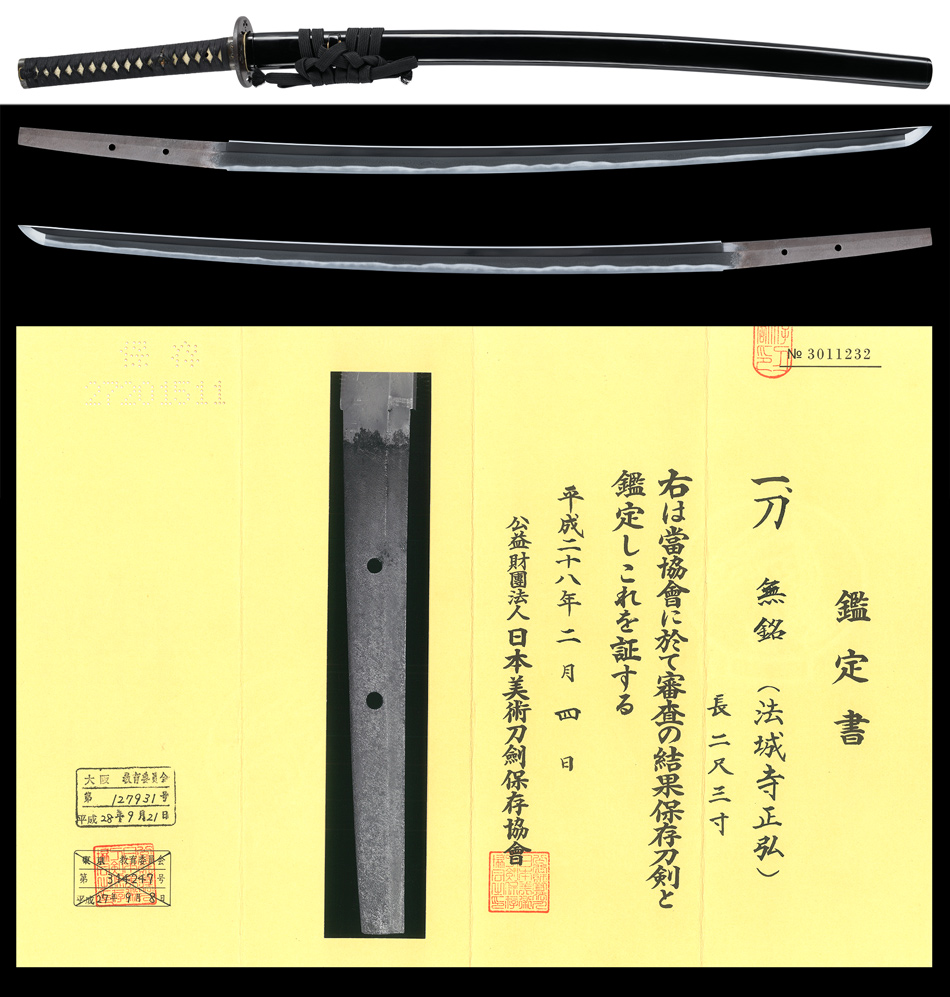
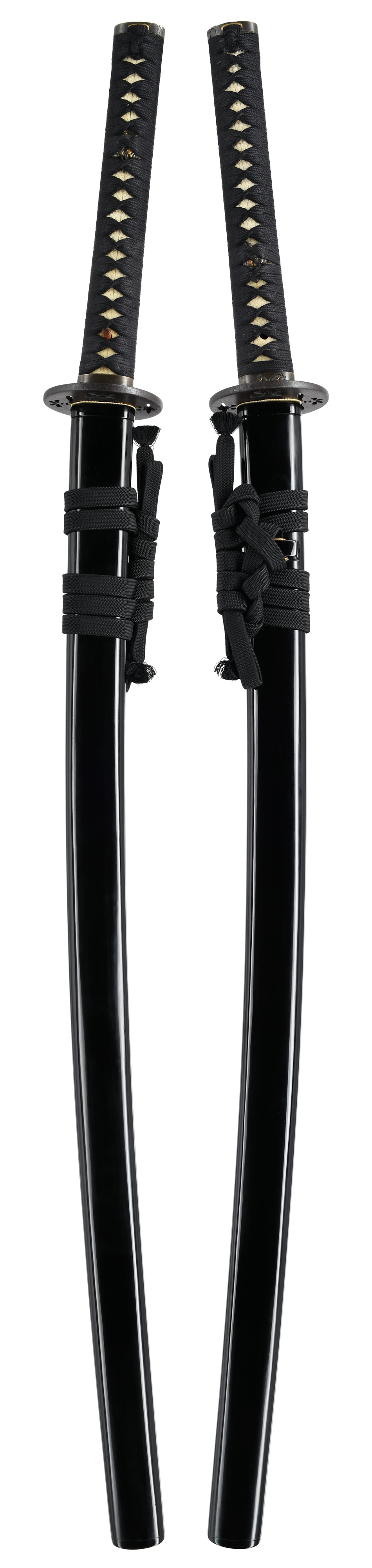
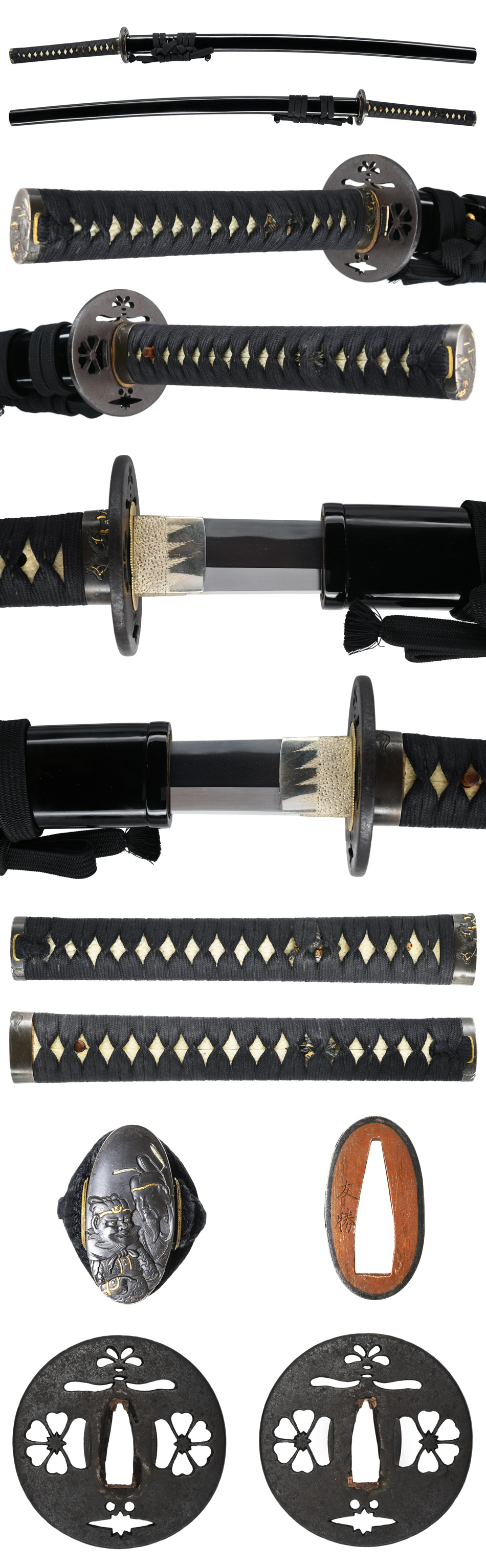
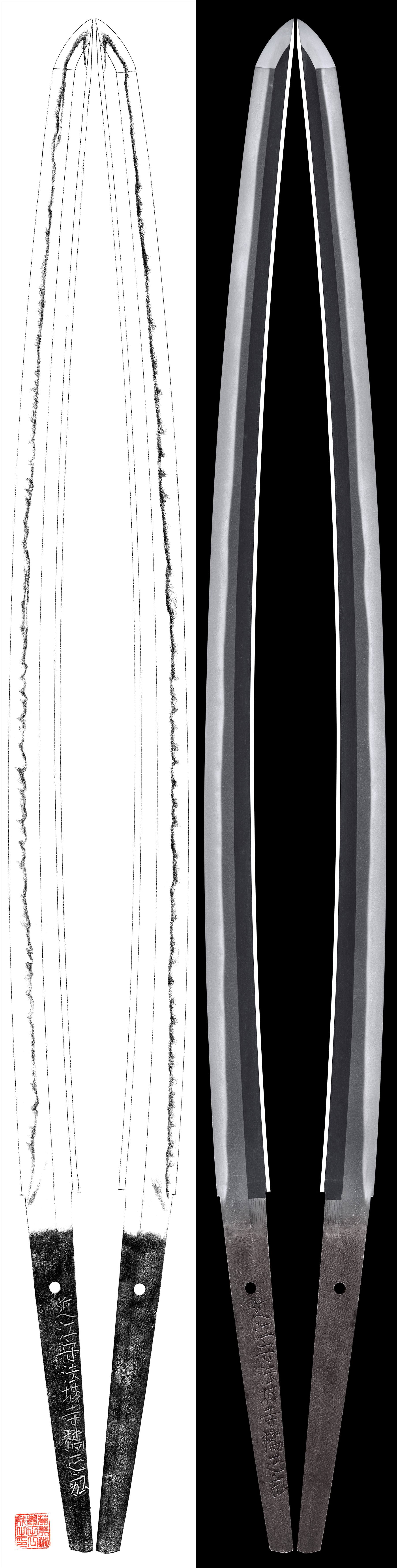
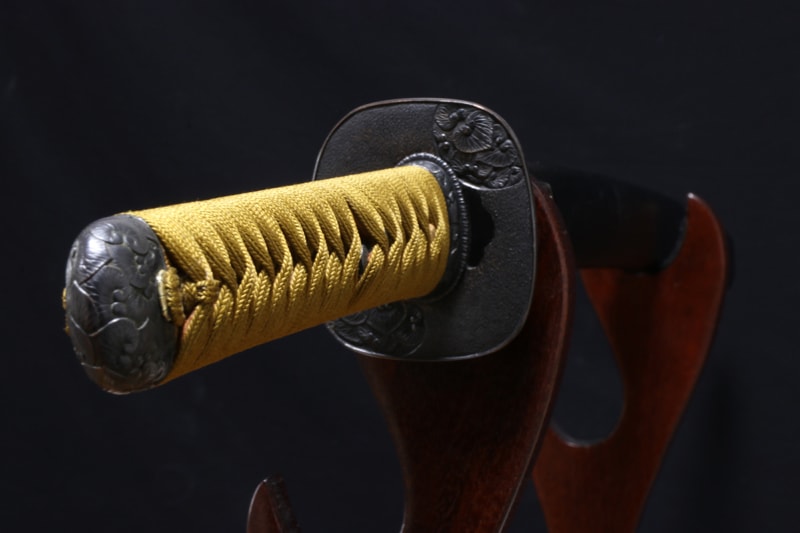
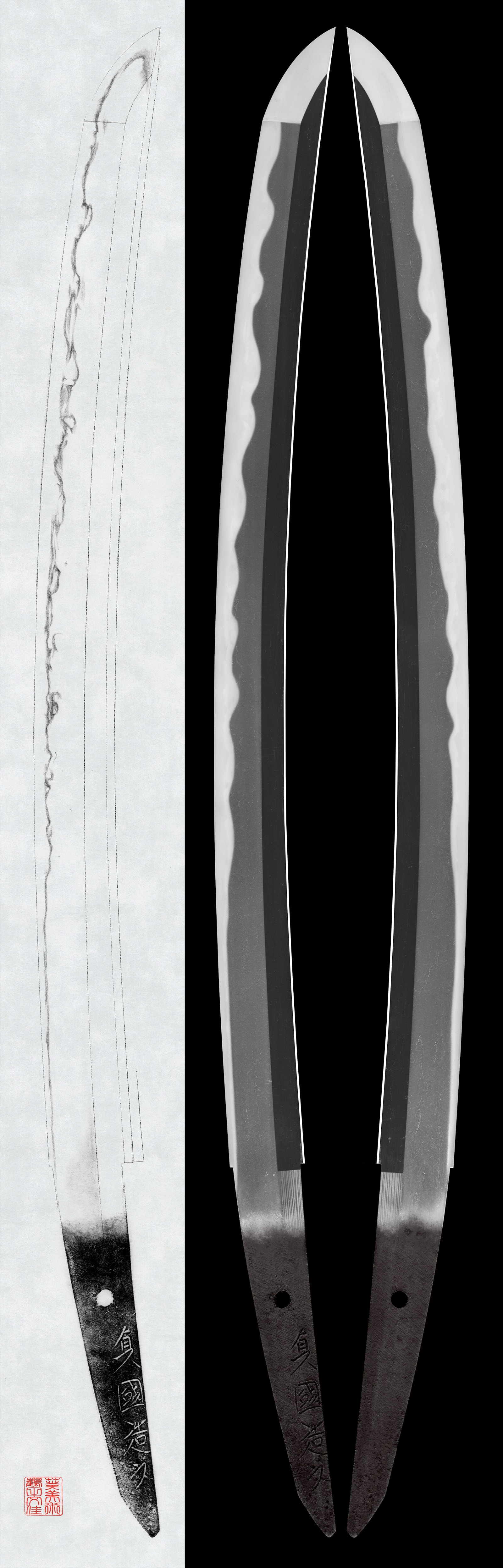
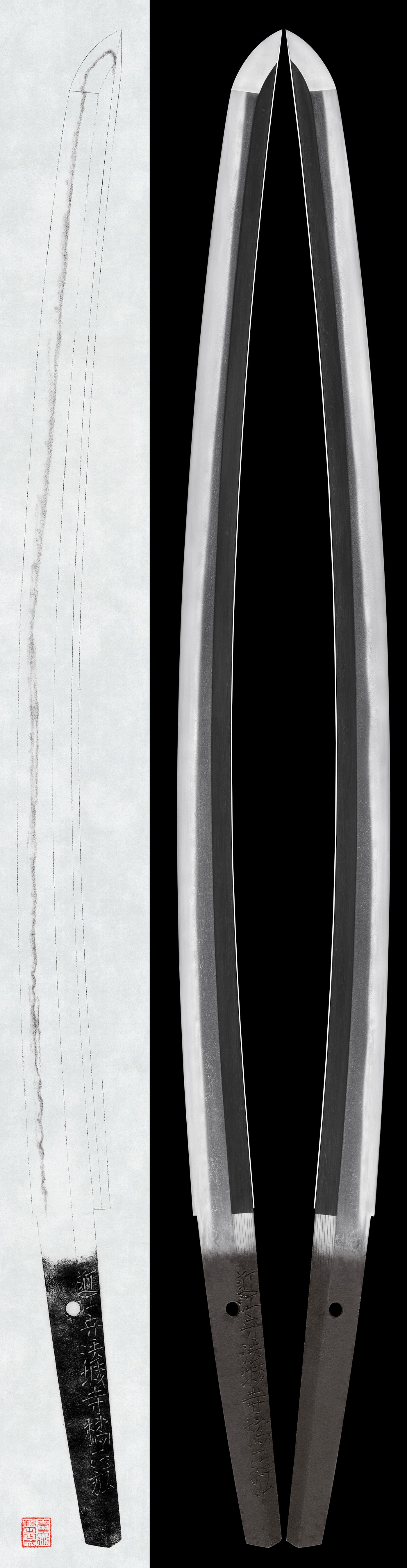
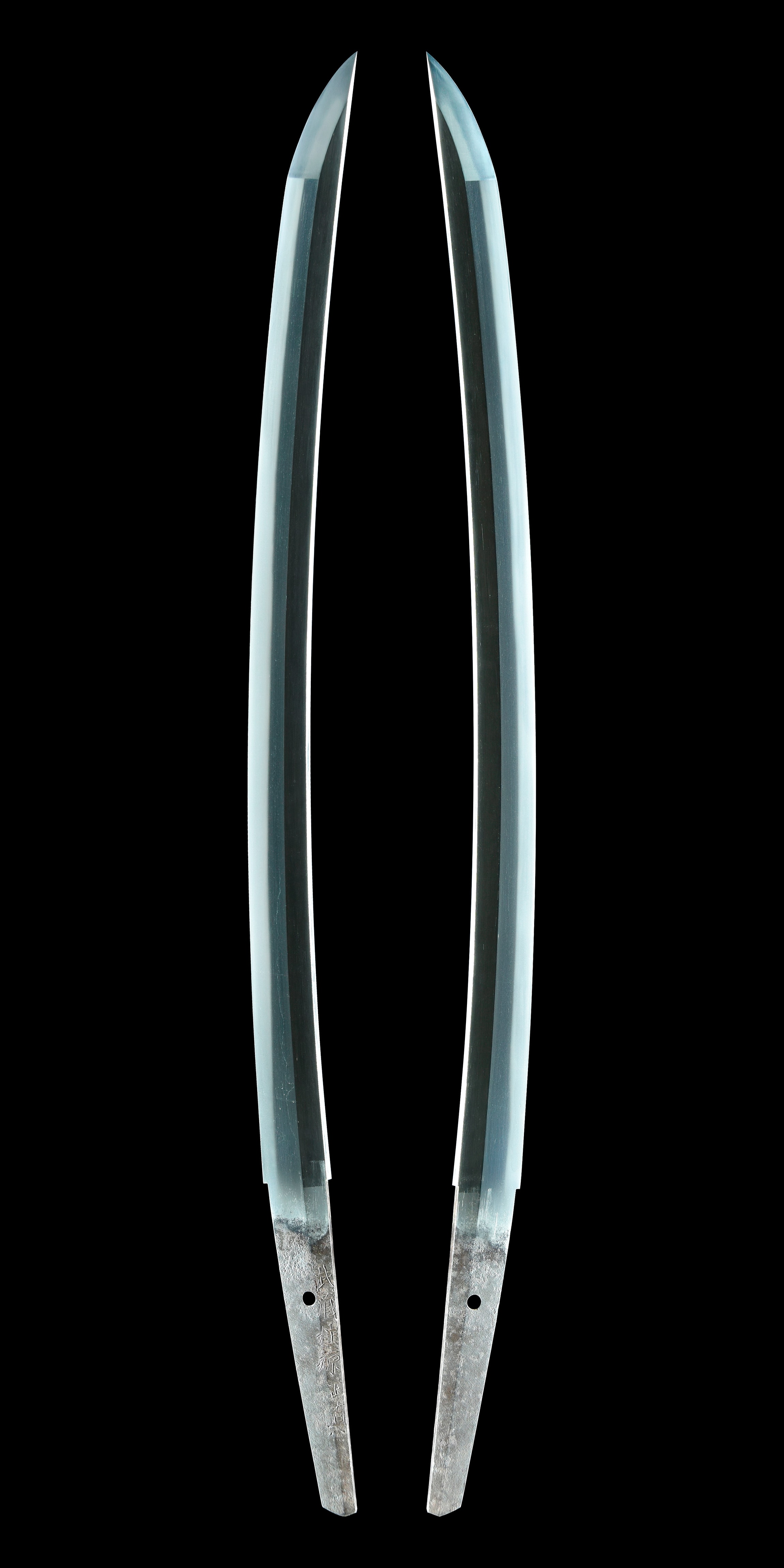
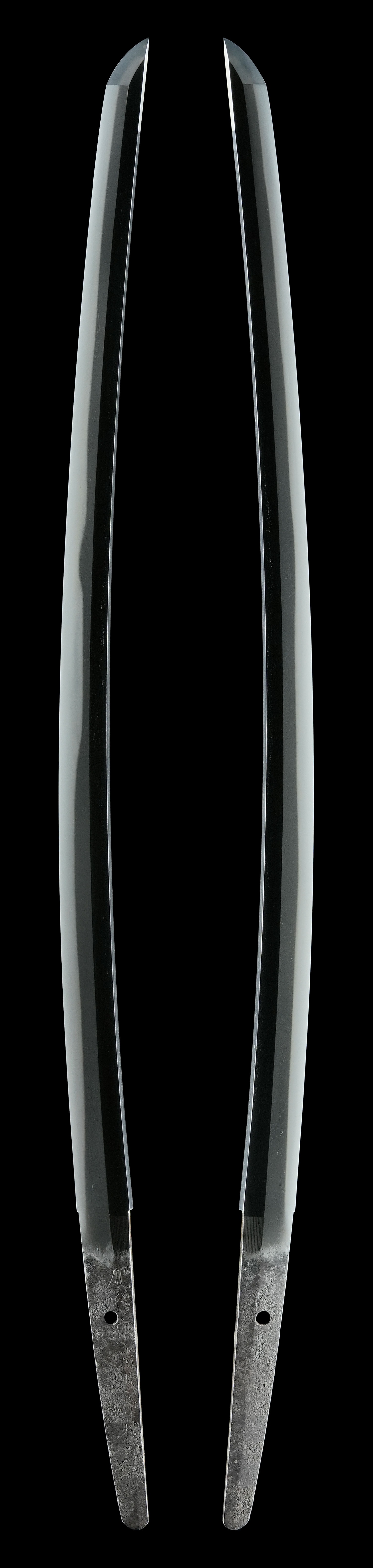
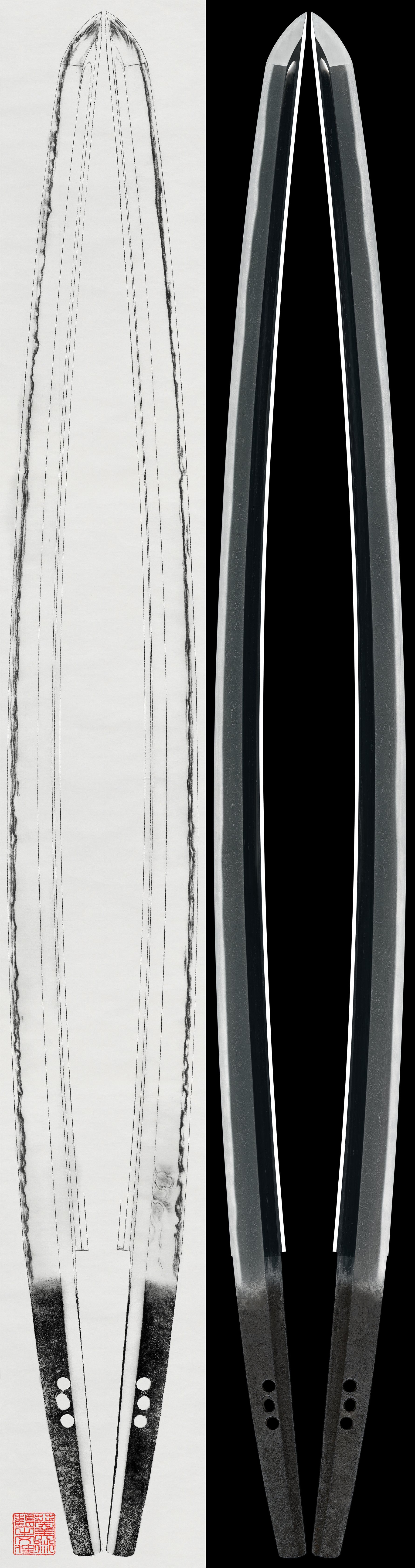
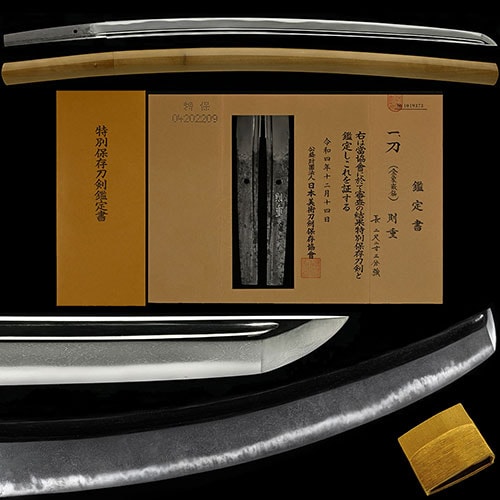
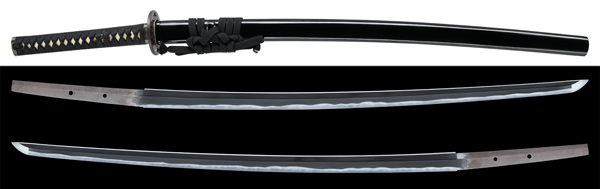
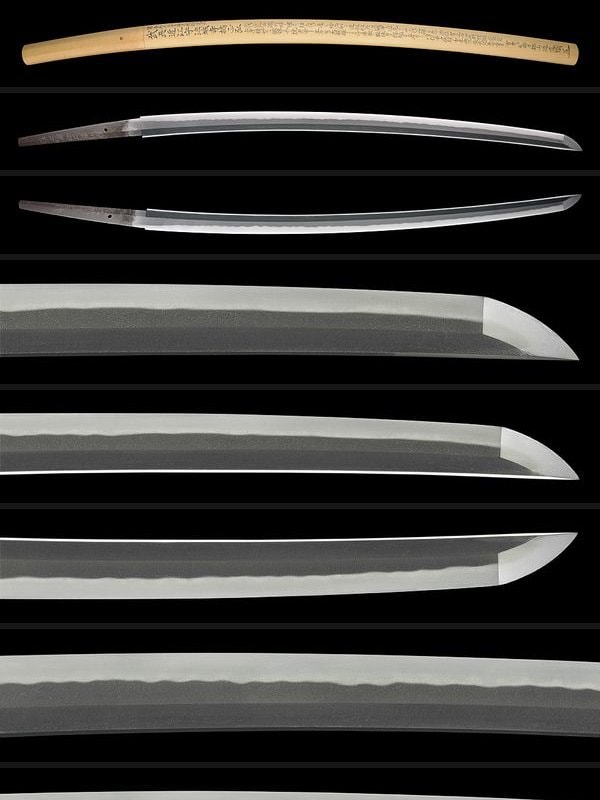
This is a katana made by Hojoji Masahiro in Musashi province during the Edo period (1681~). It comes with N.B.T.H.K Hozon Token certification. The blade length is 69.6cm and the weight including handle is 1,059g.

NihontoWatch MonNihontoWatch
MarketEncyclopediaKantei
Swords›Sōshū-den›Hojoji›Masahiro›Katana: Hojoji Masahiro - NBTHK Hozon Token
katanaHozon
Hojoji Masahiro

Katana: Hojoji Masahiro - NBTHK Hozon Token

mei · Manji (1658-1661) · nagasa 69.6cm · sori 1.1cm
SOLD
Hojoji Masahiro — 1 of 5
Hojoji Masahiro — 2 of 5
Hojoji Masahiro — 3 of 5
Hojoji Masahiro — 4 of 5
Hojoji Masahiro — 5 of 5
1 / 5
1 / 5
Hojoji Masahiro — 1 of 5Hojoji Masahiro — 2 of 5Hojoji Masahiro — 3 of 5Hojoji Masahiro — 4 of 5Hojoji Masahiro — 5 of 5
Measurements & details
Smith
Hojoji Masahiro
Type
Katana
School
Hojoji
Period
Around 1658–1671(Manji)
Province
Musashi
Signature
Signed(100% of this smith's designated works are signed)
Measurements
Nagasa 69.6cmSori 1.1cmMotohaba 3.01cmSakihaba 2.3cmKasane 0.75cmWeight 1059g
Description

This is a katana made by Hojoji Masahiro in Musashi province during the Edo period (1681~). It comes with N.B.T.H.K Hozon Token certification. The blade length is 69.6cm and the weight including handle is 1,059g.

About the maker

Masahiro

正弘

Hōjōji (shintō; Tajima-rooted, settled in Edo) · Musashi · around 1658-1671

Fujishiro Jo saku · Tōken Taikan top 23%

3 pieces on the market now

›

A katana dated Kanbun 6 (1666) and signed Ōmi no Kami Hōjōji Tachibana Masahiro carries on its reverse a gold-inlaid cutting-test inscription by Yamano Kanjūrō Hisahide recording a two-body test, and this pairing of a deep-nioi suguha blade with a Yamano severing record is the most concise portrait of the smith. Masahiro is the foremost hand of the Hōjōji group, a shintō line the published sources transmit as originally from Hōjōji in Tajima Province, descended from the kotō smith Hōjōji Kunimitsu, and later resettled in Edo, where the line flourished and produced such smiths as Sadakuni and Yoshitsugu. He bore the surname Takigawa and the title Ōmi no Kami, and of the many skilled men of the group the NBTHK's commentary places him at the head, writing that 「正弘はその首位に立つ上手」[[c:1]], that Masahiro stood foremost among them as an especially accomplished smith.

His hand is a suguha hand. On the great majority of his recorded katana the temper is laid as a suguha base, often a broad suguha, into which small gunome and gunome run together, the ashi entering freely and at times becoming thick. The published sources call the deep-nioi suguha the tempering that was his particular forte, attaching the phrase to a blade with the words 「彼の得意とする直刃調の刃文」[[c:2]], his characteristic suguha-toned temper. What lifts it above an ordinary straight line is the quality of the nie: the nioi is deep, the ko-nie adheres thickly and, on his best work, evenly and without irregularity, and through the temper run fine kinsuji and sunagashi, with small yubashiri-like forms gathering in places at the crest. A nijūba is not infrequently mixed in, and the published commentary names it as one of the smith's characteristic traits.

The jigane is the other half of his quality. He forges a well-packed ko-itame, at times a standing itame mixed with mokume, over which the ji-nie lies dust-fine and thick and fine chikei enter frequently, the steel itself bright. The bōshi runs straight into a ko-maru with hakikake at the point and a long, often deep turnback. The shape is the typical Kanbun-shintō figure read in his own particular way: standard to somewhat wide in body with a low shinogi, a conspicuous taper from base to point, shallow rod-like sori and a compact chū-kissaki, a construction the published sources treat as a recognizable mark of his hand.

The central scholarly question around the name is one of generations. The published sources record two smiths signing Masahiro, both titled Ōmi no Kami: the first generation dated from the Shōō, Manji and Kanbun eras, the second from Enpō and Genroku, so that the working span of each is largely clear. They are told apart chiefly by the signature rather than by a separate manner. The first generation's chisel-work has a firm, choppy kotsu-kotsu feeling and a somewhat rough impression, while the second generation's is calmer and more restrained, and the recurring points of discrimination are the variant forms of the sun component within 守 and 寺 and of the 成 element within 城. One borderline katana, whose 守 and 寺 follow the first generation but whose 城 follows the second, the judges set down as an early second-generation signature on the evidence of its overall tone, leaving the matter open for new material.

What sets Masahiro apart within the shintō field is named directly in his own commentaries. The published sources repeatedly hold his workmanship to be the closest of any smith to that of Nagasone Kotetsu, observing that he was nearly contemporary with Kotetsu and that his teacher remains unknown. The kinship is more than stylistic: because so many of his blades carry Yamano-family gold-inlaid cutting-test inscriptions, the same testing house associated with Kotetsu, the judges infer a real connection, writing that 「虎徹一門は法城寺一派と相当近い関係に」[[c:3]], that the Kotetsu group and the Hōjōji line stood in a fairly close relationship. His distinction is best drawn from his own traits, the deep-nioi suguha with even thick ko-nie and the bright nioiguchi, rather than from the comparison, and on his finest katana the commentary grants the point without reserve, calling one 「正弘の本領が遺憾無く発揮された一口」[[c:4]], a blade in which Masahiro's true strengths are shown to the full.

For the collector Masahiro is an attainable shintō name of high quality rather than a locked one. Fujishiro grades him Jō saku, and the Tōkō Taikan values his work in the upper-middle range. He has no National Treasures and no Important Cultural Properties; his designated record runs instead through the Jūyō tier, where signed first- and second-generation katana recur across many shinsa sessions, the published sources calling the typical deep-nioi suguha pieces 「同作中の優品」, excellent works among his own. Two of his blades are recorded as having been held by the Imperial Family, the only provenance set down for him, and beyond that the holders of his blades are largely unrecorded. Because most designated blades are kept rather than traded, a signed Hōjōji Masahiro of recorded whereabouts comes to market only from time to time; it is well within reach of a patient collector, and a sound first-generation example with a Yamano cutting-test inscription is the form in which his quality, and his nearness to Kotetsu, is most directly encountered.

Historical importance

Where Masahiro stands among comparable artisans: across all of nihontō, and within tradition, era, and period. The tiers (Foremost · Leading · Major · Notable) weigh official designations from the NBTHK and Japan's Agency for Cultural Affairs, together with historical honors of lasting repute such as the Sansaku and Meibutsu-chō.

随一
Foremost
屈指
Leading
有数
Major
著名
Notable

Select a lens to see how it's measured.

Designation record
26 designated works
Gyobutsu (Imperial)
2
Jūyō
24
3 works by Masahiro on the market→
Masahiro — full profileHōjōji (shintō; Tajima-rooted, settled in Edo) school

Dated Works

Years he was demonstrably active, proven by signed-and-dated blades

Active period
1660–1671Editorial estimate: 1658–1671
3 of 21 designated works carry a date
1660
1670
1680
About the school

Hojoji

法城寺

Soshu-den · Tajima

20 pieces on the market now

›

The Hojoji name (法城寺) begins as a place in Tajima province, where, the published sources relate, the Nanbokucho naginata master Kunimitsu lived at that spot and so took the place for his name, the man and the locality becoming one. The Meikan records a first generation of this Kunimitsu working in the Joji era (1362-68) and a second at Oei, the koto root from which the line descends. The old genealogies count this Tajima Kunimitsu among the three great pupils of Soshu Sadamune[[c:1]], a claim the NBTHK reports only to set aside as wanting plausibility and unwarranted[[c:2]], the texts finding the influence of Bizen work rather the stronger. From this Tajima stock an Edo branch carried the name into the shinto period, where it grew, in the words of the published sources, into the largest body of swordsmiths active in Edo through the Kanbun and Enpo years. Its founder was Omi no Kami Hojoji Tachibana Masahiro, named the head of the group and its most accomplished hand, and after him followed Tajima no Kami Sadakuni, Higo no Kami Yoshitsugu, Echizen no Kami Masateru, and Kunimasa, with Kawachi no Kami Nagakuni filed by common opinion within the same lineage, the whole bearing the Soshu-derived idiom out of Tajima and into a productive Edo workshop of many capable smiths. Two manners separate the koto root from the Edo branch, and the members describe each in its own vocabulary. The Tajima Kunimitsu survives almost wholly as mumei attribution: flamboyant choji-midare that can at first sight be mistaken for Bizen Ichimonji, settled against Bizen by the markedly stronger nie of ji and ha, chikei entering a large-patterned standing forging, and kinsuji and sunagashi worked incessantly through the ha, the build that of the long converted naginata with thin kasane and a large kissaki, the boshi often ending yakizume from the filing of the mune. The Edo smiths share a different and unified hand.

Over a tightly forged ko-itame, at times mixed with mokume, the ji-nie lies dust-fine and chikei enter, and the temper resolves into two registers across the branch: a suguha base, deep in nioi with ko-nie gathering, in which Masahiro, Sadakuni, Masateru, and Nagakuni excel, the nioiguchi bright and nijuba mixing in places; and a gunome hand, most conspicuous in Yoshitsugu, whose connected gunome run into a rosary-bead juzu-ba over ko-notare. Through nearly every Edo blade the sunagashi and kinsuji run, and the boshi turns back straight into ko-maru. The divergences are of degree: Sadakuni falls a small margin short of Masahiro in the clarity of the jihada and the strength of the nioiguchi; Nagakuni links his gunome into broader midare; Masateru keys his chu-suguha to a chrysanthemum crest cut above the signature. To kantei Hojoji Edo work, the published sources direct the eye to the deep nioi and bright nioiguchi over a tight, chikei-laden ko-itame, the sunagashi and kinsuji that keep the quiet suguha from reading flat, and the long thick-chisel signatures cut on the sashi-omote; the resemblance the judges draw runs upward to Nagasone Kotetsu and Kazusa no Suke Kaneshige, the Edo masters of the nie-laden temper, whose level the best work of Masahiro, Yoshitsugu, and Nagakuni is said to approach, the Kotetsu group and the Hojoji line held to stand in a fairly close relationship through the shared Yamano testing house. For the koto Kunimitsu the tells are the well-covered ji-nie with weak utsuri and the ko-nie of the ha, the points that part his work from the Bizen it resembles. The standing of the members ranges with their tier: Kunimitsu is the school's apex, graded Jo-jo saku, his blades vouched for across centuries by Honami attribution inscriptions and his finest tracing to the Akimoto and Maeda houses, with the tea master Kobori Enshu among his owners; Masahiro and the Edo hands are graded Jo saku, attainable signed shinto names whose blades carry their pedigree in the gold-inlaid Yamano cutting-test inscriptions rather than in named daimyo provenance. Yoshitsugu's Satsuma service for the Shimazu house left its trace on the later Kagoshima smiths, and a signed Hojoji blade, above all one bearing a documented test-cut, comes to the market only from time to time, rewarding patience. Learn more →

11 recorded smiths123 designated works
Leading smiths
SmithEraDesignated
Kunimitsu國光1345-135022
Masahiro正弘1658-167126
Sadakuni貞國1658-16738
Yoshitsugu吉次1661-16736
Masateru正照1684-16885
Explore the Hojoji school →

Historical context

Edo was the sword’s age of connoisseurship: the Hon’ami appraisers, the shogunal register of famous blades of 1719, and a thriving literature turned the sword into an object of study even as it ceased to be drawn in war.

The Edo period (1615 to 1868) →

NBTHK Certificate
Hozon Tōken保存刀剣
Sword Worthy of Preservation
›

Certifies a genuine blade worth preserving: a signature confirmed correct, or, if unsigned, an era, province, and school that the NBTHK can reliably identify.

About the NBTHK›

The NBTHK (Nihon Bijutsu Tōken Hozon Kyōkai, the Society for the Preservation of Japanese Art Swords) is a public-interest incorporated foundation founded in 1948 and supervised by Japan’s Agency for Cultural Affairs (Bunkachō); it is based at the Japanese Sword Museum in Tokyo. Its expert panels physically examine each submitted work (shinsa) and issue a certificate (kanteishō) ranking it by artistic and historical merit. NBTHK papers are the most widely recognized standard of authentication for Japanese swords and fittings.

NBTHK official site→
Seller
W
World Seiyudo
Established 2008 · 18 yrs on the market
🇯🇵Ships from Japan
›
✓Verified dealerworld-seiyudo.com
✓Ships worldwide✓English supportWire transferPayPalCredit card
Return policy

No cooling-off period or returns; refund only if the purchased sword is proven fake, capped at purchase price (excludes commission sales, accessories, auction items).

View all of World Seiyudo’s listings→View this item on the dealer’s site→

More works by Hojoji Masahiro

View all →
Token-Net
Jūyō
Katana - Jūyō - by Hojoji Masahiro - Omi no Kami Tachibana Masahiro Hojo-ji 23rd GenerationKatana - Jūyō - by Hojoji Masahiro - Omi no Kami Tachibana Masahiro Hojo-ji 23rd Generation

Katana

ByHojoji Masahiro
¥5,800,000
Aoi Art
Tokuho
Katana - Tokuho - by Hojoji Masahiro - Omi no Kami Hojoji Tachibana Masahiro (1st Generation)Katana - Tokuho - by Hojoji Masahiro - Omi no Kami Hojoji Tachibana Masahiro (1st Generation)

Katana

ByHojoji Masahiro
¥1,600,000
Choshuya
Tokuho
Katana - Tokuho - by Hojoji Masahiro - Omi no kami Hojoji Tachibana MasahiroKatana - Tokuho - by Hojoji Masahiro - Omi no kami Hojoji Tachibana Masahiro

Katana

ByHojoji Masahiro
¥1,500,000

Previously sold by Hojoji Masahiro

Giheiya
Jūyō
Katana - Jūyō - by Hojoji Masahiro - Omi no Kami Hojoji Tachibana Masahiro (1st Gen.) - Juyo TokenKatana - Jūyō - by Hojoji Masahiro - Omi no Kami Hojoji Tachibana Masahiro (1st Gen.) - Juyo Token
Sold

Katana

ByHojoji Masahiro
SOLD
Kusanagi
Hozon
Katana - Hozon - by Hojoji Masahiro - Hōjōji Masahiro, teacher of Kotetsu from the Hōjōji school; in Kuro-roiro Koshirae; Hozon Token.Katana - Hozon - by Hojoji Masahiro - Hōjōji Masahiro, teacher of Kotetsu from the Hōjōji school; in Kuro-roiro Koshirae; Hozon Token.
Sold

Katana

ByHojoji Masahiro
SOLD
Choshuya
Wakizashi - by Hojoji Masahiro - Omi no Kami Hojoji Tachibana Masahiro with Gold Inlay Cutting Test InscriptionWakizashi - by Hojoji Masahiro - Omi no Kami Hojoji Tachibana Masahiro with Gold Inlay Cutting Test Inscription
Sold

Wakizashi

ByHojoji Masahiro
SOLD

More from the Hojoji school

View all →
Seikeido
Tokuho
Katana - Tokuho - by Hojoji School - Hojoji Tajima no Kami Tachibana KunimasaKatana - Tokuho - by Hojoji School - Hojoji Tajima no Kami Tachibana Kunimasa

Katana

ByHojoji School
¥650,000
Samurai Museum
Tokuho
Katana - Tokuho - by Hojoji School - Antique Japanese Sword Katana Signed by Masahiro with NBTHK Tokubetsu Hozon Certificate for the blade and Hozon for the KoshiraeKatana - Tokuho - by Hojoji School - Antique Japanese Sword Katana Signed by Masahiro with NBTHK Tokubetsu Hozon Certificate for the blade and Hozon for the Koshirae

Katana

ByHojoji School
¥11,003
Nosyudo
Hozon
Katana - Hozon - by Hojoji School - Omi no Kami Hojoji Tachibana MasahiroKatana - Hozon - by Hojoji School - Omi no Kami Hojoji Tachibana Masahiro

Katana

ByHojoji School
¥1,300,000
Aoi Art
Tokuho
Wakizashi - Tokuho - by Hojoji School - Ōmi Kami Hōjōji Tachibana Masahiro (2nd)Wakizashi - Tokuho - by Hojoji School - Ōmi Kami Hōjōji Tachibana Masahiro (2nd)

Wakizashi

ByHojoji School
¥600,000
Toushin
Tokuho
Wakizashi - Tokuho - by Hojoji School - Higo no Kami Hojoji Tachibana YoshitsuguWakizashi - Tokuho - by Hojoji School - Higo no Kami Hojoji Tachibana Yoshitsugu

Wakizashi

ByHojoji School
¥660,000
Sugie Art
Tokuho
Wakizashi - Tokuho - by Hojoji Yoshitsugu - Tokubetsu Hozon Wakizashi by Higo no Kami Hojoji Tachibana Yoshitsugu with unique KoshiraeWakizashi - Tokuho - by Hojoji Yoshitsugu - Tokubetsu Hozon Wakizashi by Higo no Kami Hojoji Tachibana Yoshitsugu with unique Koshirae

Wakizashi

ByHojoji Yoshitsugu
¥850,000
Ikeda Art
Tokuho
Katana - Tokuho - by Hojoji School - Echizen no Kami Hojoji Tachibana MasateruKatana - Tokuho - by Hojoji School - Echizen no Kami Hojoji Tachibana Masateru

Katana

ByHojoji School
¥1,210,000
Toyuukai
Hozon
Wakizashi - Hozon - by Hojoji School - Morioka-sumi Yoshitsugu (Shinto) - NBTHK HozonWakizashi - Hozon - by Hojoji School - Morioka-sumi Yoshitsugu (Shinto) - NBTHK Hozon

Wakizashi

ByHojoji School
¥400,000

More from the Sōshū tradition

View all →
World Seiyudo
Tokuho
Wakizashi - Tokuho - by Sue-Soshu Masahiro - Mumei Soshu Masahiro - NBTHK Tokubetsu Hozon Token & TosoguWakizashi - Tokuho - by Sue-Soshu Masahiro - Mumei Soshu Masahiro - NBTHK Tokubetsu Hozon Token & Tosogu

Wakizashi

BySue-Soshu Masahiro
¥2,500,000
Tsuruginoya
Tokujū
Katana - Tokuju - by Soshu Yukimitsu - Soshu YukimitsuKatana - Tokuju - by Soshu Yukimitsu - Soshu Yukimitsu

Katana

BySoshu Yukimitsu
Ask
Eirakudo
Jūyō
Tanto - Jūyō - by Soshu Yukimitsu - Soshu Yukimitsu - Juyo TokenTanto - Jūyō - by Soshu Yukimitsu - Soshu Yukimitsu - Juyo Token

Tantō

BySoshu Yukimitsu
Ask
Samurai Nippon
Jūyō
Katana - Jūyō - by Soshu Norishige - Mumei (Attributed to Norishige)Katana - Jūyō - by Soshu Norishige - Mumei (Attributed to Norishige)

Katana

BySoshu Norishige
Ask
Choshuya
Jūyō
Tanto - Jūyō - by Soshu Norishige - Ubu-nakago Mumei NorishigeTanto - Jūyō - by Soshu Norishige - Ubu-nakago Mumei Norishige

Tantō

BySoshu Norishige
¥6,500,000
Aoi Art
Tokuho
Katana - Tokuho - by Gō Yoshihiro - Mumei (Unsigned) Den Go YoshihiroKatana - Tokuho - by Gō Yoshihiro - Mumei (Unsigned) Den Go Yoshihiro

Katana

ByGō Yoshihiro
¥35,000,000
Samurai Nippon
Jūyō
Tanto - Jūyō - by Soshu Yukimitsu - Soshu Yukimitsu (Mumei)Tanto - Jūyō - by Soshu Yukimitsu - Soshu Yukimitsu (Mumei)

Tantō

BySoshu Yukimitsu
¥6,700,000
Mandarin Mansion
Jūyō
Tachi - Jūyō - by Soshu Yukimitsu - Juyo Soshu Yukimitsu TachiTachi - Jūyō - by Soshu Yukimitsu - Juyo Soshu Yukimitsu Tachi

Tachi

BySoshu Yukimitsu
Ask

Swords

  • Katana
  • Wakizashi
  • Tantō
  • Tachi
  • Naginata
  • Yari

Fittings

  • Tsuba
  • Fuchi-Kashira
  • Kozuka
  • Menuki

Armor

  • Kabuto
  • Samurai Armor

By Certification

  • Tokujū
  • Jūyō
  • Tokuho
  • Hozon

Resources

  • Dealer Directory
  • Artist Directory
  • The Daily Kantei
  • Glossary
  • Browse All
Nihontowatch© 2026
TermsPrivacyCookiesAbout

Description

This is a katana made by Hojoji Masahiro in Musashi province during the Edo period (1681~). It comes with N.B.T.H.K Hozon Token certification. The blade length is 69.6cm and the weight including handle is 1,059g.

NihontoWatch MonNihontoWatch
MarketEncyclopediaKantei
Swords›Sōshū-den›Hojoji›Masahiro›Katana: Hojoji Masahiro - NBTHK Hozon Token
katanaHozon
Hojoji Masahiro

Katana: Hojoji Masahiro - NBTHK Hozon Token

mei · Manji (1658-1661) · nagasa 69.6cm · sori 1.1cm

SOLD
Hojoji Masahiro — 1 of 5
Hojoji Masahiro — 2 of 5
Hojoji Masahiro — 3 of 5
Hojoji Masahiro — 4 of 5
Hojoji Masahiro — 5 of 5
1 / 5
1 / 5
Hojoji Masahiro — 1 of 5Hojoji Masahiro — 2 of 5Hojoji Masahiro — 3 of 5Hojoji Masahiro — 4 of 5Hojoji Masahiro — 5 of 5
Measurements & details
Smith
Hojoji Masahiro
Type
Katana
School
Hojoji
Period
Around 1658–1671(Manji)
Province
Musashi
Signature
Signed(100% of this smith's designated works are signed)
Measurements
Nagasa 69.6cmSori 1.1cmMotohaba 3.01cmSakihaba 2.3cmKasane 0.75cmWeight 1059g
Description

This is a katana made by Hojoji Masahiro in Musashi province during the Edo period (1681~). It comes with N.B.T.H.K Hozon Token certification. The blade length is 69.6cm and the weight including handle is 1,059g.

About the maker

Masahiro

正弘

Hōjōji (shintō; Tajima-rooted, settled in Edo) · Musashi · around 1658-1671

Fujishiro Jo saku · Tōken Taikan top 23%

3 pieces on the market now

›

A katana dated Kanbun 6 (1666) and signed Ōmi no Kami Hōjōji Tachibana Masahiro carries on its reverse a gold-inlaid cutting-test inscription by Yamano Kanjūrō Hisahide recording a two-body test, and this pairing of a deep-nioi suguha blade with a Yamano severing record is the most concise portrait of the smith. Masahiro is the foremost hand of the Hōjōji group, a shintō line the published sources transmit as originally from Hōjōji in Tajima Province, descended from the kotō smith Hōjōji Kunimitsu, and later resettled in Edo, where the line flourished and produced such smiths as Sadakuni and Yoshitsugu. He bore the surname Takigawa and the title Ōmi no Kami, and of the many skilled men of the group the NBTHK's commentary places him at the head, writing that 「正弘はその首位に立つ上手」[[c:1]], that Masahiro stood foremost among them as an especially accomplished smith.

His hand is a suguha hand. On the great majority of his recorded katana the temper is laid as a suguha base, often a broad suguha, into which small gunome and gunome run together, the ashi entering freely and at times becoming thick. The published sources call the deep-nioi suguha the tempering that was his particular forte, attaching the phrase to a blade with the words 「彼の得意とする直刃調の刃文」[[c:2]], his characteristic suguha-toned temper. What lifts it above an ordinary straight line is the quality of the nie: the nioi is deep, the ko-nie adheres thickly and, on his best work, evenly and without irregularity, and through the temper run fine kinsuji and sunagashi, with small yubashiri-like forms gathering in places at the crest. A nijūba is not infrequently mixed in, and the published commentary names it as one of the smith's characteristic traits.

The jigane is the other half of his quality. He forges a well-packed ko-itame, at times a standing itame mixed with mokume, over which the ji-nie lies dust-fine and thick and fine chikei enter frequently, the steel itself bright. The bōshi runs straight into a ko-maru with hakikake at the point and a long, often deep turnback. The shape is the typical Kanbun-shintō figure read in his own particular way: standard to somewhat wide in body with a low shinogi, a conspicuous taper from base to point, shallow rod-like sori and a compact chū-kissaki, a construction the published sources treat as a recognizable mark of his hand.

The central scholarly question around the name is one of generations. The published sources record two smiths signing Masahiro, both titled Ōmi no Kami: the first generation dated from the Shōō, Manji and Kanbun eras, the second from Enpō and Genroku, so that the working span of each is largely clear. They are told apart chiefly by the signature rather than by a separate manner. The first generation's chisel-work has a firm, choppy kotsu-kotsu feeling and a somewhat rough impression, while the second generation's is calmer and more restrained, and the recurring points of discrimination are the variant forms of the sun component within 守 and 寺 and of the 成 element within 城. One borderline katana, whose 守 and 寺 follow the first generation but whose 城 follows the second, the judges set down as an early second-generation signature on the evidence of its overall tone, leaving the matter open for new material.

What sets Masahiro apart within the shintō field is named directly in his own commentaries. The published sources repeatedly hold his workmanship to be the closest of any smith to that of Nagasone Kotetsu, observing that he was nearly contemporary with Kotetsu and that his teacher remains unknown. The kinship is more than stylistic: because so many of his blades carry Yamano-family gold-inlaid cutting-test inscriptions, the same testing house associated with Kotetsu, the judges infer a real connection, writing that 「虎徹一門は法城寺一派と相当近い関係に」[[c:3]], that the Kotetsu group and the Hōjōji line stood in a fairly close relationship. His distinction is best drawn from his own traits, the deep-nioi suguha with even thick ko-nie and the bright nioiguchi, rather than from the comparison, and on his finest katana the commentary grants the point without reserve, calling one 「正弘の本領が遺憾無く発揮された一口」[[c:4]], a blade in which Masahiro's true strengths are shown to the full.

For the collector Masahiro is an attainable shintō name of high quality rather than a locked one. Fujishiro grades him Jō saku, and the Tōkō Taikan values his work in the upper-middle range. He has no National Treasures and no Important Cultural Properties; his designated record runs instead through the Jūyō tier, where signed first- and second-generation katana recur across many shinsa sessions, the published sources calling the typical deep-nioi suguha pieces 「同作中の優品」, excellent works among his own. Two of his blades are recorded as having been held by the Imperial Family, the only provenance set down for him, and beyond that the holders of his blades are largely unrecorded. Because most designated blades are kept rather than traded, a signed Hōjōji Masahiro of recorded whereabouts comes to market only from time to time; it is well within reach of a patient collector, and a sound first-generation example with a Yamano cutting-test inscription is the form in which his quality, and his nearness to Kotetsu, is most directly encountered.

Historical importance

Where Masahiro stands among comparable artisans: across all of nihontō, and within tradition, era, and period. The tiers (Foremost · Leading · Major · Notable) weigh official designations from the NBTHK and Japan's Agency for Cultural Affairs, together with historical honors of lasting repute such as the Sansaku and Meibutsu-chō.

随一
Foremost
屈指
Leading
有数
Major
著名
Notable

Select a lens to see how it's measured.

Designation record
26 designated works
Gyobutsu (Imperial)
2
Jūyō
24
3 works by Masahiro on the market→
Masahiro — full profileHōjōji (shintō; Tajima-rooted, settled in Edo) school

Dated Works

Years he was demonstrably active, proven by signed-and-dated blades

Active period
1660–1671Editorial estimate: 1658–1671
3 of 21 designated works carry a date
1660
1670
1680
About the school

Hojoji

法城寺

Soshu-den · Tajima

20 pieces on the market now

›

The Hojoji name (法城寺) begins as a place in Tajima province, where, the published sources relate, the Nanbokucho naginata master Kunimitsu lived at that spot and so took the place for his name, the man and the locality becoming one. The Meikan records a first generation of this Kunimitsu working in the Joji era (1362-68) and a second at Oei, the koto root from which the line descends. The old genealogies count this Tajima Kunimitsu among the three great pupils of Soshu Sadamune[[c:1]], a claim the NBTHK reports only to set aside as wanting plausibility and unwarranted[[c:2]], the texts finding the influence of Bizen work rather the stronger. From this Tajima stock an Edo branch carried the name into the shinto period, where it grew, in the words of the published sources, into the largest body of swordsmiths active in Edo through the Kanbun and Enpo years. Its founder was Omi no Kami Hojoji Tachibana Masahiro, named the head of the group and its most accomplished hand, and after him followed Tajima no Kami Sadakuni, Higo no Kami Yoshitsugu, Echizen no Kami Masateru, and Kunimasa, with Kawachi no Kami Nagakuni filed by common opinion within the same lineage, the whole bearing the Soshu-derived idiom out of Tajima and into a productive Edo workshop of many capable smiths. Two manners separate the koto root from the Edo branch, and the members describe each in its own vocabulary. The Tajima Kunimitsu survives almost wholly as mumei attribution: flamboyant choji-midare that can at first sight be mistaken for Bizen Ichimonji, settled against Bizen by the markedly stronger nie of ji and ha, chikei entering a large-patterned standing forging, and kinsuji and sunagashi worked incessantly through the ha, the build that of the long converted naginata with thin kasane and a large kissaki, the boshi often ending yakizume from the filing of the mune. The Edo smiths share a different and unified hand.

Over a tightly forged ko-itame, at times mixed with mokume, the ji-nie lies dust-fine and chikei enter, and the temper resolves into two registers across the branch: a suguha base, deep in nioi with ko-nie gathering, in which Masahiro, Sadakuni, Masateru, and Nagakuni excel, the nioiguchi bright and nijuba mixing in places; and a gunome hand, most conspicuous in Yoshitsugu, whose connected gunome run into a rosary-bead juzu-ba over ko-notare. Through nearly every Edo blade the sunagashi and kinsuji run, and the boshi turns back straight into ko-maru. The divergences are of degree: Sadakuni falls a small margin short of Masahiro in the clarity of the jihada and the strength of the nioiguchi; Nagakuni links his gunome into broader midare; Masateru keys his chu-suguha to a chrysanthemum crest cut above the signature. To kantei Hojoji Edo work, the published sources direct the eye to the deep nioi and bright nioiguchi over a tight, chikei-laden ko-itame, the sunagashi and kinsuji that keep the quiet suguha from reading flat, and the long thick-chisel signatures cut on the sashi-omote; the resemblance the judges draw runs upward to Nagasone Kotetsu and Kazusa no Suke Kaneshige, the Edo masters of the nie-laden temper, whose level the best work of Masahiro, Yoshitsugu, and Nagakuni is said to approach, the Kotetsu group and the Hojoji line held to stand in a fairly close relationship through the shared Yamano testing house. For the koto Kunimitsu the tells are the well-covered ji-nie with weak utsuri and the ko-nie of the ha, the points that part his work from the Bizen it resembles. The standing of the members ranges with their tier: Kunimitsu is the school's apex, graded Jo-jo saku, his blades vouched for across centuries by Honami attribution inscriptions and his finest tracing to the Akimoto and Maeda houses, with the tea master Kobori Enshu among his owners; Masahiro and the Edo hands are graded Jo saku, attainable signed shinto names whose blades carry their pedigree in the gold-inlaid Yamano cutting-test inscriptions rather than in named daimyo provenance. Yoshitsugu's Satsuma service for the Shimazu house left its trace on the later Kagoshima smiths, and a signed Hojoji blade, above all one bearing a documented test-cut, comes to the market only from time to time, rewarding patience. Learn more →

11 recorded smiths123 designated works
Leading smiths
SmithEraDesignated
Kunimitsu國光1345-135022
Masahiro正弘1658-167126
Sadakuni貞國1658-16738
Yoshitsugu吉次1661-16736
Masateru正照1684-16885
Explore the Hojoji school →

Historical context

Edo was the sword’s age of connoisseurship: the Hon’ami appraisers, the shogunal register of famous blades of 1719, and a thriving literature turned the sword into an object of study even as it ceased to be drawn in war.

The Edo period (1615 to 1868) →

NBTHK Certificate
Hozon Tōken保存刀剣
Sword Worthy of Preservation
›

Certifies a genuine blade worth preserving: a signature confirmed correct, or, if unsigned, an era, province, and school that the NBTHK can reliably identify.

About the NBTHK›

The NBTHK (Nihon Bijutsu Tōken Hozon Kyōkai, the Society for the Preservation of Japanese Art Swords) is a public-interest incorporated foundation founded in 1948 and supervised by Japan’s Agency for Cultural Affairs (Bunkachō); it is based at the Japanese Sword Museum in Tokyo. Its expert panels physically examine each submitted work (shinsa) and issue a certificate (kanteishō) ranking it by artistic and historical merit. NBTHK papers are the most widely recognized standard of authentication for Japanese swords and fittings.

NBTHK official site→
Seller
W
World Seiyudo
Established 2008 · 18 yrs on the market
🇯🇵Ships from Japan
›
✓Verified dealerworld-seiyudo.com
✓Ships worldwide✓English supportWire transferPayPalCredit card
Return policy

No cooling-off period or returns; refund only if the purchased sword is proven fake, capped at purchase price (excludes commission sales, accessories, auction items).

View all of World Seiyudo’s listings→View this item on the dealer’s site→

More works by Hojoji Masahiro

View all →
Token-Net
Jūyō
Katana - Jūyō - by Hojoji Masahiro - Omi no Kami Tachibana Masahiro Hojo-ji 23rd GenerationKatana - Jūyō - by Hojoji Masahiro - Omi no Kami Tachibana Masahiro Hojo-ji 23rd Generation

Katana

ByHojoji Masahiro
¥5,800,000
Aoi Art
Tokuho
Katana - Tokuho - by Hojoji Masahiro - Omi no Kami Hojoji Tachibana Masahiro (1st Generation)Katana - Tokuho - by Hojoji Masahiro - Omi no Kami Hojoji Tachibana Masahiro (1st Generation)

Katana

ByHojoji Masahiro
¥1,600,000
Choshuya
Tokuho
Katana - Tokuho - by Hojoji Masahiro - Omi no kami Hojoji Tachibana MasahiroKatana - Tokuho - by Hojoji Masahiro - Omi no kami Hojoji Tachibana Masahiro

Katana

ByHojoji Masahiro
¥1,500,000

Previously sold by Hojoji Masahiro

Giheiya
Jūyō
Katana - Jūyō - by Hojoji Masahiro - Omi no Kami Hojoji Tachibana Masahiro (1st Gen.) - Juyo TokenKatana - Jūyō - by Hojoji Masahiro - Omi no Kami Hojoji Tachibana Masahiro (1st Gen.) - Juyo Token
Sold

Katana

ByHojoji Masahiro
SOLD
Kusanagi
Hozon
Katana - Hozon - by Hojoji Masahiro - Hōjōji Masahiro, teacher of Kotetsu from the Hōjōji school; in Kuro-roiro Koshirae; Hozon Token.Katana - Hozon - by Hojoji Masahiro - Hōjōji Masahiro, teacher of Kotetsu from the Hōjōji school; in Kuro-roiro Koshirae; Hozon Token.
Sold

Katana

ByHojoji Masahiro
SOLD
Choshuya
Wakizashi - by Hojoji Masahiro - Omi no Kami Hojoji Tachibana Masahiro with Gold Inlay Cutting Test InscriptionWakizashi - by Hojoji Masahiro - Omi no Kami Hojoji Tachibana Masahiro with Gold Inlay Cutting Test Inscription
Sold

Wakizashi

ByHojoji Masahiro
SOLD

More from the Hojoji school

View all →
Seikeido
Tokuho
Katana - Tokuho - by Hojoji School - Hojoji Tajima no Kami Tachibana KunimasaKatana - Tokuho - by Hojoji School - Hojoji Tajima no Kami Tachibana Kunimasa

Katana

ByHojoji School
¥650,000
Samurai Museum
Tokuho
Katana - Tokuho - by Hojoji School - Antique Japanese Sword Katana Signed by Masahiro with NBTHK Tokubetsu Hozon Certificate for the blade and Hozon for the KoshiraeKatana - Tokuho - by Hojoji School - Antique Japanese Sword Katana Signed by Masahiro with NBTHK Tokubetsu Hozon Certificate for the blade and Hozon for the Koshirae

Katana

ByHojoji School
¥11,003
Nosyudo
Hozon
Katana - Hozon - by Hojoji School - Omi no Kami Hojoji Tachibana MasahiroKatana - Hozon - by Hojoji School - Omi no Kami Hojoji Tachibana Masahiro

Katana

ByHojoji School
¥1,300,000
Aoi Art
Tokuho
Wakizashi - Tokuho - by Hojoji School - Ōmi Kami Hōjōji Tachibana Masahiro (2nd)Wakizashi - Tokuho - by Hojoji School - Ōmi Kami Hōjōji Tachibana Masahiro (2nd)

Wakizashi

ByHojoji School
¥600,000
Toushin
Tokuho
Wakizashi - Tokuho - by Hojoji School - Higo no Kami Hojoji Tachibana YoshitsuguWakizashi - Tokuho - by Hojoji School - Higo no Kami Hojoji Tachibana Yoshitsugu

Wakizashi

ByHojoji School
¥660,000
Sugie Art
Tokuho
Wakizashi - Tokuho - by Hojoji Yoshitsugu - Tokubetsu Hozon Wakizashi by Higo no Kami Hojoji Tachibana Yoshitsugu with unique KoshiraeWakizashi - Tokuho - by Hojoji Yoshitsugu - Tokubetsu Hozon Wakizashi by Higo no Kami Hojoji Tachibana Yoshitsugu with unique Koshirae

Wakizashi

ByHojoji Yoshitsugu
¥850,000
Ikeda Art
Tokuho
Katana - Tokuho - by Hojoji School - Echizen no Kami Hojoji Tachibana MasateruKatana - Tokuho - by Hojoji School - Echizen no Kami Hojoji Tachibana Masateru

Katana

ByHojoji School
¥1,210,000
Toyuukai
Hozon
Wakizashi - Hozon - by Hojoji School - Morioka-sumi Yoshitsugu (Shinto) - NBTHK HozonWakizashi - Hozon - by Hojoji School - Morioka-sumi Yoshitsugu (Shinto) - NBTHK Hozon

Wakizashi

ByHojoji School
¥400,000

More from the Sōshū tradition

View all →
World Seiyudo
Tokuho
Wakizashi - Tokuho - by Sue-Soshu Masahiro - Mumei Soshu Masahiro - NBTHK Tokubetsu Hozon Token & TosoguWakizashi - Tokuho - by Sue-Soshu Masahiro - Mumei Soshu Masahiro - NBTHK Tokubetsu Hozon Token & Tosogu

Wakizashi

BySue-Soshu Masahiro
¥2,500,000
Tsuruginoya
Tokujū
Katana - Tokuju - by Soshu Yukimitsu - Soshu YukimitsuKatana - Tokuju - by Soshu Yukimitsu - Soshu Yukimitsu

Katana

BySoshu Yukimitsu
Ask
Eirakudo
Jūyō
Tanto - Jūyō - by Soshu Yukimitsu - Soshu Yukimitsu - Juyo TokenTanto - Jūyō - by Soshu Yukimitsu - Soshu Yukimitsu - Juyo Token

Tantō

BySoshu Yukimitsu
Ask
Samurai Nippon
Jūyō
Katana - Jūyō - by Soshu Norishige - Mumei (Attributed to Norishige)Katana - Jūyō - by Soshu Norishige - Mumei (Attributed to Norishige)

Katana

BySoshu Norishige
Ask
Choshuya
Jūyō
Tanto - Jūyō - by Soshu Norishige - Ubu-nakago Mumei NorishigeTanto - Jūyō - by Soshu Norishige - Ubu-nakago Mumei Norishige

Tantō

BySoshu Norishige
¥6,500,000
Aoi Art
Tokuho
Katana - Tokuho - by Gō Yoshihiro - Mumei (Unsigned) Den Go YoshihiroKatana - Tokuho - by Gō Yoshihiro - Mumei (Unsigned) Den Go Yoshihiro

Katana

ByGō Yoshihiro
¥35,000,000
Samurai Nippon
Jūyō
Tanto - Jūyō - by Soshu Yukimitsu - Soshu Yukimitsu (Mumei)Tanto - Jūyō - by Soshu Yukimitsu - Soshu Yukimitsu (Mumei)

Tantō

BySoshu Yukimitsu
¥6,700,000
Mandarin Mansion
Jūyō
Tachi - Jūyō - by Soshu Yukimitsu - Juyo Soshu Yukimitsu TachiTachi - Jūyō - by Soshu Yukimitsu - Juyo Soshu Yukimitsu Tachi

Tachi

BySoshu Yukimitsu
Ask

Swords

  • Katana
  • Wakizashi
  • Tantō
  • Tachi
  • Naginata
  • Yari

Fittings

  • Tsuba
  • Fuchi-Kashira
  • Kozuka
  • Menuki

Armor

  • Kabuto
  • Samurai Armor

By Certification

  • Tokujū
  • Jūyō
  • Tokuho
  • Hozon

Resources

  • Dealer Directory
  • Artist Directory
  • The Daily Kantei
  • Glossary
  • Browse All
Nihontowatch© 2026
TermsPrivacyCookiesAbout
NihontoWatch Mon

NihontoWatch

Market
Encyclopedia
Kantei
NihontoWatch Mon

NihontoWatch

Market
Encyclopedia
Kantei