 NihontoWatchNihontoWatch
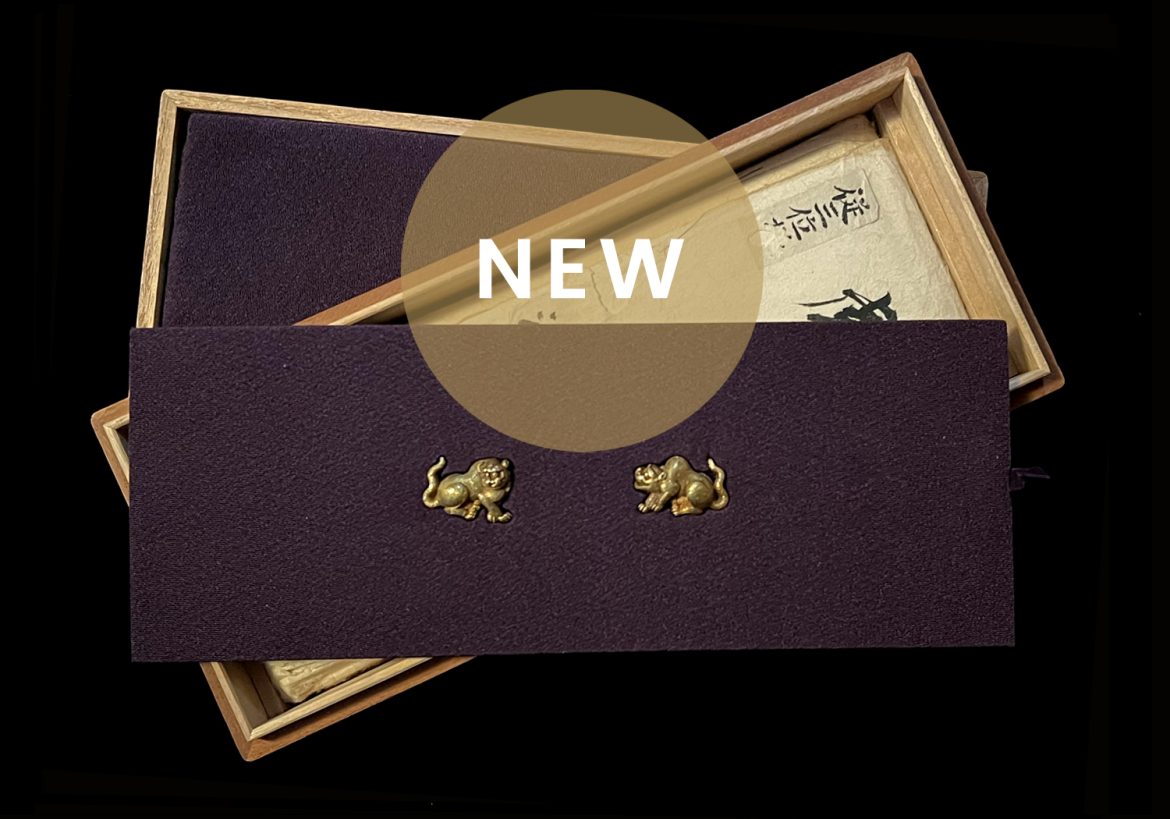
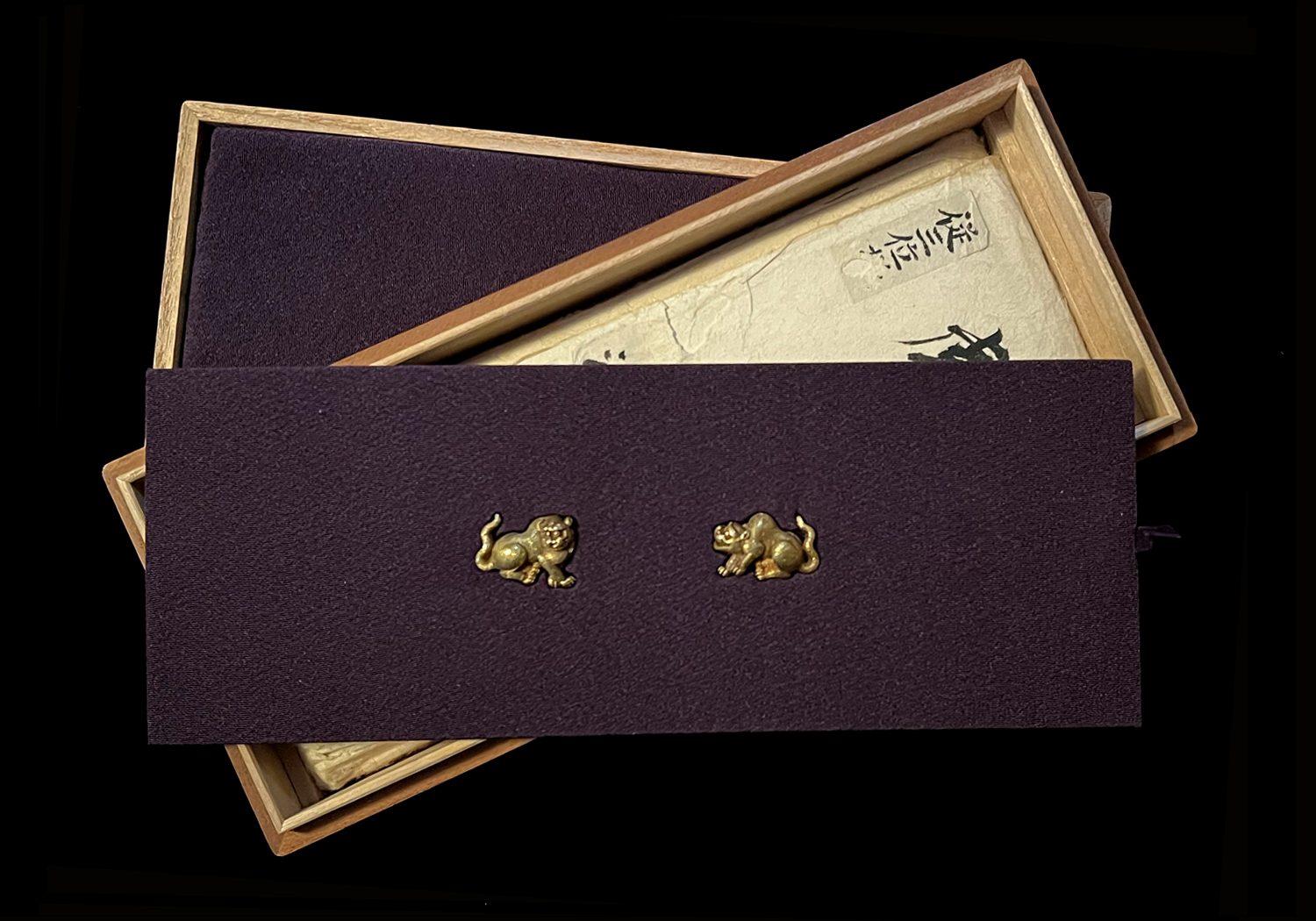
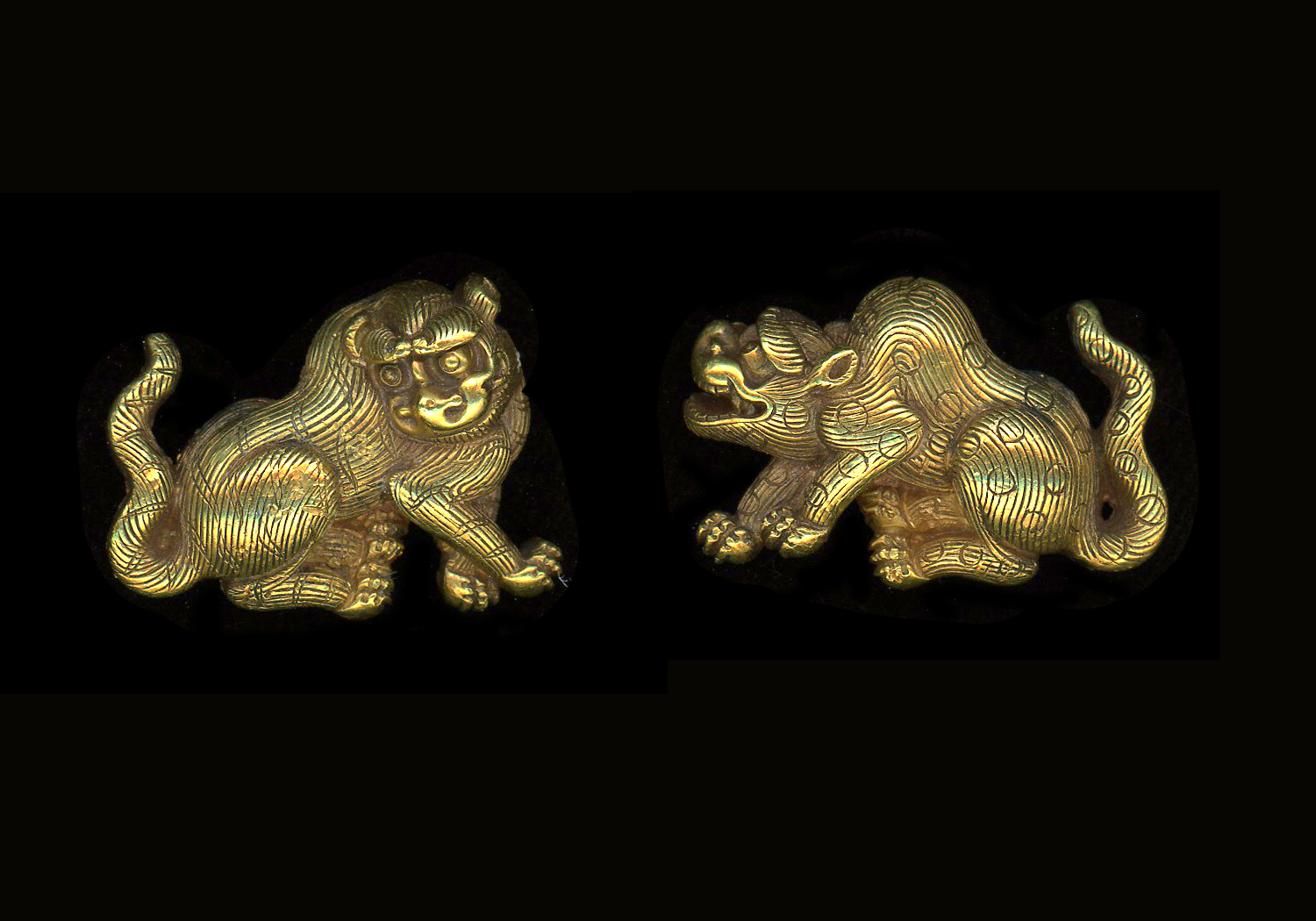
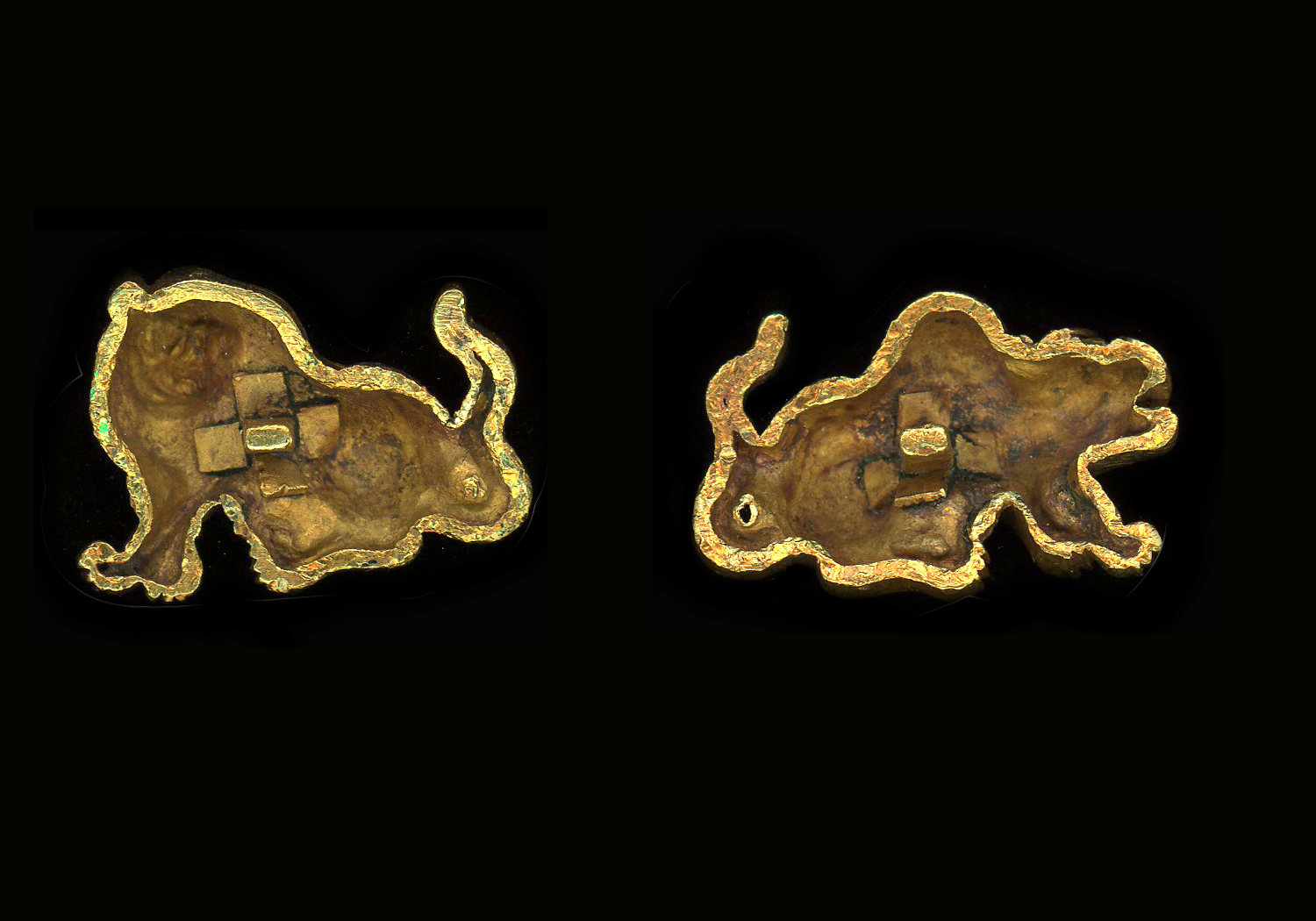
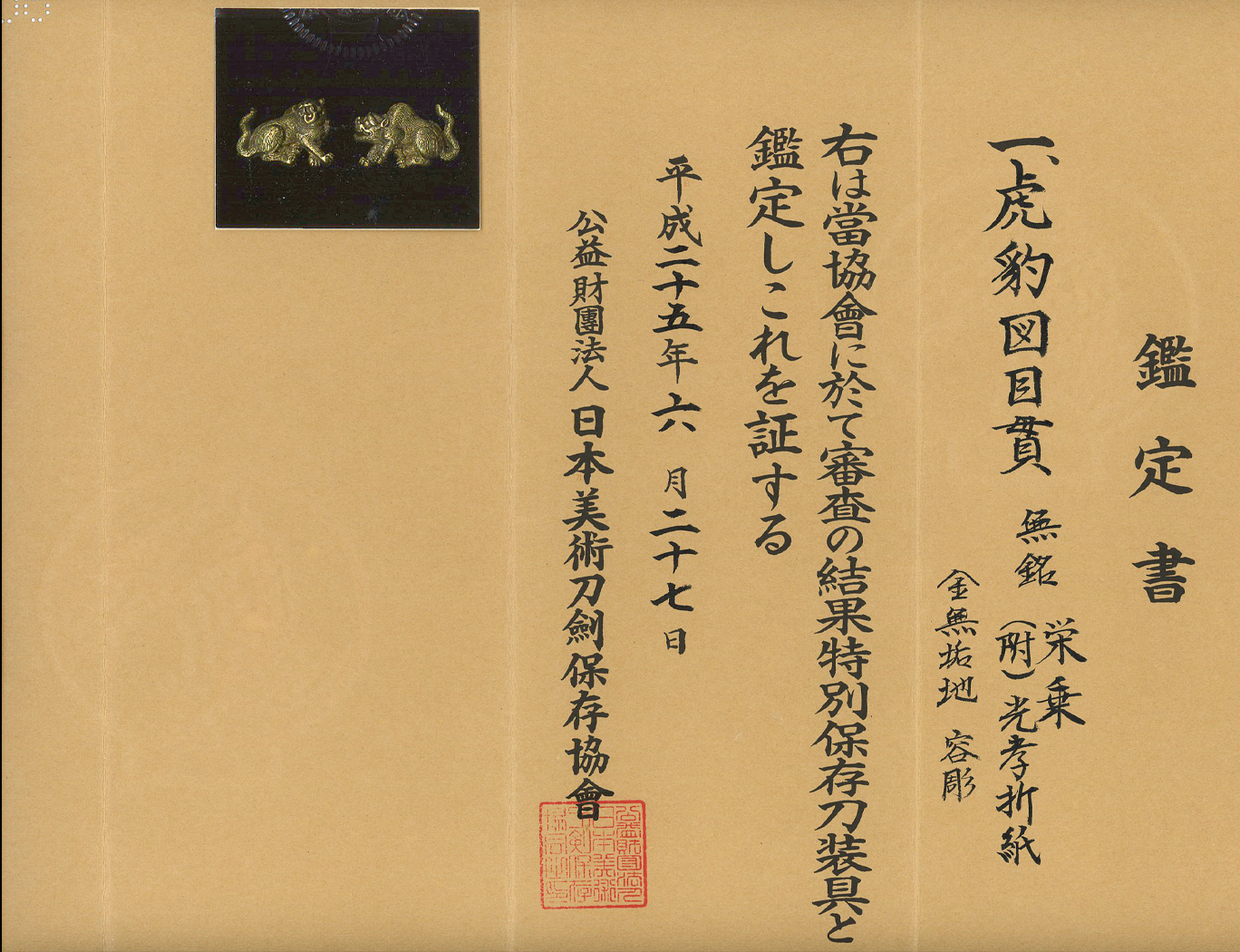
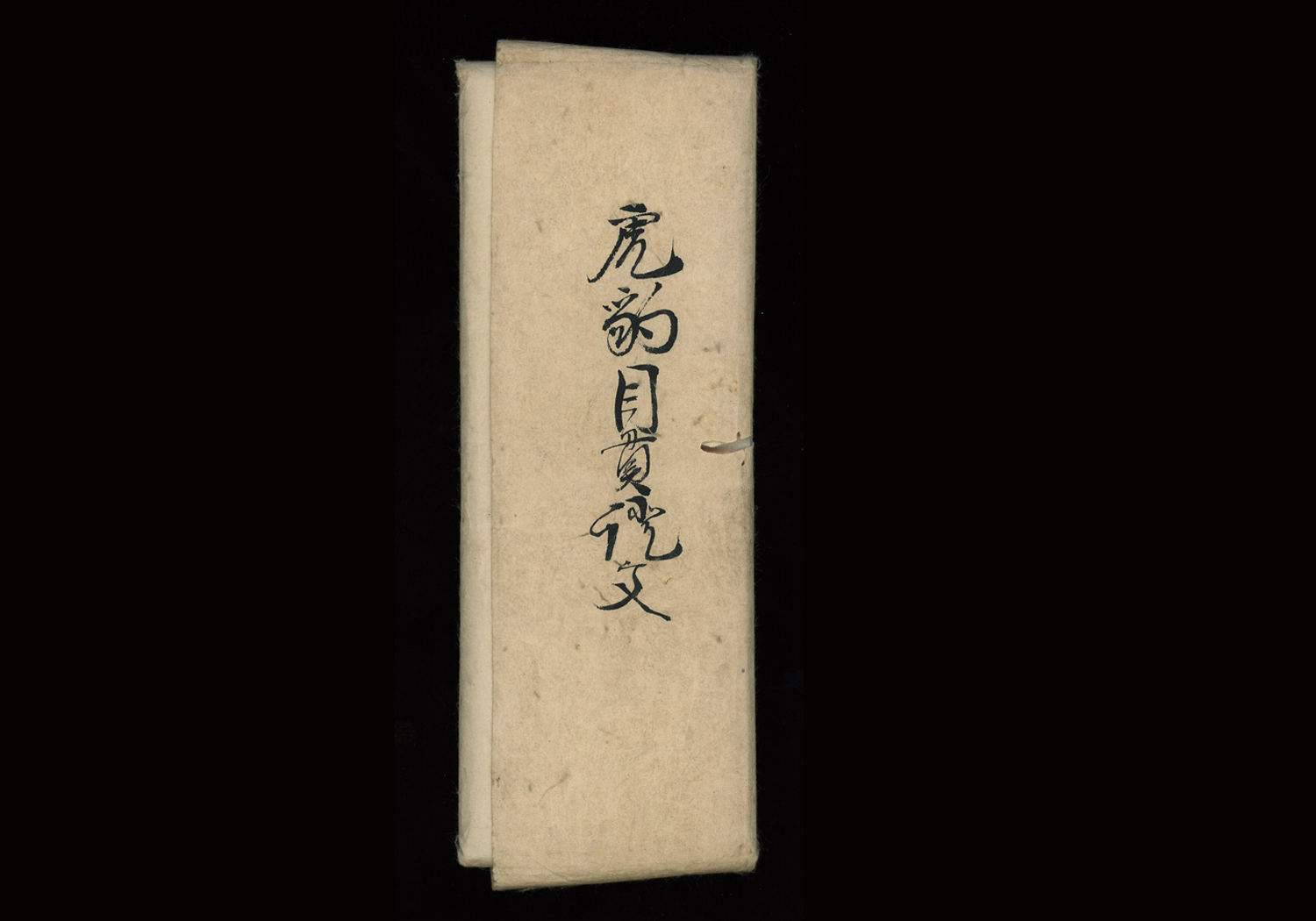
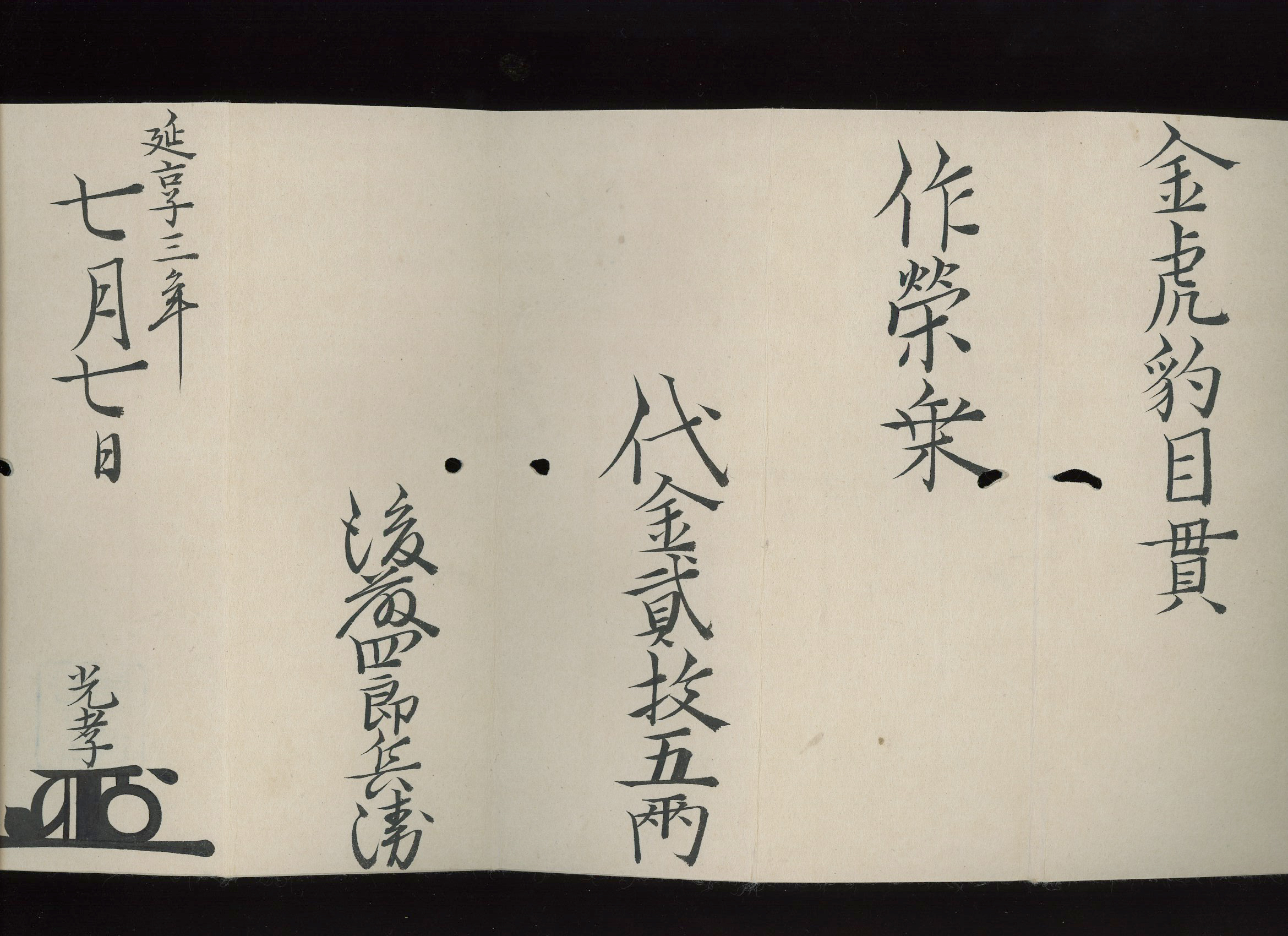
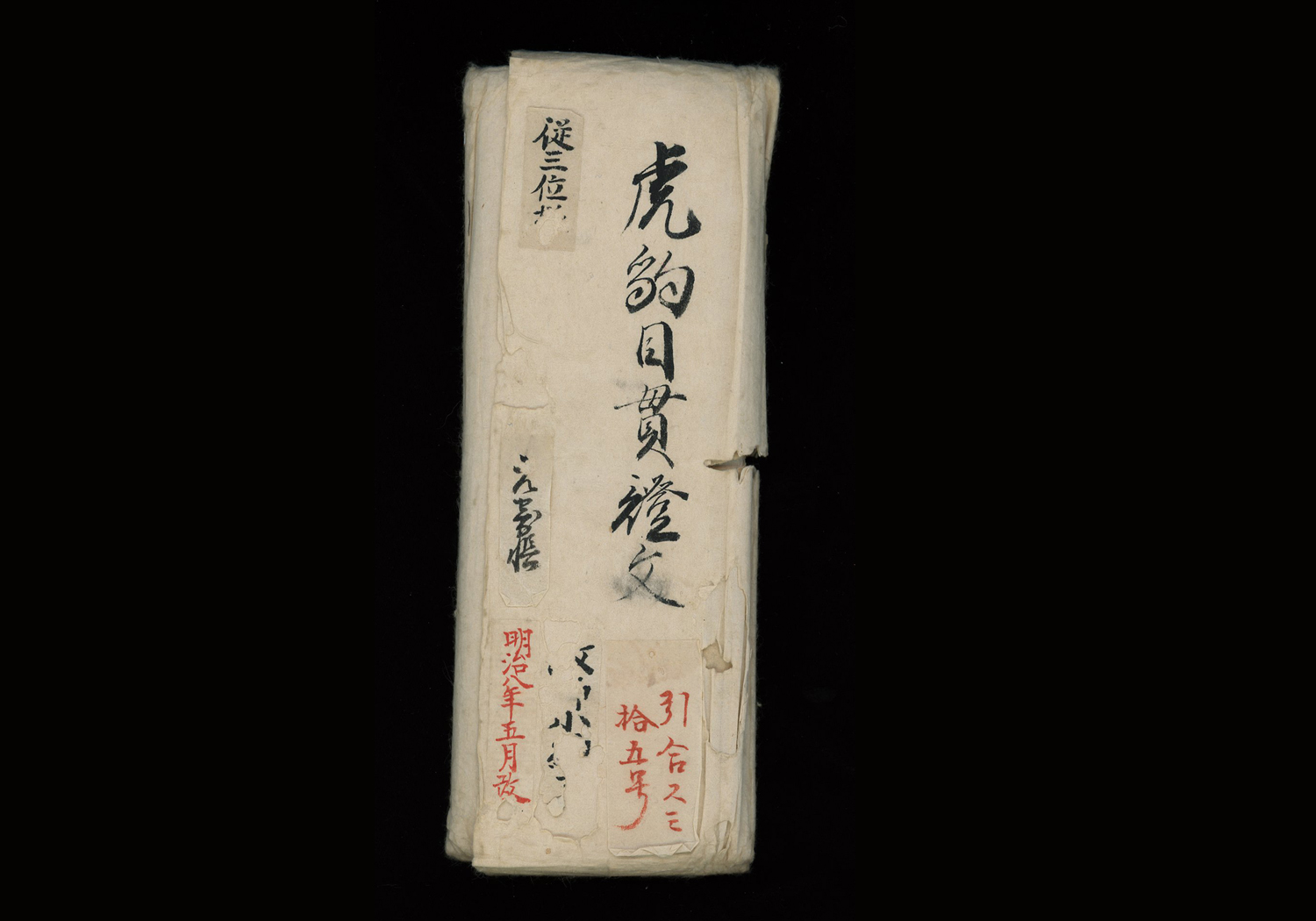
Eijô, (栄乗) born in the fifth year of Tenshô (1577), was the eldest son of Tokujô (徳乗). His childhood name was Kameichi (亀市) and his first name was Genshirô (源四郎) before he took over the hereditary family name of Shirôbei. For a civilian name he used Masamitsu (正光), Masafusa (正房), and Mitsumune (光宗). His father passed on the leadership of the Gotô family and school to him in Bunroku three (1594) and entered the priesthood at the relatively young age of 45. That was also the time when the father started to use the gô Tokujô. Eijô, who was only 18 years old at the time his father entered the priesthood, has thus far been using the name Masafusa. When he assumed leadership of the family, he changed his name to Shirôbei Masamitsu. Eijô died before his father, on the fourth day of the fourth month of the third year of Genna (1617), at the young age of 41. His eldest son Genshirô (源四郎), aka Jôkan (乗閑), had died young also, on the 20th day of the 7th month of the 16th year of Keichô (1611). His second son, Genshichirô Mitsushige (源七郎光重) lived with his mother in a residence called Matsunohana in Kawachi Province and moved up in the list of possible successors to become the next head of the Gotô. However, after Eijô’s early death it was Tokujô who headed the family, doing so until a family conference in Genna four (1618) decided that Tokujô’s second son, Kenjô (顕乗)s should become the 7th head of the main line seven years later. Kenjô in turn was ordered to take care of Mitsushige as he should become his successor as the 8th generation. Eijô continued the workmanship of his father, Tokujô, unchanged, although his motifs do get a hint larger; some interpretations are even almost as large as those of Jôshin (the third generation). He too followed the trend of his time to more flamboyant work; he is known for making elaborate depictions of warriors and figures. Nihonto.com is pleased to a lovely pair of solid gold menuki attributed to the work of Eijô. These menuki depict a tiger and a leopard in exquisite detail. The tiger measures 0.80 inches or 2.04 cm in length and 0.65 inches or 1.65 cm in height. The leopard measures 0.90 inches or 2.28 cm in length and 0.60 inches or 1.52 cm in height. They are accompanied by an original origami (certificate of appraisal) done in the third year of Enkyo (1746) by Gotô Mitsutaka and again re-certified by an appraiser in the 8th year of the Meiji Period (1875). This set is also accompanied by a Tokubetsu Hozon Kodogu further attesting to their condition and authenticity. MEIJI ERA OUTER ENVELOPE ATTESTING CERTIFICATION Certification for tiger and leopard menuki Holder of the third court rank. Inspected in the fifth month of Meiji eight (1875). INNER ENVELOPE ORIGAMI BY GOTÔ SHIRÔBEI (1746) Gold tiger and leopard menuki Work of Eijō Value 2 mai 5 ryō Gotō Shirōbei Enkyo three (1746) Seventh month, seventh day – Mitsutaka + monogram
Certificate reading — 無銘(栄乗)
NihontoWatchOffered by Nihonto.com
This piece has sold
Get an email when a new Goto Eijo piece hits the market.

Goto Eijo
Early Edo (1577-1617)
Kawachi
Tokuho (NBTHK)
Iebori · Yamashiro · around 1577-1617
5 pieces on the market now
Goto Eijo, the sixth head of the Goto main line, signed a small kozuka of three lions in gold crest work "Goto Eijo" with his kao, and the NBTHK's commentary on it notes that a self-signed Eijo is precious in itself. He was born in Tensho 5 (1577), the eldest son of the fifth head Tokujo; his childhood name was Kameichi, his common name Genshiro and his formal name Masafusa. In Bunroku 3 (1594), at eighteen, he succeeded to the headship and took the name Shirobei Masamitsu, and as a metalworker he signed first Masafusa, then Masamitsu, and after the tonsure Eijo. From his youth he served Toyotomi Hideyoshi with his father and forebears. After the fall of the Toyotomi the house was for a time without a lord, until in Genna 2 (1616) the recommendation of his uncle Chojo, who stood in the favour of Tokugawa Ieyasu, brought him into Tokugawa service. The shogun Hidetada charged him with the offices of the weights, the great gold coin and the carving, and restored the old fief of 250 koku in Yamashiro with an Edo stipend of twenty rations. He was raised to Hogen in his last years and died of illness in the fourth month of Genna 3 (1617), at forty-one, before his father.
The published sources characterise his manner in one recurring sentence: like the third head Joshin, he often worked somewhat large in scale, yet his workmanship is finer than Joshin's[[c:1]]. His kozuka and kogai are mostly of the house's canonical shakudo nanako-ji, carved in takabori with gold and silver iroe and backed in gold, while his menuki are in solid gold or shakudo, modelled in full yobori and often fitted with in'yo-ne. On a gold menuki of a parent lion and its cub the published sources find the age of the work in the modelling of "high peaks and deep valleys"[[c:2]], in the plate worked up from thin gold and in the in'yo-ne. On a set of Kurikara dragons in solid gold, the dragon fills the whole field; the carving is called generous yet powerful in its modelling, the triangular chisel at horns and wrists firm, and the attention carried to the scales and the smallest details of the pose. On a kogai with a sumo bout they locate his individual character in the warabite, the brow shape and the mokko shape[[c:3]].
Lions and crawling dragons are the set subjects of the house, which the published sources say every head carried on from the founder Yujo, each in his own manner; the Kurikara and the tiger in bamboo belong to the same canon. Of the peony and lions they write that the subject already appears with Sojo but becomes frequent from about Eijo's time. Beside them stand figural and narrative subjects, which one commentary calls his speciality[[c:4]]: the Rashomon tale, Ushiwaka and Benkei meeting on the Gojo Bridge, Tadanori bringing his poem to Shunzei, and the battle at Yashima on a tsuba. Of the Ushiwaka and Benkei set they write that the carving fuses precision and breadth into a splendid scene[[c:5]]. Of a menuki of Idaten pursuing a fleeing demon, they observe that both figures are modelled as deep and heavy as carving in the round, with fine chisel work reaching from the folds of the robes to the tips of hands and feet. Rarer subjects include a Koya hijiri, which they say appears elsewhere in Goto work only once, on a menuki, a field sumo bout from before the ring existed, a writing brush and a kalavinka.
One record states that from his generation the Goto heads at last came to put their own signature on their work more often, and that seven or eight such pieces are known today[[c:6]]. The other records still call his self-signed work extremely few and precious. Five of the designated pieces carry it: the three-lion kozuka; a kozuka of three cranes, whose two-to-one composition is thought to look back to Yujo's wet crow; a cloud-dragon kozuka he added to a kogai and menuki that an origami of Renjo gives to Joshin; the Tokubetsu Juyo cloud-dragon set, on which his large signature is cut boldly at the lower centre of the kozuka; and the Tokubetsu Juyo kozuka of a mask box, paired with Yujo's menuki of Okina and Sanbaso. The commentaries also cite a Goto Masafusa kozuka of Idaten and Eijo-signed kozuka of Kasugano and a wet crow, none of them among these works. The rest of his designated work is mumei and stands on the judgment of later heads, who cut kinzogan kiwame-mei such as Mon Eijo or Eijo-saku with their own name and kao, or issued origami: the seventh head Kenjo in Kan'ei 5 (1628), then Teijo, Renjo, Jujo, Enjo, Keijo, Shinjo and Koko. The record itself separates hands where it must. On a set of two puppies it gives the shafts of the kozuka and kogai to the fourteenth head Keijo, and of an unsigned Uji River tsuba transmitted as his it says that whether it is Eijo's is still open to study, though it is beyond doubt a work of the early Edo Goto house.
The Goto were the house of iebori, carving for the shogunal household as distinct from the machibori of the town workshops. The published sources count the first six heads as the upper six generations, a stylistic division of the older Goto that ends with Eijo, and call the parent-and-child lion menuki a fine piece in which the virtues of the old Goto house can be enjoyed to the full[[c:7]]. His scale stands close to Joshin's, and his subjects to his father's: a brush kogai repeats a design found on a kozuka by Tokujo. Of the Koya hijiri kozuka they write that it shows the high dignity of the main line of iebori, and of the Yashima tsuba that its broad otafuku-mokko outline and diagonal composition carry the character of the Momoyama period.
Eijo's record is thirty-five designated works, two of them Tokubetsu Juyo and thirty-three Juyo. He has no National Treasures and no Important Cultural Properties. Their provenance runs through great houses: a set of scattered crests of three-leaf aoi, two bars and triple comma, and an aoi-crest tsuba with fuchi-kashira, both from the Tokugawa shogunal house; the cloud-dragon set of the Asano of Aki, recorded as fitted to the mounting of a Ko-Bizen Masatsune uchigatana received from the second shogun Hidetada; the gold Kurikara set of the Shimazu; a bamboo-and-sparrow pair from the Uesugi of Yonezawa; and three works of the Osaka merchant house of Konoike. Many came with origami valuing them at one hundred to two hundred and fifty kan. The pieces were in private hands when designated and no museum holding is recorded against them. A mumei Eijo with a later head's appraisal comes to light from time to time at the Juyo level, while a piece with his own signature, of which seven or eight are known, is among the rarest things a collector of Goto work could encounter.
Where Goto Eijo stands among comparable artisans: across all of nihontō, and within tradition, era, and period. The tiers (Foremost · Leading · Major · Notable) weigh official designations from the NBTHK and Japan's Agency for Cultural Affairs, together with historical honors of lasting repute such as the Sansaku and Meibutsu-chō.
Select a lens to see how it's measured.
Iebori · Yamashiro
Phase: Goto Main Line後藤宗家· 1573–1900
309 pieces on the market now
| Smith | Era | Designated |
|---|---|---|
| Goto Joshin後藤乗真 | 1512-1562 | 68 |
| Goto Yujo後藤祐乗 | 1440-1512 | 41 |
| Goto Sojo後藤宗乗 | 1461-1538 | 56 |
| Goto Kenjo後藤顕乗 | 1586-1663 | 46 |
| Goto Teijo後藤程乗 | 1603-1673 | 42 |
A Hozon-certified fitting of notably superior craftsmanship and condition, often with signature or workmanship of high reference value.
The NBTHK (Nihon Bijutsu Tōken Hozon Kyōkai, the Society for the Preservation of Japanese Art Swords) is a public-interest incorporated foundation founded in 1948 and supervised by Japan’s Agency for Cultural Affairs (Bunkachō); it is based at the Japanese Sword Museum in Tokyo. Its expert panels physically examine each submitted work (shinsa) and issue a certificate (kanteishō) ranking it by artistic and historical merit. NBTHK papers are the most widely recognized standard of authentication for Japanese swords and fittings.
NBTHK official siteThree-day inspection period and seven-day return period; buyer notifies by email within three days of receipt, no reason needed; full refund once item returned undamaged and unaltered.