The Yamato schools grew up in the shadow of Nara’s great monasteries: Tegai took its name from a gate of Tōdaiji. Their austere masame and quiet suguha are a temple aesthetic, prized ever since for exactly that restraint.
 NihontoWatchNihontoWatch
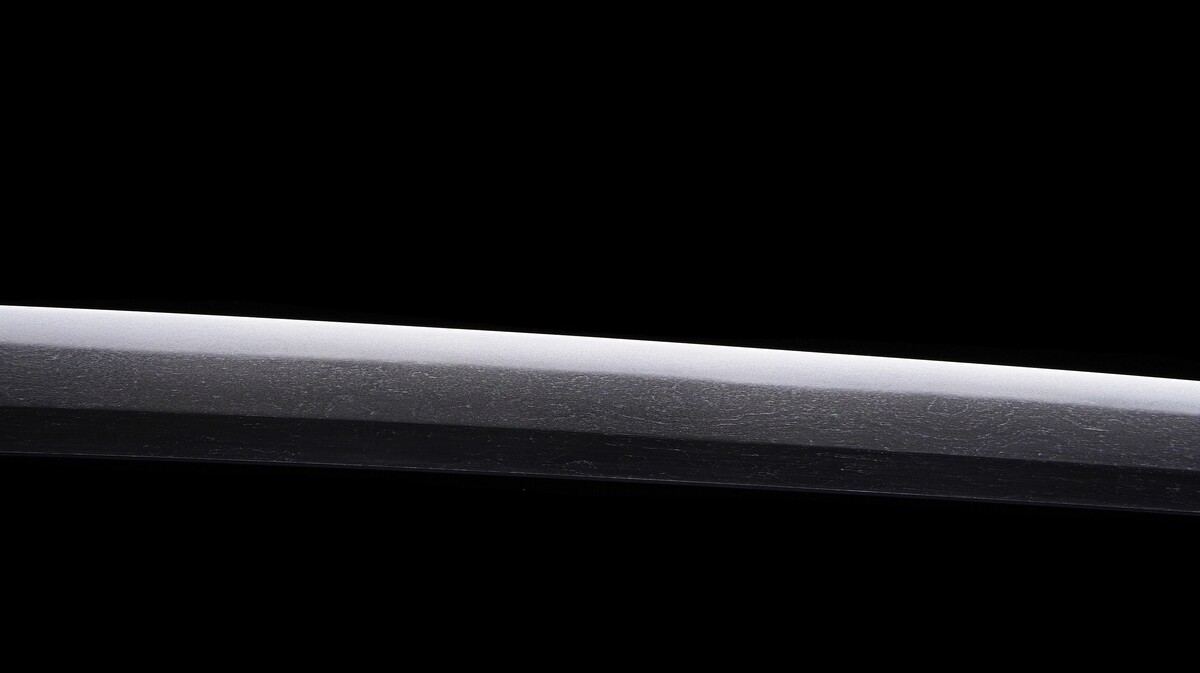
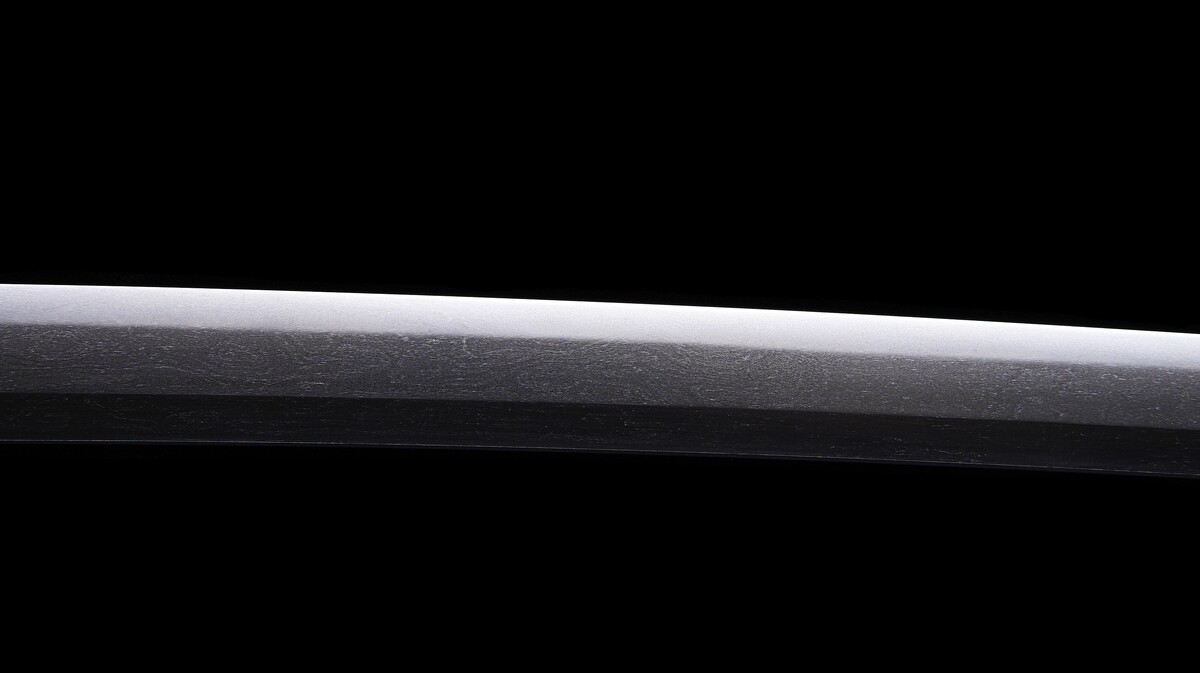
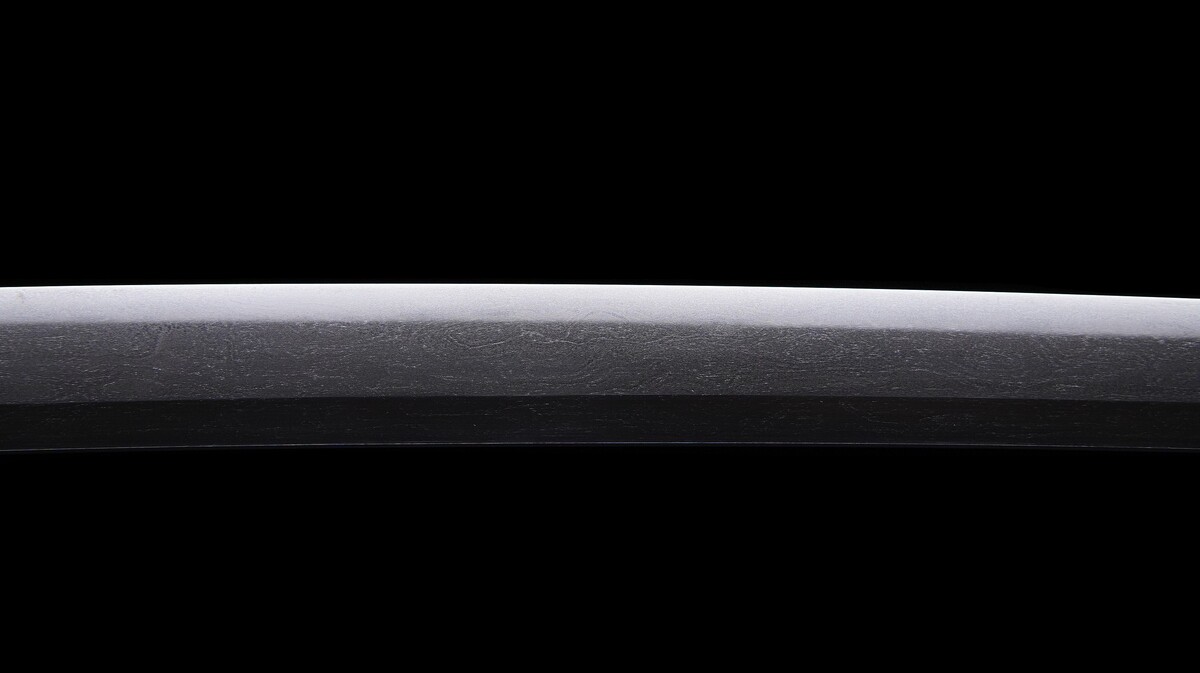
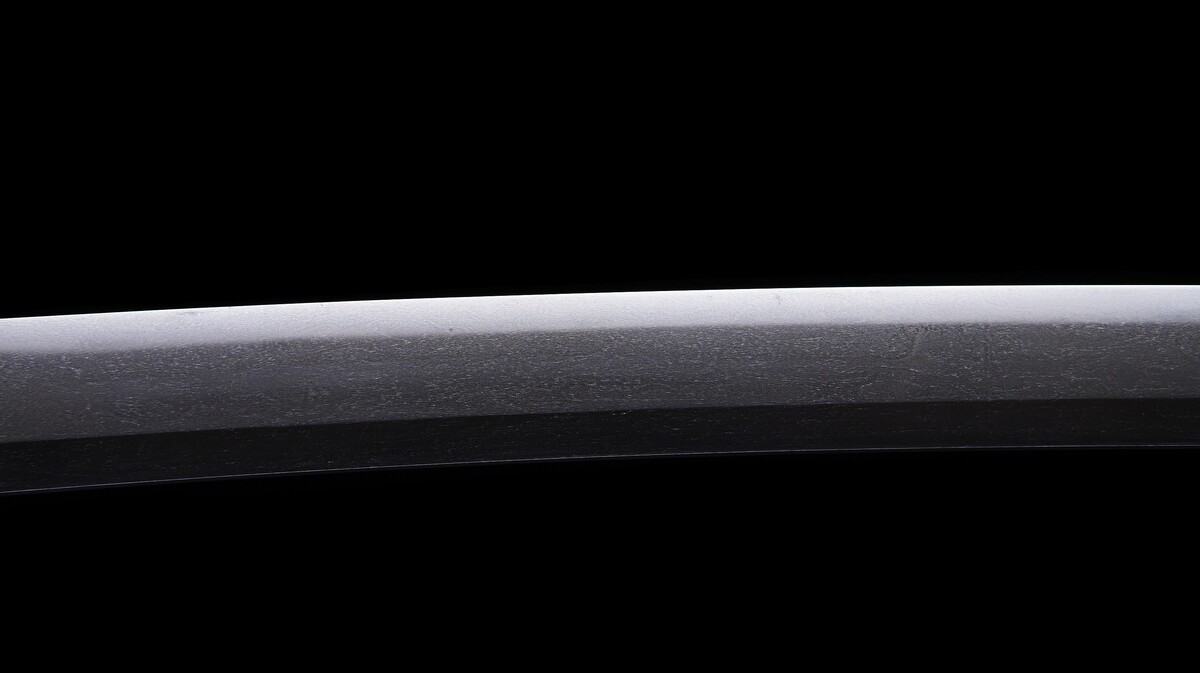
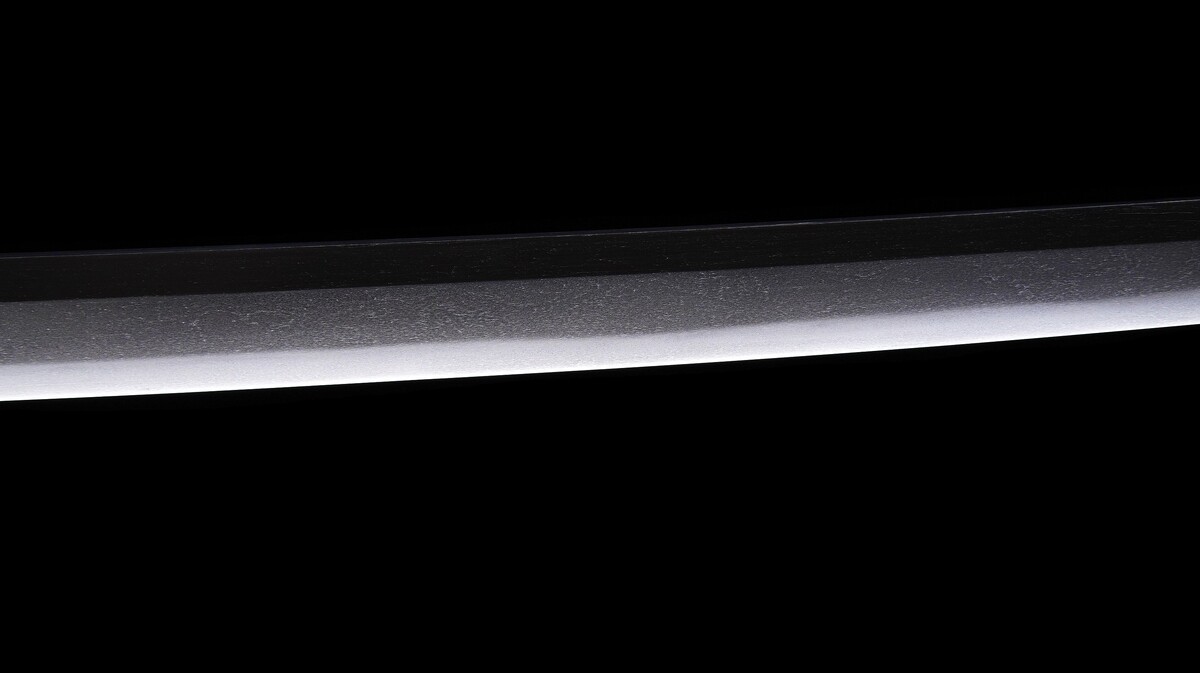
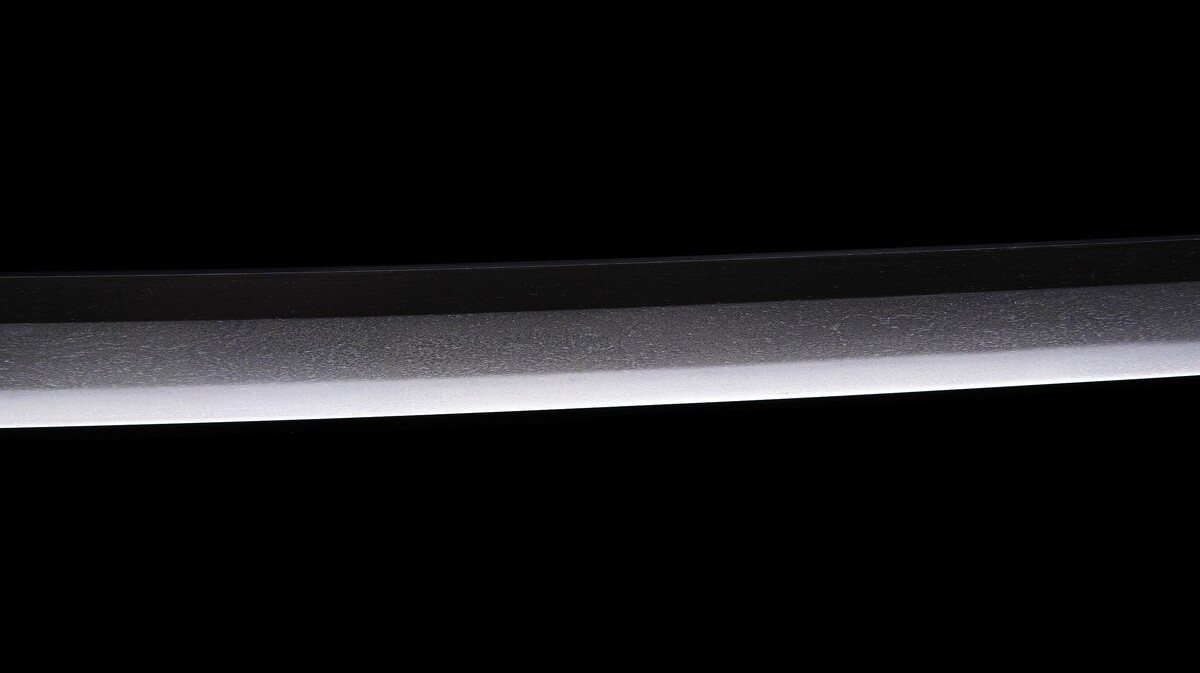
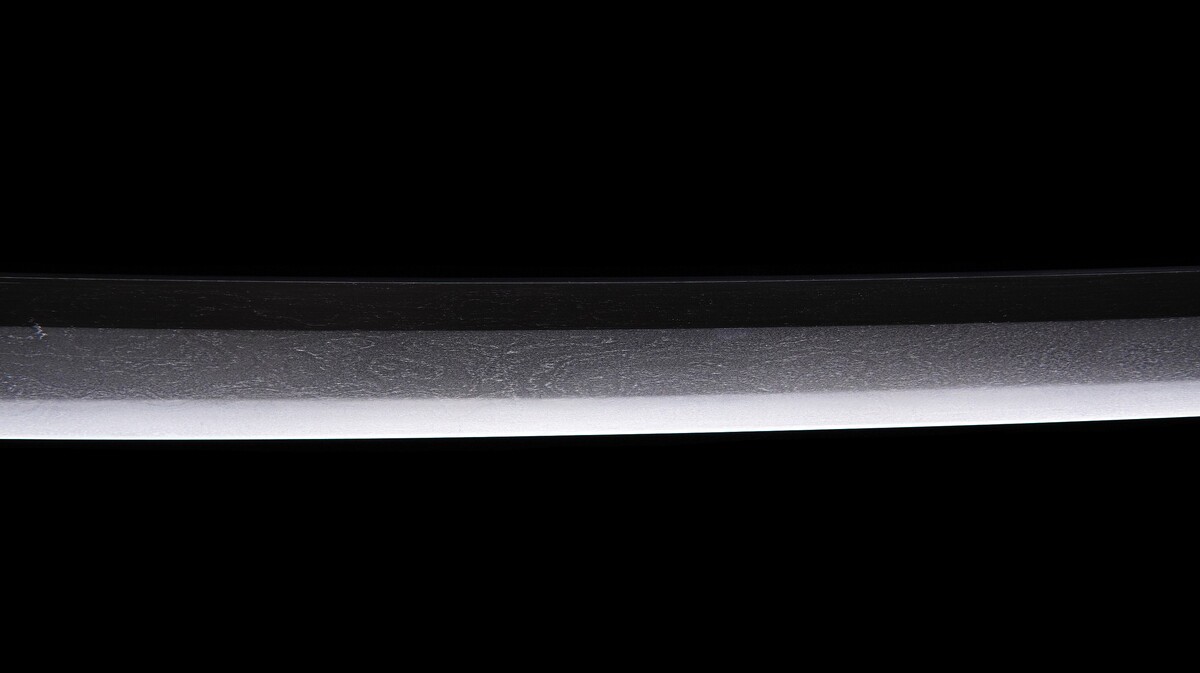
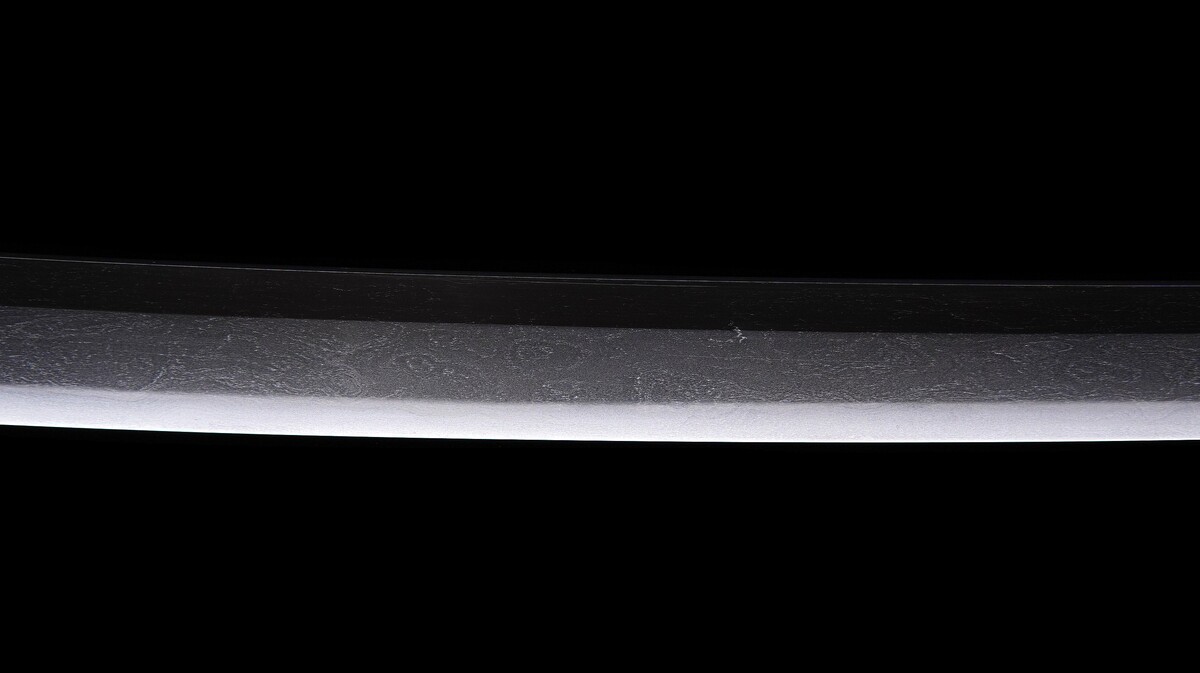
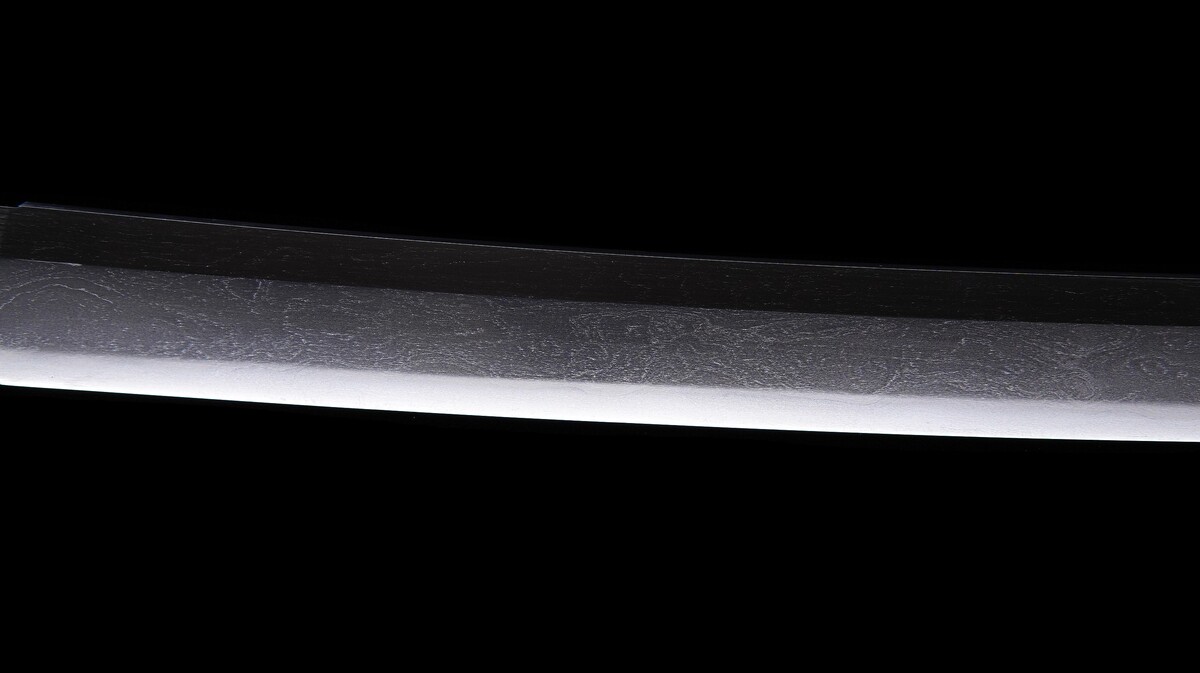
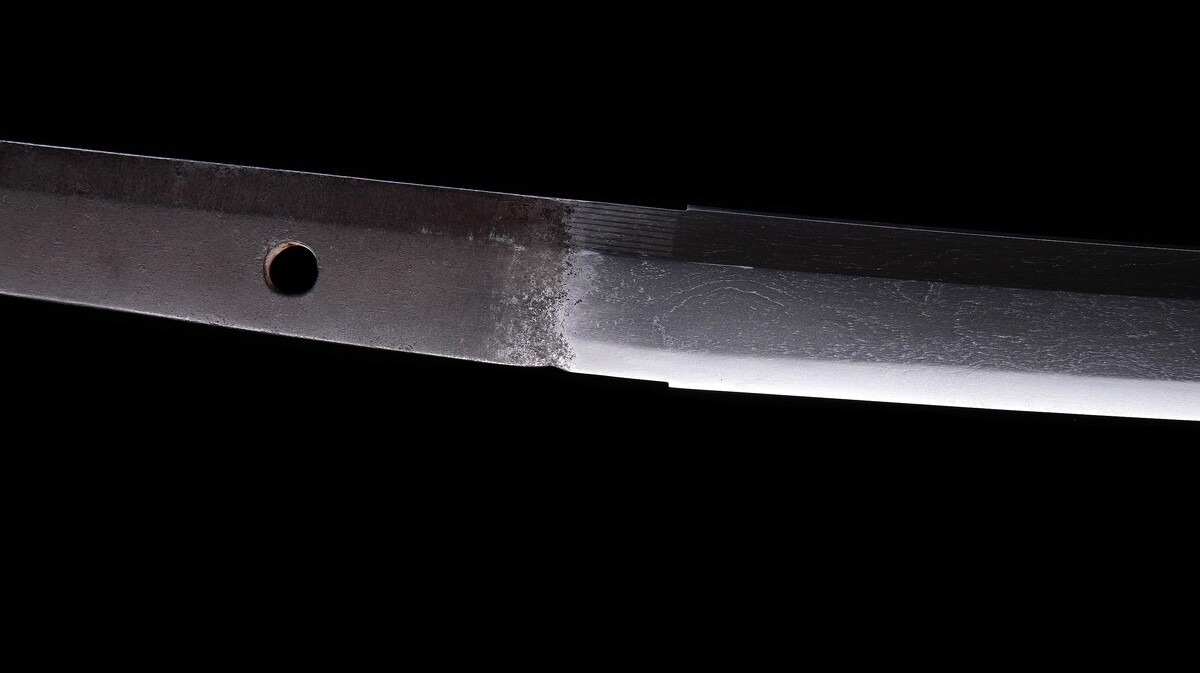
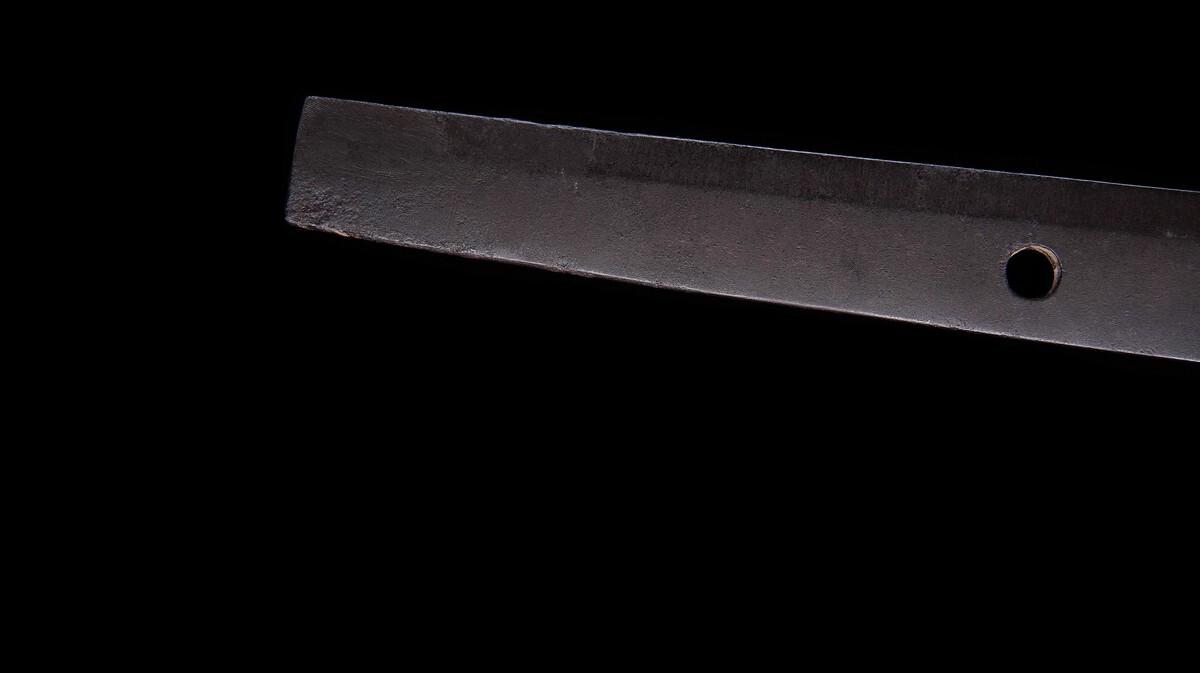
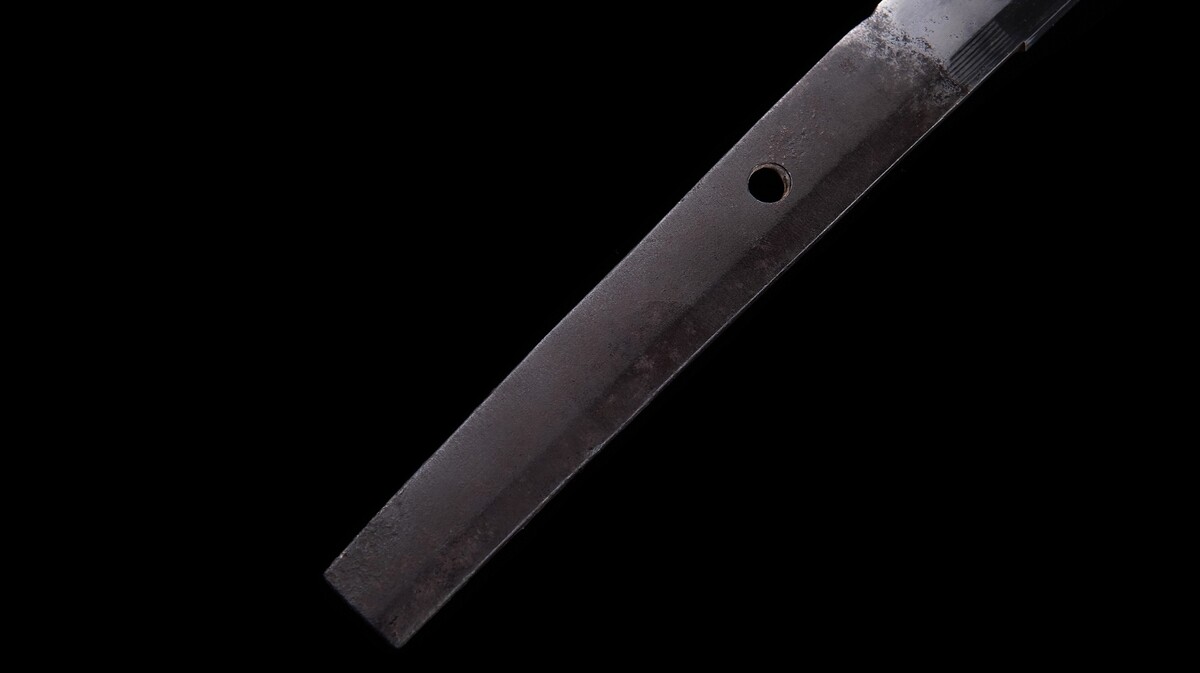
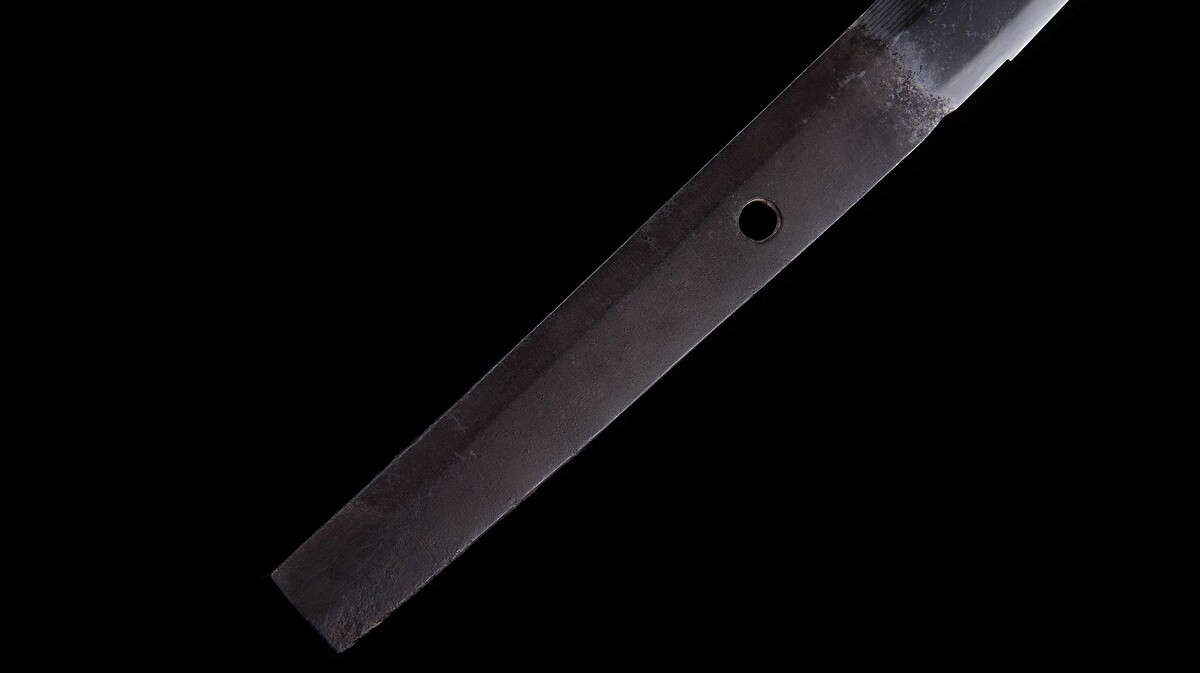
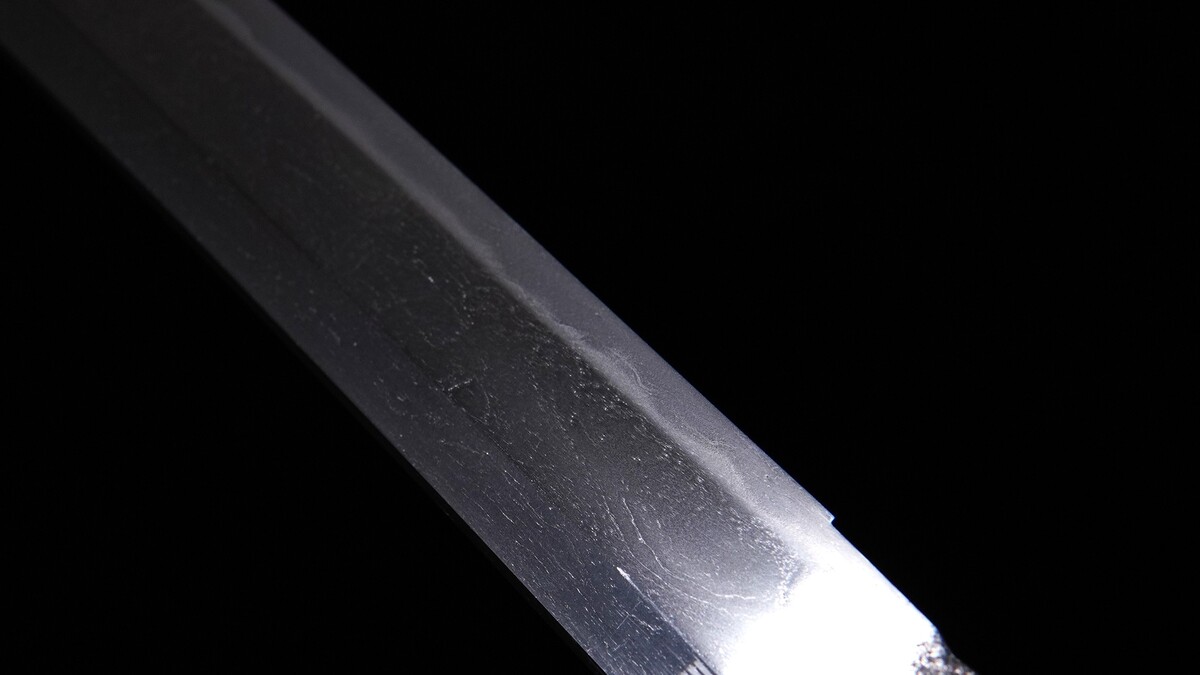
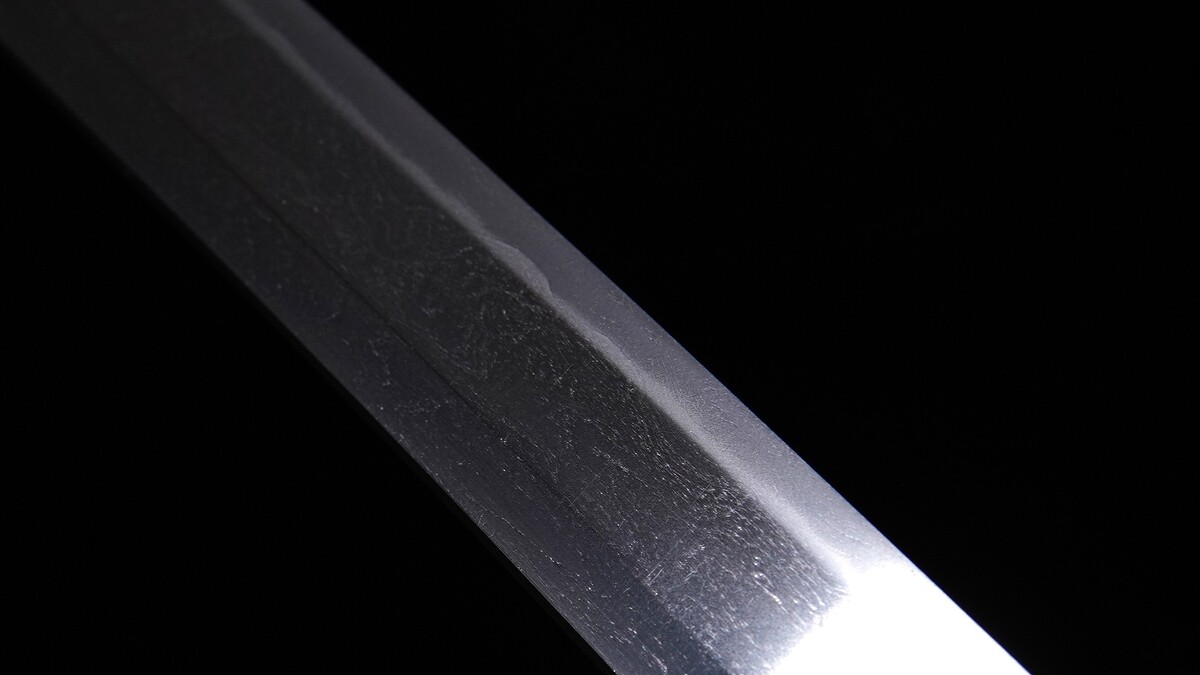
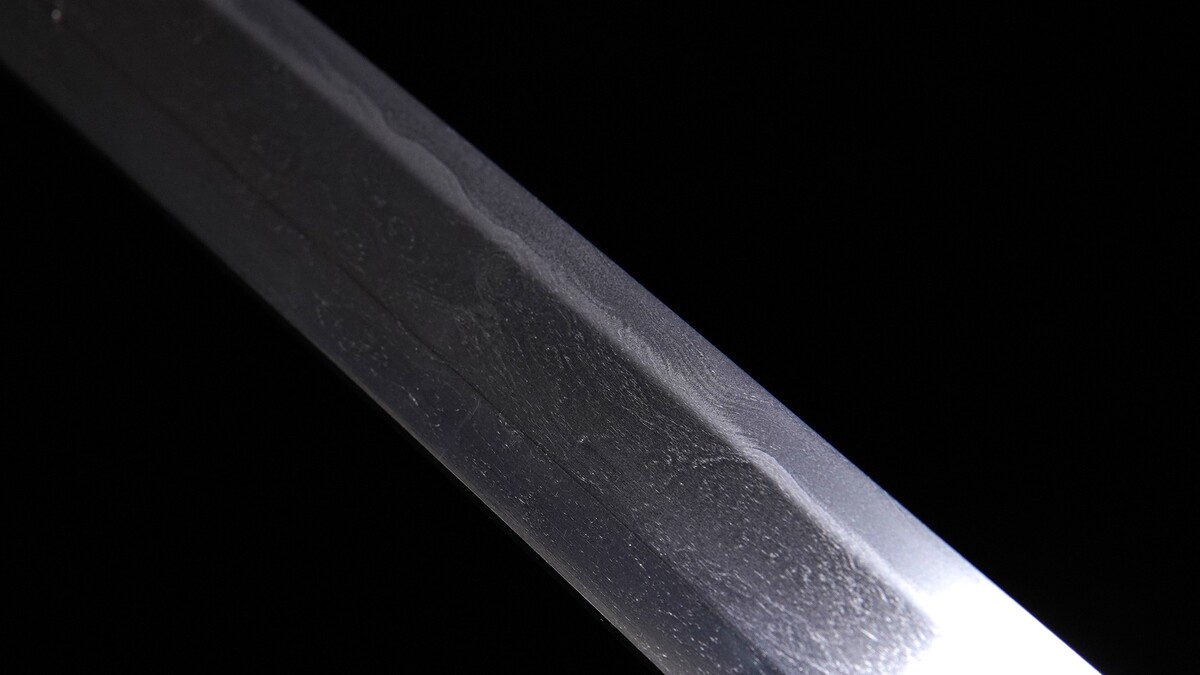
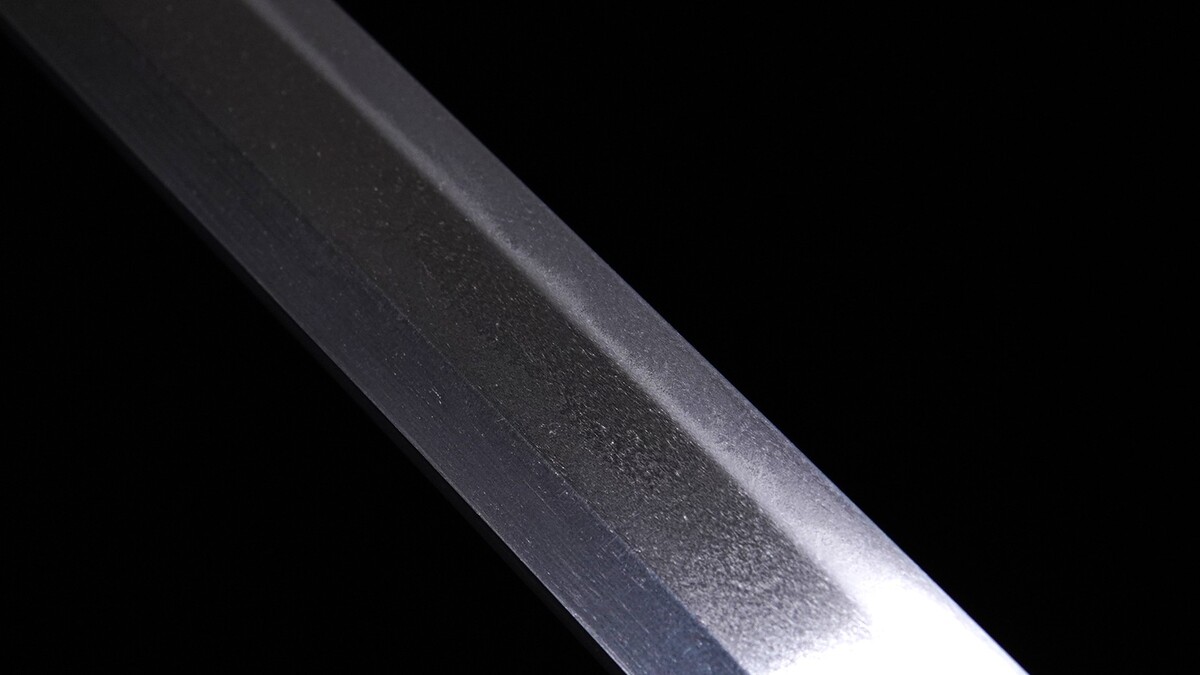
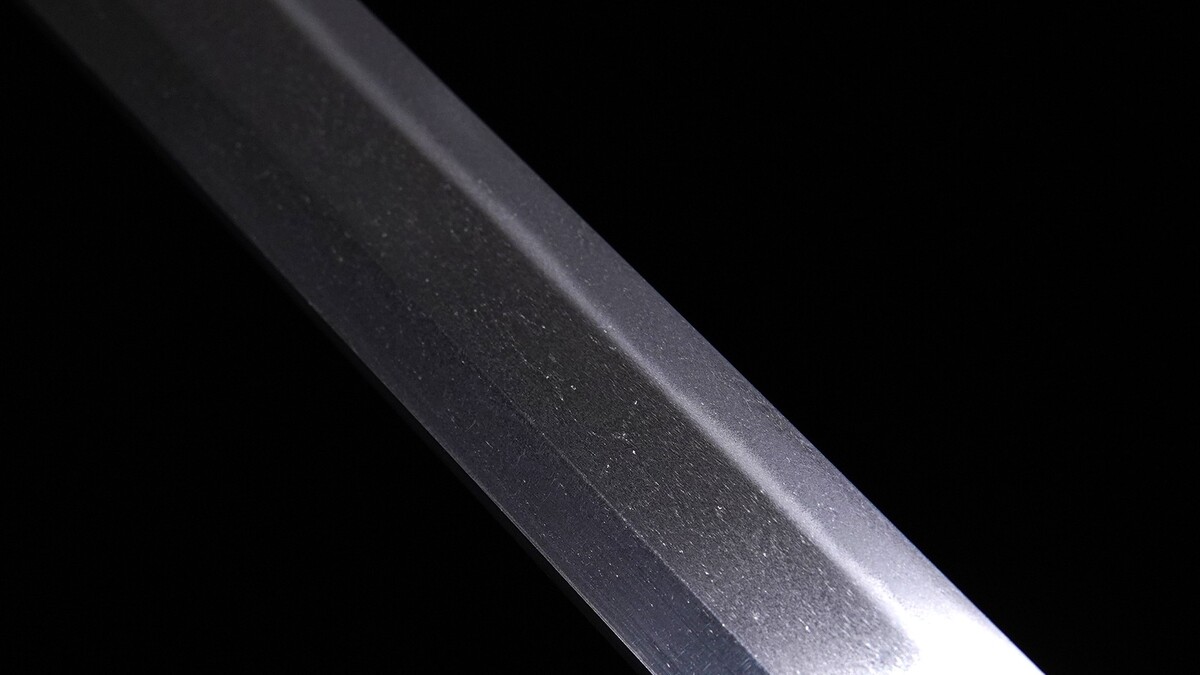
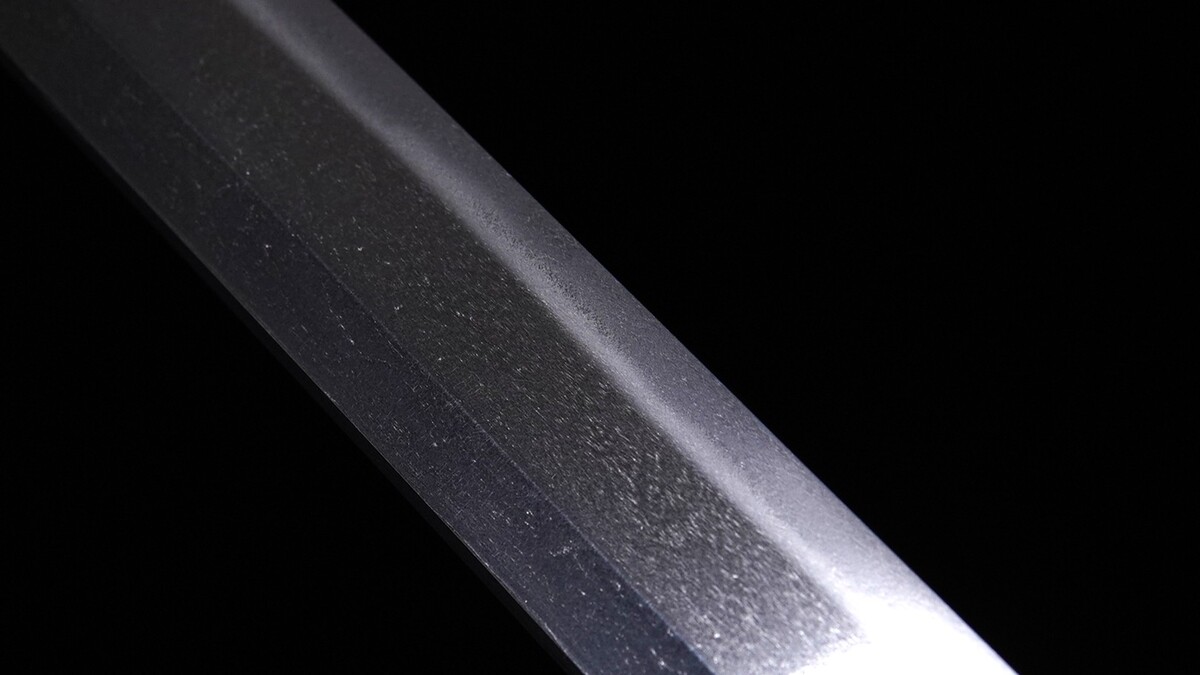
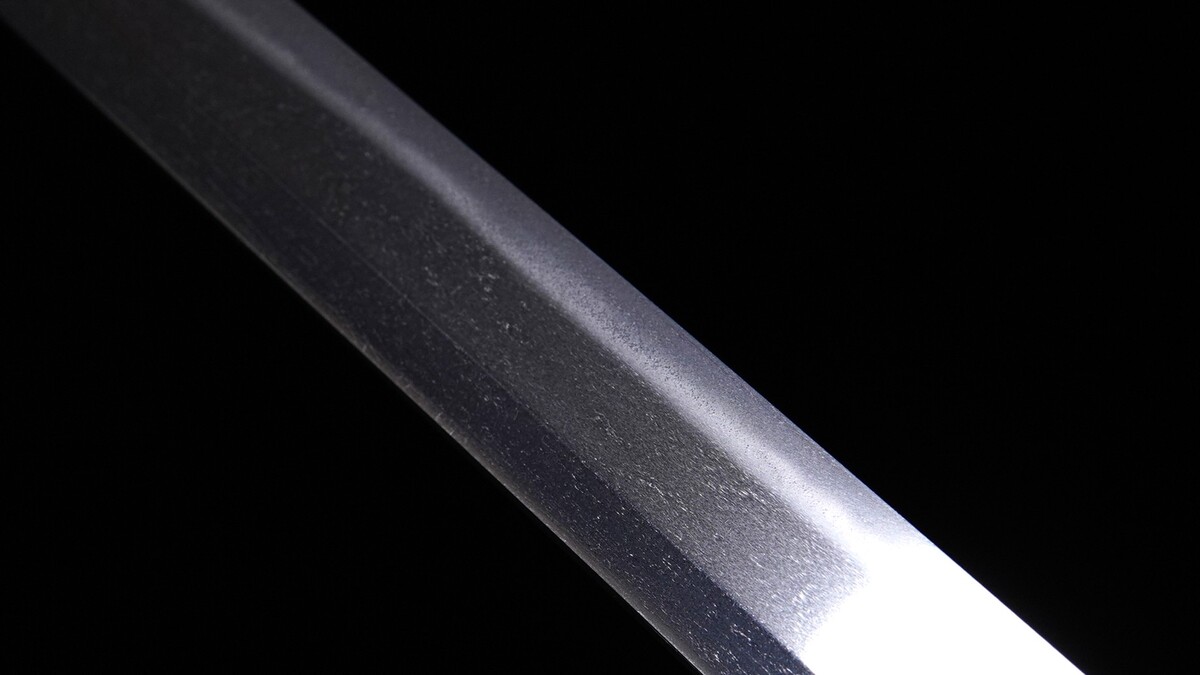
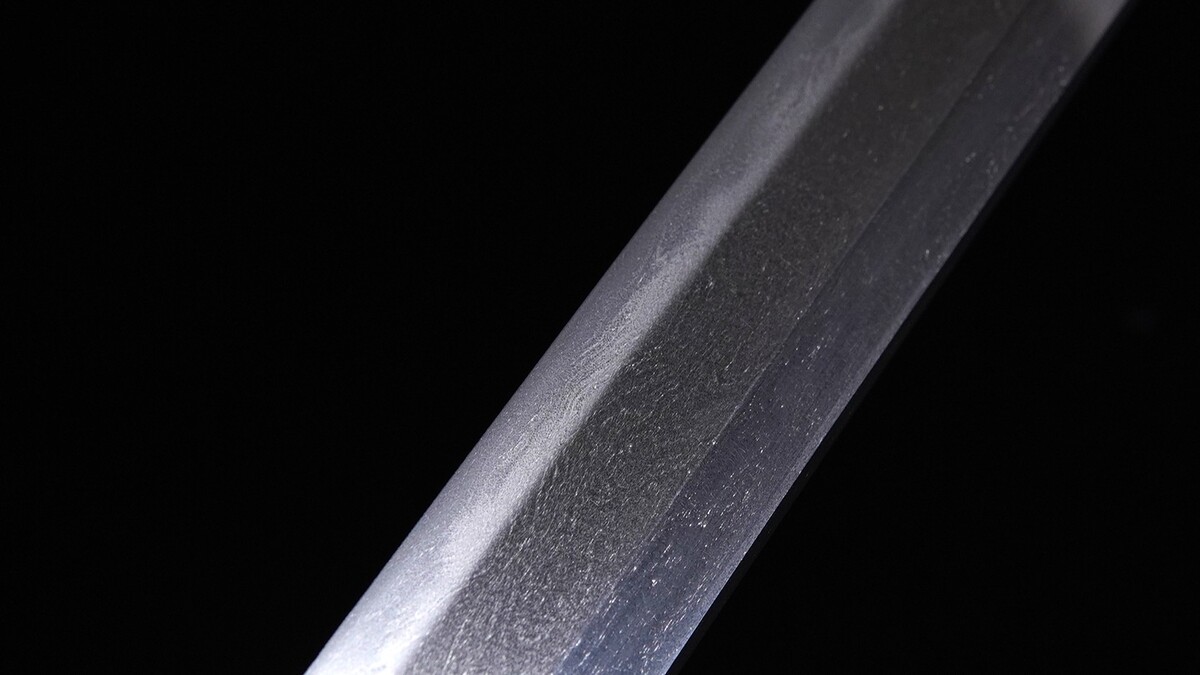
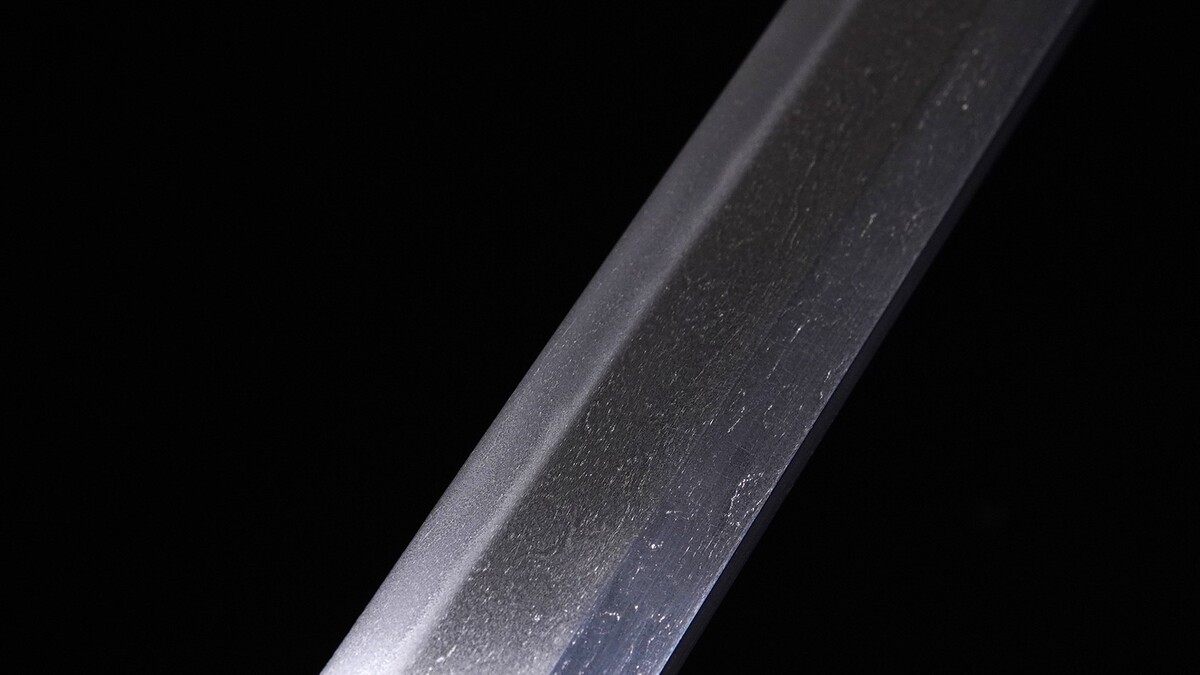
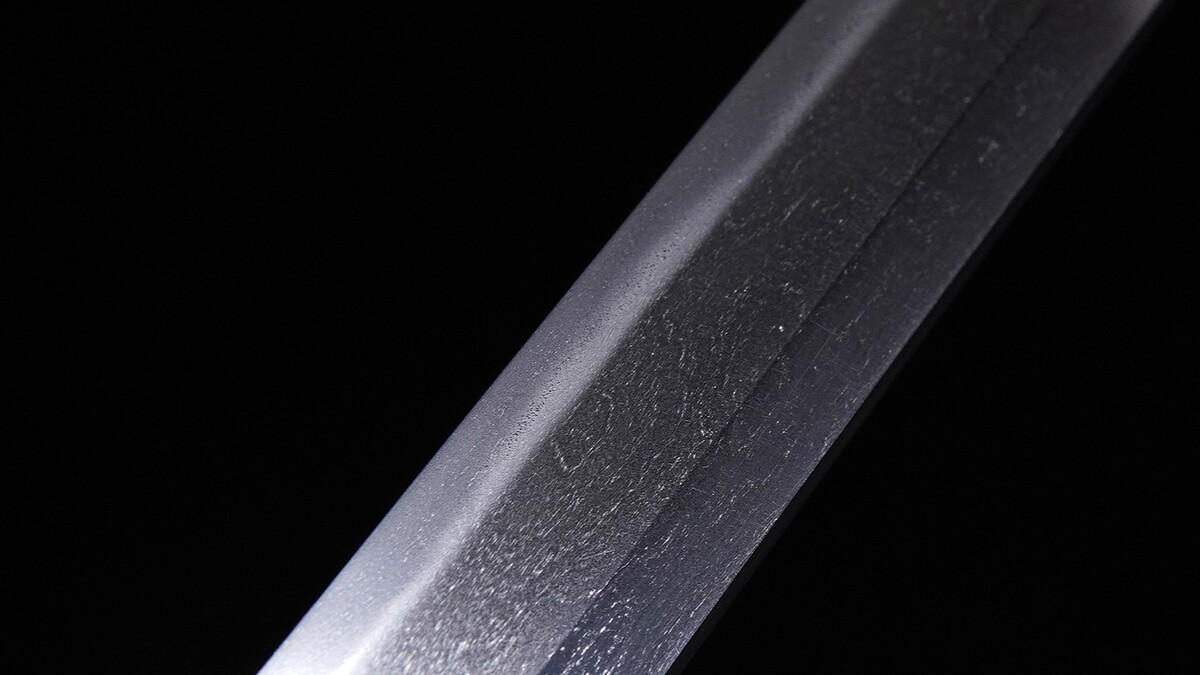
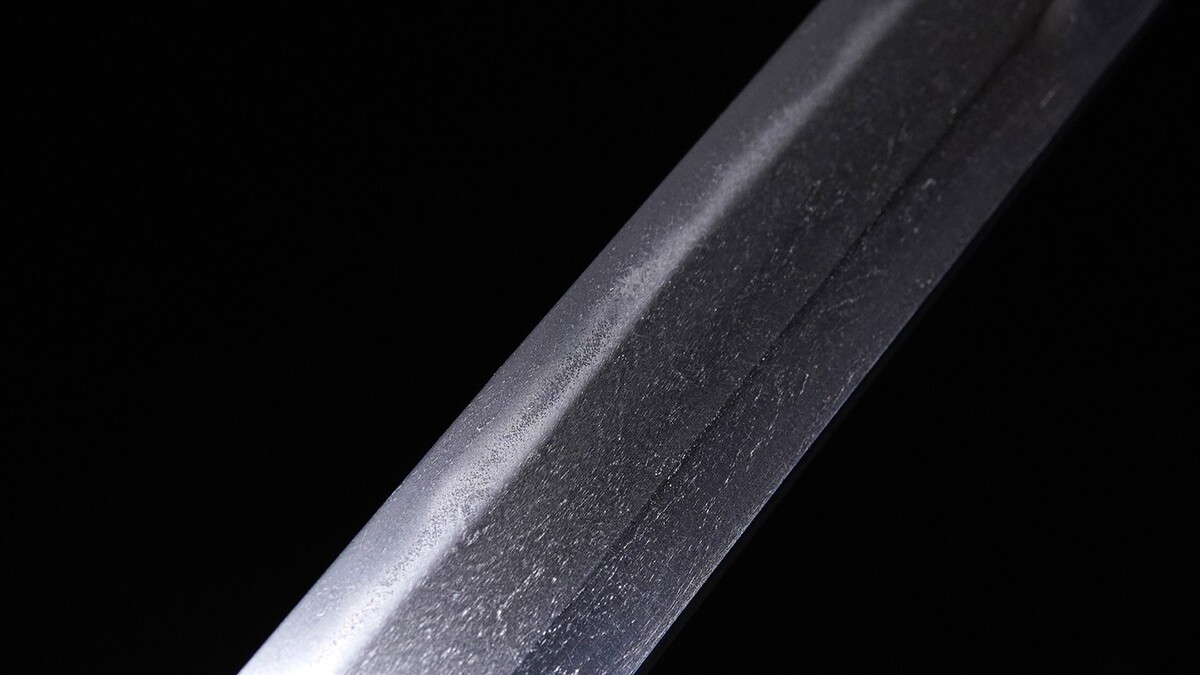
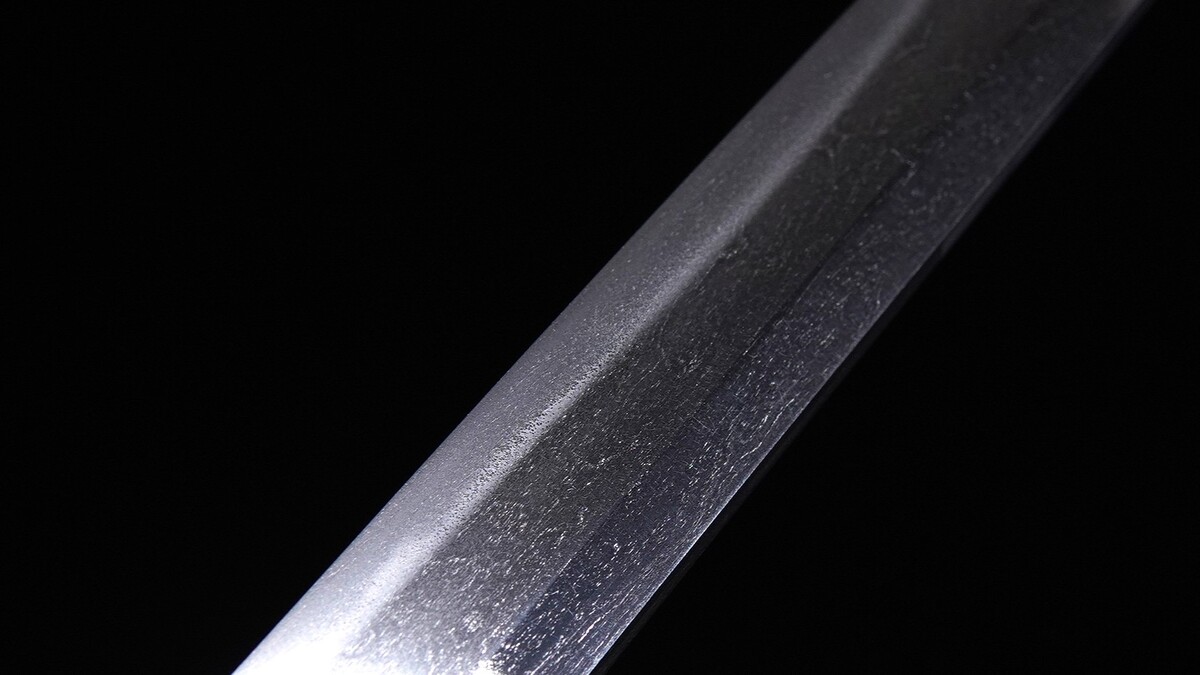
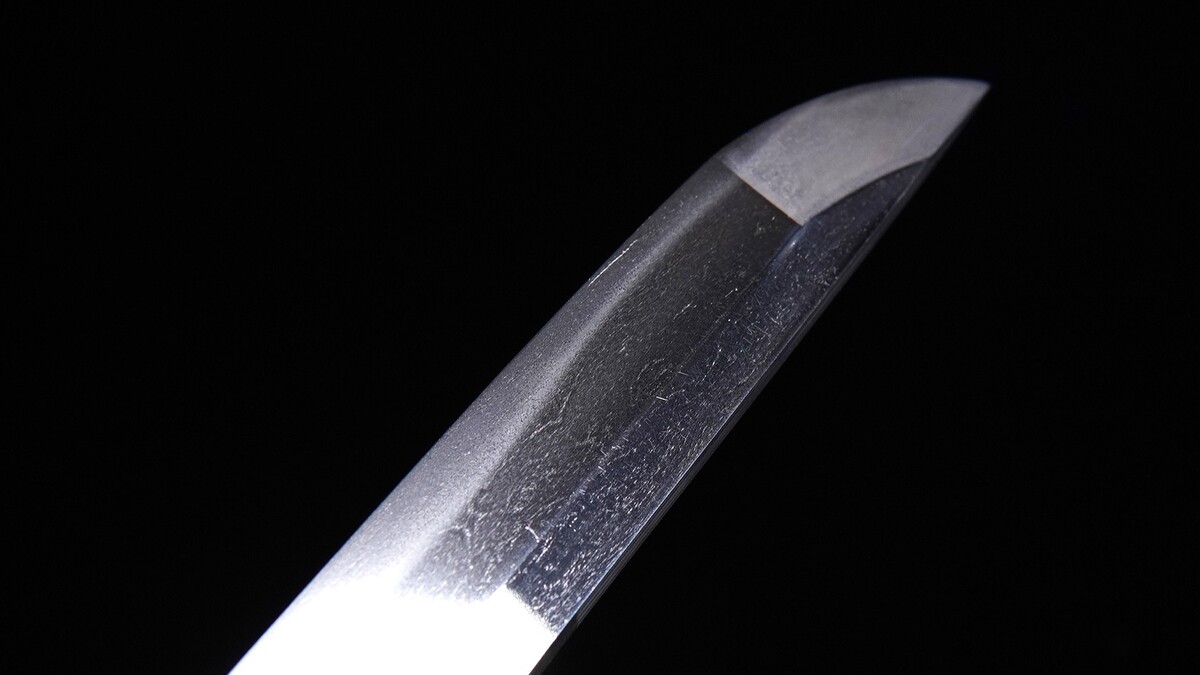
The Shikkake school is a group of Yamato swordsmiths. It is one of the Yamato Goha. With Norinaga as the de facto founder, it continued from the late Kamakura period through the Muromachi period. Works from the Nanbokucho period onwards are classified as "Shikkake Godai". They are also known for a characteristic jihada, which is sometimes called "Shikkake-hada". There is a theory that the name Shikkake originates from a place name located behind Todai-ji, but there are various theories regarding their actual base of activity. This sword is a mumei katana with a Shikkake kiwame. The hamon is suguha. Hotsure and sunagashi enter in places. The jitetsu is itame mixed with masame and mokume. The boshi is yakizume. It is a tachi from the Kamakura period that has been o-suriage to "katate-uchi" dimensions. It is a sword that has fought well and shows togiberi, and while the yakiba of the boshi is slight, the mihaba was originally of a modest tsukuri, giving it an indescribable atmosphere. Because it has a Shikkake kiwame, I have described it as late Kamakura, but considering that tachi from the end of Kamakura to the Nanbokucho period became longer and more goso, I feel this sword is from an era even older than the kiwame. Incidentally, it "stands on its own" with the edge facing upwards. An aogai mijin fuemaki-nuri uchigatana koshirae is included. The saya is a kawari-gata, with the mune side being angular around the middle, and processing on the sashi-omote as if a hi were carved into it, becoming gentle as it approaches the kojiri. It is an elaborate saya. The tsuba is iron ground with a brass fukurin. The menuki are ho-o. The fuchi-kashira are butterflies. I feel the tsuka is an awasemon, but it fits the nakago without any rattling. There are some tape marks on the shirasaya, but it is a good item made from masame wood. The habaki is gold iroe. Regarding the condition, there are few hike and kitae-ware. There is a slight thin rust slightly above the habaki on the sashi-omote, but it can be sufficiently enjoyed in its current state. There is some slight deterioration due to age throughout the koshirae, but there are no major scratches worth noting. I hope you will confirm the details in the photos above.
NihontoWatchOffered by Katana Yamadaiya

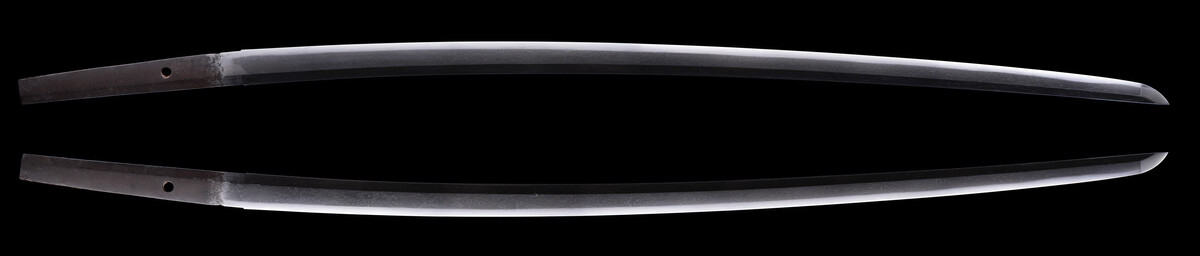



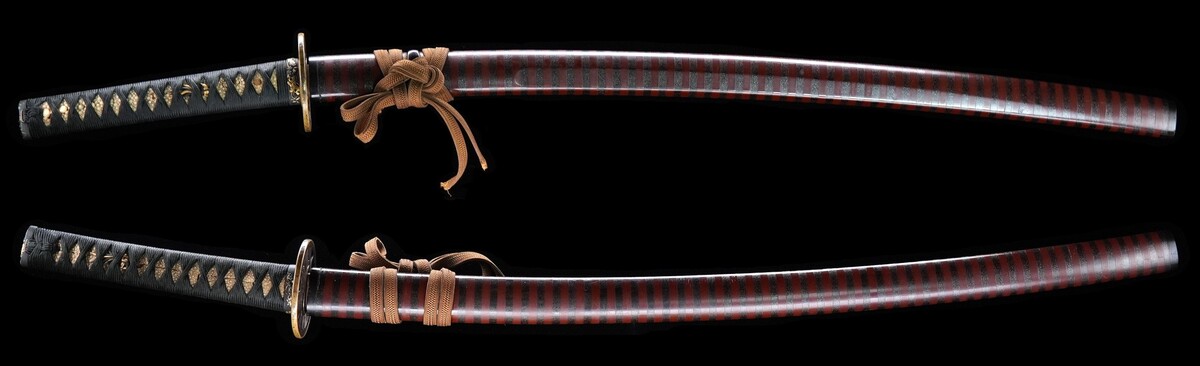
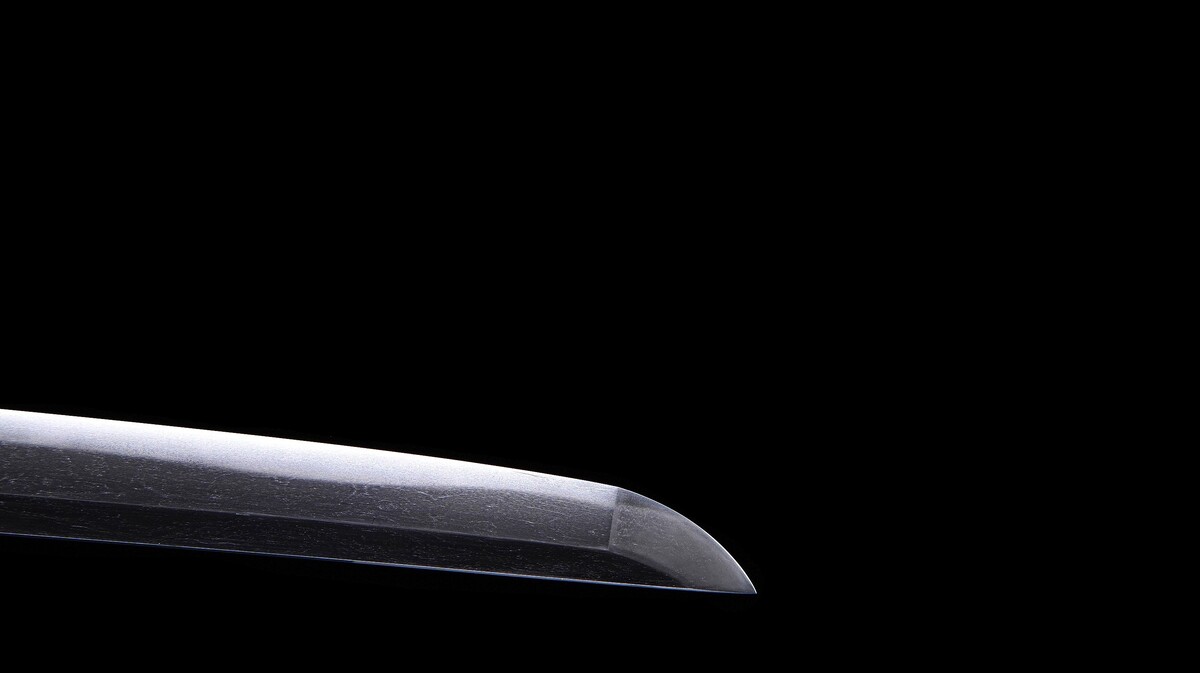
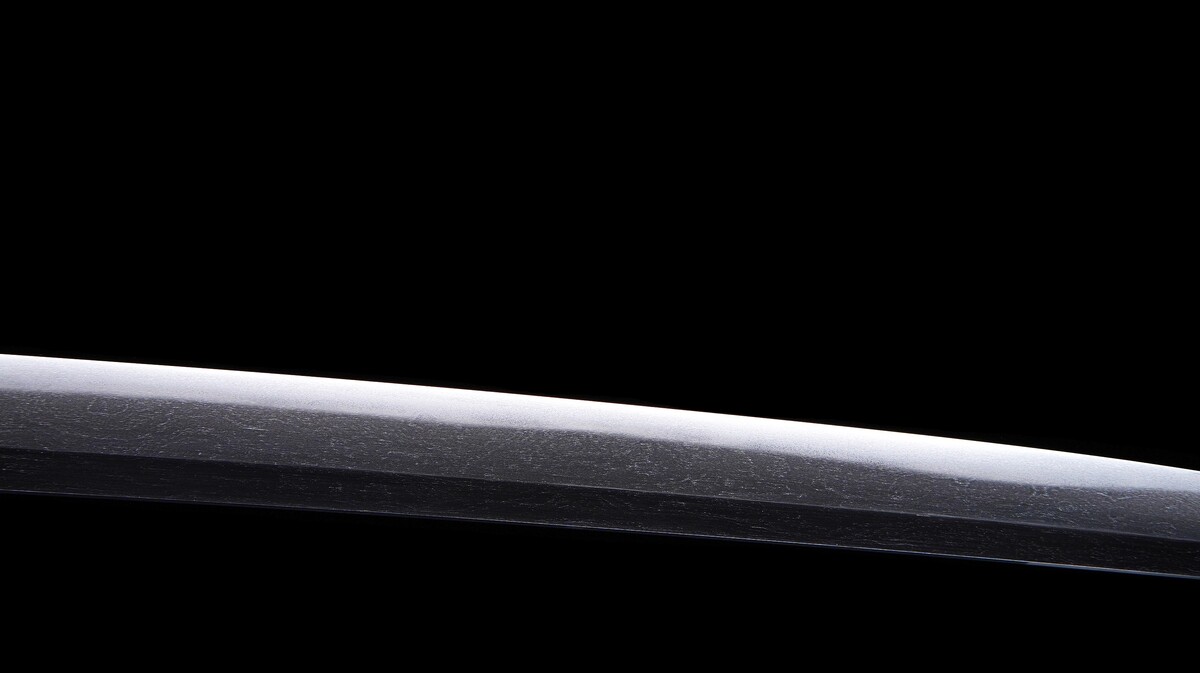
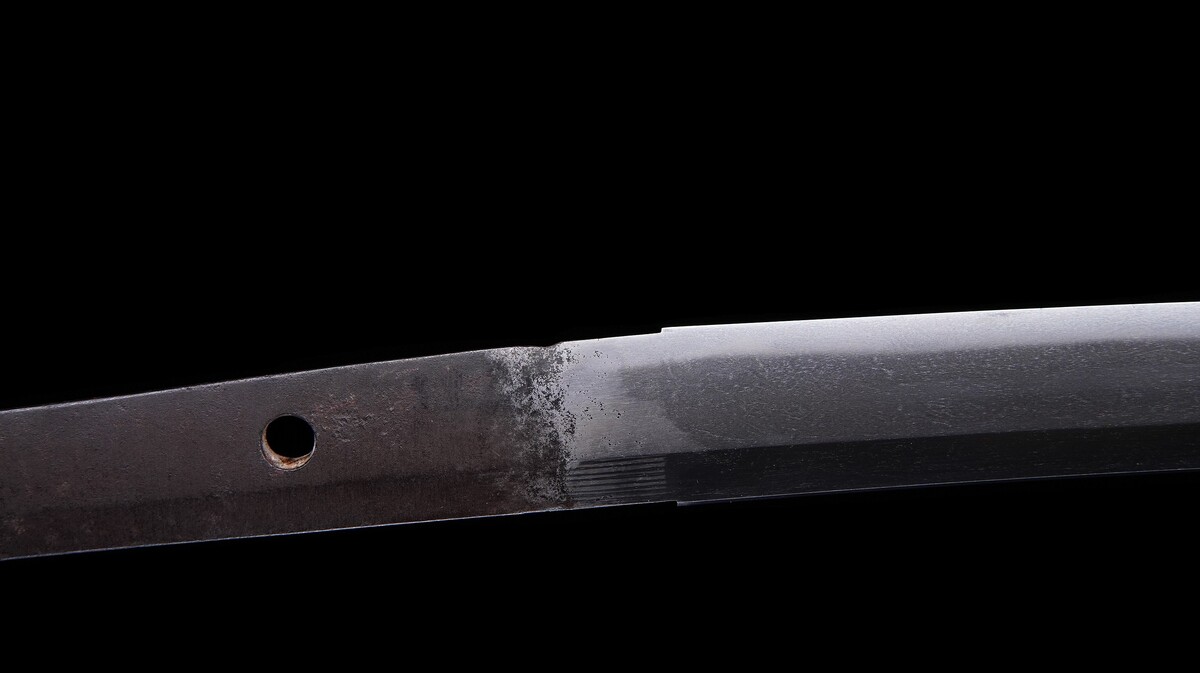
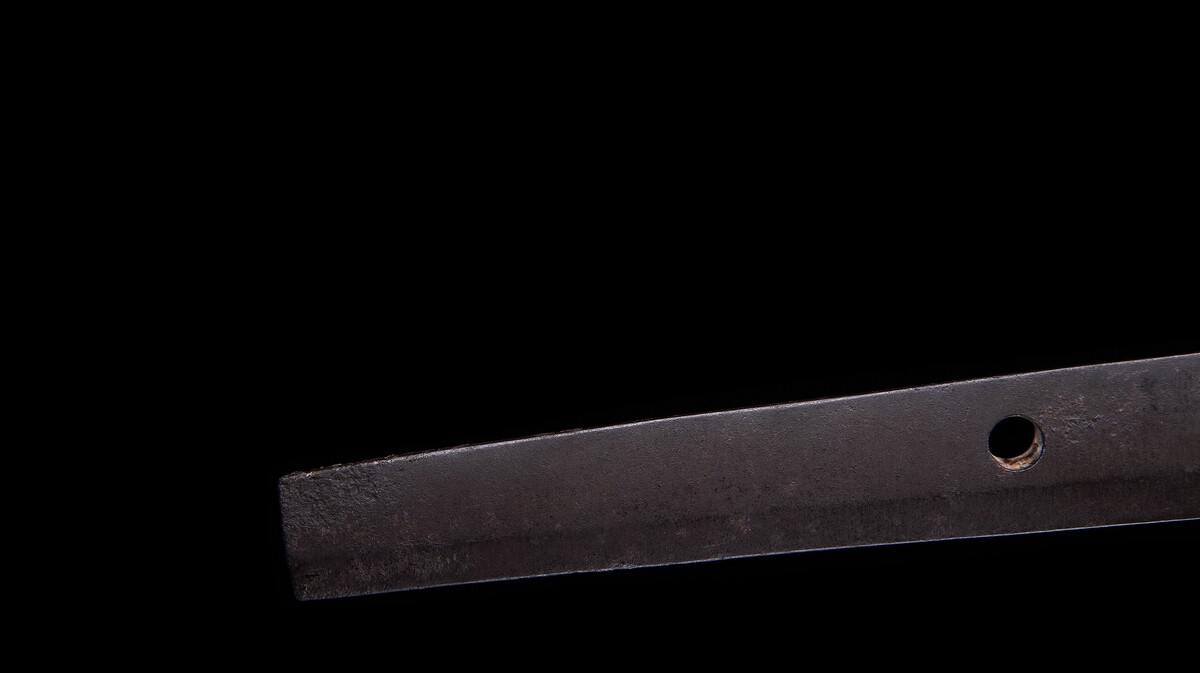
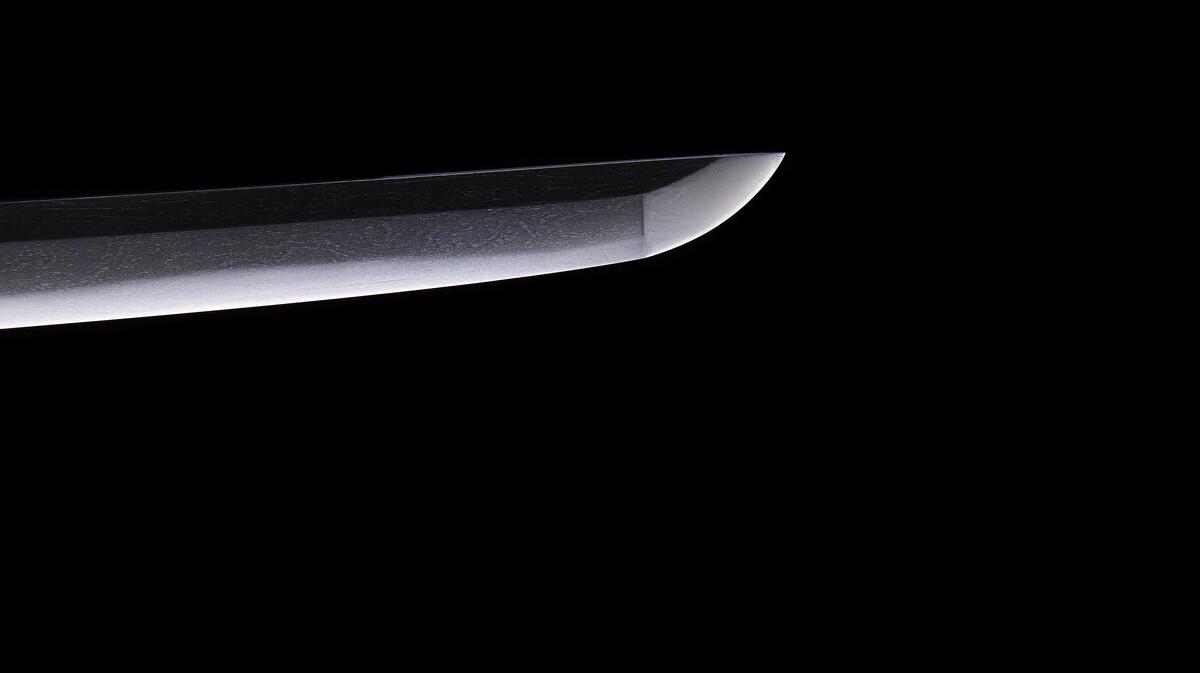
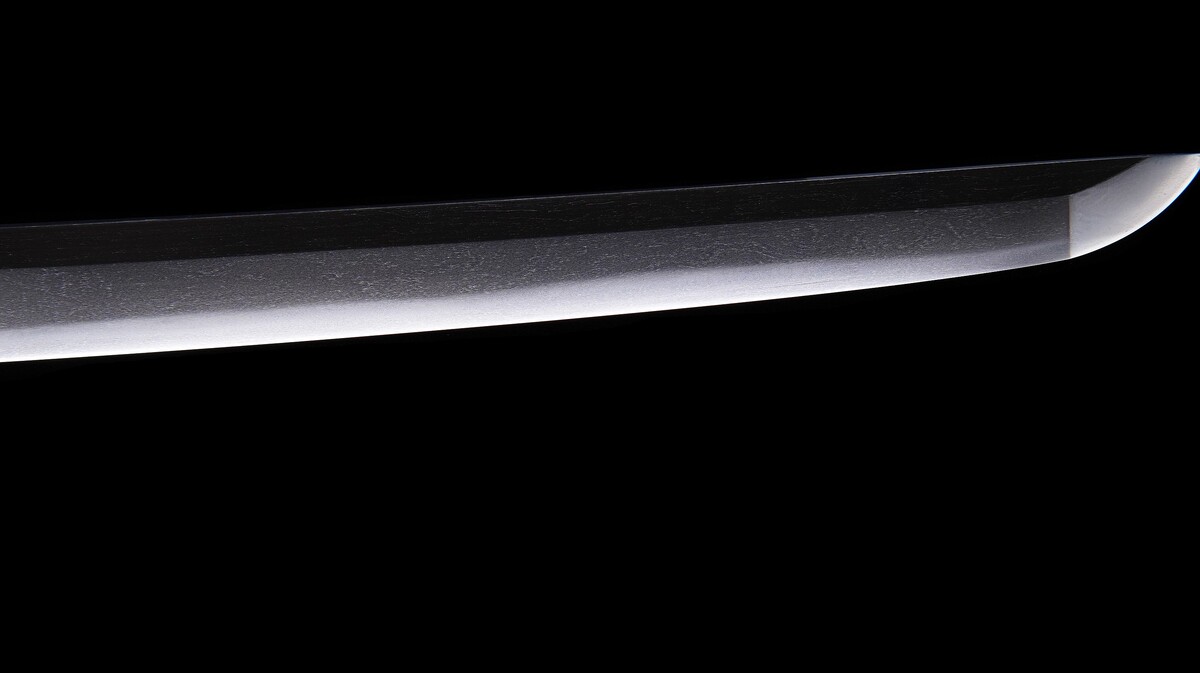
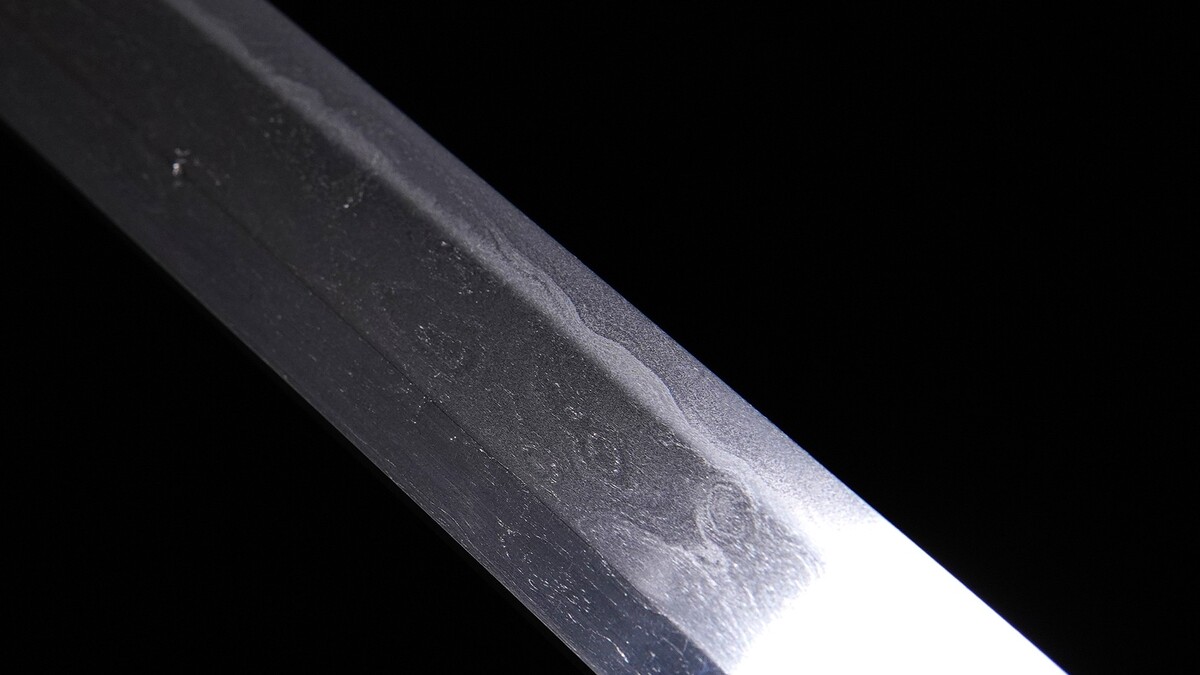
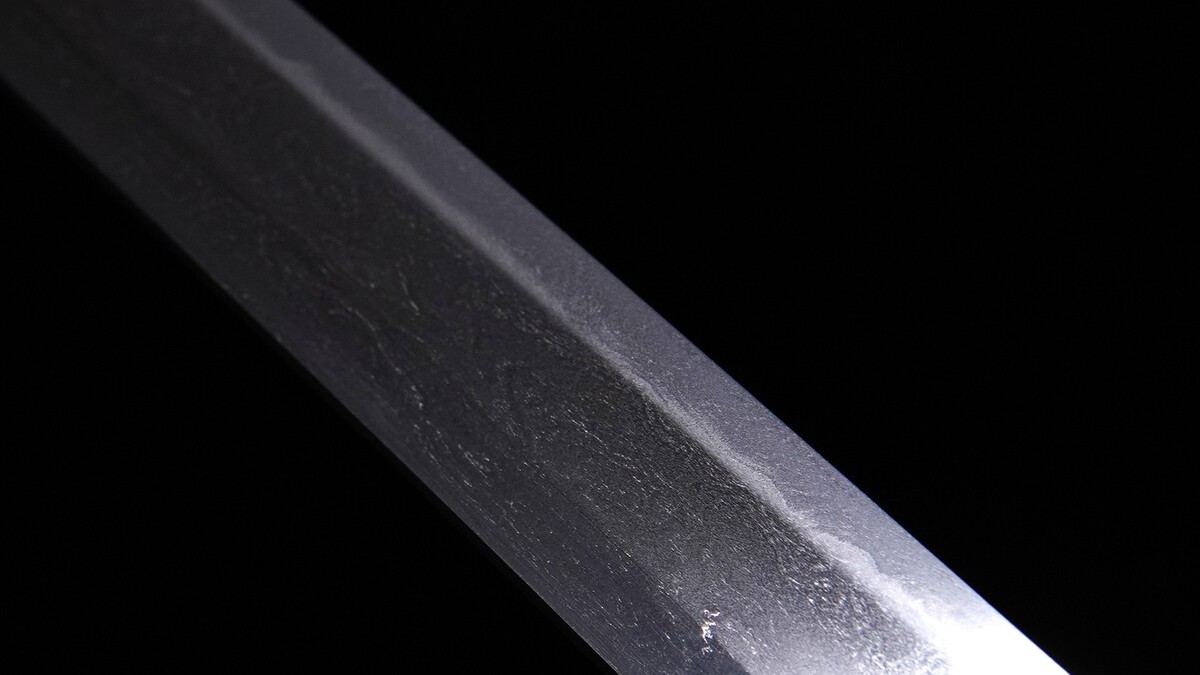
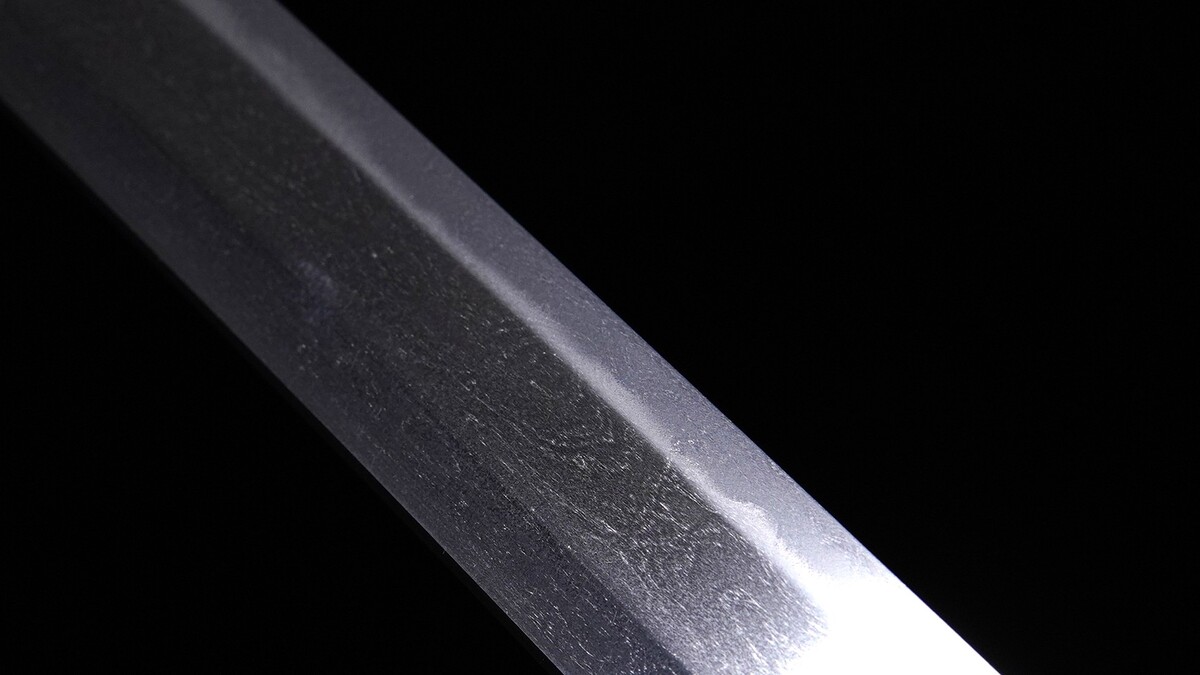
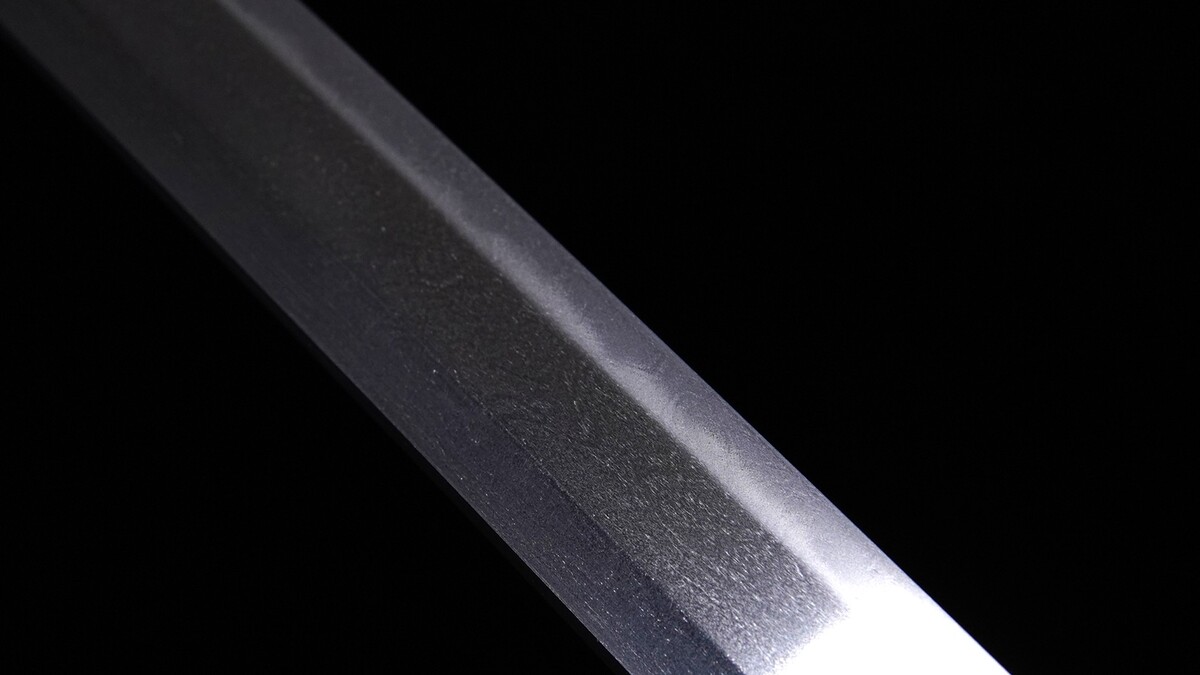
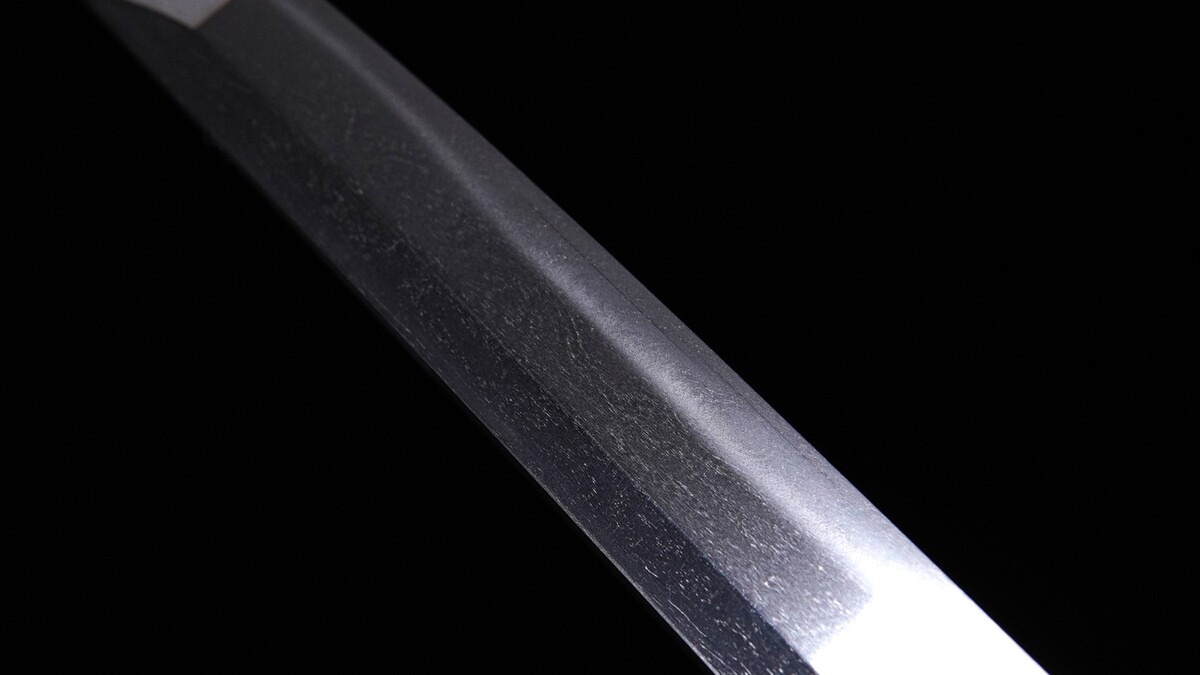
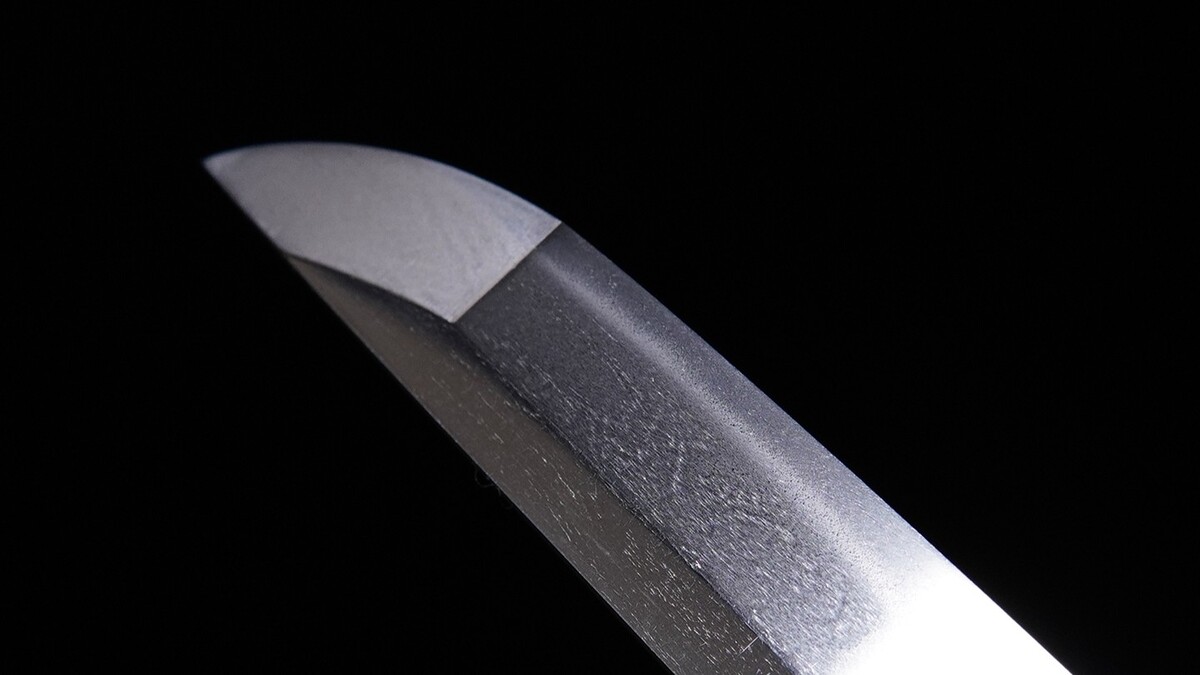
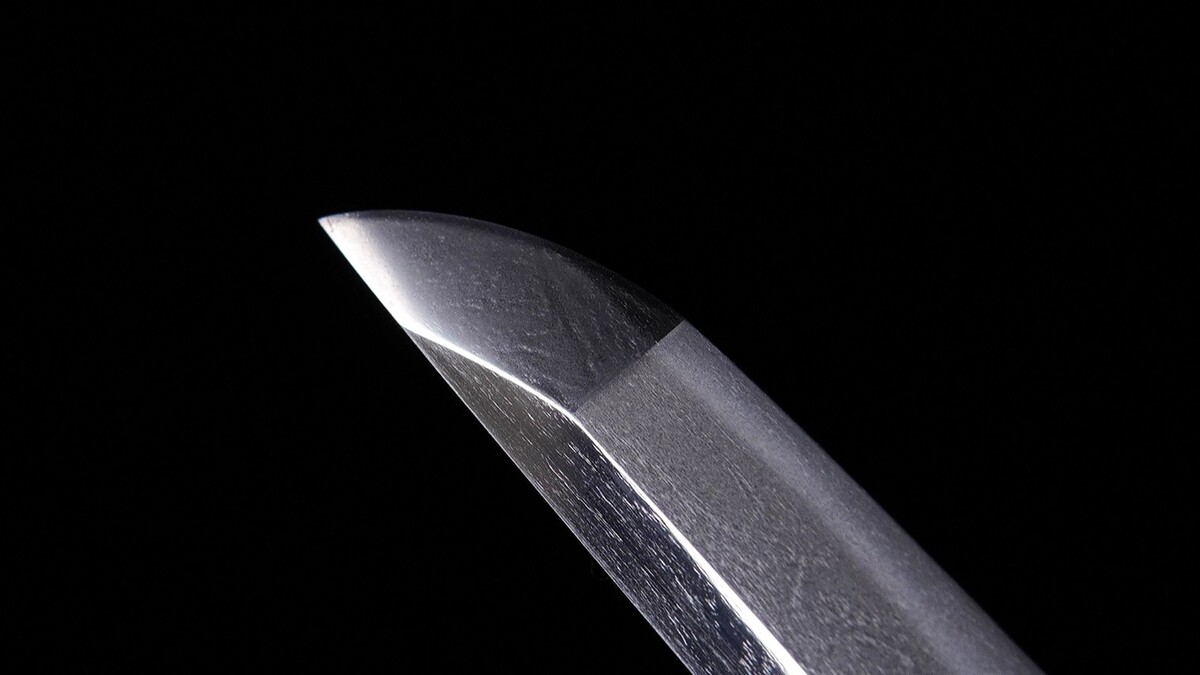
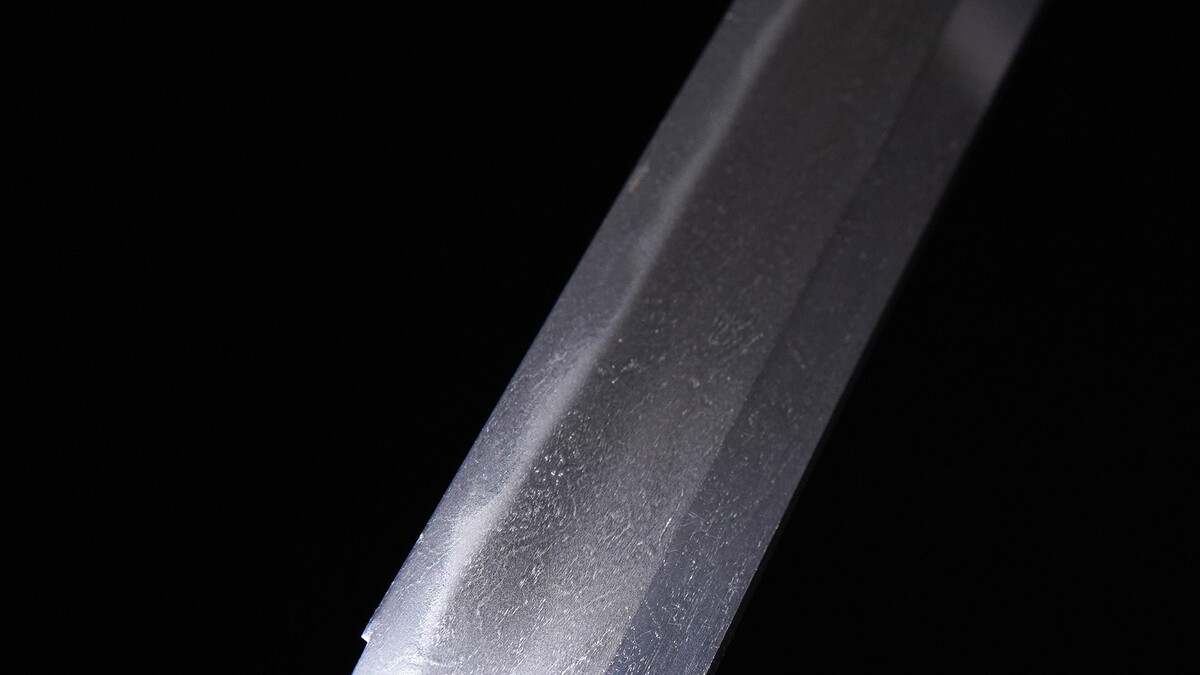
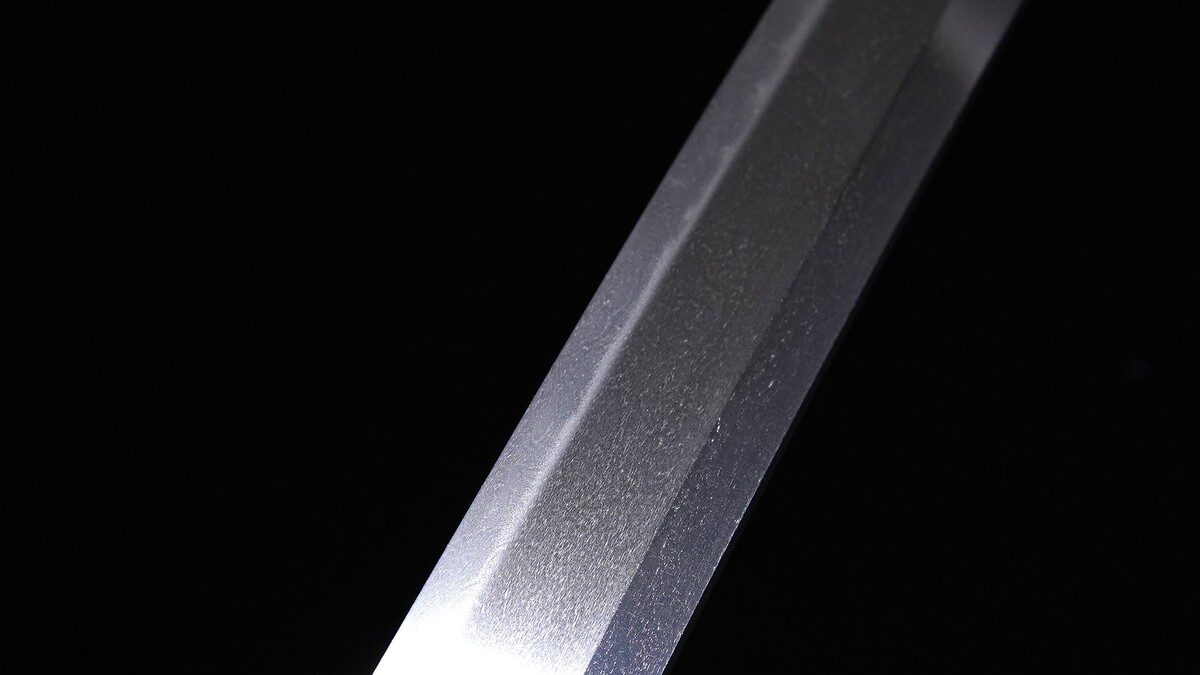
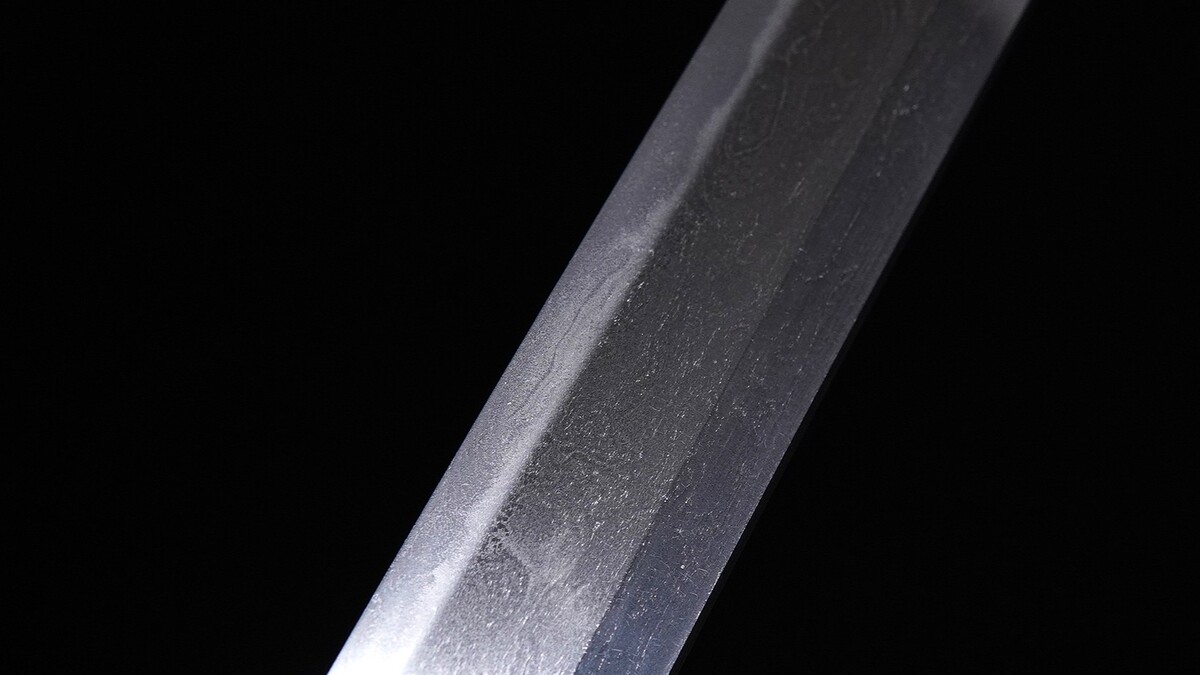
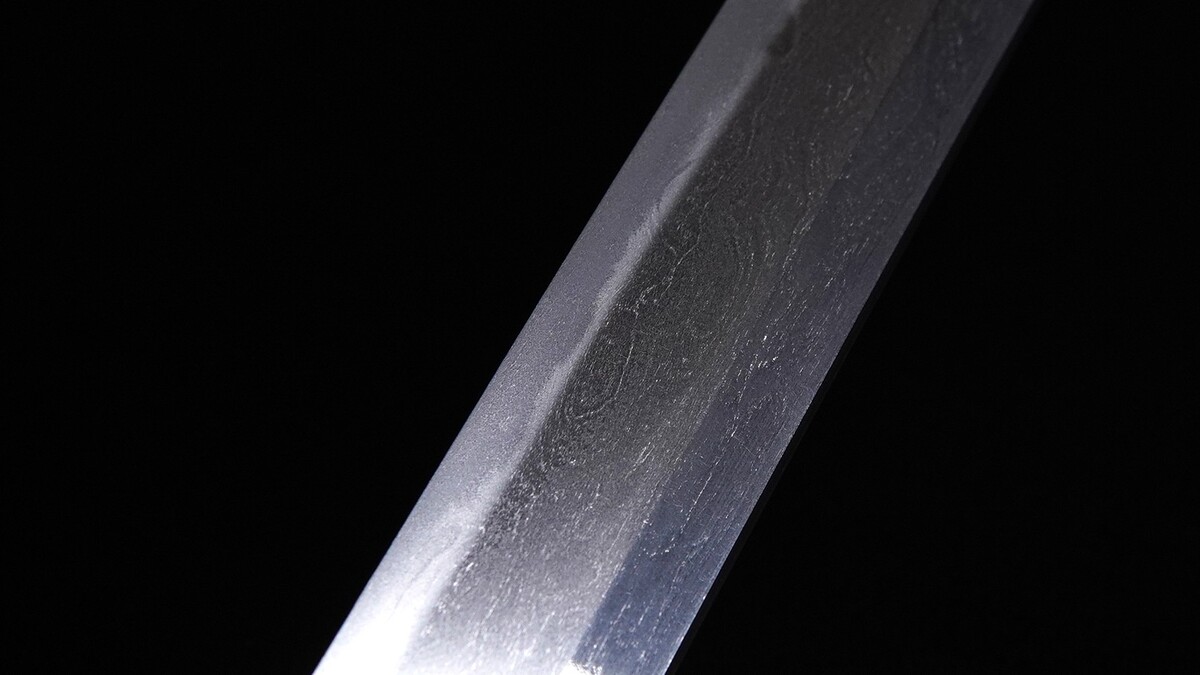
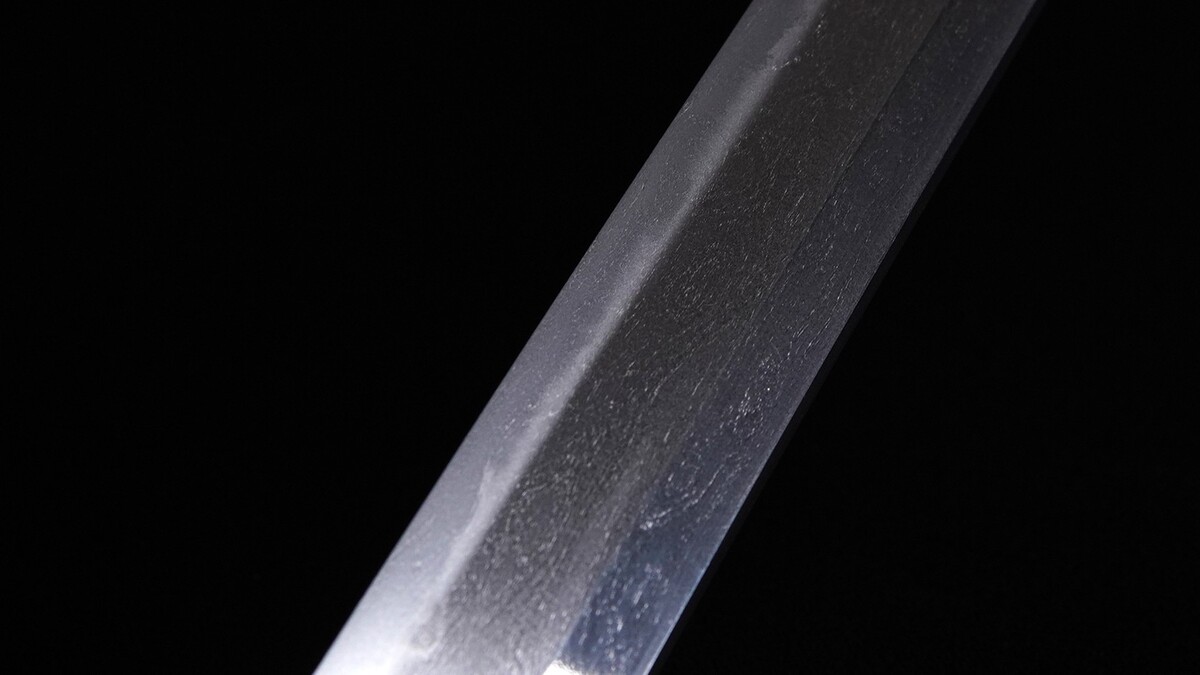
Translated from the shop's Japanese ·
Rows still in Japanese are as written by the shop
Machine translation from the shop's Japanese · may contain errors ·
Yamato-den · Yamato
11 pieces on the market now
The Shikkake school (尻懸派) stands among the five great Yamato traditions (Yamato goha) that flourished in the shadow of Nara's powerful temples during the late Kamakura period. While traditionally attributed to Norihiro as founder, Norinaga (則長) is regarded as the de facto progenitor, documented through extant tantō bearing inscriptions of his age: forty-eight in Bunpō 3 (1319) and sixty-nine in Ryakuō 3 (1340). These datings place his birth in Bun'ei 9 (1272), establishing him as a contemporary of the school's early development. Works attributed to later generations extend into the Muromachi period, indicating successive transmission of the name across multiple generations. Given the concentration of sōhei (warrior monks) in Yamato Province, it is natural that Shikkake smiths produced numerous naginata, with more surviving examples attributed to this school than any other Yamato tradition. Shikkake workmanship shares the fundamental Yamato vocabulary: construction with high shinogi and conspicuously wide shinogi-ji; forging in itame that characteristically flows, often incorporating mokume and nagare-hada with areas trending toward masame near the edge; and steel exhibiting thickly adhering ji-nie with frequent, stout chikei and occasional nie-utsuri. The tempering centers on suguha-based patterns, yet the school's signature lies in its treatment of the hamon: while maintaining the suguha foundation, Shikkake smiths tempered small gunome in connected succession (ko-gunome-tsure), creating a gently undulating effect. Along the habuchi appear characteristic Yamato activities—hotsure, nijūba, kuichigai-ba, uchi-noke, and yubashiri—with well-adhering ko-nie producing a bright, clear nioiguchi interwoven with kinsuji and sunagashi.
The bōshi typically runs straight with vigorous hakikake, often tending toward yakizume or taking on a flame-like (kaen) character at the point. While some examples execute pure suguha patterns, the intermixing of running ko-gunome within the ha remains the critical diagnostic feature distinguishing Shikkake from other Yamato schools[[c:1]], particularly Taima, with which it shares close affinities. The school's legacy endures through works of exceptional quality and preservation. Surviving naginata of grand scale—some exceeding 2 shaku 7 sun—demonstrate Nanbokuchō-period construction with characteristic shallow flaring and deep curvature, often transmitted in rare ubu-nakago condition. Shortened katana attributed to the school display vigorous forging in which flowing grain and chikei interweave, producing steel of remarkable clarity (saeru), while the tempering exhibits thickly adhering, strongly luminous nie creating bright visual effects. The consistent appearance of well-refined jigane with dense ko-itame and abundant ji-nie, paired with distinctive tempering patterns that balance fundamental suguha with running ko-gunome, establishes Shikkake as a school whose characteristic features remain unmistakable across centuries of production. Works attributed to this tradition regularly survive in kenzen (sound and well-preserved) condition, testimony to both original forging quality and careful transmission through successive generations. Learn more →
| Smith | Era | Designated |
|---|---|---|
| Norinaga則長 | 1317-1319 | 43 |
| Norinari則成 | 1312-1317 | 0 |
| Nagamitsu長光 | 1233-1234 | 0 |
| Sukehiro助弘 | 1308-1311 | 0 |
| Norisada則貞 | 1428-1429 | 0 |
Yamato in the Kamakura period
The Yamato schools grew up in the shadow of Nara’s great monasteries: Tegai took its name from a gate of Tōdaiji. Their austere masame and quiet suguha are a temple aesthetic, prized ever since for exactly that restraint.
A Hozon-certified blade judged to show notably superior workmanship and a better state of preservation. The bar is higher: re-tempered blades and most unsigned Muromachi/Edo works are excluded.
The NBTHK (Nihon Bijutsu Tōken Hozon Kyōkai, the Society for the Preservation of Japanese Art Swords) is a public-interest incorporated foundation founded in 1948 and supervised by Japan’s Agency for Cultural Affairs (Bunkachō); it is based at the Japanese Sword Museum in Tokyo. Its expert panels physically examine each submitted work (shinsa) and issue a certificate (kanteishō) ranking it by artistic and historical merit. NBTHK papers are the most widely recognized standard of authentication for Japanese swords and fittings.
NBTHK official site¥860,000