NihontoWatch Mon

NihontoWatch

Market
Encyclopedia
Kantei
NihontoWatch Mon

NihontoWatch

Market
Encyclopedia
Kantei

Description

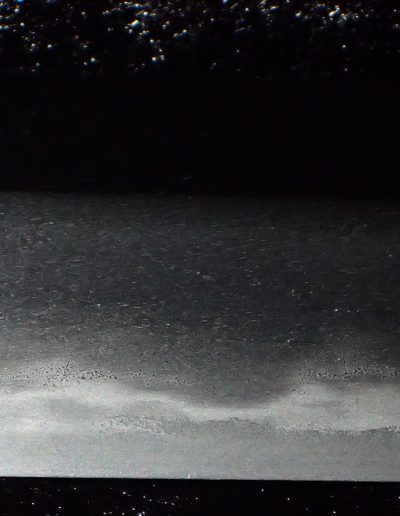
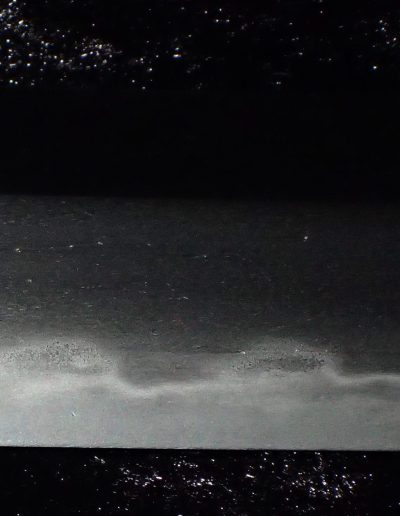
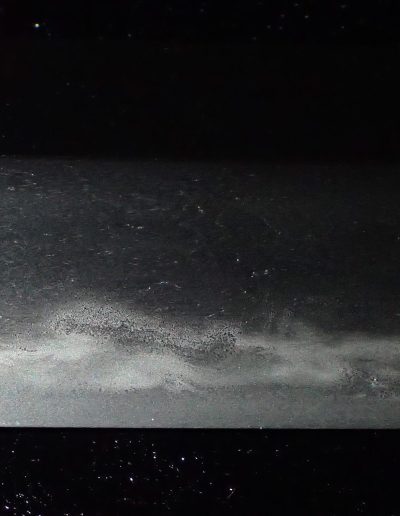
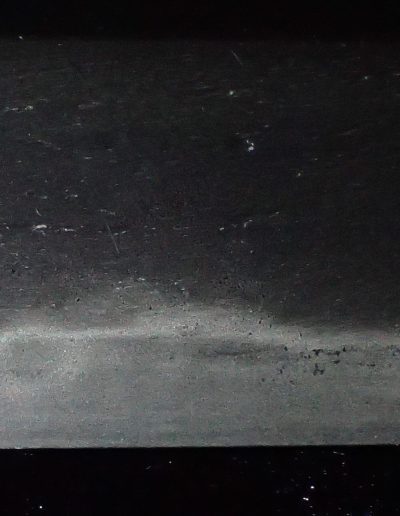
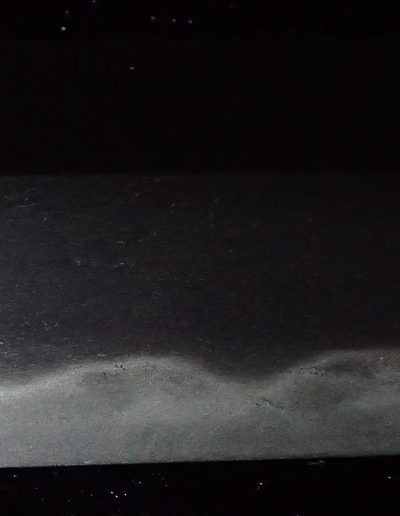
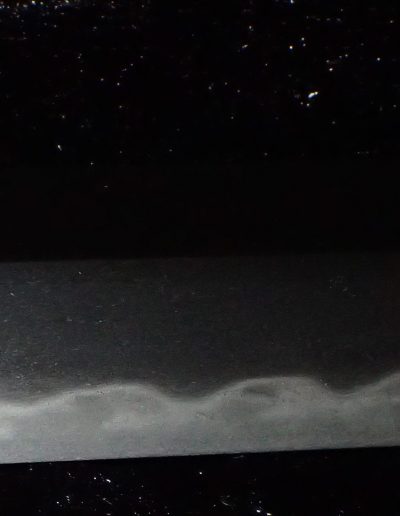
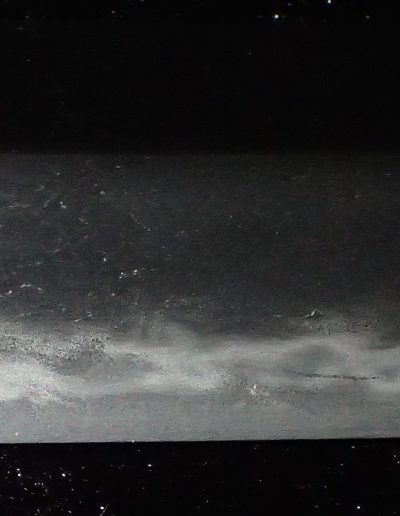
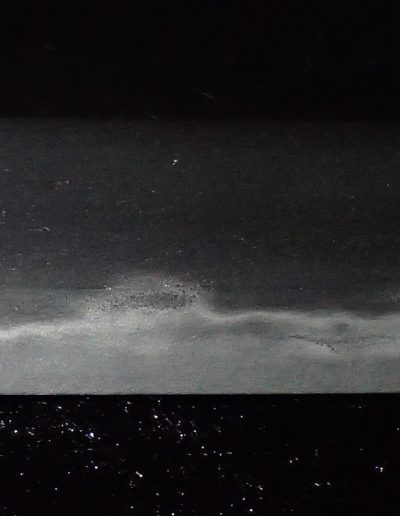
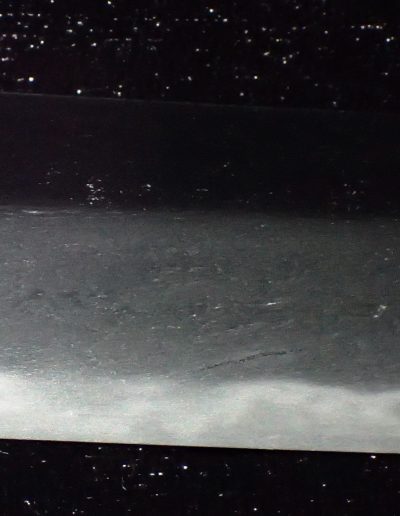
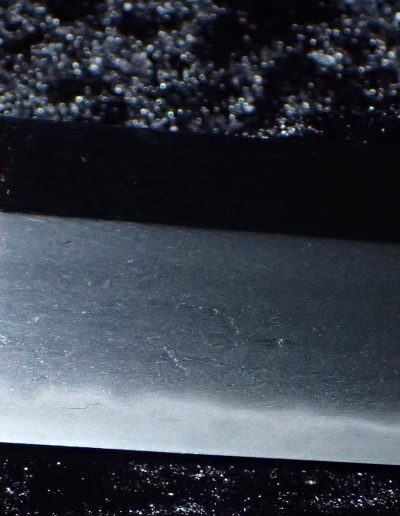
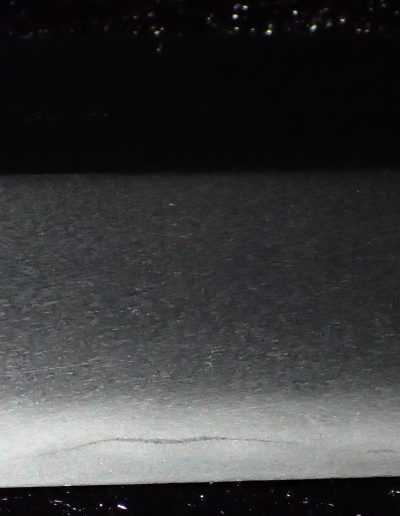
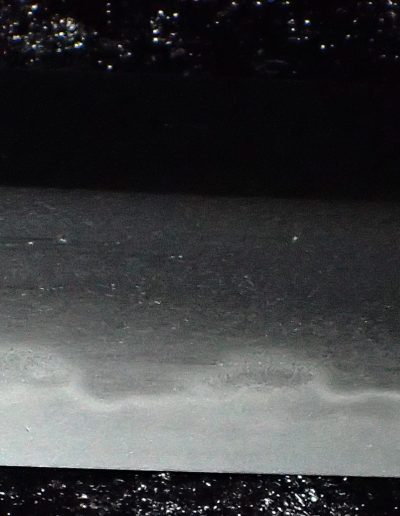
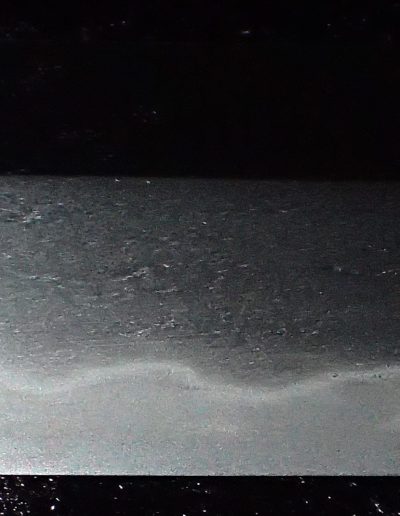
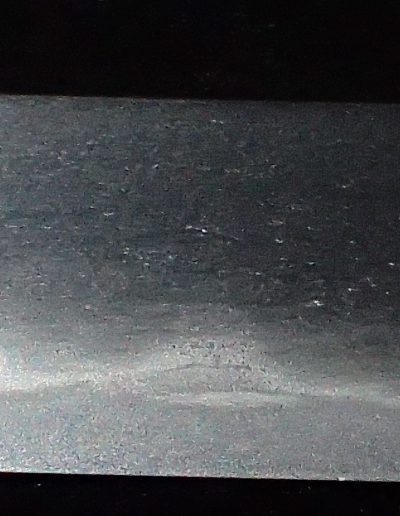
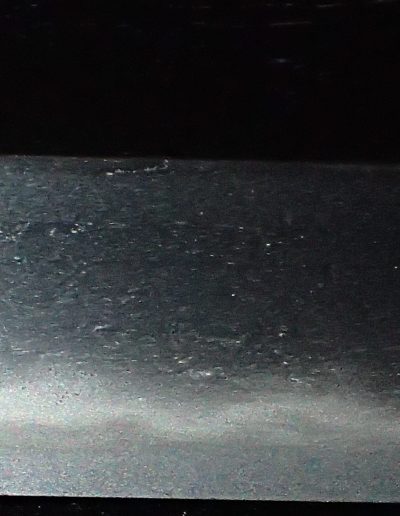
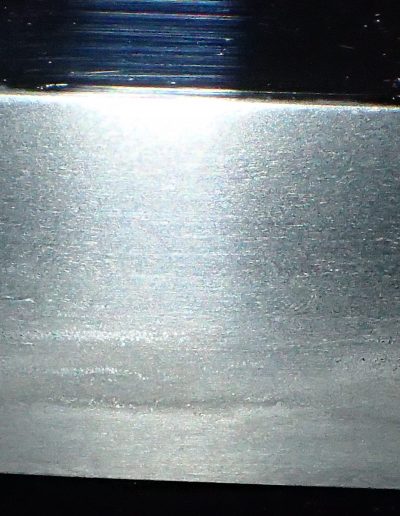
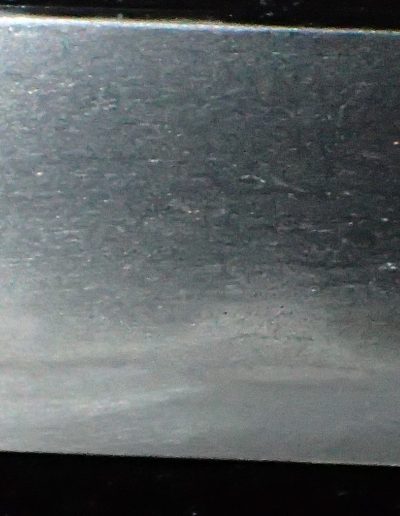
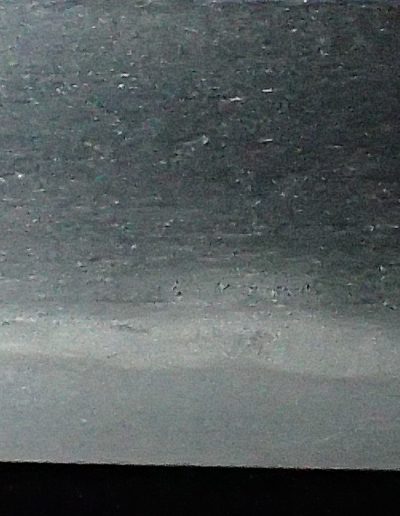
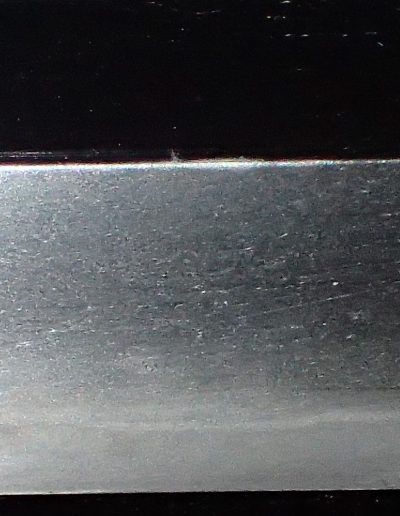
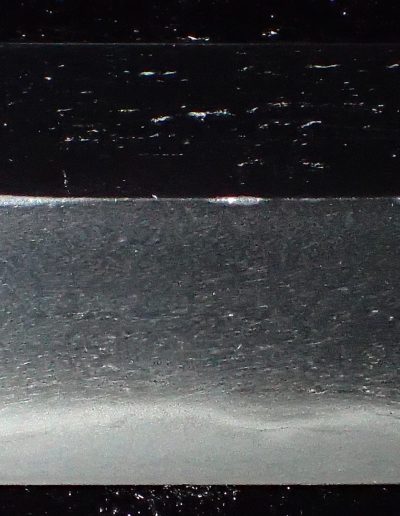
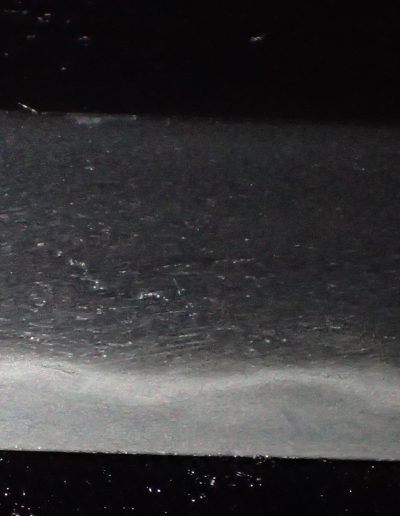
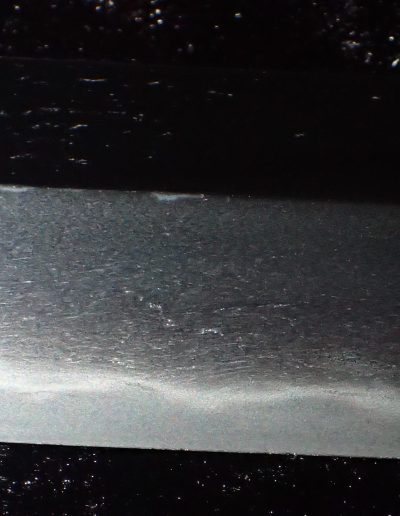
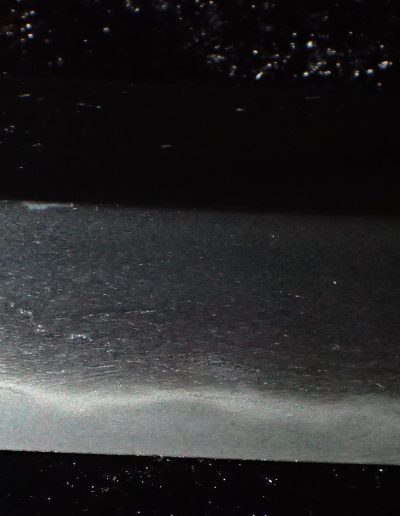
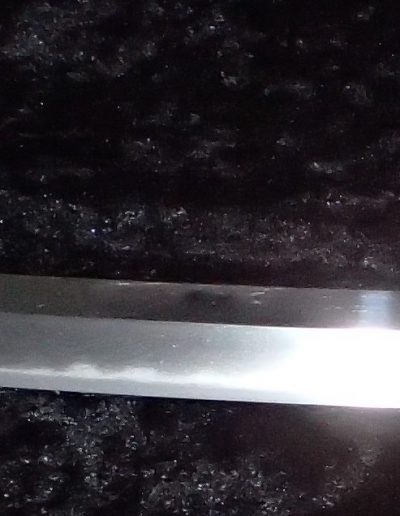
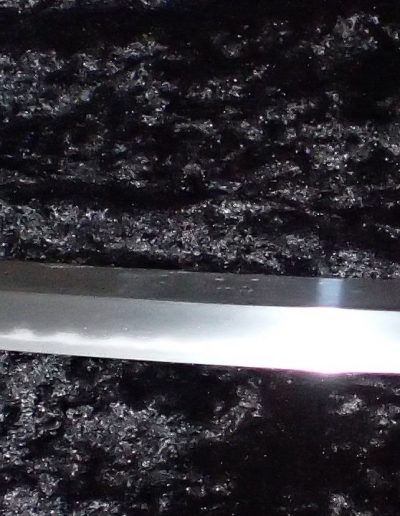
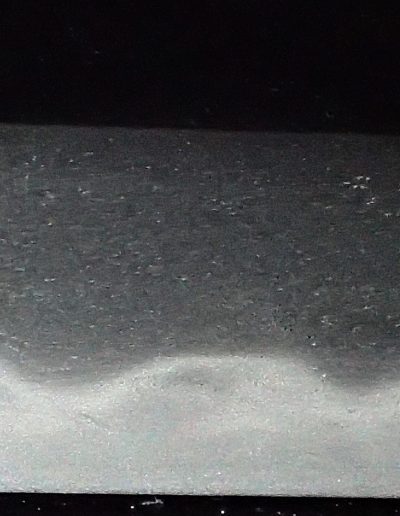
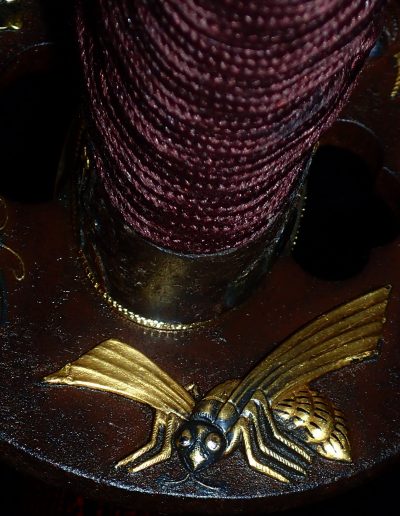
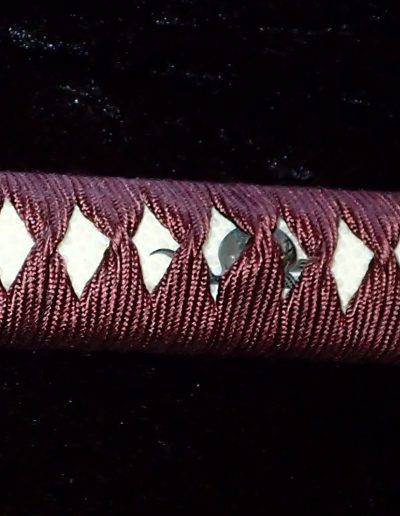
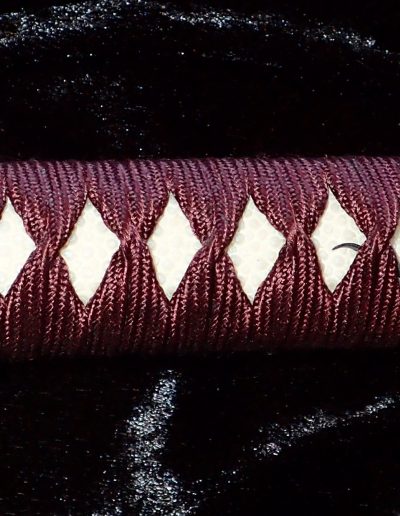
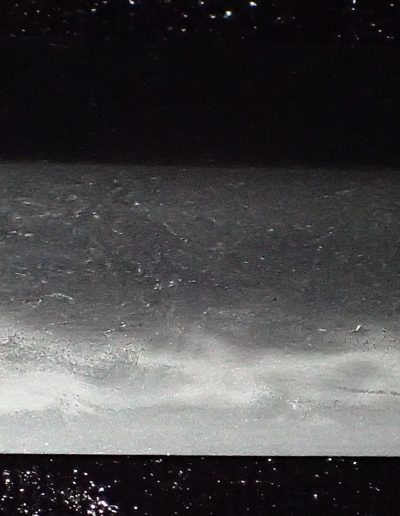
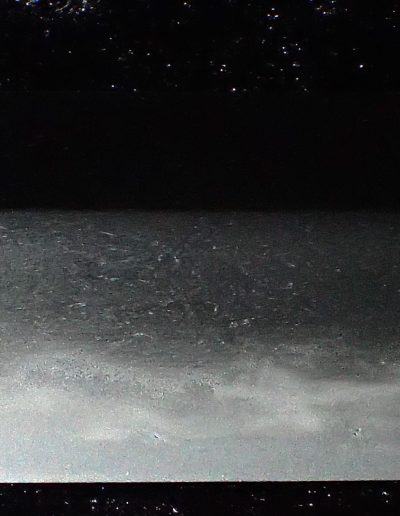
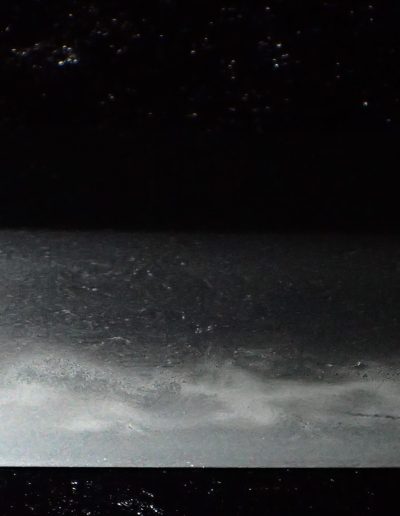
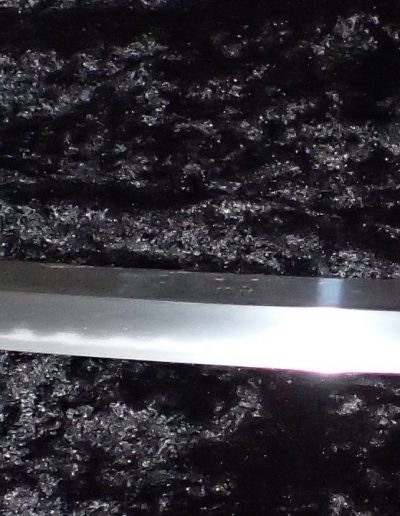
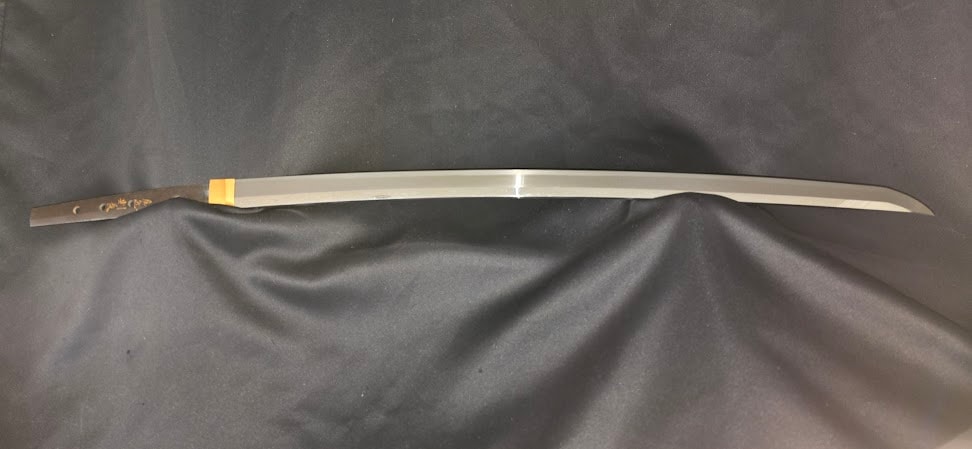
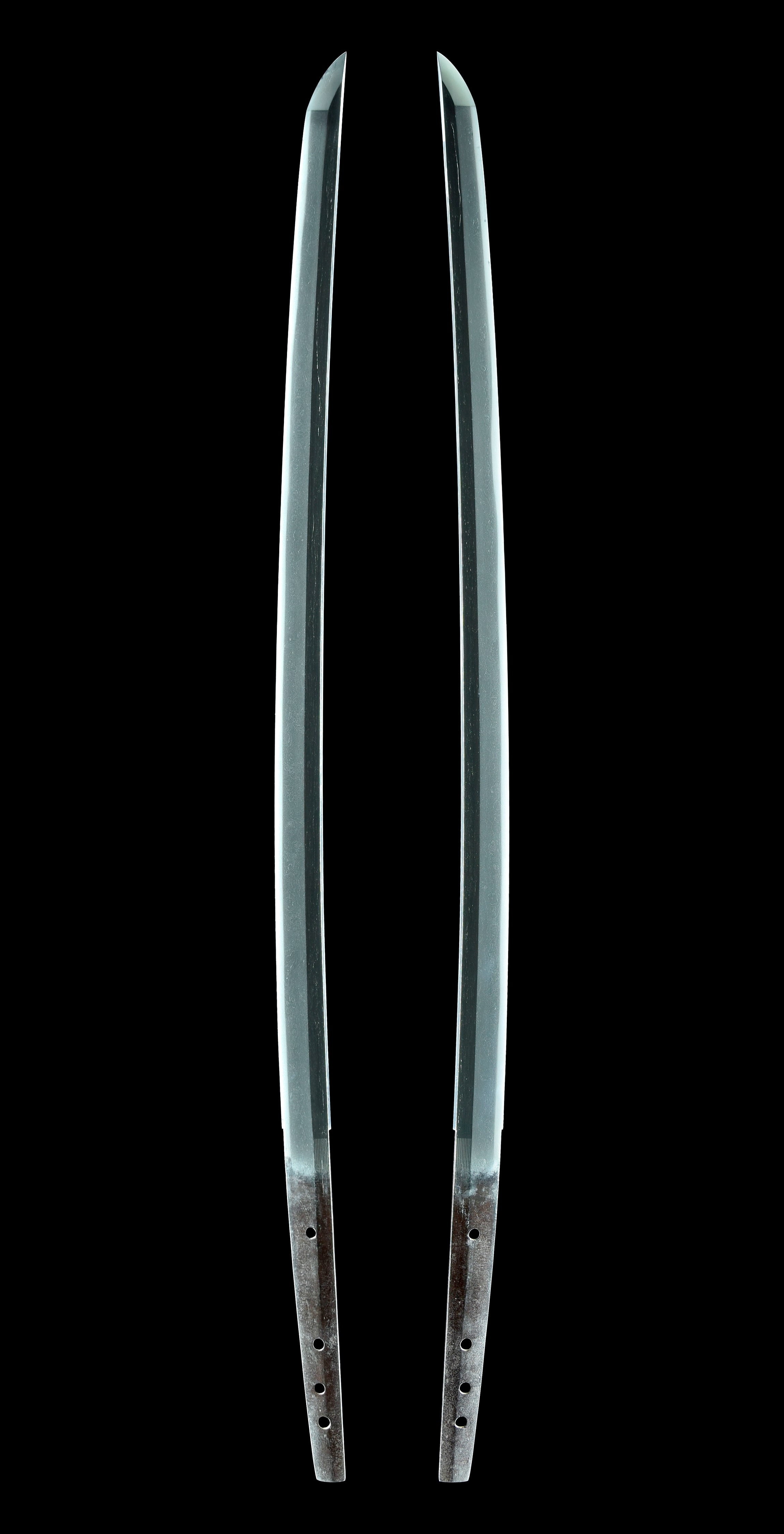
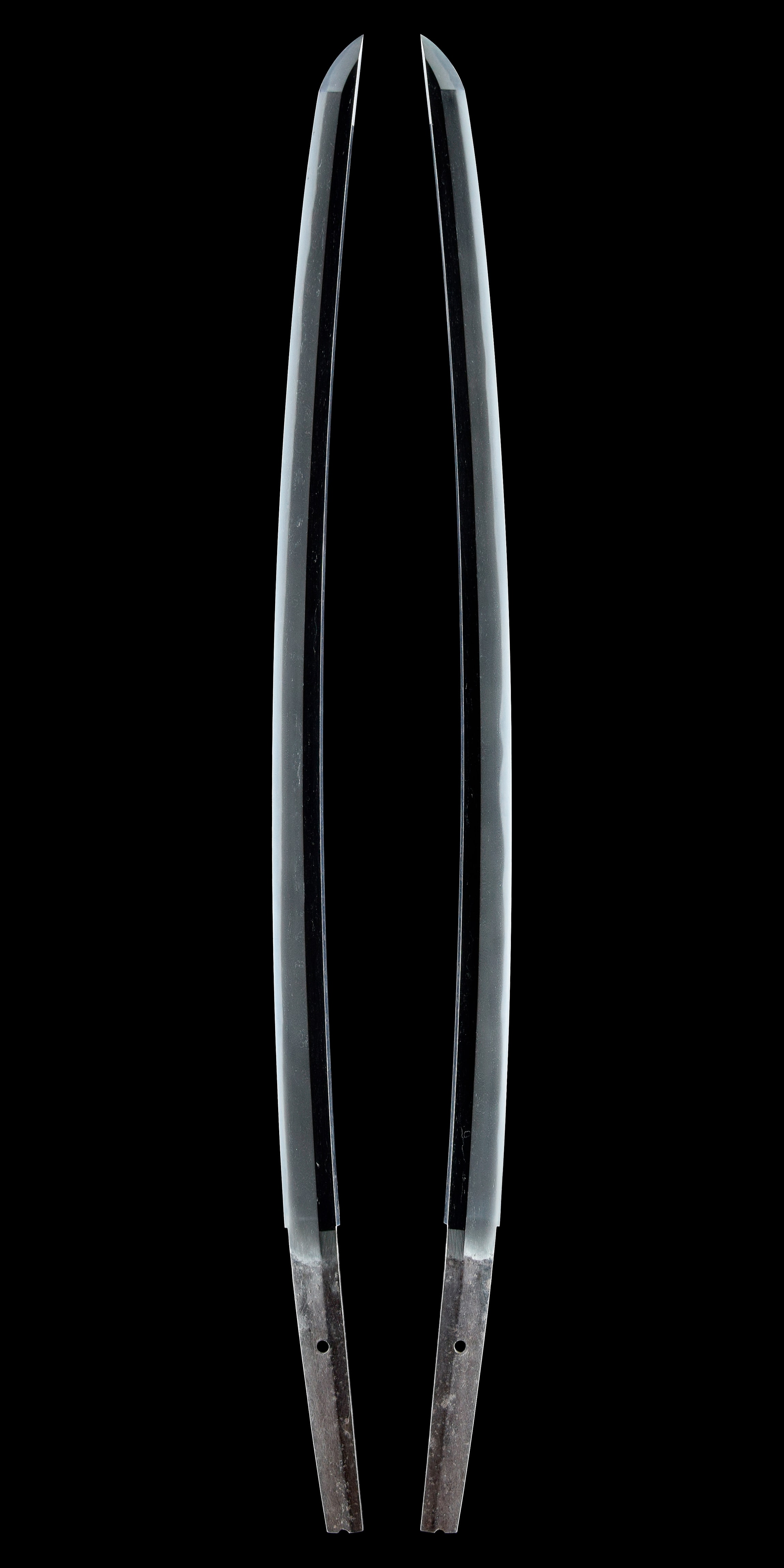
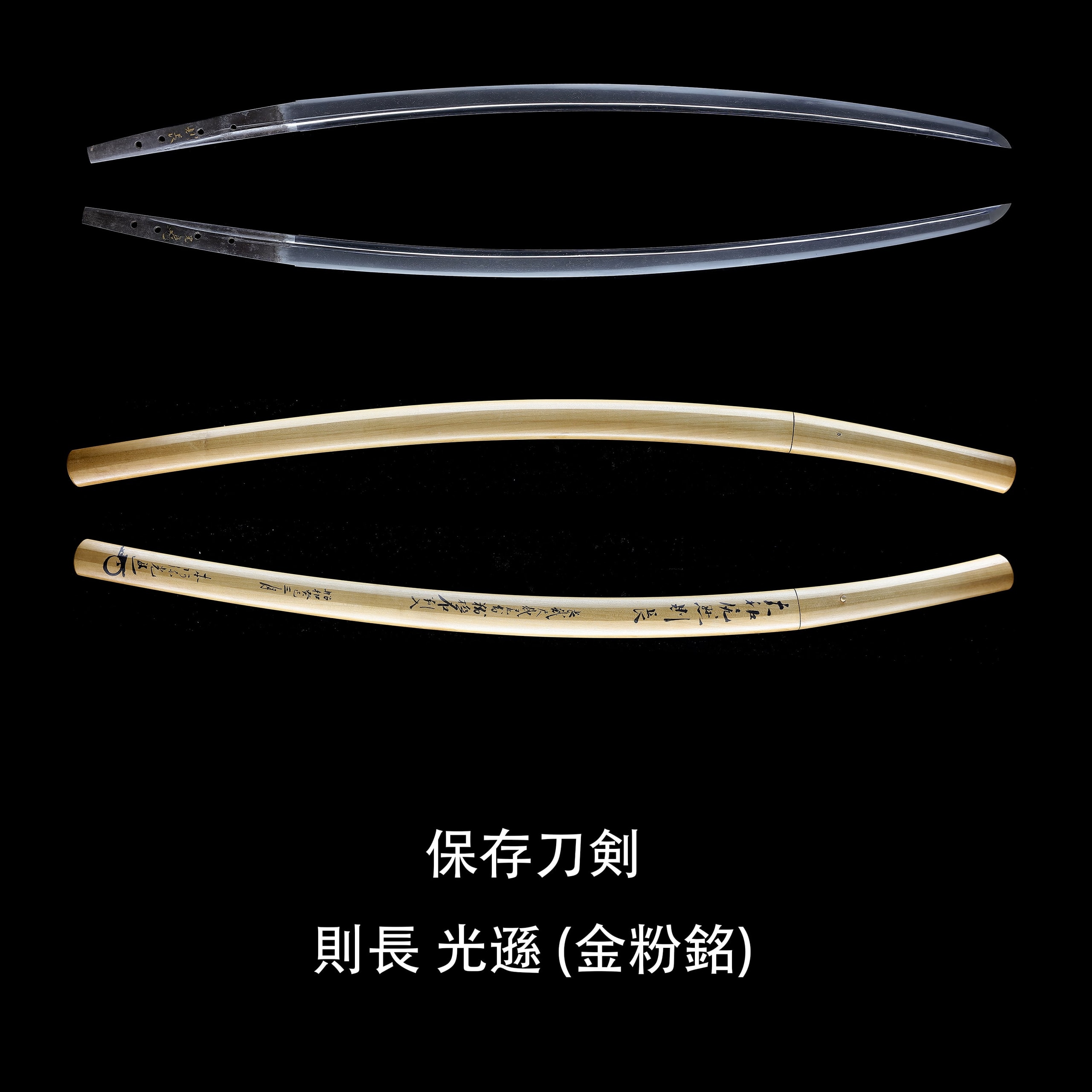
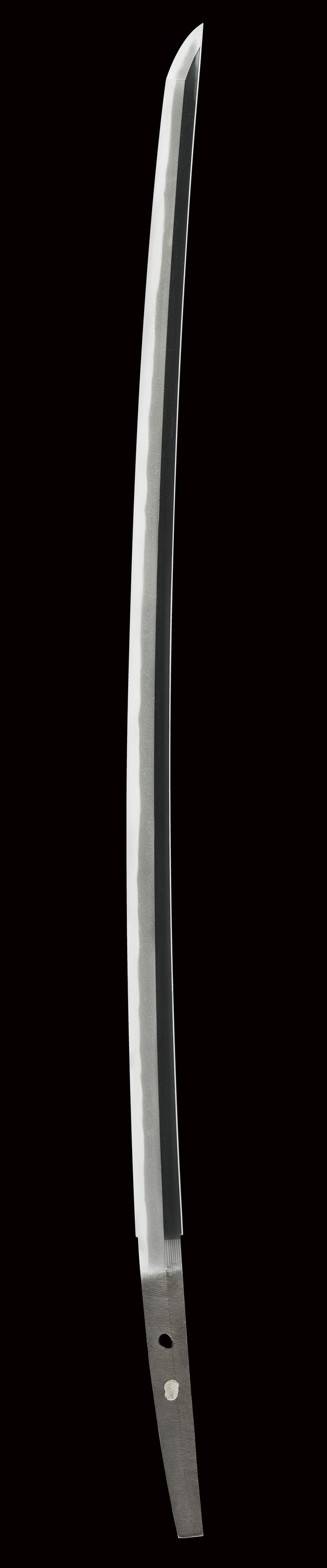
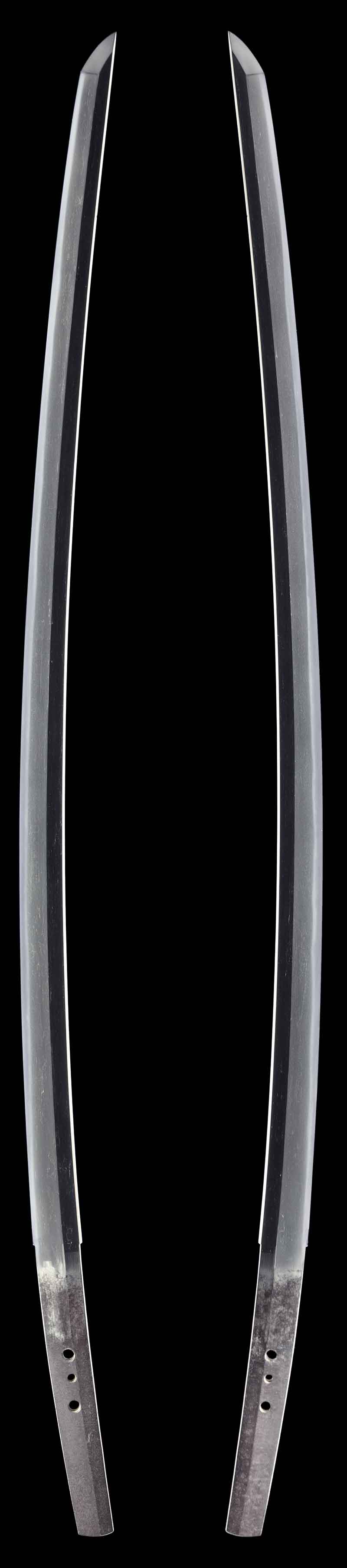
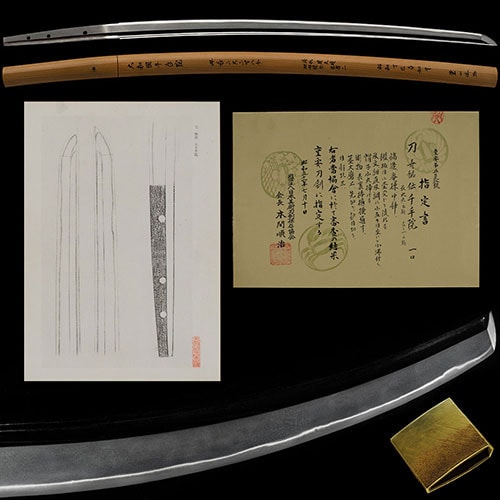
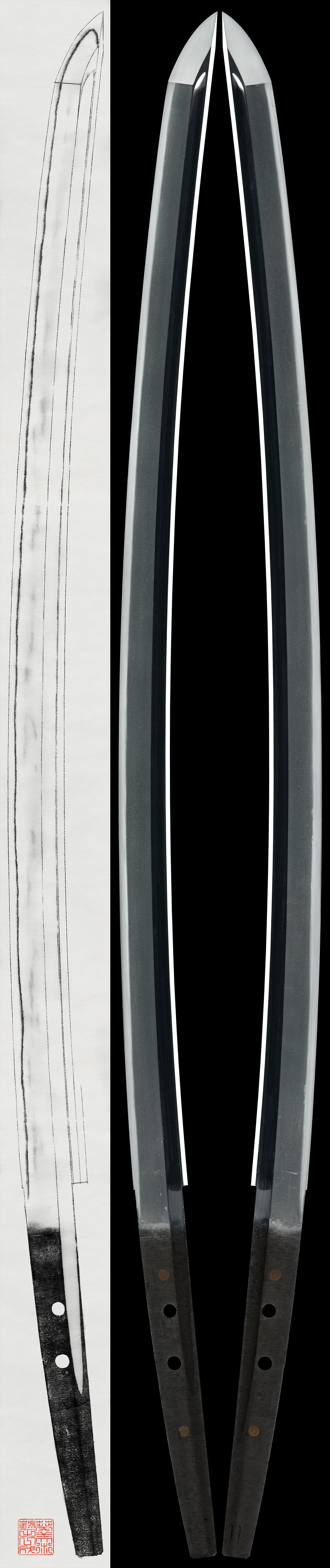
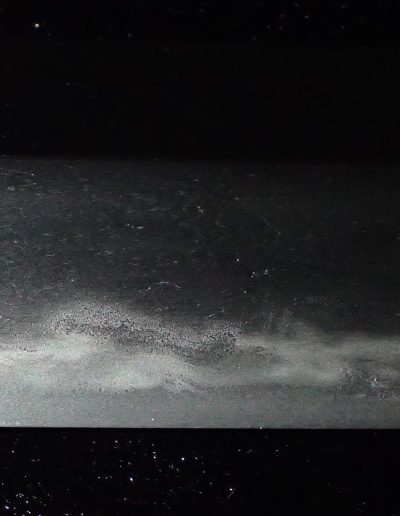
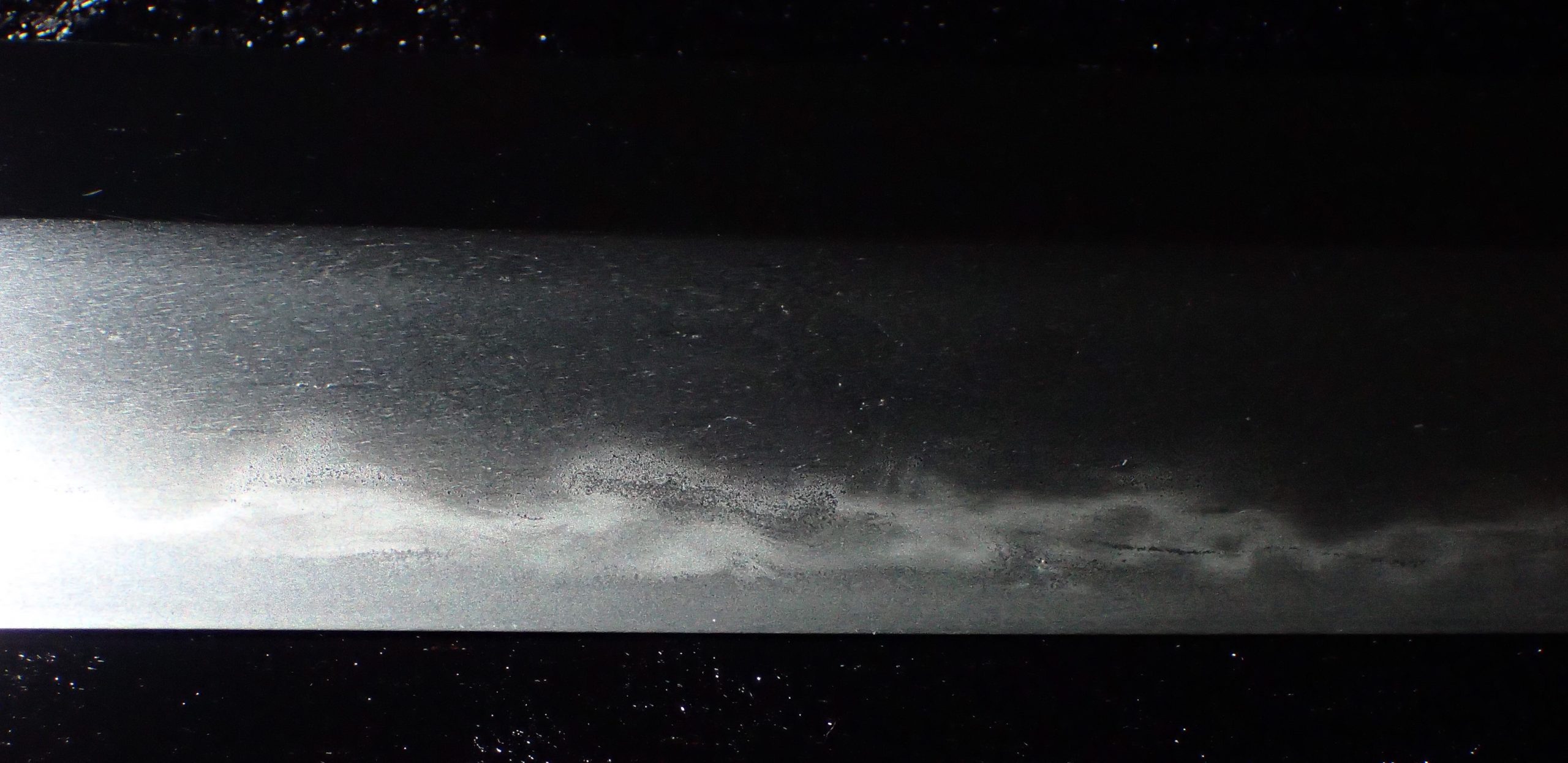
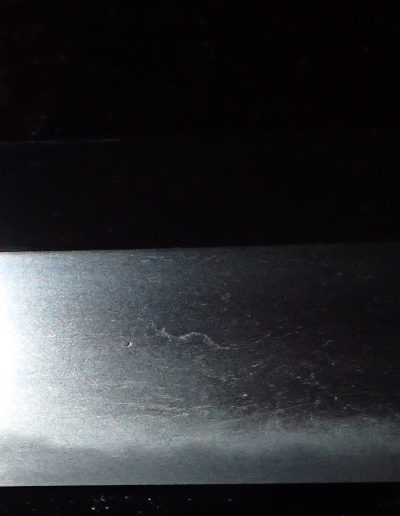
This katana is attributed to Norinaga of the Shikkake school from Yamato province, dating back to around the Bunpō Era (1317-1319). The blade measures approximately 74.5 cm and features a dense itame forging pattern. The hamon is characterized by connected gunome-midare with sunagashi.

NihontoWatch MonNihontoWatch
MarketEncyclopediaKantei
Swords›Yamato-den›Shikkake›Norinaga›Katana: Attributed to Yamato Shikkake Norinaga
katana
Shikkake Norinaga

Katana: Attributed to Yamato Shikkake Norinaga

den · Shikkake · Kamakura · nagasa 74.5cm
Price on request
Visit seller website →
Shikkake Norinaga — 1 of 40
Shikkake Norinaga — 2 of 40
Shikkake Norinaga — 3 of 40
Shikkake Norinaga — 4 of 40
Shikkake Norinaga — 5 of 40
Shikkake Norinaga — 6 of 40
Shikkake Norinaga — 7 of 40
Shikkake Norinaga — 8 of 40
Shikkake Norinaga — 9 of 40
Shikkake Norinaga — 10 of 40
Shikkake Norinaga — 11 of 40
Shikkake Norinaga — 12 of 40
Shikkake Norinaga — 13 of 40
Shikkake Norinaga — 14 of 40
Shikkake Norinaga — 15 of 40
Shikkake Norinaga — 16 of 40
Shikkake Norinaga — 17 of 40
Shikkake Norinaga — 18 of 40
Shikkake Norinaga — 19 of 40
Shikkake Norinaga — 20 of 40
Shikkake Norinaga — 21 of 40
Shikkake Norinaga — 22 of 40
Shikkake Norinaga — 23 of 40
Shikkake Norinaga — 24 of 40
Shikkake Norinaga — 25 of 40
Shikkake Norinaga — 26 of 40
Shikkake Norinaga — 27 of 40
Shikkake Norinaga — 28 of 40
Shikkake Norinaga — 29 of 40
Shikkake Norinaga — 30 of 40
Shikkake Norinaga — 31 of 40
Shikkake Norinaga — 32 of 40
Shikkake Norinaga — 33 of 40
Shikkake Norinaga — 34 of 40
Shikkake Norinaga — 35 of 40
Shikkake Norinaga — 36 of 40
Shikkake Norinaga — 37 of 40
Shikkake Norinaga — 38 of 40
Shikkake Norinaga — 39 of 40
Shikkake Norinaga — 40 of 40
1 / 40
1 / 40
Shikkake Norinaga — 1 of 40Shikkake Norinaga — 2 of 40Shikkake Norinaga — 3 of 40Shikkake Norinaga — 4 of 40Shikkake Norinaga — 5 of 40Shikkake Norinaga — 6 of 40Shikkake Norinaga — 7 of 40Shikkake Norinaga — 8 of 40Shikkake Norinaga — 9 of 40Shikkake Norinaga — 10 of 40Shikkake Norinaga — 11 of 40Shikkake Norinaga — 12 of 40Shikkake Norinaga — 13 of 40Shikkake Norinaga — 14 of 40Shikkake Norinaga — 15 of 40Shikkake Norinaga — 16 of 40Shikkake Norinaga — 17 of 40Shikkake Norinaga — 18 of 40Shikkake Norinaga — 19 of 40Shikkake Norinaga — 20 of 40Shikkake Norinaga — 21 of 40Shikkake Norinaga — 22 of 40Shikkake Norinaga — 23 of 40Shikkake Norinaga — 24 of 40Shikkake Norinaga — 25 of 40Shikkake Norinaga — 26 of 40Shikkake Norinaga — 27 of 40Shikkake Norinaga — 28 of 40Shikkake Norinaga — 29 of 40Shikkake Norinaga — 30 of 40Shikkake Norinaga — 31 of 40Shikkake Norinaga — 32 of 40Shikkake Norinaga — 33 of 40Shikkake Norinaga — 34 of 40Shikkake Norinaga — 35 of 40Shikkake Norinaga — 36 of 40Shikkake Norinaga — 37 of 40Shikkake Norinaga — 38 of 40Shikkake Norinaga — 39 of 40Shikkake Norinaga — 40 of 40
Measurements & details
Smith
Shikkake Norinaga
Type
Katana
School
Shikkake
Period
Around 1317–1319(Bunpo)
Province
Yamato
Signature
den(56% of this smith's designated works are signed)
Measurements
Nagasa 74.5cm
Description
About the maker

Norinaga

則長

Shikkake (Yamato) · Yamato · around 1317-1319

Fujishiro Jo saku · Tōken Taikan top 3%

3 pieces on the market now

›

Two tanto fix Norinaga in time with a precision rare for a medieval smith: one dated Bunpo 3 (1319) adds his age of forty-eight, another dated Ryakuo 3 (1340) his age of sixty-nine, and from these the published sources compute a birth in Bun'ei 9 (1272). An ubu naginata of Ryakuo 1 (1338) supplies a third date, and a Gentoku date is recorded in the Kozan oshigata. He worked at Shikkake in Yamato, one of the five lineages of the province beside Senjuin, Taima, Hosho and Tegai, and the published record opens text after text with the same sentence: the Shikkake school "flourished with Norinaga as its de facto founder"[[c:1]]. The registers name his father Norihiro as the founder, but no authenticated work of Norihiro survives, and the papers settle the school on the son. The name itself continued from the end of the Kamakura period through the Muromachi period, carried by successors whose separation, the NBTHK writes, remains an open question.

His hand is among the most readily named in Yamato. The published formula first gives the school the shared frame of the tradition, a high shinogi with a wide shinogi-ji, an itame forging with a flowing tendency, and a hamon fundamentally of suguha, and then states the tell: the distinction lies in tempering small ko-gunome strung in series within the ha[[c:2]]. One Juyo text raises this to a ranking: "among the works of the five Yamato schools, those in which the gunome stand out most are the works of the Shikkake school, and among them the most technically accomplished is Norinaga"[[c:3]]. On his classic blades the strung ko-gunome runs from base to tip. The edge frays into hotsure, kuichigai-ba and uchinoke; nie sits thick, at times rough above the monouchi; kinsuji and sunagashi sweep through. The boshi is sugu and strongly swept with hakikake, closing komaru or with a yakizume feeling, on one Tokubetsu Juyo blade becoming flame-like. The same sources add a quieter mark, that "the subdued tendency of the nioiguchi is also a point not to be overlooked"[[c:4]].

The jigane beneath this temper is an itame that flows overall and leans to masame, thick in ji-nie with fine chikei, in places standing. On the finest blades a clear nie-utsuri rises, and one Tokubetsu Juyo katana shows steel that runs slightly blackish. The Tokubetsu Juyo tachi of the twenty-fourth session is described in terms the sources reserve for his best work: a densely packed ko-itame, bright in iron color and well refined, on which the band of ha-nie adheres thickly, "beautifully luminous, bright and penetratingly clear"[[c:5]]. The strength of that steel is itself a discriminator within the school: the Jubi naginata-naoshi handed down from Tokugawa Yorinobu is singled out because "the jigane is stronger than usual Shikkake work, and the nie in the ha is also stronger"[[c:6]].

His work falls into clear registers. With Tegai Kanenaga he is the Yamato smith of comparatively many signed works, the long mei taking the forms Yamato Norinaga saku, Yamato Shikkake-ju Norinaga saku and Yamato Sakon-no-jo Norinaga saku, and the sources note that "among those judged the first generation there are no two-character signatures"[[c:7]]. His tachi mostly survive suriage with the signature left near the nakago tip on the mune side, while the tanto are ubu with the long mei at center; twenty-five of his designated blades are signed against twelve unsigned. The mumei register carries the seals of the Honami: a kinzogan of Koshitsu, whose inlaid attributions are called extremely few, a kinzogan of Kojo with an origami of Tenna 3 (1683) at twenty mai, kinpun and shu-mei attributions of Koson, and a lost origami of Kan'ei 12 (1635) read as the hand of Koshitsu or Koon. The formula itself reserves a further register, works in pure suguha: a hoso-suguha naoshi that once bore an old attribution to Sairen, the quiet ubu naginata of Ryakuo 1 made at sixty-six, and the kanmuri-otoshi tanto of Ryakuo 3 at sixty-nine, on which the strung ko-gunome can scarcely be seen. The pole arms are a school specialty; the Ryakuo 1 naginata survives ubu with an inscription the sources call precious as a document, the rest were shortened into wakizashi, and on them the naginata-hi with its companion soe-hi is "powerfully cut"[[c:8]], showing the character of Yamato carving. The generations remain unsettled. The old rule reads mei without the Shikkake prefix as the first generation and prefixed long mei as the second and after, takes the Sakon-no-jo signature as a second generation around Ryakuo, and the registers give a third at Oei and a fourth at Eikyo. Yet the tanto of the forty-seventh Juyo session, dated Ryakuo 3 at sixty-nine and still signed with the prefix, makes the judges hesitate before that rule, and they call it "precious material urging further examination of the generational division"[[c:9]]. An early Muromachi successor signs the Kasuga dedication tanto at sixty-two.

The published sources place him by his neighbors. Against Taima, the old connoisseur text quoted in the ninth Tokubetsu Juyo session warns that Shikkake work is mostly a sugu temper easily confused with Taima, "but the ji is not as tight as Taima's and the nioi is thinner, and by the inferiority of rank one should know it as Shikkake"[[c:10]]. Against Tegai the rank is stated plainly: his "technique is second to Tegai Kanenaga"[[c:11]], and the differences are itemized, that his forging stands more in the hada and falls short of Kanenaga's clarity[[c:12]], that the gunome midare stands out far more in his hamon, and that Kanenaga signs only with two characters while Norinaga leaves long mei. What Kanenaga is to Tegai, then, Norinaga is to Shikkake: the smith on whom the school's technique and its signed record both rest, distinguished from every other Yamato hand by the strung ko-gunome in a suguha frame.

He is Jo saku in Fujishiro's grading, with forty-six designated works on record. Five are Important Cultural Properties, patrimony preserved outside the market; beneath them stand six Tokubetsu Juyo and thirty Juyo, thirty-six blades across the two tiers, with three more on the Juyo Bijutsuhin rolls. Twelve blades carry recorded provenance through the great houses: a tachi of the former shogunal collection, recorded as a gift of the tenth shogun Ieharu in 1774 and later held by Tokugawa Iesato; the tachi granted by shogun Tsunayoshi in Genroku 11 (1698) to Matsudaira Yoshiyuki, founder of the Takasu branch, and handed down in that house; the rare Sakon-no-jo tachi transmitted in the Maeda house of Kaga with its Edo uchigatana koshirae; the naginata-naoshi kept as the sword of Tokugawa Yorinobu of Kii, treasured by its later owner as a daisho with the shogunal tachi; a tachi formerly of the Mori house; and a gold inlay recording the possession of Honda Nakatsukasa Shoyu Tadakoku. The Date family and the Imperial Family also appear among recorded owners. Of recorded whereabouts today, examples rest with Ise Jingu, the Tokyo and Kyoto National Museums, Seikado Bunko, the Kurokawa Research Institute and the Museum of Fine Arts, Boston. For the collector the arithmetic is sober: most of the Tokubetsu Juyo and Juyo blades are held rather than traded, and an attributed katana with the strung ko-gunome appears on the market only from time to time. A signed piece, of which roughly two dozen are designated and many sit in institutions or long-held collections, is a genuine rarity, and a dated one is rarer still.

Historical importance

Where Norinaga stands among comparable artisans: across all of nihontō, and within tradition, era, and period. The tiers (Foremost · Leading · Major · Notable) weigh official designations from the NBTHK and Japan's Agency for Cultural Affairs, together with historical honors of lasting repute such as the Sansaku and Meibutsu-chō.

随一
Foremost
屈指
Leading
有数
Major
著名
Notable

Select a lens to see how it's measured.

Designation record
45 designated works
Jūyō Bunkazai
5
Jūyō Bijutsuhin
3
Gyobutsu (Imperial)
2
Tokubetsu Jūyō
6
Jūyō
29
3 works by Norinaga on the market→
Norinaga — full profileShikkake (Yamato) school
About the school

Shikkake

尻懸

Yamato-den · Yamato

15 pieces on the market now

›

The Shikkake school (尻懸派) stands among the five great Yamato traditions (Yamato goha) that flourished in the shadow of Nara's powerful temples during the late Kamakura period. While traditionally attributed to Norihiro as founder, Norinaga (則長) is regarded as the de facto progenitor, documented through extant tantō bearing inscriptions of his age: forty-eight in Bunpō 3 (1319) and sixty-nine in Ryakuō 3 (1340). These datings place his birth in Bun'ei 9 (1272), establishing him as a contemporary of the school's early development. Works attributed to later generations extend into the Muromachi period, indicating successive transmission of the name across multiple generations. Given the concentration of sōhei (warrior monks) in Yamato Province, it is natural that Shikkake smiths produced numerous naginata, with more surviving examples attributed to this school than any other Yamato tradition. Shikkake workmanship shares the fundamental Yamato vocabulary: construction with high shinogi and conspicuously wide shinogi-ji; forging in itame that characteristically flows, often incorporating mokume and nagare-hada with areas trending toward masame near the edge; and steel exhibiting thickly adhering ji-nie with frequent, stout chikei and occasional nie-utsuri. The tempering centers on suguha-based patterns, yet the school's signature lies in its treatment of the hamon: while maintaining the suguha foundation, Shikkake smiths tempered small gunome in connected succession (ko-gunome-tsure), creating a gently undulating effect. Along the habuchi appear characteristic Yamato activities—hotsure, nijūba, kuichigai-ba, uchi-noke, and yubashiri—with well-adhering ko-nie producing a bright, clear nioiguchi interwoven with kinsuji and sunagashi.

The bōshi typically runs straight with vigorous hakikake, often tending toward yakizume or taking on a flame-like (kaen) character at the point. While some examples execute pure suguha patterns, the intermixing of running ko-gunome within the ha remains the critical diagnostic feature distinguishing Shikkake from other Yamato schools[[c:1]], particularly Taima, with which it shares close affinities. The school's legacy endures through works of exceptional quality and preservation. Surviving naginata of grand scale—some exceeding 2 shaku 7 sun—demonstrate Nanbokuchō-period construction with characteristic shallow flaring and deep curvature, often transmitted in rare ubu-nakago condition. Shortened katana attributed to the school display vigorous forging in which flowing grain and chikei interweave, producing steel of remarkable clarity (saeru), while the tempering exhibits thickly adhering, strongly luminous nie creating bright visual effects. The consistent appearance of well-refined jigane with dense ko-itame and abundant ji-nie, paired with distinctive tempering patterns that balance fundamental suguha with running ko-gunome, establishes Shikkake as a school whose characteristic features remain unmistakable across centuries of production. Works attributed to this tradition regularly survive in kenzen (sound and well-preserved) condition, testimony to both original forging quality and careful transmission through successive generations. Learn more →

1 recorded smiths149 designated works
Leading smiths
SmithEraDesignated
Norinaga則長1317-131945
Norinari則成1312-13170
Nagamitsu長光1233-12340
Sukehiro助弘1308-13110
Norisada則貞1428-14290
Explore the Shikkake school →

Historical context

The Yamato schools grew up in the shadow of Nara’s great monasteries: Tegai took its name from a gate of Tōdaiji. Their austere masame and quiet suguha are a temple aesthetic, prized ever since for exactly that restraint.

Yamato in the Kamakura period →

Warning — certificate not found

We could not find an authenticity certificate on the seller’s listing. Japanese swords and fittings are normally papered by the NBTHK (or the NTHK). Without one, the attribution is the seller’s own assessment and has not been independently verified — treat it with caution and ask the dealer about certification before buying.

Seller
N
Nihonto Australia
🇦🇺Ships from Australia
›
✓Verified dealernihonto.com.au
Credit card
View all of Nihonto Australia’s listings→View this item on the dealer’s site→

More works by Shikkake Norinaga

View all →
Bushido Antique Japanese Swords
Jūyō
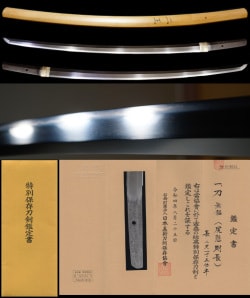
Katana - Jūyō - by Shikkake Norinaga - Shikkake Norinaga Juyo TokenKatana - Jūyō - by Shikkake Norinaga - Shikkake Norinaga Juyo Token

Katana

ByShikkake Norinaga
¥42,000
World Seiyudo
Jūyō
Tanto - Jūyō - by Shikkake Norinaga - Yamato Shikkake ju Norinaga (O-wazamono) - NBTHK Juyo TokenTanto - Jūyō - by Shikkake Norinaga - Yamato Shikkake ju Norinaga (O-wazamono) - NBTHK Juyo Token

Tantō

ByShikkake Norinaga
¥8,500,000

Previously sold by Shikkake Norinaga

Kusanagi
Tokuho
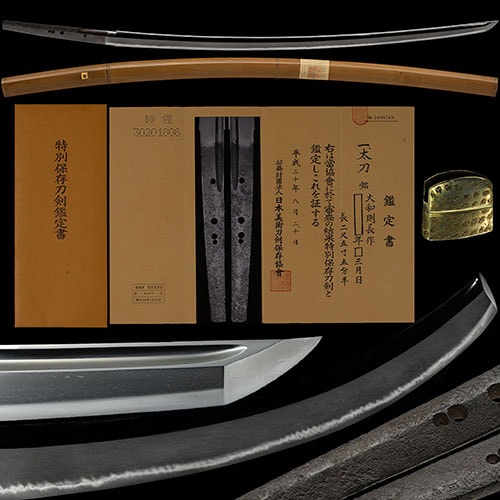
Katana - Tokuho - by Shikkake Norinaga - Shitagake School Founder, Oowazamono 1st Gen. "Shitagake Norinaga" - Tokubetsu Hozon Token AppraisalKatana - Tokuho - by Shikkake Norinaga - Shitagake School Founder, Oowazamono 1st Gen. "Shitagake Norinaga" - Tokubetsu Hozon Token Appraisal
Sold

Katana

ByShikkake Norinaga
SOLD
Kusanagi
Tokuho
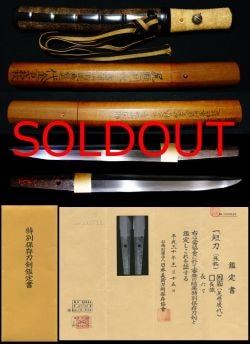
Katana - Tokuho - by Shikkake Norinaga - O-wazamono, Founder of the Shikakke School "Shikakke Norinaga" with Koshirae, Hon'ami Choshiki Kaido-zoejo, Tokubetsu Hozon TokenKatana - Tokuho - by Shikkake Norinaga - O-wazamono, Founder of the Shikakke School "Shikakke Norinaga" with Koshirae, Hon'ami Choshiki Kaido-zoejo, Tokubetsu Hozon Token
Sold

Katana

ByShikkake Norinaga
SOLD
Eirakudo
Tokuho
Tachi - Tokuho - by Shikkake Norinaga - Norinaga - Tokubetsu Hozon TokenTachi - Tokuho - by Shikkake Norinaga - Norinaga - Tokubetsu Hozon Token
Sold

Tachi

ByShikkake Norinaga
SOLD
Nipponto
NTHK
Katana - NTHK - by Shikkake Norinaga - Tachi by Norinaga (Shumei) (Oowazamono)Katana - NTHK - by Shikkake Norinaga - Tachi by Norinaga (Shumei) (Oowazamono)
Sold

Katana

ByShikkake Norinaga
SOLD

More from the Shikkake school

View all →
Aoi Art
Tokuho
Tachi - Tokuho - by Shikkake School - Unsigned (Shikkake)Tachi - Tokuho - by Shikkake School - Unsigned (Shikkake)

Tachi

ByShikkake School
Starting Bid¥1,550,000
Choshuya
Jūyō
Katana - Jūyō - by Shikkake School - O-suriage Mumei, Attributed to ShikkakeKatana - Jūyō - by Shikkake School - O-suriage Mumei, Attributed to Shikkake

Katana

ByShikkake School
¥3,600,000
Toushin
Tokuho
Katana - Tokuho - by Shikkake School - Shikkake (attributed) - 2-862Katana - Tokuho - by Shikkake School - Shikkake (attributed) - 2-862

Katana

ByShikkake School
¥1,001,000
Toushin
Tokuho
Katana - Tokuho - by Shikkake School - Shikkake - MumeiKatana - Tokuho - by Shikkake School - Shikkake - Mumei

Katana

ByShikkake School
¥1,650,000
Toushin
Hozon
Wakizashi - Hozon - by Shikkake School - Shikkake - AttributedWakizashi - Hozon - by Shikkake School - Shikkake - Attributed

Wakizashi

ByShikkake School
¥440,000
Nipponto
Hozon
Tanto - Hozon - by Shikkake School - Yamatonokuni Norinaga sakuTanto - Hozon - by Shikkake School - Yamatonokuni Norinaga saku

Tantō

ByShikkake School
¥390,000
Ayakashi
Hozon
Katana - Hozon - by Shikkake School - Shikkake NorinagaKatana - Hozon - by Shikkake School - Shikkake Norinaga

Katana

ByShikkake School
¥2,500,000
Sanmei
Tokuho
Tanto - Tokuho - by Shikkake School - Tanto signed NORINAGA with gilt kara-kawa leather Aikuchi-style Tanto KoshiraeTanto - Tokuho - by Shikkake School - Tanto signed NORINAGA with gilt kara-kawa leather Aikuchi-style Tanto Koshirae

Tantō

ByShikkake School
¥600,000

More from the Yamato tradition

View all →
Aoi Art
Tokuho
Yari - Tokuho - by Senjuin School - Senjuin SakuYari - Tokuho - by Senjuin School - Senjuin Saku

Yari

BySenjuin School
Starting Bid¥280,000
Tsuruginoya
Jūyō
Katana - Jūyō - by Tegai Kanenaga - Tegai KanenagaKatana - Jūyō - by Tegai Kanenaga - Tegai Kanenaga

Katana

ByTegai Kanenaga
¥7,500,000
Goushuya
Tokujū
Katana - Tokuju - by Satsuma Yasuyo - Tokubetsu Juyo Token (One-Leaf Aoi Mon) Shume no Kami Ichihei Fujiwara Ason Yasuyo, Made in Satsushu Kirei-gun on an Auspicious Day in March, Kyoho 12Katana - Tokuju - by Satsuma Yasuyo - Tokubetsu Juyo Token (One-Leaf Aoi Mon) Shume no Kami Ichihei Fujiwara Ason Yasuyo, Made in Satsushu Kirei-gun on an Auspicious Day in March, Kyoho 12

Katana

BySatsuma Yasuyo
Ask
Toushin
Tokuho
Tanto - Tokuho - by Tegai Kanekiyo - Mumei (Tegai Kanekiyo) - 4-377Tanto - Tokuho - by Tegai Kanekiyo - Mumei (Tegai Kanekiyo) - 4-377

Tantō

ByTegai Kanekiyo
¥770,000
Tokka Biz
Hozon
Katana - Hozon - by Mihara School - Mumei MiharaKatana - Hozon - by Mihara School - Mumei Mihara

Katana

ByMihara School
¥650,000
Touken Komachi
Tokuho
Katana - Tokuho - by Tegai Kanenaga - Katana in ShirasayaKatana - Tokuho - by Tegai Kanenaga - Katana in Shirasaya

Katana

ByTegai Kanenaga
¥3,000,000
Touken Komachi
Tokuho
Katana - Tokuho - by Senjuin School - Senjuin - ShirasayaKatana - Tokuho - by Senjuin School - Senjuin - Shirasaya

Katana

BySenjuin School
¥880,000
Eirakudo
Jūyō
Katana - Jūyō - by Senjuin School - Senjuin - Juyo TokenKatana - Jūyō - by Senjuin School - Senjuin - Juyo Token

Katana

BySenjuin School
¥3,500,000

Swords

  • Katana
  • Wakizashi
  • Tantō
  • Tachi
  • Naginata
  • Yari

Fittings

  • Tsuba
  • Fuchi-Kashira
  • Kozuka
  • Menuki

Armor

  • Kabuto
  • Samurai Armor

By Certification

  • Tokujū
  • Jūyō
  • Tokuho
  • Hozon

Resources

  • Dealer Directory
  • Artist Directory
  • The Daily Kantei
  • Glossary
  • Browse All
Nihontowatch© 2026
TermsPrivacyCookiesAbout

Description

This katana is attributed to Norinaga of the Shikkake school from Yamato province, dating back to around the Bunpō Era (1317-1319). The blade measures approximately 74.5 cm and features a dense itame forging pattern. The hamon is characterized by connected gunome-midare with sunagashi.

NihontoWatch MonNihontoWatch
MarketEncyclopediaKantei
Swords›Yamato-den›Shikkake›Norinaga›Katana: Attributed to Yamato Shikkake Norinaga
katana
Shikkake Norinaga

Katana: Attributed to Yamato Shikkake Norinaga

den · Shikkake · Kamakura · nagasa 74.5cm
Price on request
Visit seller website →
Shikkake Norinaga — 1 of 40
Shikkake Norinaga — 2 of 40
Shikkake Norinaga — 3 of 40
Shikkake Norinaga — 4 of 40
Shikkake Norinaga — 5 of 40
Shikkake Norinaga — 6 of 40
Shikkake Norinaga — 7 of 40
Shikkake Norinaga — 8 of 40
Shikkake Norinaga — 9 of 40
Shikkake Norinaga — 10 of 40
Shikkake Norinaga — 11 of 40
Shikkake Norinaga — 12 of 40
Shikkake Norinaga — 13 of 40
Shikkake Norinaga — 14 of 40
Shikkake Norinaga — 15 of 40
Shikkake Norinaga — 16 of 40
Shikkake Norinaga — 17 of 40
Shikkake Norinaga — 18 of 40
Shikkake Norinaga — 19 of 40
Shikkake Norinaga — 20 of 40
Shikkake Norinaga — 21 of 40
Shikkake Norinaga — 22 of 40
Shikkake Norinaga — 23 of 40
Shikkake Norinaga — 24 of 40
Shikkake Norinaga — 25 of 40
Shikkake Norinaga — 26 of 40
Shikkake Norinaga — 27 of 40
Shikkake Norinaga — 28 of 40
Shikkake Norinaga — 29 of 40
Shikkake Norinaga — 30 of 40
Shikkake Norinaga — 31 of 40
Shikkake Norinaga — 32 of 40
Shikkake Norinaga — 33 of 40
Shikkake Norinaga — 34 of 40
Shikkake Norinaga — 35 of 40
Shikkake Norinaga — 36 of 40
Shikkake Norinaga — 37 of 40
Shikkake Norinaga — 38 of 40
Shikkake Norinaga — 39 of 40
Shikkake Norinaga — 40 of 40
1 / 40
1 / 40
Shikkake Norinaga — 1 of 40Shikkake Norinaga — 2 of 40Shikkake Norinaga — 3 of 40Shikkake Norinaga — 4 of 40Shikkake Norinaga — 5 of 40Shikkake Norinaga — 6 of 40Shikkake Norinaga — 7 of 40Shikkake Norinaga — 8 of 40Shikkake Norinaga — 9 of 40Shikkake Norinaga — 10 of 40Shikkake Norinaga — 11 of 40Shikkake Norinaga — 12 of 40Shikkake Norinaga — 13 of 40Shikkake Norinaga — 14 of 40Shikkake Norinaga — 15 of 40Shikkake Norinaga — 16 of 40Shikkake Norinaga — 17 of 40Shikkake Norinaga — 18 of 40Shikkake Norinaga — 19 of 40Shikkake Norinaga — 20 of 40Shikkake Norinaga — 21 of 40Shikkake Norinaga — 22 of 40Shikkake Norinaga — 23 of 40Shikkake Norinaga — 24 of 40Shikkake Norinaga — 25 of 40Shikkake Norinaga — 26 of 40Shikkake Norinaga — 27 of 40Shikkake Norinaga — 28 of 40Shikkake Norinaga — 29 of 40Shikkake Norinaga — 30 of 40Shikkake Norinaga — 31 of 40Shikkake Norinaga — 32 of 40Shikkake Norinaga — 33 of 40Shikkake Norinaga — 34 of 40Shikkake Norinaga — 35 of 40Shikkake Norinaga — 36 of 40Shikkake Norinaga — 37 of 40Shikkake Norinaga — 38 of 40Shikkake Norinaga — 39 of 40Shikkake Norinaga — 40 of 40
Measurements & details
Smith
Shikkake Norinaga
Type
Katana
School
Shikkake
Period
Around 1317–1319(Bunpo)
Province
Yamato
Signature
den(56% of this smith's designated works are signed)
Measurements
Nagasa 74.5cm
Description
About the maker

Norinaga

則長

Shikkake (Yamato) · Yamato · around 1317-1319

Fujishiro Jo saku · Tōken Taikan top 3%

3 pieces on the market now

›

Two tanto fix Norinaga in time with a precision rare for a medieval smith: one dated Bunpo 3 (1319) adds his age of forty-eight, another dated Ryakuo 3 (1340) his age of sixty-nine, and from these the published sources compute a birth in Bun'ei 9 (1272). An ubu naginata of Ryakuo 1 (1338) supplies a third date, and a Gentoku date is recorded in the Kozan oshigata. He worked at Shikkake in Yamato, one of the five lineages of the province beside Senjuin, Taima, Hosho and Tegai, and the published record opens text after text with the same sentence: the Shikkake school "flourished with Norinaga as its de facto founder"[[c:1]]. The registers name his father Norihiro as the founder, but no authenticated work of Norihiro survives, and the papers settle the school on the son. The name itself continued from the end of the Kamakura period through the Muromachi period, carried by successors whose separation, the NBTHK writes, remains an open question.
His hand is among the most readily named in Yamato. The published formula first gives the school the shared frame of the tradition, a high shinogi with a wide shinogi-ji, an itame forging with a flowing tendency, and a hamon fundamentally of suguha, and then states the tell: the distinction lies in tempering small ko-gunome strung in series within the ha[[c:2]]. One Juyo text raises this to a ranking: "among the works of the five Yamato schools, those in which the gunome stand out most are the works of the Shikkake school, and among them the most technically accomplished is Norinaga"[[c:3]]. On his classic blades the strung ko-gunome runs from base to tip. The edge frays into hotsure, kuichigai-ba and uchinoke; nie sits thick, at times rough above the monouchi; kinsuji and sunagashi sweep through. The boshi is sugu and strongly swept with hakikake, closing komaru or with a yakizume feeling, on one Tokubetsu Juyo blade becoming flame-like. The same sources add a quieter mark, that "the subdued tendency of the nioiguchi is also a point not to be overlooked"[[c:4]].

The jigane beneath this temper is an itame that flows overall and leans to masame, thick in ji-nie with fine chikei, in places standing. On the finest blades a clear nie-utsuri rises, and one Tokubetsu Juyo katana shows steel that runs slightly blackish. The Tokubetsu Juyo tachi of the twenty-fourth session is described in terms the sources reserve for his best work: a densely packed ko-itame, bright in iron color and well refined, on which the band of ha-nie adheres thickly, "beautifully luminous, bright and penetratingly clear"[[c:5]]. The strength of that steel is itself a discriminator within the school: the Jubi naginata-naoshi handed down from Tokugawa Yorinobu is singled out because "the jigane is stronger than usual Shikkake work, and the nie in the ha is also stronger"[[c:6]].

His work falls into clear registers. With Tegai Kanenaga he is the Yamato smith of comparatively many signed works, the long mei taking the forms Yamato Norinaga saku, Yamato Shikkake-ju Norinaga saku and Yamato Sakon-no-jo Norinaga saku, and the sources note that "among those judged the first generation there are no two-character signatures"[[c:7]]. His tachi mostly survive suriage with the signature left near the nakago tip on the mune side, while the tanto are ubu with the long mei at center; twenty-five of his designated blades are signed against twelve unsigned. The mumei register carries the seals of the Honami: a kinzogan of Koshitsu, whose inlaid attributions are called extremely few, a kinzogan of Kojo with an origami of Tenna 3 (1683) at twenty mai, kinpun and shu-mei attributions of Koson, and a lost origami of Kan'ei 12 (1635) read as the hand of Koshitsu or Koon. The formula itself reserves a further register, works in pure suguha: a hoso-suguha naoshi that once bore an old attribution to Sairen, the quiet ubu naginata of Ryakuo 1 made at sixty-six, and the kanmuri-otoshi tanto of Ryakuo 3 at sixty-nine, on which the strung ko-gunome can scarcely be seen. The pole arms are a school specialty; the Ryakuo 1 naginata survives ubu with an inscription the sources call precious as a document, the rest were shortened into wakizashi, and on them the naginata-hi with its companion soe-hi is "powerfully cut"[[c:8]], showing the character of Yamato carving. The generations remain unsettled. The old rule reads mei without the Shikkake prefix as the first generation and prefixed long mei as the second and after, takes the Sakon-no-jo signature as a second generation around Ryakuo, and the registers give a third at Oei and a fourth at Eikyo. Yet the tanto of the forty-seventh Juyo session, dated Ryakuo 3 at sixty-nine and still signed with the prefix, makes the judges hesitate before that rule, and they call it "precious material urging further examination of the generational division"[[c:9]]. An early Muromachi successor signs the Kasuga dedication tanto at sixty-two.

The published sources place him by his neighbors. Against Taima, the old connoisseur text quoted in the ninth Tokubetsu Juyo session warns that Shikkake work is mostly a sugu temper easily confused with Taima, "but the ji is not as tight as Taima's and the nioi is thinner, and by the inferiority of rank one should know it as Shikkake"[[c:10]]. Against Tegai the rank is stated plainly: his "technique is second to Tegai Kanenaga"[[c:11]], and the differences are itemized, that his forging stands more in the hada and falls short of Kanenaga's clarity[[c:12]], that the gunome midare stands out far more in his hamon, and that Kanenaga signs only with two characters while Norinaga leaves long mei. What Kanenaga is to Tegai, then, Norinaga is to Shikkake: the smith on whom the school's technique and its signed record both rest, distinguished from every other Yamato hand by the strung ko-gunome in a suguha frame.

He is Jo saku in Fujishiro's grading, with forty-six designated works on record. Five are Important Cultural Properties, patrimony preserved outside the market; beneath them stand six Tokubetsu Juyo and thirty Juyo, thirty-six blades across the two tiers, with three more on the Juyo Bijutsuhin rolls. Twelve blades carry recorded provenance through the great houses: a tachi of the former shogunal collection, recorded as a gift of the tenth shogun Ieharu in 1774 and later held by Tokugawa Iesato; the tachi granted by shogun Tsunayoshi in Genroku 11 (1698) to Matsudaira Yoshiyuki, founder of the Takasu branch, and handed down in that house; the rare Sakon-no-jo tachi transmitted in the Maeda house of Kaga with its Edo uchigatana koshirae; the naginata-naoshi kept as the sword of Tokugawa Yorinobu of Kii, treasured by its later owner as a daisho with the shogunal tachi; a tachi formerly of the Mori house; and a gold inlay recording the possession of Honda Nakatsukasa Shoyu Tadakoku. The Date family and the Imperial Family also appear among recorded owners. Of recorded whereabouts today, examples rest with Ise Jingu, the Tokyo and Kyoto National Museums, Seikado Bunko, the Kurokawa Research Institute and the Museum of Fine Arts, Boston. For the collector the arithmetic is sober: most of the Tokubetsu Juyo and Juyo blades are held rather than traded, and an attributed katana with the strung ko-gunome appears on the market only from time to time. A signed piece, of which roughly two dozen are designated and many sit in institutions or long-held collections, is a genuine rarity, and a dated one is rarer still.

Historical importance

Where Norinaga stands among comparable artisans: across all of nihontō, and within tradition, era, and period. The tiers (Foremost · Leading · Major · Notable) weigh official designations from the NBTHK and Japan's Agency for Cultural Affairs, together with historical honors of lasting repute such as the Sansaku and Meibutsu-chō.

随一
Foremost
屈指
Leading
有数
Major
著名
Notable

Select a lens to see how it's measured.

Designation record
45 designated works
Jūyō Bunkazai
5
Jūyō Bijutsuhin
3
Gyobutsu (Imperial)
2
Tokubetsu Jūyō
6
Jūyō
29
3 works by Norinaga on the market→
Norinaga — full profileShikkake (Yamato) school
About the school

Shikkake

尻懸

Yamato-den · Yamato

15 pieces on the market now

›

The Shikkake school (尻懸派) stands among the five great Yamato traditions (Yamato goha) that flourished in the shadow of Nara's powerful temples during the late Kamakura period. While traditionally attributed to Norihiro as founder, Norinaga (則長) is regarded as the de facto progenitor, documented through extant tantō bearing inscriptions of his age: forty-eight in Bunpō 3 (1319) and sixty-nine in Ryakuō 3 (1340). These datings place his birth in Bun'ei 9 (1272), establishing him as a contemporary of the school's early development. Works attributed to later generations extend into the Muromachi period, indicating successive transmission of the name across multiple generations. Given the concentration of sōhei (warrior monks) in Yamato Province, it is natural that Shikkake smiths produced numerous naginata, with more surviving examples attributed to this school than any other Yamato tradition. Shikkake workmanship shares the fundamental Yamato vocabulary: construction with high shinogi and conspicuously wide shinogi-ji; forging in itame that characteristically flows, often incorporating mokume and nagare-hada with areas trending toward masame near the edge; and steel exhibiting thickly adhering ji-nie with frequent, stout chikei and occasional nie-utsuri. The tempering centers on suguha-based patterns, yet the school's signature lies in its treatment of the hamon: while maintaining the suguha foundation, Shikkake smiths tempered small gunome in connected succession (ko-gunome-tsure), creating a gently undulating effect. Along the habuchi appear characteristic Yamato activities—hotsure, nijūba, kuichigai-ba, uchi-noke, and yubashiri—with well-adhering ko-nie producing a bright, clear nioiguchi interwoven with kinsuji and sunagashi.

The bōshi typically runs straight with vigorous hakikake, often tending toward yakizume or taking on a flame-like (kaen) character at the point. While some examples execute pure suguha patterns, the intermixing of running ko-gunome within the ha remains the critical diagnostic feature distinguishing Shikkake from other Yamato schools[[c:1]], particularly Taima, with which it shares close affinities. The school's legacy endures through works of exceptional quality and preservation. Surviving naginata of grand scale—some exceeding 2 shaku 7 sun—demonstrate Nanbokuchō-period construction with characteristic shallow flaring and deep curvature, often transmitted in rare ubu-nakago condition. Shortened katana attributed to the school display vigorous forging in which flowing grain and chikei interweave, producing steel of remarkable clarity (saeru), while the tempering exhibits thickly adhering, strongly luminous nie creating bright visual effects. The consistent appearance of well-refined jigane with dense ko-itame and abundant ji-nie, paired with distinctive tempering patterns that balance fundamental suguha with running ko-gunome, establishes Shikkake as a school whose characteristic features remain unmistakable across centuries of production. Works attributed to this tradition regularly survive in kenzen (sound and well-preserved) condition, testimony to both original forging quality and careful transmission through successive generations. Learn more →

1 recorded smiths149 designated works
Leading smiths
SmithEraDesignated
Norinaga則長1317-131945
Norinari則成1312-13170
Nagamitsu長光1233-12340
Sukehiro助弘1308-13110
Norisada則貞1428-14290
Explore the Shikkake school →

Historical context

The Yamato schools grew up in the shadow of Nara’s great monasteries: Tegai took its name from a gate of Tōdaiji. Their austere masame and quiet suguha are a temple aesthetic, prized ever since for exactly that restraint.

Yamato in the Kamakura period →

Warning — certificate not found

We could not find an authenticity certificate on the seller’s listing. Japanese swords and fittings are normally papered by the NBTHK (or the NTHK). Without one, the attribution is the seller’s own assessment and has not been independently verified — treat it with caution and ask the dealer about certification before buying.

Seller
N
Nihonto Australia
🇦🇺Ships from Australia
›
✓Verified dealernihonto.com.au
Credit card
View all of Nihonto Australia’s listings→View this item on the dealer’s site→

More works by Shikkake Norinaga

View all →
Bushido Antique Japanese Swords
Jūyō
Katana - Jūyō - by Shikkake Norinaga - Shikkake Norinaga Juyo TokenKatana - Jūyō - by Shikkake Norinaga - Shikkake Norinaga Juyo Token

Katana

ByShikkake Norinaga
¥42,000
World Seiyudo
Jūyō
Tanto - Jūyō - by Shikkake Norinaga - Yamato Shikkake ju Norinaga (O-wazamono) - NBTHK Juyo TokenTanto - Jūyō - by Shikkake Norinaga - Yamato Shikkake ju Norinaga (O-wazamono) - NBTHK Juyo Token

Tantō

ByShikkake Norinaga
¥8,500,000

Previously sold by Shikkake Norinaga

Kusanagi
Tokuho
Katana - Tokuho - by Shikkake Norinaga - Shitagake School Founder, Oowazamono 1st Gen. "Shitagake Norinaga" - Tokubetsu Hozon Token AppraisalKatana - Tokuho - by Shikkake Norinaga - Shitagake School Founder, Oowazamono 1st Gen. "Shitagake Norinaga" - Tokubetsu Hozon Token Appraisal
Sold

Katana

ByShikkake Norinaga
SOLD
Kusanagi
Tokuho
Katana - Tokuho - by Shikkake Norinaga - O-wazamono, Founder of the Shikakke School "Shikakke Norinaga" with Koshirae, Hon'ami Choshiki Kaido-zoejo, Tokubetsu Hozon TokenKatana - Tokuho - by Shikkake Norinaga - O-wazamono, Founder of the Shikakke School "Shikakke Norinaga" with Koshirae, Hon'ami Choshiki Kaido-zoejo, Tokubetsu Hozon Token
Sold

Katana

ByShikkake Norinaga
SOLD
Eirakudo
Tokuho
Tachi - Tokuho - by Shikkake Norinaga - Norinaga - Tokubetsu Hozon TokenTachi - Tokuho - by Shikkake Norinaga - Norinaga - Tokubetsu Hozon Token
Sold

Tachi

ByShikkake Norinaga
SOLD
Nipponto
NTHK
Katana - NTHK - by Shikkake Norinaga - Tachi by Norinaga (Shumei) (Oowazamono)Katana - NTHK - by Shikkake Norinaga - Tachi by Norinaga (Shumei) (Oowazamono)
Sold

Katana

ByShikkake Norinaga
SOLD

More from the Shikkake school

View all →
Aoi Art
Tokuho
Tachi - Tokuho - by Shikkake School - Unsigned (Shikkake)Tachi - Tokuho - by Shikkake School - Unsigned (Shikkake)

Tachi

ByShikkake School
Starting Bid¥1,550,000
Choshuya
Jūyō
Katana - Jūyō - by Shikkake School - O-suriage Mumei, Attributed to ShikkakeKatana - Jūyō - by Shikkake School - O-suriage Mumei, Attributed to Shikkake

Katana

ByShikkake School
¥3,600,000
Toushin
Tokuho
Katana - Tokuho - by Shikkake School - Shikkake (attributed) - 2-862Katana - Tokuho - by Shikkake School - Shikkake (attributed) - 2-862

Katana

ByShikkake School
¥1,001,000
Toushin
Tokuho
Katana - Tokuho - by Shikkake School - Shikkake - MumeiKatana - Tokuho - by Shikkake School - Shikkake - Mumei

Katana

ByShikkake School
¥1,650,000
Toushin
Hozon
Wakizashi - Hozon - by Shikkake School - Shikkake - AttributedWakizashi - Hozon - by Shikkake School - Shikkake - Attributed

Wakizashi

ByShikkake School
¥440,000
Nipponto
Hozon
Tanto - Hozon - by Shikkake School - Yamatonokuni Norinaga sakuTanto - Hozon - by Shikkake School - Yamatonokuni Norinaga saku

Tantō

ByShikkake School
¥390,000
Ayakashi
Hozon
Katana - Hozon - by Shikkake School - Shikkake NorinagaKatana - Hozon - by Shikkake School - Shikkake Norinaga

Katana

ByShikkake School
¥2,500,000
Sanmei
Tokuho
Tanto - Tokuho - by Shikkake School - Tanto signed NORINAGA with gilt kara-kawa leather Aikuchi-style Tanto KoshiraeTanto - Tokuho - by Shikkake School - Tanto signed NORINAGA with gilt kara-kawa leather Aikuchi-style Tanto Koshirae

Tantō

ByShikkake School
¥600,000

More from the Yamato tradition

View all →
Aoi Art
Tokuho
Yari - Tokuho - by Senjuin School - Senjuin SakuYari - Tokuho - by Senjuin School - Senjuin Saku

Yari

BySenjuin School
Starting Bid¥280,000
Tsuruginoya
Jūyō
Katana - Jūyō - by Tegai Kanenaga - Tegai KanenagaKatana - Jūyō - by Tegai Kanenaga - Tegai Kanenaga

Katana

ByTegai Kanenaga
¥7,500,000
Goushuya
Tokujū
Katana - Tokuju - by Satsuma Yasuyo - Tokubetsu Juyo Token (One-Leaf Aoi Mon) Shume no Kami Ichihei Fujiwara Ason Yasuyo, Made in Satsushu Kirei-gun on an Auspicious Day in March, Kyoho 12Katana - Tokuju - by Satsuma Yasuyo - Tokubetsu Juyo Token (One-Leaf Aoi Mon) Shume no Kami Ichihei Fujiwara Ason Yasuyo, Made in Satsushu Kirei-gun on an Auspicious Day in March, Kyoho 12

Katana

BySatsuma Yasuyo
Ask
Toushin
Tokuho
Tanto - Tokuho - by Tegai Kanekiyo - Mumei (Tegai Kanekiyo) - 4-377Tanto - Tokuho - by Tegai Kanekiyo - Mumei (Tegai Kanekiyo) - 4-377

Tantō

ByTegai Kanekiyo
¥770,000
Tokka Biz
Hozon
Katana - Hozon - by Mihara School - Mumei MiharaKatana - Hozon - by Mihara School - Mumei Mihara

Katana

ByMihara School
¥650,000
Touken Komachi
Tokuho
Katana - Tokuho - by Tegai Kanenaga - Katana in ShirasayaKatana - Tokuho - by Tegai Kanenaga - Katana in Shirasaya

Katana

ByTegai Kanenaga
¥3,000,000
Touken Komachi
Tokuho
Katana - Tokuho - by Senjuin School - Senjuin - ShirasayaKatana - Tokuho - by Senjuin School - Senjuin - Shirasaya

Katana

BySenjuin School
¥880,000
Eirakudo
Jūyō
Katana - Jūyō - by Senjuin School - Senjuin - Juyo TokenKatana - Jūyō - by Senjuin School - Senjuin - Juyo Token

Katana

BySenjuin School
¥3,500,000

Swords

  • Katana
  • Wakizashi
  • Tantō
  • Tachi
  • Naginata
  • Yari

Fittings

  • Tsuba
  • Fuchi-Kashira
  • Kozuka
  • Menuki

Armor

  • Kabuto
  • Samurai Armor

By Certification

  • Tokujū
  • Jūyō
  • Tokuho
  • Hozon

Resources

  • Dealer Directory
  • Artist Directory
  • The Daily Kantei
  • Glossary
  • Browse All
Nihontowatch© 2026
TermsPrivacyCookiesAbout
NihontoWatch Mon

NihontoWatch

Market
Encyclopedia
Kantei
NihontoWatch Mon

NihontoWatch

Market
Encyclopedia
Kantei