The Yamato schools grew up in the shadow of Nara’s great monasteries: Tegai took its name from a gate of Tōdaiji. Their austere masame and quiet suguha are a temple aesthetic, prized ever since for exactly that restraint.
 NihontoWatchNihontoWatch
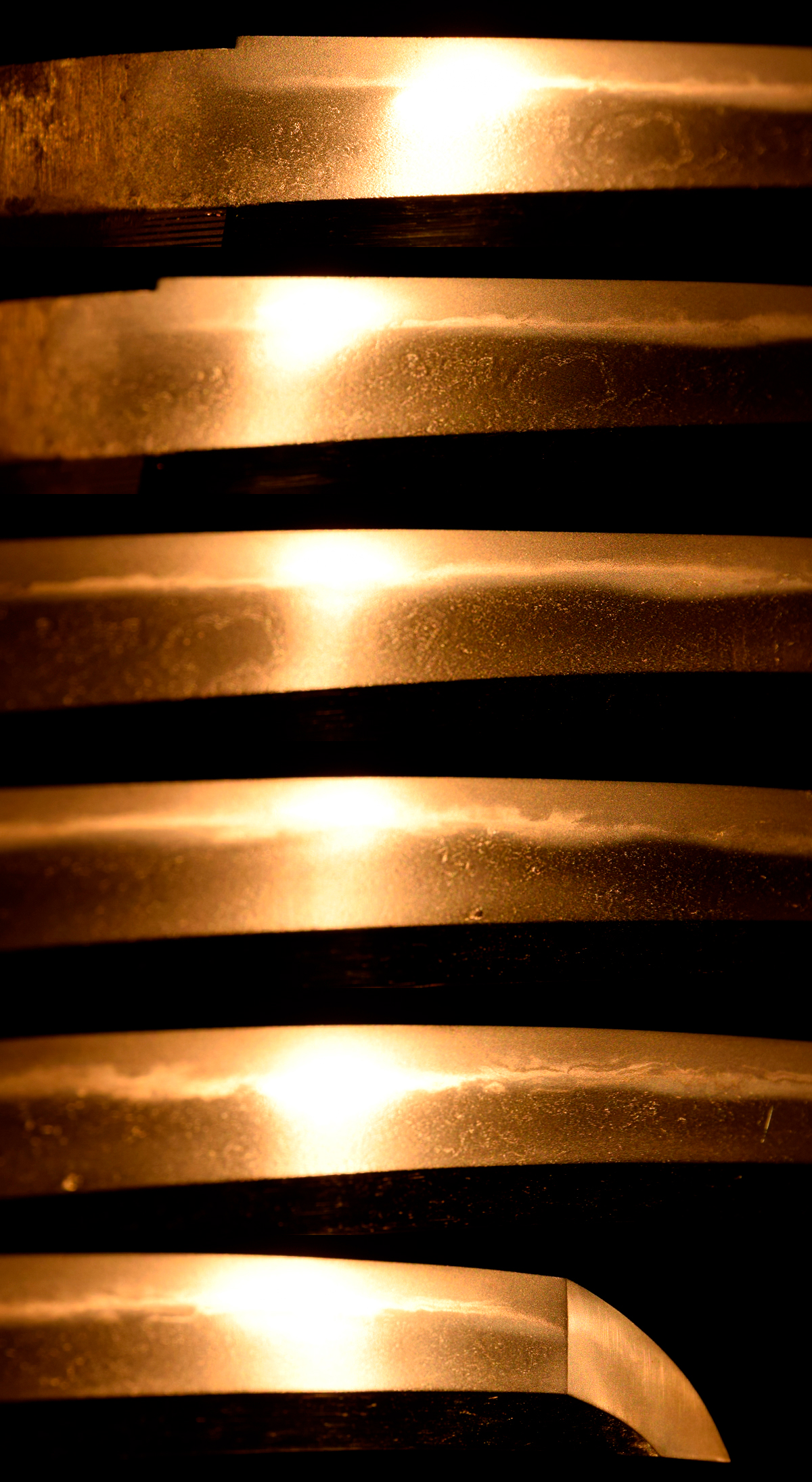
The late Kamakura Among the five Yamato schools (Taima, Hosho, Tegai, Shikkake, Senjuin), the Shikkake school flourished greatly with Norinaga as the de facto founder; they were a group of swordsmiths from Shikkake, Kishida-cho, Tenri City in present-day Nara Prefecture, and the name Shikkake originates from the square stone pedestal (Shikkake-ishi) provided for the mikoshi of the Oyamato Jinja to rest upon. The de facto founder of the Shikkake school is considered to be the first generation Norinaga, who is said to be the son of Norihiro; works remain with gyonen-mei of age 48 in Bunpo 3 (1319) and age 69 in Ryakuo 3 (1340), and calculating backward from these, it can be inferred that he was born in Bunei 9. Many Yamato-mono from this period have extremely refined and beautiful jigane, and the characteristics of the Shikkake school include a high shinogi, a wide shinogi-ji, itame with a nagare-gokoro, and a hamon based on suguha but tempered with continuous ko-gunome. This work is a mumei blade with a kiwame to Shikkake, and is a tachi that has been greatly suriage. It shows a powerful sugata with a significantly extended kissaki, the jigane is itame with a nagare-gokoro that is well-kneaded and beautifully unified, and the hamon is based on a suguha with a bright and clear nioiguchi, mixed with hotsure-style hataraki that gives a sense of the Yamato temperament, with gunome and gunome-ashi also visible; the boshi is sugu-cho mixed with a slight midare-gokoro, and possesses archaic hataraki such as multiple layers of kuitsage toward the yokote from the maru-kaeri part, providing highlights throughout despite being mumei. The yakiba of the boshi is also plentiful and kenzen, making this an old meito that one would want to pass down with care, and it is an attractive work that one would want to keep in view for higher-level shinsa (Juyo Token).
NihontoWatchOffered by Toushin
10 on the market

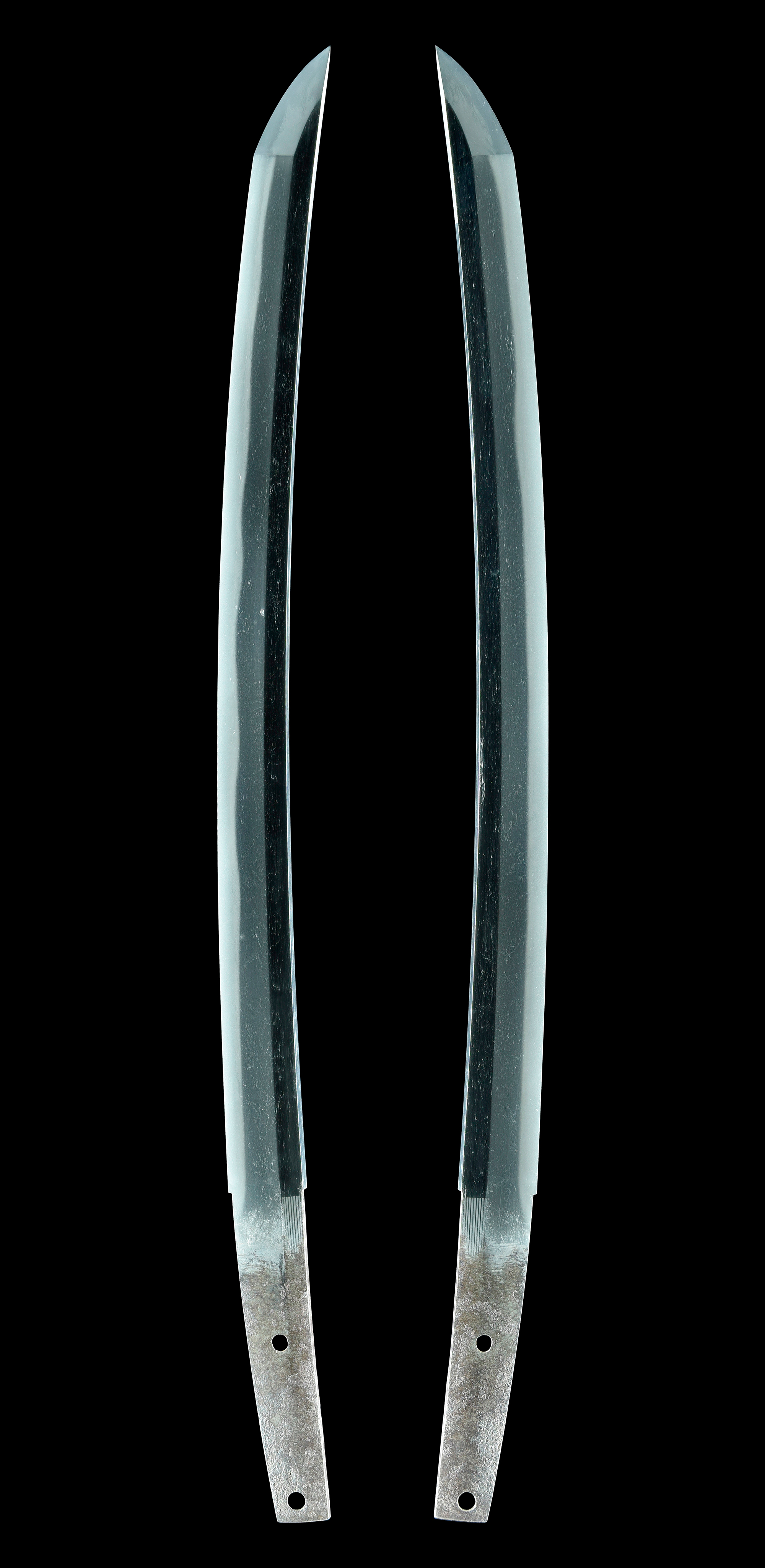
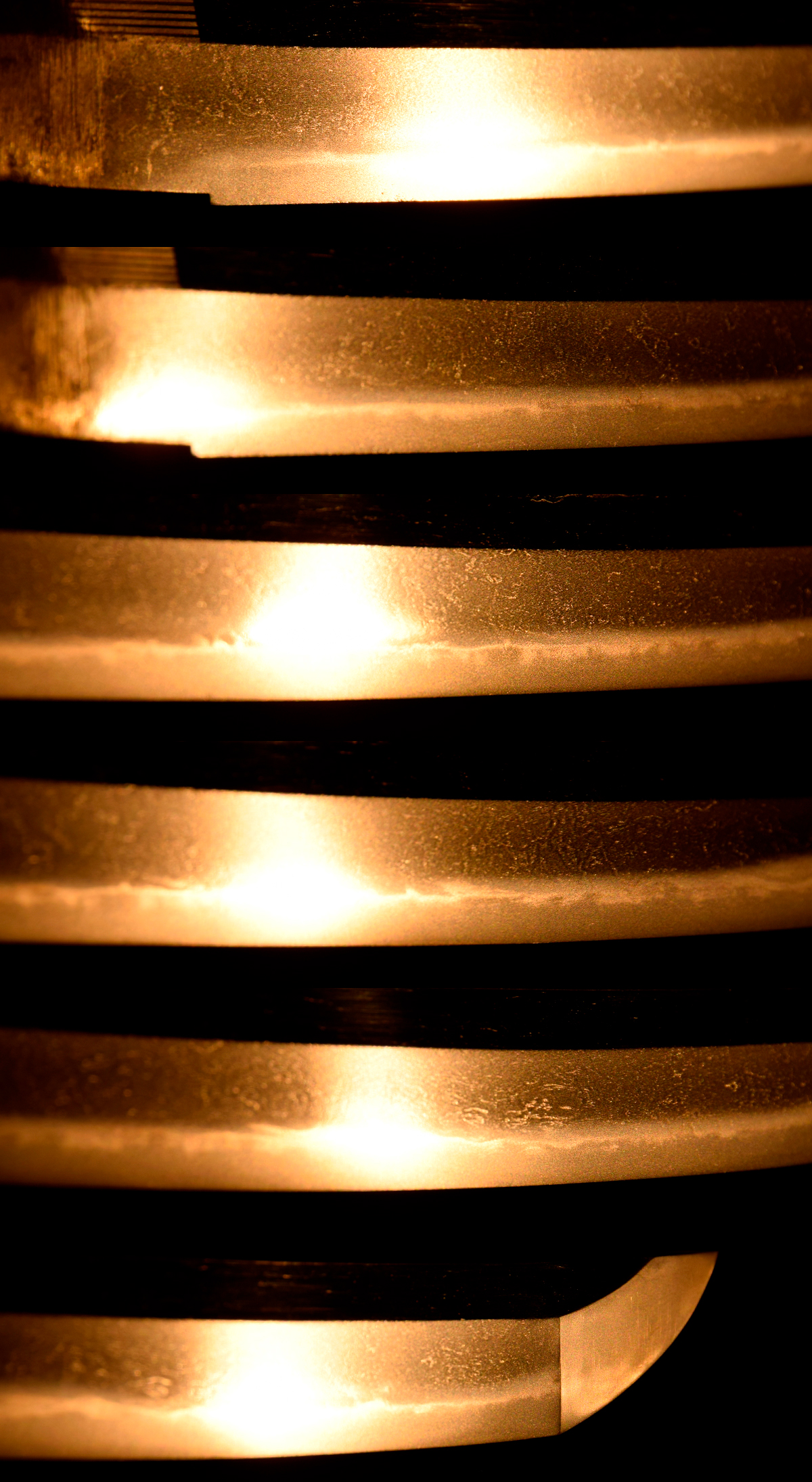
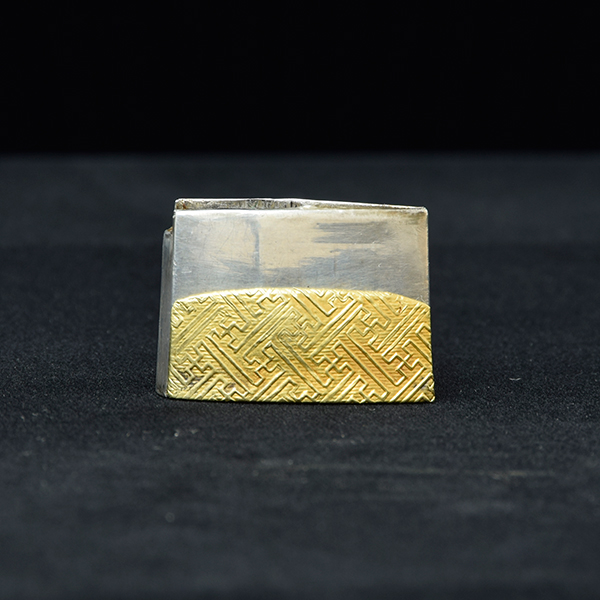
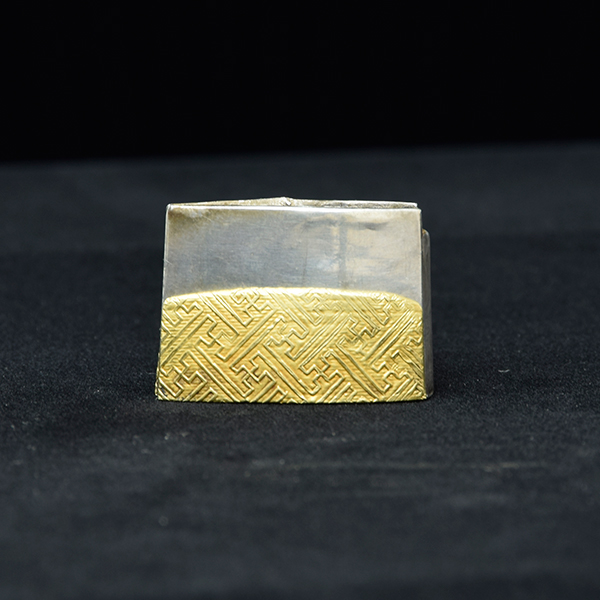
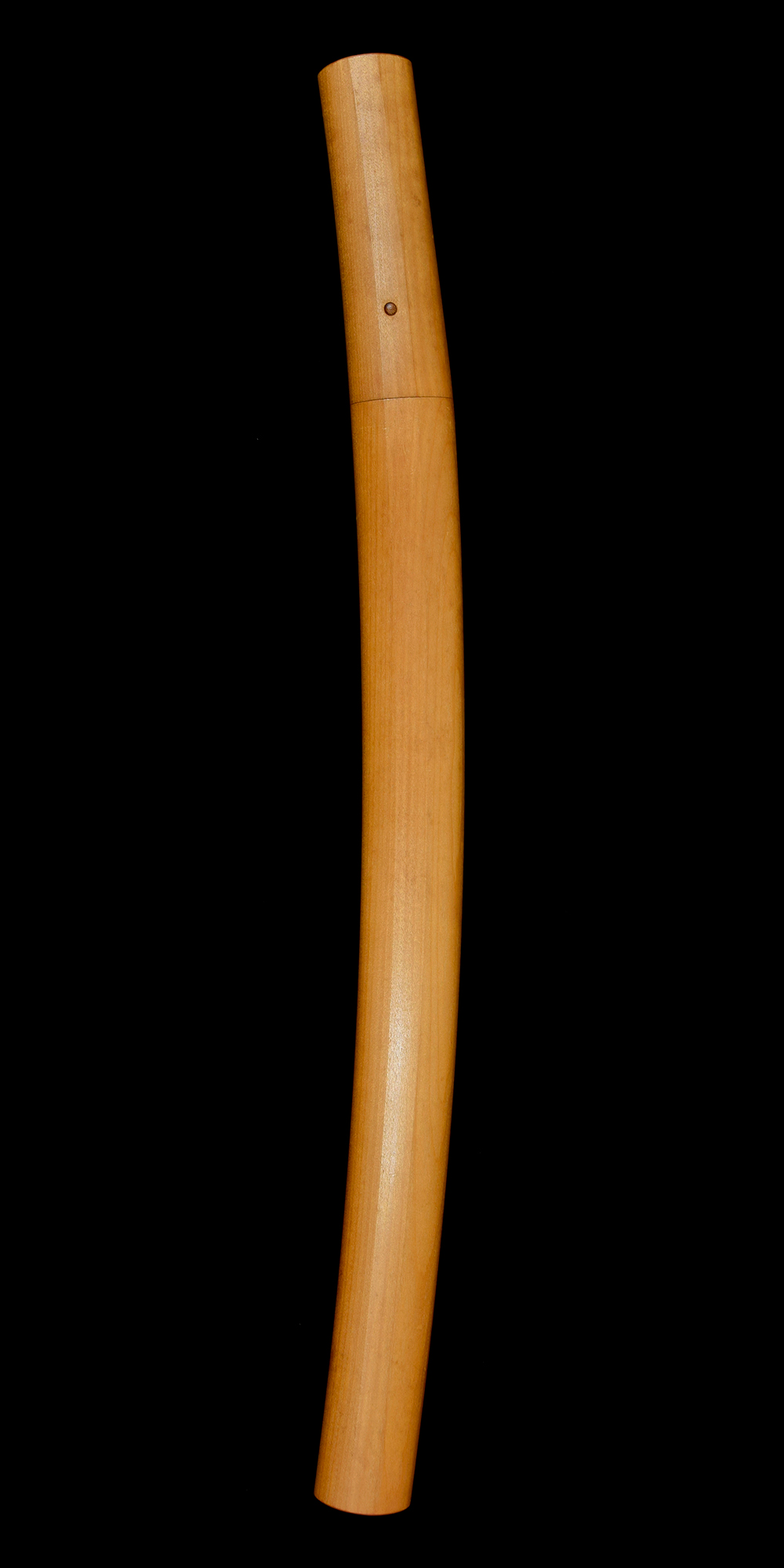
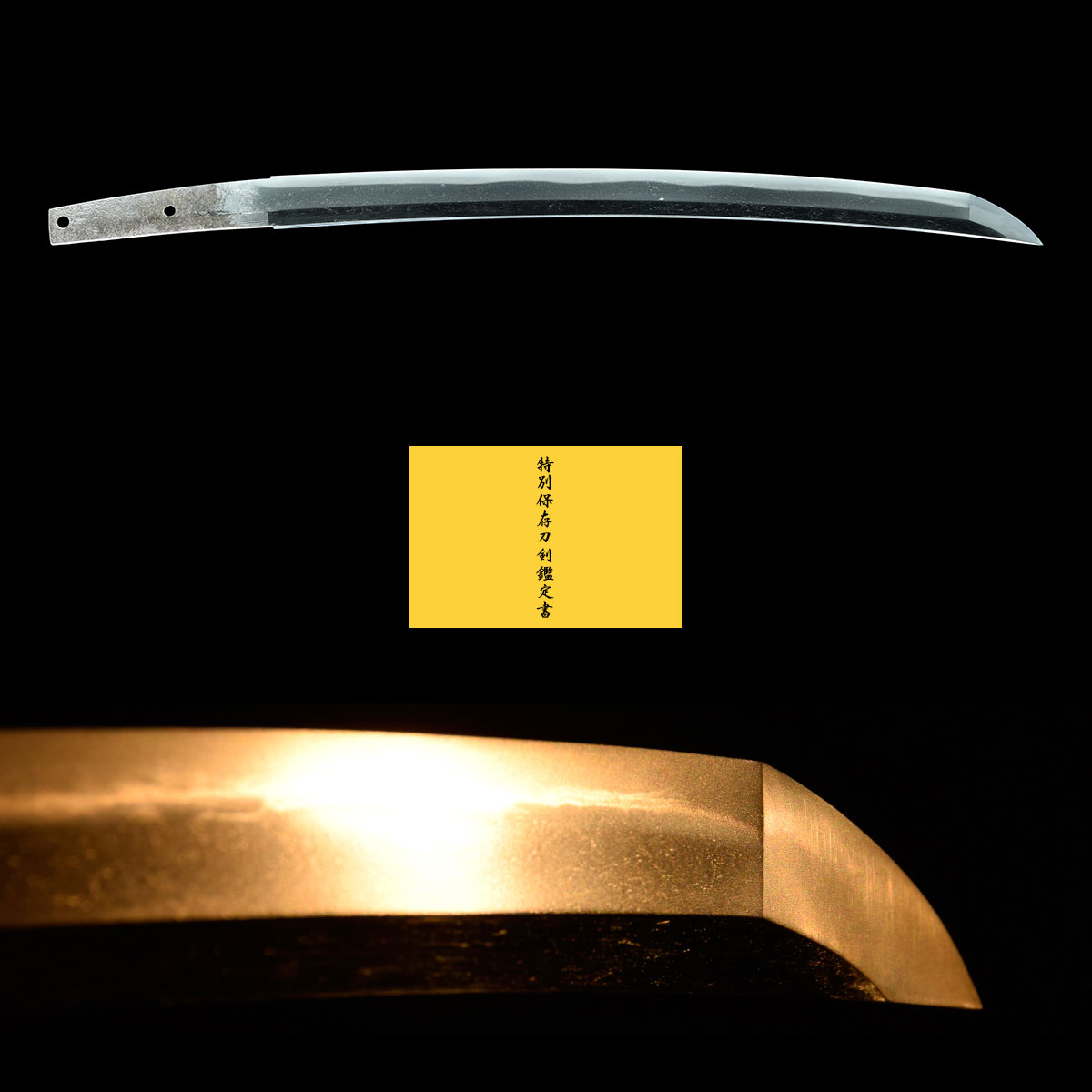
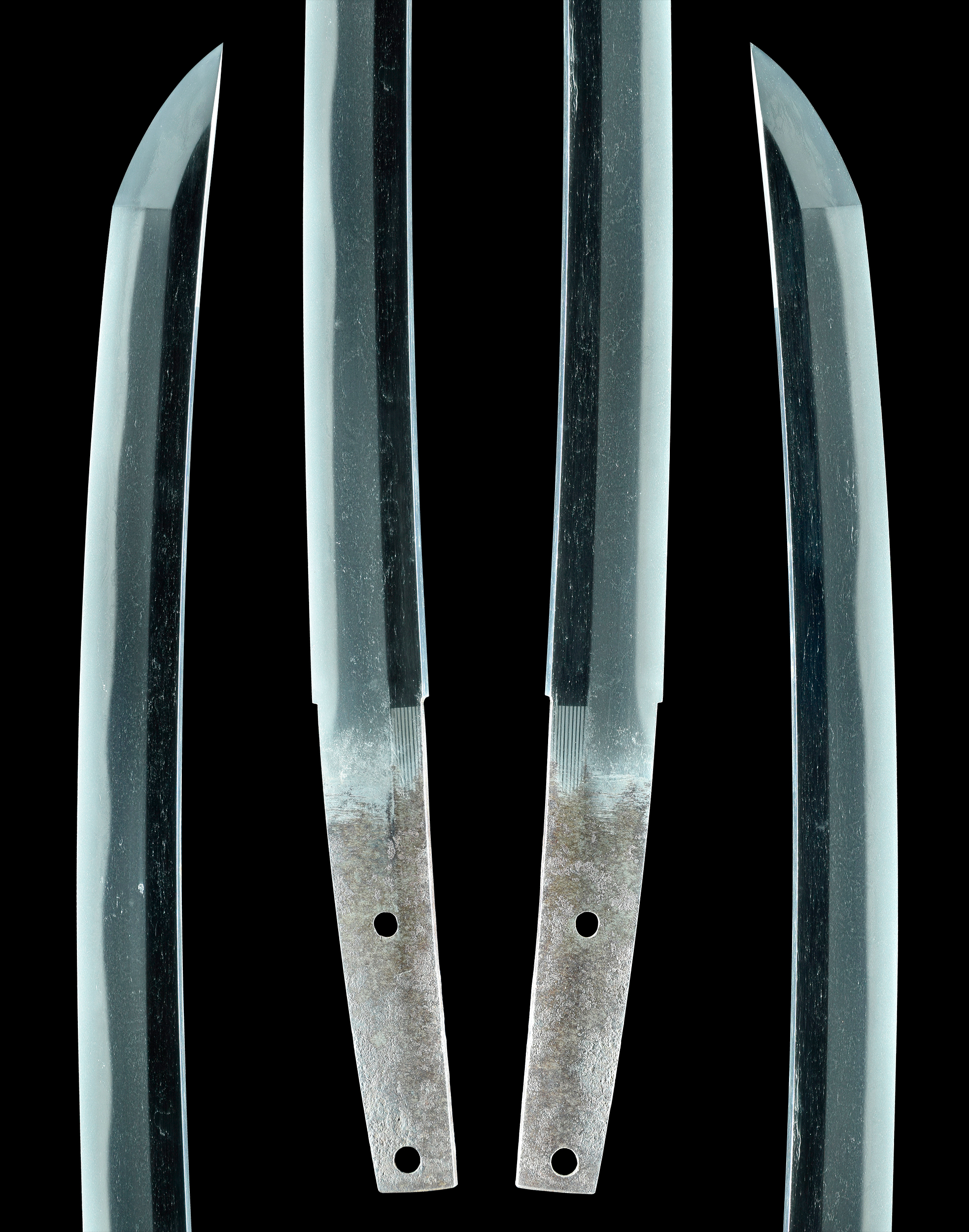
As written by the shop
Machine translation from the shop's Japanese · may contain errors ·
Yamato-den · Yamato
10 pieces on the market now
The Shikkake school (尻懸派) stands among the five great Yamato traditions (Yamato goha) that flourished in the shadow of Nara's powerful temples during the late Kamakura period. While traditionally attributed to Norihiro as founder, Norinaga (則長) is regarded as the de facto progenitor, documented through extant tantō bearing inscriptions of his age: forty-eight in Bunpō 3 (1319) and sixty-nine in Ryakuō 3 (1340). These datings place his birth in Bun'ei 9 (1272), establishing him as a contemporary of the school's early development. Works attributed to later generations extend into the Muromachi period, indicating successive transmission of the name across multiple generations. Given the concentration of sōhei (warrior monks) in Yamato Province, it is natural that Shikkake smiths produced numerous naginata, with more surviving examples attributed to this school than any other Yamato tradition. Shikkake workmanship shares the fundamental Yamato vocabulary: construction with high shinogi and conspicuously wide shinogi-ji; forging in itame that characteristically flows, often incorporating mokume and nagare-hada with areas trending toward masame near the edge; and steel exhibiting thickly adhering ji-nie with frequent, stout chikei and occasional nie-utsuri. The tempering centers on suguha-based patterns, yet the school's signature lies in its treatment of the hamon: while maintaining the suguha foundation, Shikkake smiths tempered small gunome in connected succession (ko-gunome-tsure), creating a gently undulating effect. Along the habuchi appear characteristic Yamato activities—hotsure, nijūba, kuichigai-ba, uchi-noke, and yubashiri—with well-adhering ko-nie producing a bright, clear nioiguchi interwoven with kinsuji and sunagashi.
The bōshi typically runs straight with vigorous hakikake, often tending toward yakizume or taking on a flame-like (kaen) character at the point. While some examples execute pure suguha patterns, the intermixing of running ko-gunome within the ha remains the critical diagnostic feature distinguishing Shikkake from other Yamato schools[[c:1]], particularly Taima, with which it shares close affinities. The school's legacy endures through works of exceptional quality and preservation. Surviving naginata of grand scale—some exceeding 2 shaku 7 sun—demonstrate Nanbokuchō-period construction with characteristic shallow flaring and deep curvature, often transmitted in rare ubu-nakago condition. Shortened katana attributed to the school display vigorous forging in which flowing grain and chikei interweave, producing steel of remarkable clarity (saeru), while the tempering exhibits thickly adhering, strongly luminous nie creating bright visual effects. The consistent appearance of well-refined jigane with dense ko-itame and abundant ji-nie, paired with distinctive tempering patterns that balance fundamental suguha with running ko-gunome, establishes Shikkake as a school whose characteristic features remain unmistakable across centuries of production. Works attributed to this tradition regularly survive in kenzen (sound and well-preserved) condition, testimony to both original forging quality and careful transmission through successive generations. Learn more →
| Smith | Era | Designated |
|---|---|---|
| Norinaga則長 | 1317-1319 | 43 |
| Norinari則成 | 1312-1317 | 0 |
| Nagamitsu長光 | 1233-1234 | 0 |
| Sukehiro助弘 | 1308-1311 | 0 |
| Norisada則貞 | 1428-1429 | 0 |
Yamato in the Kamakura period
The Yamato schools grew up in the shadow of Nara’s great monasteries: Tegai took its name from a gate of Tōdaiji. Their austere masame and quiet suguha are a temple aesthetic, prized ever since for exactly that restraint.
A Hozon-certified blade judged to show notably superior workmanship and a better state of preservation. The bar is higher: re-tempered blades and most unsigned Muromachi/Edo works are excluded.
The NBTHK (Nihon Bijutsu Tōken Hozon Kyōkai, the Society for the Preservation of Japanese Art Swords) is a public-interest incorporated foundation founded in 1948 and supervised by Japan’s Agency for Cultural Affairs (Bunkachō); it is based at the Japanese Sword Museum in Tokyo. Its expert panels physically examine each submitted work (shinsa) and issue a certificate (kanteishō) ranking it by artistic and historical merit. NBTHK papers are the most widely recognized standard of authentication for Japanese swords and fittings.
NBTHK official siteAs a rule we do not accept returns, except when we have sent a different item from the one ordered or when there is a significant discrepancy between the description and the item. If you wish to return an item, please contact us within 3 days of its arrival and then send it back.
¥1,430,000