Sengoku Seki was an industry: smiths organized under their tutelary Kasuga shrine, arming the war bands of central Japan. Magoroku Kanemoto’s sanbonsugi and the finest Kanesada work prove quality survived inside mass production.
 NihontoWatchNihontoWatch
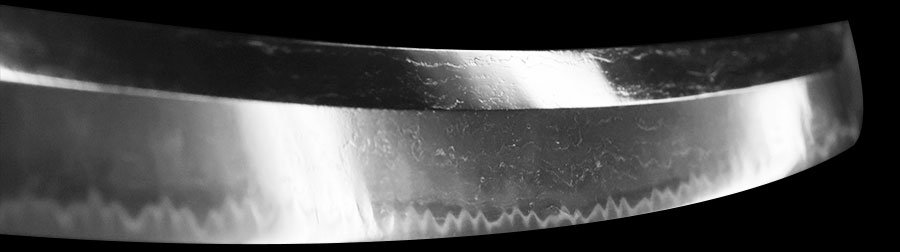
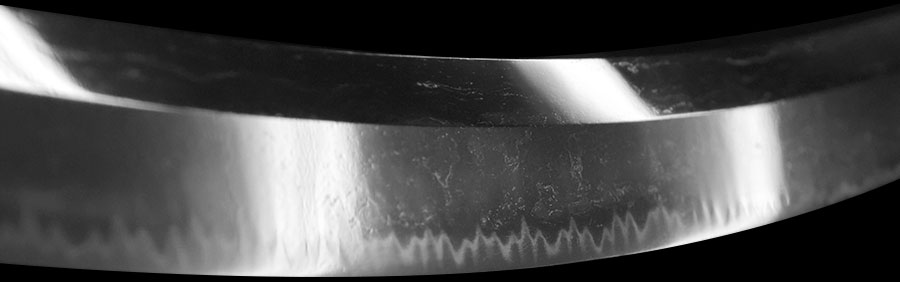
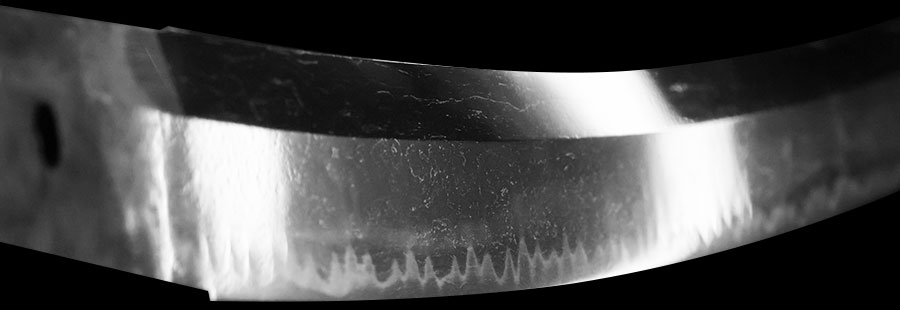
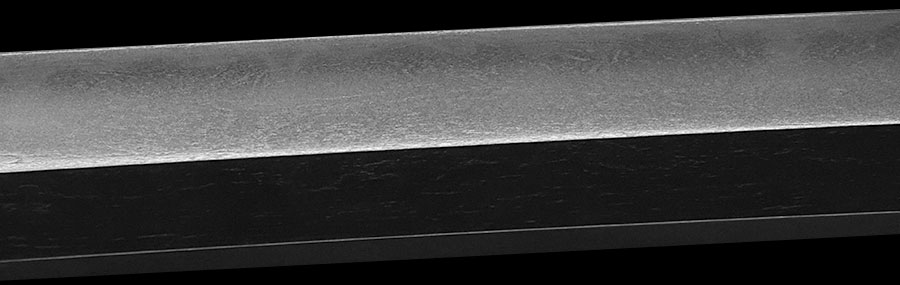
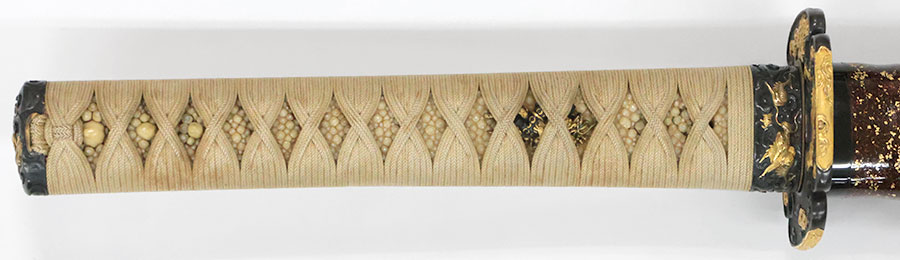
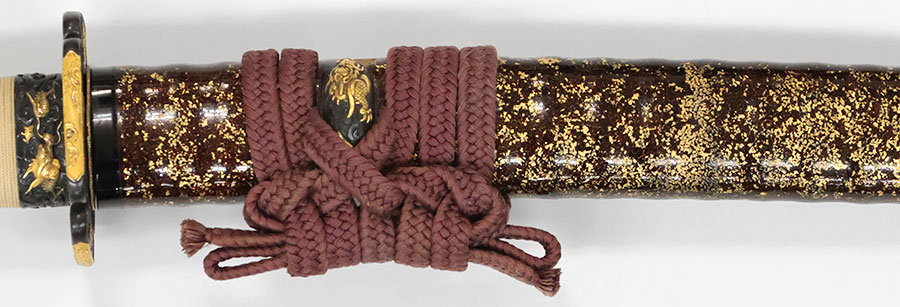
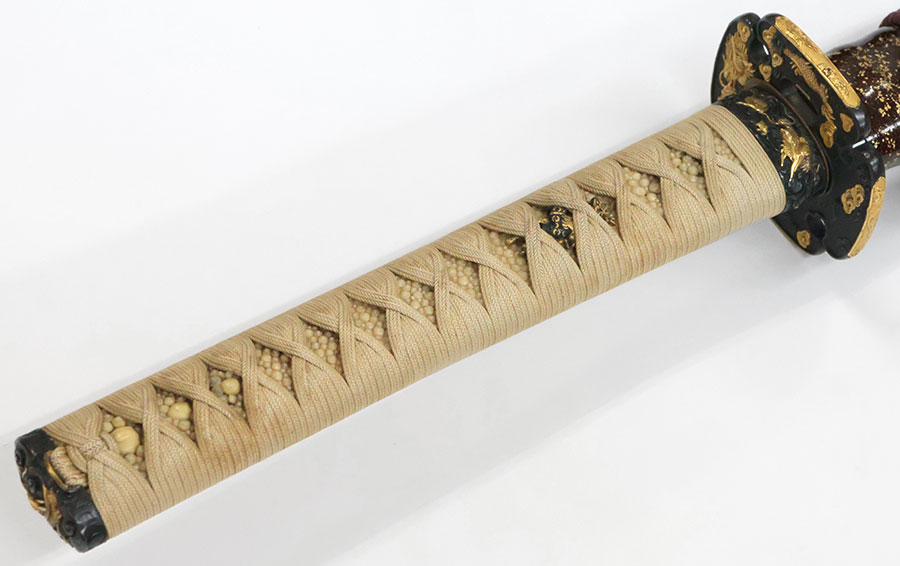
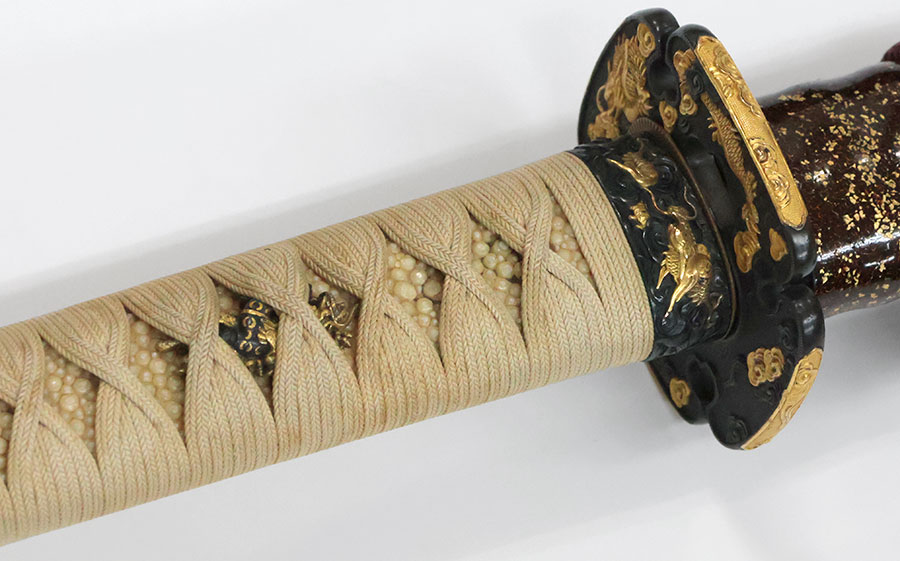
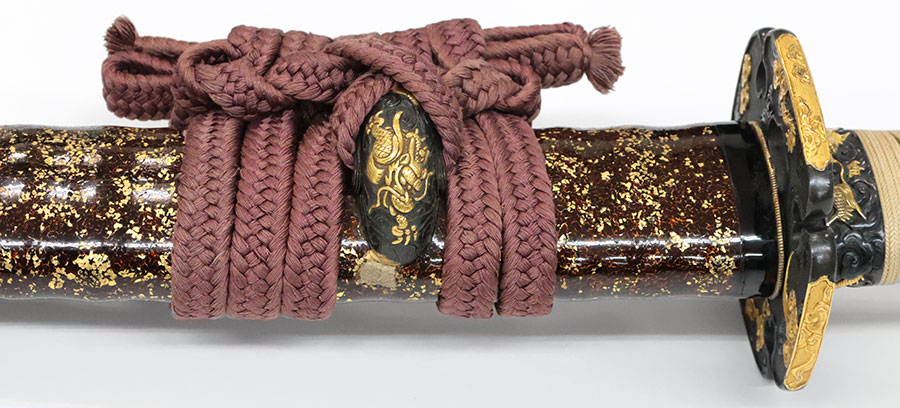
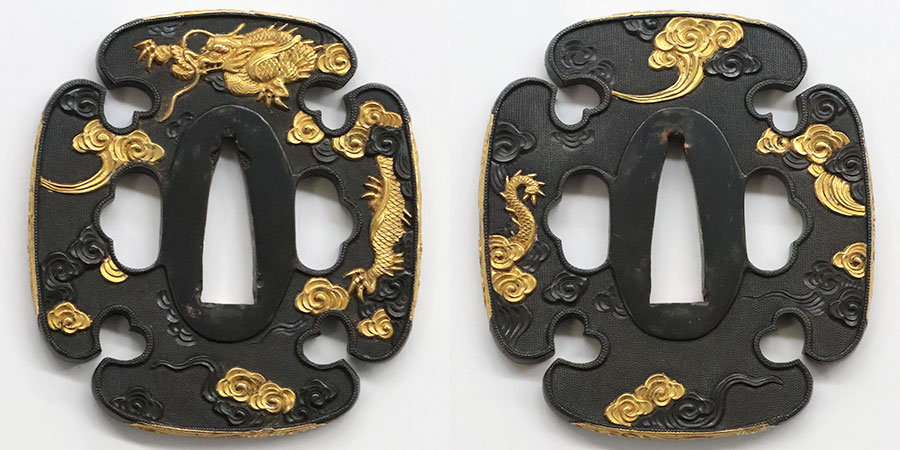
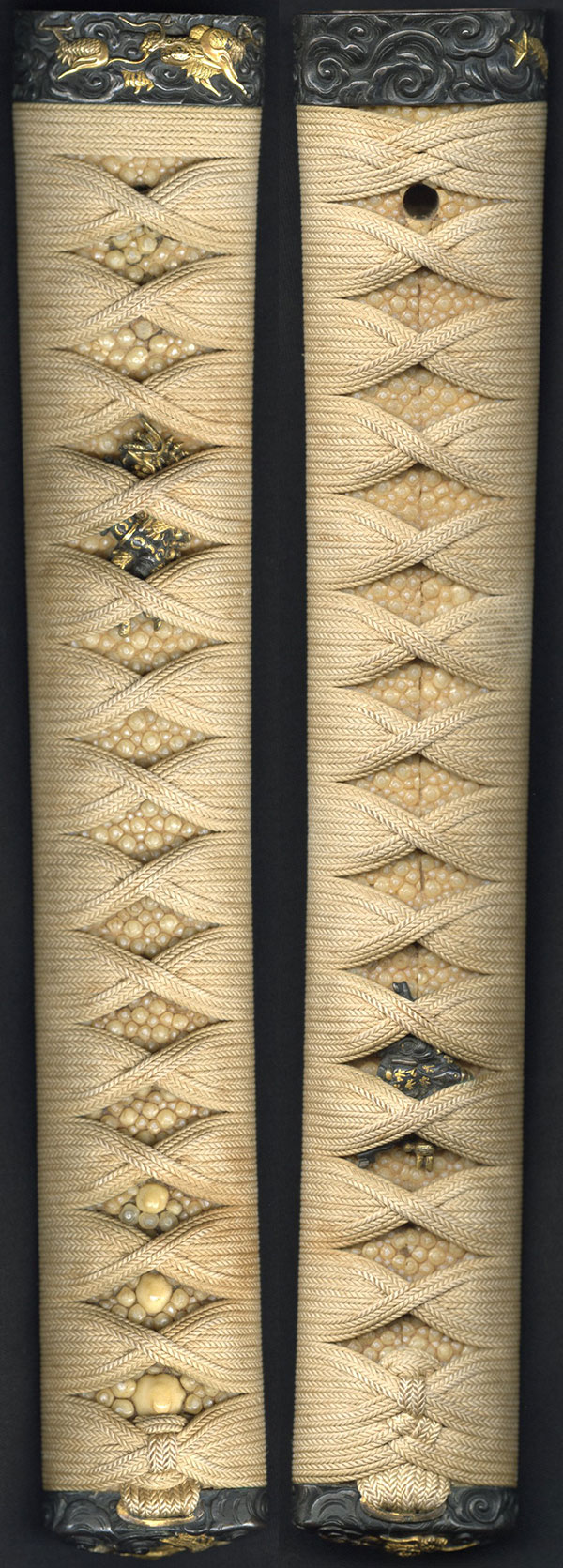
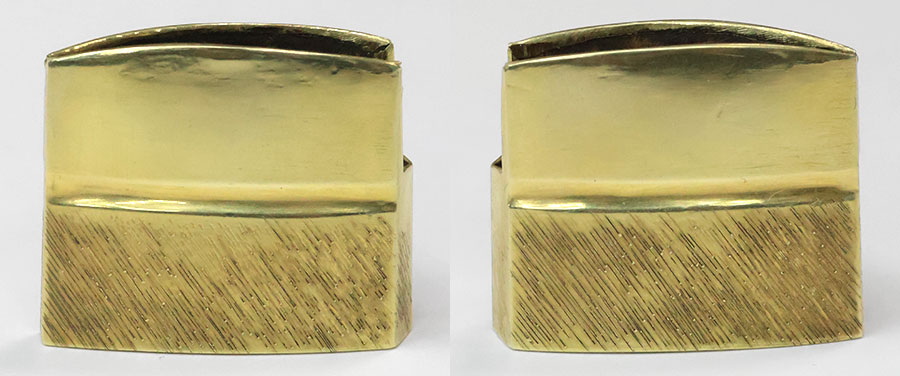
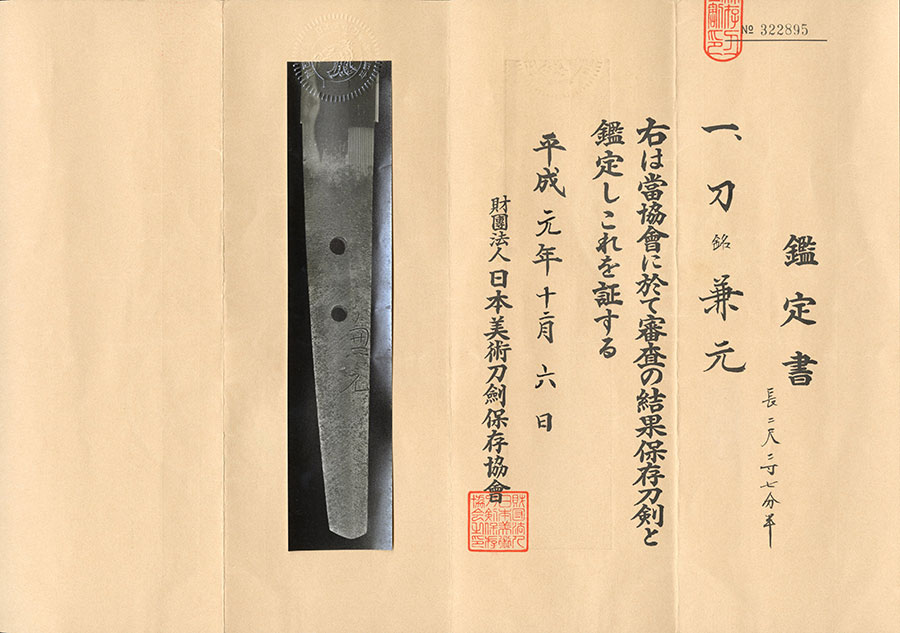
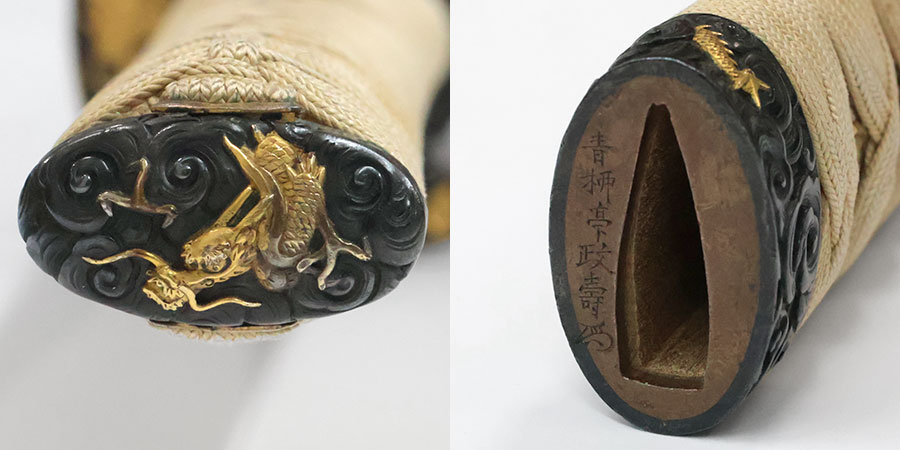
(Also famous in Touken Ranbu) It has arrived, it has arrived; a wonderfully well-crafted and charming masterpiece by Kanemoto has arrived. The world-famous Magoroku Kanemoto is an object of envy for sword enthusiasts. Wanting to possess a Kanemoto sword within one's lifetime is proof of the true satisfaction of a Japanese man. The Kanemoto family used the name Magoroku for generations, and their swords are world-famous. This Kanemoto bears the mei of Magoroku Kanemoto and was cherished by an old connoisseur as a Magoroku Kanemoto; while I think it is fine to consider it Magoroku Kanemoto, under current appraisals it is only Kanemoto, and (Magoroku) is not written, so I will take a step back and designate it as the 3rd generation Magoroku Kanemoto, the son of Magoroku Kanemoto, from around the Tenbun era (1543) (483 years ago). Kanemoto has been extremely famous since the Sengoku period as an Owazamono that cuts very well. The Ni-nenbutsu Kanemoto is a masterpiece named because its sharpness was so superb that the opponent did not realize they had been cut until they had recited a Buddhist prayer (nenbutsu) twice. This sword shows a grand and healthy sugata with a thick motokasane, wide motohaba, a difference with the sakihaba, and an extended kissaki. The jigane is a powerfully forged itame-hada mixed with masame-hada, showing a magnificent utsuri in the ji with jinie, presenting a charming and wonderful jigane with great character; the hamon is nioi-deki with konie, firing the family tradition Magoroku Kanemoto irregular sanbonsugi of togari-ba, a hamon that looks as if it would cut things exceptionally well. Although the mekugi-ana do not quite match due to changes over the years, the luxurious koshirae with tsuba, fuchi-kashira, menuki, and kurigata fittings of a cloud dragon design in Edo period shakudo adds further splendor to this Kanemoto masterpiece. Having received this on consignment from an old connoisseur who said, "I have grown old, so please pass this on cheaply to someone who will cherish it," I am offering it at a special, ultra-low price; please by all means enjoy this powerful masterpiece by the 3rd generation Magoroku Kanemoto, an object of admiration.
Offered by Nipponto






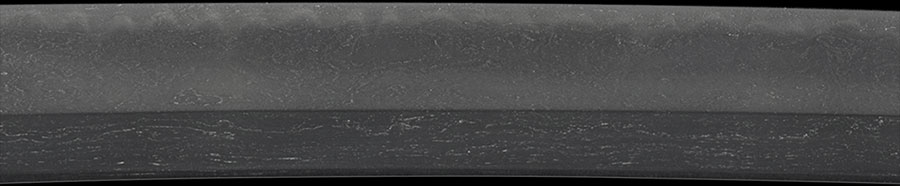
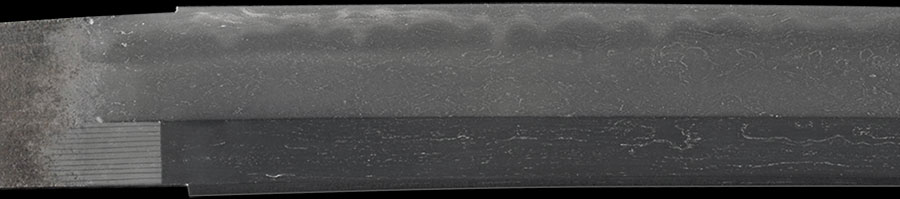



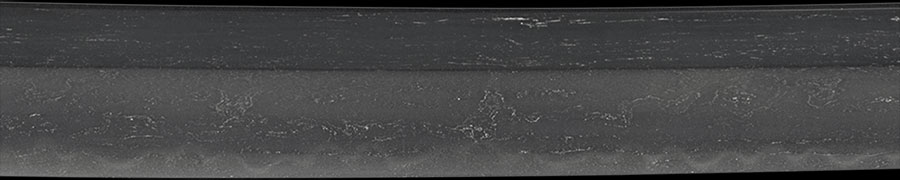
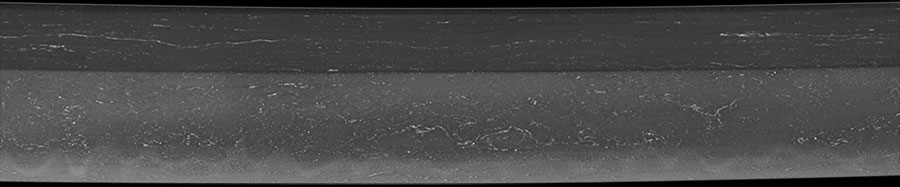
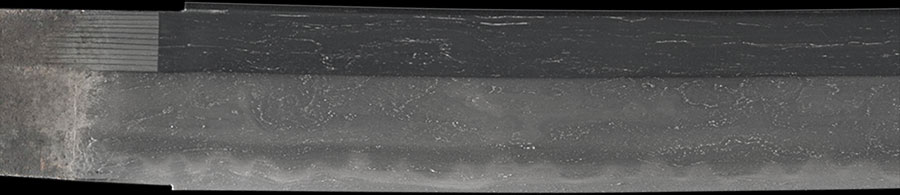

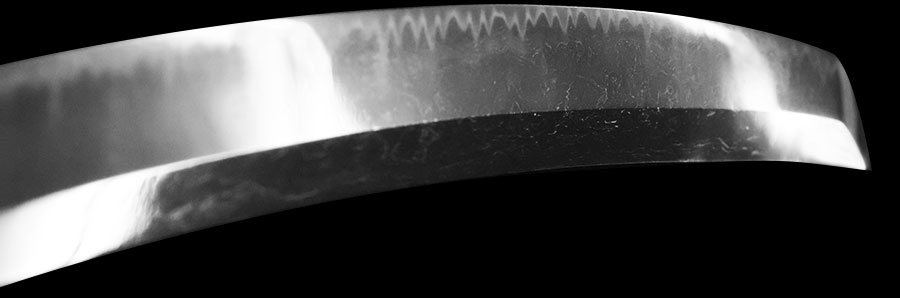
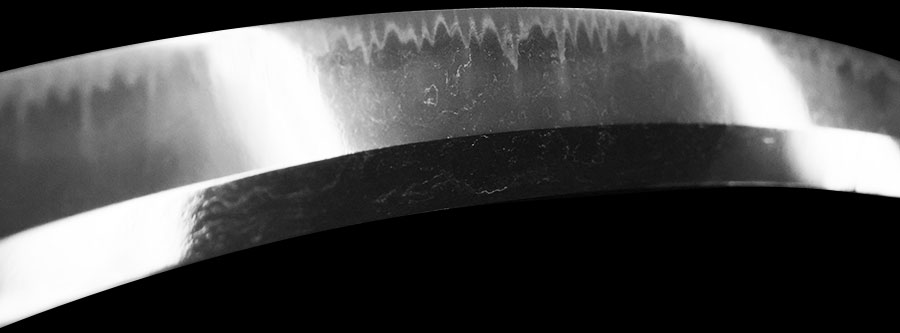
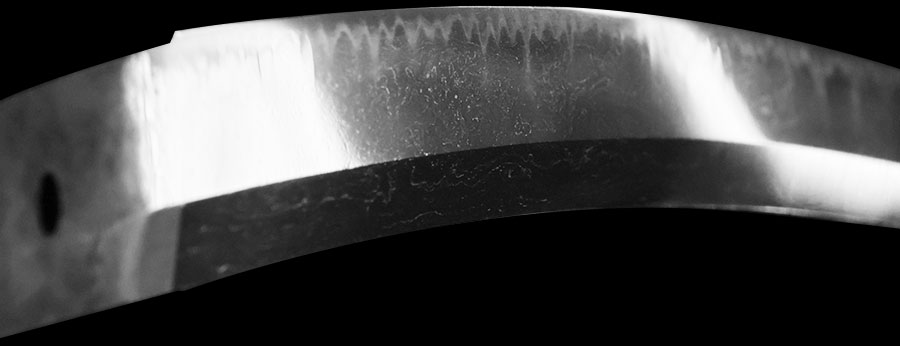



Machine translation of the shop's Japanese ·
Rows still in Japanese are as written by the shop
Machine translation from the shop's Japanese · may contain errors ·
Mino-den · Mino · around 1532-1555
2 pieces on the market now
Mino-den · Mino
21 pieces on the market now
Kanemoto (兼元) worked at Akasaka in Mino Province, and the line takes its place among the smiths of the late Muromachi period whom the NBTHK registers under the Mino-den tradition centered on Seki. The setsumei place the family within the Sue-Seki (Sue-Mino) milieu, naming Kanemoto alongside Kanesada as the two leading figures of the province in this era; one tantō note instead pairs the name with Kaneshiba, and another with Izumi no Kami Kaneshige, marking the company the line kept. The name passed through successive generations, and the records repeatedly state that distinguishing each generation has not been definitively settled. Dated long signatures reading "Nōshū Akasaka-jū Kanemoto" survive from the Meiō, Bunki, Daiei, Kyōroku, and Eishō eras, while two-character signatures bear no date. The first generation is documented through pieces dated Meiō 6, 8, 9, and 10, all giving the Akasaka residence; the most accomplished hand, and the one the world singles out under the sobriquet "Magoroku Kanemoto," is the second generation. The shared vocabulary of the line is the sanbonsugi (three-cedar) gunome, a sequence of linked pointed crests that rise and fall in groups. The ground is Mino-den through and through: itame-hada mixed with mokume and flowing masame, tending toward standing grain (hada-dachi), with fine ji-nie, chikei, and a whitish shirake-utsuri that the setsumei call out again and again. The temper mixes togariba (pointed elements) and gunome, is nioi-dominant with ko-nie, and runs sunagashi, kinsuji, and occasional tobiyaki; the bōshi is typically midare-komi turning in ko-maru, often described as Jizō-like with hakikake or a falling kaeri. The chief means of separating the second generation from the later line is regularity: as the generations descend, the pointed crests grow sharply angular and standardized, whereas Magoroku's sanbonsugi is deliberately uneven, the gunome heads rounded in places, and the pattern shifts freely into nihonsugi, yonsugi, and gosugi groupings of two, four, and five. The records describe this as a gyōsō (cursive, free) manner.
The first generation, by contrast, does not emphasize sanbonsugi at all, favoring gunome mixed with gunome-chōji and at times yubashiri and tobiyaki; both generations also made suguha, and one tantō is an uncommon Rai-utsushi in elegant straight temper that evokes Kaneyuki. For kantei, the line is read through the standing Mino grain, the shirake-utsuri, and above all the irregular sanbonsugi, with the leaning bōshi a noted point: the records observe that the honka model and these blades share a bōshi that falls over. Named and documented works recur across the register. A naginata dated Kyōroku 1 (1528) carries the full Akasaka signature and is valued as documentary source material, dated two-character pieces being scarce. A katana bearing a kinzōgan inscription on the reverse is known as "Sasatsuyu Kanemoto" and is recorded in the hands of Makishima Kenmotsu Akishige, of the same clan as Furuta Kosukezaemon. The "Aoki Kanemoto," a second-generation work, is said to be the sword with which Aoki Ichishige, a retainer of Tokugawa Ieyasu, killed Magara Masataka of the Asakura side at the Battle of Anegawa in Genki 1 (1570). A further katana carries a Genna 1 (1615) kinzōgan cutting-test inscription by Nakagawa Saheita reading "two bodies," and one suguha katana descended in the Echizen Matsudaira family. Two katana signed Kanemoto are recorded in Honma's inventory of the Imperial collection. Across these works the line is registered as the cutting-edged representative of Sue-Seki, its hand recognized wherever the three-cedar temper runs uneven over standing Mino steel. Learn more →
| Smith | Era | Designated |
|---|---|---|
| Kanemoto兼元 | 1521-1528 | 30 |
| Kanemoto兼元 | 1532-1555 | 0 |
| Kanemoto兼元 | 1573-1592 | 0 |
| Kanemoto兼元 | 1592-1596 | 0 |
| Kanemoto兼元 | 1818-1830 | 0 |
Mino in the Muromachi period
Sengoku Seki was an industry: smiths organized under their tutelary Kasuga shrine, arming the war bands of central Japan. Magoroku Kanemoto’s sanbonsugi and the finest Kanesada work prove quality survived inside mass production.
Certifies a genuine blade worth preserving: a signature confirmed correct, or, if unsigned, an era, province, and school that the NBTHK can reliably identify.
The NBTHK (Nihon Bijutsu Tōken Hozon Kyōkai, the Society for the Preservation of Japanese Art Swords) is a public-interest incorporated foundation founded in 1948 and supervised by Japan’s Agency for Cultural Affairs (Bunkachō); it is based at the Japanese Sword Museum in Tokyo. Its expert panels physically examine each submitted work (shinsa) and issue a certificate (kanteishō) ranking it by artistic and historical merit. NBTHK papers are the most widely recognized standard of authentication for Japanese swords and fittings.
NBTHK official siteFor returns due to customer circumstances, the cost is the customer's responsibility. For returns due to our mis-shipment or a defective item, we bear the cost.