In the Sengoku era the school served a second warrior court: the Later Hōjō at Odawara, whose patronage kept the Tsunahiro line forging hitatsura for the uchigatana age until the castle fell to Hideyoshi in 1590.
 NihontoWatchNihontoWatch
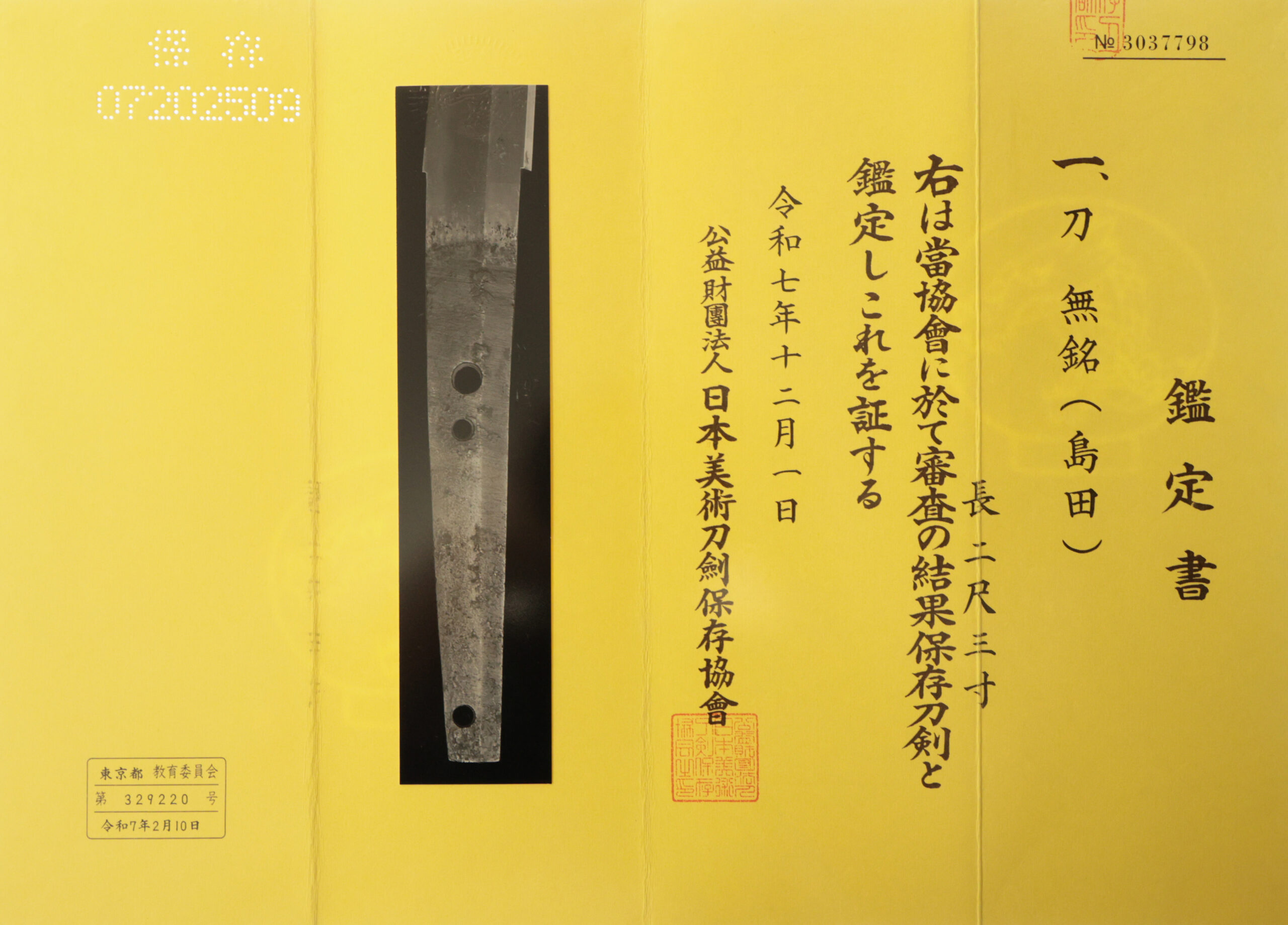
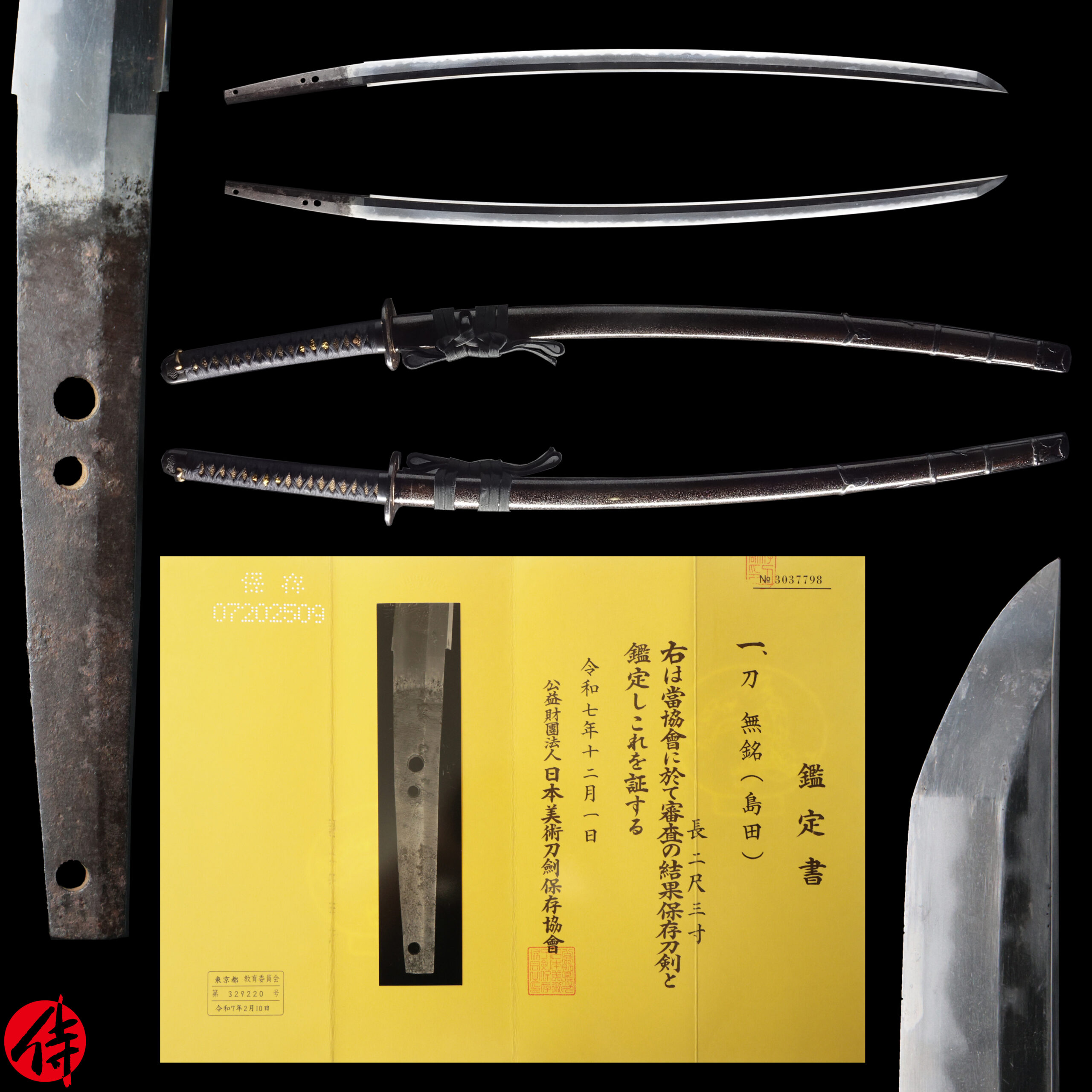
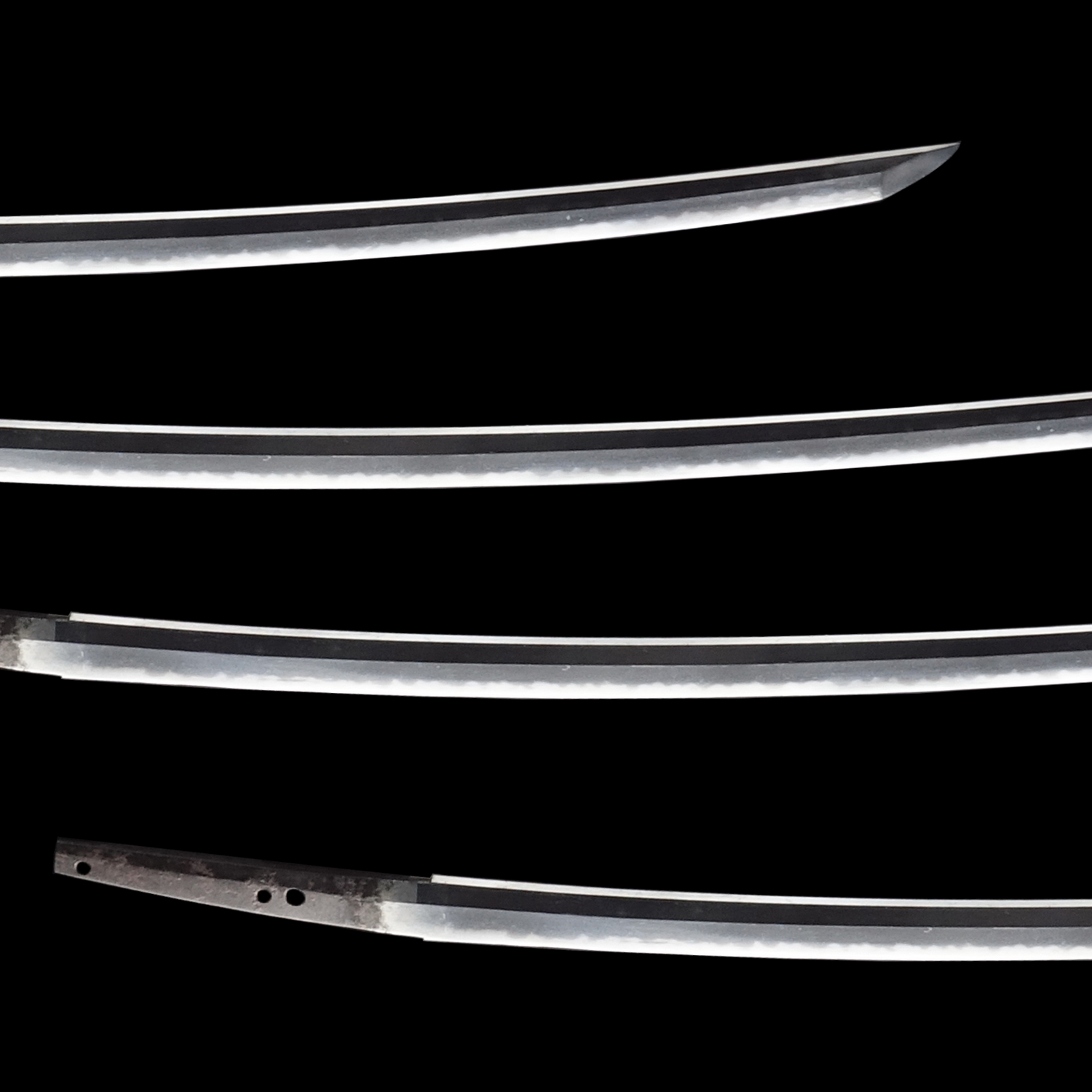
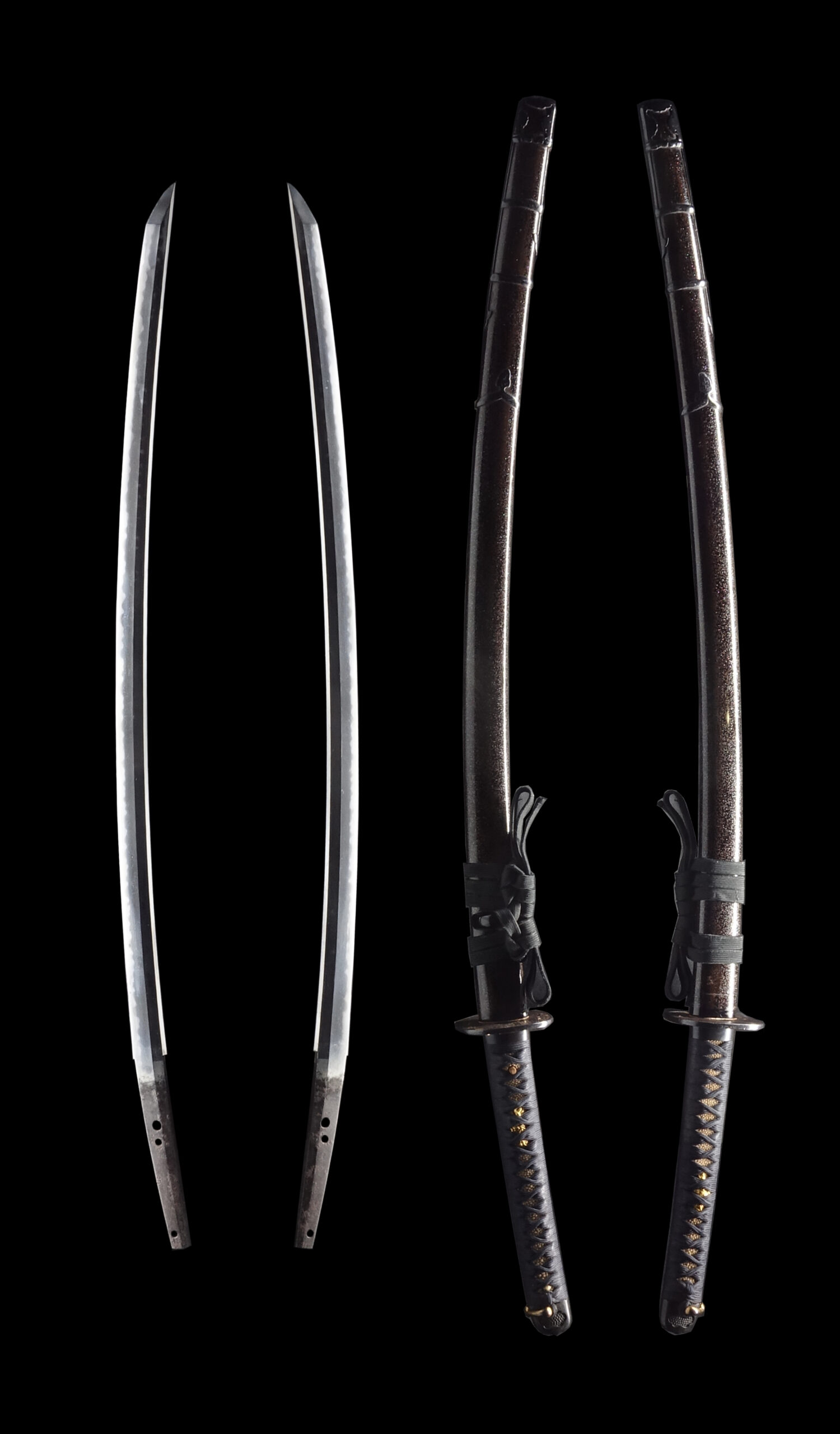
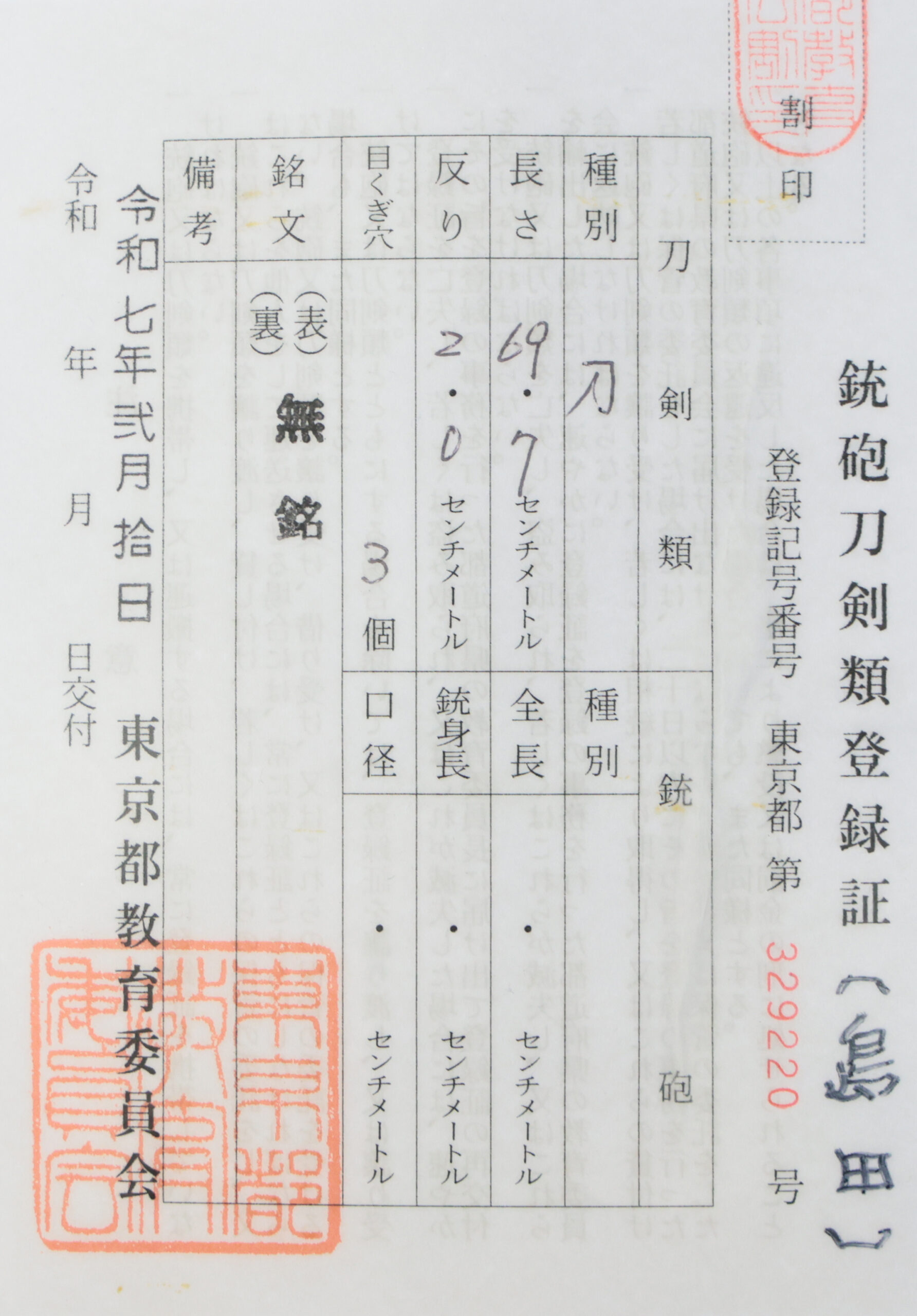
This blade is attributed to a work of Shimada school, according to NBTHK’s appraisal. Shimada school was founded by Yoshisuke (義助) during the mid-Muromachi period and lasted by the late Edo period. The group of Shimada swordsmiths resided in Shimada city, Suruga province (today’s Shizuoka prefecture). Other famous swordsmiths from this school are Sukemune, Hirotsugu, and Sadahiro. The first-gen Yoshisuke was active during the Kosho era (1455-57). It is said that the first-gen Yoshisuke was a descendant of Bizen Ichimonji Sukemune, one of the most famous swordsmiths in Japanese history. The first-gen Yoshisuke served a powerful feudal family named Imagawa. It is said that he received his maker’s name 義 from Imagawa Yoshitada. Shimada school interacted with other schools in Soshu swordsmiths living near Odawara castle in Kanagawa prefecture. The Suruga domain was vital for strong feudal lords such as Takeda, Tokugawa, and Hojo clan during the Sengoku Jidai (Warring state period: Late Muromachi period). The swordsmiths in Shimada school received many orders from these powerful feudal families. The first-gen Yoshisuke had mastered excellent craftsmanship, and it was passed down to swordsmiths in Shimada school. Soshu Den It is said that the generations of Sukemune mastered a particular sword-forging tradition called Soshu Den. Shoshu Den was born in the middle of the Kamakura period. Back then, the Yamato and Yamashiro traditions were highly developed, and there were a few renowned swordsmiths from those regions. However, the sword-forging practice was in its infancy in the Kanto area, where the Soshu region was located. At the beginning of the Kamakura government, which was established in 1185, the first Shogun, Minamoto Yoritomo, prioritized making a lot of rules to have its political stability. And he couldn’t afford to hire swordsmiths within the same region or train them. Therefore, the Kamakura government originally ordered weapons to the swordsmiths in the other areas, such as Yamato and Yamashiro. But, since the government was established, the demand for weapons increased exponentially in the government, and they had to figure out how to meet those demands from Samurai who served Kamakura shogunate. Then, the 5th head of the Shogun, Hojo Tokiyori, invited two renowned swordsmiths from other parts of Japan. They were Awataguchi Kunitsuna from Yamashiro province and Bizen Saburo Kunimune from Bizen province. And the 7th-gen Shogun Koreyasu Shino also invited Fukuoka Ichimonji Sukezane from Bizen province. It is said that those three swordsmiths played an essential role in creating the Soshu Den and making the foundation of the Soshu Den. Also another famous figure in the Soshu den is Intou Kunimitsu, an adopted son of Awataguchi Knitsuna. And Kunimitsu passed his excellent craftsmanship to Yukimitsu, his apprentice. And Masamune, one of the most famous swordsmiths in Japanese history, was an apprentice of Yukimitsu. And Masamune was the one that brought Shoshuden to nationwide fame. The tradition Masamune completed became an example of other swordsmiths who learned Soshu Den. Also, Soshu Den influenced many renowned swordsmiths during the Koto- Shinto era. One of examples is Inoue Shinkai from Osaka and Suishinshi Masahide from Edo. This blade is appraised as a Hozon Touken (保存刀剣) issued by NBTHK (Nihon Bijutsu Touken Hozon Kyokai: 日本美術刀剣保存協会). *Please note that this blade has a few black rust spots. If you would like more details about its condition, please feel free to contact us. Tsuka and Menuki We believe the theme of this Menuki is Sasa (笹:bamboo glass). Bamboos grow neatly towards the sky, and it is vital so that this motif represents nobility and strength. Besides, the bamboo breaks straight, but its content is hollow; people thought it showed innocence. According to a foreign legend, the Houhou (鳳凰, Fenghuang) eats bamboo fruits; therefore, bamboo has been considered a sacred plant. Also, as it keeps its green color even in cold winter, people thought the bamboo pattern represented eternity and longevity. Tsuba and Habaki This circular iron Tsuba features a floral motif that appears to represent Japanese apricot blossoms (梅, Ume). The flowers are decorated with gold inlay (金象嵌, Kin Zogan), a technique in which gold is set into the surface of the base metal to create decorative patterns. The warm glow of the gold adds an elegant contrast to the iron ground, highlighting the delicate blossoms. Japanese apricot blossoms begin to bloom in late winter, sometimes while snow still rests on their branches, heralding the arrival of spring. Like cherry blossoms, they have long been cherished in Japan for their delicate petals, sweet fragrance, and gracefully branching trees, inspiring countless poems. As they bloom despite the cold, they symbolize perseverance and vitality. Saya This saya features raden(螺鈿) craftsmanship, a traditional Japanese decorative technique. Raden involves inlaying or embedding thin pieces of shell, such as mother-of-pearl or abalone, into lacquer or other materials. The shimmering, iridescent quality of the shells creates a striking visual effect, reflecting light in a play of colors that range from soft pastels to vivid hues. This technique has been used in Japan for centuries, adorning everything from furniture to accessories and weapons, showcasing the skill and artistry of the craftsman. Authentication Paper They authenticated the blade on December 1st in the 7th year of Reiwa (2025). They appraised it as Hozon Touken, the blade worth preserving for Japanese society.
Offered by Samurai Museum
11 on the market

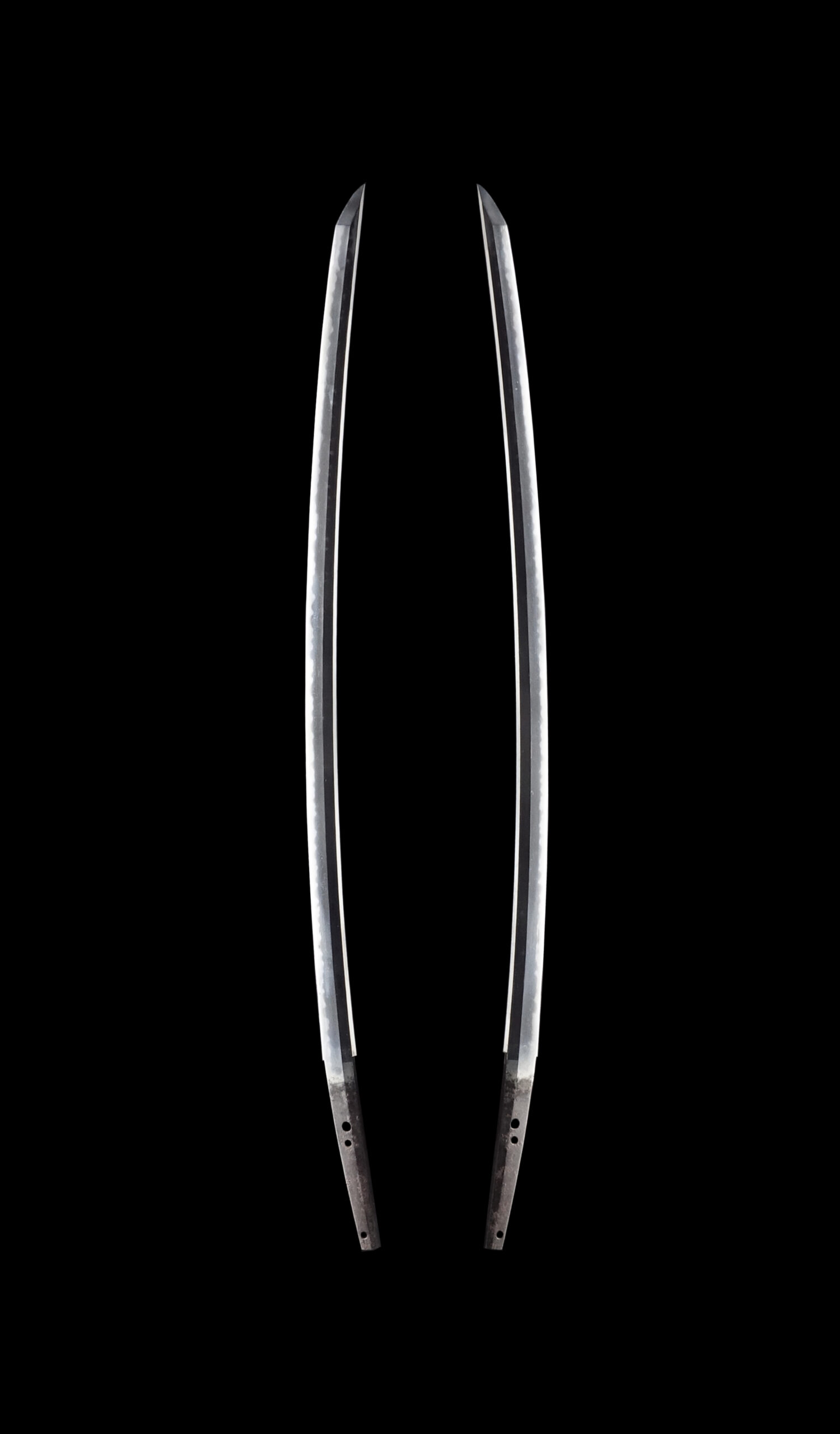
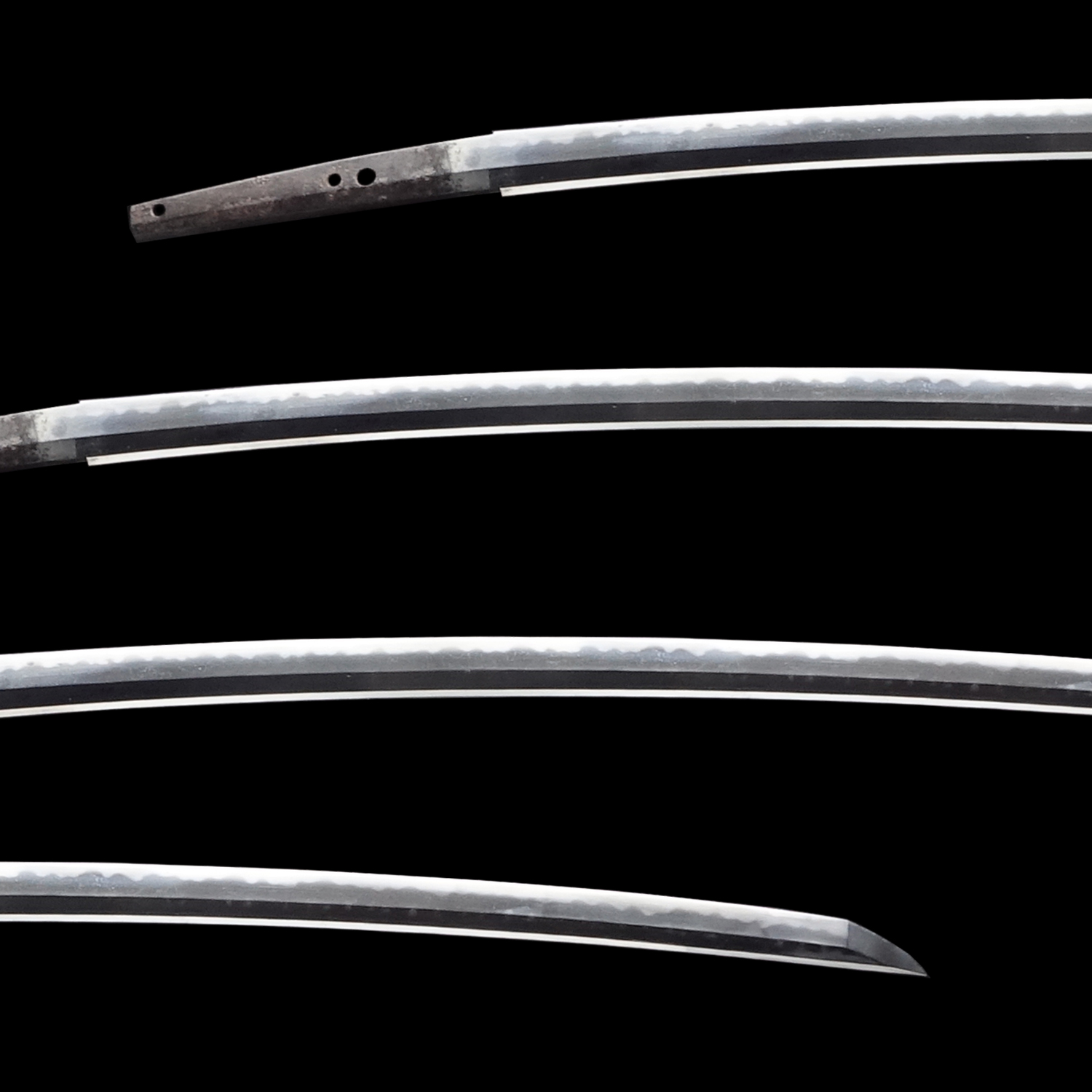
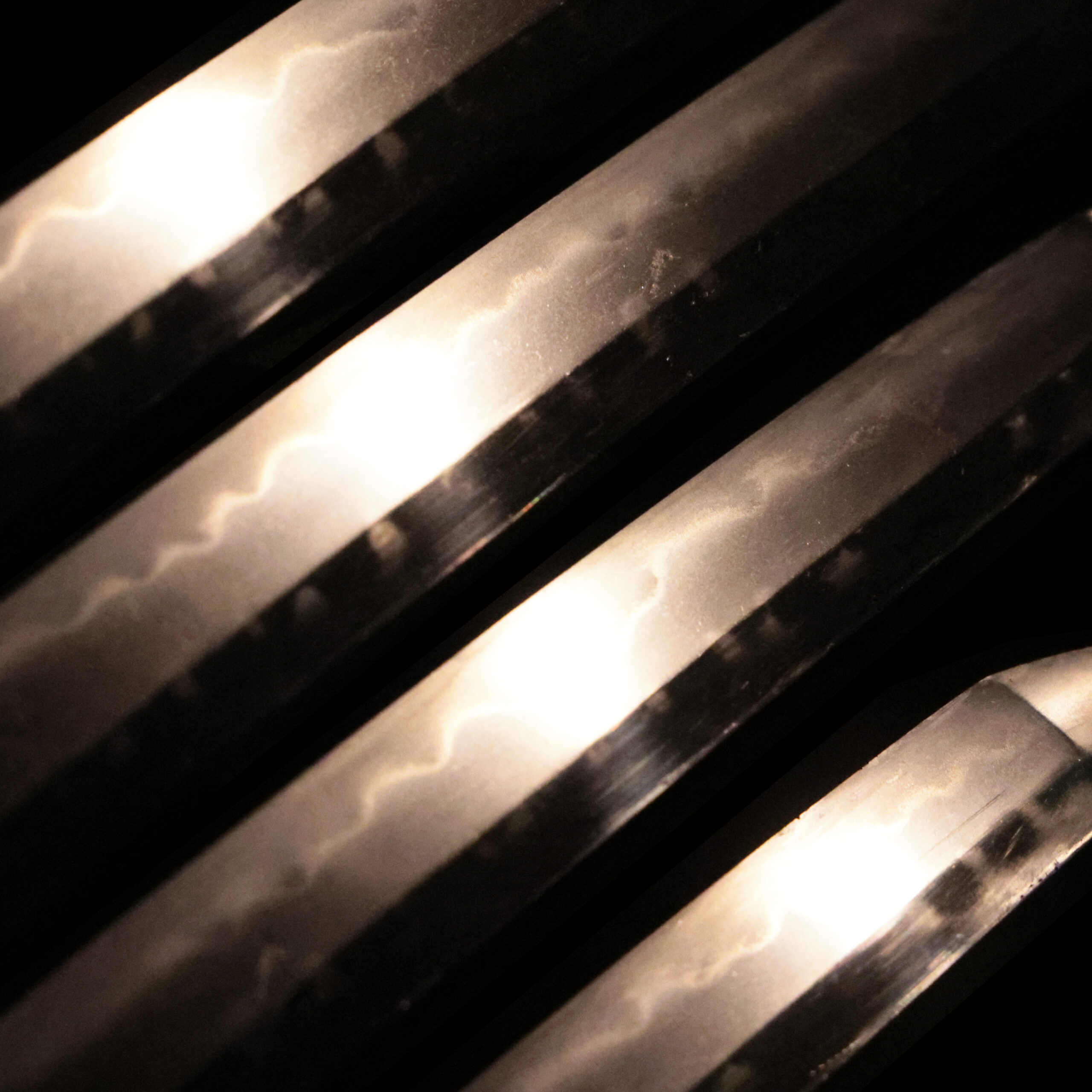
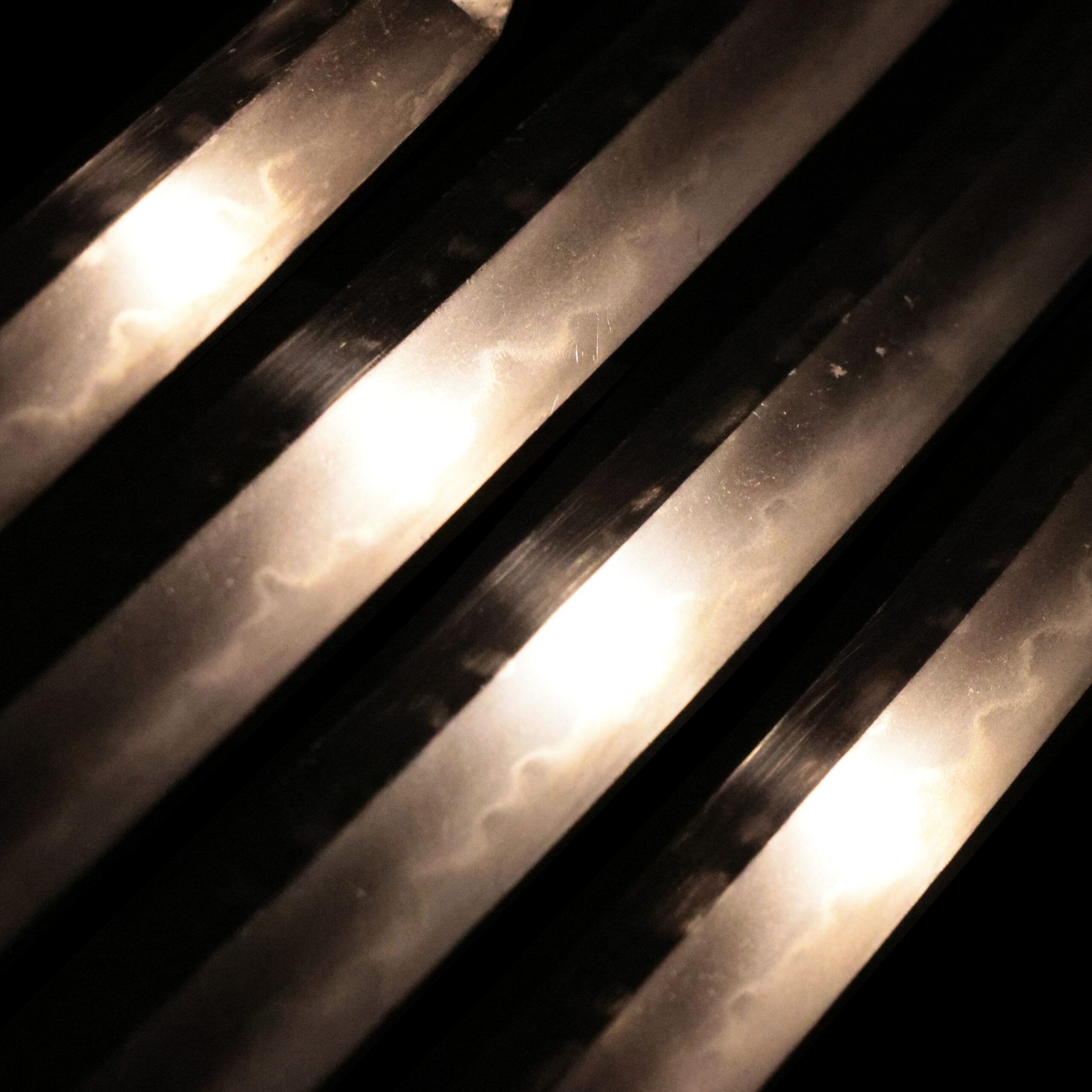
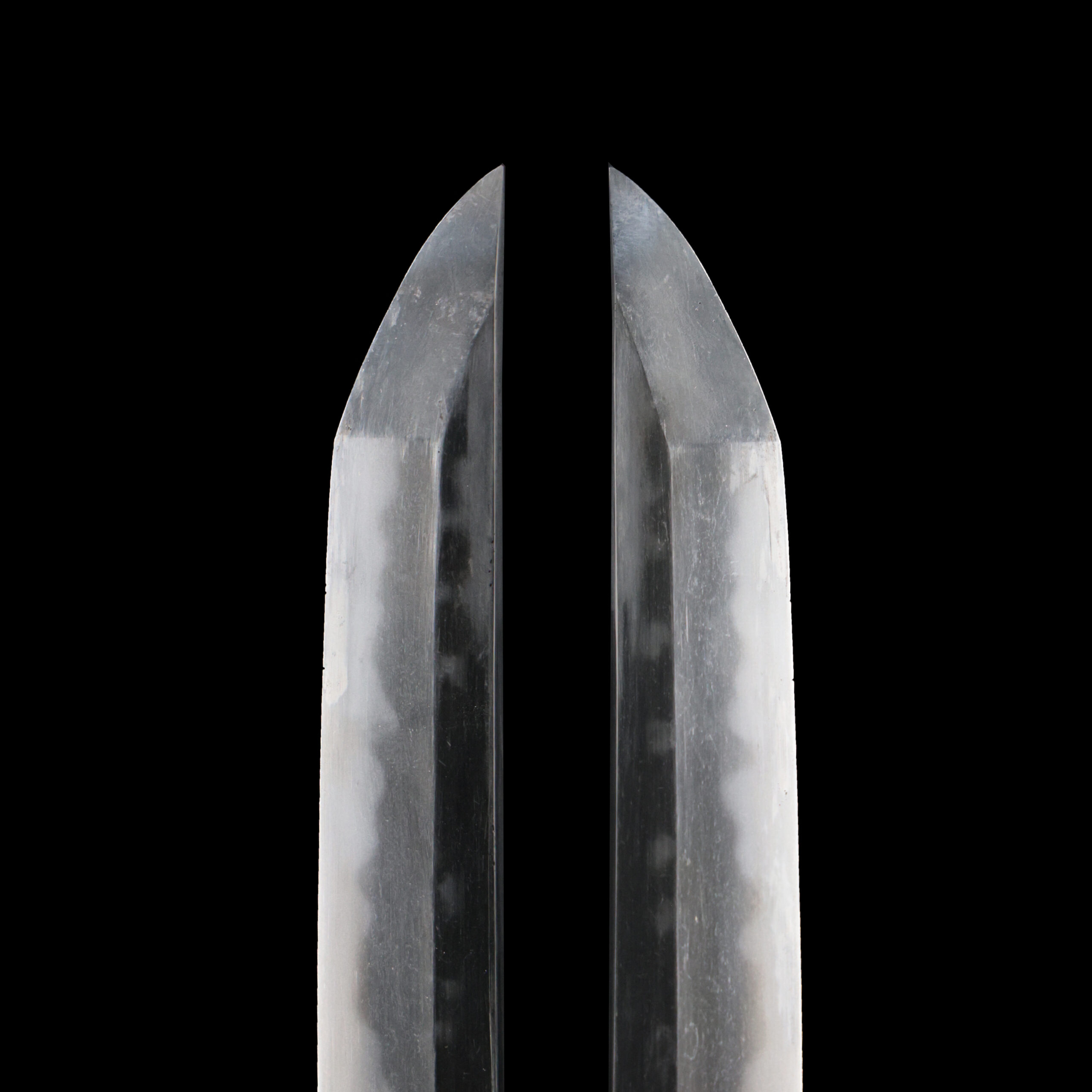
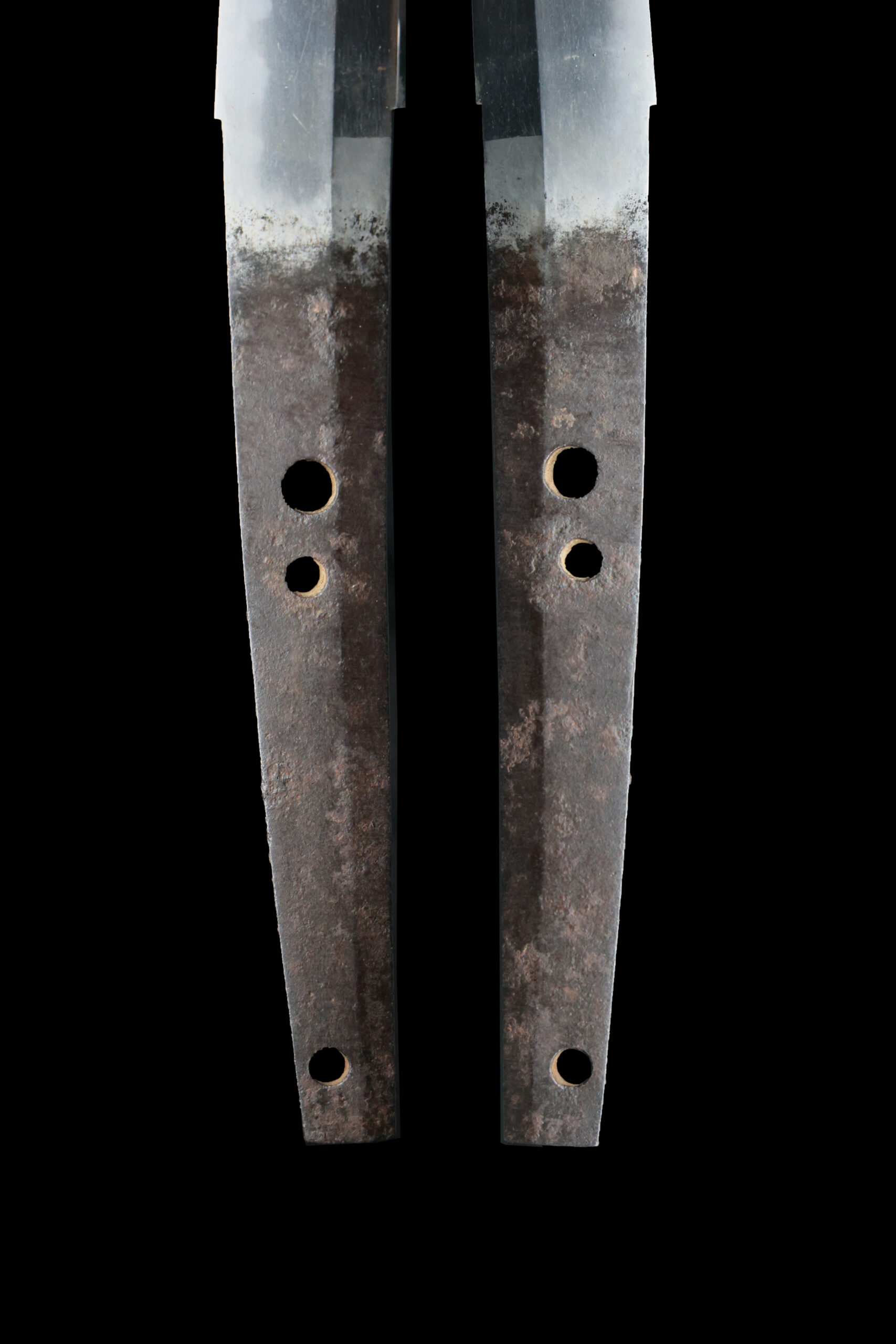
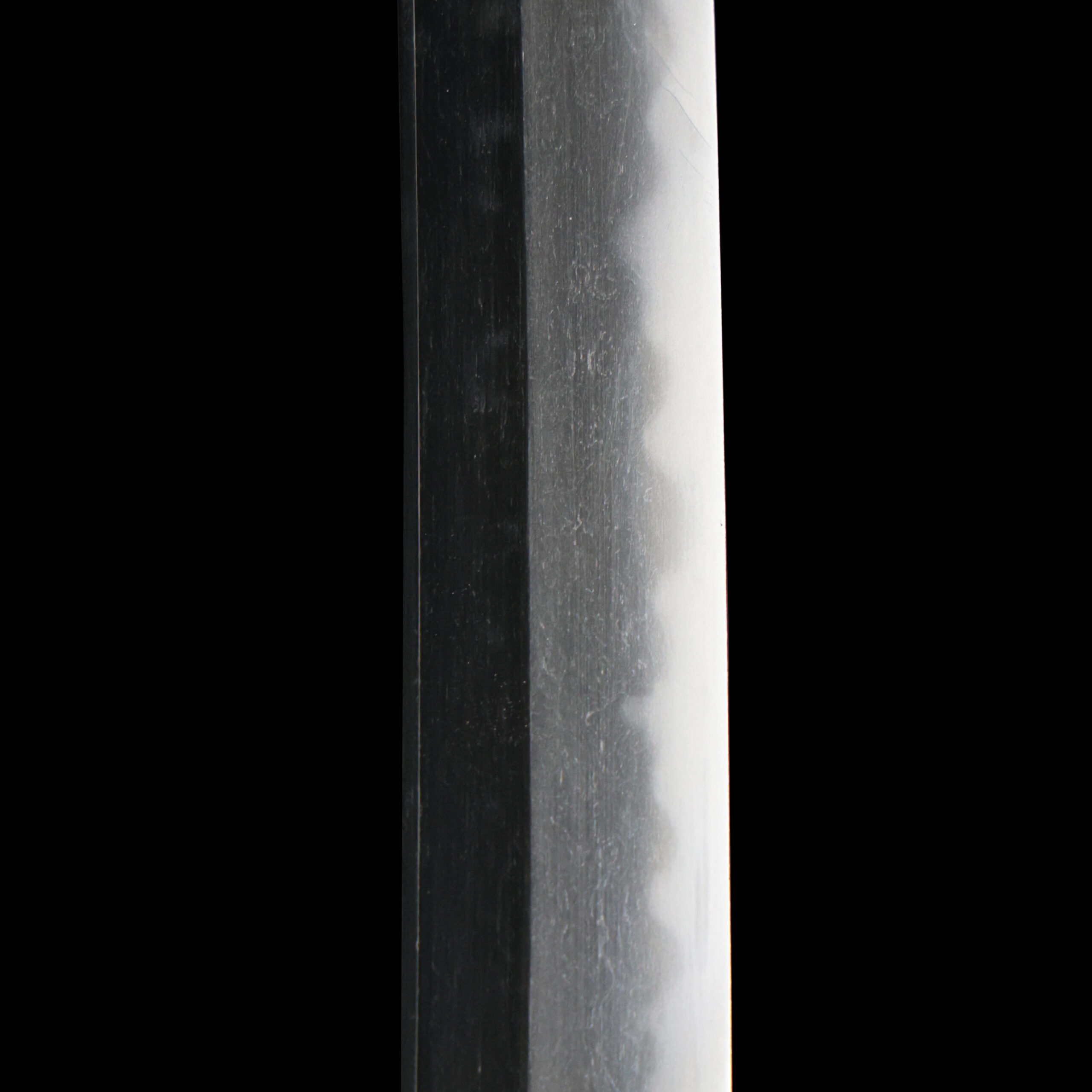
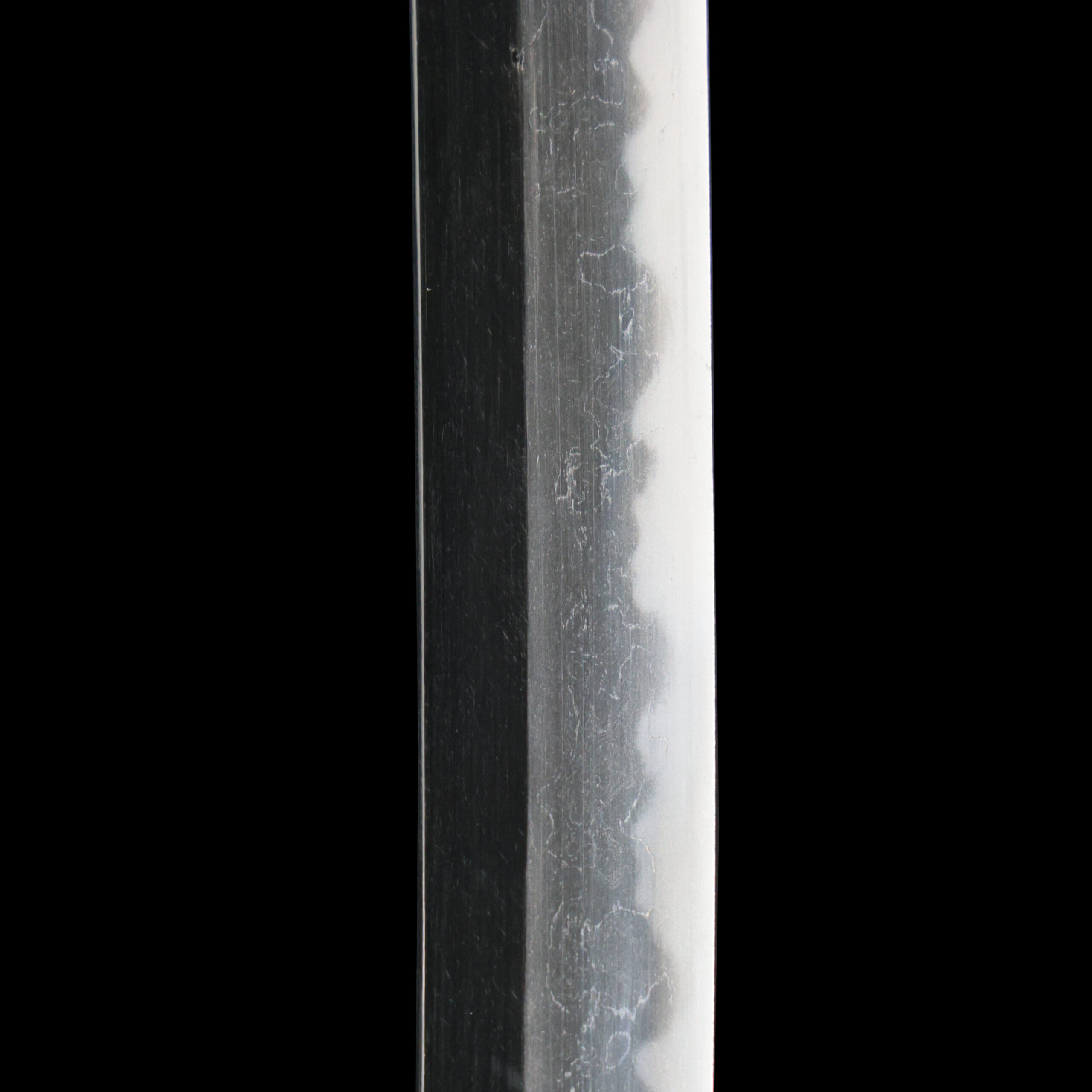
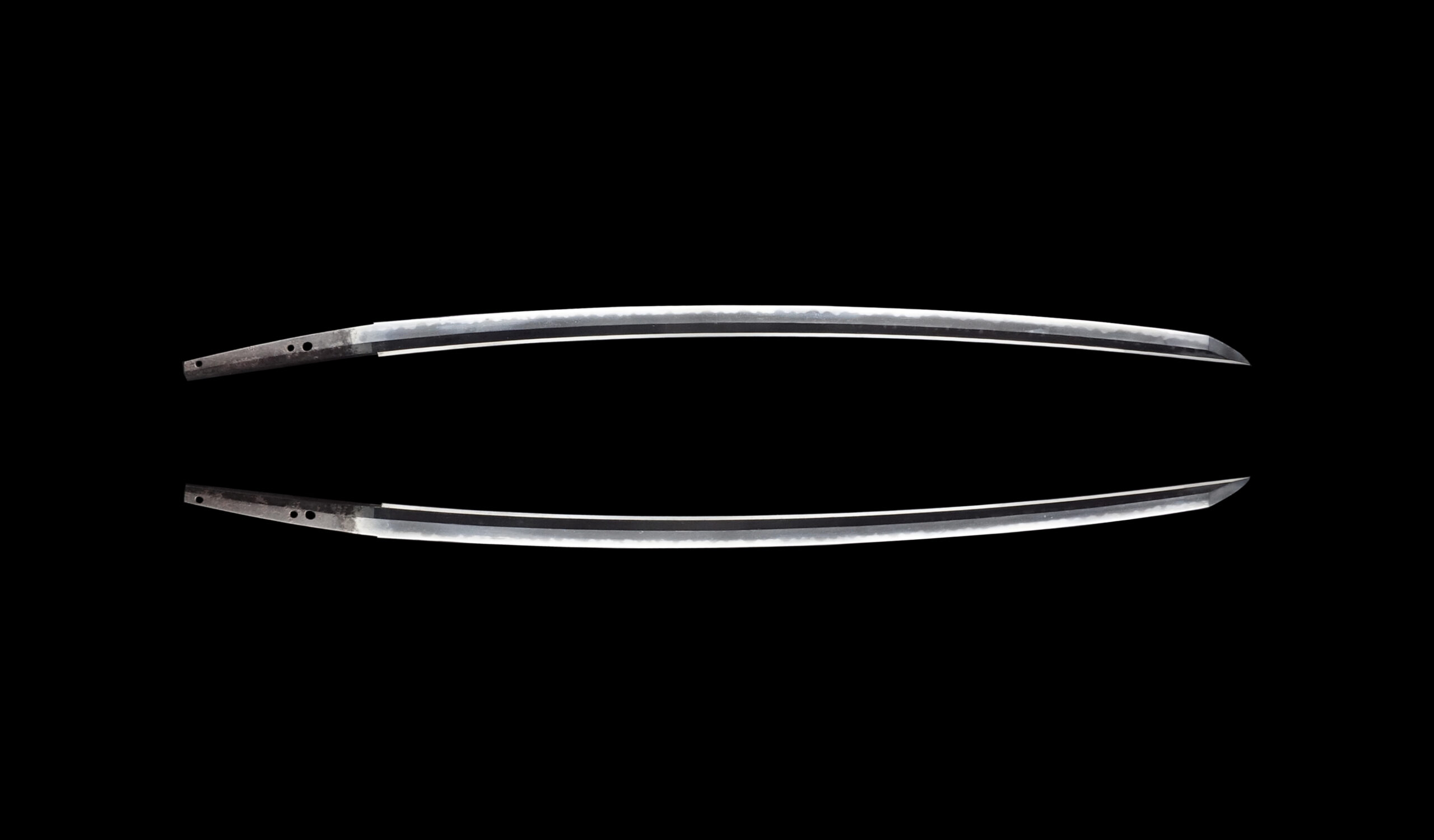
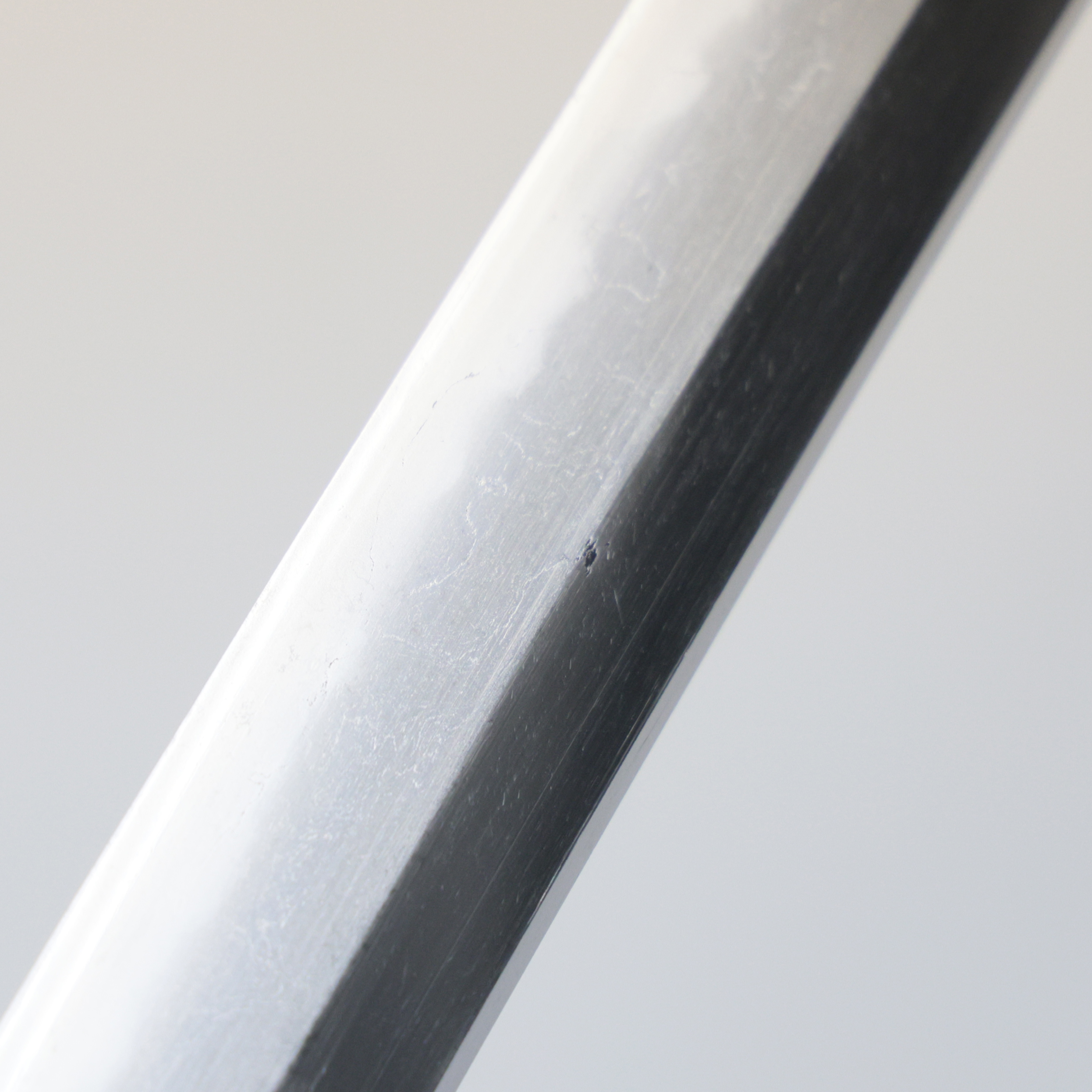
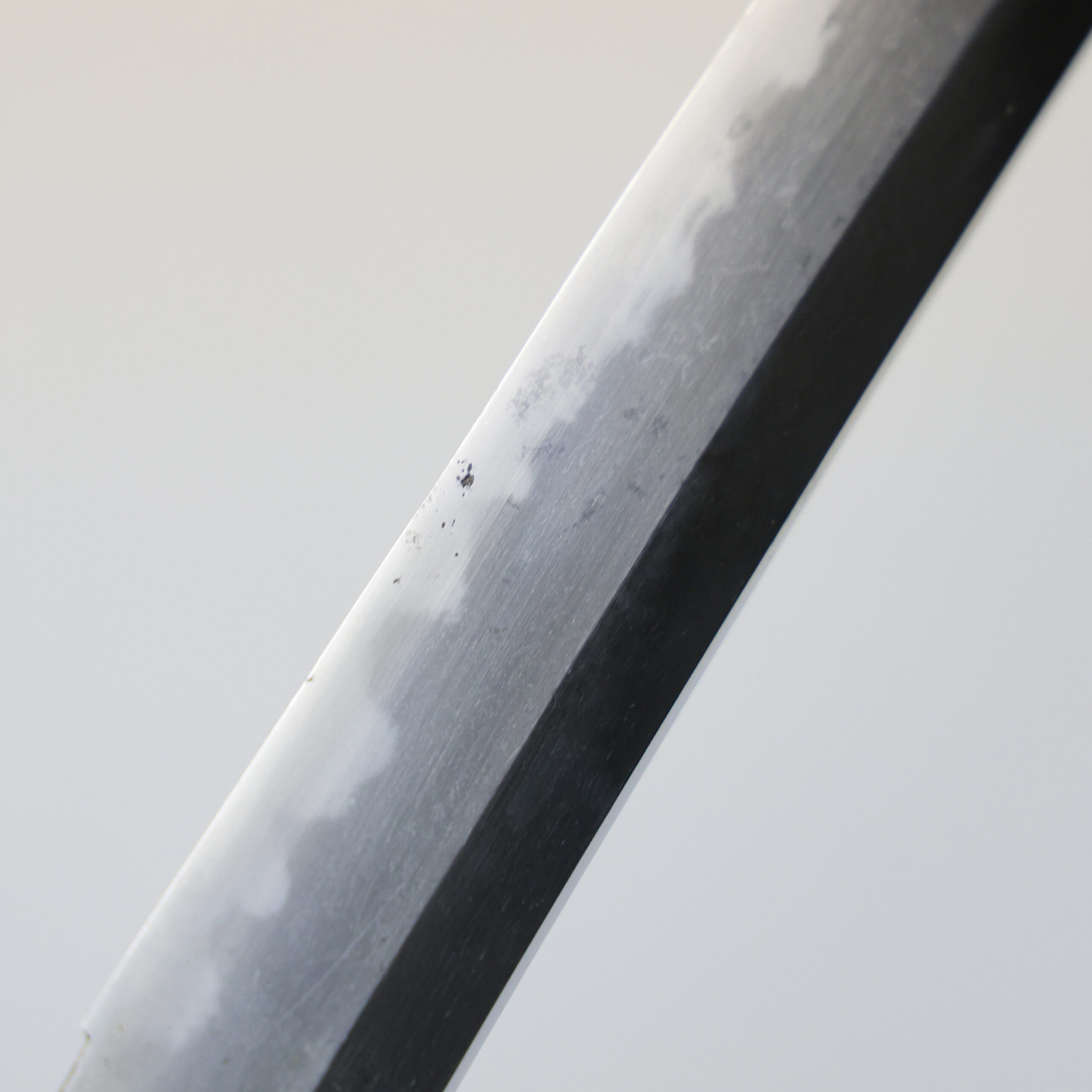
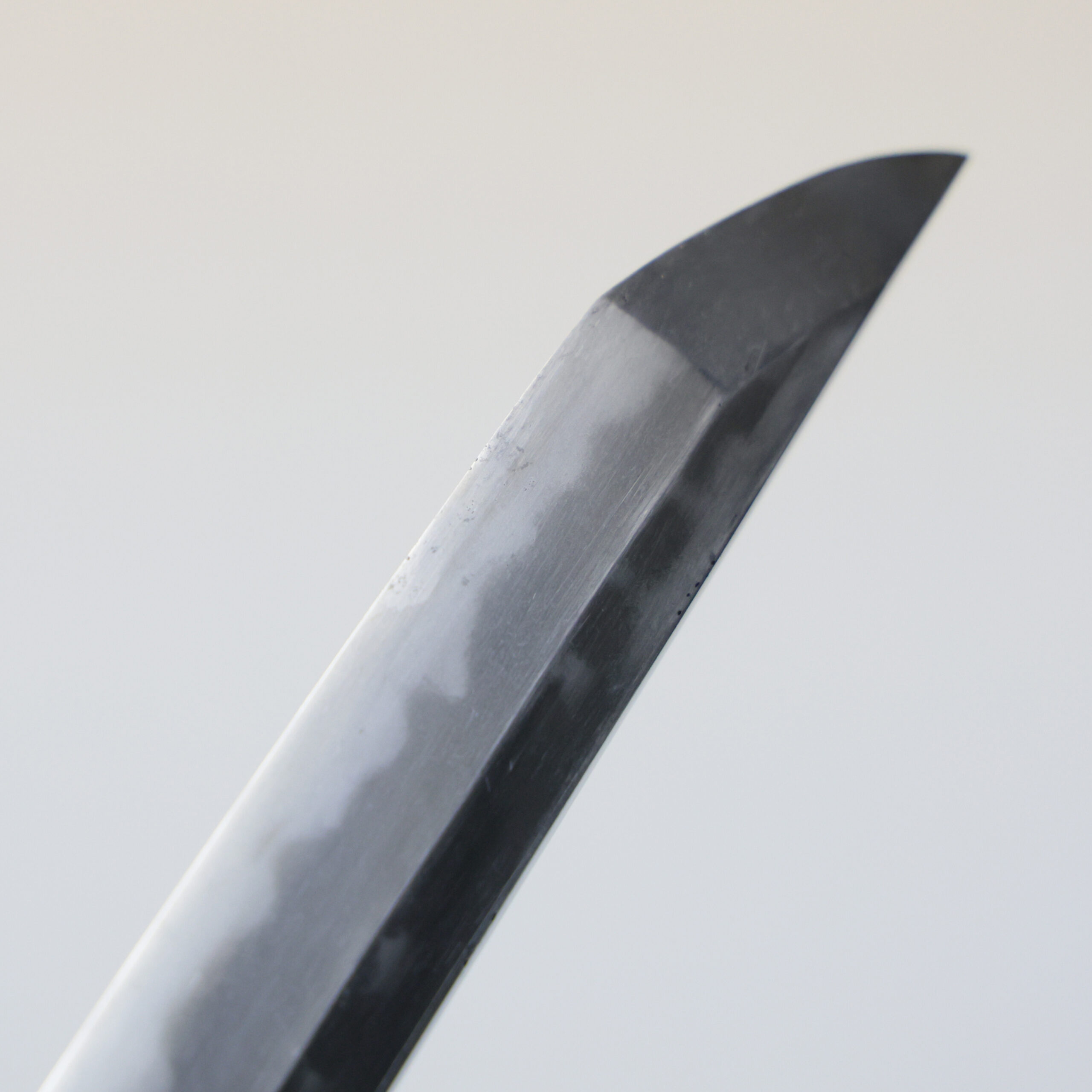
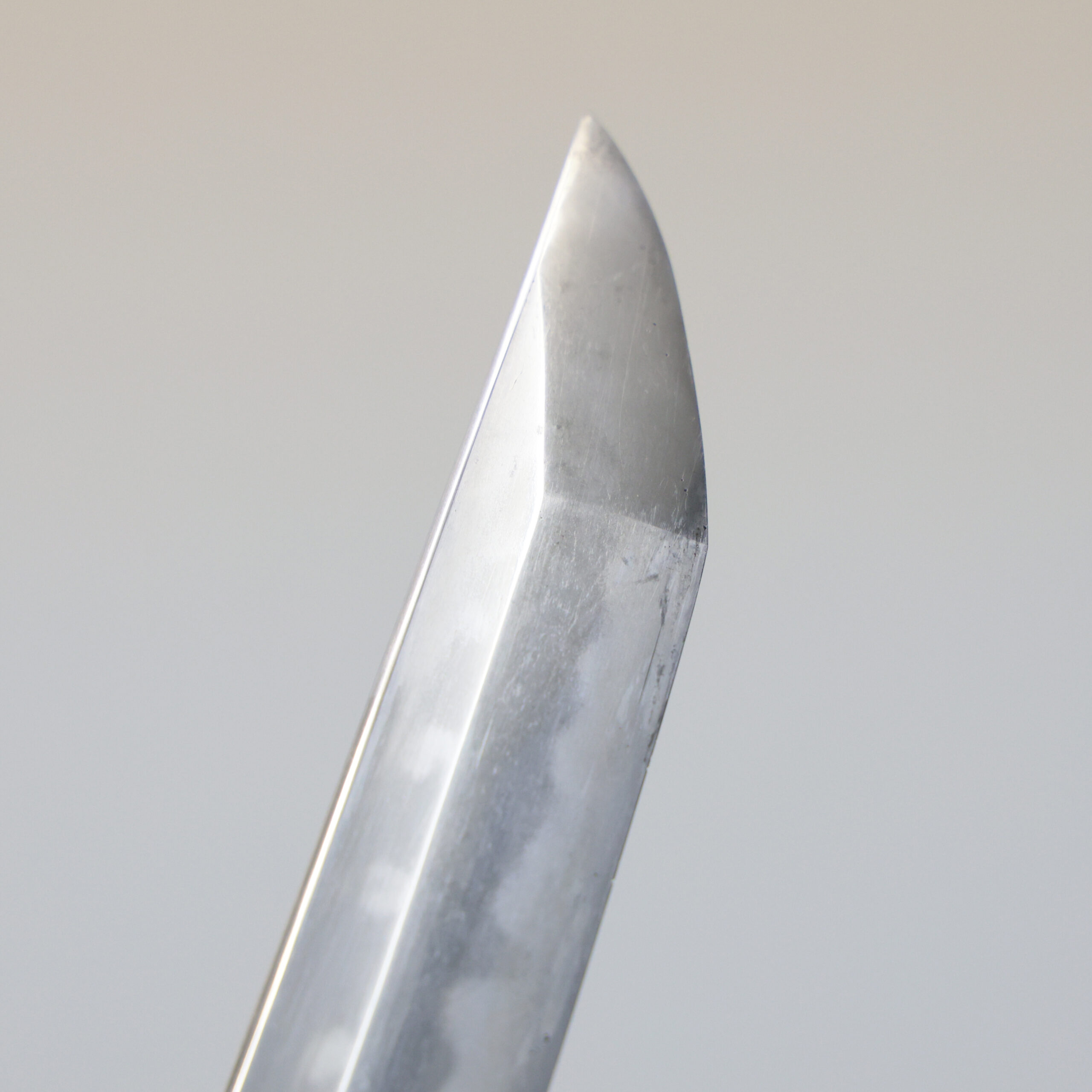
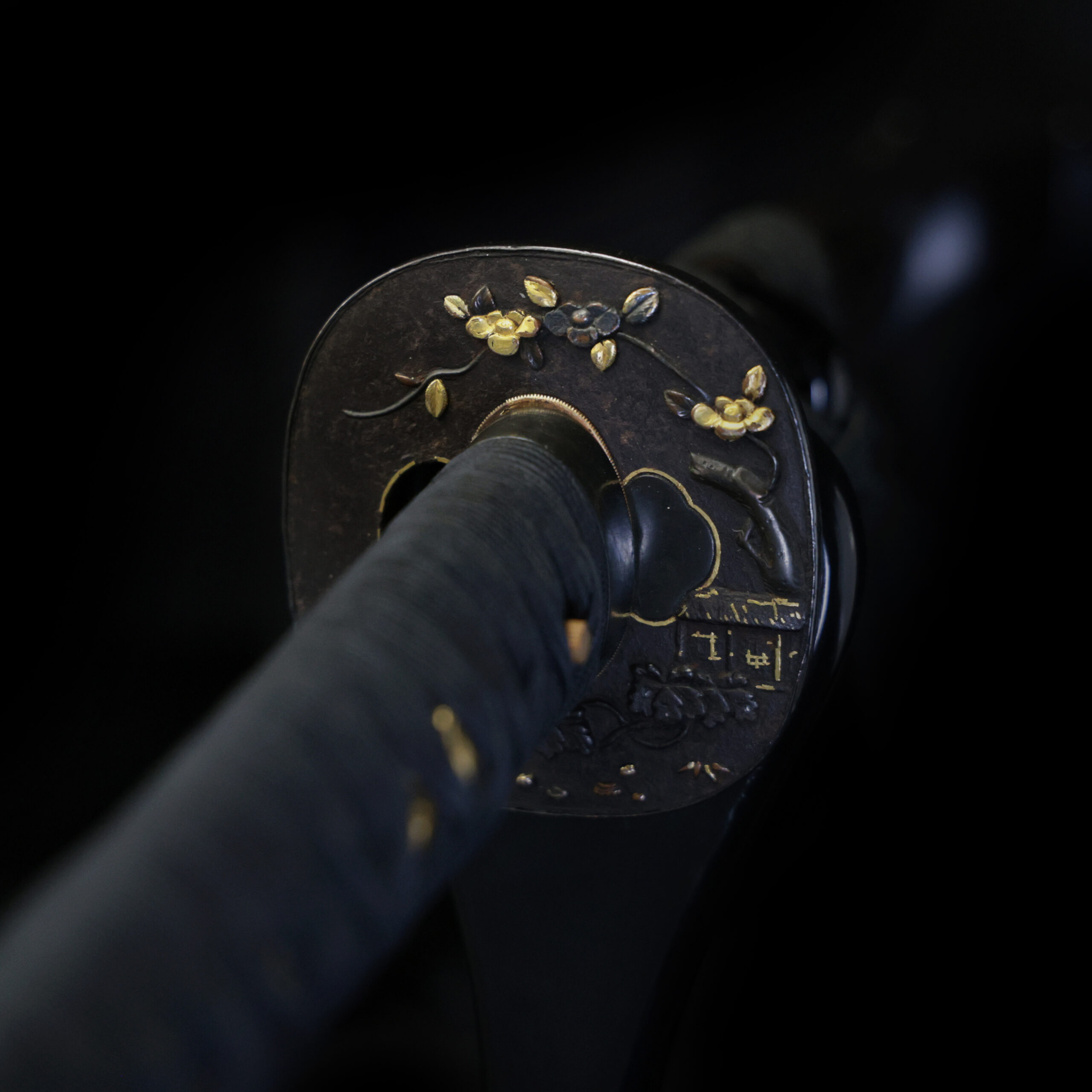
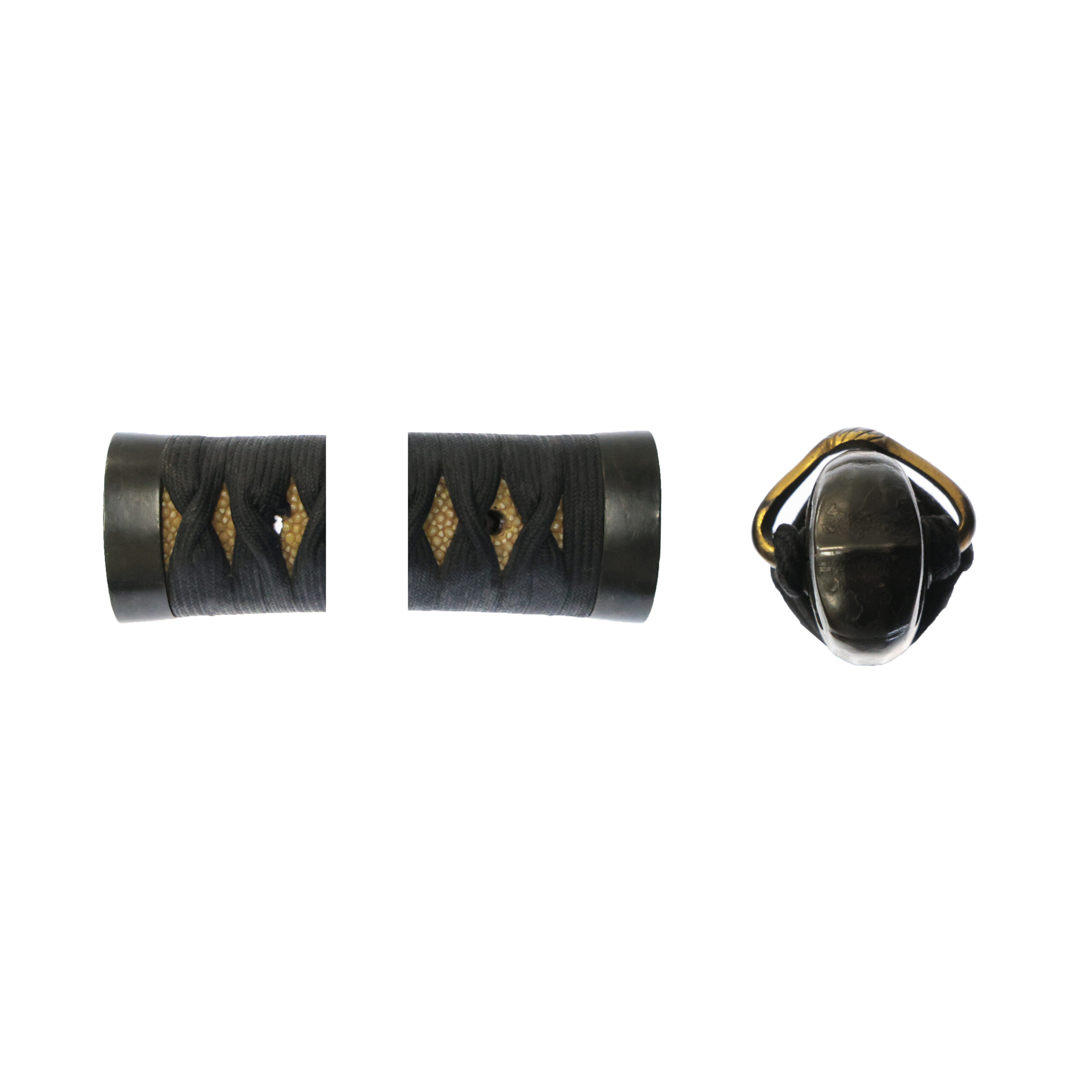
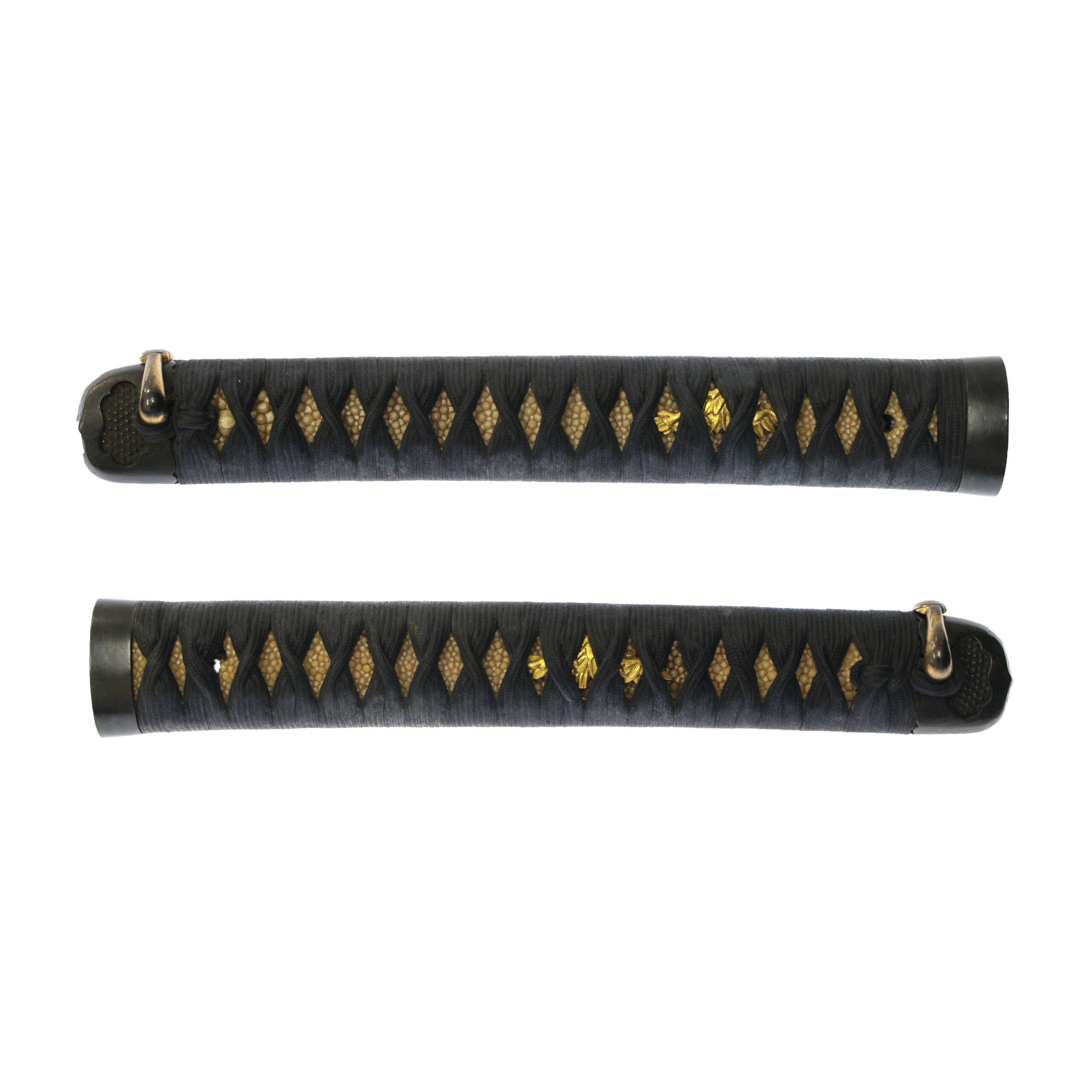
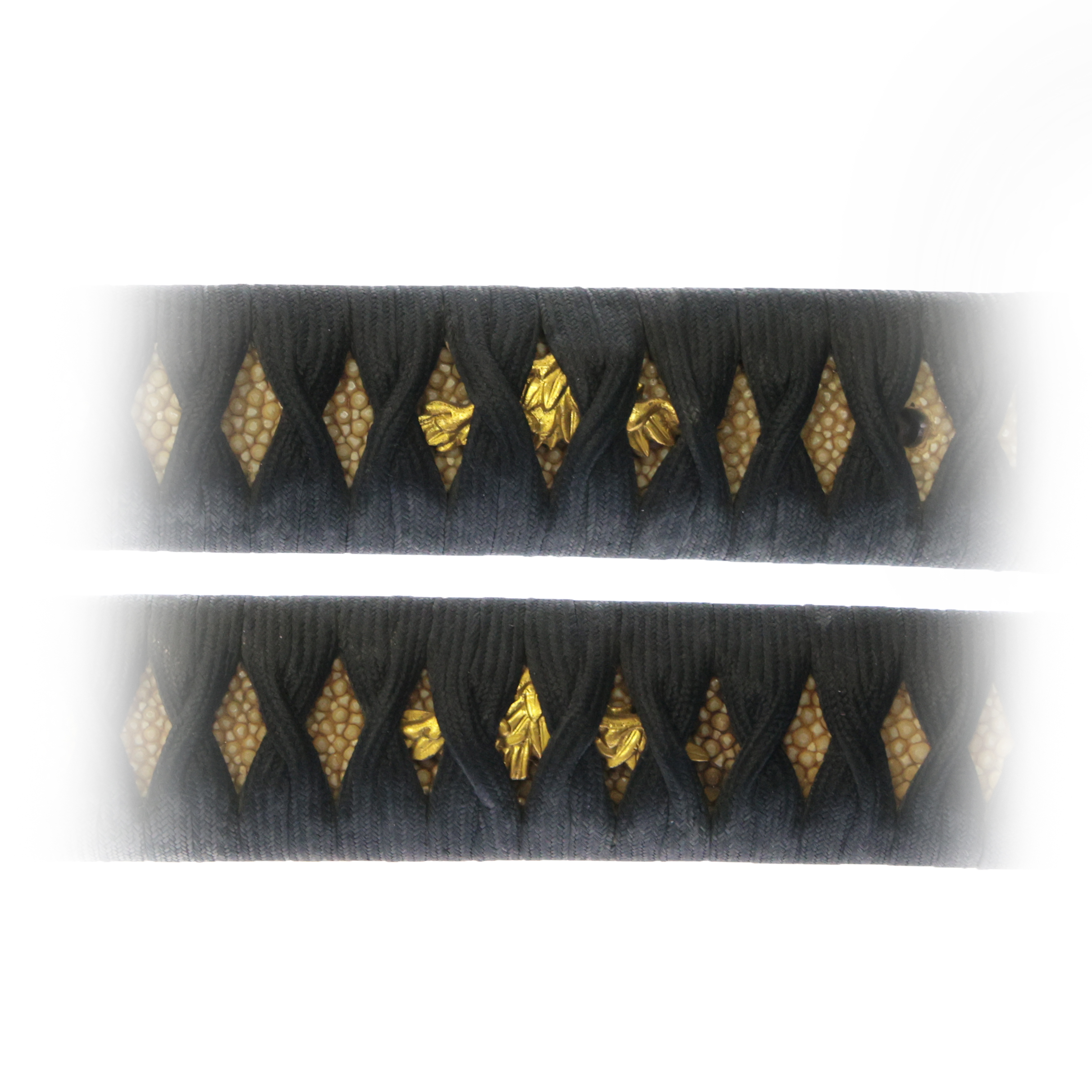
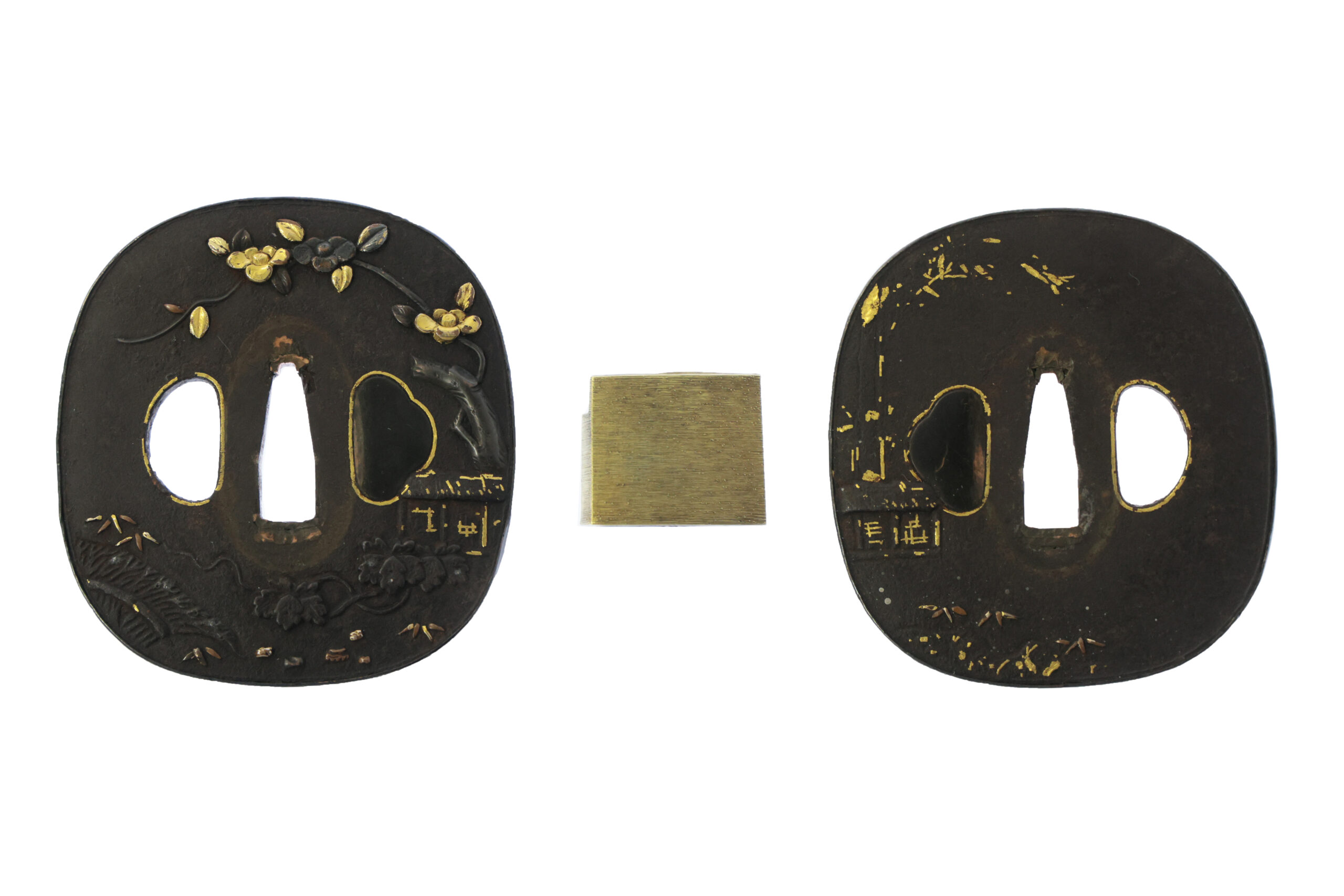
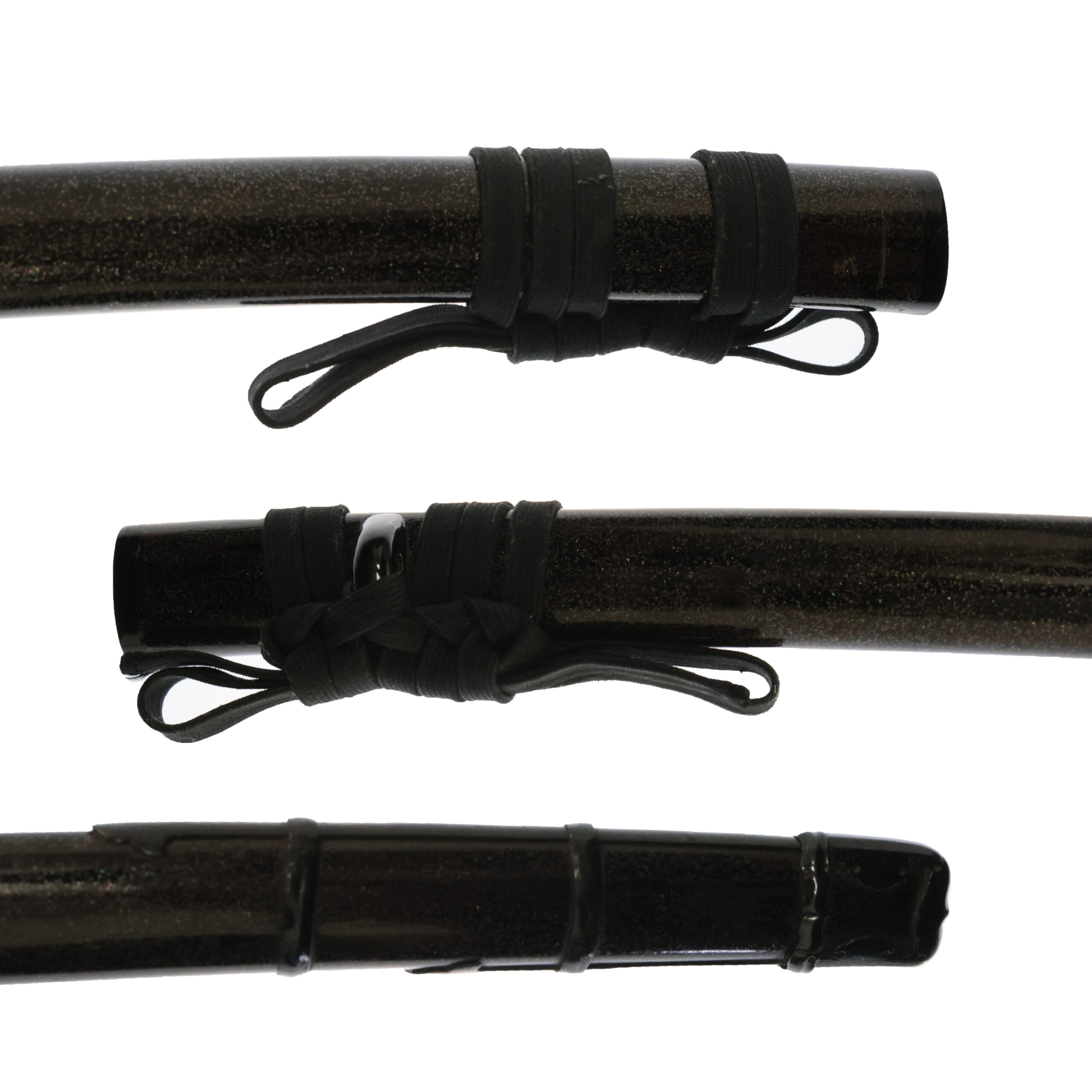
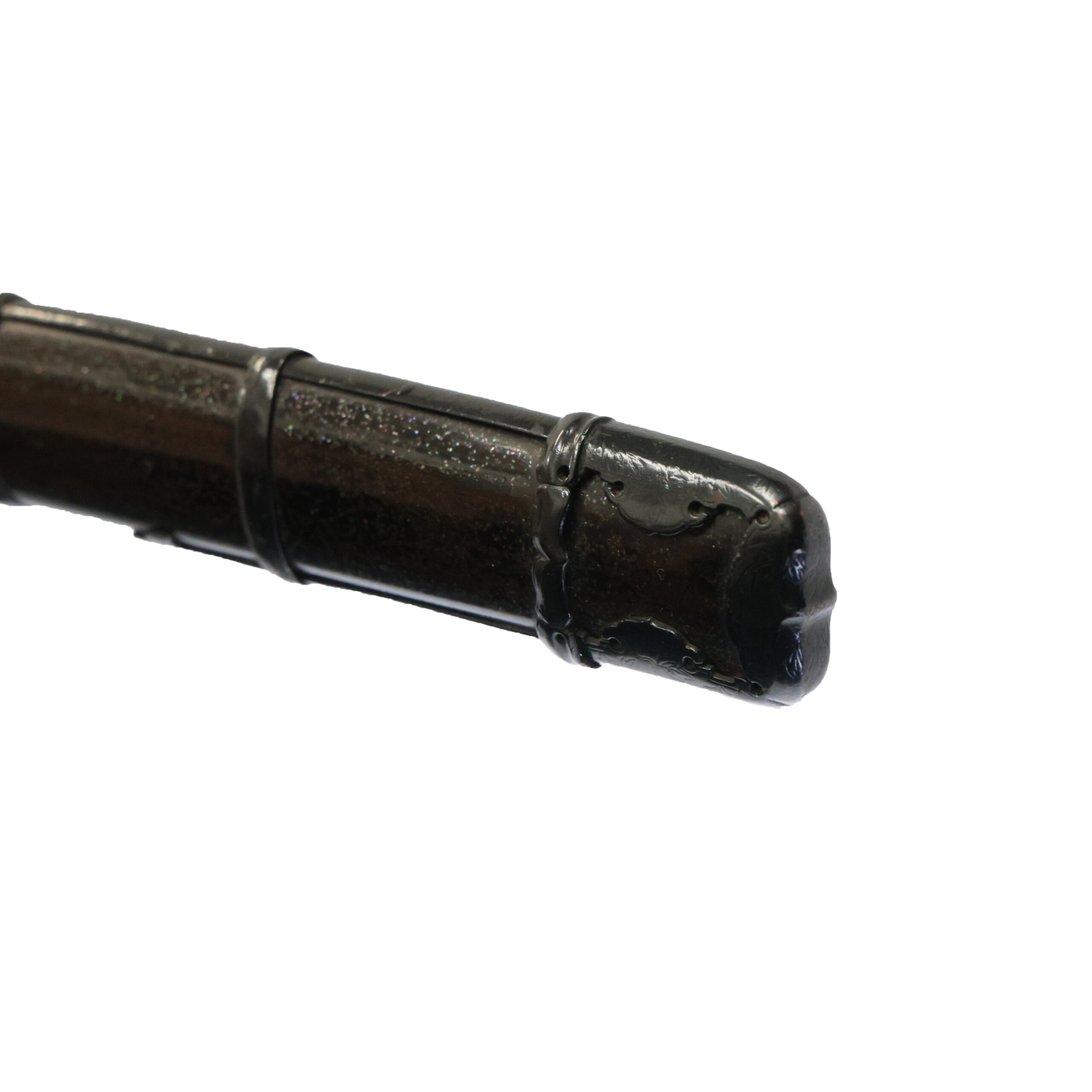
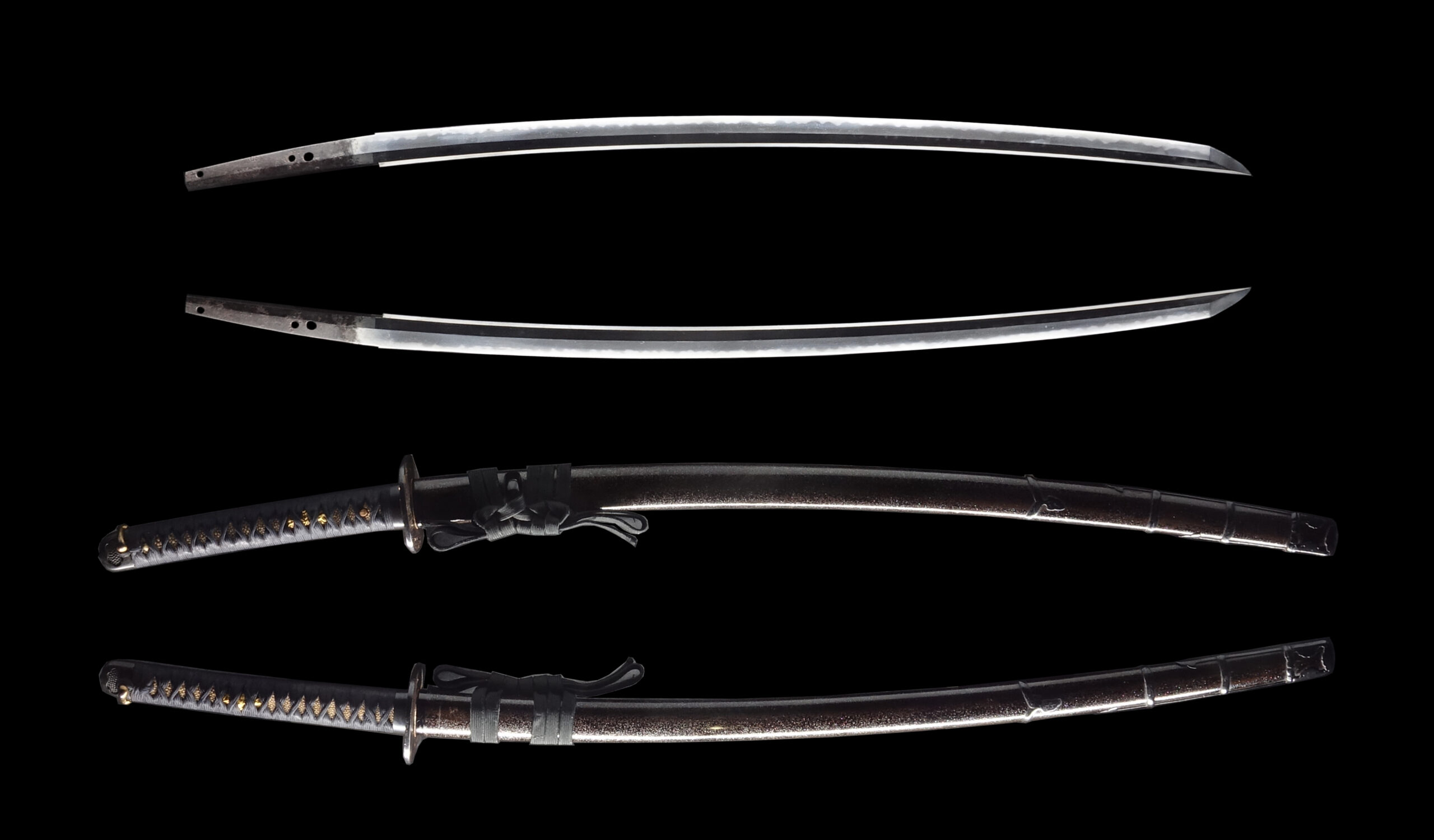
As written by the shop
Soshu-den · Suruga
11 pieces on the market now
The Shimada school (島田) took its name from its base in Suruga Province, where it worked from the mid-Muromachi period along the Tōkaidō between the Mino hearths and the late Sōshū smiths of neighboring Sagami. The published sources place its founding generation in the Kōshō (or Kyōshō) era and trace its principal names without interruption down into the shintō period, with the same names continuing as late as the shinshintō era. Three smiths stand as the school's central hands: Yoshisuke (義助), held to be the principal mainstream name at the head of all Shimada work; Sukemune (助宗), recorded as the younger brother of the founder; and Hirosuke (廣助), placed as the son of the second-generation Yoshisuke. The oldest extant dated example, an Eishō 2 (1505) tantō by Yoshisuke, fixes the early corpus, and because the signature style does not separate the hands, a signed Shimada blade is read for its workmanship rather than assigned a generation. The Shimada smiths produced the working blades of the Muromachi century; one Hirosuke katana, a Kōshū-uchi work dated Eiroku 2 (1559), was held by Hara Mino Nyūdō Toratane of the Twenty-Four Generals of the Takeda, and the cut struck into the mune at the monouchi of a Yoshisuke katana drew a NBTHK remark that it speaks to martial use. Across the members the school reads in a single Soshu-den idiom inflected by Mino and Ise. The jigane the smiths describe is an itame, well knit and at times dense, that flows and leans toward masame, standing somewhat open in hada-dachi, with fine ji-nie lying through it, chikei entering, and a tonality the commentaries repeatedly call whitish; this flowing, slightly standing steel, rather than a tight Bizen surface, is what marks the Shimada hand for the eye. Upon it the smiths set a notare crossed with gunome, with ko-chōji and pointed togariba entering, ko-ashi, abundant nie, and sunagashi and kinsuji running through, the bōshi commonly midare-komi turning back rounded, at times with hakikake; tobiyaki and slight muneyaki appear, and on the larger blades the activity rises toward hitatsura in nie.
Sukemune's particular register is the connected gunome the NBTHK names the school's hallmark, while Hirosuke shows the most robust make, favoring a wide mihaba with sakizori and an extended kissaki. Against this typical midare every hand keeps a quieter exception: a hoso-suguha the commentary calls comparatively uncommon for Yoshisuke, and a suguha mixed with small gunome on a Sukemune tantō read as made with an eye toward the manner of Shizu. The carving tradition is shared throughout, bonji, suken, gomabashi, relief kurikara, and the figures of Marishiten and Fudō Myōō, with openwork sukashi-bori noted by examiners as an uncommon thing to find; the school also produced comparatively many yari, Yoshisuke's ōmi-yari among them. To kantei a Shimada blade is to read the late Sōshū idiom in a provincial Suruga register: the whitish, standing itame beneath a nie-laden notare-gunome with sunagashi, kinsuji, and frequent tobiyaki, set apart from a tight Bizen jigane and tied by the published sources to Sue-Sōshū, late Seki, the Senju group, and the work of Mino and Ise. Form sorts the manner: the broad Sōshū-leaning katana on one side, the school's tantō and wakizashi (often hira-zukuri with mitsu-mune, thick kasane, and a withered fukura kare) on the other. Among the members Yoshisuke is the name the sources reach for in describing the group, his finest katana and tantō praised for a jihada and hamon of clear, bright result; Sukemune's Osaka katana is judged his finest work; and Hirosuke's best pieces, one called hakubi, the best among its kind, with a suggestion he privately emulated Bizen Chōgi, number among the finest of the whole lineage. Dated and fully signed works such as those inscribed Shimada Hirosuke are particularly valued, the tangs anchoring the chronology of the later generations, and a rare collaborative blade between Hirosuke and Gensuke attests to the collegial working of the shop. Provenance reaches to the Imperial collection, Honma's inventory of which records works by Yoshisuke, Sukemune, and Hirosuke; with the Takeda general's blade and the documentary dated pieces, these holdings mark the standing of a respected one-province school whose hand sits close to the late Sōshū tradition. Learn more →
| Smith | Era | Designated |
|---|---|---|
| Yoshisuke義助 | 1492-1504 | 6 |
| Sukemune助宗 | 1444-1449 | 4 |
| Yoshisuke義助 | 1455-1526 | 5 |
| Yoshisuke義助 | 1573-1592 | 3 |
| Hirosuke廣助 | 1504-1521 | 9 |
Sōshū in the Muromachi period
In the Sengoku era the school served a second warrior court: the Later Hōjō at Odawara, whose patronage kept the Tsunahiro line forging hitatsura for the uchigatana age until the castle fell to Hideyoshi in 1590.
Certifies a genuine blade worth preserving: a signature confirmed correct, or, if unsigned, an era, province, and school that the NBTHK can reliably identify.
The NBTHK (Nihon Bijutsu Tōken Hozon Kyōkai, the Society for the Preservation of Japanese Art Swords) is a public-interest incorporated foundation founded in 1948 and supervised by Japan’s Agency for Cultural Affairs (Bunkachō); it is based at the Japanese Sword Museum in Tokyo. Its expert panels physically examine each submitted work (shinsa) and issue a certificate (kanteishō) ranking it by artistic and historical merit. NBTHK papers are the most widely recognized standard of authentication for Japanese swords and fittings.
NBTHK official siteReturns/exchanges limited to defects caused by shipping (except willful misconduct or gross negligence by the company); customers must contact within 72 hours of receiving the product.
¥720,000