The monasteries that had sustained Yamato lost ground through the Muromachi period, and the schools thinned with them; Sue-Tegai kept the old masame manner alive in quantity. The burning of Tōdaiji’s Great Buddha hall in 1567 closed the temple age.
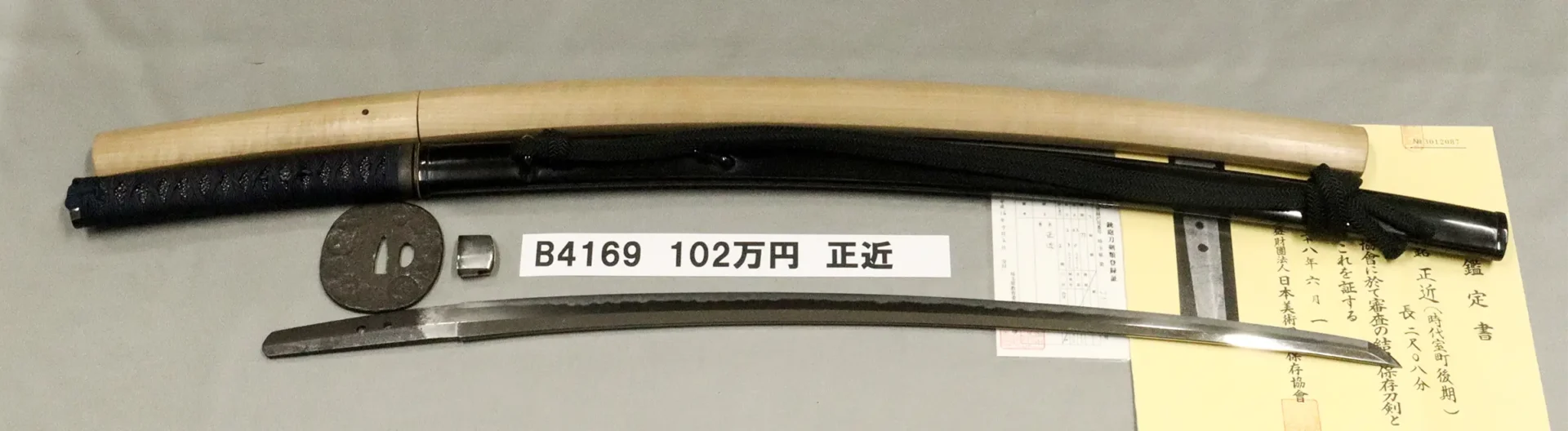
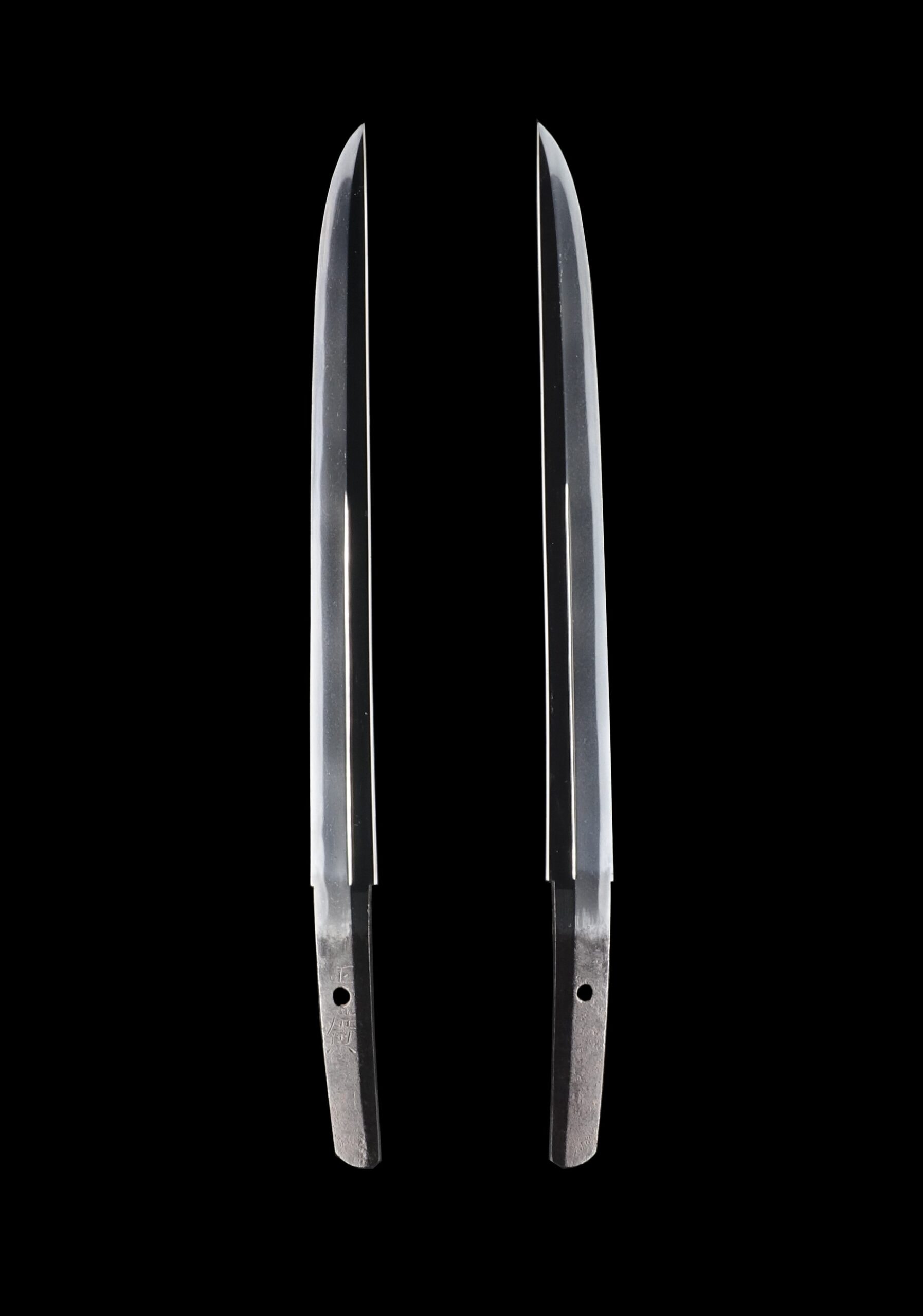
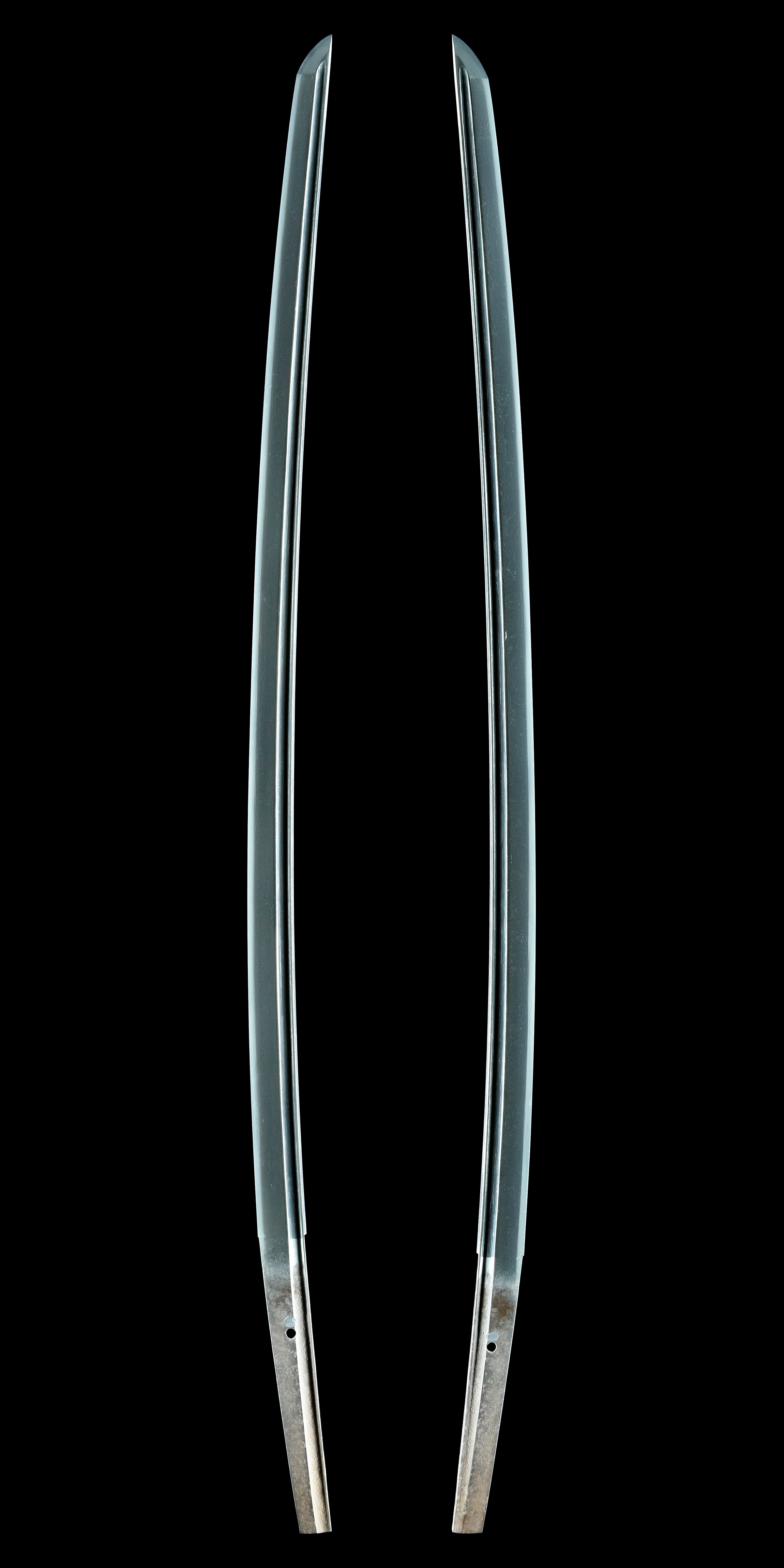
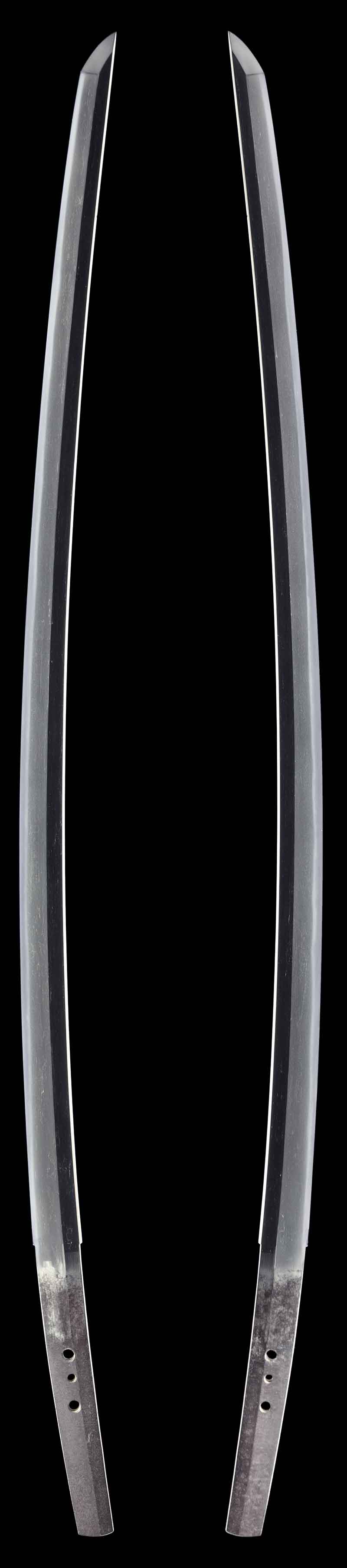
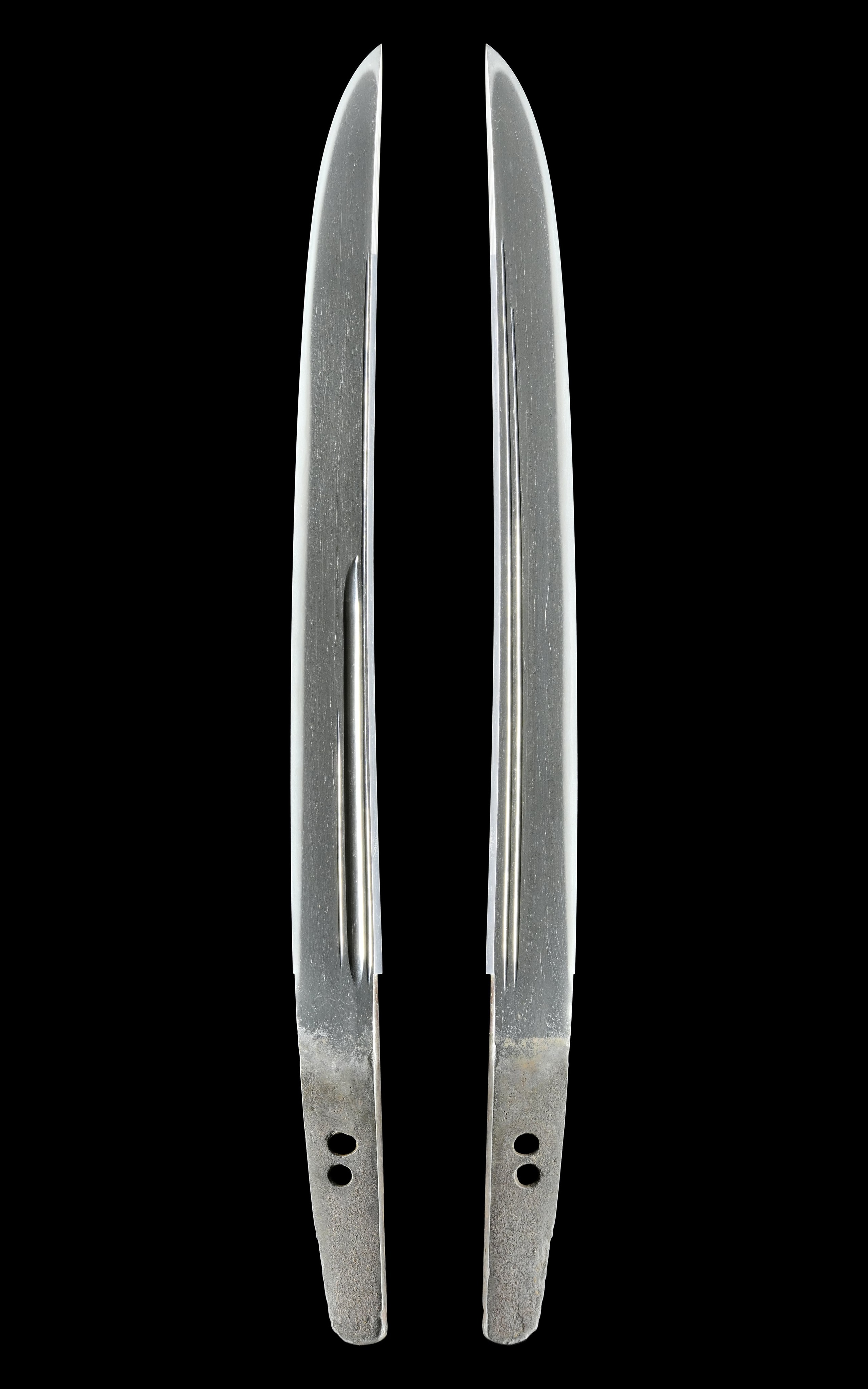
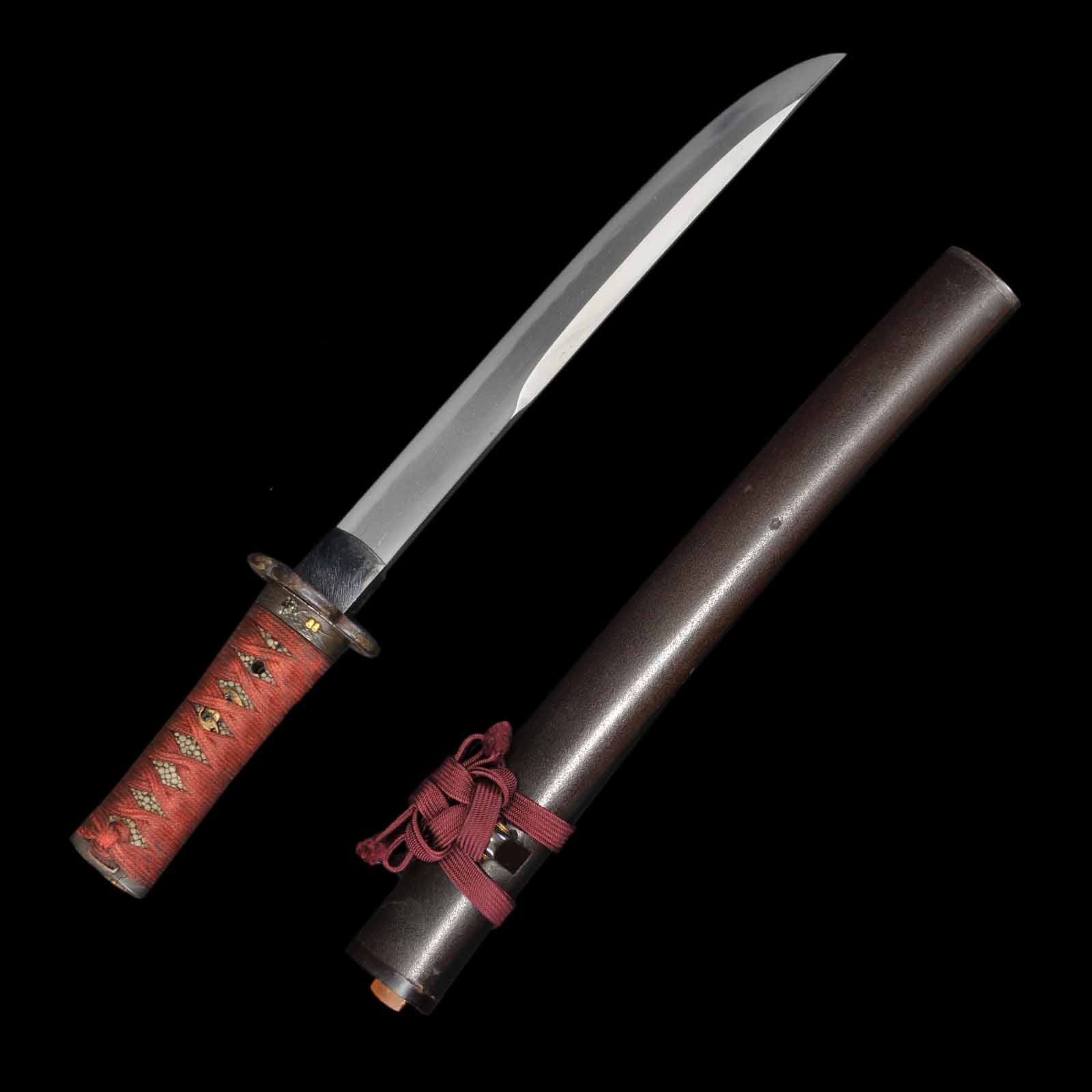
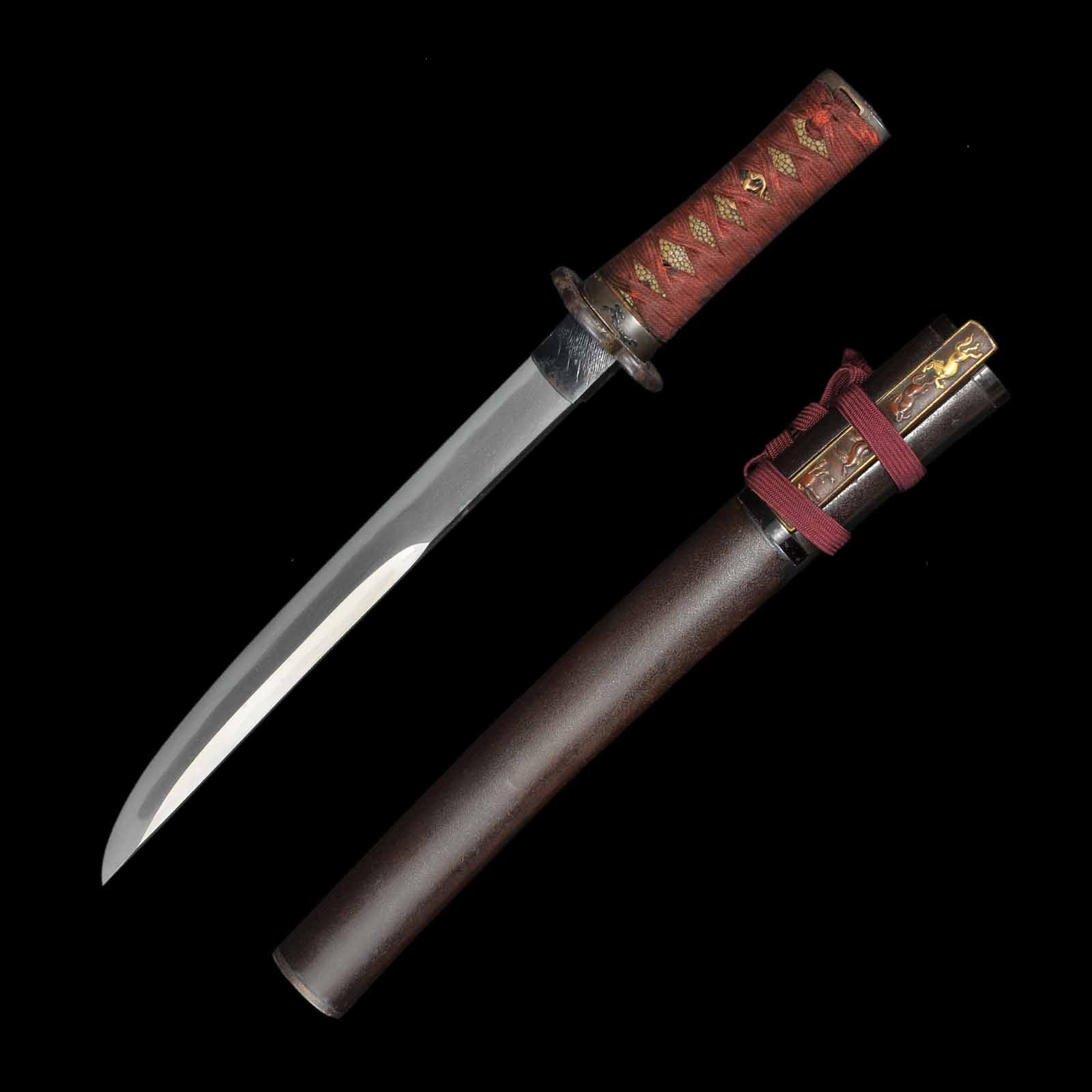
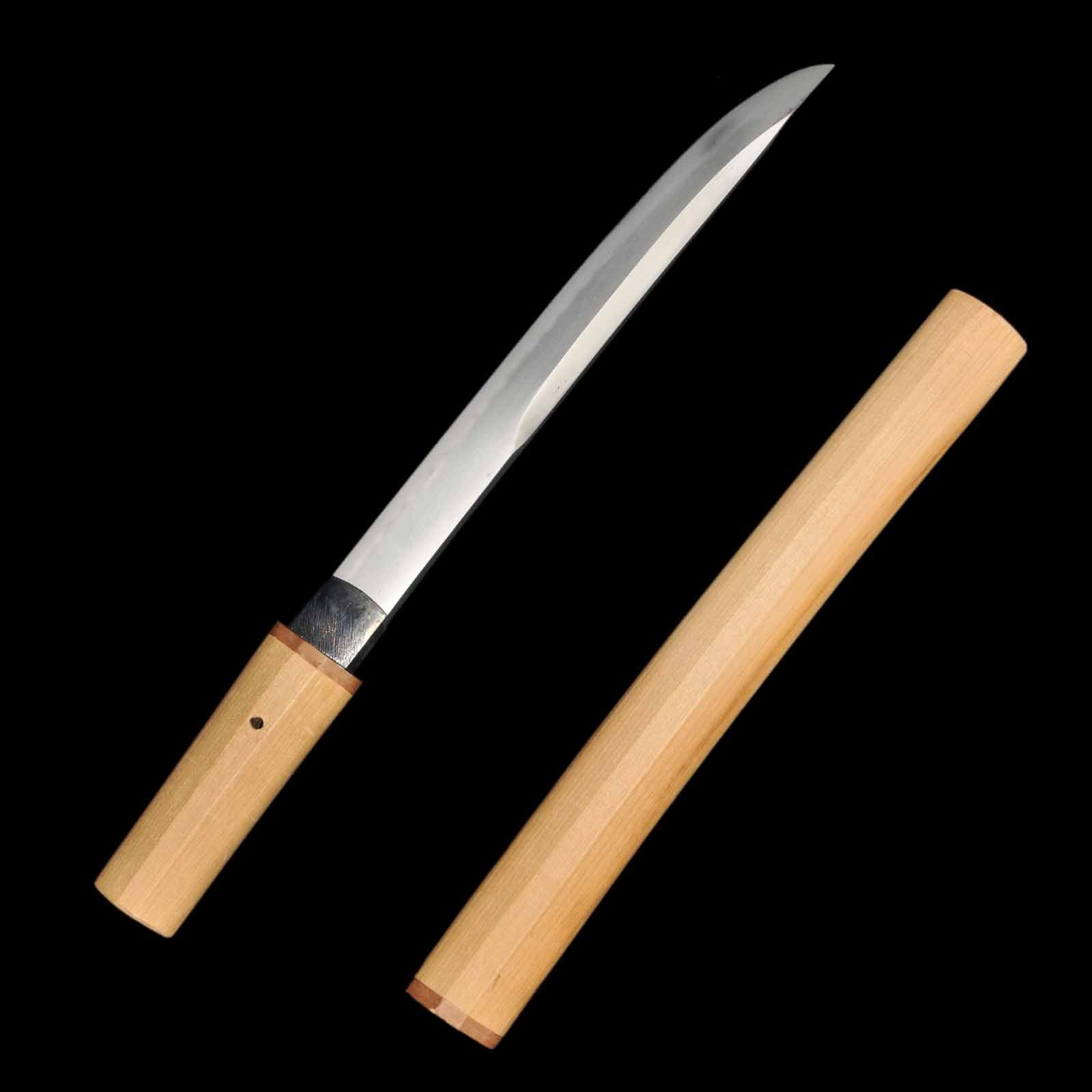
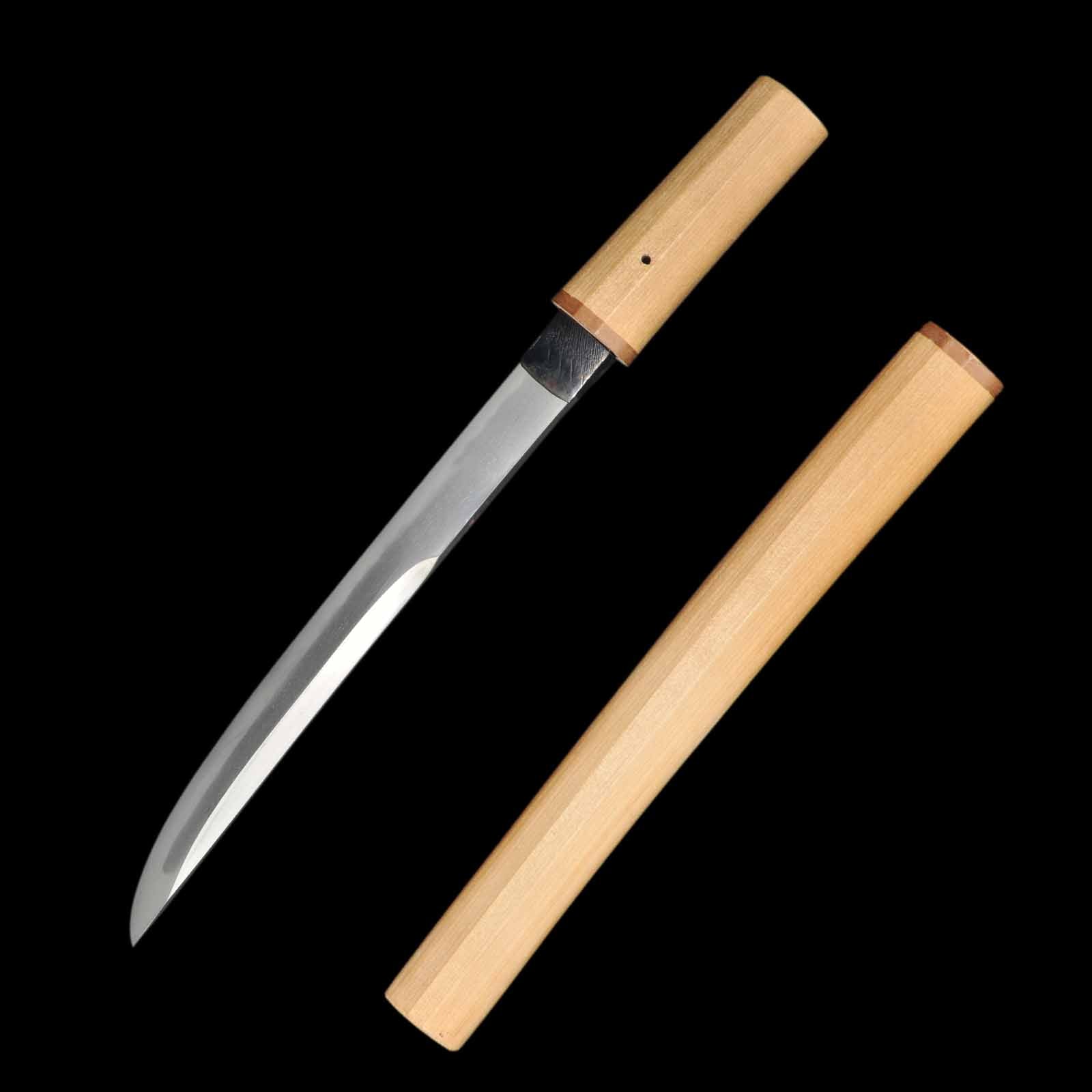
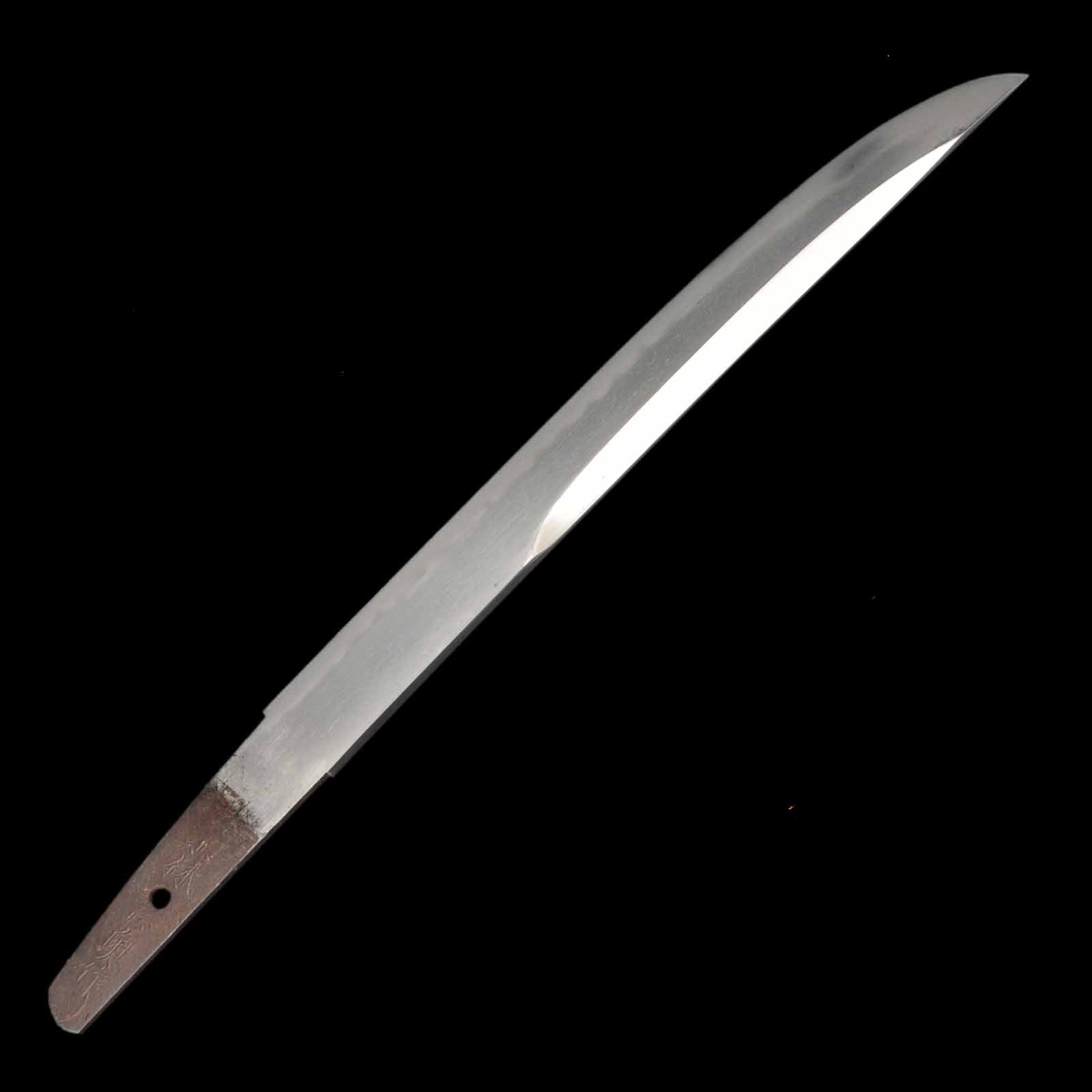
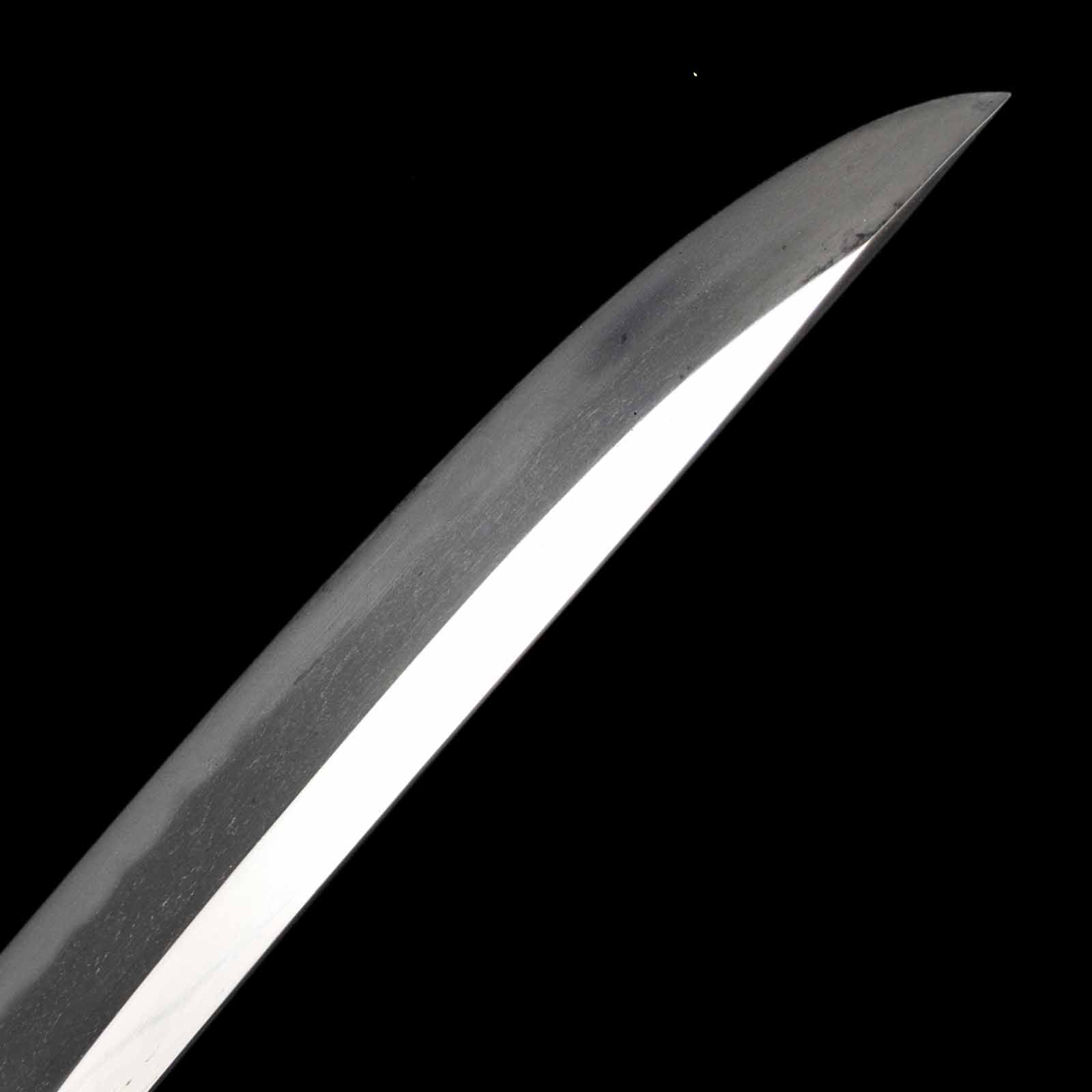
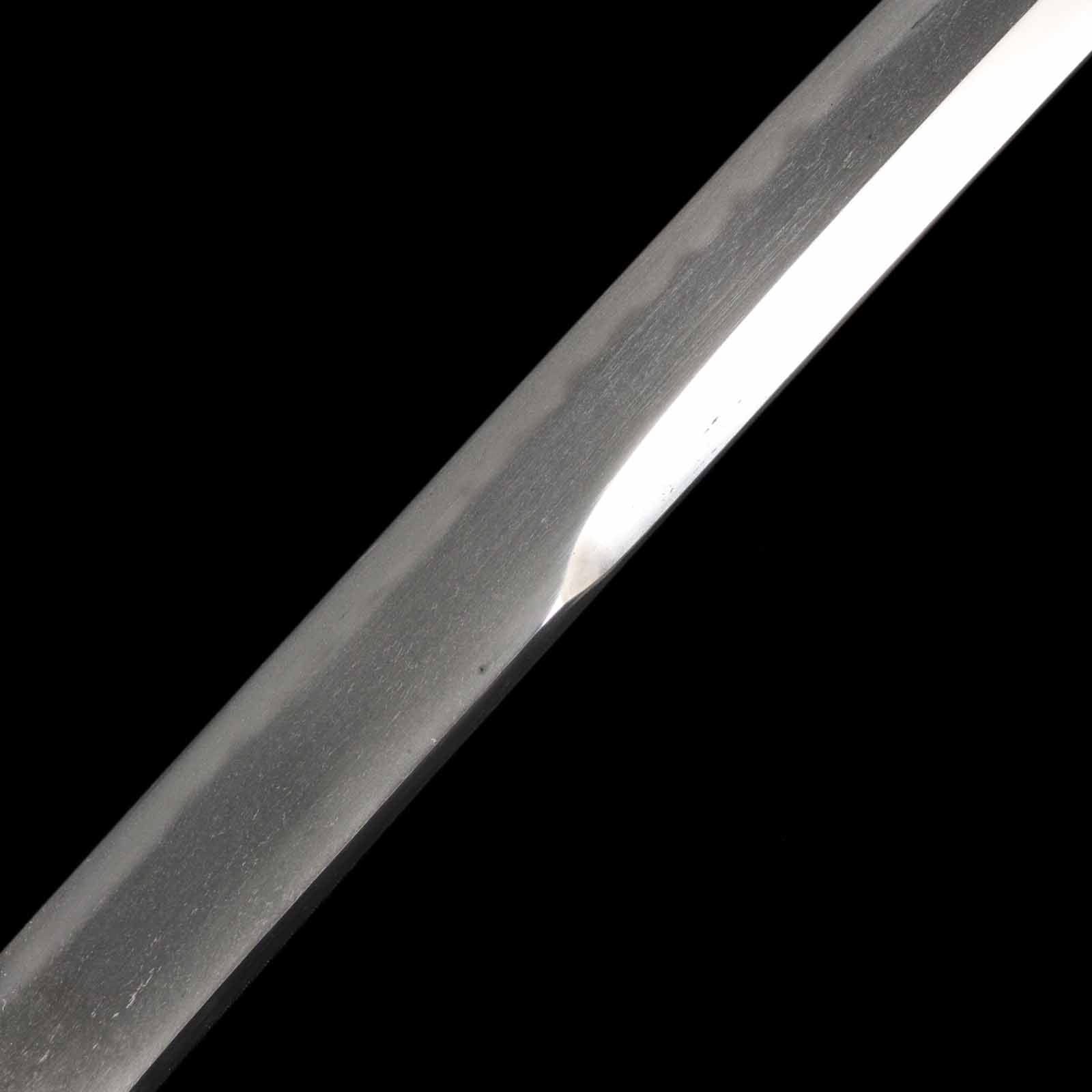
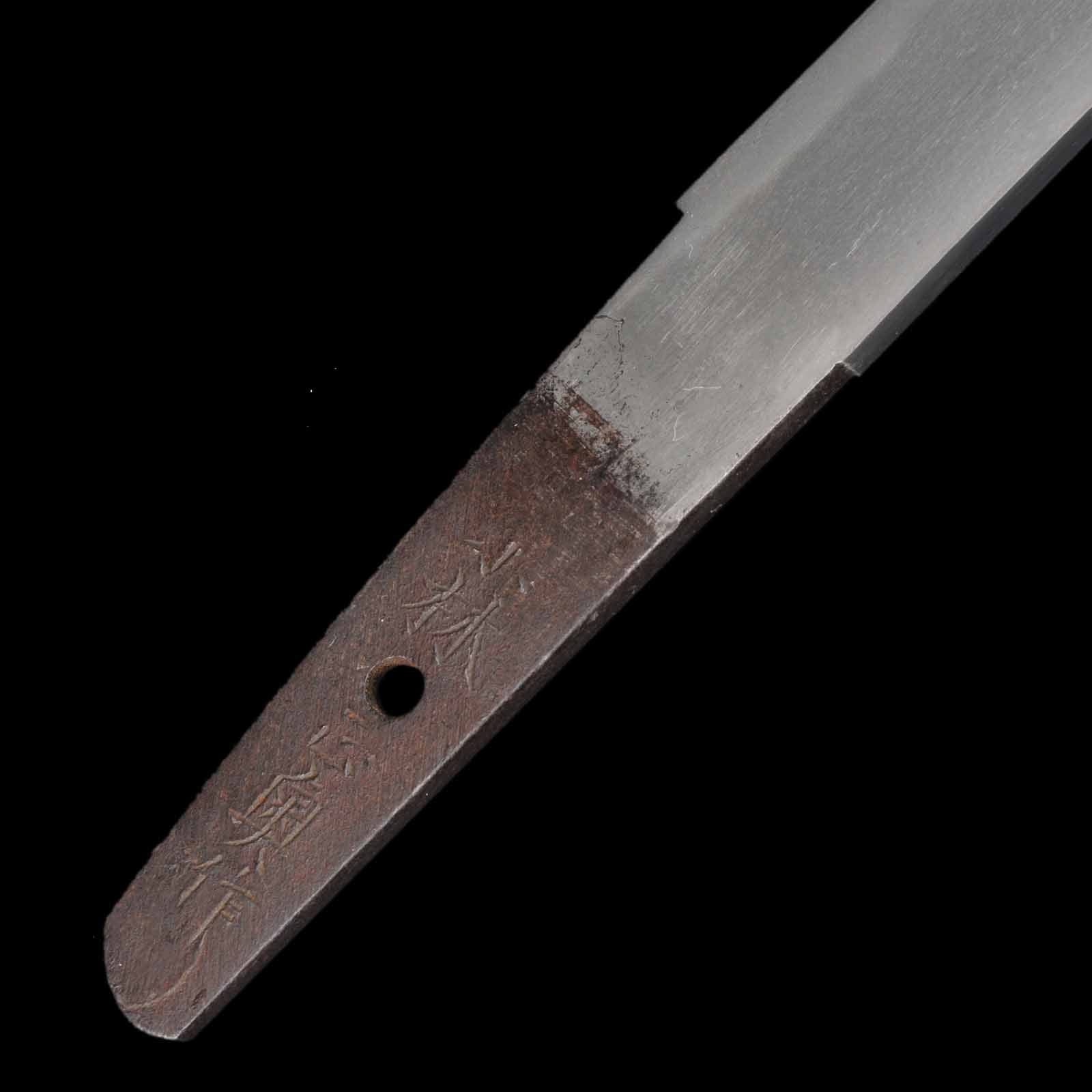
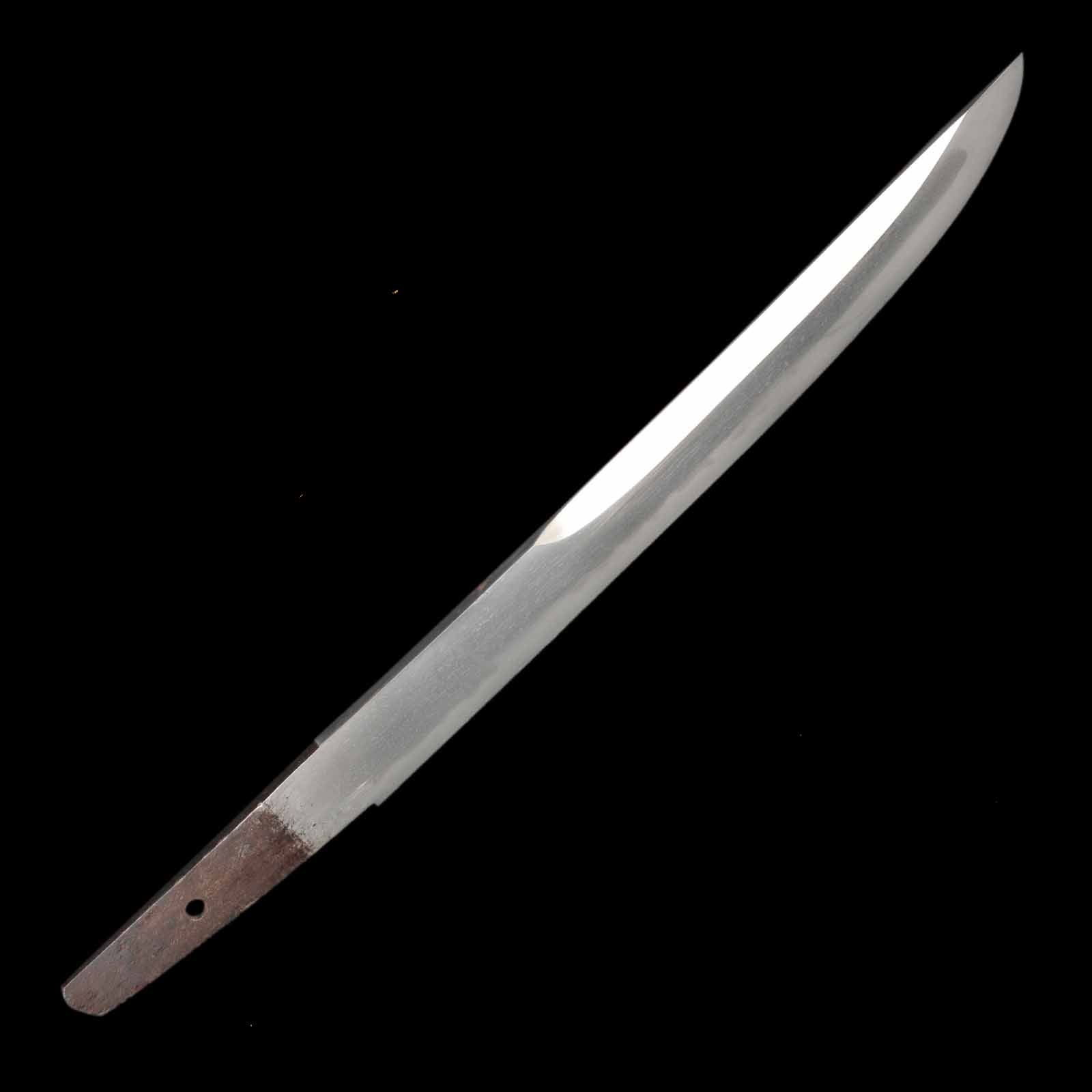
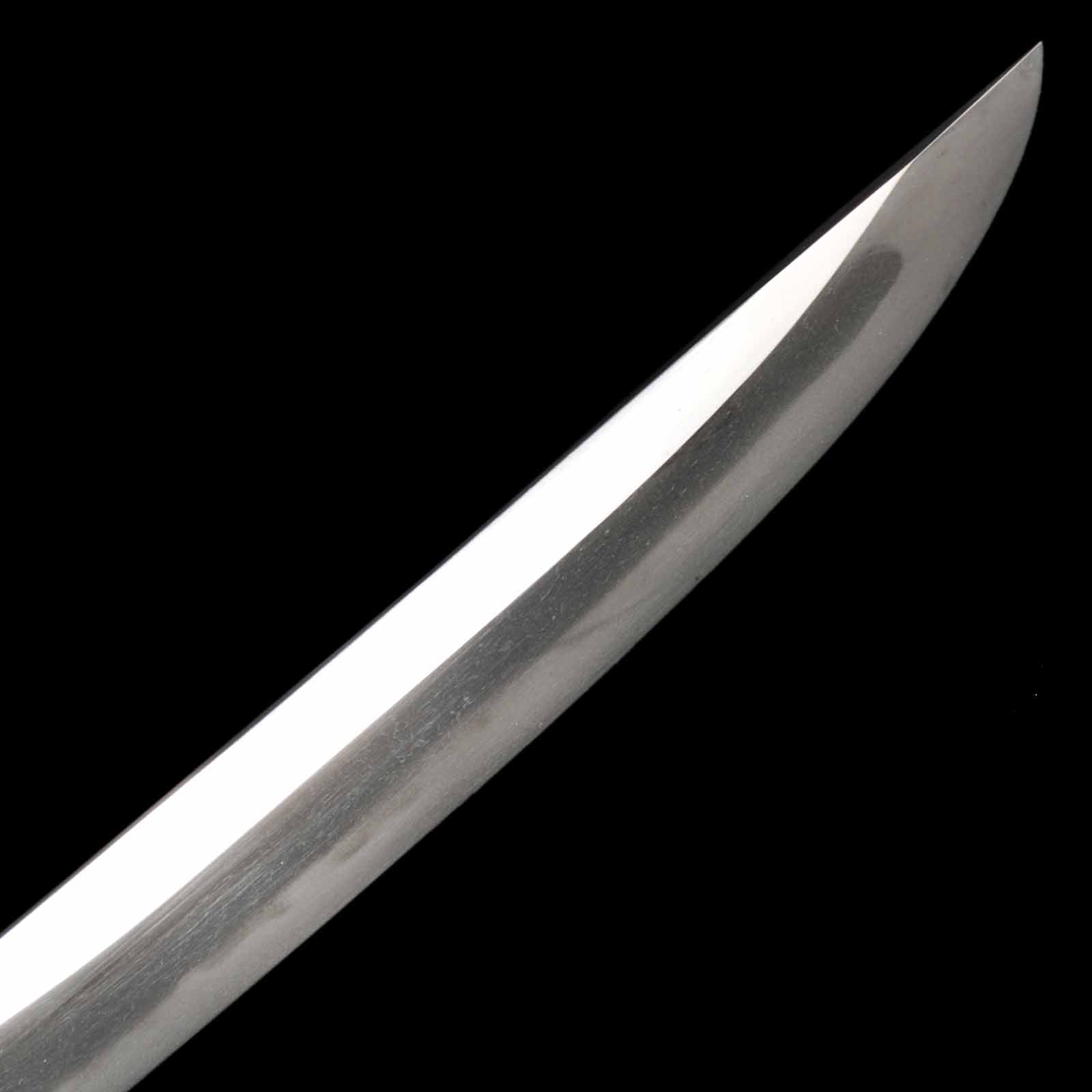
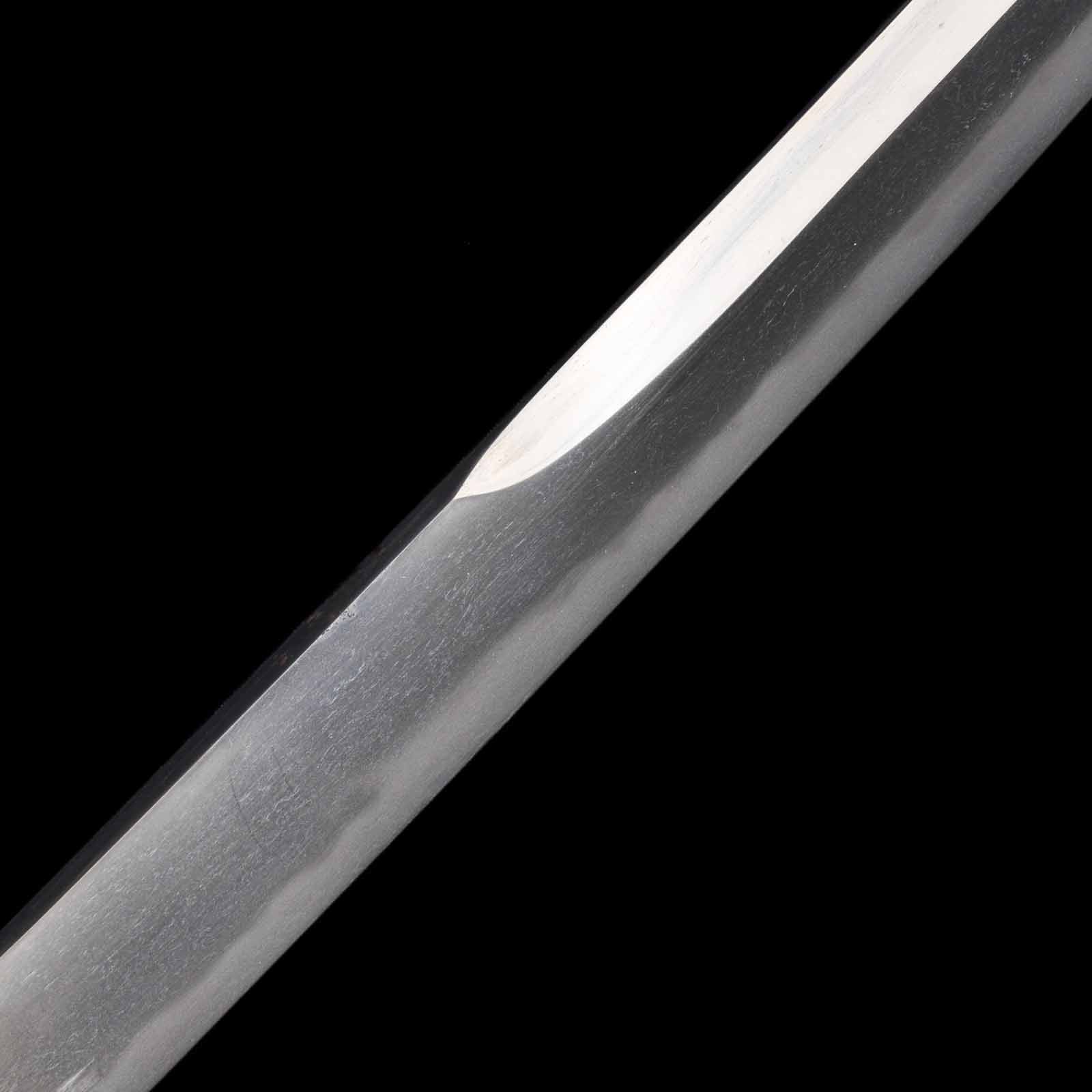
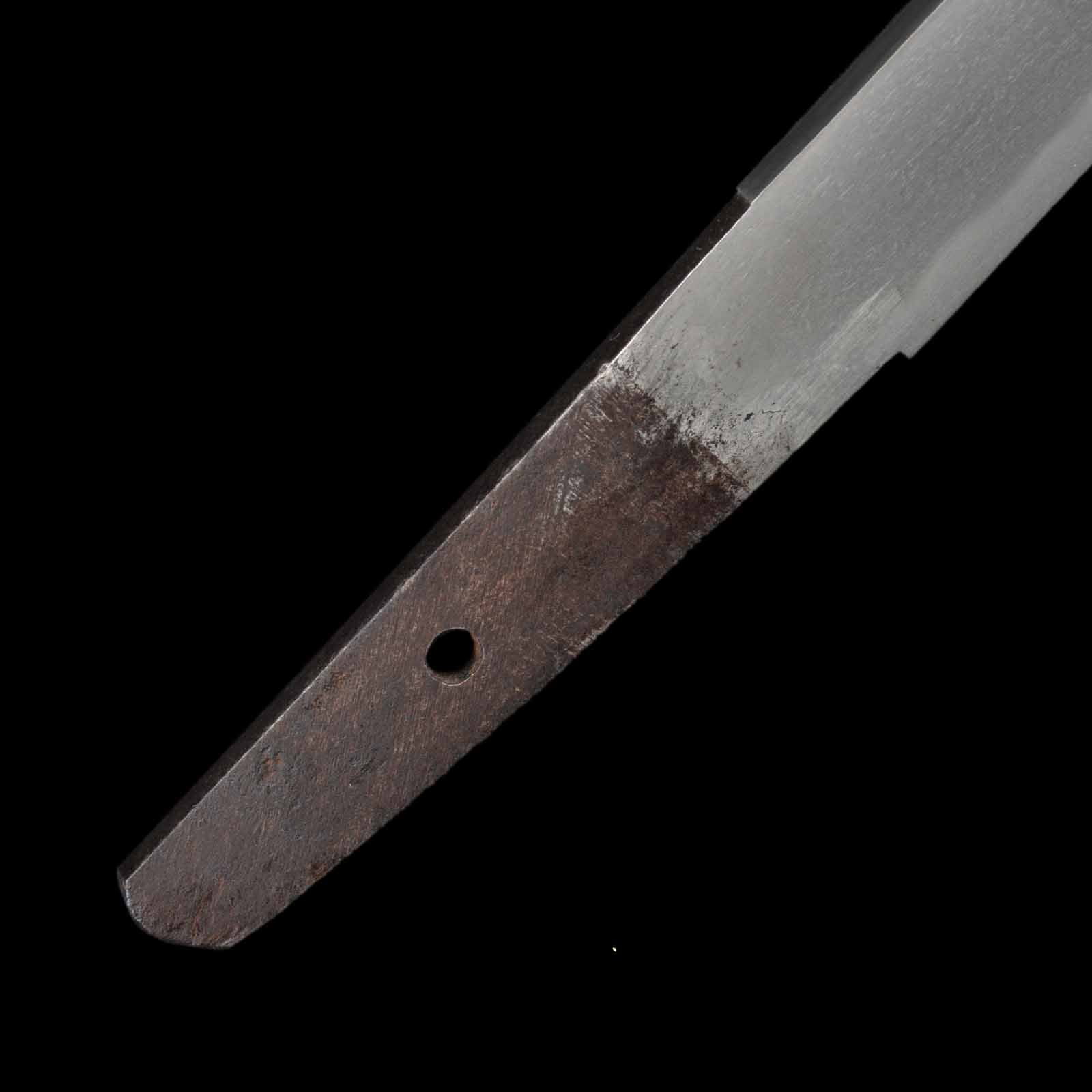
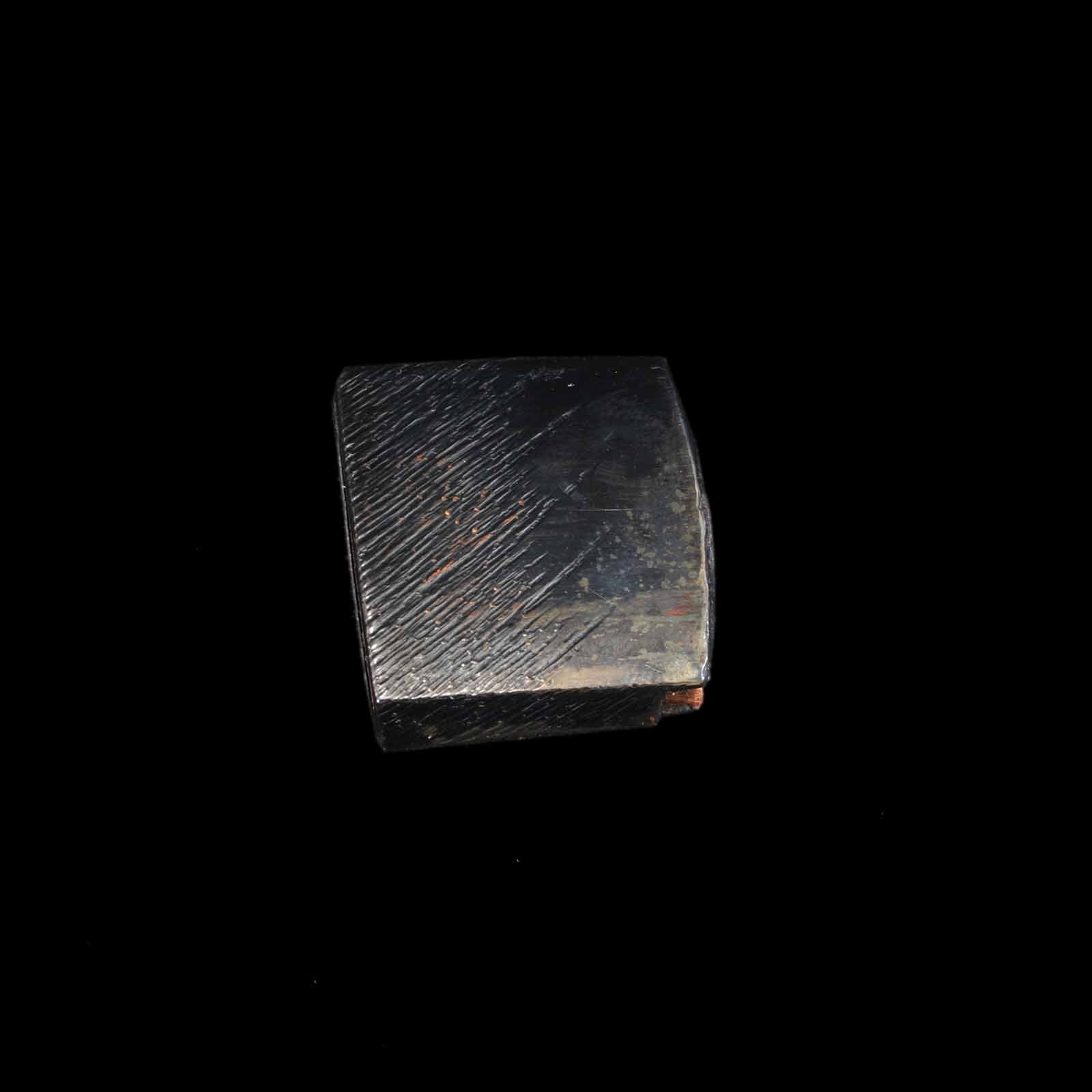
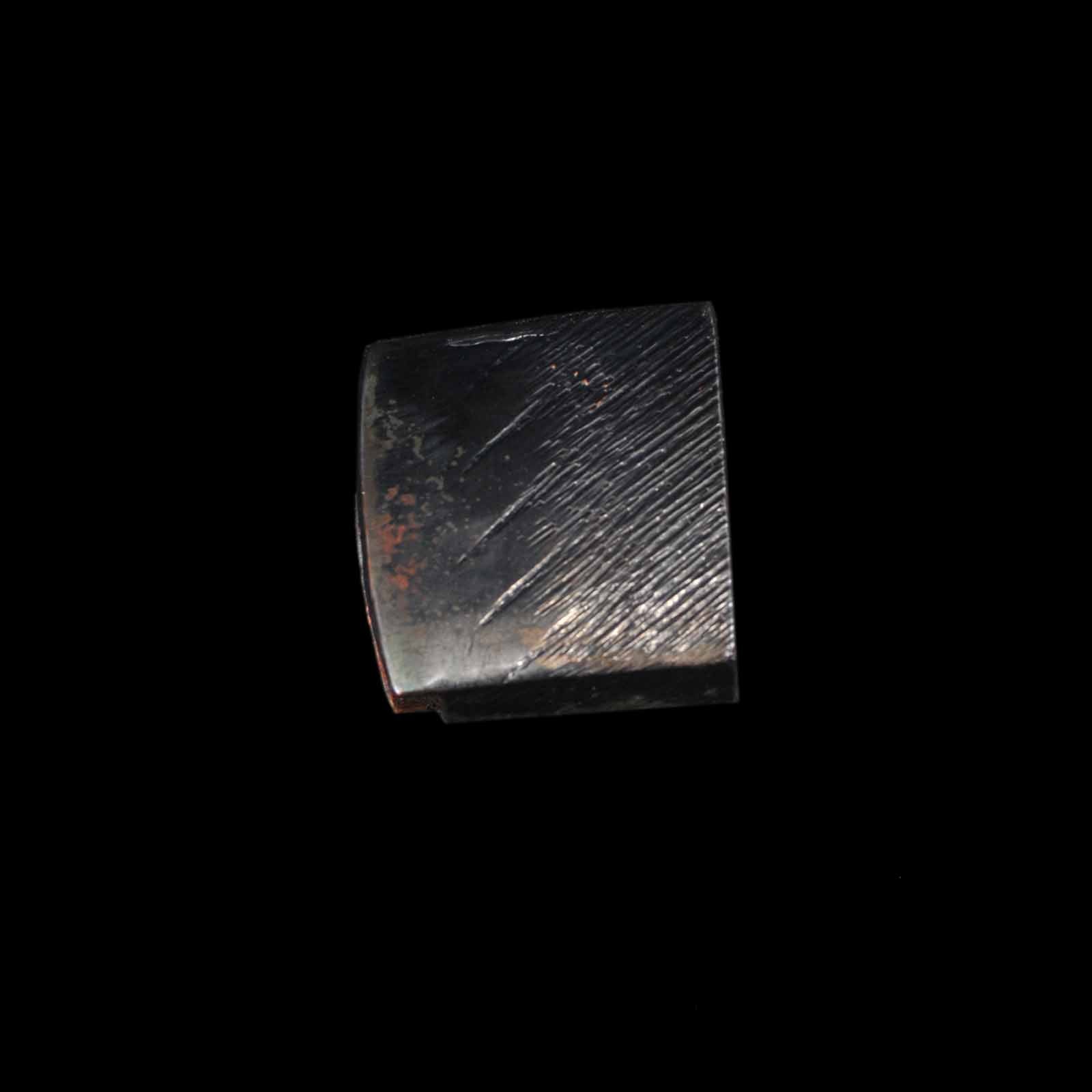
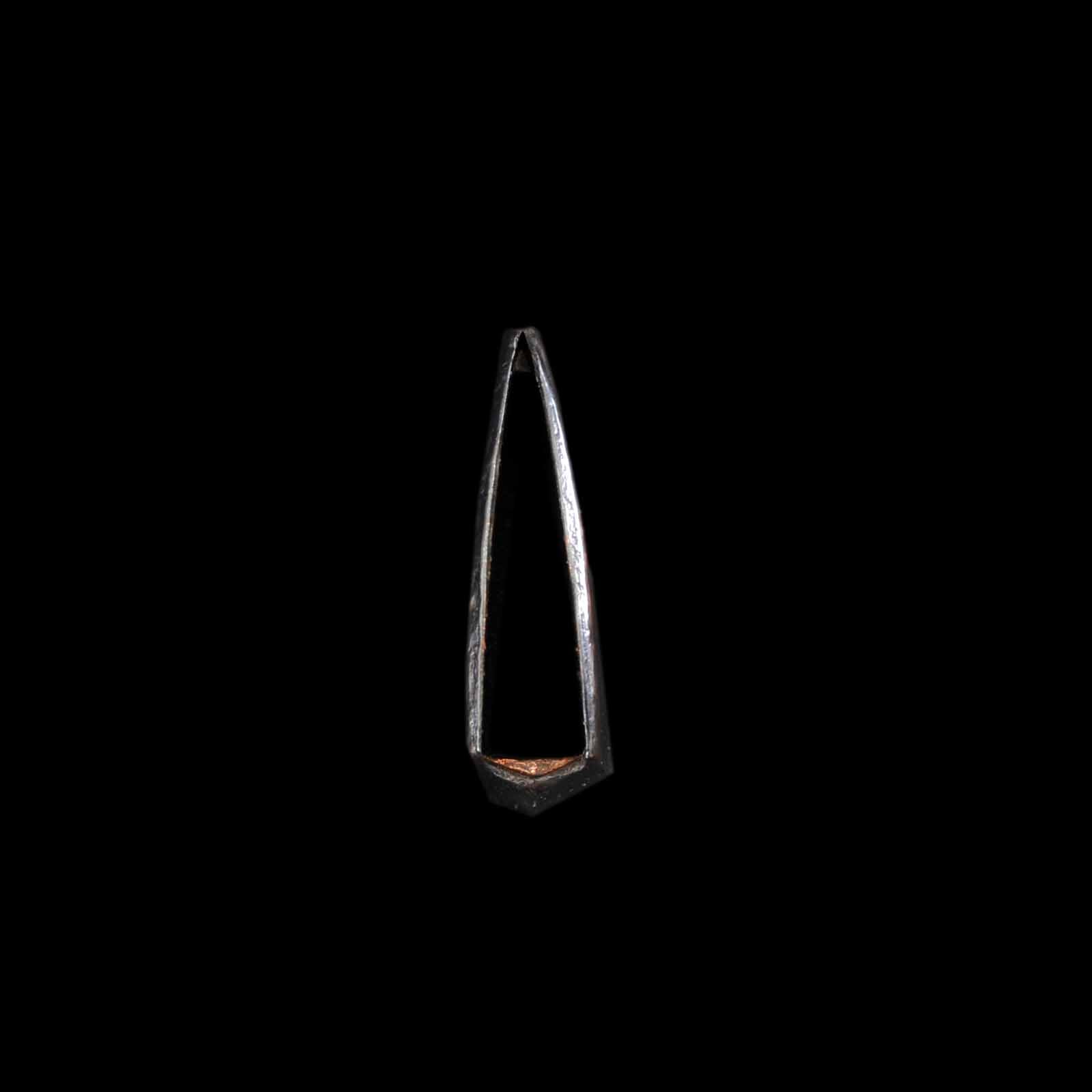
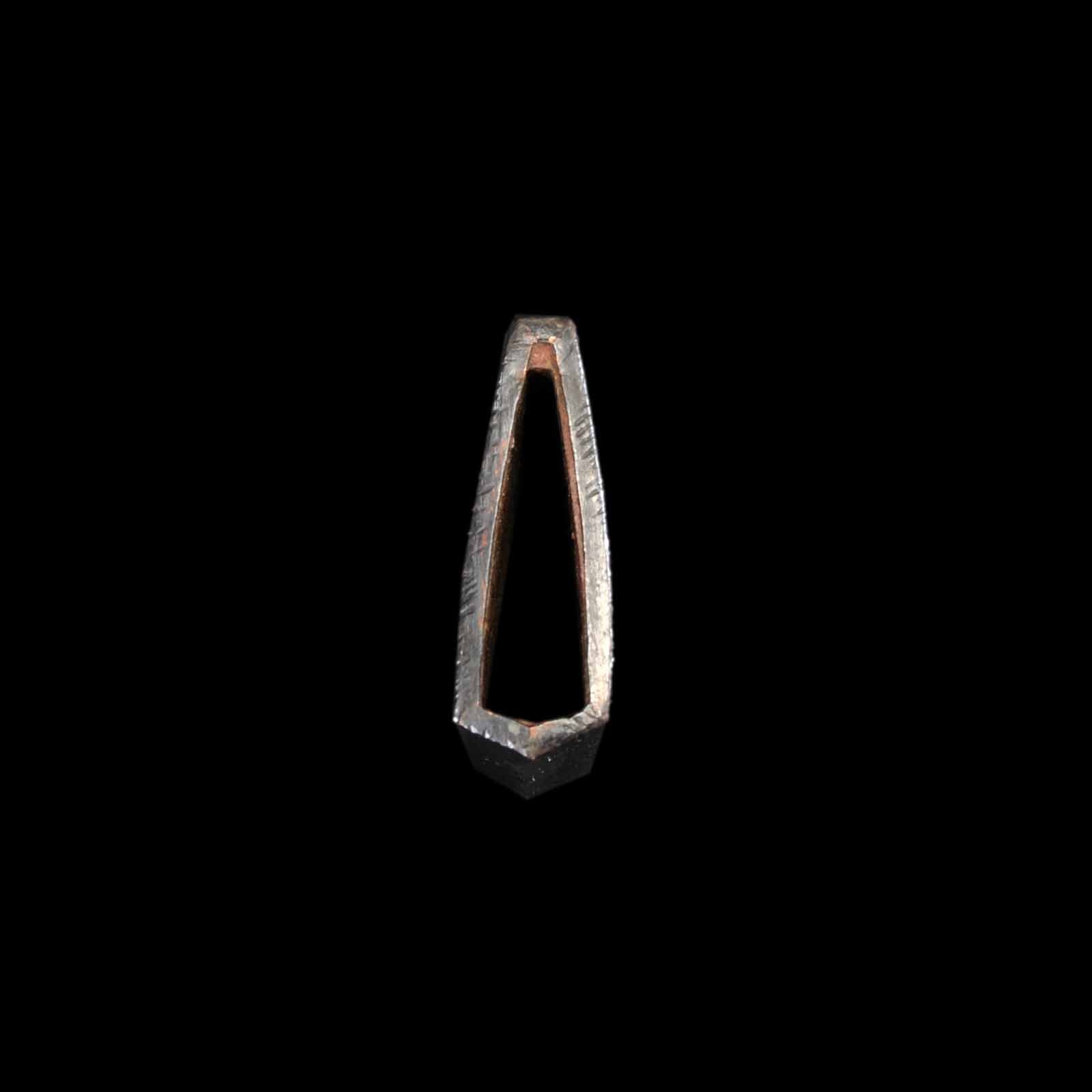
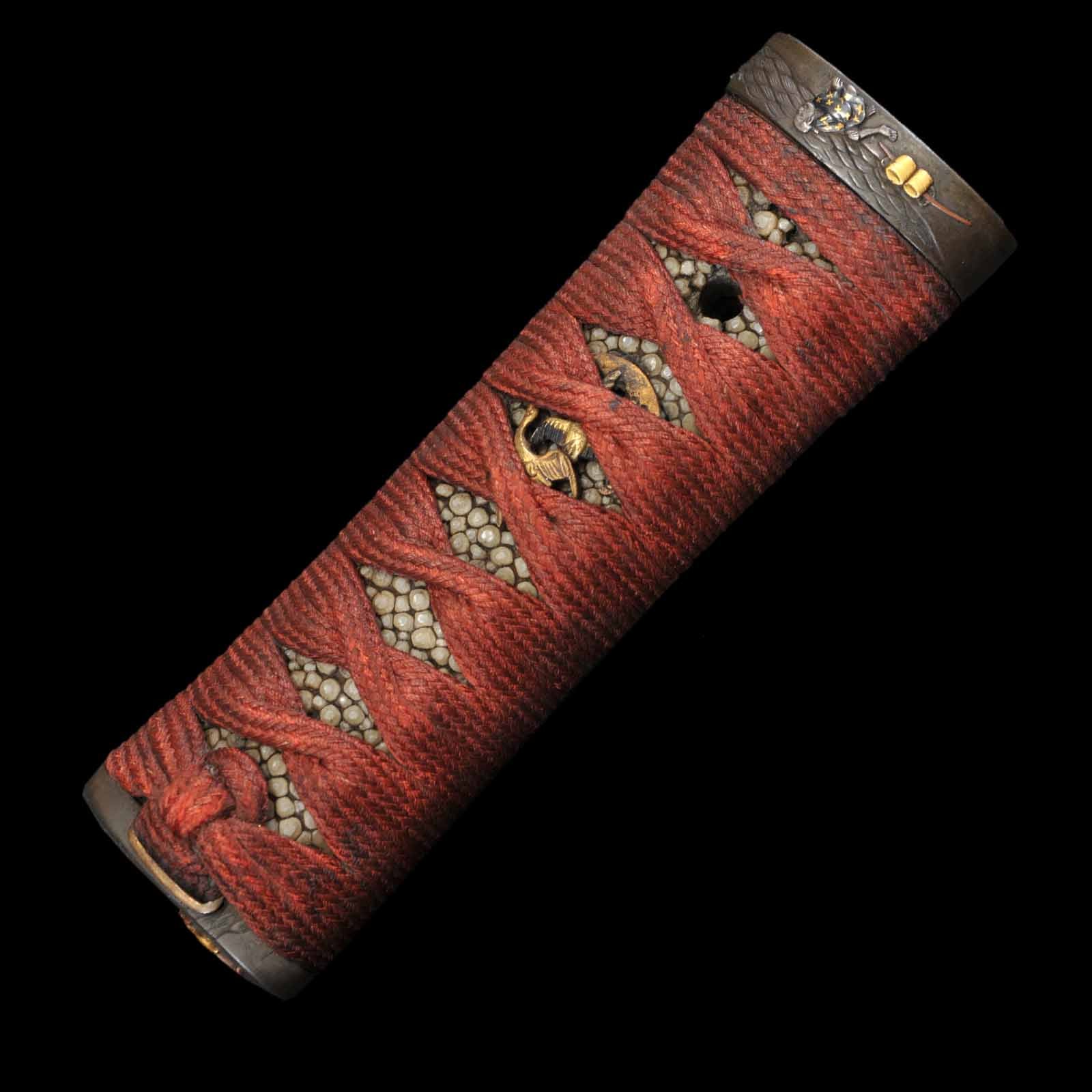
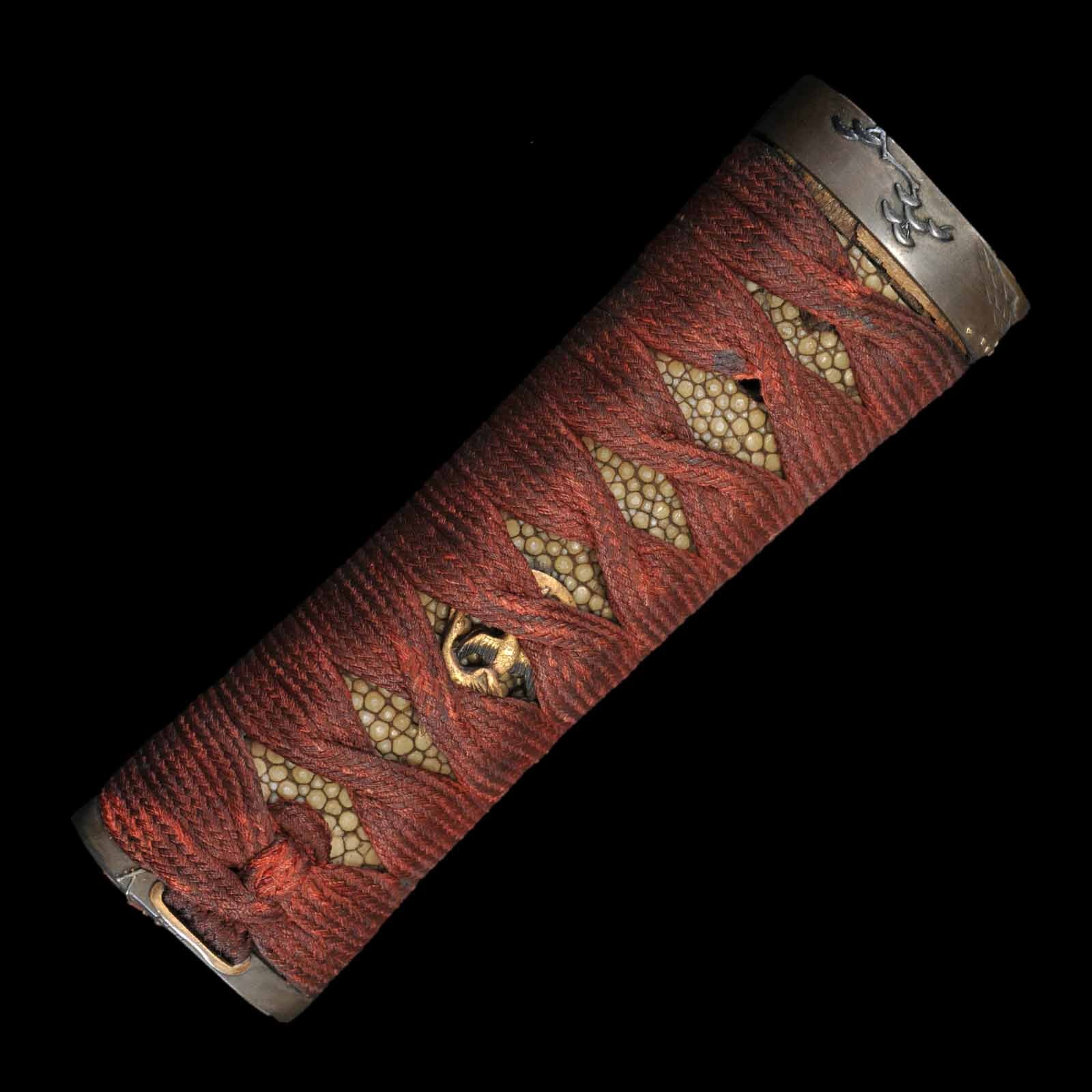
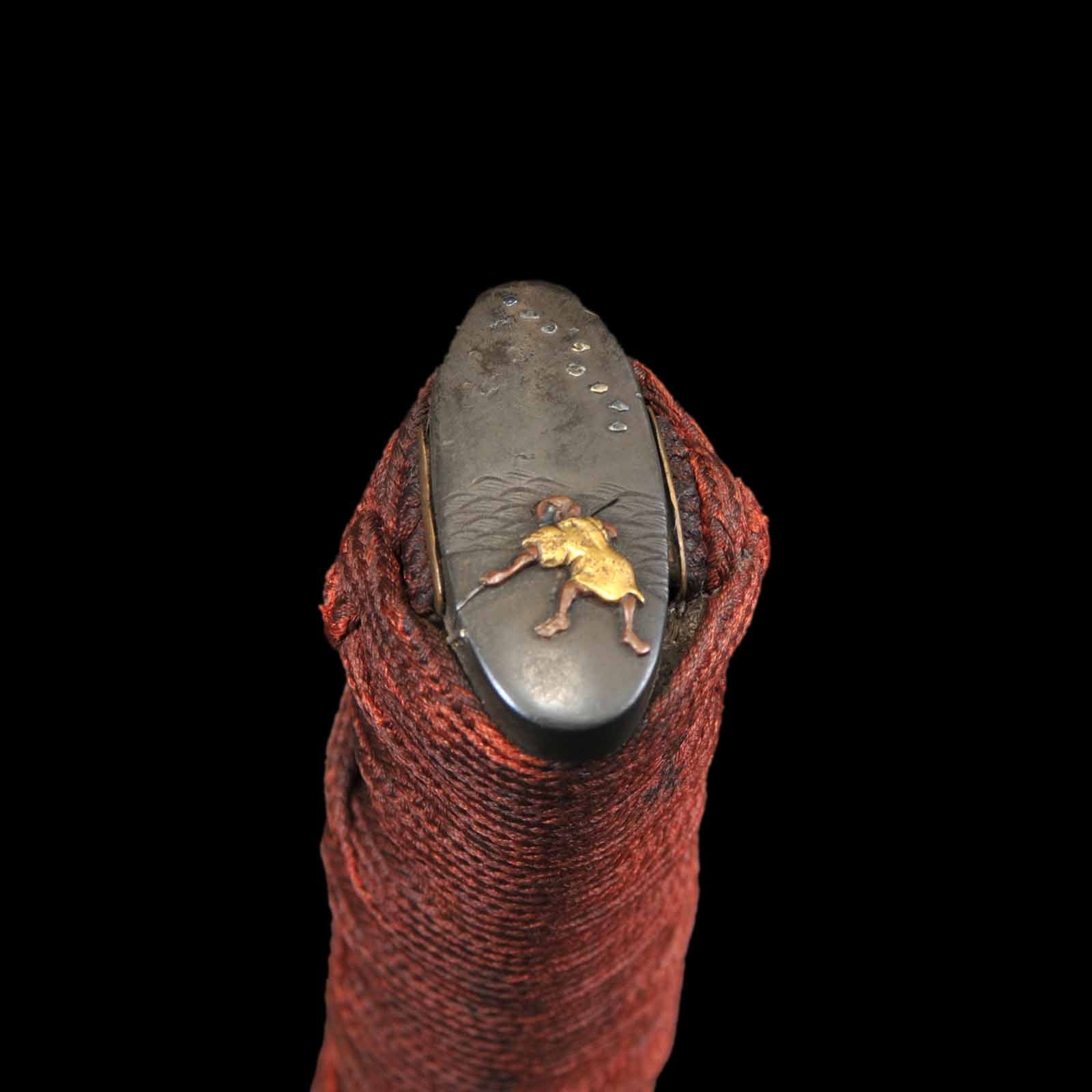
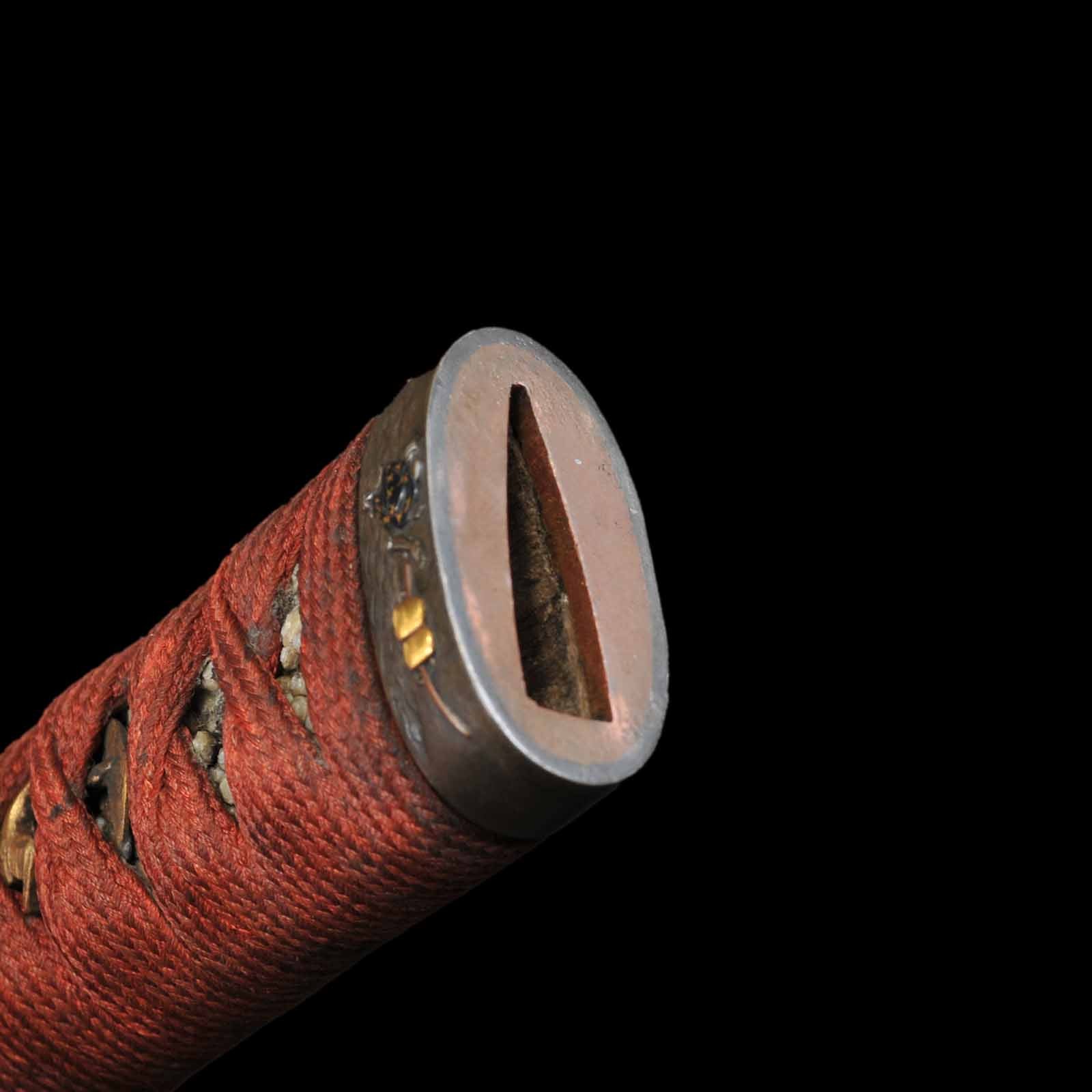
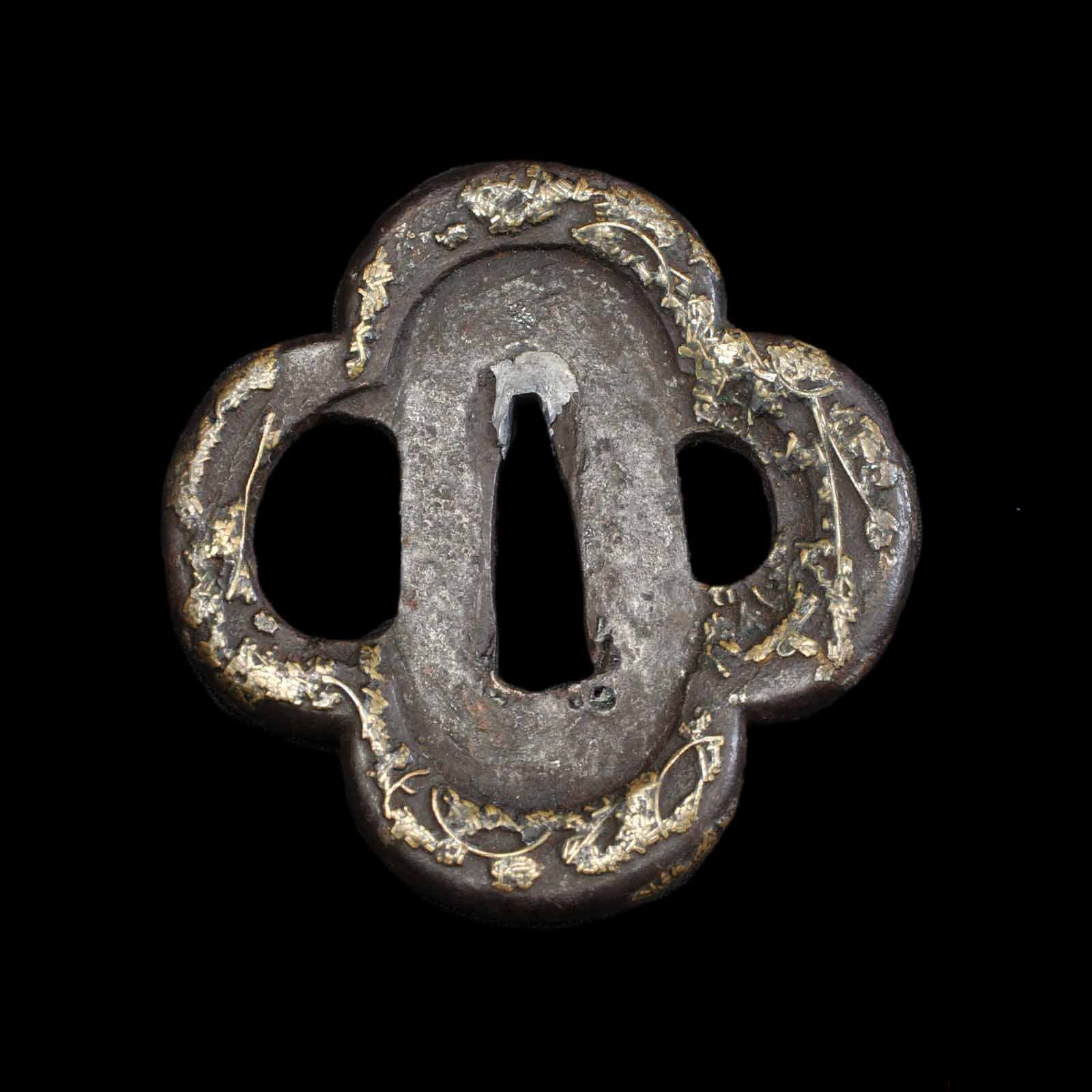
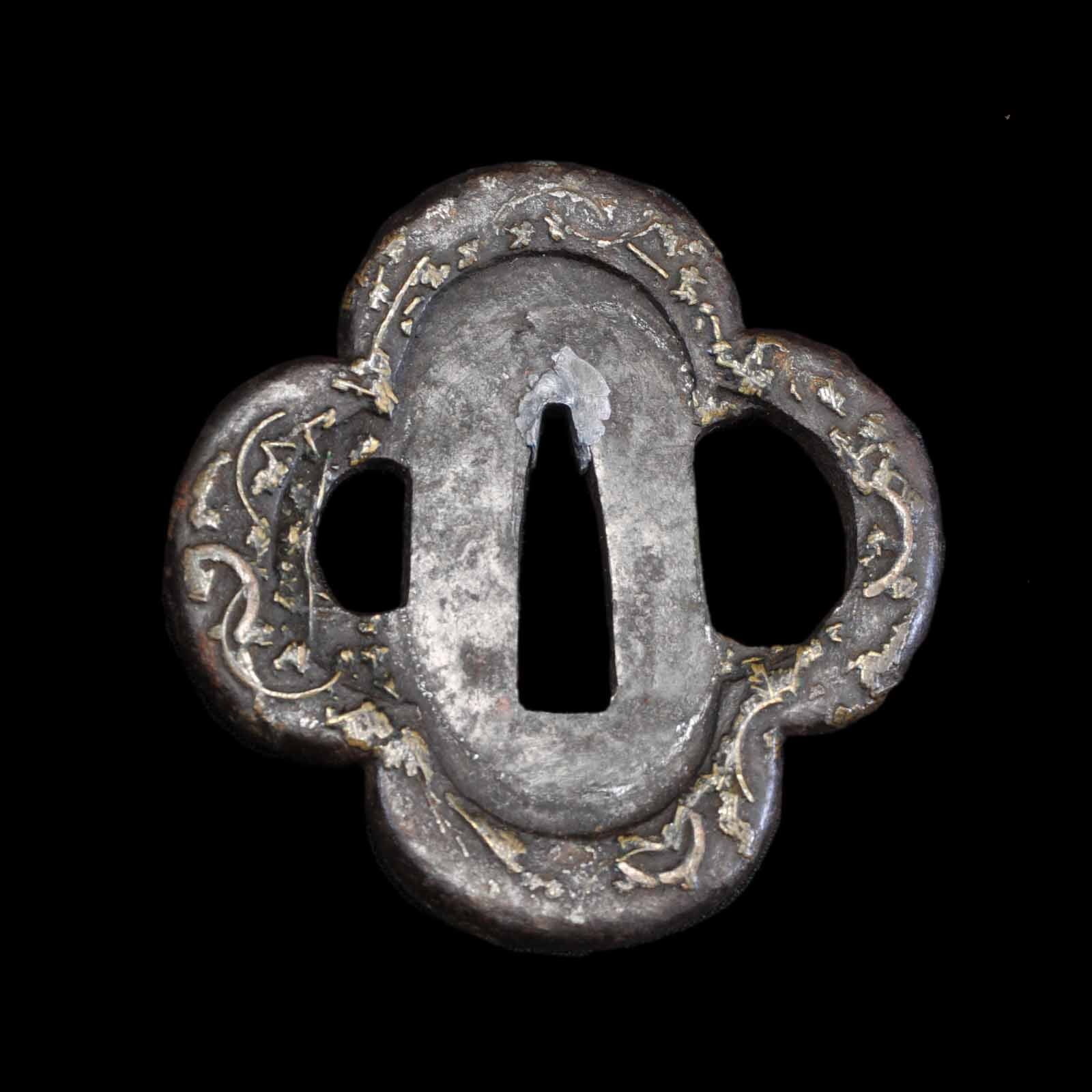
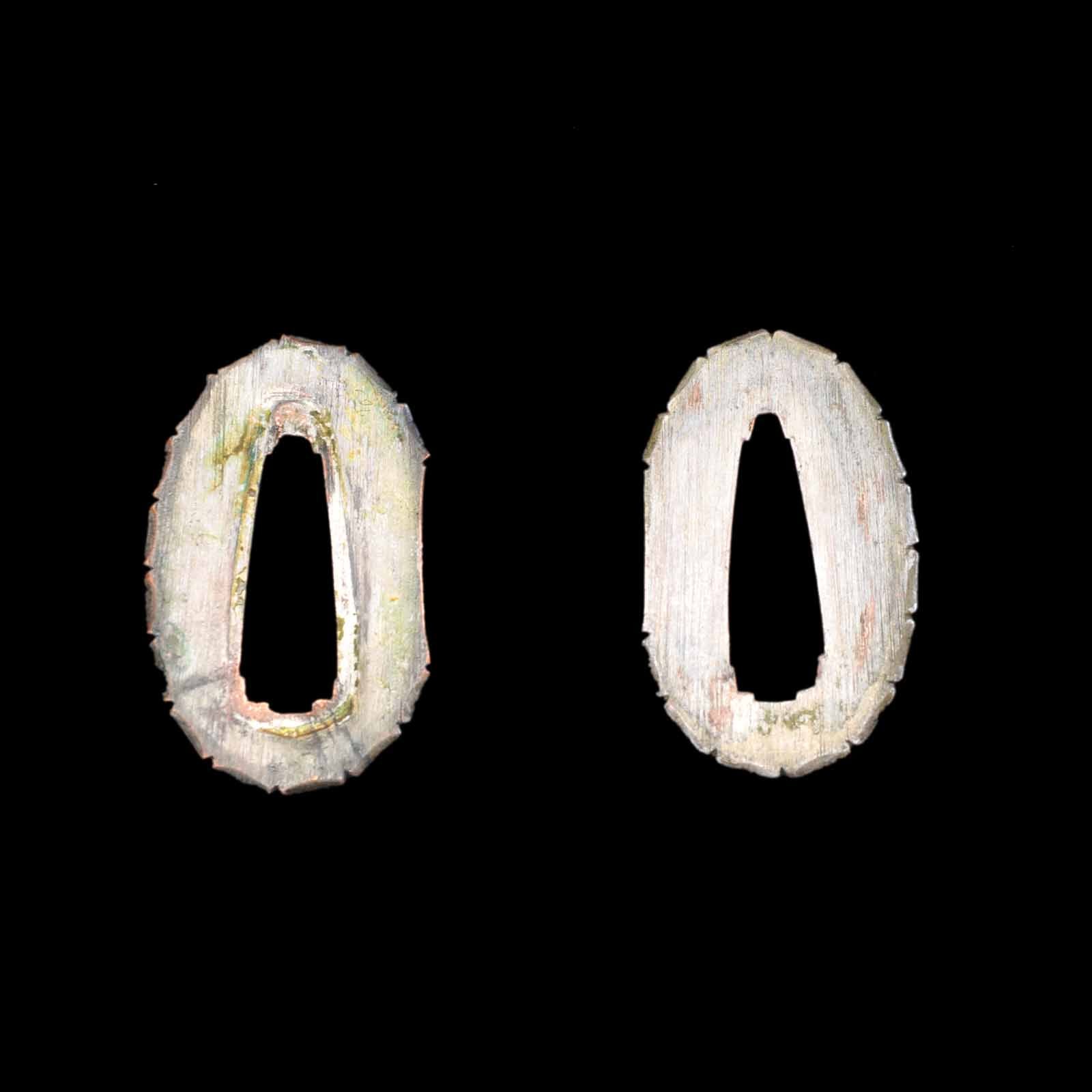
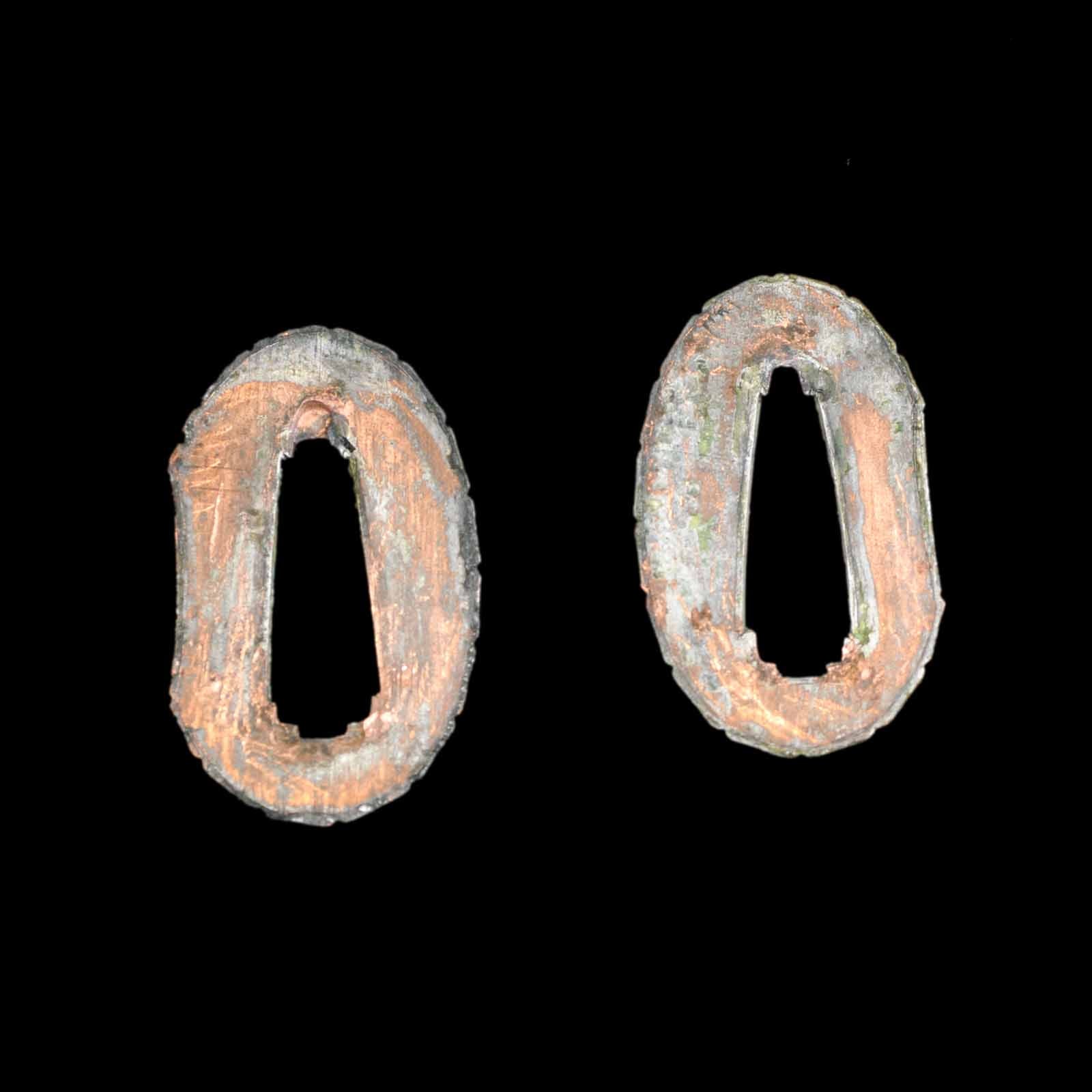
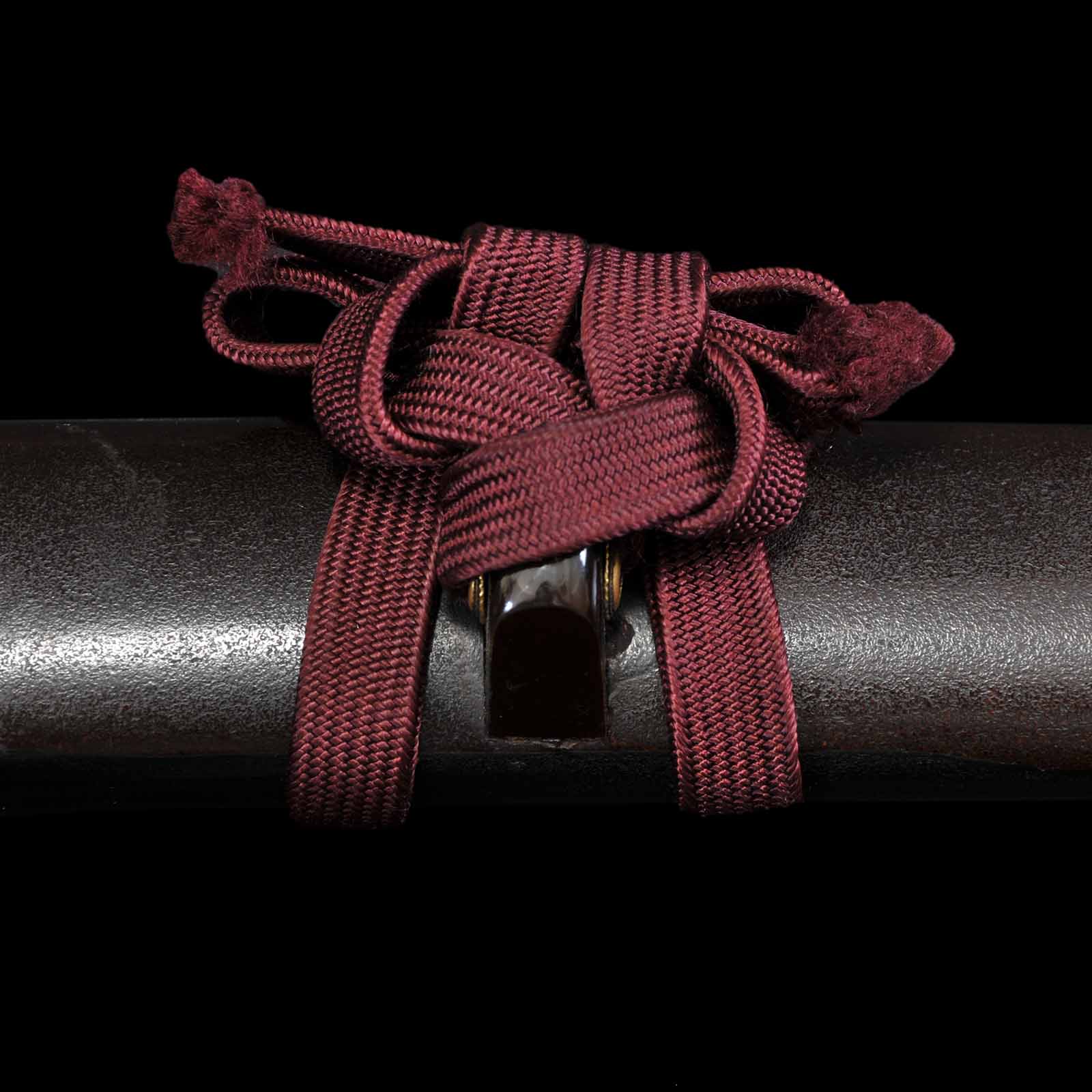
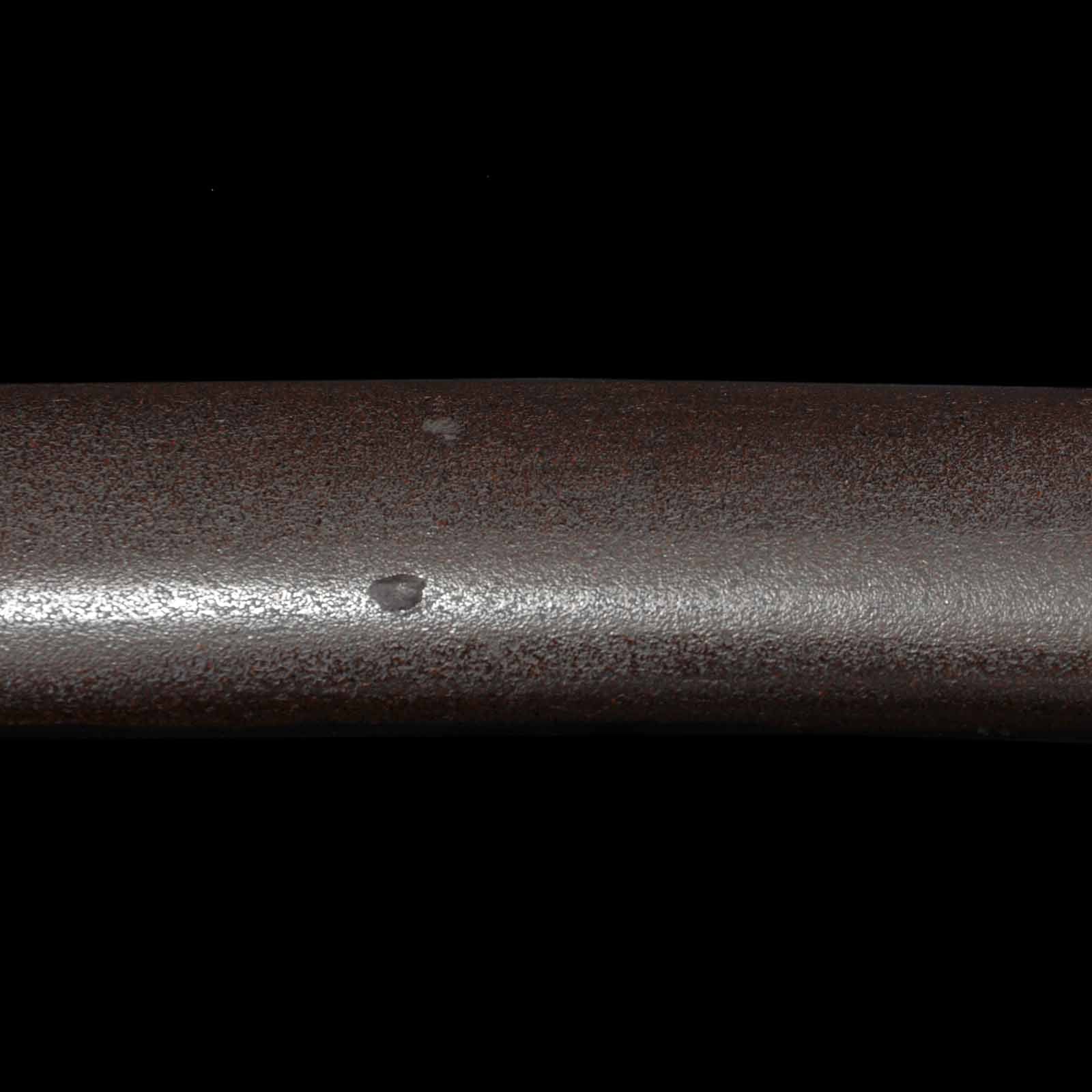
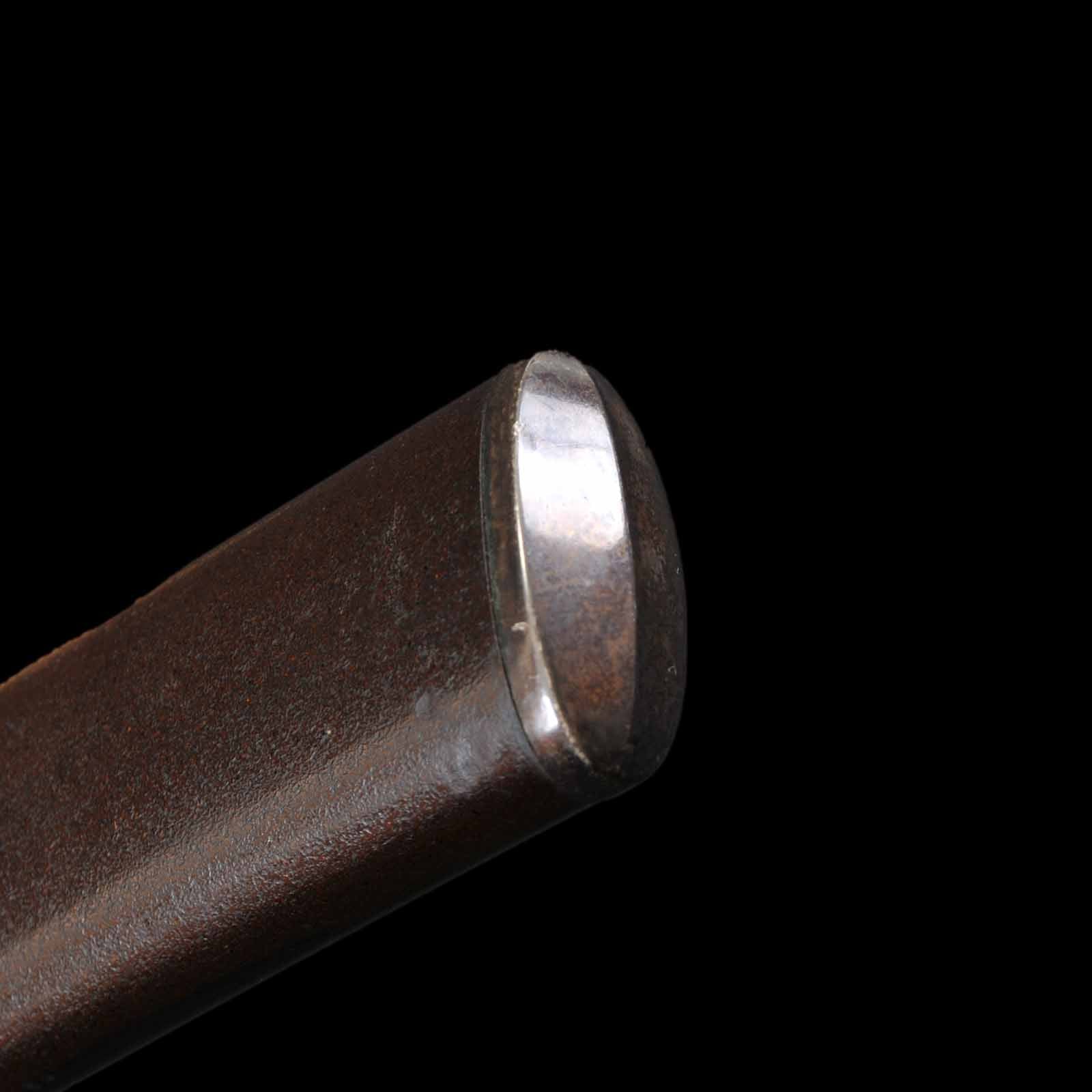
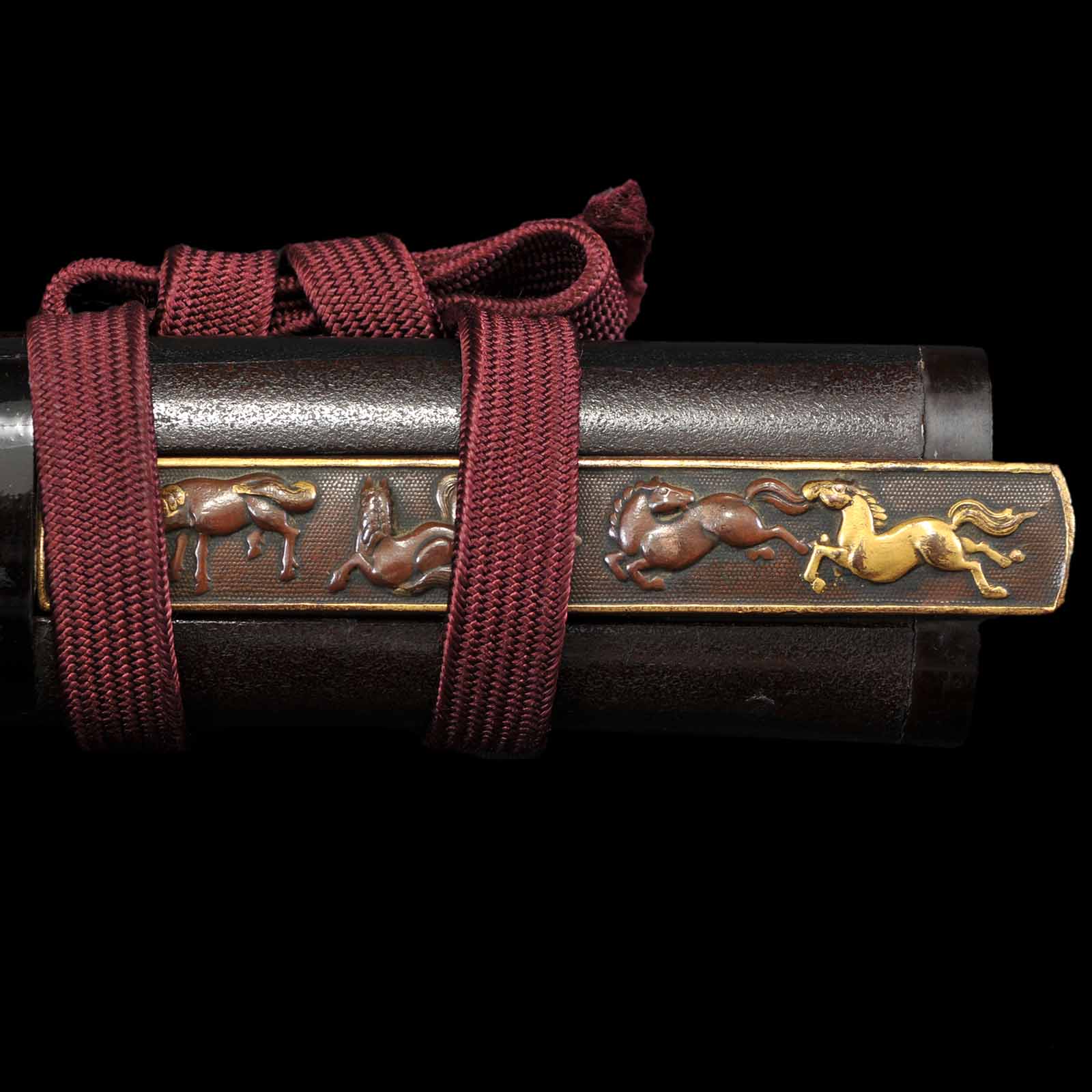
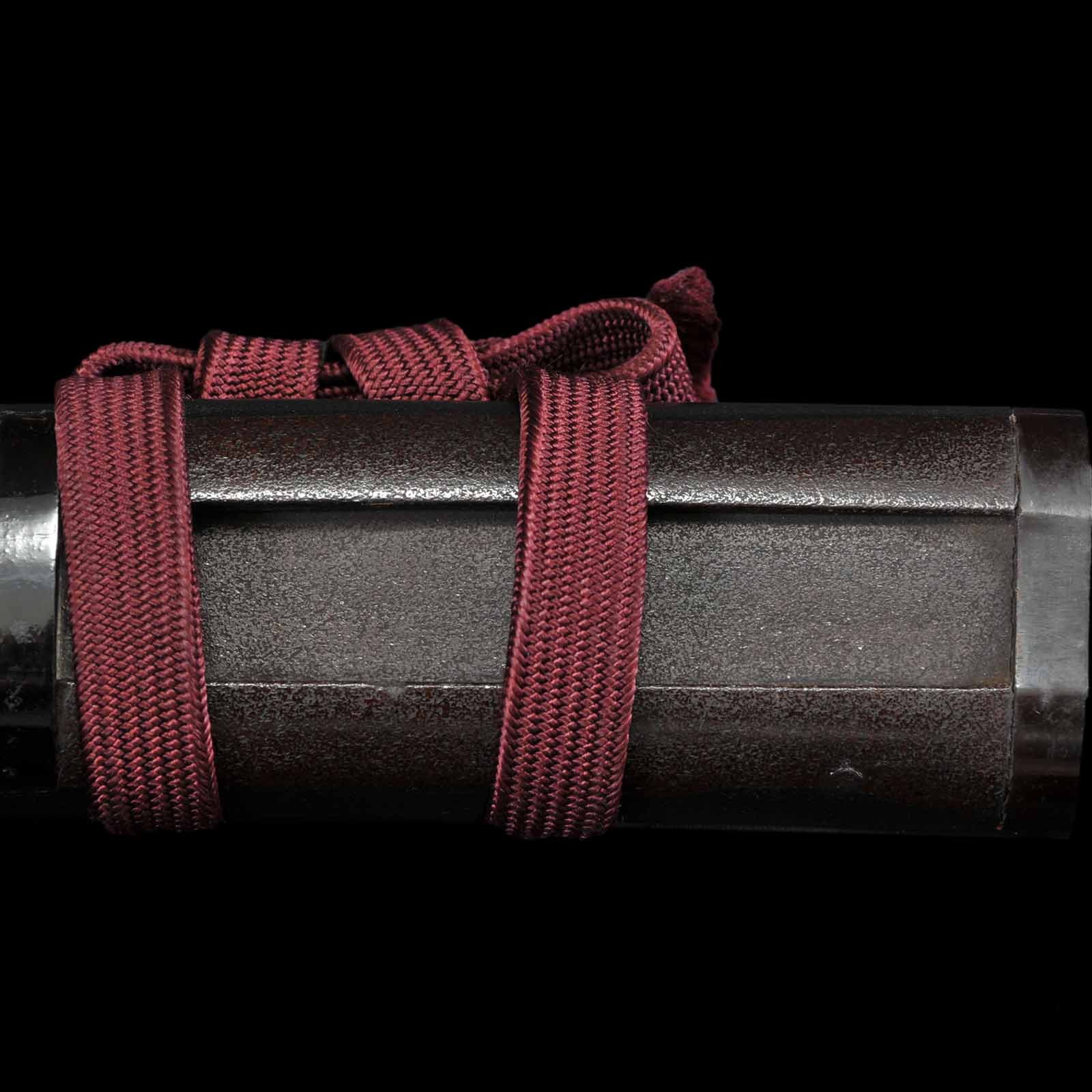
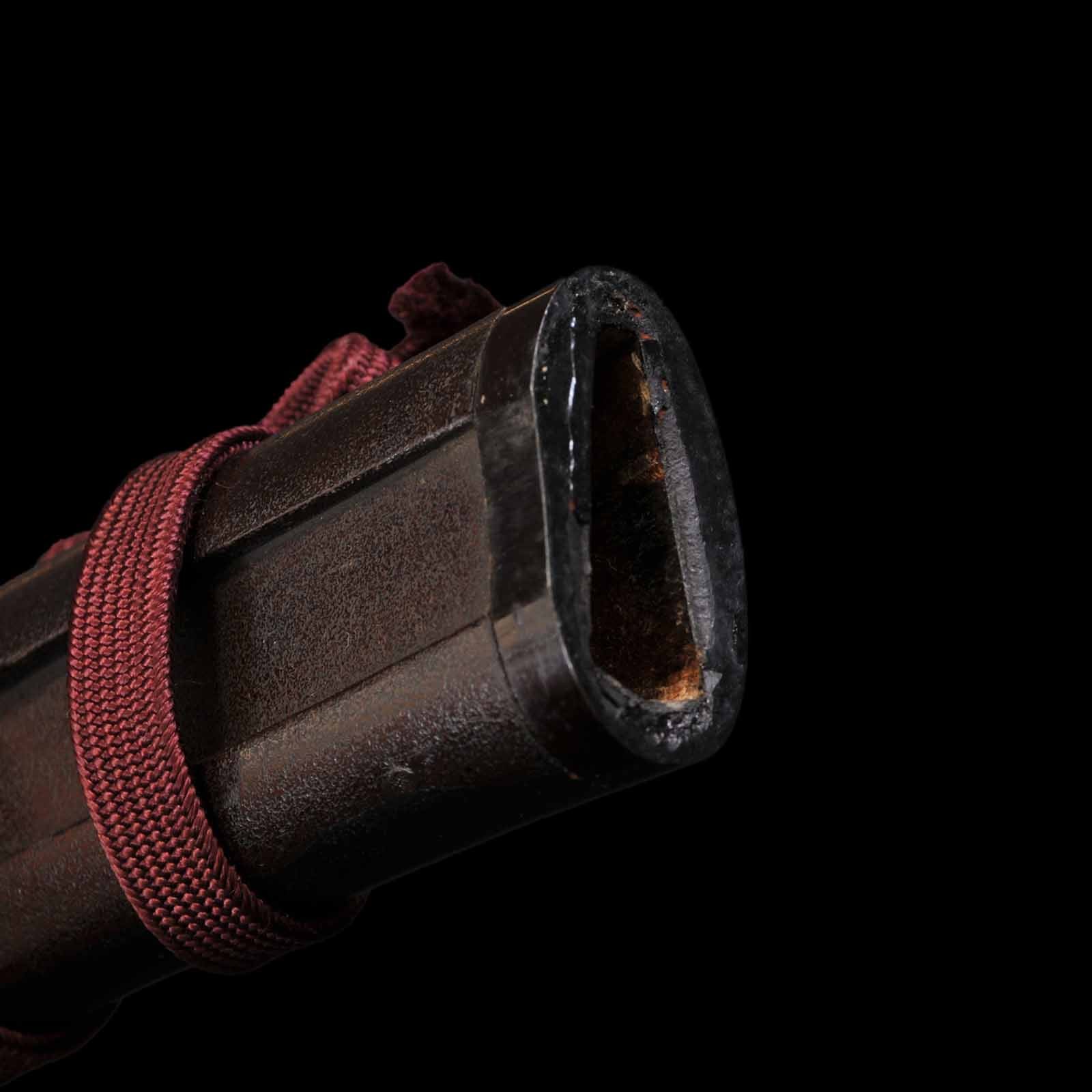
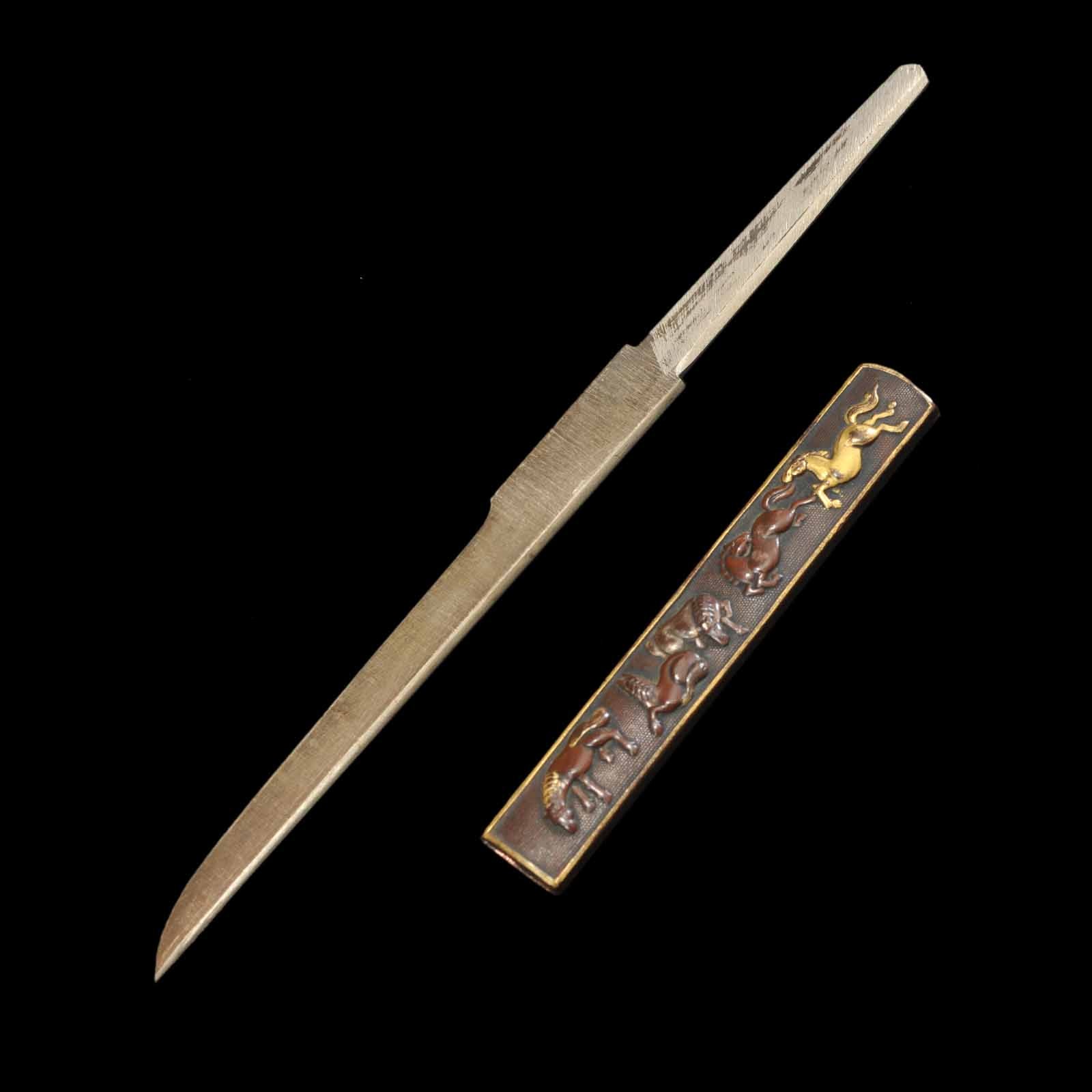
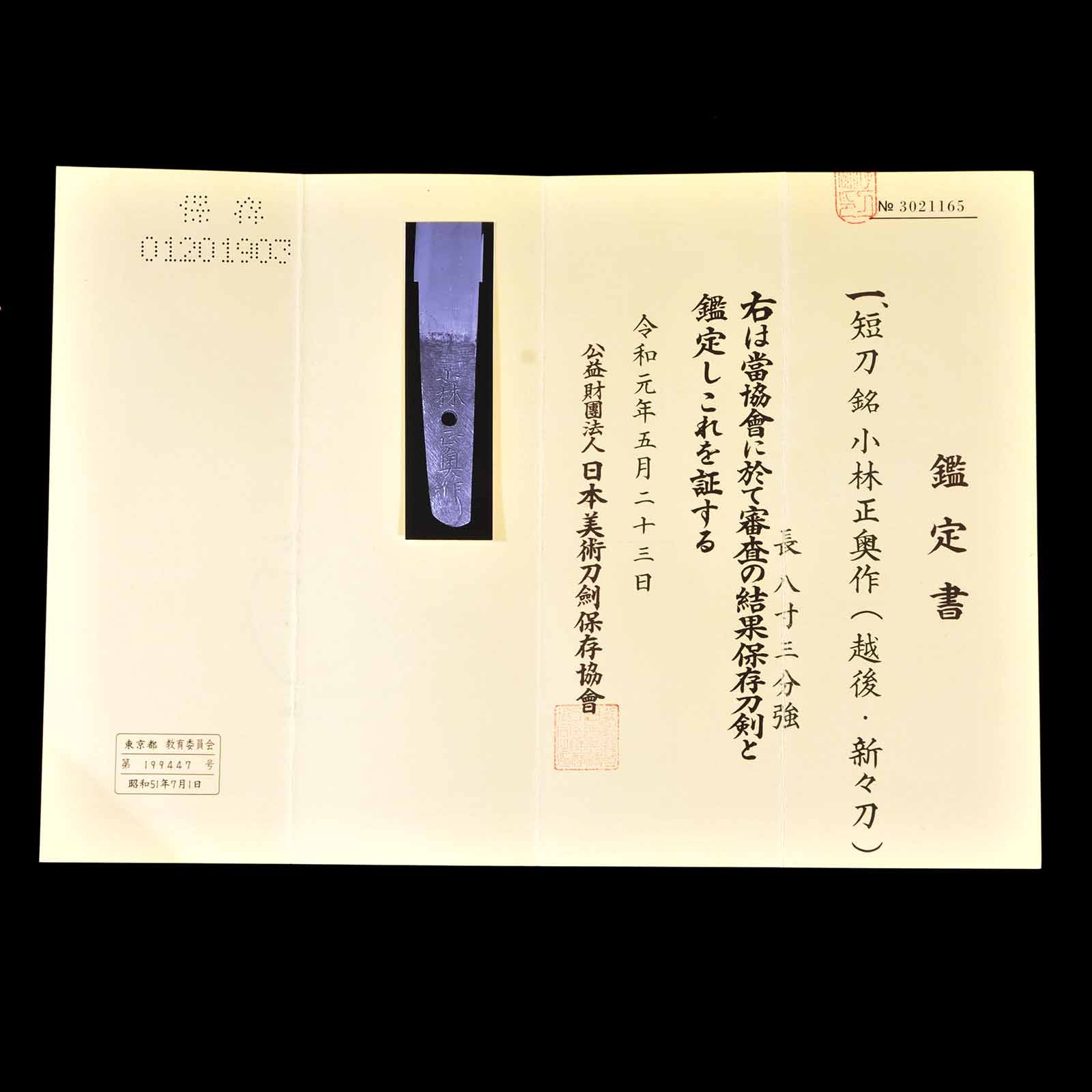
This is an Unokubi zukuri tanto by Kobayashi Masaoku from the Shinshinto era. The blade has no flaws, but there is a small rust on the mune. It comes with a full tanto koshirae equipped with a kozuka and has been issued a hozon certificate of authenticity in May 2019.
 NihontoWatch
mei · Shin-shinto · nagasa 25.5cm · sori 0.2cm
Yamato-den · Bingo · around 1558-1570
Tōken Taikan top 87%
Yamato-den · Bingo
Phase: Sue-Mihara末三原· 1394–1596
4 pieces on the market now
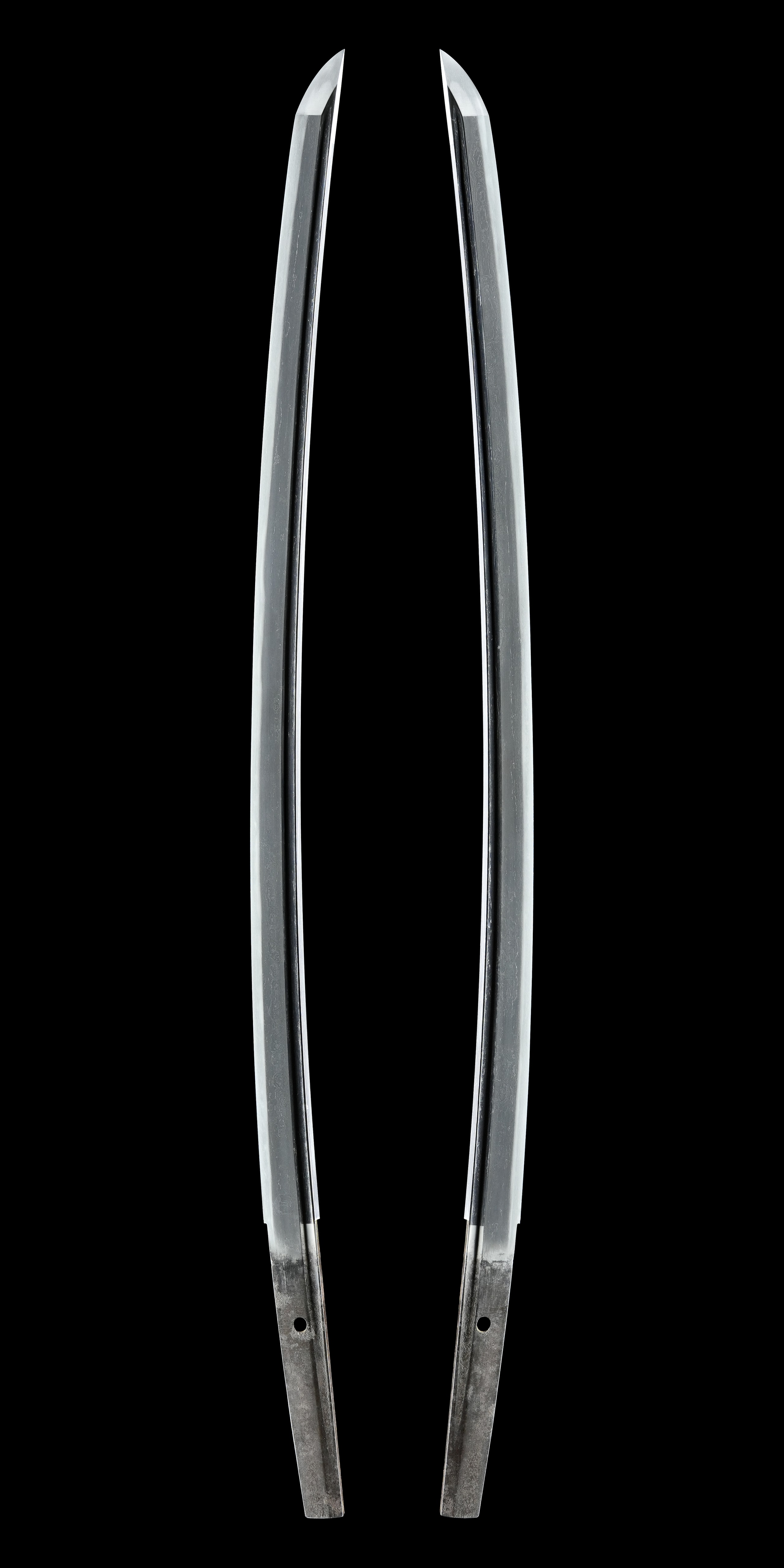
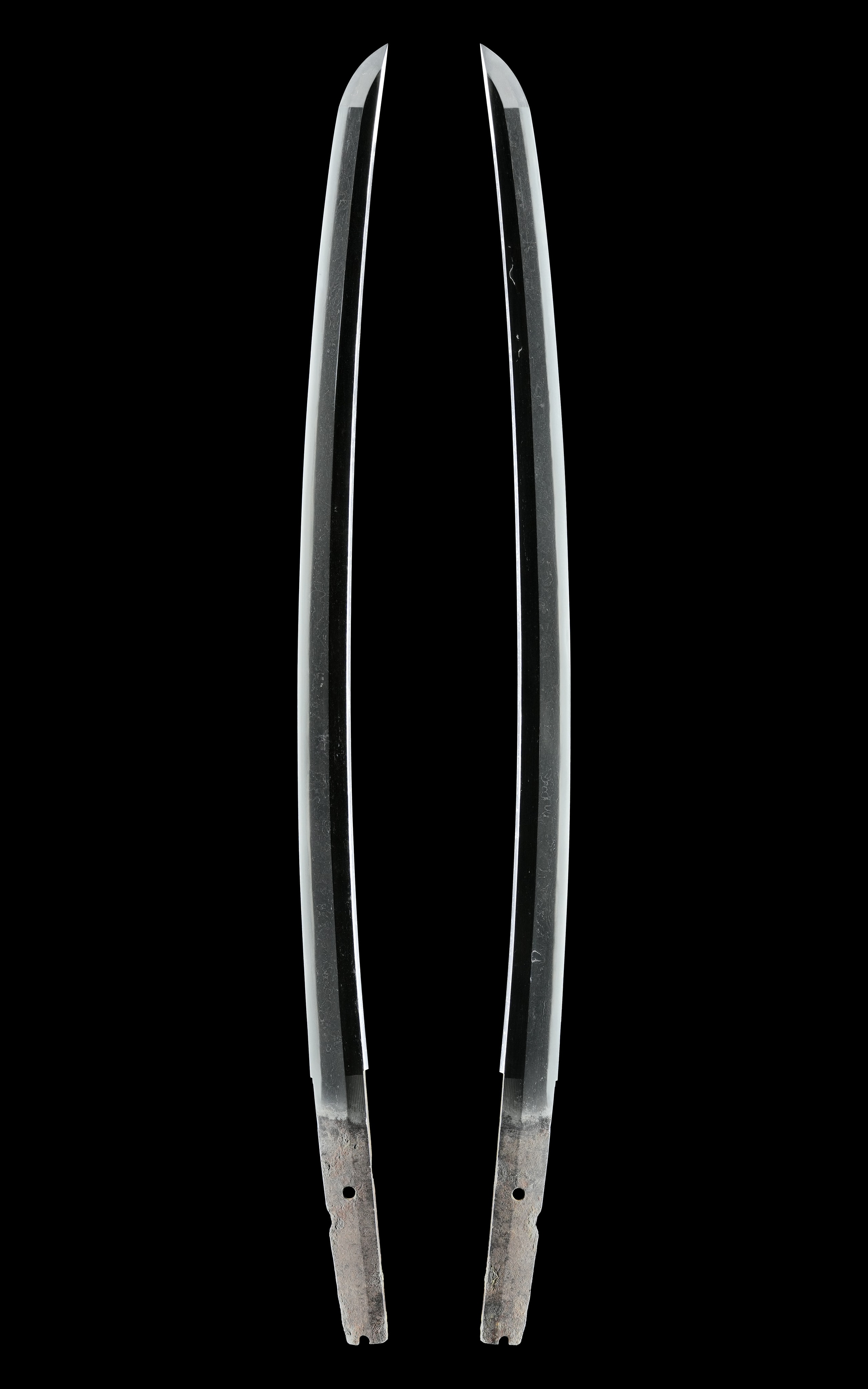
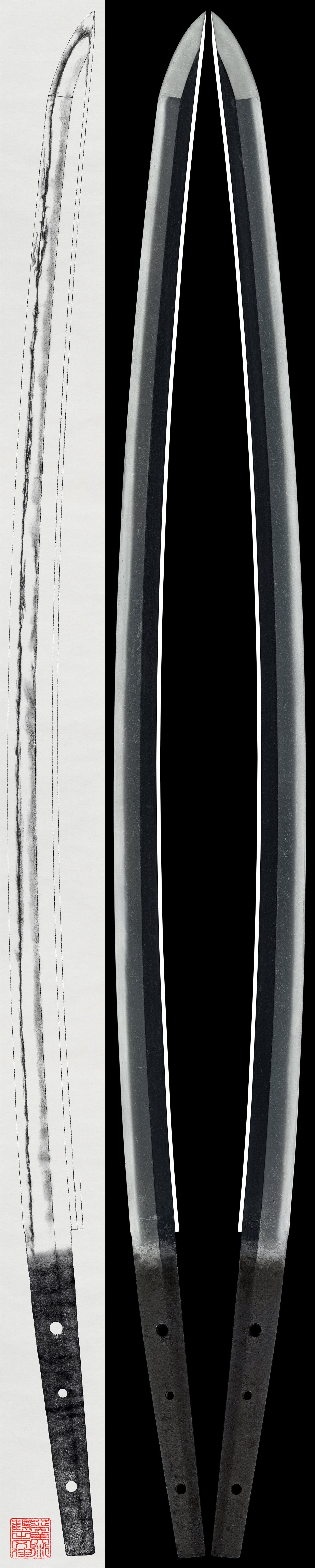
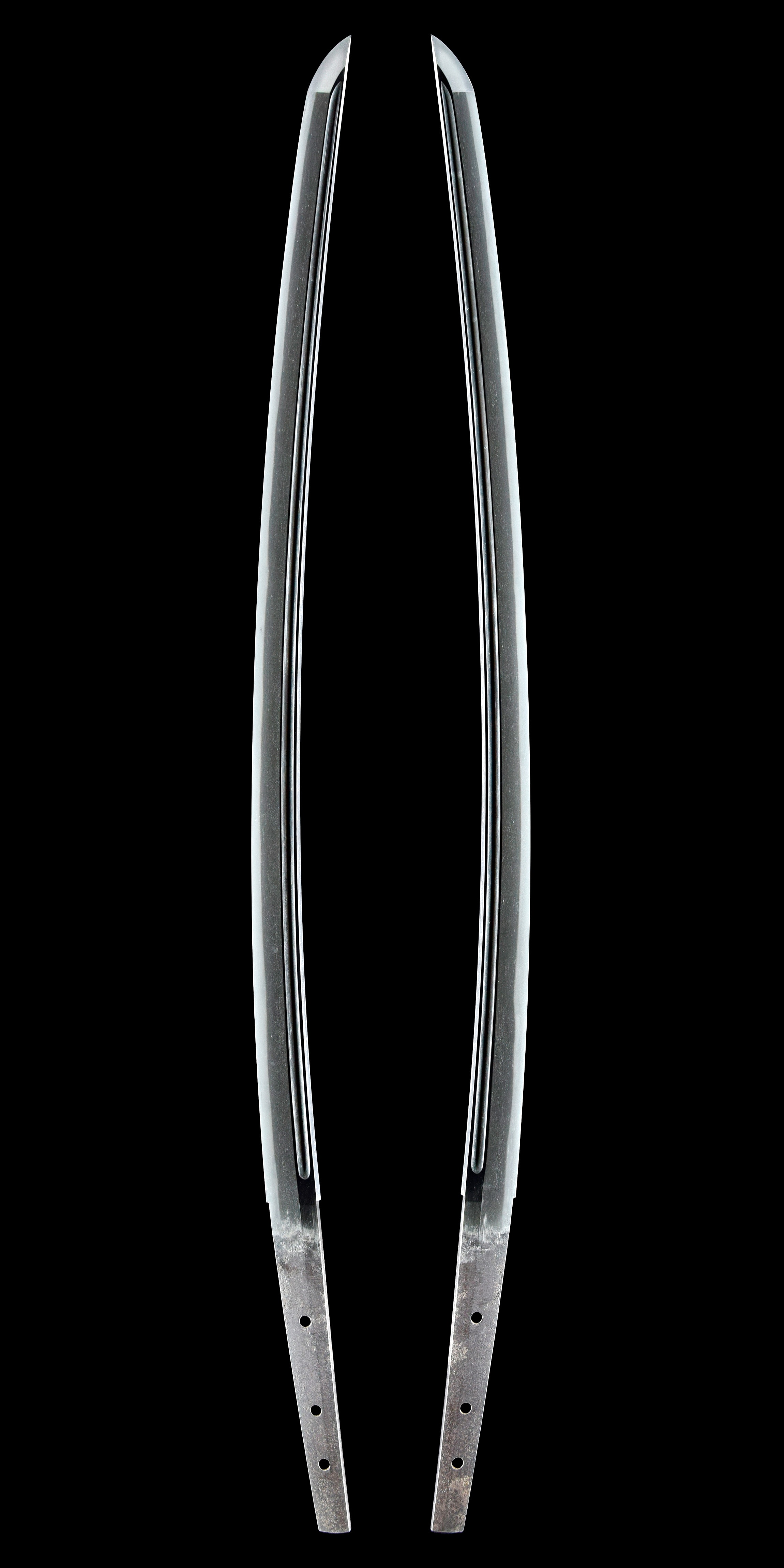
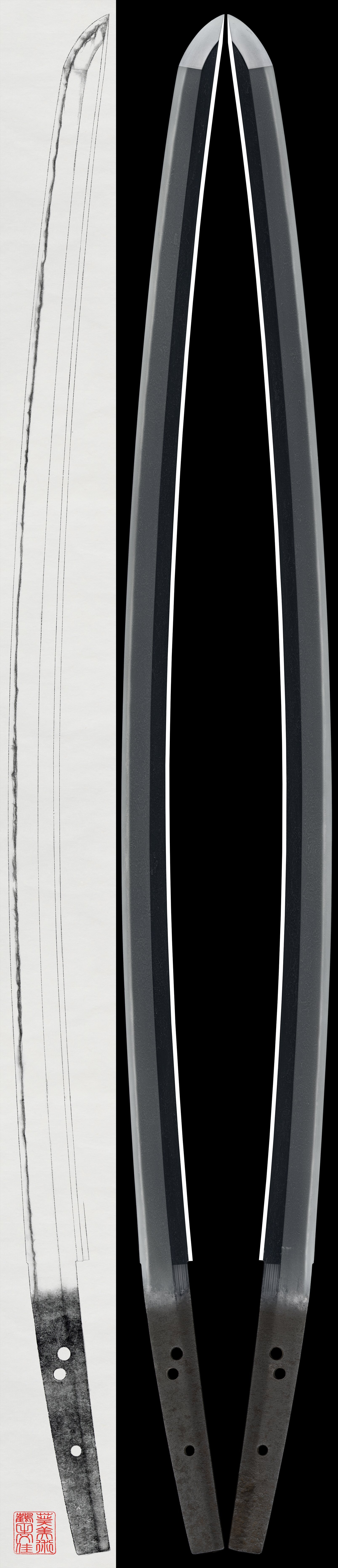
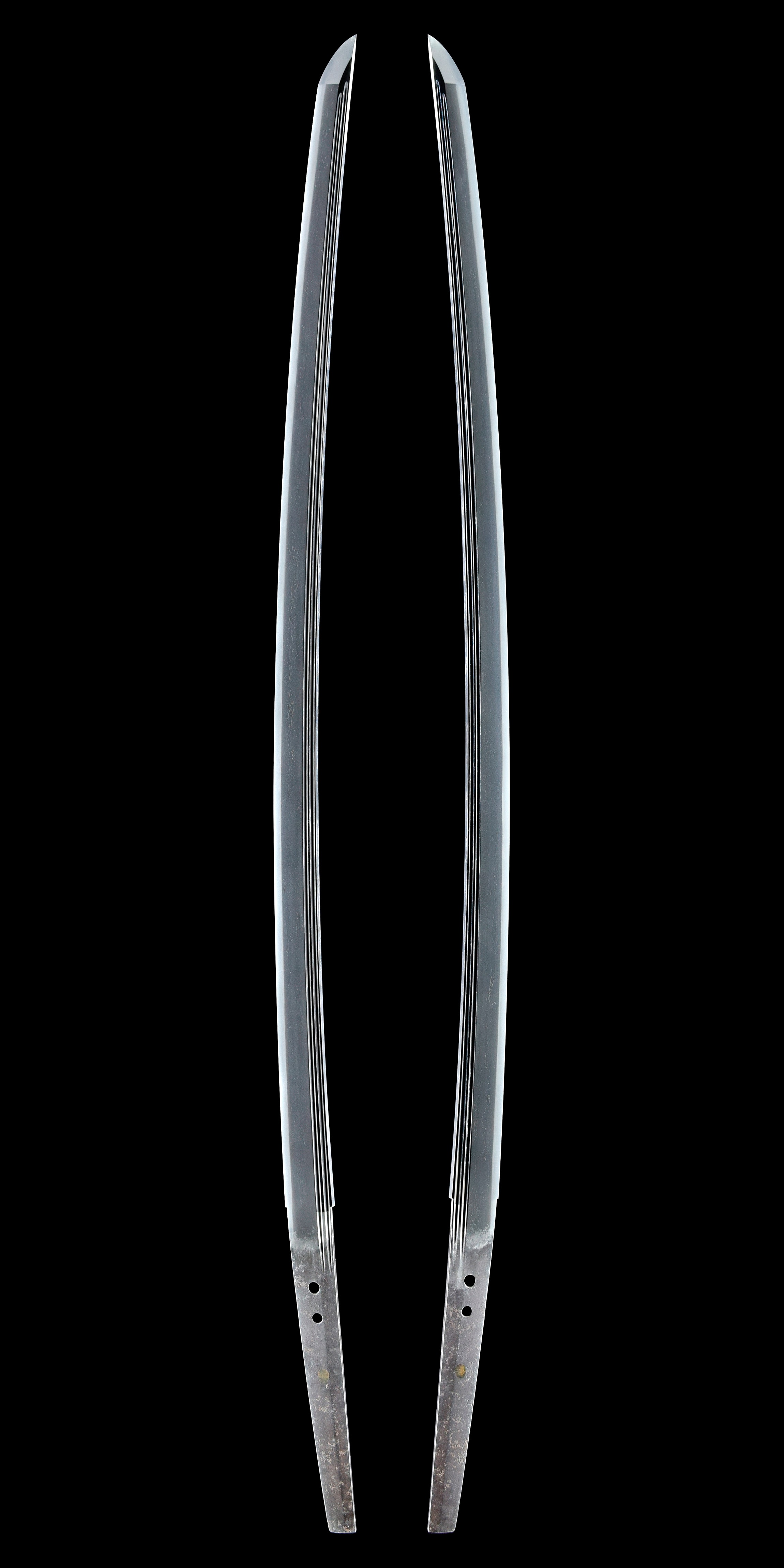
Where Ko-Mihara closes at the end of the Nanbokuchō period, Sue-Mihara takes up the Bingo tradition through the Muromachi era. The setsumei place the later production in the same Mihara orbit but spread across several named hands and affiliated branches: Kai Mihara Masamori, whose Muromachi katana often carry the long "Mihara-jū Kai _" signature; and the closely tied Hokke Ichijō line, whose founder Ichijō is traditionally called a son of Mihara Masaie and whose generations continued from the Ōei era into the late Muromachi. Within that affiliated group the corpus names Nobukane, Yoshitsugu, and the joint-signing Ichijō Morie and Ichijō Moriyuki, working at Kusado (Kusado Sengen) in Bingo. Several setsumei stress that the Hokke Ichijō reckoning is genealogically uncertain, said variously to branch from Mihara or from Kokubunji, which marks the looser, more diffuse character of the school in its later chapter. The later workmanship the setsumei describe keeps the Yamato base of the early school but states it in a coarser, more standing-grain register. The forging remains itame mixed with mokume and flowing grain (nagare), now repeatedly noted as hada-dachi (standing grain) and, in one tantō, "somewhat coarse" with the steel turning masame toward the mune. A whitish cast persists: shirake-utsuri is singled out in the Ōei Nobukane tantō, while other blades show only a faint or shadowy utsuri-like effect and a darkish, "metallic" steel color.
The tempering moves from the school's quiet suguha toward more open midare: a chū-suguha varied with small gunome, ko-gunome run together into continuous midare, gunome mixed with pointed (togari) elements, and edges showing hotsure, sunagashi, and a subdued (shizumi) nioiguchi. The sugata follows Muromachi form, with sakizori added to the curve and a chū-kissaki. Against the refined early Ko-Mihara, with its tighter nioiguchi and restrained finish, these later blades read as looser and plainer, the Yamato-den footing now worn shallower; the corpus is thin, so this contrast rests on the handful of traits the setsumei actually record rather than on a full stylistic survey. For kantei, the setsumei separate Sue-Mihara from Ko-Mihara chiefly by the loosening of the ground and the opening of the temper: standing, occasionally coarse itame; faint or merely shadowy utsuri rather than a clear cast; and gunome-laced midare in place of quiet suguha. Where the Hokke Ichijō hand is present, the setsumei note one consistent point of difference, that its nie in both ji and ha runs a step stronger than ordinary Mihara, with the bōshi becoming pointed and turning back deeply. Named smiths supply the anchors: Masamori for the two-character Kai Mihara rarity against his usual long signatures, and the Ichijō hands, including a mumei katana appraised den Ichijō under a Hon'ami Kōchū origami. The dated works, in the Ōei and Chōroku eras, carry the documentary weight here, fixing the later phase to Muromachi Bingo and to the Kusado smiths of Kusado Sengen. Learn more →
| Smith | Era | Designated |
|---|---|---|
| Masamune正宗 | 1469-1487 | 0 |
| Masaoki正興 | 1521-1528 | 0 |
| Nagashige長重 | 1487-1489 | 0 |
| Kaneyasu兼安 | 1469-1487 | 0 |
| Takakane高兼 | 1504-1521 | 0 |
The monasteries that had sustained Yamato lost ground through the Muromachi period, and the schools thinned with them; Sue-Tegai kept the old masame manner alive in quantity. The burning of Tōdaiji’s Great Buddha hall in 1567 closed the temple age.
Certifies a genuine blade worth preserving: a signature confirmed correct, or, if unsigned, an era, province, and school that the NBTHK can reliably identify.
The NBTHK (Nihon Bijutsu Tōken Hozon Kyōkai, the Society for the Preservation of Japanese Art Swords) is a public-interest incorporated foundation founded in 1948 and supervised by Japan’s Agency for Cultural Affairs (Bunkachō); it is based at the Japanese Sword Museum in Tokyo. Its expert panels physically examine each submitted work (shinsa) and issue a certificate (kanteishō) ranking it by artistic and historical merit. NBTHK papers are the most widely recognized standard of authentication for Japanese swords and fittings.
NBTHK official siteAs a general rule, returns/exchanges are not accepted on Japanese sword orders unless damaged upon delivery. Other items: returns/exchanges accepted within 7 days of delivery. Cancellation for personal reasons incurs a 30% restocking fee (70% refunded). Return shipping must be prepaid and insured by the buyer; shipping/handling fees are non-refundable. Contact katana@tozando.co.jp to initiate a return.
This is an Unokubi zukuri tanto by Kobayashi Masaoku from the Shinshinto era. The blade has no flaws, but there is a small rust on the mune. It comes with a full tanto koshirae equipped with a kozuka and has been issued a hozon certificate of authenticity in May 2019.
NihontoWatchmei · Shin-shinto · nagasa 25.5cm · sori 0.2cm
Yamato-den · Bingo · around 1558-1570
Tōken Taikan top 87%
Yamato-den · Bingo
Phase: Sue-Mihara末三原· 1394–1596
4 pieces on the market now
Where Ko-Mihara closes at the end of the Nanbokuchō period, Sue-Mihara takes up the Bingo tradition through the Muromachi era. The setsumei place the later production in the same Mihara orbit but spread across several named hands and affiliated branches: Kai Mihara Masamori, whose Muromachi katana often carry the long "Mihara-jū Kai _" signature; and the closely tied Hokke Ichijō line, whose founder Ichijō is traditionally called a son of Mihara Masaie and whose generations continued from the Ōei era into the late Muromachi. Within that affiliated group the corpus names Nobukane, Yoshitsugu, and the joint-signing Ichijō Morie and Ichijō Moriyuki, working at Kusado (Kusado Sengen) in Bingo. Several setsumei stress that the Hokke Ichijō reckoning is genealogically uncertain, said variously to branch from Mihara or from Kokubunji, which marks the looser, more diffuse character of the school in its later chapter. The later workmanship the setsumei describe keeps the Yamato base of the early school but states it in a coarser, more standing-grain register. The forging remains itame mixed with mokume and flowing grain (nagare), now repeatedly noted as hada-dachi (standing grain) and, in one tantō, "somewhat coarse" with the steel turning masame toward the mune. A whitish cast persists: shirake-utsuri is singled out in the Ōei Nobukane tantō, while other blades show only a faint or shadowy utsuri-like effect and a darkish, "metallic" steel color.
The tempering moves from the school's quiet suguha toward more open midare: a chū-suguha varied with small gunome, ko-gunome run together into continuous midare, gunome mixed with pointed (togari) elements, and edges showing hotsure, sunagashi, and a subdued (shizumi) nioiguchi. The sugata follows Muromachi form, with sakizori added to the curve and a chū-kissaki. Against the refined early Ko-Mihara, with its tighter nioiguchi and restrained finish, these later blades read as looser and plainer, the Yamato-den footing now worn shallower; the corpus is thin, so this contrast rests on the handful of traits the setsumei actually record rather than on a full stylistic survey. For kantei, the setsumei separate Sue-Mihara from Ko-Mihara chiefly by the loosening of the ground and the opening of the temper: standing, occasionally coarse itame; faint or merely shadowy utsuri rather than a clear cast; and gunome-laced midare in place of quiet suguha. Where the Hokke Ichijō hand is present, the setsumei note one consistent point of difference, that its nie in both ji and ha runs a step stronger than ordinary Mihara, with the bōshi becoming pointed and turning back deeply. Named smiths supply the anchors: Masamori for the two-character Kai Mihara rarity against his usual long signatures, and the Ichijō hands, including a mumei katana appraised den Ichijō under a Hon'ami Kōchū origami. The dated works, in the Ōei and Chōroku eras, carry the documentary weight here, fixing the later phase to Muromachi Bingo and to the Kusado smiths of Kusado Sengen. Learn more →
| Smith | Era | Designated |
|---|---|---|
| Masamune正宗 | 1469-1487 | 0 |
| Masaoki正興 | 1521-1528 | 0 |
| Nagashige長重 | 1487-1489 | 0 |
| Kaneyasu兼安 | 1469-1487 | 0 |
| Takakane高兼 | 1504-1521 | 0 |
The monasteries that had sustained Yamato lost ground through the Muromachi period, and the schools thinned with them; Sue-Tegai kept the old masame manner alive in quantity. The burning of Tōdaiji’s Great Buddha hall in 1567 closed the temple age.
Certifies a genuine blade worth preserving: a signature confirmed correct, or, if unsigned, an era, province, and school that the NBTHK can reliably identify.
The NBTHK (Nihon Bijutsu Tōken Hozon Kyōkai, the Society for the Preservation of Japanese Art Swords) is a public-interest incorporated foundation founded in 1948 and supervised by Japan’s Agency for Cultural Affairs (Bunkachō); it is based at the Japanese Sword Museum in Tokyo. Its expert panels physically examine each submitted work (shinsa) and issue a certificate (kanteishō) ranking it by artistic and historical merit. NBTHK papers are the most widely recognized standard of authentication for Japanese swords and fittings.
NBTHK official siteAs a general rule, returns/exchanges are not accepted on Japanese sword orders unless damaged upon delivery. Other items: returns/exchanges accepted within 7 days of delivery. Cancellation for personal reasons incurs a 30% restocking fee (70% refunded). Return shipping must be prepaid and insured by the buyer; shipping/handling fees are non-refundable. Contact katana@tozando.co.jp to initiate a return.