Muromachi turned sword making into an industry: the uchigatana rose with massed infantry warfare, Osafune and Seki produced bundle swords beside custom orders, and the Ming trade carried Japanese blades abroad by the tens of thousands.
 NihontoWatchNihontoWatch
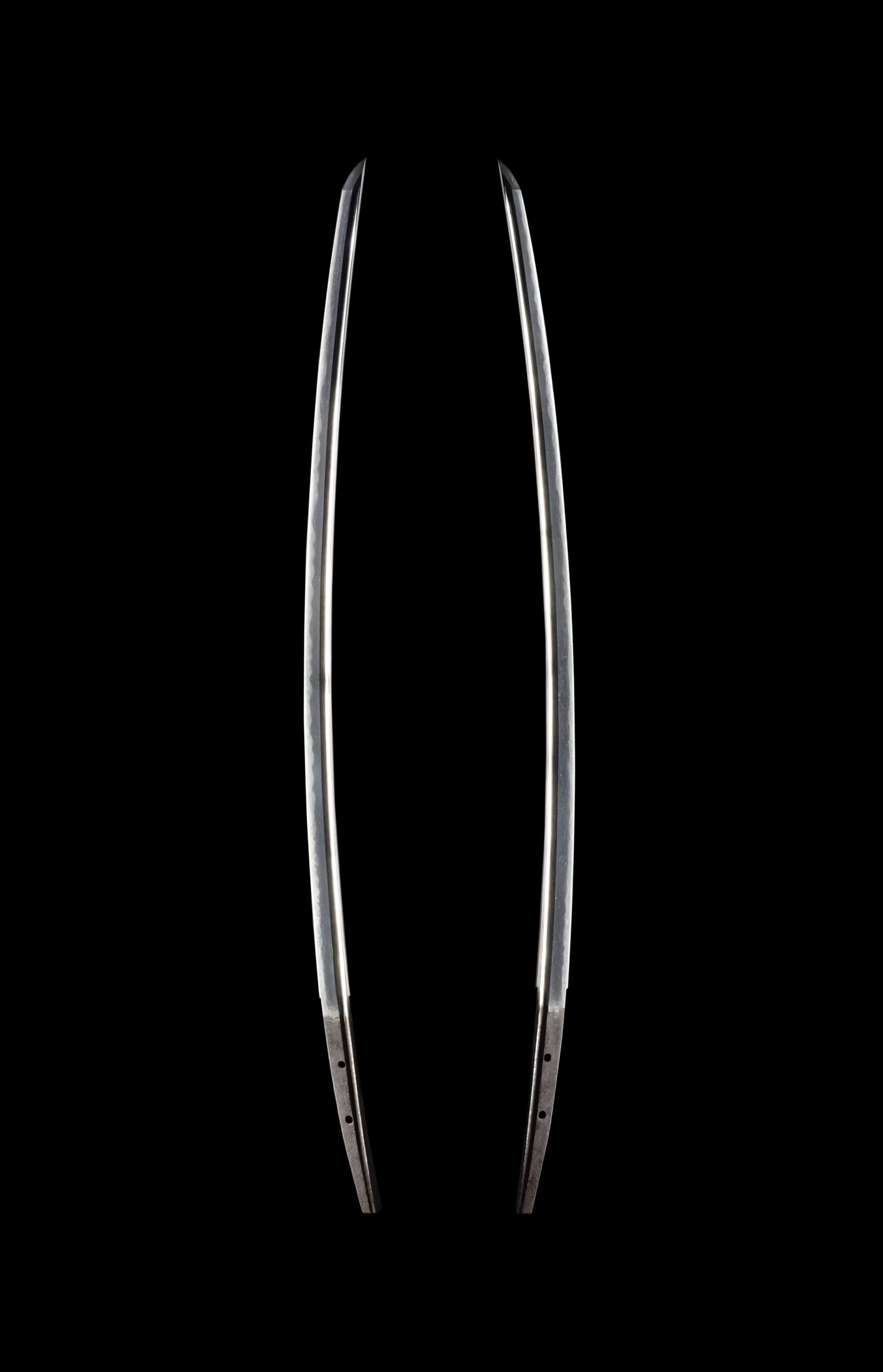
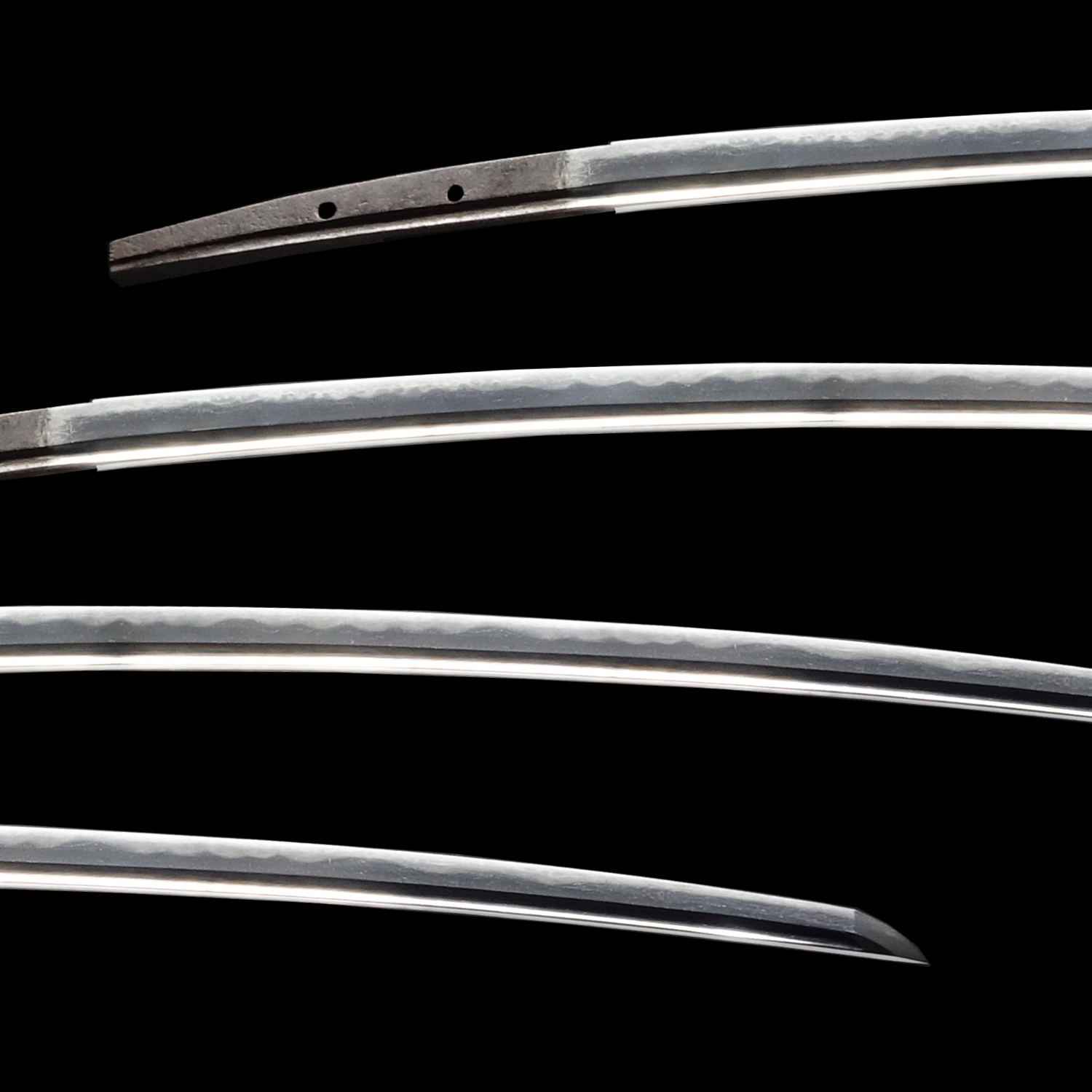
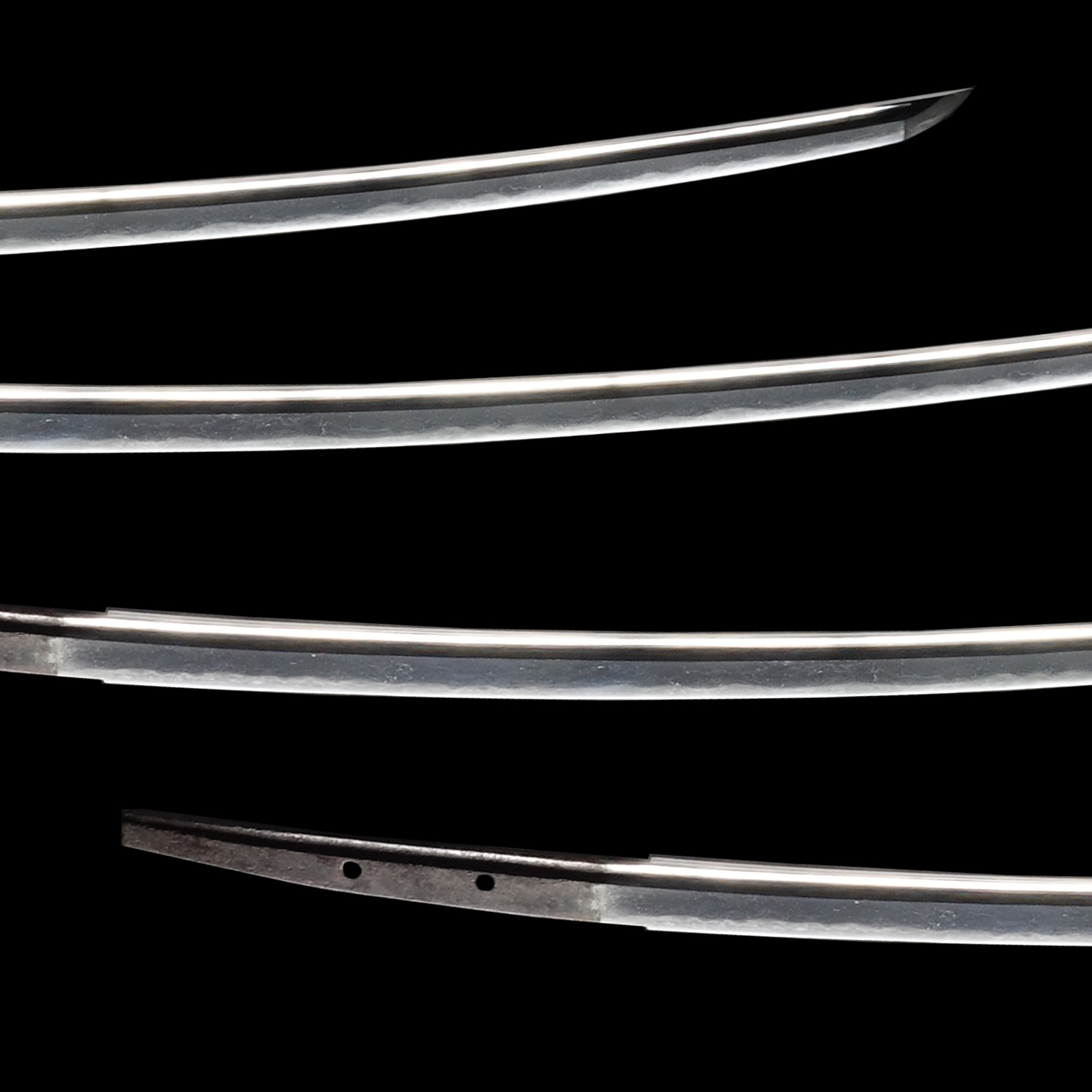
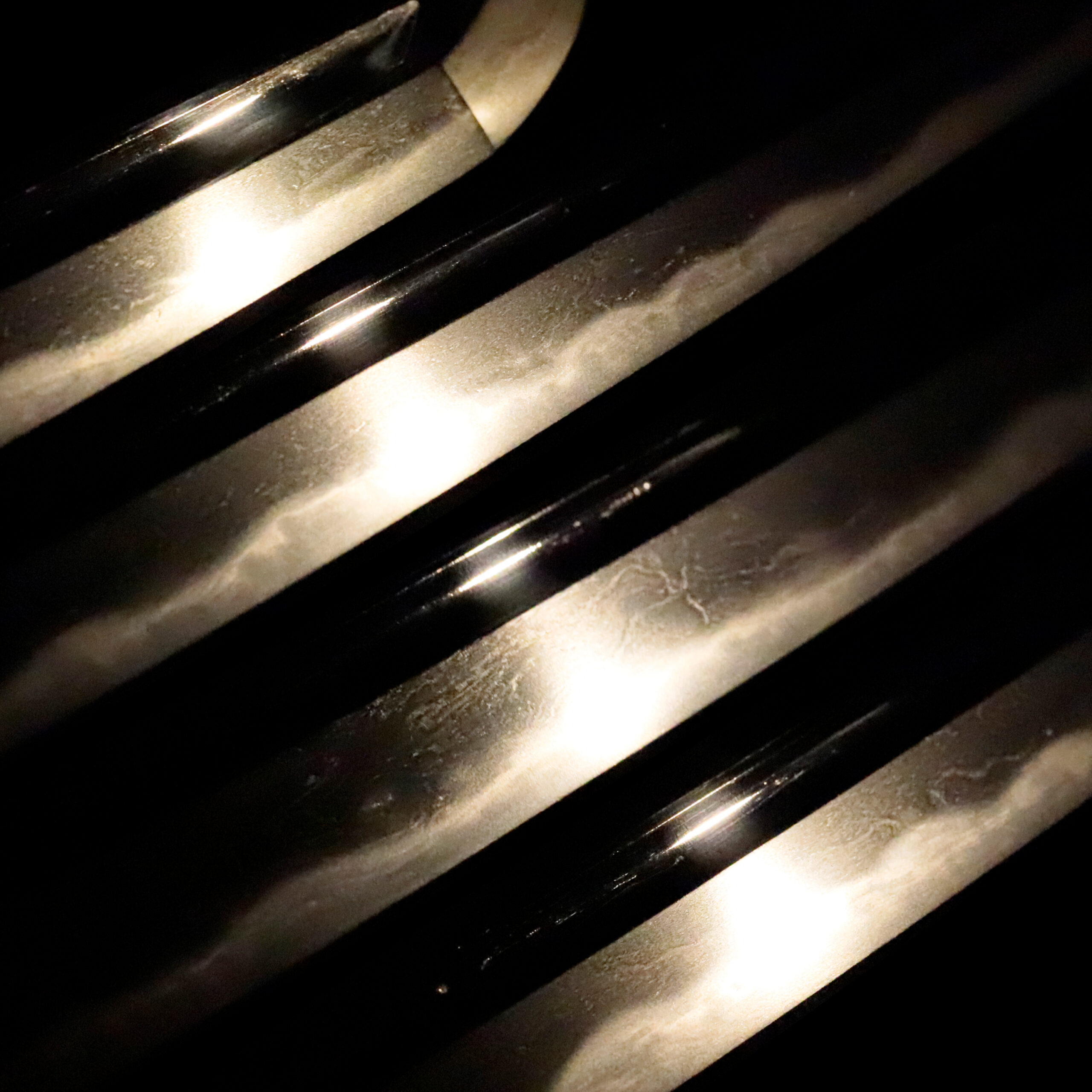
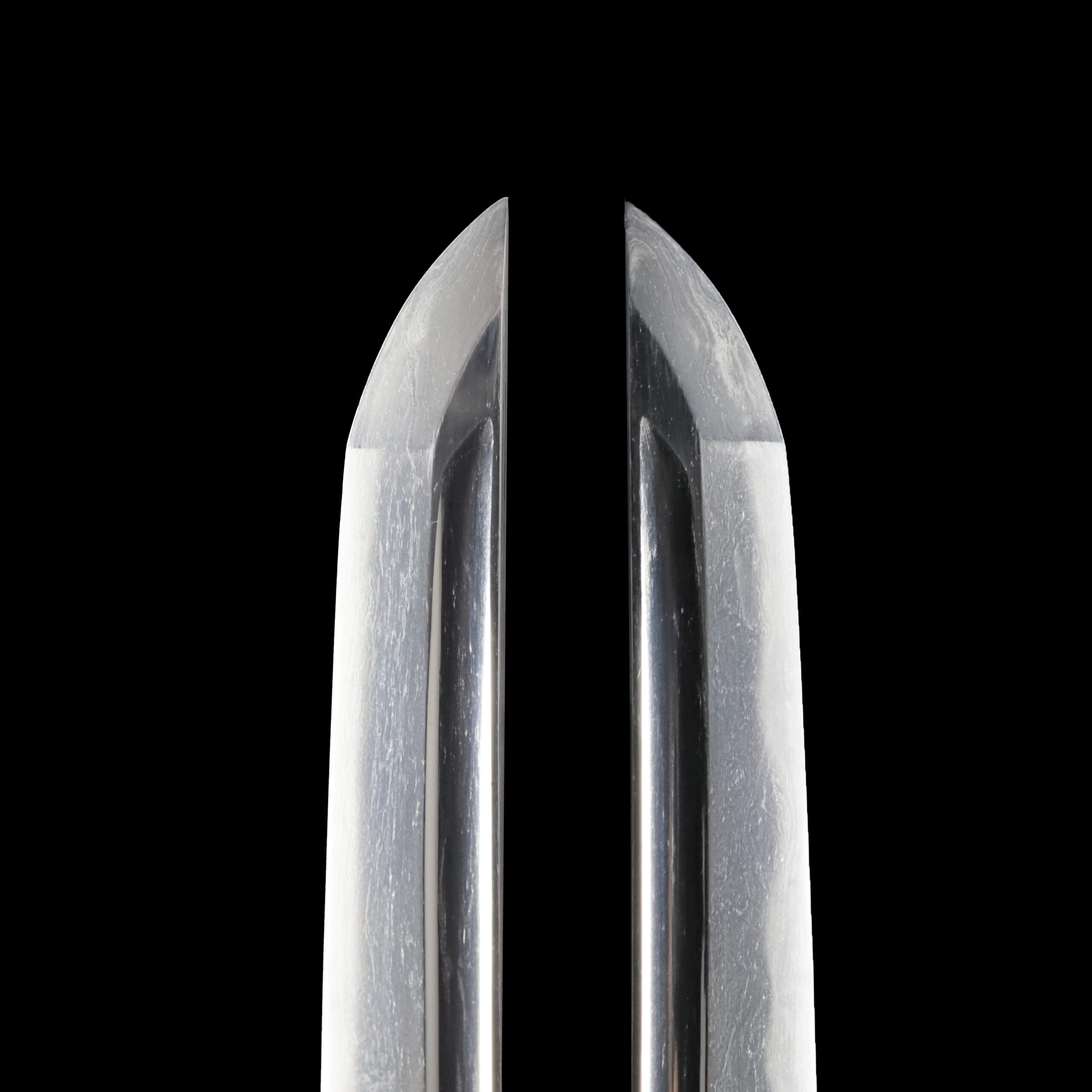
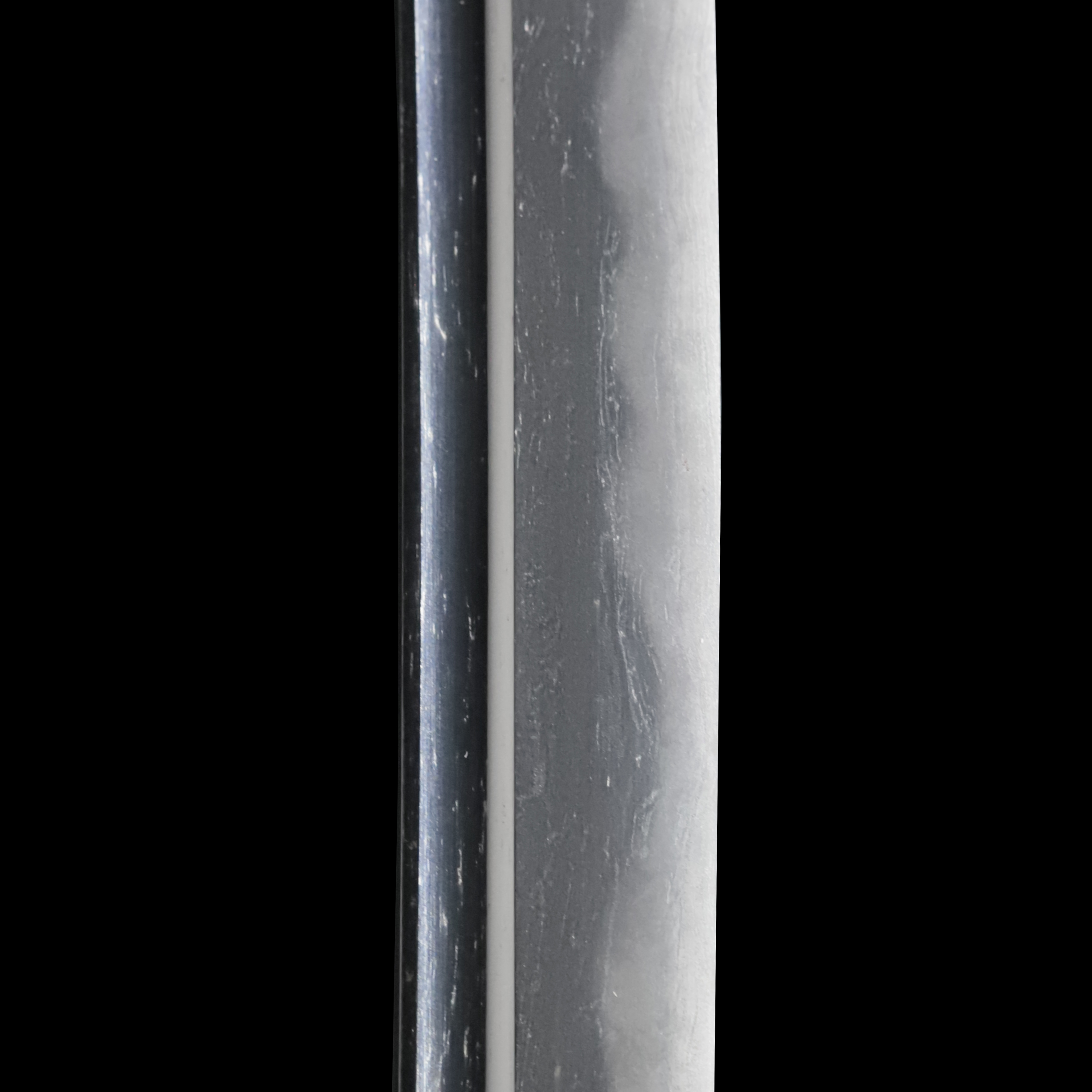
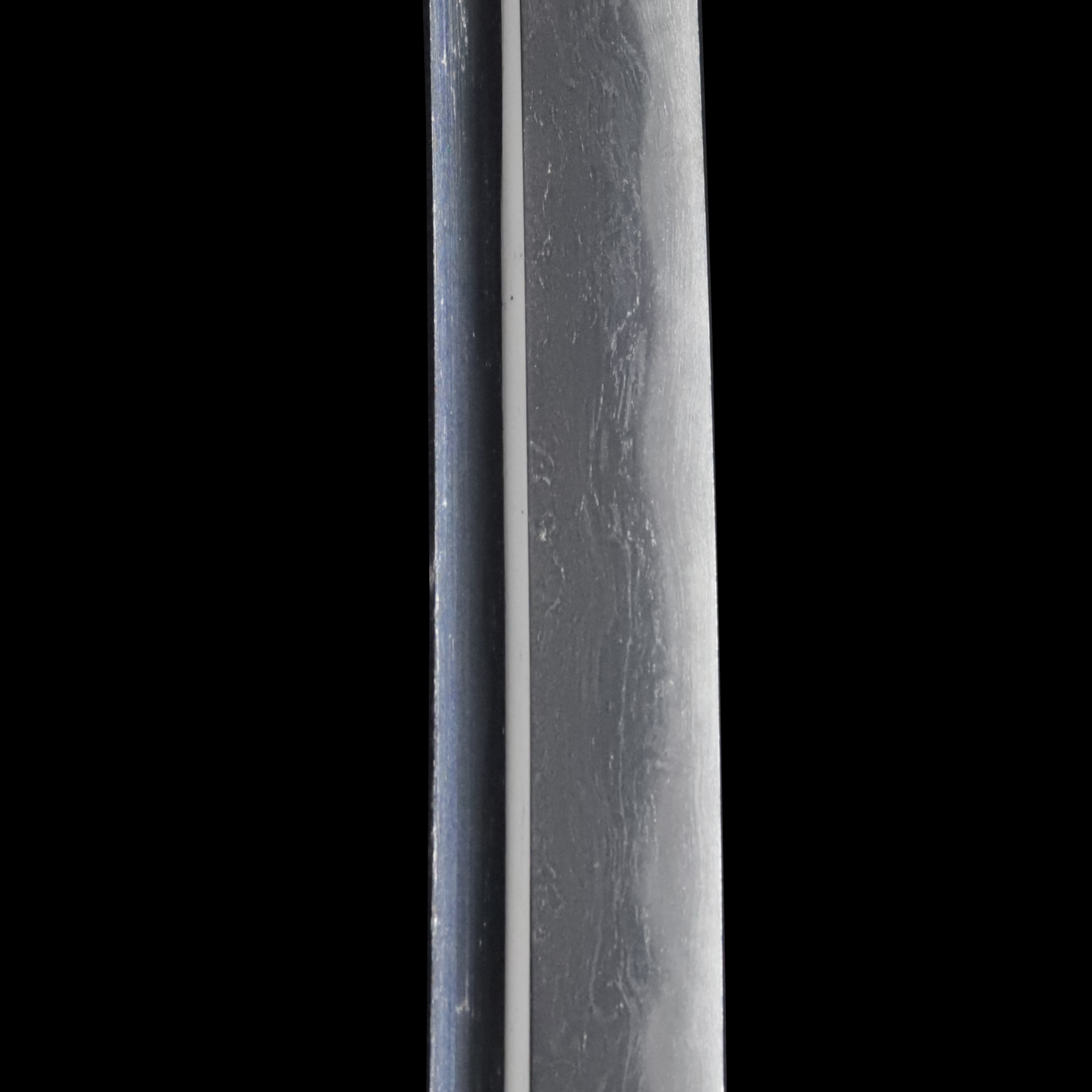
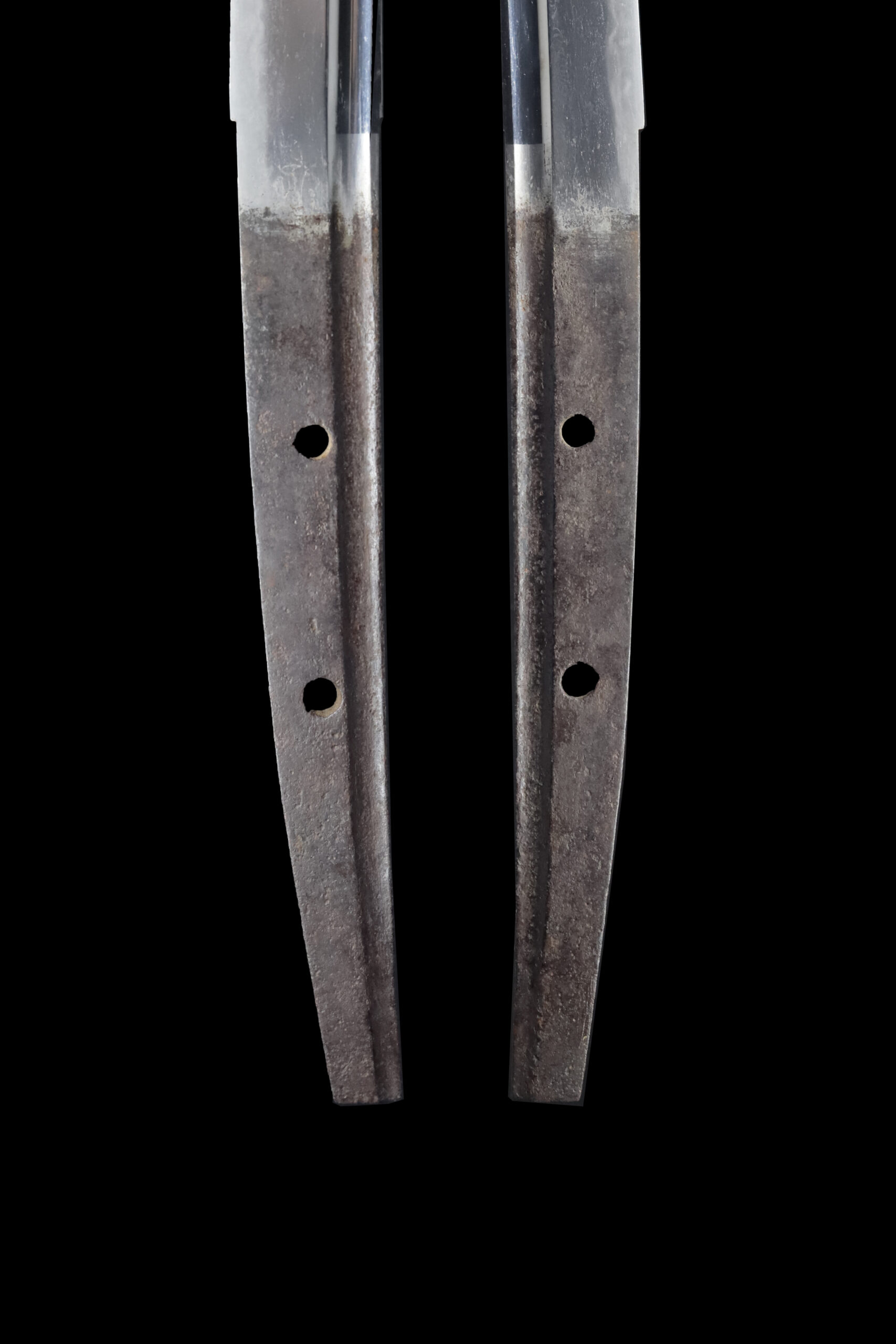
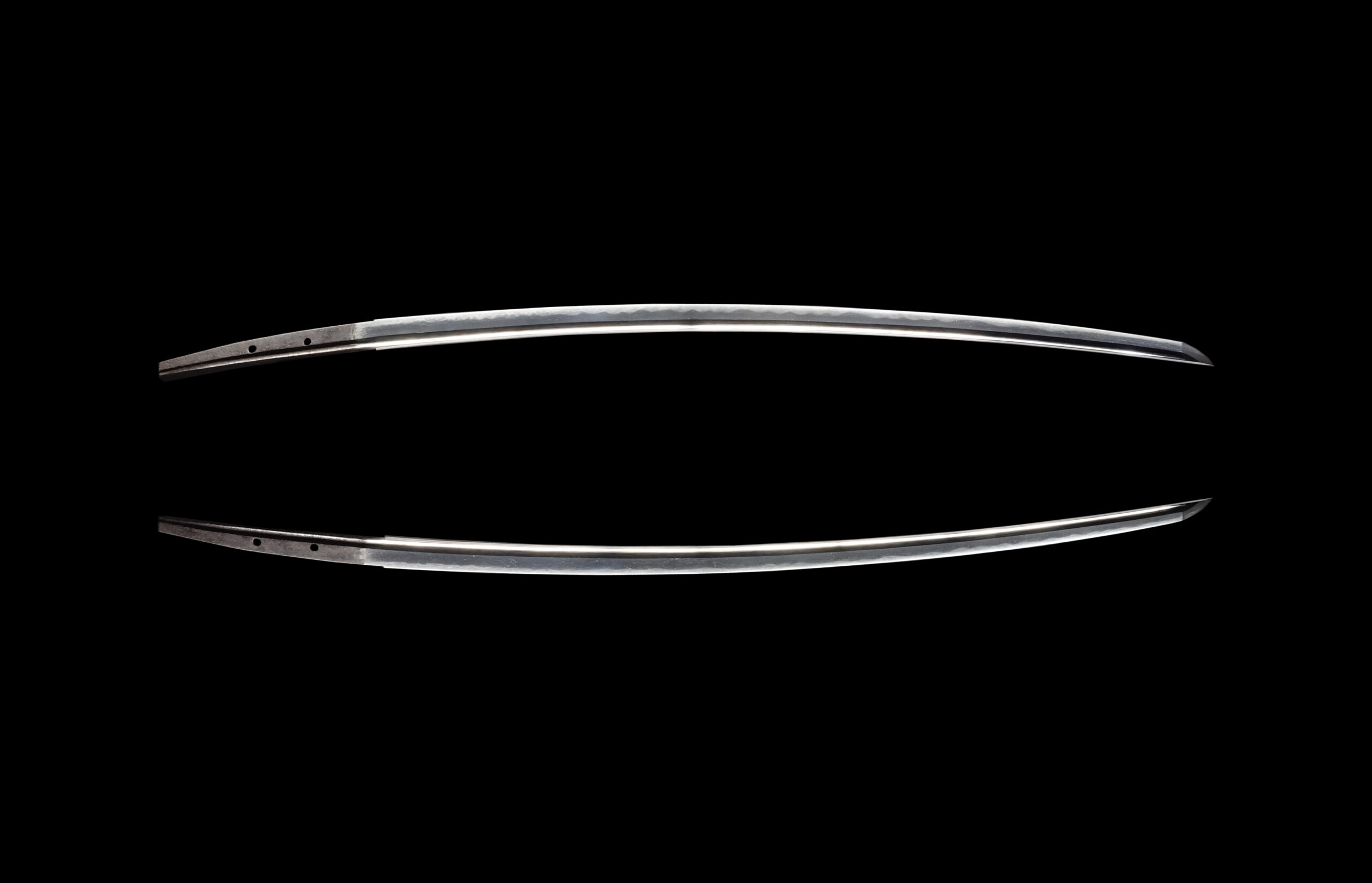
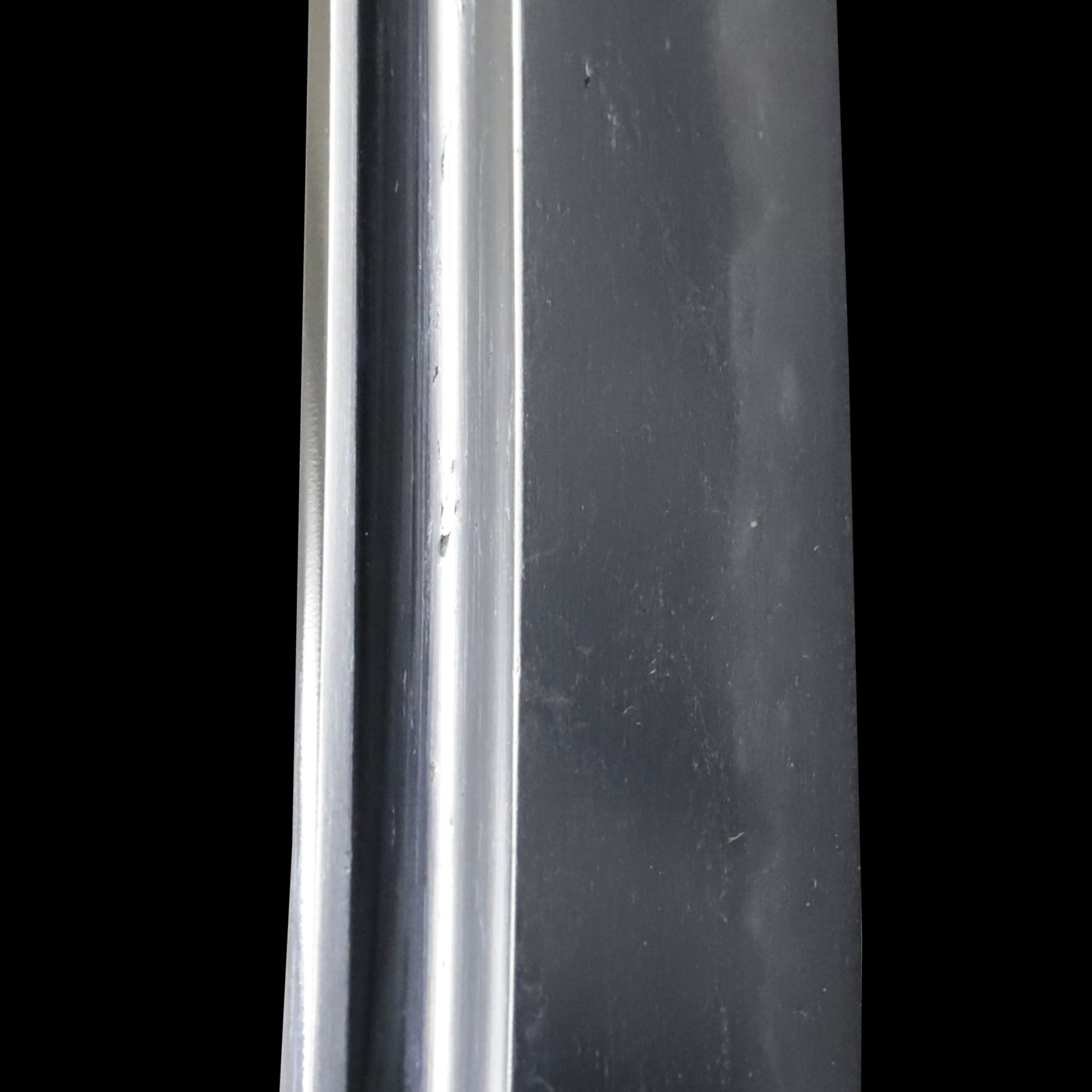
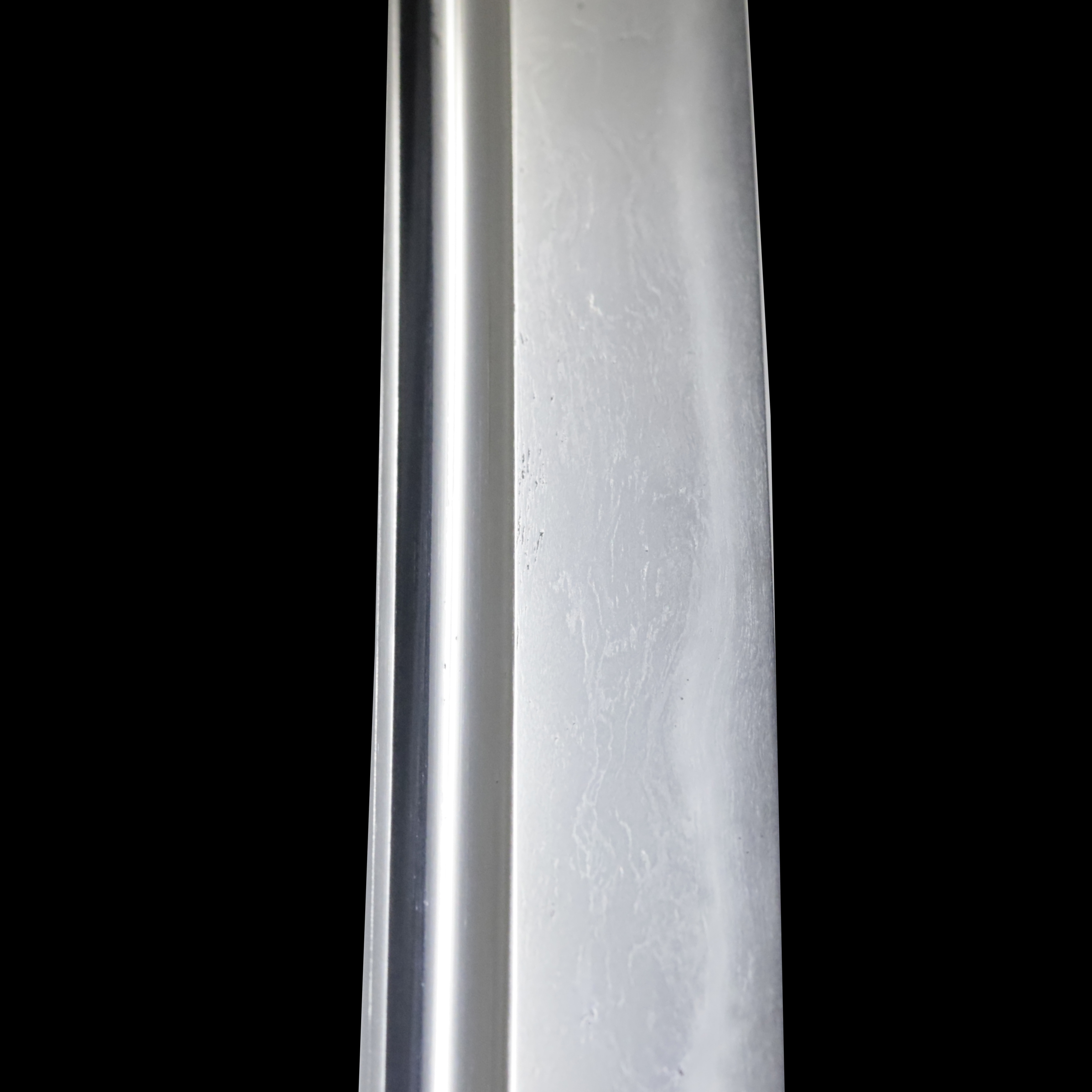
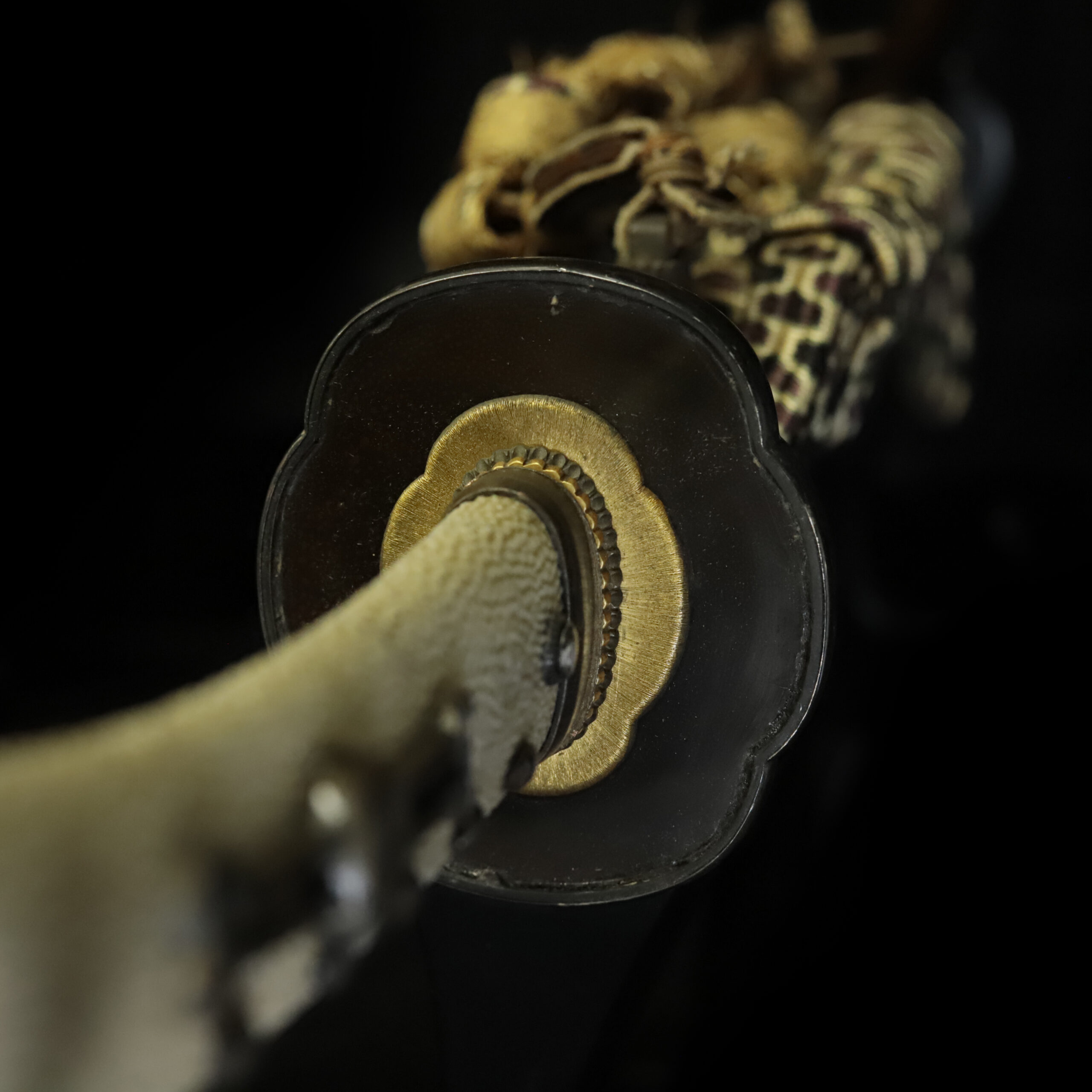
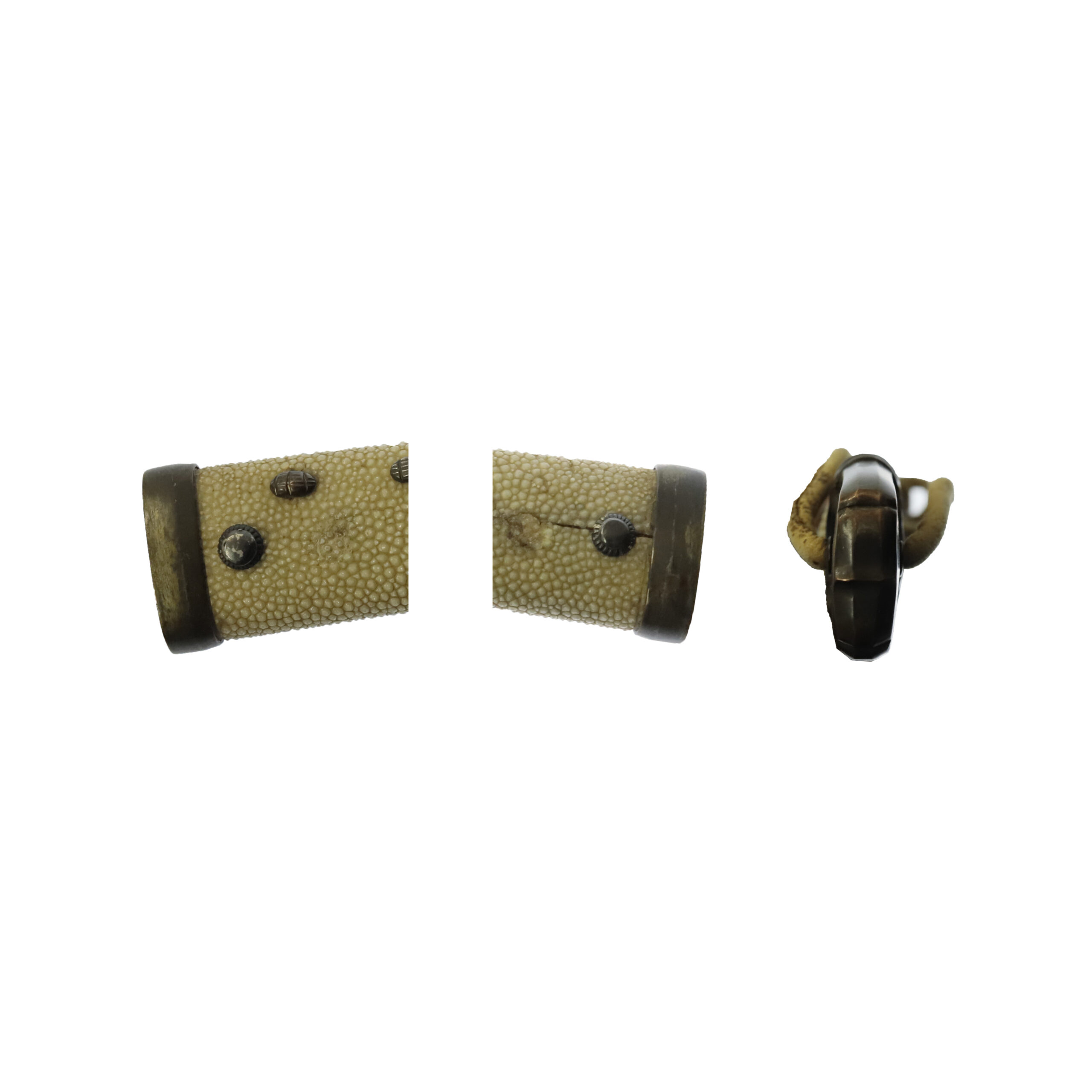
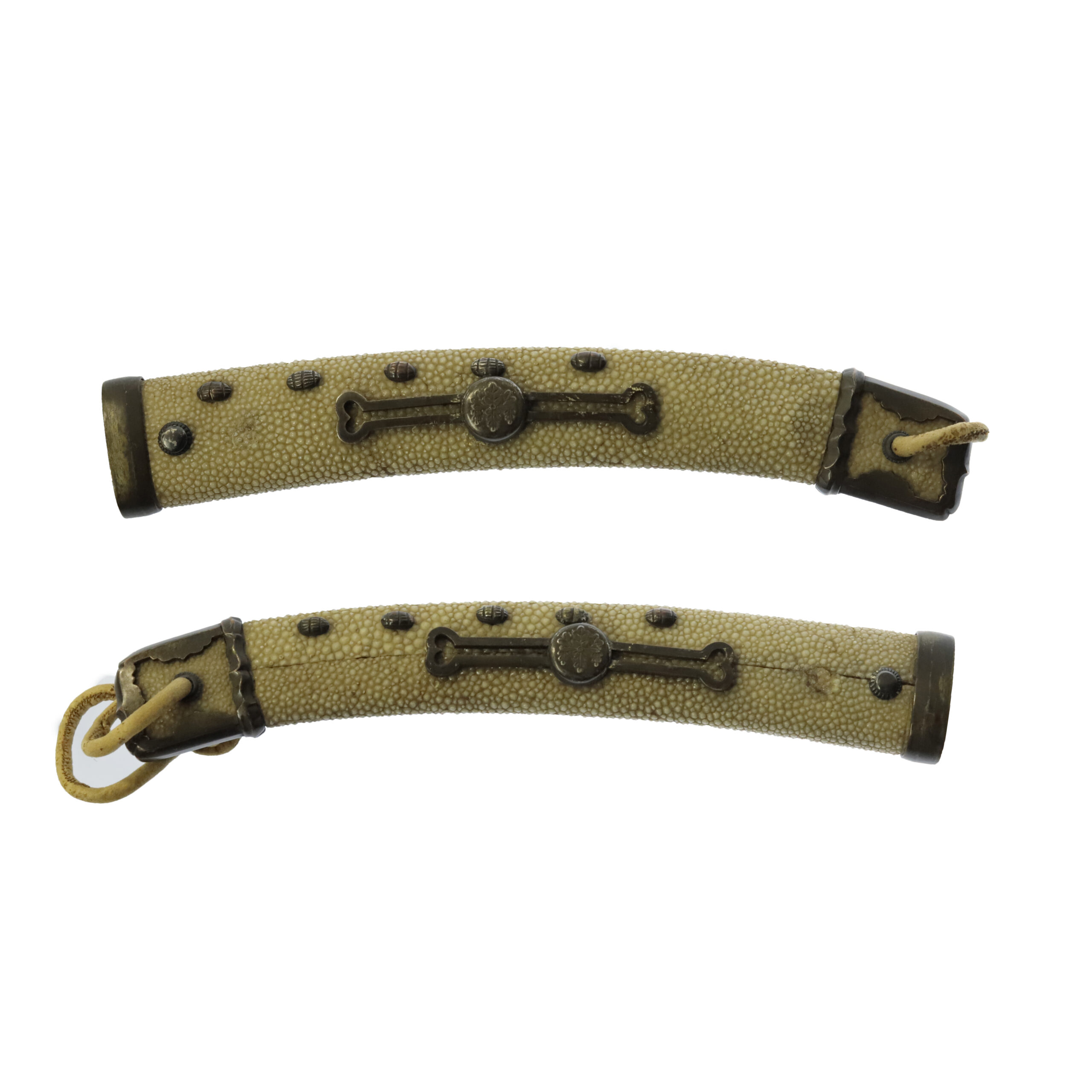
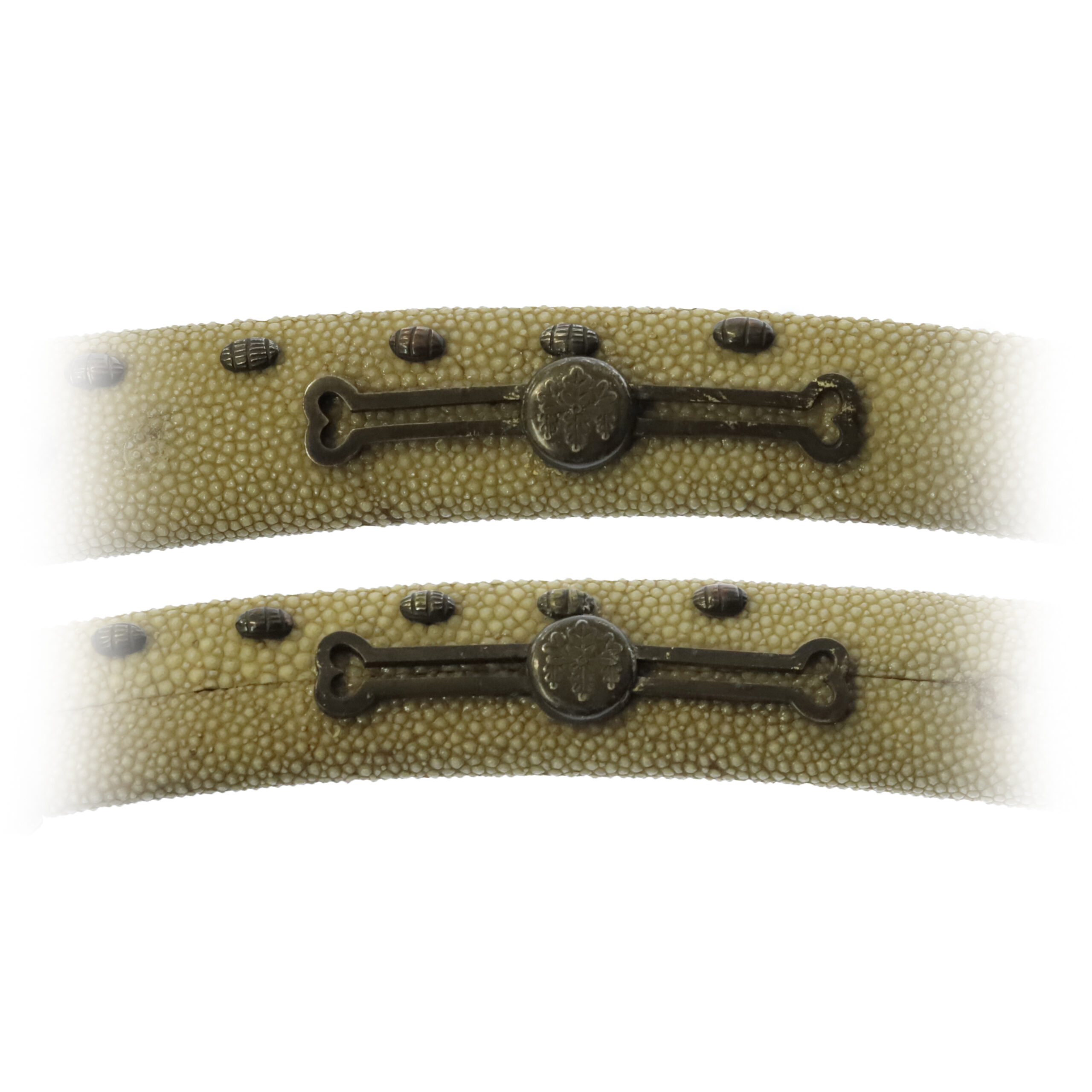
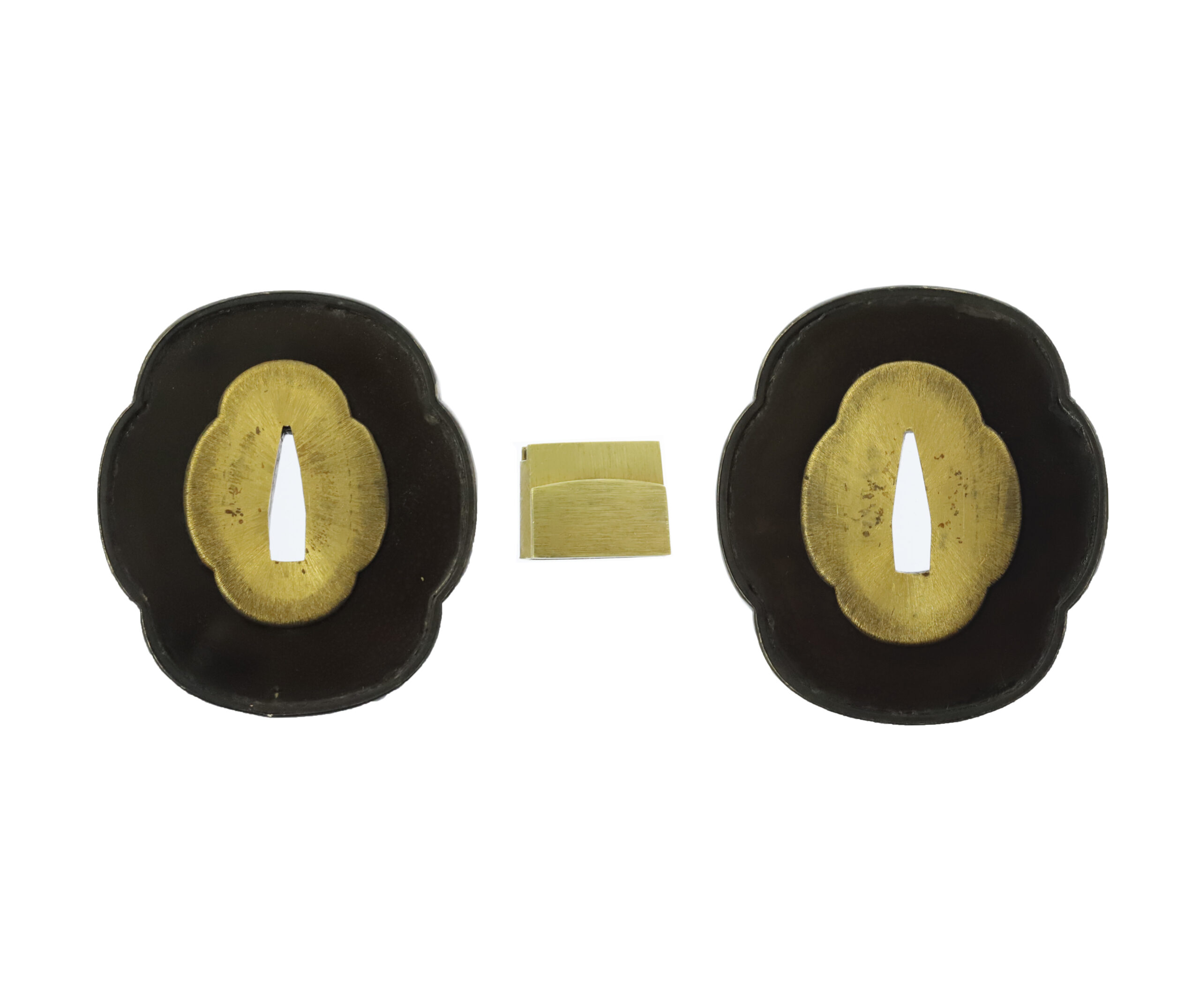
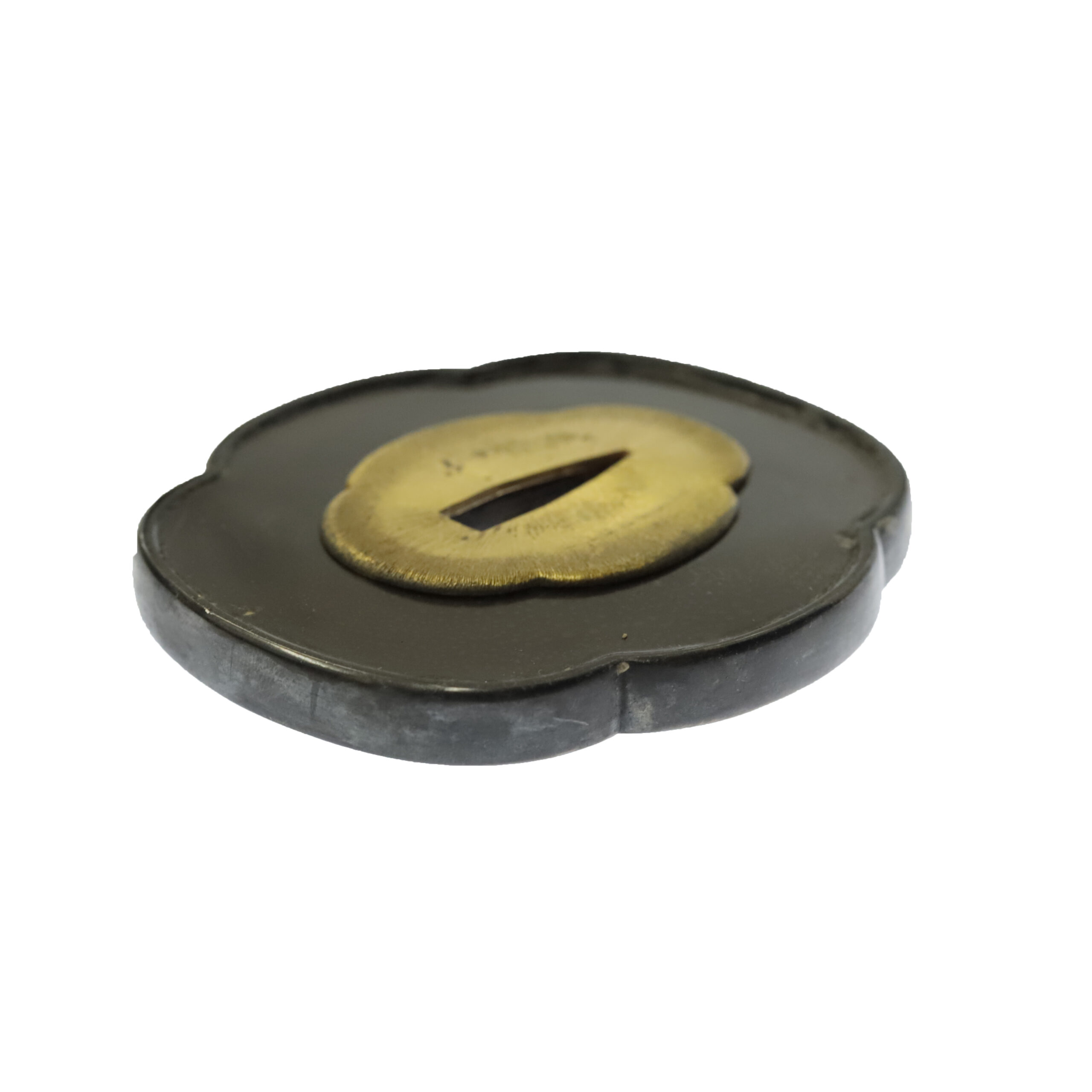
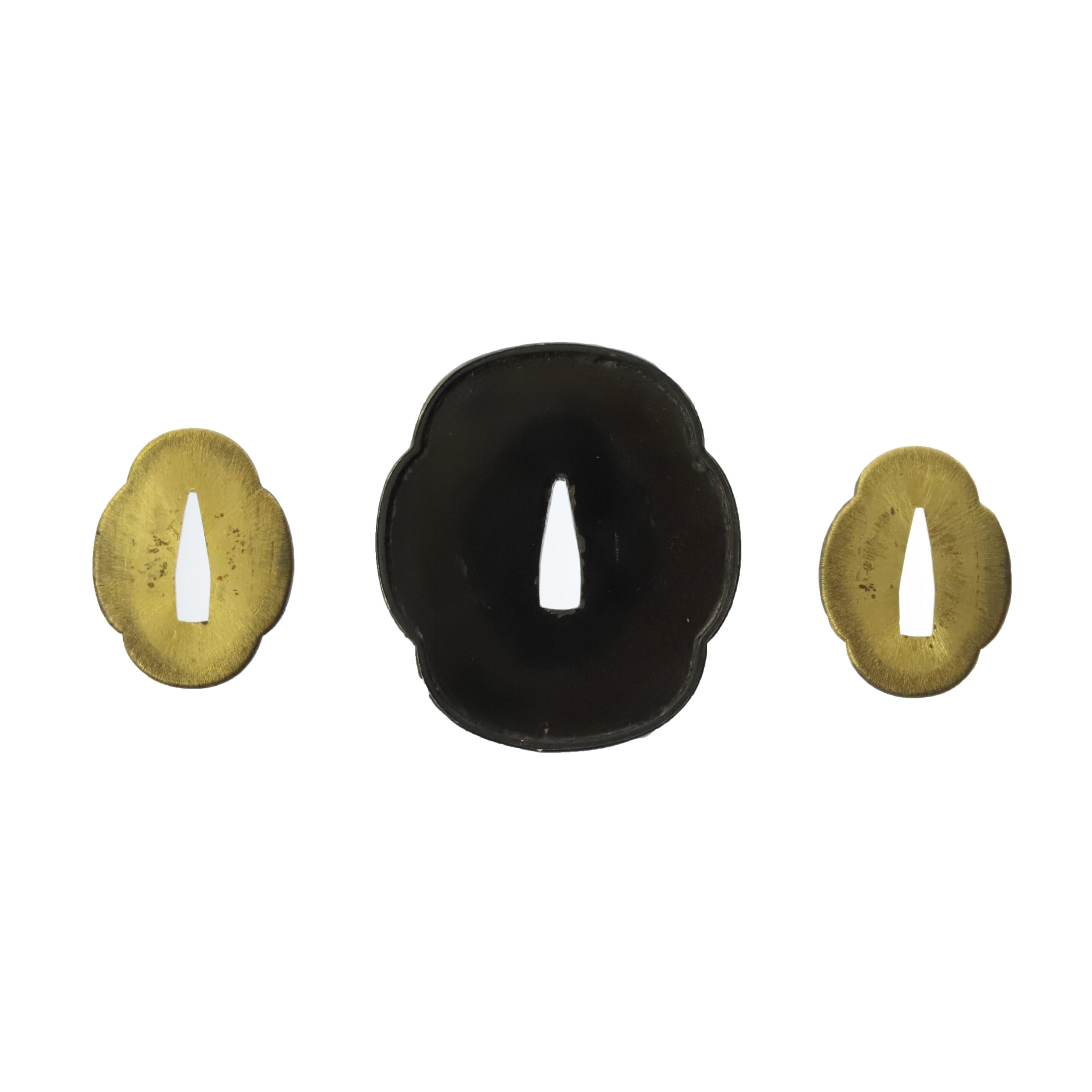
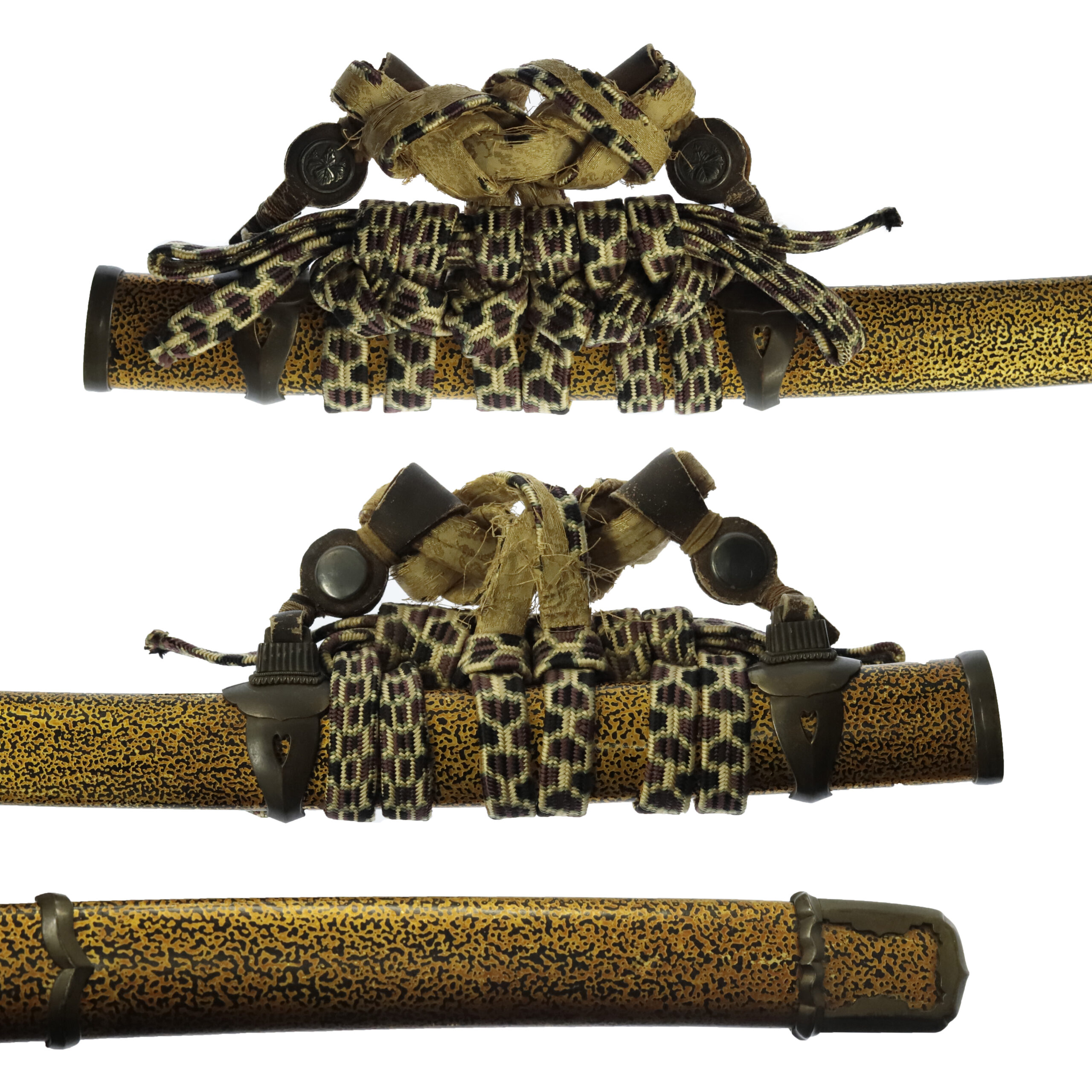
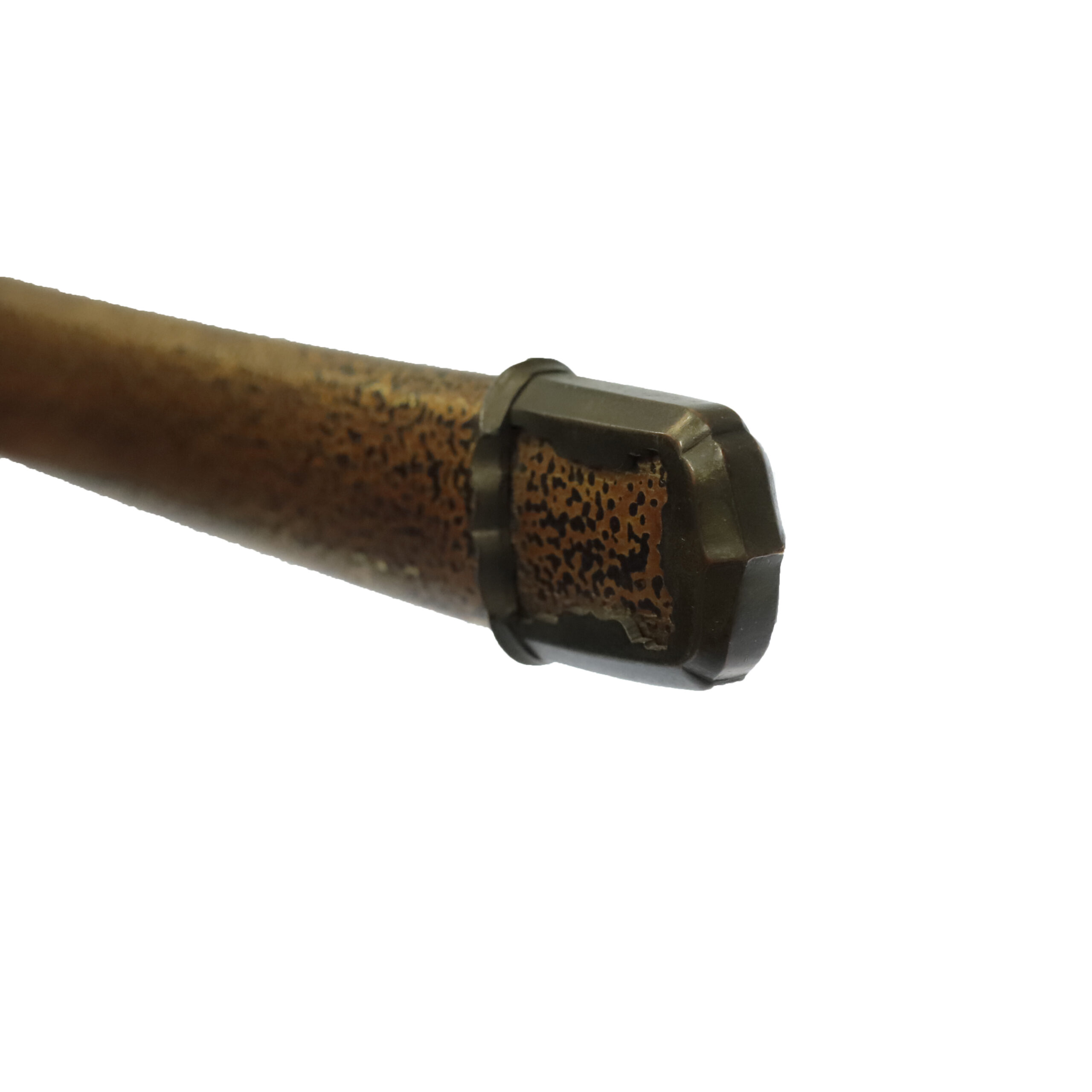
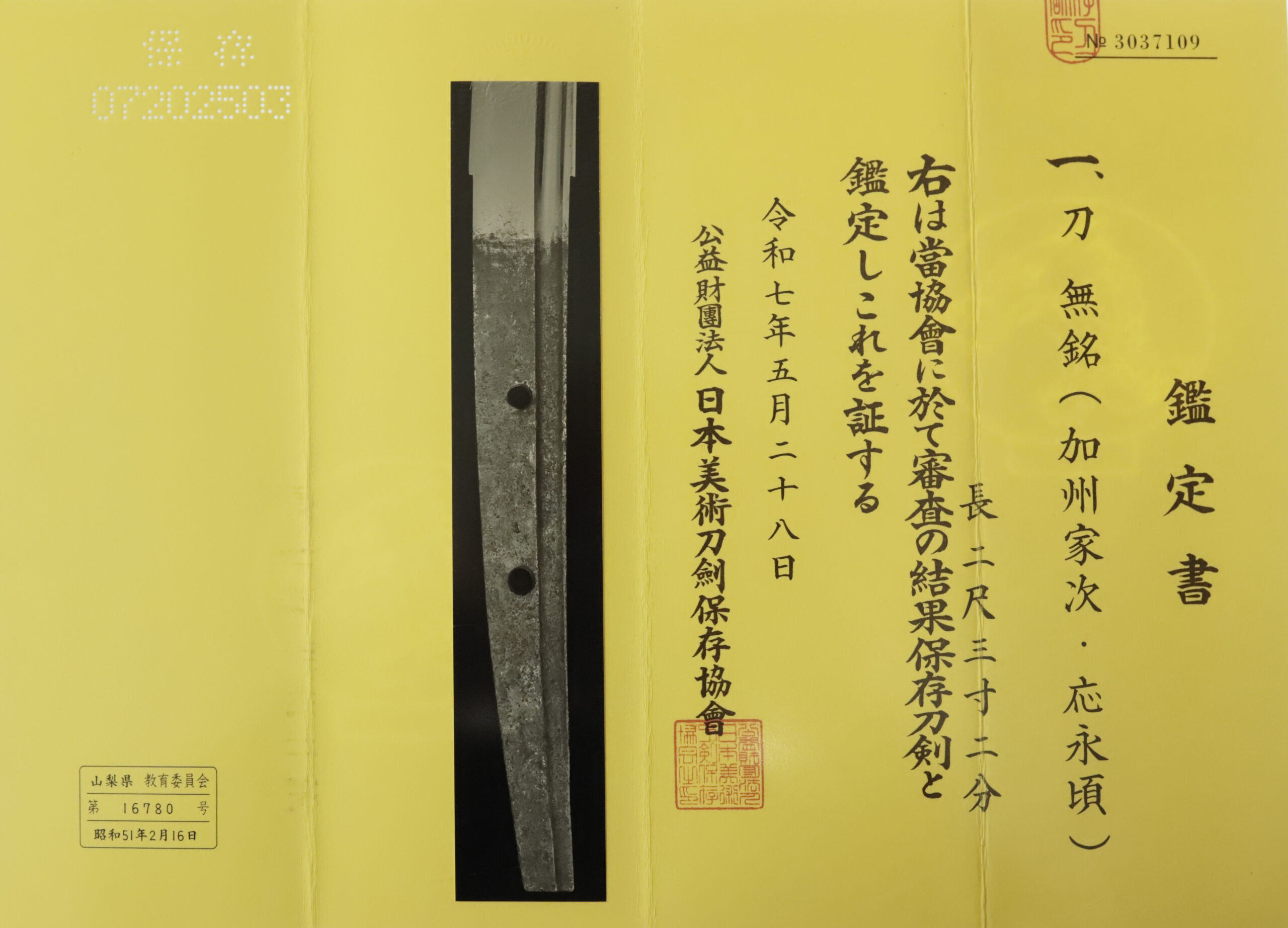
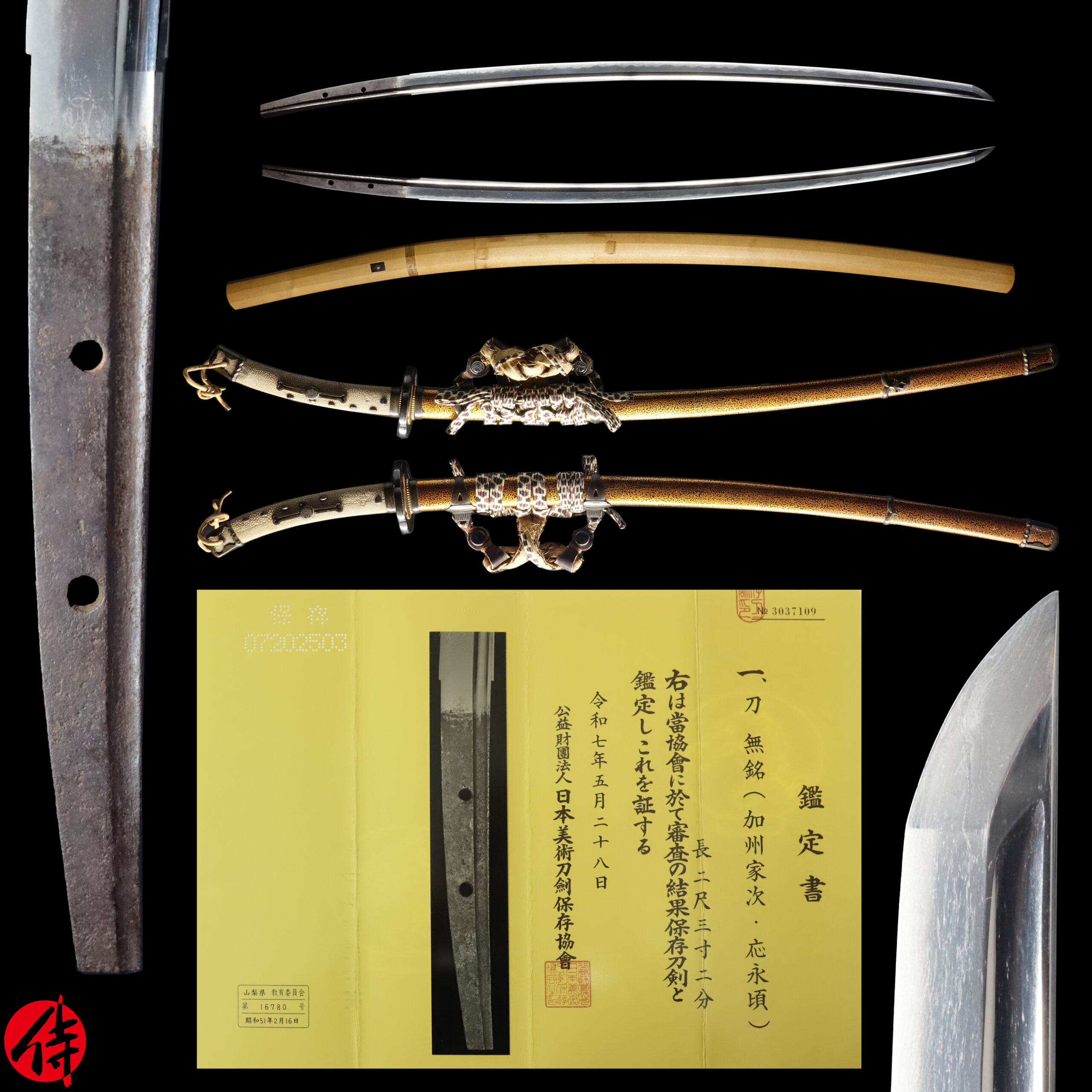
Summary This blade is attributed to Kashu Ietsugu (加州家次), who belonged to Fujishima (藤島), which is a prestigious school, especially flourishing during the Muromachi period (late 14th- late 16th century) in Kaga province (Today’s Ishikawa prefecture). Ietsugu was especially active during the O-Ei era (1394-1428: Early Muromachi period). The school was founded by the first-gen Fujishima Tomoshige during the early Nanbokucho period. This maker’s name lasted several generations, from the early Nanboku period to the end of the Edo period (Early 14th-Late 19th century). It is said that the first-gen Tomoshige was an apprentice of Rai Kunitoshi, one of the most famous swordsmiths in Yamashiro province (Today’s Kyoto) during the late Kamakura-early Nanbokucho period. The first-gen Tomoshige originally lived in Fushima village in Echizen province (today’s Fukui prefecture). And later on, he moved to Kaga domain and founded the school. Tachi Koshirae This blade is stored in Tachi(太刀) Koshirae. Tachi was mainly used by an armored Samurai with one hand on horseback from the Heian period (794-1185 A.D.) until the early Muromachi period. TACHI was suspended loosely on the left waist with its edge facing the ground so that you could draw it faster to cut down soldiers on the ground. Because of its gorgeous looking, having a Tachi-style sword mounting became a social status among Samurai. It is appraised as a Hozon Token (保存刀剣) issued by NBTHK (Nihon Bijutsu Touken Hozon Kyokai: 日本美術刀剣保存協会). *Please keep in mind that there are a couple of Kizu on the groove of this blade as well as some other areas. Koshirae This type of Koshirae is called a Tachi-koshirae (太刀拵え), designed to be worn hanging at the waist. It is not intended for practical combat; instead, its purpose was to signify the authority and dignity of the Samurai who carried it, or the powerful figures they served. As a result, it is characterized by the luxurious decorations and colors. Tsuka and Menuki These menuki are crafted in the kenukigata (毛抜形, hair-tweezer-shaped) style and feature the Gosan-no-Kiri mon (五三の桐紋, Paulownia crest) at the center. The kenukigata design, originating in the Heian period (794–1185), is a traditional form often seen in early tachi mountings. The paulownia tree (桐, kiri) has long been revered in Japan as a symbol of nobility, virtue, and prosperity, and is famously known as the crest of the Imperial family and the Toyotomi clan. Its graceful appearance made it a favored motif among samurai, representing authority and good fortune, and it was widely used as an auspicious decorative emblem. Tsuba and Habaki The tsuba is of a plain mokkō (木瓜, wood-quatrefoil) shape. The mokkō form features softly curved indentations on all four sides, resembling flower petals, and derives from the traditional Japanese family crest known as the mokkō-mon. Its undecorated surface highlights the natural texture of the material and the patina of age, conveying a sense of understated beauty and quiet dignity. The rim is reinforced with a fukurin (覆輪)—a metal edging that encircles the tsuba to protect its perimeter and add a subtle decorative accent. Saya This saya is finished using a traditional Japanese lacquer technique known as Kinnashiji-nuri (金梨地塗). In this method, fine gold powder is sprinkled over layers of black lacquer to create a delicate, pear-skin-like texture. The surface gently shimmers, revealing elegant variations in tone and brilliance depending on the angle of light. Such decoration was commonly seen on sword fittings during the Edo period, symbolizing the dignity and refined taste of high-ranking samurai. By applying multiple layers of lacquer and repeatedly polishing the surface, artisans achieved a finish that combines both durability and timeless beauty. Authentication Paper They authenticated the blade on May 28th in the 7th year of Reiwa (2025). They appraised it as Hozon Touken, the blade worth preserving for Japanese society.
Offered by Samurai Museum
This piece has sold
Get an email when a new Fujishima Ietsugu piece hits the market.

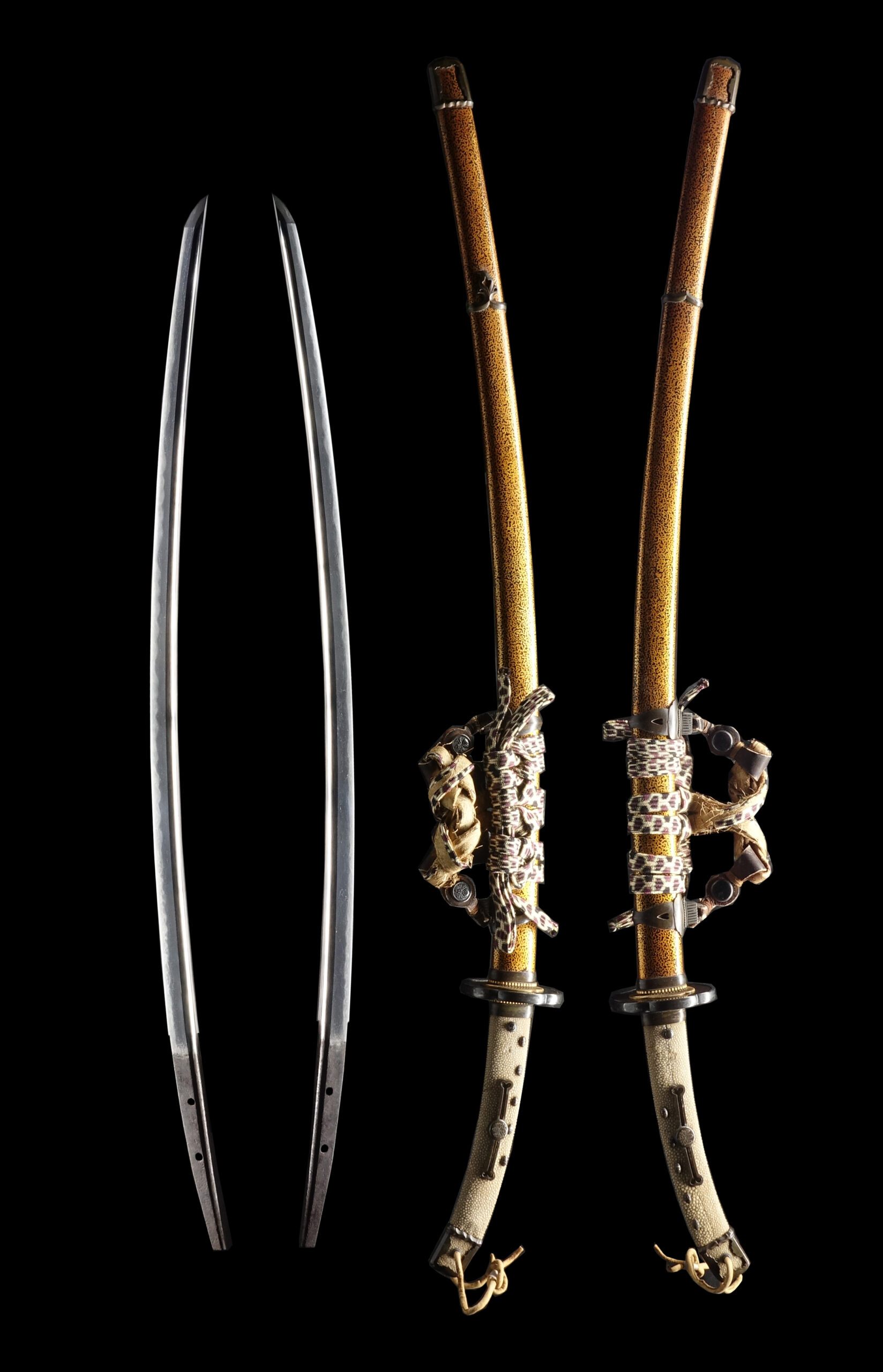
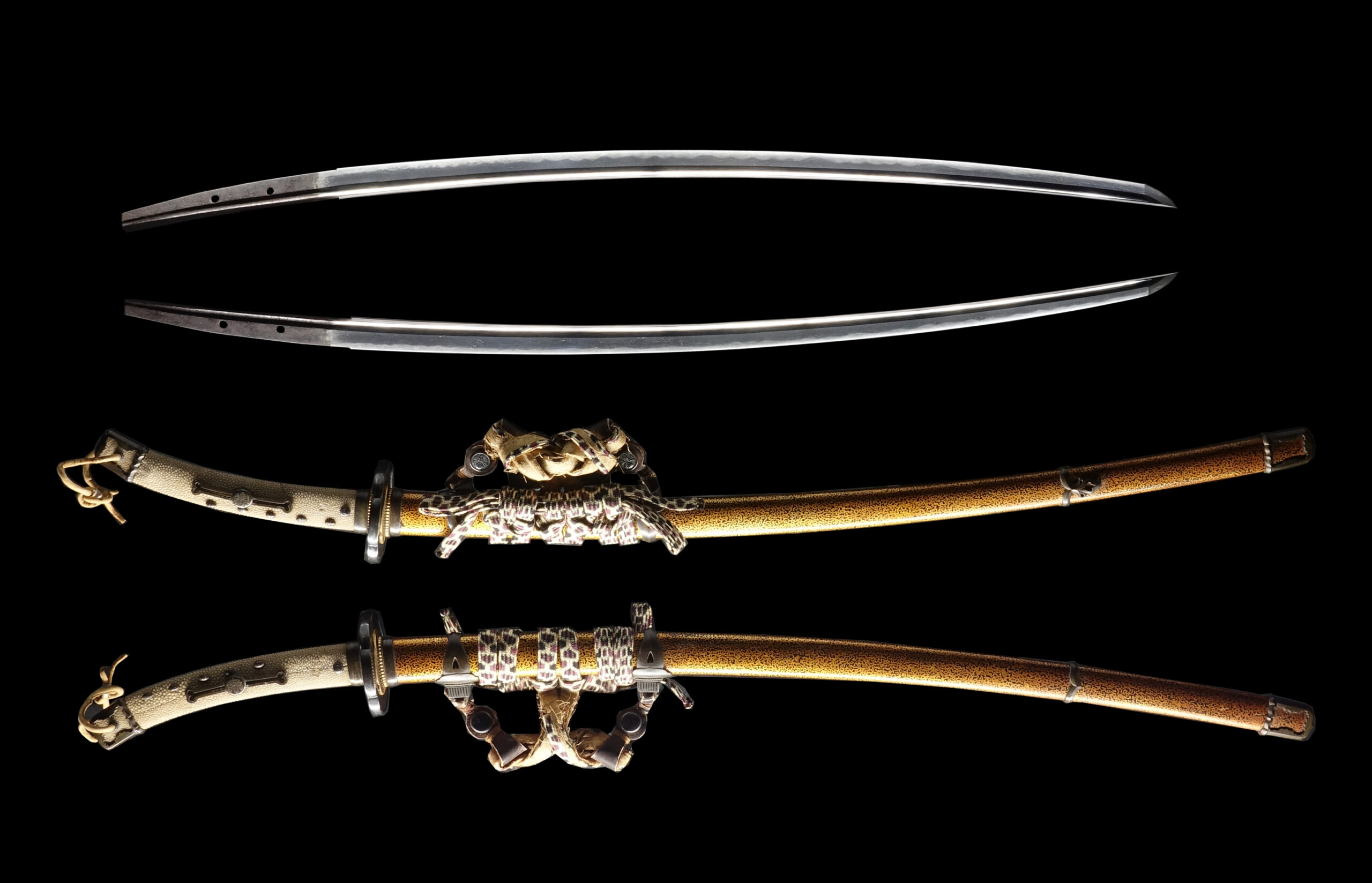
As written by the shop
Yamashiro-den · Kaga · around 1394-1428
Tōken Taikan top 37%
2 pieces on the market now
Yamashiro-den · Kaga
16 pieces on the market now
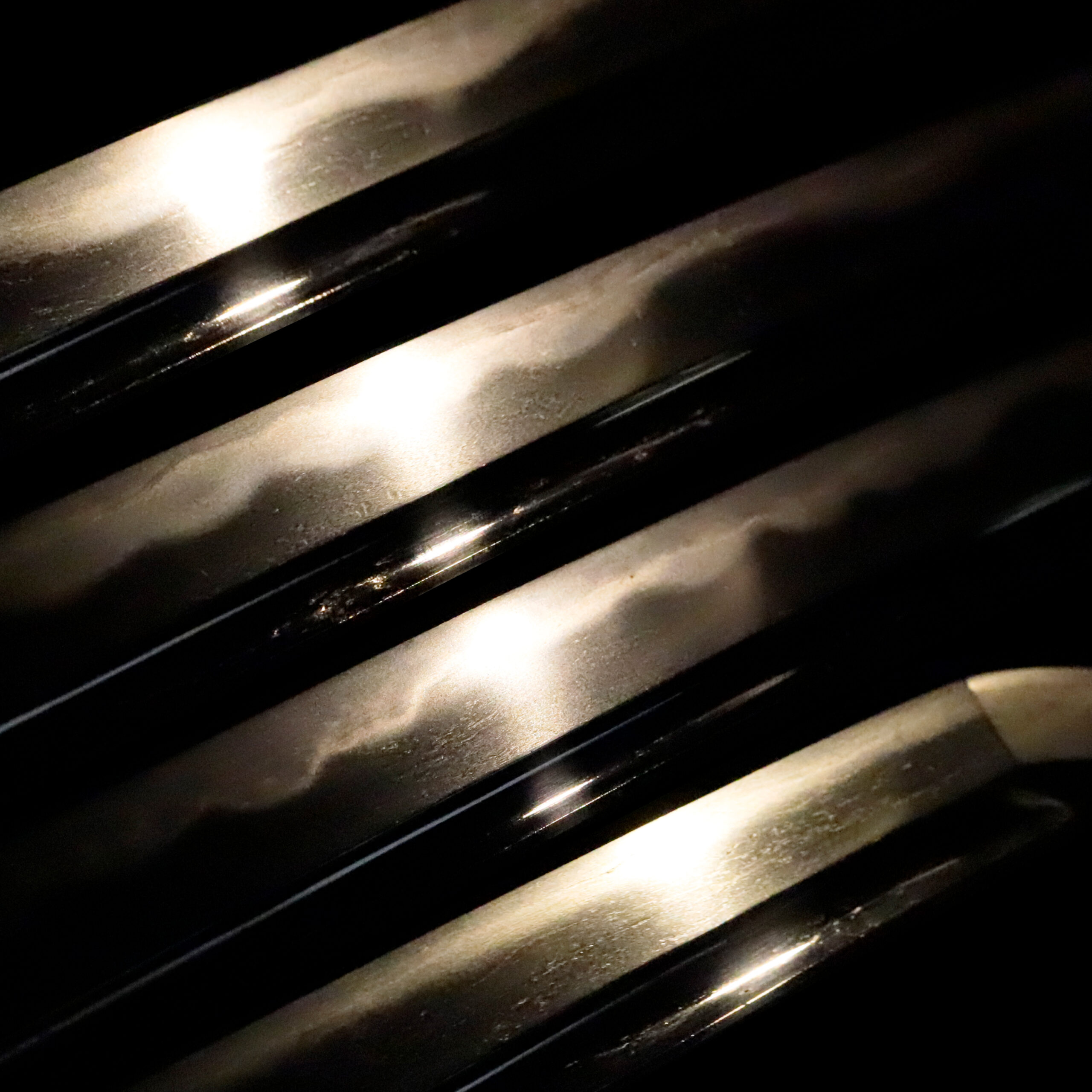
Among the provincial lineages of the Hokurikudo, the Fujishima school took its name and its base from the village of Fujishima in Kaga province, where Tomoshige stands as founder and the name he set down passed through several generations from the close of the Nanbokucho period across the Muromachi and on into the early-modern Shinto era. The members place the chronological anchor with care: the earliest firmly dated work is a tanto of Oei 2 (1395), and the NBTHK finds nothing among the surviving blades that goes back earlier than Nanbokucho. Old documentary tradition reads the first generation as a pupil of Rai Kunitoshi of Yamashiro, alternatively of Kashu Sanekage or Rai Toshimune, but the published sources doubt each reading in turn, finding no stylistic tie to Rai Kunitoshi and a chronological impossibility with Sanekage; judging from the make and the nakago finish, they settle by elimination toward the Yamato tradition, close to the Yamato Shikkake hand. A tachi held at Atsuta Shrine and a two-character ken read as the oldest surviving piece bracket the early end of the line. The recognition of the school lives in its jigane. The members agree on a board-grained itame that mixes in mokume and runs to nagare, standing somewhat open (hada-dachi), the surface gathering ji-nie and chikei, the steel carrying a distinct blackish cast named kan'a-iro and tied directly to the northern provinces as hokkoku-hada; a faint whitish shirake-utsuri rises quietly against this dark ground rather than a bright Bizen reflection. Over that ji the school tempers a gunome-midare into which box-shaped (hako-ba), pointed and angular (togariba) teeth enter together with notare and ko-notare, the ashi running rather long, the ha nie-laden with sunagashi sweeping it and kinsuji entering, small tobiyaki and muneyaki scattered here and there.
The NBTHK reads the feel of it as a make in which Bizen temperament and Mino flavor coexist, the boshi running straight or midare-komi into a ko-maru, often swept with hakikake or running to yakizume. The members also mark the short blades apart: on the tanto the hand can quiet to a ko-itame and a narrow hoso-suguha or low ko-gunome with ko-nie, the nioiguchi sometimes clouding to urumi, the boshi turning jizo-like or returning deep, this the simplest face of the Yamato base while the dark steel keeps its northern mark. To kantei a Fujishima blade the eye works the conjunction rather than any single trait: the standing dark ji read together with the box-and-pointed midare and the constant sunagashi names the school where a clean Bizen choji or a true Yamashiro ko-itame would not. The members note works read variously toward an Aoe air, toward Naoe Shizu and Sekishu Naotsuna, the Mino and northern lines the school sits between, kin in feel to the Etchu and Echizen smiths of the same region. Among the membership Tomoshige carries the name and the standing; Fujishiro rates the founder Chu-jo saku and places others among the middle ranks of the koto smiths, and the most highly regarded work falls in the Oei generation while the Muromachi work survives most often. The single finest piece is a great spear (o-mi-yari) signed Fujishima Tomoshige and carved with a sanko-ken and the deity-name Myoken Daibosatsu, which the published sources judge not merely the best spear of the school but one of the representative famous spears of its age; surviving naginata by the line are noted as rare, their ubu-nakago valued as dating evidence. Provenance gathers around named houses recorded in the blades themselves, an Oei katana descended in the Inaba daimyo house and a tanto recorded in Honma's inventory of the Imperial collection, heritage pieces in long-standing hands; yet the line is not among the unattainable names, and a Juyo Tomoshige remains a realistic if uncommon encounter for the patient collector, valued for the way a single dark-steeled blade carries the whole northern school in its ji. Learn more →
| Smith | Era | Designated |
|---|---|---|
| Tomoshige友重 | 1394-1428 | 15 |
| Tomoshige友重 | 1346-1370 | 5 |
| Tomoshige友重 | 1324-1326 | 5 |
| Fujishima藤島 | 1394-1428 | 4 |
| Yukimitsu行光 | 1340-1346 | 0 |
The Muromachi period (1392 to 1573)
Muromachi turned sword making into an industry: the uchigatana rose with massed infantry warfare, Osafune and Seki produced bundle swords beside custom orders, and the Ming trade carried Japanese blades abroad by the tens of thousands.
Certifies a genuine blade worth preserving: a signature confirmed correct, or, if unsigned, an era, province, and school that the NBTHK can reliably identify.
The NBTHK (Nihon Bijutsu Tōken Hozon Kyōkai, the Society for the Preservation of Japanese Art Swords) is a public-interest incorporated foundation founded in 1948 and supervised by Japan’s Agency for Cultural Affairs (Bunkachō); it is based at the Japanese Sword Museum in Tokyo. Its expert panels physically examine each submitted work (shinsa) and issue a certificate (kanteishō) ranking it by artistic and historical merit. NBTHK papers are the most widely recognized standard of authentication for Japanese swords and fittings.
NBTHK official siteReturns/exchanges limited to defects caused by shipping (except willful misconduct or gross negligence by the company); customers must contact within 72 hours of receiving the product.
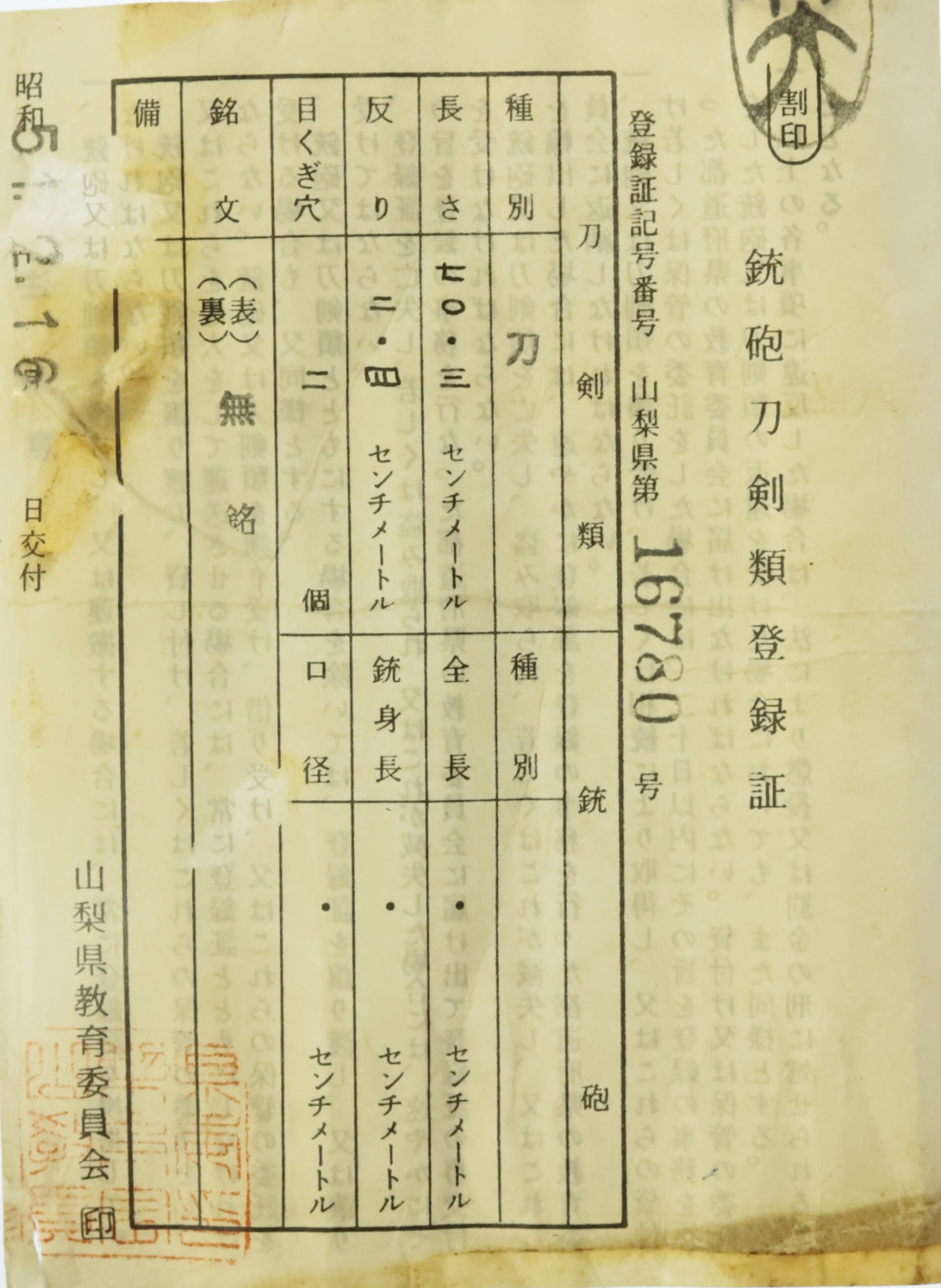
Certificate reading — 無銘(加州家次)